Amaszonas Línea Aérea suspende sus vuelos a Sao Paulo
La aerolínea boliviana, Amaszonas Línea Aérea, ha anunciado que desde el 1 de Marzo de 2021 ha suspendido sus frecuencias entre el el Aeropuerto Santa Cruz de la Sierra/Viru-Viru y el Aeropuerto Sao Paulo/Guarulhos debido a los efectos colaterales que ha producido la pandemia en los viajes. La aerolínea tenía programado tres vuelos semanales en el mes de Marzo 2021 y espera retomar las operaciones entre Bolivia y Brasil, de acuerdo a la publicado en su sitio web a partir del 1 de Septiembre de 2021. Amaszonas Línea Aérea posee servicios a diferentes destinos de la región como Argentina , Paraguay y Brasil empleando una flota de Bombardier CRJ-200 (4), Bombardier Dash 8-200 (2), Embraer E190-100E1 (5).
El mes pasado la filial uruguaya, Amaszonas Uruguay (Amas Uruguay), había empezado un proceso de adaptación del mercado para concentrarse en servicios de carga. Debido al cierre de fronteras para extranjeros en Uruguay y la baja demanda del mercado local, la aerolínea uruguaya ha suprimido los vuelos comerciales hasta nuevo aviso, mientras tanto, la compañía continúa con un proceso de restructuración que le permita afrontar el impacto de la depresión de los viajes comerciales.
Amaszonas suspends flights to Sao Paulo
Amaszonas Línea Aérea suspends its flights to Sao Paulo
The Bolivian airline, Amaszonas Línea Aérea, has announced that since March 1, 2021 it has suspended its frequencies between the Santa Cruz de la Sierra/Viru-Viru Airport and the Sao Paulo/Guarulhos Airport due to the collateral effects that have produced the pandemic in travel. The airline had scheduled three weekly flights in March 2021 and expects to resume operations between Bolivia and Brazil, according to the one published on its website as of September 1, 2021. Amaszonas Línea Aérea has services to different destinations in the region such as Argentina, Paraguay and Brazil using a fleet of Bombardier CRJ-200 (4), Bombardier Dash 8-200 (2), Embraer E190-100E1 (5).
Last month the Uruguayan subsidiary, Amaszonas Uruguay (Amas Uruguay), had started a process of adapting the market to focus on cargo services. Due to the closure of borders for foreigners in Uruguay and the low demand of the local market, the Uruguayan airline has suppressed commercial flights until further notice, meanwhile, the company continues with a restructuring process that allows it to face the impact of the depression of business travel.
Air Moldova contrata servicios de Radixx para su sistema de reservas
Radixx International ha celebrado un contrato con Air Moldova para su sistema de reservas con el objetivo es aumentar las ventas y mejorar la experiencia del cliente. Radixx, una empresa de Sabre y proveedor líder de venta minorista de software de sistema de reservas para aerolíneas, ha firmado un acuerdo de tecnología de varios años con Air Moldova. La aerolínea con sede en Chișinău, República de Moldavia utilizará las soluciones de comercialización, distribución y cumplimiento de Radixx para expandirse a nuevas fuentes de ingresos y potenciar el crecimiento futuro.
A finales de 2021, Air Moldova pondrá en marcha en el Sistema de Servicio de Pasajeros (PSS) alojado en la nube Radixx Res para entregar vuelos y servicios auxiliares de valor agregado a sus viajeros. Ofreciendo un rendimiento líder en la industria, el moderno sistema basado en microservicios de Radixx proporciona a Air Moldova una tecnología flexible y avanzada que mejora la experiencia del viajero y maximiza los ingresos. Air Moldova también utilizará la solución de comercio minorista ezyCommerce de Radixx para proporcionar una experiencia de cliente superior, independiente del dispositivo, que diferenciará su marca y sus ofertas. Radixx ezyCommerce permitirá a la aerolínea aprovechar un conjunto de potentes API e integrar contenido de terceros para personalizar aún más sus ofertas para los viajeros. Como parte de su plan de recuperación y crecimiento posterior a la crisis sanitaria mundial, Air Moldova también implementará el conjunto de productos de servicios de salida Radixx Go para crear una experiencia de aeropuerto segura y eficiente. Con dispositivos móviles para agentes terrestres y opciones de autoservicio para viajeros, Radixx Go agilizará las operaciones aeroportuarias existentes, lo que dará como resultado colas más cortas en el aeropuerto y una experiencia de viaje más agradable y fluida.
«Nuestros clientes son el núcleo de lo que hacemos y nos esforzamos por ofrecerles productos y servicios de la más alta calidad. Elegimos Radixx debido a las oportunidades avanzadas de venta minorista que brinda su sistema en todos los puntos de contacto con los clientes. Sus robustas API nos permiten personalizar nuestra experiencia de usuario e integrar otras soluciones, incluidas nuestras propias aplicaciones críticas, que brindarán más valor con los datos expandidos ahora podremos acceder. Estamos ansiosos por ver el impacto positivo en la satisfacción de los clientes y los ahorros de costos derivados de un alto nivel de automatización en las ventas y las operaciones», dijo Alexander Ceban, Director General de Air Moldova.
Se espera que la migración de la aerolínea a Radixx genere ahorros significativos en los gastos operativos anuales de tecnología. Juntos, la aerolínea y Radixx/Sabre también desarrollarán funcionalidades futuras para respaldar sus objetivos conjuntos. «Estamos encantados de ser el socio tecnológico de Air MoldovaCreemos que nuestras innovadoras capacidades de venta minorista, junto con la tecnología que permite una experiencia de viaje segura y sin contacto, serán un factor central en la recuperación y el crecimiento de la aerolínea después del COVID-19. Esperamos colaborar con Air Moldova durante los próximos años», dijo Owen Murphy, Vicepresidente de Ventas para Europa de Radixx.
Con una estructura de costos comparativamente ajustada y un modelo de negocios flexible centrado en rutas regionales, se espera que las aerolíneas de bajo costo lideren la recuperación de viajes posterior a COVID-19. Desde que anunció la adquisición de Radixx en Octubre de 2019, Sabre se ha enfocado en aprovechar el crecimiento y la innovación del resistente mercado de operadores de bajo costo mediante la creación de más formas para que las aerolíneas low cost que comercialicen y distribuyan contenido. Como una cartera combinada, Sabre y Radixx ofrecen soluciones innovadoras y completas para todos los segmentos del mercado, desde LCC hasta operadores de red, respaldadas por la mejor tecnología de su clase y una amplia experiencia.
Radixx/Air Moldova sign agreement
Air Moldova contracts Radixx services for its reservation system
Radixx International has entered into a contract with Air Moldova for its reservation system with the aim of increasing sales and improving the customer experience. Radixx, a Sabre company and leading provider of airline reservation system software retailing, has signed a multi-year technology agreement with Air Moldova. The Chișinău, Republic of Moldova-based airline will use Radixx marketing, distribution and fulfillment solutions to expand into new revenue streams and fuel future growth.
By the end of 2021, Air Moldova will launch the Radixx Res cloud-hosted Passenger Service System (PSS) to deliver value-added flights and ancillary services to its travelers. Delivering industry leading performance, Radixx’s modern microservice-based system provides Air Moldova with flexible and advanced technology that enhances the traveler experience and maximizes revenue. Air Moldova will also use Radixx’s ezyCommerce retail solution to provide a superior, device-independent customer experience that will differentiate its brand and offerings. Radixx ezyCommerce will allow the airline to leverage a set of powerful APIs and integrate third-party content to further customize its offerings for travelers. As part of its post-global health crisis recovery and growth plan, Air Moldova will also implement the Radixx Go suite of departure services products to create a safe and efficient airport experience. With mobile devices for ground agents and self-service options for travelers, Radixx Go will streamline existing airport operations, resulting in shorter queues at the airport and a smoother and more pleasant travel experience.
«Our customers are at the core of what we do and we strive to provide them with the highest quality products and services. We chose Radixx because of the advanced retail opportunities its system provides at all customer touch points. Its robust APIs allow us to personalize our user experience and integrate other solutions, including our own critical applications, that will deliver more value with the expanded data we can now access. We are eager to see the positive impact on customer satisfaction and the resulting cost savings. of a high level of automation in sales and operations», said Alexander Ceban, Managing Director of Air Moldova.
The airline’s migration to Radixx is expected to generate significant savings in annual technology operating expenses. Together, the airline and Radixx/Sabre will also develop future functionality to support their joint goals. «We are delighted to be Air Moldova’s technology partner We believe that our innovative retail capabilities, coupled with technology that enables a safe and contactless travel experience, will be a central factor in the airline’s recovery and growth after COVID-19. We look forward to collaborating with Air Moldova for years to come», said Owen Murphy, Vice President of Sales for Europe at Radixx.
With a comparatively tight cost structure and a flexible business model focused on regional routes, low-cost airlines are expected to lead the post-COVID-19 travel recovery. Since announcing the acquisition of Radixx in October 2019, Saber has focused on harnessing the growth and innovation of the resilient low-cost carrier market by creating more ways for low-cost carriers to market and distribute content. As a combined portfolio, Saber and Radixx offer comprehensive and innovative solutions for all market segments, from LCC to network operators, backed by best-in-class technology and extensive experience.
Radixx/Air Moldova semnează acordul
Air Moldova contractează servicii Radixx pentru sistemul său de rezervare
Radixx International a încheiat un contract cu Air Moldova pentru sistemul său de rezervare, cu scopul de a crește vânzările și de a îmbunătăți experiența clienților. Radixx, o companie Sabre și un furnizor important de vânzare cu amănuntul de software de sisteme de rezervare a companiilor aeriene, a semnat un acord tehnologic de mai mulți ani cu Air Moldova. Compania aeriană din Chișinău, Republica Moldova, va utiliza soluții de marketing, distribuție și îndeplinire Radixx pentru a se extinde în noi fluxuri de venituri și pentru a alimenta creșterea viitoare.
Până la sfârșitul anului 2021, Air Moldova va lansa Sistemul de Servicii pentru Pasageri (PSS) găzduit în cloud Radixx Res pentru a furniza călători cu zboruri cu valoare adăugată și servicii auxiliare. Oferind performanțe de top în industrie, sistemul modern bazat pe microservicii al Radixx oferă companiei Air Moldova o tehnologie flexibilă și avansată care îmbunătățește experiența călătorului și maximizează veniturile. Air Moldova va utiliza, de asemenea, soluția de vânzare cu amănuntul ezyCommerce de la Radixx pentru a oferi o experiență superioară, independentă de dispozitiv, a clienților, care va diferenția marca și ofertele sale. Radixx ezyCommerce va permite companiei aeriene să folosească un set de API-uri puternice și să integreze conținut terță parte pentru a-și personaliza ofertele pentru călători. Ca parte a planului său de recuperare și creștere a crizei de sănătate post-globale, Air Moldova va implementa, de asemenea, suita de produse de servicii de plecare Radixx Go pentru a crea o experiență sigură și eficientă în aeroport. Cu dispozitive mobile pentru agenții terestri și opțiuni de autoservire pentru călători, Radixx Go va eficientiza operațiunile existente la aeroport, rezultând cozi mai scurte la aeroport și o experiență de călătorie mai lină și mai plăcută.
„Clienții noștri se află în centrul a ceea ce facem și ne străduim să le oferim produse și servicii de cea mai înaltă calitate. Am ales Radixx datorită oportunităților avansate de vânzare cu amănuntul pe care sistemul său le oferă la toate punctele de contact ale clienților. API-urile sale robuste ne permit să personalizăm experiența noastră de utilizator și integrarea altor soluții, inclusiv a aplicațiilor noastre critice, care vor oferi mai multă valoare cu datele extinse pe care le putem accesa acum. Suntem dornici să vedem impactul pozitiv asupra satisfacției clienților și economiile de cost rezultate. automatizare în vânzări și operațiuni», a declarat Alexander Ceban, director general al Air Moldova.
Se preconizează că migrația companiei aeriene către Radixx va genera economii semnificative în cheltuielile anuale de operare a tehnologiei. Împreună, compania aeriană și Radixx/Sabre vor dezvolta, de asemenea, funcționalități viitoare pentru a-și susține obiectivele comune. „Suntem încântați să fim partenerul tehnologic al Air Moldova. Credem că capacitățile noastre inovatoare cu amănuntul, împreună cu tehnologia care permite o experiență de călătorie sigură și fără contact, vor fi un factor central în recuperarea și creșterea companiei aeriene după COVID. -19. Așteptăm cu nerăbdare la colaborarea cu Air Moldova pentru anii următori», a declarat Owen Murphy, vicepreședinte de vânzări pentru Europa la Radixx.
Cu o structură a costurilor relativ strânsă și un model de afaceri flexibil axat pe rutele regionale, se așteaptă ca companiile aeriene low-cost să conducă recuperarea călătoriei după COVID-19. De când a anunțat achiziția Radixx în Octombrie 2019, Saber s-a concentrat pe valorificarea creșterii și inovației pieței reziliente a operatorilor de transport low-cost, prin crearea mai multor modalități pentru operatorii de transport low-cost de a comercializa și distribui conținut. Ca portofoliu combinat, Sabre și Radixx oferă soluții cuprinzătoare și inovatoare pentru toate segmentele pieței, de la LCC la operatorii de rețea, susținute de cea mai bună tehnologie din clasă și de o experiență extinsă.
Trabajadores Interjet migran ante panorama desconcertante
Empleados de la aerolínea low cost Interjet han estado migrando de empleo tras la incertidumbre que se cierne sobre el futuro de la aerolínea tras varios meses donde no se obtienen respuestas de una salida a la crisis. Muchos de los empleados de Interjet han estado aceptando empleo en Volaris Airlines, Viva Aerobus y Mexicana MRO Services, el ala de Mantenimiento que ha sobrevivido de la aerolínea Mexicana de Aviación.
El taller Mexicana MRO Services realiza mantenimiento y reparaciones ha contratado a personal de mantenimiento de Interjet, como así también las empresas low-cost atraen a los pilotos. “Después de 11 años, regreso a casa”, dice un trabajador del área de operaciones de Interjet, quien, tras haber padecido la quiebra de Mexicana de Aviación en 2010, ahora la huelga de la aerolínea low cost, fue recontratado en el taller de Mexicana MRO Services. El movimiento forma parte de una serie de contrataciones de personal de Interjet por parte del taller Mexicana MRO Services, la única unidad de negocio que sobrevive junto a los almacenes fiscales que posee en el Aeropuerto Internacional Ciudad de México (AICM) y un centro de adiestramiento. Mexicana MRO Services ha contratado alrededor de 40% del personal de mantenimiento de la aerolínea, entre mecánicos y ayudantes. Actualmente, Mexicana MRO Services es uno de los pocos centros de mantenimiento que existen para aviones del fabricante estadounidense Boeing en Latinoamérica, y también da servicio a equipos de Airbus y Bombardier. Por ello, el complejo tiene entre sus clientes a aerolíneas como la brasileña Azul Linhas Aéreas, Latam Airlines, y también da servicio a Volaris Airlines y Viva Aerobus.
Una buena plantilla de pilotos han sido contratados en empresas como Volaris Airlines y Viva Aerobus, en procesos que no forman parte de convocatorias abiertas. Alrededor de 80 pilotos han migrado a las aerolíneas de la competencia, de una plantilla de aproximadamente 630 trabajadores. Los pilotos de Interjet cuentan con la ventaja de estar familiarizados con los aviones A319 y A320, que también operan Volaris Airlines y Viva Aerobus, por lo cual su transición se facilita. En otros casos, como el de Aeroméxico, la flota está compuesta exclusivamente por aviones Boeing y Embraer, lo que podría explicar una dificultad para migrar a otras compañías.
Las contrataciones han tomado forma tras siete semanas de que Interjet entrara en huelga, desde el pasado 8 de Enero de 2021. Tras la ratificación de la huelga por parte de la Junta Federal de Conciliación y Arbitraje, el sindicato aeronáutico impulsa a que la autoridad obligue a Interjet a saldar salarios y prestaciones que se adeudan desde Septiembre 2020, en la mayoría de los casos.
Interjet employee migration
Interjet workers migrate amid disconcerting outlook
Employees of the low cost airline Interjet have been migrating from employment after the uncertainty that looms over the future of the airline after several months where no answers are obtained on a way out of the crisis. Many of Interjet’s employees have been accepting employment with Volaris Airlines, Viva Aerobus, and Mexicana MRO Services, the surviving Maintenance wing of the Mexicana de Aviación airline.
The Mexicana MRO Services workshop carries out maintenance and repairs and has hired Interjet maintenance personnel, as well as low-cost companies attract pilots. «After 11 years, I return home», says a worker from the Interjet operations area, who, after having suffered the bankruptcy of Mexicana de Aviación in 2010, now the strike of the low cost airline, was rehired in the workshop of Mexicana MRO Services. The movement is part of a series of hiring of Interjet personnel by the Mexicana MRO Services workshop, the only business unit that survives together with the fiscal warehouses it has at the Mexico City International Airport (AICM) and a training center. Mexicana MRO Services has hired around 40% of the airline’s maintenance staff, including mechanics and assistants. Currently, Mexicana MRO Services is one of the few maintenance centers that exist for aircraft of the US manufacturer Boeing in Latin America, and also provides services to Airbus and Bombardier equipment. For this reason, the complex has among its clients airlines such as the Brazilian Azul Linhas Aéreas, Latam Airlines, and also provides service to Volaris Airlines and Viva Aerobus.
A good staff of pilots have been hired in companies such as Volaris Airlines and Viva Aerobus, in processes that are not part of open calls. About 80 pilots have migrated to competing airlines, out of a workforce of approximately 630 workers. Interjet pilots have the advantage of being familiar with the A319 and A320 aircraft, which are also operated by Volaris Airlines and Viva Aerobus, making their transition easier. In other cases, such as Aeroméxico, the fleet is made up exclusively of Boeing and Embraer planes, which could explain a difficulty in migrating to other companies.
The hiring has taken shape seven weeks after Interjet went on strike, since last January 8, 2021. After the ratification of the strike by the Federal Board of Conciliation and Arbitration, the aeronautical union urges the authority to oblige to Interjet to pay salaries and benefits that are owed from September 2020, in most cases.
Czech Airlines tras 98 años operativa despide a todo el personal
Czech Airlines (CSA) ha anunciado para este fin de semana el despido de todos sus trabajadores. Czech Airlines planea despedir a los 430 empleados restantes de otros 600 cesanteados. La aerolínea nacional de la República Chequia, antes conformaba las operaciones bajo la República de Checoslovaquia, ha sido impactada fuertemente por los efectos de la pandemia. Tereza Loffelmanova, la Directora de Tripulaciones, ha comunicado a la prensa que “puedo confirmar que hemos recibido una notificación en las que nos informan del despido de todos los trabajadores”. Sin embargo, la compañía oficialmente no ha dado información adicional acerca de la situación económica de la compañía, mientras que la página web sigue funcionando con normalidad aceptando reservas. Actualmente, la aerolínea se encuentra protegida de la suspensión de pagos por orden judicial. Sin embargo, esa protección acaba el último día de Febrero 2021, por lo que se puede deducir que, incapaz de afrontar las deudas, sin la protección judicial, el destino es poco prometedor.
La compañía Czech Airlines fue creada en 1923, con 98 años de antigüedad es una de las más antiguas del mundo. Czech Airlines era parte de la Alianza Skyteam. La empresa había sido comprada por Smartwings, grupo que había anunciado una fuerte caída de ingresos en 2020. Roman Vik, Director de Smartwings, había declarado a la prensa que “cuando empezó 2020 parecía que nos enfrentábamos al mejor año de nuestra historia. En cambio, hemos sufrido la mayor crisis de la historia. Por este motivo hemos tenido que adoptar medidas durísimas para contrarrestar esta profunda crisis. Un factor clave de futuro será la vacunación de la gente. Nosotros queremos volver a ser una aerolínea competitiva. Creemos que podremos lograrlo”.
La aerolínea nacional checa dijo el Viernes 26/02 que había presentado una propuesta de reorganización ante un Tribunal de conformidad con la ley de insolvencia. «Hasta la crisis del coronavirus, CSA era una empresa rentable que se volvió insolvente debido a la pandemia Covid-19 y las restricciones relacionadas», dijo CSA en un comunicado. La aerolínea, una unidad del grupo Smartwings con sede en Praga, está bajo una moratoria que la protege de los acreedores, que expira a finales de Febrero 2021. La compañía se ha quejado porque no ha recibido ayuda del gobierno checo para afrontar los impactos de la supresión de los vuelos por la crisis sanitaria mundial. La aerolínea dijo que la reorganización planeada, que debería permitir a la compañía abordar sus problemas financieros mientras permanece en funcionamiento, es el último recurso a menos que el gobierno checo cambie su enfoque, expresan desde la aerolínea.
Czech Airlines future of uncertainty
Czech Airlines after 98 years of operation dismisses all staff
Czech Airlines (CSA) announced for this weekend the dismissal of all its workers. Czech Airlines plans to lay off the remaining 430 employees of another 600 laid off. The national airline of the Czech Republic, previously conforming operations under the Czechoslovak Republic, has been heavily impacted by the effects of the pandemic. Tereza Loffelmanova, the Director of Crews, has communicated to the press that «I can confirm that we have received a notification informing us of the dismissal of all workers». However, the company has not officially given additional information about the economic situation of the company, while the website continues to function normally accepting reservations. Currently, the airline is protected from suspension of payments by court order. However, that protection ends on the last day of February 2021, so it can be deduced that, unable to face debts, without judicial protection, fate is not very promising.
The Czech Airlines company was created in 1923, at 98 years old it is one of the oldest in the world. Czech Airlines was part of the Skyteam Alliance. The company had been bought by Smartwings, a group that had announced a sharp drop in revenue in 2020. Roman Vik, Director of Smartwings, had stated to the press that “when 2020 started it seemed that we were facing the best year in our history. Instead, we have suffered the greatest crisis in history. For this reason, we have had to adopt very tough measures to counteract this deep crisis. A key factor for the future will be the vaccination of people. We want to be a competitive airline again. We believe that we can achieve it”.
The Czech national airline said on Friday 02/26 that it had submitted a reorganization proposal to a court in accordance with the insolvency law. «Until the coronavirus crisis, CSA was a profitable company that became insolvent due to the Covid-19 pandemic and related restrictions», CSA said in a statement. The airline, a unit of the Prague-based Smartwings group, is under a moratorium that protects it from creditors, which expires at the end of February 2021. The company has complained that it has not received help from the Czech government to deal with the impacts of the suppression of flights due to the global health crisis. The airline said that the planned reorganization, which should allow the company to address its financial problems while remaining in operation, is the last resort unless the Czech government changes its approach, they say from the airline.
České Aerolinie čelí nejisté budoucnosti
České Aerolinie propouštějí veškerý personál
České Aerolinie (ČSA) na tento víkend oznámily propuštění všech svých zaměstnanců. České aerolinie plánují propustit zbývajících 430 zaměstnanců z dalších 600 propuštěných. Národní letecká společnost České republiky, dříve pod Československou republikou, byla dopady pandemie silně zasažena. Tereza Loffelmanová, ředitelka posádek, sdělila tisku, že „mohu potvrdit, že jsme obdrželi oznámení informující o propuštění všech pracovníků. ,,Společnost však oficiálně neposkytla další informace o ekonomické situaci společnosti, zatímco web nadále funguje a běžně přijímá rezervace». V současné době je letecká společnost chráněna před pozastavením plateb soudním příkazem. Tato ochrana však končí posledním únorovým dnem roku 2021, takže lze odvodit, že není-li schopen čelit dluhům bez soudní ochrany, není osud příliš slibný.
Společnost České aerolinie byla založena v roce 1923, ve svých 98 letech je jednou z nejstarších na světě. České aerolinie byly součástí Aliance Skyteam. Společnost koupila společnost Smartwings, skupina, která oznámila prudký pokles tržeb v roce 2020. Roman Vik, ředitel Smartwings, prohlásil tisku, že „když se rok 2020 začal, zdálo se, že čelíme nejlepšímu roku v naší historii. Místo toho jsme utrpěli největší krizi v historii. Z tohoto důvodu jsme museli přijmout velmi tvrdá opatření, abychom čelili této hluboké krizi. Klíčovým faktorem pro budoucnost bude očkování lidí. Chceme být znovu konkurenceschopnou leteckou společností. Věříme, že toho můžeme dosáhnout».
Česká národní letecká společnost v pátek 2. února 26 uvedla, že předložila soudu návrh na reorganizaci v souladu s insolvenčním zákonem. „Do krize koronavirů byla ČSA ziskovou společností, která se dostala do platební neschopnosti kvůli pandemii Covid-19 a souvisejícím omezením», uvedla ČSA ve svém prohlášení. Letecká společnost, jednotka pražské skupiny Smartwings, podléhá moratoriu, které ji chrání před věřiteli a které vyprší koncem února 2021. Společnost si stěžovala, že od vlády České republiky nedostala pomoc při řešení dopadů potlačení letů v důsledku globální zdravotní krize. Letecká společnost uvedla, že plánovaná reorganizace, která by měla společnosti umožnit řešení jejích finančních problémů při zachování provozu, je poslední možností, pokud česká vláda nezmění svůj přístup, tvrdí letecká společnost.
PUBLISHER: Airgways.com DBk: Cza.cz/Czechairlines.com / Cibulka Tomas / Romek Sikin / Airgways.com AW-POST: 202102261050AR A\W A I R G W A Y S ®
Swissport Argentina abandona servicios varias escalas en Argentina
La compañía de servicios para las aerolíneas Swissport Argentina S.A. ha anunciado la culminación de los servicios en Bariloche, Córdoba Iguazú, Mendoza, y Río Gallegos, en Argentina. Debido a la prolongación de la reactivación de los vuelos al exterior la compañía dedicada a dar servicios a las aerolíneas, decidió restructurar sus filiales suprimiendo varias escalas en el país.
En 2019, Swissport International AG brindó servicios terrestres de aeropuerto para 265.000 millones de pasajeros y manejó 4,6 millones de toneladas de carga aérea en 115 almacenes de carga en todo el mundo. Actualmente, Swissport en Argentina desarrolla servicios de Tráfico, como la atención de checkin para algunas compañías, un mercado que compite con Intercargo o Aerohandling (Aerolíneas Group). Entre sus clientes, se encontraban American Airlines y Air Europa. La demora en el regreso de los vuelos internacionales a Córdoba de estas compañías hace que empresas globales como Swissport decidan dejar de operar hasta que la situación se normalice.
A finales de 2020, Swissport finalizó su reestructuración financiera, que tuvo como eje la entrega de las acciones pertenecientes al grupo chino HNA Group a un grupo de acreedores de origen británico y estadounidense. La salida de los capitales chinos implicó la entrada de € 300 millones de Euros/US$ 366 millones de Dólares a corto plazo y otros € 500 millones de Euros/US$ 610 millones de Dólares en cuatro años, pero también un ajuste en sus estructuras.
Swissport stops operating in Córdoba
Swissport Argentina abandons services at Córdoba Airport
The airline services company Swissport Argentina S.A. has announced the completion of services in Bariloche, Córdoba, Iguazú, Mendoza, and Río Gallegos, in Argentina. Due to the prolongation of the reactivation of flights abroad, the company dedicated to providing services to airlines, decided to restructure its subsidiaries by eliminating several stops in the country.
In 2019, Swissport International AG provided airport ground services for 265 billion passengers and handled 4.6 million tonnes of air cargo in 115 cargo warehouses around the world. Currently, Swissport in Argentina develops Traffic services, such as check-in services for some companies, a market that competes with Intercargo or Aerohandling (Aerolíneas Group). Its customers included American Airlines and Air Europa. The delay in the return of international flights to Córdoba by these companies makes global companies like Swissport decide to stop operating until the situation normalizes.
At the end of 2020, Swissport completed its financial restructuring, which had as its axis the delivery of the shares belonging to the Chinese group HNA Group to a group of creditors of British and American origin. The outflow of Chinese capital implied the inflow of € 300 million Euros/US$ 366 million Dollars in the short term and another € 500 million Euros/US$ 610 million Dollars in four years, but also an adjustment in their structures.
Diseño de Ezeiza no ofrece condiciones de eficiencia requeridas
El ingreso de la pandemia había introducido a Flybondi Líneas Aéreas con un nuevo CEO Mauricio Sana para pilotear los vaivenes económicos y políticos que se enfrentaría durante los largos diez meses de parálisis de la aviación comercial en Argentina. Varios frentes de batalla han hecho que sos tiempos decisivos se planificaran para determinar si la aerolínea de presupuesto debía continuar con su modelo en el país. El desafío de adecuar su estructura para reducir los costos, mientras los cielos permanecían cerrados ha permitido desarrollar nuevas formas de generar ingresos, en un momento de crisis del transporte aéreo, profundizaría el déficit económico, conjuntamente con las dificultades políticas existentes que rodeaban al Aeropuerto Internacional El Palomar.
Insertos de plenas incertidumbres acerca del reinicio de las operaciones, Flybondi se preparaba para reafirmar su compromiso de continuar volando en Argentina, a pesar de sus perspectivas de encontrar equilibrio económico en 2020, la aérea tuvo que realizar borrón y cuenta nueva. Las expectativos de retornar hacia Diciembre 2020 las operaciones domésticas, permitieron desarrollar rápidamente un planeamiento comercial y la generación de nuevas oportunidades de negocio, manteniendo una postura optimista de cara a la recuperación de la industria y la performance de la compañía en las primeras semanas de 2021. Tras finalizar Enero 2021, los números han mostrado ciertos índices de optimismo hacia el futuro. Tras la decisión de abandonar el abordaje político que se circunscribía sobre el Aeropuerto El Palomar, la compañía ha decidido tener una postura más abierta frente a las nuevas posibilidades que representa operar desde el Aeropuerto Jorge Newbery de la Ciudad de Buenos Aires. «Como compañía, entendimos que debemos tomar decisiones y no podemos enfrascarnos en la pelea sobre si nos lo dejan reabrir o no. Nuestra decisión fue buscar la estructura de costos más adecuada, para seguir ofreciendo el tipo de servicio que prestamos, con los precios que brindamos», expresó Mauricio Sana, CEO de Flybondi.
Las nuevas perspectivas que se establecen sobre un Aeroparque refaccionado permitirá reducir las diferencias operativas del Aeropuerto Internacional Ezeiza. Respecto a la continuidad de las operaciones de la low cost en Ezeiza, el CEO de Flybondi ha remarcado: «la forma en que está diseñado Ezeiza, no presenta condiciones de eficiencia para nosotros. No sólo es un aeropuerto grande y complejo para la operación, sino, también, para el pasajero. Sólo el trayecto entre dejar el auto en el estacionamiento y llegar hasta una sala de abordaje demora entre 15 y 20 minutos, sin realizar ningún movimiento de documentos. Si bien Aeroparque es una terminal grande también, es la más importante de cabotaje. Ofrece ciertas posibilidades que nos resultan más convenientes, en línea con las de El Palomar». El Palomar reunía las condiciones óptimas para la operación low-cost, las características no serán las mismas, pero los procesos se encaminan a un manejo adecuado de la estructura de costos, que comienza a reformularse, que rondarían un 5% en la reducción de los costos operativos respecto a Ezeiza, pero un 5% de incremento respecto a las operaciones en El Palomar.
Aeropuerto El Palomar
Tras el acercamiento del Gobierno frente a la nueva propuesta de migrar las operaciones de El Palomar hacia Aeroparque, dependerá de las definiciones de los entes reguladores y la política aerocomercial argentina en relación a dar continuidad o no con la aeroestación. La postura de la compañía de presupuesto es determinar la viabilidad de las operaciones en Aeroparque.
Migración hacia Aeroparque
La nueva estructura que desarrollará el Aeropuerto Jorge Newbery brindará un nuevo horizonte para las líneas aéreas que permitirán mayores flexibilidades operativas en el uso de las franjas horarias al contar con mayores posiciones de slots, contar con mayores prestaciones de infraestructura y desarrollar un incremento de las rutas domésticas y regionales. La reapertura de Aeroparque se ha definido para el 15 de Marzo de2021, donde las compañías han establecido su programación hacia el 16/03. Desde la aérea Flybondi continúan delineando la migración ordenada, debido a que se han emitidos tickets en más del 50% de los vuelos desde Ezeiza y desean establecer pautas claras a los pasajeros y queremos ser transparentes con nuestros mensajes.
Respecto a las negociaciones por la mudanza a Aeroparque, y las implicancias de mantener las tasas aeroportuarias que las low-cost tenían en el Aeropuerto El Palomar, menores a las que paga el resto de las aerolíneas de estructura clásica, aún no se ha determinado el grado de aplicación que tendrá la normativa referente a los costos operativos de las tasas aeroportuarias. Aún así, el Gobierno no ha emitido una confirmación oficial al respecto. «Aguardamos que los organismos y el concesionario lo definan. Sin dudas, va a ser importante que estén alineadas con el tipo de pasajeros a los que hemos brindado servicio durante estos dos años», dijo Mauricio Sana.
El nuevo Aeroparque presenta una ventaja comparativa interesante respecto a los tiempos de flexibilidad operativa de embarque/desembarque, que estaría ubicado en torno a los 30 minutos, un tiempo más cercano a las operaciones realizadas en El Palomar, pero muy diferentes a la de una estructura del Aeropuerto Ezeiza.
Tras un incremento de los costos producto de la devaluación, «Flybondi continua trabajando para que los costos directos se encuentren controlados y no impacten en las tarifas de los pasajes. Nos esforzamos para que el precio no sea el driver que condicione al pasajero a viajar o no. No puede ser que la gente deje de volar porque el ticket le resulta caro. Debería ser un commodity, como tomar un taxi. Con un promedio de tiempo de vuelo de 90 minutos, el precio del boleto no debería ser la preocupación. El usuario debería pensar en qué hacer en el destino, y no en cómo llegar a él», sostiene el CEO de Flybondi.
Perspectivas 2021
«Soy optimista. Hay una mayor convicción del consumidor en que es seguro volar y que resulta la manera más eficiente de moverse. Si, a ello, le sumamos que, tal vez, se logre un manejo adecuado de la vacunación, deberíamos alcanzar, en el segundo semestre o el último, una recuperación en términos de mercado. Si todos los actores trabajamos en la misma línea, podríamos tener un 2021 interesante. En algunos países latinoamericanos, como la Argentina, se dio una reactivación peculiar, aunque, todavía, no a los niveles de la pre-pandemia. Seguimos fortaleciendo la confianza», enfatiza Mauricio Sana, quien pilotea la compañía en un tiempo de convulsiones para la aviación comercial, pero con una semblanza llena de optimismo.
Flybondi, fly post-pandemic times
Ezeiza design does not offer the required efficiency conditions
The entry of the pandemic had introduced Flybondi Líneas Aéreas with a new CEO Mauricio Sana to pilot the economic and political ups and downs that it would face during the long ten months of paralysis of commercial aviation in Argentina. Several battle fronts have caused decisive times to be planned to determine if the budget airline should continue with its model in the country. The challenge of adapting its structure to reduce costs, while the skies remained closed, has allowed the development of new ways of generating income, at a time of air transport crisis, it would deepen the economic deficit, together with the existing political difficulties that surrounded the El Palomar International Airport.
Inserts of full uncertainties about the restart of operations, Flybondi was preparing to reaffirm its commitment to continue flying in Argentina, despite its prospects of finding economic balance in 2020, the airline had to make a clean slate. The expectations of returning domestic operations by December 2020 allowed the rapid development of commercial planning and the generation of new business opportunities, maintaining an optimistic position regarding the recovery of the industry and the company’s performance in the first weeks of 2021 After the end of January 2021, the numbers have shown certain indicators of optimism towards the future. After the decision to advance the political approach that was circumscribed on the El Palomar Airport, the company has decided to have a more open stance regarding the new possibilities that operating from the Jorge Newbery Airport of the City of Buenos Aires represents. «As a company, we understood that we must make decisions and we cannot get involved in the fight over whether to let us reopen or not. Our decision was to find the most appropriate cost structure, to continue offering the type of service we provide, with the prices that we provide», said Mauricio Sana, CEO of Flybondi.
The new perspectives that are established on a refurbished Airport will allow reducing the operational differences of the Ezeiza International Airport. Regarding the continuity of low cost operations in Ezeiza, the CEO of FLybondi has remarked: «the way Ezeiza is designed does not present efficient conditions for us. Not only is it a large and complex airport for the operation, but also for the passenger. Just the journey between leaving the car in the parking lot and arriving at a boarding hall takes between 15 and 20 minutes, without making any movement of documents. Although Aeroparque is also a large terminal, it is the most important cabotage. It offers certain possibilities that are more convenient for us, in line with those of El Palomar». El Palomar met the optimal conditions for low-cost operation, the characteristics will not be the same, but the processes are aimed at an adequate management of the cost structure, which is beginning to be reformulated, which would be around 5% in the reduction of the operating costs compared to Ezeiza, but a 5% increase compared to operations at El Palomar.
El Palomar Airport
After the Government’s approach to the new proposal to migrate the operations of El Palomar to Aeroparque, it will depend on the definitions of the regulatory entities and the Argentine aviation policy in relation to continuing or not with the aerospace. The position of the budget company is to determine the viability of the operations at Aeroparque.
Migration to Aeroparque
The new structure to be developed by the Jorge Newbery Airport will provide a new horizon for airlines that will allow greater operational flexibility in the use of time slots by having greater slot positions, having greater infrastructure benefits and developing an increase in routes domestic and regional. The reopening of Aeroparque has been defined for March 15, 2021, where the companies have established their schedule for 03/16. From the Flybondi airline they continue to outline the orderly migration, since tickets have been issued in more than 50% of the flights from Ezeiza and they want to establish clear guidelines for passengers and we want to be transparent with our messages.
Regarding the negotiations for the move to Aeroparque, and the implications of maintaining the airport rates that the low-cost had at the El Palomar Airport, lower than those paid by the rest of the classic structure airlines, the price has not yet been determined. degree of application that will have the regulations regarding the operating costs of airport charges. Still, the Government has not issued an official confirmation on the matter. «We wait for the agencies and the concessionaire to define it. Undoubtedly, it will be important that they are aligned with the type of passengers we have served during these two years», said Mauricio Sana.
The new Aeroparque presents an interesting comparative advantage in terms of operational flexibility for boarding / disembarking, which would be located around 30 minutes, a time closer to the operations carried out at El Palomar, but very different from that of a structure from Ezeiza Airport.
After an increase in costs as a result of the devaluation, «Flybondi continues working so that direct costs are controlled and do not impact the fares of tickets. We strive so that the price is not the driver that conditions the passenger to travel No. It cannot be that people stop flying because the ticket is expensive. It should be a commodity, like taking a taxi. With an average flight time of 90 minutes, the price of the ticket should not be the concern. The user should think about what to do at the destination, and not how to get there», says the CEO of Flybondi.
Perspectives 2021
«I am optimistic. There is a greater consumer conviction that it is safe to fly and that it is the most efficient way to move. If, to this, we add that, perhaps, adequate management of vaccination is achieved, we should achieve, in the second or last semester, a recovery in market terms. If all the players work on the same line, we could have an interesting 2021. In some Latin American countries, such as Argentina, there was a peculiar reactivation, although, still, not at the prepandemic levels. We continue to build trust», emphasizes Mauricio Sana, who pilots the company in a time of upheaval for commercial aviation, but with a semblance full of optimism.
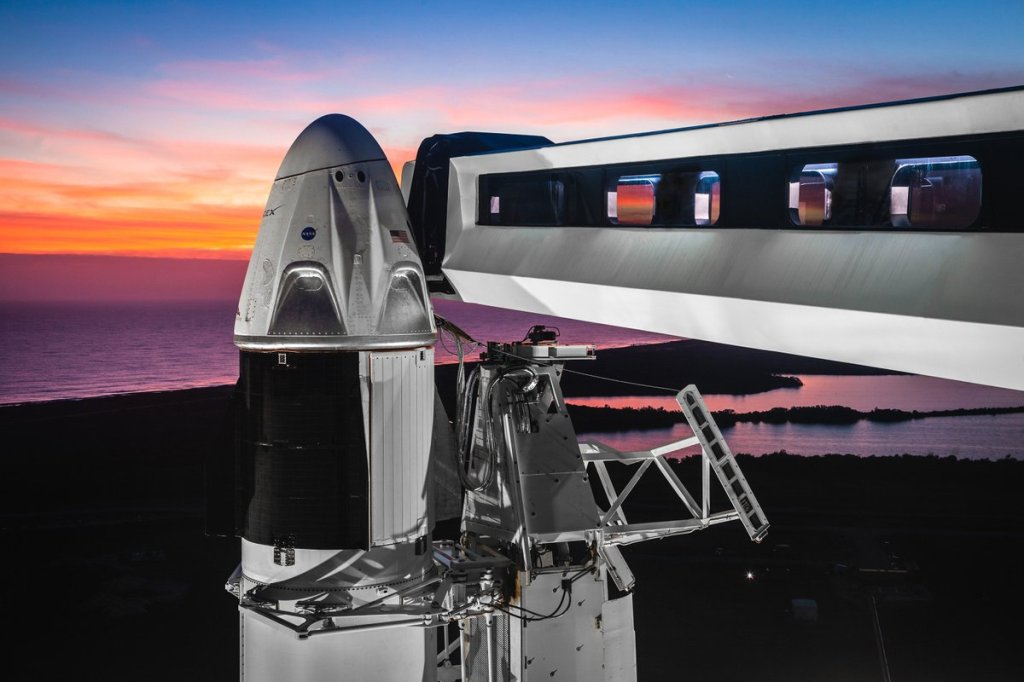
Después de un retraso en la misión militar para la United States Space Force, las tormentas invernales cubrieron el Estado de Texas y la necesidad de tiempo de procesamiento de naves espaciales y hardware, la NASA y The Boeing Company ahora están apuntando al 2 de Abril de 2021 para el lanzamiento de la segunda prueba de vuelo desenroscado de Starliner como parte del Programa de Tripulación Comercial (CCP) de la agencia. «La NASA continúa trabajando junto a Boeing para prepararse para esta primera misión de 2021. El trabajo en equipo de Boeing y la NASA en todos los aspectos de la preparación de vuelos, incluida la certificación final, el análisis de riesgos y las pruebas de software, es extraordinario. A pesar de que esta prueba de vuelo desenroscada a la Estación Espacial Internacional es un hito clave en el camino hacia la primera misión tripulada starliner planeada para finales de este año, volaremos cuando estemos listos», dijo Steve Stich, Gerente del Programa de Tripulación Comercial de la NASA.
The Boeing Company está desarrollando el Starliner para funcionar como un taxi espacial astronauta como un vehículo comercial bajo contrato de la NASA para transportar tripulaciones hacia y desde la Estación Espacial Internacional (ISS). La United Launch Alliance (ULA) tenía la intención de lanzar el STP-3 para la Fuerza Espacial de los Estados Unidos en el próximo lanzamiento del Atlas V programado para despegar este mes de la Plataforma 41 en la Estación de la Fuerza Espacial de Cabo Cañaveral, Florida. Con la explosión STP-3 ahora pospuesta indefinidamente para evaluar la preparación de lanzamiento del satélite de seguridad nacional, ULA ha cambiado su enfoque a apilar el Atlas V designado para la misión Starliner OFT-2 para la NASA en el Complejo de Lanzamiento Espacial-41. Al mismo tiempo, Boeing está haciendo progresos constantes en la preparación del nuevo vehículo de la tripulación Starliner y el módulo de servicio para la misión.
El objetivo de un segundo vuelo de prueba desenroscado OFT-2 es verificar que el taxi espacial comercial Starliner CST-100 sea lo suficientemente seguro y confiable como para ser confiado para lanzar astronautas de la NASA en el futuro a la Estación Espacial Internacional (ISS). El vuelo de prueba original de la OFT no atracó en la ISS como estaba previsto después del lanzamiento el 20 de Diciembre de 2019, cuando un error de sincronización transcurrido por la misión hizo que el propulsor de maniobra disparara más tiempo del previsto y gastara el exceso de combustible precioso y colocara la nave en la órbita equivocada. La cápsula de la tripulación Starliner de Boeing se eleva al espacio después de despegar sobre un cohete ULA Atlas V del Complejo de Lanzamiento Espacial 41 en la Estación de la Fuerza Aérea de Cabo Cañaveral en Florida la mañana del 20 de Diciembre de 2019. Un percance en el propulsor Starliner que disparó fregó el acoplamiento a la Estación Espacial Internacional (ISS). Boeing también completó recientemente la recalificación formal del software de vuelo OFT-2 de Starliner. Los equipos llevaron a cabo una revisión completa del software y varias series de pruebas para verificar que el software de Starliner cumple con las especificaciones de diseño. Boeing también completará una simulación de extremo a extremo del vuelo de prueba OFT-2 utilizando hardware de vuelo y versiones finales del software de vuelo de Starliner para modelar el comportamiento esperado del vehículo antes del vuelo.
Los equipos han completado alrededor del 95% de las recomendaciones identificadas por el equipo conjunto de revisión independiente de la NASA y Boeing, formado a raíz de las anomalías durante la primera prueba de vuelo orbital desenroscado de la compañía en Diciembre de 2019. «Apreciamos el importante trabajo que la NASA está llevando a cabo antes del lanzamiento. Estamos plenamente involucrados en el proceso de revisión de la agencia como una valiosa inversión de nuestro tiempo para asegurar la confianza en la nave espacial», dijo John Vollmer, Vicepresidente de Starliner y Director de Programas de The Boeing Company.
El Starliner se lanzará en la isión OFT-2 en un Cohete Atlas V de la United Launch Alliance aumentado con dos cohetes propulsores sólidos desde el Complejo de Lanzamiento Espacial-41 en la Estación de la Fuerza Espacial de Cabo Cañaveral en Florida. Al igual que con el vuelo de prueba anterior, el objetivo es atracar a la ISS y regresar a tierra en el oeste de los Estados Unidos aproximadamente una semana más tarde como parte de un vuelo de prueba de extremo a extremo para demostrar que el sistema está listo para volar a la tripulación.
Los fallos en la misión original de la OFT han dado lugar a un retraso de aproximadamente un año hasta ahora con el objetivo de volar una tripulación de tres astronautas de la NASA en la misión inaugural tripulada a la ISS apodada CFT (Crew Flight Test). Si todo va bien CFT volará tan pronto como este verano en un ULA Atlas V desde la plataforma 41 para una misión de aproximadamente una o dos semanas acoplada en la estación espacial orbital.
Starliner Flight Test second
Next Starliner flight test for April 2, 2021
After a delay in the military mission for the United States Space Force, winter storms covered the State of Texas and the need for processing time for spacecraft and hardware, NASA and The Boeing Company are now targeting April 2, 2021 for the launch of the second Starliner unscrewed flight test as part of the agency’s Commercial Crew Program (CCP). «NASA continues to work with Boeing to prepare for this first mission in 2021. The teamwork of Boeing and NASA in all aspects of flight preparation, including final certification, risk analysis and software testing , it is extraordinary. Although this unscrewed flight test to the International Space Station is a key milestone on the way to the first manned starliner mission planned for later this year, we will fly when we are ready», said Steve Stich, Manager of the NASA Commercial Crew Program.
The Boeing Company is developing the Starliner to function as an astronaut space taxi as a commercial vehicle under contract from NASA to transport crews to and from the International Space Station (ISS). The United Launch Alliance (ULA) intended to launch the STP-3 for the United States Space Force on the next Atlas V launch scheduled to take off this month from Platform 41 at Cape Canaveral Space Force Station. , Florida. With the STP-3 explosion now postponed indefinitely to assess national security satellite launch readiness, ULA has shifted its focus to stacking the designated Atlas V for the Starliner OFT-2 mission for NASA at Space Launch Complex-41. At the same time, Boeing is making steady progress in preparing the new Starliner crew vehicle and service module for the mission.
THE STARLINER SPACECRAFT IS BEING PREPARED FOR BOEING’S SECOND ORBITAL FLIGHT TEST (OFT-2). AS PART OF THE AGENCY’S COMMERCIAL CREW PROGRAM, OFT-2 IS A CRITICAL DEVELOPMENTAL MILESTONE ON THE COMPANY’S PATH TO FLY CREW MISSIONS FOR NASA
The objective of a second OFT-2 unscrewed test flight is to verify that the Starliner CST-100 commercial space taxi is safe and reliable enough to be trusted to launch NASA astronauts in the future to the International Space Station (ISS). The original OFT test flight did not dock at the ISS as planned after launch on December 20, 2019, when a mis-timing during the mission caused the maneuvering thruster to fire longer than anticipated and wasted excess. of precious fuel and put the ship in the wrong orbit. The Boeing Starliner crew capsule soars into space after taking off on a ULA Atlas V rocket from Space Launch Complex 41 at Cape Canaveral Air Force Station in Florida on the morning of December 20, 2019. A mishap on the Starliner booster that fired scoured the dock to the International Space Station (ISS). Boeing also recently completed the formal requalification of Starliner’s OFT-2 flight software. The teams conducted a comprehensive software review and several series of tests to verify that Starliner software meets design specifications. Boeing will also complete an end-to-end simulation of the OFT-2 test flight using flight hardware and final versions of Starliner flight software to model the expected behavior of the vehicle before flight.
The teams have completed about 95% of the recommendations identified by NASA and Boeing’s joint independent review team, formed in the wake of anomalies during the company’s first unscrewed orbital flight test in December 2019. «We appreciate the important work NASA is undertaking prior to launch. We are fully involved in the agency’s review process as a valuable investment of our time to ensure confidence in the spacecraft», said John Vollmer, Starliner Vice President and Chief Executive Officer. of The Boeing Company Programs.
The Starliner will be launched in the OFT-2 ision on a United Launch Alliance Atlas V Rocket augmented with two solid rocket boosters from Space Launch Complex-41 at Cape Canaveral Space Force Station in Florida. As with the previous test flight, the goal is to dock the ISS and return to land in the western United States about a week later as part of an end-to-end test flight to demonstrate that the system is ready to fly crew.
The failures in the original OFT mission have led to a delay of about a year so far with the goal of flying a crew of three NASA astronauts on the inaugural manned mission to the ISS dubbed CFT (Crew Flight Test). If all goes well CFT will fly as early as this summer in a ULA Atlas V from platform 41 for a mission of about a week or two docked on the orbiting space station.
AW | 2021 02 25 15:47 | INDUSTRY / AVIATION TECHNOLOGY
Airbus selecciona servicios tecnológicos L&T para programa Skywise
Airbus Group ha seleccionado a L&T Technology Services (LTTS) de la India que proporcionará tecnología y soluciones de ingeniería digital para la plataforma Skywise del consorcio europea de aviación. La empresa es líder mundial de servicios de ingeniería. La asociación proporcionará tecnología y soluciones de ingeniería digital para la plataforma Skywise de Airbus como parte del «Programa de Socios de Skywise». Con más de 130 aerolíneas de todo el mundo ya conectadas a Skywise, la plataforma está desempeñando un papel muy importante en la habilitación y aceleración de la transformación digital del sector de la aviación en su conjunto. LTTS apoyará a las aerolíneas en el desarrollo de flujos de trabajo complejos, la creación de nuevas interfaces entre sus sistemas de información existentes y Skywise y también proporcionará asistencia en su transformación digital con Skywise.
LTTS cuenta con un conjunto de ingenieros y científicos de datos altamente experimentados que trabajarán exclusivamente en la plataforma Skywise y construirán soluciones para abordar las necesidades de transformación digital de las aerolíneas y el ecosistema Skywise de rápida expansión. La experiencia demostrada de LTTS en la construcción de plataformas de ingeniería digital basadas en un fuerte conocimiento del dominio ayuda a fortalecer las interdependencias que estas tecnologías digitales están permitiendo. Abhishek Sinha, Director de Operaciones y Miembro del Consejo de Administración de L&T Technology Services comentó: «Airbus es uno de nuestros valiosos clientes en el ámbito aeroespacial, un sector que ofrece un enorme potencial de oportunidades de negocio disruptivas. Estamos encantados de ser seleccionados como socios para el programa Airbus Skywise, un fiel reflejo de nuestra asociación de larga data con un importante líder del mercado como Airbus y nuestra profunda comprensión del desarrollo de productos y las necesidades de los clientes de Airbus».
LTTS tiene una trayectoria de servir al panorama aeroespacial durante más de una década, ayudando a las aerolíneas y fabricantes aeroespaciales a maximizar su Retorno de las Inversiones (RoI) y aumentar la calidad y la producción. Después de haber forjado alianzas estratégicas con varias empresas Fortune 500, LTTS tiene el fuerte conocimiento técnico, experiencia en ingeniería aeroespacial y recursos calificados para impulsar la innovación para clientes aeroespaciales y de defensa en todo el mundo.
Airbus selects L&T technology
Airbus selects L&T technology services for Skywise program
Airbus Group has selected L&T Technology Services (LTTS) of India to provide digital engineering technology and solutions for the Skywise platform of the European aviation consortium. The company is a world leader in engineering services. The partnership will provide digital engineering technology and solutions for Airbus’ Skywise platform as part of the «Skywise Partner Program». With more than 130 airlines around the world already connected to Skywise, the platform is playing a huge role in enabling and accelerating the digital transformation of the aviation industry as a whole. LTTS will support airlines in developing complex workflows, creating new interfaces between their existing information systems and Skywise, and will also provide assistance in their digital transformation with Skywise.
LTTS has a pool of highly experienced engineers and data scientists who will work exclusively on the Skywise platform and build solutions to address the digital transformation needs of airlines and the rapidly expanding Skywise ecosystem. LTTS’s proven experience in building digital engineering platforms based on strong domain knowledge helps strengthen the interdependencies that these digital technologies are enabling. Abhishek Sinha, Director of Operations and Member of the Board of Directors of L&T Technology Services commented: «Airbus is one of our valued customers in aerospace, a sector that offers enormous potential for disruptive business opportunities. We are delighted to be selected as partners for the Airbus Skywise program, a true reflection of our longstanding partnership with a major market leader like Airbus and our deep understanding of product development and the needs of Airbus customers».
LTTS has a history of serving the aerospace landscape for more than a decade, helping airlines and aerospace manufacturers maximize their Return on Investments (RoI) and increase quality and production. Having forged strategic alliances with several Fortune 500 companies, LTTS has the strong technical knowledge, aerospace engineering expertise, and skilled resources to drive innovation for aerospace and defense clients around the world.
Gobierno establecerá próxima reunión sobre emisiones de carbono
El Gobierno de Estados Unidos ha comunicado a las aerolíneas para una próxima reunión para discutir temas medioambientales por la reducción de las emisiones de carbono. La asesora nacional para el clima de la Casa Blanca, Gina McCarthy, y el Asesor Económico Brian Deese tendrán una reunión virtual el Viernes 26/02 con los jefes de las cuatro principales aerolíneas estadounidenses: American Airlines, United Airlines, Delta Air Lines y Southwest Airlines. Esta reunión Gobierno-aerolíneas se produce cuando las transportadoras supuestamente presionaron a la Administración Biden para que aumentara los subsidios para el combustible con bajas emisiones de carbono con el fin de combatir el cambio climático.
El Air Transport Action Group ha dicho que los viajes aéreos contribuyen a alrededor del 2% de las emisiones mundiales. Los viajes en jet privado han sido objeto de un mayor escrutinio en medio del debate climático, ya que las élites crean una huella de carbono per cápita mucho mayor que otras que toman vuelos comerciales. Se estima que los aviones privados emiten más de 40 veces más carbono por pasajero que los vuelos comerciales. Fox News informó previamente que el avión familiar de Kerry acumuló unas 116 toneladas métricas de emisiones de carbono durante el año pasado.
Un informe de Marzo de 2018 de la Environmental Protection Agency (EPA) estimó que el vehículo de pasajeros típico emite alrededor de 4,6 toneladas métricas de dióxido de carbono al año. Ese cálculo asumió un auto que conduce alrededor de 11,500 millas por año con un ahorro de combustible de aproximadamente 22.0 millas por galón.
US-airlines meeting for emissions
Government will establish next meeting on carbon emissions
The United States Government has informed the airlines for an upcoming meeting to discuss environmental issues due to the reduction of carbon emissions. White House National Climate Advisor Gina McCarthy and Economic Advisor Brian Deese will have a virtual meeting on Friday 02/26 with the heads of the four major US airlines: American Airlines, United Airlines, Delta Air Lines and Southwest Airlines. This government-airlines meeting comes as carriers allegedly lobbied the Biden Administration to increase subsidies for low-carbon fuel in order to combat climate change.
The Air Transport Action Group has said that air travel contributes to about 2% of global emissions. Private jet travel has come under increased scrutiny amid the climate debate as elites create a much larger per capita carbon footprint than others taking commercial flights. It is estimated that private jets emit more than 40 times more carbon per passenger than commercial flights. Fox News previously reported that Kerry’s family jet racked up about 116 metric tons of carbon emissions over the past year.
A March 2018 report from the Environmental Protection Agency (EPA) estimated that the typical passenger vehicle emits about 4.6 metric tons of carbon dioxide per year. That calculation assumed a car driving about 11,500 miles per year with a fuel economy of about 22.0 miles per gallon.
Aeropuerto riojano continúan obras al 50% por completar
El Ministerio de Transporte de la Nación de la República Argentina continúa con el Plan de Modernización del Transporte en el país. Tras la visita a la Provincia de La Rioja para encabezar una serie de actividades en la provincia localizada en la Región Cuyana.
El Aeropuerto La Rioja/Capitán Vicente A. Almocid, ha recibido la visita del Ministro de Transporte, que ha recorrido las obras y ha expresado: “Es una obra que hoy está en un 50 %, es una pena que quede en ese porcentaje. Esperamos la próxima semana o en quince días tomar la resolución y podamos retomar la obra en lo inmediato, a la brevedad, para que se concluya. Terminar, la vamos a terminar. Lo que está en discusión hoy es, solamente, una cuestión de costos con el contratista. Creemos que todas las obras de modernización en transporte, que estamos realizando, son bienvenidas. El transporte general en la Argentina tiene un fuerte retroceso en cuanto a inversión. Recién hablaba con Ricardo (Quintela) y me mostraba la terminal anterior, y es una terminal bonita pero chiquita, que ha quedado sin la posibilidad de satisfacer la demanda de hoy”.
El objetivo es construir una terminal de pasajeros que dispondrá de 2.145m², de los cuales 1.270m² corresponderán a áreas operativas como hall, sector de check-in, embarque y arribos, incorporando 165m² de oficinas, 66m² para una sala VIP, y un edificio para el área técnica de 408m². Las obras se encuentran a menos de 50%. El primer paso será comenzar con todas las instalaciones, con aproximadamente 6 meses de ejecución desde que se reinicie, ya que se encuentra detenida por contexto COVID. También se realizará un nuevo estacionamiento que incluye calles de acceso, para incrementar su capacidad y lograr un reordenamiento de la circulación tanto peatonal como vehicular. Al igual que la Terminal de pasajeros, detenida por contexto COVID, quedando 4 meses de ejecución desde el momento que se reinicie. Ambas obras beneficiarán a 313.571 habitantes.
La Rioja Airport works progress
Riojan airport works continue at 50% to be completed
The Ministry of Transportation of the Nation of the Argentine Republic continues with the Transportation Modernization Plan in the country. After visiting the Province of La Rioja to lead a series of activities in the province located in the Cuyana Region.
La Rioja Airport/Captain Vicente A. Almocid, has received a visit from the Minister of Transportation, who has toured the works and has expressed: “It is a work that today is at 50%, it is a pity that it remains at that percentage. We hope next week or in fifteen days to take the resolution and we can resume the work immediately, as soon as possible, so that it is concluded. Finish, we’re going to finish it. What is under discussion today is only a question of costs with the contractor. We believe that all the transport modernization works that we are carrying out are welcome. General transportation in Argentina has a strong setback in terms of investment. I was just talking to Ricardo (Quintela) and he showed me the previous terminal, and it is a pretty but small terminal, which has been left without the possibility of meeting today’s demand”.
The objective is to build a passenger terminal that will have 2,145m², of which 1,270m² will correspond to operational areas as a hall, check-in, boarding and arrivals sector, incorporating 165m² of offices, 66m² for a VIP room, and a building for the technical area of 408m². The works are less than 50%. The first step will be to start with all the installations, with approximately 6 months of execution since it is restarted, since it is stopped due to COVID context. There will also be a new parking lot that includes access roads, to increase its capacity and achieve a reorganization of both pedestrian and vehicular traffic. Like the Passenger Terminal, stopped due to COVID context, remaining 4 months of execution from the moment it is restarted. Both works will benefit 313,571 inhabitants.