Los pilotos de Ryanair vieron retirar los beneficios de viaje después de que participaron en una huelga en 2019, tendrán su caso escuchado en una audiencia de pleno Tribunal de Empleo. Correspondientemente a los veintinueve pilotos afectados por la decisión de la compañía irlandesa low cost, que son miembros de la British Airline Pilots Association (BALPA), afirmaron que fueron «incluidos en la lista negra» de Ryanair después de que optaron por ir a la huelga en 2019 en un desacuerdo sobre las pensiones, salarios, subsidios y otras prestaciones. En su demanda al Tribunal los pilotos argumentan que sus beneficios de viaje del personal fueron revocados en represalia por la protesta hacia la aerolínea. Expresan que la eliminación amenazada y efectiva de esas prestaciones era ilegal en virtud del Reglamento de 2010 de la Ley de Relaciones Laborales de 1999 (listas negras) y contravenían su derecho a no ser objeto de perjuicio para participar en actividades sindicales. Tras una vista preliminar de dos días, un Tribunal de empleo desestimó los argumentos de Ryanair según sus acciones que eran lícitas, y el tribunal al que se declaraba que la normativa invocada por la compañía aérea no era aplicable en el presente asunto. También desestimó el intento de Ryanair de volver a alegar que la acción de huelga era ilegal. La aerolínea intentó obtener una medida cautelar del Tribunal Superior poco antes de que la huelga se llevara a cabo en Agosto 2019, pero fracasó.
El caso continuará hasta una audiencia de Tribunal de Empleo completo en una fecha posterior. El Secretario General de BALPA, Brian Strutton, dijo: «Esta es una decisión legal histórica, cuyos efectos van más allá de Ryanair y la industria aérea para el movimiento sindical en su conjunto. En particular, al declarar que los demandantes estaban participando en actividades sindicales en huelga, el tribunal ha disparado un fuerte disparo de advertencia a través de los arcos de los empleadores que tratan de castigar a los empleados por golpear sometiéndolos a un trato perjudicial. Los 29 miembros que presentan la demanda siguen teniendo el apoyo completo e infalible de BALPA y deben saber que 10.000 miembros de BALPA los apoyan en solidaridad».
Court hears lawsuit for Ryanair pilots
Ryanair pilots union injury case
Ryanair pilots saw travel benefits withdrawn after they participated in a strike in 2019, they will have their case heard at a full Employment Court hearing. Corresponding to the twenty-nine pilots affected by the decision of the Irish low cost company, who are members of the British Airline Pilots Association (BALPA), they affirmed that they were «blacklisted» by Ryanair after they chose to go on strike in 2019 in a disagreement over pensions, wages, allowances and other benefits. In their complaint to the Court, the pilots argue that their staff travel benefits were revoked in retaliation for the protest against the airline. They state that the threatened and effective elimination of these benefits was illegal under the 2010 Regulations of the 1999 Labor Relations Act (Black Lists) and violated their right not to be harmed to participate in union activities. After a two-day preliminary hearing, an employment court dismissed Ryanair’s arguments based on its actions that were lawful, and the court found that the regulations invoked by the airline were not applicable in the present case. It also dismissed Ryanair’s attempt to re-allege that the strike action was illegal. The airline tried to obtain an injunction from the High Court shortly before the strike took place in August 2019, but failed.
The case will continue until a full Employment Court hearing at a later date. BALPA Secretary General Brian Strutton said: «This is a landmark legal decision, the effects of which go beyond Ryanair and the airline industry to the union movement as a whole. In particular, by stating that the plaintiffs were engaging in activities unions on strike, the court has fired a loud warning shot through the arches of employers seeking to punish employees for beating by subjecting them to damaging treatment. The 29 members who sued continue to have their full and unfailing support. of Balpa and they should know that 10,000 members of Balpa support them in solidarity».
American Airlines está en un proceso de incorporación de un nuevo CEO para su compañía. El 15 de Enero de 2021, Hanold Associates HR & Diversity Executive Search anunció que American lo había seleccionado para buscar al próximo Vicepresidente Senior, Director de Recursos Humanos (CHRO). El CHRO tendrá su sede en la sede central de American en Fort Worth, Texas, e informará a Elise Eberwein, Executive Vice President, People and Engagement de American Airlines Group. El CHRO trabajará para promover el proceso de planificación de sucesión estratégica de varios años de Estados Unidos que está diseñado para preparar a un ejecutivo interno para el cargo de Director Ejecutivo.
En el comunicado de la aerolínea ha expresado: «A medida que se produce esa transición, hay otras transiciones clave de liderazgo que pronto ocurrirán, incluyendo la jubilación de Elise. Después de que estos movimientos se lleven a cabo, el CHRO eventualmente informará al nuevo CEO, quien será una parte clave de este proceso de entrevista y selección». Actualmente, el CEO de American Airlines es Doug Parker. Ha ocupado el cargo desde 2013 tras la fusión entre US Airways y American Airlines. Antes de eso, fue el CEO de US Airways y, antes de eso, fue el CEO de America West Airlines. Con todo, Doug Parker ha sido el CEO de una aerolínea durante casi 20 años, lo que es una hazaña impresionante.
Carrera hacia el CEO de American
American Airlines está buscando promover desde su staff interno su nuevo CEO para la compañía, por lo que las opciones son más definidas, permitiendo observar a Robert Isom, Presidente actual de American, como la persona más clara en la fila para ser el CEO. Robert Isom a la aerolínea después de la fusión con US Airways, y antes de eso, estuvo en Northwest Airlines. También trabajó durante unos años con America West Airlines. Otra opción sería el Director Financiero Derek Kerr. También llegó a American de la fusión con US Airways y trabajó anteriormente en America West Airlines. También tiene experiencia en Northwest Airlines. Existen algunos otros candidatos internos, pero Robert Isom asoma comos el candidato más probable para convertirse en el próximo CEO de American Airlines. Aún así, el actual CEO, Doug Parker no ha dado ninguna indicación de que desee retirarse pronto. Tampoco es sorprendente ver a la aerolínea prepararse para un futuro después de Doug Parker. Es una planificación inteligente por parte de la aerolínea para construir relaciones y conseguir un equipo en su lugar para entregar las riendas a un nuevo Ejecutivo.
Robert Isom también es una opción natural para promociones desde dentro. Por ejemplo, Scott Kirby anteriormente se desempeñó como Presidente de United Airlines antes de convertirse en el CEO de la aerolínea. En Delta Air Lines, Ed Bastian también se desempeñó como Presidente de Delta antes de convertirse en el CEO. En Alaska Airlines, el Presidente Ben Minicucci se convertirá este año en el CEO de la aerolínea después de que Brad Tilden se retire a finales de Marzo 2021.
Una posibilidad es probable que American saque este proceso para que Doug Parker pueda supervisar la transición de la aerolínea del modo de crisis hacia la rentabilidad y lejos de la reducción de costos y la gestión de la liquidez. Esto significaría una transición a un nuevo CEO con una perspectiva a partir del 2023, permitiendo a la alta gerencia de la aerolínea centrarse primero en sacar a la aerolínea de la crisis para dar paso a una nueva dirección que marcará nuevos desafíos después de atravesar uno de los períodos más oscuros de la aviación comercial mundial.
American Airlines plans new CEO
American Airlines will select next CEO
American Airlines is in the process of hiring a new CEO for its company. On January 15, 2021, Hanold Associates HR & Diversity Executive Search announced that American had selected it to search for the next Senior Vice President, Director of Human Resources (CHRO). The CHRO will be based at American headquarters in Fort Worth, Texas, and will report to Elise Eberwein, Executive Vice President, People and Engagement, American Airlines Group. The CHRO will work to advance America’s multi-year strategic succession planning process that is designed to prepare an internal executive for the role of CEO.
In the airline’s statement, he said: «As that transition takes place, there are other key leadership transitions that will soon occur, including Elise’s retirement. After these movements take place, the CHRO will eventually report to the new CEO, who will be a key part of this interview and selection process». Currently, the CEO of American Airlines is Doug Parker. He has held the position since 2013 following the merger between US Airways and American Airlines. Before that, he was the CEO of US Airways and, before that, he was the CEO of America West Airlines. All in all, Doug Parker has been the CEO of an airline for nearly 20 years, which is an impressive feat.
Race to the CEO of American
American Airlines is looking to promote its new CEO for the company from its internal staff, so the options are more defined, allowing us to observe Robert Isom, current President of American, as the clearest person in line to be the CEO. Robert Isom to the airline after the merger with US Airways, and before that, he was with Northwest Airlines. He also worked for a few years with America West Airlines. Another option would be Chief Financial Officer Derek Kerr. He also came to American from the merger with US Airways and previously worked at America West Airlines. He also has experience with Northwest Airlines. There are a few other internal candidates, but Robert Isom looms as the most likely candidate to become the next CEO of American Airlines. Still, current CEO Doug Parker has given no indication that he wants to retire soon. It’s also not surprising to see the airline prepare for a future after Doug Parker. It’s smart planning on the part of the airline to build relationships and get a team in place to hand over the reins to a new Executive.
Robert Isom is also a natural choice for promotions from within. For example, Scott Kirby previously served as President of United Airlines before becoming the CEO of the airline. At Delta Air Lines, Ed Bastian also served as Delta’s President before becoming CEO. At Alaska Airlines, President Ben Minicucci will become the airline’s CEO this year after Brad Tilden retires in late March 2021.
One possibility is likely that American pulls this process out so that Doug Parker can oversee the airline’s transition from crisis mode to profitability and away from cost reduction and liquidity management. This would mean a transition to a new CEO with an outlook from 2023, allowing the airline’s top management to focus first on getting the airline out of crisis to usher in a new direction that will set new challenges after going through one of the darkest periods of world commercial aviation.
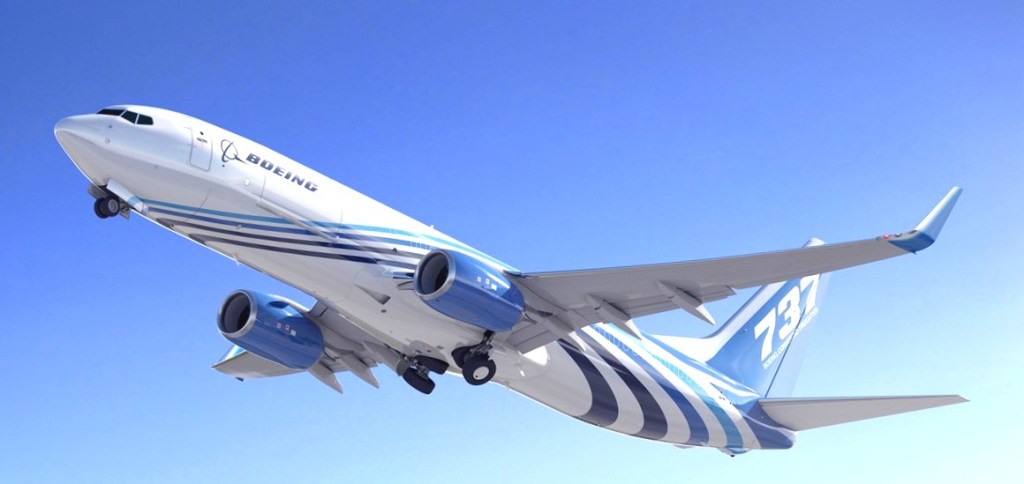
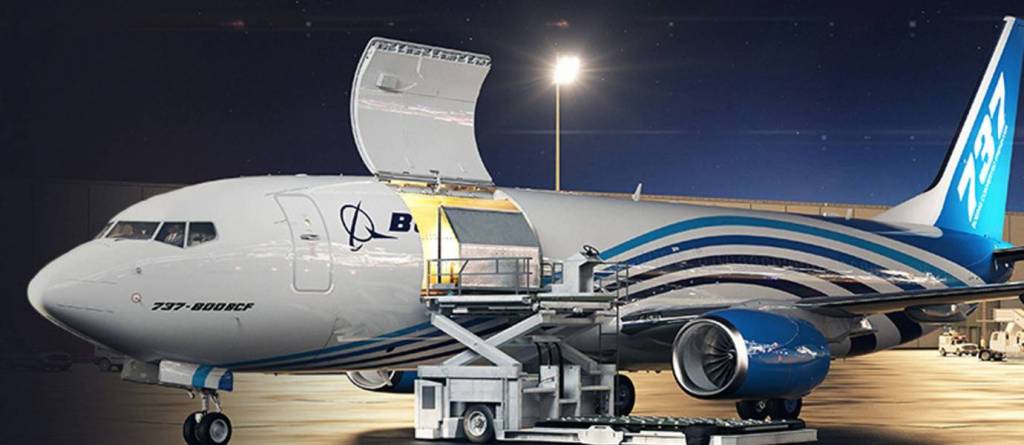
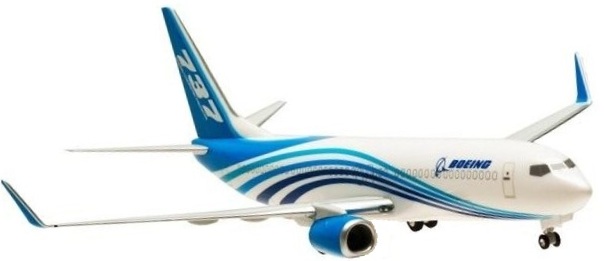
BBAM suma hasta 12 737-800 Boeing Convertidos Carga
The Boeing Company y BBAM Limited Partnership anunciaron este 19 de Enero de 2021 que el arrendador está ampliando su flota de cargadores convertidos de Boeing 737-800BCF con seis pedidos firmes y seis opciones. El acuerdo eleva los pedidos y compromisos 737-800BCF de BBAM a quince y destaca la fortaleza continua del mercado del comercio electrónico y la carga exprés. «A medida que miramos hacia la expansión de nuestra flota de carga, el 737-800 Boeing Converted Freighter proporciona el rendimiento y la eficiencia que nuestros clientes necesitan. Añadir estos cargueros altamente capaces a 276 aviones Boeing en nuestra flota administrada ayuda a fortalecer aún más nuestra posición de liderazgo en el mercado», dijo Steve Zissis, CEO de BBAM.
Basado en el popular 737 de próxima generación, el 737-800BCF está satisfaciendo la demanda de los clientes de un carguero de nueva generación que ofrece una mayor confiabilidad y un menor consumo de combustible y costos de operación por viaje en comparación con otros cargueros de carrocería estándar. Utilizado principalmente para transportar carga exprés en rutas domésticas o de corto recorrido, el avión es capaz de transportar hasta 23,9 toneladas (52.800 libras) y volar hasta 2.025 millas náuticas (3.750 kilómetros). Desde que entró en servicio en 2018, el 737-800BCF ha ganado más de 150 pedidos y compromisos.
«BBAM es una de las principales empresas de arrendamiento de servicios completos de la industria y ha construido su reputación en inversiones inteligentes. Nos sentimos honrados de que BBAM haya seleccionado más 737-800BC, basado en el éxito de nuestros cargueros de carrocería estándar en su cartera. La fuerte demanda continua del 737-800BCF demuestra el papel fundamental que desempeñan estos cargueros convertidos en el creciente mercado de comercio electrónico y exprés», dijo Ihssane Mounir, Vicepresidente Senior de Ventas Comerciales y Marketing de Boeing.
BBAM es el mayor gestor dedicado del mundo de inversiones en aviones comerciales arrendados, proporcionando a más de 200 clientes de aerolíneas en más de 50 países soluciones de flota y financiación en las últimas tres décadas. BBAM es el único gestor en la industria de arrendamiento de aeronaves enfocado exclusivamente en generar retornos de inversión para inversores externos. BBAM cuenta actualmente con más de 28.000 millones de dólares de activos bajo gestión y emplea a más de 150 profesionales en su sede central en San Francisco y en oficinas adicionales en Tokio, Singapur, Zúrich, Dublín y Santiago.
BBAM increase order 737-800BCF
BBAM adds up to 12 737-800 Boeing Converted Cargo
The Boeing Company and BBAM Limited Partnership announced on January 19, 2021 that the lessor is expanding its fleet of converted Boeing 737-800BCF loaders with six firm orders and six options. The agreement brings BBAM’s 737-800BCF orders and commitments to fifteen and highlights the continued strength of the e-commerce and express freight market. «As we look toward expanding our cargo fleet, the 737-800 Boeing Converted Freighter provides the performance and efficiency our customers need. Adding these highly capable freighters to 276 Boeing aircraft in our managed fleet helps further strengthen our leadership position in the market», said Steve Zissis, CEO of BBAM.
Based on the popular next-generation 737, the 737-800BCF is meeting customer demand for a new-generation freighter that offers higher reliability and lower fuel consumption and operating costs per trip compared to other body freighters. standard. Used primarily to transport express cargo on domestic or short-haul routes, the aircraft is capable of carrying up to 23.9 tons (52,800 pounds) and flying up to 2,025 nautical miles (3,750 kilometers). Since entering service in 2018, the 737-800BCF has won more than 150 orders and commitments.
«BBAM is one of the industry’s leading full service leasing companies and has built its reputation on smart investing. We are honored that BBAM has selected more 737-800BCs, based on the success of our standard body freighters in their portfolio. Continued strong demand for the 737-800BCF demonstrates the critical role these converted freighters play in the growing express and e-commerce market», said Ihssane Mounir, Boeing Senior Vice President, Commercial Sales and Marketing.
BBAM is the world’s largest dedicated manager of leased commercial aircraft investments, providing more than 200 airline customers in more than 50 countries with fleet and financing solutions over the past three decades. BBAM is the only manager in the aircraft leasing industry focused exclusively on generating investment returns for outside investors. BBAM currently has more than US$ 28 billion of assets under management and employs more than 150 professionals at its headquarters in San Francisco and additional offices in Tokyo, Singapore, Zurich, Dublin and Santiago.
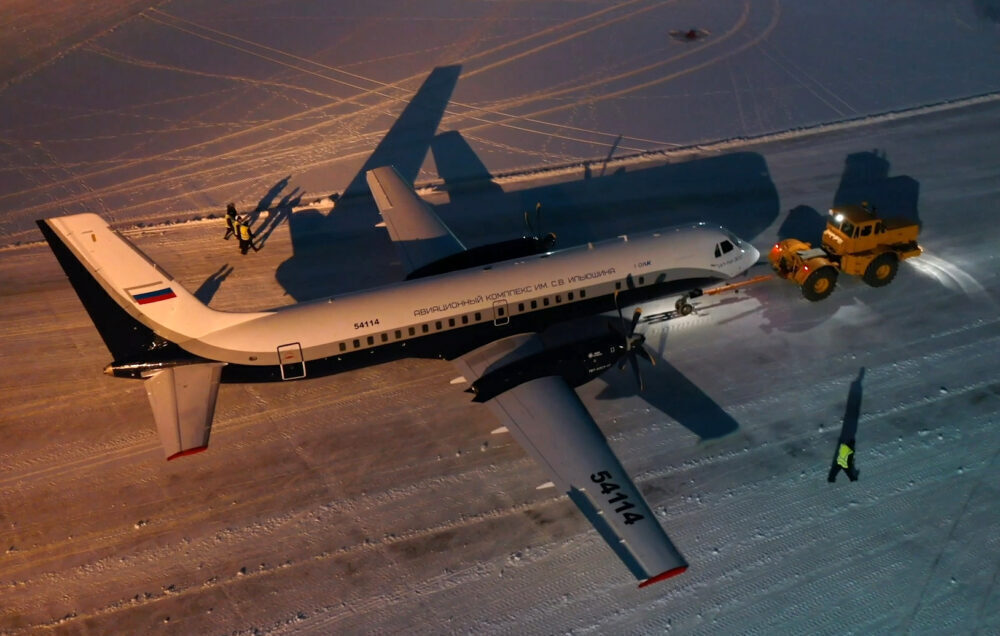
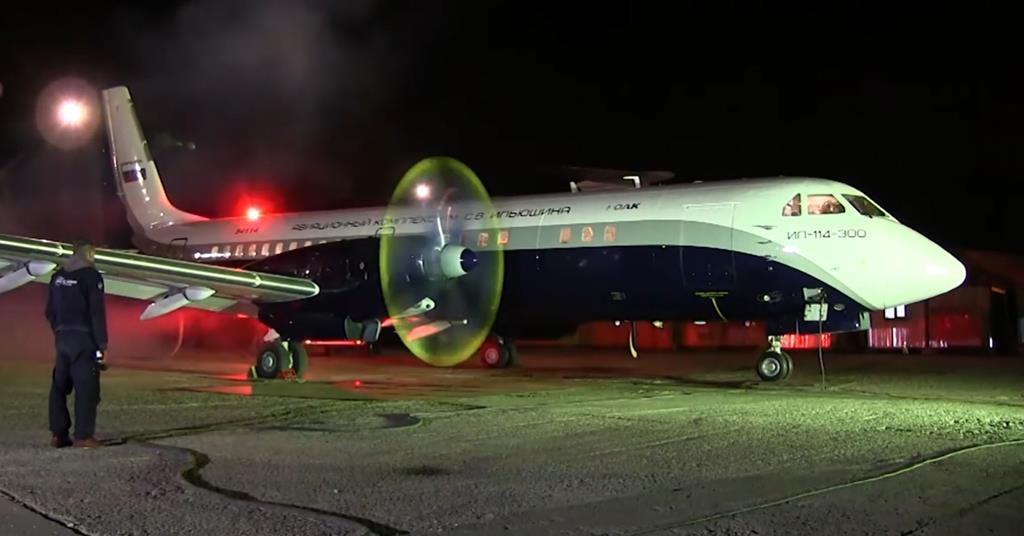
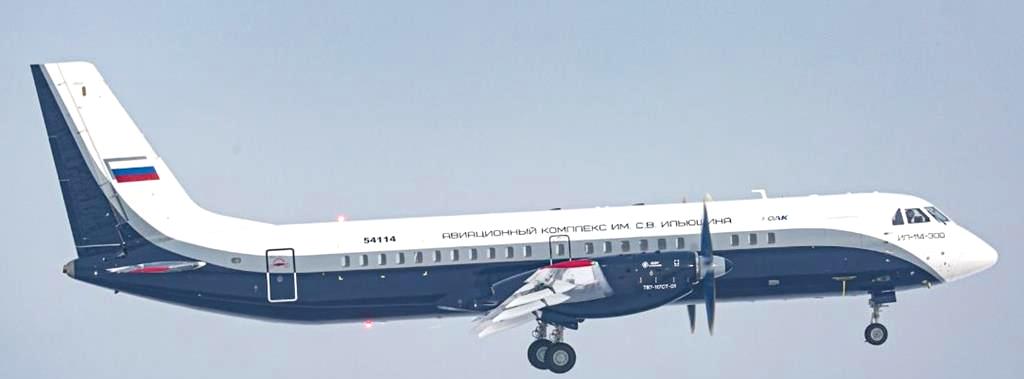
Dentro del plan del programa de pruebas de vuelo, se llevó a cabo este 19/01el nuevo vuelo del avión regional de pasajeros turbohélice Ilyushin Il-114-300. El desarrollador de la aeronave es Ilyushin Aviation Complex (la empresa principal de la División de Aviación de Transporte de la Sociedad Anónima Pública United Aircraft Corporation (PJSC UAC) dentro de Rostec State Corporation). “El avión turbohélice Il-114-300 es un avión extremadamente demandado en Rusia porque es cómodo, confiable y capaz de aterrizar incluso en aeródromos mal preparados. Esta aeronave se convertirá en el elemento básico para el desarrollo del tráfico interregional directo. Nuestra tarea es llevar este avión al mercado lo antes posible. El primer vuelo de la aeronave tuvo lugar en Diciembre de 2020, hoy [19/01] el Il-114-300 despegó por segunda vez. Durante el vuelo, hemos comprobado la estabilidad y controlabilidad de la aeronave, la operatividad de los sistemas y equipos, en particular, la central eléctrica, el complejo de navegación y vuelo digital, el sistema de comunicación por radio, etc. Todos los sistemas funcionaron bien”, dijo Anatoly Serdyukov, Director Industrial del Clúster de Aviación de Rostec.
El avión fue pilotado por la tripulación bajo la dirección del piloto jefe de PJSC «IL», piloto de pruebas de primera clase, héroe de Rusia Nikolai Kuimov, y el piloto de pruebas de primera clase Dmitry Komarov, ingeniero de pruebas a bordo de primera clase Oleg Gryazev. El vuelo tuvo lugar a una altitud de 2000 metros a una velocidad de 290 km/h. Según el comandante de la tripulación, los sistemas y equipos funcionaban con normalidad. El vuelo duró 2 horas 47 minutos y la misión de vuelo se completó en su totalidad. “Aumentaremos el número de vuelos de prueba para asegurar la efectividad del programa de prueba de vuelo y certificación, para que podamos comenzar temprano la producción en serie de la aeronave. Esperamos que el avión también tenga demanda en regiones con un clima difícil debido a su sencillez y facilidad de mantenimiento. Al mismo tiempo, estamos consultando con las aerolíneas regionales con el fin de aclarar todos los requisitos de los futuros operadores de la aeronave», dijo el Diseñador jefe de PJSC IL, Sergey Ganin.
Ilyushin Il114-300 Test
IL-114-300 Continuous Flight Test Program
Within the plan of the flight test program, the new flight of the regional turboprop passenger plane Ilyushin Il-114-300 was carried out on 01/19. The developer of the aircraft is Ilyushin Aviation Complex (the parent company of the Transportation Aviation Division of the United Aircraft Corporation (PJSC UAC) within Rostec State Corporation). “The Il-114-300 turboprop aircraft is an extremely popular aircraft in Russia because it is comfortable, reliable, and capable of landing even at poorly prepared airfields. This aircraft will become the basic element for the development of direct interregional traffic. Our task is to get this aircraft to market as soon as possible. The first flight of the aircraft took place in December 2020, today [01/19] the Il-114-300 took off for the second time. During the flight, we have checked the stability and controllability of the aircraft, the operability of the systems and equipment, in particular, the power plant, the digital flight and navigation complex, the radio communication system, etc. All systems worked well”, said Anatoly Serdyukov, Industrial Director of the Rostec Aviation Cluster.
The aircraft was piloted by the crew under the direction of PJSC «IL» Chief Pilot, Test Pilot 1st Class, Hero of Russia Nikolai Kuimov, and 1st Class Test Pilot Dmitry Komarov, 1st Class Onboard Test Engineer Oleg Gryazev class. The flight took place at an altitude of 2000 meters at a speed of 290 km/h. According to the crew commander, the systems and equipment were functioning normally. The flight lasted 2 hours 47 minutes and the flight mission was completely completed. “We will increase the number of test flights to ensure the effectiveness of the flight test and certification program, so that we can begin serial production of the aircraft early. We expect that the aircraft will also be in demand in regions with a difficult climate due to its simplicity and ease of maintenance. At the same time, we are consulting with regional airlines in order to clarify all the requirements of future aircraft operators», said PJSC IL Chief Designer Sergey Ganin.
Ильюшин Ил114-300 Испытание
Программа непрерывных летных испытаний Ил-114-300
В рамках программы летных испытаний 19.01.19 был выполнен новый полет регионального турбовинтового пассажирского самолета Ильюшин Ил-114-300. Разработчик самолета Авиационный комплекс Ильюшина (головная компания Дивизиона транспортной авиации Объединенной авиастроительной корпорации (ПАО ОАК) в составе Госкорпорации Ростех). «Турбовинтовой Ил-114-300 – чрезвычайно популярный самолет в России, потому что он удобен, надежен и способен садиться даже на плохо подготовленных аэродромах. Этот самолет станет базовым элементом для развития прямого межрегионального сообщения. Наша задача – как можно скорее вывести этот самолет на рынок. Первый полет самолета состоялся в декабре 2020 года, сегодня [19.01] Ил-114-300 вылетел во второй раз. Во время полета мы проверяли устойчивость и управляемость самолета, работоспособность систем и оборудования, в частности силовой установки, цифрового пилотажно-навигационного комплекса, системы радиосвязи и т. Д. Все системы работали хорошо», сказал Анатолий Сердюков, производственный директор авиационного кластера Ростех.
Самолет пилотировал экипаж под руководством главного летчика ПАО «Ил», летчика-испытателя 1-го класса Героя России Николая Куимова и летчика-испытателя 1-го класса Дмитрия Комарова, бортового инженера-испытателя 1-го класса. Олег Грязев класс. Полет проходил на высоте 2000 метров со скоростью 290 км / ч. По словам командира экипажа, все системы и оборудование работали нормально. Полет длился 2 часа 47 минут, полетное задание выполнено полностью. «Мы увеличим количество испытательных полетов, чтобы обеспечить эффективность программы летных испытаний и сертификации, чтобы мы могли как можно раньше начать серийное производство самолета. Мы ожидаем, что самолет будет востребован и в регионах со сложным климатом благодаря простоте и удобству обслуживания. Параллельно с этим мы проводим консультации с региональными авиакомпаниями, чтобы уточнить все требования будущих эксплуатантов воздушных судов», сказал главный конструктор ПАО Ил Сергей Ганин.
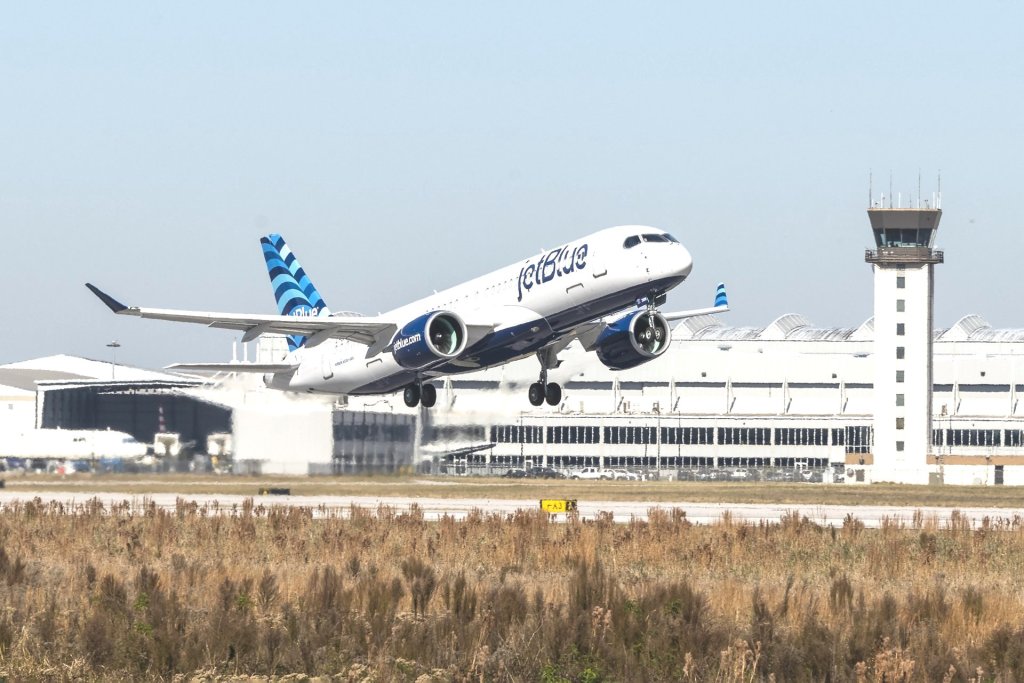
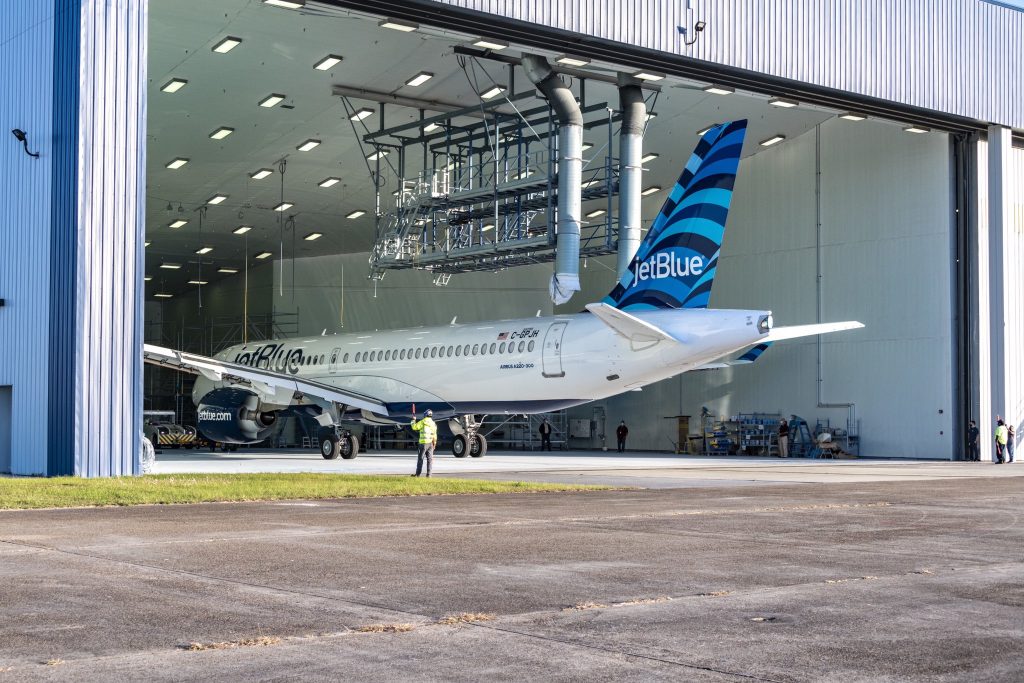
Presentación pública del primer Airbus A220 de JetBlue Airways
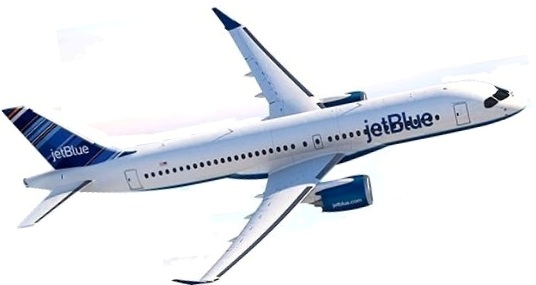
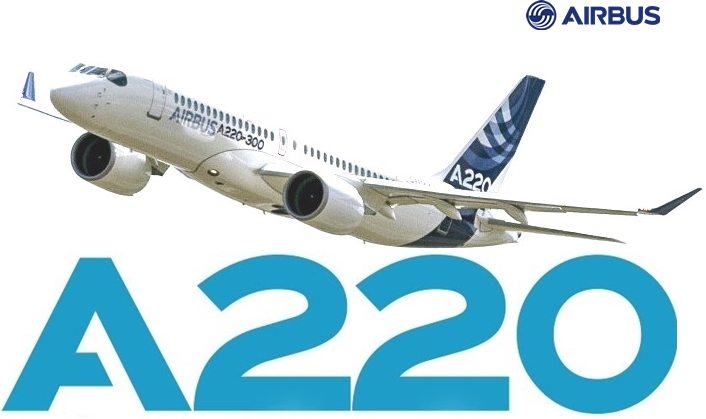
JetBlue Airways ha presentado su primer Airbus A220-300, el primero de 70 nuevas aeronaves encomendadas. La aerolínea de bajo costo es la tercera aerolínea norteamericana en operar el A220, después de Air Canada y Delta Air Lines.
Jayne O’Brien, Directora de Marketing y Lealtad de JetBlue Airways, comentó: «Con el A220 hemos tomado un avión de última generación y añadido nuestro toque galardonado para dar vida a una experiencia que solo JetBlue podría soñar. Esperamos dar la bienvenida a los clientes a bordo de nuestros aviones más nuevos, con una increíble comodidad a bordo, elementos de diseño únicos y entretenimiento y conectividad sin igual».
Caractarísticas JetBlue-A220
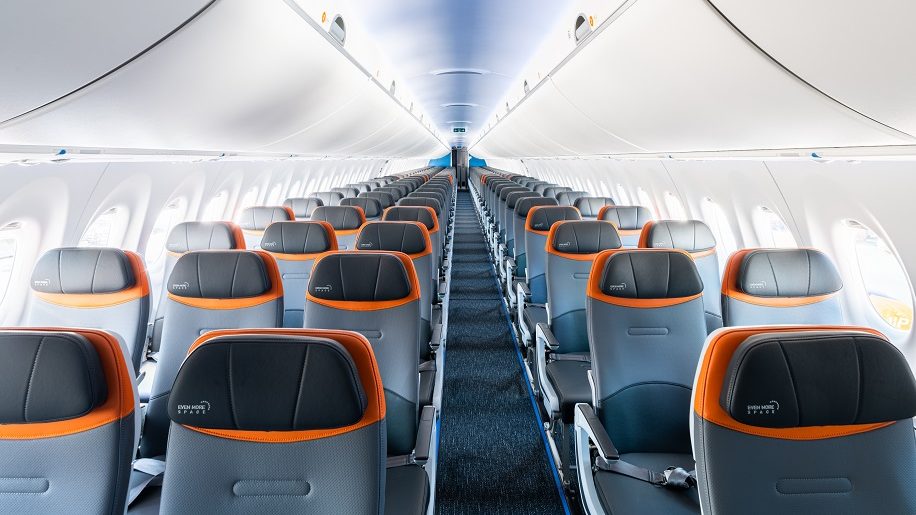
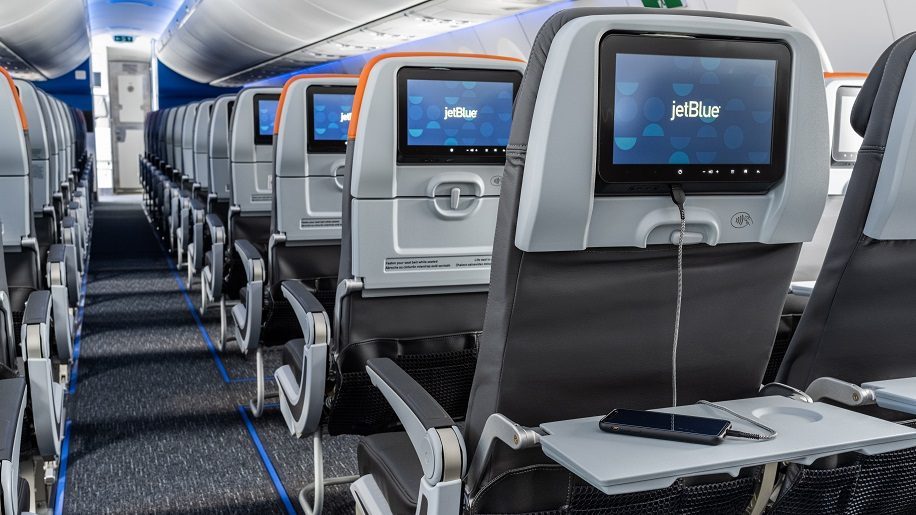
El arribo del A220 significa una cabina mejorada con ventanas más grandes, contenedores superiores más grandes e iluminación ambiental para los viajeros. El A220 de JetBlue está equipado con 140 asientos en una configuración de 2-3, con un asiento Collins Meridian, similar al A320 renovado y ofrece 18,6 pulgadas de ancho. El producto también incluye un sistema de entretenimiento Thales Avant con pantallas HD de 10,1 pulgadas, 30 canales de TV vía satélite, así como alimentación en el asiento a través de tomas de CA y USB. JetBlue se convierte en la primera aerolínea a nivel mundial en recibir un A220 equipado con conectividad Viasat que ofrece wifi gratuito de alta velocidad.
Perspectivas A220
Se espera que el avión entre en servicio programado a mediados de Junio 2021, comenzando con la ruta Boston-Fort Lauderdale. El objetivo es reemplazar la flota de Embraer E190 reduciendo los costos de operación por asiento en un 30 por ciento. El A220-300 también permitirá a JetBlue Airways servir a nuevos mercados y rutas que anteriormente no habrían sido rentables. El transportista ha expresado que espera recibir siete A220-300, que es la variante más larga, hacia finales de este 2021.
JetBlue introduces the Airbus A220
JetBlue Airways First Airbus A220 Public Presentation
JetBlue Airways has unveiled its first Airbus A220-300, the first of 70 new aircraft ordered. The low-cost carrier is the third North American carrier to operate the A220, after Air Canada and Delta Air Lines.
Jayne O’Brien, JetBlue Airways Director of Marketing and Loyalty, commented: «With the A220 we have taken a next-generation aircraft and added our award-winning touch to bring to life an experience only Jetblue could dream of. We look forward to welcoming the customers aboard our newest aircraft, with incredible onboard comfort, unique design elements and unmatched entertainment and connectivity».
JetBlue-A220 features
The arrival of the A220 means an improved cabin with larger windows, larger top containers and ambient lighting for travelers. JetBlue’s A220 is equipped with 140 seats in a 2-3 configuration, with a Collins Meridian seat, similar to the refreshed A320 and offering 18.6 inches of width. The product also includes a Thales Avant entertainment system with 10.1-inch HD displays, 30 satellite TV channels, as well as seat power via AC and USB outlets. JetBlue becomes the first airline in the world to receive an A220 equipped with Viasat connectivity that offers free high-speed Wi-Fi.
Perspectives A220
The aircraft is expected to enter scheduled service in mid-June 2021, beginning with the Boston-Fort Lauderdale route. The goal is to replace the Embraer E190 fleet by reducing operating costs per seat by 30 percent. The A220-300 will also allow JetBlue Airways to serve new markets and routes that previously would not have been profitable. The carrier has expressed that it expects to receive seven A220-300, which is the longest variant, by the end of this 2021.
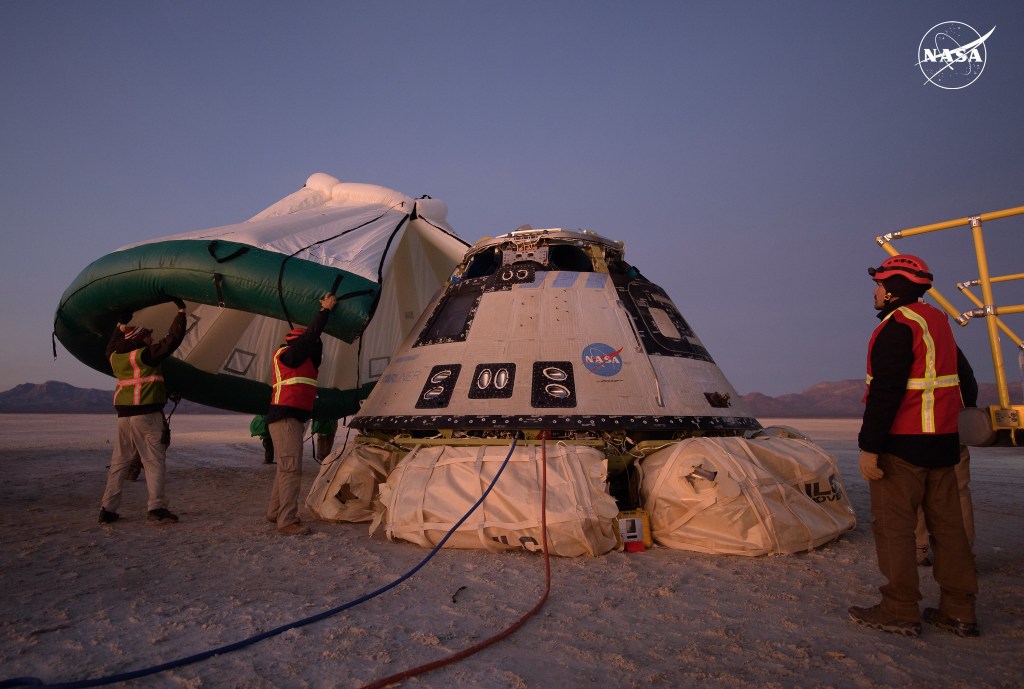
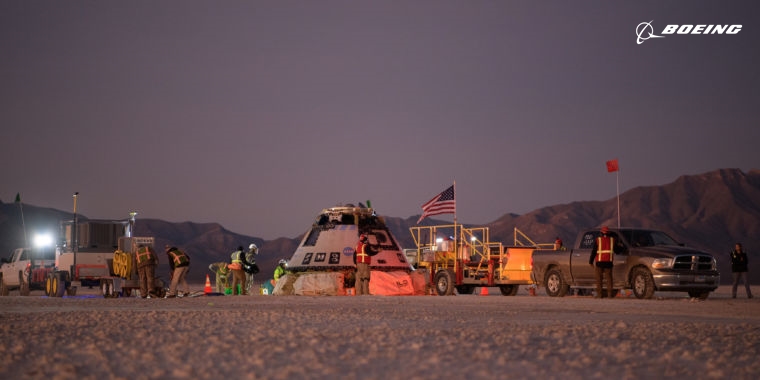
The Boeing Company ha anunciado el 18 de Enero de 2021 que ha completado una recalificación formal del software en su nave espacial CST-100 Starliner. Ese trabajo incluyó revisiones del software en sí, así como los procesos por los que Boeing desarrolló y probó el software. Boeing ha completado una recalificación de software en su nave espacial de tripulación comercial mientras se prepara para lanzar el vehículo en un segundo vuelo de prueba tan pronto como a finales de Marzo 2021. «El trabajo que este equipo pongo a retorcer exhaustivamente nuestro software es un momento decisivo para el programa. Somos más inteligentes como equipo que ha pasado por este proceso y, lo que es más importante, somos más inteligentes como una comunidad de flujos espaciales humanos», dijo John Vollmer, Vicepresidente y Director de Programas de Starliner, en un comunicado de la compañía. Los problemas de software estaban en la raíz de un vuelo de prueba inicial defectuoso, conocido como Orbital Flight Test (OFT), de la nave espacial en Diciembre de 2019. El temporizador de Starliner estaba apagado por 11 horas, haciendo que la nave espacial pensara que estaba en un modo de vuelo diferente inmediatamente después de la separación de la nave espacial. La nave espacial terminó usando más combustible para sus propulsores de lo planeado para lograr la órbita, descartando un acoplamiento planeado con la Estación Espacial Internacional. Los ingenieros encontraron entonces un segundo problema de software que podría haber causado que el módulo de servicio de la nave espacial chocar con la cápsula de la tripulación después de la separación justo antes del reingreso. Eso se arriesgue a dañar el escudo térmico de la cápsula o hacer que la orientación de la cápsula se vuelva inestable. Se instaló un parche de software para corregir el problema pocas horas antes de la reingreso en ese vuelo de prueba acortado.
Los ejecutivos de Boeing dijeron dos meses después de la misión de la OFT que estaban revisando sus procesos de desarrollo de software para abordar esos problemas. «Vamos a aplicar un rigor adicional a la ingeniería de sistemas y al desarrollo de software», dijo John Mulholland, Gerente de Programas de Starliner en Boeing en ese momento. Una revisión independiente de la misión OFT generó 80 recomendaciones, con requisitos de software, desarrollo y pruebas que representan una gran fracción de ellas. La NASA dijo en Diciembre 2020 que Boeing había completado el trabajo en más del 90% de las recomendaciones. Boeing no ha terminado con las pruebas del software Starliner. Se planea un trabajo adicional con United Launch Alliance para probar la integración de Starliner con su vehículo de lanzamiento Atlas 5, y con la NASA para probar operaciones conjuntas con la ISS.
Boeing también realizará una simulación de extremo a extremo de la próxima segunda misión de OFT, incluyendo pruebas completas del software desde operaciones previas al inicio hasta el acoplamiento y desde el desacoplamiento hasta el aterrizaje. Boeing reconoció el año pasado que no hicieron pruebas de software de extremo a extremo, sino que dividieron las pruebas en segmentos más pequeños. El próximo vuelo de la OFT, conocido como OFT-2, está programado para el 29 de Marzo de 2021. Boeing acordó el año pasado realizar el segundo vuelo de prueba sin atornillar a su propio costo para completar las pruebas de la nave espacial, incluyendo el acoplamiento con la ISS, antes de volar astronautas en la prueba de vuelo de la tripulación (CFT) a finales de este año. Ese vuelo de prueba podría tener lugar un poco antes. Phil McAlister, Director de Vuelo Espacial Comercial en la sede de la NASA, dijo en una reunión del 13 de Enero del 2021 del Comité de Exploración y Operaciones Humanas del Consejo Asesor de la NASA que puede ser posible avanzar hacia el lanzamiento hasta el 25 de Marzo de 2021, aunque la NASA y Boeing no han tomado una decisión formal sobre una fecha de lanzamiento revisada para LA OFT-2. Elogió a Boeing por el trabajo que han hecho para corregir los problemas con Starliner encontrados durante la misión original de la OFT. «Ciertamente no han quitado el pie del gas, y seguimos trabajando con Boeing y preparándolos para su vuelo OFT-2», dijo Phil McAlister. Si la misión OFT-2 tiene éxito, la misión de la CFT seguiría, enviando a los astronautas Mike Fincke, Nicole Mann y Barry Wilmore a la ISS tan pronto como este verano. La NASA contempló previamente extender la misión CFT de un par de semanas a tan largos como varios meses para mantener una presencia estadounidense en la ISS.
Esa misión extendida de CFT es poco probable ahora con el Dragón de Tripulación de SpaceX en servicio. La misión Crew-1 está actualmente en la estación y se espera que permanezca allí hasta mayo. La tripulación 2 está programada para lanzarse en primavera, superponiéndose con Crew-1, mientras que una tercera misión crew Dragon, Crew-3, está prevista para el 3Q2021. «Ahora que SpaceX está operativo, no vemos la necesidad de enfatizar necesariamente eso. Estamos pensando en hacer de eso un vuelo de prueba regular», dijo Phil McAlister, señalando que todavía no había una decisión oficial sobre la duración de la misión de la CFT.
Starliner software requalification
Boeing Starliner completes software requalification
The Boeing Company announced on January 18, 2021 that it has completed a formal software requalification on its CST-100 Starliner spacecraft. That work included reviews of the software itself, as well as the processes by which Boeing developed and tested the software. Boeing has completed a software requalification on its commercial crew spacecraft as it prepares to launch the vehicle on a second test flight as early as the end of March 2021. «The work this team put into extensively twisting our software is a A watershed moment for the program. We are smarter as a team that has been through this process and, more importantly, we are smarter as a community of human space flows», said John Vollmer, Vice President and Director of Programs for Starliner, at a company statement. The software problems were at the root of a faulty initial test flight, known as the Orbital Flight Test (OFT), of the spacecraft in December 2019. Starliner’s timer was off for 11 hours, causing the spacecraft to think it was in a different flight mode immediately after separation from the spacecraft. The spacecraft ended up using more fuel for its thrusters than planned to achieve orbit, ruling out a planned docking with the International Space Station. Engineers then found a second software problem that could have caused the spacecraft’s service module to collide with the crew capsule after separation just before re-entry. That risks damaging the capsule’s heat shield or causing the capsule’s orientation to become unstable. A software patch was installed to correct the problem a few hours before re-entry on that shortened test flight.
Boeing executives said two months after the OFT mission that they were reviewing their software development processes to address those issues. «We’re going to apply additional rigor to systems engineering and software development», said John Mulholland, Starliner Program Manager at Boeing at the time. An independent review of the OFT mission generated 80 recommendations, with software, development and testing requirements representing a large fraction of them. NASA said in December 2020 that Boeing had completed work on more than 90% of the recommendations. Boeing is not done with testing the Starliner software. Additional work is planned with the United Launch Alliance to test Starliner’s integration with its Atlas 5 launch vehicle, and with NASA to test joint operations with the ISS.
Boeing will also conduct an end-to-end simulation of the upcoming second OFT mission, including full software testing from pre-start operations to docking and from docking to landing. Boeing acknowledged last year that they did not test the software end-to-end, but instead divided the tests into smaller segments. The next OFT flight, known as OFT-2, is scheduled for March 29, 2021. Boeing agreed last year to conduct the second unscrewed test flight at its own expense to complete tests of the spacecraft, including docking with the ISS, before flying astronauts in the flight crew test (CFT) later this year. That test flight could take place a little earlier. Phil McAlister, Director of Commercial Space Flight at NASA Headquarters, said at a January 13, 2021 meeting of the Human Exploration and Operations Committee of the NASA Advisory Council that it may be possible to move toward launch by the 25th of January. March 2021, although NASA and Boeing have not made a formal decision on a revised launch date for THE OFT-2. He commended Boeing for the work they have done to correct the problems with Starliner encountered during the original OFT mission. «They certainly haven’t taken their foot off the gas, and we continue to work with Boeing and prepare them for their OFT-2 flight», said Phil McAlister. If the OFT-2 mission is successful, the CFT mission would follow, sending astronauts Mike Fincke, Nicole Mann and Barry Wilmore to the ISS as early as this summer. NASA previously contemplated extending the CFT mission from a couple of weeks to as long as several months to maintain a US presence on the ISS.
That extended CFT mission is unlikely now with SpaceX’s Crew Dragon in service. The Crew-1 mission is currently on the station and is expected to remain there until May. Crew 2 is scheduled to launch in the spring, overlapping with Crew-1, while a third Crew Dragon mission, Crew-3, is scheduled for 3Q2021. «Now that SpaceX is operational, we don’t see the need to necessarily emphasize that. We are thinking of making that a regular test flight», Phil McAlister said, noting that there was no official decision yet on the length of the CFT mission.
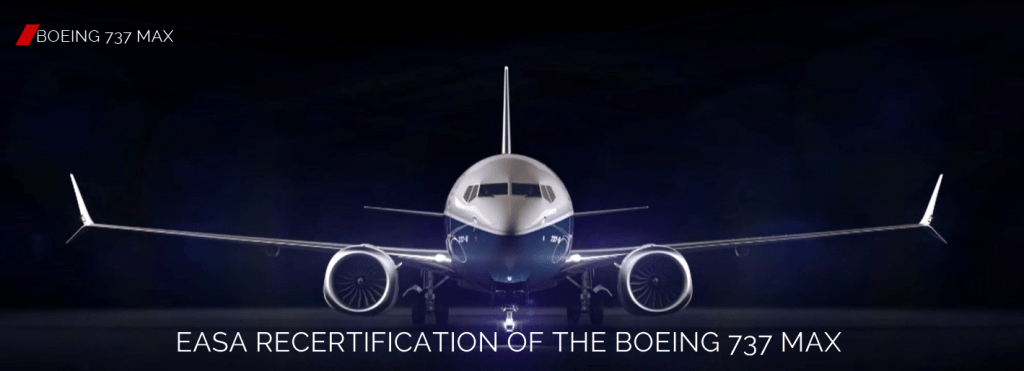
Agencia EASA aproxima recertificación Boeing 737 MAX
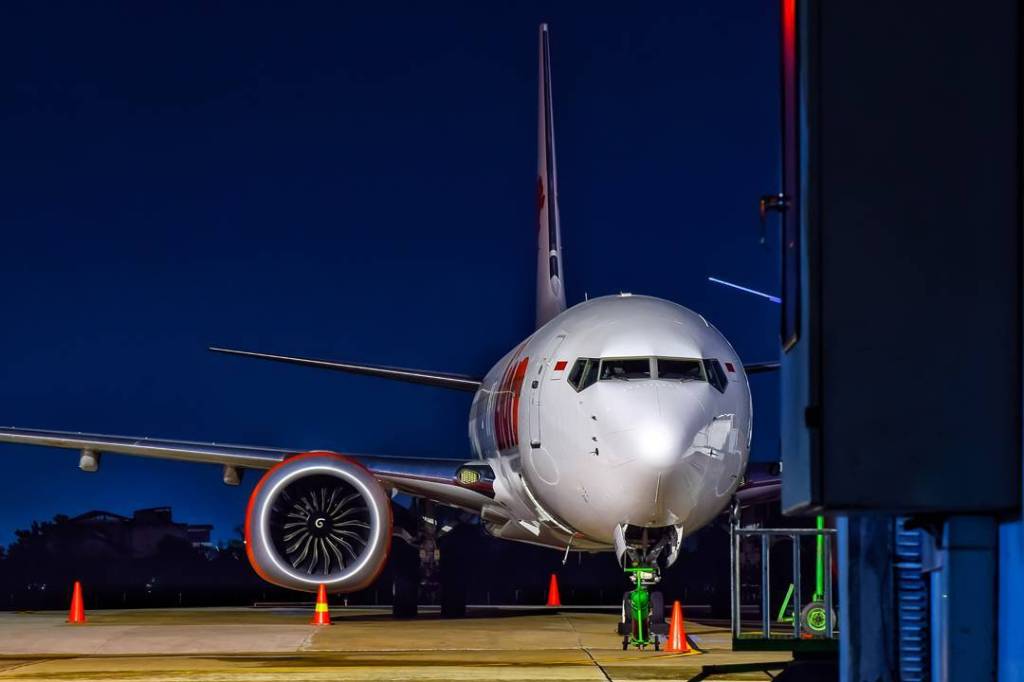
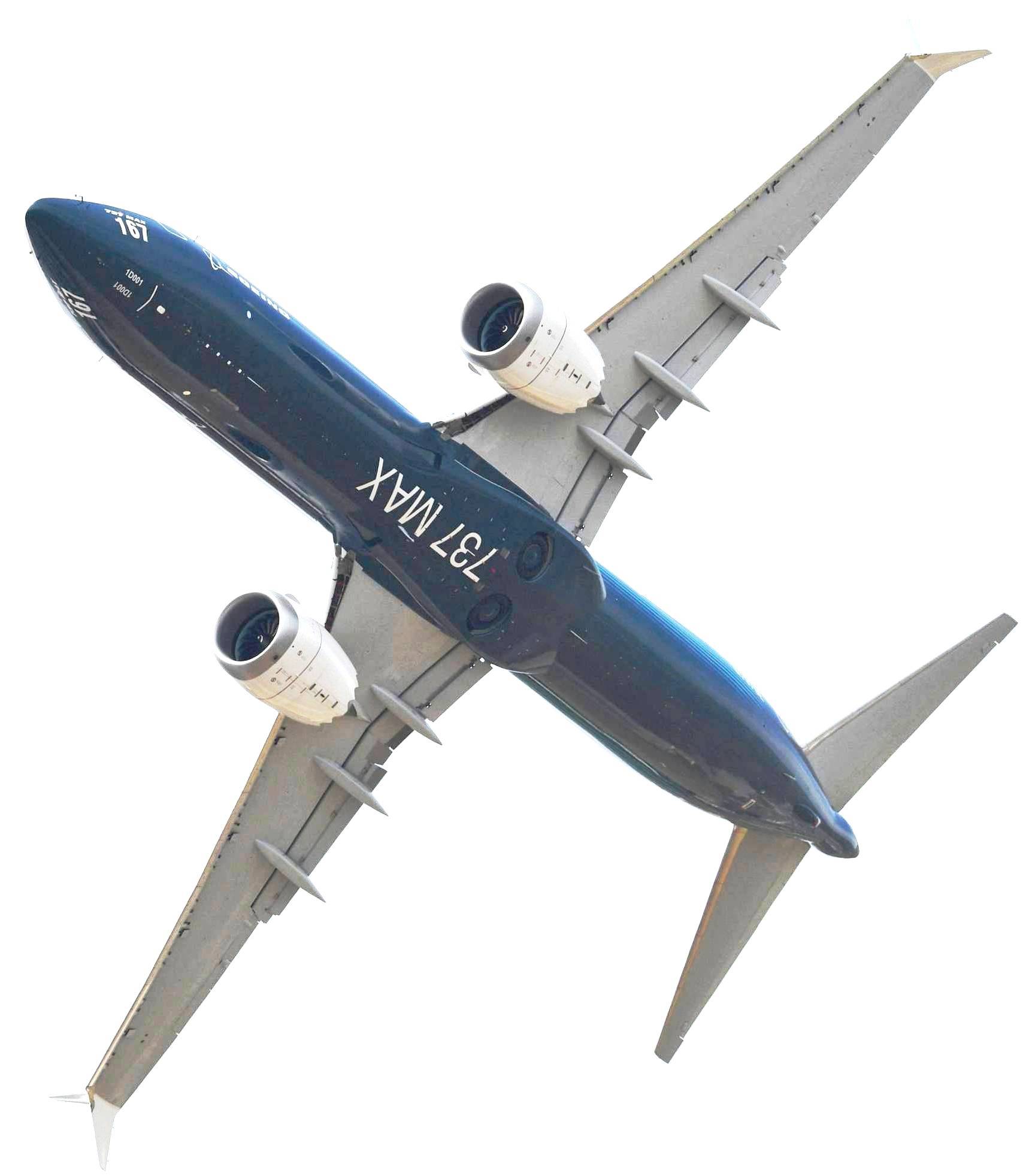
La European Union Aviation Safety Agency (EASA) ha anunciado la próxima recertificación del modelo Boeing 737 MAX para volar en Europa la próxima semana del 25/01, según ha establecido el cronograma de evaluación final de la agencia de seguridad aérea. Patrick Ky, Director Ejecutivo de EASA, ha informado que la relación entre el regulador europeo y su homólogo estadounidense, la Administración Federal de Aviación (FAA), había cambiado para siempre después de revelaciones de supervisión laxa en el desarrollo de los aviones de pasillo único de la línea Boeing 737 MAX.
EASA evaluaría independientemente qué elementos serán críticos para la seguridad de las aeronaves y componentes estadounidenses. «No estábamos haciendo eso en proyectos estadounidenses. Haremos eso más a partir de ahora. Haremos nuestra propia evaluación y aumentaremos nuestro nivel de participación en esos sistemas», dijo el Sr. Patrick Ky en una conferencia de prensa.
Sistema de autofiscalización
El sistema de certificación de aeronaves a nivel mundial ha permitido a los fabricantes autocertificar ciertos elementos de sus programas bajo la vista de los reguladores de seguridad de cada país. La FAA ha sido sometida a intensas críticas por su débil escrutinio de la línea Boeing 737 MAX, tras los accidentes aéreas de los vuelos JT-610 de Lion Air y el ET-302 de Ethiopian Airlines.
Un informe del subcomité del Congreso de los Estados Unidos sobre los accidentes publicados en 2020 ha encontrado «una supervisión manifiestamente insuficiente por parte de la FAA, el resultado pernicioso de la captura regulatoria. La forma en que estamos haciendo las cosas, especialmente en el mundo de la certificación, nunca será completamente la misma». La lección había sido tomada por los reguladores mundiales. El Sr. Patrick Ky dijo que la recertificación del Boeing 737 MAX, como así también del Programa 777X había planteado «una serie de preguntas sobre la relación entre la FAA y EASA y la forma en que llevamos a cabo nuestros propios proyectos de certificación. El escrutinio más estricto podría dar lugar a retrasos más largos en la certificación, mientras que una nueva forma de trabajar se proyecta con total transparencia por parte de Boeing y la FAA. Trabajamos muy bien juntos».
A los fabricantes de aeronaves les resultaría más complicado certificar nuevas iteraciones en diseños de aeronaves más antiguos. Tanto el 737 MAX como el popular A320NEO de Airbus se basan en aviones diseñados originalmente con más de 30 años atrás. Muchas de las modificaciones futuras que tengan que realizar los constructores tendrán que buscar las aprobaciones de las agencias respectivas para poder volar. Patrick Ky dijo que habría que cambiar las normas que eximirían esos sistemas y partes previamente certificadas. Pero esto tendría que ser coordinado a nivel mundial, dijo. «No podemos hacerlo de forma aislada. Tenemos que trabajar con nuestros colegas estadounidenses para tener una manera acordada de revisar las reglas de productos modificadas».
Boeing había abordado las preocupaciones de EASA sobre la devolución del 737 MAX al servicio comercial, incluida una modificación del Sistema de Control de Vuelo (MCAS) que se consideró un factor crítico en los dos accidentes. La siguiente iteración del 737 MAX incluiría una mejora para detectar lecturas de sensores potencialmente defectuosas.
Perspectivas 737 MAX
Mientras tanto, las aerolíneas europeas podrían esperar llevar el 737 MAX a tiempo para la temporada de verano septentrional. La recertificación de la FAA y más recientemente de los reguladores de seguridad en Brasil y la próxima aprobación de la agencia de Transport Canadá pondrían al 737 MAX nuevamente en escena a nivel internacional. Hacia el futuro los aviones construidos en Estados Unidos serán objeto de un examen más detenido por parte de la Agencia de Seguridad Aérea de la Unión Europea, una lección que los organismos reguladores de aviación han asumido para siempre.
EASA upcoming 737 MAX recertification
EASA agency approaches Boeing 737 MAX recertification
The European Union Aviation Safety Agency (EASA) has announced the upcoming recertification of the Boeing 737 MAX model to fly in Europe next week on 01/25, according to the final evaluation schedule of the aviation safety agency. Patrick Ky, Executive Director of EASA, has reported that the relationship between the European regulator and its American counterpart, the Federal Aviation Administration (FAA), had changed forever after revelations of lax oversight in the development of single-aisle aircraft. of the Boeing 737 MAX line.
EASA would independently assess which elements will be critical to the safety of US aircraft and components. «We were not doing that in American projects. We will do that more from now on. We will do our own assessment and increase our level of participation in those systems», Mr. Patrick Ky said at a press conference.
Self-monitoring system
The global aircraft certification system has allowed manufacturers to self-certifycertain elements of their programs under the view of each country’s safety regulators. The FAA has come under intense criticism for its weak scrutiny of the Boeing 737 MAX line, following the air crashes on Lion Air’s JT-610 and Ethiopian Airlines ET-302.
A report by the United States Congressional subcommittee on accidents published in 2020 has found «grossly insufficient oversight by the FAA, the pernicious result of regulatory capture. The way we are doing things, especially in the world of certification, it will never be completely the same». The lesson had been taken by world regulators. Mr. Patrick Ky said that the recertification of the Boeing 737 MAX, as well as the 777X Program, had raised «a number of questions about the relationship between the FAA and EASA and the way we carry out our own certification projects. Tighter scrutiny could lead to longer certification delays, while a new way of working is projected with full transparency from Boeing and the FAA. We work very well together».
Aircraft manufacturers would find it more difficult to certify new iterations on older aircraft designs. Both the 737 MAX and Airbus’ popular A320NEO are based on aircraft originally designed more than 30 years ago. Many future modifications that builders will have to make will have to seek approvals from the respective agencies in order to fly. Patrick Ky said the rules that would exempt those previously certified systems and parts would need to be changed. But this would have to be coordinated globally, he said. «We can’t do it in isolation. We have to work with our American colleagues to have an agreed-upon way to review the modified product rules».
Boeing had addressed EASA’s concerns about the return of the 737 MAX to commercial service, including a modification of the Flight Control System (MCAS) that was considered a critical factor in the two accidents. The next iteration of the 737 MAX would include an improvement to detect potentially faulty sensor readings.
Perspectives 737 MAX
Meanwhile, European airlines could hope to bring the 737 MAX in time for the northern summer season. Recertification from the FAA and more recently from safety regulators in Brazil and the upcoming approval from the Transport Canada agency would put the 737 MAX back on the international scene. Going forward, US-built aircraft will be the subject of closer scrutiny by the European Union Aviation Safety Agency, a lesson that aviation regulators have forever learned.
Horizonte incierto de la línea Programa DHC-8Q-400
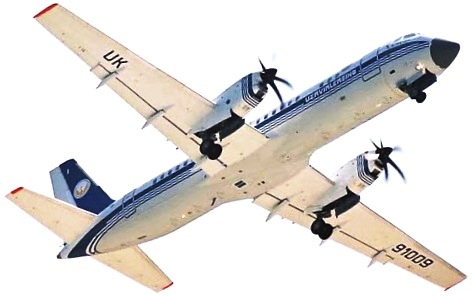
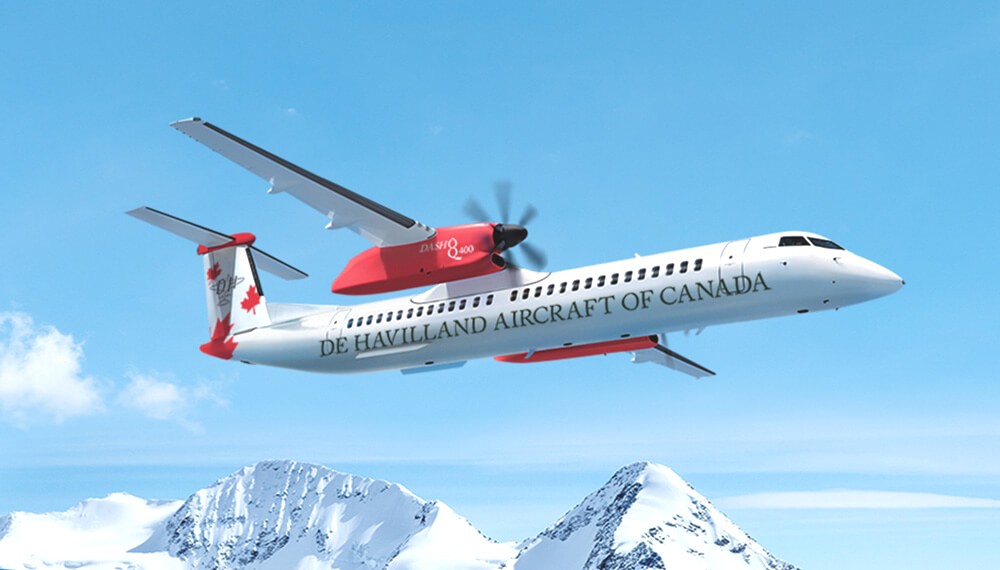
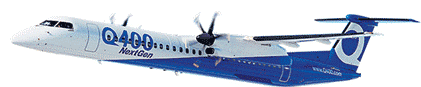
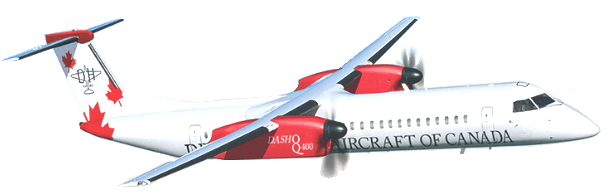
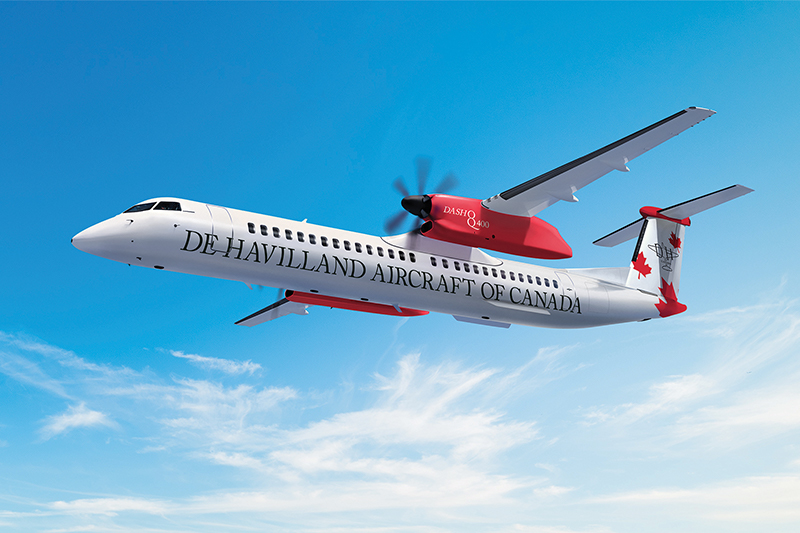
De Havilland Aircraft Company of Canada una empresa adquirida por Longview Aviation ha estado procesando todos los pedidos residuales heredados de Bombardier Inc. Tras la fabricación de los pedidos restantes a compañías de todo el mundo, el Dash 8 continúa siendo un producto exitoso de la industria canadiense de la construcción de aviones. Bajo Bombardier, los aviones fueron llamados la Q-Series y añadidos al Dash 8-400 más grande. Desde 2019, el Programa Dash 8 ha sido propiedad del grupo financiero canadiense Longview Capital y reaparecerá bajo De Havilland Canada. Hasta el momento se han montado casi 1.300 unidades de todos los modelos.
Suministros al Q400
Sin embargo, el optimismo de De Havilland Canadá en 2019 se ha desvanecido, según los analistas de Leeham News, la compañía ha pedido a sus proveedores que dejen de enviar nuevas piezas. La producción se detendrá durante el transcurso del año 2021. «Estamos trabajando con diferentes partes interesadas para examinar diferentes escenarios para el futuro», dijo una portavoz de la compañía canadiense. La razón de la medida es que De Havilland Canada tiene sólo 19 pedidos para clientes. Cuando se construyen estos aviones, los canadienses detendrán la producción del Dash 8 por el momento, pero es incierto si reactivarán las unidades de producción. Como resultado de la crisis de la pandemia, la demanda de nuevos aviones es apenas baja. «No construimos colas blancas», dijo la portavoz, en referencia a poner en tierra aeronaves sin clientes.
Historia De Havilland Canada
De Havilland Aircraft de Canada Ltd. es un fabricante de aeronaves con instalaciones basadas en el área de Downsview de Toronto, Ontario,Canadá. La casa original de De Havilland Canadá (DHC) fue el hogar del Museo Canadiense del Aire y el Espacio ubicado en lo que ahora es Downsview Park. La compañía aeronáutica fue creada en 1928 por la British de Havilland Aircraft Company para construir aviones Moth para el entrenamiento de aviadores canadienses,y posteriormente después de la Segunda Guerra Mundial, diseñó y produjo diseños indígenas.
En la década de 1980, el gobierno de Canadá privatizó DHC y en 1986 vendió la compañía de aviones a The Boeing Company, con sede en Seattle. DHC fue finalmente adquirido por Bombardier Aerospace con sede en Montrealen 1992. El 24 de Febrero de 2006, Viking Air de Victoria compró los certificados tipo de Bombardier Aerospace para todos los diseños originales de Havilland: DHC-1 Chipmunk, DHC-2 Castor, DHC-3 Nutria, DHC-4, Caribou, DHC-5 Buffalo, DHC-6 Twin Otter, DHC-7 Dash 7.
En Noviembre de 2018, el holding de Viking Air, Longview Aviation Capital,anunció la adquisición del programa Q400, junto con los derechos sobre el nombre y la marca comercial de Havilland. El acuerdo, que se cerró el 3 de Junio de 2019 tras la aprobación regulatoria, puso toda la línea de productos de Havilland bajo la misma bandera por primera vez en décadas, bajo un nuevo holding llamado De Havilland Aircraft of Canada Limited.
La propiedad de los certificados otorga a Viking el derecho exclusivo de fabricar nuevos aviones; anteriormente, Viking había comprado en Mayo de 2005 el derecho a fabricar repuestos y distribuir la línea de productos de aeronaves de herencia de Havilland. A pesar de la transferencia de sus certificados de aviones ligeros a un nuevo propietario, de Havilland Canadá ha dejado un legado de diseños aeroespaciales innovadores y únicos y sus productos siguen volando en cantidades considerables en todo el mundo, y se ha convertido en un miembro productivo del establo Bombardier Aerospace. La planta de Downsview sigue siendo aviones de hélice civil, y la instalación mantiene a miles de empleados.
En Noviembre de 2018, la matriz de Viking Air Longview Aviation Capital Corporation adquirió el Programa Dash 8 de Bombarcier Aerospace y la marca de Havilland, en un acuerdo que se esperaba que cerrara en la segunda mitad de 2019. En Enero de 2019, Longview anunció que establecería una nueva compañía en Ontario, que se llamaría De Havilland Aircraft Company of Canadá, para continuar la producción del modelo Q400 y apoyar la gama Dash 8. El acuerdo se cerró el 3 de Junio de 2019; la compañía recién formada heredó un libro de pedidos de 51 Q400s. Longview Aviation no tiene la intención de fusionar Viking Air y De Havilland. Unos 1.200 empleados de Bombardier fueron transferidos a la nueva compañía De Havilland, que tiene la intención de continuar la producción de Dash 8-400 en Downsview hasta que expire un contrato de arrendamiento en 2023 y espera negociar una extensión hasta esa fecha. También se están considerando otras variantes de Dash 8, en particular para dirigirse al mercado norteamericano de 50 plazas.
Aumento competitibidad
El mayor competidor de aeronaves regionales es Avions Transport Règional (ATR), un consorcio franco-italiano continúa haciendo bien el mercadeo para sus programa de desarrollos. Actualmente posee un backlog de 286 pedidos para el ATR42 más pequeño y el ATR 72 más grande en los libros de órdenes. Mientras tanto, Embraer continúan con el futuro desarrollo de su nuevo avión turbohélice regional, para lo cual necesitará un socio para respaldar la nueva línea de producción. Turquía también quiere construir un nuevo turbohélice. Está considerando desarrollar un nuevo avión regional basado en la experiencia de TRJ bajo la anterior licencia que poseían de Dornier «Vemos una demanda creciente. El objetivo es tener una capacidad de 70 a 90 asientos, que también cubre el mercado que cubren ATR y De Havilland Canada», dijo recientemente Temel Kotil, Jefe de Turkish Aerospace. Dornier Aerospace continuará apostando al desarrollo del derivado Do-328eco.
Perspectives from De Havilland Canada
Uncertain horizon of the line DHC-8Q-400 Program
De Havilland Aircraft Company of Canada a company acquired by Longview Aviation has been processing all residual orders inherited from Bombardier Inc. Following the manufacturing of the remaining orders to companies around the world, the Dash 8 continues to be a successful product of the Canadian industry. of aircraft construction. Under Bombardier, the aircraft were called the Q-Series and added to the larger Dash 8-400. Since 2019, the Dash 8 program has been owned by Canadian financial group Longview Capital and will reappear under De Havilland Canada. So far almost 1,300 units of all models have been assembled.
Supplies to the Q400
However, de Havilland Canada’s optimism in 2019 has faded, according to analysts at Leeham News, the company has asked its suppliers to stop shipping new parts. Production will stop during the course of 2021. «We are working with different stakeholders to examine different scenarios for the future», said a spokeswoman for the Canadian company. The reason for the move is that de Havilland Canada has only 19 customer orders. When these planes are built, Canadians will halt production of the Dash 8 for now, but it is uncertain whether they will reactivate production units. As a result of the pandemic crisis, the demand for new aircraft is barely low. «We don’t build white queues», the spokeswoman said, referring to grounding aircraft without customers.
History De Havilland Canada
De Havilland Aircraft of Canada Ltd. is an aircraft manufacturer with facilities based in the Downsview area of Toronto, Ontario, Canada. The original De Havilland Canada (DHC) home was the home of the Canadian Air and Space Museum located in what is now Downsview Park. The aeronautical company was created in 1928 by the British de Havilland Aircraft Company to build Moth aircraft for the training of Canadian aviators, and later after World War II, it designed and produced indigenous designs.
In the 1980s, the Canadian government privatized DHC and in 1986 sold the aircraft company to The Boeing Company, based in Seattle. DHC was eventually acquired by Montrealen-based Bombardier Aerospace 1992. On February 24, 2006, Viking Air of Victoria purchased Bombardier Aerospace type certificates for all original de Havilland designs: DHC-1 Chipmunk, DHC-2 Castor, DHC-3 Otter, DHC-4, Caribou, DHC-5 Buffalo, DHC-6 Twin Otter, DHC-7 Dash 7.
In November 2018, Viking Air’s holding company, Longview Aviation Capital, announced the acquisition of the Q400 program, along with rights to the de Havilland name and trademark. The deal, which closed on June 3, 2019 following regulatory approval, put the entire de Havilland product line under the same banner for the first time in decades, under a new holding company called De Havilland Aircraft of Canada Limited.
Ownership of the certificates gives Viking the exclusive right to manufacture new aircraft; Previously, Viking had purchased in May 2005 the right to manufacture parts and distribute de Havilland’s heritage aircraft product line. Despite the transfer of its light aircraft certificates to a new owner, de Havilland Canada has left a legacy of innovative and unique aerospace designs and its products continue to fly in considerable numbers around the world, and have become a productive member. from the Bombardier Aerospace stable. The Downsview plant is still civilian propeller aircraft, and the facility supports thousands of employees.
In November 2018, Viking Air parent Longview Aviation Capital Corporation acquired Bombarcier Aerospace’s Dash 8 Program and the de Havilland brand, in a deal that was expected to close in the second half of 2019. In January 2019, Longview announced that it would establish a new company in Ontario, to be called De Havilland Aircraft Company of Canada, to continue production of the Q400 model and support the Dash 8 range. The agreement closed on June 3, 2019; the newly formed company inherited an order book of 51 Q400s. Longview Aviation does not intend to merge Viking Air and de Havilland. Some 1,200 Bombardier employees were transferred to the new De Havilland company, which intends to continue production of the Dash 8-400 at Downsview until a lease expires in 2023 and expects to negotiate an extension until that date. Other Dash 8 variants are also being considered, in particular to target the North American 50-seat market.
Increased competitiveness
The biggest competitor to regional aircraft is Avions Transport Règional (ATR), a Franco-Italian consortium continues to do well with the marketing for its development program. It currently has a backlog of 286 orders for the smallest ATR42 and the largest ATR 72 in the order books. In the meantime, Embraer continue with the future development of its new regional turboprop aircraft, for which it will need a partner to support the new production line. Turkey also wants to build a new turboprop. It is considering developing a new regional aircraft based on TRJ’s expertise under their previous license from Dornier. «We see a growing demand. The goal is to have a capacity of 70 to 90 seats, which also covers the market that ATR and De Havilland cover. Canada», said Temel Kotil, Head of Turkish Aerospace, recently. Dornier Aerospace will continue to bet on the development of the Do-328eco derivative.
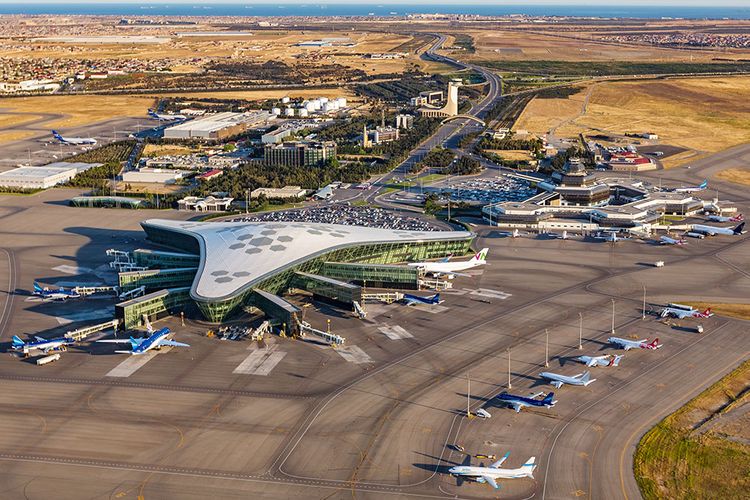
Azerbaiyán inicia construcción de nuevo aeropuerto en Karabaj
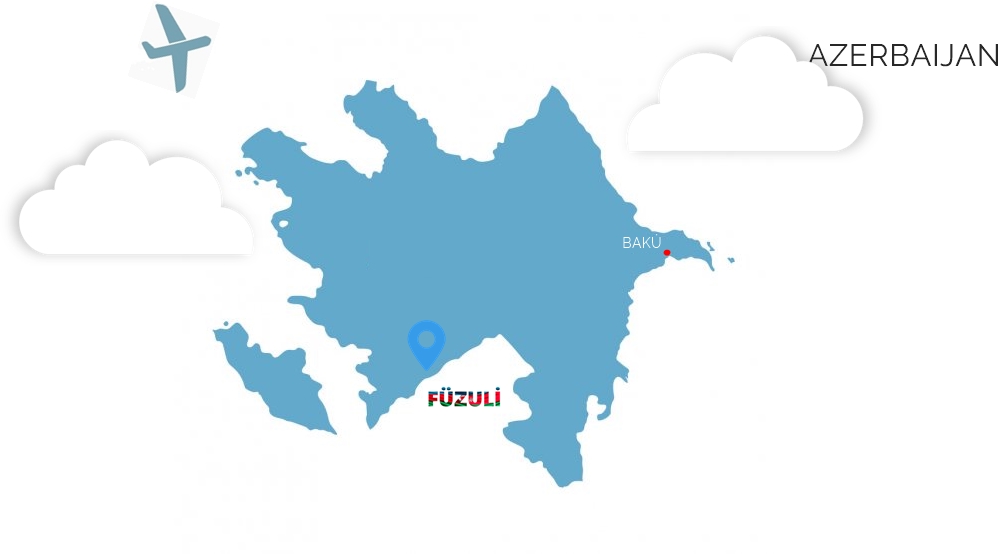
El Gobierno de la República de Azerbaiyán ha anunciado la creación de un aeropuerto en la Región de Karabaj, luego de la crisis militar con la vecina Armenia. Las autoridades gubernamentales han establecido las bases para un nuevo aeropuerto y una carretera en el Distrito de Füzuli, que recientemente fue liberado de la ocupación de Armenia durante casi tres décadas, dijo el Viernes 15/01 en un comunicado de prensa de la Presidencia.
Aeropuerto Internacional Füzuli
El nuevo aeropuerto internacional en Distrito de Füzuli tendrá una pista de 2.8 kilómetros (1.7 millas) y se espera que esté equipado con infraestructura de acuerdo con los estándares internacionales. «Este es un proyecto muy importante para el desarrollo de nuestras regiones liberadas. El Aeropuerto Internacional de Füzuli se pondrá en servicio este año. Al menos la pista debería estar en servicio este año. El edificio del aeropuerto puede ser comisionado este año o el próximo», expresó el Presidente de la República de Azerbaiyán, Ilham Aliyev. El propósito principal del aeropuerto es facilitar la llegada de visitantes extranjeros a Shusha, que está cerca del aeropuerto, y estimular las economías en la región.
New Karabakh airport construction
Azerbaijan begins construction of new airport in Karabakh
The Government of the Republic of Azerbaijan has announced the creation of an airport in the Karabakh Region, after the military crisis with neighboring Armenia. Government authorities have laid the foundations for a new airport and highway in the Füzuli District, which was recently liberated from the occupation of Armenia for almost three decades, said on Friday 01/15 in a presidential press release.
Füzuli International Airport
The new international airport in Füzuli District will have a 2.8 kilometer (1.7 mile) runway and is expected to be equipped with infrastructure in accordance with international standards. «This is a very important project for the development of our Liberated Areas. The Füzuli International Airport will be put into service this year. At least the runway should be in service this year. The airport building can be commissioned this year or next», said the President of the Republic of Azerbaijan, Ilham Aliyev. The main purpose of the airport is to facilitate the arrival of foreign visitors to Shusha, which is close to the airport, and to stimulate economies in the region.
Yeni Qarabağ hava limanının tikintisi
Azərbaycan Qarabağda yeni hava limanının tikintisinə başlayır
Azərbaycan Respublikası Hökuməti qonşu Ermənistanla hərbi böhrandan sonra Qarabağ Bölgəsində bir hava limanı yaratdığını elan etdi. Hökumət orqanları, Füzuli rayonunda, təxminən 30 ildir Ermənistanın işğalından azad edilmiş yeni bir hava limanı və magistral yolun təməlini qoydu. Bu barədə 01/15 cümə günü prezidentin press-relizində deyilir.
Füzuli Beynəlxalq Hava Limanı
Füzuli rayonundakı yeni beynəlxalq hava limanının 2,8 kilometr (1,7 mil) pisti olacaq və beynəlxalq standartlara uyğun infrastrukturla təchiz olunacağı gözlənilir. «Bu, Qurtuluş Bölgələrimizin inkişafı üçün çox vacib bir layihədir. Füzuli Beynəlxalq Hava Limanı bu il istifadəyə veriləcək. Ən azı bu uçuş zolağı xidmətdə olmalıdır. Hava limanının binası bu il və ya gələn il istifadəyə verilə bilər», dedi Azərbaycan Respublikasının Prezidenti İlham Əliyev. Hava limanının əsas məqsədi xarici qonaqların hava limanına yaxın olan Şuşaya gəlməsini asanlaşdırmaq və bölgədəki iqtisadiyyatları stimullaşdırmaqdır.















![dash[1] - copia](https://airgways.com/wp-content/uploads/2021/01/dash1-copia.jpg)