El Aeropuerto Internacional Felipe Ángeles/AIFA iniciará su apertura aerocomercial en Febrero 2021, según han anunciado la Secretaría de Comunicaciones y Transportes de México. El primer avión está establecido para aterrizar en el Aeropuerto de Santa Lucía el 19 de Febrero de 2021, inaugurando el nuevo aeropuerto de la Ciudad de Santa Lucía. El Presidente Andrés Manuel López Obrador será el encargado de estrenar las pistas del Nuevo Aeropuerto de México para ese día memorable, aunque la inauguración de los vuelos comerciales sigue prevista en el calendario para el 21 de Marzo de 2022, anunció el titular de la Secretaría de Comunicaciones y Transportes, Jorge Arganis Díaz-Leal.
Actualmente se están trabajando estrechamente con las autoridades del Estado de México para que se puedan concluir los trabajos de conectividad terrestre entre los aeropuertos de Toluca, Ciudad de México y el de Santa Lucía, una vez que comience a funcionar el sistema. En 10/2020, tras un recorrido por la construcción, López Obrador aseguró que la obra ya estaba al 40% y con un avance financiero del 27%.
El proyecto inicial del Aeropuerto de Santa Lucía comprendía 2.300 hectáreas, pero se adquirieron 1.400 hectáreas más para un total de 3.700, más de cinco veces la extensión del actual Aeropuerto Internacional de la Ciudad de México, que es de 750 hectáreas. El futuro aeropuerto mexicano tendrá capacidad para unos 20.5 millones de usuarios al año y espera recibir unos 85 millones en varias etapas de construcción que se cumplirán en las próximas tres décadas 2030, 2040 y 2050. Santa Lucía operará a la par del actual Aeropuerto Internacional de la Ciudad de México (AICM) y con el de Toluca, también en el Estado de México, y entre todos tendrán un total de seis pistas.
AIFA Airport opening around 02/2021
Felipe Ángeles Airport opens around 02/2020
The Felipe Ángeles International Airport/AIFA will begin its commercial opening in February 2021, as announced by the Ministry of Communications and Transportation of Mexico. The first aircraft is set to land at Santa Lucia Airport on February 19, 2021, inaugurating the new airport in the City of Santa Lucia. President Andrés Manuel López Obrador will be in charge of opening the runways of the New Mexico Airport for that memorable day, although the inauguration of commercial flights is still scheduled on the calendar for March 21, 2022, announced the head of the Secretariat of Communications and Transportation, Jorge Arganis Díaz-Leal.
Currently, they are working closely with the authorities of the State of Mexico so that the ground connectivity works between the Toluca, Mexico City and Santa Lucía airports can be completed, once the system begins to operate. In 10/2020, after a tour of the construction, López Obrador assured that the work was already at 40% and with a financial advance of 27%.
The initial Santa Lucía Airport project comprised 2,300 hectares, but 1,400 more hectares were acquired for a total of 3,700, more than five times the extension of the current Mexico City International Airport, which is 750 hectares. The future Mexican airport will have capacity for about 20.5 million users per year and expects to receive about 85 million in various construction stages that will be completed in the next three decades 2030, 2040 and 2050. Santa Lucia will operate alongside the current International Airport of Mexico City (AICM) and Toluca, also in the State of Mexico, and together they will have a total of six tracks.
AW | 2020 11 20 15:41 | AIR TRAFFIC / AVIATION ORGANISMS
Próximo paro actividades aéreas en Argentina para 25/11
Los trabajadores de la Empresa Argentina de Navegación Aérea (EANA) han anunciado un próximo paro de actividades para el 25 de Noviembre de 2020 en reclamos de recomposición salarial. Los trabajadores de la navegación aérea se encuentran nucleados en ATEPSA (Asociación Técnicos y Empleados de Protección y Seguridad a la Aeronavegación). La medida gremial ha sido anunciada este 20/11, después del fracaso de la reunión del 17/11 con el Ministerio de Transporte en la cual EANA propuso un incremento salarial del 7% y el pago del adelanto del aguinaldo a principios de Diciembre 2020.
Las medidas adoptadas por ATEPSA para el próximo 25/11 consideran la suspensión de despegues en horarios determinados, la demora de los planes de vuelo. Las acciones implementadas por los trabajadores provocará demoras y cancelaciones en vuelos comerciales y privados, quedando exceptuados los vuelos sanitarios, de emergencia, búsqueda y salvamento y médicos.
EANA Argentina strike
Next stop air activities in Argentina for 11/25
The workers of the Argentine Air Navigation Company (EANA) have announced an upcoming work stoppage for November 25, 2020 in claims of salary recomposition. Air navigation workers are nucleated in ATEPSA (Association of Technicians and Employees for the Protection and Safety of Air Navigation). The union measure was announced on 11/20, after the failure of the 11/17 meeting with the Ministry of Transportation in which EANA proposed a 7% salary increase and the payment of the advance payment of the Christmas bonus at the beginning of December 2020.
The measures adopted by ATEPSA for the next 11/25 consider the suspension of takeoffs at certain times, the delay of flight plans. The actions implemented by the workers will cause delays and cancellations in commercial and private flights, excepting medical, emergency, search and rescue and medical flights.
Nueva regional inicia trámites ante la ANAC Brasil
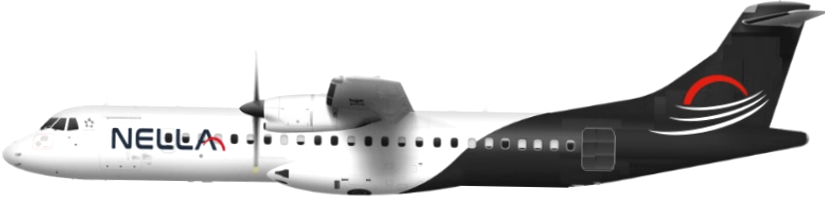
Nella Linhas Aéreas, una nueva startup regional de bajo costo ha comenzado a tramitar el proceso administrativo correspondiente como operador aéreo ante la ANAC Brasil para iniciar vuelos dentro del país en los próximos meses. La nueva aerolínea Nella Linhas Aéreas presentó una solicitud ante la Agencia Nacional de Aviación Civil (ANAC) para iniciar operaciones regionales. La nueva empresa aérea regional ha anunciado el inicio operaciones aéreas hacia la primer mitad del 2021 para convertirse en un referente en la aviación regional brasileña.
Según la ANAC, la reunión forma parte del primero de una serie de pasos para obtener el Certificado de Operador Aéreo (AOC), documento que autoriza el inicio de las actividades de la empresa como transporte aéreo. El proceso puede durar varios meses, hasta que la compañía sea capaz de lanzar el primer vuelo, pero se espera que ocurra en el primer semestre de 2021.
Perspectivas Nella
Con el lema «No se trata sólo de volar», la nueva línea aérea pretende convertirse en una referencia en la aviación regional brasileña, satisfaciendo la demanda de las ciudades en el interior aún sin ayuda por el servicio aéreo, y ser reconocida por una gestión humanizada, enfocada en viajeros y empleados. El brasileño Maurício Souza, fundador de Nella Linhas Aéreas, explica que el nombre de la empresa fue un homenaje a su hija Antonella, menor de 1 año de edad, y que aplicará la jovialidad del nombre en los valores de la empresa.
Nella Linhas Aéreas debería operar inicialmente en las regiones Norte, Noreste y Medio Oeste con aviones ATR 72-600, ampliamente utilizados para aterrizar y despegar en aeropuertos más pequeños. La aeronave tiene la capacidad de transportar hasta 72 pasajeros en vuelos regionales. Teniendo, en un primer momento, el centro de operaciones en el Aeropuerto Internacional de Brasilia y el Centro Administrativo en el Aeropuerto Sao Paulo/Campo de Marte, en Sao Paulo, la intención del CEO es ampliar los centros y flotas, incluyendo las unidades de carga.
Para el Ministro de Turismo, Marcelo Alvaro Antonio, este es el momento ideal para invertir en el mercado interno brasileño. «La reanudación de nuestra actividad se llevará a cabo a través del turismo nacional y tenemos que aprovechar esta tendencia para promocionar y valorar nuestros destinos. La llegada de nuevas aerolíneas regionales amplía la conectividad y hace que el turismo sea aún más accesible», expresó muy expectante por el desenvolvimiento sostenible de la aviación post-pandemia en Brasil.
Nella Linhas Aéreas requests AOC
New regional initiates proceedings before ANAC Brazil
Nella Linhas Aéreas, a new low-cost regional startup, has begun to process the corresponding administrative process as an air operator with ANAC Brazil to start flights within the country in the coming months. The new airline Nella Linhas Aéreas submitted a request to the National Civil Aviation Agency (ANAC) to start regional operations. The new regional airline has announced the start of air operations in the first half of 2021 to become a benchmark in Brazilian regional aviation.
According to ANAC, the meeting is part of the first in a series of steps to obtain the Air Operator Certificate (AOC), a document that authorizes the start of the company’s activities as air transport. The process can take several months, until the company is able to launch the first flight, but it is expected to occur in the first half of 2021.
Prospects Nella
With the motto «It’s not just about flying», the new airline aims to become a reference in Brazilian regional aviation, satisfying the demand of the cities in the interior even without help from the air service, and being recognized for its management humanized, focused on travelers and employees. Brazilian Maurício Souza, founder of Nella Linhas Aéreas, explains that the name of the company was a tribute to his daughter Antonella, under 1 year of age, and that he will apply the joviality of the name to the values of the company.
Nella Linhas Aéreas should initially operate in the North, Northeast and Midwest regions with ATR 72-600 aircraft, widely used for landing and taking off at smaller airports. The aircraft has the capacity to carry up to 72 passengers on regional flights. Having, initially, the operations center at the Brasilia International Airport and the Administrative Center at the Sao Paulo/Campo de Marte Airport, in Sao Paulo, the intention of the CEO is to expand the centers and fleets, including the units of load.
For the Minister of Tourism, Marcelo Alvaro Antonio, this is the ideal time to invest in the Brazilian domestic market. «The resumption of our activity will be carried out through national tourism and we have to take advantage of this trend to promote and value our destinations. The arrival of new regional airlines expands connectivity and makes tourism even more accessible», he expressed very expectant for the sustainable development of post-pandemic aviation in Brazil.
Nella Linhas Aéreas solicita AOC
Nova regional inicia processo perante a ANAC Brasil
A Nella Linhas Aéreas, uma nova startup regional de baixo custo, começou a processar o processo administrativo correspondente como operadora aérea com a ANAC Brasil para iniciar voos dentro do país nos próximos meses. A nova companhia aérea Nella Linhas Aéreas encaminhou pedido à Agência Nacional de Aviação Civil (ANAC) para o início das operações regionais. A nova companhia aérea regional anunciou o início das operações aéreas no primeiro semestre de 2021 para se tornar uma referência na aviação regional brasileira.
Segundo a ANAC, o encontro faz parte da primeira de uma série de etapas para a obtenção do Certificado de Operador Aéreo (AOC), documento que autoriza o início das atividades da empresa como transporte aéreo. O processo pode levar vários meses, até que a empresa consiga lançar o primeiro voo, mas a previsão é que ocorra no primeiro semestre de 2021.
Perspectivas Nella
Com o mote “Não se trata só de voar”, a nova companhia aérea pretende se tornar referência na aviação regional brasileira, atendendo a demanda das cidades do interior mesmo sem ajuda da Aeronáutica, e sendo reconhecida por sua gestão humanizada, focada em viajantes e funcionários. O brasileiro Maurício Souza, fundador da Nella Linhas Aéreas, explica que o nome da empresa foi uma homenagem a sua filha Antonella, menor de 1 ano, e que aplicará a jovialidade do nome aos valores da empresa.
A Nella Linhas Aéreas deve operar inicialmente nas regiões Norte, Nordeste e Centro-Oeste com aeronaves ATR 72-600, amplamente utilizadas para pousos e decolagens em aeroportos de menor porte. A aeronave tem capacidade para transportar até 72 passageiros em voos regionais. Tendo, inicialmente, o centro de operações no Aeroporto Internacional de Brasília e o Centro Administrativo no Aeroporto São Paulo/Campo de Marte, em São Paulo, a intenção do CEO é expandir os centros e frotas, inclusive as unidades de carga.
Para o ministro do Turismo, Marcelo Alvaro Antonio, este é o momento ideal para investir no mercado interno brasileiro. “O recomeço da nossa actividade será efectuado através do turismo nacional e temos que aproveitar esta tendência para promover e valorizar os nossos destinos. A chegada de novas companhias aéreas regionais amplia a conectividade e torna o turismo ainda mais acessível”, expressou-se muito expectante. o desenvolvimento sustentável da aviação pós-pandemia no Brasil.
AW | 2020 11 20 14:48 | AIRLINES / GOVERNMENT / AVIATION ORGANISMS
Desaparición de Peruvian Airlines espejo intereses espurios
La historia de la desaparición de las líneas aéreas peruanas en los últimos veinte años ha estado precedida de campañas mediáticas de los grupos de comunicación que han tenido relación directa con intereses espurios entre el Gobierno y cierta animosidad por la ampliación de mercado en favor de una aerolínea que había desembarcado en Perú para negociar más del 70% del mercado aerocomercial doméstico.
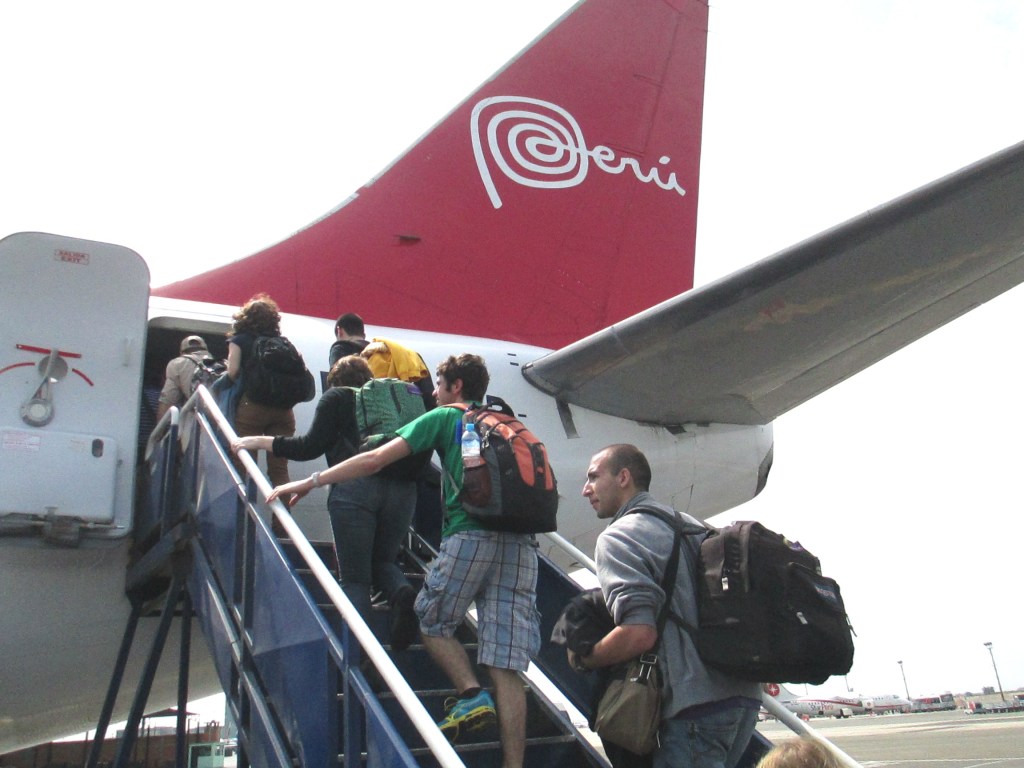
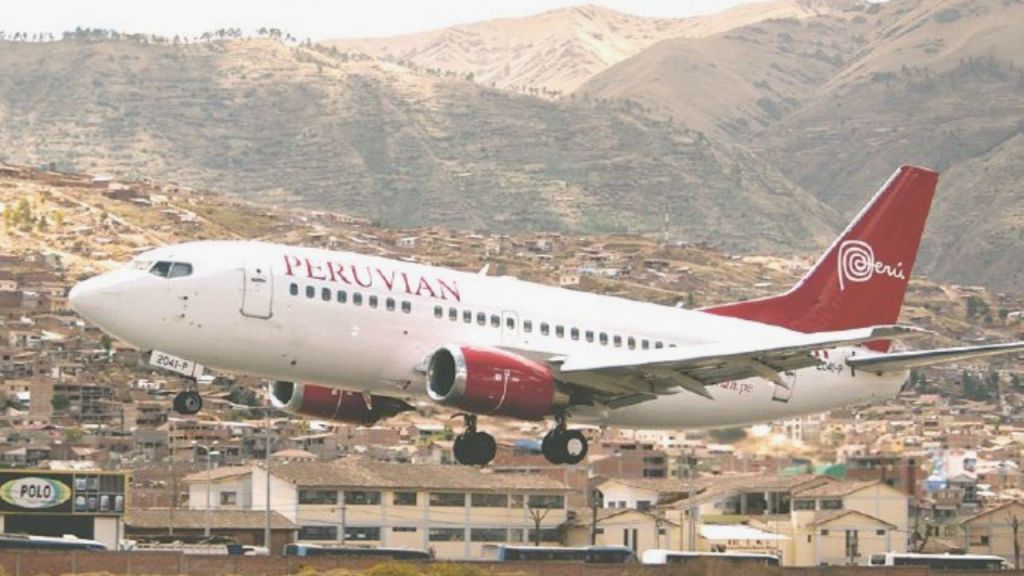
Peruvian Airlines fue fundada en Noviembre de 2007, recibiendo su Certificado de Operador Aéreo (AOC) de la Dirección General de Aviación Civil de Perú el 7 de Agosto de 2008. La aerolínea comenzó sus operaciones aerocomerciales el 29 de octubre de 2009 desde su hub en el Aeropuerto Internacional Lima/Jorge Chávez. La aerolínea ofrecía principalmente vuelos nacionales en el jugoso mercado doméstico. Peruvian Airlines había alcanzado una consolidación en el 2011. El 2 de Octubre de 2019, la aerolínea cesó todas las operaciones debido a problemas de liquidez, debido a que el Tribunal Fiscal de Aduanas de Perú se apoderó de las cuentas bancarias de la aerolínea después de que la aerolínea no completara los pagos de combustible.
Caso Peruvian
La Dirección General de Aeronáutica Civil (DGAC) de Perú en 2011 había firmado el Acuerdo Administrativo con Chile, entregándole el mercado norteamericano de Quintas Libertades a Latam Airlines Group sin reciprocidad, bajo un paraguas que se considera anticonstitucional y que hoy está en discusión en la Asociación de Empresas de Transporte Aéreo Internacional (AETAI) que ha presentado un informe contra la línea aérea de bandera, que el Presidente de Asociación Peruana de Empresas Aéreas (APEA) nunca había gestionado. La DGAC suspendió el Certificado de Explotador Aéreo a Peruvian Airlines con el Informe Nº 391-2011/MTC/12.04AIR del Ministerio de Transportes y Comunicaciones.
Tras cinco días de paralización, Peruvian Airlines se encontraba al borde de la quiebra y fue salvada a solicitud del Gobierno de la época por el Informe Legal del Presidente de la Comisión Consultiva de Derecho Aeronáutico del Colegio de Abogados de Lima, Julián Palacin Fernández, quien se pronunció a solicitud de la Vicepresidente de la República del Perú de la época, Marisol Espinoza Cruz del Gobierno de Ollanta Humala.
En los nueve años de trayectoria de la compañía Peruvian Airlines alcanzando un 20% del mercado aéreo, las consecuencias de haber crecido tuvieron repercusiones en el acuerdo Latam-Gobierno, cuando la aerolínea Peruvian continuaba reclamando a la DGAC del Ministerio de Transporte y Comunicación (MTC) las solicitudes de las rutas internacionales a Estados Unidos y otros países del mundo, sin obtener respuestas por parte del Estado peruano. En concreto, las rutas internacionales del Perú eran propiedad de Latam Airlines por los Acuerdos Administrativos con Chile, razón por la cual no fueron otorgadas las solicitudes de expansión internacional a Peruvian Airlines.
Actualmente, Peruvian Airlines ha radicado las denuncias en el Instituto Nacional de Defensa de la Competencia y de la Protección de la Propiedad Intelectual (Indecopi) y alrededor de 800 familias peruanas se quedaron sin sus puestos de trabajo y la bancada de Acción Popular al presentar el Proyecto histórico 6153-2020-CR, que crea la línea aérea de bandera de bajo costo del Perú denominada AlPerú, en el Dictamen final que se debatirá este Viernes 20 de Noviembre del 2020 en la Comisión de Transportes del Congreso de la República, exponiendo el siguiente Artículo 5 referente a la soberanía nacional.
Artículo 5
«El Estado peruano ejerce soberanía completa y exclusiva sobre el espacio aéreo que cubre su territorio y mar adyacente, hasta el límite de 200 (doscientas) millas, de conformidad con la Constitución Política del Perú; en consecuencia, los tratados aprobados por el Congreso de la República o celebrados por el Presidente de la República de conformidad al Art. 56 y 57 de la Constitución o las actas o memorandas provisionales entre autoridades de Aeronáutica Civil firmadas por la DGAC, de conformidad al Art. 82 de la Ley de Aeronáutica Civil del Perú, que para entrar en vigencia requieren de la ratificación del Ministro de Transportes y Comunicaciones y del cumplimiento de dichos artículos de la Constitución, deben intercambiar derechos aerocomerciales gobernados por el principio de la reciprocidad real y efectiva, con los países del mundo, de conformidad al Art. 98 de la Ley 27261».
A partir de la vigencia de esta Ley quedan sin efecto las Resoluciones Administrativas del Ministerio de Transportes y Comunicaciones (MTC) que ratificaron las Actas o Memorandos de Entendimiento (MoU) firmadas entre las autoridades de Aeronáutica Civil del Perú con Chile del 22 de Marzo del 2007 aprobada por Resolución Ministerial 147-2007-MTC 02 del 23 de Marzo del 2007 y del 7 de Abril del 2011 aprobada por Resolución Ministerial Nº 412-2011-MTC/02 en donde por acto administrativo se otorgaron sin reciprocidad real y efectiva segmentos de Quinta Libertad aérea a este país, asimismo, queda sin efecto el Acta o Memorandos de Entendimiento (MuO) firmado por el Director General de Aeronáutica Civil del Perú del 17 de Julio de 2019 con Colombia en donde se le entregan quintas libertades a este país, sin reciprocidad real y efectiva.
La desaparición de varias líneas aéreas peruanas, como Peruvian Airlines en los últimos veinte años en el país se originan debido al desarrollo en el mercado doméstico y necesitaban fomentar rutas internacionales para continuar su expansión y luego desaparecieron, por los intereses que habían detentado las aerolíneas transnacionales Avianca y Latam Airlines Group.
Ahora que el Proyecto de Ley Nº 6153-2020-CR del Congresista Luis Carlos Simeón Hurtado de Acción Popular, corrige esta afectación de la soberanía y entrega de nuestros cielos. Anteriormente, la gestión de ciertos poderes del Estado bajo la participación de los organismos CONFIEP, AETAI y la DGAC del MTC defenderían los intereses colombianos y chilenos en la explotación del espacio aéreo peruano, dándole la espalda a los intereses de la aviación del pueblo del Perú.
Peruvian tied to laziness Government
Disappearance of Peruvian Airlines mirror spurious interests
The history of the disappearance of Peruvian airlines in the last twenty years has been preceded by media campaigns by communication groups that have had a direct relationship with spurious interests between the Government and a certain animosity over the expansion of the market in favor of an airline that had landed in Peru to negotiate more than 70% of the domestic commercial aviation market.
Peruvian Airlines was founded in November 2007, receiving its Air Operator Certificate (AOC) from the General Directorate of Civil Aviation of Peru on August 7, 2008. The airline began its commercial air operations on October 29, 2009 from its hub in Lima/Jorge Chávez International Airport. The airline mainly offered domestic flights in the juicy domestic market. Peruvian Airlines had reached a consolidation in 2011. On October 2, 2019, the airline ceased all operations due to liquidity problems, due to the fact that the Peruvian Customs Tax Court seized the airline’s bank accounts after that the airline failed to complete fuel payments.
Peruvian case
The General Directorate of Civil Aeronautics (DGAC) of Peru in 2011 had signed the Administrative Agreement with Chile, handing over the North American market of Fifth Freedoms to Latam Airlines Group without reciprocity, under an umbrella that is considered unconstitutional and that today is under discussion in the Association of International Air Transport Companies (AETAI) that has presented a report against the flag carrier, which the President of the Peruvian Association of Air Companies (APEA) had never managed. The DGAC suspended the Air Operator Certificate to Peruvian Airlines with Report No. 391-2011/MTC/12.04AIR from the Ministry of Transportation and Communications.
After five days of standstill, Peruvian Airlines was on the verge of bankruptcy and was saved at the request of the Government of the time by the Legal Report of the President of the Advisory Commission on Aeronautical Law of the Lima Bar Association, Julián Palacin Fernández, who it was pronounced at the request of the Vice President of the Republic of Peru at the time, Marisol Espinoza Cruz of the Government of Ollanta Humala.
In the nine-year history of the Peruvian Airlines company, reaching 20% of the air market, the consequences of having grown had repercussions on the Latam-Government agreement, when the Peruvian airline continued to claim the DGAC of the Ministry of Transport and Communication (MTC) requests for international routes to the United States and other countries in the world, without obtaining responses from the Peruvian State. Specifically, the international routes of Peru were owned by Latam Airlines by the Administrative Agreements with Chile, which is why the international expansion requests were not granted to Peruvian Airlines.
Currently, Peruvian Airlines has filed complaints with the National Institute for the Defense of Competition and the Protection of Intellectual Property (Indecopi) and around 800 Peruvian families were left without their jobs and the Popular Action bench when presenting the Historical project 6153-2020-CR, which creates the low-cost Flag Airline of Peru called AlPerú, in the final Opinion that will be debated this Friday, November 20, 2020 in the Transportation Commission of the Congress of the Republic, exposing the next Article 5 regarding national sovereignty.
Article 5
«The Peruvian State exercises complete and exclusive sovereignty over the airspace that covers its territory and adjacent sea, up to the limit of 200 (two hundred) miles, in accordance with the Political Constitution of Peru; consequently, the treaties approved by the Congress of the Republic or celebrated by the President of the Republic in accordance with Art. 56 and 57 of the Constitution or the provisional acts or memoranda between Civil Aeronautics authorities signed by the DGAC, in accordance with Art. 82 of the Civil Aeronautics Law of the Peru, which to enter into force requires the ratification of the Minister of Transport and Communications and compliance with said articles of the Constitution, must exchange commercial air rights governed by the principle of real and effective reciprocity, with the countries of the world, in accordance to Art. 98 of Law 27261».
As of the effective date of this Law, the Administrative Resolutions of the Ministry of Transport and Communications (MTC) that ratified the Minutes or Memoranda of Understanding (MoU) signed between the Civil Aeronautics authorities of Peru with Chile on March 22, 2007 approved by Ministerial Resolution 147-2007-MTC 02 of March 23, 2007 and of April 7, 2011 approved by Ministerial Resolution No. 412-2011-MTC/02 where by administrative act they were granted without real and effective reciprocity segments of Fifth Freedom aerial to this country, likewise, the act or memorandum of understanding signed by the Director General of Civil Aeronautics of Peru on July 17, 2019 with Colombia, where Fifth Freedoms are delivered to this country, without real reciprocity and effective.
The disappearance of several Peruvian airlines, such as Peruvian Airlines in the last twenty years in the country originated due to the development in the domestic market and they needed to promote international routes to continue their expansion and then they disappeared, due to the interests that the transnational airlines had held. Avianca and Latam Airlines Group.
Now that Bill No. 6153-2020-CR of Congressman Luis Carlos Simeón Hurtado of Popular Action, corrects this affectation of the sovereignty and delivery of our skies. Previously, the management of certain powers of the State under the participation of the bodies CONFIEP, AETAI and the DGAC of the MTC would defend the Colombian and Chilean interests in the exploitation of the Peruvian airspace, turning their back on the interests of the aviation of the Peruvian people.
JetSmart busca mayor posicionamiento mercado Latinoamérica
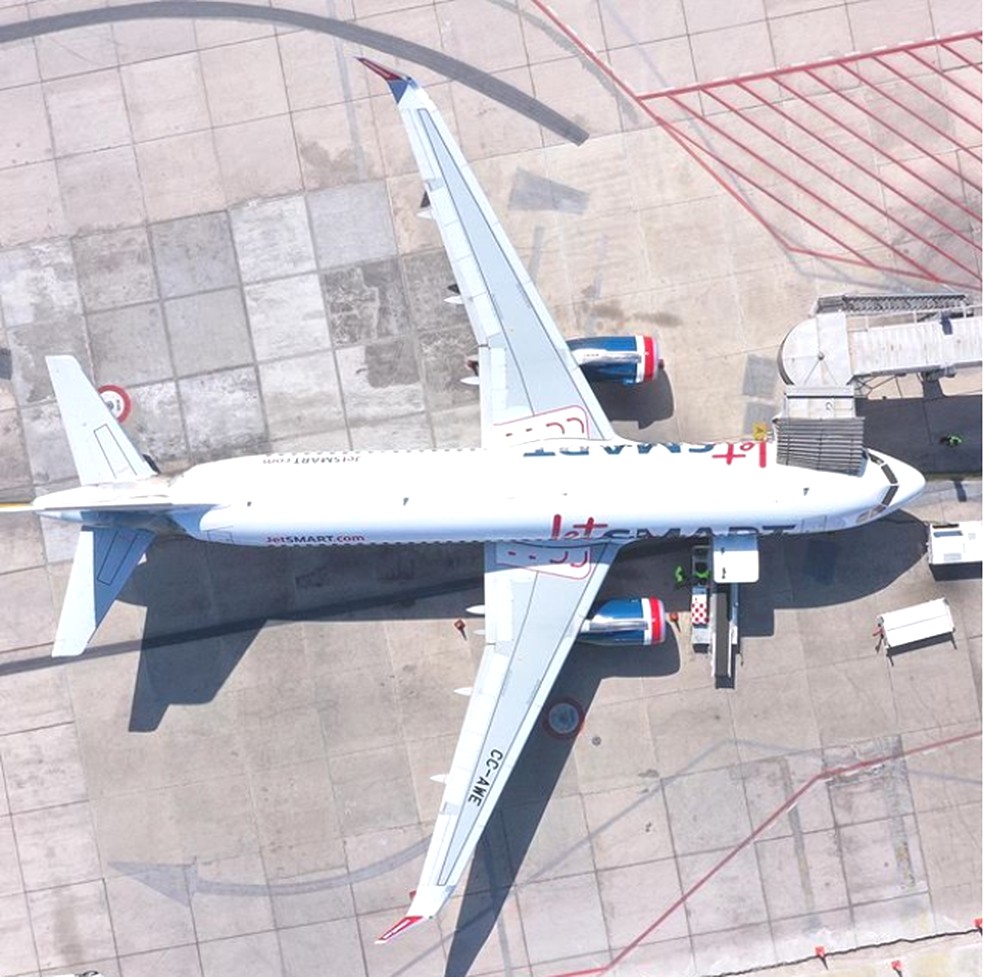
La aerolínea low cost JetSmart Airlines ha anunciado que continúa con las proyecciones de expansión de sus rutas para incrementar sus operaciones entre Chile y Colombia de cara a las renovadas esperanzas en los mercado de Colombia y Chile. Hacia el 2021 desembarcará en Perú, como así también perseguirá otros mercado en la región latinoamericana.
JetSmart es una aerolínea que inició operaciones en la República de Chile en 2017 bajo Indigo Partners LLC con el objetivo de expandirse a más países de América Latina bajo el modelo ultra low cost. Arribaron a Argentina en 2019 bajo el programa de la Revolución de los Aviones, y en 2021 entrarán en el mercado de Perú y hacia el 2022, buscan concretar el plan de posicionamiento de la marca en Colombia.
JetSmart Airlines Chile ha anunciado las perspectivas de triplicar sus operaciones hacia Diciembre 2020 entre Chile y Colombia con rutas desde Santiago y Antofagasta hacia los destinos colombianos, así lo expresó Eduardo Ortiz, CEO de la aerolínea.
Perspectivas JetSmart
JetSmart es una empresa miembro de un portafolio de inversiones norteamericano de Indigo Partners, que posee veinte años invirtiendo en aerolíneas de bajo costo en todo el mundo. En 2015 empezó el proyecto de establecer una aerolínea low cost en toda Sudamérica, ya que en Europa 60% del tráfico aéreo es bajo este modelo, pero la aviación en la región ha crecido bajo el modelo tradicional. El proyecto de JetSmart arranca en Chile en 2017, en 2019 abrimos JetSmart Argentina y en 2021 abriremos en Perú.
El proyecto JetSmart es bastante ambicioso y busca cubrir toda Latinoamérica. Indigo Partners lideró la compra de aviones más grande de la historia en 2017, cuando anunció un acuerdo de adquisición de 430 aeronaves Airbus A320. Las operaciones en Colombia tienen el objetivo es siempre vender 35% más barato que una aerolínea tradicional. En Perú esperan tener la certificación a final del primer trimestre de 2021 e iniciar las operaciones a partir del 2Q2021. «JetSmart puede tener operación en Colombia en el mediano plazo, estamos desarrollando la presencia de marca con más vuelos desde Chile y prontamente desde Perú. Queremos posicionar la marca para eventualmente tener un JetSmart Colombia en 2022 o cerca de esas fechas», expresó el CEO Estuardo Ortíz.
Las crisis también ha traído oportunidades para JetSmart que continúa muy bien posicionada en su estructura de costos, plan de flota y capitalización. «Originalmente hubiéramos desarrollado más nuestra operación en Chile o Argentina antes de abrir Perú o Colombia, pero lo que está pasando es que el mercado doméstico en la región está recuperándose más rápido que el internacional. Para aprovechar eso hay que tener una operación propia, por tanto, cambiar la hoja de ruta, para expandir nuestra operación en distintos países va a ser más importante que antes», detalla el CEO de JetSmart Airlines.
JetSmart post-pandemic expansion
JetSmart seeks greater market positioning in Latinoamerican
The low cost airline JetSmart Airlines has announced that it continues with its route expansion projections to increase its operations between Chile and Colombia in the face of renewed hopes in the Colombian and Chilean markets. By 2021, it will land in Peru, as well as other markets in the Latin American region.
JetSmart is an airline that began operations in the Republic of Chile in 2017 under Indigo Partners LLC with the aim of expanding to more countries in Latin America under the ultra low cost model. They arrived in Argentina in 2019 under the Aircraft Revolution program, and in 2021 they will enter the Peruvian market and by 2022, they seek to specify the brand’s positioning plan in Colombia.
JetSmart Airlines Chile has announced the prospects of tripling its operations by December 2020 between Chile and Colombia with routes from Santiago and Antofagasta to Colombian destinations, as expressed by Estuardo Ortiz, CEO of the airline.
JetSmart perspectives
JetSmart is a member of a North American investment portfolio of Indigo Partners, which has twenty years of investing in low-cost airlines around the world. In 2015, the project to establish a low cost airline began in all of South America, since in Europe 60% of air traffic is under this model, but aviation in the region has grown under the traditional model. The JetSmart project starts in Chile in 2017, in 2019 we open JetSmart Argentina and in 2021 we will open in Peru.
The JetSmart project is quite ambitious and seeks to cover all of Latin America. Indigo Partners led the largest aircraft purchase in history in 2017, when it announced a purchase agreement for 430 Airbus A320 aircraft. The operations in Colombia have the objective of always selling 35% cheaper than a traditional airline. In Peru, they expect to be certified by the end of the first quarter of 2021 and start operations from 2Q2021. «JetSmart may have operations in Colombia in the medium term, we are developing a brand presence with more flights from Chile and soon from Peru. We want to position the brand to eventually have a JetSmart Colombia in 2022 or close to those dates», said the CEO. Eduardo Ortíz.
The crises have also brought opportunities for JetSmart, which continues to be very well positioned in its cost structure, fleet plan and capitalization. «Originally we would have developed our operation in Chile or Argentina more before opening Peru or Colombia, but what is happening is that the domestic market in the region is recovering faster than the international one. To take advantage of that, you have to have your own operation, for Therefore, changing the roadmap to expand our operations in different countries will be more important than before», explains the CEO of JetSmart Airlines.
Qatar Airways operará tres vuelos semanales a Abuya
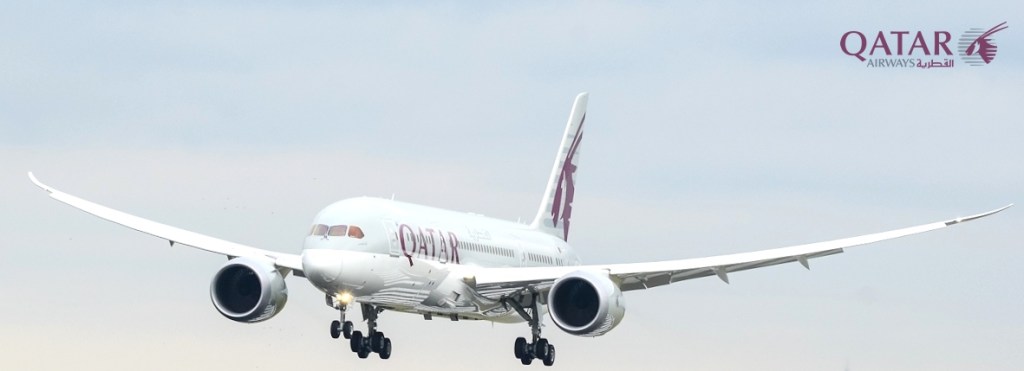
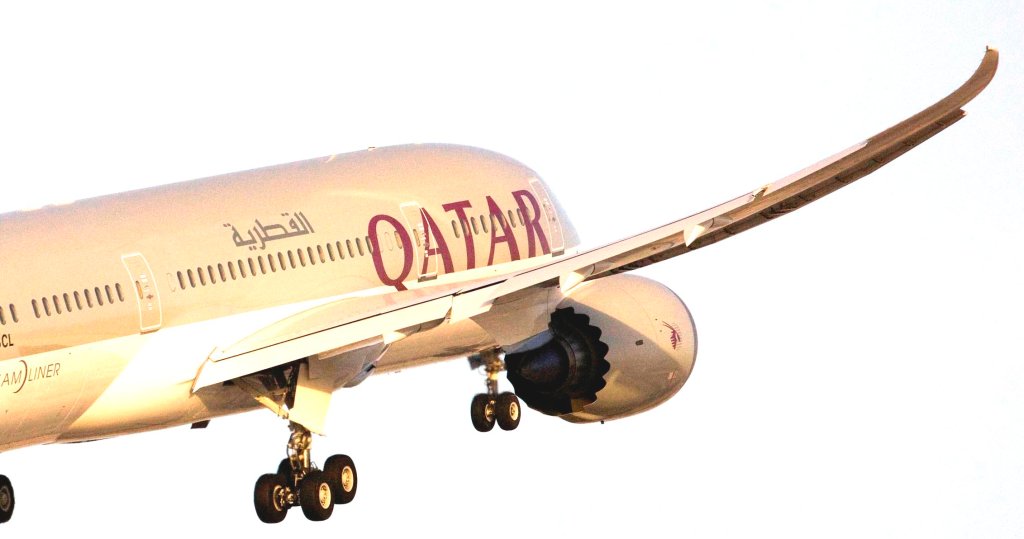
Qatar Airways ha anunciado que operará tres vuelos semanales (3Frq/S) a Abuya, República de Nigeria vía Lagos a partir del 27 de Noviembre de 2020, convirtiéndose así en el sexto nuevo destino anunciado por la compañía nacional del Estado de Qatar desde el comienzo de la pandemia. El servicio a Abuya será operado por el moderno Boeing 787 Dreamliner con 22 asientos en Clase Business y 232 asientos en Clase Turista. El CEO del Grupo Qatar Airways, el Sr. Akbar Al Baker, dijo: «Estamos encantados de comenzar a viajar a la capital de Nigeria. Con la importante diáspora nigeriana en Europa, Estados Unidos y Reino Unido, estamos entusiasmados de volar ahora también a Abuya, además de nuestros actuales vuelos a Lagos, que comenzaron en 2007. Estamos deseando colaborar estrechamente con nuestros asociados de Nigeria para que esta ruta crezca de forma constante y apoyar la recuperación del turismo y el comercio en la región».
Expansión de Qatar
Con vuelos a más de 85 destinos en las regiones de Asia y el Pacífico, Europa, Oriente Medio y América del Norte, los pasajeros que deseen viajar hacia o desde Nigeria pueden ahora disfrutar de una conectividad ininterrumpida a través del Mejor Aeropuerto de Oriente Medio, el Aeropuerto Internacional de Hamad. Para mediados de diciembre, Qatar Airways operará más de 65 vuelos semanales a 20 destinos en África, entre ellos Accra, Addis Abeba, Ciudad del Cabo, Casablanca, Dar es Salaam, Djibouti, Durban, Entebbe, Johannesburgo, Kigali, Kilimanjaro, Lagos, Luanda, Maputo, Mogadiscio, Nairobi, Seychelles, Túnez y Zanzíbar.
En sintonía con la expansión de las operaciones de la aerolínea en África, los pasajeros pueden experimentar la hospitalidad africana a bordo con la multiculturalidad presente en la tripulación de cabina de Qatar Airways, que incluye más de 30 nacionalidades africanas. Además, los pasajeros de nuestra red global de destinos también pueden disfrutar de una variedad de películas, programas de televisión y música africanas en Oryx One, el sistema de entretenimiento a bordo de Qatar Airways.
La inversión estratégica de Qatar Airways en una variedad de aviones bimotores de bajo consumo, incluida la mayor flota de aviones Airbus A350, le ha permitido seguir volando durante toda la crisis y la sitúa en una posición perfecta para liderar la recuperación sostenible de los viajes internacionales. La aerolínea recibió recientemente tres nuevos aviones Airbus A350-1000 de última generación, con lo que aumentó su flota total de A350 a 52 aviones, con una edad media de sólo 2,6 años. Debido al impacto de la COVID-19 en la demanda de viajes, la aerolínea ha dejado en tierra su flota de Airbus A380, ya que no es ambientalmente justificable operar un avión de cuatro motores tan grande en el mercado actual. Qatar Airways también ha puesto en marcha recientemente un nuevo programa que permite a los pasajeros compensar voluntariamente las emisiones de carbono asociadas a su viaje en el momento de la reserva.
Premiada en múltiples ocasiones, Qatar Airways fue nombrada «Mejor Aerolínea del Mundo» en los Premios 2019 World Airline Awards, gestionados por Skytrax. También fue nombrada «Mejor aerolínea de Oriente Medio», «Mejor Clase Business del Mundo» y «Mejor Asiento de Clase Business», en reconocimiento a su innovadora experiencia en Clase Business, Qsuite. La distribución de los asientos Qsuite consiste en una configuración 1-2-1, proporcionando a los pasajeros el producto de Clase Business más espacioso, privado, cómodo y socialmente distante de todos los cielos. Es la única aerolínea que ha sido galardonada cinco veces con el prestigioso título de «Aerolínea Skytrax del Año», reconocido como el pináculo de la excelencia en el sector de las aerolíneas. El Aeropuerto Internacional de Hamad (HIA) fue recientemente clasificado como el «Tercer Mejor Aeropuerto del Mundo», entre 550 aeropuertos de todo el mundo, por los Premios Skytrax World Airport Awards 2020.
Los viajeros de Qatar Airways procedentes de África pueden disfrutar ahora de nuevas franquicias de equipaje que van desde los 46 kg en Clase Turista divididos en dos bultos y los 64 kg divididos en dos bultos en Clase Business. Esta iniciativa está concebida para ofrecer a los pasajeros más flexibilidad y comodidad al viajar a bordo de Qatar Airways.
Qatar operations to Abuja, Nigeria
Qatar Airways will operate three weekly flights to Abuja
Qatar Airways has announced that it will operate three weekly flights (3Frq/S) to Abuja, Republic of Nigeria via Lagos from November 27, 2020, thus becoming the sixth new destination announced by the national carrier of the State of Qatar since the beginning. of the pandemic. The service to Abuja will be operated by the modern Boeing 787 Dreamliner with 22 seats in Business Class and 232 seats in Economy Class. Qatar Airways Group CEO Mr. Akbar Al Baker said: «We are delighted to begin traveling to the Nigerian capital. With the significant Nigerian diaspora in Europe, the United States and the United Kingdom, we are excited to now also fly to Abuja, in addition to our current flights to Lagos, which began in 2007. We look forward to working closely with our Nigerian partners to make this route grow steadily and support the recovery of tourism and trade in the region».
Qatar expansion
With flights to more than 85 destinations in the Asia Pacific, Europe, the Middle East and North America regions, passengers wishing to travel to or from Nigeria can now enjoy seamless connectivity via the Best Airport in the Middle East, Hamad International Airport. By mid-December, Qatar Airways will operate more than 65 weekly flights to 20 destinations in Africa, including Accra, Addis Ababa, Cape Town, Casablanca, Dar es Salaam, Djibouti, Durban, Entebbe, Johannesburg, Kigali, Kilimanjaro, Lagos, Luanda, Maputo, Mogadishu, Nairobi, Seychelles, Tunisia and Zanzibar.
In tune with the expansion of the airline’s operations in Africa, passengers can experience African hospitality on board with the multiculturalism present in the Qatar Airways cabin crew, which includes more than 30 African nationalities. Additionally, passengers from our global network of destinations can also enjoy a variety of African movies, TV shows and music on Oryx One, Qatar Airways’ inflight entertainment system.
Qatar Airways’ strategic investment in a variety of fuel-efficient twin-engine aircraft, including the largest fleet of Airbus A350 aircraft, has enabled it to continue to fly through the crisis and puts it in a perfect position to lead the sustainable recovery of international travel. The airline recently received three new, state-of-the-art Airbus A350-1000 aircraft, increasing its total fleet of A350s to 52 aircraft, with an average age of just 2.6 years. Due to the impact of COVID-19 on travel demand, the airline has grounded its Airbus A380 fleet as it is not environmentally justifiable to operate such a large four-engine aircraft in today’s market. Qatar Airways has also recently launched a new program that allows passengers to voluntarily offset the carbon emissions associated with their trip at the time of booking.
A multiple award winner, Qatar Airways was named «World’s Best Airline» at the 2019 World Airline Awards, managed by Skytrax. It was also named «Best Airline in the Middle East», «World’s Best Business Class» and «Best Business Class Seat» in recognition of its innovative Business Class expertise, Qsuite. The Qsuite seating arrangement consists of a 1-2-1 configuration, providing passengers with the most spacious, private, comfortable and socially distant Business Class product from all the skies. It is the only airline to have been awarded the prestigious title of «Skytrax Airline of the Year» five times, recognized as the pinnacle of excellence in the airline industry. Hamad International Airport (HIA) was recently ranked as the «World’s Third Best Airport», out of 550 airports worldwide, by the 2020 Skytrax World Airport Awards.
Qatar Airways travelers from Africa can now enjoy new baggage allowances ranging from 46 kg in Economy Class divided into two packages and 64 kg divided into two packages in Business Class. This initiative is designed to offer passengers more flexibility and comfort when traveling on board Qatar Airways.
عمليات قطر إلى أبوجا ، نيجيريا
ستقوم الخطوط الجوية القطرية بتسيير ثلاث رحلات أسبوعية إلى أبوجا
أعلنت الخطوط الجوية القطرية عن تسيير ثلاث رحلات أسبوعية إلى أبوجا ، جمهورية نيجيريا عبر لاغوس اعتبارًا من 27 نوفمبر 2020 ، لتصبح بذلك الوجهة السادسة الجديدة التي أعلنت عنها شركة النقل الوطنية لدولة قطر منذ البداية. الجائحة. سيتم تشغيل الخدمة إلى أبوجا بواسطة طائرة بوينج 787 دريملاينر الحديثة ذات 22 مقعدًا في درجة رجال الأعمال و 232 مقعدًا في الدرجة السياحية. قال الرئيس التنفيذي لمجموعة الخطوط الجوية القطرية السيد أكبر الباكر» :يسعدنا أن نبدأ السفر إلى العاصمة النيجيرية. مع وجود الجالية النيجيرية الكبيرة في أوروبا والولايات المتحدة والمملكة المتحدة ، يسعدنا الآن السفر إلى أبوجا ، في بالإضافة إلى رحلاتنا الحالية إلى لاغوس ، والتي بدأت في عام 2007. ونتطلع إلى العمل بشكل وثيق مع شركائنا النيجيريين لجعل هذا الطريق ينمو بشكل مطرد ودعم انتعاش السياحة والتجارة في المنطقة «.
توسع قطر
من خلال الرحلات الجوية إلى أكثر من 85 وجهة في منطقة آسيا والمحيط الهادئ وأوروبا والشرق الأوسط وأمريكا الشمالية ، يمكن للمسافرين الراغبين في السفر من نيجيريا وإليها الاستمتاع الآن باتصال سلس عبر أفضل مطار في الشرق الأوسط ، مطار حمد الدولي. بحلول منتصف ديسمبر ، ستقوم الخطوط الجوية القطرية بتشغيل أكثر من 65 رحلة أسبوعية إلى 20 وجهة في إفريقيا ، بما في ذلك أكرا ، أديس أبابا ، كيب تاون ، الدار البيضاء ، دار السلام ، جيبوتي ، ديربان ، عنتيبي ، جوهانسبرغ ، كيغالي ، كليمنجارو ، لاغوس ، لواندا. ، مابوتو ، مقديشو ، نيروبي ، سيشيل ، تونس ، زنجبار.
تماشياً مع توسع عمليات الشركة في إفريقيا ، يمكن للمسافرين تجربة الضيافة الأفريقية على متن الطائرة مع تعدد الثقافات الموجود في طاقم مقصورة الخطوط الجوية القطرية ، والذي يضم أكثر من 30 جنسية أفريقية. بالإضافة إلى ذلك ، يمكن للمسافرين من شبكتنا العالمية من الوجهات الاستمتاع أيضًا بمجموعة متنوعة من الأفلام والبرامج التلفزيونية والموسيقى الأفريقية على Oryx One ، نظام الترفيه الجوي للخطوط الجوية القطرية.
إن الاستثمار الاستراتيجي للخطوط الجوية القطرية في مجموعة متنوعة من الطائرات ذات المحركين الموفرة للوقود ، بما في ذلك أكبر أسطول من طائرات إيرباص A350 ، قد مكنها من الاستمرار في التحليق خلال الأزمة ووضعها في وضع مثالي لقيادة التعافي المستدام الدولي. السفر. . استلمت شركة الطيران مؤخرًا ثلاث طائرات جديدة من طراز إيرباص A350-1000 ، مما زاد من إجمالي أسطولها من A350 إلى 52 طائرة ، بمتوسط عمر يبلغ 2.6 عامًا فقط. نظرًا لتأثير COVID-19 على الطلب على السفر ، أوقفت شركة الطيران أسطولها من طراز Airbus A380 لأنه ليس من المبرر بيئيًا تشغيل مثل هذه الطائرة الكبيرة ذات الأربعة محركات في سوق اليوم. كما أطلقت الخطوط الجوية القطرية مؤخرًا برنامجًا جديدًا يسمح للمسافرين بالتعويض طوعًا عن انبعاثات الكربون المرتبطة برحلتهم في وقت الحجز.
حازت الخطوط الجوية القطرية ، الحائزة على عدة جوائز ، على لقب «أفضل شركة طيران في العالم» في حفل توزيع جوائز الخطوط الجوية العالمية 2019 ، الذي تديره شركة سكاي تراكس. كما حصلت على جائزة «أفضل شركة طيران في الشرق الأوسط» و «أفضل درجة رجال أعمال في العالم» و «أفضل مقعد على درجة رجال الأعمال» تقديراً لخبرتها المبتكرة في درجة رجال الأعمال ، كيو سويت. يتكون ترتيب مقاعد Qsuite من تكوين 1-2-1 ، مما يوفر للركاب منتج درجة رجال الأعمال الأكثر اتساعًا وخصوصية وراحة وبعيدًا اجتماعيًا من جميع الأجواء. وهي شركة الطيران الوحيدة التي حصلت على لقب «Skytrax Airline of the Year of the Year» المرموق خمس مرات ، المعترف بها على أنها ذروة التميز في صناعة الطيران. تم تصنيف مطار حمد الدولي مؤخرًا على أنه «ثالث أفضل مطار في العالم» ، من بين 550 مطارًا حول العالم ، من خلال جوائز سكاي تراكس العالمية للمطارات لعام 2020.
يمكن لمسافري الخطوط الجوية القطرية من إفريقيا الآن الاستمتاع بأمتعة جديدة تتراوح من 46 كجم في الدرجة السياحية مقسمة إلى حزمتين و 64 كجم مقسمة إلى حزمتين في درجة رجال الأعمال. تم تصميم هذه المبادرة لمنح الركاب المزيد من المرونة والراحة عند السفر على متن الخطوط الجوية القطرية.
Exhorta a reducir deuda en lugar de adquirir Air Europa
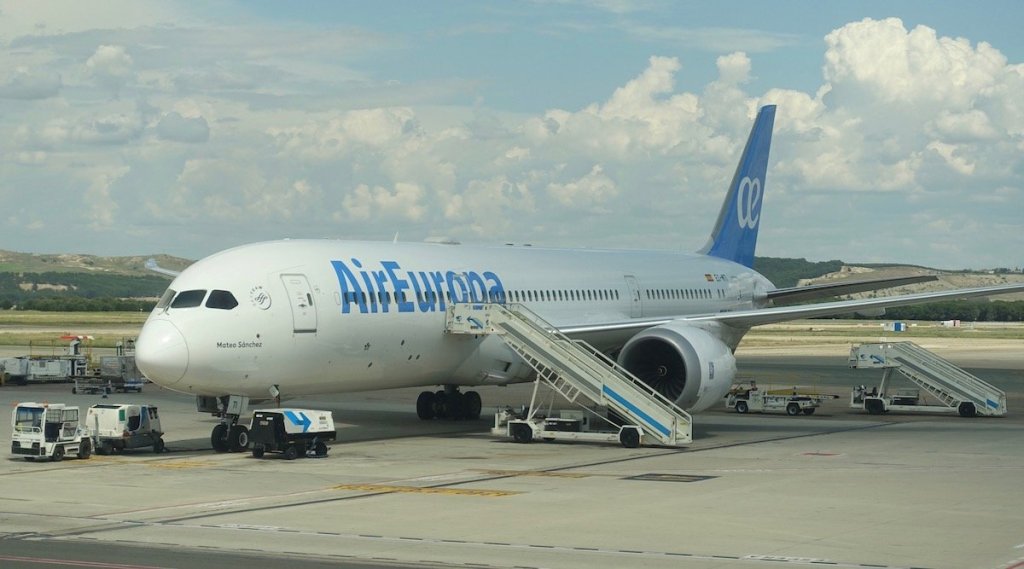
El aviso del Credit Suisse hacia el IAG Group de reducción de deuda contraída ha sido anunciado como recomendaciones antes que gastar € 500 millones de Euros en la futura adquisición de la española Air Europa. “El acuerdo con Air Europa sigue vigente, pero cada vez es más difícil de justificar” explican el equipo de analistas de la entidad bancaria suiza liderado por Neil Glynn.
La compra de Air Europa por parte de IAG Group, continúa meses enquistada por la crisis de los vuelos producto de la actual pandemia. El Presidente del grupo hispano-británico ha llegado a un acuerdo por la compra que puede ascender a los € 500 millones de Euros en acciones. En un momento crítico para las aerolíneas por el desplome de la demanda aérea hay quien piensa que toca olvidarse de salir a comprar y centrarse en salir reforzado en el mundo post-pandemia. Así lo entiende el Credit Suisse, que en su último informe defiende que IAG debería centrarse en reducir la deuda y olvidarse por el momento de la aerolínea del Grupo Globalia.
El informe de la entidad bancaria suiza por el que el interés que podía suscitar esta operación cada vez es menor refiere en que primero es que creen que deberían hacer un mayor esfuerzo en reducir su deuda. A pesar de que IAG Group está muy saneada en este aspecto en comparación con rivales como Lufthansa o Air France, que han tenido que ser rescatadas por € 9.000 y € 10.000 millones de Euros por sus gobiernos respectivos, entrar en una recuperación con las mejores cifras posibles será clave para capitalizar la recuperación. El segundo asunto es que la compra de Air Europa supondría un gran refuerzo para su tercer mercado, Latinoamérica, que creen que no toca priorizar. El enfoque de IAG debe estar en el mercado transatlántico con Estados Unidos, su principal negocio, especialmente en un momento de debilidad para la competencia. Además, cree que las ayudas del Gobierno español para impedir la caída de esta empresa hacen menos apetecible su compra. El Ejecutivo procedió el pasado 03/11 a aprobar el rescate por más de € 475 millones de Euros para la aerolínea. El problema que esto plantea es que, posiblemente, esto dé derecho a Estado para tener voz en el futuro de la compañía y, por tanto, tener derecho de autorizar recortes de empleo, transacciones estratégicas o puestos en la junta lo que puede complicar la gobernanza. En definitiva, creen que el acuerdo dotaría al grupo de un refuerzo de entre € 200 a 300 millones de Euros en su Ebitda en un mercado saludable. Estas cifras sólo representan entre el 6% y el 7% del mercado del grupo. A pesar de todo, un acuerdo por alrededor de € 500 millones supondría reducir un 50% la oferta inicial presentada a finales de 2019. En aquel entonces, antes de que la pandemia lo cambiará todo, el precio que se pactó entre ambas partes superaba los € 1.000 millones de Euros.
El Credit Suisse no recomiendan llevar a cabo esta operación, pero han valorado muy positivamente a IAG Group, a la que han subido el precio objetivo. El motivo es que “vemos en el grupo un potencial para la recuperación y una mejor competitividad a largo plazo cuando el aeropuerto Heathrow se vuelva a llenar. Debido a ello, tiene un gran potencial y es nuestra principal elección en el sector […] Esperamos que IAG lidere la industria a través de la reestructuración de sus costes”.
Credit Suisse recommendation to IAG Group
Calls to reduce debt instead of acquiring Air Europa
Credit Suisse‘s notice to the IAG Group to reduce the debt incurred has been announced as recommendations before spending € 500 million euros on the future acquisition of Spain’s Air Europa. «The agreement with Air Europa is still in force, but it is becoming increasingly difficult to justify», explain the team of analysts at the Swiss bank led by Neil Glynn.
The purchase of Air Europa by IAG Group, continues for months entrenched by the crisis of flights product of the current pandemic. The President of the Spanish-British group has reached an agreement for the purchase that can amount to € 500 million in shares. At a critical moment for airlines due to the collapse in air demand, there are those who think it is time to forget about shopping and focus on emerging stronger in the post-pandemic world. This is how Credit Suisse understands it, which in its latest report argues that IAG should focus on reducing debt and forget about the Globalia Group airline for the moment.
The report of the Swiss banking entity that the interest that this operation could arouse is less and less refers to the fact that first is that they believe that they should make a greater effort to reduce their debt. Despite the fact that IAG Group is very healthy in this regard compared to rivals such as Lufthansa or Air France, which have had to be rescued for € 9,000 and € 10,000 million by their respective governments, enter a recovery with the best figures possible will be key to capitalizing on the recovery. The second issue is that the purchase of Air Europa would be a great reinforcement for its third market, Latin America, which they believe is not necessary to prioritize. IAG’s focus should be on the transatlantic market with the United States, its main business, especially at a time of weakness for competition. In addition, he believes that the aid from the Spanish Government to prevent the fall of this company makes his purchase less attractive. The Executive proceeded last 11/03 to approve the rescue for more than € 475 million Euros for the airline. The problem that this raises is that, possibly, this gives the State the right to have a voice in the future of the company and, therefore, have the right to authorize job cuts, strategic transactions or positions on the board, which can complicate governance . In short, they believe that the agreement would provide the group with a reinforcement of between € 200 to 300 million euros in its Ebitda in a healthy market. These figures only represent between 6% and 7% of the group’s market. Despite everything, an agreement for around € 500 million would reduce the initial offer presented at the end of 2019 by 50%. At that time, before the pandemic changed everything, the price agreed between both parties exceeded the € 1,000 million Euros.
The Credit Suisse does not recommend carrying out this operation, but they have valued IAG Group very positively, to which they have raised the target price. The reason is that «we see in the group a potential for recovery and better competitiveness in the long term when Heathrow airport is refilled. «Because of this, it has great potential and is our top choice in the industry […] We expect IAG to lead the industry by restructuring its costs”.
Eastern Airlines incorpora ruta Los Ángeles-Guayaquil 12/2020
La aerolínea estadounidense Eastern Airlines ha realizado los trámites ante el Departamento de Transporte de los Estados Unidos (DOT) para el permiso para operar entre el Aeropuerto Internacional de Los Ángeles/LAX y el Aeropuerto Internacional José Joaquín de Olmedo/GYE en Guayaquil, República de Ecuador. Eastern Airlines operará tres frecuencias semanales (3Frq/S) los Lunes, Miércoles y Viernes entre Los Ángeles y Guayaquil, con el inicio de las operaciones hacia el 18 de Diciembre de 2020.
Eastern es una aerolínea de bajo costo que opera una flota de aviones Boeing 767. En este 2020 empezó a operar la ruta Miami-Guayaquil y Nueva York-Guayaquil. Además, durante la cuarentena sanitaria, la aerolínea ha efectuado vuelos humanitarios entre Ecuador y Estados Unidos. Eastern Airlines ha anunciado también más destinos en América Latina y el Caribe, incluyendo algunos de los únicos vuelos sin escalas disponibles entre ciudades como Miami y Asunción, Paraguay.
Acerca de Eastern LLC
Eastern Airlines, LLC, anteriormente Dynamic International Airways, es una aerolínea con certificación estadounidense fundada en 2010. La aerolínea opera Boeing 767-200ER y Boeing 767-300ER. Comenzó como Dynamic Airways, la compañía añadió el título «Internacional» a su nombre para reflejar su transición de una aerolínea chárter a servicios internacionales regulares. Bajo el nombre Dynamic International Airways tenía su sede en High Point, Carolina del Norte, ofreciendo servicio desde Nueva York hasta América del Sur. Solía operar desde Fort Lauderdale, Chicago, Los Ángeles y Nueva York hasta el Caribe, Cancún y Sudamérica.
Tras una exitosa reestructuración de quiebras en Abril 2018, Dynamic International Airways obtuvo una licencia para utilizar la propiedad intelectual de Swift Air, y los arrendamientos de dos aviones con la puesta en marcha de en la renombrada Eastern Airlines 2015. En 2Q2019, se anunció que Eastern Airlines trasladaría sus oficinas a Wayne, Estado de Pensilvania en Septiembre 2019. El 12 de Enero de 2020, Eastern Airlines completó su vuelo inaugural a Nueva York-Guayaquil, Ecuador. Para Mayo 2020, la aerolínea planeaba comprar varios Boeing 767 y 777, con al menos cinco 777-200 de segunda mano.
Eastern projects Los Angeles-Guayaquil
Eastern Airlines incorporates Los Angeles-Guayaquil route 12/2020
The American airline Eastern Airlines has completed the procedures with the United States Department of Transportation (DOT) for permission to operate between the Los Angeles International Airport/LAX and the José Joaquín de Olmedo International Airport/GYE in Guayaquil, Republic of Ecuador. Eastern Airlines will operate three weekly frequencies (3Frq/S) on Monday, Wednesday and Friday between Los Angeles and Guayaquil, with the start of operations around December 18, 2020.
Eastern is a low-cost airline that operates a fleet of Boeing 767 aircraft. In 2020, the Miami-Guayaquil and New York-Guayaquil routes began to operate. In addition, during the snaitary quarantine, the airline has made humanitarian flights between Ecuador and the United States. Eastern Airlines has also announced more destinations in Latin America and the Caribbean, including some of the only nonstop flights available between cities such as Miami and Asunción, Paraguay.
About Eastern LLC
Eastern Airlines, LLC, formerly Dynamic International Airways, is a US certified airline founded in 2010. The airline operates Boeing 767-200ER and Boeing 767-300ER. Started out as Dynamic Airways, the company added the title «International» to its name to reflect its transition from a charter airline to scheduled international services. Under the name Dynamic International Airways it was based in High Point, North Carolina, offering service from New York to South America. It used to operate from Fort Lauderdale, Chicago, Los Angeles, and New York to the Caribbean, Cancun, and South America.
Following a successful bankruptcy restructuring in April 2018, Dynamic International Airways obtained a license to use Swift Air’s intellectual property, and leases of two aircraft with the launch of the renowned Eastern Airlines 2015. In 2Q2019, it was announced that Eastern Airlines would move its offices to Wayne, State of Pennsylvania in September 2019. On January 12, 2020, Eastern Airlines completed its maiden flight to New York-Guayaquil, Ecuador. By May 2020, the airline planned to buy several Boeing 767s and 777s, with at least five 777-200s used.
Colombia asoma como mercado emergente de aviación comercial
El empresario de aviación mexicano William Shaw se encuentra en negociaciones para restablecer una nueva aerolínea en la República de Colombia en medio de aerolíneas que piden rescate y pronósticos que el mercado aéreo tardará varios años en volver a ser rentable. El empresario ha anunciado recientemente la solicitud ante la Aeronáutica Civil de Colombia para la formación de Ultra Air, una nueva aerolínea low cost que llegaría a revolucionar a la industria de los viajes.
El empresario es conocido en Colombia por haber fundado hace diez años atrás la línea aérea VivaAir Colombia y VivaAir Perú, antes de renunciar a su participación debido a la compra del 100 % de las acciones por parte del grupo Irelandia Aviation.
Startup Ultra Air
William Shaw ahora se centra posicionarse con la creación de Ultra Air donde adelanta los trámites para su arribo para establecer su AOC como compañía aérea. La Aeronáutica Civil de Colombia ha establecido una Audiencia Pública para formalizar los trámites correspondientes. “El 26 se hará audiencia pública. No podemos hablar nada hasta después de la audiencia. No quiero presionar a la Aeronáutica Civil, específicamente con lo polarizado que está el país”, señaló el empresario mexicano, quien hace cuatro años gestionó la venta de Viva Colombia, ahora VivaAir, al grupo de inversiones Irelandia Aviation, el mayor desarrollador de aerolíneas de bajo costo del mundo.
La nueva compañía Ultra Air estaría conformada por aeronaves de un solo pasillo (narrowbodies) del tipo Airbus A320 y Boeing 737, incursionando en el sector doméstico y regional. El mercado competitivo que se avisora en Colombia es muy fuerte, pues tanto Avianca Airlines, VivaAir, Latam Airlines Colombia y JetSmart Airlines Colombia buscarán aumentar su participación post-pandemia.
Ultra Air incursion in Colombia
Colombia looms as an emerging commercial aviation market
The Mexican aviation entrepreneur William Shaw is in negotiations to reestablish a new airline in the Republic of Colombia amid airlines that ask for rescue and forecasts that the air market will take several years to become profitable again. The businessman has recently announced the request before the Civil Aeronautics of Colombia for the formation of Ultra Air, a new low cost airline that would revolutionize the travel industry.
The businessman is known in Colombia for having founded the airline VivaAir Colombia and VivaAir Peru ten years ago, before renouncing his participation due to the purchase of 100% of the shares by the Irelandia Aviation group.
Startup Ultra Air
William Shaw now focuses on positioning himself with the creation of Ultra Air where he advances the procedures for his arrival to establish his AOC as an airline. The Civil Aeronautics of Colombia has established a Public Hearing to formalize the corresponding procedures. “On the 26th there will be a public hearing. We can’t talk until after the hearing. I don’t want to put pressure on Civil Aeronautics, specifically with how polarized the country is”, said the Mexican businessman, who four years ago managed the sale of Viva Colombia, now VivaAir, to the investment group Irelandia Aviation, the largest airline developer in low cost in the world.
The new Ultra Air company would be made up of single-aisle aircraft (narrowbodies) of the type Airbus A320 and Boeing 737, venturing into the domestic and regional sectors. The competitive market that is being announced in Colombia is very strong, since both Avianca Airlines, VivaAir, Latam Airlines Colombia and JetSmart Airlines Colombia will seek to increase their post-pandemic participation.
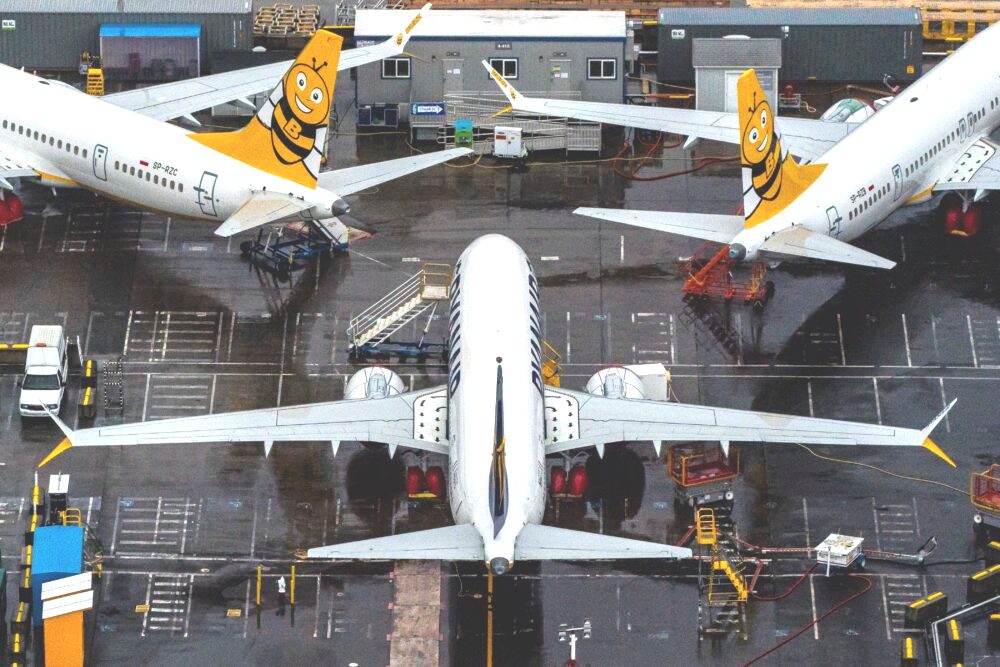
La compañía chartera Buzz vuelos chárter europea ha sido reformulada el 15 de Marzo de 2019 por Ryanair para operaciones en el Reino Unido. La aerolínea fue fundada en 1999 y comenzó a operar el 4 de Enero de 2000. Fue lanzado por KLM Airlines como una submarca de KLM uk para competir con otras aerolíneas de bajo costo como EasyJet, Go Fly y Ryanair al hacerse cargo de muchas de las rutas punto a punto de la antigua red AirUK/KLM UK.
El 31 de Enero de 2003, KLM anunció su intención de vender Buzz a Ryanair. Con el fin de capitalizar la adquisición y ahorrar costos, Ryanair reinició a Buzz como una filial de propiedad absoluta llamada Buzz Stansted, que retuvo los 10 aviones en el registro del Reino Unido. En Septiembre de 2004, Ryanair decidió cerrar Buzz Stansted y las operaciones de vuelo cesaron el 31 de Octubre de 2004.
La aerolínea chartera pronto reiniciará operaciones tras estar innerte desde 2004. El 15 de Marzo de 2019, Ryanair anunció que reviviría la marca Buzz como el nuevo nombre para Ryanair Sun con sede en Polonia, pero tras la incorporación de aeronaves Boeing 737 MAX rebautiza su denominación a Buzz. Actualmente vuela como operador polaco bajo el nombre de Ryanair.
Tras las aprobaciones recientes de los reguladores de aviación de Estados Unidos (FAA), la nueva compañía ha reacondicionado el Boeing 737-8 200 MAX para 197 pasajeros para dar inicio como compañía Buzz en la República de Polonia. El nuevo avión posee una puerta adicional de salida según las reglamentaciones de aviación. La filial polaca está destinada a operaciones chárter, aunque Ryanair tiene una política comercial muy agresiva que se adapta rápidamente a diferentes modelo de operaciones.
La Ryanair Holdings plc, finalmente tendrá una estructurada formada por cinco compañías: Ryanair (Irlanda); Malta Air, que operará con la marca Ryanair en destinos continentales europeos; Laudamotion, que operará como Lauda, también con matrículas y licencias de Malta, igual que la anterior, pero centrada en Alemania y Austria; Buzz, (Polonia) y Ryanair UK, aunque se esperan definiciones respecto a esta última aerolínea a la espera del acuerdo del Brexit con Europa.
Buzz to use Boeing 737 MAX
Buzz restored airline selects 737 MAX
The European charter company Buzz has been reformulated on March 15, 2019 by Ryanair for operations in the United Kingdom. The airline was founded in 1999 and began operating on January 4, 2000. It was launched by KLM Airlines as a sub-brand of KLM uk to compete with other low-cost airlines such as EasyJet, Go Fly and Ryanair by taking over many of the point-to-point routes on the old AirUK/KLM UK network.
On January 31, 2003, KLM announced its intention to sell Buzz to Ryanair. In order to capitalize on the acquisition and save costs, Ryanair rebooted Buzz as a wholly owned subsidiary called Buzz Stansted, which retained all 10 aircraft on the UK registry. In September 2004, Ryanair decided to close Buzz Stansted and flight operations ceased on October 31, 2004.
The charter airline will soon restart operations after being inert since 2004. On March 15, 2019, Ryanair announced that it would revive the Buzz brand as the new name for the Polish-based Ryanair Sun, but after the incorporation of Boeing 737 MAX aircraft it renamed its name to Buzz. It currently flies as a Polish operator under the name Ryanair.
Following recent approvals by the United States aviation regulators (FAA), the new company has retrofitted the 197-passenger Boeing 737-8 200 MAX to start as a Buzz company in the Republic of Poland. The new aircraft has an additional exit door according to aviation regulations. The Polish subsidiary is dedicated to charter operations, although Ryanair has a very aggressive commercial policy that adapts quickly to different operating models.
Ryanair Holdings plc will finally have a structured one made up of five companies: Ryanair (Ireland); Malta Air, which will operate under the Ryanair brand in continental European destinations; Laudamotion, which will operate as Lauda, also with Maltese plates and licenses, just like the previous one, but focused on Germany and Austria; Buzz, (Poland) and Ryanair UK, although definitions are expected regarding the latter airline pending the Brexit agreement with Europe.