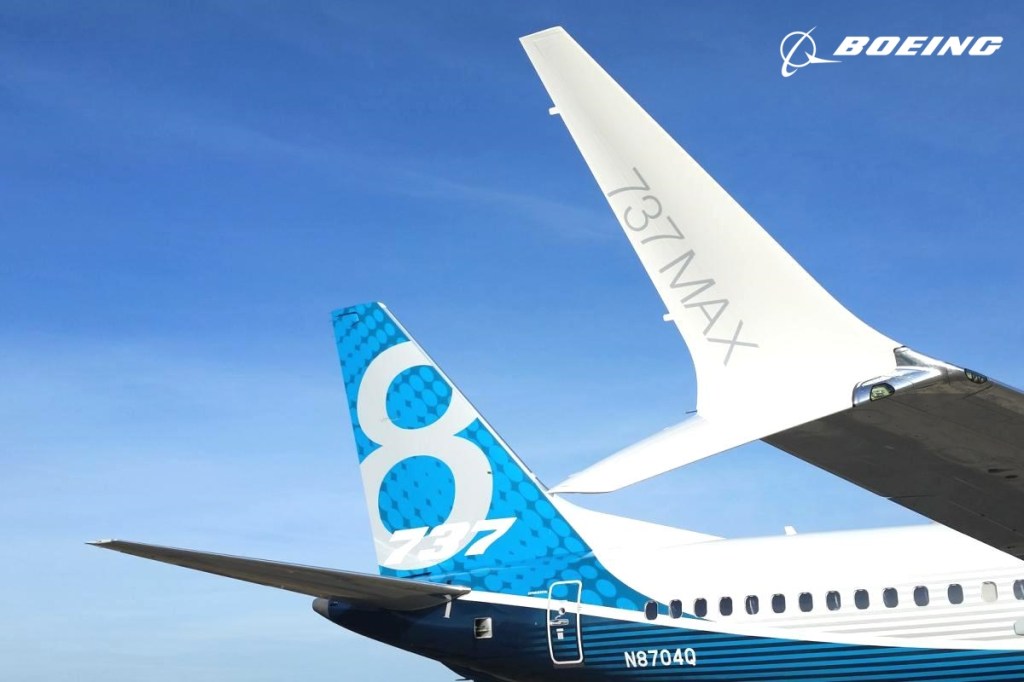
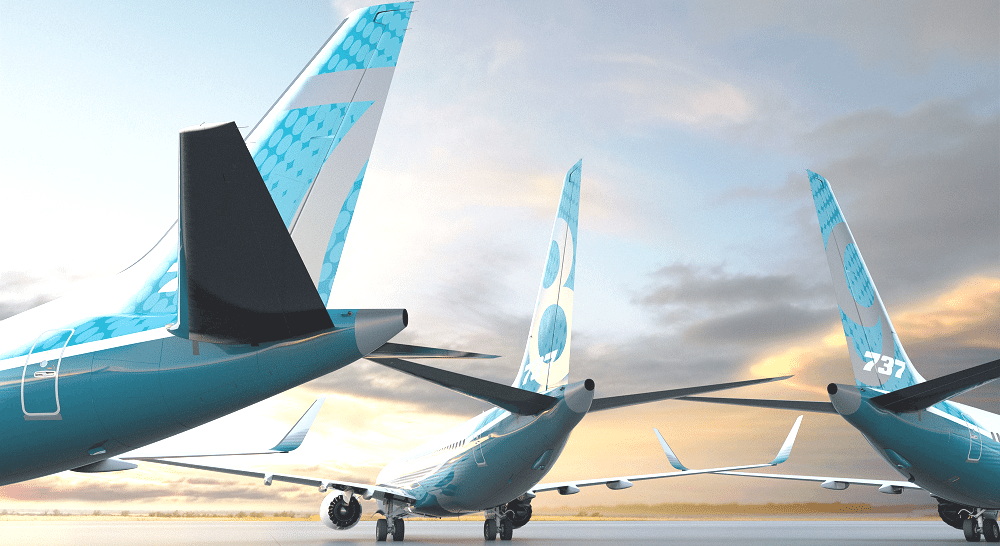
EASA Certificación 737 MAX en 01/2021
AW | 2020 11 22 09:00  | AVIATION ORGANISMS / AVIATION SAFETY

Regulador europeo levantará cancelación en Enero 2021

easa

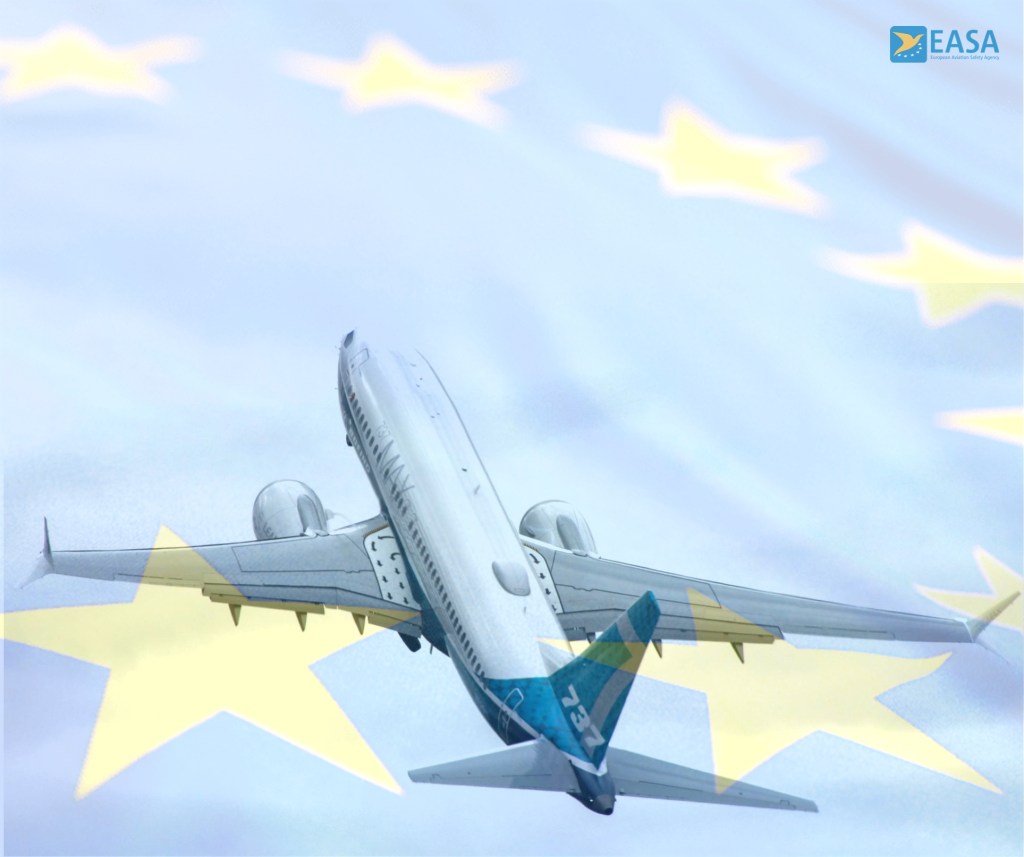
La European Union Aviation Safety Agency (EASA) ha anunciado el estudio para leventar las prohibiciones de vuelo al Boeing 737 MAX hacia Enero 2021 después de que los reguladores estadounidenses terminaran la semana pasada una conexión a tierra de veinte meses después de los trágicos accidentes aéreos ocurridos en Indonesia y Etiopía.

El Jefe de la EASA ha comunicado en comentarios emitidos el Sábado 21/11 que el Boeing 737 MAX será seguro para volar después de cambios en el diseño del jet. «Queríamos llevar a cabo un análisis totalmente independiente de la seguridad de este avión, por lo que realizamos nuestros propios controles y pruebas de vuelo. Todos estos estudios nos dicen que el 737 MAX puede volver al servicio. Hemos empezado a poner en marcha todas las medidas. Es probable que en nuestro caso adoptemos las decisiones, lo que le permitirá volver al servicio, en algún momento de Enero», dijo el Director Ejecutivo Patrick Ky al Paris Air Forum 2020, una conferencia de aviación en línea organizada por el diario La Tribune de Francia.

Los funcionarios confirmaron que la próxima semana se publicará un Proyecto de Directiva de la EASA que propone poner fin a la puesta a tierra en Europa, seguido de un Período de Comentarios de 30 días. Después de los toques finales, eso llevaría a una decisión de aprobación hacia Enero 2021.

El tiempo que tardan los vuelos en reanudarse en Europa depende de la formación de pilotos y de la cantidad de tiempo que tardan las aerolíneas en actualizar el software y llevar a cabo otras acciones encomendadas por la EASA. En los Estados Unidos, los vuelos comerciales están programados para comenzar el 29 de Diciembre de 2020, poco menos de seis semanas después de que la orden de la FAA se publicara el 18 de Noviembre de 2020.

Lecciones FAA

Los accidentes aéreos en Indonesia y Etiopía desencadenaron una serie de investigaciones sobre fallos de mal diseño en la línea 737 MAX y la supervisión laza de la FAA. También pusieron bajo escrutinio las estrechas relaciones de la agencia de aviación americana con The Boeing Company. «Está claro que hubo una serie de disfunciones en las acciones (FAA) y sus relaciones con Boeing. No voy a entrar en detalles, ya que no depende de mí para hacer eso. La FAA está en proceso de poner en marcha medidas correctivas», expresó Patrick Ky. La EASA cambiaría algunos de sus propios métodos y tomaría un papel más detallado en el análisis de características críticas en aviones extranjeros. También sería más intransigente asegurar que se completen las revisiones clave de seguridad antes de pasar a los siguientes pasos. Hasta ahora, un regulador primario certifica un avión y otros siguen principalmente el ejemplo después de diferentes grados de controles independientes. «Cuál es el cambio en la forma en que validamos y certificamos los aviones Boeing está claro, ¿pero tendrá un impacto en los tiempos de certificación? No, no lo creo; haremos las cosas de manera diferente», expresó el Jefe de la EASA.

La EASA es ampliamente vista como un fortalecimiento emergente de la crisis de Boeing y algunos reguladores están esperando sus decisiones sobre el 737 MAX en lugar de seguir inmediatamente a la FAA como en el pasado. El Jefe de la FAA, Steve Dickson, redujo las diferencias la semana pasada, diciendo que había muy poca luz del día entre los reguladores y que la FAA trabajó estrechamente con Europa, Canadá y Brasil.

EASA representa a los 27 países de la Unión Europea más otras cuatro naciones, incluyendo Noruega, que tiene 92 de los aviones en orden. Hasta el 31 de Diciembre 2020, también representa al Reino Unido, que dejó el bloque de la Unión Europea en Enero 2019. La decisión de la agencia de seguridad de aviación EASA es vista como el hito más importante después de la aprobación de la FAA, pues como regulador responsable de Airbus, también tiene un peso significativo en la industria europea y mundial.

EASA 737 MAX Certification on 01/2021

European regulator will lift cancellation in January 2021
Boeing 737 MAX_Isologotype

The European Union Aviation Safety Agency (EASA) has announced the study to lift the flight bans on the Boeing 737 MAX by January 2021 after US regulators last week ended a twenty-month ground connection after tragic plane crashes. in Indonesia and Ethiopia.

The EASA Chief has communicated in comments issued on Saturday 11/21 that the Boeing 737 MAX will be safe to fly after changes to the jet’s design. «We wanted to carry out a totally independent analysis of the safety of this aircraft, so we carried out our own controls and flight tests. All these studies tell us that the 737 MAX can be returned to service. We have started to commission all the It is likely that in our case we will make the decisions, which will allow him to return to service, sometime in January», Executive Director Patrick Ky told the Paris Air Forum 2020, an online aviation conference organized by the newspaper La Tribune of France.

Officials confirmed that an EASA Draft Directive proposing to end the grounding in Europe will be published next week, followed by a 30-day Comment Period. After the final touches, that would lead to an approval decision by January 2021.
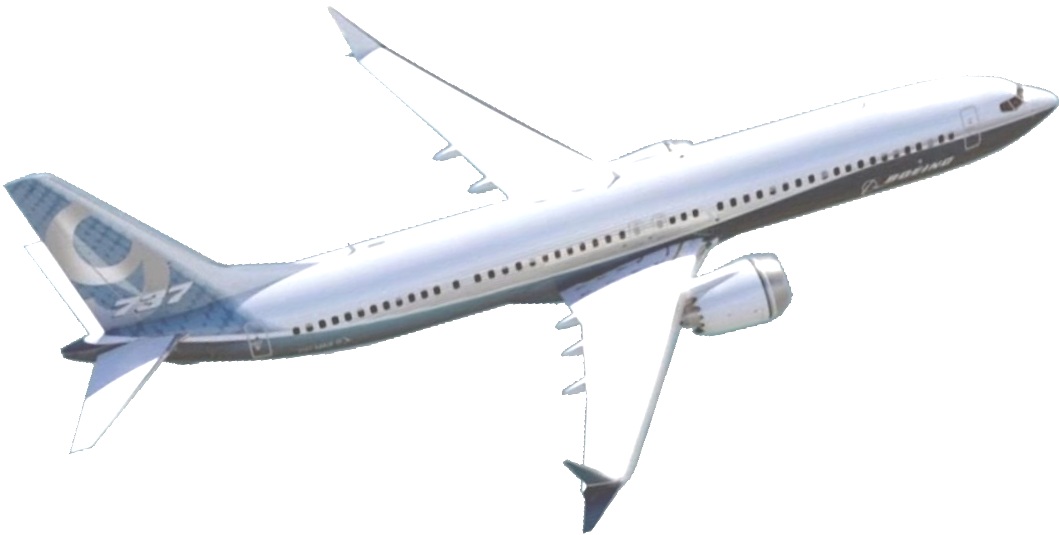
Boeing 737-MAX_009

The time it takes for flights to resume in Europe depends on pilot training and the amount of time it takes for airlines to update software and carry out other actions mandated by EASA. In the United States, commercial flights are scheduled to begin on December 29, 2020, just under six weeks after the FAA order was published on November 18, 2020.

FAA Lessons

Air crashes in Indonesia and Ethiopia triggered a series of investigations into poor design flaws on the 737 MAX line and FAA oversight. The close relations of the American aviation agency with The Boeing Company also came under scrutiny. «It is clear that there were a number of dysfunctions in the (FAA) actions and their relationships with Boeing. I will not go into details as it is not up to me to do that. The FAA is in the process of putting corrective measures in place», said Patrick Ky. EASA would change some of its own methods and take a more detailed role in the analysis of critical characteristics in foreign aircraft. It would also be more uncompromising to ensure key security reviews are completed before proceeding to the next steps. So far, one primary regulator certifies an aircraft and others mainly follow suit after varying degrees of independent checks. «What is the change in the way we validate and certify Boeing aircraft is clear, but will it have an impact on certification times? No, I don’t think so; we will do things differently», said the Head of EASA.

EASA is widely seen as an emerging strengthening of the Boeing crisis and some regulators are awaiting its decisions on the 737 MAX rather than immediately following the FAA as in the past. FAA Chief Steve Dickson narrowed the differences last week, saying there was very little daylight between regulators and that the FAA worked closely with Europe, Canada and Brazil.

EASA represents the 27 countries of the European Union plus four other nations, including Norway, which has 92 of the planes on order. Until December 31, 2020, it also represents the United Kingdom, which left the European Union bloc in January 2019. The decision of the aviation security agency EASA is seen as the most important milestone after FAA approval, As the responsible regulator of Airbus, it also has a significant weight in European and global industry.


PUBLISHER: Airgways.com
DBk: Easa.europa.eu / Boeing.com / Faa.gov / Airgways.com / Reuters.com
AW-POST: 202011220900AR

A\W   A I R G W A Y S ®
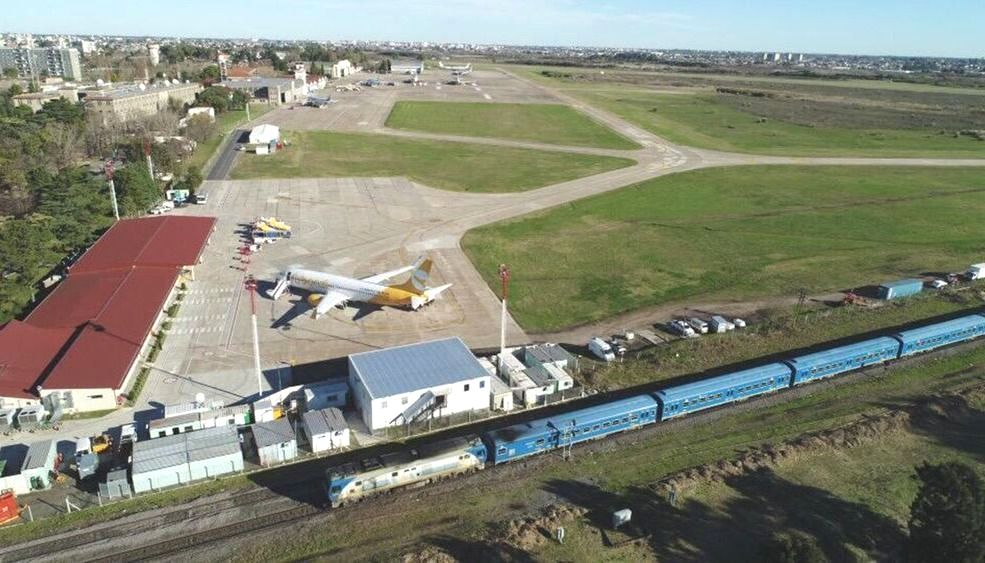
Posición Transporte por El Palomar

AW | 2020 11 21 21:53  | AIRPORTS / GOVERNMENT

Gobierno Argentina pronuncia preliminarmente por El Palomar

El Gobierno de Argentina, por intermedio del Ministerio de Transporte a cargo del Ministro Mario Meoni ha transmitido este Sábado 21/11 apreciaciones respecto a la posición del Gobierno respecto al futuro del Aeropuerto internacional El Palomar. La posición del Gobierno actual respecto a la actual situación está relacionada a las garantías de seguridad y capacidades de la aeroestación para cumplimentar los requerimientos sanitarios por los efectos de la pandemia.

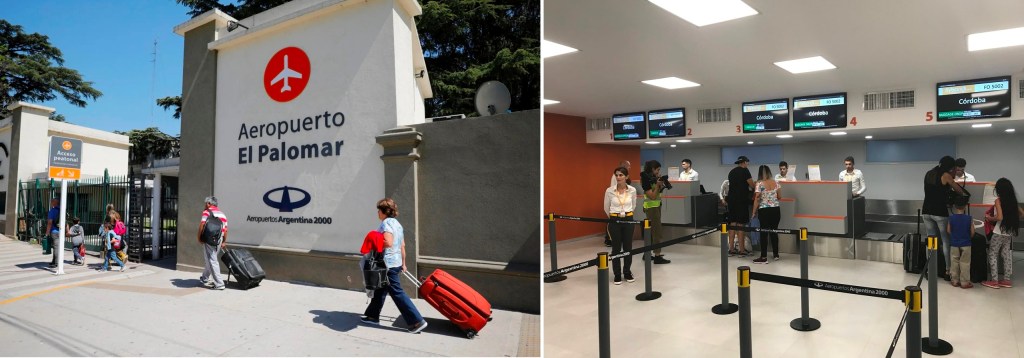
En el día 21/11 el Ministro de Transporte ha acercado algunos detalles sobre las perspectivas del destino del Aeropuerto El Palomar, que ha expresado: «Hay que evaluar muy bien tener tres aeropuertos abiertos en el área metropolitana», ha agregado una comparación que «Nueva York tiene tres pero con 160 millones de pasajeros por año, mientras que acá tenemos 27 millones”. Como ocurre con muchas comparaciones, pueden tener un relato acertado, pero las realidades son un tanto diferentes, porque estamos considerando que es un aeropuerto low cost muy diferente de las aeroestaciones clásicas. Es importante tomar en consideración que el aeropuerto low cost de El Palomar es una aeroestación que ha crecido exponencialmente favoreciendo la diversidad de oportunidades para volar, como ocurre en los diferentes aeropuertos de Londres y Gran Londres donde operan un número importante de aerolíneas low cost que contribuyen a estimular el transporte polivalente británico y europeo.

Desarrollo de El Palomar

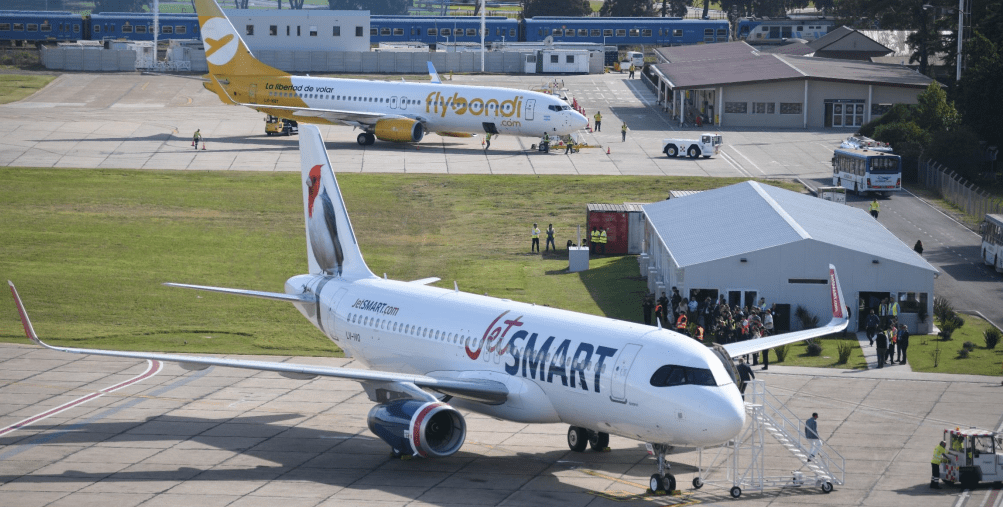
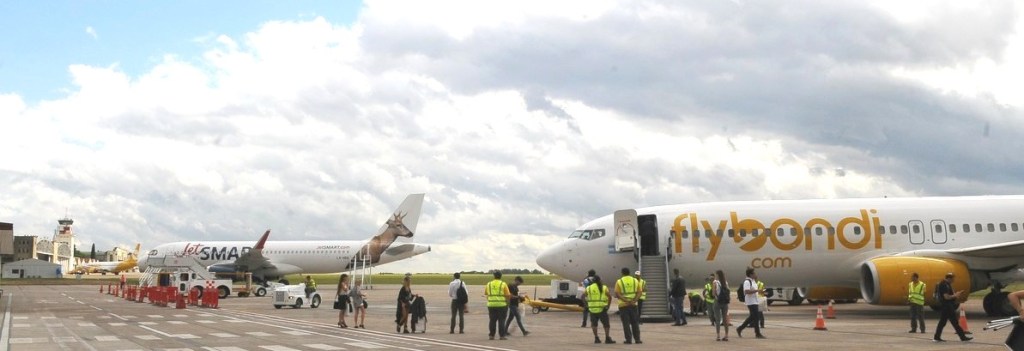
Inicialmente esta aeroestación low cost estaba siendo utilizada como un anexo para el Aeropuerto Jorge Newbery, después que el Aeropuerto Internacional de Ezeiza, debido al mantenimiento de sus pistas en Noviembre de 2010. Poseía operaciones diarias de aviones privados, militares de la Fuerza Aérea Argentina, y comerciales de Líneas Aéreas del Estado (LADE), Flybondi Líneas Aéreas, JetSmart Airlines Chile y JetSmart Airlines Argentina. En tanto, la aerolínea trasandina Sky Airline, había sido fue autorizada a operar desde el aeropuerto. La filial local de JetSmart inició el 10 de Abril de 2019 sus vuelos de cabotaje. El Aeropuerto Internacional El Palomar operaban cuatro aerolíneas sirviendo a catorce destinos de cabotaje y siete internacionales hacia Brasil, Paraguay, Chile y Uruguay, este último destino de manera estacional. El tráfico entre 2018-2019 para muchos destinos han desarrollado incrementos del orden promedio entre los 90% a 170% en la mayorías de los destinos, mostrando una clara tendencia hacia un mercado muy apreciado por los usuarios del transporte que ha estimulado a muchos a volar por primera vez en su vida.

Aun con estas consideraciones, el Gobierno muestra una política de achicamiento o reducción de las aeroestaciones indicando «porque cuando somos un país pobre, no tenemos que tener por tener aeropuertos. En el mundo tienen en función de la cantidad de pasajeros, que las empresas low cost tendrán que operar desde Aeroparque». Apuntando nuevamente a la particularidad de la aeroestación, low cost, eso es lo que representa como objetivo, estimular en virtud de los costos operativos a que los usuarios del transporte utilicen la navegación aérea como un transporte eficaz a un meyor costo.

Aeropuerto Jorge Newbery

Mario Meoni explicó respecto al Aeroparque: «Que la reforma es muy importante en el Jorge Newbery, que va a permitir que tenga mucho más capacidad y debemos sostenerlo, terminada la pandemia, vamos a tener 6.5 millones de aviones despegando”. De esta manera perfiló sus comentarios hacia las aerolíneas low cost: «JetSmart está realizando vuelo desde el Aeropuerto de Ezeiza, lo mismo podría suceder con Flybondi ya que no presenta ninguna prohibición ni restricción para la realización de sus operaciones aéreas». Hasta que se resuelva finalmente lo que va a suceder con El Palomar, el funcionario nacional expresó: “La empresa Flybondi pude volar, puede hacerlo sin ningún inconveniente desde Ezeiza; lo que está restringido es el uso del vuelo de pasajeros desde dicha terminal aérea [El Palomar], ya que desde allí se están realizando solo vuelos de carga”, concluye el Ministro de Transporte.

Perspectivas aéreas

Desde el Ministerio de Transporte han arrojado presumiblemente algunos detalles respectos a las intenciones para las operaciones en el Área Metropolitana de Buenos Aires (AMBA), que están relacionados con la intención de cerrar el Aeropuerto Internacional El Palomar previa negociación con las aerolíneas de presupuesto para que operen desde el renovado Aeropuerto Jorge Newbery, según se desprende de las palabras del Ministro de Transporte de Argentina. Mientras tanto, las aerolíneas continuarán presentando batalla para conseguir retornar a la anhelada normalidad con la cura de la enfermedad del Coronavirus, como una luz al final del túnel.

Position Transport Argentina by El Palomar

Government of Argentina preliminarily pronounces for El Palomar

The Government of Argentina, through the Ministry of Transportation led by Minister Mario Meoni, has transmitted this Saturday, November 21, appreciations regarding the Government’s position regarding the future of El Palomar International Airport. The current government’s position regarding the current situation is related to the security guarantees and capabilities of the air station to comply with the health requirements due to the effects of the pandemic.

On 11/21, the Minister of Transportation provided some details on the prospects for the destination of El Palomar Airport, which stated: «We must evaluate very well having three airports open in the metropolitan area», he added a comparison that «New York has three but with 160 million passengers per year, while here we have 27 million”. As with many comparisons, they may have an accurate story, but the realities are somewhat different, because we are considering that it is a low cost airport very different from classic air stations. It is important to take into account that the low cost airport of El Palomar is an air station that has grown exponentially favoring the diversity of opportunities to fly, as occurs in the different airports of London and Greater London where a number of important of low cost airlines that help stimulate British and European multipurpose transport.

El Palomar development

Initially, this low-cost airstation was being used as an annex to the Jorge Newbery Airport, after the Ezeiza International Airport, due to the maintenance of its runways in November 2010. It had daily operations of private planes, Argentine Air Force military, and of the State Air Lines (LADE), Flybondi Lineas Aereas, JetSmart Airlines Chile and JetSmart Airlines Argentina. Meanwhile, the trans-Andean airline Sky Airline had been authorized to operate from the airport. The local subsidiary of JetSmart began its domestic flights on April 10, 2019. The El Palomar International Airport operated four airlines serving fourteen domestic and seven international destinations to Brazil, Paraguay, Chile and Uruguay, the latter destination on a seasonal basis. Traffic between 2018-2019 for many destinations has developed increases of the average order between 90% to 170% in most destinations, showing a clear trend towards a market highly appreciated by transport users that has stimulated many to fly by. first time in his life.

Even with these considerations, the Government shows a policy of downsizing or reducing air stations, stating «because when we are a poor country, we do not have to have airports. In the world they have depending on the number of passengers, which companies low cost will have to operate from Aeroparque». Aiming again at the particularity of the airstation, low cost, that is what it represents as an objective, to stimulate, by virtue of operating costs, transport users to use air navigation as an efficient transport at a lower cost.

Jorge Newbery Airport

Mario Meoni explained regarding the Aeroparque: «That the reform is very important in the Jorge Newbery, which will allow it to have much more capacity and we must sustain it, once the pandemic is over, we are going to have 6.5 million planes taking off«. his comments towards low cost airlines: «JetSmart is making a flight from Ezeiza Airport, the same could happen with Flybondi since it does not present any prohibition or restriction for carrying out its air operations«. Until what is going is finally resolved to happen with El Palomar, the national official said: «The Flybondi company can fly, it can do so without any inconvenience from Ezeiza; what is restricted is the use of the passenger flight from said air terminal [El Palomar], since from there only cargo flights are being carried out”, concludes the Minister of Transport.

Aerial perspectives

The Ministry of Transportation has presumably released some details regarding the intentions for operations in the Buenos Aires Metropolitan Area (AMBA), which are related to the intention to close the El Palomar International Airport after negotiation with budget airlines so that operate from the renovated Jorge Newbery Airport, according to the words of the Minister of Transportation of Argentina. Meanwhile, the airlines will continue to fight to return to the desired normality with the cure of the Coronavirus disease, like a light at the end of the tunnel.


PUBLISHER: Airgways.com
DBk: Argentina.gob.ar/transporte / Airgways.com
AW-POST: 202011212153AR

A\W   A I R G W A Y S ®

CE aprueba ayudas Rumania

AW | 2020 11 21 12:38  | AIRPORTS / AVIATION ORGANISMS

UE extiende ayudas plan rumano a aerolíneas

logo_en

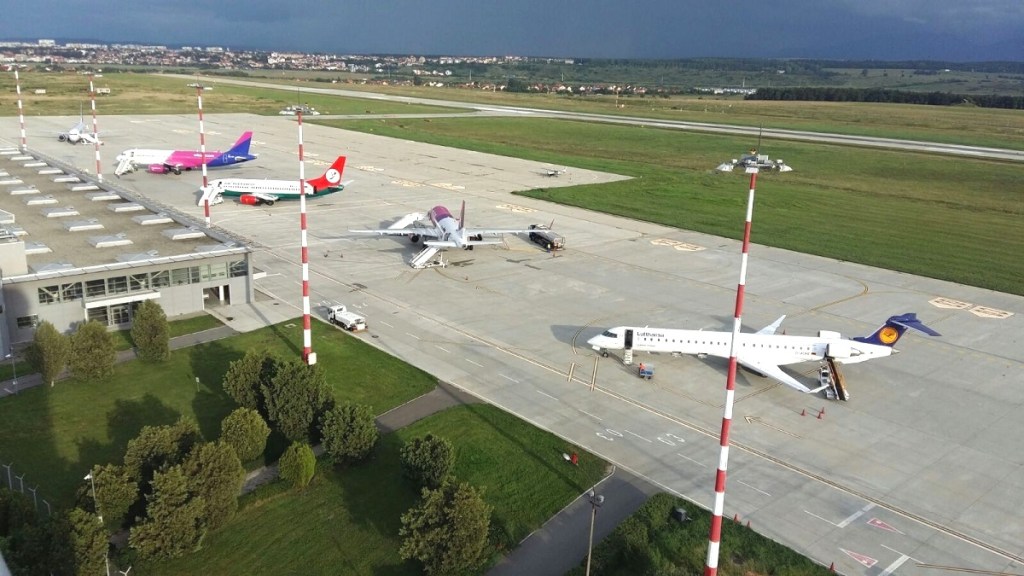
La Comisión Europea (CE) ha aprobado, de conformidad con las normas de la Unión Europea (UE) sobre ayudas estatales, un plan rumano de € 1,7 millones de Euros para las aerolíneas que reanudan o inician vuelos desde y hacia el Aeropuerto de Sibiu en Rumania. El Aeropuerto de Sibiu representa un papel importante en la conectividad regional e internacional del país. Este plan proporciona ayuda en forma de subvenciones directas y será accesible de manera transparente a todas las aerolíneas interesadas que inicien o reanuden sus operaciones en el Aeropuerto de Sibiu.

El objetivo de la medida es apoyar la actividad de los operadores aéreos y apoyar la recuperación económica y la viabilidad estructural de la región afectada por la pandemia del coronavirus. La Comisión constató que el régimen rumano se ajusta a las condiciones establecidas en el marco temporal. En particular, la ayuda no superará los € 800 000 Euros por empresa y se concederá antes del 30 de Junio de 2021. La Comisión concluyó que “la medida es necesaria, adecuada y proporcionada para remediar una perturbación grave en la economía de un Estado miembro”.

EC approves aid Romania

EU extends aid to Romanian plan to airlines

The European Commission (EC) has approved, in accordance with the rules of the European Union (EU) on state aid, a Romanian plan of € 1.7 million Euros for airlines that resume or start flights to and from the Airport of Sibiu in Romania. Sibiu Airport plays an important role in the country’s regional and international connectivity. This scheme provides support in the form of direct grants and will be transparently accessible to all interested airlines starting or resuming operations at the Sibiu eAport.

The objective of the measure is to support the activity of air operators and support the economic recovery and structural viability of the region affected by the coronavirus pandemic. The Commission found that the Romanian scheme complies with the conditions set out in the time frame. In particular, the aid will not exceed € 800,000 Euros per company and will be granted before June 30, 2021. The Commission concluded that “the measure is necessary, adequate and proportionate to remedy a serious disturbance in the economy of a Member State”.

CE aprobă ajutorul României

UE extinde ajutorul pentru planul românesc companiilor aeriene

Sibiu Airport_Isologotype

Comisia Europeană (CE) a aprobat, în conformitate cu normele Uniunii Europene (UE) privind ajutorul de stat, un plan românesc de 1,7 milioane de euro pentru companiile aeriene care reiau sau încep zborurile către și de la Aeroportul Sibiu din România. Aeroportul Sibiu joacă un rol important în conectivitatea regională și internațională a țării. Acest sistem oferă sprijin sub formă de subvenții directe și va fi accesibil în mod transparent tuturor companiilor aeriene interesate care încep sau reiau operațiunile la portul electronic Sibiu.

Obiectivul măsurii este de a sprijini activitatea operatorilor aerieni și de a sprijini redresarea economică și viabilitatea structurală a regiunii afectate de pandemia de coronavirus. Comisia a constatat că schema românească respectă condițiile stabilite în intervalul de timp. În special, ajutorul nu va depăși 800.000 EUR pentru fiecare companie și va fi acordat înainte de 30 iunie 2021. Comisia a concluzionat că „măsura este necesară, adecvată și proporțională pentru a remedia o perturbare gravă a economiei unui stat membru”.


PUBLISHER: Airgways.com
DBk: Ec.europa.eu / Sibiuairport.ro / Airgways.com / Turnulsfatului.ro
AW-POST: 202011211238AR

A\W   A I R G W A Y S ®

IATA aerolíneas requerirán más ayudas

AW | 2020 11 21 11:50  | CONGRESS / AVIATION ORGANISMS

Aerolíneas necesitan US$ 80.000 millones adicionales para sobrevivir

Paris-air-forum_Isologotype

El organismo de aviación de la Asociación Internacional de Transporte Aéreo (IATA) ha anunciado recientemente que las aerolíneas necesitarán entre US$ 70.000 millones y US$ 80.000 millones de Dólares en ayudas para sobrevivir a la crisis del Coronavirus, según ha dado advertencia la asociación en vista a los prolongados efectos sobre la aviación comercial. “Les estamos muy agradecidos por haber inyectado 160.000 millones de dólares en el sector. Para los próximos meses, las necesidades de la industria se evalúan en entre 70.000 millones y 80.000 millones de Dólares en ayuda adicional. De lo contrario, algunas aerolíneas no sobrevivirán”, dijo el Viernes 20/11 Alexandre de Juniac, Director Deneral de la Asociación Internacional del Transporte Aéreo (IATA), en el Paris Air Forum, organizado por el diario La Tribune.

Si bien los avances en las vacunas ofrecen esperanza, aún faltan muchos meses para el regreso de los viajes masivos, dicen las aerolíneas. A algunos les costará pasar el invierno boreal, cuando las ganancias son bajas incluso en épocas normales. Mientras, un renovado aumento de las infecciones por COVID-19 y las restricciones a los viajes han empañado aún más las perspectivas financieras para un sector que IATA ha pronosticado que perderá US$ 87.000 millones de Dólares este año. “Es bastante probable que veamos pérdidas mayores que las cifras que anunciamos”, dijo De Juniac, agregando que el déficit de todo el año se acercará probablemente a los US$ 100.000 millones de Dólares.

IATA ha pronosticado una recuperación dolorosamente lenta, con un regreso a los niveles de tráfico precrisis solo en 2024, con números de pasajeros que bajarán aún un 30% el próximo año. Eso también podría resultar optimista, advirtió De Juniac. “Calculamos que el tráfico aéreo estará al 33% de su nivel de 2019 a fines de 2020 y luego, esperamos, al 50-60% a fines de 2021”.

IATA airlines will require more aid

Paris Air Forum, La Tribune Events, Paris, 19 June

Airlines need an additional US$ 80 billion to survive

The aviation body of the International Air Transport Association (IATA) has recently announced that airlines will need between US$ 70,000 million and US$ 80,000 million in aid to survive the Coronavirus crisis, as the association has warned in in view of the prolonged effects on commercial aviction. “We are very grateful to them for having injected 160,000 million dollars into the sector. For the next few months, the needs of the industry are assessed at between US$ 70 billion and US$ 80 billion in additional aid. Otherwise, some airlines will not survive”, said on Friday 11/20 Alexandre de Juniac, General Director of the International Air Transport Association (IATA), at the Paris Air Forum, organized by the newspaper La Tribune.

While advances in vaccines offer hope, the return of mass travel is still many months away, airlines say. Some will find it difficult to make it through the boreal winter, when profits are low even in normal times. Meanwhile, a renewed rise in COVID-19 infections and travel restrictions have further clouded the financial outlook for a sector that IATA has predicted will lose US$ 87 billion this year. «It is quite likely that we will see losses greater than the figures we announced», De Juniac said, adding that the deficit for the entire year will probably approach US$ 100 billion.

IATA has forecast a painfully slow recovery, with a return to pre-crisis traffic levels only in 2024, with passenger numbers still down 30% next year. That might also be optimistic, de Juniac cautioned. «We estimate that air traffic will be at 33% of its 2019 level by the end of 2020 and then, we hope, at 50-60% by the end of 2021».


PUBLISHER: Airgways.com
DBk: Parisairforum.fr / Iata.org / Airgways.com
AW-POST: 202011211150AR

A\W   A I R G W A Y S ®
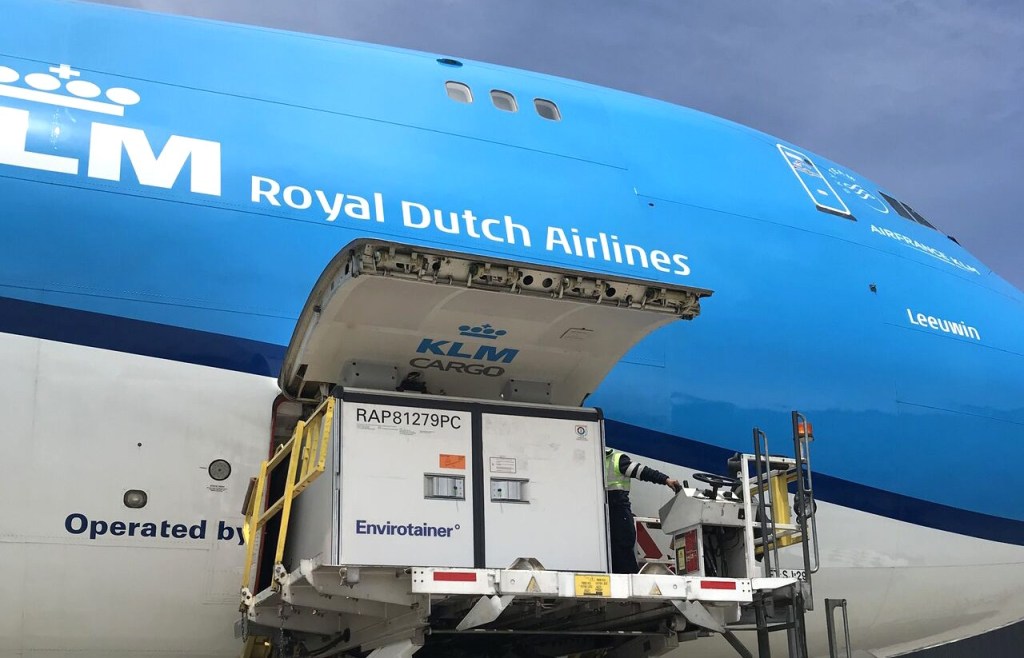
AF-KLM-Martinair transportan vacunas

AW | 2020 11 21 11:04 | AIRLINES / AVIATION

Aéreas listas para transportar las vacunas contra el Covid-19

AW-AF-KLM-Martinair_Isologottype

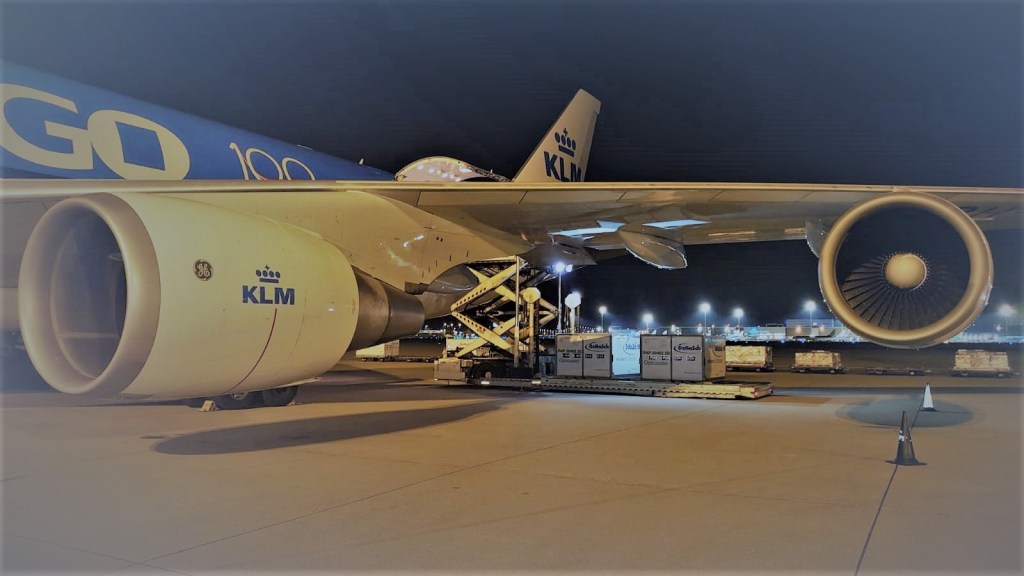
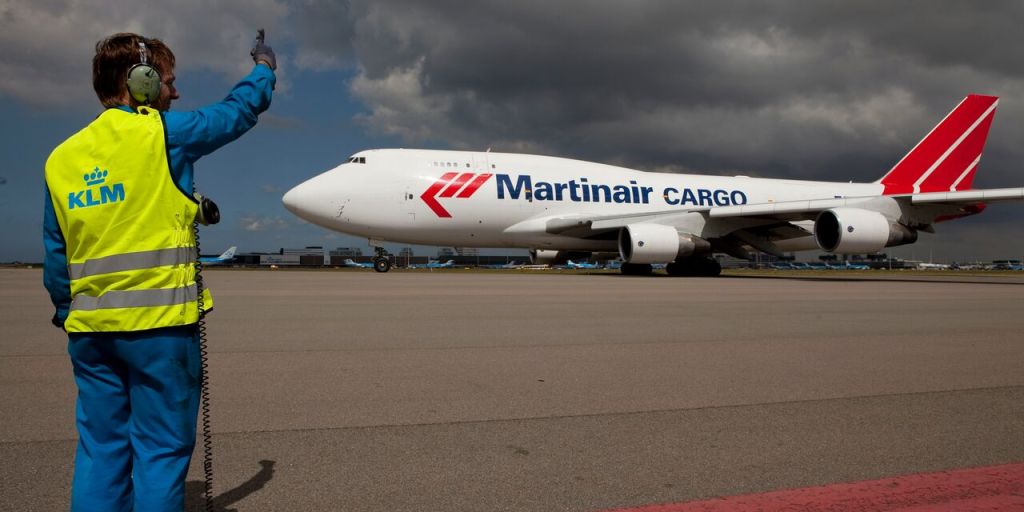
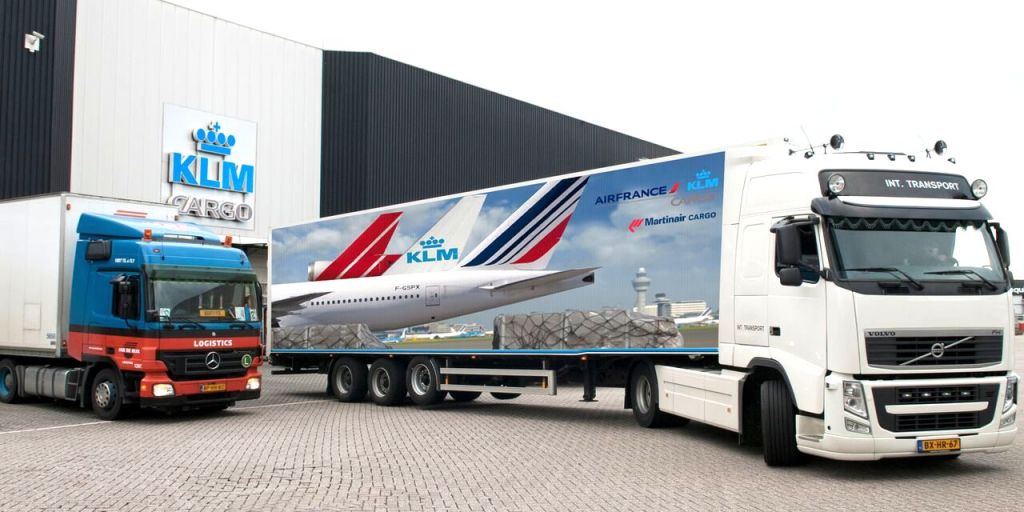
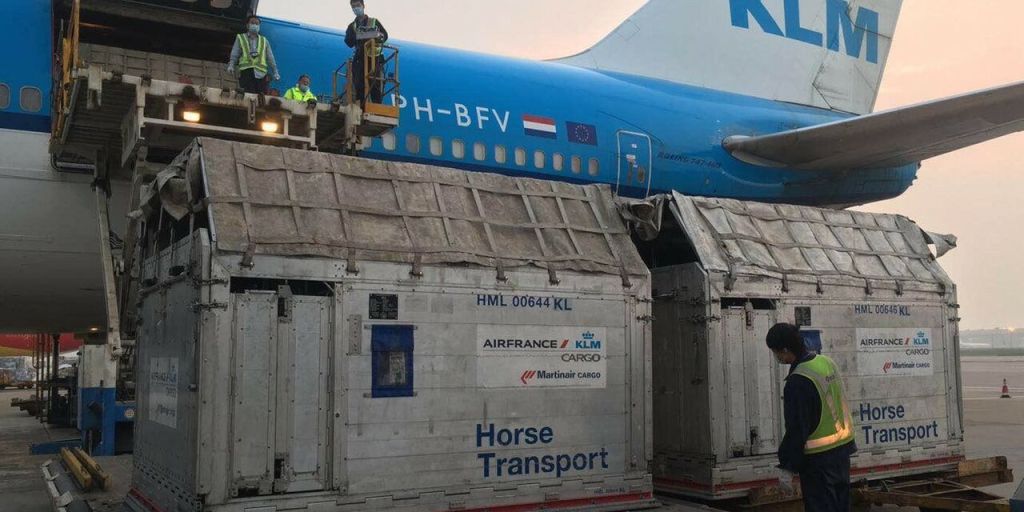
Los primeros envíos de vacunas Covid-19 por vía aérea están comenzando a ponerse en marcha en todo el mundo. A principios de Noviembre 2020, KLM Cargo realizó con éxito un envío de prueba de 6 mil dosis de vacunas contra Covid-19 de China a Chile. Desde el inicio de la crisis de Covid-19, Air France, KLM Airlines, Martinair Cargo, la división de Cargo de Air France KLM está comprometida en mantener su red global de carga aérea, contribuyendo a la continuidad de cadenas de abastecimiento vitales. Esto ha sido siempre esencial, pero lo es aún más desde la pandemia por Covid-19, para garantizar que tanto los centros de salud como los ciudadanos tengan acceso a medicamentos, equipos médicos, equipos de protección personal y otros productos esenciales. En los últimos meses, Air France KLM Martinair Cargo realizó aproximadamente 6.000 vuelos exclusivamente cargueros y, actualmente, vuela a más de 100 destinos cargueros de larga distancia, incluyendo Buenos Aires.

Desafíos gigantes

Uno de los próximos desafíos logísticos será la distribución mundial de las vacunas contra el Covid-19. Hace pocos días, el gigante farmacéutico estadounidense Pfizer, junto con su socio alemán BioNTech, anunció resultados exitosos en el primer análisis preliminar del ensayo de fase III de su vacuna candidata contra el Covid-19. En términos de volumen, la distribución de las vacunas será una operación logística sin precedentes. Las expectativas iniciales son que será necesaria la distribución de unos 15 mil millones de vacunas en todo el mundo. Muchas de estas vacunas, además, deberán ser transportadas a muy bajas temperaturas. La vacuna de Pfizer debe mantenerse congelada (a -70ºC). Otras deberán distribuirse a una temperatura constante de entre +2ºC y +8ºC. Esto significa que las soluciones logísticas serán fundamentales para mantener la calidad de la vacuna a lo largo de toda cadena de distribución.

El Vicepresidente Senior de Ventas y Distribución de Air France KLM Martinair Cargo, Gert Jan Roelands, afirmó: «Air France KLM Martinair Cargo tiene años de experiencia en el transporte de productos farmacéuticos a temperatura controlada y fue el primer grupo aéreo en obtener la certificación CEIV Pharma de IATA (Center of Excellence for Independent Validators in Pharmaceutical Logistics). La distribución de las vacunas contra el Covid-19 plantea desafíos específicos en términos de volumen, requisitos de transporte y seguridad. Con el fin de estar totalmente preparados para esto, creamos un grupo de trabajo llamado “Vacuna Covid-19”, hace cuatro meses. Este grupo de trabajo reúne a representantes de todos los departamentos involucrados de Air France KLM Martinair Cargo. Nuestros equipos han estado trabajando en un extenso plan de acción. Por ejemplo, hace unos meses, en nuestro centro de operaciones de Pharma en Ámsterdam Schiphol, inauguramos una instalación de almacenamiento climatizado de 1.118 m3, y estamos construyendo una cámara frigorífica adicional de 2.061 m3. En nuestro centro de operaciones de Pharma en París-Charles de Gaulle, estamos terminando una nueva zona de almacenamiento con control climático. También introdujimos soluciones híbridas y pasivas avanzadas que se utilizarán para transportar las vacunas, además de la gama completa de contenedores activos existentes. Junto con muchas otras iniciativas, también se han puesto en práctica un monitoreo adicional y una gestión de intervención».

El Vicepresidente Ejecutivo de Air France-KLM Cargo, Adriaan den Heijer, agregó: «Creemos que la cooperación y la creación de comunidades en torno a la próxima distribución mundial de las vacunas son fundamentales. Nos asociamos con muchos actores de la cadena logística, incluidos transportistas, empresas de transporte terrestre, proveedores de contenedores, aeropuertos, socios de carga/logística, empresas farmacéuticas e institutos y autoridades relacionados con el cuidado de la salud. Estamos convencidos de que una fuerte cooperación entre los socios será esencial para ejecutar con éxito este desafío logístico».

Junto con Air Cargo Netherlands (ACN), el Aeropuerto de Ámsterdam/Schiphol y Aéroports de Paris, dos hubs claves en la industria farmacéutica europea, Air France KLM Martinair Cargo creó dos grupos de trabajo para preparar en profundidad a las comunidades de ambos aeropuertos para las próximas operaciones de transporte de vacunas.

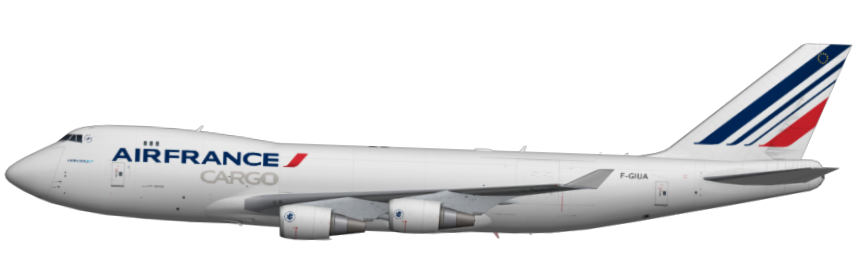
En Argentina, el grupo Air France-KLM sigue reforzando su operación de vuelos de pasajeros y carga. A partir de Diciembre 2020, se estarán operando nueve vuelos semanales con espacio para carga: ocho vuelos que transportan pasajeros y carga, tres de Air France desde y hacia París, en Boeing 787-9, y cinco de KLM desde y hacia Ámsterdam, en Boeing 777-300, a los que se suma un vuelo semanal exclusivo de carga en Boeing 747.

AF-KLM-Martinair transport vaccines

Ready to transport vaccines against Covid-19

AW-700054

The first shipments of Covid-19 vaccines by air are beginning to go live around the world. In early November, KLM Cargo successfully conducted a test shipment of 6,000 doses of Covid-19 vaccines from China to Chile. Since the start of the Covid-19 crisis, Air France, KLM Airlines, Martinair Cargo, Air France KLM’s Cargo division, has been committed to maintaining its global air cargo network, contributing to the continuity of vital supply chains. This has always been essential, but it is even more so since the Covid-19 pandemic, to ensure that both health centers and citizens have access to medicines, medical equipment, personal protective equipment and other essential products. In the last few months, Air France KLM Martinair Cargo carried out approximately 6,000 exclusively cargo flights and currently flies to more than 100 long-haul cargo destinations, including Buenos Aires.

Giant challenges

One of the next logistical challenges will be the global distribution of Covid-19 vaccines. A few days ago, the American pharmaceutical giant Pfizer, together with its German partner BioNTech, announced successful results in the first preliminary analysis of the phase III trial of its candidate vaccine against Covid-19. In terms of volume, the distribution of the vaccines will be an unprecedented logistical operation. Initial expectations are that some 15 billion vaccines will need to be distributed worldwide. Many of these vaccines, moreover, must be transported at very low temperatures. The Pfizer vaccine must be kept frozen (-70ºC). Others must be distributed at a constant temperature between +2ºC and +8ºC. This means that logistical solutions will be essential to maintain the quality of the vaccine throughout the entire distribution chain.

Air France KLM Martinair Cargo Senior Vice President of Sales and Distribution, Gert Jan Roelands, stated: «Air France KLM Martinair Cargo has years of experience in the transport of pharmaceutical products at controlled temperature and was the first airline group to obtain CEIV certification. IATA (Center of Excellence for Independent Validators in Pharmaceutical Logistics) Pharma. The distribution of Covid-19 vaccines poses specific challenges in terms of volume, transport requirements and safety. In order to be fully prepared for this, we created a working group called «Covid-19 Vaccine», four months ago. This working group brings together representatives from all involved departments of Air France KLM Martinair Cargo. Our teams have been working on an extensive action plan. For example, A few months ago, at our Pharma operations center in Amsterdam Schiphol, we inaugurated a climati storage facility 1,118 m3, and we are building an additional 2,061 m3 cold room. At our Pharma hub in Paris-Charles de Gaulle, we are completing a new climate-controlled storage area. We also introduced advanced passive and hybrid solutions that will be used to transport vaccines, in addition to the full range of existing active containers. Along with many other initiatives, additional monitoring and intervention management has also been put in place».

Air France-KLM Cargo Executive Vice President Adriaan den Heijer added: «We believe that cooperation and community building around the upcoming global distribution of vaccines is critical. We partner with many stakeholders in the logistics chain, including carriers, trucking companies, container providers, airports, freight / logistics partners, pharmaceutical companies and institutes and authorities related to healthcare. We are convinced that strong cooperation between partners will be essential to successfully execute this logistical challenge».

Together with Air Cargo Netherlands (ACN), Amsterdam Airport/Schiphol and Aéroports de Paris, two key hubs in the European pharmaceutical industry, Air France KLM Martinair Cargo created two working groups to prepare in depth the communities of both airports to the next vaccine transport operations.

In Argentina, the Air France-KLM group continues to strengthen its passenger and cargo flight operations. As of December 2020, nine weekly flights with cargo space will be operated: eight flights carrying passengers and cargo, three by Air France to and from Paris, on Boeing 787-9, and five by KLM from and to Amsterdam, in Boeing 777-300, to which is added an exclusive weekly cargo flight on Boeing 747.


PUBLISHER: Airgways.com
DBk: Airfrance-klm.com / Airgways.com
AW-POST: 202011211104AR

A\W   A I R G W A Y S ®
Lanzamiento Sentinel-6

AW | 2020 11 21 10:27  | AEROSPACE

Sentinel-6 preparado para su lanzamiento 21/11

Sentinel-6_MichaelFreilich_Isologotype

NASA_Isologotype

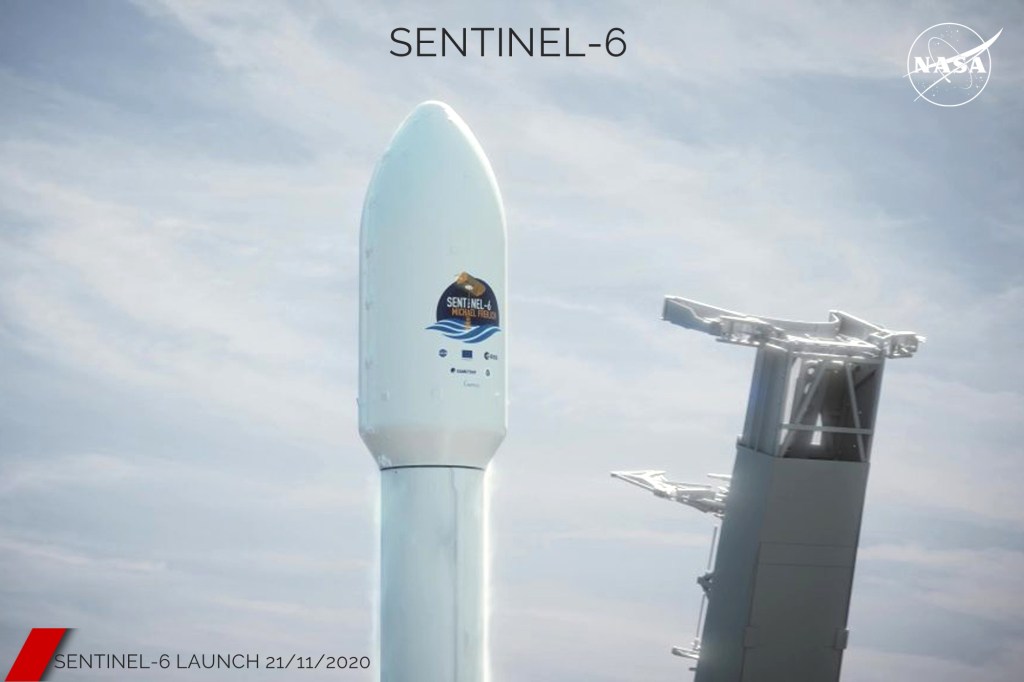
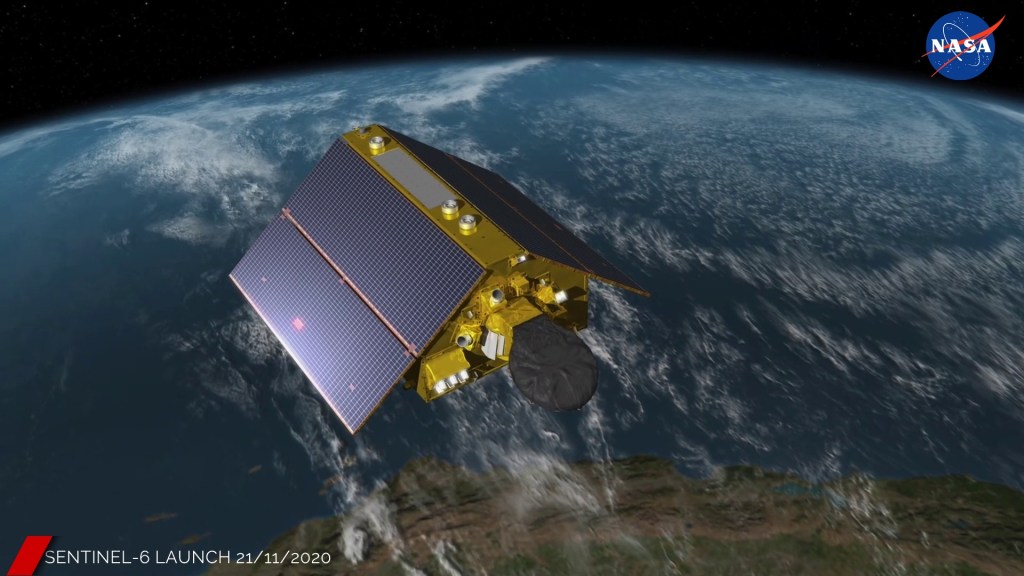
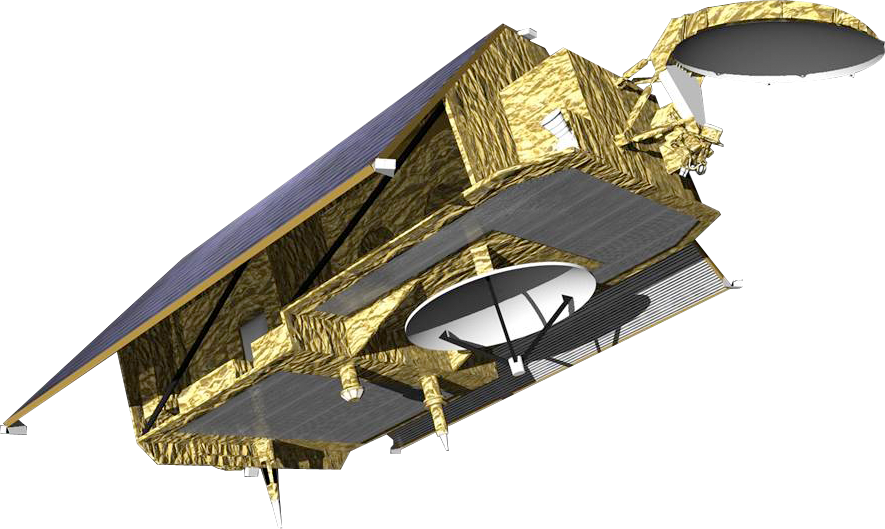
Sentinel-6 Michael Freilich, el último de una serie de naves espaciales diseñadas para monitorear nuestros océanos, está programado para lanzarse desde la Base de la Fuerza Aérea Vandenberg en el centro de California el sábado 21 de Noviembre de 2020. Es el más nuevo satélite para monitorear el nivel del mar global está listo para su viaje al espacio. Sentinel-6 será seguido en 2025 por su gemelo, Sentinel-6B. Juntos, la pareja tiene la tarea de extender nuestro registro de casi 30 años de mediciones globales de la altura de la superficie del mar. Los instrumentos a bordo de los satélites también proporcionarán datos atmosféricos que mejorarán las previsiones meteorológicas, los modelos climáticos y el seguimiento de huracanes.

Cronología de lanzamiento

Nombrado en honor al ex Director de la División de Ciencias de la Tierra de la NASA Michael Freilich, el satélite estadounidense-europeo será transportado al espacio en un cohete SpaceX Falcon 9, con despegue dirigido para 9:17:08 a.m. PST (12:17:08 p.m. EST) desde el Complejo de Lanzamiento Espacial 4 Este. Si es necesario, las oportunidades de lanzamiento de copia de seguridad están disponibles en días posteriores, con la ventana de lanzamiento instantánea cayendo unos 12 minutos antes cada día.

Poco más de dos minutos después de que el cohete Falcon 9 despegue, el motor principal se cortará. Poco después, la primera y la segunda etapa del cohete se separarán, seguidos de arranque del motor de la segunda etapa. La primera etapa reutilizable de Falcon 9 comenzará su quemadura automática de retroceso en el lugar de lanzamiento para un aterrizaje propulsivo.

El primer corte del motor de la segunda etapa tendrá lugar aproximadamente ocho minutos después del despegue. Se disparará una segunda vez 45 minutos más tarde, momento en el que el vehículo de lanzamiento y la nave espacial estarán en una órbita temporal de «estacionamiento». Varios minutos más tarde, el vehículo de lanzamiento y la nave espacial se separarán. El satélite comenzará el despliegue del panel solar alrededor de una hora y siete minutos después del lanzamiento y se espera que haga el primer contacto unos 25 minutos después de eso.

Más información sobre la misión

Sentinel-6 Michael Freilich y Sentinel-6B conforman la misión Sentinel-6/Jason-CS, desarrollada por la ESA (Agencia Espacial Europea) en el contexto del programa Europeo Copernicus liderado por la Comisión Europea, la Organización Europea para la Explotación de Satélites Meteorológicos (EUMETSAT), la NASA y la Administración Nacional Oceánica y Atmosférica (NOAA), con el apoyo de la Comisión Europea y el apoyo técnico del Centro Nacional de Estudios Espaciales de Francia (CNES).

JPL, una división de Caltech en Pasadena, construyó tres instrumentos científicos para cada satélite Sentinel-6: el Radiometro de Microondas Avanzado, el Sistema Global de Satélites de Navegación-Radio Occultation, y el Laser Retroreflector Array. La NASA también está contribuyendo con servicios de lanzamiento, sistemas terrestres que apoyan el funcionamiento de los instrumentos científicos de la NASA, los procesadores de datos científicos para dos de estos instrumentos y soporte para el equipo internacional de ciencias de la topografía de superficies oceánicas. El lanzamiento es administrado por el Programa de Servicios de Lanzamiento de la NASA, con sede en el Centro Espacial Kennedy de la agencia en Florida.

Dónde encontrar la cobertura de lanzamiento

AW-Info on live

El día del lanzamiento, 21 de Noviembre de 2020, la cobertura de la NASA TV comenzará a las 8:45 a.m. PST (11:45 a.m. EST).

Para la programación de TV en vivo de la NASA en el canal público de la NASA, visite:

https://nasa.gov/live

Para la programación en vivo en el canal de medios de televisión de la NASA, visite:

https://youtube.com/NASA

La programación de la NASA TV se archivará y estará disponible poco después de que se transmita aquí:

https://images.nasa.gov

Para obtener más información sobre la misión, visite:

https://sealevel.jpl.nasa.gov/missions/jason-cs-sentinel-6/summary/

Sentinel-6 launch

Sentinel-6 ready for launch 11/21

AW-Sentinel-6-brands

Sentinel-6 Michael Freilich, the latest in a series of spacecraft designed to monitor our oceans, is scheduled to launch from Vandenberg Air Force Base in central California on Saturday, November 21, 2020. It is the newest satellite. To monitor global sea level you are ready for your trip into space. Sentinel-6 will be followed in 2025 by its twin, Sentinel-6B. Together, the pair are tasked with extending our nearly 30-year record of global measurements of sea surface height. Instruments aboard the satellites will also provide atmospheric data that will improve weather forecasts, climate models and hurricane tracking.

Release timeline

AW-Sentinel-6_Jason-CS_spacecraft_model

Named after former Director of NASA’s Earth Sciences Division Michael Freilich, the US-European satellite will be flown into space on a SpaceX Falcon 9 rocket, with liftoff directed at 9:17:08 a.m. PST (12:17:08 p.m. EST) from Space Launch Complex 4 East. If needed, backup launch opportunities are available on subsequent days, with the instant launch window dropping about 12 minutes earlier each day.

Just over two minutes after the Falcon 9 rocket lifts off, the main engine will cut out. Soon after, the first and second stages of the rocket will separate, followed by starting the second stage engine. The Falcon 9’s reusable first stage will begin its automatic recoil burn at the launch site for a propulsive landing.

The first cut-off of the second stage engine will take place approximately eight minutes after takeoff. It will fire a second time 45 minutes later, at which point the launch vehicle and spacecraft will be in a temporary «parking» orbit. Several minutes later, the launch vehicle and spacecraft will separate. The satellite will begin deployment of the solar panel around one hour and seven minutes after launch and is expected to make first contact about 25 minutes after that.

More information about the mission

Sentinel-6 Michael Freilich and Sentinel-6B make up the Sentinel-6 / Jason-CS mission, developed by ESA (European Space Agency) in the context of the European Copernicus program led by the European Commission, the European Organization for the Exploitation of Satellites Meteorological (EUMETSAT), NASA and the National Oceanic and Atmospheric Administration (NOAA), with the support of the European Commission and technical support from the French National Center for Space Studies (CNES).

JPL, a division of Caltech in Pasadena, built three science instruments for each Sentinel-6 satellite: the Advanced Microwave Radiometer, the Global Navigation Satellite System-Radio Occultation, and the Laser Retroreflector Array. NASA is also contributing launch services, ground systems that support the operation of NASA science instruments, science data processors for two of these instruments, and support for the international ocean surface surveying science team. The launch is managed by NASA’s Launch Services Program, based at the agency’s Kennedy Space Center in Florida.

Where to find launch coverage

AW-Info on live

On launch day, November 21, 2020, NASA TV coverage will begin at 8:45 a.m. PST (11:45 a.m. EST).

For NASA Live TV programming on NASA’s Public Channel, visit:

https://nasa.gov/live

For live programming on NASA’s television media channel, visit:

https://youtube.com/NASA

NASA TV programming will be archived and available shortly after it airs here:

https://images.nasa.gov

For more information on the mission, visit:

https://sealevel.jpl.nasa.gov/missions/jason-cs-sentinel-6/summary/


PUBLISHER: Airgways.com
DBk: Nasa.gov / Airgways.com
AW-POST: 202011211027AR

A\W   A I R G W A Y S ®
Interjet enfrentaría cargos por fraude

AW | 2020 11 21 00:44 | AIRLINES / GOVERNMENT

Fiscalía negocia evitar cargos por fraude criminal

Los fundadores de la aerolínea mexicana low cost Interjet están negociando un acuerdo con las autoridades fiscales en un esfuerzo por evitar posibles cargos de fraude criminal que podrían ser presentados tan pronto como el próximo mes, dijo un funcionario familiarizado con el asunto.

El Director Ejecutivo de Interjet, Miguel Aleman Magnani y el Presidente Miguel Aleman Velasco (padre), podrían enfrentar cargos de fraude, al igual que la propia empresa, dijo el funcionario fiscal, quien pidió no ser nombrado porque los casos fiscales están protegidos por las leyes de privacidad. Las negociaciones todavía pueden conducir a un acuerdo de las partes. Los posibles cargos contra la compañía y sus altos ejecutivos, que podrían presentarse a finales del año o principios del próximo año sin un acuerdo, se derivan de si la compañía recaudaba impuestos de clientes y empleados pero no no cumplía con los tributos el al Gobierno. Las supuestas deudas fiscales de Interjet han complicado un esfuerzo para obtener US$ 150 millones de Dólares prometidos por un grupo de inversores externos como salvavidas para el transportista, que está luchando con las secuelas de la pandemia de Coronavirus y los problemas financieros anteriores de arrastre. Los inversionistas aún no han aportado los fondos por temor a que el Gobierno se apoderara de parte del dinero para cubrir los impuestos no pagados.

Reclamaciones gubernamental

Los impuestos presuntamente impagados son parte de MX$ 6.2 mil millones de Pesos (US$310 millones de Dólares) en reclamos no tributados. La factura fiscal asciende a MX$ 2.900 millones de Pesos, incluyendo el impuesto sobre la renta retenido de los empleados y los impuestos sobre el valor agregado cobrados a los clientes, según un documento interno del Gobierno mexicano. Interjet debe otros MX$ 3.300 millones de Pesos en otros honorarios del Gobierno y costos de combustible de una empresa estatal, mientras que otros acreedores están buscando otros MX$ 7.500 millones de Pesos, según el documento.

Interjet dijo en respuesta a preguntas que las cifras eran incorrectas, pero se negó a proporcionar otras cantidades. La aerolínea no respondió a preguntas sobre las negociaciones fiscales. Si la compañía no tiene un plan para comenzar a cubrir sus deudas fiscales en las próximas semanas, los funcionarios de impuestos están dispuestos a presentar cargos criminales a principios del próximo año con el fin de cumplir con los estatutos de limitaciones, dijo la Fiscalía. El fiscal de México que atiende el caso tiene discreción sobre si presentar denuncias penales ante la oficina del fiscal general y buscando preservar un acuerdo incluso después de que se presenten los cargos. La aplicación penal de las leyes fiscales ha sido clave para una represión fiscal bajo el Presidente Andrés Manuel López Obrador.

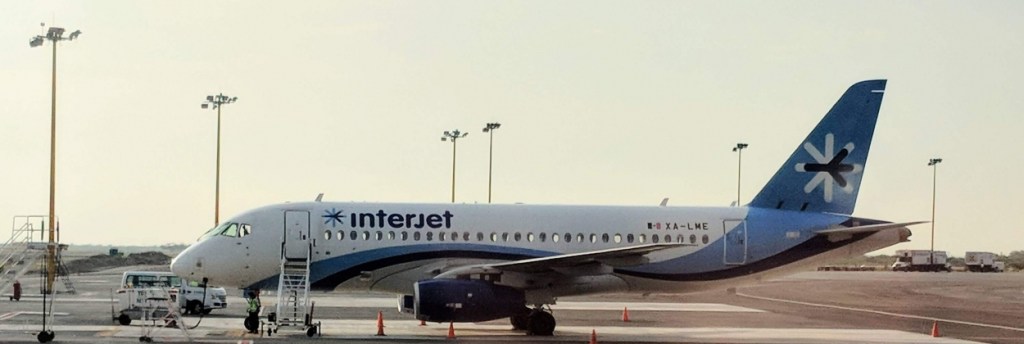
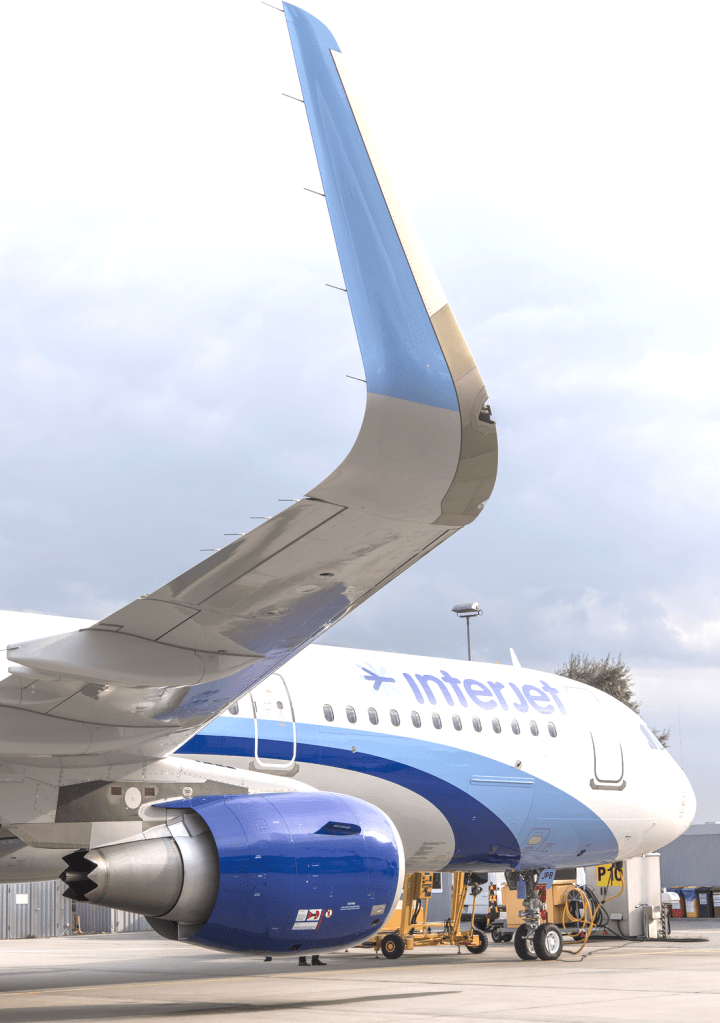
Los Aleman, que son descendientes de un presidente mexicano, han visto el colapso de Interjet ya que la mayoría de sus aviones Airbus A319/A320 fueron embargados por arrendadores a principios de este año. La flota actual de aeronaves se reduce a sólo cuatro Sukhoi SSJ-100 activos. Los empleados sindicalizados protestaron a principios de este mes después de que dijeron que no les pagaron. Bank of America Corp. embargó el jet privado Gulfstream de la familia este verano después de que se recobraron los pagos, según una persona familiarizada con el contrato de arrendamiento. Interjet declinó hacer comentarios por las protestas de los trabajadores y el embargo que pesa sobre el avión ejecutivo.

Interjet would face fraud charges

Prosecutor negotiates to avoid criminal fraud charges

The founders of Mexican low-cost airline Interjet are negotiating a settlement with tax authorities in an effort to avoid possible criminal fraud charges that could be filed as soon as next month, said an official familiar with the matter.

Interjet Executive Director Miguel Aleman Magnani and President Miguel Aleman Velasco (father) could face fraud charges, as could the company itself, said the tax official, who asked not to be named because tax cases are protected by the privacy laws. Negotiations can still lead to an agreement of the parties. Possible charges against the company and its top executives, which could be filed late in the year or early next year without a deal, stem from whether the company collected taxes from customers and employees but failed to comply with taxes on the government. Interjet’s alleged tax debts have complicated an effort to obtain US$ 150 million dollars promised by a group of outside investors as a lifeline for the carrier, which is struggling with the aftermath of the Coronavirus pandemic and previous financial carryover problems. Investors have not yet contributed the funds for fear that the government will seize some of the money to cover unpaid taxes.

Government claims

The allegedly unpaid taxes are part of MX$ 6.2 billion Pesos (US$ 310 million Dollars) in untaxed claims. The tax bill amounts to MX$ 2,900 million pesos, including income tax withheld from employees and value added taxes charged to customers, according to an internal document of the Mexican government. Interjet owes another MX$ 3.3 billion pesos in other government fees and fuel costs from a state company, while other creditors are seeking another MX$ 7.5 billion pesos, according to the document.

Interjet said in response to questions that the figures were incorrect, but declined to provide other amounts. The airline did not respond to questions about the tax negotiations. If the company does not have a plan to start covering its tax debts in the next few weeks, tax officials are willing to file criminal charges early next year in order to comply with the statutes of limitations, the prosecution said. The Mexican prosecutor handling the case has discretion over whether to file criminal complaints with the attorney general’s office and seeking to preserve an agreement even after the charges are filed. The criminal enforcement of tax laws has been key to a fiscal crackdown under President Andrés Manuel López Obrador.

The Germans, who are descendants of a Mexican president, have seen Interjet collapse as most of its Airbus A319/A320 jets were seized by lessors earlier this year. The current fleet of aircraft is reduced to just four active Sukhoi SSJ-100s. Unionized employees protested earlier this month after they said they were not paid. Bank of America Corp. seized the family’s Gulfstream private jet this summer after payments were recovered, according to a person familiar with the lease. Interjet declined to comment on worker protests and the embargo on the executive jet.


PUBLISHER: Airgways.com
DBk: Gob.mx/fgr / Sat.gob.mx / Interjet.com / Bloomberg.com / Shutterstock.com / Airgways.com
AW-POST: 202011210044AR

A\W   A I R G W A Y S ®
China sin calendario para 737 MAX

AW | 2020 11 20 19:03 | AVIATION ORGANISMS / AVIATION SAFETY

Regulador CAAC China toma distancia para aprobaciones

1200px-CAAC_logo.svg

El Gobierno de China por medio de la Administración de Aviación Civil de China (CAAC) ha comunicado que no hay un calendario establecido para la reanudación de los vuelos. El regulador de aviación de China ha expresado que tomará las medidas necesarias para establecer un programa de escrutinio efectivo para determinar las aprobaciones del Boeing 737 MAX para que retorne a los cielos en el mercado más grande de la compañía americana. La CAAC ha sido uno de los primeros países en poner el 737 MAX en tierra después de un segundo accidente aéreo que había involucrado la línea de aeronaves cuestionada. Debido a las persistentes preocupaciones de seguridad que objetaban los diferentes organismos reguladores y a razón de que Estados Unidos ha levantado la prohibición de los vuelos comerciales, la agencia CAAC establecerá el tempo necesario para determinar si es necesario revisar algunos cambios adicionales.

La Administración Federal de Aviación (FAA) de los Estados Unidos aprobó el Miércoles 18/11 las operaciones de Certificación de Aeronavegabilidad de vuelo comercial de la línea Boeing 737 MAX.

El avión más vendido de Boeing fue aterrizado en todo el mundo en Marzo de 2019 después de dos accidentes aéreos. Desde entonces se ha enfrentado a largos procesos de pruebas y aprobación con reguladores de aviación en todo el mundo. Pero la Administración de Aviación Civil de China (CAAC) dijo el Viernes 20/11 que no había un calendario establecido para la reanudación de los vuelos, asestando un golpe al gigante de la fabricación de aviones. El regulador chino ha añadido que los resultados de las investigaciones sobre los accidentes mortales en Indonesia y Etiopía deben quedar claros y que las mejoras en el diseño de las aeronaves deben ser eficaces y recibir aprobación. Feng Zhenglin, Director de la agencia CAAC, dijo en Octubre 2020 que el rápido aterrizaje de China de la aeronave se basó en la tolerancia cero hacia posibles riesgos para la seguridad.

Boeing dijo que la semana pasada espera que China compre más de 8.600 nuevos aviones por valor de US$ 1,4 billones de Dólares en las próximas dos décadas, aumentando su previsión a medida que los viajes nacionales en China se han recuperado a niveles previos a la pandemia de Coronavirus.

China no calendar for 737 MAX

Regulator CAAC China takes distance for approvals

The Government of China through the Civil Aviation Administration of China (CAAC) has communicated that there is no set timetable for the resumption of flights. China’s aviation regulator has expressed that it will take the necessary measures to establish an effective scrutiny program to determine the approvals of the Boeing 737 MAX to return to the skies in the largest market of the American company. The CAAC was one of the first countries to put the 737 MAX on the ground after a second plane crash that had involved the questioned line of aircraft. Due to the persistent security concerns obtained by the different regulatory bodies and because the United States has lifted the ban on commercial flights, the CAAC agency will establish the necessary time to determine if it is necessary to review any additional changes.

The Federal Aviation Administration (FAA) of the United States approved on Wednesday, 11/18, the operations of Airworthiness Certification of commercial flight of the Boeing 737 MAX line.

Boeing’s best-selling jet was landed around the world in March 2019 after two plane crashes. Since then it has faced lengthy testing and approval processes with aviation regulators around the world. But the Civil Aviation Administration of China (CAAC) said on Friday 11/20 that there was no set timetable for resuming flights, dealing a blow to the aircraft manufacturing giant. The Chinese regulator added that the results of the investigations into the fatal accidents in Indonesia and Ethiopia must be clear and that improvements in aircraft design must be effective and receive approval. Feng Zhenglin, Director of the CAAC agency, said in October 2020 that China’s rapid landing of the aircraft was based on zero tolerance for potential safety risks.

Boeing said last week it expects China to buy more than 8,600 new planes worth US$ 1.4 trillion in the next two decades, raising its forecast as domestic travel in China has recovered to levels prior to the Coronavirus pandemic.

中國沒有737 MAX的日曆

監管機構中國民航總局尚待批准

images

中國政府通過中國民航總局告知,沒有確定恢復航班的時間表。中國航空監管機構表示,將採取必要措施,建立有效的審查程序,以確定波音737 MAX的批准,以便重返美國公司最大的市場。在涉及飛機線的第二次飛機失事後,中國民航局是最早波音737 MAX投入地面的國家之一。由於不同監管機構對安全性的持續關注,以及美國取消了對商業航班的禁令,中國民航總局將確定必要的時間,以確定是否有必要審查任何其他更改。

美國聯邦航空管理局(FAA)於11/18星期三批准了波音737 MAX客機商業飛行適航性證明的運營。

在兩次飛機失事後,波音最暢銷的飛機於2019年3月降落在世界各地。從那以後,它與世界各地的航空監管機構都經歷了漫長的測試和批准流程。但中國民航總局(CAAC)週五11/20表示,沒有設定恢復航班的時間表,這給這家飛機製造巨頭造成了打擊。中國監管機構補充說,對印度尼西亞和埃塞俄比亞致命事故的調查結果必須明確,飛機設計的改進必須有效並獲得批准。民航總局局長馮正林在2020年10月表示,中國飛機的快速著陸是基於對潛在安全風險的零容忍度。

波音公司上週表示,預計中國將在未來二十年內購買超過8600架新飛機,價值1.4萬億美元,這提高了其預測,因為中國國內旅行已恢復到冠狀病毒大流行之前的水平。


PUBLISHER: Airgways.com
DBk: Caac.gov.cn / Asiatimes.com / Seattletimes.com / Airgways.com
AW-POST: 202011201903AR

A\W   A I R G W A Y S ®
Aerolíneas nomenclando 737 MAX

AW | 2020 11 20 17:13 | AIRLINES

Inician etapa para puesta a punto modelo 737 MAX

Boeing 737 MAX_Isologotype

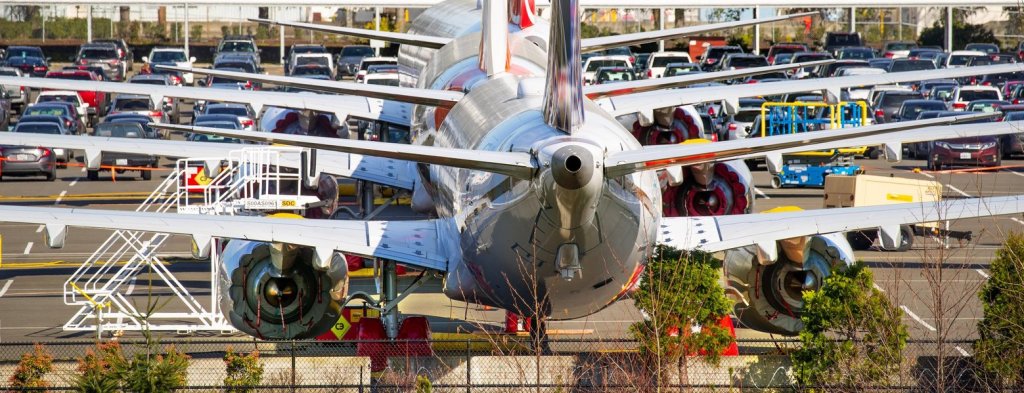
Las aprobaciones del organismo regulador de aviación estadounidense de la Federal Aviation Administration (FAA) ha puesto en directivas a las aerolíneas del mundo para reacondicionar sus aeronaves que han estado en tierra por alrededor de veinte meses después permanecer en tierra por cuestiones de errores de diseño.

La proximidad de la reapertura de los vuelos comerciales del Boeing 737 MAX a los cielos permitirá en un lapso de varias semanas/meses poner a disposición el entrenamiento de la tripulación, como así también reacondicionar las aeronaves con los nuevos programas actualizados.

Próximo desafío

El próximo desafío que se ha estado desarrollando actualmente es el uso de la denominación Boeing 737 MAX. Algunas aerolíneas se han mostrado reacias a utilizar la marca MAX en la nomenclatura de la aeronave en sus publicaciones externas y la comercialización en sus sistemas de ventas, pues está relacionado al alto impacto que ha desarrollado la publicidad en los accidentes aéreos que involucraron al modelo de la compañía americana.

Caso TAM/Fokker 100

Un caso semejante ha ocurrido en Brasil tras varios incidentes y accidentes que involucraron a la línea Fokker 100 operadas por TAM Linhas Aéreas. La mala fama alcanzada por estas aeronaves en el país entre los períodos 1996-2018 hicieron que OceanAir y posteriormente en Avianca Brasil, denominasen al Fokker 100 o F100 con una membresía diferente de los fuselajes de las aeronaves. La denominación completa de la fábrica holandesa de Fokker N.V. para el tipo de aeronave fue Fokker 28 Mk-0100, de allí que OceanAir para adquirir las aeronaves residuales de TAM Linhas Aéreas, entre otras aerolíneas, hizo empleo de la denominación Mk-28 en los fuselajes de las aeronaves en lugar de utilizar el nombre Fokker 100. De todos modos, los aviones Fokker 100 alrededor del mundo han tenido un historial bastante aceptables, preferentemente en Estados Unidos, donde American Airlines había adquirido alrededor de 75 unidades con un muy buen índice de seguridad.

Denominar al 737 MAX

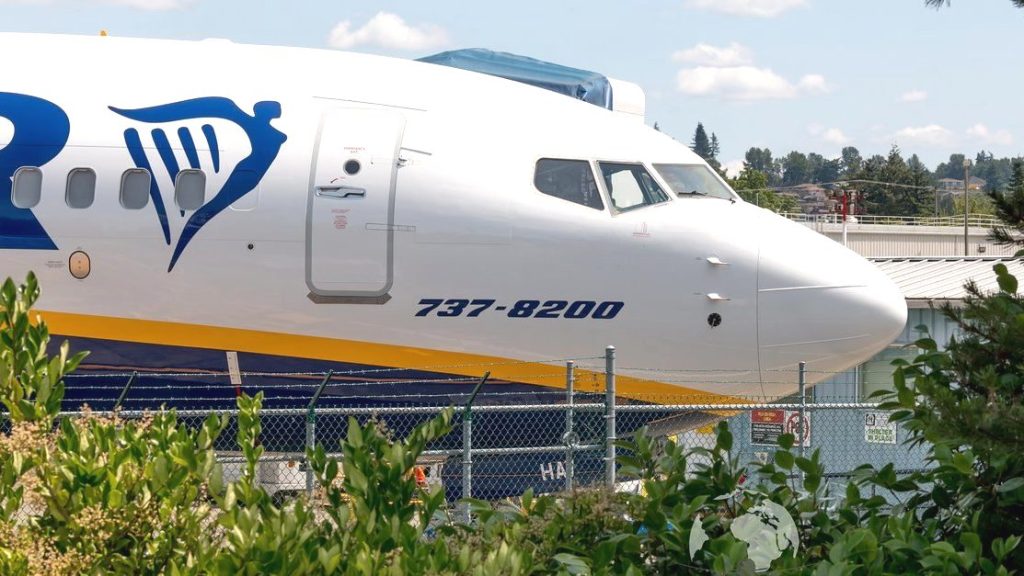
American Airlines, que tiene la intención de reanudar la operación con los Boeing 737 MAX hacia el 29/12 en el tramo Miami-Nueva York, ha comunicado que la nomenclatura MAX de la flota aparecerá en el sistema de compra de boletos, pero fue eliminada de las Tarjetas de Seguridad en los bolsillos de los asientos. La acción tiende a simplificar la producción de información empleando el mismo procedimiento se utiliza en otros modelos de aeronaves, estandarizando el modelo de Tarjeta de Seguridad para toda la línea 737. Air Poland hizo referencia a su flota de modelos en una declaración hecha en Agosto de 2020, por lo que empleará la denominación Boeing 737-8, suprimiendo la denominación MAX. Air Canada utilizará la nomenclatura Boeing 737-8 para referirse al MAX. Ryanair, la compañía de presupuesto líder de Europa emplearía la denominación 737-8200 para referirse al Boeing 737-8 MAX versión 200, una aeronave diseñada para alta densidad para transportar 200 pasajeros.

A pesar de la mala fama que ha desarrollado el Boeing 737 MAX, las aeronaves poseen la nomenclatura correcta para denominarlos: Boeing 737-7, Boeing 737-8, Boeing 737-8 200, Boeing 737-9 y Boeing 737-10. El nomenclador MAX hace una referencia más bien estética a la cuarta generación de la línea Boeing 737; el mismo ejemplo se traslada a las variantes del modelo Boeing 787 Dreamliner. Independientemente del uso apropiado del nomenclador para el Boeing 737 MAX, muchas aerolíneas continuarán depositando su confianza a pesar de las trágicas lecciones aprendidas en el avión más taquillero de todos los tiempos.

Airlines nomenclature 737 MAX

Stage for the 737 MAX tuning begins

Approvals from the US aviation regulatory body of the Federal Aviation Administration (FAA) have put the world’s airlines in directives to refit their aircraft that have been grounded for about twenty months after being grounded due to design errors.

The proximity of the reopening of the commercial flights of the Boeing 737 MAX to the skies will allow, in a period of several weeks/months, to make the training of the crew available, as well as to recondition the aircraft with the new updated programs.

Next challenge

The next challenge currently being developed is the use of the Boeing 737 MAX designation. Some airlines have been reluctant to use the MAX brand in the nomenclature of the aircraft in their external publications and the marketing in their sales systems, as it is related to the high impact that advertising has developed in the air accidents that involved the aircraft model. the American company.

TAM / Fokker 100 case

A similar case has occurred in Brazil after several incidents and accidents involving the Fokker 100 line operated by TAM Linhas Aéreas. The bad reputation achieved by these aircraft in the country between the 1996-2018 periods led OceanAir and later Avianca Brasil to name the Fokker 100 or F100 with a different membership than the aircraft fuselages. The full name of the Dutch factory Fokker N.V. For the type of aircraft it was Fokker 28 Mk-0100, hence OceanAir to acquire the residual aircraft from TAM Linhas Aéreas, among other airlines, used the name Mk-28 on the fuselages of the aircraft instead of using the name Fokker 100. However, Fokker 100 aircraft around the world have had a fairly acceptable track record, preferably in the United States, where American Airlines had acquired around 75 units with a very good safety rating.

Naming the 737 MAX

American Airlines, which intends to resume operation with the Boeing 737 MAX by 12/29 on the Miami-New York segment, has announced that the MAX nomenclature of the fleet will appear in the ticket purchase system, but it was eliminated of the Security Cards in the seat pockets. The action tends to simplify the production of information using the same procedure used in other aircraft models, standardizing the Security Card model for the entire 737 line. Air Poland referred to its fleet of models in a statement made in August, 2020, so it will use the name Boeing 737-8, deleting the name MAX. Air Canada will use the Boeing 737-8 nomenclature to refer to the MAX. Ryanair, Europe’s leading budget company, would use the name 737-8200 to refer to the Boeing 737-8 MAX version 200, an aircraft designed for high passenger density (200 pax).

Despite the bad reputation that the Boeing 737 MAX has developed, aircraft have the correct nomenclature to name them: Boeing 737-7, Boeing 737-8, Boeing 737-8 200, Boeing 737-9 and Boeing 737-10. The MAX nomenclator makes a rather aesthetic reference to the fourth generation of the Boeing 737 line; The same example carries over to the variants of the Boeing 787 Dreamliner model. Regardless of the proper use of the nomenclator for the Boeing 737 MAX, many airlines will continue to place their trust despite the tragic lessons learned from the highest grossing aircraft of all time.


PUBLISHER: Airgways.com
DBk: Airgways.com / Boeing.com
AW-POST: 202011201713AR

A\W   A I R G W A Y S ®