Escombros hallados playa australiana podrían pertenecer al MH370
Partes de un avión han aparecido en una remota playa australiana, lo que genera esperanzas de que los escombros puedan ser del vuelo MH-370 de Malaysia Airlines, que desapareció en 2014 con 239 personas a bordo, según un informe. Mike Elcoate, un pescador que vio los restos el lunes cerca de Cape Tribulation en el extremo norte de Queensland, dijo que inicialmente pensó que las piezas provenían del timón de un barco o posiblemente de la pestaña de compensación de un avión. Pero luego, según los informes, descubrió una estructura de enlace de ala cercana y publicó sus hallazgos en línea en un grupo de Facebook de ingeniería de mantenimiento de aeronaves, según el medio de comunicación. El pescador dijo que muchas personas se acercaron a él sobre la posibilidad de que las piezas provengan del condenado Boeing 777, que desapareció poco después de despegar hacia Beijing desde Kuala Lumpur, Malasia, el 8 de marzo de 2014.
Trabajando en nombre de Malasia, Australia no pudo localizar la aeronave durante la búsqueda más grande en la historia de la aviación antes de finalizarla en 2017. Una segunda búsqueda, dirigida por la firma estadounidense Ocean Infinity, también resultó vacía. El ex Primer Ministro australiano Tony Abbott ha afirmado que los niveles más altos del Gobierno de Malasia creían que el capitán del MH370 derribó el avión en un asesinato-suicidio masivo.
A pesar del tentador descubrimiento en la playa esta semana, el investigador de aviación Mick Gilbert expresó que «la pieza no muestra suficiente desgaste, tiene un crecimiento de percebes relativamente escaso y es casi seguro que es del color incorrecto. Si de hecho es un componente de avión, es más probable que sea una pieza del vuelo 73 de Air Niugini que aterrizó cerca de la pista del Aeropuerto Internacional de Chuuk en Septiembre de 2018».
Find assumptions MH370 debris
Australian beach debris found may belong to missing MH370
Parts of a plane have turned up on a remote Australian beach, raising hopes the debris may be from Malaysia Airlines Flight MH-370, which disappeared in 2014 with 239 people on board, according to a report. Mike Elcoate, a fisherman who saw the wreckage near Cape Tribulation in far north Queensland on Monday, said he initially thought the pieces came from the rudder of a boat or possibly the trim tab of an aircraft. But then he reportedly discovered a nearby wing link structure and posted his findings online on an aircraft maintenance engineering Facebook group, according to the news outlet. The fisherman said that many people reached out to him about the possibility that the parts came from the doomed Boeing 777, which disappeared shortly after taking off for Beijing from Kuala Lumpur, Malaysia on March 8, 2014.
Working on behalf of Malaysia, Australia was unable to locate the aircraft during the largest search in aviation history before ending it in 2017. A second search, led by US firm Ocean Infinity, also turned up empty. Former Australian Prime Minister Tony Abbott has claimed that the highest levels of the Malaysian Government believed that the captain of the MH370 shot down the plane in a mass murder-suicide.
Despite the tantalizing discovery on the beach this week, aviation researcher Mick Gilbert said «the part does not show enough wear, has relatively little barnacle growth, and is almost certainly the wrong color. If in fact it is a component. By plane, it is most likely a part of Air Niugini Flight 73 that landed near the Chuuk International Airport runway in September 2018».
Aeronave carguera A321PCF completa con éxito primer vuelo
Precision Conversions ha completado el primer vuelo este Domingo 11/10 de su carguero de variante modificada Airbus A321-200PCF. El tipo de aeronave es un antiguo A321CEO de pasajeros convertido en un carguero capaz de transportar 27 toneladas de carga útil. 321 Precision Conversions, una empresa conjunta entre Aircraft Transport Services Group (ATSG) y Precision Aircraft Solutions (PAS).
El primer Airbus A321PCF Precision Conversion Freighter, un carguero convertido de un avión de pasajeros, despega en el primer vuelo de prueba de mantenimiento que precederá al inicio de los vuelos de certificación reglamentaria A321-200PCF, un proceso que Precision Conversions espera completar con una rápida progresión. El avión de pasajeros A321 se convirtió a carguero en Avocet MRO Services en Sanford, Florida.
Precision Conversions está trabajando para recibir un certificado de tipo complementario por parte de la Administración Federal de Aviación (PAA) y certificaciones de la Agencia de Seguridad Aérea de la Unión Europea (EASA) y Administración de Aviación Civil de China (CAAC). “Este vuelo histórico fue nominal en todos los aspectos, con todos los sistemas primarios y secundarios, incluida la puerta de carga y los subsistemas de soporte, funcionando perfectamente como se diseñó”, dice el Presidente de Precision Conversions, Gary Warner. Precision Conversions es una empresa conjunta entre el especialista en modificación de aeronaves Precision Aircraft Solutions, también con sede en Oregón, y la empresa de transporte aéreo Air Transport Services Group, con sede en Ohio.
La conversión A321PCF incluye la adición de una puerta de carga en la cubierta principal operada hidráulicamente y un sistema de carga de carga en la cubierta principal. El tipo tiene piso reforzado y ventanas tapadas. La conversión permite que el A321 lleve hasta 14 contenedores de 2,2 x 3,2 m (88 x 125 pulgadas) en su cubierta principal y 10 contenedores más pequeños en su cubierta inferior. La cubierta principal del Airbus A321PCF de 321 Precision Conversions, un avión de pasajeros convertido en carguero. Precision Conversions ha dicho que la capacidad del avión será similar a la de los Boeing 757-200F, con costos comparables a los del 737 Freighter. En la práctica, P2F y PCF son dos proyectos muy similares que convertirán el avión de fuselaje estrecho más grande de la familia Airbus A320 en un carguero.
Proyectos A321F
Este es el segundo proyecto Airbus A321F en volar. El primero es propiedad de la alemana Elbe Flugzeugwerke (EFW), una empresa conjunta entre Airbus y ST Aerospace, que comenzó en enero por primera vez con el nombre A321P2F (Passenger-to-Freight). El europeo otorgó a ese avión un certificado tipo suplemento en Febrero 2020. PacAvi International, con sede en San Diego, lanzó un A321F convertido en 2014.
Perspectivas A321PFC
El espacio de carga del A321PCF no solo ofrecerá una gran capacidad de volumen, sino que también permitirá el transporte de diez contenedores además de las catorce posiciones de carga en la plataforma de carga superior. Esta capacidad de entregar carga en contenedores aumenta la eficiencia al reducir los tiempos de rotación, la capacidad de la aeronave para permanecer operativa con menos tiempo en tierra, lo que consideran ideal para el crecimiento del comercio electrónico.
First Airbus A321PCF flight
A321PCF cargo aircraft successfully completes first flight
Precision Conversions has completed the first flight this Sunday 10/11 of its modified variant freighter Airbus A321-200PCF. The aircraft type is a former passenger A321CEO converted to a freighter capable of carrying 27 tonnes of payload. 321 Precision Conversions, a joint venture between Aircraft Transport Services Group (ATSG) and Precision Aircraft Solutions (PAS).
The first Airbus A321PCF Precision Conversion Freighter, a freighter converted from a passenger aircraft, takes off on the first maintenance test flight that will precede the start of A321-200PCF regulatory certification flights, a process that Precision Conversions hopes to complete with rapid progression. The A321 airliner was converted to a freighter at Avocet MRO Services in Sanford, Florida.
Precision Conversions is working towards receiving a supplemental type certificate from the Federal Aviation Administration (PAA) and certifications from the European Union Aviation Safety Agency (EASA) and Civil Aviation Administration of China (CAAC). «This historic flight was nominal in all respects, with all primary and secondary systems, including the cargo door and support subsystems, performing perfectly as designed», says Precision Conversions President Gary Warner. Precision Conversions is a joint venture between aircraft modification specialist Precision Aircraft Solutions, also based in Oregon, and Ohio-based air transport company Air Transport Services Group.
The A321PCF conversion includes the addition of a hydraulically operated main deck cargo door and a main deck cargo loading system. The guy has a reinforced floor and covered windows. The conversion allows the A321 to carry up to 14 88 x 125 inch (2.2 x 3.2 m) containers on its main deck and 10 smaller containers on its lower deck. The main deck of the 321 Precision Conversions Airbus A321PCF, an airliner converted to a freighter. Precision Conversions has said that the aircraft’s capacity will be similar to that of the Boeing 757-200F, with costs comparable to the 737 Freighter. In practice, P2F and PCF are two very similar projects that will convert the largest narrow-body aircraft in the Airbus A320 family into a freighter.
A321F Projects
This is the second Airbus A321F project to fly. The first is owned by Germany’s Elbe Flugzeugwerke (EFW), a joint venture between Airbus and ST Aerospace, which first started in January under the name A321P2F (Passenger-to-Freight). The European awarded that aircraft a supplement type certificate in February 2020. San Diego-based PacAvi International launched a converted A321F in 2014.
A321PFC perspective
The cargo space of the A321PCF will not only offer a large volume capacity, but will also allow the transport of ten containers in addition to the fourteen cargo positions on the upper load platform. This ability to deliver containerized cargo increases efficiency by reducing turnover times, the aircraft’s ability to remain operational with less time on the ground, which they consider ideal for the growth of e-commerce.
Gobierno de Indonesia alivia las restricciones a las aerolíneas locales
El Gobierno de la República de Indonesia ha aprobado un proyecto de Ley Omnibus que establece que las aerolíneas comerciales ya no necesitan poseer al menos cinco aviones como parte de la estructura de la compañía como parte de los requisitos operativos para el reinicio de vuelos, junto con otras enmiendas legales como parte de su nuevo proyecto de ley general de amplio alcance destinado a impulsar los negocios y crear empleos en la economía en general.
Bayu Sutanto, Secretario General de la Asociación Nacional de Transportistas Aéreos de Indonesia (INACA), ha comunicado que eliminar el requisito de un número mínimo de aeronaves en propiedad facilita que las nuevas empresas ingresen al mercado.
La nueva ley establece otros cambios menos tangibles que abordan otros problemas que enfrentan las nuevas aerolíneas, como la estructura de costos y la regulación de la competencia. Por ejemplo, la fijación de tarifas ahora está regulada por una regulación de todo el gobierno en lugar de una regulación del ministerio de transporte en virtud de la enmienda al artículo 130 de la Ley de Aviación. También es más fácil para las nuevas aerolíneas iniciar operaciones, ya que se ha derogado el Artículo 42 de la Ley de Aviación, recortando 12 de los requisitos para obtener Certificación de Operador Aéreo (AOC). Aunque algunos de estos requisitos todavía se encuentran en otros artículos de la Ley de Aviación.
Ahora se pueden construir nuevos aeropuertos con menos burocracia, ya que ya no existe el requisito de que los permisos de construcción de aeropuertos se coordinen con los gobiernos regionales, ya que el Artículo 215 ha sido revocado.
“A corto plazo, es posible que las nuevas leyes no atraigan [nuevos operadores comerciales] ya que no se espera que la demanda de pasajeros aumente [rápidamente] después de la pandemia. Pero en dos años, probablemente atraerán a muchos operadores nuevos. [Basamos esto en] las proyecciones de la OACI y la IATA de que la demanda de pasajeros alcanzará los niveles de 2019 alrededor de 2023, o justo después. Las leyes deberían tener poco efecto en los operadores de flete y carga, a menos que quieran ingresar al servicio de pasajeros programado”, dice Bayu Sutanto. A estos operadores nunca se les ha exigido poseer cinco aeronaves, como se establece en el Artículo 118, y solo se les exigió que tener una flota mínima de tres aviones, de los cuales uno debe ser de propiedad.
La industria de las aerolíneas de Indonesia es predominantemente un duopolio, con más del 80% del mercado nacional acorralado por los grupos Garuda Airlines y Lion Air. El tercer jugador en el mercado, el grupo Sriwijaya Air, se unió al grupo Garuda en 2018 pero luego se fue en 2019. Desde entonces, la participación de mercado de Sriwijaya Air se ha mantenido en torno al 13%. Algunos comentaristas de la industria han atribuido el duopolio a las altas barreras de entrada en el mercado indonesio, una de las cuales ha sido el requisito de propiedad de cinco aviones. El Gobierno indonesio introdujo el requisito hace unos años en un esfuerzo por evitar que las aerolíneas subcapitalizadas ingresen al mercado, ya que se consideró que tales aerolíneas representaban una amenaza para la seguridad. Pero desde que se introdujo el requisito, el mercado se ha consolidado enormemente y han aumentado las quejas con respecto a tarifas aéreas más altas y falta de competencia en algunas rutas.
Las leyes provocaron recientemente protestas en toda Indonesia, aunque por enmiendas en el proyecto de ley que cubren las industrias distintas de la aviación, que han sido criticadas por tener un impacto significativo en los derechos de los trabajadores. La Ley Omnibus se refiere a un proyecto de ley que incluye muchas leyes dispares que pertenecen a diferentes industrias, problemas, entre otros asuntos.
El hecho de que se hayan incluido cambios en las leyes de aviación en el proyecto de ley ómnibus de gran alcance, refleja cómo el Gobierno indonesio ve a la industria aérea local como un importante generador de empleo y crecimiento económico. El proyecto de ley general se trata principalmente de iniciativas de creación de empleo en la economía en general y de los esfuerzos para eliminar algunos trámites burocráticos en las empresas.
Indonesian government encourages aviation
Indonesian government eases restrictions on local airlines
The Government of the Republic of Indonesia has approved a draft Omnibus Law that states that commercial airlines no longer need to own at least five aircraft as part of the company structure as part of the operational requirements for the restart of flights, along with other legal amendments as part of his new wide-ranging blanket bill aimed at boosting business and creating jobs in the broader economy.
Bayu Sutanto, Secretary General of the Indonesian National Air Carriers Association (INACA), has communicated that eliminating the requirement of a minimum number of aircraft owned makes it easier for new companies to enter the market.
The new law establishes other less tangible changes that address other problems that new airlines face, such as cost structure and competition regulation. For example, fare setting is now regulated by a government-wide regulation instead of a regulation by the transport ministry under the amendment to section 130 of the Aviation Law. It is also easier for new airlines to start operations, since Article 42 of the Aviation Law has been repealed, cutting 12 of the requirements to obtain Air Operator Certification (AOC). Although some of these requirements are still found in other articles of the Aviation Law.
New airports can now be built with less bureaucracy as there is no longer a requirement for airport construction permits to be coordinated with regional governments, as Article 215 has been repealed.
“In the short term, the new laws may not attract [new commercial operators] as passenger demand is not expected to increase [rapidly] after the pandemic. But in two years, they will likely attract a lot of new operators. [We base this on] ICAO and IATA projections that passenger demand will reach 2019 levels around 2023, or just after. The laws should have little effect on freight and freight operators, unless they want to enter scheduled passenger service”, says Bayu Sutanto. These operators have never been required to own five aircraft, as established in Article 118, and were only required to have a minimum fleet of three aircraft, of which one must be owned.
Indonesia’s airline industry is predominantly a duopoly, with more than 80% of the domestic market cornered by the Garuda Airlines and Lion Air groups. The third player on the market, the Sriwijaya Air group, joined the Garuda group in 2018 but then left in 2019. Since then, Sriwijaya Air’s market share has remained at around 13%. Some industry commentators have attributed the duopoly to high barriers to entry in the Indonesian market, one of which has been the five-aircraft ownership requirement. The Indonesian government introduced the requirement a few years ago in an effort to prevent undercapitalized airlines from entering the market, as such airlines were seen as posing a security threat. But since the requirement was introduced, the market has consolidated enormously and complaints have increased regarding higher airfares and lack of competition on some routes.
The laws recently sparked protests across Indonesia, albeit over amendments to the bill covering industries other than aviation, which have been criticized for having a significant impact on workers’ rights. The Omnibus Law refers to a bill that includes many disparate laws that pertain to different industries, issues, among other issues.
The fact that changes to aviation laws have been included in the far-reaching omnibus bill reflects how the Indonesian Government views the local airline industry as an important generator of employment and economic growth. The general bill is primarily about job creation initiatives in the wider economy and efforts to eliminate some red tape in companies.
Pemerintah Indonesia mendorong penerbangan
Pemerintah Indonesia mempermudah pembatasan pada maskapai penerbangan lokal
Pemerintah Republik Indonesia telah menyetujui rancangan Omnibus Law yang menyatakan bahwa maskapai penerbangan komersial tidak perlu lagi memiliki minimal lima pesawat sebagai bagian dari struktur perusahaan sebagai bagian dari persyaratan operasional untuk memulai kembali penerbangan, bersama dengan amandemen hukum lainnya sebagai bagian dari rancangan undang-undang baru yang luas bertujuan untuk meningkatkan bisnis dan menciptakan lapangan kerja dalam perekonomian yang lebih luas.
Bayu Sutanto, Sekretaris Jenderal Indonesian National Air Carrier Association (INACA), telah mengomunikasikan penghapusan persyaratan jumlah minimum pesawat yang dimiliki akan memudahkan perusahaan baru masuk ke pasar.
Undang-undang baru menetapkan perubahan lain yang kurang nyata untuk mengatasi masalah lain yang dihadapi maskapai baru, seperti struktur biaya dan regulasi persaingan. Misalnya, pengaturan tarif sekarang diatur oleh peraturan pemerintah, bukan peraturan oleh kementerian perhubungan di bawah amandemen pasal 130 UU Penerbangan. Maskapai baru juga lebih mudah untuk memulai operasi, karena Pasal 42 Undang-Undang Penerbangan telah dicabut, memotong 12 persyaratan untuk mendapatkan Sertifikasi Operator Udara (AOC). Meskipun sebagian dari persyaratan tersebut masih ditemukan dalam pasal-pasal lain UU Penerbangan.
Bandara baru kini dapat dibangun dengan birokrasi yang lebih ringan karena tidak ada lagi persyaratan izin pembangunan bandara untuk dikoordinasikan dengan pemerintah daerah, karena Pasal 215 sudah dicabut.
“Dalam jangka pendek, undang-undang baru mungkin tidak menarik [operator komersial baru] karena permintaan penumpang diperkirakan tidak akan meningkat [cepat] setelah pandemi. Namun dalam dua tahun, mereka kemungkinan akan menarik banyak operator baru. [Kami mendasarkannya pada] proyeksi ICAO dan IATA bahwa permintaan penumpang akan mencapai level 2019 sekitar tahun 2023, atau setelahnya. Undang-undang seharusnya hanya berdampak kecil pada operator pengangkutan dan pengangkutan, kecuali jika mereka ingin memasuki layanan penumpang berjadwal”, kata Bayu Sutanto. Operator ini tidak pernah diwajibkan untuk memiliki lima pesawat, sebagaimana ditetapkan dalam Pasal 118, dan hanya diwajibkan memiliki armada minimal tiga pesawat, yang salah satunya harus dimiliki.
Industri penerbangan Indonesia didominasi oleh duopoli, dengan lebih dari 80% pasar domestik dipojokkan oleh grup Garuda Airlines dan Lion Air. Pemain ketiga di pasar, grup Sriwijaya Air, bergabung dengan grup Garuda pada 2018 tetapi kemudian keluar pada 2019. Sejak itu, pangsa pasar Sriwijaya Air tetap di sekitar 13%. Beberapa komentator industri mengaitkan duopoli tersebut dengan hambatan yang tinggi untuk masuk ke pasar Indonesia, salah satunya adalah persyaratan kepemilikan lima pesawat. Pemerintah Indonesia telah memberlakukan persyaratan tersebut beberapa tahun yang lalu sebagai upaya untuk mencegah maskapai yang kekurangan modal memasuki pasar, karena maskapai penerbangan tersebut dianggap mengancam keamanan. Namun sejak persyaratan tersebut diperkenalkan, pasar telah sangat terkonsolidasi dan keluhan meningkat terkait harga tiket pesawat yang lebih tinggi dan kurangnya persaingan di beberapa rute.
Undang-undang tersebut baru-baru ini memicu protes di seluruh Indonesia, meskipun atas amandemen RUU yang mencakup industri selain penerbangan, yang telah dikritik karena berdampak signifikan terhadap hak-hak pekerja. Omnibus Law mengacu pada RUU yang mencakup banyak undang-undang yang berbeda yang berkaitan dengan industri yang berbeda, masalah, antara masalah lainnya.
Fakta bahwa perubahan undang-undang penerbangan telah dimasukkan ke dalam omnibus bill yang luas mencerminkan bagaimana Pemerintah Indonesia memandang industri penerbangan lokal sebagai generator penting lapangan kerja dan pertumbuhan ekonomi. RUU umum terutama tentang inisiatif penciptaan lapangan kerja dalam ekonomi yang lebih luas dan upaya untuk menghilangkan beberapa birokrasi di perusahaan.
Southwest agregará servicio desde el Aeropuerto O’Hare en 2021
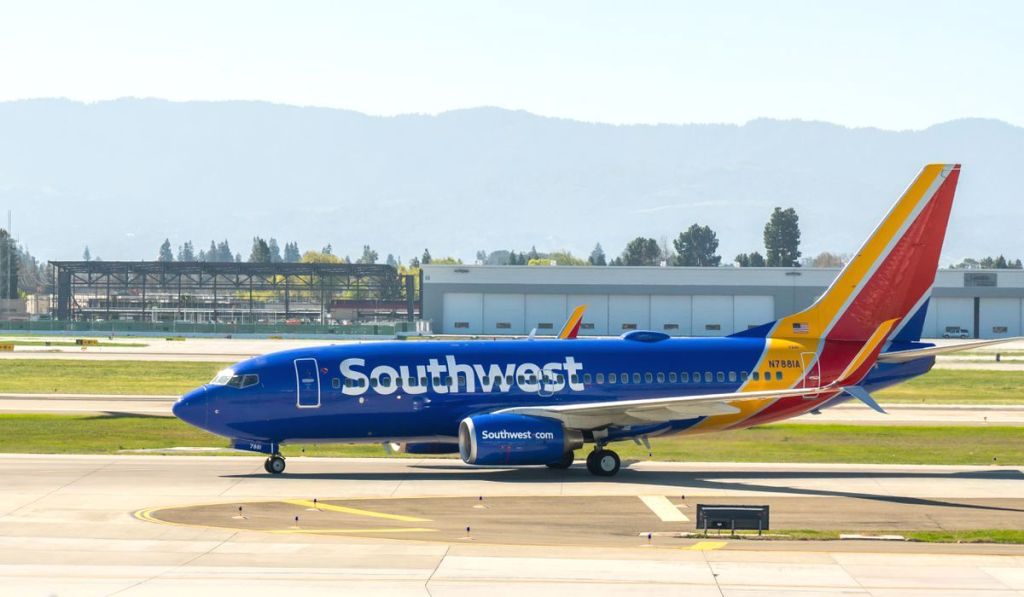
Southwest Airlines agregará vuelos al Aeropuerto Chicago/O’Hare el próximo año 2021, anunció la aerolínea este Lunes 12/10. La información sobre tarifas y horarios se publicará pronto, dice la aerolínea, esperando que los nuevos vuelos comiencen en la primera mitad del próximo año. Los vuelos se sumarán al servicio que ya se ofrece dentro y fuera del Aeropuerto Midway, que es uno de los principales hubs de las aerolíneas. Southwest también anunció un regreso al Aeropuerto Intercontinental Houston/George Bush.
«Southwest debe décadas de éxito a nuestros empleados y clientes que han apoyado nuestro negocio en Chicago y Houston. El anuncio de hoy refuerza nuestro compromiso con ambas ciudades a medida que agregamos servicio para compartir el valor y la hospitalidad de Southwest con más viajeros de negocios y de placer», dijo Gary Kelly, director ejecutivo y presidente de Southwest Airlines.
Sindicato SWAPA
El sindicato de pilotos de Southwest Airlines rechaza la propuesta de recorte salarial del 10%. La Asociación de Pilotos de Southwest Airlines (SWAPA) es la única unidad de negociación para los más de 9.700 pilotos de la aerolínea de presupuesto líder en Estados Unidos. El Sindicato de pilotos SWAPA está rechazando una propuesta de la compañía para reducir los salarios en un 10% para evitar licencias hasta fines del próximo año, la última arruga en los esfuerzos de la aerolínea para reducir los costos en la pandemia.
Southwest Airlines está tratando de preservar su récord de nunca haber tenido trabajadores sin licencia en sus casi cincuenta años de vuelo, pero el CEO Gary Kelly advirtió a principios de Octubre 2020 que buscaría concesiones de los sindicatos que componen la mayor parte de su fuerza laboral. “Nuestro objetivo es proteger cada trabajo piloto para que podamos estar preparados para aprovechar las oportunidades de ingresos cuando regrese la demanda de los clientes. Hasta entonces, también debemos comenzar a restaurar nuestro balance alineando más estrechamente nuestra pérdida de ingresos con costos más bajos”, dijo Southwest en un comunicado. Todas las aerolíneas estadounidenses están luchando con una caída en los ingresos debido a la fuerte caída en la demanda de viajes debido al virus. En los primeros 10 días del mes, la Administración de Seguridad en el Transporte (TSA) examinó un promedio de 804.302 personas por día, casi un 66% menos que hace un año.
El Viernes 09/10, Southwest propuso un recorte de la tasa salarial del 10% a sus más de 9.000 pilotos. El sindicato aeronáutico se ha opuesto a la reducción generalizada y las cláusulas de fuerza mayor, que temía que la aerolínea pudiera apoyarse en los pilotos de licencia de todos modos. “Esta adición no nos protegería de las licencias ni nos aseguraría que nuestras tarifas de viajes por hora se dispararían después de la vigencia de cualquier acuerdo”, dijo el sindicato SWAPA en un memorando a los miembros. El sindicato señaló otras opciones como tiempo libre voluntario con salario reducido y paquetes de jubilación anticipada. “Tenemos un problema de ingresos y efectivo a corto plazo que no se puede solucionar solo con concesiones”, dijo el sindicato en un memorando el 09/10. Su Presidente, Jon Weaks, dijo que la propuesta de la compañía está muerta a su llegada, pero que el sindicato está abierto a más conversaciones sobre medidas de reducción de costos.
La disputa se produce cuando los competidores American Airlines y United Airlines a principios de este mes comenzaron a eliminar más de 30.000 puestos de trabajo después de que expiraran los términos de miles de millones en ayuda federal. Southwest no planea despedir a los trabajadores este año, pero dijo a principios de este mes que buscaría concesiones de los sindicatos para comprometerse a mantener los empleos hasta 2021. Los pilotos de United Airlines acordaron reducir las horas mínimas para evitar cerca de 3.000 licencias previstas para este 2020.
Southwest to Incorporate Chicago/O’Hare
Southwest Airlines to add service from O’Hare Airport in 2021
Southwest Airlines will add flights to Chicago/O’Hare Airport in 2021, the airline announced this Monday 10/12. Information on fares and schedules will be released soon, the airline says, expecting new flights to begin in the first half of next year. The flights will add to the service already offered in and out of Midway Airport, which is one of the main airline hubs. Southwest also announced a return to the Houston/George Bush Intercontinental Airport.
«Southwest owes decades of success to our employees and customers who have supported our business in Chicago and Houston. Today’s announcement reinforces our commitment to both cities as we add service to share Southwest’s value and hospitality with more business travelers. and pleasure», said Gary Kelly, CEO and President of Southwest Airlines.
Unions SWAPA
The Southwest Airlines Pilots Union rejects the proposed 10% pay cut. The Southwest Airlines Pilots Association (SWAPA) is the sole bargaining unit for the more than 9,700 pilots of America’s leading budget airline. The SWAPA Pilots Union is rejecting a proposal by the company to cut salaries by 10% to avoid licenses until the end of next year, the latest wrinkle in the airline’s efforts to cut costs in the pandemic.
Southwest Airlines is trying to preserve its record of never having had unlicensed workers in its nearly fifty years of flight, but CEO Gary Kelly warned in early October 2020 that it would seek concessions from the unions that make up the majority of its workforce. “Our goal is to protect each pilot job so that we can be prepared to take advantage of revenue opportunities when customer demand returns. Until then, we must also begin to restore our balance sheet by more closely aligning our lost revenue with lower costs”, Southwest said in a statement. All US airlines are struggling with a drop in revenue due to the sharp drop in travel demand due to the virus. In the first 10 days of the month, the Transportation Security Administration (TSA) examined an average of 804,302 people per day, almost 66% less than a year ago.
On Friday 10/09, Southwest proposed a 10% pay rate cut to its more than 9,000 pilots. The aviation union has opposed the widespread downsizing and force majeure clauses, fearing the airline could rely on licensed pilots anyway. «This addition would not protect us from licensing or assure us that our hourly travel rates would skyrocket after the effective date of any agreement», the SWAPA union said in a memo to members. The union pointed to other options such as voluntary time off with reduced pay and early retirement packages. “We have a short-term cash and income problem that cannot be solved with concessions alone”, the union said in a memo on 10/09. Its Chairman, Jon Weaks, said the company’s proposal is dead upon arrival, but the union is open to further talks on cost-cutting measures.
The dispute comes as competitors American Airlines and United Airlines earlier this month began cutting more than 30,000 jobs after terms of billions in federal aid expired. Southwest does not plan to lay off workers this year, but said earlier this month it would seek concessions from unions to commit to keeping jobs through 2021. United Airlines pilots agreed to cut minimum hours to avoid about 3,000 planned licenses for this 2020.
PUBLISHER: Airgways.com DBk: Southwest.com / Swapa.org / Cnbc.com / Abc7chicago.com / Stephen M. Keller / Smiley N. Pool / Airgways.com / Gettyimages.com AW-POST: 202010121655AR
Agencia de viajes turísticos Solways Tours entra en quiebra
Gestión y Turismo S.A. detrás de la marca de fantasía Solways Tours pidió su propia quiebra ante el Juzgado Nacional en lo Comercial Número 29, Secretaría 57. La demanda se presentó el Lunes 12/10. El sitio web de la compañía turística se encontraba fuera de línea. Aunque todavía no trascendió oficialmente la cifra de su pasivo declarado, tendría una deuda con al menos, unas 50 agencias, cercana a los valores de US$ 500.000, el equivalente aproximado de AR$ 38,6 millones de Pesos. La empresa Solways arrastraba problemas desde Marzo 2020 ante las dificultades para efectuar operaciones, tras la parálisis económica, ha arrastrado a unas cincuenta agencias que han damnificadas.
En horas en las que las agencias se ilusionan con reactivar su actividad con el programa de salvataje que implementó el Gobierno de Argentina, la industria turística ha dado el último manotazo de suspiro de la agencia turística Solways Tours. “Todos saben perfectamente que Solways se constituyó en la Argentina con sólidas bases para un ejemplar emprendimiento como operador turístico mayorista, acrecentando también un posicionamiento de expansión territorial y mercado exponencial de marketing, con la permanente incorporación de personal a su staff. Pero el marcado diferencial de la moneda estadounidense en los últimos años, como así también la imposibilidad de ventas desde el cierre ordenado por el DNU 297/2020 y que neutralizara completamente la actividad, quitó toda posibilidad de recursos para su continuidad. El esfuerzo de quienes componemos la firma fue incansable, intentando día a día poder dar respuestas sobre una empresa cuya vulnerabilidad económica y no menos importante de futura rentabilidad se desvaneció sin obtener resultados ciertos”, dice un comunicado que el Presidente de la empresa, Iván Blanco Rozán, envió a sus empleados. Gestión y Turismo S.A. se constituyó el 22 de Enero de 2008. En Julio de ese año, le compró a otra sociedad anónima, Cosmo Service, el fondo de comercio denominado Solways Tours, dedicado a la venta y comercialización de paquetes y servicios turísticos.
Ana Chiesa, propietaria de la agencia Smart Travel, es quien encabeza el reclamo colectivo de casi 50 agencias. Las dificultades económicas del país hicieron que Solways arrastrase problemas desde pronunciándose desde Marzo 2020 con un paulatino abandono comercial, tal cual denunciaron por su parte las agencias damnificadas, denunciando desde hace más de un mes ante al Ministerio de Turismo y Deportes, a Aviabue y a Faevyt sobre el comportamiento comercial y las irregularidades de Solways Argentina, así como su falta de respuesta y vaciamiento. Las agencias también pidieron la apertura de un expediente en el Ministerio de Turismo, al que aportaron las cartas documento enviadas con intimaciones por el envío de vouchers de los servicios reprogramados, la acreditación de los pagos al exterior que respaldaran los servicios prepagados por las agencias y la devolución de esos importes. “En ningún caso, hemos recibido respuesta por parte del operador. Asimismo, consultamos a los hoteles y receptivos involucrados en los servicios de nuestros pasajeros y, lamentablemente, confirmamos que no se encuentran abonados”, resaltaron las agencias damnificadas. Entre otras irregularidades, la empresa no pertenece más a la IATA por falta de renovación de garantías.
En Septiembre 2020 la atención telefónica de las oficinas de Solways en Buenos Aires ya no figuraba como perteneciente a un cliente en servicio. La cadena ya había cerrado sus filiales de México, Colombia y Perú, y sus oficinas en Rosario y Córdoba.
Ana Chiesa expresó su reclamo ante diferentes organismos: “Empezamos con esto hace dos meses y formalizamos la primera carta al Ministerio con un pedido de fiscalización el 4 de Septiembre. Hicimos varias presentaciones. Al principio, éramos pocas. Pero le mostramos al Ministerio la importancia de que salieran a fiscalizar porque había muchas irregularidades que ameritaban que interviniera. Tampoco los reclamos hechos a las cámaras sectoriales tuvieron respuesta. Y que el viernes habían reiterado el pedido al Ministerio de Turismo y Deportes de la Nación».
Por lo pronto, el Foro Argentino de Consultores de Viajes (FACVE) emitió un comunicado en el cual expresa su gran preocupación por la profundización de la crisis en la cual se encuentra sumergida la industria del turismo. Al escenario de emergencia que impuso la pandemia, se le suma la incertidumbre respecto al rumbo para su recuperación y la falta de atención y apoyo de las autoridades para dar respuesta a un sector que lucha por su supervivencia. Sumado a ello, la presión fiscal que se impone a la industria pone en riesgo a las agencias y a todos los trabajadores del sector.
El comunicado remitió al cierre y quiebra de Solways Tours: “Este caso se suma a una importante lista de pequeñas y medianas agencias que, silenciosamente, ya están recorriendo el mismo camino de finalizar sus actividades. El impacto de esta lamentable noticia no termina allí, sino que pone en una situación muy delicada a otras agencias y pymes argentinas. La situación de crisis se profundiza cada día. Seis meses de inactividad y cierre de actividades turísticas ponen a las agencias y a todos los actores del sector en riesgo de supervivencia”. FACVE es una asociación de agencias de viajes, cuyos miembros representan el 80% de la emisión de boletos aéreos domésticos e internacionales. La entidad integra una de las vicepresidencias de la Federación Argentina de Empresas de Viajes y Turismo (Faevyt).
Solways bankruptcy in Argentina
Solways Tours tourist travel agency goes bankrupt
Gestión y Turismo S.A. behind the fantasy brand Solways Tours filed for its own bankruptcy before the National Commercial Court Number 29, Secretary 57. The lawsuit was filed on Monday 10/12. The website of the tour company was offline. Although the number of its declared liabilities has not yet been officially disclosed, it would have a debt with at least 50 agencies, close to the values of US$ 500,000, the approximate equivalent of AR$ 38.6 million Pesos. The Solways company had been dragging problems since March 2020 due to the difficulties to carry out operations, after the economic paralysis, it has dragged some fifty agencies that have been damaged.
In hours in which the agencies are excited to reactivate their activity with the rescue program that the Government of Argentina implemented, the tourism industry has given the last blow of sigh from the Solways Tours tourist agency. “Everyone knows perfectly well that Solways was established in Argentina with solid foundations for an exemplary undertaking as a wholesale tour operator, also increasing a position of territorial expansion and exponential marketing market, with the permanent incorporation of personnel to its staff. But the marked differential of the US currency in recent years, as well as the impossibility of sales since the closure ordered by DNU 297/2020 and which completely neutralized the activity, removed all possibility of resources for its continuity. The effort of those who make up the firm was tireless, trying day by day to be able to give answers about a company whose economic vulnerability and not least of future profitability vanished without obtaining certain results», says a statement that the President of the company, Iván Blanco Rozán, sent his employees. Gestión y Turismo S.A. was incorporated on January 22, 2008. In July of that year, it bought from another corporation, Cosmo Service, the goodwill called Solways Tours, dedicated to the sale and marketing of tourist packages and services.
Ana Chiesa, owner of the Smart Travel agency, is the one who heads the collective claim of almost 50 agencies. The economic difficulties of the country caused Solways to drag problems since it spoke since March 2020 with a gradual commercial abandonment, as the affected agencies denounced for their part, denouncing for more than a month before the Ministry of Tourism and Sports, Aviabue and Faevyt on the commercial behavior and irregularities of Solways Argentina, as well as its lack of response and emptying. The agencies also requested the opening of a file in the Ministry of Tourism, to which they contributed the document letters sent with intimations for the sending of vouchers for the reprogrammed services, the accreditation of payments abroad that supported the services prepaid by the agencies and the return of those amounts. “In no case have we received a response from the operator. Likewise, we consult the hotels and receptive agencies involved in the services of our passengers and, unfortunately, we confirm that there are no subscribers”, highlighted the agencies affected. Among other irregularities, the company no longer belongs to the IATA for lack of renewal of guarantees.
In September 2020, the telephone service of the Solways offices in Buenos Aires was no longer listed as belonging to a customer in service. The chain had already closed its subsidiaries in Mexico, Colombia and Peru, and its offices in Rosario and Córdoba.
Ana Chiesa expressed her claim to different organizations: “We started with this two months ago and we formalized the first letter to the Ministry with a request for inspection on September 4. We did several presentations. At first, we were few. But we showed the Ministry the importance of them going out to audit because there were many irregularities that warranted their intervention. Neither the claims made to the sectoral chambers were answered. And that on Friday they had reiterated the request to the Ministry of Tourism and Sports of the Nation».
For now, the Argentine Forum of Travel Consultants (FACVE) issued a statement in which it expresses its great concern about the deepening of the crisis in which the tourism industry is submerged. Added to the emergency scenario imposed by the pandemic is the uncertainty regarding the course for its recovery and the lack of attention and support from the authorities to respond to a sector that is fighting for its survival. In addition to this, the tax burden imposed on the industry puts agencies and all workers in the sector at risk.
The statement referred to the closure and bankruptcy of Solways Tours: “This case joins an important list of small and medium-sized agencies that, silently, are already walking the same path of ending their activities. The impact of this unfortunate news does not end there, but rather puts other Argentine agencies and SMEs in a very delicate situation. The crisis situation deepens every day. Six months of inactivity and the closure of tourist activities put the agencies and all the actors in the sector at risk of survival”. FACVE is an association of travel agencies, whose members represent 80% of the issuance of domestic and international air tickets. The entity integrates one of the vice-presidencies of the Argentine Federation of Travel and Tourism Companies (Faevyt).
AW | 2020 10 12 15:22 | AVIATION MARKET / GOVERNMENT
Gobierno Argentina ultima detalles para reapertura aérea el 19/10
El Gobierno de Argentina se encuentra diagramando el retorno de la actividad aerocomercial en el país a partir del Lunes 19 de Octubre de 2020. La reanudación de los vuelos de cabotaje estarán sujetos a evaluaciones por parte de las quince provincias respectivas que por el momento podrían autorizar la reapertura de los vuelos de las líneas aéreas. El Gobierno nacional está autorizando la reapertura de la aviación comercial después de siete meses de suspensión para los vuelos domésticos, por lo cual a partir del próximo Lunes 19/10 quedarán habilitados los primeros servicios aéreos de transporte comercial de pasajeros para unir destinos entre unas quince provincias en todo el país.
Desde las compañías aéreas están preparando y reacondicionado la programación de sus vuelos a partir del próximo Lunes 19/10 como fecha de reapertura, pero se espera que las líneas aéreas no completen los asientos de los aviones debido a las reiteradas postergaciones y las nuevas limitaciones impuesta por el Gobierno. Aún así, se mantienen confiadas que transcurridas las semanas, el factor de ocupación tendría que ir aumentando, aunque lentamente. Sin embargo, estos primeros servicios no serán destinados a turistas sino que sólo estarán habilitados para trabajadores esenciales y personas que estén obligadas a trasladarse por tratamientos médicos, así como también alguna otra excepción que quedará a criterio de la Jefatura de Gabinete de Argentina. Además, el Gobierno atenderá todas las objeciones que pongan aquellos gobernadores que todavía mantienen la postura de continuar con el cuarentena estricta en el plano de los vuelos comerciales.
Los servicios aéreos rehabilitados serán siempre con los pasajeros establecidos por el DNU que entró este Lunes 12/10 en vigencia, que permite movilizarse al personal esencial establecido en el Artículo 11 y a quienes deban hacer tratamiento médico con acompañante, aunque advirtieron que estas categorías pueden ser ampliadas por el Gobierno.
La medida publicada este Lunes 12/10 en el Boletín Oficial equivale al regreso de la aviación comercial dentro del territorio nacional. A partir del Martes 13/10 el Ministerio de Transporte encabezado por Mario Meoni comenzará con las consultas a los gobernadores para tratar de lograr un consenso sobre en cuáles provincias podrán transitar los vuelos rehabilitados. Desde el Gobierno nacional aseguraron que estimularán el retorno a la aviación, pero la facultad de las provincias que no quieran adherirse primará por encima de la decisión de la reapertura hacia el 19/10 que entrará en vigencia en todo el país.
Argentina approves air reopening
Argentine government finalizes details for air reopening on 10/19
The Government of Argentina is charting the return of commercial aviation activity in the country as of Monday, October 19, 2020. The resumption of domestic flights will be subject to evaluations by the fifteen respective provinces that for the moment could authorize the reopening of airline flights. The national government is authorizing the reopening of commercial aviation after seven months of suspension for domestic flights, for which as of next Monday, 10/19, the first commercial passenger air services will be enabled to link destinations between some fifteen provinces across the country.
The airlines are preparing and reconditioning their flight schedules starting next Monday 10/19 as the reopening date, but it is expected that the airlines will not complete the aircraft seats due to the repeated postponements and the new limitations imposed. by the Government. Even so, they remain confident that after the weeks, the load factor would have to increase, although slowly. However, these first services will not be intended for tourists but will only be enabled for essential workers and people who are obliged to travel for medical treatment, as well as any other exception that will be left to the discretion of the Cabinet Office of Argentina. In addition, the Government will address all the objections raised by those governors who still maintain the position of continuing with the strict quarantine in the plane of commercial flights.
The rehabilitated air services will always be with the passengers established by the DNU that entered this Monday 10/12 into force, which allows the mobilization of essential personnel established in Article 11 and those who must undergo medical treatment with a companion, although they warned that these categories expanded by the Government.
The measure published this Monday 10/12 in the Official Gazette is equivalent to the return of commercial aviation within the national territory. As of Tuesday 10/13, the Ministry of Transport headed by Mario Meoni will begin with consultations with the governors to try to reach a consensus on which provinces the rehabilitated flights will be able to transit. From the national government they assured that they will stimulate the return to aviation, but the faculty of the provinces that do not want to join will take precedence over the decision to reopen by 10/19, which will take effect throughout the country.
AW | 2020 10 12 14:30 | AVIATION SAFET / AIR TRAFFIC
Tráfico aéreo interrumpido por ingreso del Tifón Chan-hom
A las 05:00 a.m. EDT (09:00 UTC), el centro del Tifón Chan-hom se encontraba cerca de 26,2 grados de latitud Norte y 134,4 grados de longitud Este. Estaba centrado a 378 millas náuticas al este de la Base Aérea de Kadena, Isla de Okinawa, Japón, moviéndose hacia el noroeste. Los vientos máximos sostenidos están cerca de 65 nudos (75 mph/120 kph) con ráfagas más fuertes.
Recuperaciones integradas de múltiples satélites de la NASA para GPM o IMERG, que es un producto de lluvia satelital de la NASA, estimado el 7 de Octubre 2020 a las 02:00 a.m. EDT (0600 UTC), Chan-hom estaba generando hasta 30 mm (1,18 pulgadas) de lluvia por hora que cae en la pared irregular del ojo que rodea el ojo. Se estimó que las precipitaciones durante la mayor parte de la tormenta cayeron a una velocidad de entre 5 y 15 mm (0,2 a 0,6 pulgadas) por hora. En el Laboratorio Naval de EE.UU. en Washington DC, los datos de lluvia de IMERG se superpusieron a imágenes infrarrojas del satélite GOES-16 de la NOAA para proporcionar una extensión completa de la tormenta. Además del cálculo de la precipitación dentro del tifón, las imágenes satelitales infrarrojas mejoradas animadas revelaron un sistema en consolidación con un ojo irregular. Las imágenes de microondas indican bandas mejoradas de tormentas eléctricas que se envuelven firmemente en una función de ojo de microondas. Las advertencias de fuertes lluvias están vigentes para Kyushu, la isla grande más al sur de Japón. Se publicaron alertas para gran parte de las costas centro-este y sureste de Japón.
IMERG
Esta estimación de lluvia casi en tiempo real proviene del IMERG de la NASA, que combina observaciones de una flota de satélites, en tiempo casi real, para proporcionar estimaciones casi globales de precipitación cada 30 minutos. Al combinar las estimaciones de precipitación de la NASA con otras fuentes de datos, podemos obtener una mayor comprensión de las grandes tormentas que afectan a nuestro planeta. En cambio, lo que hace el IMERG es transformar las observaciones satelitales de alta calidad a lo largo de la dirección de los vientos de dirección para entregar información sobre la lluvia en momentos y lugares donde no ocurrieron dichos sobrevuelos satelitales. La transformación de la información es particularmente importante en la mayor parte de la superficie del mundo que carece de cobertura de radar terrestre. Básicamente, IMERG llena los espacios en blanco entre las estaciones de observación meteorológica.
Pronóstico de Chan-hom
Los meteorólogos del Centro Conjunto de Alerta de Tifones (JTWC) esperan que el Tifón Chan-hom siga de noroeste a norte durante los próximos dos días y más cerca de Japón. Se pronostica que Chan-hom hará una trayectoria lenta paralela a la costa de Japón del 8 al 11 de octubre, cuando se espera que afecte a Tokio antes de dirigirse a aguas abiertas. JTWC espera que Chan-hom continúe debilitándose durante los próximos días y comience la transición a una tormenta extratropical.
NASA investiga ciclones tropicales
Los huracanes/ciclones tropicales son los eventos meteorológicos más poderosos de la Tierra. La experiencia de la NASA en exploración espacial y científica contribuye a los servicios esenciales que otras agencias federales brindan al pueblo estadounidense, como el pronóstico del tiempo de huracanes. Durante más de cinco décadas, la NASA ha utilizado el punto de vista del espacio para comprender y explorar nuestro planeta natal, mejorar vidas y salvaguardar nuestro futuro. La NASA reúne tecnología, ciencia y observaciones globales únicas de la Tierra para brindar beneficios sociales y fortalecer nuestra nación. El conocimiento avanzado de nuestro planeta natal contribuye directamente al liderazgo de Estados Unidos en la exploración espacial y científica.
Typhoon Chan-hom impact in Japan
Air traffic disrupted by entry of Typhoon Chan-hom
At 05:00 a.m. EDT (09:00 UTC), the center of Typhoon Chan-hom was near 26.2 degrees North latitude and 134.4 degrees East longitude. It was centered 378 nautical miles east of Kadena Air Base, Okinawa Island, Japan, moving northwest. Maximum sustained winds are near 65 knots (75 mph/120 kph) with stronger gusts.
Integrated NASA Multiple Satellite Retrievals for GPM or IMERG, which is a NASA satellite rain product, estimated on October 7, 2020 at 02:00 a.m. EDT (0600 UTC), Chan-hom was generating up to 30 mm (1.18 inches) of rain per hour falling on the irregular wall of the eye that surrounds the eye. Rainfall for most of the storm was estimated to have fallen at a rate of between 5 and 15 mm (0.2 to 0.6 inches) per hour. At the US Naval Laboratory in Washington DC, IMERG rainfall data was overlaid on infrared images from NOAA’s GOES-16 satellite to provide a full extent of the storm. In addition to calculating precipitation within the typhoon, the animated enhanced infrared satellite images revealed a consolidating system with an irregular eye. The microwave images indicate enhanced thunderstorm bands that are tightly wrapped in a microwave eye feature. Heavy rain warnings are in effect for Kyushu, Japan’s southernmost large island. Alerts were posted for much of the east-central and southeastern coasts of Japan.
IMERG
This near-real-time rainfall estimate comes from NASA’s IMERG, which combines observations from a fleet of satellites, in near-real time, to provide near-global estimates of precipitation every 30 minutes. By combining NASA’s precipitation estimates with other data sources, we can gain a greater understanding of the major storms that affect our planet. Instead, what IMERG does is transform high-quality satellite observations along the direction of the steering winds to deliver information about rainfall at times and places where such satellite flybys did not occur. Information transformation is particularly important in most of the world’s surface that lacks ground-based radar coverage. Basically, IMERG fills in the blanks between the weather observation stations.
Chan-hom forecast
Meteorologists from the Joint Typhoon Warning Center (JTWC) expect Typhoon Chan-hom to continue from northwest to north for the next two days and closer to Japan. Chan-hom is forecast to make a slow trajectory parallel to the coast of Japan from October 8-11, when it is expected to hit Tokyo before heading to open water. JTWC expects Chan-hom to continue to weaken over the next few days and begin the transition to an extratropical storm.
NASA investigates tropical cyclones
Hurricanes/tropical cyclones are the most powerful weather events on Earth. NASA’s expertise in space exploration and science contributes to essential services that other federal agencies provide to the American people, such as forecasting hurricane weather. For more than five decades, NASA has used the point of view of space to understand and explore our home planet, improve lives, and safeguard our future. NASA brings together technology, science, and unique global observations of Earth to deliver social benefits and strengthen our nation. Advanced knowledge of our home planet contributes directly to America’s leadership in scientific and space exploration.
JOINT TYPHOON WARNING CENTER (JTWC) 合同台風警報センター(JTWC)
WTPN31 PGTW 120900
MSGID / GENADMIN / JOINT TYPHOON WRNCEN PEARL HARBOR HI //
SUBJ / DEPRESIÓN TROPICAL 16W (CHAN-HOM) ADVERTENCIA NR 031 //
RMKS /
1. DEPRESIÓN TROPICAL 16W (CHAN-HOM) ADVERTENCIA NR 031
02 CICLONES TROPICALES ACTIVOS EN EL NOROESTETPAC
VIENTOS MÁXIMOS SOSTENIDOS SEGÚN EL PROMEDIO DE UN MINUTO
RADIO DE VIENTO VÁLIDO SOLO SOBRE AGUA ABIERTA
---
POSICIÓN DE ADVERTENCIA:
120600Z --- CERCA DE 29.4N 142.4E
MOVIMIENTO PASADAS SEIS HORAS - 180 GRADOS A 08 KTS
POSICIÓN PRECISA DENTRO DE 020 NM
POSICIÓN BASADA EN CENTRO UBICADO POR SATÉLITE
DISTRIBUCIÓN DEL VIENTO ACTUAL:
VIENTOS MAX SOSTENIDOS - 025 KT, RAFAGAS 035 KT
RADIO DE VIENTO VÁLIDO SOLO SOBRE AGUA ABIERTA
DISIPANDO COMO UN CICLÓN TROPICAL SIGNIFICATIVO SOBRE EL AGUA
REPETIR POSICIÓN: 29.4N 142.4E
---
PREVISIONES:
12 HRS, VÁLIDO EN:
121800Z --- 28,7N 142,9E
VIENTOS MAX SOSTENIDOS - 020 KT, RAFAGAS 030 KT
RADIO DE VIENTO VÁLIDO SOLO SOBRE AGUA ABIERTA
DISIPADO COMO UN CICLÓN TROPICAL SIGNIFICATIVO SOBRE EL AGUA
VECTOR A POSICIÓN DE 24 HR: 135 GRADOS / 04 KTS
---
24 HRS, VÁLIDO EN:
130600Z --- 28,2N 143,5E
VIENTOS MAX SOSTENIDOS - 020 KT, RAFAGAS 030 KT
RADIO DE VIENTO VÁLIDO SOLO SOBRE AGUA ABIERTA
DISIPADO COMO UN CICLÓN TROPICAL SIGNIFICATIVO SOBRE EL AGUA
---
OBSERVACIONES:
POSICIÓN 120900Z CERCA DE 29.2N 142.5E.
12OCT20. DEPRESIÓN TROPICAL (TD) 16W (CHAN-HOM), UBICADO
APROXIMADAMENTE 138 NM AL NORTE DE CHICHI JIMA, SE HA SEGUIMIENTO HACIA EL SUR
A LOS 08 NUDOS DURANTE LAS ÚLTIMAS SEIS HORAS. MULTISPECTRAL ANIMADO
LA IMAGEN POR SATELITE MUESTRA UN SISTEMA TOTALMENTE EXPUESTO CON BAJO NIVEL
LÍNEAS DE NUBE ENVUELTAS EN UN CENTRO DEFINIDO, QUE SOPORTA
POSICIÓN INICIAL CON BUENA CONFIANZA. UNA IMAGEN 120648Z SSMIS 91GHZ
REVELA ENVOLTURA DE BANDAS PROFUNDAS EN UN NIVEL BAJO DEFINIDO
CENTRO DE CIRCULACIÓN SIN CONVECCIÓN PROFUNDA. LA INTENSIDAD INICIAL ES
EVALUADO A 25 NUDOS EN BASE A DATOS RECIENTES DE ASCAT. AMBIENTAL
EL ANÁLISIS INDICA CONDICIONES DESFAVORABLES CON MODERADO (20-25
NUDOS) CORTE DE VIENTO VERTICAL, CONVERGENCIA ALTA Y SECO IMPORTANTE
ENTRENAMIENTO DE AIRE. SE PRONOSTICA QUE TD 16W SE HAYA SURESTE A LO LARGO DEL
PERIFERIA NORESTE DE LA DORADA SUBTROPICAL DE BAJO NIVEL Y ES
PREVISIÓN DE DISIPACIÓN POR TAU 12. ESTA ES LA ADVERTENCIA FINAL DE ESTA
SISTEMA POR EL CONJUNTO TYPHOON WRNCEN PEARL HARBOR HI. EL SISTEMA
ESTÉ MUY SEGUIMIENTO DE SEÑALES DE REGENERACIÓN. MÁXIMO SIGNIFICATIVO
LA ALTURA DE ONDA EN 120600Z ES DE 10 PIES. CONSULTAR TORMENTA TROPICAL 18W
(NANGKA) ADVERTENCIAS (WTPN33 PGTW) PARA ACTUALIZACIONES DE SEIS HORAS .//
NNNN
Aerolíneas desarrolla plan para reinicio operaciones aéreas
Aerolíneas Argentinas prevé potenciar el negocio de cargas como uno de los ejes del plan estratégico para el futuro post-pandemia, luego de adoptar medidas de contingencia que le permitieron ahorrar AR$ 350 millones Pesos mensuales desde Junio 2020. El relanzamiento de la unidad de Cargas «resultará clave en el contexto post pandemia», destacó el Ministerio de Transporte en un informe cuyas definiciones principales fueron incorporadas a la reciente presentación en el Senado del Jefe de Gabinete, Santiago Cafiero.
La fusión con Austral Líneas Aéreas, busca concluir la sinergia definitiva con Aerolíneas, «no sólo eliminará estructuras duplicadas, sino que permitirá el ahorro de costos impositivos y duplicación en pagos de servicios operativos, aportará mayor previsibilidad en términos de dotación y mejor manejo de las jornadas laborales», indicó la cartera del Ministerio de Transporte.
Las áreas de operaciones de las dos empresas ya trabajan en conjunto para lograr la reorganización efectiva con ambas líneas aéreas y se prevé la fusión de los dos talleres aeronáuticos de reparaciones para el próximo 1 Noviembre 2020. La unidad Técnica de Aerolíneas Argentinas está realizando su propio desarrollo para brindar a terceros servicios de mantenimiento de aeronaves (mayor y de línea), de componentes, en general y motores, e instrucción de certificada por Airbus para mecánicos de A330-200. «Como compañía líder del mercado aerocomercial argentino, Aerolíneas cuenta con las instalaciones y el know how calificado para salir a ofrecer este servicio a otras líneas aéreas y ampliar la cartera de productos hacia ese segmento», sostuvo el Ministerio de Transporte.
Plan post-pandemia
El plan post-pandemia se diseñó luego de aplicarse en los últimos meses una política de mitigación de gastos, a fin de reorganizar los recursos de acuerdo con las necesidades de dotación y la situación financiera de la empresa.
Aerolíneas, en ese sentido, negoció con los gremios la suspensión de 4.000 empleados en el marco del Artículo 223 bis de la Ley de Contrato de Trabajo, y dejó de abonar algunos ítems laborales, tales como viáticos y horas extras del personal de tierra y vuelo, mientras en material salarial se acordó con los directores y gerentes una reducción de entre el 10 y 20% del sueldo. A la vez, el pago de los medio aguinaldos de julio superiores a AR$ 40.000 brutos se abonó en cuotas y se depositó en dos partes el salario de Junio 2020. Como complemento, se encuentra abierto un nuevo Programa de Acuerdo de Prejubilaciones, que tiene como finalidad reducir la dotación, con acuerdos beneficiosos tanto para el personal cercano a la jubilación como para la compañía.
En lo que respecta al resultado económico de Aerolíneas, en Enero-Julio 2020 se acumuló un déficit de US$ 374,5 millones debido a la parálisis casi total de operaciones, sólo se generaron ingresos por el tráfico de pasajeros repatriados, por vuelos especiales y el traslado de insumos sanitarios provenientes de China.
Ante esa situación el Tesoro Nacional realizó transferencias por AR$ 16.894 millones para abonar salarios de los trabajadores, asegurar el mantenimiento de la flota y continuar con las actividades mínimas. Esos recursos se aportaron desde Marzo 2020, ya que durante los dos primeros meses del año, Aerolíneas Argentinas había recibido un 15% menos de subsidios, en comparación con el mismo período de 2019.
Plan PreViaje
Aerolíneas Argentinas anunció que se sumará al plan Previaje anunciado este jueves por el ministerio de Turismo de la Nación, el cual busca impulsar el turismo interno para el 2021 mediante el otorgamiento de créditos que sirven como un 50% de reintegro a quienes compren un pasaje en el sitio web de la compañía. La campaña busca poder darle a los turistas la posibilidad de programar sus viajes en un contexto dinámico debido a la pandemia mundial, cosa que Aerolíneas también permite gracias a su política de vuelos flexibles, los cuales le dan la posibilidad a los pasajeros de realizar un cambio de fecha del boleto sin costos ni cargos extras y de acceder a 6 cuotas sin interés con el plan Ahora 6, comprando antes del 25 de Octubre de 2020.
Pablo Ceriani, Presidente de la línea aérea de bandera, expresó: «Este programa es un gran incentivo para que los argentinos y argentinas puedan planificar su próximo viaje para el 2021 aprovechando los beneficios de PreViaje. Aerolíneas Argentinas va a ser uno de los motores para impulsar la reactivación del turismo interno, esto va a beneficiar a las economías regionales». Cabe destacar que Aerolíneas Argentinas cuenta con protocolos de salud y medidas de higiene para sus operaciones en cada una de las etapas del viaje tanto en los aeropuertos como en los vuelos, los cuales fueron diseñados siguiendo las recomendaciones de International Air Transport Association (IATA), Airport Council International (ACI), Organización Mundial de la Salud (OMS) y el Ministerio de Salud de la Nación.
El plan Previaje es una medida anunciada por el Ministerio de Turismo de la Nación, en la cual se asegura la entrega de un reintegro del 50% de los gastos en turismo para quienes vayan a destinos de la Argentina, el cual deberá suceder en un plazo de hasta 30 días contando desde la fecha del comprobante. Luego, a la hora de canjear el beneficio, por ejemplo en enero de 2021, se podrá hacer hasta 30 días antes de la fecha del viaje. Para viajes a partir de febrero, la fecha límite es el 31 Diciembre 2020. Desde el Ministerio se dieron dos ejemplos simples para conocer cómo funciona el plan de incentivo al turismo local, uno con un viaje desde el Calafate a Córdoba y el otro con un viaje a Iguazú.
Actualmente está disponible el sistema de preventa turística, que busca incentivar el turismo local al darle a los clientes un crédito del 50% de lo gastado este año en la compra de sus viajes para 2021. El programa prevé que el Estado aporte AR$ 16.500 millones. El Ministerio de Turismo ha anunciado que ya hay 2.000 prestadores entre los que se encuentran los principales sitios de venta online, como Despegar y Almundo. Prevén que se realizarán preventas por AR$ 30.000 millones. Esto implicaría un movimiento de AR$ 45.000 millones para reactivar al sector en todas las regiones del país.
Strategies at Aerolíneas Argentinas
Aerolíneas develops plan to restart air operations
Aerolíneas Argentinas plans to strengthen the cargo business as one of the axes of the strategic plan for the future post-pandemic, after adopting contingency measures that allowed it to save AR$ 350 million pesos per month from June 2020. The relaunch of the Cargo unit «it will be key in the post-pandemic context», highlighted the Ministry of Transportation in a report whose main definitions were incorporated into the recent presentation in the Senate of the Chief of Staff, Santiago Cafiero.
The merger with Austral Líneas Aéreas, seeks to conclude the definitive synergy with Aerolíneas, «will not only eliminate duplicate structures, but will allow savings in tax costs and duplication in payments for operational services, will provide greater predictability in terms of staffing and better management of the working hours», indicated the Ministry of Transport portfolio.
The areas of operations of the two companies are already working together to achieve an effective reorganization with both airlines and the merger of the two aeronautical repair workshops is expected for next November 1, 2020. The Technical Unit of Aerolíneas Argentinas is carrying out its own development to provide third-party maintenance services for aircraft (major and line), components, in general and engines, and training certified by Airbus for A330-200 mechanics. «As a leading company in the Argentine commercial aviation market, Aerolíneas has the facilities and the qualified know-how to go out and offer this service to other airlines and expand the portfolio of products to that segment», said the Ministry of Transportation.
Post-pandemic plan
The post-pandemic plan was designed after applying an expense mitigation policy in recent months, in order to reorganize resources according to the endowment needs and the financial situation of the company.
Aerolíneas, in this sense, negotiated with the unions the suspension of 4,000 employees within the framework of Article 223 bis of the Labor Contract Law, and stopped paying some labor items, such as per diem and overtime for ground and flight personnel, while in salary material a reduction of between 10 and 20% of the salary was agreed with the directors and managers. At the same time, the payment of the July half bonuses exceeding AR$ 40,000 gross was paid in installments and the June 2020 salary was deposited in two parts. As a complement, a new Early Retirement Agreement Program is open, which has The aim is to reduce the endowment, with agreements that are beneficial to both the personnel nearing retirement and the company.
Regarding the economic result of Aerolíneas, in January-July 2020 a deficit of US$ 374.5 million was accumulated due to the almost total paralysis of operations, income was only generated by the traffic of repatriated passengers, by special flights and the transfer of sanitary supplies from China.
Faced with this situation, the National Treasury made transfers for AR$ 16,894 million to pay workers’ salaries, ensure the maintenance of the fleet and continue with the minimum activities. These resources were provided since March 2020, since during the first two months of the year, Aerolíneas Argentinas had received 15% less subsidies, compared to the same period in 2019.
Pre-trip Plan
Aerolíneas Argentinas announced that it will join the Pre-trip plan announced this Thursday by the Ministry of Tourism of the Nation, which seeks to promote domestic tourism by 2021 by granting credits that serve as a 50% refund to those who buy a ticket in the company’s website. The campaign seeks to give tourists the possibility to schedule their trips in a dynamic context due to the global pandemic, which Aerolíneas also allows thanks to its flexible flight policy, which gives passengers the possibility to make a change. From the date of the ticket without costs or extra charges and to access 6 interest-free installments with the Now 6 plan, buying before October 25, 2020.
Pablo Ceriani, President of the flag carrier, said: «This program is a great incentive for Argentines to plan their next trip for 2021, taking advantage of the benefits of Pre-Travel. Aerolíneas Argentinas will be one of the engines for to promote the reactivation of domestic tourism, this will benefit regional economies». It should be noted that Aerolíneas Argentinas has health protocols and hygiene measures for its operations in each of the stages of the trip, both at airports and on flights, which were designed following the recommendations of International Air Transport Association (IATA), ACI Airport Council International (ACI), World Health Organization (WHO) and the Ministry of Health of the Nation.
The Pre-trip plan is a measure announced by the Ministry of Tourism of the Nation, which ensures the delivery of a reimbursement of 50% of tourism expenses for those who go to destinations in Argentina, which must happen within a period up to 30 days counting from the date of the receipt. Then, when it comes to redeeming the benefit, for example in January 2021, it can be done up to 30 days before the date of travel. For trips from February, the deadline is 12 Diciembre 2020. The Ministry gave two simple examples to learn how the local tourism incentive plan works, one with a trip from El Calafate to Córdoba and the other with a trip to Iguazú.
The tourist pre-sale system is currently available, which seeks to encourage local tourism by giving customers a credit of 50% of what was spent this year on the purchase of their trips for 2021. The program foresees that the State will contribute AR$ 16,500 million. The Ministry of Tourism has announced that there are already 2,000 providers among which are the main online sales sites, such as Despegar and Almundo. They foresee that pre-sales will be made for AR$ 30,000 million. This would imply a movement of AR$ 45,000 million to reactivate the sector in all regions of the country.
El Gobierno de Argentina oficializó este 11/10 el decreto que establece la extensión, hasta el 25 de Octubre de 2020, de las medidas de distanciamiento y aislamiento en todo el territorio nacional, según se publicó este Lunes 12/10 en el Boletín Oficial. A través del Decreto 792/2020 el Gobierno estableció cómo continuarán las restricciones y flexibilizaciones en todo el país y prorrogó el Distanciamiento Social Preventivo y Obligatorio (DISPO) y el Aislamiento Social Preventivo y Obligatorio (ASPO) hasta esa fecha, en el marco de la emergencia sanitaria establecida ante la pandemia de coronavirus.
Distanciamiento social
Por otro lado, el distanciamiento se seguirá aplicando en aquellas jurisdicciones en las que el sistema de salud cuente con capacidad suficiente y adecuada para dar respuesta a la demanda sanitaria, donde no haya transmisión comunitaria y en las que la evolución de la cantidad de casos en las últimas dos semanas haya manifestado un descenso. En el decreto se determinó que estarán bajo las medidas de distanciamiento, con las mismas características y protocolos que hasta el momento la totalidad de las provincias de Catamarca, Corrientes, Entre Ríos, Formosa, La Pampa y Misiones.
Según se estableció, los gobiernos provinciales continúan manteniendo la facultad para, en caso de detectar situaciones de riesgo de propagación del virus, disponer el aislamiento preventivo respecto de personas que ingresen a las provincias provenientes de otras jurisdicciones por un plazo máximo de 14 días. En el caso de los departamentos y partidos de hasta 500 mil habitantes, las autoridades provinciales podrán disponer nuevas excepciones al cumplimiento del aislamiento social, preventivo y obligatorio y a la prohibición de circular con el fin de autorizar actividades industriales, de servicios, comerciales, sociales, deportivas o recreativas. Para ello deberán contar con la aprobación previa de la autoridad sanitaria provincial e implementar un protocolo que contemple todas las recomendaciones e instrucciones de la autoridad sanitaria nacional.
Reapertura aérea stand-by
Tras la publicación del Boletín Oficial del decreto de extensión de la cuarentena, continúan las indefiniciones respecto del reinicio de los vuelos regulares. A la espera a la publicación del decreto para determinar si se concreta la reapertura, en cualquier caso, las compañías tendrían un comienzo difícil que remontar. Entre las compañías aéreas argentinas como JetSmart Airlines Argentina, Flybondi Líneas Aéreas y Andes Líneas Aéreas admiten que la ecuación económica-financiera será muy compleja, teniendo presente que un vuelo para ser rentable requiere un piso de 75% de ocupación, y calculan que ese indicador será muchísimo más bajo aun con la dilatada reapertura.
Postura del Gobierno
El Ministerio de Transporte anticipó que será la Nación la que autorice el regreso del cabotaje después de casi ocho meses, pero que son los gobernadores los que deben decidir si aceptan los vuelos. El tema reaviva una cuestión que ya se debate por el tránsito en rutas terrestres: los constitucionalistas insisten en que el movimiento interjurisdiccional es potestad de la Nación. Santa Cruz ya adelantó que no aceptará operaciones; el resto espera el decreto. No sólo se trata de que permitan aterrizar al avión; después los pasajeros deben cumplir exigencias para quedarse en el lugar, como hacerse hisopados y adoptar períodos de cuarentena.
Aerolíneas vs post-pandemia
Las aerolíneas señalan que Transporte les delegó la tarea de gestionar ante los gobernadores si pueden o no operar. «Es Transporte el que debería decir la programación y a qué provincias se puede volar», definió el CEO de Flybondi, Esteban Tosutti. Para Aerolíneas Argentinas ya circula una programación de frecuencias con fecha del 19/10.
«Claramente es muy difícil que los actores privados puedan sobrevivir sin algún nivel de colaboración del Estado, sean subsidios, refinanciación de deudas o perdones fiscales. Ya es compleja la supervivencia con más de siete meses sin facturar; en algunos casos consiguieron renegociar con los que les alquilan los aviones, pero nadie logró hacerlo por el total. A eso se suma que de por sí la demanda estará alicaída y que algunas provincias asumen posiciones soviéticas para que la gente pueda ingresar. Son muchas las dificultades para que haya cierta normalidad», describe el especialista en el sector aéreo Franco Rinaldi. La suba del dólar es un ingrediente extra más, ya que la mayoría de los costos de las empresas están en esa moneda (alquiler de unidades y combustible). Por hora de vuelo se requieren unos US$ 4.000 de combustible. La ecuación económica es evidente, con menos pasajeros los tickets deben ser más caros, si no el vuelo es a pérdida. «En todos estos meses lo realizado en materia de política aerocomercial es un desaguisado total; hay que estar atento a cómo evolucionen los números de las compañías y de AA2000», apunta Franco Rinaldi.
«El mercado argentino es chico, con gran potencial de desarrollo, pero está por debajo del resto de la región; recién estábamos empezando a ver un repunte cuando comenzó este problema. Volvemos atrás y será muy complicado el crecimiento con un poder de compra de la población venido a menos. No hay compañía aérea en el mundo que no haya hecho una reestructuración, sea devolviendo aviones, frenando entregas programadas y con despidos y retiros voluntarios. En la Argentina se cobra en pesos y los costos son en dólares, y la demanda está en problemas. Por eso la sustentabilidad está en juego», concluye el analista de aviación comercial.
Argentina extends quarantine
Uncertainty about commercial aviation reopening continues
The Government of Argentina made official this 10/11 the decree that establishes the extension, until October 25, 2020, of the distancing and isolation measures throughout the national territory, as published this Monday 10/12 in the Official Gazette. Through Decree 792/2020 the Government established how restrictions and flexibilities will continue throughout the country and extended the Preventive and Obligatory Social Distancing (DISPO) and the Preventive and Compulsory Social Isolation (ASPO) until that date, within the framework of the health emergency established in the face of the coronavirus pandemic.
Social distancing
On the other hand, distancing will continue to be applied in those jurisdictions in which the health system has sufficient and adequate capacity to respond to the health demand, where there is no community transmission and in which the evolution of the number of cases in the last two weeks have shown a decline. In the decree it was determined that they will be under the distancing measures, with the same characteristics and protocols as so far the entire provinces of Catamarca, Corrientes, Entre Ríos, Formosa, La Pampa and Misiones.
As established, the provincial governments continue to maintain the power to, in the event of detecting situations of risk of spreading the virus, order preventive isolation from people entering the provinces from other jurisdictions for a maximum period of 14 days. In the case of departments and parties with up to 500 thousand inhabitants, the provincial authorities may provide new exceptions to compliance with social, preventive and mandatory isolation and the prohibition of driving in order to authorize industrial, service, commercial, social activities, sports or recreational. To do this, they must have the prior approval of the provincial health authority and implement a protocol that includes all the recommendations and instructions of the national health authority.
Stand-by aerial reopening
After the publication of the Official Gazette of the decree to extend the quarantine, uncertainties continue regarding the restart of regular flights. While waiting for the publication of the decree to determine if the reopening is finalized, in any case, the companies would have a difficult start to overcome. Among Argentine airlines such as JetSmart Airlines Argentina, Flybondi Líneas Aéreas and Andes Líneas Aéreas admit that the economic-financial equation will be very complex, bearing in mind that a flight to be profitable requires a floor of 75% occupancy, and they calculate that this indicator it will be much lower even with the long reopening.
Government position
The Ministry of Transportation anticipated that it will be the Nation that authorizes the return of cabotage after almost eight months, but that it is the governors who must decide whether to accept the flights. The issue revives an issue that is already being debated by the transit on land routes: the constitutionalists insist that the interjurisdictional movement is the authority of the Nation. Santa Cruz has already announced that it will not accept operations; the rest await the decree. It’s not just about allowing the plane to land; then passengers must meet requirements to stay in place, such as getting swabs and adopting quarantine periods.
Airlines vs post-pandemic
The airlines point out that Transport has delegated the task of managing to the governors whether or not they can operate. «It is Transport that should say the schedule and to which provinces you can fly», defined Flybondi CEO Esteban Tosutti. For Aerolineas Argentinas a frequency schedule already circulates dated 10/19.
«Clearly, it is very difficult for private actors to survive without some level of collaboration from the State, be it subsidies, debt refinancing or tax forgiveness. Survival with more than seven months without invoicing is already complex; in some cases they managed to renegotiate with those who They rent the airplanes from them, but nobody managed to do it for the total. To this is added that demand will already be low and that some provinces assume Soviet positions so that people can enter. There are many difficulties for there to be a certain normality», describes the specialist in the aviation sector Franco Rinaldi. The rise of the dollar is one more extra ingredient, since most of the costs of the companies are in that currency (rental of units and fuel). Per flight hour requires about US$ 4,000 of fuel. The economic equation is evident, with fewer passengers the tickets must be more expensive, if not the flight is at a loss. «In all these months what has been done in the area of commercial air policy is a total mess; we must be attentive to how the numbers of the companies and AA2000 evolve», points out Franco Rinaldi.
«The Argentine market is small, with great development potential, but it is below the rest of the region; we were just beginning to see a rebound when this problem began. We are going back and growth will be very complicated with a purchasing power of the There is no airline in the world that has not done a restructuring, either by returning planes, stopping scheduled deliveries and with layoffs and voluntary retirements. In Argentina it is charged in pesos and the costs are in dollars, and the demand is in trouble. That’s why sustainability is at stake», concludes the commercial aviation analyst.
Aerolíneas reinician vuelos en mercado dificultoso
La reactivación del tráfico aéreo en Sudamérica que atendió a más de 3.8 millones de pasajeros en 2019, continúa atravesando el foco pandémico, como nuevos rebrotes en todo el mundo. Los cambios de consumo de los usuarios del transporte aerocomercial regresa con menos aerolíneas y una composición de mercado muy diferente. El cierre de fronteras implementado por varios países para contener la propagación del COVID-19 afectó a varios países, con un impacto particularmente fuerte en la región sudamericana, que, tras una prolongada suspensión de vuelos desde Marzo 2020, continúa paulatinamente su reapertura, con una composición de mercado que se ha modificado en el nuevo escenario post-pandemia.
La reactivación de los mercado en los diferentes países han sido diferentes. La República de Brasil ha sido el país que no tuvo restricciones para los viajes internacionales y domésticos, por lo cual reinició sus vuelos desde Julio 2020, de manera progresiva se ha visto cómo la economía retornaba a la actividad, mientras que la República de Ecuador reiniciaba sus operaciones en Agosto 2020 con una alta tasa de contagios y fallecimientos producto por la pandemia. Tanto la República de Colombia y Perú abrieron sus vuelos internacionales a partir de Octubre 2020, mientras que la República de Chile mantiene una operación limitada sólo para residentes, y la República Argentina continúa blindada a las operaciones aéreas internacionales y domésticas, postergando el reinicio de las operaciones desde el 1 Septiembre 2020.
Escenario post-pandemia
«La reanudación de operaciones en este mercado obedece a una necesidad financiera de las aerolíneas, en primera instancia, donde se busca aprovechar las oportunidades en cuanto las condiciones están dadas. Un punto relevante de esto es el concepto de costos fijos, que para las aerolíneas pesa y necesitan recuperarse lo más rápido posible. Por ello ponen a trabajar sus activos urgentemente», expresa Jorge Senties, socio de Estrategia y Mercados de consumo de PwC en México.
La industria aérea global ha sido afectada por el coronavirus, la falta de apoyos gubernamentales en Latinoamérica de 0.8% de los ingresos de 2019 respecto al 14% registrado mundialmente, también derivará en el regreso de una oferta contraída, con menores rutas y capacidades de parte de las aerolíneas, que deben elegir sus batallas en medio de presiones financieras. “Una parte importante será cómo reaccionarán los gobiernos para ver si ayudan o no a las aerolíneas. En Estados Unidos ha habido diferentes paquetes para apoyar a diferentes industrias, pero los gobiernos latinoamericanos no han reaccionado tan rápidamente, por lo que la pregunta vuelve a ser si habrá apoyos o no”, concluye Jorge Senties.
El mercado aéreo sudamericano está modificando el próximo escenario en la cantidad de compañías, conexiones, servicios, etcétera. El proceso de adecuación bajo la Ley de Quiebras en Estados Unidos ha permitido ganar tiempo a las aerolíneas Latam Airlines Group y Avianca Airlines, dos grandes del sector del transporte, para restructurarse financieramente. La mayoría de las compañías continúa con un fuerte proceso de cambios de mercado, pero otras no han sobrevivido como son los casos de Avianca Perú, TAME Ecuador. Pero el cambio de escenario económico ha permitido surgir nuevas aerolíneas con economías con una posición más sólida como son los casos de ITA Linhas Aéreas, Nella Linhas Aéreas en Brasil.
El retorno se da bajo condiciones totalmente diferentes, no sólo por la contingencia sanitaria, sino por las condiciones de sus principales jugadores del transporte aéreo donde varias líneas aéreas se han contraído, mientras que otras dejaron de existir. Las compañías que continúan volando van a aprovechar un mercado cautivo que se va a ir recuperándose.
Perspectivas aéreas
Las aerolíneas descartan que los gobiernos latinoamericanos puedan brindar tales ayudas, más bien concentran sus energías para poder armar el rompecabezas para reactivar sus economías y no morir en el intento. La crisis generada por la actual pandemia dejará profundas heridas en el transporte aéreo donde la ley de la selva rige con mayor severidad, sobrevive el más apto al mercado.
Reactivating flights in South America
Airlines restart flights in difficult market
The reactivation of air traffic in South America, which served more than 3.8 million passengers in 2019, continues to go through the pandemic outbreak, as new outbreaks around the world. The changes in consumption of the users of commercial air transport returns with fewer airlines and a very different market composition. The border closures implemented by several countries to contain the spread of COVID-19 affected several countries, with a particularly strong impact on the South American region, which, after a prolonged suspension of flights since March 2020, gradually continues its reopening, with a market composition that has changed in the new post-pandemic scenario.
The reactivation of the markets in the different countries have been different. The Republic of Brazil has been the country that did not have restrictions on international and domestic travel, for which it restarted its flights since July 2020, progressively it has been seen how the economy returned to activity, while the Republic of Ecuador restarted its operations in August 2020 with a high rate of infections and deaths due to the pandemic. Both the Republic of Colombia and Peru opened their international flights as of October 2020, while the Republic of Chile maintains a limited operation only for residents, and the Argentine Republic continues to be shielded from international and domestic air operations, postponing the restart of flights. operations from September 1, 2020.
Post-pandemic scenario
«The resumption of operations in this market is due to a financial need of the airlines, in the first instance, where they seek to take advantage of opportunities as soon as the conditions are given. A relevant point of this is the concept of fixed costs, which for airlines they are heavy and they need to recover as quickly as possible. That is why they urgently put their assets to work», says Jorge Senties, partner of Strategy and Consumer Markets at PwC in Mexico.
The global airline industry has been affected by the coronavirus, the lack of government support in Latin America of 0.8% of 2019 revenues compared to the 14% registered worldwide, will also lead to the return of a contracted offer, with fewer routes and part capacities. of the airlines, who must choose their battles amid financial pressures. “An important part will be how governments will react to see whether or not they help the airlines. In the United States there have been different packages to support different industries, but Latin American governments have not reacted so quickly, so the question is once again whether there will be support or not”, concludes Jorge Senties.
The South American air market is changing the next scenario in the number of companies, connections, services, and so on. The adaptation process under the Bankruptcy Law in the United States has allowed the airlines Latam Airlines Group and Avianca Airlines, two large companies in the transportation sector, to gain time to financially restructure. Most of the companies continue with a strong process of market changes, but others have not survived, such as Avianca Peru, TAME Ecuador. But the change in the economic scenario has allowed the emergence of new airlines with economies with a more solid position, such as the cases of ITA Linhas Aéreas, Nella Linhas Aéreas in Brazil.
The return occurs under totally different conditions, not only due to the health contingency, but also due to the conditions of its main air transport players where several airlines have contracted, while others ceased to exist. The companies that continue to fly are going to take advantage of a captive market that is going to recover.
Aerial perspectives
The airlines rule out that Latin American governments can provide such aid, rather they focus their energies to be able to put together the puzzle to reactivate their economies and not die trying. The crisis generated by the current pandemic will leave deep wounds in air transport where the law of the jungle rules with greater severity, the best fit for the market survives.