Flybondi efectúa vuelo especial mineros a El Calafate
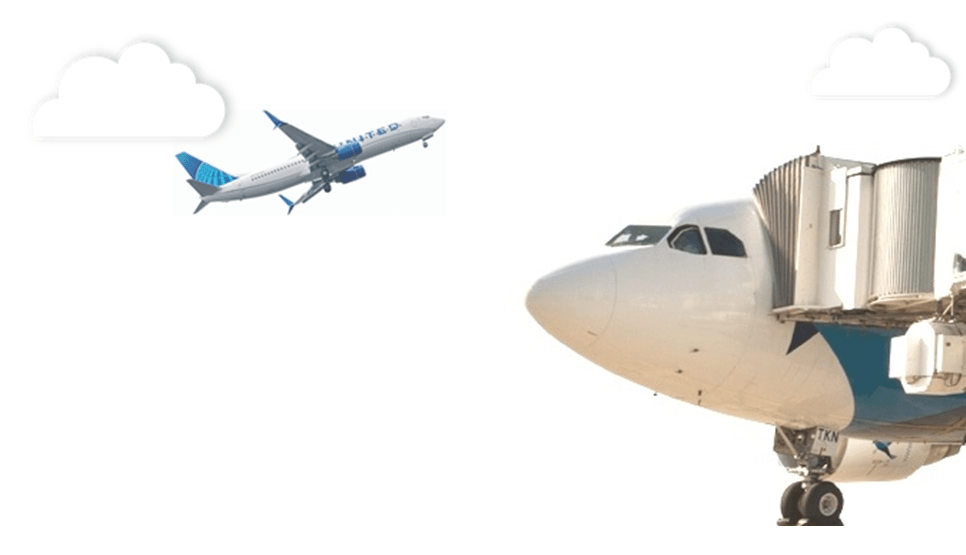
La aerolínea de presupuesto argentina Flybondi Línea Aéreas ha efectuado este 13/09 un vuelo especial a El Calafate, Provincia de Santa Cruz para transportar empleados mineros a la localidad, para trabajar en la mina de Cerro Vanguardia.
Por primera vez arriba una aeronave de la compañía low cost al Aeropuerto El Calafate, materializando la llegada dos años después de la fecha tentativa anunciada por sus autoridades en Junio 2018. Flybondi aterriza en esta aeroestación por medio de un vuelo charter especial para cubrir la demanda de trabajadores mineros de la compañía Cerro Vanguardia.
El Calafate es conocido mundialmente por su actividad turística muy demandada, pero a raíz de las prohibiciones de la actividad aerocomercial y turística, la comapañía aérea no ha podido inaugurar el destino como ruta regular.
Trayectoria de vuelo
El Boeing 737-800 despegó del Aeropuerto Internacional El Palomar realizando una escala en San Salvador de Jujuy, en el Norte de Argentina, para recoger a cincuenta empleados de la compañía minera. Sin embargo este embarque se frustró ya que a último momento se conoció que hubo algunos trabajadores que dieron Positivo a Covid-19 en el hisopado previo al viaje. El servicio aéreo siguió hasta Trelew, donde subieron otros trabajadores de la mina. La aeronave continuó la escala a Comodoro Rivadavia para finalmente arribar con destino final al Aeropuerto El Calafate/Comandante Armando Tola a las 15:45 hs, con 51 pasajeros a bordo. Los trabajadores mineros fueron trasladados hasta hoteles de esta localidad, donde permanecerán al menos 10 días aislados. Como indica el protocolo para el traslado de estos trabajadores de actividades esenciales, cada uno de los empleados será nuevamente hisopado antes de viajar a Cerro Vanguardia, cerca de San Julián.
Flybondi special flight to El Calafate
Flybondi makes special miners flight to El Calafate
The Argentine budget airline Flybondi Líneas Aéreas has made a special flight to El Calafate, Province of Santa Cruz on 09/13 to transport mining employees to the town, to work in the Cerro Vanguardia mine.
For the first time an aircraft of the low cost company arrives at El Calafate Airport, materializing the arrival two years after the tentative date announced by its authorities in June 2018. Flybondi lands at this airstation by means of a special charter flight to meet the demand of mining workers from the Cerro Vanguardia company.
El Calafate is known worldwide for its highly demanded tourist activity, but as a result of the bans on commercial and tourist activity, the airline company has not been able to inaugurate the destination as a regular route.
Flight trajectory
The Boeing 737-800 took off from El Palomar International Airport making a stopover in San Salvador de Jujuy, in the North of Argentina, to pick up fifty employees of the mining company. However, this shipment was frustrated since at the last moment it was known that there were some workers who gave Positive to Covid-19 in the pre-trip swab. The air service continued to Trelew, where other mine workers got on. The aircraft continued the stopover to Comodoro Rivadavia to finally arrive with its final destination at El Calafate/Comandante Armando Tola Airport at 3:45 pm, with 51 passengers on board. The mining workers were transferred to hotels in this town, where they will remain in isolation for at least 10 days. As indicated in the protocol for the transfer of these essential activities workers, each of the employees will be swabbed again before traveling to Cerro Vanguardia, near San Julián.
AW | 2020 09 13 16:33 | INDUSTRY / AVIATION SAFETY
Boeing defiende test de seguridad organismos aviación
Dos altos ejecutivos de The Boeing Company que supervisaron el desarrollo del Boeing 737 MAX defendieron las decisiones de la compañía sobre el Sistema de Control MCAS. Tras los ensayos de test de la Federal Aviation Administration (FAA) en Enero 2020, Boeing ha revertido el rumbo de la situación del conflictivo sistema de navegación, recomendaría entrenamiento con simulador para todos los pilotos antes de que el modelo de cuarta generación del 737 vuelva al servicio.
Comité Transporte
Michael Teal, entonces Ingeniero Jefe de Producto del 737 MAX, y Keith Leverkuhn, quien fue Vicepresidente y Gerente General del Programa 737 MAX, fueron interrogados en Mayo 2020 por separado por investigadores del Comité de Infraestructura y Transporte de la Cámara de Representantes de Estados Unidos. «No considero que el desarrollo del avión sea un fracaso», dijo Keith Leverkuhn a los investigadores del panel de la Cámara que publicará un informe final la semana que viene sobre su investigación sobre el desarrollo del avión, en tierra desde Marzo de 2019 después de dos accidentes aéreos. El entonces Gerente Programa 737 MAX defendió la decisión de vincular un nuevo sistema de seguridad mejorado del MCAS en la línea 737 MAX, a un solo sensor que ha estado implicado en ambos accidentes fatales. Desde entonces, Boeing acordó usar datos de dos sensores separados cuando el avión vuelva a estar en servicio, lo que podría ocurrir tan pronto como este año. «Creo que basándonos en nuestro entendimiento y nuestras suposiciones sobre las acciones de la tripulación de vuelo, no fue un error. Claramente, lo que estaba equivocado eran nuestras suposiciones con respecto a la interacción humano-máquina. Debido a que el proceso se basó en el estándar de la industria de reacción del piloto ante una falla en particular», expresó Keith Leverkuhn.
Los investigadores del Comité del Congreso también cuestionaron el testimonio de que Boeing nunca había realizado un análisis financiero interno para determinar el impacto de si la FAA requeriría una capacitación en simuladores más costosa. Michael Teal dijo que si el diseño del 737 MAX justificara el entrenamiento con simulador, Boeing lo habría creado, aunque reconoció que los clientes pueden haberse sentido decepcionados. Boeing había señalado desde el principio que no sería necesario entrenar en simuladores. En 2019, Boeing confirmó que había acordado pagar a Southwest Airlines un reembolso de US$ 1 millón por el Boeing 737 MAX si se requería la capacitación. En Enero 2020, Boeing cambió de rumbo y dijo que recomendaría entrenamiento en simulador para todos los pilotos antes de que el 737 MAX vuelva a funcionar.
Michael Teal, ahora Jefe del Programa 777X, dijo que el fabricante de aviones ha revisado algunas suposiciones de los pilotos después de los accidentes del 737 MAX. «Es un aprendizaje que estamos aportando ahora en el nuevo avión», dijo el ingeniero aeronáutico.
Boeing defends 737 MAX safety
Boeing defends aviation safety test
Two senior The Boeing Company executives who oversaw the development of the Boeing 737 MAX defended the company’s decisions on the MCAS Control System. Following Federal Aviation Administration (FAA) test trials in January 2020, Boeing has reversed the course of the troubled navigation system situation, recommending simulator training for all pilots before the fourth-generation 737 model returns. service.
Transportation Committee
Michael Teal, then 737 MAX Chief Product Engineer, and Keith Leverkuhn, who was Vice President and General Manager of the 737 MAX Program, were questioned separately in May 2020 by investigators from the United States House of Representatives Committee on Infrastructure and Transportation. «I do not consider the development of the aircraft to be a failure», Keith Leverkuhn told the House panel investigators who will release a final report next week on their investigation into the development of the aircraft, on the ground from March 2019 after two plane crashes. The then 737 MAX Program Manager defended the decision to link a new improved MCAS safety system on the 737 MAX line, to a single sensor that has been involved in both fatal accidents. Boeing has since agreed to use data from two separate sensors when the plane is back in service, which could happen as early as this year. «I think based on our understanding and our assumptions about the actions of the flight crew, it was not an error. Clearly, what was wrong were our assumptions regarding human-machine interaction. Because the process was based on the industry standard for pilot reaction to a particular failure», said Keith Leverkuhn.
Investigators from the Congressional Committee also questioned testimony that Boeing had never conducted an internal financial analysis to determine the impact of whether the FAA would require more expensive simulator training. Michael Teal said that if the 737 MAX’s design justified simulator training, Boeing would have created it, though he acknowledged that customers may have been disappointed. Boeing had signaled early on that simulator training would not be necessary. In 2019, Boeing confirmed that it had agreed to pay Southwest Airlines a US$ 1 million refund for the Boeing 737 MAX if the training was required. In January 2020, Boeing changed course and said it would recommend simulator training for all pilots before the 737 MAX is operational again.
Michael Teal, now Head of the 777X Program, said the aircraft manufacturer has revised some assumptions from pilots after the 737 MAX crashes. «It is a learning that we are contributing now in the new airplane», said the aeronautical engineer.
10º aniversario accidente aéreo V02350 ATR 42-300 de Conviasa
El 13 de Septiembre de 2010 una aeronave regional de la aerolínea Conviasa pierde el control y se estrella cerca de Puerto Ordaz, en Venezuela. Un ATR-42-300 matrícula YV1010 había realizado el vuelo V0-2350 de Porlamar a Puerto Ordaz (Venezuela) con 47 pasajeros y 4 tripulantes, impactó en tierra a unos 9 kilómetros (5nm) del Aeropuerto de Puerto Ordaz mientras intentaba un aterrizaje de emergencia. Los ATR-42-300 de Conviasa cuentan con 46 asientos para pasajeros. Murieron 17 personas, incluido el capitán, el primer oficial y un asistente de vuelo, 34 personas sobrevivieron con lesiones de diversos grados. La aerolínea reportó 43 pasajeros y 4 tripulantes a bordo de la aeronave. En la noche del 13 de Septiembre 2010 [hora venezolana] el Ministerio de Transporte actualizó su comunicado de que 47 pasajeros y 4 tripulantes se encontraban a bordo del vuelo de Porlamar a Puerto Ordaz (V0-2350), 15 personas fallecieron y 36 sobrevivieron. El 15 de Septiembre 2010 el Ministro dijo que dos pasajeros más sucumbieron a sus heridas. Varias personas podrían salir de la atención hospitalaria.
El Gobernador local del Estado Bolívar había comunicado el 15/09 en la tarde que la tripulación reportó problemas de control mientras se aproximaba llegando desde Porlamar y luego pérdida de control poco antes del impacto. No ha habido víctimas en tierra. 47 pasajeros y 4 tripulantes iban a bordo, en total 14 personas fallecieron, 33 personas sobrevivieron y fueron trasladadas a hospitales locales.
Testigos terrestres informaron que el avión intentó regresar al aeropuerto pero se enredó con una línea de alto voltaje antes de impactar contra el suelo. Aunque el avión cayó en una zona concurrida, no ha habido víctimas ni heridos en tierra.
Fuentes de aviación en Venezuela dijeron que el avión llegaba desde Porlamar en el vuelo V0-2350 y a unas 30 millas náuticas del aeropuerto cuando la tripulación informó problemas de control.
El 4 de Abril de 2020, después de que el sitio web venezolano para la investigación de accidentes volviera a estar en línea después de unos años, The Aviation Herald obtuvo el Informe Final con fecha del 31 de Diciembre de 2015.
REPORTE FINAL V0-2350
La JIAAC concluyó que la causa probable del accidente fue: El mal funcionamiento del sistema centralizado de alerta a la tripulación (CCAS/CAC) con activación errónea del sistema de alerta de pérdida.
Los factores contribuyentes fueron:
deficiencias en la gestión de los recursos de la cabina de pilotaje
pérdida de conocimiento de la situación
coordinación inadecuada durante los procesos de toma de decisiones ante una situación anormal en vuelo
ignorando el fallo del sistema de alerta de pérdida
manejo inadecuado de los controles de vuelo
La JIAAC informó que la tripulación ya había volado dos sectores en la aeronave accidentada ese día. La aeronave partió para el vuelo del accidente con 47 pasajeros y 4 tripulantes a bordo. Después de la salida de Porlamar, la aeronave ascendió a FL150, se desvió alrededor del clima en ruta y estaba 64.1nm antes de Puerto Ordaz cuando la tripulación alertó a Maiquetía Control de un problema de control y solicitó descender a FL110. El control de Maiquetía alertó vía telefónica a la Torre de Puerto Ordaz sobre la llegada de aviones de emergencia. Descendiendo por FL135, la tripulación informó sobre la frecuencia de la torre de Puerto Ordaz solicitando prioridad e indicando que tenían una falla en los controles. Tower informó que la pista 07 estaba activa y autorizó el vuelo para volar directamente a Puerto Ordaz. A 20nm de Puerto Ordaz la tripulación informó que descendían por FL060 en dirección directa a la Pista 07.
A 15nm de Puerto Ordaz, la tripulación llamó «¡Mayday! ¡Mayday! Mayday!» a unos 3000 pies, la torre transmitió por radio el acuse de recibo de la llamada de mayo, pero no recibió ninguna respuesta. La tripulación de otra aeronave, a la que se pidió ayuda desde la Torre, tampoco pudo establecer contacto.
Una aeronave que esperaba el despegue en tierra en Puerto Ordaz informó que el humo de la torre se elevaba en la trayectoria de aproximación de la Pista 07. La torre solicitó a la aeronave en vuelo, que había intentado establecer contacto, sobrevolar la escena, la tripulación confirmó que una aeronave se había estrellado en ese lugar y estaba en llamas. Tower activó inmediatamente la respuesta de emergencia del aeropuerto preparada para accidentes aéreos.
La JIAAC informó que 3 tripulantes y 14 pasajeros fallecieron en el accidente, un asistente de vuelo y 9 pasajeros recibieron heridas graves, 24 pasajeros sobrevivieron con heridas leves.
La aeronave rompió la cerca perimetral de la empresa siderúrgica SIDOR, dañó una línea eléctrica de 116kV, cinco contenedores metálicos vacíos para transportar carga, varios contenidos que contenían materiales de hierro y cajas de madera que contenían equipos, las cajas de madera también sufrieron daños por incendio.
El Comandante de 62 años, ATPL, total de horas y horas en tipo desconocido debido a que no se encontraron registros antes de 2006 fue asistido por un Primer Oficial de 38 años, CPL, 1038 horas en total, 483 horas en tipo.
La aeronave había sido construida en 1994 y se registró en Venezuela para Conviasa en noviembre de 2006.
El Informe Final también cita los datos meteorológicos de Ciudad Bolívar.
La JIAAC analizó en los minutos finales que la tripulación recibió una advertencia sonora de «sonido de grillo» (pérdida), así como la activación del agitador de palos. El Primer Oficial gritó «¡Espera! ¡Espera!» y empujó la columna de control hacia adelante, el Capitán tiró de la columna de control hacia atrás para evitar que la aeronave descendiera, que volaba a velocidad normal y en actitud normal. Las advertencias no deberían haberse activado ya que la aeronave no estaba cerca de ningún límite de la envolvente de vuelo. El Primer Oficial grita «¡Stick Shaker! ¡Stick Shaker! ¡Vamos, detén el stick, vamos!», El Capitán responde «está defectuoso». Posteriormente, el Primer Oficial notó que la luz ámbar de falla en el Agitador de Palos (Stick Pusher) se había activado y respondió «está bien, sigue, tira».
El JIAAC analizó la luz de falla del agitador de palos que indicó un mal funcionamiento de la computadora CAC. Los procedimientos requerirían presionar la luz de falla, lo que desactivará el agitador y el empujador. El Capitán le indica al Primer Oficial que presione esa luz, sin embargo, las advertencias continúan. Si el primer oficial presionó el botón, esto significa que la condición de falla aún estaba presente y era intermitente.
El CAC monitorea ambas paletas AoA y las compara. Si existe una diferencia de más de 4 grados entre ellos, se genera una condición de falla correspondiente. Si esa condición de falla no existe, se promedian los valores de ambas paletas AoA, si ese valor excede el ángulo crítico de ataque, se activa el vibrador de palanca.
Veinticuatro segundos después de que se activó el Vibrador de Palos, los controles de tono se desacoplaron y la advertencia correspondiente, los controles de tono izquierdo y derecho se desconectaron, sonaron, cada piloto ahora estaba controlando el elevador de su lado (Capitán el elevador izquierdo, Primer Oficial el elevador derecho). La investigación asume que los controles se desconectaron porque ambos pilotos proporcionaron diferentes entradas en el campo.
Esto requeriría que los dos pilotos se coordinen para que los ascensores se muevan en sincronía. Sin embargo, la situación se complicó por el hecho de que los pilotos estaban luchando entre sí proporcionando fuerzas de control contrarrestadas. El capitán aplicó esfuerzos y fuerza significativos para mantener el vuelo nivelado.
La inspección posterior al impacto reveló que el empujador del palo en el lado izquierdo estaba en posición de morro hacia abajo. Varias simulaciones en el fabricante de la aeronave revelaron que debido a la fuerza aplicada sobre el elevador era imposible mantener el vuelo nivelado con el empujador de palanca activado.
No hay Metars y no hay datos meteorológicos locales disponibles, Metars disponibles para Ciudad Bolívar [SVCB] 50nm oeste suroeste de Puerto Ordaz [SVPR]: SVCB 131600Z 00000KT 9999 BKN025 27/24 Q1011 SVCB 131400Z 30007KT 9999 BKN015 27/23 Q1013 SVCB 131300Z 27/24 Q1012 SVCB 131200Z 00000KT 9999 BKN015 26/25 Q1010 SVCB 131100Z 00000KT 9999 BKN015 26/25 Q1010
Mantenimiento aeronave
El avión ATR 42-300 con matrícula YV1010 había tenido un mantenimiento tipo C el 19 de Abril de 2010, en las instalaciones de la empresa Air Repair Technologies de Estados Unidos. La compañía contratada por Conviasa no tenía la certificación aeronáutica del Instituto Nacional de Aeronáutica Civil (INAC) en ese momento.
A 10 años del accidente del vuelo V0-2350 de Conviasa, un cúmulo de omisiones condujeron al fatal desenlace de la aeronave ATR 42-300.
Falta de rigurosidad
El especialista explicó que el Sistema Centralizado de Alerta de la Tripulación, que se activó de forma errónea, mide los parámetros como altitud y velocidad de la aeronave y advierte irregularidades al piloto. Dicho sistema arrojó que la velocidad del ATR 42-300 estaba por debajo de la recomendada, activando el sistema Stick Pusher. Este mecanismo de defensa empujó la parte delantera de la aeronave hacia abajo, para en caso de pérdida de suspensión, caer de forma controlada y en el descenso adquirir suficiente velocidad para recobrar el control de vuelo. Según el informe, las evidencias de la grabación de voces de cabina indican que se presentó la luz ámbar con la leyenda fault, que fue apagada por el Copiloto. Pero el sistema se volvía a activar. Al descender, el sistema de advertencia de pérdida debía cancelar el encendido de alarma, luces y vibración, pero este procesamiento tampoco ocurrió y el sistema quedó de forma constante con las alertas activadas.
Ramiro Cadena era Comandante desde 1980, cuando empezó a volar con la extinta aerolínea Viasa. Había volado en Indonesia; sin embargo, no fue hasta 2008 que realizó su primera prueba como piloto de un ATR-42/72.
El Informe Final indica que el Comandante presentó fallas en sus capacidades cognitivas y habilidades psicomotoras en esa primera prueba. “Su progreso era lento, mostraba desorganización, mostrando deficiencias de conocimiento teórico y dominio de la aeronave”, resalta el escrito. Al año siguiente, en una segunda oportunidad fue que logró completar la certificación como piloto de un ART-42/72.
El análisis psicológico realizado después de su muerte a partir de expedientes de la tripulación, análisis de la transcripción y del audio del grabador de voces de cabina definió que tuvo un pobre desempeño operacional, a pesar de tener suficiente experiencia, con 1.200 horas como capitán de nave en el sistema ATR. “Se deduce una gestión de la cabina de mando, que propina momentos de anarquía y autocráticos, que encubren su vulnerabilidad en el dominio de las habilidades y destrezas necesarias para el puesto que desempeñaba al momento del accidente”, indica el documento.
El Copiloto fue calificado con un desempeño insuficiente en la cabina, por manejo operacional errático y aspectos aptitudinales, además de la poca retroalimentación con el capitán de la aeronave. “En general aplicación inadecuada de los recursos de la cabina; pues su comportamiento fue sumiso y obediente, con pobre comunicación asertiva lo que limitaba la sinergia esperada”, refleja el documento.
Responsabilidad INAC
Las responsabilidades tras el accidente del vuelo V0-2350 alcanzan al Estado venezolano. En la aerolínea Conviasa hubo un mal clima organizacional, complacencia en los procedimientos de entrenamientos de la tripulación, poco seguimiento de mantenimiento de la aeronave y erróneas decisiones de la tripulación. Sumado a estos factores, el Instituto Nacional de Aviación Civil (INAC) contribuyó en los hechos que generaron el accidente al no velar por las regulaciones que tienen establecidas, entre ellas que una empresa que no está certificada para mantenimientos a una aeronave, efectúe dicha tarea. Cuando la autoridad aeronáutica genera este tipo de aval y autorización por parte de la agencia gubernamental a una la aerolínea del Estado, el INAC ha contribuido a la complacencia y al factor en la cadena de errores en un accidente aéreo.
10th ATR42 Conviasa accident
10th anniversary of the Conviasa plane crash V02350 ATR 42-300
On September 13, 2010, a regional aircraft of the Conviasa airline loses control and crashes near Puerto Ordaz, in Venezuela. An ATR-42-300 registration YV1010 had made flight V0-2350 from Porlamar to Puerto Ordaz (Venezuela) with 47 passengers and 4 crew members, it hit the ground about 9 kilometers (5nm) from Puerto Ordaz Airport while attempting a landing of emergency. Conviasa’s ATR-42-300s have 46 passenger seats. 17 people were killed, including the captain, the first officer and a flight attendant, 34 people survived with injuries of varying degrees. The airline reported 43 passengers and 4 crew on board the aircraft. On the night of September 13, 2010 [Venezuelan time] the Ministry of Transportation updated its statement that 47 passengers and 4 crew members were on board the flight from Porlamar to Puerto Ordaz (V0-2350), 15 people died and 36 survived. On September 15, 2010 the Minister said that two more passengers succumbed to their injuries. Multiple people could be released from hospital care.
The local Governor of Bolívar State had communicated on 09/15 in the afternoon that the crew reported control problems while approaching arriving from Porlamar and then loss of control shortly before the impact. There have been no casualties on the ground. 47 passengers and 4 crew members were on board, a total of 14 people died, 33 people survived and were transferred to local hospitals.
Ground witnesses reported that the plane tried to return to the airport but became entangled with a high-voltage line before hitting the ground. Although the plane fell in a crowded area, there have been no casualties or injuries on the ground.
Aviation sources in Venezuela said the plane was arriving from Porlamar on flight V0-2350 and about 30 nautical miles from the airport when the crew reported control problems.
On April 4, 2020, after the Venezuelan website for accident investigation came back online after a few years, The Aviation Herald obtained the Final Report dated December 31, 2015.
FINAL REPORT V0-2350
The JIAAC concluded that the probable cause of the accident was: The malfunction of the centralized crew alert system (CCAS/CAC) with erroneous activation of the stall alert system.
The contributing factors were:
shortcomings in the management of cockpit resources
loss of awareness of the situation
inadequate coordination during decision-making processes in the face of an abnormal situation in flight
ignoring the failure of the stall alert system
improper handling of flight controls
The JIAAC reported that the crew had already flown two sectors on the crashed aircraft that day. The aircraft departed for the accident flight with 47 passengers and 4 crew on board. After departure from Porlamar, the aircraft climbed to FL150, veered around the en-route weather and was 64.1nm before Puerto Ordaz when the crew alerted Maiquetia Control of a control problem and requested to descend to FL110. The Maiquetía control alerted the Puerto Ordaz tower by telephone about the arrival of emergency planes. Descending by FL135, the crew reported on the frequency of the Purto Ordaz tower requesting priority and indicating that they had a failure in the controls. Tower reported that runway 07 was active and authorized the flight to fly directly to Puerto Ordaz. At 20nm from Puerto Ordaz, the crew reported that they were descending on FL060 in a direct direction to runway 07.
At 15nm from Puerto Ordaz, the crew called «Mayday! Mayday! Mayday!» At about 3,000 feet, the Tower radioed the acknowledgment of May’s call, but received no response. The crew of another aircraft, called for help from the tower, were also unable to establish contact.
An aircraft awaiting takeoff on the ground in Puerto Ordaz reported that smoke from the tower was rising on the approach path of runway 07. The tower requested the aircraft in flight, which had tried to establish contact, to fly over the scene, the crew confirmed that an aircraft had crashed at that location and was on fire. Tower immediately activated the airport’s emergency response prepared for air accidents.
The JIAAC reported that 3 crew members and 14 passengers died in the accident, a flight attendant and 9 passengers received serious injuries, 24 passengers survived with minor injuries.
The aircraft broke the perimeter fence of the SIDOR steel company, damaged a 116kV power line, five empty metal containers for transporting cargo, various contents containing iron materials and wooden boxes containing equipment, the wooden boxes were also damaged by fire.
The 62 year old Commander, ATPL, total hours and hours in type unknown due to no records found before 2006 was assisted by a 38 year old First Officer, CPL, 1038 hours in total, 483 hours in type.
The aircraft had been built in 1994 and was registered in Venezuela for Conviasa in November 2006.
The Final Report also cites the meteorological data for Ciudad Bolívar.
The JIAAC analyzed in the final minutes that the crew received an audible warning of «cricket sound» (stall), as well as the activation of the stick stirrer. The first mate yelled «Wait! Wait!» and pushed the control column forward, the captain pulled the control column back to prevent the aircraft from descending, which was flying at normal speed and in normal attitude. The warnings should not have been activated as the aircraft was not close to any flight envelope boundary. The first mate yells «Stick Shaker! Stick Shaker! Come on, stop the stick, come on!», The captain responds «it’s faulty». Subsequently, the first officer noticed that the amber malfunction light on the stick stirrer had activated and responded «okay, go ahead, pull».
The JIAAC analyzed the stick stirrer fault light which indicated a malfunction of the CAC computer. The procedures would require pressing the fault light, which will deactivate the agitator and pusher. The Captain instructs the first officer to press that light, however the warnings continue. If the first officer pressed the button, this means that the trouble condition was still present and intermittent.
The CAC monitors both AoA pallets and compares them. If there is a difference of more than 4 degrees between them, a corresponding fault condition is generated. If that fault condition does not exist, the values of both vanes AoA are averaged, if that value exceeds the critical angle of attack, the lever vibrator is activated.
Twenty-four seconds after the stick vibrator was activated, the tone controls disengaged and the corresponding warning, the left and right tone controls disconnected, rang, each pilot was now controlling the elevator on their side (Captain the left elevator, first officer the right elevator). The investigation assumes that the controls were disconnected because both pilots provided different inputs into the field.
This would require the two pilots to coordinate so that the elevators move in sync. However, the situation was complicated by the fact that the pilots were fighting each other by providing counter control forces. The captain applied significant effort and force to keep the flight level.
Post-impact inspection revealed that the stick pusher on the left side was in a nose-down position. Several simulations at the aircraft manufacturer revealed that due to the force applied on the elevator it was impossible to maintain level flight with the lever pusher activated.
There are no Metars and no local meteorological data available, Metars available for Ciudad Bolívar [SVCB] 50nm west southwest of Puerto Ordaz [SVPR]: SVCB 131600Z 00000KT 9999 BKN025 27/24 Q1011 SVCB 131400Z 30007KT 9999 BKN015 27/23 Q1013 SVCB 131300Z 27/24 Q1012 SVCB 131200Z 00000KT 9999 BKN015 26/25 Q1010 SVCB 131100Z 00000KT 9999 BKN015 26/25 Q1010
Aircraft maintenance
The ATR 42-300 aircraft with registration YV1010 had had a type C maintenance on April 19, 2010, at the facilities of the United States Air Repair Technologies company. The company contracted by Conviasa did not have the aeronautical certification of the National Institute of Civil Aeronautics (INAC) at that time.
Ten years after the accident of Conviasa flight V0-2350, a series of omissions led to the fatal outcome of the ATR 42-300 aircraft.
Lack of rigor
The specialist explained that the Centralized Crew Alert System, which was activated incorrectly, measures parameters such as altitude and speed of the aircraft and warns the pilot of irregularities. This system showed that the speed of the ATR 42-300 was below the recommended speed, activating the Stick Pusher system. This defense mechanism pushed the front part of the aircraft downwards, in case of loss of suspension, it fell in a controlled manner and on the descent acquired enough speed to regain flight control. According to the report, the evidence from the cockpit voice recording indicates that the amber light with the legend fault appeared, which was turned off by the copilot. But the system was reactivated. When descending, the stall warning system was supposed to cancel the activation of the alarm, lights and vibration, but this processing also did not occur and the system was left constantly with the alerts activated.
Ramiro Cadena was Commander since 1980, when he began flying with the defunct airline Viasa. He had flown in Indonesia; however, it was not until 2008 that he made his first pilot test of an ATR-42/72.
The Final Report indicates that the Commander presented failures in his cognitive abilities and psychomotor abilities in that first test. «His progress was slow, he showed disorganization, showing deficiencies in theoretical knowledge and mastery of the aircraft», highlights the letter. The following year, a second time was that he managed to complete the certification as a pilot of an ART-42/72.
The psychological analysis carried out after his death from crew files, analysis of the transcript and the audio of the cockpit voice recorder defined that he had a poor operational performance, despite having sufficient experience, with 1,200 hours as captain of ship in the ATR system. «It is deduced a management of the cockpit, which provides moments of anarchy and autocratic, which conceal their vulnerability in the domain of the skills and abilities necessary for the position they held at the time of the accident,» the document indicates.
The copilot was rated with insufficient performance in the cockpit, due to erratic operational handling and aptitude aspects, in addition to the little feedback with the aircraft captain. “In general, inadequate application of the cabin resources; because their behavior was submissive and obedient, with poor assertive communication, which limited the expected synergy”, the document reflects.
INAC responsibility
The responsibilities after the accident of flight V0-2350 reach the Venezuelan State. At Conviasa airline there was a bad organizational climate, complacency in the crew training procedures, little follow-up on aircraft maintenance, and wrong decisions by the crew. In addition to these factors, the National Civil Aviation Institute (INAC) contributed to the events that generated the accident by not ensuring the regulations they have established, including that a company that is not certified for maintenance of an aircraft, carry out this task. When the aeronautical authority generates this type of endorsement and authorization by the government agency to a State airline, the INAC has contributed to complacency and to factor in the chain of errors in an air accident.
MRO Mexicana de Aviación continúa su proceso de venta
El proceso de venta del Centro de Mantenimiento MRO Mexicana de Aviación ha visto interrumpido el proceso de venta debido a la pandemia de Coronavirus. El retraso de su puesta en venta proyectada para este 2020 continuará hacia adelante. El Presidente del Consejo de Administración del MRO, Rafael Gutiérrez Barajas, ha comunicado que antes de la crisis sanitaria se había encontrado el equilibrio financiero del negocio por lo que el proceso de comercialización de venta estaba a punto de realizarse para conseguir recursos para la liquidación de los ex-empleados de Mexicana de Aviación. “Si no hubiera ocurrido esto de la pandemia, ahorita estaríamos prácticamente un poco arriba del punto de equilibrio, ya casi para venderlo, muy cerca de ello”, indicó el directivo.
Gutiérrez Barajas comentó que a causa de la pandemia la actividad en la aviación cayó más de 80 por ciento, por lo que el negocio del MRO igualmente sufrió una caída. Te recomendamos: Una década sin Mexicana de Aviación En los últimos meses se ha dado una recuperación lenta en el sector, con lo cual se podrá retomar la venta del MRO; sin embargo, se desconoce cuándo se podrá concertar la venta de la unidad de negocios de mantenimiento de aeronaves. “Muchas de las empresas nacionales y extranjeras interesadas en comprar el centro de mantenimiento de Mexicana han continuado la comunicación y nos han dicho que sigue comprometido con adquirir este negocio”, afirmó Rafael Gutiérrez Barajas.
Explicó que debido a que han firmado contratos de confidencialidad no pueden revelar el nombre de las compañías que desean adquirir el MRO, pero ellas continúan atentas a seguir con el proceso. “Somos uno de los centros de mantenimiento más importantes de América Latina, por la infraestructura que tenemos y por contar con las certificaciones más importantes, que son de la Administración Federal de Aviación de Estados Unidos, de la Agencia de la Unión Europea para la Seguridad Aérea y se tiene en proceso de aprobación el permiso de la autoridad canadiense”, afirmó. El Presidente del Consejo de Administración del MRO señaló que, debido a estas cualidades, antes de la pandemia tenían como clientes a más de quince aerolíneas, entre las que se encontraban Latam Airlines, Volaris, Interjet, Viva Aerobus, la carguera Atlas y la compañía Israel Aerospace Industries.
Señaló que como parte de los cambios que se han ido realizando para dejar en un punto de equilibrio al centro de mantenimiento, es una reestructura que se inició desde noviembre pasado, donde se han implementado políticas que no existían con proveedores y nuevos controles internos. Rafael Gutiérrez Barajas comentó que esperan que la recuperación de la industria continúe para retomar la venta del MRO y poder beneficiar a los ex empleados de Mexicana de Aviación.
Mexican MRO sale postponed
MRO Mexicana de Aviación continues its sales process
The sale process of the MRO Mexicana de Aviación Maintenance Center has seen the sale process interrupted due to the Coronavirus pandemic. The delay of its projected sale for this 2020 will continue forward. The President of the Board of Directors of the MRO, Rafael Gutiérrez Barajas, has communicated that before the health crisis the financial balance of the business had been found, so the sale commercialization process was about to be carried out to obtain resources for the liquidation of former employees of Mexicana de Aviación. «If this pandemic had not happened, right now we would be practically a little above the equilibrium point, almost to sell it, very close to it», said the manager.
Gutiérrez Barajas commented that due to the pandemic, activity in aviation fell more than 80 percent, so the MRO business also suffered a drop. We recommend: A decade without Mexicana de Aviación In recent months there has been a slow recovery in the sector, with which the sale of the MRO may be resumed; however, it is unknown when the sale of the aircraft maintenance business can be arranged. «Many of the national and foreign companies interested in buying the Mexicana maintenance center have continued to communicate and have told us that they remain committed to acquiring this business», said Rafael Gutiérrez Barajas.
He explained that because they have signed confidentiality contracts they cannot reveal the names of the companies that want to acquire the MRO, but they continue to be careful to continue with the process. «We are one of the most important maintenance centers in Latin America, because of the infrastructure we have and because we have the most important certifications, which are from the Federal Aviation Administration of the United States, the European Union Agency for Safety Air and the permit from the Canadian authority is in the approval process”, he said. The president of the board of directors of the MRO pointed out that, due to these qualities, before the pandemic they had as clients more than fifteen airlines, among which were Latam Airlines, Volaris, Interjet, Viva Aerobus, the Atlas freighter and the company Israel Aerospace Industries.
He noted that as part of the changes that have been made to bring the maintenance center to a balance, it is a restructuring that began last November, where policies that did not exist with suppliers and new internal controls have been implemented. Rafael Gutiérrez Barajas commented that they hope that the recovery of the industry will continue to resume the sale of the MRO and be able to benefit the former employees of Mexicana de Aviación.
AW | 2020 09 13 09:57 | GOVERNMENT / AIRLINES MARKET
Venezuela pospone reapertura aviación comercial
La República de Venezuela ha anunciado la extensión de la prohibición de vuelos comerciales por la pandemia de Coronavirus durante 30 días más, hasta el 12 Octubre 2020, manteniendo por sexto mes consecutivo restricciones que comenzaron a aplicarse en Marzo 2020, informó este Sábado 12/09 la Instituto Nacional de Aeronáutica Civil (INAC) de Venezuela.
La medida preventiva se extiende hacia el 12 Octubre 2020 enmarcada en el decreto del Poder Ejecutivo por la expansión en el incremento de los contagios en el país. El INAC anunció «la extensión de la restricción de operaciones aéreas en el territorio nacional por 30 días a partir del 12 de Septiembre hasta el próximo 12 de Octubre. Quedan exentas las operaciones en estado de emergencia, vuelos de carga y correo, aterrizajes técnicos, vuelos humanitarios, repatriación o vuelos autorizados por las Naciones Unidas y sobrevuelos de carga y comerciales. Como medida preventiva ante el virus, los pasajeros de las operaciones antes mencionadas deberán cumplir con la cuarentena (…) bajo estricta supervisión del Estado, así como con las evaluaciones médicas correspondientes», informó el INAC.
Venezuela, con 30 millones de habitantes, acumula 58.663 contagios y 468 muertes por el Coronavirus, según cifras oficiales, cuestionadas por la oposición y organizaciones como Human Rights Watch por considerarlas poco creíbles.
Venezuela delays restart of operations
Venezuela postpones commercial aviation reopening
The Republic of Venezuela has announced the extension of the ban on commercial flights due to the Coronavirus pandemic for 30 more days, until October 12, 2020, maintaining for the sixth consecutive month restrictions that began to be applied in March 2020, reported this Saturday 09/12 the National Institute of Civil Aeronautics (INAC) of Venezuela.
The preventive measure extends to October 12, 2020 framed in the decree of the Executive Power for the expansion in the increase of infections in the country. The INAC announced «the extension of the restriction of air operations in the national territory for 30 days from September 12 to October 12. Operations in a state of emergency, cargo and mail flights, technical landings, are exempt. humanitarian flights, repatriation or flights authorized by the United Nations and cargo and commercial overflights. As a preventive measure against the virus, the passengers of the aforementioned operations must comply with the quarantine (…) under strict supervision of the State, as well as with the corresponding medical evaluations», informed the INAC.
Venezuela, with 30 million inhabitants, accumulates 58,663 infections and 468 deaths from the Coronavirus, according to official figures, questioned by the opposition and organizations such as Human Rights Watch as not very credible.
Airbus alcanza entrega 10.000 aeronaves familia A320
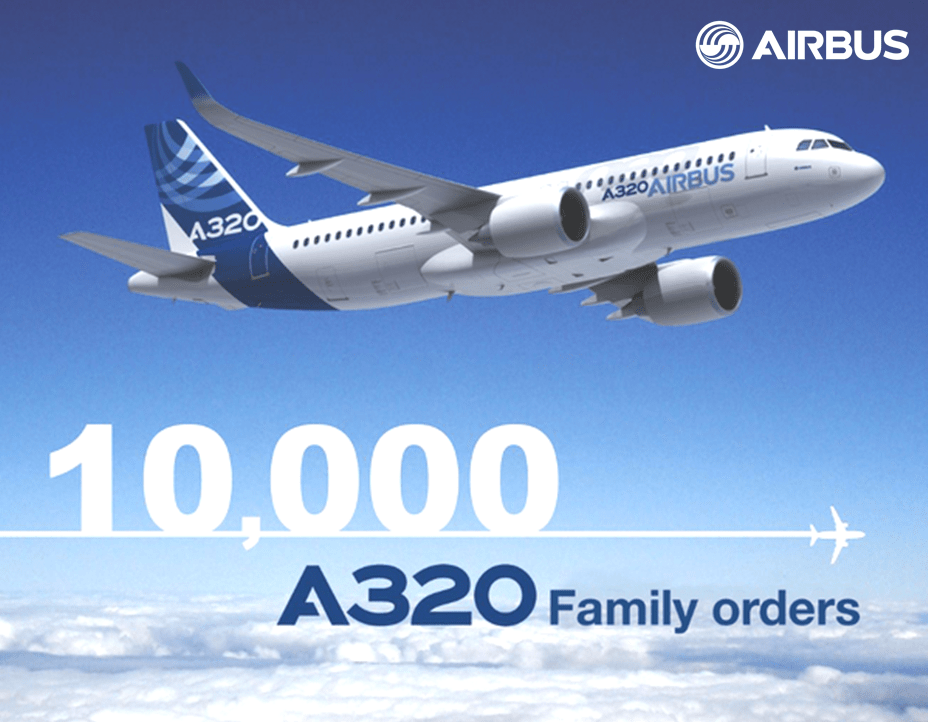
Airbus Group SE ha celebrado el primer vuelo del avión de la familia A320 número de serie 10.000, marcando un hito en la aviación del consorcio europeo. La unidad corresponde a un A321NEO perteneciente para la aerolínea de la República del Líbano, Middle East Airlines (MEA) efectuando su primer vuelo el Viernes 11/09 en Hamburgo, Alemania y será entregado próximamente a la aerolínea asiática.
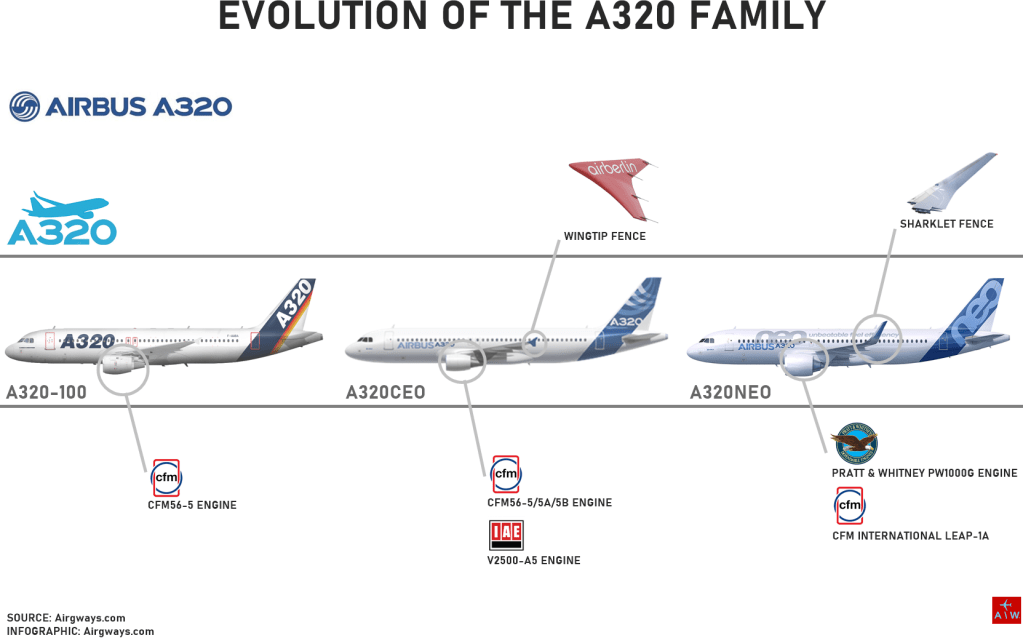
La familia Airbus A320 son aviones de pasajeros de fuselaje estrecho diseñados y producidos por Airbus. El A320 se lanzó en Marzo de 1984, voló por primera vez el 22 de Febrero de 1987 y fue presentado en Abril de 1988 por Air France. Al primer miembro de la familia le siguió el A321 más largo (entregado por primera vez en Enero de 1994), el A319 más corto (Abril 1996) y el A318 aún más corto (Julio 2003). El montaje final tiene lugar en Toulouse, Francia; Hamburgo en Alemania; Tianjin en China desde 2009; y en Mobile, Alabama en los Estados Unidos desde Abril de 2016.
Airbus ha celebrado en un bajo perfil en sus redes sociales el primer vuelo del jet número de serie 10.000 de la familia A320, que comprenden la gama de aeronaves A318/A319/A320/A321. El hito marca el éxito relativamente reciente de la familia A320 respecto a la línea de producción de la familia Boeing 737, modelo de ha tardado 50 años en entregar el 737 número 10.000 en 2018. Hasta Agosto 2020, el constructor europeo había acumulado 9.486 aviones entregados de la familia A320, lo que indica que hay alrededor de 500 unidades listas para entregar hoy, pero que han sido aplazadas por sus clientes debido a la caída de la demanda de tráfico aéreo de pasajeros. La variante A319CEO se ha entregado unos 1.480 unidades, el A320CEO 4.751 unidades, A321CEO con 1.759 aviones entregados hasta el 08/2020. La nueva variente A319NEO/A320NEO/A321NEO ya han acumulado entregas por 84, 1.044 y 370 aviones respectivamente. El integrante más pequeño de la nueva versión, el A318NEO no ha incorporado pedidos de clientes hasta la fecha.
Perspectivas A320 Family
Las perspectivas para la familia A320 son muy alentadoras, a pesar del presente panorama afectado por la crisis mundial sanitaria. Los pedidos de la familia A320 han estado aumentando en estos últimos años con perspectivas de continuar creciendo. Airbus tiene actualmente más de 6.000 pedidos para las aerolíneas de todo el mundo por entregar, sin dudas ha marcado un éxito en ventas, augurando para la próxima década una variente mejorada o un diseño de hoja nueva totalmente diferente para continuar innovando el mercado más taquillero de la aviación comercial que corresponde al los narrowbodies. Allá estará presente Airbus compitiendo una gran porción de cielo a la conflictiva generación del 737 MAX.
Airbus celebrates delivery 10,000 A320’s
Airbus reaches delivery of 10,000 A320 family aircraft
Airbus Group SE has celebrated the first flight of the A320 family aircraft serial number 10,000, marking a milestone in the aviation of the European consortium. The unit corresponds to an A321NEO belonging to the airline of the Republic of Lebanon, Middle East Airlines (MEA) making its first flight on Friday 09/11 in Hamburg, Germany and will be delivered soon to the Asian airline.
The Airbus A320 family are narrow-body passenger aircraft designed and produced by Airbus. The A320 was launched in March 1984, flew for the first time on February 22, 1987 and was unveiled in April 1988 by Air France. The first member of the family was followed by the longer A321 (first delivered January 1994), the shorter A319 (April 1996), and the even shorter A318 (July 2003). The final assembly takes place in Toulouse, France; Hamburg in Germany; Tianjin in China since 2009; and in Mobile, Alabama in the United States since April 2016.
Airbus has celebrated in a low profile on its social networks the first flight of the jet serial number 10,000 of the A320 family, which includes the range of aircraft A318/A319/A320/A321. The milestone marks the relatively recent success of the A320 family over the Boeing 737 family production line, a model that took 50 years to deliver the 10,000th 737 in 2018. As of August 2020, the European manufacturer had accumulated 9,486 aircraft delivered of the A320 family, indicating that there are around 500 units ready for delivery today, but have been postponed by their customers due to falling demand for passenger air traffic. The variant A319CEO has been delivered about 1,480 units, the A320CEO 4,751 units, A321CEO with 1,759 aircraft delivered until 08/2020. The new variant A319NEO/A320NEO/A321NEO has already accumulated deliveries of 84, 1,044, and 370 aircraft respectively. The smallest member of the new version, the A318NEO has not incorporated customer orders to date.
Perspective A320 Family
The outlook for the A320 Family is very encouraging, despite the current outlook affected by the global health crisis. Orders for the A320 Family have been increasing in recent years with prospects for further growth. Airbus currently has more than 6,000 orders for airlines around the world to deliver, it has undoubtedly marked a success in sales, heralding for the next decade an improved variant or a totally different new blade design to continue innovating the highest grossing market of commercial aviation corresponding to narrowbodies. There, Airbus will be present, competing a large portion of the sky with the conflictive generation of the 737 MAX.
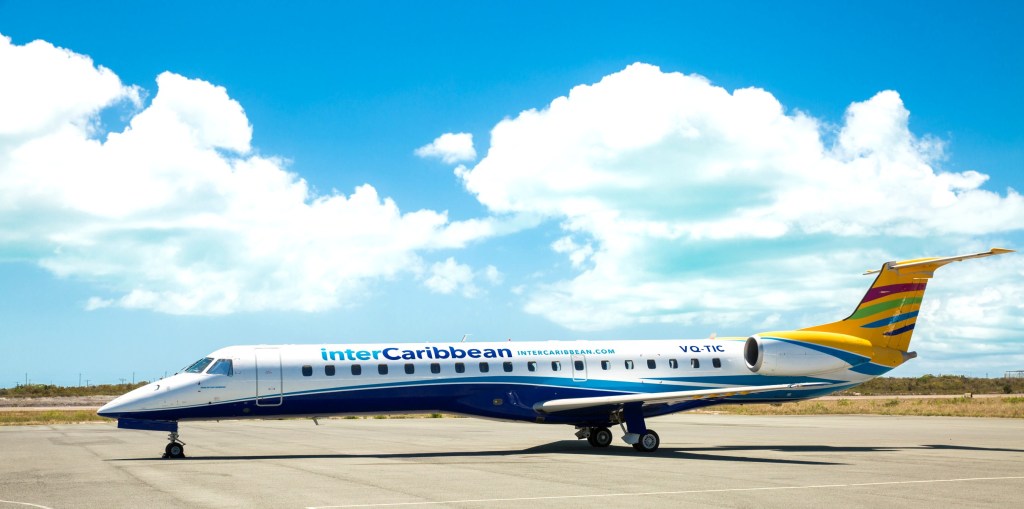
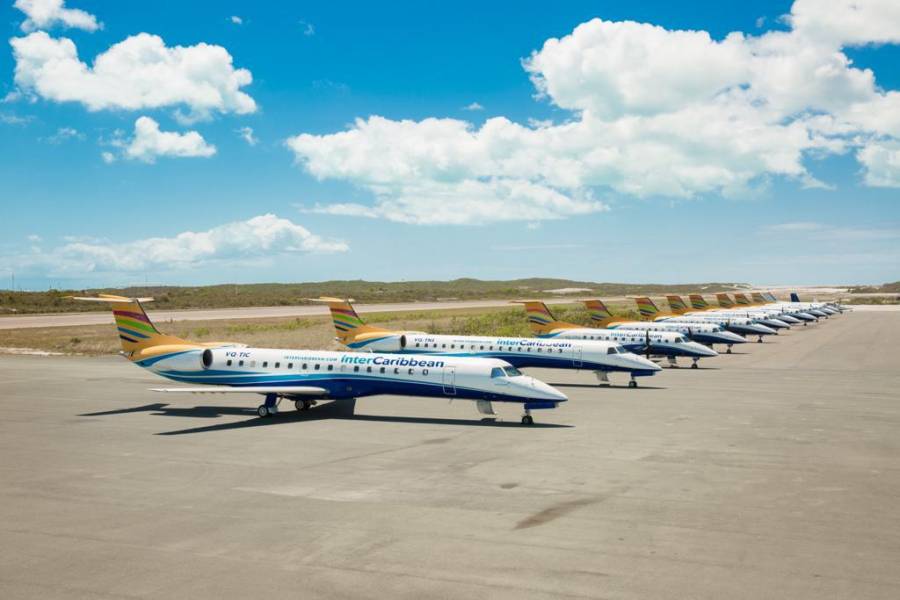
La aerolínea con base en las Islas Turcas y Caicos, InterCaribbean AirwaysLtd., ha obtenido las aprobaciones gubernamentales de Barbados para llenar el mercado dejado por LIAT Airlines. La aerolínea regional del Caribe proyecta que este país se convertirá en una importante plataforma para las operaciones de las aerolíneas en el Caribe.
En un enlace virtual con funcionarios de turismo en The Abidah By Accra Hotel el 11/09 el fundador y Presidente de InterCaribbean Airways, Lyndon Gardiner, dijo a los planificadores de turismo y profesionales de viajes que su objetivo era continuar haciendo crecer a Barbados como el centro regional. Gilles Bussutil, Estratega Regional de Servicio al Cliente de la aerolínea, ha expresado la intención era aprovechar al máximo las instalaciones para pasajeros disponibles en el Aeropuerto Internacional Grantley Adams. «Con la asociación con otras aerolíneas, queremos asegurarnos de que Barbados se convierta en el centro de viajes hacia el destino de los clientes en todo el mundo, ya sea que vengan a Barbados o salgan de Barbados», expresó Grantley Adams. Además, ha comunicado que estaban trabajando en la idea de un centro de viajes con el Ministerio de Turismo, a cargo de la Senadora Lisa Cummins y otras aerolíneas asociadas para convertir a Barbados en el centro del Caribe en lo que respecta al transporte.
InterCaribbbean Airways lanzó su servicio de Barbados el 4 de Agosto 2020, ofreciendo viajes directos a Dominica, Santa Lucía y Granada. Hay planes para expandir las operaciones en la región en breve. La línea aérea proyectará un mejoramiento de los planes en los tiempos de respuesta para los viajes, que durante mucho tiempo ha sido una fuente de insatisfacción para los viajeros caribeños, así como la provisión de mejores comodidades y servicios a bordo de aviones.
InterCaribbean expands demand
InterCaribbean Airways plans service expansion
The Turks and Caicos Islands-based airline, InterCaribbean Airways Ltd., has obtained Barbados government approvals to fill the market left by LIAT Airlines. The Caribbean regional airline projects that this country will become an important platform for airline operations in the Caribbean.
In a virtual link with tourism officials at The Abidah By Accra Hotel on 9/11 InterCaribbean Airways Founder and President Lyndon Gardiner told tourism planners and travel professionals that his goal was to continue to grow Barbados as the regional center. Gilles Bussutil, the airline’s Regional Customer Service Strategist, has expressed the intention was to take full advantage of the passenger facilities available at Grantley Adams International Airport. «By partnering with other airlines, we want to ensure that Barbados becomes the hub of destination travel for customers around the world, whether they are coming to Barbados or leaving Barbados», said Grantley Adams. In addition, it has communicated that they were working on the idea of a travel center with the Ministry of Tourism, run by Senator Lisa Cummins and other partner airlines to make Barbados the center of the Caribbean in regards to transportation.
InterCaribbbean Airways launched its Barbados service on August 4, 2020, offering direct flights to Dominica, Saint Lucia and Grenada. There are plans to expand operations in the region shortly. The airline will project improved response time plans for travel, which has long been a source of dissatisfaction for Caribbean travelers, as well as the provision of better amenities and services on board aircraft.
EE.UU. propone eliminar requisitos mínimos slots hasta Marzo 2021
La Administración Federal de Aviación (FAA) ha comunicado el Viernes 11/09 que favorece la prolongación de las exenciones temporales de los requisitos mínimos de vuelo en algunos aeropuertos de Estados Unidos hasta fines de Marzo de 2021 debido a la pandemia del Coronavirus.
Las reglas en las aerolíneas para conservar sus slots (franjas horarias) en aeropuertos representan una utilidad superior el 80%. En las aeroestaciones congestionadas el uso de estos slots representan actualmente menos que lo estipulado, por lo que la FAA ha dispuesto extender las exenciones temporales de los requisitos en los Aeropuertos New York/JFK y New York/LaGuardia y en el Aeropuerto Washington/Nacional Ronald Reagan, que expirarían en Octubre 2020.
En otros cuatro aeropuertos de Estados Unidos donde la FAA tiene un proceso formal de revisión de horarios, Chicago/O’Hare, New York/Newark, Los Ángeles/LAX y San Francisco/SFO, la agencia propone extender créditos a las aerolíneas por vuelos que fueron cancelados debido al Coronavirus como si esos vuelos fueran operados. La FAA dijo que planeaba imponer algunas condiciones a las exenciones y que las franjas horarias que no se operan durante períodos prolongados deberían ponerse a disposición de otras aerolíneas de forma temporal.
Aerolíneas
American Airlines, Delta Air Lines, Inc JetBlue Airways y United Airlines instaron la semana pasada a la FAA a extender el alivio. Spirit Airlines se opuso a la extensión de las exenciones, argumentando que «la política pública debe estar dirigida a permitir que el mercado libre reasigne el uso de estos slots/autorizaciones, un recurso público, de modo que los pasajeros tengan más opciones entre las ofertas en estos mercados clave». Delta Air Lines ha comunicado a la FAA que proyectaba operar entre el 50% y el 60% de su cartera de de franjas horarias en los aeropuertos de Nueva York y Washington hacia Noviembre 2020.
Los principales grupos de aerolíneas citaron “niveles históricamente bajos de reservas, con un descenso del 82% interanual de las reservas para 2020 en comparación con las perspectivas para 2019; la demanda de los consumidores que sigue cayendo y la necesidad de flexibilidad de horarios para soportar cargas sostenibles”, dijo la FAA. El regulador aéreo dijo que su propuesta “refleja un delicado equilibrio de los intereses en competencia de los transportistas interesados en realizar operaciones ad hoc frente a los intereses de los transportistas establecidos que buscan la máxima flexibilidad en la programación y decisiones operativas en un entorno incierto con impactos continuos relacionados con COVID-19”.
USA modifies slot requirements to 03/2021
US proposes to eliminate minimum slot requirements until March 2021
The Federal Aviation Administration (FAA) has communicated on Friday 9/11 that it favors the extension of the temporary exemptions of the minimum flight requirements in some airports in the United States until the end of March 2021 due to the Coronavirus pandemic.
The rules in the airlines to keep their slots (slots) in airports represent a profit of over 80%. In congested air stations, the use of these slots currently represents less than what is stipulated, for which the FAA has arranged to extend the temporary exemptions from the requirements at New York / JFK and New York/LaGuardia Airports and at Washington/Ronald National Airport. Reagan, which would expire in October 2020.
At four other U.S. airports where the FAA has a formal schedule review process, Chicago/O’Hare, New York/Newark, Los Angeles/LAX, and San Francisco/SFO, the agency proposes to extend airline credits for flights. that were canceled due to the Coronavirus as if those flights were operated. The FAA said it planned to impose some conditions on the waivers and that slots that are not operated for extended periods should be made available to other airlines on a temporary basis.
Airlines
American Airlines, Delta Air Lines, Inc. JetBlue Airways and United Airlines last week urged the FAA to extend the relief. Spirit Airlines opposed the extension of the waivers, arguing that «public policy should be aimed at allowing the free market to reallocate the use of these slots/authorizations, a public resource, so that passengers have more choice between offers in these key markets». Delta Air Lines has communicated to the FAA that it projected to operate between 50% and 60% of its portfolio of slots at New York and Washington airports by November 2020.
The major airline groups cited “historically low levels of bookings, with a decrease of 82% year-on-year in bookings for 2020 compared to the outlook for 2019; consumer demand that continues to decline and the need for flexible schedules to support sustainable loads”, said the FAA. The air regulator said its proposal «reflects a delicate balance of the competing interests of carriers interested in conducting ad hoc operations versus the interests of established carriers that seek maximum flexibility in scheduling and operational decisions in an environment. uncertain with ongoing impacts related to COVID-19”.
La Agencia de Seguridad Aérea de la Unión Europea (EASA) ha informado este Viernes 11/09 que se completaron las primeras pruebas de vuelo del Boeing 737 MAX, que se encuentra bajo escrutinio internacional por parte de los diferentes organismos de fiscalización de aviación civil. Los vuelos de prueba realizados durante la semana pasada por la EASA tuvieron lugar en Vancouver, Canadá, debido a las restricciones de viaje debido al Coronavirus.
Las pruebas de vuelo europeas siguen evaluaciones similares realizadas por la Administración Federal de Aviación y Transporte de Canadá y de Estados Unidos. La EASA ahora evaluará los datos de los test de pruebas realizados en los vuelos realizados en un Boeing 737-7 MAX. La agencia, con sede en Colonia, Alemania, realizó los vuelos desde Vancouver, cerca de las operaciones de Boeing en el área de Seattle.
EASA enfatizó que ha estado trabajando con la Administración Federal de Aviación (FAA) de Estados Unidos que comenzó sus propios vuelos de prueba de recertificación en Junio 2020, para devolver el avión Boeing 737 MAX al servicio lo antes posible. En Agosto 2020, la FAA describió una lista de cambios de diseño necesarios antes de que levantara su orden de poner a tierra la aeronave.
Los investigadores han señalado el papel que desempeña el software de Control de Vuelo llamado MCAS que empujó la nariz de los aviones hacia abajo basándose en lecturas de sensores defectuosas. Las aerolíneas comenzaron a usar el Boeing 737 MAX en 2017. Había casi 400 en servicio cuando los aviones quedaron en tierra después de un accidente de 2018 en Indonesia y un accidente de 2019 en Etiopía.
Próximos pasos
«Como siguiente paso en su evaluación de la aeronave para su regreso al servicio, EASA ahora está analizando los datos y otra información recopilada durante los vuelos», dijo la agencia. Luego, los datos se entregarán a la junta de evaluación de operaciones conjuntas de la EASA, que está programada para comenzar su evaluación la próxima semana en Londres.
La próxima semana se llevará a cabo una evaluación de cómo reaccionan los pilotos al avión actualizado, que se utilizará para establecer nuevos estándares de entrenamiento, en el Aeropuerto London/Gatwick. El grupo que dirige ese proceso, la Junta de Evaluación de Operaciones Conjuntas, es supervisado por reguladores de Canadá, Europa, Brasil y EE.UU. Mientras tanto, la EASA tiene que completar varias consultas internas y documentación, lo que significa que es probable que pasen algunas semanas más hasta que la agencia certifique el avión.
EASA completes Boeing 737 MAX tests
European agency tested Boeing 737 MAX
The European Union Aviation Safety Agency (EASA) reported this Friday 09/11 that the first flight tests of the Boeing 737 MAX were completed, which is under international scrutiny by the different civil aviation control bodies. The test flights carried out during the past week by EASA took place in Vancouver, Canada, due to travel restrictions due to the Coronavirus.
European flight tests follow similar evaluations by the Federal Aviation and Transportation Administration of Canada and the United States. EASA will now evaluate the test data from the flight tests carried out on a Boeing 737-7 MAX. The Cologne, Germany-based agency flew out of Vancouver, near Boeing’s operations in the Seattle area.
EASA emphasized that it has been working with the US Federal Aviation Administration (FAA), which began its own recertification test flights in June 2020, to return the Boeing 737 MAX aircraft to service as soon as possible. In August 2020, the FAA outlined a list of necessary design changes before it lifted its order to ground the aircraft.
Researchers have pointed to the role that Flight Control software called MCAS plays in pushing aircraft noses down based on faulty sensor readings. Airlines began using the Boeing 737 MAX in 2017. There were nearly 400 in service when the planes were grounded after a 2018 crash in Indonesia and a 2019 crash in Ethiopia.
Next steps
«As the next step in its assessment of the aircraft for its return to service, EASA is now analyzing the data and other information collected during the flights», the agency said. The data will then be delivered to EASA’s joint operations evaluation board, which is scheduled to begin its evaluation next week in London.
An assessment of how pilots react to the updated aircraft, which will be used to set new training standards, will take place next week at London/Gatwick Airport. The group that leads that process, the Joint Operations Evaluation Board, is overseen by regulators from Canada, Europe, Brazil and the U.S. Meanwhile, EASA has to complete various internal inquiries and documentation, meaning that it is likely Let it take a few more weeks for the agency to certify the plane.
Starlux Airlines planea arrendar ocho Airbus A330-900NEO, que se entregarán en el cuarto trimestre de 2021. Esto convertirá a Starlux Airlines en la primera aerolínea de Taiwán en utilizar el A330-900NEO.
Starlux Airlines operó en contra de la tendencia y decidió aumentar el arrendamiento de 12 aviones de pasajeros, incluidos 8 aviones de pasajeros A330-900NEO. Se espera que este tipo de avión se introduzca en el cuarto trimestre del próximo 2021 lo antes posible. La audacia de la aerolínea taiwanesa es realmente valiente y se estima que este es uno de los planes para ajustar su estrategia operativa en respuesta a la epidemia. Antes de volar a los Estados Unidos, utilizará aviones de pasajeros de media distancia para volar rutas de medio alcance. Este tipo de avión se coloca en un destino popular con una gran cantidad de pasajeros en Asia.
La compañía ha confirmado el arrendamiento de 8 Airbus A330-900NEO adicionales, y también se ha confirmado el arrendamiento adicional de 3 A321NEO, por lo que el A321NEO se ha aumentado de los 10 originales a 13. Además, la flota original de A350 (17) aviones bajo su propiedad, se arrendó un avión adicional para un total de 18 unidades. Los modelos son A350-900 (10) y A350-1000 (8) para un total de 18 aviones. Las 39 flotas mencionadas se entregarán antes de finales de 2024.
Starlux Airlines es una aerolínea de reciente creación y necesita establecer una red aérea completa lo antes posible. Con tres modelos, la flexibilidad de programación operativa ha aumentado significativamente. El A330-900NEO se organizará inicialmente en rutas asiáticas, y primero se establecerá una ruta regional asiática completa. El A330-900NEO puede transportar alrededor de 287 pasajeros en la clase de tres cabinas. Starlux es la primera aerolínea en introducir este tipo de avión entre las aerolíneas nacionales de Taiwán.
Starlux Airlines ha firmado originalmente un contrato con Airbus Group para comprar 17 aviones A350 XWB de fuselaje ancho, A350-900 (9) y A350-1000 (8). El primer A350 XWB estaba programado originalmente para entregarse en el cuarto trimestre del próximo año 2021, pero ahora se pospuso para principios de 2022. Starlux espera abrir la ruta de América Occidental después del segundo trimestre de 2022.
A330-900NEO VS A350-900
¿Cuál es la diferencia entre A330-900NEO y A350-900? En una configuración típica de tres cabinas, el A330-900NEO tiene capacidad para 260-300 personas, mientras que el A350-900 tiene capacidad para 300-350 personas. El alcance del A330-900NEO es de aproximadamente 7.200 millas náuticas, mientras que el alcance del A350-900 es de aproximadamente 8.100 millas náuticas. Aunque el A330-900NEO puede hacer esto en muchos mercados, el A350 tiene un alcance cada vez mayor.
Starlux Airlines también ha aumentado ligeramente sus pedidos de A350. Starlux está pidiendo otro A350-900, lo que significa que la aerolínea finalmente tendrá 10 aviones y otros 9 A350-1000. El tiempo de entrega de Starlux se retrasará ligeramente, lo que obviamente no se basa en sus propios requisitos, sino en el calendario de entregas de Airbus. Aunque originalmente estaba previsto que Starlux comenzara a entregar el A350 en el cuarto trimestre de 2021, el plan actual es que Starlux entregue su primer A350 en el primer trimestre de 2022. En ese momento, Starlux abrirá vuelos a la costa oeste de Estados Unidos hasta el segundo trimestre de 2022.
Starlux will incorporate 8 A330NEOs
Starlux Airlines leases a total of 18 Airbus aircraft
Starlux Airlines plans to lease eight Airbus A330-900NEOs, to be delivered in the fourth quarter of 2021. This will make Starlux Airlines the first airline in Taiwan to use the A330-900NEO.
Starlux Airlines operated against the trend and decided to increase the lease of 12 passenger aircraft, including 8 A330-900NEO passenger aircraft. This type of aircraft is expected to be introduced in the fourth quarter of next 2021 as soon as possible. The audacity of the Taiwanese airline is really brave and it is estimated that this is one of the plans to adjust its operational strategy in response to the epidemic. Before flying to the United States, you will use medium-haul airliners to fly medium-range routes. This type of aircraft is placed in a popular destination with a large number of passengers in Asia.
The company has confirmed the lease of an additional 8 Airbus A330-900NEOs, and the additional lease of 3 A321NEOs has also been confirmed, thus the A321NEO has been increased from the original 10 to 13. In addition, the original A350 fleet (17) aircraft under his ownership, an additional aircraft was leased for a total of 18 units. The models are A350-900 (10) and A350-1000 (8) for a total of 18 aircraft. The 39 fleets mentioned will be delivered before the end of 2024.
Starlux Airlines is a newly created airline and needs to establish a complete airline network as soon as possible. With three models, operational scheduling flexibility has increased significantly. The A330-900NEO will initially be staged on Asian routes, with a full Asian regional route first established. The A330-900NEO can carry around 287 passengers in the three-cabin class. Starlux is the first airline to introduce this type of aircraft among Taiwan’s domestic airlines.
Starlux Airlines has originally signed a contract with Airbus Group to purchase 17 wide-body A350 XWB, A350-900 (9) and A350-1000 (8) aircraft. The first A350 XWB was originally scheduled to be delivered in the fourth quarter of next year 2021, but has now been postponed to early 2022. Starlux expects to open the West America route after the second quarter of 2022.
A330-900NEO VS A350-900
What is the difference between A330-900NEO and A350-900? . In a typical three-cabin configuration, the A330-900NEO seats 260-300 people, while the A350-900 seats 300-350 people. The range of the A330-900NEO is approximately 7,200 nautical miles, while the range of the A350-900 is approximately 8,100 nautical miles. Although the A330-900NEO can do this in many markets, the A350 has an ever-increasing range.
Starlux Airlines has also slightly increased its A350 orders. Starlux is ordering another A350-900, which means the airline will eventually have 10 aircraft and another 9 A350-1000s. Starlux’s delivery time will be slightly delayed, which is obviously not based on your own requirements, but on Airbus’ delivery schedule. Although Starlux was originally scheduled to begin delivering the A350 in the fourth quarter of 2021, the current plan is for Starlux to deliver its first A350 in the first quarter of 2022. At that time, Starlux will open flights to the west coast of the United States until the second quarter of 2022.