AW | 2020 10 25 17:40 | AIR INVESTIGATION / AVIATION SAFETY
Expertos en aviación afirman localización sitio accidente MH-370
Un grupo de expertos en aviación cree que han localizado el lugar del accidente del vuelo MH370 de Malaysia Airlines, más de seis años después de que el avión Boeing 777-200ER desapareciera el 8 de Marzo de 2014. El ingeniero de aviación Victor Ianello y su equipo, con sede en los Estados Unidos, anunciaron el descubrimiento en el sitio de noticias de aviación, AirLive, a principios de esta semana.
Victor Iannello fue uno de los cuatro expertos que habían trabajado en el estudio del lugar del accidente. Los restos del avión nunca fueron encontrados, con sólo unos pocos fragmentos flotando en las costas a lo largo de las islas en el oeste del Océano Indico. El experto en aviación cree que el Boeing 777 voló 4.340 km más allá de Indonesia, antes de que se sumergiera en el Océano Indico Sur cerca de las coordenadas de S34.2342 y E93.7875, a unos 2.070 km de la costa de Perth, Australia. Fue citado en AirLive diciendo que hay mejores probabilidades de que el avión está dentro de 100 millas náuticas de su último punto estimado. El Sr. Victor Iannello, uno de los cuatro expertos que trabajaron en el estudio del lugar del accidente, dijo: «No hablaré en nombre de los otros tres autores, pero creo que hay mejores probabilidades que incluso de que el avión esté a 100 millas náuticas (115 millas) de nuestro último punto estimado», reportó el experto.
Otro experto en aviación, Byron Bailey, dijo que los investigadores han estado buscando en el lugar equivocado. Afirma que la búsqueda fue a menos de 30 km de donde estima que se encuentran los restos del avión. También cree que el piloto estaba tratando de abandonar el avión lo más al sur posible para que se encontraran pocos restos, estimando una teoría un tanto más suicida.
La última operación para localizar el avión terminó en Mayo de 2018, cuando la compañía de exploración estadounidense Ocean Infinity no pudo localizar el avión después de buscar más de 112.000 kms cuadrados del fondo oceánico durante tres meses. La desaparición del vuelo MH-370 mientras se dirigía de Kuala Lumpur a Beijing, con 239 personas a bordo, sigue desconcertando a los expertos, y es considerado como el mayor misterio de la industria de la aviación.
Experts secure MH370 location
Aviation experts affirm localization of the MH-370 accident site
A group of aviation experts believe they have located the crash site of Malaysia Airlines flight MH370, more than six years after the Boeing 777-200ER plane disappeared on March 8, 2014. Aviation engineer Victor Ianello and his The US-based team announced the discovery on the aviation news site, AirLive, earlier this week.
Victor Iannello was one of four experts who had worked on the crash site study. The wreckage of the plane was never found, with only a few fragments floating off the shores along the islands in the western Indian Ocean. The aviation expert believes that the Boeing 777 flew 4,340 km beyond Indonesia, before it plunged into the South Indian Ocean near the coordinates of S34.2342 and E93.7875, about 2,070 km off the coast of Perth, Australia. He was quoted on AirLive as saying there is a better chance that the plane is within 100 nautical miles of its last estimated point. Mr. Victor Iannello, one of the four experts who worked on the crash site study, said: «I will not speak on behalf of the other three authors, but I think there is a better chance than even that the plane is 100 miles away. nautical (115 miles) from our last estimated point», reported the expert.
Another aviation expert, Byron Bailey, said investigators have been looking in the wrong place. He states that the search was less than 30 km from where he estimates the wreckage to be found. He also believes that the pilot was trying to abandon the plane as far south as possible so that few remains were found, estimating a somewhat more suicidal theory.
The last operation to locate the plane ended in May 2018, when the US exploration company Ocean Infinity was unable to locate the plane after searching more than 112,000 square kilometers of the ocean floor for three months. The disappearance of flight MH-370 while en route from Kuala Lumpur to Beijing, with 239 people on board, continues to baffle experts, and is considered the biggest mystery in the aviation industry.
Defensa víctimas ET-302 sostienen retraso solicitudes pruebas
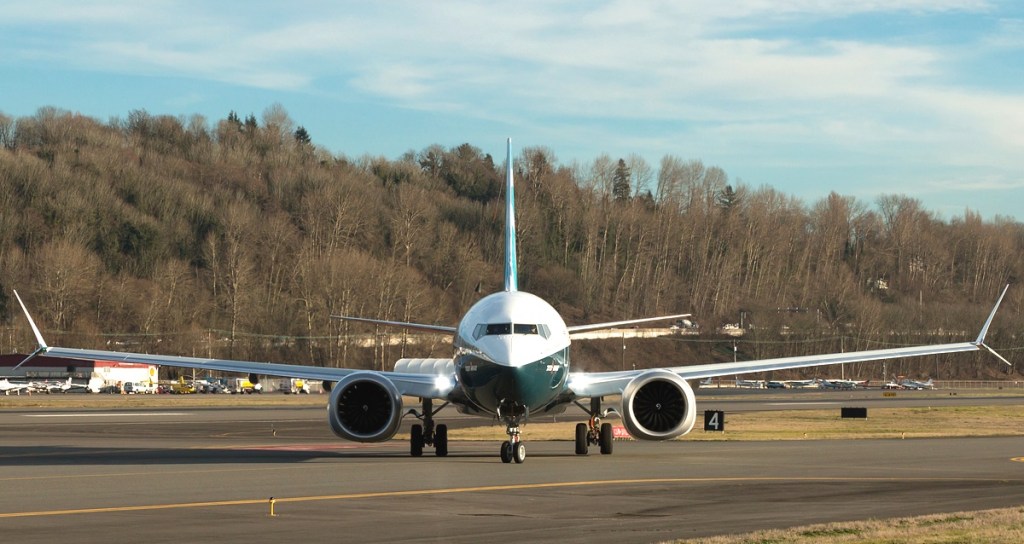
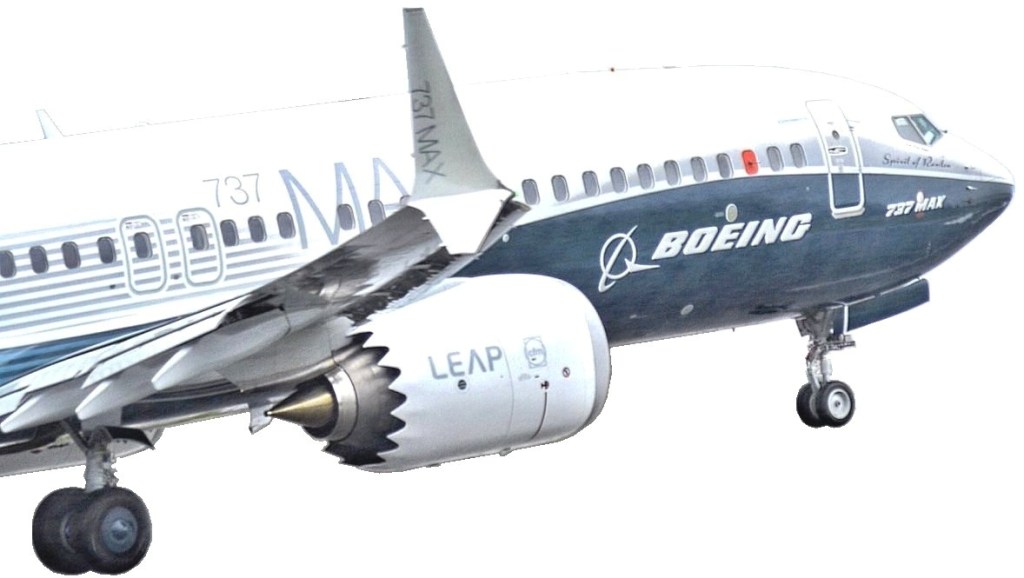
The Boeing Company está retrasando las solicitudes de pruebas en casos presentados por familiares de víctimas en los accidentes de los Boeing 737-8 MAX, según un abogado que representa a algunos de ellos afectados por el vuelo ET-302 de Ethiopian Airlines. El abogado Steve Marks acusó a Boeing de usar un «enfoque de tierra chamuscada», tratando de limitar el suministro de documentos y testigos que, según él, son relevantes para los dos accidentes aéreos implicados con 189 personas fallecidas en el primer accidente de un Boeing 737-8 MAX en Indonesia, sobre el Mar de Java el 29 Octubre de 2018, y 157 personas fallecidas en el segundo accidente en Etiopía el 10 Marzo de 2019, cinco meses después de la primera fatalidad.
Steve Marks estuvo involucrado en casos de ambos accidentes ha expresado que Boeing está siendo mucho menos cooperativo por el accidente de Etiopía. Pero Boeing ha defendido su enfoque, diciendo que ha producido casi 2 millones de páginas de documentos y se ha comprometido a trabajar con las familias.
Steven Marks, un abogado de aviación de la firma con sede en Miami, Podhurst Orseck, dijo que Boeing ha endurecido su enfoque cuando se trata de las consecuencias legales del segundo de los dos accidentes, que ocurrió en Etiopía el 10 Marzo 2019.
Boeing está tratando actualmente de resolver los casos presentados por las familias de los muertos cuando el avión de Ethiopian Airlines se estrelló contra el suelo con 157 personas a bordo. Ha resuelto en gran medida casos del accidente anterior de Octubre de 2018 de un Boeing 737-8 MAX operado por el Lion Air de Indonesia, donde murieron 189 personas.
Los dos accidentes llevaron a que los aviones fueran puestos en tierra en todo el mundo, y la mayor crisis en la historia de Boeing se iniciaba. Posteriormente, llevaron a una serie de demandas de familias afligidas, así como de accionistas de Boeing. Las aerolíneas que habían comprado los aviones buscaron compensación, otros cancelaron futuros pedidos y Boeing se enfrentó a un intenso escrutinio del Congreso de Estados Unidos, enfrentando la dimisión del CEO de la compañía, Dennis Muilenburg.
Steve Marks dijo en una entrevista a la editora Business Insider que el enfoque de Boeing difería claramente entre los casos de Lion Air y Ethiopian. En este último, dijo, los abogados de la empresa aeroespacial se negaban a proporcionar pruebas de que los representantes de las víctimas quisieran ver. Los abogados representan a siete de las familias en ese accidente, ninguna de las cuales se ha establecido, pero si ha resuelto 37 casos del accidente aéreo del vuelo JT-610 de Lion Air.
Steve Marks es también uno de los líderes del comité de abogados de diferentes bufetes de abogados que representan a las familias, que fue formado por el juez que supervisa los casos. El abogado describió el suministro de pruebas como «el principal punto de presión» que estos abogados han tenido con Boeing. Dijo que él y otros habían estado «luchando con Boeing durante más de un año sobre qué tipo de información es relevante para los casos, incluidos documentos y testigos. Ha sido una verdadera lucha de perros en cada paso del camino. Casi nunca hay un acuerdo. Es el polo completo opuesto a lo que pasó en Lion Air. Están tratando muy duro de limitar la producción de documentos, limitar a los testigos que están disponibles para la deposición y todo ha sido una pelea de perros. Cada pequeño paso del camino ha sido una pelea y ha sido difícil conseguir algo».
Steve Marks dijo que su equipo de abogados pidió documentos que Boeing había producido en litigios con los accionistas, incluyendo actas de las reuniones de directores e intercambios de correo electrónico sobre cuánto sabía el consejo. Una de las preguntas clave que rodean los casos legales de accidentes es la medida en que Boeing estaba al tanto de los problemas con el avión etíope antes de volar. Pero dijo que Boeing se opuso a suministrar las actas y los correos electrónicos con el argumento de que no son relevantes. Los abogados están presentando una moción que podría obligar a Boeing a proporcionarlos. Steve Marks dijo que Boeing también se había negado a poner a disposición de los dos documentos que había dado al Congreso de los Estados Unidos para ayudar a los legisladores a las investigaciones de accidentes.
El Portavoz de Boeing, Bradley Akuburio, dijo que la compañía aeroespacial está tomando pruebas en serio y que continuará trabajando con los abogados. «Expresamos nuestras más profundas condolencias a las familias y a sus seres queridos a bordo del vuelo 302 de Ethiopian Airlines. Estamos comprometidos a seguir interactuando con las familias en un esfuerzo por resolver sus reclamos. Nos tomamos en serio nuestras obligaciones de descubrimiento y hemos producido cerca de 2 millones de páginas de documentos hasta la fecha. Continuaremos trabajando con el abogado de las familias y el tribunal para atender sus solicitudes de información pendientes».
Boeing ha realizado actualizaciones en el Sistema de Control de Vuelos del MCAS bajo la supervisión de la Federal Aviation Administration (FAA) y otros organismos internacionales de seguridad en aviación. Boeing también se comprometió anteriormente a hacer del avión uno de los más seguros de la historia cuando está de vuelta en el cielo.
Steve Marks dijo que su equipo de abogados presentó recientemente una moción que obligaría a Boeing a proporcionar más pruebas, como tener acceso a los dispositivos personales y portátiles de los empleados: «El problema está ahora ante el tribunal». Argumentó que él y otros abogados ya «tienen suficiente descubrimiento para establecer la responsabilidad de Boeing. Pero las familias y el público volador merecen conocer toda la magnitud de la malversación que Boeing sigue ocultando». Boeing está utilizando diferentes empresas jurídicas para cada accidente, lo que podría dar lugar a los distintos enfoques. También señaló que los casos de Lion Air eran legalmente un poco más fáciles de tratar que los casos de Ethiopian Airlines porque las víctimas eran en su mayoría de una nacionalidad, a diferencia del accidente etíope. Los casos también eran más sencillos que se aplicaba la ley estadounidense desde que el accidente tuvo lugar sobre aguas internacionales. El accidente del vuelo ET-302, ha sido en territorio etíope.
Los casos de Ethiopian Airlines están actualmente ante el juez Jorge L. Alonso del Tribunal Federal de Distrito Norte de Illinois. La cantidad de pruebas que Boeing tendría que aportar ha sido una cuestión central sobre cómo se aplicarían los casos desde que se presentaron por primera vez contra Boeing.
Boeing había explorado anteriormente el traslado de los casos del vuelo JT-610 de Lion Air de los Estados Unidos a Indonesia, donde se produjo el accidente. Es una medida que es común en los litigios de aviación, pero uno que tanto los expertos como los abogados de las víctimas dijeron que habría terminado en Boeing siendo requerido para proporcionar mucha menos evidencia, y probablemente dejar a las familias con asentamientos mucho más pequeños.
The Boeing Company is delaying requests for evidence in cases brought by relatives of victims in the Boeing 737-8 MAX crashes, according to a lawyer representing some of them affected by Ethiopian Airlines flight ET-302. Attorney Steve Marks accused Boeing of using a «scorched earth approach», trying to limit the supply of documents and witnesses that he said are relevant to the two plane crashes involved with 189 people killed in the first Boeing accident. 737-8 MAX in Indonesia, over the Java Sea on October 29, 2018, and 157 people died in the second accident in Ethiopia on March 10, 2019, five months after the first fatality.
Steve Marks was involved in cases of both accidents and has expressed that Boeing is being much less cooperative about the accident in Ethiopia. But Boeing has defended its approach, saying it has produced nearly 2 million pages of documents and is committed to working with families.
Steven Marks, an aviation attorney for the Miami-based firm Podhurst Orseck, said Boeing has hardened its approach when it comes to the legal consequences of the second of the two accidents, which occurred in Ethiopia on March 10, 2019.
Boeing is currently trying to resolve the cases brought by the families of those killed when the Ethiopian Airlines plane crashed to the ground with 157 people on board. It has largely resolved cases of the previous October 2018 accident of a Boeing 737-8 MAX operated by Indonesia’s Lion Air, which killed 189 people.
The two accidents led to planes being grounded around the world, and the biggest crisis in Boeing’s history was just beginning. Subsequently, they led to a series of lawsuits from grieving families, as well as Boeing shareholders. The airlines that had purchased the planes sought compensation, others canceled future orders, and Boeing faced intense scrutiny from the US Congress, facing the resignation of the company’s CEO Dennis Muilenburg.
Steve Marks said in an interview with editor Business Insider that Boeing’s approach clearly differed between the Lion Air and Ethiopian cases. In the latter, he said, lawyers for the aerospace company refused to provide evidence that representatives of the victims wanted to see. The attorneys represent seven of the families in that accident, none of whom have been established, but have resolved 37 cases of the Lion Air flight JT-610 plane crash.
Steve Marks is also one of the leaders of the legal committee of different law firms representing families, which was formed by the judge overseeing the cases. The attorney described the provision of evidence as «the main pressure point» these attorneys have had with Boeing. He said he and others had been «fighting with Boeing for more than a year over what kind of information is relevant to the cases, including documents and witnesses. It has been a real dog fight every step of the way. There is hardly ever an agreement. It is the complete polar opposite of what happened at Lion Air. They are trying very hard to limit the production of documents, limit the witnesses that are available for the deposition and it has all been a dog fight. Every little step of the way has It’s been a fight and it’s been hard to get anything done».
Steve Marks said his team of attorneys asked for documents Boeing had produced in shareholder litigation, including minutes of directors’ meetings and email exchanges about how much the board knew. One of the key questions surrounding accident legal cases is the extent to which Boeing was aware of the problems with the Ethiopian plane before flying. But he said Boeing objected to supplying the minutes and emails on the grounds that they were not relevant. The attorneys are filing a motion that could compel Boeing to provide them. Steve Marks said that Boeing had also refused to make available the two documents it had given to the United States Congress to assist lawmakers with accident investigations.
Boeing spokesman Bradley Akuburio said the aerospace company is taking testing seriously and will continue to work with attorneys. «We express our deepest condolences to the families and their loved ones aboard Ethiopian Airline Flight 302. We are committed to continuing to interact with families in an effort to resolve their claims. We take our discovery obligations seriously and have produced close 2 million pages of documents to date. We will continue to work with the families’ attorney and the court to address their pending requests for information».
Boeing has made updates to the MCAS Flight Control System under the supervision of the Federal Aviation Administration (FAA) and other international aviation safety agencies. Boeing has also previously pledged to make the plane one of the safest in history when it’s back in the sky.
Steve Marks said his team of lawyers recently filed a motion that would compel Boeing to provide more evidence, such as having access to employees’ personal and portable devices: «The issue is now in court.» He argued that he and other attorneys already have enough discovery to establish Boeing’s liability. But families and the flying public deserve to know the full extent of the embezzlement that Boeing continues to conceal». Boeing is using different law firms for each accident, which could lead to different approaches. He also noted that the Lion Air cases were legally a bit easier to deal with than the Ethiopian Airlines cases because the victims were mostly of one nationality, unlike the Ethiopian crash. The cases were also simpler than American law applied since the accident took place over international waters. The accident of flight ET-302, has been in Ethiopian territory.
The Ethiopian Airlines cases are currently before Judge Jorge L. Alonso of the US District Court for the Northern District of Illinois. The amount of evidence Boeing would have to provide has been a central question of how the cases would be applied since they were first brought against Boeing.
Boeing had previously explored the transfer of the Lion Air flight JT-610 cases from the United States to Indonesia, where the accident occurred. It’s a move that’s common in aviation litigation, but one that both experts and victims’ attorneys said would have ended up at Boeing being required to provide far less evidence, and likely leaving families with much smaller settlements.
Estudios sobre falla alerón en Dash 8Q-400 Flybe en 2019
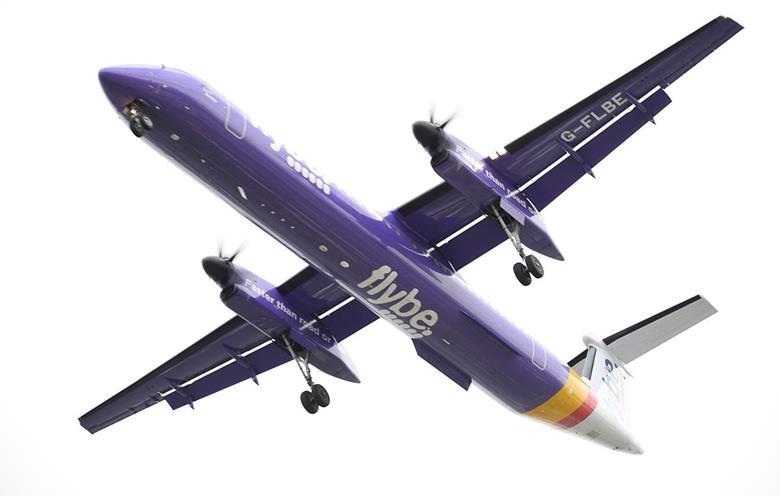
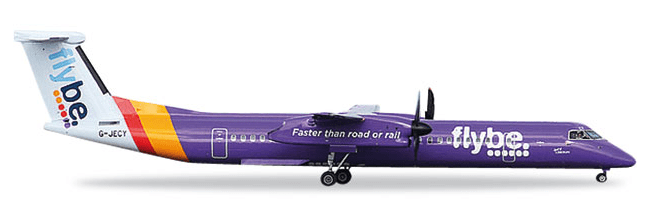
Un De Havilland Dash 8-400, matrícula G-FLBE de la aerolínea regional Flybe del Reino Unido, realizaba el vuelo BE-2187 de Newquay a Londres/Heathrow, con 59 pasajeros y 4 tripulantes, partió de Newquay en vientos fuertes y vientos cruzados cerca del límite de viento cruzado. A la altura de aceleración, el Capitán comenzó a acelerar el avión, se enfrentó al piloto automático y entregó controles al primer oficial. El Primer Oficial debía entonces volar un giro a la derecha hacia el primer punto intermedio, pero sintió que el avión estaba estrangulando para mantener el giro de la mano derecha. Informó al comandante y ambos pilotos observaron que las ruedas de control se desviaban entre 30 y 40 grados a la derecha mientras mantenían el nivel de las alas. El capitán, que no había sentido ninguna dificultad de control durante la subida inicial, verificó que el ajuste estaba en la posición correcta y los spoilers se retractaron. El Comandante tomó el control manual de nuevo y encontró que la rueda de control permanecía desviada tanto en piloto automático como en control manual, el piloto automático volvió a activarse y los controles regresaron al primer oficial. La tripulación decidió detener la subida en FL200 y ponerse en contacto con su centro de operaciones para buscar asesoramiento de ingeniería, lo que sin embargo no trajo consigo ninguna aclaración. Por lo tanto, el comandante decidió desviarse a Exeter, y recibió un enrutamiento directo a Exeter. Durante el descenso hacia Exeter, el primer oficial notó que la desviación de la rueda de control aumentaba aún más. La tripulación no encontró ninguna lista de verificación que considerara relevante para el tema. Mientras se acercaba a Exeter, la cabina aún no estaba lista para un aterrizaje, la tripulación decidió unirse a una bodega. Mientras ralentizaba el avión a través de 170 KIAS, los spoilers fueraborda se activaron y la desviación de la rueda de control se redujo. El Capitán declaró PAN y solicitó giros a la izquierda solamente y asumió el papel de piloto volando para el resto del vuelo. Después de que la cabina se informó lista, el Capitán posicionó el avión para un viento descendente izquierdo a la pista 08 de Exeter, vientos menores de la izquierda en esa pista. El comandante desenganchó el piloto automático temprano, sintió un ligero tirón a la derecha de la aeronave que, sin embargo, era completamente controlable y completó un aterrizaje seguro.
Informe de AAIB
La AAIB del Reino Unido publicó su boletín para concluir: La razón más probable de la rotura del cable de alerón fue que su resistencia se había reducido como resultado del desgaste, lo que llevó a la falla de los cables individuales dentro del cable. El cable falló cuando pasó sobre una polea en el larguero del alerón trasero donde se acumula suciedad que puede penetrar en las hebras y formar un compuesto abrasivo. Esto puede acelerar la tasa normal de desgaste del cable. Hay cables disponibles para después de la modificación que tienen un manguito montado sobre la sección susceptible para evitar la entrada de suciedad. La investigación estableció que el procedimiento de inspección en el AMM no habría detectado el daño a los cables individuales que se ejecutan dentro del cable. El aerón derecho que no respondió en G-FLBE no fue causal a este incidente grave. Dado que el operador dejó de operar antes de poder establecer la causa en G-FLBE y otras aeronaves de su flota, se requiere una investigación adicional para determinar si hay un problema de seguridad más amplio. Los filtros aplicados a algunos de los parámetros de control de vuelo registrados en el FDR pueden afectar a la reconstrucción del movimiento rápido de los controles. Estos filtros no están permitidos para ser instalados en el DHC-8-400 aviones registrados en los EE.UU., pero no hay ningún requisito similar en los aviones registrados en Europa o el Reino Unido. Si bien esto no afectó a esta investigación, esto podría afectar a otras investigaciones de seguridad.
El AAIB informó después del vuelo una inspección reveló «que el cable de alerón inferior izquierdo estalló justo fuera de borda del motor donde pasó por encima de una polea para acomodar un cambio en el diédrico del ala. No hubo ningún otro daño a la aeronave».
La AAIB informó: «Transport Canada analizó los datos de la FDR de este evento y concluyó que ‘la tripulación disponáría de una autoridad de control más que adecuada para un vuelo y aterrizaje seguros continuos tras la desconexión del cable».
El número de informes en servicio que surgieron estaba dentro de los requisitos de certificación para un evento menor y consideraron los cambios propuestos por el fabricante en el mantenimiento de los cables para proporcionar una mitigación adecuada. Confirmaron que la clasificación de gravedad de Menor, que se aplicó durante la certificación, seguía siendo apropiada. y continuó (utilizando el término volante para la rueda de control): Durante esta investigación se identificó un problema, no relacionado con la falla del cable, con el movimiento del alerón derecho en vuelo. Los datos del FDR mostraron que poco después de que G-FLBE se niveló en FL200, el alerón dejó de responder al movimiento de los volantes. Esto duró unos cinco minutos, con el alerón permaneciendo en una posición casi fija de +5o. Durante este período, el AP continuó manteniendo el nivel de las alas con posiciones del volante entre 13o CW y 27o CW. Los spoilers a bordo continuaron funcionando con normalidad durante el vuelo. Cuando el avión comenzó su descenso a Exeter, el movimiento del alerón volvió repentinamente a la normalidad. Esto coincidió con los volantes que fueron movidos por el AP de 27o CW a 35o CW mientras el avión salía de un giro a la izquierda. El análisis de los datos de FDR de G-FLBE mostró que el alerón derecho había dejado de responder previamente a la posición de los volantes durante 14 de los 23 vuelos anteriores. Las duraciones variaron de entre dos y treinta y cinco minutos. El alerón por lo general no respondió cuando el avión se acercó a la cima de la subida o estaba en el crucero. Hubo, sin embargo, un vuelo donde el alerón no respondió durante el descenso de FL100 a FL060. El movimiento del alerón siempre volvió a la normalidad antes de que el avión comenzara el enfoque final. El funcionamiento normal del alerón a menudo coincidía con el movimiento del volante a medida que el avión entraba en un giro. Durante los tres vuelos anteriores al vuelo del incidente, el alerón derecho no respondió durante períodos de 25, 35 y 26 minutos respectivamente. Para los vuelos anteriores a estos tres, hubo más variación en la duración de que el alerón derecho no respondió. Posteriormente, el Departamento de Monitoreo de Datos de Vuelo del operador analizó datos de su flota de aeronaves DHC-8-400 para identificar si el alerón adecuado no respondía en otras aeronaves.
Inicialmente se revisaron 32 vuelos de 16 aviones y durante la mitad de estos el alerón derecho no respondió durante los períodos durante el vuelo. La revisión se amplió a 51 aviones durante siete días volando durante febrero de 2020 y después de que los cables de alerón habían sido reemplazados y tensados en G-FLBE. La revisión buscó períodos en los que el alerón derecho permaneció sin respuesta al movimiento del volante durante más de 60 segundos. Los resultados fueron: Treinta y seis de cincuenta y un aviones tenían alerones sin respuesta. Doce de los aviones con un alerón sin respuesta tenían una tasa de ocurrencia del 25% o más.
El líder de la flota fue G-FLBE con una tasa del 64% (21 eventos durante 33 vuelos). El operador había programado trabajos en G-FLBE para aislar la causa del alerón derecho que no respondió, pero dejó de operar antes de que esto concluyese. El AAIB analizó: Efecto de la rotura del cable de alerón La falla (rotura) del cable de control de alerón afectó a la posición del alerón izquierdo, lo que hizo que el avión rodara hacia la izquierda. Esto fue corregido por el piloto y el AP proporcionando una entrada de corrección que desplazó el volante de su posición neutral normal. La cantidad de desplazamiento varió en diferentes etapas del vuelo debido a una combinación de la velocidad de la aeronave y el control de rodillos siendo asistido por el alerón fuera de borda: el spoiler se activa por debajo de 165 kt. El fabricante era consciente de otros tres eventos donde se detectó un cable de alerón roto en vuelo. Como parte de esta investigación, el Regulador y el Fabricante revisaron el riesgo resultante de la falla de un cable de alerón y confirmaron que tal fallo tenía una Clasificación de Gravedad menor. Respuesta de los pilotos al evento Los pilotos notaron el efecto de la rotura del cable poco después de salir de Newquay, donde el viento estaba cerca de los límites de viento cruzado de la aeronave de 32 kt.
Revisaron el QRH, pero no consideraron que ninguna de las listas de verificación fuera pertinente. Por lo tanto, llevaron a cabo una evaluación de amenazas y mitigaron el riesgo de volar con un rango de movimiento reducido del volante al desviarse a Exeter, donde el viento cruzado no era tan fuerte. El avión hizo un aterrizaje sin incidentes. Un cable de alerón que se rompe en vuelo de nivel inicialmente causaría un rollo sin mando y la lista de comprobación no normal QRH más relevante era ‘Roll Control Malfunction’, que tiene la condición previa ‘Aircraft rolls with no control wheel [handwheel] input’. Sin embargo, los pilotos no reconocieron la pertinencia de esta lista de verificación, posiblemente porque el AP estaba comprometido y habrían contrarrestado automáticamente el rollo no recomendado a la izquierda. Fallo del cable El cable de alerón inferior izquierdo falló debido a una combinación de desgaste interno y externo.
Después de la falla, la tensión en el cable superior habría causado que el alerón se desviara hacia arriba induciendo un rollo a la izquierda. A partir de los datos de la FDR, se estableció que el cable falló entre el aterrizaje de la aeronave en Newquay y durante el despegue posterior. El aterrizaje en Newquay, que estaba cerca del límite para la clasificación como un aterrizaje pesado, no habría causado que un cable de servicio fallara; sin embargo, el cable de alerón estaba desgastado y su capacidad de carga se habría reducido. Por lo tanto, es posible que el cable falle durante el aterrizaje. Si el fallo se hubiera producido durante el aterrizaje, entonces el piloto podría haber notado que el alerón estaba en un ángulo inusual 20º durante la inspección externa previa al vuelo. Sin embargo, la inspección se llevó a cabo de noche, con rachas y chubascos que podrían dificultar la percepción del ángulo inusual del alerón. El fallo del cable de alerón no habría tenido ningún efecto significativo en la fuerza necesaria para operar los volantes, y la posición del alerón no se muestra en la cabina. En consecuencia, los pilotos no podrían haber detectado el fallo si se hubiera producido después de que se hubiera completado la inspección externa.
Desgaste del cable y posibles causas
Se sabe que los cables de alerón y alerón son susceptibles de desgaste en las áreas donde son redirigidos por poleas para acomodar el cambio en el diédrico del ala. El fabricante publicó su primer consejo a los operadores en 2004 y los cables modificados con un recubrimiento de polímero se introdujeron en 2015. La modificación no era obligatoria y mientras el operador estaba modificando su flota, los nuevos cables no habían sido instalados en G-FLBE. El fabricante identificó la baja tensión, la vibración y la contaminación como los principales factores causales para el desgaste de los cables de control.
AAIB 8Q-400 Flybe investigations
Studies on aileron failure on Dash 8Q-400 Flybe in 2019
A De Havilland Dash 8-400, registration G-FLBE of the UK regional airline Flybe, flying BE-2187 from Newquay to London/Heathrow, with 59 passengers and 4 crew, departed Newquay in high winds and crosswinds near the crosswind limit. At acceleration height, the Captain began to accelerate the plane, engaged the autopilot, and handed over controls to the first officer. The First Officer was then supposed to fly a right turn toward the first waypoint, but felt the plane was throttling to maintain the right hand turn. He reported to the commander and both pilots observed that the control wheels drifted 30-40 degrees to the right while keeping the wings level. The captain, who had not felt any control difficulties during the initial climb, verified that the trim was in the correct position and the spoilers were retracted. The Commander took manual control again and found that the control wheel remained deflected in both autopilot and manual control, the autopilot re-engaged, and the controls returned to the first officer. The crew decided to stop the climb at FL200 and contact their operations center for engineering advice, which however did not bring any clarification. Therefore, the Commander decided to divert to Exeter, and received a direct route to Exeter. During the descent towards Exeter, the first mate noticed that the control wheel deflection increased further. The crew did not find any checklists that they considered relevant to the issue. As it approached Exeter, the cockpit was not yet ready for a landing, the crew decided to join a hold. While slowing the aircraft through 170 KIAS, the outboard spoilers activated and the control wheel offset was reduced. The captain declared PAN and requested only left turns and assumed the role of flying pilot for the remainder of the flight. After the cockpit was reported ready, the captain positioned the aircraft for a left downwind to Exeter runway 08, minor left winds on that runway. The commander disengaged the autopilot early, felt a slight pull to the right of the aircraft that was, however, fully controllable, and completed a safe landing.
AAIB Report
The UK AAIB published their bulletin to conclude: The most likely reason for the spoiler cable breakage was that its strength had been reduced as a result of wear and tear, leading to the failure of individual cables within the cable. The cable failed when it passed over a pulley in the rear wing spar where dirt accumulates that can penetrate the strands and form an abrasive compound. This can accelerate the normal rate of cable wear. Post-retrofit cables are available that have a sleeve mounted over the susceptible section to prevent ingress of dirt. The investigation established that the inspection procedure at the AMM would not have detected damage to the individual cables running within the cable. The right wing that did not respond in G-FLBE was not causal to this serious incident. Since the operator stopped operating before the cause could be established on G-FLBE and other aircraft in its fleet, further investigation is required to determine if there is a broader safety concern. Filters applied to some of the flight control parameters recorded in the FDR can affect the reconstruction of the rapid movement of the controls. These filters are not allowed to be installed on the DHC-8-400 registered aircraft in the US, but there is no similar requirement on aircraft registered in Europe or the UK. While this did not affect this investigation, this could affect other safety investigations.
The AAIB reported after the flight an inspection revealed «that the lower left aileron cable burst just outboard of the engine where it passed over a pulley to accommodate a change in the wing dihedral. There was no other damage. to the aircraft».
The AAIB reported: «Transport Canada analyzed the FDR data from this event and concluded that ‘the crew would have more than adequate control authority for continued safe flight and landing after disconnection of the cable».
The number of in-service reports that emerged was within the certification requirements for a minor event and considered the manufacturer’s proposed changes to cable maintenance to provide adequate mitigation. They confirmed that the severity rating of Minor, which was applied during certification, was still appropriate. and continued (using the term steering wheel for the control wheel): During this investigation a problem, unrelated to cable failure, was identified with the movement of the right aileron in flight. FDR data showed that shortly after G-FLBE leveled off at FL200, the aileron stopped responding to steering wheel movement this lasted for about five minutes, with the aileron remaining in a nearly fixed position of +5. During this period, the AP continued to maintain wing level with steering wheel positions between 13 ° CW and 27 ° CW. Onboard spoilers continued to function normally during the flight. As the plane began its descent into Exeter, the aileron motion suddenly returned to normal this coincided with the flywheels being moved by the AP from 27o CW to 35o CW as the plane exited a left turn. Analysis of the G-FLBE FDR data showed that the right wing had previously stopped responding to steering wheel position during 14 of the previous 23 flights. The durations ranged from two to thirty-five minutes. The aileron usually did not respond when the plane approached the top of the climb or was in cruise. There was, however, one flight where the aileron did not respond during the descent from FL100 to FL060. Aileron motion always returned to normal before the aircraft began final approach. The normal operation of the aileron often coincided with the movement of the steering wheel as the aircraft entered a turn. During the three flights prior to the incident flight, the right wing did not respond for periods of 25, 35 and 26 minutes respectively. For flights prior to these three, there was more variation in the duration that the right wing did not respond. Subsequently, the operator’s Flight Data Monitoring Department analyzed data from its DHC-8-400 aircraft fleet to identify if the proper aileron was not responding on other aircraft.
Initially 32 flights of 16 aircraft were reviewed and during half of these the right wing did not respond during periods during the flight. The review was expanded to 51 aircraft over seven days flying during February 2020 and after the aileron cables had been replaced and tensioned at G-FLBE. The review looked for periods where the right wing was unresponsive to steering wheel movement for more than 60 seconds. The results were: Thirty-six of fifty-one aircraft had unanswered ailerons. Twelve of the planes with a non-responsive spoiler had an occurrence rate of 25% or more.
The leader of the fleet was G-FLBE with a rate of 64% (21 events during 33 flights). The operator had scheduled work on G-FLBE to isolate the cause of the unresponsive right wing, but stopped operating before this was concluded.
The AAIB analyzed: Effect of aileron cable break The failure (break) of the aileron control cable affected the position of the left aileron, causing the aircraft to roll to the left. This was corrected by the pilot and AP by providing a correction input that displaced the steering wheel from its normal neutral position. The amount of displacement varied at different stages of the flight due to a combination of the aircraft’s speed and the roll control being assisted by the outboard spoiler: the spoiler was activated below 165 kt. The manufacturer was aware of three other events where a broken aileron cable was detected in flight. As part of this investigation, the Regulator and Manufacturer reviewed the risk resulting from an aileron cable failure and confirmed that such failure had a lower Severity Rating. Pilot response to event Pilots noticed the effect of cable break shortly after leaving Newquay, where the wind was near the aircraft’s crosswind limits of 32 kt.
They reviewed the QRH, but did not find any of the checklists relevant. Therefore, they carried out a threat assessment and mitigated the risk of flying with a reduced range of motion of the steering wheel when diverting to Exeter, where the crosswind was not as strong. The plane made an uneventful landing. An aileron cable breaking in level flight would initially cause a non-control wheel roll and the most relevant non-normal QRH checklist was ‘Roll Control Malfunction’, which has the precondition’ Aircraft rolls with no control wheel [handwheel] input’. However, the pilots did not recognize the relevance of this checklist, possibly because the AP was compromised and would have automatically countered the non-recommended roll on the left. Cable Failure The lower left spoiler cable failed due to a combination of internal and external wear.
After the failure, the tension in the upper cable would have caused the aileron to drift upwards inducing a roll to the left. From FDR data, it was established that the cable failed between the aircraft landing at Newquay and during subsequent take-off. The landing at Newquay, which was close to the limit for classification as a heavy landing, would not have caused that a service cable failed; however, the spoiler cable was worn and its load capacity would have been reduced. Therefore, it is possible for the cable to fail during landing. If the failure had occurred during landing, then the pilot might have noticed that the aileron was at an unusual angle20 during the external inspection prior to landing flight. However, the inspection was carried out at night, in gusty and showery conditions that could make it difficult to notice an unusual wing angle. Aileron cable failure would not have had any significant effect on the force required to operate the steering wheels, and the position of the aileron is not displayed in the cockpit. Consequently, the pilots could not have detected the failure if it had occurred after the external inspection had been completed. Cable wear and possible causes Aileron and aileron cables are known to be susceptible to wear in areas where they are redirected by pulleys to accommodate the change in wing dihedral.
The manufacturer published its first advice to operators in 2004 and cables modified with a polymer coating were introduced in 2015. The modification was not mandatory and while the operator was modifying his fleet, the new cables had not been installed at G-FLBE. The manufacturer identified low voltage, vibration and contamination as the main causal factors for the wear of the control cables.
AW | 2020 10 13 14:33 | AIR INVESTIGATION / AVIATION SAFETY
Error configuración de balance aeronave en asignación de asientos
Un vuelo realizado el 16 Enero 2020 por la aerolínea Wizz Air UK desde el Aeropuerto London/Luton experimentó problemas de despegue después de una mal configuración de la distribución de los pasajeros. Una investigación llevada a cabo por la Subdivisión de Investigaciones de Accidentes Aéreos (AAIB) encontró que en un correo electrónico solicitando un intercambio de aeronave A320 por A321 para ser utilizada para el servicio a Londres-Praga el 16 de Enero 2020 nunca fue enviado al área correspondiente.
La aeronave Airbus A321-231 con matrícula G-WUKG despegaba de la Pista 26 en el Aeropuerto de Londres/Luton, pero cuando el Comandante/FO/PF hizo un movimiento normal de popa del control lateral de la palanca a Velocidad de Rotación (VR), el avión no se lanzó hacia arriba. El PF aumentó la entrada del Stick lateral cerca de la desviación máxima. Cuando el avión todavía no se lanzó hacia arriba, el Copiloto/FO/PM seleccionó el empuje TOGA. El avión respondió y se inició una subida con el vuelo continuando hasta el destino previsto del Aeropuerto de Praga, República Checa.
Se había realizado un cambio de aeronave por razones operativas de un avión Airbus A320-200/CEO a un avión Airbus A321-200/CEO, pero no se había realizado la transferencia de comunicación a las diferentes áreas involucradas, ni ningún ajuste en la distribución de pasajeros. Esto llevó a los pasajeros a sentarse más hacia la parte delantera de la aeronave A321CEO, desplazando el Centro de Gravedad (CG) fuera del límite de avance sobre de operación permitida, siendo esta una aeronave de mayor envergadura que el A320CEO.
Este error de comunicación significaba que se utilizó la distribución del seat-map de la aeronave A32CEO sobre el plan de asientos real del A321CEO. «Se preparó un correo electrónico informando al OHD (Departamento de Manejo Operacional) y PSD (Departamento de Servicios al Pasajero) del cambio, pero, debido a un problema técnico, no se envió», dijo el informe. El correo electrónico automatizado provino del Centro de Control Operacional (OCC) en Hungría.
Debido a la distribución incorrecta de los pasajeros, el avión no respondió a las órdenes de despegue habituales y el piloto necesitaba desplegar un empuje adicional. Sin embargo, no hubo más incidentes y el vuelo aterrizó a salvo en la capital checa. Sólo en la parte superior del descenso para el destino se hizo evidente que los pasajeros posiblemente se habían distribuido incorrectamente en la cabina. La tripulación no experimentó ninguna respuesta de control inusual durante el acercamiento y el aterrizaje.
Acciones correctivas
El informe de la AAIB no nombraba a la aerolínea, pero decía que había tomado medidas tras el incidente. Después de este incidente del vuelo del A321 de Wizz Air, el operador tomó medidas para resaltar este evento a su personal y mejorar su comprensión de las cuestiones planteadas y mejorar el flujo de información entre los departamentos operativos cuando hay un cambio de tipo de aeronave para reducir el riesgo de que se produzca un evento similar en el futuro.
Balance incident A321 Wizz Air
Aircraft balance configuration error in seat assignment
A flight carried out on 16 January 2020 by the airline Wizz Air UK from London/Luton Airport experienced takeoff problems after misconfiguration of the passenger distribution. An investigation carried out by the Air Accident Investigations Branch (AAIB) found that in an email requesting an exchange of an A320 aircraft for A321 to be used for service to London-Prague on January 16, 2020 it was never sent to the area. correspondent.
The Airbus A321-231 aircraft with the registration G-WUKG was taking off from Runway 26 at London/Luton Airport, but when the Commander/ FO/PF made a normal aft movement of the lateral control of the lever at Rotational Speed (VR ), the plane did not launch upward. The PF increased the side stick input near the maximum deflection. When the aircraft had not yet launched upward, the Copilot/FO/PM selected TOGA thrust. The plane responded and a climb began with the flight continuing to the intended destination of Prague Airport, Czech Republic.
An aircraft change had been made for operational reasons from an Airbus A320-200/CEO aircraft to an Airbus A321-200/CEO aircraft, but the transfer of communication to the different areas involved had not been made, nor any adjustment in the distribution of passengers. This led the passengers to sit more towards the front of the A321CEO aircraft, moving the Center of Gravity (CG) out of the allowable forward operating limit, this being a larger aircraft than the A320CEO.
This communication error meant that the A32CEO aircraft seat-map distribution over the actual seating plan was used of the A321CEO. «An email was prepared informing the OHD (Department of Operational Management) and PSD (Department of Passenger Services) of the change, but, due to a technical problem, it was not sent», the report said. The automated email came from the Operational Control Center (OCC) in Hungary.
Due to the incorrect distribution of the passengers, the plane did not respond to the usual takeoff commands and the pilot needed to deploy an additional thrust. However, there were no further incidents and the flight landed safely in the Czech capital. Only at the top of the descent to the destination did it become apparent that the passengers were possibly incorrectly distributed in the cabin. The crew did not experience any unusual control response during approach and landing.
Corrective actions
The AAIB report did not name the airline, but said it had taken action after the incident. Following this incident of the Wizz Air A321 flight, the operator took steps to highlight this event to its staff and improve their understanding of the issues raised and improve the flow of information between operational departments when there is an aircraft type change for reduce the risk of a similar event occurring in the future.
Escombros hallados playa australiana podrían pertenecer al MH370
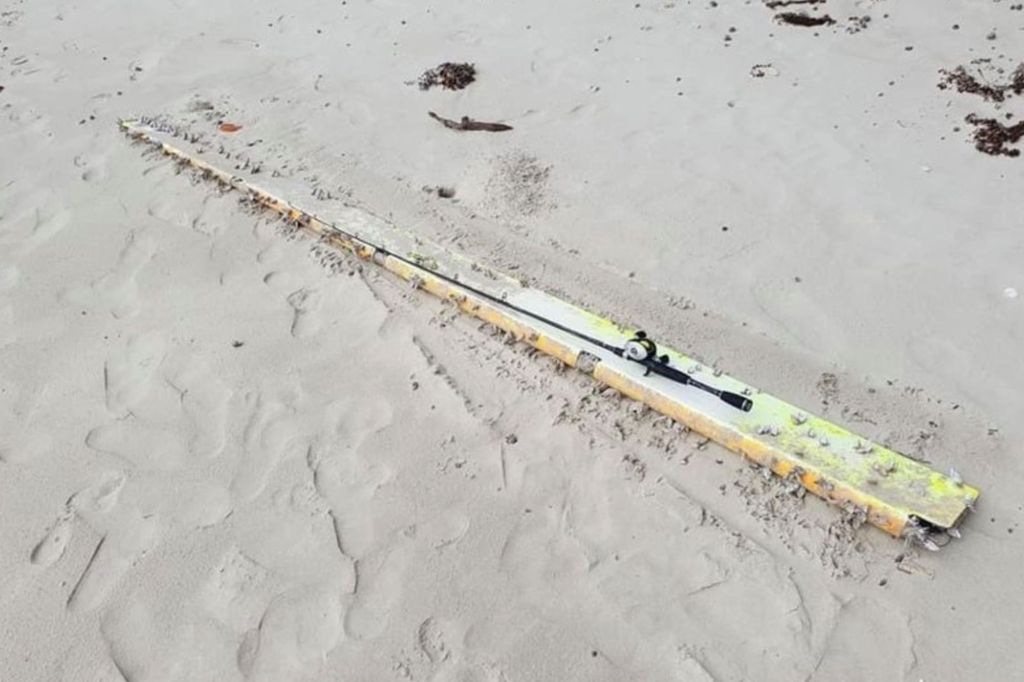
Partes de un avión han aparecido en una remota playa australiana, lo que genera esperanzas de que los escombros puedan ser del vuelo MH-370 de Malaysia Airlines, que desapareció en 2014 con 239 personas a bordo, según un informe. Mike Elcoate, un pescador que vio los restos el lunes cerca de Cape Tribulation en el extremo norte de Queensland, dijo que inicialmente pensó que las piezas provenían del timón de un barco o posiblemente de la pestaña de compensación de un avión. Pero luego, según los informes, descubrió una estructura de enlace de ala cercana y publicó sus hallazgos en línea en un grupo de Facebook de ingeniería de mantenimiento de aeronaves, según el medio de comunicación. El pescador dijo que muchas personas se acercaron a él sobre la posibilidad de que las piezas provengan del condenado Boeing 777, que desapareció poco después de despegar hacia Beijing desde Kuala Lumpur, Malasia, el 8 de marzo de 2014.
Trabajando en nombre de Malasia, Australia no pudo localizar la aeronave durante la búsqueda más grande en la historia de la aviación antes de finalizarla en 2017. Una segunda búsqueda, dirigida por la firma estadounidense Ocean Infinity, también resultó vacía. El ex Primer Ministro australiano Tony Abbott ha afirmado que los niveles más altos del Gobierno de Malasia creían que el capitán del MH370 derribó el avión en un asesinato-suicidio masivo.
A pesar del tentador descubrimiento en la playa esta semana, el investigador de aviación Mick Gilbert expresó que «la pieza no muestra suficiente desgaste, tiene un crecimiento de percebes relativamente escaso y es casi seguro que es del color incorrecto. Si de hecho es un componente de avión, es más probable que sea una pieza del vuelo 73 de Air Niugini que aterrizó cerca de la pista del Aeropuerto Internacional de Chuuk en Septiembre de 2018».
Find assumptions MH370 debris
Australian beach debris found may belong to missing MH370
Parts of a plane have turned up on a remote Australian beach, raising hopes the debris may be from Malaysia Airlines Flight MH-370, which disappeared in 2014 with 239 people on board, according to a report. Mike Elcoate, a fisherman who saw the wreckage near Cape Tribulation in far north Queensland on Monday, said he initially thought the pieces came from the rudder of a boat or possibly the trim tab of an aircraft. But then he reportedly discovered a nearby wing link structure and posted his findings online on an aircraft maintenance engineering Facebook group, according to the news outlet. The fisherman said that many people reached out to him about the possibility that the parts came from the doomed Boeing 777, which disappeared shortly after taking off for Beijing from Kuala Lumpur, Malaysia on March 8, 2014.
Working on behalf of Malaysia, Australia was unable to locate the aircraft during the largest search in aviation history before ending it in 2017. A second search, led by US firm Ocean Infinity, also turned up empty. Former Australian Prime Minister Tony Abbott has claimed that the highest levels of the Malaysian Government believed that the captain of the MH370 shot down the plane in a mass murder-suicide.
Despite the tantalizing discovery on the beach this week, aviation researcher Mick Gilbert said «the part does not show enough wear, has relatively little barnacle growth, and is almost certainly the wrong color. If in fact it is a component. By plane, it is most likely a part of Air Niugini Flight 73 that landed near the Chuuk International Airport runway in September 2018».
Justicia Argentina reabre causa tragedia aérea DC-9-32
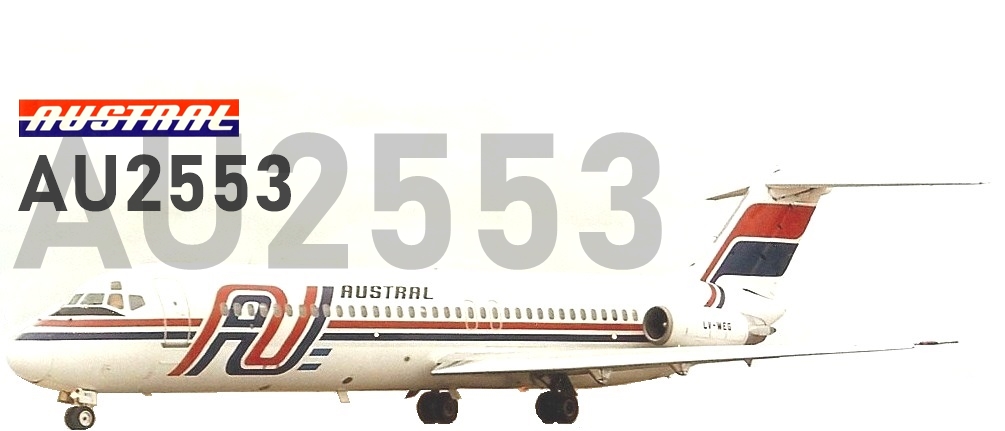
La instancia oral de la Justicia Argentina había iniciado en Marzo de 2019, pero luego de varias dilaciones, se reanudó de manera virtual el proceso penal de la tragedia del vuelo AU-2553 de Austral Líneas Aéreas con la presencia de dos testigos que aportaron la defensa y la querella. La causa del juicio de la tragedia aérea busca determinar responsabilidades de ex-directivos de la aerolínea y ex-funcionarios de la Fuerza Aérea Argentina a casi 23 años del fatídico accidente aéreo ocurrido en territorio uruguayo.
La noche del Viernes 11 de Octubre de 1997 el vuelo AU-2553 de Austral Líneas Aéreas tenía proyectado el vuelo de Posadas, Provincia de Misiones, hacia el Aeropuerto Jorge Newbery de la Ciudad de Buenos Aires. A mitad de trayecto la aeronave un McDonnell Douglas DC-9-32 se estrelló en Fray Bentos, República de Uruguay, donde fallecieron los 74 ocupantes de la aeronave, convirtiéndose hasta la actualidad en la mayor tragedia de la aviación comercial argentina. Pasaron más de veinte años hasta que la causa llegó a Juicio Oral, el 26 de Marzo de 2019, junto con 559 días hasta que comenzaran a declarar los testigos ante el Tribunal Oral Federal 5 (TOF5) de Capital Federal. Este Martes 07/10, a partir de las 10:00 hs, se llevará a cabo el reinicio de los procesos judiciales con la presencia vía videoconferencia de dos testigos para continuar con el proceso penal.
Cuando faltan apenas 4 días para que se cumpla el 23° aniversario de la tragedia del vuelos AU-2553, se reanudará formalmente el juicio que busca determinar las responsabilidades de ex directivos de la aerolínea y ex funcionarios de la Fuerza Aérea. Actualmente existen 35 imputados, acusados de estrago doloso.
Durante la primera etapa del juicio se escuchó la declaración de los peritos presentados por las partes. El testimonio de los primeros testigos estaba previsto para el 17 de Marzo de 2020, pero la feria judicial impuesta por la pandemia de Coronavirus obligó a postergarlos. Ahora se concretará en forma virtual. Este 07/10 se escuchará a Rubén Mario Montenegro, ex titular de la Fuerza Aérea Argentina, y a Felix Pibernat, instructor de la Gerencia de Instrucciones de la empresa Austral Líneas Aéreas, que entrenó a los pilotos fallecidos.
La abogada Silvina Rumachella, que es hermana de Viviana Rumachella, la azafata que falleció en el vuelo trágico cuenta que inicialmente estaba previsto que en el juicio declararan más de 100 testigos, pero el tribunal acotó ese listado a 20, aunque con posibilidad de sumar más testimoniales en caso de ser necesario. «Quedaron afuera todos los que formaron parte de la investigación en Uruguay, que para nosotros como querella son fundamentales», explica Silvina Rumachella.
Pericias uruguayas
Las pericias hechas por los organismos de investigación uruguayos determinaron que fallaron las luces de alarma que debían alertar sobre el funcionamiento de los velocímetros. Afirman que lo que ocurrió fue que el Tubo Pitot, que marca la velocidad dentro de la cabina presurizada, se había congelado y el piloto creyó que la velocidad era menor a la que en realidad iba, por eso extendió los flaps pero la presión del aire desprendió uno de los flaps generando disparidad de sustentación y la aeronave comenzó a perder el control hasta estrellarse.
El año pasado, durante la primera etapa del juicio, los peritos que declararon cuestionaron la investigación realizada en Uruguay, lo que en la práctica terminó llevando la responsabilidad hacia los pilotos, explica Silvina Rumachella. Por eso considera importante que declaren en el juicio los integrantes de la Comisión Investigadora de Accidentes Aéreos (CIADA) de Uruguay. La causa fue investigada a lo largo de estos casi 21 años por tres jueces. En 2013 quedó radicada en el juzgado de Sebastián Ramos, quien finalmente la elevó a Juicio Oral.
Sobre los testimonios que se conocerán este Lunes 06/10, la abogada destaca que Felix Pibernat declaró en instancias previas que «los pilotos no estaban entrenados en recuperación de pérdida de alta velocidad. Dijo que sólo eran entrenados en baja velocidad, que es lo que termina intentando hacer el copiloto». Y enlaza esto con el hecho de que ante la situación de engelamiento y la falta de una alarma, «los pilotos tenían información errónea, no sabían lo que en realidad estaba pasando».
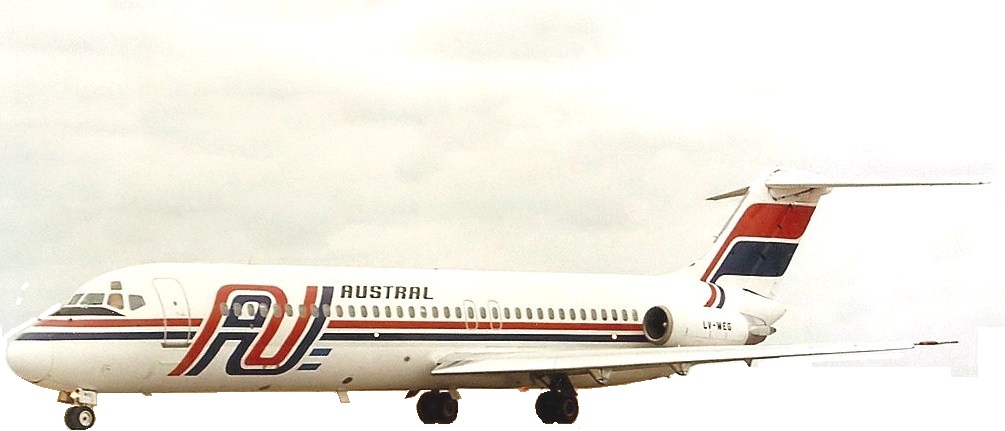
Durante las audiencias realizadas en 2019, se conoció el último audio de los pilotos. La grabación tomada en la cabina dura 18 minutos y tiene un fuerte ruido que dificulta entender lo que dicen. Pero es posible distinguir el momento fatal, cuando el avión perdió el control y cayó en picada en una espiral incontrolable impactando fuertemente contra el terreno. Ocurre en el minuto 17 del audio, cuando el comandante Jorge Cécere le grita al copiloto Horacio Núñez: «Dios mío, nos matamos, nos matamos». En ese momento el avión McDonnell Douglas DC-9-32, con matrícula argentina LV-WEG, descendía en picada, aumentando su velocidad y sin control. Ahora, casi 23 años después, comienza una nueva etapa del juicio que debe determinar quiénes fueron responsables de la tragedia que terminó con 74 vidas a bordo de la fatalidad producto de las irresponsabilidades de turno.
Austral cause AU2553 resumed
Argentine Justice reopens cause DC-9-32 air tragedy
The oral instance of the Argentine Justice had begun in March 2019, but after several delays, the criminal proceedings of the tragedy of Austral Líneas Aéreas flight AU-2553 were virtually resumed with the presence of two witnesses who provided the defense and the complaint. The cause of the trial of the air tragedy seeks to determine the responsibilities of former directors of the airline and former officials of the Argentine Air Force almost 23 years after the fateful plane accident that occurred in Uruguayan territory.
On the night of Friday, October 11, 1997, Austral Líneas Aéreas flight AU-2553 had a planned flight from Posadas, Misiones Province, to the Jorge Newbery Airport in the City of Buenos Aires. Halfway through the flight, a McDonnell Douglas DC-9-32 crashed in Fray Bentos, Republic of Uruguay, where the 74 occupants of the aircraft died, becoming the greatest tragedy in Argentine commercial aviation to date. More than twenty years passed until the case reached Oral Trial, on March 26, 2019, along with 559 days until the witnesses began to testify before the Federal Oral Court 5 (TOF5) of the Federal Capital. This Tuesday 10/07, starting at 10:00 am, the judicial processes will be restarted with the presence via videoconference of two witnesses to continue the criminal process.
With just 4 days left until the 23rd anniversary of the tragedy of flights AU-2553, the trial that seeks to determine the responsibilities of former directors of the airline and former officials of the Air Force will be formally resumed. There are currently 35 defendants, accused of malicious havoc.
During the first stage of the trial, the testimony of the experts presented by the parties was heard. The testimony of the first witnesses was scheduled for March 17, 2020, but the judicial fair imposed by the Coronavirus pandemic forced them to be postponed. Now it will be realized in virtual form. This 07/10 will hear Rubén Mario Montenegro, former head of the Argentine Air Force, and Felix Pibernat, instructor of the Instructions Management of the Austral Lineas Aereas company, who trained the deceased pilots.
The lawyer Silvina Rumachella, who is the sister of Viviana Rumachella, the flight attendant who died on the tragic flight, says that initially it was expected that more than 100 witnesses would testify at the trial, but the court limited that list to 20, although with the possibility of adding more testimonials if necessary. «All those who were part of the investigation in Uruguay were left out, which for us as a complaint are fundamental,» explains Silvina Rumachella.
Uruguayan expertise
The expertises made by the Uruguayan investigation organizations determined that the alarm lights that were supposed to alert about the operation of the speedometers failed. They claim that what happened was that the Pitot Tube, which marks the speed inside the pressurized cabin, had frozen and the pilot believed that the speed was lower than what it was actually going, so he extended the flaps but the air pressure it detached one of the flaps generating lift disparity and the aircraft began to lose control until it crashed.
Last year, during the first stage of the trial, the experts who testified questioned the investigation carried out in Uruguay, which in practice ended up bringing responsibility to the pilots, explains Silvina Rumachella. That is why she considers it important that the members of the Investigating Commission of Air Accidents (CIADA) of Uruguay testify at the trial. The cause was investigated throughout these almost 21 years by three judges. In 2013 it was settled in the court of Sebastián Ramos, who finally raised it to Oral Trial.
Regarding the testimonies that will be known this Monday 06/10, the lawyer points out that Felix Pibernat declared in previous instances that «the pilots were not trained in recovery from high speed stall. He said they were only trained in low speed, which is what ends up trying to be the co-pilot». And she links this with the fact that in the face of the icing situation and the lack of an alarm, «the pilots had misinformation, they didn’t know what was really happening».
During the hearings held in 2019, the last audio of the pilots was known. The recording taken in the booth lasts 18 minutes and has a loud noise that makes it difficult to understand what they say. But it is possible to distinguish the fatal moment, when the plane lost control and plummeted in an uncontrollable spiral impacting heavily on the ground. It occurs at minute 17 of the audio, when Commander Jorge Cécere yells at the copilot Horacio Núñez: «My God, we are killing each other, we are killing each other». At that time, the McDonnell Douglas DC-9-32 aircraft, with Argentine registration LV-WEG, was descending into a tailspin, increasing its speed and without control. Now, almost 23 years later, a new stage of the trial begins that must determine who was responsible for the tragedy that ended with 74 lives aboard the fatality product of the irresponsibility of the day.
AW | 2020 09 24 14:41 | AIR INVESTIGATION / GOVERNMENT /AVIATION SAFETY
Defensa Consumidor EEUU informa fallas Congreso sobre 737 MAX
Un informe del Congreso de Estados Unidos que documenta las fallas administrativas que llevaron a dos choques de Boeing 737 MAXs tiene fallas debido a una omisión importante, dice la Defensa del Consumidor, Federal Trade Commision (FTC) a cargo de Ralph Nader. «El informe no abordó la cuestión inminente de volver a poner en servicio el 737 MAX. Tal retorno nunca debería ocurrir sin abordar y corregir las inestabilidades aerodinámicas básicas que lo volvieron inactivo», dijo Ralph Nader en un comunicado el 18 de Septiembre de 2020 en su sitio web. El titular del importante organismo en Estados Unidos, coautor de «Collision Course: The Truth About Airline Safety», había perdido a su sobrina nieta, Samya Stumo, en el accidente del vuelo ET-302 de Ethiopian Airlines 737-8 MAX en Marzo de 2019.
Los Legisladores de la Cámara de Representantes prometieron introducir una legislación para que los fabricantes de aviones y los reguladores que supervisan la seguridad de los aviones sean más responsables, pero Ralph Nader dice que ahora que el informe está publicado, el público debe asegurarse de que las promesas políticas se traduzcan en nuevas leyes. «El Congreso se encuentra en una fase histórica en cámara lenta de su historia. Depende de los viajeros aéreos, los sindicatos de aerolíneas, las familias de las víctimas de Boeing, los grupos de consumidores y los medios de comunicación mantener el centro de atención y la presión sobre el Congreso y la FAA», dijo Ralph Nader en su sitio web.
Injerencia política
El representante de los Derechos del Consumidor de Estados Unidos ha señalado que los legisladores Republicanos usarán su influencia para bloquear las reformas. «Boeing es dueño del Senado dominado por los Republicanos bajo Mitch McConnell, así como del Departamento de Transporte (DOT) dirigido por la Secretaria Elaine Chao, la esposa de McConnell», dijo Ralph Nader. Mientras que una portavoz de Boeing no ha expresado respuestas sobre los comentarios de Ralph Nader sobre el Boeing 737 MAX o las relaciones políticas de la compañía con los republicanos.
El Comité de la Cámara informó que Boeing sabía que el Sistema de Control de Vuelo MCAS de su línea 737 MAX tenía fallas y podría causar que los pilotos sufrieran una pérdida catastrófica de control de la aeronave ya en 2012 y nuevamente entre 2015 y 2018, pero nunca lo había informado a la Agencia de la FAA.
Boeing emitió su propia declaración después del informe del Congreso la semana pasada, diciendo que la compañía cooperó total y extensamente con la investigación del Comité de la Cámara. Esa cooperación incluyó el testimonio privado de Keith Leverkuhn, ex-Vicepresidente de Boeing y Gerente General del Programa 737 en Renton, quien dijo a los investigadores: «Desafío la sugerencia de que el desarrollo del avión 737 MAX fue un fracaso».
FTC Report on Congress 737 MAX
US Consumer Defense reports Congress faults on 737 MAX
A US Congress report documenting the administrative failures that led to two Boeing 737 MAX crashes is at fault due to a major omission, says Consumer Advocacy, Federal Trade Commision (FTC), led by Ralph Nader. «The report did not address the imminent issue of bringing the 737 MAX back into service. Such a return should never occur without addressing and correcting the basic aerodynamic instabilities that rendered it inactive«, Ralph Nader said in a statement on September 18, 2020 at your website. The head of the important agency in the United States, co-author of «Collision Course: The Truth About Airline Safety», had lost his great-niece, Samya Stumo, in the accident of Ethiopian Airlines flight ET-302 737-8 MAX in March of 2019.
House of Representatives Lawmakers promised to introduce legislation to hold aircraft manufacturers and regulators who oversee aircraft safety more accountable, but Ralph Nader says that now that the report is published, the public must ensure that the political promises are translated into new laws. «Congress is in a slow-motion historic phase of its history. It is up to air travelers, airline unions, families of Boeing victims, consumer groups, and the media to keep the spotlight and pressure on Congress and the FAA», Ralph Nader said on his website.
Political interference
The representative of the Rights of the Consumer of the United States has indicated that the Republican legislators will use their influence to block the reforms. «Boeing owns the Republican-dominated Senate under Mitch McConnell, as well as the Department of Transportation (DOT) led by Secretary Elaine Chao, McConnell’s wife», said Ralph Nader. While a Boeing spokeswoman has not responded to Ralph Nader’s comments about the Boeing 737 MAX or the company’s political relations with Republicans.
The House Committee reported that Boeing knew that the MCAS Flight Control System on its 737 MAX line was faulty and could cause pilots to suffer a catastrophic loss of control of the aircraft as early as 2012 and again between 2015 and 2018, but He had never reported it to the FAA Agency.
Boeing issued its own statement after the congressional report last week, saying the company fully and extensively cooperated with the House Committee’s investigation. That cooperation included private testimony from Keith Leverkuhn, former Boeing Vice President and General Manager of the 737 Program at Renton, who told investigators: «I defy the suggestion that the 737 MAX aircraft development was a failure».
AW | 2020 09 17 00:45 | AIR INVESTIGATION / GOVERNMENT / AVIATION SAFETY
Informe del Congreso critica a Boeing y FAA por fallas del 737 MAX
Un Informe del Congreso de Estados Unidos ha sido emitido este Miércoles, 16 Septiembre 2020 donde se ratifica una crítica acerca del mal desenvolvimiento por parte de The Boeing Company y la Federal Aviation Administration (FAA), organismo regulador y fiscalizador de aviación de los Estados Unidos, justo cuando los reguladores internacionales se acercan hacia la recertificación. Numerosos fallos de diseño, gestión y normativas durante el desarrollo del Boeing 737 MAX precedieron a la muerte evitable de 346 personas en dos accidentes aéreos en aeronaves Boeing 737-8 MAX, según un informe condenatorio del Congreso publicado el Miércoles.
El Informe del Comité de Transporte e Infraestructura de la Cámara de Representantes de 238 páginas ha denunciado a un Boeing que priorizaba las ganancias sobre la seguridad y detallaba problemas culturales perturbadores relacionados con las encuestas de los empleados que mostraban una presión indebida experimentada sobre cómo el fabricante corrió para terminar el avión para competir con su rival europeo Airbus Group. El informe dijo que las preocupaciones sobre la aeronave no se abordaron lo suficiente como para impulsar cambios de diseño. Algunos legisladores bipartidistas introdujeron este año una legislación que tiene como objetivo aumentar la supervisión de la FAA en la industria aeronáutica. Los legisladores encontraron que la agencia de aviación no protegió al público viajero, en parte debido a la delegación excesiva del trabajo de certificación a Boeing.
En respuesta al informe, la agencia FAA expresó: “La FAA está comprometida con el avance continuo de la seguridad de la aviación y espera trabajar con el Comité para implementar las mejoras identificadas en su informe. Implementamos varias iniciativas enfocadas en promover la seguridad de la aviación en general mediante la mejora de nuestra organización, procesos y cultura”.
Los republicanos de alto rango en el Comité de la Cámara de Representantes, los representantes Sam Graves de Missouri y Garret Graves de Louisiana, dijeron en un comunicado que las recomendaciones no partidistas “no un informe de investigación partidista deberían servir como base para la acción del Congreso”. Garret Graves es el republicano de mayor rango en el subcomité de aviación. El estado natal de Sam Graves cuenta a Boeing como un empleador importante.
“La investigación del personal de la mayoría comenzó concluyendo que nuestro sistema estaba roto y funcionó al revés desde allí. Como dijimos desde el principio, si los expertos en aviación y seguridad determinan que se pueden mejorar áreas en los procesos de la FAA para certificar aeronaves y equipos, entonces el Congreso actuará. Así es como podemos abordar estos dos trágicos accidentes y hacer que nuestro sistema seguro sea aún más seguro”, dijeron los Congresistas.
El informe, que está en proceso durante unos 18 meses, se produce cuando los reguladores se encuentran en la recta final del trabajo para recertificar lal 737 MAX, que ha estado en tierra en todo el mundo desde Marzo 2019, luego del segundo de los dos accidentes fatales de los vuelos JT-610 de Lion air y el ET-302 de Ethiopian Airlines.
Según expresa el Informe de la Cámara de Transporte: “Fueron la horrible culminación de una serie de suposiciones técnicas erróneas por parte de los ingenieros de Boeing, una falta de transparencia por parte de la gerencia de Boeing y una supervisión extremadamente insuficiente por parte de la FAA, el resultado pernicioso de la captura regulatoria por parte de la FAA con respecto a sus responsabilidades de realizar una supervisión sólida de Boeing y garantizar la seguridad del público que vuela”. Los legisladores y el personal dijeron que recibieron 600.000 páginas de registros de Boeing, la FAA, aerolíneas y otros afines, para su investigación, realizaron entrevistas con dos docenas de empleados y reguladores, y consideraron los comentarios de los denunciantes que se comunicaron con el Comité de Transporte.
El 29 de Octubre de 2018, el vuelo JT-610 de Lion Air desde Jakarta, Indonesia, y el 10 de Marzo de 2019, el vuelo ET-302 de Ethiopian Airlines desde Addis Abeba, Etiopía, se estrelló poco después del despegue, matando a todos a bordo. En el centro de los choques estaba un sistema automatizado conocido como MCAS, contra el cual los pilotos de ambos vuelos lucharon para anularlo, activándose nuevamente después de recibir datos del sensor inexactos. Los pilotos no fueron informados del MCAS hasta después del primer accidente y las menciones al mismo se eliminaron de sus manuales. En 2019, la Junta Nacional de Seguridad en el Transporte (NTSB) descubrió que Boeing sobrestimó la capacidad de los pilotos para manejar una serie de alertas durante el mal funcionamiento.
The Boeing Company
Boeing ha realizado cambios en el sistema MCAS que lo hacen menos potente, le dan a los pilotos un mayor control y le proporcionan más datos antes de que se active. Eso es entre otros cambios que los reguladores han revisado como parte del proceso de recertificación de los aviones como seguros para el público viajero. “Hemos aprendido muchas lecciones difíciles como empresa de los accidentes del vuelo JT-610 de Lion Air y del vuelo ET-302 de Ethiopian Airlines, y de los errores que hemos cometido. Como se reconoce en este informe, como resultado hemos realizado cambios fundamentales en nuestra empresa y seguimos buscando formas de mejorar. El cambio siempre es difícil y requiere un compromiso diario, pero nosotros, como empresa, estamos dedicados a hacer el trabajo”, dijo Boeing en un comunicado.
El Informe de la Cámara de Transporte, dirigido por el representante Peter DeFazio, Demócrata por Oregón, el Presidente del Comité, y el Representante Rick Larsen, Demócrata por Washington, Jefe del Subcomité de Aviación, cuyo distrito en el área de Seattle incluye la planta de Boeing en Everett, dijo que su investigación “Deja abierta la cuestión de la voluntad de Boeing de admitir y aprender de los errores de la empresa”.
Familiares de víctimas
Algunos de los familiares de las víctimas de accidentes dicen que Boeing no ha hecho lo suficiente. “Creo que el proyecto en su conjunto debería descartarse. Creo que este fue un proyecto apresurado y … ahora se apresuran a recertificar. No se puede poner un valor en dólares a la vida de ningún pasajero”, dijo Yalena López Lewis, cuyo esposo, Antoine, murió en el vuelo ET-302 de Ethiopian Airlines.
Michael Stumo, cuya hija Samya Stumo también murió en el accidente en Etiopía, dijo que «Boeing y los reguladores no hicieron lo suficiente después del primer accidente cinco meses antes. Antes de Lion Air, fue un error. Después de Lion Air fue imperdonable”, dijo.
Los accidentes empujaron a la compañía aeroespacial Boeing a la mayor crisis de su historia, ya que su avión más vendido no se pudo entregar a los clientes y los costos aumentaron. Los pasos en falso le costaron a Dennis Muilenburg su trabajo como CEO de Boeing y llevaron a la compañía a someterse a una reestructuración interna para mejorar su enfoque de seguridad. Ahora, la pandemia de Coronavirus que ha afectado la demanda de viajes aéreos en todo el mundo, junto con la extensa conexión a tierra, presenta a Boeing un nuevo problema, las cancelaciones de aviones continúa acumulando.
Los problemas del fabricante no terminan con el 737 MAX. Recientemente se ha descubierto fallas en algunos 787 Dreamliner, lo que provocó inspecciones que ralentizaron las entregas del avión de fuselaje ancho.
Boeing continúa afrontando las dificultades dentro de su unidad del área comercial, producto de una filosofía de trabajo que continúa costándole a la compañía aeroespacial una colosal cifra astronómica de perdidas económicas.
Congress Report on Boeing/FAA
Congressional report criticizes Boeing and FAA for 737 MAX failures
A Report from the United States Congress has been issued this Wednesday, September 16, 2020 where a criticism is ratified about the poor performance by The Boeing Company and the Federal Aviation Administration (FAA), the United States aviation regulatory and oversight body , just as international regulators are moving toward recertification. Numerous design, management and regulatory failures during the development of the Boeing 737 MAX preceded the preventable deaths of 346 people in two Boeing 737-8 MAX aircraft crashes, according to a damning congressional report released Wednesday.
The 238-page House Transportation and Infrastructure Committee Report has denounced a Boeing that prioritized profit over safety and detailed disturbing cultural issues related to employee surveys that showed undue pressure experienced on how the manufacturer raced to finish the plane to compete with its European rival Airbus Group. The report said concerns about the aircraft were not addressed enough to push for design changes. Some bipartisan lawmakers introduced legislation this year that aims to increase FAA oversight of the airline industry. Lawmakers found that the aviation agency failed to protect the traveling public, in part due to excessive delegation of certification work to Boeing.
In response to the report, the FAA agency stated: “The FAA is committed to the continued advancement of aviation security and looks forward to working with the Committee to implement the improvements identified in its report. We have implemented several initiatives focused on promoting aviation security in general by improving our organization, processes and culture”.
Senior Republicans on the House Committee, Representatives Sam Graves of Missouri and Garret Graves of Louisiana, said in a statement that the non-partisan recommendations “not a partisan investigation report should serve as the basis for action congressional». Garret Graves is the highest ranking Republican on the aviation subcommittee. Sam Graves’ home state counts Boeing as a major employer.
“The Majority Staff investigation began by concluding that our system was broken and it worked backwards from there. As we said from the beginning, if aviation and safety experts determine that areas can be improved in the FAA’s processes for certifying aircraft and equipment, then Congress will act. This is how we can address these two tragic accidents and make our safe system even safer”, said the Congressmen.
The report, which is in the works for about 18 months, comes as regulators are in the final stretch of work to recertify the 737 MAX, which has been grounded around the world since March 2019, following the second of the two. Fatal accidents on Lion air flights JT-610 and Ethiopian Airlines ET-302.
As stated in the Chamber of Transportation Report: “They were the horrible culmination of a series of erroneous technical assumptions on the part of Boeing engineers, a lack of transparency on the part of Boeing management and extremely insufficient oversight by Boeing. FAA, the pernicious result of regulatory capture by the FAA regarding its responsibilities to provide robust oversight of Boeing and ensure the safety of the flying public». Lawmakers and staff said they received 600,000 pages of records from Boeing, the FAA, airlines and others for their investigation, conducted interviews with two dozen employees and regulators, and considered comments from whistleblowers who contacted the Committee. Of transport.
On October 29, 2018, Lion Air flight JT-610 from Jakarta, Indonesia, and on March 10, 2019, Ethiopian Airlines flight ET-302 from Addis Ababa, Ethiopia, crashed shortly after takeoff, killing everyone on board. At the center of the crashes was an automated system known as MCAS, which pilots on both flights fought to override, activating again after receiving inaccurate sensor data. The pilots were not informed of MCAS until after the first accident and mentions of it were removed from their manuals. In 2019, the National Transportation Safety Board (NTSB) found that Boeing overestimated the ability of pilots to handle a series of alerts during malfunctions.
The Boeing Company
Boeing has made changes to the MCAS system that make it less powerful, give pilots more control and provide more data before it is activated. That’s among other changes that regulators have reviewed as part of the process of recertifying planes as insurance for the traveling public. “We have learned many difficult lessons as a company from the accidents of Lion Air Flight JT-610 and Ethiopian Airlines Flight ET-302, and from the mistakes we have made. As recognized in this report, we have made fundamental changes to our company as a result and continue to seek ways to improve. Change is always difficult and requires daily commitment, but we, as a company, are dedicated to getting the job done”, Boeing said in a statement.
The House of Transportation Report, led by Rep. Peter DeFazio, D-Oregon, the Committee Chair, and Rep. Rick Larsen, D-Washington, Chairman of the Aviation Subcommittee, whose Seattle-area district includes the plant of Boeing in Everett, said its investigation «leaves open the question of Boeing’s willingness to admit and learn from the company’s mistakes».
Relatives of victims
Some of the relatives of the accident victims say that Boeing has not done enough. “I think the whole project should be scrapped. I think this was a rushed project and … now they rush to recertify. You cannot put a dollar value on the life of any passenger”, said Yalena López Lewis, whose husband, Antoine, was killed on Ethiopian Airlines Flight ET-302.
Michael Stumo, whose daughter Samya Stumo also died in the accident in Ethiopia, said «Boeing and regulators did not do enough after the first accident five months earlier. Before Lion Air, it was a mistake. After Lion Air it was unforgivable», said.
The accidents pushed the aerospace company Boeing into the biggest crisis in its history, as its best-selling aircraft could not be delivered to customers and costs rose. The missteps cost Dennis Muilenburg his job as Boeing CEO and led the company to undergo an internal restructuring to improve its approach to safety. Now, the Coronavirus pandemic that has affected the demand for air travel around the world, along with the extensive ground connection, presents Boeing with a new problem, aircraft cancellations continue to pile up.
The manufacturer’s problems don’t end with the 737 MAX. Failures have recently been discovered in some 787 Dreamliners, prompting inspections that slowed deliveries of the wide-body aircraft.
Boeing continues to face difficulties within its commercial unit, the product of a work philosophy that continues to cost the aerospace company a colossal astronomical number of economic losses.
El Martes 08/09, el Tribunal Superior de Sindh solicitó el informe de la Junta de Investigación y Accidentes de Aeronaves (AAIB) antes del 15 Octubre 2020 sobre el accidente de la aeronave regional ATR 42-500 de la compañía Pakistan Airlines ocurrida en 7 Diciembre 2016.
Un banco de dos jueces presidido por el Juez Mohammad Ali Mazhar observó que en caso de una nueva demora en la presentación del informe, se llamaría al Secretario de la División de Aviación para una explicación. Cuando el asunto llegó a la audiencia el 08/09, el Fiscal General Adjunto junto con un funcionario de la división de aviación presentaron una declaración y mencionaron ciertas razones para la demora en el informe de investigación del accidente del ATR 42-500 y solicitaron 45 días para completar la investigación y la presentación. del informe.
La división de aviación en la declaración expresó que el borrador final del informe de investigación de PK-661 se envió al representante acreditado, incluida la Oficina de Investigación y Análisis para la Seguridad de la Aviación Civil (BEA) de Francia, la Junta de Seguridad del Transporte (TSB) de Canadá y la Junta Nacional de Seguridad en el Transporte (NTBS) de los EE.UU. en Mayo 2020 de conformidad con las obligaciones internacionales de todos los estados signatarios de la convención de la OACI. Después de completar dos meses para revisar el borrador, la AAIB recibió las respuestas de la BEA y la TSB en julio, pero el alcance de participación de la NTSB fue complicado y, además, hubo varias restricciones para trabajar y viajar debido a Covid-19, por lo que La respuesta de la NTSB se retrasó y se recibió el mes pasado, sostuvo. Dijo además que todas las respuestas requerían conciliación sobre algunos hallazgos técnicos y recomendaciones relevantes del informe y pidió más tiempo.
La petición se presentó después de que un vuelo de Pakistan International Airlines con destino a Islamabad se estrellara cerca de Abbottabad después de despegar de Chitral el 7 Diciembre 2016 en el que 42 pasajeros y tripulación.
Implementando el PIA, CAA y otros como demandados, el peticionario argumentó que hubo varios incidentes en los que aviones ATR de la flota de PIA en los que se perdieron una gran cantidad de vidas preciosas y solicitó una investigación judicial para responsabilizar a los funcionarios responsables del mismo, enjuiciarlos y ordenar una indemnización a los herederos legales de las víctimas.
On Tuesday 08/09, the High Court of Sindh requested the report of the Aircraft Accident and Investigation Board (AAIB) before October 15, 2020 on the accident of the regional aircraft ATR 42-500 of the Pakistan Airlines company that occurred on 7 December 2016.
A bench of two judges chaired by Judge Mohammad Ali Mazhar observed that in the event of a further delay in the submission of the report, the Secretary of the Aviation Division would be called for an explanation. When the matter reached the hearing on 09/08, the Deputy Attorney General along with an official from the aviation division presented a statement and mentioned certain reasons for the delay in the ATR 42-500 accident investigation report and requested 45 days to complete the investigation and presentation. Of the report.
The aviation division in the statement stated that the final draft of the PK-661 investigation report was sent to the accredited representative, including the French Office of Investigation and Analysis for Civil Aviation Safety (BEA), the Safety Board of Transportation (TSB) of Canada and the National Transportation Safety Board (NTBS) of the USA in May 2020 in accordance with the international obligations of all signatory states of the ICAO convention. After completing two months to review the draft, the AAIB received the responses from the BEA and TSB in July, but the scope of the NTSB’s involvement was complicated, and there were also various restrictions on work and travel due to Covid-19, so the NTSB’s response was delayed and received last month, he argued. He further said that all responses required reconciliation on some relevant technical findings and recommendations from the report and asked for more time.
The petition was filed after a Pakistan International Airlines flight bound for Islamabad crashed near Abbottabad after taking off from Chitral on December 7, 2016 carrying 42 passengers and crew.
Implementing the PIA, CAA and others as defendants, the petitioner argued that there were several incidents in which ATR aircraft of the PIA fleet were lost in which a large number of precious lives were lost and requested a judicial investigation to hold the officials responsible for the himself, prosecute them and order compensation to the legal heirs of the victims.
AW | 2020 08 28 21:21 | AVIATION SAFETY / AIR INVESTIGATION
Transport Canada completa pruebas de vuelo Boeing 737 MAX
Canadá ha completado las pruebas de vuelo y simulador del avión de pasajeros Boeing 737 MAX, ha expresado el Viernes 28/08 el Ministerio de Transporte en un comunicado. De Domingo a Martes de esta semana, un equipo de prueba de Transport Canada voló diariamente entre Seattle y Vancouver para evaluar el simulador de ingeniería en las instalaciones de Boeing. Los vuelos de prueba sobre el espacio aéreo estadounidense se llevaron a cabo el Miércoles 26/08 y Jueves 27/08. Transport Canada dijo que se implementaron medidas de mitigación para evitar que la tripulación contraiga el nuevo Coronavirus que causa COVID-19.
“Canadá es el primer regulador internacional en completar las actividades de prueba de validación de la aeronave. Transport Canada ahora está analizando los resultados de estas pruebas”, dijo el Ministro de Transporte Marc Gardeau. Ha detallado que no se permitirá que el avión bajo escrutinio de The Boeing Company vuele en los cielos canadienses hasta que los funcionarios crean que se han abordado todas las preocupaciones de seguridad.
Transport Canada trabajará con sus homólogos estadounidenses, europeos y brasileños antes de darle al avión un sello de aprobación. Los funcionarios de la agencia de aviación canadiense participaron en vuelos de prueba del avión Boeing 737-8 MAX en los últimos días y están analizando los resultados antes de aprobar los cambios propuestos para el avión.
Canadá cerró sus cielos al vuelo de la aeronave crítica después del segundo accidente aéreo del vuelo ET-302 de Ethiopian Airlines el 10 Marzo 2019, matando a las 157 personas a bordo, incluidos 18 canadienses. El accidente, seis minutos después del despegue de Addis Abeba, fue inquietantemente similar a uno cinco meses antes, cuando el vuelo JT-610 de Lion Air cayó después del despegue de Jakarta, Indonesia, en el Mar de Java.
«Transport Canada no levantará las restricciones de vuelo en el Boeing 737 MAX 8 hasta que el departamento esté completamente satisfecho de que el fabricante y la FAA hayan abordado todas las preocupaciones de seguridad, y que se hayan implementado procedimientos y capacitación mejorados para la tripulación de vuelo», dijo Marc Garneau.
Perspectivas
Ahora, la aeronave se probará en Vancouver a partir del 7 Septiembre 2020 en virtud de un acuerdo entre Boeing, la Administración Federal de Aviación (FAA) de Estados Unidos y el regulador de seguridad de la aviación de europea EASA. Con una nueva ronda de vuelos de prueba a punto de comenzar, Marc Garneau dijo que aún espera que la FAA y la compañía aeronáutica estadounidense demuestren que la aeronave es segura.
La Agencia de Seguridad Aérea de la Unión Europea dijo el Jueves 27/08 que Boeing todavía tiene algunos problemas finales que resolver en el avión, pero que el avión estaba listo para las pruebas de vuelo necesarias antes de que el organismo europeo pudiera aprobar el nuevo diseño del avión. La pandemia de Coronavirus obstaculizó los planes de prueba debido a las restricciones de viaje entre Estados Unidos y Europa, que se resolvieron al realizar vuelos de prueba en Vancouver.
Canada completes Boeing 737 MAX test
Transport Canada completes Boeing 737 MAX flight tests
Canada has completed the flight and simulator tests of the Boeing 737 MAX passenger plane, the Ministry of Transport said on Friday 08/28 in a statement. From Sunday to Tuesday this week, a Transport Canada test team flew daily between Seattle and Vancouver to evaluate the engineering simulator at the Boeing facility. Test flights over US airspace were carried out on Wednesday 08/26 and Thursday 08/27. Transport Canada said mitigation measures were in place to prevent the crew from contracting the new coronavirus that causes COVID-19.
“Canada is the first international regulator to complete aircraft validation testing activities. Transport Canada is now analyzing the results of these tests”, said Transport Minister Marc Gardeau. He has detailed that the plane under scrutiny by The Boeing Company will not be allowed to fly in Canadian skies until officials believe all safety concerns have been addressed.
Transport Canada will work with its US, European and Brazilian counterparts before giving the aircraft a seal of approval. Officials at the Canadian aviation agency have participated in test flights of the Boeing 737-8 MAX aircraft in recent days and are analyzing the results before approving the proposed changes to the plane.
Canada closed its skies to the flight of the critical aircraft after the second air crash of Ethiopian Airlines flight ET-302 on March 10, 2019, killing all 157 people on board, including 18 Canadians. The accident, six minutes after takeoff from Addis Ababa, was eerily similar to one five months earlier, when Lion Air flight JT-610 went down after takeoff from Jakarta, Indonesia, in the Java Sea.
«Transport Canada will not lift flight restrictions on the Boeing 737 MAX 8 until the department is fully satisfied that the manufacturer and the FAA have addressed all safety concerns, and improved procedures and training have been implemented for the crew of flight», said Marc Garneau.
Perspectives
Now, the aircraft will be tested in Vancouver starting September 7, 2020 under an agreement between Boeing, the United States’ Federal Aviation Administration (FAA) and European aviation security regulator EASA. With a new round of test flights about to begin, Marc Garneau said he is still waiting for the FAA and the US airline to prove the aircraft is safe.
The European Union Aviation Safety Agency said Thursday 08/27 that Boeing still has some final problems to solve on the plane, but that the plane was ready for the necessary flight tests before the European body could approve the new one. airplane design. The Coronavirus pandemic hampered test plans due to travel restrictions between the United States and Europe, which were resolved by conducting test flights in Vancouver.
Ξ A I R G W A Y S Ξ PUBLISHER: Airgways.com DBk: Tc.canada.ca / Boeing.com / Airgways.com AW-POST: 202008282121AR
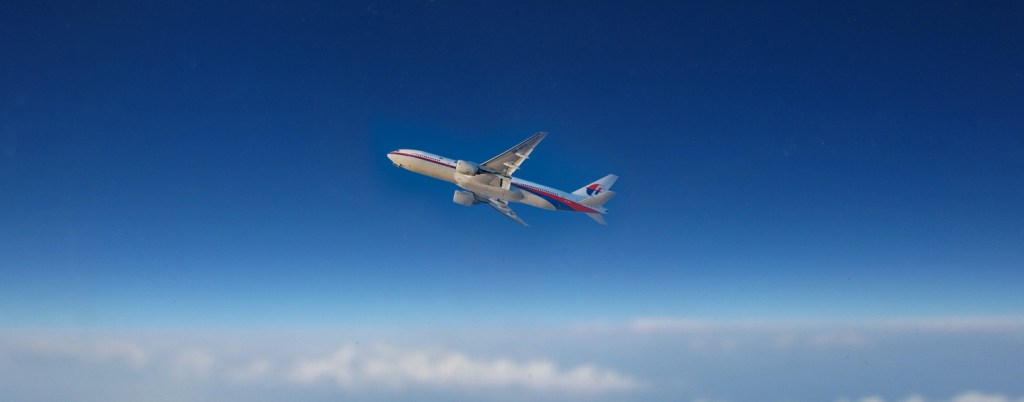


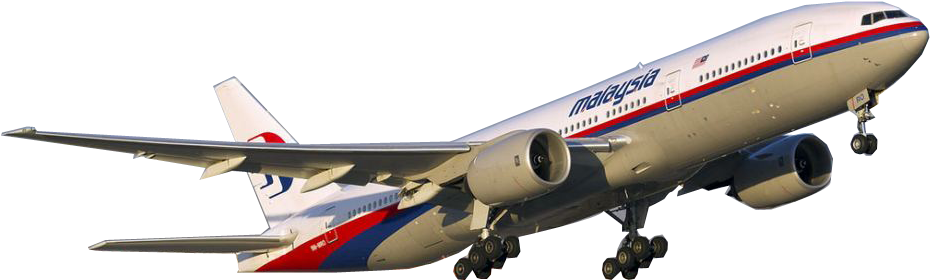



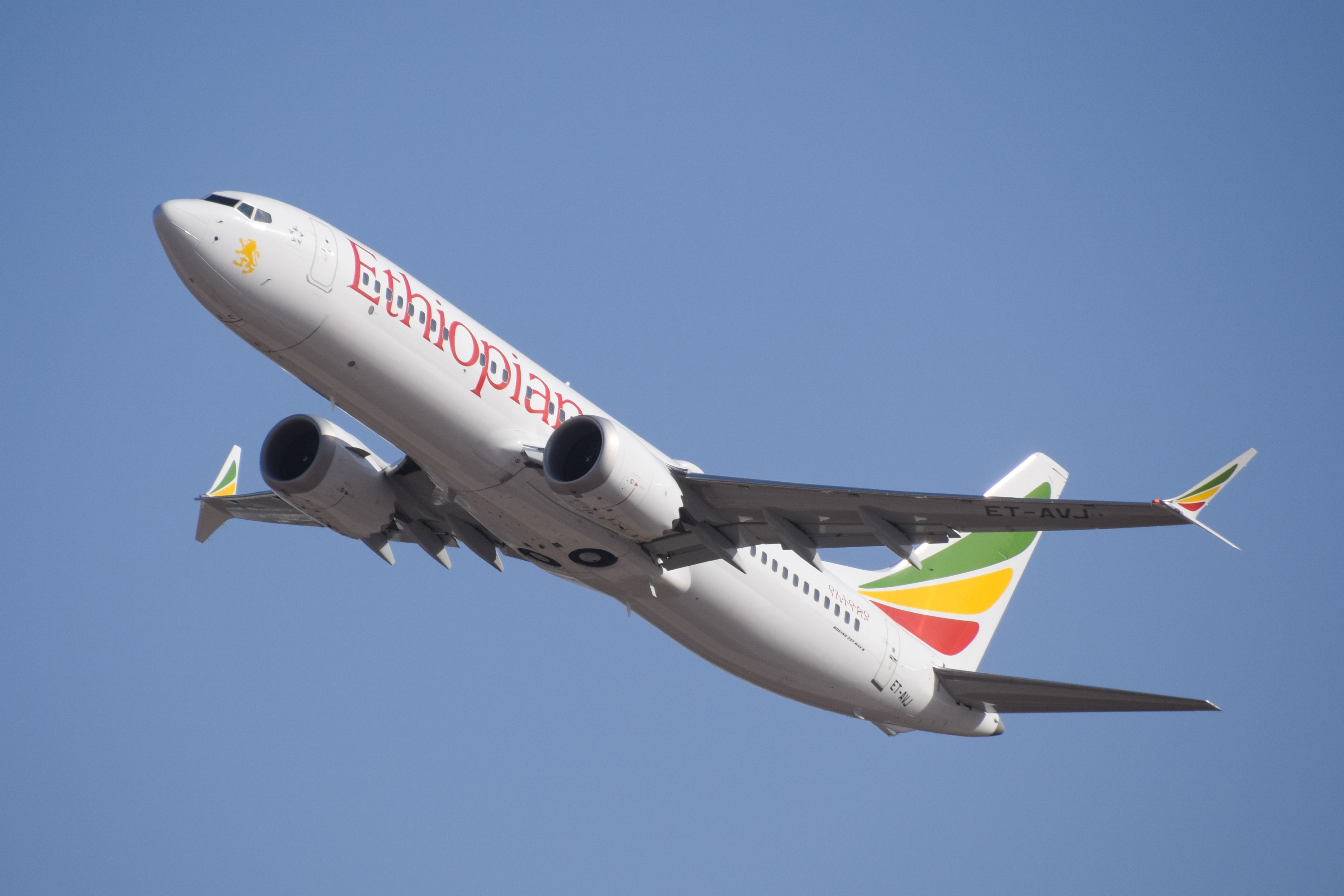

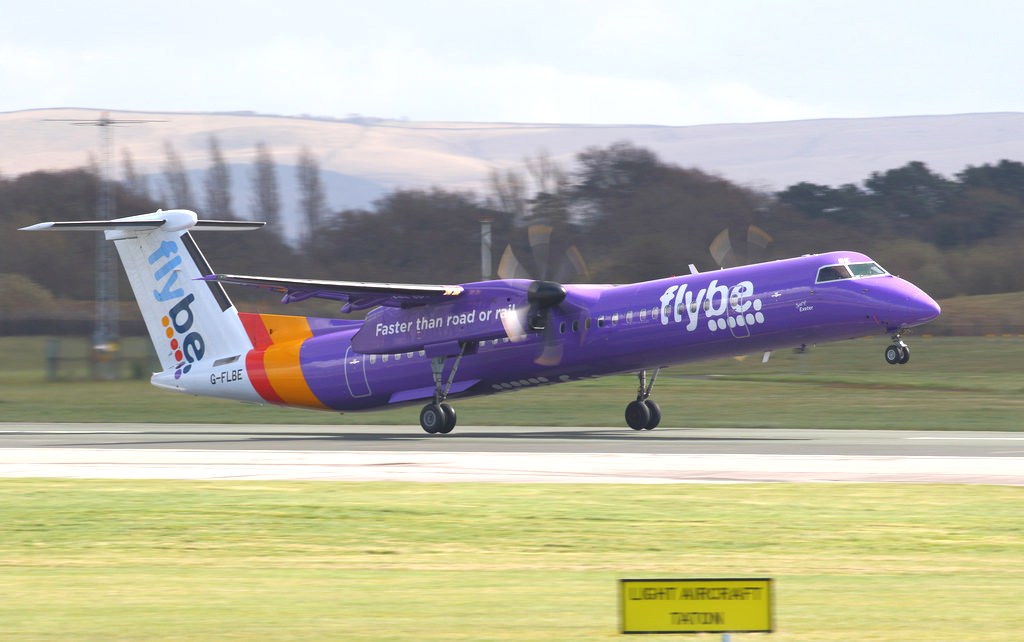
 Treinta y seis de cincuenta y un aviones tenían alerones sin respuesta.