Estados Unidos aceptará vacunas COVID-19 aprobadas por OMS
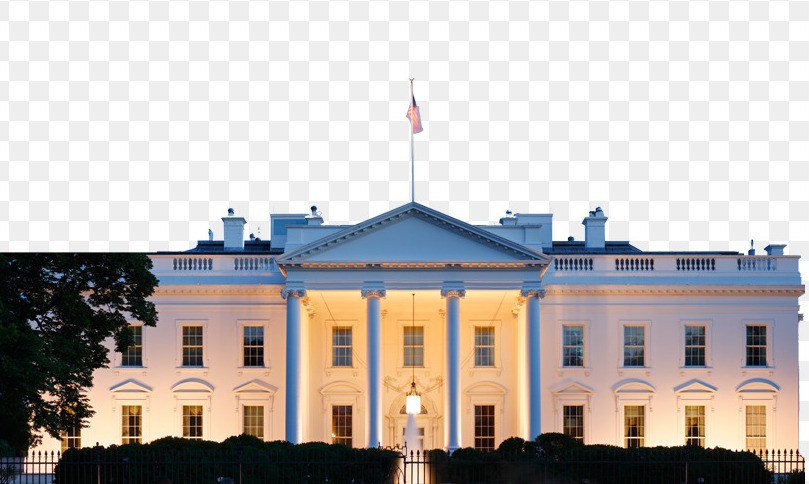
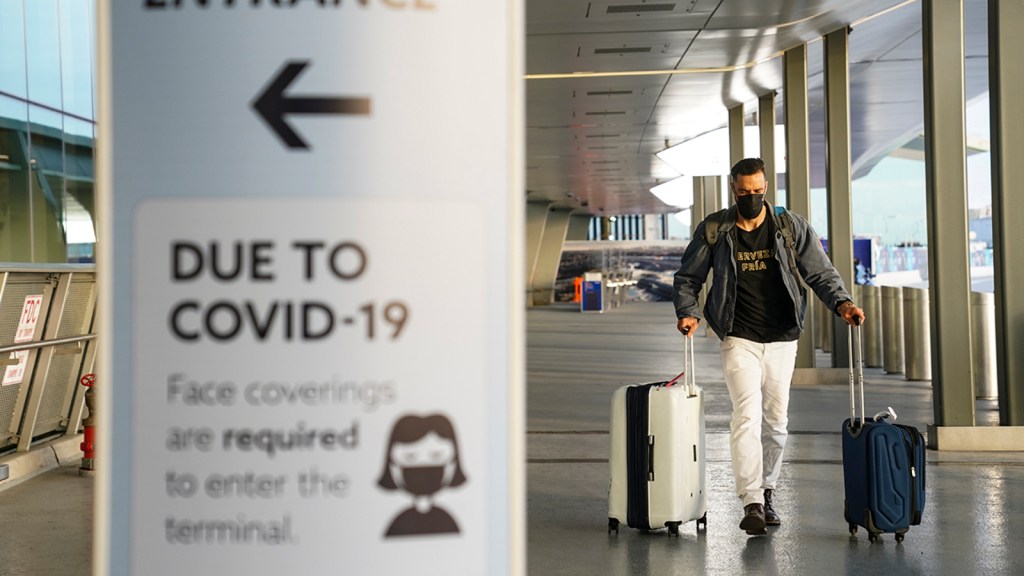
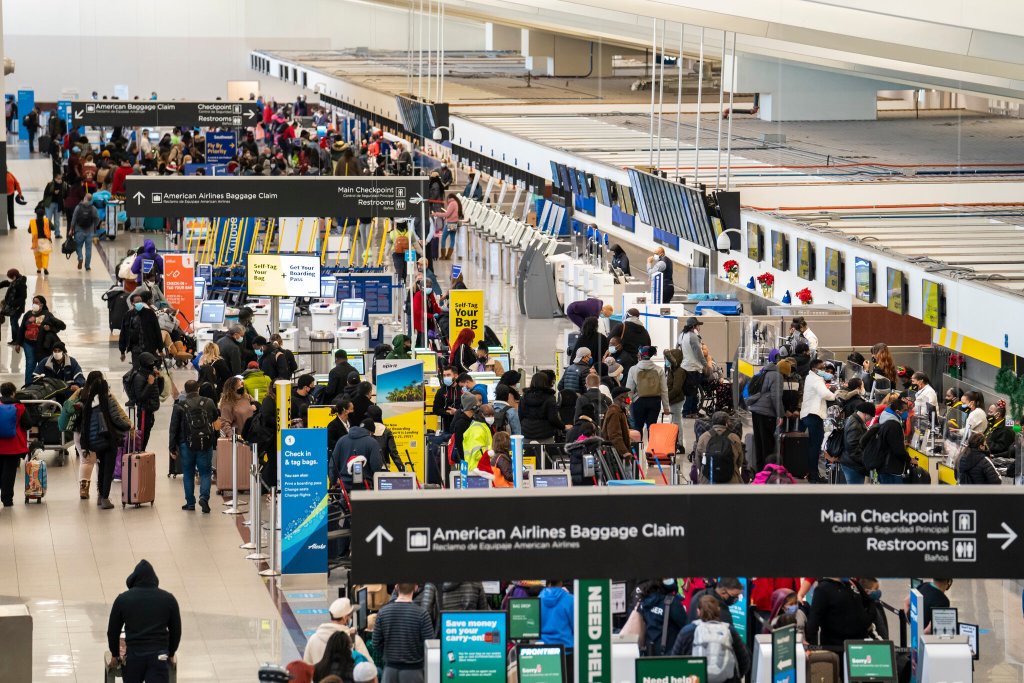
Estados Unidos ha aanunciado ha aceptación del uso por parte de visitantes internacionales de vacunas contra el COVID-19 autorizadas por los reguladores estadounidenses o la Organización Mundial de la Salud (OMS), dijeron el Viernes 08/10 por la noche, el Centro para el Control y la Prevención de Enfermedades (CDC).
El 20 de Septiembre de 2021, la Casa Blanca anunció que Estados Unidos levantaría en Noviembre 2021 las restricciones de viaje a los usuarios del transporte aéreo de treinta y tres países, incluidos China, India, Brasil y la mayor parte de Europa que están completamente vacunados contra COVID-19. No se había especificado para entonces qué vacunas serían aceptadas. Una portavoz de los CDC dijo el Viernes 08/10: «Seis vacunas que están autorizadas/aprobadas por la FDA o listadas para uso de emergencia por la OMScumplirán con los criterios para viajar a los Estados Unidos».
A última hora del Viernes 08/10, la CDC ha expresado que a principios de esta semana serían aceptadas las dosis , mientras que la CDC publicará orientación e información adicionales a medida que se finalicen los requisitos de viaje con el objetivo para ayudar a las aerolíneas a preparar sus sistemas.
Airlines for America (A4A), un grupo comercial que representa a American Airlines, Delta Air Lines, United Airlines entre otros, dijo que estaba «complacido por la decisión de los CDC de aprobar una lista de vacunas autorizadas para los viajeros que ingresan a los Estados Unidos. Esperamos trabajar con la administración para implementar este nuevo marco global de vacunas y pruebas para principios de noviembre de 2021».
Algunos países habían presionado a la Administración Biden para que aceptara las vacunas aprobadas por la OMS, ya que las vacunas autorizadas por la Administración de Alimentos y Medicamentos de los Estados Unidos no se usan ampliamente en todos los países. Estados Unidos admitirá a los viajeros aéreos completamente vacunados de los veintiséis llamados países Schengen en Europa, así como de Gran Bretaña, Irlanda, China, India, Sudáfrica, Irán y Brasil. Las restricciones sin precedentes de Estados Unidos han prohibido a la mayoría de los no estadounidenses, ciudadanos que estuvieron en esos países en los últimos catorce (14) días. Los nuevos requisitos de la vacuna COVID-19 ahora se aplicarán a casi todos los ciudadanos extranjeros que vuelan a los Estados Unidos, incluidos aquellos que no están sujetos a las restricciones anteriores.
La CDC aún deben finalizar y publicar nuevas reglas de rastreo de contratos para visitantes internacionales, que enviaron a la Casa Blanca para su revisión el 15 de Septiembre de 2021. También deben detallar las reglas para las excepciones, que incluyen a los niños que aún no son elegibles para las vacunas, así como para los visitantes de países donde las vacunas no están ampliamente disponibles. La administración también debe decidir si admite visitantes que formen parte de los ensayos clínicos de COVID-19 o si han contraído recientemente COVID-19 y aún no son elegibles para la vacunación.
US approves vaccines WHO
United States to Accept WHO-Approved COVID-19 Vaccines
The United States has announced it has accepted the use by international visitors of vaccines against COVID-19 authorized by US regulators or the World Health Organization (WHO), said on Friday night 08/10, the Center for the Disease Control and Prevention (CDC).
On September 20, 2021, the White House announced that in November 2021 the United States would lift travel restrictions on air transport users from thirty-three countries, including China, India, Brazil and most of Europe who are fully vaccinated. against COVID-19. It had not been specified by then which vaccines would be accepted. A CDC spokeswoman said Friday 10/08: «Six vaccines that are cleared/approved by the FDA or listed for emergency use by WHO will meet the criteria for travel to the United States».
Late on Friday 10/08, the CDC has stated that the doses would be accepted earlier this week, while the CDC will release additional guidance and information as travel requirements are finalized with the goal of helping airlines. to prepare your systems.
Airlines for America (A4A), a trade group representing American Airlines, Delta Air Lines, United Airlines among others, said it was «pleased by the CDC’s decision to approve a list of authorized vaccines for travelers entering the United States. United States. We look forward to working with the administration to implement this new global vaccine and testing framework by early November 2021».
Some countries had lobbied the Biden Administration to accept WHO-approved vaccines, as vaccines licensed by the US Food and Drug Administration are not widely used in all countries. The United States will admit fully vaccinated air travelers from the 26 so-called Schengen countries in Europe, as well as Great Britain, Ireland, China, India, South Africa, Iran and Brazil. The unprecedented restrictions of the United States have banned the majority of non-Americans, citizens who have been in those countries in the last fourteen (14) days. The new COVID-19 vaccine requirements will now apply to nearly all foreign nationals flying to the United States, including those who are not subject to the above restrictions.
The CDC has yet to finalize and publish new contract tracking rules for international visitors, which they sent to the White House for review on September 15, 2021. They must also spell out the rules for exceptions, which include children who have not yet are eligible for vaccines, as well as for visitors from countries where vaccines are not widely available. The administration must also decide whether to admit visitors who are part of COVID-19 clinical trials or have recently contracted COVID-19 and are not yet eligible for vaccination.
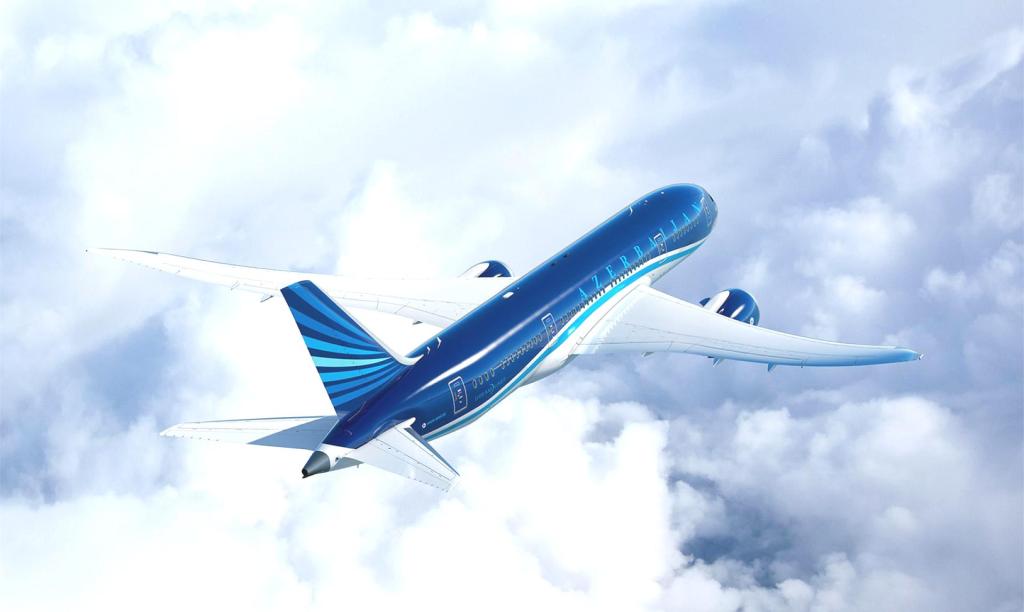
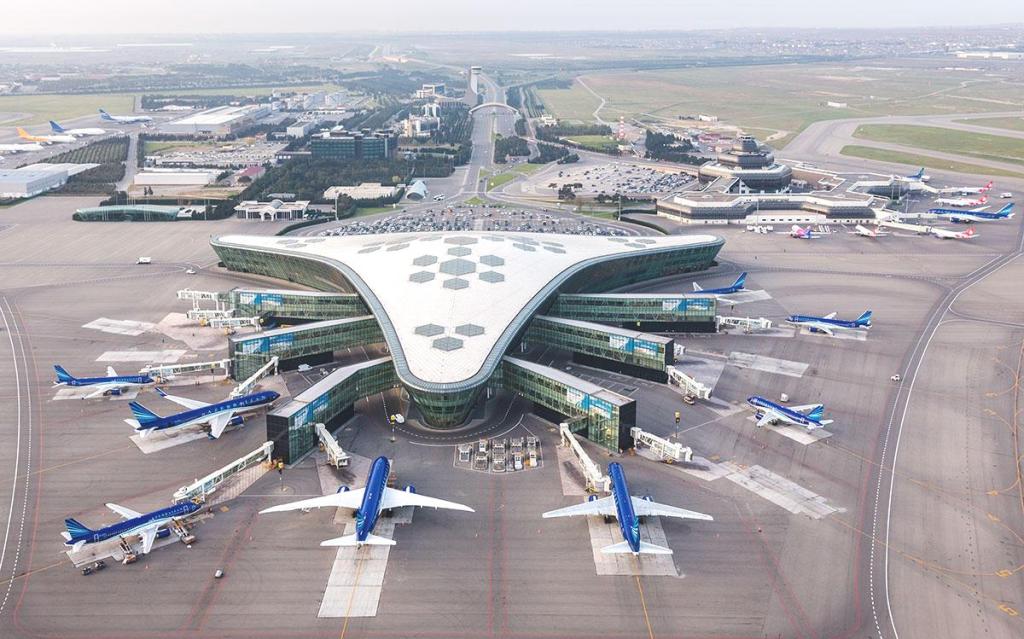
La República de Azerbaiyán ha comenzado a sobrevolar el espacio aéreo de Armenia para efectuar vuelos internos a la República Autónoma de Najicheván, informó este Miércoles 06/10 la aerolínea azerbaiyana Azal Airlines. «A partir del 6 de Octubre de 2021 las Azal Airlines comenzó a usar el espacio aéreo de Armenia efectuando el vuelo doméstico Bakú—Najicheván—Bakú. A partir de ahora al realizar ese vuelo Azal podrá utilizar todos los corredores aéreos existentes, incluidos los que pasan sobre los territorios de Armenia e Irán», señala el comunicado de prensa. De acuerdo con la compañía muestra la disposición de Azerbaiyán para desbloquear las comunicaciones de transporte en la región, lo que responde a los intereses de todos los países fronterizos. Azal Airlines precisa que el cambio de la ruta, que antes se efectuaba eludiendo el territorio armenio, reducirá el tiempo de vuelo y ahorrará combustible.
Azerbaiyán y Armenia firmaron el pasado otoño septentrional un alto el fuego mediado por la Federación Rusia para poner fin a las hostilidades en el enclave de Nagorno Karabaj, donde la reciente guerra entre las dos repúblicas ex-soviéticas dejó miles de muertos y decenas de miles de heridos.
Azerbaijan launches Armenian airspace
Azerbaijan restores connection with Nakhichevan
The Republic of Azerbaijan has begun to fly over the airspace of Armenia to carry out internal flights to the Autonomous Republic of Nakhichevan, the Azerbaijani airline Azal Airlines reported this Wednesday 06/10. «As of October 6, 2021, Azal Airlines began to use the airspace of Armenia by carrying out the domestic flight Baku-Nakhichevan-Baku. From now on, when carrying out this flight, Azal will be able to use all the existing air corridors, including those that they pass over the territories of Armenia and Iran», the press release said. According to the company, it shows Azerbaijan’s willingness to unblock transport communications in the region, which responds to the interests of all border countries. Azal Airlines specifies that the change of the route, which was previously carried out bypassing Armenian territory, will reduce flight time and save fuel.
Azerbaijan and Armenia signed a Russian Federation-brokered ceasefire last autumn to end hostilities in the Nagorno Karabakh enclave, where the recent war between the two ex-Soviet republics left thousands dead and tens of thousands of wounded.
Azərbaycan Ermənistanın hava məkanını buraxır
Azərbaycan Naxçıvanla əlaqəni bərpa edir
Naxçıvan muxtar daxili uçuşlar həyata keçirmək üçün Azərbaycan Respublikası Ermənistanın hava məkanı üzərində uçmağa başlayıb. «6 Oktyabr 2021-ci il tarixindən etibarən Azal Hava Yolları Bakı-Naxçıvan-Bakı daxili reysini həyata keçirərək Ermənistanın hava məkanından istifadə etməyə başladı. Bundan sonra Azal bu reysi həyata keçirərkən bütün mövcud hava dəhlizlərindən istifadə edə biləcək. Ermənistan və İran ərazilərindən keçdikləri ərazilər də daxil olmaqla”, məlumatda deyilir. Şirkətdən verilən məlumata görə, bu, Azərbaycanın bütün sərhəd ölkələrinin maraqlarına cavab verən nəqliyyat kommunikasiyalarını blokdan çıxarmaq istəyini göstərir. Azal Hava Yolları, əvvəllər Ermənistan ərazisini aşaraq həyata keçirilən marşrutun dəyişdirilməsinin uçuş müddətini azaldacağını və yanacağa qənaət edəcəyini bildirir.
Azərbaycan və Ermənistan keçmiş Sovet İttifaqı respublikaları arasında son müharibənin minlərlə insanın öldüyü və on minlərlə insanın yaralandığı Dağlıq Qarabağ anklavında hərbi əməliyyatlara son qoymaq üçün Rusiya Federasiyasının vasitəçiliyi ilə atəşkəs imzaladılar.
AW | 2021 10 06 10:15 | AIR TRAFFIC / GOVERNMENT / AIRLINES
Argentina libera cupos desde mediados de Octubre 2021
La Agencia Nacional de Aviación Civil (ANAC) de Argentina ha anunciado que las líneas aéreas internacionales podrán volar entres sus países hacia Argentina sin limitaciones de cupos a partir del 19 de Octubre de 2021. «Alcanzado el umbral del 50% de población vacunadas con esquema completo, y de acuerdo a la Decisión Administrativa DA Nº 951/2021 el día 19 de Octubre de 2021 se levanta todo cupo en la cantidad de pasajeros que arriban al país por modo aéreo», informó la agencia aeronáutica de la ANAC. Tras haber alcanzado a partir del 02/10 un 50% de la población con doble vacunación, el Ministerio de Salud hizo el anuncio oficial este Martes 05/10, tras ese comunicado, hizo el anuncio también la agencia de la ANAC.
La flexibilización de las frecuencias aéreas internacionales continuaba ampliándose en la primera quincena de Octubre 2021 a medida que los índices de contagiosidad disminuían en el país. Un la liberalización de las limitaciones a los vuelos la agencia ANAC informará antes de que termine el mes de Octubre los vuelos para todo Noviembre y Diciembre, lo que representa un cambio sustancial en la forma en que la Administración Nacional de Aviación Civil venía autorizando los vuelos. De esta forma, las compañías aéreas y los pasajeros tendrán más previsibilidad a la hora de programar sus viajes, mientras que les permitirá a las aerolíneas manejar de una manera más ordenada sus operaciones.
A partir del 1 de Noviembre de 2021 se habilita el ingreso de turistas extranjeros de cualquier país, siempre y cuando estén vacunados con cualesquiera dosis, mientras que se prevé para esa fecha la eliminación del test de antígenos al arribar al país. Para ingresar a Argentina habrá que seguir presentando un test PCR con resultado negativo realizado 72 horas antes de la partida del vuelo, como así también completar la Declaración Jurada (DDJJ) que se encuentra en el website oficial de la Dirección Nacional de Migraciones.
Argentina without quotas middle of October
Argentina releases quotas from mid-October 2021
The National Civil Aviation Agency (ANAC) of Argentina has announced that international airlines will be able to fly between their countries to Argentina without limits on quotas as of October 19, 2021. «Upon reaching the threshold of 50% of the population vaccinated with the complete scheme, and according to Administrative Decision DA No. 951/2021 on October 19, 2021, all quotas are lifted in the number of passengers who arrive in the country by air mode», informed the aeronautical agency of ANAC. After having reached 50% of the population with double vaccination from 02/10, the Ministry of Health made the official announcement this Tuesday 05/10, after that announcement, the ANAC agency also made the announcement.
The flexibility of international air frequencies continued to expand in the first fortnight of October 2021 as the contagiousness rates decreased in the country. After the liberalization of the limitations on flights, the ANAC agency will inform before the end of October the flights for the whole of November and December, which represents a substantial change in the way in which the National Civil Aviation Administration had been authorizing the flights. . In this way, airlines and passengers will have more predictability when planning their trips, while allowing airlines to manage their operations in a more orderly manner.
As of November 1, 2021, the entry of foreign tourists from any country is enabled, as long as they are vaccinated with any dose, while the elimination of the antigen test upon arrival in the country is foreseen for that date. To enter Argentina, it will be necessary to continue presenting a PCR test with a negative result carried out 72 hours before the flight departure, as well as completing the Sworn Declaration (DDJJ) that can be found on the official website of the National Directorate of Migration.
AW | 2021 10 02 13:43 | AIR TRAFFIC / AIRLINES / AVIATION ORGANISMS
IATA beneplácita con decisiones en Argentina
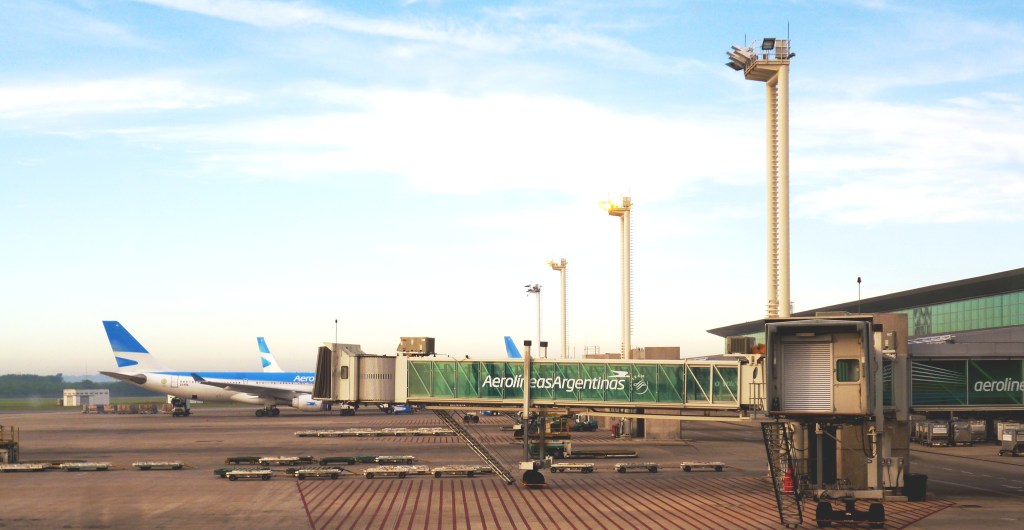
Con el fin de las restricciones al tránsito en la República Argentina, las aerolíneas esperan recuperar cien por ciento de las rutas que se perdieron por la pandemia. La Asociación de Transporte Aéreo Internacional (IATA) recibió con satisfacción las últimas decisiones adoptadas por el Gobierno argentino de levantar la mayoría de las actuales restricciones a los vuelos internacionales cuando se cumplan catorce (14) días desde que el 50% de la población del país haya completado su esquema de vacunación, ha generado optimismo en el sector aerocomercial. Se estima que se puede arribar a esa situación a mediados de este mes de Octubre 2021.
A partir del 01/11 se habilitará la entrada de todos los extranjeros, permitiendo desobligar a realizar una prueba de antígeno al entrar a la Argentina ni tampoco permanecer en cuarentena. En tanto, deberán contar con una vacunación completa y una prueba PCR negativa de máximo 72 horas previas al embarque.
Las medidas fueron bien recibidas por la IATA. “La decisión del Gobierno de Argentina de permitir gradualmente la reapertura del transporte aéreo en el país es una buena noticia en varios frentes. En primer lugar, restablece la libertad de viajar, que será especialmente bienvenida por aquellos a quienes se les impidió volar durante los últimos dieciocho meses. Además, las aerolíneas ahora podrán planificar con mayor previsibilidad y recuperar la conectividad que se ha perdido durante este tiempo. Esto será un impulso para la reconstrucción de la economía argentina, especialmente a través de la contribución del turismo y los negocios internacionales”, dijo Peter Cerdá, Vicepresidente Regional para Las Américas.
Según los cálculos de IATA, la reapertura de las fronteras de la Argentina a los viajeros internacionales permitirá que las aerolíneas comiencen a recuperar las cien por ciento de las rutas estimadas nacionales e internacionales que se perdieron como resultado de la pandemia. También estimaron que se comenzará a generar los US$ 1.779 millones de contribución directa al PBI de la Argentina que se pusieron en riesgo mientras estaban vigentes las limitaciones. Y detallaron que de esta forma se podrán apoyar y mantener los 21.470 puestos de trabajo locales y la contribución total anual de US$ 22.500 millones que el sector aporta al PBI de la Argentina.
“Este anuncio marca un cambio importante en la gestión de los riesgos del Covid-19, pasando de las medidas generales a nivel nacional a la evaluación del riesgo individual. El siguiente reto es encontrar un sistema para no excluir a los viajeros que no estén vacunados y que tendrán que seguir cumpliendo cuarentena, incluidos los menores que en la mayoría de los casos ni siquiera están contemplados en las campañas de inoculación en sus países de origen”, sostuvo Peter Cerdá.
L️as últimas medidas del Gobierno de Argentina dispusieron un avance progresivo en los cupos para el ingreso de pasajeros en vuelos internacionales. Entre este Viernes 01/10 y el 03/10 se habilitarán 2.300 plazas diarias; entre el 04/10 y el 10/10 serán 21.000 plazas semanales (unas 3.000 diarias); y a partir del día 11/10 28.000 plazas semanales (4.000 diarias). En tanto, a los catorce (14) días de alcanzar el 50% de la población con esquema de vacunación completo, se eliminan los cupos al tránsito de pasajeros.
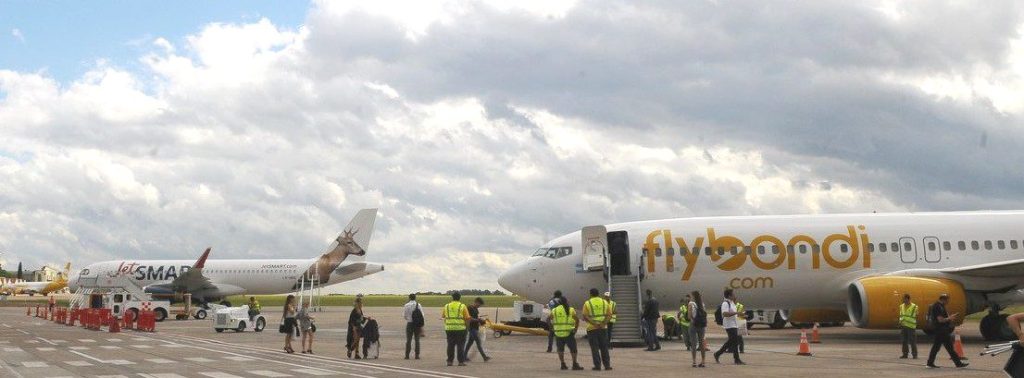
Algunas empresas aéreas ya comenzaron a anticipar su aumento en la programación de vuelos para los próximos meses. Esta semana, Aerolíneas Argentinas anticipó que pasará de diez salidas diarias de vuelos internacionales en Octubre 2021 a unas dieciséis en n11/2021 y 12/2021 y a veinticinco en Enero de 2022. Actualmente, la cantidad de pasajeros que viaja a Europa representa apenas un 13% de los números previos a la pandemia. En el caso de los vuelos domésticos, la empresa prevé alcanzar en 2022 el 61% de los vuelos pre-pandemia, mientras que en asientos será un 75%. Todas las provincias tendrán seis o más vuelos por semana y se van a programar 31 intertramos, con 96 frecuencias por semana entre destinos que no pasan por Buenos Aires. Según la empresa, hay una aceleración de la cantidad de de reservas para volar últimos meses de 2021 y primeros meses de 2022, potenciada por el plan oficial de Previaje. “La hipótesis positiva, a futuro para la temporada de verano, es que vamos a estar con entre 75% y 80% de los pasajeros que volaron en enero de 2020. Y tenemos capacidad para agregar oferta adicional”, señaló Fabián Lombardo, Director Comercial de la empresa el Jueves 30/09 durante un encuentro con periodistas. Los datos de Aerolíneas Argentinas muestran que en vuelos domésticos en los primeros cuatro meses del este año se transportó cerca del 40% de los pasajeros en comparación con las cifras preCovid, luego hubo una caída —por las restricciones que solo permitían viajar al personal esencial— con porcentajes entre 20% y 18% y a partir de julio una recuperación. En septiembre viajaron 422.004 pasajeros, un 50% en comparación con los meses previos a la pandemia.
Sin embargo, la recuperación de los destinos internacionales será más lenta. Actualmente, la cantidad de pasajeros que viaja a Europa representa apenas un 13% de los números previos a la pandemia. Para los vuelos regionales, la cifra es apenas del 2% y para los vuelos dentro de América sin contar los Estados Unidos (por ejemplo al Caribe) es de 7%. Las mejores cifras, en tanto, se dan en los viajes a los Estados Unidos, donde la cantidad de pasajeros representa un 38% respecto a los número pre-Covid.
Argentina deepens flexibility
IATA welcomes decisions in Argentina
With the end of the traffic restrictions in the Argentine Republic, the airlines hope to recover one hundred percent of the routes that were lost due to the pandemic. The International Air Transport Association (IATA) received with satisfaction the latest decisions taken by the Argentine Government to lift most of the current restrictions on international flights when fourteen (14) days have elapsed since 50% of the country’s population has completed its vaccination schedule, it has generated optimism in the commercial aviation sector. It is estimated that this situation can be reached in the middle of this month of October 2021.
As of 11/01, the entry of all foreigners will be enabled, allowing them to undo an antigen test when entering Argentina or to remain in quarantine. Meanwhile, they must have a complete vaccination and a negative PCR test for a maximum of 72 hours prior to shipment.
The measures were well received by IATA. “The decision of the Government of Argentina to gradually allow the reopening of air transport in the country is good news on several fronts. First, it restores the freedom to travel, which will be especially welcomed by those who have been prevented from flying for the past eighteen months. Additionally, airlines will now be able to plan with greater predictability and regain connectivity that has been lost during this time. This will be a boost for the reconstruction of the Argentine economy, especially through the contribution of tourism and international business”, said Peter Cerdá, Regional Vice President for The Americas.
According to IATA calculations, the reopening of Argentina’s borders to international travelers will allow airlines to begin recovering the one hundred percent of the estimated national and international routes that were lost as a result of the pandemic. They also estimated that the US$ 1,779 million of direct contribution to Argentina’s GDP that was put at risk while the limitations were in force will begin to be generated. And they detailed that in this way they will be able to support and maintain the 21,470 local jobs and the total annual contribution of US$ 22,500 million that the sector contributes to Argentina’s GDP.
“This announcement marks a major shift in Covid-19 risk management, moving from general measures at the national level to individual risk assessment. The next challenge is to find a system to not exclude travelers who are not vaccinated and who will have to continue serving quarantine, including minors who in most cases are not even included in the inoculation campaigns in their countries of origin», said Peter Cerdá.
The IATA asked the Chief of Staff to organize meetings between the authorities and the industry to work in coordination on the steps that allow this reopening. Key priorities for the sector are elimination of quarantines without affecting unvaccinated minors and accepting antigen tests as an alternative to PCR in any instance where testing is required. The quota will gradually increase up to two weeks after 50% of the population is vaccinated with two doses.
The latest measures of the Government of Argentina provided a progressive advance in the quotas for the entry of passengers on international flights. Between this Friday 01/10 and 03/10, 2,300 places will be opened per day; between 04/10 and 10/10 there will be 21,000 places per week (about 3,000 per day); and as of October 11, 28,000 places per week (4,000 daily). Meanwhile, fourteen (14) days after reaching 50% of the population with a complete vaccination scheme, the quotas for passenger transit are eliminated.
Some airlines have already begun to anticipate their increase in flight schedules for the coming months. This week, Aerolíneas Argentinas anticipated that it will go from ten daily departures of international flights in October 2021 to about sixteen in 11/2021 and 12/2021 and to twenty-five in January 2022. Currently, the number of passengers traveling to Europe represents only 13 % of pre-pandemic numbers. In the case of domestic flights, the company expects to reach 61% of prepandemic flights by 2022, while in seats it will be 75%. All provinces will have six or more flights per week and 31 intertramos will be scheduled, with 96 frequencies per week between destinations that do not pass through Buenos Aires. According to the company, there is an acceleration in the number of reservations to fly in the last months of 2021 and the first months of 2022, boosted by the official Pre-trip plan. «The positive hypothesis, in the future for the summer season, is that we will be with between 75% and 80% of the passengers who flew in January 2020. And we have the capacity to add additional offer», said Fabián Lombardo, Commercial Director of the company on Thursday 09/30 during a meeting with journalists. Data from Aerolíneas Argentinas show that in domestic flights in the first four months of this year about 40% of passengers were transported compared to the pre-Covid figures, then there was a drop-due to restrictions that only allowed essential personnel to travel. with percentages between 20% and 18% and a recovery from July. In September, 422,004 passengers traveled, 50% compared to the months before the pandemic.
However, the recovery of international destinations will be slower. Currently, the number of passengers traveling to Europe represents just 13% of pre-pandemic numbers. For regional flights, the figure is barely 2% and for flights within America excluding the United States (for example to the Caribbean) it is 7%. The best figures, meanwhile, are for trips to the United States, where the number of passengers represents 38% compared to pre-Covid numbers.
Cronograma de apertura de fronteras y requisitos migratorios
El Gobierno de la República Argentina ha establecido en el Boletín Oficial del Decreto 678/2021 del día Viernes 01/10 como parte de la flexibilización de las medidas de cuidado ante el descenso de los contagios de Covid-19, dispuso la apertura de las fronteras. Para ello se establecieron diversos pasos seguros por los cuales podrán entrar al país los argentinos o residentes en países limítrofes siempre que cumplan las condiciones que se establecieron para el ingreso a territorio nacional. A los turistas o extranjeros no residentes se les imponen requisitos adicionales.
Cronograma/condiciones de apertura de fronteras
APERTURA INTERNACIONAL/PAÍSES LIMÍTROFES
Se establece a partir del 1 de Octubre de 2021. Personas nacionales o residentes de países limítrofes que hayan permanecido en estos durante los catorce días previos al ingreso al territorio nacional sea por medios terrestres, aéreos o marítimos. La Dirección Nacional de Migraciones podrá autorizar el tránsito vecinal fronterizo cuando se verifiquen las condiciones epidemiológicas y los requisitos que la autoridad sanitaria nacional considere necesarios.
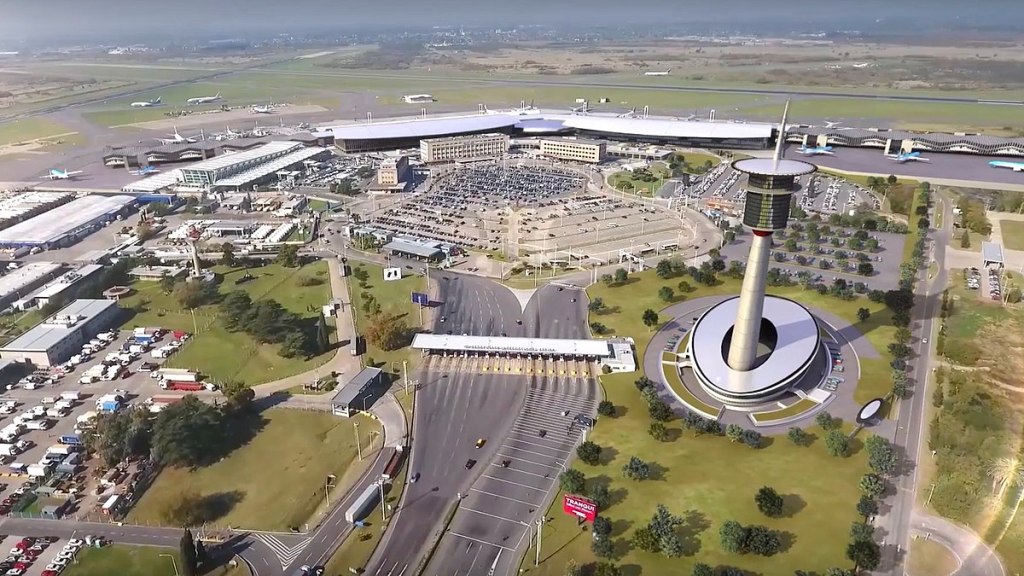
Los aeropuerto habilitados son Aeropuerto Internacional Cataratas del Iguazú, Aeropuerto Internacional Mendoza/Gobernador Francisco Gabrielli, Aeropuerto Internacional de Ezeiza, Aeropuerto Jorge Newbery, Aeropuerto San Fernando, Aeropuerto Internacional Ushuaia ( 20/10). Se sumarán aquellos que sean pedidos por las Provincias y cuenten con habilitación del Gobierno Nacional.
Requisitos de tránsito Esquema de vacunación completo, fecha de última aplicación al menos catorce (14) días. Quienes no presenten esquema de vacunación completo deberán realizar aislamiento obligatorio. Argentina respeta las vacunas aprobadas por los países de origen. PCR negativo 72 hs. antes y antígeno en el punto de ingreso. PCR a los 5/7 días en caso de seguir permaneciendo en el país. Menores de edad sin esquema de vacunación completo, acompañados de adultos al ingresar al país, podrán ingresar, pero debiendo realizar la cuarentena. Transcurridos catorce días desde que nuestro país alcance el 50% de la población con esquema de vacunación completo, quienes ingresen al país con el esquema de vacunación, quedan exceptuados de la realización del test de antígenos.
⚠️ Los turistas o extranjeros no residentes deben contar con un seguro con cobertura Covid-19
Reanudación de Cruceros Bioceánicos y Antárticos Quedan habilitados para el transporte fluvial y marítimo las embarcaciones a partir del 20 de Octubre de 2021, abriendo la temporada de cruceros.
Avance progresivo de cupos Los cupos de tránsito son las capacidades que el Gobierno nacional ha establecido diariamente para ingreso/egreso del país. Entre el día 1 al 3/10 2.300 plazas diarias. Entre el día 4 al 10/10 21.000 plazas semanales. A partir del día 11/10 y hasta los 14 días de alcanzar el 50% de la población con vacunación completa, 28.000 plazas semanales. A los 14 días de alcanzar el 50% de la población con esquema de vacunación completo, se eliminan los cupos.
APERTURA INTERNACIONAL/RESTO DEL MUNDO
A partir del próximo 1 de Noviembre de 2021 se restablecerá el ingreso al territorio nacional de los extranjeros del resto del mundo, siempre que cumplan con los requisitos ya mencionados y que entren por los corredores seguros aéreos, marítimos, fluviales y terrestres que determinen las autoridades nacionales.
Transit openings in Argentina
Timetable for opening borders and immigration requirements
The Government of the Argentine Republic has established in the Official Gazette of Decree 678/2021 of Friday 01/10 as part of the flexibility of care measures in the face of the decrease in Covid-19 infections, it ordered the opening of the borders . For this, various safe steps were established by which Argentines or residents of neighboring countries may enter the country as long as they meet the conditions that were established for entering the national territory. Additional requirements are imposed on tourists or non-resident foreigners.
Timetable/conditions for opening borders
INTERNATIONAL OPENING/NEIGHBORING COUNTRIES
It is established as of October 1, 2021. Nationals or residents of neighboring countries who have stayed in these for the fourteen days prior to entering the national territory, whether by land, air or sea. The National Directorate of Migration may authorize border transit when the epidemiological conditions and the requirements that the national health authority deems necessary are verified.
The authorized airports are Cataratas del Iguazú International Airport, Mendoza/Gobernador Francisco Gabrielli International Airport, Ezeiza International Airport, Jorge Newbery Airport, San Fernando Airport, Ushuaia International Airport (10/20). Those that are requested by the Provinces and have authorization from the National Government will be added.
Transit requirements
Complete vaccination schedule, date of last application at least fourteen (14) days. Those who do not present a complete vaccination scheme must perform mandatory isolation. Argentina respects the vaccines approved by the countries of origin. Negative PCR 72 h. before and antigen at the point of entry. PCR at 5/7 days if you continue to stay in the country. Minors without a complete vaccination scheme, accompanied by adults when entering the country, may enter, but must quarantine. Fourteen days after our country reaches 50% of the population with a complete vaccination scheme, those who enter the country with the vaccination scheme are exempted from performing the antigen test.
⚠️ Tourists or non-resident foreigners must have insurance with Covid-19 coverage
Resumption of Bioceanic and Antarctic Cruises Vessels are enabled for river and maritime transport from October 20, 2021, opening the cruise season.
Progressive advance of quotas Transit quotas are the capacities that the national government has established daily for entering / leaving the country. From day 1 to 3/10 2,300 places per day. Between the 4th and the 10th of October 21,000 places per week. Starting on 10/11 and until 14 days after reaching 50% of the population with complete vaccination, 28,000 weekly places. After 14 days of reaching 50% of the population with a complete vaccination scheme, the quotas are eliminated.
INTERNATIONAL OPENING / REST OF THE WORLD
As of next November 1, 2021, the entry into the national territory of foreigners from the rest of the world will be restored, provided that they meet the aforementioned requirements and that they enter through the safe air, maritime, river and land corridors determined by the authorities. nationals.
Flexibilización sanitaria en aeropuertos argentinos
El Gobierno de Argentina ha levantado los controles sanitarios en los aeropuertos de Buenos Aires/Ezeiza, Buenos Aires/Jorge Newbery y Córdoba cancelando los controles. En el marco de las nuevas flexibilizaciones a las restricciones por la pandemia de Coronavirus, que anunciara días atrás el Ministerio de Salud junto a la Jefatura de Gabinete nacional, los aeropuertos de Ezeiza, Aeroparque y Córdoba comenzaron a permitir el ingreso de acompañantes. Tras los anuncios sobre la eliminación de la cuarentena para los argentinos y residentes que lleguen al país con el esquema de vacunación completo, se habilitó la entrada a las terminales para los viajeros y sus acompañantes en los aeropuertos citados.
Sin embargo, es importante aclarar que en Ezeiza esta medida alcanza únicamente a los halls de ingreso para realizar el check-in, es decir que únicamente pueden acudir acompañantes que vayan con alguien que esté por viajar. Continúa restringido el ingreso para personas que vayan a recibir pasajeros a su arribo. Esto no sucede en el aeropuerto de Córdoba, que sólo está habilitado para vuelos domésticos, donde la gente sí puede ingresar a las instalaciones para recibir viajeros; ni en el Aeroparque Metropolitano, donde los acompañantes pueden ingresar tanto al sector de partidas como al de arribos. En Ezeiza, entonces, los amigos, familiares y/o personas que vayan a recibir algún viajero, deberán hacerlo desde afuera de las instalaciones aeroportuarias.
Por el momento, todos los corredores seguros que reciben viajeros internacionales continúan realizando un test de antígenos obligatorio a todos los viajeros. Sin embargo, en los tres aeropuertos mencionados se mantendrán los controles de temperatura corporal y el uso de barbijo continúa siendo obligatorio por tratarse de espacios públicos cerrados. La medida significa una buena noticia para los comercios que se encuentran dentro de los aeropuertos como bares, cafés, restaurantes de comida rápida y farmacias, entre otros.
En los aeropuertos del país que reciben vuelos internacionales -Ezeiza, el Aeroparque metropolitano y el Aeropuerto Internacional Mendoza se continúa realizando un test de antígenos a todos los viajeros a su arribo al país.
El Ministerio de Salud ha expresado que una vez que el país llegue al 50% de su población completamente vacunada con las dos dosis de la vacuna contra el Covid-19 de alguno de los inoculantes que se aplican en el país, se dejará de realizar dicho test a los pasajeros que arriben con algún esquema de vacunación completo. Del mismo modo, una vez alcanzado ese objetivo, no se le exigirá más a los viajeros vacunados que realicen un test PCR entre el quinto y séptimo día desde su arribo, de esta manera se minimiza el impacto del aumento de hospitalizaciones y muertes.
Otros anuncios pertinentes a los viajes internacionales tienen que ver con la reapertura internacional de Argentina. A partir del 1 de Octubre de 2021 se permitirá el ingreso de todos los extranjeros de países limítrofes por el motivo que fuese, y a partir del 1 de Noviembre de 2021, el ingreso de turistas y viajeros de todo el mundo.
A pesar de ello, por el momento la Argentina tiene únicamente seis corredores seguros habilitados para los traslados internacionales. Tres corredores aéreos Ezeiza, Aeroparque y Mendoza, dos corredores terrestres Paso Cristo Redentor en Mendoza y el Paso Fronterizo Terrestre Tancredo Neves en Misiones, y el corredor fluvial que conecta a la Argentina con Uruguay operado por las empresas Buquebus y Colonia Express.
A partir del 1 de Octubre de 2021 se habilitará también el Aeropuerto Internacional de Cataratas del Iguazú/Mayor Carlos Eduardo Krause, pero actualmente no se ha tenido información sobre el resto de los puntos de acceso internacionales, ya sean terrestres, fluviales/marítimos y/o aéreos.
Argentina makes sanitary controls more flexible
Health flexibility in Argentine airports
The Government of Argentina has lifted the sanitary controls at the Buenos Aires/Ezeiza, Buenos Aires/Jorge Newbery and Córdoba airports, canceling the controls. Within the framework of the new flexibilisations to the restrictions due to the Coronavirus pandemic, announced days ago by the Ministry of Health together with the National Cabinet Headquarters, the airports of Ezeiza, Aeroparque and Córdoba began to allow the entry of companions. After the announcements about the elimination of the quarantine for Argentines and residents who arrive in the country with the complete vaccination scheme, entry to the terminals was enabled for travelers and their companions at the aforementioned airports.
However, it is important to clarify that in Ezeiza this measure only reaches the entrance halls for check-in, that is, only companions who are traveling with someone can attend. Entry continues to be restricted for people who will receive passengers upon arrival. This does not happen at the Córdoba airport, which is only enabled for domestic flights, where people can enter the facilities to receive travelers; nor at the Metropolitan Airport, where companions can enter both the departures and arrivals sectors. In Ezeiza, then, friends, family and/or people who are going to receive a traveler, must do so from outside the airport facilities.
At the moment, all safe corridors that receive international travelers continue to carry out a mandatory antigen test for all travelers. However, at the three airports mentioned, body temperature controls will be maintained and the use of a chinstrap continues to be mandatory as they are closed public spaces. The measure means good news for businesses located within airports such as bars, cafes, fast food restaurants and pharmacies, among others.
In the country’s airports that receive international flights – Ezeiza, the Metropolitan Airport and Mendoza International Airport, an antigen test is still being carried out on all travelers upon arrival in the country.
The Ministry of Health has expressed that once the country reaches 50% of its population completely vaccinated with the two doses of the vaccine against Covid-19 of any of the inoculants that are applied in the country, said test passengers who arrive with a complete vaccination scheme. In the same way, once this objective has been reached, vaccinated travelers will no longer be required to perform a PCR test between the fifth and seventh day after arrival, thus minimizing the impact of the increase in hospitalizations and deaths.
Other announcements pertinent to international travel have to do with Argentina’s international reopening. As of October 1, 2021, the entry of all foreigners from neighboring countries for whatever reason, and as of November 1, 2021, the entry of tourists and travelers from all over the world.
Despite this, at the moment Argentina has only six safe corridors authorized for international transfers. Three air corridors Ezeiza, Aeroparque and Mendoza, two land corridors Paso Cristo Redentor in Mendoza and the Tancredo Neves Land Border Crossing in Misiones, and the fluvial corridor that connects Argentina with Uruguay operated by the companies Buquebus and Colonia Express.
As of October 1, 2021, the Cataratas del Iguazú/Mayor Carlos Eduardo Krause International Airport will also be enabled, but currently there has been no information on the rest of the international access points, whether land, river/sea and/or aerial.
AW | 2021 09 27 13:55 | AIR TRAFFIC / AIRLINES / GOVERNMENT
Aerolíneas recortan vuelos por prevención sanitaria
Los usuarios del transporte aéreo australiano que deseen retornar a casa hacia fin de año continuarán complicados debido a que las aerolíneas están recortando y cancelando vuelos. Las aerolíneas no están programando operaciones de acuerdo con la demanda, mientras que el Gobierno de Australia ha dado instrucciones a las compañías aéreas de no volar hacia fin de año 2021. Por eso, la gran mayoría de las compañías internacionales han abandonado momentáneamente el país o han reducido sus frecuencias a una mínima expresión.
Los agentes de viajes australianos tienen un rompecabezas no sólo porque no pueden trabajar sino porque ve cómo miles de ciudadanos australianos están siendo condenados a no poder retornar a sus países. Australia está relativamente libre de contagios por el virus pero está muy por encima de su situación pasada, por lo que el Gobierno está procediendo a vacunar al país a la mayor velocidad posible. En estos momentos prácticamente ha llegado al cincuenta por ciento de la población, pero hay mucho temor de que los contagios se descontrolen antes de que la vacunación haya sido suficiente.
Australia reduces air frequencies
Airlines cut flights due to health prevention
Australian air transport users wishing to return home by the end of the year will continue to be difficult as airlines are cutting and canceling flights. Airlines are not scheduling operations according to demand, while the Australian Government has instructed airlines not to fly by the end of the year 2021. As a result, the vast majority of international carriers have momentarily left the country or they have reduced their frequencies to a minimum expression.
Australian travel agents have a puzzle not only because they cannot work but because they see how thousands of Australian citizens are being sentenced to not being able to return to their countries. Australia is relatively free of infections by the virus but is well above its past situation, so the Government is proceeding to vaccinate the country as quickly as possible. At the moment it has practically reached 50 percent of the population, but there is a great fear that the infections will get out of control before the vaccination has been sufficient.
El Gobierno de Argelia ha decidido cerrar totalmente su espacio aéreo a los aviones marroquíes, obligando a los usuarios del transporte aéreo a volar indirectamente para arribar a casa Estado, tendrán que realizar escalas en un tercer país. La respuesta recíproca de que aeronaves comerciales de Marruecos y Argelia no podrán sobrevolar el espacio aéreo denegando las autorizaciones para aterrizar en los aeropuertos. La razón de Argelia publicada en un comunicado son las provocaciones y prácticas hostiles realizadas por parte de Marruecos, de las cuales Argelia no ha dado detalles al respecto.
Apenas un mes antes, Argelia había anunciado la ruptura de relaciones diplomáticas con Marruecos, lo cual indica la gravedad del conflicto. Desde el 17 de Marzo de 2021, Argelia estaba cerrada totalmente a los vuelos procedentes del resto del mundo. En Junio 2021 se reabrieron las fronteras, pero no para el país vecino Marruecos. Sin embargo, ahora la medida va más allá y es comparable con la decisión de Arabia Saudita de bloquear el paso de los aviones de Qatar, cunado se suscitó un conflicto de intereses en la región que obligó a su compañía aérea a únicamente sobrevolar Irán para poder enlazar con cualquier destino del mundo.
Algeria-Morocco air blockade
Algeria blocks airspace to Morocco
The Government of Algeria has decided to completely close its airspace to Moroccan planes, forcing air transport users to fly indirectly to arrive at home, they will have to make stops in a third country. The reciprocal response that commercial aircraft from Morocco and Algeria will not be able to fly over airspace denying authorizations to land at airports. The reason for Algeria published in a statement is the provocations and hostile practices carried out by Morocco, of which Algeria has not given details in this regard.
Just a month earlier, Algeria had announced the severing of diplomatic relations with Morocco, which indicates the seriousness of the conflict. Since March 17, 2021, Algeria was completely closed to flights from the rest of the world. In June 2021 the borders were reopened, but not for neighboring Morocco. However, now the measure goes further and is comparable to the decision of Saudi Arabia to block the passage of Qatari planes, when a conflict of interest arose in the region that forced its airline to only fly over Iran in order to link to any destination in the world.
AW | 2021 09 21 16:28 | AIRLINES / AIR TRAFFIC / GOVERNMENT
Reapertura vuelos transatlánticos presenta desafíos mundiales
A medida que las autoridades levantan las prohibiciones de viajes a ambos lados del Atlántico Norte, Estados Unidos y Europa se preparan para enfrentar se a una ola de desafíos post-pandemia ante la sensible situación que ha dejado a múltiples aerolíneas al atravesar el período de crisis sanitaria provocada por la pandemia mundial. En un esfuerzo por recomponerse, las líneas aéreas procuras restablecer su red de servicios internacionales, pero esto representan nuevos desafíos económicos, financieros, institucional que envuelven los procesos de las diferentes áreas como tripulaciones, personal de tierra, mantenimiento de aeronaves, servicios aéreos, tecnología de la Información (IT), entre otros aspectos.
Reservas viajes
Las reservas de vuelos de aerolíneas han impactado después de que Estados Unidos aliviara las restricciones de viaje transatlánticos. Las aerolíneas europeas y las aerolíneas estadounidenses como American Airlines, United Airlines y Delta Air Lines se beneficiarán de las nuevas reglas. Las reservas de vuelos a Estados Unidos se dispararon tras la muy esperada reapertura del corredor transatlántico el Lunes 20/09.
El Lunes 20/09, Estados Unidos anunció que los extranjeros pueden volar al país si tienen prueba de vacunación y una prueba negativa de COVID-19 a partir de noviembre. La medida marcó una importante relajación de las restricciones de viaje de la pandemia y reemplazará efectivamente una mezcolanza de restricciones que habían prohibido a los no ciudadanos que habían estado en Europa, gran parte de Asia y algunos otros países en los 14 días anteriores ingresar a los Estados Unidos.
La política permitirá a las familias y otras personas que han estado separadas por las restricciones de viaje durante 18 meses planificar las reunificaciones largamente esperadas y permitir que los extranjeros con permisos de trabajo regresen a sus trabajos en los Estados Unidos. Bajo las nuevas políticas, anunciadas por el coordinador de COVID-19 de la Casa Blanca, Jeff Zients, los viajeros extranjeros que vuelen a los Estados Unidos aún tendrán que demostrar una prueba de vacunación antes de abordar, así como una prueba de una prueba negativa de COVID-19 tomada dentro de los tres días posteriores al vuelo. El Presidente de Estados Unidos, Joe Biden también endurecerá las reglas de prueba para los ciudadanos estadounidenses no vacunados, que deberán hacerse la prueba dentro de un día antes de regresar a los Estados Unidos, así como después de que lleguen a casa.
Las reservas en Virgin Atlantic Airways el Lunes por la noche aumentaron en más del 600% en comparación con la semana anterior, y Nueva York representa la mayoría de las reservas, dijo la aerolínea. El interés en los destinos de ocio de la aerolínea también se disparó, con las reservas de Orlando un once veces, Miami nueve veces y Las Vegas ocho veces, según la aerolínea. «Tras la relajación gradual de las restricciones de viaje, hemos visto aumentar la demanda en muchos de nuestros destinos globales, pero Estados Unidos siempre ha sido nuestro corazón», dijo el Director Comercial de Virgin Atlantic Airways, Juha Jarvinen, en un comunicado.
British Airways, propiedad de IAG ha observado un aumento de alrededor del 900% en las búsquedas de vuelos y paquetes de vacaciones a destinos clave de Estados Unidos para los días previos a la Navidad en comparación con hace una semana. Del mismo modo, las búsquedas de vuelos a los Estados Unidos alrededor del Día de Acción de Gracias aumentaron casi un 2,000%. Junto con IAG, las principales compañías europeas como Lufthansa y Air France-KLM también se beneficiarán de los cambios, además de las principales aerolíneas estadounidenses como American Airlines, United Airlines y Delta Air Lines. «El mercado transatlántico es un generador de ganancias clave para los principales grupos de aerolíneas heredadas europeas», dijo el Analista de Bernstein, Daniel Roeska.
Desafío Tripulaciones
La escasez de pilotos se vislumbra como próximo desafío para las aerolíneas. Después de ser empujada a la crisis por COVID-19, la industria de la aviación enfrenta aún más problemas a medida que el mundo emerge de lo peor de la pandemia para descubrir que es probable que haya una escasez de pilotos después de que miles fueron despedidos o decidieron retirarse.
Las políticas gubernamentales, como las vacunas obligatorias para los pilotos en prácticas y las restricciones de viaje, también han mantenido alejado a un nuevo grupo de aviadores potenciales, dijo Bhanu Choudhrie, director ejecutivo de Alpha Aviation Group, que dirige escuelas de vuelo en los Emiratos Árabes Unidos y la más grande en el centro de entrenamiento del sudeste asiático, Filipinas. Alpha Aviation ha capacitado a más de 2.500 pilotos para aerolíneas como Philippine Airlines, AirAsia Group, Cebu Pacific Air Inc y Air Arabia. Los aviones modernos de fuselaje estrecho de larga distancia, como los aviones A321 XLR de Airbus Group, que se entregarán a partir de 2023, requerirán más pilotos que los modelos anteriores, lo que agrava la escasez. «Las aerolíneas van a seguir comprando, modernizando sus flotas, y mientras lo hacen, van a requerir pilotos. El mercado se está volviendo interesante de nuevo, y estamos empezando a ver esa tendencia al alza, estamos empezando a ver a las aerolíneas venir a nosotros y decir: ‘Mira este es mi horario de entrega, ¿puedes tener pilotos listos para mí dentro de dos años?'», expresó Bhanu Choudhrie.
Muchas aerolíneas están tratando agresivamente de recontratar a los pilotos, así como a la tripulación de cabina y al personal de tierra, pero ese no ha sido un proceso simple, y algunos trabajos quedan sin cubrir. Las carreras en la industria ya no parecen tan seguras como antes. Las capacitaciones demandan un período de 18 a 24 meses para entrenar a un piloto. Esto significa que los transportistas deben trabajar para prepararlos mucho antes de la entrega de nuevos aviones, incluidos los aviones de fuselaje estrecho, como el A321 XLR, que puede volar más tiempo. Las aerolíneas suelen pedir aviones con años de anticipación dada la limitada capacidad de producción de los fabricantes de aviones.
Seguridad a bordo
El alcohol ha representado un problema que las aerolíneas lo han agregado a los anuncios de seguridad y lo han prohibido. Southwest Airlines y American Airlines dijeron que el alcohol no regresará a los vuelos hasta al menos Enero 2022. Los viajeros aéreos están escuchando más que solo anuncios sobre cinturones de seguridad, dispositivos de flotación, tiempo de viaje y máscaras antes de despegar. Varias aerolíneas han agregado recordatorios sobre su política de alcohol durante la pandemia, como en, no lo beba si no lo sirvieron. No todas las aerolíneas lo están sirviendo. Después de que el mandato federal de máscaras se extendió hasta Enero de 2022, Southwest, que no ha estado sirviendo alcohol, dijo a principios de este mes que no tiene planes de recuperar las ventas antes de 01/2022. American Airlines, que anteriormente había suspendido las ventas de alcohol en la cabina principal hasta el 13/09, dijo en agosto que continuaría esa pausa hasta el 18 de Enero de 2022. «Estamos haciendo todo lo posible para ayudar a crear un entorno seguro para nuestra tripulación y clientes a bordo de nuestro avión», dijo American en una carta a los asistentes de vuelo. United Airlines y Delta Air Lines reiniciaron el servicio de alcohol, aunque hay algunas limitaciones dependiendo de la duración de los vuelos.
La suspensión de las ventas de cerveza, vino y licor no significa que los viajeros puedan beber su propio alcohol, incluso si pueden llevar mini botellas a bordo. La Administración Federal de Aviación (FAA) dice que las regulaciones «prohíben a los pasajeros beber alcohol a bordo de la aeronave a menos que sea servida por la compañía aérea». American Airlines dijo en un comunicado que ha actualizado sus anuncios previos al vuelo para reflejar nueva información sobre las reglas de máscaras, las medidas de seguridad contra el coronavirus y las políticas relacionadas con el consumo de alcohol a bordo. «Estos anuncios se hacen regularmente a lo largo del viaje por agentes de puerta de embarque, asistentes de vuelo y pilotos», dijo el comunicado.
JetBlue Airways ha ajustado de manera similar sus anuncios para «dejar en claro que el consumo de alcohol personal no está permitido», dijo el Portavoz Derek Dombrowski en un correo electrónico. Southwest Airlines no ha agregado la advertencia a su guión oficial, pero los asistentes de vuelo tienen la autoridad para incluir recordatorios si lo consideran oportuno. Frontier Airlines señaló el problema e incluyó el lenguaje incluso antes de la pandemia. Delta Air Lines también ha actualizado su lenguaje para los auxiliares de vuelo, primero con menciones al mandato de mascarilla y luego con un recordatorio sobre las regulaciones que prohíben el consumo de alcohol. «Los recordatorios de máscaras han estado en vigor desde mediados de 2020 y la porción de alcohol ha estado en vigor desde finales de 2020», dijo el portavoz de Delta, Morgan Durrant, en un correo electrónico.
Más de veinte pasajeros han enfrentado multas en los últimos meses por delitos que incluyen consumir su propio alcohol, según actualizaciones de la FAA. Las aerolíneas han reportado un aumento sin precedentes en el comportamiento disruptivo de los pasajeros en los últimos meses, en gran parte impulsado por la resistencia al mandato federal de máscaras. Pero la FAA dijo el mes pasado que el alcohol es a menudo un factor contribuyente. «A pesar de que las regulaciones de la FAA prohíben específicamente el consumo de alcohol a bordo de un avión que no es servido por la aerolínea, hemos recibido informes de que algunos concesionarios del aeropuerto han ofrecido alcohol para ser tomado, y los pasajeros creen que pueden llevar ese alcohol a sus vuelos o embriagarse durante el proceso de embarque», escribió el Administrador de la FAA, Steve Dickson, en una carta a los funcionarios del aeropuerto. Pidió a los aeropuertos que ayudaran a frenar la práctica.
American dijo el mes pasado en su carta a los empleados que estaba ganando terreno en los esfuerzos junto con la FAA para deshacerse de las bebidas para llevar en los aeropuertos de Dallas y Charlotte. «Continuaremos trabajando y esperamos que otros aeropuertos y proveedores lo sigan», dice la carta de American Airlines.
Post-pandemic aviation challenges
Transatlantic flights open presents global challenges
As authorities lift travel bans on both sides of the North Atlantic, the United States and Europe prepare to face a wave of post-pandemic challenges in the face of the sensitive situation that has left multiple airlines going through the crisis period. health caused by the global pandemic. In an effort to rebuild themselves, the airlines try to reestablish their network of international services, but this represents new economic, financial and institutional challenges that involve the processes of the different areas such as crews, ground personnel, aircraft maintenance, air services, technology. Information (IT), among other aspects.
Travel reservations
Airline flight bookings have hit after the United States eased transatlantic travel restrictions. European airlines and US airlines such as American Airlines, United Airlines and Delta Air Lines will benefit from the new rules. Flight bookings to the United States soared after the long-awaited reopening of the transatlantic corridor on Monday 20/09.
On Monday 09/20, the United States announced that foreigners can fly into the country if they have proof of vaccination and a negative test for COVID-19 beginning in November. The move marked a major relaxation of the pandemic’s travel restrictions and will effectively replace a hodgepodge of restrictions that had barred non-citizens who had been to Europe, much of Asia, and a few other countries in the previous 14 days from entering the US. USA.
The policy will allow families and others who have been separated by travel restrictions for 18 months to plan for long-awaited reunifications and allow aliens with work permits to return to their jobs in the United States. Under the new policies, announced by White House COVID-19 Coordinator Jeff Zients, foreign travelers flying to the United States will still have to show proof of vaccination before boarding, as well as proof of a negative test. of COVID-19 taken within three days of the flight. US President Joe Biden will also toughen testing rules for unvaccinated US citizens, who will need to be tested within one day before returning to the United States, as well as after they get home.
Bookings on Virgin Atlantic Airways on Monday night were up more than 600% compared to the previous week, with New York accounting for the majority of bookings, the airline said. Interest in the airline’s leisure destinations also soared, with bookings from Orlando eleven times, Miami nine times and Las Vegas eight times, according to the airline. «Following the gradual relaxation of travel restrictions, we have seen demand increase in many of our global destinations, but the United States has always been our heart», Virgin Atlantic Airways Chief Commercial Officer Juha Jarvinen said in a statement.
British Airways, owned by IAG, has seen an increase of around 900% in searches for flights and vacation packages to key US destinations in the days leading up to Christmas compared to a week ago. Similarly, searches for flights to the United States around Thanksgiving were up nearly 2,000%. Along with IAG, major European carriers such as Lufthansa and Air France-KLM will also benefit from the changes, in addition to major US airlines such as American Airlines, United Airlines and Delta Air Lines. «The transatlantic market is a key profit generator for major European legacy airline groups», said Bernstein Analyst Daniel Roeska.
Crews Challenge
The pilot shortage is looming as the next challenge for airlines. After being pushed into crisis by COVID-19, the aviation industry faces even more trouble as the world emerges from the worst of the pandemic to discover that there is likely a shortage of pilots after thousands were laid off. or they decided to withdraw.
Government policies, such as mandatory vaccinations for trainees and travel restrictions, have also kept a new pool of potential aviators at bay, said Bhanu Choudhrie, chief executive of Alpha Aviation Group, which runs flight schools in the Emirates. Arab Emirates and the largest training center in Southeast Asia, the Philippines. Alpha Aviation has trained more than 2,500 pilots for airlines such as Philippine Airlines, AirAsia Group, Cebu Pacific Air Inc, and Air Arabia. Modern long-haul narrow-body jets, such as Airbus Group’s A321 XLR jets, due for delivery from 2023, will require more pilots than previous models, compounding the shortage. «Airlines are going to keep buying, modernizing their fleets, and as they do so, they are going to require pilots. The market is getting interesting again, and we’re starting to see that upward trend, we’re starting to see airlines come to us and say, ‘Look at this is my delivery schedule, can you have pilots ready for me inside? two years?'», Bhanu Choudhrie said.
Many airlines are aggressively trying to rehire pilots, as well as cabin crew and ground crew, but that has not been a simple process, with some jobs left unfilled. Careers in the industry no longer seem as safe as they used to. The trainings require a period of 18 to 24 months to train a pilot. This means that carriers must work to prepare them well in advance of the delivery of new aircraft, including narrow-body aircraft such as the A321 XLR, which can fly longer. Airlines often order planes years in advance given the limited production capacity of aircraft manufacturers.
Safety on board
Alcohol has been a problem that airlines have added to safety announcements and banned it. Southwest Airlines and American Airlines said alcohol will not return to flights until at least January 2022. Air travelers are hearing more than just announcements about seat belts, flotation devices, travel time and masks before takeoff. Several airlines have added reminders about their alcohol policy during the pandemic, such as, don’t drink it if it wasn’t served. Not all airlines are serving it. After the federal mask mandate was extended through January 2022, Southwest, which has not been serving alcohol, said earlier this month that it has no plans to recover sales before 01/2022. American Airlines, which had previously suspended alcohol sales in the main cabin until 09/13, said in August that it would continue that hiatus until January 18, 2022. «We are doing everything we can to help create a safe environment for our crew and customers aboard our aircraft», American said in a letter to flight attendants. United Airlines and Delta Air Lines have restarted alcohol service, although there are some limitations depending on the length of the flights.
The suspension of beer, wine and liquor sales does not mean that travelers can drink their own alcohol, even if they can carry mini bottles on board. The Federal Aviation Administration (FAA) says the regulations «prohibit passengers from drinking alcohol on board the aircraft unless it is served by the airline». American Airlines said in a statement that it has updated its pre-flight announcements to reflect new information on mask rules, Coronavirus safety measures and policies related to the consumption of alcohol on board. «These announcements are made regularly to throughout the journey by gate agents, flight attendants and pilots», the statement said.
JetBlue Airways has similarly adjusted its ads to «make it clear that personal alcohol consumption is not allowed», Spokesperson Derek Dombrowski said in an email. Southwest Airlines has not added the warning to its official script, but flight attendants have the authority to include reminders if they see fit. Frontier Airlines pointed out the problem and included the language even before the pandemic. Delta Air Lines has also updated its language for flight attendants, first with mentions of the mask mandate and then with a reminder about regulations prohibiting alcohol consumption. «The mask reminders have been in effect since mid-2020 and the alcohol portion has been in effect since late 2020,» Delta spokesperson Morgan Durrant said in an email.
More than twenty passengers have faced fines in recent months for crimes including consuming their own alcohol, according to FAA updates. Airlines have reported an unprecedented increase in disruptive passenger behavior in recent months, largely driven by resistance to the federal mask mandate. But the FAA said last month that alcohol is often a contributing factor. «Despite the fact that FAA regulations specifically prohibit the consumption of alcohol on board an aircraft that is not served by the airline, we have received reports that some airport concessionaires have offered alcohol to be drunk, and passengers believe that they can carry that alcohol on their flights or get drunk during the boarding process», wrote FAA Administrator Steve Dickson in a letter to airport officials. He asked airports to help curb the practice.
American said last month in its letter to employees that it was gaining ground in efforts with the FAA to ditch take-out beverages at the Dallas and Charlotte airports. «We will continue working and we hope that other airports and suppliers will follow suit», says the letter from American Airlines.
AW | 2021 09 20 21:10 | AIRLINES MARKET / AIR TRAFFIC / GOVERNMENT
Euforia tras levantamiento de restricciones de vuelos
Los recientes anuncios por parte de los gobiernos a ambos lados del Atlántico han permitido a las aerolíneas y aeropuertos transatlánticos más grandes de Europa restablecer las operaciones aerocomerciales. El júbilo en el ambiente aeronáutico ha permitido en medida alcanzar una nueva etapa para poder viajar cumplimentando los requisitos sanitarios, poniendo fin a una prohibición vigente desde Marzo 2020.
Las acciones de la matriz de British Airways, IAG SA, Air France-KLM y Deutsche Lufthansa AG subieron en las acciones bursátiles tras el anuncio de este Lunes 20/09 despejando las dudas respecto a favorecer el transporte aéreo a aquellos usuarios que se encuentren totalmente vacunados.
El CEO de British Airways, Sean Doyle, dijo que el replanteamiento marca un momento histórico que finalmente permitirá a los viajeros reservar con confianza, mientras que el Aeropuerto London/Heathrow, el más concurrido de Europa antes de la pandemia pero golpeado por las restricciones de Estados Unidos, dijo que la medida proporcionaría un impulso económico vital. Virgin Atlantic Airways informó de un aumento de 91% en las reservas de Estados Unidos en la hora siguiente al anuncio, y el CEO Shai Weiss destacó la dependencia de la empresa en los vuelos estadounidenses.
El corredor del Atlántico Norte que conecta a Estados Unidos y Europa era el rincón más rentable del mercado de la aviación antes de la crisis del Coronavirus, un punto de acceso para quienes pagaban más por asientos en clase de primera y ejecutiva. Los operadores de bandera europea dependen mucho más de esas rutas que sus contrapartes estadounidenses, que tienen redes nacionales extensas y rentables a las que recurrir. En Europa, el tráfico regional está dominado por aerolíneas de descuento como Ryanair Holdings Plc, EasyJet Plc y Wizz Air Holdings Plc.
Los transportistas de ambos lados del Atlántico han presionado enérgicamente para que se relajen las restricciones de viaje durante la pandemia, y particularmente después de que los lanzamientos de vacunas se aceleraran a principios de este año. Si bien la Unión Europea y el Reino Unido comenzaron a permitir la entrada de estadounidenses vacunados durante el verano, la administración de Biden se abstuvo de reciprocar. «Hay una demanda reprimida tanto en el sector del ocio como en el empresarial», dijo el CEO Benjamín Smith de Air France. La aerolínea confió en las rutas estadounidenses para 40% de la capacidad y las ventas en 2019 y planea comenzar a realizar vuelos a partir del Martes 21/09. Carsten Spohr, Director Ejecutivo de Lufthansa German Airlines, dijo que la flexibilización de las restricciones también es una excelente noticia para la asociación transatlántica, con empresas capaces de desarrollar sus relaciones personalmente de nuevo.
Airlines For Europe (A4A), una asociación que nuclea a las aerolíneas europeas dijo que la reapertura en Noviembre 2021 llegará justo a tiempo para que amigos y familiares se reúnan durante la temporada festiva. “Con más de 70% de los adultos completamente vacunados en Europa, estamos felices de ver que la formulación de políticas basada en la evidencia que hemos estado pidiendo finalmente se haga realidad”, dijo una portavoz.
Transatlantic flights reopening
Euphoria after lifting of flight restrictions
Recent announcements by governments on both sides of the Atlantic have allowed Europe’s largest transatlantic airlines and airports to re-establish commercial air operations. The jubilation in the aeronautical environment has allowed us to reach a new stage to be able to travel complying with health requirements, ending a ban in force since March 2020.
The shares of the parent company of British Airways, IAG SA, Air France-KLM and Deutsche Lufthansa AG rose in the tradable shares after the announcement of this Monday 20/09, clearing up the doubts regarding favoring air transport to those users who are fully vaccinated.
British Airways CEO Sean Doyle said the rethinking marks a historic moment that will finally allow travelers to book with confidence, while London/Heathrow Airport, the busiest in Europe before the pandemic but hit by restrictions on The United States said the move would provide a vital economic boost. Virgin Atlantic Airways reported a 91% increase in US bookings in the hour following the announcement, and CEO Shai Weiss highlighted the company’s reliance on US flights.
The North Atlantic corridor connecting the United States and Europe was the most profitable corner of the aviation market before the Coronavirus crisis, a hotspot for those who paid the most for first and business class seats. European-flagged operators are far more reliant on these routes than their US counterparts, which have extensive and profitable national networks to tap into. In Europe, regional traffic is dominated by discount airlines such as Ryanair Holdings Plc, EasyJet Plc and Wizz Air Holdings Plc.
Carriers on both sides of the Atlantic have lobbied for travel restrictions to be relaxed during the pandemic, and particularly after vaccine launches accelerated earlier this year. While the European Union and the United Kingdom began allowing vaccinated Americans to enter over the summer, the Biden administration refrained from reciprocating. «There is pent-up demand in both the leisure and business sectors», said Air France CEO Benjamin Smith. The airline relied on US routes for 40% of capacity and sales in 2019 and plans to begin operating flights as of Tuesday 09/21. Carsten Spohr, CEO of Lufthansa German Airlines, said the easing of the restrictions is also excellent news for the transatlantic partnership, with companies able to develop their relationships personally again.
Airlines For Europe (A4A), an association that brings together European airlines, said the reopening in November 2021 will come just in time for friends and family to gather during the holiday season. «With over 70% of adults fully vaccinated in Europe, we are happy to see the evidence-based policy making that we have been calling for finally become a reality», said a spokeswoman.