Paro General Argentina M29

AW-7008567.pngAW | 2019 05 28 00:00 | AIRLINES / AIR TRAFFIC

Aerolíneas en Argentina cancelan vuelos por paro general

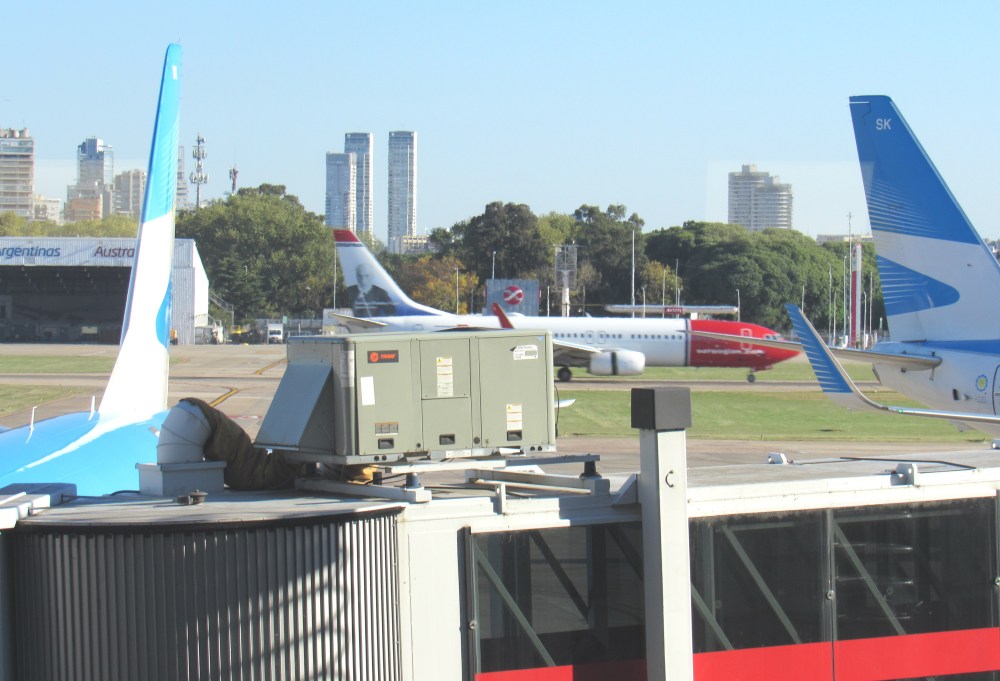
Las compañías aéreas de Argentina cancelan sus vuelos este Miércoles 29 por el paro general. Todas las aerolíneas afectarán sus servicios aéreos en sus rutas domésticas e internacionales a raíz del paro dispuesto por la Confederación General del Trabajo (CGT).

Este miércoles 29, la Confederación General del Trabajo (CGT) hará el quinto paro nacional contra el Gobierno de Argentina que tendrá fuerte impacto a nivel nacional, sobre todo por la adhesión del transporte. Los sindicatos aeronáuticos de la Asociación del Personal Técnico Aeronáutico (APLA), la Asociación Argentina de Aeronavegantes (AAA) se suman a la medida por lo que no habrá vuelos tanto de partidas como de llegadas en Argentina.

AW-70007668Afección de las aéreas

Las únicas compañías que operarán el 29 Mayo 2019 serán American Airlines, que posee su propio servicio de rampa; Flybondi Líneas Aéreas, que también se autoabastece en ese sentido en el Aeropuerto El Palomar; y JetSmart Airlines, con su vuelo internacional a Santiago de Chile.

Aerolíneas Argentinas/Austral

La necesidad de proteger de la mejor manera posible a sus pasajeros, Aerolíneas Argentinas/Austral Líneas Aéreas se ven obligadas a cancelar todas las operaciones pautadas para ese día. La empresa busca evitar situaciones de confusión y problemas para los pasajeros, por lo cual ya ha efectivizado la reubicación de más del 75% de los clientes afectados por esta medida de fuerza. Tal como informa la empresa, la medida afectará a 330 vuelos y 37.000 pasajeros de la compañía. Aerolíneas ha dispuesto la modificación del horario de los vuelos internacionales con horario de partida más próximo al inicio y al final de la jornada del Miércoles 29, para no afectar su operación.

La empresa comunica a aquellos pasajeros que aún no hayan recibido una notificación sobre el cambio «que estén atentos a los medios de contacto registrados al momento de hacer la compra del pasaje, sea correo electrónico o teléfono, por esa vía les llegará información sobre la reprogramación de sus vuelos». Los pasajeros afectados ya tienen disponible la posibilidad de cambiar sus pasajes por otras fechas o destinos durante un lapso de 30 días, a través de la misma vía por la cual los compraron. También podrán solicitar el reintegro de las sumas abonadas. Para mayor información sobre los vuelos, también es posible comunicarse vía telefónica con el 0810-222-86527.

Las demás líneas aéreas en Argentina como Latam Airlines Argentina, Avianca Argentina, Andes Líneas Aéreas y Norwegian Air Argentina, se adhieren a las cancelaciones y reprogramaciones de sus vuelos. JetSmart, en tanto, podrá operar su vuelo internacional a Santiago de Chile porque también tiene servicio propio en El Palomar, pero no ocurrirá lo mismo con sus destinos del interior, ya que allí cuenta con el servicio de Intercargo, que adhiere al paro.

Sky Airline

La chilena Sky Airline expresó que los pasajeros tendrán la posibilidad de modificar la fecha de los vuelos, cambiar de destino o el recibir el reembolso del 100% del pasaje.

Copa Airlines

Copa Airlines ha reprogramado sus vuelos de los días 28, 29 y 30 de Mayo 2019.

Latam Airlines

Latam Airlines matriz ha informado que ha cancelado sus vuelos para ese día y recomendó a sus pasajeros reprogramar sus vuelos o solicitar la devolución de lo abonado.

El resto de las compañías extranjeras reprogramaron sus vuelos y reubicaron a sus pasajeros en vuelos anteriores o posteriores al miércoles.AW-Icon-TXT-01

AW-7001328.JPGGeneral Strike Argentina M29

Airlines in Argentina cancel flights due to general strike

The airlines of Argentina cancel their flights this Wednesday 29 for the general strike. All the airlines will affect their air services in their domestic and international routes as a result of the strike arranged by the General Confederation of Labor (CGT).

This Wednesday 29, the General Confederation of Labor (CGT) will make the fifth national strike against the Government of Argentina that will have a strong impact at the national level, especially for the adhesion of transport. The aeronautical unions of the Association of Aeronautical Technical Personnel (APLA), the Argentine Association of Aeronavegantes (AAA) are added to the measure so there will be no flights of both departures and arrivals in Argentina.

Creation of the aerial

The only companies that will operate on May 29, 2019 will be American Airlines, which has its own ramp service; Flybondi Líneas Aéreas, which is also self-sufficient in this regard at El Palomar Airport; and JetSmart Airlines, with its international flight to Santiago de Chile.

41120872_255919775109487_8450721724882316179_nAerolíneas Argentinas/Austral

The need to protect passengers in the best possible way, Aerolíneas Argentinas/Austral Líneas Aéreas are forced to cancel all operations scheduled for that day. The company seeks to avoid situations of confusion and problems for passengers, for which reason it has already made the relocation of more than 75% of the customers affected by this measure of force. As reported by the company, the measure will affect 330 flights and 37,000 passengers of the company. Aerolíneas has arranged the modification of the schedule of international flights with the departure time closest to the start and end of the day of Wednesday 29, so as not to affect its operation.

The company communicates to those passengers who have not yet received a notification about the change «who are attentive to the contact means registered at the moment of purchasing the ticket, be it email or telephone, in this way they will receive information about the reprogramming of your flights». Affected passengers already have the possibility to change their tickets for other dates or destinations during a period of 30 days, through the same route through which they purchased them. They may also request the reimbursement of the sums paid. For more information about flights, it is also possible to communicate by telephone with 0810-222-86527.

The other airlines in Argentina such as Latam Airlines Argentina, Avianca Argentina, Andes Líneas Aéreas and Norwegian Air Argentina, adhere to the cancellations and reprogramming of their flights. JetSmart, meanwhile, will be able to operate its international flight to Santiago de Chile because it also has its own service in El Palomar, but the same will not happen with its destinations in the interior, since there it has the Intercargo service, which adheres to unemployment.

Sky Airline

The Chilean Sky Airline said that passengers will have the possibility to change the date of flights, change destination or receive a refund of 100% of the ticket.

Copa Airlines

Copa Airlines has rescheduled its flights on May 28, 29 and 30, 2019.

Latam Airlines

Latam Airlines parent has reported that it has canceled its flights for that day and recommended its passengers to reschedule their flights or request the return of the subscribed.

The rest of the foreign companies reprogrammed their flights and relocated their passengers on flights before or after Wednesday. A \ W


Ξ A I R G W A Y S Ξ
SOURCE: Airgways.com
DBk: Apla.org.ar / Aeronavegantes.org.ar / Airgways.com / Aa2000.com / Minutouno.com
AW-POST: 201905280000AR

A\W   A I R G W A Y S ®

Nuevas regulaciones aéreas en Canadá

Resultado de imagen para Nouvelle réglementation aérienne au Canada

AW | 2019 05 26 12:54 | AIR TRAFFIC

Resultado de imagen para air canada pngCambios anunciados por el Gobierno Federal de Canadá en materia de tráfico de pasajeros

Las nuevas reglas se centran en tres áreas principales: retrasos de asfalto, denegación de embarque y cancelaciones de vuelos. Las nuevas regulaciones protegerían a las aerolíneas y no necesariamente a los pasajeros. Así lo expresa el defensor de los derechos de los pasajeros aéreos de Canadá, Gabor Lucaks, observando que las nuevas reglas no son suficientes. «Este es un reglamento de protección de la aerolínea, no un reglamento de protección de pasajeros. Están más que duplicando el tiempo que los pasajeros pueden permanecer en la pista. Desde el estándar canadiense de 90 minutos que ha estado vigente desde 2008, a 3 horas y 45 minutos».

Aunque Lucaks dice que las regulaciones propuestas sobre las cancelaciones de vuelos y el embarque denegado son buenas en teoría, él piensa que será difícil para los pasajeros probar que merecen una compensación. «En la gran mayoría de los casos, los pasajeros no obtendrán compensación alguna cuando se los lleve de un vuelo. La única vez que los pasajeros van a ver dinero es si la aerolínea admite que algo estaba bajo su control», dice Lucaks.

Los montos monetarios establecidos en las reglas son elevados, lo que hará que la mayoría de los canadienses se sientan protegidos, hasta que intenten reclamar. La Agencia Canadiense de Transporte establece precios de hasta C$ 2.400 dólares canadienses por pasajero, hasta C$ 2.100 por equipaje perdido o dañado, y hasta C$ 1.000 por retrasos y cancelaciones de vuelos bajo el control de una aerolínea.

«Piensan que las cifras van a engañar a la gente con C$ 2.400, eso es mucho dinero, y si los pasajeros tuvieran derecho a ese dinero, sería genial», dice. Pero Lucaks dice que los pasajeros no podrán probar por qué la aerolínea los sacó de un vuelo. «No es suficiente para demostrar que estuvo en el aeropuerto a tiempo, que tenía un boleto confirmado, que tenía todos sus documentos de viaje con usted. También tendrá que demostrar que la razón por la que no se le permitió volar es que el vuelo estaba sobrecargado, y eso requeriría acceso al sistema de reservas de la aerolínea».

Lucaks dice que las nuevas reglas pondrán los estándares de las aerolíneas canadienses por debajo de los establecidos por otros países y la Unión Europea. «Esta es claramente una forma de abortar a los canadienses, y estas regulaciones contra los pasajeros nos dejan muy por detrás del estándar de oro de la Unión Europea para la protección de los pasajeros aéreos. El gobierno en realidad le da a la aerolínea una carta blanca para negarse a pagar una compensación».

El Ministro de Transporte Federal, Marc Garneau, anunció el Viernes 24 Mayo 2019 que la primera ola de regulaciones entrará en vigencia a partir del 15 Julio 2019, y que se realizará una segunda ronda a finales de este año el 15 Diciembre 2019, después de las elecciones federales. «Uno de mis principales esfuerzos ahora es que los canadienses deberían preguntarles a los candidatos que van a montar cómo van a arreglar lo que el gobierno actual falló claramente. Estas son las regulaciones de las aerolíneas para las aerolíneas y están selladas por el gobierno», agrega Lucaks.AW-Icon-TXT-01

Resultado de imagen para aéroport au CanadaNew air regulations in Canada

Changes announced by the Federal Government of Canada regarding passenger traffic

The new rules focus on three main areas: asphalt delays, denied boarding and flight cancellations. The new regulations would protect the airlines and not necessarily the passengers. That is what the defender of the rights of air passengers in Canada, Gabor Lucaks, noting that the new rules are not enough. «This is an airline protection regulation, not a passenger protection regulation, they are more than doubling the time that passengers can stay on the runway, from the 90-minute Canadian standard that has been in effect since 2008 to 3. hours and 45 minutes».

Although Lucaks says the proposed regulations on flight cancellations and boarding denied are good in theory, he thinks it will be difficult for passengers to prove they deserve compensation. «In the vast majority of cases, passengers will not get any compensation when they are taken on a flight, the only time passengers are going to see money is if the airline admits that something was under their control», says Lucaks.

AW-70033233.jpg

The monetary amounts established in the rules are high, which will make most Canadians feel protected, until they try to claim. The Canadian Transportation Agency establishes prices of up to C$ 2,400 Canadian dollars per passenger, up to C$ 2,100 for lost or damaged luggage, and up to C$ 1,000 for delays and cancellations of flights under the control of an airline.

«They think the numbers are going to fool people with C$ 2,400, that’s a lot of money, and if the passengers were entitled to that money, it would be great», he says. But Lucaks says passengers will not be able to prove why the airline took them off a flight. «It is not enough to show that you were at the airport on time, that you had a confirmed ticket, that you had all your travel documents with you. You will also have to prove that the reason you were not allowed to fly is that the flight It was overloaded, and that would require access to the airline’s reservation system».

Lucaks says the new rules will set Canadian airline standards below those set by other countries and the European Union. «This is clearly a way to abort Canadians, and these regulations against passengers leave us far behind the European Union’s gold standard for the protection of air passengers. The government actually gives the airline a charter. white to refuse to pay compensation».

The Minister of Federal Transportation, Marc Garneau, announced on Friday 24 May 2019 that the first wave of regulations will become effective as of 15 July 2019, and that a second round will be held later this year on 15 December 2019, after the federal elections. «One of my main efforts now is that Canadians should ask the candidates who are going to assemble how they are going to fix what the current government clearly failed, these are airline regulations for the airlines and they are sealed by the government», adds Lucaks. A \ W

Imagen relacionadaNouvelle réglementation aérienne au Canada
Changements annoncés par le gouvernement fédéral du Canada concernant le trafic passagers

Les nouvelles règles portent sur trois domaines principaux: les retards d’asphalte, les interdictions d’embarquement et les annulations de vols. La nouvelle réglementation protégerait les compagnies aériennes et pas nécessairement les passagers. Ceci est exprimé par le défenseur des droits des passagers aériens canadiens, Gabor Lucaks, notant que les nouvelles règles ne suffisent pas. «Il s’agit d’un règlement sur la protection des compagnies aériennes, et non d’un règlement sur la protection des passagers. Ils ont plus que doublé le temps que les passagers peuvent rester sur la piste, de la norme canadienne de 90 minutes en vigueur depuis 2008 à 3. heures et 45 minutes».

Bien que M. Lucaks déclare que les réglementations proposées sur les annulations de vols et les embarquements refusés sont bons en théorie, il pense qu’il sera difficile pour les passagers de prouver qu’ils méritent d’être indemnisés. «Dans la grande majorité des cas, les passagers ne recevront aucune indemnité lorsqu’ils embarqueront dans un vol. Le seul moment où ils verront de l’argent, c’est si la compagnie aérienne reconnaît que quelque chose était sous leur contrôle», a déclaré Lucaks.

Les montants établis dans les règles sont élevés, ce qui permettra à la plupart des Canadiens de se sentir protégés jusqu’à ce qu’ils essaient de réclamer. L’Office des transports du Canada fixe des prix pouvant atteindre C$ 2.400 dollars canadiens par passager, jusqu’à C$ 2.100 dollars canadiens pour les bagages perdus ou endommagés et jusqu’à C$ 1.000 dollars canadiens pour les retards et les annulations de vols sous le contrôle d’une compagnie aérienne.

«Ils pensent que les chiffres vont tromper les gens C$ 2.400 dollars, c’est beaucoup d’argent, et si les passagers avaient droit à cet argent, ce serait génial», dit-il. Mais Lucaks a déclaré que les passagers ne seraient pas en mesure de prouver pourquoi la compagnie aérienne les avait enlevés d’un vol. «Il ne suffit pas de prouver que vous étiez à l’aéroport à l’heure, que vous disposiez d’un billet confirmé, que vous disposiez de tous vos documents de voyage.» Vous devrez également prouver que vous n’avez pas été autorisé à voler, c’est que le vol Il était surchargé et nécessiterait un accès au système de réservation de la compagnie aérienne».

Lucaks affirme que les nouvelles règles établiront les normes des compagnies aériennes canadiennes en dessous des normes établies par d’autres pays et l’Union européenne. «C’est clairement un moyen d’avorter les Canadiens et cette réglementation contre les passagers nous laisse loin derrière l’étalon-or de l’Union européenne en matière de protection des passagers aériens. Le gouvernement donne une charte à la compagnie aérienne. blanc à refuser de payer une indemnité».

Le ministre des Transports fédéraux, Marc Garneau, a annoncé le vendredi 24 Mai 2019 que la première série de réglementations entrerait en vigueur le 15 Juillet 2019 et qu’un second tour aurait lieu plus tard dans l’année, le 15 Décembre 2019, après les élections fédérales. «L’un de mes principaux efforts à présent est que les Canadiens devraient demander aux candidats qui vont se réunir comment ils vont réparer ce que le gouvernement actuel a clairement échoué. Il s’agit de la réglementation des compagnies aériennes et de son sceau», ajoute Lucaks. A \ W


Ξ A I R G W A Y S Ξ
SOURCE: Airgways.com
DBk: Parlonstransport.ca / Istockphoto.com / Lapresse.ca / Airgways.com
AW-POST: 201905261254AR

A\W   A I R G W A Y S ®

Privatizar TWR en España

Resultado de imagen para Torre Control Aereo EspañaAW | 2019 05 22 19:33 | AIR TRAFFIC / AVIATION

Las aerolíneas piden al Gobierno español privatizar las Torres de Control

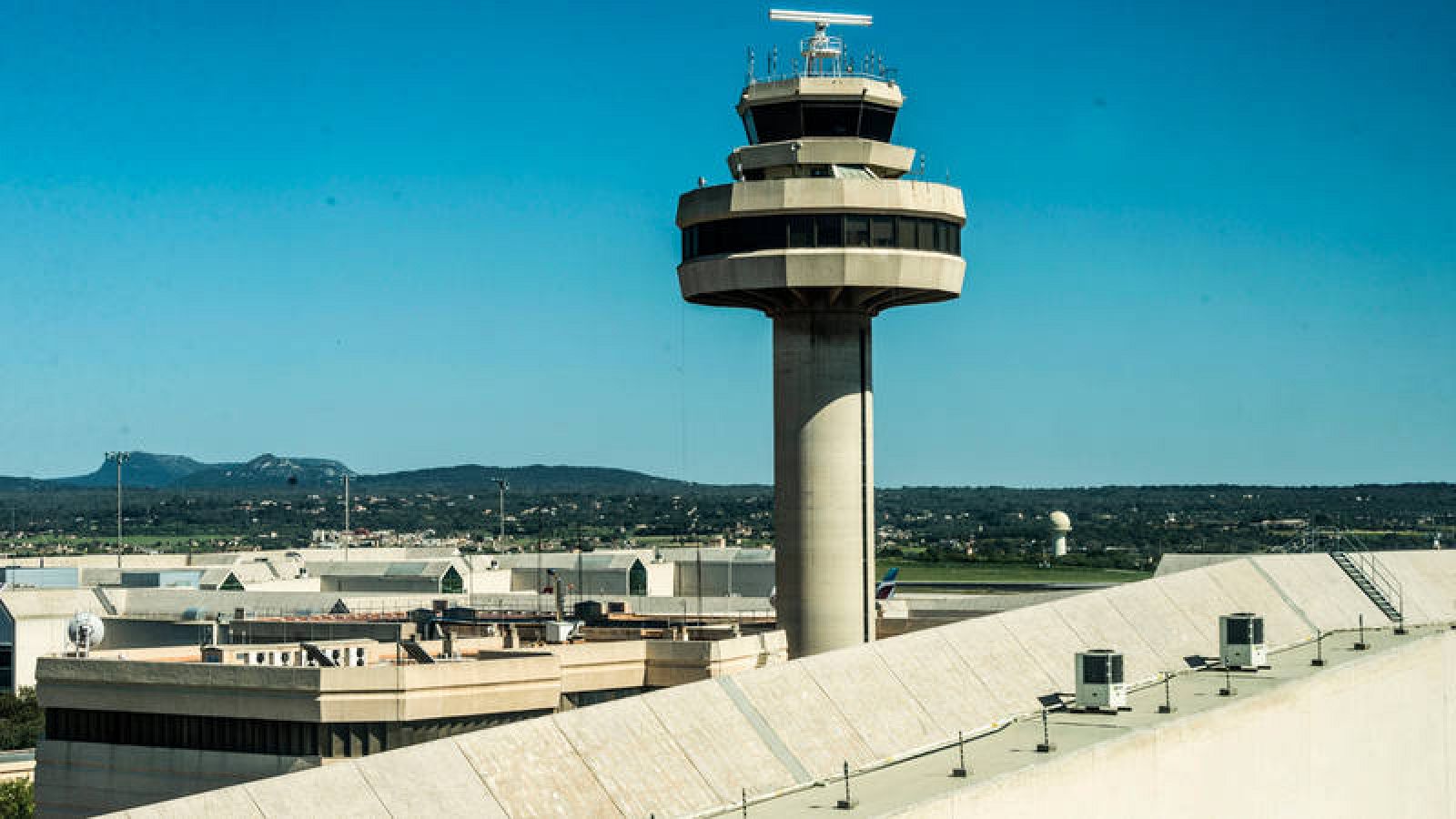
La privatización de las torres de control que todavía se encuentran en manos del Estado de España va a ser una de los caballos de batalla de las aerolíneas durante la próxima legislatura. Así quedó patente ayer, cuando el presidente de la Asociación de Líneas Aéreas (ALA), Javier Gándara, pidió en la asamblea de la organización un segundo paso en la liberalización de las torres de control al próximo Ejecutivo.

El Gobierno de Zapatero inició este proceso en 2011, tras la huelga de controladores aéreos vivida a finales del año anterior. Un total de 11 torres de control pasaron a manos privadas, pero las que controlan el tráfico aéreo de los grandes aeropuertos se mantuvieron en manos del Estado.

Ahora el sector aéreo reclama que el próximo Gobierno realice un esfuerzo decidido y valiente en este ámbito para mejorar el espacio aéreo. La reivindicación de las aerolíneas cuenta con el apoyo de la Comisión Nacional de los Mercados y la Competencia (CNMC) y la CEOE, que en un informe adelantado por este periódico denunció la ineficiencia de los controladores españoles. El sector aéreo va en esta misma dirección y denuncia que los retrasos se duplicaron el año pasado en Europa por las huelgas de controladores europeos. El gremio, sin embargo, ha defendido que sus huelgas son legítimas y ha responsabilizado a las aerolíneas y a su falta de capacidad del incremento de los retrasos.

La liberalización de las torres de control no es, sin embargo, la única reivindicación del sector aéreo. En 2021 vence el Documento de Regulación Aeroportuaria (DORA), que recoge las tasas aeroportuarias que tienen que abonar estas compañías a AENA por utilizar sus aeropuertos, y abogó porque se elabore otro documento de similares características para ofrecer certidumbre, a la industria. Además, el presidente de ALA pidió acabar con la fragmentación del Cielo Único Europeo, que según la organización provoca que se emitan diez millones de toneladas adicionales de CO2 al año en el Viejo Continente. El sector cree que una regulación comunitaria limitaría las emisiones de CO2.

Fue un mensaje replicado por el director general de Aviación Civil, Raúl Medina, que tomó la palabra para destacar los avances de la Comisión Europea en esta materia. Asimismo, Medina, que también preside la Organización para la Navegación Aérea Europea Eurocontrol, explicó las líneas maestras del último informe publicado por Bruselas sobre esta materia, que aboga por una visión más centralizada de la red, la implantación de un «Cielo Único digital», la importancia del factor humano como supervisor del nuevo ecosistema tecnológico y una mayor simplicidad en el mercado regulatorio.AW-Icon-TXT-01

Resultado de imagen para Torre Control Aereo in SpainPrivatize TWR in Spain

The airlines ask the Spanish Government to privatize the Control Towers

The privatization of the control towers that are still in the hands of the State of Spain is going to be one of the workhorses of the airlines during the next legislature. This was evident yesterday, when the president of the Airline Association (ALA), Javier Gándara, asked the assembly of the organization for a second step in the liberalization of the control towers to the next Executive.

The Government of Zapatero initiated this process in 2011, after the air traffic controllers’ strike that took place at the end of the previous year. A total of 11 control towers passed into private hands, but those that control the air traffic of the large airports remained in the hands of the State.

Now the air sector demands that the next government make a determined and courageous effort in this area to improve the airspace. The claim of the airlines is supported by the National Commission of Markets and Competition (CNMC) and the CEOE, which in a report advanced by this newspaper denounced the inefficiency of the Spanish controllers. The air sector is going in this same direction and denounces that the delays doubled last year in Europe due to strikes by European controllers. The union, however, has defended that their strikes are legitimate and has blamed the airlines and their lack of capacity to increase the delays.

The liberalization of the control towers is not, however, the only claim of the air sector. In 2021, the Airport Regulation Document (DORA) expires, which includes the airport taxes that these companies have to pay to AENA for using their airports, and advocated for the creation of another document with similar characteristics to offer certainty to the industry. In addition, the president of ALA asked to end the fragmentation of the Single European Sky, which according to the organization causes that emit ten million additional tons of CO2 per year in the Old Continent. The sector believes that a Community regulation would limit CO2 emissions.

It was a message replicated by the General Director of Civil Aviation, Raúl Medina, who took the floor to highlight the progress made by the European Commission in this matter. Also, Medina, who also chairs the Eurocontrol European Air Navigation Organization, explained the main lines of the latest report published by Brussels on this matter, which advocates a more centralized vision of the network, the implementation of a «Digital Single Sky» , the importance of the human factor as supervisor of the new technological ecosystem and greater simplicity in the regulatory market. A \ W


Ξ A I R G W A Y S Ξ
SOURCE: Airgways.com
DBk: Abc.es / Aena.es / Rtve.es
AW-POST: 201905221933AR

A\W   A I R G W A Y S ®

UE firma acuerdo aviación con China

Resultado de imagen para eu china summit 2019 aviation

AW | 2019 05 21 12:40 | AIR TRAFFIC / GOVERNMENT

EU-China-Summit.jpgEstrategia de aviación para Europa: la Comisión firma acuerdos de aviación históricos con China

La Unión Europea y China han firmado hoy 21 Mayo 2019 un acuerdo sobre seguridad de la aviación civil y un acuerdo de aviación horizontal para fortalecer su cooperación en la aviación.

Los acuerdos dan seguimiento a la Cumbre UE-China del 9 Abril 2019 y servirán para impulsar la competitividad del sector aeronáutico de la UE y mejorar las relaciones generales de la aviación entre la UE y China. Esto marca otro producto clave de la Estrategia de Aviación para Europa de la Comisión Juncker diseñado para generar crecimiento para las empresas europeas, fomentar la innovación y permitir que los pasajeros se beneficien de vuelos más seguros, más limpios y más baratos.

El Presidente de la Comisión Europea, Jean-Claude Juncker, dijo: “En un mundo cada vez más inestable, la asociación de Europa con China es más importante que nunca. La UE cree firmemente que las naciones que trabajan juntas hacen del mundo un lugar más fuerte, más seguro y más próspero para todos. Hoy hemos dado un primer gran paso en esta dirección al firmar dos acuerdos de aviación con China que crearán empleos, impulsarán el crecimiento y acercarán a nuestros continentes y pueblos. Los acuerdos de hoy muestran el potencial de nuestra asociación y debemos continuar en este camino de cooperación. Porque siempre será en la unidad que encontremos la fuerza».

La Comisaria de Transportes, Violeta Bulc, dijo: “China es uno de los socios estratégicos más importantes de la Unión Europea y damos mucha importancia a nuestras excelentes relaciones en materia de transporte. Estamos mutuamente interesados ​​en conectar mejor a Europa y Asia y facilitar el traslado de mercancías, servicios y personas entre Europa y China. Eso también se aplica a la aviación. Los acuerdos de hoy impulsarán el comercio de aeronaves y productos relacionados de la Unión Europea y garantizarán los niveles más altos de seguridad aérea”.

El principal objetivo del Acuerdo Bilateral de Seguridad de la Aviación Civil (BASA) es apoyar el comercio mundial de aeronaves y productos relacionados. Este acuerdo eliminará la duplicación innecesaria de actividades de evaluación y certificación para productos aeronáuticos por parte de las autoridades de aviación civil y, por lo tanto, reducirá los costos para el sector de la aviación. El BASA también promoverá la cooperación entre la UE y China hacia un alto nivel de seguridad de la aviación civil y compatibilidad ambiental.

El segundo acuerdo firmado hoy es el llamado acuerdo horizontal de aviación. Esto marca el reconocimiento de China del principio de designación de la UE, según el cual todas las aerolíneas de la UE podrán volar a China desde cualquier Estado miembro de la UE con un acuerdo bilateral de servicios aéreos con China en virtud del cual se disponga de derechos de tráfico no utilizados. Hasta ahora, solo las aerolíneas propiedad y controladas por un Estado miembro determinado o sus nacionales podían volar entre ese Estado miembro y China. La conclusión de un acuerdo horizontal hará que los acuerdos bilaterales de servicios aéreos entre China y los Estados miembros de la UE se ajusten a la legislación de la UE, una seguridad jurídica renovada que será beneficiosa para las aerolíneas de ambos lados.

Próximos pasos

Tanto la Comisión Europea como la administración de transporte china procederán ahora con sus respectivos procedimientos internos para establecer la conclusión del acuerdo.AW-Icon-TXT-01

Resultado de imagen para eu china summit 2019EU signs aviation agreement with China

AW-704522991.pngAviation strategy for Europe: the Commission signs historic aviation agreements with China

The European Union and China have signed today 21 May 2019 an agreement on civil aviation security and a horizontal aviation agreement to strengthen their cooperation in aviation.

The agreements follow up on the EU-China Summit of 9 April 2019 and will serve to boost the competitiveness of the EU aviation sector and improve general aviation relations between the EU and China. This marks another key product of the Juncker Commission Aviation Strategy for Europe designed to generate growth for European companies, foster innovation and allow passengers to benefit from safer, cleaner and cheaper flights.

The President of the European Commission, Jean-Claude Juncker, said: «In an increasingly unstable world, Europe’s partnership with China is more important than ever. The EU firmly believes that the nations that work together make the world a stronger, safer and more prosperous place for all. Today we have taken a first major step in this direction by signing two aviation agreements with China that will create jobs, boost growth and bring our continents and peoples closer together. Today’s agreements show the potential of our association and we must continue on this path of cooperation. Because it will always be in the unit that we find strength».

Transport Commissioner Violeta Bulc said: «China is one of the most important strategic partners of the European Union and we attach great importance to our excellent relations in the field of transport. We are mutually interested in better connecting Europe and Asia and facilitating the movement of goods, services and people between Europe and China. That also applies to aviation. Today’s agreements will boost trade in aircraft and related products of the European Union and guarantee the highest levels of aviation safety».

The main objective of the bilateral civil aviation security agreement (BASA) is to support global trade in aircraft and related products. This agreement will eliminate unnecessary duplication of evaluation and certification activities for aeronautical products by civil aviation authorities and, therefore, reduce costs for the aviation sector. The BASA will also promote cooperation between the EU and China towards a high level of civil aviation safety and environmental compatibility.

The second agreement signed today is the so-called horizontal aviation agreement. This marks China’s recognition of the EU designation principle, according to which all EU airlines will be able to fly to China from any EU Member State with a bilateral air services agreement with China under which it will be available. traffic rights not used. Until now, only airlines owned and controlled by a particular Member State or its nationals could fly between that Member State and China. The conclusion of a horizontal agreement will make the bilateral air services agreements between China and the EU Member States comply with EU legislation, a renewed legal security that will be beneficial for airlines on both sides.

Next steps

Both the European Commission and the Chinese transport administration will now proceed with their respective internal procedures to establish the conclusion of the agreement. A \ W

Resultado de imagen para eu china summit 2019

歐盟與中國簽署航空協議

歐洲航空戰略:委員會與中國簽署歷史性航空協議

歐盟和中國於2019年5月21日簽署了民航安全協議和橫向航空協議,以加強航空合作。

這些協議是對2019年4月9日歐盟 – 中國峰會的後續跟進,將有助於提高歐盟航空業的競爭力,並改善歐盟與中國之間的通用航空關係。這標誌著容克委員會歐洲航空戰略的另一個關鍵產品,旨在為歐洲公司帶來增長,促進創新,讓乘客從更安全,更清潔,更便宜的航班中受益。

歐盟委員會主席讓 – 克洛德·容克說:“在一個日益不穩定的世界中,歐洲與中國的伙伴關係比以往任何時候都更加重要。歐盟堅信,共同努力的國家將使世界變得更加強大,更安全,更繁榮。今天,我們通過與中國簽署兩項航空協議,朝著這個方向邁出了第一個重要的一步,這些協議將創造就業機會,促進增長並使我們各大洲和各國人民更加緊密地團今天的協議顯示了我們協會的潛力,我們必須繼續走這條合作的道路。因為它總是在我們發現力量的單位»。

運輸專員V​​ioleta Bulc說:“中國是歐盟最重要的戰略夥伴之一,我們非常重視我們在運輸領域的良好關係。我們有興趣更好地連接歐洲和亞洲,促進歐洲和中國之間的貨物,服務和人員流動。這也適用於航空。今天的協議將促進歐盟航空器和相關產品的貿易,並保證最高水平的航空安全»。

雙邊民航安全協議(BASA)的主要目標是支持飛機及相關產品的全球貿易。該協議將消除民航當局對航空產品的不必要的重複評估和認證活動,從而降低航空部門的成本。 BASA還將促進歐盟與中國之間的合作,以實現高水平的民用航空安全和環境兼容性。

今天簽署的第二份協議是所謂的橫向航空協議。這標誌著歐盟指定的中國的原則,承認其下所有的歐盟航空公司可以從任何歐盟成員國與中國雙邊航空服務協議,可在其飛往中國未使用的交通權。到目前為止,只有特定成員國或其國民擁有和控制的航空公司才能在該成員國與中國之間飛行。橫向協議的簽訂將使中國與歐盟成員國遵守歐盟法規,重新法律上的確定性,這將是雙方的航空公司有利的雙邊航空運輸協定。

下一步

無論是歐盟委員會與中國交通管理部門將與他們的內部程序,現在著手建立協議的結論。

Ξ A I R G W A Y S Ξ
SOURCE: Airgways.com
DBk: Europa.eu / Europeansting.com / Eurobiz.com.cn
AW-POST: 201905211240AR

A\W   A I R G W A Y S ®


Aumento tráfico aeropuertos españoles

Resultado de imagen para Madrid-Barajas avionesAW | 2019 05 14 13:57 | AIR TRAFFIC

Los aeropuertos españoles superan los 76 millones de pasajeros en 1Q2019

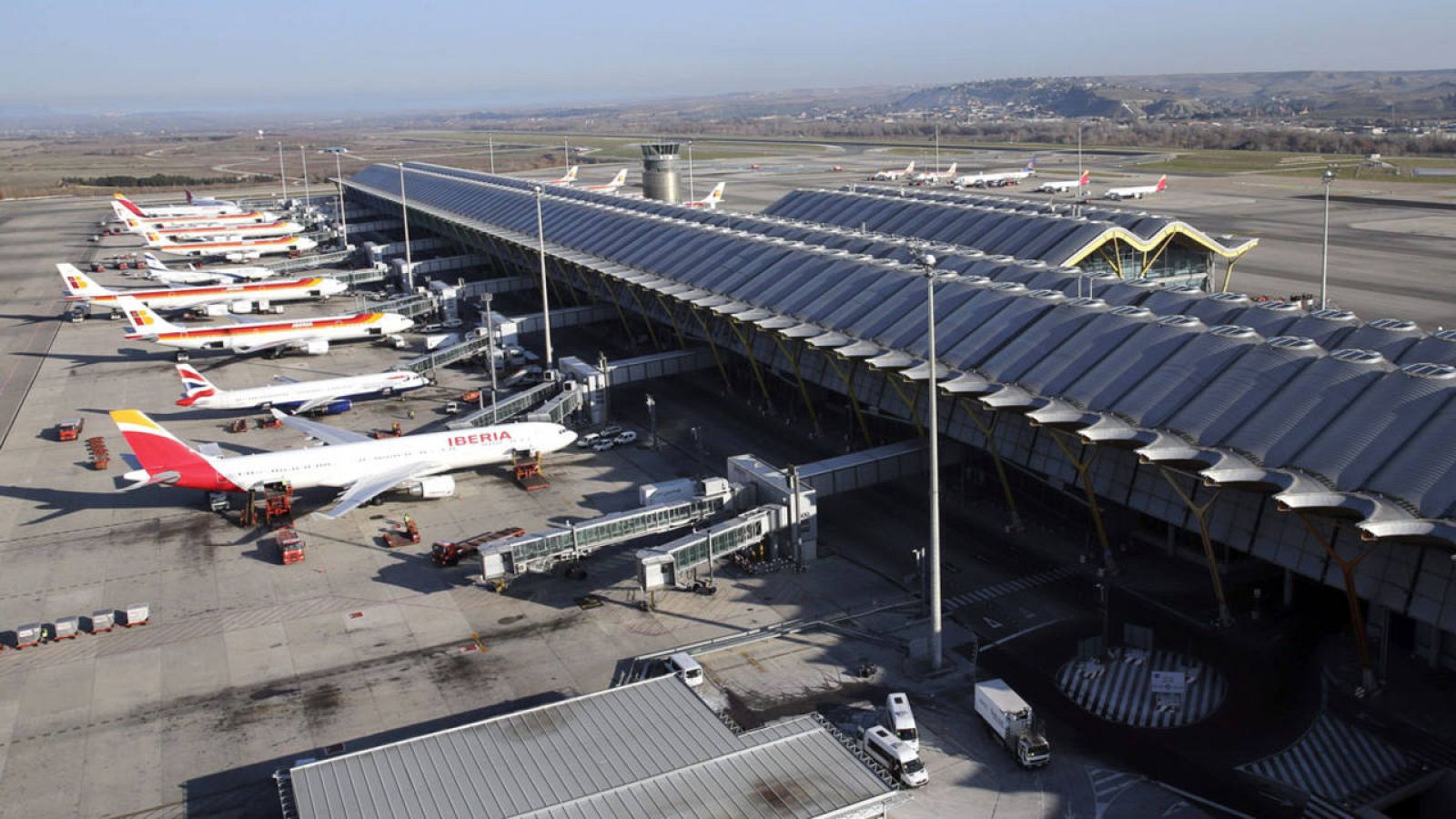
En el primer cuatrimestre del año 2019, el tráfico de pasajeros en España creció un 6,3%, alcanzando un total de 76.014.318 viajeros en los aeropuertos españoles. En el mes de Abril, la red de AENA (Aeropuertos Españoles y Navegación Aérea) ha registrado más de 23,2 millones de pasajeros, un 7,3% más interanual, que en el mismo mes de 2018. De ese total, más de 16 millones de pasajeros corresponden a vuelos internacionales (+7,3%) y más de 7,13 millones viajaron en vuelos domésticos (+7,3%).

El Aeropuerto de Madrid-Barajas registró el mayor número de pasajeros en el mes de Abril 2019, con más de 5 millones de pasajeros (+5,2%). Le siguen Barcelona-El Prat, con más de 4,5 millones (+6,6%); Palma de Mallorca, con más de 2,5 millones (+14,2%); Málaga-Costa del Sol, con más de 1,8 millones (+7,6%); Alicante-Elche, con más de 1,34 millones (+9,7%); Gran Canaria, con más de 1,1 (+1,1%); Tenerife Sur, con más de 942.771 (+5,4%); Valencia, con más de 752.055 (+12,9%); Sevilla, con más de 682.791 (+21,5%); y Lanzarote, con 629.145 (+4,8%).

Operaciones

En cuanto al número de operaciones, en Abril 2019 se realizaron en la red de aeropuertos de Aena un total de 194.422 movimientos de aeronaves (+2,5%). El aeropuerto que contabilizó mayor número de movimientos fue Madrid-Barajas, con un total de 34.834 (+3%), seguido de Barcelona-El Prat, con 29.763 vuelos (+4,3%); Palma de Mallorca, con 18.980 (+10,6%); Málaga-Costa del Sol, con 13.236 (+7,5%); Gran Canaria, con 10.612 (-1,7%); Alicante-Elche, con 9.073 (+7,3%); Valencia, con 6.523 (+0,6%); Tenerife Norte, con 6.213 (+2,1%) Tenerife Sur, con 5.828 (+3%); Sevilla, con 5.680 (+13,6%); y César Manrique Lanzarote, con 5.123 (+4%).

Durante los cuatro primeros meses de 2019, en los aeropuertos de la red de AENA se operaron 685.424 movimientos entre salidas y llegadas, lo que supone un incremento del 6% respecto al mismo periodo del año anterior.AW-Icon-TXT-01

Resultado de imagen para Madrid-Barajas IberiaSpanish airports increased traffic

Spanish airports exceed 76 million passengers in 1Q2019

In the first four months of the year 2019, passenger traffic in Spain grew by 6.3%, reaching a total of 76,014,318 passengers at Spanish airports. In the month of April, the AENA network (Spanish Airports and Air Navigation) registered more than 23.2 million passengers, 7.3% more year-on-year, than in the same month of 2018. Of this total, more than 16 million passengers corresponded to international flights (+ 7.3%) and more than 7.13 million traveled on domestic flights (+ 7.3%).

The Madrid-Barajas Airport registered the highest number of passengers in the month of April 2019, with more than 5 million passengers (+ 5.2%). It is followed by Barcelona-El Prat, with more than 4.5 million (+ 6.6%); Palma de Mallorca, with more than 2.5 million (+ 14.2%); Málaga-Costa del Sol, with more than 1.8 million (+ 7.6%); Alicante-Elche, with more than 1.34 million (+ 9.7%); Gran Canaria, with more than 1.1 (+ 1.1%); Tenerife South, with more than 942,771 (+ 5.4%); Valencia, with more than 752,055 (+ 12.9%); Seville, with more than 682,791 (+ 21.5%); and Lanzarote, with 629,145 (+ 4.8%).

Operations

Regarding the number of operations, in April 2019 a total of 194,422 aircraft movements (+ 2.5%) were made in the Aena airport network. The airport with the highest number of movements was Madrid-Barajas, with a total of 34,834 (+ 3%), followed by Barcelona-El Prat, with 29,763 flights (+ 4.3%); Palma de Mallorca, with 18,980 (+ 10.6%); Málaga-Costa del Sol, with 13,236 (+ 7.5%); Gran Canaria, with 10,612 (-1.7%); Alicante-Elche, with 9,073 (+ 7.3%); Valencia, with 6,523 (+ 0.6%); Tenerife North, with 6,213 (+ 2.1%) Tenerife South, with 5,828 (+ 3%); Seville, with 5,680 (+ 13.6%); and César Manrique Lanzarote, with 5,123 (+ 4%).

During the first four months of 2019, at the airports of the AENA network, 685,424 movements were operated between departures and arrivals, representing an increase of 6% over the same period of the previous year. A \ W


Ξ A I R G W A Y S Ξ
SOURCE: Airgways.com
DBk: Aena.es / Rtve.es
AW-POST: 201905141357AR

A\W   A I R G W A Y S ®

Huelga en Francia e Italia

Resultado de imagen para Strike Charles de Gaulle AirportAW | 2019 05 06 22:47 | AIR TRAFFIC / AIRPORTS

Personal de aeropuertos de Francia e Italia van a la huelga por tres días

A partir del próximo 8 Mayo 2019 comenzaría una huelga en Francia e Italia del personal de aeropuertos extendiéndose por tres días hasta el viernes 10 Mayo 2019 lo que generará un verdadero caos en el sistema aéreo en Europa. A medida que comienza la principal temporada de vacaciones de verano boreal para la industria de viajes, los trabajadores de la aviación en Italia y Francia están lanzando las primeras huelgas serias del año. Debido a que muchos aviones suelen sobrevolar Francia, es probable que haya retrasos y cancelaciones generalizadas desde la tarde del 8 Mayo hasta la mañana del 10 Mayo 2019. El viernes, el día más ocupado de la semana para la aviación, parte del personal que trabaja en los aeropuertos italianos, y para las aerolíneas Alitalia y Air Italy, saldrán de las 12:00-14:00 hs (hora local).

Una huelga de cuatro horas por parte de los controladores de tráfico aéreo que trabajan para la organización italiana ENAV se ha pospuesto mientras las dos partes negocian. Sin embargo, los controladores de tráfico aéreo franceses planean atacar junto con millones de otros servidores públicos el Jueves 9 Mayo 2019, se oponen a los planes del Gobierno de Francia para transformar las condiciones de trabajo del servicio público.

Los controladores e ingenieros de tráfico aéreo saldrán de las 7 pm hora local del 8 de mayo a las 6 am del 10 Mayo 2019. Debido a que muchos aviones generalmente sobrevuelan Francia, es probable que haya retrasos y cancelaciones generalizadas.

Pero las aerolíneas no sabrán el posible impacto hasta que el organismo coordinador Eurocontrol realice una teleconferencia el martes 7 de mayo. Por lo tanto, es posible que los pasajeros reservados para volar durante la huelga no puedan hacer planes alternativos hasta poco antes de su partida prevista.AW-Icon-TXT-01

Imagen relacionadaStrike in France and Italy

Airport staff from France and Italy go on strike for three days

As of next May 8, 2019, a strike would begin in France and Italy by airport personnel, extending for three days until Friday, May 10, 2019, which will generate real chaos in the air system in Europe. As the main summer holiday season for the travel industry begins, aviation workers in Italy and France are launching the first serious strikes of the year. Because many planes usually fly over France, there are likely to be widespread delays and cancellations from the afternoon of May 8 until the morning of May 10, 2019. On Friday, the busiest day of the week for aviation, part of the staff that works at Italian airports, and for Alitalia and Air Italy airlines, they will depart from 12: 00-14: 00 (local time).

A four-hour strike by air traffic controllers working for the Italian organization ENAV has been postponed while the two parties negotiate. However, French air traffic controllers plan to attack along with millions of other public servants on Thursday 9 May 2019, opposing the plans of the Government of France to transform the working conditions of the public service.

The air traffic controllers and engineers will leave from 7 pm local time from May 8 to 6 am on May 10, 2019. Because many airplanes generally fly over France, there are likely to be widespread delays and cancellations.

But the airlines will not know the possible impact until the coordinating body Eurocontrol makes a teleconference on Tuesday, May 7. Therefore, it is possible that passengers booked to fly during the strike can not make alternative plans until shortly before their scheduled departure. A \ W

Resultado de imagen para Strike Charles de Gaulle AirportGrève en France et en Italie

Le personnel des aéroports français et italiens se met en grève pendant trois jours

À compter du 8 mai 2019, une grève du personnel de l’aéroport commencerait en France et en Italie et durerait trois jours jusqu’au vendredi 10 mai 2019, ce qui engendrerait un véritable chaos dans le système aérien en Europe. Alors que commence la principale saison estivale pour l’industrie du voyage, les travailleurs de l’aviation italienne et française lancent les premières grèves sérieuses de l’année. Comme de nombreux avions survolent généralement la France, des retards et des annulations généralisés risquent de se produire entre l’après-midi du 8 mai et le matin du 10 mai 2019. Le vendredi, journée la plus occupée de la semaine pour l’aviation, une partie du personnel qui travaille dans les aéroports italiens et pour les compagnies aériennes Alitalia et Air Italy, ils partiront de 12h00 à 14h00 (heure locale).

Une grève de quatre heures des contrôleurs aériens travaillant pour l’organisation italienne ENAV a été reportée pendant que les deux parties négocient. Toutefois, les contrôleurs aériens français prévoient d’attaquer avec des millions d’autres fonctionnaires le jeudi 9 mai 2019, s’opposant aux projets du gouvernement français visant à transformer les conditions de travail de la fonction publique.

Les contrôleurs aériens et les ingénieurs partiront de 19 heures, heure locale, du 8 mai à 6 heures du matin, le 10 mai 2019. Étant donné que de nombreux avions survolent généralement la France, des retards et des annulations sont susceptibles de se produire.

Mais les compagnies aériennes ne connaîtront pas les conséquences possibles avant que l’organe de coordination Eurocontrol ne tienne une téléconférence le mardi 7 mai. Par conséquent, il est possible que les passagers réservés pour voler pendant la grève ne puissent établir de plans alternatifs que peu de temps avant leur départ prévu. A \ W

Resultado de imagen para Fiumicino Airport AlitaliaSciopero in Francia e in Italia

Il personale aeroportuale francese e italiano sciopererà per tre giorni

A partire dal prossimo 8 maggio 2019, uno sciopero inizierà in Francia e in Italia dal personale dell’aeroporto, che si protrarrà per tre giorni fino a venerdì 10 maggio 2019, il che genererà un vero caos nel sistema aereo in Europa. Mentre iniziano le principali festività estive per l’industria dei viaggi, i lavoratori dell’aviazione in Italia e in Francia stanno lanciando i primi seri attacchi dell’anno. Poiché molti aerei sorvolano solitamente la Francia, è probabile che si verifichino ritardi e cancellazioni diffuse dal pomeriggio dell’8 maggio fino al mattino del 10 maggio 2019. Venerdì, il giorno più affollato della settimana per l’aviazione, parte dello staff che lavora negli aeroporti italiani, e per le compagnie aeree Alitalia e Air Italy, partiranno dalle 12: 00-14: 00 (ora locale).

Uno sciopero di quattro ore effettuato dai controllori del traffico aereo che lavorano per l’organizzazione italiana ENAV è stato posticipato mentre le due parti negoziano. Tuttavia, i controllori del traffico aereo francesi prevedono di attaccare insieme a milioni di altri dipendenti pubblici giovedì 9 maggio 2019, opponendosi ai piani del governo francese di trasformare le condizioni di lavoro del servizio pubblico.

I controllori del traffico aereo e gli ingegneri partiranno dalle 7 pm ora locale dall’8 maggio alle 6:00 del 10 maggio 2019. Dato che molti aerei sorvolano generalmente la Francia, è probabile che ci siano ritardi e cancellazioni generalizzati.

Ma le compagnie aeree non conosceranno il possibile impatto fino a quando l’organismo di coordinamento Eurocontrol non farà una teleconferenza martedì 7 maggio. Pertanto, è possibile che i passeggeri prenotati per volare durante lo sciopero non possano effettuare piani alternativi fino a poco prima della loro partenza programmata. A \ W


Ξ A I R G W A Y S Ξ
SOURCE: Airgways.com
DBk: Independent.co.uk / Cnbc.com / Sandiegouniontribune.com / Businessinsider.com
AW-POST: 201905062247AR

A\W   A I R G W A Y S ®

Aeropuerto Rosario plan incentivos


AW-0 (136).JPGAW | 2019 05 06 15:57 | AIRPORTS / AIR TRAFFIC
logo-air.pngEl Aeropuerto Internacional Rosario lanzó un plan de incentivos para fomentar inversiones de líneas aéreas

El Aeropuerto Internacional Rosario (AIR) ha lanzado un programa que busca equilibrar la turbulencia económica con descuentos en las tasas de operatividad y aportes del gobierno de la Provincia de Santa Fe, Argentina.

El Aeropuerto Internacional Rosario Islas Malvinas se prepara para enfrentar un contexto de turbulencia económica con un plan de contingencia que contempla incentivos a las compañías que operan en Rosario, como la bonificación en las tasas que se aplican a las aerolíneas y aportes del gobierno provincial. Un programa diseñado para apuntalar los servicios existentes y acompañar la reconversión en el tráfico de pasajeros internacionales a cabotaje, en un marco de cambios de escenarios. La oferta del aeropuerto incluye el avance en las obras de infraestructura y la búsqueda de nuevos operadores, como las low cost, y un sistema de asistencia para aumentar la operatividad de la pista durante la época de neblina.

Rosario no está al margen de una reducción del tráfico aéreo que afecta a todas las estaciones del país. La escalada del dólar, la devaluación del peso y un contexto económico incierto impactaron de lleno en la política comercial de la estación rosarina, que anunció un plan para mitigar el efecto negativo en la caída de los vuelos internacionales, con un incentivo a los de cabotaje. «Comenzamos el último trimestre de 2018 a presentar a las aerolíneas un plan de promoción para incrementar la conectividad, ya sea por nuevas rutas o sumando frecuencias», indicó el titular del aeropuerto, Matías Galíndez, y detalló que el programa de incentivos incluye el descuento a las compañías por bonificación de tasas de operación, balizamiento, estacionamiento.

Estimulando tráfico

El desembarco de la aerolínea low cost Flybondi Líneas Aéreas en Rosario fue incentivada por aportes del Ministerio de la Producción de la Provincia de Santa Fe, que evaluó el plan de negocios y acompañó con fondos. «Estos sistemas de fomento son comunes a los aeropuertos, y en este caso es apuntalar desde el gobierno con aportes y una ley de incentivo con la reducción de ingresos brutos. Estos incentivos fiscales son de acuerdo al plan de inversiones, que apunta a tener una oferta competitiva para el aeropuerto de Rosario», subrayó Galíndez. El funcionario detalló que a todas las aerolíneas que operan desde la terminal local se las acompaña en 2019 con una reducción de tasas operativas. «Se hace con todas por igual, para mitigar el impacto de la crisis a nivel país, con la actividad muy sacudida desde mayo del año pasado», indicó.

En la actualidad hay siete compañías que le dan operatividad al AIR. Aerolíneas Argentinas/Austral Líneas Aéreas, con conexiones a Bariloche, Ezeiza, Iguazú, Mendoza, Salta y otros enlaces en el país y hacia el mundo. La brasileña Azul Linhas Aéreas, que conecta a Recife; Gol Linhas Aéreas, que vuela a Río de Janeiro y conexiones. Copa Airlines de Panamá, que une a la ciudad con su Hub de Panamá y Latam Airlines, que cancelará la ruta Santiago de Chile-Rosario a partir del 1 Octubre 2019 y San Pablo-Rosario en Julio 2019, pero sostendrá su ruta a Lima-Rosario, desde donde conecta con Estados Unidos y el Caribe. Flybondi, que une Rosario-Iguazú, Salta y Tucumán. Avianca debería definir en las próximas semanas su intención de concretar su conexión a Asunción del Paraguay y a Porto Alegre, en Brasil.

Tráfico en el AIR

El Aeropuerto Rosario viene incrementando el flujo de pasajeros de 237.000 de 2014 a 870.000 en 2018, marcando una explosión del tráfico en el marco de la llamada «Revolución de los Aviones». Sin embargo, las variables macroeconómicas van a provocar un descenso para este 2019 a 840.000 pasajeros, para luego proyectar la evolución a 1.200.000 para el año 2020 y de 1,6 millón de pasajeros para el 2022.

Inversiones en el AIR

El aeropuerto prevé una inversión de 4.800 millones de pesos entre 2017-2020 (43%aporte provincial) y un superávit operativo superior a los 300 millones de pesos para este 2019.

Las autoridades pusieron énfasis en la potencialidad de la infraestructura. La ampliación de la playa de estacionamiento de vehículos, la remodelación de la actual terminal, la ampliación de la plataforma de aterrizaje de las aeronaves y las obras en marcha, como la nueva terminal de pasajeros para vuelos internacionales y la aeroplanta de combustibles, entre otras. En cuanto a los accesos, está proyectado un ingreso exclusivo al AIR que conecta con Funes y la construcción de un hotel con centro de convenciones; y en los planos ya se dibujó la llegada de un tren de cercanía que conecte el aeropuerto con el área metropolitana.

El Aeropuerto Rosario tiene en marcha la licitación del Approach Light System (ALS). Se trata de una frecuencia de luces para mejorar los márgenes de visibilidad, por lo que Rosario podría tener un 50 por ciento más de operaciones que no se verán afectadas durante los periodos de niebla.Se trata de una obra bajo un presupuesto de 95 millones de pesos, con un lapso de ejecución de 6 meses que le dará mayor confiabilidad al servicio a las aeronaves ante la escasa visibilidad.AW-Icon-TXT-01

IMG_1409Rosario Airport incentive plan

The Rosario International Airport launched an incentive plan to encourage airline investments

The Rosario International Airport (AIR) has launched a program that seeks to balance the economic turbulence with discounts in operating rates and contributions from the government of the Province of Santa Fe, Argentina.

The Rosario Islas Malvinas International Airport is preparing to face a context of economic turbulence with a contingency plan that includes incentives for companies operating in Rosario, such as the discount on the rates that are applied to the airlines and contributions from the provincial government. A program designed to shore up existing services and accompany the conversion of international passenger traffic to cabotage, within a framework of scenario changes. The airport offer includes the advance in infrastructure works and the search for new operators, such as low cost, and an assistance system to increase the operability of the runway during the foggy season.

Rosario is not immune to a reduction in air traffic that affects all stations in the country. The escalation of the dollar, the devaluation of the peso and an uncertain economic context impacted fully on the commercial policy of the Rosario station, which announced a plan to mitigate the negative effect on the fall of international flights, with an incentive to cabotage . «We started the last quarter of 2018 to present the airlines with a promotion plan to increase connectivity, either by new routes or by adding frequencies», said the airport’s owner, Matías Galíndez, and explained that the incentive program includes the discount to companies for bonus operating rates, beaconing, parking.

Resultado de imagen para Aeropuerto Rosario logo

Stimulating traffic

The disembarkation of the low cost airline Flybondi Líneas Aéreas in Rosario was encouraged by contributions from the Ministry of Production of the Province of Santa Fe, which evaluated the business plan and accompanied it with funds. «These promotion systems are common to airports, and in this case it is to prop up from the government with contributions and an incentive law with the reduction of gross income. These tax incentives are according to the investment plan, which aims to have a competitive offer for Rosario airport», Galindez said. The official explained that all airlines operating from the local terminal are accompanied in 2019 with a reduction in operating rates. «It is done with all the same, to mitigate the impact of the crisis at the country level, with activity very shaken since May of last year», he said.

Currently, there are seven companies that make the AIR operational. Aerolíneas Argentinas / Austral Líneas Aéreas, with connections to Bariloche, Ezeiza, Iguazú, Mendoza, Salta and other links in the country and to the world. The Brazilian Azul Linhas Aéreas, which connects to Recife; Gol Linhas Aéreas, which flies to Rio de Janeiro and connections. Copa Airlines of Panama, which joins the city with its Hub of Panama and Latam Airlines, which will cancel the Santiago-Chile-Rosario route starting on October 1, 2019 and San Pablo-Rosario in July 2019, but will maintain its route to Lima- Rosario, from where it connects with the United States and the Caribbean. Flybondi, which links Rosario-Iguazú, Salta and Tucumán. Avianca should define in the coming weeks its intention to materialize its connection to Asunción del Paraguay and Porto Alegre, in Brazil.

Traffic in the AIR

Rosario Airport is increasing the flow of passengers from 237,000 in 2014 to 870,000 in 2018, marking an explosion of traffic in the framework of the so-called «Aircraft Revolution». However, the macroeconomic variables will cause a decrease for this 2019 to 840,000 passengers, and then project the evolution to 1,200,000 by 2020 and 1.6 million passengers by 2022.

Investments in the AIR

The airport anticipates an investment of 4.800 million pesos between 2017-2020 (43% provincial contribution) and an operative surplus superior to 300 million pesos for this 2019.

The authorities emphasized the potential of the infrastructure. The extension of the vehicle parking lot, the remodeling of the current terminal, the extension of the landing platform of the aircraft and the works in progress, such as the new passenger terminal for international flights and the fuel airplane, among others . As for the accesses, an exclusive entrance to the AIR that connects with Funes and the construction of a hotel with a convention center is projected; and in the plans the arrival of a commuter train connecting the airport with the metropolitan area was already drawn.

The Rosario Airport has launched the tender for the Approach Light System (ALS). It is a frequency of lights to improve the margins of visibility, so Rosario could have 50 percent more operations that will not be affected during periods of fog. It is a work under a budget of 95 million Weights, with a lapse of execution of 6 months that will give greater reliability to aircraft service in the face of poor visibility. A\W


Ξ A I R G W A Y S Ξ
SOURCE: Airgways.com
DBk: Aeropuertorosario.com / Lacapital.com.ar / Airgways.com / Puntobiz.com.ar
AW-POST: 201905061557AR

A\W   A I R G W A Y S ®

Aeropuertos sin torre de control

File:Linköping "City" Airport (7418863592).jpg

AW | 2019 05 02 14:50 | AIRPORTS / AIR TRAFFIC

Imagen relacionadaAeropuerto Linköping de Suecia inaugura sin torre de control

El Aeropuerto Linköping inició operaciones aerocomerciales sin control de Torre, iniciando un proceso donde que comienzan a desaparecer las Torres de Control de los aeropuertos. Este Martes 30 Abril 2019, un avión Embraer 175 operando el vuelo KL1179 de la compañía holandesa KLM, procedente de Amsterdam, aterrizó en Linköping, Suecia. Este vuelo pasará a los libros de historia porque será el primero que opera en ese aeropuerto sin Torre de Controlador y sin controlador a la vista. Fue un vuelo operado por controladores remotos, situados en Sundsvall, muy lejos del lugar. Es el tercer aeropuerto sueco que cierra la torre de control local y empieza a operar a distancia, mediante comunicación informatizada. Per Kjellander, el Director de Operaciones de la Administración Sueca de la Aviación Civil dijo que “tanto la aproximación como el aterrizaje se controlaron desde Sundsvall”. Este aterrizaje tuvo lugar tres semanas después de que la administración autorizara la realización de estas operaciones a distancia.

Antecedentes

Antes, en 2015, el Aeropuerto de Örnsköldsvik y después en 2017 el de Sundsvall-Timra, también pasaron a ser operados de forma remota. En Londres, el Aeropuerto London City también opera remotamente, sin que los controladores estén en el lugar ni vean directamente la pista a sus alrededores.

“El aterrizaje de hoy es un paso importante en el camino para configurar los controles aeronáuticos en el futuro. Tengo el gusto de ver cómo en nuestro aeropuerto comenzamos a operar así”, dijo Per Lindblad, CEO del aeropuerto de Linköping. La particularidad en este caso es que también las operaciones militares, frecuentes en ese aeropuerto, serán operadas remotamente.

En varios países se considera que este modelo es óptimo para los aeropuertos pequeños y medianos en los que la intensidad de las operaciones es baja y por lo tanto la mayor parte del tiempo los controladores no son necesarios. Suecia pretende crear dos hubs, uno en Sudnsvall y otro en Arlanda, Estocolmo, para desde esos controles operar los aeropuertos pequeños del país.AW-Icon-TXT-01

Resultado de imagen para linkOping Airport tower controlAirports without control tower

Linköping Airport in Sweden opens without a control tower

The Linköping Airport started air operations without control of Torre, initiating a process where the control towers of the airports begin to disappear. On Tuesday 30 April 2019, an Embraer 175 aircraft operating the KL1179 flight of the Dutch company KLM, from Amsterdam, landed in Linköping, Sweden. This flight will go to the history books because it will be the first to operate at that airport without a controller tower and without a controller in sight. It was a flight operated by remote controllers, located in Sundsvall, far away from the place. It is the third Swedish airport that closes the local control tower and starts operating remotely, through computerized communication. Per Kjellander, the Director of Operations of the Swedish Civil Aviation Administration said that «both the approach and the landing were controlled from Sundsvall». This landing took place three weeks after the administration authorized the realization of these remote operations.

Background

Before, in 2015, the Örnsköldsvik Airport and then in 2017 the Sundsvall-Timra Airport, also started to be operated remotely. In London, the London City Airport also operates remotely, without the drivers being in place or seeing the runway directly to their surroundings.

«Today’s landing is an important step on the road to configuring aeronautical controls in the future. I have the pleasure to see how our airport starts operating like this», said Per Lindblad, CEO of the Linköping airport. The particularity in this case is that also the military operations, frequent in that airport, will be operated remotely.

In several countries it is considered that this model is optimal for small and medium airports where the intensity of operations is low and therefore most of the time the drivers are not necessary. Sweden intends to create two hubs, one in Sudnsvall and the other in Arlanda, Stockholm, for those controls to operate the small airports of the country. A \ W

Resultado de imagen para linköping Airport

Flygplatser utan kontrolltorn

Linköpings flygplats i Sverige öppnas utan ett kontrolltorn

Linköpings Flygplats startade flygverksamheten utan kontroll över Torre och initierade en process där flygplatsens kontrolltorn började försvinna. Tisdagen den 30 april 2019 landade ett Embraer 175-flygplan KL1179-flygningen från det nederländska företaget KLM, från Amsterdam, i Linköping. Detta flyg kommer att gå till historia böcker eftersom det kommer att vara den första att operera på den flygplatsen utan ett kontroller torn och utan en kontroller i sikte. Det var en flygning som drivs av fjärrkontrollen, som ligger i Sundsvall, långt ifrån platsen. Det är den tredje svenska flygplatsen som stänger det lokala kontrolltornet och börjar fungera på distans via datoriserad kommunikation. Per Kjellander, Luftfartsverket, säger att «både tillvägagångssättet och landningen styrdes från Sundsvall». Denna landning ägde rum tre veckor efter att administrationen godkände genomförandet av dessa avlägsna verksamheter.

Bakgrund

Före 2015 började Örnsköldsviks flygplats och sedan 2017 Sundsvall-Timra flygplats också fjärranslutas. I London opererar London City Airport även på distans, utan att förare är på plats eller ser landningsbanan direkt till sin omgivning.

«Dagens landning är ett viktigt steg på vägen för att konfigurera flygkontrollerna i framtiden. Jag har nöjet att se hur vår flygplats börjar fungera så här», säger Per Lindblad, VD på Linköpings flygplats. Särskildheten i det här fallet är att även de militära operationerna, som är frekventa på den flygplatsen, kommer att drivas på distans.

I flera länder anses det att denna modell är optimal för små och medelstora flygplatser där operatörsintensiteten är låg och därför är föraren oftast inte nödvändig. Sverige avser att skapa två nav, en i Sudnsvall och den andra i Arlanda, Stockholm, för de kontroller som ska driva de små flygplatserna i landet. A \ W


Ξ A I R G W A Y S Ξ
SOURCE: Airgways.com
DBk: Limkopingcityairport.com.se / Poandpo.com / Wikimedia.org
AW-POST: 201905021450AR

A\W   A I R G W A Y S ®

FAA ordena prohibir volar a Venezuela

Resultado de imagen para Aeropuerto Caracas airlines

AW | 2019 05 02 12:39 | AVIATION ORGANISMS / AIR TRAFFIC / AIRLINES

La FAA de Estados Unidos ha ordenado la suspensión de los vuelos a Venezuela

La situación aérea de Venezuela actualmente refleja un panorama desolador. Varias aerolíneas han cancelado sus vuelos al Aeropuerto Internacional de Caracas Simón Bolívar (CCS), debido a la situación crítica luego de los incidentes desarrollados en la nominada “Operación Libertad” en contra el Gobierno de Venezuela.

La Administración Federal de Aviación de Estados Unidos (FAA) ha comunicado la prohibición de los vuelos de compañías aéreas de Estados Unidos para efectuar operaciones en la República de Venezuela. Las aerolíneas europeas han suspendido algunos de sus por la inestabilidad política del país. Las aerolíneas venezolanas Laser Airlines, Aerolíneas Estelar y Avior Airlines se quedan sin aeronaves para cumplir vuelos hacia Miami.

Por disposición de la Administración Federal de Aviación de Estados Unidos, todas las aeronaves con matrícula norteamericana tienen, desde el 30 Abril 2019 y hasta nuevo aviso, la prohibición de realizar operaciones aéreas en territorio venezolano, debido a la creciente inestabilidad política que atraviesa Venezuela. La medida, que fue hecha pública a través de un Notam (notas de vuelos y advertencias para pilotos y aerolíneas), afecta de manera directa las operaciones aéreas de la ruta Miami-Caracas de las aerolíneas Laser Airlines, Aerolíneas Estelar y Avior Airlines.

Al darse a conocer el Notam, las aerolíneas venezolanas han tenido que suspender desde el 1 Mayo 2019 los vuelos hacia Miami, hasta nuevo aviso. El Aeropuerto Internacional Simón Bolívar de Maiquetía, se pudo confirmar la suspensión de vuelos hacia Miami de las tres aerolíneas venezolanas. Estas líneas vuelan desde Maiquetía con aviones rentados a líneas norteamericanas. La medida indica que las aeronaves con matrícula estadounidense, cuyo registro inicia con la letra N, no pueden volar en espacio aéreo venezolano por debajo de 2.600 pies de altura, lo que imposibilita cualquier operación de aterrizaje y despegue en Venezuela. Con ese panorama, Avior, Estelar y Laser se ven en la necesidad de suspender sus vuelos o conseguir otras aeronaves, que sin tener matrícula norteamericana, cumpla con las especificaciones de la FAA, para poder aterrizar en Miami. Esta situación amerita la desconexión internacional de Venezuela a nivel aeronáutico, explica un especialista en materia aérea, que solicita mantenerse en anonimato.

A este panorama de desconexión con Miami se suma la decisión de aerolíneas europeas, de suspender temporalmente sus operaciones con Venezuela. Así lo hizo saber Air France, quien de hecho, hizo regresar a París a la aeronave que cumplía la ruta entre Francia y Venezuela este Martes 30 Abril 2019, para garantizar la seguridad a su tripulación. Por su parte, Estelar también anunció la suspensión de su vuelo con destino a Madrid, de manera temporal, pues en su caso, esta ruta la cubría con una aeronave rentada a una aerolínea española, que argumentó motivos de seguridad, para no prestar el servicio en medio de la coyuntura política venezolana. En Maiquetía continúan prestando vuelos a Europa Tap Portugal, Plus Ultra, Air Europa e Iberia.AW-Icon-TXT-01

Imagen relacionadaFAA orders banning fly to Venezuela

The FAA of the United States has ordered the suspension of flights to Venezuela

The Venezuelan air situation currently reflects a bleak panorama. Several airlines have canceled their flights to Caracas International Airport Simon Bolivar (CCS), due to the critical situation after the incidents developed in the nominated «Operation Freedom» against the Government of Venezuela.

The Federal Aviation Administration of the United States (FAA) has announced the prohibition of flights of United States airlines to carry out operations in the Republic of Venezuela. European airlines have suspended some of their due to the political instability of the country. The Venezuelan airlines Laser Airlines, Estelar Airlines and Avior Airlines are left without aircraft to fulfill flights to Miami.

By order of the Federal Aviation Administration of the United States, all airplanes with North American registration have, from April 30, 2019 and until further notice, the prohibition of carrying out aerial operations in Venezuelan territory, due to the growing political instability that Venezuela is going through. The measure, which was made public through a Notam (flight notes and warnings for pilots and airlines), directly affects the air operations of the Miami-Caracas route of the airlines Laser Airlines, Estelar Airlines and Avior Airlines.

Caracas-768x768.jpgNOTAM ISSUED BY THE FAA OF THE UNITED STATES

When Notam became known, Venezuelan airlines have had to suspend flights to Miami from May 1, 2019, until further notice. The Simón Bolívar International Airport of Maiquetía, could confirm the suspension of flights to Miami of the three Venezuelan airlines. These lines fly from Maiquetía with rented planes to North American lines. The measure indicates that aircraft with US registration, whose registration begins with the letter N, can not fly in Venezuelan airspace below 2,600 feet, which makes any operation of landing and takeoff in Venezuela impossible. With this scenario, Avior, Estelar and Laser are in need of suspending their flights or getting other aircraft, which without having North American registration, meet the specifications of the FAA, to be able to land in Miami. This situation merits the international disconnection of Venezuela at the aeronautical level, explains a specialist in aerial matters, who asks to remain anonymous.

To this panorama of disconnection with Miami is added the decision of European airlines to temporarily suspend their operations with Venezuela. This is what Air France did, who in fact sent the aircraft that was traveling between France and Venezuela back to Paris this Tuesday, April 30, 2019, to guarantee the safety of its crew. For its part, Estelar as well announced the suspension of his flight to Madrid, temporarily, because in his case, this route was covered with a leased aircraft to a Spanish airline, which argued security reasons, to not provide the service in the middle of the Venezuelan political conjuncture. In Maiquetía they continue to provide flights to Europe Tap Portugal, Plus Ultra, Air Europa and Iberia. A \ W


Ξ A I R G W A Y S Ξ
SOURCE: Airgways.com
DBk: Faa.gov / Bbc.com / Aeropuerto-maiquetia.com.ve
AW-POST: 201905021239AR

A\W   A I R G W A Y S ®

Normalización vuelos en Argentina


AW-7009_Infoviajera.jpg

AW | 2019 05 01 13:23 | AIRLINES / AIR TRAFFIC

Vuelos se registran con normalidad en los principales aeropuertos de Argentina

Después de la finalización del paro general del día Martes 30 Abril 2019, las aerolíneas comenzaron la normalización de sus vuelos en el día de hoy 1 Mayo 2019. En el caso de Aerolíneas Argentinas y Latam Airlines Argentina, por el paro se cancelaron al menos 440 vuelos y se vieron afectados unos 32.000 pasajeros. Las low cost no se vieron afectadas por la medida de fuerza. Según fuentes del sector, el paro afectó un gran número de vuelos y a miles de pasajeros. Los servicios más alcanzados por la medida de fuerza fueron los locales y los regionales, no así a los internacionales.

La medida de fuerza perjudicó principalmente los cronogramas de Aerolíneas Argentina y Latam Airlines. Aerolíneas canceló 350 vuelos de este martes, mientras que Latam hizo lo mismo con 90 de sus servicios. En total, se estima que la medida dejó sin viajar a unas 32.000 personas. Ambas aerolíneas informaron que la mayoría de los viajes cancelados se reprogramaron para hoy miércoles 1 de mayo, mientras que otros se adelantaron para el lunes 29 Abril 2019. “La mayoría de los pasajeros estará reubicado en vuelos del 1 Mayo 2019, pero depende de cuántos asientos quedaban disponibles en cada vuelo”, contaron desde la empresa.

La adhesión al paro de los gremios aeronáuticos obligó a las compañías que operan en Aeroparque a cancelar todos sus vuelos, por lo que no se registraba ningún tipo de actividad en esa estación aérea.AW-Icon-TXT-01


Flight normalization in Argentina

Flights are recorded normally at the main airports in Argentina

After the end of the general strike on Tuesday, April 30, 2019, the airlines began normalizing their flights on today, May 1, 2019. In the case of Aerolíneas Argentinas and Latam Airlines Argentina, at least 440 flights were canceled due to the strike and some 32,000 passengers were affected. The low cost was not affected by the strength measurement. According to sources in the sector, the strike affected a large number of flights and thousands of passengers. The services most reached by the measure of strength were local and regional, but not international.

The measure of force mainly harmed the schedules of Aerolíneas Argentina and Latam Airlines. Airlines canceled 350 flights this Tuesday, while Latam did the same with 90 of its services. In total, it is estimated that the measure left some 32,000 people without traveling. Both airlines reported that most of the canceled trips were rescheduled for Wednesday, May 1, while others were advanced by Monday, April 29, 2019. «Most passengers will be relocated on flights as of May 1, 2019, but it depends on how many seats were available on each flight», they told from the company.

The adhesion to the stoppage of the aeronautical guilds forced the companies that operate in Aeroparque to cancel all their flights, so that no activity of that air station was registered. A \ W


Ξ A I R G W A Y S Ξ
SOURCE: Airgways.com
DBk: Clarin.com / Airgways.com
AW-POST: 201905011323AR

A\W   A I R G W A Y S ®