 AW | 2019 12 27 14:00 | GOVERNMENT / AIRLINES MARKET
 El Gobierno de Azerbaiyán abrirá los cielos a todas las aerolíneas
Por primera vez en la historia de la aviación civil de la República de Azerbaiyán, las llamadas libertades aéreas quinta y séptima comenzarán a operar en todos los aeropuertos internacionales del país. A partir del 1 Enero 2020, estos grados de libertad permitirán vuelos desde los aeropuertos de Azerbaiyán a 40 países de Europa, América del Norte, Australia y el sudeste asiático.
Las libertades del aire son un conjunto de derechos de aviación comercial que otorgan a las líneas aéreas de un país el privilegio de ingresar y aterrizar en el espacio aéreo de otro país. Cuanto mayor es el grado de libertad, más acciones se les permite a los aviones extranjeros realizar en el espacio aéreo de Azerbaiyán.
A partir del 1 Enero 2020, todas las aerolíneas que deseen volar a 40 países de Europa, América del Norte, Australia y el sudeste asiático tendrán esta ventaja. La notificación correspondiente se enviará a las autoridades de aviación de estos países. Las compañías aéreas podrán enviar pasajeros desde Bakú a Francia, Italia, Alemania, Austria, España, Grecia, República Checa, Bélgica, Países Bajos, Dinamarca, Noruega, Polonia, Portugal, Rumania, Serbia, Eslovaquia, Eslovenia, Finlandia, Suiza, Suecia, Estonia, Irlanda, Islandia, Letonia, Lituania, Luxemburgo, Macedonia, Malta, Bulgaria, Georgia, Estados Unidos, Japón, Vietnam, Indonesia, Camboya, Myanmar, Bangladesh, Corea del Sur, Malasia y Australia sin restricciones. En el futuro, la lista de estados puede ampliarse.
Libertades aéreas para Azerbaiyán
La quinta libertad aérea permite a las aerolíneas extranjeras realizar vuelos desde su aeropuerto a otras ciudades con escalas en Bakú (o cualquier otro aeropuerto en Azerbaiyán) para abordar/desembarcar pasajeros. Por ejemplo, bajo el quinto grado de libertad, las compañías aéreas europeas podrán operar un vuelo París-Tokio con una escala en Bakú (o en cualquier otro aeropuerto del país). O las aerolíneas japonesas pueden realizar vuelos a países de la UE con aterrizaje en uno de los aeropuertos internacionales de Azerbaiyán.
El séptimo grado de libertad permite a la compañía aérea volar entre Azerbaiyán y países extranjeros, evitando el aterrizaje intermedio en el aeropuerto de origen. Por ejemplo, una aerolínea europea puede volar a Azerbaiyán desde Dubai y luego volar a una de las ciudades de Estados Unidos sin aterrizar en su país de origen.
En ambos casos, las aerolíneas llevarán a cabo actividades comerciales gratuitas en todas las direcciones, incluido Azerbaiyán. Cabe señalar que los permisos previos para realizar tales vuelos en Azerbaiyán se otorgaron individualmente a las aerolíneas. Bajo las nuevas condiciones, todas las aerolíneas extranjeras que deseen operar vuelos a Azerbaiyán en el futuro tendrán los mismos derechos que la compañía aérea nacional.
Esto aumentará el interés de las aerolíneas extranjeras para realizar vuelos a Azerbaiyán, abrirles nuevos mercados y permitirles aumentar el tráfico de pasajeros y aumentar el atractivo para los turistas. La llegada de aerolíneas extranjeras también creará más oportunidades de viaje para los ciudadanos azerbaiyanos, ya que tendrán una amplia variedad de vuelos directos a lugares cercanos y lejanos en el extranjero. Además, cualquier nueva aerolínea que quiera comenzar a volar a Azerbaiyán recibirá un descuento del 100% en los servicios de los aeropuertos. En el segundo año de operación, el descuento será del 70%, en el tercero – 50%, en el cuarto – 30%. El período de implementación y la tasa de descuento se extenderán si la aerolínea aumenta el número de vuelos y el tráfico de pasajeros.
 El Presidente Azerbaiyán Airlines (AZAL), Jahangir Asgarov ha expresado: “Es una decisión global para el país en su conjunto. Gracias al constante cuidado y atención del presidente de la República de Azerbaiyán, Ilham Aliyev, hacia la aviación civil de Azerbaiyán, se han creado todas las condiciones en los aeropuertos internacionales del país para prestar servicios a una gran cantidad de aerolíneas extranjeras. La introducción de las quintas libertades aéreas en todos los aeropuertos internacionales del país permitirá ampliar la geografía de los vuelos desde Azerbaiyán, aumentar la accesibilidad de transporte del país en el mercado extranjero, así como aprovechar el potencial turístico del país y ofrecer ofertas competitivas. para pasajeros Nuestros ciudadanos tendrán la oportunidad de expandir la geografía de sus viajes y reducir los costos de viaje a Europa, Asia, Australia y América del Norte», señaló
La decisión de implementar la quinta y séptima libertades aéreas en los aeropuertos internacionales de Azerbaiyán también dará un nuevo impulso al desarrollo del sector no petrolero y ayudará a abrir nuevos empleos en el país.
Actualmente, hay seis aeropuertos con estatus internacional en Azerbaiyán. Además del Aeropuerto Internacional Heydar Aliyev en Bakú, se han creado todas las condiciones para las compañías aéreas en los aeropuertos de Nakhchivan, Ganja, Gabala, Lankaran y Zagatala. Todos los aeropuertos internacionales de la República tienen categoría OACI hasta el tercero, se suministran con equipos modernos, aquí se han creado las condiciones necesarias para el servicio terrestre, el servicio de seguridad de la aviación, el control fronterizo y aduanero.
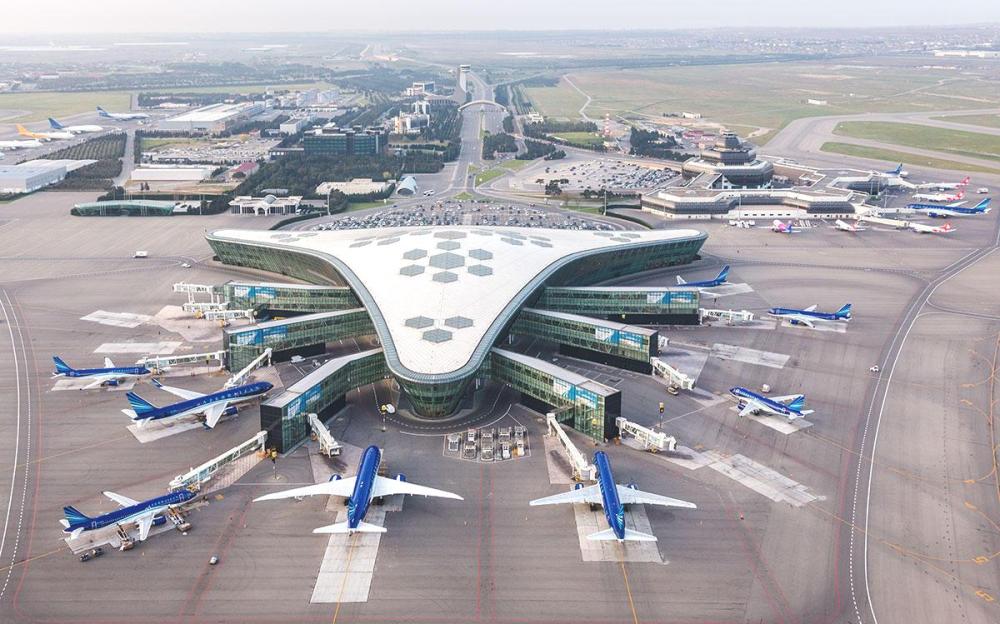
El Aeropuerto Internacional Heydar Aliyev es el aeropuerto más grande de Azerbaiyán y de la región en términos de tráfico de pasajeros y carga, operaciones de despegue y aterrizaje, el área de la terminal del aeropuerto y la capacidad del complejo de carga. El aeropuerto de Bakú recibió la calificación máxima de cinco estrellas según los premios Skytrax World Airport Awards y también fue nombrado el mejor aeropuerto entre los aeropuertos de los países de la CEI por el nivel de los servicios prestados durante los tres años consecutivos.
En Noviembre 2019, 30 aerolíneas de pasajeros operaron vuelos a más de 60 destinos diferentes desde el Aeropuerto Internacional Heydar Aliyev. Los aeropuertos de Azerbaiyán ocupan la posición de líder en la región en términos de tráfico de pasajeros. En los primeros 11 meses de 2019, los aeropuertos internacionales de Azerbaiyán atendieron a un total de 5,15 millones de pasajeros, de los cuales 4,39 millones fueron atendidos por el Aeropuerto Internacional Heydar Aliyev. Esto es un 6% más que la misma cifra del año pasado. 
 Open Skies in Azerbaijan
The Government of Azerbaijan will open the skies to all airlines
 For the first time in the history of Azerbaijan Republic civil aviation, the so-called fifth and seventh air freedoms will begin operating at all international airports in the country. As of January 1, 2020, these degrees of freedom will allow flights from Azerbaijan airports to 40 countries in Europe, North America, Australia, and Southeast Asia.
Air freedoms are a set of commercial aviation rights that give the airlines of one country the privilege of entering and landing in the airspace of another country. The greater the degree of freedom, the more actions foreign airplanes are allowed to perform in Azerbaijan’s airspace.
As of January 1, 2020, all airlines wishing to fly to 40 countries in Europe, North America, Australia, and Southeast Asia will have this advantage. The corresponding notification will be sent to the aviation authorities of these countries. Airlines may send passengers from Baku to France, Italy, Germany, Austria, Spain, Greece, Czech Republic, Belgium, Netherlands, Denmark, Norway, Poland, Portugal, Romania, Serbia, Slovakia, Slovenia, Finland, Switzerland, Sweden, Estonia, Ireland, Iceland, Latvia, Lithuania, Luxembourg, Macedonia, Malta, Bulgaria, Georgia, United States, Japan, Vietnam, Indonesia, Cambodia, Myanmar, Bangladesh, South Korea, Malaysia, and Australia without restrictions. In the future, the list of states may be expanded.
Air freedoms for Azerbaijan
Fifth air freedom allows foreign airlines to fly from their airport to other cities with stops in Baku (or any other airport in Azerbaijan) to board/disembark passengers. For example, under the fifth degree of freedom, European airlines may operate a Paris-Tokyo flight with a stopover in Baku (or at any other airport in the country). Or Japanese airlines can make flights to EU countries with landing at one of Azerbaijan’s international airports.
The seventh degree of freedom allows the airline to fly between Azerbaijan and foreign countries, avoiding intermediate landing at the airport of origin. For example, a European airline can fly to Azerbaijan from Dubai and then fly to one of the United States cities without landing in their home country.
In both cases, the airlines will conduct free business activities in all directions, including Azerbaijan. It should be noted that prior permits for such flights in Azerbaijan were granted individually to the airlines. Under the new conditions, all foreign airlines wishing to operate flights to Azerbaijan in the future will have the same rights as the national airline.
This will increase the interest of foreign airlines to make flights to Azerbaijan, open new markets and allow them to increase passenger traffic and increase tourist attraction. The arrival of foreign airlines will also create more travel opportunities for Azerbaijani citizens, as they will have a wide variety of direct flights to near and far abroad. In addition, any new airline that wants to start flying to Azerbaijan will receive a 100% discount on airport services. In the second year of operation, the discount will be 70%, in the third – 50%, in the fourth – 30%. The implementation period and the discount rate will be extended if the airline increases the number of flights and passenger traffic.
President Azerbaijan Airlines (AZAL), Jahangir Asgarov has said: “It is a global decision for the country as a whole. Thanks to the constant care and attention of the President of the Republic of Azerbaijan, Ilham Aliyev, towards the civil aviation of Azerbaijan, all conditions have been created at the country’s international airports to serve a large number of foreign airlines. The introduction of the fifth air freedoms in all the international airports of the country will allow to expand the geography of the flights from Azerbaijan, increase the accessibility of transport of the country in the foreign market, as well as take advantage of the tourist potential of the country and offer competitive offers. for passengers Our citizens will have the opportunity to expand the geography of their trips and reduce travel costs to Europe, Asia, Australia, and North America», he said
The decision to implement the fifth and seventh air freedoms in Azerbaijan’s international airports will also give new impetus to the development of the non-oil sector and help open new jobs in the country.
Currently, there are six airports with international status in Azerbaijan. In addition to Heydar Aliyev International Airport in Baku, all conditions have been created for airlines at Nakhchivan, Ganja, Gabala, Lankaran and Zagatala airports. All the international airports of the Republic have ICAO category up to the third, they are supplied with modern equipment, here the necessary conditions for ground service, aviation security service, border, and customs control have been created.
Heydar Aliyev International Airport is the largest airport in Azerbaijan and the region in terms of passenger and cargo traffic, take-off and landing operations, the airport terminal area and the capacity of the cargo complex. Baku Airport received the maximum five-star rating according to the Skytrax World Airport Awards and was also named the best airport among the airports of the CIS countries for the level of services provided during the three consecutive years.
In November 2019, 30 passenger airlines operated flights to more than 60 different destinations from Heydar Aliyev International Airport. Azerbaijan airports occupy the position of leader in the region in terms of passenger traffic. In the first 11 months of 2019, Azerbaijan’s international airports served a total of 5.15 million passengers, of which 4.39 million were served by Heydar Aliyev International Airport. This is 6% more than the same figure last year. 
 Azərbaycanda Açıq Səma
Azərbaycan hökuməti səmanı bütün aviaşirkətlərə açacaqdır
Azərbaycan Respublikası mülki aviasiya tarixində ilk dəfə olaraq, beşinci və yeddinci hava azadlıqları ölkənin bütün beynəlxalq hava limanlarında fəaliyyətə başlayacaq. 1 yanvar 2020-ci il tarixindən etibarən bu azadlıq dərəcələri Azərbaycan hava limanlarından Avropanın, Şimali Amerikanın, Avstraliyanın və Cənub-Şərqi Asiyanın 40 ölkəsinə uçuşlara imkan verəcəkdir.
Hava azadlıqları bir ölkənin hava yollarına başqa bir ölkənin hava məkanına daxil olmaq və eniş imtiyazını verən kommersiya aviasiya hüquqlarının məcmusudur. Azadlıq dərəcəsi nə qədər yüksəkdirsə, xarici hava gəmilərinin Azərbaycanın hava məkanında daha çox hərəkət etməsinə icazə verilir.
1 yanvar 2020-ci il tarixindən etibarən Avropa, Şimali Amerika, Avstraliya və Cənub-Şərqi Asiyanın 40 ölkəsinə uçmaq istəyən bütün aviaşirkətlər bu üstünlüyə sahib olacaqlar. Müvafiq bildiriş bu ölkələrin aviasiya orqanlarına göndəriləcəkdir. Aviaşirkətlər Bakıdan Fransa, İtaliya, Almaniya, Avstriya, İspaniya, Yunanıstan, Çexiya, Belçika, Hollandiya, Danimarka, Norveç, Polşa, Portuqaliya, Rumıniya, Serbiya, Slovakiya, Sloveniya, Finlandiya, İsveçrə, İsveçə sərnişin göndərə bilər. , Estoniya, İrlandiya, İslandiya, Latviya, Litva, Lüksemburq, Makedoniya, Malta, Bolqarıstan, Gürcüstan, Amerika Birləşmiş Ştatları, Yaponiya, Vyetnam, İndoneziya, Kamboca, Myanma, Banqladeş, Cənubi Koreya, Malayziya və Avstraliya. Gələcəkdə dövlətlərin siyahısı genişlənə bilər.
Azərbaycan üçün hava azadlığı
Beşinci hava sərbəstliyi xarici aviaşirkətlərə hava limanından Bakıdakı dayanacaqları olan digər şəhərlərə (və ya Azərbaycandakı hər hansı digər hava limanına) sərnişinləri buraxmaq / buraxmaq üçün imkan verir. Məsələn, sərbəstliyin beşinci dərəcəsi altında, Avropa aviaşirkətləri Bakıda (və ya ölkənin hər hansı digər hava limanında) dayanacaqla Paris-Tokio reysini həyata keçirə bilər. Və ya Yapon aviaşirkətləri Azərbaycanın beynəlxalq hava limanlarından birinə enərək AB ölkələrinə uçuşlar edə bilərlər.
Sərbəstliyin yeddinci dərəcəsi, hava limanına Azərbaycan və xarici ölkələr arasında uçuş imkanı verir, mənşəli hava limanına aralıq eniş etmədən. Məsələn, bir Avropa aviaşirkəti Dubaydan Azərbaycana uça bilər və sonra doğma ölkələrinə enmədən Amerika Birləşmiş Ştatlarının şəhərlərindən birinə uça bilər.
Hər iki halda aviaşirkətlər bütün istiqamətlərdə, o cümlədən Azərbaycanda pulsuz biznes fəaliyyəti həyata keçirəcəklər. Qeyd edək ki, Azərbaycanda bu cür uçuşlar üçün əvvəlcədən icazə aviaşirkətlərə fərdi olaraq verilib. Yeni şərtlərdə gələcəkdə Azərbaycana uçuşlar etmək istəyən bütün xarici aviaşirkətlər milli aviaşirkətlə eyni hüquqlara sahib olacaqlar.
Bu, xarici aviaşirkətlərin Azərbaycana uçuşlar etmək, yeni bazarlar açmaq və sərnişin daşımalarını artırmaq və turist cəlbediciliyini artırmaq marağını artıracaqdır. Xarici aviaşirkətlərin gəlişi də Azərbaycan vətəndaşları üçün daha çox səyahət imkanları yaradacaq, çünki yaxın və uzaq xarici ölkələrə geniş çeşiddə birbaşa uçuşlar olacaqdır. Bundan əlavə, Azərbaycana uçmağa başlamaq istəyən hər hansı bir yeni aviaşirkət hava limanında 100% endirim əldə edəcəkdir. Əməliyyatın ikinci ilində endirim 70%, üçüncüsündə 50%, dördüncü ildə 30% olacaq. Aviaşirkət uçuşların və sərnişin daşımalarının sayını artırdıqda tətbiq müddəti və endirim dərəcəsi uzadılacaqdır.
Azərbaycan Hava Yollarının (AZAL) prezidenti Cahangir Əsgərov demişdir: “Bu, bütövlükdə ölkə üçün qlobal bir qərardır. Azərbaycan Respublikasının Prezidenti İlham Əliyevin Azərbaycanın mülki aviasiyasına göstərdiyi daimi diqqət və qayğı sayəsində ölkənin beynəlxalq hava limanlarında çox sayda xarici aviaşirkətə xidmət göstərmək üçün hər cür şərait yaradılıb. Ölkənin bütün beynəlxalq hava limanlarında beşinci hava azadlıqlarının tətbiqi Azərbaycandan uçuşların coğrafiyasını genişləndirməyə, ölkənin nəqliyyat bazarının xarici bazarda əlçatanlığını artırmağa, habelə ölkənin turizm potensialından faydalanmağa və rəqabətli təkliflər verməyə imkan verəcəkdir. sərnişinlər üçün vətəndaşlarımız səfərlərinin coğrafiyasını genişləndirmək və Avropa, Asiya, Avstraliya və Şimali Amerikaya səyahət xərclərini azaltmaq imkanına sahib olacaqlar», dedi.
Azərbaycanın beynəlxalq hava limanlarında beşinci və yeddinci hava azadlıqlarının həyata keçirilməsinə dair qərar, həmçinin qeyri-neft sektorunun inkişafına yeni təkan verəcək və ölkədə yeni iş yerlərinin açılmasına kömək edəcəkdir.
Hazırda Azərbaycanda beynəlxalq statuslu altı hava limanı fəaliyyət göstərir. Bakıdakı Heydər Əliyev Beynəlxalq Aeroportu ilə yanaşı, Naxçıvan, Gəncə, Qəbələ, Lənkəran və Zaqatala hava limanlarında hava yolları üçün hər cür şərait yaradılıb. Respublikanın bütün beynəlxalq hava limanları üçüncü dərəcəyə qədər ICAO kateqoriyasına malikdir, müasir avadanlıqlarla təmin olunub, burada yerüstü xidmət, aviasiya təhlükəsizliyi xidməti, sərhəd və gömrük nəzarəti üçün lazımi şərait yaradılıb.
Heydər Əliyev Beynəlxalq Aeroportu sərnişin və yük daşınması, uçuş və enmə əməliyyatları, hava limanının terminal sahəsi və yük kompleksinin tutumu baxımından Azərbaycanda və bölgədəki ən böyük aeroportdur. Skytrax World Airport Awards mükafatlarına görə Bakı Hava Limanı ən yüksək beşulduzlu reytinq aldı və ardıcıl üç il ərzində göstərilən xidmət səviyyəsinə görə MDB ölkələrinin hava limanları arasında ən yaxşı hava limanı seçildi.
2019-cu ilin noyabr ayında 30 sərnişin aviaşirkəti Heydər Əliyev Beynəlxalq Hava Limanından 60-dan çox müxtəlif istiqamətlərə uçuşlar həyata keçirdi. Azərbaycan hava limanları sərnişin axını baxımından bölgədə lider mövqe tutur. 2019-cu ilin ilk 11 ayında Azərbaycanın beynəlxalq hava limanları ümumilikdə 5,15 milyon sərnişinə xidmət göstərib ki, bunun da 4,39 milyonu Heydər Əliyev Beynəlxalq Hava Limanında xidmət göstərib. Bu, ötən ilin analoji göstəricisindən 6% çoxdur.
Ξ A I R G W A Y S Ξ
SOURCE: Airgways.com
DBk: Mincom.gov.az / Azal.az / Airgways.com
AW-POST: 201912271400AR
A\W A I R G W A Y S ®
 AW | 2020 01 01 12:28 | GOVERNMENT / AIRLINES MARKET
 predatorio
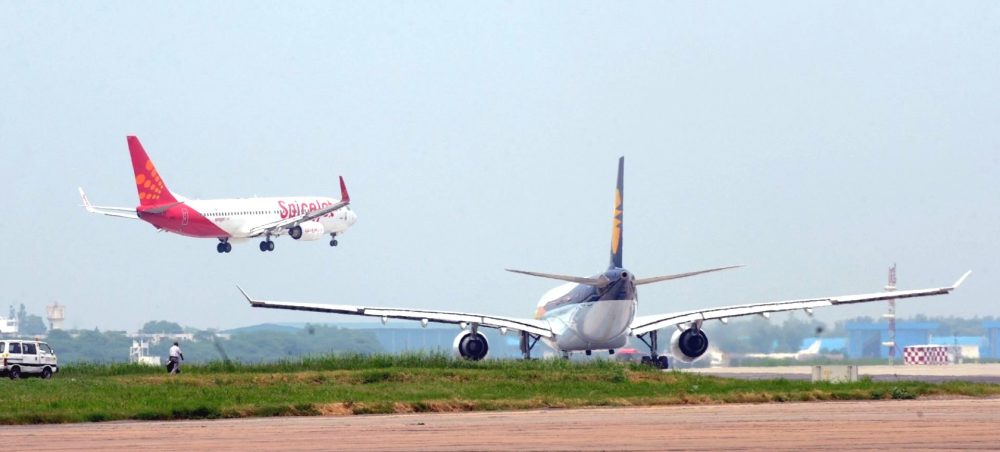 Predatory prices in India
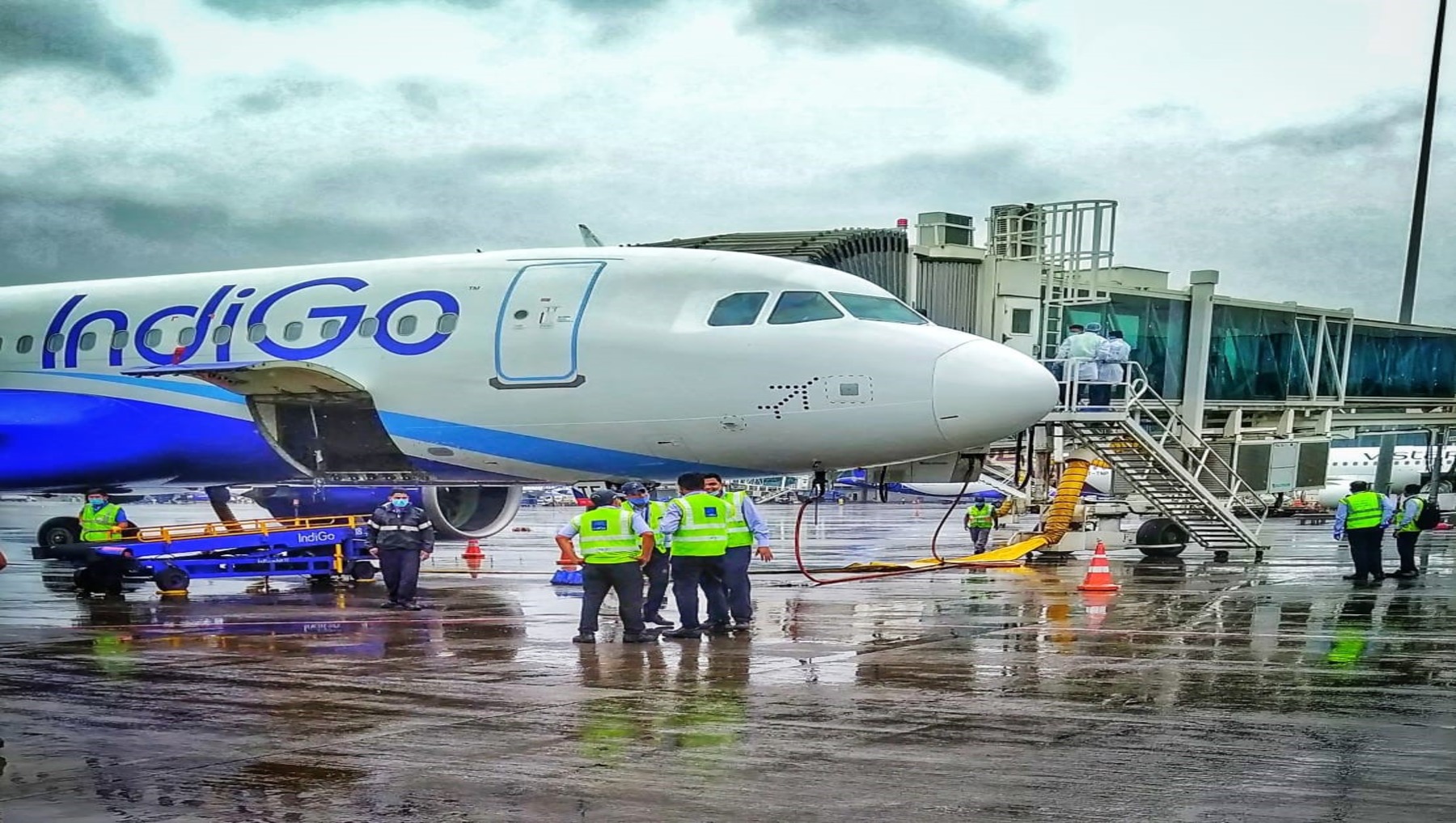 भारत में शिकारी भाव
 AW | 2019 12 29 08:48 | AIRLINES MAKET
 Desde la implementación del modelo low-cost en Argentina hace aproximadamente dos años, han incursionado en el mercado de doméstico captando alrededor de un 20% con más de dos millones de pasajeros transportados. En estas casi tres semanas del nuevo gobierno, no hubo modificaciones en esa política. «Los aviones tienen que volar, y lo están haciendo.
  Luego, se verá si hay que revisar algo», dijeron las fuentes oficiales.
 cambios.
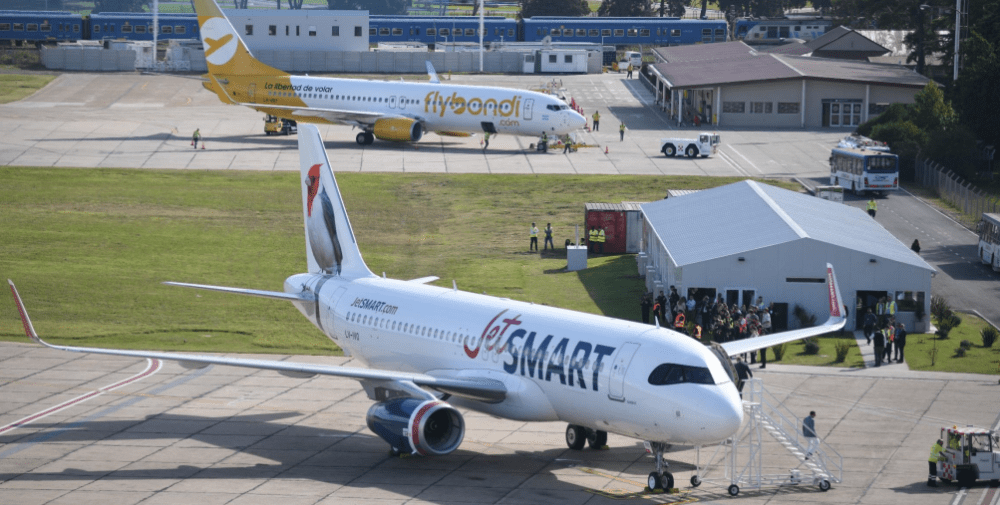 Argentina continuation low-cost model
 The Argentine market continues to progress stimulating the supply of routes and prices to the prevailing economic situation. The American investment fund Indigo Partners has absorbed the competitor Norwegian Air Argentina becoming the third largest airline operator in the country, behind Aerolíneas/Austral and Lan Argentina.
 Aeronautical Guilds
 AW | 2019 12 26 16:20 | AVIATION ORGANISMS / AIRLINES MARKET
 El mercado único de la aviación beneficiará a los ciudadanos de la ASEAN, pero no está sucediendo lo suficientemente rápido
 ASEAN moves towards the single aviation market
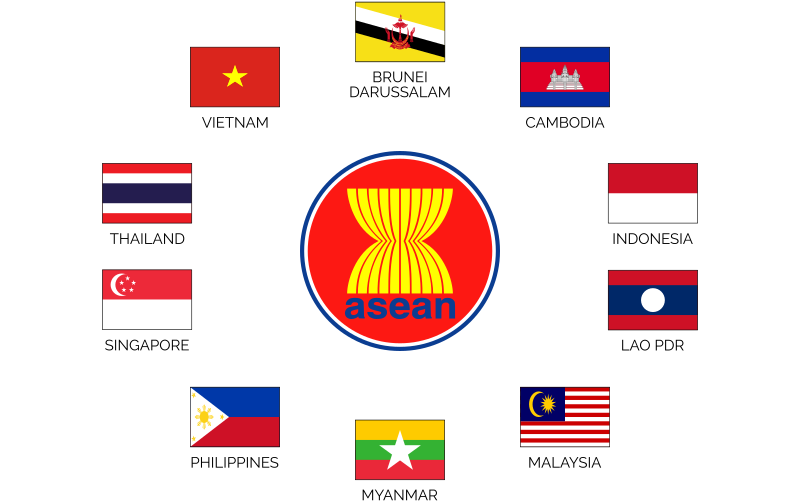 In November 2007, the ASEAN Air Transport Working Group presented an important aviation policy plan for the region. Known as ASEAN Single Aviation Market (ASAM) or Asean Open Sky Agreement, the policy sought to deepen integration between ASEAN nations in all aspects of the aviation sector by 2015, including air services, aviation security, and Air traffic management. The ASAM was ratified by the ASEAN member states in April 2016, but implementation remains slow. Year after year, the transport ministers of the 10 member countries meet and sign more agreements, but do not make significant progress.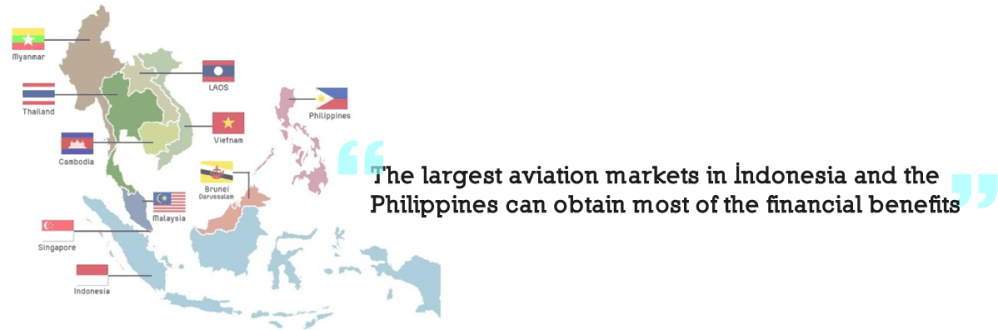
 AW | 2019 12 24 17:42 | AIRLINES MARKET
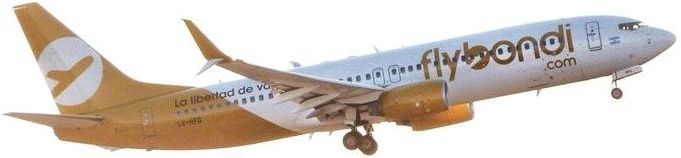 Entre las líneas aéreas que iniciaron los procesos de conformación de capital y concesión de rutas aéreas que pudieron sobrevivir se encuentran Flybondi Líneas Aéreas, JetSmart Airlines Argentina, que son las que más protagonismo están desarrollando en el mercado argentino. American Jet Líneas Aéreas, Flyest Líneas Aéreas y SAPSA Líneas Aéreas poseen modestos planes de desarrollo regional. Royal Class es otra compañía que continúa desarrollando la aviación corporativa a saber que el anterior gobierno a última hora aprobó la asignación de rutas aéreas para vuelos regulares, pero hasta la fecha no se ha dado a conocer ningún plan de expansión, a pesar de que el signo político actual presenta serias dudas de iniciar esta aventura. Entre otras, están las compañías que han iniciado operaciones pero pronto fracazaron en el intento: Avianca Argentina y Norwegian Air Argentina. Entre las últimas se encuentran las que nunca pudieron concretar volar en Argentina: Irelandia Aviation (Ryanair Holdings PLC), Buenos Aires Internacional Airlines, Líneas Aéreas Mediterráneas, Polar Líneas Aéreas y finalmente Alas del Sur Líneas Aéreas, que fue comprada por Indigo Partners de Estados Unidos para formalizar JetSmart Airlines Argentina.

 The Involution of Aircraft in Argentina
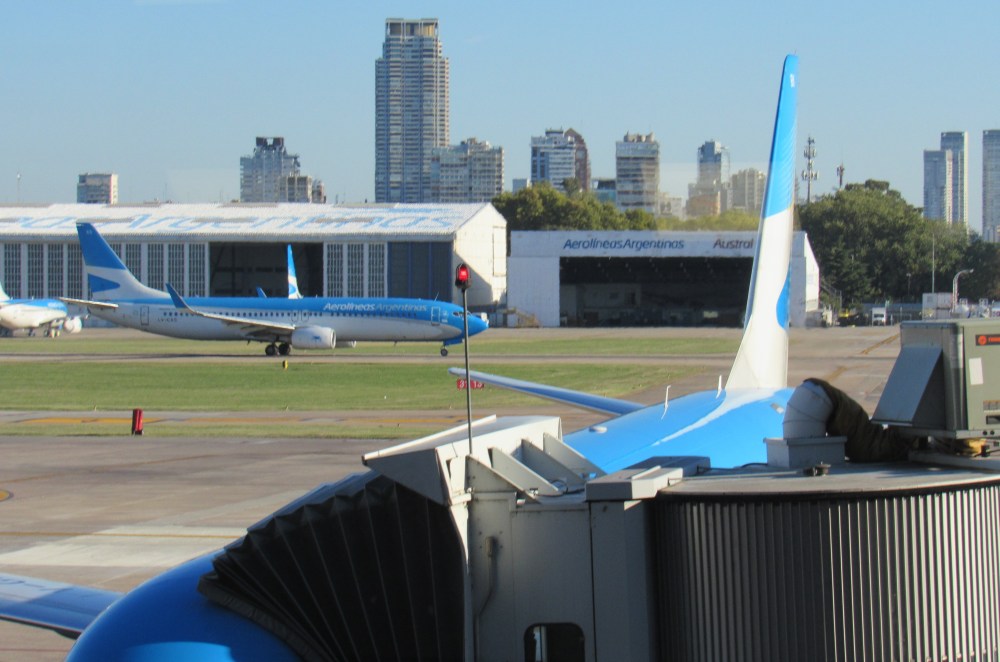
 Many announcements transcended the «Aircraft Revolution» project proclaimed by the previous Argentine government. It was a new beginning, or rather, a new opportunity that the Argentine Republic had in front of the commercial air market.
 Among the airlines that initiated the processes of capital formation and concession of air routes that we’re able to survive are Flybondi Líneas Aéreas, JetSmart Airlines Argentina, which are the ones that are more prominent in the Argentine market. American Jet Líneas Aéreas, Flyest Líneas Aéreas, and SAPSA Líneas Aéreas have modest regional development plans. Royal Class is another company that continues to develop corporate aviation, namely that the previous government at the last minute approved the allocation of air routes for regular flights, but to date, no expansion plan has been announced, despite the fact that the Current political sign presents serious doubts about starting this adventure. Among others, there are companies that have started operations but soon failed in the attempt: Avianca Argentina and Norwegian Air Argentina. Among the latter are those that never could fly in Argentina: Irelandia Aviation (Ryanair Holdings PLC), Buenos Aires International Airlines, Líneas Aéreas Mediterránea, Polar Líneas Aéreas and finally Alas del Sur Líneas Aéreas, which was bought by Indigo Partners of States United to formalize JetSmart Airlines Argentina.

 AW | 2019 12 23 13:52 | AIRLINES MARKET
 Derivaciones de la nueva Ley Productiva en Argentina
 Gabinete de Argentina, Santiago Cafiero, aseguró hoy 23/12 que la Ley de Solidaridad Social sale hoy publicada en el Boletín Oficial, ante la expectativa que hoy generó que no aparezca publicada esta mañana.
 Alcance del impuesto
 Mercado aerocomercial
 Productive Reactivation Law in Argentina
 Aerocommercial market
 there is damage to them. It will end up modifying. For now, everything that is purchased with Aerolíneas, according to the law, is exempt from 30 percent, because you don’t have to use dollars”, said the President of the Argentine Chamber of Tourism, Aldo Elías. The leader also said that the sale of tickets has skyrocketed before the increase in taxes. “Ticket sales were very strong in the last two business days we have had. Today everything already has 30% more cost. The sector is preparing to see how to solve a new challenge for Argentines”, said Aldo Elías.
  AW | 2019 12 21 08:32 | AIRLINES MARKET
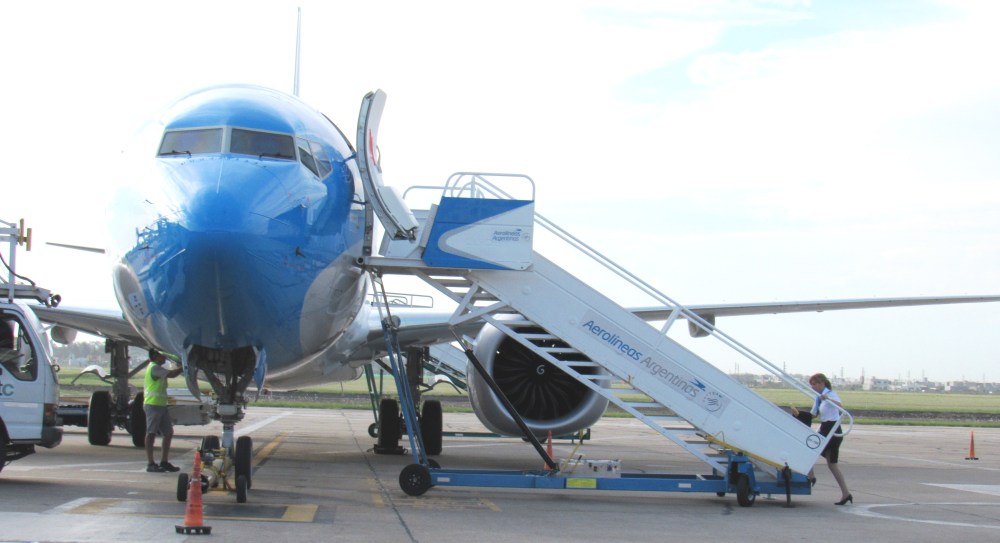 Border tickets without tax «PAIS»
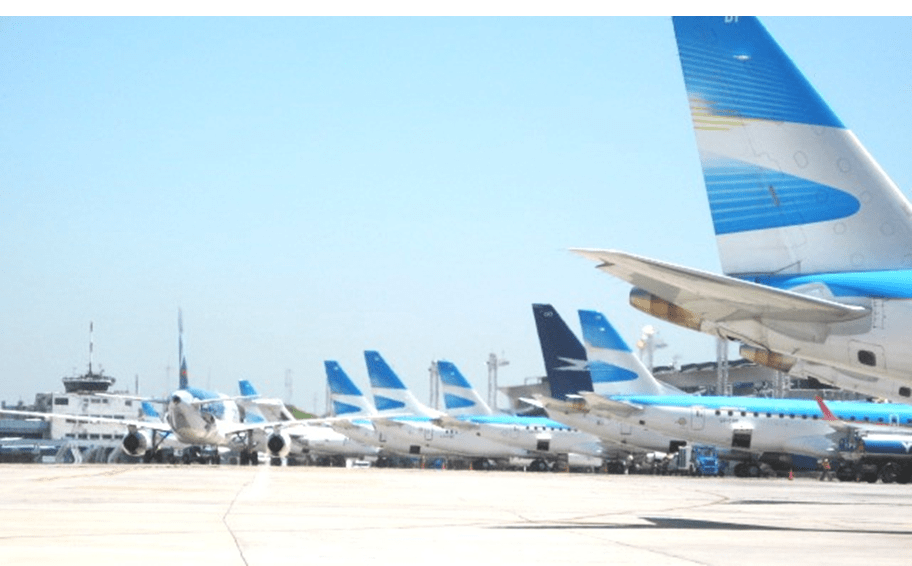 AW | 2019 12 18 09:22 | AIRLINES MARKET
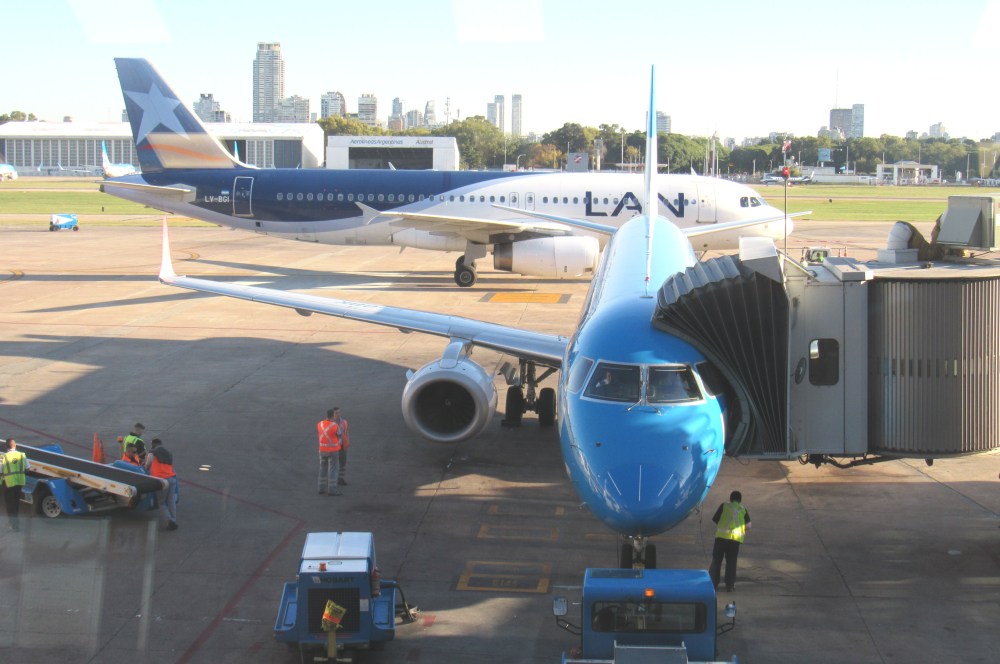 Argentina increases cabotage rates
 AW | 2019 12 17 11:51 | AIRLINES MARKET / TOURISM
 Airlines reduce number of flights to Beirut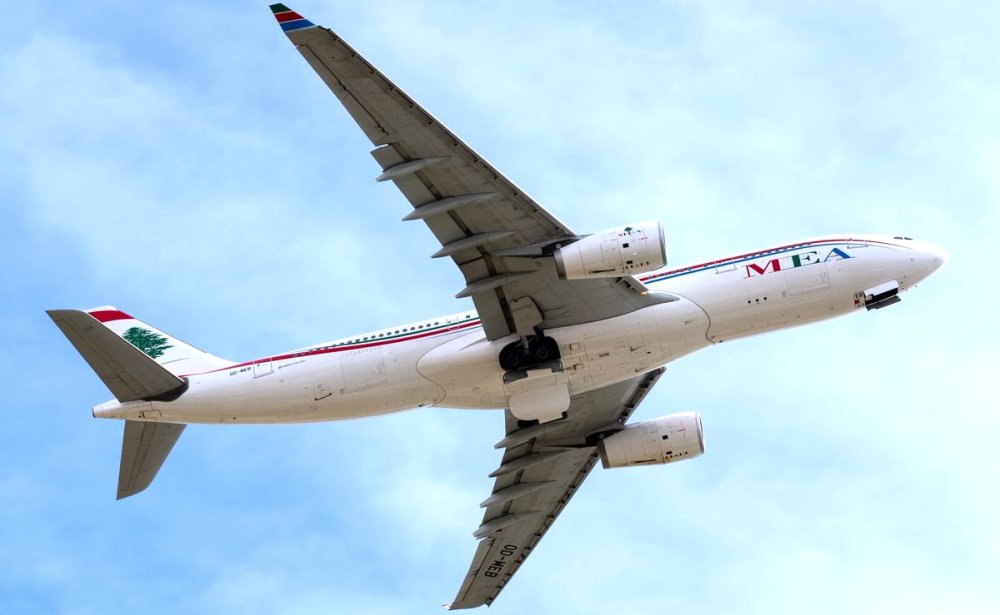
 AW | 2019 12 11 21:14 | AIRLINES MARKET
 ANAC Regulations against the dominant market

