Venezuela profundiza crisis aviación

Resultado de imagen para aviacion venezuela wikiAW | 2019 10 22 13:13 | AIRLINES MARKET

Venezuela ha reducido su tráfico aéreo

Humberto Figuera, Presidente de la Asociación de Líneas Aéreas de Venezuela (ALAV), afirmó que el único destino nacional que está bien garantizado es Caracas-Porlamar. La temporada de vacaciones en Venezuela fue relativamente buena, pero la situación ha cambiado donde las compañías aéreas han reducido las frecuencias. “Ya no hay tantas líneas aéreas que tengan destinos internacionales. No hay tanto mercado hoy en día para cubrir esos destinos internacionales porque son boletos que se calculan en dólares y ahora está viajando el que realmente necesita viajar, hay muy poco pasajero en condición de turista”, indicó. En ese sentido, expresó que los venezolanos que viajan a los países donde hay más connacionales producto de la diáspora, son quienes alimentan la ocupación de las aerolíneas en temporadas vacacionales.

Señaló que solo quedan nueve compañías internacionales operando en Venezuela. “Los destinos que están mejor cubiertos son los que van al viejo continente, pues hay cinco líneas europeas de las nueve internacionales que siguen operativas”, dijo Figuera este Martes 22/10. Actualmente los venezolanos están viajando al exterior por necesidad, y no por turismo como hacían antes. Las aerolíneas internacionales Air Europa, Air France, Copa Airlines, Cubana de Aviación, Iberia, Wingo, Plus Ultra, Turkish Airlines y TAP Portugal continúan ofreciendo sus servicios comerciales desde y hacia Venezuela.

Seguridad aviación comercial

El Presidente de ALAV seguró que en Venezuela existe un buen sistema de mantenimiento de las aeronaves. En tanto, aseguró que en Venezuela existe un buen sistema de mantenimiento de las aeronaves, por orden del INAC y de las mismas líneas, quienes tienen a su servicio de manteamiento a profesionales de mucha experiencia.  AW-Icon AW001

Resultado de imagen para alav venezuelaVenezuela deepens aviation crisis

Venezuela has reduced its air traffic

Humberto Figuera, President of the Association of Airlines of Venezuela (ALAV), said that the only national destination that is well guaranteed is Caracas-Porlamar. The holiday season in Venezuela was relatively good, but the situation has changed where airlines have reduced frequencies. “There are not so many airlines that have international destinations. There is not so much market today to cover those international destinations because they are tickets that are calculated in dollars and now the one who really needs to travel is traveling, there is a very little passenger in tourist condition”, he said. In that sense, he said that Venezuelans who travel to countries where there are more nationals as a result of the diaspora are those who feed the occupation of airlines during holiday seasons.

He noted that there are only nine international companies operating in Venezuela. «The destinations that are best covered are those that go to the old continent, as there are five European lines of the nine international ones that are still operational», Figuera said Tuesday 10/22. Currently, Venezuelans are traveling abroad by necessity, and not by tourism as they did before. The international airlines Air Europa, Air France, Copa Airlines, Cubana de Aviacion, Iberia, Wingo, Plus Ultra, Turkish Airlines, and TAP Portugal continue to offer their commercial services to and from Venezuela.

Commercial aviation security

The ALAV President said that there is a good aircraft maintenance system in Venezuela. Meanwhile, he said that in Venezuela there is a good aircraft maintenance system, by order of the INAC and the same lines, who have at their service maintenance professionals with a lot of experience. AW-Icon AW002


Ξ A I R G W A Y S Ξ
SOURCE: Airgways.com
DBk: Alav.org.ve / Eluniversal.com / Wikipedia.org
AW-POST: 201910221313AR

A\W   A I R G W A Y S ®

Aéreas tradicionales conquistan Europa

Resultado de imagen para Frankfurt AirportAW | 2019 10 21 23:57 | AIRLINES MARKET

Avanzan aerolíneas tradicionales mercado sobre las low cost

El modelo de aerolíneas de bajo costo en Europa se resiente. El tráfico de las compañías de bajo coste crece sies veces menos que el del resto del sector. El auge que han tenido las compañías low cost en los últimos años empieza a resentirse tornándose un efecto contrario al desarrollado años atrás con las aerolíneas low cost.

Compañías como Ryanair, Easyjet entre otras han crecido un tímido 1% en los primeros nueve meses de 2019 hasta alcanzar los 38,9 millones de pasajeros, mientras que las compañías tradicionales empiezan a pisarle los talones al crecer a un ritmo del 7,3% en lo que va de año alcanzando los 35,4 millones de pasajeros.

Tráfico en España

Las estadísticas de Aeropuertos Españoles Navegación Aérea (AENA) con respecto al mes de Septiembre 2019 en cuanto a arribos a España representan un 2,2% más de pasajeros interanual. Sin embargo, las aerolíneas de bajo coste sufrieron un retroceso del 0,6%, al transportar a cinco millones de pasajeros; mientras que las tradicionales aumentaron un 5,4% sus clientes, hasta los 4,6 millones de pasajeros. Esta moderación del crecimiento de este segmento en España no es aislada sino que surge tras la caída de los beneficios de muchas de estas empresas a nivel global, como es el caso de Ryanair, que en Febrero 2019 registró por primera vez desde el 2014 pérdidas, debido a la caída de las tarifas. Ryanair, Vueling e Easy Jet acumularon en septiembre el 62,8% del total de pasajeros de bajo coste. Las tres supusieron el 32,7% del total del flujo aéreo internacional. Sin embargo, mientras las dos primeras tuvieron una evolución positiva, Easyjet encadena seis meses de descensos consecutivos.

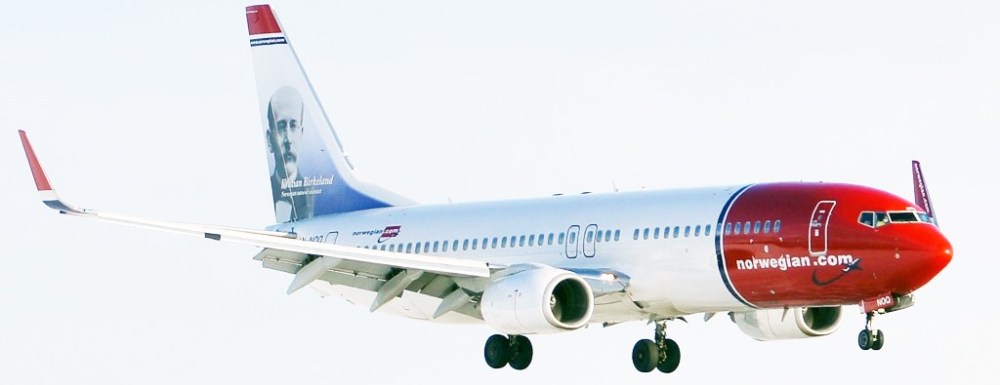
La compañía Norwegian Air cerrará su base de Madrid este invierno boreal, una decisión que solo afectará a seis conexiones de las 85 que la compañía noruega tiene previstas pero que llega tras el cierre de su base de Palma de Mayorca en Abril 2019, y después de estudiar hacer lo propio con las dos bases canarias Tenerife Sur y Gran Canaria) que finalmente resisten, se mantendrán abiertas.

En la misma línea, Ryanair ha anunciado el cierre de sus centros de Girona, Gran Canaria, Tenerife y Lanzarote y despido de cerca de 500 trabajadores, de los que 327 serán tripulantes de cabina (TCP) y 105, pilotos. No obstante, la teoría sindical es que la compañía está desmantelando su actividad para operar a través de sus filiales y, así, ahorrar costes, como ya ha hecho en otros países, por tanto, todavía se desconoce qué efecto tendrán los cierres sobre la conectividad.

Catalunya caen low cost

En Catalunya los efectos dispares son más videntes. En los nueve primeros meses de 2019 llegaron a esta comunidad 16 millones de pasajeros en avión, un 4,7% más que un año antes, 10 millones lo hicieron con una aerolínea low cost y 6,1 millones con una tradicional. Sin embargo, las compañías tradicionales crecieron un 16,6%, mientras las de bajo coste cayeron un 1,4%. Por aeropuertos, de los 15 millones de viajeros que Resultado de imagen para low cost Europeaterrizaron en el Aeropuerto Bacelona/El Prat, 9 millones lo hicieron en bajo coste, un 1,5% menos que un año antes, mientras que 5,8 millones lo hicieron en las compañías convencionales que repuntaron un 18,4%.

Bancarrotas

Los efectos dominó de cierres de aerolíneas, especialmente de low cost, comenzaron a sentir problemas económicos desde 2017 en adelante, han quedado en el recuerdo como Monarch Airlines, Airberlin, XL Airways, Primera Air, Cobalt Airlines, Flybmi, Thomas Cook Airlines, entre muchas otras. Sin dudas, los cambios en la aviación comercial se están profundizando por los vaivenes de la economía global.

Italia y Francia se destacan como los países en los que el incremento de pasajeros en compañías aéreas tradicionales fue mayor, del 27% y del 38,7%, respectivamente, hasta sumar 2,3 millones y 2,06 millones de pasajeros. En el caso de las low cost la caída fue del 3,7% y del 6,2%, hasta sumar 4,2 millones y 3,09 millones cada una. Alemania, se trasladaron unos 6,2 millones de pasajeros hasta 09/2019, un 1,4% más que hace un año, frente a las ‘nuevas’ que trasladaron a 5,2 millones de turistas, un 2,2% menos. En Países Bajos, el modelo tradicional aumentó un 5,9% (hasta el millón de turistas), mientras las low cost retrocedieron un 3% (2,3 millones).AW-Icon AW001

Resultado de imagen para aena Aeropuertos EspañaTraditional airlines conquer Europe

Traditional airlines advance on low cost

The model of low-cost airlines in Europe suffers. The traffic of low-cost companies grows six times less than that of the rest of the sector. The boom that the low-cost companies have had in recent years begins to resent becoming an opposite effect to the one developed years ago with low-cost airlines.

Companies like Ryanair, Easyjet among others have grown a shy 1% in the first nine months of 2019 to reach 38.9 million passengers, while traditional companies begin to step on their heels as they grow at a rate of 7.3% so far this year reaching 35.4 million passengers.

Traffic in Spain

The statistics of Spanish Airports Air Navigation (AENA) with respect to the month of September 2019 regarding arrivals to Spain represent 2.2% more passengers year-on-year. However, low-cost airlines suffered a 0.6% decline, carrying five million passengers; while the traditional ones increased their customers by 5.4%, to 4.6 million passengers. This moderation of the growth of this segment in Spain is not isolated but arises after the fall of the benefits of many of these companies globally, such as Ryanair, which in February 2019 recorded losses for the first time since 2014, due to the drop in rates. Ryanair, Vueling and Easy Jet accumulated 62.8% of total low-cost passengers in September. All three accounted for 32.7% of the total international airflow. However, while the first two had a positive evolution, Easyjet chains six months of consecutive declines.

AW-798880010.jpg

The Norwegian Air company will close its Madrid base this winter, a decision that will only affect six connections of the 85 that the Norwegian company has planned but that arrives after the closure of its Palma de Mayorca base in April 2019, and after study doing the same with the two Canary Islands bases Tenerife Sur and Gran Canaria) that finally resist, will remain open.

Along the same lines, Ryanair has announced the closure of its centers in Girona, Gran Canaria, Tenerife and Lanzarote and the dismissal of about 500 workers, of which 327 will be cabin crew (TCP) and 105, pilots. However, the union theory is that the company is dismantling its activity to operate through its subsidiaries and, thus, save costs, as it has already done in other countries, therefore, it is still unknown what effect the closures will have on connectivity.

Catalonia falls low cost

In Catalonia, the disparate effects are more sighted. In the first nine months of 2019, 16 million passengers arrived by plane, 4.7% more than a year earlier, 10 million did so with a low-cost airline and 6.1 million with a traditional one. However, traditional companies grew 16.6%, while low-cost companies fell 1.4%. By airports, of the 15 million travelers who landed at Bacelona / El Prat Airport, 9 million did so at a low cost, 1.5% less than a year earlier, while 5.8 million did so at conventional companies that rebounded 18.4%.

Bankruptcies

The domino effects of airline closures, especially low cost, began to feel economic problems from 2017 onwards, have been remembered as Monarch Airlines, Airberlin, XL Airways, Primera Air, Cobalt Airlines, Flybmi, Thomas Cook Airlines, between many others. Undoubtedly, changes in commercial aviation are deepening due to the ups and downs of the global economy.

Italy and France stand out as the countries in which the increase in passengers in traditional airlines was greater, 27% and 38.7%, respectively, to add 2.3 million and 2.06 million passengers. In the case of low cost, the fall was 3.7% and 6.2%, reaching 4.2 million and 3.09 million each. Germany, about 6.2 million passengers were transferred until 09/2019, 1.4% more than a year ago, compared to the ‘new ones’ that transferred 5.2 million tourists, 2.2% less. In the Netherlands, the traditional model increased by 5.9% (up to one million tourists), while low cost fell by 3% (2.3 million).AW-Icon AW002


Ξ A I R G W A Y S Ξ
SOURCE: Airgways.com
DBk: Aena.es / Airgways.com / Frankfurt-airport.com
AW-POST: 201910212357AR

A\W   A I R G W A Y S ®

Consolidando mercado en la India

Resultado de imagen para भारत के हवाई अड्डे

AW | 2019 10 20 12:42 | AIRLINES MARKET

Las aerolíneas de las India se apresuran a cubir espacio de Jet Airways. Air India continúa reestructuración

Después de la puesta a tierra de la aerolínea Jet Airways en la India, otras aerolíneas se han presentado para llenar los espacios dejado por Jet Airways. Vistara Airlines ha tomado la delantera, seguido por SpiceJet y AirAsia India para cubrir las frecuencias horarias.

El calendario de invierno boreal 2019-2020 verá a las aerolíneas indias llenándose en gran medida por la pérdida de capacidad en el mercado indio con la desaparición de Jet Airways. De acuerdo con el horario de invierno aprobado por la DGCA, las aerolíneas operarán 23.403 salidas por semana cubriendo 103 aeropuertos a partir del horario de invierno que comienza a fines de octubre.

AW-700Market_indianAir India

Los desafíos para convertir a Air India en una entidad atractiva para compradores potenciales está incentivando el gobierno con avanzarndo con su resolución de vender la aerolínea, se están realizando esfuerzos agitados detrás de escena para sacar a flote la aerolínea, estabilizarla y luego entregarla a un comprador para que pueda equilibrar las finanzas.

La semana pasada estuvo llena de acción para la larga saga de desinversiones de Air India , la asediada aerolínea de bandera. El 14 Octubre 2019, la alta dirección de la aerolínea, dirigida por el presidente Ashwani Lohani, se reunió con los representantes de 13 sindicatos de la compañía en Delhi. Unos 40 representantes sindicales ingresaron a sala de juntas, donde en la reunión, la Gerencia describió el impacto del proceso de desinversión en los empleados. Los aproximadamente 12.000 empleados tendrán garantizada la seguridad laboral solo por un año después de la venta de la aerolínea. Otros beneficios y condiciones de servicio también cambiarían, incluido el apoyo médico de por vida para la familia, el pasaje gratuito en los vuelos de Air India, así como las reglas sobre el fondo de previsión del empleado, el cobro de la licencia y la propina. La reunión también contó con una cláusula confidencial: los líderes sindicales no pueden hablar públicamente sobre lo que se discutió. Los líderes sindicales presionaron por mejores términos. Haremos todo lo posible para negociar con el gobierno, les aseguró la gerencia.

Más adelante en la semana, el 17 Octubre 2019, Air India Assets Holding Ltd, un vehículo de propósito especial de la compañía, recaudó una ronda de bonos garantizados por el gobierno, mejoando la popsición financiera a futuro.

La aerolínea de 89 años, iniciada por JRD Tata en 1930 y nacionalizada después de la Independencia, registró ingresos consolidados superiores a Rs 27.000 millones de rupias en 2017-18, con una pérdida de Rs 5.799 millones de rupias. Los cargos financieros o de intereses excedieron los 4.000 millones de rupias en ese período. La deuda consolidada en los libros ahora está en Rs 58.000 millones de rupias.AW-Icon AW001

images.jpgConsolidating market in India

Indian airlines rush to cover the space of Jet Airways. Air India continues restructuring

After the grounding of the Jet Airways airline in India, other airlines have come forward to fill in the spaces left by Jet Airways. Vistara Airlines has taken the lead, followed by SpiceJet and AirAsia India to cover the hourly frequencies.

The 2019-2020 boreal winter calendar will see Indian airlines largely filled by the loss of capacity in the Indian market with the disappearance of Jet Airways. According to the wintertime approved by the DGCA, the airlines will operate 23,403 departures per week covering 103 airports from the wintertime that begins at the end of October.AW-700Market_indian.png

Air India

The challenges of making Air India an attractive entity for potential buyers are encouraging the government to move forward with its resolution to sell the airline, agitated efforts are being made behind the scenes to bring the airline afloat, stabilize it and then deliver it to a buyer So you can balance the finances.

Last week was full of action for the long saga of divestments of Air India, the besieged flag airline. On October 14, 2019, the airline’s top management, led by President Ashwani Lohani, met with representatives of 13 company unions in Delhi. Some 40 union representatives entered the boardroom, where at the meeting, Management described the impact of the divestment process on employees. The approximately 12,000 employees will be guaranteed job security for only one year after the sale of the airline. Other benefits and conditions of service would also change, including life-long medical support for the family, free airfare on Air India flights, as well as rules on the employee’s pension fund, license fees, and tips. The meeting also had a confidential clause: union leaders cannot speak publicly about what was discussed. Union leaders pressed for better terms. We will do our best to negotiate with the government, the management assured them.

Later in the week, on October 17, Air India Assets Holding Ltd, a special purpose vehicle of the company, raised a round of government-guaranteed bonds, improving future financial position.

The 89-year-old airline, initiated by JRD Tata in 1930 and nationalized after Independence, recorded consolidated revenues exceeding Rs 27,000 million in 2017-18, with a loss of Rs 5,799 million rupees. Financial or interest charges exceeded Rs 4,000 million in that period. The consolidated debt in the books is now Rs 58,000 crore.AW-Icon AW002

Resultado de imagen para भारत के हवाई अड्डेभारत में समेकित बाजार

भारतीय एयरलाइंस जेट एयरवेज की जगह को कवर करने के लिए दौड़ रही हैं। एयर इंडिया का पुनर्गठन जारी है

भारत में जेट एयरवेज एयरलाइन की ग्राउंडिंग के बाद, जेट एयरवेज द्वारा छोड़ी गई जगहों को भरने के लिए अन्य एयरलाइंस आगे आई हैं। विस्तारा एयरलाइंस ने बढ़त बना ली है, इसके बाद स्पाइसजेट और एयरएशिया इंडिया ने प्रति घंटा आवृत्तियों को कवर किया है।

2019-2020 बोरियल विंटर कैलेंडर में भारतीय एयरलाइंस को मोटे तौर पर जेट एयरवेज के गायब होने के साथ भारतीय बाजार में क्षमता के नुकसान से भरा हुआ दिखाई देगा। DGCA द्वारा अनुमोदित शीतकालीन समय के अनुसार, एयरलाइनें अक्टूबर के अंत में शुरू होने वाले शीतकालीन समय से 103 हवाई अड्डों को कवर करते हुए प्रति सप्ताह 23,403 प्रस्थान का संचालन करेंगी।

एयर इंडिया

संभावित खरीदारों के लिए एयर इंडिया को एक आकर्षक इकाई बनाने की चुनौतियां सरकार को एयरलाइन को बेचने के लिए अपने संकल्प के साथ आगे बढ़ने के लिए प्रोत्साहित कर रही हैं, एयरलाइन को वापस लाने के लिए पर्दे के पीछे उत्तेजित प्रयास किए जा रहे हैं, इसे स्थिर करें और फिर इसे एक खरीदार को वितरित करें। तो आप वित्त को संतुलित कर सकते हैं।

पिछले हफ्ते, झंडे वाली एयरलाइन, एयर इंडिया के विभाजन की लंबी गाथा के लिए एक्शन से भरपूर थी। 14 अक्टूबर, 2019 को, राष्ट्रपति अश्विनी लोहानी के नेतृत्व में एयरलाइन के शीर्ष प्रबंधन ने दिल्ली में 13 कंपनी यूनियनों के प्रतिनिधियों के साथ मुलाकात की। कुछ 40 यूनियन प्रतिनिधियों ने बोर्डरूम में प्रवेश किया, जहां बैठक में प्रबंधन ने कर्मचारियों पर विभाजन प्रक्रिया के प्रभाव का वर्णन किया। लगभग 12,000 कर्मचारियों को एयरलाइन की बिक्री के बाद केवल एक वर्ष के लिए नौकरी की सुरक्षा की गारंटी दी जाएगी। सेवा के अन्य लाभ और शर्तें भी बदल जाएंगी, जिसमें परिवार के लिए जीवन भर चिकित्सा सहायता, एयर इंडिया की उड़ानों पर मुफ्त विमान किराया, साथ ही कर्मचारी की पेंशन निधि, लाइसेंस शुल्क और युक्तियां शामिल हैं। । बैठक में एक गोपनीय खंड भी था: जो चर्चा की गई थी, उसके बारे में संघ के नेता सार्वजनिक रूप से नहीं बोल सकते। यूनियन नेताओं ने बेहतर शर्तों के लिए दबाव डाला। हम सरकार के साथ बातचीत करने की पूरी कोशिश करेंगे, प्रबंधन ने उन्हें आश्वासन दिया।

बाद के सप्ताह में, 17 अक्टूबर को, एयर इंडिया एसेट्स होल्डिंग लिमिटेड, कंपनी के एक विशेष उद्देश्य वाहन, ने सरकार की गारंटी बांड का एक दौर उठाया, जिससे भविष्य की वित्तीय आबादी में सुधार हुआ।

1930 में जेआरडी टाटा द्वारा शुरू की गई और स्वतंत्रता के बाद राष्ट्रीयकृत 89 वर्षीय एयरलाइन ने 2017-18 में 27,000 मिलियन रुपये से अधिक का समेकित राजस्व दर्ज किया, जिसमें 5,799 मिलियन रुपये का नुकसान हुआ। उस अवधि में वित्तीय या ब्याज शुल्क 4,000 मिलियन रुपये से अधिक था। किताबों में समेकित ऋण अब 58,000 करोड़ रुपये है।


Ξ A I R G W A Y S Ξ
SOURCE: Airgways.com
DBk: Trendinghindi.com / Nationsonline.org / Financialexpress.com / Dgca.nic.in
AW-POST: 201910201242AR

A\W   A I R G W A Y S ®

Alemania aumenta impuestos a vuelos domésticos para protección climática

AW-70088568.jpg

AW | 2019 10 16 13:17 | GOVERNMENT / AIRLINES MARKET

Los nuevos gravámenes alemanes de protección climática en los viajes aéreos se introducirán en Abril 2020

Las subidas de impuestos forman parte de un paquete climático en Alemania destinado a hacer que la economía más grande de Europa sea neutral en carbono para 2050 y están acompañadas de medidas para promover el transporte público. La canciller Angela Merkel planea alentar a los consumidores a usar trenes en lugar de viajes aéreos, especialmente para viajes domésticos. El Ministerio de Finanzas dijo que se había acordado que los vuelos más cortos, particularmente pesados ​​en emisiones de dióxido de carbono, deberían pagar más impuestos en proporción a los precios de los boletos subyacentes que los vuelos de larga distancia. El aumento de las tarifas apunta a compensar un recorte en el impuesto al valor agregado en los boletos de tren que se introducirá en enero, según el gobierno federal de Berlín.

Los viajes aéreos nacionales alemanes cayeron un 0,8% a 23,5 millones de pasajeros el año pasado en comparación con 2017, según la Oficina Federal de Estadísticas. Pero los vuelos internacionales desde Alemania aumentaron un 5,5% durante 2018 a 99 millones de pasajeros. El impuesto sobre los boletos nacionales aumentará en Alemania desde 2020 a € 13 desde € 7.5. Los boletos a precios de dumping, o por debajo del precio de costo, serán prohibidos y el impuesto al valor agregado sobre los boletos de tren caerá al 7 por ciento desde el 19%, reduciendo los precios en aproximadamente un 10%. Berlín estima que los boletos aéreos más caros aumentarán los ingresos fiscales en aproximadamente € 740 millones, más que cubrir los ingresos perdidos del IVA ferroviario.

Francia respalda impuesto

El ministro de Finanzas francés, Bruno Le Maire, propuso un impuesto de la Unión Europea sobre los aviones y los combustibles de envío para reducir las emisiones de carbono. Con la amenaza del Brexit y un posible Reino Unido desregulado dentro de Europa, Le Maire dijo que el impuesto coincidiría con los planes respaldados por Francia y Alemania para un impuesto fronterizo de carbono que protegería a los empleadores con sede en la UE de la competencia de países con estándares de emisiones más bajos. “Es incomprensible que los objetivos de emisiones de carbono se hayan establecido para automóviles y no para aviones y barcos. Proponemos que se trabaje en un impuesto europeo sobre el combustible de aviones y barcos”, dijo Le Maire en un evento en París.

Francia revisará las garantías públicas de exportación con su compromiso de detener el financiamiento de proyectos que aumenten el crecimiento de las emisiones de carbono, dijo el ministro. El presupuesto propuesto para 2020 prohíbe que Francia brinde apoyo a proyectos relacionados con el carbón.AW-Icon AW001

Image result for Deutschland erhöht die Steuern für InlandsflügeGermany increases domestic flights taxes

The new German climate protection charges on air travel will be introduced in April 2020

Tax increases are part of a climate package in Germany designed to make Europe’s largest economy carbon neutral by 2050 and are accompanied by measures to promote public transport. Chancellor Angela Merkel plans to encourage consumers to use trains instead of air travel, especially for domestic travel. The Ministry of Finance said it had been agreed that shorter flights, particularly heavy on carbon dioxide emissions, should pay more taxes in proportion to the prices of the underlying tickets than long-distance flights. The increase in rates aims to compensate for a cut in the value-added tax on train tickets that will be introduced in January, according to the federal government in Berlin.

German national air travel fell 0.8% to 23.5 million passengers last year compared to 2017, according to the Federal Statistics Office. But international flights from Germany increased by 5.5% during 2018 to 99 million passengers. The tax on national tickets will increase in Germany from 2020 to € 13 from € 7.5. Tickets at dumping prices, or below the cost price, will be banned and the value-added tax on train tickets will drop to 7 percent from 19 percent, reducing prices by approximately 10 percent. Berlin estimates that the most expensive air tickets will increase tax revenues by approximately € 740 million, rather than cover lost rail VAT revenues.

France backs tax

French Finance Minister Bruno Le Maire proposed a European Union tax on airplanes and shipping fuels to reduce carbon emissions. With the threat of Brexit and a possible deregulated United Kingdom within Europe, Le Maire said the tax would coincide with plans backed by France and Germany for a border carbon tax that would protect EU-based employers from competition from countries with lower emission standards. “It is incomprehensible that carbon emission targets have been set for cars and not for airplanes and ships. We propose to work on a European tax on the fuel of airplanes and ships”, said Le Maire at an event in Paris.

France will review public export guarantees with its commitment to stop financing projects that increase the growth of carbon emissions, the minister said. The proposed budget for 2020 prohibits France from supporting coal-related projects.AW-Icon AW002

Image result for Deutschland erhöht die Steuern für InlandsflügeDeutschland erhöht die Steuern für Inlandsflüge

Die neuen deutschen Klimaschutzgebühren für Flugreisen werden im April 2020 eingeführt

Steuererhöhungen sind Teil eines Klimapakets in Deutschland, das Europas größte Volkswirtschaft bis 2050 klimaneutral machen soll, und werden von Maßnahmen zur Förderung des öffentlichen Verkehrs begleitet. Bundeskanzlerin Angela Merkel will die Verbraucher dazu ermutigen, anstelle von Flugreisen Züge zu benutzen, insbesondere für Inlandsreisen. Das Finanzministerium erklärte, es sei vereinbart worden, dass kürzere Flüge, die besonders stark mit Kohlendioxid belastet sind, im Verhältnis zu den Preisen der zugrunde liegenden Tickets mehr Steuern zahlen sollten als Langstreckenflüge. Die Erhöhung der Tarife soll nach Angaben der Bundesregierung in Berlin die im Januar eingeführte Mehrwertsteuersenkung auf Bahntickets kompensieren.

Laut dem Statistischen Bundesamt ist der Inlandsflugverkehr im vergangenen Jahr gegenüber 2017 um 0,8% auf 23,5 Mio. Fluggäste gesunken. Die internationalen Flüge aus Deutschland stiegen jedoch im Jahr 2018 um 5,5% auf 99 Millionen Passagiere. Die Steuer auf Inlandstickets erhöht sich in Deutschland ab 2020 von 7,5 auf 13 Euro. Fahrkarten zu Dumpingpreisen oder unter dem Selbstkostenpreis sind verboten, und die Mehrwertsteuer auf Fahrkarten sinkt von 19 Prozent auf 7 Prozent, wodurch die Preise um etwa 10 Prozent sinken. Berlin schätzt, dass die teuersten Flugtickets die Steuereinnahmen um rund 740 Millionen Euro erhöhen und nicht die verlorenen Umsatzsteuereinnahmen der Schiene decken werden.

Frankreich unterstützt die Steuer

Der französische Finanzminister Bruno Le Maire schlug eine EU-Steuer auf Flugzeuge und Schiffskraftstoffe vor, um die CO2-Emissionen zu senken. Angesichts des drohenden Brexits und eines möglichen deregulierten Vereinigten Königreichs in Europa sagte Le Maire, dass die Steuer mit den von Frankreich und Deutschland unterstützten Plänen für eine Grenzkohlenstoffsteuer übereinstimmen würde, die Arbeitgeber mit Sitz in der EU vor Wettbewerb schützen würde Länder mit niedrigeren Emissionsstandards. „Es ist unverständlich, dass CO2-Emissionsziele für Autos festgelegt wurden und nicht für Flugzeuge und Schiffe. Wir schlagen vor, an einer europäischen Steuer auf den Treibstoff von Flugzeugen und Schiffen zu arbeiten», sagte Le Maire auf einer Veranstaltung in Paris.

Frankreich werde die öffentlichen Exportgarantien überprüfen, um die Finanzierung von Projekten zu stoppen, die das Wachstum der CO2-Emissionen erhöhen, sagte der Minister. Das vorgeschlagene Budget für 2020 verbietet Frankreich die Unterstützung von Kohleprojekten.AW-Icon AW002


Ξ A I R G W A Y S Ξ
SOURCE: Airgways.com
DBk: https://www.handelsblatt.com / Welt.de / Airgways.com
AW-POST: 201910161317AR

A\W   A I R G W A Y S ®

Nuevo récord turístico argentino

AW-Airgways-Hernan Van Norden.jpgAW | 2019 10 15 06:28 | TOURISM / AIRLINES MARKET

Resultado de imagen para turismo Agntina logoRécord de turistas durante el largo fin de semana en Argentina

El Secretario de Turismo de la Nación de Argentina, ha comunicado el mejor récord para este largo fin de semana desde octubre de 2001. Más de 1,200,000 turistas han viajado por Argentina durante el largo fin de semana, 3.4% más que en el mismo período interanual. El monto facturado asciende a alrededor de AR$ 5,300 millones de pesos con un gasto promedio de cada turista de alrededor de AR$ 4,488 pesos. «El turismo continúa consolidando su contribución a la economía nacional y mantiene empleos genuinos en cada destino, en cada región», dijo el Secretario de Turismo de la Nación, Gustavo Santos.

Aerolíneas Argentinas reportó un aumento del 14% en el número de pasajeros en sus vuelos nacionales y explicó que Córdoba, Bariloche, Mendoza, Iguazú y Salta fueron los destinos como el mayor número de reservas. Latam Airlines Argentina proyecta una ocupación del 87% en sus vuelos nacionales, un aumento del 11%. Los destinos más solicitados fueron Iguazú, Mendoza, Córdoba y Salta entre los destinos más solicitados.AW-Icon AW001

aw-1418-108.jpgNew tourism record in Argentina

Resultado de imagen para Argentina logo bicentenarioRecord of tourists during the long weekend in Argentina

The Secretary of Tourism of the Nation of Argentina has communicated the best record for this long weekend since October 2001. More than 1,200,000 tourists have traveled through Argentina during the long weekend, 3.4% more than in the same interannual period. The amount invoiced amounts to about AR$ 5,300 million pesos with an average expenditure of each tourist of around AR$ 4,488 pesos. «Tourism continues to consolidate its contribution to the national economy and hold genuine jobs in each destination, in each region», said the Secretary of Tourism of the Nation, Gustavo Santos.

Aerolíneas Argentinas reported a 14% increase in the number of passengers on its domestic flights and explained that Córdoba, Bariloche, Mendoza, Iguazú, and Salta were the destinations as the largest number of reservations. Latam Airlines Argentina projected an 87% occupancy on its domestic flights, an 11% increase. The most requested destinations were Iguazú, Mendoza, Córdoba, and Salta among the most requested destinations.AW-Icon AW002


Ξ A I R G W A Y S Ξ
SOURCE: Airgways.com
DBk: Argentina.gob.ar/turismo / Argentina.gob.ar/transporte / Airgways.com / Hernán Van Norden
AW-POST: 201910150628AR

A\W   A I R G W A Y S ®

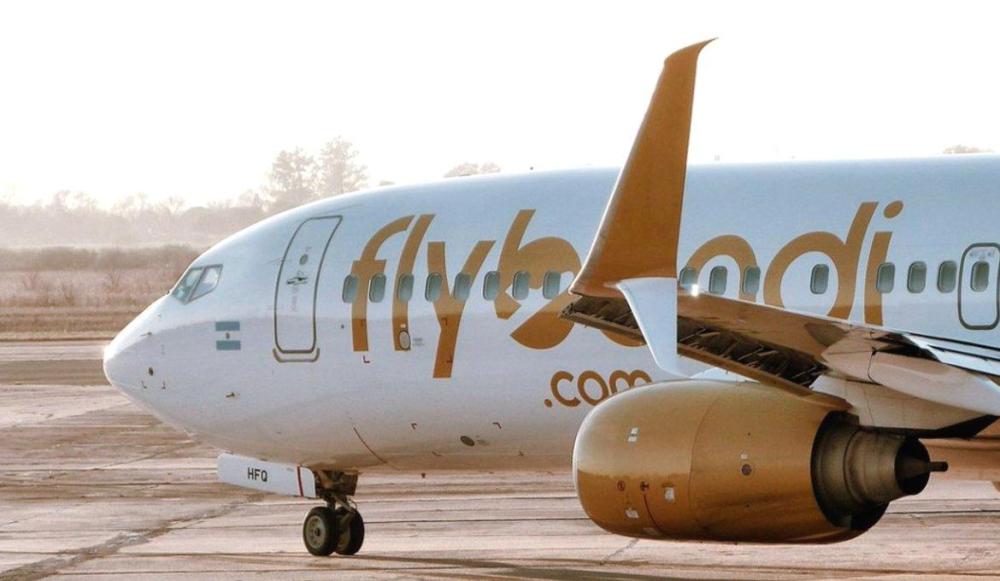
Flybondi entre El Palomar y Aeroparque

AW-70008977.pngAW | 2019 10 134 16:31 | AIRLINES MARKET

32321855_619737138376831_4119904145547198464_n.jpgFuerte pulseada se cierne entre El Palomar y Aeroparque

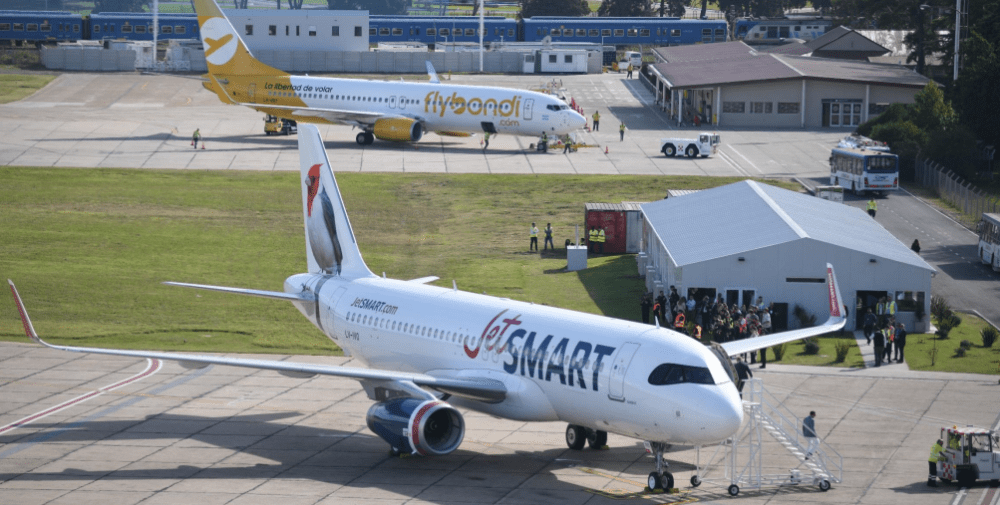
Las trabas impuestas por la Justicia de Argentina con respecto a las restricciones a las operaciones aéreas nocturnas en el Aeropuerto El Palomar están haciendo eclosión en diferentes sectores de la industria de la aviación.

Operaciones nocturnas

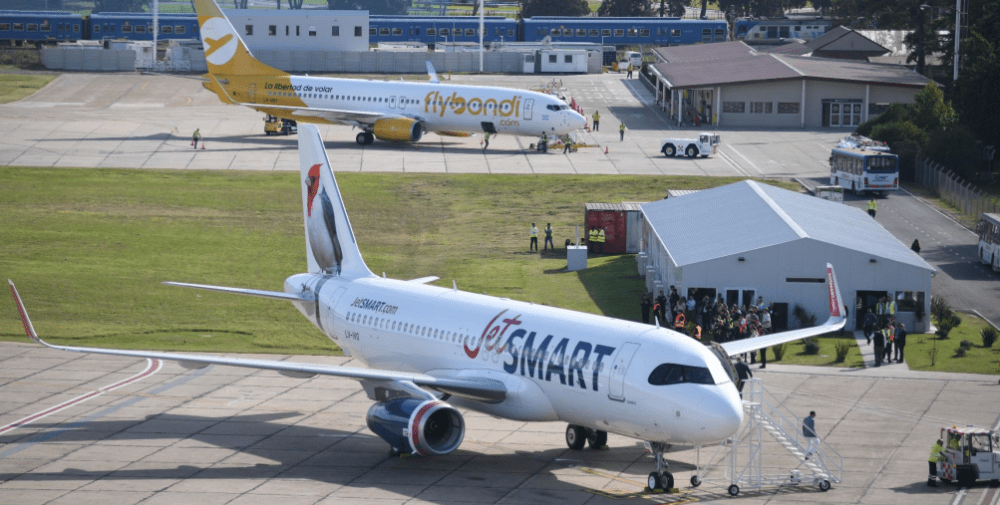
Desde el pasado 26 Septiembre 2019 entró en vigencia una polémica medida judicial dictada por la jueza Martina Forns que restringe los vuelos nocturnos en El Palomar entre las 22:00 y las 07:00, la cual obligó a que tanto Flybondi como JetSmart deban reprogramar sus vuelos y cancelar algunas rutas interprovinciales, afectando a decenas de miles de pasajeros, así como a trabajadores del aeropuerto y negocios circundantes. Esto ha provocado que en varias ocasiones los últimos vuelos del día deban ser desviados a Ezeiza, dado que la reglamentación tampoco es clara con respecto a si existe alguna tolerancia en el caso de que los vuelos arriben algunos minutos después de las 22:00 horas por demoras.

Ante la decisión de la Justicia Argentina de prohibir los vuelos nocturnos enla franja horaria entre las 22:00-07:00 horas, las repercusiones en las aerolíneas low cost no se hicieron esperar. Tanto JetSmart Airlines Argentina y Flybondi Líneas Aéreas comenzaron a tener dificultades en la malla de red de rutas que están sufiendo la supresión de rutas aéreas y levantamientos probables de escalas en Argentina, como el caso reciente de Trelew.

Viraje hacia Aeroparque

Con la apertura de la «Revolución de los Aviones» en Argentina, comenzó el afloramiento de nuevas compañías aéreas que permiten conectar de una manera más federal el país, con nuevas inversiones, más empleo, inversiones en infraestructura, mejores condiciones de mercado. El primer aeropuerto low cost de Latinoamérica se ha visto restringido por la decisión de la Justicia de volar en la franja horaria nocturna, alegando los descansos de los habitantes de la zona.

Ante las limitaciones a las aéreas de poder expandir sus operaciones, están forzando la pulseada para poder migrar parte de sus vuelos hacia Aeroparque. Desde Flybondi son concientes que la estrategia de precios bajos es clave en el Aeropuerto El Palomar. El CEO de Flybondi, Sebastián Pereira, manifestó que por el momento no hay definiciones de un plan para la aviación por parte de ningún candidato en la arena política. «La intención de seguir creciendo, pero está supeditada a que el panorama se aclare. Nuestra operación maduró y el modelo low cost está consolidado», expresó el CEO.

En medio de la tormenta por las prohibiciones de los vuelos nocturnos en el Aeropuerto El Palomar, el CEO de Royal Class, Miguel Livi, una empresa de jet ejecutivos que se encuentra en Aeroparque, ha manifestado desde la era kirchnerista por sus derechos por los hangares, como así también la aprobación en el presente gobierno de la licencia como nuevo operador aéreo que se le ha denegado. Aunque no ha tenido eco sus reclamos justos, ha encendido el debate acerca de las operaciones en Aeroparque: «Se puede operar sin El Palomar. Hoy Aeroparque está operando al 32% de ocupación, según los datos de la Organización de Aviación Civil Internacional (OACI). Si la revolución de los aviones hubiese funcionado, tendría que haber setenta aviones. Pero hay seis. El Estado invirtió AR$ 6 millones para las obras de refacción del Sector Militar de Aeroparque para la Cumbre del G20 y después lo derribaron para hacer una ampliación. Hoy hay un vallado pero nunca hubo operaciones en ese sector”, explica sobre la alternativa a El Palomar, donde la Justicia ordenó suspender los vuelos nocturnos. Según la ANAC, la medida genera un perjuicio a la actividad aerocomercial en todo el país.

Tras un presunto cambio de viraje político muchas arolíneas están replanteando sus inversiones, donde el sector de la aviación ha estado intrínsicamente ligado a la política de la mano de los vaivenes de Aerolíneas Argentinas. El compás de espera se abre ante los interrogantes que la aviación argentina espera resolver con profesionalismo e inteligencia.AW-Icon AW001

AW-7001328.JPGFlybondi between El Palomar and Aeroparque

Strong pulse hovers between El Palomar and Aeroparque

The obstacles imposed by the Argentine Justice regarding the restrictions on night air operations at El Palomar Airport are hatching in different sectors of the aviation industry.

Night operations

IMG-20171220-WA0017.jpgSince last September 26, 2019, a controversial judicial measure issued by Judge Martina Forns that restricts night flights in El Palomar between 22:00 and 7:00, which forced both Flybondi and JetSmart to reschedule their flights and cancel some interprovincial routes, affecting tens of thousands of passengers, as well as airport workers and surrounding businesses. This has caused that on several occasions the last flights of the day must be diverted to Ezeiza since the regulation is also not clear as to whether there is any tolerance in the event that the flights arrive a few minutes after 10 pm delays

Before the decision of the Argentine Justice to prohibit the night flights in the time zone between the 22:00-07:00 hours, the repercussions in the low-cost airlines were not made wait. Both JetSmart Airlines Argentina and Flybondi Líneas Aéreas began to have difficulties in the network of routes that are suffering from the suppression of air routes and probable lifting of stops in Argentina, as in the recent case of Trelew.

AW-7000456566.jpgTurn towards Aeroparque

With the opening of the «Aircraft Revolution» in Argentina, the emergence of new airlines began to allow a more federal connection to the country, with new investments, more employment, infrastructure investments, better market conditions. The first low-cost airport in Latin America has been restricted by the decision of Justice to fly in the night time slot, claiming the rest of the inhabitants of the area.

Given the limitations to the airlines to be able to expand their operations, they are forcing the pulse to be able to migrate part of their flights to Aeroparque. From Flybondi they are aware that the low price strategy is key at El Palomar Airport. The CEO of Flybondi, Sebastián Pereira, said that at the moment there are no definitions of a plan for aviation by any candidate in the politic arena. «The intention is to continue growing, but it is contingent on clarification. Our operation matured and the low-cost model is consolidated», said the CEO.

In the midst of the storm over the prohibitions of night flights at El Palomar Airport, Royal Class CEO Miguel Livi, an executive jet company that is located in Aeroparque, has manifested since the Kirchner era for their rights to hangars, as well as the approval in the present government of the license as a new air operator that has been denied. Although it has not echoed its fair claims, it has ignited the debate about operations in Aeroparque: «It can be operated without El Palomar. Today Aeroparque is operating at 32% occupancy, according to data from the International Civil Aviation Organization (ICAO If the revolution of the aircraft had worked, there would have to be seventy planes, but there are six. The State invested AR$ 6 million for the renovation works of the Military Airpark Sector for the G20 Summit and then shot it down to make an enlargement: Today there is a fence but there were never operations in that sector», he explains about the alternative to El Palomar, where Justice ordered the suspension of night flights. According to ANAC, the measure causes damage to commercial activity throughout the country.

After an alleged change of political turn, many airlines are rethinking their investments, where the aviation sector has been intrinsically linked to the policy of the hand of the swings of Aerolíneas Argentinas. The waiting measure opens to the questions that Argentina aviation hopes to solve with professionalism and intelligence.AW-Icon AW002


Ξ A I R G W A Y S Ξ
SOURCE: Airgways.com
DBk: Airgways.com / Flybondi.com / Royalclass.com.ar / Turismo.buenosaires..gob.ar / Suractual.com.ar
AW-POST: 201910131631AR

A\W   A I R G W A Y S ®


Incremento mercado Argentina-Brasil

AW-700084437.jpgAW | 2019 10 10 12:28 | AIRLINES MARKET

ALTAMercado aéreo entre Argentina y Brasil es el de mayor crecimiento en Latinoamérica y el Caribe

El mercado regional aéreo entre la Argentina y Brasil fue el de mayor crecimiento en la región de Latinoamérica y el Caribe, de acuerdo con un informe difundido hoy por la Asociación Latinoamericana y del Caribe de Transporte Aéreo (ALTA).

De acuerdo con el estudio realizado por ALTA, las aerolíneas de la región transportaron en Agosto 2019 más de un millón de pasajeros adicionales, alcanzando un crecimiento del 4,3% respecto de Agosto 2018, y un crecimiento acumulado del 4,9% entre Enero-Agosto 2019. En total fueron 26,7 millones los pasajeros transportados en Agosto, o 1.103.983 pasajeros adicionales, por lo que el tráfico creció 2,8% y la capacidad ofrecida disminuyó en un 0,6%. En consecuencia, el factor de ocupación alcanzó el 83,7%, equivalente a 2,7 puntos porcentuales más que en agosto 2018.AW-Icon AW001

argentina-mapamundi.png

Air market increase in Argentina-Brazil

Air market between Argentina and Brazil is the fastest growing in Latin America and the Caribbean

The regional air market between Argentina and Brazil was the fastest growing in the Latin American and Caribbean region, according to a report released today by the Latin American and Caribbean Air Transport Association (ALTA).

According to the study carried out by ALTA, the airlines of the region transported more than one million additional passengers in August 2019, reaching a growth of 4.3% compared to August 2018, and a cumulative growth of 4.9% between January -August 2019. In total there were 26.7 million passengers transported in August or 1,103,983 additional passengers, so traffic increased by 2.8% and the capacity offered decreased by 0.6%. Consequently, the occupancy factor reached 83.7%, equivalent to 2.7 percentage points more than in August 2018.AW-Icon AW002


Ξ A I R G W A Y S Ξ
SOURCE: Airgways.com
DBk: Alta.aero / Airgways.com / Wikimedia.org
AW-POST: 201910101228AR

A\W   A I R G W A Y S ®

Turquía fija precio máximo tickets

AW-Anadolu.jpgAW | 2019 10 07 12:58 | AIRLINES MARKET

Las aerolíneas de Turquía acuerdan implementar el precio máximo del boleto

Las compañías aéreas de Turquía han acordado establecer un límite de precio máximo para los boletos aéreos nacionales. Según un informe del Lunes 07/10 de la Agencia Anadolu, las aerolíneas acordaron implementar un límite d los precios de los ticket que no superarán las 450 liras turcas (US$ 78) para boletos de ida incluso durante la temporada alta y las vacaciones. El límite según el TL 450 solo incluirá boletos económicos, ya que se excluyen los vuelos internacionales y de clase ejecutiva. Sin embargo, el límite de precio no se aplicará a los vuelos internacionales y de clase ejecutiva, según los informes de los medios.

Los viajeros generalmente enfrentan precios exorbitantes durante el verano y las vacaciones, ya que la alta demanda eleva los precios.

Reclamos usuarios

Las aerolíneas de Turquía decidieron discutir el tema después de las quejas de los clientes de que los boletos de avión se disparan, particularmente antes y durante las vacaciones. El precio máximo entrará en vigor esta semana.

El Ministro de Transporte e Infraestructura, Cahit Turhan, informó en Agosto 2019 que un total de 14 millones de personas estaban en movimiento durante las vacaciones de Eid Al-Adha. Los aeropuertos del país sirvieron a unos 1,4 millones de pasajeros nacionales durante esta festividad religiosa, según el ministro.

Los últimos datos de la autoridad aeroportuaria mostraron que el tráfico total de pasajeros aéreos en Turquía disminuyó en un 2,5% anual a 140 millones en Enero-Agosto 2019.

El número de pasajeros nacionales disminuyó alrededor del 13% en los primeros ocho meses de 2019 respecto al año anterior a 67.7 millones, mientras que los pasajeros internacionales aumentaron un 9,7% a 72.2 millones. En 2018, el número de pasajeros aéreos nacionales ascendió a 113 millones, lo que indica un aumento del 3,1% desde 2017.AW-Icon AW001

AW-Nycaviation001.jpgTurkish airlines implement maximum price tickets

Turkish airlines agree to implement the maximum ticket price

Turkish airlines have agreed to set a maximum price limit for national air tickets. According to a report from Monday 07/10 of the Anadolu Agency, the airlines agreed to implement a limit on ticket prices that will not exceed 450 Turkish Lira (US$ 78) for one-way tickets even during the high season and holidays. The limit according to TL 450 will only include economic tickets, since international and executive class flights are excluded. However, the price limit will not apply to international and business class flights, according to media reports.

Travelers generally face exorbitant prices during the summer and holidays, as high demand raises prices.

Claims users

Turkish airlines decided to discuss the issue after customer complaints that plane tickets soar, particularly before and during the holidays. The maximum price will take effect this week.

The Minister of Transportation and Infrastructure, Cahit Turhan, reported in August 2019 that a total of 14 million people were on the move during Eid Al-Adha’s holidays. The country’s airports served some 1.4 million national passengers during this religious holiday, according to the minister.

The latest data from the airport authority showed that total air passenger traffic in Turkey decreased by 2.5% annually to 140 million in January-August 2019.

The number of national passengers decreased by around 13% in the first eight months of 2019 compared to the previous year to 67.7 million, while international passengers increased by 9.7% to 72.2 million. In 2018, the number of domestic air passengers amounted to 113 million, indicating an increase of 3.1% since 2017.AW-Icon AW002

AW-Usatoday-002.jpgTürk havayolları maksimum fiyat bileti uyguluyor

Türk havayolları maksimum bilet fiyatını uygulamayı kabul etti

Türk havayolları ulusal uçak biletleri için maksimum fiyat limiti belirlemeyi kabul etti. Anadolu Ajansı’nın 07/10 Pazartesi günkü bir raporuna göre, havayolları yüksek sezon ve tatillerde bile tek yön biletler için 450 TL’yi (78 ABD Doları) aşmayacak olan bilet fiyatları için bir sınır uygulamayı kabul etti. 450 TL’ye göre olan sınır, uluslararası ve icra sınıfı uçuşlar hariç tutulduğundan, yalnızca ekonomik biletleri içerecektir. Ancak, medya haberlerine göre fiyat sınırı uluslararası ve business class uçuşlarında geçerli olmayacak.

Seyahat edenler genellikle yaz ve tatil günlerinde aşırı fiyatlara maruz kaldıklarından aşırı fiyatlara maruz kalıyorlar.

Talep kullanıcıları

Türk havayolları, özellikle tatil öncesi ve tatillerinde uçak biletlerinin yükselişinden şikayetçi olduktan sonra konuyu tartışmaya karar verdi. Maksimum fiyat bu hafta geçerli olacak.

Ulaştırma ve Altyapı Bakanı Cahit Turhan, 2019 Ağustos’unda Eid Al-Adha’nın bayramlarında toplam 14 milyon insanın harekete geçtiğini bildirdi. Bakana göre, ülkenin havaalanları bu dini bayramda 1,4 milyon ulusal yolcuya hizmet verdi.

Havaalanı otoritesinden gelen son veriler, Türkiye’deki toplam hava yolcu trafiğinin Ocak-Ağustos 2019’ta yıllık% 2,5 oranında azalan ve 140 milyon’a düştüğünü göstermiştir.

Ulusal yolcu sayısı 2019’un ilk sekiz ayında bir önceki yıla göre% 13 azalarak 67,7 milyona, uluslararası yolcular ise% 9,7 artarak 72,2 milyona yükselmiştir. 2018 yılında, iç hat yolcu sayısı, 2017’den bu yana% 3,1 oranında bir artış göstererek 113 milyon olarak gerçekleşti.AW-Icon AW002


Ξ A I R G W A Y S Ξ
SOURCE: Airgways.com
DBk: Udhb.gov.tr / Usatoday.com / Nycaviation.com / Aa.com.tr
AW-POST: 201910071258AR

A\W   A I R G W A Y S ®

Aerolíneas India necesitan ayudas

AW-70098660.pngAW | 2019 10 04 13:13 | AIRLINES MARKET

Resultado de imagen para Ministry of Civil Aviation of IndiaLas aerolíneas de la India necesitan ayudas para compensar los costos operativos, en medio de las expectativas de tarifas bajas

El mercado aéreo de la India necesita solucionar problemas estructurales que mantienen altos los costos operativos para las aerolíneas nacionales. Se considera que India es uno de los mercados de aviación de más rápido crecimiento en el mundo, pero no todas las aerolíneas han podido resistir el desafiante entorno operativo.

La aviación tiene un futuro brillante en el país, pero las compañías aéreas están luchando por resolver las diferencias entre los altos costos operativos y las bajas tarifas competitivas que tienen para ofrecer, según Ajay Singh, Presidente y Director Gerente de SpiceJet. SpiceJet es una aerolínea de bajo costo en India y tiene una de las mayores cuotas de mercado en el país por la cantidad de pasajeros nacionales transportados. “La perspectiva de la demanda sigue siendo sólida. La gente está cambiando y pasando de los trenes a los aviones, y cada vez más personas vuelan a medida que la economía crece, a medida que aumentan los ingresos disponibles. Las aerolíneas operan en un entorno donde nuestros costos están entre los más altos y nuestras tarifas están entre los más bajos”, dijo Ajay Singh en la Cumbre Económica de India.

Jet Airways, que alguna vez fue el mayor operador privado de la India, dejó de volar en Abril 2019 después de que la compañía se quedara sin efectivo. En Junio 2019, se declaró en bancarrota después de que sus prestamistas no pudieron acordar un plan de reactivación. Por otro lado, el gobierno indio todavía está luchando por vender la aerolínea nacional cargada de deudas Air India, podría estar abierta a vender una participación parcial en la aerolínea a un competidor extranjero.

Mejorar costos

Las aerolíneas están luchando porque India tiene altos impuestos sobre el combustible de turbina de aviación. Los transportistas también pagan altos cargos aeroportuarios, así como aranceles sobre las partes de los aviones que se vuelven a importar después de la reparación. La aviación de la India necesita cambios estructurales que se requieren en la aviación para que sea más competitiva a nivel regional, esto incluye garantizar que los costos de combustible, los aranceles de importación y los cargos aeroportuarios estén a la par con otros países de la región. Si eso sucede, la aviación puede impulsar el turismo y la economía.

Air India en proceso de privatización

El Ministerio de Aviación Civil de India, a cargo de Hardeep Singh Puri, dijo que la aerolínea nacional del país está en proceso de privatización. “Hemos iniciado el proceso: se ha establecido lo que se llama un mecanismo alternativo o un grupo de ministros. Ese mecanismo tuvo su primera reunión y estamos decididos a proceder con la privatización de Air India, que ha sido la aerolínea insignia de la India, en un marco de tiempo definido”, dijo Puri.

La privatización está destinada a suceder antes de que finalice el año fiscal actual en Marzo 2020. Sin embargo, el gobierno aún no ha llegado a una etapa en la que puede invitar a posibles postores a la mesa. Pero el gobierno tiene la intención de vender el negocio en su totalidad y no en partes. Por su parte, Singh dijo que SpiceJet es “una aerolínea demasiado pequeña” para ofertar por una gran aerolínea como Air India.

La Asociación Internacional de Transporte Aéreo (IATA) dijo en un informe de Julio 2019 que el volumen de pasajeros domésticos en la India registró una tasa de crecimiento anual del 8,9%, frente al 8,2% de junio. Aún así, el mercado aún no ha regresado a las tasas de crecimiento de dos dígitos que eran la norma en los últimos cinco años, dijo el grupo de comercio global para aerolíneas, y agregó que el mercado “parece ajustarse bien a la interrupción causada por la desaparición de Jet Airways”. Las perspectivas a largo plazo para India siguen siendo muy positivas.

En Julio 2019, India anunció que ingresará al negocio de financiamiento y arrendamiento de aeronaves por autosuficiencia y para crear empleos.AW-Icon AW001

jpeg.jpgIndia airlines need financial aid

Indian airlines need help to offset operating costs, amid expectations of low fares

India’s air market needs to solve structural problems that keep operating costs high for domestic airlines. India is considered to be one of the fastest-growing aviation markets in the world, but not all airlines have been able to withstand the challenging operating environment.

Aviation has a bright future in the country, but airlines are struggling to resolve the differences between the high operating costs and the low competitive rates they have to offer, according to Ajay Singh, President and Managing Director of SpiceJet. SpiceJet is a low-cost airline in India and has one of the largest market shares in the country because of the number of domestic passengers transported. “The demand perspective remains strong. People are changing and moving from trains to airplanes, and more and more people fly as the economy grows, as disposable income increases. Airlines operate in an environment where our costs are among the highest and our rates are among the lowest”, said Ajay Singh at the Economic Summit of India.

Jet Airways, which was once the largest private operator in India, stopped flying in April 2019 after the company ran out of cash. In June 2019, he declared bankruptcy after his lenders were unable to agree on a reactivation plan. On the other hand, the Indian government is still struggling to sell the national debt-laden national airline Air India, it could be open to selling a partial stake in the airline to a foreign competitor.

Improve costs

Airlines are fighting because India has high taxes on aviation turbine fuel. Carriers also pay high airport charges, as well as tariffs on the parts of the aircraft that are reimported after repair. Indian aviation needs structural changes that are required in aviation to be more competitive at the regional level, this includes ensuring that fuel costs, import tariffs and airport charges are on par with other countries in the region. If that happens, aviation can boost tourism and the economy.

Air India in the process of privatization

The Ministry of Civil Aviation of India, run by Hardeep Singh Puri, said the country’s national airline is in the process of privatization. “We have started the process: what is called an alternative mechanism or a group of ministers has been established. That mechanism had its first meeting and we are determined to proceed with the privatization of Air India, which has been the flagship airline of India, within a defined time frame”, said Puri.

Privatization is bound to happen before the end of the current fiscal year in March 2020. However, the government has not yet reached a stage where it can invite potential bidders to the table. But the government intends to sell the business in its entirety and not in parts. For its part, Singh said SpiceJet is «an airline too small» to bid for a large airline like Air India.

The International Air Transport Association (IATA) said in a July 2019 report that the volume of domestic passengers in India registered an annual growth rate of 8.9%, compared to 8.2% in June. Still, the market has not yet returned to the double-digit growth rates that were the norm in the past five years, the global airline trade group said, adding that the market «seems to adjust well to the disruption caused by the disappearance of Jet Airways”, The long-term outlook for India remains very positive.

In July 2019, India announced that it will enter the business of financing and leasing aircraft for self-sufficiency and to create jobs.AW-Icon AW002

Resultado de imagen para Aviation of Indiaभारत एयरलाइंस को वित्तीय सहायता की आवश्यकता है

dgca-inde.jpgकम किराए की उम्मीदों के बीच भारतीय एयरलाइनों को परिचालन लागत की भरपाई करने में मदद चाहिए

भारत की हवा के बाजार को संरचनात्मक समस्याओं को हल करने की आवश्यकता है जो घरेलू एयरलाइनों के लिए परिचालन लागत को उच्च रखते हैं। भारत को दुनिया में सबसे तेजी से बढ़ते विमानन बाजारों में से एक माना जाता है, लेकिन सभी एयरलाइंस चुनौतीपूर्ण ऑपरेटिंग वातावरण का सामना करने में सक्षम नहीं हैं।

स्पाइसजेट के अध्यक्ष और प्रबंध निदेशक अजय सिंह के अनुसार, विमानन कंपनियों का देश में उज्ज्वल भविष्य है, लेकिन उच्च परिचालन लागत और कम प्रतिस्पर्धी दरों के बीच अंतर को हल करने के लिए संघर्ष करना पड़ रहा है। स्पाइसजेट भारत में कम लागत वाली एयरलाइन है और घरेलू यात्रियों की संख्या के कारण देश के सबसे बड़े बाजार शेयरों में से एक है। “मांग का परिप्रेक्ष्य मजबूत बना हुआ है। लोग बदल रहे हैं और गाड़ियों से हवाई जहाज की ओर बढ़ रहे हैं, और अधिक से अधिक लोगों को उड़ने के साथ ही अर्थव्यवस्था बढ़ती है, जैसे कि डिस्पोजेबल आय बढ़ती है। एयरलाइंस ऐसे माहौल में काम करती है, जहां हमारी लागत सबसे ज्यादा है और हमारी दरें सबसे कम हैं»। भारत के आर्थिक सम्मेलन में अजय सिंह ने कहा।

जेट एयरवेज, जो कभी भारत में सबसे बड़ा निजी ऑपरेटर था, ने अप्रैल 2019 में कंपनी के नकद भाग जाने के बाद उड़ान बंद कर दी थी। जून 2019 में, उन्होंने अपने ऋणदाताओं को एक प्रतिक्रिया योजना पर सहमत होने में असमर्थ होने के बाद दिवालिया घोषित कर दिया। दूसरी ओर, भारत सरकार अभी भी राष्ट्रीय ऋण से लदी राष्ट्रीय एयरलाइन एयर इंडिया को बेचने के लिए संघर्ष कर रही है, यह एक विदेशी प्रतियोगी को एयरलाइन में आंशिक हिस्सेदारी बेचने के लिए खुला हो सकता है।

लागत में सुधार

एयरलाइंस लड़ रहे हैं क्योंकि भारत में टरबाइन ईंधन पर उच्च कर है। वाहक हवाई अड्डे के उच्च शुल्क का भुगतान भी करते हैं, साथ ही साथ विमान के उन हिस्सों पर शुल्क भी लगाया जाता है जिन्हें मरम्मत के बाद दोबारा लगाया जाता है। भारतीय विमानन को संरचनात्मक परिवर्तनों की आवश्यकता है जो क्षेत्रीय स्तर पर अधिक प्रतिस्पर्धी होने के लिए आवश्यक हैं, इसमें यह सुनिश्चित करना शामिल है कि ईंधन की लागत, आयात शुल्क और हवाई अड्डे के शुल्क क्षेत्र के अन्य देशों के बराबर हैं। । अगर ऐसा होता है, तो विमानन पर्यटन और अर्थव्यवस्था को बढ़ावा दे सकता है।

निजीकरण की प्रक्रिया में एयर इंडिया

हरदीप सिंह पुरी द्वारा संचालित भारत के नागरिक उड्डयन मंत्रालय ने कहा कि देश की राष्ट्रीय एयरलाइन निजीकरण की प्रक्रिया में है। “हमने प्रक्रिया शुरू कर दी है: जिसे वैकल्पिक तंत्र कहा जाता है या मंत्रियों का एक समूह स्थापित किया गया है। उस तंत्र की पहली बैठक थी और हम एयर इंडिया के निजीकरण के साथ आगे बढ़ने के लिए कृतसंकल्प हैं, जो एक परिभाषित समय सीमा के भीतर भारत की प्रमुख एयरलाइन रही है।

निजीकरण मार्च 2020 में चालू वित्त वर्ष के अंत से पहले होने के लिए बाध्य है। हालांकि, सरकार अभी तक एक ऐसे चरण में नहीं पहुंची है जहां वह संभावित बोलीदाताओं को तालिका में आमंत्रित कर सके। लेकिन सरकार का इरादा कारोबार को पूरी तरह से बेचने का है न कि कुछ हिस्सों में। अपने हिस्से के लिए, सिंह ने कहा कि स्पाइसजेट एयर इंडिया जैसी बड़ी एयरलाइन के लिए बोली लगाने के लिए «एक एयरलाइन बहुत छोटी है»

इंटरनेशनल एयर ट्रांसपोर्ट एसोसिएशन (IATA) ने जुलाई 2019 की एक रिपोर्ट में कहा कि भारत में घरेलू यात्रियों की मात्रा में 8.9% की वार्षिक वृद्धि दर दर्ज की गई, जबकि जून में यह 8.2% थी। वैश्विक एयरलाइन व्यापार समूह ने कहा कि अभी भी बाजार दोहरे अंकों की विकास दर पर वापस नहीं लौटा है, वैश्विक एयरलाइन व्यापार समूह ने कहा, «इससे होने वाले व्यवधान को अच्छी तरह से समायोजित करने के लिए लगता है» जेट एयरवेज का गायब होना»। भारत के लिए दीर्घकालिक दृष्टिकोण बहुत सकारात्मक है।

जुलाई 2019 में, भारत ने घोषणा की कि वह आत्मनिर्भरता के लिए वित्तपोषण और पट्टे पर देने के व्यवसाय में प्रवेश करेगा और रोजगार पैदा करेगा।AW-Icon AW002


Ξ A I R G W A Y S Ξ
SOURCE: Airgways.com
DBk: Civilaviaion.gov.in / Iata.org / Airgways.com / Ft.com / Thenational.ae / Indiatimes.com
AW-POST: 201910041313AR

A\W   A I R G W A Y S ®

DOT rechaza monopolio en Hawaii

Resultado de imagen para hawaiian airlines japan airlinesAW | 2019 10 04 12:33 | AIRLINES MARKET

5JrvMSb4.jpegHawaiian_Airlines_logo_2017.svg.pngDOT rechaza la solicitud antimonopolio de Hawaiian Airlines

El regulador de transpote aéreo, el Departamento de Transporte de los Estados Unidos (DOT) ha rechazado una solicitud de Hawaiian Airlines y Japan Airlines para obtener inmunidad antimonopolio que les permita expandir su cooperación, un golpe raro que podría dañar aún más el mosaico de alianzas globales entre compañías.

El DOT ha informado el Jueves 03/10 que las aerolíneas podrían obtener los beneficios comerciales de una mayor cooperación sin la inmunidad antimonopolio que necesitan para coordinar tarifas y horarios y compartir ingresos y ganancias. Las aerolíneas en las tres grandes alianzas mundiales que dominan la mayoría de los mercados dependen de la inmunidad antimonopolio para gran parte de su cooperación, pero los beneficios se han desvanecido en los últimos años y han llevado a algunas aerolíneas a buscar pactos alternativos. Los críticos también argumentan que los acuerdos inflan las tarifas, aunque las aerolíneas con inmunidad dicen que amplían la elección del consumidor al ofrecer más rutas.

Posición de Hawaiian

La solicitud de la empresa matriz de Hawaiian Airlines, Hawaiian Holdings Inc., fue observada de cerca, ya que es la primera aerolínea estadounidense que no está vinculada a los tres grupos de la alianza: Star, SkyTeam y Oneworld, en busca de inmunidad antimonopolio. Japan Airlines es parte de Oneworld, junto con American Airlines. «La decisión pasa por alto la importancia de la inmunidad antimonopolio que las principales alianzas de aerolíneas globales ya disfrutan, perjudicando a una pequeña aerolínea estadounidense como Hawaiian Ailines», expresan desde Hawaiian Ailines.

Hawaiian ya está bajo presión por el lanzamiento de vuelos hacia y dentro de las islas por parte de Southwest Airlines, mientras que All Nippon Airways, miembro de Star Alliance junto a United Airlines, ha aumentado la capacidad hacia y desde Hawaii empleando lparta la ruta aeronaves Airbus A380.AW-Icon AW001


Aw-700098009.jpgDOT rejects monopoly in Hawaii

DOT rejects Hawaiian Airlines antitrust request

The air transport regulator, the United States Department of Transportation (DOT) has rejected a request from Hawaiian Airlines and Japan Airlines to obtain antitrust AW-70000321immunity that allows them to expand their cooperation, a rare blow that could further damage the alliance mosaic Global between companies.

The DOT has informed on Thursday 03/10 that the airlines could obtain the commercial benefits of greater cooperation without the antitrust immunity they need to coordinate rates and schedules and share income and profits. Airlines in the three major global alliances that dominate most markets depend on antitrust immunity for much of their cooperation, but the benefits have faded in recent years and have led some airlines to seek alternative pacts. Critics also argue that the agreements inflate fares, although airlines with immunity say they expand consumer choice by offering more routes.

Hawaiian position

The request of the parent company of Hawaiian Airlines, Hawaiian Holdings Inc., was closely observed, as it is the first US airline that is not linked to the three alliance groups: Star, SkyTeam, and Oneworld, seeking antitrust immunity. Japan Airlines is part of Oneworld, along with American Airlines. «The decision ignores the importance of the antitrust immunity that the main alliances of global airlines already enjoy, harming a small American airline like Hawaiian Airlines», they express from Hawaiian Airlines.

Hawaiian is already under pressure for the launch of flights to and within the islands by Southwest Airlines, while All Nippon Airways, a Star Alliance member with United Airlines, has increased capacity to and from Hawaii by using the aircraft route Airbus A380.AW-Icon AW002


Ξ A I R G W A Y S Ξ
SOURCE: Airgways.com
DBk: Transportation.gov / Wsj.com / Hawaiianairlines.com / Thepointsguy.com / Airgways.com
AW-POST: 201910041233AR

A\W   A I R G W A Y S ®