Nace Uep Airwyas proyecta vuelos interislas en Baleares
Uep Airways, la aerolínea que cubrirá los trayectos interislas en Baleares a partir del 2Q2021 ha anunciado el diseño de imagen visual de los aviones que cubrirán estas rutas con ATR Aircraft ATR 72. La nueva línea aérea regional cubrirá trayectos entre Mallorca, Menorca e Ibiza con vuelos regulares interislas en las Islas Baleares, España. La aerolínea ha sido creada por Salvador Moreno.
La nueva startup empleará tres ATR 72 (3) operados por su matriz, Swiftair, para unir los aeropuertos de Palma, Ibiza y Menorca, con el objetivo es expandirse en el futuro con vuelos con destino a la Península Ibérica. La aerolínea Swiftair operaba con Air Europa en las rutas interislas en las que aportaba aviones, tripulaciones y mantenimiento, pero la alianza finalizó con la crisis sanitaria y ante los graves problemas que arrastra el Grupo Globalia, ha establecido una nueva aerolínea para continuar desarrollando los vuelos interislas.
Spanish regional startup Uep Airways
Uep Airwyas is born plans inter-island flights in the Balearic Islands
Uep Airways, the airline that will cover inter-island routes in the Balearic Islands from 2Q2021, has announced the visual image design of the aircraft that will cover these routes with ATR Aircraft ATR 72. The new regional airline will cover routes between Mallorca, Menorca and Ibiza with regular interisland flights in the Balearic Islands, Spain. The airline has been created by Salvador Moreno.
The new startup will use three ATR 72 (3) operated by its parent company, Swiftair, to link the airports of Palma, Ibiza and Menorca, with the aim of expanding in the future with flights to the Iberian Peninsula. Swiftair airline operated with Air Europa on inter-island routes where it provided aircraft, crews and maintenance, but the alliance ended with the health crisis and, given the serious problems dragged by the Globalia Group, it has established a new airline to continue developing the flights. interislas.
Cancelaciones en Norwegian provocan déficit pedidos en Airbus
La atribulada aerolínea de bajo presupuesto Norwegian Air ha dejado a Airbus Group con más cancelaciones que pedidos en lo que va de año, mostraron el Viernes 05/03 datos de la compañía. La desaparición de miles de millones de Dólares en pedidos ha encendido las alarmas para el constructor de aviones europeo cuando la compañía de presupuesto se convertiría en un nuevo cliente de aviones del viejo continente.
Norwegian obtuvo en Febrero 2021el acuerdo de un Tribunal irlandés de cancelar órdenes por 88 aviones de Airbus mientras evita el colapso. El constructor europeo reportó por primera vez fuertes cancelaciones de pedidos el 23 de Febrero, en la víspera de una audiencia judicial en la que se anunció un acuerdo sobre los términos de la cancelación. La cancelación marca un punto de inflexión en la industria de los aviones, nueve años después de que Airbus y Boeing emprendiera un concurso épico para el negocio de la joven aerolínea. El nombre de la aerolínea se retiró de una actualización mensual de los pedidos emitidos por Airbus este Viernes 05/03, dejando a la firma europea con un total negativo de 81 pedidos para Enero y Febrero 2021. Mientras tanto, por separado, se mantiene vigente con The Boeing Company sobre el estado de un pedido para 97 aviones comerciales.
Pulseada por pedidos
Después de perder la batalla de órdenes principales ante Boeing, Airbus llegó a un acuerdo de última hora para vender 100 de sus propios aviones para ayudar a la aerolínea a establecer su propia operación de arrendamiento en un momento de creciente demanda de viajes, dijeron personas familiarizadas con las negociaciones. El acuerdo fue ampliamente visto como un punto alto en una guerra de acciones de mercado entre gigantes de aviones que pesó en los precios y avivó las tensiones comerciales a medida que los transportistas presupuestarios aprovecharon las tasas de interés baratas para recoger los últimos aviones de ahorro de combustible.
Pero la apuesta no dio sus frutos y los planes de Norwegian de diversificarse en financiación, así como las pérdidas en su aerolínea central, dejaron un agujero en los planes de producción de ambos fabricantes de aviones. Después de crecer rápidamente para convertirse en la tercera aerolínea de bajo costo más grande de Europa y la mayor aerolínea extranjera que sirve a Nueva York y otras grandes ciudades de Estados Unidos, Norwegian solicitó protección por bancarrota en Noviembre 2020 con deudas superiores a US$ 7.000 millones de Dólares.
Airbus dijo el Viernes 05/03 que había vendido 10 A320NEO a un cliente no identificado. Eso reasigna parte de la flota aún por producir ordenada por Norwegian, dijeron fuentes de la industria. Los financistas dicen que se espera que ambos fabricantes de aviones mantengan los depósitos de Norwegian. Airbus, por su parte, dijo que había entregado 32 aviones en Febrero 2021, con lo que el total del año totalizan 53 unidades. Boeing entregó 26 aviones en Enero 2021, el último período para el que se dispone de datos.
Massive cancellations on Norwegian
Norwegian cancellations lead to shortfalls on Airbus orders
Troubled budget airline Norwegian Air has left Airbus Group with more cancellations than orders so far this year, company data showed on Friday 03/05. The disappearance of billions of dollars in orders has set off alarms for the European aircraft builder as the budget company would become a new customer for aircraft from the old continent.
Norwegian obtained in February 2021 the agreement of an Irish court to cancel orders for 88 Airbus aircraft while avoiding collapse. The European builder first reported strong order cancellations on February 23, on the eve of a court hearing in which an agreement on the terms of the cancellation was announced. The cancellation marks a turning point in the aircraft industry, nine years after Airbus and Boeing launched an epic competition for the young airline’s business. The name of the airline was withdrawn from a monthly update of the orders issued by Airbus this Friday 03/05, leaving the European firm with a negative total of 81 orders for January and February 2021. Meanwhile, separately, it remains in force with The Boeing Company on the status of an order for 97 commercial aircraft.
Struggled by orders
After losing the major order battle to Boeing, Airbus struck a last-minute deal to sell 100 of its own jets to help the airline set up its own leasing operation at a time of rising demand for travel, people familiar with the matter said. with the negotiations. The deal was widely seen as a high point in a market action war between aircraft giants that weighed on prices and stoked trade tensions as budget carriers took advantage of cheap interest rates to pick up the latest savings aircraft from fuel.
But the gamble did not pay off, and Norwegian’s plans to diversify into funding, as well as losses at its core airline, left a hole in the production plans of both aircraft manufacturers. After rapidly growing to become Europe’s third-largest low-cost airline and the largest foreign airline serving New York and other major cities in the United States, Norwegian filed for bankruptcy protection in November 2020 with debts in excess of US$ 7,000. millions of dollars.
Airbus said on Friday 03/05 that it had sold 10 A320NEOs to an unidentified customer. That reallocates some of the yet-to-produce fleet ordered by Norwegian, industry sources said. Funders say both aircraft makers are expected to keep Norwegian deposits. Airbus, for its part, said it had delivered 32 aircraft in February 2021, bringing the total for the year to 53 units. Boeing delivered 26 aircraft in January 2021, the latest period for which data is available.
Massive kanselleringer på Norwegian Air
Norwewgian Air kanselleringer fører til mangler på Airbus-ordrer
Ulykkelige budsjettflyselskaper Norwegian Air har forlatt Airbus Group med flere kanselleringer enn bestillinger hittil i år, viser selskapsdata fredag 03/05. Forsvinningen av milliarder dollar i bestillinger har utløst alarmer for den europeiske flybyggeren ettersom budsjettselskapet ville bli en ny kunde for fly fra det gamle kontinentet.
Norwegian innhentet i februar 2021 avtalen fra en irsk domstol om å kansellere ordrer på 88 Airbus-fly uten å kollapse. Den europeiske byggmesteren rapporterte først sterke ordreinnstillinger 23. februar, like før en rettsmøte der en avtale om vilkårene for kanselleringen ble kunngjort. Kanselleringen markerer et vendepunkt i flyindustrien, ni år etter at Airbus og Boeing lanserte en episk konkurranse for det unge flyselskapets virksomhet. Navnet på flyselskapet ble trukket fra en månedlig oppdatering av ordrene som ble utstedt av Airbus fredag 03/05, og etterlot det europeiske firmaet totalt 81 bestillinger for januar og februar 2021. I mellomtiden forblir det i kraft med The Boeing Company om status som ordre på 97 kommersielle fly.
Slitt av ordrer
Etter å ha tapt den store ordrekampen mot Boeing, inngikk Airbus en siste øyeblikk avtale om å selge 100 av sine egne jetfly for å hjelpe flyselskapet med å etablere sin egen leasingoperasjon i en tid med økende etterspørsel etter reiser, sa folk kjent med saken. Med. forhandlingene. Avtalen ble allment sett på som et høydepunkt i en markedshandlingskrig mellom flygiganter som veide prisene og vekket handelsspenningene da budsjettbærere utnyttet billige renter for å hente de siste spareflyene fra drivstoff.
Men gamblingen betalte seg ikke, og Norwegians planer om å diversifisere seg i finansiering, samt tap hos kjerneflyselskapet, satte hull i produksjonsplanene til begge flyprodusentene. Etter å ha vokst raskt til å bli Europas tredje største lavprisflyselskap og det største utenlandske flyselskapet som betjener New York og andre store byer i USA, søkte Norwegian konkursbeskyttelse i november 2020 med gjeld på over US$ 7000 millioner Dollar.
Airbus sa fredag 03/05 at de hadde solgt 10 A320NEO til en uidentifisert kunde. Dette omdisponerer noe av den ennå ikke produserte flåten bestilt av norske, sa bransjekilder. Finansierere sier at begge flyprodusentene forventes å beholde norske innskudd. Airbus på sin side sa at de hadde levert 32 fly i februar 2021, noe som brakte totalt for året til 53 enheter. Boeing leverte 26 fly i januar 2021, den siste perioden data er tilgjengelig for.
Azul Linhas Aéreas registró una pérdida neta de R$ 317.4 millones de Reales en el cuarto trimestre de 2020 (4Q2020), lo que representa una mejora en el resultado negativo de R$ 2,3 mil millones en el mismo período de 2019. Los ingresos operativos totalizaron US$ 1.800 millones de Dólares/R$ 8 mil millones Reales, frente a los R$ 805.3 millones de 3Q2020, lo que representa un aumento del 121,5 por ciento, y ha sufrido una reducción del 45,1 por ciento total, alcanzando los R$ 1.700 millones. A pesar de la recuperación gradual, el acumulado en 2020 se vio fuertemente afectado por la pandemia, con el daño aumentando más de cuatro veces, de R$ 2.4 mil millones en 2019 a R$ 10.8 mil millones en 2020. La caída de los ingresos fue del 49,4% en comparación con 2019, de R$ 11.440 millones a R$ 5.79 mil millones. Los gastos de explotación en el cuarto trimestre del año pasado, excluyendo los gastos no recurrentes, aumentaron un 30,4%, en comparación con el 3Q2020, con un total de R$ 1.900 millones, principalmente relacionados con el aumento de la capacidad. La tasa de ocupación en el 4Q2020 alcanzó el 80,8% frente al 78,4% del 3Q2020, lo que supone un aumento de 2,4 puntos porcentuales. En lo que va de año, fue del 80%, lo que representa una caída de 3,5 puntos porcentuales frente a la tasa del 83,5% de 2019. Las cargas y otros ingresos crecieron un 65,9% en comparación con el 4Q2019, con un total de R$ 255,4 millones, un aumento del 31,8% en 2020 en comparación con 2019, principalmente el mejor desempeño de la operación de carga, especialmente en el mercado electrónico. El Ebitda del período fue positivo en R$ 192.9 millones, lo que representa un margen de 10.8%, en comparación con una pérdida de R$ 258 millones en 3Q2020. El período de 2020 fue de R$ 264,8 millones, un 92,7% menos que los R$ 3.62 mil millones del año anterior.
«El plan de gestión era esencial para apoyarnos durante la crisis y los acuerdos eran fundamentales para crear una condición para recuperarnos rápidamente. Terminamos el año 2020 con el mayor efectivo desde que fundamos Azul, de R$ 4 mil millones,en un momento en que todavía no teníamos vacunas, por ejemplo. Estamos dispuestos a prestar atención a 2021», dice el Consejero Delegado de la compañía, John Rodgerson.
Perspectivas Azul
La perspectiva de la aerolínea frente a la post-pandemia, las reservas en 1Q2020 eran de US$ 2.300 millones de dólares en efectivo, sin expectativas de vacuna en el horizonte con 70 vuelos diarios. Un año posterior, se espera la llegada de 220 millones de dosis en los próximos cuatro meses proyecten alrededor de 700 vuelos diarios para la aerolínea.
A pesar de la crisis Azul Linhas Aéreas casi ha duplicado su liquidez en 2020 y aumentó su flota en un 12,8%, señalando una de las mejores recuperaciones a nivel mundial. Respecto a la flota de aeronaves ha incorporado dos nuevos Airbus de fuselaje ancho y cuatro nuevos narrowbodies, Embraer E195-E2 (5), aunque redujo su flota Embraer E195-E1 de 70 a 63. El mayor crecimiento de la flota ha sido establecida en la aerolínea partner regional TwoFlex con Cessna Caravan C208 (17) que se utilizan tanto para operaciones de carga como de pasajeros. Hacia 2021, Azul espera recibir cuatro nuevos aviones Airbus. El resto de las entregas del E-Jet E2 se retrasan hasta 2024.
El CEO de Azul, John Rodgerson ha expresado: «Azul comienza el 2021 en una posición fuerte, pero también somos conscientes de la continua incertidumbre. Por lo tanto, debemos mantener una fuerte disciplina en capacidad, costos y efectivo. Hace un año, teníamos 2.200 millones de reales en efectivo, sin vacunas en el horizonte y volábamos sólo 70 vuelos al día. Un año después, tenemos 4.000 millones en efectivo, 220 millones de vacunas que llegarán en los próximos cuatro meses y más de 700 vuelos al día». La compañía continuará reforzando su compromiso frente al 2021 para salir de la crisis siendo más competitiva.
Azul losses R$ 317.4M 4Q2020
Azul Linhas Aéreas announces losses 4Q2020
Azul Linhas Aéreas recorded a net loss of R$ 317.4 million Reais in the fourth quarter of 2020 (4Q2020), which represents an improvement in the negative result of R$ 2.3 billion in the same period of 2019. Revenues operations totaled US $ 1,800 million Dollars/R$ 8 billion Reais, compared to R$ 805.3 million in 3Q2020, which represents an increase of 121.5 percent, and has suffered a total reduction of 45.1 percent , reaching R$ 1,700 million. Despite the gradual recovery, the accumulated in 2020 was strongly affected by the pandemic, with the damage increasing more than four times, from R$ 2.4 billion in 2019 to R$ 10.8 billion in 2020. The fall in revenues was 49.4% compared to 2019, from R$ 11,440 million to R$ 5.79 billion. Operating expenses in the fourth quarter of last year, excluding non-recurring expenses, increased 30.4%, compared to 3Q2020, with a total of R$ 1,900 million, mainly related to the increase in capacity. The occupancy rate in 4Q2020 reached 80.8% compared to 78.4% in 3Q2020, which represents an increase of 2.4 percentage points. So far this year, it was 80%, which represents a fall of 3.5 percentage points compared to the rate of 83.5% in 2019. Cargoes and other income grew 65.9% compared to the 4Q2019, with a total of R$ 255.4 million, an increase of 31.8% in 2020 compared to 2019, mainly the better performance of the cargo operation, especially in the electronic market. Ebitda for the period was positive at R$ 192.9 million, which represents a margin of 10.8%, compared to a loss of R $ 258 million in 3Q2020. The 2020 period was R$ 264.8 million, 92.7% less than the R$ 3.62 billion of the previous year.
«The management plan was essential to support us during the crisis and the agreements were essential to create a condition to recover quickly. We ended the year 2020 with the highest cash since we founded Azul, of R $ 4 billion, at a time when we still did not have vaccines, for example. We are ready to pay attention to 2021», says the CEO of the company, John Rodgerson.
Perspectives Azul
The perspective of the airline in the face of the post-pandemic, reservations in 1Q2020 were US$ 2.3 billion in cash, with no vaccine expectations on the horizon with 70 daily flights. A year later, the arrival of 220 million doses is expected in the next four months, projecting around 700 daily flights for the airline.
Despite the crisis, Azul Linhas Aéreas has almost doubled its liquidity in 2020 and increased its fleet by 12.8%, signaling one of the best recoveries in the world. Regarding the aircraft fleet, it has incorporated two new wide-body Airbus and four new narrowbodies, Embraer E195-E2 (5), although it reduced its Embraer E195-E1 fleet from 70 to 63. The largest growth in the fleet has been established in regional partner airline TwoFlex with Cessna Caravan C208 (17) used for both cargo and passenger operations. By 2021, Azul expects to receive four new Airbus aircraft. The rest of the E-Jet E2 deliveries are delayed until 2024.
Azul CEO John Rodgerson has expressed: «Azul starts 2021 in a strong position, but we are also aware of the continuing uncertainty. Therefore, we must maintain strong discipline in capacity, costs and cash. A year ago, we had 2,200 million reais in cash, with no vaccines on the horizon and we were flying only 70 flights a day. A year later, we have 4,000 million in cash, 220 million vaccines that will arrive in the next four months and more than 700 flights a day». The company will continue to strengthen its commitment in 2021 to emerge from the crisis by being more competitive.
Azul perdas R$ 317,4M 4T2020
Azul Linhas Aéreas anuncia prejuízo 4T2020
A Azul Linhas Aéreas registrou prejuízo líquido de R$ 317,4 milhões de reais no quarto trimestre de 2020 (4T2020), o que representa uma melhora no resultado negativo de R$ 2,3 bilhões no mesmo período de 2019. Receitas das operações totalizaram US$ 1.800 milhões Dólares/R$ 8 bilhões de reais, ante R$ 805,3 milhões no 3T2020, o que representa um aumento de 121,5%, e sofreu uma redução total de 45,1%, atingindo R$ 1.700 milhões. Apesar da recuperação gradativa, o acumulado em 2020 foi fortemente afetado pela pandemia, com os prejuízos aumentando mais de quatro vezes, de R$ 2,4 bilhões em 2019 para R$ 10,8 bilhões em 2020. A queda no faturamento foi de 49,4% em relação a 2019, de R$ 11.440 milhões para R$ 5,79 bilhões. As despesas operacionais no quarto trimestre do ano passado, excluindo despesas não recorrentes, aumentaram 30,4%, em relação ao 3T2020, com um total de R$ 1.900 milhões, principalmente relacionado ao aumento da capacidade. A taxa de ocupação no 4T2020 atingiu 80,8% ante 78,4% no 3T2020, o que representa um aumento de 2,4 pontos percentuais. No acumulado do ano, foi de 80%, o que representa uma queda de 3,5 pontos percentuais ante a taxa de 83,5% em 2019. As cargas e outras receitas cresceram 65,9% em relação ao 4T2019, totalizando R$ 255,4 milhões, aumento de 31,8% em 2020 em relação a 2019, principalmente pelo melhor desempenho da operação de cargas, principalmente no mercado eletrônico. O Ebitda do período foi positivo em R$ 192,9 milhões, o que representa uma margem de 10,8%, ante prejuízo de R$ 258 milhões no 3T2020. O período de 2020 foi de R$ 264,8 milhões, 92,7% a menos que os R$ 3,62 bilhões do ano anterior.
“O plano de gestão foi fundamental para nos apoiar durante a crise e os acordos foram essenciais para criar uma condição de recuperação rápida. Encerramos o ano de 2020 com o maior caixa desde que fundamos a Azul, de R $ 4 bilhões, numa época em que ainda não tínhamos vacinas, por exemplo. Estamos prontos para ficar atentos a 2021”, afirma o CEO da empresa, John Rodgerson.
Perspectivas Azul
Na perspectiva da companhia aérea diante da pós-pandemia, as reservas no 1T2020 eram de US$ 2,3 bilhões em dinheiro, sem expectativa de vacina no horizonte com 70 vôos diários. Um ano depois, está prevista a chegada de 220 milhões de doses nos próximos quatro meses, projetando cerca de 700 vôos diários para a companhia aérea.
Apesar da crise, a Azul Linhas Aéreas quase dobrou sua liquidez em 2020 e aumentou sua frota em 12,8%, sinalizando uma das melhores recuperações do mundo. Em relação à frota de aeronaves, incorporou dois novos Airbus wide-body e quatro novos narrowbodies, Embraer E195-E2 (5), embora tenha reduzido sua frota Embraer E195-E1 de 70 para 63. O maior crescimento da frota já foi estabelecido na companhia aérea parceira regional TwoFlex com o Cessna Caravan C208 (17) usado para operações de carga e passageiros. Em 2021, a Azul espera receber quatro novas aeronaves Airbus. O restante das entregas do E-Jet E2 está atrasado até 2024.
O CEO da Azul, John Rodgerson, disse: «A Azul começa 2021 em uma posição forte, mas também estamos cientes da incerteza contínua. Portanto, devemos manter forte disciplina em capacidade, custos e caixa. Um ano atrás, tínhamos 2.200 milhões de reais em caixa, sem vacinas no horizonte e estávamos voando apenas 70 voos por dia. Um ano depois, temos 4.000 milhões em dinheiro, 220 milhões de vacinas que chegarão nos próximos quatro meses e mais de 700 voos por dia”. A empresa continuará a fortalecer seu compromisso em 2021 para sair da crise sendo mais competitiva.
Latam Argentina inicia retiro aviones antigua flota
La ex-aerolínea Latam Airlines Argentina ha iniciado el proceso de retiro de parte de flota remanente en Argentina este Jueves 4 de Marzo de 2021 cuando iniciaba el despegue desde el Aeropuerto Internacional de Ezeiza de un Airbus A320CEO con ex-registro LV-BRA. El desarme de la compañía continuará con su proceso de migración de las últimas aeronaves que se encuentran en el país en el Aeropuerto Jorge Newbery desde el inicio de la pandemia y tras el cierre de Aeroparque en Agosto 2020 al iniciarse las obras de remodelación de la aeroestación de la Ciudad de Buenos Aires.
Latam Airlines Argentina había anunciado el cese definitivo de sus operaciones en el país el 17 de Junio de 2020 a raíz de la profunda crisis sanitario-económica y con un trasfondo político, la aerolínea iniciaba un proceso de desarme de la filial en Argentina.
El traslado de los aviones de su flota que aún permanecen en Argentina radicados en los talleres de FAdeA como así de aquellos que se encuentran en Aeroparque representas aeronaves bajo régimen de alquiler por lo que la compañía matriz será la encargada de devolver las unidades a sus lessors correspondientes. Existía además, temores acerca de la posición de los ex-trabajadores de Latam Argentina ante un eventual reclamo laboral por vía judicial para bloquear las aeronaves restantes por adeudos a los empleados.
La paralización de la actividad aerocomercial producto de la pandemia había impactado mortalmente a Latam Airlines Argentina arrastrando con un pasivo tras la apertura del mercado aerocomercial argentino a partir de 2018 en la denominada «Revolución de los Aviones» y su posterior incapacidad de adaptarse a las nuevas condiciones de mercado acumulando pérdidas en 2018 de US$ 132,5 millones incrementándose a US$ 134 millones para 2019. Sumado a esto, la crisis sanitaria, la supresión de los vuelos comerciales, más la dificultad de generar múltiples acuerdos sindicales-gubermanentales crearon un escenario sombrío complejo haciendo inviable las operaciones a largo plazo en Argentina.
Latam Argentina aircraft retirement
Latam Argentina begins retirement of old aircraft fleet
The ex-airline Latam Airlines Argentina has started the process of withdrawing part of the remaining fleet in Argentina this Thursday, March 4, 2021, when it began the takeoff from Ezeiza International Airport of an Airbus A320CEO with ex-registration LV-BRA. The disarmament of the company will continue with its process of migration of the last aircraft that are in the country at Jorge Newbery Airport since the beginning of the pandemic and after the closure of Aeroparque in August 2020 when the remodeling works of the air station began. of the City of Buenos Aires.
Latam Airlines Argentina had announced the definitive cessation of its operations in the country on June 17, 2020 as a result of the deep health-economic crisis and with a political background, the airline began a process of disarming the subsidiary in Argentina.
The transfer of the aircraft of its fleet that still remain in Argentina located in the FAdeA workshops, as well as those that are in Aeroparque, represent aircraft under the rental regime, so the parent company will be in charge of returning the units to their lessors. corresponding. There were also fears about the position of the ex-workers of Latam Argentina before a possible labor claim through the courts to block the remaining aircraft due to debts to the employees.
The paralysis of the commercial aviation activity as a result of the pandemic had fatally impacted Latam Airlines Argentina, dragging it with a liability after the opening of the Argentine commercial aviation market as of 2018 in the so-called «Revolution of the Airplanes» and its subsequent inability to adapt to the new market conditions accumulating losses in 2018 of US$ 132.5 million increasing to US$ 134 million for 2019. Added to this, the health crisis, the suppression of commercial flights, plus the difficulty of generating multiple union-government agreements created a gloomy complex scenario making long-term operations in Argentina unfeasible.
APA ha radicado denuncia por derechos de trabajadores aeronáuticos
La Asociación del Personal Aeronáutico (APA), el gremio que conduce Edgardo Llano, ha denunciado a Aerolíneas Argentinas por desconocer derechos de trabajadores de la empresa a cargo en el marco de la pandemia. A través de una presentación formal en el Ministerio de Trabajo de la Nación, APA alertó que Aerolíneas Argentinas impuso a estos trabajadores arbitrariamente la obligación de trabajar, en violación de las normas de emergencia que tutelan estos derechos. “La empresa ha resuelto en forma unilateral, eludiendo la consulta y el diálogo, intimar a compañeras y compañeros con deberes de cuidado de sus hijos menores a trabajar sin respetar el tiempo de cuidado y la atención de sus hijos previstos en la Resolución Nº 60/2021 del Ministerio de Trabajo. Esto ocurre contemporáneamente con el inicio de clases que se ha dado a través de un complejo diagrama que combina presencialidad y virtualidad, el cual depende de cada establecimiento y de la autoridad de aplicación de cada jurisdicción, y que eso exige que se respeten las dispensas de los progenitores”, señaló APA en su denuncia.
APA ha recordado que el Gobierno nacional publicó en el Boletín Oficial una resolución que ordena “la dispensa de concurrir en forma presencial al puesto de trabajo a las personas que resulten indispensables en el hogar en el marco del ciclo lectivo próximo a iniciar”. El secretario General, Edgardo Llano, y el secretario de Prensa, Hugo Perosa ha indicado en un comunicado firmado: “Ante la situación de conflicto planteada, nuestra organización ha solicitado al citado Ministerio una urgente audiencia con la empresa”. APA demandó además que por la naturaleza de dicho conflicto también se cite a representantes del Ministerio de Mujeres, Género y Diversidad, que es un protagonista principal para la mirada y perspectiva de género.
APA Argentina denounces Aerolíneas
APA has filed a complaint for the rights of aeronautical workers
The Aeronautical Personnel Association (APA), the union led by Edgardo Llano, has denounced Aerolíneas Argentinas for ignoring the rights of workers of the company in the framework of the pandemic. Through a formal presentation at the National Labor Ministry, APA warned that Aerolíneas Argentinas arbitrarily imposed the obligation to work on these workers, in violation of the emergency regulations that protect these rights. “The company has unilaterally resolved, avoiding consultation and dialogue, to intimate colleagues with the duties of caring for their minor children to work without respecting the time of care and attention for their children provided for in Resolution No. 60/2021 of the Ministry of Labor. This occurs contemporaneously with the beginning of classes that has been given through a complex diagram that combines presence and virtuality, which depends on each establishment and the enforcement authority of each jurisdiction, and that requires that the exemptions of the parents”, APA pointed out in its complaint.
APA recalled that the national government published in the Official Gazette a resolution that orders «the exemption from attending the job in person to the people who are essential in the home within the framework of the next school year to start». The General Secretary, Edgardo Llano, and the Press Secretary, Hugo Perosa have indicated in a signed statement: «In view of the conflict situation raised, our organization has requested an urgent audience with the company from the aforementioned Ministry». APA also demanded that, due to the nature of said conflict, representatives of the Ministry of Women, Gender and Diversity, which is a main protagonist for the gender perspective and perspective, be cited.
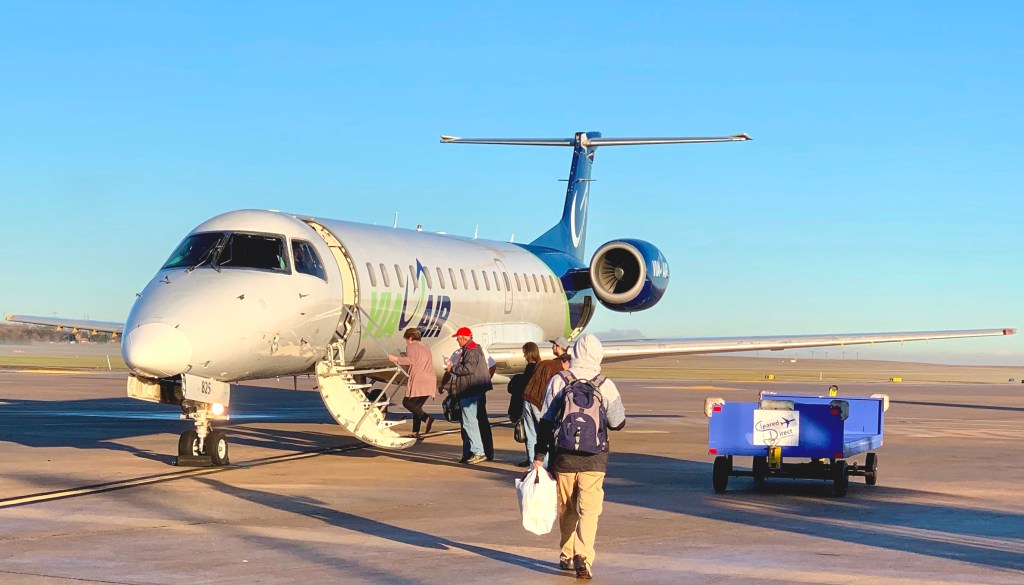
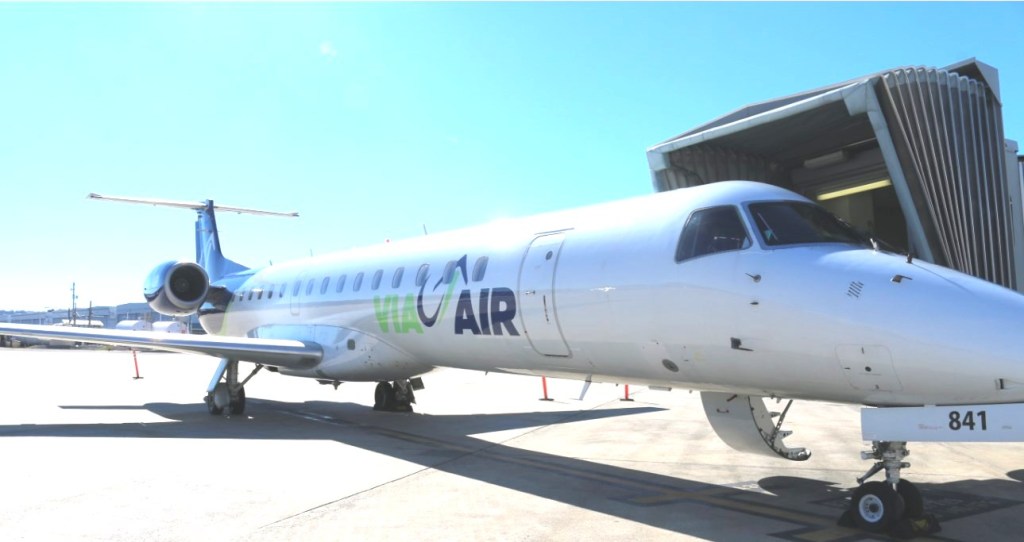
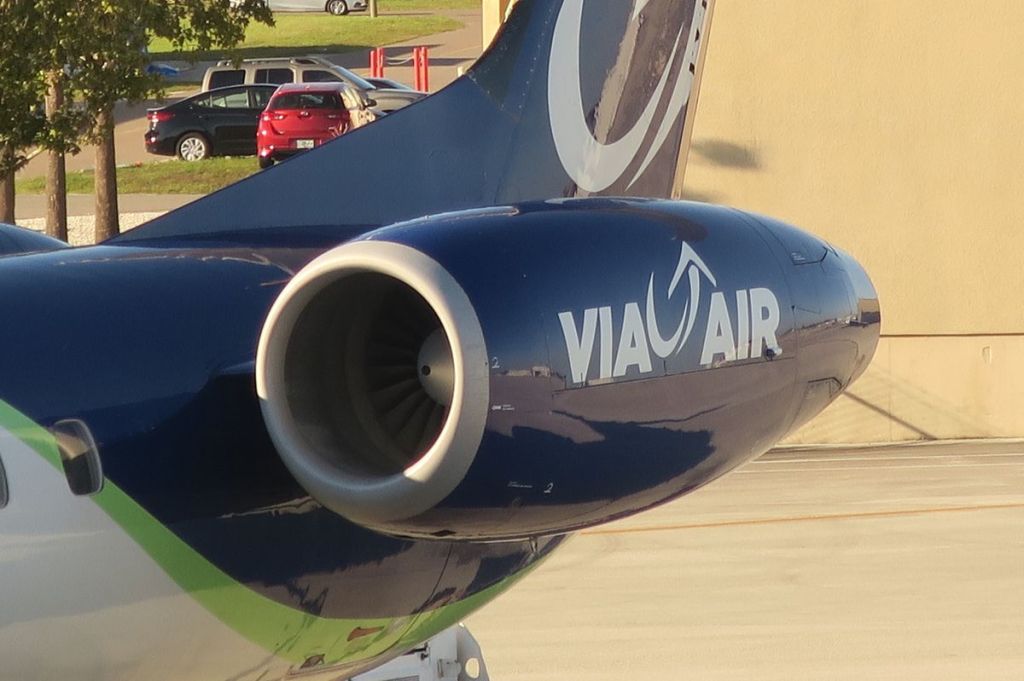
DOT estudia retorno aerolínea regional Via Airlines
El Departamento de Transporte (DOT) de los Estados Unidos ha encontrado que Via Airlines Inc. t/a Sterling Airways podría retornar a los cielos si se establece la forma, disposición y capacidad de reanudar los servicios aéreos regionales, invitando a las partes interesadas ha establecer las garantías necesarias antes del 7 de Marzo de 2021. Esto continúa a una solicitud de la aerolínea el 30 de Septiembre de 2020, para reanudar los servicios aéreos de cercanías en tres estados utilizando aeronaves Embraer E145 (3) de 50 asientos durante el primer año de reanudación de las operaciones.
La aerolínea había dejado de operar el 24 de Mayo de 2019 y había solicitado la protección por bancarrota del Capítulo 11. Después de que el Tribunal de Bancarrota de los Estados Unidos aprobara un plan de reestructuración el 20 de julio de 2020, la participación mayoritaria del 95% fue adquirida por Via Acquisitions LLC, una filial de Wexford Capital, una sociedad limitada de Delaware, mientras que el 5% fue adquirida por VICP, LLC, una compañía de responsabilidad limitada de Delaware. El 4 de agosto de 2020, el plan de reestructuración entró en vigor y las partes cerraron la transacción en esa misma fecha.
En Julio 2020, Kalinin Holdings, Inc. t/a Alaska Seaplanes, una aerolínea regional en el sureste de Alaska, había indicado que se asociaría con Via Airlines para el relanzamiento de los servicios aéreos de pasajeros anteriormente servidos por las subsidiarias del Grupo RavnAir, PenAir y Corvus Airlines, ahora conocido como Ravn Alaska. Corvus señaló un comunicado de prensa del 28 de Julio de 2020 por Alaska Seaplanes anunciándolo y Wexford planeaba reiniciar Via Airlines y cambiar su nombre para operar dentro de Alaska. Corvus también destacó publicaciones en Facebook del Director Administrativo de Alaska Seaplane haciendo referencia al inicio de un proceso de conformidad Saab 2000 al finalizar la recertificación, que Corvus dijo demostró que Via tenía la intención de operar con aviones y en rutas que no fueron identificadas en su solicitud para reanudar las operaciones. Una serie de respuestas de ida y vuelta entre Via Airlines y Corvus siguieron durante las cuales Corvus, entre otras cosas, afirmó que Via Airlines y Alaska Seaplanes planeaban operar bajo el certificado de la Parte 121 de Via Airlines, que compartían liderazgo y no eran compañías separadas. Por su parte, Via Airlines destacó las imprecisiones en las alegaciones de Corvus, reiterando que sus planes operativos se mantuvieron sin cambios desde su aplicación. Además, la compañía había contratado pilotos E145, arrendado aeronaves E145, y estaba en proceso de completar su evaluación por la FAA para el funcionamiento de los E145, dijo. El 9 de Febrero de 2021, Corvus Airlines había presentado una respuesta a la solicitud de Via Airlines, alegando que era materialmente insuficiente y debía ser desestimada.
El DOT dijo que no estaba convencido por los argumentos de Corvus. Dijo que la FAA ha advertido que no tenía motivos para cuestionar la validez de la propuesta de operación de Via Airlines, ni quela aerolínea había solicitado que un avión Saab 2000 fuera incluido en las especificaciones de funcionamiento. «A la luz de esto, encontramos que la aplicación de Via describe con precisión los planes de la compañía aérea para reanudar las operaciones», expresó el organismo regulador de transporte estadounidense. El DOT dijo que también encontró que la previsión financiera de Via Airlines era razonable. Para cumplir con la prueba de aptitud financiera del DOT, el transportista necesitaba US$ 2,14 millones en reservas de capital de trabajo. El balance posterior al cierre de Via, fechado el 4 de Agosto de 2020, ha mostrado que sus activos actuales totalizaron US$ 1 millón de Dólares, con US$ 110.000 Dólares en pasivos, lo que le dio US$ 890.000 Dólares en capital de trabajo. Wexford también se había comprometido a proporcionar hasta US$ 2,25 millones para apoyar las operaciones propuestas.
Via Airlines tentative approval
DOT studies return regional airline Via Airlines
The United States Department of Transportation (DOT) has found that Via Airlines Inc. t/a Sterling Airways could return to the skies if the form, disposition and capacity to resume regional air services is established, inviting interested parties to establish the necessary guarantees before March 7, 2021. This follows a request from the airline on September 30, 2020, to resume commuter air services in three states using 50-seat Embraer E145 (3) aircraft during the first year of resumption of operations.
The airline had ceased operations on May 24, 2019 and had filed for Chapter 11 bankruptcy protection. After the United States Bankruptcy Court approved a restructuring plan on July 20, 2020, the majority stake of the 95% was acquired by Via Acquisitions LLC, a subsidiary of Wexford Capital, a Delaware limited company, while 5% was acquired by VICP, LLC, a Delaware limited liability company. On August 4, 2020, the restructuring plan went into effect and the parties closed the transaction on the same date.
In July 2020, Kalinin Holdings, Inc. t/a Alaska Seaplanes, a regional airline in Southeast Alaska, had indicated that it would partner with Via Airlines for the relaunch of passenger air services previously served by the RavnAir PenAir Group subsidiaries. and Corvus Airlines, now known as Ravn Alaska. Corvus noted a July 28, 2020, press release by Alaska Seaplanes announcing it and Wexford planned to restart Via Airlines and change its name to operate within Alaska. Corvus also highlighted Facebook posts from the Alaska Seaplane Managing Director referencing the initiation of a Saab 2000 compliance process upon completion of recertification, which Corvus said demonstrated that Via intended to operate aircraft and on routes that were not identified in its request to resume operations. A series of back-and-forth responses between Via Airlines and Corvus followed during which Corvus, among other things, claimed that Via Airlines and Alaska Seaplanes planned to operate under the Via Airlines Part 121 certificate, that they shared leadership and were not carriers. separated. For its part, Via Airlines highlighted the inaccuracies in Corvus’ allegations, reiterating that its operational plans have remained unchanged since their application. Additionally, the company had hired E145 pilots, leased E145 aircraft, and was in the process of completing its evaluation by the FAA for the operation of the E145s, he said. On February 9, 2021, Corvus Airlines had submitted a response to Via Airlines’ request, claiming that it was materially insufficient and should be dismissed.
The DOT said it was not convinced by Corvus’ arguments. He said the FAA has advised that it had no reason to question the validity of Via Airlines’ operating proposal, nor that the airline had requested that a Saab 2000 aircraft be included in the operating specifications. «In light of this, we found that the Via app accurately describes the airline’s plans to resume operations», said the US transportation regulatory body. The DOT said it also found Via Airlines’ financial forecast to be reasonable. To meet the DOT financial fitness test, the carrier needed US$ 2.14 million in working capital reserves. The balance after the closing of Via, dated August 4, 2020, has shown that its current assets totaled US$ 1 million, with US$ 110,000 in liabilities, which gave it US$ 890,000 in working capital. . Wexford had also committed to providing up to US$ 2.25 million to support the proposed operations.
Fondo Khazanah Nasional Berhad diluye capital por reestructuración
La participación del fondo soberano malasio Khazanah Nasional Berhad (KNB) en Malaysia Airlines se ha diluido como resultado de conversiones de deuda a capital que formaban parte del plan de reestructuración de la deuda de la aerolínea, dijo el fondo el Jueves 04/03. Khazanah Nasional Berhad dijo que había una dilución menor de su capital en la aerolínea nacional debido a las conversiones de deuda por capital que algunos acreedores asumieron, y que el fondo seguía siendo el mayor accionista. «La conversión deuda/capital agrega más valor a los tenedores de acciones existentes al eliminar el pasivo del balance», dijo el Director General Shahril Ridza Ridzuan en una rueda de prensa virtual. El fondo tomó Malaysia Airlines privado en 2014. Shahril Ridza Ridzuan ha expresado que las discusiones en torno a traer nuevos inversores a la aerolínea probablemente tendrán que esperar hasta después de una recuperación en la industria.
KNB capital dilution in Malaysia Airlines
Khazanah Nasional Berhad Fund dilutes capital due to restructuring
The stake of the Malaysian sovereign wealth fund Khazanah Nasional Berhad (KNB) in Malaysia Airlines has been diluted as a result of debt-to-equity conversions that were part of the airline’s debt restructuring plan, the fund said on Thursday 04/03. Khazanah Nasional Berhad said there was less dilution of his equity in the national airline due to debt-for-equity conversions that some creditors took on, and that the fund remained the largest shareholder. «Debt/equity conversion adds more value to existing shareholders by removing the liability from the balance sheet», CEO Shahril Ridza Ridzuan said at a virtual press conference. The fund took Malaysia Airlines private in 2014. Shahril Ridza Ridzuan has said that discussions around bringing new investors to the airline will likely have to wait until after a recovery in the industry.
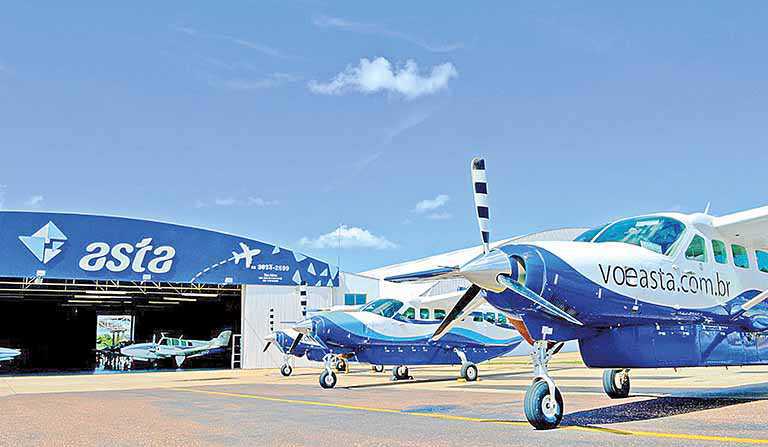
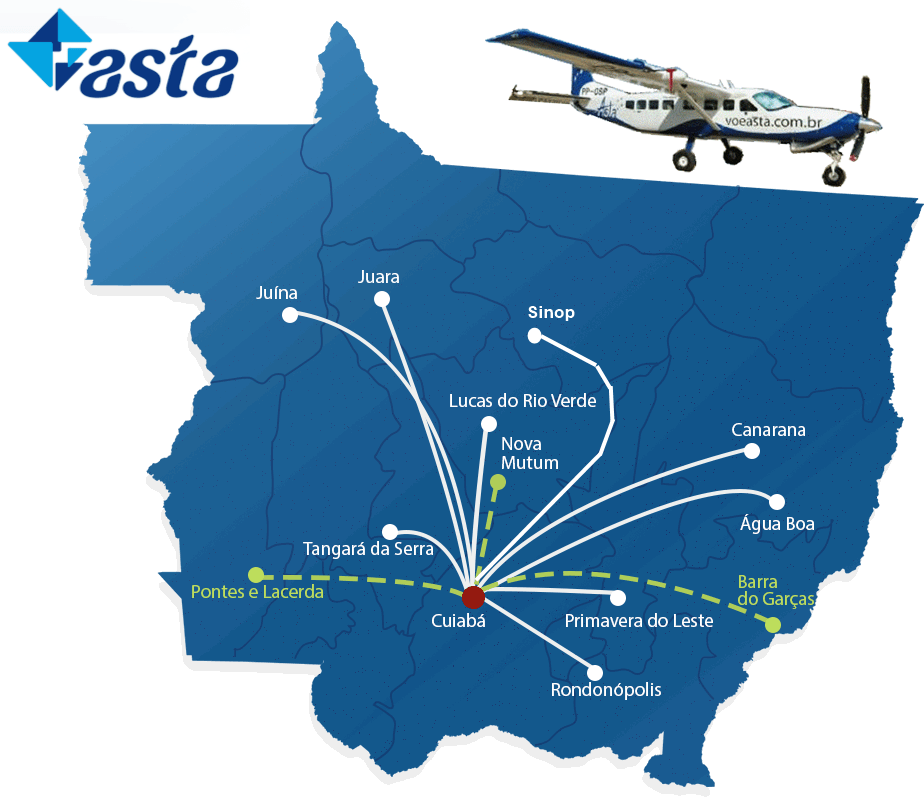
Asta Linhas Aéreas ha anunciado la reactivación de la compañía después del período de hibernación producto de la crisis sanitaria mundial. La reanudación gradual de todas sus operaciones por parte de la aerolínea regional con sede en el Estado de Mato Grosso con la reactivación de las doce Água Boa, Aripuanã, Canarana, Cuiabá, Juara, Juína, Nova Mutum, Pontes e Lacerda, Primavera do Leste y Tangará da Serra, además de Lucas do Rio Verde y Sinop, localizadas en el Estado de Mato Grosso, Brasil. «Es el momento de una reanudación y nuestra perspectiva es volver a conocer las ciudades que ya formaban parte de nuestros destinos a finales de año. Tenemos la intención, también en 2021, de ampliar el servicio a otras pequeñas ciudades, donde los aviones más grandes no pueden operar debido al tipo de pistas disponibles, de 1.000 a 1.600 metros, con restricción de suelo e infraestructura aeroportuaria. Con incentivos de la ANAC y el gobierno, la expectativa es aprovechar este segmento en los próximos cinco años», ha expresado Adalberto Bogsan, Director Ejecutivo de Asta Linhas Aéreas.
Operando desde 1995 en el segmento subregional centrado en la agroindustria en Mato Grosso, Asta Linhas Aéreas ha firmado recientemente una asociación con GOL Linhas Aéreas para consolidar a través de la integración de sistemas con VoePass, permite a las empresas reforzar sus operaciones de forma conjunta a partir de la expansión de la red de vuelo, operando a través del sistema interlínea.
Asta Linhas Aéreas continúa consolidando desde su base operativa en Cuiabá (MT) con operaciones regulares y servicios chárters. La perspectiva de la compañía es la expansión a los estados de Tocantins, Goiás y Mato Grosso do Sul, como parte de una nueva etapa de crecimmiento post-pandemia maximizando los procedimientos de biosanidad recomendados por la Organización Mundial de la Salud (OMS).
Asta Linhas Aéreas has announced the reactivation of the company after the hibernation period as a result of the global health crisis. The gradual resumption of all its operations by the regional airline based in the State of Mato Grosso with the reactivation of the twelve Água Boa, Aripuanã, Canarana, Cuiabá, Juara, Juína, Nova Mutum, Pontes e Lacerda, Primavera do Leste and Tangará da Serra, as well as Lucas do Rio Verde and Sinop, located in the State of Mato Grosso, Brazil. «It is time for a resumption and our perspective is to get to know the cities that were already part of our destinations by the end of the year. We intend, also in 2021, to expand the service to other small cities, where the larger aircraft they cannot operate due to the type of runways available, from 1,000 to 1,600 meters, with restricted land and airport infrastructure. With incentives from the ANAC and the government, the expectation is to take advantage of this segment in the next five years», said Adalberto Bogsan , Executive Director of Asta Linhas Aéreas.
Operating since 1995 in the sub-regional segment focused on agribusiness in Mato Grosso, Asta Linhas Aéreas has recently signed a partnership with GOL Linhas Aéreas to consolidate through the integration of systems with VoePass, allowing companies to strengthen their operations jointly to starting from the expansion of the flight network, operating through the interline system.
Asta Linhas Aéreas continues to consolidate from its operational base in Cuiabá (MT) with regular operations and charter services. The company’s perspective is the expansion to the states of Tocantins, Goiás and Mato Grosso do Sul, as part of a new stage of post-pandemic growth maximizing the biosanitary procedures recommended by the World Health Organization (WHO).
A Asta Linhas Aéreas anunciou a reativação da empresa após o período de hibernação em decorrência da crise global de saúde. A retomada gradativa de todas as suas operações pela companhia aérea regional sediada no Estado de Mato Grosso com a reativação das doze Água Boa, Aripuanã, Canarana, Cuiabá, Juara, Juína, Nova Mutum, Pontes e Lacerda, Primavera do Leste e Tangará da Serra, assim como Lucas do Rio Verde e Sinop, localizados no estado de Mato Grosso, Brasil. “É hora de retomar e a nossa perspectiva é conhecer as cidades que já faziam parte dos nossos destinos até o final do ano. Pretendemos, também em 2021, expandir o atendimento para outras pequenas cidades, onde as maiores aeronaves que não podem operar devido ao tipo de pistas disponíveis, de 1.000 a 1.600 metros, com infraestrutura terrestre e aeroportuária restrita. Com incentivos da ANAC e do governo, a expectativa é aproveitar esse segmento nos próximos cinco anos”. disse Adalberto Bogsan, Diretor Executivo da Asta Linhas Aéreas.
Atuando desde 1995 no segmento sub-regional com foco no agronegócio em Mato Grosso, a Asta Linhas Aéreas firmou recentemente uma parceria com a GOL Linhas Aéreas para se consolidar através da integração de sistemas com o VoePass, permitindo que as empresas fortaleçam suas operações em conjunto a partir da expansão da malha aérea, operando por meio do sistema interline.
A Asta Linhas Aéreas continua se consolidando a partir de sua base operacional em Cuiabá (MT) com operações regulares e serviços de afretamento. A perspectiva da empresa é a expansão para os estados de Tocantins, Goiás e Mato Grosso do Sul, em uma nova etapa de crescimento pós-pandêmico, maximizando os procedimentos biossanitários recomendados pela Organização Mundial da Saúde (OMS).
Presentación del primer E190 con esquema de Aerolíneas Argentinas
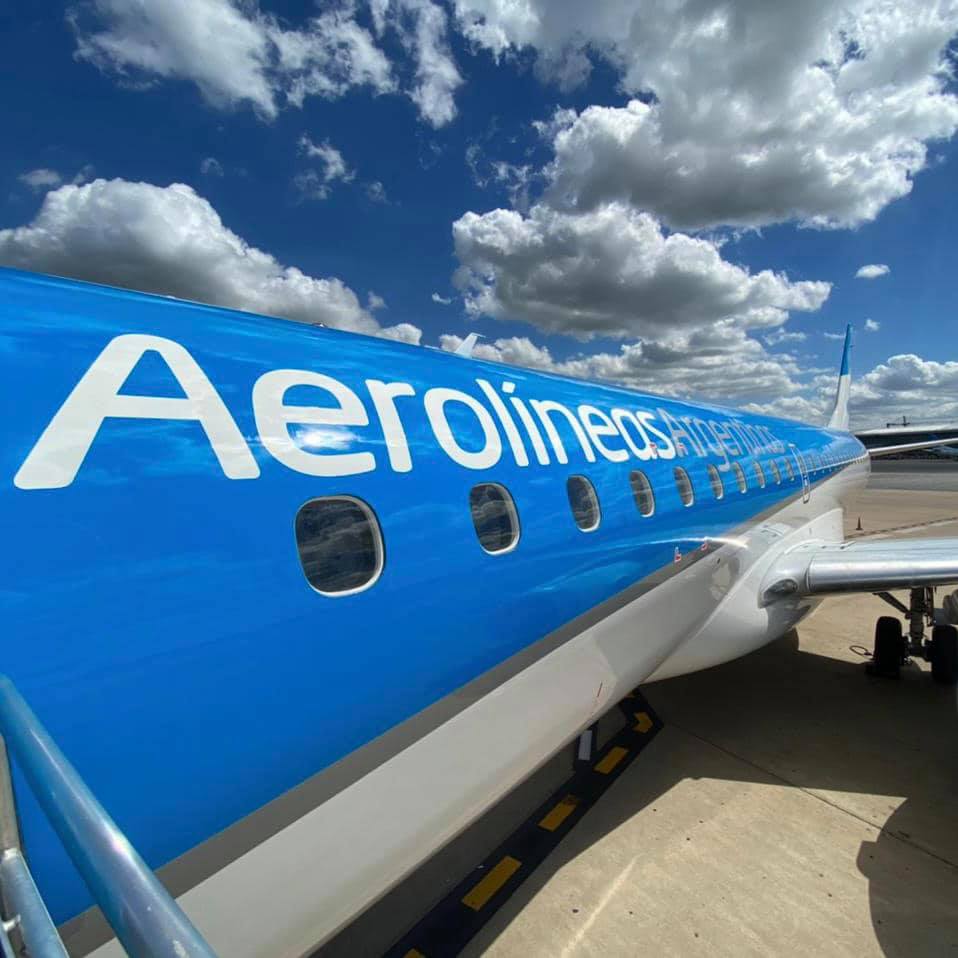
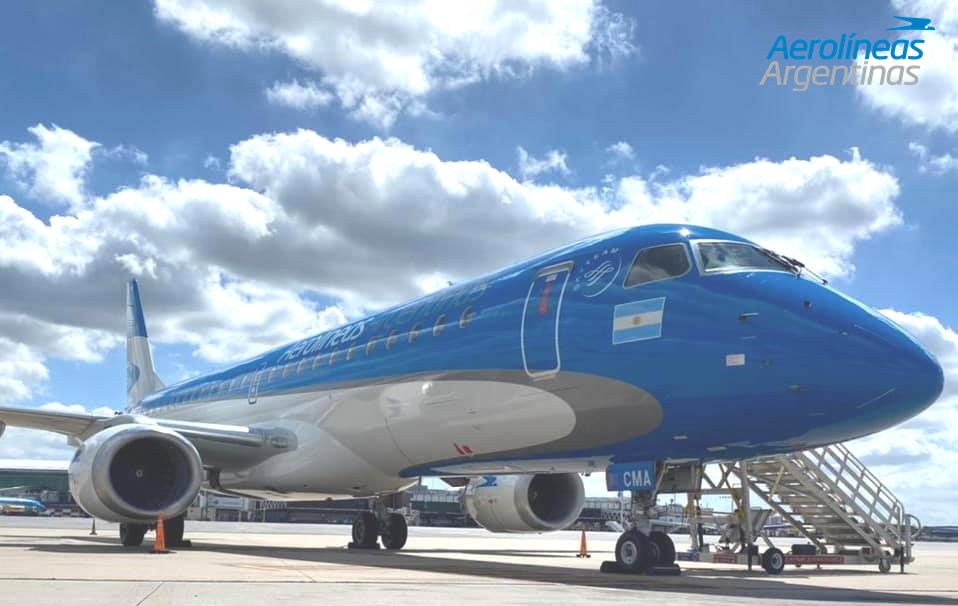
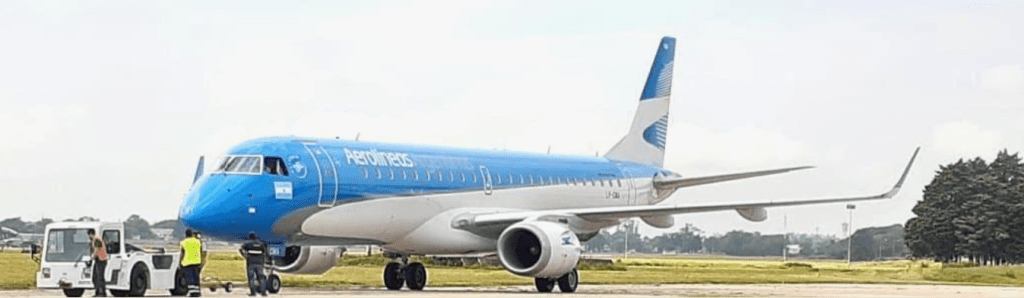
Aerolíneas Argentinas ha anunciado la presentación este Miércoles 3 de Marzo de 2021 del Embraer E190-100AR en las instalaciones de la Fábrica FAdeA en Córdoba. Después de un proceso de reacondicionamiento y repintado de las aeronaves de Austral Líneas Aéreas, el primer E190 se ha presentado públicamente para sumarse a la flota de Aerolíneas Argentinas. La aeronave E190-100AR S/N 445 con matrícula LV-CMA es el primer avión en integrarse a la flota de aerolíneas Argentinas.
La compañía Aerolíneas Argentinas había cedido en 2019 herramientas y equipamiento a la compañía FAdeA para una certificación en mantenimiento permitiendo generar un crédito a su favor que le permitirá cambiar la identidad visual en principio para seis aeronaves Embraer 190.
El E190 LV-CMA había ingresado el 27/02 a FAdeA siendo sometido a trabajos de pintura y posteriormente trasladado el 01/03 hacia el Hangar 181 para realizar chequeos pesaje y balanceo para entregar la aeronave a la compañía. El 03/03 la aeronave E190-100AR LV-CMA despegaba de las instalaciones de FAdeA a las 13:10 hs. con el número de vuelo AR1003 con destino al Aeropuerto Internacional Ezeiza.
El Embraer E190-100AR registro LV-CMA ha volado por primera vez en 2011 para la aerolínea Austral Líneas Aéreas ha sido la primer avión que incorpora la nueva librea con los títulos de Aerolíneas Argentinas, para integrarse a la flota de Aerolíneas Argentinas después del último proceso de sinergia de ambas empresas en Noviembre 2020.
La aerolínea avanza de este modo con la incorporación a su flota de sus primeros aviones regionales Embraer E190 bajo los títulos de Aerolíneas Argentinas como parte integral de la flota. De la misma manera que han sido utilizados en Austral, continuarán formando parte de la asignación de rutas de baja densidad o complemento de destinos en operaciones mixtas con aeronaves Boeing 737.
Bienvenida al E190
El primer Embraer E190 luciendo el diseño livery de Aerolíneas Argentinas concluye el proceso de fusión con Austral Líneas Aéreas. Para esta tarea, el personal de mantenimiento ha supervisado los trabajos de pintura para asegurar el cumplimiento de todas las exigencias y especificaciones técnicas del fabricante. El re-pintado de la flota E190 es una de las principales acciones de re branding que conformaron el «Plan Integral de Comunicaciones» del proyecto de fusión entre Aerolíneas Argentinas y Austral Líneas Aéreas.
La fusión entre Aerolíneas Argentinas y Austral se concretó el pasado 30 de Noviembre de 2020 al recibir la certificación de ANAC que permite a las empresas operar de manera unificada. El proceso fue iniciado en mayo y realizado en tiempo récord teniendo en cuenta la complejidad del mismo. Desde el punto de vista operativo, se realizaron la unificación de las áreas como mantenimiento, pilotos y tripulaciones eliminando así estructuras duplicadas e improductividades prexistentes. La compañía busca así una mayor eficiencia y una considerable reducción de costos derivados. El Embraer E190-100AR LV-CMA será la aeronave que realice el vuelo inaugural en la reapertura del Aeropuerto Jorge Newbery.
La integración de la flota de Embraer E190 continuará efectivizándose a lo largo de estos meses para completar las 25 unidades restantes según establezca Aerolíneas en su programa de incorporación de flota. Los nuevos tiempos han traído nuevos cambios en el mercado argentino que en la actualidad se podrá observar en la post-pandemia los colores de los Embraer E190 volando para Aerolíneas Argentinas.
Actualización flota Aerolíneas
Con la incorporación de la flota de Embraer de Austral Líneas Aéreas, la compañía Aerolíneas Argentinas ha incorporado un total de veintiséis unidades Embraer E190-100AR (26) con el primer avión con su nueva imagen visual. De esta manera la flota actualizada de la compañía corresponde a 79 aeronaves: Airbus A330-200 (7), Boeing 737-8 MAX (5), Boeing 737-800 (30), Boeing 737-700 (8), Embraer E190-100AR (25), Embraer E190-100IGW (1).
Aerolíneas receives the Embraer E190
Presentation of the first E190 with Aerolíneas Argentinas scheme
Aerolíneas Argentinas has announced the presentation this Wednesday, March 3, 2021 of the Embraer E190-100AR at the FAdeA Factory in Córdoba. After a process of reconditioning and repainting of Austral Lineas Aereas aircraft, the first E190 has been publicly presented to join the Aerolineas Argentinas fleet. The E190-100AR S / N 445 aircraft with registration LV-CMA is the first aircraft to join the Argentine airline fleet.
In 2019, the Aerolíneas Argentinas company had given tools and equipment to the FAdeA company for a maintenance certification, allowing it to generate a credit in its favor that will allow it to change the visual identity in principle for six Embraer 190 aircraft.
The E190 LV-CMA had entered FAdeA on 02/27, undergoing painting work and later transferred on 03/01 to Hangar 181 to carry out weighing and balancing checks to deliver the aircraft to the company. On 03/03, the aircraft E190-100AR LV-CMA took off from the FAdeA facilities at 01:10 p.m. with flight number AR1003 bound for Ezeiza International Airport.
The Embraer E190-100AR LV-CMA registration has flown for the first time in 2011 for the Austral Líneas Aéreas airline, it has been the first aircraft to incorporate the new livery with the titles of Aerolíneas Argentinas, to join the fleet of Aerolíneas Argentinas after the last synergy process of both companies in November 2020.
The airline is moving forward in this way with the incorporation to its fleet of its first Embraer E190 regional aircraft under the titles of Aerolíneas Argentinas as an integral part of the fleet. In the same way that they have been used in Austral, they will continue to be part of the allocation of low-density routes or a complement to destinations in mixed operations with Boeing 737 aircraft.
Welcome to E190
The first Embraer E190 sporting the Aerolíneas Argentinas livery design concludes the merger process with Austral Líneas Aéreas. For this task, the maintenance staff has supervised the painting work to ensure compliance with all the requirements and technical specifications of the manufacturer. The re-painting of the E190 fleet is one of the main re-branding actions that made up the «Comprehensive Communications Plan» of the merger project between Aerolíneas Argentinas and Austral Líneas Aéreas.
The merger between Aerolíneas Argentinas and Austral was completed on November 30, 2020 upon receiving the ANAC certification that allows companies to operate in a unified manner. The process was started in May and carried out in record time, taking into account its complexity. From an operational point of view, the areas such as maintenance, pilots and crews were unified, thus eliminating duplicate structures and pre-existing unproductive activities. The company thus seeks greater efficiency and a considerable reduction in derived costs. The Embraer E190-100AR LV-CMA will be the aircraft that performs the maiden flight at the reopening of Jorge Newbery Airport.
The integration of the Embraer E190 fleet will continue to take effect throughout these months to complete the remaining 25 units as established by Aerolíneas in its fleet incorporation program. New times have brought new changes in the Argentine market, which can now be seen in the post-pandemic in the colors of the Embraer E190 flying for Aerolíneas Argentinas.
Fleet update Aerolíneas
With the incorporation of the Embraer fleet of Austral Líneas Aéreas, the company Aerolíneas Argentinas has incorporated a total of twenty-six Embraer E190-100AR (26) units with the first aircraft with its new visual image. In this way, the company’s updated fleet corresponds to 79 aircraft: Airbus A330-200 (7), Boeing 737-8 MAX (5), Boeing 737-800 (30), Boeing 737-700 (8), Embraer E190- 100AR (25), Embraer E190-100IGW (1).
Sky Regional cerrará después de fracasar continuidad con Air Canada
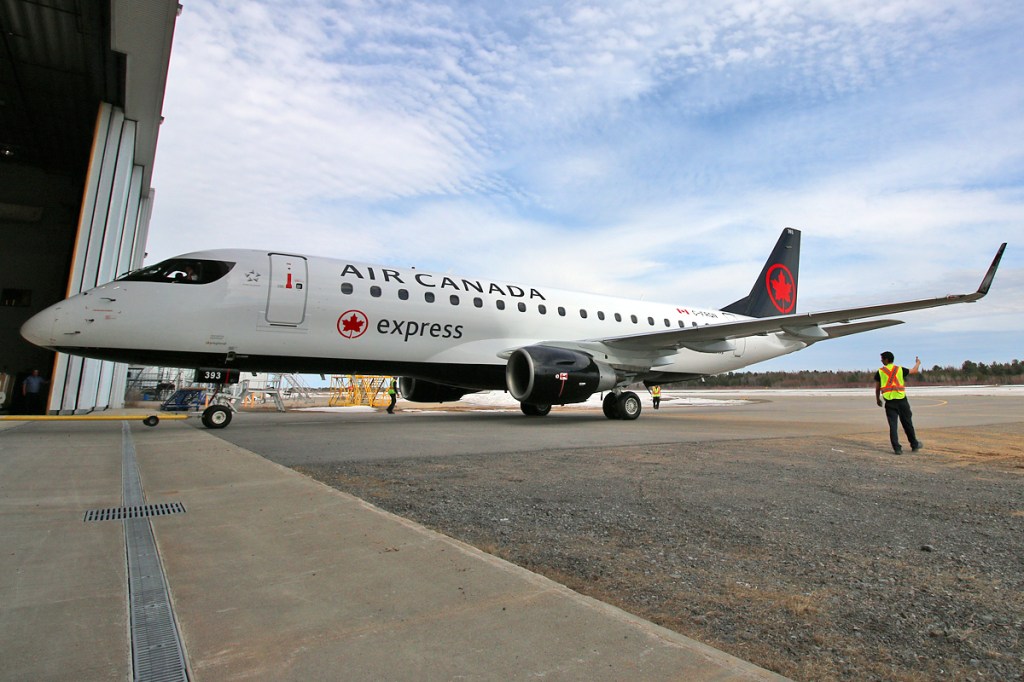
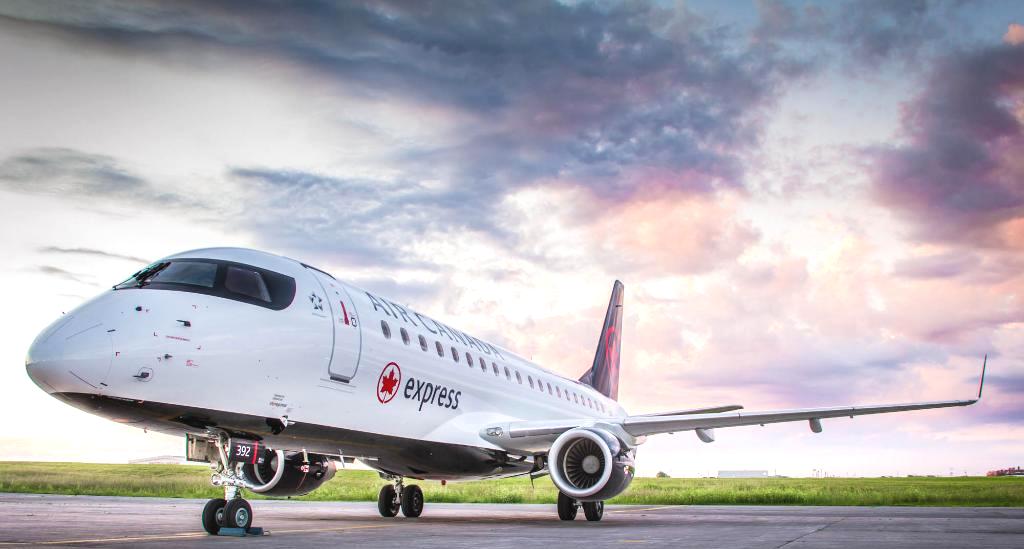
Sky Regional Airlines, con sede en Toronto, Canadá, dejará sus operaciones aerocomerciales después de perder su contrato bajo Air Canada Express ante Jazz Air, propiedad de Chorus Aviation. El movimiento de Air Canada Express provoca el cierre de Sky Regional Airlines que cesará sus operaciones el 31 de Marzo de 2021 y transferirá su flota de 25 aviones regionales ERJ-175 a Jazz Air, con sede en Halifax. La medida sigue a una decisión de Air Canada de consolidar su negocio mientras planea una recuperación de la actual pandemia.
Sky Regional Airlines opera actualmente tres ERJ 170-200LR (3), dos ERJ 170-200STD (2) y veinte ERJ 170-200SU (20) en nombre de Air Canada, siendo la flota promedio de 14,4 años de antigüedad. Air Canada posee bajo su propiedad quince de estos aviones regionales, mientras que los diez restantes están bajo condicvión de arriendo, cinco cada uno de Nordic Aviation Capital y GECAS.
Sky Regional Airlines continuará operando hasta finales de Marzo 2021 y posteriormente cesará sus operaciones. La aerolínea opera una única flota de E175. Es una subsidiaria del especialista en servicios busniness Skyservice Business Aviation, que opera una flota de aviones de negocios y turbohélices, incluyendo Boeing 737-500 (1), como así también es el agente representante de ventas canadiense de Honda Aircraft.
Acuerdo CPA-Chorus
Air Canada ha firmado un Acuerdo de Compra de Capacidad (CPA) revisado con Chorus Aviation y trasladará los veinticinco Embraer E175 (25) operados actualmente por Sky Regional Airlines a la filial de Chorus Aviation, Jazz Air. Desde entonces, Sky Regional Airlines ha confirmado que, como resultado, cesará todas las operaciones a finales de mes. «Air Canada está consolidando su vuelo regional con Jazz en respuesta al impacto devastador en curso de COVID-19 en la industria aérea. Esta necesaria realineación de nuestros servicios regionales ayudará a Air Canada a lograr eficiencias y reducir los costos operativos y la quema de efectivo mediante la consolidación de sus operaciones regionales con un solo proveedor», dijo Richard Steer, Vicepresidente Senior de Operaciones y Transportistas Express.
La aerolínea de bandera dijo que además de proporcionar certeza a corto plazo y simplicidad operativa, el nuevo CPA también reduciría significativamente los costos operativos. Espera ahorrar C$ 430 millones de Dólares canadienses/US$ 340 millones Dólares en gastos de capacidad regional en los próximos quince años y también evitará C$ 193 millones/US$ 152 millones de Dólares en gastos de capital contractuales que habrían sido obligatorios en virtud del acuerdo anterior. La CPA revisada está sujeta a la aprobación del sindicato de pilotos de Jazz Air. El acuerdo, si es aprobado por el sindicato, será retroactivamente válido a partir del 1 de Enero de 2021. Chorus Aviation dijo que el cronograma para la transferencia de los E175 no se ha finalizado hasta ahora, pero que los 25 aviones se unirán a la flota de Jazz Air a más tardar a finales de 2021.
El CPA revisado también prevé la eliminación gradual de todos los Dash 8-300 operados por Jazz Air para Air Canada. El acuerdo actual abarca diecinueve de los turbohélices De Havilland Aircraft of Canada, todos ellos propiedad de Chorus Aviation. Quince de ellos han sido sometidos al Programa de Servicio Ampliado que prolonga su vida útil aproximadamente 15 años. Chorus tiene la capacidad de vender o arrendar estos aviones o convertirlos para operaciones de carga.
Chornus Aviation ha detallado que el CPA revisado aumentaría sus ingresos por comisiones fijas relacionados con las operaciones del E175 en C$ 46 millones/US$ 36,4 millones durante toda la duración del acuerdo. Jazz Air será, por lo tanto, el proveedor exclusivo de Air Canada de más de 70 asientos de capacidad de aviones regionales al menos hasta 2025. A su vez, la eliminación de la Dash 8-300s reducirá los ingresos por arrendamiento en aproximadamente C$ 56 millones/US$ 44,3 millones. Jazz Air también opera quince CRJ200 (15) y treinta y cinco CRJ900 (35) en nombre de Air Canada. La aerolínea eliminó todos los Dash 8-100s a principios de Abril de 2020, antes de lo previsto debido a la pandemia.
Sky Regional Airlines closes
Sky Regional to close after failing continuity with Air Canada
Sky Regional Airlines, based in Toronto, Canada, will cease its commercial aviation operations after losing its contract under Air Canada Express to Jazz Air, owned by Chorus Aviation. The movement of Air Canada Express causes the closure of Sky Regional Airlines that will cease operations on March 31, 2021 and will transfer its fleet of 25 ERJ-175 regional aircraft to Jazz Air, based in Halifax. The move follows a decision by Air Canada to consolidate its business while planning a recovery from the current pandemic.
Sky Regional Airlines currently operates three ERJ 170-200LR (3), two ERJ 170-200STD (2) and twenty ERJ 170-200SU (20) on behalf of Air Canada, with the average fleet being 14.4 years old. Air Canada owns fifteen of these regional aircraft, while the remaining ten are under lease, five each from Nordic Aviation Capital and GECAS.
Sky Regional Airlines will continue to operate until the end of March 2021 and will subsequently cease operations. The airline operates a single fleet of E175s. It is a subsidiary of business services specialist Skyservice Business Aviation, which operates a fleet of business aircraft and turboprops, including Boeing 737-500 (1), as well as the Canadian sales representative for Honda Aircraft.
CPA-Chorus Agreement
Air Canada has entered into a revised Capacity Purchase Agreement (CPA) with Chorus Aviation and will move the twenty-five Embraer E175s (25) currently operated by Sky Regional Airlines to Chorus Aviation’s affiliate Jazz Air. Sky Regional Airlines has since confirmed that it will cease all operations by the end of the month as a result. «Air Canada is consolidating its regional flight with Jazz in response to the ongoing devastating impact of COVID-19 on the airline industry. This necessary realignment of our regional services will help Air Canada achieve efficiencies and reduce operating costs and cash burn. by consolidating its regional operations with a single provider», said Richard Steer, Senior Vice President of Operations and Express Carriers.
The flag carrier said that in addition to providing short-term certainty and operational simplicity, the new CPA would also significantly reduce operating costs. It expects to save C$ 430 million/US$ 340 million in regional capacity expenditures over the next fifteen years and will also avoid C$ 193 million/US$ 152 million in contractual capital expenditures that would have been mandatory under of the previous agreement. The revised CPA is subject to approval by the Jazz Air Pilots Union. The agreement, if approved by the union, will be retroactively valid as of January 1, 2021. Chorus Aviation said that the schedule for the transfer of the E175s has not been finalized so far, but that the 25 aircraft will join the Jazz Air fleet by the end of 2021.
The revised CPA also provides for the phase-out of all Dash 8-300s operated by Jazz Air for Air Canada. The current agreement covers nineteen of the De Havilland Aircraft of Canada turboprops, all of which are owned by Chorus Aviation. Fifteen of them have undergone the Extended Service Program that prolongs their useful life by approximately 15 years. Chorus has the ability to sell or lease these aircraft or convert them for cargo operations.
Chornus Aviation has detailed that the revised CPA would increase its fixed fee income related to E175 operations by C$ 46 million/US$ 36.4 million for the entire duration of the agreement. Jazz Air will therefore be Air Canada’s exclusive supplier of more than 70 regional aircraft capacity seats until at least 2025. In turn, the elimination of the Dash 8-300s will reduce leasing revenue by approximately C$ 56 million/US$ 44.3 million. Jazz Air also operates fifteen CRJ200 (15) and thirty-five CRJ900 (35) on behalf of Air Canada. The airline removed all Dash 8-100s in early April 2020, ahead of schedule due to the pandemic.