Rusia amplía apoyo financiero a aéreas

AW | 2020 12 15 13:55 | AIRLINES / GOVERNMENT

Gobierno brinda apoyo aéreas para afrontar la crisis pandemia

El Primer Ministro de Rusia, Mikhail Vladimirovich Mishustin, ha anunciado este 15 de Diciembre de 2020 que el Gobierno de la Federación Rusia ha extendido programas de subvenciones para apoyar aeropuertos y aerolíneas en medio de la pandemia de COVID-19. «El gobierno decidió ampliar los programas para subsidiar aeropuertos y aerolíneas, aumentar la cantidad de apoyo estatal a las compañías aéreas, y el correspondiente decreto del gobierno ya ha sido firmado», dijo el Primer Ministro. Según el funcionario, inicialmente las medidas de apoyo se diseñaron para el período de Febrero a Julio de 2020 y ahora las compañías aéreas pueden recibir una compensación parcial por sus pérdidas por el período comprendido entre Agosto y Noviembre 2020. «Sin embargo, también se aumentará la tasa de cálculo de las subvenciones para cada pasajero que no voló debido a las restricciones de COVID-19, y se aplicará una proporción más alta a las aerolíneas del Lejano Oriente», dijo.

El programa de asistencia para los aeropuertos, que originalmente iba a cubrir sólo el segundo trimestre de 2020, se prorrogará por otro mes. «Más de ₽ 34 mil millones de Rublos (unos US$ 465 millones de Dólares) ya se han asignado para estabilizar la operación de la industria de la aviación en medio de la propagación del coronavirus. La extensión de los programas de subvenciones ayudará al sector de las aerolíneas a superar las dificultades financieras y, lo que es más importante, a mantener los recursos humanos», concluyó el Primer Ministro.

Russia expands financial support to airlines

Government provides air support to face the pandemic crisis

The Prime Minister of Russia, Mikhail Vladimirovich Mishustin, announced this December 15, 2020 that the Government of the Russian Federation has extended grant programs to support airports and airlines amid the COVID-19 pandemic. «The government decided to expand programs to subsidize airports and airlines, increase the amount of state support to airlines, and the corresponding government decree has already been signed», said the Prime Minister. According to the official, initially the support measures were designed for the period from February to July 2020 and now airlines can receive partial compensation for their losses for the period between August and November 2020. «However, it will also increase the subsidy calculation rate for each passenger who did not fly due to COVID-19 restrictions, and a higher ratio will apply to Far Eastern airlines», he said.

The airport assistance program, which was originally going to cover only the second quarter of 2020, will be extended for another month. «More than ₽ 34 billion Rubles (about US$ 465 million) have already been allocated to stabilize the operation of the aviation industry amid the spread of the coronavirus. The extension of grant programs will help the airline sector. to overcome financial difficulties and, most importantly, to maintain human resources», concluded the Prime Minister.


PUBLISHER: Airgways.com
DBk: Government.ru / Ria.ru / Istock.com / Airgways.com
AW-POST: 202012151355AR

A\W   A I R G W A Y S ®

ASL Airlines incorpora 737-800BCF

AW | 2020 12 15 12:55 | AIRLINES

Primer Boeing 737-800BCF entra servicio en Francia

ASL_Airlines_Isologotype

El primer avión del Boeing 737-800BCF para ASL Airlines ha entrado en servicio en Francia. La aeronave con registro F-HIQB, MSN 33641, es el primer carguero operado por una aerolínea francesa y realizó su primer vuelo el 9 de Diciembre de 2020. ASL Airlines France también opera dos aviones de pasajeros B737-800.

El avión es el primero de 10 Boeing 737-800BCF (Boeing Converted Freighters) anunciados por Boeing y ASL Aviation Holdings en el último Salón Aéreo de París Air Show 2019. Fue convertido por la empresa la Shandong Taikoo Aircraft Engineering Company (STAECO) en Jinan, China en un proceso que también incluyó la revisión de los motores y una actualización de aviónica. El trabajo de conversión ya ha comenzado en Jinan en los aviones dos y tres en el programa BCF de ASL, y la cuarta aeronave ha llegado a las instalaciones de Shandong. Además de los diez pedidos en firme, ASL también tiene otras 10 opciones para Boeing Converted Freighters.

La primer aeronave realizó el vuelo en ferry hacia París a través de Ekaterimburgo, Rusia, y Vilnius, Lituania, llegando al Aeropuerto Charles De Gaulle/CDG el 28 de Noviembre de 2020. El historial de la aeronave de pasajeros ha sido operado anteriormente por la aerolínea turca Pegasus Airlines. El avión llegó a Jinan, China el 15 de Julio de 2020 para su conversión y estandarización. El F-HIQB tendrá su sede en París/CDG y el B737-800BCF tiene una capacidad de 178 metros cúbicos con 11 posiciones y media en la cubierta superior y un alcance de 3.250 millas náuticas. Se une a la flota de ASL Airlines de 19 aviones Boeing 737 incluyendo las variantes -400, -700 y -800.

ASL Airlines adds 737-800BCF

First Boeing 737-800BCF enters service in France

The first Boeing 737-800BCF aircraft for ASL Airlines has entered service in France. The aircraft with registration F-HIQB, MSN 33641, is the first freighter operated by a French airline and made its maiden flight on December 9, 2020. ASL Airlines France also operates two B737-800 passenger aircraft.

The aircraft is the first of 10 Boeing 737-800BCF (Boeing Converted Freighters) announced by Boeing and ASL Aviation Holdings at the last Paris Air Show 2019. It was converted by the Shandong Taikoo Aircraft Engineering Company (STAECO) in Jinan, China in a process that also included an overhaul of the engines and an avionics upgrade. Conversion work has already started in Jinan on aircraft two and three in ASL’s BCF program, with the fourth aircraft arriving at the Shandong facility. In addition to the ten firm orders, ASL also has 10 other options for Boeing Converted Freighters.

The first aircraft made the ferry flight to Paris via Yekaterinburg, Russia, and Vilnius, Lithuania, arriving at Charles De Gaulle/CDG Airport on November 28, 2020. The history of the passenger aircraft has previously been operated by the Turkish airline Pegasus Airlines. The aircraft arrived in Jinan, China on July 15, 2020 for conversion and standardization. The F-HIQB will be based in Paris/CDG and the B737-800BCF has a capacity of 178 cubic meters with 11 and a half positions on the upper deck and a range of 3,250 nautical miles. It joins ASL Airlines’ fleet of 19 Boeing 737 aircraft including the -400, -700 and -800 variants.


PUBLISHER: Airgways.com
DBk: Aslaviationholdings.com / Boeing.com / Haeco.com
AW-POST: 202012151255AR

A\W   A I R G W A Y S ®

Aerolíneas modificaciones de flota

AW | 2020 12 15 11:57 | AIRLINES

Desprogramaciones por nuevo escenario post-pandemia

Aerolíneas Argentinas_Isologotype 2010

Aerolíneas Argentinas se encuentra estudiando la desprogramación de aeronaves con la finalidad de adecuar la flota al nuevo escenario tras las modificaciones de mercado que la aviación mundial ha sufrido. Después de la concreción del proceso de fusión de Aerolíneas/Austral a principios de Diciembre 2020, Aerolíneas Argentinas ha recibido por parte de la Administración Nacional de Aviación Civil (ANAC) el Certificado de Explotador de Servicios Aéreos (CESA) que ha habilitado la fusión con la compañía Austral Líneas Aéreas, permitiendo la integración total de ambas aerolíneas. La sinergia de las líneas aéreas ha establecido un nuevo horizonte de cara a estandarizar los procesos de la compañía y la flota como parte de una reestructuración acompañando la modificación del escenario de mercado actual.

Aerolíneas Argentinas avanza en la estandarización de la flota de la línea Boeing 737 Next Generation/MAX, por lo que evalúa la desprogramación de cuatro Boeing 737-800 con mayor antigüedad debido a la incompatibilidad con el resto de sus aeronaves y motivado por la baja demanda producto de la crisis de los viajes por la pandemia de Coronavirus. El comienzo de la baja del Boeing 737-800, S/N 30478 de 19 años de edad ha sido desprogramado y aparcado en el Aeropuerto Internacional de Ezeiza; mientras que evalúan la baja comercial de otra aeronave similar entrando el 2021.

AW-70000190

La compañía espera recibir un nuevo Boeing 737-8 MAX, mientras tanto, el proceso de integración y activación de la flota de los cinco Boeing 737-8 MAX llevaría un tiempo para reacondicionar las unidades a los nuevos requerimientos de los organismos de seguridad en aviación. En cuanto a la flota de la línea Airbus A330-200, Aerolíneas podría incorporar mas aeronaves de largo recorrido, pero no se han detallado hasta el momento fechas y modalidad de adquisición.

Respecto a la flota de la línea Embraer E190-100AR que pertenecían anteriormente a Austral Líneas Aéreas, la compañía Aerolíneas Argentinas ha recibido la transferencia de las 26 unidades, por lo que el proceso de adecuación e integración a la flota se ha iniciado con el repintado y reacondicionamiento para las nuevas necesidades de mercado. Algunos anuncios entre pasillo han comentado de posibles desprogramaciones de algunos aviones regionales E190, pero mientras tanto, la compañía evaluará la demanda del mercado actual.

Aerolíneas fleet modifications

Deprogramming due to new post-pandemic scenario

Aerolíneas Argentinas is studying the deprogramming of aircraft in order to adapt the fleet to the new scenario after the market changes that world aviation has suffered. After the conclusion of the Aerolíneas/ Austral merger process at the beginning of December 2020, Aerolíneas Argentinas has received from the National Civil Aviation Administration (ANAC) the Air Services Operator Certificate (CESA) that has enabled the merger with Austral Líneas Aéreas, allowing the total integration of both airlines. The synergy of the airlines has established a new horizon in order to standardize the processes of the company and the fleet as part of a restructuring accompanying the modification of the current market scenario.

Aerolíneas Argentinas advances in the standardization of the fleet of the Boeing 737 Next Generation/MAX line, for which it evaluates the deprogramming of four Boeing 737-800 with older age due to incompatibility with the rest of its aircraft and motivated by low demand product of the travel crisis due to the Coronavirus pandemic. The beginning of the decommissioning of the 19-year-old Boeing 737-800, S/N 30478, has been deprogrammed and parked at the Ezeiza International Airport; while they evaluate the commercial decline of another similar aircraft entering 2021.

AW-7000737m

The company expects to receive a new Boeing 737-8 MAX, meanwhile, the process of integrating and activating the fleet of the five Boeing 737-8 MAXs would take time to recondition the units to the new requirements of the aviation security organizations. Regarding the fleet of the Airbus A330-200 line, Aerolíneas could incorporate more long-haul aircraft, but dates and method of acquisition have not been detailed until now.

Regarding the fleet of the Embraer E190-100AR line that previously belonged to Austral Líneas Aéreas, the company Aerolíneas Argentinas has received the transfer of the 26 units, so the process of adaptation and integration to the fleet has begun with the repainting and reconditioning for new market needs. Some aisle announcements have commented on possible deprogramming of some E190 regional aircraft, but in the meantime, the company will assess current market demand.


PUBLISHER: Airgways.com
DBk: Airgways.com / Aerolineas.com / AtentoSpotter / Nicolás Aguirre
AW-POST: 202012151157AR

A\W   A I R G W A Y S ®

Controles vuelos cabotaje Argentina

AW | 2020 12 15 11:05 | GOVERNMENT / AVIATION SAFETY / AIRLINES

Gobierno exigirá información pasajeros en vuelos domésticos

El Gobierno de Argentina a anunciado a través de la Disposición Nº 1406/2020, publicada este martes en el Boletín Oficial una nuevas medidas con la finalidad de prevenir delitos complejos tales como el narcotráfico, el terrorismo y la trata de personas, en el marco de la crisis sanitaria actual.

Las líneas aéreas que realizan vuelos regulares o charters de cabotaje en la República Argentina deberán informar a la Policía de Seguridad Aeroportuaria (PSA) datos específicos de los pasajeros antes de despegar, algo que hasta el momento solamente se requería cuando se trataba de vuelos internacionales. Así se anunció a través de la Disposición Nº 1406/2020, publicada este Martes 15/12 en el Boletín Oficial. El Director de la PSA, José Alejandro Glinski, ha cargo de esta nueva modalidad ha anunciado que esta medida comenzará a regir dentro de 120 días corridos a partir de este Martes 15/12 con el objetivo de prevenir delitos complejos tales como el narcotráfico, el terrorismo y la trata de personas.

Puntualmente, las compañías aéreas tendrán que compartir con las autoridades policiales los datos correspondientes a la Información Anticipada de Pasajeros (API) y al Registro de Nombres de Pasajeros (PNR), tratándose de vuelos internos con más de 19 pasajeros a bordo. Además de la documentación a la Dirección Nacional de Migraciones, la Administración Nacional de Aviación Civil (ANAC), y la Administración Federal de Ingresos Públicos (AFIP). Este requisito actualmente continúa en vigencia desde el 8 de Septiembre de 2014 para los viajes hacia y provenientes del exterior.

Las compañías aéreas deberán adjuntar información para la operación que deberá hacerse de manera electrónica y con 24 horas de anticipación al despegue. Luego, se realizarán dos transmisiones adicionales para comunicar las novedades pertinentes, una cuando falten 6 horas para la partida y la última, una vez que todos los sujetos hayan abordado y la aeronave esté lista para salir. Respecto a los datos del avión, las aerolíneas tendrán que informar el código identificativo de la compañía que envía los datos; número de vuelo; fecha y hora previstas de salida y de llegada; origen y destino, y número total de personas transportadas. En tanto, sobre las personas a bordo, incluida la tripulación, se solicitará el tipo y número de documento con el que se identificó cada una de ellas; nacionalidad de las mismas; nombre y apellido completo, y fecha de nacimiento que aparece en el documento de identificación presentado. Por último, las compañías le aportarán a la PSA la siguiente información de los pasajeros: localizador del expediente; fecha de reserva del vuelo; itinerario completo del viaje; nombre y apellido informado; modalidades de pago; orden y dirección de facturación; teléfonos de contacto, y datos sobre programas de fidelización (referida únicamente a millas recorridas y direcciones). También se requerirá la agencia y el agente de viajes que intervino en la operación de compra, si correspondiera; comunicar si tiene PNR escindido/dividido; fecha y número de emisión del billete; historial de incomparecencia del pasajero (no show); si es pasajero de último momento sin reserva (go show); listas de espera; números de etiqueta del equipaje y de asiento; especificaciones sobre el asiento, y la cantidad de equipaje que transporta.

Además, las líneas aéreas tienen «la obligación de presentar ante las autoridades que así lo requieran la documentación que sustente la información remitida y no cumplir con este punto o hacerlo fuera de término” o de manera incompleta, “determinará el inicio de las actuaciones administrativas y/o judiciales correspondientes”. En los considerandos, la Policía Aeroportuaria señaló que “si bien estos sistemas de transmisión de datos son recomendados y requeridos para el tránsito aéreo internacional, han sido reconocidos por la comunidad internacional como una fuente de información beneficiosa para los sistemas de seguridad locales”. En este sentido, el organismo remarcó que “aprovechando los avances tecnológicos en materia de sistemas informáticos y comunicaciones, resulta necesario avanzar hacia un procedimiento que permita efectuar el análisis de riesgo de los vuelos y evaluar la existencia de eventuales amenazas y/o conflictos”.

Este mecanismo facilitará, “ante una emergencia, implementar medidas especiales con la suficiente anticipación para prevenir delitos complejos tales como el narcotráfico, el terrorismo y la trata de personas”. Las autoridades confían en que eso se puede lograr al “contar con información unívoca y actualizada en tiempo real que simplificará procedimientos operativos de seguridad aeroportuaria”.

Argentina cabotage flight controls

En medio de la interna entre Sergio Berni y Sabina Frederic, el Gobierno  aumentó el número de policías en el aeropuerto de Ezeiza - Infobae

Government will require passenger information on domestic flights

The Government of Argentina has announced through Provision No. 1406/2020, published this Tuesday in the Official Gazette, new measures in order to prevent complex crimes such as drug trafficking, terrorism and human trafficking, within the framework of the current health crisis.

The airlines that carry out regular flights or cabotage charters in the Argentine Republic must inform the Airport Security Police (PSA) specific data of the passengers before taking off, something that until now was only required when it came to international flights. This was announced through Provision No. 1406/2020, published this Tuesday 12/15 in the Official Gazette. The Director of the PSA, José Alejandro Glinski, has been in charge of this new modality and has announced that this measure will take effect within 120 calendar days from this Tuesday 15/12 with the aim of preventing complex crimes such as drug trafficking, terrorism and human trafficking.

From time to time, the airlines will have to share with the police authorities the data corresponding to the Advance Passenger Information (API) and the Passenger Name Register (PNR), in the case of internal flights with more than 19 passengers on board. In addition to the documentation to the National Directorate of Migration, the National Civil Aviation Administration (ANAC), and the Federal Administration of Public Revenues (AFIP). This requirement currently remains in effect as of September 8, 2014 for travel to and from abroad.

The airlines must attach information for the operation that must be done electronically and 24 hours before takeoff. Then, two additional transmissions will be made to communicate the pertinent news, one when there are 6 hours until departure and the last, once all subjects have boarded and the aircraft is ready to depart. Regarding the plane data, the airlines will have to provide the identification code of the company that sends the data; flight number; expected date and time of departure and arrival; origin and destination, and total number of people transported. Meanwhile, about the people on board, including the crew, the type and number of document with which each one of them was identified will be requested; nationality of the same; Full name and surname, and date of birth that appears on the identification document presented. Finally, the companies will provide the PSA with the following passenger information: file locator; flight reservation date; complete itinerary of the trip; given name and surname; payment methods; order and billing address; contact telephone numbers, and data on loyalty programs (referring only to miles traveled and addresses). The agency and the travel agent involved in the purchase operation will also be required, if applicable; report if you have split off/divided PNR; date and number of ticket issuance; passenger’s no-show history (no show); if you are a last minute passenger without a reservation (go show); waiting lists; luggage tag and seat numbers; specifications about the seat, and the amount of luggage it carries.

In addition, the airlines have «the obligation to present to the authorities that require it the documentation that supports the information sent and not comply with this point or do it after the deadline» or incompletely, «will determine the start of administrative actions and/or corresponding judicial proceedings”. In the considerations, the Airport Police stated that “although these data transmission systems are recommended and required for international air traffic, they have been recognized by the international community as a source of beneficial information for the local security systems”. In this sense, the agency remarked that “taking advantage of technological advances in computer systems and communications, it is necessary to move towards a procedure that allows the risk analysis of flights to be carried out and the evaluation of the existence of possible threats and/or conflicts”.

This mechanism will facilitate, «in an emergency, implement special measures with sufficient anticipation to prevent» complex crimes such as drug trafficking, terrorism and human trafficking. The authorities trust that this can be achieved by «having unambiguous and updated information in real time that will simplify airport security operating procedures».


PUBLISHER: Airgways.com
DBk: Boletinoficial.gob.ar / Argentina.gob.ar/psa / Infobae.com / Airgways.com
AW-POST: 202012151105AR

A\W   A I R G W A Y S ®
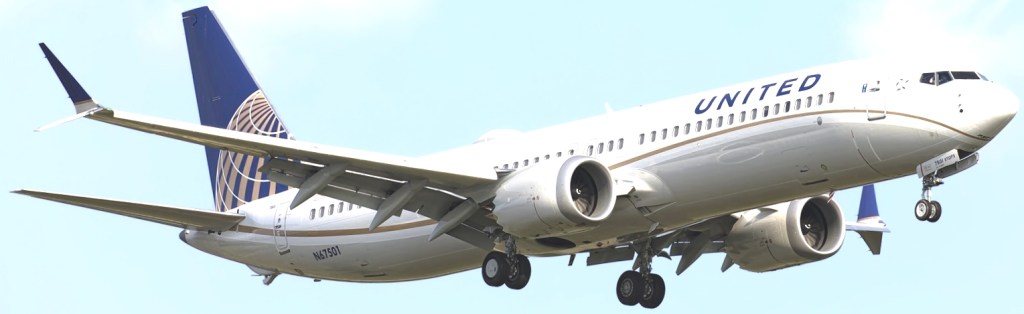
Aerolíneas cancelaciones intempestivas

AW | 2020 12 15 10:22 | AIRLINES

Denunciaron cancelación/reprogramación intempestiva

El 22 de Octubre de 2020 Aerolíneas Argentinas reiniciaba sus operaciones regulares tras las restricciones impuestas por pandemia del Coronavirus desde el 20 de Marzo de 2020. Desde entonces hasta la actualidad varios pasajeros denunciaron la cancelación y la reprogramación de los vuelos y también que la empresa no brinda información. La abogada Silvina Martínez indicó, además, que la empresa no da respuesta y que el cierre del Aeropuerto de El Palomar y las obras en Aeroparque hicieron que se concentraran los vuelos en Ezeiza, cuya operación este Lunes 14/12 se vio afectada por un paro de trabajadores de la compañía Latam Airlines Argentina. La canalización de los reclamos ha obligado a presentar un pedido de informes para que el Poder Ejecutivo indique los motivos por los que no funciona el servicio telefónico de atención al cliente, las oficinas comerciales de la empresa y la atención en los mostradores de las terminales aeroportuarias. La carta de la denuncia expresa en parte: “Los motivos por los cuales, siendo la única vía comunicacional ofrecida por la empresa Aerolíneas Argentinas, la línea de Whatsapp, no se da respuesta a los clientes, [sin tener respuesta], de la venta de pasajes on-line para rutas no disponibles, así como también constantes y repentinas reprogramaciones y cancelaciones de vuelos”. La carta extiende el reclamo a otras reparticiones: “si el Ministerio de Turismo y Deportes de la Nación tomó conocimiento de los públicos y masivos inconvenientes que sufren los pasajeros de la empresa Aerolíneas Argentinas, sin que tengan respuesta alguna. Lo mismo con la Administración Nacional de Aviación Civil (ANAC) y la Dirección Nacional de Defensa del Consumidor». La abogada Silvia Martínez explicó que al presente se venden tickets de manera online para rutas como vuelo directo que no están autorizadas y que se comercializan pasajes en la página web y a los pocos días se dan de baja todas esas frecuencias.

Aerolíneas Argentinas en tanto ha informado que “pese al inicio de las operaciones regulares desde el 22/10, la programación de vuelos aún se encuentra sujeta a diferentes modificaciones. En el caso de cabotaje, la programación es aprobada todos los meses por la autoridad aeronáutica, previa conformidad de cada provincia, con las modificaciones que impone la situación sanitaria de cada destino. Asimismo, queremos aclarar que aquellos intertramos (frecuencias que no pasan por Buenos Aires) programados para el mes de Diciembre y que tuvieron que ser cancelados fue debido a que estos no fueron autorizados por la provincia de destino o bien, no contaban con la ocupación mínima requerida para realizarse el vuelo. No obstante, a todos esos pasajeros se les ofreció una alternativa para realizar la conexión vía Ezeiza o bien, la reprogramación de su vuelo. Todas las reprogramaciones de los vuelos afectados a causa del Covid-19 se realizan sin costo alguno al pasajero, siempre que se mantenga la misma temporada del vuelo original”.

Aerolíneas untimely rescheduling

They denounced untimely cancellation/rescheduling

On October 22, 2020, Aerolíneas Argentinas restarted its regular operations after the restrictions imposed by the Coronavirus pandemic since March 20, 2020. From then until now, several passengers denounced the cancellation and rescheduling of flights and also that the company did not provides information. The lawyer Silvina Martínez also indicated that the company does not give an answer and that the closure of the El Palomar Airport and the works in Aeroparque led to the concentration of flights in Ezeiza, whose operation this Monday 12/14 was affected by a strike of workers of the company Latam Airlines Argentina. The channeling of claims has forced the submission of a request for reports so that the Executive Power indicates the reasons why the customer service telephone service, the company’s commercial offices and the service at the airport terminal counters do not work. The complaint letter expresses in part: «The reasons why, being the only communication channel offered by the company Aerolíneas Argentinas, the WhatsApp line, no response is given to customers, [without having an answer], of the sale of online tickets for unavailable routes, as well as constant and sudden rescheduling and cancellation of flights”. The letter extends the claim to other departments: “if the Ministry of Tourism and Sports of the Nation became aware of the public and massive inconveniences suffered by the passengers of the company Aerolíneas Argentinas, without any response. The same with the National Civil Aviation Administration (ANAC) and the National Directorate for Consumer Defense». The lawyer Silvia Martínez explained that at present tickets are sold online for routes such as direct flights that are not authorized and that tickets are sold on the website and after a few days all these frequencies are canceled.

Aerolíneas Argentinas has reported that “despite the start of regular operations since 10/22, the flight schedule is still subject to different modifications. In the case of cabotage, the schedule is approved every month by the aeronautical authority, with the prior agreement of each province, with the modifications imposed by the health situation of each destination. Likewise, we want to clarify that those intertramos (frequencies that do not pass through Buenos Aires) scheduled for the month of December and that had to be canceled was because they were not authorized by the destination province or, they did not have the minimum occupation required to perform the flight. However, all those passengers were offered an alternative to make the connection via Ezeiza or to reschedule their flight. All rescheduling of the flights affected by Covid-19 are carried out at no cost to the passenger, provided that the same season of the original flight is maintained».


PUBLISHER: Airgways.com
DBk: Airgways.com / Infonbae.com / Aerolineas.com
AW-POST: 202012151022AR

A\W   A I R G W A Y S ®

Aéreas transporte vacunas a AL

AW | 2020 12 15 09:57 | AIRLINES / GOVERNMENT

Aerolíneas de EE.UU. llevarán vacunas anti-COVID-19 a América Latina

Las aerolíneas de Estados Unidos se encuentran programando el envío de unidades de carga de vacunas anti-COVID-19 a países como Argentina, Brasil, Chile, Colombia, México, entre otros países, como parte de un programa de distribución efectiva a la Región de América Latina (AL). La mayoría de los vuelos partirían desde Miami (FL). Sin embargo, a Venezuela no llegarán las dosis de las farmacéuticas estadounidenses, tal y como anunció el Presidente Nicolás Maduro, por lo que se espera que las vacunas de Rusia puedan arribar a este país.

A partir de este Lunes 14/12 Estados Unidos ha comenzado a aplicar las primeras dosis de vacunas contra el COVID-19 a la población tras la aprobación para el uso de emergencia de la Administración de Medicamentos y Alimentos.

El mayor reto al que se enfrentan todos los actores involucrados en la logística es mantener las dosis del fármaco a bajas temperaturas. Muchas de las compañías aéreas, como American Airlines, se han venido preparando y haciendo vuelos de prueba para simular el envío de carga con las vacunas.

Air transport vaccines Latin America

US airlines to bring COVID-19 Vaccines to Latin America

The airlines of the United States are programming the shipment of cargo units of anti-COVID-19 vaccines to countries like Argentina, Brazil, Chile, Colombia, Mexico, among other countries, as part of an effective distribution program to the Region of Latin America (LA). Most flights would depart from Miami (FL). However, the doses from US pharmaceutical companies will not reach Venezuela, as announced by President Nicolás Maduro, so it is expected that the vaccines from Russia can arrive in this country.

As of this Monday 12/14, the United States has begun to apply the first doses of vaccines against COVID-19 to the population after approval for emergency use by the Food and Drug Administration.

The biggest challenge faced by all stakeholders involved in logistics is keeping drug doses at low temperatures. Many of the airlines, like American Airlines, have been preparing and doing test flights to simulate the shipment of cargo with vaccines.


PUBLISHER: Airgways.com
DBk: Fda.gov / Aa.com / Airgways.com
AW-POST: 202012150957AR

A\W   A I R G W A Y S ®
La Cámpora dominar aviación Argentina

AW | 2020 12 14 15:37 | AIRPORTS / AIRLINES / GOVERNMENT

Agrupación La Cámpora a cargo del vaciamiento aerocomercial

AA2000_EPA

El Ministerio de Transporte Argentina no tiene injerencia en las decisiones, que terminaron con la mudanza de JetSmart Airlines Argentina y Flybondi Líneas Aéreas hacia el Aeropuerto Internacional Ezeiza. La agrupación La Cámpora ha arrebatado la política aerocomercial de la Argentina al Ministerio de Transporte al introducir dos resoluciones de carácter técnico, permitiendo desarmar no solo las políticas aéreas del anterior Gobierno nacional, sino además, conseguir mantener el control de la aviación comercial con el dominio de los cielos bajo la bandera de Aerolíneas Argentinas.

AW-Flybondi_JetSmart

Las dos resoluciones fueron emitidas en Octubre de 2020 cuando regresaron los vuelos de cabotaje, tras haber estado suspendidos durante siete meses. El Jueves 22, Aerolíneas Argentinas había reiniciado sus vuelos de cabotaje desde el Aeropuerto de Ezeiza, mientras que el Aeropuerto Jorge Newbery continúa con las obras de remodelación y ampliaciones y el Aeropuerto Internacional El Palomar iniciaría nuevamente vuelos con la modalidad low cost.

JetSmart Airlines Argentina había pedido autorización a la Administración Nacional de Aviación Civil (ANAC) para hacer su primer vuelo el Sábado 24/10, pero la autorización se demoraba en llegar, alcanzando a las 18:00 hs del Viernes 23/10 sin notificaciones ni autorizaciones, por lo que la aerolínea de presupuesto suspendía sus programación al no tener certezas por parte de la autoridad aeronáutica. La agrupación de La Cámpora continuaba traccionando como árbitro para denostar la aeroestación low cost. A última hora de ese Viernes 23, el Organismo Regulador del Sistema Nacional Aeroportuario (ORSNA), dispuso que el Aeropuerto Internacional Ezeiza era el único corredor seguro en la zona del AMBA mientras durase la pandemia de Coronavirus. Con un argumento sanitario imposible de apelar en el corto plazo hubiera sido necesario judicializar los reclamos, iniciando por parte de Flybondi Líneas Aéreas reclamaciones legales sin ningún resultado favorable a la aerolínea para continuar operando desde el Aeropuerto El Palomar, iniciando un bloqueo para hacer vuelos regulares de cabotaje. La nueva disposición reglamentaria no estaba firmada por el Presidente del ORSNA, Carlos Lugones Aignasse, sino rubricada por el Vicepresidente, Fernando Muriel, dirigente de la agrupación política de La Cámpora, quien responde políticamente al Senador Nacional Mariano Recalde. Anteriormente, el Senador había sido Presidente de Aerolíneas Argentinas entre el período Julio de 2009 y Diciembre de 2015, mientras que Pablo Ceriani había sido su Vicepresidente.

La segunda resolución del ORSNA fue emitida el Lunes 26/10, y puso en evidencia las negociaciones que habían tenido lugar durante ese fin de semana, cuando el ORSNA y su Vicepresidente, Fernando Muriel, al ordenar a la concesionaria, Aeropuertos Argentina 2000 (AA2000) mantener las bonificaciones de las tasas aeroportuarias para las líneas aéreas low cost que decidieran mudar sus operaciones desde el Aeropuerto Internacional El Palomar hacia el Aeropuerto Internacional Ezeiza. Ese mismo Lunes 26/10 JetSmart Argentina abandonó su postura de confrontación que había mantenido hasta la tarde del Viernes 23/10 y emitió un comunicado donde anunciaba a sus pasajeros que comenzaría a volar desde Ezeiza.

En el caso de Flybondi, la otra aerolínea que continuaba inoperativa, continuaba reclamando la postura de reiniciar operaciones desde la aeroestación low cost intentando judicializar los reclamos ante una postura justa de preservación de los empleos de la compañía aérea, los costos logísticos elevados que presta la empresa de servicios aeroportuarios Intercargo referentes a rampa, y la posición de la aeroestación frente a la conveniencia de traslados cercanos que brinda el Aeropuerto El Palomar. En el medio hubo declaraciones del Ministro de Transporte Mario Meoni a favor de la reapertura del Aeropuerto El Palomar, mientras continuaban los reclamos en marchas populares en favor y en contra de la terminal aérea.

Tras la nueva solicitud realizada por parte de Flybondi, no tuvo nuevamente respuesta para reiniciar sus operaciones desde el aeropuerto low cost, finalmente abordó una negociación con el Gobierno para trasladar sus operaciones al Aeropuerto Internacional Ezeiza. El ex-Presidente Mauricio Macri ha salido a reclamar por el Aeropuerto El Palomar como un símbolo de lo que está haciendo el actual Gobierno de Alberto Fernández: «Hay en marcha un plan activo y deliberado para entorpecer, clausurar, estropear o eliminar cualquier política implementada por nuestro Gobierno», dijo Mauricio Macri a través de las redes sociales. El encargado de responderle y señalar que la mudanza de El Palomar fue un simple acuerdo entre empresas fue el Jefe de Gabinete, Santiago Cafiero. Pero lo cierto es que el Gabinete de Gobierno actual fue ajeno a todas las decisiones establecidas. Formalmente, fueron emitidas desde un organismo menor del Poder Ejecutivo, el despacho del Senador Mariano Recalde.

Ahora, el Gobierno nacional y su cartera, el Ministerio de Transporte, deberán decidir qué hacen con los 1.000 empleados de un aeropuerto y los trabajos indirectos que genera la actividad aérea en el Aeropuerto El Palomar que está sin funcionar desde Marzo 2020 y que ahora continúa sin aerolíneas, un aeropuerto que había generado sólo en 2019 el paso de 1,7 millones de pasajeros, todo un logro y mérito por haber alcanzado reactivar la aviación comercial y federal, ha caído en manos de la agrupación La Cámpora que ha denostado el progreso de todos los argentinos y junto con ello la libertad de volar.

La Cámpora dominating Argentine aviation

La Cámpora political group in charge of commercial air clearing

The Argentine Ministry of Transportation has no influence in the decisions, which ended with the move of JetSmart Airlines Argentina and Flybondi Líneas Aéreas to the Ezeiza International Airport. The La Cámpora group has seized Argentina’s commercial aviation policy from the Ministry of Transportation by introducing two technical resolutions, allowing disarming not only the air policies of the previous national government, but also maintaining control of commercial aviation with dominance. from the skies under the flag of Aerolíneas Argentinas.

The two resolutions were issued in October 2020 when the domestic flights returned, after having been suspended for seven months. On Thursday 22, Aerolíneas Argentinas had restarted its domestic flights from Ezeiza Airport, while Jorge Newbery Airport continues with remodeling and expansion works and El Palomar International Airport would again start flights with the low cost mode.

JetSmart Airlines Argentina had requested authorization from the National Civil Aviation Administration (ANAC) to make its first flight on Saturday 10/24, but the authorization was delayed in arriving, reaching 6:00 p.m. on Friday 10/23 without notifications or authorizations, so the budget airline suspended its programming due to not having certainties from the aeronautical authority. The La Cámpora group continued to act as a referee to revile the low cost air station. Late on Friday 23, the Regulatory Body of the National Airport System (ORSNA), established that the Ezeiza International Airport was the only safe corridor in the AMBA area while the Coronavirus pandemic lasted. With a health argument impossible to appeal in the short term, it would have been necessary to prosecute the claims, initiating legal claims on the part of Flybondi Líneas Aéreas without any favorable result for the airline to continue operating from El Palomar Airport, initiating a blockade to make regular flights of cabotage. The new regulatory provision was not signed by the President of the ORSNA, Carlos Lugones Aignasse, but signed by the Vice President, Fernando Muriel, leader of the political group La Cámpora, who responds politically to the National Senator Mariano Recalde. Previously, the Senator had been President of Aerolíneas Argentinas between July 2009 and December 2015, while Pablo Ceriani had been its Vice President.

SENATOR MARIANO RECALDE MANAGER OF THE DISARTICULATION OF EL PALOMAR INTERNATIONAL AIRPORT

The second resolution of the ORSNA was issued on Monday 10/26, and put in evidence the negotiations that had taken place during that weekend, when the ORSNA and its Vice President, Fernando Muriel, when ordering the concessionaire, Airports Argentina 2000 (AA2000 ) maintain the discounts on airport charges for low cost airlines that decide to move their operations from El Palomar International Airport to Ezeiza International Airport. That same Monday 10/26 JetSmart Argentina abandoned its confrontational stance that it had maintained until the afternoon of Friday 10/23 and issued a statement announcing to its passengers that it would begin flying from Ezeiza.

In the case of Flybondi, the other airline that remained inoperative, continued to claim the position of restarting operations from the low-cost air station, trying to prosecute the claims before a fair position to preserve the jobs of the airline, the high logistics costs provided by the airport services company Intercargo regarding the ramp, and the position of the airstation compared to the convenience of nearby transfers provided by the El Palomar Airport. In the middle, there were statements by the Minister of Transportation Mario Meoni in favor of the reopening of the El Palomar Airport, while the claims continued in popular marches in favor and against the air terminal.

After the new request made by Flybondi, it did not have a response to restart its operations from the low cost airport, finally it approached a negotiation with the Government to transfer its operations to the Ezeiza International Airport. Former President Mauricio Macri has come out to claim the El Palomar Airport as a symbol of what the current Government of Alberto Fernández is doing: «An active and deliberate plan is underway to hinder, close, spoil or eliminate any implemented policy for our Government», said Mauricio Macri through social networks. The person in charge of answering him and pointing out that the El Palomar move was a simple agreement between companies was the Chief of Staff, Santiago Cafiero. But the truth is that the current Government Cabinet was oblivious to all the established decisions. Formally, they were issued from a smaller body of the Executive Power, the office of Senator Mariano Recalde.

Now, the national Government and its portfolio, the Ministry of Transportation, must decide what to do with the 1,000 employees of an airport and the indirect jobs generated by air activity at the El Palomar Airport, which has been out of operation since March 2020 and is now continuing Without airlines, an airport that had generated the passage of 1.7 million passengers in 2019 alone, an achievement and merit for having managed to reactivate commercial and federal aviation, has fallen into the hands of the La Cámpora group that has reviled the progress of all Argentines and along with it the freedom to fly.


PUBLISHER: Airgways.com
DBk: Airgways.com / Clarin.com / Argentina.gob.ar/transporte
AW-POST: 202012141537AR

A\W   A I R G W A Y S ®

CE obligaría a SATA pago deuda

AW | 2020 12 14 12:38 | AIRLINES / GOVERNMENT

Aerolínea de Azores debe devolver € 73 millones en ayudas

SATA_Isologotype

La Comisión Europea (CE), pese a la gravedad de la crisis sanitaria actual y los efectos sobre la aviación, no contemplaría situación imperante, obligando a SATA Air Açores, la aerolínea de las Islas Azores, a devolver € 73 millones de Euros a la región, según dijo en un comunicado este Domingo 13/12 el Secretario de Finanzas del Gobierno, Bastos e Silva. Las ayudas establecidas a la aerolínea portuguesa SATA Air Açores no está motivada por razones de la crisis de Coronavirus, sino más bien, que ha sido emitida deuda anterior a la pre-pandemia. Bruselas, la capital de la sede de la Unión Europea, ha analizado tres ayudas públicas de las cuales han sido consideradas ilegales y ahora hay que devolverlas, por la razón de que no obtuvieron autorización previa de la Comisión Europea. “La decisión se ha transmitido de forma muy clara, de forma que permita encontrar una solución que no arrastre a la empresa a la quiebra”, expresó el mandatario, añadiendo que continúan las negociaciones con la Comisión Europa.

La decisión de la Comisión Económica Europea fue comunicada al ejecutivo el 4 de Diciembre de 2020, pero la noticia ha trascendido ahora. El Secretario Regional argumentó que “habría sido democráticamente imprescindible conocer la decisión de Bruselas antes de las elecciones del 25 de Octubre [en el archipiélago, para que] los actos políticos y de gestión erróneos llevados a cabo en el pasado hubieran sido juzgados democráticamente. Es, sin embargo, una expresión en este Parlamento de la vehemente censura a la forma en que se ha dirigido la empresa en los últimos años, con incompetencia, imprudencia, en una palabra, irresponsabilidad”, expresó el comisionado.

A mediados de Agosto 2020, la Comisión Europea dio aprobación a la ayuda estatal portuguesa de € 133 millones de Euros a la aerolínea azoriana SATA, pero abrió una investigación para evaluar el cumplimiento de las normas de la Unión Europea en tres apoyos públicos previos a la empresa. Las dificultades financieras de SATA han persistido desde al menos 2014, cuando la aerolínea de propiedad total del Gobierno regional de las Islas Azores comenzó a tener pérdidas económicas, que se vieron agravadas por la pandemia Covid-19. Fue por estas dificultades que la Región Autónoma de las Azores había aprobado tres ampliaciones de capital en la aerolínea desde 2017, con el fin de suplir la falta de liquidez. Es este apoyo público lo que Bruselas ha investigado y calificado como ilegal, dijo el Secretario regional del responsable del área de Finanzas del Estado portugués.

CE would oblige SATA to pay debt

Azores airline must return € 73 million in aid

AW-SATA_Azores_Map

The European Commission (EC), despite the seriousness of the current health crisis and the effects on aviation, would not consider the prevailing situation, forcing SATA Air Açores, the airline of the Azores Islands, to return € 73 million Euros to the region, according to the Government’s Finance Secretary, Bastos e Silva, in a statement this Sunday 12/13. The aid established to the Portuguese airline SATA Air Açores is not motivated by reasons of the Coronavirus crisis, but rather, that debt has been issued prior to the pre-pandemic. Brussels, the capital of the headquarters of the European Union, has analyzed three public aids of which have been considered illegal and now they must be returned, for the reason that they did not obtain prior authorization from the European Commission. «The decision has been transmitted very clearly, so as to find a solution that does not drag the company into bankruptcy», said the president, adding that negotiations continue with the European Commission.

The decision of the European Economic Commission was communicated to the executive on December 4, 2020, but the news has now transpired. The Regional Secretary argued that “it would have been democratically essential to know the Brussels decision before the October 25 elections [in the archipelago, so that] erroneous political and management acts carried out in the past would have been democratically judged. It is, however, an expression in this Parliament of vehement censorship of the way the company has run in recent years, with incompetence, recklessness, in a word, irresponsibility», said the commissioner.

In mid-August 2020, the European Commission approved the Portuguese state aid of € 133 million Euros to the Azorean airline SATA, but opened an investigation to assess compliance with European Union standards in three public supports prior to the company. SATA’s financial difficulties have persisted since at least 2014, when the airline wholly owned by the regional government of the Azores Islands began to suffer economic losses, which were compounded by the Covid-19 pandemic. It was due to these difficulties that the Autonomous Region of the Azores had approved three capital increases in the airline since 2017, in order to make up for the lack of liquidity. It is this public support that Brussels has investigated and described as illegal, said the regional Secretary of the head of the Portuguese State Finance area.

CE obrigaria SATA a pagar dívidas

Companhia aérea dos Açores deve devolver € 73 milhões de ajuda

AW-7000800

A Comissão Europeia (CE), apesar da gravidade da actual crise sanitária e dos efeitos na aviação, não considerou a situação existente, obrigando a SATA Air Açores, a companhia aérea dos Açores, a devolver € 73 milhões de euros à região, de acordo com o Secretário da Fazenda do Governo, Bastos e Silva, em nota neste Domingo, 13/12. O auxílio concedido à companhia aérea portuguesa SATA Air Açores não é motivado por motivos da crise do Coronavirus, mas sim por essa dívida ter sido emitida antes da pré-pandemia. Bruxelas, capital da sede da União Europeia, analisou três ajudas públicas, das quais foram consideradas ilegais e agora devem ser devolvidas, pelo facto de não terem obtido autorização prévia da Comissão Europeia. “A decisão foi transmitida de forma muito clara, de forma a encontrar uma solução que não leve a empresa à falência”, disse o presidente, acrescentando que as negociações continuam com a Comissão Europeia.

A decisão da Comissão Econômica Europeia foi comunicada ao executivo em 4 de Dezembro de 2020, mas a notícia já correu. O Secretário Regional defendeu que “teria sido democraticamente essencial conhecer a decisão de Bruxelas antes das eleições de 25 de Outubro [no arquipélago, para que] atos políticos e de gestão errados cometidos no passado tivessem sido julgados democraticamente. É, no entanto, uma expressão neste Parlamento de censura veemente à forma como a empresa tem funcionado nos últimos anos, com incompetência, imprudência, numa palavra, irresponsabilidade”, afirmou o comissário.

Em meados de Agosto de 2020, a Comissão Europeia aprovou o auxílio estatal português de € 133 milhões de Euros à companhia aérea açoriana SATA, mas abriu uma investigação para avaliar o cumprimento das normas da União Europeia em três apoios públicos antes do companhia. As dificuldades financeiras da SATA persistem pelo menos desde 2014, altura em que a companhia aérea detida a 100% pelo governo regional dos Açores começou a sofrer perdas económicas, a que se agravou a pandemia Covid-19. Foi devido a estas dificuldades que a Região Autónoma dos Açores aprovou três aumentos de capital na companhia aérea desde 2017, de forma a compensar a falta de liquidez. É este apoio público que Bruxelas investigou e qualificou de ilegal, afirmou o Secretário regional da chefia da área das Finanças do Estado português.


PUBLISHER: Airgways.com
DBk: Ec.europa.eu / Azoresairlines.pt / Wikipedia.org / Francisco Nogueira / Nelson Carvalheiro.com / Airgways.com
AW-POST: 202012141238AR

A\W   A I R G W A Y S ®

Vueling garantiza cumplir reembolsos

AW | 2020 12 14 11:47 | AIRLINES

Low cost española compromete celeridad para las solicitudes

Vueling_Isologotype

La compañía low cost española Vueling ha anunciado garantizar el cumplimiento de los reembolsos de los tickets aéreos debido a los procesos de cancelaciones de vuelos por la crisis de los viajes. El proceso se ha ralentizado por el gran volumen de solicitudes que se han visto obligados a gestionar desde Febrero 2020 con motivo del estallido de la crisis sanitaria mundial. Asimismo, pide disculpas a todos aquellos viajeros que hayan tenido algún tipo de inconveniente con la reclamación. “Vueling tiene el compromiso de reembolsar el dinero a todas las personas que, según la legislación, tengan derecho a la devolución. No hemos podido tramitar los reembolsos con la celeridad que lo hacíamos anteriormente”, expresa el Presidente de la aerolínea, Marco Sansavini.

En relación a los clientes cuya solicitud ya ha sido satisfecha, revelaba que un 40% se han decantado por los bonos. El 25% ha optado por el cambio de fecha y el resto ha tenido su dinero de vuelta.

Vueling guarantees compliance with refunds

Low cost Spanish compromises speed for requests

AW-76600654

The Spanish low cost company Vueling has announced to guarantee compliance with the refunds of air tickets due to the processes of flight cancellations due to the travel crisis.The process has been slowed down by the large volume of requests that have been forced to manage since February 2020 on the occasion of the outbreak of the global health crisis. Likewise, it apologizes to all those travelers who have had some kind of problem with the claim. “Vueling is committed to reimbursing the money to all the people who, according to the law, are entitled to a refund. We have not been able to process reimbursements as quickly as we did previously”, says the President of the airline, Marco Sansavini.

In relation to clients whose request has already been satisfied, it revealed that 40% have opted for the bonuses. 25% have opted for the date change and the rest have had their money back.


PUBLISHER: Airgways.com
DBk: Vueling.com / Airgways.com
AW-POST: 202012141147AR

A\W   A I R G W A Y S ®

Protesta Latam acceso a Ezeiza

AW-@AutoconLATAM

AW | 2020 12 14 09:43 | AIRLINES / GOVERNMENT

Trabajadores de Latam Argentina cortan acceso Aeropuerto Ezeiza

Latam Airlines Argentina

Un grupo de trabajadores que fueron despedidos de la aerolínea Latam Airlines Argentina toma una línea de acceso de la carretera Ricchieri a 300 metros de la entrada al Aeropuerto Internacional de Ezeiza, por lo que la medida impide que los pasajeros entren y salgan de la terminal aérea en automóviles y transporte público. Por esta razón, aquellos que tienen billetes para despegar esta mañana deciden salir de los vehículos y caminar por la autopista con su equipaje. La medida se había anticipado a través de un comunicado de prensa de los trabajadores.

Martín, uno de los delegados que lideran la convocatoria, aseguró que hasta ahora no han sido recibidos por ejecutivos de empresas o por representantes del gobierno nacional. En el reclamo de este Lunes 14/12 a partir de las 08:00 hs, participan trabajadores de la aerolínea Latam airlines argentina, Securitas y GPS. «Estamos acompañando a los trabajadores porque su reclamo no está siendo respondido. Llevan meses quejándose de los despidos, estamos en Nochebuena y las familias están angustiadas por quedarse en la calle», dijo la legisladora de Buenos Aires, Alejandrina Barry, que participa en la protesta.

El sector aeronáutico fue uno de los más afectados por la crisis económica causada por la pandemia de Coronavirus. Los vuelos fueron suspendidos y Argentina fue uno de los últimos países en permitir el tráfico aéreo. Incluso hoy en día, muy pocas operaciones diarias se realizan en comparación con la antigua normal. Debido a los efectos de las cuarentenas en todo el mundo y debido a las condiciones económicas típicas de Argentina, Latam Airlines Argentina anunció el cierre de su filial local. «La empresa quiere reducir el tamaño del personal a pesar del hecho de que trabajamos durante la pandemia. La empresa SASA, que pertenece a Securitas, en este caso subcontratada a Latam, quiere reducir el personal. Así que aprovecha el escenario de la pandemia para barrernos a todos. Esa es la verdad», dijo Javier, un empleado de Securitas que participa en la manifestación.

La empresa Latam Airlines Argentina sigue operando y lucrando en los cielos argentinos mientras miles de trabajadores continúan luchando desde hace ocho meses y que aún no tienen respuesta por su continuidad laboral por parte de la empresa ni del Gobierno. «El gobierno y los ministerios son los responsables de dar respuesta a nuestros reclamos», sostienen en un comunicado.

Latam protest access to Ezeiza

Latam Argentina workers cut access to Ezeiza Airport

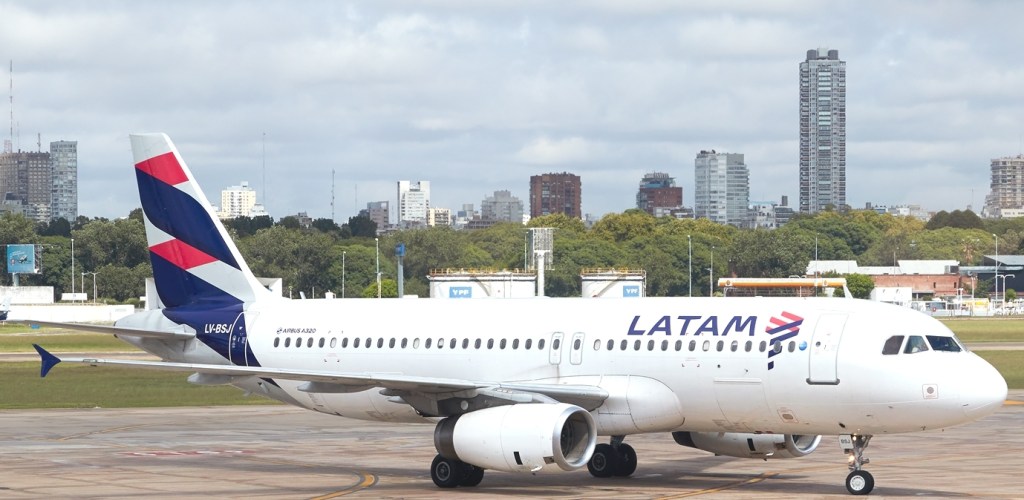
AW-Latam_A321_001

A group of workers who were fired from the Latam Airlines Argentina airline takes an access line from the Ricchieri highway 300 meters from the entrance to the Ezeiza International Airport, so the measure prevents passengers from entering and leaving the air terminal in cars and public transport. For this reason, those who have tickets to take off this morning decide to get out of the vehicles and walk down the highway with their luggage. The measure had been anticipated through a press release from the workers.

Martín, one of the delegates leading the call, assured that until now they have not been received by company executives or by representatives of the national government. Workers from the Argentine airline Latam airlines, Securitas and GPS participate in the claim of this Monday 12/14 from 08:00 am. «We are accompanying the workers because their claim is not being answered. They have been complaining about the layoffs for months, we are on Christmas Eve and the families are distressed to remain on the street», said the legislator of Buenos Aires, Alejandrina Barry, who participates in the protest.

The aeronautical sector was one of the most affected by the economic crisis caused by the Coronavirus pandemic. Flights were suspended and Argentina was one of the last countries to allow air traffic. Even today, very few daily operations are performed compared to the old normal. Due to the effects of quarantines around the world and due to typical economic conditions in Argentina, Latam Airlines Argentina announced the closure of its local subsidiary. «The company wants to reduce the size of the staff despite the fact that we work during the pandemic. The SASA company, which belongs to Securitas, in this case subcontracted to Latam, wants to reduce the staff. So it takes advantage of the pandemic scenario to sweep us all away. That’s the truth», said Javier, a Securitas employee participating in the rally.

The Latam Airlines Argentina company continues to operate and profit in the Argentine skies while thousands of workers have continued to fight for eight months and who still have no answer for their employment continuity from the company or the Government. «The government and the ministries are responsible for responding to our claims», ​​they say in a statement.


PUBLISHER: Airgways.com
DBk: Latam.com / @AutoconLATAM / Airgways.com
AW-POST: 202012140943AR

A\W   A I R G W A Y S ®