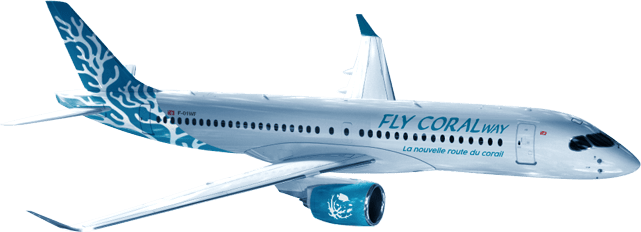
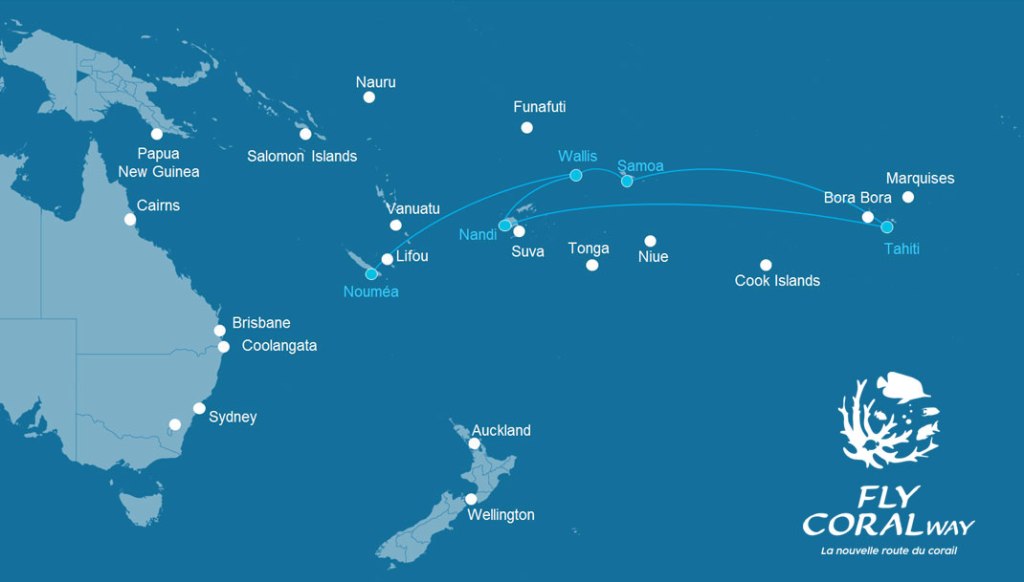
Fly Coralway, la nueva aerolínea de la Polonesia Francesa, ha recibido su Licencia de Vuelos Aéreo provisto por el organismo regilador del país. La nueva startup de las islas del Pacífico planea conexiones entre las Islas del Mar del Sur. El centro de la aerolínea estará en el Aeropuerto Hihifo en la Isla de Wallis/Uvea, extendiendo varios servicios a la semana entre las islas de Tahití, Wallis y Futuna, Samoa, Fiji y Nueva Caledonia.
El archipiélago más pequeño, que consta de alrededor de 100 islas, requerirá aeronaves regionales, anunciando operaciones con sólamente dos aviones. La nueva aerolínea está estudiando la incorporación de un Airbus A220-200 y un Embraer E190-E2 que serán configurados en dos clases Business y Turista. El Airbus A220-100 tiene aproximadamente 100 a 120 pasajeros en esta configuración. Los Embraers tendrán una capacidad similar. En Business Class, habrá alrededor de 9 a 16 asientos, que cumplirán con la configuración estándar de 38 pulgadas. La Economy Class se basará en el procedimiento de pago por uso, como describe la aerolínea en su sitio web. Por lo tanto, se aplicarán los suplementos correspondientes para la reserva de asientos y el equipaje. Por supuesto, también habrá una gama de aperitivos y bebidas, así como una selección libre de impuestos a bordo para satisfacer las necesidades de los clientes.
El Aeropuerto Hihifo también tendrá acceso a la Sala VIP, y los pasajeros de clase ejecutiva pueden disfrutar de una comida, que incluye bebidas, un iPad con películas, música y juegos, mantas y almohadas, así como una bebida de bienvenida.
Fly Coralway ha recibido su Licencia de Vuelo par ael próximo paso conseguir el Certificado de Operador Aéreo (AOC) así como los derechos de rutas. La nueva aerolínea estima el comienzo de sus hacia mediados de 2021. Las nuevas perspectivas para el archipiélago de la Polinesia Francesa abre grandes expectativas después de un panorama sombrío que continúa cerniéndose sobre el planeta, pero continúa recobrando nuevos bríos con las esperanzas de buscar las mejores conexiones para una región donde el transporte aéreo es de prioridad absoluta en la inmensidad de la Oceanía.
Startup Fly Coralway
Fly Coralway is born in French Polynesia
Fly Coralway, the new airline in French Polonesia, has received its Air Flight License provided by the country’s regulatory body. The new Pacific Islands startup plans connections between the South Sea Islands. The airline’s hub will be at Hihifo Airport on the Island of Wallis/Uvea, extending several services a week between the islands of Tahiti, Wallis and Futuna, Samoa, Fiji and New Caledonia.
The smaller archipelago, consisting of around 100 islands, will require regional aircraft, announcing operations with only two aircraft. The new airline is studying the incorporation of an Airbus A220-200 and an Embraer E190-E2 that will be configured in two Business and Economy classes. The Airbus A220-100 has approximately 100 to 120 passengers in this configuration. The Embraers will have a similar capacity. In Business Class, there will be around 9 to 16 seats, which will meet the standard 38-inch configuration. Economy Class will be based on the pay-as-you-go procedure, as described by the airline on its website. Therefore, the corresponding supplements will be applied for the reservation of seats and luggage. Of course, there will also be a range of snacks and drinks, as well as a duty-free selection on board to suit the needs of the customers.
Hihifo Airport will also have access to the VIP Lounge, and business class passengers can enjoy a meal, which includes drinks, an iPad with movies, music and games, blankets and pillows, as well as a welcome drink.
Fly Coralway has received its Flight License for the next step to obtain the Air Operator Certificate (AOC) as well as the route rights. The new airline estimates the start of its operations around mid-2021. The new prospects for the French Polynesian archipelago open great expectations after a gloomy outlook that continues to loom over the planet, but continues to regain new energy with the hopes of looking for the best connections for a region where air transport is of absolute priority in the vastness of Oceania.
Aéreas listas para transportar las vacunas contra el Covid-19
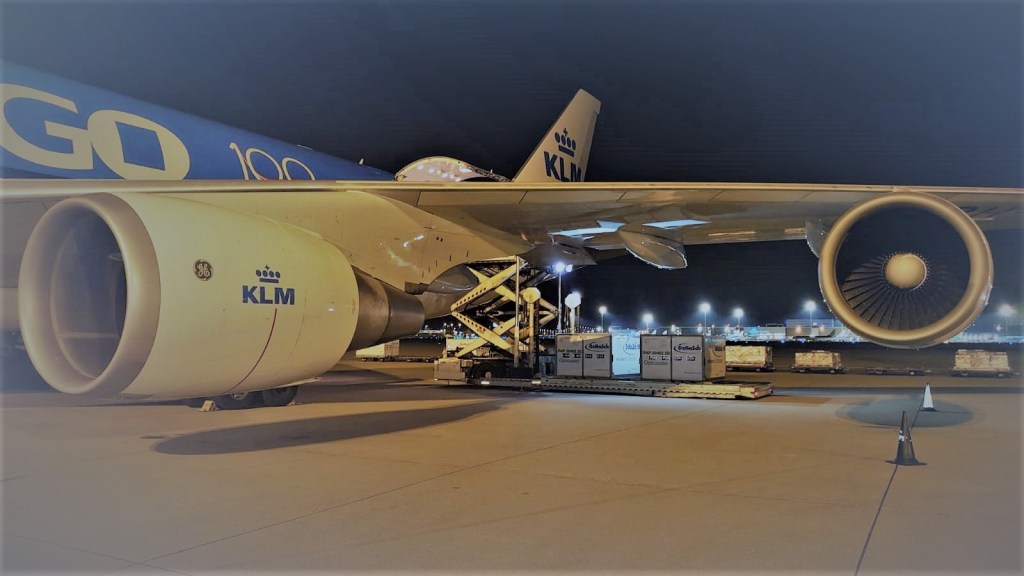
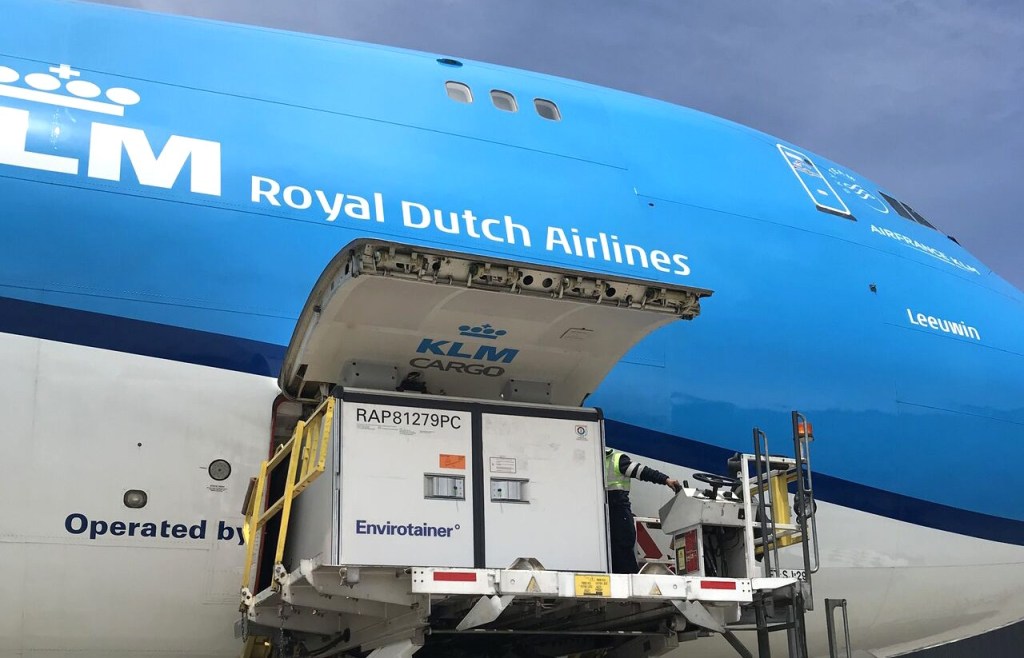
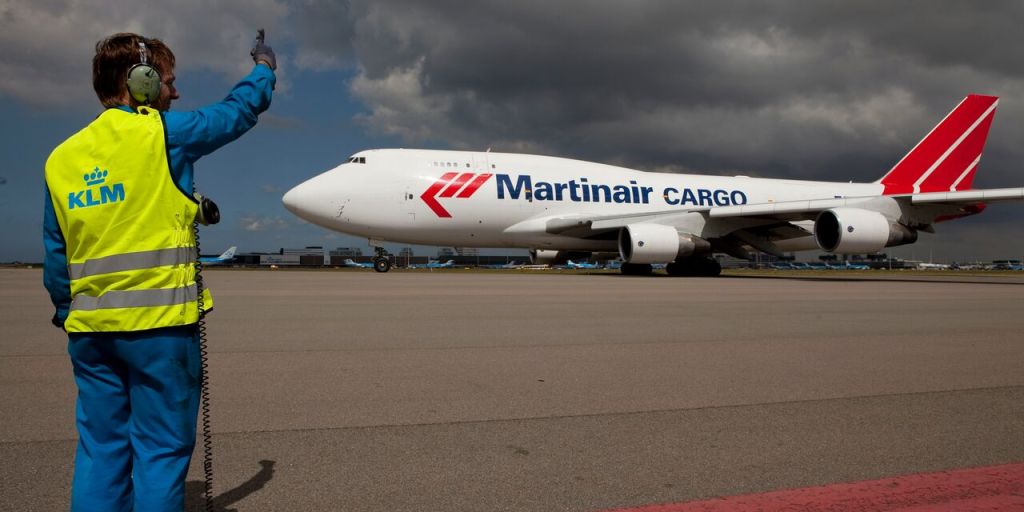
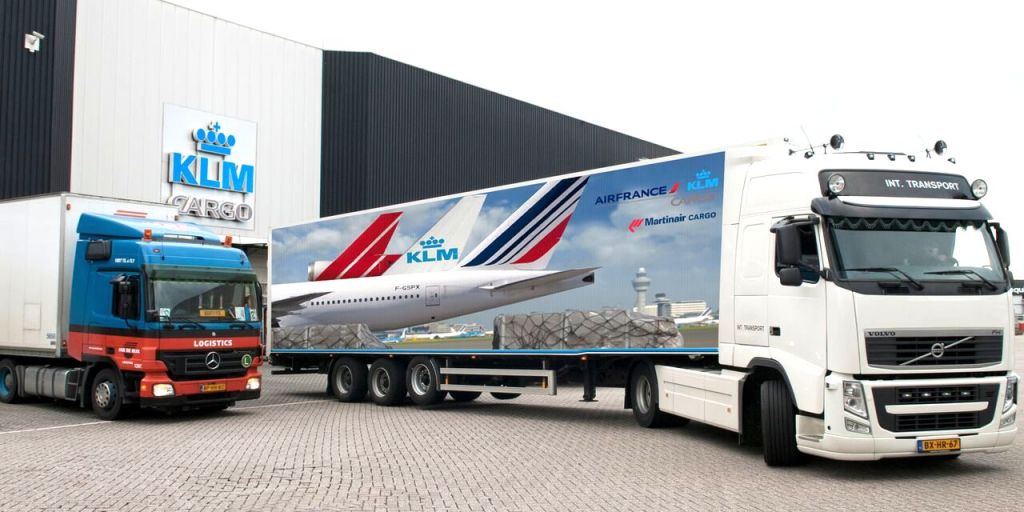
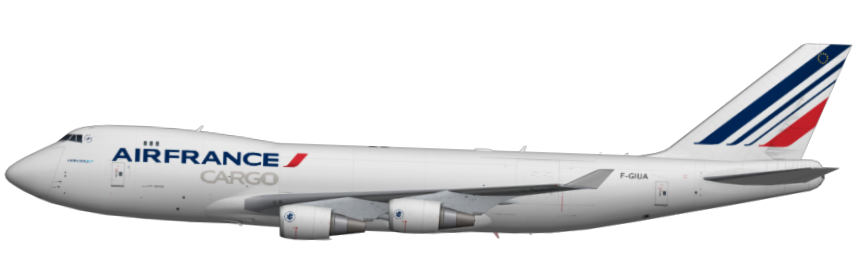
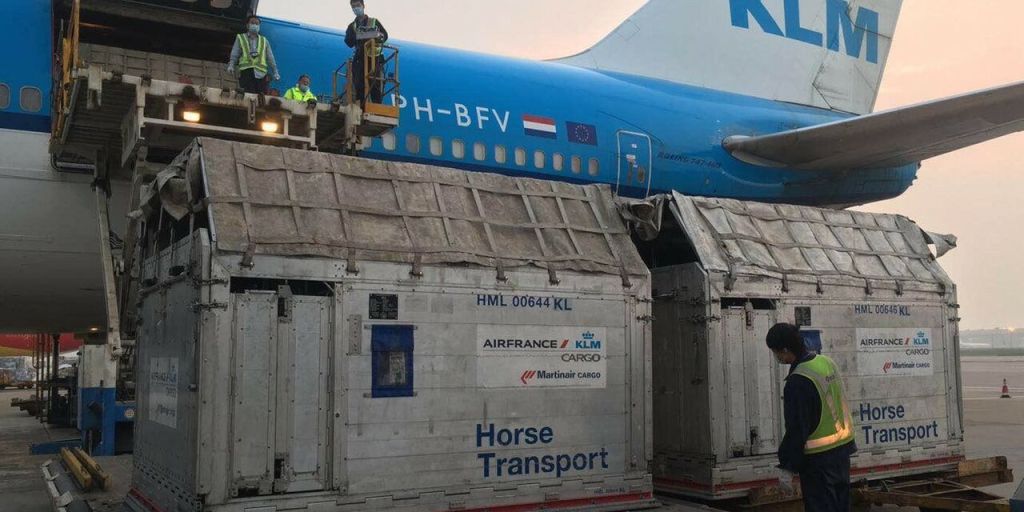
Los primeros envíos de vacunas Covid-19 por vía aérea están comenzando a ponerse en marcha en todo el mundo. A principios de Noviembre 2020, KLM Cargo realizó con éxito un envío de prueba de 6 mil dosis de vacunas contra Covid-19 de China a Chile. Desde el inicio de la crisis de Covid-19, Air France, KLM Airlines, Martinair Cargo, la división de Cargo de Air France KLM está comprometida en mantener su red global de carga aérea, contribuyendo a la continuidad de cadenas de abastecimiento vitales. Esto ha sido siempre esencial, pero lo es aún más desde la pandemia por Covid-19, para garantizar que tanto los centros de salud como los ciudadanos tengan acceso a medicamentos, equipos médicos, equipos de protección personal y otros productos esenciales. En los últimos meses, Air France KLM Martinair Cargo realizó aproximadamente 6.000 vuelos exclusivamente cargueros y, actualmente, vuela a más de 100 destinos cargueros de larga distancia, incluyendo Buenos Aires.
Desafíos gigantes
Uno de los próximos desafíos logísticos será la distribución mundial de las vacunas contra el Covid-19. Hace pocos días, el gigante farmacéutico estadounidense Pfizer, junto con su socio alemán BioNTech, anunció resultados exitosos en el primer análisis preliminar del ensayo de fase III de su vacuna candidata contra el Covid-19. En términos de volumen, la distribución de las vacunas será una operación logística sin precedentes. Las expectativas iniciales son que será necesaria la distribución de unos 15 mil millones de vacunas en todo el mundo. Muchas de estas vacunas, además, deberán ser transportadas a muy bajas temperaturas. La vacuna de Pfizer debe mantenerse congelada (a -70ºC). Otras deberán distribuirse a una temperatura constante de entre +2ºC y +8ºC. Esto significa que las soluciones logísticas serán fundamentales para mantener la calidad de la vacuna a lo largo de toda cadena de distribución.
El Vicepresidente Senior de Ventas y Distribución de Air France KLM Martinair Cargo, Gert Jan Roelands, afirmó: «Air France KLM Martinair Cargo tiene años de experiencia en el transporte de productos farmacéuticos a temperatura controlada y fue el primer grupo aéreo en obtener la certificación CEIV Pharma de IATA (Center of Excellence for Independent Validators in Pharmaceutical Logistics). La distribución de las vacunas contra el Covid-19 plantea desafíos específicos en términos de volumen, requisitos de transporte y seguridad. Con el fin de estar totalmente preparados para esto, creamos un grupo de trabajo llamado “Vacuna Covid-19”, hace cuatro meses. Este grupo de trabajo reúne a representantes de todos los departamentos involucrados de Air France KLM Martinair Cargo. Nuestros equipos han estado trabajando en un extenso plan de acción. Por ejemplo, hace unos meses, en nuestro centro de operaciones de Pharma en Ámsterdam Schiphol, inauguramos una instalación de almacenamiento climatizado de 1.118 m3, y estamos construyendo una cámara frigorífica adicional de 2.061 m3. En nuestro centro de operaciones de Pharma en París-Charles de Gaulle, estamos terminando una nueva zona de almacenamiento con control climático. También introdujimos soluciones híbridas y pasivas avanzadas que se utilizarán para transportar las vacunas, además de la gama completa de contenedores activos existentes. Junto con muchas otras iniciativas, también se han puesto en práctica un monitoreo adicional y una gestión de intervención».
El Vicepresidente Ejecutivo de Air France-KLM Cargo, Adriaan den Heijer, agregó: «Creemos que la cooperación y la creación de comunidades en torno a la próxima distribución mundial de las vacunas son fundamentales. Nos asociamos con muchos actores de la cadena logística, incluidos transportistas, empresas de transporte terrestre, proveedores de contenedores, aeropuertos, socios de carga/logística, empresas farmacéuticas e institutos y autoridades relacionados con el cuidado de la salud. Estamos convencidos de que una fuerte cooperación entre los socios será esencial para ejecutar con éxito este desafío logístico».
Junto con Air Cargo Netherlands (ACN), el Aeropuerto de Ámsterdam/Schiphol y Aéroports de Paris, dos hubs claves en la industria farmacéutica europea, Air France KLM Martinair Cargo creó dos grupos de trabajo para preparar en profundidad a las comunidades de ambos aeropuertos para las próximas operaciones de transporte de vacunas.
En Argentina, el grupo Air France-KLM sigue reforzando su operación de vuelos de pasajeros y carga. A partir de Diciembre 2020, se estarán operando nueve vuelos semanales con espacio para carga: ocho vuelos que transportan pasajeros y carga, tres de Air France desde y hacia París, en Boeing 787-9, y cinco de KLM desde y hacia Ámsterdam, en Boeing 777-300, a los que se suma un vuelo semanal exclusivo de carga en Boeing 747.
AF-KLM-Martinair transport vaccines
Ready to transport vaccines against Covid-19
The first shipments of Covid-19 vaccines by air are beginning to go live around the world. In early November, KLM Cargo successfully conducted a test shipment of 6,000 doses of Covid-19 vaccines from China to Chile. Since the start of the Covid-19 crisis, Air France, KLM Airlines, Martinair Cargo, Air France KLM’s Cargo division, has been committed to maintaining its global air cargo network, contributing to the continuity of vital supply chains. This has always been essential, but it is even more so since the Covid-19 pandemic, to ensure that both health centers and citizens have access to medicines, medical equipment, personal protective equipment and other essential products. In the last few months, Air France KLM Martinair Cargo carried out approximately 6,000 exclusively cargo flights and currently flies to more than 100 long-haul cargo destinations, including Buenos Aires.
Giant challenges
One of the next logistical challenges will be the global distribution of Covid-19 vaccines. A few days ago, the American pharmaceutical giant Pfizer, together with its German partner BioNTech, announced successful results in the first preliminary analysis of the phase III trial of its candidate vaccine against Covid-19. In terms of volume, the distribution of the vaccines will be an unprecedented logistical operation. Initial expectations are that some 15 billion vaccines will need to be distributed worldwide. Many of these vaccines, moreover, must be transported at very low temperatures. The Pfizer vaccine must be kept frozen (-70ºC). Others must be distributed at a constant temperature between +2ºC and +8ºC. This means that logistical solutions will be essential to maintain the quality of the vaccine throughout the entire distribution chain.
Air France KLM Martinair Cargo Senior Vice President of Sales and Distribution, Gert Jan Roelands, stated: «Air France KLM Martinair Cargo has years of experience in the transport of pharmaceutical products at controlled temperature and was the first airline group to obtain CEIV certification. IATA (Center of Excellence for Independent Validators in Pharmaceutical Logistics) Pharma. The distribution of Covid-19 vaccines poses specific challenges in terms of volume, transport requirements and safety. In order to be fully prepared for this, we created a working group called «Covid-19 Vaccine», four months ago. This working group brings together representatives from all involved departments of Air France KLM Martinair Cargo. Our teams have been working on an extensive action plan. For example, A few months ago, at our Pharma operations center in Amsterdam Schiphol, we inaugurated a climati storage facility 1,118 m3, and we are building an additional 2,061 m3 cold room. At our Pharma hub in Paris-Charles de Gaulle, we are completing a new climate-controlled storage area. We also introduced advanced passive and hybrid solutions that will be used to transport vaccines, in addition to the full range of existing active containers. Along with many other initiatives, additional monitoring and intervention management has also been put in place».
Air France-KLM Cargo Executive Vice President Adriaan den Heijer added: «We believe that cooperation and community building around the upcoming global distribution of vaccines is critical. We partner with many stakeholders in the logistics chain, including carriers, trucking companies, container providers, airports, freight / logistics partners, pharmaceutical companies and institutes and authorities related to healthcare. We are convinced that strong cooperation between partners will be essential to successfully execute this logistical challenge».
Together with Air Cargo Netherlands (ACN), Amsterdam Airport/Schiphol and Aéroports de Paris, two key hubs in the European pharmaceutical industry, Air France KLM Martinair Cargo created two working groups to prepare in depth the communities of both airports to the next vaccine transport operations.
In Argentina, the Air France-KLM group continues to strengthen its passenger and cargo flight operations. As of December 2020, nine weekly flights with cargo space will be operated: eight flights carrying passengers and cargo, three by Air France to and from Paris, on Boeing 787-9, and five by KLM from and to Amsterdam, in Boeing 777-300, to which is added an exclusive weekly cargo flight on Boeing 747.
Fiscalía negocia evitar cargos por fraude criminal
Los fundadores de la aerolínea mexicana low cost Interjet están negociando un acuerdo con las autoridades fiscales en un esfuerzo por evitar posibles cargos de fraude criminal que podrían ser presentados tan pronto como el próximo mes, dijo un funcionario familiarizado con el asunto.
El Director Ejecutivo de Interjet, Miguel Aleman Magnani y el Presidente Miguel Aleman Velasco (padre), podrían enfrentar cargos de fraude, al igual que la propia empresa, dijo el funcionario fiscal, quien pidió no ser nombrado porque los casos fiscales están protegidos por las leyes de privacidad. Las negociaciones todavía pueden conducir a un acuerdo de las partes. Los posibles cargos contra la compañía y sus altos ejecutivos, que podrían presentarse a finales del año o principios del próximo año sin un acuerdo, se derivan de si la compañía recaudaba impuestos de clientes y empleados pero no no cumplía con los tributos el al Gobierno. Las supuestas deudas fiscales de Interjet han complicado un esfuerzo para obtener US$ 150 millones de Dólares prometidos por un grupo de inversores externos como salvavidas para el transportista, que está luchando con las secuelas de la pandemia de Coronavirus y los problemas financieros anteriores de arrastre. Los inversionistas aún no han aportado los fondos por temor a que el Gobierno se apoderara de parte del dinero para cubrir los impuestos no pagados.
Reclamaciones gubernamental
Los impuestos presuntamente impagados son parte de MX$ 6.2 mil millones de Pesos (US$310 millones de Dólares) en reclamos no tributados. La factura fiscal asciende a MX$ 2.900 millones de Pesos, incluyendo el impuesto sobre la renta retenido de los empleados y los impuestos sobre el valor agregado cobrados a los clientes, según un documento interno del Gobierno mexicano. Interjet debe otros MX$ 3.300 millones de Pesos en otros honorarios del Gobierno y costos de combustible de una empresa estatal, mientras que otros acreedores están buscando otros MX$ 7.500 millones de Pesos, según el documento.
Interjet dijo en respuesta a preguntas que las cifras eran incorrectas, pero se negó a proporcionar otras cantidades. La aerolínea no respondió a preguntas sobre las negociaciones fiscales. Si la compañía no tiene un plan para comenzar a cubrir sus deudas fiscales en las próximas semanas, los funcionarios de impuestos están dispuestos a presentar cargos criminales a principios del próximo año con el fin de cumplir con los estatutos de limitaciones, dijo la Fiscalía. El fiscal de México que atiende el caso tiene discreción sobre si presentar denuncias penales ante la oficina del fiscal general y buscando preservar un acuerdo incluso después de que se presenten los cargos. La aplicación penal de las leyes fiscales ha sido clave para una represión fiscal bajo el Presidente Andrés Manuel López Obrador.
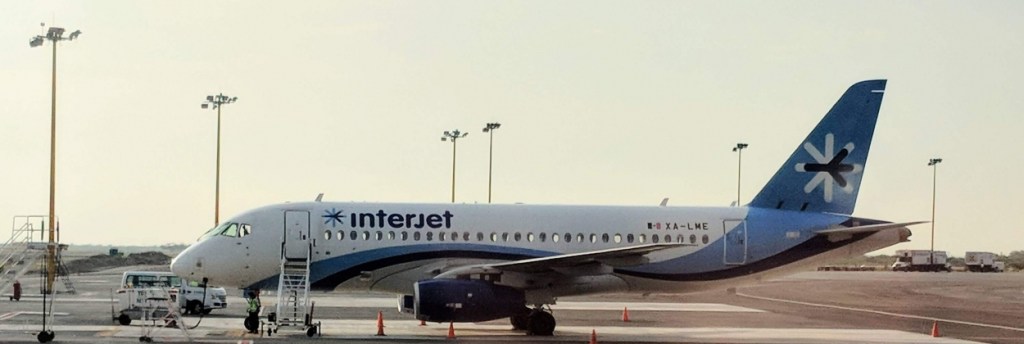
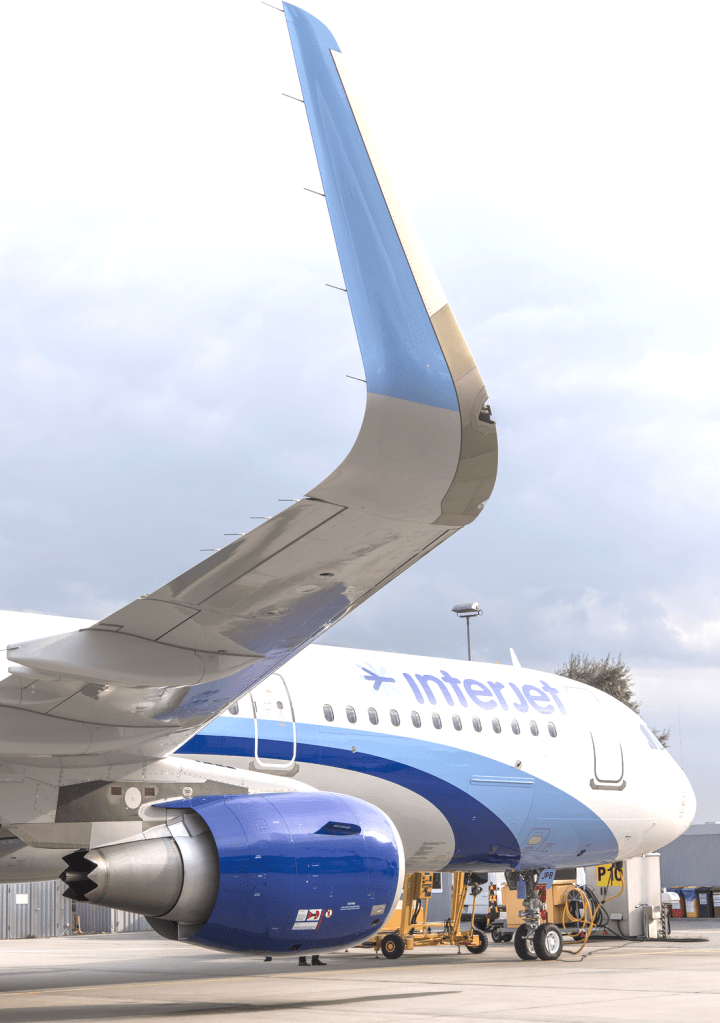
Los Aleman, que son descendientes de un presidente mexicano, han visto el colapso de Interjet ya que la mayoría de sus aviones Airbus A319/A320 fueron embargados por arrendadores a principios de este año. La flota actual de aeronaves se reduce a sólo cuatro Sukhoi SSJ-100 activos. Los empleados sindicalizados protestaron a principios de este mes después de que dijeron que no les pagaron. Bank of America Corp. embargó el jet privado Gulfstream de la familia este verano después de que se recobraron los pagos, según una persona familiarizada con el contrato de arrendamiento. Interjet declinó hacer comentarios por las protestas de los trabajadores y el embargo que pesa sobre el avión ejecutivo.
Interjet would face fraud charges
Prosecutor negotiates to avoid criminal fraud charges
The founders of Mexican low-cost airline Interjet are negotiating a settlement with tax authorities in an effort to avoid possible criminal fraud charges that could be filed as soon as next month, said an official familiar with the matter.
Interjet Executive Director Miguel Aleman Magnani and President Miguel Aleman Velasco (father) could face fraud charges, as could the company itself, said the tax official, who asked not to be named because tax cases are protected by the privacy laws. Negotiations can still lead to an agreement of the parties. Possible charges against the company and its top executives, which could be filed late in the year or early next year without a deal, stem from whether the company collected taxes from customers and employees but failed to comply with taxes on the government. Interjet’s alleged tax debts have complicated an effort to obtain US$ 150 million dollars promised by a group of outside investors as a lifeline for the carrier, which is struggling with the aftermath of the Coronavirus pandemic and previous financial carryover problems. Investors have not yet contributed the funds for fear that the government will seize some of the money to cover unpaid taxes.
Government claims
The allegedly unpaid taxes are part of MX$ 6.2 billion Pesos (US$ 310 million Dollars) in untaxed claims. The tax bill amounts to MX$ 2,900 million pesos, including income tax withheld from employees and value added taxes charged to customers, according to an internal document of the Mexican government. Interjet owes another MX$ 3.3 billion pesos in other government fees and fuel costs from a state company, while other creditors are seeking another MX$ 7.5 billion pesos, according to the document.
Interjet said in response to questions that the figures were incorrect, but declined to provide other amounts. The airline did not respond to questions about the tax negotiations. If the company does not have a plan to start covering its tax debts in the next few weeks, tax officials are willing to file criminal charges early next year in order to comply with the statutes of limitations, the prosecution said. The Mexican prosecutor handling the case has discretion over whether to file criminal complaints with the attorney general’s office and seeking to preserve an agreement even after the charges are filed. The criminal enforcement of tax laws has been key to a fiscal crackdown under President Andrés Manuel López Obrador.
The Germans, who are descendants of a Mexican president, have seen Interjet collapse as most of its Airbus A319/A320 jets were seized by lessors earlier this year. The current fleet of aircraft is reduced to just four active Sukhoi SSJ-100s. Unionized employees protested earlier this month after they said they were not paid. Bank of America Corp. seized the family’s Gulfstream private jet this summer after payments were recovered, according to a person familiar with the lease. Interjet declined to comment on worker protests and the embargo on the executive jet.
Las aprobaciones del organismo regulador de aviación estadounidense de la Federal Aviation Administration (FAA) ha puesto en directivas a las aerolíneas del mundo para reacondicionar sus aeronaves que han estado en tierra por alrededor de veinte meses después permanecer en tierra por cuestiones de errores de diseño.
La proximidad de la reapertura de los vuelos comerciales del Boeing 737 MAX a los cielos permitirá en un lapso de varias semanas/meses poner a disposición el entrenamiento de la tripulación, como así también reacondicionar las aeronaves con los nuevos programas actualizados.
Próximo desafío
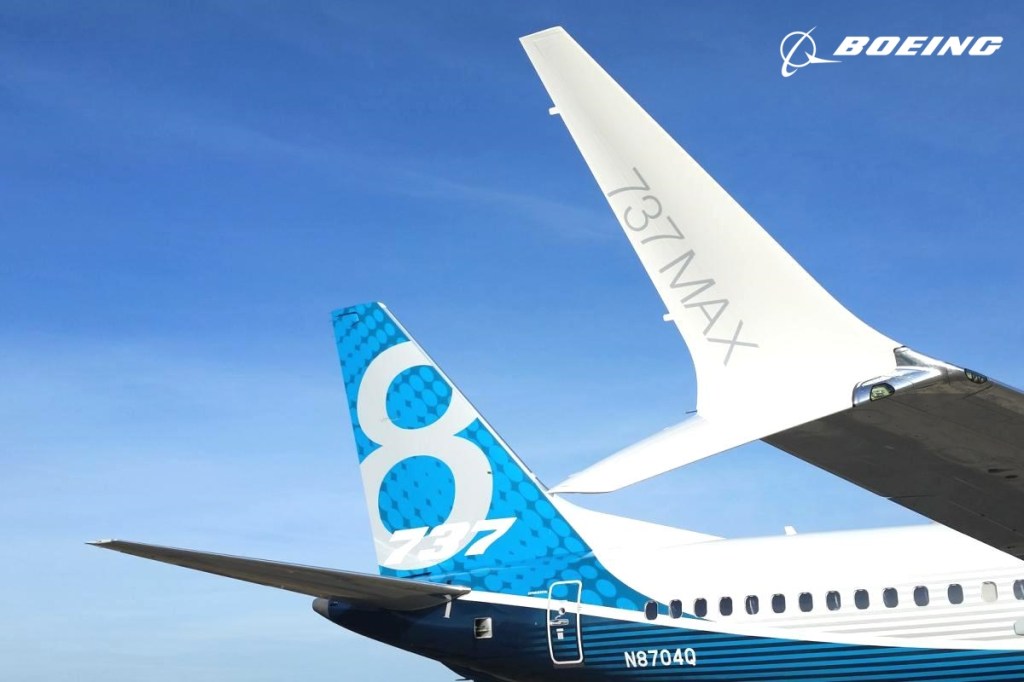
El próximo desafío que se ha estado desarrollando actualmente es el uso de la denominación Boeing 737 MAX. Algunas aerolíneas se han mostrado reacias a utilizar la marca MAX en la nomenclatura de la aeronave en sus publicaciones externas y la comercialización en sus sistemas de ventas, pues está relacionado al alto impacto que ha desarrollado la publicidad en los accidentes aéreos que involucraron al modelo de la compañía americana.
Caso TAM/Fokker 100
Un caso semejante ha ocurrido en Brasil tras varios incidentes y accidentes que involucraron a la línea Fokker 100 operadas por TAM Linhas Aéreas. La mala fama alcanzada por estas aeronaves en el país entre los períodos 1996-2018 hicieron que OceanAir y posteriormente en Avianca Brasil, denominasen al Fokker 100 o F100 con una membresía diferente de los fuselajes de las aeronaves. La denominación completa de la fábrica holandesa de Fokker N.V. para el tipo de aeronave fue Fokker 28 Mk-0100, de allí que OceanAir para adquirir las aeronaves residuales de TAM Linhas Aéreas, entre otras aerolíneas, hizo empleo de la denominación Mk-28 en los fuselajes de las aeronaves en lugar de utilizar el nombre Fokker 100. De todos modos, los aviones Fokker 100 alrededor del mundo han tenido un historial bastante aceptables, preferentemente en Estados Unidos, donde American Airlines había adquirido alrededor de 75 unidades con un muy buen índice de seguridad.
Denominar al 737 MAX
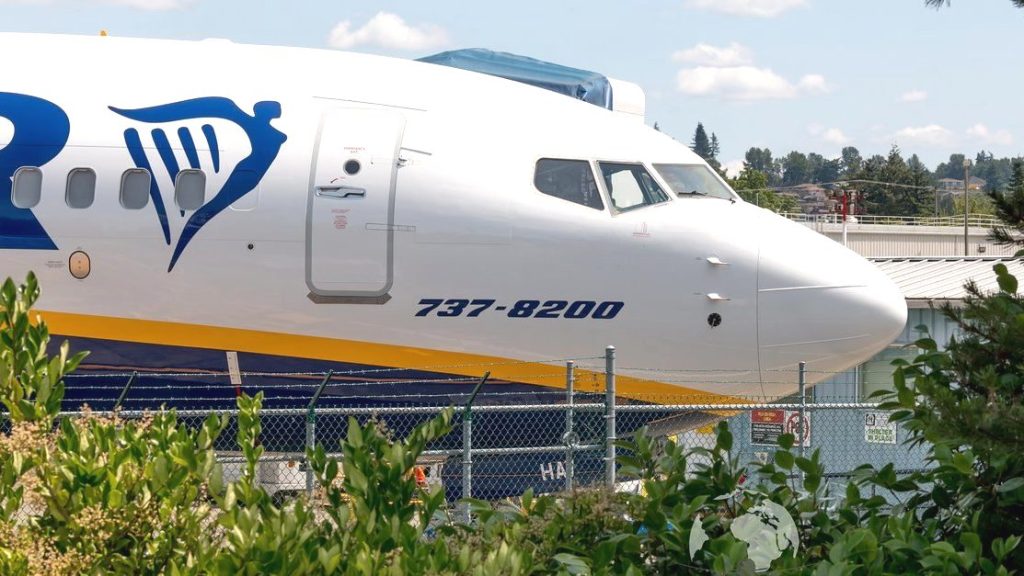
American Airlines, que tiene la intención de reanudar la operación con los Boeing 737 MAX hacia el 29/12 en el tramo Miami-Nueva York, ha comunicado que la nomenclatura MAX de la flota aparecerá en el sistema de compra de boletos, pero fue eliminada de las Tarjetas de Seguridad en los bolsillos de los asientos. La acción tiende a simplificar la producción de información empleando el mismo procedimiento se utiliza en otros modelos de aeronaves, estandarizando el modelo de Tarjeta de Seguridad para toda la línea 737. Air Poland hizo referencia a su flota de modelos en una declaración hecha en Agosto de 2020, por lo que empleará la denominación Boeing 737-8, suprimiendo la denominación MAX. Air Canada utilizará la nomenclatura Boeing 737-8 para referirse al MAX. Ryanair, la compañía de presupuesto líder de Europa emplearía la denominación 737-8200 para referirse al Boeing 737-8 MAX versión 200, una aeronave diseñada para alta densidad para transportar 200 pasajeros.
A pesar de la mala fama que ha desarrollado el Boeing 737 MAX, las aeronaves poseen la nomenclatura correcta para denominarlos: Boeing 737-7, Boeing 737-8, Boeing 737-8 200, Boeing 737-9 y Boeing 737-10. El nomenclador MAX hace una referencia más bien estética a la cuarta generación de la línea Boeing 737; el mismo ejemplo se traslada a las variantes del modelo Boeing 787 Dreamliner. Independientemente del uso apropiado del nomenclador para el Boeing 737 MAX, muchas aerolíneas continuarán depositando su confianza a pesar de las trágicas lecciones aprendidas en el avión más taquillero de todos los tiempos.
Airlines nomenclature 737 MAX
Stage for the 737 MAX tuning begins
Approvals from the US aviation regulatory body of the Federal Aviation Administration (FAA) have put the world’s airlines in directives to refit their aircraft that have been grounded for about twenty months after being grounded due to design errors.
The proximity of the reopening of the commercial flights of the Boeing 737 MAX to the skies will allow, in a period of several weeks/months, to make the training of the crew available, as well as to recondition the aircraft with the new updated programs.
Next challenge
The next challenge currently being developed is the use of the Boeing 737 MAX designation. Some airlines have been reluctant to use the MAX brand in the nomenclature of the aircraft in their external publications and the marketing in their sales systems, as it is related to the high impact that advertising has developed in the air accidents that involved the aircraft model. the American company.
TAM / Fokker 100 case
A similar case has occurred in Brazil after several incidents and accidents involving the Fokker 100 line operated by TAM Linhas Aéreas. The bad reputation achieved by these aircraft in the country between the 1996-2018 periods led OceanAir and later Avianca Brasil to name the Fokker 100 or F100 with a different membership than the aircraft fuselages. The full name of the Dutch factory Fokker N.V. For the type of aircraft it was Fokker 28 Mk-0100, hence OceanAir to acquire the residual aircraft from TAM Linhas Aéreas, among other airlines, used the name Mk-28 on the fuselages of the aircraft instead of using the name Fokker 100. However, Fokker 100 aircraft around the world have had a fairly acceptable track record, preferably in the United States, where American Airlines had acquired around 75 units with a very good safety rating.
Naming the 737 MAX
American Airlines, which intends to resume operation with the Boeing 737 MAX by 12/29 on the Miami-New York segment, has announced that the MAX nomenclature of the fleet will appear in the ticket purchase system, but it was eliminated of the Security Cards in the seat pockets. The action tends to simplify the production of information using the same procedure used in other aircraft models, standardizing the Security Card model for the entire 737 line. Air Poland referred to its fleet of models in a statement made in August, 2020, so it will use the name Boeing 737-8, deleting the name MAX. Air Canada will use the Boeing 737-8 nomenclature to refer to the MAX. Ryanair, Europe’s leading budget company, would use the name 737-8200 to refer to the Boeing 737-8 MAX version 200, an aircraft designed for high passenger density (200 pax).
Despite the bad reputation that the Boeing 737 MAX has developed, aircraft have the correct nomenclature to name them: Boeing 737-7, Boeing 737-8, Boeing 737-8 200, Boeing 737-9 and Boeing 737-10. The MAX nomenclator makes a rather aesthetic reference to the fourth generation of the Boeing 737 line; The same example carries over to the variants of the Boeing 787 Dreamliner model. Regardless of the proper use of the nomenclator for the Boeing 737 MAX, many airlines will continue to place their trust despite the tragic lessons learned from the highest grossing aircraft of all time.
Nueva regional inicia trámites ante la ANAC Brasil
Nella Linhas Aéreas, una nueva startup regional de bajo costo ha comenzado a tramitar el proceso administrativo correspondiente como operador aéreo ante la ANAC Brasil para iniciar vuelos dentro del país en los próximos meses. La nueva aerolínea Nella Linhas Aéreas presentó una solicitud ante la Agencia Nacional de Aviación Civil (ANAC) para iniciar operaciones regionales. La nueva empresa aérea regional ha anunciado el inicio operaciones aéreas hacia la primer mitad del 2021 para convertirse en un referente en la aviación regional brasileña.
Según la ANAC, la reunión forma parte del primero de una serie de pasos para obtener el Certificado de Operador Aéreo (AOC), documento que autoriza el inicio de las actividades de la empresa como transporte aéreo. El proceso puede durar varios meses, hasta que la compañía sea capaz de lanzar el primer vuelo, pero se espera que ocurra en el primer semestre de 2021.
Perspectivas Nella
Con el lema «No se trata sólo de volar», la nueva línea aérea pretende convertirse en una referencia en la aviación regional brasileña, satisfaciendo la demanda de las ciudades en el interior aún sin ayuda por el servicio aéreo, y ser reconocida por una gestión humanizada, enfocada en viajeros y empleados. El brasileño Maurício Souza, fundador de Nella Linhas Aéreas, explica que el nombre de la empresa fue un homenaje a su hija Antonella, menor de 1 año de edad, y que aplicará la jovialidad del nombre en los valores de la empresa.
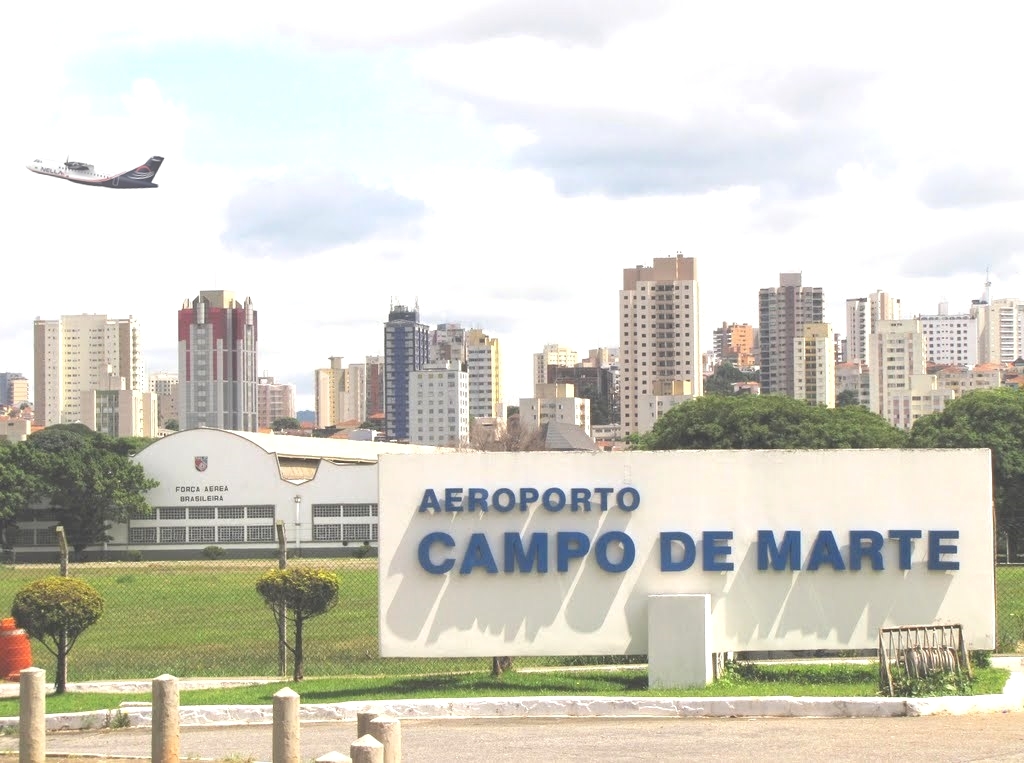
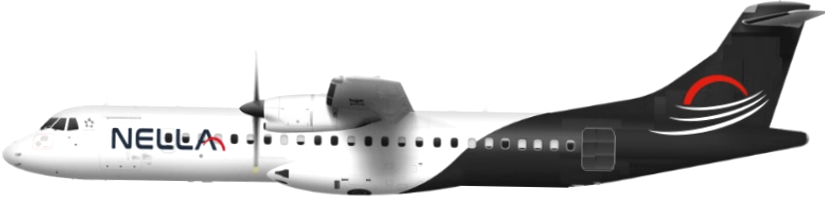
Nella Linhas Aéreas debería operar inicialmente en las regiones Norte, Noreste y Medio Oeste con aviones ATR 72-600, ampliamente utilizados para aterrizar y despegar en aeropuertos más pequeños. La aeronave tiene la capacidad de transportar hasta 72 pasajeros en vuelos regionales. Teniendo, en un primer momento, el centro de operaciones en el Aeropuerto Internacional de Brasilia y el Centro Administrativo en el Aeropuerto Sao Paulo/Campo de Marte, en Sao Paulo, la intención del CEO es ampliar los centros y flotas, incluyendo las unidades de carga.
Para el Ministro de Turismo, Marcelo Alvaro Antonio, este es el momento ideal para invertir en el mercado interno brasileño. «La reanudación de nuestra actividad se llevará a cabo a través del turismo nacional y tenemos que aprovechar esta tendencia para promocionar y valorar nuestros destinos. La llegada de nuevas aerolíneas regionales amplía la conectividad y hace que el turismo sea aún más accesible», expresó muy expectante por el desenvolvimiento sostenible de la aviación post-pandemia en Brasil.
Nella Linhas Aéreas requests AOC
New regional initiates proceedings before ANAC Brazil
Nella Linhas Aéreas, a new low-cost regional startup, has begun to process the corresponding administrative process as an air operator with ANAC Brazil to start flights within the country in the coming months. The new airline Nella Linhas Aéreas submitted a request to the National Civil Aviation Agency (ANAC) to start regional operations. The new regional airline has announced the start of air operations in the first half of 2021 to become a benchmark in Brazilian regional aviation.
According to ANAC, the meeting is part of the first in a series of steps to obtain the Air Operator Certificate (AOC), a document that authorizes the start of the company’s activities as air transport. The process can take several months, until the company is able to launch the first flight, but it is expected to occur in the first half of 2021.
Prospects Nella
With the motto «It’s not just about flying», the new airline aims to become a reference in Brazilian regional aviation, satisfying the demand of the cities in the interior even without help from the air service, and being recognized for its management humanized, focused on travelers and employees. Brazilian Maurício Souza, founder of Nella Linhas Aéreas, explains that the name of the company was a tribute to his daughter Antonella, under 1 year of age, and that he will apply the joviality of the name to the values of the company.
Nella Linhas Aéreas should initially operate in the North, Northeast and Midwest regions with ATR 72-600 aircraft, widely used for landing and taking off at smaller airports. The aircraft has the capacity to carry up to 72 passengers on regional flights. Having, initially, the operations center at the Brasilia International Airport and the Administrative Center at the Sao Paulo/Campo de Marte Airport, in Sao Paulo, the intention of the CEO is to expand the centers and fleets, including the units of load.
For the Minister of Tourism, Marcelo Alvaro Antonio, this is the ideal time to invest in the Brazilian domestic market. «The resumption of our activity will be carried out through national tourism and we have to take advantage of this trend to promote and value our destinations. The arrival of new regional airlines expands connectivity and makes tourism even more accessible», he expressed very expectant for the sustainable development of post-pandemic aviation in Brazil.
Nella Linhas Aéreas solicita AOC
Nova regional inicia processo perante a ANAC Brasil
A Nella Linhas Aéreas, uma nova startup regional de baixo custo, começou a processar o processo administrativo correspondente como operadora aérea com a ANAC Brasil para iniciar voos dentro do país nos próximos meses. A nova companhia aérea Nella Linhas Aéreas encaminhou pedido à Agência Nacional de Aviação Civil (ANAC) para o início das operações regionais. A nova companhia aérea regional anunciou o início das operações aéreas no primeiro semestre de 2021 para se tornar uma referência na aviação regional brasileira.
Segundo a ANAC, o encontro faz parte da primeira de uma série de etapas para a obtenção do Certificado de Operador Aéreo (AOC), documento que autoriza o início das atividades da empresa como transporte aéreo. O processo pode levar vários meses, até que a empresa consiga lançar o primeiro voo, mas a previsão é que ocorra no primeiro semestre de 2021.
Perspectivas Nella
Com o mote “Não se trata só de voar”, a nova companhia aérea pretende se tornar referência na aviação regional brasileira, atendendo a demanda das cidades do interior mesmo sem ajuda da Aeronáutica, e sendo reconhecida por sua gestão humanizada, focada em viajantes e funcionários. O brasileiro Maurício Souza, fundador da Nella Linhas Aéreas, explica que o nome da empresa foi uma homenagem a sua filha Antonella, menor de 1 ano, e que aplicará a jovialidade do nome aos valores da empresa.
A Nella Linhas Aéreas deve operar inicialmente nas regiões Norte, Nordeste e Centro-Oeste com aeronaves ATR 72-600, amplamente utilizadas para pousos e decolagens em aeroportos de menor porte. A aeronave tem capacidade para transportar até 72 passageiros em voos regionais. Tendo, inicialmente, o centro de operações no Aeroporto Internacional de Brasília e o Centro Administrativo no Aeroporto São Paulo/Campo de Marte, em São Paulo, a intenção do CEO é expandir os centros e frotas, inclusive as unidades de carga.
Para o ministro do Turismo, Marcelo Alvaro Antonio, este é o momento ideal para investir no mercado interno brasileiro. “O recomeço da nossa actividade será efectuado através do turismo nacional e temos que aproveitar esta tendência para promover e valorizar os nossos destinos. A chegada de novas companhias aéreas regionais amplia a conectividade e torna o turismo ainda mais acessível”, expressou-se muito expectante. o desenvolvimento sustentável da aviação pós-pandemia no Brasil.
AW | 2020 11 20 14:48 | AIRLINES / GOVERNMENT / AVIATION ORGANISMS
Desaparición de Peruvian Airlines espejo intereses espurios
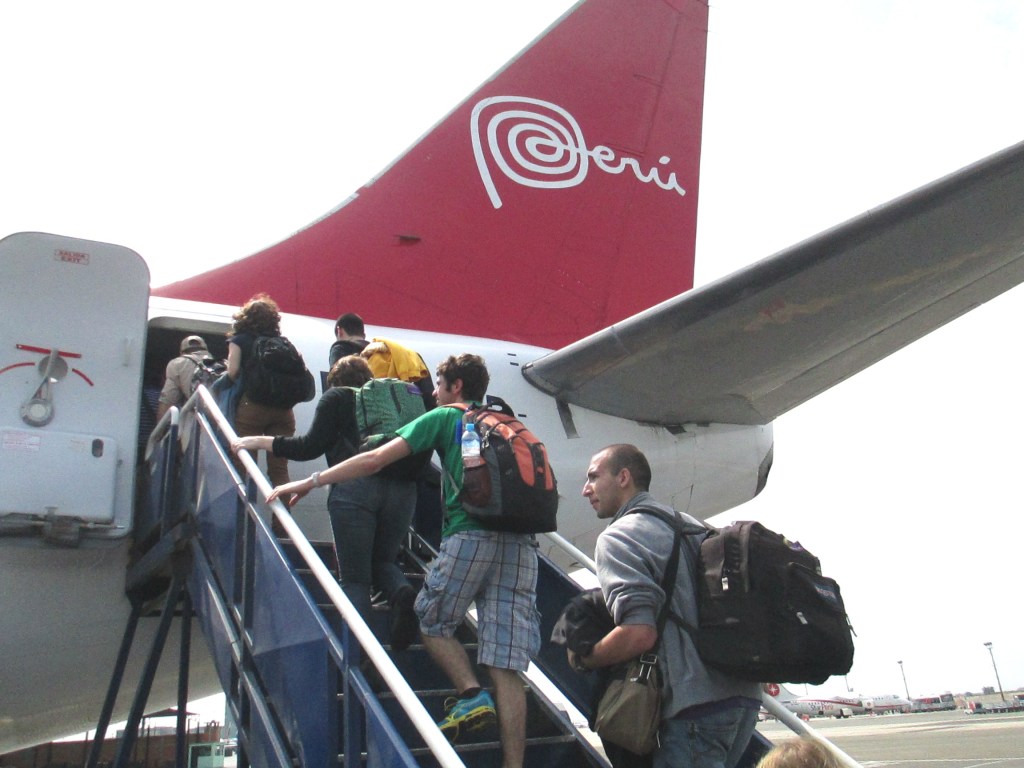
La historia de la desaparición de las líneas aéreas peruanas en los últimos veinte años ha estado precedida de campañas mediáticas de los grupos de comunicación que han tenido relación directa con intereses espurios entre el Gobierno y cierta animosidad por la ampliación de mercado en favor de una aerolínea que había desembarcado en Perú para negociar más del 70% del mercado aerocomercial doméstico.
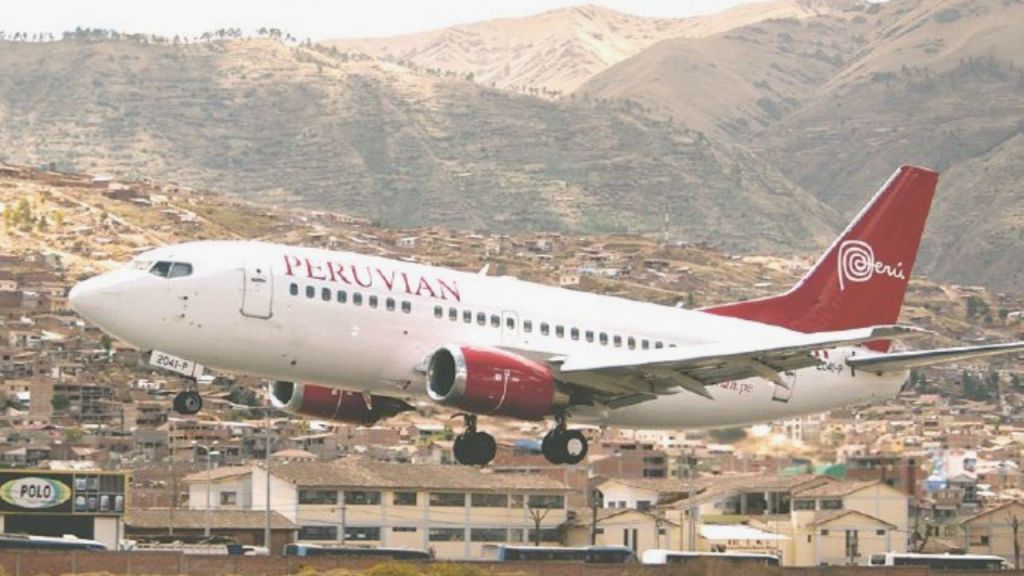
Peruvian Airlines fue fundada en Noviembre de 2007, recibiendo su Certificado de Operador Aéreo (AOC) de la Dirección General de Aviación Civil de Perú el 7 de Agosto de 2008. La aerolínea comenzó sus operaciones aerocomerciales el 29 de octubre de 2009 desde su hub en el Aeropuerto Internacional Lima/Jorge Chávez. La aerolínea ofrecía principalmente vuelos nacionales en el jugoso mercado doméstico. Peruvian Airlines había alcanzado una consolidación en el 2011. El 2 de Octubre de 2019, la aerolínea cesó todas las operaciones debido a problemas de liquidez, debido a que el Tribunal Fiscal de Aduanas de Perú se apoderó de las cuentas bancarias de la aerolínea después de que la aerolínea no completara los pagos de combustible.
Caso Peruvian
La Dirección General de Aeronáutica Civil (DGAC) de Perú en 2011 había firmado el Acuerdo Administrativo con Chile, entregándole el mercado norteamericano de Quintas Libertades a Latam Airlines Group sin reciprocidad, bajo un paraguas que se considera anticonstitucional y que hoy está en discusión en la Asociación de Empresas de Transporte Aéreo Internacional (AETAI) que ha presentado un informe contra la línea aérea de bandera, que el Presidente de Asociación Peruana de Empresas Aéreas (APEA) nunca había gestionado. La DGAC suspendió el Certificado de Explotador Aéreo a Peruvian Airlines con el Informe Nº 391-2011/MTC/12.04AIR del Ministerio de Transportes y Comunicaciones.
Tras cinco días de paralización, Peruvian Airlines se encontraba al borde de la quiebra y fue salvada a solicitud del Gobierno de la época por el Informe Legal del Presidente de la Comisión Consultiva de Derecho Aeronáutico del Colegio de Abogados de Lima, Julián Palacin Fernández, quien se pronunció a solicitud de la Vicepresidente de la República del Perú de la época, Marisol Espinoza Cruz del Gobierno de Ollanta Humala.
En los nueve años de trayectoria de la compañía Peruvian Airlines alcanzando un 20% del mercado aéreo, las consecuencias de haber crecido tuvieron repercusiones en el acuerdo Latam-Gobierno, cuando la aerolínea Peruvian continuaba reclamando a la DGAC del Ministerio de Transporte y Comunicación (MTC) las solicitudes de las rutas internacionales a Estados Unidos y otros países del mundo, sin obtener respuestas por parte del Estado peruano. En concreto, las rutas internacionales del Perú eran propiedad de Latam Airlines por los Acuerdos Administrativos con Chile, razón por la cual no fueron otorgadas las solicitudes de expansión internacional a Peruvian Airlines.
Actualmente, Peruvian Airlines ha radicado las denuncias en el Instituto Nacional de Defensa de la Competencia y de la Protección de la Propiedad Intelectual (Indecopi) y alrededor de 800 familias peruanas se quedaron sin sus puestos de trabajo y la bancada de Acción Popular al presentar el Proyecto histórico 6153-2020-CR, que crea la línea aérea de bandera de bajo costo del Perú denominada AlPerú, en el Dictamen final que se debatirá este Viernes 20 de Noviembre del 2020 en la Comisión de Transportes del Congreso de la República, exponiendo el siguiente Artículo 5 referente a la soberanía nacional.
Artículo 5
«El Estado peruano ejerce soberanía completa y exclusiva sobre el espacio aéreo que cubre su territorio y mar adyacente, hasta el límite de 200 (doscientas) millas, de conformidad con la Constitución Política del Perú; en consecuencia, los tratados aprobados por el Congreso de la República o celebrados por el Presidente de la República de conformidad al Art. 56 y 57 de la Constitución o las actas o memorandas provisionales entre autoridades de Aeronáutica Civil firmadas por la DGAC, de conformidad al Art. 82 de la Ley de Aeronáutica Civil del Perú, que para entrar en vigencia requieren de la ratificación del Ministro de Transportes y Comunicaciones y del cumplimiento de dichos artículos de la Constitución, deben intercambiar derechos aerocomerciales gobernados por el principio de la reciprocidad real y efectiva, con los países del mundo, de conformidad al Art. 98 de la Ley 27261».
A partir de la vigencia de esta Ley quedan sin efecto las Resoluciones Administrativas del Ministerio de Transportes y Comunicaciones (MTC) que ratificaron las Actas o Memorandos de Entendimiento (MoU) firmadas entre las autoridades de Aeronáutica Civil del Perú con Chile del 22 de Marzo del 2007 aprobada por Resolución Ministerial 147-2007-MTC 02 del 23 de Marzo del 2007 y del 7 de Abril del 2011 aprobada por Resolución Ministerial Nº 412-2011-MTC/02 en donde por acto administrativo se otorgaron sin reciprocidad real y efectiva segmentos de Quinta Libertad aérea a este país, asimismo, queda sin efecto el Acta o Memorandos de Entendimiento (MuO) firmado por el Director General de Aeronáutica Civil del Perú del 17 de Julio de 2019 con Colombia en donde se le entregan quintas libertades a este país, sin reciprocidad real y efectiva.
La desaparición de varias líneas aéreas peruanas, como Peruvian Airlines en los últimos veinte años en el país se originan debido al desarrollo en el mercado doméstico y necesitaban fomentar rutas internacionales para continuar su expansión y luego desaparecieron, por los intereses que habían detentado las aerolíneas transnacionales Avianca y Latam Airlines Group.
Ahora que el Proyecto de Ley Nº 6153-2020-CR del Congresista Luis Carlos Simeón Hurtado de Acción Popular, corrige esta afectación de la soberanía y entrega de nuestros cielos. Anteriormente, la gestión de ciertos poderes del Estado bajo la participación de los organismos CONFIEP, AETAI y la DGAC del MTC defenderían los intereses colombianos y chilenos en la explotación del espacio aéreo peruano, dándole la espalda a los intereses de la aviación del pueblo del Perú.
Peruvian tied to laziness Government
Disappearance of Peruvian Airlines mirror spurious interests
The history of the disappearance of Peruvian airlines in the last twenty years has been preceded by media campaigns by communication groups that have had a direct relationship with spurious interests between the Government and a certain animosity over the expansion of the market in favor of an airline that had landed in Peru to negotiate more than 70% of the domestic commercial aviation market.
Peruvian Airlines was founded in November 2007, receiving its Air Operator Certificate (AOC) from the General Directorate of Civil Aviation of Peru on August 7, 2008. The airline began its commercial air operations on October 29, 2009 from its hub in Lima/Jorge Chávez International Airport. The airline mainly offered domestic flights in the juicy domestic market. Peruvian Airlines had reached a consolidation in 2011. On October 2, 2019, the airline ceased all operations due to liquidity problems, due to the fact that the Peruvian Customs Tax Court seized the airline’s bank accounts after that the airline failed to complete fuel payments.
Peruvian case
The General Directorate of Civil Aeronautics (DGAC) of Peru in 2011 had signed the Administrative Agreement with Chile, handing over the North American market of Fifth Freedoms to Latam Airlines Group without reciprocity, under an umbrella that is considered unconstitutional and that today is under discussion in the Association of International Air Transport Companies (AETAI) that has presented a report against the flag carrier, which the President of the Peruvian Association of Air Companies (APEA) had never managed. The DGAC suspended the Air Operator Certificate to Peruvian Airlines with Report No. 391-2011/MTC/12.04AIR from the Ministry of Transportation and Communications.
After five days of standstill, Peruvian Airlines was on the verge of bankruptcy and was saved at the request of the Government of the time by the Legal Report of the President of the Advisory Commission on Aeronautical Law of the Lima Bar Association, Julián Palacin Fernández, who it was pronounced at the request of the Vice President of the Republic of Peru at the time, Marisol Espinoza Cruz of the Government of Ollanta Humala.
In the nine-year history of the Peruvian Airlines company, reaching 20% of the air market, the consequences of having grown had repercussions on the Latam-Government agreement, when the Peruvian airline continued to claim the DGAC of the Ministry of Transport and Communication (MTC) requests for international routes to the United States and other countries in the world, without obtaining responses from the Peruvian State. Specifically, the international routes of Peru were owned by Latam Airlines by the Administrative Agreements with Chile, which is why the international expansion requests were not granted to Peruvian Airlines.
Currently, Peruvian Airlines has filed complaints with the National Institute for the Defense of Competition and the Protection of Intellectual Property (Indecopi) and around 800 Peruvian families were left without their jobs and the Popular Action bench when presenting the Historical project 6153-2020-CR, which creates the low-cost Flag Airline of Peru called AlPerú, in the final Opinion that will be debated this Friday, November 20, 2020 in the Transportation Commission of the Congress of the Republic, exposing the next Article 5 regarding national sovereignty.
Article 5
«The Peruvian State exercises complete and exclusive sovereignty over the airspace that covers its territory and adjacent sea, up to the limit of 200 (two hundred) miles, in accordance with the Political Constitution of Peru; consequently, the treaties approved by the Congress of the Republic or celebrated by the President of the Republic in accordance with Art. 56 and 57 of the Constitution or the provisional acts or memoranda between Civil Aeronautics authorities signed by the DGAC, in accordance with Art. 82 of the Civil Aeronautics Law of the Peru, which to enter into force requires the ratification of the Minister of Transport and Communications and compliance with said articles of the Constitution, must exchange commercial air rights governed by the principle of real and effective reciprocity, with the countries of the world, in accordance to Art. 98 of Law 27261».
As of the effective date of this Law, the Administrative Resolutions of the Ministry of Transport and Communications (MTC) that ratified the Minutes or Memoranda of Understanding (MoU) signed between the Civil Aeronautics authorities of Peru with Chile on March 22, 2007 approved by Ministerial Resolution 147-2007-MTC 02 of March 23, 2007 and of April 7, 2011 approved by Ministerial Resolution No. 412-2011-MTC/02 where by administrative act they were granted without real and effective reciprocity segments of Fifth Freedom aerial to this country, likewise, the act or memorandum of understanding signed by the Director General of Civil Aeronautics of Peru on July 17, 2019 with Colombia, where Fifth Freedoms are delivered to this country, without real reciprocity and effective.
The disappearance of several Peruvian airlines, such as Peruvian Airlines in the last twenty years in the country originated due to the development in the domestic market and they needed to promote international routes to continue their expansion and then they disappeared, due to the interests that the transnational airlines had held. Avianca and Latam Airlines Group.
Now that Bill No. 6153-2020-CR of Congressman Luis Carlos Simeón Hurtado of Popular Action, corrects this affectation of the sovereignty and delivery of our skies. Previously, the management of certain powers of the State under the participation of the bodies CONFIEP, AETAI and the DGAC of the MTC would defend the Colombian and Chilean interests in the exploitation of the Peruvian airspace, turning their back on the interests of the aviation of the Peruvian people.
JetSmart busca mayor posicionamiento mercado Latinoamérica
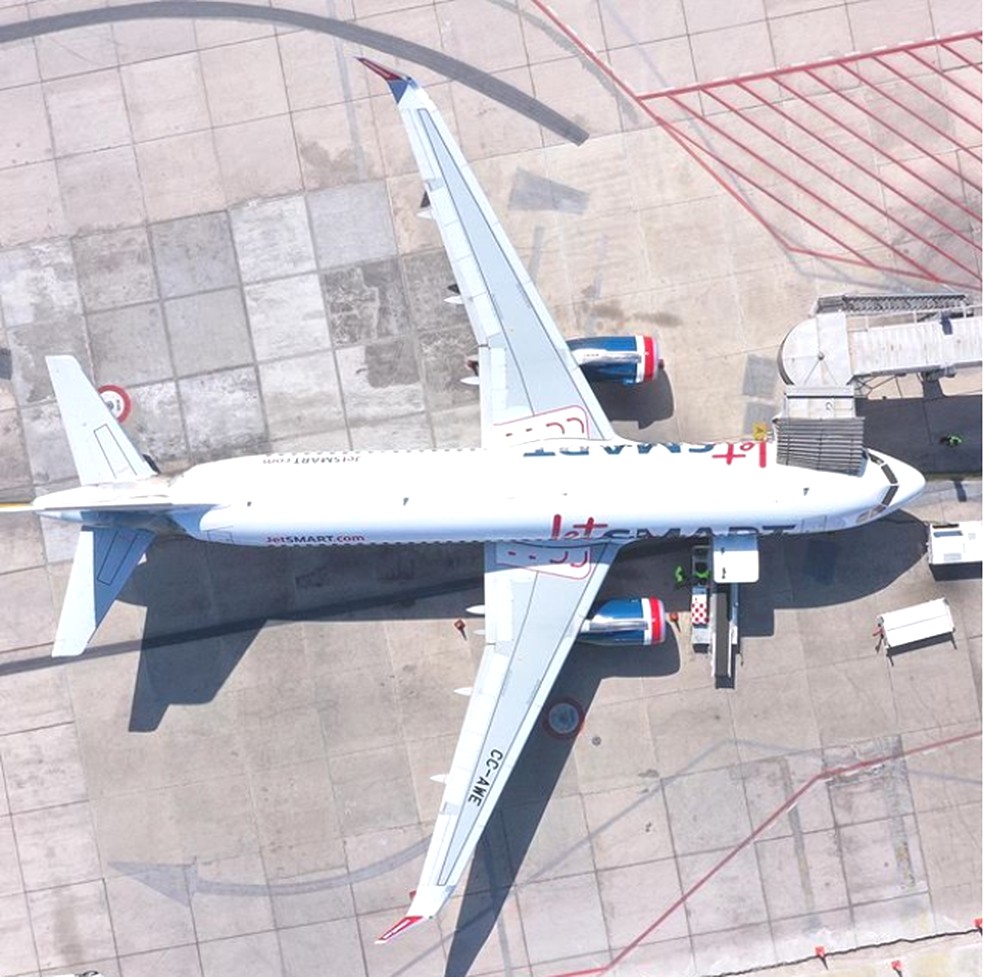
La aerolínea low cost JetSmart Airlines ha anunciado que continúa con las proyecciones de expansión de sus rutas para incrementar sus operaciones entre Chile y Colombia de cara a las renovadas esperanzas en los mercado de Colombia y Chile. Hacia el 2021 desembarcará en Perú, como así también perseguirá otros mercado en la región latinoamericana.
JetSmart es una aerolínea que inició operaciones en la República de Chile en 2017 bajo Indigo Partners LLC con el objetivo de expandirse a más países de América Latina bajo el modelo ultra low cost. Arribaron a Argentina en 2019 bajo el programa de la Revolución de los Aviones, y en 2021 entrarán en el mercado de Perú y hacia el 2022, buscan concretar el plan de posicionamiento de la marca en Colombia.
JetSmart Airlines Chile ha anunciado las perspectivas de triplicar sus operaciones hacia Diciembre 2020 entre Chile y Colombia con rutas desde Santiago y Antofagasta hacia los destinos colombianos, así lo expresó Eduardo Ortiz, CEO de la aerolínea.
Perspectivas JetSmart
JetSmart es una empresa miembro de un portafolio de inversiones norteamericano de Indigo Partners, que posee veinte años invirtiendo en aerolíneas de bajo costo en todo el mundo. En 2015 empezó el proyecto de establecer una aerolínea low cost en toda Sudamérica, ya que en Europa 60% del tráfico aéreo es bajo este modelo, pero la aviación en la región ha crecido bajo el modelo tradicional. El proyecto de JetSmart arranca en Chile en 2017, en 2019 abrimos JetSmart Argentina y en 2021 abriremos en Perú.
El proyecto JetSmart es bastante ambicioso y busca cubrir toda Latinoamérica. Indigo Partners lideró la compra de aviones más grande de la historia en 2017, cuando anunció un acuerdo de adquisición de 430 aeronaves Airbus A320. Las operaciones en Colombia tienen el objetivo es siempre vender 35% más barato que una aerolínea tradicional. En Perú esperan tener la certificación a final del primer trimestre de 2021 e iniciar las operaciones a partir del 2Q2021. «JetSmart puede tener operación en Colombia en el mediano plazo, estamos desarrollando la presencia de marca con más vuelos desde Chile y prontamente desde Perú. Queremos posicionar la marca para eventualmente tener un JetSmart Colombia en 2022 o cerca de esas fechas», expresó el CEO Estuardo Ortíz.
Las crisis también ha traído oportunidades para JetSmart que continúa muy bien posicionada en su estructura de costos, plan de flota y capitalización. «Originalmente hubiéramos desarrollado más nuestra operación en Chile o Argentina antes de abrir Perú o Colombia, pero lo que está pasando es que el mercado doméstico en la región está recuperándose más rápido que el internacional. Para aprovechar eso hay que tener una operación propia, por tanto, cambiar la hoja de ruta, para expandir nuestra operación en distintos países va a ser más importante que antes», detalla el CEO de JetSmart Airlines.
JetSmart post-pandemic expansion
JetSmart seeks greater market positioning in Latinoamerican
The low cost airline JetSmart Airlines has announced that it continues with its route expansion projections to increase its operations between Chile and Colombia in the face of renewed hopes in the Colombian and Chilean markets. By 2021, it will land in Peru, as well as other markets in the Latin American region.
JetSmart is an airline that began operations in the Republic of Chile in 2017 under Indigo Partners LLC with the aim of expanding to more countries in Latin America under the ultra low cost model. They arrived in Argentina in 2019 under the Aircraft Revolution program, and in 2021 they will enter the Peruvian market and by 2022, they seek to specify the brand’s positioning plan in Colombia.
JetSmart Airlines Chile has announced the prospects of tripling its operations by December 2020 between Chile and Colombia with routes from Santiago and Antofagasta to Colombian destinations, as expressed by Estuardo Ortiz, CEO of the airline.
JetSmart perspectives
JetSmart is a member of a North American investment portfolio of Indigo Partners, which has twenty years of investing in low-cost airlines around the world. In 2015, the project to establish a low cost airline began in all of South America, since in Europe 60% of air traffic is under this model, but aviation in the region has grown under the traditional model. The JetSmart project starts in Chile in 2017, in 2019 we open JetSmart Argentina and in 2021 we will open in Peru.
The JetSmart project is quite ambitious and seeks to cover all of Latin America. Indigo Partners led the largest aircraft purchase in history in 2017, when it announced a purchase agreement for 430 Airbus A320 aircraft. The operations in Colombia have the objective of always selling 35% cheaper than a traditional airline. In Peru, they expect to be certified by the end of the first quarter of 2021 and start operations from 2Q2021. «JetSmart may have operations in Colombia in the medium term, we are developing a brand presence with more flights from Chile and soon from Peru. We want to position the brand to eventually have a JetSmart Colombia in 2022 or close to those dates», said the CEO. Eduardo Ortíz.
The crises have also brought opportunities for JetSmart, which continues to be very well positioned in its cost structure, fleet plan and capitalization. «Originally we would have developed our operation in Chile or Argentina more before opening Peru or Colombia, but what is happening is that the domestic market in the region is recovering faster than the international one. To take advantage of that, you have to have your own operation, for Therefore, changing the roadmap to expand our operations in different countries will be more important than before», explains the CEO of JetSmart Airlines.
Exhorta a reducir deuda en lugar de adquirir Air Europa
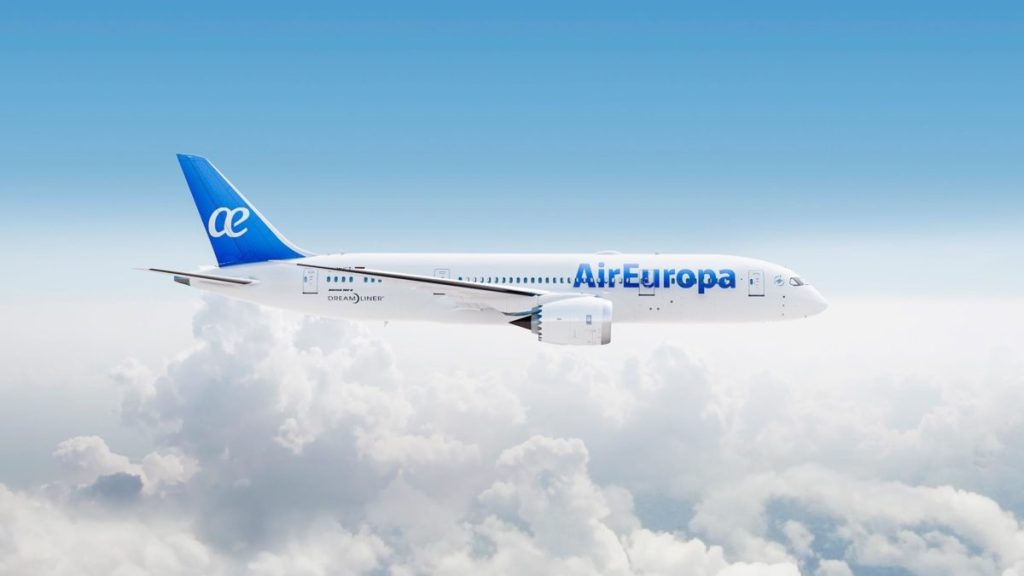
El aviso del Credit Suisse hacia el IAG Group de reducción de deuda contraída ha sido anunciado como recomendaciones antes que gastar € 500 millones de Euros en la futura adquisición de la española Air Europa. “El acuerdo con Air Europa sigue vigente, pero cada vez es más difícil de justificar” explican el equipo de analistas de la entidad bancaria suiza liderado por Neil Glynn.
La compra de Air Europa por parte de IAG Group, continúa meses enquistada por la crisis de los vuelos producto de la actual pandemia. El Presidente del grupo hispano-británico ha llegado a un acuerdo por la compra que puede ascender a los € 500 millones de Euros en acciones. En un momento crítico para las aerolíneas por el desplome de la demanda aérea hay quien piensa que toca olvidarse de salir a comprar y centrarse en salir reforzado en el mundo post-pandemia. Así lo entiende el Credit Suisse, que en su último informe defiende que IAG debería centrarse en reducir la deuda y olvidarse por el momento de la aerolínea del Grupo Globalia.
El informe de la entidad bancaria suiza por el que el interés que podía suscitar esta operación cada vez es menor refiere en que primero es que creen que deberían hacer un mayor esfuerzo en reducir su deuda. A pesar de que IAG Group está muy saneada en este aspecto en comparación con rivales como Lufthansa o Air France, que han tenido que ser rescatadas por € 9.000 y € 10.000 millones de Euros por sus gobiernos respectivos, entrar en una recuperación con las mejores cifras posibles será clave para capitalizar la recuperación. El segundo asunto es que la compra de Air Europa supondría un gran refuerzo para su tercer mercado, Latinoamérica, que creen que no toca priorizar. El enfoque de IAG debe estar en el mercado transatlántico con Estados Unidos, su principal negocio, especialmente en un momento de debilidad para la competencia. Además, cree que las ayudas del Gobierno español para impedir la caída de esta empresa hacen menos apetecible su compra. El Ejecutivo procedió el pasado 03/11 a aprobar el rescate por más de € 475 millones de Euros para la aerolínea. El problema que esto plantea es que, posiblemente, esto dé derecho a Estado para tener voz en el futuro de la compañía y, por tanto, tener derecho de autorizar recortes de empleo, transacciones estratégicas o puestos en la junta lo que puede complicar la gobernanza. En definitiva, creen que el acuerdo dotaría al grupo de un refuerzo de entre € 200 a 300 millones de Euros en su Ebitda en un mercado saludable. Estas cifras sólo representan entre el 6% y el 7% del mercado del grupo. A pesar de todo, un acuerdo por alrededor de € 500 millones supondría reducir un 50% la oferta inicial presentada a finales de 2019. En aquel entonces, antes de que la pandemia lo cambiará todo, el precio que se pactó entre ambas partes superaba los € 1.000 millones de Euros.
El Credit Suisse no recomiendan llevar a cabo esta operación, pero han valorado muy positivamente a IAG Group, a la que han subido el precio objetivo. El motivo es que “vemos en el grupo un potencial para la recuperación y una mejor competitividad a largo plazo cuando el aeropuerto Heathrow se vuelva a llenar. Debido a ello, tiene un gran potencial y es nuestra principal elección en el sector […] Esperamos que IAG lidere la industria a través de la reestructuración de sus costes”.
Credit Suisse recommendation to IAG Group
Calls to reduce debt instead of acquiring Air Europa
Credit Suisse‘s notice to the IAG Group to reduce the debt incurred has been announced as recommendations before spending € 500 million euros on the future acquisition of Spain’s Air Europa. «The agreement with Air Europa is still in force, but it is becoming increasingly difficult to justify», explain the team of analysts at the Swiss bank led by Neil Glynn.
The purchase of Air Europa by IAG Group, continues for months entrenched by the crisis of flights product of the current pandemic. The President of the Spanish-British group has reached an agreement for the purchase that can amount to € 500 million in shares. At a critical moment for airlines due to the collapse in air demand, there are those who think it is time to forget about shopping and focus on emerging stronger in the post-pandemic world. This is how Credit Suisse understands it, which in its latest report argues that IAG should focus on reducing debt and forget about the Globalia Group airline for the moment.
The report of the Swiss banking entity that the interest that this operation could arouse is less and less refers to the fact that first is that they believe that they should make a greater effort to reduce their debt. Despite the fact that IAG Group is very healthy in this regard compared to rivals such as Lufthansa or Air France, which have had to be rescued for € 9,000 and € 10,000 million by their respective governments, enter a recovery with the best figures possible will be key to capitalizing on the recovery. The second issue is that the purchase of Air Europa would be a great reinforcement for its third market, Latin America, which they believe is not necessary to prioritize. IAG’s focus should be on the transatlantic market with the United States, its main business, especially at a time of weakness for competition. In addition, he believes that the aid from the Spanish Government to prevent the fall of this company makes his purchase less attractive. The Executive proceeded last 11/03 to approve the rescue for more than € 475 million Euros for the airline. The problem that this raises is that, possibly, this gives the State the right to have a voice in the future of the company and, therefore, have the right to authorize job cuts, strategic transactions or positions on the board, which can complicate governance . In short, they believe that the agreement would provide the group with a reinforcement of between € 200 to 300 million euros in its Ebitda in a healthy market. These figures only represent between 6% and 7% of the group’s market. Despite everything, an agreement for around € 500 million would reduce the initial offer presented at the end of 2019 by 50%. At that time, before the pandemic changed everything, the price agreed between both parties exceeded the € 1,000 million Euros.
The Credit Suisse does not recommend carrying out this operation, but they have valued IAG Group very positively, to which they have raised the target price. The reason is that «we see in the group a potential for recovery and better competitiveness in the long term when Heathrow airport is refilled. «Because of this, it has great potential and is our top choice in the industry […] We expect IAG to lead the industry by restructuring its costs”.
Colombia asoma como mercado emergente de aviación comercial
El empresario de aviación mexicano William Shaw se encuentra en negociaciones para restablecer una nueva aerolínea en la República de Colombia en medio de aerolíneas que piden rescate y pronósticos que el mercado aéreo tardará varios años en volver a ser rentable. El empresario ha anunciado recientemente la solicitud ante la Aeronáutica Civil de Colombia para la formación de Ultra Air, una nueva aerolínea low cost que llegaría a revolucionar a la industria de los viajes.
El empresario es conocido en Colombia por haber fundado hace diez años atrás la línea aérea VivaAir Colombia y VivaAir Perú, antes de renunciar a su participación debido a la compra del 100 % de las acciones por parte del grupo Irelandia Aviation.
Startup Ultra Air
William Shaw ahora se centra posicionarse con la creación de Ultra Air donde adelanta los trámites para su arribo para establecer su AOC como compañía aérea. La Aeronáutica Civil de Colombia ha establecido una Audiencia Pública para formalizar los trámites correspondientes. “El 26 se hará audiencia pública. No podemos hablar nada hasta después de la audiencia. No quiero presionar a la Aeronáutica Civil, específicamente con lo polarizado que está el país”, señaló el empresario mexicano, quien hace cuatro años gestionó la venta de Viva Colombia, ahora VivaAir, al grupo de inversiones Irelandia Aviation, el mayor desarrollador de aerolíneas de bajo costo del mundo.
La nueva compañía Ultra Air estaría conformada por aeronaves de un solo pasillo (narrowbodies) del tipo Airbus A320 y Boeing 737, incursionando en el sector doméstico y regional. El mercado competitivo que se avisora en Colombia es muy fuerte, pues tanto Avianca Airlines, VivaAir, Latam Airlines Colombia y JetSmart Airlines Colombia buscarán aumentar su participación post-pandemia.
Ultra Air incursion in Colombia
Colombia looms as an emerging commercial aviation market
The Mexican aviation entrepreneur William Shaw is in negotiations to reestablish a new airline in the Republic of Colombia amid airlines that ask for rescue and forecasts that the air market will take several years to become profitable again. The businessman has recently announced the request before the Civil Aeronautics of Colombia for the formation of Ultra Air, a new low cost airline that would revolutionize the travel industry.
The businessman is known in Colombia for having founded the airline VivaAir Colombia and VivaAir Peru ten years ago, before renouncing his participation due to the purchase of 100% of the shares by the Irelandia Aviation group.
Startup Ultra Air
William Shaw now focuses on positioning himself with the creation of Ultra Air where he advances the procedures for his arrival to establish his AOC as an airline. The Civil Aeronautics of Colombia has established a Public Hearing to formalize the corresponding procedures. “On the 26th there will be a public hearing. We can’t talk until after the hearing. I don’t want to put pressure on Civil Aeronautics, specifically with how polarized the country is”, said the Mexican businessman, who four years ago managed the sale of Viva Colombia, now VivaAir, to the investment group Irelandia Aviation, the largest airline developer in low cost in the world.
The new Ultra Air company would be made up of single-aisle aircraft (narrowbodies) of the type Airbus A320 and Boeing 737, venturing into the domestic and regional sectors. The competitive market that is being announced in Colombia is very strong, since both Avianca Airlines, VivaAir, Latam Airlines Colombia and JetSmart Airlines Colombia will seek to increase their post-pandemic participation.
La compañía chartera Buzz vuelos chárter europea ha sido reformulada el 15 de Marzo de 2019 por Ryanair para operaciones en el Reino Unido. La aerolínea fue fundada en 1999 y comenzó a operar el 4 de Enero de 2000. Fue lanzado por KLM Airlines como una submarca de KLM uk para competir con otras aerolíneas de bajo costo como EasyJet, Go Fly y Ryanair al hacerse cargo de muchas de las rutas punto a punto de la antigua red AirUK/KLM UK.
El 31 de Enero de 2003, KLM anunció su intención de vender Buzz a Ryanair. Con el fin de capitalizar la adquisición y ahorrar costos, Ryanair reinició a Buzz como una filial de propiedad absoluta llamada Buzz Stansted, que retuvo los 10 aviones en el registro del Reino Unido. En Septiembre de 2004, Ryanair decidió cerrar Buzz Stansted y las operaciones de vuelo cesaron el 31 de Octubre de 2004.
La aerolínea chartera pronto reiniciará operaciones tras estar innerte desde 2004. El 15 de Marzo de 2019, Ryanair anunció que reviviría la marca Buzz como el nuevo nombre para Ryanair Sun con sede en Polonia, pero tras la incorporación de aeronaves Boeing 737 MAX rebautiza su denominación a Buzz. Actualmente vuela como operador polaco bajo el nombre de Ryanair.
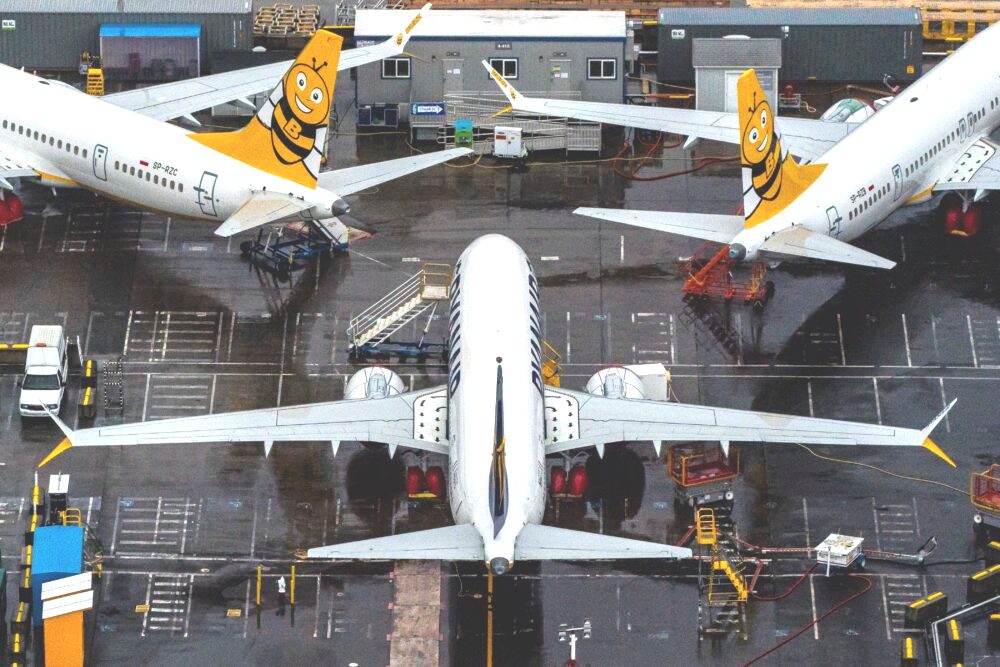
Tras las aprobaciones recientes de los reguladores de aviación de Estados Unidos (FAA), la nueva compañía ha reacondicionado el Boeing 737-8 200 MAX para 197 pasajeros para dar inicio como compañía Buzz en la República de Polonia. El nuevo avión posee una puerta adicional de salida según las reglamentaciones de aviación. La filial polaca está destinada a operaciones chárter, aunque Ryanair tiene una política comercial muy agresiva que se adapta rápidamente a diferentes modelo de operaciones.
La Ryanair Holdings plc, finalmente tendrá una estructurada formada por cinco compañías: Ryanair (Irlanda); Malta Air, que operará con la marca Ryanair en destinos continentales europeos; Laudamotion, que operará como Lauda, también con matrículas y licencias de Malta, igual que la anterior, pero centrada en Alemania y Austria; Buzz, (Polonia) y Ryanair UK, aunque se esperan definiciones respecto a esta última aerolínea a la espera del acuerdo del Brexit con Europa.
Buzz to use Boeing 737 MAX
Buzz restored airline selects 737 MAX
The European charter company Buzz has been reformulated on March 15, 2019 by Ryanair for operations in the United Kingdom. The airline was founded in 1999 and began operating on January 4, 2000. It was launched by KLM Airlines as a sub-brand of KLM uk to compete with other low-cost airlines such as EasyJet, Go Fly and Ryanair by taking over many of the point-to-point routes on the old AirUK/KLM UK network.
On January 31, 2003, KLM announced its intention to sell Buzz to Ryanair. In order to capitalize on the acquisition and save costs, Ryanair rebooted Buzz as a wholly owned subsidiary called Buzz Stansted, which retained all 10 aircraft on the UK registry. In September 2004, Ryanair decided to close Buzz Stansted and flight operations ceased on October 31, 2004.
The charter airline will soon restart operations after being inert since 2004. On March 15, 2019, Ryanair announced that it would revive the Buzz brand as the new name for the Polish-based Ryanair Sun, but after the incorporation of Boeing 737 MAX aircraft it renamed its name to Buzz. It currently flies as a Polish operator under the name Ryanair.
Following recent approvals by the United States aviation regulators (FAA), the new company has retrofitted the 197-passenger Boeing 737-8 200 MAX to start as a Buzz company in the Republic of Poland. The new aircraft has an additional exit door according to aviation regulations. The Polish subsidiary is dedicated to charter operations, although Ryanair has a very aggressive commercial policy that adapts quickly to different operating models.
Ryanair Holdings plc will finally have a structured one made up of five companies: Ryanair (Ireland); Malta Air, which will operate under the Ryanair brand in continental European destinations; Laudamotion, which will operate as Lauda, also with Maltese plates and licenses, just like the previous one, but focused on Germany and Austria; Buzz, (Poland) and Ryanair UK, although definitions are expected regarding the latter airline pending the Brexit agreement with Europe.