Turkish Airlines ha comunicado que ha modificado su plan de flota con Airbus Group debido al impacto de la pandemia Coronavirus en la industria de la aviación. La aerolínea de bandera turca ha acordado con el fabricante de aeronaves posponer algunas entregas y revisar sus órdenes pendientes para encajar en sus capacidades operativas y financieras, dijo la aerolínea el Viernes 23/10. Turkish Airlines no reveló detalles sobre su nuevo plan de flota hacia el futuro.
En Marzo 2020, el Presidente de Turquía, Recep Tayyip Erdogan, ordenó la suspensión de todos los vuelos internacionales desde y hacia el país para contener la pandemia de Coronavirus. Turquía reinició los vuelos internacionales a partir del 11 de Junio de 2020.
Turkish revises fleet plan
Turkish reviews fleet plan with Airbus due to pandemic crisis
Turkish Airlines has communicated that it has modified its fleet plan with Airbus Group due to the impact of the Coronavirus pandemic on the aviation industry. The Turkish flag carrier has agreed with the aircraft manufacturer to postpone some deliveries and review its pending orders to fit its operational and financial capabilities, the airline said on Friday 10/23. Turkish Airlines did not disclose details about its new fleet plan going forward.
In March 2020, the President of Turkey, Recep Tayyip Erdogan, ordered the suspension of all international flights to and from the country to contain the Coronavirus pandemic. Turkey restarted international flights as of June 11, 2020.
Türkiye filo planını revize ediyor
Türk salgın kriz nedeniyle filo planını Airbus ile gözden geçiriyor
Türk Hava Yolları, koronavirüs salgınının havacılık sektörüne etkisi nedeniyle filo planını Airbus Grubu ile değiştirdiğini duyurdu. Havayolu, 10/23 Cuma günü yaptığı açıklamada, Türk bayraklı havayolu şirketinin, bazı teslimatları ertelemek ve bekleyen siparişlerini operasyonel ve mali yeteneklerine uyacak şekilde gözden geçirmek için uçak üreticisiyle anlaştığını söyledi. Türk Hava Yolları, bundan sonraki yeni filo planı ile ilgili detayları açıklamadı.
Mart 2020’de Türkiye Cumhurbaşkanı Recep Tayyip Erdoğan, koronavirüs pandemisini kontrol altına almak için ülkeye ve ülkeden tüm uluslararası uçuşların askıya alınmasını emretti. Türkiye, 11 Haziran 2020 itibarıyla dış hat uçuşlarına yeniden başladı.
Lufthansa condicionaría 30.000 puestos de trabajo por pandemia
Lufthansa German Airlines Group ha advertido que 30.000 puestos de trabajo están amenazados mientras continúan los ajustes a medida que las aerolíneas se introducen en la programación de su horario invernal. Las perspectivas económicas han alcanzado niveles no observados desde la crisis del petróleo en 1974; con una depresión en la demanda actualmente por el colapso de viajes debido a la pandemia de Coronavirus. El Consejo Ejecutivo de la aerolínea más grande de Europa dijo en una carta a los empleados que ahora era más difícil que nunca predecir cómo se desarrollará la industria de la aviación, dado que hay poca claridad sobre cuánto tiempo se aplicarían las advertencias de viaje o la rapidez con la que podría llegar cualquier recuperación. «Nadie puede predecir estos efectos de forma fiable. No obstante, estamos decididos a conservar al menos 100.000 de los 130.000 puestos de trabajo actuales de Lufthansa Group. Incluso si actualmente no tenemos suficientes puestos de trabajo para una fuerza de trabajo de este tamaño», expresó el Consejo Ejecutivo de Lufthansa.
El estado alemán intervino en Junio 2020 para tomar una participación del 25 por ciento en la aerolínea, inyectando € 9.000 millones de Euros de liquidez para apuntalar una de las compañías más visibles de Alemania a nivel internacional. Lufthansa dijo en Septiembre 2020 que más puestos de trabajo irían más allá de los 22.000 anunciados anteriormente, pero no dio una cifra definida en aquel entonces.
El Lufthansa Group incluyen sus filiales Swiss International Airlines, Austrian Airlines, Brussels Airlines y Eurowings. El grupo aéreo que ofrecerá un oferta de un máximo de un cuarto de capacidad respecto al 2019, ya que prevé menos de una quinta parte de los pasajeros respecto al año anterior. Lufthansa reportó una pérdida operativa de € 1.300 millones de Euros en cifras preliminares del tercer trimestre (3Q2020), pero los tres meses hasta el final de 2020 están lejos.
Perspectivas Lufthansa Group
La próxima temporada representará un inmenso desafío. Después de un verano boreal que nos dio a todos motivos para la esperanza, ahora estamos una vez más en una situación que equivale a un bloqueo en efecto, ha expresado Lufthansa. A medida que la industria de viajes se adapta a un mundo post-pandemia, la Junta Directiva de la aerolínea dijo «seremos un Lufthansa más pequeña pero también más eficiente. El camino allí será largo y arduo».
Reducirá las funciones administrativas a alrededor del 30 por ciento, y cerrará la mayor parte de su oficina principal en Frankfurt. Eurowings renunciará por completo a su espacio de oficinas en Dusseldorf. La grupo también mantendrá a los empleados en horas de trabajo más cortas durante más tiempo.
Lufthansa 30,000 jobs at risk
Lufthansa would condition 30,000 jobs due to pandemic effects
Lufthansa German Airlines Group has warned that 30,000 jobs are threatened as adjustments continue as airlines move into their winter schedule. The economic outlook has reached levels not seen since the oil crisis in 1974; with a depression in demand currently due to the collapse of travel due to the Coronavirus pandemic. The Executive Council of Europe’s largest airline said in a letter to employees that it was now more difficult than ever to predict how the aviation industry will develop, given that there is little clarity on how long travel advisories or travel warnings would apply. speed with which any recovery could come. «No one can reliably predict these effects. However, we are determined to retain at least 100,000 of the current 130,000 Lufthansa Group jobs. Even if we currently don’t have enough jobs for a workforce of this size», expressed the Lufthansa Executive Council.
The German state intervened in June 2020 to take a 25 percent stake in the airline, injecting € 9 billion of liquidity to shore up one of Germany’s most visible companies internationally. Lufthansa said in September 2020 that more jobs would go beyond the 22,000 previously announced, but did not give a definite figure at the time.
The Lufthansa Group includes its subsidiaries Swiss International Airlines, Austrian Airlines, Brussels Airlines and Eurowings. The airline group that will offer an offer of a maximum of a quarter capacity compared to 2019, since it expects less than a fifth of the passengers compared to the previous year. Lufthansa reported an operating loss of € 1.3 billion in preliminary figures for the third quarter (3Q2020), but the three months to the end of 2020 are far off.
Perspectives Lufthansa Group
The next season will represent an immense challenge. After a summer that gave us all cause for hope, we are now once again in a situation that amounts to a lockdown in effect, Lufthansa has said. As the travel industry adjusts to a post-pandemic world, the airline’s Board of Directors said «we will be a smaller but also more efficient Lufthansa. The road there will be long and arduous».
It will reduce administrative functions to around 30 percent, and will close most of its main office in Frankfurt. Eurowings will give up its office space in Dusseldorf entirely. The group will also keep employees on shorter work hours for longer.
Die Lufthansa German Airlines Group hat gewarnt, dass 30.000 Arbeitsplätze bedroht sind, da die Anpassungen fortgesetzt werden, wenn die Fluggesellschaften in ihren Winterflugplan einsteigen. Die wirtschaftlichen Aussichten haben ein Niveau erreicht, das seit der Ölkrise 1974 nicht mehr erreicht wurde. Die Nachfrage ist derzeit aufgrund des Zusammenbruchs der Reisen aufgrund der Coronavirus-Pandemie rückläufig. Der Exekutivrat der größten europäischen Fluggesellschaft erklärte in einem Brief an die Mitarbeiter, es sei heute schwieriger denn je, die Entwicklung der Luftfahrtindustrie vorherzusagen, da wenig Klarheit darüber bestehe, wie lange Reisehinweise oder Reisewarnungen gelten würden. Geschwindigkeit, mit der jede Erholung kommen könnte. «Niemand kann diese Auswirkungen zuverlässig vorhersagen. Wir sind jedoch entschlossen, mindestens 100.000 der derzeit 130.000 Arbeitsplätze der Lufthansa Group beizubehalten. Auch wenn wir derzeit nicht genügend Arbeitsplätze für eine Belegschaft dieser Größe haben», äußerte der Lufthansa-Exekutivrat.
Der deutsche Staat intervenierte im Juni 2020, um einen Anteil von 25 Prozent an der Fluggesellschaft zu übernehmen, und stellte 9 Milliarden Euro Liquidität zur Verfügung, um eines der international bekanntesten Unternehmen Deutschlands zu stützen. Lufthansa sagte im September 2020, dass mehr Arbeitsplätze über die zuvor angekündigten 22.000 hinausgehen würden, gab jedoch zu diesem Zeitpunkt keine eindeutige Zahl an.
Zur Lufthansa Gruppe gehören ihre Tochtergesellschaften Swiss International Airlines, Austrian Airlines, Brussels Airlines und Eurowings. Die Airline-Gruppe, die im Vergleich zu 2019 ein Angebot mit einer Kapazität von maximal einem Viertel anbieten wird, da sie im Vergleich zum Vorjahr weniger als ein Fünftel der Passagiere erwartet. Lufthansa meldete vorläufig einen operativen Verlust von 1,3 Milliarden Euro für das dritte quartal (3Q2020), aber die drei Monate bis Ende 2020 sind noch weit entfernt.
Perspektiven Lufthansa Group
Die nächste Saison wird eine immense Herausforderung darstellen. Nach einem borealen Sommer, der uns allen Anlass zur Hoffnung gab, befinden wir uns jetzt wieder in einer Situation, die einer Sperrung gleichkommt, sagte Lufthansa. Während sich die Reisebranche auf eine Welt nach der Pandemie einstellt, sagte der Verwaltungsrat der Fluggesellschaft: «Wir werden eine kleinere, aber auch effizientere Lufthansa sein. Der Weg dorthin wird lang und beschwerlich sein».
Sie wird die Verwaltungsfunktionen auf rund 30 Prozent reduzieren und den größten Teil ihres Hauptsitzes in Frankfurt schließen. Eurowings wird seine Büroflächen in Düsseldorf ganz aufgeben. Die Gruppe wird die Mitarbeiter auch länger auf kürzeren Arbeitszeiten halten.
AW | 2020 10 26 11:00 | AIRLINES / AVIATION / GOVERNMENT
Flybondi dejaría de volar si no reabre El Palomar
La aeerolínea low cost de Argentina, Flybondi Líneas Aéreas ha rechazado la resolución del Organismo Regulador del Sistema Nacional de Aeropuertos (ORSNA) de iniciar operaciones en el Aeropuerto Internacional Ezeiza, después que el Gobierno cancelara las operaciones en el Aeropuerto El Palomar. El comunicado de la aerolínea de presupuesto denota la crisis desatada en el sector: “Sus argumentos son íntegramente impugnables y maliciosos”.
Flybondi Líneas Aéreas ha cuestionado con dureza la decisión del Gobierno nacional de no habilitar el Aeropuerto El Palomar, desde donde aterrizan y despegan las aerolíneas low cost. La compañía consideró que los argumentos detrás de la medida son íntegramente impugnables y maliciosos y rechazó operar desde Ezeiza, la única terminal habilitada en el Área Metropolitana de Buenos Aires (AMBA). A través de un comunicado publicado en su sitio web, Flybondi aludió a la carta enviada por el Organismo Regulador del Sistema Nacional de Aeropuertos (ORSNA) a la titular de la Administración Nacional de Aviación Civil (ANAC), Paola Tamborelli, en la que le dijo que el único aeropuerto habilitado en el AMBA es el de Ezeiza, ya que el Aeropuerto Jorge Newbery estará cerrado hasta Marzo de 2021 por las obras de refacción.
La aerolínea aún no ha sido notificada oficialmente acerca de deetalles y alcance de esta medida sobre el Aeropuerto Internacional El Palomar, pero la medida establecida por el Gobierno establecería la suspención de las operaciones en el aeropuerto low cost. Flybondi se ha expresado «total repudio y rechazo absoluto a esta decisión, cuyos argumentos son íntegramente impugnables y maliciosos; pero lo que es más grave aún, es que deja al descubierto el desmanejo regulatorio y la ausencia total de planificación y coordinación, generando dos claros damnificados: los pasajeros y los trabajadores”. El comunicado también expresó sorpresa por parte de la compañía, después de que el 14/10 el Ministerio de Transporte de la Nación y la Administradora Nacional de Aviación Civil (ANAC) confirmaran públicamente que el Aeropuerto en El Palomar continuaría operativo.
Esteban Tossutti, CEO de la aerolínea low cost, aseguró que volar desde el Aeropuerto Ezeiza no es una opción comercial para Flybondi ni para sus clientes. “Su decisión demuestra el poco respeto hacia los pasajeros que adquirieron tickets para volar desde El Palomar y que hasta último momento no saben desde donde saldrá su vuelo, sumado a los miles de pasajeros que sólo pueden viajar en avión si lo hacen desde un aeropuerto al que pueden llegar en transporte público”. Por esa razón, y ante la preocupación por la posible pérdida de miles de puestos de trabajo, concluyó: “Vamos a solicitarle a las autoridades la revisión de esta medida y realmente esperamos que puedan tomar decisiones idóneas, que pongan en el centro a los pasajeros, a los empleados y al trabajo genuino”.
Gobierno vs aviación
En Argentina a las compañías de bajo costo les resulta difícil volver a reiniciar sus vuelos nacionales. El ORSNA ha bloqueado las operaciones desde el Aeropuerto El Palomar a días de haber dado el visto bueno para que las aerolíneas de presupuesto puedan reactivar sus vuelos. Tanto Flybondi Líneas Aéreas como JetSmart Airlines Argentina, ahora han postergado las operaciones aéreas en el reinicio de los vuelos en el país por la cancelación por parte del Gobierno a último momento del aeropuerto low cost El Palomar.
Destrás de todas estas idas y vueltas que el Gobierno continúa realizando en medio de una crisis sanitaria respecto al aeropuerto low cost, amerita una reflexión seria y responsable. ¿Es la crisis de la pandemia una excusa para manejar acciones espúreas? Espúreas en la definición de realizar acciones falsas, bastardas e ilegítimas en contra de las reglas de mercado y del sentido común. En ningún país responsable se pueden manejar definiciones tan desmesuradas como las que se están realizando durante el proceso de la pandemia en Argentina en un marco de inseguridad jurídica atroz donde el país camina al borde de la anarquía.
Repensar una aviación responsable y de libre mercado parece ser una utopía en el país, donde el Estado en vez de atender las imperiosas necesidades de preservar las fuentes laborales, continúa con una postura mediocre y miope. Los desmanejos desde el Gobierno de Argentina respecto a la postura asumida frente a las aerolíneas low cost confirman por los hechos incongruentes desalentar las inversiones en materia de aviación comercial, atendiendo solamente las necesidades de su deficitaria Aerolíneas Argentinas como única protagonista del mercado aéreo en el país. Desde las serias amenazas que ha atravesado Latam Airlines Argentina (LAN Argentina) en el viejo reclamo del Estado por quedarse con los hangares del Aeropuerto Jorge Newbery, hasta la actualidad, con un panorama de inseguridad jurídica para las aerolíneas en un libre mercado y donde los derechos de los usuarios del transporte aéreo continúan desarrollándose entre una encrucijada en la lucha por la libertad de volar.
Flybondi rejects operations Ezeiza
Flybondi would stop flying if El Palomar does not reopen
Argentina’s low cost airline, Flybondi Líneas Aéreas, has rejected the resolution of the Regulatory Body of the National Airport System (ORSNA) to start operations at Ezeiza International Airport, after the Government canceled operations at El Palomar Airport. The statement from the budget airline denotes the crisis unleashed in the sector: «Their arguments are fully open to challenge and malicious».
Flybondi Líneas Aéreas has harshly questioned the decision of the national government not to enable the El Palomar Airport, from where the low cost airlines land and take off. The company considered that the arguments behind the measure are fully objectionable and malicious and refused to operate from Ezeiza, the only terminal enabled in the Metropolitan Area of Buenos Aires (AMBA). Through a statement published on its website, Flybondi alluded to the letter sent by the Regulatory Body of the National Airport System (ORSNA) to the head of the National Civil Aviation Administration (ANAC), Paola Tamborelli, in which he He said that the only airport enabled in the AMBA is Ezeiza, since the Jorge Newbery Airport will be closed until March 2021 for the renovation works.
The airline has not yet been officially notified about the details and scope of this measure on the El Palomar International Airport, but the measure established by the Government would establish the suspension of operations at the low cost airport. Flybondi has expressed «total repudiation and absolute rejection of this decision, whose arguments are fully objectionable and malicious; but what is even more serious, is that it reveals regulatory mismanagement and the total absence of planning and coordination, generating two clear victims: passengers and workers”. The statement also expressed surprise on the part of the company, after on 10/14 the Ministry of Transportation of the Nation and the National Civil Aviation Administrator (ANAC) publicly confirmed that the Airport in The Palomar would continue operating.
Esteban Tossutti, CEO of the low cost airline, assured that flying from Ezeiza Airport is not a commercial option for Flybondi or for its clients. “His decision shows the lack of respect for the passengers who acquired tickets to fly from El Palomar and who until the last moment do not know where their flight will depart from, added to the thousands of passengers who can only travel by plane if they do so from an airport to that can be reached by public transport”. For that reason, and in view of the concern about the possible loss of thousands of jobs, he concluded: “We are going to ask the authorities to review this measure and we really hope that they can make the right decisions that put passengers at the center, to employees and genuine work”.
Government vs aviation
In Argentina, it is difficult for low-cost airlines to restart their domestic flights. The ORSNA has blocked operations from El Palomar Airport days after giving the go-ahead for budget airlines to reactivate their flights. Both Flybondi Líneas Aéreas and JetSmart Airlines Argentina have now postponed air operations in the restart of the flights in the country due to the cancellation by the Government at the last minute of the low cost airport El Palomar.
Behind all these twists and turns that the Government continues to carry out in the midst of a health crisis regarding the low cost airport, it deserves a serious and responsible reflection. Is the pandemic crisis an excuse to handle spurious actions? Spurious in the definition of carrying out false, bastard and illegitimate actions against market rules and common sense. In no accountable country can definitions be handled as excessive as those that are being made during the process of the pandemic in Argentina in a framework of atrocious and excessive legal insecurity where the country walks on the edge of anarchy.
Rethinking a responsible and free market aviation seems to be a utopia in the country, where the State, instead of attending to the urgent needs of preserving job sources, continues with a mediocre and myopic position. The mismanagement of the Government of Argentina regarding the position assumed in relation to low cost airlines confirms, due to incongruous facts, the discouragement of investments in commercial aviation, attending only to the needs of its deficit Aerolíneas Argentinas as the only player in the air market in the country. From the serious threats that Latam Airlines Argentina (LAN Argentina) has gone through in the old claim of the State to keep the hangars of the Jorge Newbery Airport, to the present, with a panorama of legal insecurity for the airlines in a free market and where the The rights of air transport users continue to unfold at a crossroads in the fight for the freedom to fly.
La compañía holandesa KLM Royal Dutch Airlines ha realizado el Domingo 25 de Octubre de 2020 su último vuelo de línea con el Boeing 747. El último vuelo KL-747 de un Boeing 747-400 arribó a la base de la aerolínea en el Aeropuerto Amsterdam/Schiphol alrededor de las 21:00 hora local, con su vuelo procedente de Shanghai, China.
La aerolínea holandesa KLM decidió utilizar tres de los Boeing 747-400M (Combi) restantes para construir un puente aéreo entre los Países Bajos y China para proporcionar a los Países Bajos suministros médicos tales como máscaras faciales y equipos hospitalarios. Tras el cumplimiento de estos vuelos sanitarios ha finalizado una era emblemática en el uso de la aeronave más impresionante de la línea The Boeing Company, denominada la Reina de los Cielos. La crisis de la pandemia ha acelerado el retiro de este coloso del aire.
Era Boeing 747
KLM Airlines introdujo el Boeing 747 en 1971 cuando recibió su primer 747-200. En 49 años de operaciones ininterrumpidas, la aerolínea ha tenido 46 Boeing 747 en su flota, entre los modelos 747-200, 747-200F, 747-200SUD, 747-200SUD Combi, 747-300 Combi, 747-400, 747-400 Combi, y 747-400ER Freighter. KLM se convirtió en la última aerolínea del mundo en utilizar el Boeing 747-400M (Combi), para las operaciones de pasajeros. El 747-400M hizo posible que las aerolíneas transportaran pasajeros y grandes piezas de carga al mismo tiempo. Mientras que el avión tiene alrededor de 250 pasajeros en la parte delantera de la cabina, la parte trasera de la cubierta principal está llena de carga.
Desprogramando al Jumbo
KLM ya ha enviado la mayoría de sus Boeing 747 a los cementerios de aeronaves. Originalmente, KLM tenía planes de retirar el último Boeing 747 en Mayo de 2021. Sin embargo, debido a la actual crisis sanitaria, el transportador ha decidido retirar los siete aviones Boeing 747-400 restantes de su flota activa antes de lo planeado. Los cuatro aviones que no se utilizaron para las rutas del puente aéreo habían sido desprogramados, mientras que los tres aviones restantes seguirán el curso en las próximas semanas.
Aunque el último avión de pasajeros Boeing 747-400 ha volado su último vuelo comercial para KLM, tres aviones de carga Boeing 747-400F permanecerán en la flota. La compañía hermana Martinair Cargo opera todos los vuelos de carga en nombre de KLM Cargo. La aerolínea actualmente no tiene ningún plan para retirar el 747 Freighter todavía, lo que significa que probablemente mantendrá el avión por lo menos unos años más por delante.
KLM end of the Boeing 747 era
KLM performs last Jumbo Jet flight
The Dutch company KLM Royal Dutch Airlines has made its last line flight with the Boeing 747 on Sunday October 25, 2020. The last flight KL-747 arrived at the airline’s base at Amsterdam / Schiphol Airport around 21:00 local time, with your flight from Shanghai, China.
The Dutch airline KLM decided to use three of the remaining Boeing 747-400M (Combi) to build an airlift between the Netherlands and China to provide the Netherlands with medical supplies such as face masks and hospital equipment. After the fulfillment of these medical flights, an emblematic era in the use of the most impressive aircraft of The Boeing Company line, called the Queen of the Skies, has ended. The pandemic crisis has accelerated the removal of this colossus from the air.
It was Boeing 747
KLM Airlines introduced the Boeing 747 in 1971 when it received its first 747-200. In 49 years of uninterrupted operations, the airline has had 46 Boeing 747s in its fleet, among models 747-200, 747-200F, 747-200SUD, 747-200SUD Combi, 747-300 Combi, 747-400, 747-400 Combi, and 747-400ER Freighter. KLM became the last airline in the world to use the Boeing 747-400M (Combi) for passenger operations. The 747-400M made it possible for airlines to carry passengers and large pieces of cargo at the same time. While the plane has around 250 passengers in the front of the cabin, the rear of the main deck is packed with cargo.
Deprogramming the Jumbo
KLM has already shipped most of its Boeing 747s to aircraft graveyards. Originally, KLM had plans to retire the last Boeing 747 in May 2021. However, due to the current health crisis, the carrier has decided to withdraw the remaining seven Boeing 747-400 aircraft from its active fleet earlier than planned. The four aircraft that were not used for the airlift routes had been deprogrammed, while the remaining three aircraft will continue the course in the coming weeks.
Although the last Boeing 747-400 airliner has flown its last commercial flight for KLM, three Boeing 747-400F freighters will remain in the fleet. Sister company Martinair Cargo operates all cargo flights on behalf of KLM Cargo. The airline currently has no plans to recall the 747 Freighter yet, which means it will likely keep the aircraft for at least a few more years ahead.
KLM einde van het Boeing 747-tijdperk
KLM voert laatste Jumbo Jet-vlucht uit
De Nederlandse maatschappij KLM Royal Dutch Airlines heeft op zondag 25 oktober 2020 haar laatste lijnvlucht met de Boeing 747 gemaakt. De laatste vlucht KL-747 arriveerde rond 21.00 uur op de basis van de luchtvaartmaatschappij op Amsterdam/Schiphol Airport: 00 lokale tijd, met uw vlucht vanuit Shanghai, China.
De Nederlandse luchtvaartmaatschappij KLM besloot om met drie van de overgebleven Boeing 747-400M (Combi) een luchtbrug te bouwen tussen Nederland en China om Nederland te voorzien van medische benodigdheden zoals gezichtsmaskers en ziekenhuisapparatuur. Na de voltooiing van deze medische vluchten is een symbolisch tijdperk in het gebruik van het meest indrukwekkende vliegtuig van The Boeing Company-lijn, genaamd de Queen of the Skies, voorbij. De pandemiecrisis heeft de verwijdering van deze kolos uit de lucht versneld.
Het was een Boeing 747
KLM Airlines introduceerde de Boeing 747 in 1971 toen deze de eerste 747-200 ontving. In 49 jaar ononderbroken operaties heeft de luchtvaartmaatschappij 46 Boeing 747’s in haar vloot gehad, onder de modellen 747-200, 747-200F, 747-200SUD, 747-200SUD Combi, 747-300 Combi, 747-400, 747-400 Combi en 747-400ER vrachtschip. KLM werd de laatste luchtvaartmaatschappij ter wereld die de Boeing 747-400M (Combi) gebruikte voor passagiersoperaties. Met de 747-400M konden luchtvaartmaatschappijen passagiers en grote stukken vracht tegelijk vervoeren. Terwijl het vliegtuig ongeveer 250 passagiers voorin de cabine heeft, is de achterkant van het hoofddek gevuld met vracht.
De Jumbo uitprogrammeren
KLM heeft de meeste van haar Boeing 747’s al naar de begraafplaatsen van vliegtuigen verscheept. Oorspronkelijk had KLM plannen om de laatste Boeing 747 in mei 2021 buiten dienst te stellen. Vanwege de huidige gezondheidscrisis heeft de luchtvaartmaatschappij echter besloten de resterende zeven Boeing 747-400-vliegtuigen eerder dan gepland uit haar actieve vloot te halen. De vier vliegtuigen die niet werden gebruikt voor de luchtbrugroutes waren gedeprogrammeerd, terwijl de overige drie vliegtuigen de komende weken de koers zullen volgen.
Hoewel het laatste Boeing 747-400-vliegtuig zijn laatste commerciële vlucht voor KLM heeft gemaakt, blijven er drie Boeing 747-400F-vrachtvliegtuigen in de vloot. Zusterbedrijf Martinair Cargo voert alle vrachtvluchten uit in opdracht van KLM Cargo. De luchtvaartmaatschappij heeft momenteel geen plannen om de 747 Freighter terug te roepen, wat betekent dat ze het vliegtuig waarschijnlijk nog een paar jaar vooruit zal houden.
Saudi Arabian Airlines, la aerolínea de propiedad estatal, reanudará los servicios a 33 destinos internacionales el próximo mes de Noviembre 2020 como parte de un retorno escalonado a los niveles de operación previa a la pandemia hacia principios de 2021. Después de reanudar los viajes aéreos internacionales excepcionales el mes pasado, la aerolínea nacional saudita ahora reanudará los servicios regulares a una serie de ciudades de Oriente Medio, Asia, Europa y los Estados Unidos. Entre otros destinos, esto incluirá vuelos a Amsterdam, Frankfurt, Londres, París, Washington, así como Ammán, Abu Dabi, Bahrein, Beirut, Kuwait, Dubai, Delhi, Manila, Mumbai, El Cairo, Nairobi y Jartum.
Acciones sanitarias
El anuncio se produce después de una notable mejora en la gestión de los índices de contagios de Covid-19 en el país, que ha visto caer a alrededor de 400 infecciones diarias a alrededor de 400 en Octubre 2020, desde entre 4.000 y 5.000 en Junio-Julio 2020. Los casos activos ahora se encuentran por debajo de 8.300, por debajo del pico de 63.026 a mediados de Julio 2020. Las restricciones de viaje relacionadas con la pandemia en Arabia Saudita se han ido relajando desde mediados de Septiembre 2020. Pero las restricciones no se levantarán por completo hasta después del 1 de Enero de 2021. Arabia Saudita también entró el 18 de Octubre 2020 en la segunda fase de su plan de cuatro fases para reanudar gradualmente las peregrinaciones de umrah islámica, que se detuvieron durante unos seis meses debido al Coronavirus. Tanto el aumento gradual de los vuelos comerciales como el reinicio de las peregrinaciones islámicas umrah para peregrinos nacionales e internacionales deberían estimular un aumento de la demanda de combustible para aviones en el país, que registró una caída de 70pc en los primeros ocho meses de este año a 31.500 b/d, frente a un promedio de 105.500 b/d en el período correspondiente de 2019, según la Iniciativa de Datos de Organizaciones Conjuntas (Jodi).
Saudi Arabian to resume operations
Saudi Arabian Airlines to resume ops 11/2020
Saudi Arabian Airlines, the state-owned airline, will resume services to 33 international destinations next November 2020 as part of a staggered return to pre-pandemic operating levels towards early 2021. After resuming international air travel exceptional last month, the Saudi national carrier will now resume regular services to a number of cities in the Middle East, Asia, Europe and the United States. Among other destinations, this will include flights to Amsterdam, Frankfurt, London, Paris, Washington, as well as Amman, Abu Dhabi, Bahrain, Beirut, Kuwait, Dubai, Delhi, Manila, Mumbai, Cairo, Nairobi and Khartoum.
Sanitary actions
The announcement comes after a notable improvement in the management of Covid-19 infection rates in the country, which has seen around 400 daily infections drop to around 400 in October 2020, from between 4,000 and 5,000 in June. -July 2020. Active cases are now below 8,300, down from the peak of 63,026 in mid-July 2020. Pandemic-related travel restrictions in Saudi Arabia have been easing since mid-September 2020. But restrictions they will not be fully lifted until after January 1, 2021. Saudi Arabia also entered on October 18, 2020, the second phase of its four-phase plan to gradually resume Islamic umrah pilgrimages, which were halted for about six months due to to the Coronavirus. Both the gradual increase in commercial flights and the restart of Islamic umrah pilgrimages for national and international pilgrims should spur an increase in demand for jet fuel in the country, which saw a 70pc drop in the first eight months of this year. to 31,500 b/d, compared to an average of 105,500 b/d in the corresponding period of 2019, according to the Joint Organization Data Initiative (Jodi).
السعودية تستأنف العمليات
الخطوط الجوية العربية السعودية تستأنف عمليات 11/2020
ستستأنف الخطوط الجوية العربية السعودية ، شركة الطيران المملوكة للدولة ، خدماتها إلى 33 وجهة دولية في نوفمبر المقبل 2020 كجزء من العودة المذهلة إلى مستويات التشغيل السابقة للوباء في أوائل عام 2021. بعد استئناف السفر الجوي الدولي بشكل استثنائي الشهر الماضي ، ستستأنف الناقلة الوطنية السعودية الآن خدماتها المنتظمة إلى عدد من المدن في الشرق الأوسط وآسيا وأوروبا والولايات المتحدة. ومن بين الوجهات الأخرى ، ستشمل هذه الرحلات رحلات إلى أمستردام وفرانكفورت ولندن وباريس وواشنطن ، بالإضافة إلى عمان وأبو ظبي والبحرين وبيروت والكويت ودبي ودلهي ومانيلا ومومباي والقاهرة ونيروبي والخرطوم.
الإجراءات الصحية
يأتي هذا الإعلان بعد تحسن ملحوظ في إدارة معدلات الإصابة بـ Covid-19 في البلاد ، والتي شهدت انخفاضًا في حوالي 400 إصابة يومية إلى حوالي 400 في أكتوبر 2020 ، من بين 4000 و 5000 في يونيو. – تموز (يوليو) 2020. عدد الحالات النشطة الآن أقل من 8300 ، بانخفاض عن الذروة البالغة 63.026 في منتصف يوليو 2020. وقد تم تخفيف قيود السفر المتعلقة بالأوبئة في المملكة العربية السعودية منذ منتصف سبتمبر 2020. لكن القيود لن يتم رفعها بالكامل إلا بعد 1 يناير 2021. كما دخلت المملكة العربية السعودية في 18 أكتوبر 2020 ، المرحلة الثانية من خطتها ذات المراحل الأربع لاستئناف العمرة الإسلامية تدريجياً ، والتي توقفت لنحو ستة أشهر بسبب لفيروس كورونا. ومن المفترض أن تؤدي الزيادة التدريجية في الرحلات التجارية واستئناف رحلات العمرة الإسلامية للحجاج المحليين والدوليين إلى زيادة الطلب على وقود الطائرات في البلاد ، التي شهدت انخفاضًا بنسبة 70٪ في الأشهر الثمانية الأولى من هذا العام. إلى 31،500 برميل في اليوم ، مقارنة بمتوسط 105،500 برميل في اليوم في الفترة المماثلة من عام 2019 ، وفقًا لمبادرة بيانات المنظمة المشتركة (Jodi).
ANA Airways eliminará 3.500 puestos de trabajo a 3 años
All NipponAirways (ANA) ha anunciado por medio de la matriz ANA Holdings Inc. recortar alrededor de 3.500 puestos de trabajo en tres años mientras el mayor operador de aerolíneas de Japón se prepara para su mayor pérdida anual debido a una caída en la demanda impulsada por la pandemia de Coronavirus, informó diario Yomiuri Shimbun. Las pérdidas de puestos de trabajo son parte del plan de reestructuración empresarial más amplio de ANA Airways que se anunciará el Martes 27/10, ya que se desconfía para reducir los costos fijos en previsión de una prolongada caída de la demanda de viajes.
ANA, que tenía una plantilla de fuerza laboral de 43.500 personas en 2019, planea alcanzar el objetivo de recorte de empleo para el año que termina en Marzo de 2023 a través de programas de desplazamiento y una congelación de la contratación, según el documento. Como medidas a corto plazo, la compañía nipona está considerando enviar temporalmente parte de su fuerza de trabajo a varias otras firmas, incluyendo Toyota Motor Corp y vendiendo 30 de sus costosos aviones de cuerpo ancho, como parte de un programa de compensación financiera para la aerolínea.
ANA Airways ha pronosticado sufrir una pérdida neta de alrededor de ¥ 500 mil millones de Yenes (US$4.800 millones) para este año fiscal a Marzo 2021. Además, ha recurrido a miles de millones de Dólares en préstamos y una campaña de turismo del Gobierno para capear la caída de los viajes aéreos.
Igualmente, Japan Airlines (JAL) reportará una pérdida operativa de unos ¥ 85 mil millones de Yenes para el tercer trimestre (3Q2020). JAL estaba empañado en el rojo, ya que el tráfico de pasajeros en los vuelos internacionales se desplomó un 97% en su factor de tráfico de pasajeros. Como reflejo de los severos vientos en contra en la industria, la aerolínea nacional Star Flyer Inc. está en conversaciones con la firma de capital privado japonesa Advantage Partners y otros para recaudar unos ¥ 10 mil millones de Yenes en capital a través de la emisión de nuevos bonos.
ANA Airways to cut jobs
ANA Airways will cut 3,500 3-year jobs
All NipponAirways (ANA) has announced through parent company ANA Holdings Inc. to cut around 3,500 jobs in three years as Japan’s largest airline operator prepares for its biggest annual loss due to a drop in demand driven by the Coronavirus pandemic, reported Yomiuri Shimbun newspaper. The job losses are part of ANA Airways’ broader business restructuring plan to be announced on Tuesday 10/27, as there is mistrust to lower fixed costs in anticipation of a prolonged drop in travel demand.
ANA, which had a workforce of 43,500 in 2019, plans to meet the job cut target for the year ending March 2023 through displacement programs and a hiring freeze, according to the document. As short-term measures, the Japanese company is considering temporarily sending part of its workforce to several other firms, including Toyota Motor Corp and selling 30 of its expensive wide-body jets, as part of a financial compensation program for the airline.
ANA Airways has forecast to suffer a net loss of around ¥ 500 billion Yens (US$ 4.8 billion) for this fiscal year to March 2021. In addition, it has drawn on billions of Dollars in loans and a government tourism campaign to weather the decline in air travel.
Similarly, Japan Airlines (JAL) will report an operating loss of ¥ 85 billion Yen for the third quarter (3Q2020). JAL was clouded in the red as passenger traffic on international flights plunged 97% in its passenger traffic factor. Reflecting the severe headwinds in the industry, national airline Star Flyer Inc. is in talks with Japanese private equity firm Advantage Partners and others to raise some ¥ 10 billion yen in capital through the issuance of new bonuses.
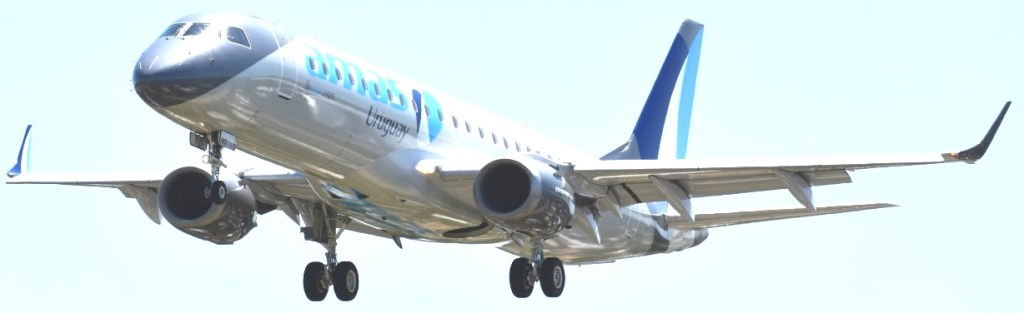
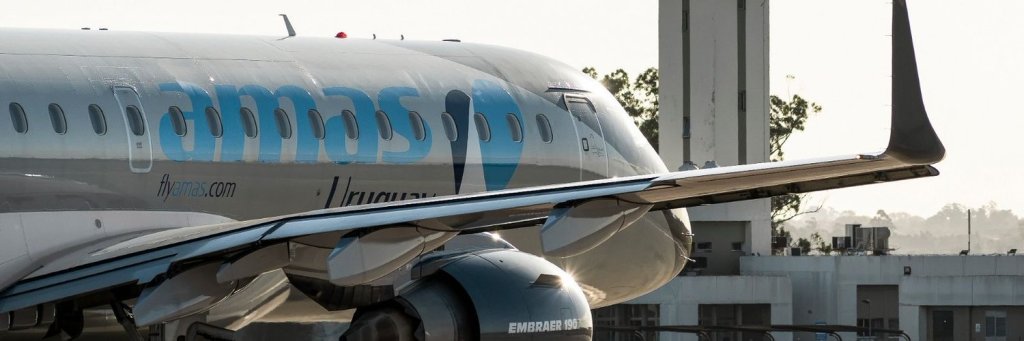
Alliance Airlines E190 modernizará flota de aviones
Alliance Airlines ha anunciado la incorporación de su primer avión Embraer E190 arribando el primer ejemplar la próxima semana procedente de Costa Rica. La compañía australiana ha solicitado 14 E190 de la compañía panameña Copa Airlines. El primer avión llegará a Australia la próxima semana, volando desde Costa Rica después de volver a pintar.
La nueva flota de Alliance Airlines ha estado en mantenimiento y repintado en el último mes en los talleres de mantenimiento en Costa Rica. El avión estará disponible la próxima semana para realizar vuelo en ferry desde San José, Costa Rica hacia Brisbane, Australia. El trayecto es de más de 13.700 kilómetros, haciendo escalas en diferentes lugares todavía no confirmados.
Adquisición E190
Alliance Airlines planea modernizar su flota mediante la adquisición de 14 aviones Embraer E190. La operación ha sido valorada en US$ 79 millones de Dólares con opciones de adquisición de cinco aeronaves adicionales en el futuro. La venta acordada con Copa Airlines a través del lessor arrendador Azorra Aviation permitirá actualizar la flota de la aerolínea regional Alliance Aviation en reemplazo de los aviones Fokker 100, aunque la flota de los E190 tienen una antigüedad entre 12 a 15 años de construcción. Alliance Airlines es una aerolínea regional australiana con sede en Brisbane. Alliance opera una flota de aviones Fokker 100, con un total de 47 aviones. Esto incluye 27 Fokker 100, 15 Fokker 70 y cinco Fokker 50. La aerolínea es principalmente un operador chárter, con una red de servicios a 42 destinos en Australia y Nueva Zelanda. También ha operado varias rutas bajo la modalidad de wetlease para Virgin Australia Airlines hasta que entró en administración.
Alliance Airlines ha aprovechado la depreciación del mercado para adquirir por el valor atrayente de US$79 millones la flota de 14 E190 junto con equipos, herramientas, equipos de entrenamiento y seis motores CF34 de repuesto, totalizando el valor unitario de cada aeronave en más de US$ 5.6 millones, mientras que los valores actuales del E190 es de alrededor de US$ 50 millones a precio de lista. Alliance recogerá estos aviones de edad promedio aceptable en el mercado y con descuento significativo, para modernizar de manera rápida su flota, según ha expresado el Director Gerente Scott McMillan. Alliance, desde su creación en 2002, tiene un historial de compra de aeronaves en momentos de oportunidad y a un valor significativamente reducido a su valor de mercado.
Alliance to incorporate Embraer E190
Alliance Airlines E190 to modernize aircraft fleet
Alliance Airlines has announced the incorporation of its first Embraer E190 aircraft with the first copy arriving next week from Costa Rica. The Australian company has requested 14 E190 from the Panamanian company Copa Airlines. The first plane will arrive in Australia next week, flying from Costa Rica after repainting.
The new Alliance Airlines fleet has been undergoing maintenance and repainting in the last month in maintenance workshops in Costa Rica. The plane will be available next week for a ferry flight from San José, Costa Rica to Brisbane, Australia. The journey is more than 13,700 kilometers, making stops at different places not yet confirmed.
Acquisition E190
Alliance Airlines plans to modernize its fleet by acquiring 14 Embraer E190 aircraft. The operation has been valued at US$ 79 million with options to acquire five additional aircraft in the future. The sale agreed with Copa Airlines through the lessor lessor Azorra Aviation will allow updating the fleet of the regional airline Alliance Aviation to replace the Fokker 100 aircraft, although the E190 fleet is between 12 and 15 years old. Alliance Airlines is an Australian regional airline based in Brisbane. The Alliance operates a fleet of Fokker 100 aircraft, with a total of 47 aircraft. This includes 27 Fokker 100, 15 Fokker 70 and five Fokker 50. The airline is primarily a charter operator, with a network of services to 42 destinations in Australia and New Zealand. It has also operated several routes under the wetlease modality for Virgin Australia Airlines until it entered administration.
Alliance Airlines has taken advantage of the market depreciation to acquire for the attractive value of US$ 79 million the fleet of 14 E190s together with equipment, tools, training equipment and six spare CF34 engines, totaling the unit value of each aircraft in more than US$ 5.6 million, while current E190 values are around US$ 50 million at list price. The Alliance will pick up these airplanes of acceptable average age in the market and at a significant discount, to rapidly modernize its fleet, as expressed by Managing Director Scott McMillan. Alliance, since its inception in 2002, has a history of purchasing aircraft at times of opportunity and at a value significantly reduced to market value.
American Airlines planea visitas a clientes de Boeing 737 MAX
American Airlines está planeando iniciar vuelos con los empleados hacia finales de Noviembre 2020, estimando que la FAA levantará la prohibición de vuelos a mediados de Noviembre 2020. «Estamos viendo que la línea de meta se nos acerca y creo que es una línea de meta real», dijo David Seymour, Director de Operaciones de American Airlines, a los empleados de una reunión del ayuntamiento la semana pasada. Los planes de la compañía son provisionales, basados en la decisión de la FAA.
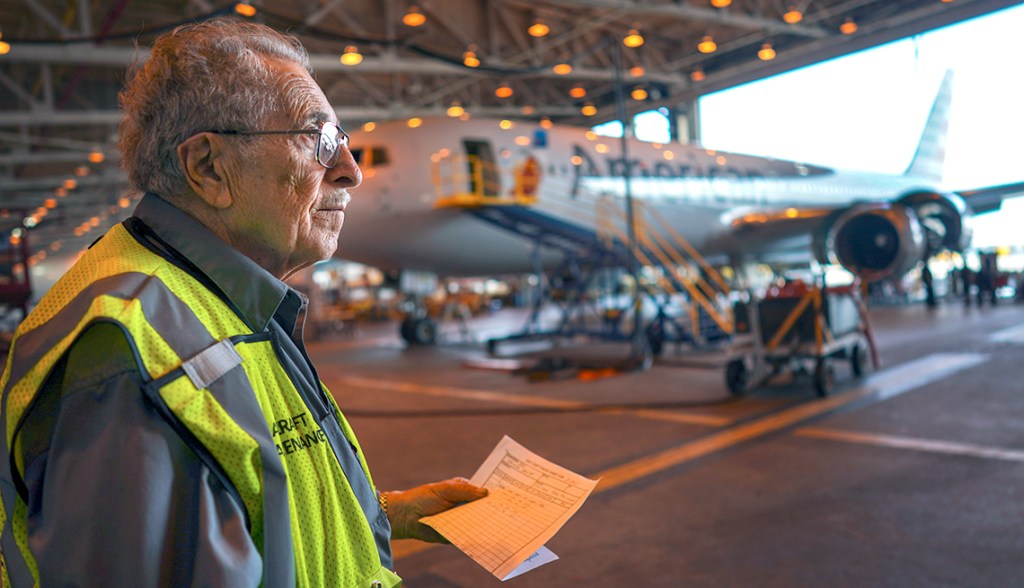
American Airlines, la aerolínea con sede en Fort Worth/TX, está planeando ofrecer a algunos clientes la oportunidad hacia finales de 11/2020 de ver el avión en persona en los aeropuertos, incluyendo el Aeropuerto Internacional de Dallas/Fort Worth, Nueva York/LaGuardia y Miami, con la participación de pilotos y mecánicos, donde los empleados podrán responder a las preguntas de los clientes a través de llamadas y mensajes de video, dijo la compañía. «Ellos son los que realmente tienen la credibilidad para explicar el MAX», dijo Alison Taylor, Directora de Clientes de American.
Vuelos iniciales
American la semana pasada dijo que programaba lo que esperaba serán los primeros vuelos del Boeing 737 MAX desde que el jet está trabajando para retornar a los cielos. La programación inicial comenzará entre el Aeropuerto Nueva York/LaGuardia y Miami a partir del 29 de Diciembre de 2020 hasta el 4 de Enero de 2021. Los clientes reservados en vuelos programados en aeronaves Boeing 737-8 MAX recibirán notificaciones y podrán cambiar a otro vuelo si no se sienten cómodos con volar en estos aviones, dijo Alison Taylor.
Posición sindical
El sindicato que representa a los pilotos estadounidenses advirtió contra la promoción del regreso de los aviones. «Hay 346 razones para ser respetuoso y no tener una campaña de relaciones públicas. Cuando el MAX está fijo, completamente examinado y hemos sido entrenados con fuerza, entonces será el momento de ir a volar el jet», dijo Dennis Tajer, Portavoz de la Asociación de Pilotos Aliados (APA) y capitán de Boeing 737.
Los pilotos de Boeing 737 de Estados Unidos pueden inscribirse en las sesiones de entrenamiento de Diciembre 2020, que incluirán un entrenamiento virtual que probablemente durará alrededor de una hora y 40 minutos alrededor de dos horas en un simulador de vuelo, dijo el sindicato a sus miembros la semana pasada.
Aerolíneas & 737 MAX
Las aerolíneas estadounidenses perdieron alrededor de US$ 10.000 millones de Dólares en el tercer trimestre (3Q2020) y las aerolíneas de todo el mundo han cancelado cientos de aviones modelos 737 MAX. Actualmente American Airlines que tenía 24 Boeing 737 MAX en su flota en el momento de la puesta a tierra de Marzo de 2019, tiene un acuerdo con Boeing que permitiría a la aerolínea aplazar pedidos de otros 18 unidades hasta 2024. El Director Comercial de United Airlines, Andrew Nocella, dijo que a principios de este mes en una llamada de ganancias la aerolínea volverá a poner los aviones en su programación próximamente hacia principios del 2021. El CEO de Southwest Airlines, Gary Kelly, dijo la semana pasada que la aerolínea no ha programado nuevos vuelos del 737 MAX porque todavía no ha sido autorizado para volar. La compañía aérea ha comunicado que podría regresar en el segundo trimestre de 2021.
Boeing está previsto que informe de los resultados del tercer trimestre (3Q2020) antes de que el mercado abra el Miércoles 28/10, cuando detallará el impacto financiero por la pandemia en la demanda de aeronaves y los últimos pasos para conseguir que el 737 MAX vuelva a volar en los cielos del mundo.
American to promote the 737 MAX
American Airlines plans visits to Boeing 737 MAX customers
American Airlines is planning to start flights with employees towards the end of November 2020, estimating that the FAA will lift the ban on flights in mid-November 2020. «We are seeing the finish line approaching us and I think it is a real finish line», David Seymour, American Airlines Chief Operating Officer, told employees at a town hall meeting last week. The company’s plans are tentative, based on the FAA’s decision.
American Airlines, the Fort Worth/TX-based airline, is planning to offer some customers the opportunity towards the end of 11/2020 to see the aircraft in person at airports, including Dallas/Fort Worth International Airport, New York/LaGuardia and Miami, with the participation of pilots and mechanics, where employees will be able to answer customer questions through calls and video messages, the company said. «They are the ones who really have the credibility to explain the MAX», said Alison Taylor, American’s Chief Customer Officer.
Initial flights
American last week said it was scheduling what it hoped would be the first Boeing 737 MAX flights since the jet was working its way back to the skies. Initial scheduling will begin between New York/LaGuardia Airport and Miami from December 29, 2020 through January 4, 2021. Customers booked on scheduled flights on Boeing 737-8 MAX aircraft will receive notifications and may change to another flight if you are not comfortable with flying these planes, Alison Taylor said.
Union position
The union representing American pilots warned against promoting the return of the planes. «There are 346 reasons to be respectful and not have a public relations campaign. When the MAX is fixed, fully vetted, and we’ve been hard-trained, then it will be time to go fly the jet», said Dennis Tajer, spokesman for the Allied Pilots Association (APA) and captain of Boeing 737.
US Boeing 737 pilots can sign up for the December 2020 training sessions, which will include virtual training that will likely last around an hour and 40 minutes or around two hours in a flight simulator, the union told its members. last week.
Airlines & 737 MAX
US airlines lost around US$ 10 billion in the third quarter (3Q2020) and airlines around the world have canceled hundreds of 737 MAX model aircraft. Currently American Airlines, which had 24 Boeing 737 MAXs in its fleet at the time of the March 2019 grounding, has an agreement with Boeing that would allow the airline to defer orders for another 18 units until 2024. United Airlines Commercial Director, Andrew Nocella, said that earlier this month in an earnings call the airline will put the planes back on its schedule soon towards early 2021. Southwest Airlines CEO Gary Kelly said last week that the airline has not scheduled new 737 MAX flights because it has not yet been cleared to fly. The airline has communicated that it could return in the second quarter of 2021.
Boeing is scheduled to report the third quarter results (3Q2020) before the market opens on Wednesday 10/28, when it will detail the financial impact of the pandemic on aircraft demand and the last steps to get the 737 MAX back to fly in the skies of the world.
Asamblea aprueba fusión con rechazos accionista, APTA/AAA/UPSA
La reunión constitutiva de la Asamblea de Accionistas del día 22/10 ha aprobado la fusión de Aerolíneas Argentinas y Austral Líneas Aéreas formalizando la disolución de Austral Líneas Aéreas en un proceso sin liquidación de su capital y la transferencia total de su patrimonio a Aerolíneas Argentinas. La voluntad de fusionar ambas compañías se retrotrae a la década de 1990 tras la adquisición por parte del Estado de Aerolíneas Argentinas y posteriormente de Austral Líneas Aéreas Cielos del Sur S.A., pero históricamente fue rechazada por los gremios aeronáuticos en muchas oportunidades que la veían como una amenaza a los convenios colectivos de trabajo.
El CEO del Grupo Aerolíneas, Pablo Ceriani, ha explicado que el proceso de integración «fue totalmente casual que coincida esta etapa con el retorno de la operación aérea, en la medida en que el proceso de fusión se encuentra calendarizado desde que comenzamos con este trabajo. Estamos en las últimas etapas de acuerdo al cronograma planteado». Pero las aprobaciones han generado rechazos dentro del grupo de accionistas por parte de Eduardo Claro, del Programa de Propiedad Participada (PPP) de Austral Líneas Aéreas y por los sindicato de la Asociación Personal Técnicos Aeronáuticos (APTA) y de la Asociación Argentina de Aeronavegantes (AAA). Los gremios están divididos en la lectura de las consecuencias que tendrá en los convenios laborales.
Pandemia y sinergia
El procedimiento de integración de ambas compañías estuvo alentada por el advenimiento de la pandemia de Coronavirus y los efectos macroeconómicos en la industria de la aviación comercial. A principios de Octubre 2020 los diferentes referentes del sector realizaron un preacuerdo al que arribaron los sindicatos de pilotos que operan en ambas compañías Asociación Pilotos de Líneas Aéreas (APLA) y la Unión de Aviadores de Líneas Aéreas (UALA) para integración un una sola unidad sindical. La UALA, liderada por Cristian Erhardt, agrupa a la tripulación de mando (CMD/FO) de Austral, que continuaban más reacios a lograr un acuerdo de integración por la ley de fusiones que plantea la revisión de derechos a la baja y la virtual disolución de esa organización gremial.
Las posturas en contra de la fusión fueron representadas dentro de la asamblea de accionistas de Austral Líneas Aéreas. El Comandante Eduardo Claro, titular de las acciones de la PPP, rechazó el procedimiento de fusión, pero que de todas formas se ha aprobado por mayoría. El proceso de integración AR/AU continuará para lograr el acuerdo pendiente con los sindicatos de tripulantes de cabinas (AAA), de personal superior (UPSA) y de técnicos (APTA). La asamblea constitutiva ha formalizado el proceso de sinergia de ambas compañías de forma unánime en la empresa residual de Aerolíneas Argentinas.
La postura de Aerolíneas Argentinas referente a la fusión se esgrime en el concepto de unificar procesos y reducir gastos duplicados. La fusión de las compañías permitiría ahorros significativos. El sindicato APLA, liderado por Pablo Biró, ha expresado que «una absorbe a la otra pero ninguna pierde capital. No compromete ni las condiciones laborales ni los puestos. En la unificación de los convenios nadie pierde, los salarios eran iguales pero constituidos de distinta forma. Después de esta pandemia no habrá ni ganadores ni perdedores, sólo sobrevivientes. Es lógico que nos pidan más eficiencia. Todo el mundo acompaña. Algunas cosas las perdimos pero en pos de ganar estabilidad laboral».
El sindicato de técnicos APTA, liderado por Ricardo Cirielli, explicó que «Austral está fusionada en la mayoría de sus áreas con Aerolíneas Argentinas desde la privatización de ambas al comienzo de los ’90, sus autoridades y directorio son los mismos. No hay ningún cierre. Si todo el plan de negocios se ejecuta debidamente, se logrará reducir costos y aumentar la productividad, asegurando la viabilidad empresaria y los puestos de trabajo durante la transición de la presente crisis».
El sector de los técnicos de Austral, manifestó su oposición. Uno de sus dirigentes, Gastón Kutnick, explicó que «el proceso fue muy poco claro. La tasación la hizo un grupo privado y no el Tribunal de Tasación de la Nación. Desconocemos la posición de la Auditoría General. No quedaron en claro ni los patrimonios ni la viabilidad a futuro para garantizar todos los puestos de trabajo y los derechos laborales adquiridos». El dirigente explicó que «hay una real amenaza porque el gobierno despidió sin causa a cuatro compañeros durante la pandemia. Fuimos la única voz pública que expresó diferencias y dudas, y no nos consultaron», expresando su descontento.
El destino de muchas aerolíneas han sido alcanzada por los efectos de la pandemia, donde muchas aerolíneas han terminado su ciclo, junto con ella Austral Líneas Aéreas, que continúa con el proceso de integración y la conclusión de una aerolínea emblemática en el mundo de la aviación comercial.
The constitutive meeting of the Shareholders’ Assembly on 10/22 approved the merger of Aerolíneas Argentinas and Austral Líneas Aéreas, formalizing the dissolution of Austral Líneas Aéreas in a process without liquidation of its capital and the total transfer of its assets to Aerolíneas Argentinas. The desire to merge both companies dates back to the 1990s after the acquisition by the State of Aerolíneas Argentinas and later Austral Líneas Aéreas Cielos del Sur SA, but historically it was rejected by the aeronautical unions on many occasions that saw it as a threat to collective bargaining agreements.
The CEO of Grupo Aerolíneas, Pablo Ceriani, explained that the integration process «was totally coincidental that this stage coincides with the return of the air operation, to the extent that the merger process has been scheduled since we started with this work. We are in the last stages according to the established schedule. » But the approvals have generated rejections within the group of shareholders on the part of Eduardo Claro, the Participated Property Program (PPP) of Austral Lineas Aereas and by the unions of the Asociación Personal Técnicos Aeronáuticos (APTA) and the Asociación Argentina de Aeronavegantes ( AAA). The unions are divided in the reading of the consequences that it will have in the labor agreements.
Pandemic and synergy
The integration procedure of both companies was encouraged by the advent of the Coronavirus pandemic and the macroeconomic effects on the commercial aviation industry. At the beginning of October 2020, the different referents of the sector made a preliminary agreement reached by the pilot unions that operate in both companies, the Airline Pilots Association (APLA) and the Airline Aviators Union (UALA) to integrate a single unit union. The UALA, led by Cristian Erhardt, brings together Austral’s command crew (CMD/FO), who continued to be more reluctant to reach an integration agreement due to the merger law that proposes the revision of rights to the reduction and the virtual dissolution of that union organization.
The positions against the merger were represented within the shareholders’ meeting of Austral Líneas Aéreas. Commander Eduardo Claro, owner of the PPP shares, rejected the merger procedure, but it was approved by majority anyway. The AR/AU integration process will continue to reach the pending agreement with the cabin crew unions (AAA), senior personnel (UPSA) and technicians (APTA). The constitutive assembly has formalized the synergy process of both companies unanimously in the residual company of Aerolineas Argentinas.
The position of Aerolíneas Argentinas regarding the merger is based on the concept of unifying processes and reducing duplicate expenses. The merger of the companies would allow significant savings. The APLA union, led by Pablo Biró, has stated that «one absorbs the other but neither loses capital. It does not compromise working conditions or positions. In the unification of the agreements, no one loses, salaries were equal but constituted differently. After this pandemic there will be neither winners nor losers, only survivors. It is logical that they ask us for more efficiency. Everyone goes along. Some things we lost but in pursuit of gaining job stability».
The APTA technicians union, led by Ricardo Cirielli, explained that «Austral has been merged in most of its areas with Aerolíneas Argentinas since the privatization of both at the beginning of the ’90s, its authorities and board of directors are the same. There is no closure. If the entire business plan is properly executed, it will be possible to reduce costs and increase productivity, ensuring business viability and jobs during the transition from the current crisis».
Austral’s technical sector, expressed its opposition. One of its leaders, Gastón Kutnick, explained that «the process was very unclear. The appraisal was done by a private group and not by the National Appraisal Court. We do not know the position of the General Auditor. Neither the assets were clear. nor the future viability to guarantee all the jobs and the acquired labor rights». The leader explained that «there is a real threat because the government dismissed four colleagues without cause during the pandemic. We were the only public voice that expressed differences and doubts, and they did not consult us», expressing their discontent.
The fate of many airlines has been affected by the effects of the pandemic, where many airlines have completed their cycle, along with Austral Líneas Aéreas, which continues with the integration process and the completion of a flagship airline in the world of aviation commercial.
AW | 2020 10 25 00:18 | AIRPORTS / AIRLINES / GOVERNMENT
Gobierno Argentina bloquea ops en Aeropuerto El Palomar
El Gobierno de la República Argentina ha rechazado la reapertura del Aeropuerto internacional El Palomar. Por medio del organismo de la Agencia Nacional de Aviación Civil (ANAC) ha determinado que la aeroestación no cumple con con las garantías del distanciamiento social y con las estrictas disposiciones sanitarias establecidas en los protocolos para evitar el contagio y propagación del coronavirus. De esta manera, las aéreas low cost JetSmart Airlines Argentina y Flybondi Líneas Aéreas no podrán retomar los vuelos de cabotaje desde su base natural de operaciones. Andes Líneas Aéreas no había confirmado fechas por el momento, a pesar de que los servicios fueran habilitados oportunamente por la ANAC.
El Organismo Regulador del Sistema Nacional de Aeropuertos (ORSNA) ha bloqueado las operaciones del Aeropuerto El Palomar para vuelos regulares domésticos, trayendo sorpresa e indignación por parte de las aerolíneas de presupuesto. El Gobierno nacional bloqueó las operaciones en el aeropuerto El Palomar y sólo habilitó al Aeropuerto Ezeiza para realizar los vuelos de cabotaje. De esta manera, las aerolíneas low cost deberán migrar sus operaciones hacia la aeroestación de Ezeiza.
Las compañías aéreas low cost han expresado su indignación por la manera imprudente de ordenar intempestuosamente el traslado de las operaciones aéreas de las compañías de bajo cost sin elaborar un protocolo de previsión que se requiere para reordenar la operatoria de las aerolíneas que involucran las operaciones desde El Palomar. El traslado de las operaciones a Ezeiza traerá como consecuencia el aumento de sus costos tanto en las operaciones como en las tarifas que la operadora AA2000 cobra en el Aeropuerto Ezeiza, aunque el Gobierno oportunamente había establecido un canon especial para operaciones low cost en el principal aeropuerto de ingreso en Argentina.
Aéreas low cost
Tras los anuncios sorpresivos, JetSmart Airlines Argentina tuvo que cancelar todos los vuelos domésticos previstos para Octubre 2020. El primer viaje había sido programado para el Viernes 30/10 hacia Mendoza. En tanto la aerolínea Flybondi tenía programado reiniciar operaciones hacia los primeros días de Noviembre 2020.
La determinación sobre El Palomar fue dada a conocer por el Organismo Regulador del Sistema Nacional de Aeropuertos (ORSNA), que estableció que el aeropuerto de Ezeiza es el único donde se han adaptado medidas y procesos para atender los nuevos protocolos sanitarios. Pero si el Gobierno estaba en conocimiento que solamente Ezieza cumplía con los lineamientos para reactivar las operaciones, por qué razón no han comunicado con anticipación a las compañías aéreas el posible traslado de las operaciones hacia el Aeropuerto Internacional Ezeiza. Las acciones del Gobierno dejan entrever las desprolijidades e irresponsabilidades de los organismos y funcionarios de turno.
El Gerente General de JetSmart Airlines Argentina, Gonzalo Pérez Corral, dijo que ellos presentaron el cronograma de vuelos para Octubre el pasado jueves. Por el momento serán un promedio de dos frecuencias semanales a destinos como Córdoba, Mendoza, Tucumán, Salta, Neuquén, Bariloche e Iguazú. Andes Líneas Aéreas realizará dos vuelos rotativos por semana, uno uniendo Buenos Aires desde Ezeiza, con Jujuy y Salta y otro partiendo también desde Ezeiza hacia Comodoro Rivadavia y Puerto Madryn, expresó el Gerente de la compañía, Horacio Preneste, aunque aún sin fechas confirmadas. Flybondi Líneas Aéreas establecerá su programación como teníaprevisto a partir de Noviembre 2020.
Perspectivas aéreas
La decisión de suspender las operaciones desde el Aeropuerto El Palomar se da en el marco del regreso de los vuelos de cabotaje regulares que comenzaron este Jueves 22/10. Así, Flybondi y Jetsmart comenzarán a volar desde Ezeiza en los próximos días, reanudando sus vuelos domésticos que estuvieron suspendidos desde el inicio de la crisis sanitaria por el Coronavirus. La ANAC ha autorizado a Jetsmart Airlines Argentina a retomar las operaciones de cabotaje a partir del próximo Lunes 26 de Octubre de 2020, cuando partirá desde Ezeiza un vuelo hacia Córdoba y otro a Mendoza. Flybondi Líneas Aéreas ha comunicado que ha adelantado la programación para reiniciar las operaciones aéreas a partir de la próxima semana desde el Aeropuerto Ezeiza.
Government does not authorize ops El Palomar
Argentine government blocks ops at El Palomar Airport
The Government of the Argentine Republic has rejected the reopening of the El Palomar International Airport. Through the agency of the National Civil Aviation Agency (ANAC) it has determined that the air station does not comply with the guarantees of social distancing and with the strict health provisions established in the protocols to avoid the contagion and spread of the coronavirus. In this way, the low cost airlines JetSmart Airlines Argentina and Flybondi Líneas Aéreas will not be able to resume domestic flights from their natural base of operations. Andes Líneas Aéreas had not confirmed dates at the moment, despite the fact that the services were duly authorized by the ANAC.
The Regulatory Body of the National Airport System (ORSNA) has blocked the operations of El Palomar Airport for regular domestic flights, bringing surprise and outrage on the part of budget airlines. The national government blocked operations at El Palomar airport and only enabled Ezeiza Airport to carry out domestic flights. In this way, low cost airlines will have to migrate their operations to the Ezeiza air station.
Low cost airlines have expressed their outrage at the reckless way of untimely ordering the transfer of the air operations of low cost companies without elaborating a forecast protocol that is required to reorder the operations of the airlines that involve operations from El Dovecote. The transfer of operations to Ezeiza will result in an increase in costs both in operations and in the rates that the operator AA2000 charges at the Ezeiza Airport, although the Government had established a special fee for low cost operations at the main airport. entry in Argentina.
Low cost airlines
After the surprise announcements, JetSmart Airlines Argentina had to cancel all domestic flights scheduled for October 2020. The first trip had been scheduled for Friday 10/30 to Mendoza. Meanwhile, the Flybondi airline was scheduled to restart operations towards the first days of November 2020.
The determination on El Palomar was released by the Regulatory Body of the National Airport System (ORSNA), which established that the Ezeiza airport is the only one where measures and processes have been adapted to meet the new sanitary protocols. But if the Government was aware that only Ezieza was complying with the guidelines to reactivate operations, why have they not communicated in advance to the airlines the possible transfer of operations to the Ezeiza International Airport. The actions of the Government reveal the carelessness and irresponsibility of the agencies and officials on duty.
The General Manager of JetSmart Airlines Argentina, Gonzalo Pérez Corral, said that they presented the flight schedule for October last Thursday. At the moment there will be an average of two weekly frequencies to destinations such as Córdoba, Mendoza, Tucumán, Salta, Neuquén, Bariloche and Iguazú. Andes Líneas Aéreas will carry out two rotary flights per week, one connecting Buenos Aires from Ezeiza, with Jujuy and Salta and another also departing from Ezeiza to Comodoro Rivadavia and Puerto Madryn, expressed the company’s Manager, Horacio Preneste, although there are still no confirmed dates. Flybondi Líneas Aéreas will establish its schedule as planned as of November 2020.
Aerial perspectives
The decision to suspend operations from the El Palomar Airport comes within the framework of the return of the regular domestic flights that began this Thursday 10/22. Thus, Flybondi and Jetsmart will begin flying from Ezeiza in the coming days, resuming their domestic flights that were suspended since the beginning of the health crisis due to the Coronavirus. The ANAC has authorized Jetsmart Airlines Argentina to resume cabotage operations as of next Monday, October 26, 2020, when a flight to Córdoba and another to Mendoza will depart from Ezeiza. Flybondi Líneas Aéreas has communicated that it has advanced the schedule to restart air operations starting next week from Ezeiza Airport.