Hong Kong Airlines vuela a Vancouver

AW | 2017 07 01 17:13 | AIRLINES / AIRLINES ROUTES / AIRPORTS

Resultado de imagen para Hong Kong Airlines  Vancouver AirportEl Aeropuerto Internacional de Vancouver da la bienvenida a Hong Kong Airlines

El Aeropuerto Internacional de Vancouver (YVR) recibió el primer vuelo inaugural de Hong Kong Airlines (HX) con un servicio diario sin escalas entre Vancouver y Hong Kong. Este nuevo servicio incrementará las conexiones y las los recursos económicos entre Hong Kong y Canadá, como así un mayor posicionamiento del Aeropuerto de Vancouver.

Las celebraciones inaugurales en el Aeropuerto Vancouver se dieron la aerolínea y funcionarios gubernamentales, entre otras personalidades. «Estamos encantados de dar la bienvenida a Hong Kong Airlines, una empresa galardonada con una gran historia de crecimiento», dijo Craig Richmond, Presidente y CEO de la Autoridad Aeroportuaria de Vancouver. «El nuevo servicio durante todo el año de Hong Kong Airlines conectará aún más a Vancouver y Canadá con una de las ciudades más dinámicas del mundo. Este servicio ofrece más opciones para los pasajeros y las empresas, al tiempo que estimula el crecimiento económico y el comercio».

El nuevo servicio Hong Kong-Vancouver mejorará las conexiones entre Asia y América. Hong Kong Airlines operará inicialmente la ruta utilizando un Airbus 330-200. A través de un Acuerdo Interline entre Hong Kong Airlines y WestJet, los pasajeros pueden conectarse a través de ambas líneas aéreas en su red de servicios.  AIRGWAYS ® Icon-AW

Hong Kong Airlines flies to Vancouver

Vancouver International Airport welcomes Hong Kong Airlines

Vancouver International Airport (YVR) hosted the first inaugural flight of Hong Kong Airlines (HX) with daily non-stop service between Vancouver and Hong Kong. This new service will increase connections and economic resources between Hong Kong and Canada, as well as greater Vancouver Airport positioning.

The inaugural celebrations at Vancouver Airport were given by the airline and government officials, among other personalities. «We are delighted to welcome Hong Kong Airlines, an award-winning company with a strong growth history,» said Craig Richmond, President and CEO of the Vancouver Airport Authority. «Hong Kong Airlines’ new year-round service will connect Vancouver and Canada to one of the most dynamic cities in the world, offering more options for passengers and business while stimulating economic growth and Commerce «.

The new Hong Kong-Vancouver service will enhance connections between Asia and America. Hong Kong Airlines will initially operate the route using an Airbus 330-200. Through an Interline Agreement between Hong Kong Airlines and WestJet, passengers can connect through both airlines in their service network. A \ W


Ξ A I R G W A Y S Ξ
SOURCE:  Airgways.com
DBk: Hongkongairlines.com / Straight.com
AW-POST: 201707011713AR

A\W   A I R G W A Y S ®

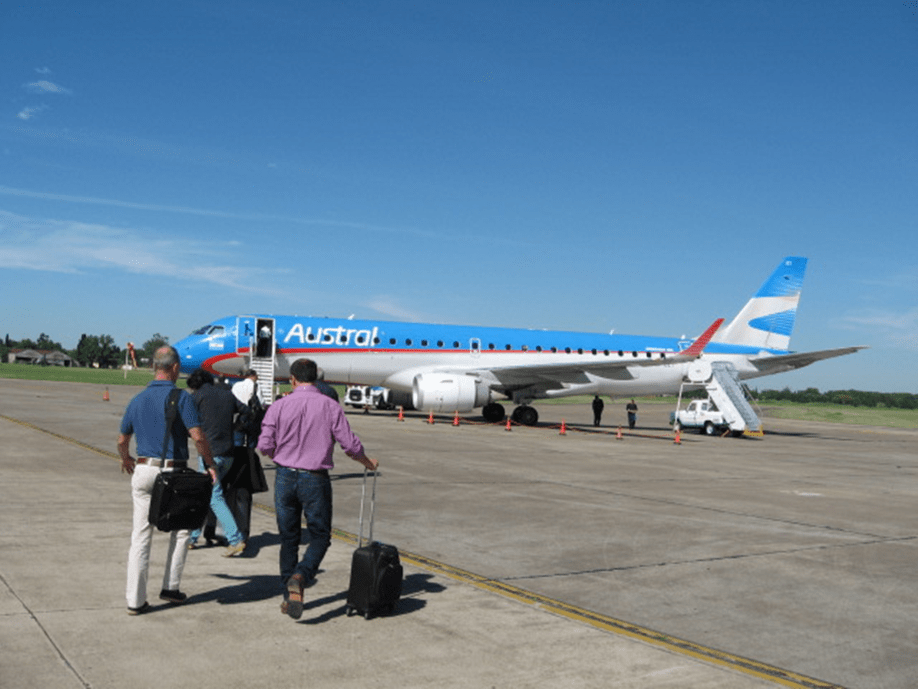
Austral inicia vuelos Rosario-Ushuaia

DMi 679.JPG

AW | 2017 06 30 23:59 | AIRLINES / AIRPORTS

La ruta aérea Rosario-Ushuaia se extenderá durante durante la temporada de invierno entre los meses de julio y agosto

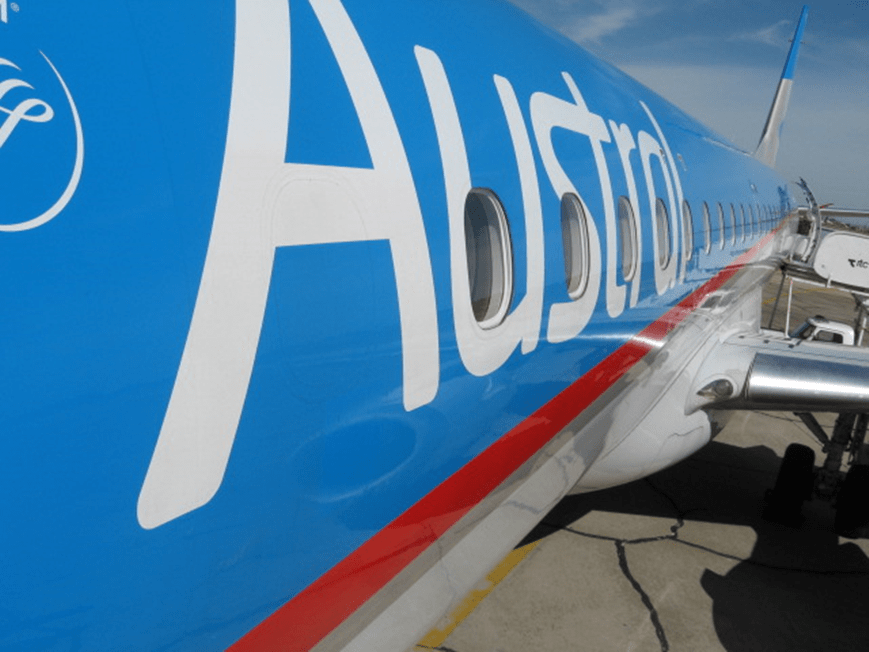
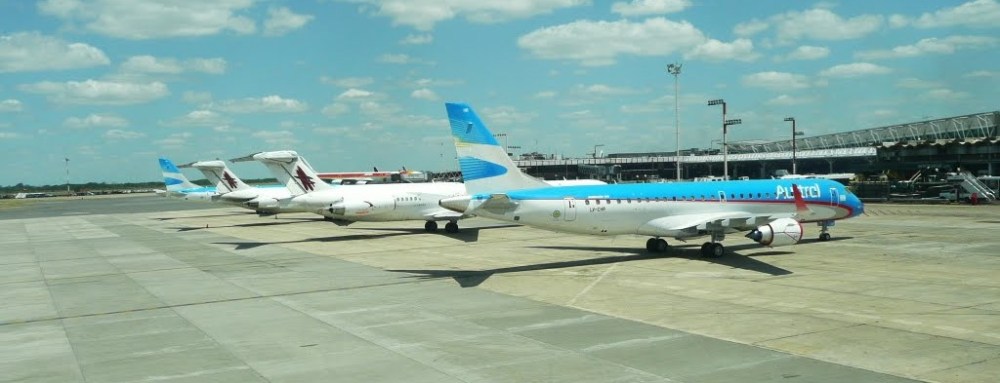
Aerolíneas Argentinas anunció un nuevo vuelo que unirá Rosario-Ushuaia, inaugurando este sábado el primer vuelo, extendiéndose durante los meses de julio y agosto 2017. La empresa Austral Líneas Aéreas inaugura la ruta aérea con aeronaves Embraer 190.

La nueva frecuencia partirá desde Rosario los sábados a las 8:20 hs. y llegará a Ushuaia a las 12:25hs. El regreso será a las 13:40 hs. desde Ushuaia, arribando a Rosario a las 17:35 hs. Estos vuelos de temporada acercan a la región para volar de forma directa, sin pasar por Buenos Aires, al sur argentino para disfrutar de la nieve para disfrutar de la temporada invernal.

Aeropuerto Rosario
El Aeropuerto Rosario creció la demanda de pasajeros de manera constante en 2017 gracias a la incorporación de nuevos destinos que el Grupo Aerolíneas opera de manera directa, sin pasar por Buenos Aires. Es así como la compañía ofrece 16% más de plazas saliendo desde y hacia Rosario, en comparación con 2016. Además creció un 51% respecto al año 2016, unos 215.732 pasajeros adicionales en la ruta Buenos Aires-Rosario-Buenos Aires. La conectividad de Rosario con el resto del país de Aerolíneas Argentinas y Austral ofrecerán 453.436 asientos más que el año pasado. destacó Aerolíneas.

“Estamos poniendo más foco en potenciar la oferta de vuelos de este destino: los rosarinos cuentan con vuelos directos a algunas de las ciudades más importantes del país, ya sea por su peso en el tráfico corporativo o por tratarse de atractivos turísticos clave; es el caso de Mendoza, Salta, Bariloche, Córdoba, Iguazú y Calafate. Vemos con mucho entusiasmo la respuesta de los rosarinos que eligen Aerolíneas a la hora de viajar porque saben que ofrecemos más y mejores opciones”, expresó Diego García, director Comercial del Grupo Aerolíneas, quien realizó los anuncios en la ciudad de Rosario junto con autoridades locales.  AIRGWAYS ® Icon-AW

Aerolíneas Argentinas begins Rosario-Ushuaia

The Rosario-Ushuaia air route will be extended during the winter season between the months of July and August

Aerolineas Argentinas announced a new flight that will link Rosario-Ushuaia, inaugurating on Saturday the first flight, extending during the months of July and August 2017. The company Austral Líneas Aéreas inaugurates the air route with Embraer 190.

The new frequency will start from Rosario on Saturdays at 8:20 am. And will arrive in Ushuaia at 12:25 p.m. The return will be at 1:40 pm. From Ushuaia, arriving in Rosario at 5:35 pm. These seasonal flights approach the region to fly directly, without passing through Buenos Aires, the Argentinean south to enjoy the snow to enjoy the winter season.

Rosario Airport
The Rosario Airport grew the demand of passengers in a constant way in 2017 thanks to the incorporation of new destinations that the Aerolíneas Group operates directly, without passing through Buenos Aires. This is how the company offers 16% more seats departing to and from Rosario, compared to 2016. It also grew 51% over 2016, some 215,732 additional passengers on the Buenos Aires-Rosario-Buenos Aires route. Rosario’s connectivity with the rest of the country from Aerolíneas Argentinas and Austral will offer 453,436 seats more than last year. According to airlines.

«We are putting more focus on boosting the offer of flights of this destination: the Rosario have direct flights to some of the most important cities in the country, either because of its weight in corporate traffic or because they are key tourist attractions; Is the case of Mendoza, Salta, Bariloche, Cordoba, Iguazú and Calafate. We see with great enthusiasm the response of the Rosarinos who choose Airlines when traveling because they know that we offer more and better options», said Diego Garcia, Commercial Director of the Aerolíneas Group, who made the announcements in the city of Rosario along with local authorities .A \ W


Ξ A I R G W A Y S Ξ
SOURCE:  Airgways.com
DBk:  Airgways
AW-POST: 201706302359AR

A\W   A I R G W A Y S ®

El nuevo Aeropuerto Beijing


AW | 2017 06 28 11:18 | AIRPORTS

Nuevo mega-aeropuerto de Beijing sacudirá el mercado chino de aerolíneas

Al igual que los antiguos señores de la guerra, las tres aerolíneas más grandes de China han dominado sus ciudades regionales: Air China que controla Beijing, China Oriental dominio de la explotación en el centro financiero de Shanghai y China Southern gobernando hacia abajo en la puerta de entrada de exportación Guangzhou. Hasta ahora.

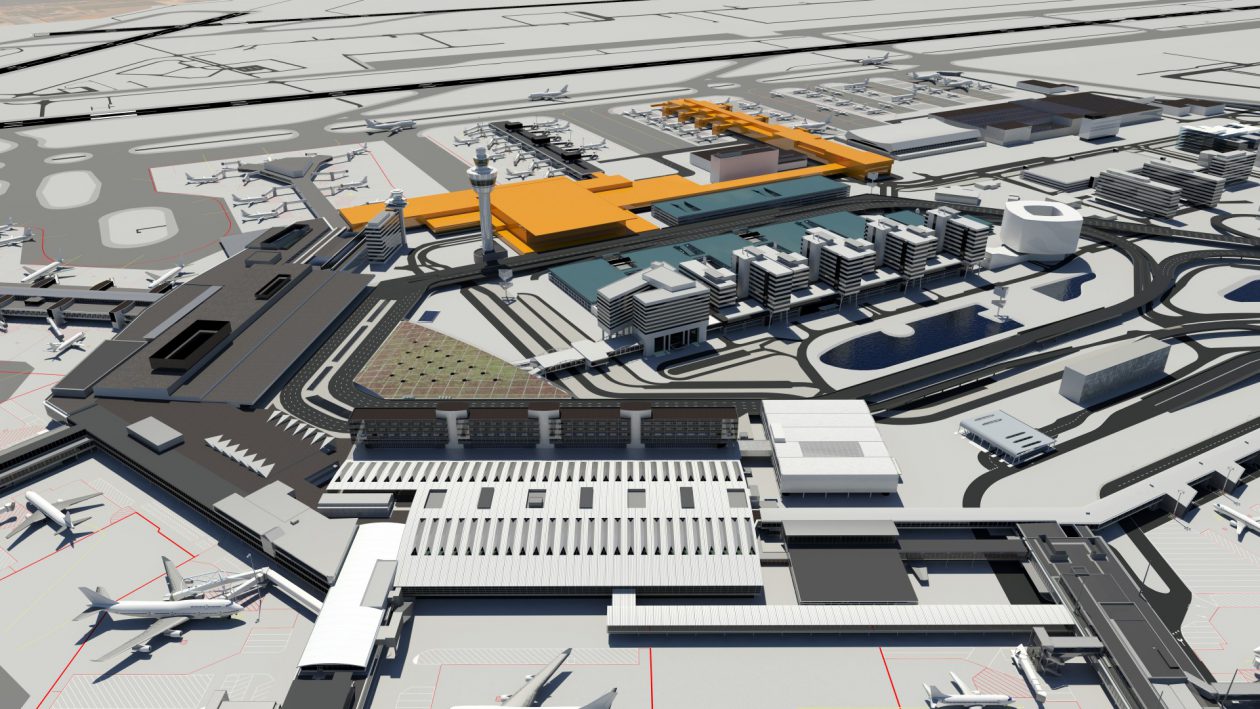
El aumento en un sur llano de Beijing es un mega aeropuerto que está a punto de cambiar el equilibrio, trayendo los tres cabeza a cabeza en la capital, ya que se convierte en el mayor centro de aviación del mundo.

El nuevo aeropuerto, que se inaugurará en 2019, ha sido designado por las autoridades como el centro para los miembros de la alianza SkyTeam, un grupo global de aerolíneas que incluye China Eastern y China Southern. Los dos transportistas chinos podrán capturar el 40 por ciento de los pasajeros del aeropuerto, ganando espacios de tiempo codiciados a Europa y los Estados Unidos en el patio trasero de Air China.

«Este es un cambio de juego absoluto para China Eastern y China Southern», dijo Corrine Png, directora ejecutiva de Crucial Perspective en Singapur. «Tener todos los miembros de la alianza SkyTeam bajo un mismo techo permitirá conexiones de vuelo sin fisuras».

Air China lucha contra rivales en el nuevo aeropuerto de Beijing

La invasión de los rivales regionales de Air China tiene repercusiones más allá de China. Además de dominar sus bases de casa, los tres grandes jugadores chinos han conseguido una posición en el extranjero.

Air China, a través de sus lazos de Star Alliance con Lufthansa y United Airlines, domina muchas de las rutas hacia Europa y Norteamérica. China Eastern es el mayor operador de Japón y Corea del Sur. Y Qantas socio China Southern es fuerte en Australia y el Sudeste de Asia.

Con acceso a más franjas horarias en Beijing, China Southern y China Eastern tendrían potencialmente más acceso a lucrativas rutas norteamericanas mientras sus socios de SkyTeam tendrían un mejor acceso a la capital china.

Además, China Southern, la mayor aerolínea del país, podría atraer tráfico de sus enlaces del sudeste asiático para volar a través de Beijing hasta los Estados Unidos. Hasta entonces, tienen que luchar por las tragamonedas en el aeropuerto existente, que está cerca de su capacidad.

Air China, que forma parte de Star Alliance, controla el 38 por ciento de las franjas horarias del aeropuerto internacional de Pekín, que maneja 94 millones de pasajeros en 2016, cerca de los 96 millones de pasajeros.

«Hay demandas para agregar cientos de vuelos en Beijing cada día que se rechazan porque nos estamos quedando sin recursos», dijo Liu Xuesong, director general de Capital Airports, el operador del aeropuerto existente de Beijing. «La ciudad es capaz de manejar dos hubs.»

Pekín apuesta fuerte en viajes aéreos

El nuevo aeropuerto de US $ 12,9 mil millones en el suburbio de Daxing, en el sur, que fue aprobado en 2014, podría acomodar hasta 100 millones de pasajeros al año con siete pistas. Liu estima que para 2025, los dos aeropuertos de Beijing compartirían 170 millones de pasajeros, incluyendo 25 millones en vuelos internacionales.

Beijing se une a una lista selecta de las principales ciudades con dos o incluso tres aeropuertos internacionales, entre ellos Londres, Nueva York, Tokio y París. Sin embargo, a diferencia de Beijing, estos aeropuertos suelen tener funciones complementarias, como una que sirve a rutas internacionales o intercontinentales y la otra que se centra en vuelos nacionales o regionales.

«Hasta ahora en la historia no hemos visto ningún grupo de ciudades o ciudades teniendo dos centros de la misma escala», dijo Ma Chongxian, vicepresidente de la compañía matriz de Air China, China National Aviation, en una conferencia en Beijing en mayo. Eso es porque usualmente las aerolíneas, en lugar del gobierno, eligen con qué aeropuerto volar, dijo Steve Saxon, un socio con sede en Shanghai en McKinsey & Co.

«China es diferente», dijo Saxon. «El gobierno tiene una influencia sustancial sobre los tres mayores operadores», lo que ayudará a Beijing a construir dos centros de conexión donde otras ciudades han fracasado.

China Oriental busca éxito en dos bujes

China Southern ha dicho que desplegará más de 200 aviones en el nuevo aeropuerto para el año 2020 – alrededor de un quinto de su flota prevista para ese momento. China Eastern tendrá «una notable ventaja» al ser un portavoz tanto en Shanghai como en Pekín, ya que la capital está mejor posicionada geográficamente como un punto de conexión para Europa y América del Norte, dijo Will Horton, analista de CAPA Center en Hong Kong. Aviación. China Eastern ya representa el 50 por ciento del mercado de los 10 principales vuelos internacionales desde el centro financiero del país, Shanghai.

La construcción del nuevo aeropuerto de Pekín no es una mala noticia para Air China. Su aeropuerto está más cerca del centro de la ciudad, a unos 25 minutos en buen tráfico al principal distrito de negocios en la parte oriental de la capital, o al mismo tiempo en tren.

Los enlaces de carreteras y ferrocarriles del nuevo aeropuerto también atraparían a los viajeros a Pekín en aproximadamente media hora, pero al suroeste, una parte de la ciudad que es menos conveniente para la mayoría de los ejecutivos de negocios, especialmente durante los tiempos de tráfico pico notoriamente congestionados de la capital. «Es probable que Air China gane participación en rutas clave de negocios», dijo Saxon de McKinsey, «similar a cómo British Airways se beneficia de la posición privilegiada que tiene en el más conveniente de Londres Heathrow». Eso podría afectar la lucrativa ruta Beijing-Shanghai, donde China Eastern controla casi el 60 por ciento del mercado, según datos compilados por Huatai Securities.

Oneworld desaparecido de nuevo

La división de los aeropuertos de Beijing por alianza deja fuera el tercer grupo más grande, Oneworld. Los miembros del grupo, iniciado en 1999 por Cathay Pacific, con sede en Hong Kong, y otros cuatro operadores, se basan en vínculos individuales con las aerolíneas chinas.

Miembro de Oneworld American Airlines anunció en marzo una compra de 2,7 por ciento de participación en China Southern por US $ 200 millones y desplegará algunos de sus vuelos en el nuevo aeropuerto de Beijing como parte del acuerdo. El transportista estadounidense tuvo que posponer el lanzamiento de un vuelo de Los Ángeles a Pekín a principios de este año, ya que no logró asegurar un intervalo de tiempo. Delta Air Lines, que tiene una participación del 3,2 por ciento en China Eastern, también debería ganar más franjas horarias en el nuevo aeropuerto. Un representante de Cathay no respondió a un correo electrónico pidiendo comentarios.

Las autoridades chinas se han comprometido a preservar las franjas horarias en los aeropuertos actuales y nuevos para los transportistas que ya vuelan a Beijing, informó Oneworld en un correo electrónico. Dijo que 10 miembros de Oneworld sirven a la ciudad con un total de 163 vuelos semanales de 16 destinos internacionales.

Cielo lleno de gente

Un efecto importante de toda la expansión será que algunos cielos muy congestionados sobre China, que tiene algunos de los más estrechos espacio aéreo en el mundo debido a la prioridad para los aviones militares.

CAPA estima que sólo alrededor del 20 por ciento del espacio aéreo sobre China está abierto a vuelos civiles, una de las razones por las que las aerolíneas chinas manchan un récord de desempeño puntual. «No tiene sentido abrir otro aeropuerto masivo sin abordar la cuestión del espacio aéreo restringido», dijo el Png de Crucial Perspective. Una opción es un juicio en Guangzhou que permite a los aviones militares y civiles compartir algún espacio aéreo.

El experimento llevó a un aumento del 7 por ciento en el número de pasajeros en el delta del río Pearl, dijo Che Jinjun, director general de la oficina de gestión del tráfico aéreo en la Administración de Aviación Civil de China. El juicio será ampliado a Beijing y Shanghai, dijo el administrador de CAAC, Feng Zhenglin, en un reciente foro de aviación en Beijing. «La buena noticia es que el gobierno parece comprometido con la reforma del espacio aéreo, que debería abrir el espacio suficiente para la expansión», dijo Saxon. AIRGWAYS ® Icon-AW


The new Beijing Airport

Beijing’s new mega-airport will shake up Chinese airline market

Like ancient warlords, China’s three biggest airlines have dominated their regional cities: Air China controlling Beijing, China Eastern holding sway in the financial center of Shanghai, and China Southern ruling the roost down in export gateway Guangzhou. Until now.

Rising on a plain south of Beijing is a mega airport that is about to change the balance, bringing all three head to head in the capital as it becomes the world’s biggest aviation hub.

The new airport, due to open in 2019, has been designated by authorities as the hub for members of the SkyTeam alliance, a global group of airlines that includes China Eastern and China Southern. The two Chinese carriers will each be allowed to capture 40 percent of the airport’s passengers, gaining coveted time slots to Europe and the U.S. in Air China’s backyard.

«This is an absolute game-changer for China Eastern and China Southern,» said Corrine Png, chief executive officer of Crucial Perspective in Singapore. «Having all the SkyTeam alliance members under one roof will enable seamless flight connections.»

Air China fights rivals at Beijing’s new airport

The invasion of Air China’s regional rivals has repercussions beyond China. As well as dominating their home bases, the big three Chinese players have each carved out a position abroad.

Air China, through its Star Alliance ties with Lufthansa and United Airlines, commands many of the routes to Europe and North America. China Eastern is the biggest carrier to Japan and South Korea. And Qantas partner China Southern is strong in Australia and Southeast Asia.

With access to more slots in Beijing, China Southern and China Eastern would potentially get more access to lucrative North American routes while their SkyTeam partners would get better access to the Chinese capital.

In addition, China Southern, the nation’s biggest airline, would be able to draw traffic from its Southeast Asian links to fly via Beijing to the U.S. Until then, they have to fight for slots at the existing airport which is close to capacity.

Air China, part of Star Alliance, whose 28 members include United, Singapore Airlines and Lufthansa, controls 38 percent of the slots at Beijing Capital International Airport, which handled 94 million passengers in 2016 – close to the maximum of 96 million.

«There are demands to add hundreds of flights in Beijing every day that get refused because we’re running out of resources,» said Liu Xuesong, general manager of Capital Airports, the operator of Beijing’s existing airport. «The city is capable of running dual hubs.»

Beijing bets big on surging air travel

The new US$12.9 billion airport in the southern suburb of Daxing, which was approved in 2014, would accommodate up to 100 million passengers a year with as many as seven runways. Liu estimates that by 2025, the two Beijing airports would share 170 million passengers, including 25 million on international flights.

Beijing is joining a select list of major cities with two or even three international airports, including London, New York, Tokyo and Paris. Unlike in Beijing, though, those airports usually take complementary roles, such as one serving international or intercontinental routes and the other focusing on domestic or regional flights.

«So far in history we haven’t seen any city or city clusters having two hubs of the same scale,» said Ma Chongxian, vice president of Air China’s parent company, China National Aviation, at a conference in Beijing in May.

That’s because it’s usually airlines, rather than the government, who choose which airport to fly to, said Steve Saxon, a Shanghai-based partner at McKinsey & Co.

«China is different,» Saxon said. «The government has substantial influence over the three largest carriers,» which will help Beijing build two connecting hubs where other cities have failed.

China Eastern looks to twin-hub success

China Southern has said it will deploy more than 200 aircraft at the new airport by 2020 – about a fifth of its planned fleet by that time. China Eastern will have «a remarkable advantage» by being a hub carrier both in Shanghai and Beijing as the capital is better positioned geographically as a connecting point for Europe and North America, said Will Horton, a Hong Kong-based analyst at CAPA Centre for Aviation. China Eastern already accounts for 50 percent of the market for the top 10 international flights from the country’s financial hub Shanghai.

The construction of the new Beijing airport isn’t all bad news for Air China. Its airport is closer to downtown, about 25 minutes in smooth traffic to the main business district in the eastern part of the capital, or the same time by train.

Planned road and rail links from the new airport would also whisk travelers into Beijing in about half an hour, but to the southwest, a part of the city that’s less convenient for most business executives, especially during the capital’s notoriously congested peak traffic times. «Air China is likely to win share on key business routes,» said McKinsey’s Saxon, «similar to how British Airways benefits from the privileged position it has in the more convenient London Heathrow.» That could affect the lucrative Beijing-Shanghai route, where China Eastern commands nearly 60 percent of the market, according to data compiled by Huatai Securities.

Oneworld missing out, again

The division of Beijing’s airports by alliance leaves out the third-biggest group, Oneworld. Members of the group, started in 1999 by Hong Kong-based Cathay Pacific and four other carriers, are instead relying on individual links with the Chinese airlines.

Oneworld member American Airlines announced in March a 2.7 percent stake purchase in China Southern for US$200 million, and will deploy some of its flights at the new Beijing airport as part of the deal. The U.S. carrier had to postpone the launch of a Los Angeles-to-Beijing flight earlier this year as it failed to secure a time slot. Delta Air Lines, which has a 3.2 percent stake in China Eastern, should also earn more slots at the new airport. A representative for Cathay didn’t respond to an email seeking comments.

Chinese authorities have committed to preserving slots at the current and new airports for carriers that already fly to Beijing, Oneworld said in an e-mail. It said 10 Oneworld members serve the city with a total of 163 weekly flights from 16 international destinations.

Crowded skies ahead

One major effect of all the expansion will be some very congested skies over China, which has some of the most constricted airspace in the world because of priority for military planes.

CAPA estimates that only about 20 percent the airspace over China is open to civilian flights – one of the reasons for Chinese airlines’ spotty on-time performance record. «There is no point opening another massive airport without addressing the restricted airspace issue,» Crucial Perspective’s Png said. One option is a trial in Guangzhou that allows military and civil aircraft to share some airspace.

The experiment led to a 7 percent increase in passenger numbers in the Pearl River Delta, said Che Jinjun, director general of the air traffic management bureau at the Civil Aviation Administration of China. The trial will be expanded to Beijing and Shanghai, CAAC administrator Feng Zhenglin said at a recent aviation forum in Beijing. «The good news is that the government seems committed to airspace reform, which should open up enough space for the expansion,» Saxon said. A /  W


Ξ A I R G W A Y S Ξ
SOURCE:  Ausbt.com.au
DBk:  Thebeijinger.com / Zaha Hadid
AW-POST: 201706281118AR

A\W   A I R G W A Y S ®


Pedido ampliación de Tenerife Sur

AW | 2017 06 19 11:40 | AIRPORTS

La portavoz adjunta del Grupo Parlamentario Ciudadanos (GPCs), Melisa Rodríguez, ha registrado una pregunta en la Cámara Baja, para la que ha solicitado respuesta por escrito, para conocer qué actuaciones pretende realizar el Gobierno de España para modernizar el Aeropuerto de Tenerife Sur con el fin de facilitar el aprovechamiento económico y comercial de la zona, así como para mejorar la calidad de los servicios para los pasajeros.

Melisa Rodríguez ha señalado en una nota que el Aeropuerto de Tenerife Sur es uno de los más congestionados de España, por lo que si se tienen en cuenta las recomendaciones de la Asociación de Transporte Aéreo Internacional, la infraestructura de este aeropuerto debería contar con al menos dos plantas, aunque la diputada opina que se debería considerar que fueran tres.

Rodríguez ha recordado que Tenerife Sur se ha ampliado en varias ocasiones con actuaciones consistentes en alargar el edificio terminal hacia ambos extremos, así como con una nueva sala de recogida de equipajes debajo de la original. Y ha añadido la construcción de una nueva terminal destinada exclusivamente a facturación, que queda en desuso hasta hoy.

Sin embargo, estas actuaciones no suponen un cambio en la estructura del aeropuerto, ha declarado la diputada de Cs, quien ha explicado que el edificio terminal “requiere de actuaciones importantes porque se trata de una infraestructura obsoleta que cuenta con 40 años de antigüedad”.

Rodríguez ha aclarado que una segunda pista no debería estar entre las inversiones, ya que el campo de vuelo del Aeropuerto tiene una capacidad que le permite doblar el volumen del pasaje actual con inversiones puntuales, por lo ve “esencial” centrarse en las verdaderas necesidades de Tenerife Sur. Asimismo, ha solicitado información sobre los plazos que contempla el Ejecutivo central para completar o realizar estas actuaciones de mejora.

“Las infraestructuras aeroportuarias son una pieza estratégica para las Islas Canarias, dado que suponen la puerta de entrada y salida para el archipiélago, y son el primer contacto con las islas que tienen los viajeros, por lo que es importante potenciar dichas infraestructuras para garantizar el confort y accesibilidad de sus usuarios”, ha concluido la diputada. AIRGWAYS ® Icon-AW

Request extension expansion of Tenerife South Airport

The deputy spokeswoman for the Citizens Parliamentary Group (GPCs), Melisa Rodríguez, has registered a question in the lower house, for which she has requested a written response, to know what actions the Government of Spain intends to carry out to modernize the Tenerife South Airport with In order to facilitate the economic and commercial use of the area, as well as to improve the quality of passenger services.

Melisa Rodríguez has noted in a note that the Tenerife South Airport is one of the most congested in Spain, so if you take into account the recommendations of the International Air Transport Association, the infrastructure of this airport should have at least Two plants, although the deputy thinks that they should be considered to be three.

Rodríguez recalled that Tenerife South has expanded several times with actions consisting of extending the terminal building to both ends, as well as a new luggage collection room below the original. And it has added the construction of a new terminal destined exclusively for billing, that remains in disuse until today.

However, these actions do not represent a change in the structure of the airport, said the deputy of Cs, who explained that the terminal building «requires significant actions because it is an obsolete infrastructure that has 40 years of age.»

Rodríguez has clarified that a second runway should not be among the investments, since the airport’s flight field has a capacity that allows it to double the volume of the current passage with specific investments, so it «essential» to focus on the true needs of Tenerife South. It has also requested information on the deadlines that the central executive contemplates to complete or carry out these improvement actions.

«The airport infrastructures are a strategic piece for the Canary Islands, since they are the gateway to and from the archipelago, and are the first contact with the islands that travelers have, so it is important to strengthen these infrastructures to guarantee the Comfort and accessibility of its users,» concluded the deputy. A \ W


Ξ A I R G W A Y S Ξ
SOURCE:  Diariodeavisos.elespanol.com
DBk:  Diariodeavisos.elespanol.com
AW-POST: 201706191140AR

A\W   A I R G W A Y S ®

Aeropuerto Rosario, aumento pasajeros

AW-7005907

AW | 2017 06 17 11:57 | AIRPORTS

Se triplicó en tres años la cantidad de pasajeros en el Aeropuerto de Rosario. Esto implica, entre otras mejoras, el fortalecimiento del piso donde se apoyan las naves

El Aeropuerto Internacional Rosario, «Islas Malvinas» suma pasajeros; en tres años los triplicó, de 250 a 780 mil (proyectados para 2017). A su vez, para crecer invierte en infraestructura, como la ampliación de la plataforma de aterrizaje. Esto implica, entre otras mejoras, el fortalecimiento del piso donde se apoyan las naves.

Hay un plan, a mediano y largo plazo, que a partir de 2019 pretende colocar a Rosario en los niveles de tráfico que ya ostenta el aeropuerto de Córdoba en la actualidad, entre 1,5 y 2 millones de pasajeros por año. La inversión en obras durante 2017 alcanzará los 550 millones de pesos, que provienen de fondos provinciales y del Ente Autárquico que lo administra. A diferencia de otras provincias, el aeropuerto de Rosario continúa en manos del Estado provincial, no se privatizó.

Además de Aeroparque, Ezeiza y Córdoba, desde Rosario se puede viajar a Salta, Mendoza, Iguazú, Ushuaia (nuevo destino), Bariloche y desde agosto próximo, se incorpora Calafate.

«Tenemos un plan de crecimiento muy ambicioso, hay público, pasajeros en toda la zona, con un plan de mejoras y ampliación sostenido y en distintas fases, el aeropuerto de Rosario se transformará por completo en unos años», se entusiasmó su titular, Matías Galíndez, en una entrevista con La Capital.

Respecto de la política del gobierno nacional que habilita líneas aéreas de bajo costo (low cost), y que son cuestionadas por especialistas porque pondrían en riesgo la seguridad de los pasajeros, Galíndez destacó que ve «con buenos ojos la política de cielos abiertos», siempre que cuenten con la autorización de la Administración Nacional de Aviación Civil, ANAC. «Funcionan en muchos países», advirtió. De todos modos, la posible operación de nuevas líneas en el aeropuerto rosarino sólo podrá concretarse si hay acuerdo con las autoridades locales de la estación aérea.

En el marco de una etapa creciente del tráfico aéreo en todo el país, Rosario creció mucho, por encima del promedio, «aunque hay que reconocer que arrancamos muy de abajo», concedió Galíndez.

El desarrollo de la ciudad y de la provincia en la actividad turística va en relación con el crecimiento del tráfico aéreo. Por esa razón, Galíndez participó el miércoles en Buenos Aires del lanzamiento de la temporada de turismo de invierno para la provincia de Santa Fe. AIRGWAYS ® Icon-AW

Increase pax in Rosario Airport, Argentina

The number of passengers at the Fisherton airport tripled in three years. This implies, among other improvements, the strengthening of the floor where the ships are supported

The Rosario International Airport, «Islas Malvinas» adds passengers; In three years, tripled them, from 250 to 780 thousand (projected for 2017). In turn, to grow invests in infrastructure, such as the extension of the landing platform. This implies, among other improvements, the strengthening of the floor where the ships are supported.

There is a plan, in the medium and long term, that from 2019 intends to place Rosario in the levels of traffic that already has the airport of Córdoba at present, between 1.5 and 2 million passengers per year. The investment in works during 2017 will reach the 550 million pesos, that come from provincial funds and of the Autarchic Entity that administers it. Unlike other provinces, the airport of Rosario continues in the hands of the provincial state, was not privatized.

In addition to Aeroparque, Ezeiza and Córdoba, from Rosario you can travel to Salta, Mendoza, Iguazú, Ushuaia (new destination), Bariloche and since August, Calafate is incorporated.

«We have a very ambitious growth plan, there are public, passengers throughout the area, with a plan for improvements and sustained expansion and in different phases, Rosario airport will be completely transformed in a few years,» enthused the owner, Matías Galindez, in an interview with La Capital.

Regarding the national government’s policy that enables low-cost airlines, which are questioned by specialists because they would put at risk the safety of passengers, Galindez stressed that he «welcomes the policy of open skies,» provided they have the authorization of the National Civil Aviation Administration, ANAC. «They work in many countries,» he warned.

Anyway, the possible operation of new lines at the Rosario airport can only be realized if there is agreement with the local authorities of the air station.

As part of a growing stage of air traffic throughout the country, Rosario grew significantly, above average, «although we must recognize that we started very low,» Galindez said.

The development of the city and the province in the tourist activity is related to the growth of air traffic. For that reason, Galindez participated on Wednesday in Buenos Aires of the launch of the winter tourism season for the province of Santa Fe. A \ W


Ξ A I R G W A Y S Ξ
SOURCE:  Lacapital.com.ar
DBk:  Airgways.com / Lacapital.com.ar
AW-POST: 201706171157AR

A\W   A I R G W A Y S ®

Obras en Aeropuerto San Juan, Argentina

AW | 2017 06 12 16:55 | AIRPORTS

Imagen relacionadaEl Aeropuerto Internacional de San Juan, Domingo Faustino Sarmiento, de Argentina se encuentra muy próximo a finalizar las obras de ampliación y refacción de la infraestructura del aeropuerto sanjuanino, que tendrán inicio en el mes de julio, cuando la reconstrucción de la playa de estacionamiento de la terminal aérea arranque. Así lo explicó el jefe del aeropuerto, Marcelo Villán, quien adelantó que en agosto harán la licitación por la remodelación del edificio. Además, aclaró que, pese al despliegue del trabajo que conlleva una obra puesta en marcha, las actividades se desarrollarán normalmente. “Mientras no afecten la pista, se puede operar tranquilamente en el aeropuerto”, detalló.

A partir del 4 de abril hasta el 4 de junio de 2018, la terminal aérea permanecerá cerrada y todos los vuelos que operan en San Juan serán desviados a Mendoza. También anticipó que 15 días antes de su cierre y 15 días posteriores a su apertura se hará una penalización a las operaciones.

El costo de inversión de la obra que transformará el aeropuerto en destino internacional es de unos 400 millones de pesos, de los cuales 250 millones serán destinados a la reconstrucción de la estación aérea, mientras que los 150 millones restantes serán propicios de la nueva pista principal. Los plazos de ejecución de la obra de reconstrucción de la estación aérea se proyectan en un año y medio, aproximadamente. AIRGWAYS ® Icon-AW

Works at San Juan Airport, Argentina

Resultado de imagen para provincia san juan turismo pngThe International Airport of San Juan, Domingo Faustino Sarmiento, of Argentina is very close to finalizing the works of extension and refurbishment of the San Juan airport infrastructure, which will begin in the month of July, when the reconstruction of the parking lot beach The air terminal will start. This was explained by the head of the airport, Marcelo Villán, who said that in August they will bid for the remodeling of the building. In addition, he clarified that, in spite of the deployment of the work that entails a work put in place, the activities will be developed normally. «As long as they do not affect the runway, you can operate quietly at the airport,» he said.

From 4 April until 4 June of 2018, the air terminal will remain closed and all flights operating in San Juan will be diverted to Mendoza. It also anticipated that 15 days before its closure and 15 days after its opening will be made a penalty to the operations.

The investment cost of the work that will transform the airport into an international destination is about 400 million pesos, of which 250 million will be allocated to the reconstruction of the air station, while the remaining 150 million will be propitious for the new main lane . The execution times of the reconstruction work of the air station are projected in a year and a half, approximately. A \ W


Ξ A I R G W A Y S Ξ
SOURCE:  Diarioelzondasj.com.ar
DBk:  Wikipedia.org / Panoramio.com
AW-POST: 201706121655AR

A\W   A I R G W A Y S ®

Aprobación para el nuevo Aeropuerto de Ciudad de México

Resultado de imagen para Nuevo Aeropuerto Mexico

AW | 2017 06 09 19:40 | AIRPORTS

La cancelación del proyecto de infraestructura más importante en décadas sería una catástrofe económica y ambiental

Uno de los saldos más relevantes de la elección del Estado de México es que el Nuevo Aeropuerto Internacional de la Ciudad de México (NAICM) queda, al parecer, a salvo de manipulación y extorsión políticas e ignorancia. El resultado alternativo del proceso electoral, como todo el mundo sabe, significaría probablemente el derrumbe del proyecto, o al menos, retrocesos, obstáculos considerables y costosos para su desarrollo.

La verdad es que se trata del proyecto de infraestructura más importante en décadas. Implica resolver problemas de conectividad y tráfico aéreo no sólo de la Zona Metropolitana de la Ciudad de México, sino de buena parte del país. Ello, con base en la opinión, análisis, diseño de instituciones y actores de mayor relevancia en la materia, tanto nacionales como internacionales. También, por supuesto, el NAICM es una expresión y mensaje de alto valor simbólico para el mundo, de un país que es el decimotercero en economía del planeta y potencia emergente que aspira a un peso específico cada vez más significativo en el concierto global.

La cancelación del proyecto sería catastrófica, no sólo en términos económicos, financieros y de empleo, sino de operación aeroportuaria, y por supuesto, de imagen internacional. No existen opciones racionales al proyecto en Texcoco, y la pérdida de casi 30,000 millones de pesos que se han invertido conllevaría un profundo y absurdo quebranto al erario, aparte del escarnio de la comunidad internacional. Más allá, significaría dejar sin mitigación y compensación todos los impactos ambientales, hidrológicos y urbanos asociados a la etapa de construcción, que lleva un avance notable en acondicionamiento del terreno, pistas, desplante y cimentación de la terminal. La mitigación y compensación de impactos es inherente al proyecto y en parte se deriva de la Manifestación de Impacto Ambiental. La cancelación del proyecto sería también, por tanto, una catástrofe ambiental. Por fortuna, ese riesgo parece haber sido conjurado.

El desarrollo del NAICM integra un Programa Institucional Ambiental, que incorpora el Plan de Manejo Ambiental, Plan de Restauración Ecológica, un Programa de Rescate de Flora y Fauna y un Programa de Conservación y Manejo de Aves. Algo inédito en México es que el NAICM será el primer aeropuerto verdaderamente sustentable, en la medida en que tendrá la Certificación LEED Platino, la cual califica la localización y accesibilidad y transporte en el sitio, la selección del mismo, el uso eficiente del agua, uso de materiales sustentables, calidad ambiental interior y eficiencia energética. A ello se suma un ambicioso proyecto para instalar una central de generación de electricidad solar fotovoltaica que satisfará gran parte de las necesidades energéticas del NAICM. Por lo mismo, el NAICM ha sido distinguido por la comunidad financiera internacional a través de una exitosa acogida y colocación de un Bono Verde por 2,000 millones de dólares.

Es fundamental ahora asegurar que el NAICM se constituya en el catalizador de un proceso virtuoso y sostenible para el oriente del Valle de México y que induzca en su entorno regional una dinámica equilibrada de desarrollo, que integre componentes urbanos, de movilidad y transporte, hidrológicos, ambientales y de logística. No debe permitirse que el NAICM derive en medio del caos urbano y ambiental, lo que demeritaría su mensaje y funcionalidad y acarrearía serios problemas para el Estado de México, la Ciudad de México y los municipios involucrados.

Por ello, es vital la creación de una Zona Económica Especial en el oriente del Valle de México con el pivote del NAICM, que ofrezca visión y gobernanza regional integrales, equilibrio, viabilidad y sustentabilidad, a través de un Plan Maestro Regional en coordinación y concurrencia entre diversas instancias de gobierno local y federal. AIRGWAYS ® Icon-AW

Approval for the new airport in Mexico City

The cancellation of the most important infrastructure project in decades would be an economic and environmental catastrophe

One of the most important balances of the election of the State of Mexico is that the New Mexico City International Airport (NAICM) is apparently safe from manipulation and extortion policies and ignorance. The alternative outcome of the electoral process, as everyone knows, would probably mean the collapse of the project, or at least, setbacks, considerable and costly obstacles to its development.

The truth is that this is the most important infrastructure project in decades. It implies solving problems of connectivity and air traffic not only of the Metropolitan Zone of Mexico City, but of a good part of the country. This, based on the opinion, analysis, design of institutions and actors of greater relevance in the matter, both national and international. Also, of course, the NAICM is an expression and message of high symbolic value to the world, of a country that is the thirteenth in economy of the planet and emerging power that aspires to a specific weight increasingly significant in the global concert.

The cancellation of the project would be catastrophic, not only in terms of economic, financial and employment, but also airport operation, and of course, international image. There are no rational options to the project in Texcoco, and the loss of almost 30 billion pesos that have been invested would entail a deep and absurd breach of the treasury, aside from the scorn of the international community. Beyond that, it would mean leaving all the environmental, hydrological and urban impacts associated with the construction phase, without any mitigation and compensation, leading to a remarkable advance in the conditioning of the terrain, tracks, curb and foundation of the terminal. The mitigation and compensation of impacts is inherent to the project and partly derives from the Manifestation of Environmental Impact. The cancellation of the project would therefore also be an environmental catastrophe. Fortunately, that risk seems to have been averted.

The development of the NAICM integrates an Environmental Institutional Program, which incorporates the Environmental Management Plan, Ecological Restoration Plan, a Flora and Fauna Rescue Program and a Bird Conservation and Management Program. Something unheard of in Mexico is that NAICM will be the first truly sustainable airport, to the extent that it will have the LEED Platino Certification, which qualifies the location and accessibility and transportation on the site, selection of the same, efficient use of water, Use of sustainable materials, indoor environmental quality and energy efficiency. To this is added an ambitious project to install a photovoltaic solar electricity generation center that will satisfy most of the energy needs of the NAICM. Therefore, the NAICM has been distinguished by the international financial community through a successful reception and placement of a Green Bond for 2,000 million dollars.

It is now essential to ensure that NAICM is the catalyst for a virtuous and sustainable process for the eastern Valley of Mexico and to induce in its regional environment a balanced development dynamic that integrates urban, mobility and transport components, hydrological, Environmental and logistic. NAICM should not be allowed to drift amidst urban and environmental chaos, which would deplete its message and functionality and bring serious problems for the State of Mexico, Mexico City and the municipalities involved.

For this reason, it is vital to create a Special Economic Zone in the eastern Valley of Mexico with the pivot of NAICM, which offers integral vision and regional governance, balance, viability and sustainability, through a Regional Master Plan in coordination and concurrence Between various levels of local and federal government. A \ W


Ξ A I R G W A Y S Ξ
SOURCE:  Eleconomista.com.mx
DBk:  Vanguardia.com.mx / Ejecentral.com.mx
AW-POST: 201706091940AR

A\W   A I R G W A Y S ®

Demoras en Aeropuerto Asunción

AW | 2017 06 08 11:22 | AIRPORTS

El Aeropuerto Internacional Silvio Pettirossi de Paraguay ha informado que varios vuelos fueron demorados y cancelados debido a la densa niebla que cayó en Asunción. Los vuelos de ayer a la noche y la madrugada fueron enviados en su totalidad a pistas de aterrizaje alternativas.

El primer vuelo cancelado en el Silvio Pettirossi el miércoles fue el de Aerolíneas Argentinas. Otros vuelos también fueron afectados, como el caso de la aerolínea TAM, que venía de Santiago de Chile, tuvo que ser redireccionado a la ciudad de Foz de Iguazú, y otro de Amaszonas que venía de Montevideo, Uruguay, fue desviado al aeropuerto Guaraní.

El retraso, de acuerdo a la información de la Dirección de Meteorología, será hasta el jueves en horas de la mañana, cuando se espera que los vuelos puedan retornar a Asunción, informó el administrador del Aeropuerto Silvio Pettirossi, Rubén Aguilar.

Entre anoche y esta madrugada se ha retrasado la llegada de ocho vuelos, dos de Copa, uno de Air Europa, otro de Avianca, dos de Amaszonas, dos de TAM y uno de Gol. AIRGWAYS ® Icon-AW

Delays at Silvio Pettirossi Airport

The Silvio Pettirossi International Airport of Paraguay has reported that several flights were delayed and canceled due to the dense fog that fell in Asuncion. Flights from yesterday night and early morning were sent in full to alternate runways.

The first canceled flight at Silvio Pettirossi on Wednesday was that of Aerolineas Argentinas. Other flights were also affected, such as the case of the airline TAM, which came from Santiago, Chile, had to be redirected to the city of Foz de Iguazú, and another from Amaszonas that came from Montevideo, Uruguay, was diverted to the Guaraní airport.

The delay, according to information from the Meteorology Department, will be until Thursday morning, when flights are expected to return to Asuncion, airport administrator Silvio Pettirossi, Ruben Aguilar, said.

Between last night and this morning has been delayed the arrival of eight flights, two of Copa, one of Air Europa, another of Avianca, two of Amaszonas, two of TAM and one of Gol. A \ W


Ξ A I R G W A Y S Ξ
SOURCE: Airgways.com
DBk: Panoramio.com / Taringa.com
AW-POST: 201706081122AR

A \ W A I R G W A Y S ®


Aumento pax en Aeropuerto de Lisboa

AW | 2017 06 06 15:22 | AIRPORTS

Aeroporto de Lisboa tiene 4º mayor aumento de pasajeros de Europa en el  1º cuatrimestre

O Aeroporto de Lisboa se encuentra en el centro de la ciudad, en el centro de la ciudad, en el centro de la ciudad, que se contamine entre los mayores aeropuertos europeos.

Cálculos de PressTUR a partir de datos de 239 aeroportos europeos publicados por ACI Europa (Consejo Internacional de Aeropuertos) evidenciaram que aumentos mayores que en Lisboa no 1 quadrimestre ejecutado sólo en Bruselas (coma 1) , 78 millones (+ 33,4%, para 7,1 millones), Amsterdam, con más 1,71 millones (+ 9,4%, para 19,9 millones), y Moscovo Sheremetievo, con más de 1,66 millones + 17,4% para 11,2 millones).

Lisboa, por su vez, ha tenido aumentos superiores a los verificados en Londres Gatwick, que tiene más de 1,32 millones de pasajeros que no el primer trimestre de 2016 (+ 11,4%, para 12,94 millones), Madrid, com más 1, 2 millones (+ 8,1%, para 16,1 millones), Barcelona, ​​con 10,7 millones (+ 8,9%, para 13,18 millones), Londres Heathrow, com más 1,05 millones (+4 , 6,2%, para 23, 9 millones), París Charles de Gaulle, con más 1,05 millones (+ 5,3%, para 20,86 millones), y Dusseldorf, con más 939 mil (+ 15,2% Para 7,1 millones).

Los 239 aeropuertos con los datos de pasajeros publicados por ACI sumaron 535,88 millones de pasajeros en el 1º cuatrimestre, con un aumento de 8,9% o casi 44 millones en el período homólogo del 2016. Los cinco aeropuertos portugueses de los datos dados – Lisboa , Oporto, Faro, Funchal y Ponta Delgada – sumaron 13,65 millones de viajeros, con un aumento de 21,7% o 2,4 millones.

Lisboa, con un aumento de los pasajeros en el año 2016.  Porto, por su vez, subió de 54º a 51º, Con 3,06 millones de pasajeros (+ 21% o más 532 mil), y Ponta Delgada subió de 140º para 136º, con 471,5 mil pasajeros (+ 20,4% o más cerca de 80 mil).  Faro tiene una posición de 74 años, con 1,71 millones de pasajeros (+ 20,4% o más 290 mil), tal como o Funchal se mantienen en el puesto 102º, con 966,6 mil pasajeros (+12,4 %  más 106 mil). Londres Heathrow, con 23,9 millones de pasajeros, se mantuvo como el principal aeropuerto europeo, seguido por París Charles de Gaulle, con 20,86 millones, y este año, Amsterdam, com 19,92 millones, que ‘beneficio’ al Estambul Atatürk de 3º para 5º, con 18,12 millones de pasajeros, también de Fráncfort, con 18,55 millones.

Madrid, com 16,1 millones, Barcelona, ​​com 13,18 millones, que sobrepasó Munich, con 13,11 millones, seguido de Londres Gatwick, con 12,94 millones, y Roma Fiumicino, com 11 , 68 millones.  AIRGWAYS ® Icon-AW

https://i0.wp.com/www.loveporto.com/aeroporto.jpg

Pax increase in Lisbon Airport


Lisbon Airport had the 4th largest passenger increase in Europe in the first four months


In the first four months of the year, Lisbon Airport reached the fourth largest passenger increase among all European airports, with 1.43 million more, beating competitors like London Gatwick, Madrid, Barcelona, ​​London Heathrow and Paris Charles de Gaulle , Which are among the largest European airports.

PressTUR calculations from data from 239 European airports published by ACI Europe (Airports Council International) showed that larger increases than in Lisbon in the first four months occurred only in Brussels (recovering from the impact of terrorist attacks a year ago), with a further 1 (+ 33.4% to 7.1 million), Amsterdam, with a further 1.71 million (+ 9.4% to 19.9 million), and Moscow Sheremetievo, with a further 1.66 million ( + 17.4% to 11.2 million).

Lisbon, on the other hand, had increases higher than those in London Gatwick, which had more 1.32 million passengers than in the first four months of 2016 (+ 11.4% to 12.94 million), Madrid, with a further 1, 2 million (+ 8.1% to 16.1 million), Barcelona with a further 10.7 million (+ 8.9% to 13.18 million), London Heathrow with a further 1.05 million (+4 (+ 5.3% to 20.86 million), and Dusseldorf, with a further 939 thousand (+ 15.2%), To 7.1 million).

The 239 airports with passenger data published by ACI totaled 535.88 million passengers in the first four months, an increase of 8.9% or almost 44 million compared to the same period of 2016. The five Portuguese airports included in these data Lisbon, Porto, Faro, Funchal and Ponta Delgada – totaled 13.65 million passengers, an increase of 21.7% or 2.4 million.

Lisbon, with a passenger increase of 23.8% to 7.43 million, was the 22nd largest European airport in the four-month period, three positions above the same period of 2016. Oporto, in turn, rose from 54º to 51º, (+ 21% or more 532,000), and Ponta Delgada rose from 140º to 136º, with 471,500 passengers (+ 20,4% or more about 80,000). Faro remained in its 74th position a year ago, with 1.71 million passengers (+ 20.4% or more 290,000), as Funchal remained at 102 °, with 966.6 thousand passengers (+12.4 % Or more 106 thousand). London Heathrow, with 23.9 million passengers, remains the largest European airport, followed by Paris Charles de Gaulle with 20.86 million, and this year Amsterdam with 19.92 million, which ‘benefited’ from the Fall from Istanbul Ataturk from 3rd to 5th, with 18.12 million passengers, behind Frankfurt, with 18.55 million.

In the second half of the Top 10 are Madrid with 16.1 million, Barcelona with 13.18 million, which surpassed Munich with 13.11 million, followed by London Gatwick with 12.94 million and Rome Fiumicino with 11 , 68 million. A \ W

https://i0.wp.com/portugalresident.com/sites/default/files/field/image/tap-aeroporto-de-lisboa.jpg

Aumento pax en Aeroporto Lisboa

Aeroporto de Lisboa teve o 4º maior aumento de passageiros da Europa no 1º quadrimestre

O Aeroporto de Lisboa alcançou no primeiro quadrimestre o 4º maior aumento de passageiros entre todos os aeroportos europeus, com mais 1,43 milhões, ‘batendo’ concorrentes ‘de peso’ como Londres Gatwick, Madrid, Barcelona, Londres Heathrow e Paris Charles de Gaulle, que se contam entre os maiores aeroportos europeus.

Cálculos do PressTUR a partir de dados de 239 aeroportos europeus publicados pelo ACI Europa (Airports Council International) evidenciaram que aumentos maiores que em Lisboa no 1º quadrimestre ocorreram apenas em Bruxelas (que recupera do impacto de atentados terroristas há um ano), com mais 1,78 milhões (+33,4%, para 7,1 milhões), Amesterdão, com mais 1,71 milhões (+9,4%, para 19,9 milhões), e Moscovo Sheremetievo, com mais 1,66 milhões (+17,4% para 11,2 milhões).

Lisboa, por sua vez, teve aumentos superiores aos verificados em Londres Gatwick, que teve mais 1,32 milhões de passageiros que no 1º quadrimestre de 2016 (+11,4%, para 12,94 milhões), Madrid, com mais 1,2 milhões (+8,1%, para 16,1 milhões), Barcelona, com mais 10,7 milhões (+8,9%, para 13,18 milhões), Londres Heathrow, com mais 1,05 milhões (+4,6%, para 23, 9 milhões), Paris Charles de Gaulle, com mais 1,05 milhões (+5,3%, para 20,86 milhões), e Dusseldorf, com mais 939 mil (+15,2%, para 7,1 milhões).

Os 239 aeroportos com dados de passageiros publicados pelo ACI somaram 535,88 milhões de passageiros no 1º quadrimestre, com um aumento em 8,9% ou quase 44 milhões em relação ao período homólogo de 2016. Os cinco aeroportos portugueses incluídos nesses dados — Lisboa, Porto, Faro, Funchal e Ponta Delgada — somaram 13,65 milhões de passageiros, com um aumento em 21,7% ou 2,4 milhões.

Lisboa, com um aumento de passageiros em 23,8%, para 7,43 milhões, foi o 22º maior aeroporto europeu no quadrimestre, três posições acima do período homólogo de 2016. O Porto, por sua vez, subiu de 54º a 51º, com 3,06 milhões de passageiros (+21% ou mais 532 mil), e Ponta Delgada subiu de 140º para 136º, com 471,5 mil passageiros (+20,4% ou mais cerca de 80 mil). Já Faro manteve a 74ª posição de há um ano, com 1,71 milhões de passageiros (+20,4% ou mais 290 mil), tal como o Funchal se manteve em 102º, com 966,6 mil passageiros (+12,4% ou mais 106 mil). Londres Heathrow, com 23,9 milhões de passageiros, mantém-se o maior aeroporto europeu, seguido por Paris Charles de Gaulle, com 20,86 milhões, e, este ano, Amesterdão, com 19,92 milhões, que ‘beneficiou’ da queda de Istambul Ataturk de 3º para 5º, com 18,12 milhões de passageiros, atrás também de Frankfurt, com 18,55 milhões.

Na segundo metade do Top10 estão Madrid, com 16,1 milhões, Barcelona, com 13,18 milhões, que ultrapassou Munique, com 13,11 milhões, seguindo-se Londres Gatwick, com 12,94 milhões, e Roma Fiumicino, com 11,68 milhões. A \ W


Ξ A I R G W A Y S Ξ
SOURCE: Presstur.com
DBk: Presstur.com / Portugalresident.com / Loveporto.com
AW-POST: 201706061522AR

A \ W   A I R G W A Y S ®

Aeropuerto Palma recibe certificado internacional por reducción de emisiones

https://i0.wp.com/static.panoramio.com/photos/original/63473099.jpg

AW | 2017 06 06 14:51 | AIRPORTS

El Aeropuerto de Palma, de España, consigue un certificado internacional por sus esfuerzos por reducir emisiones de CO2

El Aeropuerto de Palma ha logrado el nivel 2 del programa Airport Carbon Accreditation, un certificado otorgado por la European region of Airports Council International (ACI), que reconoce los esfuerzos del aeropuerto por gestionar y reducir sus emisiones de CO2.

Según han informado desde Aena en un comunicado, este programa permite, de forma independiente, examinar y reconocer los trabajos de los aeropuertos para la gestión y reducción de las emisiones de CO2 ligadas a su actividad, facilitando una herramienta común a nivel europeo. Además, los aeropuertos participantes deben comunicar periódicamente sus emisiones de CO2 para determinar qué fuentes de emisión son prioritarias y sobre cuáles se pueden establecer medidas de reducción. Así, con actuaciones como el cierre del Modulo A (anual desde noviembre a marzo), los detectores de presencia, la renovación del alumbrado en la entrada del Aeropuerto y la utilización de cuatro vehículos eléctricos, entre otras, han conseguido un ahorro de 5.619 MW/h en 2016, lo que supone una reducción de emisiones a la atmósfera de 1.203 toneladas de CO2. AIRGWAYS ® Icon-AW

Palma Airport with international certificate

Palma Airport,  Spain,  gets an international certificate for its efforts to reduce CO2 emissions


Palma Airport has achieved Level 2 of the Airport Carbon Accreditation program, a certificate issued by the European Region of Airports Council International (ACI), which recognizes the airport’s efforts to manage and reduce its CO2 emissions.

Aena said in a statement that this program allows the independent examination and recognition of airport work for the management and reduction of CO2 emissions linked to its activity, facilitating a common tool at European level. In addition, participating airports should periodically report their CO2 emissions to determine which emission sources are priority and on which mitigation measures can be established. Thus, with actions such as the closure of Module A (annual from November to March), the presence detectors, the renovation of the lighting at the entrance of the Airport and the use of four electric vehicles, among others, have achieved a saving of 5,619 MW / H in 2016, resulting in a reduction of atmospheric emissions of 1,203 tonnes of CO2. A \ W


Ξ A I R G W A Y S Ξ
SOURCE: 20minutos.es
DBk: Panoramio.com
AW-POST: 201706061451AR

A \ W   A I R G W A Y S ®