EANA digitalización Córdoba

AW | 2021 12 31 08:58 | AIRPORTS / AVIATION TECHNOLOGY

Digitalización Aeropuerto Córboba/FIR Córdoba

EANA_Isologotype

La Empresa Argentina de Navegación Aérea S.E., EANA, completó en Córdoba, Argentina, la instalación y puesta en servicio del nuevo Sistema de Conmutación de Voz de la torre de control del Aeropuerto Internacional Ingeniero Aeronáutico Ambrosio Taravella y del Centro de Control de Área Córdoba. La empresa del Ministerio de Transporte da un paso más en el avance hacia la modernización y digitalización total de sus sistemas de comunicaciones aeronáuticas en todo el país.

El Voice Communications System (VCS), la instalación del nuevo sistema forma parte del Plan Estratégico de EANA 2020-2024 con el que se avanza en la digitalización plena de los sistemas en todo el país. El VCS es el elemento central de la infraestructura de comunicaciones tanto de la torre de control como del centro de control de área. Los enlaces terrestres de comunicaciones (MPLS) dispondrán ahora de respaldo satelital VSAT, provisto por ARSAT, lográndose así la necesaria redundancia total del sistema. Asimismo, EANA implementó un sistema de comunicación de respaldo por IP, que brinda al control de tránsito aéreo una alternativa de comunicación ante un eventual inconveniente en la operación del VCS. El nuevo sistema es de última generación y fue adquirido a la empresa austríaca Frequentis.

Con esta implementación, enmarcada en el Plan de Modernización del Transporte impulsado por el Ministerio de Transporte de la Nación, se logra la redundancia plena que garantiza una mayor disponibilidad del sistema aún ante la salida de servicio de alguno de sus componentes. Debido a la importancia central del VCS en la operación de los servicios de navegación aérea, el reemplazo del sistema antiguo por el nuevo se llevó a cabo sin afectar el normal funcionamiento del control de tránsito aéreo.

A través del nuevo VCS, el personal del control de tránsito aéreo puede acceder y utilizar los equipos de VHF tanto locales como remotos, a la vez que podrá integrar hasta 63 líneas telefónicas, esenciales para la coordinación operativa entre distintas dependencias de la región y el país, tanto en la red de telecomunicaciones aeronáuticas (ATN) como en la red pública (PSTN).

El nuevo equipamiento cuenta con 42 puestos de operación totalmente equipados de acuerdo a estándares internacionales y gestiona hasta 78 equipos de radio. La capacidad de almacenamiento de registros de audio, provenientes ahora de hasta 236 canales, es de un total de 60 días.

Las comunicaciones de voz para el Control de Tránsito Aéreo en ruta se establecen mediante enlaces de VHF-AM. Debido a su alcance limitado, de algunos cientos de km, y con el objetivo de garantizar la cobertura de las comunicaciones en todas las Flight Information Regions (FIR) del espacio aéreo argentino, EANA cuenta con la denominada Red de Avanzada de Estaciones de VHF Aeronáuticas (REAVA). La REAVA consta de estaciones remotas distribuidas dentro del vasto territorio que abarca una FIR, y sus respectivas estaciones principales. En cada FIR, las estaciones remotas se encuentran interconectadas con la estación principal mediante enlaces terrestres y satelitales. Esto permite establecer comunicaciones entre el personal que opera desde la estación principal de una FIR y las aeronaves ubicadas en las inmediaciones de cualquier estación remota, de forma transparente.

EANA digitization Córdoba

Digitization of Córboba Airport/Córdoba FIR

EANA_Isologotype

The Argentine Air Navigation Company S.E., EANA, completed in Córdoba, Argentina, the installation and commissioning of the new Voice Switching System of the control tower of the Ambrosio Taravella Aeronautical Engineer International Airport and the Córdoba Area Control Center. The company of the Ministry of Transport takes another step in the advance towards the modernization and total digitization of its aeronautical communications systems throughout the country.

The Voice Communications System (VCS), the installation of the new system is part of the EANA 2020-2024 Strategic Plan with which progress is being made in the full digitization of systems throughout the country. The VCS is the central element of the communications infrastructure of both the control tower and the area control center. The terrestrial communications links (MPLS) will now have VSAT satellite backup, provided by ARSAT, thus achieving the necessary total redundancy of the system. Likewise, EANA implemented a backup communication system over IP, which provides air traffic control with a communication alternative in the event of a possible inconvenience in the operation of the VCS. The new system is state-of-the-art and was purchased from the Austrian company Frequentis.

With this implementation, framed in the Transportation Modernization Plan promoted by the Ministry of Transportation of the Nation, full redundancy is achieved that guarantees greater availability of the system even when some of its components go out of service. Due to the central importance of the VCS in the operation of air navigation services, the replacement of the old system by the new one was carried out without affecting the normal operation of air traffic control.

Through the new VCS, air traffic control personnel can access and use both local and remote VHF equipment, while also being able to integrate up to 63 telephone lines, essential for operational coordination between different dependencies in the region and the country, both in the aeronautical telecommunications network (ATN) and in the public network (PSTN).

The new equipment has 42 fully equipped operating stations in accordance with international standards and manages up to 78 radio sets. The storage capacity for audio records, now coming from up to 236 channels, is a total of 60 days.

Voice communications for Air Traffic Control en route are established through VHF-AM links. Due to its limited range, of a few hundred km, and in order to guarantee communication coverage in all Flight Information Regions (FIR) of the Argentine airspace, EANA has the so-called Advanced Network of Aeronautical VHF Stations (REAVA). The REAVA consists of remote stations distributed within the vast territory covered by a FIR, and their respective main stations. In each FIR, the remote stations are interconnected with the main station through terrestrial and satellite links. This allows establishing communications between the personnel operating from the main station of an FIR and the aircraft located in the vicinity of any remote station, in a transparent way.

PUBLISHER: Airgways.com
DBk: Eana.com.ar / Airgways.com
AW-POST: 202112310858AR

A\W   A I R G W A Y S ®

EANA digitalización Comodoro Rivadavia

AW | 2021 12 30 09:48 | AIRPORTS / AVIATION TECHNOLOGY

Aeropuerto Comodoro Rivadavia incorpora digitalización

La Empresa Argentina de Navegación Aérea S.E. (EANA), del Ministerio de Transporte de Argentina, completó e inauguró la digitalización plena del Sistema de Conmutación de Voz (Voice Switching System/VCS), del Aeropuerto Internacional Comodoro Rivadavia/Gral. Enrique Mosconi. El denominado VCS, representa el centro neurálgico del equipamiento de comunicaciones de la torre de control y del centro de control de área. Esta implementación representa una importante mejora tecnológica y de servicio. Previo a su instalación se disponía únicamente de una sola frecuencia de comunicación, con tecnología y enlaces analógicos, los cuales estaban próximos al límite de su vida útil. Ahora los enlaces terrestres MPLS dispondrán además de una alternativa satelital VSAT, provista por ARSAT, por lo que el sistema ofrecerá una redundancia total. La actualización del VCS, incluida en el Plan Estratégico de EANA 2020-2024, permitió a la empresa habilitar una segunda frecuencia IP en todas las estaciones remotas de comunicación (EAVAS) de la región de información de vuelo (FIR). A partir de ahora, todas sus comunicaciones serán del tipo voz sobre IP (VOIP).

Debido a su importancia central en la operación de los servicios de navegación aérea, la renovación del VCS, en un trabajo coordinado por el personal técnico de EANA, se llevó a cabo sin alteración del servicio del control de tránsito aéreo. El nuevo VCS de Comodoro Rivadavia permite, al centralizar las comunicaciones aeronáuticas, manejar hasta 50 equipos de radio, que el personal de control de tránsito aéreo opere los equipos de radio VHF locales y remotos, y que pueda efectuar llamadas telefónicas tanto en la red de comunicaciones aeronáuticas (ATN) como en la red pública (PSTN).

Al finalizar estos trabajos de modernización y migración tecnológica, incluidos en el Plan de Modernización del Transporte Aéreo que lleva adelante el Ministerio de Transporte de la Nación, Comodoro Rivadavia cuenta ahora con 17 puestos de operador, totalmente equipados de acuerdo a estándares internacionales. El sistema permite integrar hasta 28 líneas telefónicas y 30 radios analógicos/IP, grabar hasta 100 canales de audio de manera digital, y almacenar hasta 60 días de grabaciones. Además, el VCS digitalizado cuenta con acceso remoto para su mantenimiento desde las instalaciones de los fabricantes del sistema (Frequentis). Asimismo, EANA implementó un sistema de comunicación de respaldo (backup) por IP. Ante una eventual falla o problema en el VCS, el control de tránsito aéreo dispondrá de una alternativa de comunicación que garantiza la continuidad de las operaciones.

Las comunicaciones de voz para el Control de Tránsito Aéreo en ruta se establecen mediante enlaces de VHF-AM. Debido a su alcance limitado, de algunos cientos de km, y con el objetivo de garantizar la cobertura de las comunicaciones en todas las Regiones de Información de Vuelo (FIR) del espacio aéreo argentino, EANA cuenta con la denominada Red de Avanzada de Estaciones de VHF Aeronáuticas (REAVA). Una REAVA consta de estaciones remotas distribuidas dentro del vasto territorio que abarca una FIR, y sus respectivas estaciones principales. En cada FIR, las estaciones remotas se encuentran interconectadas con la estación principal mediante enlaces terrestres y satelitales. Esto permite establecer comunicaciones entre el personal que opera desde la estación principal de una FIR y las aeronaves ubicadas en las inmediaciones de cualquier estación remota, de forma transparente.

EANA digitization Comodoro Rivadavia

Comodoro Rivadavia Airport incorporates digitization

The Argentine Air Navigation Company S.E. (EANA), of the Argentine Ministry of Transportation, completed and inaugurated the full digitization of the Voice Switching System (VCS) of the Comodoro Rivadavia / Gral. Enrique Mosconi. The so-called VCS represents the nerve center of the communications equipment of the control tower and the area control center. This implementation represents a significant technological and service improvement. Prior to its installation, there was only a single communication frequency, with technology and analog links, which were close to the limit of their useful life. Now the MPLS terrestrial links will also have a VSAT satellite alternative, provided by ARSAT, so the system will offer total redundancy. The VCS update, included in the EANA Strategic Plan 2020-2024, allowed the company to enable a second IP frequency in all remote communication stations (EAVAS) in the flight information region (FIR). From now on, all your communications will be voice over IP (VOIP).

Due to its central importance in the operation of air navigation services, the renovation of the VCS, in a work coordinated by EANA technical staff, was carried out without alteration of the air traffic control service. The new VCS of Comodoro Rivadavia allows, by centralizing aeronautical communications, to manage up to 50 radio equipment, for air traffic control personnel to operate local and remote VHF radio equipment, and to be able to make telephone calls both in the network of aeronautical communications (ATN) and the public network (PSTN).

At the end of these modernization and technological migration works, included in the Air Transport Modernization Plan carried out by the Ministry of Transportation of the Nation, Comodoro Rivadavia now has 17 operator positions, fully equipped according to international standards. The system allows integrating up to 28 telephone lines and 30 analog/IP radios, recording up to 100 audio channels digitally, and storing up to 60 days of recordings. In addition, the digitized VCS has remote access for maintenance from the system manufacturers’ facilities (Frequentis). Likewise, EANA implemented a backup communication system over IP. In the event of a possible failure or problem in the VCS, air traffic control will have a communication alternative that guarantees the continuity of operations.

Voice communications for Air Traffic Control en route are established through VHF-AM links. Due to its limited range, of a few hundred km, and in order to guarantee communication coverage in all Flight Information Regions (FIR) of the Argentine airspace, EANA has the so-called Advanced Network of Flight Stations. VHF Aeronáuticas (REAVA). A REAVA consists of remote stations distributed within the vast territory encompassed by a FIR, and their respective main stations. In each FIR, the remote stations are interconnected with the main station through terrestrial and satellite links. This allows establishing communications between the personnel operating from the main station of an FIR and the aircraft located in the vicinity of any remote station, in a transparent way.

PUBLISHER: Airgways.com
DBk: Eana.com.ar / Airgways.com
AW-POST: 202112300948AR

A\W   A I R G W A Y S ®
Miami incrementa tráfico

AW | 2021 12 23 10:10 | AIRPORTS / AIR TRAFFIC / AIRLINES

Aerolíneas aumentan vuelos MIA para temporada invierno

Con la apertura de las fronteras de Estados Unidos a los viajeros vacunados desde destinos extranjeros a partir del 8 de Noviembre de 2021, la capacidad de asientos de salida en el Aeropuerto Internacional Miami-Dale/MIA de Octubre a Diciembre de 2021 está un 10,1 por ciento por encima de su nivel de 2019. El Director de Comunicaciones del Departamento de Aviación de Miami-Dade, Greg Chin, ha expresado que representa un éxito el impulso que está desarrollando el aeropuerto inmerso en la crisis sanitaria.

Las aerolíneas acuden en masa a MIA para la temporada de viajes de invierno septentrional. El Aeropuerto Internacional de Miami (MIA) entró en Noviembre 2021 con tres aerolíneas relanzando el servicio de Miami por primera vez desde que comenzó la pandemia, otras dos aerolíneas haciendo su debut en MIA y cuatro más programadas para llegar en Enero 2022.

Finnair comenzó un servicio dos veces por semana en Estocolmo el 23/10 y reiniciará el servicio de Helsinki tres veces por semana el 30/11. Scandinavian Airlines (SAS) también regresó a MIA en 12/2021 con tres vuelos semanales a Copenhague y vuelos con dos frecuencias semanales a Estocolmo el 8 y 9/11, respectivamente, seguidos de un servicio semanal de Oslo el 11/11. Air Canada trajo los vuelos de Canadá de regreso a MIA el 01/11 con el servicio diario de Toronto, que está programado para expandirse a cuatro vuelos diarios en Diciembre 2021. Air Canada también ha reiniciado el servicio Montreal—Miami el 06/11 con dos vuelos semanales, seguidos de un aumento a dos vuelos diarios en Diciembre 2021.

Un par de aerolíneas chárter de pasajeros comenzaron Noviembre 2021 con el lanzamiento del servicio en Miami también. La nueva aerolínea chárter estadounidense Global Crossing Airlines (GlobalX) comenzó tres vuelos chárter semanales a Santo Domingo, República Dominicana el 01/11, y planea comenzar cinco vuelos semanales a Punta Cana, República Dominicana y vuelos diarios a La Habana, Cuba a finales de 12/2021. En Diciembre 2021, GlobalX tiene previsto lanzar vuelos diarios desde MIA a Las Vegas y Nassau, Bahamas. La aerolínea dominicana RED Air comenzó el servicio chárter en MIA el 01/11 con vuelos diarios a Santo Domingo, incrementando un segundo vuelo diario el 21/11.

Cinco aerolíneas más comenzarán a volar al Aeropuerto Miami con Aer Lingus (Dublín), KLM (Amsterdam), Royal Air Maroc (Casablanca) y Sunwing (Toronto, Montreal, Ciudad de Quebec) programadas para hacer sus regresos a MIA en Diciembre 2021 y Enero 2022, y la aerolínea canadiense Air Transat programada para ingresar al mercado de Miami con el servicio de Montreal en Diciembre 2021.

También se espera que las expansiones de varias aerolíneas existentes aumenten el número de pasajeros en MIA. American Airlines está agregando dos nuevos destinos internacionales y seis nuevas rutas nacionales en MIA entre Noviembre y Diciembre 2021. Con esas ocho nuevas rutas y otros aumentos de frecuencia, American ofrecerá más de 130 destinos sin escalas y 340 vuelos diarios pico desde MIA para fin de año, la mayor cantidad de cualquier aerolínea. Para Enero 2022, Spirit Airlines completará su debut en MIA con 31 rutas sin escalas, incluidas 12 internacionales y 19 nacionales. En Noviembre 2021, Frontier Airlines lanzó nueve nuevas rutas sin escalas en Miami, incluidos los planes para comenzar su primer servicio a Aruba, para un total de 36 destinos nacionales e internacionales sin escalas servidos desde MIA, la mayor cantidad de la historia.

Los lanzamientos del servicio en Miami se producen cuando el Gobierno de los Estados Unidos comienza a permitir vacunados fuera de los Estados Unidos, permitiendo a los ciudadanos de destinos extranjeros ingresar al país después del 8 de Noviembre de 2021, por primera vez desde principios de 2020. Según los horarios publicados de las aerolíneas, la capacidad de asientos de salida en MIA de Octubre a Diciembre de 2021 se sitúa en un 10,1 por ciento por encima de su nivel de 2019. MIA ha sido el aeropuerto más concurrido de Estados Unidos para pasajeros internacionales este año, con nueve millones de pasajeros internacionales de sus 25 millones totales hasta Septiembre 2021.

Miami increases traffic

Airlines increase MIA flights for winter season

With the opening of the United States borders to vaccinated travelers from foreign destinations as of November 8, 2021, the outbound seating capacity at Miami-Dale International Airport/MIA from October to December 2021 is at 10, 1 percent above its 2019 level. Miami-Dade Aviation Director of Communications Greg Chin has said that the momentum being developed by the airport immersed in the health crisis represents a success.

Airlines flock to MIA for the northern winter travel season. Miami International Airport (MIA) entered in November 2021 with three airlines relaunching Miami service for the first time since the pandemic began, two other airlines making their MIA debut, and four more scheduled to arrive in January 2022.

Finnair started a twice weekly service in Stockholm on 10/23 and will restart Helsinki service three times a week on 11/30. Scandinavian Airlines (SAS) also returned to MIA on 12/2021 with three weekly flights to Copenhagen and flights with two weekly frequencies to Stockholm on 8 and 9/11, respectively, followed by a weekly service from Oslo on 11/11. Air Canada brought Canadian flights back to MIA on 11/01 with daily service from Toronto, which is scheduled to expand to four daily flights in December 2021. Air Canada has also restarted Montreal-Miami service on 11/06 with two weekly flights, followed by an increase to two daily flights in December 2021.

A couple of passenger charter airlines began November 2021 with the launch of the service in Miami as well. New US charter airline Global Crossing Airlines (GlobalX) began three weekly charter flights to Santo Domingo, Dominican Republic on 11/01, and plans to begin five weekly flights to Punta Cana, Dominican Republic and daily flights to Havana, Cuba at the end of 12/2021. On December 202, GlobalX plans to launch daily flights from MIA to Las Vegas and Nassau, Bahamas. The Dominican airline RED Air began charter service in MIA on 11/01 with daily flights to Santo Domingo, increasing a second daily flight on 11/21.

Five more airlines will begin flying to Miami Airport with Aer Lingus (Dublin), KLM (Amsterdam), Royal Air Maroc (Casablanca) and Sunwing (Toronto, Montreal, Quebec City) scheduled to make their returns to MIA in December 2021 and January. 2022, and the Canadian airline Air Transat scheduled to enter the Miami market with the Montreal service in December 2021.

Expansions by several existing airlines are also expected to increase passenger numbers at MIA. American Airlines is adding two new international destinations and six new domestic routes to MIA between November and December 2021. With those eight new routes and other frequency increases, American will offer more than 130 non-stop destinations and 340 peak daily flights from MIA by the end of year, the most of any airline. By January 2022, Spirit Airlines will complete its MIA debut with 31 nonstop routes, including 12 international and 19 domestic. In November 2021, Frontier Airlines launched nine new nonstop routes in Miami, including plans to begin its first service to Aruba, for a total of 36 nonstop domestic and international destinations served from MIA, the most in history.

The service launches in Miami occur as the United States Government begins to allow vaccinates outside the United States, allowing citizens of foreign destinations to enter the country after November 8, 2021, for the first time since early 2020. According to published airline schedules, exit seating capacity at MIA from October to December 2021 is 10.1 percent above its 2019 level. MIA has been the busiest airport in the United States for international passengers this year, with nine million international passengers out of its 25 million total as of September 2021.

PUBLISHER: Airgways.com
DBk: Miami-airport.com / Forbes.com / Airgways.com
AW-POST: 202112231010AR

A\W   A I R G W A Y S ®
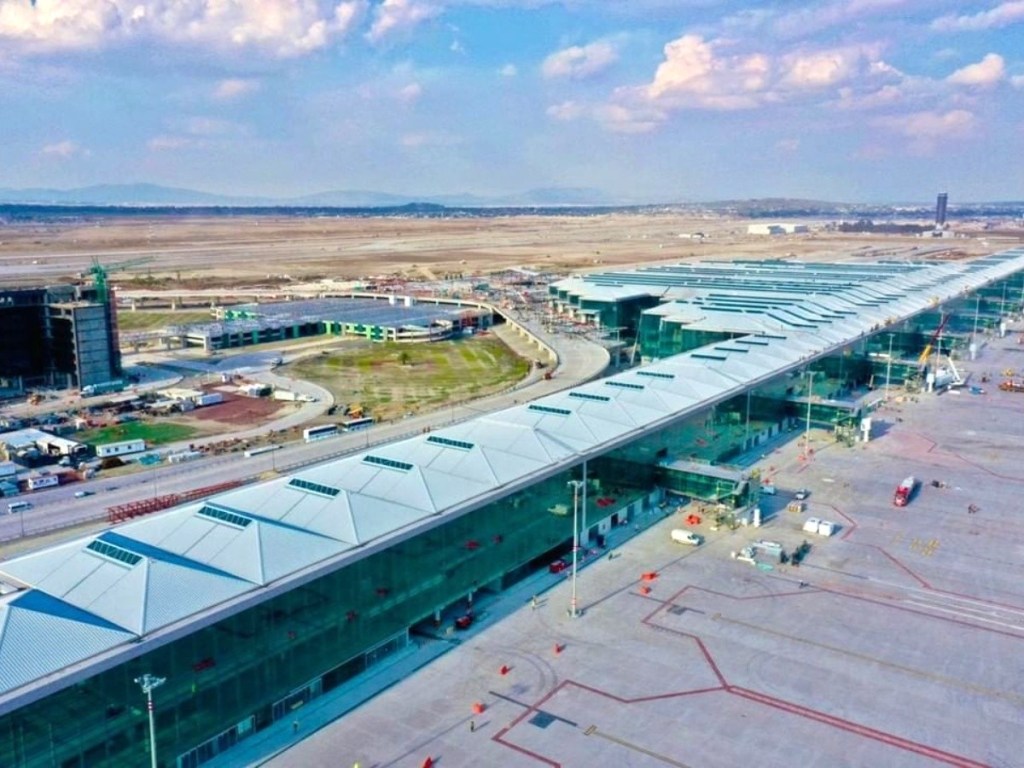
American/United/Avianca a Palmerola

AW | 2021 12 17 11:49 | AIRLINES ROUTES / AIRPORTS

Inician vuelos Aeropuerto Palmerola de Honduras

AW-Palmerola Airport_Isologotype_001

Las aerolíneas estadounidenses American Airlines y United Airlines, y la colombiana Avianca Airlines comenzaron este Jueves 16/12 el inicio de las operaciones aerocomerciales hacia el Aeropuerto Internacional de Palmerola/XPL, en la región central de la República de Honduras, luego de trasladar sus operaciones del Aeropuerto Internacional Tegucigalpa/Toncontín.

El primer vuelo de Avianca Airlines llegó a la terminal de Palmerola, construida en el Valle de Comayagua, Departamento del mismo nombre, a unos 80 kilómetros al norte de Tegucigalpa, capital de Honduras, procedente de El Salvador. El avión, un Airbus A319-100CEO, fue recibido en medio de mucha emoción, señaló el grupo aeroportuario hondureño Emco, encargado de la administración de Palmerola junto al operador Aeropuerto Internacional de Munich. La aerolínea colombiana mantendrá los vuelos diarios desde Honduras hacia San Salvador, la capital de la República de El Salvador, y cuatro semanales a Guatemala, según la compañía. Las líneas áreas estadounidenses United Airlines y American Airlines también iniciaron sus operaciones aéreas este 16/12 al Aeropuerto de Palmerola, donde operarán de forma permanente. Los vuelos de American y United aterrizaron de forma simultánea en la pista de Palmerola hacia las 13:00 hora local (19:00 GMT), agregó el grupo Emco. El avión de American, procedente de Miami (EE.UU.), llegó con 110 pasajeros, mientras que el de United arribó con 148 pasajeros.

El Presidente del Grupo Emco, Lenir Pérez, y representantes de las aerolíneas American y United realizaron un acto protocolario en la pista de aterrizaje que incluye el corte de cinta para inaugurar las operaciones de las compañías en Palmerola. Las obras de Palmerola, cuya pista comprende una construcción de 39.000 metros cuadrados, fueron financiadas parcialmente por España con US$ 53 millones de Dólares como parte de programa de conversión de deuda con Honduras, mientras que US$ 23 millones fueron aportados por el Gobierno hondureño.

El Aeropuerto Toncontín, de Tegucigalpa, construido hace más de medio siglo, opera a partir de este Jueves 16/12 solamente para vuelos locales y privados, según el grupo Emco. El problema con Toncontín es que los aviones pierden varios metros de su pista, de 1.900 metros, por lo difícil que resulta su aproximación en la cabecera sur de la misma, que está próxima a una zona de cerros. Diversos sectores se oponen a que Toncontín quede operando solo para vuelos nacionales, y la Presidenta electa de Honduras, Xiomara Castro, ha anunciado que revisará y modificará el contrato de concesión de Palmerola. El nuevo aeropuerto civil funciona en el mismo sitio donde opera una base de la Fuerza Aérea Hondureña construida por Estados Unidos a inicios del 1980.

American/United/Avianca to Palmerola

Flights to Palmerola Airport in Honduras begin

The American airlines American Airlines and United Airlines, and the Colombian Avianca Airlines began this Thursday, 12/16, the start of commercial air operations to the Palmerola International Airport/XPL, in the central region of the Republic of Honduras, after transferring their operations from Tegucigalpa/Toncontin International Airport.

The first Avianca Airlines flight arrived at the Palmerola terminal, built in the Comayagua Valley, Department of the same name, about 80 kilometers north of Tegucigalpa, capital of Honduras, from El Salvador. The plane, an Airbus A319-100CEO, was received amid much emotion, said the Honduran airport group Emco, in charge of the administration of Palmerola together with the operator Munich International Airport. The Colombian airline will maintain daily flights from Honduras to San Salvador, the capital of the Republic of El Salvador, and four weekly to Guatemala, according to the company. The United States airlines United Airlines and American Airlines also began their air operations this 12/16 at Palmerola Airport, where they will operate permanently. The American and United flights landed simultaneously on the Palmerola runway around 01:00 p.m. local time (19:00 GMT), the Emco group added. American’s plane, from Miami (USA), arrived with 110 passengers, while United’s plane arrived with 148 passengers.

The President of the Emco Group, Lenir Pérez, and representatives of the American and United airlines held a formal ceremony on the runway that includes the ribbon cutting to inaugurate the companies’ operations in Palmerola. The Palmerola works, whose track includes a construction of 39,000 square meters, were partially financed by Spain with US$ 53 million dollars as part of the debt conversion program with Honduras, while US$ 23 million were contributed by the Honduran Government.

The Toncontin Airport in Tegucigalpa, built more than half a century ago, will operate as of this Thursday 12/16 only for local and private flights, according to the Emco group. The problem with Toncontin is that the planes lose several meters from their 1,900-meter runway, due to the difficulty of their approach at the southern head of the same, which is close to an area of ​​hills. Various sectors are opposed to Toncontin operating only for domestic flights, and the President-elect of Honduras, Xiomara Castro, has announced that she will review and modify Palmerola’s concession contract. The new civil airport operates on the same site as a Honduran Air Force base built by the United States in the early 1980s.

PUBLISHER: Airgways.com
DBk: Emcoholding.com / Aa.com / United.com / Avianca.com / Airgways.com
AW-POST: 202112171149AR

A\W   A I R G W A Y S ®

Nueva pista Aeropuerto Chubu

AW | 2021 12 14 12:37 | AIRPORTS

Aeropuerto japonés Chubu construirá nnueva pista

AW-Chubu Airport__Isologotype

El Aeropuerto Internacional Chubu/NGO construirá una segunda pista para ampliar las operaciones aéreas de Japón. El aeropuerto japonés se encuentra localizado en la Ciudad de Tokoname en la Prefectura de Aichi, Japón, está planeando la construcción de una segunda pista y la revisión de la pista existente.

El Gobernador de la Prefectura de Aichi, Hideaki Omura, dijo que la nueva pista de 3.290 metros se construirá dentro de un período de cinco años mediante la mejora de una calle de rodaje existente, que se encuentra a 210 metros al este de la pista actual. Se estima que esta nueva pista requerirá una inversión de casi US$ 123.3 millones de Dólares/¥14 mil millones Yenes y se dedicará a las salidas de vuelos.

Las instalaciones remotas de torres digitales en todo el mundo ya han demostrado la disminución de los costos y el aumento de los beneficios de seguridad en comparación con las torres de ladrillos y mortero. La digitalización y virtualización de los sistemas de control del tráfico aéreo (ATC) permite a los controladores de tránsito aéreo (ATCO) trabajar desde cualquier ubicación, pero también servir a cualquier espacio aéreo, incluso más allá de las fronteras nacionales o regionales. En regiones donde los aeródromos más pequeños y de bajo volumen de tráfico corren el riesgo de cierre, el concepto de torre remota permite que las operaciones de ATC se ubico en un sitio de fácil acceso, lo que reduce los problemas de personal. Además de eso, la idea de que varios aeropuertos de bajo tráfico puedan ser atendidos y consolidados en un centro de torre remoto ofrece beneficios de costos adicionales. Esta solución ofrece un enorme potencial en términos de optimización de procesos, utilización de recursos y sinergias funcionales en múltiples ubicaciones aeroportuarias.

Multiplicar las eficiencias

El concepto de un controlador de tránsito aéreo que gestiona más de un aeropuerto se ha probado tanto en simulación como en situaciones de la vida real como parte del programa de investigación SESAR 2020, desde 2017. Hay muchos lugares en todo el mundo con aeropuertos pequeños y remotos que requieren vigilancia, pero tienen un número muy pequeño de movimientos de aeronaves. El desafío es a menudo doble; la torre podría estar en un lugar remoto, lejos de la civilización, lo que dificulta el reclutamiento; la segunda es que el controlador pasa una gran parte de su día sin nada que hacer. Esto no solo es contraproducente, sino que tampoco es la mejor situación para un trabajo que requiere un enfoque y una preparación extremos.

La pista existente construida en 2005, que abarca 3.500 m, se utilizará para las llegadas una vez que se complete la nueva pista. La capacidad de llegada y salida del aeropuerto crecerá en un 20% después de que las dos pistas entren en funcionamiento. El proyecto será respaldado financieramente por los gobiernos central y prefectural indirectamente. Inicialmente, la segunda pista se planeó en un terreno recuperado cerca del aeropuerto, pero el plan se cambió ya que se descubrió que el trabajo de recuperación requería casi quince años de tiempo. El plan del aeropuerto de construir una tercera pista, para reemplazar el carril existente de 3.500 m, después de la finalización del proyecto del vertedero.

Mientras tanto, en otro desarrollo en el sector de la aviación de Japón en Octubre 2021, Kansai Airports se asoció con la firma de seguridad Secom para desplegar un robot de vigilancia. A principios de este año, el Aeropuerto Internacional de Narita (NRT) comenzó a probar el equipo de detección de zapatos, que puede detectar artículos prohibidos automáticamente sin requerir que los viajeros se despejen los zapatos.

New runway Chubu Airport

Japanese Chubu airport to build new runway

Chubu International Airport/NGO will build a second runway to expand Japan’s air operations. The Japanese airport is located in Tokoname City in Aichi Prefecture, Japan, it is planning the construction of a second runway and the overhaul of the existing runway.

Aichi Prefectural Governor Hideaki Omura said the new 3,290-meter runway will be built within five years by upgrading an existing taxiway, which is 210 meters east of the current runway. . It is estimated that this new runway will require an investment of almost US$ 123.3 million/¥ 14 billion yen and will be dedicated to flight departures.

Remote digital tower installations around the world have already demonstrated decreased costs and increased security benefits compared to brick and mortar towers. The digitization and virtualization of air traffic control (ATC) systems allows air traffic controllers (ATCO) to work from any location, but also to serve any airspace, even beyond national or regional borders. In regions where smaller and low-volume airfields are at risk of closure, the remote tower concept allows ATC operations to be located in an easily accessible site, reducing personnel problems. On top of that, the idea that multiple low-traffic airports can be serviced and consolidated into a remote tower hub offers additional cost benefits. This solution offers enormous potential in terms of process optimization, resource utilization, and functional synergies across multiple airport locations.

Multiply efficiencies

The concept of an air traffic controller managing more than one airport has been tested in both simulation and real life situations as part of the SESAR 2020 research program, since 2017. There are many places around the world with small airports and remotes that require surveillance, but have a very small number of aircraft movements. The challenge is often twofold; the tower could be in a remote location, far from civilization, making recruitment difficult; the second is that the controller spends a large part of his day with nothing to do. Not only is this counterproductive, it is also not the best situation for a job that requires extreme focus and preparation.

The existing runway built in 2005, covering 3,500m, will be used for arrivals once the new runway is completed. The airport’s arrival and departure capacity will grow by 20% after the two runways become operational. The project will be financially supported by the central and prefectural governments indirectly. Initially, the second runway was planned on reclaimed land near the airport, but the plan was changed as the reclamation work was found to require nearly fifteen years of time. The airport’s plan to build a third runway, to replace the existing 3,500 m lane, after the completion of the landfill project.

Meanwhile, in another development in Japan’s aviation sector in October, Kansai Airports partnered with security firm Secom to deploy a surveillance robot. Earlier this year, Narita International Airport (NRT) began testing shoe detection equipment, which can automatically detect prohibited items without requiring travelers to remove their shoes.

新滑走路中部空港

新しい滑走路を建設する日本の中部空港

中部空港/ NGO国際空港は、日本の航空事業を拡大するために2本目の滑走路を建設します。日本の空港は愛知県常滑市にあり、第2滑走路の建設と既存滑走路のオーバーホールを計画している。

愛知県知事の大村秀章氏は、現在の滑走路の東210メートルにある既存の誘導路を改良することにより、5年以内に新しい3,290メートルの滑走路が建設されると述べた。この新しい滑走路は、約1億2,330万米ドル/ 140億円の投資が必要であり、飛行機の出発に充てられると見積もられています。

世界中のリモートデジタルタワーの設置は、レンガとモルタルのタワーと比較して、コストの削減とセキュリティ上のメリットの向上をすでに実証しています。航空交通管制(ATC)システムのデジタル化と仮想化により、航空交通管制官(ATCO)はどこからでも機能できるだけでなく、国境や地域の境界を越えても、あらゆる空域にサービスを提供できます。小規模で少量の飛行場が閉鎖のリスクにさらされている地域では、リモートタワーの概念により、ATCの運用を簡単にアクセスできる場所に配置できるため、人員の問題が軽減されます。その上、複数の交通量の少ない空港にサービスを提供し、リモートタワーハブに統合できるという考えは、追加のコストメリットを提供します。このソリューションは、プロセスの最適化、リソースの使用率、および複数の空港の場所にわたる機能の相乗効果の点で大きな可能性を提供します。

効率を倍増

複数の空港を管理する航空管制官の概念は、2017年以来、SESAR 2020研究プログラムの一環として、シミュレーションと実際の状況の両方でテストされています。監視が必要な小さな空港やリモートがある場所は世界中にたくさんあります。しかし、航空機の動きは非常に少ないです。多くの場合、課題は2つあります。塔は文明から遠く離れた場所にある可能性があり、採用を困難にします。 2つ目は、コントローラーが1日の大部分を何もすることなく費やしていることです。これは逆効果であるだけでなく、極端な集中力と準備を必要とする仕事にとって最良の状況でもありません。

2005年に建設された3,500mの既存の滑走路は、新しい滑走路が完成した後の到着に使用されます。 2本の滑走路が運用可能になった後、空港の発着能力は20%増加します。このプロジェクトは、中央政府と都道府県政府によって間接的に財政的に支援されます。当初、第2滑走路は空港近くの埋め立て地に計画されていたが、埋め立て作業に15年近くかかることが判明したため、計画が変更された。埋め立てプロジェクトの完了後、空港は既存の3,500mレーンを置き換えるために3本目の滑走路を建設する計画です。

一方、10月の日本の航空セクターにおける別の開発では、関西エアポートは警備会社のセコムと提携して監視ロボットを配備しました。今年初め、成田国際空港(NRT)は、旅行者が靴を脱がなくても禁止されているアイテムを自動的に検出できる靴検出装置のテストを開始しました。

PUBLISHER: Airgways.com
DBk: Centrair.jp / Airgways.com
AW-POST: 202112141237AR

A\W   A I R G W A Y S ®
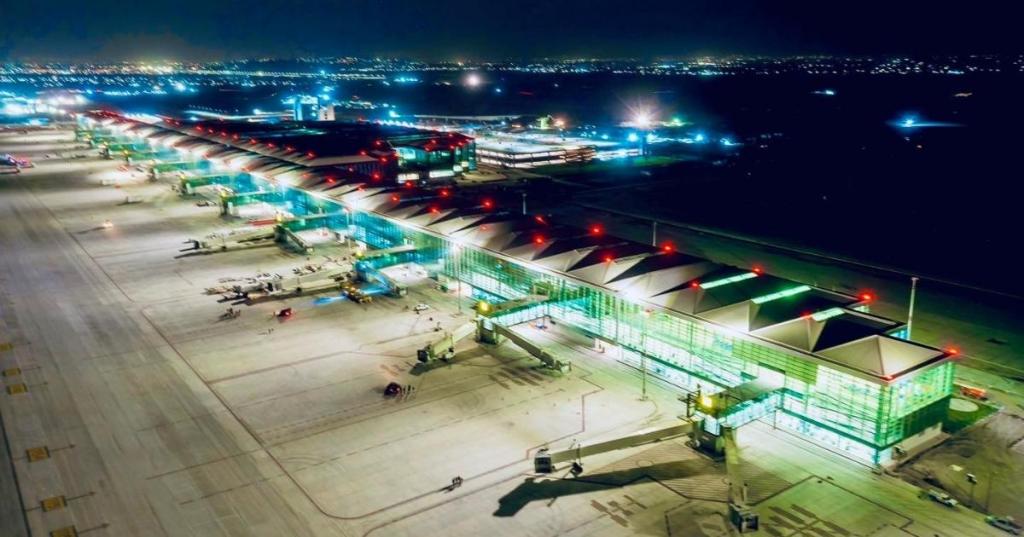
Palmerola inaugura operaciones

AW | 2021 12 12 11:15 | AIRPORTS

Aeropuerto Palmerola de Honduras inicia operaciones comerciales

AW-700856

AW-Palmerola Airport_Isologotype__003

El nuevo Aeropuerto Internacional de Palmerola/XPL ha iniciado este Sábado 11/12 operaciones aerocomerciales inaugurando la apertura de esta nueva aeroestación en la República de Honduras con un vuelo proveniente de Estados Unidos de Spirit Airlines. El primer vuelo arribó a Palmerola hacia las 13:26 hora local (10:26 GMT) procedente de Houston (Estados Unidos), mientras que el segundo, desde Miami, llegó una hora después. “Después de seis años en construcción, el Sábado se apertura Palmerola con vuelo de @SpiritAirlines y tickets a US$ 149 ida y vuelta a Miami y Houston. Próximamente, seguiremos anunciado las nuevas rutas de bajo costo”, indicaba el Presidente Ejecutivo de la división Aeropuertos Grupo Emco, Lenir Pérez, en un mensaje en Twitter.

Decenas de pasajeros llegaron temprano este Sábado 11/12 a Palmerola para conseguir su boleto a bajo costo hacia Miami y Houston, y conocer las instalaciones del aeropuerto internacional, situado en el central departamento de Comayagua, capital del país, fundada por los españoles.

Aeropuerto Palmerola

El Aeropuerto Internacional Palmerola fue licitado en 2015 en el primer mandato de Hernández a través de una Alianza Público-Privada y fue adjudicada al consorcio conformado por Emco y el operador internacional de Munich, que invirtió unos US$ 87 millones de Dólares en el contrato por un lapso de treinta años. El consorcio encargado proyecta que Palmerola pueda recibir 1,7 millones de pasajeros al año, frente a los 290.000 que recibió Toncontín en 2019. La obra, cuya pista comprende una construcción de 39.000 metros cuadrados, funciona en el mismo sitio donde opera una base de la Fuerza Aérea Hondureña construida por Estados Unidos a inicios del decenio de los 80 del siglo pasado. Las obras de Palmerola fueron financiadas parcialmente por España con US$ 53 millones de Dólares como parte de programa de conversión de deuda con Honduras, mientras que US$ 23 millones fueron aportados por el Gobierno hondureño.

La Asociación Internacional de Transporte Aéreo (IATA) notificó que reconoce a Palmerola como el nuevo aeropuerto para la zona metropolitana de Tegucigalpa. Mediante resolución 763, sección 1.6.3, IATA aceptó que confirmó que Palmerola es el nuevo aeropuerto para Tegucigalpa.

El nuevo aeropuerto operará las veinticuatro horas (H24), con once (11) puertas de embargue, de ellas cuatro (4) remotas, y una pista de casi 2.500 metros. El Aeropuerto Palmerola proporcionará maximizar las operaciones del anterior Aeropuerto Tocontín, debido a las limitaciones por su ubicación geográfica. Las aerolíneas internacionales que operan en el Aeropuerto Toncontín, con una pista de 1.900 metros en Tegucigalpa, resulta difícil su aproximación en la cabecera sur de la misma, que está próxima a una zona de cerros lo que provoca limitaciones a las operaciones aéreas.

La introducción de vuelos económicos responde a la Ley de Pasajes Baratos que impulsó el Gobierno hondureño para incentivar el turismo en el país centroamericano. La aerolínea panameña Copa Airlines comenzará el próximo 15 de Diciembre de 2021 las operaciones en el Aeropuerto Internacional de Palmerola.

Palmerola inaugurates operations

Honduras Palmerola Airport begins commercial operations

AW-Spirit Airlines_A320NEO-007

The new Palmerola International Airport/XPL has started this Saturday 11/12 commercial air operations, inaugurating the opening of this new air station in the Republic of Honduras with a flight from the United States of Spirit Airlines. The first flight arrived in Palmerola at around 01:26 pm local time (10:26 GMT) from Houston (United States), while the second, from Miami, arrived an hour later. “After six years under construction, Palmerola will open on Saturday with a @SpiritAirlines flight and tickets for US$ 149 round trip to Miami and Houston. In the near future, we will continue to announce the new low-cost routes”, indicated the Executive President of the Grupo Emco Airports division, Lenir Pérez, in a message on Twitter.

Dozens of passengers arrived early this Saturday 11/12 to Palmerola to get their low-cost ticket to Miami and Houston, and to see the facilities of the international airport, located in the central department of Comayagua, capital of the country, founded by the Spanish.

Palmerola airport

Palmerola International Airport was tendered in 2015 in Hernández’s first term through a Public-Private Alliance and was awarded to the consortium made up of Emco and the Munich international operator, which invested some US$ 87 million in the contract for a span of thirty years. The consortium in charge projects that Palmerola can receive 1.7 million passengers per year, compared to the 290,000 that Toncontín received in 2019. The work, whose runway includes a construction of 39,000 square meters, works on the same site where it operates a base of the Honduran Air Force built by the United States in the early 1980s. The Palmerola works were partially financed by Spain with US$ 53 million dollars as part of the debt conversion program with Honduras, while US$ 23 million were contributed by the Honduran government.

The International Air Transport Association (IATA) notified that it recognizes Palmerola as the new airport for the metropolitan area of ​​Tegucigalpa. Through resolution 763, section 1.6.3, IATA accepted that it confirmed that Palmerola is the new airport for Tegucigalpa.

The new airport will operate 24 hours a day (H24), with eleven (11) embarkation gates, of which four (4) are remote, and a runway of almost 2,500 meters. The Palmerola Airport will provide to maximize the operations of the former Tocontín Airport, due to the limitations of its geographical location. The international airlines that operate at the Toncontin Airport, with a 1,900-meter runway in Tegucigalpa, find it difficult to approach it at the southern end of the same, which is close to an area of ​​hills, which causes limitations to air operations.

The introduction of cheap flights responds to the Cheap Tickets Law promoted by the Honduran government to encourage tourism in the Central American country. The Panamanian airline Copa Airlines will begin operations at the Palmerola International Airport on December 15, 2021.

PUBLISHER: Airgways.com
DBk: Palmerola.airport.hn / Spirit.com/ Iata.org / Airgways.com
AW-POST: 202112121115AR

A\W   A I R G W A Y S ®

Obras Aeropuerto Posadas

AW | 2021 12 11 12:37 | AIRPORTS

Cierre aeropuerto por refacciones Marzo 2022

AW-Aeroparque_000

El Aeropuerto Posadas/PSS de Argentina ha anunciado el cierre de sus operaciones de manera transitoria desde Marzo 2022 para la realización de obras de mejoramiento. Trasladan vuelos de cabotaje a Iguazú. El Aeropuerto de Posadas, localizada en la Provincia de Misiones, entrará en el mes de Marzo 2022 a un proceso de refacciones y remodelación por el espacio de cinco meses. Los vuelos regulares de línea serán atendidos por el Aeropuerto Iguazú/IGR, mientras que Apóstoles y Oberá se utilizará para los vuelos chárter y privados.

El Gobierno de Misiones en la presentación de un estudio dado a conocer desde la Cámara de Comercio e Industria de Posadas, anunció las refacciones que marcarán un mejoramiento y revalorización de la aeroestación. Las mejoras del aeropuerto comprenden obras en el suelo de la terminal que será el de mayor refacciones. El Aeropuerto Posadas podría volver a estar operativo en Julio o Agosto del 2022 tras la finalización de las obras.

Buscando reactivación

La Provincia de Misiones está un 20% por debajo de lo que era el movimiento aéreo con respecto a aerolíneas y otras compañías en el 2019 pre-pandemia. Previo a las mejoras de la aeroestación, entre Diciembre 2021 y Marzo 2022 está previsto recuperar las rutas entre Tucumán—Iguazú, Rosario—Iguazú, Córdoba—Posadas y Rosario—Posadas. También, está previsto recuperar la ruta de Posadas—Córdoba, y también lograr unir Posadas—Rosario. Se están buscando alternativas de conexiones con las capitales de todo el país, como Paraná, Santa Fe, Resistencia, entre otros destinos. Hasta el momento, la ciudad de Posadas se mantiene con 2 o 3 vuelos diarios. Aerolíneas Argentinas, opera con una frecuencia diaria y otras compañías como Flybondi Líneas Aéreas posee entre tres a cuatro frecuencias semanales.

Posadas Airport works

Airport closure for spare parts March 2022

The Posadas Airport/PSS in Argentina has announced the temporary closure of its operations from March 2022 to carry out improvement works. They transfer domestic flights to Iguazú. Posadas Airport, located in the Province of Misiones, will enter in March 2022 a process of spare parts and remodeling for the space of five months. Regular line flights will be served by the Iguazú/IGR Airport, while Apóstoles and Oberá will be used for charter and private flights.

The Government of Misiones in the presentation of a study released by the Chamber of Commerce and Industry of Posadas, announced the spare parts that will mark an improvement and re-heating of the air station. The airport improvements include works on the terminal floor, which will be the one with the largest repairs. Posadas Airport could be operational again in July or August 2022 after the completion of the works.

Searching revival

The Province of Misiones is 20% below what was the air movement with respect to airlines and other companies in the pre-pandemic 2019. Prior to the improvements to the air station, between December 2021 and March 2022 it is planned to recover the routes between Tucumán—Iguazú, Rosario—Iguazú, Córdoba—Posadas and Rosario—Posadas. Also, it is planned to recover the Posadas—Córdoba route, and also to unite Posadas-Rosario. Alternative connections are being sought with capitals throughout the country, such as Paraná, Santa Fe, Resistencia, among other destinations. So far, the city of Posadas is maintained with 2 or 3 daily flights. Aerolíneas Argentinas operates on a daily basis and other companies such as Flybondi Líneas Aéreas have between three to four weekly frequencies.

PUBLISHER: Airgways.com
DBk: Aa2000.com.ar / Airgways.com
AW-POST: 202112111237AR

A\W   A I R G W A Y S ®

Rondônia obras Aeropuerto Cacoal

AW | 2021 12 03 07:39 | AIRPORTS

Cacoal incorporará nuevo Terminal aéreo

El Aeropuerto de Cacoal/OAL, Estado de Rondônia gana nueva terminal de pasajeros. Las obras tuvieron inversiones de más de R$ 8 millones y los vuelos programados deberían regresar en 2022. La nueva terminal de pasajeros del Aeropuerto de Cacoal/OAL fue inaugurada el pasado Miércoles 01/12 en el interior del Estado de Rondônia, finalizando la segunda etapa de las mejoras previstas en el sitio.

En Julio 2021, se completó la implementación del Sistema de Asistencia de Aproximación de Aeronaves (PAPI) y la Estación Proveedora de Servicios de Telecomunicaciones y Tráfico Aéreo (EPTA), con su Estación Meteorológica Automática de Superficie (EMS-A).

Más de R$ 2,3 millones fueron invertidos sólo en la compra e instalación de estos equipos, ya debidamente aprobados por las autoridades aeronáuticas. Para las intervenciones en su conjunto, se gastaron R$ 8,4 millones, con R$ 400.000 invertidos como contrapartida por el gobierno de Rondônia y el resto proveniente del Fondo Nacional de Aviación Civil (FNAC). Además de la obra civil terminada ahora, los recursos también se aplicarán en la adquisición de mobiliario y equipamiento para la terminal de pasajeros: la primera está en fase de licitación y la segunda, en revisión del plazo de referencia.

Inicialmente, Azul Linhas Aéreas reanudaría las operaciones en el aeropuerto el 26 de Noviembre de 2021, pero ahora, se espera que los vuelos programados se reanuden solo a principios de 2022.

Rondônia works at the Cacoal Airport

Cacoal will incorporate a new air Terminal

Cacoal Airport/OAL, in Rondônia States, wins new passenger terminal. The works had investments of more than R$ 8 million and the scheduled flights should return in 2022. The new passenger terminal at Cacoal Airport/OAL was inaugurated last Wednesday 01/12 in the interior of the State of Rondônia, ending the second stage of planned improvements to the site.

In July 2021, the implementation of the aircraft approach assistance system (PAPI) and the Telecommunications and Air Traffic Service Provider Station (EPTA), with its Automatic Surface Weather Station (EMS-A), were completed.

More than R$ 2.3 million were invested only in the purchase and installation of this equipment, already duly approved by the aeronautical authorities. For the interventions as a whole, R$ 8.4 million were spent, with R$ 400,000 invested as a counterpart by the government of Rondônia and the rest coming from the National Civil Aviation Fund (FNAC). In addition to the civil works completed now, the resources will also be applied in the acquisition of furniture and equipment for the passenger terminal: the first is in the bidding phase and the second, in review of the reference period.

Initially, Azul Linhas Aéreas would resume operations at the airport on November 26, 2021, but now, scheduled flights are expected to resume only in early 2022.

Obras no Aeroporto Cacoal, Rondônia

Cacoal vai incorporar um novo Terminal Aéreo

Aeroporto de Cacoal/AOL, em Estado do Rondônia ganha novo terminal de passageiros. As obras tiveram investimentos de mais de R$ 8 milhões e os vôos regulares devem retornar em 2022. O novo terminal de passageiros do Aeroporto de Cacoal/OAL foi inaugurado na última quarta-feira 01/12 no interior de Rondônia, encerrando a segunda etapa de melhorias planejadas para o site.

Em Julho de 2021, foi concluída a implantação do sistema de assistência à aproximação de aeronaves (Papi) e da Estação Provedora de Serviços de Telecomunicações e Tráfego Aéreo (EPTA), com sua Estação Meteorológica Automática de Superfície (EMS-A).

Mais de R$ 2,3 milhões foram investidos apenas na compra e instalação desses equipamentos, já devidamente homologados pelas autoridades aeronáuticas. Para o conjunto das intervenções, foram gastos R$ 8,4 milhões, sendo R$ 400 mil investidos em contrapartida pelo governo de Rondônia e o restante vindo do Fundo Nacional de Aviação Civil (FNAC). Além das obras civis concluídas agora, os recursos também serão aplicados na aquisição de móveis e equipamentos para o terminal de passageiros: o primeiro está em fase de licitação e o segundo, em revisão do período de referência.

Inicialmente, a Azul Linhas Aéreas retomaria as operações no aeroporto em 26 de nNvembro de 2021, mas agora, os vôos regulares devem ser retomados apenas no início de 2022.

PUBLISHER: Airgways.com
DBk: Infraero.gov.br / Airgways.com
AW-POST: 202112030739AR

A\W   A I R G W A Y S ®
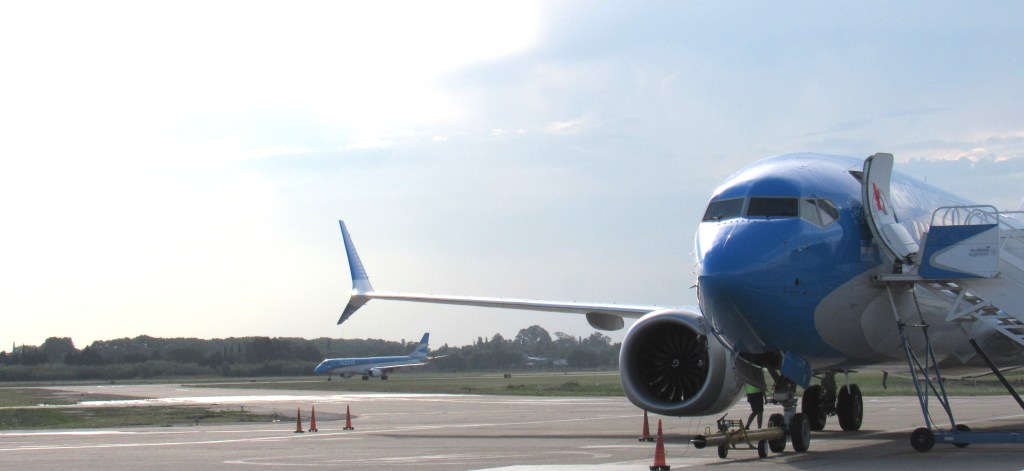
Inversiones aeropuertos argentinos

AW | 2021 12 03 07:13 | AIRPORTS

Avanza obras modernización nueve aeropuertos en Argentina

El consorcio Aeropuertos Argentina 2000, una empresa de Corporación América continúa desarrollando inversiones en materia de obras aeroportuarias. En las aeroestaciones de Ezeiza, Bariloche, Esquel, La Rioja, San Juan y San Salvador de Jujuy, se estarán realizando obras que de ampliación y modernización de la infraestructura tecnológica. Mientras tanto, en Santa Rosa, Córdoba, Posadas, Resistencia, Corrientes, Ushuaia, Bariloche y Esquel se trabaja en la renovación de los sistemas de navegación aérea, que aumentarán la previsibilidad operacional y asegurarán la continuidad de los servicios.

En el Aeropuerto Internacional de Ezeiza/EZE se estarán realizando obras que permitirán incrementar la capacidad operativa de una de las pistas en un 105%, lo que superará en un 16,6% la capacidad actual de la pista principal. Estos trabajos, que se llevan a cabo gracias a una inversión de más de mil millones de pesos, evitarán el cierre de las operaciones por obras de mantenimiento rutinarias u otras contingencias operacionales. Además, se está avanzando en la construcción de una nueva torre de control que ya está al 65% y que permitirá mejorar el sistema de vigilancia aérea del aeropuerto.

En el Aeropuerto de Bariloche/BCR, con un progreso del 90%, se continúan las obras de la última etapa de ampliación y modernización de la infraestructura edilicia, la renovación del hall público de partidas, el área de embarque, 24 nuevos puestos de check-in, un nuevo sistema de equipajes, un nuevo hall de control de seguridad, la renovación de las oficinas operativas y de los sanitarios, la construcción de 2 nuevos puentes de embarque y la puesta en funcionamiento de 2 nuevas mangas telescópicas, hasta el momento sólo había una en funcionamiento. Además se está renovando la oferta de locales comerciales, gastronómicos y sala VIP. En el futuro cercano se abrirá la licitación para la obra de la plataforma operativa.

En el Aeropuerto Internacional de San Juan/UAQ se abrió la licitación para la continuación de las obras ya en curso. Así, se busca trabajar en la construcción de una nueva superficie cubierta de 5.000 metros cuadrados, distribuidos en dos niveles, con la incorporación de 2 nuevos puentes fijos con sus correspondientes mangas. Según el Ministerio de Transporte, esta obra dará un salto cualitativo al aeropuerto ya que en verano las temperaturas en la plataforma alcanzan valores extremos que inciden de forma directa en la normal operación. La obra generará 180 puestos de trabajo directos y otros 450 indirectos e incorporará a la terminal la mejor tecnología y los servicios necesarios para ofrecer la mayor eficiencia a los pasajeros.

En el Aeropuerto de La Rioja/IRJ se está trabajando en la construcción de una nueva terminal de pasajeros y un nuevo estacionamiento, se trata de 2.400 metros cuadrados en un sólo nivel, que incluye un área de hall central, 6 puestos de check-in, salas de preembarque con sus respectivos controles, una sala de retiro de equipajes y un nuevo parking para 200 vehículos.

En el Aeropuerto de Esquel/EQS, se está trabajando en obras de construcción de una nueva terminal de pasajeros de 4.200 metros cuadrados y una nueva torre de control con una inversión superior a los 1.800 millones de pesos. Las obras generan 150 puestos de trabajo y el proyecto contempla también la construcción de un nuevo puesto de ingreso vehicular y edificios administrativos complementarios.

En el Aeropuerto de San Salvador de Jujuy/JUJ se está trabajando, con una ejecución del 90%, en la finalización de una nueva torre de control que mejorará las condiciones de operación, visibilidad, seguridad y confort. Será además un icono de atractivo visual ya que se emplazará como un edificio independiente de la terminal.

En el Aeropuerto de Santa Rosa/RSA se instaló, y está a poco tiempo de ser operacional, un nuevo Sistema de Aterrizaje por Instrumentos (ILS) que incrementará la previsibilidad de las operaciones aéreas que se lleven a cabo gracias a la mayor disponibilidad y continuidad de servicio que brinda el nuevo equipamiento. En conjunto con las obras en La Pampa, se llevó a cabo a lo largo de este año un proceso de modernización de los ILS en Aeroparque y en los aeropuertos de Córdoba, Posadas, Resistencia y Corrientes. A su vez, en los próximos meses, se seguirá con el reemplazo y mejora de estos sistemas en Ushuaia, Bariloche y Esquel, lo que significará un avance tecnológico con el cual se busca incrementar la previsibilidad operacional, asegurando así índices de disponibilidad y confiabilidad superiores a los actuales.

Por último, se realizó un llamado a licitación pública para las obras de refacción integral de la torre de control y el nuevo edificio operativo del Aeropuerto de Posadas. Esta obra buscará brindar un mejor servicio de seguridad aérea a todos los pasajeros.

«Estamos reactivando obras para potenciar el sistema aerocomercial con una mirada federal, mejorando la infraestructura de nuestros aeropuertos y dotándolos de tecnología de última generación para conectar mejor a las provincias por aire y mejorar la seguridad operacional. La obra pública es una gran dinamizadora de la economía y con estas obras, además de mejorar la conectividad aérea, estamos llevando inversiones, desarrollo y empleo a las provincias argentinas”, dijo Alexis Guerrera, Ministro de Transporte de Argentina.

Argentine airports investments

Works to modernize nine airports in Argentina progress

The Airports Argentina 2000 consortium, a Corporación América company, continues to develop investments in airport works. At the Ezeiza, Bariloche, Esquel, La Rioja, San Juan and San Salvador de Jujuy air stations, works will be carried out to expand and modernize the technological infrastructure. Meanwhile, in Santa Rosa, Córdoba, Posadas, Resistencia, Corrientes, Ushuaia, Bariloche and Esquel, work is being done on the renovation of air navigation systems, which will increase operational predictability and ensure the continuity of services.

Works will be carried out at the Ezeiza/EZE International Airport that will increase the operating capacity of one of the runways by 105%, which will exceed the current capacity of the main runway by 16.6%. These works, which are carried out thanks to an investment of more than one billion pesos, will avoid the closure of operations due to routine maintenance works or other operational contingencies. In addition, progress is being made in the construction of a new control tower that is already at 65% and that will improve the airport’s air surveillance system.

At the Bariloche Airport/BCR, with a progress of 90%, the works of the last stage of expansion and modernization of the building infrastructure continue, the renovation of the public departure hall, the boarding area, 24 new check-in positions , a new baggage system, a new security control hall, the renovation of the operational offices and the restrooms, the construction of 2 new boarding bridges and the commissioning of 2 new telescopic sleeves, until now there were only one in operation. In addition, the offer of commercial, gastronomic and VIP rooms is being renewed. In the near future, the tender for the work of the operating platform will be opened.

At the San Juan International Airport/UAQ, the tender was opened for the continuation of the works already in progress. Thus, it seeks to work on the construction of a new covered area of ​​5,000 square meters, distributed on two levels, with the incorporation of 2 new fixed bridges with their corresponding sleeves. According to the Ministry of Transport, this work will give a qualitative leap to the airport since in summer the temperatures on the platform reach extreme values ​​that directly affect normal operation. The work will generate 180 direct jobs and another 450 indirect jobs and will incorporate the best technology and services necessary to offer the highest efficiency to passengers at the terminal.

At La Rioja Airport/IRJ work is underway on the construction of a new passenger terminal and a new parking lot, it is about 2,400 square meters on a single level, which includes a central hall area, 6 check-in positions, lounges pre-boarding with its respective controls, a baggage claim room and a new parking for 200 vehicles.

At the Esquel Airport/EQS, work is underway on the construction of a new passenger terminal of 4,200 square meters and a new control tower with an investment of more than 1,800 million pesos. The works generate 150 jobs and the project also includes the construction of a new vehicle entry point and complementary administrative buildings.

At the San Salvador de Jujuy Airport/JUJ, work is underway, with an execution of 90%, on the completion of a new control tower that will improve operating conditions, visibility, safety and comfort. It will also be an icon of visual appeal since it will be located as a separate building from the terminal.

A new Instrument Landing System (ILS) was installed at the Santa Rosa Airport and is soon to be operational, which will increase the predictability of air operations carried out thanks to the greater availability and continuity of service provided by the new equipment. Along with the works in La Pampa, a process of modernization of the ILS was carried out throughout this year at Aeroparque and at the Córdoba, Posadas, Resistencia and Corrientes airports. In turn, in the coming months, the replacement and improvement of these systems will continue in Ushuaia, Bariloche and Esquel, which will mean a technological advance with which it is sought to increase operational predictability, thus ensuring higher availability and reliability rates. to the current ones.

Lastly, a public tender was issued for the comprehensive refurbishment of the control tower and the new operating building at the Posadas Airport. This work will seek to provide a better aviation security service to all passengers.

«We are reactivating works to strengthen the commercial aviation system with a federal perspective, improving the infrastructure of our airports and equipping them with the latest technology to better connect the provinces by air and improve operational safety. Public works are a great dynamizer of the economy and with these works, in addition to improving air connectivity, we are bringing investments, development and employment to the Argentine provinces”, said Alexis Guerrera, Minister of Transportation of Argentina.

PUBLISHER: Airgways.com
DBk: Argentina.gob.ar/transporte / Aa2000.com.ar / Daniel Vides / Airgways.com
AW-POST: 202112030713AR

A\W   A I R G W A Y S ®

Aeropuerto Santa Rosa nuevo ILS

AW | 2021 12 02 06:25 | AIRPORTS

Nuevo ILS en el Aeropuerto de Santa Rosa, Argentina

El nuevo Sistema de Aterrizaje por Instrumentos (ILS) instalado en el Aeropuerto Santa Rosa/SAZR de la Provincia de La Pampa, Argentina, incrementará la seguridad operacional y la disponibilidad del servicio. En el marco del Plan de Modernización del Transporte que impulsa el Ministerio de Transporte de la Nación, la Empresa Argentina de Navegación Aérea S.E. (EANA) instaló y puso en servicio un nuevo Sistema de Aterrizaje por Instrumentos (ILS) en la Pista 19 del Aeropuerto Santa Rosa. El recambio tecnológico incrementa la previsibilidad de las operaciones gracias a la mayor disponibilidad y continuidad de servicio que brinda el nuevo equipamiento.

Un sistema ILS consiste en un conjunto de transmisores que desde tierra emiten señales que guían a las aeronaves en su descenso hacia la pista de aterrizaje. Su precisión y seguridad lo hacen esencial para la seguridad de las operaciones, en especial cuando la visibilidad es reducida. El nuevo ILS de Santa Rosa también incorpora un transmisor de señales DME que permiten a las tripulaciones en vuelo poder conocer en todo momento y con exactitud su distancia al aeropuerto. Para la implementación del nuevo ILS, que cuenta con tecnología superior al que antes brindaba servicio, se instaló un moderno sistema de comunicaciones entre los equipos y la torre de control. Este enlace permite al personal de control de tránsito aéreo y al de servicio técnico monitorear en forma remota y en todo momento el funcionamiento de los equipos.

Una vez finalizada la instalación de todos los elementos del nuevo ILS y comprobado su funcionamiento inicial, aviones dotados de equipos especiales de medición realizaron una serie de aproximaciones a la pista, verificando con parámetros internacionales la estabilidad, precisión y calidad de las señales. Los datos recogidos en vuelo permitieron realizar los ajustes necesarios para asegurar la confiabilidad del sistema, paso esencial para dejarlo oficialmente en servicio. Además del nuevo equipamiento en Santa Rosa, esta innovación tecnológica que lleva acabo la Empresa Argentina de Navegación Aérea, abarcó durante este año la renovación integral de los sistemas ILS en el Aeropuerto Jorge Newbery y los aeropuertos de Córdoba, Posadas, Resistencia y Corrientes. En los próximos meses se seguirá con el reemplazo de estas radioayudas en los aeropuertos de Ushuaia, Bariloche y Esquel, lo que significa un avance tecnológico con el cual se logra previsibilidad en la operación, asegurando índices de disponibilidad y confiabilidad mayores a los actuales, además de garantizar la continuidad del servicio.

Santa Rosa Airport incorporates new ILS

New ILS at Santa Rosa Airport, Argentina

The new Instrument Landing System (ILS) installed at the Santa Rosa Airport/SAZR in the Province of La Pampa, Argentina, will increase operational safety and service availability. Within the framework of the Transportation Modernization Plan promoted by the National Ministry of Transportation, Empresa Argentina de Navegación Aérea S.E. (EANA) installed and commissioned a new Instrument Landing System (ILS) on Runway 19 of the Santa Rosa Airport. The technological change increases the predictability of operations thanks to the greater availability and continuity of service provided by the new equipment.

An ILS system consists of a set of transmitters that emit signals from the ground that guide the aircraft as they descend towards the runway. Its precision and safety make it essential for the safety of operations, especially when visibility is reduced. The new Santa Rosa ILS also incorporates a DME signal transmitter that allows flight crews to know exactly their distance to the airport at all times. For the implementation of the new ILS, which has technology superior to that which previously provided service, a modern communication system was installed between the equipment and the control tower. This link allows air traffic control and technical service personnel to remotely monitor the operation of the equipment at all times.

Once the installation of all the elements of the new ILS had been completed and its initial operation had been verified, aircraft equipped with special measurement equipment made a series of approaches to the runway, verifying the stability, precision and quality of the signals with international parameters. The data collected in flight allowed making the necessary adjustments to ensure the reliability of the system, an essential step to officially leave it in service. In addition to the new equipment in Santa Rosa, this technological innovation carried out by the Argentine Air Navigation Company, included during this year the comprehensive renovation of the ILS systems at the Jorge Newbery Airport and the Córdoba, Posadas, Resistencia and Corrientes airports. In the coming months, the replacement of these radio aids will continue at the Ushuaia, Bariloche and Esquel airports, which means a technological advance with which predictability is achieved in the operation, ensuring availability and reliability rates higher than the current ones. to guarantee the continuity of the service.

PUBLISHER: Airgways.com
DBk: Eana.com.ar / Airgways.com
AW-POST: 202112020625AR

A\W   A I R G W A Y S ®