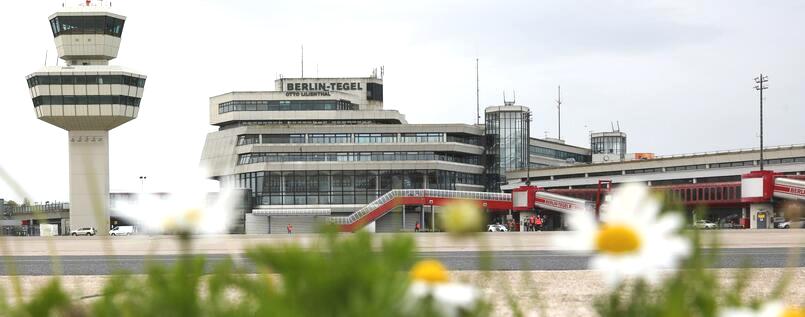
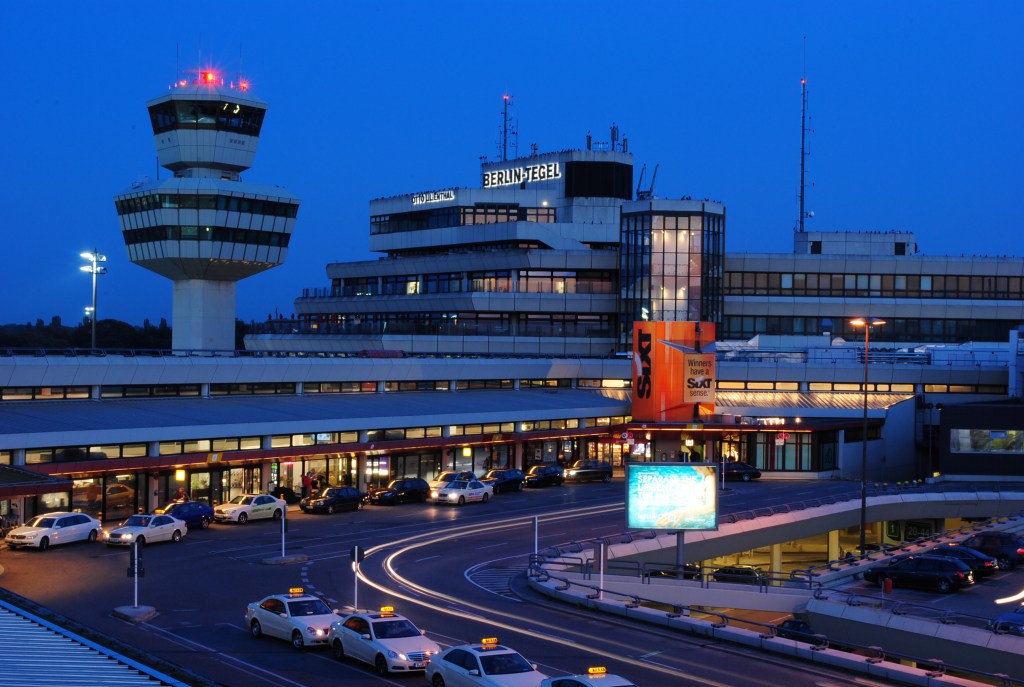
Saturación Aeropuerto Teruel

AW | 2021 04 20 17:13 | AIRPORTS

Aeropuerto de Teruel almacena más aeronaves en desuso

El espacio aeroportuario más grande de Europa en almacenaje y reciclaje de aviones, el Aeropuerto Teruel, localizado en la Provincia de Teruel, ha estado incrementando más espacio con el arribo de más aeronaves en desuso. La aeroestación denominada como cementerio de aeronaves necesita más espacio y el consorcio que lo gestiona ya ha iniciado el procedimiento. En uno de los lugares más deshabitados de Europa, el Aeropuerto de Teruel se ha propuesto romper todos los récord posibles. Inició su etapa con un modelo de negocio distinto mientras el resto de regiones aspiraba a tener un aeropuerto para pasajeros con conexiones internacionales. Ayudados por un clima seco, permite a las aeronaves estacionadas conservarse mejor en tierra para una nueva reposición a las aerolíneas. En tan solo siete años, al demostrarse su éxito indudable, necesita seguir creciendo. No tiene más espacio para almacenar los aviones que la demanda le exige.

La pandemia ha disparado su uso, con un crecimiento de un 50% debido al número de aeronaves que necesitan un almacenaje o una reparación en la abrupta bajada de la demanda de viajes comerciales. Los ingresos de explotación aumentaron en 2020 un 28,6% respecto a 2019. Es por eso que el último plan director que se configuró en el año 2019 por parte del consorcio que gestiona el aeropuerto de Teruel, que opera con el nombre comercial de Plataforma Aeroportuaria de Teruel (Plata), donde el Gobierno de Aragón cuenta con un 60% y el Ayuntamiento de Teruel con el 40% restante, necesitaba una actualización.

“La ampliación es más necesaria que nunca. El aeropuerto tiene mucha capacidad de crecimiento en los próximos años. Teníamos que modificar el plan director porque no sabíamos en 2019 que una pandemia iba a disparar la necesidad de almacenaje”, expresan el Director del Aeropuerto de Teruel y el Ingeniero Aeronáutico, Alejandro Ibrahim. De ser un polígono de tiro antes de su nuevo uso industrial, en el año 2013, el Aeropuerto de Teruel ya contaba con un campo de aviación de uso militar en funcionamiento desde 1954 a 1992. La revolucionaria idea de transformar ese espacio en un aeropuerto para almacenaje y reciclaje de aviones fue pionera. Nunca se había estudiado algo así en España. «Este tipo de actividad fue criticado al principio porque en España se trabajaba más el glamour que lo industrial. Decían que desde Teruel no íbamos a ser competitivos, pero estamos dando una respuesta clave para el almacenaje o reciclaje. Después de casi ocho años, nos han dado la razón», expresaron los directivos del Aeropuerto Teruel.

Cementerio mega-aeropuerto

En una ubicación privilegiada a pocos kilómetros de la ciudad de Teruel, el aeropuerto turolense tiene a día de hoy una flota de aviones que no es habitual ver ni en Barajas. En sus pistas descansan quince aviones A380, el de mayor envergadura del mundo, con 80 metros de largo. La urgente necesidad de ampliar el aeropuerto de Teruel está encima de la mesa del Gobierno Autonómo de Aragón.

Por el momento, las obras más urgentes a corto plazo ya son una realidad. La construcción finalizada de tres naves logísticas o del nuevo hangar de pintura, que está ejecutado al 80%. En esta ampliación integral del aeropuerto de Teruel, se crearán 200 nuevos puestos de trabajo directos que se suman a los 250 empleos actuales en la plataforma aeroportuaria.

La altísima demanda de sus instalaciones no sería la misma si desde el inicio no hubiera apostado por el espacio aeroportuario aragonés la compañía multinacional y líder en Europa Tarmac Aerosave. Es el principal aliado del Aeropuerto de Teruel desde su creación como espacio aeroportuario de almacenaje y reciclaje. Esta compañía internacional desarrolla su actividad en el estacionamiento, mantenimiento y reciclado de aeronaves. Del total del aeropuerto turolense, Tarmac Aerosave explota el 60% de sus instalaciones. La compañía solo tiene otras dos sedes en Europa además de Teruel, y tiene en su accionariado las empresas más importantes de su sector, como Airbus, Safran Aircraft Engines y Suez Environnement. La altísima demanda de sus instalaciones no sería la misma si no hubiera apostado por el espacio aeroportuario aragonés Tarmac Aerosave José Moliner, Director Comercial de Tarmac Aerosave, reconoce que, “debido a la pandemia, se ha multiplicado la gran demanda de estacionamiento de aviones. En el aeropuerto de Teruel, se está cerca de la ocupación máxima, por eso solicitamos al Gobierno de Aragón que estudiara la ampliación de nuevos espacios para que nos den capacidad de aparcar más aviones”, explica José Moliner. Las cifras que manejan es que necesitarán almacenar cincuenta aviones más de aquí a dos años. “No hay ni fecha de caducidad ni límite en el Aeropuerto de Teruel. El proyecto que se está tramitando porque se ha quedado sin espacio será suficiente en capacidad para Tarmac durante los próximos 20 años”, expresa José Moliner. El 80% del negocio de Tarmac en el Aeropuerto de Teruel es el almacenaje de aeronaves. Sin embargo, las labores de desmantelamiento, aunque solo suponen un 20% del negocio, han crecido más de un 65% durante la pandemia.

Teruel Airport saturation

Teruel airport stores more aircraft in disuse

The largest airport space in Europe for aircraft storage and recycling, Teruel Airport, located in the Province of Teruel, has been increasing more space with the arrival of more disused aircraft. The air station known as the aircraft graveyard needs more space and the consortium that manages it has already started the procedure. In one of the most uninhabited places in Europe, Teruel Airport has set out to break all possible records. It began its stage with a different business model while the rest of the regions aspired to have an airport for passengers with international connections. Helped by a dry climate, it allows parked aircraft to stay better on the ground for a new replacement to the airlines. In just seven years, with its undoubted success demonstrating, it needs to keep growing. It does not have more space to store the airplanes that the demand demands.

The pandemic has triggered its use, with a growth of 50% due to the number of aircraft that need storage or repair in the steep drop in demand for commercial travel. Operating income increased in 2020 by 28.6% compared to 2019. That is why the last master plan that was set up in 2019 by the consortium that manages Teruel airport, which operates under the commercial name of Plataforma Teruel Airport (Plata), where the Government of Aragon has 60% and the Teruel City Council with the remaining 40%, needed an update.

“Expansion is more necessary than ever. The airport has a lot of growth capacity in the coming years. We had to modify the master plan because we did not know in 2019 that a pandemic was going to trigger the need for storage», express the Director of the Teruel Airport and the Aeronautical Engineer, Alejandro Ibrahim. From being a firing range before its new industrial use, in 2013 Teruel Airport already had an airfield for military use in operation from 1954 to 1992. The revolutionary idea of ​​transforming that space into an airport for aircraft storage and recycling was a pioneer. Something like this had never been studied in Spain. «This type of activity was criticized at first because in Spain they worked more on the glamor than the industrial. They said that from Teruel we were not going to be competitive, but we are giving a key answer for storage or recycling. After almost eight years, we They have given the reason», expressed the directors of the Teruel Airport.

Mega-airport graveyard

In a privileged location a few kilometers from the city of Teruel, the Teruel airport today has a fleet of planes that it is not usual to see even in Barajas. Fifteen A380 aircraft rest on its runways, the largest in the world, 80 meters long. The urgent need to expand the Teruel airport is on the table of the Autonomous Government of Aragon.

For the moment, the most urgent short-term works are already a reality. The construction of three logistics warehouses or the new paint hangar, which is 80% completed, has been completed. In this comprehensive expansion of the Teruel airport, 200 new direct jobs will be created in addition to the 250 current jobs on the airport platform.

The extremely high demand for its facilities would not be the same if from the beginning the multinational and leading European company Tarmac Aerosave had not opted for the Aragonese airport space. It is the main ally of Teruel Airport since its creation as an airport storage and recycling space. This international company carries out its activity in the parking, maintenance and recycling of aircraft. Of the total of the Teruel airport, Tarmac Aerosave operates 60% of its facilities. The company only has two other locations in Europe in addition to Teruel, and its shareholders are the most important companies in its sector, such as Airbus, Safran Aircraft Engines and Suez Environnement. The extremely high demand for its facilities would not be the same if it had not opted for the Aragonese Tarmac Aerosave airport space José Moliner, Commercial Director of Tarmac Aerosave, acknowledges that, «due to the pandemic, the great demand for aircraft parking has multiplied. At the Teruel airport, it is close to the maximum occupancy, so we asked the Government of Aragon to study the expansion of new spaces so that they give us the capacity to park more airplanes”, explains José Moliner. The figures they handle are that they will need to store fifty more planes in two years’ time. “There is no expiration date or limit at Teruel Airport. The project that is being processed because it has run out of space will be sufficient in capacity for Tarmac for the next 20 years”, says José Moliner. 80% of Tarmac’s business at Teruel Airport is aircraft storage. However, decommissioning work, although it only accounts for 20% of the business, has grown by more than 65% during the pandemic.


PUBLISHER: Airgways.com
DBk: Aeropuertodeteruel.com / Airgways.com
AW-POST: 202104201713AR

A\W   A I R G W A Y S ®
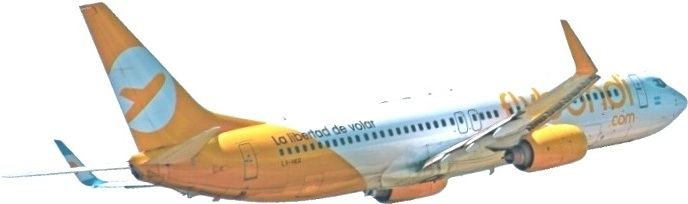
Obras Aeropuerto Palmerola

Palmerola Airport will boost Honduras's economy -

AW | 2021 04 20 15:40 | AIRPORTS

Continúan obras para el Aeropuerto Palmerola

AW-Palmerola Airport_001

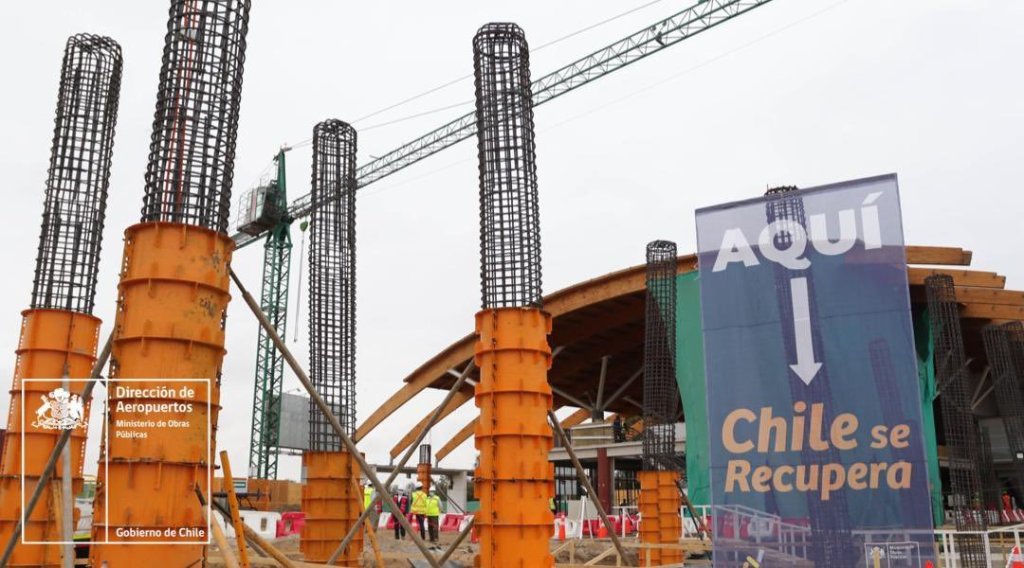
Aeropuerto Internacional de Palmerola/MHSC de la República de Honduras, continúa con las obras de modernización de la aeroestación bajo el operador aeroportuario alemán Flughafen München GmbH. El Aeropuerto Internacional de Palmerola es un aeropuerto internacional ubicado a seis kilómetros al sur del centro de Comayagua, Honduras. Actualmente, el aeropuerto tiene uso militar y forma parte de la Base Aérea José Enrique Soto Cano. En 2021 abrirá como un nuevo aeropuerto internacional para uso civil y comercial.

El nuevo aeropuerto será uno de los aeropuertos más importantes del país con una capacidad mayor al Aeropuerto Internacional Toncontín de Tegucigalpa. Se espera que este nuevo aeropuerto sirva no solo a Comayagua si no también a los residentes de Tegucigalpa debido a las limitaciones para crecer del aeropuerto Toncontín. El nuevo aeropuerto se podría convertir en el aeropuerto principal para la capital proyectando su apertura en Octubre de 2021.​ El Aeropuerto Palmerola tendrá una capacidad para atender veinte aeronaves en simultáneo y la terminal tendrá más de 39.000 metros cuadrados construidos, aproximadamente cuatro veces el tamaño y las capacidades de Toncontín en Tegucigalpa. El aeropuerto también tendrá la secunda pista de aterrizaje más larga de Honduras después del Aeropuerto Internacional Ramón Villeda Morales de San Pedro Sula.

El nuevo Aeropuerto Internacional de Palmerola, uno de los aeropuertos más importantes de Honduras, iniciará su actividad a partir del próximo Octubre 2021, con una inversión de US$ 136 millones. En su construcción ha participado Andreu Barberá, empresa de Paterna, que se ha encargado de dotar de 400 puertas cortafuegos modelo Turia y el modelo Neo, con diferentes resistencias desde EI230 hasta EI2120 minutos y aporta además una gran novedad en la familia de acabados de Andreu, el acabado antimicrobial, elección adecuada para cumplir las exigencias de un proyecto de tal envergadura. Según ha explicado la empresa de Paterna, este acabado de Andreu es un aditivo con propiedades antimicrobianas que se aplica a la pintura poliéster QualiSteelCoat que utilizamos. Esta película de pintura antimicrobial no solo aporta a la superficie una mayor higiene, sino que también, combinada con las resinas de poliéster de la pintura electroestática utilizada, le da propiedades anticorrosivas a la puerta. Este recubrimiento garantiza un acabado homogéneo en toda la superficie y es particularmente recomendado en todas aquellas localizaciones donde una limpieza e higiene es un requerimiento esencial.

Fases de Palmerola

Su fase inicial o primaria en lo que constituye el lado tierra el proyecto contempla la construcción de 755 metros de calle de acceso y circuito de circulación interna. Estacionamientos para 600 plazas vehiculares para visitantes, empleados, buses y rentadoras de autos. Adicionalmente se Construirán 10.500 metros cuadrados de terminal aérea y 2.500 metros cuadrados de terminal de carga. En lo que los expertos llaman lado aire, que es el lado que comúnmente conocemos como pista, se construirán 35.192 m² de plataforma comercial y 8.820 m² de plataforma de carga, la que podrá albergar cuatro vuelos comerciales, con sus cuatro puentes de abordaje. Para concluir esta etapa se construirán 8.940 m² de plataforma de aviación nacional la cual tendrá capacidad para 6 aeronaves. Su segunda fase contemplará la ampliación de los extremos de la terminal aérea, correspondientes a 3.400 m² de construcción, ampliación de la plataforma comercial y de carga a más de 12.700 m²; contar con cinco puentes de abordaje, incremento de 5.341 m² de la plataforma nacional. En su estado final, el aeropuerto contara con trece puentes de abordaje, para una capacidad igual de aeronaves en simultáneo.

René Merino, Presidente de la Cámara de Comercio de Comayagua se manifestó a favor desde etapas tempranas del proyecto para todo el sector centro sur del país, lo que indudablemente traerá un impacto económico directo, indirecto e inducido. “El aeropuerto de Palmerola pretende promover el desarrollo económico, social, político y cultural de la zona mediante el estímulo que ofrece un aeropuerto de operación continúa, segura y estratégicamente posicionado, siendo el mismo un hilo conductor para la efectiva integración Centroamericana”, dijo Carlos Miranda, Alcalde del Municipio de Comayagua. El nuevo Aeropuerto Palmerola permitirá la exportación de productos agrícolas y accesar a mercados con alto potencial, beneficiando a más de 25.000 familias hondureñas.

Palmerola Airport works

Puede ser una imagen de una o varias personas y personas de pie

Works continue for the Palmerola Airport

Palmerola International Airport/MHSC of the Republic of Honduras, continues with the modernization works of the air station under the German airport operator Flughafen München GmbH. Palmerola International Airport is an international airport located six kilometers south of downtown Comayagua, Honduras. Currently, the airport has military use and is part of the José Enrique Soto Cano Air Base. In 2021 it will open as a new international airport for civil and commercial use.

The new airport will be one of the most important airports in the country with a capacity greater than the Toncontin International Airport in Tegucigalpa. This new airport is expected to serve not only Comayagua but also the residents of Tegucigalpa due to the limitations of the Toncontin airport to grow. The new airport could become the main airport for the capital projecting its opening in October 2021. The Palmerola Airport will have a capacity to serve twenty aircraft simultaneously and the terminal will have more than 39,000 square meters built, approximately four times the size and Toncontín’s capacities in Tegucigalpa. The airport will also have the second longest runway in Honduras after the Ramón Villeda Morales International Airport in San Pedro Sula.

The new Palmerola International Airport, one of the most important airports in Honduras, will begin its activity as of October 2021, with an investment of US$ 136 million. Andreu Barberá, a Paterna company, has participated in its construction and has been in charge of equipping 400 fire doors, model Turia and model Neo, with different resistances from EI230 to EI2120 minutes and also provides a great novelty in the Andreu family of finishes. , the antimicrobial finish, the right choice to meet the demands of a project of this magnitude. As explained by the Paterna company, this Andreu finish is an additive with antimicrobial properties that is applied to the QualiSteelCoat polyester paint that we use. This antimicrobial paint film not only provides the surface with greater hygiene, but also, combined with the polyester resins of the electrostatic paint used, gives the door anti-corrosive properties. This coating guarantees a homogeneous finish on the entire surface and is particularly recommended in all locations where cleanliness and hygiene is an essential requirement.

Palmerola phases

Its initial or primary phase in what constitutes the land side, the project contemplates the construction of 755 meters of access road and internal circulation circuit. Parking for 600 vehicle spaces for visitors, employees, buses and car rentals. Additionally, 10,500 square meters of air terminal and 2,500 square meters of cargo terminal will be built. On what experts call the airside, which is the side commonly known as the runway, 35,192 m² of commercial platform and 8,820 m² of cargo platform will be built, which will be able to accommodate four commercial flights, with its four boarding bridges. To conclude this stage, 8,940 m² of national aviation platform will be built, which will have capacity for 6 aircraft. Its second phase will include the expansion of the ends of the air terminal, corresponding to 3,400 m² of construction, expansion of the commercial and cargo platform to more than 12,700 m²; have five boarding bridges, an increase of 5,341 m² in the national platform. In its final state, the airport will have thirteen boarding bridges, for an equal capacity of aircraft simultaneously.

René Merino, President of the Comayagua Chamber of Commerce, spoke in favor from the early stages of the project for the entire south central sector of the country, which will undoubtedly bring a direct, indirect and induced economic impact. «The Palmerola airport aims to promote the economic, social, political and cultural development of the area through the stimulus offered by an airport of continuous operation, safe and strategically positioned, being itself a common thread for effective Central American integration», said Carlos Miranda, Mayor of the Municipality of Comayagua. The new Palmerola Airport will allow the export of agricultural products and access to markets with high potential, benefiting more than 25,000 Honduran families.


PUBLISHER: Airgways.com
DBk: Sapp.gob.hn/palmerola / Airgways.com
AW-POST: 202104201540AR

A\W   A I R G W A Y S ®

Rosario recibe certificado salud

AW | 2021 04 18 19:28 | AIRPORTS

Aeropuerto Rosario recibió certificado de Salud Aeroportuaria

AIR_Isologotype

El Aeropuerto Internacional Rosario SAAR/ROS ha recibido el Certificado de Salud Aeroportuaria siendo el primero del interior de Argentina en acceder a esta acreditación que otorga el Consejo Internacional de Aeropuertos (ACI). El Consejo Internacional de Aeropuertos (ACI), otorgó el certificado de “Salud Aeroportuaria” a la terminal aérea de Rosario por los protocolos sanitarios que se implementan en el contexto de la pandemia generada por el Coronavirus. “Este certificado internacional reafirma la calidad y el compromiso con el que trabajamos todos los días para que nuestros pasajeros y toda la comunidad aeroportuaria se sientan seguros a la hora de volar y permanecer en nuestras instalaciones. Desde el primer momento que nos enfrentamos al Covid-19, nos convocamos para cuidar la salud de todas las personas vinculadas a nuestra actividad. En esta instancia hemos sido reconocidos, bajo las exigencias de un organismo internacional, por las medidas que llevamos adelante”, expresó el Presidente del Directorio del Aeropuerto Internacional de Rosario (AIR), Eduardo Romagnoli.

Desde el Consejo Internacional de Aeropuertos, destacaron el compromiso del AIR con la seguridad de los pasajeros, empleados y el público en general. “Luego de revisar la evidencia presentada, el AIR demostró que está brindando una experiencia segura para todos y que está en línea con las medidas de salud recomendadas y establecidas en las pautas de reinicio y recuperación de la aviación”, señaló el Director del Consejo, Luis Felipe de Oliveira.

Desde el reinicio de los vuelos comerciales, el aeropuerto de Rosario se encuentra operativo las 24 horas y operando con regularidad vuelos de cabotajes de Aerolíneas Argentinas y Jetsmart Airlines Argentina. “Si bien por definiciones de las autoridades sanitarias nacionales no hay vuelos comerciales regulares internacionales en los aeropuertos del interior de la Argentina, quienes soliciten y obtengan la pertinente autorización a ANAC podrán realizar procedimientos en nuestro aeropuerto”, destacó Eduardo Romagnoli.

Rosario receives health certificate

Rosario Airport received Airport Health certificate

Rosario International Airport SAAR/ROS has received the Airport Health Certificate, being the first in the interior of Argentina to access this accreditation granted by the Airports Council International (ACI). The Airports Council International (ACI), granted the certificate of «Airport Health» to the Rosario air terminal for the health protocols that are implemented in the context of the pandemic generated by the Coronavirus. “This international certificate reaffirms the quality and commitment with which we work every day so that our passengers and the entire airport community feel safe when flying and staying at our facilities. From the first moment that we face covid 19, we convene ourselves to take care of the health of all the people linked to our activity. In this instance, we have been recognized, under the demands of an international organization, for the measures we carry out”, said Eduardo Romagnoli, Chairman of the Board of Directors of Rosario International Airport (AIR).

From the Airports Council International, they highlighted AIR’s commitment to the safety of passengers, employees and the general public. «After reviewing the evidence presented, AIR demonstrated that it is providing a safe experience for all and that it is in line with the recommended health measures and established in the aviation restart and recovery guidelines», said the Council Director, Luis Felipe de Oliveira.

Since the restart of commercial flights, the Rosario airport has been operating 24 hours a day and regularly operating domestic flights of Aerolíneas Argentinas and Jetsmart Airlines Argentina. «Although according to definitions of the national health authorities, there are no regular international commercial flights at airports in the interior of Argentina, those who request and obtain the pertinent authorization from ANAC may carry out procedures at our airport», Eduardo Romagnoli highlighted.


PUBLISHER: Airgways.com
DBk: Aeropuertorosario.com.ar / Ambito.com / Airgways.com
AW-POST: 202104181928AR

A\W   A I R G W A Y S ®

Albania estrena aeropuerto low cost

AW | 2021 04 18 15:00 | AIRPORTS

Albania inaugura su primer aeropuerto de bajo coste

Albania_map

La República de Albania ha inaugurado este Domingo 18/04 su primer Aeropuerto Internacional Kukës destinado a los vuelos de bajo coste con el objetivo de impulsar el desarrollo económico de la región norteña de Kukës, la más pobre de este estado balcánico. El aeropuerto está situado en los alrededores de la ciudad albanesa de Kukës, en la frontera con Kosovo, siendo el segundo en importancia del país. El primer vuelo de la aerolínea nacional Air Albania trajo desde Londres a emigrantes originarios de Kukës. Tras manifestar su satisfacción por cumplir con la promesa, el Primer Ministro, Edi Rama, dijo que el aeropuerto será un nuevo motor poderoso de desarrollo económico y social de la Región de Kukës, y servirá también a Kosovo, Macedonia del Norte y Montenegro.

El nuevo aeródromo lleva el nombre Zayed-Alas del Norte, en honor al Jeque Zayed bin Sultán Al Nahyuan de los Emiratos Árabes Unidos, uno de los primeros líderes mundiales que apoyó el ataque aéreo de la OTAN en 1999 para obligar a Serbia a suspender la limpieza étnica contra la población albanesa de Kosovo. Durante el conflicto armado en Kosovo, ex-provincia serbia que se independizó unilateralmente en 2008, los Emiratos Árabes Unidos construyeron un campamento y una pista en Kukës para el aterrizaje de los aviones humanitarios que transportaban ayuda para casi medio millón de refugiados albanokosovares, que fueron desplazados por la fuerza a Albania. Sobre los restos de esa pista empezó hace dos años la reconstrucción del aeropuerto por las empresas Global Technical Mechanics y Bami Shpk que se llevaron la concesión para un período de 35 años.

El vuelo inaugural de este 18/04 ha representado una apertura simbólica, pues el aeropuerto comenzará a operar a mitad de Junio 2021 después de que haya superado la fase de certificación internacional. El Aeropuerto Kukës tiene una pista de 2.200 metros de longitud y una terminal de 3.500 metros cuadrados, y realizará vuelos a ciudades europeas en el Reino Unido, Suiza, Alemania e Italia.

Albania launches low cost airport

Albania opens its first low-cost airport

The Republic of Albania has inaugurated this Sunday 04/18 its first Kukës International Airport for low-cost flights with the aim of promoting the economic development of the northern region of Kukës, the poorest in this Balkan state. The airport is located around the Albanian city of Kukës, on the border with Kosovo, being the second largest in the country. The first flight of the national airline Air Albania brought migrants from London from Kukës. After expressing his satisfaction with fulfilling the promise, Prime Minister Edi Rama said that the airport will be a powerful new engine of economic and social development in the Kukës Region, and will also serve Kosovo, North Macedonia and Montenegro.

The new airfield is named Zayed-North Wings, in honor of Sheikh Zayed bin Sultan Al Nahyuan of the United Arab Emirates, one of the first world leaders who supported the NATO airstrike in 1999 to force Serbia to suspend the ethnic cleansing against the Albanian population of Kosovo. During the armed conflict in Kosovo, a former Serbian province that became unilaterally independent in 2008, the United Arab Emirates built a camp and a runway in Kukës for the landing of humanitarian planes carrying aid for almost half a million Kosovar Albanian refugees, who were forcibly displaced to Albania. On the remains of that runway, the reconstruction of the airport began two years ago by the companies Global Technical Mechanics and Bami Shpk, which took the concession for a period of 35 years.

The inaugural flight of this 04/18 has represented a symbolic opening, as the airport will begin operating in the middle of June 2021 after it has passed the international certification phase. Kukës Airport has a 2,200-meter-long runway and a 3,500-square-meter terminal, and will operate flights to European cities in the United Kingdom, Switzerland, Germany and Italy.

Shqipëria nis aeroportin me kosto të ulët

Shqipëria hap aeroportin e saj të parë me kosto të ulët

Republika e Shqipërisë ka përuruar këtë të Dielë 04/18 e saj të parë Aeroportin Ndërkombëtar të Kukësit për fluturime me kosto të ulët me qëllim promovimin e zhvillimit ekonomik të rajonit verior të Kukësit, më i varfëri në këtë shtet të Ballkanit. Aeroporti ndodhet rreth qytetit shqiptar të Kukësit, në kufi me Kosovën, duke qenë i dyti për nga madhësia në vend. Fluturimi i parë i linjës ajrore kombëtare Air Albania solli migrantë nga Londra nga Kukësi. Pasi shprehu kënaqësinë e tij për përmbushjen e premtimit, Kryeministri Edi Rama tha se aeroporti do të jetë një motor i ri i fuqishëm i zhvillimit ekonomik dhe shoqëror në Rajonin e Kukësit dhe do të shërbejë gjithashtu Kosovën, Maqedoninë e Veriut dhe Malin e Zi.

Fusha e re ajrore quhet Zayed-Flatrat e Veriut, për nder të Shejh Zayed bin Sulltan Al Nahyuan të Emirateve të Bashkuara Arabe, një nga udhëheqësit e parë botërorë që mbështeti sulmin ajror të NATO-s në 1999 për të detyruar Serbinë të ndërpresë spastrimin etnik kundër shqiptarit popullsia e Kosovës. Gjatë konfliktit të armatosur në Kosovë, një ish provincë serbe që u bë e pavarur në mënyrë të njëanshme në vitin 2008, Emiratet e Bashkuara Arabe ndërtuan një kamp dhe një pistë në Kukës për uljen e avionëve humanitarë që mbanin ndihma për gati gjysmë milioni refugjatë shqiptarë të Kosovës, të cilët ishin me forcë të zhvendosur në Shqipëri. Në mbetjet e asaj piste, rindërtimi i aeroportit filloi dy vjet më parë nga kompanitë Global Technical Mechanics dhe Bami Shpk, të cilat morën koncesionin për një periudhë prej 35 vjetësh.

Fluturimi inaugurues i kësaj 04/18 ka përfaqësuar një hapje simbolike, pasi aeroporti do të fillojë të funksionojë në mes të qershorit 2021 pasi të ketë kaluar fazën ndërkombëtare të çertifikimit. Aeroporti i Kukësit ka një pistë të gjatë 2,200 metra dhe një terminal 3,500 metra katrorë dhe do të kryejë fluturime drejt qyteteve evropiane në Mbretërinë e Bashkuar, Zvicër, Gjermani dhe Itali.


PUBLISHER: Airgways.com
DBk: Gov.si / Airgways.com
AW-POST: 202104181500AR

A\W   A I R G W A Y S ®

Licitación Aeropuerto Caxias do Sul

AW | 2021 04 15 14:52 | AIRPORTS / GOVERNMENT

Brasil aprueba licitación Aeropuerto Caxias do Sul

El Ministerio de Infraestructura de Brasil ha autorizado a la ciudad de Caxias do Sul, en el Estado de Rio Grande do Sul (RS), a lanzar una licitación pública para construir una nueva terminal aeroportuaria. La actual terminal de Caxias do Sul, Hugo Cantergiani, dejará de operar una vez que se construya el nuevo aeropuerto, informó el ministerio en un comunicado. La Secretaría Nacional de Aviación Civil del Ministerio de Infraestructura autorizó al Municipio de Caxias do Sul (RS) a licitar el proyecto de construcción del nuevo Aeropuerto Regional de Serra Gaúcha, en el Distrito de Vila Oliva. La región es actualmente atendida por el Aeropuerto Hugo Cantergiani, que cerrará sus operaciones cuando la nueva aeroestación se encuentre habilitada. En esta primera etapa de ejecución, la contratación de proyectos básicos y ejecutivos, el valor estimado es de R$ 2,27 millones y tiene como referencia los estudios técnicos de viabilidad y el anteproyecto ya preparado. El Plan de Trabajo prevé la ejecución de las obras, con un total de recursos del Fondo Nacional de Aviación Civil (FNAC) por alrededor de R$ 200 millones.

La contraparte del municipio es la realización de obras complementarias ajenas al nuevo aeropuerto, como ajustes y nuevas rutas de acceso, además de referirse a las expropiaciones necesarias. Según Minfra, una vez finalizado y aprobados los proyectos básicos y ejecutivos es posible definir los valores finales de las obras, así como su plazo. El aeródromo se ubicará en una superficie de 445 hectáreas en el Distrito de Vila Oliva, atendiendo a 53 municipios. El aeropuerto también operará con una plataforma con 26.000 metros cuadrados (8 posiciones de aviones) y una pista con 1.930 metros de largo. Tendrá capacidad de operación para aeronaves del tamaño del Boeing 737-800, terminal de pasajeros de 4.700 metros cuadrados y 500 espacios para vehículos.

«La autorización de continuidad de los proyectos es un paso muy importante para la Serra Gaúcha y sin duda será un hito para el desarrollo económico de la región, con énfasis en el turismo. Será la mayor inversión del ministerio en un solo aeropuerto. A nivel nacional, la inversión del Gobierno Federal en aviación regional, desde 2019, alcanzará los 1.000 millones de dólares este año», dijo Eduardo Bernardi, Director de Inversiones de SAC/MInfra.

La Ciudad de Caxias do Sul convocará a una licitación por el proyecto en las próximas semanas. El aeropuerto prestará servicios a una importante región turística, ya que es la zona vitivinícola más grande del país. La semana pasada el Gobierno subastó 22 terminales aeroportuarias por más de R$ 3.300 millones de Reales en derechos e inversiones esperadas por valor estimados en R$ 6.000 millones.

Caxias do Sul Airport bidding

La imagen tiene un atributo ALT vacío; su nombre de archivo es aeroporto-regional-serra-gaucha_rs-0001.jpg

Brazil approves Caxias do Sul Airport bidding

The Brazilian Ministry of Infrastructure has authorized the city of Caxias do Sul, in the state of Rio Grande do Sul (RS), to launch a public bidding to build a new airport terminal. The current Caxias do Sul terminal, Hugo Cantergiani, will stop operating once the new airport is built, the ministry said in a statement. The National Civil Aviation Secretariat of the Ministry of Infrastructure authorized the Municipality of Caxias do Sul (RS) to put out to bidding the construction project of the new Serra Gaúcha Regional Airport, in the Vila Oliva District. The region is currently served by the Hugo Cantergiani Airport, which will close its operations when the new air station is enabled. In this first stage of execution, the contracting of basic and executive projects, the estimated value is R$ 2.27 million and has as a reference the technical feasibility studies and the preliminary project already prepared. The Work Plan foresees the execution of the works, with a total of resources from the National Civil Aviation Fund (FNAC) for around R$ 200 million.

The municipality’s counterpart is carrying out complementary works outside the new airport, such as adjustments and new access routes, in addition to referring to the necessary expropriations. According to Minfra, once the basic and executive projects are finalized and approved, it is possible to define the final values ​​of the works, as well as their term. The aerodrome will be located on an area of ​​445 hectares in the Vila Oliva District, serving 53 municipalities. The airport will also operate with a 26,000 square meter apron (8 aircraft positions) and a 1,930 meter long runway. It will have operating capacity for aircraft the size of the Boeing 737-800, a passenger terminal of 4,700 square meters and 500 spaces for vehicles.

«The authorization of the continuity of the projects is a very important step for the Serra Gaúcha and will undoubtedly be a milestone for the economic development of the region, with an emphasis on tourism. It will be the ministry’s largest investment in a single airport. At the level nationally, the Federal Government’s investment in regional aviation, from 2019, will reach 1,000 million dollars this year», said Eduardo Bernardi, Investment Director of SAC/Minfra.

The City of Caxias do Sul will launch a tender for the project in the coming weeks. The airport will serve an important tourist region, as it is the largest wine-growing area in the country. Last week the Government auctioned 22 airport terminals for more than R$ 3.3 billion in rights and expected investments for an estimated value of R$ 6,000 million.

Concurso Aeroporto Caxias do Sul

La imagen tiene un atributo ALT vacío; su nombre de archivo es figura-14-mapa-situacional-do-atual-e-do-novo-aeroporto-de-vila-oliva.png

Brasil aprova licitação do Aeroporto de Caxias do Sul

O Ministério da Infraestrutura do Brasil autorizou a cidade de Caxias do Sul, no estado do Rio Grande do Sul (RS), a lançar um concurso público para a construção de um novo terminal aeroportuário. O atual terminal de Caxias do Sul, Hugo Cantergiani, deixará de funcionar assim que o novo aeroporto for construído, informou o ministério em nota. A Secretaria Nacional de Aviação Civil do Ministério da Infraestrutura autorizou o Município de Caxias do Sul (RS) a licitar a obra do novo Aeroporto Regional da Serra Gaúcha, no Distrito de Vila Oliva. Atualmente, a região é atendida pelo Aeroporto Hugo Cantergiani, que encerrará suas operações quando a nova estação aérea for habilitada. Nesta primeira etapa de execução, a contratação dos projetos básico e executivo, o valor estimado é de R$ 2,27 milhões e tem como referência os estudos de viabilidade técnica e o anteprojeto já elaborados. O Plano de Trabalho prevê a execução das obras, com um total de recursos do Fundo Nacional de Aviação Civil (FNAC) da ordem de R$ 200 milhões.

A contrapartida do município é a realização de obras complementares fora do novo aeroporto, como adequações e novas vias de acesso, além de fazer referência às desapropriações necessárias. Segundo o Minfra, uma vez finalizados e aprovados os projetos básico e executivo, é possível definir os valores finais das obras, bem como o seu prazo. O aeródromo ficará implantado numa área de 445 hectares no distrito de Vila Oliva, servindo 53 concelhos. O aeroporto também operará com pátio de embarque de 26 mil metros quadrados (8 posições de aeronaves) e pista de decolagem de 1.930 metros. Terá capacidade operacional para aeronaves do porte do Boeing 737-800, terminal de passageiros de 4.700 metros quadrados e 500 vagas para veículos.

“A autorização para a continuidade dos projetos é um passo muito importante para a Serra Gaúcha e sem dúvida será um marco para o desenvolvimento econômico da região, com destaque para o turismo. Será o maior investimento do ministério em um único aeroporto. Em nível nacional, o investimento do Governo Federal na aviação regional, a partir de 2019, chegará a US$ 1 bilhão este ano”, disse Eduardo Bernardi, Diretor de Investimentos do SAC/Minfra.

A Câmara Municipal de Caxias do Sul vai lançar o concurso para o projecto nas próximas semanas. O aeroporto vai servir uma importante região turística, visto ser a maior área vitivinícola do país. O governo leiloou na semana passada 22 terminais aeroportuários por mais de R$ 3,3 bilhões em direitos e prevê investimentos no valor estimado de R$ 6.000 milhões.


PUBLISHER: Airgways.com
DBk: Infraestrutura.gov.br / Gov.br / Airgways.com
AW-POST: 202104151452AR

A\W   A I R G W A Y S ®

Cancelaciones vuelos sur Florida

AW | 2021 04 13 11:43 | AIRPORTS / AIR TRAFFIC

Aeropuertos sur Florida reportaron cancelaciones por mal tiempo

El Aeropuerto Internacional de Miami/MIA, el Aeropuerto Internacional de Fort Lauderdale/Hollywood/FLL junto con otras aeroestaciones han informado de reprogramaciones y cancelaciones de vuelos por condiciones meteorológicas adversas entre el Domingo 11/04 y el Lunes 12/04. Las ráfagas de mal tiempo el Domingo provocaron importantes interrupciones en los aeropuertos del sur de Florida que se extendieron hasta el Lunes. Las largas filas eran la norma tanto en Fort Lauderdale-Hollywood International como en Miami International el Lunes por la mañana como resultado de los fuertes vientos del domingo y los fuertes aguaceros que provocaron retrasos y cancelaciones

El Aeropuerto Fort Lauderdale reportó 150 retrasos en los vuelos y 39 vuelos cancelados a partir del lunes por la tarde. En el Aeropuerto Miami, las filas fueron igual de largas la madrugada del Lunes después de un Domingo complicado. El Domingo, MIA reportó 70 vuelos retrasados y 142 cancelaciones debido al mal tiempo. Para el Lunes por la tarde, los cielos se veían mucho más amigables en MIA. Por la tarde, el aeropuerto dijo que había siete retrasos en los vuelos y siete cancelaciones.

South Florida flight cancellations

Latest Breaking Miami-Dade County FL News | Miami Herald

South Florida airports report bad weather delays/cancellations

Miami International Airport/MIA, Fort Lauderdale/Hollywood International Airport/FLL along with other air stations have reported rescheduling and cancellations of flights due to adverse weather conditions between Sunday 04/11 and Monday 04/12. Bursts of bad weather Sunday caused major disruptions at South Florida airports that lasted through Monday. Long lines were the norm at both Fort Lauderdale-Hollywood International and Miami International on Monday morning as a result of Sunday’s strong winds and heavy downpours that led to delays and cancellations.

Fort Lauderdale Airport reported 150 flight delays and 39 canceled flights as of Monday afternoon. At Miami Airport, the lines were just as long on Monday morning after a difficult Sunday. On Sunday, MIA reported 70 delayed flights and 142 cancellations due to bad weather. By Monday afternoon, the skies looked much friendlier at MIA. In the afternoon, the airport said there were seven flight delays and seven cancellations.


PUBLISHER: Airgways.com
DBk: Miami-airport.com / Fort-lauderdale-airport.com / Noaa.gov / Miamiherald.com / Airgways.com
AW-POST: 202104131143AR

A\W   A I R G W A Y S ®

Aeropuerto Riga 1er proceso A-CDM

AW | 2021 04 07 14:38 | AIRPORTS

Primer aeropuerto báltico en emplear procedimientos A-CDM

El Aeropuerto Riga de la República de Estonia se ha convertido en el primer y hasta ahora único aeropuerto de los Estados bálticos en unirse a más de 30 aeropuertos europeos que emplean procedimientos A-CDM (Airport Collaborative Decision Making) que permiten mejorar significativamente la calidad del servicio y la seguridad de los usuarios y pasajeros del espacio aéreo.

La introducción de A-CDM, que fue un esfuerzo conjunto del proveedor de servicios de navegación aérea empresa estatal de acciones conjuntas. Latvijas Gaisa Satiksme (LGS) y el Aeropuerto de Riga, garantizan el intercambio oportuno de información precisa entre el operador del aeropuerto, los operadores de aeronaves, los servicios de manejo en tierra, los controladores de tráfico aéreo y otras partes involucradas desde la planificación del vuelo hasta que el avión aterriza en la pista. Esto permite programar despegues con mayor precisión y reducir los tiempos de espera para los pasajeros, especialmente durante las horas pico. Además, A-CDM permite a las aerolíneas reducir sus costos de recursos y combustible relacionados con los tiempos de espera antes del despegue y la preparación de aviones para el vuelo. La reducción del funcionamiento inexplicable de los motores de las aeronaves también reduce la contaminación ambiental y el ruido.

Mediante la implementación de este importante proyecto, la introducción del complejo de procedimientos operativos y procesos automatizados, se ha establecido una plataforma A-CDM en el aeropuerto de Riga : se ha instalado hardware y software informático adecuado, se han comprado recursos de comunicación para servicios aeroportuarios y también se han introducido otras mejoras. También se ha actualizado el software de LGS.

«Estoy muy contento de que en colaboración con el aeropuerto de Riga en este momento difícil para la aviación, hemos logrado completar un gran e importante proyecto que crea las condiciones previas para el desarrollo futuro del aeropuerto y los vuelos fuera de Riga después del final de la pandemia, así como para una mejor calidad del servicio para los pasajeros y una mayor seguridad de los vuelos. Me gustaría dar las gracias a todos nuestros socios por su cooperación», dice Dāvids Tauriņš, Presidente del Consejo de LGS.

A su vez, la Presidenta del Consejo del Aeropuerto de Riga, Laila Odiņa, destaca: «A-CDM es algo más que procedimientos y procesos, es un cambio de pensamiento y trabajo, mediante la integración de los servicios operativos del aeropuerto en el espacio de información en tiempo real y permitiendo a todos trabajar en equipo unificado. El intercambio preciso, oportuno y transparente de información y una comprensión común de la situación en su conjunto permite un uso sostenible y eficiente de la infraestructura y los recursos, ahorro de combustible para las aerolíneas, reducción de las emisiones de CO2 y mejores experiencias para los viajeros».

La introducción de A-CDM permitirá un aumento de la capacidad del Aeropuerto de Riga cuando se restablezca el régimen de vuelo normal. En otoño de 2016 LGS firmó un acuerdo con la Agencia Ejecutiva de Innovación y Redes (INEA) sobre la asignación de cofinanciación por un importe del 50% de los costes subvencionables del proyecto A-CDM. En total, está previsto que el proyecto cueste un total de € 1.930.000 Euros. La financiación fue proporcionada por el Mecanismo Conectar Europa (CEF).

Riga Airport 1st process A-CDM

First Baltic airport to employ A-CDM procedures

Riga Airport of the Republic of Estonia has become the first and so far only airport in the Baltic States to join more than 30 European airports using A-CDM (Airport Collaborative Decision Making) procedures that significantly improve the quality of service and safety of airspace users and passengers.

The introduction of A-CDM, which was a joint effort of the state-owned joint-stock company air navigation service provider. Latvijas Gaisa Satiksme (LGS) and Riga Airport, ensure the timely exchange of accurate information between the airport operator, aircraft operators, ground handling services, air traffic controllers and other parties involved from the planning of the flight until the plane lands on the runway. This allows for more precise takeoff scheduling and reduced wait times for passengers, especially during peak hours. Additionally, A-CDM enables airlines to reduce their resource and fuel costs related to waiting times before take-off and preparing aircraft for flight. Reducing the unexplained operation of aircraft engines also reduces environmental pollution and noise.

Through the implementation of this important project, the introduction of the complex of automated operating procedures and processes, an A-CDM platform has been established at Riga airport: suitable computer hardware and software has been installed, communication resources for services have been purchased airport facilities and other improvements have also been made. LGS software has also been updated.

«I am very happy that in collaboration with Riga airport at this difficult time for aviation, we have managed to complete a large and important project that creates the preconditions for the future development of the airport and flights out of Riga after the end of the pandemic, as well as for better quality of service for passengers and increased safety of flights. I would like to thank all our partners for their cooperation», says Dāvids Tauriņš, Chairman of the Board of LGS.

In turn, the President of the Riga Airport Council, Laila Odiņa, highlights: «A-CDM is more than just procedures and processes, it is a change of thought and work, by integrating the operational services of the airport in the space of information in real time and allowing everyone to work as a unified team. Accurate, timely and transparent exchange of information and a common understanding of the situation as a whole allows a sustainable and efficient use of infrastructure and resources, saving fuel for airlines, reduced CO2 emissions and better experiences for travelers».

The introduction of A-CDM will allow an increase in the capacity of Riga Airport when the normal flight regime is restored. In autumn 2016 LGS signed an agreement with the Innovation and Networks Executive Agency (INEA) on the allocation of co-financing for an amount of 50% of the eligible costs of the A-CDM project. In total, the project is expected to cost a total of € 1,930,000 Euros. Funding was provided by the Connecting Europe Facility (CEF).

Riia lennujaama 1. protsess A-CDM

Esimene Balti lennujaam, kus kasutatakse A-CDM-i protseduure

Eesti Vabariigi Riia lennujaam on esimene ja seni ainus lennujaam Balti riikides, mis on liitunud enam kui 30 Euroopa lennujaamaga, kasutades A-CDM (Airport Collaborative Decision Making) protseduure, mis parandavad oluliselt lennujaama kvaliteeti. Teenindus ja ohutus õhuruumi kasutajate ja reisijate arv.

A-CDMi kasutuselevõtt, mis oli riigile kuuluva aktsiaseltsi aeronavigatsiooniteenuse pakkuja ühine jõupingutus. Latvijas Gaisa Satiksme (LGS) ja Riia lennujaam tagavad täpse teabe õigeaegse vahetamise lennujaama käitaja, õhusõiduki käitajate, maapealse teeninduse, lennujuhtide ja teiste osapoolte vahel alates lennu kavandamisest kuni lennuki maandumisrajale maandumiseni. See võimaldab täpsemat stardiplaani ja lühendada reisijate ooteaegu, eriti tipptundidel. Lisaks võimaldab A-CDM lennuettevõtjatel vähendada ressursi- ja kütusekulusid, mis on seotud ooteaegadega enne õhkutõusmist ja õhusõidukite lennuks ettevalmistamist. Lennukimootorite seletamatu töö vähendamine vähendab ka keskkonnareostust ja müra.

Selle olulise projekti elluviimise, automatiseeritud tööprotseduuride ja protsesside kompleksi juurutamise kaudu on Riia lennujaamas loodud A-CDM platvorm: paigaldatud on sobiv arvuti riist- ja tarkvara, ostetud on teenuste sidevahendid lennujaama rajatised ja muud parandused on samuti tehtud. Samuti on uuendatud LGS tarkvara.

«Mul on väga hea meel, et koostöös Riia lennujaamaga on sellel lennunduse jaoks raskel ajal õnnestunud lõpule viia suur ja oluline projekt, mis loob eeldused lennujaama ja Riiast väljuvate lendude edasiseks arenguks pärast pandeemia lõppu , samuti reisijatele parema teeninduskvaliteedi ja lendude ohutuse suurendamise eest. Tahaksin tänada kõiki meie partnereid koostöö eest», ütleb LGSi juhatuse esimees Dāvids Tauriņš.

Riia lennujaama nõukogu president Laila Odiņa tõstab omakorda esile: «A-CDM on rohkem kui protseduurid ja protsessid, see on mõtte ja töö muutus, integreerides lennujaama operatiivteenistused inforuumi. reaalajas ja võimaldades kõigil töötada ühtse meeskonnana. Täpne, õigeaegne ja läbipaistev teabevahetus ning ühine arusaam olukorrast tervikuna võimaldab infrastruktuuri ja ressursside säästvat ja tõhusat kasutamist, säästes lennuettevõtjatele kütust, vähendades süsinikdioksiidi heitkoguseid ja paremad kogemused reisijatele».

A-CDMi kasutuselevõtt võimaldab tavapärase lennurežiimi taastamisel suurendada Riia lennujaama läbilaskevõimet. 2016. aasta sügisel allkirjastas LGS Innovatsiooni ja Võrkude Rakendusametiga (INEA) lepingu kaasrahastamise eraldamiseks 50% ulatuses A-CDM projekti abikõlblikest kuludest. Kokku peaks projekti maksma kokku 1 930 000 eurot. Rahastamist pakkus Euroopa ühendamise rahastu (CEF).


PUBLISHER: Airgways.com
DBk: Riga-airport.com / Airgways.com
AW-POST: 202104071438AR

A\W   A I R G W A Y S ®
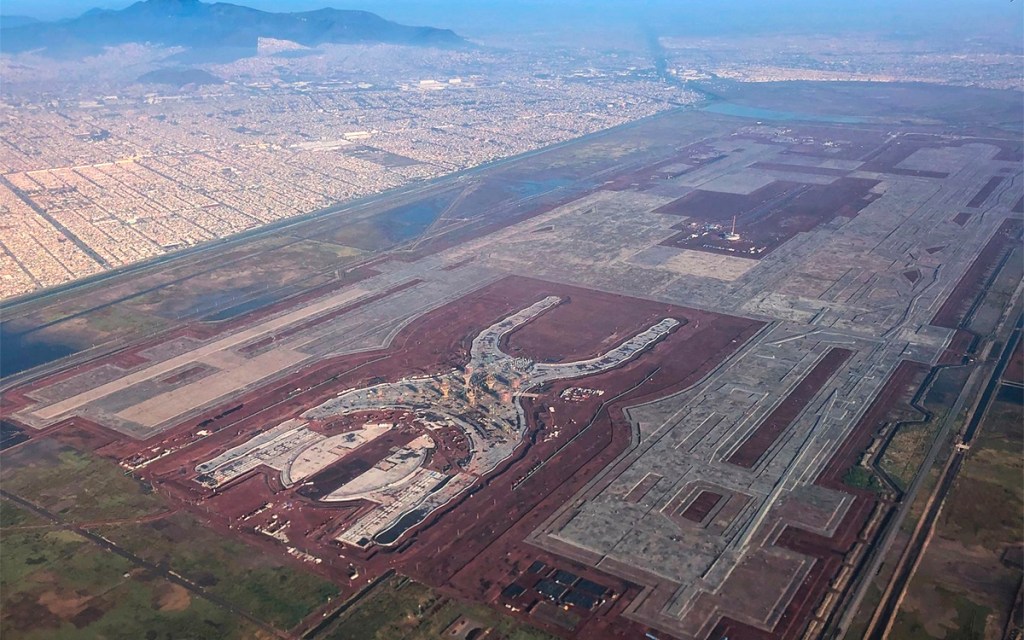
Aeropuerto Rosario nacionaliza carga

AW | 2021 04 07 10:40 | AIRPORTS / AIRLINES

Latam Cargo incursiona modalidad desde interior país

AIR_Isologotype

El Aeropuerto Internacional Rosario/Islas Malvinas/AIR ha anunciado la puesta en función de la nueva modalidad de carga aérea efectivizando la primera aeroestación de Argentina en nacionalizar cargas aéreas mediante la modalidad de Continuidad de Bodega. “Se trata de uno de los nuevos procedimientos de tránsito de cargas arribadas vía aérea, establecidos por la Resolución General Nº4731/2020 de la Agencia Tributaria de la AFIP que busca la simplificación de las operaciones en los casos que sea necesario utilizar la vía terrestre para que la mercadería continúe su traslado hasta la aduana de destino”, ha expresado el Presidente del Aeropuerto Rosario, Eduardo Romagnoli. La Resolución General Nº4731/2020 de AFIP establece: “Las cargas que arriban al territorio aduanero por vía aérea y que por motivos propios de ese tipo de transporte o por las características intrínsecas de las mercaderías deban utilizar la vía terrestre para continuar su traslado hasta la aduana de destino, deberán documentarse mediante declaración Sumaria de Tránsito (TRAS) y estarán sujetas con carácter obligatorio al control mediante la utilización del Precinto Electrónico de Monitoreo Aduanero (PEMA)”.

El trabajo conjunto de la empresa Latam Airlines Cargo, el Depósito Fiscal del Grupo Murchison–DEFIBA, la Aduana local y el Departamento Comercial del AIR han expresado que se encuentran trabajando mancomunadamente para habilitar la ruta y adecuar los sistemas de control. Han resaltado que en Marzo 2021 introdujeron el primer ingreso de carga aérea en la modalidad continuidad de bodega en el país en el Aeropuerto Rosario. La nueva modalidad permite una mejora los tiempos ya que la mercadería no permanece en Buenos Aires sino que continúa en forma directa a la terminal aérea.

La compañía Latam Airlines Cargo ha anunciado que tendrá un servicio regular semanal a partir del mes de Abril 2021, y que según la demanda evaluará incrementar la frecuencia e incluso la posibilidad de consolidar cargas con otras compañías aéreas que tengan como destino la Ciudad de Rosario. “Estamos comprometidos con el desarrollo comercial e industrial de la provincia y la región, y este es un paso importante en ese sentido” afirmó la aerolínea.

Rosario Airport nationalizes cargo

Latam Cargo enters the modality from the interior of the country

Rosario International Airport/Islas Malvinas/AIR has announced the implementation of the new air cargo modality, making the first airstation in Argentina to nationalize air cargoes through the Warehouse Continuity modality. «This is one of the new procedures for the transit of cargo arrived by air, established by General Resolution No. 4731/2020 of the Tax Agency of the AFIP that seeks to simplify operations in cases where it is necessary to use the land route to that the merchandise continues its transfer to the destination customs office”, expressed the President of Rosario Airport, Eduardo Romagnoli. General Resolution No. 4731/2020 of AFIP establishes: “The cargoes that arrive to the customs territory by air and that for reasons of this type of transport or due to the intrinsic characteristics of the goods must use the land route to continue their transfer until the Customs office of destination, must be documented by a Transit Summary declaration (TRAS) and will be subject to mandatory control through the use of the Electronic Customs Monitoring Seal (PEMA)”.

The joint work of the company Latam Airlines Cargo, the Murchison-DEFIBA Group Fiscal Warehouse, the local Customs and the AIR Commercial Department have expressed that they are working together to enable the route and adapt the control systems. They have highlighted that in March 2021 they introduced the first entry of air cargo in the warehouse continuity modality in the country at Rosario Airport. The new modality allows an improvement in times since the merchandise does not remain in Buenos Aires but continues directly to the air terminal.

The Latam Airlines Cargo company has announced that it will have a regular weekly service starting in April 2021, and that according to the demand it will evaluate increasing the frequency and even the possibility of consolidating loads with other airlines that have the City of Rosario as their destination. «We are committed to the commercial and industrial development of the province and the region, and this is an important step in that regard», said the airline.


PUBLISHER: Airgways.com
DBk: Aeropuertorosario.com.ar / Latam.com / Airgways.com
AW-POST: 202104071040AR

A\W   A I R G W A Y S ®

Aeroparque con demoras hisopados

AW | 2021 04 07 09:57 | AIRPORTS

Demoras en testeos a pasajeros en Aeropuerto Jorge Newbery

El Aeropuerto Jorge Newbery continúa realizando con cinco puestos de testeo la atención al tráfico de pasajeros que representa una demora de una hora y se desarrolla en un espacio reducido en el que conviven los que dejaron sus datos con los que esperan la toma de muestras y los que hacen la fila para subir a un taxi. Pese a varios días desde el fin de semana largo, cuando casi dos millones de argentinos viajaron por el país, los usuarios del transporte deben realizar largas colas para cumplir con el requerimiento de hacerse un test anti-Covid-19 al arribo/salida del Aeroparque.

El sector de testeo está instalado en uno de los accesos de autos de la terminal aeroportuaria, distante 50 metros del área de arribos. Debido a las dimensiones del lugar, el volumen de pasajeros en tránsito que arriban desde todos puntos del país y por varias aerolíneas ha saturado el área. Sin embarco, los porteños responsables aceptan esperar para volver a sus casas con tal de tener la tranquilidad de un resultado negativo. El espacio y los boxes de toma de muestras son escasos en vista de la demanda, algo que el Gobierno porteño deberá revisar de manera urgente.

Al acercarnos a la zona de testeo se observa cantidad de usuarios en un espacio reducido para tratar de mantener el distanciamiento social. A diferencia del Aeropuerto Internacional Ezeiza, el procedimiento toma apenas 15 minutos, mientras que en Aeroparque las demoras alcanzan a casi una hora. Demasiado tiempo para lo que debería ser un trámite de rutina. Deberán implementar más módulos de testeo para agilizar los trámites para poder volar.

Airport with swapped delays

Delays in passenger testing at Jorge Newbery Airport

The Jorge Newbery Airport continues to carry out with five test stations the attention to passenger traffic, which represents a delay of one hour and is carried out in a reduced space where those who left their data coexist with those who wait for the taking of samples and the queuing to get into a taxi. Despite several days since the long weekend, when almost two million Argentines traveled through the country, transport users must make long queues to comply with the requirement of taking an anti-Covid-19 test upon arrival/departure from the Airport .

The testing area is installed in one of the car entrances to the airport terminal, 50 meters away from the arrivals area. Due to the size of the place, the volume of transit passengers arriving from all parts of the country and by various airlines has saturated the area. However, the responsible porteños accept to wait to return to their homes in order to have the peace of mind of a negative result. The space and the sampling boxes are scarce in view of the demand, something that the Buenos Aires Government will have to review urgently.

When approaching the testing area, a number of users are observed in a reduced space to try to maintain social distancing. Unlike Ezeiza International Airport, the procedure takes just 15 minutes, while at Aeroparque the delays reach almost an hour. Too long for what should be a routine procedure. They will have to implement more testing modules to speed up the procedures to be able to fly.


PUBLISHER: Airgways.com
DBk: Airgways.com / Weekend.perfil.com
AW-POST: 202104070957AR

A\W   A I R G W A Y S ®
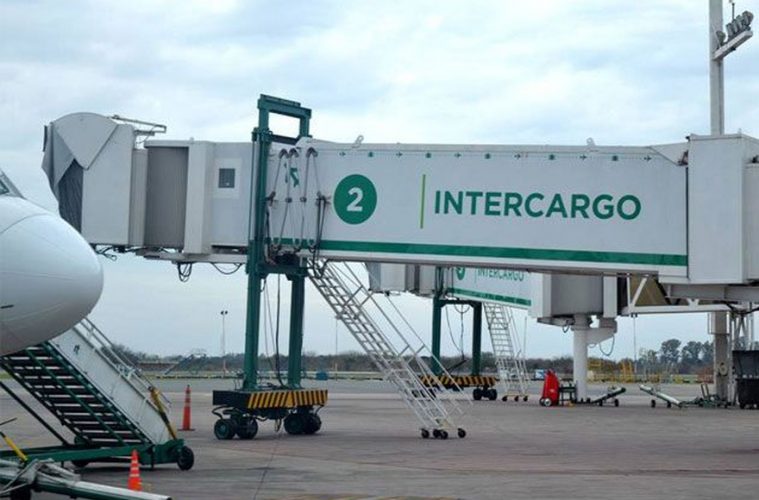
Foz Iguaçú con pista refaccionada

AW | 2021 04 07 09:33 | AIRPORTS

Aeropuerto Foz do Iguaçu buscando enlace Estados Unidos

La compañía de infraestructura aeroportuaria Infraero entrega oficialmente este Martes 6 de Abril de 2021 los trabajos de ampliación de la Pista del Aeropuerto Internacional Foz do Iguaçú, en el Estado de Paraná. La pista se amplió en 600 metros, de 2.195m a 2.795m. Además de una mayor seguridad operativa, la mejora proporcionará un aumento en las ciudades atendidas sin escalas desde Foz, con la posibilidad de vuelos a Centroamérica y Estados Unidos.

La intervención aseguró cuatro plazas de aparcamiento de aeronaves adicionales para aviones comerciales, aumentando la capacidad de servicio en un 57%. Entre otras mejoras se encuentra la duplicación de la ruta de acceso al aeropuerto y la implantación de un carril, finalizado en Octubre de 2020, con el objetivo de mejorar el flujo de llegadas y salidas de vehículos en la terminal y garantizar la seguridad de los ciclistas.

«Foz do Iguaçu es uno de los principales destinos turísticos de Brasil y, con la finalización de estas obras en el aeropuerto, podemos recibir más viajeros que vienen a la ciudad por negocios o turismo. Ahora, tenemos una terminal coherente con la importancia y relevancia de Foz», dijo el Presidente de Infraero, Brigadier Paes de Barros. Para el Director General de Itaipu, General Joaquim Silva y Luna, la entrega de la pista es la realización de un sueño: «Cuando llegué aquí hace dos años, una de las primeras conversaciones que tuve con el Gobernador fue sobre la importancia de este trabajo para la región, que tiene en el turismo su principal vocación económica. Ver este sueño hecho realidad es una gran satisfacción para Itaipú», dijo.

Foz Iguaçú with renovated runway

Foz do Iguaçú Airport looking for a link to the United States

The airport infrastructure company Infraero officially delivers this Tuesday, April 6, 2021, the expansion works of the Foz do Iguaçú International Airport Runway, in the State of Paraná. The runway was extended by 600 meters, from 2,195m to 2,795m. In addition to greater operational safety, the upgrade will provide an increase in cities served nonstop from Foz, with the possibility of flights to Central America and the United States.

The intervention secured four additional aircraft parking spaces for commercial aircraft, increasing service capacity by 57%. Among other improvements is the duplication of the access route to the airport and the implementation of a lane, completed in October 2020, with the aim of improving the flow of vehicle arrivals and departures at the terminal and guaranteeing the safety of cyclists.

«Foz do Iguaçú is one of the main tourist destinations in Brazil and, with the completion of these works at the airport, we can receive more travelers who come to the city for business or tourism. Now, we have a terminal consistent with the importance and relevance de Foz», said the President of Infraero, Brigadier Paes de Barros. For the General Director of Itaipu, General Joaquim Silva y Luna, the delivery of the track is the realization of a dream: «When I arrived here two years ago, one of the first conversations I had with the Governor was about the importance of this work. for the region, which has its main economic vocation in tourism. Seeing this dream come true is a great satisfaction for Itaipú», he said.

Foz Iguaçú com pista reformada

Aeroporto de Foz do Iguaçú em busca de link para os Estados Unidos

A empresa de infraestrutura aeroportuária Infraero entrega oficialmente nesta Terça-feira, 6 de Abril de 2021, as obras de ampliação da Pista do Aeroporto Internacional de Foz do Iguaçú, no Estado do Paraná. A pista foi estendida em 600 metros, passando de 2.195m para 2.795m. Além de maior segurança operacional, o upgrade proporcionará aumento de cidades atendidas sem escalas a partir de Foz, com possibilidade de vôos para América Central e Estados Unidos.

A intervenção garantiu mais quatro lugares de estacionamento de aeronaves para aeronaves comerciais, aumentando a capacidade de serviço em 57%. Entre outras melhorias está a duplicação da via de acesso ao aeroporto e a implementação de uma faixa, concluída em outubro de 2020, com o objetivo de melhorar o fluxo de chegadas e partidas de veículos no terminal e garantir a segurança dos ciclistas.

“Foz do Iguaçu é um dos principais destinos turísticos do Brasil e, com a conclusão dessas obras no aeroporto, podemos receber mais viajantes que vêm à cidade a negócios ou turismo. Agora, temos um terminal condizente com a importância e relevância de Foz”, afirmou o presidente da Infraero, brigadeiro Paes de Barros. Para o Diretor-Geral da Itaipu, General Joaquim Silva y Luna, a entrega da pista é a realização de um sonho: “Quando cheguei aqui há dois anos, uma das primeiras conversas que tive com o Governador foi sobre a importância disso trabalho. para a região, que tem sua principal vocação econômica no turismo. Ver esse sonho realizado é uma grande satisfação para Itaipu”, afirmou.


PUBLISHER: Airgways.com
DBk: Infraero.gov.br / Nilton-Rolin / Airgways.com
AW-POST: 202104070933AR

A\W   A I R G W A Y S ®