La justicia de Francia declara sobreseimiento por la tragedia aérea del vuelo 604 de Flash Airlines
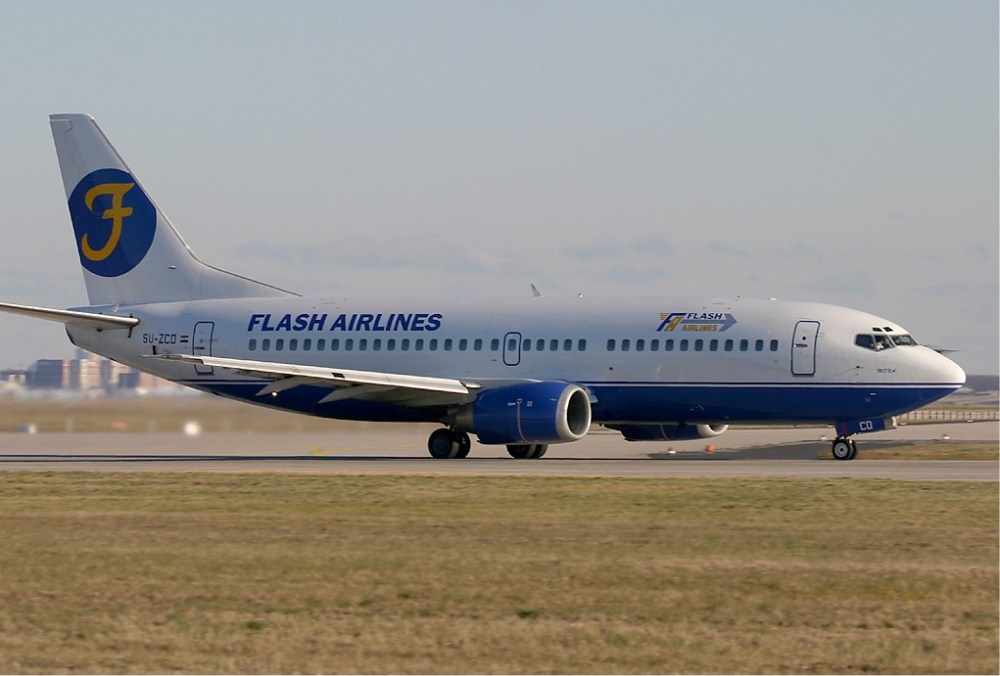
El vuelo 604 de Flash Airlines fue un vuelo chárter operado por la compañía egipcia Flash Airlines. El 3 de enero de 2004, el Boeing 737-300 se estrelló en el Mar Rojo poco después de despegar de el Aeropuerto Internacional de Sharm el-Sheij, falleciendo los 135 pasajeros, muchos de ellos turistas franceses y los 7 miembros de la tripulación. Los restos se encontraron cerca de 9 millas al sur del aeropuerto.
Una corte francesa declaró el sobreseimiento del caso abierto por el accidente de avión ocurrido en Egipto en enero de 2004 en el que fallecieron 134 franceses, anunciaron hoy fuentes del caso. En el accidente fallecieron 148 personas, 134 de las cuales eran de nacionalidad francesa, que venían de pasar unas vacaciones en Egipto.
La noticia fue anunciada por abogados de familiares de las víctimas del accidente de un Boeing 737-300 de la aerolínea egipcia Flash Airlines, que se estrelló poco después de despegar del balneario egipcio de Sharm el-Sheikh.
La fiscalía de la Corte de Bobigny,a las afueras de París, que juzgaba el caso, había solicitado el sobreseimiento porque la investigación del suceso no había permitido retener como hipótesis de la causa del accidente aéreo más que la responsabilidad de los pilotos del avión, fallecidos en el accidente. Los abogados de los familiares de las víctimas afirmaron que apelarán el veredicto judicial.
En el accidente fallecieron 148 personas, 134 de las cuales eran de nacionalidad francesa, que venían de pasar unas vacaciones en Egipto. El avión de la aerolínea egipcia de bajo costo se desplomó el 3 de enero de 2004, tres minutos después de despegar, en el Mar Rojo, por causas no aclaradas totalmente por la investigación. En 2009 un reporte de expertos apuntó a la falta de experiencia del comandante de la aeronave y a la fatiga como causas probables del accidente.
French Justice declares dismissal of 604 plane crash Flash Airlines
The justice of France declares dismissal for the aerial tragedy of Flight 604 of Flash Airlines
Flight 604 of Flash Airlines was a charter flight operated by the Egyptian company Flash Airlines. On January 3, 2004, the Boeing 737-300 crashed into the Red Sea shortly after takeoff from the Sharm el-Sheikh International Airport, killing 135 passengers, many of them French tourists and the 7 crew members. The remains were found about 9 miles south of the airport.
A French court declared the dismissal of the case opened by the plane crash in Egypt in January 2004 in which 134 Frenchmen died, sources of the case announced today. In the accident died 148 people, 134 of which were of French nationality, who came to spend a vacation in Egypt.
The news was announced by lawyers of relatives of the victims of the accident of a Boeing 737-300 of the Egyptian airline Flash Airlines, which crashed shortly after taking off from the Egyptian resort of Sharm el-Sheikh.
The prosecutor’s office of the Court of Bobigny, outside Paris, which was judging the case, had requested the dismissal because the investigation of the event had not allowed to retain as hypothesis of the cause of the avionazo more than the responsibility of the pilots of the plane, deceased in the accident. The lawyers of the relatives of the victims affirmed that they will appeal the judicial verdict.
In the accident died 148 people, 134 of which were of French nationality, who came to spend a vacation in Egypt. The plane of the Egyptian airline of low cost collapsed on January 3, 2004, three minutes after takeoff, in the Red Sea, for causes not fully clarified by the investigation. In 2009 an expert report pointed to the lack of experience of the aircraft commander and fatigue as probable causes of the accident. A \ W
Ξ A I R G W A Y S Ξ
SOURCE: Airgways.com
DBk: Wikimedia.org / AirCrashMayday (Twitter.com)
AW-POST: 201711141655AR
La Autoridad de Aviación Civil de Tailandia (CAAT) informó este lunes que la Organización de Aviación Civil Internacional de la ONU ha iniciado el repliegue del estatus de “bandera roja», impuesto a Tailandia
Tailandia ahora está preparada para expandir su industria de la aviación, que antes estaba estrictamente controlada después de que el país recibiera una «bandera roja» en Junio de 2015 por la Organización de Aviación Civil Internacional (OACI) por no cumplir con los estándares de seguridad aérea.
La OACI encontró problemas en las normas de seguridad de la aviación tailandesas con respecto a la reglamentación de las empresas de aviación y la concesión de certificados de operador aéreo. Los expertos de la OACI también expresaron su preocupación por las reglamentaciones sobre el transporte de artículos peligrosos, incluidas las baterías, los motores y las sustancias inflamables.
Un ex ejecutivo de aviación admitió anteriormente que Tailandia había sufrido anteriormente una escasez de personal responsable de acreditar las normas de seguridad de la aviación y emitir los certificados. Se creía que esto era un factor que impedía a Tailandia mantener su normativa de aviación en línea con las normas de la OACI.
Los problemas llevaron al país a enmendar y actualizar las leyes relativas a la industria de la aviación, así como a otorgar un Re-AOC a las aerolíneas, lo que finalmente llevó a la eliminación de la bandera roja.
«Aunque levantar la bandera roja es un importante punto de inflexión para su industria de aviación, tanto Tailandia como CAAT necesitan llevar a cabo sus misiones para mejorar las normas de seguridad de la aviación», informó la CAAT.
CAAT emitirá licencias para dos nuevas aerolíneas
Las autoridades planean emitir licencias de operación aérea (AOL) a dos nuevas aerolíneas después de que se levantó una bandera roja en relación con los problemas de la aviación tailandesa, emitida por el organismo mundial de aviación civil, a principios del mes pasado.
«Ahora podemos aumentar el número de nuevas líneas aéreas», dijo el jefe de la Autoridad de Aviación Civil de China (CAAT), Chula Sukmanop, y agregó que el aumento beneficiará el rápido crecimiento de los viajes aéreos comerciales.
Recientemente, dos nuevas aerolíneas han pedido a la CAAT que les otorgue AOL para comenzar sus servicios en rutas nacionales. Sus solicitudes serán consideradas este mes por un comité antes de ser enviadas al Ministro de Transporte Arkhom Termpittayapaisith para una última palabra.
Chula dijo que debería tomar alrededor de tres meses emitir los AOL, un requisito previo para que los operadores soliciten los certificados de operador aéreo (AOC), que también son cruciales para las operaciones aéreas.
El jefe de CAAT dijo que su agencia espera que su trabajo sea agitado ya que muchas otras aerolíneas están buscando el AOC o que se vuelva a emitir su AOC. El proceso de «Re-AOC» o recertificación de certificados de operador aéreo generalmente toma entre seis y ocho meses en completarse. Las autoridades están volviendo a emitir un AOC a nueve aerolíneas registradas en Tailandia después de que terminaron de volver a emitir los certificados a 12 aerolíneas primero. Se les exige pasar por un proceso para solicitar nuevamente el AOC, como parte del proceso para recuperar la confianza de la OACI.
Thai VietJet Air, la filial del grupo vietnamita de bajo costo VietJet Air, es el último beneficiario del proceso y volvió a emitir su AOC el miércoles pasado, lo que le permite reanudar sus vuelos al extranjero. La aerolínea se está preparando para abrir una nueva ruta entre Bangkok y Da Lat en el sur de Vietnam el 18 de diciembre, proporcionando cuatro vuelos por semana, dijo Arkhom, mientras presidía una ceremonia para entregar el AOC a la aerolínea. El siguiente en la fila para recibir la reemisión de un AOC es Orient Thai Airlines.
El organismo de vigilancia de la aviación de la ONU, la OACI, levantó la calificación de «bandera roja» a Tailandia, con el fin de resolver importantes problemas de seguridad en la aviación. Esto acarreó graves problemas, como el impedimento de agregar nuevas rutas a las aerolíneas tailandesas, y trabajar bajo problemas de gestión y deudas.
El director de la Autoridad de Aviación Civil de Tailandia (CAAT), Chula Sukmanop, declaró el pasado viernes que había sido advertido sobre el levantamiento del estatus de «bandera roja» en Tailandia, pero no había sido confirmado por la ONU.
ICAO raises status «red flag» to Thailand
The Civil Aviation Authority of Thailand (CAAT) reported on Monday that the International Civil Aviation Organization of the UN has begun the withdrawal of the status of «red flag», imposed on Thailand
Thailand is now ready to expand its aviation industry, which was previously strictly controlled after the country received a «red flag» in June 2015 from the International Civil Aviation Organization (ICAO) for failing to meet safety standards aerial.
ICAO encountered problems in Thai aviation security standards with respect to the regulation of aviation companies and the granting of air operator certificates. ICAO experts also expressed concern about regulations on the transport of dangerous goods, including batteries, motors and flammable substances.
A former aviation executive previously admitted that Thailand had previously suffered a shortage of personnel responsible for accrediting aviation safety standards and issuing certificates. It was believed that this was a factor that prevented Thailand from maintaining its aviation regulations in line with ICAO standards.
The problems led the country to amend and update the laws relating to the aviation industry, as well as to grant a Re-AOC to the airlines, which eventually led to the elimination of the red flag.
«Although raising the red flag is an important turning point for its aviation industry, both Thailand and CAAT need to carry out their missions to improve aviation safety standards», CAAT reported.
CAAT will issue licenses for two new airlines
The authorities plan to issue air operation licenses (AOL) to two new airlines after a red flag was lifted in relation to the problems of Thai aviation, issued by the world civil aviation body, early last month.
«Now we can increase the number of new airlines», said Chula Sukmanop, head of the Civil Aviation Authority of China (CAAT), adding that the increase will benefit the rapid growth of commercial air travel.
Recently, two new airlines have asked CAAT to grant them AOL to begin their services on national routes. Your requests will be considered this month by a committee before being sent to the Minister of Transport Arkhom Termpittayapaisith for a final word.
Chula said it should take about three months to issue the AOLs, a prerequisite for operators to request air operator certificates (AOCs), which are also crucial for air operations.
The head of CAAT said that his agency expects his work to be hectic since many other airlines are seeking the AOC or that their AOC is reissued. The process of «Re-AOC» or recertification of air operator certificates generally takes between six and eight months to complete. The authorities are reissuing an AOC to nine airlines registered in Thailand after they finished reissuing the certificates to 12 airlines first. They are required to go through a process to request the AOC again, as part of the process to regain the trust of ICAO.
Thai VietJet Air, the subsidiary of Vietnamese low-cost group VietJet Air, is the last beneficiary of the process and reissued its AOC on Wednesday, allowing it to resume its flights abroad. The airline is preparing to open a new route between Bangkok and Da Lat in southern Vietnam on December 18, providing four flights a week, Arkhom said, while presiding over a ceremony to deliver the AOC to the airline. The next in line to receive the re-issue of an AOC is Orient Thai Airlines.
The UN aviation watchdog, ICAO, raised the status of «red flag» to Thailand, in order to solve important security problems in aviation. This led to serious problems, such as the impediment of adding new routes to Thai airlines, and working under management and debt problems.
The director of the Civil Aviation Authority of Thailand (CAAT), Chula Sukmanop, said last Friday that he had been warned about the lifting of the status of «red flag» in Thailand, but had not been confirmed by the UN. A \ W
Ξ A I R G W A Y S Ξ
SOURCE: Airgways.com
DBk: Icao.org / Diadiemdulich.com / Wikimedia.org
AW-POST: 201711130901AR
Ceremonia por el accidente aéreo del vuelo AA587 de American Airlines
El alcalde de Nueva York, de Blasio, homenajeó el domingo a las víctimas del vuelo AA587 de American Airlines en un monumento a las familias para conmemorar el 16º aniversario del trágico accidente en Rockaway Park.
El 12 de noviembre de 2001, los estadounidenses todavía en estado de shock por los ataques del 11 de septiembre vieron imágenes de la televisión de los restos del avión Airbus A300-600 de American Airlines con destino a la República Dominicana que acababa de estrellarse en un barrio de Queens, nueva York. Al caer la tarde, las autoridades decían que el accidente del vuelo 587 de American Airlines parecía un accidente, no un terrorismo.
El vuelo con destino a la República Dominicana se precipitó a tierra minutos después de salir del Aeropuerto JFK, muriendo todas las 260 personas a bordo y cinco en el suelo. El accidente ocurrió justo dos meses después del 11 de septiembre, sacudiendo aún más una ciudad ya traumatizada.
16th Anniversary accident AA587
Ceremony for the air crash of American Airlines flight AA587
The Mayor of New York, de Blasio, honored the victims of American Airlines Flight AA587 on Sunday at a memorial to families to commemorate the 16th anniversary of the tragic accident in Rockaway Park.
On November 12, 2001, Americans still in shock from the Sept. 11 attacks saw television footage of the wreckage of the American Airlines Airbus A300-600 plane bound for the Dominican Republic that had just crashed into a District of Queens, New York. At dusk, the authorities said that the crash of American Airlines Flight 587 looked like an accident, not terrorism.
The flight to the Dominican Republic rushed to the ground minutes after leaving JFK Airport, killing all 260 people on board and five on the ground. The accident occurred just two months after September 11, shaking an already traumatized city even more. A\W
Ξ A I R G W A Y S Ξ
SOURCE: Airgways.com
DBk: Yuotube.com
AW-POST: 20171130000AR
United Airlines ha cancelado sus vuelos a la capital de la India
La ciudad de Nueva Delhi ha incrementado el nivel de contaminación ambiental a un grado alarmante. Muchos residentes usan máscaras para sus paseos y quehaceres cotidianos.
El vocero de United Airlines, Jonathan Guerin, dijo que la aerolínea, una de las más grandes del mundo, está monitoreando avisos mientras la región combate una «emergencia de salud pública». «United Airlines suspendió temporalmente nuestros vuelos Newark-Delhi debido a problemas de mala calidad del aire en Delhi y actualmente tiene políticas de exención vigentes para los clientes que viajan hacia, desde oa través de Delhi», dijo Guerin en un comunicado.
El gobierno de Gran Bretaña ha emitido un aviso para los viajeros que «la grave contaminación del aire es un peligro importante para la salud pública en Delhi». Los niños, los ancianos y aquellos con condiciones médicas preexistentes pueden verse especialmente afectados, advierte el gobierno.
El lunes, funcionarios políticos de la ciudad de Nueva Delhi reclamarán por un plan para racionar el uso de automóviles privados, una de las fuentes con mayor incidencia de niveles de smog. La ciudad está considerando un plan para hacer explotar el agua de los camiones de bomberos y los cañones de agua en el aire para ayudar a eliminar la neblina.
Las medidas que se han tomado fueron que muchas escuelas se han cerrado desde que la masa tóxica de aire descendió en la región hace casi una semana. El gobierno ha prohibido la mayoría de las actividades de construcción e industriales. La mayoría de los camiones y vehículos pesados han sido estacionados. Se instó a los residentes a permanecer adentro y usar máscaras afuera, haciéndose difícil respirar.
Una crisis de contaminación no es nada nuevo para la región. La ciudad está repleta de automóviles viejos, camiones y motos que arrojan contaminación sin impedimentos por tecnología de mitigación. La cocción y las emisiones industriales se suman al problema. Y en la primavera y el otoño, las nubes nocivas de la basura y los restos agrícolas quemados fuera de la ciudad pueden rodar durante semanas.
El Departamento Meteorológico de la India dijo que la alta humedad contribuía a que el aire denso paralizara la ciudad pero emitió un pequeño rayo de esperanza: las lluvias ligeras pronosticadas para el martes y el miércoles podrían comenzar a disipar la manta que ha mantenido a la región como rehén.
La contaminación del aire en Nueva Delhi ha alcanzado niveles tan tóxicos que United Airlines está cancelando vuelos desde Newark a Delhi, India, hasta que mejore. Los vuelos entre Newark, Nueva Jersey y Nueva Delhi se cancelan hasta al menos el lunes, luego de que las evaluaciones determinaron que la calidad del aire era alrededor de 75 veces los niveles de seguridad de la Organización Mundial de la Salud. Un funcionario de Delhi dijo que la contaminación es tan mala que la ciudad se convirtió en una «cámara de gas».
La calidad del aire de Delhi ha empeorado drásticamente en las últimas semanas en parte debido a la caída de las temperaturas. Los contaminantes se quedan atrapados cerca del suelo, condensando las partículas en un espeso smog en lugar de permitir que se dispersen en la atmósfera. Las granjas en pueblos cercanos también han contribuido al problema de la contaminación, ya que los agricultores queman ilegalmente los residuos de los cultivos para limpiar los campos.
New Delhi enveloped by pollution
United Airlines has canceled its flights to the capital of India
The city of New Delhi has increased the level of environmental pollution to an alarming degree. Many residents wear masks for their walks and daily chores.
United Airlines spokesman Jonathan Guerin said the airline, one of the largest in the world, is monitoring warnings as the region battles a «public health emergency.» «United Airlines temporarily suspended our Newark-Delhi flights due to poor air quality issues in Delhi and currently has existing exemption policies in place for customers traveling to, from or through Delhi», Guerin said in a statement.
The government of Great Britain has issued a notice to travelers that «serious air pollution is a major public health hazard in Delhi». Children, the elderly and those with pre-existing medical conditions may be especially affected, warns the government.
On Monday, political officials in the city of New Delhi will demand a plan to ration the use of private cars, one of the sources with the highest incidence of smog levels. The city is considering a plan to blow up water from fire trucks and water cannons in the air to help eliminate the haze.
The measures that have been taken were that many schools have been closed since the toxic mass of air fell in the region almost a week ago. The government has banned most construction and industrial activities. Most trucks and heavy vehicles have been parked. Residents were urged to stay indoors and wear masks outside, making it difficult to breathe.
A pollution crisis is nothing new for the region. The city is full of old cars, trucks and motorcycles that throw unimpeded pollution through mitigation technology. Cooking and industrial emissions add to the problem. And in the spring and fall, the noxious clouds of garbage and agricultural debris burned outside the city can roll for weeks.
The Indian Meteorological Department said the high humidity contributed to the dense air paralyzing the city but gave a small ray of hope: the light rains forecast for Tuesday and Wednesday could begin to dissipate the blanket that has kept the region as a hostage.
Air pollution in New Delhi has reached such toxic levels that United Airlines is canceling flights from Newark to Delhi, India, until it improves. Flights between Newark, New Jersey and New Delhi are canceled until at least Monday, after the assessments determined that the air quality was about 75 times the safety levels of the World Health Organization. A Delhi official said the pollution is so bad that the city became a «gas chamber».
Delhi’s air quality has deteriorated drastically in recent weeks partly due to falling temperatures. The pollutants get trapped near the ground, condensing the particles in a thick smog instead of allowing them to disperse into the atmosphere. Farms in nearby villages have also contributed to the problem of pollution, as farmers illegally burn crop residues to clean the fields. A \ W
Ξ A I R G W A Y S Ξ
SOURCE: Airgways.com
DBk: imd.gov.in / Airgways.com / Zeebiz.com / Livemint.com / Airportspotting.com
AW-POST: 201711122318AR
Un drone colisionó con un Boeing 737-800 de Aerolíneas Argentinas próximo a aterrizar en el Aeropuerto Jorge Newbery
El vuelo AR1865 de Aerolíneas Argentinas de un Boeing 737-800, matrícula LV-GKS, proveniente de Trelew hacia Aeroparque colisionó con un drone en aproximación final en el Aeropuerto Jorge Newbery de Buenos Aires, este sábado, 11 de Noviembre de 2017.
El avión sufrió daños menores, pero de todas formas quedó fuera de servicio y será inspeccionado. El piloto del vuelo, en conversación con la Torre de Aeroparque, dijo que no es la primera vez que se cruza con un drone en esa zona. Y advirtió que, de haber chocado con el motor del avión, el drone habría dañado la turbina.
El comandante del vuelo AR1865 se comunicó con la Torre de Control llamando la atención a este tipo de prácticas en proximidades a aeropuertos. «Hace tres semanas, en el mismo lugar, nos cruzamos a cinco metros con un drone de estos que filman, y hoy le pegamos a uno», dijo el piloto del vuelo AR1865 proveniente de Trelew. El avión, un Boeing 737-800, fue impactado cuando sobrevolaba la zona del complejo temático Tierra Santa, dentro del predio de Parque Norte en la Costanera Norte.
Normas del uso de drones en Argentina
Una norma que rige en Argentina indica que todos deben estar inscriptos, con excepción de los vehículos pequeños (de hasta 10 kilos de peso) con fines deportivos o recreativos. Un 2% de los drones están registrados en el país. Mediante la Resolución 527/2015, la Administración Nacional de Aviación Civil (ANAC), regula la utilización de drones en todo el territorio nacional. Con alguna excepción en el caso de los drones más pequeños cuando se usan con fines recreativos o deportivos, la nueva norma aplica fuertes restricciones al uso de estos vehículos no tripulados. La resolución determina que toda persona que quiera utilizar un dron deberá contar con una autorización expedida por la ANAC, “con excepción de los vehículos pequeños (de hasta 10 kilos de peso) con fines deportivos o recreativos”.
La norma restringe el uso de los drones en áreas cercanas a aeropuertos, helipuertos y otros corredores aéreos. Otra restricción que impone la ANAC es que durante el vuelo de un dron su operador deberá mantener con él “visibilidad directa y continua”.
La reglamentación obliga además a los propietarios u operadores de drones “a contratar un seguro de responsabilidad por los daños a terceros que pudiera ocasionar su operación”. Con la nueva reglamentación, los drones podrán volar solo durante horarios de luz solar y en condiciones meteorológicas de buena visibilidad. De modo que, salvo autorización especial,quedan prohibidos los vuelos nocturnos. Salvo en el caso de drones pequeños que se utilicen con fines recreativos o deportivos, los demás drones deberán inscribirse en un registro especial y deberán llevar una placa de identificación inalterable fijada a su estructura. Los drones registrados no llegan a mil. Se estima que sólo se ha inscripto un 2%.
Casos de pelígro uso de drones
Según un informe de la Administración Federal de Aviación (FAA) los reportes de incidentes con colisión o no ocurren muy seguidos en proximidades a las áreas de aterrizajes de aeronaves. Los incidentes con estos aparatos no son aislados.
♦ Un drone fuerza el cierre de la pista de aterrizaje del Aeropuerto londinense de Gatwick en Septiembre 2017. Cinco aviones fueron desviados a otros aeródromos y otros tuvieron que esperar dando vueltas en círculo antes de poder aterrizar.
♦ Un drone casi causa una tragedia en el principal Aeropuerto de Francia en Marzo 2016.
Un informe difundido por la Administración Federal de Aviación de los Estados Unidos (FAA) contabilizó entre Agosto 2015 y enero 2016, 583 incidentes reportados relacionados con drones, es decir, casi cuatro por día tan solo en el territorio de Estados Unidos.
La ciencia sobre la seguridad en aviación
Los datos sobre el riesgo que representan los drones ligeros para la seguridad de la aviación son escasos, incluso cuando las ventas de drones comerciales y de consumo despegan. La Administración Federal de Aviación de los EE. UU. (FAA) proyecta que se podrían vender casi siete millones de drones en los EE.UU. para 2020.
Los pilotos ya toman muy en serio el potencial de las colisiones con drones, a veces suspendiendo misiones potencialmente salvadoras por temor a tal ataque.
Un estudio realizado en 2016 por el Departamento de Transporte y Aviación Militar del Reino Unido concluyó que las colisiones con drones podrían ser mucho peores que el impacto de las aves de cuerpo blando. Las pruebas llevadas a cabo para el estudio del Reino Unido incluyeron el disparo de aviones no tripulados hechos a medida de diferentes tamaños en helicópteros y parabrisas de aeronaves grandes, y descubrieron que un dron de 1.5 kilogramos a veces podría romperse.
El mayor riesgo sería probablemente un avión no tripulado ser absorbido por una de sus turbinas. El laboratorio CRASH de Bayandor una vez creó un video que muestra una simulación de cómo un dron podría ser triturado en fragmentos dentro de un motor a reacción. «Esos fragmentos pueden dispararse alrededor del motor, a veces a velocidades muy altas, y pueden seguir propagando el daño», dice.
BAYANDOR ENCABEZA EL ESTUDIO EN CURSO SOBRE EL IMPACTO EN LOS MOTORES CON DRONES
La posibilidad general de colisiones de drones con cualquier tipo de avión en realidad sigue siendo relativamente baja, según los investigadores. Sin muchos datos disponibles sobre colisiones con aviones no tripulados o incluso casi accidentes, un informe de marzo de 2016 del Centro Mercatus de la Universidad George Mason estudió las huelgas de aves como un proxy para cuadricópteros. Los investigadores descubrieron que, aunque se estima que hay 10 mil millones de aves en el espacio aéreo de los EE.UU., solo hay cientos de ataques de pájaros por año. «En comparación con la enorme población de aves, los golpes dañinos a las aves son raros», según el informe, que concluye que el riesgo para el espacio aéreo causado por drones con un peso de hasta dos kilogramos es mínimo.
«No hubo colisiones de drones hasta ahora, y cuando se considera cuántos vuelos hay, creo que confirma mi sospecha de que no existe este riesgo loco de que los aviones caigan regularmente ya que a veces los medios nos hicieron temer que sucediera». dice Mykel Kochenderfer, ingeniero aeronáutico y director del Laboratorio de Sistemas Inteligentes de Stanford en la Universidad de Stanford. Aún así, describió los incidentes recientes en los Estados Unidos y Canadá como «una llamada de atención a los operadores de drones» sobre su posible impacto en la seguridad operacional de la aviación.
Debate uso drones en Argentina
El debate vuelve a estar presente de Aerolíneas Argentinas se llevó por delante un dron cuando estaba por aterrizar en el Aeroparque Jorge Newbery de la Ciudad de Buenos Aires. “Le pegamos con la nariz. Si le pegábamos con el motor, íbamos a romper el motor”, dijo el piloto, bastante molesto.
La Junta Investigadora de Accidentes de Aviación Civil (JIAAC) y la Administración Nacional de Aviación Civil (ANAC) buscan identificar la propiedad y al operador del drone, dado que está prohibido el uso de ese tipo de aparatos en zonas cercanas a los aeropuertos.
Por su parte, Aerolíneas Argentinas informó sobre el incidente en un comunicado y dijo que el avión será sometido a inspecciones. «Aerolíneas Argentinas informa que su vuelo AR1865 proveniente de Trelew sufrió un accidente cuando la aeronave fue embestida por un drone al momento de aproximación al aterrizaje en Aeroparque. Si bien el Boeing 737-800, sufrió daños menores, la misma queda fuera de serrvicio para inspecciones», informó la empresa.
Incident with drone in Aeroparque
A drone collided with a Boeing 737-800 of Aerolineas Argentinas next to land at Jorge Newbery Airport
The AR1865 flight of Aerolíneas Argentinas from a Boeing 737-800, registration LV-GKS, from Trelew to Aeroparque collided with a drone in final approach at Jorge Newbery Airport in Buenos Aires, this Saturday, November 11, 2017.
The plane suffered minor damage, but it was out of service anyway and will be inspected. The pilot of the flight, in conversation with the Aeroparque Tower, said it is not the first time he crosses a drone in that area. And he warned that, had it hit the plane’s engine, the drone would have damaged the turbine.
The commander of flight AR1865 communicated with the Control Tower calling attention to this type of practice in the vicinity of airports. «Three weeks ago, in the same place, we crossed five meters with a drone of these that filmed, and today we hit one«, said the pilot of flight AR1865 from Trelew. The plane, a Boeing 737-800, was impacted when it flew over the area of the Tierra Santa thematic complex, inside the Parque Norte property on the Costanera Norte.
Rules for the use of drones in Argentina
A rule that applies in Argentina indicates that all must be registered, with the exception of small vehicles (up to 10 kilos of weight) for sports or recreational purposes. 2% of drones are registered in the country. Through Resolution 527/2015, the National Civil Aviation Administration (ANAC) regulates the use of drones throughout the national territory. With some exception in the case of smaller drones when used for recreational or sporting purposes, the new rule imposes strong restrictions on the use of these unmanned vehicles. The resolution determines that any person who wants to use a drone must have an authorization issued by the ANAC, «with the exception of small vehicles (up to 10 kilos of weight) for sporting or recreational purposes».
The rule restricts the use of drones in areas near airports, heliports and other air corridors. Another restriction imposed by the ANAC is that during the flight of a drone, its operator must maintain «direct and continuous visibility» with it.
The regulation also requires the owners or operators of drones «to take out liability insurance for damages to third parties that could cause their operation». With the new regulation, drones will be able to fly only during daylight hours and in good visibility weather conditions. So, unless special authorization, night flights are prohibited. Except in the case of small drones that are used for recreational or sporting purposes, the other drones must be registered in a special register and must have an inalterable identification plate fixed to their structure. The registered drones do not reach a thousand. It is estimated that only 2% have been registered.
Cases of dangerous use of drones
According to a report from the Federal Aviation Administration (FAA), reports of incidents with collision or do not occur very closely in the vicinity of aircraft landing areas. The incidents with these devices are not isolated.
♦ A drone forces the closure of the airstrip at London Gatwick Airport in September 2017. Five planes were diverted to other airfields and others had to wait around in circles before they could land.
♦ A drone almost caused a tragedy at the main Airport of France in March 2016. A report released by the Federal Aviation Administration of the United States (FAA) accounted for between August 2015 and January 2016, 583 reported incidents related to drones, that is, almost four per day only in the territory of the United States.
The science of aviation safety
Data on the risk of light drones for aviation security are scarce, even when sales of commercial and consumer drones take off. The Federal Aviation Administration of the US (FAA) projects that almost seven million drones could be sold in the US. for 2020.
Pilots already take the potential of drones collisions very seriously, sometimes suspending potentially saving missions for fear of such an attack.
A study conducted in 2016 by the Department of Transport and Military Aviation of the United Kingdomconcluded that collisions with drones could be much worse than the impact of soft-bodied birds. The tests carried out for the UK study included the firing of made-to-measure drones of different sizes on helicopters and windshields of large aircraft, and discovered that a 1.5 kilogram drone could sometimes break.
The biggest risk would probably be a drone being sucked into one of its turbines. Bayandor’s CRASH lab once created a video that shows a simulation of how a drone could be shredded into fragments inside a jet engine. «Those fragments can shoot around the engine, sometimes at very high speeds, and can continue to spread the damage», he says.
BAYANDOR LEADS THE CURRENT STUDY ON THE IMPACT OF DRONES IN ENGINES
The general possibility of drone collisions with any type of airplane is actually still relatively low, according to the researchers. Without much available data on collisions with drones or even near accidents, a March 2016 report from the Mercatus Center at George Mason University studied bird strikes as a proxy for quadrocopters. The researchers found that although there are an estimated 10 billion birds in US airspace, there are only hundreds of bird attacks per year. «Compared to the huge bird population, harmful blows to birds are rare», according to the report, which concludes that the risk to air space caused by drones weighing up to two kilograms is minimal.
«There were no drone collisions so far, and when you consider how many flights there are, I think it confirms my suspicion that there is no such crazy risk that the planes will fall regularly as the media sometimes made us fear that it would happen», says Mykel Kochenderfer, an aeronautical engineer and director of the Stanford Intelligent Systems Laboratory at Stanford University. Still, he described the recent incidents in the United States and Canada as «a wake-up call to drone operators» about their possible impact on aviation safety.
Debate use drones in Argentina
The debate returns to be present of Aerolíneas Argentinas took a drone ahead when it was about to land in the Aeroparque Jorge Newbery of the City of Buenos Aires. «We beat him with his nose. If we hit him with the engine, we were going to break the engine», said the pilot, quite annoyed.
The Civil Aviation Accident Investigation Board (JIAAC) and the National Civil Aviation Administration (ANAC) seek to identify the property and the operator of the drone, since the use of such devices in areas near airports is prohibited.
For its part, Aerolíneas Argentinas reported on the incident in a statement and said the plane will be subject to inspections. «Aerolíneas Argentinas reports that its flight AR1865 from Trelew suffered an accident when the aircraft was hit by a drone at the time of approaching the Aeroparque landing, although the Boeing 737-800 suffered minor damage, it is out of service for inspections», the company reported. A \ W
Ξ A I R G W A Y S Ξ
SOURCE: Airgways.com
DBk: Scientificamerican.com / Vt.edu / Faa.gov / Airspacemag.com / Mercatus.org / Caa.co.uk / Clarin.com / Lanacion.com.ar / Eldia.com / Wikimedia.org
AW-POST: 201711121133AR
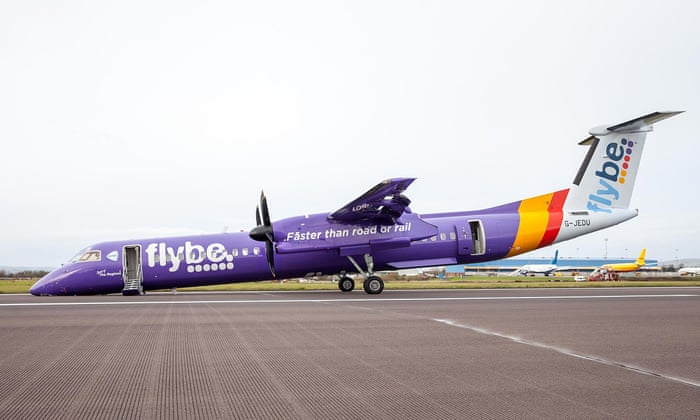
El Bombardier 8 Q-400 delvuelo BE-331 de la línea aérea Flybe aterrizó en emergencia por problemas tren aterrizaje de naríz
Un Bombardier 8Q-400, con registro G-JEDU realizando el vuelo BE-331 desde Belfast City (NI) a Inverness (SC), Reino Unido con 53 pasajeros y 4 tripulantes, estaba saliendo del Aeropuerto de Belfast cuando la tripulación detuvo el ascenso 4000 pies reportando problemas con su equipo. El avión entró en espera mientras la tripulación estaba solucionando el problema, pero no pudo resolver el problema, el mecanismo dle tren de aterrizaje de la nariz permaneció en una posición insegura y no pudo extenderse nuevamente. La tripulación decidió desviarse al Aeropuerto Internacional Aldergrove de Belfast, donde el avión aterrizó de manera segura en la pista 25 aproximadamente a las 02:05 horas después de que la marcha se detuvo en su equipo principal y la nariz. Una persona fue llevada a un hospital con heridas menores, la aeronave recibió daños sustanciales.
Flybe confirmó que el vuelo BE-331 aterrizó con el tren de aterrizaje retraído. Un pasajero fue llevado a un hospital con una lesión leve en la mano. Había 52 pasajeros más un bebé y 4 tripulantes a bordo sin necesidad de ser hospitalizados. De acuerdo con los observadores de tierra, las puertas del engranaje de la nariz de la aeronave estaban abiertas, pero el tren de nariz estaba retraído.
Emergency landing Q-400 of Flybe in Belfast
The Bombardier 8 Q-400 flight BE-331 of the airline Flybe landed in emergency due to problems landing nose train
A Bombardier 8Q-400, with G-JEDU registration making the flight BE-331 from Belfast City (NI) to Inverness (SC), United Kingdom with 53 passengers and 4 crew, was leaving Belfast Airport when the crew stopped the ascent 4000 feet reporting problems with your equipment. The plane went on hold while the crew was solving the problem, but could not solve the problem, the nose gear remained in an insecure position and could not extend again. The crew decided to detour to the Aldergrove International Airport in Belfast, where the plane landed safely on runway 25 at approximately 02:05 hours after the march stopped on their main gear and nose. A person was taken to a hospital with minor injuries, the aircraft received substantial damage.
Flybe confirmed that flight BE-331 landed with the landing gear retracted. A passenger was taken to a hospital with a slight hand injury. There were 52 passengers plus one baby and 4 crew on board without needing to be hospitalized. According to ground observers, the nose gear doors of the aircraft were open, but the nose train was retracted. A \ W
Ξ A I R G W A Y S Ξ
SOURCE: Airgways.com
DBk: Avherald.com / Justin Kernoghan / Theguardian.com
AW-POST: 201711102105AR
Nuevo informe publicado por un grupo de oposición iraní afirma que la aerolínea Mahan Air, de la República Islámica de Irán está dirigida por el Cuerpo de la Guardia Revolucionaria Islámica (IRGC) y su Fuerza Qods
El nuevo informe publicado por el Consejo Nacional de Resistencia de Irán (NCRI) establece que la llamada línea aérea privada Mahan Air, no es comercial, y de hecho funciona como una herramienta para las políticas expansionistas de Irán. El presidente Donald Trump sancionó al IRGC el mes pasado por apoyar el terrorismo. El informe titulado «Una entidad IRGC Qods Force opera bajo el disfraz de una empresa privada», declaró que uno de los hallazgos más importantes «fue que Mahan Air Corporation no solo coopera con el IRGC y la Fuerza Qods, sino que es propiedad total y controlado por ellos». Esta fuerza está comandada por el General iraní Qasem Soleimani. Esta es la misma Fuerza Qods que fue sancionada por los Estados Unidos por proporcionar apoyo material a los talibanes y otras organizaciones terroristas en 2007.
El informe describe el papel fundamental que juega Mahan Air, junto con otros transportistas iraníes, en «la interferencia de Irán en los países de la región, incluida la transferencia de personal y logística para el IRGC y las milicias de poder».
La actual flota aérea de Mahan Air, a partir de 2017, incluye 62 aviones comerciales y vuela comercialmente a 41 destinos en 24 países en tres continentes. Los principales destinos incluyen París, Milán y Munich en Europa, y otros en Asia y África, donde se han creado compañías de fachada para eludir las sanciones.
El informe también describe la compleja relación entre Soleimani, el comandante de la Fuerza Qods y algunos altos comandantes del IRGC que lucharon con él durante la Guerra Irán-Iraq en la década de 1980. Estos partidos operaban en la misma región en Irán: Kerman, el lugar donde se registró por primera vez Mahan Air. Curiosamente, todos los mencionados en el informe ahora ocupan altos cargos en Mahan Air mientras aún son miembros del IRGC.
Soona Samsami, representante de NCRI en Washington DC, dijo que Mahan Air ha transportado fuerzas, logística y armamento para el IRGC y Hezbolá entre Irán, Siria y Líbano. Ella dijo: «Es utilizado principalmente por el IRGC en general y la Fuerza Qods específicamente en la transferencia de fuerzas y equipos y mercenarios regionales como Hezbolá a Siria y Líbano. Esta aerolínea ha desempeñado el papel más activo en los últimos seis años durante la guerra en Siria para tales transportes».
Emanuele Ottolenghi, que no tiene nada que ver con la publicación del informe de NCRI, es un experto en sanciones de Irán y su sector de la aviación, expresó: «El director ejecutivo de Mahan, Hamid Arabnejad Khanooki, y el comandante Qassem Soleimani de la QF (Fuerza Qods) son Kermanis. Y Arabnejad es un ex comandante de IRGC. No es una relación formal, sino que se basa en vínculos informales u origen, militancia e ideología».
Ottolenghi es miembro de la Fundación para la Defensa de las Democracias en Washington DC Ha escrito extensamente sobre sanciones no nucleares contra Irán y ha testificado al Congreso sobre el tema. Señaló la Orden Ejecutiva 13224 firmada por el presidente George W. Bush poco después de los ataques terroristas del 11 de septiembre que le da a la administración poderosas herramientas para enfrentar el financiamiento del terrorismo. «Les permite orientar facilitadores y proveedores de material de apoyo a Mahan Air. Cualquier compañía que venda partes, ofreciendo servicios de mantenimiento, puede ser golpeada por multas o sanciones. Lo mismo para aquellos que operan como vendedores de carga, ventas generales y agentes de venta de boletos. Lo mismo ocurre con los proveedores de servicios terrestres en los aeropuertos. Estos incluyen abastecimiento de combustible, manejo de equipaje, servicios de tripulación, catering, entre otros. Del mismo modo, la administración puede sancionar los aeropuertos iraníes desde donde parten los vuelos de las tropas de Mahan a Siria. Puede sancionar a la compañía que proporciona combustible a Mahan en Irán. Si conoce a los bancos involucrados en la gestión de pagos en Europa por las transacciones de Mahan Air en estos servicios, puede sancionarlos de manera similar o al menos imponer multas. En resumen, se puede hacer mucho más», concluyó.
Mahan Air accused of terrorism
New report published by an Iranian opposition group claims that the Mahan Air airline of the Islamic Republic of Iran is run by the Islamic Revolutionary Guards Corps (IRGC) and its Qods Force
The new report published by the National Council of Resistance of Iran (NCRI) states that the so-called private airline Mahan Air, is not commercial, and in fact functions as a tool for Iran’s expansionist policies. President Donald Trump sanctioned IRGC last month for supporting terrorism. The report entitled «An IRGC entity Qods Force operates under the guise of a private company», stated that one of the most important findings «was that Mahan Air Corporation not only cooperates with the IRGC and the Qods Force, but is fully owned». and controlled by them. This force is commanded by Iranian General Qasem Soleimani, this is the same Qods Force that was sanctioned by the United States for providing material support to the Taliban and other terrorist organizations in 2007.
The report describes the critical role Mahan Air plays, along with other Iranian carriers, in «the interference of Iran in the countries of the region, including the transfer of personnel and logistics to the IRGC and the proxy militias».
The current Mahan Air air fleet, as of 2017, includes 62 commercial aircraft and flies commercially to 41 destinations in 24 countries on three continents. The main destinations include Paris, Milan and Munich in Europe, and others in Asia and Africa, where front companies have been created to bypass sanctions.
The report also describes the complex relationship between Soleimani, the commander of the Qods Force and some senior IRGC commanders who fought with him during the Iran-Iraq War in the 1980s. These parties operated in the same region in Iran: Kerman, the place where Mahan Air was registered for the first time. Interestingly, all those mentioned in the report now hold senior positions at Mahan Air while they are still IRGC members.
Soona Samsami, representative of NCRI in Washington DC, said Mahan Air has transported forces, logistics and weapons for IRGC and Hezbollah between Iran, Syria and Lebanon. She said: «It is mainly used by the IRGC in general and the Qods Force specifically in the transfer of forces and equipment and regional mercenaries such as Hezbollah to Syria and Lebanon.This airline has played the most active role in the last six years during the war. in Syria for such transports».
Emanuele Ottolenghi, who has nothing to do with the publication of the NCRI report, is an expert on sanctions from Iran and its aviation sector, said: «Mahan’s executive director, Hamid Arabnejad Khanooki, and Commander Qassem Soleimani of the QF (Force Qods) are Kermanis, and Arabnejad is a former commander of IRGC, not a formal relationship, but based on informal ties or origin, militancy and ideology».
Ottolenghi is a member of the Foundation for the Defense of Democracies in Washington DC He has written extensively on non-nuclear sanctions against Iran and has testified to Congress on the subject. He noted Executive Order 13224 signed by President George W. Bush shortly after the September 11 terrorist attacks that gives the administration powerful tools to deal with the financing of terrorism. «It allows them to guide facilitators and suppliers of support material to Mahan Air, and any company that sells parts, offering maintenance services, can be hit by fines or sanctions, as well as those who operate as cargo sellers, general sales and agents. The same goes for the providers of ground services at airports, which include fuel supply, baggage handling, crew services, catering, etc. In the same way, the administration can sanction the Iranian airports from which they depart. the flights of Mahan’s troops to Syria, it can sanction the company supplying Mahan with fuel in Iran, and if you know the banks involved in the management of payments in Europe for Mahan Air’s transactions in these services, you can sanction them in such a way. similar or at least impose fines, in short, much more can be done» he concluded. A \ W
Ξ A I R G W A Y S Ξ
SOURCE: Airgways.com
DBk: Foxnews.com / Wikimedia.org
AW-POST: 201711090807AR
El Ministerio de Transporte de Japón aplicará sanciones a las aerolíneas por pérdida de piezas de aviones
El Ministerio de Transporte de Japón llevará a cabo inspecciones rápidas de los cuerpos de los aviones en el Aeropuerto Haneda de Tokio e impondrá sanciones administrativas a las aerolíneas si las piezas de los aviones se desprenden atentando a la seguridad de los pasajeros y las poblaciones.
La decisión del Ministerio se produjo después de una serie de incidentes que involucraron la caída de piezas de aeronaves en tierra, así como de una mayor demanda de medidas para proteger a las personas en el terreno.
Actualmente no hay reglas disponibles para castigar a las aerolíneas por piezas de aviones caídas. El Ministerio de Transportes revisará las regulaciones relevantes para que pueda emitir órdenes de mejora comercial de acuerdo con la gravedad de los incidentes.
Las funciones de orientación y supervisión del Ministerio de TRansporte se fortalecerán en el Aeropuerto de Haneda, donde se espera que aumenten las cifras de vuelos antes de los principales eventos internacionales, incluidos los Juegos Olímpicos de verano y Paralímpicos de Tokio 2020.
El número de trabajadores del gobierno central estacionados permanentemente en el aeropuerto, con la tarea de verificar el estado de los cuerpos de los aviones y el mantenimiento, se incrementará para permitir inspecciones más frecuentes y más largas. El Ministerio planea comenzar a operar el nuevo sistema antes del año fiscal 2020.
Funcionarios del Ministerio dijeron que recibieron 437 informes de partes de aviones caídos durante siete años y medio hasta octubre de 2016. Eso equivale a un promedio anual de más de 50 informes. En septiembre, un panel se cayó de un avión de KLM Royal Dutch Airlines y se estrelló contra un automóvil de pasajeros que viajaba en Osaka. Más tarde ese mes, un panel que cayó desde un avión de All Nippon Airways fue descubierto en Inashiki, Prefectura de Ibaraki. No se reportaron heridos en esos incidentes.
Las nuevas rutas de vuelo que pasan por el centro de Tokio están siendo sopesadas para acomodar un aumento esperado de llegadas y salidas en el aeropuerto de Haneda. En principio, los aviones que llegan se acercan al aeropuerto de Haneda a lo largo de las rutas que pasan sobre el océano. Pero si se revisan las rutas, los aviones volarán a baja altura sobre Shinjuku, Shinagawa, Minato, Ota y otras salas del centro de Tokio.
El Ministerio de Transporte de Japón también planea establecer un marco en el que el gobierno central proporcione «dinero de simpatía» por los daños causados por la caída de las piezas de los aviones.
Los informes son obligatorios solo para objetos caídos que cumplen ciertos criterios de escala, incluido un peso de 100 gramos o más para piezas de metal. Las compañías aéreas extranjeras no han sido cubiertas por el requisito de presentación de informes, por lo que los casos informados probablemente no representan la magnitud del problema.
Japan adds sanctions to airlines for loss of aircraft parts
The Ministry of Transport of Japan will apply sanctions to airlines for loss of aircraft parts
The Ministry of Transport of Japan will carry out quick inspections of aircraft bodies at Tokyo Haneda Airport and impose administrative sanctions on airlines if the pieces of the aircraft are detached, threatening the safety of passengers and towns.
The Ministry’s decision came after a series of incidents involving the fall of pieces of aircraft on land, as well as a greater demand for measures to protect people on the ground.
Currently there are no rules available to punish airlines for pieces of downed aircraft. The Ministry of Transportation will review the relevant regulations so that it can issue commercial improvement orders in accordance with the severity of the incidents.
AN AIRCRAFT PANEL DISCOVERED IN INASHIKI, IBARAKI PREFECTURE, IS SHOWN AT NARITA AIRPORT ON SEPT. 27. IT HAD FALLEN OFF AN ALL NIPPON AIRWAYS PLANE.
The orientation and supervision functions of the Ministry of Transporte will be strengthened at Haneda Airport, where it is expected that the flight figures will increase before the main international events, including the Summer Olympics and the Tokyo 2020 Paralympic Games.
The number of central government workers permanently stationed at the airport, tasked with checking the condition of aircraft bodies and maintenance, will be increased to allow more frequent and longer inspections. The Ministry plans to start operating the new system before the fiscal year 2020.
Ministry officials said they received 437 reports of aircraft parts dropped for seven and a half years through October 2016. That equates to an annual average of more than 50 reports. In September, a panel fell from a KLM Royal Dutch Airlines plane and crashed into a passenger car traveling in Osaka. Later that month, a panel that fell from an All Nippon Airways plane was discovered in Inashiki, Ibaraki Prefecture. No injuries were reported in those incidents.
New flight routes through downtown Tokyo are being weighed to accommodate an expected increase in arrivals and departures at Haneda airport. In principle, arriving aircraft approach the Haneda airport along the routes that pass over the ocean. But if the routes are revised, the planes will fly low over Shinjuku, Shinagawa, Minato, Ota and other halls in downtown Tokyo.
The Ministry of Transport of Japan also plans to establish a framework in which the central government provides «sympathy money» for the damage caused by the fall of aircraft parts.
Reports are required only for fallen objects that meet certain scale criteria, including a weight of 100 grams or more for metal parts. Foreign airlines have not been covered by the reporting requirement, so the reported cases probably do not represent the magnitude of the problem. A \ W
Arabia Saudí derriba un misil lanzado desde Yemen sobre el Aeropuerto de Riyadh
El ministerio de Defensa de Arabia Saudí ha informado del derribo de un misil balístico que se dirigía hacia el Aeropuerto Internacional King Khalid de Riyadh, la capital de la potencia arábiga. El ataque ha sido reivindicado por los rebeldes houthi yemeníes, según informa Al Jazeera.
Un portavoz del grupo ha contado a la cadena que el proyectil ha recorrido más de 500 kilómetros desde la frontera entre Arabia Saudí y Yemen. El país está actualmente envuelto en una guerra civil en la que Arabia Saudí participa activamente, liderando la coalición que lleva a cabo los ataques aéreos.
Según los rebeldes, el proyectil era del tipo Burkan 2-H, con un rango de alcance de 800 kilómetros. El ataque ha sido reivindicado también a través de la emisora Al Masirah, controlada por los houthi.
En vídeos hechos públicos en redes sociales se puede apreciar la batería de disparos efectuada por Arabia Saudí para derribar el artefacto. Se ha escuchado una fuerte explosión cerca del aeropuerto, un importante nudo de conexión regional, con vuelos constantes hacia Europa, los emiratos y el norte de África.
Se desconocen por el momento los daños que haya podido causar la explosión. Desde el aeropuerto y desde diversos puntos de la ciudad se puede apreciar una importante columna de humo.
Missile threat at Riyadh Airport
Saudi Arabia topples a missile launched from Yemen on the Riyadh Airport
The Saudi Defense Ministry has reported the shooting down of a ballistic missile that was heading towards King Khalid International Airport in Riyadh, the capital of the Arab power. The attack has been claimed by the Yemeni Houthi rebels, reports Al Jazeera.
A spokesman for the group told the network that the projectile has traveled more than 500 kilometers from the border between Saudi Arabia and Yemen. The country is currently involved in a civil war in which Saudi Arabia participates actively, leading the coalition that carries out the air strikes.
According to the rebels, the projectile was of the Burkan 2-H type, with a range of 800 kilometers. The attack has also been claimed through the Al Masirah radio station, controlled by the Houthi.
In videos made public on social networks you can see the battery of shots made by Saudi Arabia to shoot down the artifact. There has been a loud explosion near the airport, an important hub of regional connection, with constant flights to Europe, the emirates and North Africa.
The damage caused by the explosion is unknown at the moment. From the airport and from various points of the city you can see an important column of smoke. A \ W
تهديد الصواريخ في مطار الرياض
السعودية تسقط صاروخا من اليمن على مطار الرياض
وكانت وزارة الدفاع السعودية اعلنت عن سقوط صاروخ باليستي متوجه الى مطار الملك خالد الدولي في الرياض عاصمة السلطة العربية. وقد ادعى المتمردون الحوثيون اليمنيون الهجوم، وفقا لما ذكرته قناة الجزيرة.
وقال متحدث باسم الجماعة للشبكة ان القذيفة سافرت على بعد اكثر من 500 كيلومتر من الحدود بين السعودية واليمن. وتشارك البلاد حاليا في حرب أهلية تشارك فيها السعودية بنشاط، تقود التحالف الذي ينفذ الضربات الجوية.
ووفقا للمتمردين، فإن القذيفة كانت من طراز بوركان 2-اتش، على مسافة 800 كيلومتر. كما تمت المطالبة بهذا الهجوم من خلال محطة إذاعة المصيرة التي يسيطر عليها الحوثيون.
في أشرطة الفيديو التي نشرت على الشبكات الاجتماعية يمكنك ان ترى البطارية من الطلقات التي أدلى بها المملكة العربية السعودية لاسقاط قطعة أثرية. كان هناك انفجار شديد بالقرب من المطار، وهو مركز هام للاتصال الإقليمي، مع رحلات مستمرة إلى أوروبا والإمارات وشمال أفريقيا.
ولم يعرف بعد الانفجار الناجم عن الانفجار. من المطار ومن مختلف نقاط المدينة يمكنك ان ترى عمود مهم من الدخان. A \ W
Ξ A I R G W A Y S Ξ
SOURCE: Airgways.com
DBk: Aljazeera.com / Elindependiente.com / Boardingarea.com / Discourse.org / Wikimedia.org
AW-POST: 201711051845AR
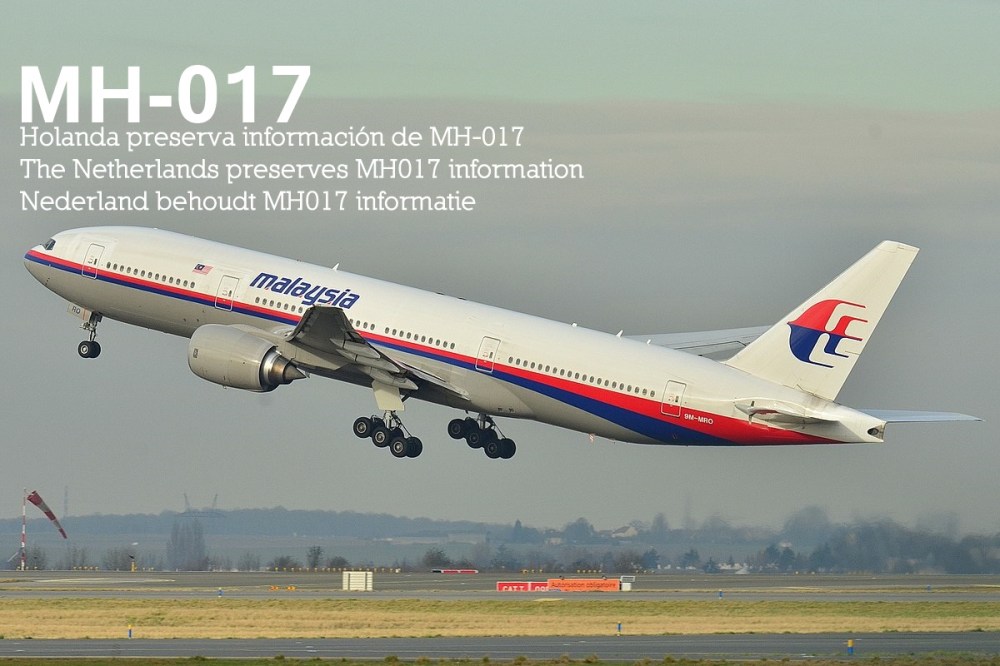
El Consejo del Estado de los Países Bajos rechaza la divulgación de información clasificada de Malaysia MH017
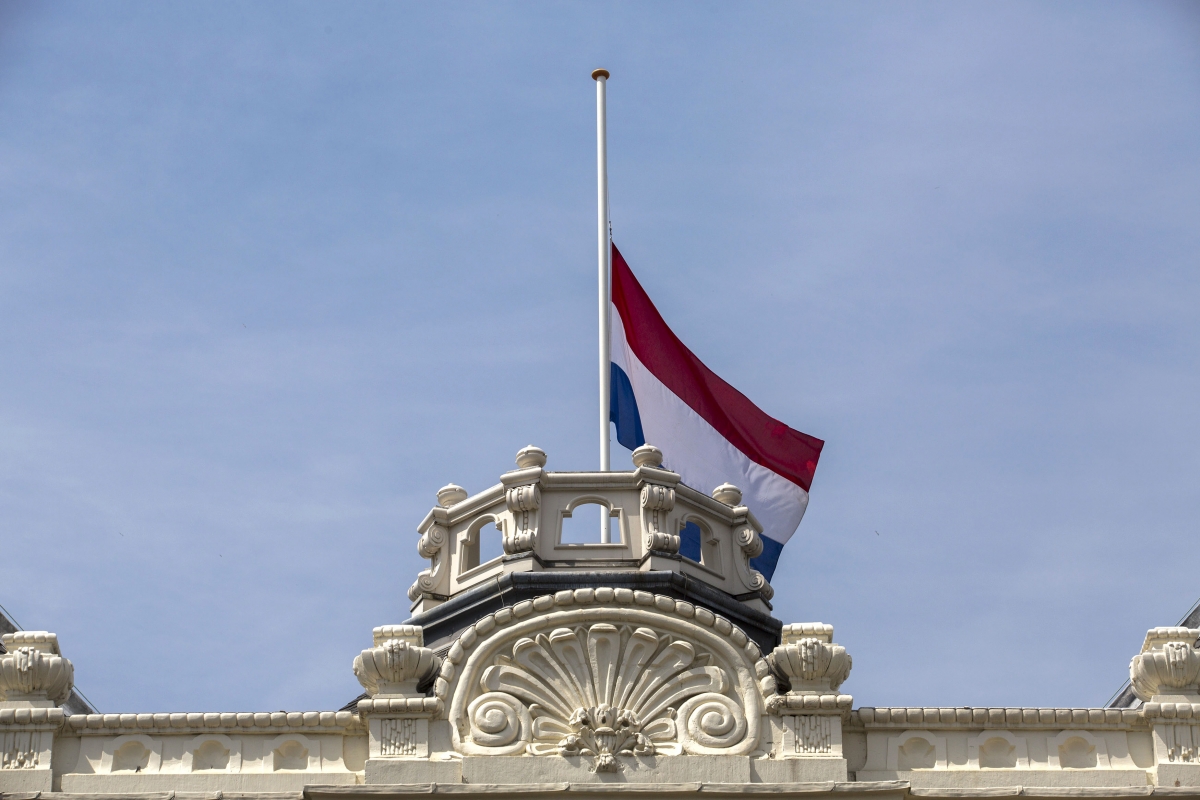
El Ministerio de Seguridad y Justicia del Reino de los Países Bajos no divulgará información sobre cómo se manejó después del desastre del MH17, dictaminó el Consejo de Estado holandés el miércoles. Esto implica informes de reuniones celebradas por varios ministros después de que el vuelo de Malaysia Airlines fuera derribado en el este de Ucrania en 2014. En las semanas posteriores al desastre, los ministros se reunieron regularmente en un comité de crisis para discutir informes posteriores.
Las agencias de noticias holandesas NOS, Volkskrant y RTL Nieuws intentaron obtener más información sobre las secuelas de MH17 al apelar a la Ley de Libertad de Información. Querían reconstruir la política del gobierno después del desastre. El Ministerio de Seguridad y Justicia rescindió algunos de los documentos, pero se tacharon grandes pedazos de los documentos. Por lo tanto, las tres agencias de noticias se reunieron y llevaron el asunto a los tribunales.
En febrero, el Tribunal de los medios de los Países Bajos dictaminó que estos informes deberían hacerse públicos. El Ministerio de Seguridad y Justicia apeló, argumentando que la divulgación de consultas confidenciales podría ser perjudicial para la relación de los Países Bajos con otros países.
De acuerdo con el Consejo de Estado, es necesario que la información permanezca confidencial, ya que es probable que la divulgación de la misma pueda poner en peligro el funcionamiento adecuado del comité. El Consejo consideró esto más importante que el interés de la divulgación. «El interés de la divulgación no excede el interés protegido por la negativa, como las relaciones de los Países Bajos con otros estados y organizaciones internacionales, el respeto por la privacidad de las partes involucradas y la protección de las opiniones políticas personales», dijo. el Consejo.
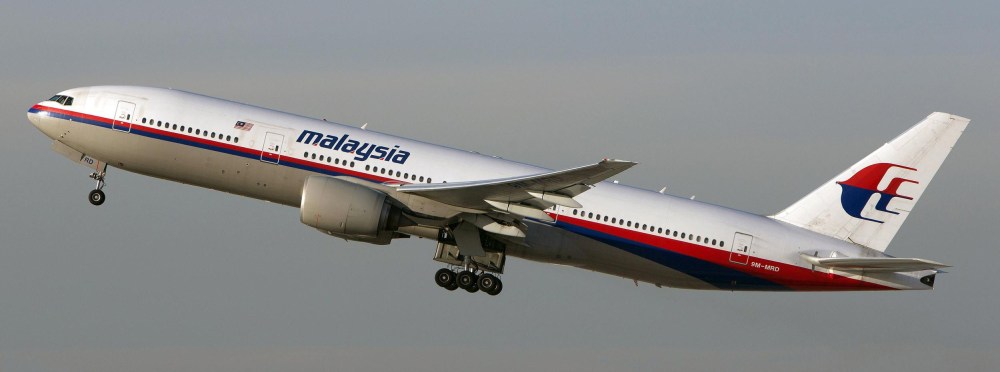
El 17 de julio de 2014, el vuelo MH-017 de Malaysia Airlines fue derribado en el este de Ucrania. Las 298 personas a bordo murieron, incluidos 193 holandeses.
The Netherlands preserves MH017 information
Council State of the Netherlands rejects disclosure classified information of the Malaysia MH-017
The Ministry of Security and Justice of the Kingdom of the Netherlands will not disclose information on how it was handled after the MH17 disaster, the Dutch State Council ruled on Wednesday. This involves reports of meetings held by several ministers after the Malaysia Airlines flight was shot down in eastern Ukraine in 2014. In the weeks after the disaster, the ministers met regularly on a crisis committee to discuss subsequent reports.
The Dutch news agencies NOS, Volkskrant and RTL Nieuws tried to obtain more information about the sequels of MH17 by appealing to the Freedom of Information Act. They wanted to rebuild the government’s policy after the disaster. The Ministry of Security and Justice rescinded some of the documents, but large pieces of the documents were crossed out. Therefore, the three news agencies came together and brought the matter to court.
In February, the Media Court of the Netherlands ruled that these reports should be made public. The Ministry of Security and Justice appealed, arguing that the disclosure of confidential consultations could be detrimental to the relationship of the Netherlands with other countries.
According to the Council of State, it is necessary that the information remain confidential, since it is probable that the disclosure of the same could endanger the proper functioning of the committee. The Council considered this more important than the interest of disclosure. «The interest of disclosure does not exceed the interest protected by the refusal, such as the relations of the Netherlands with other states and international organizations, respect for the privacy of the parties involved and the protection of personal policy opinions,» he said. the advice.
On July 17, 2014, Malaysia Airlines flight MH-017 was shot down in eastern Ukraine. The 298 people on board died, including 193 Dutch. A \ W
Nederland behoudt MH017 informatie
Raad van Staat van Nederland weigert openbaarmaking van ingedeelde gegevens van Maleisië MH017
Het ministerie van Veiligheid en Justitie van het Koninkrijk der Nederlanden zal geen informatie verstrekken over hoe het is behandeld na de MH17-ramp, de Nederlandse Raad heeft woensdag besloten. Dit betreft rapporten van vergaderingen die door verschillende ministers zijn gehouden nadat de vlucht van Malaysia Airlines in 2014 in oost-Oekraïne werd neergeschoten. In de weken na de ramp ontmoetten de ministers regelmatig een crisiscomité om later verslagen te bespreken.
De Nederlandse nieuwsagentschappen NOS, Volkskrant en RTL Nieuws probeerden meer informatie over de vervolgingen van MH17 te verkrijgen door zich aan te spreken op de vrijheid van informatiewet. Ze wilden het beleid van de overheid herbouwen na de ramp. Het ministerie van Veiligheid en Justitie heeft een aantal documenten opgeheven, maar grote stukken van de documenten werden overschreden. Daarom kwamen de drie nieuwsbureaus samen en brachten de zaak ter terechtzitting.
In februari besliste het Media Court of Nederland dat deze rapporten openbaar zouden moeten worden gemaakt. Het ministerie van Veiligheid en Justitie appelleerde, met het argument dat de openbaarmaking van vertrouwelijk overleg nadelig zou kunnen zijn voor de relatie tussen Nederland en andere landen.
Volgens de Raad van State is het noodzakelijk dat de informatie vertrouwelijk blijft, aangezien het waarschijnlijk is dat de bekendmaking daarvan het goede functioneren van de commissie kan in gevaar brengen. De Raad beschouwde dit belangrijker dan het belang van openbaarmaking. ,,Het belang van openbaarmaking overschrijdt niet de door de weigering beschermde belangen, zoals de betrekkingen van Nederland met andere staten en internationale organisaties, respect voor de privacy van de betrokken partijen en de bescherming van persoonlijke beleidsadviezen», zei hij. Het advies.
Op 17 juli 2014 werd de vlucht van Maleisië Airlines MH-017 in het oosten van Oekraïne geschoten. De 298 mensen aan boord stierf, waaronder 193 Nederlanders. A \ W
Ξ A I R G W A Y S Ξ
SOURCE: Airgways.com
DBk: Nltimes.nl / Ibtimes.co.uk / Airgways.com / Wikimedia.org
AW-POST: 201710281643AR



 Una norma que rige en Argentina indica que todos deben estar inscriptos, con excepción de los vehículos pequeños (de hasta 10 kilos de peso) con fines deportivos o recreativos. Un 2% de los drones están registrados en el país. Mediante la Resolución 527/2015, la Administración Nacional de Aviación Civil (ANAC), regula la utilización de drones en todo el territorio nacional. Con alguna excepción en el caso de los drones más pequeños cuando se usan con fines recreativos o deportivos, la nueva norma aplica fuertes restricciones al uso de estos vehículos no tripulados. La resolución determina que toda persona que quiera utilizar un dron deberá contar con una autorización expedida por la ANAC, “con excepción de los vehículos pequeños (de hasta 10 kilos de peso) con fines deportivos o recreativos”.
 Los datos sobre el riesgo que representan los drones ligeros para la seguridad de la aviación son escasos, incluso cuando las ventas de drones comerciales y de consumo despegan. La Administración Federal de Aviación de los EE. UU. (FAA) proyecta que se podrían vender casi siete millones de drones en los EE.UU. para 2020.
/https://public-media.smithsonianmag.com/filer/48/d9/48d9205e-028c-475c-94c5-338f08e689c4/03k_sep2016_opener_1_uav_382554793_live.jpg)

 According to a report from the Federal Aviation Administration (FAA), reports of incidents with collision or do not occur very closely in the vicinity of aircraft landing areas. The incidents with these devices are not isolated.
 The biggest risk would probably be a drone being sucked into one of its turbines. Bayandor’s CRASH lab once created a video that shows a simulation of how a drone could be shredded into fragments inside a jet engine. «Those fragments can shoot around the engine, sometimes at very high speeds, and can continue to spread the damage», he says.

 Ξ A I R G W A Y S Ξ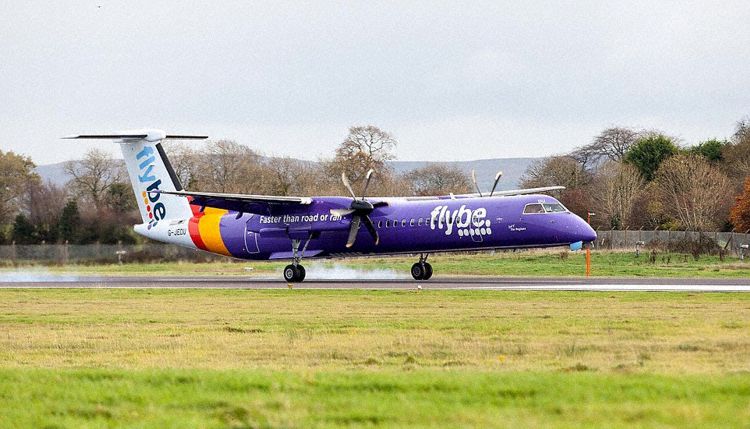

 Nuevo informe publicado por un grupo de oposición iraní afirma que la aerolínea Mahan Air, de la República Islámica de Irán está dirigida por el Cuerpo de la Guardia Revolucionaria Islámica (IRGC) y su Fuerza Qods

 El Ministerio de Transporte de Japón aplicará sanciones a las aerolíneas por pérdida de piezas de aviones


 日本運輸省は航空機部品の紛失について航空会社に制裁措置を適用する
 Arabia Saudí derriba un misil lanzado desde Yemen sobre el Aeropuerto de Riyadh