AW | 2023 02 05 01:25 | AIR INVESTIGATION / AVIATION SAFETY
Go-around Boeing 767 en Aeropuerto Austin
Un avión de carga Boeing 767-300F de FedEx Express con número de vuelo FX1432 que intentaba aterrizar en el Aeropuerto de Austin-Bergstrom/AUS tuvo que revertir su curso después de que un segundo avión fue autorizado a salir de la misma pista. El Aeropuerto Austin se encuentra localizado a 5 millas/8 kilómetros al sureste de Austin,Texas.
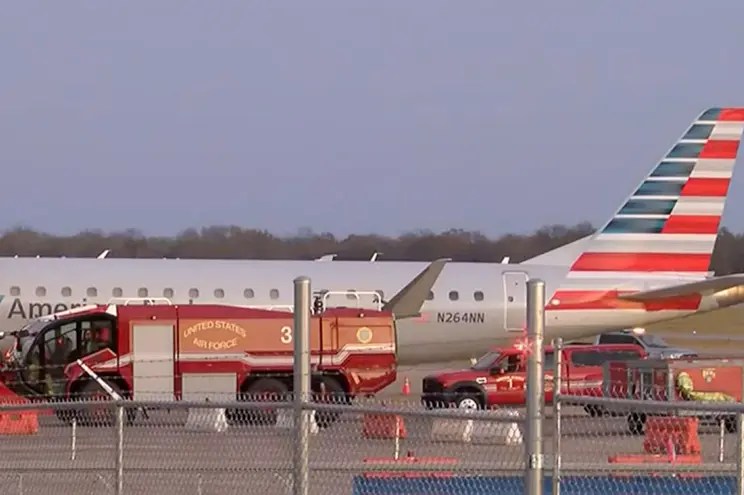
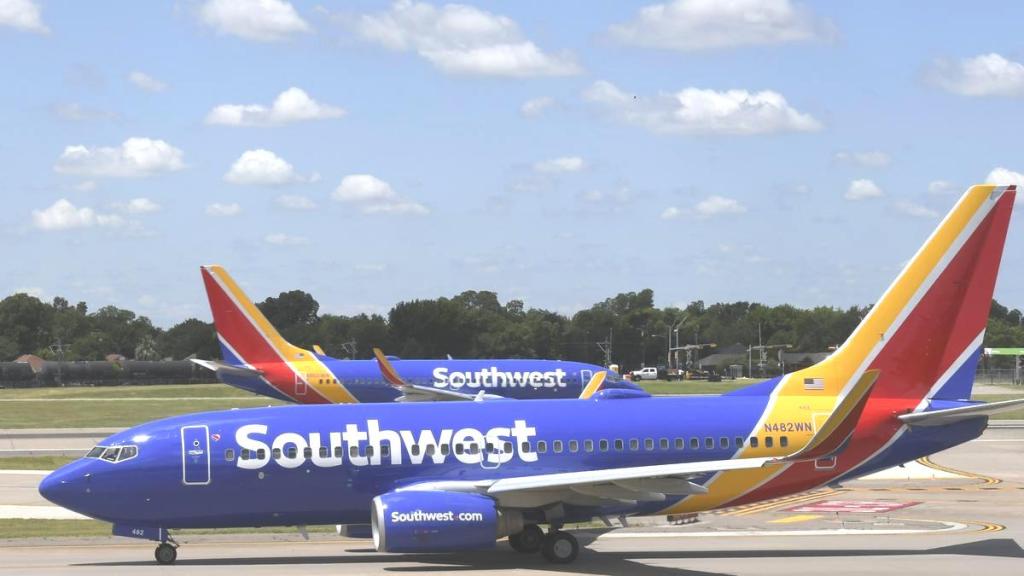
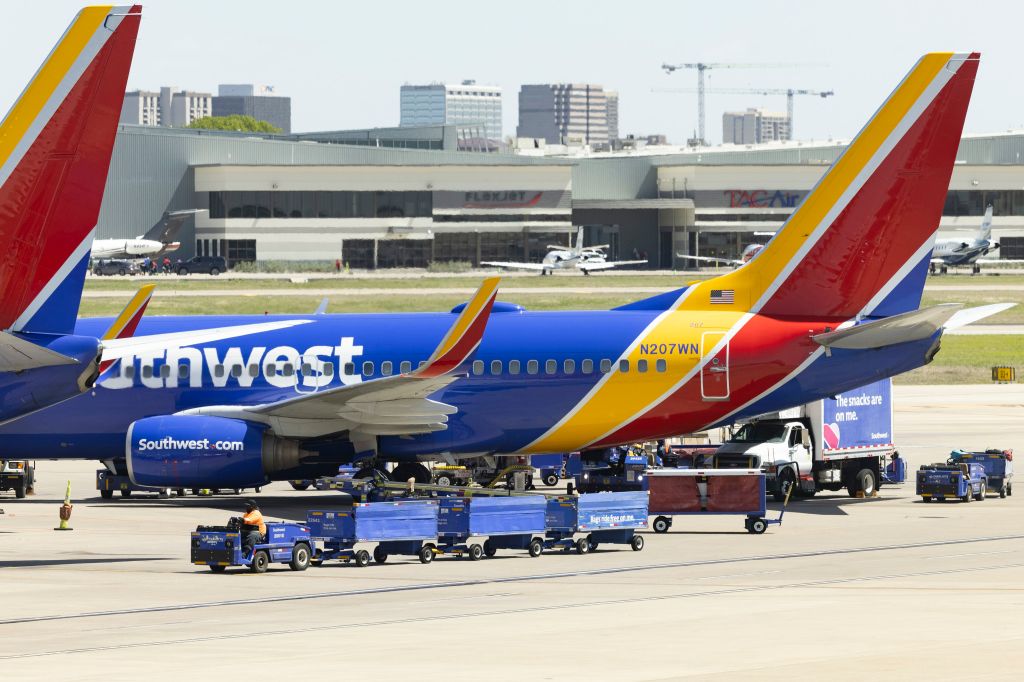
La aeronave carguera FedEx que intentaba aterrizar en el Aeropuerto Internacional Austin-Bergstrom el Sábado 04/02 por la mañana tuvo que revertir su curso después de que un segundo avión fue autorizado a partir de la misma pista, según el reporte de la Administración Federal de Aviación (FAA): «El piloto del avión de FedEx suspendió el aterrizaje e inició un ascenso», dijo la FAA en un comunicado. El avión de carga Boeing 767 estaba a varias millas del aeropuerto cuando fue autorizado a aterrizar, pero justo antes de que se esperaba que aterrizara, un Controlador de Tráfico Aéreo dio el visto bueno para que un avión operado por Southwest Airlines despegara.
En un tweet el Sábado, la Junta Nacional de Seguridad del Transporte (NTSB) lo describió como una «posible incursión en la pista y sobrevuelo que involucra aviones de Southwest Airlines y FedEx». El vuelo de Southwest pudo partir de manera segura, según la FAA. La FAA y la NTSB dijeron que están investigando el incidente.
Shannon Davis, portavoz de FedEx, dijo en un comunicado enviado por correo electrónico: «El vuelo FX1432 de FedEx Express de Memphis, Tennessee, a Austin, Texas, aterrizó de manera segura después de encontrarse con un evento justo antes de aterrizar en el Aeropuerto Internacional Austin-Bergstrom esta mañana». Tanto Davis como Southwest Airlines remitieron más preguntas a la FAA y la NTSB.
En una declaración a The Associated Press, el Austin-Bergstrom International dijo que estaba «al tanto de la investigación de la Administración Federal de Aviación sobre el aterrizaje interrumpido de un vuelo. Ayudaremos a nuestros socios de la FAA y su investigación según sea necesario».
Una llamada similar se evitó en el Aeropuerto Internacional John F. Kennedy el mes pasado después de que un avión de American Airlines cruzó una pista mientras un avión Boeing 737 de Delta Air Lines se preparaba para el despegue. El avión de Delta se detuvo a unos 1.000 pies (unos 0,3 kilómetros) de donde el avión de American Airlines había cruzado desde una calle de rodaje adyacente, según el comunicado de la FAA.
Avoid collision in Austin
Go-Around Boeing 767 at Austin Airport
A Boeing 767-300F loader from FedEx Express with a FX1432 flight number that tried to land at Austin-Bergstrom Airport/AUS had to reverse its course after a second plane was authorized to leave the same runway. Austin Airport is located 5 miles/8 kilometers southeast of Austin, Texas.
The FedEx loading aircraft tried Aviation (FAA): «The FedEx plane pilot suspended the landing and initiated a promotion», the FAA said in a statement. The Boeing 767 cargo plane was several miles from the airport when it was authorized to land, but just before it was expected to land, an air traffic controller was approved so that a plane operated by Southwest Airlines took off.
In a Tweet on Saturday, the National Transportation Security Board (NTSB) described it as a «possible raid on the track and overflow that involves Southwest Airlines and Fedex aircraft». Southwest’s flight was able to start safely, according to FAA. FAA and NTSB said they are investigating the incident.
Shannon Davis, spokesman for FedEx, said in a statement sent by email: «FX1432 flight FedEx Express from Memphis, Tennessee, Austin, Texas, landed safely after meeting an event just before landing at the Austin-Bergstrom International Airport this morning». Both Davis and Southwest Airlines sent more questions to FAA and NTSB.
In a statement to The Associated Press, the Austin-Bergstrom International said it was «aware of the Federal Aviation Administration of Aviation on the interrupted landing of a flight. We will help our FAA partners and their investigation as necessary» .
A similar call was avoided at the John F. Kennedy International Airport last month after an American Airlines plane crossed a track while a Boeing 737 plane from Delta Air Lines prepared for takeoff. Delta’s plane stopped about 1,000 feet (about 0.3 kilometers) where the American Airlines plane had crossed from an adjacent shooting street, according to the FAA statement.
PUBLISHER: Airgways.com DBk: Faa.gov / Ntsb.gov / Fedex.com / Ap.com / Flightradar24.com / Airgways.com AW-POST: 202302050125AR OWNERSHIP: Airgways Inc. A\W A I R G W A Y S ®
AW | 2023 01 20 15:27 | AVIATION SAFETY / GOVERNMENT / INDUSTRY
Boeing programado para comparecer a Justicia Cargos por fraude después de los accidentes del 737 MAX
The Boeing Company será juzgado por fraude en un Tribunal de Justicia del Estado de Texas después de que las familias de las víctimas de los accidentes que han involucrado a dos Boeing 737-8 MAX, se opusieran a la inmunidad legal otorgada al fabricante aeroespacial. El Juez Federal de Distrito Reed O’Connor ordenó a Boeing que enviara un representante a su sala en Fort Worth el 26 de Enero de 2023 para escuchar el cargo de delito grave. Un portavoz de Boeing dijo que la compañía no tenía comentarios. El Departamento de Justicia de Estados Unidos, que no se opuso a una Audiencia Pública pero ha luchado contra la reapertura del acuerdo, también declinó hacer comentarios.
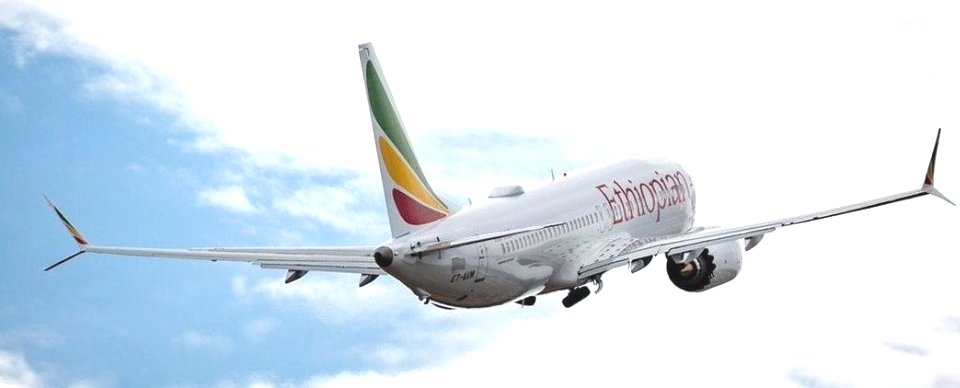
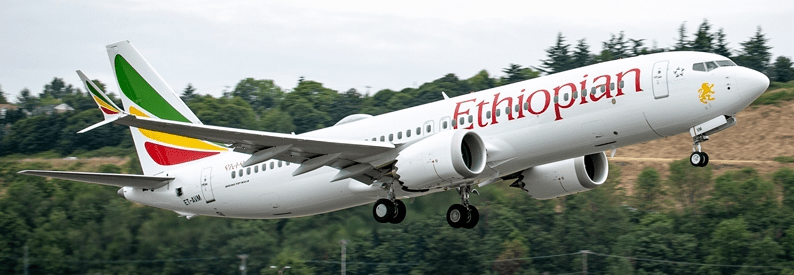
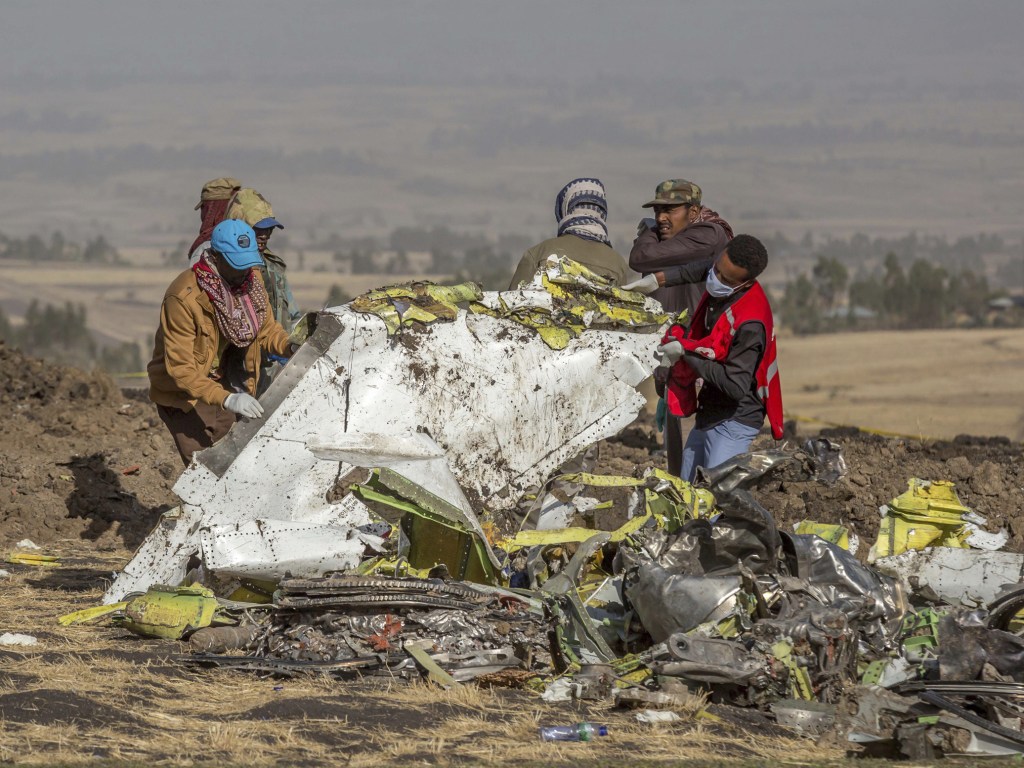
En Enero de 2021, el Departamento de Justicia (DOJ) de los Estados Unidos otorgó inmunidad a Boeing cuando el fabricante acordó pagar una cantidad monetaria criminal total de más de US$ 2.500 millones de Dólares para resolver el caso que involucran la falta de seguridad por los accidentes de los vuelos JT-610 de Lion Air en Octubre de 2018 y el vuelo ET-302 de Ethiopian Airlines en Marzo de 2019.
En Octubre de 2022, el Juez Federal Reed O’Connor dictaminó que el acuerdo alcanzado entre Boeing y el Departamento de Justicia violaba la Ley de Derechos de las Víctimas de Delitos. «El Tribunal considera que la trágica pérdida de vidas que resultó de los dos accidentes aéreos fue una consecuencia razonablemente previsible de la conspiración de Boeing para defraudar a los Estados Unidos», escribió el Juez en ese momento. Reed O’Connor ordenó al fabricante de aviones con sede en Arlington, Virginia (VA), Estados Unidos que compareciera en el Tribunal de Fort Worth el 26 de Enero de 2023 para ser acusado de fraude.
Las familias argumentaron que el Departamento de Justicia «mintió y violó sus derechos a través de un proceso secreto», y le pidieron al Juez Federal de Fort Worth, del Distrito Norte de Texas, Reed O’Connor, que rescindiera la inmunidad de Boeing de enjuiciamiento penal. En Octubre 2022 expresó que las personas muertas en dos accidentes de Boeing 737 MAX son consideradas legalmente víctimas de delitos, y los miembros de la familia lo habían instado a exigir que Boeing fuera procesado legalmente por el cargo de delito grave. El Juez Federal ordenó que cualquier representante legal de aquellos que se identificaron como «víctimas de delitos» que tengan la intención de comparecer para ser escuchados en los procedimientos debe notificar y una persona apropiada comparecer en la lectura de cargos en nombre de la compañía Boeing.
Los accidentes en 2018 y 2019 en Indonesia y Etiopía, que le costaron a Boeing más de US$ 20.000 millones de Dólares, llevaron a una puesta a tierra de veinte meses para el avión más vendido del mundo y llevaron al Congreso de los Estados Unidos a aprobar una legislación que reforma para la certificación de aviones.
Tanto Boeing como el Departamento de Justicia se oponen a reabrir el acuerdo de enjuiciamiento diferido, que incluía US$ 500 millones en compensación a las víctimas, una multa de US$ 243.6 millones y US$ 1.700 millones en compensación a las aerolíneas por puesta en tierra de sus unidades durante el proceso de re-certificación.
Accidentes 737 MAX
Los accidentes ocurrieron en Octubre de 2018 en Indonesia y menos de cinco meses después en Marzo de 2019 en Etiopía. En ambos aviones, un sistema automatizado de control de vuelo que Boeing no reveló inicialmente a las aerolíneas y los pilotos empujó la nariz hacia abajo basándose en una lectura defectuosa de un solo sensor en el fuselaje.
La Administración Federal de Aviación (FAA) autorizó al 737 MAX a reanudar los vuelos a fines de 2020 después de que Boeing rediseñara el Sistema de Control de Vuelo conocido como Maneuvering Characteristics Augmentation System (MCAS). Los accidentes llevaron a investigaciones del Congreso que criticaron duramente tanto a Boeing como a la FAA, y cambios en la forma en que la FAA certificará aviones en el futuro.
Los únicos cargos criminales derivados de la saga 737 MAX fueron presentados contra un ex-Piloto de Pruebas de The Boeing Company, quien fue acusado de engañar a la FAA.
Postura DOJ
El Departamento de Justicia dijo en 2021 que «las declaraciones engañosas, las medias verdades y las omisiones comunicadas por los empleados de Boeing a la Administración Federal de Aviación impidieron la capacidad del gobierno para garantizar la seguridad del público que vuela». El Departamento de Justicia dijo en una presentación judicial en Noviembre 2022 que no se oponía a una lectura de cargos para Boeing, pero se opone a deshacer el acuerdo, diciendo que «impondría serias dificultades a las partes y a las muchas víctimas que han recibido compensación».
Postura Boeing
En Septiembre 2022, Boeing acordó pagar US$ 200 millones de Dólares para resolver los cargos civiles de la Comisión de Bolsa y Valores que engañó a los inversores sobre el Boeing 737 MAX. La aerolínea nacional polaca LOT Airlines pidió en Octubre 2022 al Juez Federal Reed O’Connor que la declarara víctima de un delito en el caso penal del 737 MAX, una medida que podría hacer que la aerolínea sea elegible para una compensación significativa. Boeing dijo en Noviembre 2022 que se opone a cualquier esfuerzo por reabrir el acuerdo, calificándolo de «sin precedentes, inviable e inequitativo» y señaló que ha estado cumpliendo con el acuerdo durante casi dos años.
Perspectivas juicio Boeing
Un abogado, Paul Cassell, dijo que el Departamento de Justicia (DOJ) podría respaldar el acuerdo incluso después de la Audiencia, en la que se espera que hablen los familiares de los pasajeros. «Pero creemos que este fue un trato tan podrido que… [el Departamento de Justicia] puede y debe, después de escuchar a las víctimas, rehacer el trato», dijo Paul Cassell.
El fallo del Juez Federal de Texas es estrecho y no garantiza que Boeing se enfrente a un juicio. Sin embargo, ese sigue siendo el objetivo de los abogados de los familiares de algunas de las 346 personas que murieron en los accidentes de 2018 y 2019. El Juez Reed O’Connor aún no se ha pronunciado sobre una moción separada de los abogados de las familias para despojar a Boeing de la inmunidad de enjuiciamiento. Las familias acusan al gobierno de llegar a un acuerdo secreto con Boeing sin informarles sobre las negociaciones.
Boeing compaded Texan Court
Boeing scheduled to appear justice Fraud charges after 737 MAX accidents
The Boeing Company will be tried for fraud in a Court of Justice of the State of Texas after the families of the victims of accidents that have involved two Boeing 737-8 MAX, opposed the legal immunity granted to the aerospace manufacturer. The Federal District Judge Reed O’Connor ordered Boeing to send a representative to his room in Fort Worth on January 26, 2023 to listen to the position of serious crime. A Boeing spokesman said the company had no comments. The United States Department of Justice, which did not oppose a public hearing but has fought against the reopening of the agreement, also declined to comment.
In January 2021, the United States Department of Justice (DOJ) granted immunity to Boeing when the manufacturer agreed to pay a total criminal monetary amount of more than US$ 2.5 billion to resolve the case involving the lack of security due to security The accidents of the JT-610 flights of Lion Air in October 2018 and the ET-302 flight of Ethiopian Airlines in March 2019.
In October 2022, federal judge Reed O’Connor ruled that the agreement reached between Boeing and the Department of Justice violated the Law on the Rights of Crimes. «The court considers that the tragic loss of lives that resulted from the two air accidents was a reasonably predictable consequence of the Boeing conspiracy to disappoint the United States», the judge wrote at that time. Reed O’Connor ordered the manufacturer of aircraft based in Arlington, Virginia (VA), United States to appear in the Fort Worth court on January 26, 2023 to be accused of fraud.
The families argued that the Department of Justice «lied and violated their rights through a secret process», and asked the federal judge of Fort Worth, from the northern district of Texas, Reed O’Connor, to rescind the immunity of Boeing from criminal prosecution. In October 2022 he said that people killed in two accidents at Boeing 737 MAX are legally considered victims of crimes, and family members had urged him to demand that Boeing be legally prosecuted for the position of serious crime. The federal judge ordered that any legal representative of those who identified themselves as «victims of crimes» who intend to appear to be heard in the procedures must notify and an appropriate person appear in reading charges on behalf of the Boeing company.
Accidents in 2018 and 2019 in Indonesia and Ethiopia, which cost Boeing more than US$ 20,000 million, led to a twenty -month grounding for the world’s best-selling plane and took to the United States Congress to Approve legislation that reforms for the certification of airplanes.
Both Boeing and the Department of Justice oppose the deferred prosecution agreement, which included US$ 500 million in compensation for the victims, a fine of US$ 243.6 million and US$ 1.7 billion in compensation to airlines per grounding of its units during the re-certification process.
737 MAX accidents
Accidents occurred in October 2018 in Indonesia and less than five months later in March 2019 in Ethiopia. In both airplanes, an automated flight control system that Boeing did not initially reveal to the airlines and the pilots pushed the nose down based on a single sensor reading in the fuselage.
The Federal Aviation Administration (FAA) authorized 737 MAX to resume flights at the end of 2020 after Boeing redesign the flight control system known as Maneuvering Characteristics Augmentation System (MCAS). The accidents led to Congress investigations that criticized both Boeing and FAA, and changes in the way in which FAA will certify airplanes in the future.
The only criminal charges derived from the 737 MAX saga were presented against an ex-test of evidence of The Boeing Company, who was accused of deceiving FAA.
DOJ posture
The Department of Justice said in 2021 that «the deceptive statements, the half truths and the omissions communicated by Boeing employees to the Federal Aviation Administration prevented the government’s ability to guarantee the security of the public that flies». The Department of Justice said in a judicial presentation in November 2022 that he did not oppose a reading of charges for Boeing, but he opposes undoing the agreement, saying that «it would impose serious difficulties to the parties and the many victims who have received compensation» .
Boeing posture
In September 2022, Boeing agreed to pay US$ 200 million to resolve the civil positions of the stock exchange and values that cheated investors about the Boeing 737 MAX. The Polish national airline LOT Airlines requested in October 2022 Federal Reed O’Connor to declare it victim of a crime in the criminal case of 737 MAX, a measure that could make the airline eligible for significant compensation. Boeing said in November 2022 that he opposes any effort to reopen the agreement, qualifying it as «unprecedented, unfeasible and inequitable» and pointed out that he has been fulfilling the agreement for almost two years.
Boeing trial perspectives
A lawyer, Paul Cassell, said the Department of Justice (DOJ) could support the agreement even after the hearing, in which the passenger relatives are expected to speak. «But we believe that this was such a rotten treatment that … [the Department of Justice] can and should, after listening to the victims, remakeing the treatment», said Paul Cassell.
The Federal Judge of Texas is narrow and does not guarantee that Boeing faces a trial. However, that remains the objective of the lawyers of the relatives of some of the 346 people who died in the accidents of 2018 and 2019. Judge Reed O’Connor has not yet pronounced on a separate motion from families’ lawyers to strip Boeing of prosecution immunity. Families accuse the government of reaching a secret agreement with Boeing without informing them about negotiations.
Los familiares de algunas víctimas del accidente creen que el Gobierno de Estados Unidos violó sus derechos al llegar a un acuerdo sin notificar a las familias El Departamento de Justicia de Estados Unidos ha luchado contra la reapertura del acuerdo Los abogados de algunos familiares de los pasajeros fallecidos en los accidentes quieren que Boeing sea procesado
The relatives of some victims of the accident believe that the United States Government violated their rights when reaching an agreement without notifying families The United States Department of Justice has fought against the reopening of the agreement The lawyers of some relatives of the passengers who died in accidents want Boeing to be processed
ADDRESS
Texas Northern District Court
JUSTICE COURT NORTH TEXAS Postal address: United States District Court 501 West 10th Street, Room 310. Fort Worth, TX 76102-3673 CM/ECF Help Desk: 866-243-2866
La Federal Aviation Administration (FAA) abordó una condición en los motores P&W 1500G equipados en el Airbus A220 que conduciría a una parada de doble motor. Tras un incidente de una parada de doble motor en un avión con plantas de energía Pratt & Whitney 1500G, utilizadas exclusivamente para la familia Airbus A220, la Administración Federal de Aviación de los Estados Unidos emitió una Directiva de Aeronavegabilidad (AD) para evitar que vuelva a ocurrir el peligroso evento.
El Directiva de Aeronavegabilidad son reglamentaciones que permiten ajustar errores de diseño o procedimientos en la aviación comercial. La actual AD se publicó el 27 de Diciembre de 2022, con una fecha de entrada en vigencia del 31 de Enero de 2023.
El apagado de motor dual ocurrió cuando el avión aterrizó, comprometiendo la capacidad de frenado del avión de fuselaje estrecho, pues la tripulación perdió potencia del motor y la capacidad de controlar los sistemas hidráulicos. La FAA no especificó cuándo ocurrió el evento. Sin embargo, la Air Safety Network registró un incidente en Julio de 2021 en el que un Airbus A220-300 de airBaltic, registrado como YL-AAQ, sufrió una parada de doble motor cuando aterrizó en el Aeropuerto de Copenhague/CPH.
Según la FAA, después de una investigación sobre el asunto, determinó que «la secuencia del acelerador automático aumentando el acelerador para mantener el número de velocidad Mach, seguido inmediatamente por el comando del piloto para disminuir el acelerador al ralentí, causó un desacuerdo transitorio entre el empuje real y el comandado». Como resultado, el desacuerdo desencadenó una lógica de detección de mal funcionamiento del Control de Empuje (TCM), y la aeronave apagó ambos motores tan pronto como los sensores de las ruedas detectaron que la aeronave había aterrizado físicamente en la pista. Para evitar que tal situación ocurra en el futuro, los operadores deberán eliminar ciertas versiones del software de Control Electrónico del Motor (EEC) y reemplazarlas con un software actualizado. «Esta actualización de software realiza mejoras correctivas a la lógica TCM, incluidos criterios revisados para activar la lógica TCM y establecer criterios que permiten que la lógica TCM se desenganche durante el vuelo», expresó la FAA.
Air Line Pilots Association, International (ALPA) fue la única parte que comentó sobre la directiva, totalmente de acuerdo con el cambio.
La agencia gubernamental estimó que la actualización del software tomaría dos horas a un costo de US$ 170 por avión. Dado que el AD afecta a 147 motores que están equipados en aviones que están registrados en los Estados Unidos, la FAA estimó que el costo total para los operadores en el país es de US$ 24.990.
FAA announces AD for A220
FAA inspects Airbus A220 P&W double parade
The Federal Aviation Administration (FAA) addressed a condition in the P&W 1500g engines equipped in the Airbus A220 that would lead to a double engine stop. After an incident of a double motor stop on a plane with Pratt & Whitney 1500g energy plants, used exclusively for the Airbus A220 family, the United States Federal Aviation Administration issued an aircraft directive (AD) to prevent it from returning To occur the dangerous event.
The aircraft directive are regulations that allow design errors or procedures in commercial aviation. The current AD was published on December 27, 2022, with an entry date of January 31, 2023.
The dual motor shutdown occurred when the plane landed, compromising the braking capacity of the narrow fuselage plane, as the crew lost engine power and the ability to control hydraulic systems. The FAA did not specify when the event occurred. However, the Air Safety Network registered an incident in July 2021 in which an airBaltic Airbus A220-300, registered as YL-AAQ, suffered a double motor stop when it landed at Copenhagen/CPH airport.
According to the FAA, after an investigation into the matter, he determined that «the automatic accelerator sequence increasing the accelerator to maintain the Mach speed number, immediately followed by the pilot’s command to reduce the accelerator to the idle, caused a transitory disagreement between The real thrust and the command». As a result, the disagreement triggered a logic control detection logic (TCM), and the aircraft turned off both engines as soon as the wheel sensors detected that the aircraft had physically landed on the track. To prevent such a situation from happening in the future, operators must eliminate certain versions of the engine electronic control software (EEC) and replace them with updated software. «This software update makes corrective improvements to TCM logic, including reviewed criteria to activate TCM logic and establish criteria that allow TCM logic to unwill during the flight», said FAA.
Air Line Pilots Association, International (ALPA) was the only part that commented on the board, totally in accordance with the change.
The government agency estimated that the software update would take two hours at a cost of US$ 170 per plane. Since the AD affects 147 engines that are equipped in airplanes that are registered in the United States, FAA estimated that the total cost for operators in the country is US$ 24,990.
PUBLISHER: Airgways.com DBk: Faa.gov / Airbus.com / Aviation-safety.net / Airgways.com AW-POST: 202301201505AR OWNERSHIP: Airgways Inc. A\W A I R G W A Y S ®
AW | 2023 01 20 11:17 | AIR INVESTIGATION / AVIATION SAFETY
Aeropuerto carecía sistema aterrizaje instrumental
El recién inaugurado Aeropuerto Internacional Regional de Pokhara/VNPR, donde ocurrió el accidente aéreo del turbohélice bimotor ATR 72-500 (ATR 72-212A) de Yeti Airlines, no funcionaba un sistema de aterrizaje instrumental que debería haber guiado a la tripulación de vuelo a la pista el día del accidente, según la Autoridad de Aviación Civil de Nepal (CAAN).
La CAAN afirma que los sistemas de aterrizaje instrumental en el Aeropuerto de Pokhara en Nepal han estado inoperativos desde que el nuevo aeropuerto comenzó a operar el 1 de Enero de 2023 y permanecería fuera de servicio hasta el 26 de Febrero de 2023, confirmó el portavoz del regulador, Jagannath Niroula.
Los problemas de visibilidad en vuelo son comunes dentro de la región debido al terreno montañoso. El Sistema de Aterrizaje por Instrumentos (ILS) proporciona a los pilotos información de guía de navegación vertical y horizontal de precisión para facilitar el control de la aeronave durante la aproximación y el aterrizaje. Esto es crucial cuando la tripulación de vuelo no puede ver claramente el suelo y los obstáculos circundantes debido a las difíciles condiciones climáticas. Sin embargo, el portavoz del Aeropuerto de Pokhara, Anup Joshi, informó que «las montañas estaban despejadas y la visibilidad era buena» en el momento del accidente.
Investigaciones vuelos YT691
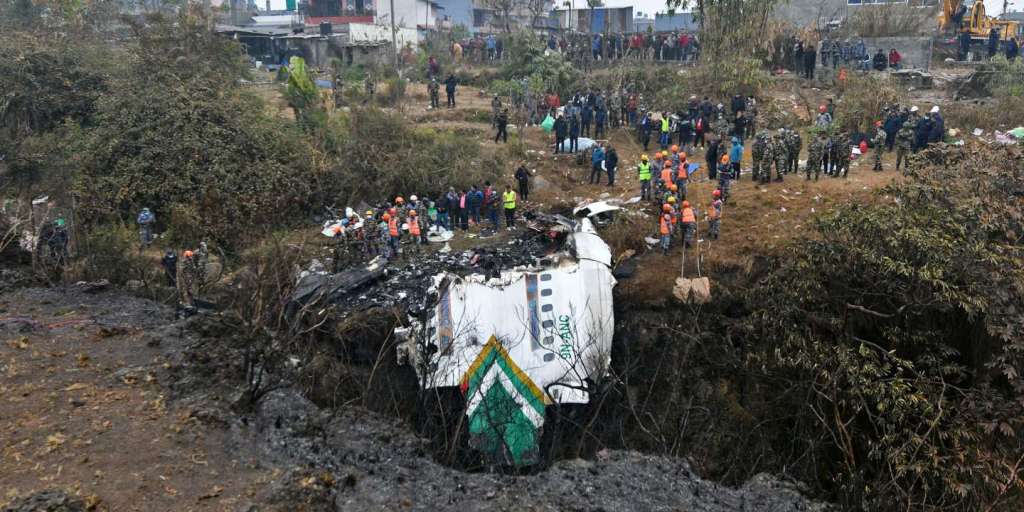
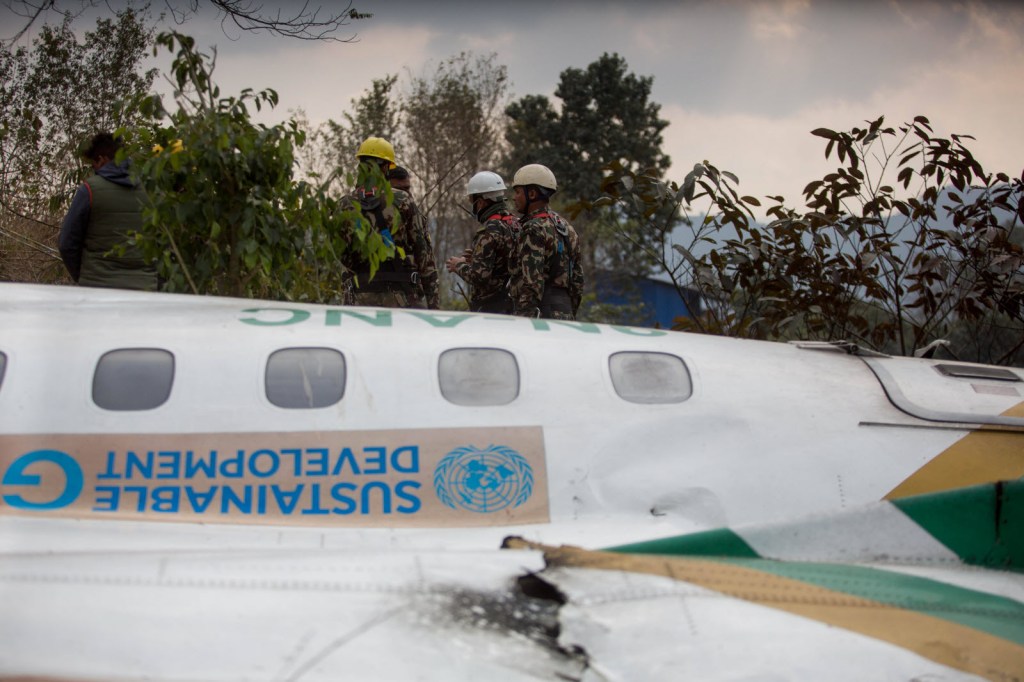
El accidente ocurrió el 15 de Enero de 2023, cuando un avión ATR 72-500 de Yeti Airlines, registrado 9N-ANC, operaba el vuelo de pasajeros YT691 entre el Aeropuerto de Katmandú-Tribhuvan/KTM y el Aeropuerto Internacional de Pokhara/VNPR. Mientras se aproximaba a la Pista 12, el avión perdió altitud y se estrelló dentro de un desfiladero por razones desconocidas, impactando en la orilla del río Seti, ubicado entre el nuevo aeropuerto internacional y el antiguo Aeropuerto Pokhara/PKR.
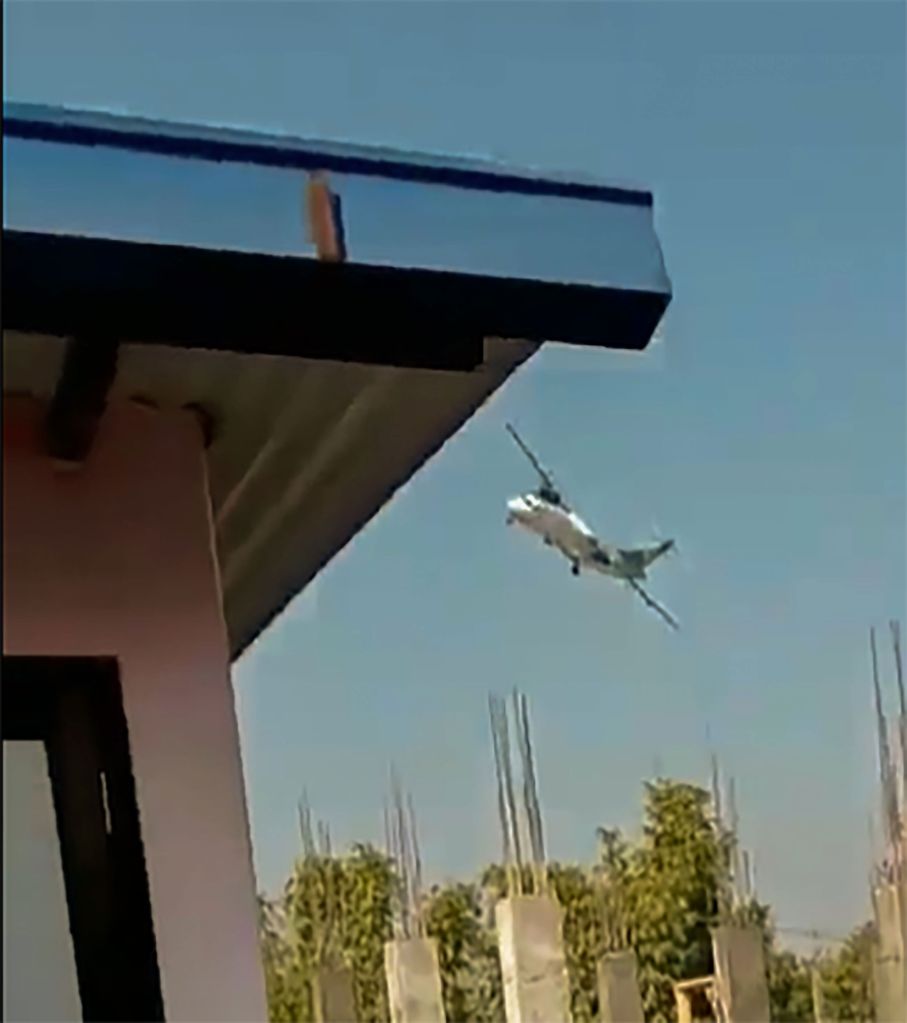
El aeropuerto internacional de nueva construcción reemplazó al antiguo Aeropuerto de Pokhara, que fue dado de baja el 1 de Enero de 2023. El video del incidente muestra que el avión se inclinó abruptamente hacia la izquierda solo unos segundos antes de hacer contacto con el suelo. En total, 68 pasajeros y cuatro miembros de la tripulación estaban a bordo murieron.
Cajas negras recuperadas
El 16 de Enero de 2023, la CAAN confirmó oficialmente que los rescatistas habían recuperado la Grabadora de Datos de Vuelo (FDR) y la Grabadora de Voz de Cabina (CVR), las llamadas «cajas negras», de los restos del avión. Según la CAAN, ambos dispositivos están en buenas condiciones, por lo que los datos registrados se utilizarán para ayudar al equipo de investigación a descubrir la causa del accidente.
Los datos del CVR, que graba y almacena las señales de audio de los micrófonos de la tripulación de vuelo, los auriculares y el área circundante en la cabina de vuelo, se investigarán localmente en Nepal. Mientras tanto, los datos de FDR, que consisten en parámetros específicos de rendimiento de la aeronave recopilados de los sensores de aviones, se enviarán a la sede del fabricante ATR Aircraft en Toulouse, Francia, para un análisis detallado. Un equipo de expertos de Pratt & Whitney Canadá también se unirá a la investigación del accidente.
Aunque aún no está claro qué causó el accidente, puede haber ocurrido debido a que la tripulación de vuelo no desplegó completamente los flaps de las alas del avión en el aterrizaje, para alcanzar sustentabilidad, lo que llevó a la entrada en pérdida, según el informe de The Kathmandu Post.
Investigations accident YT691
Airport lacked instrumental landing system
The newly opened Pokhara/VNPR Regional International Airport, where the turbo-bimotor AT 72-500 (ATR 72-212A) the Yeti Airlines’ the track of the accident, according to the Civil Aviation of Nepal (CAAN).
The CAAN states that instrumental landing systems at Pokhara airport in Nepal have been inoperative since the new airport began operating on January 1, 2023 and would remain out of service until February 26, 2023, confirmed the spokesman of the Regulator, Jagannath Niroula.
Visibility problems in flight are common within the region due to mountainous terrain. The instrument landing system (ILS) provides pilots with vertical and horizontal precision navigation guide information to facilitate aircraft control during approach and landing. This is crucial when the flight crew cannot clearly see the ground and surrounding obstacles due to difficult climatic conditions. However, Pokhara Airport spokesman, Anup Joshi, reported that «the mountains were clear and visibility was good» at the time of the accident.
YT691 Flight Research
The accident occurred on January 15, 2023, when an ATR 72-500 aircraft from Yeti Airlines, registered 9N-ANC, operated the passenger flight YT691 between the Katmandú-Tribhuvan Airport/KTM and the Pokhara International Airport/VNPR. While approaching track 12, the plane lost altitude and crashed inside a gorge for unknown reasons, impacting on the shore of the Seti River, located between the new international airport and the old Pokhara/PKR airport.
The New Construction International Airport replaced the old Pokhara Airport, which was discharged on January 1, 2023. The incident video shows that the plane was abruptly leaned to the left only a few seconds before making contact with the ground. In total, 68 passengers and four crew members were on board died.
Black boxes recovered
On January 16, 2023, the CAAN officially confirmed that rescuers had recovered the Flight Data Recorder (FDR) and the Cabin Voice Recorder (CVR), the so called «black boxes», of the plane’s remains. According to the CAAN, both devices are in good condition, so the registered data will be used to help the research equipment to discover the cause of the accident.
The CVR data, which records and stores the audio signals of the microphones of the flight crew, the headphones and the surrounding area in the flight cabin, will be investigated locally in Nepal. Meanwhile, FDR data, which consists of specific aircraft performance parameters collected from aircraft sensors, will be sent to the headquarters of the aircraft manufacturer in Toulouse, France, for a detailed analysis. A team of Pratt & Whitney Canada experts will also join the accident investigation.
Although it is not yet clear what the accident caused, it may have happened because the flight crew did not complete of The Kathmandu post.
PUBLISHER: Airgways.com DBk: Caanepal.gov.np / Pokharaairport.com.np / Aviation-safety.net / Kathmandupost.com / Airgways.com AW-POST: 202301201117AR OWNERSHIP: Airgways Inc. A\W A I R G W A Y S ®
AW | 2023 01 16 21:44 | AVIATION SAFETY / AIR INVESTIGATION
Accidente aéreo en Nepal deja saldo 68 muertes
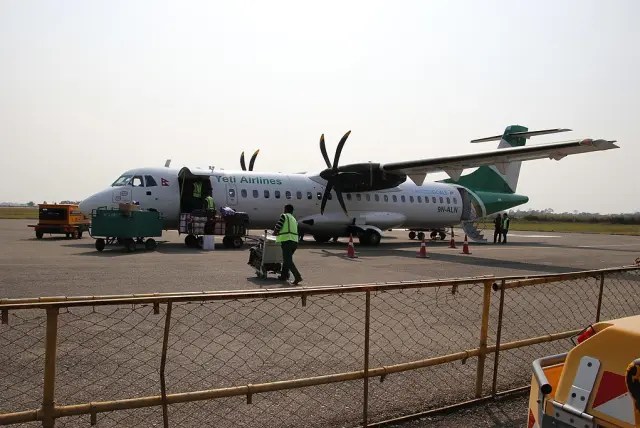
Un ATR 72-500 de la aerolínea regional nepalí Yeti Airlines que transportaba a 68 pasajeros y cuatro tripulantes se estrelló mientras se aproximaba al Aeropuerto Internacional de Pokhara/PKR, Nepal, en la mañana del 15 de Enero de 2023. Al menos 68 personas murieron, según las autoridades locales. El vuelo YT691 volaba un servicio doméstico desde la capital de Nepal, Katmandú, a Pokhara. El video que circula en Internet muestra el avión a bajo nivel antes de rodar bruscamente hacia la izquierda. El avión ATR 72-500, registro 9N-ANC, de 15,5 años de antigüedad fue entregado en Agosto de 2007 y voló con Kingfisher Airlines en India y Nok Air de Tailandia antes de ser arrendado a la aerolínea Yeti Airlines en Abril de 2019. Voló durante 23.761 ciclos durante 24.944 horas. Yeti Airlines tiene seis ATR 72 (6), con edades comprendidas entre 11 y 15 años.
La compañía fabricante franco-italiana ATR Aircraft dijo en un comunicado que sus «especialistas están totalmente comprometidos para apoyar tanto la investigación como al cliente».
Los datos de CAPA/OAG muestran que Yeti Airlines es la tercera aerolínea más grande en términos de capacidad doméstica, que aumentó en el último año tras el regreso a la normalidad del turismo.
La filial de la aerolínea, Tara Air, sufrió un accidente fatal en Mayo de 2022. En ese accidente, un De Havilland Canada DHC-6-300 Twin Otter se estrelló mientras volaba a nivel nacional entre Pokhara y Jomsom, matando a los 22 a bordo.
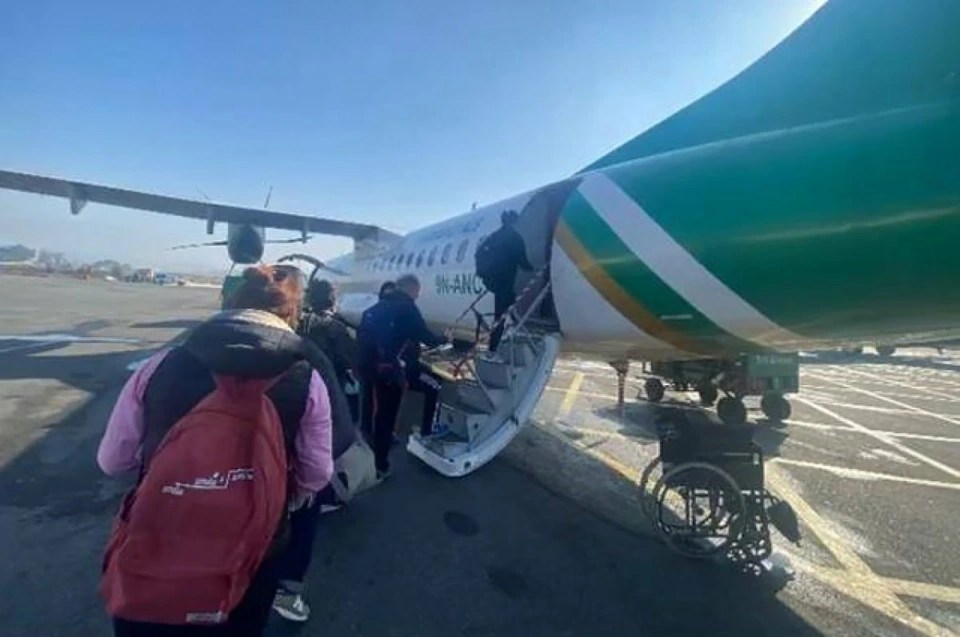
INQUIETANTE FOTO ANTES DE LA PARTIDA DEL TRÁGICO VUELO YT691 DE YETI AIRLINES
En un comunicado tras el último accidente de ATR, la Autoridad de Aviación Civil de Nepal (CAAN) dijo que dos helicópteros habían sido enviados inmediatamente al lugar del accidente, seguidos por un equipo de rescate terrestre con personal del ejército nepalés, la policía, el municipio local y la Asociación de Rescate del Himalaya.
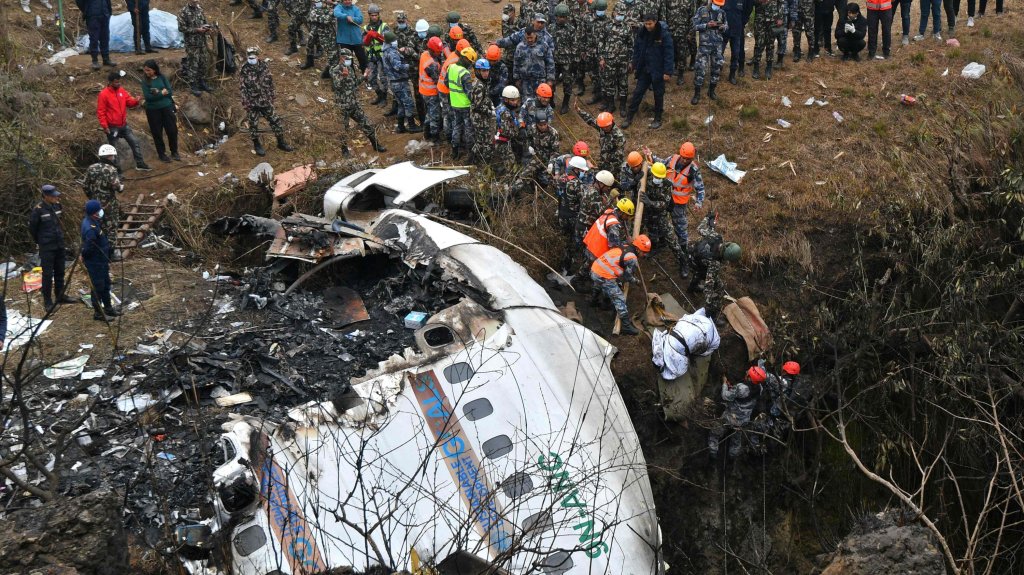
En una actualización del 16 de Enero de 2023, CAAN confirmó que la grabadora de datos de vuelo de la aeronave y una grabadora de voz de la cabina habían sido recuperadas. El video supuestamente del lugar del accidente mostró el avión casi completamente destruido.
Antes del accidente, Yeti Airlines, creada en 1998, tenía una flota de seis ATR 72-500 (6), que opera en servicios domésticos. En un comunicado, la aerolínea dijo que había cancelado todos los vuelos programados para el 16 de Enero de 2023.
El Aeropuerto Internacional de Pokhara ha sido inaugurado el 1 de Enero de 2023. Fue construido para reemplazar el aeropuerto anterior de la ciudad, ubicado a 1,6 nm al oeste, con vuelos que se transfieren gradualmente a la nueva instalación. El nuevo aeropuerto tiene una sola Pista 12/30 de 8.200 pies de largo y es el tercer aeropuerto internacional de Nepal, su predecesor se ha utilizado únicamente para servicios nacionales. El nuevo aeropuerto cuenta con dos terminales, para pasajeros internacionales y nacionales.
ATR 72 Yeti Airlines accident
Accident in Nepal leaves 68 deaths balance
An ATR 72-500 from the Nepalí Yeti Airlines regional airline that transported 68 passengers and four crew crashed while approaching the Pokhara/Pkr International Airport, Nepal, on the morning of January 15, 2023. At least 68 people died , according to local authorities. The flight YT691 was flying a domestic service from the capital of Nepal, Katmandu, to Pokhara. The video that circulates on the Internet shows the plane at low level before rolling sharply to the left. The ATR 72-500 aircraft, 9N-ANC registration, 15.5 years old was delivered in August 2007 and flew with Kingfisher Airlines in India and Nok Air from Thailand before being leased to the Yeti Airlines airline in April 2019 It flew for 23,761 cycles for 24,944 hours. Yeti Airlines has six ATR 72 (6), aged between 11 and 15 years.
The Franco-Italian manufacturer ATR Aircraft said in a statement that its «specialists are totally committed to support both research and customer».
The CAPA/OAG data show that Yeti Airlines is the third largest airline in terms of domestic capacity, which increased in the last year after the return to the normality of tourism.
The airline subsidiary, Tara Air, suffered a fatal accident in May 2022. In that accident, a Havilland Canada DHC-6-300 Twin Otter crashed while flying nationwide between Pokhara and Jomsom, killing at 22 a board.
In a statement after the last accident of ATR, the Civil Aviation Authority of Nepal (CAAN) said that two helicopters had been sent immediately to the scene of the accident, followed by a land rescue team with personnel from the Nepalese Army, the Police, the Police, the local municipality and the Himalayan rescue association.
In an update of January 16, 2023, CAAN confirmed that the aircraft flight data recorder and a cabin voice recorder had been recovered. The video supposedly of the accident site showed the plane almost completely destroyed.
Before the accident, Yeti Airlines, created in 1998, had a fleet of six ATR 72-500 (6), which operates in domestic services. In a statement, the airline said it had canceled all the flights scheduled for January 16, 2023.
Pokhara International Airport has been inaugurated on January 1, 2023. It was built to replace the previous airport of the city, located 1.6 Nm to the west, with flights that are gradually transferred to the new installation. The new airport has only one 12/30 track of 8,200 feet and is the third International Airport of Nepal, its predecessor has been used only for national services. The new airport has two terminals, for international and national passengers.
TOPSHOT – Rescuers inspect the wreckage at the site of a Yeti Airlines plane crash in Pokhara on January 16, 2023. Nepal observed a day of mourning on January 16 for the victims of the nation’s deadliest aviation disaster in three decades, with 67 people confirmed killed in the plane crash. (Photo by PRAKASH MATHEMA / AFP)
THE IMAGES MAY HURT THE SUSCEPTIBILITY OF THE PEOPLE
PUBLISHER: Airgways.com DBk: Caanepal.gov.np / Pokharaairport.com.np / Centreofaviation.com / Oag.com / Atraircraft.com / Afp.com / East2West / Airgways.com AW-POST: 202301162144AR OWNERSHIP: Airgways Inc. A\W A I R G W A Y S ®
Trabajador American Eagle muere tras ser absorbido motor
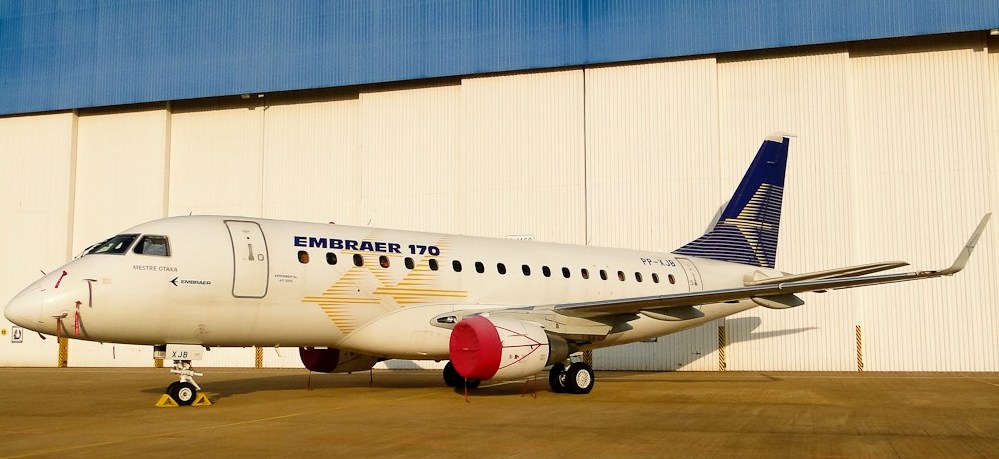
Un trabajador de tierra murió después de ser absorbido por el motor de un avión Embraer E175 de American Eagle en el Aeropuerto Regional de Montgomery en Alabama (AL). El personal de tierra que realizaba tareas murió en un extraño accidente durante el fin de semana, cuando fue ingerido en el motor. El trabajador fue absorbido por el motor del Embraer 170 alrededor de las 03:00 p.m. el Sábado 31 de Diciembre de 2022 en el Aeropuerto Regional de Montgomery, donde tenía su freno de estacionamiento establecido, dijo en un comunicado la Junta Nacional de Seguridad del Transporte (NTSB).
El vuelo desde Dallas fue operado por Envoy Air, una subsidiaria de propiedad total de American Airlines Group. El aeropuerto dijo que la víctima trabajaba para Piedmont Airlines, otra subsidiaria regional estadounidense, pero no proporcionó más detalles. «Nos entristece escuchar sobre la trágica pérdida de un miembro del equipo de AA/Piedmont Airlines. Nuestros pensamientos y oraciones están con la familia durante este momento difícil», dijo el Director Ejecutivo del Aeropuerto, Wade Davis, en un comunicado.
En un comunicado, American Airlines dijo que estaba devastada por el incidente. «Estamos enfocados en garantizar que todos los involucrados tengan el apoyo que necesitan durante este momento difícil», dijo la compañía, declinando hacer más comentarios durante la investigación en curso.
La Junta Nacional de Seguridad del Transporte (NTSB) y la Administración Federal de Aviación (FAA) están llevando a cabo una investigación. Cuando un motor a reacción está funcionando, el aire que se aspira en la admisión puede causar un área de baja presión de aire que puede arrastrar a las personas cercanas hacia las cuchillas giratorias.
Cuando está estacionado, se colocan conos cerca de los motores para marcar los límites de las áreas de peligro, cuyos tamaños exactos se proporcionan en el manual de operaciones del avión. Además, existen en las aeronaves una línea color roja en sentido vertical demarcada en el fuselaje que proporciona la distancia límite que una persona u objeto debe interponerse frente a la capacidad o potencia máxima de una aeronave en tierra. Por ejemplo, el área de peligro para un Airbus A320 es de 14 pies delante y a los lados de la entrada del motor. La situación es de extrema rareza, pues el personal de tierra están entrenados sobre los peligros y cómo mantenerse alejados del área de un motor en acción.
Employee absorbed by turbine
American Eagle worker dies after being sucked into engine
A ground worker died after being sucked into the engine of an American Eagle Embraer E175 aircraft at the Montgomery Regional Airport in Alabama (AL). Ground crew performing duties died in a freak accident over the weekend, when it was ingested into the engine. The worker was sucked into the engine of the Embraer 170 around 03:00 p.m. on Saturday, December 31, 2022 at the Montgomery Regional Airport, where it had its parking brake set, the National Transportation Safety Board (NTSB) said in a statement.
The flight from Dallas was operated by Envoy Air, a wholly owned subsidiary of American Airlines Group. The airport said the victim worked for Piedmont Airlines, another US regional subsidiary, but did not provide further details. «We are saddened to hear of the tragic loss of an AA/Piedmont Airlines team member. Our thoughts and prayers are with the family during this difficult time», Airport CEO Wade Davis said in a statement.
In a statement, American Airlines said it was devastated by the incident. «We are focused on ensuring that everyone involved has the support they need during this difficult time», the company said, declining to comment further during the ongoing investigation.
The National Transportation Safety Board (NTSB) and the Federal Aviation Administration (FAA) are conducting an investigation. When a jet engine is running, air being drawn into the intake can cause an area of low air pressure that can blow bystanders into the rotating blades.
When parked, cones are placed near the engines to mark the boundaries of danger areas, the exact sizes of which are given in the aircraft’s operations manual. In addition, there is a vertical red line on aircraft marked on the fuselage that provides the limit distance that a person or object must stand against the maximum capacity or power of an aircraft on the ground. For example, the danger area for an Airbus A320 is 14 feet in front of and to the sides of the engine inlet. The situation is extremely rare, as ground crews are trained on the dangers and how to stay away from the area of an engine in action.
PUBLISHER: Airgways.com DBk: Ntsb.gov / Faa.gov / Ae.com / Airgways.com AW-POST: 202301030122AR OWNERSHIP: Airgways Inc. A\W A I R G W A Y S ®
Personal FAA serias preocupaciones seguridad en Southwest
Una encuesta de trabajadores de la Administración Federal de Aviación (FAA) de estados Unidos ha arrojado algunas noticias preocupantes acerca de la seguridad de la compañía texana Southwest Airlines. Los empleados de southwest Airlines parecen relajar la seguridad en diferentes áreas que involucran seguridad. Un nuevo informe muestra que los empleados de la Administración Federal de Aviación (FAA) están preocupados por cómo se están manejando los esfuerzos de supervisión de Southwest Airlines. Las preocupaciones de seguridad salieron a la luz después de que el diario Wall Street Journal obtuvo acceso a documentos internos de la FAA. Alrededor de tres cuartas partes de los encuestados dijeron que la cultura en la oficina de la FAA en el área de Dallas que supervisa Southwest no ha mejorado en los últimos años, después de que se plantearon preocupaciones con respecto a su supervisión de la aerolínea, según un informe interno de la encuesta de Noviembre 2022. «Algunos encuestados cuestionaron el compromiso de la oficina con la seguridad, mostraron los documentos», informó el periódico.
Múltiples agencias federales, incluido el Inspector General Eric J. Soskin del Departamento de Transporte (DOT), el Comité de Comercio del Senado y un Auditor de la Agencia de la FAA, han documentado preocupaciones sobre el manejo de Southwest por parte de la FAA en los últimos años.
La aerolínea respondió a las preocupaciones en una declaración hecha al diario Wall Street Journal: «Southwest mantiene una cultura de cumplimiento, reconociendo la seguridad de nuestra operación como lo más importante que hacemos, y cualquier implicación de que toleraríamos una relajación de los estándares es infundada», dijo una portavoz de Southwest.
Southwest fue duramente golpeado en 2021 cuando la FAA dejó en tierra el Boeing 737 MAX después de que dos aviones se sufrieran accidentes aéreos en Indonesia y Etiopía, donde fallecieron en conjunto un total de 346 personas. La causa de los accidentes se remonta a un sistema de software defectuoso que dejó a los pilotos incapaces de controlar los aviones. Southwest comenzó a traer sus aviones 737 MAX en Marzo de 2021, convirtiéndose en la última aerolínea importante en hacerlo. La FAA había aprobado que el avión fuera autorizado para volar nuevamente en Noviembre de 2021 después de extensas pruebas. Southwest es la aerolínea con mayor número de unidades de los aviones 737 de cuarta generación en el mundo.
FAA Agents Southwest concerns
FAA staff would be concerns security at Southwest
A survey of Federal Aviation Administration (FAA) of the United States has thrown some worrying news about the security of the Texan company Southwest Airlines. Southwest Airlines employees seem to relax security in different areas involving security. A new report shows that the employees of the Federal Aviation Administration (FAA) are concerned about how Southwest Airlines’ supervision efforts are being handled. Security concerns came to light after the newspaper Wall Street Journal obtained access to internal FAA documents. Around three quarters of the respondents said that the culture in the FAA office in the Dallas area that supervises Southwest has not improved in recent years, after concerns were raised regarding their supervision of the airline, according to An internal report of the November 2022 survey. «Some respondents questioned the commitment of the office with security, the documents showed», the newspaper said.
Multiple federal agencies, including Inspector General Eric J. Soskin of the Department of Transportation (DOT), the Senate Committee and an Auditor of the FAA Agency, have documented concerns about the management of Southwest by the FAA in the last years.
The airline responded to concerns in a statement made to the newspaper Wall Street Journal: «Southwest maintains a culture of compliance, recognizing the security of our operation as the most important thing we do, and any involvement that we would tolerate a relaxation of the standards is unfounded», Southwest said a spokeswoman.
Southwest was hard in 2021 when the FAA left the Boeing 737 MAX on the ground after two aircraft suffered air accidents in Indonesia and Ethiopia, where a total of 346 people died together. The cause of accidents dates back to a defective software system that left the pilots unable to control the airplanes. Southwest began to bring his 737 MAX aircraft in March 2021, becoming the last important airline to do so. FAA had approved that the plane was authorized to fly again in November 2021 after extensive tests. Southwest is the airline with the highest number of units of the 737 fourth generation aircraft in the world.
PUBLISHER: Airgways.com DBk: Faa.gov / Transportation.gov / Oit.dot.gov / Wsj.com / Airgways.com AW-POST: 202212261420AR OWNERSHIP: Airgways Inc. A\W A I R G W A Y S ®
AW | 2022 12 23 16:28 | AIR INVESTIGATION / AVIATION SAFETY
Etiopía reitera accidente debido a característica seguridad no apta
La Autoridad de Aviación Civil de Etiopía (ECAA) ha reiterado que el accidente aéreo del avión Boeing 737-8 MAX del vuelo ET-302 de Ethiopian Airlines cerca de Addis Abeba hace casi cuatro años se debió principalmente a una característica de «seguridad defectuosa», revelando poca información nueva sobre el accidente. El Informe Final sobre el accidente aéreo de Ethiopian Airlines concluyó que todos los profesionales y aviones relacionados con el accidente estaban correctamente certificados, dijo Dagmawit Moges, Ministro de Transporte y Logística, a periodistas el Viernes 23/12. El avión en ruta a Nairobi cayó en picado el 10 de Marzo de 2019, matando a las 157 personas a bordo.
El primer accidente del modelo 737 MAX ocurrió con el vuelo JT-610 de Lion Air en Octubre de 2018 y cinco meses posterior en Marzo 2019 siguió el fatídico accidente del vuelo ET-302 de Ethiopian Airlines que conllevó a los reguladores de aviación a dejar en tierra el modelo en todo el mundo, sumiendo a Boeing en una crisis de confianza. Desde entonces, el fabricante de aviones estadounidense ha realizado revisiones al modelo y abordado las preocupaciones de seguridad, y fue autorizado para regresar a los cielos en su mercado local en Diciembre 2020. Los reguladores de la Unión Europea, el Reino Unido, los Emiratos Árabes Unidos y otros restablecieron paulatinamente las aprobaciones del retorno del modelo a los cielos.
Ethiopian Airlines, la aerolínea más grande de África, ha recibido cinco de los aviones Boeing 737 MAX este año por parte de Boeing, según el sitio web del fabricante de aviones, mientras que Boeing ha llegado a un acuerdo legal con las familias de los fallecidos.
El último informe de la Agencia de Aviación de Etiopía se basó en los hallazgos provisionales publicados en Marzo de 2020, y está muy atrasado. Esto se debe a la complejidad de compilar el informe y los desafíos causados por la pandemia de Covid-19, dijo Dagmawit Moges. Para mitigar aún más, el país se ha visto envuelto en una larga guerra regional, con esfuerzos para restaurar la paz después de dos años de combates entre el Gobierno y las fuerzas rebeldes socavados por la vecina Eritrea.
Las conclusiones provisionales de Ethiopian destacaron el papel de una característica de seguridad que funciona mal conocida como el Sistema de Aumento de Características de Maniobra (MCAS), al que Boeing ha realizado varios cambios desde entonces. Aún no se han dado más detalles, ya que el informe aún no está disponible públicamente.
Ethiopia security unfit 737 MAX
Ethiopia reiterates accident due to unfit safety feature
The Ethiopian Civil Aviation Authority (ECAA) has reiterated that the plane crash of the Boeing 737-8 MAX aircraft of Ethiopian Airlines flight ET-302 near Addis Ababa almost four years ago was mainly due to a «flawed safety» feature, revealing little new information about the accident. The Final Report on the Ethiopian Airlines plane crash concluded that all professionals and planes related to the accident were correctly certified, Dagmawit Moges, Minister of Transport and Logistics, told reporters on Friday 12/23. The plane en route to Nairobi plummeted on March 10, 2019, killing all 157 people on board.
The first 737 MAX accident occurred with Lion Air flight JT-610 in October 2018 and five months later in March 2019 followed the fateful accident of Ethiopian Airlines flight ET-302 that led aviation regulators to leave in landed the model around the world, plunging Boeing into a crisis of confidence. Since then, the American planemaker has made revisions to the model and addressed safety concerns, and was cleared to return to the skies in its home market in December 2020. Regulators from the European Union, the United Kingdom, the United Arab Emirates United and others gradually restored approvals for the return of the model to the skies.
Ethiopian Airlines, Africa’s largest airline, has taken delivery of five of the Boeing 737 MAX planes this year from Boeing, according to the planemaker’s website, while Boeing has reached a legal settlement with the families of those killed.
The latest report from the Ethiopian Aviation Agency was based on interim findings published in March 2020, and is long overdue. This is due to the complexity of compiling the report and the challenges caused by the Covid-19 pandemic, Dagmawit Moges said. To further mitigate, the country has been embroiled in a longstanding regional war, with efforts to restore peace after two years of fighting between government and rebel forces undermined by neighboring Eritrea.
Ethiopian’s interim findings highlighted the role of a malfunctioning safety feature known as the Maneuvering Characteristics Augmentation System (MCAS), to which Boeing has made several changes since then. No further details have been released yet, as the report is not yet publicly available.
PUBLISHER: Airgways.com DBk: Ecaa.gov.et / Airgways.com AW-POST: 202212231628AR OWNERSHIP: Airgways Inc. A\W A I R G W A Y S ®
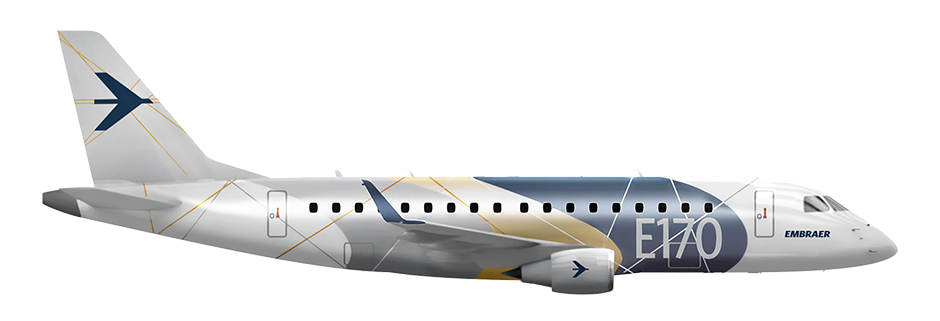
FAA introduce nuevas limitaciones restrictivas para Embraer E170
La Administración Federal de Aviación (FAA) de Estados Unidos, siguiendo el ejemplo de la autoridad aeronáutica brasileña Agência Nacional de Aviação Civil (ANAC), ha considerado necesario introducir limitaciones de aeronavegabilidad más restrictivas para ciertos aviones Embraer E170. La FAA emitió un anuncio para revisar ciertas limitaciones de aeronavegabilidad del Embraer E170. Las nuevas limitaciones se publicaron en una Directiva de Aeronavegabilidad (AD) el 19 de Diciembre de 2022. El AD es definitivo y entrará en vigencia a partir del 23 de Enero de 2022.
Si bien solo una aerolínea comentó sobre el tema antes de que la agencia gubernamental finalizara la reglamentación propuesta, la directiva abordó varias condiciones inseguras en ciertos aviones E170. El último AD, que finalizó la reglamentación después de «la determinación de que son necesarias limitaciones de aeronavegabilidad nuevas o más restrictivas», reemplaza una Directiva de Aeronavegabilidad anterior emitida por la FAA en 2019. Luego, la agencia emitió la AD 2019-25-16 que abordó varias condiciones inseguras, como «el agrietamiento podría resultar en la reducción de la integridad estructural del avión y evitar fallas latentes significativas de seguridad. Tales fallas, en combinación con una o más fallas o eventos especificados, podrían resultar en una condición de falla peligrosa o catastrófica de aviónica, sistemas hidráulicos, sistemas de detección de incendios, sistemas de combustible u otros sistemas críticos».
Además, la misma directiva también se centró en «posibles fuentes de ignición dentro de los tanques de combustible causadas por fallas latentes, alteraciones, reparaciones o acciones de mantenimiento. Tales fallas, en combinación con vapores de combustible inflamables, podrían provocar explosiones en el tanque de combustible y la consiguiente pérdida del avión».
Según la FAA, el último AD afecta a varias variantes de la familia Embraer E170, incluidos los modelos E170-100 LR, E170-100 STD, E170-100 SE y E170-100 SU, así como los modelos E170-200 LR, E170-200 SU, E170-200 STD y E170-200 LL. En general, según los cálculos de la autoridad, 662 aviones se verán afectados por la última Directiva de Aeronavegabilidad, con un costo total de US$ 76.4 millones de Dólares luego de la revisión del programa de mantenimiento o inspección existente. El costo por aeronave puede variar entre las aerolíneas, y dado que «los operadores incorporan cambios en el programa de mantenimiento o inspección para sus flotas afectadas», emitió la FAA una estimación por operador. Por lo general, utiliza una estimación por aeronave.
La FAA citó a Embraer, que declaró que «algunos o todos los costos de este AD pueden estar cubiertos por la garantía, reduciendo así el impacto en los costos de los operadores afectados». Sin embargo, dado que la autoridad no controla la cobertura de garantía de las aerolíneas, la FAA ha incluido todos los costos conocidos en la estimación de costos.
Los operadores también deberán revisar los programas de mantenimiento o inspección dentro de los 90 días o 600 ciclos de vuelo de sus E170 después del 10 de Febrero de 2020, lo que ocurra más tarde. El corte de Febrero 2023 fue la fecha en que entró en vigencia AD 2019-25-16, que abordó varias de esas condiciones inseguras.
FAA new restrictions E170
FAA introduces new restrictive limitations for Embraer E170
The US Federal Aviation Administration (FAA), following the example of the Brazilian aeronautical authority Agência Nacional de Aviação Civil (ANAC), has deemed it necessary to introduce more restrictive airworthiness limitations for certain Embraer E170 aircraft. The FAA issued an announcement to review certain airworthiness limitations of the Embraer E170. The new limitations were published in an Airworthiness Directive (AD) on December 19, 2022. The AD is final and will become effective on January 23, 2022.
While only one airline commented on the issue before the government agency finalized the proposed rulemaking, the directive addressed several unsafe conditions on certain E170 aircraft. The latest AD, which finalized the rulemaking after «the determination that new or more restrictive airworthiness limitations are necessary», replaces a previous Airworthiness Directive issued by the FAA in 2019. The agency then issued AD 2019-25- 16 which addressed several unsafe conditions, such as «cracking could result in reduced structural integrity of the airplane and prevent significant latent safety failures. Such failures, in combination with one or more specified failures or events, could result in a fail condition dangerous or catastrophic failure of avionics, hydraulic systems, fire detection systems, fuel systems, or other critical systems».
In addition, the same directive also focused on «potential sources of ignition within fuel tanks caused by latent failures, alterations, repairs, or maintenance actions. Such failures, in combination with flammable fuel vapors, could lead to tank explosions.» of fuel and the consequent loss of the plane».
According to the FAA, the latest AD affects several variants of the Embraer E170 family, including the E170-100 LR, E170-100 STD, E170-100 SE and E170-100 SU models, as well as the E170-200 LR, E170 -200 SU, E170-200 STD and E170-200 LL. Overall, according to the authority’s calculations, 662 aircraft will be affected by the latest Airworthiness Directive, at a total cost of US$76.4 million after review of the existing maintenance or inspection program. The cost per aircraft can vary between airlines, and as «operators incorporate maintenance or inspection schedule changes for their affected fleets», the FAA issued a per-operator estimate. Typically, it uses a per-aircraft estimate.
The FAA quoted Embraer, which stated that «some or all of the costs of this AD may be covered under warranty, thereby reducing the impact on affected operators’ costs», However, since the authority does not control airline warranty coverage, the FAA has included all known costs in the cost estimate.
Operators will also need to review maintenance or inspection schedules within 90 days or 600 flight cycles of their E170s after February 10, 2020, whichever is later. The February 2023 cutoff was the effective date AD 2019-25-16, which addressed several of those unsafe conditions.
PUBLISHER: Airgways.com DBk: Faa.gov / Anac.gov.br / Embraer.com / Airgways.com AW-POST: 202212201658AR OWNERSHIP: Airgways Inc. A\W A I R G W A Y S ®
Fuerte turbulencia Airbus A330 de Hawaiian Airlines Treinta y seis personas seriamente lesionadas
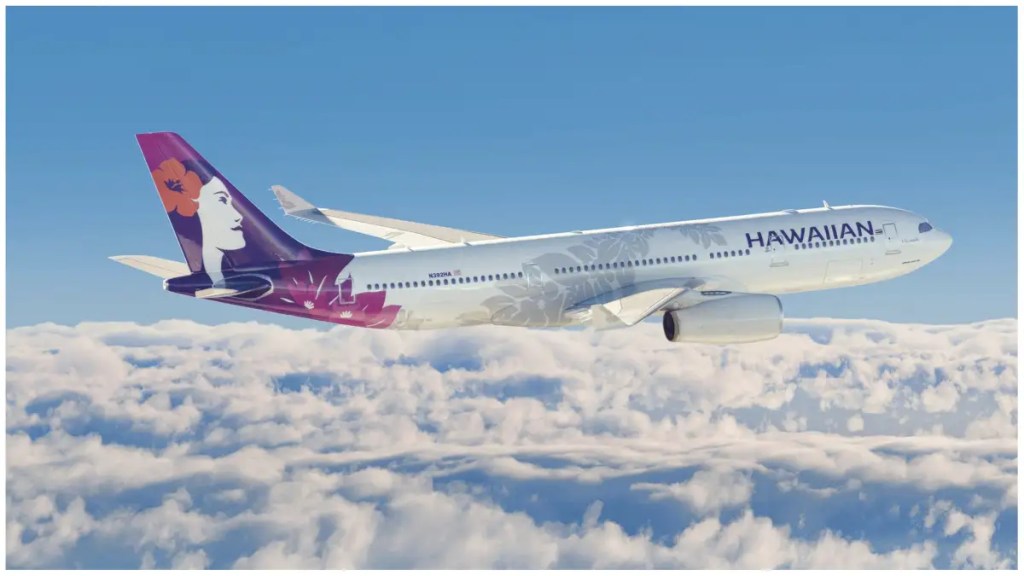
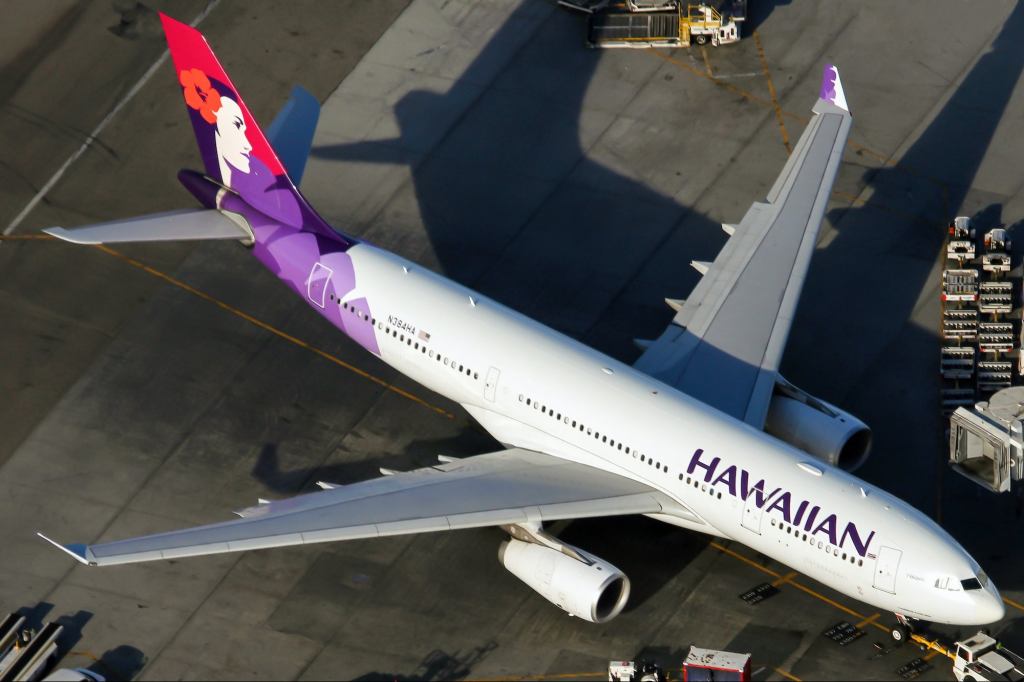
Un Airbus A330-200 de Hawaiian Airlines, registro N393HA realizando el vuelo HA-035 desde Phoenix (AZ) a Honolulu, (HI), Estados Unidos, con 278 pasajeros y 10 tripulantes, descendía hacia Honolulu cuando el avión se encontró con fueertes turbulencias que causaron 36 lesiones y daños a la cabina del avión. El avión continuó para un aterrizaje seguro en la Pista 04R de Honolulu. 33 pasajeros y 3 Asistentes de Vuelo sufrieron lesiones, 20 de ellos fueron llevados a hospitales, 11 de ellos fueron diagnosticados con lesiones graves.
El Airbus 330-243 de Hawaiian Airlines que operaba el vuelo HA-035 salió del Aeropuerto Phoenix-Sky Harbor/PHX el Domingo 18/12 por la mañana con 288 personas a bordo. El vuelo despegó a las 07:18 am y aterrizó en el Aeropuerto Daniel K. Inouye/HNL de Honolulu a las 10:46 horas con más de 36 pasajeros heridos y daños considerables en el interior de la cabina. El Comandante declaró una emergencia treinta minutos antes de aterrizar el vuelo en el Aeropuerto Internacional Daniel K. Inouye de Honolulu.
La aerolínea informó que el avión encontró turbulencias severas, pero aterrizó de manera segura. Se brindó atención médica a varios pasajeros y tres miembros de la tripulación por lesiones menores, algunos de ellos fueron transportados rápidamente a hospitales presentado lesiones de consideración. Las señales de los cinturones de seguridad de los pasajeros estaban encendidas en el momento del encuentro de turbulencia de aire despejado, que ocurrió unos treinta minutos antes del aterrizaje. Había un parche de aire inestable que tomó a la tripulación de vuelo por sorpresa sin previo aviso.
El Servicio Meteorológico Nacional en Hawaii dijo que había un aviso meteorológico publicado por tormentas eléctricas en el momento de la turbulencia, el vuelo posiblemente entró en una tormenta eléctrica. Los pasajeros informaron que varios pasajeros no estaban abrochados y fueron levantados de sus asientos y golpearon el techo de la cabina. El avión A330-200 permanece en tierra en el Aeropuerto Honolulu/Daniel K. Inouye/HNL de la Ciudad de Honolulu unas diez horas después del aterrizaje. El grave incidente causó lesiones graves a los pasajeros de Hawaiian Airlines 30 minutos antes de aterrizar en Honolulu muestra la importancia de usar cinturones de seguridad en los aviones.
Hawaiian Incident HA-035
Strong turbulence Hawaiian Airlines Airbus A330 Train and six people seriously injured
A Hawaiian Airlines Airbus A330-200, registration N393HA on flight HA-035 from Phoenix (AZ) to Honolulu, (HI), United States, with 278 passengers and 10 crew members, was descending toward Honolulu when the plane encountered severe turbulence which caused 36 injuries and damage to the aircraft’s cabin. The aircraft proceeded to a safe landing at Honolulu Runway 04R. 33 passengers and 3 Flight Attendants suffered injuries, 20 of them were taken to hospitals, 11 of them were diagnosed with serious injuries.
Hawaiian Airlines Airbus 330-243 operating flight HA-035 left Phoenix-Sky Harbor Airport/PHX on Sunday morning 12/18 with 288 people on board. The flight took off at 07:18 am and landed at Honolulu Daniel K. Inouye Airport /HNL at 10:46 am with more than 36 passengers injured and considerable damage to the interior of the cabin. The Commander declared an emergency thirty minutes before the flight landed at Daniel K. Inouye Honolulu International Airport.
The airline reported that the plane encountered severe turbulence but landed safely. Several passengers and three crew members received medical attention for minor injuries, some of whom were quickly transported to hospitals with serious injuries. The passenger seat belt signals were on at the time of the clear air turbulence encounter, which occurred about thirty minutes before landing. There was a patch of unstable air that took the flight crew by surprise without warning.
The National Weather Service in Hawaii said there was a weather advisory posted for thunderstorms at the time of the turbulence, the flight possibly entering a thunderstorm. Passengers reported that several passengers were not buckled up and were lifted from their seats and hit the roof of the cabin. The A330-200 aircraft remains on the ground at City of Honolulu Honolulu/Daniel K. Inouye Airport/HNL about ten hours after landing. The serious incident causing serious injuries to Hawaiian Airlines passengers 30 minutes before landing in Honolulu shows the importance of wearing seat belts on airplanes.
Hawaiian Airlines ha emitido un comunicado en su cuenta de Twitter:
HA35 de PHX a HNL encontró turbulencias severas y aterrizó de manera segura en HNL a las 10:50 a.m. de hoy.
Se brindó atención médica a varios huéspedes y miembros de la tripulación en el aeropuerto por lesiones menores, mientras que algunos fueron transportados rápidamente a hospitales locales de Oahu para recibir atención adicional.
Estamos apoyando a todos los pasajeros y empleados afectados y continuamos monitoreando la situación.
Después de un hermoso sábado, el clima actual en Hawaii no es bueno. Un aviso de inundación está vigente hasta las 02:45 p.m. de hoy para la isla de Molokai y hasta las 03:00 p.m. para Lanai y Maui debido a las lluvias excesivas.
A las 11:57 a.m., el radar mostró fuertes lluvias cayendo a una velocidad de 1 a 2 pulgadas por hora para Maui. Los meteorólogos dijeron que se espera que las fuertes lluvias, con tormentas eléctricas, se reanuden temprano esta tarde.
El portavoz de EMS, Shayne Enright, dijo en un correo electrónico que hoy recibió una llamada sobre un vuelo de Hawaiian Airlines que experimentó turbulencias aproximadamente 30 minutos antes de aterrizar en Honolulu.
Las advertencias de clima severo de hoy, incluida una advertencia de fuertes vientos, provocaron algunos cierres relacionados con la tormenta.
El vuelo estaba programado para llegar a las 10:58 a.m. de hoy a la Terminal 1, Puerta A12, según el estado del vuelo de Hawaiian Airlines.
Hawaiian Airlines has issued a statement on its Twitter account:
HA35 from PHX to HNL encountered severe turbulence and landed safely at HNL at 10:50am. from today.
Medical attention was provided to several guests and crew members at the airport for minor injuries, while some were quickly transported to local Oahu hospitals for further care.
We are supporting all affected passengers and employees and continue to monitor the situation.
After a beautiful Saturday, the current weather in Hawaii is not good. A flood advisory is in effect until 02:45 p.m. today for the island of Molokai and until 03:00 p.m. for Lanai and Maui due to excessive rainfall.
At 11:57 a.m., radar showed heavy rain falling at a rate of 1 to 2 inches per hour for Maui. Forecasters said heavy rain, with thunderstorms, is expected to resume early this afternoon.
EMS spokesman Shayne Enright said in an email that he received a call today about a Hawaiian Airlines flight experiencing turbulence approximately 30 minutes before landing in Honolulu.
Today’s severe weather warnings, including a high wind warning, prompted some storm-related closures.
The flight was scheduled to arrive at 10:58 a.m. today to Terminal 1, Gate A12, according to Hawaiian Airlines flight status.
PUBLISHER: Airgways.com DBk: Hawaiianairlines.com / Airports.hawaii.gov / Weather.gov / Skyharbour.com / Airgways.com AW-POST: 202212191417AR OWNERSHIP: Airgways Inc. A\W A I R G W A Y S ®


 Los familiares de algunas víctimas del accidente creen que el Gobierno de Estados Unidos violó sus derechos al llegar a un acuerdo sin notificar a las familias