AW | 2024 05 15 11:35 | AVIATION SAFETY / AIR INVESTIGATION
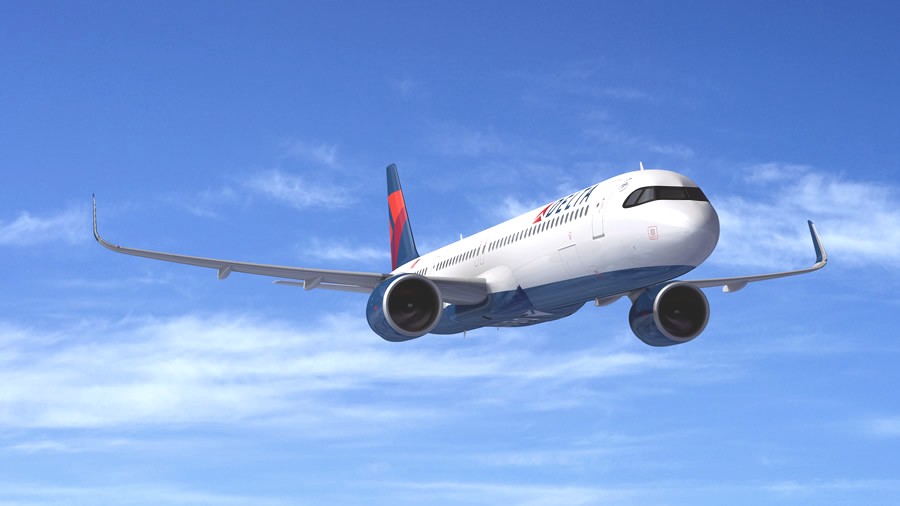
Avión A321neo sufre emergencia en Seattle con 189 pasajeros
El vuelo DL604 de Delta Air Lines en la ruta Cancún/CAN—Seattle/SEA ha tenido que realizar un aterrizaje de emergencia en Seattle (WA) al declararse en emergencia en el vuelo. La aeronave Airbus A321neo ha realizado un aterrizaje sin inconvenientes, mientras que al momento del arribo a la plataforma del Aeropuerto Internacional Seattle/Tacoma (SEA) con los 189 pasajeros a bordo fueron ordenados a evacuar de forma urgente debido al fuego detectado en la sección delantera del avión. Según informes, el incendio comenzó cuando un cable eléctrico enchufado al avión sufrió un cortocircuito, por lo que equipos de emergencia acudieron a mitigar el percance. Todos los 189 pasajeros no han resultado lesionados.
Un dramático video muestra un avión de Delta en llamas después de aterrizar en el aeropuerto de Seattle-Tacoma el Lunes 6 de Mayo de 2024 se dio a conocer este Martes 07/05. Durante el percance, por fortuna, los 189 pasajeros fueron sacados rápidamente por la salida de emergencia del ala y mediante toboganes de emergencia hasta la plataforma. A través de redes sociales se difundió un video del instante en que la parte delantera de un avión de Delta, vuelo DL604, se envolvió en llamas al aterrizar.
Un portavoz del aeropuerto reveló que el incendio comenzó cuando un cable eléctrico enchufado al avión sufrió un cortocircuito, mientras la Administración Federal de Aviación dijo que el incendio podría haber sido causado por una unidad de energía terrestre. El Departamento de Bomberos del Puerto de Seattle llegó después de que el incendio se extinguiera, dijeron las autoridades, aunque de todos modos los bomberos rociaron agua sobre el área carbonizada.
Delta Air Lines emitió un comunicado para abordar las preocupaciones relacionadas con el incendio, que se muestra ardiendo durante varios minutos en el video de vigilancia. “Durante el desembarco del lunes por la noche, la tripulación del vuelo 604 de Cancún a Seattle fue testigo de humo en el área de la nariz del avión después de conectarse a la red eléctrica de tierra. Por precaución, se desplegaron toboganes y los pasajeros que aún estaban a bordo desembarcaron por la parte trasera del avión”, mencionó la compañía.
En el video, difundido este Martes 07/05, muestra cómo las puertas del avión se abren y se ve a los pasajeros salir del aparato, algunos de los cuales caminan por las alas para llegar a una escalera que baja a la pista. Luego se ve a los socorristas reunidos alrededor de la parte delantera del avión. Según el comunicado de Delta: “Los pasajeros se trasladaron a la sección de aduanas para los trámites normales. La aeronave fue retirada del servicio para inspección y mantenimiento”.
Este accidente se da a menos de un mes de que otro vuelo de Delta Airlines que partió de Nueva York con destino a Atlanta se vio obligado a declarar dos emergencias en pleno viaje la mañana del 9 de Abril de 2024. En Enero 2024, un avión Boeing 757 operado por la aerolínea Delta Air Lines perdió una rueda de tren de aterrizaje mientras se preparaba para despegar del Aeropuerto Internacional de Atlanta. El vuelo DL982 de Delta, con destino a Bogotá, Colombia, estaba rodando para despegar en el Aeropuerto Internacional Hartsfield-Jackson de Atlanta cuando ocurrió el incidente alrededor de las 11:15 horas.
Delta DL604 Fire in Seattle
A321neo plane suffers emergency in Seattle with 189 passengers
Delta Air Lines flight DL604 on the Cancun/CAN—Seattle/SEA route had to make an emergency landing in Seattle (WA) when an emergency was declared on the flight. The Airbus A321neo aircraft made a smooth landing, while upon arrival at the Seattle/Tacoma International Airport (SEA) platform with the 189 passengers on board, they were ordered to evacuate urgently due to the fire detected in the front section. of the airplane. According to reports, the fire started when an electrical cable plugged into the plane suffered a short circuit, so emergency teams came to mitigate the mishap. All 189 passengers have not been injured.
A dramatic video shows a Delta plane on fire after landing at the Seattle-Tacoma airport on Monday, May 6, 2024, was released this Tuesday, 05/07. During the accident, fortunately, the 189 passengers were quickly taken out through the wing’s emergency exit and through emergency slides to the platform. A video was spread through social networks of the moment in which the front of a Delta plane, flight DL604, was engulfed in flames upon landing.
An airport spokesperson revealed that the fire started when an electrical cord plugged into the plane shorted, while the Federal Aviation Administration said the fire could have been caused by a ground power unit. The Port of Seattle Fire Department arrived after the fire was extinguished, officials said, although firefighters still sprayed water on the charred area.
Delta Air Lines issued a statement to address concerns related to the fire, which is shown burning for several minutes on surveillance video. “During disembarkation on Monday night, the crew of Flight 604 from Cancun to Seattle witnessed smoke in the nose area of the aircraft after connecting to the ground power grid. As a precaution, slides were deployed and passengers still on board disembarked through the rear of the plane”, the company mentioned.
In the video, released this Tuesday, 05/07, it shows how the doors of the plane open and the passengers are seen leaving the device, some of whom walk along the wings to reach a staircase that goes down to the runway. First responders are then seen gathering around the front of the plane. According to Delta’s statement: “The passengers were transferred to the customs section for normal procedures. “The aircraft was removed from service for inspection and maintenance”.
This accident occurred less than a month after another Delta Airlines flight that left New York bound for Atlanta was forced to declare two emergencies in the middle of the trip on the morning of April 9, 2024. In January 2024, a plane Boeing 757 operated by Delta Air Lines lost a landing gear wheel while preparing to take off from Atlanta International Airport. Delta flight DL982, bound for Bogotá, Colombia, was taxiing for takeoff at Hartsfield-Jackson Atlanta International Airport when the incident occurred around 11:15 a.m.
PUBLISHER: Airgways.com DBk: Delta.com / Portseattle.org / Airgways.com AW-POST: 202405151135AR OWNERSHIP: Airgways Inc. A\W A I R G W A Y S ®
Las nuevas erupciones de un remoto volcán en Indonesia han generado nuevas órdenes de evacuación y cancelaciones de vuelos y cierres de aeropuertos esta semana, con humo, lava y gases volcánicos saliendo de la montaña en llamas. El Monte Ruang, un volcán de 725 metros/2400 pies en la Isla de Ruang, en el norte de Sulawesi, ha estado en erupción de manera espectacular de forma intermitente desde mediados de abril, lo que representa una amenaza creciente para quienes viven cerca y para el tráfico aéreo en la región.
El volcán entró en erupción tres veces este Martes 30/04, enviando lava y nubes de ceniza al cielo y generando que la agencia nacional de vulcanología PVMBG de Indonesia emitiera su alerta más alta, advirtiendo que un tsunami podría ser provocado por material volcánico que colapsa en el océano.
La Isla de Ruang se encuentra justo frente a la costa de la isla más grande de Tagulandang, donde las autoridades han pedido la evacuación de más de 12.000 personas, según Reuters.
Las imágenes publicadas el Jueves 02/05 por la Autoridad Nacional de Gestión de Desastres (BNPB) mostraban enormes multitudes de personas esperando ser evacuadas en los puertos y enormes columnas de ceniza. PVMBG elevó los niveles de alerta el Martes 30/04, advirtiendo sobre nuevas erupciones y terremotos continuos, al tiempo que recomendó al público que use máscaras protectoras y actúe con precaución.
Las últimas erupciones obligaron a cerrar al menos siete aeropuertos en los alrededores, incluido el Aeropuerto Internacional Sam Ratulangi que sirve a la ciudad de Manado, capital de la Provincia de Sulawesi del Norte y un conocido destino de buceo.
La aerolínea regional Air Asia dijo que canceló 21 vuelos tras la última erupción del Monte Ruang. «Se recomienda a los huéspedes que viajen hacia y desde destinos afectados (entre Malasia e Indonesia) que revisen su correo electrónico y sus teléfonos para recibir notificaciones de cancelación. Air Asia continúa monitoreando de cerca la situación y brindará más información sobre los últimos acontecimientos», dijo la aerolínea el miércoles.
La aerolínea nacional de Malasia, Malaysia Airlines, también emitió avisos de viaje similares el Miércoles 01/05, tras la cancelación de varios vuelos en la zona.
El Monte Ruang es un estratovolcán, típicamente cónico y de lados relativamente empinados debido a la formación de lava viscosa y pegajosa que no fluye fácilmente. Según los vulcanólogos, los estratovolcanes suelen producir erupciones explosivas debido a la acumulación de gas en el magma. La ceniza volcánica de Ruang ha alcanzado el espacio aéreo del este de Malasia, dijo el departamento meteorológico de Malasia. «Estamos monitoreando continuamente los movimientos del polvo volcánico y actualizaremos la información y emitiremos advertencias meteorológicas para la aviación si es necesario», dijo el Jefe del Met Malaysia, Muhammad Helmi Abdullah.
Indonesia, un archipiélago del sudeste asiático de 270 millones de habitantes, se encuentra a lo largo del Anillo de Fuego y tiene más de 120 volcanes activos, más que cualquier otro lugar del mundo. El Monte Ruang había hecho erupción en Abril 2024, interrumpiendo más de 200 vuelos los días 18 y 19 de Abril de 2024 y afectando a decenas de miles de pasajeros, dijeron las autoridades. Cientos de personas que vivían en las cercanías del volcán fueron evacuadas por temor a que pudiera colapsar parcialmente en el mar y causar un tsunami como lo hizo en 1871.
Indonesia flights suspended
Volcanic eruptions force airlines to cancel flights
Fresh eruptions from a remote volcano in Indonesia have prompted new evacuation orders, flight cancellations, and airport closures this week, with smoke, lava, and volcanic gases billowing from the burning mountain. Mount Ruang, a 725-meter/2,400-foot volcano on Ruang Island in North Sulawesi, has been erupting spectacularly on and off since mid-April, posing a growing threat to those living nearby and for air traffic in the region.
The volcano erupted three times on Tuesday, 04/30, sending lava and ash clouds into the sky and prompting Indonesia’s national volcanology agency PVMBG to issue its highest alert, warning that a tsunami could be triggered by collapsing volcanic material. in the ocean.
Ruang Island lies just off the coast of the larger island of Tagulandang, where authorities have called for the evacuation of more than 12,000 people, according to Reuters.
Images published on Thursday 02/05 by the National Disaster Management Authority (BNPB) showed huge crowds of people waiting to be evacuated at ports and huge columns of ash. PVMBG raised alert levels on Tuesday 04/30, warning of new eruptions and continued earthquakes, while advising the public to wear protective masks and act with caution.
The latest eruptions forced the closure of at least seven airports in the surrounding area, including the Sam Ratulangi International Airport which serves the city of Manado, capital of North Sulawesi Province, and a well-known diving destination.
Regional airline Air Asia said it canceled 21 flights following Mount Ruang’s latest eruption. «Guests traveling to and from affected destinations (between Malaysia and Indonesia) are advised to check their email and phones for cancellation notifications. Air Asia continues to closely monitor the situation and will provide further information on the latest developments», the airline said Wednesday.
Malaysia’s national carrier Malaysia Airlines also issued similar travel advisories on Wednesday, following the cancellation of several flights in the area.
Mount Ruang is a stratovolcano, typically conical and relatively steep-sided due to the formation of viscous, sticky lava that does not flow easily. According to volcanologists, stratovolcanoes often produce explosive eruptions due to the accumulation of gas in magma. Volcanic ash from Ruang has reached the airspace of eastern Malaysia, Malaysia’s meteorological department said. «We are continuously monitoring the movements of volcanic dust and will update information and issue aviation weather warnings if necessary», said Met Malaysia Chief Muhammad Helmi Abdullah.
Indonesia, a Southeast Asian archipelago of 270 million people, lies along the Ring of Fire and has more than 120 active volcanoes, more than anywhere else in the world. Mount Ruang had already erupted in April, disrupting more than 200 flights on April 18 and 19, 2024, and affecting tens of thousands of passengers, authorities said. Hundreds of people living near the volcano were evacuated for fear that it could partially collapse into the sea and cause a tsunami as it did in 1871.
PUBLISHER: Airgways.com DBk: Magma.go.id / Reuters.com / Airgways.com AW-POST: 202405021447AR OWNERSHIP: Airgways Inc. A\W A I R G W A Y S ®
El sitio AirlineRatings.com ha expresado que la calificación de seguridad de las aerolíneas rusas ha caido a unnivel más bajo. El Editor en Jefe Geoffrey Thomas explica que «las aerolíneas rusas se han quedado sin piezas de repuesto y se ven obligadas a dividir sus flotas para volar, dejar en tierra y canibalizar partes de los aviones en tierra. Además, el seguro sobre los activos de vuelo ahora es nulo. El mes pasado, el Gobierno ruso legalizó la canibalización de aviones por partes y esto está poniendo nerviosos a los expertos».
Richard Aboulafia, Director de AeroDynamic Advisory, con sede en Estados Unidos, planteó preocupaciones de seguridad: «No me sentiría en absoluto seguro volando en un avión en un país que ya no mantenía registros públicos de mantenimiento y estaba sujeto a sanciones por parte de los países productores. Simplemente no lo haría».
Patrick Ky, principal funcionario de seguridad aérea de la Unión Europeo, expresó en 2022 su preocupación de que Rusia esté utilizando aviones de fabricación occidental sin acceso a piezas de repuesto y mantenimiento adecuado, calificando la situación de muy insegura. La precariedad de la seguridad aérea se encuentra amenazada por la imposición de los bloqueos de Occidente por la invasión de la Federación Rusia a Ucrania.
Geoffrey Thomas expresó el año pasado que la Administración Federal de Aviación de Estados Unidos (FAA) rebajó su calificación de seguridad aérea para Rusia, diciendo que la Agencia Federal de Transporte Aéreo del país no cumplía con los estándares de seguridad de la Organización de Aviación Civil Internacional (OACI).
Las aerolíneas rusas vuelan aviones Airbus y Boeing casi exclusivamente, todos propulsados por fabricantes de motores occidentales, y las aerolíneas están recurriendo al mercado negro para obtener repuestos fabricados por fabricantes ilegales o piezas no aprobadas por los organismos internacionales. Nueve aerolíneas menores dejaron de volar en 2022 después de que el regulador Rosaviatisiya retirara sus permisos, y tres de ellas estaban directamente relacionadas con las sanciones.
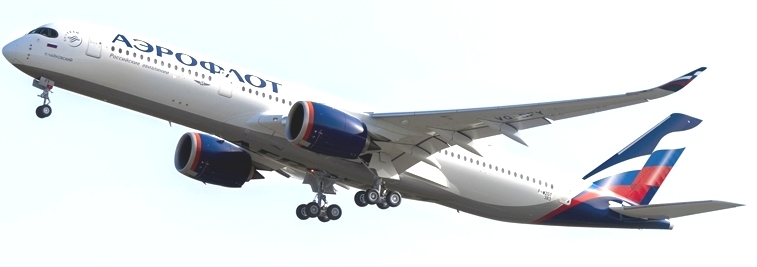
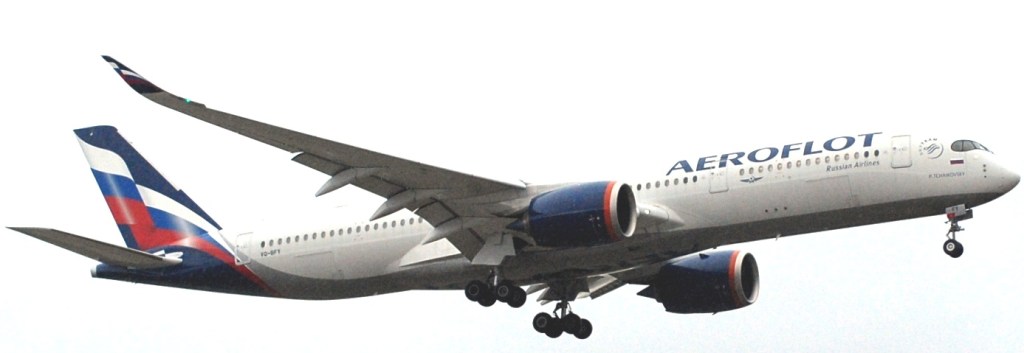
Antes de la invasión de Ucrania, Rusia tenía un sistema de aerolíneas muy robusto y respetado que abarcaba todo el mundo. Aeroflot voló a 146 destinos en 52 países. Las aerolíneas rusas se han visto obligadas a ordenar aeronaves de cosecha propia como el Sukhoi Superjet SSJ-100 para reemplazar la flota de aeronaves Occidentales, sin embargo, pasarán varios años antes de que se entreguen estos aviones con tecnología netamente de origen ruso.
Russia without air safety
Russian airlines without safety classification
The Airliners.com site expressed that the safety rating of Russian airlines has fallen to a lower level. Chief editor Geoffrey Thomas explains that «Russian airlines have run out of spare parts and are forced to divide their fleets to fly, leave on the ground and cannibalize parts of the airplanes on the ground. In addition, the insurance on the assets of Flight now is void. Last month, the Russian government legalized the cannibalization of airplanes by parts and this is making experts nervous».
Richard Abulafia, director of Aerodynamic Advisory, based in the United States, raised security concerns: «I would not feel at all sure flying in a plane in a country that no longer maintained public maintenance records and was subject to sanctions by the producing countries. I just would not».
Patrick Ky, the main air security official of the European Union, expressed in 2022 his concern that Russia is using Western manufacturing aircraft without access to adequate spare parts and maintenance, qualifying the situation as very insecure. The precariousness of air safety is threatened by the imposition of the blockages of the West by the invasion of the Russian Federation to Ukraine.
Geoffrey Thomas expressed last year that the United States Federal Aviation Administration (FAA) reduced its Air Safety Qualification for Russia, saying that the country’s Federal Air Transport Agency did not meet the security standards of the Civil Aviation Organization International (ICAO).
Russian airlines fly Airbus and Boeing airlines almost exclusively, all propelled by western motors manufacturers, and airlines are resorting to the black market to obtain spare parts manufactured by illegal manufacturers or parts not approved by international organizations. Nine minor airlines stopped flying in 2022 after the Rosaviatisiya regulator removed their permits, and three of them were directly related to the sanctions.
Before the invasion of Ukraine, Russia had a very robust and respected airline system that covered everyone. Aeroflot flew to 146 destinations in 52 countries. Russian airlines have been forced to order their own harvest aircraft such as Sukhoi Superjet SSJ-100 to replace the Western aircraft fleet, however, they will pass several years before these airplanes are delivered with purely Russian origin technology.
PUBLISHER: Airgways.com DBk: Airlineratings.com / Airgways.com AW-POST: 2023030261937AR OWNERSHIP: Airgways Inc. A\W A I R G W A Y S ®
Alerta aerolíneas estadounidenses tras amenazas incidentes
La Administración Federal de Aviación (FAA) alertó el Miércoles 22/03 a compañías aéreas, pilotos y otros interesados sobre la necesidad de mantener la vigilancia y prestar atención a la mitigación de los riesgos de seguridad tras una serie de incidentes que estuvieron a punto de producirse. «Aunque las cifras globales no reflejan un aumento de incidentes y sucesos, la gravedad potencial de estos sucesos es preocupante», declaró la FAA.
Desde Enero 2023 se han producido seis incursiones graves en pista que llevaron a la agencia a convocar una cumbre sobre seguridad la semana pasada. «Los operadores deben evaluar la información recopilada a través de sus procesos de gestión de la seguridad, identificar los peligros, aumentar y mejorar las comunicaciones de seguridad con los empleados y promulgar medidas paliativas», indicó la alerta.
La Junta Nacional de Seguridad en el Transporte (NTSB) está investigando una serie de incidentes graves, como la casi colisión en Enero 2023 entre aviones de FedEx y Southwest Airlines en Austin (Texas), en la que los aviones estuvieron a menos de 30 metros el uno del otro. También una incursión en la pista del Aeropuerto John F. Kennedy de Nueva York en la que se vio implicado un avión de American Airlines.
El Secretario de Transporte, Pete Buttigieg, declaró la semana pasada que Estados Unidos no puede esperar a que se produzca el próximo suceso catastrófico para abordar el aumento de los accidentes de aviación.
La Administración Federal de Aviación (FAA) emitió la alerta de seguridad a las aerolíneas para que actúen y difundan medidas de seguridad para evitar catástrofes de vuelos a raíz de varios incidentes casi colisión ocurridas recientemente en los aeropuertos de Estados Unidos. La alerta pide que las aerolíneas evalúen la información recopilada sobre los incidentes para revisar sus procesos de gestión de seguridad, para identificar peligros, aumentar y mejorar la comunicación de seguridad con empleados y difundir las mitigaciones.
FAA issues security alert
American airlines alert after incident threats
The Federal Aviation Administration (FAA) alerted on Wednesday 22/03 to airlines, pilots and other interested in the need to maintain surveillance and pay attention to the mitigation of security risks after a series of incidents that were about to occur. «Although global figures do not reflect an increase in incidents and events, the potential severity of these events is worrying», said FAA.
Since January 2023 there have been six serious clue incursions that led the agency to convene a security summit last week. «Operators must evaluate the information collected through their security management processes, identify the hazards, increase and improve security communications with employees and promulgate palliative measures», said the alert.
The National Transport Security Board (NTSB) is investigating a series of serious incidents, such as almost collision in January 2023 between FedEx and Southwest Airlines aircrafts in Austin (Texas), in which airplanes were less than 30 meters each other. Also an incursion into the track of the John F. Kennedy airport in New York in which an American Airlines plane was involved.
The Secretary of Transportation, Pete Buttigieg, declared last week that the United States cannot wait for the next catastrophic event to address the increase in aviation accidents.
The Federal Aviation Administration (FAA) issued the security alert to airlines to act and disseminate security measures to avoid flight catastrophes following several almost collision incidents that recently occurred at the United States airports. The alert asks that the airlines evaluate the information collected on the incidents to review their security management processes, to identify hazards, increase and improve security communication with employees and disseminate mitigations.
PUBLISHER: Airgways.com DBk: Faa.gov / Ntsb.gov / Airgways.com AW-POST: 202303231515AR OWNERSHIP: Airgways Inc. A\W A I R G W A Y S ®
AW | 2023 03 16 15:44 | GOVERNMENT / AVIATION SAFETY / AVIATION ORGANISMS
Preocupa aumento de las llamadas cercanas de aerolíneas
El Secretario del Departamento de Transporte (DOT) de Estados Unidos, Pete Buttigieg habló en una cumbre de seguridad convocada por la Administración Federal de Aviación (FAA), luego de un puñado de llamadas cercanas de alto perfil referentes a la seguridad aérea. El anuncio del Miércoles 15/03 explica que está preocupado por un reciente aumento en los cuasi accidentes de las aerolíneas y pidió a las compañías aéreas y a su propia agencia que averigüen por qué el país ha visto más errores de lo habitual para una industria que no ha tenido un accidente mortal durante casi una década.
Pete Buttigieg habló en una cumbre de seguridad convocada por Billy Nolen, el Jefe interino de la Administración Federal de Aviación, luego de un puñado de llamadas cercanas de alto perfil, incluido un incidente en Austin, Texas en Febrero 2023, donde un avión de carga de FedEx estuvo a 100 pies de aterrizar en la parte superior de un vuelo de Southwest Airlines que despegaba de la misma pista. «Si bien los datos siguen siendo claros de que la aviación sigue siendo una forma excepcionalmente segura de viajar, no damos nada por sentado y estamos particularmente preocupados porque hemos visto un aumento en las llamadas cercanas serias», dijo Pete Buttigieg. La cumbre está destinada a convocar a varias piezas de la industria de la aviación, incluidas aerolíneas, aeropuertos y sindicatos asociados, junto con reguladores de seguridad, para tratar de identificar y abordar cualquier posible bandera roja que pueda estar ocultando en los datos que cada aerolínea debe informar.
Jennifer Homendy, Presidenta de la Junta Nacional de Seguridad del Transporte (NTSB), que está investigando todos los recientes cuasi accidentes, dijo que cada uno se complica por la falta de grabaciones de voz en la cabina. Por lo general, estos dispositivos graban en un bucle de dos horas. «Los seis de este año tienen una cosa en común: las grabadoras de voz de la cabina fueron sobrescritas», dijo Jennifer Homendy. También señaló que su agencia ha recomendado desde 2018 que los aviones estén equipados con una Grabadora de Voz de Cabina (CVR) capaz de almacenar al menos 25 horas de audio, un estándar que, según dijo, los reguladores europeos han tenido vigente durante más de un año.
Jennifer Homendy dijo que el incidente de Austin y un segundo incidente en Burbank, California, fueron casos especialmente alarmantes de aviones que se acercaron peligrosamente entre sí. En Burbank, donde un vuelo de Mesa Airlines se vio obligado a dar la vuelta a un vuelo de SkyWest cuando despegaba, los dos aviones se acercaron a 300 pies el uno del otro. «Con demasiada frecuencia hemos visto al gobierno federal y a la industria actuar después de un incidente, después de que se pierden vidas, una vez que se hacen titulares. Toda nuestra misión en la NTSB es prevenir ese próximo accidente», dijo Jennifer Homendy.
Después de la mesa redonda, Jennifer Homendy dijo a los periodistas que está frustrada porque la FAA no ha implementado una serie de recomendaciones que su agencia ha tenido abiertas, en algunos casos durante años, incluso cuando convoca una cumbre de seguridad para buscar respuestas sobre lo que está mal con el sistema de aviación. «Básicamente, les hemos dado la hoja de ruta sobre cómo mejorar la seguridad. Las recomendaciones no implementadas son lo más frustrante para nosotros», dijo Jennifer Homendy. Eso incluye la recomendación abierta sobre las Grabadoras de Voz de Cabina (CVR).
En respuesta, la FAA observó que las aerolíneas son libres de actualizar sus Grabadoras de Voz de Cabina si lo desean, y que la FAA está trabajando en una regla para exigirlo. La FAA también dijo que la NTSB ha calificado las respuestas de la FAA como «respuesta abierta aceptable» sobre el puñado de recomendaciones de seguridad que Jennifer Homendy nombró el Miércoles 15/03.
Una revisión de los datos de la Administración Federal de Aviación muestra que los primeros dos meses de 2023 mostraron un aumento de las colisiones cercanas a los aviones comerciales en todo el país. Durante Enero y Febrero, los aviones comerciales experimentaron llamadas cercanas a un ritmo más alto que los cinco años anteriores combinados. Jennifer Homendy dijo que la NTSB está investigando seis llamadas cercanas en pistas de todo el país desde el comienzo del año. Además, la NTSB está investigando dos aterrizajes en sentido contrario el año pasado y dos incidentes de turbulencia severa separados el mismo día en Hawaii en Diciembre pasado, un incidente en el que 36 personas resultaron heridas y otro en el que un vuelo estuvo a 800 pies de golpear el Océano Pacífico poco después del despegue.
Si bien todos esos incidentes permanecen bajo investigación de la NTSB, Jennifer Homendy dijo que la alta rotación en la industria de la aviación desde la pandemia, un espacio aéreo cada vez más congestionado y la falta de adopción de siete recomendaciones de la NTSB relacionadas con las pistas de los aeropuertos son factores que contribuyen al patrón preocupante de colisiones cercanas que contribuyeron a la necesidad de la cumbre del Miércoles 15/03. «Hoy no es un ejercicio académico. Tenemos que tomar estos seis casi accidentes y tratarlos como si hubieran sucedido y es por eso que estamos aquí hoy», Billy Nolen.
US Transportation safety
It is concerned with nearby airline calls
The Secretary of Department of Transportation (DOT) of the United States, Pete Buttigieg spoke at a security summit convened by the Federal Aviation Administration (FAA), after a handful of close profile calls referring to air safety. The announcement of Wednesday 03/15 He has had a fatal accident for almost a decade.
Pete Buttigieg spoke at a security summit convened by Billy Nolen, the interim chief of the Federal Aviation Administration, after a handful of high profile close calls, including an incident in Austin, Texas in February 2023, where a cargo plane De FedEx was 100 feet to land at the top of a Southwest Airlines flight that took off from the same track. «While the data is still clear that aviation remains an exceptionally safe way to travel, we do not give anything for granted and we are particularly concerned because we have seen an increase in serious nearby calls», said Pete Buttigieg. The summit is intended to summon several pieces of the aviation industry, including airlines, airports and associated unions, together with security regulators, to try to identify and address any possible red flag that may be hiding in the data that each airline You must inform.
Jennifer Homendy, president of the National Board of Transportation Security (NTSB), which is investigating all recent quasi accidents, said that each one is complicated by the lack of voice recordings in the cabin. In general, these devices record in a two hour loop. «The six of this year have one thing in common: the voice recorders of the cabin were overwritten», said Jennifer Homandy. He also noted that his agency has recommended since 2018 that the airplanes are equipped with a Cabin Voice Recorder (CVR) capable of storing at least 25 hours of audio, a standard that, he said, European regulators have been in force for more than more than one year.
Jennifer Homendy said the Austin incident and a second Burbank incident, California, were especially alarming cases of airplanes that approached dangerously. In Burbank, where an Airlines table flight was forced to turn a Skyest flight when it took off, the two planes approached 300 feet on each other. «We have seen too often the federal government and the industry act after an incident, after lives are lost, once they become headlines. All our mission in the NTSB is to prevent that next accident», Jennifer Homendy said.
After the round table, Jennifer Homendy told journalists that it is frustrated because FAA has not implemented a series of recommendations that its agency has had open, in some cases for years, even when it summons a security summit to find answers about what That is wrong with the aviation system. «Basically, we have given them the road map on how to improve security. The recommendations not implemented are the most frustrating for us», said Jennifer Homendy. That includes the open recommendation on cabin voice recorders (CVR).
In response, FAA observed that airlines are free to update their cabin voice recorders if they wish, and that FAA is working on a rule to demand it. The FAA also said that the NTSB has described the FAA’s responses as «acceptable open response» about the handful of security recommendations that Jennifer Homandy appointed on Wednesday 03/15.
A review of the Federal Aviation Administration data shows that the first two months of 2023 showed an increase in collisions close to commercial airplanes throughout the country. During January and February, commercial airplanes experienced calls close to a rate higher than the previous five years combined. Jennifer Homendy said the NTSB is investigating six close calls on tracks from all over the country since the beginning of the year. In addition, the NTSB is investigating two landings in the opposite direction last year and two severe turbulence incidents separated the same day in Hawaii last December, an incident in which 36 people were injured and another in which a flight was at 800 feet of hitting the Pacific Ocean shortly after takeoff.
While all those incidents remain under investigation of the NTSB, Jennifer Homendy said that high rotation in the aviation industry from the pandemic, an increasingly congested airspace and the lack of adoption of seven recommendations of the NTSB related to the airport tracks are factors that contribute to the worrying pattern of nearby collisions that contributed to the need for the summit of Wednesday 15/03. «Today is not an academic exercise. We have to take these six almost accidents and treat them as if they had happened and that is why we are here today», Billy Nolen.
Llamadas cercanas Una situación en la que casi sucede algo malo, desagradable o peligroso, pero logras evitarlo. Nearby calls A situation in which something bad, unpleasant or dangerous almost happens, but you can avoid it.
PUBLISHER: Airgways.com DBk: Transportation.gov / Ntsb.gov / Faa.gov / Airgways.com AW-POST: 202303161544AR OWNERSHIP: Airgways Inc. A\W A I R G W A Y S ®
EASA emite Directiva Aeronavegabilidad Puerta de Engranajes
La Agencia Europea de Seguridad Aérea (EASA), ha emitido una Directiva de Aeronavegabilidad (AD) para rectificar un problema con la puerta del tren de aterrizaje principal (MLGD) del Airbus A350-900. El anuncio, emitido el 10 de Marzo de 2023, hace referencia al descubrimiento de las arandelas de índice en las bisagras de la puerta del Tren de Aterrizaje Principal número 1 y 3 que se invierten en producción. Es decir, la arandela de índice para el ajuste delantero se instaló en el accesorio trasero y viceversa.
El anuncio establece que el problema podría causar pérdida en vuelo de un MLGD si el problema no se detecta y corrige a través de acciones tomadas desde la notificación. Las acciones que los operadores y propietarios deben tomar para realizar una Inspección Detallada Única (DET) de las partes y áreas identificadas una vez que la aeronave haya excedido una cantidad determinada de ciclos de vuelo u horas de vuelo.
Las aeronaves se clasifican en dos grupos, dependiendo de los números de serie de su fabricante (MSN), con diferentes requisitos sobre horas y límites de ciclo para las inspecciones. Las aeronaves del Grupo 1 requieren inspecciones antes de exceder los 9.600 Ciclos de Vuelo (FC) o 46.900 Horas de Vuelo (FH), lo que ocurra primero. El avión del Grupo 2 está antes de superar los 16.800 FC o 82.750 FH. Tras las inspecciones, si se encuentra instalado incorrectamente, los operadores deben reemplazar la pieza dentro de 500 FC o 3.500 FH, lo que ocurra primero.
Qatar Airways fue el único operador registrado como comentario sobre la propuesta del AD a EASA. El comentario indicaba que dos de sus A350-900, registros A7-AMK y A7-AML, fueron corregidos antes de la entrega debido a los procesos de Airbus y, por lo tanto, fueron excluidos del Boletín de Servicios de Airbus (SB). Se ha informado que algunos de los A350-900 con las horas de vuelo más altas están con la aerolínea con sede en Doha. El A350-900 con los ciclos de vuelo más altos se encuentra con la aerolínea Vietnam Airlines.
El constructor europeo Airbus querrá rectificar más temprano que tarde las anomalías. Sigue claro que tales problemas que rodean al A350 están en curso, pero el crédito es para Airbus por rectificar las soluciones lo más rápido posible. Airbus querrá utilizar esta acción rápida en seguridad como un punto de venta a medida que nos acercamos al Salón Aeronáutico de París. Pero por ahora, todos los ojos están puestos en Airbus para ver si el A350 sufrirá más problemas o si el resto de los problemas se han resuelto.
Una Directiva de Aeronavegabilidad (AD) es una notificación obligatoria a un operador o propietario de aeronaves para, como establece la CAA del Reino Unido, abordar condiciones inseguras en la aeronavegabilidad de una aeronave. A menudo se asocia con un Boletín de Servicio (SB) emitido por un fabricante de aeronaves.
EASA emits ad for Airbus A350
EASA issues directive aircraft Gear Door
The European Air Safety Agency (EASA), has issued an Airworthiness Directive (AD) to rectify a problem with the main landing train door (MLGD) of the Airbus A350-900. The announcement, issued on March 10, 2023, refers to the discovery of index washers in the hinges of the main landing train door number 1 and 3 that are invested in production. That is, the index washer for the front setting was installed in the rear accessory and vice versa.
The announcement establishes that the problem could cause loss in flight of a MLGD if the problem is not detected and corrected through actions taken from the notification. The actions that operators and owners must take to carry out a single detailed inspection (DET) of the identified parts and areas once the aircraft has exceeded a certain amount of flight cycles or flight hours.
The aircraft are classified into two groups, depending on the serial numbers of its manufacturer (MSN), with different requirements on hours and cycle limits for inspections. Group 1 aircraft require inspections before exceeding 9,600 flight cycles (FC) or 46,900 flight hours (FH), which happens first. Group 2’s plane is before exceeding 16,800 FC or 82,750 FH. After the inspections, if incorrectly installed, the operators must replace the piece within 500 FC or 3,500 FH, which happens first.
Qatar Airways was the only operator registered as a comment on the AD a EASA proposal. The comment indicated that two of its A350-900, A7-AM and A7-AML records were corrected before delivery due to Airbus processes and, therefore, were excluded from the Airbus Services Bulletin (SB). It has been reported that some of the A350-900 with the highest flight hours are with the Doha-based airline. The A350-900 with the highest flight cycles is found with the Vietnam Airlines airline.
The European constructor Airbus will want to rectify the anomalies sooner rather than later. It is clear that such problems surrounding the A350 are ongoing, but the credit is for Airbus for rectifying the solutions as quickly as possible. Airbus will want to use this quick safety action as a point of sale as we approach the Paris Aeronautical Salon. But for now, all eyes are put on Airbus to see if the A350 will suffer more problems or if the rest of the problems have been solved.
An aircraft directive (AD) is a mandatory notification to an operator or owner of aircraft to, as established by the United Kingdom CAA, address insecure conditions in the aircraft of an aircraft. It is often associated with a service bulletin (SB) issued by an aircraft manufacturer.
PUBLISHER: Airgways.com DBk: Easa.europa.eu / Airbus.com / Airgways.com AW-POST: 202303131350AR OWNERSHIP: Airgways Inc. A\W A I R G W A Y S ®
AW | 2023 03 10 14:43 | AVIATION SAFETY / AVIATION HISTORY
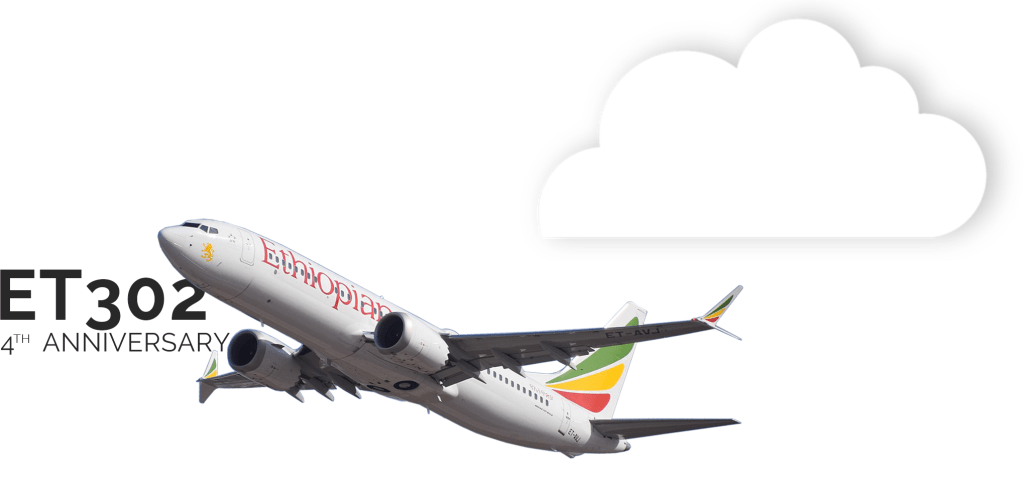
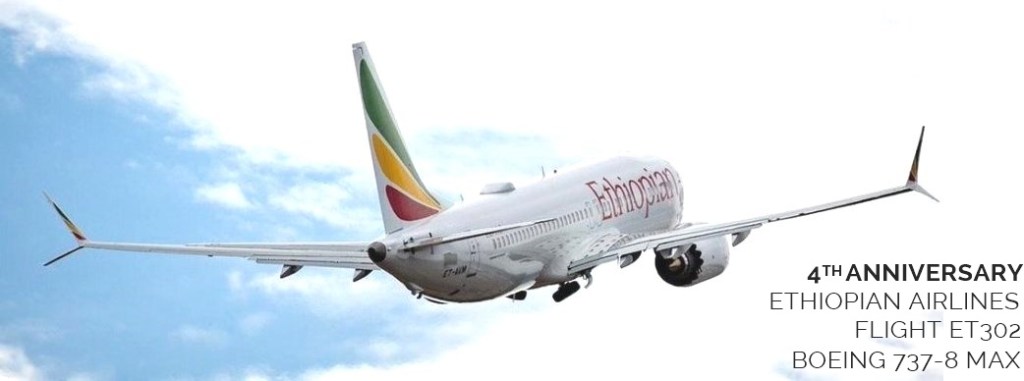
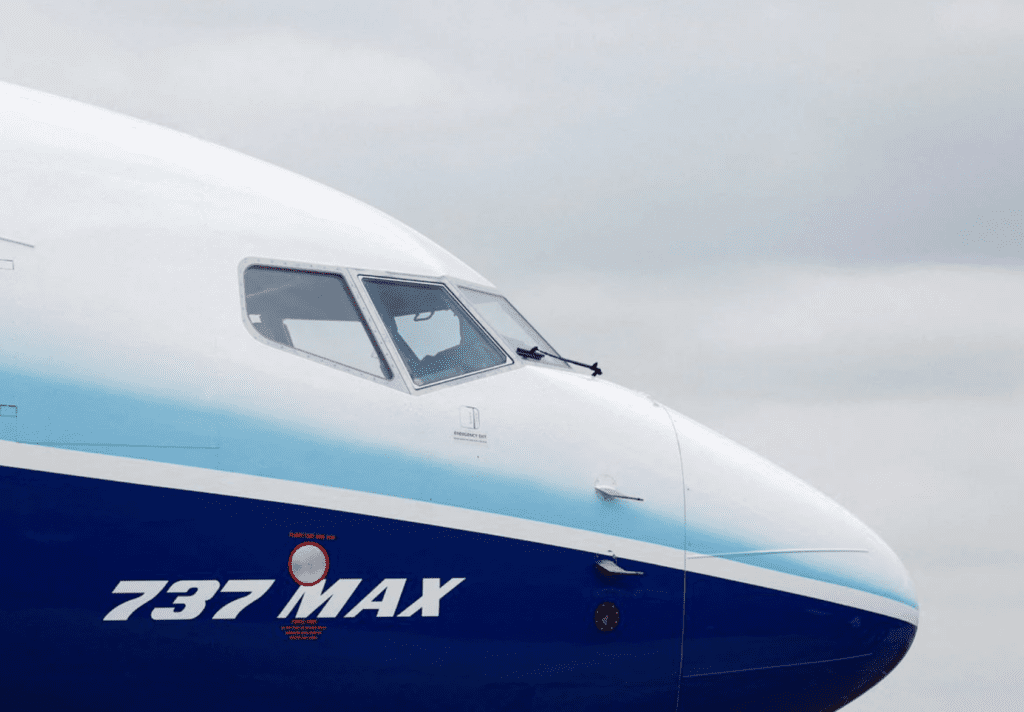
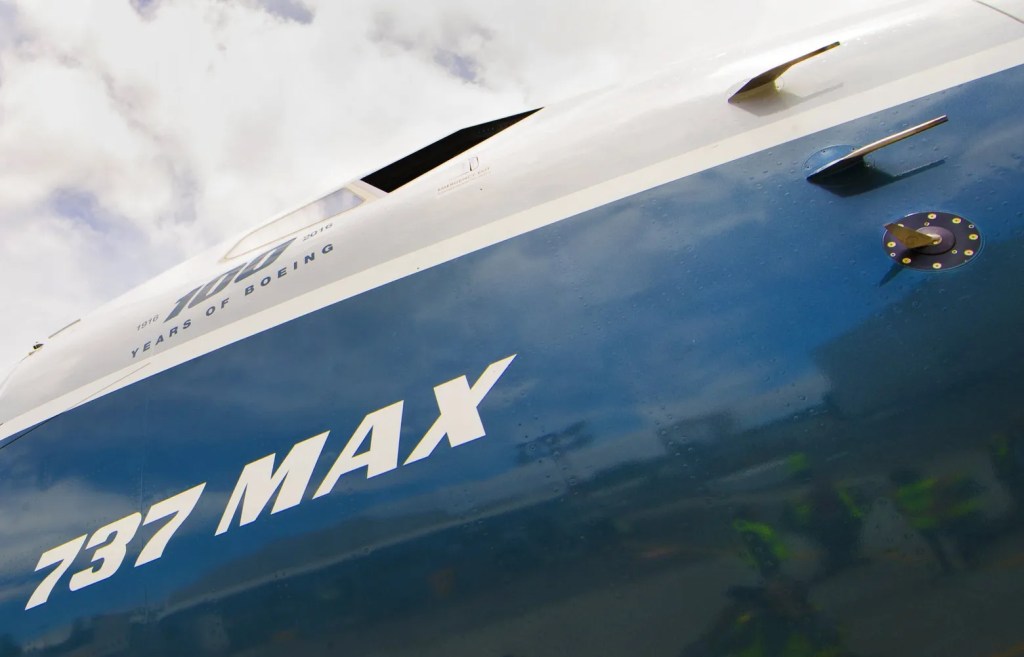
Cuarto aniversario tragedia Boeing 737 MAX en Etiopía
El 10 de Marzo de 2019, el vuelo ET302 de Ethiopian Airlines de un avión Boeing 737-8 MAX se estrelló solo seis minutos después de despegar del Aeropuerto Internacional Addis Abeba/Bole/ADD falleciendo todas las 157 personas a bordo. La tragedia envió ondas de choque en todo el mundo y generó preocupaciones sobre la seguridad del avión de línea Boeing 737 MAX, que también había estado involucrado en otro accidente fatal solo cinco meses antes del vuelo JT610 de Lion Air en Indonesia.
Reporte investigación La causa del accidente del vuelo ET302 de Ethiopian Airlines se reporta en una falla de software en el sistema de control de vuelo automatizado de la aeronave conocido como Sistema de Aumento de Características de Maniobra (MCAS). El sistema fue diseñado para evitar que la aeronave se detenga ajustando automáticamente el ángulo de la nariz del avión. Sin embargo, una lectura defectuosa del sensor hizo que el MCAS se activara repetidamente, empujando la nariz del avión hacia abajo y, finalmente, provocando una inmersión fatal.
El accidente del vuelo ET302 de Ethiopian Airlines ha sido el segundo accidente mortal que involucra a un Boeing 737 MAX donde experimentó similares problemas en condiciones de vuelo. El 29 de Octubre de 2018, el vuelo JT610 de Lion Air involucrando el mismo modelo de aeronave se estrelló en el Mar de Java pocos minutos después de despegar de Jakarta, Indonesia, matando a las 189 personas a bordo. Las investigaciones sobre el accidente de Lion Air revelaron que el MCAS había funcionado mal debido a un sensor defectuoso y había forzado al avión a caer en picada de la que los pilotos no pudieron recuperarse.
Puesta a tierra 737 MAX Tras el accidente de Ethiopian Airlines, las autoridades de aviación de todo el mundo dejaron en tierra todos los aviones de línea Boeing 737 MAX, y Boeing se vio obligado a suspender la producción de los aviones. La Administración Federal de Aviación (FAA) en los Estados Unidos, que inicialmente había tardado en actuar sobre las preocupaciones sobre la seguridad del Boeing 737 MAX, finalmente también dejó en tierra los aviones. La puesta a tierra del avión Boeing 737 MAX tuvo un impacto significativo en la industria de la aviación, ya que las aerolíneas tuvieron que cancelar miles de vuelos y ajustar sus horarios para acomodar la pérdida de aviones. También tuvo repercusiones financieras para Boeing, que enfrentó miles de millones de dólares en reclamos de compensación de aerolíneas y familias de las víctimas del accidente.
Reparaciones software En respuesta a los accidentes, Boeing realizó cambios en el software MCAS y agregó características de seguridad adicionales al 737 MAX, incluidos sensores que pueden detectar cuándo el MCAS está funcionando erróneamente y alertar a los pilotos. Boeing también implementó programas de capacitación de pilotos más rigurosos para garantizar que los pilotos estén mejor equipados para hacer frente a situaciones de emergencia. A pesar de estos cambios, el 737 MAX sigue siendo un avión controvertido, con algunos expertos en aviación y miembros del público que aún expresan su preocupación por su seguridad. En Noviembre de 2020, la FAA levantó la puesta a tierra del Boeing 737 MAX, permitiendo que la aeronave volara nuevamente, pero solo después de un riguroso proceso de recertificación y requisitos de seguridad adicionales. Adicionalmente, el Boeing 737 MAX ha presentado nuevamente problemas en el software denominado Option Selection Software (OSS) que es utilizado por Boeing para identificar el software instalado en los 737 MAX que deben reconfigurarse cuando los aviones realizan la transición de incorporación de una aerolínea a otra.
Perspectivas 737 MAX Los accidentes del vuelo ET302 de Ethiopian Airlines y el vuelo JT610 de Lion Air pusieron de relieve la necesidad de una mejor supervisión de la industria de la aviación y normas de seguridad más estrictas. Las tragedias provocaron una conversación más amplia sobre el papel de la automatización en la aviación y la importancia de garantizar que los pilotos estén debidamente capacitados para hacer frente a situaciones de emergencia.
En conclusión, el accidente del vuelo ET302 de Ethiopian Airlines fue un evento trágico que sacudió a la industria de la aviación y planteó serias preocupaciones sobre la seguridad del Boeing 737 MAX y la necesidad de fiscalizar más eficazmente a la industria de la aviación. La investigación sobre el accidente reveló un grave problema de software que también había estado presente en el accidente anterior de Lion Air. Si bien se han realizado cambios en los programas de entrenamiento de aeronaves y pilotos, la controversia que rodea al 737 MAX continúa hasta la actualidad y sirve como un recordatorio de la importancia de la seguridad en la aviación comercial.
Proyectos ONG En el cuarto aniversario de este trágico accidente, el Ministro de Transporte, el Honorable Omar Alghabra, anunció que el Gobierno de Canadá está brindando apoyo financiero para proyectos conmemorativos que honrarán y preservarán la memoria de las víctimas del vuelo ET302 de una manera duradera, visible y significativa. Diez organizaciones canadienses sin fines de lucro recibirán fondos para apoyar proyectos que conmemoran los diversos intereses y pasiones de las víctimas. Los proyectos conmemorativos contribuirán a causas centradas en los jóvenes, ambientales, humanitarias y comunitarias en Canadá y África y serán un tributo duradero a los esfuerzos e intereses de las víctimas.
4th ET302 Anniversary of Ethiopian Airlines
Fourth Anniversary Boeing 737 MAX in Ethiopia
On March 10, 2019, ET302 flight from Ethiopian Airlines of a Boeing 737-8 MAX plane crashed only six minutes after taking off the Addis Abeba/Bale/Add International Airport died all 157 people on board. The tragedy sent shock waves worldwide and generated concerns about the safety of the Boeing 737 MAX line, which had also been involved in another fatal accident only five months before the JT610 flight of Lion Air in Indonesia.
Report research The cause of the Ethiopian Airlines ET302 flight accident is reported in a software failure in the automated aircraft flight control system known as the system of increased maneuver characteristics (MCAS). The system was designed to prevent the aircraft from automatically adjusting the angle of the plane’s nose. However, a defective reading of the sensor caused the MCAS to be activated repeatedly, pushing the nose of the plane down and, finally, causing a fatal immersion.
Ethiopian Airlines’ ET302 Flight has been the second motor accident that involves a Boeing 737 MAX where experienced similar problems in flight conditions. On October 29, 2018, the JT610 flight of Lion Air involving the same aircraft model crashed into the Java Sea a few minutes after taking off from Jakarta, Indonesia, killing the 189 people on board. The investigations on the Lion Air accident revealed that the MCAS had worked badly due to a defective sensor and had forced the plane to bite from which the pilots could not recover.
Grounding 737 MAX After the accident of Ethiopian Airlines, the aviation authorities around the world left all the Boeing 737 MAX lines on land, and Boeing was forced to suspend the production of airplanes. The Federal Aviation Administration (FAA) in the United States, which had initially taken to act on concerns about the security of Boeing 737 MAX, finally also left the planes on the ground. The grounding of the Boeing 737 MAX plane had a significant impact on the aviation industry, since the airlines had to cancel thousands of flights and adjust their schedules to accommodate the loss of airplanes. He also had financial repercussions for Boeing, who faced billions of dollars in claims for compensation for airlines and families of the victims of the accident.
Software repairs In response to accidents, Boeing made changes to the MCAS software and added additional security features to 737 MAX, including sensors that can detect when the MCAS is erroneously working and alert the pilots. Boeing also implemented more rigorous pilot training programs to ensure that pilots are better equipped to deal with emergency situations. Despite these changes, the 737 MAX remains a controversial plane, with some aviation experts and public members who still express their concern for their safety. In November 2020, the FAA lifted the grounding of Boeing 737 MAX, allowing the aircraft to fly again, but only after a rigorous rectification process and additional security requirements. Additionally, the Boeing 737 MAX has again presented software problems called Option Selection Software (OSS) that is used by Boeing to identify the software installed in the 737 MAX that must be reconfigured when the airplanes carry out the transition of incorporation of one airline to another.
Perspectives 737 MAX Ethiopian Airlines ET302 flight accidents and Lion Air’s JT610 flight highlighted the need for better supervision of the most strict aviation industry and safety standards. The tragedies caused a broader conversation about the role of automation in aviation and the importance of ensuring that pilots are properly trained to deal with emergency situations.
In conclusion, Ethiopian Airlines’ ET302 Flight was a tragic event that shook the aviation industry and raised serious concerns about the security of Boeing 737 MAX and the need to inspect the aviation industry more effectively. The investigation into the accident revealed a serious software problem that had also been present in the previous accident of Lion Air. Although changes in aircraft and pilot training programs have been made, the controversy surrounding 737 MAX continues to the present and serves as a reminder of the importance of commercial safety.
NGO projects On the fourth anniversary of this tragic accident, the Minister of Transportation, the Honorable Omar Alghabra, announced that the Canada government is providing financial support for commemorative projects that will honor and preserve the memory of the victims of flight ET302 in a lasting, visible way and significant. Ten non-profit Canadian organizations will receive funds to support projects that commemorate the various interests and passions of the victims. Commemorative projects will contribute to causes focused on young, environmental, humanitarian and community in Canada and Africa and will be a durable tribute to the efforts and interests of the victims.
PUBLISHER: Airgways.com DBk: Airgways.com / Faa.gov / Boeing.com / Tc.canada.ca AW-POST: 202303101443AR OWNERSHIP: Airgways Inc. A\W A I R G W A Y S ®
AW | 2023 03 07 16:00 | AVIATION SAFETY / AVIATION ORGANISMS / INDUSTRY
Software OSS retrasa algunas entregas del 737 MAX
Un nuevo problema en The Boeing Company con un programa de software está retrasando las entregas de algunos Boeing 737 MAX hasta por un año, según informaron conjuntamente Leeham News y Airfinance Journal. La Administración Federal de Aviación (FAA) considera su uso como un asunto de seguridad que debe resolverse antes de la entrega en aeronaves sometidas a reconfiguración. No es un problema de seguridad cuando las aeronaves se entregan al operador originalmente previsto.
El software de Boeing, llamado Option Selection Software (OSS), es utilizado por Boeing para identificar el software instalado en los 737 MAX que deben reconfigurarse cuando los aviones van de una aerolínea a otra. Por ejemplo, si un 737 fue construido para la aerolínea A y en su lugar irá a la aerolínea B, puede ser necesario reconfigurar la pantalla de la cabina y los sistemas relacionados. Se nos dice que los 737 MAX y 787 se ven afectados, dados sus grandes inventarios de aviones que se han almacenado el tiempo suficiente para que algunos clientes originales ya no quisieran el avión. Cuando se vende o reconfigura para un operador diferente, Boeing utiliza el OSS para reconfigurar el software e identificar las partes relacionadas para cualquier cambio. Este problema notificado no se ha notificado anteriormente.
Explicación del software OSS Un empleado jubilado de Boeing dijo que la razón por la que el software OSS completamente funcional es tan crítico para Boeing es que los sistemas de papeleo de ensamblaje utilizados por Boeing en la fábrica (Product Data Manager y Catia/Enovia) para definir las secuencias de trabajo carecen de la capacidad de indicar los niveles de revisión de software cargados en las cajas negras. Esos datos no se encuentran en la cara de los dibujos de ingeniería. El empleado jubilado de Boeing continuó diciendo que Boeing identifica e instala cada caja negra según sus dibujos de ingeniería y luego hace que el proveedor suministre el software correcto para cada específico. Boeing tiene trabajos de ensamblaje separados en la fábrica que cargan y registran el programa de software y el nivel de revisión para cada caja negra instalada. Estos datos son suministrados por el fabricante de la caja negra a Boeing fuera del Sistema de Control de Dibujo de Boeing.
El papeleo de ensamblaje de registros del barco que se sella e inspecciona que muestra estos datos no se puede buscar electrónicamente para obtener la información del software. Mientras que el árbol de dibujo de Boeing le indica los paquetes de cables y las cajas negras instaladas en cada avión, el dibujo no le dice qué software se cargó. Este parece ser el quid de la cuestión, dijo el empleado jubilado.
Boeing no ha respondido preguntas específicas, proporcionó esta declaración a través de un portavoz: «A medida que el mercado comercial se recupera, ha habido retrasos en la ejecución de ciertos trabajos de modificación. Continuamos nuestro esfuerzo incansable para cumplir con los compromisos de nuestros clientes y este enfoque ha ayudado a identificar áreas que podemos mejorar. Estamos tomando medidas integrales, desde un aumento en la capacidad de ingeniería hasta mejoras en los procesos que permiten la entrega a tiempo. Como resultado, estamos mejorando la calidad, la estabilidad y la previsibilidad en todo nuestro negocio de modificación y nuestros clientes están empezando a ver nuestro progreso».
La FAA se negó a comentar sobre los detalles, pero dijo: «nuestro interés es lo que se esperaría que fuera por las ramificaciones de seguridad de cualquier software relacionado con la aeronave». Además, la reconfiguración también puede ser necesaria cuando se pasa de una jurisdicción reguladora a otra, por ejemplo, de la autoridad de la Administración Federal de Aviación al regulador europeo, EASA. El requisito de reconfiguración no afecta a la cabina; Es solo para la cabina y los sistemas y piezas relacionados. Inicialmente, se pensó que todos los aviones de la Serie MAX 7 se vieron afectados. Pero solo el MAX y el 787 parecen estar afectados.
Los nuevos aviones de producción que están cambiando de operador antes de la entrega parecen verse afectados. Los nuevos 737 ordenados por la compañía 777 Partners, que planeaba arrendarlos a Flair Airlines de Canadá, fueron vendidos por Boeing a otros arrendadores antes de su entrega a Partners. Los nuevos propietarios tenían en mente a sus propios clientes. Inicialmente se le dijo que la cabina podría reconfigurarse en dos meses, el problema del software surgió y explotó este momento, dijeron los arrendadores. Ahora, la reconfiguración del software no ocurrirá hasta Enero de 2024.
Los arrendadores dijeron que históricamente si un arrendador quería reutilizar una configuración de la FAA a las métricas de EASA, podrían pasar semanas y no más de 2-3 meses para manuales y cambios de selección de pines. Hoy, el arrendador está en una cola de quizás seis meses para recibir atención y luego una cotización de seis meses para completar las tareas. Los arrendadores Altavair, BBAM y BOC Aviation se ven afectados con MAXes. Se entiende que el arrendador AerCap se ve afectado con los Boeing 787. Puede haber otros.
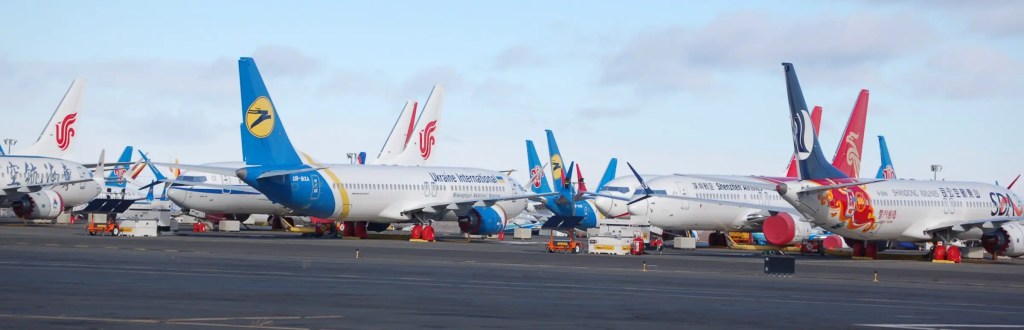
737 MAX ordenados por China Boeing tiene 138 737 MAX almacenados ordenados y construidos para las aerolíneas de China y un número desconocido para otras aerolíneas que cesaron sus operaciones durante la pandemia. Estos aviones también pueden verse afectados, aunque Boeing lo niega.
El CEO de Boeing, David Calhoun, anunció en Septiembre 2022 que Boeing iba a volver a comercializar estos aviones, que el gobierno chino hasta ahora se ha negado a autorizar la entrega. Pero Calhoun revirtió el curso en enero, anunciando el 26 de Enero de 2023 que la recomercialización del avión está en pausa. Calhoun citó la aparición de un deshielo en las relaciones entre Estados Unidos y China como la razón. Días después, las tensiones aumentaron nuevamente cuando un globo espía chino entró en territorio estadounidense. Finalmente fue derribado frente a la costa de Carolina del Sur.
Sin embargo, el momento sugiere que la pausa puede estar relacionada con el problema de software. El problema se descubrió en el otoño de 2022, poco después de la decisión inicial de volver a comercializar los aviones chinos. Múltiples fuentes dicen que el problema del software es la razón por la que David Calhoun revirtió el curso. «No me sorprende que Boeing niegue que la pausa en la recomercialización de MAX de cola blanca esté relacionada con los problemas, pero definitivamente es una gran parte de ello», dijo una persona familiarizada con la situación.
Como legado de 737 MAX y 787, la FAA insiste en la validación completa de que el estándar del sistema es impecable. La experiencia con este proceso no está probada y rara vez ha sido necesaria en el pasado. Se supone que el software produce datos sobre una serie de funciones operativas e identifica ciertos sistemas y partes que necesitan reconfiguración. El OSS no necesariamente identifica todo lo que necesita ser reconfigurado. El desafío del software parece estar arraigado en la capacidad de validar que el estándar existente es el estándar actual. La FAA puso una pausa en el proceso para tomar prestada la palabra de Calhoun mientras Boeing descubre cómo validar el proceso. La FAA ha perdido toda confianza en Boeing.
El esfuerzo de reutilización se ejecuta de cabeza en una cabalgata de demandas de recursos de ingeniería (por ejemplo, finalización de la certificación MAX 7/10, 777X, reemplazo de ingeniería en el trabajo P2F que previamente se había asignado a Ucrania/Rusia, y una gran cantidad de demandas de retorno al servicio en Boeing desde los aviones estacionados de la pandemia). La cola de proyectos está superando ampliamente la disponibilidad de recursos de ingeniería. Y, la pandemia llevó a un éxodo de talento probado/experimentado. Ahora, los reemplazos pueden estar aprendiendo estas tareas y asignaciones por primera vez.
La pregunta planteada por la FAA es «si este software no está grabando correctamente el software de configuración del software de visualización MAX, ¿qué más se ve afectado?», dijo una persona con conocimiento de la situación.
El problema también se aplica a los Boeing 787 Dreamliner, pero hay muchos menos involucrados. Sin embargo, esto no está relacionado con la pausa más reciente en las entregas, que Boeing atribuye al papeleo y al análisis del mamparo de presión directa.
Boeing detuvo previamente las entregas del 787 cuando se descubrieron pequeños huecos, del grosor de un pedazo de papel, en algunos aviones de nueva construcción. Boeing construyó 115 787 durante la pausa. La FAA sometió a Boeing a un meticuloso proceso de revisión (algunos se quejaron de la quisquillosidad de la FAA) antes de autorizar la solución y permitió a Boeing reanudar las entregas. Se necesitan cinco meses para volver a trabajar los aviones construidos.
Casi todos los clientes mantuvieron sus pedidos, pero hay algunos aviones que van a una aerolínea diferente a la prevista originalmente. Estos deben pasar por el proceso de reconfiguración de la cabina. Todos los clientes recibieron horarios de entrega revisados después de que Boeing recibió autorización para reanudar las entregas. Ahora, muchos clientes están siendo notificados de que habrá otra ronda de retrasos de seis a hasta 18 meses. No está claro si esta nueva ronda de retrasos es exclusivamente para el problema de la reconfiguración. Al menos un cliente señala con el dedo a Rolls-Royce por los retrasos en la entrega de sus motores Trent 1000, que han estado sujetos a problemas técnicos que datan de tiempos anteriores a la pandemia. Algunas aerolíneas se quejan de que Boeing tarda hasta dos años en completar el papeleo de reconfiguración de la cabina, un problema aparentemente separado del OSS.
VC-25 (Air Force One) La OSS también está teniendo problemas para reconfigurar el VC-747 basado en Boeing 8-25, utilizado como el avión presidencial estadounidense Air Force One. Dos 747-8 de cola blanca fueron comprados por el gobierno para su conversión a Air Force One. Estos fueron ordenados por la aerolínea rusa TransAero, que no pudo aceptar la entrega. (Esto es mucho antes de la invasión rusa de Ucrania). Los VC-25, en las instalaciones de Boeing en San Antonio (TX), deben ser reconfigurados desde el sistema TransAero y configurados para las especificaciones militares. Los operadores del OSS han estado tratando durante dos años de identificar lo que necesita ser cambiado. El personal sin experiencia debido a la rotación se identifica como la razón principal de este problema.
Boeing tardó veinte meses en volver a certificar el 737 MAX y casi el mismo tiempo en recibir la aprobación de la FAA para reanudar las entregas del 787. Ahora, se enfrenta a otro largo proceso. Aunque el problema fue descubierto, Boeing espera tener la validación y aprobación del software para fines de Abril 2023, pero pueden existir dudas referente a los plazos establecidos.
New problem software 737 MAX
OSS software delays some 737 Max deliveries
A new problem in The Boeing Company with a software program is delaying the deliveries of some Boeing 737 MAX for up to one year, according to Leeham News and Airfinance Journal. The Federal Aviation Administration (FAA) considers its use as a security issue that must be resolved before delivery in aircraft under reconfiguration. It is not a security problem when aircraft are delivered to the operator originally planned.
The Boeing software, called Option Selection Software (OSS), is used by Boeing to identify the software installed in the 737 Max that must be reconfigured when the airplanes go from one airline to another. For example, if a 737 was built for airline A and instead you will go to airline B, it may be necessary to reconfigure the cabin screen and related systems. We are told that the 737 Max and 787 are affected, given their large inventories of airplanes that have been stored enough time for some original clients to no longer want the plane. When selling or reconfigura for a different operator, Boeing uses the OSS to reconfigure the software and identify the related parts for any change. This notified problem has not been previously notified.
OSS software explanation A Boeing retiree employee said that the reason why the completely functional OSS software is so critical for Boeing is that the assembly paperwork systems used by Boeing in the factory (Product Data Manager and Catia/Enovia) to define the sequences of Work lacks the ability to indicate software review levels loaded in black boxes. These data are not found in the face of engineering drawings. Boeing’s retired employee continued to say that Boeing identifies and installs each black box according to his engineering drawings and then causes the supplier to supply the correct software for each specific one. Boeing has separate assembly work in the factory that load and record the software program and the revision level for each black box installed. These data are supplied by the manufacturer of the black box to Boeing outside the Boeing drawing control system.
The assembly paperwork of ship records that is sealed and inspects that shows this data cannot be searched electronically to obtain the software information. While the Boeing drawing tree indicates the cable packages and the black boxes installed on each plane, the drawing does not tell him what software it was loaded. This seems to be the crux of the matter, said the retired employee.
Boeing has not answered specific questions, provided this statement through a spokesman: «As the commercial market recovers, there have been delays in the execution of certain modification works. We continue our tireless effort to fulfill the commitments of our clients And this approach has helped identify areas that we can improve. We are taking comprehensive measures, from an increase in engineering capacity to improvements in processes that allow delivery on time. As a result, we are improving quality, stability and predictability In all our modification business and our customers are beginning to see our progress».
FAA refused to comment on the details, but said: «Our interest is what would be expected to be for the safety ramifications of any software related to the aircraft». In addition, reconfiguration may also be necessary when it goes from a regulatory jurisdiction to another, for example, of the authority of the Federal Administration of Aviation to the European Regulator, EASA. The reconfiguration requirement does not affect the cabin; It is only for the cabin and related systems and pieces. Initially, it was thought that all Max 7 series aircraft were affected. But only the MAX and 787 seem to be affected.
The new production aircraft that are changing operator before delivery seem to be affected. The new 737 ordered by the company 777 Partners, which planned to lease them to Flair Airlines of Canada, were sold by Boeing to other landlords before their delivery to Partners. The new owners had their own clients in mind. Initially it was told that the cabin could be reconfigured in two months, the software problem emerged and exploded this moment, the landlords said. Now, software reconfiguration will not occur until January 2024.
The landlords said that historically if a lessor wanted to reuse a FAA configuration to EASA metrics, they could spend weeks and no more than 2-3 months for manuals and pine selection changes. Today, the lessor is in a cola of perhaps six months to receive attention and then a six month price to complete the tasks. The Altavair, BBAM and BOC Aviation leasers are affected with Maxes. It is understood that the AerCap lessor is affected with the Boeing 787. There may be others.
737 MAX ordered by China Boeing has 138 737 Max stored ordered and built for China airlines and an unknown number for other airlines that ceased its operations during the pandemic. These planes can also be affected, although Boeing denies it.
The Boeing CEO, David Calhoun, announced in September 2022 that Boeing was going to commercialize these aircraft, which the Chinese government has so far refused to authorize delivery. But David Calhoun reversed the course in January, announcing on January 26, 2023 that the recommendation of the plane is in pause. Calhoun cited the appearance of a thaw in relations between the United States and China as reason. Days later, tensions increased again when a Chinese spy balloon entered American territory. He was finally demolished off the coast of South Carolina.
However, the moment suggests that pause may be related to the software problem. The problem was discovered in the autumn of 2022, shortly after the initial decision to re-market Chinese airplanes. Multiple sources say that the software problem is the reason why Calhoun reversed the course. «I am not surprised that Boeing denies that the pause in the recommendation of Max white tail is related to problems, but it is definitely a large part of it», said a person familiar with the situation.
As a legacy of 737 MAX and 787, FAA insists on the complete validation that the system standard is impeccable. The experience with this process is not proven and has rarely been necessary in the past. It is assumed that the software produces data on a series of operational functions and identifies certain systems and parts that need reconfiguration. The OSS does not necessarily identify everything that needs to be reconfigured. The software challenge seems to be rooted in the ability to validate that the existing standard is the current standard. The FAA pauses in the process to borrow the word of Calhoun while Boeing discovers how to validate the process. FAA has lost all confidence in Boeing.
The reuse effort is executed as a head in a ride for engineering resources demands (for example, completion of the MAX 7/10, 777X certification, P2F work engineering replacement that had previously been assigned to Ukraine/Russia, and A large number of demands for return to the service in Boeing from the parked aircraft of the pandemic). Project tail is far exceeding the availability of engineering resources. And, the pandemic led to a proven/experienced talent exodus. Now, replacements can be learning these tasks and assignments for the first time.
The question raised by FAA is «if this software is not correctly recording the Max viewing software configuration software, what else is affected?», said a person with knowledge of the situation.
The problem also applies to Boeing 787 Dreamliner, but there are much less involved. However, this is not related to the most recent pause in deliveries, which Boeing attributes to paperwork and the analysis of direct pressure.
Boeing previously arrested the deliveries of 787 when small holes were discovered, from the thickness of a piece of paper, in some new construction planes. Boeing built 115 787 during the pause. FAA submitted Boeing to a meticulous revision process (some complained about FAA’s chilling) before authorizing the solution and allowed Boeing to resume deliveries. Five months are needed to return to work the built airplanes.
Almost all customers maintained their orders, but there are some airplanes that go to an airline different from the originally planned. These must go through the process of reconfiguration of the cabin. All customers received delivery schedules reviewed after Boeing received authorization to resume deliveries. Now, many clients are being notified that there will be another round of delays from six to 18 months. It is not clear if this new round of delays is exclusively for the reconfiguration problem. At least one client points to Rolls-Royce for the delays in the delivery of their Trent 1000 engines, which have been subject to technical problems that date from times before the pandemic. Some airlines complain that Boeing takes up to two years to complete the cabin reconfiguration paperwork, a problem apparently separated from OSS.
VC-25 (Air Force One) The OSS is also having trouble reconfiguring the VC-747 based on Boeing 8-25, used as the US presidential aircraft Air Force One. Two 747-8 white tail were bought by the government for conversion to Air Force One. They were ordered by the Russian Transaero airline, which could not accept delivery. (This is long before the Russian invasion of Ukraine). The VC-25, in the Boeing facilities in San Antonio (TX), must be reconfigured from the Transaero system and configured for military specifications. OSS operators have been trying for two years of identifying what needs to be changed. The without experience due to rotation is identified as the main reason for this problem.
Boeing took twenty months to certify the 737 MAX and almost the same time to receive the approval of FAA to resume deliveries of 787. Now, it faces another long process. Although the problem was discovered, Boeing hopes to have the validation and approval of the software by the end of April 2023, but there may be doubts regarding the established deadlines.
PUBLISHER: Airgways.com DBk: Boeing.com / Leehannews.com / Airgways.com AW-POST: 202303071600AR OWNERSHIP: Airgways Inc. A\W A I R G W A Y S ®
FAA/NTSB investigan nuevo incidente con aerolíneas
Las autoridades de aviación de Estados Unidos dijeron el Lunes 06/03 por la noche, que estaban investigando un nuevo incidente que involucró a dos aviones autorizados a usar la misma pista del Aeropuerto Sarasota-Bradenton/SRQ que obligó a uno a abandonar un aterrizaje y renovaron las preguntas de seguridad.
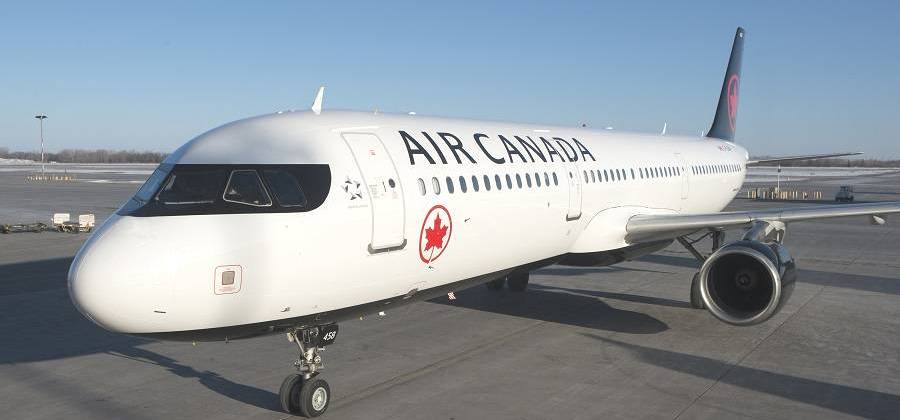
La Junta Nacional de Seguridad del Transporte (NTSB) y la Administración Federal de Aviación (FAA) están investigando una serie de incursiones recientes en pistas que han atraído la atención nacional. En el incidente del 16 de Febrero de 2023, un controlador de tráfico aéreo autorizó a Air Canada un A321 para despegar en el Aeropuerto Internacional Sarasota/Bradenton de Florida después de autorizar a American Airlines con un Boeing 737 para aterrizar en la misma pista.
La FAA dijo que la tripulación de vuelo de American Airlines suspendió el aterrizaje después de que el Controlador informó que el avión de Air Canada estaba partiendo. El avión estaba a unos 3.100 pies (945 metros) de distancia cuando el avión de American Airlines comenzó su ascenso, dijo la FAA. Air Canada y American Airlines no hicieron comentarios de inmediato.
La FAA celebrará una cumbre de seguridad el 15 de Marzo de 2023 y está formando un equipo de expertos para revisar la seguridad de las aerolíneas después de varios incidentes recientes de casi accidentes.
El Administrador interino de la FAA, Billy Nolen, en un memorando de llamado a la acción el mes pasado, dijo que el equipo de revisión de seguridad «examinará la estructura, cultura, procesos, sistemas e integración de los esfuerzos de seguridad del sistema aeroespacial de Estados Unidos». Billy Nolen también testificará el miércoles ante el Comité de Comercio del Senado.
NTSB y FAA dijeron la semana pasada que estaban investigando una incursión en la pista del 27/02 en el Aeropuerto Boston/Logan/BOS de Boston que ocurrió cuando un Learjet 60 comenzó un despegue cuando un avión de JetBlue Airways se preparaba para aterrizar en una pista de intersección. La FAA dijo que el piloto de Learjet despegó sin autorización mientras el vuelo de JetBlue se preparaba para aterrizar. El piloto del avión JetBlue tomó una acción evasiva e inició un ascenso cuando el Learjet cruzó la intersección.
En Febrero 2023, la Presidenta de la NTSB, Jennifer Homendy, dijo que un avión de carga de FedEx y un avión de Southwest Airlines que casi colisionan el 04/02 en Austin, Texas, estaba probablemente a menos de 100 pies verticalmente el uno del otro. El avión de FedEx estaba programado para aterrizar en una pista en la que un avión de Southwest Airlines también estaba autorizado a partir. Jennifer Homendy dijo que podría haber resultado en una «terrible tragedia».
En Enero 2023, un avión de Delta Air Lines abandonó su despegue en el Aeropuerto Internacional John F. Kennedy de Nueva York después de que los controladores notaron que un avión de fuselaje ancho de American Airlines con destino a Londres había cruzado desde una calle de rodaje adyacente sin autorización, dijo la NTSB. Ese incidente también está bajo investigación.
Sarasota/Bradenton incident investigate
FAA/NTSB investigate new incident with airlines
The United States aviation authorities said on Monday 06/03 at night, which were investigating a new incident that involved two authorized planes to use the same track of the Sarasota-Bradenton/SRQ airport that forced one to leave a landing and They renewed the security questions.
The National Transport Security Board (NTSB) and the Federal Aviation Administration (FAA) are investigating a series of recent incursions on clues that have attracted national attention. In the incident of February 16, 2023, an air traffic controller authorized Air Canada for an A321 to take off at the Sarasota/Bradenton International Airport in Florida after authorizing American Airlines with a Boeing 737 to land on the same track.
FAA said the American Airlines flight crew suspended the landing after the controller reported that Air Canada’s plane was starting. The plane was about 3,100 feet (945 meters) away when the American Airlines plane began its rise, the FAA said. Air Canada and American Airlines did not comment immediately.
FAA will celebrate a security summit on March 15, 2023 and is forming a team of experts to review the security of airlines after several recent incidents of almost accidents.
The interim administrator of the FAA, Billy Nolen, in a memorandum of call to action last month, said the security review team «will examine the structure, culture, processes, systems and integration of the security efforts of the aerospace system of the United States». Billy Noen will also testify on Wednesday to the Senate Committee.
NTSB and FAA said last week that they were investigating an incursion into the 02/27 run at Boston/Logan/Bos Boston airport that occurred when a Learjet 60 started take off when a Jetblue Airways plane prepared to land in a intersection track. The FAA said that the Learjet pilot took off without authorization while Jetblue’s flight was preparing to land. The Jetblue plane pilot took an evasive action and began ascent when the Learjet crossed the intersection.
In Febrere other. FedEx’s plane was scheduled to land on a track where a Southwest Airlines plane was also authorized. Jennifer Homendy said it could have resulted in a «terrible tragedy.»
In January 2023, a Delta Air Lines aircraft left its takeoff at the John F. Kennedy International Airport in New York after the controllers noticed that an American airline fuselage aircraft of American Airlines to London had crossed from a filming street adjacent without authorization, said the NTSB. That incident is also under investigation.
PUBLISHER: Airgways.com DBk: Faa.gov / Ntsb.gov / Airgways.com AW-POST: 202303071512AR OWNERSHIP: Airgways Inc. A\W A I R G W A Y S ®
Constructor europeo preocupado por uso aviones occidentales
Tras el bloqueo occidental a la Federación Rusia a casi un año de la interrupción de cooperación con Rusia, el Jefe de Airbus Group está preocupado por el uso de los aviones del constructor europeo em las líneas aéreas rusas. Rusia ha estado casi completamente aislada de la economía occidental durante un año, con la cooperación cancelada debido a la gran cantidad de sanciones impuestas al agresor en Ucrania. Todos los involucrados se dieron cuenta rápidamente de que esto significaba serios problemas para la industria de la aviación rusa. Además de la producción de su propio avión en Rusia, para el cual ahora se han redactado contratos de suministro poco realistas, también continúa utilizando aeronaves que fueron robadas de facto a las compañías de arrendamiento occidentales. La preocupación de Airbus Group es tener conocimiento sobre qué métodos se utilizan para mantenerlos en funcionamiento.
Aunque la industria de la aviación en Rusia se enfrenta a una gran cantidad de desafíos, el curso que se está tomando actualmente parece estar funcionando por el momento. A pesar de que el país y las antiguas aerolíneas contratistas no han podido hacer uso de aviones occidentales o el suministro de piezas de repuesto importantes durante casi un año. Según el estudio, la demanda de viajes aéreos en la segunda mitad de 2022 fue tan grande que las aerolíneas rusas realizaron más vuelos que antes de que comenzara la pandemia en 2019.
Para Airbus, esto es un problema menor, porque la alta demanda de aviones en el mercado compensa la pérdida de pedidos rusos. Sin embargo, algunas personas observan con preocupación cómo se manejan en el país los aviones ordenados antes de la adopción de las sanciones, porque ellos mismos no tienen oportunidad de actuar, expresó Guillaume Faury, CEO Airbus.
En particular, el mantenimiento de las aeronaves entregadas antes del comienzo de la guerra son, por lo tanto, difíciles, pues no se pueden suministrar piezas de repuesto. La capacidad de producción propia de los aviones rusos también está lejos de ser lo suficientemente grande como para reemplazar a los aviones occidentales. Dado que la falta de piezas de repuesto también carece de experiencia extranjera en mantenimiento, Rusia está tratando de que el Gobierno apruebe extensiones de intervalo en el mantenimiento y facilitación en la documentación del estado de mantenimiento.
Si bien aún no hay una decisión del Gobierno de la Federación Rusia al respecto, algunas de las nuevas máquinas que se entregaron poco antes de que se aprobaran las sanciones están siendo canibalizadas y convertidas en almacenes de repuestos. Esto se ha hecho en el pasado con un Airbus A350 para garantizar la operación de los otros aviones de esta serie. Pero incluso, los aviones de fabricación rusa, como los Sukhoi Superjet SSJ-100, contienen muchos componentes occidentales que aún no se pueden fabricar a gran escala en Rusia.
En conclusión, sobre el uso ruso de aeronaves occidentales existe una gran preocupación de que no se pueda garantizar la seguridad de los pasajeros en caso de mantenimiento irregular o inexacto de los aviones occidentales, que todavía están en posesión rusa. Sin embargo, las sanciones que se han decidido contra Rusia no pueden intervenir. La desesperación en el lado ruso parece ser considerable, pues se han abandonado nuevas máquinas para la obtención artificial de piezas de repuesto. Sin embargo, esta ignorante política de aviación rusa no ofrece una perspectiva a largo plazo.
Airbus worries aviation in Russia
European builder worried about using Western airplanes
After the Western blockade to the Russia Federation almost a year after the interruption of cooperation with Russia, the Chief of Airbus Group is concerned about the use of the air constructor aircraft EM the Russian airlines. Russia has been almost completely isolated from the western economy for a year, with canceled cooperation due to the large number of sanctions imposed on the aggressor in Ukraine. All those involved quickly realized that this meant serious problems for the Russian aviation industry. In addition to the production of its own plane in Russia, for which unrealistic supply contracts have now been written, it also continues to use aircraft that were de facto stolen from Western lease companies. Airbus Group’s concern is to have knowledge about what methods are used to keep them in operation.
Although the aviation industry in Russia faces a large number of challenges, the course that is currently being taken seems to be operating at the moment. Although the country and the old contractor airlines have not been able to use Western airplanes or the supply of important spare parts for almost a year. According to the study, the demand for air trips in the second half of 2022 was so great that the Russian airlines made more flights than before the pandemic began in 2019.
For Airbus, this is a minor problem, because the high demand for market aircraft compensates for the loss of Russian orders. However, some people observe with concern how the planes ordered before the adoption of sanctions are handled in the country, because they themselves have no opportunity to act, said Guillaume Faury, CEO Airbus.
In particular, the maintenance of the aircraft delivered before the beginning of the war are, therefore, difficult, since replacement parts cannot be supplied. The production capacity of Russian airplanes is also far from being large enough to replace Western airplanes. Since the lack of spare parts also lacks foreign experience in maintenance, Russia is trying to approve interval extensions in the maintenance and facilitation of maintenance status documentation.
While there is still no decision of the Government of the Russia Federation in this regard, some of the new machines that were delivered shortly before the sanctions are approved are being cannibalized and turned into spare parts. This has been done in the past with an Airbus A350 to guarantee the operation of the other aircraft of this series. But even Russian manufacturing aircraft, such as Sukhoi Superjet SSJ-100, contain many western components that still cannot be manufactured on a large scale in Russia.
In conclusion, about the Russian use of Western aircraft there is a great concern that the safety of passengers cannot be guaranteed in case of irregular or inaccurate maintenance of Western airplanes, which are still in Russian possession. However, the sanctions that have been decided against Russia cannot intervene. The despair on the Russian side seems to be considerable, since new machines have been abandoned for artificial obtaining of spare parts. However, this ignorant Russian aviation policy does not offer a long -term perspective.
PUBLISHER: Airgways.com DBk: Airbus.com / Airgways.com AW-POST: 202302210018AR OWNERSHIP: Airgways Inc. A\W A I R G W A Y S ®