Cámara Transporte pide plan emergencias sanitarias en aviación
Un proyecto de ley de la Cámara de Transporte e Infraestructura del Senado de Estados Unidos está estableciendo un plan de contingencias con la esperanza de aprovechar las lecciones aprendidas de la pandemia de Coronavirus para favorecer ayudas sanitaras. El Presidente del Subcomité de Aviación de la Cámara de Representantes del Senado, Rick Larsen y el representante Don Beyer, presentaron conjuntamente un proyecto de ley en el que se pedía un plan nacional de preparación para la aviación en caso de futuras emergencias sanitarias.
La Ley del Plan Nacional de Preparación para la Aviación de 2020, H.R.8712, requeriría que el Departamento de Transporte de los Estados Unidos colaborara con otras agencias gubernamentales para desarrollar un plan nacional que preparara a la industria de la aviación para futuros brotes de enfermedades transmisibles. Además de trabajar con los Departamentos de Seguridad Nacional y Salud y Servicios Humanos, entre otros, el Departamento de Transporte (DOT) consultaría con la industria de la aviación de los Estados Unidos, los sindicatos y otras partes interesadas clave de la aviación en el plan. Además, el proyecto de ley requeriría una evaluación del plan de la Oficina de Responsabilidad Gubernamental (GAO).
Este proyecto de ley se basa en la Ley de Vuelos Saludables de 2020 que el Representante Peter DeFazio introdujo en 2Q2020, estableciendo requisitos para que los pasajeros de aerolíneas, ciertos empleados de aerolíneas y otros trabajadores de la aviación cumplan durante epidemias y pandemias que implican el uso de máscaras y otras medidas preventivas. La pandemia Covid-19 ha subrayado la «necesidad urgente de un plan nacional de preparación para la aviación para garantizar la seguridad de las tripulaciones de aviación, los empleados y los pasajeros y restablecer la confianza en los viajes aéreos. Este proyecto de ley pondrá sobre la mesa a las agencias federales, a los trabajadores de la aviación de primera línea y a otras partes interesadas clave para elaborar un plan de acción claro e integral para futuros brotes», dijo Rick Larsen. «Tanto los perros guardianes del Gobierno de los Estados Unidos como las Naciones Unidas han identificado la necesidad de una estrategia nacional coordinada para prevenir la propagación de enfermedades por los viajes aéreos como un elemento crucial en la respuesta pandémica nacional e internacional. Sin embargo, hasta la fecha, la Administración no ha tomado ninguna medida para implementar dicho plan. Nuestra legislación exigiría que lo hicieran lo antes posible», Don Beyer.
Rick Larsen señaló que un estudio de la GAO en 2015 puso de relieve la necesidad de un plan nacional de preparación para la aviación. La Oficina de Responsabilidad Gubernamental había dicho que ese plan ayudaría a los sectores de la aviación y la salud pública de los Estados Unidos a coordinarse mejor en los esfuerzos de respuesta. La legislación ha recibido el respaldo de la Asociación Americana de Ejecutivos Aeroportuarios (AAAE). «Una mejor coordinación dentro del gobierno federal y una consulta más eficaz con aeropuertos, aerolíneas y otras partes interesadas sobre un marco de planificación consistente ayudarán a que el sistema de aviación de nuestra nación sea más seguro tanto para los pasajeros como para los trabajadores», dijo el Presidente/CEO Todd Hauptli de la asociación AAAE.
US Senate aviation health plan
Chamber of Transport asks for aviation health emergency plan
A bill from the United States Senate Chamber of Transportation and Infrastructure is establishing a contingency plan in the hope of harnessing the lessons learned from the Coronavirus pandemic to favor health aid. Senate House Aviation Subcommittee Chairman Rick Larsen and Rep. Don Beyer jointly introduced a bill calling for a national aviation preparedness plan for future health emergencies.
The National Aviation Preparedness Plan Act of 2020, HR8712, would require the U.S. Department of Transportation to collaborate with other government agencies to develop a national plan that would prepare the aviation industry for future outbreaks of communicable diseases. In addition to working with the Departments of Homeland Security and Health and Human Services, among others, the Department of Transportation (DOT) would consult with the United States aviation industry, unions, and other key aviation stakeholders on the plan. Additionally, the bill would require an evaluation of the plan by the Government Accountability Office (GAO).
This bill builds on the Healthy Flights Act of 2020 that Representative Peter DeFazio introduced in 2Q2020, establishing requirements for airline passengers, certain airline employees, and other aviation workers to comply during epidemics and pandemics involving the use of masks and other preventive measures. The Covid-19 pandemic has underscored the «urgent need for a national aviation readiness plan to ensure the safety of aviation crews, employees and passengers and restore confidence in air travel. This bill will put on the table to federal agencies, frontline aviation workers and other key stakeholders to develop a clear and comprehensive plan of action for future outbreaks», said Rick Larsen. «Both the United States government watchdogs and the United Nations have identified the need for a coordinated national strategy to prevent the spread of disease by air travel as a crucial element in the national and international pandemic response. However, until To date, the Administration has not taken any action to implement said plan. Our legislation would require that they do so as soon as possible», Don Beyer.
Rick Larsen noted that a GAO study in 2015 highlighted the need for a national aviation readiness plan. The Government Accountability Office had said that such a plan would help the United States’ aviation and public health sectors better coordinate in response efforts. The legislation has been endorsed by the American Association of Airport Executives (AAAE). «Better coordination within the federal government and more effective consultation with airports, airlines, and other stakeholders on a consistent planning framework will help make our nation’s aviation system safer for both passengers and workers», said AAAE President / CEO Todd Hauptli.
Aerolíneas reactivaron sus primeros vuelos comerciales
La República del Paraguay ha reiniciado sus operaciones aerocomerciales después de siete meses de parálisis del transporte aéreo. El Aeropuerto Internacional Asunción/Silvio Pettirossi ha permanecido en la inactividad, con la salvedad del transporte de carga de vuelos humanitarios. El pasado 21 de Octubre de 2020 comenzó el perfilamiento hacia la etapa operativa, aguardando el inicio de los vuelos comerciales. El 31/11 Paraguay reinicio la reapertura de vuelos regulares internacionales con el arribo de la compañía aérea Air Europa, con un vuelo procedente de España. A las 02:00 hs. del Martes 3 de Noviembre de 2020, un vuelo de la aerolíneas Copa Airlines, procedente de Ciudad de Panamá, aterrizó en el Silvio Pettirossi arribando cien pasajeros, siendo el primer vuelo comercial post-pandemia de la línea aérea panameña hacia Asunción. El vuelo de Copa Airlines fue recibido con el tradicional arco de agua que se realiza a los vuelos inaugurales. Alrededor del mediodía del 03/11, un vuelo de Amaszonas Uruguay, procedente de Santa Cruz de la Sierra, República de Bolivia, llegó con 61 pasajeros a la terminal aérea. Aerolíneas Argentinas, al igual que Latam Airlines Paraguay, han solicitado volver a operar la ruta Asunción-Buenos Aires, lo que en pocos días sería oficializado.
Tras la reapertura de las operaciones en el Aeropuerto Internacional Silvio Pettirossi, continua reafirmándose la posición de la aeroestación. Desde Argentina se menciona que a partir del 12/11 habrá tres frecuencias semanales: los Lunes, Jueves y Domingos. Paranair también es otra compañía que anunció que realizará dicha ruta desde este mes, pero aún sin confirmación.
Luis Galeano, titular de la Junta de Representantes de Líneas Aéreas Internacionales del Paraguay manifestó que están contentos con la reactivación de los vuelos comerciales, que inició este fin de semana. «Estamos empezando, después de que se habilitó el aeropuerto el 21 de octubre, los vuelos empezaron a programarse y a llegar», expresó. Ha expresado que la pérdida económica para las aerolíneas durante la pandemia fue bastante, por lo que aún no se puede hablar de una previsión de recuperación para el sector. «Tuvimos el 68% de la caída del mercado para Paraguay. La reactivación va a ser muy lenta», comentó. Asimismo señaló que la cuarentena debe ser levantada en el país, ya que eso es un inhibidor para los viajes y que una vez que eso se realice, se producirá un mayor dinamismo para el sector. Agregó que para la temporada alta se producirá una reactivación más fuerte ya que más vuelos podrían llegar e ir del país.
República Paraguay restarts operations
Airlines reactivated their first commercial flights
The Republic of Paraguay has restarted its commercial aviation operations after seven months of paralysis of air transport. The Asunción/Silvio Pettirossi International Airport has remained inactive, with the exception of the cargo transportation of humanitarian flights. On October 21, 2020, the profiling towards the operational stage began, awaiting the start of commercial flights. On 11/31, Paraguay restarted the reopening of regular international flights with the arrival of the airline Air Europa, with a flight from Spain. At 02:00 am. On Tuesday, November 3, 2020, a Copa Airlines flight from Panama City landed on the Silvio Pettirossi with one hundred passengers arriving, being the first post-pandemic commercial flight of the Panamanian airline to Asunción. The Copa Airlines flight was greeted with the traditional water arch that is used on inaugural flights. Around noon on 11/03, a flight from Amaszonas Uruguay, coming from Santa Cruz de la Sierra, Republic of Bolivia, arrived with 61 passengers at the air terminal. Aerolíneas Argentinas, like Latam Airlines Paraguay, have requested to operate the Asunción-Buenos Aires route again, which would be made official in a few days.
After the reopening of operations at Silvio Pettirossi International Airport, the position of the airstation continues to be reaffirmed. From Argentina it is mentioned that as of 11/12 there will be three weekly frequencies: Mondays, Thursdays and Sundays. Paranair is also another company that announced that it will carry out this route from this month, but still without confirmation.
Luis Galeano, head of the Board of Representatives of International Airlines of Paraguay, said that they are happy with the reactivation of commercial flights, which began this weekend. «We are starting, after the airport was enabled on October 21, the flights began to be scheduled and to arrive», he said. He has expressed that the economic loss for the airlines during the pandemic was enough, so it is still not possible to speak of a recovery forecast for the sector. «We had 68% of the market drop for Paraguay. The reactivation is going to be very slow», he commented. He also pointed out that the quarantine should be lifted in the country, since this is an inhibitor for travel and that once this is done, there will be greater dynamism for the sector. He added that for the high season there will be a stronger reactivation since more flights could arrive and go from the country.
El Gobierno de la República de Indonesia se encuentra planificando un proceso de sinergia de Garuda Indonesia Airlines, la compañía nacional de bandera, con otras ocho empresas turísticas. Después de meses de la pandemia, el Gobierno propuso un plan para fusionar varias compañías para fortalecer la posición de la aerolínea de bandera indonesia. El plan integral está compuesto por Garuda Indonesia Airlines, Citilink (aerolínea de presupuesto de Garuda), y siete empresas estatales, incluyendo aeropuertos, hoteles, grandes almacenes y antiguos templos budistas. «Los vientos en contra de la industria de los viajes ofrecen una buena oportunidad para empezar a integrar y transformar los sectores del turismo y la aviación», dijo el Presidente indonesio Joko Widodo, que apoya la integración. El CEO de Garuda Indonesia Airlines, Irfan Setiaputra, también apoya la propuesta como efectiva.
Reestructuraciones
Garuda Indonesia Airlines había anunciado la semana pasada un recorte de 700 puestos de trabajo. La aerolínea había recibido un apoyo financiero de US$ 583 millones del Gobierno. «Tenemos que tomar esta difícil decisión en medio de una situación que todavía está llena de incertidumbre», dijo Setiaputra sobre los furloughs. «Nuestra tasa de ocupación de vuelos actualmente se sitúa en torno al 40%, lo que ni siquiera puede cubrir el costo de operación», dijo Ade R. Susradi, Directora de Desarrollo de Negocios y Servicios de Garuda Indonesia. Tras un beneficio de US$ 78,68 millones de Dólares en el mismo tiempo el año pasado, la aerolínea registró una pérdida neta de US$ 728 millones de Dólares en el primer semestre de 2020. Garuda Airlines ha continuado reestructurando la compañía en tiempos de pandemia, reduciendo costos siempre que sea posible. Se lanzó una jubilación anticipada a los empleados, y, según la aerolínea, más de 500 empleados han solicitado el paquete. Además, los salarios de los empleados se han reducido en un 10-50%, dependiendo de su posición; ejecutivos estaban entre los que recibieron una reducción del 50%.
Proceso integración
Después del proceso de integración se espera que Garuda Indonesia Airlines salga fortalecida y beneficiada para alcanzar nuevos acuerdos crediticios y financiaciones por parte del Gobierno. Esta fusión permitiría ampliar la competitividad de mercado, ofreciendo tickets aéreos ventajosos en la nueva etapa post-pandemia.
Garuda ha expresado de discontinuidad de expansión de nuevas rutas. EL CEO de la compañía ha comunicado que no tiene ningún sentido comprar nuevos aviones mientras no existe demanda de mercado, aunque la flota de la aerolínea indonesia es considerablemente nueva. «Sin embargo, nadie sabe cómo se desarrollarán las cosas el próximo año», expresó Irfan Setiaputra.
Recientemente, el Gobierno de Indonesia anunció que renunciaría a su cargo por servicio de pasajeros y al impuesto aeroportuario en la tarifa de los vuelos de billetes en respuesta a la débil demanda de viajes. Irfan Setiaputra dijo: «Durante la situación de desafíos a la que nos enfrentamos debido a la pandemia COVID-19, consideramos que la provisión de su estímulo como una estrategia significativa para apoyar la recuperación del desempeño de las aerolíneas, especialmente para atraer al público a utilizar de nuevo los servicios de transporte aéreo».
Garuda synergy between companies
Fusions in air transport in Indonesia
The Government of the Republic of Indonesia is planning a synenergy process for Garuda Indonesia Airlines, the national flag carrier, with eight other tourism companies. After months of the pandemic, the government proposed a plan to merge several companies to strengthen the position of the Indonesian flag carrier. The comprehensive plan is comprised of Garuda Indonesia Airlines, Citilink (Garuda’s budget airline), and seven state-owned companies, including airports, hotels, department stores and ancient Buddhist temples. «The headwinds in the travel industry offer a good opportunity to start integrating and transforming the tourism and aviation sectors», said Indonesian President Joko Widodo, who supports integration. Garuda Indonesia Airlines CEO Irfan Setiaputra also supports the proposal as effective.
Restructuring
Garuda Indonesia Airlines announced last week a cut of 700 jobs. The airline had received financial support of US$ 583 million from the Government. «We have to make this difficult decision in the midst of a situation that is still fraught with uncertainty», Setiaputra said of the furloughs. «Our flight occupancy rate is currently around 40%, which cannot even cover the cost of operation», said Ade R. Susradi, Director of Business Development and Services at Garuda Indonesia. Following a profit of US$ 78.68 million at the same time last year, the airline posted a net loss of US$ 728 million in the first half of 2020. Garuda Airlines has continued to restructure the company in times of pandemic, reducing costs whenever possible. An early retirement was launched to employees, and according to the airline, more than 500 employees have applied for the package. Additionally, employee salaries have been reduced by 10-50%, depending on their position; Executives were among those who received a 50% reduction.
Integration process
After the integration process, Garuda Indonesia Airlines is expected to emerge strengthened and benefited to reach new credit agreements and financing from the Government. This merger would allow to expand market competitiveness, offering advantageous air tickets in the new post-pandemic stage.
Garuda has expressed discontinuity in the expansion of new routes. The CEO of the company has communicated that it makes no sense to buy new aircraft while there is no market demand, although the Indonesian airline’s fleet is considerably new. «However, nobody knows how things will develop next year», said Irfan Setiaputra.
Recently, the Indonesian government announced that it would waive its passenger service charge and airport tax on the fare of ticket flights in response to weak demand for travel. Irfan Setiaputra said: «During the challenging situation we are facing due to the COVID-19 pandemic, we view the provision of its stimulus as a significant strategy to support the recovery of airline performance, especially to attract the public to use air transport services again».
Garuda sinergi antar perusahaan
Fungsinya dalam transportasi udara di Indonesia
Pemerintah Republik Indonesia sedang merencanakan proses sinenergi Garuda Indonesia Airlines, maskapai penerbangan nasional, dengan delapan perusahaan pariwisata lainnya. Setelah berbulan-bulan pandemi, Pemerintah mengusulkan rencana penggabungan beberapa perusahaan untuk memperkuat posisi maskapai Indonesia tersebut. Rencana komprehensif terdiri dari Garuda Indonesia Airlines, Citilink (maskapai hemat Garuda), dan tujuh perusahaan milik negara, termasuk bandara, hotel, department store, dan kuil Buddha kuno. “Hambatan dalam industri perjalanan menawarkan peluang bagus untuk mulai mengintegrasikan dan mentransformasikan sektor pariwisata dan penerbangan”, kata Presiden Indonesia Joko Widodo, yang mendukung integrasi. Direktur Utama Garuda Indonesia Airlines Irfan Setiaputra juga mendukung pengajuan tersebut secara efektif.
Restrukturisasi
Garuda Indonesia Airlines minggu lalu mengumumkan pengurangan 700 pekerjaan. Maskapai tersebut telah menerima dukungan finansial sebesar US$ 583 juta dari Pemerintah. «Kami harus mengambil keputusan sulit ini di tengah situasi yang masih diliputi ketidakpastian», kata Setiaputra tentang cuti. “Tingkat okupansi penerbangan kami saat ini sekitar 40%, bahkan belum bisa menutupi biaya operasional”, kata Ade R. Susradi, Direktur Pengembangan Bisnis dan Layanan Garuda Indonesia. Setelah meraup untung US$ 78,68 juta pada waktu yang sama tahun lalu, maskapai ini membukukan rugi bersih US$ 728 juta pada paruh pertama tahun 2020. Garuda Airlines terus melakukan restrukturisasi perseroan di masa pandemi, mengurangi biaya bila memungkinkan. Pensiun dini diluncurkan kepada karyawan, dan menurut maskapai penerbangan, lebih dari 500 karyawan telah mengajukan permohonan paket. Selain itu, gaji karyawan telah dikurangi 10-50%, tergantung pada posisi mereka; Eksekutif termasuk di antara mereka yang menerima pengurangan 50%.
Proses integrasi
Setelah proses integrasi, diharapkan Garuda Indonesia Airlines yang muncul diperkuat dan diuntungkan dengan tercapainya perjanjian kredit dan pembiayaan baru dari Pemerintah. Penggabungan ini akan memungkinkan untuk memperluas daya saing pasar, menawarkan tiket pesawat yang menguntungkan dalam tahap pasca pandemi yang baru.
Garuda telah menyatakan penghentian perluasan rute baru. CEO perusahaan telah mengkomunikasikan bahwa tidak masuk akal untuk membeli pesawat baru sementara tidak ada permintaan pasar, meskipun armada maskapai penerbangan Indonesia terbilang baru. «Namun, tidak ada yang tahu bagaimana perkembangannya tahun depan», kata Irfan Setiaputra.
Baru-baru ini, pemerintah Indonesia mengumumkan akan membebaskan biaya layanan penumpang dan pajak bandara untuk tarif penerbangan sebagai tanggapan atas lemahnya permintaan perjalanan. Irfan Setiaputra mengatakan: “Dalam situasi penuh tantangan yang kami hadapi akibat pandemi COVID-19, kami memandang pemberian stimulus sebagai strategi yang signifikan untuk mendukung pemulihan kinerja maskapai, terutama untuk menarik perhatian masyarakat. gunakan layanan transportasi udara lagi».
AW | 2020 11 02 16:40 | AIRPORTS / AIRLINES / GOVERNMENT
Aeropuerto El Palomar atado al destino de la idiología política
El Gobierno de Argentina, a través del Organismo Regulador del Sistema Nacional de Aeropuertos (ORSNA), estableció que el Aeropuerto de Ezeiza sea el único habilitado para operar, cancelando las habilitaciones del Aeropuerto El Palomar por considerarlas no seguras para la nueva modalidad biosanitaria. Lejos del rigor científico de esta postura irrazonable e irresponsable, el Intendente de Tres de Febrero, Diego Valenzuela, acusó que la reglamentación es por una cuestión ideológica y no por una razón económica. En un video publicado en sus red social Twitter, Diego Valenzuela apuntó contra “un sector político que busca mantener privilegios, y pone en riesgo miles de trabajos. El empleo, la conectividad, la competencia y federalismo todo eso es El Palomar”, sostuvo el mandatario, detallando los privilegios que trae a la región el aeropuerto low cost. Por último, Valenzuela solicitó que se haga lo posible para que El Palomar comience a operar: “Busquemos la forma para que vuelva a funcionar, no la excusa para cerrarlo, digámosle no al cierre”, indicó.
Manifestaciones en contra
Las manifestaciones en apoyo a la decisión de que no abra el Aeropuerto El Palomar han sido el reclamo de manifestantes bajo las consignas: “No a la extorsión de Flybondi” y “No al aeropuerto trucho e ilegal El Palomar”, ha sido el reclamo de vecinos de Morón, Tres de Febrero y Hurlingham que se movilizaron hasta la puerta de la terminal. En el marco de la polémica desatada en el último tiempo sobre el retorno o no de las actividades del Aeropuerto El Palomar, vecinos realizaron el pasado Domingo 01/11 un caravanazo en repudio a la lowcost Flybondi Líneas Aéreas, y a la vez apoyando la determinación del Gobierno nacional de que dicha terminal aún no pueda operar. Durante el recorrido de la protesta, hicieron escuchar su reclamo por el centro de Hurlingham, tras lo cual se dirigieron hacia el centro de Ciudad Jardín (Partido de Tres de Febrero) concluyendo en la puerta del Aeropuerto El Palomar.
Los manifestantes aseguraron que cuentan con el apoyo de los sindicatos aeronáuticos APA, APLA, APTA, UALA y UPSA y afirmaron que, pese al reclamo de los empleados de las lowcost, estos deberán seguir trabajando en el aeropuerto de Ezeiza, que es hasta el momento, el único habilitado por el Gobierno Nacional.
Posición empleados low cost
Por su parte, empleados de Flybondi Líneas Aéreas realizaron una denuncia contra el Vicepresidente del Organismo Regulador del Sistema Nacional de Aeropuertos (ORSNA), Fernando José Muriel.
El fin de semana se conoció que la Asociación Sindical de Trabajadores de Flybondi (ATFA) denunció penalmente al Vicepresidente del Organismo Regulador del Sistema Nacional de Aeropuertos (ORSNA), Fernando José Muriel, ante de la determinación de que el aeropuerto de Ezeiza sea el único en poder operar en el marco de la pandemia. Según la denuncia de ATFA, Muriel no ha dado fundamento razonable y suficiente para una decisión que, dicen, fue en abierta desobediencia a una sentencia judicial firme, en relación a un fallo de Martina Forns, Jueza Federal de San Martín, que en septiembre había rechazado un pedido de cierre total del aeropuerto. “La decisión arbitraria e ilegítima de Fernando Muriel incurre en los delitos de abuso de autoridad e incumplimiento de los deberes de funcionario público, reprimidos por el Código Penal de la Nación (Artículos 248 y 249). Recordamos que no existen razones sanitarias, ni operativas, ni de seguridad o técnicas para cerrar El Palomar”, remarcó ATFA.
Al respecto, Fernando Muriel, en declaraciones expresó: “Actualmente, los vuelos comerciales que Flybondi insiste en continuar desde El Palomar, son los correspondientes al único avión con que cuentan hoy en día. Es decir, que todos los actores del sistema aeronáutico implicados en este caso ANAC, ORSNA, Migraciones, EANA, Aduana, Sanidad de Fronteras, PSA y Aeropuertos Argentina 2000 deberían sostener con sus recursos la operación con un solo avión de Flybondi que, según las palabras del propio presidente, está con un nivel de ventas diarias de 30 o 40 tickets. ¿Alguien puede realmente sostener que el Estado debe realizar todo el despliegue necesario para que un aeropuerto pueda operar en condiciones de pandemia, para un solo avión o para que se trasladen entre 30 o 40 personas? Frente al contexto de esta crisis económica y sanitaria, resulta indispensable, por un lado, optimizar los recursos económicos de todo el sector y además garantizar los estándares de seguridad e higiene de la actividad aeroportuaria”, concluyó Fernando Muriel.
La razón del achicamiento de la flota de Flybondi Líneas Aéreas está relacionado con que la aerolínea ha iniciado un proceso de chequeos de flota en mantenimiento y reestableciendo negociaciones para alquilar en contrato de leasing aeronaves a mejores condiciones financieras, dado que actualmente existe un mercado con mayor oferta y mejores precios de alquileres, medidas que han sido tomadas para buscar reducir la aguda crisis económica que atraviesan las aerolíneas durante estos siete meses de pandemia y de incursión en tierra del transporte aéreo.
Desde los gremios aeronáuticos low cost y los empleados de las aerolíneas de presupuesto, sostienen que las políticas implementadas por el actual Gobierno no están a la altura de las definiciones que deben implementar para estimular el transporte aéreo federal, mientras que continúa en la desidia el destino del Aeropuerto Internacional El Palomar, un aeropuerto que promete una revolución económica en el transporte aéreo.
The laziness of El Palomar Airport
El Palomar Airport tied to the fate of political idiology
The Government of Argentina, through the Regulatory Body of the National Airport System (ORSNA), established that the Ezeiza Airport is the only one authorized to operate, canceling the El Palomar Airport authorizations as they are considered unsafe for the new biosanitary modality. Far from the scientific rigor of this unreasonable and irresponsible stance, the Mayor of Tres de Febrero, Diego Valenzuela, accused that the regulation is for an ideological issue and not for an economic reason. In a video posted on his social network Twitter, Velenzuela pointed out against “a political sector that seeks to maintain privileges, and puts thousands of jobs at risk. Employment, connectivity, competition and federalism are all El Palomar”, said the president, detailing the privileges that the low cost airport brings to the region. Finally, Valenzuela asked that everything possible be done so that El Palomar begins operating: «Let’s find a way to make it work again, not an excuse to close it, let’s say no to the closure», he said.
Through his social networks, the mayor of Tres de Febrero harshly criticized the national government for disabling El Palomar from operating again. «It is a political sector that seeks to maintain privileges», he accused.
Demonstrations against
The demonstrations in support of the decision not to open the El Palomar Airport have been the claim of protesters under the slogans: «No to extortion by Flybondi» and «No to the illegal and illegal El Palomar Airport», has been the claim of residents of Morón, Tres de Febrero and Hurlingham who mobilized to the door of the terminal. Within the framework of the controversy unleashed in recent times about the return or not of the activities of the El Palomar Airport, neighbors carried out a caravanning last Sunday 01/11 in repudiation of the low cost Flybondi Lineas Aereas, and at the same time supporting the determination of the National Government that said terminal can not yet operate. During the tour of the protest, they made their claim heard by the center of Hurlingham, after which they went to the center of Ciudad Jardín (Partido de Tres de Febrero) concluding at the door of El Palomar Airport.
The protesters assured that they have the support of the aeronautical unions APA, APLA, APTA, UALA and UPSA and affirmed that, despite the claim of the low-cost employees, they must continue working at the Ezeiza airport, which is until now, the only one authorized by the National Government.
Low cost employees position
For their part, employees of Flybondi Líneas Aéreas filed a complaint against the Vice President of the Regulatory Body of the National Airport System (ORSNA), Fernando José Muriel.
Over the weekend, it was learned that the Flybondi Workers’ Trade Union Association (ATFA) criminally denounced the Vice President of the Regulatory Body of the National Airport System (ORSNA), Fernando José Muriel, before the determination that the Ezeiza airport is the only one in being able to operate in the framework of the pandemic. According to the ATFA complaint, Muriel has not provided a reasonable and sufficient basis for a decision that, they say, was in open disobedience to a final judicial ruling, in relation to a ruling by Martina Forns, Federal Judge of San Martín, who in September had rejected a request for total closure of the airport. “The arbitrary and illegitimate decision of Fernando Muriel incurs the crimes of abuse of authority and non-compliance with the duties of a public official, repressed by the National Penal Code (Articles 248 and 249). We recall that there are no sanitary, operational, security or technical reasons to close El Palomar”, ATFA remarked.
In this regard, Fernando Muriel, in a statement stated: “Currently, the commercial flights that Flybondi insists on continuing from El Palomar are those corresponding to the only aircraft they have today. In other words, all the actors of the aeronautical system involved in this case ANAC, ORSNA, Migrations, EANA, Customs, Border Health, PSA and Airports Argentina 2000 should support with their resources the operation with a single Flybondi aircraft that, according to the words of the president himself, is with a daily sales level of 30 or 40 tickets. Can anyone really argue that the State must carry out all the necessary deployment so that an airport can operate in pandemic conditions, for a single plane or for 30 or 40 people to travel? Faced with the context of this economic and health crisis, it is essential, on the one hand, to optimize the economic resources of the entire sector and also guarantee the safety and hygiene standards of the airport activity”, concluded Fernando Muriel.
The reason for the reduction of the Flybondi Lineas Aereas fleet is related to the fact that the airline has started a process of maintenance checks of the fleet and reestablishing negotiations to rent aircraft in a leasing contract at better financial conditions, given that there is currently a market with greater supply and better rental prices, measures that have been taken to seek to reduce the acute economic crisis that airlines are going through during these seven months of pandemic and air transport incursion into the ground.
Low cost aeronautical unions and budget airline employees argue that the policies implemented by the current Government do not live up to the definitions they must implement to stimulate federal air transport, while the destination continues to be lazy from El Palomar International Airport, an airport that promises an economic revolution in air transport.
AW | 2020 11 02 15:50 | AIRLINES MARKET / GOVERNMENT
Elecciones Presidenciales y perspectivas aviación comercial
Las próximas elecciones Presidenciales de Estados Unidos tendrán lugar el 3 de Noviembre de 2020, proyectadas como una de las elecciones más importantes en la época en que el mundo está luchando contra un enemigo en común, la pandemia, pero al mismo tiempo el futuro Presidente también dará forma a la industria de la aviación y su recuperación, tras uno de los impactos más devastadores en los últimos tiempos.
Las elecciones marcan el apoyo a la industria con un segundo rescate para las aerolíneas. Los primeros auxilios de la Ley CARES, bajo el Gobierno de Donald Trump, un paquete de alivio económico de más de US$ 61.000 millones de Dólares firmado por Donald Trump para la industria de la aviación, se agotó el 1 de Octubre de 2020. Eso llevó a unos 40.000 trabajadores a ser arrasados. Un segundo paquete llamado Ley HEROES se formó en Mayo de 2020, pero nunca fue aprobado por el Senado. Joseph (Joe) Biden también tiene experiencia en la implementación de ayudas de recuperación. Como Vicepresidente, supervisó la Ley de Recuperación y Reinversión Estadounidense, firmada por el Presidente Barack Obama en 2009. Puso más de US$ 800.000 millones de Dólares en gastos de infraestructura y estímulo, de los cuales más de US$ 3.500 millones de Dólares se destinaron a proyectos aeroportuarios.
Prohibiciones de viaje
Al comienzo de la crisis del coronavirus, el presidente Trump anunció la prohibición de viajar para los viajeros chinos que ingresan a Estados Unidos. Más tarde, en marzo de 2020, la prohibición se amplió a los ciudadanos europeos, incluyendo finalmente el Reino Unido. La Subdirectora de campaña de Joseph Biden, Kate Bedingfield, dijo que el candidato apoyaba las prohibiciones de viaje si estaban respaldadas por funcionarios de salud pública.
La prohibición musulmana fue otra orden controvertida emitida por la Administración Trump. Trajo confusión e incertidumbre tanto para las aerolíneas como para los viajeros. Como Etihad Airways y Emirates tuvieron que ajustarse a las nuevas regulaciones asegurándose de que su personal y pasajeros no provenían de los países musulmanes prohibidos. «No pueden ser soluciones a largo plazo y las compañías aéreas no deben ser atrapadas en el medio, recogiendo las piezas y soportando gastos no planificados durante un período indeterminado cuando los gobiernos no pueden ponerse de acuerdo sobre las medidas necesarias para la seguridad de sus ciudadanos», comentó el Director General de la Asociación Internacional de Transporte Aéreo (IATA), Alexandre de Juniac.
Medidas de seguridad
El Gobierno de Estados Unidos, como del mundo entero tienen que poner bajo control a la pandemia actual con el fin de ayudar a la industria de la aviación a recuperarse. Sólo entonces las personas se sentirán lo suficientemente seguras como para empezar a viajar de nuevo. Los candidatos presidenciales tienen un enfoque diferente sobre cómo evitar que el virus se propague.
La Administración Trump rechazó la imposición de máscaras y otras medidas de seguridad en todo el país. La administración actual bloqueó el plan, emitido por el Centro para el Control y la Prevención de Enfermedades para requerir máscaras. Se espera que si existe un cambio de Gobierno se implementará la medida para proteger a los viajeros y trabajadores del transporte.
El 27 de Octubre de 2020, dos sindicatos de asistentes de vuelo más grandes de Estados Unidos anunciaron su respaldo al candidato Demócrata Joseph Biden. La Presidenta de las asociaciones sindicales Association of Flight Attendants-CWA and American Federation of Labor y Congress of Industrial Organizations (AFL-CIO), Sara Nelson, comentó la elección: «El fracaso total y total de este Presidente en cualquier plan en torno al Coronavirus, poniendo nuestras vidas en peligro y ahora poniendo a decenas de miles de nosotros fuera del trabajo sin esperanza de arreglar que nos da el espacio para hacer lo que normalmente estaríamos haciendo en esta época del año».
El futuro del transporte
El candidata a Presidente Joseph Biden ha expresado a comprometerse a reducir las emisiones de gases de efecto invernadero y a construir una infraestructura de transporte más sostenible. Se compromete a invertir en innovación en energías limpias y se comprometió a financiar el desarrollo de la aviación con bajas emisiones de carbono con el fin de lograr emisiones netas cero para 2050. En su programa, afirma su compromiso de mejorar el transporte público y la conexión ferroviaria a través de las principales ciudades estadounidenses. Esto daría más libertad y flexibilidad para viajar, pero podría amenazar a la aviación nacional. Mientras tanto, el actual Presidente Donald Trump ha sugerido que el dinero se gastaría mejor en rutas cortas e interurbanas. Critica el Green New Deal, diciendo que costaría demasiado. Si fuera elegido, dejaría la aviación para alcanzar sus propios objetivos ambientales.
Presidential and commercial aviation
Prilly, Switzerland
Presidential elections and commercial aviation perspectives
The next Presidential elections of the United States will take place on November 3, 2020, projected as one of the most important elections at the time when the world is fighting against a common enemy, the pandemic, but at the same time the future President also it will shape the aviation industry and its recovery, after one of the most devastating impacts in recent times.
The elections mark support for the industry with a second bailout for airlines. The first aid of the CARES Act, under the Government of Donald Trump, an economic relief package of more than US$ 61,000 million dollars signed by Donald Trump for the aviation industry, sold out on October 1, 2020. That led to some 40,000 workers being razed. A second package called the HEROES Act was formed in May 2020, but was never approved by the Senate. Joseph (Joe) Biden also has experience implementing recovery aids. As Vice President, he oversaw the American Recovery and Reinvestment Act, signed by President Barack Obama in 2009. He put more than US$ 800 billion in infrastructure and stimulus spending, of which more than US$ 3.5 billion went to to airport projects.
Travel bans
At the beginning of the coronavirus crisis, President Trump announced a travel ban for Chinese travelers entering the United States. Later, in March 2020, the ban was extended to European citizens, finally including the UK. Joseph Biden’s Deputy Campaign Manager Kate Bedingfield said the candidate supported travel bans if they were endorsed by public health officials.
The Muslim ban was another controversial order issued by the Trump Administration. It brought confusion and uncertainty for both airlines and travelers. Like Etihad Airways and Emirates they had to adjust to the new regulations ensuring that their staff and passengers did not come from the banned Muslim countries. «They cannot be long-term solutions and airlines should not be caught in the middle, picking up the pieces and bearing unplanned expenses for an indeterminate period when governments cannot agree on the measures necessary for the safety of their citizens», commented the Director General of the International Air Transport Association (IATA), Alexandre de Juniac.
Security measures
The United States Government, like the entire world, must bring the current pandemic under control in order to help the aviation industry recover. Only then will people feel safe enough to start traveling again. Presidential candidates have a different approach to preventing the virus from spreading.
The Trump Administration rejected the imposition of masks and other security measures across the country. The current administration blocked the plan, issued by the Center for Disease Control and Prevention to require masks. It is expected that if there is a change of government, the measure will be implemented to protect travelers and transport workers.
On October 27, 2020, two of the largest flight attendant unions Association of Flight Attendants-CWA and American Federation of Labor and Congress of Industrial Organizations (AFL-CIO) in the United States announced their endorsement of Democratic candidate Joseph Biden. The President of associations, Sara Nelson, commented on the election: «The total and total failure of this President in any plan around the Coronavirus, putting our lives in danger and now putting tens of thousands of us out of work without hope of fix that gives us the space to do what we would normally be doing at this time of year».
The future of transportation
Candidate for President Joseph Biden has made a commitment to reducing greenhouse gas emissions and building a more sustainable transportation infrastructure. It pledges to invest in clean energy innovation and pledged to fund the development of low-carbon aviation to achieve net zero emissions by 2050. In its program, it affirms its commitment to improving public transport and connection rail through major American cities. This would give more freedom and flexibility to travel, but could threaten national aviation. Meanwhile, incumbent President Donald Trump has suggested that the money would be better spent on short, interurban routes. He criticizes the Green New Deal, saying it would cost too much. If elected, he would leave aviation to achieve his own environmental goals.
Sindicato de pilotos negocia recortes salariales KLM Airlines
Los pilotos de KLM Royal Dutch Airlines están dispuestos a negociar sobre la moderación salarial durante un período de cinco años, dijo Willem Schmid, Presidente del Sindicato de Pilotos Holandés VNV a este Lunes 02/11. El Viernes 31/10, el Ministerio de Finanzas había comunicado que no consideraba que los acuerdos alcanzados entre los sindicatos de aviación y KLM sobre la reducción de costos, una parte clave del paquete de rescate del gobierno, iban lo suficientemente lejos. Los acuerdos originales para los recortes salariales duraron hasta 2022, pero el Ministro de finanzas Wopke Hoekstra dijo en cambio que quería un acuerdo de cinco años, que cubriera todo el período del plan de apoyo del Gobierno holandés. La mayoría de los sindicatos de KLM estuvieron de acuerdo con el plan, pero los pilotos demostraron ser un punto de apoyo, amenazando todo el acuerdo. Dijeron que la falta de transparencia del gobierno sobre los términos era efectivamente un «cheque en blanco».
KLM ha recibido unos 1.000 millones de Euros del Gobierno en forma de ayuda salarial y está previsto que otros 2.400 de Euros en préstamos y garantías por la crisis del coronavirus. «Por moderación salarial durante cinco años, podemos llegar a acuerdos al respecto. Pero eso es algo completamente diferente a cantar un contrato del que no sabemos nada durante un período indefinido», dijo Willem Schmid. KLM aún no ha reaccionado a la declaración y el Ministerio de Finanzas ha dicho que corresponde a los sindicatos y a la aerolínea llegar a un acuerdo sobre el impulso de la eficiencia.
KLM pilot negotiations
Pilots union negotiates pay cuts KLM Airlines
The pilots of KLM Royal Dutch Airlines are ready to negotiate on salary moderation for a period of five years, said Willem Schmid, President of the VNV Dutch Pilots Union on this Monday 02/11. On Friday 10/31, the Finance Ministry had reported that it did not consider that the agreements reached between the aviation unions and KLM on cost reduction, a key part of the government’s rescue package, went far enough. The original agreements for the pay cuts lasted until 2022, but Finance Minister Wopke Hoekstra said instead that he wanted a five-year agreement, covering the entire period of the Dutch government’s support plan. Most of the KLM unions agreed to the plan, but the pilots proved to be a foothold, threatening the entire deal. They said the government’s lack of transparency about the terms was effectively a «blank check».
KLM has received about 1 billion euros from the government in the form of salary aid and another 2,400 euros in loans and guarantees are planned for the coronavirus crisis. «By salary moderation for five years, we can reach agreements about it. But that is something completely different than singing a contract about which we know nothing for an indefinite period», said Willem Schmid. KLM has yet to react to the statement and the Finance Ministry has said that it is up to the unions and the airline to reach an agreement on boosting efficiency.
KLM pilootonderhandelingen
Pilotenvakbond onderhandelt over loonsverlagingen KLM
De piloten van KLM Royal Dutch Airlines staan klaar om te onderhandelen over salarismatiging voor een periode van vijf jaar, zei Willem Schmid, voorzitter van de VNV Dutch Pilots Union op maandag 02/11. Op vrijdag 31 oktober meldde het ministerie van Financiën dat het van mening was dat de afspraken tussen de luchtvaartbonden en KLM over kostenreductie, een belangrijk onderdeel van het reddingspakket van de regering, niet ver genoeg gingen. De oorspronkelijke afspraken over de loonsverlagingen duurden tot 2022, maar minister van Financiën Wopke Hoekstra zei in plaats daarvan dat hij een vijfjarige overeenkomst wilde die de hele periode van het steunplan van de Nederlandse regering bestrijkt. De meeste KLM-vakbonden waren het met het plan eens, maar de piloten bleken voet aan de grond te hebben en bedreigden de hele deal. Ze zeiden dat het gebrek aan transparantie van de regering over de voorwaarden in feite een ,,chequeboek in het wit» was.
KLM heeft van de overheid ongeveer 1 miljard euro aan salarissteun ontvangen en nog eens 2.400 euro aan leningen en garanties is gepland voor de coronaviruscrisis. ,,Door salarismatiging voor vijf jaar kunnen we daar afspraken over maken. Maar dat is iets heel anders dan een contract zingen waarvan we voor onbepaalde tijd niets weten», aldus Willem Schmid. KLM moet nog reageren op de verklaring en het ministerie van Financiën heeft gezegd dat het aan de vakbonden en de luchtvaartmaatschappij is om overeenstemming te bereiken over het vergroten van de efficiëntie.
AW | 2020 11 02 12:37 | AIRLINES MARKET / GOVERNMENT
Venezuela reactiva operaciones aéreas primera semana 12/2020
La República de Venezuela reiniciará sus actividades aéreas comerciales regulares hacia la primer semana de Diciembre 2020. Las líneas aéreas nacionales podrán reactivar sus vuelos a partir de la primera semana del 12/2020. Las aerolíneas podrán cubrir rutas nacionales e internacionales bajo las normas de estrictos procedimientos de protocolos de bioseguridad. Cuatro aerolíneas están autorizadas para realizar vuelos, entre ellas la estatal Conviasa y las privadas Aeropostal, Aerolíneas Estelar y Láser Airlines son las compañías a las que el Instituto Nacional de Aeronáutica Civil (INAC) ha aprobado para iniciar operaciones aéreas.
En Venezuela hay un total de nueve aerolíneas locales. El INAC ha decidido extender el visto bueno a cuatro de ellas, debido a que las cinco restantes Albatros Airlines, Avior Airlines, Ravsa Líneas Aéreas, Rutaca Airlines y Turpial Airlines no han cumplido con los protocolos de bioseguridad establecidos para impedir eventuales contagios de la pandemia actual.
Venezuela air reopening 12/2020
Venezuela reactivates air operations first week 12/2020
The Republic of Venezuela will restart its regular commercial air activities towards the first week of December 2020. National airlines will be able to reactivate their flights as of the first week of 12/2020. The airlines will be able to cover national and international routes under the rules of strict biosafety protocol procedures. Four airlines are authorized to carry out flights, among them the state-owned Conviasa and the private Aeropostal, Aerolíneas Estelar and Laser Airlines are the companies that the National Institute of Civil Aeronautics (INAC) has approved to start air operations.
In Venezuela there are a total of nine local airlines. The INAC has decided to extend the go-ahead to four of them, because the remaining five Albatros Airlines, Avior Airlines, Ravsa Lineas Aereas, Rutaca Airlines and Turpial Airlines have not complied with the biosafety protocols established to prevent possible contagion from the pandemic current.
Informe de los Demócratas de la Cámara del Senado de Estados Unidos plantea dudas sobre la toma de decisiones del Jefe de seguridad de la Federal Aviation Administration (FAA) de EE.UU. El informe del Comité de Transporte e Infraestructura del Senado revela que la FAA se mostró reacia a la puesta a tierra de los aviones Boeing 737 MAX después del primer accidente. La decisión de The Boeing Company de usar un solo sensor en lugar de dos también plantea preguntas sobre la aprobación de la FAA del diseño del avión.
El informe de los Demócratas de la Cámara de Estados Unidos sobre los acontecimientos que llevaron a dos accidentes del modelo del 737 MAX han cuestionado el papel de Ali Bahrami como Jefe de Seguridad de la FAA. Demócratas de la Cámara del Comité de Transporte e Infraestructura ha dicho en su informe que no está contento con las conclusiones generales y la toma de decisiones por parte de la FAA de los Estados Unidos en el accidente aéreo del vuelo JT-610 de Lion Air en el Mar de Java en la República de Indonesia. El informe revela que Ali Bahrami no pudo recordar detalles sobre la evaluación después del primer accidente de avión 737-8 MAX el 29 de Octubre de 2018. Según los informes, el Jefe de Seguridad de la FAA tampoco pudo recordar detalles relativos a la retención de la formación mínima de pilotos para los aviones de cuarta generación de la línea 737 y detalles sobre la aprobación de su cambio de diseño. La decisión aprobada de la FAA de utilizar un solo sensor en lugar de dos ha planteado preguntas sobre el proceso de toma de decisiones del regulador. En particular, el avión 737 MAX rediseñado ahora tiene dos sensores.
El Comité del Senado en su informe ha revelado que la FAA era reacia a la puesta a tierra de las aeronaves Boeing 737 MAX después del primer accidente. Los investigadores dijeron que uno de los altos funcionarios de seguridad de Boeing informó a Ali Bahrami el 13 de Marzo de 2019, que los datos satelitales de Etiopía habían revelado similitudes con el accidente en el Mar de Java que ocurrió meses antes. La decisión final de prohibir los aviones se tomó sólo después de eso. Todos estos detalles han empañado la imagen de la FAA y han causado miles de millones de Dólares en ingresos a la compañía Boeing a medida que las aerolíneas de todo el mundo comenzaron a cancelar pedidos de aviones. Boeing sigue trabajando con reguladores estadounidenses y extranjeros para despejar el 737 MAX para el regreso al vuelo después de dos accidentes mortales.
Funcionarios en los Estados Unidos se mantuvieron al tanto, diciendo que necesitaban pruebas contundentes que vincularan los dos desastres a una causa común antes de poner a tierra el avión más vendido de Boeing. Al tercer día, esa evidencia llegó del propio Boeing. Uno de los altos funcionarios de seguridad del fabricante llamó al jefe de seguridad de la Administración Federal de Aviación de Estados Unidos, Ali Bahrami, en la mañana del 13 de Marzo de 2019, según documentos publicados por los investigadores de la Cámara de Representantes del Senado de Estados Unidos que revelan detalles no divulgados sobre la puesta a tierra del jet comercial Boeing 737 MAX.
Los datos satelitales del accidente en Etiopía habían sido decodificados la noche anterior y mostraban similitudes con un accidente de un Boeing 737-8 MAX en el Mar de Java meses antes, dijo Ali Bahrami. Ese día de 2019, Ali Bahrami terminó abruptamente el llamado con Elizabeth Pasztor, la entonces Vicepresidenta de Seguridad de The Boeing Company en su división Boeing Commercial Aircraft, y corrió a la oficina del entonces administrador interino de la FAA, Daniel Elwell. Ali Bahrami dijo que recomendó detener todos los vuelos de la línea 737 MAX y Daniel Elwell estuvo de acuerdo. «Entonces inmediatamente llamé a Boeing y les hice saber: ‘Vamos a poner a tierra la flota'», dijo Ali Bahrami.
La orden envió a las aerolíneas estadounidenses luchando para encontrar alternativas a la puesta a tierra de la flota 737 MAX entonces en servicio y finalmente condujo a un cierre temporal de la fábrica de Renton, Washington, que estaba haciendo docenas de ellos al mes y llevó a las aerolíneas a comenzar a cancelar los pedidos las nuevas aeronaves Ali Bahrami ha sido un pararrayos en controversia durante la larga saga 737 MAX. Un informe de los Demócratas de la Cámara de Transporte e Infraestructura del Senado de Estados Unidos sobre los pasos en falso que condujó a los accidentes lo desentalla para las críticas. Por su parte, Ali Bahrami ha permanecido en gran medida fuera del foco público durante los tumultuosos 20 meses desde que el jet fue abandonado. La agencia se ha negado a ponerlo a disposición para una entrevista, diciendo que su testimonio habla por sí mismo. Pero una transcripción de una entrevista a veces polémica de seis horas que dio a los investigadores en la Cámara del Senado, publicada el mes pasado con el informe, arroja nueva luz sobre las decisiones de la agencia de la FAA sobre el 737 MAX, sobre el papel del Jefe de Seguridad Ali Bahrami y sobre las interacciones entre bastidores de la investigación en el Senado y la FAA.
Ali Bahrami casi no ha representado ningún papel en certificar el Boeing 737 MAX, de alguna manera lo que lo convierte en una extraña elección como el foco de las investigaciones después de los accidentes. Nacido en Irán, Ali Bahrami llegó a los Estados Unidos a mediados de la década de 1970 para estudiar ingeniería. Comenzó a trabajar en la FAA en 1989, trasladándose a la agencia después de comenzar su carrera en McDonnell Douglas Corp., un famoso fabricante de aviones que más tarde se fusionó con Boeing. Se convirtió en jefe de equipo de la FAA en seguridad en Seattle que supervisó a la compañía Boeing. Dejó la agencia en 2013 durante las primeras etapas del desarrollo del 737 MAX para trabajar en el grupo comercial de la Asociación de Industrias Aeroespaciales. Regresó a la FAA en 2017, a regañadientes, dijo a los investigadores, justo antes de los accidentes que han criticado a la agencia federal de seguridad aeronáutica, y fue el administrador asociado para la seguridad de la aviación cuando se tomaron decisiones críticas para advertir a los pilotos sobre el primer accidente y para poner a tierra el avión después del segundo accidente.
Citación Cámara del Senado
Ali Bahrami fue interrogado el 5 de Diciembre de 2019, el funcionario de más alto rango de la FAA sujeto a una entrevista formal de los Demócratas de la Cámara del Senado del Comité de Transporte e Infraestructura. Ninguna de las partes en la entrevista estaban satisfecha con el resultado. El informe de los Demócratas del Comité llevó a Ali Bahrami a la tarea después de que dijo que no estaba al tanto de los detalles de algunas acciones de la agencia. Dijo repetidamente que no podía recordar detalles sobre una evaluación de la FAA de los riesgos del 737 MAX llevado a cabo después del primer accidente en Octubre 2018, si había hablado con un funcionario de Boeing sobre cómo retener la formación mínima de pilotos para el avión y detalles sobre una decisión de aprobar un cambio de diseño en el Boeing 787. Pero la FAA vio la entrevista como una emboscada, diciendo de antemano que tal vez no pueda ayudar con detalles específicos porque el comité no le había proporcionado preguntas por adelantado para que pudiera consultar registros para refrescar su memoria. «Puede haber situaciones en las que el conocimiento personal del Sr. Bahrami o el recuerdo de los documentos o cuestiones que usted plantea sea limitado y su capacidad para responder algunas preguntas está igualmente limitada», dijo William McKenna, un abogado del Departamento de Transporte que estaba con Ali Bahrami al comienzo de la entrevista.
Un intercambio que más tarde provocó críticas a Ali Bahrami en el informe ilustra el abismo entre las dos partes. Doug Pasternak, el investigador principal del Comité de Transporte e Infraestructura en la s investigaciones sobre el 737 MAX, le preguntó a Ali Bahrami sobre la decisión de Boeing, aprobada por la FAA de usar un solo sensor de Ángulo de Ataque (AOA) para activar un controvertido Sistema de Control de Vuelo denominado Maneuvering Characteristics Augmentation System (MCAS) que provocaron los dos accidentes aéreos. El rediseño de la línea 737 MAX ahora utiliza dos sensores para establecer mejoras en las lecturas de vuelo.
La entrevista, partes de las cuales se llevaron a cabo con preguntas del personal Republicano más amigable, también incluye detalles que nunca han sido publicados sobre el agitado período de tres días después de que un avión de Ethiopian Airlines se estrelló cerca de Addis Abeba el 10 de Marzo de 2019. El segundo accidente de un Boeing 737-8 MAX ha llevado a las naciones como China a detener casi inmediatamente los vuelos del nuevo modelo. Ali Bahrami citó accidentes anteriores, como el vuelo TWA800 de Trans World Airways (TWA) donde fallecidos todas las 230 personas a bordo en 1996 y reveló problemas de seguridad sistémica en miles de aviones, pero no provocó una conexión a tierra. Dijo que estaba esperando alguna indicación sobre lo que llevó al 737 MAX a incursionar a tierra. El impacto de alta velocidad había pulverizado el jet etíope y sus dos grabadoras de caja negra aún no habían sido descargadas. La mayor parte de la ruta previa al accidente del avión era desconocida. Tras el segundo accidente aéreo se encendieron las alarmas a nivel internacional acerca de lo que realmente podría estar sucediendo. País tras país comenzaron a detener los vuelos del 737 MAX junto con las llamadas imperativas de los organismos de seguridad homólogos hicieron eco en las oficinas de Ali Bahrami desde todo el mundo expresando las preocupaciones serias respecto al modelo 737 MAX. Las declaraciones ante el Comité respecto a las derivaciones fueron: «Ali, lo siento mucho, el Ministro nos pidió que se ponga en tierra la flota, y tenemos que hacerlo. Y pregunto: ¿Qué datos? ¿Qué información? No se nos presentó nada. Así que cuando me preguntaron cuál es mi recomendación, dije: ‘No puedo tomar la decisión de poner a tierra la flota porque no tengo datos'».
Datos satelitales
Un día después del accidente, el 11 de Marzo de 2019, la FAA había obtenido los datos de rastreo de satélites que finalmente condujeron a la puesta a tierra, pero estaba en un formato que la agencia no podía leer, dijo Ali Bahrami. La FAA la entregó a la Junta Nacional de Seguridad del Transporte (NTSB) de Estados Unidos, que estaba ayudando en la investigación del accidente aéreo del vuelo ET-302 de Ethiopian Airlines. La NTSB y Boeing pudieron descifrarlo al día siguiente. Ali Bahrami dijo que luego se le habló de sus hallazgos a primera hora de la mañana siguiente, tres días después del accidente, durante la llamada con Elizabeth Pasztor, la funcionaria de seguridad de la compañía Boeing. Un portavoz de Boeing declinó hacer comentarios sobre la transcripción y dijo que la Jefa de Seguridad de la compañía no haría ningún comentario.
Elizabeth Pasztor le dio a Ali Bahrami y a su equipo un acceso a un gráfico que superó los datos de vuelo de un accidente frente a la costa de Indonesia menos de cinco meses antes, el 29 de Octubre de 2018, y el vuelo de Ethiopian Airlines, mostrando sus similitudes. También reveló por primera vez oficialmente la evidencia física encontrada en la escena del accidente que ayudó a tomar la decisión. Se encontró un dispositivo en las alas conocido como Actuador de Flap en la posición retraída. El sistema MCAS estimuló a provocar ambos bloqueos sólo puede funcionar si las aletas se retraen.
En su camino a la oficina del Jefe de Seguridad de la FAA, Daniel Elwell, Ali Bahrami se encontró con el entonces Diputado de la FAA, Carl Burleson, y le informó sobre la situación. Ambos les explicaron al Jefe de la FAA y accedió a detener los vuelos. Ali Bahrami regresó a su oficina para informar a Boeing y coordinar la puesta a tierra. «Fue una gran interrupción, porque obviamente cualquier avión en la puerta [de embarque] no iba a ir a ninguna parte. La gente tenía que ser desplanificada y todo eso. Así que todo eso sucedió muy, muy rápido», expresó Ali Bahrami. Más tarde ese día, el Presidente de Estados Unidos, Donald Trump, anunció la puesta en tierra del Boeing 737 MAX desde la Casa Blanca.
La familia de aviones 737 MAX quedaron en tierra en todo el mundo luego del desastre del vuelo ET-302 de Ethiopian Airlines, que se produjo cinco meses después de un Boeing 737-8 MAX similar sufriera un accidente en el vuelo JT-610 de la aerolínea indonesia Lion Air en el Mar de Java, Indonesia, falleciendo todas las 189 personas en 29 de Octubre de 2018. El segundo accidente aéreo del vuelo ET-302 de Ethiopian Airlines ocurrido el 10 de Marzo de 2019 de territorio de Etiopía, sesgó la vida de todas las 157 personas.
Alrededor de casi 400 aviones 737 MAX estaban operativos cuando la flota fue puesta en tierra en todo el mundo en Marzo de 2019 después de que el segundo accidente aéreo impactó en el mundo. El 737 MAX era el avión más vendido de la compañía americana. Ahora el fabricante de aviones, después de hacer varios cambios en el 737 MAX por mandato de la FAA, tiene la esperanza de que podría obtener la aprobación reglamentaria para reanudar el vuelo hacia finales de 2020. «Por primera vez en un año y medio puedo decir que hay un final a la vista para trabajar en el MAX», dijo Patrick Ky, Director Ejecutivo de la Agencia de Seguridad Aérea de la Unión Europea (EASA).
Report of the Democrats of the United States Senate House raises questions about the decision-making of the Chief of security of the US Federal Aviation Administration (FAA) The report of the Committee of Transportation and Infrastructure of the Senate reveals that the FAA was reluctant to ground Boeing 737 MAX aircraft after the first accident. The Boeing Company‘s decision to use a single sensor instead of two also raises questions about the FAA’s approval of the plane’s design.
The report of the United States House Democrats on the events that led to two accidents of the 737 MAX model have called into question Ali Bahrami’s role as FAA Chief of Security. House Democrats from the Transportation and Infrastructure Committee have said in their report that they are unhappy with the overall findings and decision-making by the United States FAA in the Lion Air flight JT-610 plane crash in the Java Sea in the Republic of Indonesia. The report reveals that Ali Bahrami was unable to recall details about the assessment after the first 737-8 MAX plane crash on October 29, 2018. According to reports, the FAA Chief of Security was also unable to recall details regarding the retention of the minimum pilot training for the fourth generation aircraft of the 737 line and details on the approval of its design change. The FAA’s approved decision to use a single sensor instead of two has raised questions about the regulator’s decision-making process. In particular, the redesigned 737 MAX aircraft now has two sensors.
The Senate Committee in its report has revealed that the FAA was reluctant to ground Boeing 737 MAX aircraft after the first accident. Investigators said that one of Boeing’s senior safety officials informed Ali Bahrami on March 13, 2019, that Ethiopia’s satellite data had revealed similarities to the accident in the Java Sea that occurred months earlier. The final decision to ban the planes was made only after that. All of these details have tarnished the FAA’s image and caused the Boeing company billions of Dollars in revenue as airlines around the world began canceling aircraft orders. Boeing continues to work with US and foreign regulators to clear the 737 MAX for return to flight after two fatal accidents.
Officials in the United States kept up, saying they needed hard evidence linking the two disasters to common cause before grounding Boeing’s best-selling jet. On the third day, that evidence came from Boeing itself. One of the manufacturer’s top security officials called the U.S. Federal Aviation Administration security chief Ali Bahrami on the morning of March 13, 2019, according to documents released by Senate House of Representatives investigators. United States revealing undisclosed details about the grounding of the Boeing 737 MAX commercial jet.
Satellite data from the crash in Ethiopia had been decoded the night before and showed similarities to a Boeing 737-8 MAX crash in the Java Sea months earlier, Ali Bahrami said. On that day in 2019, Ali Bahrami abruptly ended the call with Elizabeth Pasztor, the then Vice President of Safety for The Boeing Company in its Boeing Commercial Aircraft division, and ran to the office of then-Acting FAA Administrator Daniel Elwell. Ali Bahrami said he recommended stopping all 737 MAX flights and Daniel Elwell agreed. «So I immediately called Boeing and let them know: ‘We are going to ground the fleet'», Ali Bahrami said.
The order sent US airlines scrambling to find alternatives to grounding the 737 MAX fleet then in service and ultimately led to a temporary closure of the Renton, Wash. Factory, which was making dozens of them a month and led to airlines to begin canceling orders for new aircraft Ali Bahrami has been a controversial lightning rod during the long 737 MAX saga. A report from the Democrats of the US Senate Chamber of Transportation and Infrastructure on the missteps that led to the accidents unveils him for criticism. For his part, Ali Bahrami has remained largely out of the public spotlight during the tumultuous 20 months since the jet was abandoned. The agency has declined to make him available for an interview, saying his testimony speaks for itself. But a transcript of a sometimes controversial six-hour interview he gave investigators in the Senate House, released last month with the report, sheds new light on the FAA agency’s decisions on the 737 MAX, on the role of Security Chief Ali Bahrami and on behind-the-scenes interactions of the investigation in the Senate and FAA.
Ali Bahrami has played almost no role in certifying the Boeing 737 MAX, somehow making it an odd choice as the focus of post-crash investigations. Born in Iran, Ali Bahrami came to the United States in the mid-1970s to study engineering. He began working with the FAA in 1989, moving to the agency after beginning his career at McDonnell Douglas Corp., a famous aircraft manufacturer that later merged with Boeing. He became the FAA safety team leader in Seattle who oversaw the Boeing company. He left the agency in 2013 during the early stages of 737 MAX development to work in the trade group of the Aerospace Industries Association. He returned to the FAA in 2017, reluctantly, he told investigators, just before the accidents that have criticized the federal aviation safety agency, and was the associate administrator for aviation safety when critical decisions were made to warn the pilots about the first accident and to ground the plane after the second accident.
Senate Chamber summons
Ali Bahrami was questioned on December 5, 2019, the highest-ranking FAA official subject to a formal interview from the Senate House Democrats of the Transportation and Infrastructure Committee. Neither party in the interview was satisfied with the result. The Committee Democrats’ report brought Ali Bahrami to task after he said he was not aware of the details of some actions by the agency. He repeatedly said that he could not recall details about an FAA risk assessment of the 737 MAX carried out after the first accident in October 2018, if he had spoken with a Boeing official about how to retain minimum pilot training for the plane and details on a decision to approve a design change on the Boeing 787. But the FAA viewed the interview as ambush, saying in advance that it may not be able to help with specific details because the committee had not provided it with questions in advance so that it could consult logs to refresh your memory. «There may be situations where Mr. Bahrami’s personal knowledge or recollection of the documents or issues you raise is limited and his ability to answer some questions is equally limited», said William McKenna, a Department of Transportation attorney who he was with Ali Bahrami at the beginning of the interview.
An exchange that later drew criticism of Ali Bahrami in the report illustrates the gulf between the two sides. Doug Pasternak, the Transportation and Infrastructure Committee’s principal investigator on the 737 MAX investigations, asked Ali Bahrami about Boeing’s FAA-approved decision to use a single Angle of Attack (AOA) sensor to trigger a controversial Flight Control System called the Maneuvering Characteristics Augmentation System (MCAS) that caused the two plane crashes. The redesign of the 737 MAX line now uses two sensors to establish improvements in flight readings.
The interview, parts of which were conducted with questions from friendlier Republican staff, also includes details that have never been released about the hectic three-day period after an Ethiopian Airlines plane crashed near Addis Ababa on 10. March 2019. The second accident of a Boeing 737-8 MAX has led nations such as China to almost immediately stop the flights of the new model. Ali Bahrami cited previous accidents, such as the Trans World Airways (TWA) flight TWA800 where all 230 people on board were killed in 1996 and revealed systemic safety issues on thousands of planes, but did not cause a ground connection. He said he was waiting for some indication as to what led the 737 MAX to land. The high-speed impact had pulverized the Ethiopian jet and its two black box recorders had not yet been discharged. Most of the pre-crash route of the plane was unknown. After the second plane crash, international alarms were raised about what could really be happening. Country after country began to halt 737 MAX flights along with imperative calls from counterpart security agencies echoed in Ali Bahrami’s offices from around the world expressing serious concerns regarding the 737 MAX. The statements before the Committee regarding the referrals were: «Ali, I am very sorry, the Minister asked us to land the fleet, and we have to. And I ask: What data? What information? We were not presented Nothing. So when they asked me what my recommendation is, I said, ‘I can’t make the decision to ground the fleet because I don’t have data'».
Satellite data
One day after the accident, on March 11, 2019, the FAA had obtained the satellite tracking data that ultimately led to grounding, but it was in a format the agency could not read, Ali Bahrami said. The FAA turned it over to the US National Transportation Safety Board (NTSB), which was assisting in the investigation of the Ethiopian Airlines flight ET-302 plane crash. The NTSB and Boeing were able to figure it out the next day. Ali Bahrami said he was then told about his findings early the next morning, three days after the accident, during the call with Elizabeth Pasztor, the Boeing company safety official. A Boeing spokesperson declined to comment on the transcript, saying the company’s Chief of Security would not comment.
Elizabeth Pasztor gave Ali Bahrami and his team access to a graph that surpassed flight data for an accident off the coast of Indonesia less than five months earlier, on October 29, 2018, and the Ethiopian Airlines flight, showing their similarities. He also officially revealed for the first time the physical evidence found at the scene of the accident that helped make the decision. A device was found in the wings known as a Flap Actuator in the retracted position. The MCAS system stimulated to cause both locks can only work if the flaps are retracted.
On his way to the office of FAA Chief of Security Daniel Elwell, Ali Bahrami ran into then-FAA Deputy Carl Burleson and briefed him on the situation. Both explained to the Chief of the FAA and he agreed to stop the flights. Ali Bahrami returned to his office to report to Boeing and coordinate the grounding. «It was a huge disruption, because obviously any plane at the [gate] was not going anywhere. People had to be de-planned and all that. So all of that happened very, very fast», Ali Bahrami said. Later that day, US President Donald Trump announced the grounding of the Boeing 737 MAX from the White House.
The 737 MAX family of aircraft were grounded around the world following the Ethiopian Airlines flight ET-302 disaster, which came five months after a similar Boeing 737-8 MAX was crashed on the JT-610 flight. Indonesian airline Lion Air in the Java Sea, Indonesia, all 189 people died on October 29, 2018. The second air accident of Ethiopian Airlines flight ET-302 occurred on March 10, 2019 from Ethiopia territory, skewed the life of all 157 people.
Around 400 737 MAX aircraft were operational when the fleet was grounded around the world in March 2019 after the second plane crash hit the world. The 737 MAX was the best-selling aircraft of the American company. Now the aircraft manufacturer, after making several changes to the 737 MAX as mandated by the FAA, is hopeful that it could gain regulatory approval to resume flight by the end of 2020. «For the first time in a year and a half I can to say there is an end in sight to working on the MAX», said Patrick Ky, Executive Director of the European Union Aviation Safety Agency (EASA).
AIRGWAYS CONTACT
Airgways ® es una publicación de la industria de la aviación comercial, turismo y afines con el objetivo de fortalecer los lazos de los pueblos con el conocimiento, las habilidades, las capacidades para el desarrollo y progreso de la fascinante vida de la aviación. Nuestro compromiso basado en sólidos conceptos de ética de la información y valores son los pilares para lograr cumplir con los objetivos de continuar volando junto a usted.
El equipo de Airgways estará muy complacido por entrar en contacto con usted. Deseamos poder recibir sus consultas, sugerencias, elogios o más información sobre cualquier aspecto de nuestro website. El Departamento de Relaciones Públicas de Airgways favorece la comunicación y el diálogo constructivo con la finalidad de engrandecer la aviación mundial. Póngase en comunicación con nuestra redacción. Airgways® estimula a nuestros entusiastas lectores a continuar participando con sus comentarios. Estamos complacidos por continuar volando junto a nosotros. ¡Bienvenidos a bordo, siempre!
AIRGWAYS CONTACT
Airgways ® is a publication of the commercial aviation, tourism and related industries with the objective of strengthening the ties of peoples with the knowledge, skills, capacities for the development and progress of the fascinating life of aviation. Our commitment based on solid concepts of information ethics and values are the pillars to achieve the objectives of continuing to fly with you.
The Airgways team will be very pleased to get in touch with you. We want to be able to receive your questions, suggestions, compliments or more information about any aspect of our website. The Airgways Public Relations Department fosters communication and constructive dialogue in order to enhance global aviation. Get in touch with our newsroom. Airgways® encourages our enthusiastic readers to continue to participate with their feedback. We are pleased to continue flying alongside us. Welcome aboard, always!
Una nueva aerolínea denominada ALPERU continúa con su proceso de creación de la mano de inversores privados para establecer una línea aérea nacional que represente a los peruano. Las características e imagen visual de la nueva aerolínea nacional no han trascendido todavía. Los únicos detalles comunicados han sido el nombre, la estructura societaria, la modalidad de transporte y el alcance de la estructura de cobertura.
La Comisión de Transportes y Comunicaciones del Congreso de la República del Perú, habría programado para el Martes 10 de Noviembre del 2020 el Dictamen recaído en el Proyecto de Ley 6153/2020-CR que crea ALPERU, la nueva línea aérea de bandera de bajo costo del Perú. El objeto de la presente Ley es la creación de ALPERU representada con inversiones públicas hasta el 20% y privadas del 80% de capital social accionario de la nueva compañía de bajo costo para la prestación de servicios de transporte aéreo nacional e internacional, regular y no regular de pasajeros y carga, de conformidad con los instrumentos internacionales de aviación que obligan al Perú, a la Ley de Aeronáutica Civil del Perú, Ley 27261 y su Reglamento, anexos técnicos, las Regulaciones Aeronáuticas del Perú y las demás normas complementarias y conexas. La novedad en el Dictamen recaído en el Proyecto es que se trata de una Asociación Público Privada (APP), regida por el D.L. 1362, en el que el Estado Peruano participa con el 20% de las acciones garantizando los derechos previstos en esta Ley y sin Gasto Público o Inversión Público alguna.
El análisis del Costo-Beneficio precisa que el 20% del capital del Estado en la titularidad del mismo número de acciones será como contraprestación a los derechos previstos en esta Ley, no generando ni implicando ningún costo, gasto o desembolso alguno para el erario nacional.
El mercado aerocomercial nacional crecerá en el ámbito nacional, permitiendo que el sistema low cost antes del 2025 alcance más de 15 millones de pasajeros transportados. El mercado de transporte terrestre oscila una cifra similar, por lo que proyectan establecer esa marca con tarifas establecidas a los parámetros cercanos al transporte de buses, permitiendo mejorar la conexión más rápido por los mismos valores aproximados.
Fuentes relacionados a empresas de aviación norteamericanas y europeas interesadas en invertir en ALPERU, manifestaron que este Proyecto de Ley 6153/2020-CR, del Congresista de Acción Popular Dr. Luis Carlos Simeón Hurtado, se sustentaría en el libro Línea Aérea de Bandera de Bajo Costo del autor Julian Palacín Fernandez, que es el Estudio Académico más importante que se haya realizado en el mundo sobre el beneficio para la economía de los Estados de las líneas aéreas de bajo costo, inclusive, dijo la fuente no hay en los países de habla inglesa un estudio económico jurídico similar que hoy privilegia al Perú con esta posición académica que permitiría popularizar los servicios de transporte aéreo para que 15 millones de peruanos y como así también de extranjeros que utilizan los buses interprovinciales en las carreteras por tarifa aérea similar, puedan transportarse en una moderna aeronave reduciendo tiempos y costos.
AlPerú airline creation projected
They promote airline startup in the Republic of Peru
A new airline called ALPERU continues with its creation process with private investors to establish a national airline that represents Peruvians. The characteristics and visual image of the new national airline have not yet transpired. The only details communicated have been the name, the corporate structure, the mode of transport and the scope of the coverage structure.
The Transportation and Communications Commission of the Congress of the Republic of Peru, would have scheduled for Tuesday, November 10, 2020 the Opinion relayed on Bill 6153/2020-CR that creates ALPERU, the new low-cost flag airline From Peru. The purpose of this Law is the creation of ALPERU represented with public investments up to 20% and private investments of 80% of the capital stock of the new low-cost company for the provision of national and international air transport services, regular and not regulate passengers and cargo, in accordance with the international aviation instruments that bind Peru, the Peruvian Civil Aeronautics Law, Law 27261 and its Regulations, technical annexes, the Peruvian Aeronautical Regulations and other complementary and related regulations. The novelty in the Opinion passed on the Project is that it is a Public Private Association (APP), governed by D.L. 1362, in which the Peruvian State participates with 20% of the shares, guaranteeing the rights provided for in this Law and without any Public Expenditure or Public Investment.
The Cost-Benefit analysis specifies that 20% of the State’s capital in the ownership of the same number of shares will be in consideration for the rights provided for in this Law, not generating or implying any cost, expense or disbursement for the national treasury.
The national commercial aviation market will grow at the national level, allowing the low cost system to reach more than 15 million passengers before 2025. The land transport market oscillates a similar figure, so they plan to establish that brand with rates established at the parameters close to bus transport, allowing to improve the connection faster for the same approximate values.
Sources related to North American and European aviation companies interested in investing in ALPERU, stated that this Bill 6153/2020-CR, of the Popular Action Congressman Dr. Luis Carlos Simeón Hurtado, would be based on the book Línea Aérea de Bandera de Bajo Cost of the author Julian Palacín Fernandez, which is the most important Academic Study that has been carried out in the world on the benefit for the economy of the States of low-cost airlines, inclusive, said the source there is no in the speaking countries English a similar legal economic study that today privileges Peru with this academic position that would allow the popularization of air transport services so that 15 million Peruvians and as well as foreigners who use interprovincial buses on the highways for similar airfare, can be transported in a modern aircraft reducing time and costs.
Tras 9 años demoras y millones sobre presupuesto reabre BER
El remodelado Aeropuerto Berlín-Brandenburgo Willy Brandt (BER) en la República de Alemania ha anunciado la reapertura de su aeroestación luego de nueve años de postergaciones. El 31 de Octubre de 2020, el aeropuerto celebrará su primer día de operaciones con un evento de bienvenida tenue. Dos aviones aterrizarán simultáneamente, uno de la aerolínea Lufthansa y uno de EasyJet, inaugurando nuevamente hacia la capital alemana la apertura de un aeropuerto internacional.
Con la industria global de viajes inmersa en la peor crisis de décadas, sin duda es un momento poco auspicioso para abrir un nuevo y enorme aeropuerto internacional. Sin embargo, el nuevo aeropuerto de Berlín-Brandenburgo, que abre este fin de semana, ha luchado a través de casi una década de reveses para finalmente llegar al día de apertura. El Presidente del Consejo/CEO del Aeropuerto Berlin Brandenburg, Engelbert Lutke-Daldrup, quien heredó una situación desastrosa cuando asumió el cargo de Director Ejecutivo del operador Berlin-Brandenburger Flughafengesellschaft en 2017, dijo recientemente que el aeropuerto retrasado había hecho de Berlín y Alemania una risa, manteniendo una promesa cumplida.
«Ya fijamos la fecha de apertura hace tres años, y es con cierto orgullo después de lo que sucedió en el pasado, que podemos mantener esta fecha y demostrar la fiabilidad. Iniciar operaciones en la terminal principal ahora tenía sentido, sobre todo para que nuestros huéspedes tengan más espacio, porque el espacio es importante en condiciones de Coronavirus y cuanto más espacio podamos ofrecer, mejor», dijo Engelbert Lutke-Daldrup.
El querido Aeropuerto de Berlín/Tegel, en el oeste de la ciudad, cerrará ahora, mientras que el Aeropuerto Berlín/Schenefeld se convertirá en la Terminal 5 de BER. Pero existían dudas acerca de que el nuevo aeropuerto pudiera manejar los 36 millones de pasajeros aéreos que Berlín procesó el año pasado, pero el tráfico aéreo tardará mucho tiempo en recuperarse a los niveles de pre-Coronavirus, y el aeropuerto será capaz de manejar más de 40 millones una vez que las tres terminales, incluyendo Schenefeld, están en funcionamiento.
Berlín/Brandenburger
El Aeropuerto Berlín/Brandenburgo ha estado acosada por problemas desde el principio, desde las denuncias de corrupción hasta los cambios técnicos y de gestión, lo que significó que la apertura se pospuso alrededor de seis veces desde la fecha prevista original de 2011. En 2012, apenas unas semanas antes de la inauguración, con invitaciones enviadas y la Canciller Angela Merkel se incendió para bendecir el nuevo aeropuerto, tuvieron que poner fin a las dificultades técnicas, incluidos los sistemas defectuosos de seguridad contra incendios. Las fechas previstas de apertura en 2014, 2016 y 2017 pasaron volando y los costos pasaron de la estimación original de € 2.7 billones (bn) de Euros a más de € 6.000bn de Euros. El aeropuerto, que es propiedad conjunta de los estados de Brandeburgo y Berlín y el Gobierno Federal, sufrió una interminable letanía de problemas. Algunos eran serios: el techo era demasiado pesado para el edificio, las escaleras mecánicas eran demasiado cortas. Algunos eran ridículos: las luces dentro del terminal no se podían apagar, ya que nadie podía encontrar los interruptores.
Inauguración Berlín-Brandenburgo
El Martes 27/10, Engelbert Lutke-Daldrup describió sus emociones en el período previo a la inauguración del Sábado 24/10 como ambivalente. Por un lado, dijo que siente euforia y orgullo por todos los trabajadores que han puesto el aeropuerto en línea. Por otro lado, siente tristeza por los estragos que la pandemia ha destrozado en la rama de viaje. «Para nosotros, por supuesto, la pandemia corona es el mayor problema. No sólo para nosotros, para todo el sector del tráfico aéreo en Europa y en todo el mundo: en Europa en este momento, estamos en el 20% de los pasajeros normales de los aviones, el 30% de los vuelos normales y, por supuesto, nuestros clientes de aerolíneas no lo están haciendo bien», expresó el CEO del Aeropuerto BER. La pandemia ha puesto de rodillas a la industria aérea mundial este año. Las aerolíneas de todo el mundo están en soporte vital, incluyendo la aerolínea de bandera alemana Lufthansa, la franco-holandesa Air France-KLM entre otras que continúan recibiendo asistencia para estos tiempos turbulentos que afectan al mundo de la aviación comercial.
Berlin-Brandenburg Airport reopens
After 9 years, delays and millions on budget reopens BER
The remodeled Berlin-Brandenburg Willy Brandt Airport (BER) in the Republic of Germany has announced the reopening of its air station after nine years of delays. On October 31, 2020, the airport will celebrate its first day of operations with a subdued welcome event. Two planes will land simultaneously, one from Lufthansa airline and one from EasyJet, once again inaugurating the opening of an international airport in the German capital.
With the global travel industry in the worst crisis in decades, it is certainly an auspicious time to open a huge new international airport. However, the new Berlin-Brandenburg Willy Brandt Airport (BER), which opens this weekend, has struggled through nearly a decade of setbacks to finally make it to opening day. Berlin Brandenburg Airport Chairman/CEO Engelbert Lutke-Daldrup, who inherited a disastrous situation when he took over as Managing Director of the Berlin-Brandenburger Flughafengesellschaft operator in 2017, recently said that the delayed airport had made Berlin and Germany one laugh, keeping a promise kept.
«We already set the opening date three years ago, and it is with some pride after what happened in the past that we can keep this date and demonstrate reliability. Starting operations at the main terminal now made sense, especially for our guests have more space, because space is important in Coronavirus conditions and the more space we can offer the better», said Engelbert Lutke-Daldrup.
The beloved Berlin/Tegel Airport in the west of the city will now close, while the Berlin/Schenefeld Airport will become Terminal 5 of BER. But there were doubts that the new airport could handle the 36 million air passengers that Berlin processed last year, but air traffic will take a long time to recover to pre-Coronavirus levels, and the airport will be able to handle more than 40 million once all three terminals, including Schenefeld, are up and running.
Berlin/Brandenburger
Berlin/Brandenburg Airport has been beset with problems from the beginning, from allegations of corruption to technical and management changes, which meant that the opening was postponed around six times from the original scheduled date of 2011. In 2012, Just weeks before the opening, with invitations sent out and Chancellor Angela Merkel caught fire to bless the new airport, they had to put an end to technical difficulties, including faulty fire safety systems. The planned opening dates in 2014, 2016 and 2017 flew by and costs went from the original estimate of € 2.7 billion (bn) of Euros to more than € 6,000bn of Euros. The airport, which is jointly owned by the states of Brandenburg and Berlin and the Federal Government, suffered an endless litany of problems. Some were serious: the roof was too heavy for the building, the escalators were too short. Some were ridiculous the lights inside the terminal couldn’t be turned off, as no one could find the switches.
Inauguration Berlin-Brandenburg
On Tuesday 10/27, Engelbert Lutke-Daldrup described his emotions in the run-up to the opening on Saturday 10/24 as ambivalent. On the one hand, he said he feels euphoria and pride for all the workers who have brought the airport online. On the other hand, he is saddened by the ravages that the pandemic has destroyed in the travel branch. «For us, of course, the corona pandemic is the biggest problem. Not only for us, for the entire air traffic sector in Europe and around the world: in Europe at the moment, we are at 20% of normal passengers of airplanes, 30% of normal flights and, of course, our airline customers are not doing well», said the CEO of BER Airport. The pandemic has brought the global airline industry to its knees this year. Airlines around the world are on life support, including the German flag carrier Lufthansa, the French-Dutch Air France-KLM among others who continue to receive assistance during these turbulent times affecting the world of commercial aviation.
Flughafen Berlin-Brandenburg wird wiedereröffnet
BER wird nach neunjähriger Verzögerung wiedereröffnet
Der umgebaute Flughafen Berlin-Brandenburg Willy Brandt (BER) in der Republik Deutschland hat nach neunjähriger Verspätung die Wiedereröffnung seiner Flugstation angekündigt. Am 31 Oktober 2020 feiert der Flughafen seinen ersten Betriebstag mit einer gedämpften Begrüßungsveranstaltung. Zwei Flugzeuge landen gleichzeitig, eines von der Fluggesellschaft Lufthansa und eines von EasyJet, und eröffnen erneut die Eröffnung eines internationalen Flughafens in der deutschen Hauptstadt.
Angesichts der schlimmsten Krise der globalen Reisebranche seit Jahrzehnten ist es sicherlich eine günstige Zeit, einen riesigen neuen internationalen Flughafen zu eröffnen. Der neue Berlin-Brandenburg Willy Brandt Airport (BER), der an diesem Wochenende eröffnet wird, hat jedoch fast ein Jahrzehnt mit Rückschlägen zu kämpfen, um endlich den Eröffnungstag zu erreichen. Engelbert Lutke-Daldrup, Chairman/CEO des Flughafens Berlin Brandenburg, der eine katastrophale Situation erbte, als er 2017 die Geschäftsführung des Betreibers der Berlin-Brandenburger Flughafengesellschaft übernahm, sagte kürzlich, der verspätete Flughafen habe Berlin und Deutschland zu einem solchen gemacht Lachen, ein Versprechen halten.
,,Wir haben den Eröffnungstermin bereits vor drei Jahren festgelegt, und mit einigem Stolz nach dem, was in der Vergangenheit passiert ist, können wir diesen Termin einhalten und Zuverlässigkeit demonstrieren. Die Inbetriebnahme am Hauptterminal war jetzt sinnvoll, insbesondere für unsere Gäste haben mehr Platz, weil Platz unter Coronavirus-Bedingungen wichtig ist und je mehr Platz wir anbieten können, desto besser», sagte Engelbert Lutke-Daldrup.
Der beliebte Flughafen Berlin/Tegel im Westen der Stadt wird nun geschlossen, während der Flughafen Berlin/Schenefeld zum Terminal 5 der BER wird. Es gab jedoch Zweifel, dass der neue Flughafen die 36 Millionen Fluggäste, die Berlin im vergangenen Jahr abgefertigt hat, abfertigen könnte, aber es wird lange dauern, bis sich der Flugverkehr wieder auf das Niveau vor Coronavirus erholt hat, und der Flughafen wird mehr als abfertigen können 40 Millionen, sobald alle drei Terminals, einschließlich Schenefeld, in Betrieb sind.
Berlin/Brandenburger
Der Flughafen Berlin/Brandenburg war von Anfang an mit Problemen behaftet, von Korruptionsvorwürfen bis hin zu technischen und Managementänderungen, was dazu führte, dass die Eröffnung etwa sechsmal gegenüber dem ursprünglich geplanten Datum von 2011 verschoben wurde. Nur wenige Wochen vor der Eröffnung mussten Kanzlerin Angela Merkel mit Einladungen und dem Brand des neuen Flughafens technische Schwierigkeiten, einschließlich fehlerhafter Brandschutzsysteme, beenden. Die geplanten Eröffnungstermine in den Jahren 2014, 2016 und 2017 vergingen und die Kosten stiegen von der ursprünglichen Schätzung von 2,7 Billionen Euro auf über 6.000 Milliarden Euro. Der Flughafen, der sich im gemeinsamen Besitz der Bundesländer Brandenburg und Berlin sowie der Bundesregierung befindet, litt unter einer endlosen Litanei von Problemen. Einige meinten es ernst: Das Dach war zu schwer für das Gebäude, die Rolltreppen waren zu kurz. Einige waren lächerlich die Lichter im Terminal konnten nicht ausgeschaltet werden, da niemand die Schalter finden konnte.
Einweihung von Berlin-Brandenburg
Am Dienstag, den 27/10, Beschrieb Engelbert Lutke-Daldrup seine Gefühle im Vorfeld der Eröffnung am Samstag, den 24/10. Als ambivalent. Einerseits sagte er, er fühle Euphorie und Stolz für alle Arbeiter, die den Flughafen online gebracht haben. Auf der anderen Seite ist er traurig über die Verwüstungen, die die Pandemie in der Reisebranche zerstört hat. ,,Für uns ist die Koronapandemie natürlich das größte Problem. Nicht nur für uns, für den gesamten Flugverkehrssektor in Europa und auf der ganzen Welt: In Europa sind wir derzeit bei 20% der normalen Passagiere Bei Flugzeugen geht es 30% der normalen Flüge und natürlich unseren Airline-Kunden nicht gut», sagte der CEO des Flughafens BER. Die Pandemie hat die globale Luftfahrtindustrie in diesem Jahr in die Knie gezwungen. Fluggesellschaften auf der ganzen Welt sind lebenserhaltend, darunter die deutsche Fluggesellschaft Lufthansa, die französisch-niederländische Air France-KLM und andere, die in diesen turbulenten Zeiten, die die Welt der kommerziellen Luftfahrt betreffen, weiterhin Unterstützung erhalten.


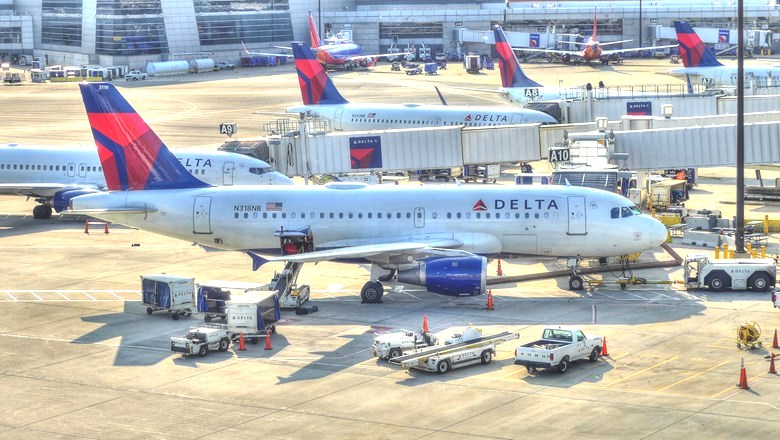


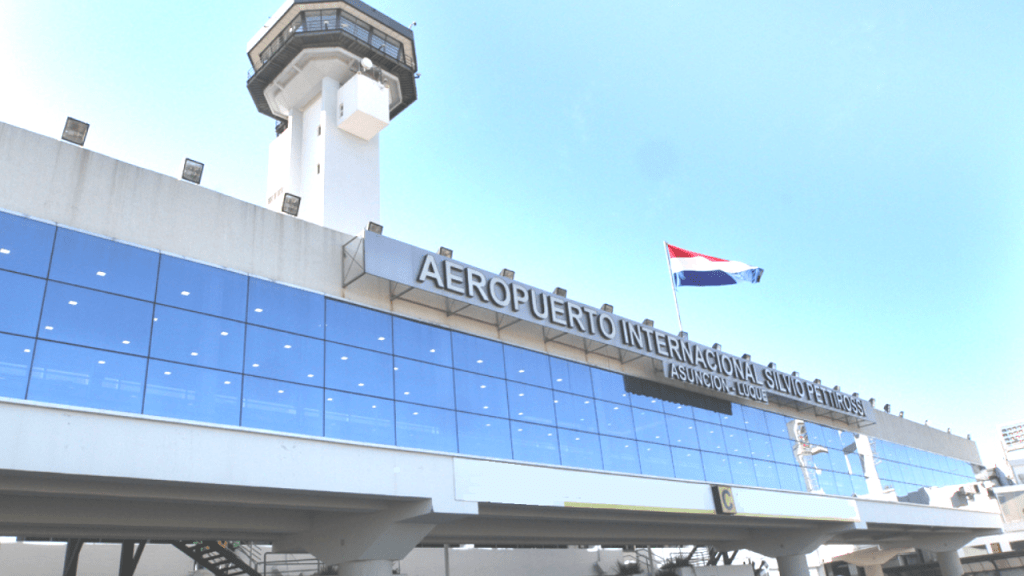

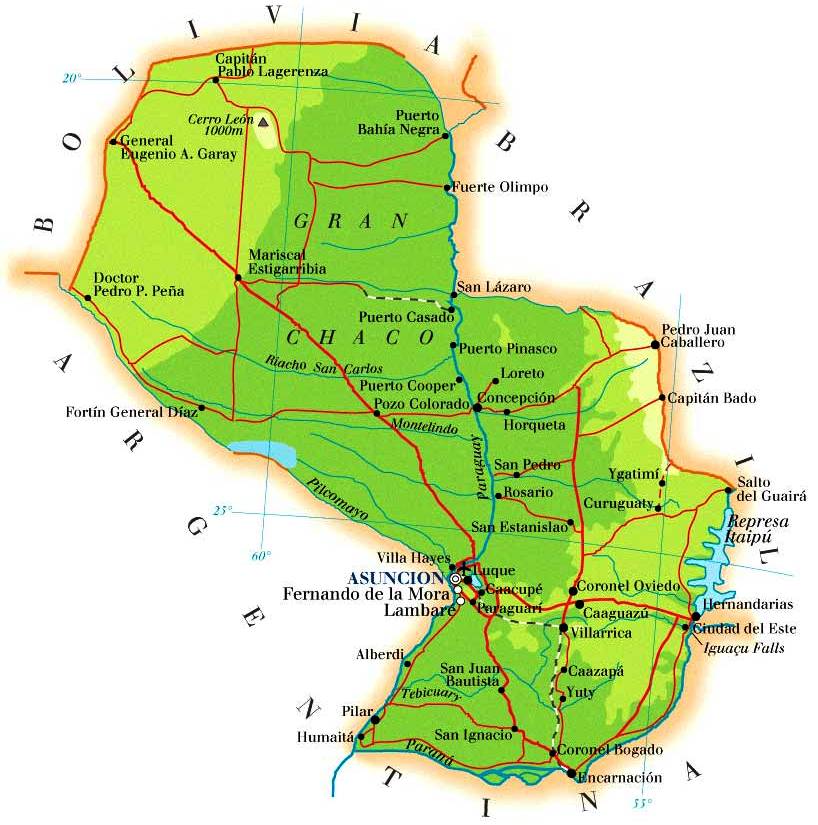


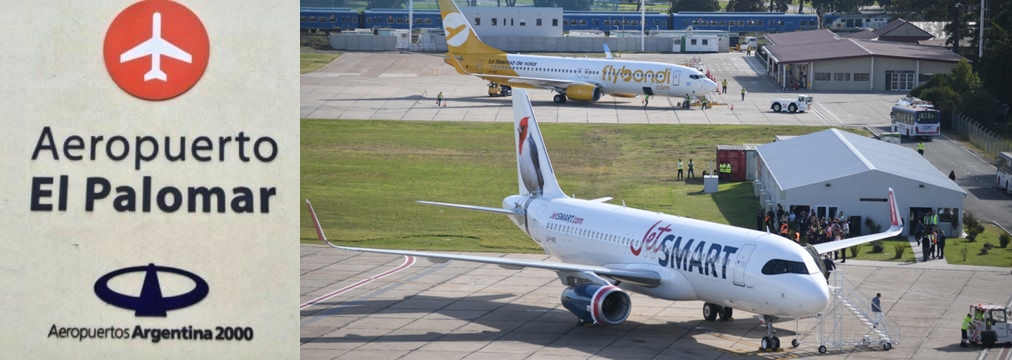
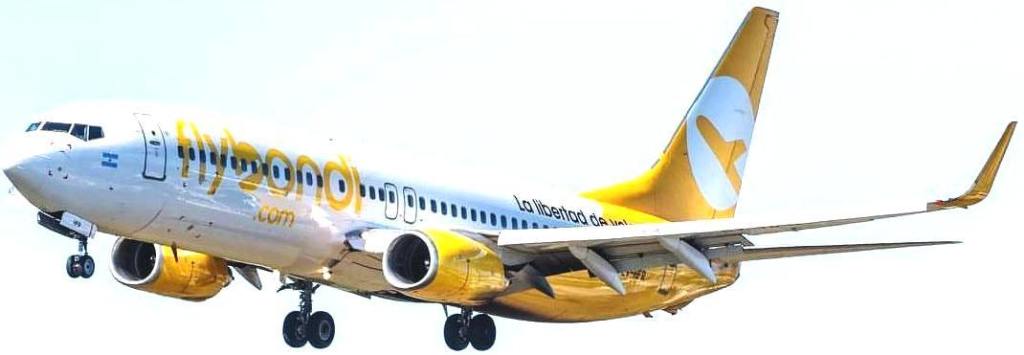


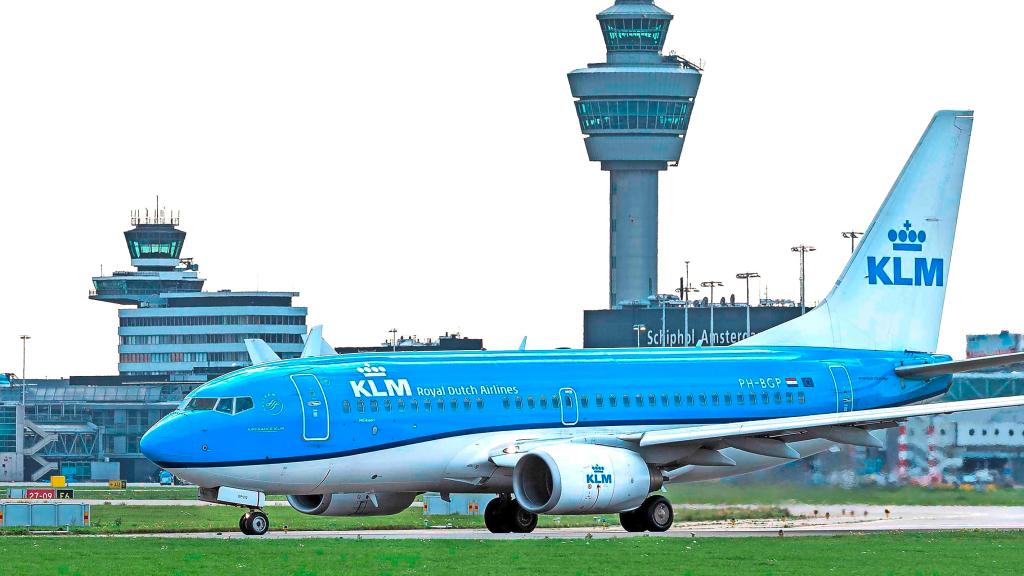

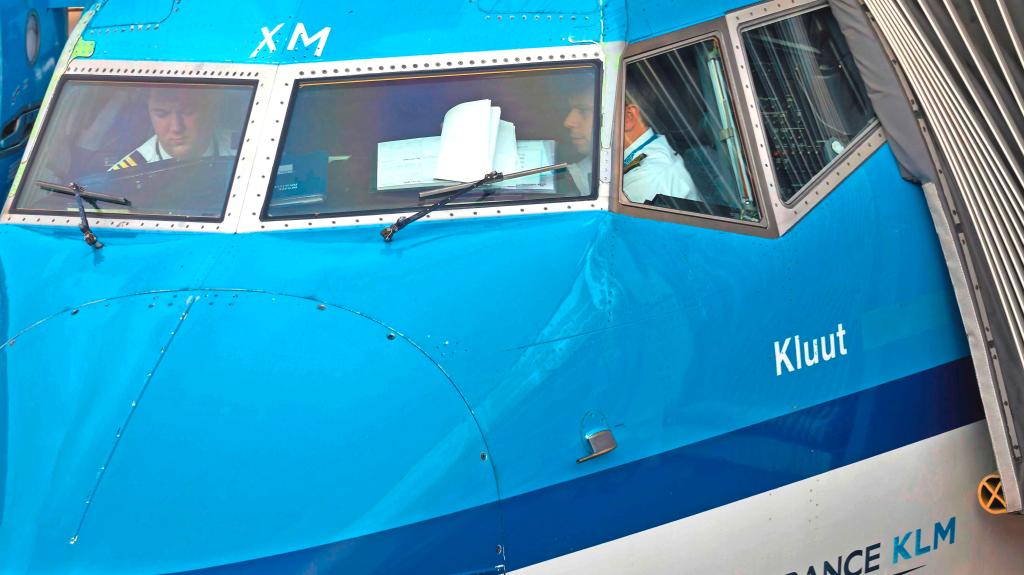
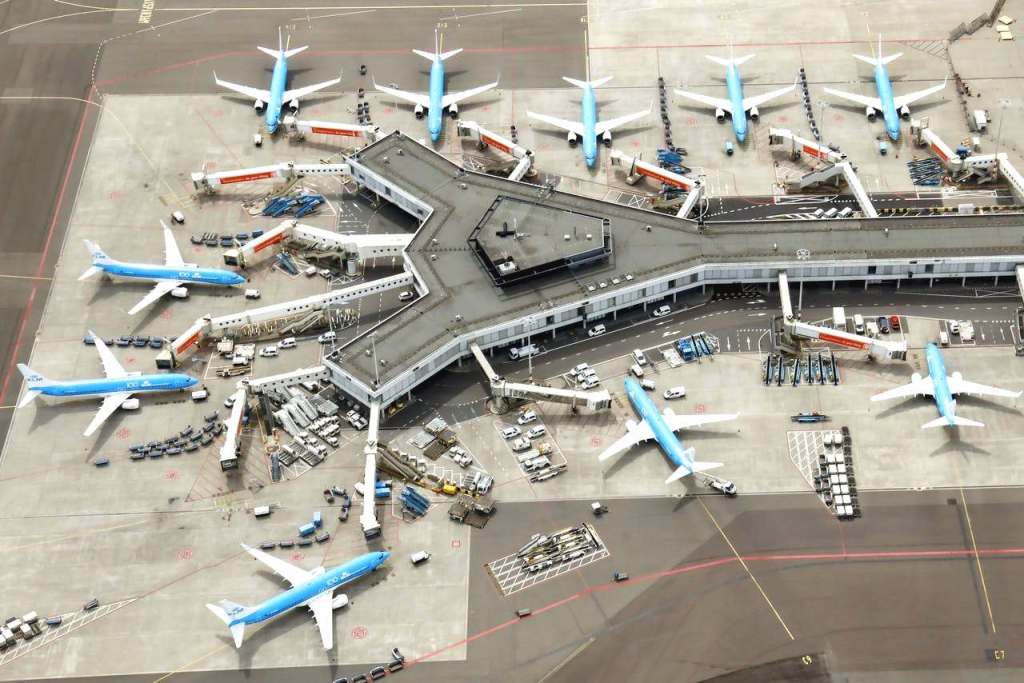

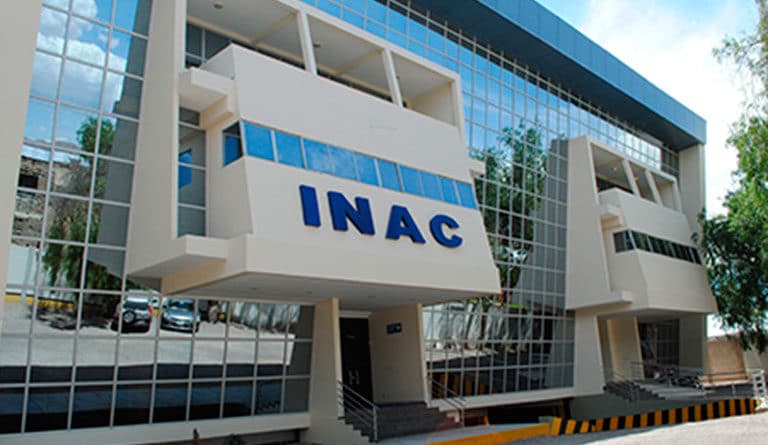
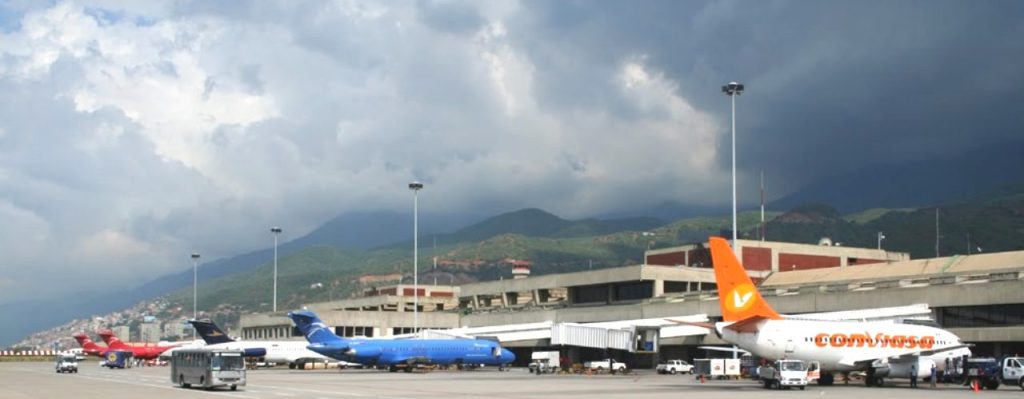
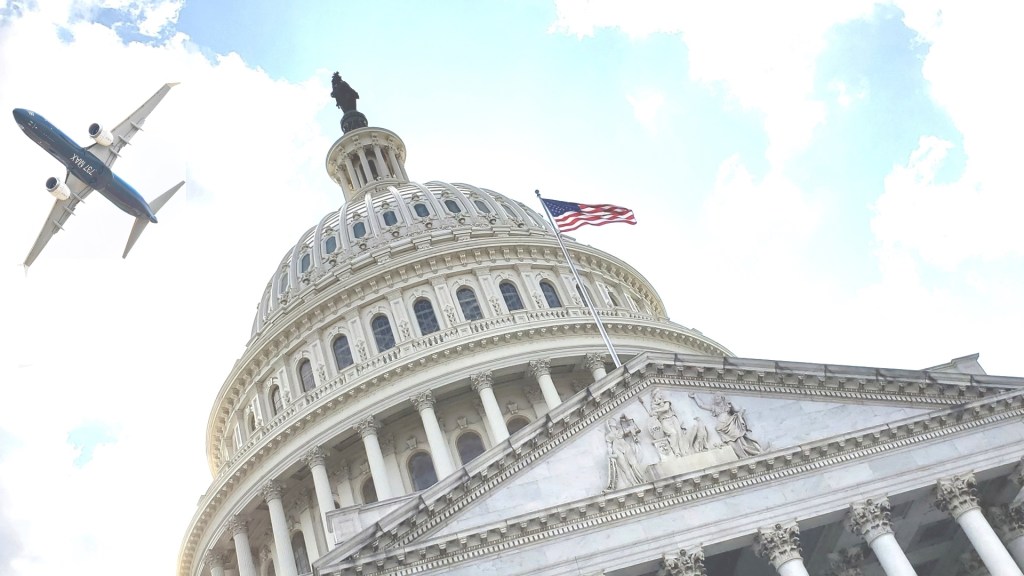

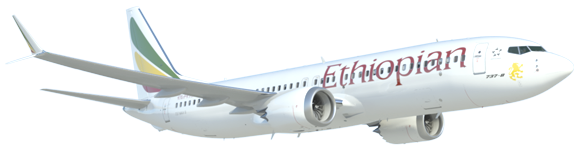

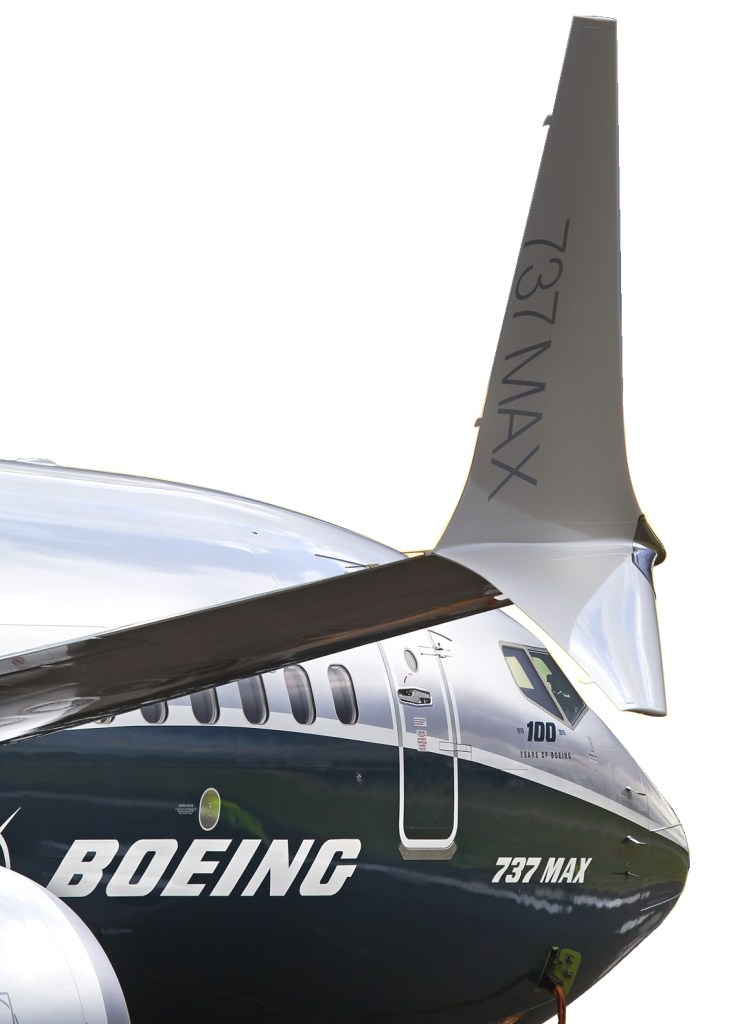

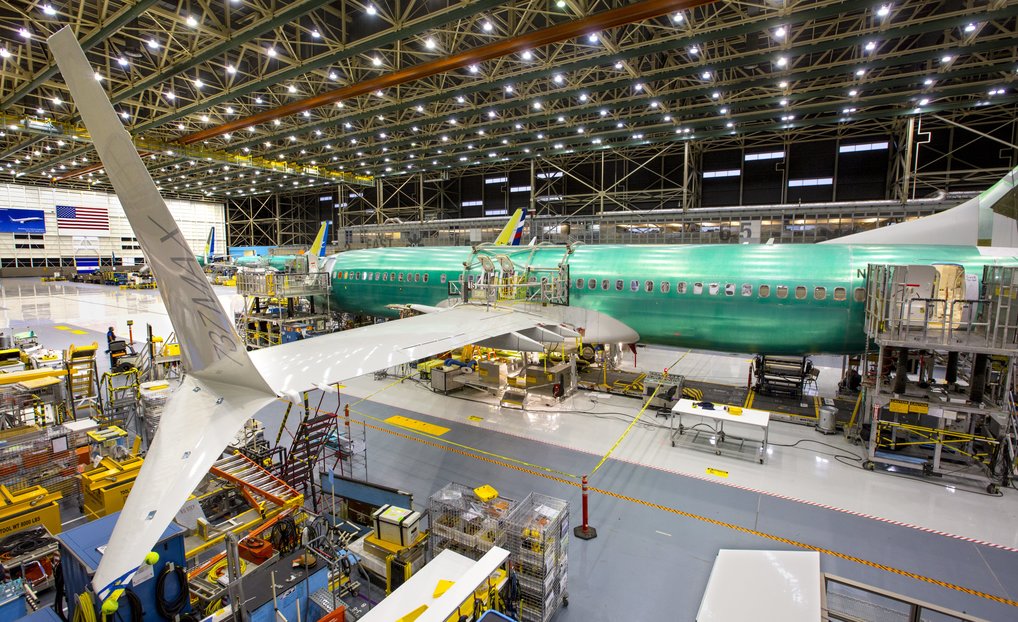
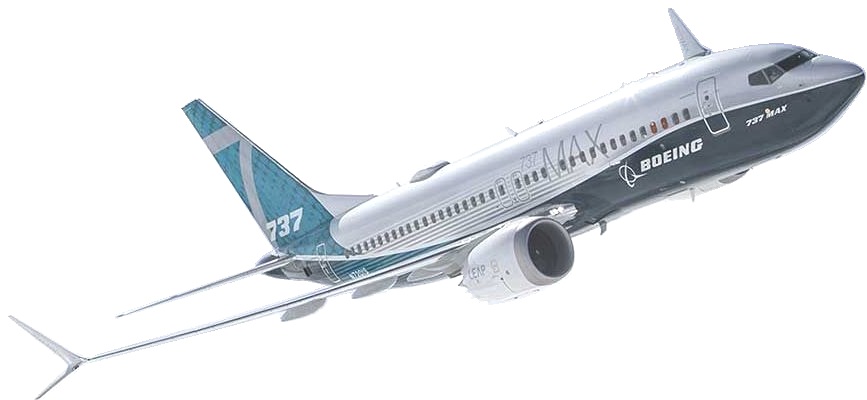






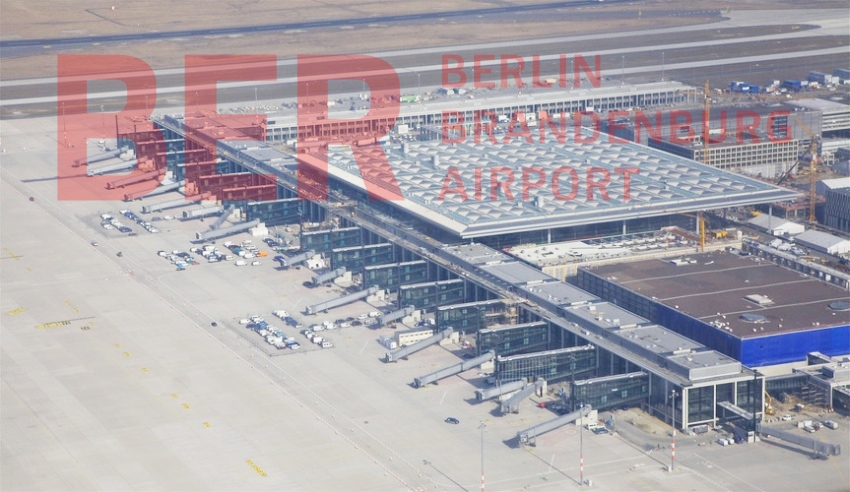
 airgways.com