Corte Suprema de la India aplaza tratamiento reembolsos
La Corte Suprema de la India ha aplazado la audiencia del caso para el tratamiento de los reembolsos de boletos aéreos reservados durante el período de bloqueo de la crisis de pandemia hasta el 25 de Septiembre 2020. Un día después de que el regulador de aviación, Dirección General de Aviación Civil (DGCA), informara a la Corte Suprema que los pasajeros que reservaron boletos durante el bloqueo eran elegibles para reembolsos, el Gobierno de la India ha recomendado que las aerolíneas pagaran un interés del 0.5% por reembolsos retrasados. El Gobierno también dijo que está abierto a considerar el interés de cualquier segmento particular de pasajeros si se ve afectado negativamente.
Aerolíneas
En tanto, las aerolíneas Vistara Airlines y AirAsia se han opuesto al gravamen de intereses afirmando que muchos de sus clientes prefieren la credit shell como mecanismo para solucionar el reembolso. La aerolínea más grande del país IndiGo dijo que reembolsó los boletos por el período de bloqueo en su totalidad. Mientras tanto, GoAir ha exhortado al Tribunal Supremo que muchas aerolíneas estaban al borde del colapso y podrían cerrar si la situación no mejora.
La Corte Suprema de Justicia de la India ha aplazado la audiencia sobre el caso de reembolso de tarifas de las aerolíneas para el próximo 25 de Septiembre de 2020 para determinar la situación de las aerolíneas y los derechos de los usuarios del transporte aéreo.
Refunds on airlines in India
Supreme Court of India postpones treatment of refunds
The Supreme Court of India has postponed the hearing of the case for the treatment of refunds of air tickets booked during the blocking period of the pandemic crisis until September 25, 2020. One day after the aviation regulator, Directorate General of Civil Aviation (DGCA), informing the Supreme Court that passengers who booked tickets during the lockdown were eligible for refunds, the Government of India has recommended that airlines pay 0.5% interest for delayed refunds. The government also said it is open to considering the interest of any particular passenger segment if it is adversely affected.
Airlines
Meanwhile, the airlines Vistara Airlines and AirAsia have opposed the interest levy, saying that many of their clients prefer the credit shell as a mechanism to solve the repayment. The country’s largest airline IndiGo said it refunded the tickets for the blackout period in full. Meanwhile, GoAir has exhorted the Supreme Court that many airlines were on the verge of collapse and could close if the situation does not improve.
The Supreme Court of Justice of India has postponed the hearing on the case of refund of airline fees to September 25, 2020 to determine the situation of airlines and the rights of air transport users.
भारत में एयरलाइंस पर रिफंड
भारत के सर्वोच्च न्यायालय ने रिफंड के उपचार को स्थगित कर दिया
भारत के सर्वोच्च न्यायालय ने 25 सितंबर, 2020 तक महामारी संकट की अवरुद्ध अवधि के दौरान बुक किए गए हवाई टिकटों के रिफंड के उपचार के लिए मामले की सुनवाई स्थगित कर दी है। विमानन नियामक, निदेशालय के एक दिन बाद सिविल एविएशन (DGCA) के जनरल ने सुप्रीम कोर्ट को सूचित किया कि नाकाबंदी के दौरान टिकट बुक करने वाले यात्री रिफंड के लिए पात्र थे, भारत सरकार ने सिफारिश की है कि विलंबित रिफंड के लिए एयरलाइंस 0.5% ब्याज का भुगतान करती है। सरकार ने यह भी कहा कि यह किसी भी विशेष यात्री खंड के हित पर विचार करने के लिए खुला है यदि यह प्रतिकूल रूप से प्रभावित होता है।
एयरलाइंस
इस बीच, एयरलाइन विस्तारा एयरलाइंस और एयरएशिया ने ब्याज लेवी का विरोध करते हुए कहा है कि उनके कई ग्राहक पुनर्भुगतान को हल करने के लिए क्रेडिट शेल को एक तंत्र के रूप में पसंद करते हैं। देश की सबसे बड़ी एयरलाइन इंडिगो ने कहा कि इसने ब्लैकआउट अवधि के लिए टिकटों को पूरा वापस कर दिया। इस बीच, गोएयर ने सुप्रीम कोर्ट को सूचित किया है कि कई एयरलाइंस गिरने की कगार पर थीं और अगर स्थिति में सुधार नहीं होता है तो वे बंद हो सकते हैं।
भारत के सर्वोच्च न्यायालय ने एयरलाइनों की स्थिति और हवाई परिवहन उपयोगकर्ताओं के अधिकारों का निर्धारण करने के लिए एयरलाइन शुल्क की वापसी के मामले पर सुनवाई को 25 सितंबर, 2020 तक के लिए टाल दिया है।
CREDIT SHELL: Es una Nota de Crédito creada contra un PNR cancelado que se utilizará para una reserva futura, para los mismos pasajeros. Se permite la reserva con un depósito de crédito solo si el número de pasajeros y el nombre son los mismos que en la reserva original.
CREDIT SHELL: It is a Credit Note created against a canceled PNR that will be used for a future reservation, for the same passengers. Booking with a credit deposit is allowed only if the number of passengers and the name are the same as in the original booking.
क्रेडिट शेल: यह एक रद्द किए गए पीएनआर के खिलाफ बनाया गया एक क्रेडिट नोट है जिसका उपयोग भविष्य के आरक्षण के लिए किया जाएगा, वही यात्रियों के लिए। क्रेडिट जमा के साथ बुकिंग की अनुमति केवल तभी दी जाती है जब यात्रियों की संख्या और नाम मूल बुकिंग के समान हों।
PNR: El PNR , el número PNR o el código PNR es un detalle electrónico que consta de números y letras que se dan después de reservar un vuelo. PNR es la abreviatura de “Passenger Name Record” y también se utiliza como número de reserva por sectores.
PNR: The PNR, PNR number or PNR code is an electronic detail consisting of numbers and letters that are given after booking a flight. PNR is short for “Passenger Name Record” and is also used as a sector reservation number.
पीएनआर: पीएनआर, पीएनआर नंबर या पीएनआर कोड एक इलेक्ट्रॉनिक डिटेल होता है जिसमें फ्लाइट बुक करने के बाद दिए जाने वाले नंबर और अक्षर होते हैं। पीएनआर «पैसेंजर नेम रिकॉर्ड» के लिए छोटा है और इसका उपयोग सेक्टर आरक्षण संख्या के रूप में भी किया जाता है।
AW | 2020 09 23 11:01 | AIRLINES MARKET / GOVERNMENT
Casa Blanca presenta una nueva estrategia de ley de ayudas
La Administración Trump indicó el martes que apoyaría medidas de financiación independientes para proporcionar más alivio financiero a las aerolíneas, una medida que podría evitar despidos de miles de trabajadores y recortes drásticos en los horarios de vuelos. Con las conversaciones para un acuerdo general de estímulo adicional estancadas, la Secretaria de Prensa Kayleigh McEnany ha estimulado a la Presidenta de la Cámara de Representantes, Nancy Pelosi a enviar proyectos de ley de financiamiento separados, incluido uno para las aerolíneas. «En este punto, la responsabilidad recae realmente en la presidenta Pelosi. La alentamos a que envíe facturas únicas, tal vez fondos de aerolíneas u otros elementos que podamos trabajar en el proceso para llegar al pueblo estadounidense», dijo Kayleigh McEnany en la rueda de prensa diaria.
Síntomas de aerolíneas
Las aerolíneas han seguido volando con la ayuda de una asignación de US$ 50 mil millones que era parte de la Ley de Ayuda, Alivio y Seguridad Económica por el Coronavirus (CARES) que se aprobó en Marzo 2020. Muchas compañías continúan volando con un factor de ocupación semivacío y al mismo sobreviviendo con estrategias para no morir en el intento. Los aeropuertos se encuentran en una misma situación complicada económicamente. «Si no logramos el nuevo estímulo, esta industria tiene un duro acantilado el 1 de Octubre. Estamos hablando del rango de 100,000 personas que podrían estar en las filas del desempleo la próxima semana», Nicholas Calio, Advirtió el CEO del grupo comercial Airlines for America (A4A).
«Las aerolíneas están en una situación desesperada y colectivamente están perdiendo US$ 5 mil millones al mes. Han recortaron el salario de los ejecutivos, estacionaron un tercio de sus flotas de aviones y tomaron medidas voluntarias para reducir la nómina, incluidas las licencias voluntarias y la jubilación anticipada. Con todo eso, todavía no estamos produciendo el tipo de ingresos que necesitamos para respaldar la cantidad de empleados que tenemos», dijo Nicholas Calio.
El resultado no solo serán despidos desenfrenados, sino recortes que podrían reducir la cantidad de rutas y vuelos a muchos aeropuertos y detener el servicio por completo en otros. No puede garantizar que no se solicite otra ronda en seis meses, la ventaja de mantener a los trabajadores empleados supera la desventaja de despedirlos.
Dos senadores republicanos, Roger Wicker de Mississippi y Susan Collins de Maine, ofrecieron un paquete de US$ 28 mil millones a la industria de las aerolíneas en una medida anunciada el Lunes 21/09, la Ley de Extensión de Apoyo al Trabajador de Transportistas Aéreos. Sin embargo, sin el apoyo de la Presidenta de la Cámara de Representantes por parte de la Cámara, su destino es incierto.
En un tono más radical, Veronique de Rugy, investigadora principal del Mercatus Center de la Universidad George Mason se pronunció en contra del financiamiento de estímulo para la industria en Marzo pasado: «Las aerolíneas deben mirar a los mercados privados, no al Gobierno. De no ser así, deberían hacer lo que han hecho en el pasado cuando se encuentran en tal situación: declararse en quiebra», dijo en el comunicado emitido a través de un portavoz de la universidad.
Tráfico aéreo EEUU
El sombrío panorama del tráfico aéreo en Estados Unidos muestra la necesidad de que las aerolíneas soliciten más ayudas financieras. El tráfico aéreo cayó al 4% de lo normal durante las semanas que terminaron el 11-18 de Abril 2020, entre el 11 de Abril y el 11 de Julio 2020, el tráfico ha retrocedido el 27%. Entre el 11 de Julio y el 19 de Septiembre 2020, los recuentos de la TSA se mantuvieron en su mayoría sin cambios, pero el porcentaje frente al año anterior aumentó al 36%.
Frente a este escenario, las líneas aéreas continúan solicitando al Gobierno nuevas ayudas ante el término del la protección a los despidos para el 30/09. Las aéreas han anunciado después de esa fecha despidos masivos. United Airlines desvincularía a 36.000 trabajadores, American Airlines 19.000 empleados, Delta Air Lines 2.000. El anuncio de Delta Air Lines es solo para pilotos y se suma a más de 1.800 aceptaciones de jubilación anticipada. Delta Air Lines dijo que todavía tiene exceso de personal a pesar de que 17.000 empleados están aceptando adquisiciones y jubilaciones anticipadas. Spirit Airlines entre 2.000-3.000 de su plantel laboral, en tanto Southwest Airlines no ha anunciado despidos colectivos, pero 17.000 aceptaron tiempo libre extendido o jubilación anticipada.
Perspectivas post-pandemia
Las aerolíneas recibieron inicialmente US$ 25 mil millones para mantener a los empleados hasta el 30 de Septiembre 2020. Los senadores republicanos presentaron un proyecto de ley por US$ 28.000 millones de Dólares adicionales en ayuda a las aerolíneas.
Muchas compañías estadounidenses están realizando fuertes reestructuraciones debido al fuerte impacto colateral que está sufriendo la industria de la aviación comercial, con una reducción de unos 100.000 puestos de trabajo directos en aerolíneas sólo en los Estados Unidos. Las estimaciones acerca de la recuperación del mercado aéreo y la salud financiera de las líneas aéreas varían ampliamente de cuatro a nueve años, según algunas estimaciones. Las aerolíneas estadounidenses lucharán por sobrevivir con un tráfico por debajo del 74% de lo normal.
US supports new aid to airlines
White House presents a new aid law strategy
The Trump Administration indicated Tuesday that it would support independent funding measures to provide more financial relief to airlines, a move that could prevent layoffs of thousands of workers and drastic cuts in flight schedules. With talks for a blanket additional stimulus deal stalled, Press Secretary Kayleigh McEnany has spurred House Speaker Nancy Pelosi to submit separate funding bills, including one for airlines. «At this point, the onus really rests with President Pelosi. We encourage her to send one-time invoices, perhaps airline funds or other items that we can work on in the process to reach the American people», Kayleigh McEnany said at the conference daily Press.
Airline symptoms
Airlines have continued to fly with the help of a US$ 50 billion allocation that was part of the Coronavirus Relief, Relief and Economic Security Act (CARES) that was passed in March 2020. Many carriers continue to fly with a factor of half-empty occupation and at the same surviving with strategies not to die in the attempt. Airports are in the same difficult situation economically. «If we do not get the new stimulus, this industry has a hard cliff on October 1. We are talking about the range of 100,000 people who could be in the ranks of unemployment next week», Nicholas Calio, Warned the CEO of the commercial group Airlines for America (A4A).
«The airlines are in dire straits and collectively are losing US$ 5 billion a month. They have cut executive pay, parked a third of their aircraft fleets, and took voluntary steps to cut payroll, including voluntary licensing and early retirement. With all of that, we are not yet producing the kind of income we need to support the number of employees we have», said Nicholas Calio.
The result will not only be rampant layoffs, but cuts that could reduce the number of routes and flights to many airports and halt service altogether at others. You cannot guarantee that another round will not be requested in six months, the advantage of keeping workers employed outweighs the disadvantage of firing them.
Two Republican senators, Roger Wicker of Mississippi and Susan Collins of Maine, offered a US$ 28 billion package to the airline industry in a move announced Monday 9/21, the Air Carrier Worker Support Extension Act. However, without the support of the Speaker of the House of Representatives from the House, his fate is uncertain.
On a more radical note, Veronique de Rugy, principal investigator at the Mercatus Center at George Mason University spoke out against stimulus funding for the industry last March: «Airlines should look to private markets, not government. If not, they should do what they have done in the past when they are in such a situation: declare bankruptcy», he said in the statement issued through a university spokesman.
US air traffic
The bleak outlook for air traffic in the United States shows the need for airlines to apply for more financial aid. Air traffic fell to 4% of normal during the weeks ending April 11-18, 2020, between April 11 and July 11, 2020, traffic has fallen by 27%. Between July 11 and September 19, 2020, the TSA counts were mostly unchanged, but the percentage from the previous year increased to 36%.
Faced with this scenario, airlines continue to request the Government new aid before the end of the protection to the dismissals for the 30/09. The airlines have announced massive layoffs after that date. United Airlines would lay off 36,000 workers, American Airlines 19,000 employees, Delta Air Lines 2,000. The Delta Air Lines announcement is for pilots only and is in addition to more than 1,800 early retirement acceptances. Delta Air Lines said it is still overstaffed despite 17,000 employees accepting acquisitions and early retirements. Spirit Airlines between 2,000-3,000 of its workforce, while Southwest Airlines has not announced collective layoffs, but 17,000 accepted extended time off or early retirement.
Post-pandemic perspective
The airlines initially received US$ 25 billion to keep employees until September 30, 2020. Republican senators introduced a bill for an additional US$ 28 billion in aid to airlines.
Many US companies are undergoing major restructurings due to the heavy collateral impact that the commercial aviation industry is suffering, with some 100,000 direct airline jobs reduced in the United States alone. Estimates of the recovery of the air market and the financial health of airlines vary widely from four to nine years, according to some estimates. American airlines will struggle to survive with traffic below 74% of normal.
La Administración Nacional de Aviación Civil (ANAC) de la República Argentina ha emitido una comunicación formal a las aerolíneas en la que notifica que los servicios están suspendidos hasta el 12 Octubre 2020, obligando a las líneas aéreas del país a postergar nuevamente el reinicio de las operaciones aéreas. Aerolíneas Argentinas, Andes Líneas Aéreas, JetSmart Airlines Argentina y Flybondi Líneas Aéreas han reprogramado sus vuelos domésticos a partir de la nueva fecha emitida por el Gobierno de Argentina. «Están suspendidos los vuelos de transporte de cabotaje comercial regular, no regular y de aviación general», expresa el comunicado de la ANAC. ANAC ha comunicado el nuevo aplazamiento de los vuelos en el Boletín Oficial y mediante el sistema Notam (Notice to Airman), al que tienen acceso las empresas aeronáuticas. La notificación está respaldada por el DNU prorrogado por el Poder Ejecutivo que dispone la continuidad del Aislamiento Social Preventivo y Obligatorio (ASPO).
En el Ministerio de Transporte le quitaron peso al mensaje recibido por las aerolíneas. Explicaron que la notificación de ANAC se da cada vez que se extiende el DNU que establece el Aislamiento Social, Preventivo y Obligatorio (ASPO) que es el que debería caer o modificarse para permitir los vuelos regulares y que el 12 de octubre es la fecha en la que, llegado el caso, se debería renovar.
El Ministerio de Transporte continúa sosteniendo el respaldo de las decisiones de Nación, pero al mismo tiempo es optimista respecto a una pronta reapertura. «Tal vez no el 1, pero sí apostamos a Octubre. Hay que considerar que las aerolíneas necesitan 20 o 30 días para preparar las operaciones regulares», expresaron desde la Cartera de Transporte.
Las señales son muy confusas para las aerolíneas que, efectivamente, necesitan tiempo para la planificación de sus itinerarios y aceptan las idas y vueltas con cierto fastidio. «Las compañías aéreas, los organismos de aviación y el Gobierno deberían aunar esfuerzos para garantizar la navegación aérea maximizando las medidas sanitarias óptimas, un modelo apropiado como el implementado en Brasil», sostiene la editorial Airgways.
Argentine airlines reschedule flights
Government delays air reopening in Argentina
The National Civil Aviation Administration (ANAC) of the Argentine Republic has issued a formal communication to the airlines in which it notifies that services are suspended until October 12, 2020, forcing the country’s airlines to postpone again the restart of the air operations. Aerolineas Argentinas, Andes Lineas Aereas, JetSmart Airlines Argentina and Flybondi Lineas Aereas have rescheduled their domestic flights from the new date issued by the Government of Argentina. «Regular, non-regular and general aviation commercial cabotage transportation flights are suspended», the ANAC statement said. ANAC has communicated the new postponement of flights in the Official Gazette and through the Notam (Notice to Airman) system, to which aeronautical companies have access. The notification is supported by the DNU extended by the Executive Power that provides for the continuity of the Preventive and Mandatory Social Isolation (ASPO).
In the Ministry of Transport they took weight off the message received by the airlines. They explained that the ANAC notification is given every time the DNU that establishes Social, Preventive and Mandatory Isolation (ASPO) is extended which is the one that should fall or be modified to allow regular flights and that October 12 is the date on which, if necessary, it should be renewed.
The Ministry of Transportation continues to support the Nation’s decisions, but at the same time is optimistic about a prompt reopening. «Maybe not on the 1st, but we do bet on October. We must consider that the airlines need 20 or 30 days to prepare for regular operations», they expressed from the Transportation Portfolio.
The signals are very confusing for the airlines that, indeed, need time to plan their itineraries and accept the comings and goings with some annoyance. «The airlines, aviation organizations and the Government should join forces to guarantee air navigation by maximizing optimal sanitary measures, an appropriate model like the one implemented in Brazil», says the Airgways editorial.
Embraer y Sindicato nueva audiencia de conciliación en Justicia
La compañía Embraer S.A. y el Sindicato de Trabajadores Metalúrgicos de São José (STMSJ) han concertado una nueva audiencia este Martes 22 Septiembre 2020 ante la Justicia después de que el gremio presentara una demanda para revertir 2.500 despidos. La empresa anunció 900 recortes, que sumarán 1.600 despidos después del Plan de Despidos Voluntarios (PDV). El Tribunal Regional del Trabajo de la XV Región (TRT-15) celebró este 22/09 una nueva audiencia de conciliación entre Embraer y el Sindicato de Metalúrgicos de São José dos Campos después de los despidos en la compañía aeroespacial.
A principios de Septiembre 2020, Embraer anunció 900 recortes de empleados, además de los 1.600 despidos de empleados que adhirieron a Planes de Despido Voluntario abiertos en todas las unidades de la empresa en el país. La primera reunión en el Juzgado de Trabajo, programada a solicitud de Embraer, terminó sin acuerdo. El proceso es un secreto de justicia. Esta vez, la audiencia se produce después de que el sindicato interpusiera una acción de negociación colectiva en la TRT. La acción del sindicato requiere la cancelación de todos los despidos, incluidos los relacionados con el PDV. Representantes de la categoría afirman que la empresa realizó los recortes sin buscar alternativas para minimizar el impacto social causado. Embraer alega que intentó negociar tres PDV con el sindicato y la propuesta no fue llevada a la asamblea.
El sindicato también informó que propondrá en la audiencia de conciliación la propuesta de igualar los salarios pagados por la empresa, con un tope de R$ 39.200. La agencia cree que esta medida sería suficiente para pagar los salarios de los 2.500 trabajadores despedidos.Embraer informó que permanece abierta a negociación y que ya ha suscrito convenios con el Sindicato de Ingenieros del Estado de São Paulo, con el Sindicato de Trabajadores Metalúrgicos de Botucatu y con el Sindicato de Técnicos Industriales de Nivel Medio del Estado de São Paulo. También reforzó que las negociaciones continúan avanzando con otras categorías. Embraer informó que en la audiencia «presentó una propuesta para extender los beneficios de asistencia médica y subsidio alimentario a los empleados despedidos. El Sindicato de Trabajadores Metalúrgicos de São José dos Campos se mantuvo intransigente, rechazó la propuesta y ni siquiera estuvo dispuesta a llevarla a valoración de los metalúrgicos a través del montaje”. El Sindicato dijo que incluso propuso un tope salarial como una forma de redistribuir los ingresos para mantener los empleos y que la propuesta fue rechazada. La propuesta es la misma que el sindicato pretende llevar de nuevo a la mesa de negociaciones.
Adherencia insuficiente al PDV
Embraer había cerrado el 2 de Septiembre de 2020 el plazo para registrarse en el tercer PDV abierto durante la pandemia. La medida fue un intento de adecuar al personal ante los impactos provocados por la pandemia. Hubo 1.600 adhesiones al PDV, pero como el volumen no alcanzó el objetivo requerido, Embraer anunció que hará 900 cortes más.
Para justificar los despidos, Embraer alega el impacto provocado por la pandemia de coronavirus y la cancelación de la asociación con Boeing, además de la falta de expectativas de recuperación en el sector del transporte aéreo a corto y medio plazo.
El Sindicato de Trabajadores Metalúrgicos de São José dos Campos dice que los despidos lo tomaron por sorpresa. La agencia considera ilegales los despidos anunciados el Jueves 17/09.
Informe de acoso
El Ministerio Público del Trabajo (MPT) investiga las denuncias recibidas de los empleados de Embraer que denuncian presiones para incorporarse al PDV. El Sindicato de Trabajadores Metalúrgicos inició una campaña para fomentar la denuncia de casos de acoso en relación con el PDV, que remitió a los denunciantes al MPT. Según el sindicato, se ordenó a 15 trabajadores que acudieran al MPT, que recibió tres quejas a fines de Agosto 2020. Embraer destacó que el PDV era un proceso voluntario y se comunicaba con transparencia a las personas, siguiendo el código de ética y conducta. Según la empresa, los empleados fueron informados por canales oficiales sobre el programa.
Pérdidas Embraer
Embraer registró una pérdida de R$ 2,950 millones en los primeros seis meses de 2020. Solo en el segundo trimestre, la pérdida neta fue de R$ 1,68 mil millones, el peor resultado para un trimestre en 20 años. En el primer semestre, la pérdida neta acumulada de la empresa brasileña fue de R$ 2,950 millones, mientras que en el primer semestre de 2019 la empresa registró una pérdida de R$ 134 millones.
Cancelación Boeing
A fines de Abril 2020, Boeing anunció la terminación del acuerdo que le daría al gigante estadounidense el control sobre la división de aviación comercial de Embraer en medio de crisis en el sector de la aviación y la economía global, dejando a Embraer sin un plan B claro. Embraer informó en el balance que los costos de separación de los negocios relacionados con la alianza estratégica con Boeing, ahora cerrada, reconocida en enero, fueron de R$ 96,8 millones.
Ventas
Según Embraer, en los primeros seis meses de 2020, solo se entregaron cuatro aviones comerciales y 13 ejecutivos, como resultado de la pandemia de coronavirus. La empresa afirma que no hubo cancelación en la cartera comercial, solo cambios en el plazo de entrega.
Embraer-Union STMSJ Hearing
Embraer and Union new conciliation hearing in Justice
The company Embraer S.A. and the São José Metalworkers Union (STMSJ) have arranged a new hearing this Tuesday, September 22, 2020 before the Justice after the union filed a lawsuit to reverse 2,500 dismissals. The company announced 900 cuts, which will add 1,600 layoffs after the Voluntary Layoff Plan (PDV). The Regional Labor Court of the XV Region (TRT-15) held a new conciliation hearing between Embraer and the São José dos Campos Metalworkers Union on 09/22 after the dismissals at the aerospace company.
At the beginning of September 2020, Embraer announced 900 employee cuts, in addition to the 1,600 layoffs of employees who adhered to Voluntary Dismissal Plans open in all the company’s units in the country. The first meeting in the Labor Court, scheduled at the request of Embraer, ended without agreement. The process is a secret of justice. This time, the hearing comes after the union filed a collective bargaining action with the TRT. The union’s action requires the cancellation of all layoffs, including those related to the PDV. Representatives of the category affirm that the company made the cuts without looking for alternatives to minimize the social impact caused. Embraer alleges that it tried to negotiate three PDVs with the union and the proposal was not brought to the assembly.
The union also informed that it will propose in the conciliation hearing the proposal to match the salaries paid by the company, with a ceiling of R$ 39,200. The agency believes that this measure would be enough to pay the salaries of the 2,500 dismissed workers. Embraer reported that it remains open to negotiation and that it has already signed agreements with the Union of Engineers of the State of São Paulo, with the Union of Metalworkers of Botucatu and with the Union of Middle Level Industrial Technicians of the State of São Paulo. He also reinforced that negotiations continue to advance with other categories. Embraer reported that at the hearing «it presented a proposal to extend the benefits of medical assistance and food subsidy to the dismissed employees. The Union of Metalworkers of São José dos Campos remained intransigent, rejected the proposal and was not even willing to carry it out. valuation of metalworkers through assembly”. The Union said that it even proposed a salary cap as a way to redistribute income to maintain jobs and that the proposal was rejected. The proposal is the same that the union intends to take back to the negotiating table.
Insufficient adherence to the PDV
Embraer had closed on September 2, 2020 the deadline to register at the third POS opened during the pandemic. The measure was an attempt to adapt staff to the impacts caused by the pandemic. There were 1,600 adhesions to the PDV, but as the volume did not reach the required target, Embraer announced that it will make 900 more cuts.
To justify the layoffs, Embraer alleges the impact caused by the coronavirus pandemic and the cancellation of the partnership with Boeing, in addition to the lack of expectations of recovery in the air transport sector in the short and medium term.
The São José dos Campos Metalworkers Union says the layoffs caught it by surprise. The agency considers the dismissals announced on Thursday 09/17 illegal.
Harassment report
The Public Ministry of Labor (MPT) investigates the complaints received from Embraer employees who denounce pressure to join the PDV. The Metalworkers Union launched a campaign to encourage the reporting of cases of harassment in relation to the PDV, which referred the complainants to the MPT. According to the union, 15 workers were ordered to go to the MPT, which received three complaints at the end of August 2020. Embraer highlighted that the PDV was a voluntary process and communicated transparently to people, following the code of ethics and conduct. According to the company, the employees were informed by official channels about the program.
Embraer losses
Embraer recorded a loss of R$ 2.95 billion in the first six months of 2020. Only in the second quarter, the net loss was R$ 1.68 billion, the worst result for a quarter in 20 years. In the first semester, the accumulated net loss of the Brazilian company was R$ 2,950 million, while in the first semester of 2019 the company registered a loss of R$ 134 million.
Boeing cancellation
In late April, Boeing announced the termination of the deal that would give the US giant control over Embraer’s commercial aviation division amid crises in the aviation sector and the global economy, leaving Embraer without a clear plan B. Embraer reported in the balance sheet that the costs of separating the businesses related to the strategic alliance with Boeing, now closed, recognized in January, were R$ 96.8 million.
Sales
According to Embraer, in the first six months of 2020, only four commercial aircraft and 13 executives were delivered, as a result of the coronavirus pandemic. The company states that there was no cancellation in the commercial portfolio, only changes in the delivery period.
Audiência Embraer-Union STMSJ
Nova audiência de conciliação Embraer e União na Justiça
A empresa Embraer S.A. e o Sindicato dos Metalúrgicos de São José (STMSJ) marcaram nova audiência nesta terça-feira, 22 de Setembro de 2020, na Justiça, depois que o sindicato moveu ação para reverter 2.500 demissões. A empresa anunciou 900 cortes, que vão somar 1.600 demissões após o Plano de Demissão Voluntária (PDV). O Tribunal Regional do Trabalho da XV Região (TRT-15) realizou nova audiência de conciliação entre a Embraer e o Sindicato dos Metalúrgicos de São José dos Campos no dia 22/09 após as demissões na empresa aeroespacial.
No início de setembro de 2020, a Embraer anunciou o desligamento de 900 funcionários, além das 1.600 demissões de funcionários que aderiram aos Planos de Desligamento Voluntário abertos em todas as unidades da empresa no país. A primeira reunião na Justiça do Trabalho, marcada a pedido da Embraer, terminou sem acordo. O processo é um segredo de justiça. Desta vez, a audiência acontece depois que o sindicato entrou com uma ação coletiva de trabalho no TRT. A ação do sindicato prevê o cancelamento de todas as dispensas, inclusive as relacionadas ao PDV. Representantes da categoria afirmam que a empresa fez os cortes sem buscar alternativas para minimizar o impacto social causado. A Embraer alega que tentou negociar três PDVs com o sindicato e a proposta não foi levada à assembleia.
O sindicato informou ainda que irá propor em audiência de conciliação a proposta de equiparação dos salários pagos pela empresa, no valor máximo de R$ 39,2 mil. A agência acredita que a medida seria suficiente para pagar os salários dos 2.500 trabalhadores despedidos.A Embraer informou que continua em negociação e que já assinou acordos com o Sindicato dos Engenheiros do Estado de São Paulo, com o Sindicato dos Metalúrgicos de Botucatu e com o Sindicato dos Técnicos Industriais de Nível Médio do Estado de São Paulo. Ele também reforçou que as negociações continuam avançando com outras categorias. A Embraer informou que na audiência “apresentou uma proposta para estender os benefícios de assistência médica e auxílio alimentação aos empregados demitidos. O Sindicato dos Metalúrgicos de São José dos Campos se manteve intransigente, rejeitou a proposta e nem mesmo se dispôs a realizá-la. valorização dos metalúrgicos por meio de montagem”. O sindicato disse que até propôs um teto salarial como forma de redistribuir a renda para manter os empregos e que a proposta foi rejeitada. A proposta é a mesma que o sindicato pretende retomar para a mesa de negociação.
Adesão insuficiente ao PDV
A Embraer havia encerrado em 2 de setembro de 2020 o prazo para se cadastrar no terceiro PDV aberto durante a pandemia. A medida foi uma tentativa de adaptar a equipe aos impactos causados pela pandemia. Foram 1.600 adesões ao PDV, mas como o volume não atingiu a meta exigida, a Embraer anunciou que fará mais 900 cortes.
Para justificar as demissões, a Embraer alega o impacto causado pela pandemia do coronavírus e o cancelamento da parceria com a Boeing, além da falta de expectativa de recuperação do setor de transporte aéreo no curto e médio prazo.
O Sindicato dos Metalúrgicos de São José dos Campos afirma que as demissões o pegaram de surpresa. A agência considera as demissões anunciadas na quinta-feira 17/09 ilegais.
Relatório de assédio
O Ministério Público do Trabalho (MPT) apura as denúncias recebidas de empregados da Embraer que denunciam pressão para aderir ao PDV. O Sindicato dos Metalúrgicos lançou uma campanha para incentivar a denúncia de casos de assédio moral em relação ao PDV, que encaminhava os denunciantes ao MPT. Segundo o sindicato, 15 trabalhadores foram obrigados a ir ao MPT, que recebeu três reclamações no final de agosto de 2020. A Embraer destacou que o PDV foi um processo voluntário e comunicado com transparência às pessoas, seguindo o código de ética e conduta. Segundo a empresa, os colaboradores foram informados pelos canais oficiais sobre o programa.
Perdas da Embraer
A Embraer registrou prejuízo de R$ 2,95 bilhões nos primeiros seis meses de 2020. Somente no segundo trimestre, o prejuízo líquido foi de R$ 1,68 bilhão, o pior resultado para um trimestre em 20 anos. No primeiro semestre, o prejuízo líquido acumulado da empresa brasileira foi de R$ 2.950 milhões, enquanto no primeiro semestre de 2019 a empresa registrou prejuízo de R$ 134 milhões.
Cancelamento da Boeing
No final de abril, a Boeing anunciou o encerramento do negócio que daria à gigante dos EUA o controle da divisão de aviação comercial da Embraer em meio a crises no setor de aviação e na economia global, deixando a Embraer sem um plano B. A Embraer informou em balanço que os custos de separação dos negócios relacionados à aliança estratégica com a Boeing, agora encerrada, reconhecida em janeiro, foram de R$ 96,8 milhões.
Vendas
Segundo a Embraer, nos primeiros seis meses de 2020, foram entregues apenas quatro aeronaves comerciais e 13 executivos, em decorrência da pandemia do Coronavírus. A empresa afirma que não houve cancelamento na carteira comercial, apenas alteração no prazo de entrega.
AW | 2020 09 22 11:01 | AVIATION ORGANISMS / GOVERNMENT
IATA solicita a Argentina reconsiderar impuesto gravámen del 35%
La Asociación Internacional del Transporte Aéreo (IATA) ha solicitado a las autoridades de la República Argentina una revisión de los gravámenes del impuesto PAIS a los pasajes aéreos internacionales. En un carta dirigida a la titular de AFIP, Mercedes Marcó del Pont, la IATA ha afirmado que el impuesto “podría afectar aún más al sector de los viajes y el turismo del país, profundamente golpeado hasta ahora por la pandemia”. La Asociación de Transporte Aéreo Internacional (IATA) solicitó al Gobierno que reconsidere el impuesto del 35% que se le aplica a los tickets aéreos internacionales a partir de las nuevas restricciones que estableció la semana pasada el Banco Central.
La suspensión de la aviación en el país durante más de seis meses ya dio lugar al cierre de una aerolínea nacional y el anuncio de tres aerolíneas internacionales que no volverán al mercado una vez que se permita la reanudación de los vuelos. “La imposición del nuevo impuesto reducirá aún más el atractivo del país para las aerolíneas. IATA prevé que la demanda en el mercado argentino en 2020 disminuirá por lo menos un 67% con respecto a 2019. Como resultado, los ingresos de las aerolíneas generados por el mercado se reducirán en USD 3.260 millones, lo que pondrá en peligro 19.820 empleos directos y disminuirá la contribución de la aviación al PIB del país en USD 1.630 millones”, afirmó la asociación de la IATA.
“Esta decisión no podría haber llegado en un peor momento. Debido a las medidas implementadas para enfrentar el COVID-19, la aviación en Argentina ha estado en tierra durante medio año. Aún no contamos con una fecha oficial para el reinicio de los vuelos domésticos e internacionales y nos imponen más impuestos gubernamentales. Así no se puede reactivar la demanda, ni se permitirá a esta industria ser un catalizador de beneficios sociales y económicos que contribuya a mejorar la debilitada economía del país y su población una vez que se reanuden las operaciones tras la pandemia”, dijo María Jose Taveira, Country Manager de IATA para Argentina, Paraguay y Uruguay.
La imposición del nuevo impuesto contradice directamente las políticas aceptadas en materia de tributación publicadas por la Organización de Aviación Civil Internacional (OACI), un organismo especializado de las Naciones Unidas.
Cabe recordar que el Banco Central estableció la semana pasada nuevas restricciones en el mercado de cambios para la compra de divisas. Concretamente, instruyó a la Administración Federal de Ingresos Públicos (AFIP) imponer un anticipo del 35% de impuesto a la Ganancias o a Bienes Personales para la compra del Dólar ahorro y ordenó que los gastos con tarjeta en moneda extranjera se hagan a cuenta del cupo de hasta US$ 200 mensuales de manera retroactiva al 1 de Septiembre 2020. Los cambios formaron parte de una batería de medidas tomadas en consonancia con el Ministerio de Economía y la Comisión Nacional de Valores (CNV) e incluye mayores exigencias para la apertura de cajas de ahorro en moneda extranjera, entre otros ítems. Quienes opten por comprar el cupo de USD 200 deben pagar, además del 30% del Impuesto PAIS, un adelanto del 35% a cuenta de Ganancias o Bienes Personales. El precio del Dólar solidario, por tanto, surgirá de subirle a la cotización oficial un 65%.
En el comunicado, IATA remarcó que Argentina ya impone impuestos sustanciales a los boletos de avión internacionales vendidos en el país.
Impuesto generados en Argentina
-Impuesto PAIS: 30% de la tarifa aérea pagada en pesos argentinos.
Impuesto DNT (Fondo Nacional de Turismo): 7% de la tarifa aérea* pagada
Tasa de aeropuerto para salidas internacionales: USD 51
ANAC (Impuesto de la Autoridad de Aviación Civil): USD 8
Impuesto de inmigración: US$ 10
Nuevo impuesto gubernamental adicional: 35% de la tarifa aérea pagada
El organismo dio dos ejemplos sobre el recargo de impuestos que tiene un vuelo internacional a Miami y a Madrid. En el primer caso, un ticket de USD 500 tiene un adicional de impuestos de US$ 429, por lo cual su precio final es de US$ 929. En el segundo, un viaje a Madrid de USD 800, tiene un adicional de USD 645, teniendo en cuenta los impuestos mencionados anteriormente.
En ese contexto, IATA se manifestó que se opone firmemente a cualquier forma de impuesto o tasa en la que los ingresos resultantes no se reinviertan en la industria de la aviación y se destinen simplemente a aumentar los ingresos del Gobierno en general. “La imposición del nuevo impuesto contradice directamente las políticas aceptadas en materia de tributación publicadas por la Organización de Aviación Civil Internacional (OACI), un organismo especializado de las Naciones Unidas”, destacó.
Argentina contraviene Convenio Chicago
Argentina, como nación signataria del Convenio de Aviación Civil Internacional (Convenio de Chicago) y Estado Contratante de la OACI, está obligada a adherirse al Artículo 15 del Convenio de Chicago que establece que “ningún Estado contratante impondrá derechos, impuestos u otros gravámenes por el mero derecho de tránsito, entrada o salida de su territorio de cualquier aeronave de un Estado contratante o de las personas o bienes que se encuentren a bordo”. Los criterios de la OACI sobre Impuestos en la Esfera del Transporte Aéreo Internacional incluidos en el Documento 8632, que establece entre otras cosas, que “cada Estado contratante reducirá en el máximo grado posible y tratará de eliminar, tan pronto como lo permita su situación económica, toda forma de imposición sobre la venta o el uso del transporte aéreo internacional, incluso los impuestos sobre los ingresos brutos de los explotadores y los impuestos recaudados directamente de los pasajeros o expedidores”.
IATA claims for PAIS tax
IATA requests Argentina to reconsider the 35% tax
The International Air Transport Association (IATA) has asked the authorities of the Argentine Republic for a review of the PAIS tax levies on international air tickets. In a letter addressed to the head of AFIP, Mercedes Marcó del Pont, the IATA has stated that the tax «could further affect the country’s travel and tourism sector, which has hitherto been deeply affected by the pandemic». The International Air Transport Association (IATA) asked the Government to reconsider the 35% tax that is applied to international air tickets based on the new restrictions established last week by the Central Bank.
The suspension of aviation in the country for more than six months has already led to the closure of a national airline and the announcement of three international airlines that will not return to the market once the resumption of flights is allowed. “The imposition of the new tax will further reduce the attractiveness of the country for airlines. IATA expects that demand in the Argentine market in 2020 will decrease by at least 67% compared to 2019. As a result, the airline revenues generated by the market will be reduced by US$ 3.26 billion, putting 19,820 direct jobs at risk. and the contribution of aviation to the country’s GDP will decrease by US$ 1.63 billion”, stated the IATA association.
“This decision could not have come at a worse time. Due to the measures implemented to face COVID-19, aviation in Argentina has been on the ground for half a year. We still do not have an official date for the restart of domestic and international flights and we are imposed more government taxes. Thus, demand cannot be reactivated, nor will this industry be allowed to be a catalyst for social and economic benefits that contributes to improving the country’s weakened economy and its population once operations resume after the pandemic”, said María Jose Taveira, IATA Country Manager for Argentina, Paraguay and Uruguay.
The imposition of the new tax is in direct contradiction to accepted tax policies published by the International Civil Aviation Organization (ICAO), a specialized agency of the United Nations.
It should be remembered that the Central Bank last week established new restrictions on the exchange market for the purchase of foreign currency. Specifically, it instructed the Federal Administration of Public Revenue (AFIP) to impose an advance of 35% of income tax or Personal Assets for the purchase of the saving dollar and ordered that the expenses with a card in foreign currency be made on account of the up to US$ 200 per month retroactively to September 1, 2020. The changes were part of a battery of measures taken in line with the Ministry of Economy and the National Securities Commission (CNV) and includes greater requirements for the opening of credit boxes. savings in foreign currency, among other items. Those who choose to buy the quota of USD 200 must pay, in addition to 30% of the PAIS Tax, an advance of 35% on account of Profits or Personal Assets. The price of the solidarity dollar, therefore, will arise from raising the official price by 65%.
In the statement, IATA noted that Argentina already imposes substantial taxes on international airline tickets sold in the country.
Tax generated in Argentina
-PAIS Tax: 30% of the airfare paid in Argentine pesos.
DNT Tax (National Tourism Fund): 7% of the airfare * paid
Airport tax for international departures: USD 51
ANAC (Tax of the Civil Aviation Authority): USD 8
Immigration tax: US $ 10
New additional government tax: 35% of the airfare paid
The agency gave two examples of the tax surcharge for an international flight to Miami and Madrid. In the first case, a ticket of US$ 500 has an additional tax of US$ 429, for which its final price is US$ 929. In the second, a trip to Madrid of US$ 800, has an additional of US$ 645, taking into account the taxes mentioned above.
In that context, IATA stated that it strongly opposes any form of tax or fee where the resulting revenue is not reinvested in the aviation industry and is simply used to increase the revenue of the Government in general. «The imposition of the new tax directly contradicts the accepted policies on taxation published by the International Civil Aviation Organization (ICAO), a specialized agency of the United Nations», he said.
Argentina violates the Chicago Agreement
Argentina, as a signatory nation of the International Civil Aviation Convention (Chicago Convention) and ICAO Contracting State, is obliged to adhere to Article 15 of the Chicago Convention, which establishes that “no Contracting State shall impose duties, taxes or other charges for the mere right of transit, entry or exit from its territory of any aircraft of a Contracting State or of the persons or property on board”. The ICAO criteria on Taxes in the Sphere of International Air Transport included in Document 8632, which establishes, among other things, that “each Contracting State will reduce to the maximum extent possible and will try to eliminate, as soon as its economic situation allows , any form of taxation on the sale or use of international air transport, including taxes on the gross income of the operators and taxes collected directly from passengers or shippers”.
AW | 2020 09 22 10:02 | AIRLINES MARKET / GOVERNMENT
Argentina vuelve a suspender el reinicio de vuelos regulares 12/10
El Gobierno de Argentina ha comunicado el Lunes 21/09 la notificación a las líneas aéreas del país la nueva postergación del reinicio de los vuelos regulares de cabotaje. La decisión tomada por el Estado y recibida por las aerolíneas, indica que la suspensión de operaciones aéreas continuará vigente hasta el 12 de Octubre 2020, postergando la continuidad de la puesta en tierra de los viajes.
Las compañías aéreas que estaban preparadas para volver el 01/10 vuelven a tener nuevamente su reinicio pospuesto, sumando más incertidumbre para el sector aéreo en Argentina. Las aerolíneas han sido notificadas este Lunes 21/09 que no pueden operar ningún tipo de vuelo, salvo los especiales autorizados por ANAC, hasta el 12 de Octubre 2020, en coincidencia con la nueva extensión del período de aislamiento social preventivo y obligatorio a causa de la pandemia.
Las aerolíneas están desconcertadas ante la incertidumbre y el nivel de improvisación en las medidas establecida por el Gobierno, que ya ha aplazado en dos oportunidades la reapertura de la aviación comercial, una el 01/09 y la otra el 01/10 comercial, pues la nueva fecha prevista para el 12 de Octubre 2020 continúa siendo provisoria.
El Ministerio de Transporte y ANAC aseguraron que los protocolos para operar ya estaban aprobados por el Ministerio de Salud y habían fijado fecha para el 1 de Octubre 2020. Para poder volver a volar, las compañías tenían que recibir los protocolos sanitarios acordados entre las carteras de Salud y Transporte, pero esto todavía no sucedió a pesar de que faltaban apenas diez días para terminar el mes.
Perspectivas
Las compañías aéreas anticipan que el panorama de vuelos en una primera etapa no será muy diferente al actual, debido a cuarentena dura impuesta en el país, existirán pocas rutas disponibles con una capacidad muy limitada de transporte. Un escenario similar plantean para el caso de los vuelos internacionales, no prevén agregar una cantidad de servicios similares a los que había antes de la pandemia. El impacto en los servicios estarán marcados por las restricciones sanitarias, como así también por la crisis económica provocada por la paralización de actividades que ha afectado el poder adquisitivo a los futuros usuarios del transporte aéreo.
Argentina delays restart flights
Argentina once again suspends the restart of regular flights
The Government of Argentina has communicated on Monday 09/21 the notification to the country’s airlines of the new postponement of the restart of regular domestic flights. The decision taken by the State and received by the airlines, indicates that the suspension of air operations will continue in force until October 12, 2020, postponing the continuity of the grounding of the trips.
The airlines that were prepared to return on 10/01 once again have their restart postponed, adding more uncertainty for the air sector in Argentina. The airlines have been notified this Monday 09/21 that they cannot operate any type of flight, except the special ones authorized by ANAC, until October 12, 2020, coinciding with the new extension of the period of preventive and mandatory social isolation due to the pandemic.
The airlines are puzzled by the uncertainty and the level of improvisation in the measures established by the Government, which has already postponed the reopening of commercial aviation on two occasions, one on 01/09 and the other on 01/10 commercial, since the The new date scheduled for October 12, 2020 remains provisional.
The Ministry of Transport and ANAC assured that the protocols to operate were already approved by the Ministry of Health and had set a date for October 1, 2020. In order to be able to fly again, the companies had to receive the sanitary protocols agreed between the portfolios of Health and Transportation, but this still did not happen despite the fact that there were barely ten days to finish the month.
Perspectives
The airlines anticipate that the panorama of flights in a first stage will not be very different from the current one, due to the hard quarantine imposed in the country, there will be few routes available with a very limited transport capacity. They pose a similar scenario in the case of international flights, they do not foresee adding a number of services similar to those that existed before the pandemic. The impact on services will be marked by sanitary restrictions, as well as by the economic crisis caused by the stoppage of activities that has affected the purchasing power of future air transport users.
Aerolíneas/sindicatos de EEUU piden extensión ayudas federal
Las aerolíneas y los sindicatos también están pidiendo que el último paquete de estímulo incluya una extensión limpia de seis meses de fondos para el Programa de Apoyo a la Nómina, que requiere que las aerolíneas mantengan a sus empleados en la nómina hasta el 1 de octubre.
United Airlines ha solicitado al Gobierno una extensión de 6 meses de la ayuda federal y el reinicio de las negociaciones de estímulo. La compañía aérea dijo que continúa sirviendo a más del 99% de sus mercados domésticos. United Airlines y los sindicatos de la industria han enviado una carta instando al liderazgo del Congreso y al secretario del Tesoro, Steven Mnuchin, a reiniciar negociaciones críticas de la legislación COVID-19. «Sin fondos adicionales para las subvenciones de PSP, hasta 16.000 miembros de la familia United están en riesgo de licencias involuntarias a partir del 1 de Octubre de 2020. La continuación de este programa crítico evitaría los permisos y proporcionaría tiempo adicional para que la industria se recupere sin perder a nuestros colegas por permisos involuntarios», escribió el Viernes 18/09 el Presidente Ejecutivo de United, Scott Kirby.
Si bien United dice que está trabajando día y noche para llegar a acuerdos con sus sindicatos para evitar tantos permisos involuntarios como sea posible, la aerolínea advirtió que serán inevitables sin apoyo financiero adicional del Gobierno Federal. «Reconocemos el impacto severo que el virus está teniendo en toda nuestra economía y la necesidad de apoyo afecta a muchas otras personas, organizaciones y programas. La asistencia ahora puede ayudar a disminuir el impacto a largo plazo en la economía y, en última instancia, acelerar la recuperación. Cuanto antes el Congreso y la Administración puedan volver a unirse y llegar a un acuerdo, mayores serán las posibilidades de United y de toda la industria de retener empleados y devolver los beneficios económicos que brindamos a la economía en general», expresó el CEO de United Airlines. Durante el resto del tercer trimestre, United Airlines espera que la demanda de viajes disminuya más del 70% y los ingresos un 85% en comparación con los niveles de 2019.
Además de recaudar miles de millones de dólares en los mercados de capitales privados para capear la pandemia, United dijo que continúa prestando servicios a más del 99% de sus mercados nacionales y ha agregado más de 5.000 vuelos solo de carga para garantizar que el equipo médico se pueda entregar a las comunidades. en necesidad. «Superar esta crisis seguirá requiriendo la cooperación y el sacrificio de todos. Instamos respetuosamente a un regreso urgente a las negociaciones y un acuerdo para los trabajadores de la aviación y la economía en general», dijo Scott Kirby.
United Airlines es la segunda aerolínea en enviar una carta conjunta con sus sindicatos al Congreso instando a una extensión de seis meses de la ayuda federal, luego de una medida similar de la competencia American Airlines la semana pasada.
American Airlines ha advertido el Miércoles 16/09 que a pesar de las agresivas medidas de autoayuda que la compañía ha tomado para reforzar su posición financiera, incluyendo a muchos de sus empleados que optan por la licencia voluntaria y la jubilación anticipada, la aerolínea todavía enfrenta casi 20.000 licencias involuntarias y reducciones significativas en servicio aéreo en las próximas semanas sin una nueva ronda de estímulo.
Mientras tanto, el Director Ejecutivo de Delta Air Lines, Ed Bastian, dijo en un memorando que la aerolínea evitará permisos involuntarios para la mayoría de los empleados de primera línea, excepto los pilotos, como resultado de miles de empleados que participaron en programas de permisos voluntarios y reducción de horas de trabajo. Delta dijo anteriormente que alrededor de 1.941 pilotos enfrentarían despidos en Octubre 2020.
Airlines claim federal aid
United States airlines/unions ask for federal aid extension
Airlines and unions are also calling for the latest stimulus package to include a clean six-month extension of funding for the Payroll Support Program, which requires airlines to keep their employees on the payroll until October 1.
United Airlines has asked the government for a 6-month extension of federal aid and the restart of stimulus negotiations. The airline said it continues to serve more than 99% of its domestic markets. United Airlines and industry unions have sent a letter urging Congressional leadership and Treasury Secretary Steven Mnuchin to restart critical negotiations of the COVID-19 legislation. «Without additional funding for PSP grants, up to 16,000 United family members are at risk of involuntary licensing as of October 1, 2020. Continuation of this critical program would avoid permits and provide additional time for the industry to get back without losing our colleagues to involuntary leave», United CEO Scott Kirby wrote on Friday 9/18.
While United says it is working around the clock to reach agreements with its unions to avoid as many involuntary leaves as possible, the airline cautioned that they will be inevitable without additional financial support from the Federal government. «We recognize the severe impact the virus is having on our entire economy and the need for support affects many other individuals, organizations and programs. Assistance now can help lessen the long-term impact on the economy and ultimately, accelerate recovery. The sooner Congress and the Administration can come together again and reach an agreement, the greater the chances for United and the entire industry to retain employees and return the economic benefits that we provide to the economy as a whole», he said the CEO of United Airlines. For the remainder of the third quarter, United Airlines expects travel demand to decline by more than 70% and revenue by 85% compared to 2019 levels.
In addition to raising billions of dollars in private capital markets to weather the pandemic, United said it continues to serve more than 99% of its domestic markets and has added more than 5,000 cargo-only flights to ensure medical equipment can be delivered to communities. In need. «Overcoming this crisis will continue to require everyone’s cooperation and sacrifice. We respectfully urge an urgent return to negotiations and agreement for aviation workers and the broader economy», said Scott Kirby.
United Airlines is the second airline to send a joint letter with its unions to Congress urging a six-month extension of federal aid, following a similar move from American Airlines competition last week.
American Airlines warned on Wednesday 09/16 that despite aggressive self-help measures the company has taken to strengthen its financial position, including many of its employees who opt for voluntary leave and early retirement, the airline still faces almost 20,000 involuntary licenses and significant reductions in air service in the coming weeks without a new round of stimulus.
Meanwhile, Delta Air Lines Chief Executive Officer Ed Bastian said in a memo that the airline will avoid involuntary leave for most frontline employees, except pilots, as a result of thousands of employees who participated in leave programs. volunteers and reduction of working hours. Delta previously said that about 1,941 pilots would face layoffs in October 2020.
AW | 2020 09 20 18:13 | AIRLINES MARKET / GOVERNMENT
Gobierno necesita medidas económicas austeras hacia el futuro
Los inversores privados en la Argentina temen que el Gobierno tome medidas económicas de izquierda para estabilizar la economía en apuros, cuando un número creciente de empresas extranjeras está recortando inversiones en el país o huyendo por completo, por temor a las medidas cada vez más intervencionistas del Gobierno destinadas a estabilizar la economía vapuleada del país sudamericano.
La aerolínea Latam Airlines Argentina ha decidido levantar su base en Argentina después de que una brecha importante con el Gobierno hizo desestimar al grupo aéreo más grande de Sudamérica continuar con las operaciones en el país. La decisión tomada en Julio 2020 ha permitido entender que la dirección de los asuntos políticos en Argentina continúan asfixiando a la economía del país sin encontrar en el actual Gobierno un plan de salida prolongada de la crisis ni mecanismos de adecuación económica a un nuevo escenario macro-económico.
El mismo síntoma de salida en el sector de las aéreas se encuentran las aerolíneas internacionales. Qatar Airways, Emirates Airline y Air New Zealand en los últimos meses han anunciado la cancelación de las operaciones en el país por considerarlas un elevado costo económico respecto al mercado de la región.
En el caso de Flybondi Líneas Aéreas, la primera aerolínea de bajo costo de Argentina en la era de la Revolución de los Aviones, ha expresado la intensión de continuar inviertiendo en Argentina, pero a vista futura de mercado. “Si, como nos han asegurado, el Gobierno crea un entorno regulatorio sólido y justo, continuaremos invirtiendo en Argentina”, expresó Peter Yu, socio Gerente de Cartesian Capital Group, uno de los accionistas, controlador de la aerolínea de presupuesto.
Jetsmart Airlines Argentina que cuenta con un sólido respaldo económico de grupos inversores extranjeros, ha comunicado que “Hay que revisar el sistema tributario de Argentina”. La aerolínea low cost está expectante sobre la reactivación de la aviación comercial en Argentina. No obstante, ha recalcado la necesidad de revisar el sistema tributario nacional de cara a los viajes post-pandemia. La aerolínea de bajo costo ha exigido al Gobierno un cambio tributario, que continúa asfixiando a la economía del país. «Tenemos unas de las tasas internacionales más altas del sistema aeroportuario”, dijo Gonzalo Pérez Corral, Gerente General de Jetsmart en Argentina.
La Gerencia de JetSmart ha explicado que es importante rever el sistema tributario, que no solo impacta en las aerolíneas, sino también en los pasajeros. Así, ha subrayado la importancia en generar tasas regionales entre las provincias del interior y el exterior “para traer más extranjeros a la argentina, no competir con países limítrofes, y que gasten sus divisas acá. Estamos muy expectantes que se emitan los lineamientos para la reanudación de las operaciones y creemos que como industria debemos reforzar la comunicación a los pasajeros sobre que los viajes en avión son seguros y tienen un riesgo de contagio bajo”, ha expresado Gonzalo Pérez Corral.
Jetsmart Airlines tiene suspendidas sus operaciones en Argentina desde el comienzo de la cuarentena a mitad de Marzo 2020, pero no en el país trasandino de Chile, donde no ha dejado de volar. Por tal motivo, ha desarrollado un protocolo de bioseguridad con las recomendaciones de la Organización Mundial de la Salud (OMS) y de la Asociación Internacional de Transporte Aéreo (IATA), que lo ha probado en los vuelos comerciales y también en los humanitarios. Gonzalo Pérez Corral describió la experiencia chilena: “Le pedimos a los pasajeros que lleguen con el ‘bording pass’ ya impreso, la declaración de salud que se les pide; fomentamos la distancia de personas e incorporamos la medición de temperatura corporal. Las aeronaves poseen los filtros EPA que eliminan el 99% de los virus en el avión y son desinfectadas diariamente utilizando desinfectantes con acción residual”.
Perspectivas aéreas
El futuro post-pandemia en Argentina podría reactivarse con la reapertua comercial de las líneas aéreas, pero después de seis meses de Cuarentena, las compañías sin asistencia por parte del Estado han quedado muy débiles. Los directivos han remarcado la necesidad que el Gobierno tenga reglas claras, mayor previsibilidad y certezas para diagramar la programación de la reapertura de manera ordenada y responsable y permitiendo flexibilizar los tributos en tiempos de crisis.
Argentina reinventing aviation
Government needs austere economic measures for the future
Private investors in Argentina fear that the government will take left-wing economic measures to stabilize the struggling economy, when a growing number of foreign companies are cutting back on investments in the country or fleeing altogether, fearing the increasingly interventionist measures of the country. Government aimed at stabilizing the battered economy of the South American country.
The airline Latam Airlines Argentina has decided to build its base in Argentina after a significant gap with the government made it dismiss the largest airline group in South America from continuing operations in the country. The decision taken in July 2020 has made it possible to understand that the direction of political affairs in Argentina continues to suffocate the country’s economy without finding in the current Government a prolonged exit plan from the crisis or mechanisms for economic adaptation to a new macro-scenario. economic.
The same exit symptom in the airline sector is found in international airlines. Qatar Airways, Emirates Airline and Air New Zealand in recent months have announced the cancellation of operations in the country, considering them a high economic cost compared to the region’s market.
In the case of Flybondi Líneas Aéreas, Argentina’s first low-cost airline in the era of the Aircraft Revolution, it has expressed the intention of continuing to invest in Argentina, but with a future market view. «If, as we have been assured, the Government creates a sound and fair regulatory environment, we will continue to invest in Argentina», said Peter Yu, Managing Partner of Cartesian Capital Group, one of the shareholders, controller of the budget airline.
Jetsmart Airlines Argentina, which has a solid financial backing from foreign investment groups, has communicated that «The Argentine tax system must be reviewed». The low cost airline is expectant about the reactivation of commercial aviation in Argentina. However, he has stressed the need to review the national tax system in the face of post-pandemic travel. The low-cost airline has demanded a tax change from the government, which continues to suffocate the country’s economy. «We have some of the highest international rates in the airport system», said Gonzalo Pérez Corral, General Manager of Jetsmart in Argentina.
JetSmart Management has explained that it is important to review the tax system, which not only impacts airlines, but also passengers. Thus, he has underlined the importance of generating regional rates between the provinces of the interior and the exterior «to bring more foreigners to Argentina, not to compete with neighboring countries, and to spend their currencies here. We are very excited about the issuance of the guidelines for the resumption of operations and we believe that as an industry we must strengthen communication to passengers that air travel is safe and has a low risk of contagion”, said Gonzalo Pérez Corral.
Jetsmart Airlines has suspended its operations in Argentina since the beginning of the quarantine in mid-March 2020, but not in the trans-Andean country of Chile, where it has not stopped flying. For this reason, it has developed a biosecurity protocol with the recommendations of the World Health Organization (WHO) and the International Air Transport Association (IATA), which has tested it on commercial flights and also on humanitarian ones. Gonzalo Pérez Corral described the Chilean experience: “We ask passengers to arrive with the already printed‘ bording pass’, the health declaration that they are asked for; we encourage distance from people and incorporate body temperature measurement. Aircraft have EPA filters that eliminate 99% of the viruses in the plane and are disinfected daily using disinfectants with residual action”.
Aerial perspectives
The post-pandemic future in Argentina could be reactivated with the commercial reopening of the airlines, but after six months of Quarantine, the companies without assistance from the State have been very weak. The executives have stressed the need for the Government to have clear rules, greater predictability and certainty to diagram the schedule of the reopening in an orderly and responsible manner and to allow flexible taxes in times of crisis.
AW | 2020 09 20 17:14 | AIRLINES MARKET / GOVERNMENT
Gobierno, sindicatos y aerolíneas panorama hacia reinicio aviación
El Ministerio de Transporte de la República Argentina ha establecido como tentativo la reapertura de la aviación comercial hacia el 1 de Octubre 2020. Argentina tiene una de las cuarentenas más largas del mundo, donde el Gobierno ha emitido un comunicado de extensión la Cuarentena hasta el Domingo 11 de Octubre de 2020. La Casa Rosada, sede del Ejecutivo, emitió un video institucional, con foco en las provincias del interior que vienen incrementando la curva de contagios, donde el Gobierno recomienda incrementar las restricciones en forma transitoria en las regiones más comprometidas. Desde el Gobierno explicaron que se sostiene el esquema actual, por el cual cada provincia coordinará con la jefatura de Gabinete qué actividades puede abrir o restringir de acuerdo con el nivel de contagios de sus distritos.
Mientras tanto, desde la cartera de Salud han expresado la preocupación por el incremento de los contagios desde la flexibilización de la cuarentena a mediados de Julio 2020 en ciertas zonas del país. Además del conurbano de la Provincia de Buenos Aires, las zonas que más preocupan al Gobierno son: Río Grande (Tierra del Fuego), Río Gallegos (Santa Cruz), región del Alto Valle (Río Negro), Mendoza capital, Venado Tuerto (Santa Fe), Rosario (Santa Fe), Resistencia (Chaco), Jujuy capital y Orán (Salta), además del conurbano de la provincia de Buenos Aires.
Líneas aéreas en Argentina
La renegociación de las históricas condiciones laborales en Argentina es la próxima estructura normativa que el actual Gobierno persigue igualar al mercado global. Los gremios están contra esta iniciativa porque ultrajaría las condiciones laborales y al mismo tiempo la avanzada de la dirección de las compañías aéreas permitirían mayor competitividad.
Este es el caso de compañía Aerolíneas Argentinas y Austral Líneas Aéreas que continúa con el proceso de reestructuración para bajar costos por las crecientes pérdidas, lidiar con la competencia y diagramar la post-pandemia en medio de un escenario totalmente diferente en el mercado de la aviación comercial. La actual pandemia ha matizado los reclamos sectoriales en el ambiente de trabajo en Aerolíneas/Austral. Con las aeronaves en tierra, los gremios han perdido cierta fuerza de reclamos. «Un paro en la pandemia, con todo suspendido, es inútil como bocina de avión», han expresado desde los gremios aeronáuticos en relación al avance del Estado por los cambios que desean implementar en las relaciones laborales. Pero tras la reapertura de los vuelos en el país, los sindicatos volverán a tener fuerza para reclamar cuestiones de índole laborales y funcionales.
El presupuesto anual en gastos de personal de la empresa estatal ronda los US$ 600 millones. Quienes conocen los números de la compañía cuentan que alrededor del 50% del monto corresponde al personal de vuelo. Los pilotos, que representan alrededor de 12% de la dotación, se llevan la mitad de ese valor, 25% del total de la masa salarial. Los tripulantes de cabina, que son cerca de 25% de los empleados, se llevan un porcentaje similar de la suma de sueldos. Gran parte de la negociación esté en ese Decreto Nº 671, que establece las condiciones de vuelo. En otras palabras, determina una parte importante del costo de cada ruta, siendo uno de los puntos más álgidos es la edad de jubilación de los pilotos. El decreto establecido en 1994 con cambios a través del tiempo, continúa siendo el punto central de la regulación del personal civil de las aerolíneas. Allí es donde se refugia lo que tiene que ver con los tiempos de servicio, las horas de vuelo de cada tripulación y los descansos del personal. Además de que la norma incluye el tema vacaciones, lo más importante es que dispone cuánto el personal puede volar.
El caso de Latam Airlines Argentina es el eco anticipado del reclamo de Aerolíneas Argentinas/Austral Líneas Aéreas. Las condiciones de la aplicación del Decreto 671 en Latam Argentina determinaría la salida de la aerolínea de capitales chileno-brasileño en la sucursal argentina. El proceso de desarme de la línea aéreas continúa tras el fracaso de las negociaciones con el Gobierno de Argentina.
En tanto las aéreas de presupuesto Flybondi Líneas Aéreas y JetSmart Airlines Argentina, continúan con los reclamos para volar desde el Aeropuerto El Palomar para permitir que volar de su base operativa le sirva como negocio para contrarrestar las operaciones desde el Aeropuerto Internacional Ezeiza, que se encuentra a 45 kilómetros de la Ciudad de Buenos Aires y representa un aumento de los costos tanto para las líneas aéreas low cost como para el pasajero.
Respecto a las aerolíneas con menor participación en el mercado como lo son Andes Líneas Aéreas, Jet American Líneas Aéreas, continuarán reactivando sus operaciones para captar un mayor mercado abandonado por Latam Argentina.
Avian Líneas Aéreas que ha estado en un proceso de invernación, buscaría reestructurarse para poder volar nuevamente si el proyecto avanza después de la crisis mundial. LASA Líneas Aéreas ha mostrado interés por reiniciar sus operaciones desde la Región Patagonia con una estructura operativa diferente a un mercado que ha cambiado en el mundo. En cuanto a Flyest Líneas Aéreas ha pasado por el proceso de Concurso de Acreedores y negocia el ingreso de un nuevo inversor.
Perspectivas aéreas Argentina
Tras la reapertura de la aviación, los cielos del país serán un tanto diferentes tras la llamada post-pandemia. Un mercado más concentrado dominado por Aerolíneas Argentinas y el resto de la porción compuesta por el sector las aerolíneas low cost y pequeñas líneas aéreas completarán el nuevo escenario en Argentina.
La posible reapertura del Aeropuerto El Palomar podría permitir continuar con el proyecto low cost indispensable para las aéreas Flybondi y JetSmart. Pero un compás de espera se abre ahora hacia Diciembre 2020, cuando reabra el Aeropuerto Jorge Newbery, donde Aerolíneas Argentinas detentará más de 80% de los slots para rutas domésticas. Ese será otro tema de alto voltaje donde continuarán los reclamos de las demás aerolíneas para poder volar desde Buenos Aires, la principal aeroestación para vuelos de cabotaje de Argentina.
Argentina negotiates aviation opening
Government, unions and airlines outlook towards aviation restart
The Ministry of Transportation of the Argentine Republic has established as a tentative the reopening of commercial aviation by October 1, 2020. Argentina has one of the longest quarantines in the world, where the Government has issued a statement extending the Quarantine until Sunday October 11, 2020. The Casa Rosada, headquarters of the Executive, issued an institutional video, focusing on the interior provinces that have been increasing the contagion curve, where the Government recommends temporarily increasing restrictions in the most compromised regions. From the Government they explained that the current scheme is maintained, by which each province will coordinate with the Chief of Staff what activities it can open or restrict according to the level of contagion in its districts.
Meanwhile, the Health portfolio has expressed concern about the increase in infections since the quarantine was relaxed in mid-July 2020 in certain areas of the country. In addition to the suburbs of the Province of Buenos Aires, the areas that most concern the Government are: Río Grande (Tierra del Fuego), Río Gallegos (Santa Cruz), Alto Valle region (Río Negro), Mendoza capital, Venado Tuerto (Santa Fe), Rosario (Santa Fe), Resistencia (Chaco), Jujuy capital and Orán (Salta), in addition to the suburbs of the province of Buenos Aires.
Airlines in Argentina
The renegotiation of the historical labor conditions in Argentina is the next regulatory structure that the current government seeks to match the global market. The unions are against this initiative because it would outrage working conditions and at the same time the advanced management of the airlines would allow greater competitiveness.
This is the case of the company Aerolíneas Argentinas and Austral Líneas Aéreas that continues with the restructuring process to lower costs due to increasing losses, deal with competition and diagram the post-pandemic in the midst of a totally different scenario in the aviation market commercial. The current pandemic has nuanced sector claims in the work environment at Aerolíneas/Austral. With the aircrafts on the ground, the guilds have lost some force of claims. «A strike in the pandemic, with everything suspended, is useless as an airplane horn», they have expressed from the aeronautical unions in relation to the advancement of the State for the changes they wish to implement in labor relations. But after the reopening of flights in the country, the unions will once again have the strength to claim labor and functional issues.
The annual budget for personnel expenses of the state company is around US $ 600 million. Those who know the company numbers say that around 50% of the amount corresponds to flight personnel. The pilots, who represent around 12% of the crew, take half of that value, 25% of the total salary bill. Cabin crew, who are about 25% of employees, take a similar percentage of the sum of salaries. Much of the negotiation is in that Decree No. 671, which establishes the flight conditions. In other words, it determines an important part of the cost of each route, one of the most critical points being the pilots’ retirement age. The decree established in 1994 with changes over time, continues to be the central point of the regulation of civilian airline personnel. This is where what has to do with service times, flight hours for each crew and staff breaks takes refuge. In addition to the fact that the rule includes the topic of vacations, the most important thing is that it establishes how many personnel can fly.
The case of Latam Airlines Argentina is the anticipated echo of the claim of Aerolíneas Argentinas/Austral Líneas Aéreas. The conditions of the application of Decree 671 in Latam Argentina would determine the departure of the Chilean-Brazilian capital airline from the Argentine branch. The disarmament process of the airline continues after the failure of the negotiations with the Government of Argentina.
While the budget airlines Flybondi Líneas Aéreas and JetSmart Airlines Argentina, continue with the claims to fly from El Palomar Airport to allow flying from its operational base to serve as a business to counter operations from the Ezeiza International Airport, which 45 kilometers from the City of Buenos Aires and represents an increase in costs both for low cost airlines and for the passenger.
Regarding airlines with less market share, such as Andes Líneas Aéreas, Jet AmericanLíneas Aéreas, they will continue to reactivate their operations to capture a larger market abandoned by Latam Argentina.
Avian Líneas Aéreas, which has been in a hibernation process, would seek to restructure to be able to fly again if the project advances after the global crisis. LASALíneas Aéreas has shown interest in restarting its operations from the Patagonia Region with an operating structure different from a market that has changed in the world. As for FlyestLíneas Aéreas, it has gone through the bankruptcy process and negotiates the entry of a new investor.
Argentina aerial perspective
After the reopening of aviation, the skies of the country will be somewhat different after the post-pandemic call. A more concentrated market dominated by Aerolíneas Argentinas and the rest of the portion made up of the sector, low cost airlines and small airlines will complete the new scenario in Argentina.
The possible reopening of El Palomar Airport could allow the continuation of the low-cost project essential for Flybondi and JetSmart airlines. But a waiting compass now opens towards December 2020, when the Jorge Newbery Airport reopens, where Aerolíneas Argentinas will hold more than 80% of the slots for domestic routes. That will be another high-voltage issue where the claims of other airlines will continue to be able to fly from Buenos Aires, the main airstation for domestic flights in Argentina.
AW | 2020 09 19 15:13 | AIRLINES MARKET / GOVERNMENT / TOURISM
Algunas provincias no autorizarán vuelos en Octubre por la pandemia
El Gobierno de Argentina ha vuelto a reafirmar el compromiso de reapertura de la actividad aérea en el país para la reactivación de los vuelos regulares domésticos desde Octubre 2020, pendiente la autorización final de Presidencia de la Nación. Con este panorama un tanto alentador para la actividad aérea, las líneas aéreas están reactivando sus actividades y protocolos hacia las próximas semanas para iniciar la programación de los destinos con autorización.
Desde el Ministerio de Transporte como la cartera de Turismo confirmaron que continúa el plan de reiniciar vuelos el mes próximo, pero que la reactivación sería gradual, con muchas menos frecuencias que antes de la pandemia.
Provincias no adheridas
Alrededor de diez provincias argentinas han anunciaron que no recibirán vuelos en Octubre 2020 en función de la situación crítica que atraviesan por la pandemia debido a los altos casos de contagios. Los gobernadores de las diferentes provincias decidirán si aceptan o no el arribo de vuelos de otras partes del país, en virtud de la cantidad de contagios por la que atraviesan y su situación sanitaria. En los próximos días, al menos 10 gobernadores informarían que no recibirán los vuelos.
Las líneas aéreas han aseguraron no contar con la información sobre qué provincias están a la espera de la confirmación oficial de reinicio o aplazo de la actividad aeronáutica, cuando sólo restan 13 días para Octubre. En conocimiento dos provincias, Tierra del Fuego y Chaco podrían estar entre las que sí recibirían vuelos. Río Negro, en tanto, los permitiría en Octubre, abriendo el destino Bariloche a prueba piloto.
Ley de Emergencia Turística
El Ministerio Turismo de la Nación ha comunicado que se reglamentaría la Ley de Emergencia Turística a fines de la semana próxima. A partir de su reglamentación comenzaría a regir la medida que otorga un 50% de bono extra para gastar en turismo a quienes compren pasajes, hoteles o paquetes para viajar en la Argentina durante 2021. “En la primera semana de octubre, ya estaría funcionando la página web para que la gente que compre, hasta Diciembre, servicios en turismo nacional para 2021 pueda cargar sus facturas y recibir el 50% de bono, a través de una tarjeta del Banco Nación o billetera virtual. Podrá usarlo el año próximo para pagar pasajes, hoteles, restaurantes u otros servicios en el país”, destacó Matías Lammens a cargo de la cartera turística. La medida forma parte del plan de asistencia al sector turístico por más de AR$ 53.000 millones por la pandemia. En este caso, se trata del plan de Reactivación al Turismo, donde el Estado aportará AR$ 16.500 millones en entrega de créditos que equivalen al 50% de las compras realizadas en turismo, estimadas en AR$ 33.000 millones entre Octubre y Diciembre, para consumos en el sector durante 2021. “Es una medida muy novedosa, que beneficia a las empresas pero también al Estado, porque ese dinero vuelve en recaudación. Estimamos 1 millón de operaciones, por unos AR$ 30.000 millones. El Estado aporta AR$ 15.000 millones, pero en realidad el impacto es de AR$ 2.000 millones, porque por las primeras compras recauda por IVA y otros impuestos directos e indirectos unos AR$ 8.000 millones, y por las segundas compras, con dinero aportado por el Estado, otros AR$ 4.000 millones, además de lo que ingresa a las provincias por tributos. Por eso, el costo real sería de unos AR$ 2.000 millones”, explicó.
El Ministro de Turismo también ha destacado la puesta en marcha del Fondo de Auxilio y Capacitación Turística (FACT), por el cual 2784 pequeñas empresas de 24 provincias del sector están recibiendo, adicionalmente a los ATP (programa de asistencia al salario), AR$ 3000 millones a través de un salario mínimo vital y móvil (de AR$ 16.000) para 42.887 trabajadores durante seis meses, entre Octubre y Marzo próximos. El dinero proviene de un fondo del BID de USs 40 millones que estaba destinado a infraestructura turística y ahora fue reorientado en el contexto de pandemia para ayudas al sector.
Argentina air reactivation
Some provinces will not authorize flights in October due to the pandemic
The Government of Argentina has once again reaffirmed the commitment to reopen air activity in the country for the reactivation of regular domestic flights since October 2020, pending the final authorization from the Presidency of the Nation. With this somewhat encouraging outlook for air activity, airlines are reactivating their activities and protocols in the coming weeks to begin programming destinations with authorization.
The Ministry of Transport and the Tourism Ministry confirmed that the plan to restart flights next month continues, but that the reactivation would be gradual, with much fewer frequencies than before the pandemic.
Non-adhered provinces
Around ten Argentine provinces have announced that they will not receive flights in October 2020 based on the critical situation they are going through due to the pandemic due to the high cases of infections. The governors of the different provinces will decide whether or not to accept the arrival of flights from other parts of the country, by virtue of the number of infections they are experiencing and their health situation. In the next few days, at least 10 governors would report that they will not receive the flights.
The airlines have assured that they do not have information on which provinces are awaiting official confirmation of the restart or postponement of aeronautical activity, when there are only 13 days left until October. In knowledge, two provinces, Tierra del Fuego and Chaco, could be among those that would receive flights. Río Negro, meanwhile, would allow them in October, opening the Bariloche destination to a pilot test.
Tourism Emergency Law
The Ministry of Tourism of the Nation has communicated that the Tourism Emergency Law would be regulated by the end of next week. As of its regulations, the measure that grants a 50% extra bonus to spend on tourism to those who buy tickets, hotels or packages to travel in Argentina during 2021 would begin to govern. “In the first week of October, the website so that people who buy, until December, services in national tourism for 2021 can load their invoices and receive a 50% bonus, through a Banco Nación card or virtual wallet. You will be able to use it next year to pay for tickets, hotels, restaurants or other services in the country”, highlighted Matías Lammens in charge of the tourism portfolio. The measure is part of the assistance plan for the tourism sector for more than AR$ 53,000 million due to the pandemic. In this case, it is the Tourism Reactivation plan, where the State will contribute AR$ 16,500 million in delivery of credits that are equivalent to 50% of the purchases made in tourism, estimated at AR$ 33,000 million between October and December, for consumption in the sector during 2021. “It is a very novel measure, which benefits companies but also the State, because that money returns in collection. We estimate 1 million operations, for about AR$ 30,000 million. The State contributes AR$ 15,000 million, but in reality the impact is AR$ 2,000 million, because for the first purchases it collects about AR$ 8,000 million in VAT and other direct and indirect taxes, and for the second purchases, with money contributed by the State, another AR$ 4,000 million, in addition to what enters the provinces through taxes. For this reason, the real cost would be around AR$ 2 billion”, he explained.
The Minister of Tourism has also highlighted the launch of the Tourism Assistance and Training Fund (FACT), by which 2,784 small companies from 24 provinces of the sector are receiving, in addition to the ATP (salary assistance program), AR$ 3 billion through a living and mobile minimum wage (of AR$ 16,000) for 42,887 workers for six months, between next October and March. The money comes from an IDB fund of US$40 million that was destined to tourism infrastructure and has now been redirected in the context of a pandemic to aid the sector.
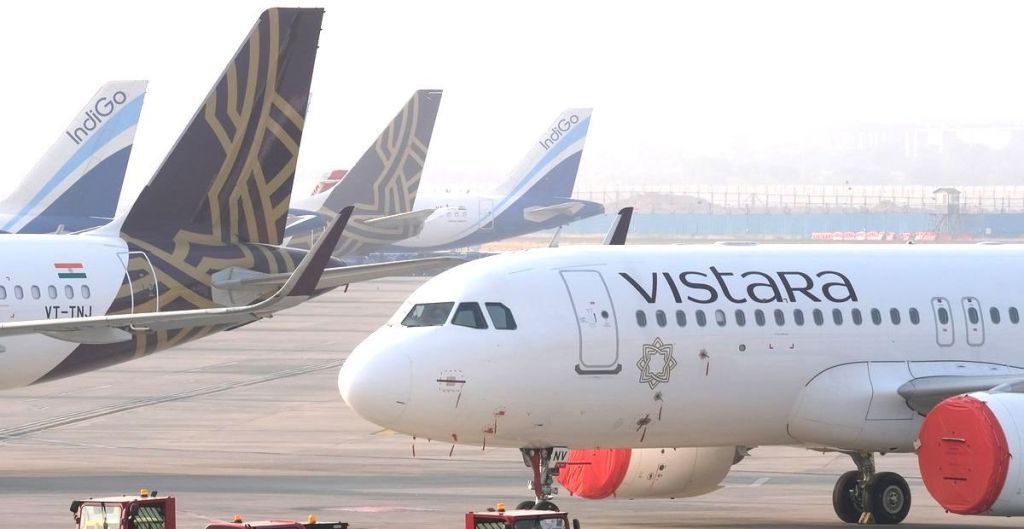

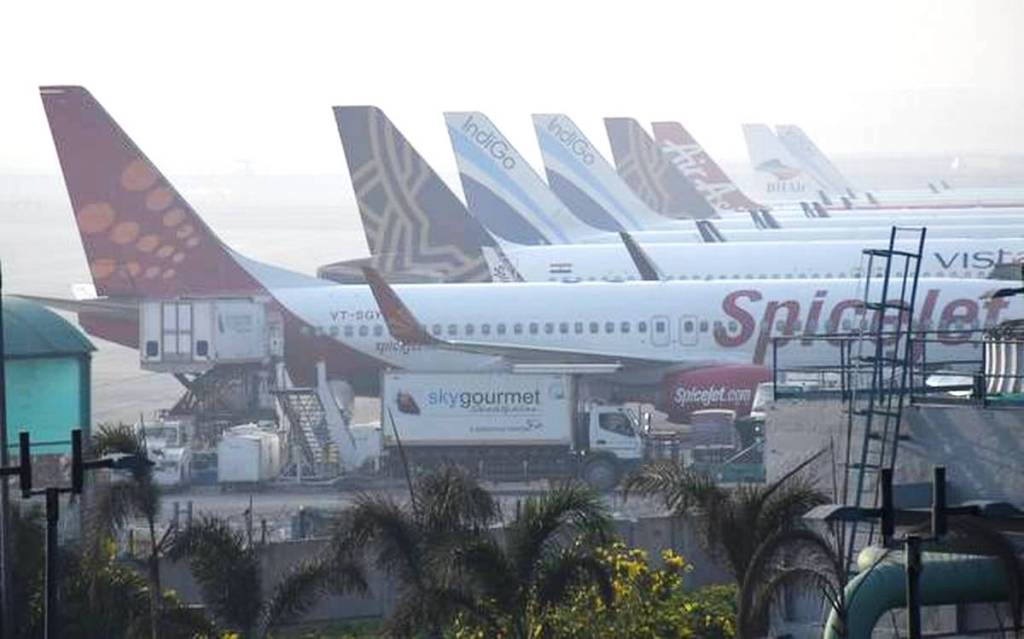





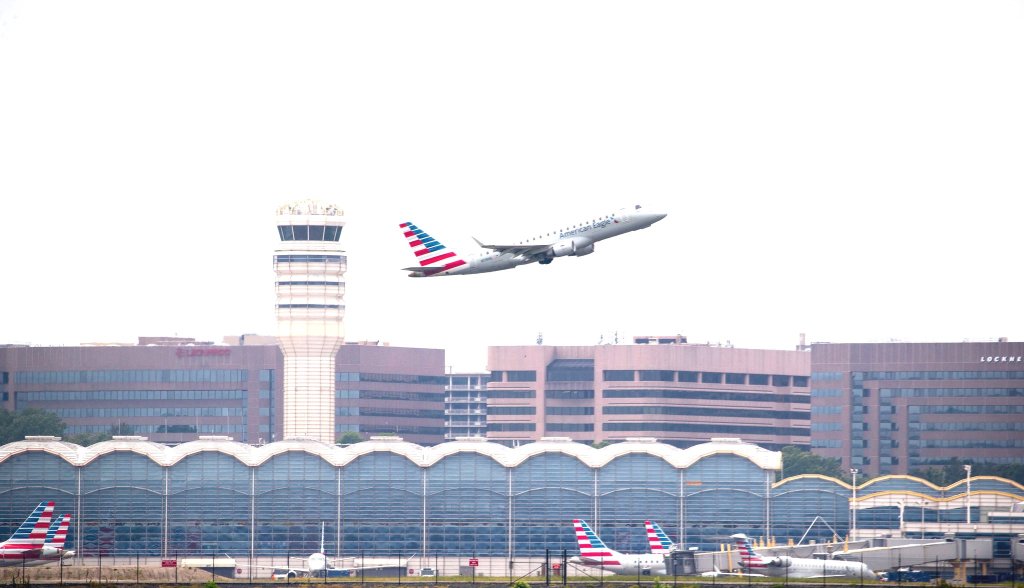

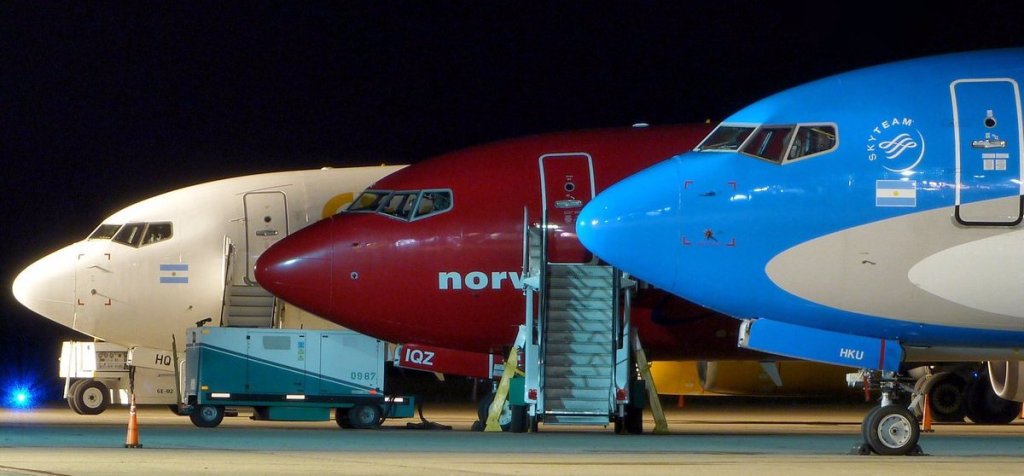
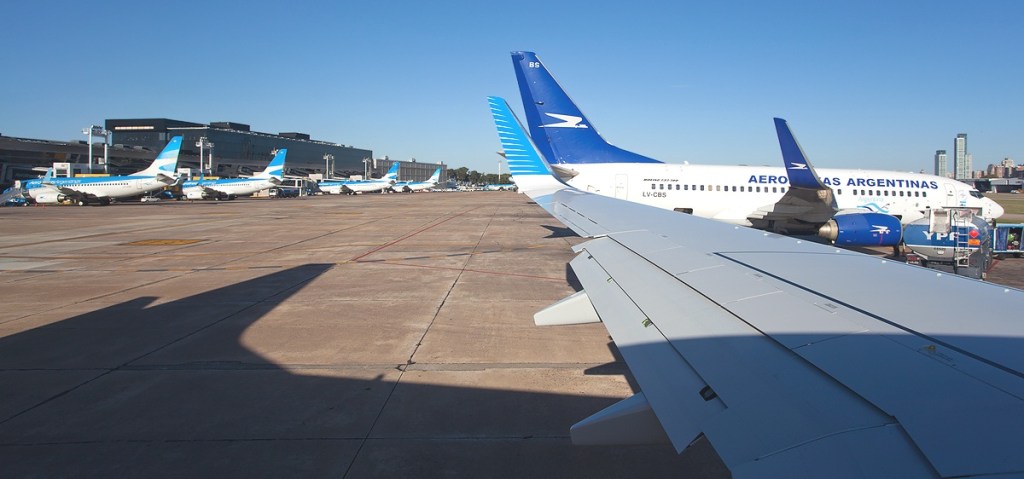
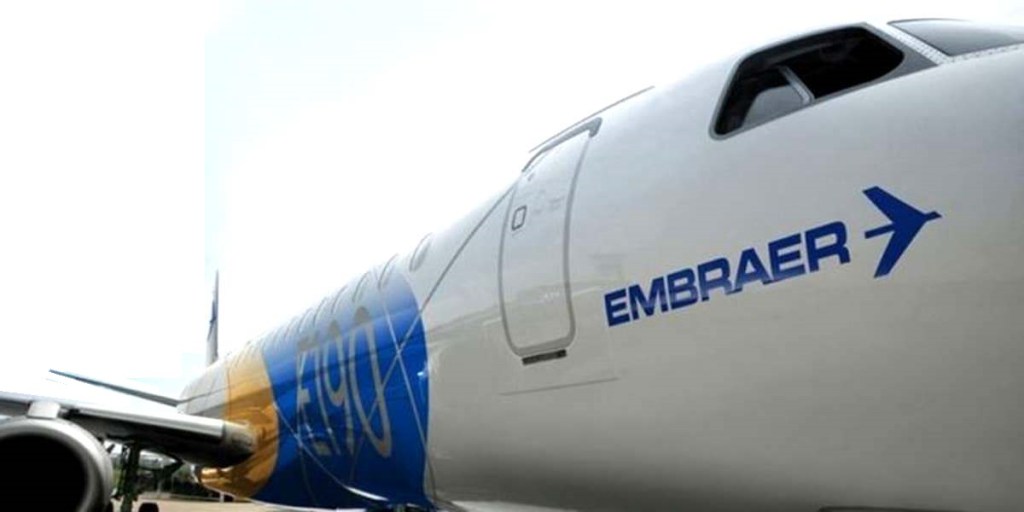





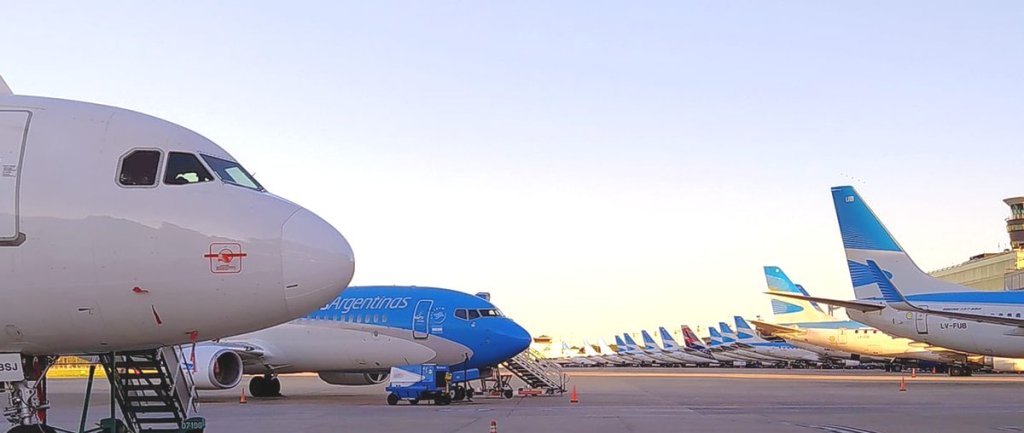
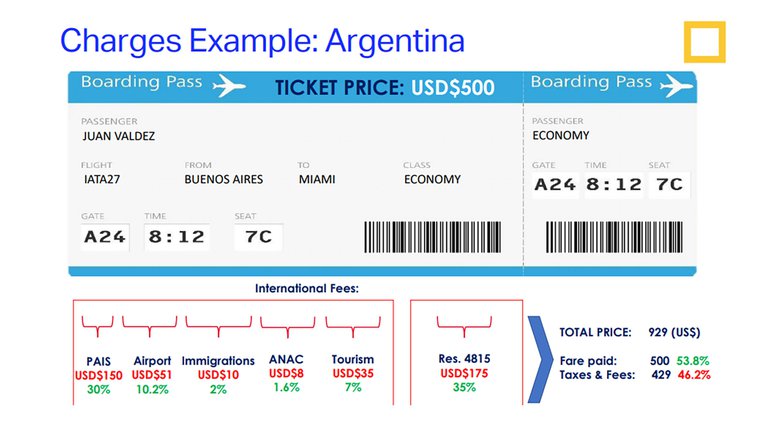
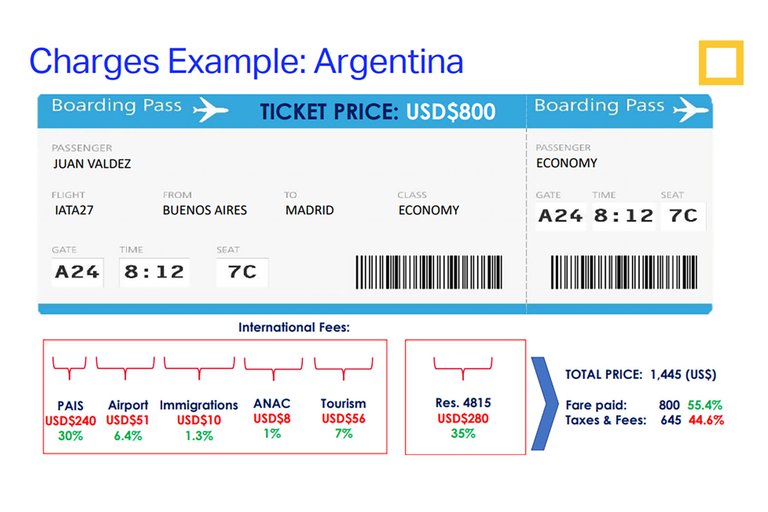

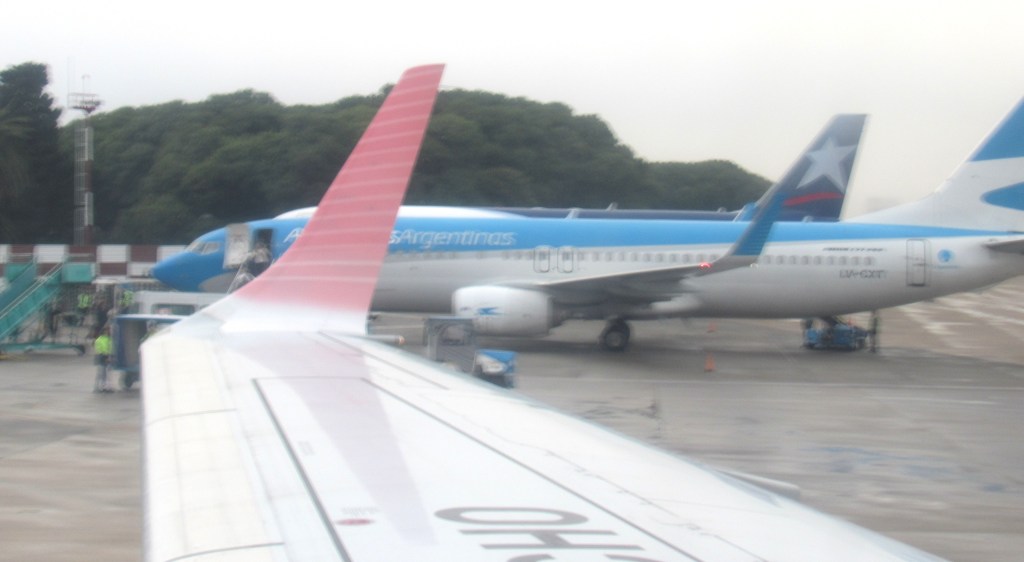

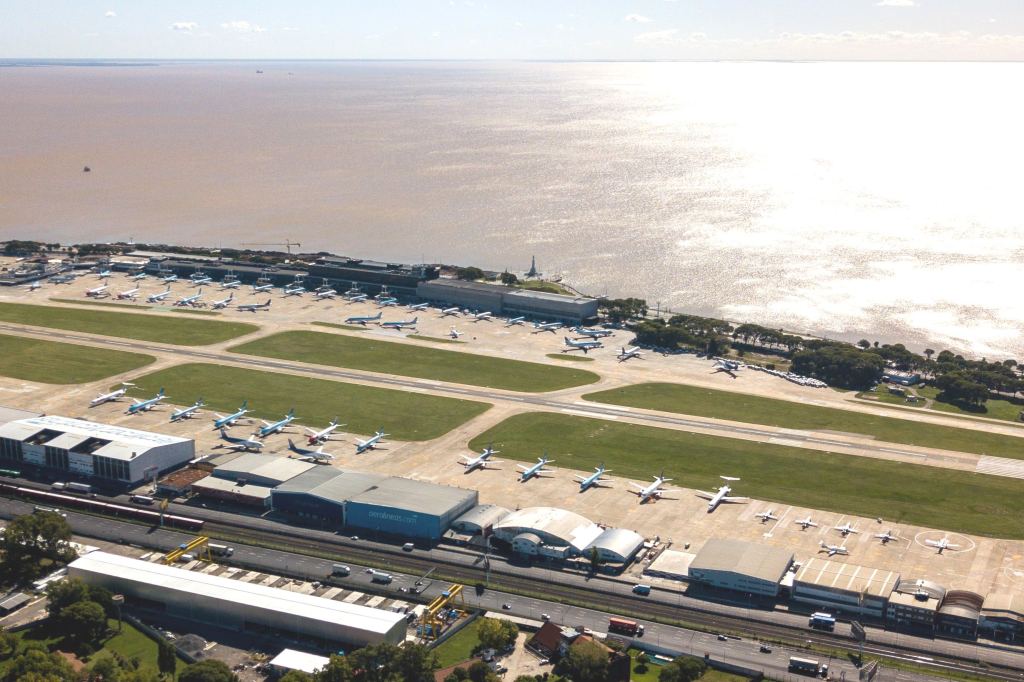
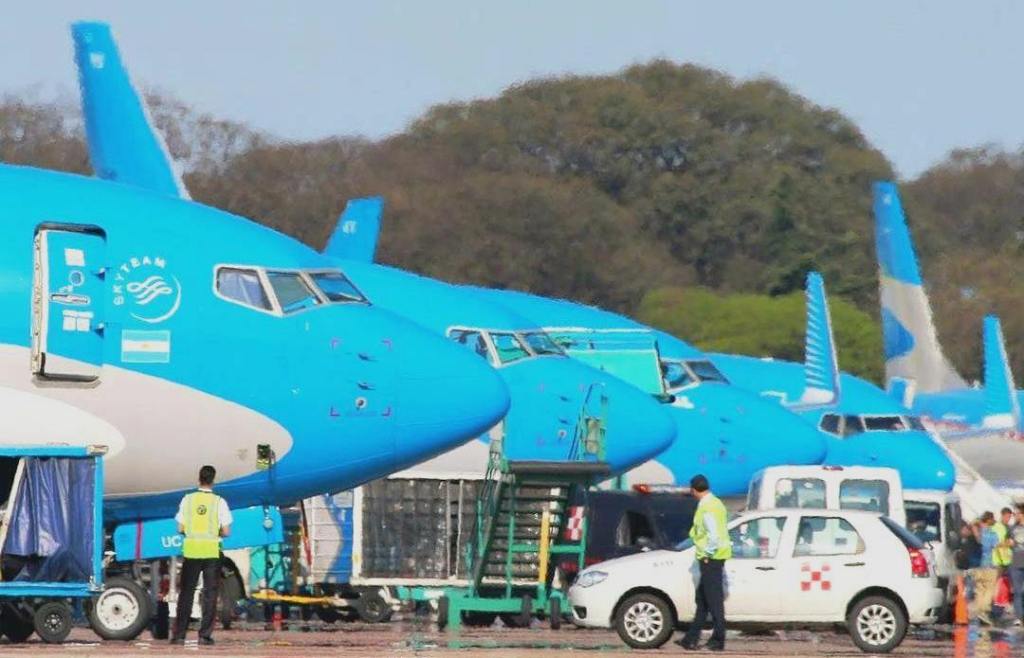
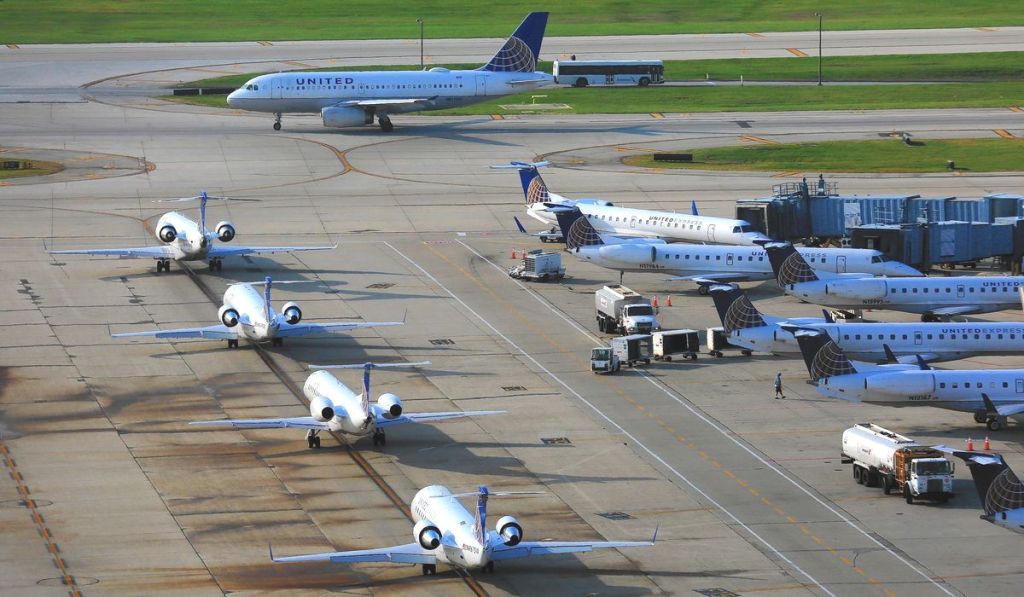
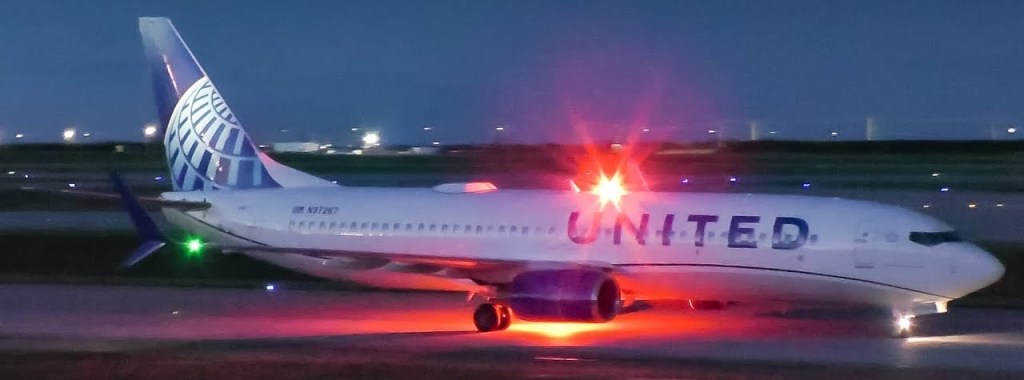


 airgways.com