La «Grieta Low Cost» asoma en el cielo

AW-7008-Ellitoral.jpgAW | 2019 09 16 12:57 | AIRLINES MARKET / GOVERNMENT

Gobernadores de Argentina enfrentan a Alberto Fernández por las aerolíneas low cost

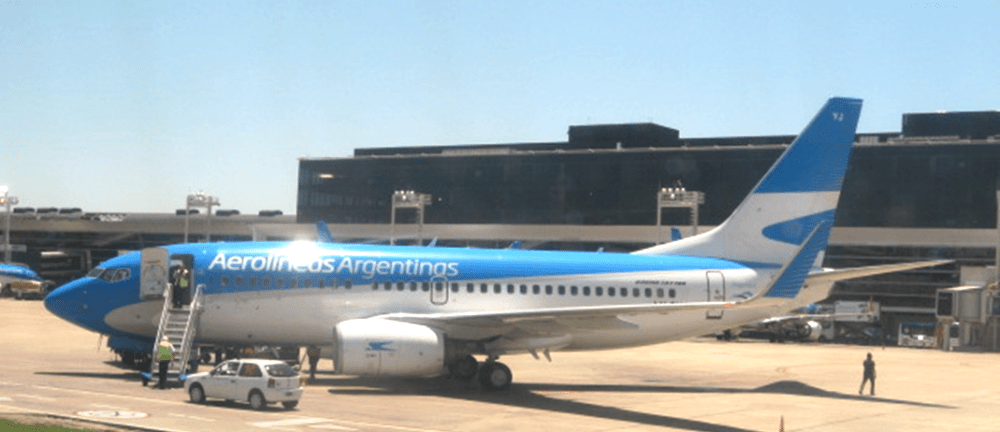
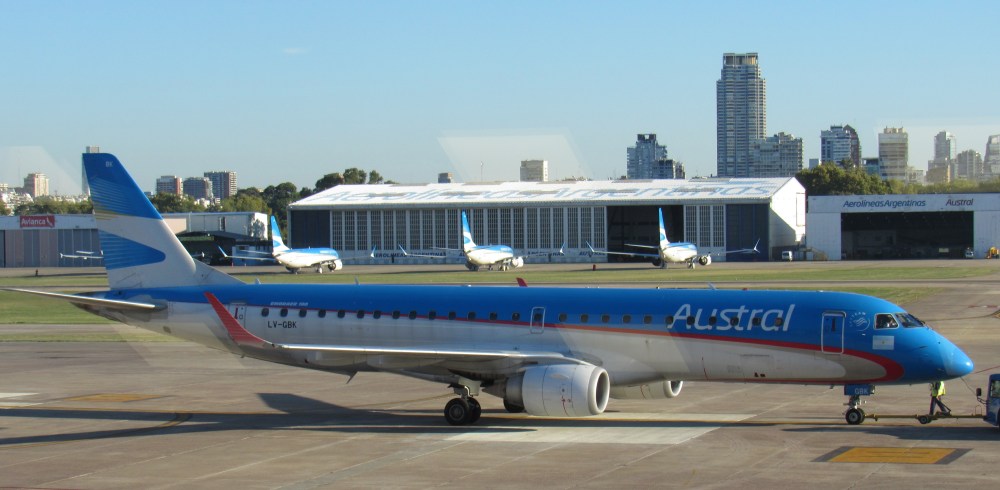
Los lineamientos hacia una futura gestión del candidato presidencial en Argentina, Alberto Fernández, parecen agitar el avispero del convulsionado panorama de la «Revolución de los Aviones». El candidato del Frente de Todos fijó su posición sobre el mercado aéreo durante una reunión con los gremios aeronáuticos en Julio 2019, en el marco de la campaña electoral, y dejó una promesa a los trabajadores de Aerolíneas Argentinas: “Quédense tranquilos. Todo va a recomponerse con Aerolíneas y con todos los cielos abiertos de la Argentina, que van a ser para Aerolíneas“, les dijo en un mensaje grabado en video. En distintas declaraciones periodísticas posteriores insistió con esa línea argumental y adelantó que va a “mirar el caso de las low cost porque han desvalijado a Aerolíneas”. Tomando un posicionamiento pro-Aerolíneas, ha encendido los distintos reclamos en la arena política entre los gobernadores peronistas en defensa de las aerolíneas low cost.

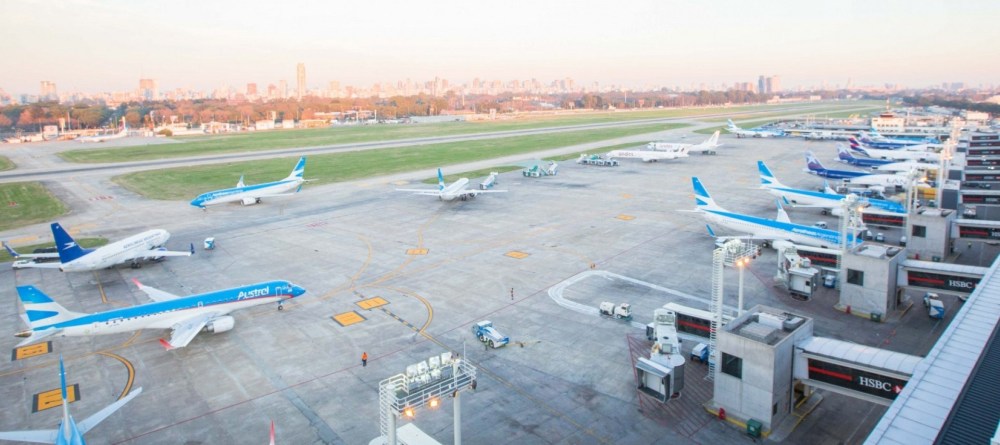
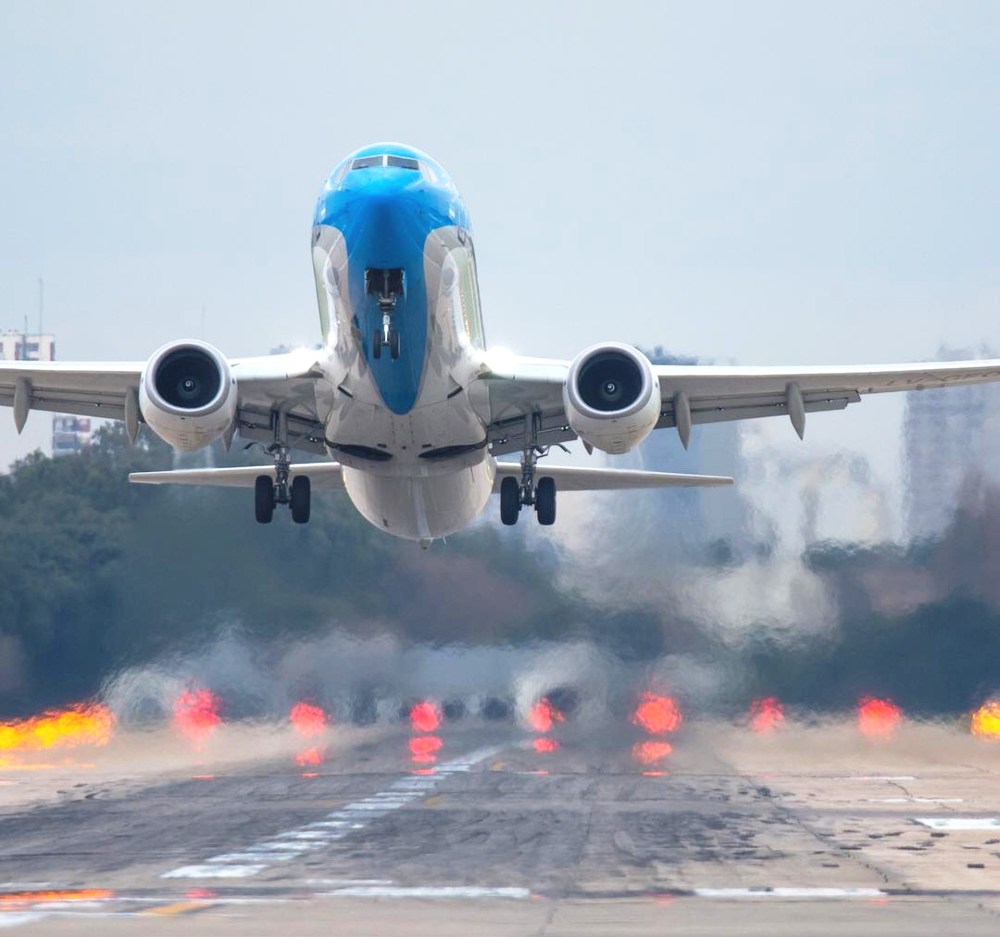
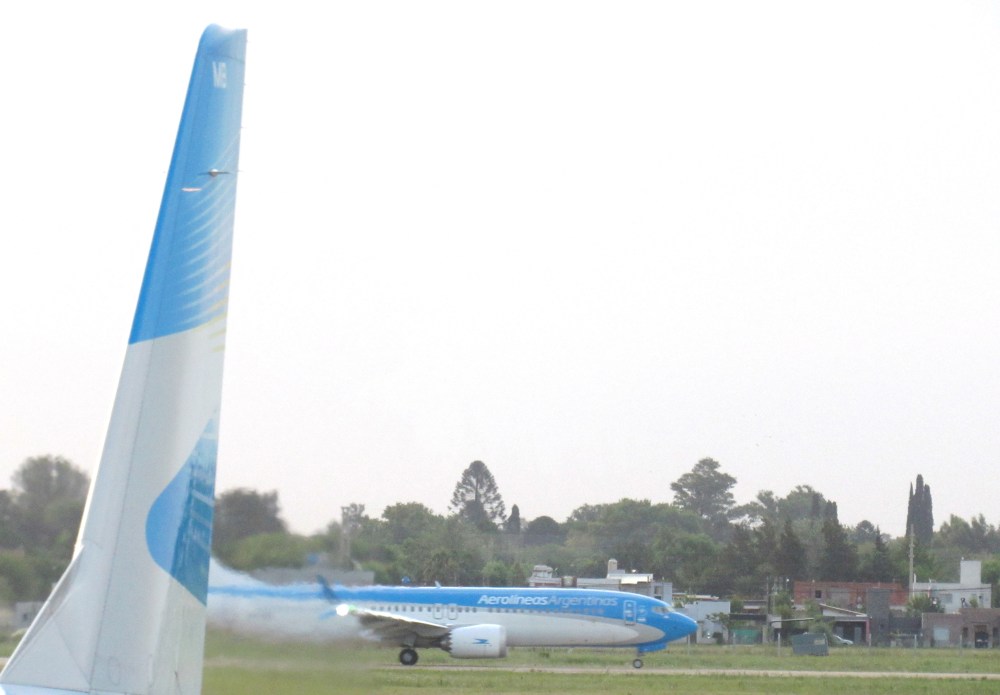
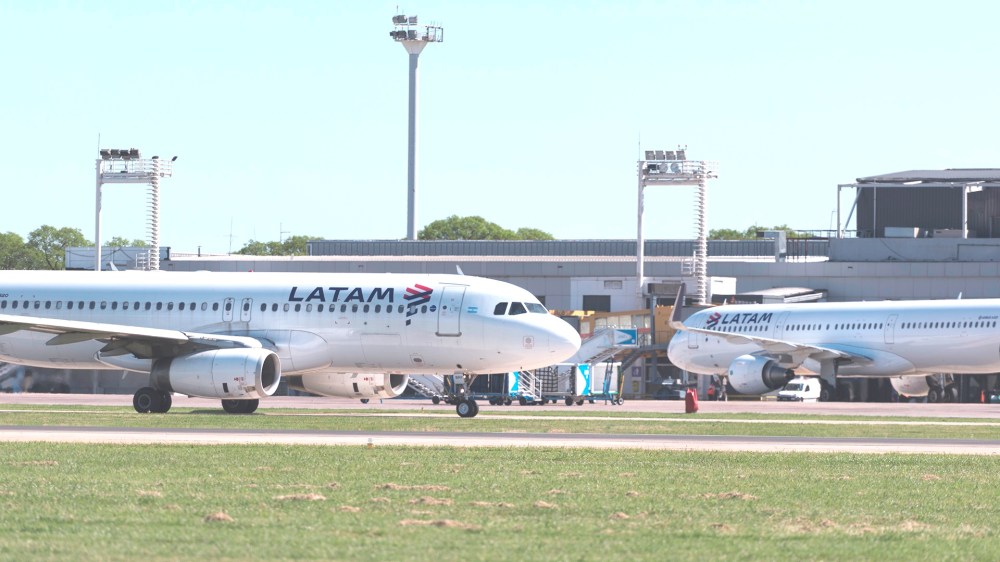
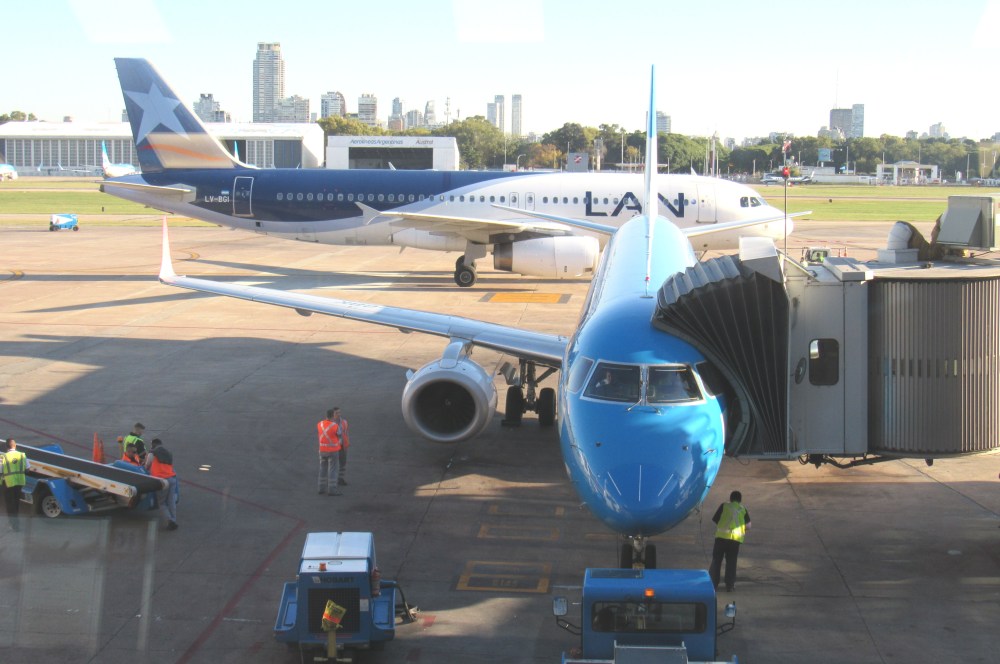
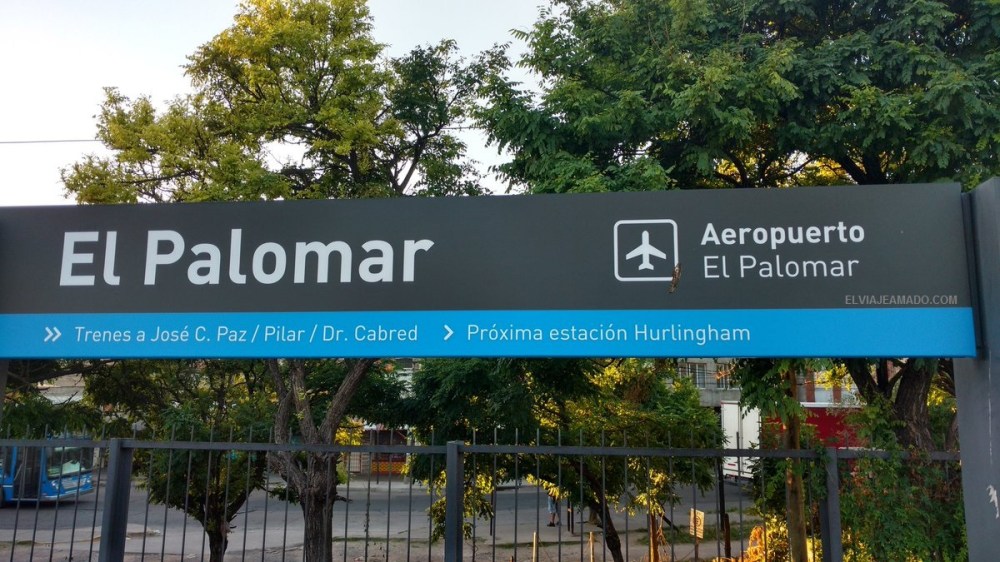
El primer desliz para las aerolíneas low cost fue la anulación por parte de la Justicia de Argentina de prohibir vuelos nocturnos en el Aeropuerto internacional El Palomar en el rango horario de 22:00 a 07:00 hs, imposibilitando a las líneas aéreas de bajo cost como Flybondi Líneas Aéreas y JetSmart Airlines a tener programación de vuelos flexibles poniendo en riesgo muchas rutas aéreas, sobre todo las internacionales. Su expansión se vería muy limitada, dado que Aeroparque no podría albergar más franjas horarias de vuelos domésticos. Los vuelos internacionales no están permitidos en el Aeropuerto Jorge Newbery, por lo que limitaría sus vuelos al Aeropuerto Internacional Ezeiza.

El impacto económico y social es muy grande. Existen unos 1.000 empleos directos que podrían afectarse. La modalidad low cost está transportando alrededor de unos 1.5 millones pasajeros. Existen inversiones paralelas al arribo de las aéreas de bajo costo en el Aeropuerto El Palomar que tal vez estén estudiando su factibilidad. La mejora de los tickets aéreos ha permitido flexibilizar los vuelos donde compañías low cost comenzaron a volar a lugares que no los hacía Aerolíneas/Austral o tenía pocas frecuencias.

Otro impacto son los comentarios del candidato a Presidente de Argentina, Alberto Fernández, acerca de las nuevas políticas que podrían esperarse con respecto a la aviación comercial en el país.

En las provincias de Argentina, sin importar el signo partidario, recuerdan sin entusiasmo los tiempos del monopolio aéreo que detentó el Grupo Aerolíneas. “Con Aerolíneas Argentinas, había pocas frecuencias, los vuelos eran caros por lo que la actividad era muy baja. Las low cost, generaron muchas fuentes de trabajo” explicó un Ministro de Turismo provincial. Desde algunas de estas provincias ya se está armando una estrategia para plantearle al candidato Alberto Fernández que sus promesas de campaña a los gremios aeronáuticos tendrán resistencia de muchos de los gobernadores que hoy apoyan una política de mercado abierto donde coexistan líneas aéreas tradicionales y low cost.

Mercado actual

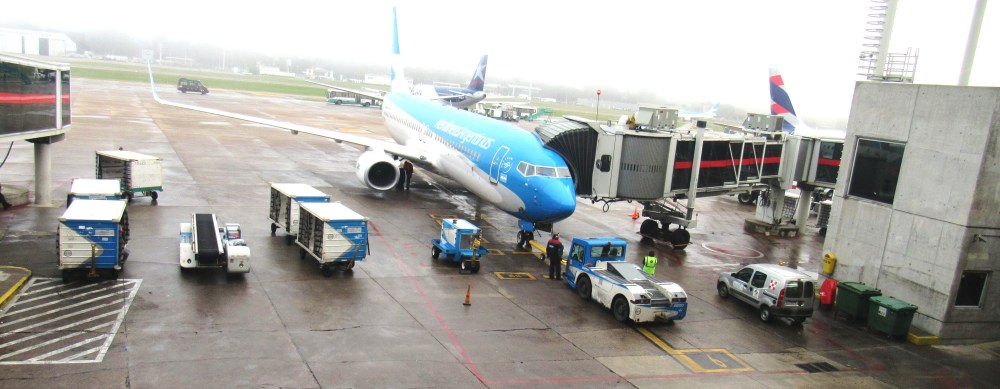
La apertura de los cielos en Argentina con la implementación de la «Revolución de los Aviones», a la llegada de las low cost, la actividad de Aerolíneas Argentinas y Austral Líneas Aéreas crecieron en un 61% en los últimos años. En Julio y Agosto 2019 tuvo récord de pasajeros de cabotaje. Destinos como Bariloche o Cataratas de Iguazú también tuvieron sus mejores meses de la historia debido a que, además del crecimiento de la línea de bandera, se sumaron nuevas frecuencias a precios más bajo.

Aunque se ha encendido una «grieta low cost» cuestionando las políticas de diversificación de rutas aéreas, será tiempos para replantear mejorar los beneficios de los pasajeros y de la industria de la aviación.AW-Icon-AW-TXT

AW-7001328.JPGThe «Low-Cost Crack» appears in the sky

Governors of Argentina face Alberto Fernández for low-cost airlines

The guidelines towards future management of the presidential candidate in Argentina, Alberto Fernández, seem to shake the hornet’s nest of the convulsed panorama of the «Aircraft Revolution». The candidate of the Frente de Todos set his position on the air market during a meeting with the aeronautical guilds in July 2019, within the framework of the electoral campaign, and left a promise to the workers of Aerolíneas Argentinas: “Stay calm. Everything is going to be recomposed with Airlines and with all the open skies of Argentina, which are going to be for Aerolíneas”, he told them in a video-recorded message. In different subsequent journalistic statements, he insisted on this line of argument and said that he will «look at the case of low cost because they have devalued Aerolíneas». Taking a pro-Aerolíneas position, it has ignited the various claims in the political arena among Peronist governors in defense of low-cost airlines.

The first slip for the low-cost airlines was the annulment by the Justice of Argentina to prohibit night flights at the El Palomar International Airport in the time range from 10:00 p.m. to 07:00 a.m., making it impossible for low-cost airlines such as Flybondi Airlines and JetSmart Airlines to have flexible flight scheduling putting at risk many air routes, especially international ones. Its expansion would be very limited, given that Aeroparque could not accommodate more time slots of domestic flights. International flights are not allowed at Jorge Newbery Airport, so it would limit your flights to Ezeiza International Airport.

The economic and social impact is very large. There are about 1,000 direct jobs that could be affected. The low-cost model is transporting around 1.5 million passengers. There are investments parallel to the arrival of low-cost airlines at El Palomar Airport that may be studying their feasibility. The improvement of air tickets has made it easier to make flights where low-cost companies started flying to places that Aerolíneas/Austral did not do or had few frequencies.

Another impact is the comments of the candidate for President of Argentina, Alberto Fernández, about the new policies that could be expected regarding commercial aviation in the country.

In the provinces of Argentina, regardless of the party sign, they remember without enthusiasm the times of the air monopoly held by the Airlines Group. “With Aerolíneas Argentinas, there were few frequencies, flights were expensive so the activity was very low. The low cost generated many sources of work” explained a provincial Minister of Tourism. From some of these provinces, a strategy is already being put forward to propose to candidate Alberto Fernández that his campaign promises to the aeronautical unions will have resistance from many of the governors who today support an open market policy where traditional and low-cost airlines coexist.

Current market

The opening of the skies in Argentina with the implementation of the «Aircraft Revolution», upon the arrival of the low cost, the activity of Aerolíneas Argentinas and Austral Líneas Aéreas has grown by 61% in recent years. In July and August 2019 he had a record of cabotage passengers. Destinations such as Bariloche or Iguazu Falls also had their best months in history because, in addition to the growth of the flag line, new frequencies were added at lower prices.

Although a «low-cost crack» has been ignited questioning air route diversification policies, it will be timed to rethink to improve the benefits of passengers and the aviation industry. A \ W


Ξ A I R G W A Y S Ξ
SOURCE: Airgways.com
DBk: Airgways.com
AW-POST: 201909161257AR

A\W   A I R G W A Y S ®

Aerolíneas mantienen slots Jet Airways

AW-707-Newindianexpress.jpgAW | 2019 09 16 11:27 | AIRLINES / GOVERNMENT

Image result for Ministry of Civil Aviation of IndiaLas aerolíneas podrán mantener los slots de Jet Airways hasta Marzo 2020

El Ministerio de Aviación Civil de la India ha permitido que las aerolíneas mantengan los slots de Jet Airways en los aeropuertos nacionales y sus derechos de tráfico extranjero hasta fines de Marzo 2020, o durante el horario de invierno.

«Las aerolíneas dijeron que una asignación temporal de los tragamonedas y los derechos de tráfico de Jet Airways durante tres meses los puso en desventaja ya que les queda un período de reserva más corto en comparación con los operadores extranjeros y solicitaron que se les entreguen hasta el final de El horario de invierno. Consideraremos su solicitud”, dijo a The Hindu PS Kharola, Secretario del Ministerio de Aviación Civil. Las aerolíneas plantearon el tema en una reunión con el Ministerio la semana pasada.

Las aerolíneas planean sus horarios de vuelo dos veces al año: horarios de verano e invierno. El horario de invierno estará vigente desde el último domingo de octubre hasta el último sábado de marzo. La decisión del gobierno ayudará a las aerolíneas a planificar sus vuelos para la temporada de invierno antes de presentar su horario ante el Director General de Aviación Civil.

En Abril 2019, el Ministerio asignó 440 de las 750 franjas horarias del aeropuerto mantenidas por Jet Airways a varias aerolíneas durante tres meses después de que la aerolínea con sede en Mumbai dejara de volar debido a restricciones de efectivo. Esto se extendió en Agosto hasta finales de Diciembre.

Los derechos de tráfico extranjero de Jet Airways (número de asientos que una aerolínea puede operar a destinos internacionales por semana) se distribuyeron en junio a IndiGo (84 vuelos semanales), SpiceJet (77 vuelos semanales), GoAir (30 vuelos semanales) y Vistara (28 vuelos semanales) durante tres meses, que también se prorrogó hasta finales de diciembre. Air India había recibido estos derechos para cinco destinos internacionales en Mayo.

Las franjas horarias de los aeropuertos y los derechos de tráfico extranjero son activos principales para un comprador de Jet Airways. El gobierno no los ha otorgado permanentemente, ya que estos podrían ser activos principales para un posible comprador de Jet Airways.AW-Icon-AW-TXT

Image result for slots Jet AirwaysIndia Airlines maintain Jet Airways slots

Airlines may keep Jet Airways slots until March 2020

The Ministry of Civil Aviation of India has allowed airlines to maintain Jet Airways slots at national airports and their foreign traffic rights until the end of March 2020, or during wintertime.

«The airlines said that a temporary allocation of Slots and Jet Airways traffic rights for three months put them at a disadvantage as they have a shorter reservation period compared to foreign operators and requested that they are delivered until the end of Wintertime. We will consider your request», PS Kharola, Secretary of the Ministry of Civil Aviation told The Hindu. The airlines raised the issue at a meeting with the Ministry last week.

Airlines plan their flight schedules twice a year: summer and wintertime. Wintertime will be valid from the last Sunday of October until the last Saturday of March. The government’s decision will help airlines plan their flights for the winter season before presenting their schedule to the Director-General of Civil Aviation.

In April 2019, the Ministry assigned 440 of the 750 airport slots maintained by Jet Airways to several airlines for three months after the Mumbai-based airline stopped flying due to cash restrictions. This extended in August until the end of December.

Jet Airways foreign traffic rights (number of seats that an airline can operate to international destinations per week) were distributed in June to IndiGo (84 weekly flights), SpiceJet (77 weekly flights), GoAir (30 weekly flights) and Vistara (28 weekly flights) for three months, which was also extended until the end of December. Air India had received these rights for five international destinations in May.

Airport slots and foreign traffic rights are major assets for a Jet Airways buyer. The government has not granted them permanently, as these could be major assets for a potential Jet Airways buyer. A\W

Image result for slots Jet Airwaysइंडिया एयरलाइंस जेट एयरवेज के स्लॉट का रखरखाव करती है

Image result for Ministry of Civil Aviation of Indiaएयरलाइंस मार्च 2020 तक जेट एयरवेज के स्लॉट रख सकती है

भारत के नागरिक उड्डयन मंत्रालय ने एयरलाइनों को मार्च 2020 के अंत तक या सर्दियों के समय के दौरान राष्ट्रीय हवाई अड्डों पर जेट एयरवेज के स्लॉट और उनके विदेशी यातायात अधिकारों को बनाए रखने की अनुमति दी है।

«एयरलाइनों ने कहा कि तीन महीने के लिए स्लॉट्स और जेट एयरवेज ट्रैफिक अधिकारों के एक अस्थायी आवंटन ने उन्हें नुकसान में डाल दिया क्योंकि उनके पास विदेशी ऑपरेटरों की तुलना में कम आरक्षण अवधि है और अनुरोध किया कि जब तक उन्हें वितरित नहीं किया जाएगा। शीतकालीन समय का अंत। हम आपके अनुरोध पर विचार करेंगे», नागरिक उड्डयन मंत्रालय के सचिव पीएस खारोला ने द हिंदू को बताया। एयरलाइंस ने पिछले हफ्ते मंत्रालय के साथ एक बैठक में इस मुद्दे को उठाया था।

एयरलाइंस साल में दो बार अपनी उड़ान अनुसूची तय करती है: गर्मियों और सर्दियों का समय। मार्च के अंतिम शनिवार से मार्च के अंतिम शनिवार तक शीतकालीन समय मान्य होगा। सरकार का निर्णय एयरलाइंस को डायरेक्टर जनरल ऑफ सिविल एविएशन के लिए अपना कार्यक्रम पेश करने से पहले सर्दियों के मौसम के लिए अपनी उड़ानों की योजना बनाने में मदद करेगा।

अप्रैल 2019 में, मंत्रालय ने जेट एयरवेज द्वारा बनाए गए 750 हवाई अड्डों में से 440 को तीन महीनों के लिए कई एयरलाइनों को सौंपा, जब मुंबई स्थित एयरलाइन ने नकदी प्रतिबंधों के कारण उड़ान बंद कर दी। यह अगस्त में दिसंबर के अंत तक बढ़ा।

जेट एयरवेज के विदेशी यातायात अधिकार (सीटों की संख्या जो एक एयरलाइन प्रति सप्ताह अंतरराष्ट्रीय गंतव्यों को संचालित कर सकती है) जून में इंडिगो (84 साप्ताहिक उड़ानें), स्पाइसजेट (77 साप्ताहिक उड़ानें), गोएयर (30 साप्ताहिक उड़ानें) और विस्तारा में वितरित की गई थीं। (28 साप्ताहिक उड़ानें) तीन महीने के लिए, जिसे दिसंबर के अंत तक बढ़ाया भी गया था। एयर इंडिया को ये अधिकार मई में पांच अंतरराष्ट्रीय गंतव्यों के लिए मिले थे।

जेट एयरवेज खरीदार के लिए हवाई अड्डे के स्लॉट और विदेशी यातायात अधिकार प्रमुख संपत्ति हैं। सरकार ने उन्हें स्थायी रूप से अनुमति नहीं दी है, क्योंकि ये जेट एयरवेज के संभावित खरीदार के लिए प्रमुख संपत्ति हो सकती है। A \ W


Ξ A I R G W A Y S Ξ
SOURCE: Airgways.com
DBk: Civilaviation.gov.in / Theweek.in / Indianexpress.com
AW-POST: 201909161127AR

A\W   A I R G W A Y S ®

China presiona aéreas compre nacional

Resultado de imagen para comac.ccAW | 2019 09 16 11:02 | INDUSTRY / GOVERNMENT

El Gobierno de China aumenta la presión sobre las aerolíneas nacionales para comprar aviones de fabricación nacional

El Gobierno de China está aumentando la presión sobre las aerolíneas nacionales para que usen más aviones desarrollados y fabricados en el país, un impulso que podría presentar un gran desafío para Boeing de Estados Unidos y Airbus de Europa. La compañía aeroespacial COMAC (Corporación de Aviones Comerciales de China) se encuentra en el centro de la batalla de la industria aeronáutica. China prevé un futuro en el que las aerolíneas chinas dependan menos de Boeing y Airbus, y en el que los aviones fabricados en el país encuentren clientes en el extranjero.

Las tres aerolíneas líderes de China recientemente hicieron pedidos considerables de aviones regionales de fabricación nacional. Una aerolínea también está creando una compañía para operar una flota de aviones nacionales. China Southern Airlines, China Eastern Airlines y Air China, la aerolínea de bandera de la nación, anunciaron el 30 Agosto 2019 que cada una comprará 35 aviones regionales ARJ 21-700 fabricados por la COMAC. Las entregas de los aviones, que cuestan US$38 millones, comenzarán el próximo año y se extenderán hasta 2024.

El ARJ21, desarrollado bajo un proyecto nacional que comenzó en 2002, realizó su primer vuelo en 2008 y entró en servicio comercial en 2016, convirtiéndose en el primer avión de pasajeros chino en ser utilizado comercialmente. Con 78 a 90 asientos, el avión es aproximadamente del mismo tamaño que el Mitsubishi SpaceJet, que anteriormente conocido como Mitsubishi Regional Jet (MRJ). Mitsubishi Aircraft ofrece dos versiones del avión bimotor japonés en configuraciones que pueden acomodar de 70 a 92 pasajeros.

Embraer de Brasil tiene una sólida presencia en el mercado global de aviones regionales, y las aerolíneas chinas han sido grandes clientes. Para fin de año esperan las aprobaciones de los organismos de los respectivos países y a nivel mundial para la sinergia entre Embraer y Boeing en el área comercial. Embraer se nutrirá de la experiencia de Boeing consolidando la cartera de pedidos en sintonía con la compañía estadounidense.

Si bien COMAC ha recibido hasta ahora pedidos de unos 600 ARJ 21, solo se han entregado aproximadamente 10, principalmente a Chengdu Airlines, una aerolínea regional que pertenece en parte a COMAC. Pero Beijing quiere ver más aviones chinos en los cielos de China. En febrero, un alto funcionario de aviación civil declaró el lanzamiento de un plan respaldado por el gobierno para promover el uso de aviones de pasajeros fabricados en el país, y las recientes órdenes ARJ 21 de los tres grandes transportistas son signos tempranos de su efectividad.

Además de comprar ARJ 21, China Eastern Airlines también ha expandido su unidad de aviones comerciales, que opera una flota de aviones. La aerolínea, rebautizada como One Two Three Airline en agosto, servirá como plataforma para comprar más ARJ 21 que volarán rutas de corta distancia. Además, China Southern Airlines y Air China parecen estar considerando el establecimiento de nuevas aerolíneas que dependerán de los ARJ 21.

El gobierno chino, que tiende a ser lento y cauteloso al aprobar nuevas aerolíneas, parece haber dado luz verde a estos planes para ayudar al ARJ 21 a hacer incursiones nacionales. COMAC tiene la intención de aumentar la producción de ARJ21 ahora que cuenta con el apoyo de las políticas gubernamentales. La compañía, que tenía la capacidad de producir 15 ARJ 21 en 2018, tiene la intención de aumentar eso a 25 este año y a 30 en 2020. La compañía planea entregar más de 100 de los aviones en los próximos cinco años.

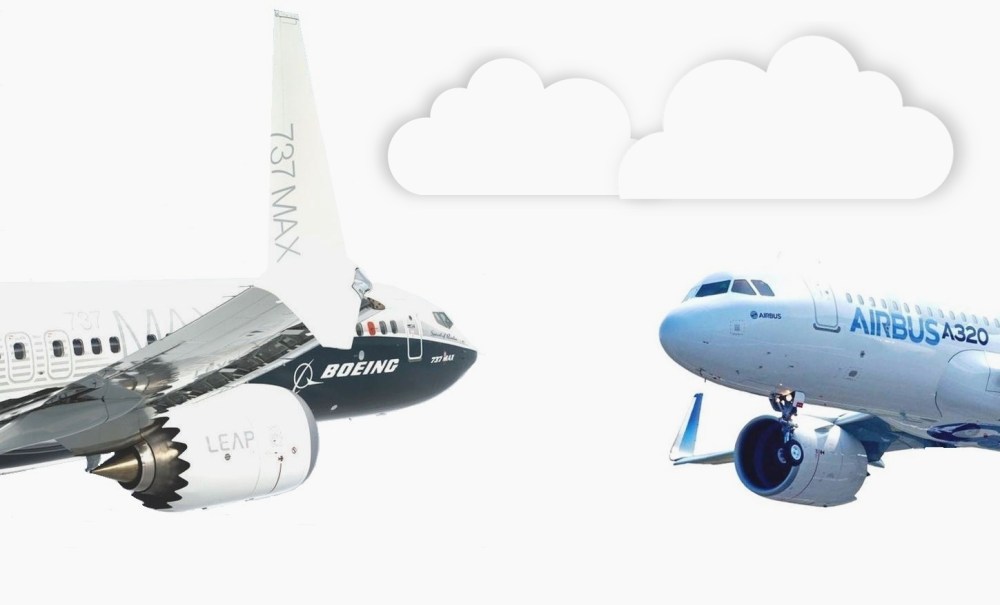
La agenda de crecimiento del fabricante de aviones también requiere el desarrollo de un avión de 160 asientos, el C919. La compañía apunta a obtener la certificación china para el C919 en 2021 y ha solicitado la certificación con la Agencia de Seguridad Aérea de la Unión Europea. Esto permitiría a Comac exportar sus aviones y desafiar directamente el Airbus A320 y el Boeing 737.

Otro avión de pasajeros desarrollado y fabricado en China es el Xian MA60, un turbopropulsor producido por Xi’an Aircraft Industrial, una unidad de la Aviation Industry Corporation de China (AVIC). El Xian MA60, que realizó su primer vuelo en 2000, se ha exportado a Zimbabwe y Laos.

Crecimiento aviación china

En 2018, el número de viajeros aéreos en China creció un 15,2% para llegar a 670 millones, convirtiendo al país en el segundo mercado de aviación más grande después de los Estados Unidos, según la Asociación Internacional de Transporte Aéreo (IATA). Entre los cinco principales mercados, China fue el único que registró un crecimiento de dos dígitos el año pasado. Los otros tres mercados son Gran Bretaña, España y Japón. El enorme crecimiento de la aviación china podría proporcionar un impulso poderoso para la incursión del país en el mercado internacional de aviones, que tiene el potencial de remodelar la industria aeronáutica mundial.AW-Icon-AW-TXT

29d82ff3-7d5f-4e85-8340-d216b30b217c_0 (1).jpgChina presses airlines to buy national

The Government of China increases pressure on domestic airlines to buy nationally manufactured aircraft

The Government of China is increasing pressure on domestic airlines to use more aircraft developed and manufactured in the country, a boost that could present a great challenge for Boeing in the United States and Airbus in Europe. The aerospace company COMAC (Commercial Aircraft Corporation of China) is at the center of the battle of the aviation industry. China foresees a future in which Chinese airlines rely less on Boeing and Airbus, and in which airplanes manufactured in the country find customers abroad.

The three leading airlines in China recently placed considerable orders for regional aircraft of national manufacture. An airline is also creating a company to operate a fleet of national aircraft. China Southern Airlines, China Eastern Airlines, and Air China, the nation’s flag carrier, announced on August 30, 2019, that each will buy 35 regional ARJ 21-700 aircraft manufactured by COMAC. Aircraft deliveries, which cost US$ 38 million, will begin next year and will run until 2024.

The ARJ21, developed under a national project that began in 2002, made its first flight in 2008 and entered commercial service in 2016, becoming the first Chinese passenger aircraft to be used commercially. With 78 to 90 seats, the plane is about the same size as the Mitsubishi SpaceJet, formerly known as Mitsubishi Regional Jet (MRJ). Mitsubishi Aircraft offers two versions of the Japanese twin-engine aircraft in configurations that can accommodate 70 to 92 passengers.

Embraer from Brazil has a strong presence in the global regional aircraft market, and Chinese airlines have been large customers. By the end of the year, they await the approvals of the agencies of the respective countries and worldwide for the synergy between Embraer and Boeing in the commercial area. Embraer will draw on Boeing’s experience by consolidating the order book in line with the US company.

While COMAC has so far received orders for about 600 ARJ 21, only about 10 have been delivered, mainly to Chengdu Airlines, a regional airline that belongs in part to COMAC, but Beijing wants to see more Chinese planes in the skies of China. In February, a senior civil aviation official declared the launch of a government-backed plan to promote the use of passenger aircraft manufactured in the country, and the recent ARJ 21 orders of the three major carriers are early signs of their effectiveness.

In addition to buying ARJ 21, China Eastern Airlines has also expanded its commercial aircraft unit, which operates a fleet of aircraft. The airline renamed One Two Three Airline in August, will serve as a platform to buy more ARJ 21 that will fly short-distance routes. In addition, China Southern Airlines and Air China seem to be considering the establishment of new airlines that will depend on the ARJ 21.

The Chinese government, which tends to be slow and cautious in approving new airlines, seems to have given the green light to these plans to help the ARJ 21 make national incursions. COMAC intends to increase the production of ARJ21 now that it has the support of government policies. The company, which had the capacity to produce 15 ARJ 21 in 2018, intends to increase that to 25 this year and 30 in 2020. The company plans to deliver more than 100 of the planes in the next five years.

The growth schedule of the aircraft manufacturer also requires the development of a 160-seat aircraft, the C919. The company aims to obtain Chinese certification for C919 in 2021 and has applied for certification with the European Union Air Safety Agency. This would allow Comac to export its aircraft and directly challenge the Airbus A320 and the Boeing 737.

Another passenger aircraft developed and manufactured in China is the Xian MA60, a turboprop produced by Xi’an Aircraft Industrial, a unit of the Aviation Industry Corporation of China (AVIC). The Xian MA60, which made its first flight in 2000, has been exported to Zimbabwe and Laos.

Chinese aviation growth

In 2018, the number of air travelers in China grew by 15.2% to reach 670 million, making the country the second-largest aviation market after the United States, according to the International Air Transport Association (IATA). Among the top five markets, China was the only one that registered double-digit growth last year. The other three markets are Britain, Spain, and Japan. The enormous growth of Chinese aviation could provide a powerful impetus for the country’s incursion into the international aircraft market, which has the potential to reshape the global aviation industry. A \ W

Resultado de imagen para government china aeronautics中國新聞航空公司購買全國

中國政府增加國內航空公司購買國產飛機的壓力

中國政府正在增加國內航空公司使用更多在該國開發和製造的飛機的壓力,這可能對美國的波音公司和歐洲的空中客車公司構成巨大挑戰。航空航天公司中國商用飛機公司(COMAC)是航空業爭奪戰的中心。中國預計中國航空公司對波音和空中客車的依賴程度較低,而且該國製造的飛機在海外尋找客戶。

中國三大航空公司最近為國家製造的支線飛機訂購了大量訂單。一家航空公司也正在建立一家運營國家飛機的公司。中國南方航空公司,中國東方航空公司和中國國航是該國的旗艦航空公司,於2019年8月30日宣佈各自將購買由中國商飛製造的35架ARJ 21-700型地區飛機。耗資3800萬美元的飛機交付將於明年開始,並將持續到2024年。

ARJ21是在2002年開始的國家項目下開發的,於2008年首飛,並於2016年投入商業服務,成為首個商用的中國客機。該飛機擁有78至90個座位,與三菱SpaceJet(以前稱為Mitsubishi Regional Jet(MRJ))的尺寸大致相同。三菱飛機提供兩種版本的日本雙引擎飛機,配置可容納70至92名乘客。

來自巴西的巴西航空工業公司在全球支線飛機市場佔有重要地位,中國航空公司也是大客戶。到今年年底,他們等待各國和全球各機構的批准,以實現巴西航空工業公司與波音公司在商業領域的協同作用。巴西航空工業公司將通過整合與美國公司一致的訂單來吸取波音公司的經驗。

雖然到目前為止COMAC已收到大約600架ARJ 21的訂單,但只有大約10架已經交付,主要是成都航空公司,這是一個屬於中國商飛的區域航空公司,但北京希望看到更多的中國飛機在中國的天空。 2月,一名民航高級官員宣布啟動政府支持的計劃,以促進在該國生產的客機的使用,最近三家主要航空公司的ARJ 21訂單是其有效性的早期跡象。

除購買ARJ 21外,中國東方航空公司還擴大了其商用飛機部隊,該部隊運營著一支飛機。該航空公司在8月更名為One Two Three Airline,將作為購買更多ARJ 21的平台,該航線將搭乘短途航線。此外,中國南方航空公司和國航似乎正在考慮建立依賴ARJ 21的新航空公司。

中國政府在批准新航空公司方面往往緩慢而謹慎,似乎已經為這些計劃開了綠燈,以幫助ARJ 21進行全國性的入侵。 COMAC打算在政府政策的支持下增加ARJ21的產量。該公司有能力在2018年生產15輛ARJ 21,計劃今年將其增加到25輛,並在2020年增加到30輛。該公司計劃在未來五年內交付100多架飛機。

飛機製造商的增長計劃還需要開發160座飛機,C919。該公司的目標是在2021年獲得C919的中國認證,並已向歐盟航空安全局申請認證。這將使Comac能夠出口其飛機並直接挑戰空中客車A320和波音737。

在中國開發和製造的另一架客機是西安航空工業公司(AVIC)旗下的西安飛機工業公司生產的渦輪螺旋槳飛機西安MA60。西安MA60於2000年首飛,目前已出口到津巴布韋和老撾。

中國航空業增長

根據國際航空運輸協會(IATA)的數據,2018年,中國的航空旅客人數增長了15.2%,達到6.7億人,使其成為僅次於美國的第二大航空市場。 在前五大市場中,中國是去年唯一一個實現兩位數增長的市場。 其他三個市場是英國,西班牙和日本。 中國航空業的巨大增長可以為該國入侵國際飛機市場提供強大動力,這有可能重塑全球航空業。A \ W


Ξ A I R G W A Y S Ξ
SOURCE: Airgways.com
DBk: Nikkei.com / Comac.cc / Airgways.com
AW-POST: 201909161102AR

A\W   A I R G W A Y S ®

Synergy acepta control de Jet Airways

American-Express-Lounge-Delhi-Airport-Terminal-3-_6.jpgAW | 2019 09 03 08:25 | AIRLINES / GOVERNMENT

Jet_Airways_tcm473-1083202Synergy Group acepta mayoría participación en Jet Airways

Synergy Group acepta elegir una participación del 51% en Jet Airways. El Synergy Group Corp, que posee una participación mayoritaria en la aerolínea colombiana Avianca bajo la administración de Avianca Holdings, la segunda aerolínea más grande de América Latina. Avianca Holdings también tiene una sociedad de código compartido con Air India.

Avianca_Logo_2013.pngSynergy Group Corp., que es uno de los posibles inversores de Jet Airways, se inclina a tomar una participación mayoritaria en la aerolínea en tierra, siempre y cuando los prestamistas consientan en hacer un corte de pelo profundo y convertir su deuda en acciones. «Estamos consultando si Synergy Aerospace como inversionista financiero puede tomar una participación mayoritaria en Jet Airways», dijo Antonio Guizzetti, Presidente de Guizzetti & Associates, con sede en Washington, asesor legal de Synergy Group en la adquisición de Jet Airways. Agregó que la compañía sudamericana está dispuesta a obtener una participación del 51% en la aerolínea. Según un informe en India «el grupo buscará bancos asociados y tal vez un grupo industrial indio», pero el Grupo Synergy aún no ha tenido conversaciones con socios potenciales en India.

Jet-Airways-737-Business-Class-8-1.jpgSynergy accepts control of Jet Airways

Synergy Group accepts majority participation in Jet Airways

Synergy Group agrees to choose a 51% stake in Jet Airways. The Synergy Group Corp, which has a majority stake in the Colombian airline Avianca under the administration of Avianca Holdings, the second-largest airline in Latin America. Avianca Holdings also has a code-share company with Air India.

Synergy Group Corp., which is one of the potential investors of Jet Airways, is inclined to take a majority stake in the airline on the ground, as long as the lenders agree to take a deep haircut and convert their debt into shares. «We are consulting whether Synergy Aerospace as a financial investor can take a majority stake in Jet Airways», said Antonio Guizzetti, President of Washington-based Guizzetti & Associates, legal advisor to Synergy Group in the acquisition of Jet Airways. He added that the South American company is willing to obtain a 51% stake in the airline. According to a report in India «the group will look for associated banks and perhaps an Indian industrial group», but the Synergy Group has not yet had talks with potential partners in India. A \ W

AW-7088993200.jpgसिनर्जी ने जेट एयरवेज का नियंत्रण स्वीकार कर लिया है

Jet-Airways-Logo-Tagline.jpgसिनर्जी ग्रुप जेट एयरवेज में बहुमत की भागीदारी को स्वीकार करता है

सिनर्जी ग्रुप जेट एयरवेज में 51% हिस्सेदारी चुनने के लिए सहमत है जेट एयरवेज। सिनर्जी ग्रुप कॉर्प, जिसके पास लैटिन अमेरिका में दूसरी सबसे बड़ी एयरलाइन एवियनका होल्डिंग्स के प्रशासन के तहत कोलम्बियाई एयरलाइन एविआंका में बहुमत हिस्सेदारी है। Avianca Holdings की एयर इंडिया के साथ एक कोड-शेयर कंपनी भी है।

सिनर्जी ग्रुप कॉर्प, जो जेट एयरवेज के संभावित निवेशकों में से एक है, जमीन पर एयरलाइन में बहुमत हिस्सेदारी लेने के लिए इच्छुक है, जब तक कि ऋणदाता एक गहरी बाल कटवाने और शेयरों में अपने ऋण को बदलने के लिए सहमत हो जाते हैं। जेट एयरवेज के अधिग्रहण में सिनर्जी ग्रुप के कानूनी सलाहकार, वाशिंगटन स्थित गिजेट्टी एंड एसोसिएट्स के अध्यक्ष एंटोनियो गुइजेट्टी ने कहा, «हम सलाह दे रहे हैं कि क्या एक वित्तीय निवेशक के रूप में सिनर्जी एरोस्पेस जेट एयरवेज में बहुमत ले सकते हैं।» उन्होंने कहा कि दक्षिण अमेरिकी कंपनी एयरलाइन में 51% हिस्सेदारी हासिल करने की इच्छुक है। भारत में एक रिपोर्ट के अनुसार «समूह संबद्ध बैंकों और शायद एक भारतीय औद्योगिक समूह की तलाश करेगा,» लेकिन सिनर्जी समूह ने अभी तक भारत में संभावित भागीदारों के साथ बातचीत नहीं की है। A \ W


Ξ A I R G W A Y S Ξ
SOURCE: Airgways.com
DBk: Jetairways.com / Airgways.com / Avianca.com
AW-POST: 201909030825AR

A\W   A I R G W A Y S ®

Cancelación definitiva del NAIM

Resultado de imagen para NAIM AirportAW | 2019 08 29 15:27 | AIRPORTS / GOVERNMENT

La SCT de México cancela definitivamente el Proyecto NAIM

La Secretaría de Comunicaciones y Transportes (SCT) de la República de México dio por concluida la liquidación de 692 contratos firmados para la construcción del Nuevo Aeropuerto Internacional de México (NAIM) por un monto de MX$ 75,223 millones de pesos, equivalentes a 26% del presupuesto que habría requerido el proyecto, de MX$ 285.000, según datos provistos por SCT.

Rueda prensa

En conferencia de prensa, Javier Jiménez Espriú, titular de la secretaría, explicó que los 692 contratos sumaban un monto de MX$ 189.634, estimando las obras ya realizadas por los contratistas equivalen a MX$ 60.291 millones, monto al que se suman MX$ 14.932 millones por gastos no recuperables hechos por las empresas, cifra inferior a los MX$ 25.000 millones estimados por la Secretaría hace un par de meses. Aunque la suma del presupuesto erogado y de los gastos no reembolsables suman MX$ 75.223 millones, la SCT considera que el costo final de la cancelación del NAIM será de MX$ 71.223 millones, debido a que existe la oportunidad de recuperar bienes equivalentes a MX$ 4.000 millones.

“Dentro de los gastos no recuperables, se entregó a la SCT 140,000 toneladas de acero, útiles para otras cosas, así como varios millones de metros cúbicos de basalto y de tezontle. Estimamos que podremos disponer de esos bienes, como equipos y subestaciones eléctricas, para otras obras que tendremos, como el Tren Maya y el mismo Aeropuerto Santa Lucía”, dijo Jimenez Espriú.AW-Icon-AW-TXT

Resultado de imagen para NAIM AirportFinal cancellation of the NAIM Airport

The SCT of Mexico definitively cancels the NAIM Project

The Ministry of Communications and Transportation (SCT) of the Republic of Mexico terminated the liquidation of 692 contracts signed for the construction of the New Mexico International Airport (NAIM) for an amount of MX$ 75,223 million pesos, equivalent to 26% of the budget that the project would have required, of MX$ 285,000, according to data provided by SCT.

Press conference

In a press conference, Javier Jiménez Espriú, head of the secretariat, explained that the 692 contracts amounted to MX$ 189,634, estimating the works already carried out by the contractors equivalent to MX$ 60,291 million, which amount to MX$ 14,932 million for non-recoverable expenses made by companies, less than the MX$ 25,000 million estimated by the Secretariat a couple of months ago. Although the sum of the budget provided and non-reimbursable expenses amount to MX$ 75,223 million, the SCT considers that the final cost of the cancellation of the NAIM will be MX$ 71,223 million, because there is an opportunity to recover goods equivalent to MX$ 4,000 million.

“Within the non-recoverable expenses, 140,000 tons of steel, useful for other things, as well as several million cubic meters of basalt and tezontle were delivered to the SCT. We believe that we will be able to dispose of these goods, such as equipment and electrical substations, for other works that we will have, such as the Mayan Train and the Santa Lucia Airport itself”, said Jiménez Espriú. A \ W


Ξ A I R G W A Y S Ξ
SOURCE: Airgways.com
DBk: Gob.mx/sct / Expansion.mx / Elfinanciero.com.mx
AW-POST: 201908291527AR

A\W   A I R G W A Y S ®

JetSmart Argentina autorizada a Brasil

Resultado de imagen para jetsmart argentina el palomarAW | 2019 08 28 14:21 | AIRLINES / GOVERNMENT

JetSMART-16-9.pngAutorizan a la aerolínea de bajo costo JetSmart Argentina operar hacia Brasil

La Administración Nacional de Aviación Civil de Brasil (ANAC) ha aprobado la autorización a la aerolínea de Argentina JetSmart Airlines Argentina a volar hacia la República de Brasil. Las autoridades brasileñas autorizaron este Martes 27/08 a operar regularmente en Brasil a la subsidiaria argentina de la aerolínea de bajo costo JetSmart, que pretende iniciar sus operaciones internacionales con rutas de Argentina a Brasil. La autorización para que la aerolínea registre las rutas y comience a vender pasajes fue otorgada por la Agencia Nacional de Aviación Civil (ANAC), según informó el órgano regulador en un comunicado.

JetSmart, controlada por el fondo estadounidense Índigo Partners, opera en Argentina y Chile, donde en conjunto lleva unos tres millones de pasajeros transportados. De acuerdo con el órgano regulador, JetSmart es la cuarta aerolínea del modelo de bajo costo en recibir la autorización para operar en Brasil, después del visto bueno otorgado a Flybondi el pasado mes de julio.

La autorización se suma a la ya ofrecida por su homónima JetSmart Airlines de Chile, Sky Airline y Flybondi Líneas Aéreas. Norwegian International Airlines (UK) fue la primer compañía en desembarcar en Brasil con la modalidad low cost.

La popularidad de las aerolíneas de bajo costo en Estados Unidos, Europa y otros países de América Latina ha permitido introducir en Brasil aerolíneas que realmente ofreciera bajas tarifas en trayectos internacionales.

Brasil ha intentado en los últimos años disminuir la burocracia del sector aéreo y en Diciembre 2019 fue firmado un decreto ejecutivo que autoriza la participación del capital extranjero en hasta el 100 % de las aerolíneas de Brasil, con lo que se pretende resolver el problema de la fuente de financiación de las compañías nacionales. Con la medida deja de existir el límite del 20% de capital extranjero que impartían las normas aeronáuticas a las empresas aéreas brasileñas, que ahora podrán contar con inyección financiera sin importar el origen del dinero. La primera aerolínea con capital 100% extranjero en ser autorizada a operar vuelos nacionales en Brasil fue la de la compañía española Globalia, cuyo presidente, Juan José Hidalgo, ha dicho que la aerolínea también pretende operar con el modelo de bajo costo.AW-Icon-AW-TXT

AW-7000J500.jpgJetSmart Argentina is authorized to fly to Brazil

The low-cost airline JetSmart Argentina is authorized to operate towards Brazil

avion-jetsmart.pngThe National Civil Aviation Administration of Brazil (ANAC) has approved the authorization to the Argentine airline JetSmart Airlines Argentina to fly to the Republic of Brazil. The Brazilian authorities authorized Tuesday 27/08 to operate regularly in Brazil the Argentine subsidiary of the low-cost airline JetSmart, which intends to start its international operations with routes from Argentina to Brazil. Authorization for the airline to register the routes and start selling tickets was granted by the National Civil Aviation Agency (ANAC), according to the regulatory body in a statement.

JetSmart, controlled by the US Indigo Partners fund, operates in Argentina and Chile, where together it carries about three million passengers transported. According to the regulatory body, JetSmart is the fourth low-cost model airline to receive authorization to operate in Brazil, after the approval given to Flybondi last July.

The authorization is added to the one already offered by its namesake JetSmart Airlines from Chile, Sky Airline and Flybondi Airlines. Norwegian International Airlines (UK) was the first company to disembark in Brazil with the low-cost modality.

The popularity of low-cost airlines in the United States, Europe, and other Latin American countries has made it possible to introduce in Brazil airlines that actually offer low fares on international routes.

Brazil has tried in recent years to reduce the bureaucracy of the air sector and in December 2019 an executive decree was signed authorizing the participation of foreign capital in up to 100% of Brazilian airlines, which is intended to solve the problem of the source of financing of national companies. With the measure, the limit of 20% of foreign capital that the aeronautical standards imparted to Brazilian air companies ceases to exist, which can now count on financial injection regardless of the origin of the money. The first airline with 100% foreign capital to be authorized to operate domestic flights in Brazil was that of the Spanish company Globalia, whose president, Juan José Hidalgo, has said that the airline also intends to operate with the low-cost model. A \ W


Ξ A I R G W A Y S Ξ
SOURCE: Airgways.com
DBk: Anav.gov.br / Jetsmart.com / Airgways.com
AW-POST: 201908281421AR

A\W   A I R G W A Y S ®

Demandas por control de Avianca


AW | 2019 08 27 11:22 | AIRLINES / GOVERNMENT

Avianca_Logo_2013.pngEl accionista Efromovich demanda a United Continental Holdings por control de Avianca

Efromovich busca retomar el control de Avianca con demanda. El expresidente del consejo de la aerolínea posee el 51,5% de participación en la compañía. Germán Efromovich, el empresario conocido por sacar a Avianca Holdings de la bancarrota hace 15 años, lucha por mantener su participación en la segunda aerolínea más grande de América Latina tres meses después de perder la presidencia del consejo.

Efromovich ha demandado a United Airlines y Kingsland Holdings, un titular minoritario de Avianca propiedad de uno de los hombres más ricos de Centroamérica, en la corte del Estado de Nueva York para evitar que se apoderen de su 51,5% de participación en la compañía. «En este caso está en juego el control, el futuro y posiblemente la supervivencia de una de las aerolíneas más importantes de América Latina», escribieron los abogados de BRW Aviation Holding, de Efromovich, en documentos judiciales.

Avianca con sede en Bogotá, República de Colombia, está en un momento difícil. Afectadas por los altos precios del combustible y la competencia de las aerolíneas de bajo costo, las acciones de la aerolínea han perdido más de 25% de su valor este año y las notas, que vencen el próximo año, se cotizan en un territorio en dificultades.

Kingsland controla Avianca

La nueva administración liderada por United Continental Holdings intenta implementar un plan de reestructuración que incluye persuadir a los acreedores de aceptar un swap de bonos de US$ 550 millones de dólares para hoy Martes 27/08.

Germán Efromovich perdió el control de la compañía en Mayo 2019 y fue destituido rápidamente como presidente, luego de que United dijera que había incumplido los préstamos por US$ 456 millones de dólares otorgados por la aerolínea estadounidense, que el empresario había garantizado con sus acciones de Avianca. Dado que United Airlines tiene prohibido ser propietario de Avianca debido a un acuerdo con su sindicato de pilotos, autorizó a Kingsland Holdings a supervisar la situación como un tercero independiente. Citando el incumplimiento de Efromovich, Kingsland ganó una orden judicial temporal para tomar control de las acciones y ahora demanda la ejecución hipotecaria del préstamo.

BRW Aviation Holding afirma en una demanda judicial presentada el 29 Julio 2019 que nunca incumplió un pago del préstamo y que Avianca y United Continental Holdings habían estado trabajando juntos para aumentar la liquidez después de que la garantía cayera por debajo del nivel requerido.

BRW alega que Kingsland, propiedad de Roberto Kriete, rival de Efromovich, no tiene derecho a controlar las acciones con derecho a voto ni a ejecutar el préstamo. La demanda busca impedir que Kingsland venda las acciones.AW-Icon-AW-TXT

Resultado de imagen para Avianca flotaDemands for the control of Avianca

Efromovich shareholder sues United Continental Holdings for control of Avianca

Efromovich seeks to regain control of Avianca with demand. The former president of the airline board has a 51.5% stake in the company. Germán Efromovich, the businessman known for removing Avianca Holdings from bankruptcy 15 years ago, struggles to maintain his participation in the second-largest airline in Latin America three months after losing the presidency of the council.

Efromovich has sued United Airlines and Kingsland Holdings, a minority owner of Avianca owned by one of the richest men in Central America, in the court of the State of New York to prevent them from taking over their 51.5% stake in the company. «In this case, the control, the future and possibly the survival of one of the most important airlines in Latin America are at stake», the lawyers of BRW Aviation Holding, of Efromovich, wrote in court documents.

Avianca based in Bogotá, Republic of Colombia, is in a difficult time. Affected by high fuel prices and competition from low-cost airlines, the airline’s shares have lost more than 25% of their value this year and the notes, which expire next year, are quoted in troubled territory.

Kingsland controls Avianca

The new administration led by United Continental Holdings tries to implement a restructuring plan that includes persuading creditors to accept a US$ 550 million bond swap for today’s Tuesday, 08/27.

Germán Efromovich lost control of the company in May 2019 and was quickly dismissed as president, after United said he had defaulted the loans for US $ 456 million granted by the US airline, which the businessman had secured with his shares of Avianca Since United Airlines is prohibited from owning Avianca due to an agreement with its pilot union, it authorized Kingsland Holdings to monitor the situation as an independent third party. Citing Efromovich’s default, Kingsland won a temporary court order to take control of the actions and now demands foreclosure on the loan.

BRW Aviation Holding states in a lawsuit filed on July 29, 2019, that it has never defaulted on a loan payment and that Avianca and United Continental Holdings had been working together to increase liquidity after the guarantee fell below the required level.

BRW alleges that Kingsland, owned by Roberto Kriete, Efromovich’s rival, has no right to control voting actions or to execute the loan. The lawsuit seeks to prevent Kingsland from selling the shares. A \ W


Ξ A I R G W A Y S Ξ
SOURCE: Airgways.com
DBk: Avianca.com
AW-POST: 201908271122AR

A\W   A I R G W A Y S ®

El Palomar cesa vuelos nocturnos

Resultado de imagen para Aeropuerto El Palomar vuelos nocturnosAW | 2019 08 27 11:00 | AIRPORTS / GOVERNMENT

Justicia Argentina ratifica cese vuelos nocturnos en Aeropuerto El Palomar de Argentina

La justicia ratificó el cese de vuelos nocturnos para las operaciones comerciales en el Aeropuerto Internacional El Palomar de Argentina. La Justicia ha rechazado los planteos del Ministerio de Transporte y la ANAC y otorgó una prórroga de la entrada en vigencia de la medida para que comience a regir el 24 Septiembre 2019.

La Justicia Federal confirmó este Lunes 26/08 el cese de los vuelos nocturnos en el Aeropuerto El Palomar entre las 22:00 hs y las 07:00 hs para respetar las horas de descanso y la preservación de la salud de los habitantes próximos a la terminal aérea comercial que inició sus operaciones en Febrero 2018. La medida es para garantizar el derecho humano al descanso por la noche de los vecinos que viven en la zona urbana densamente poblada que rodea la terminal aérea del oeste del conurbano bonaerense.

La resolución ratificada por la justicia otorga una prórroga de la entrada en vigencia de la medida que iba a comenzar el 9 Septiembre 2019, y que finalmente comenzará a regir el 24 Septiembre 2019, para que las aerolíneas Flybondi Líneas Aéreas y JetSmart Airlines Argentina tengan tiempo suficiente para adecuar sus programaciones de vuelos y horarios.AW-Icon-AW-TXT

Resultado de imagen para Aeropuerto El Palomar vuelos nocturnosEl Palomar stops night flights

Justice Argentina ratifies cessation of night flights at El Palomar Airport in Argentina

The justice ratified the cessation of night flights for commercial operations at the El Palomar International Airport in Argentina. The Justice has rejected the proposals of the Ministry of Transportation and the ANAC and granted an extension of the entry into force of the measure so that it begins to take effect on September 24, 2019.

Federal Justice confirmed on Monday 26/08 the cessation of night flights at El Palomar Airport between 10 p.m. and 7 a.m. to respect the rest hours and the preservation of the health of the inhabitants close to the commercial air terminal that began operations in February 2018. The measure is to guarantee the human right to rest at night from residents who live in the densely populated urban area surrounding the west air terminal of the Buenos Aires suburbs.

The resolution ratified by the justice grants an extension of the entry into force of the measure that was to begin on September 9, 2019, and which will finally begin to take effect on September 24, 2019, so that the Flybondi Airlines and JetSmart Airlines Argentina airlines have time enough to adapt your flight schedules and schedules. A \ W


Ξ A I R G W A Y S Ξ
SOURCE: Airgways.com
DBk: Pjn.gov.ar / Volemos.com.ar
AW-POST: 201908271100AR

A\W   A I R G W A Y S ®

JV Embraer-Boeing en recta final

AW-700065444.jpgAW | 2019 08 26 18:10 | INDUSTRY / GOVERNMENT

AW-704344441.pngAprobación antimonopolio de Boeing-Embraer en la recta final

La empresa conjunta de aviones comerciales conformada por Embraer y Boeing en un Joint Venture está en camino de recibir la aprobación antimonopolio para fin de año 2019, pero aún queda mucho trabajo por hacer para unir a las compañías, expresa el CEO John Slattery, de Embraer Commercial Aviation.

Embraer duplicará espacio ingeniería

Con la división regional de jets de Embraer programada para convertirse en Boeing Commercial Brasil a fin de año, Embraer ha anunciado la construcción de nuevas instalaciones por un valor de US$ 30 millones en el suburbio de San José dos Campos de Eugênio de Melo. Esa área ya alberga a gran parte del personal de ingeniería de Embraer y es donde se construyen los «pájaros de hierro» de prueba de tierra para nuevos aviones, pero esos edificios físicos eventualmente también serán ocupados por Boeing Commercial Brasil.

Separar qué instalaciones obtiene Boeing de lo que Embraer mantiene en el acuerdo de Boeing Commercial Brasil es complicado, aunque las dos compañías pueden comprar y vender piezas que ambas necesitan cuando la capacidad no se duplica. Eugenio de Melo albergará ingenieros para ambas empresas. La expansión aumentará la capacidad del sitio de 1.500 empleados a más de 4.000, y su tamaño de 754.000 pies cuadrados a 1.2 millones de pies cuadrados. Además, incluirá cuatro nuevos edificios y mejoras a las instalaciones existentes.

Programado para mudarse a las nuevas instalaciones, liberando espacio para Boeing en su complejo contiguo a la Pista de Sao José dos Campos, se encuentra el servicio al cliente y la capacitación de Embraer, que incluye simuladores de vuelo, áreas administrativas y el centro de historia de la compañía. La nueva instalación también incluirá Defensa y Seguridad de Embraer, Movilidad Aérea, Aeroespacial y otros negocios basados ​​en tecnología, en otras áreas que no se venden a Boeing.

Última valla anti-Boeing

El líder del Partido político PDT, Ciro Gomes, todavía está tratando de contrarrestar la venta de la división de aviación comercial de Embraer a Boeing. La transacción ha sido sometida a consideración regulatoria y ahora está esperando la conclusión de los procedimientos. El político solicitará una audiencia pública en el Congreso de la República de Brasil para tratar la operación en representación de CADE. «Estoy madurando una denuncia de incumplimiento de precepto fundamental ante los tribunales», expresa el político.

Expansión Embraer SA

Confirmado como Presidente y CEO de Embraer el 1 Mayo 2019, Francisco Gomes Neto es optimista sobre el desafío de interpretar al tercer mayor fabricante de aviones del planeta sin su estrella principal, la aviación comercial. El ejecutivo asegura que la empresa no dejará de crecer, siempre con el objetivo de ir más allá: «Nuestro viaje apenas comienza», dice.

Gomes Neto expresa los desafíos de Embraer para el futuro y apuesta por el talento de sus empleados para superarlos. Embraer se encuentra en un momento importante de su historia. Existe esta separación de la aviación comercial que creo que ayudará a la compañía a crecer, tanto en el área comercial, en asociación con Boeing, como en el área de defensa, en asociación con el KC-390 y los nuevos productos de aviación comercial. que son de primera clase. Una nueva historia comienza ahora en la asociación con Boeing durante los próximos 50 años, siempre recordando la audacia en la construcción de la historia de Embraer. Y al anunciar la expansión de la unidad de Eugênio de Melo en São José dos Campos, reforzamos nuestro compromiso con nuestra gente y la comunidad local, que son parte de nuestra visión estratégica de crecimiento continuo y sostenible.

Embraer es fuerte en sistemas aeronáuticos como el Sisfron, el sistema de coordinación de corbetas, los satélites que tendrán buenos proyectos por delante y la combinación de todos ellos. También está EmbraerX, que viene con el eVTOL, el vehículo eléctrico de despegue y aterrizaje vertical, que es una buena esperanza para el futuro. Haremos las primeras pruebas de vuelo en 2020.AW-Icon-AW-TXT

Resultado de imagen para JV Embraer-Boeing Sao Jose dos CamposJV Embraer-Boeing in the final stretch

Resultado de imagen para JV Embraer-Boeing Sao Jose dos CamposBoeing-Embraer antitrust approval in the final stretch

The commercial aircraft joint venture formed by Embraer and Boeing in a Joint Venture is on its way to receiving antitrust approval by the end of 2019, but there is still a lot of work to do to unite the companies, says Embraer CEO John Slattery Commercial Aviation

Embraer will double engineering space

With the regional jets division of Embraer scheduled to become Boeing Commercial Brasil at the end of the year, Embraer has announced the construction of new facilities worth US$ 30 million in the suburb of San José dos Campos de Eugênio de Melo. That area already houses a large part of Embraer’s engineering staff and that is where the earth test “iron birds” are built for new aircraft, but those physical buildings will eventually also be occupied by Boeing Commercial Brazil.

Separating what facilities Boeing gets from what Embraer maintains in the Boeing Commercial Brazil agreement is complicated, although the two companies can buy and sell parts they both need when capacity is not doubled. Eugenio de Melo will house engineers for both companies. The expansion will increase the site’s capacity from 1,500 employees to more than 4,000, and its size from 754,000 square feet to 1.2 million square feet. In addition, it will include four new buildings and improvements to existing facilities.

Scheduled to move to the new facilities, freeing up space for Boeing in its complex adjacent to the runway of Sao José dos Campos, is the customer service and training of Embraer, which includes flight simulators, administrative areas and the historic center of the company. The new facility will also include Embraer Defense and Security, Air Mobility, Aerospace, and other technology-based businesses, in other areas that are not sold to Boeing.

Last anti-Boeing fence

The leader of the PDT political party, Ciro Gomes, is still trying to offset the sale of Embraer’s commercial aviation division to Boeing. The transaction has been submitted for regulatory consideration and is now awaiting the conclusion of the procedures. The politician will request a public hearing at the Congress of the Republic of Brazil to discuss the operation on behalf of CADE. «I am maturing a complaint of breach of fundamental precept in court», says the politician.

Expansión Embraer SA

Confirmed as President and CEO of Embraer on May 1, 2019, Francisco Gomes Neto is optimistic about the challenge of playing the third largest aircraft manufacturer on the planet without its main star, commercial aviation. The executive says that the company will not stop growing, always with the aim of going further: «Our journey is just beginning», he says.

Gomes Neto expresses Embraer’s challenges for the future and bets on the talent of its employees to overcome them. Embraer is at an important moment in its history. There is this separation of commercial aviation that I believe will help the company to grow, both in the commercial area, in association with Boeing, and in the defense area, in association with the KC-390 and the new commercial aviation products. They are the first class. A new story begins now in the partnership with Boeing over the next 50 years, always remembering the audacity in the construction of Embraer’s story. And by announcing the expansion of the Eugênio de Melo unit in São José dos Campos, we strengthen our commitment to our people and the local community, which are part of our strategic vision of continuous and sustainable growth.

Embraer is strong in aeronautical systems such as the Sisfron, the corvette coordination system, the satellites that will have good projects ahead and the combination of all of them. There is also EmbraerX, which comes with the eVTOL, the electric vertical take-off and landing vehicle, which is a good hope for the future. We will do the first flight tests in 2020. A\W

Resultado de imagen para JV Embraer-Boeing Sao Jose dos CamposJV Embraer-Boeing em trecho final

Boeing-Embraer-Logo.pngAprovação antitruste da Boeing-Embraer na reta final

A joint venture de aeronaves comerciais formada pela Embraer e pela Boeing em uma joint venture está a caminho de receber aprovação antitruste até o final de 2019, mas ainda há muito trabalho a ser feito para unir as empresas, diz John Slattery, CEO da Embraer. Aviação Comercial

Embraer vai dobrar espaço de engenharia

Com a divisão de jatos regionais da Embraer prevista para se tornar a Boeing Commercial Brasil no final do ano, a Embraer anunciou a construção de novas instalações no valor de US$ 30 milhões no subúrbio de São José dos Campos de Eugênio de Melo. Essa área já abriga uma grande parte da equipe de engenharia da Embraer e é aí que o teste de terra “pássaros de ferro” é construído para novas aeronaves, mas esses edifícios físicos também serão ocupados pela Boeing Commercial Brasil.

Resultado de imagen para JV Embraer-Boeing Sao Jose dos CamposEMBRAER EXPANDE EM EUGÊNIO DE MELO EM SAO JOSÉ DOS CAMPOS AS UNIDADES DO ACORDO DE BOEING

Separar as instalações que a Boeing recebe do que a Embraer mantém no acordo Boeing Commercial Brazil é complicado, embora as duas empresas possam comprar e vender peças de que tanto precisam quando a capacidade não é duplicada. Eugênio de Melo abrigará engenheiros de ambas as empresas. A expansão aumentará a capacidade do site de 1.500 funcionários para mais de 4.000, e seu tamanho de 754.000 pés quadrados para 1,2 milhões de pés quadrados. Além disso, incluirá quatro novos edifícios e melhorias nas instalações existentes.

Programado para mudar para as novas instalações, liberando espaço para a Boeing em seu complexo adjacente à pista de São José dos Campos, está o atendimento ao cliente e treinamento da Embraer, que inclui simuladores de vôo, áreas administrativas e centro de história da companhia. As novas instalações também incluirão Defesa e Segurança da Embraer, Mobilidade Aérea, Aeroespacial e outros negócios baseados em tecnologia, em outras áreas que não são vendidas à Boeing.

Última cerca anti-Boeing

O líder do partido político do PDT, Ciro Gomes, ainda está tentando compensar a venda da divisão de aviação comercial da Embraer para a Boeing. A transação foi submetida à consideração regulatória e está aguardando a conclusão dos procedimentos. O político solicitará uma audiência pública no Congresso da República do Brasil para discutir a operação em nome do CADE. «Estou amadurecendo uma queixa de violação de preceito fundamental no tribunal», diz o político.

Expansão Embraer SA

Confirmado como Presidente e CEO da Embraer em 1º de maio de 2019, Francisco Gomes Neto está otimista em relação ao desafio de ser o terceiro maior fabricante de aeronaves do planeta sem sua principal estrela, a aviação comercial. O executivo diz que a empresa não vai parar de crescer, sempre com o objetivo de ir mais longe: «Nossa jornada está apenas começando», diz ele.

Gomes Neto expressa os desafios da Embraer para o futuro e aposta no talento de seus colaboradores para superá-los. A Embraer está em um momento importante em sua história. Existe essa separação da aviação comercial que, acredito, ajudará a empresa a crescer, tanto na área comercial, em associação com a Boeing, quanto na área de defesa, em associação com o KC-390 e os novos produtos de aviação comercial. Eles são de primeira classe. Uma nova história começa agora na parceria com a Boeing nos próximos 50 anos, sempre lembrando a audácia na construção da história da Embraer. E ao anunciar a expansão da unidade de Eugênio de Melo em São José dos Campos, fortalecemos nosso compromisso com nosso pessoal e com a comunidade local, que fazem parte de nossa visão estratégica de crescimento contínuo e sustentável.

A Embraer é forte em sistemas aeronáuticos, como o Sisfron, o sistema de coordenação de corvetas, os satélites que terão bons projetos pela frente e a combinação de todos eles. Há também a EmbraerX, que vem com o eVTOL, o veículo elétrico de decolagem e pouso vertical, que é uma boa esperança para o futuro. Vamos fazer os primeiros testes de voo em 2020. A \ W


Ξ A I R G W A Y S Ξ
SOURCE: Airgways.com
DBk: Embraer.com / Boeing.com / Airgways.com
AW-POST: 201908261810AR

A\W   A I R G W A Y S ®


Malaysia inyección de capital

AW-7880-Nikkei.jpgAW | 2019 08 26 11:26 | AIRLINES / GOVERNMENT

403px-Malaysia_Airlines_Svg_Logo.svg.pngMalaysia Airlines recibe inyección de capital del Gobierno malayo

La compañía estatal Malaysia Airlines ha recibido RM 300 millones Malaysian Ringgit (US$ 71 millones) de fondos del Gobierno de la República de Malaysia. A principios de este año, el gobierno ya inyectó RM 500 millones (US$ 119 millones) en la aerolínea.

En 2014, los incidentes MH370 y MH17 tuvieron un profundo impacto en la compañía Malaysia Airlines. Como resultado de la doble tragedia, el Gobierno de Malasia decidió rescatar a la aerolínea de bandera nacional. Khazanah Nasional Berhad, el fondo de riqueza soberana de Malasia, que estableció el Plan de Recuperación MAS (MRP) y es el propietario del operador.

En respuesta al financiamiento de RM 300 millones, un portavoz de Khazanah dijo que esto es parte de los fondos de RM 6 mil millones (US$ 1.4 mil millones) aprobados bajo el MRP. Khazanah continuará invirtiendo, lo que permitirá a la aerolínea seguir operando el negocio como de costumbre. Se esperaba que la aerolínea alcanzara el equilibrio en 2018, pero no logró el objetivo. Recientemente, la aerolínea estableció un nuevo objetivo para alcanzar el punto de equilibrio para 2022.

Anteriormente, Morgan Stanley fue contratado para desarrollar una nueva estrategia para la aerolínea en dificultades. El banco de inversión buscará opciones, incluida una posible venta de participación. La aerolínea tuvo una pérdida de RM2.35 mil millones entre 2015 y 2017. En 2018, la aerolínea dijo que su pérdida fue menor que el año anterior, pero no ha revelado la cifra.

Anteriormente, la aerolínea anunció su desempeño en el primer trimestre. La aerolínea tuvo una mejora de los ingresos del dos por ciento año tras año, y el factor de carga se mantuvo estable en el 75.2 por ciento. La aerolínea mencionó que los ingresos auxiliares han aumentado, siguiendo iniciativas que permiten a los pasajeros una mayor variedad y flexibilidad. Nuevamente, la aerolínea no ha revelado un resultado y una cifra detallados.

Izham Ismail, CEO de la aerolínea, dijo: “A pesar de una mejora en nuestro desempeño operativo del primer trimestre en comparación con el año pasado, esperamos seguir siendo extremadamente desafiantes. Se espera que el entorno competitivo continúe apretándose en 2019 dado, impulsado por el exceso de capacidad en la región y también en el país”. De hecho, la aerolínea enfrenta una fuerte competencia, AirAsia, que es una aerolínea de bajo costo, fue la única aerolínea. que obtuvo ganancias en el país el año pasado.

Malaysia Airlines posee una flota de 81 aviones y vuela a más de 59 destinos. La aerolínea presta servicios principalmente a Asia, la región del Pacífico Sudoccidental como Australia y Nueva Zelanda y el Reino Unido.AW-Icon-AW-TXT

Imagen relacionadaMalaysia capital injection

Malaysia Airlines receives a capital injection from the Malaysian Government

The state-owned Malaysia Airlines has received RM 300 million Malaysian Ringgit (US$ 71 million) of funds from the Government of the Republic of Malaysia. Earlier this year, the government already injected RM 500 million (US$ 119 million) into the airline.

In 2014, the MH370 and MH17 incidents had a profound impact on the Malaysia Airlines company. As a result of the double tragedy, the Malaysian Government decided to rescue the national flag airline. Khazanah Nasional Berhad, the Malaysian sovereign wealth fund, which established the MAS Recovery Plan (MRP) and is the owner of the operator.

In response to the financing of RM 300 million, a Khazanah spokesman said that this is part of the RM 6 billion (US$ 1.4 billion) funds approved under the MRP. Khazanah will continue to invest, which will allow the airline to continue operating the business as usual. The airline was expected to reach equilibrium in 2018 but did not achieve the goal. Recently, the airline set a new goal to reach the breakeven point by 2022.

Previously, Morgan Stanley was hired to develop a new strategy for the troubled airline. The investment bank will look for options, including a possible sale of participation. The airline had a loss of RM 2.35 billion between 2015 and 2017. In 2018, the airline said its loss was less than the previous year but has not disclosed the figure.

Previously, the airline announced its performance in the first quarter. The airline had a two percent improvement in revenue year after year, and the load factor remained stable at 75.2 percent. The airline mentioned that auxiliary revenues have increased, following initiatives that allow passengers greater variety and flexibility. Again, the airline has not disclosed a detailed result and figure.

Izham Ismail, CEO of the airline, said: “Despite an improvement in our first quarter operating performance compared to last year, we expect to remain extremely challenging. The competitive environment is expected to continue to tighten in 2019, driven by excess capacity in the region and also in the country”, In fact, the airline faces strong competition, AirAsia, which is a low-cost airline, was the only airline. which made a profit in the country last year.

Malaysia Airlines owns a fleet of 81 aircraft and flies to more than 59 destinations. The airline primarily serves Asia, the Southwest Pacific region such as Australia and New Zealand and the United Kingdom. A \ W

Resultado de imagen para Malaysia AirlinesSuntikan modal Malaysia

Malaysia Airlines menerima suntikan modal daripada Kerajaan Malaysia

Syarikat penerbangan Malaysia Airlines milik negara telah menerima RM 300 juta Ringgit Malaysia (AS$ 71 juta) dana dari Kerajaan Republik Malaysia. Awal tahun ini, kerajaan sudah menyuntik RM 500 juta (US$ 119 juta) ke dalam syarikat penerbangan itu.

Resultado de imagen para Malaysia Airlines pngPada tahun 2014, insiden MH370 dan MH17 mempunyai kesan yang mendalam terhadap syarikat Malaysia Airlines. Akibat tragedi berganda, Kerajaan Malaysia memutuskan untuk menyelamatkan syarikat penerbangan bendera negara. Khazanah Nasional Berhad, dana kekayaan berdaulat Malaysia, yang menubuhkan Pelan Pemulihan MAS (MRP) dan merupakan pemilik pengendali.

Sebagai tindak balas kepada pembiayaan sebanyak RM 300 juta, jurucakap Khazanah berkata ini adalah sebahagian daripada dana RM6 bilion (AS$ 1.4 bilion) yang diluluskan di bawah MRP. Khazanah akan terus melabur, yang membolehkan syarikat itu terus mengendalikan perniagaan seperti biasa. Syarikat penerbangan itu dijangka mencapai keseimbangan pada 2018, tetapi tidak mencapai matlamat. Baru-baru ini, syarikat penerbangan menetapkan matlamat baru untuk mencapai titik penembusan pada 2022.

Sebelum ini, Morgan Stanley telah diupah untuk membangunkan strategi baru untuk syarikat penerbangan bermasalah itu. Bank pelaburan akan mencari pilihan, termasuk kemungkinan penjualan penyertaan. Syarikat penerbangan itu mengalami kerugian sebanyak RM 2.35 billion antara 2015 dan 2017. Pada tahun 2018, syarikat penerbangan itu berkata kerugiannya adalah kurang daripada tahun sebelumnya, tetapi belum mendedahkan angka itu.

Sebelum ini, syarikat penerbangan itu mengumumkan prestasinya pada suku pertama. Syarikat penerbangan itu mengalami peningkatan dua peratus dalam pendapatan tahun demi tahun, dan faktor beban kekal stabil pada 75.2 peratus. Syarikat penerbangan itu menyebut bahawa pendapatan tambahan meningkat, berikutan inisiatif yang membolehkan penumpang lebih banyak dan fleksibiliti. Sekali lagi, syarikat penerbangan itu tidak mendedahkan keputusan terperinci dan angka.

Izham Ismail, Ketua Pegawai Eksekutif syarikat penerbangan itu, berkata: «Walaupun peningkatan operasi operasi suku pertama berbanding tahun lepas, kami menjangkakan akan kekal mencabar. Persekitaran persaingan dijangka terus menguat pada 2019, didorong oleh keupayaan berlebihan di rantau ini dan juga di negara ini». Malah, syarikat penerbangan menghadapi persaingan yang kuat, Air Asia, yang merupakan syarikat penerbangan murah, merupakan satu-satunya syarikat penerbangan yang membuat keuntungan di negara ini tahun lepas.

Malaysia Airlines mempunyai sekumpulan 81 pesawat dan terbang ke lebih daripada 59 destinasi. Syarikat penerbangan itu terutamanya melayani Asia, rantau Pasifik Barat Daya seperti Australia dan New Zealand dan United Kingdom. A \ W


Ξ A I R G W A Y S Ξ
SOURCE: Airgways.com
DBk: Malaysiaairlines.com / Nikkei.com / Straitstimes.com
AW-POST: 201908261126AR

A\W   A I R G W A Y S ®