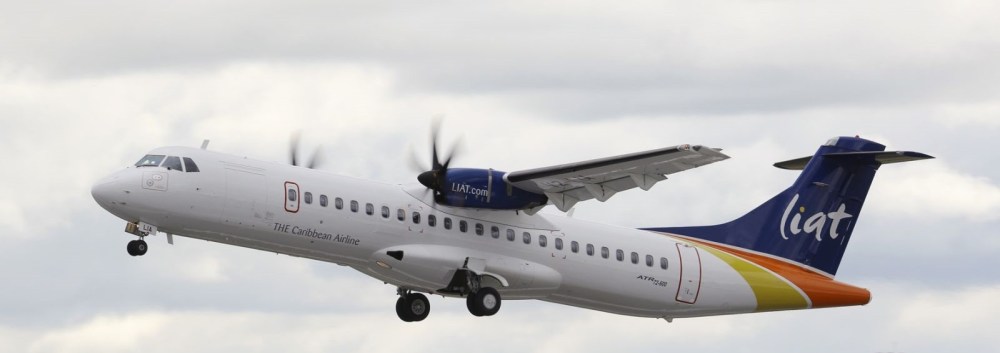
Mozambique busca socio a aerolínea LAM

LAM-header.jpg

AW | 2017 08 23 18:07 | AIRLINES / GOVERMENT

Resultado de imagen para Linhas Aéreas Moçambique logoMozambique-Map.jpgEl Gobierno de Mozambique está buscando un socio estratégico que permita recuperar la aerolínea Linhas Aéreas de Moçambique (LAM)

El Director General de la empresa estatal Linheas Aéreas Mozambique (LAM), Raimundo Matule, aún no se ha tomado ninguna decisión, «y el gobierno continúa discutiendo maneras de recuperar la compañía con varios socios», pero agregó que mientras se busca un socio, se buscan formas de reestructurar a LAM, a saber, analizando su costo-estructura para determinar dónde se puede recortar el gasto y dónde se pueden recaudar fondos para mantenerlo en funcionamiento.

La presidenta de Igepe, Ana Isabel Senda, dijo que la reestructuración del Sector Empresarial Estatal (SEE) «es el trabajo que llevamos realizando desde 2016 e incluye el análisis de cada una de las empresas, así como las formas de llevar a cabo el financiamiento Reestructuración de las unidades de producción». «Nuestro principal objetivo es hacer que las empresas sean rentables para mejorar su contribución a los ingresos del Estado, que se espera que alcance los 5 mil millones de meticais (unos 80 millones de dólares) en cinco años». Ana Isabel Senda añadió que en 2016 y parte de 2017, la SEE aportó 1.2 mil millones de meticais, de modo que «dentro de cinco años podremos llegar a la suma buscada, pero es necesario para ello consolidar los mecanismos de control de las empresas». AIRWAYS® AW-Icon TXT

Mozambique seeks partner for LAM airline

The Mozambican government is seeking a strategic partner to recover the airline Linhas Aéreas de Moçambique (LAM)

The director of state-owned Linhas Aéreas Mozambique (LAM), Raimundo Matule, has not yet made any decision, «and the government continues to discuss ways to recover the company with several partners,» but added that while looking for a partner, ways are sought to restructure LAM, namely by analyzing its cost-structure to determine where expenditure can be cut and where funds can be raised to keep it running.

Igepe’s president, Ana Isabel Senda, said that the restructuring of the State Business Sector (SEE) «is the work we have been doing since 2016 and includes the analysis of each of the companies, as well as the ways to carry out the financing Restructuring of production units «. «Our main goal is to make companies profitable to improve their contribution to state revenues, which is expected to reach 5 billion meticais in five years.» Ana Isabel Senda added that in 2016 and part of 2017, the SEE provided 1.2 billion meticais, so that «within five years we will be able to reach the sum sought, but it is necessary to consolidate the control mechanisms of the companies» . A \ W


Ξ A I R G W A Y S Ξ
SOURCE:  Airgways.com
DBk:  Lam.co.mz / Sapo.pt
AW-POST: 201708231807AR

A\W   A I R G W A Y S ®

Liquidación últimos bienes de Mexicana

Imagen relacionada

AW | 2017 08 21 16:35 | AIRLINES / GOVERNMENT

Resultado de imagen para Mexicana Aviación logotipo 1924 1926Proceso de liquidación de últimos bienes de Mexicana de Aviación

El proceso de liquidación de la compañía aérea Mexicana de Aviación a pasado por un proceso largo similar al abordado por la compañía brasileña VASP Airlines

descarga.pngEl proceso de liquidación de bienes de la Mexicana de Aviación ha cumplido el 2 de agosto de 2017, siete años desde el inicio del concurso mercantil. En este proceso judicial los ex-empleados han recuperado el 40% de sus derechos de pagos después de la quiebra de la aerolínea. El restante 60% de los pagos pendientes estaría cubierto por la puesta a disposición de los bienes de Mexicana MRO Services, una división que ha sobrevivido de Mexicana de Aviación.

Últimos bienes de Mexicana de Aviación
Resultado de imagen para mexicana mro servicesLa Mexicana MRO Services es empresa que ha sobrevivido a la quiebra. Esta se dedica al mantenimiento y reparación de aeronaves comerciales, administración de los slots de Mexicana de Aviación y Mexicana Click y de los Depósitos Fiscales y emplea actualmente a 400 empleados. Operativamente, es una empresa que pudo capear la crisis, y es solvente. Esta división ha permanecido con vida ya que pudo pilotear la crisis generada por la quiebra de la compañía más antigua de México.

El Presidente de la Delegación de Mexicana de Aviación, Rafael Gutiérrez, miembro de la Asociación Sindical de Pilotos de Aviadores de México (ASPA), están a la espera de que el Síndico de control del Concurso Mercantil a cargo de la quiebra de Mexicana de Aviación, apruebe la liquidación y venta de los bienes de la división de mantenimiento de aeronaves, Mexicana MRO Services. Aunque no se puede estipular el monto del volumen de la venta de esta división; lo recaudado se utilizaría para cubrir los gastos adeudados a los proveedores y ex-empleado de Mexicana para el año 2018. Además la división MRO Mexicana tiene a cargo los 9.000 slot como derechos que actualmente cobra a otras compañías por su uso. Los slot corresponden a Mexicana de Aviación y a su fedeers, Mexicana Click, una línea aérea de bajo costo. El derecho de los slot pueden variar su precio por su ruta, ubicación y horario. Por ejemplo, una frecuencia de slot en la ruta a Nueva York (JFK) puede tener un valor de U$D 40.000.000 millones de dólares.

También están a disposición la venta de la marca comercial de Mexicana (isologotipos); y los Almacenes Fiscales, las Bodegas de Carga que aunque son una concesión de la Secretaría de Hacienda de México, pueden vendense para el pago a los acreedores. Las Bases de Mantenimiento dan servicios a las aerolíneas Volaris, Interjet y VivaAerobus, Policía Federal, Presidencia de la República y la Fuerza Aérea.

Los fondos obtenidos hasta la fecha son por la venta de mobiliario y útiles de poco valor, más el ingreso por la producción del Centro de Adiestramiento de Tripulaciones y los Almacenes Fiscales. «De todo esto, el Síndico completó el 40% de los pagos pendientes» detalló Rafael Gutiérrez. El cálculo de deuda, sólo de los pilotos asciende a $4.800 millones de pesos mexicanos. Rafael Gutiérrez objetó: «Nosotros hemos dicho que o se nos liquida como debe ser o que nos regresen la empresa completita y esa sería una forma de pagarnos».

Por otro lado, La Asociación de Sobrecargos de Aviación (ASSA) solicitó la intervención de la Corte Suprema de Justicia. La Asociación Sindical de Sobrecargos de Aviación de México informó que dentro del proceso de quiebra de la Compañía Mexicana de Aviación S.A. de C.V., la sindicatura designada por la Secretaría de Comunicaciones y Transportes (SCT), ha realizado la venta de varios bienes que fueron propiedad de la empresa para posibilitar el pago a sus acreedores.

Ante este hecho, la Sindicatura le informó al Juez Décimo Primero de Distrito en Materia Civil, que en el transcurso de las siguientes semanas estará en condiciones de realizar un primer pago parcial a los sobrecargos activos que no han recibido retribución alguna, y que se contemplan en la sentencia de reconocimiento, graduación y prelación de créditos, que dictó la autoridad.

La venta de la base de mantenimiento de Mexicana MRO Services, podría llevarse a cabo este año, por lo que de concretarse los pagos a los extrabajadores y jubilados de la extinta aerolínea Mexicana de Aviación, comenzarían en 2018.

«Si logramos agilizar la venta, ojalá pudiéramos cerrar este año con los pagos, pero todo tiene sus tiempos y tenemos que respetar la forma en que evolucione», manifestó el subsecretario del Trabajo de la Secretaría del Trabajo y Previsión Social (STPS), Rafael Avante Juárez.  AIRWAYS® AW-Icon TXT

Settlement of the last assets of Mexicana

Resultado de imagen para CMA Mexicana logotipoProcess of liquidation of the last assets of Mexicana de Aviación

The liquidation process of the airline Mexicana de Aviación has gone through a long process similar to that approached by the Brazilian company VASP Airlines

The Mexicana de Aviación property settlement process has been completed on August 2, 2017, seven years since the beginning of the commercial competition. In this judicial process the former employees have recovered 40% of their payment rights after the bankruptcy of the airline. The remaining 60% of the outstanding payments would be covered by the provision of the assets of Mexicana MRO Serevices, a division that has survived Mexicana de Aviación.

Latest Mexicana Aviation goods
Resultado de imagen para mexicana mro servicesMexicana MRO Services is a company that has survived bankruptcy. This one is dedicated to the maintenance and repair of commercial aircraft, administration of the Mexicana de Aviación and Mexicana Click slot and of the Fiscal Deposits and currently employs 400 employees. Operationally, it is a company that could weather the crisis, and is solvent. This division has remained alive since it was able to politear the crisis generated by the bankruptcy of the oldest company in Mexico.

MAINTENANCE OF A BR715 ENGINE OF A BOEING 717-200 IN MEXICANA MRO SERVICES

The President of the Mexicana de Aviación Delegation, Rafael Gutiérrez, a member of the Association of Pilot Airmen of Mexico (ASPA), are waiting for the Trustee of the Commercial Contest in charge of the bankruptcy of Mexicana de Aviación , approve the liquidation and sale of the assets of the aircraft maintenance division, Mexicana MRO Service. Although the volume of the sale of this division can not be stipulated; The proceeds would be used to cover expenses owed to suppliers and former employee of Mexicana for the year 2018. In addition, the MRO Mexicana division is in charge of the 9,000 slot as rights currently charged to other companies for their use. The slots correspond to Mexicana de Aviación and its fedeers, Mexicana Click, a low-cost airline. The right of the slot can vary its price by its route, location and schedule. For example, a slot frequency on the route to New York (JFK) may have a value of U$D 40,000,000 million dollars.

FLEET OF MEXICANA DE AVIACIÓN ON GROUND

Also available for sale are the trademark of Mexicana (isologotypes); And the Tax Warehouses, Cargo Warehouses that although they are a concession of the Ministry of Finance of Mexico, can be sold for the payment to the creditors. The Bases of Maintenance serve the airlines Volaris, Interjet and VivaAerobus, Federal Police, Presidency of the Republic and the Air Force.

The funds obtained to date are for the sale of furniture and tools of little value, plus income from the production of the Center for the Admission of Crews and Tax Warehouses. «Of all this, the Trustee completed 40% of the outstanding payments,» said Rafael Gutiérrez. The calculation of debt, only of the pilots amounts to $ 4.8 billion of Mexican pesos. Rafael Gutiérrez objected: «We have said that either we are liquidated as it should be or that we return the company completita and that would be a way to pay us.»

On the other hand, the Association of Aviation Surcharges (ASSA) requested the intervention of the Supreme Court of Justice. The Mexican Association of Aviation Surcharges reported that in the bankruptcy proceedings of Compañía Mexicana de Aviación S.A. Of C.V., the union appointed by the Ministry of Communications and Transportation (SCT), has made the sale of several assets that were owned by the company to enable payment to its creditors.

In view of this fact, the Sindicatura informed the Judge Eleventh of District in Civil Matters, that in the course of the following weeks it will be able to make a first partial payment to the active surcharges that have not received any remuneration, and that are contemplated In the judgment of recognition, graduation and priority of credits, which dictated the authority.

The sale of the maintenance base of Mexicana MRO Services could be carried out this year, so that payments to retirees and retirees of the former Mexican airline Aviación would begin in 2018.

«If we can speed up the sale, I wish we could close this year with the payments, but everything has its time and we have to respect the way it evolves,» said the Undersecretary of Labor of the Ministry of Labor and Social Security (STPS), Rafael Avante Juárez. A \ W


AIRGWAYS AW-Isologotype SloganAW-Airgways.com-Jet

AW-Airgways Icon-webΞ A I R G W A Y S Ξ
SOURCE:  Airgways.com
DBk:  Airgways.com / Canaljudicial.mx
AW-POST: 201708211635AR

A\W   A I R G W A Y S ®

Argentina autoriza dos nuevas aerolíneas

AW | 2017 08 09 00:09 | AIRLINES / GOVERNMENT

La ANAC ha aprobado la constitución de dos nuevas líneas aéreas para realizar vuelos no regulares de pax/carga nacional/internacional

La Administración Nacional de Aviación Civil (ANAC) de Argentina ha autorizado a dos empresas aerocomerciales, Habock Aviation Argentina y Juano S.A., a explotar servicios no regulares internos e internacionales de transporte aéreo de pasajeros, carga y correo, utilizando aeronaves de reducido porte.

A través de las Resoluciones 581-E/2017 y 596-E/2017 del Ministerio de Transporte, fueron publicadas hoy en el Boletín Oficial. La primera Resolución, la 581-E/2017, se autoriza a la empresa Habock Aviation Argentina S.A., continuadora de Air Energy, a explotar servicios aéreos. La segunda Resolución, la 596-E/2017, la ANAC también autoriza a la empresa Juano S.A. pero advierte que previamente deberá obtener certificado de explotador de servicios aéreos, e iniciar sus operaciones dentro de los 180 días posteriores.

LV-GVR

LEARJET40 C/N 45-2007 REG. LV-GVR

La empresa Juano S.A. posee un Cessna 525 CitationJet, con registro LV-GVQ. Fue entregado el 24/02/17 a la compañía para realizar vuelos no regulares. En cuanto a Habock Aviation Argentina S.A. Tiene su empresa matriz en España conocida como Habock Aviation Group donde realliza traslado de pax, emergencias médicas y mantenimiento de aeronaves. Tras la adquicisión de SAP Sociedad Aeronáutica Peninsular en España, ahora ha efectivizado su proyecto para transporte en Argentina.

El Gobierno de Argentina sigue abriendo el mercado a nuevos competidores. Tras las audiencias públicas de febrero 2017 han aprobados cinco nuevas aerolíneas regulares, a las que se suman ahora Juano S.A. y Habock Aviation Argentina S.A. AIRWAYS® AW-Icon TXT

Argentina authorizes two new airlines

The ANAC has approved the constitution of two new airlines to carry out non-regular flights of pax / national / international cargo

Argentina’s National Civil Aviation Administration (ANAC) has authorized two airlines, Habock Aviation Argentina and Juano S.A., to operate domestic and international non-scheduled passenger, cargo and mail air services using small aircraft.

Through Resolutions 581-E / 2017 and 596-E / 2017 of the Ministry of Transport, were published today in the Official Gazette. The first Resolution, 581-E / 2017, authorizes the company Habock Aviation Argentina S.A., a subsidiary of Air Energy, to operate air services. The second Resolution, 596-E / 2017, the ANAC also authorizes the company Juano S.A. But warns that it must first obtain a certificate from an air operator and start operations within 180 days.

The company Juano S.A. Owns a Cessna 525 CitationJet, with registration LV-GVQ. It was delivered on 2/24/17 to the company for non-scheduled flights. As for Habock Aviation Argentina S.A. It has its parent company in Spain known as Habock Aviation Group where it realizes transfer of pax, medical emergencies and maintenance of aircraft. Following the acquisition of SAP Aeronautical Society Peninsular in Spain, has now carried out its project for transportation in Argentina.

The Government of Argentina continues to open the market to new competitors. Following the public hearings of February 2017, five new regular airlines have been approved, to which Juano S.A. And Habock Aviation Argentina S.A. A \ W


Ξ A I R G W A Y S Ξ
SOURCE:  Airgways.com
DBk:  Cronista.com
AW-POST: 201708090009AR

A\W   A I R G W A Y S ®

Remate últimos Boeing 737-200 PLUNA

AW | 2017 08 08 11:09 | AIRLINES / GOVERNMENT

Imagen relacionadaEn Uruguay se llevó a cabo el remate judicial de los últimos 2 Boeing 737-200 que pertenecían a PLUNA

El primer Boeing 737-200 se remataba sin motores, fue vendidoi en U$D10.500 y el segundo Boeing 737-200 estaba en mejores condiciones fue vendido en U$D27.000

La aerolínea PLUNA fue inaugurada el 20 de noviembre de 1936 y cerrada en junio de 2012 debido a una crisis que la llevó a la bancarrota. El último proceso judicial de la ex-aerolínea fue la venta de los últimos dos Boeing 737-2A3 que tuvo la línea aérea, estos eran los matrículas CX-BOP S/N 22739 y CX-BON S/N 22737.

El proceso para la puesta a la venta judicial fue iniciada en 2015, pero recién ayer fueron vendidas a diferentes oferentes. Todavía quedan algunos mobiliarios a ser rematados, últimos vestigios de lo que fue la aerolínea principal de Uruguay.

La aviación uruguaya no ha tenido los mejores resultados a la hora de implementar una política eficiente para las líneas aéreas, pues han emergido proyectos como Uair, BQB Líneas Aéreas, Alas Uruguay, entre otras y no han podido sobrevivir como lo fue la otrora PLUNA, apagándose las ilusiones con lágrimas en los ojos. AIRWAYS® AW-Icon TXT

0036067

The auction of the latest Boeing 737-200 from PLUNA

In Uruguay was carried out the judicial auction of the last 2 Boeing 737-200 that belonged to PLUNA

The first Boeing 737-200 was finished without engines, was sold at U$D10,500 and the second Boeing 737-200 was in better conditions was sold at U$D27,000

The airline PLUNA was inaugurated on November 20, 1936 and closed in June 2012 due to a crisis that led to bankruptcy. The last judicial process of the ex-airline was the sale of the last two Boeing 737-2A3 that had the airline, these were the registrations CX-BOP S/N 22739 and CX-BON S/N 22737.

The process for the judicial sale began in 2015, but only yesterday they were sold to different suppliers. There are still some furniture to be finished, last vestiges of what was the main airline of Uruguay.

Uruguayan aviation has not had the best results when implementing an efficient policy for airlines, as projects such as Uair, BQB Líneas Aéreas, Alas Uruguay, and others have emerged and have not been able to survive as was once the PLUNA, extinguishing the illusions with tears in the eyes. A \ W


Ξ A I R G W A Y S Ξ
SOURCE:  Airgways.com
DBk:  Balastro e Hijos / Sebastian Poposky
AW-POST: 201708081109AR

A\W   A I R G W A Y S ®

Justicia ordena a FAA revisión asientos

AW | 2017 07 30 18:00 | AIRLINES / SAFETY / SECURITY / GOVERNMENT

Justicia ha librado una orden para que la FAA revise el tamaño de los asientos de los aviones comerciales por cuestiones de seguridad médica. El Senado de Estados Unidos ha rechazado el plan para regular el tamaño del asiento del avión

Jueces federales en Washington DC, han dictado este viernes una orden a la Administración Federal de Aviación (FAA) para revisar el tamaño de los asientos y el espacio para las piernas en las líneas aéreas comerciales.

La FAA no ha determinado como norma cuánto espacio las aerolíneas deben garantizar a los clientes en sus aviones por cuestiones de seguridad médica. El pedido de los jueces federales pone en el tapete la cuestión de la seguridad de las personas abordo, obligando a la FAA a realizar un estudio pormenorizado acerca de la salud de los pasajeros durante el viaje en avión y la relación que guarda la disminución del tamaño de los asientos y el espacio entre las filas de los asientos.

La FAA expresó en un comunicado que está «estudiando cuidadosamente el fallo y de las posibles acciones que podamos tomar para abordar las conclusiones de la Corte».

El fallo de «Flyers Rights»

Un grupo de abogados, Flyers Rights, solicitó a la FAA en 2015 que implementara nuevas reglas para regular el espacio de los asientos. La FAA reprendió el esfuerzo, por lo que Flyers Rights tomó sus demandas ante los tribunales y ganó el derecho a seguir adelante. El grupo celebró la decisión de los jueces el viernes, diciendo que la corte «concedió a Flyers Rights y pasajeros aéreos una victoria».

Flyers Rights dijo que le preocupa que los pequeños asientos de las aerolíneas sean realmente un peligro para la seguridad, poniendo a los pasajeros en riesgo de tener condiciones como la trombosis venosa profunda. Esa es una condición potencialmente fatal que puede causar coágulos de sangre en las piernas de las personas. Las compañías aéreas pueden estar fuera de acuerdo con las realidades de las necesidades de los estadounidenses, especialmente a la luz de las tasas de obesidad escalada.

Flyers Rights dio a la corte pruebas de que el ancho promedio de los asientos de avión ha disminuido de 18,5 pulgadas en el 2000s temprano, a 17 pulgadas por alrededor de 2005. Los asientos más angostos han sido impulsados ​​principalmente por aviones de pasajeros de largo recorrido permitiendo así ganar más espacio para agregar más filas de asientos.

Estudios sobre tamaño de asientos

En el mercado de aviones de pasajeros, la industria ha contribuido en la mejora de la calidad de los asientos, permitiendo hacerlos más livianos, más ergonométricos y más seguros. Pero un detalle que continúa en un análisis más crítico es el del tamaño de las butacas y las distancias entre filas. El promedio de distancia entre los asientos «ha disminuido de un promedio de 35 pulgadas a 31 pulgadas, y en algunos aviones ha sido tan reducido como a 28 pulgadas», expresa la demanda de Flyers Rights.

La medición de la distancia de un asiento a otro es entre un punto en un asiento al mismo punto en el asiento detrás de él. Así la demanda de Flyers Rights pone un precedente en el análisis obligatorio ante la FAA para un estudio detallado del impacto en la salud de los pasajeros el tamaño y la distancia de los asientos.

Las Aerolíneas

Las aerolíneas afirman que el aumento del número de asientos en un avión es bueno tanto para la línea inferior del transportista como para la billetera de un viajero. Al extender sus costos para operar un vuelo sobre un mayor número de asientos en el mismo plano de tamaño, la aerolínea puede ofrecer tarifas más bajas y operar más eficientemente volando menos vuelos.AW-70087788.png

Por ejemplo, American Airlines había informado en mayo que planeaba reducir la cantidad de espacio para las piernas de algunos de sus asientos de clase económica en su nuevo Boeing 737 MAX, para luego dar marcha atrás en junio, comprometiéndose a mantener todos los asientos en su cabina principal de clase económica a 30 pulgadas.

Entre las compañías que menos distancia mantienen entre filas de asientos están Frontier Airlines y Spirit Airlines que acortaron la longitud a sólo 28 pulgadas de distancia.

Las filas de clase económica en Delta Air Lines y United Airlines están espaciadas entre 30 y 31 pulgadas, mientras que JetBlue Airways, Southwest Airlines y Alaska Airlines tienen entre 31 y 33 pulgadas.

El gobierno

En marzo, el Congreso volvió a considerar medidas que habrían establecido un ancho mínimo de asientos de avión y una distancia entre piernas. Pero el Senado rechazó el plan en abril. Un reglamento de la FAA evitaría la necesidad de que el Congreso actúe. Ningún regulador de aviación en ningún país ha establecido un ancho mínimo de asiento con efecto requisitorio obligatorio.

La FAA regula partes significativas de la cabina de un avión, incluyendo el diseño seguro de cada asiento y su capacidad de soportar un aterrizaje de alto impacto o un accidente. Hasta ahora, la agencia ha permitido a las aerolíneas determinar cómo dimensionar y espaciar sus asientos, pero cualquier arreglo de la cabina de una aerolínea debe permitir que todos los pasajeros y la tripulación evacúen en 90 segundo un avión en caso de emergencia.   AIRWAYS® AW-Icon TXT

Justice Orders FAA Review Size Seating Aircraft

Justice has issued an order for the FAA to review the size of commercial aircraft seats for medical safety issues. The United States Senate has rejected the plan to regulate the seat size of the plane

Federal judges in Washington DC have issued an order Friday to the Federal Aviation Administration to review seat size and legroom on commercial airlines.

The Federal Aviation Administration (FAA) has not determined as a rule how much space airlines should guarantee to customers on their planes because of medical safety issues. The federal judges’ request raises the question of the safety of people on board, forcing the FAA to conduct a detailed study on the health of passengers during the plane ride and the relationship that decreases the size Of the seats and the space between the rows of seats.

The FAA said in a statement that it is «carefully studying the ruling and possible actions we can take to address the Court’s findings.»

The ruling of «Flyers Rights»

A group of lawyers, Flyers Rights, asked the FAA in 2015 to implement new rules to regulate seat space. The FAA rebuked the effort, so Flyers Rights took their claims to court and won the right to move on. The group welcomed the judges’ decision on Friday, saying the court «granted Flyers Rights and air passengers a victory.»

Flyers Rights said it worries that small airline seats are actually a safety hazard, putting passengers at risk for conditions such as deep vein thrombosis. That is a potentially fatal condition that can cause blood clots in people’s legs. Airlines can be out of touch with the realities of Americans’ needs, especially in light of escalating obesity rates.

Flyers Rights gave court evidence that the average width of airplane seats has dropped from 18.5 inches in the early 2000s to 17 inches by around 2005. The narrower seats have been driven primarily by aircraft Long-distance passengers thus allowing more room to add more rows of seats.

Seat size studies

In the passenger aircraft market, the industry has contributed to the improvement of the quality of the seats, allowing them to be lighter, more ergonometric and safer. But a detail that continues in a more critical analysis is the size of the seats and the distances between rows. The average distance between seats «has dropped from an average of 35 inches to 31 inches, and in some aircraft has been as small as 28 inches,» says Flyers Rights.

Measuring the distance from one seat to another is between a point on a seat at the same point on the seat behind it. Thus the Flyers Rights claim sets a precedent in the FAA’s mandatory analysis for a detailed study of the health impact of passengers on seat size and distance.

The Airlines

Airlines say that increasing the number of seats on a plane is good for both the bottom line of the carrier and a traveler’s wallet. By extending its costs to operate a flight over a larger number of seats in the same size plane, the airline can offer lower fares and operate more efficiently by flying fewer flights.AW-70087788.png

For example, American Airlines had reported in May that it planned to reduce the legroom of some of its economy-class seats in its new Boeing 737 MAX, then back out in June, committing to keep all seats in its Class economy cabin at 30 inches.

Among the companies that have the least distance between rows of seats are Frontier Airlines and Spirit Airlines that shortened the length to only 28 inches away.

Economy class ranks in Delta Air Lines and United Airlines are spaced between 30 and 31 inches, while JetBlue Airways, Southwest Airlines and Alaska Airlines are between 31 and 33 inches.

The Government

In March, Congress reconsidered measures that would have established a minimum width of airplane seats and a distance between legs. But the Senate rejected the plan in April. An FAA regulation would avoid the need for Congress to act. No aviation regulator in any country has established a minimum seat width with mandatory check effect.

The FAA regulates significant parts of an aircraft cabin, including the safe design of each seat and its ability to withstand a high impact landing or accident. So far, the agency has allowed airlines to determine how to size and space their seats, but any arrangement of an airline’s cabin should allow all passengers and crew to evacuate an avon in 90 seconds in case of an emergency. A \ W


Ξ A I R G W A Y S Ξ
SOURCE:  Airgways.com
DBk:  Airgways.com / Flyingmag.com / Telegraph.co.uk / Skift.com
AW-POST: 201707301800AR

A\W   A I R G W A Y S ®

Venezuela «desconectándose del mundo»

AW | 2017 07 29 20:41 | AIRLINES / GOVERNMENT

Resultado de imagen para iata logoIATA advierte a Venezuela que está “desconectando del mundo”

Opositores venezolanos participan este viernes de una protesta denominada la “Toma de Venezuela”, que se realiza en todo el país, en rechazo a la Asamblea Constituyente.

La Asociación Internacional de Transporte Aéreo (IATA) instó este viernes en un comunicado al Gobierno de Venezuela a respetar los estándares internacionales para asegurar la sostenibilidad del transporte aéreo en ese país y le advirtió que está perdiendo conexión con el resto del mundo.

“Venezuela, desafortunadamente, está desconectándose del mundo en cuanto a la conectividad aérea se refiere; como cualquier país Venezuela necesita una conectividad robusta y los importantes beneficios económicos que esta genera; sin embargo, el Gobierno de Venezuela no está cumpliendo con los requisitos necesarios para que esto ocurra”, dice el comunicado publicado en la web de la IATA.

Profundización crisis aérea en Venezuela

Venezuela ha realizado “la retención de 3.800 millones de dólares que pertenecen a las aerolíneas y un sistema de venta de combustible que perjudica a las aerolíneas internacionales” en ese país, sostuvo el vicepresidente regional de las Américas para IATA, Peter Cerdá. La negativa de Venezuela a repatriar los fondos de 3.800 millones de dólares de las aerolíneas viola los tratados internacionales que el país firmó, afirmó la IATA.

En Venezuela no se está garantizando un trato igualitario para las diferentes aerolíneas que compiten en el país, dice el comunicado, ya que el Gobierno exige el pago en dólares por compras de combustible a las aerolíneas extranjeras. Esa medida contradice la naturaleza no discriminatoria del Convenio de Chicago, ratificado por Venezuela. “En muchos lugares del mundo hemos visto que, cuando los gobiernos aplican un marco regulatorio diferente al establecido a nivel internacional, los pasajeros y la industria sufren, y es el caso de Venezuela”, sostuvo Cerdá. El ejecutivo agregó que “las aerolíneas quieren servir al país pero necesitan tener unas garantías mínimas de estabilidad económica y social para poder seguir invirtiendo”.

La IATA representa a unas 275 líneas aéreas, que constituyen el 83 por ciento de tráfico aéreo internacional, asegura la Asociación.

El jueves la aerolínea colombiana Avianca suspendió sus operaciones desde y hacia Venezuela, luego de haber anunciado el miércoles que lo haría a partir del 16 de agosto. La medida incluye el cierre de la venta de pasajes en las rutas que conectan a Caracas con Bogotá y Lima, precisó la firma.

Este viernes Avianca anunció también que suspendía los vuelos a Barbados hasta que reorganice sus planes de vuelo sin tener que pasar por el espacio aéreo venezolano.

Cruce de «reciprocidades»

La aerolínea colombiana Avianca aseguró este viernes que no pudo reubicar a los pasajeros de sus vuelos suspendidos desde y hacia Caracas por determinaciones del Gobierno de Venezuela. “La autoridad aeronáutica venezolana (INAC) ha negado los permisos para vuelos adicionales solicitados por las aerolíneas contactadas por Avianca para el traslado de viajeros en las rutas suspendidas”, indicó la aerolínea en un comunicado. Este viernes se conoció que la aerolínea venezolana Conviasa canceló también sus operaciones y rutas hacia Colombia, al parecer por una disposición del INAC (Instituto Nacional de Aeronáutica Civil) de Venezuela. De esta manera, varios pasajeros de Avianca que habían sido reacomodados en vuelos de Conviasa se quedaron sin viajar.

La compañía aérea Iberia, recientemente ha cancelado un vuelo para mañana domingo por las razones de las elecciones y el efecto que pudiera ocasionar las manifestaciones.

La profundización de la crisis venezolana se encuentra en caída libre, y en el sector de la aviación comercial de Venezuela ha entrado en un espiral de impacto político-económico donde las aerolíneas internacionales que prestan servicio en el país han levantado sus rutas por razones de peso: desde la falta de pago de las deudas contraídas por el Gobierno nacional hasta los problemas técnicos y de seguridad que se viven en el país. En Venezuela solo quedan 12 de 22 líneas aéreas que había hasta 2015.  AIRWAYS® AW-Icon TXT

IATA, Venezuela «disconnecting from the world»

Resultado de imagen para Venezuela map flag pngIATA warns Venezuela that it is «disconnecting from the world»

Venezuelan opponents participate this Friday in a protest called the «Toma de Venezuela», which takes place throughout the country, in rejection of the Constituent Assembly.

The International Air Transport Association (IATA) urged Friday in a statement to the Venezuelan government to respect international standards to ensure the sustainability of air transport in that country and warned that it is losing connection with the rest of the world.

«Venezuela, unfortunately, is disconnecting itself from the world in terms of air connectivity; As any country Venezuela needs a robust connectivity and the important economic benefits that this generates; However, the Venezuelan Government is not meeting the necessary requirements for this to happen», the statement said on the IATA website.

Deepening air crisis in Venezuela

Venezuela has carried out «the retention of 3.8 billion dollars belonging to the airlines and a fuel sales system that harms international airlines» in that country, said IATA Regional Vice President for the Americas, Peter Cerdá. Venezuela’s refusal to repatriate $ 3.8 billion of the airline’s funds violates international treaties that the country signed, IATA said.

Venezuela is not guaranteeing equal treatment for the different airlines competing in the country, the statement said, as the government demands payment in dollars for purchases of fuel from foreign airlines. That measure contradicts the non-discriminatory nature of the Chicago Convention, ratified by Venezuela. «In many parts of the world we have seen that when governments apply a regulatory framework different from that established at an international level, passengers and industry suffer, and this is the case in Venezuela,» Cerdá said. The executive added that «airlines want to serve the country but they need to have minimum guarantees of economic and social stability in order to continue to invest.»

IATA represents some 275 airlines, which make up 83 percent of international air traffic, says the Association.

On Thursday Colombian airline Avianca suspended operations from and to Venezuela, after announcing Wednesday that it would do so from August 16. The measure includes closing the sale of tickets on the routes connecting Caracas with Bogota and Lima, the company said.

This Friday Avianca also announced that it suspended flights to Barbados until it reorganized its flight plans without having to go through Venezuelan airspace.

Crossing of «reciprocities»

Colombian airline Avianca said Friday it was unable to relocate passengers from its suspended flights to and from Caracas by Venezuelan government determinations. «The Venezuelan aeronautical authority (INAC) has denied permits for additional flights requested by the airlines contacted by Avianca for the transfer of passengers on the suspended routes,» the airline said in a statement. On Friday, Venezuelan airline Conviasa also canceled its operations and routes to Colombia, apparently by a provision of the Venezuelan National Civil Aeronautics Institute (INAC). In this way, several passengers of Avianca that had been reconomodados in flights of Conviasa were left without traveling.

The airline Iberia has recently canceled a flight for Sunday morning for the reasons of the elections and the effect that could cause the demonstrations.

The deepening of the Venezuelan crisis is in free fall, and in the commercial aviation sector of Venezuela has entered a spiral of political and economic impact where the international airlines that serve in the country have lifted their routes for reasons of weight : From the lack of payment of the debts contracted by the national Government to the technical and security problems that are experienced in the country. In Venezuela there are only 12 of 22 airlines that had until 2015. A \ W


Ξ A I R G W A Y S Ξ
SOURCE:  Airgways.com
DBk:  Clarin.com / Prodavinci.com / Kn3.net / Lapatilla.com / José Ramírez (BRSpotting) / Pinimg.com
AW-POST: 201707292041AR

A\W   A I R G W A Y S ®

A4A rechazan aumento tasas PFC

AW | 2017 07 26 19:00 | AIRLINES / AIR TRAFFIC / GOVERNMENT

Airlines for America pide a Senadores que rechacen la masiva circulación de impuestos secretos

Airlines for America (A4A) instó a los senadores a oponerse a los esfuerzos de Subcomisión de Créditos de Transporte, Vivienda y Desarrollo Urbano para incrementar el impuesto de Passenger Facility Charge (PFC). Si bien el Comité no ha hecho público el texto de la ley, las fuentes de los aeropuertos indican que el Subcomité votó hoy para aumentar y casi duplicar el impuesto PFC de U$S 4.50 a U$S 8.50, lo que daría lugar a una masiva recaudación de impuestos de U$S 3.2 mil millones para todos los pasajeros que viajen a los cielos.

El Congreso de EEUU tiene acceso a más de 7.000 millones de dólares en ingresos fiscales no comprometidos que permanecen inactivos en el fondo fiduciario de la aviación que podría utilizarse en lugar de aumentar los impuestos. La elección de aumentar este impuesto es un empuje completamente innecesario en el ojo y la cartera de los viajeros aéreos. Por lo que se exhorta a los senadores a tener presente el impacto en la aviación comercial lo que generaría un aumento del doble de la tasa PFC.

Los viajeros que vuelan serán golpeados con U$S 3,2 mil millones adicionales en impuestos. El Congreso ha rechazado repetidamente el aumento de los impuestos aeroportuarios porque no hay base para apoyar tal aumento.

Nuestra industria trabaja mano a mano con los aeropuertos. Más de $ 100 mil millones de proyectos de capital han sido completados, están en marcha o han sido aprobados en los 30 aeropuertos más grandes del país desde 2008, desde Washington Dulles a Chicago O’Hare, Los Ángeles y LaGuardia. El desarrollo también es robusto en los aeropuertos más pequeños de la nación, incluyendo lugares como Des Moines, Nashville y Reno-Tahoe.

Al Congreso de los Estados Unidos se les preguntó que proporcionaran una lista de proyectos para apoyar un aumento razonable y justo; los aeropuertos no han podido señalar un solo proyecto que no haya procedido debido a una falta de financiamiento.

Según los informes financieros presentados ante la Administración Federal de Aviación (FAA), los ingresos aeroportuarios se encuentran en niveles récord. Los aeropuertos recaudaron más de U$S 27 mil millones en 2015, incluyendo los alquileres y las tarifas de las compañías aéreas, así como los alquileres y las tarifas no-aéreas (es decir, estacionamiento, alimentos y bebidas, al por menor y libres de impuestos).

Los aeropuertos recaudaron U$S 3,2 mil millones a través del PFC en 2016, rompiendo el récord establecido en 2015. 2017 está en camino de ser otro record. Los pasajeros pagan otro impuesto para financiar el Fondo Fiduciario Aéreo y AeroportuarioAir and Airport Trust Fund (AATF), el cual apoya proyectos de mejoramiento de aeropuertos en todo el país. El saldo de ese fondo es de casi U$S 7 mil millones, que es el nivel más alto desde 2001. La Oficina de Presupuesto del Congreso estima que el fondo eclipsará U$S 7 mil millones a finales del año fiscal 2017.

Los aeropuertos tienen casi U$S 12.7 mil millones en efectivo sin restricciones e inversiones. También tienen acceso al mercado de bonos y a tasas de interés históricamente bajas, dadas las calificaciones de grado de inversión de los aeropuertos.

La mayoría de los entendidos en la aviación comercial sostienen que la gravación de impuestos o el aumento excesivo de ellos llevará a una disminución del tráfico aéreo en EEUU.  AIRWAYS® AW-Icon TXT

A4A reject increased PFC tax

Airlines for America calls on Senators to reject mass transit of secret taxes

Airlines for America (A4A) urged senators to oppose the Transportation, Housing, and Urban Development Subcommittee efforts to increase the Passenger Facility Charge (PFC) tax. While the Committee has not made public the text of the law, airport sources indicate that the Subcommittee voted today to increase and nearly double the PFC tax from U$S 4.50 to U$S 8.50, which would result in a massive tax collection of U$S 3.2 billion for all passengers traveling to the skies.

US Congress has access to more than U$S 7 billion in uncommitted tax revenues that remain inactive in the aviation trust fund that could be used instead of raising taxes. The choice to increase this tax is a completely unnecessary push in the eye and the air travelers’ wallet. So the senators are urged to keep in mind the impact on commercial aviation which would generate an increase of twice the PCF rate.

Flying travelers will be hit with an additional U$S 3.2 billion in taxes. Congress has repeatedly rejected the increase in airport taxes because there is no basis to support such an increase.

Our industry works hand in hand with airports. More than U$S 100 billion of capital projects have been completed, are underway or have been approved at the country’s 30 largest airports since 2008, from Washington Dulles to Chicago O’Hare, Los Angeles and LaGuardia. The development is also robust at the nation’s smallest airports, including places like Des Moines, Nashville and Reno-Tahoe.

The Congress of the United States was asked to provide a list of projects to support a reasonable and fair increase; the airports have not been able to indicate a single project that has not proceeded due to a lack of financing.

According to financial reports submitted to the Federal Aviation Administration (FAA), airport revenues are at record levels. Airports raised more than U$S 27 billion in 2015, including rents and fares of airlines, as well as rents and non-air fares (ie parking, food and beverage, retail and duty-free ).

The airports raised U$S 3.2 billion through the PFC in 2016, breaking the record set in 2015. 2017 is on track to be another record. Passengers pay another tax to fund the Air and Airport Trust Fund (AATF), which supports airport improvement projects across the country. The fund’s balance is nearly U$S 7 billion, which is the highest level since 2001. The Congressional Budget Office estimates the fund will eclipse U$S 7 billion by the end of fiscal year 2017.

Airports have almost U$S 12.7 billion in cash with no restrictions and investments. They also have access to the bond market and historically low interest rates, given the investment grade ratings of airports.

Most business aviation experts argue that taxing or excessive tax increases will lead to a drop in US air traffic. A \ W


Ξ A I R G W A Y S Ξ
SOURCE:  Airgways.com
DBk:  Dallasnews.net / Wikipedia.org / Thousandwonders.net
AW-POST: 201707261900AR

A\W   A I R G W A Y S ®

Aerolíneas apelan multas de la CE

AW | 2017 07 26 18:26 | AIRLINES / GOVERNMENT

Resultado de imagen para courtLas líneas aéreas apelan las multas de la Comisión Europea de 776 millones de euros

La Comisión Europea (CE) ha iniciado un proceso con once compañías aéreas sobre irregularidades en las modallidad de ventas y ofertas de precios entre 1999 y 2006. Las multas ascenderían a 776 millones de euros.

Según una serie de anuncios en el Diario Oficial de la UE, las aerolíneas KLM, British Airways, Lufthansa y otros ocho transportistas han pedido al Tribunal General de la Unión Europea (UE) que anule la decisión de marzo y también han pedido que se reduzcan o eliminen las multas.

Un portavoz del poder ejecutivo de la Unión Europea en Bruselas dijo: «La Comisión defenderá su decisión ante los tribunales». La decisión original de la Comisión había sido anulada por el Tribunal General de la Unión Europea por motivos de procedimiento.

Las compañías multadas en 2010 fueron Air Canada, Air France-KLM, British Airways, Cargolux, Cathay Pacific Airways, Japan Airlines, LAN Chile (Latam Airlines), Martinair, Qantas, SAS y Singapore Airlines. Lufthansa, y su filial, Swiss International Air Lines, recibió inmunidad total de multas. Todas menos una de las empresas, Qantas, sometidas al fallo de 2010 impugnaron la decisión ante el Tribunal General de la UE.

En diciembre de 2015, el Tribunal de Primera Instancia anuló la decisión de la Comisión contra los 11 participantes en el cartel que interpusieron el recurso, concluyendo que se había producido un error de procedimiento. Sin embargo, no se pronunció sobre la existencia del cártel. Las CE sostienen que estos transportistas aéreos efectivamente participaron en un anuncio de fijación de precios y ahora han adoptado una nueva decisión, restableciendo las multas.  AIRWAYS® AW-Icon TXT

Airlines Appeal Fines European Commission

Airlines appeal fines from European Commission of 776 million euros

The European Commission (EC) has started a process with 11 airlines on irregularities in sales figures and price offers between 1999 and 2006. The fines would amount to 776 million euros.

According to a series of announcements in the Official Gazette of the EU, airlines KLM, British Airways, Lufthansa and eight other carriers have asked the European Union General Court (EU) to annul the decision in March and have also asked that they be reduced Or eliminate fines.

A spokesman for the executive branch of the European Union in Brussels said: «The Commission will defend its decision before the courts.» The Commission’s original decision had been annulled by the General Court of the European Union on procedural grounds.

The companies fined in 2010 were Air Canada, Air France-KLM, British Airways, Cargolux, Cathay Pacific Airways, Japan Airlines, LAN Chile (Latam Airlines), Martinair, Qantas, SAS and Singapore Airlines. Lufthansa, and its subsidiary, Swiss International Air Lines, received full immunity from fines. All but one of the companies, Qantas, submitted to the 2010 ruling challenged the decision before the EU General Court.

In December 2015, the Court of First Instance annulled the Commission’s decision against the 11 cartel participants who brought the action, finding that there had been a procedural error. However, it did not rule on the existence of the cartel. The EC contends that these air carriers actually participated in a price-fixing announcement and have now taken a new decision, reinstating the fines. A \ W


Ξ A I R G W A Y S Ξ
SOURCE:  Airgways.com
DBk:  Ytimg.com / Skynews.com.au
AW-POST: 201707261826AR

A\W   A I R G W A Y S ®

Aerolíneas y los vaivenes judiciales


AW-70089771

AW | 2017 07 24 19:23 | AIRLINES / GOVERNMENT

Resultado de imagen para Aerolíneas Argentinas  MarsansUn tribunal de arbitraje falló a favor de una demanda respaldada por Burford de Teinver SA, alegando que Argentina habría tomado el control ilegal de dos de sus compañías aéreas en 2008burford-logo

Según la sentencia, Argentina está obligada a pagar 324 millones de dólares en concepto de daños y perjuicios, más los intereses Resultado de imagen para Austral lineas aereas logoprevios y posteriores a la adjudicación aún no calculados.

El fondo inversor Burford Capital Limited, que la semana pasada le ganó un juicio a la Argentina ante el Ciadi por la estatización de Aerolíneas Argentinas y Austral Líneas Aéreas, reconoció que esa decisión no significa necesariamente que el monto de más de U$S 324 millones será realmente pagado en su totalidad, dado que «existen varias vías para impugnar la decisión y el asunto aún no está libre de riesgo de litigio».

Burford Capital Limited, catalogado como un «fondo buitre», dijo que la decisión del Ciadi podría ser anulada por un órgano con autoridad superior y aclaró que es habitual que haya negociaciones, discusiones de acuerdos y descuentos que podrían reducir materialmente las cifras proporcionadas.

Christopher Bogart, director ejecutivo de Burford, dijo sin embargo que en el fondo están «muy satisfechos y complacidos con este resultado de ver la justicia hecha por Teinver S.A. y sus grupos de interés» y destacó el apoyo financiero de Burford.

Burford Capital Limited anunció que obtuvo «un premio» de 140 millones de dólares tras haber financiado el juicio contra el Estado argentino por la estatización de Aerolíneas Argentinas. Se trata de una ganancia del 976,92% para los integrantes del fondo estadounidense especializado en litigios, respecto de los 13 millones de dólares «invertidos» para llevar adelante la demanda

El grupo español Marsans (Teinver S.A.) al que el kirchnerismo le expropió Aerolíneas Argentinas en 2008 le había vendido en 2010 los derechos del litigio ante el Ciadi al fondo Burford Capital Limited, con oficinas en Nueva York, Londres y Chicago.

La «venta» de los derechos por parte de Teinver fue negada tanto por el grupo español como por el fondo estadounidense, que ahora sólo admite haber sido quien financió el litigio hasta lograr el fallo favorable. «Sin el capital de Burford, es dudoso que este tipo de recuperación se podría haber obtenido para los demandantes», dijo el fondo en una publicación realizada en su página web, celebrando el fallo del Ciadi.

El tribunal arbitral del Banco Mundial dictaminó el viernes en la noche que la Argentina deberá pagar U$S 324.254.807 dólares a Buford y otros en concepto de «daños, más intereses» por la expropiación de la aerolínea de bandera. «El derecho de Burford al premio depende de varias otras variables que aún no se conocen con precisión, pero se estima que están en el rango de 140 millones de dólares y está sujeto a un derecho de interés continuo y compuesto», publicó el fondo. El mismo fondo precisó que hasta el 30 de junio de 2017 había «invertido» en este asunto aproximadamente 13 millones de dólares, de los 30 millones que había previsto cuando tomó el control de la demanda contra el Estado argentino.  AIRWAYS® AW-Icon TXT


AW-70209476

Aerolíneas and judicial swings

An arbitration court ruled in favor of a suit backed by Burford de Teinver SA, alleging that Argentina would have taken illegal control of two of its airlines in 2008

According to the ruling, Argentina is required to pay $ 324 million in damages, plus pre-and post-award interest not yet calculated.

The investment fund Burford Capital Limited, which last week won a lawsuit against Argentina against the ICSID for the nationalization of Aerolíneas Argentinas and Austral Líneas Aéreas, acknowledged that this decision does not necessarily mean that the amount of more than US $ 324 million will be actually paid in its «There are several avenues to challenge the decision and the matter is not yet free of the risk of litigation.»

Burford Capital Limited, listed as a «vulture fund», said that the decision of the ICSID could be overturned by a body with higher authority and clarified that it is usual that there are negotiations, discussions of agreements and discounts that could materially reduce the figures provided.

Christopher Bogart, Burford’s chief executive, said however that at heart they are «very pleased and pleased with this outcome of seeing justice done by Teinver S.A. and its stakeholders» and highlighted Burford’s financial support.

Burford Capital Limited announced that it obtained «a prize» of 140 million dollars after having financed the trial against the Argentine State by the nationalization of Aerolíneas Argentinas. This is a 976.92% gain for the members of the US litigation fund, compared to the 13 million dollars «invested» to carry out the demand

The Spanish group Marsans (Teinver S.A.) to which Kirchnerism was expropriated by Aerolíneas Argentinas in 2008 had sold in 2010 the rights of litigation before the Ciadi to the Burford Capital Limited fund, with offices in New York, London and Chicago.

Teinver’s «sale» of rights was denied by both the Spanish group and the US fund, which now only admits having financed the litigation until the favorable ruling. «Without the capital of Burford, it is doubtful that this kind of recovery could have been obtained for the plaintiffs,» the fund said in a web site publication, celebrating the ICSID ruling.

The World Bank arbitration court ruled Friday that Argentina will have to pay $ 324,254,807 to Buford and others for «damages, plus interest» for the expropriation of the flag carrier. «Burford’s right to the prize depends on a number of other variables that are not yet known precisely, but are estimated to be in the range of $ 140 million and is subject to a compound and continuous interest rate,» the fund said. The same fund specified that up to June 30, 2017 had «invested» in this matter approximately 13 million dollars, out of the 30 million that it had envisaged when it took control of the lawsuit against the Argentine State. A \ W


Ξ A I R G W A Y S Ξ
SOURCE:  Airgways.com
DBk:  Airgways.com
AW-POST: 201707241923AR

A\W   A I R G W A Y S ®

Departamento Transporte EEUU acciona contra aerolíneas

AW | 2017 07 23 16:47 | AIRLINES / GOVERNMENT

Resultado de imagen para Department Of TransportationMultan a American, Frontier y Delta por violar normas de protección al consumidor

Las aerolíneas estadounidenses American, Frontier y Delta han sido multadas por el gobierno por violar normativas de protección al consumidor

El Departamento de Transporte de Estados Unidos (DOT) detalló las infracciones en las que incurrieron American Airlines, Delta Air Lines y Frontier Airlines, así como las multas que les fueron impuestas.

En el caso de American Airlines, la aerolínea no le entregó a los pasajeros reembolsos de manera oportuna en el primer semestre de 2015, por lo que se comprobó dicha infracción dando curso a una multa por infracción a la ley de consumidores en U$S 250,000 dólares. Funcionarios del Departamento de Transporte comenzaron a investigar a la compañía el año pasado luego de recibir múltiples quejas de los clientes de que la aerolínea tardaba mucho en hacerles efectivos los reembolsos.

Según las normativas, una aerolínea debe hacer las restituciones antes de siete días hábiles cuando el pasajero haya pagado con una tarjeta de crédito, por ejemplo. “Adoptamos medidas proactivas para corregir la tardanza en los reembolsos que algunos clientes tuvieron en 2015 a causa de un problema en la integración de los sistemas tras la fusión con US Airways, entre ellas inversiones para mejorar los tiempos de procesamiento”, dijo el sábado una portavoz de American Airlines, Shannon Gilson.

Delta Air Lines, la aerolínea dio información inexacta sobre las quejas que los pasajeros por mal manejo de equipaje. El Departamento de Transporte labró el acta de la multa en U$S 200,000 dólares. En un comunicado el sábado, Delta indicó que, tras una amonestación del gobierno en 2016, actualizó de inmediato su política sobre equipaje dañado e invirtió en proporcionar “transparencia total sobre la situación y ubicación del equipaje documentado” a través de su aplicación FlyDelta.

Los investigadores determinaron que la aerolínea Frontier Airlines sacó por la fuerza a pasajeros de vuelos sobrevendidos (overbooking) sin solicitar primero voluntarios ni pagar una compensación adecuada y oportuna. Según la investigación, Frontier tampoco facilitó a los pasajeros discapacitados asistencia de sillas de ruedas tanto para subir o bajar de la aeronave ni para moverse en la terminal. Frontier Airlines fue multada en U$S 400,000 dólares.

Las prácticas de choque de aerolíneas han atraído más escrutinio tras el video de un pasajero arrastrado fuera de un vuelo de United Airlines en abril. Southwest Airlines dijo en abril que terminaría el exceso de reservas, mientras que United anunció cambios en las políticas, incluyendo el aumento de la compensación para pasajeros con sobreventa de hasta U$S 10,000.

El Departamento de Transporte (DOT) obliga a las aerolíneas a entregar cada mes una relación sobre las quejas, y utiliza dicha información para clasificar a las empresas en informes dirigidos a los consumidores. Los expertos basaron sus conclusiones en unas 200 quejas que la compañía recibió en 2014 y 2015.

Las aerolíneas están obligadas a indemnizar a los pasajeros registrados que ya tienen un asiento reservado cuando los echen de un vuelo sobrevendido. Esta situación es conocida como “compensación por denegación de embarque”. La línea aérea está obligada a pagarles a los pasajeros afectados en efectivo o cheque el mismo día.

Este y otros incidentes que se han difundido en los medios de comunicación social, han tenido un impacto muy negativo a la imagen de las transportadoras, lo que ha llevado a las audiencias del Congreso a tomar medidas al respecto.

La legislación presentada en el Congreso en junio haría ilegal que una aerolínea golpee a un pasajero ya embarcado de un vuelo. Otra medida antes del Congreso requeriría nuevas reglas para que las aerolíneas reembolsaran sin demora a los pasajeros por cargos de equipaje u otras tarifas si no reciben el servicio. AIRWAYS® AW-Icon TXT

Transportation Department acts against airlines

American, Frontier and Delta are fined for violating consumer protection standards

American airlines American, Frontier and Delta have been fined by the government for violating consumer protection regulations

The United States Department of Transportation (DOT) detailed violations of American Airlines, Delta Air Lines and Frontier Airlines, as well as the fines imposed on them.

In the case of American Airlines, the airline did not provide passengers with reimbursements in a timely manner in the first half of 2015, as a result of which the violation was proven to result in a fine for violation of the consumer law of US $ 250,000 Dollars. Department of Transportation officials began investigating the company last year after receiving multiple complaints from customers that the airline was slow to cash in on reimbursements.

According to regulations, an airline must make the refunds within seven business days when the passenger has paid with a credit card, for example. «We have taken proactive measures to correct the delay in reimbursements that some customers had in 2015 because of a problem in integrating the systems after the merger with US Airways, including investments to improve processing times,» said one Spokeswoman for American Airlines, Shannon Gilson.

Delta Air Lines, the airline gave inaccurate information on the complaints that the passengers by bad handling of luggage. The Department of Transportation drafted the fine of US $ 200,000. In a statement Saturday, Delta said that after a government admonition in 2016, it immediately upgraded its policy on damaged baggage and invested in providing «full transparency on the location and location of checked baggage» through its FlyDelta application.

Investigators determined that the airline Frontier Airlines forcibly removed passengers from overbooked flights without first soliciting volunteers or paying adequate and timely compensation. According to the investigation, Frontier did not provide disabled passengers with wheelchair assistance either to get on or off the aircraft or to move in the terminal. Frontier Airlines was fined $ 400,000.

The crash practices of airlines have attracted more scrutiny following the video of a passenger dragged off a United Airlines flight in April. Southwest Airlines said in April it would end the excess reserves, while United announced policy changes, including increased passenger compensation with oversold sales of up to $ 10,000.

The Department of Transportation forces airlines to turn in a complaint report every month, and uses that information to classify companies into consumer-driven reports. The experts based their findings on some 200 complaints the company received in 2014 and 2015.

Airlines are required to compensate registered passengers who already have a reserved seat when they are expelled from an overbooked flight. This situation is known as «denied boarding compensation». The airline is obliged to pay affected passengers in cash or check the same day.

This and other incidents that have spread in the mass media have had a very negative impact on the image of the carriers, which has led to the hearings of the Congress to take action on the matter.

Legislation introduced in Congress in June would make it illegal for an airline to hit a passenger already boarded a flight. Another measure before Congress would require new rules for airlines to promptly reimburse passengers for baggage charges or other fees if they do not receive the service. A \ W


Ξ A I R G W A Y S Ξ
SOURCE:  Airgways.com
DBk:  Fortune.com / Dallasnews.com
AW-POST: 201707231647AR

A\W   A I R G W A Y S ®