Boeing publicará los resultados del cuarto trimestre el 25/01
The Boeing Company ha comunicado que publicará sus resultados financieros del cuarto trimestre de 2022 (4Q2022) el Miércoles 25 de Enero de 2023. El Presidente y Director Ejecutivo, David Calhoun, y el Vicepresidente Ejecutivo y Director Financiero, Brian West, hablarán sobre los resultados y las perspectivas de la empresa durante una conferencia telefónica ese día a las 10:30 a. m., hora del Este.
El evento se transmitirá por Internet en: https://events.q4inc.com/attendee/381429737. También se puede acceder al evento llamando al 1-877-336-4436 dentro de los EE. UU. y al 234-720-6984 fuera de los EE. UU. El código de acceso para ambos es 3750106. Las personas deben consultar el sitio webcast antes de la sesión para asegurarse de que sus computadoras puedan acceder a la transmisión de audio y la presentación de diapositivas. Las instrucciones para obtener el software descargable gratuito requerido se publicarán en el sitio.
Boeing to publish 4Q2022 results
Boeing will publish fourth quarter results on 01/25
The Boeing Company has announced that it will release its financial results for the fourth quarter of 2022 (4Q2022) on Wednesday, January 25, 2023. President and CEO David Calhoun and Executive Vice President and Chief Financial Officer Brian West will discuss the results. and company prospects during a conference call that day at 10:30 a.m. m., Eastern time.
The event will be webcast at: https://events.q4inc.com/attendee/381429737. The event can also be accessed by calling 1-877-336-4436 within the US and 234-720-6984 outside the US. The access code for both is 3750106. People should refer to the webcast site before the session to ensure that their computers can access the audio stream and slideshow. Instructions for obtaining the required free downloadable software will be posted on the site.
PUBLISHER: Airgways.com DBk: Boeing.com / Airgways.com AW-POST: 202301050904AR OWNERSHIP: Airgways Inc. A\W A I R G W A Y S ®
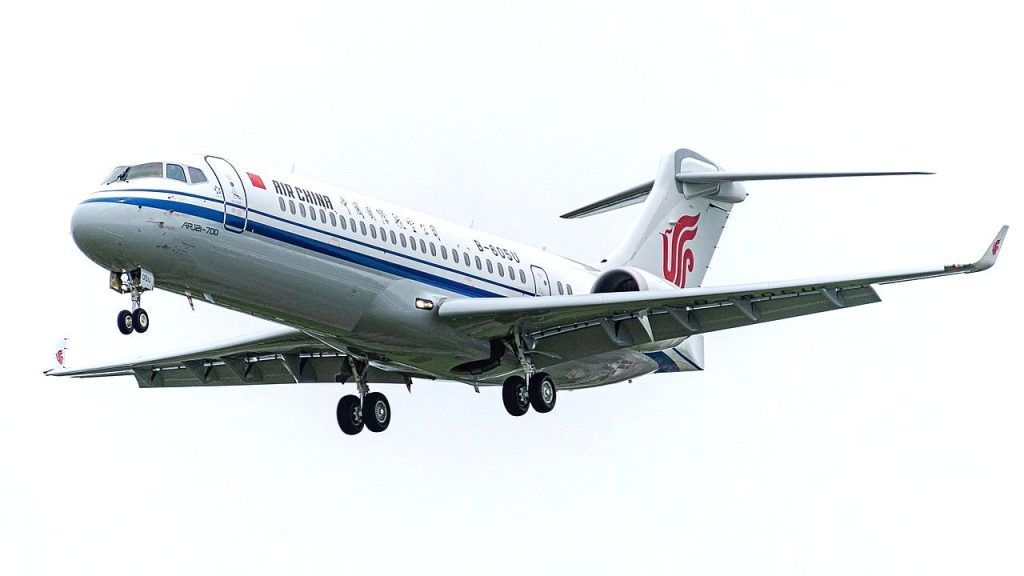
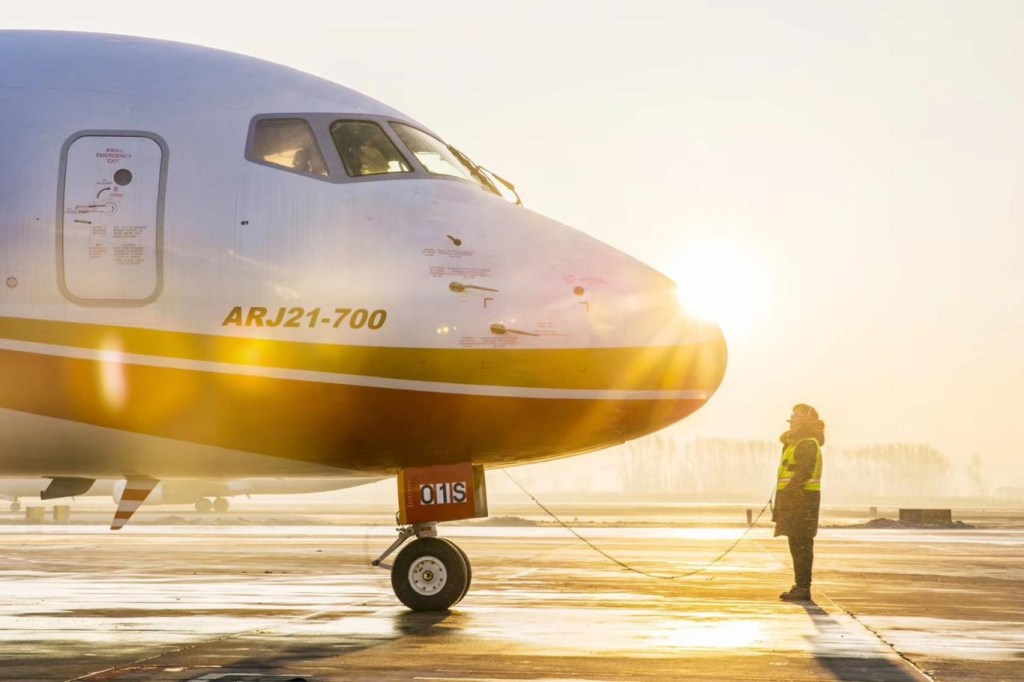
COMAC, el fabricante estatal de aviones comerciales de China, celebró la entrega del avión número 100 ARJ21-700 el 29 de diciembre. El hito se había esperado durante algunas semanas, ya que la compañía aceleró las entregas del avión de 90 asientos a fines de 2022. El primer avión chino entró en servicio en 2016 y tuvo 32 aviones entregados en 2022. El avión número 100 del modelo con registro B-653M fue entregado a Air China, que ahora tiene quince (15) unidades en su flota. El avión es el 102º fabricado, incluidos los aviones que forman parte de la propia flota de COMAC, como un CBJ, una versión comercial VIP.
«La entrega del avión número 100 después de la producción en masa es un hito importante para cualquier tipo de avión comercial. Significa que el rendimiento operativo y el nivel operativo de la flota de aviones ARJ21 son básicamente iguales a los de los aviones convencionales, lo que indica que la seguridad y confiabilidad de este avión han sido completamente probadas por las aerolíneas y el mercado de la aviación civil», dijo COMAC en un comunicado.
COMAC celebró el hito el 29 de Diciembre de 2022. El ARJ21 es la primera iniciativa china para desarrollar un avión por sí solo, sin embargo, el avión es en realidad una actualización de la familia MD-80/MD-90, de McDonnell Douglas, actualmente The Boeing Company, y que anteriormente se producían bajo licencia en China con el denominado Programa Trunkliner.
El desarrollo del ARJ 21 comenzó en 2002 y cinco años más tarde se presentó el primer prototipo, realizando el vuelo inaugural el 28 de Noviembre de 2008. Las pruebas de vuelo, sin embargo, tomaron mucho tiempo, debido a la falta de experiencia en la industria aeronáutica china. El avión sirvió como una curva de aprendizaje para el más ambicioso C919, que acaba de recibir su primer avión a China Eastern Airlines. Aunque mantiene muchas similitudes visuales con el antiguo avión estadounidense, el ARJ21-700 tiene alas con un diseño supercrítico y está equipado con turboventiladores GE CF34, los mismos utilizados en los E-Jets de primera generación de Embraer.
Después de obtener la certificación operativa en Diciembre de 2014, el ARJ21-700 entró en servicio a principios de 2016 con Chengdu Airlines, que hasta la fecha es el mayor operador del modelo, con veintiocho (28) aviones.
La producción en masa, sin embargo, solo comenzó en Julio de 2017 y a un ritmo bastante lento. Al año siguiente, solo ocho aviones salieron de la línea de ensamblaje, pero poco a poco COMAC ha aumentado el ritmo de producción. En 2021, había 27 aviones y en 2022, se completaron 32 ARJ21-700, sin embargo, se entregaron solo en la segunda mitad. La capacidad de producción anual es de 50 aviones, divididos en dos líneas de montaje.
Actualmente, el ARJ21 solo tiene un competidor directo en términos de capacidad, el Embraer E175-E1 que en una versión de clase única puede transportar 88 pasajeros. Sin embargo, los dos modelos tienen posibilidades mínimas de competir debido a su enfoque en diferentes mercados. Mientras que el avión Embraer tiene la gran mayoría de los pedidos procedentes de los Estados Unidos, donde actualmente es el único avión en producción que cumple con la Cláusula de Alcance, el ARJ21 es principalmente un avión dirigido a las aerolíneas chinas.
La aerolínea indonesia TransNusa, una compañía de bajo costo que recibió la primera aeronave ARJ21-700 en Diciembre 2022 es el primer operador extranjero para el tipo de aeronave. La compañía, sin embargo, tiene una compañía de arrendamiento china como uno de sus socios.
ARJ 21 reaches 100 units
COMAC announces delivery airplane number 100 ARJ21
COMAC, the state manufacturer of commercial aircraft of China, celebrated the delivery of the 100 ARJ21-700 aircraft on December 29. The milestone had expected for a few weeks, since the company accelerated the deliveries of the 90 -seat plane at the end of 2022. The first Chinese plane entered service in 2016 and had 32 aircraft delivered in 2022. The 100th plane number of the model with Registration B-653M was delivered to Air China, which now has fifteen (15) units in its fleet. The plane is the 102º manufactured, including the planes that are part of the Comac’s own fleet, such as a CBJ, a commercial VIP version.
«The delivery of the 100th plane after mass production is an important mile which indicates that the safety and reliability of this plane have been completely proven by airlines and the civil aviation market», said Comac in a statement.
Comac celebrated the milestone on December 29, 2022. The ARJ21 is the first Chinese initiative to develop a plane alone, however, the plane is actually an update of the MD-80/MD-90 family, by McDonnell Douglas, currently The Boeing Company, and that previously occurred under a license in China with the so-called Trunkliner program.
The development of the ARJ 21 began in 2002 and five years later the first prototype was presented, carrying out the inaugural flight on November 28, 2008. The flight tests, however, took a long time, due to the lack of experience in the Chinese aeronautical industry. The plane served as a learning curve for the most ambitious C919, which has just received its first plane to China Eastern Airlines. Although it maintains many visual similarities with the old American plane, the ARJ21-700 has wings with a supercritical design and is equipped with GE CF34 turbo searchers, the same ones used in Embraer’s first generation e-heals.
After obtaining the operational certification in December 2014, the ARJ21-700 entered into service in early 2016 with Chengdu Airlines, which to date is the largest operator of the model, with twenty-eight (28) airplanes.
Mass production, however, only began in July 2017 and at a rather slow pace. The following year, only eight planes left the assembly line, but gradually the production rate has increased. In 2021, there were 27 planes and in 2022, 32 ARJ21-700 were completed, however, they were delivered only in the second half. The annual production capacity is 50 airplanes, divided into two assembly lines.
Currently, the ARJ21 only has a direct competitor in terms of capacity, the Embraer E175-E1 that in a single class version can transport 88 passengers. However, the two models have minimal possibilities of competing due to their focus on different markets. While the Embraer plane has the vast majority of orders from the United States, where it is currently the only production plane that meets the scope clause, the ARJ21 is mainly an airplane addressed to Chinese airlines.
The TransNusa Indonesia airline, a low-cost company that received the first ARJ21-700 aircraft in December 2022 is the first foreign operator to the type of aircraft. The company, however, has a Chinese lease company as one of its partners.
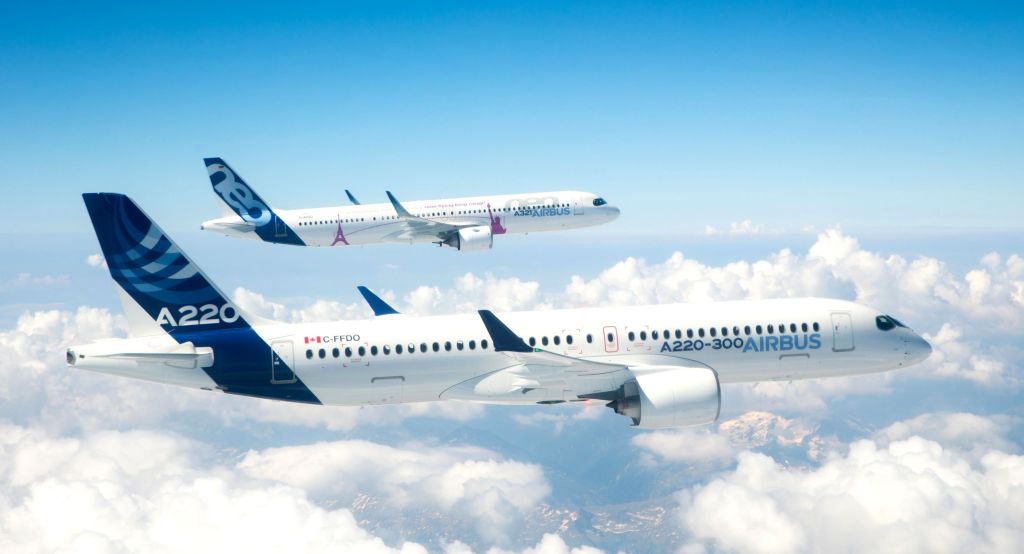
El aumento de la producción de aviones de fuselaje estrecho en las líneas de ensamblajes de los Airbus A220 y A320NEO han resultado más difícil de lo previsto para el constructor europeo. después de la crisis de los viajes aéreos, sumado al deterioro de los suministros de insumos para la industria, Airbus como otros constructores han continuado compadeciendo un sin número de retrasos en las entregas de aeronaves, en el peor de los casos con cancelaciones de pedidos por parte de las líneas aéreas en todos el mundo. Sumado a estos inconvenientes, el 2022 asomaba con la guerra en Ucrania, que llevó a sanciones occidentales, incrementos de los costos, agravando los desafíos para Airbus y su cadena de suministro. Entre los proveedores atrasados en los cronogramas de entrega, los fabricantes de motores recibieron la mayor atención a principios de año. La situación ha mejorado considerablemente desde entonces.
Airbus no lanzó ninguna nueva variante de aviones comerciales en 2022, el A321XLR comenzó sus pruebas en Junio de 2022, después que el programa ha acumulado un retraso de seis meses. La entrada en servicio ahora está prevista para el 2Q2024 en lugar del 4Q2023. Los retrasos son causados principalmente por la certificación del nuevo tanque de combustible central trasero en el fuselaje. A pesar de una línea de producción llena durante varios años, Airbus continuó acumulando un buen número de pedidos de A320NEO, incluso de aerolíneas chinas. La cancelación del pedido del A330NEO de AirAsiaX mejoró la calidad de la cartera de pedidos de la familia. Los pedidos netos para la familia A350, incluida la variante de carguero, se han silenciado, pero deberían aumentar a medida que se recupere el tráfico de larga distancia. El punto más bajo de Airbus ha sido la batalla judicial en curso con Qatar Airways sobre el tema de la pintura del A350, lo que llevó a la cancelación de la cartera de pedidos de la aerolínea. Airbus anunció muchas iniciativas de ecoAviation y sostenibilidad a lo largo del año, que culminaron en su Cumbre Anual del 30 de Noviembre al 1 de Diciembre de 2022.
Airbus, perspectives increase production
A320 Family production in 2023
The increase in the production of narrow fuselage aircraft in the assembly lines of the Airbus A220 and A320NEO have been more difficult than expected for the European builder. After the crisis of air trips, added to the deterioration of supplies supplies for the industry, Airbus as other builders have continued to pity a number of delays in aircraft deliveries, in the worst case with orders for orders for orders for part of the airlines in all the world. In addition to these inconveniences, the 2022 appeared with the war in Ukraine, which led to Western sanctions, increases in costs, aggravating the challenges for Airbus and its supply chain. Among the backward suppliers in delivery schedules, engines manufacturers received the greatest attention at the beginning of the year. The situation has improved considerably since then.
Airbus did not launch any new commercial aircraft variant in 2022, the A321XLR began its tests in June 2022, after the program has accumulated a delay of six months. The entry into service is now scheduled for 2Q2024 instead of 4Q2023. Delays are mainly caused by the certification of the new rear central fuel tank in the fuselage. Despite a full production line for several years, Airbus continued to accumulate a good number of A320NEO orders, including Chinese airlines. The cancellation of the AirrAsiaX A330NEO request improved the quality of the family’s order portfolio. Net orders for the A350 family, including the loading variant, have been silenced, but should increase as long distance traffic recovers. The lowest airbus point has been the current judicial battle with Qatar Airways on the issue of A350 painting, which led to the cancellation of the airline’s request portfolio. Airbus announced many ecoAviation and sustainability initiatives throughout the year, which culminated at its annual summit from November 30 to December 1, 2022.
PUBLISHER: Airgways.com DBk: Airbus.com / Airgways.com AW-POST: 202301030133AR OWNERSHIP: Airgways Inc. A\W A I R G W A Y S ®
Recuperación del valor bursátil de la compañía americana
The Boeing Company continúa desarrollando un fuerte crecimiento informando que Diciembre 2022 ha sido un mes espectacular para el fabricante estadounidense en todos los sentidos. Su capitalización supera a la de Airbus Group. Después de presentar los mejores resultados económicos para un trimestre en los últimos cuarenta años, tras el plan para reestructurar la compañía aeroespacial y tras cuatro años de desastres en gerenciamientos, las acciones de Boeing, el gigante americano de la aviación, registraron un aumento de un 57 por ciento en sólo los tres últimos meses de 2022.
La crisis sanitaria mundial había diezmado al fabricante con una acuciante pérdida de ingresos y bajas entregas de aeronaves hasta Noviembre 2022, con Airbus habiendo entregado 565 aviones, mientras que en Boeing entregaron 411 unidades. No obstante, las órdenes de compra reflejan ahora otra situación, haciendo un giro tras el mejoramiento de la situación mundial de las aerolíneas.
Desde Diciembre 2022, ha sido un mes espectacular para Boeing en todos los sentidos colocando órdenes por doscientos (200) aviones a United Airlines, además de cuarenta (40) a una compañía de alquiler de aviones, resolvió vendiendo a Air India la crisis de los aviones pendientes de colocar en China y se abre ante sí un horizonte más optimista. Boeing y Airbus deberán ser capaces de entregar los aviones en stock acumulados (backlog). Ahora, ,si una aerolínea ahora emitiera una orden de compra a los fabricantes, no completaría las entregas hasta antes de 2028.
Stock rally at Boeing
Recovery of the stock market value of the American company
The Boeing Company continues to develop strong growth, reporting that December 2022 has been a spectacular month for the American manufacturer in every way. Its capitalization exceeds that of Airbus Group. After presenting the best economic results for a quarter in the last forty years, after the plan to restructure the aerospace company and after four years of management disasters, the shares of Boeing, the American aviation giant, registered an increase of one 57 percent in just the last three months of 2022.
The global health crisis had decimated the manufacturer with a pressing loss of income and low aircraft deliveries until November 2022, with Airbus having delivered 565 aircraft, while Boeing delivered 411 units. However, purchase orders now reflect a different situation, turning around after the improvement in the global situation for airlines.
Since December 2022, it has been a spectacular month for Boeing in every way placing orders for two hundred (200) aircraft to United Airlines, in addition to forty (40) to an aircraft leasing company, resolved by selling Air India the crisis of the planes pending placement in China and a more optimistic horizon opens up. Boeing and Airbus must be able to deliver backlog aircraft. Now, if an airline now issued a purchase order to manufacturers, it wouldn’t complete deliveries until before 2028.
PUBLISHER: Airgways.com DBk: Boeing.com / Airgways.com AW-POST: 202301020247AR OWNERSHIP: Airgways Inc. A\W A I R G W A Y S ®
British Airways ha anunciado el recibimiento de su quinto Boeing 787-10 arribando a Londres como parte de un pedido de doce unidades de las variantes más grande de Dreamliner. La entrega actual eleva un total de 35 unidades 787. Siete aeronaves adicionales Dreamliner continúan para entregarse a la aerolínea líder británica.
El último Boeing 787-10 Dreamliner registrado G-ZBLG aterrizó en el Aeropuerto de London-Heathrow/LHR a las 08:50 del 30 de Diciembre de 2022 después de un vuelo de siete horas y veinte minutos desde las instalaciones de producción de Boeing en North Charleston (SC), Estados Unidos. British Airways incorporó su primer Boeing 787-10 en Junio de 2020, mientras continuaba su segunda entrega días posteriores. Este es el segundo avión 787-10 entregado este mes a British Airways después del arribo de G-ZBLC el 15/12, de un total de tres unidades. La configuración de las aeronave Boeing 787-10 de British Airways presentan una disposición total de 256 pasajeros distribuidos en Primera Clase (8), Clase Ejecutiva (48), Clase Económica Premium (35) y Clase Económica (165).
La nueva aeronave incorporada G-ZBLG fue uno de los aviones afectados por la suspensión de entregas en The Boeing Company en su FAL de North Charleston, habiendo realizado su primer vuelo en Agosto de 2021, lo que se ha traducido en una espera de más de un años calendario. La cadena de ensamblaje de la línea 787-10 volvió a tomar vuelo el 10/12 después de catorce meses en tierra.
British Airways receives 5th. Dreamliner
British Airways takes delivery of fifth Boeing 787-10
British Airways has announced the receipt of its fifth Boeing 787-10 arriving in London as part of an order for twelve larger Dreamliner variants. The current delivery brings the total to 35 787s. Seven additional Dreamliner aircraft continue to be delivered to the leading British airline.
The last Boeing 787-10 Dreamliner registered G-ZBLG landed at London Heathrow Airport/LHR at 08:50 on December 30, 2022 after a seven hour and twenty minute flight from Boeing’s production facility in North Charleston (SC), United States. British Airways onboarded its first Boeing 787-10 in June 2020, while its second delivery continued days later. This is the second 787-10 aircraft delivered this month to British Airways after the arrival of G-ZBLC on 12/15, out of a total of three units. The configuration of the British Airways Boeing 787-10 aircraft present a total availability of 256 passengers distributed in First Class (8), Business Class (48), Premium Economy Class (35) and Economy Class (165).
The new aircraft incorporated G-ZBLG was one of the aircraft affected by the suspension of deliveries at The Boeing Company in its North Charleston FAL, having made its first flight in August 2021, which has resulted in a wait of more than one calendar year. The 787-10 line assembly line took flight again on 12/10 after fourteen months on the ground.
PUBLISHER: Airgways.com DBk: Britishairways.com / Boeing.com / Airgways.com AW-POST: 202212311525AR OWNERSHIP: Airgways Inc. A\W A I R G W A Y S ®
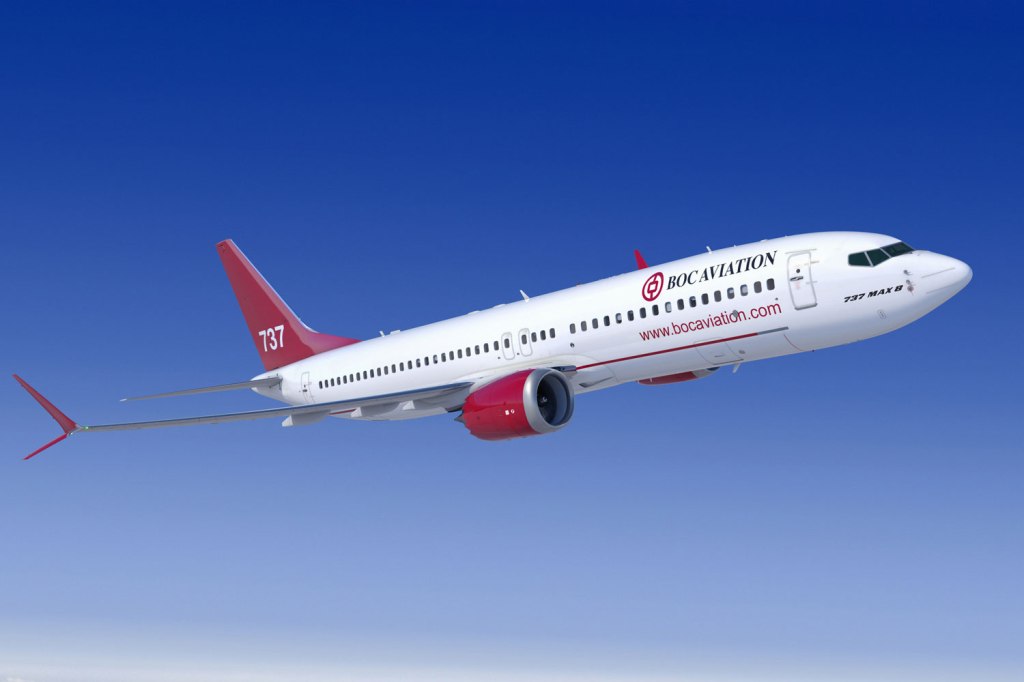
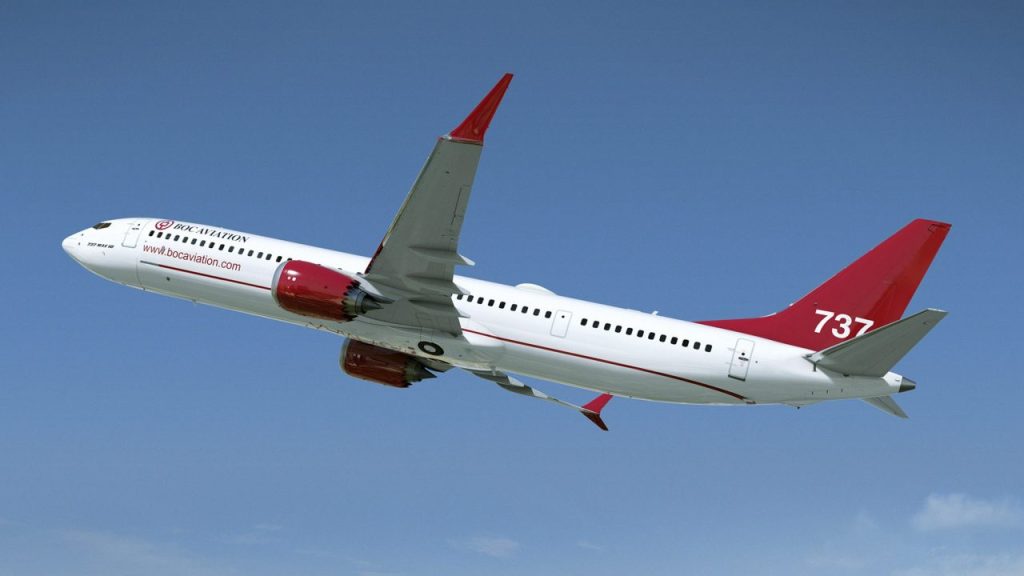
BOC Aviation anuncia pedido 40 aviones Boeing 737-8 adicionales
BOC Aviation Limited y The Boeing Company anunciaron el Martes, 27 de diciembre de 2022 que el arrendador de aviones está ampliando su cartera de aviones 737 MAX con un pedido de cuarenta (40) Boeing 737-8 MAX adicionales. Con el pedido, BOC Aviation está avanzando en su estrategia de compra de aviones nuevos, eficientes en combustible y ambientalmente sostenibles que están en demanda entre los clientes de las aerolíneas.
«Nos complace continuar construyendo sobre nuestra relación existente con Boeing, con este pedido incremental de 40 aviones para el avión Boeing 737-8 de bajo consumo de combustible. El pedido incremental lleva nuestra cartera total de pedidos 737 MAX 8 con Boeing a 80 aviones. Esperamos continuar proporcionando uno de los aviones tecnológicamente más avanzados de la industria para entrega en arrendamiento a nuestros clientes de aerolíneas, y apoyar su crecimiento sostenible durante el resto de esta década», dijo David Walton, Subdirector Gerente y Director de Operaciones de BOC Aviation.
Pedido aumenta demanda mercado narrowbody a medida que viajes aéreos continúan recuperándose. La eficiencia y confiabilidad del combustible 737-8 respaldan la estrategia de crecimiento de BOC Aviation. Más de 1.500 pedidos brutos para la familia 737 MAX desde finales de 2020.
El constructor americano Boeing continúa viendo una fuerte demanda del mercado aéreo para la familia 737 MAX, con una cartera de más de 1.500 pedidos brutos desde finales de 2020.
«Estamos orgullosos de que BOC Aviation continúe invirtiendo en el 737-8 con su versatilidad líder en la industria y su capacidad para volar casi cualquier mercado de corta y media distancia de manera rentable. Esperamos más oportunidades para expandir nuestra relación para apoyar a BOC Aviation y sus clientes», dijo Ryan Weir, Vicepresidente de Ventas Globales de Arrendamiento de Boeing Commercial Airplanes.
El Boeing 737-8 MAX está diseñado para ofrecer más eficiencia de combustible, fiabilidad y flexibilidad en el mercado de pasillo único. El avión puede volar 3.500 millas náuticas, aproximadamente 600 millas más lejos que su predecesor, lo que permite a las aerolíneas servir de manera rentable rutas nuevas y más directas para los pasajeros. En comparación con los aviones a los que reemplaza, el 737-8 también ofrece una eficiencia superior, utilizando un 20% menos de combustible y reduciendo significativamente las emisiones de CO2 y los costos operativos.
Como empresa aeroespacial líder a nivel mundial, Boeing desarrolla, fabrica y presta servicios a aviones comerciales, productos de defensa y sistemas espaciales para clientes en más de 150 países. Como uno de los principales exportadores de Estados Unidos, la compañía aprovecha los talentos de una base de proveedores global para promover las oportunidades económicas, la sostenibilidad y el impacto en la comunidad. El diverso equipo de Boeing está comprometido a innovar para el futuro, liderar con sostenibilidad y cultivar una cultura basada en los valores fundamentales de seguridad, calidad e integridad de la compañía.
BOC Aviation es una empresa líder mundial de arrendamiento de aeronaves con una flota de 612 aviones en propiedad, administrados y bajo pedido. Su flota propia y administrada fue arrendada a 81 aerolíneas en 38 países y regiones de todo el mundo a 30 de Septiembre de 2022. BOC Aviation cotiza en la Bolsa de Hong Kong y tiene su sede en Singapur con oficinas en Dublín, Londres, Nueva York y Tianjin.
BOC orders 40 Boeing 737-8 MAX
BOC Aviation announces order for 40 additional Boeing 737-8 aircraft
BOC Aviation Limited and The Boeing Company announced on Tuesday, December 27, 2022 that the aircraft lessor is expanding its portfolio of 737 MAX aircraft with an order for forty (40) additional Boeing 737-8 MAXs. With the order, BOC Aviation is advancing its strategy to purchase new, fuel-efficient and environmentally sustainable aircraft that are in demand among airline customers.
«We are pleased to continue to build on our existing relationship with Boeing, with this 40-aircraft incremental order for the fuel-efficient Boeing 737-8 aircraft. The incremental order brings our total 737 MAX 8 order backlog with Boeing to 80 aircraft. We look forward to continuing to provide one of the most technologically advanced aircraft in the industry for lease delivery to our airline customers, and to support their sustainable growth for the remainder of this decade», said David Walton, Deputy Managing Director and Chief Operating Officer of BOC Aviation.
The order will support narrowbody market demand as air travel continues to recover. The 737-8’s fuel efficiency and reliability support BOC Aviation’s growth strategy. More than 1,500 gross orders for the 737 MAX family since the end of 2020.
American manufacturer Boeing continues to see strong demand from the airline market for the 737 MAX family, with a backlog of more than 1,500 gross orders since the end of 2020.
«We are proud that BOC Aviation continues to invest in the 737-8 with its industry-leading versatility and ability to fly almost any short- and medium-haul market profitably. We look forward to further opportunities to expand our relationship to support BOC Aviation. and their customers», said Ryan Weir, vice president of Global Leasing Sales for Boeing Commercial Airplanes.
The Boeing 737-8 MAX is designed to offer more fuel efficiency, reliability and flexibility in the single-aisle market. The aircraft can fly 3,500 nautical miles, approximately 600 miles further than its predecessor, allowing airlines to profitably serve new, more direct routes for passengers. Compared to the aircraft it replaces, the 737-8 also offers superior efficiency, using 20% less fuel and significantly reducing CO2 emissions and operating costs.
As the world’s leading aerospace company, Boeing develops, manufactures and services commercial aircraft, defense products and space systems for customers in more than 150 countries. As one of America’s leading exporters, the company harnesses the talents of a global supplier base to promote economic opportunity, sustainability and community impact. Boeing’s diverse team is committed to innovating for the future, leading with sustainability and cultivating a culture grounded in the company’s core values of safety, quality and integrity.
BOC Aviation is a leading global aircraft leasing company with a fleet of 612 owned, managed and on-order aircraft. Its owned and managed fleet was leased to 81 airlines in 38 countries and regions around the world as of September 30, 2022. BOC Aviation is listed on the Hong Kong Stock Exchange and is headquartered in Singapore with offices in Dublin, London, New York and Tianjin.
PUBLISHER: Airgways.com DBk: Boeing.com / Bocaviation.com / Airgways.com AW-POST: 202212281015AR OWNERSHIP: Airgways Inc. A\W A I R G W A Y S ®
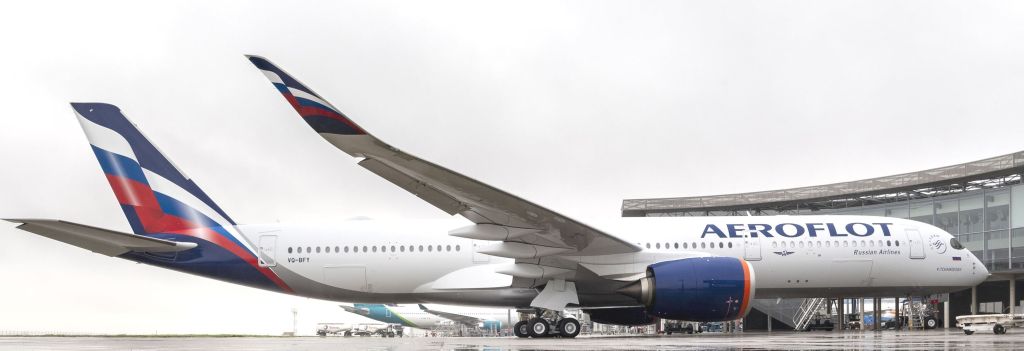
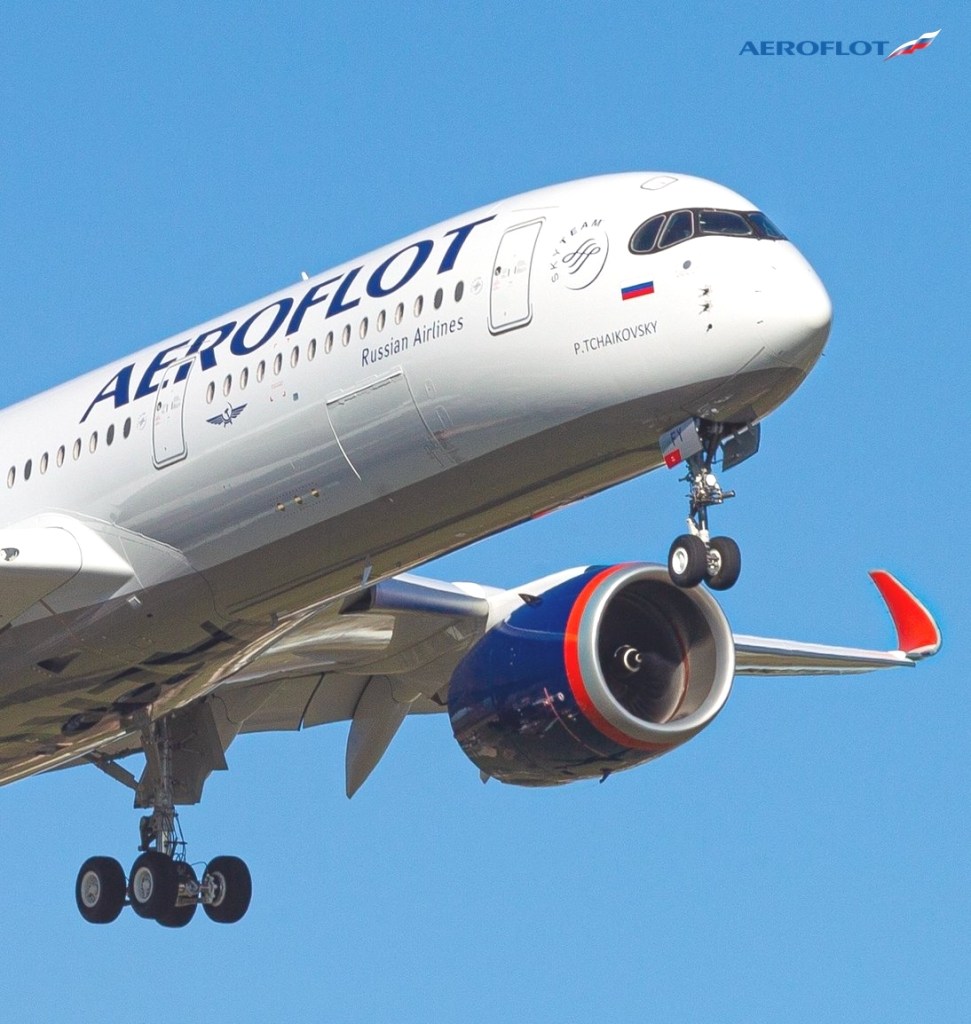
Subsidiaria de Rostec reclama Airbus US$ 5.1 millones
El Tribunal de Arbitraje de Moscú aceptó para la producción la solicitud de Aviakapital Servis (AKS), una filial de arrendamiento de Rostec Inc. al fabricante europeo de aviones Airbus Group, en la que el demandante exige devolver el pago anticipado de los aviones para Aeroflot Russian Airlines. Según los materiales del expediente judicial, el tamaño de los reclamos es de un valor de US$ 5.1 millones de Dóalres. Una audiencia preliminar en el caso está programada para el 14 de Febrero de 2022.
Como se informó, el tribunal registró el reclamo de AKS el 13 de Diciembre de 2022. La base de la solicitud es la demanda de devolución de los pagos anticipados que se transfirieron a Airbus en virtud del contrato preliminar para el suministro de aviones A350 para Aeroflot, explicó el Aviakapital Servis. Las sanciones occidentales hicieron imposible cumplir el contrato: la compañía envió a Airbus «muchos avisos pidiendo la devolución de anticipos, pero fue en vano». El representante del AKS no especificó el monto de los pagos anticipados requeridos.
En Marzo de 2020, se informó que Aviakapital planea entregar 17 nuevos A350 de larga distancia a Aeroflot Russian Airlines. Las sanciones occidentales anti-rusas impuestas por los países occidentales después del inicio de la invasión a Ucrania prevén la prohibición del suministro de aeronaves civiles y piezas de repuesto a la Federación de Rusia, así como su mantenimiento y seguro, mientras que por otro lado, el Gobierno de la Federación Rusia había ordenado la expropiación de las aeronaves occidentales de las compañía lessor y los fabricantes.
Aviakapital sues Airbus
Rostec subsidiary claims Airbus US$ 5.1 million
The Moscow Arbitration Court accepted for production the application of Aviakapital Servis (AKS), a leasing subsidiary of Rostec Inc. to the European aircraft manufacturer Airbus Group, in which the plaintiff demands to return the advance payment for the aircraft to Aeroflot Russian Airlines. According to court docket materials, the size of the claims is worth US$5.1 million. A preliminary hearing in the case is scheduled for February 14, 2022.
As reported, the court registered AKS’s claim on December 13, 2022. The basis of the request is the demand for the return of advance payments that were transferred to Airbus under the preliminary contract for the supply of A350 aircraft for Aeroflot, explained the Aviakapital Servis. Western sanctions made it impossible to fulfill the contract: the company sent Airbus «many notices asking for the return of advances, but to no avail». The AKS representative did not specify the amount of required advance payments.
In March 2020, it was reported that Aviakapital plans to deliver 17 new long-haul A350s to Aeroflot Russian Airlines. The anti-Russian Western sanctions imposed by Western countries after the start of the invasion of Ukraine provide for a ban on the supply of civil aircraft and spare parts to the Russian Federation, as well as their maintenance and insurance, while on the other hand the Government of the The Russian Federation had ordered the expropriation of Western aircraft from lessor companies and manufacturers.
Авиакапитал подает в суд на Airbus
AKS требует от Airbus 5,1 млн долларов США
Арбитражный суд Москвы принял к производству заявление лизинговой дочерней компании Госкорпорации Ростех Авиакапитал-Сервис (АКС) к европейскому авиапроизводителю Airbus Group, в котором истец требует вернуть Аэрофлот — российские авиалинии предоплату за самолет. Согласно материалам судебного дела, размер исковых требований составляет 5,1 млн долларов США. Предварительное судебное заседание по делу назначено на 14 февраля 2022 года.
Как сообщалось, суд зарегистрировал иск АКС 13 декабря 2022 года. Основанием для иска является требование о возврате авансовых платежей, которые были перечислены Airbus по предварительному договору на поставку самолетов А350 для Аэрофлота, пояснили в Авиакапитал Сервис. Западные санкции сделали невозможным выполнение контракта: компания отправила Airbus «множество уведомлений с просьбой вернуть авансы, но безрезультатно». Представитель АКС не уточнил сумму необходимых авансовых платежей.
В марте 2020 года сообщалось, что Авиакапитал планирует поставить российской авиакомпании Аэрофлот 17 новых дальнемагистральных А350. Антироссийские западные санкции, введенные западными странами после начала вторжения в Украину, предусматривают запрет на поставку в РФ гражданских самолетов и запасных частей, а также их техническое обслуживание и страхование, а с другой стороны Правительство Российской Федерации распорядилось об экспроприации западных самолетов у компаний-лизингодателей и производителей.
PUBLISHER: Airgways.com DBk: A-c-s.aero/en / Airbus.com / Airgways.com AW-POST: 202212271013AR OWNERSHIP: Airgways Inc. A\W A I R G W A Y S ®
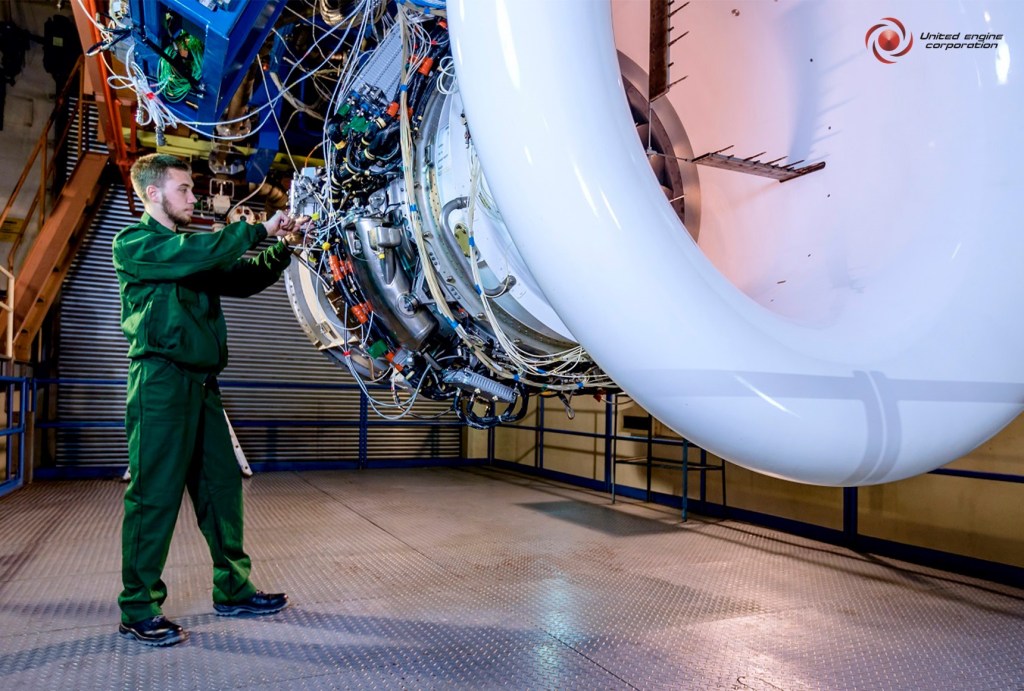
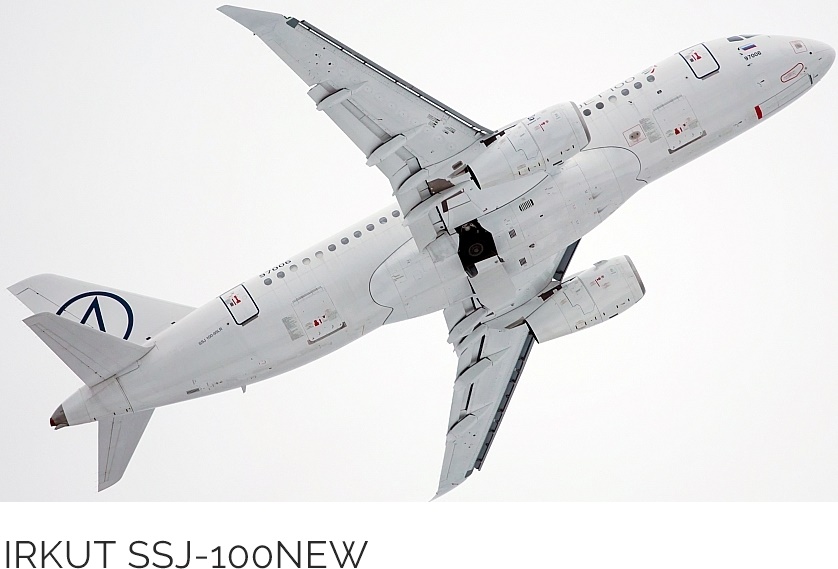
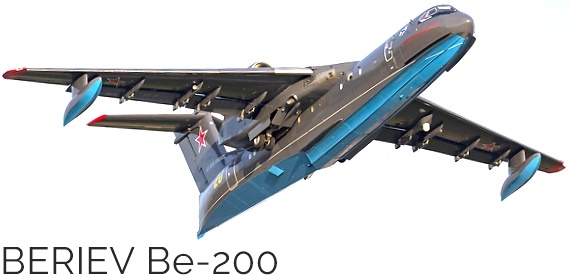
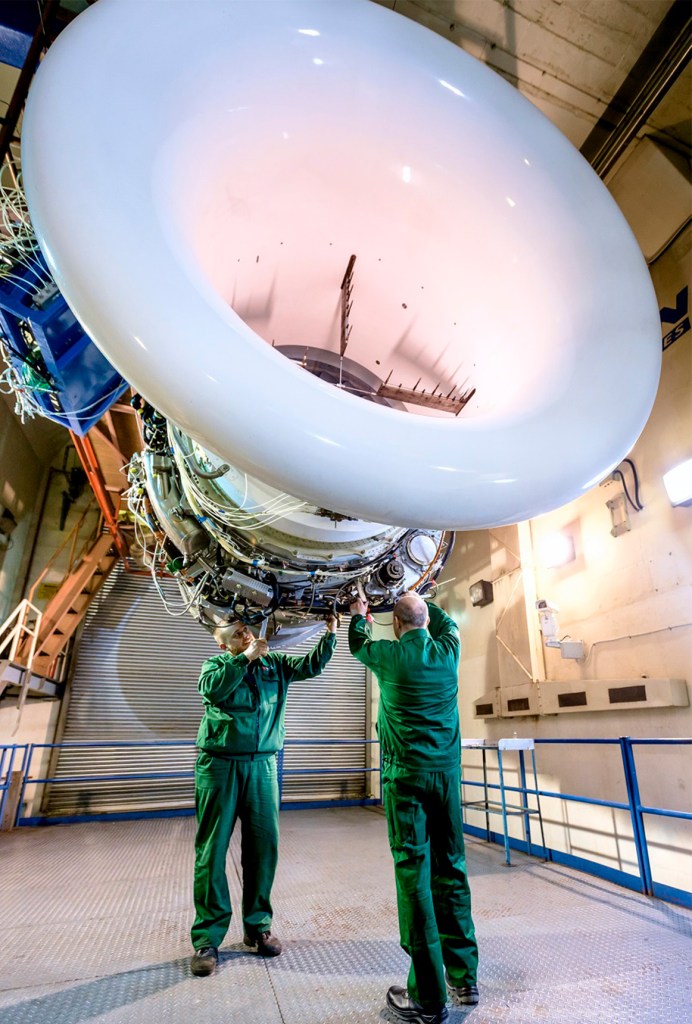
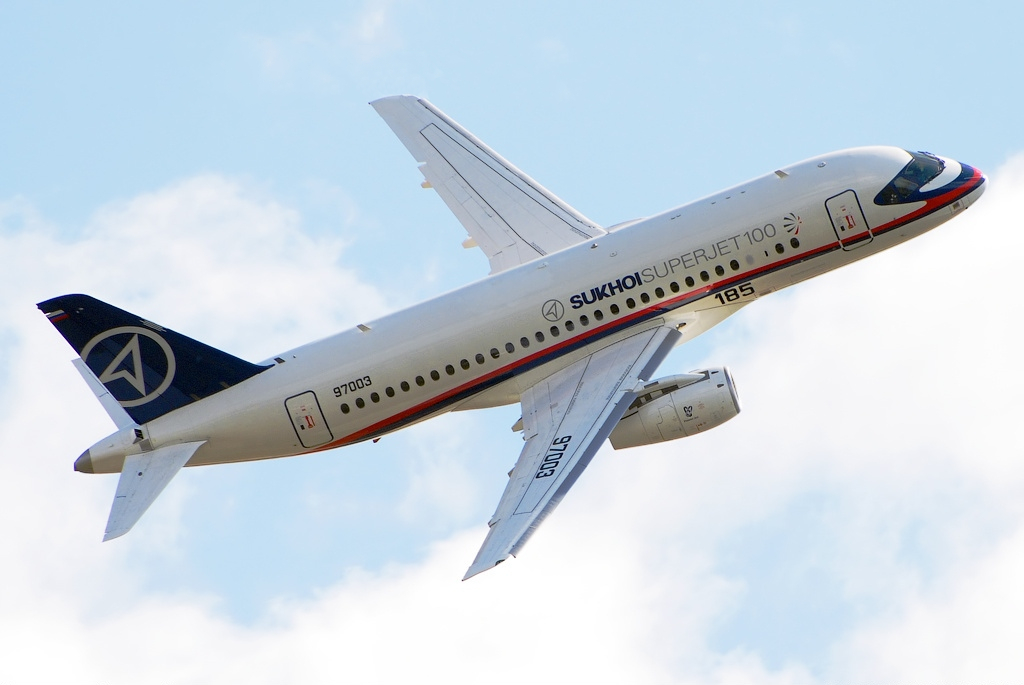
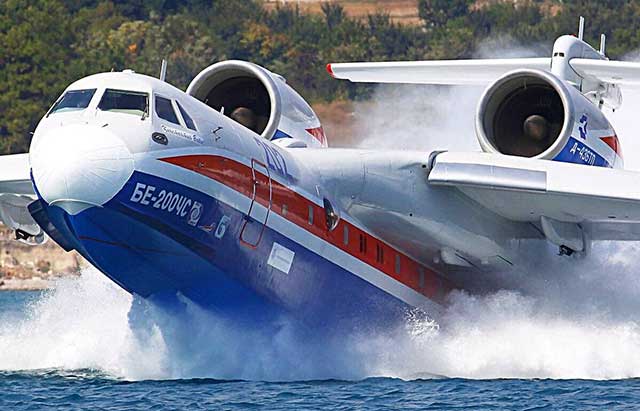
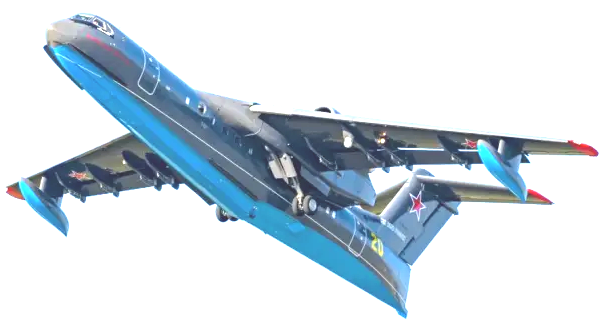
JSC United Engine Corporation del conglomerado Rostec Inc. ha finalizado las pruebas el motor PD-8, que se utilizará para el nuevo avión de pasajeros Irkut SSJ-100NEW y el avión anfibio Beriev Be-200. «United Engine Corporation Rostec comenzó las pruebas de vuelo del motor PD-8 diseñado para el transatlántico de pasajeros de corta distancia SSJ New y el avión anfibio Be-200», dice el informe de la compañía rusa. Rostec United Engine Corporation ha completado con éxito el programa de pruebas de banco para el primer prototipo del motor PD-8. Las pruebas confirmaron que el motor y sus sistemas pueden operar de acuerdo con los parámetros básicos establecidos en los términos de referencia, y que las soluciones de diseño utilizadas en el producto son correctas. Durante las pruebas de varias etapas, los especialistas de ODK depuraron los sistemas de control automático y estabilizaron el arranque del motor con más ralentí. Los ingenieros realizaron el número necesario de ejecuciones para registrar los parámetros básicos del motor en todos los modos de operación, desde el modo ralentí hasta el modo acelerador máximo.
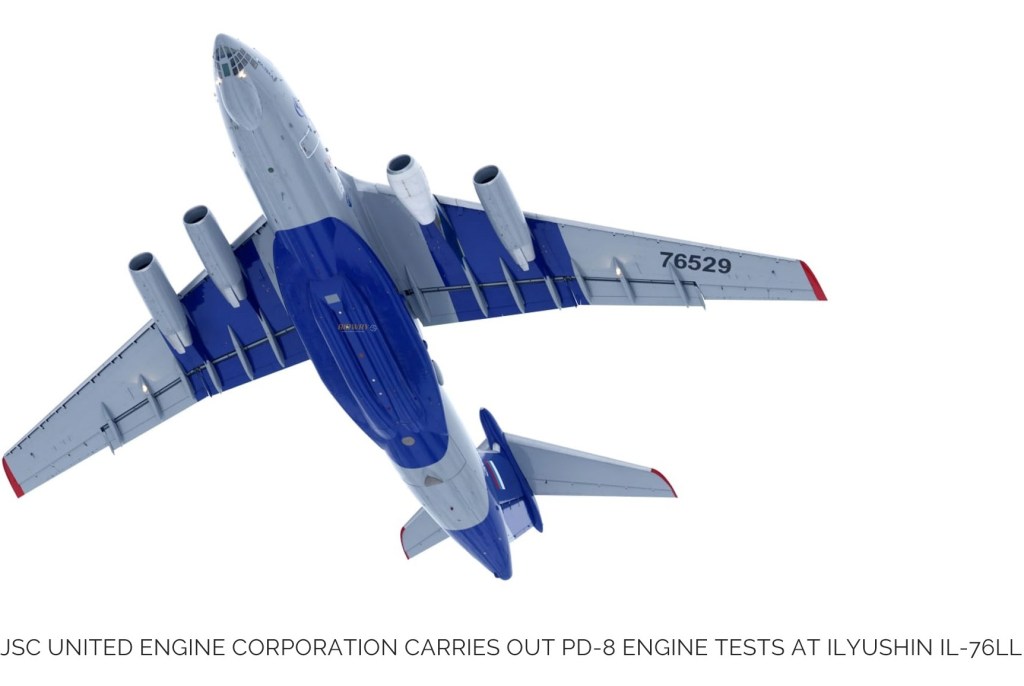
La planta de energía está siendo probada como parte del laboratorio de vuelo IL-76LL. Según Denis Manturov, Viceprimer Ministro y Jefe del Ministerio de Industria y Comercio de la Federación de Rusia, el motor PD-8 es un proyecto cuya implementación exitosa garantizará la independencia tecnológica de Rusia en las próximas décadas. «El proyecto involucra a miles de equipos de empresas rusas de industrias metalúrgicas, radioelectrónicas, químicas y de construcción de maquinaria. La reserva científica y técnica formada durante el trabajo en el motor PD-14 se utiliza en su totalidad. El trabajo en el motor se está llevando a cabo de acuerdo con el cronograma, esto nos permite planificar la obtención de un certificado de tipo en 2023», dijo Denis Manturov.
El motor PD-8 se está desarrollando para el avión SSJ 100 y el avión anfibio Be-200. El espectáculo de estreno del generador de gas de este motor tuvo lugar en MAKS 2021, que se celebró en Zhukovsky, cerca de Moscú. El concepto PD-8 prevé la creación de una familia de modernos motores de turbina de gas con la posibilidad de mejorar el consumo específico de combustible y reducir el coste del ciclo de vida. Anteriormente, el primer Subdirector de la corporación estatal Rostec, Vladimir Artyakov, informó que el prometedor motor ruso PD-8 recibirá un certificado en 2023.
“La finalización de las pruebas de banco del primer prototipo PD-8 es la etapa más importante en el desarrollo de un nuevo motor ruso para la aviación civil, principalmente para el Superjet 100 sustituido por importación. Luego viene la prueba de los componentes individuales del motor en soportes autónomos. También está previsto probar el motor utilizando el avión de laboratorio volador IL-76LL y llevar a cabo un gran conjunto de cálculos de ingeniería. Todo esto es parte del trabajo para confirmar que los indicadores de rendimiento del motor probado cumplen con los requisitos de la base de certificación para el motor PD-8”, dice Vladimir Artyakov, Primer Director General Adjunto de Rostec State Corporation.
El motor turboventilador de dos bobinas PD-8, diseñado para el avión de pasajeros de sustitución de importación SSJ-New y el avión anfibio BE-200, está fabricado con materiales rusos de última generación y tecnologías de procesamiento avanzadas, incluida la fabricación aditiva. Una gama de empresas de UEC está involucrada en el proceso, aprovechando ampliamente la experiencia adquirida al trabajar en el motor PD-14.
“El programa de prueba incluyó la medición de parámetros para evaluar la condición térmica, la durabilidad y la resistencia a la vibración de las piezas y componentes del motor durante la operación. Sus sistemas de aire, aceite y combustible han sido revisados. El estado de las piezas y componentes del motor prototipo PD-8 se evaluó durante la prueba utilizando 500 sensores especiales. Los datos obtenidos con su ayuda están sujetos a análisis adicionales para evaluar la operatividad de los principales componentes y sistemas”, dice Yury Shmotin, diseñador general de UEC JSC.
JSC completes PD-8 engine tests
Flight tests of the PD-8 engine conclude
JSC United Engine Corporation of the Rostec Inc. conglomerate has finished testing the PD-8 engine, which will be used for the new Irkut SSJ-100NEW passenger plane and the Beriev Be-200 amphibious plane. «United Engine Corporation Rostec has started flight tests of the PD-8 engine designed for the SSJ New short-haul passenger liner and the Be-200 amphibious aircraft,» the Russian company’s report says. Rostec United Engine Corporation has successfully completed the bench test program for the first prototype of the PD-8 engine. The tests confirmed that the engine and its systems can operate in accordance with the basic parameters set out in the terms of reference, and that the design solutions used in the product are correct. During multi-stage tests, ODK specialists debugged automatic control systems and stabilized engine start-up with more idle. Engineers performed the necessary number of runs to record basic engine parameters in all modes of operation, from idle to full throttle.
The power plant is being tested as part of the IL-76LL flight laboratory. According to Denis Manturov, Deputy Prime Minister and Head of the Ministry of Industry and Trade of the Russian Federation, the PD-8 engine is a project whose successful implementation will ensure Russia’s technological independence for decades to come. «The project involves thousands of teams of Russian enterprises of the metallurgical, radio-electronic, chemical and machine-building industries. The scientific and technical reserve formed during the work on the PD-14 engine is fully used. The work on the engine is being carried out according to schedule, this allows us to plan to obtain a type certificate in 2023», said Denis Manturov.
The PD-8 engine is being developed for the SSJ 100NEW aircraft and the Be-200 amphibious aircraft. The premiere show of the gas generator of this engine took place at MAKS 2021, which was held in Zhukovsky near Moscow. The PD-8 concept envisions the creation of a family of modern gas turbine engines with the potential to improve specific fuel consumption and reduce life cycle cost. Earlier, the first Deputy Director of the state corporation Rostec, Vladimir Artyakov, reported that the promising Russian PD-8 engine will receive a certificate in 2023.
“The completion of the bench tests of the first PD-8 prototype is the most important stage in the development of a new Russian engine for civil aviation, mainly for the superjet 100 superjet substituted by import. Next comes the testing of individual engine components on self-contained stands. It is also planned to test the engine using the IL-76LL flying laboratory aircraft and carry out a large set of engineering calculations. All this is part of the work to confirm that the performance indicators of the tested engine meet the requirements of the certification base for the PD-8 engine”, says Vladimir Artyakov, First Deputy General Director of Rostec State Corporation.
The PD-8 twin-coil turbofan engine, designed for the SSJ-New import replacement airliner and BE-200 amphibious aircraft, is made using state-of-the-art Russian materials and advanced processing technologies, including additive manufacturing. A range of UEC companies are involved in the process, drawing heavily on the experience gained from working on the PD-14 engine.
“The test program included the measurement of parameters to assess the thermal condition, durability and resistance to vibration of engine parts and components during operation. Its air, oil and fuel systems have been checked. The condition of the parts and components of the PD-8 prototype engine was evaluated during the test using 500 special sensors. The data obtained with their help is subjected to further analysis to assess the operability of the main components and systems”, says Yury Shmotin, general designer of UEC JSC.
АО завершило испытания двигателя ПД-8
Завершились летные испытания двигателя ПД-8
АО Объединенная двигателестроительная корпорация конгломерата Ростех завершило испытания двигателя ПД-8, который будет использоваться для нового пассажирского самолета Иркут SSJ-100NEW и самолета-амфибии Бериев Бе-200. «Объединенная двигателестроительная корпорация Ростех приступила к летным испытаниям двигателя ПД-8, предназначенного для ближнемагистрального пассажирского лайнера SSJ New и самолета-амфибии Бе-200», — говорится в сообщении российской компании. Объединенная двигателестроительная корпорация Ростех успешно завершила программу стендовых испытаний первого опытного образца двигателя ПД-8. Испытания подтвердили, что двигатель и его системы могут работать в соответствии с основными параметрами, изложенными в техническом задании, и что использованные в изделии конструктивные решения верны. В ходе многоэтапных испытаний специалисты ОДК отладили системы автоматического управления и стабилизировали пуск двигателя с большим холостым ходом. Инженеры выполнили необходимое количество прогонов для регистрации основных параметров двигателя на всех режимах работы, от холостого хода до полного газа.
Силовая установка проходит испытания в составе летной лаборатории Ил-76ЛЛ. По словам вице-премьера, главы Минпромторга РФ Дениса Мантурова, двигатель ПД-8 — это проект, успешная реализация которого обеспечит технологическую независимость России на десятилетия вперед. «В проекте задействованы тысячи коллективов российских предприятий металлургической, радиоэлектронной, химической и машиностроительной промышленности. Научно-технический задел, сформированный при работах над двигателем ПД-14, используется полностью. выполняется в соответствии с графиком, что позволяет нам планировать получение сертификата типа в 2023 году», — сказал Денис Мантуров.
Двигатель ПД-8 разрабатывается для самолета SSJ 100NEW и самолета-амфибии Бе-200. Премьерный показ газогенератора этого двигателя состоялся на МАКС-2021, который проходил в подмосковном Жуковском. Концепция ПД-8 предусматривает создание семейства современных газотурбинных двигателей с потенциалом повышения удельного расхода топлива и снижения стоимости жизненного цикла. Ранее первый заместитель директора госкорпорации Ростех Владимир Артяков сообщал, что перспективный российский двигатель ПД-8 получит сертификат в 2023 году.
«Завершение стендовых испытаний первого опытного образца ПД-8 — важнейший этап разработки нового российского двигателя для гражданской авиации, прежде всего для импортозамещаемого суперджета Superjet 100. Далее идет тестирование отдельных узлов двигателя на автономных стендах. Также планируется провести испытания двигателя на летающей лаборатории Ил-76ЛЛ и провести большой комплекс инженерных расчетов. Все это является частью работы по подтверждению соответствия эксплуатационных показателей испытанного двигателя требованиям сертификационной базы на двигатель ПД-8», — говорит первый заместитель генерального директора Госкорпорации «Ростех» Владимир Артяков.
Двухконтурный ТРДД ПД-8, предназначенный для импортозамещающего авиалайнера SSJ-New и самолета-амфибии БЕ-200, изготавливается с использованием современных российских материалов и передовых технологий обработки, в том числе аддитивного производства. В этом процессе участвует ряд предприятий ОДК, в значительной степени опирающихся на опыт работы над двигателем ПД-14.
«Программа испытаний включала измерение параметров для оценки теплового состояния, долговечности и устойчивости к вибрации деталей и узлов двигателя в процессе эксплуатации. Проверены его воздушная, масляная и топливная системы. Состояние деталей и узлов опытного образца двигателя ПД-8 оценивалось в ходе испытаний с использованием 500 специальных датчиков. Полученные с их помощью данные подвергаются дальнейшему анализу для оценки работоспособности основных узлов и систем», — говорит Юрий Шмотин, генеральный конструктор АО «ОДК».
PUBLISHER: Airgways.com DBk: Uecrus.com / Airgways.com AW-POST: 202212270955AR OWNERSHIP: Airgways Inc. A\W A I R G W A Y S ®
Primer COMAC C919 realizará vuelo verificación de 100 horas
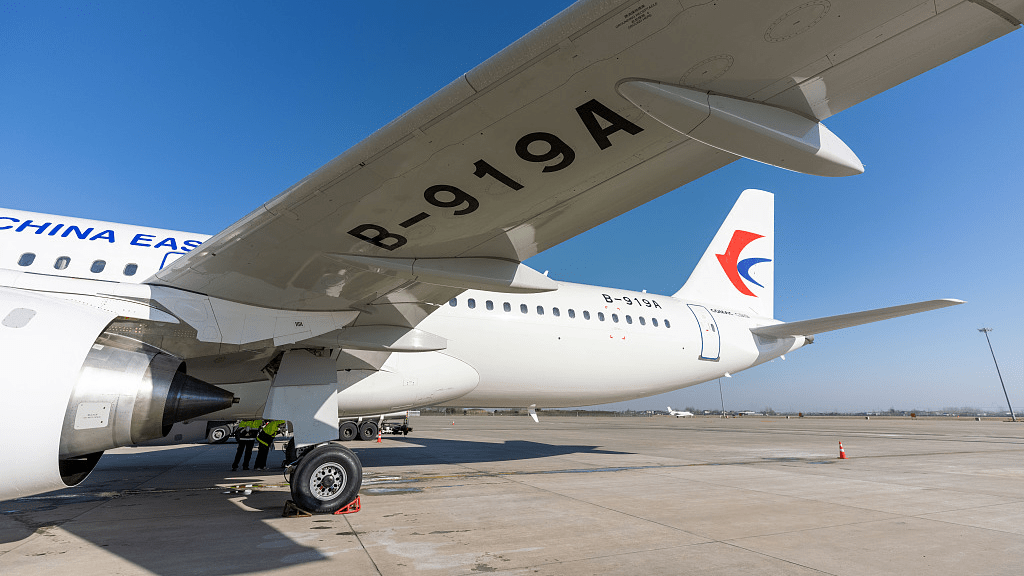
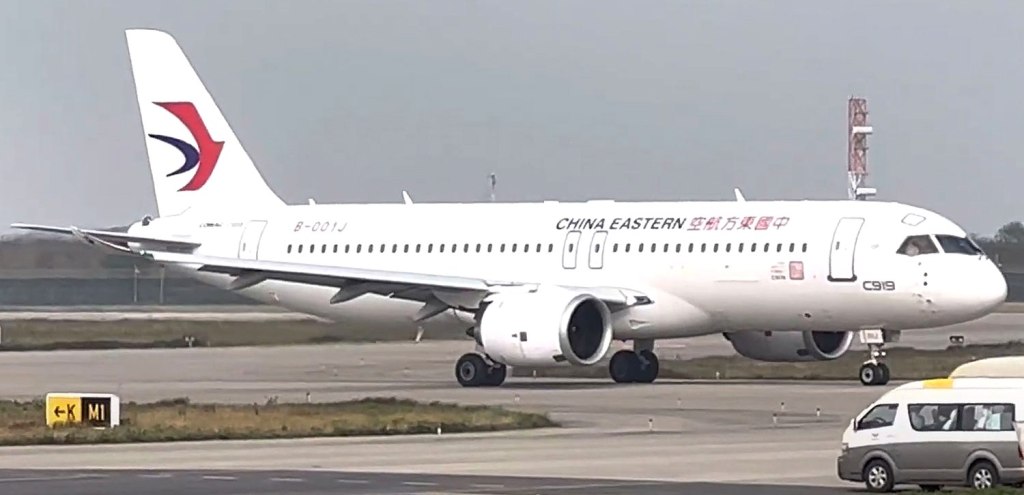
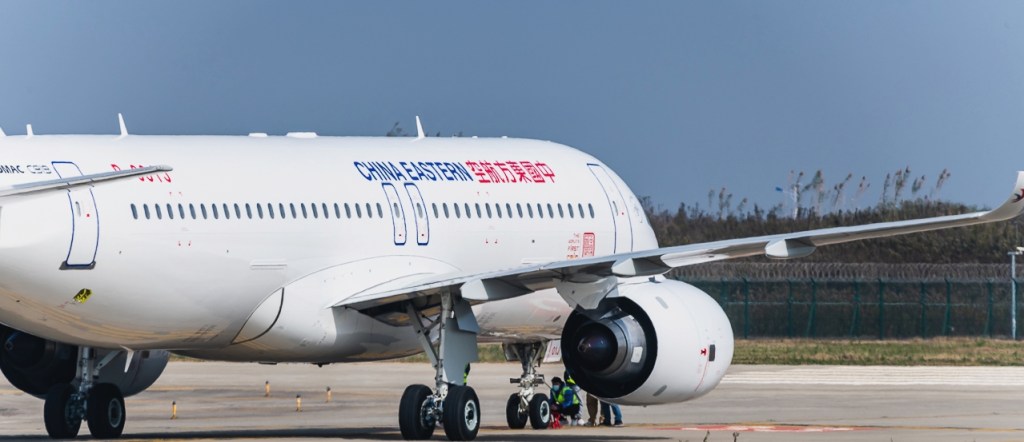
El COMAC C919 matrícula B-919A de China Eastern Airlines realizará entrenamiento y test de vuelo en el Aeropuerto Internacional de Yangzhou Taizhou, Provincia de Jiangsu, el 23 de Diciembre de 2022. La aeronave perteneciente a China Eastern Airlines realiza entrenamiento de vuelo en la provincia oriental china. China Eastern Airlines llevará a cabo un vuelo de verificación de 100 horas para su primer avión C919 el 26 de Diciembre de 2022. La aerolínea, como el primer usuario del modelo en el mundo, recibió oficialmente su primer jet C919 con registro B-919A el 9 de Diciembre de 2022. El C919 es el primer avión de pasajeros narrowbody construido en China desarrollado por la Corporación de Aviones Comerciales de China (COMAC). La Administración de Aviación Civil de China (CAAC) le otorgó un certificado de tipo en Septiembre 2022.
El camino de China hacia el primer avión de pasajeros de fuselaje estrecho de desarrollo propio ha alcanzado una madurez para alcanzar a la brevedad los procesos de construcción en línea para las principales aerolíneas de Asia y otras regiones. Debido a que el C919 es un modelo nuevo, China Eastern Airlines deberá llevar a cabo un vuelo de prueba de verificación de aeronaves vacío sobre la base de la obtención de la aprobación inicial de la CAAC, para probar y confirmar la seguridad operativa de la aeronave, la confiabilidad del mantenimiento y varias capacidades de soporte operativo. Después de esto, la aerolínea solicitará a la CAAC las Especificaciones de Operación para obtener la aprobación final para la operación comercial de la aeronave C919.
China Eastern Airlines dijo que ha seleccionado a 24 pilotos con una rica experiencia y excelentes habilidades como el primer grupo de pilotos de C919. Se espera que el primer C919 se ponga en operación comercial de pasajeros en la primavera septentrional de 2023. Los cuatro aviones restantes en el primer pedido de C919 de China Eastern Airlines se entregarán sucesivamente en los próximos dos años.
C919 flight test 100 hours
First COMAC C919 will carry out a 100-hour verification flight
The COMAC C919 registration B-919A of China Eastern Airlines will conduct training and flight test at the Yangzhou Taizhou International Airport, Jiangsu Province, on December 23, 2022. The aircraft belonging to China Eastern Airlines conducts flight training in the province oriental china. China Eastern Airlines will carry out a 100-hour verification flight for its first C919 aircraft on December 26, 2022. The airline, as the first user of the model in the world, officially took delivery of its first C919 jet with registration B-919A on December 9, 2022. The C919 is the first Chinese-built narrowbody airliner developed by the Commercial Aircraft Corporation of China (COMAC). The Civil Aviation Administration of China (CAAC) granted it a type certificate in September 2022.
China’s path to the first self-developed narrow-body airliner has reached a maturity to soon bring construction processes online for major airlines in Asia and other regions. Because the C919 is a new model, China Eastern Airlines shall carry out an empty aircraft verification test flight on the basis of obtaining initial approval from the CAAC, to test and confirm the operational safety of the aircraft, maintenance reliability and various operational support capabilities. After this, the airline will apply to the CAAC for the Operation Specifications to obtain final approval for the commercial operation of the C919 aircraft.
China Eastern Airlines said it has selected 24 pilots with rich experience and excellent skills as the first batch of C919 pilots. The first C919 is expected to be put into commercial passenger operation in the northern spring of 2023. The remaining four aircraft in China Eastern Airlines’ first C919 order will be delivered successively over the next two years.
AW | 2022 12 25 01:45 | AVIATION ORGANISMS / INDUSTRY
FAA emite Directiva de Aeronavegabilidad Boeing 747
La Administración Federal de Aviación (FAA) ha emitido una Directiva de Aeronavegabilidad (AD) para abordar dos condiciones inseguras en todos los modelos Boeing 747. La nueva directiva reemplaza un aviso anterior que no incluía el Boeing 747-8 y el Boeing 747-8F. El AD, que es una reglamentación final, se publicó el 22 de diciembre de 2022. El Aviso de Reglamentación Propuesta (NPRM) se emitió en Septiembre de 2022, cuando los operadores de la aeronave y otras partes interesadas tuvieron la oportunidad de presentar respuestas. La Asociación Internacional de Pilotos de Líneas Aéreas (ALPA) fue la única organización que presentó sus propuestas, de acuerdo con la autoridad sobre el cambio sin sugerencias adicionales.
Anteriormente, el AD afectaba a todos los Boeing 747, excepto a la última versión el Boeing 747-8I. La reglamentación más reciente de la FAA abordó las condiciones inseguras de dos partes de la aeronave, a saber, los paneles inferiores del borde de fuga del ala izquierda y un pasador de fusible roto del accesorio final de la viga del tren de aterrizaje. Impulsada por los daños descubiertos en ambos, la agencia ahora requerirá que los operadores realicen inspecciones adicionales para identificar los clavijas de fusibles agrietadas, ya que determinó que «los aviones adicionales están sujetos a la condición insegura». El texto de la directiva también indicaba que el NPRM, que ahora ha dado lugar a una reglamentación final, «fue impulsado además por la necesidad de nuevas inspecciones de Pruebas Ultrasónicas (UT) para el agrietamiento del pasador del fusible, y la determinación de que los aviones adicionales están sujetos a la condición insegura«.
Según las estimaciones de la agencia, la Directiva de Aeronavegabilidad afectará a 207 aeronaves que están registradas en Estados Unidos. Además, es necesario completar seis posibles acciones para que la aeronave pertinente esté en condiciones de volar. La FAA determinó que el costo total para todos los operadores con sede en los Estados Unidos para reemplazar el pin del fusible sería de US$ 3.9 millones, mientras que la inspección de partículas magnéticas puede costar hasta US$ 844.560 por ciclo de inspección, así como costos colectivos de US$ 175.950 para completar las inspecciones de superficie. Las tres acciones antes mencionadas se mantuvieron en el AD anterior. El costo por aeronave es de US$ 19.060, US$ 4.080 y US$ 850 respectivamente, por ciclo de reemplazo o inspección, incluidos los gastos de piezas y mano de obra.
La última directiva introdujo tres acciones adicionales y las aerolíneas pueden elegir cuál tomar para garantizar la aeronavegabilidad de sus Boeing 747. Se estima que el reemplazo de un pasador de fusible CRSE costará US$ 12.917 por ciclo, con un costo total del operador estadounidense de US$ 2.6 millones, el reemplazo del fusible de aleación de acero tiene un precio de US$ 13.603 por ciclo, con un costo total del operador estadounidense de US$ 2.8 millones, y las inspecciones HFEC y UT de superficie pueden ascender a US$ 935 por ciclo de inspección, con un costo total del operador estadounidense de US$ 193.545).
Adiós Jumbo jet
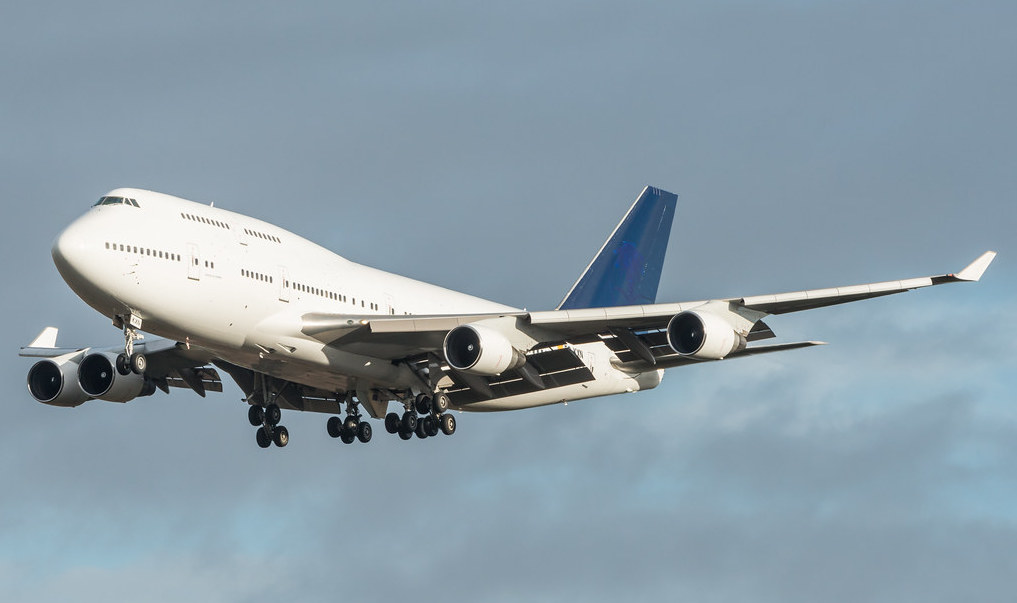
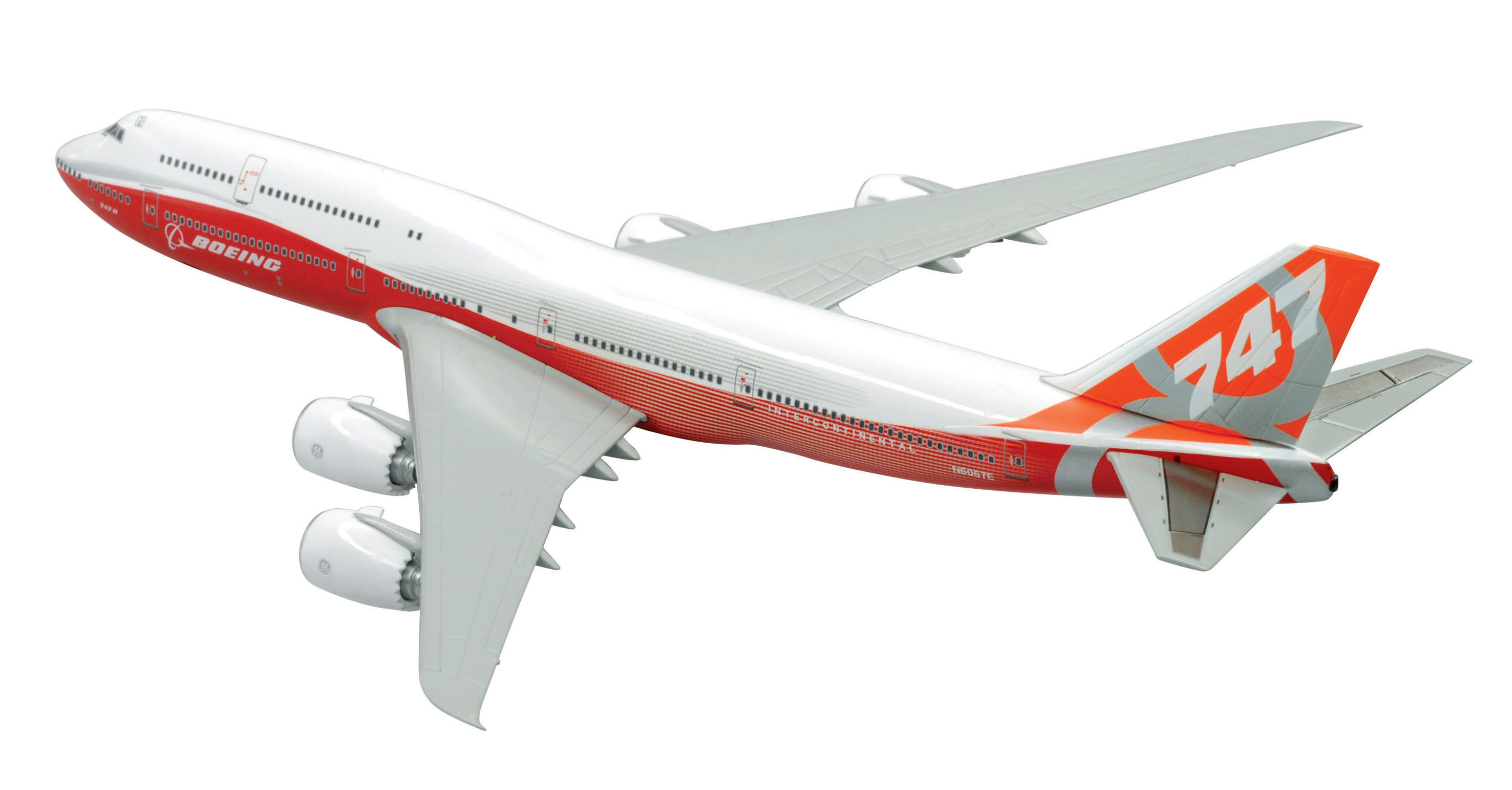
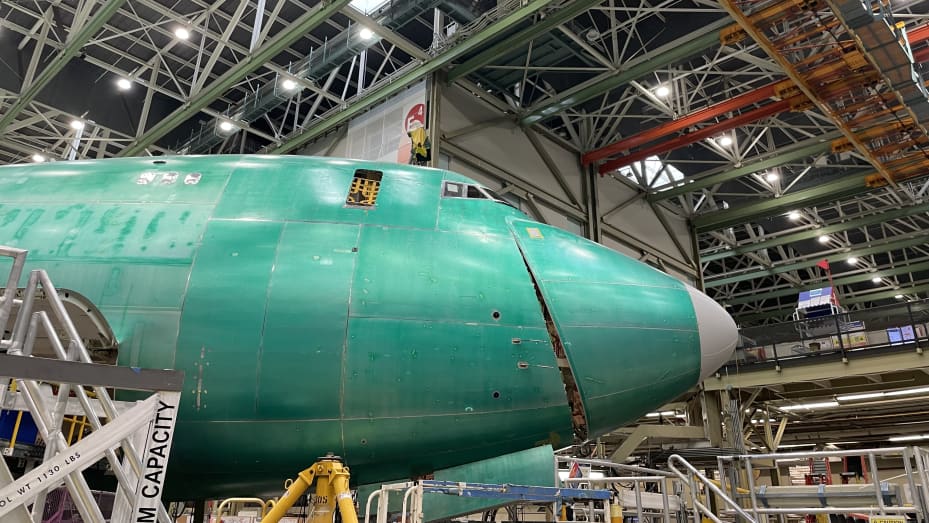
El último Boeing 747 salió de la fábrica de la compañía en Seattle el Martes 20/12 por la noche, poniendo fin a la producción de más de medio siglo del icónico Jumbo jet. El avión número 1.574 y último 747 será volado más tarde por un piloto de pruebas de Boeing, pintado y entregado a la aerolínea de carga Atlas Air Worldwide Holdings a principios del próximo año 2023.
«Es un momento muy surrealista, obviamente. Por primera vez en más de 50 años no tendremos un 747 en esta instalación», dijo Kim Smith, Vicepresidente y Gerente General de los Programas 747 y 767. El único 747, cubierto con una capa protectora verde, había estado sentado dentro de la enorme planta de ensamblaje de la compañía en Everett (WA). En el interior, las tripulaciones de Boeing han pasado los últimos días balanceando los trenes de aterrizaje, ajustando los sistemas de manejo de carga y terminando los interiores antes de que el último avión de 63 pies de altura y 250 pies de largo abandone el edificio. Colas con logotipos de clientes que han comprado la línea 747 parte de una de las puertas.
El final de la producción del Boeing 747 no significa que los aviones desaparecerán por completo de los cielos, pues los nuevos podrían volar durante décadas. Sin embargo, se han vuelto raros en las flotas comerciales. United Airlines y Delta Air Lines se despidieron de los suyos años antes de la pandemia de Covid, mientras que Qantas Airways y British Airways aterrizaron sus 747 para siempre en 2020 durante una caída mundial de viajes alrededor del mundo.
«Fue un gran avión. Nos sirvió brillantemente. Hay mucha nostalgia y amor por él, pero cuando miramos hacia el futuro se trata de aviones modernos, más eficiencia, soluciones más sostenibles también», dijo el CEO de British Airways, Sean Doyle, al margen de un evento en el Aeropuerto Internacional John F. Kennedy con su socio American Airlines la semana pasada.
El Boeing 747 con joroba es uno de los aviones más reconocibles y ayudó a que los viajes internacionales fueran más accesibles en los años posteriores a su primer vuelo comercial en Enero de 1970. Sus cuatro potentes motores eran eficientes para su época. Los aviones podían transportar cientos de pasajeros a la vez para vuelos de larga distancia. Los enormes aviones también facilitaron el vuelo de carga aérea en todo el mundo, ayudando a las empresas a satisfacer los gustos de los consumidores más exigentes para todo, desde productos electrónicos hasta queso.
El final del avión se produce cuando Boeing está trabajando para recuperar su equilibrio después de una serie de crisis, incluidas las secuelas de dos accidentes mortales de sus aviones de fuselaje estrecho 737 MAX más vendidos que mataron a un total de 346 personas. La caída de los viajes por la pandemia ha dado paso a un auge en los pedidos de nuevos aviones, pero los problemas de producción han retrasado las entregas de los 787 Dreamliners de fuselaje ancho de Boeing. La compañía no espera que su 777X, el nuevo avión más grande, esté listo para los clientes hasta principios de 2025. También tiene que entregar dos 747 para servir como Air Force One, pero también se han visto acosados por retrasos y sobrecostos.
El CEO de Boeing, Dave Calhoun, dijo en Noviembre 2022 que «habrá un momento en el tiempo en el que sacaremos el conejo del sombrero e introduciremos un nuevo avión en algún momento a mediados de la próxima década», diciendo que la tecnología necesita ofrecer más ahorros de combustible.
El final de la producción del 747 era «inevitable, pero sería un poco más aceptable si estuvieran haciendo algo nuevo», dijo Richard Aboulafia, Director Gerente de la consultora AeroDynamic Advisory. A pesar de todos sus hitos, las aerolíneas han clamado durante mucho tiempo por aviones más eficientes en combustible. Las aerolíneas han rechazado en gran medida los aviones de cuatro motores para dar paso a los aviones bimotores. Los propios Boeing 777 y 787 Dreamliner de doble pasillo y bimotor han sido el centro de atención. «El mayor enemigo de los quads Boeing eran los gemelos Boeing», dijo Richard Aboulafia.
Airbus también ha finalizado la producción de su Airbus A380 Superjumbo después de una carrera de 14 años, entregando el último de los aviones de pasajeros más grandes del mundo hace un año atrás. Algunos Superjumbos han retornado a los cielos pos-pandemia operando desde aeropuertos centrales, pero los viajeros a menudo buscan rutas más cortas con vuelos sin escalas.
En 1990, había 542 Boeing 747 que constituían el 28% de la flota mundial de pasajeros de fuselaje ancho, según AeroDynamic Advisory. Con 109 aviones Boeing 747, los aviones representaron solo el 2% de la flota mundial de pasajeros de fuselaje ancho este año, según CAPA.
El dominio del avión en el mercado de carga aérea también ha disminuido, incluso cuando el transporte aéreo surgió como un punto brillante durante la pandemia. El 747 comprende el 21% de la flota mundial de carga de fuselaje ancho, frente al 71% en 1990, según CAPA. Airbus ha comenzado a comercializar una versión de carga de su competidor de fuselaje ancho, el A350, y Boeing está vendiendo una versión de carga del 777X, mientras las aerolíneas se preparan para estándares de emisiones más estrictos.
Los ingenieros, mecánicos y otros que trabajaron en el 747 pasarán a otros programas de aviones a medida que el fabricante intente aumentar la producción. «Esos programas están muy ansiosos y están derribando nuestra puerta para que este nivel de talento superior se una a su equipo», dijo Kim Smith.
FAA issues ad Boeing 747
FAA issues Boeing 747 aircraft directive
The Federal Aviation Administration (FAA) has issued an aircraft (AD) directive to address two insecure conditions in all Boeing 747 models. The new directive replaces an earlier notice that did not include the Boeing 747-8 and the Boeing 747-8F. The AD, which is a final regulation, was published on December 22, 2022. The proposed regulation notice (NPRM) was issued in September 2022, when the operators of the aircraft and other interested parties had the opportunity to submit answers. The International Association of Pilots of Airlines (ALPA) was the only organization that presented its proposals, according to the authority on change without additional suggestions.
Previously, the AD affected all Boeing 747, except for the latest version the Boeing 747-8I. The most recent FAA regulations addressed the unsafe conditions of two parts of the aircraft, namely the lower panels of the left wing edge and a broken fuse pin of the final accessory of the landing train beam. Driven by the damage discovered in both, the agency will now require the operators to carry out additional inspections to identify the cracked fuse pins, since it determined that «additional airplanes are subject to the insecure condition». The directive’s text also indicated that the NPRM, which has now resulted in a final regulation, «was also promoted by the need for new ultrasonic test inspections (UT) for the cracking of the fuse’s pin, and the determination that Additional airplanes are subject to the insecure condition».
According to agency estimates, the aircraft directive will affect 207 aircraft registered in the United States. In addition, it is necessary to complete six possible actions so that the relevant aircraft is in a position to fly. The FAA determined that the total cost for all operators based in the United States to replace the fuse PIN collective costs of US$ 175,950 to complete surface inspections. The three aforementioned actions remained in the previous AD. The cost per aircraft is US$ 19,060, US$ 4,080 and US$ 850 respectively, by replacement or inspection cycle, including the expenses of parts and labor.
The last directive introduced three additional actions and the airlines can choose which one to take to guarantee the aircraft of its Boeing 747. It is estimated that the replacement of a fuse pin CRSE will cost US$ 12,917 per cycle, with a total cost of the US$ 2.6 million, the replacement of the steel alloy fuse has a price of US$ 13,603 per cycle, with a total cost of the US$ 2.8 million American operator, and surface HFEC and UT inspections can amount to US$ 935 per Inspection cycle, with a total cost of US$ 193,545).
Goodbye Jumbo Jet
The last Boeing 747 left the company factory in Seattle on Tuesday 20/12 at night, ending the production of more than half a century of the iconic Jumo Jet. The 1,574 and last 747 plane will later be flown by a Boeing test pilot, painted and delivered to the Air Worldwide Holdings atlas airline at the beginning of next year 2023.
«It is a very surreal moment, obviously. For the first time in more than 50 years we will not have a 747 in this installation», said Kim Smith, vice president and general manager of programs 747 and 767. The only 747, covered with a protective layer Green, he had been sitting inside the huge assembly plant of the company in Everett (WA). Inside, Boeing crews have spent the last days swinging the landing trains, adjusting the load management systems and finishing the interiors before the last 63-feet plane high and 250 feet long leaves the building. Tails with logos of customers who have bought line 747 part of one of the doors.
The end of Boeing 747 production does not mean that airplanes will completely disappear from heaven, as the new ones could fly for decades. However, they have become rare in commercial fleets. United Airlines and Delta Air Lines said goodbye to his years before the Covid pandemic, while Qantas Airways and British Airways landed their 747 forever in 2020 during a world travel world fall around the world.
«It was a great plane. It served us brilliantly. There is a lot of nostalgia and love for him, but when we look towards the future it is modern airplanes, more efficiency, more sustainable solutions», he said the British Airways CEO, Sean Doyle, regardless of an event at the John F. Kennedy International Airport with his partner American Airlines last week.
The Boeing 747 with hump is one of the most recognizable aircraft and helped international trips more accessible in the years after their first commercial flight in January 1970. Its four powerful engines were efficient for its time. Airplanes could transport hundreds of passengers at the same time for long distance flights. The huge aircraft also facilitated the air loading flight worldwide, helping companies to satisfy the tastes of the most demanding consumers for everything, from electronic products to cheese.
The end of the plane occurs when Boeing is working to recover its balance after a series of crisis, including the sequels of two fatal accidents of its narrow fuselage aircraft 737 MAX best selling that killed a total of 346 people. The fall of travel through the pandemic has given way to an boom in the orders of new aircraft, but the production problems have delayed the deliveries of the 787 Dreamliners of fuselage width of Boeing. The company does not expect its 777X, the new largest plane, to be ready for customers until the beginning of 2025. It also has to deliver two 747 to serve as Air Force One, but they have also been harassed by delays and cost overruns.
The Boeing CEO, Dave Calhoun, said in November 2022 that «there will be a time at the time in which we will remove the rabbit from the hat and introduce a new plane at some time in the middle of the next decade», saying that technology needs to offer More fuel savings.
The end of the production of 747 was «inevitable, but it would be a bit more acceptable if they were doing something new», said Richard Aboulafia, managing director of the AeroDynamic Advisory consultant. Despite all their milestones, airlines have long cried out for more efficient fuel aircraft. The airlines have largely rejected the aircraft of four engines to give way to the Bimotor aircraft. The Boeing 777 and 787 double corridor and bimotor Dreamliner have been the center of attention. «The greatest enemy of the Quads Boeing were the Boeing twins», said Richard Aboulafia.
Airbus has also finished the production of its Airbus A380 Superjumbo after a 14 year race, delivering the last of the world’s largest passenger aircraft a year ago. Some Superjumbos have returned to post-pandemic skies operating from central airports, but travelers often look for shorter routes with non-scales.
In 1990, there were 542 Boeing 747 that constituted 28% of the worldwide fuselage passenger fleet, according to Aerodynamic Advisory. With 109 Boeing 747 aircraft, airplanes represented only 2% of the world’s wide fuselage passenger fleet this year, according to Capa.
The mastery of the plane in the air cargo market has also decreased, even when air transport arose as a bright point during the pandemic. 747 comprises 21% of the global fuselage load fleet, compared to 71% in 1990, according to Capa. Airbus has begun to market a load version of its wide fuselage competitor, the A350, and Boeing is selling a 777X load version, while airlines are prepared for stricter emission standards.
The engineers, mechanics and others who worked in 747 will pass to other aircraft programs as the manufacturer tries to increase production. «These programs are very anxious and are knocking out our door so that this higher talent level joins their team», said Kim Smith.
PUBLISHER: Airgways.com DBk: Faa.gov / Boeing.com / Britishairways.com / Aerodynamicadvisory.com / Centreofaviation.com / Airgways.com AW-POST: 202212250145AR OWNERSHIP: Airgways Inc. A\W A I R G W A Y S ®


























 airgways.com