AW | 2022 12 25 01:25 | INDUSTRY / AVIATION ORGANISMS
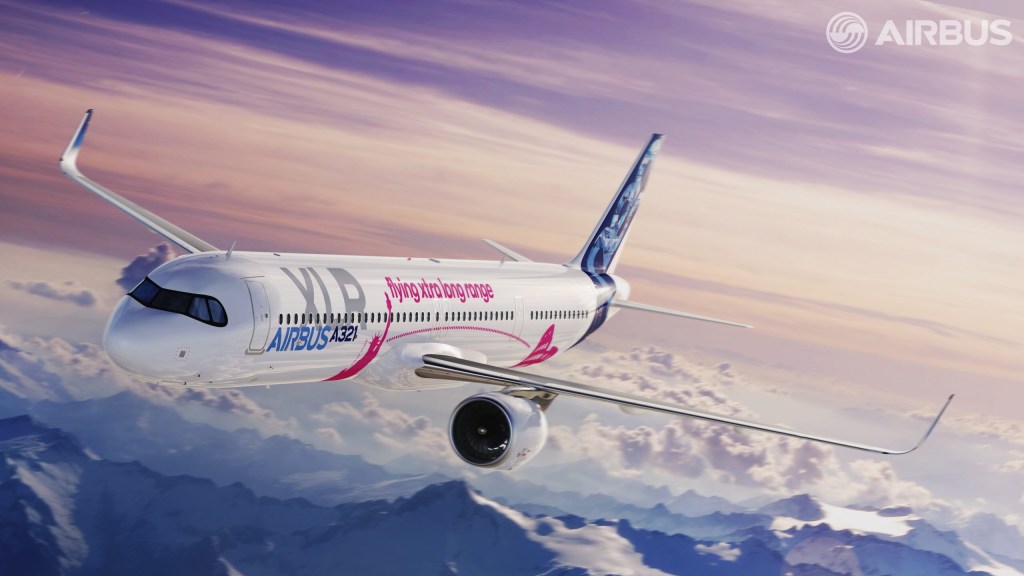
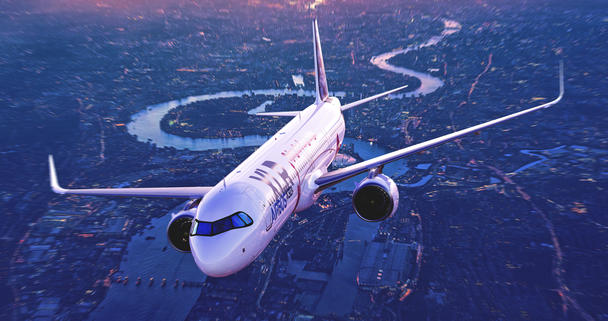
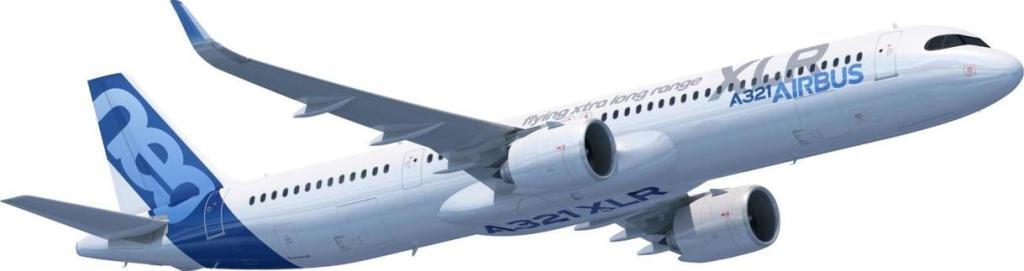
EASA/FAA acuerdan cambios en diseño Airbus A321XLR
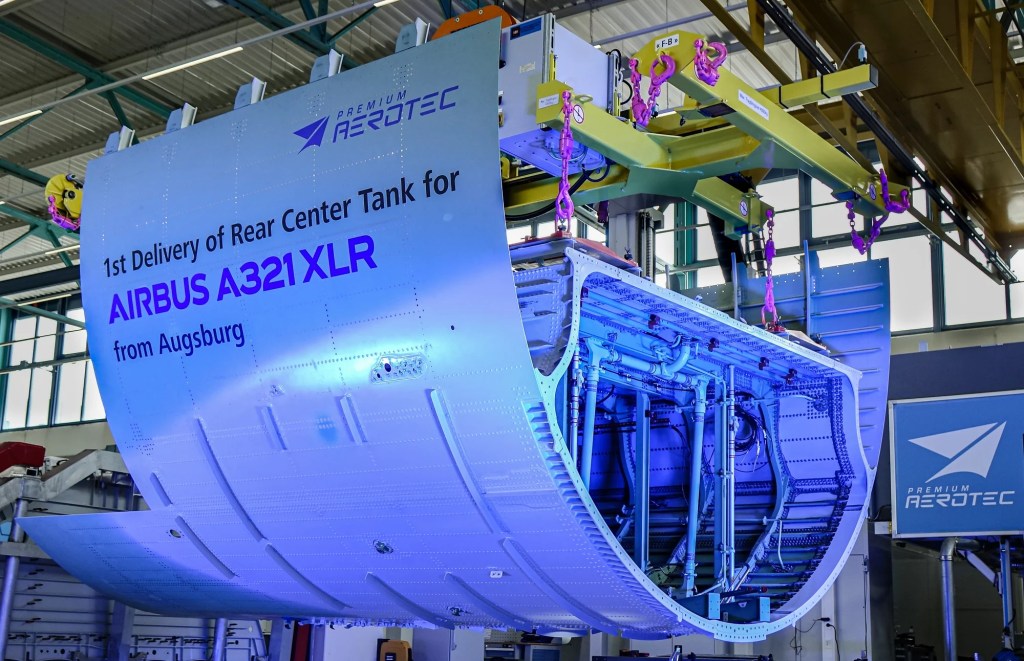
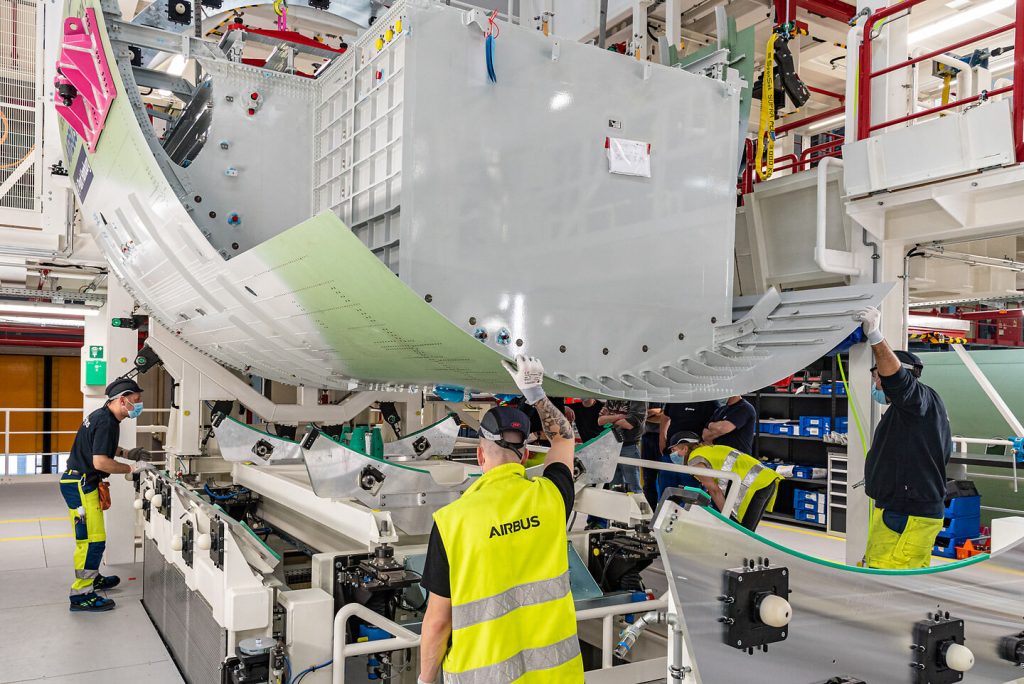
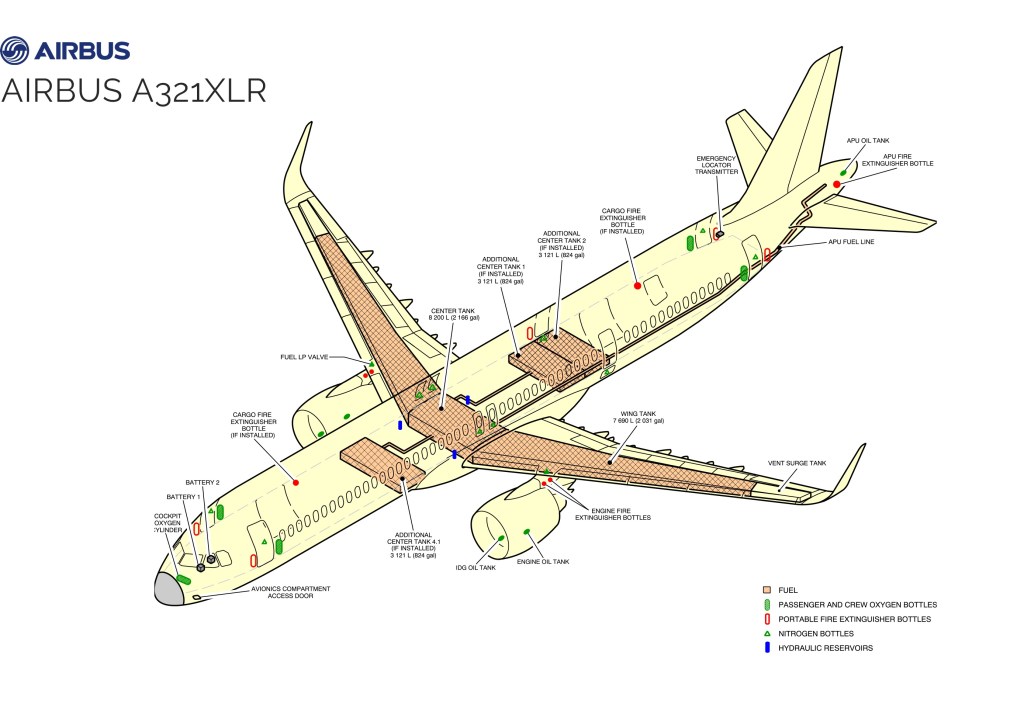
La Agencia Europea de Seguridad en la Aviación (EASA) y la Administración Federal de Aviación (FAA) de Estados Unidos han establecido conjuntamente modificaciones en el Tanque de Combustible Central del más reciente versión Airbus A321XLR permitiendo establecer más seguridad de protección. El documento emitido por la Agencia EASA en respuesta a la solicitud solicitada de la FAA sobre hacer cambios en el fuselaje en la sección del Tanque Central del A321XLR localizado en la bodega de carga trasera, por lo que solicitan a Airbus hacer más baja la parte del fuselaje en el área del tanque y tener protección contra fuego.
La EASA reforzaría el área específica del fuselaje el Tanque Central para evitar fallas estructurales en caso de un accidente aéreo, para evitar impactos e incendio en la sección trasera del fuselaje que impidiera la evacuación correcta de los pasajeros, o de un posible impacto y arrastrarse sobre la pista en caso de aterrizar sin tren de aterrizaje. La FAA reglamenta que cada tanque debe estar apoyado de tal manera que las cargas no se concentren en áreas no apoyadas del tanque; debe haber almohadillas entre ellos para evitar el rozamiento entre los tanques y sus soportes, y estas almohadillas deben ser tratadas para que no absorban el combustible. También las líneas de combustible deben estar apoyadas para que no tengan que absorber cargas del líquido y deben estar protegidas contra desgaste por fricciones dentro del tanque. Los espacios adyacentes al tanque deben tener ventilación para prevenir acumulación de combustible o vapores en esas áreas por posibles fugas. Si el tanque está en un compartimento sellado debe haber agujeros para drenar y prevenir obstrucciones y presión excesiva por los cambios de altitud.
Estos requerimientos son adicionales a las pruebas rutinarias los tanques de combustible para medir afectaciones por presión, vibraciones, cargas de inercia, ventilación, duración y número de ciclos. Todos estos cambios que deberá realizar el fabricante europeo son los que se previeron y por eso se ajustó la fecha de inicio de entrada de servicio del A321XLR para el primer trimestre de 2024 (1Q2024), trasladando el calendario de rollout un años más, poniendo a Airbus a trabajar en las modificaciones necesarias para cumplir con los requerimientos de las autoridades tanto europea como americana.
Modifications design A321XLR
EASA/FAA agree changes in Airbus A321XLR design
The European Aviation Security Agency (EASA) and the United States Federal Aviation Administration (FAA) have jointly established modifications in the central fuel tank of the most recent Airbus A321XLR version allowing more protection security to be established. The document issued by the EASA agency in response to the request requested FAA on making changes in the fuselage in the section of the central tank of the A321XLR located in the rear loading cellar, so they ask Airbus to make the part of the Fuselage in the tank area and have fire protection.
EASA would reinforce the specific area of the fuselage the central tank to avoid structural failures in case of a plane crash, to avoid impacts and fire in the rear section of the fuselage that prevented the correct evacuation of the passengers, or of a possible impact and drag on the track in case of landing without landing train. The regulating FAA that each tank must be supported in such a way that the loads are not concentrated in unpublished areas of the tank; there must be pads between them to avoid friction between tanks and their supports, and these pads should be treated so that they do not absorb fuel. Also the fuel lines must be supported so that they do not have to absorb loads of the liquid and must be protected against friction wear inside the tank. The spaces adjacent to the tank must have ventilation to prevent fuel accumulation or vapors in those areas for possible leaks. If the tank is in a sealed compartment there must be holes to drain and prevent obstructions and excessive pressure due to altitude changes.
These requirements are additional to routine tests, fuel tanks to measure pressure, vibrations, inertia loads, ventilation, duration and number of cycles. All these changes that the European manufacturer must make are those that were foreseen and that is why the date of starting input of the A321XLR for the first quarter of 2024 (1Q2024) was adjusted, moving the roll-out calendar for a year, putting Airbus to work on the necessary modifications to meet the requirements of both European and American authorities.
PUBLISHER: Airgways.com DBk: Easa.europa.eu / Faa.gov / Airbus.com / Airgways.com AW-POST: 202212250125AR OWNERSHIP: Airgways Inc. A\W A I R G W A Y S ®
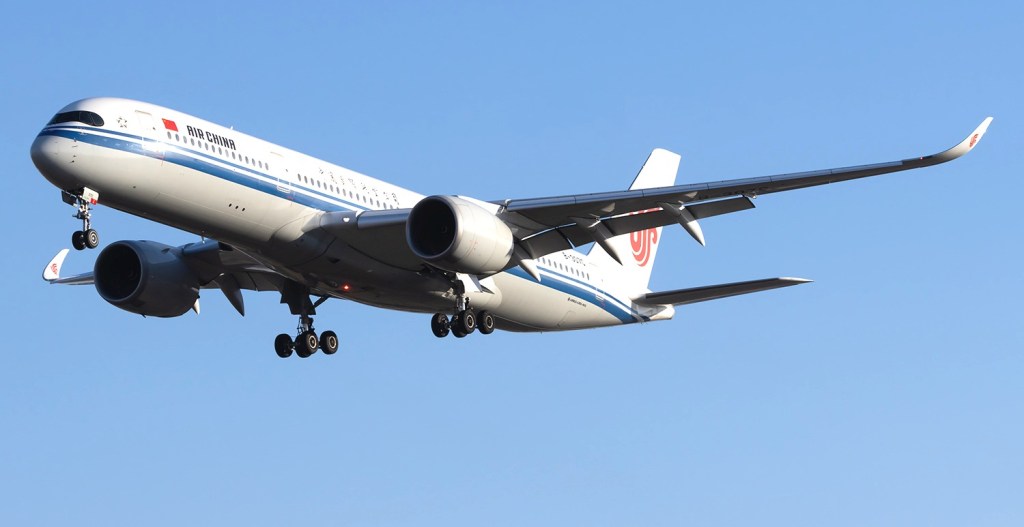
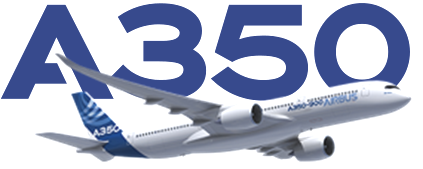
Air China recibió simultáneamente dos Airbus A350-900 el 22 de diciembre de 2022 incorporando a su flota las aeronaves números 21 y 22. Las aeronaves reciben matrícula B-32AS (MSN 570) y B-32CA (MSN 572). Air China ha alcanzado un acuerdo para adquirir veintidós aeronaves Airbus A350-900 en Agosto 2018 como parte de un plan de expansión y renovación de flota de largo recorrido. En 2018, la aerolínea tomó un total de cinco A350 (5), seguidos de otros cuatro (4) en 2019, en Diciembre 2020 incorpora dos (2) nuevas aeronaves, cuatro (4) en 2021, y seis (6) en 2022. Después de haber ordenado un total de treinta (30) unidades del tipo, Air China ahora espera recibir ocho A350-900 (8) adicionales.
Todos los aviones Airbus A350-900 de la flota de Air China tienen una configuración idéntica de 32 asientos en clase ejecutiva, 24 en clase económica premium y 256 en clase económica. La adición de los dos nuevos aviones de fuselaje ancho eleva el número total de veintidós (22) A350-900 (22), mientras que ha adquirido tres A321NEO (3) en un solo día a principios de mes de Diciembre 2022. Pero, el arribo de nuevos aviones no son una indicación de la capacidad de la aerolínea para utilizar todos los aviones de su flota. Actualmente tiene 93 de sus 482 aviones listados como estacionados producto de los impactos de la crisis sanitaria mundial que todavía no ha logrado despegar.
Air China incorporates 2 Airbus A350-900
Air China acquires two A350 numbers 21/22
Air China simultaneously received two Airbus A350-900s on December 22, 2022, adding aircraft numbers 21 and 22 to its fleet. The aircraft are registered B-32AS (MSN 570) and B-32CA (MSN 572). Air China has reached an agreement to acquire twenty-two Airbus A350-900 aircraft in August 2018 as part of a long-haul fleet renewal and expansion plan. In 2018, the airline took a total of five A350 (5), followed by another four (4) in 2019, in December 2020 it incorporates two (2) new aircraft, four (4) in 2021, and six (6) in 2022 Having ordered a total of thirty (30) units of the type, Air China now expects to receive an additional eight (8) A350-900s.
All Airbus A350-900 aircraft in the Air China fleet have an identical configuration of 32 business class, 24 premium economy and 256 economy class seats. The addition of the two new wide-body aircraft brings the total number to twenty-two (22) A350-900 (22), while it has acquired three A321NEO (3) in a single day at the beginning of December 2022. But, the arrivals of new aircraft are not an indication of the airline’s ability to use all the aircraft in its fleet. It currently has 93 of its 482 aircraft listed as parked as a result of the impacts of the global health crisis that has not yet taken off.
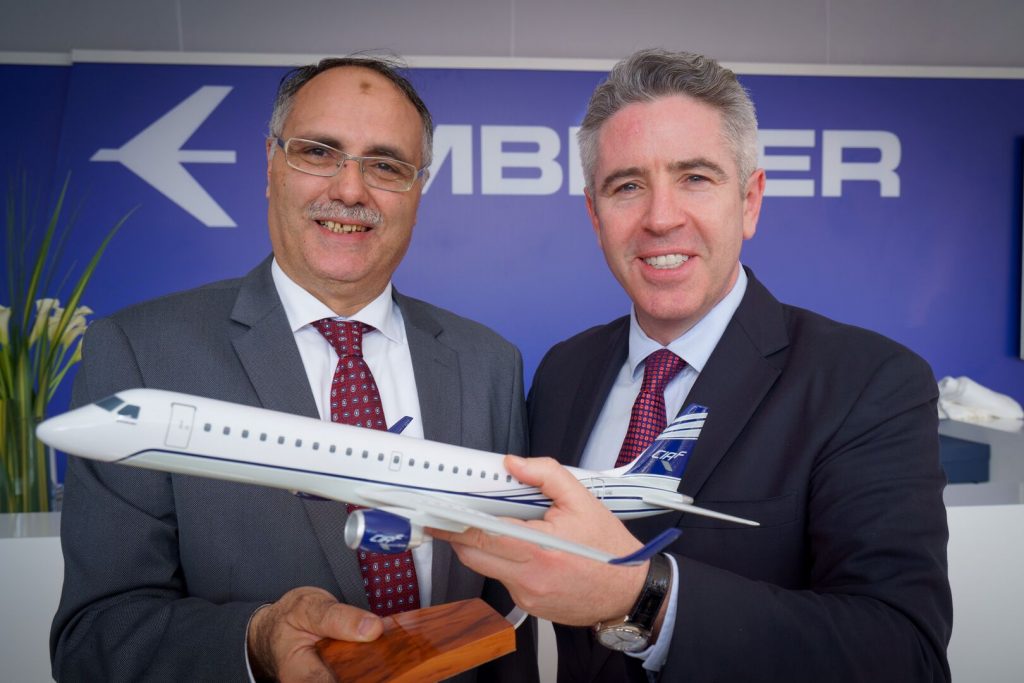
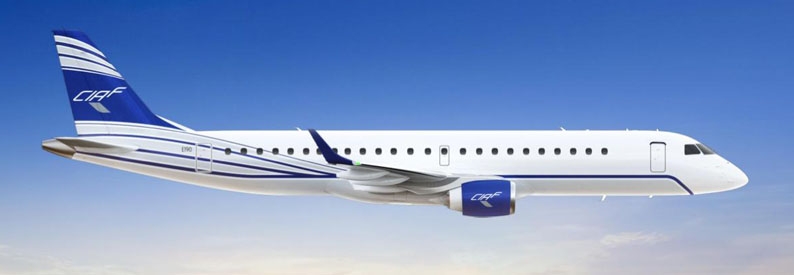
Embraer entregó tres nuevos aviones E190-100 (3) a CIAF Leasing, en una ceremonia celebrada el Jueves 22/12 en São José dos Campos, Brasil. CIAF Leasing es una compañía de arrendamiento de aeronaves con sede en El Cairo, Egipto.
«Los tres nuevos E190 son una excelente adquisición para nuestra creciente flota de Embraer E-Jet», dice Salah Hashem, Presidente y CEO de CIAF Leasing.
«Es un placer ver a un socio de larga data como CIAF traer un nuevo operador de E-Jet a la familia de Embraer en el Medio Oriente, cerrando un año de avances significativos para Embraer en la región», dijo Stephan Hannemann, Vicepresidente de Aviación Comercial de Embraer para Medio Oriente y África.
CIAF Leasing receives 3 E190-E1
Embraer delivers three E190 aircraft to CIAF Leasing
Embraer delivered three new E190-100 (3) aircraft to CIAF Leasing, in a ceremony held on Thursday 12/22 in São José dos Campos, Brazil. CIAF Leasing is an aircraft leasing company based in Cairo, Egypt.
«The three new E190s are an excellent addition to our growing Embraer E-Jet fleet», says Salah Hashem, President and CEO of CIAF Leasing.
«It is a pleasure to see a long-standing partner like CIAF bring a new E-Jet operator to the Embraer family in the Middle East, closing out a year of significant progress for Embraer in the region», said Stephan Hannemann, Vice President of Embraer Commercial Aviation for the Middle East and Africa.
PUBLISHER: Airgways.com DBk: Embraer.com / Ciafleasing.com / Airgways.com AW-POST: 202212250115AR OWNERSHIP: Airgways Inc. A\W A I R G W A Y S ®
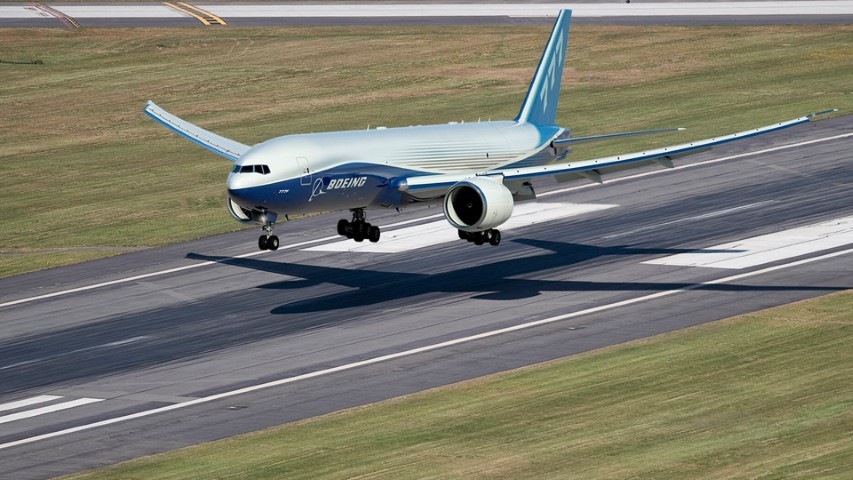
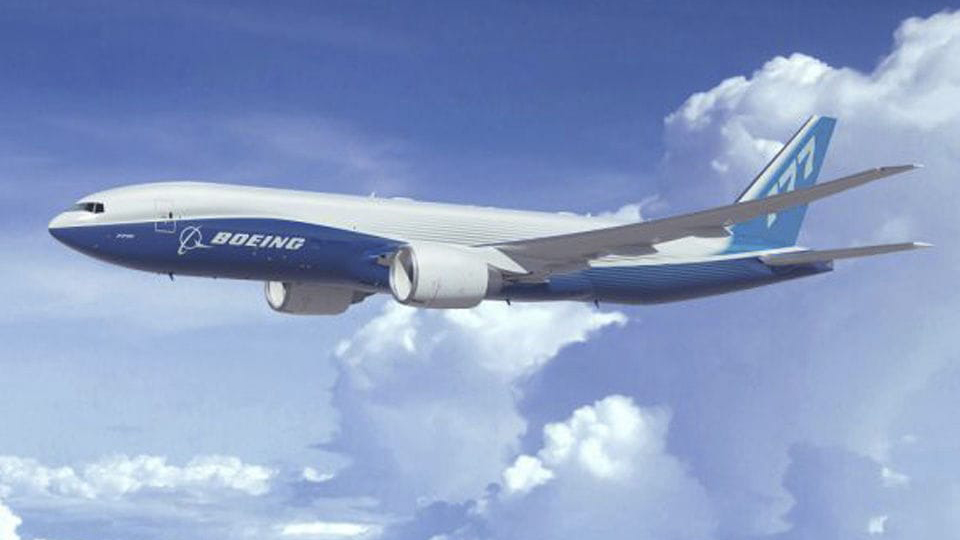
China Postal Airlines se convertirá en el quinto operador de Boeing 777F en China. El transportista presentó una solicitud de permiso extranjero ante los Estados Unidos. China Postal Airlines pronto aumentará la cantidad y el tamaño de los cargueros en su flota con la adición de dos Boeing 777F (Freighter), una versión del modelo Boeing 777-200 construidos en fábrica en 2023. La aerolínea china se convertirá en el quinto operador de China continental del carguero 777. Se espera que los dos 777F (SN:67763 y SN:67764) se entreguen el 15 de Enero de 2023 y el 15 de Abril de 2023 respectivamente.
China Postal Airlines es una aerolínea de carga basada en los pisos 11 a 14 del edificio de oficinas Ziyu en el Distrito de Haidian, Beijing, República Popular China. Su base principal es el Aeropuerto Internacional de Nanjing Lukou. La aerolínea fue fundada el 25 de Noviembre de 1996 y comenzó a operar el 27 de Febrero de 1997. Es propiedad de Chinese Postal Bureau (51%) y China Southern Airlines (49%). Originalmente se creó para operar servicios postales nacionales, pero en 2006 introdujo servicios regulares internacionales a Corea del Sur y Japón. A partir de Enero de 2007 se introdujeron los servicios internacionales de flete de carga.
En Diciembre de 2015 se anunció que un total de siete Boeing 757 (7) usados y diez Boeing 737 (10) usados serían adquiridos de Boeing, siendo convertidos a cargueros a través del programa Boeing Converted Freighter (BCF), que se ha entregado en 2016 y 2017 para expandir la flota existente. China Postal Airlines opera servicios de correo urgente y transporte de carga principalmente para China Post a más de trescientos destinos nacionales, así como servicios internacionales regulares y chárter.
El Boeing 777 Freighter entró en servicio a principios de 2022 trae eficiencia para los operadores de larga distancia al tiempo que ofrece las características avanzadas del Familia 777. Diseñado para satisfacer la necesidad expresada por los operadores de carga alrededor El 777F es un carguero eficiente, de largo alcance y de alta capacidad. a capacidad de alcance del 777F proporciona ahorros significativos para los operadores de carga. Les permite aprovechar menos paradas y tarifas de aterrizaje asociadas, menos congestión en los centros de transferencia, menores costos de manejo de carga y tiempos de entrega de carga más cortos. El nuevo carguero también se integra sin problemas con las operaciones de carga existentes y facilita la interlínea con las flotas de 747 cargueros.
Postal China 5th Boeing 777F operator
Postal China will incorporate Boeing 777-200F
China Postal Airlines will become the fifth Boeing 777F operator in China. The carrier submitted a request for foreign permission to the United States. China Postal Airlines will soon increase the quantity and size of the freighters in their fleet with the addition of two Boeing 777F (Freight), a version of the Boeing 777-200 model built in factory in 2023. The Chinese airline will become the fifth operator of Continental China of the loading 777. The two 777F (SN: 67763 and SN: 67764) are expected to be delivered on January 15, 2023 and April 15, 2023 respectively.
China Postal Airlines is a cargo airline based on the 11th to 14th floors of the Ziyu Office Building in Haidian District, Beijing, People’s Republic of China. Its main base is Nanjing Lukou International Airport. The airline was founded on November 25, 1996 and began operations on February 27, 1997. It is owned by the Chinese Postal Bureau (51%) and China Southern Airlines (49%). It was originally set up to operate domestic postal services, but in 2006 it introduced regular international services to South Korea and Japan. As of January 2007, international cargo freight services were introduced.
In December 2015 it was announced that a total of seven used Boeing 757 (7) and ten used Boeing 737 (10) would be purchased from Boeing, being converted to freighters through the Boeing Converted Freighter (BCF) program, which has been delivered in 2016 and 2017 to expand the fleet. existing fleet. China Postal Airlines operates express mail and cargo transportation services primarily for China Post to more than 300 domestic destinations, as well as international scheduled and charter services.
Entering service in early 2022, the Boeing 777 Freighter brings efficiency to long-haul operators while offering the advanced features of the 777 Family. Designed to meet the expressed need of cargo operators around the world. The 777F is an efficient, long range and high capacity. he range capability of the 777F provides significant savings for cargo operators. It allows them to take advantage of fewer stops and associated landing fees, less congestion at transfer centers, lower cargo handling costs, and shorter cargo delivery times. The new freighter also seamlessly integrates with existing cargo operations and facilitates interlining with fleets of 747 freighters.
AW | 2022 12 23 01:07 | INDUSTRY / GOVERNMENT / AVIATION ORGANISMS
Gobierno renuncia fecha límite de seguridad de aeronaves
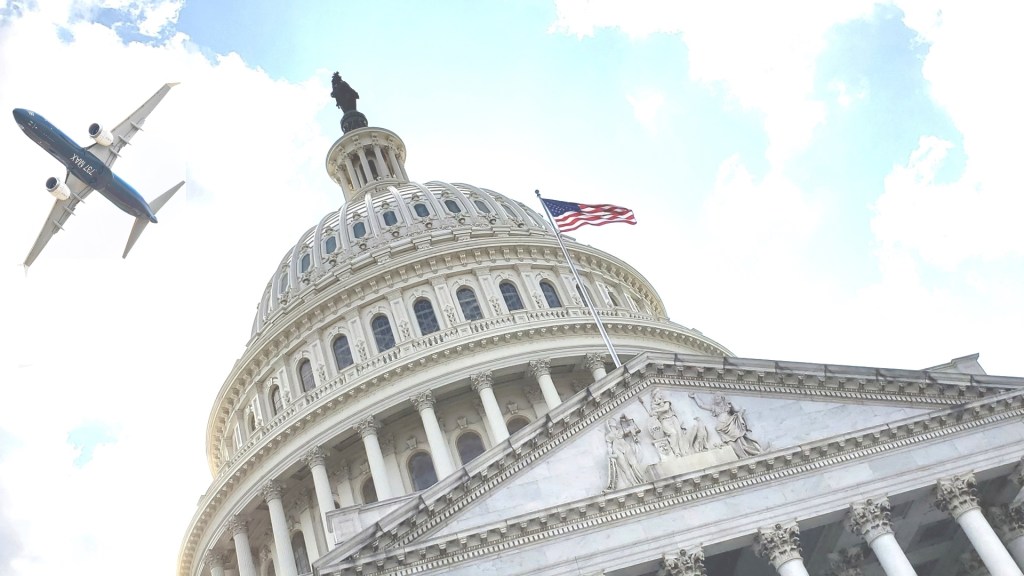
Ubicado dentro de la revelación del Martes 20/12 del proyecto de Ley de Gastos Gubernamentales de 4.000 páginas de US$ 1.7 billones, el Congreso de Estados Unidos anuló una fecha límite crítica de seguridad del 27 de Diciembre de 2022 que habría requerido que The Boeing Company actualizara los sistemas de alerta de la tripulación en su serie Boeing 737 MAX. La fecha límite provino de la Ley de Certificación, Seguridad y Responsabilidad de Aeronaves de 2020, que habría requerido que todos los aviones certificados por la Administración Federal de Aviación después del 27 de Diciembre de 2022 estuvieran equipados con los últimos estándares de seguridad.
Varios aviones de la familia 737 MAX se encuentran en diferentes etapas de aprobación regulatoria. Actualmente, el MAX 8 y MAX 9 son parte de la flota existente de la compañía, y sus sistemas de alerta de tripulación se actualizarán con lo que la compañía llama un sistema preferible de comunalidad. El MAX 8 fue el modelo de avión involucrado en los accidentes de Indonesia y Etiopía que dejaron 346 personas muertas en conjunto. En el momento de los accidentes, el Defensor de los Derechos del Consumidor Ralph Nader pidió un retiro total del MAX 8; entre los muertos estaba su sobrina nieta, una pasajera en el vuelo etíope ET-302.
La insistencia de Boeing de que tiene un mejor medio para garantizar la seguridad de los aviones se desmiente por el hecho de que otros fabricantes de aviones han cumplido con la fecha límite del 27 de Diciembre de 2022. El impulso de Boeing para una extensión del plazo, impulsado por millones de Dólares en cabildeo, vuelve a las mismas presiones comerciales que llevaron a la compañía a retener los cambios de software en los aviones 737 MAX originales de los reguladores. Aunque el MAX 7 no es parte de la flota existente de Boeing, el MAX 7 tendrá el mismo sistema de similitud que el MAX 8 y MAX 9. Mientras tanto, el MAX 10 está siendo probado con los últimos estándares de seguridad.
Boeing tenía alrededor de 1.000 pedidos de aviones presentados para sus modelos MAX 7 y MAX 10, equivalentes a un valor de US$ 50.000 millones en ingresos. La compañía afirmó que sin una exención de fecha límite, es probable que hubiera tenido que cancelar esos pedidos. Esos US$ 50.000 millones equivalen a las ventas totales de la compañía en aviones comerciales y militares y servicios del año anterior.
Con una extensión de plazo adjunta en el Proyecto de Ley de Gastos del Gobierno que se espera que se apruebe de alguna forma, Boeing ahora tiene tres años para cumplir con los últimos estándares de seguridad. A Boeing se le concedió la extensión a cambio de incluir dos mejoras de seguridad: Estos incluyen actualizaciones al Sistema de Ángulo de Ataque» (AOA) y cambios en su Sistema de Agitador de Palos. Estas disposiciones fueron planteadas originalmente por la Senadora Maria Cantwell (D-WA). Sin embargo, Michael Stumo, el padre de una de las víctimas del accidente de Boeing, calificó las medidas de débiles porque ya fueron implementadas por las autoridades de aviación extranjeras. La compañía actualmente dice que espera la aprobación de la FAA para el MAX 7 a principios de 2023 y el MAX 10 a fines de 2023.
Mientras eso se desarrolla entre Boeing y la FAA en el próximo año, el Representante del Senado Sam Graves (R-MO) se hará cargo del Comité de Transporte e Infraestructura de la Cámara de Representantes del representante Peter DeFazio (D-OR). La Senadora Maria Cantwell permanecerá como Presidente del Comité de Comercio del Senado, con el Senador Ted Cruz (R-TX) como miembro de mayor rango. A los ojos de Boeing, esta es una situación en la que todos ganan. La Senadora Maria Cantwell aprobó otorgar un plazo extendido con requisitos de seguridad adicionales; mientras tanto, Ted Cruz apoyó una extensión del plazo sin ninguno. Y aunque Peter DeFazio dirigió la investigación que llevó al Congreso a aprobar nuevos estándares de seguridad y rechazó cualquier forma de extensión del plazo, Sam Graves apoyó dar un indulto a Boeing.
Aparte de la negligencia de Boeing, otro hilo de esta historia es el fracaso sistemático de la FAA. William McGee, miembro principal del Proyecto Estadounidense de Libertades Económicas, explicó al Prospect que correspondía a la FAA reconstruir su reputación. A raíz de los accidentes fatales, las autoridades de aviación de todo el mundo comenzaron a realizar sus propias inspecciones, una desviación de cómo operaban anteriormente las autoridades de aviación. «La FAA era el estándar de oro. Pero ese ya no es el caso. Ahora [los países extranjeros] dicen: ‘No, vamos a hacer nuestras propias inspecciones. Eso no tiene precedentes», expresó William McGee.
Esto es cierto. A principios de este mes, incluso cuando el equivalente europeo de la FAA, la Agencia de Seguridad Aérea de la Unión Europea (EASA), dijo a The Seattle Times que no tenía comentarios sobre la «acción del Congreso de los Estados Unidos», los mandatos regulatorios de la EASA superarían los estándares de seguridad de los Estados Unidos.
USA postpones cert. 737-7/10 MAX
Government waives aircraft safety deadline
Nestled within the Tuesday 12/20 disclosure of the US$ 1.7 trillion, 4,000-page Government Spending Bill, the United States Congress struck down a critical safety deadline of December 27, 2022 that would have required The Boeing Company will upgrade the crew alert systems on its Boeing 737 MAX series. The deadline came from the Aircraft Certification, Safety and Liability Act of 2020, which would have required all aircraft certified by the Federal Aviation Administration after December 27, 2022 to be equipped with the latest safety standards.
Several aircraft in the 737 MAX family are in different stages of regulatory approval. Currently, the MAX 8 and MAX 9 are part of the company’s existing fleet, and their crew alert systems will be upgraded with what the company calls a preferable commonality system. The MAX 8 was the aircraft model involved in the accidents in Indonesia and Ethiopia that left 346 people dead together. At the time of the accidents, Consumer Rights Advocate Ralph Nader called for a full recall of the MAX 8; Among the dead was his great-niece, a passenger on Ethiopian flight ET-302.
Boeing’s insistence that it has a better means of ensuring aircraft safety is belied by the fact that other aircraft manufacturers have met the December 27, 2022 deadline. Boeing’s push for a deadline extension , fueled by millions of dollars in lobbying, returns to the same commercial pressures that led the company to withhold software changes on the original 737 MAX aircraft from regulators. Although the MAX 7 is not part of Boeing’s existing fleet, the MAX 7 will have the same similarity system as the MAX 8 and MAX 9. Meanwhile, the MAX 10 is being tested to the latest safety standards.
Boeing had about 1,000 plane orders filed for its MAX 7 and MAX 10 models, equivalent to US$ 50 billion worth of revenue. The company claimed that without a deadline waiver, it likely would have had to cancel those orders. That US$ 50 billion equals the company’s total sales in commercial and military aircraft and services for the prior year.
With a deadline extension attached in the Government Spending Bill expected to pass in some form, Boeing now has three years to meet the latest safety standards. Boeing was granted the extension in exchange for including two safety enhancements: These include updates to the Angle of Attack (AOA) system and changes to its Stick Shaker System. These provisions were originally raised by Senator Maria Cantwell ( D-WA). However, Michael Stumo, the father of one of the Boeing crash victims, called the measures weak because they were already implemented by foreign aviation authorities.The company currently says it is awaiting FAA approval for the MAX 7 in early 2023 and the MAX 10 in late 2023.
While that plays out between Boeing and the FAA in the coming year, Senate Rep. Sam Graves (R-MO) will take over the House Transportation and Infrastructure Committee from Rep. Peter DeFazio (D-OR). The Senator Maria Cantwell will remain as Chairman of the Senate Commerce Committee, with Senator Ted Cruz (R-TX) as the ranking member. In Boeing’s eyes, this is a win-win situation. Senator Maria Cantwell approved granting an extended deadline with additional security requirements; meanwhile, Ted Cruz supported a deadline extension with none. And while Peter DeFazio led the investigation that led Congress to pass new safety standards and rejected any form of extension of the deadline, Sam Graves supported giving Boeing a pardon.
Aside from Boeing’s negligence, another thread to this story is the systematic failure of the FAA. William McGee, a senior fellow at the American Economic Freedoms Project, told the Prospect that it was up to the FAA to rebuild its reputation. In the aftermath of the fatal accidents, aviation authorities around the world began conducting their own inspections, a departure from how aviation authorities previously operated. «The FAA used to be the gold standard. But that’s not the case anymore. Now [foreign countries] are saying, ‘No, we’re going to do our own inspections. That’s unprecedented», William McGee said.
This is true. Earlier this month, even as the FAA’s European equivalent, the European Union Aviation Safety Agency (EASA), told The Seattle Times it had no comment on «action by the United States Congress», the EASA regulatory mandates would exceed US safety standards.
PUBLISHER: Airgways.com DBk: Senate.gov / Faa.gov / Boeing.com / Airgways.com AW-POST: 202212230107AR OWNERSHIP: Airgways Inc. A\W A I R G W A Y S ®
Boeing reanuda vuelos de prueba del 777X tras pausa dos meses
The Boeing Company ha reanudado los vuelos de test de pruebas para el avión de fuselaje ancho Boeing 777-9X después de una pausa de dos meses. El programa de pruebas de vuelo se reanudó el 17 de Diciembre de 2022, con el vuelo 777-9 BOE1 en Boeing Field Airport/BFI en Seattle (WA). Según Flightradar24.com datos, el avión registrado N779XW estaba programado para aterrizar en Moses Lake/MWH, pero el avión regresó al Aeropuerto BFI.
El Boeing 777-9 estaba programado para operar un vuelo similar entre Seattle y Moses Lake dos días después, el 19 de Diciembre de 2022. Sin embargo, después de treinta minutos de vuelo, el historial de vuelo sugiere que el avión fue desviado al Boeing Field. El avión fue visto por última vez en los cielos el 21 de Diciembre de 2022, cuando realizó tres vuelos de prueba, incluido un vuelo de regreso entre Seattle/BFI y Spokane/GEG.
«Hemos reanudado las pruebas de aviones siguiendo nuestro proceso integral de seguridad y las mitigaciones apropiadas mientras nuestros equipos técnicos y de proveedores continúan su trabajo. Estamos apoyando a GE Aerospace mientras continúan evaluando un problema reciente del motor GE9X», confirmó Boeing en un comunicado el 21/12.
N779XW es uno de los cuatro prototipos de aviones 777X involucrados en el proceso de prueba, que se lanzó en Enero de 2020. Sin embargo, sigue siendo el único avión que opera vuelos de prueba después de un incidente técnico del motor que ocurrió durante la certificación posterior el 6 de Octubre de 2022. El N779XW estaba siendo sometido a varios vuelos de prueba entre Seattle y Moses Lake en los Estados Unidos cuando uno de sus motores GE9X falló. El motor ya había completado más de 2.600 ciclos de vuelo y alrededor de 1.700 horas de tiempo de funcionamiento el día del incidente. Aunque el problema del motor aún no se ha resuelto, los resultados de una inspección de boroscopio realizada por GE Aerospace mostraron una falla en el sensor de temperatura del motor de prueba de vuelo.
Ninguno de los otros tres 777X ha volado desde el incidente después de que Boeing suspendiera temporalmente el proceso de prueba. Según Boeing, se espera que la entrega del primer avión 777X tenga lugar en 2025. Sin embargo, aún no está claro si los problemas con el motor GE9X obligarán a Boeing a ajustar el programa de certificación.
Boeing resumes 777X test flights
Boeing resumes 777X test flights after two-month hiatus
The Boeing Company has resumed test flights for the Boeing 777-9X wide-body aircraft after a two-month hiatus. The flight test program resumed on December 17, 2022, with flight 777-9 BOE1 at Boeing Field Airport/BFI in Seattle (WA). According to Flightradar24.com data, the aircraft registered N779XW was scheduled to land at Moses Lake/MWH, but the aircraft returned to BFI Airport.
The Boeing 777-9 was scheduled to operate a similar flight between Seattle and Moses Lake two days later on December 19, 2022. However, after thirty minutes of flight, flight history suggests the aircraft was diverted to the Boeing Field. The aircraft was last seen in the skies on December 21, 2022, when it conducted three test flights, including a return flight between Seattle/BFI and Spokane/GEG.
«We have resumed aircraft testing by following our comprehensive safety process and appropriate mitigations as our technical and supplier teams continue their work. We are supporting GE Aerospace as they continue to evaluate a recent GE9X engine issue», Boeing confirmed in a statement on 12/21.
N779XW is one of four prototype 777X aircraft involved in the testing process, which was launched in January 2020. However, it remains the only aircraft to operate test flights after an engine technical incident occurred during certification. later on October 6, 2022. The N779XW was undergoing several test flights between Seattle and Moses Lake in the United States when one of its GE9X engines failed. The engine had already completed more than 2,600 flight cycles and around 1,700 hours of running time on the day of the incident. Although the engine issue has yet to be resolved, the results of a borescope inspection by GE Aerospace showed a failure in the flight test engine temperature sensor.
None of the other three 777Xs have flown since the incident after Boeing temporarily suspended the testing process. According to Boeing, delivery of the first 777X aircraft is expected to take place in 2025. However, it is not yet clear whether problems with the GE9X engine will force Boeing to adjust the certification program.
PUBLISHER: Airgways.com DBk: Boeing.com / Airgways.com AW-POST: 202212230103AR OWNERSHIP: Airgways Inc. A\W A I R G W A Y S ®
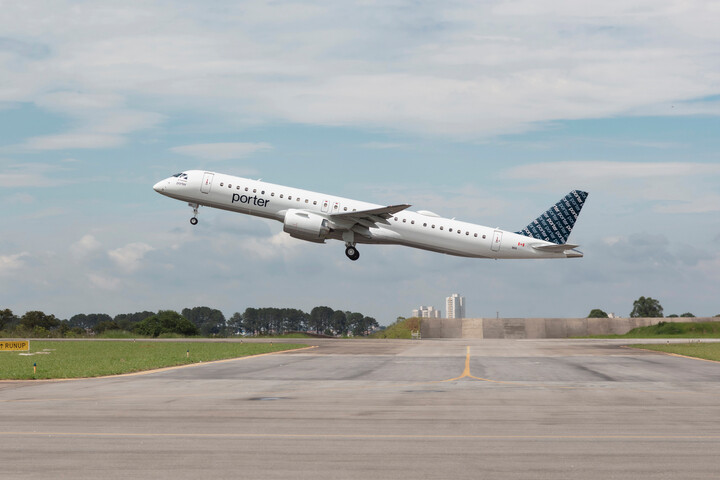
Porter Airlines incorpora sus primeros dos Embraer E195-E2
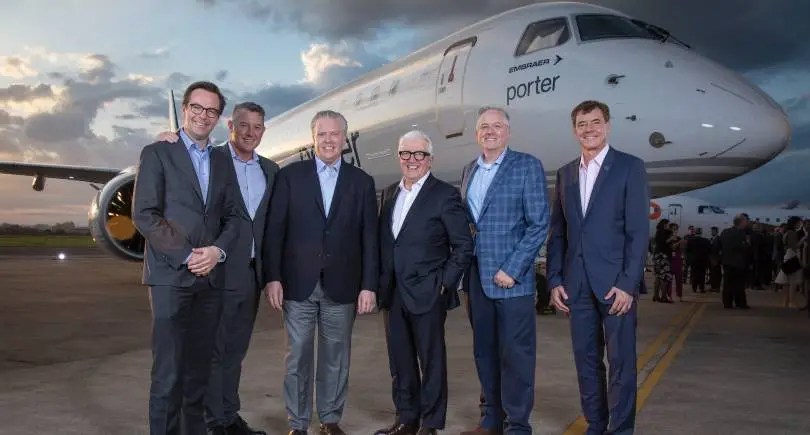
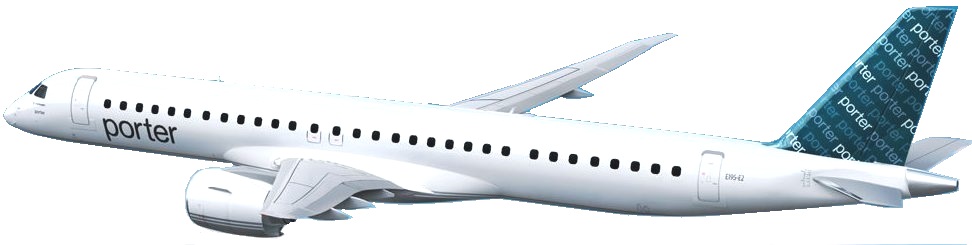
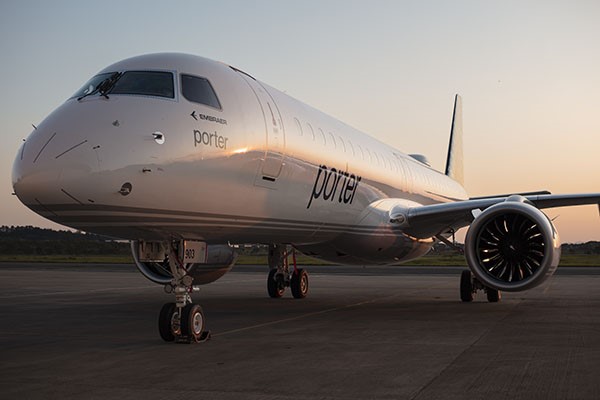
La aerolínea canadiense Porter Airlines ha tomado entrega de sus primeros dos Embraer E195-E2 (2) a su flota de aeronaves, de una orden de cincuenta (50) aviones ordenados por Porter Airlines han sido entregados en una ceremonia en la sede de Embraer en São José dos Campos, en Brasil. Embraer entregará otros tres aviones a Porter hacia finales de 2022. La nueva flota E195-E2 de la aerolínea lanzará un nuevo producto económico que «tiene como objetivo desafiar la oferta económica de todas las aerolíneas norteamericanas, con un nuevo nivel de generosidad y servicio atento que no se ve en los viajes aéreos económicos contemporáneos», expresó la aerolínea Porter Airlines.
Expandiendo servicios
Como cliente de lanzamiento en América del Norte para el Embraer E195-E2 de Embraer, Porter Airlines está abriendo operaciones en toda América del Norte, incluida la costa oeste, el sur de los Estados Unidos, México y el Caribe.
Las nuevas aeronaves E195-E2 se emplearán para los servicios iniciales desde el Aeropuerto Internacional Toronto Pearson hacia Halifax, Montreal y Ottawa. Porter ha optado por configurar el avión de 146 asientos en una configuración de 132 asientos en clase Economy, con una variedad de espacios de asiento que se ofrecen para sus huéspedes: 36, 34 y 30 pulgadas, sin la existencia de asiento intermedio.
Perspectivas Porter Airlines
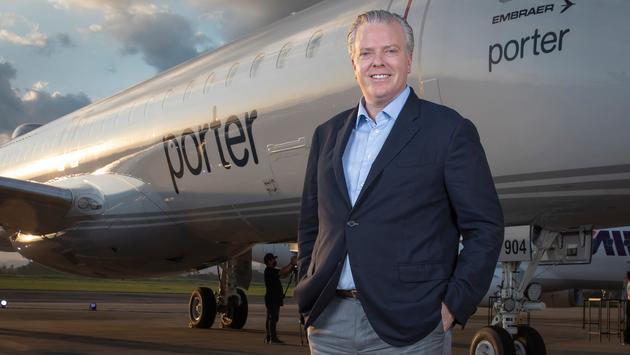
«La entrega oficial de estos aviones es el comienzo de una nueva era para Porter. El E195-E2 nos permite llegar a todo el continente, más allá de nuestras raíces del este de Canadá, al tiempo que introduce un nivel de servicio para los viajeros aéreos económicos que ninguna otra aerolínea norteamericana ofrece. Es una experiencia mejorada que se basa en nuestra reputación de proporcionar un nivel elevado de servicio a cada pasajero a precios razonables en una sola clase de servicio. Los primeros aviones están listos para volar a Canadá a finales de este mes antes de entrar en servicio regular en Febrero 2023», dijo Michael Deluce, presidente y CEO de Porter Airlines.
Porter Airlines tiene pedidos con Embraer E2-Jets por cien (100) aviones E195-E2, lo que representa cincuenta (50) compromisos firmes y cincuenta (50) derechos de compra. En 2021, Porter ordenó treinta (30) aviones Embraer E195-E2, con derechos de compra para otros cincuenta (50) aviones, por un valor de US$ 5.82 mil millones a precio de lista, con todas las opciones ejercidas. Un pedido en firme de otros veinte (20) aviones siguió en 2022, valorado en US$ 1.56 mil millones.
Porter welcome Embraer E195-E2
Porter Airlines incorporates its first two Embraer E195-E2
The Canadian airline Porter Airlines has delivered its first two Embraer E195-E2 (2) to its fleet of aircraft, of an order of fifty (50) airplanes ordered by Porter Airlines have been delivered in a ceremony at the Embraer headquarters in São José Dos Campos, in Brazil. Embraer will deliver another three aircraft to Porter towards the end of 2022. The new E195-E2 fleet of the airline will launch a new economic product that «it aims to challenge the economic offer of all North American airlines, with a new level of generosity and attentive service that is not seen in contemporary economic air trips», said the Airlines Porter airline.
Expanding services
As a launch customer in North America for Embraer Embraer Embraer, Porter Airlines is opening operations throughout North America, including the west coast, the southern United States, Mexico and the Caribbean.
The new E195-E2 aircraft will be used for initial services from the Toronto Pearson International Airport to Halifax, Montreal and Ottawa. Porter has chosen to configure the 146 seats in a configuration of 132 seats in Economy class, with a variety of seat spaces offered for their guests: 36, 34 and 30 inches, without the existence of intermediate seat.
Porter Airlines Perspectives
«The official delivery of these aircraft is the beginning of a new era for Porter. The E195-E2 allows us Economic air that no other American airline offers. It is an improved experience that is based on our reputation to provide a high level of service to each passenger at reasonable prices in a single service class. The first aircraft are ready to fly to Canada in late of this month before entering regular service in February 2023», Michael Deluce, President and CEO of Porter Airlines.
Porter Airlines has orders with E2-Jets by one hundred (100) E195-E2 aircraft, which represents fifty (50) firm commitments and fifty (50) purchase rights. In 2021, Porter ordered thirty (30) Embraer E195-E2 aircraft, with purchase rights for another fifty (50) aircraft, for a value of US$ 5.82 billion at the list price, with all the options exercised. A firm order from another twenty (20) aircraft followed in 2022, valued at US$ 1.56 billion.
PUBLISHER: Airgways.com DBk: Flyporter.com / Embraer.com / Airgways.com AW-POST: 202212221433AR OWNERSHIP: Airgways Inc. A\W A I R G W A Y S ®
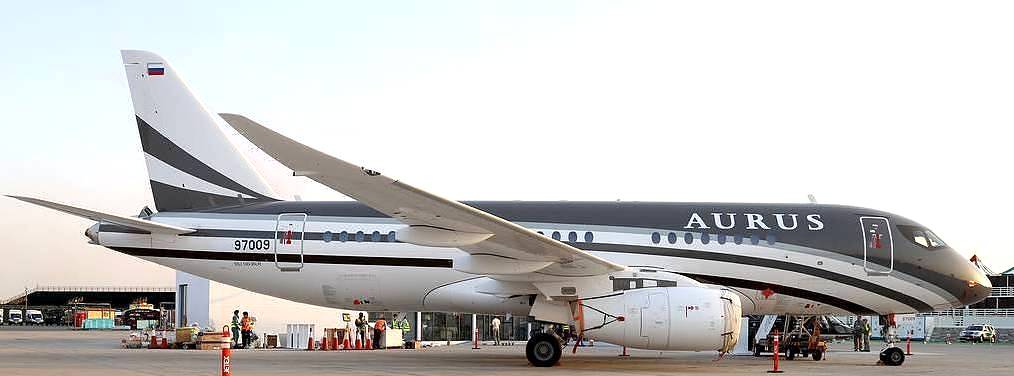
Rusia prepara línea ensamblaje del Superjet SSJ-100-NEW
Para la aviación comercial rusa, 2022 resultó ser un año difícil como resultado de la presión de las sanciones internacionales y el cese de los suministros de componentes y piezas de repuesto importados tanto para mantener la aeronavegabilidad de aeronaves de las flotas Boeing y Airbus, como para los aviones rusos MC-21 y Superjet 100. La industria de la aviación enfrentó dificultades en el tráfico de pasajeros. El Instituto SibNIIA, el mayor centro de investigación de ciencias de la aviación en el este de la Federación Rusia, está trabajando en las pruebas estáticas de certificación de la estructura del fuselaje del nuevo Irkut Superjet SSJ-100-NEW. Esta nueva variante de la familia de fuselaje estrecho se produciría con equipos locales y sistemas tecnológicos todos de industria rusa debido a las sanciones occidentales tras la invasión rusa de Ucrania.
Después de la invasión rusa de Ucrania, los problemas de la familia SSJ100 crecieron. Rusia recibió sanciones de los países occidentales, que detuvieron la cadena de suministro de productos clave para la industria de la aviación civil del país. Esto ha llevado, por ejemplo, a la entrega de nuevos SSJ100 montados con motores de segunda mano. Para abordar la falta de componentes extranjeros, Rusia se está preparando para lanzar aviones sustituidos por importaciones en los próximos años. Por ejemplo, el país está desarrollando el motor turbofan de alto bypass PD-8, que podría usarse para los SSJ100. Se espera que las entregas de los SSJ100 equipados con motores PD-8 comiencen en 2024, y para 2030, United Engine Corporation habrá construido al menos 314 nuevos motores PD-8, de los cuales al menos 284 se instalarán en aproximadamente 142 aviones SSJ.
Pruebas SSJ-100-NEW
A principios de Diciembre 2022, el instituto SibNIIA anunció que está preparando el equipo y los sistemas tecnológicos para las pruebas estáticas del fuselaje de la versión sustituida por importación del Superjet 100-NEW. Según Vladimir Barsuk, Director del instituto, las pruebas del SSJ-NEW se analizará en Enero de 2023. Las entregas podrían comenzar a finales de 2023. Este es uno de los muchos proyectos que el Gobierno ruso tiene actualmente para promover la producción nacional de aviones. «Las pruebas estáticas de certificación de las características de resistencia del fuselaje confirmarán la confiabilidad estructural y determinarán las condiciones para la operación segura del SSJ-NEW de acuerdo con los requisitos de las Regulaciones de Aviación», dijo el instituto SibNIIA en un comunicado. Las pruebas aerodinámicas de la aeronave se completaron el 24 de Noviembre de 2022 en el Instituto Central de Aerohidrodinámica Ahora, Regional Aircraft Company y SibNIIA se están coordinando para entregar el fuselaje SSJ-NEW a Novosibirsk y prepararse para el ensamblaje de la aeronave en el instituto.
El SSJ-NEW, la versión actualizada del Sukhoi Superjet 100, tendrá una capacidad para 87 a 98 pasajeros. Se espera una producción de veinte (20) Irkut SSJ-New por año para 2024, equipados con motores PD-8. Al mismo tiempo, se completarán los primeros seis Irkut MC-21-310. Actualmente, se produjeron 327 aviones Superjet SSJ-100, de los cuales alrededor de 135 están actualmente activos. La aerolínea rusa Rossiya es el mayor operador con 74 aviones.
Los problemas del Superjet 100
El Superjet SSJ100 es un jet regional que tuvo su primer vuelo en 2008 y su primer servicio comercial tres años después. A lo largo de su historia, el SSJ100 ha estado plagado de problemas técnicos, de distribución y logística. Ha enfrentado cuatro accidentes aéreos, el último accidente tuvo lugar en Mayo de 2019, cuando el vuelo AFL1492 de Aeroflot Russian Airlines estaba ascendiendo después de despegar del Aeropuerto Internacional Moscú/Sheremetyevo cuando un rayo se descargó cerca del avión. La tripulación optó como medida precautoria por hacer un aterrizaje de emergencia, y después de un duro aterrizaje, estalló un incendio, envolviendo la parte trasera del avión. De las 78 personas a bordo, 41 murieron.
Irkut Corporation
Desde el 17 de Febrero de 2020, Sukhoi Civil Aircraft Company se fusionó con Irkut Corporation como parte de la estrategia para consolidar las estructuras de aeronaves civiles en la División de Aviación Civil. Esta decisión fue tomada por los accionistas de Sukhoi Civil Aircraft el 27 de Junio de 2019. El 9 de Diciembre de 2019, se creó una división separada en la estructura de Irkut Corporation, la rama de Aeronaves Regionales. Garantiza la continuidad de las actividades para el desarrollo, la producción y el servicio postventa de aeronaves civiles.
El equipo de diseño y los stands científicos de la sucursal se encuentran en Moscú. El ensamblaje de la aeronave, incluida la instalación interior, se lleva a cabo en el centro de producción en Komsomolsk-on-Amur. Las pruebas de vuelo se llevan a cabo en la ciudad de Zhukovsky (región de Moscú). El complejo técnico y de aviación que prepara aeronaves para clientes, trenes de vuelo y tripulaciones de cabina, realiza el mantenimiento de aeronaves y proporciona suministro de piezas de repuesto también se encuentra en Zhukovsky. La rama de Regional Aircraft lleva a cabo la producción en serie del jet regional Superjet SSJ100. Los aviones Superjet son operados por nueve aerolíneas rusas, así como por varios operadores estatales, incluido el EMERCOM ruso.
El programa SSJ-NEW está actualmente en marcha, con sistemas a bordo de nueva generación que se están desarrollando para la aeronave. Algunos de ellos ya están siendo sometidos a pruebas en tierra y en vuelo. La dirección prioritaria del programa Superjet es el desarrollo del sistema de servicio postventa, que en el futuro proporcionará soporte operativo para todos los nuevos aviones civiles producidos por UAC. El centro de producción de la Rama Regional de Aeronaves de Irkut Corporation en Komsomolsk-on-Amur en 2020 recibió un certificado de la Agencia Federal de Transporte Aéreo, que permite llevar a cabo el mantenimiento, la reparación y la implementación de boletines de servicio de aviones Superjet-100. El trabajo se lleva a cabo en la moderna base de pruebas de vuelo de la empresa.
Russian startup Superjet SSJ-NEW
Russia prepares assembly line for Superjet SSJ-100-NEW
For Russian commercial aviation, 2022 turned out to be a difficult year as a result of the pressure of international sanctions and the cessation of supplies of imported components and spare parts both to maintain the airworthiness of aircraft in the Boeing and Airbus fleets, as well as to the Russian MC-21 and Superjet 100 aircraft. The aviation industry faced difficulties in passenger traffic. The SibNIIA Institute, the largest aviation science research center in the east of the Russian Federation, is working on the static certification tests of the fuselage structure of the new Irkut Superjet SSJ-100-NEW. This new variant of the narrow-body family would be produced with local equipment and technological systems all from Russian industry due to Western sanctions following the Russian invasion of Ukraine.
After the Russian invasion of Ukraine, the SSJ100 family’s problems grew. Russia received sanctions from Western countries, which stopped the supply chain of key products for the country’s civil aviation industry. This has led, for example, to the delivery of new SSJ100s fitted with second-hand engines. To address the lack of foreign components, Russia is preparing to launch import-substituted aircraft in the coming years. For example, the country is developing the PD-8 high-bypass turbofan engine, which could be used for the SSJ100s. Deliveries of PD-8 engine-equipped SSJ100s are expected to begin in 2024, and by 2030, United Engine Corporation will have built at least 314 new PD-8 engines, of which at least 284 will be installed in approximately 142 SSJ aircraft.
SSJ-100-NEW tests
At the beginning of December 2022, the SibNIIA institute announced that it is preparing the equipment and technological systems for the static tests of the fuselage of the version replaced by import of the Superjet 100-NEW. According to Vladimir Barsuk, Director of the institute, the tests of the SSJ-NEW will be analyzed in January 2023. Deliveries could start at the end of 2023. This is one of the many projects that the Russian Government currently has to promote the domestic production of aircraft. «Static certification tests of the strength characteristics of the airframe will confirm the structural reliability and determine the conditions for the safe operation of the SSJ-NEW in accordance with the requirements of the Aviation Regulations», the SibNIIA institute said in a statement. Aerodynamic tests of the aircraft were completed on November 24, 2022 at the Central Institute of Aerohydrodynamics Now, Regional Aircraft Company and SibNIIA are coordinating to deliver the SSJ-NEW airframe to Novosibirsk and prepare for aircraft assembly at the institute.
The SSJ-NEW, the updated version of the Sukhoi Superjet 100, will have a capacity of 87 to 98 passengers. Production of twenty (20) Irkut SSJ-News per year is expected by 2024, equipped with PD-8 engines. At the same time, the first six Irkut MC-21-310s will be completed. Currently, 327 Superjet SSJ-100 aircraft were produced, of which around 135 are currently active. Russian airline Rossiya is the largest operator with 74 aircraft.
The problems of the Superjet 100
The Superjet SSJ100 is a regional jet that had its maiden flight in 2008 and its first commercial service three years later. Throughout its history, the SSJ100 has been plagued with technical, distribution, and logistical problems. It has faced four air accidents, the latest accident taking place in May 2019, when Aeroflot Russian Airlines flight AFL1492 was climbing after takeoff from Moscow/Sheremetyevo International Airport when lightning struck near the plane. The crew opted to make an emergency landing as a precautionary measure, and after a hard landing, a fire broke out, engulfing the rear of the plane. Of the 78 people on board, 41 died.
Irkut Corporation
As of February 17, 2020, Sukhoi Civil Aircraft Company merged with Irkut Corporation as part of the strategy to consolidate civil aircraft structures in the Civil Aviation Division. This decision was made by the shareholders of Sukhoi Civil Aircraft on June 27, 2019. On December 9, 2019, a separate division was created in the Irkut Corporation structure, the Regional Aircraft branch. It guarantees the continuity of activities for the development, production and after-sales service of civil aircraft.
The design team and scientific stands of the branch are located in Moscow. The assembly of the aircraft, including interior installation, is carried out at the production center in Komsomolsk-on-Amur. Flight tests are carried out in the city of Zhukovsky (Moscow region). The aviation and technical complex that prepares aircraft for customers, flight trains and cabin crews, performs aircraft maintenance and provides spare parts supply is also located in Zhukovsky. The Regional Aircraft branch carries out serial production of the Superjet SSJ100 regional jet. Superjet aircraft are operated by nine Russian airlines, as well as several state operators, including Russia’s EMERCOM.
The SSJ-NEW program is currently underway, with new generation onboard systems being developed for the aircraft. Some of them are already undergoing ground and flight tests. The priority direction of the Superjet program is the development of the after-sales service system, which in the future will provide operational support for all new civil aircraft produced by UAC. The production center of the Regional Aircraft Branch of the Irkut Corporation in Komsomolsk-on-Amur in 2020 received a certificate from the Federal Air Transport Agency, which allows to carry out maintenance, repair and implementation of service bulletins of Superjet-100 aircraft. The work is carried out at the company’s modern flight test base.
Российский стартап Superjet SSJ-NEW
В России готовят сборочную линию для Superjet SSJ-100-NEW
Для российской гражданской авиации 2022 год выдался непростым в результате давления международных санкций и прекращения поставок импортных комплектующих и запчастей как для поддержания летной годности самолетов в парке Boeing и Airbus, так и на российские самолеты МС-21 и Superjet 100. Авиапром столкнулся с трудностями в пассажирских перевозках. Институт СибНИИА, крупнейший научно-исследовательский центр авиационной науки на востоке Российской Федерации, проводит статические сертификационные испытания конструкции фюзеляжа нового Иркут Суперджет SSJ-100-NEW. Этот новый вариант семейства узкофюзеляжных самолетов будет производиться с использованием местного оборудования и технологических систем, полностью принадлежащих российской промышленности, из-за санкций Запада после российского вторжения в Украину.
После вторжения России в Украину проблемы семейства SSJ100 возросли. Россия получила санкции от западных стран, которые остановили цепочку поставок ключевой продукции для гражданской авиационной отрасли страны. Это привело, например, к поставке новых SSJ100 с подержанными двигателями. Для решения проблемы нехватки иностранных комплектующих Россия в ближайшие годы готовится к выпуску импортозамещенных самолетов. Например, в стране разрабатывается ТРДД большой двухконтурности ПД-8, который может быть использован для SSJ100. Ожидается, что поставки SSJ100 с двигателями ПД-8 начнутся в 2024 году, а к 2030 году Объединенная двигателестроительная корпорация построит не менее 314 новых двигателей ПД-8, из которых не менее 284 будут установлены примерно на 142 самолетах SSJ.
Испытания SSJ-100-NEW
В начале декабря 2022 года институт СибНИИА сообщил, что готовит оборудование и технологические системы к статическим испытаниям фюзеляжа заменяемой на импорт версии Superjet 100-NEW. По словам директора института Владимира Барсука, анализ испытаний SSJ-NEW будет проведен в январе 2023 года. Поставки могут начаться в конце 2023 года. Это один из многих проектов, которые сейчас есть у российского правительства для продвижения отечественного производство самолетов. «Статические сертификационные испытания прочностных характеристик планера подтвердят надежность конструкции и определят условия безопасной эксплуатации SSJ-NEW в соответствии с требованиями Авиационных правил», — говорится в сообщении института СибНИИА. Аэродинамические испытания самолета завершились 24 ноября 2022 года в ЦАГИ. Сейчас Региональная авиастроительная компания и СибНИИА координируют доставку планера SSJ-NEW в Новосибирск и подготовку к сборке самолета в институте.
SSJ-NEW, обновленная версия Sukhoi Superjet 100, будет вмещать от 87 до 98 пассажиров. К 2024 году ожидается выпуск двадцати (20) самолетов «Иркут SSJ-News» в год, оснащенных двигателями ПД-8. В то же время будут достроены первые шесть «Иркутов» МС-21-310. В настоящее время произведено 327 самолетов Superjet SSJ-100, из которых около 135 находятся в эксплуатации. Российская авиакомпания «Россия» — крупнейший эксплуатант с 74 воздушными судами.
Проблемы Суперджета 100
Superjet SSJ100 — это региональный реактивный самолет, который совершил свой первый полет в 2008 году, а через три года — первый коммерческий рейс. На протяжении всей своей истории SSJ100 страдал от технических, дистрибуционных и логистических проблем. Он столкнулся с четырьмя авиакатастрофами, последняя авария произошла в мае 2019 года, когда рейс AFL1492 Аэрофлота — российские авиалинии поднимался после взлета из международного аэропорта Москва/Шереметьево, когда рядом с самолетом ударила молния. Экипаж решил совершить аварийную посадку в качестве меры предосторожности, и после жесткой посадки вспыхнул пожар, охвативший заднюю часть самолета. Из 78 человек на борту погиб 41.
Корпорация Иркут
С 17 февраля 2020 года ОАО «Гражданские самолеты Сухого» объединилось с корпорацией «Иркут» в рамках стратегии по консолидации структур гражданской авиации в дивизионе «Гражданская авиация». Такое решение было принято акционерами «Гражданских самолетов Сухого» 27 июня 2019 года. 9 декабря 2019 года в структуре корпорации «Иркут» создано обособленное подразделение — филиал «Региональные самолеты». Это гарантирует непрерывность деятельности по разработке, производству и послепродажному обслуживанию гражданских самолетов.
Конструкторский коллектив и научные стенды филиала находятся в Москве. Сборка самолета, включая установку салона, осуществляется на производственном центре в Комсомольске-на-Амуре. Летные испытания проводятся в городе Жуковский (Московская область). В Жуковском также находится авиационно-технический комплекс, который готовит самолеты для заказчиков, летный состав и бортпроводников, осуществляет техническое обслуживание самолетов и обеспечивает поставку запасных частей. Филиал «Региональные самолеты» осуществляет серийное производство регионального реактивного самолета Superjet SSJ100. Самолеты Superjet эксплуатируются девятью российскими авиакомпаниями, а также несколькими государственными эксплуатантами, включая МЧС России.
В настоящее время реализуется программа SSJ-NEW, для самолета разрабатываются бортовые системы нового поколения. Некоторые из них уже проходят наземные и летные испытания. Приоритетным направлением программы «Суперджет» является развитие системы послепродажного обслуживания, которая в будущем будет обеспечивать эксплуатационную поддержку всех новых гражданских самолетов, выпускаемых ОАК. Производственный центр Регионального авиационного филиала корпорации «Иркут» в г. Комсомольск-на-Амуре в 2020 году получил сертификат Росавиации, позволяющий осуществлять техническое обслуживание, ремонт и выполнение сервисных бюллетеней самолетов «Суперджет-100». Работы ведутся на современной летно-испытательной базе предприятия.
PUBLISHER: Airgways.com DBk: Irkut.com / Airgways.com AW-POST: 202212221012AR OWNERSHIP: Airgways Inc. A\W A I R G W A Y S ®
Programa soluciones componentes De Havilland Canada
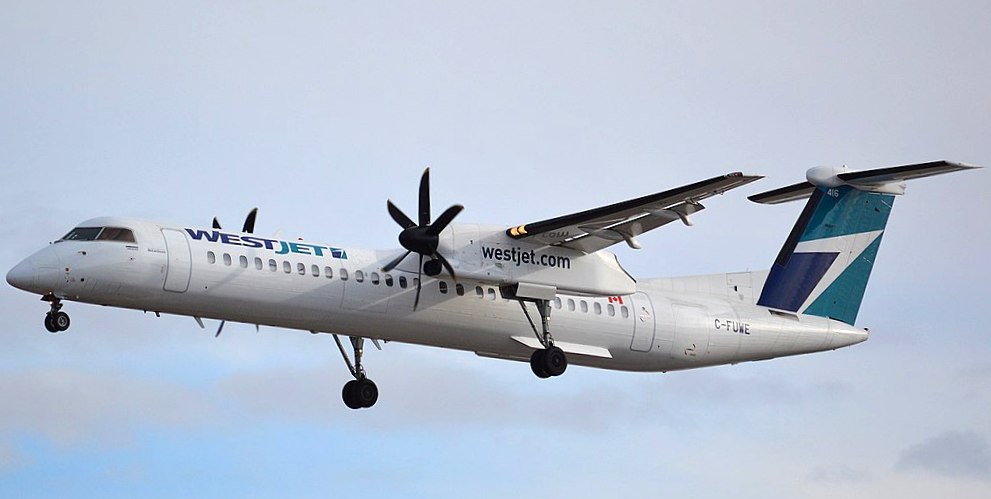
WestJet Airlines se une al programa de Soluciones de Componentes de De Havilland Canada para mejorar el soporte a su flota de aviones Dash 8-400. De Havilland Aircraft of Canada Limited anunció el Lunes 19/12 que ha firmado un Programa de Soluciones de Componentes De Havilland (DCS) con WestJet Encore Ltd. Según el acuerdo, De Havilland Canada gestionará los servicios de mantenimiento, reparación y revisión de componentes (MRO) para la flota de Dash 8-400 y proporcionar acceso al grupo de intercambio estratégicamente ubicado de De Havilland Canada.
«El Programa DCS ofrece la previsibilidad de costos que es tan importante en la gestión de aerolíneas, y también esperamos beneficiarnos del acceso a la experiencia de De Havilland Canada en garantía administración, planificación y gestión de proveedores para mejorar las operaciones de nuestro Dash 8-400», dijo Lisa Davis, Vicepresidenta y Gerente General de WestJet Encore.
«Con la incorporación de WestJet al Programa DCS, nuestro apoyo a la flota de aviones Dash 8-400 en América del Norte se incrementa significativamente e incluye a los dos operadores más grandes del continente. Agradecemos a WestJet por brindarnos esta oportunidad de administrar este aspecto de la aerolínea. servicios MRO componentes», dijo Leighton Storsley, Vicepresidente de Posventa y Desarrollo de Negocios, De Havilland Canadá.
Programa De Havilland Component Solutions (DCS)
El programa DCS apoya la operación de aviones Dash 8-400 al garantizar una reparación rentable, soluciones y accesibilidad global a más de mil componentes de aeronaves diferentes posicionados en Centros de distribución estratégicamente ubicados y en los centros operativos de algunos clientes. El programa, que está diseñado para satisfacer la creciente demanda de soluciones de reparación personalizadas, se adapta a los requisitos y el entorno de cada cliente. Con su baja huella de carbono, bajos costos operativos, experiencia de pasajeros líder en la industria y rendimiento similar a un jet, el avión Dash 8-400, con capacidad para transportar hasta 90 pasajeros, es la opción ambientalmente responsable para los operadores que buscan una solución óptima para rendimiento en rutas regionales. Más de doscientos (200) aviones Dash 8-400 están matriculados o bajo contrato con el Programa DCS.
Acerca de WestJet
WestJet en veintiséis años de servicio a los canadienses ha reducido las tarifas aéreas a la mitad y ha aumentado la frecuencia de vuelos a poblaciones en Canadá a más del 50 por ciento. WestJet lanzado en 1996 con tres aviones, 250 empleados y cinco destinos, ha ido creciendo a lo largo de los años a más de 180 aviones, 14.000 empleados y más de 110 destinos en 24 países.
Acerca de De Havilland
Con más de 5.000 aviones entregados, De Havilland Canada Aircraft está bien establecida en todo el mundo y el talentoso equipo de profesionales de la aviación están dedicados a promover nuestra reputación de casi cien años de excelencia en innovación, producción y apoyo al cliente. Los aviones operan de manera confiable en algunos de los climas más duros del mundo y proporcionan conexiones vitales entre las comunidades rurales y los centros urbanos: transporte de carga esencial y millones de pasajeros anualmente. Las aeronaves regionales también soportan una amplia variedad de misiones en operaciones especiales que incluyen extinción de incendios aéreos, búsqueda y rescate, evacuación médica, reconocimiento y vigilancia costera. En Febrero de 2022, De Havilland Canada se convirtió en la marca operativa de la compañías que anteriormente operaban como Longview Aviation, Viking Air Ltd, Pacific Sky Training y De Havilland Canada.
WestJet joins DHC support program
Component Solutions Program De Havilland Canada
WestJet Airlines joins De Havilland Canada‘s Component Solutions program to enhance support for its fleet of Dash 8-400 aircraft. De Havilland Aircraft of Canada Limited announced Monday 12/19 that it has entered into a De Havilland Component Solutions (DCS) Program with WestJet Encore Ltd. Under the agreement, de Havilland Canada will manage component maintenance, repair and overhaul services (MRO) for the Dash 8-400 fleet and provide access to de Havilland Canada’s strategically located exchange pool.
«The DCS Program offers the cost predictability that is so important in airline management, and we also look forward to benefiting from access to de Havilland Canada’s expertise in warranty administration, planning and supplier management to improve our Dash 8- 400», said Lisa Davis, WestJet Encore vice president and general manager.
«With the addition of WestJet to the DCS Program, our support for the Dash 8-400 fleet in North America is significantly increased to include the two largest carriers on the continent. We are grateful to WestJet for giving us this opportunity to manage this aspect. of the airline. services MRO components», said Leighton Storsley, Vice President of Aftermarket and Business Development, de Havilland Canada.
De Havilland Component Solutions Program (DCS)
The DCS program supports the operation of Dash 8-400 aircraft by ensuring cost-effective repair, solutions, and global accessibility to more than a thousand different aircraft components positioned in strategically located Distribution Centers and some customers’ operating centers. Designed to meet the growing demand for customized repair solutions, the program is tailored to each customer’s requirements and environment. With its low carbon footprint, low operating costs, industry-leading passenger experience and jet-like performance, the Dash 8-400 aircraft, with the capacity to carry up to 90 passengers, is the environmentally responsible choice for operators seeking an optimal solution for performance on regional routes. More than two hundred (200) Dash 8-400 aircraft are registered or under contract with the DCS Program.
About WestJet
WestJet in twenty-six years of service to Canadians has cut airfares in half and increased the frequency of flights to towns in Canada by more than 50 percent. WestJet launched in 1996 with three aircraft, 250 employees and five destinations, it has grown over the years to more than 180 aircraft, 14,000 employees and more than 110 destinations in 24 countries.
About de Havilland
With more than 5,000 aircraft delivered, de Havilland Canada Aircraft is well established around the world and the talented team of aviation professionals are dedicated to furthering our almost hundred-year reputation for excellence in innovation, production and customer support. The aircraft operate reliably in some of the world’s harshest climates and provide vital connections between rural communities and urban centers – transporting essential cargo and millions of passengers annually. Regional aircraft also support a wide variety of special operations missions including aerial firefighting, search and rescue, medical evacuation, reconnaissance and coastal surveillance. In February 2022, de Havilland Canada became the operating brand for companies that previously operated as Longview Aviation, Viking Air Ltd, Pacific Sky Training and de Havilland Canada.
PUBLISHER: Airgways.com DBk: Westjet.com / Dehavilland.com / Airgways.com AW-POST: 202212220922AR OWNERSHIP: Airgways Inc. A\W A I R G W A Y S ®
AW | 2022 12 22 00:02 | INDUSTRY / AVIATION TECHNOLOGY
Raytheon Technologies completa 1er. motor demostrador
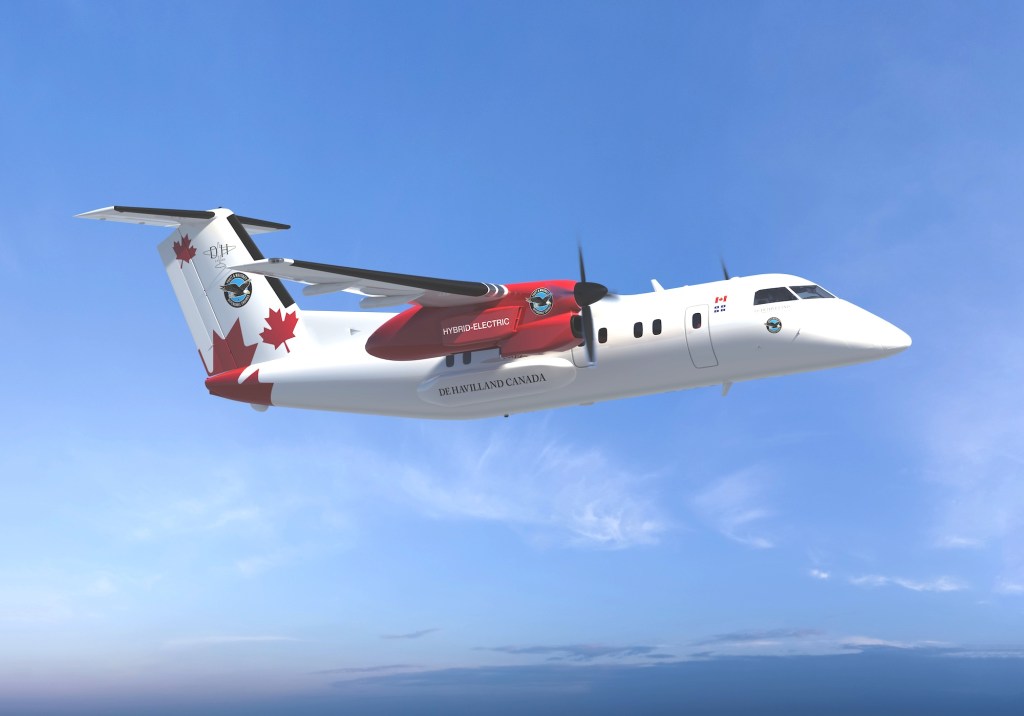
Raytheon Technologies anunció el Martes 20/12 el exitoso primer funcionamiento del motor del demostrador de vuelo híbrido-eléctrico regional de la compañía, marcando un hito clave hacia las pruebas de vuelo, que comenzarán en 2024. El demostrador de vuelo híbrido-eléctrico regional de Raytheon Technologies combina un motor Pratt & Whitney altamente eficiente, con un motor eléctrico de 1 MW, desarrollado por Collins Aerospace, como parte de un sistema de propulsión integrado.
La ejecución inicial del sistema de propulsión tuvo lugar en las instalaciones de innovación de Pratt & Whitney en Longueuil, Quebec, y funcionó como se esperaba. El sistema integra completamente un motor eléctrico de 1 MW desarrollado por Collins Aerospace con un motor de combustión Pratt & Whitney altamente eficiente, especialmente adaptado para la operación híbrida-eléctrica. Esta tecnología de motor permitirá un rendimiento más eficiente del motor durante las diferentes fases del vuelo, como el despegue, el ascenso y el crucero, reduciendo el consumo de combustible y el CO2 emisiones de hasta un 30% en comparación con los aviones turbohélice regionales más avanzados de la actualidad.
«La tecnología de propulsión híbrida-eléctrica ofrece un potencial significativo para optimizar la eficiencia en una gama de diferentes aplicaciones de aeronaves, ayudando a nuestra industria a cumplir su ambicioso objetivo de lograr cero emisiones netas de CO2. Con nuestro programa de pruebas en tierra ahora en marcha, las pruebas de vuelo planificadas nos permitirán acelerar la demostración de esta tecnología de propulsión sostenible de próxima generación a medida que continuamos expandiendo nuestra colaboración dentro del ecosistema aeroespacial de Canadá y más allá», dijo Jean Thomassin, Director Ejecutivo de Nuevos Productos y Servicios de Pratt & Whitney Canadá.
El Centro de Excelencia de Pruebas de Vuelo (Cert Center Canada – 3C), modificará y operará el avión De Havilland Canada Dash 8-100, sirviendo como plataforma para futuras demostraciones de vuelo.
«Nos sentimos honrados de que Raytheon Technologies haya elegido a nuestra Organización de Aprobación de Diseño para liderar el programa de pruebas de vuelo para este histórico proyecto de demostración. 3C ha reunido un equipo de confianza de Quebec que incluye a Chrono Aviation, WAAS Aerospace y Elisen & associés para integrar el tren motriz híbrido-eléctrico, el sistema de batería y el arnés eléctrico de alto voltaje en el avión de investigación Dash 8 de 3C. Estoy seguro de que la amplia experiencia en pruebas de vuelo de 3C y su relación histórica con Transport Canada complementarán el excelente equipo de Raytheon Technologies para demostrar de manera segura este importante avance tecnológico», dijo John Maris, Presidente de 3C y Piloto Jefe de Pruebas para el proyecto.
Desde que Raytheon Technologies lanzó el proyecto de demostración a través de sus negocios Pratt & Whitney Canada y Collins Aerospace en Julio de 2021, con el apoyo de los Gobiernos de Canadá y Quebec, numerosas organizaciones en Canadá y en todo el mundo se han unido a la iniciativa.
H55 S.A., recientemente objeto de una inversión minoritaria por parte del brazo de capital de riesgo de Raytheon Technologies, RTX Ventures, suministrará sistemas de baterías. El desarrollo de diseños de componentes de baterías y sistemas de control eléctrico asociados también contará con el apoyo del Consejo Nacional de Investigación de Canadá y el Instituto de Vehículos Innovadores. Ricardo PLC también está apoyando el proyecto con el diseño de componentes, la integración del sistema y las pruebas. De Havilland Canada está apoyando la integración del sistema de propulsión en el avión experimental.
Raytheon Technologies lidera el desarrollo de tecnologías de propulsión híbrida-eléctrica en múltiples programas de demostración, incluidos STEP-Tech y SWITCH, que abarcan una amplia gama de posibles aplicaciones futuras de aeronaves. Además de avanzar continuamente en la eficiencia de los sistemas de propulsión de aeronaves, la compañía también está desarrollando tecnologías para apoyar un mayor uso de combustibles alternativos más limpios, incluidos los combustibles de aviación sostenibles (SAF) y el hidrógeno, cada uno de los cuales se beneficiará de las mayores eficiencias habilitadas por la tecnología de propulsión híbrida-eléctrica.
Acerca de Raytheon Technologies
Raytheon Technologies Corporation es una compañía aeroespacial y de defensa que proporciona sistemas y servicios avanzados para clientes comerciales, militares y gubernamentales en todo el mundo. Con cuatro negocios líderes en la industria, Collins Aerospace Systems, Pratt & Whitney, Raytheon Intelligence & Space y Raytheon Missiles & Defense, la compañía ofrece soluciones que superan los límites de la aviónica, la ciberseguridad, la energía dirigida, la propulsión eléctrica, la hipersónica y la física cuántica. La compañía, formada en 2020 a través de la combinación de los negocios aeroespaciales de Raytheon Company y United Technologies Corporation, tiene su sede en Arlington, Virginia.
Raytheon hybrid-electric engine
Raytheon Technologies completes first demonstrator engine
Raytheon Technologies announced the successful first engine run of the company’s regional hybrid-electric flight demonstrator on Tuesday, marking a key milestone toward flight testing, which will begin in 2024. Raytheon’s regional hybrid-electric flight demonstrator Raytheon Technologies combines a highly efficient Pratt & Whitney engine with a 1 MW electric motor, developed by Collins Aerospace, as part of an integrated propulsion system.
The initial run of the propulsion system took place at the Pratt & Whitney Innovation Facility in Longueuil, Quebec, and it performed as expected. The system fully integrates a 1 MW electric motor developed by Collins Aerospace with a highly efficient Pratt & Whitney combustion engine, specially adapted for hybrid-electric operation. This engine technology will enable more efficient engine performance during different phases of flight such as takeoff, climb and cruise, reducing fuel consumption and CO2 emissions by up to 30% compared to older regional turboprop aircraft. currently advanced.
«Hybrid-electric propulsion technology offers significant potential to optimize efficiency in a range of different aircraft applications, helping our industry meet its ambitious goal of achieving net zero CO2 emissions. With our ground testing program now Underway, the planned flight tests will allow us to accelerate the demonstration of this next-generation sustainable propulsion technology as we continue to expand our collaboration within Canada’s aerospace ecosystem and beyond», said Jean Thomassin, Executive Director of New Products and Pratt & Whitney Canada Services.
The Flight Test Center of Excellence (Cert Center Canada-3C) will modify and operate the De Havilland Canada Dash 8-100 aircraft, serving as a platform for future flight demonstrations.
«We are honored that Raytheon Technologies has chosen our Design Approval Organization to lead the flight test program for this historic demonstration project. 3C has assembled a trusted team from Quebec that includes Chrono Aviation, WAAS Aerospace and Elisen & associés to integrate the hybrid-electric powertrain, battery system and high-voltage electrical harness into 3C’s Dash 8 research aircraft.I am sure that 3C’s extensive experience in flight testing and their historical relationship with Transport Canada will complement the excellent team at Raytheon Technologies to safely demonstrate this important technological advancement», said John Maris, 3C President and Chief Test Pilot for the project.
Since Raytheon Technologies launched the demonstration project through its Pratt & Whitney Canada and Collins Aerospace businesses in July 2021, with support from the Governments of Canada and Quebec, numerous organizations in Canada and around the world have joined. The initiative.
H55 S.A., recently the subject of a minority investment by Raytheon Technologies’ venture capital arm RTX Ventures, will supply battery systems. The development of designs for battery components and associated electrical control systems will also be supported by the National Research Council of Canada and the Institute for Innovative Vehicles. Ricardo PLC is also supporting the project with component design, system integration and testing. De Havilland Canada is supporting the integration of the propulsion system into the experimental aircraft.
Raytheon Technologies is leading the development of hybrid-electric propulsion technologies in multiple demonstration programs, including STEP-Tech and SWITCH, spanning a wide range of potential future aircraft applications. In addition to continually advancing the efficiency of aircraft propulsion systems, the company is also developing technologies to support increased use of cleaner alternative fuels, including sustainable aviation fuels (SAFs) and hydrogen, each of which it will benefit from the increased efficiencies enabled by hybrid-electric propulsion technology.
About Raytheon Technologies
Raytheon Technologies Corporation is a defense and aerospace company that provides advanced systems and services to commercial, military, and government customers around the world. With four industry-leading businesses Collins Aerospace Systems, Pratt & Whitney, Raytheon Intelligence & Space and Raytheon Missiles & Defense – the company offers solutions that push the boundaries of avionics, cybersecurity, directed energy, electric propulsion, hypersonics and quantum physics. The company, formed in 2020 through the combination of the aerospace businesses of Raytheon Company and United Technologies Corporation, is headquartered in Arlington, Virginia.
PUBLISHER: Airgways.com DBk: Rtx.com / Airgways.com AW-POST: 202212220002AR OWNERSHIP: Airgways Inc. A\W A I R G W A Y S ®































 airgways.com