AW | 2022 11 14 00:00 | INDUSTRY / AVIATION TECHNOLOGY
Boeing y Oregon Tech anuncian nueva colaboración en Klamath Falls
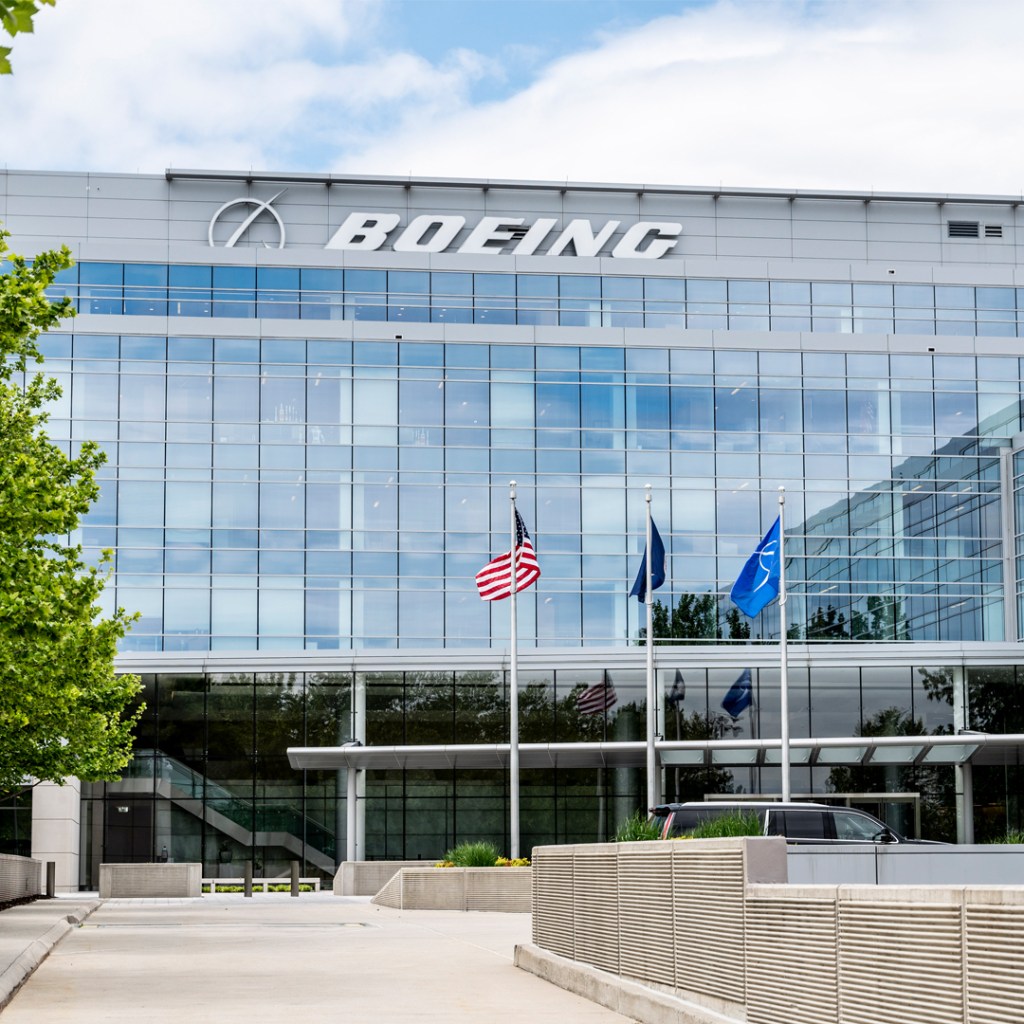
The Boeing Commercial Airplanes y el Instituto de Tecnología de Oregón (Oregon Tech) firmaron un acuerdo el Martes 08/11 para desarrollar un laboratorio de colaboración en el campus Klamath Falls de Oregon Tech, que proporcionaría un entorno seguro para los estudiantes de Oregon Tech que completan proyectos para Boeing.
El Gerente de Ingeniería de Producción de Boeing, Stan L. Carr, y el presidente de Oregon Tech, el Dr. Nagi Naganathan, firmaron una intención de colaboración entre Boeing y Oregon Tech que permitirá a los estudiantes obtener una valiosa experiencia industrial en un puesto remunerado mientras permanecen como estudiantes de tiempo completo en Klamath Falls.
«Oregon Tech, como universidad de la industria, se enorgullece de ser un laboratorio sustituto para la innovación de la industria. Esta asociación con Boeing es un gran ejemplo. Agradecemos sinceramente a The Boeing Company por crear esta tremenda experiencia inmersiva en la industria para nuestros estudiantes en el campus mientras cursan sus programas de grado. Estoy seguro de que esta increíble experiencia atraerá a más estudiantes e industrias a Oregon Tech y Klamath Falls y les dará a nuestros estudiantes una ventaja distintiva en la graduación», dijo el Presidente Nagi Naganathan.
Boeing y Oregon Tech se han asociado en pasantías y programas de grado durante décadas. Actualmente, Oregon Tech ofrece varios programas de certificación, programas de pregrado y posgrado para empleados de Boeing en sitios en el área de Puget Sound. Oregon Tech será la universidad piloto con Boeing Commercial Airplanes con la intención de colaborar con otras universidades en el futuro. Otras universidades han establecido asociaciones similares con Boeing Defense Systems.
La colaboración inicial será para estudiantes de mecánica, electricidad y otros estudiantes de ingeniería y puede expandirse a sistemas informáticos y programas de gestión dependiendo de las necesidades de Boeing. Boeing proporcionará declaraciones detalladas de trabajo para que la universidad las complete para las necesidades específicas del proyecto.
«El proceso debería ser relativamente fluido para los estudiantes, a quienes Oregon Tech ya entrena en parte del software utilizado en Boeing. Los estudiantes obtendrán experiencia industrial y tendrán entregables en un proyecto, tal como lo harían en Boeing. Serán supervisados por un miembro de la facultad y asesorados por un empleado de Boeing, tal como lo harían si fuera una oportunidad fuera del campus. Pero no tienen que abandonar el campus y no tienen que ralentizar sus estudios», dijo el Dr. Tom Keyser, quien es el Decano de la Facultad de Ingeniería, Tecnología y Administración de Oregon Tech y lidera la asociación.
La asociación se encuentra en las etapas iniciales, con espacio asignado en el Centro de Excelencia para Tecnología de Ingeniería (CEET) para albergar el Laboratorio de Colaboración. Oregon Tech y Boeing anticipan una fecha de lanzamiento de primavera.
Boeing-Oregon Tech Collaboration
Boeing/Oregon Tech announce new collaboration in Klamath Falls
The Boeing Commercial Airplanes and the Oregon Institute of Technology (Oregon Tech) signed an agreement on Tuesday 11/08 to develop a collaborative lab at Oregon Tech’s Klamath Falls campus that would provide a safe environment for Oregon Tech students who complete projects for Boeing.
Boeing Production Engineering Manager Stan L. Carr and Oregon Tech President Dr. Nagi Naganathan signed a collaborative intent between Boeing and Oregon Tech that will enable students to gain valuable industry experience in a paid while they remain as full-time students in Klamath Falls.
«Oregon Tech, as an industry university, prides itself on being a surrogate laboratory for industry innovation. This partnership with Boeing is a great example. We sincerely thank The Boeing Company for creating this tremendous immersive industry experience for our students on campus while pursuing their degree programs. I am confident this incredible experience will attract more students and industries to Oregon Tech and Klamath Falls and give our students a distinct head start on graduation», said President Nagi Naganathan.
Boeing and Oregon Tech have partnered on internship and degree programs for decades. Currently, Oregon Tech offers various certificate programs, undergraduate and graduate programs for Boeing employees at sites in the Puget Sound area. Oregon Tech will be the pilot university with Boeing Commercial Airplanes with the intention of collaborating with other universities in the future. Other universities have established similar partnerships with Boeing Defense Systems.
The initial collaboration will be for mechanical, electrical and other engineering students and may expand to computer systems and management programs depending on Boeing’s needs. Boeing will provide detailed statements of work for the university to complete for the specific needs of the project.
«The process should be relatively seamless for the students, who are already trained by Oregon Tech on some of the software used at Boeing. The students will gain industry experience and have deliverables on a project, just as they would at Boeing. They will be supervised by a member of faculty and mentored by a Boeing employee, just like they would if it was an off-campus opportunity. But they don’t have to leave campus and they don’t have to slow down», said Dr. Tom Keyser, who is the Dean of the Oregon Tech College of Engineering, Technology and Management and leads the association.
The partnership is in the early stages, with space allocated at the Center of Excellence for Engineering Technology (CEET) to house the Collaborative Laboratory. Oregon Tech and Boeing anticipate a spring release date.
PUBLISHER: Airgways.com DBk: Boeing.com / Oit.edu / Airgways.com AW-POST: 202211140000AR OWNERSHIP: Airgways Inc. A\W A I R G W A Y S ®
Malaysia Airlines considera duplicar pedido de Boeing 737 MAX
Malaysia Airlines está considerando ordenar veinticinco aviones adicionales de pasillo único Boeing 737 MAX además de un pedido en firme existente de veinticinco de esos aviones, según el Director Ejecutivo Izham Ismail. «Nuestra futura red requiere 50 aviones de fuselaje estrecho, por lo que todavía tenemos espacio para 25Tenemos que tomar alguna decisión para el próximo año», dijo Izham Ismail al margen de una Reunión Anual de la Asociación de Aerolíneas de Asia Pacífico en Bangkok.
Las entregas del pedido de 737 MAX existente comenzarán en 2024 con un valor de US$ 1.200 millones, según los precios compilados por el tasador de aviones Avitas Inc. «Continuamos trabajando con nuestros clientes para cumplir con los requisitos de su flota. No revelamos discusiones continuas con los clientes», dijo un portavoz de Boeing.
Malaysia Airlines ordenó veinte aviones de fuselaje ancho Airbus A330NEO (30) en Agosto 2022. La aerolínea no ha considerado tomar ningún avión 737 MAX de transportistas de China continental, dijo Izham Ismael, citando la incompatibilidad y la falta de consistencia con Malaysia Airlines. El transportista busca eliminar todos los Airbus A380 (6), el avión de pasajeros más grande del mundo, para fin de año y devolverlos al fabricante de aviones europeo.
El tráfico de pasajeros de Malaysia Airlines ha vuelto al 76% de los niveles anteriores a Covid, con una recuperación total a nivel nacional, y debería alcanzar el 82% para fin de 2022, dijo Izham Ismael. China representaba el 17% de la capacidad antes de la pandemia y el país podría reabrir para el segundo trimestre del próximo año.
La aerolínea continúa estudiando ampliar el parque de aeronaves por la alta demanda a cubrir ante la falta de aviones para cubrir las rutas planificadas. La aerolínea se está enfocando en cambiar la capacidad de pasajeros de los mercados nacionales a internacionales en medio de las preocupaciones de exceso de capacidad entre las aerolíneas en Malasia. Otros desafíos incluyen los altos precios del combustible, el aumento de las tasas de interés y un Dólar fuerte en 2023.
Malaysia orders 25 additional Boeing 737 MAXs
Malaysia Airlines considers doubling Boeing 737 MAX order
Malaysia Airlines is considering ordering an additional twenty-five Boeing 737 MAX single-aisle aircraft on top of an existing firm order for twenty-five such aircraft, according to CEO Izham Ismail. «Our future network requires 50 narrow-body aircraft, so we still have room for 25. We have to make some decision for next year», Izham Ismail said on the sidelines of an Asia Pacific Airlines Association Annual Meeting in Bangkok.
Deliveries of the existing 737 MAX order will begin in 2024 worth US$ 1.2 billion, according to prices compiled by aircraft appraiser Avitas Inc. «We continue to work with our customers to meet their fleet requirements. We do not disclose discussions. with customers», a Boeing spokesman said.
Malaysia Airlines ordered twenty Airbus A330NEO (30) wide-body jets in August 2022. The airline has not considered taking any 737 MAX aircraft from mainland Chinese carriers, Izham Ismael said, citing incompatibility and lack of consistency with Malaysia Airlines. The carrier seeks to phase out all Airbus A380s (6), the world’s largest passenger plane, by the end of the year and return them to the European planemaker.
Malaysia Airlines passenger traffic has returned to 76% of pre-Covid levels, with a full recovery nationwide, and should reach 82% by the end of 2022, Izham Ismael said. China represented 17% of capacity before the pandemic and the country could reopen by the second quarter of next year.
The airline continues to study expanding the fleet of aircraft due to the high demand to be covered due to the lack of aircraft to cover the planned routes. The airline is focusing on shifting passenger capacity from domestic to international markets amid overcapacity concerns among airlines in Malaysia. Other challenges include high fuel prices, rising interest rates and a strong dollar in 2023.
PUBLISHER: Airgways.com DBk: Malaysiaairlines.com / Boeing.com / Airgways.com AW-POST: 202211131600AR OWNERSHIP: Airgways Inc. A\W A I R G W A Y S ®
Zona Económica Chengdu hace importantes inversiones aviación Chengdu, capital de la economía de la aviación
Durante la 14ª Exposición Internacional de Aviación y Aeroespacial de Airshow China, la Feria de Promoción de la Zona Económica del Aeropuerto Internacional de Chengdu, celebrada el 9 de Noviembre de 2022 por el Distrito de Shuangliu de Chengdu, ha cosechado siete proyectos de la industria de la aviación con una inversión total de más de ¥ 8.000 millones de Yuanes.
En la feria de promoción, se firmó, estableció y abrió una letanía de proyectos entre el Distrito de Shuangliu y la Sociedad China de Aeronáutica y Astronáutica, Guangzhou Hangxin Aviation Technology, Longjiang Airlines, Kuehne & Nagel Cargo Transportation Agency, Loongrise Avionics, Tianli Times Aviation Technology, se establecieron y abrieron en la ciudad de Zhuhai y Shuangliu. La inversión total de siete proyectos superó los ¥ 8.000 millones de Yuanes, según el Gobierno del Distrito de Shuangliu.
Girando en torno al «Full Life Circle Aircraft International Forum», un próximo evento en 2023, el Distrito de Shuangliu de Chengdu comenzó el plan de solicitud global y se unió a industrias como Airbus Group para invitar a empresas afiliadas globales a intercambiar sobre temas como operación y mantenimiento de aviación, servicios de reacondicionamiento y comercio de materiales de aviación, mejorando así la influencia de Chengduen el mapa de aviación global.
El distrito de Shuangliu de Chengdu es apodado como la «capital de la economía de la aviación china». La Zona Económica del Aeropuerto Internacional de Chengdu/CTU, ubicada en el lado oeste de la Pista 2 del Aeropuerto Internacional de Chengdu, Shuangliu, tiene un área planificada de 4,98 kilómetros cuadrados. En la actualidad, ha reunido a Airbus Lifecycle Service Project, COMAC Aircraft Demonstration Industrial Park, SF Airlines y más de veinte empresas de mantenimiento de aviación. Mientras tanto, cuenta con cuatro plataformas funcionales: Centro de Certificación de Aeronavegabilidad de Aviones, Centro de Certificación de Aeronavegabilidad de Combustible de Aviación, Centro de Verificación de Vuelo y Centro Médico de Aviación.
El 26 de Julio de 2022, el Proyecto de Servicio del Ciclo de Vida de los Aviones Airbus comenzó a construirse en el Distrito de Shuangliu. Este proyecto es el primer proyecto de reciclaje de aviones invertido directamente por Airbus fuera de Europa, con una inversión total de ¥ 6 mil millones de Yuanes. Dividido en dos líneas de negocio, este proyecto consta de la línea de negocio MRO (Mantenimiento, Reparación, Revisión) y la línea de negocio USM, gestión y comercialización de material aéreo de segunda mano, y tiene como objetivo llevar a cabo negocios de comercio y distribución de materiales aéreos de segunda mano desmontados en todo el mundo. Tras el Proyecto de Servicio del Ciclo de Vida de Airbus, la industria de la aviación en el distrito de Shuangliu ha agregado otro proyecto de cooperación afiliado a Airbus: AMECO y Airbus comenzarán el negocio de Avión de Pasajeros a Carguero (P2F) del A330 en Chengdu, y el plan de trabajo del primer carguero A330 se iniciará en 2023. Según el plan, la escala de la industria de la aviación en la Zona Económica del Aeropuerto Internacional de Chengdu se esforzará por superar los ¥ 20.000 millones de Yuanes para 2025, y la proporción de la industria de la aviación en el PIB aumentará en 4,5 puntos porcentuales en comparación con la de 2022. Para 2027, la escala de la industria de la aviación en la Zona Económica del Aeropuerto Internacional de Chengdu se esforzará por superar los ¥ 30 mil millones de Yuanes, y la proporción de la industria de la aviación en el PIB aumentará en 3,5 puntos porcentuales sobre la base de 2025, lo que promoverá la integración profunda de la industria de fabricación de aviación y la industria de servicios de aviación.
Investments aviation Chengdu, China
Chengdu Economic Zone makes significant aviation investments Chengdu, capital of aviation economy
During the 14th Airshow China International Aviation and Aerospace Exhibition, the Chengdu International Airport Economic Zone Promotion Fair, held on November 9, 2022 by the Chengdu Shuangliu District, has garnered seven aviation industry projects. aviation with a total investment of more than ¥8 billion Yuan.
At the promotion fair, a litany of projects were signed, established and opened between Shuangliu District and the China Society of Aeronautics and Astronautics, Guangzhou Hangxin Aviation Technology, Longjiang Airlines, Kuehne & Nagel Cargo Transportation Agency, Loongrise Avionics, Tianli Times Aviation Technology, were established and opened in Zhuhai and Shuangliu city. The total investment of seven projects exceeded ¥8 billion Yuan, according to the Shuangliu District Government.
Revolving around the «Full Life Circle Aircraft International Forum», an upcoming event in 2023, Chengdu’s Shuangliu District started the global solicitation plan and joined industries such as Airbus Group to invite global affiliated companies to exchange on topics such as aviation operation and maintenance, refurbishment services and aviation materials trade, thus enhancing Chengdu’s influence on the global aviation map.
Shuangliu District of Chengdu is dubbed as the «capital of Chinese aviation economy». Chengdu/CTU International Airport Economic Zone, located on the west side of Runway 2 of Chengdu Shuangliu International Airport, has a planned area of 4.98 square kilometers. Currently, it has brought together the Airbus Lifecycle Service Project, COMAC Aircraft Demonstration Industrial Park, SF Airlines and more than twenty aviation maintenance companies. Meanwhile, it has four functional platforms: Aircraft Airworthiness Certification Center, Aviation Fuel Airworthiness Certification Center, Flight Verification Center and Aviation Medical Center.
On July 26, 2022, the Airbus Aircraft Life Cycle Service Project started construction in Shuangliu District. This project is the first aircraft recycling project directly invested by Airbus outside of Europe, with a total investment of ¥6 billion Yuan. Divided into two business lines, this project consists of the MRO (Maintenance, Repair, Overhaul) business line and the USM business line, management and marketing of second-hand aerial material, and aims to carry out commercial and distribution of disassembled second-hand aerial materials throughout the world. Following the Airbus Life Cycle Service Project, the aviation industry in Shuangliu District has added another Airbus-affiliated cooperation project: AMECO and Airbus will start the A330 Passenger to Freighter (P2F) business in Chengdu, and the work plan of the first A330 freighter will start in 2023. According to the plan, the scale of the aviation industry in the Chengdu International Airport Economic Zone will strive to exceed ¥20 billion Yuan by 2025, and the aviation industry’s share of GDP will increase by 4.5 percentage points compared with that of 2022. By 2027, the scale of the aviation industry in the Chengdu International Airport Economic Zone will strive to exceed the ¥30 billion Yuan, and the aviation industry’s share of GDP will increase by 3.5 percentage points based on 2025, which will promote the deep integration of the manufacturing industry. aviation ication and the aviation services industry.
AW | 2022 11 11 00:51 | AVIATION ORGANISMS / INDUSTRY
CAAC certifica aeronaves Embraer E190-E2 Jets
La Administración de Aviación Civil de China (CAAC) ha otorgado la certificación de tipo al avión de pasajeros Embraer E190-E2, pocos días después de que el turbohélice ATR 42 recibiera la misma certificación. Embraer dijo que la certificación china para el avión E195-E2 más grande de Embraer, en el que se está trabajando, seguirá en breve.
El anuncio se hizo en el Salón Aeronáutico Zhuhai de China 2022, al que Embraer llevó su avión E195-E2 Tech Lion para exhibición. Arjan Meijer, Presidente y CEO de la división de aviación comercial de Embraer, dijo que el avión puede ayudar a acelerar la implementación del «Plan de Servicio Aéreo Básico» de China que apunta a conectar más aeropuertos urbanos de segundo y tercer nivel.
Guo Qing, Presidente de Embraer China y vicepresidente de aviones comerciales, dijo que la certificación era un momento importante para la compañía en el mercado chino. El E190-E2 es el primer modelo de su tipo en realizar múltiples operaciones a gran altitud durante vuelos de demostración entre Lhasa y Yushu en el oeste de China, lo que lo convierte en el avión más adecuado para servir a los mercados escasos allí, agregó Guo Qing.
En China hay 91 aviones de la familia Embraer E-Jet en servicio. Los operadores más grandes incluyen Colorful Guizhou Airlines, Guangxi Beibu Gulf Airlines, también conocida como GX Airlines, y Tianjin Airlines, que vuelan principalmente el E190LR. En su última perspectiva de mercado, Embraer estima que el mercado chino verá una demanda de 1.445 nuevos aviones dentro del rango de 150 asientos en los próximos veinte años.
China certifies Embraer E190-E2
CAAC certifies Embraer E190-E2 Jets aircraft
The Civil Aviation Administration of China (CAAC) has granted type certification to the Embraer E190-E2 airliner, just days after the ATR 42 turboprop received the same certification. Embraer said Chinese certification for Embraer’s larger E195-E2 aircraft, which is being worked on, will follow shortly.
The announcement was made at the 2022 China Zhuhai Air Show, where Embraer brought its E195-E2 Tech Lion aircraft for display. Arjan Meijer, President and CEO of Embraer’s commercial aviation division, said the aircraft can help speed up the implementation of China’s «Basic Air Service Plan» that aims to connect more second-tier and third-tier urban airports.
Guo Qing, President of Embraer China and Vice President of Commercial Aircraft, said the certification was an important moment for the company in the Chinese market. The E190-E2 is the first model of its kind to perform multiple high-altitude operations during demonstration flights between Lhasa and Yushu in western China, making it the most suitable aircraft to serve the scarce markets there, he added. Guo Qing.
There are 91 Embraer E-Jet family aircraft in service in China. Larger carriers include Colorful Guizhou Airlines, Guangxi Beibu Gulf Airlines, also known as GX Airlines, and Tianjin Airlines, which primarily fly the E190LR. In its latest market outlook, Embraer estimates that the Chinese market will see a demand for 1,445 new aircraft within the 150-seat range in the next twenty years.
PUBLISHER: Airgways.com DBk: Caac.gov.cn / Embraer.com / Airgways.com AW-POST: 202211110051AR OWNERSHIP: Airgways Inc. A\W A I R G W A Y S ®
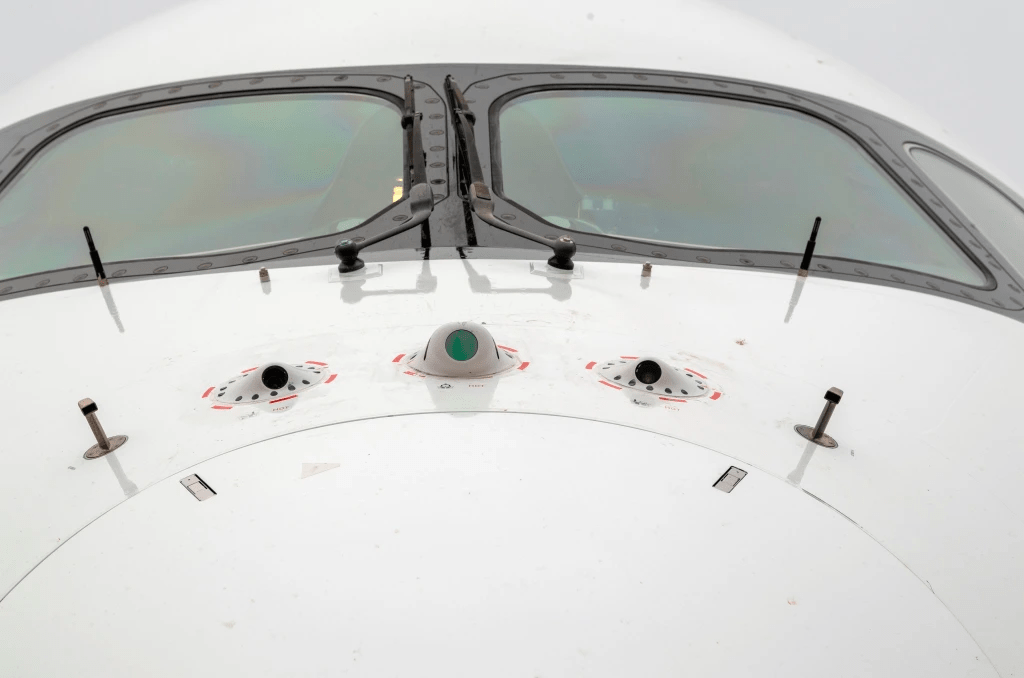
El primer avión Airbus A321NEO se produce en las instalaciones de la Línea de Ensamblaje Final (FAL) de Airbus China en Tianjin el 9 de Noviembre de 2022. El fabricante europeo de aviones Airbus dijo el Miércoles 09/11 que comenzó a ensamblar el avión de pasillo único A321NEO en su línea de ensamblaje final en Tianjin, y que la entrega del primer avión A321NEO está programada para principios de 2023. El avance amplía y profundiza su colaboración con la industria de la aviación de China y muestra su compromiso para mejorar la asociación estratégica a largo plazo con China, dijo la compañía. El A321, el miembro más grande de la familia A320, ahora es el avión de fuselaje estrecho de Airbus con la mayor demanda a nivel mundial.
Airbus Tianjin FAL
Inaugurada en 2008, FAL Tianjin fue la primera línea de ensamblaje de aviones comerciales Airbus fuera de Europa. En el mismo año, las primeras secciones de aviones llegaron al sitio. Desde su primera entrega del A320 en 2009, FAL Tianjin ha entregado más de 600 aviones en sus catorce años de operación. Se ha convertido en un modelo a seguir de una cooperación chino-europea exitosa. La línea de ensamblaje final en Tianjin comenzó el trabajo de adaptación para que sea compatible con A321 en Agosto 2022. Es la primera actualización importante de la línea de ensamblaje desde que comenzó su operación en 2008.
«Desde que anunciamos planes para expandir la capacidad de la línea de ensamblaje final en Tianjin a la producción del A321 en noviembre pasado, el equipo de Airbus Tianjin ha completado el trabajo de adaptación relevante a tiempo al trabajar en estrecha colaboración con expertos europeos y nuestros proveedores para superar el impacto de la COVID -19. La puesta en servicio del primer avión A321 subraya el compromiso de Airbus con China y marca un nuevo hito en la cooperación industrial con nuestros socios chinos», dijo George Xu, Vicepresidente Ejecutivo de Airbus y CEO de Airbus China.
Airbus tiene cuatro plantas de ensamblaje de la familia A320 en todo el mundo ubicadas en Toulouse, Francia; Hamburgo, Alemania; Tianjín, China; y Mobile, Estados Unidos. Para fines de este año, todos los sitios de ensamblaje de aviones comerciales tendrán capacidad para A321, como parte de su estrategia industrial para satisfacer la creciente demanda de producción de A321. Mientras tanto, Airbus ha firmado acuerdos con Xiamen Airlines, Zhejiang Loong Airlines y Colorful Guizhou Airlines para promover el uso de combustible de aviación sostenible para vuelos comerciales en China durante la 14ª Exposición Aeroespacial y de Aviación Internacional de China en Zhuhai, Provincia de Guangdong, el Martes 08/11. Con estos acuerdos, Airbus y sus operadores chinos apoyarán aún más la estrategia de aviación verde en China. El SAF para esos vuelos comerciales se produce localmente a partir de aceite de cocina usado por Sinopec Zhenhai Refining and Chemical Co, un fabricante estatal en China. El SAF chino fabricado por la única instalación china certificada también se utiliza para vuelos de entrega desde Airbus Tianjin.
Desde Octubre 2022, el centro de entrega de Airbus en Tianjin comenzó a ofrecer a las aerolíneas la opción de una mezcla de combustible SAF al 5 por ciento para todos los vuelos de entrega de aviones de la familia A320 de pasillo único y aviones de fuselaje ancho A350.
A321NEO
El A321NEO es el miembro de fuselaje más largo de la Familia A320 de pasillo único más vendida de Airbus, con capacidad para 244 pasajeros en una disposición de mayor densidad, con un alcance más largo que alcanza los 4.700 nm/8.700 km. Con la cabina de pasillo único más ancha del cielo, la Familia A320NEO ofrece una reducción del 20% en el consumo de combustible y CO2, así como una reducción del ruido del 50% en comparación con los aviones de la generación anterior, gracias a la incorporación de las últimas tecnologías, incluidos los motores de nueva generación y Sharklets. A finales de septiembre de 2022, la Familia A320NEO ha recibido más de 8.500 pedidos en firme de más de 130 clientes en todo el mundo.
Airbus China starts A321 production
Tianjin starts production of A321NEO aircraft
The first Airbus A321NEO aircraft is produced at the Airbus China Final Assembly Line (FAL) facility in Tianjin on November 9, 2022. The European aircraft manufacturer Airbus said on Wednesday 09/11 that it began assembling the aircraft from single-aisle A321NEO on its final assembly line in Tianjin, with delivery of the first A321NEO aircraft scheduled for early 2023. The breakthrough broadens and deepens its collaboration with China’s aviation industry and shows its commitment to enhancing the partnership. long-term strategic relationship with China, the company said. The A321, the largest member of the A320 family, is now Airbus’ most in-demand narrow-body aircraft worldwide.
Airbus Tianjin FAL
Opened in 2008, FAL Tianjin was the first Airbus commercial aircraft assembly line outside of Europe. In the same year, the first aircraft sections arrived at the site. Since its first A320 delivery in 2009, FAL Tianjin has delivered more than 600 aircraft in its fourteen years of operation. It has become a role model for successful Sino-European cooperation. The final assembly line in Tianjin began retrofit work to be A321 compatible in August 2022. It is the first major upgrade of the assembly line since it began operation in 2008.
«Since we announced plans to expand the capacity of the final assembly line in Tianjin to A321 production last November, the Airbus Tianjin team has completed the relevant retrofit work on time by working closely with European experts and our suppliers to overcome the impact of COVID -19. The commissioning of the first A321 aircraft underlines Airbus’ commitment to China and marks a new milestone in industrial cooperation with our Chinese partners», said George Xu, Airbus Executive Vice President and CEO of Airbus China.
Airbus has four A320 Family assembly plants around the world located in Toulouse, France; Hamburg, Germany; Tianjin, China; and Mobile, United States. By the end of this year, all commercial aircraft assembly sites will have A321 capacity, as part of its industrial strategy to meet growing demand for A321 production. Meanwhile, Airbus has signed agreements with Xiamen Airlines, Zhejiang Loong Airlines and Colorful Guizhou Airlines to promote the use of sustainable aviation fuel for commercial flights in China during the 14th China International Aviation and Aerospace Exhibition in Zhuhai, Guangdong Province, on Tuesday 08/11. With these agreements, Airbus and its Chinese operators will further support the green aviation strategy in China. The SAF for those commercial flights is produced locally from used cooking oil by Sinopec Zhenhai Refining and Chemical Co, a state-owned manufacturer in China. Chinese SAF manufactured by the only certified Chinese facility is also used for delivery flights from Airbus Tianjin.
From October 2022, the Airbus delivery hub in Tianjin began offering airlines the option of a 5 percent SAF fuel blend for all A320 family single-aisle and wide-body aircraft delivery flights. A350.
A321NEO
The A321NEO is the longest-fuselage member of Airbus’ best-selling single-aisle A320 Family, seating 244 passengers in a higher-density layout, with a longer range reaching 4,700nm/8,700km. With the widest single-aisle cabin in the sky, the A320NEO Family offers a 20% reduction in fuel and CO2 consumption, as well as a 50% reduction in noise compared to previous generation aircraft, thanks to the incorporating the latest technologies, including new generation engines and Sharklets. As of the end of September 2022, the A320NEO Family has received more than 8,500 firm orders from more than 130 customers worldwide.
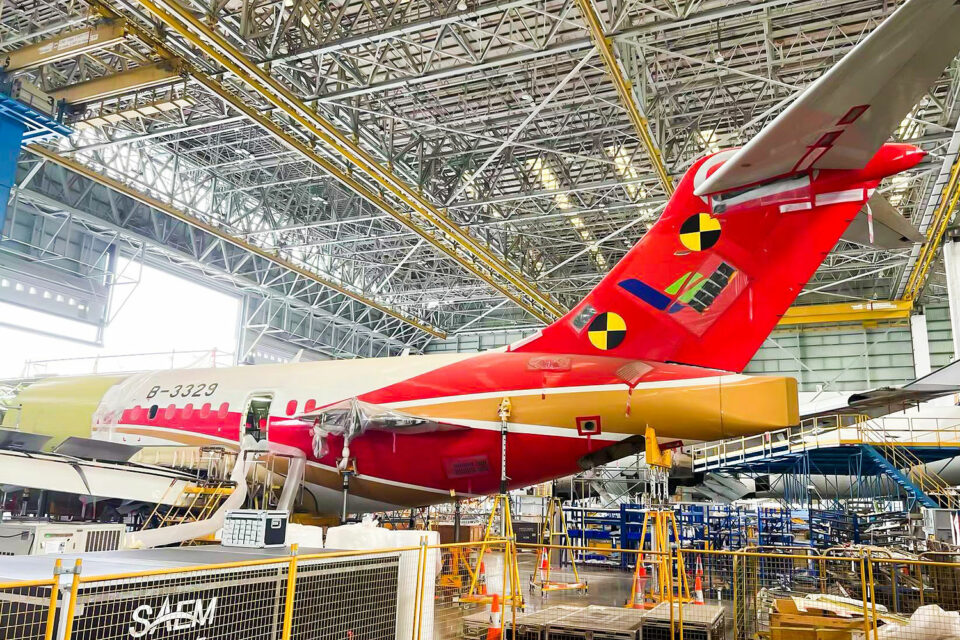
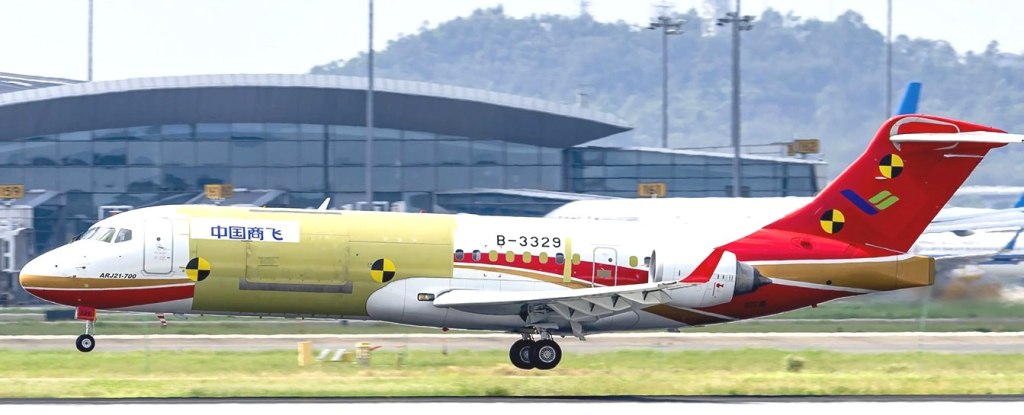
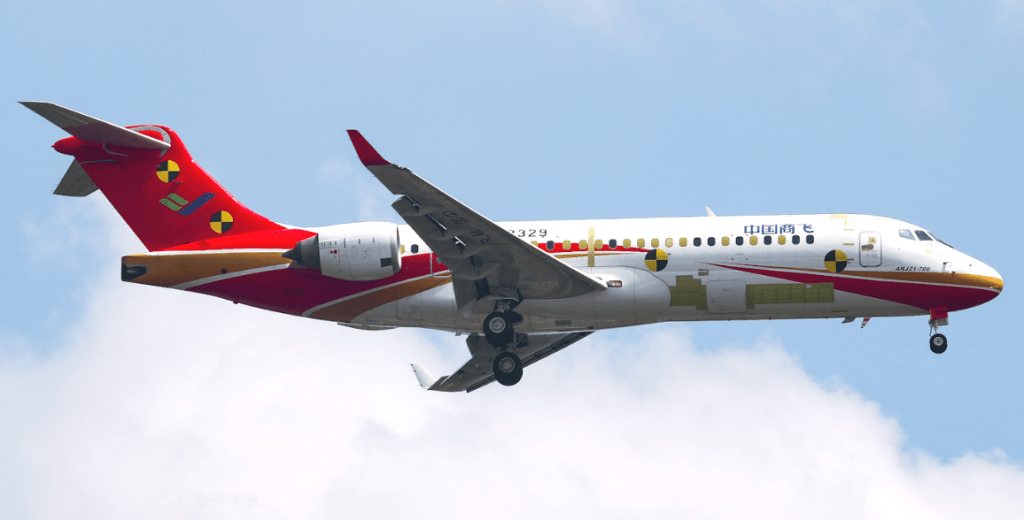
La Commercial Aircraft Corporation of China (COMAC), el fabricante de aeronaves del país asiático, ha anunciado un total de venta de 330 aviones hasta la fecha de los que trescientos (300) corresponden al recién certificado COMAC C919 y treinta (30) al ARJ21, que lleva varios años en línea de producción y venta.
El nuevo modelo no tiene certificaciones para otros países, aunque es previsible alcanzar con el tiempo las certificaciones correspondientes para otros países. El COMAC C919 chino ha sido aprobado en la República Popular de China por la Agencia Civil Aviation Administration of China (CAAC) para iniciar vuelos comerciales con pasajeros a partir de Diciembre de 2022.
Las ventas corresponden fundamentalmente a empresas de leasing (alquiler de aviones) chinas entre ellas: Bocom Leasing, CMB Financial Leasing, China Development Bank Leasing, ICBC Leasing y otras. Todas ellas están vinculadas a entidades bancarias y, en el caso de Europa, tienen su sede por razones fiscales en Irlanda. Las firmas de los acuerdos, como suele ocurrir con otros fabricantes en el resto del mundo, tuvieron lugar en una feria de la aviación, en este caso en la ciudad de Zhuhai. Según publica el South China Morning Post de Hong Kong, no han trascendido más detalles de estas operaciones, ni los precios, ni las fechas de entrega. En la actualidad, solamente hay un cliente de lanzamiento anunciado, China Eastern Airlines. La compañía aérea será la primera aerolínea en el mundo en volar comercialmente el C919 en Diciembre de 2022.
El mercado chino continuará con su nivel de crecimiento hacia el futuro, el ingreso del nuevo modelo de avión narrobodies C919, competirá con los Airbus A320NEO, mientras que el Boeing 737 MAX continúa rezagado por las líneas aéreas chinas para iniciar operaciones a saber que la agencia CAAC ha homologado la certificación aeronáutica habilitante. Para Boeing, la relación con China es trascendental y está también atada al conflicto entre los gobiernos de Waashington y Pekín.
COMAC C919
El COMAC C919 es un avión de pasajeros de fuselaje estrecho (narrowbody) desarrollado por el fabricante de aviones chino COMAC Corporation. El programa de desarrollo se lanzó en 2008. La producción del prototipo comenzó en Diciembre de 2011, con el primer prototipo terminado el 2 de Noviembre de 2015 y teniendo su primer vuelo el 5 de Mayo de 2017. La aeronave recibió su certificación de aeronavegabilidad por parte de la Administración de Aviación Civil de China (CAAC) el 29 de Septiembre de 2022.
El avión COMAC C919 ofrecerá dos variantes el C919EST, con un alcance con Carga Útil Máxima de 2.629 kilómetros/1.420 nmi y C919ER con una autonomía con Carga Útil Máxima de 3.922 kilómetros/2.118 nmi. Construido principalmente con aleaciones de aluminio, estará propulsado por motores turbofan CFM International LEAP o ACAE CJ-1000A, y podrá transportar de 156 a 168 pasajeros en una configuración operativa normal de hasta 5.555 km/3000 nmi en diferentes versiones de configuración.
Al 31 de Agosto de 2018, COMAC alcanzó la cifra de 305 pedidos, más 45 opciones de compras y 658 Cartas de Intención (LOI/MOU) sumando un total de 1008 compromisos, principalmente de compañías de arrendamiento financiero y aerolíneas chinas.
COMAC reaches 330 aircraft sold
COMAC industry reaches 300 sales of the C919
The Commercial Aircraft Corporation of China (COMAC), the aircraft manufacturer of the Asian country, has announced a total sale of 330 aircraft to date, of which three hundred (300) correspond to the newly certified COMAC C919 and thirty (30) to the ARJ21 , which has been on the production and sale line for several years.
The new model does not have certifications for other countries, although it is foreseeable that it will eventually achieve the corresponding certifications for other countries. The Chinese COMAC C919 has been approved in the People’s Republic of China by the Civil Aviation Administration of China (CAAC) to start commercial flights with passengers from December 2022.
Sales correspond mainly to Chinese leasing companies (aircraft rental), including: Bocom Leasing, CMB Financial Leasing, China Development Bank Leasing, ICBC Leasing and others. All of them are linked to banking entities and, in the case of Europe, are based for tax reasons in Ireland. The signing of the agreements, as is often the case with other manufacturers in the rest of the world, took place at an aviation fair, in this case in the city of Zhuhai. As published by the South China Morning Post of Hong Kong, no further details of these operations have been disclosed, nor the prices, nor the delivery dates. Currently, there is only one announced launch customer, China Eastern Airlines. The airline will be the first airline in the world to fly the C919 commercially in December 2022.
The Chinese market will continue with its level of growth in the future, the entry of the new aircraft model narrobodies C919, will compete with the Airbus A320NEO, while the Boeing 737 MAX continues to lag behind Chinese airlines to start operations knowing that the agency CAAC has approved the qualifying aeronautical certification. For Boeing, the relationship with China is transcendental and is also tied to the conflict between the governments of Waashington and Beijing.
COMAC C919
The COMAC C919 is a narrowbody airliner developed by the Chinese aircraft manufacturer COMAC Corporation. The development program was launched in 2008. Prototype production began in December 2011, with the first prototype completed on November 2, 2015 and having its first flight on May 5, 2017. The aircraft received its airworthiness certification by part of the Civil Aviation Administration of China (CAAC) on September 29, 2022.
The COMAC C919 aircraft will offer two variants: the C919EST with a Max Payload range of 2,629 km/1,420 nmi and the C919ER with a Max Payload range of 3,922 km/2,118 nmi. Mainly built with aluminum alloys, it will be powered by CFM International LEAP or ACAE CJ-1000A turbofan engines, and will be able to carry 156 to 168 passengers in normal operating configuration up to 5,555 km/3,000 nmi in different configuration versions.
As of August 31, 2018, COMAC reached the figure of 305 orders, plus 45 purchase options and 658 Letters of Intent (LOI/MOU), adding a total of 1,008 commitments, mainly from financial leasing companies and Chinese airlines.
Boeing y Silk Way West Airlines anuncian pedido Boeing 777-8F Primer cliente nuevo carguero 777-8 en la región de Eurasia
The Boeing Company y Silk Way West Airlines han finalizado el 10/11 un pedido de dos Boeing 777-8F Freighters (2), con opciones para dos (2) aviones adicionales. Las dos compañías anunciaron el acuerdo en una ceremonia de firma hoy en el Centro de Entrega de Boeing Commercial Airplanes en Seattle (WA). El transportista de carga azerbaiyano ordena dos de los cargueros bimotores más capaces y eficientes en combustible de la industria, con opciones para dos aviones adicionales. El pedido figuraba previamente como no identificado en el sitio web de pedidos y entregas de Boeing.
El transportista de carga azerbaiyano, que sirve a cuarenta destinos en todo el mundo, es el primer cliente en la región de Eurasia en ordenar el carguero bimotor más nuevo, más capaz y más eficiente de la industria.
«Nos complace anunciar este pedido con nuestro socio de larga data Boeing y convertirnos en uno de los primeros clientes del mundo para el carguero más nuevo. Este año, Silk Way West Airlines celebra su 10º aniversario, y durante la última década la aerolínea ha estado operando una flota totalmente de Boeing. El acuerdo de hoy refleja nuestra inversión continua en los cargueros líderes del mercado de Boeing. Nuestros planes de renovación de flota ayudarán a reducir aún más nuestros costos operativos y mejorar la eficiencia del combustible, así como a hacer que los servicios de carga aérea en nuestra región sean más sostenibles», dijo Zaur Akhundov, Presidente de Silk Way Group.
Boeing lanzó el nuevo Boeing 777-8 Freighter en Enero de 2022 y ha reservado más de cincuenta (50) pedidos para el modelo. El 777-8 Freighter tiene capacidades de carga útil y alcance casi idénticas a las del 747-400F Carguero, al tiempo que proporciona un 30% más de eficiencia de combustible y emisiones y un 25% más de costos operativos por tonelada. Es la opción ideal ya que los operadores reemplazan a los cargueros envejecidos a finales de esta década.
«Con la demanda sostenida de carga aérea vinculada a la expansión del comercio electrónico y la velocidad y confiabilidad del transporte aéreo, Boeing espera que la flota mundial de cargueros aumente en un 60% hasta 2041. Estamos orgullosos de que los productos de Boeing, incluido este pedido para el 777-8 Carguero, continúen impulsando los planes de expansión de Silk Way West Airlines y ayuden a hacer realidad la ambición de hacerde Bakúun centro de carga global», dijo Stan Deal, Presidente y CEO de Boeing Commercial Airplanes.
Boeing proporciona más del 90% de la capacidad de carga dedicada en todo el mundo, incluidos los nuevos aviones de producción y convertidos.
Silk Way West Airlines fue fundada en 2012 en Bakú, República de Azerbaiyán, en el corazón de la Ruta de la Seda. La aerolínea carguera opera alrededor de ochocientos vuelos mensuales en todo el mundo a través de su flota de doce aviones Boeing 747-8F y 747-400F dedicados con base en el Aeropuerto Internacional Heydar Aliyev/GYD.
El 28 de Abril de 2021, Silk Way West Airlines firmó un acuerdo estratégico de expansión de flota con Boeing para la compra de cinco 777 cargueros de última generación. La facturación anual de carga de la aerolínea supera las 500.000 toneladas, mientras que su creciente red de rutas cubre más de cuarenta destinos en Europa, la Comunidad de Estados Independientes (CEI), Oriente Medio, Asia Central y Oriental y América. El Aeropuerto Incheon/ICN de Corea del Sur honró a Silk Way West Airlines con el prestigioso premio ‘Aerolínea de carga del año 2020’.
Silkway orders Boeing 777-8F
Boeing and Silk Way West Airlines Announce Boeing 777-8F Order First new 777-8 freighter customer in the Eurasia region
The Boeing Company and Silk Way West Airlines have finalized an order for two (2) Boeing 777-8F Freighters on 10/11, with options for two (2) additional aircraft. The two companies announced the agreement at a signing ceremony today at the Boeing Commercial Airplanes Delivery Center in Seattle (WA). Azerbaijani cargo carrier orders two of the most capable and fuel-efficient twin-engine freighters in the industry, with options for two additional aircraft. The order was previously listed as unidentified on Boeing’s orders and deliveries website.
Serving forty destinations worldwide, the Azerbaijani cargo carrier is the first customer in the Eurasia region to order the industry’s newest, most capable and most efficient twin-engine freighter.
«We are pleased to announce this order with our long-standing partner Boeing and become one of the world’s first customers for the newest freighter. This year, Silk Way West Airlines celebrates its 10th anniversary, and for the past decade the airline has been operating a all-Boeing fleet. Today’s agreement reflects our continued investment in Boeing’s market-leading freighters. Our fleet renewal plans will help further reduce our operating costs and improve fuel efficiency, as well as make services more of air cargo in our region more sustainable,» said Zaur Akhundov, President of Silk Way Group.
Boeing launched the new Boeing 777-8 Freighter in January 2022 and has booked more than fifty (50) orders for the model. The 777-8 Freighter has nearly identical payload and range capabilities to the 747-400F Freighter, while providing 30% higher fuel and emissions efficiency and 25% higher operating costs per ton. It is the ideal choice as operators replace aging freighters by the end of this decade.
«With sustained demand for air cargo linked to the expansion of e-commerce and the speed and reliability of air travel, Boeing expects the global freighter fleet to grow by 60% through 2041. We are proud that Boeing products, including this order for the 777-8 Freighter, continue to advance Silk Way West Airlines’ expansion plans and help realize the ambition of making Baku a global cargo hub», said Stan Deal, President and CEO of Boeing Commercial Airplanes.
Boeing provides more than 90% of dedicated cargo capacity worldwide, including new production and converted aircraft.
Silk Way West Airlines was founded in 2012 in Baku, Republic of Azerbaijan, in the heart of the Silk Road. The cargo airline operates around 800 monthly flights around the world through its fleet of twelve dedicated Boeing 747-8F and 747-400F aircraft based at Heydar Aliyev/GYD International Airport.
On April 28, 2021, Silk Way West Airlines signed a strategic fleet expansion agreement with Boeing for the purchase of five next-generation 777 freighters. The airline’s annual cargo turnover exceeds 500,000 tons, while its growing route network covers more than forty destinations in Europe, the Commonwealth of Independent States (CIS), the Middle East, East and Central Asia and the Americas. Incheon/ICN Airport in South Korea honored Silk Way West Airlines with the prestigious ‘Cargo Airline of the Year 2020’ award.
PUBLISHER: Airgways.com DBk: Silkwaywwest.com / Boeing.com / Airgwways.com AW-POST: 202211101244AR OWNERSHIP: Airgways Inc. A\W A I R G W A Y S ®
Skymark Airlines anuncia intención de adquirir Boeing 737 MAX Planea modernizar flota con 737-8 y 737-10 MAX
The Boeing Company y Skymark Airlines de Japón anunciaron el Jueves 10/11 el plan de la aerolínea de agregar hasta doce (12) aviones Boeing 737 MAX como parte de sus esfuerzos de modernización de flota. La aerolínea tiene la intención de ordenar cuatro aviones, incluidas las variantes 737-8 y 737-10 (4) con opciones para dos aviones adicionales. Por separado, la aerolínea agregará seis 737-8 (6) propiedad del arrendador a su flota. La aerolínea japonesa aprovechará la eficiencia de combustible superior de la familia 737 MAX como parte de los planes para mejorar la sostenibilidad
Con sede enel aeropuerto Haneda de Tokio, Skymark Airlines es la tercera aerolínea más grande de Japón por ingresos y actualmente opera una flota totalmente Boeing 737-800 Next-Generation (29).
«A medida que Skymark Airlines busca hacer crecer su flota de manera sostenible, la familia 737 MAX ofrece eficiencia líder en el mercado y rendimiento ambiental. Con capacidades comunes y mejoradas, el 737-8 y el 737-10 permitirán a Skymark Airlines optimizar su flota en todas las operaciones», dijo Ihssane Mounir, Vicepresidente Senior de Ventas Comerciales y Marketing de Boeing.
El 737 MAX reduce el uso de combustible y las emisiones de carbono en un 20% y la huella de ruido en un 50% en comparación con los aviones que reemplazan. La familia 737 MAX tiene los últimos motores CFM International LEAP-1B, winglets de tecnología avanzada y otras mejoras aerodinámicas para mejorar el rendimiento y reducir los costos operativos. Cerca de 50 aerolíneas en todo el mundo operan actualmente aproximadamente 3.000 vuelos diarios con ingresos con el 737 MAX. Desde finales de 2020, la flota de 737 MAX en servicio ha realizado más de un millón de vuelos de ingresos por un total de más de 2,5 millones de horas de vuelo con una fiabilidad de programación del 99,5%. Este pedido se reflejará en el sitio web de pedidos y entregas de Boeing una vez finalizado.
Skymark intention to order 737 MAX
Skymark Airlines announces intention to acquire Boeing 737 MAX Plans to modernize fleet with 737-8 and 737-10 MAX
The Boeing Company and Skymark Airlines of Japan announced on Thursday 10/11 the airline’s plan to add up to twelve (12) Boeing 737 MAX aircraft as part of its fleet modernization efforts. The airline intends to order four aircraft, including 737-8 and 737-10 variants (4) with options for two additional aircraft. Separately, the airline will add six lessor-owned 737-8s (6) to its fleet. The Japanese airline will take advantage of the superior fuel efficiency of the 737 MAX family as part of plans to improve sustainability
Headquartered at Tokyo Haneda Airport, Skymark Airlines is Japan’s third-largest airline by revenue and currently operates an all-Boeing 737-800 Next-Generation fleet (29).
«As Skymark Airlines looks to grow its fleet sustainably, the 737 MAX family offers market-leading efficiency and environmental performance. With common and enhanced capabilities, the 737-8 and 737-10 will enable Skymark Airlines to optimize its fleet in all operations», said Ihssane Mounir, senior vice president of commercial sales and marketing for Boeing.
The 737 MAX reduces fuel use and carbon emissions by 20% and noise footprint by 50% compared to the aircraft they replace. The 737 MAX family has the latest CFM International LEAP-1B engines, advanced technology winglets and other aerodynamic enhancements to improve performance and lower operating costs. Nearly 50 airlines worldwide currently operate approximately 3,000 daily revenue flights with the 737 MAX. Since the end of 2020, the 737 MAX fleet in service has flown more than one million revenue flights totaling more than 2.5 million flight hours with 99.5% schedule reliability. This order will be reflected on the Boeing Orders and Deliveries website upon completion.
スカイマーク 737MAX発注の意向
スカイマーク航空がボーイング 737 MAX を買収する意向を発表 737-8 と 737-10 MAX で機材を近代化する計画
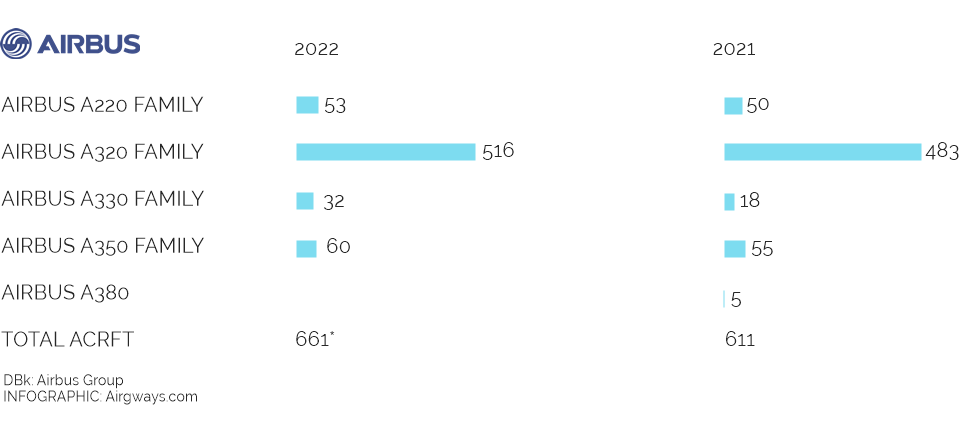
Los pedidos y entregas de aviones comerciales de Airbus Group para el mes de Octubre de 2022 han mostrado signos de una leve recuperación de mercado.
Entregas Octubre 2022: 60 entregas a 38 clientes Pedidos Octubre 2022: 177 Entregas acumuladas 2022: 497 entregas a 72 clientes en el año.
El número de entregas netas hasta la fecha de 495 refleja una reducción de dos entregas registradas en Diciembre de 2021 (2 A350-900 Aeroflot Russian Airlines) para las que no fue posible realizar una transferencia debido a sanciones internacionales.
Airbus O&D 10/2022
Aircraft orders and deliveries October 2022
Airbus Group commercial aircraft orders and deliveries for the month of October 2022 have shown signs of a slight market recovery.
Deliveries October 2022: 60 deliveries to 38 clients Orders October 2022: 177 Accumulated deliveries 2022: 497 deliveries to 72 clients in the year.
The number of net deliveries to date of 495 reflects a reduction of two deliveries recorded in December 2021 (2 A350-900 Aeroflot Russian Airlines) for which a transfer was not possible due to international sanctions.
PUBLISHER: Airgways.com DBk: Airbus.com / Airgways.com AW-POST: 202211090833AR OWNERSHIP: Airgways Inc. A\W A I R G W A Y S ®

El CEO de The Boeing Company, David Calhoun, ha señalando que está contento de ver a la compañía marchitarse a una distante posición número dos después de su rival europeo Airbus Group. El declive de Boeing a un constructor distante número dos, con solo una participación de mercado del 40% frente a Airbus comenzó mucho tiempo antes de la actual Administración.
Pero el vuelo que está proyectando el constructor americano no parece ser bien definido. Es una receta para que Boeing siga el mismo desenlace que la McDonnell Douglas Corp. en su largo declive hacia el olvido comercial. El fabricante con sede en Long Beach (CA) había mostrado señales fallidas en el adelanto de la aviación comercial producto de los altos costos y el fracaso en concretar un producto interesante para el mercado. La falta de actualización de productos lo llevó a fusionarse con Boeing en 1997 permitiendo robustecerse en el área militar, el fuerte de McDonnell Douglas. Boeing había cambiado desde entonces. Su legado como empresa de ingeniería cambió a uno centrado en el valor para los accionistas, perdiendo protagonismo mundial como referente en la aviación comercial.
David Calhoun dijo en una reunión de inversores y analistas aeroespaciales que nada le gustaría más que devolver efectivo a los accionistas, aunque equilibrar el retorno de los accionistas podría dinamitar futuro de la empresa. Devolver el 100% del flujo de caja libre a los accionistas no es necesario. Antes de suspender los dividendos y las recompras de acciones después de la puesta a tierra del Boeing 737 MAX, Boeing devolvió más de US$ 62 mil millones a los accionistas durante una década. Usar parte de esos dividendos podría dar al fabricante un nuevo enfoque hacia el futuro.
La compañía aeroespacial se encuentra concentrada en administrar el arrastre económico de fallas de larga data en la industria. El constructor aeronáutico estaría aplazando un nuevo diseño de hoja limpia de una nueva aeronave comercial, pues el CEO de Boeing expresó: «Aunque todo el diseño y la fabricación avanzados estén listos en esta década, no apoyaría un nuevo avión hasta la próxima década (2030-2040), cuando esté listo un nuevo motor que pueda reducir el consumo de combustible en al menos un 20%. Cualquier avión nuevo debe alcanzar este objetivo para beneficiar a las aerolíneas y al medio ambiente». Pero dormirse en los laureles ha traído consecuencias para Boeing, aunque se contenta con descansar en el pasado glorioso, tras el abandono de un reemplazo natural del Boeing 757, la línea 737 MAX no alcanzaría a compartir con la nueva línea de desarrollo del A321NEO/XLR capaz de suplantar al Boeing 757 como un verdadero intercontinental. El fracaso apurado del 737 MAX para competir con la familia A320NEO trajo aparejado múltiples dolores de cabeza al constructor americano.
Los dos eventos de las reuniones con los Accionistas como por otro lado la de los influencers se centraron en el Boeing actual, ambos eventos incluyeron declaraciones de ejecutivos y exhibiciones que demuestran que Boeing continúa arraigado en el pasado. El itinerario para el evento de asesores incluyó una visita al Centro de Experiencia del Cliente de aviones comerciales en Renton (WA). Entre otras cosas, al grupo se le mostró una pantalla que compara las ventanas del Boeing 777 frente al Airbus A330. Esta ha sido una exhibición desde la década de 1990. En su mayor parte, esta comparación actualmente no es relevante. El 777 Classic ahora se produce solo como Boeing 777-200LRF. Actualmente Airbus tiene pedidos de A330NEO por 273 unidades, lo que lo convierte en un avión de nicho con poco futuro.
El panorama más complicado para el diseñador de aviones es que no la logrado un verdadero sustituto para el Boeing 757. En ausencia de un nuevo programa de aviones en el horizonte cercano, Boeing tiene en realidad pocas opciones, pero claramente, Boeing está librando la última guerra con Airbus, y este combate lo ha perdido.
Los funcionarios de Boeing también promocionaron el desarrollo del Boeing Sky Interior para la línea 737, aunque este desarrollado fue destinado para el modelo 737 Next Generation en 2009, hace trece años. De hecho, Boeing tiene todas las razones para estar orgulloso del Sky Interior. Una rama del diseño de la cabina para el 787, el Sky Interior fue un verdadero cambio en la experiencia del pasajero, desde su iluminación cambiante hasta los enormes compartimentos superiores y la forma en picado de estos compartimentos para dar un aspecto espacioso y una nueva sensación a la cabina del 737 de la década de 1960.
Airbus rediseñó su cabina del A320 en tiempo antes que el diseño de Boeing. Posteriormente, en Marzo de 2015 introdujo el Space-Flex y últimamente el actual diseño alcanzado en 2021 el Airspace. Si bien hubo avances en el tamaño del compartimento superior y en ofrecer un aspecto limpio y nítido, la iluminación era el blanco estándar y los contenedores agrandados tenían una forma tradicional.
Mercado narrowbodies
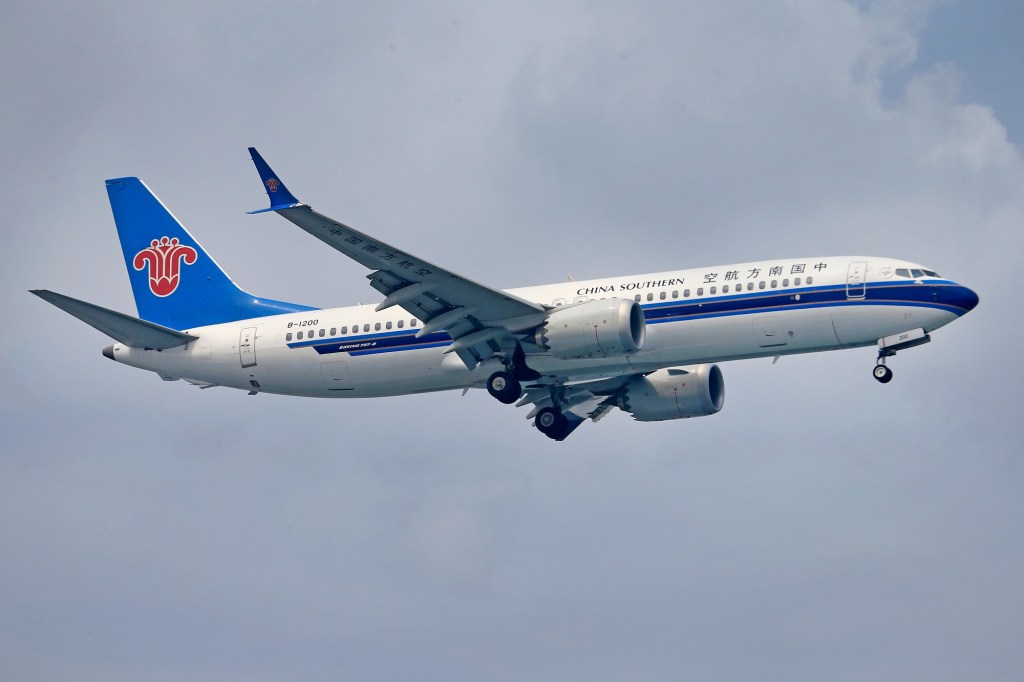
Boeing continuará apostando con el producto insignia la línea de cuarta generación 737 MAX, buscando recuperar mercado con las certificaciones de las versiones 737-7 MAX y 737-10 MAX. Tras los impactos por la crisis del MAX, el Airbus A321NEO continúa superando ampliamente en ventas en el segmento de los narrowbodies. El prometedor producto A321XLR permitirá ofrecer un reemplazo a las aeronaves de medio rango operativo.
Boeing busca que la agencia de aviación de la Federal Aviation Administration (FAA) alcance una aprobación homogénea para toda la familia 737 MAX hacia Diciembre 2022, el mercado de los aviones Boeing 737-7 MAX continúa cautivo, pues es prácticamente un avión de Southwest Airlines con 240 unidades ordenadas de los 274 pedidos totales. Southwest tiene 442 737-700 en su flota, lo que limita el potencial alcista para el MAX 7. El Boeing 737-10 MAX ahora tiene alrededor de 600 pedidos en firme y otros 300 pedidos anunciados que no se han convertido en contratos en firme. Los seiscientos pedidos representan el 14% de la cartera de pedidos del 737 MAX, mientras que el A321NEO representa más del 60% de la cartera de pedidos de la familia A320.
Todo esto supone que el MAX 7 y MAX 10 serán certificados el próximo año 2023 y los pedidos formulados no serán cancelados, como sugiere el Reporte 3Q2022 de Boeing si se requiere una actualización del sistema de monitoreo de cabina EICAS. Boeing no ha publicado una estimación de costos para instalar EICAS. Los funcionarios dijeron a los inversionistas que no tienen una estimación; aunque un costo estimado informa de miles de millones de Dólares.
El mensaje de Boeing dirigido a la audiencia se encuentra desactualizado, mientras que el constructor europeo continuará afianzándose para dominar en esta década en sector de aviones narrowbodies, una lección que Boeing todavía no comprendió tras los fracasos en el Programa 737 MAX.
Actualidad línea ensamblaje
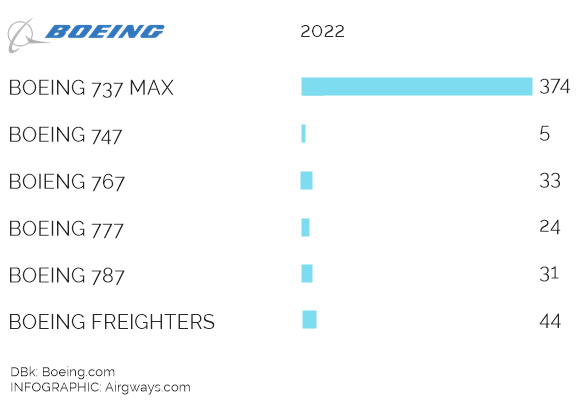
Boeing continúa enfocado en el regreso completo de la familia 737 MAX al servicio, un proceso que continuará hasta principios de 2025 para limpiar el inventario almacenado (backlog). Había 270 MAX almacenados al final del tercer trimestre, al 30 de Septiembre de 2022. La entrega de 115 unidades del Boeing 787 Dreamliner que se construyeron, pero almacenaron durante una pausa de casi veinte meses a partir de Octubre de 2020 también tardará dos años en completarse.
Aumentar la producción de cada línea es un proceso lento y arduo. La línea 737 MAX se cerró en Diciembre de 2019. Ahora está orientada a producir mensualmente 31 unidades del 737 MAX aunque cumplir con este objetivo ha sido errático.
La línea 787 en Everett (WA) se cerró permanentemente y la línea Charleston (SC) se redujo a solo medio avión por mes. Pasarán un varios años antes de que la producción vuelva a una fracción de cinco unidades mensuales, el nivel al comienzo de la pandemia y se redujo cuando se suspendieron las entregas.
Perspectivas 2030
El CEO de Boeing, David Calhoun, dijo que la estabilidad y la confiabilidad son claves para la recuperación de la compañía en el Programa 737 MAX y la crisis sanitaria mundial que ha impactado en la industria aérea que pusieron en jaque las finanzas.
El 737 MAX entraba en servicio en 22 de Mayo de 2017, después de apenas poco tiempo de crecimiento en las ventas iniciales, fue truncado por los dos accidentes aéreos en Octubre 2018 y Marzo 2019. La flota de 737 MAX fue puesta en tierra el 11 de Marzo de 2019 en adelante por los diferentes organismos reguladores de aviación a través del mundo. Tras una interrupción en las ventas de las unidades, la compañía iniciaba un retroceso en el Programa 737 MAX. Ahora con un proceso de recuperación que llevará varios años, el constructor americano pondrá todas sus energías en promocionar la línea de cuarta generación hasta alcanzar los beneficios, mientras continuará estudiando un reemplazo o complemento más optimo hacia finales de esta década.
La compañía Boeing ha anunciado últimamente que no tiene planes de lanzar un programa de aviones para llenar un vacío en la línea de productos de medio rango, una referencia a la débil posición del gigante americano frente al dominio insuperado del Airbus A321NEO. El objetivo es desarrollar un nuevo avión que cambie la tecnología y alcanzando a obtener un 20% más eficiencia que el avión actual. Los motores que salen de la tecnología actual solo albergarán una ganancia del 10%. Boeing no lanzará un nuevo programa de aviones hasta la próxima década porque un nuevo motor no estará listo hasta entonces, mientras atraviesa su peor tormenta de su historia.
Perspectives developments Boeing
Boieng seeks to tidy up its stressed industry
The CEO of The Boeing Company, David Calhoun, has signaled that he is pleased to see the company wither to a distant number two position behind European rival Airbus Group. Boeing’s decline to a distant number two builder, with only a 40% market share to Airbus, began long before the current Administration.
But the flight that the American manufacturer is planning does not seem to be well defined. It’s a recipe for Boeing to follow the same fate as McDonnell Douglas Corp. in its long decline into commercial oblivion. The Long Beach-based (CA) manufacturer had shown signs of failure in advancing commercial aviation due to high costs and the failure to finalize an interesting product for the market. The lack of product updating led it to merge with Boeing in 1997 allowing robust service in the military area, the strength of McDonnell Douglas. Boeing had changed since then. Its legacy as an engineering company changed to one focused on shareholder value, losing global prominence as a benchmark in commercial aviation.
David Calhoun told a meeting of aerospace investors and analysts that he would like nothing more than to return cash to shareholders, even though balancing shareholder return could blow up the company’s future. Returning 100% of free cash flow to shareholders is not necessary. Before suspending dividends and share buybacks after the Boeing 737 MAX grounding, Boeing returned more than US$ 62 billion to shareholders over a decade. Using part of those dividends could give the manufacturer a new focus for the future.
The aerospace company is focused on managing the economic drag of long-standing failures in the industry. The aircraft manufacturer would be postponing a new clean sheet design for a new commercial aircraft, as the CEO of Boeing said: «Even if all advanced design and manufacturing are ready in this decade, I would not support a new aircraft until the next decade (2030). -2040), when a new engine is ready that can reduce fuel consumption by at least 20%. Any new aircraft must achieve this goal to benefit airlines and the environment». But resting on its laurels has brought consequences for Boeing, although it is content to rest on the glorious past. after the advancement of a natural replacement for the Boeing 757, the 737 MAX line has not been able to compete with the new development line of the A321NEO/XLR capable of supplanting the Boeing 757 as a true intercontinental. The hasty failure of the 737 MAX to compete with the A320NEO family brought multiple headaches to the American manufacturer.
Both the Shareholders’ and Influencers’ meetings focused on Boeing today, both events included executive statements and exhibits that demonstrate that Boeing remains rooted in the past. The itinerary for the consultant event included a visit to the Commercial Aircraft Customer Experience Center in Renton, WA. Among other things, the group was shown a screen that compares the windows of the Boeing 777 versus the Airbus A330. This has been an exhibit since the 1990s. For the most part, this comparison is currently not relevant. The 777 Classic is now produced only as the Boeing 777-200LRF. Airbus currently has A330NEO orders for 273 units, making it a niche aircraft with little future.
The most complicated picture for the aircraft designer is that a true replacement for the Boeing 757 has not been achieved. In the absence of a new aircraft program on the near horizon, Boeing really has few options, but clearly, Boeing is fighting the last war with Airbus, and this fight has been lost.
Boeing officials also promoted the development of the Boeing Sky Interior for the 737 line, although this development was intended for the 737 Next Generation model in 2009, thirteen years ago. Indeed, Boeing has every reason to be proud of the Sky Interior. An offshoot of cabin design for the 787, the Sky Interior was a true game changer in the passenger experience, from its moody lighting to the huge overhead bins and the swooping shape of these bins to give a spacious look and new feel. to the cabin of the 737 of the 1960s.
Airbus redesigned its A320 cabin in time before Boeing’s design. Later, in March 2015, it introduced the Space-Flex and lately the current design reached in 2021 the Airspace. While there were advances in the size of the overhead bin and providing a clean, crisp look, the lighting was standard white and the enlarged bins were traditionally shaped.
Market narrowbodies
Boeing will continue betting on the fourth generation 737 MAX line with its flagship product, seeking to recover the market with the certifications of the 737-7 MAX and 737-10 MAX versions. After the impacts of the MAX crisis, the Airbus A321NEO continues to widely outsell the narrowbodies segment. The promising A321XLR product will make it possible to offer a replacement for mid-range aircraft.
Boeing seeks that the aviation agency of the Federal Aviation Administration (FAA) reach a homogeneous approval for the entire 737 MAX family by December 2022, the market for Boeing 737-7 MAX aircraft remains captive, since it is practically a Southwest Airlines aircraft with 240 units ordered out of 274 total orders. Southwest has 442 737-700s in its fleet, limiting upside potential for the MAX 7. The Boeing 737-10 MAX now has around 600 firm orders and another 300 announced orders that have not become firm contracts. The 600 orders represent 14% of the 737 MAX backlog, while the A321NEO represents more than 60% of the A320 Family backlog.
All this assumes that the MAX 7 and MAX 10 will be certified next year 2023 and the orders placed will not be cancelled, as Boeing’s Report 3Q2022 suggests if an upgrade to the EICAS cabin monitoring system is required. Boeing has not released a cost estimate to install EICAS. Officials told investors they don’t have an estimate; although an estimated cost reports billions of dollars.
Boeing’s message to the audience is outdated, while the European manufacturer will continue to establish itself to dominate this decade in the narrowbodies sector, a lesson that Boeing has not yet understood after the failures in the 737 MAX Program.
Assembly line news
Boeing remains focused on the full return of the 737 MAX family to service, a process that will continue through early 2025 to clear backlog inventory. There were 270 MAXs in storage at the end of the third quarter, as of September 30, 2022. The delivery of 115 units of the Boeing 787 Dreamliner that were built but stored during a break of almost twenty months from October 2020 will also take two years to complete.
Increasing the production of each line is a slow and arduous process. The 737 MAX line was closed in December 2019. It is now oriented to produce 31 units of the 737 MAX per month, although meeting this objective has been erratic.
The 787 line at Everett (WA) was permanently closed and the Charleston (SC) line was reduced to only half a plane per month. It will be several years before production returns to a fraction of five units a month, the level at the start of the pandemic and dropped when deliveries were suspended.
Outlook 2030
Boeing CEO David Calhoun said that stability and reliability are key to the company’s recovery in the 737 MAX Program and the global health crisis that has impacted the airline industry that put finances in jeopardy.
The 737 MAX entered service on May 22, 2017, after only a short time of initial sales growth, it was cut short by the two plane crashes in October 2018 and March 2019. The 737 MAX fleet was grounded on May 11 from March 2019 onwards by the different aviation regulatory bodies throughout the world. After an interruption in the sales of the units, the company began a setback in the 737 MAX Program. Now with a recovery process that will take several years, the American manufacturer will put all its energies into promoting the fourth generation line until it reaches profits, while continuing to study a more optimal replacement or complement towards the end of this decade.
The Boeing company has recently announced that it has no plans to launch an aircraft program to fill a gap in the mid-range product line, a reference to the weak position of the American giant in the face of the unsurpassed dominance of the Airbus A321NEO. The goal is to develop a new aircraft that changes technology and achieves 20% more efficiency than the current aircraft. Engines coming out of current technology will only harbor a 10% gain. Boeing won’t launch a new aircraft program until the next decade because a new engine won’t be ready until then, while going through its worst storm in its history.
PUBLISHER: Airgways.com DBk: Boeing.com / Preston Fiedler / Airgways.com AW-POST: 202211081450AR OWNERSHIP: Airgways Inc. A\W A I R G W A Y S ®