Anand Stanley nombrado Presidente Airbus Asia-Pacífico
Airbus Group ha nombrado a Anand Stanley como Presidente de Airbus Asia-Pacífico, a partir del 1 Julio 2020. Con sede en Singapur, Anand Stanley liderará la estrategia y el posicionamiento futuro de Airbus y sus divisiones en toda la región. En este cargo, tendrá la responsabilidad de las ventas de aviones comerciales y asuntos de clientes, asuntos gubernamentales de todo el grupo, asociaciones industriales y de empresas conjuntas, así como las operaciones locales en los sitios de Airbus en toda la región.
Christian Scherer, Director Comercial de Airbus y Jefe de Internacional es el responsable de los asuntos internacionales de Airbus Group, donde Anand Stanley reportará y trabajará en estrecha colaboración con los Jefes de Región para los helicópteros Airbus y las divisiones de Defensa y Espacio que se ubican en la sede de la compañía en Asia y el Pacífico en Singapur.
Antes de unirse a Airbus, Anand Stanley ocupó altos cargos en los mercados aeroespacial civil, de defensa y de helicópteros, así como en gestión estratégica y planificación de fusiones y adquisiciones, después de haber trabajado con Linde Group, UTC, Pratt & Whitney, Lockheed Martin y Sikorsky. A lo largo de su carrera, ha trabajado extensamente a nivel internacional, con más de dos décadas de participación en la región de Asia y el Pacífico. Anand Stanley se unió a Airbus en 2018 como Presidente y Director Gerente de Airbus India, donde supervisó el desarrollo comercial de Airbus y avanzó en la posición de la compañía con las principales partes interesadas, incluidos clientes, agencias gubernamentales y socios de la industria.
«Anand ha aportado una gran experiencia a Airbus y gestionó las operaciones de la compañía en India con resultados muy positivos. Su historial comprobado lo convierte en la opción correcta para liderar Airbus en el mercado clave de Asia y el Pacífico. Sabemos que podemos contar con Anand para que se centre en apoyar a nuestros clientes en estos tiempos difíciles, mientras desarrollamos aún más nuestra posición como socio líder para el sector aeroespacial en la región», dijo Christian Scherer.
Anand Stanley tiene un MBA de la Universidad de Virginia-Darden en los Estados Unidos, una licenciatura en ingeniería de la Universidad de Andhra, así como un título de posgrado de IMI-Delhi.
Anand Stanley sucede a Patrick de Castelbajac, quien se va de Airbus. «En nombre de todos nosotros en Airbus, me gustaría agradecer a mi amigo Patrick por su contribución y su fuerte compromiso durante sus años con Airbus y desearle todo lo mejor en su futuro personal y profesional», agregó Christian Scherer.
Anand Stanley new President Airbus Asia-Pacific
Anand Stanley appointed President Airbus Asia-Pacific
Airbus Group has appointed Anand Stanley as President of Airbus Asia-Pacific, effective July 1, 2020. Based in Singapore, Anand Stanley will lead the strategy and future positioning of Airbus and its divisions across the region. In this role, you will be responsible for commercial aircraft sales and customer affairs, group-wide government affairs, joint venture and industry associations, as well as local operations at Airbus sites throughout the region.
Christian Scherer, Commercial Director of Airbus and Head of International is responsible for the international affairs of the Airbus Group, where Anand Stanley will report and work closely with the Heads of Region for the Airbus helicopters and the Defense and Space divisions that are located. at the company’s Asia-Pacific headquarters in Singapore.
Prior to joining Airbus, Anand Stanley held senior positions in the civil, defense and helicopter aerospace markets, as well as strategic management and M&A planning, having worked with Linde Group, UTC, Pratt & Whitney, Lockheed Martin and Sikorsky. Throughout his career, he has worked extensively internationally, with more than two decades of involvement in the Asia-Pacific region. Anand Stanley joined Airbus in 2018 as President and Managing Director of Airbus India, where he oversaw the business development of Airbus and advanced the company’s position with key stakeholders, including customers, government agencies and industry partners.
«Anand has brought a wealth of experience to Airbus and managed the company’s operations in India with very positive results. His proven track record makes him the right choice to lead Airbus in the key Asia-Pacific market. We know we can count on Anand to focus on supporting our clients in these difficult times, while further developing our position as a leading partner for the aerospace industry in the region», said Christian Scherer.
Anand Stanley has an MBA from the University of Virginia-Darden in the United States, an engineering degree from Andhra University, as well as a graduate degree from IMI-Delhi.
Anand Stanley succeeds Patrick de Castelbajac, who is leaving Airbus. «On behalf of all of us at Airbus, I would like to thank my friend Patrick for his contribution and strong commitment throughout his years with Airbus and wish him all the best in his personal and professional future», added Christian Scherer.
Ξ A I R G W A Y S Ξ PUBLISHER: Airgways.com DBk: Airbus.com / Airgways.com AW-POST: 202006040902AR
Boeing mueve arbitraje contra Embraer después final acuerdo
The Boeing Company ha llevado a Embraer S.A. a un arbitraje sobre un acuerdo fallido para la conformación de Boeing Brasil Commercial valorado en US$ 4.200 millones de dólares. El documento emitido este Lunes 1 Junio 2020 emitido por Boeing iniciará un arbitraje formal de las dos compañías fabricantes de aeronaves. Públicamente sólo existía una demanda por parte de Embraer que había llevado a Boeing a un arbitraje, irritado por la forma en que el fabricante de aviones de los Estados Unidos interrumpió abruptamente el acuerdo en Abril 2020 después de años de trabajar juntos.
Cuando Boeing y Embraer estaban a punto de intercambiar sus votos, Boeing detuvo abruptamente el Joint Venture antes de que comenzara. El acuerdo entre los dos fabricantes de aviones que se proponía desafiar a Airbus con el Programa A220 se detuvo el 25 Abril 2020. Poco después, Embraer comenzó los procesos de arbitraje contra el fabricante con sede en Chicago, Estados Unidos. Ahora, Boeing ha seguido el mismo camino y ha llevado al fabricante brasileño a un arbitraje. La noticia del arbitraje se produce cuando Embraer presentó sus resultados del primer trimestre de 2020 (1Q2020).
Embraer vs Boeing
El fabricante brasileño creía firmemente que Boeing rescindió por error el Acuerdo Maestro de Transacción (MTA) y el Acuerdo de Contribución y que tenía la obligación continua de cumplir con los términos del mismo. La compañía Embraer defendió que cumplía plenamente con las obligaciones establecidas por la MTA y el Acuerdo de Contribución y está buscando todos los remedios contra Boeing por los daños incurridos por Embraer como resultado de lo que considera una terminación ilegal y violación del acuerdo. «No se puede garantizar el momento o el resultado de los procedimientos de arbitraje o cualquier recuperación que Embraer pueda recibir o la pérdida que Embraer pueda incurrir a partir de ellos o con respecto al arbitraje que Boeing ha iniciado contra nosotros», indicó el fabricante brasileño. Boeing, por su parte, razonó que cortaron el acuerdo debido a «negociaciones productivas pero en última instancia infructuosas sobre condiciones de MTA insatisfechas».
Las dos compañías planearon establecer una nueva compañía llamada Boeing Brasil Commercial, conformada en su accionario con The Boeing Company con una participación del 80%, mientras que Embraer S.A. habría mantenido una participación del 20% en su división de aviones comerciales. Además, los fabricantes acordaron comercializar en una unidad separada de este acuerdo el Programa C-390 Millennium. Luego del divorcio entre Embraer y Boeing luego del colapso de la MTA, el Vicepresidente del Gobierno de Brasil, Hamilton Mourao, lo calificó de «bendición disfrazada».
Resultados 1Q2020
El fabricante brasileño finalizó el primer trimestre del año 2020 con una pérdida neta de US$ 292 millones, con 14 entregas de aviones: cinco aviones comerciales y nueve aviones ejecutivos. La compañía tiene una reserva de efectivo de US$ 2.5 mil millones al final del trimestre y está en conversaciones para nuevas líneas financieras para mejorar su liquidez. Hasta ahora no ha habido cancelaciones de pedidos, pero las aerolíneas sí aplazaron sus pedidos de aviones comerciales, indicó la compañía. Embraer tiene una cartera total de 318 aviones por valor de US$ 15.9 mil millones al final del primer trimestre.
Perspectivas Embraer
Después de la cancelación del acuerdo de Joint Venture Boeing-Embraer, el horizonte de la tercer compañía más grande del mundo en la aviación, permitirá reevaluar sus estrategias corporativas.
La compañía Embraer está analizando hacia adelante posibles alianzas comerciales con otras empresas. China, India, Rusia, han acercado interés en avanzar en un mejor posicionamiento en el mercado de la aviación. Aún así, actualmente no se están llevando a cabo negociaciones activas, según ha trascendido el Presidente Ejecutivo de Embraer, Francisco Gomes Neto.
Desde la esfera del Gobierno, Hamilton Mourao dijo que Brasil posee el know-how, mientras que China tenía la demanda, y calificó la posible asociación entre los dos países como un «matrimonio inevitable».
Tras la ruptura por parte de Boeing en la alianza con Embraer, la compañía americana deberá enfrentar su futuro con una mayor desventaja con respecto a el constructor americano, pues Airbus ha logrado presentar una gama de flota de aeronaves desde el gigante A380 hasta el más pequeño avión regional A220. Sin dudas, Embraer podrá continuar negociando su futuro con mejor perspectivas, mientras que Boeing es el gran perdedor.
Boeing files arbitration against Embraer
Boeing moves arbitration against Embraer after final trade deal
The Boeing Company has brought Embraer S.A. to an arbitration on a failed agreement to form Boeing Brasil Commercial valued at US$ 4.2 billion. The document issued this Monday, June 1, 2020 issued by Boeing will initiate a formal arbitration of the two aircraft manufacturing companies. Publicly, there was only one lawsuit by Embraer that had brought Boeing to arbitration, irritated by the way the U.S. aircraft maker abruptly discontinued the deal in April 2020 after years of working together.
When Boeing and Embraer were about to exchange their votes, Boeing abruptly stopped the Joint Venture before it began. The agreement between the two aircraft manufacturers that intended to challenge Airbus with the A220 Program was halted on April 25, 2020. Soon after, Embraer began arbitration proceedings against the Chicago-based manufacturer, United States. Now, Boeing has followed the same path and has led the Brazilian manufacturer to arbitration. The news of the arbitration occurs when Embraer presented its results for the first quarter of 2020 (1Q2020).
Embraer vs Boeing
The Brazilian manufacturer firmly believed that Boeing mistakenly terminated the Master Transaction Agreement (MTA) and Contribution Agreement and that it had a continuing obligation to comply with the terms thereof. The Embraer company argued that it fully complied with the obligations set forth by the MTA and the Contribution Agreement and is seeking all remedies against Boeing for damages incurred by Embraer as a result of what it considers to be an illegal termination and violation of the agreement. «The timing or outcome of the arbitration proceedings or any recovery that Embraer may receive or the loss that Embraer may incur from them or with respect to the arbitration that Boeing has initiated against us cannot be guaranteed», the Brazilian manufacturer said. Boeing, for its part, reasoned that they cut the deal due to «productive but ultimately unsuccessful negotiations over unsatisfied MTA conditions».
The two companies planned to establish a new company called Boeing Brasil Commercial, formed in its shareholding with The Boeing Company with an 80% stake, while Embraer S.A. It would have maintained a 20% interest in its commercial aircraft division. In addition, the manufacturers agreed to market the C-390 Millennium Program in a separate unit of this agreement. After the divorce between Embraer and Boeing after the collapse of the MTA, the Vice President of the Government of Brazil, Hamilton Mourao, called it a «blessing in disguise».
Results 1Q2020
The Brazilian manufacturer ended the first quarter of 2020 with a net loss of US$ 292 million, with 14 aircraft deliveries: five commercial aircraft and nine executive aircraft. The company has a cash reserve of US$ 2.5 billion at the end of the quarter and is in talks for new financial lines to improve its liquidity. So far there have been no order cancellations, but the airlines did postpone their commercial aircraft orders, the company said. Embraer has a total portfolio of 318 aircraft worth US$ 15.9 billion at the end of the first quarter.
Embraer perspectives
After the cancellation of the Joint Venture Boeing-Embraer agreement, the horizon of the third largest company in the world in aviation, will allow to reevaluate its corporate strategies.
The Embraer company is looking forward at possible business alliances with other companies. China, India, Russia, have brought interest in advancing in a better positioning in the aviation market. Still, no active negotiations are currently taking place, according to Embraer’s Executive President, Francisco Gomes Neto.
From the government sphere, Hamilton Mourao said that Brazil has the know-how, while China had the demand, and described the possible association between the two countries as an «inevitable marriage».
After the break by Boeing in the alliance with Embraer, the American company will have to face its future with a greater disadvantage compared to the American manufacturer, since Airbus has managed to present a range of aircraft fleet from the giant A380 to the smallest A220 regional aircraft. Without a doubt, Embraer will be able to continue negotiating its future with better prospects, while Boeing is the big loser.
Boeing arbitragem contra a Embraer
Boeing move arbitragem contra Embraer após acordo comercial
The Boeing Company trouxe a Embraer S.A. a uma arbitragem em um acordo fracassado para formar a Boeing Brasil Commercial no valor de US$ 4,2 bilhões. O documento emitido nesta segunda-feira, 1 Junho 2020, emitido pela Boeing, iniciará uma arbitragem formal das duas empresas fabricantes de aeronaves. Publicamente, houve apenas um processo judicial da Embraer que levou a Boeing à arbitragem, irritada pela maneira como a fabricante de aviões dos EUA interrompeu abruptamente o acordo em Abril 2020, depois de anos trabalhando juntos.
Quando a Boeing e a Embraer estavam prestes a trocar seus votos, a Boeing parou abruptamente a Joint Venture antes de começar. O acordo entre os dois fabricantes de aeronaves que pretendia desafiar a Airbus com o Programa A220 foi interrompido em 25 Abril 2020. Logo depois, a Embraer iniciou um processo de arbitragem contra o fabricante de Chicago, Estados Unidos. Agora, a Boeing seguiu o mesmo caminho e levou o fabricante brasileiro à arbitragem. As notícias da arbitragem ocorrem quando a Embraer apresenta seus resultados do primeiro trimestre de 2020 (1T2020).
Embraer vs Boeing
O fabricante brasileiro acreditava firmemente que a Boeing rescindiu por engano o Contrato Principal de Transação (MTA) e o Contrato de Contribuição e que tinha uma obrigação contínua de cumprir com seus termos. A empresa Embraer defendeu o cumprimento integral das obrigações estabelecidas pelo MTA e pelo Contrato de Contribuição e está buscando todas as soluções contra a Boeing por danos sofridos pela Embraer como resultado do que considera uma rescisão e violação ilegais do contrato. «O momento ou resultado dos procedimentos de arbitragem ou qualquer recuperação que a Embraer possa receber ou a perda que a Embraer possa incorrer neles ou com relação à arbitragem que a Boeing iniciou contra nós não pode ser garantida», afirmou o fabricante brasileiro. A Boeing, por sua vez, argumentou que eles fecharam o acordo devido a «negociações produtivas, mas sem sucesso, sobre condições insatisfatórias do MTA».
As duas empresas planejavam estabelecer uma nova empresa chamada Boeing Brasil Commercial, formada em sua participação acionária na The Boeing Company com 80% de participação, enquanto a Embraer S.A. Teria mantido uma participação de 20% em sua divisão de aeronaves comerciais. Além disso, os fabricantes concordaram em comercializar o C-390 Millennium Program em uma unidade separada deste contrato. Após o divórcio entre a Embraer e a Boeing após o colapso do MTA, o vice-presidente do governo do Brasil, Hamilton Mourão, chamou de «bênção disfarçada».
Resultados 1T2020
A fabricante brasileira encerrou o primeiro trimestre de 2020 com uma perda líquida de US$ 292 milhões, com 14 entregas de aeronaves: cinco aeronaves comerciais e nove executivas. A empresa possui uma reserva de caixa de US$ 2,5 bilhões no final do trimestre e está negociando novas linhas financeiras para melhorar sua liquidez. Até o momento, não houve cancelamentos de pedidos, mas as companhias aéreas adiaram seus pedidos de aviões comerciais, informou a empresa. A Embraer possui um portfólio total de 318 aeronaves no valor de US$ 15,9 bilhões no final do primeiro trimestre.
Perspectivas da Embraer
Após o cancelamento do acordo de joint venture Boeing-Embraer, o horizonte da terceira maior empresa do mundo em aviação, permitirá reavaliar suas estratégias corporativas.
A empresa Embraer está ansiosa por possíveis alianças de negócios com outras empresas. China, Índia, Rússia, despertaram interesse em avançar em um melhor posicionamento no mercado de aviação. Ainda não há negociações ativas em andamento, segundo o Presidente Executivo da Embraer, Francisco Gomes Neto.
Na esfera governamental, Hamilton Mourão disse que o Brasil tem o know-how, enquanto a China tem demanda, e descreveu a possível associação entre os dois países como um «casamento inevitável».
Após o rompimento da Boeing na aliança com a Embraer, a empresa americana terá que enfrentar seu futuro com uma desvantagem maior em comparação com o fabricante americano, já que a Airbus conseguiu apresentar uma variedade de frotas de aeronaves, desde o gigante A380 até o menor aeronave regional A220. Sem dúvida, a Embraer poderá continuar negociando seu futuro com melhores perspectivas, enquanto a Boeing é o grande perdedor.
D I C T I O N A R Y KNOW HOW Conocimiento de estándares, métodos y procedimientos en actividades profesionales, especialmente aquellos que requieren capacitación técnica o científica. Habilidad adquirida por la experiencia; conocimiento práctico. KNOW HOW Knowledge of standards, methods and procedures in professional activities, especially those that require technical or scientific training. Skill acquired by experience; practical knowledge.
Ξ A I R G W A Y S Ξ PUBLISHER: Airgways.com DBk: Embraer.com / Boeing.com / Airgways.com AW-POST: 202006022113AR
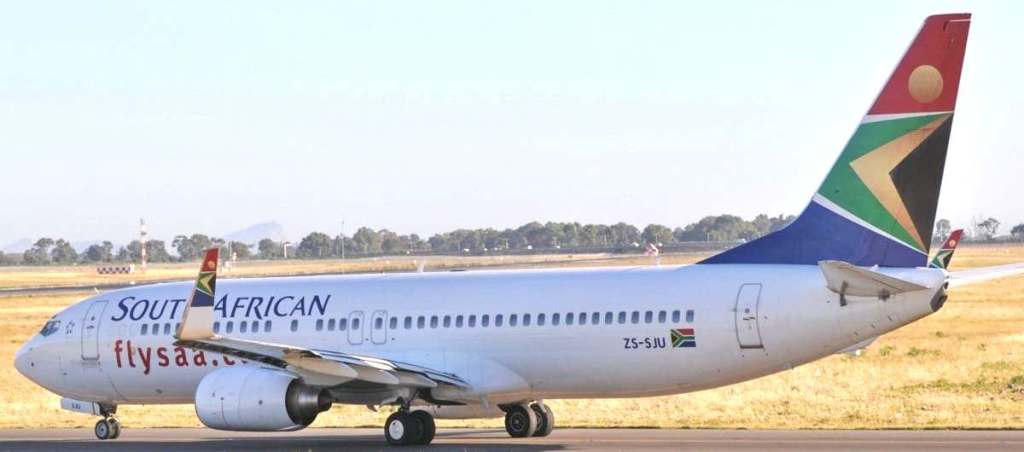
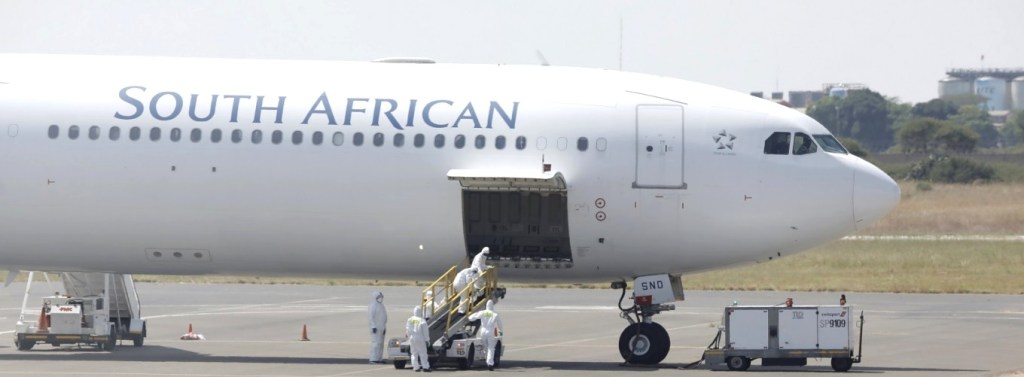
Gobierno Sudáfrica decidiría el rescate de South African Airways
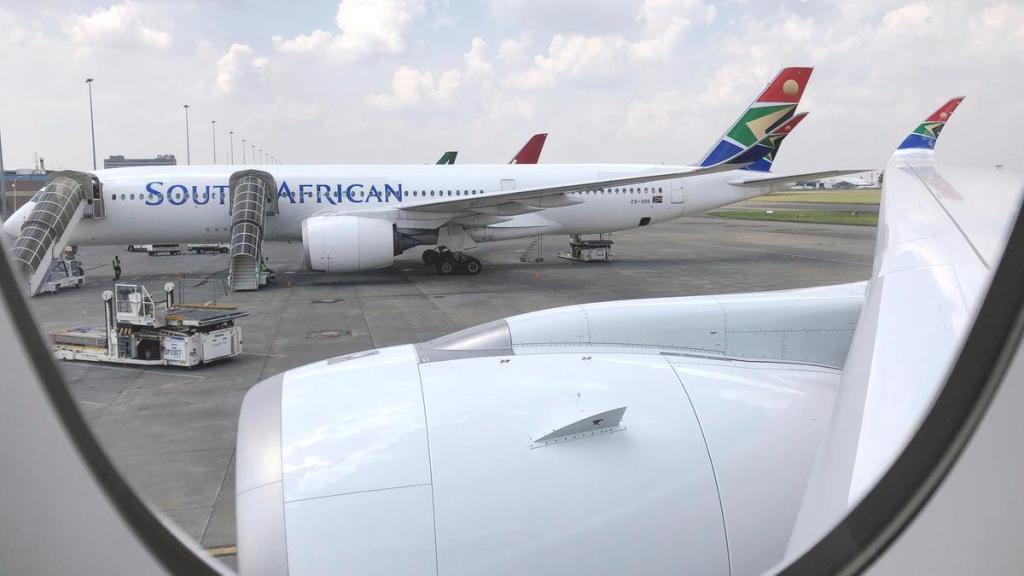
El Gobierno de Sudáfrica ha comunicado el Lunes 1 Junio 2020 que pronto tomaría una decisión sobre la financiación del Plan de Profesionales de Rescate de Negocios (BRP) para salvar South African Airways (SAA). En su borrador del Plan de Rescate de Negocios, advirtieron que necesitarían miles de millones de dinero de los contribuyentes para salvar a la aerolínea en quiebra. Las conversaciones continuaron después de que el plan fue lanzado el 01/07.
El Departamento de Empresas Públicas dijo que se había comprometido con un proceso de reestructuración, que formaría una aerolínea nueva, dinámica y financieramente viable. El gobierno dijo que la industria de la aviación desempeñó un papel fundamental en la lucha contra el Coronavirus, ya que Johannesburgo podría ser un centro para distribuir suministros médicos.
Los BRP dijeron que South African podría salvarse, pero el Gobierno debería comprometerse a financiar la nueva aerolínea, lo que costaría miles de millones. Se esperaba que los sindicatos, el gobierno y los acreedores discutieran el plan antes de que se publique una versión final la próxima semana.
South African Government SAA Rescue Plan
South African Government would decide to rescue SAA
The Government of South Africa announced on Monday, June 1, 2020 that it would soon make a decision on the financing of the Business Rescue Professionals Plan (BRP) to save South African Airways (SAA). In their draft Business Rescue Plan, they warned that they would need billions of taxpayer dollars to save the bankrupt airline. The talks continued after the plan was launched on 07/01.
The Public Business Department said it had committed to a restructuring process, which would form a new, dynamic and financially viable airline. The government said the aviation industry played a key role in fighting the Coronavirus, as Johannesburg could be a hub for distributing medical supplies.
BRPs said South African could be saved, but the government should commit to financing the new airline, which would cost billions. Unions, government and creditors were expected to discuss the plan before a final version is released next week.
Die reddingsplan vir die SAL
Govt besluit om die borgtog van die South African Airways te beslis
Die Regering van Suid-Afrika het op Maandag 1 Junie 2020 aangekondig dat hy binnekort ‘n besluit sal neem oor die finansiering van die Business Rescue Professionals Plan (BRP) om die Suid-Afrikaanse Lugdiens (SAL) te red. In hul konsepplan vir die reddingsonderneming het hulle gewaarsku dat hulle miljarde rande van die belastingbetaler sal benodig om die bankrot lugdiens te red. Die samesprekings is voortgesit nadat die plan op 07/01 van stapel gestuur is.
Die departement van openbare ondernemings het gesê dat hy hom tot ‘n herstruktureringsproses verbind het, wat ‘n nuwe, dinamiese en finansieel lewensvatbare lugredery sou vorm. Die regering het gesê die lugvaartbedryf speel ‘n sleutelrol in die bestryding van die Coronavirus, aangesien Johannesburg ‘n spilpunt kan wees vir die verspreiding van mediese voorrade.
BRP’s het gesê dat Suid-Afrikaans gered kan word, maar die regering moet hom daartoe verbind om die nuwe lugdiens, wat miljarde rande sou kos, te finansier. Daar word verwag dat vakbonde, die regering en krediteure die plan sal bespreek voordat ‘n finale weergawe volgende week uitgereik word.
Ξ A I R G W A Y S Ξ PUBLISHER: Airgways.com DBk: Transport.gov.za / Flysaa.com / Airgways.com / Gettyimages.com / Afp.com / Thenational.ae AW-POST: 202006021337AR
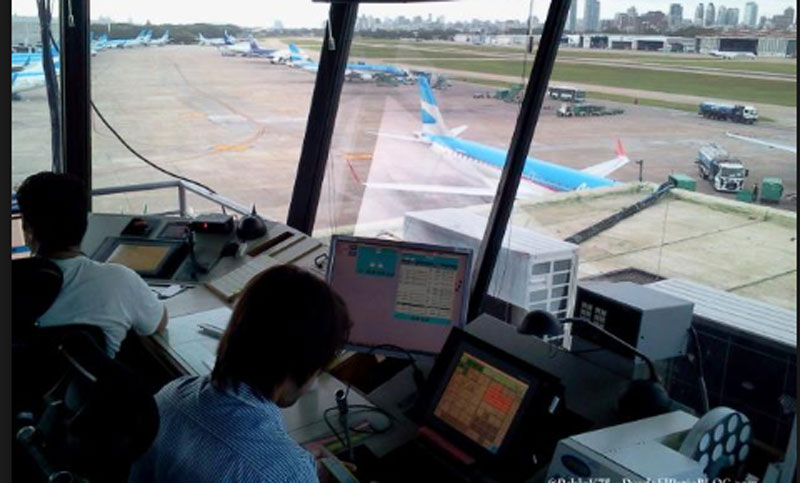
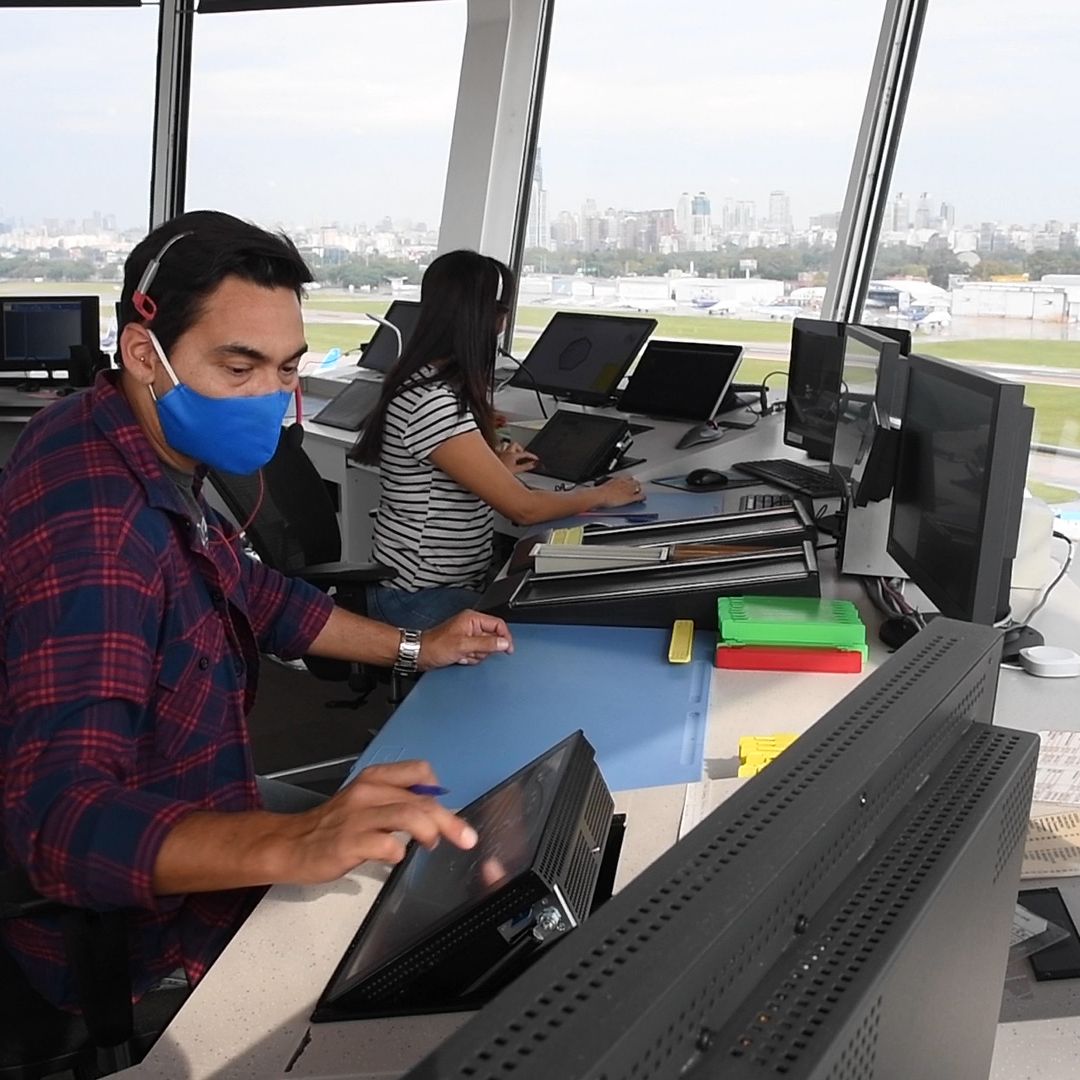
Navegación Aérea Argentina difiere pagos Tasas a la aviación
La Empresa Argentina de Navegación Aérea (EANA), del Ministerio de Transporte, ha anunciado el 1 Junio 2020 el establecimiento de beneficios tanto al transporte aéreo de pasajeros como a la aviación general que busca aliviar la situación resultante de la reducción de actividad aérea en el marco de la crisis de la pandemia de Coronavirus. El sector acumula en los últimos meses una deuda por servicios de navegación aérea de US$ 9 millones de Dólares.
EANA introdujo medidas especiales respecto del cobro de sus tasas de servicios en el contexto actual relacionado con la crisis sanitaria. En atención a la situación que se presenta con niveles de actividad aérea mínima, la Gerenta General de EANA, Dra. Gabriela Logatto, firmó la Disposición No. 072/2020, que tiende a aliviar la ecuación económico-financiera del transporte aéreo de pasajeros y la aviación general, sectores que acumulan una deuda aproximada a los US$9M en los últimos meses. Mediante la Disposición, EANA ha diferido el pago de las tasas de Protección al Vuelo en Ruta y Apoyo al Aterrizaje para las líneas aéreas que operan servicios de transporte aéreo de pasajeros desde, hacia o dentro del territorio nacional y sus aguas jurisdiccionales. Por lo tanto, fija la postergación de la fecha límite para la cancelación de dichas tasas, desde el 1 Marzo y hasta al 31 Agosto 2020. La Empresa no cobrará intereses por mora ni punitorios por el período señalado. La medida alcanzada no abarca deudas vencidas con anterioridad a este período. Los operadores de servicios de transporte aéreo de pasajeros deberán presentar hasta el 1 Septiembre 2020 una propuesta formal de cancelación de la deuda contraída por las tasas arriba mencionadas, la cual deberá cancelarse hasta el 31 Diciembre 2020. Para aquellos clientes que abonan la Tasa Unificada Anual (TU), EANA compensará el pago de la TU correspondiente a todo el año 2020 en forma proporcional por el periodo abril-agosto. Dicha compensación, establecida por la Disposición, se computará como saldo a favor en el pago de la Tasa Unificada del año próximo. Además, la fecha límite para el pago de la tasa fue diferida al 30 Junio 2020. La compensación se aplicará solamente a matrículas que no registren deudas al 30 Junio 2020.
La Gerenta General de EANA, Gabriela Logatto, comentó respecto a su decisión que “esta iniciativa busca que tanto la aviación general como el transporte aéreo de pasajeros, puedan gestionar su liquidez a mediano plazo y logren sobrellevar este periodo con más facilidad dentro del panorama planteado”. La crisis causada por el virus Covid-19 y su impacto en la aviación planteó un enorme desafío para los responsables de los sistemas de transporte de todo el mundo. A través de medidas como las anunciadas hoy por EANA, el Ministerio de Transporte, a cargo de Mario Meoni, procura el alivio de la situación económico-financiera del sector aéreo, en favor de su recuperación.
EANA defer payments Navigation Fees
The Argentine Air Navigation regulator defer fees payments
The Argentine Air Navigation Company (EANA), from the Ministry of Transport, has announced on June 1, 2020 the establishment of benefits for both passenger air transport and general aviation that seeks to alleviate the situation resulting from the reduction of air activity in the framework of the crisis of the Coronavirus pandemic. The sector has accumulated in recent months a debt for air navigation services of US$ 9 million.
EANA introduced special measures regarding the collection of its service fees in the current context related to the health crisis. In attention to the situation that occurs with minimum levels of air activity, the General Manager of EANA, Dr. Gabriela Logatto, signed Provision No. 072/2020, which tends to alleviate the economic-financial equation of passenger air transport and general aviation, sectors that have accumulated a debt of approximately US$ 9M in recent months. Through the Provision, EANA has deferred the payment of Enrollment Flight Protection and Landing Support fees for airlines that operate passenger air transport services to, from or within the national territory and its jurisdictional waters. Therefore, it establishes the postponement of the deadline for the cancellation of said fees, from March 1 to August 31, 2020. The Company will not charge interest for late payment or penalties for the indicated period. The measure reached does not cover debts past due prior to this period. Operators of passenger air transport services must submit until 1 September 2020 a formal proposal to cancel the debt contracted by the aforementioned rates, which must be canceled until 31 December 2020. For those clients who pay the Annual Unified Rate (TU), EANA will offset the TU payment for the entire year 2020 proportionally for the April-August period. Said compensation, established by the Disposition, will be computed as a favorable balance in the payment of the Unified Rate for the next year. In addition, the deadline for payment of the fee was deferred to June 30, 2020. The compensation will only apply to registrations that do not register debts as of June 30, 2020.
The General Manager of EANA, Gabriela Logatto, commented on her decision that «this initiative seeks that both general aviation and passenger air transport can manage their liquidity in the medium term and manage to cope with this period more easily within the proposed scenario». The crisis caused by the Covid-19 virus and its impact on aviation posed a huge challenge for those responsible for transportation systems around the world. Through measures such as those announced today by EANA, the Ministry of Transport, in charge of Mario Meoni, seeks to alleviate the economic and financial situation of the airline sector, in favor of its recovery.
D I C T I O N A R Y TASA PROTECCIÓN VUELO Tasa de Protección al Vuelo en Ruta y Apoyo al Aterrizaje es aquella que abonan operadores comerciales por la prestación de los Servicios de Navegación Aérea.
TASA UNIFICADA ANUAL (TU) La Tasa Unificada Anual (TU) es la abonada por aeronaves de reducido porte (menos de 5.700 kg) afectadas a transporte aéreo no regular, las privadas que no se dediquen al transporte público y las de propiedad o utilizadas por empresas o corporaciones a los fines de complementar su actividad principal.
FLIGHT PROTECTION RATE Route Flight Protection and Landing Support Rate is the one paid by commercial operators for the provision of Air Navigation Services.
ANNUAL UNIFIED RATE (TU) The Annual Unified Rate (TU) is paid by small aircraft (less than 5,700 kg) affected by non-regular air transport, private ones that are not engaged in public transport and those owned or used by companies or corporations for the purposes to complement its main activity.
Ξ A I R G W A Y S Ξ PUBLISHER: Airgways.com DBk: Eana.com.ar / Airgways.com AW-POST: 202006021111AR
Airgways continúa desarrollando herramientas para que el lenguaje continúe siendo un medio con la finalidad de permitir un nivel de conocimientos exactos. Airgways Dictionary ha sido concebido como un módulo para expresar mayor capacidad de comprensión de los contenidos en cada noticia (post) desarrollado. En el área inferior de un post de noticia el lector podrá hacer uso de ampliar los conocimientos con la explicación de palabras o frases poco habituales al lenguaje común y coticiano. Porque entendemos el valor de las palabras que adquieren significado, es por ello que la comprensión de los contenidos permite instruirnos en la dirección correcta. Disfrutemos de estar muy bien informados. ¡Volamos a la altura de nuestro conocimiento!
Airgways: Welcome to Dictionary!
AIRGWAYS DICTIONARY
Airgways continues to develop tools so that language continues to be a medium in order to enable an accurate level of knowledge. Airgways Dictionary has been conceived as a module to express greater comprehension capacity of the contents in each news item (post) developed. In the lower area of a news post, the reader will be able to use his / her knowledge to explain unusual words or phrases to the common and everyday language. Because we understand the value of words that acquire meaning, that is why understanding the contents allows us to be instructed in the right direction. Let’s enjoy being very well informed. We fly at the height of our knowledge!
Ξ A I R G W A Y S Ξ PUBLISHER: Airgways.com DBk: Airgways.com AW-POST: 202006020033AR
AW | 2020 06 01 20:17 | AIR INVESTIGATION / AVIATION SAFETY
Identificación víctimas accidente PK8303 se completará Lunes 01/06
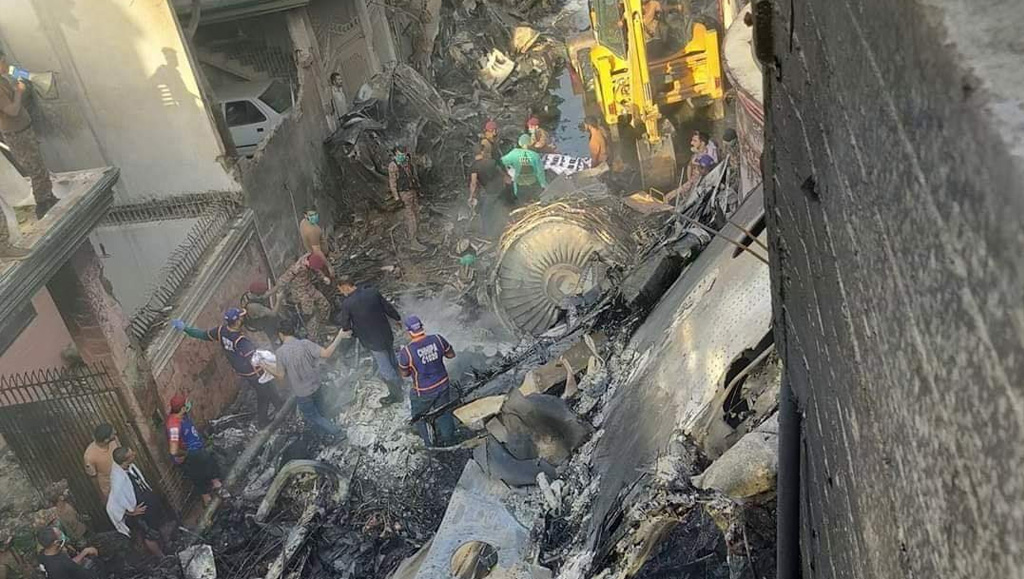
El vuelo PK8303 de la aerolínea Pakistan International Airlines (PIA) de un Airbus A320-200, registro AP-BLD realizaba la ruta Lahore a Karachi, República de Pakistán con 91 pasajeros y 8 tripulantes, había abortado la aproximación a Karachi. El avión se estrelló en la zona residencial cerca del Aeropuerto de Karachi. La Junta de Investigación de Seguridad de Pakistán (SIB) ha formado una comisión para investigar el accidente.
Actualizaciones PK8303
El 1 Junio 2020, el avión que transportaba a los equipos de investigación y las cajas negras completó con seguridad el viaje de Pakistán a París.
El 1 Junio 2020, un hospital de Karachi informó que una niña de 12 años, que resultó herida entre las personas que se encontraban en tierra cuando el avión impactó los edificios, ha fallecido de las heridas. Había recibido quemaduras en el 59% de su cuerpo permaneciendo en estado crítico durante los últimos dos días. El Ministerio de Salud confirmó que la niña murió en la atención hospitalaria convirtiéndose en la primera víctima mortal de las cuatro personas hospitalizadas que se encontraban en el Barrio Model Colony en el momento del impacto del Airbus A320CEO. Según un comunicado de prensa del Centro Internacional de Ciencias Químicas y Biológicas (ICCBS) de la Universidad de Karachi el Domingo 31/05, el SFDL ha completado un total de 37 cruces hasta el momento, y sus informes también han sido enviados a la policía de Sindh. «SFDL con la ayuda de 20 científicos y voluntarios se dedica actualmente a la tarea masiva de identificar cuerpos de víctimas desafortunadas del accidente aéreo», dijo el portavoz de ICCBS. Según las estadísticas, mantenidas por el SFDL, se han recibido hasta 67 muestras de las familias de las víctimas, y hasta ahora también se han recibido 69 muestras de las víctimas del Departamento de Policía. SFDL se especializa en la detección, identificación y análisis de ADN humano a partir de muestras de evidencia recolectadas por las agencias policiales de las escenas del crimen. El ICCBS ha informado que 97 personas que murieron en el accidente aéreo, 75 fueron identificadas y sus cuerpos fueron entregados a los familiares. El Airbus A320-200 del Pakistan Airlines se estrelló en la zona residencial de Model Colony, cerca del Aeropuerto de Karachi, el 22 Mayo 2020, minutos antes de aterrizar. El avión que volaba de Lahore a Karachi tenía 99 personas a bordo, incluidos pasajeros y tripulación. Solo dos personas sobrevivieron milagrosamente al trágico incidente.
Pakistan PK8303 | PAX indentification
Identification of victims of the PIA PK8303 accident will be completed on Monday 06/01
Flight PK8303 of the Pakistan International Airlines (PIA) airline of an Airbus A320-200, registration AP-BLD was on the Lahore route to Karachi, Republic of Pakistan with 91 passengers and 8 crew, it had aborted the approach to Karachi. The plane crashed in the residential area near Karachi Airport. The Pakistan Safety Investigation Board (SIB) has formed a commission to investigate the accident.
PK8303 updates
On June 1, 2020, the plane carrying investigative teams and black boxes safely completed the journey from Pakistan to Paris.
On June 1, 2020, a Karachi hospital reported that a 12-year-old girl, who was injured among people on the ground when the plane hit the buildings, has died of the injuries. He had received burns to 59% of his body, remaining in critical condition for the past two days. The Health Ministry confirmed that the girl died in hospital care, becoming the first fatality of the four hospitalized people who were in the Model Colony neighborhood at the time of the impact of the Airbus A320CEO. According to a press release from the International Center for Chemical and Biological Sciences (ICCBS) of Karachi University on Sunday 05/31, the SFDL has completed a total of 37 crossings so far, and its reports have also been sent to the police from Sindh. «SFDL with the help of 20 scientists and volunteers is currently engaged in the massive task of identifying bodies of unfortunate victims of the plane crash», said the ICCBS spokesman.
FRENCH TEAM RETURNS HOME AFTER COMPLETING SHOCK PROBE TASK PAKISTAN INTERNATIONAL AIRLINES FLIGHT PK-8303
According to statistics maintained by the SFDL, up to 67 samples have been received from the victims’ families, and so far 69 samples have also been received from victims from the police department. SFDL specializes in the detection, identification, and analysis of human DNA from evidence samples collected by law enforcement agencies from crime scenes. The ICCBS has reported that 97 people who died in the plane crash, 75 were identified and their bodies were released to family members. Pakistan Airlines’ Airbus A320-200 crashed in the Model Colony residential area near Karachi Airport on May 22, 2020, minutes before landing. The plane flying from Lahore to Karachi had 99 people on board, including passengers and crew. Only two people miraculously survived the tragic incident.
Ξ A I R G W A Y S Ξ PUBLISHER: Airgways.com DBk: Caapakistan.com.pk / Iccs.edu / Avherald.com / Bea.aero / Upi.com / Airgways.com AW-POST: 202006012017AR
Gobierno proyecta US$ 880 millones para Aerolíneas
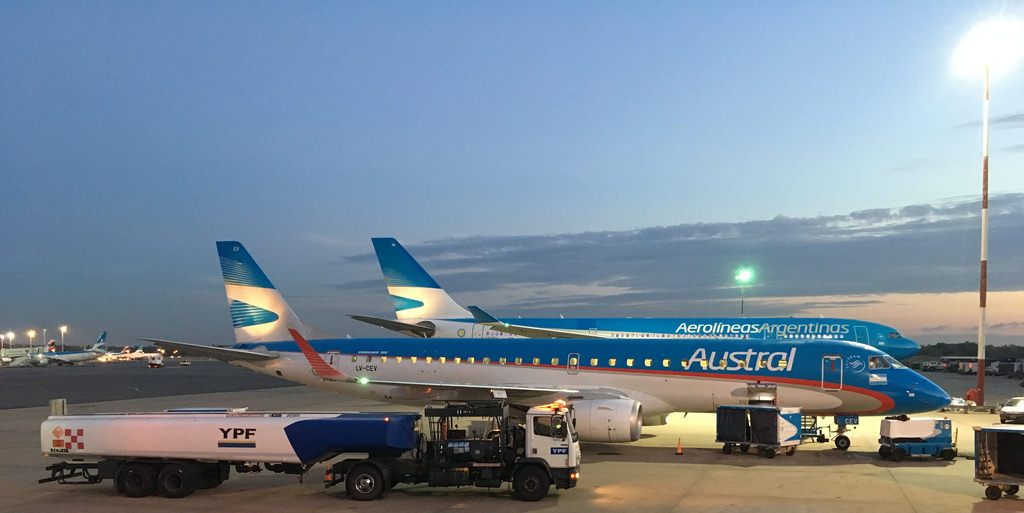
Aerolíneas Argentinas comenzará negociaciones con los sindicatos para suspender los contratos de miles de empleados hasta Agosto 2020, luego de que los ingresos del operador de Aerolíneas Argentinas cayeron aproximadamente un 97% debido al impacto de la pandemia. Los ahorros de la suspensión se utilizarían para mantener la flota, hacer reparaciones y apuntalar su cadena de suministro de repuestos, dijo la compañía.
El President/CEO de Aerolíneas Argentinas, Pablo Ceriani, luego de la reunión del cierre de balances de la gestión anterior para el 2019, ha comunicado que el déficit presupuestario, que totalizó US$ 680 millones el año pasado, persistirá hasta que las demandas se recuperen hacia el 2022. Argentina podría tener que repartir al menos US$ 880 millones en subsidios este año para mantener a flote su aerolínea estatal, lo que pesa más sobre las finanzas del gobierno después del noveno incumplimiento soberano de la nación.
El CEO Pablo Ceriani, dijo que el déficit presupuestario de la aerolínea, en comparación con los US$ 680 millones del año pasado, persistirá hasta que la demanda se recupere, lo que no se espera en un par de años. El transportista probablemente no alcanzará los cinco años posteriores a eso. «Una de las condiciones para la rentabilidad es la demanda, y eso no será normal hasta 2022. Estamos planeando frenar las pérdidas estructurales de manera sostenida desde entonces en adelante. Ese es el horizonte razonable en esta situación», dijo Ceriani desde la sede de la aerolínea en Aeropuerto Jorge Newbery.
Suspensiones laborales
Al igual que las aerolíneas de todo el mundo, las operaciones de Aerolíneas Argentinas se han paralizado por la caída de Coronavirus. Argentina implementó algunas de las medidas más tempranas y más duras en América Latina para detener la propagación del virus, como detener los vuelos comerciales hasta el 1 Septiembre 2020. Pero a diferencia de los pares globales de la aerolínea, Aerolíneas se compromete a capear la crisis sin despidos de sus 12.000 empleados. «Es una política dirigida a mantener los empleos. Reducir los ingresos perjudica a los trabajadores que ya atraviesan una crisis económica», expresó Pablo Ceriani. Aún así, la compañía ahora planea suspender temporalmente a unos 7.500 trabajadores en Junio-Julio 2020, según una persona con conocimiento directo de las conversaciones con representantes laborales. Por separado, la aerolínea dijo el Domingo 31/05 que está en negociaciones avanzadas para reprogramar los pagos al Banco Nacional de Desarrollo Económico y Social (BNDES) de Brasil y al Banco de la Nación Argentina.
La aerolínea insignia de Argentina ha dependido de los subsidios desde que se nacionalizó en 2008, pero la brecha se ha exacerbado por una caída del 50% en el peso, más una recesión devastadora y una inflación de dos dígitos. Los dos mayores costos de las aerolíneas son el combustible y los aviones, que generalmente se pagan en dólares. Ha logrado ahorros mínimos durante la pandemia, incluidos los gastos de viaje.
La compañía espera que la actividad comience a recuperarse en la segunda mitad de 2021 y que continúe invirtiendo en crecimiento después de 2022, cuando tiene como objetivo impulsar su flota, incluso mediante la adición de aviones de carga de fuselaje ancho que apunta a volar principalmente hacia y desde China y EE.UU. como parte de un nuevo enfoque en el envío de carga. Mientras tanto, se fusionará con la aerolínea hermana Austral Líneas Aéreas, un plan que se agregó al envío de carga y una nueva unidad de mantenimiento, se estima que permitirá un ahorro de US$ 100 millones en tres años. El transportista pesa el bloqueo de los asientos del medio en todas las cabinas a medida que elabora estrategias para un regreso seguro a las operaciones. Restaurar los vuelos a cada una de las capitales de provincia de Argentina significaría operar al 25% de la actividad habitual en el mercado interno. Los viajes al extranjero probablemente no comenzarán hasta después de Noviembre 2020. «Este año probablemente será el más difícil en la historia de Aerolíneas Argentinas, al igual que probablemente será el peor año en la historia de la aviación», expresó Luis Pablo Ceriani.
Aerolíneas suspension 7,800 workers
Government will spend more than US$ 880 million
Aerolíneas Argentinas will begin negotiations with unions to suspend the contracts of thousands of employees until August 2020, after the income of the operator of Aerolíneas Argentinas fell approximately 97% due to the impact of the pandemic. The suspension savings would be used to maintain the fleet, make repairs and shore up its parts supply chain, the company said.
The President/CEO of Aerolíneas Argentinas, Pablo Ceriani, after the meeting of the closing of the balance sheets of the previous management for 2019, has communicated that the budget deficit, which totaled US$ 680 million last year, will persist until the demands are recover by 2022. Argentina may have to disburse at least US$ 880 million in subsidies this year to keep its state airline afloat, weighing most heavily on government finances after the nation’s ninth sovereign default.
CEO Pablo Ceriani said the airline’s budget deficit, compared to US$ 680 million last year, will persist until demand recovers, which is not expected in a couple of years. The carrier will probably not reach five years after that. «One of the conditions for profitability is demand, and that will not be normal until 2022. We are planning to curb structural losses in a sustained manner from then on. That is the reasonable horizon in this situation», said Ceriani from the headquarters of the airline at Jorge Newbery Airport.
Work suspensions
Like airlines around the world, Aerolíneas Argentinas operations have been paralyzed by the fall of Coronavirus. Argentina implemented some of the earliest and toughest measures in Latin America to stop the spread of the virus, such as stopping commercial flights until September 1, 2020. But unlike the airline’s global peers, Aerolíneas pledges to weather the crisis no layoffs of its 12,000 employees. «It is a policy aimed at keeping jobs. Reducing income hurts workers who are already going through an economic crisis», said Pablo Ceriani. Still, the company now plans to temporarily suspend about 7,500 workers in June-July 2020, according to a person with direct knowledge of the talks with labor representatives. Separately, the airline said on Sunday 31/05 that it is in advanced negotiations to reschedule payments to Brazil’s National Bank for Economic and Social Development (BNDES) and to Banco de la Nación Argentina.
Argentina’s flagship airline has relied on subsidies since it was nationalized in 2008, but the gap has been exacerbated by a 50% drop in the peso, plus a devastating recession and double-digit inflation. The two biggest airline costs are fuel and airplanes, which are generally paid for in dollars. You have achieved minimal savings during the pandemic, including travel expenses.
The company expects activity to begin to pick up in the second half of 2021 and to continue investing in growth after 2022, when it aims to boost its fleet, including by adding wide-body cargo planes that aim to fly primarily toward and from China and the USA. USA as part of a new approach to cargo shipping. Meanwhile, it will be merged with sister airline Austral Líneas Aéreas, a plan that was added to cargo shipping and a new maintenance unit, estimated to allow savings of US$ 100 million over three years. The carrier weighs the blocking of the middle seats in all cabins as it devises strategies for a safe return to operations. Restoring flights to each of the provincial capitals of Argentina would mean operating at 25% of normal activity in the domestic market. Travel abroad will probably not begin until after November 2020. «This year will probably be the most difficult in the history of Aerolíneas Argentinas, just as it will probably be the worst year in the history of aviation», said Luis Pablo Ceriani.
Ξ A I R G W A Y S Ξ PUBLISHER: Airgways.com DBk: Batimes.com.ar / Aerolineas.com / Airgways.com / Flickr.com AW-POST: 202006011616AR
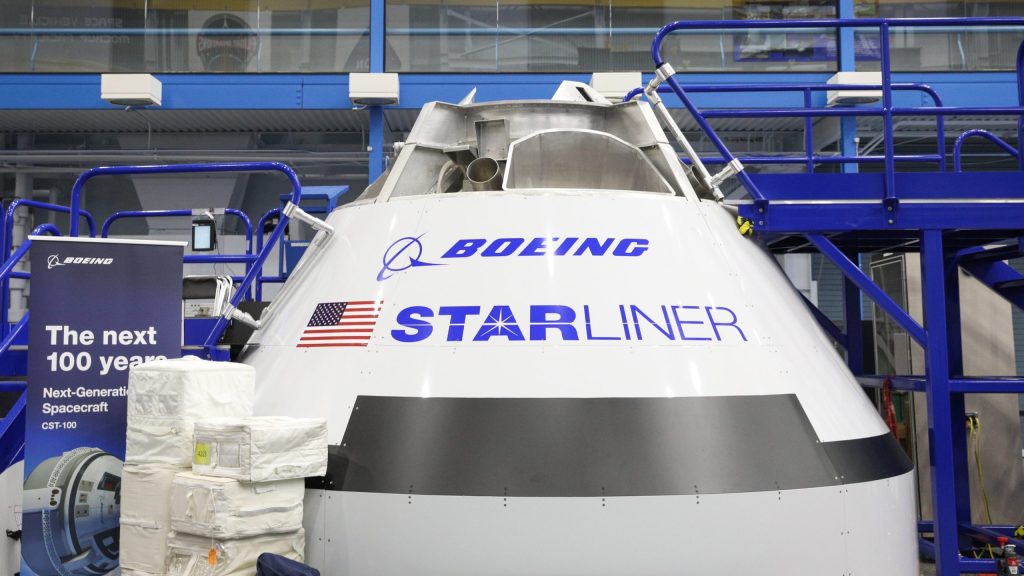
Starliner a la Estación Internacional ISS sin tripulación
La nave espacial Starliner de la firma The Boeing Company refinará su misión de prueba sin tripulación a la Estación Espacial Internacional (ISS) proyectada para Noviembre 2020, mientras que el primer vuelo tripulado está previsto para Abril 2021.
The Boeing Company tiene un acuerdo comercial con la NASA, que la compañía planea cumplir usando una cápsula llamada CST-100 Starliner. Pero Starliner aún no está listo para volar astronautas; la nave espacial aún necesita una visita sin tripulación a la ISS, un hito que Crew Dragon logró en Marzo 2019. El Proyecto Starliner se lanzó en una misión de este tipo en Diciembre 2019, pero sufrió varios problemas técnicos y no pudo reunirse con el laboratorio en órbita según lo planeado. En Abril 2019, Boeing anunció que iba a refinar su prueba de vuelo orbital sin tripulación después de problemas durante su primer vuelo en Diciembre 2019. La nave espacial Starliner partió en su primer vuelo de prueba a la Estación Espacial Internacional, pero el acoplamiento se canceló después de que Starkiner no pudo ejecutar una quema de inserción de órbita a tiempo.
El Boeing Starliner es una cápsula de la tripulación de próxima generación de US$ 4.2 mil millones con una capacidad de hasta 7 astronautas, una capacidad de operación de vuelo libre de hasta 60 horas y la capacidad de permanecer atracado en órbita hasta por 210 días. Está diseñado para ser lanzado por cohetes Atlas V no reutilizables, que utilizan motores RD-180 de fabricación rusa desarrollados por NPO Energomash.
Starliner to ISS unmanned on 11/2020
Starliner to ISS International Station without crew
The Boeing Company‘s Starliner spacecraft will refine its unmanned test mission to the International Space Station (ISS) projected for November 2020, while the first manned flight is scheduled for April 2021.
The Boeing Company has a commercial agreement with NASA, which the company plans to fulfill using a capsule called the CST-100 Starliner. But Starliner is not ready to fly astronauts yet; the spacecraft still needs an unmanned visit to the ISS, a milestone that Crew Dragon accomplished in March 2019. The Starliner Project launched on such a mission in December 2019, but suffered several technical issues and was unable to meet with the laboratory. in orbit as planned. In April 2019, Boeing announced that it would refine its unmanned orbital flight test after problems during its first flight in December 2019. The Starliner spacecraft departed on its first test flight to the International Space Station, but the coupling was canceled. after Starkiner failed to execute an orbit insert burn in time.
The Boeing Starliner is a US$ 4.2 billion next-generation crew capsule with a capacity of up to 7 astronauts, a free flight operation capacity of up to 60 hours, and the ability to remain docked in orbit for up to 210 days. It is designed to be launched by non-reusable Atlas V rockets, using Russian-made RD-180 engines developed by NPO Energomash.
Ξ A I R G W A Y S Ξ PUBLISHER: Airgways.com DBk: Nasa.gov / Boeing.com / Airgways.com / Gettyimages.com AW-POST: 202005311924AR
SpaceX ha lanzado exitosamente a dos astronautas de la NASA a la Estación Espacial Internacional (ISS), convirtiéndose en la primera compañía en enviar humanos a orbitar en una nave espacial comercial. El despegue del cohete Falcon 9 desde el Centro Espacial Kennedy de la NASA en Florida a las 03:22 p.m. ET (12:22 p.m. PT) marcó una hazaña que Estados Unidos no había podido realizar desde que la NASA retiró sus transbordadores espaciales en 2011.
«Es absolutamente un honor ser parte de este gran esfuerzo para que Estados Unidos vuelva al negocio del lanzamiento», dijo el astronauta de la NASA Doug Hurley al SpaceX Mission Control justo antes del despegue.
No surgieron problemas técnicos durante la cuenta regresiva del lanzamiento reprogramado para el día Sábado 30 Mayo 2020, pero el clima lo hizo morderse las uñas, tal como lo hizo durante el intento de lanzamiento inicial del Miércoles 27/05. Ese día, las nubes oscuras y el riesgo de relámpagos que lo acompañaba forzaron un aplazamiento. Esta mañana, el pronóstico del tiempo fue de 50-50, pero los cielos se despejaron lo suficiente como para que Hurley y su compañero de equipo, Bob Behnken, montasen en órbita la cápsula Crew Dragon de SpaceX hacia el este. Minutos después del lanzamiento, el refuerzo reutilizable de la Primera Etapa del Falcon 9 aterrizó con éxito en la nave de aviones no tripulados de SpaceX.
Miles de espectadores acudieron en masa a las áreas de observación en la carretera que rodean el sitio de lanzamiento. Se agotaron las entradas para ver el despegue desde el recién inaugurado Complejo de Visitantes del Centro Espacial Kennedy, y todos los visitantes deben usar máscaras y someterse a controles de temperatura. La NASA le pidió a la gente que se quedara en casa y mirara el lanzamiento en línea o por televisión. Diez millones observados, dijo la agencia espacial. Airgways y Airgways.com agradecen la participación del Lanzamiento Espacial del Falcon 9 al espacio.
Ξ LAUNCH AMERICA Ξ
SUCCESSFUL LAUNCH OF FALCON 9 INTO SPACE
SpaceX has successfully launched two NASA astronauts to the International Space Station (ISS), becoming the first company to send humans to orbit a commercial spacecraft. The Falcon 9 rocket took off from NASA’s Kennedy Space Center in Florida at 03:22 p.m. ET (12:22 p.m. PT) marked a feat that the United States had not been able to accomplish since NASA retired its space shuttles in 2011.
«It is absolutely an honor to be a part of this great effort to get the United States back into the launch business», NASA astronaut Doug Hurley told SpaceX Mission Control just before takeoff.
No technical issues arose during the countdown to the rescheduled launch for Saturday 30 May 2020, but the weather caused him to bite his nails, just as he did during the initial launch attempt on Wednesday 27/05. That day, the dark clouds and the accompanying risk of lightning forced a postponement. This morning, the weather forecast was 50-50, but the skies cleared enough for Hurley and his teammate Bob Behnken to orbit SpaceX’s Crew Dragon capsule to the east. Minutes after launch, the Falcon 9’s First Stage reusable booster successfully landed on SpaceX’s drone craft.
Thousands of spectators flocked to the observation areas on the highway surrounding the launch site. Tickets are sold out to see takeoff from the newly opened Kennedy Space Center Visitor Complex, and all visitors must wear masks and undergo temperature controls. NASA asked people to stay home and watch the launch online or on television. Ten million observed, the space agency said. Airgways and Airgways.com appreciate the participation in the Falcon 9 Space Launch into space.
Ξ A I R G W A Y S Ξ PUBLISHER: Airgways.com DBk: Nasa.gov / Airgways.com AW-POST: 202005301718AR
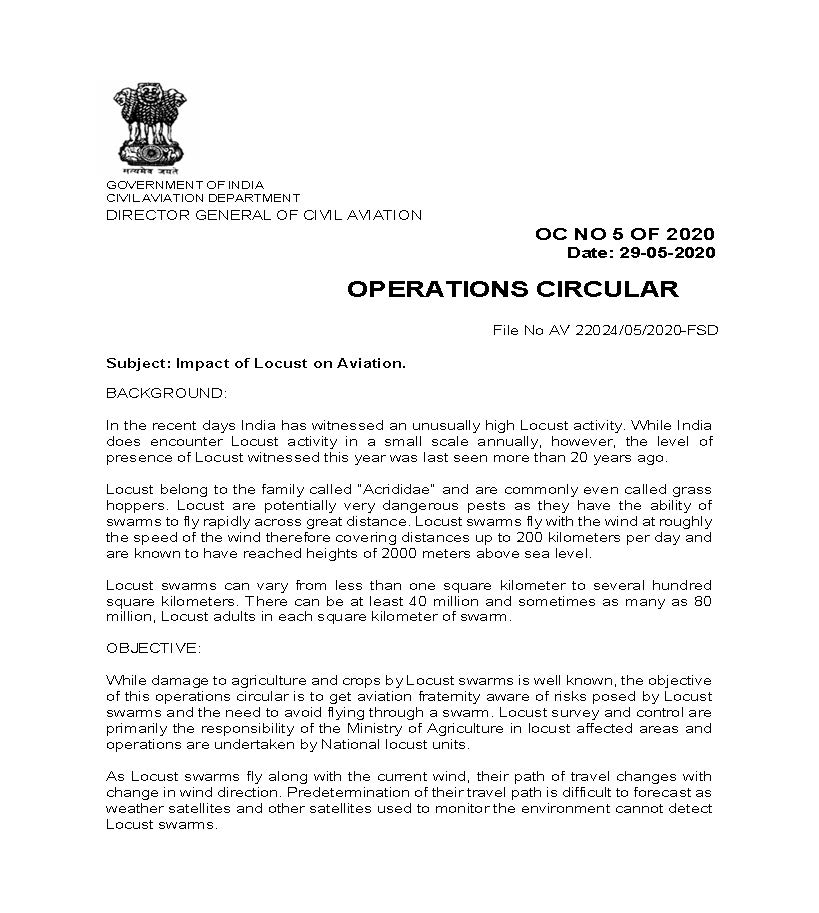
La Dirección General de Aviación Civil (DGCA) de la India la lanzado una advertencia a la comunidad de la aviación comercial con una Circular de Operaciones Nº5/2020 acerca de las medidas de seguridad relativa a las operaciones aerocomerciales por el riesgo de plagas de langostas. Esta situación alerta a las líneas aéreas a activar protocolos de seguridad para las operaciones. El regulador indio de la industria ha aconsejado a las aerolíneas que eviten los vuelos a través de enjambres de langostas. Destacando el peligro que representan las langostas en las operaciones de las aerolíneas, especialmente durante el despegue y el aterrizaje, la DGCA ha dicho que los vuelos deben evitarse a través de cualquier enjambre de langostas conocido.
La DGCA dice que las langostas son una amenaza para las aeronaves, emite pautas para un vuelo seguro. «En general, las langostas se encuentran en niveles más bajos y, por lo tanto, representan una amenaza para las aeronaves en la fase crítica de aterrizaje y despegue del vuelo. Casi todos los puertos de admisión de aire de la aeronave serán propensos a la ingestión en grandes cantidades, si la aeronave vuela un enjambre», dijo la DGCA en una circular el 29 Mayo 2020.
Precedente
En Enero 202 un avión de Ethiopian Airlines se vio obligado a hacer un aterrizaje de emergencia después de que voló en un enjambre de langostas que se extendieron por el parabrisas.
Consecuencia seguridad
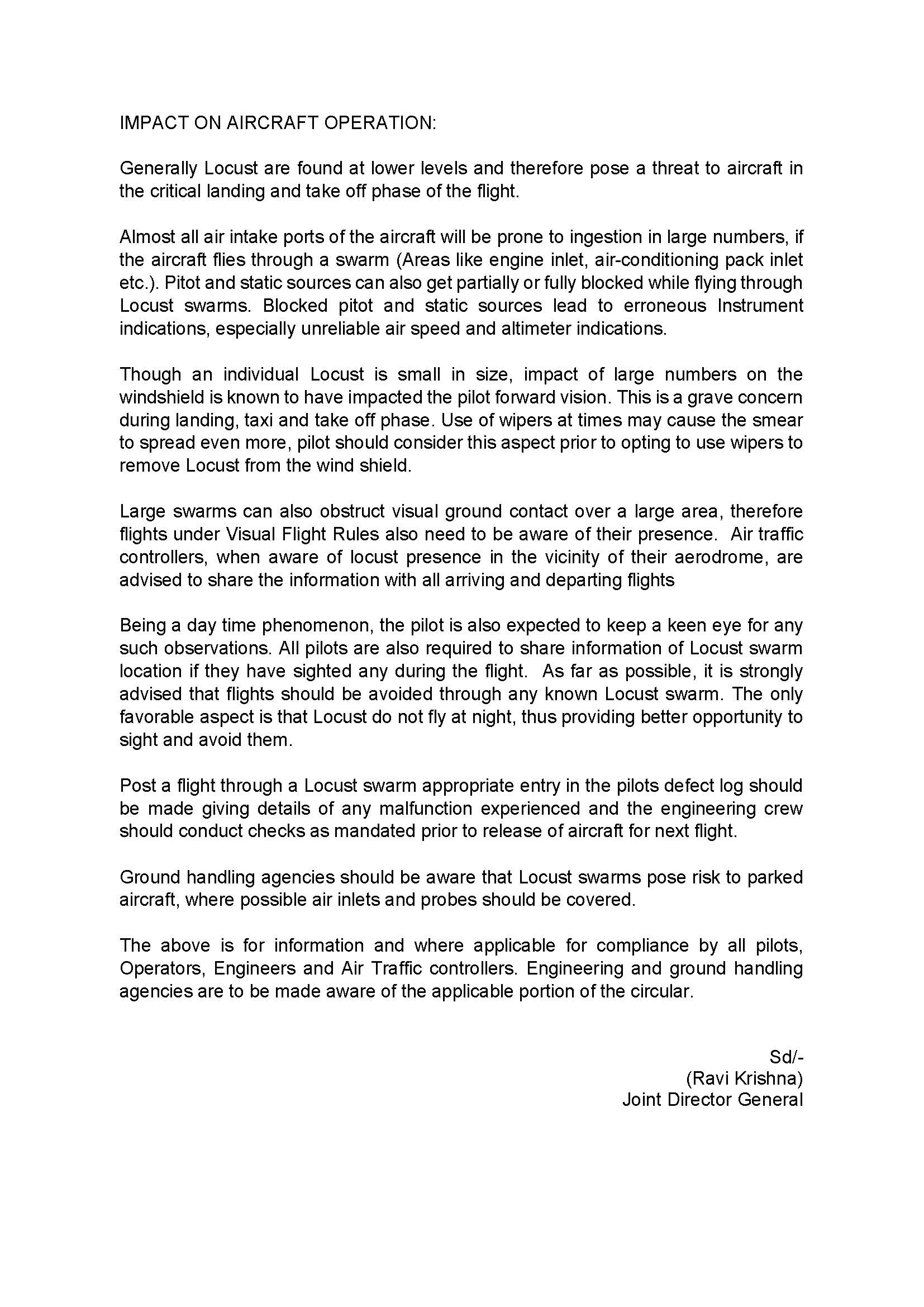
La DGCA explicó: «En general, las langostas se encuentran en niveles más bajos y, por lo tanto, representan una amenaza para las aeronaves en la fase crítica de aterrizaje y despegue del vuelo. Casi todos los puertos de entrada de aire del avión serán propensos a la ingestión en grandes cantidades, si el avión vuela a través de un enjambre».
DGCA dijo que la ingestión de los enjambres de langostas en la entrada del motor y la entrada del paquete de aire acondicionado pueden bloquearse. Otros instrumentos de una aeronave, como los Tubos de Pitot, también pueden verse afectados por las langostas, incluso cuando los aviones están estacionados. Esto puede conducir a lecturas erróneas de velocidad y altitud para la computadora de vuelo de la aeronave, lo que hace que se comporte mal. Las fuentes estáticas conducen a indicaciones erróneas de los instrumentos, especialmente a la velocidad del aire poco fiable y a las indicaciones del altímetro. El único aspecto favorable de las invasiones de langostas, señaló el regulador, es que los insectos no vuelan por la noche, proporcionando así una mejor oportunidad para evitarlos durante el día.
La DGCA aconsejó a los pilotos que no usen el limpiaparabrisas para quitar las langostas del parabrisas, ya que puede hacer que la mancha se extienda aún más. «Al ser un fenómeno diurno, también se espera que el piloto esté atento a cualquier observación de este tipo, también debe compartir información sobre la ubicación del enjambre de langostas si ha visto alguna durante el vuelo», dijo. «La tripulación de ingeniería debe llevar a cabo las verificaciones según lo ordenado antes del lanzamiento de la aeronave para el próximo vuelo», expresó la DGCA.
Los Controladores de Tránsito Aéreo deberán compartir y notificar la información sobre la presencia de langostas. El regulador también ha pedido a los pilotos que ingresen en el registro de defectos de los pilotos, si vuelan a través de enjambres de langostas. Las agencias de asistencia en tierra deben ser conscientes de que los enjambres de langostas representan un riesgo para las aeronaves estacionadas, donde las posibles entradas de aire y sondas deben estar cubiertas.
La actividad de plagas de langostas es la más alta registrada en los últimos 20 años en la India. «Si bien el daño a la agricultura y los cultivos por enjambres de langostas es bien conocido, el objetivo de esta circular de operaciones es concienciar a la fraternidad de la aviación de los riesgos que representan los enjambres de langostas y la necesidad de evitar volar a través de un enjambre», señaló la DGCA.
UN HOMBRE SOSTIENE LANGOSTAS MUERTAS EN LA MANO EN UNA GRANJA CERCA DE JAIPUR, RAJASTHAN, 29 MAYO 2020
India, la plaga de langostas
El 2020 ha sido testigo del peor ataque de langostas en la India en décadas, ya que están atacando Maharashtra, Uttar Pradesh y Punjab después de destruir los cultivos en Rajasthan, Gujarat, Madhya Pradesh y Haryana. El 27 Mayo 2020, el Ministerio de Agricultura dijo que se intensificaron las operaciones de control y se desplegarán drones para la pulverización aérea de insecticidas en los estados afectados. Se han llevado a cabo medidas de contención de langostas y operaciones de aspersión en 303 ubicaciones repartidas en más de 47.000 hectáreas.
En 2019 las langostan se han reproducido en India, Irán y Pakistán. En la actualidad, las poblaciones se están mudando de las áreas de reproducción de primavera, desde el suroeste de Pakistán e Irán. Normalmente, invaden a finales de Junio, pero están en la India con un mes de anticipación debido a las condiciones más secas en Irán y el suroeste de Pakistán.
DGCA aviation pest warning
DGCA India aviation pest warning
The General Directorate of Civil Aviation (DGCA) of India has issued a warning to the commercial aviation community with an Operations Circular No. 5/2020 about security measures related to aero-commercial operations due to the risk of locust pests. This situation alerts airlines to activate security protocols for operations. The Indian industry regulator has advised airlines to avoid flying through swarms of locusts. Highlighting the danger locusts pose to airline operations, especially during take-off and landing, the DGCA has said that flights should be avoided through any known swarm of locusts.
The DGCA says that locusts are a threat to aircraft, it issues guidelines for safe flight. «Lobsters are generally at lower levels and therefore pose a threat to aircraft in the critical phase of landing and take-off of the flight. Almost all aircraft air intake ports will be prone to ingestion in large quantities, if the aircraft flies a swarm», the DGCA said in a circular on May 29, 2020.
Preceding
In January 202 an Ethiopian Airlines plane was forced to make an emergency landing after it flew in a swarm of locusts that spread across the windshield.
Safety consequence
The DGCA explained: «Lobsters are generally at lower levels and therefore pose a threat to aircraft in the critical phase of landing and takeoff of the flight. Almost all of the aircraft’s air entry ports will be prone to ingestion in large quantities, if the plane flies through a swarm».
DGCA said that ingestion of locust swarms at the engine inlet and air conditioning package inlet may be blocked. Other instruments on an aircraft, such as Pitot Tubes, can also be affected by locusts, even when planes are parked. This can lead to erroneous speed and altitude readings for the aircraft’s flight computer, causing it to misbehave. Static sources lead to erroneous instrument indications, especially unreliable air speed and altimeter indications. The only favorable aspect of locust invasions, the regulator noted, is that insects do not fly at night, thus providing a better opportunity to avoid them during the day.
The DGCA advised riders not to use the windshield wiper to remove lobsters from the windshield, as it can cause the stain to spread further. «Being a daytime phenomenon, the pilot is also expected to be on the lookout for any such observations, he should also share information on the location of the locust swarm if he has seen any during the flight», he said. «The engineering crew must carry out the verifications as ordered prior to launching the aircraft for the next flight», the DGCA said.
Air Traffic Controllers shall share and report information on the presence of locusts. The regulator has also asked pilots to enter the pilots’ defect record if they fly through locust swarms. Groundhandling agencies should be aware that locust swarms pose a risk to parked aircraft, where potential air intakes and probes must be covered.
Locust pest activity is the highest recorded in the last 20 years in India. «While the damage to agriculture and crops caused by locust swarms is well known, the objective of this circular of operations is to make the aviation fraternity aware of the risks posed by locust swarms and the need to avoid flying to through a swarm», said the DGCA.
India, the plague of locusts
2020 has seen the worst locust attack in India in decades as Maharashtra, Uttar Pradesh and Punjab are being attacked after destroying crops in Rajasthan, Gujarat, Madhya Pradesh and Haryana. On May 27, 2020, the Ministry of Agriculture said that control operations were intensified and drones for aerial spraying of insecticides will be deployed in the affected states. Locust containment measures and spraying operations have been carried out at 303 locations spread over more than 47,000 hectares.
In 2019 lobsters have been bred in India, Iran and Pakistan. Currently, populations are moving from spring breeding areas, from southwest Pakistan and Iran. They normally invade in late June, but are in India a month in advance due to drier conditions in Iran and southwest Pakistan.
DGCA विमानन कीट चेतावनी
DGCA इंडिया एविएशन कीट चेतावनी
भारत के नागरिक उड्डयन महानिदेशालय (डीजीसीए) ने टिड्डी कीटों के जोखिम के कारण एयरो-कमर्शियल ऑपरेशंस से जुड़े सुरक्षा उपायों के बारे में ऑपरेशंस सर्कुलर नंबर 5/2020 के साथ कमर्शियल एविएशन कम्युनिटी को चेतावनी जारी की है। यह स्थिति एयरलाइनों को संचालन के लिए सुरक्षा प्रोटोकॉल को सक्रिय करने के लिए सचेत करती है। भारतीय उद्योग नियामक ने एयरलाइंस को टिड्डियों के झुंड के माध्यम से उड़ान भरने से बचने की सलाह दी है। एयरलाइन ऑपरेशंस के लिए खतरे के टिड्डियों को उजागर करते हुए, विशेष रूप से टेक-ऑफ और लैंडिंग के दौरान, DGCA ने कहा है कि किसी भी ज्ञात टिड्डियों के झुंड के माध्यम से उड़ानों से बचा जाना चाहिए।
डीजीसीए का कहना है कि टिड्डियां विमान के लिए खतरा हैं, यह सुरक्षित उड़ान के लिए दिशानिर्देश जारी करती है। «लॉबस्टर आम तौर पर निचले स्तर पर होते हैं और इसलिए लैंडिंग और उड़ान के महत्वपूर्ण चरण में विमान के लिए खतरा पैदा करते हैं। लगभग सभी विमान हवा का सेवन बंदरगाहों के लिए प्रवण होंगे। डीजीसीए ने 29 मई, 2020 को एक परिपत्र में कहा, «यदि विमान एक झुंड को उड़ाता है, तो बड़ी मात्रा में घूस»।
पूर्ववर्ती
जनवरी 202 में एक इथियोपियाई एयरलाइंस के विमान को विंडशील्ड में फैले टिड्डियों के झुंड में उड़ने के बाद एक आपातकालीन लैंडिंग करने के लिए मजबूर किया गया था।
सुरक्षा परिणाम
DGCA ने समझाया: «लॉबस्टर आमतौर पर निचले स्तर पर होते हैं और इसलिए लैंडिंग के महत्वपूर्ण चरण और उड़ान के दौरान विमान के लिए खतरा पैदा करते हैं। लगभग सभी विमान के एयर एंट्री पोर्ट होंगे। बड़ी मात्रा में अंतर्ग्रहण की संभावना है, अगर विमान एक झुंड के माध्यम से उड़ता है«।
DGCA ने कहा कि इंजन इनलेट और एयर कंडीशनिंग पैकेज इनलेट पर टिड्डे स्वार्स का अंतर्ग्रहण अवरुद्ध हो सकता है। एक विमान पर अन्य उपकरण, जैसे पिटोट ट्यूब, विमानों के पार्क होने पर भी टिड्डियों से प्रभावित हो सकते हैं। इससे विमान की उड़ान कंप्यूटर के लिए गलत गति और ऊंचाई रीडिंग हो सकती है, जिससे यह दुर्व्यवहार हो सकता है। स्थैतिक स्रोत गलत उपकरण संकेत, विशेष रूप से अविश्वसनीय हवा की गति और altimeter संकेत का नेतृत्व करते हैं। टिड्डी आक्रमणों का एकमात्र अनुकूल पहलू, नियामक ने नोट किया, कि कीड़े रात में नहीं उड़ते हैं, इस प्रकार दिन के दौरान उनसे बचने का बेहतर अवसर प्रदान करते हैं।
DGCA ने सवारों को सलाह दी कि वे विंडशील्ड से लॉबस्टर्स को हटाने के लिए विंडशील्ड वाइपर का इस्तेमाल न करें, क्योंकि इससे दाग और अधिक फैल सकता है। «एक दिन की घटना होने के नाते, पायलट से यह भी उम्मीद की जाती है कि वह इस तरह के किसी भी अवलोकन की तलाश में है, उसे टिड्डे के झुंड के स्थान की जानकारी भी साझा करनी चाहिए, अगर उसने उड़ान में कोई भी देखा है», उन्होंने कहा। डीजीसीए ने कहा, «इंजीनियरिंग चालक दल को अगली उड़ान के लिए विमान को लॉन्च करने से पहले आदेशों को पूरा करना होगा»।
एयर ट्रैफिक कंट्रोलर्स टिड्डियों की उपस्थिति के बारे में जानकारी साझा और रिपोर्ट करेंगे। नियामक ने पायलटों के दोष रिकॉर्ड में प्रवेश करने के लिए पायलटों को भी कहा है कि क्या वे टिड्डियों के झपट्टे से उड़ते हैं। ग्राउंडहैंडिंग एजेंसियों को पता होना चाहिए कि टिड्डी दल पार्क किए गए विमानों के लिए खतरा पैदा करते हैं, जहां संभावित वायु घुसपैठ और जांच को कवर किया जाना चाहिए।
टिड्ड कीट की गतिविधि भारत में पिछले 20 वर्षों में सबसे अधिक दर्ज की गई है। «जबकि टिड्डे के झुंडों के कारण कृषि और फसलों को होने वाली क्षति को अच्छी तरह से जाना जाता है, परिचालन के इस परिपत्र का उद्देश्य उड्डयन बिरादरी को टिड्डियों के झूलों से उत्पन्न जोखिमों से अवगत कराना और उड़ने से बचने की आवश्यकता के बारे में बताना है। एक झुंड के माध्यम से», DGCA ने कहा।
भारत, टिड्डियों का प्लेग
२०२० में भारत में दशकों से सबसे खराब स्थान पर हमला हुआ है क्योंकि महाराष्ट्र, उत्तर प्रदेश और पंजाब में राजस्थान, गुजरात, मध्य प्रदेश और हरियाणा में फसलों को नष्ट करने के बाद हमला किया जा रहा है। 27 मई, 2020 को कृषि मंत्रालय ने कहा कि नियंत्रण अभियान तेज किया गया और प्रभावित राज्यों में कीटनाशकों के हवाई छिड़काव के लिए ड्रोन तैनात किए जाएंगे। 47,000 से अधिक हेक्टेयर में फैले 303 स्थानों पर टिड्डियों के नियंत्रण के उपाय और छिड़काव कार्य किए गए हैं।
2019 में भारत, ईरान और पाकिस्तान में झींगा मछलियों पर प्रतिबंध लगाया गया है। वर्तमान में, आबादी दक्षिण-पश्चिम पाकिस्तान और ईरान से वसंत प्रजनन क्षेत्रों से आगे बढ़ रही है। वे आमतौर पर जून के अंत में आक्रमण करते हैं, लेकिन ईरान और दक्षिण-पश्चिम पाकिस्तान में सूखे की स्थिति के कारण एक महीने पहले ही भारत में होते हैं।
Ξ A I R G W A Y S Ξ PUBLISHER: Airgways.com DBk: Dgca.gov.in / Scroll.in / Wefornewhindi.com / Satyaindi.com / Airgways.com AW-POST: 202005301200AR