Boeing 737 MAX nuevo retraso COVID19

AW-Boeing737MAX-8AW | 2020 04 24 15:04 | INDUSTRY / GOVERNMENT

Boeing_IsologotypeLos efectos de la pandemia prolongarían la aprobación regulatoria para el Boeing 737 MAXAW-Icon_Boeing 737 MAX

The Boeing Company parece que el objetivo de devolver su Boeing 737 MAX al servicio se podría retrazar debido a las complicaciones de la crisis sanitaria por pandemia del Coronavirus. Las estimaciones apuntan poder retornar la aeronave a los cielos a mediados de año, marcando un nuevo golpe para el constructor aeroespacial estadounidense mientras lucha con una cartera de pedidos que se reduce rápidamente y trata de navegar a través de una posible crisis de efectivo.

Los reguladores internacionales pusieron a tierra el Boeing 737 MAX en Marzo 2019 después de un par de accidentes fatales, y Boeing ha incumplido múltiples plazos autoimpuestos para devolver el avión al aire. El nuevo CEO, David Calhoun, quien asumió el cargo en Enero 2020, ha estado presionando para que se despeje el avión para volar nuevamente estipulando los plazos de mediados de 2020. Sin embargo, ha habido señales de advertencia de que el cronograma propuesto por Boeing no es factible. La Administración Federal de Aviación (FAA) de Estados Unidos, ha expresado en Marzo 2020 que Boeing necesita modificar o mover los paquetes de cables en el avión debido a un riesgo de corto circuito, y a principios de este mes surgieron informes que decían que las restricciones de viaje relacionadas con la pandemia de Coronavirus y el trabajo desde el hogar podrían retrasar la prueba de recertificación.

La FAA aún no ha firmado los detalles de las correcciones del software MCAS del Boeing 737 MAX. Una combinación de órdenes de quedarse en casa que cubren a los empleados y las restricciones de viaje que han dificultado la realización de las pruebas de vuelo requeridas que involucran a pilotos extranjeros ha llevado el regreso del 737 MAX proyectado para Agosto o más tarde, dice el informe de Wall Street Journals.

En un momento, muchos observadores esperaban que el 737 MAX se convirtiera en uno de los aviones comerciales más vendidos de todos los tiempos, pero sus problemas, junto con la desaceleración rápida de la demanda de nuevas aerolíneas por nuevos aviones debido a la pandemia, han llevado a preguntas sobre si Boeing alguna vez alcanzaría la tasa de producción total que una vez proyectó para el avión. Sin embargo, incluso si la demanda del avión es tibia, Boeing está desesperado por hacer que el avión vuelva a volar para que pueda comenzar a hacer entregas con el retraso de los aviones que fabricó pero que no pudo entregar el año pasado. Boeing ha presionado al Gobierno de los Estados Unidos por más de US$ 60 mil millones en asistencia para inyectar liquidez en la cadena de suministro aeroespacial comercial durante la pandemia, aunque el CEO David Calhoun ha insistido en que Boeing tiene amplias fuentes de liquidez a su disposición. AW-Icon Paragraph-01

2745780Boeing 737 MAX faces Coronavirus delay

The effects of the pandemic would prolong regulatory approval for the Boeing 737 MAXAW-700737M001

Boeing_Isologo.svgThe Boeing Company appears to be aiming to return its Boeing 737 MAX to service could be delayed due to the complications of the Coronavirus pandemic health crisis. Estimates point to being able to return the aircraft to the skies in the middle of the year, marking another blow for the US aerospace builder as it struggles with a rapidly shrinking order book and tries to navigate through a possible cash crisis.

International regulators grounded the Boeing 737 MAX in March 2019 after a couple of fatal crashes, and Boeing has failed to meet multiple self-imposed deadlines to return the plane to the air. New CEO David Calhoun, who took office in January 2020, has been pushing for the plane to be cleared to fly again by stipulating the mid-2020 deadlines. However, there have been warning signs that the schedule proposed by Boeing it is not possible. The United States Federal Aviation Administration (FAA) has stated in March 2020 that Boeing needs to modify or move the cable packages on the plane due to a short-circuit risk, and earlier this month reports emerged that the restrictions Travel related to the Coronavirus pandemic and work from home could delay the recertification test.

The FAA has yet to sign the details of the Boeing 737 MAX MCAS software fixes. A combination of stay-at-home orders covering employees and travel restrictions that have made it difficult to conduct the required flight tests involving foreign pilots has led to the return of the 737 MAX projected for August or later, says the Wall Street Journals report.

At one point, many observers expected the 737 MAX to become one of the best-selling commercial aircraft of all time, but its problems, coupled with the rapid slowdown in demand from new airlines for new aircraft due to the pandemic, have led to questions about whether Boeing would ever reach the full production rate it once projected for the plane. However, even if the demand for the plane is tepid, Boeing is desperate to get the plane to fly again so that it can start making deliveries with the delay of the planes it manufactured but failed to deliver last year. Boeing has lobbied the United States Government for more than US$ 60 billion in assistance to inject liquidity into the commercial aerospace supply chain during the pandemic, although CEO David Calhoun has insisted that Boeing has extensive sources of liquidity for its provision. AW-Icon Paragraph-02


Ξ A I R G W A Y S Ξ
SOURCE: Airgways.com
DBk: Wsj.com / Boeing.com / Airgways.com
AW-POST: 202004241504AR

A\W   A I R G W A Y S ®

IATA predice pérdidas en Medio Oriente

Middle East Airlines - Wikipedia, la enciclopedia libreAW | 2020 04 24 14:34 | AVIATION ORGANISMS

IATA_Logo.svgLas aerolíneas en el Medio Oriente predijeron perder US$ 24 mil millones debido a una pandemia

La Asociación Internacional de Transporte Aéreo (IATA) ha pronosticado que las aerolíneas en el Medio Oriente podrían perder hasta US$ 24 mil millones en ingresos debido a la suspensión de vuelos como parte de las medidas preventivas para combatir la pandemia de Coronavirus. Muhammad Al-Bakri, Vicepresidente Regional de IATA para África y Medio Oriente, dijo el Jueves 23/04 que las pérdidas previstas exceden las estimaciones previas de US$ 7.2 mil millones anunciadas en Marzo 2020.

Varias aerolíneas de la región se han visto obligadas a pagar al personal solo el 50% de sus salarios, mientras que otras han pedido a sus equipos que soliciten un permiso abierto hasta que termine la crisis. Al-Bakri dijo que la respuesta de los gobiernos de Medio Oriente ha estado por debajo de las expectativas. «Queríamos una mayor intervención para proteger a las aerolíneas a través de paquetes de ayuda financiera», señaló. Advirtiendo que la región podría perder casi 66 mil millones de dólares del PIB debido a la interrupción del tráfico aéreo, agregó que la reanudación de los viajes aéreos en el Medio Oriente será gradual. «Hay consultas con los gobiernos regionales sobre cómo reanudar los servicios de aviación».

Las principales aerolíneas del Medio Oriente han detenido por completo sus vuelos civiles y comerciales. Empresas como Qatar Airways han convertido sus aviones de pasajeros más grandes para usarlos como aviones de carga para negocios con China. AW-Icon Paragraph-01

AW-IATA-700576IATA Predicts Middle East Airlines Losses

Airlines in the Middle East predicted to lose $ 24 billion due to a pandemic

The International Air Transport Association (IATA) has predicted that airlines in the Middle East could lose up to US$ 24 billion in revenue due to flight suspension as part of preventive measures to combat the Coronavirus pandemic. Muhammad Al-Bakri, IATA Regional Vice President for Africa and the Middle East, said Thursday 04/23 that the expected losses exceed previous estimates of US$ 7.2 billion announced in March 2020.

Several airlines in the region have been forced to pay staff only 50% of their salaries, while others have asked their teams to apply for an open permit until the crisis ends. Al-Bakri said the response from the Middle East governments has been below expectations. «We wanted further intervention to protect airlines through financial aid packages», he said. Warning that the region could lose nearly US$ 66 billion of GDP due to disruption of air traffic, he added that the resumption of air travel in the Middle East will be gradual. «There are consultations with regional governments on how to resume aviation services».

Major Middle Eastern airlines have completely stopped their civil and commercial flights. Companies like Qatar Airways have converted their larger passenger planes to use as cargo planes for business with China. AW-Icon Paragraph-02


Ξ A I R G W A Y S Ξ
SOURCE: Airgways.com
DBk: Iata.org / Airgways.com / Wikimedia.org
AW-POST: 202004241434AR

A\W   A I R G W A Y S ®

Aerolíneas Thailandia buscan asistencia

Airbus A320-216 - Air Asia - HS-ABF - Bangkok Suvarnabhumi… | FlickrAW | 2020 04 24 14:24 | AIRLINES / GOVERNMENT

Aerolíneas tailandesas buscan asistencia gubernamental

Las aerolíneas de presupuesto de Thailandia y los operadores de servicio completo están buscando préstamos blandos por valor de ₿ 25 mil millones de Baht del Gobierno para apoyar sus negocios en medio de la pandemia del Coronavirus, dijo el Viernes 24/04 un ejecutivo de una aerolínea. Las ocho aerolíneas entre ellas Bangkok Airways Pcl, Thai AirAsia, Thai AirAsia X, Thai Lion Air, Thai Vietjet Air, Thai Smile, NokScoot y Nok Airlines Pcl, han solicitado las ayudas para paliar la crisis sanitaria por la parálisis económica a nivel mundial.

Los viajes aéreos comerciales casi se han detenido a medida que el coronavirus continúa propagándose y la segunda economía más grande del sudeste asiático pierde ₿ 1.3 billones de Baht, la mayor parte en el sector turístico. Unas ocho aerolíneas negociarán los términos de la asistencia propuesta, que incluye préstamos blandos por valor de ₿ 25 mil millones de Baht con una tasa de interés del 2% que se puede pagar durante cinco años a partir de 2021, el Presidente de Thai AirAsia, Tassapon Bijleveld, quien ha estado hablando en nombre del grupo, dijo a los periodistas.

El paquete de ayudas económicas proporcionará liquidez a las aerolíneas que estaban buscando un desembolso de ₿ 6.250 millones de Baht, que vale un cuarto de la línea de crédito, para comenzar este mes. Sin embargo, se requirieron más discusiones con el gobierno. «Estamos de acuerdo con las pautas operativas, pero todavía hay detalles que requieren que las aerolíneas hagan la tarea», dijo Lavaron Sangsnit, Director General, Oficina de Política Fiscal.

Los aeropuertos estatales de Tailandia dijeron que espera que el tráfico de pasajeros caiga un 53% para el año fiscal que termina en septiembre y comenzó a ofrecer descuentos para las aerolíneas.

Una negociación por separado para que el Gobierno brinde apoyo de liquidez a la aerolínea nacional, Thai Airways International Pcl también estaba en curso.

El regulador de aviación del país a principios de Abril 2020 impuso una prohibición a los vuelos de pasajeros hasta fin de mes para frenar la propagación del virus. El Gobierno ya había prohibido la entrada de extranjeros no residentes en Marzo 2020. Tailandia ha reportado un total de 2.854 casos y 50 muertes por el Coronavirus. AW-Icon Paragraph-01

Thai AirAsia - WikiwandThailand airlines seek assistance

Thai airlines seek government assistanceThailand Map - Thailand World Map Png, Transparent Png - vhv

Thailand’s budget airlines and full-service operators are seeking préstamos 25 billion Baht soft loans from the government to support their business amid the Coronavirus pandemic, an airline executive said on Friday 24/04. The eight airlines, including Bangkok Airways Pcl, Thai AirAsia, Thai AirAsia X, Thai Lion Air, Thai Vietjet Air, Thai Smile, NokScoot, and Nok Airlines Pcl, have requested aid to alleviate the health crisis due to economic paralysis worldwide.

Commercial air travel has almost stopped as the coronavirus continues to spread and the second-largest economy in Southeast Asia loses ₿ 1.3 trillion Baht, most of it in the tourism sector. Some eight airlines will negotiate the terms of the proposed assistance, which includes soft loans worth ₿ 25 billion Baht with an interest rate of 2% that can be paid for five years from 2021, the President of Thai AirAsia, Tassapon Bijleveld, who has been speaking on behalf of the group, told reporters.

The financial aid package will provide liquidity to airlines that were seeking a disbursement of ₿ 6.25 billion Baht, worth a quarter of the line of credit, to start this month. However, further discussions with the government were required. «We agree with the operational guidelines, but there are still details that require airlines to do the job», said Lavaron Sangsnit, Director General, Office of Fiscal Policy.

Thailand’s state airports said it expects passenger traffic to drop 53% for the fiscal year ending September and began offering discounts to airlines.

A separate negotiation for the government to provide liquidity support to the national airline, Thai Airways International Pcl was also underway.

The country’s aviation regulator in early April 2020 imposed a ban on passenger flights until the end of the month to curb the spread of the virus. The Government had already banned the entry of non-resident foreigners in March 2020. Thailand has reported a total of 2,854 cases and 50 deaths from the Coronavirus. AW-Icon Paragraph-02

Global ban on new flights looms as Thailand fails UN audit ...สายการบินไทยขอความช่วยเหลือ

สายการบินไทยขอความช่วยเหลือจากรัฐบาล

สายการบินราคาประหยัดของไทยและผู้ให้บริการอย่างเต็มรูปแบบกำลังมองหาเงินกู้ขั้นต่ำจำนวน 25 พันล้านบาทจากรัฐบาลเพื่อสนับสนุนธุรกิจของพวกเขาท่ามกลางการระบาดของโรคโคโรนาวิไวรัส. แปดสายการบินรวมถึงบมจ. บางกอกแอร์เวย์, ไทยแอร์เอเชีย, ไทยแอร์เอเชียเอ็กซ์, ไทยไลอ้อนแอร์, ไทยเวียดเจ็ทแอร์, ไทยสไมล์, นกสกู๊ตและนกแอร์ไลน์ จำกัด (มหาชน) ขอความช่วยเหลือเพื่อบรรเทาวิกฤติสุขภาพ

การเดินทางทางอากาศเชิงพาณิชย์เกือบจะหยุดลงเนื่องจาก coronavirus ยังคงแพร่กระจายและเศรษฐกิจที่ใหญ่เป็นอันดับสองในเอเชียตะวันออกเฉียงใต้สูญเสีย 1.3 ล้านล้านบาทซึ่งส่วนใหญ่อยู่ในภาคการท่องเที่ยว สายการบินแปดสายการบินจะเจรจาเงื่อนไขของความช่วยเหลือที่เสนอซึ่งรวมถึงเงินกู้ดอกเบี้ยต่ำมูลค่า 25 พันล้านบาทด้วยอัตราดอกเบี้ย 2% ซึ่งสามารถจ่ายเป็นเวลาห้าปีตั้งแต่ปี 2564 ประธานสายการบินไทยแอร์เอเชีย Tassapon Bijleveld ผู้ซึ่งพูดในนามของกลุ่มได้กล่าวกับผู้สื่อข่าว

แพคเกจความช่วยเหลือทางการเงินจะให้สภาพคล่องแก่สายการบินที่กำลังมองหาการเบิกจ่าย₿ 6.25 พันล้านบาทมูลค่าหนึ่งในสี่ของวงเงินเครดิตเริ่มต้นในเดือนนี้ อย่างไรก็ตามจำเป็นต้องมีการหารือกับรัฐบาลเพิ่มเติม “เราเห็นด้วยกับแนวทางการดำเนินงาน แต่ยังมีรายละเอียดที่ต้องใช้สายการบินในการปฏิบัติงาน” Lavaron Sangsnit ผู้อำนวยการสำนักงานเศรษฐกิจการคลังกล่าว

สนามบินของประเทศไทยกล่าวว่าคาดว่าปริมาณผู้โดยสารจะลดลง 53% ในรอบปีบัญชีสิ้นสุดเดือนกันยายนและเริ่มเสนอส่วนลดให้กับสายการบิน

การเจรจาแยกต่างหากสำหรับรัฐบาลเพื่อให้การสนับสนุนสภาพคล่องกับสายการบินแห่งชาติ บริษัท การบินไทย จำกัด (มหาชน) ก็กำลังดำเนินการอยู่

หน่วยงานด้านการบินของประเทศในต้นเดือนเมษายน 2563 ได้สั่งห้ามเที่ยวบินผู้โดยสารจนถึงสิ้นเดือนเพื่อควบคุมการแพร่กระจายของไวรัส รัฐบาลได้สั่งห้ามการเข้ามาของชาวต่างชาติที่ไม่มีถิ่นที่อยู่ในเดือนมีนาคม 2563 ประเทศไทยรายงานว่ามีผู้ป่วยทั้งสิ้น 2,854 รายและผู้เสียชีวิต 50 รายจากโคโรนาไวรัส AW-Icon Paragraph-02


Ξ A I R G W A Y S Ξ
SOURCE: Airgways.com
DBk: Reuters.com / Nikkei.com / Airgways.com / Flickr.com
AW-POST: 202004241424AR

A\W   A I R G W A Y S ®

Alaska/Horizon Air reciben fondos

AW-Adn.com_70004AW | 2020 04 24 13:47 | AIRLINES / GOVERNMENT

New Logo for Horizon Air - Airliners.netGobierno EEUU despliega asistencia de nómina de la Ley CARES

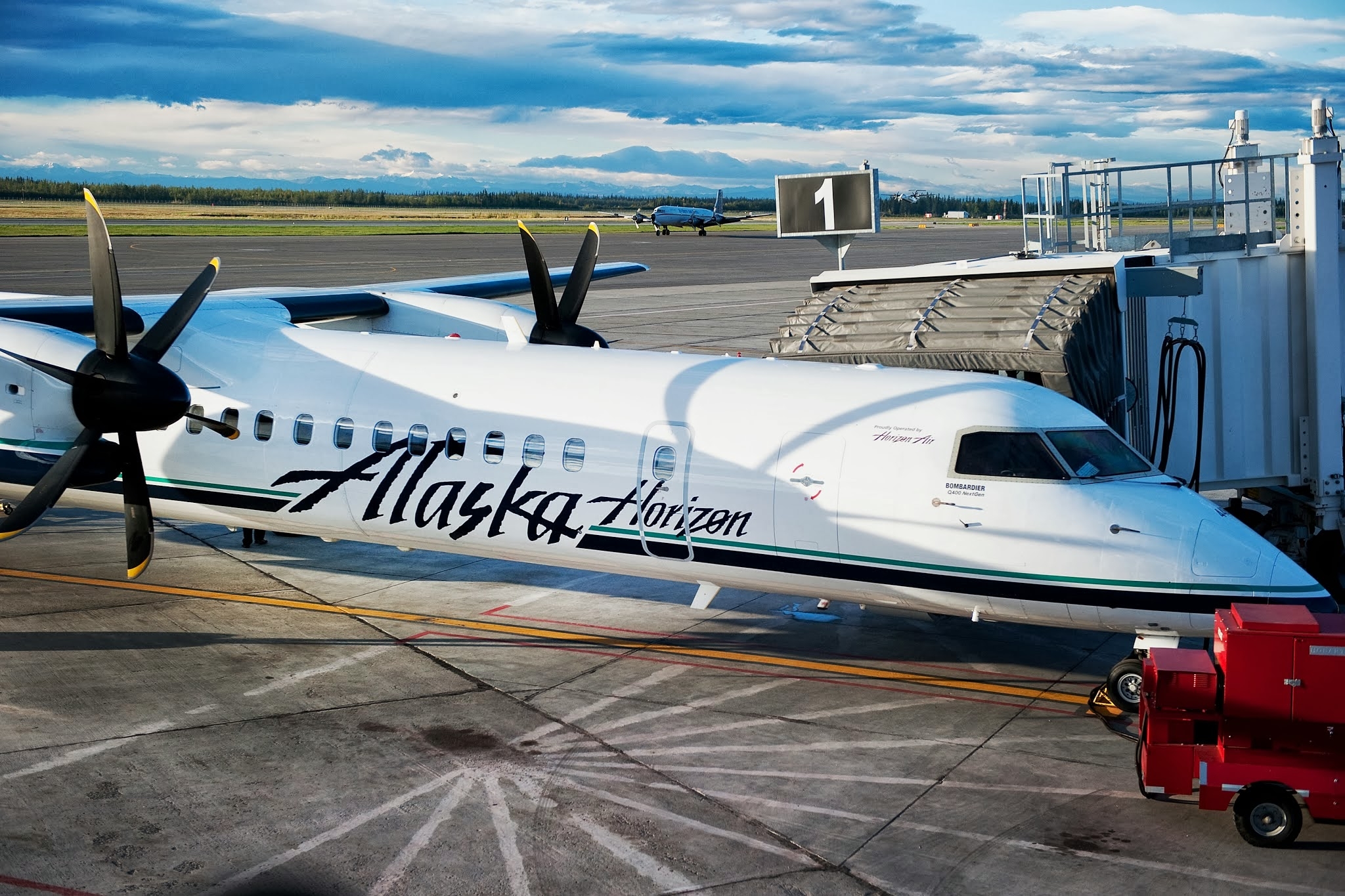
Alaska Airlines y Horizon Air concluyeron acuerdos este 24/04 con el Departamento del Tesoro de los Estados Unidos y aceptaron el desembolso total de fondos a través del Programa de Apoyo de Nómina (PSP) bajo la Ley de Ayuda, Alivio y Seguridad Económica (CARES) de Coronavirus, sujeto a los términos que se divulgaron previamente.

Alaska Airlines y Horizon Air han recibido US$ 992 millones en forma de una subvención de US$ 725 millones y un préstamo de US$ 267 millones, que se utilizarán exclusivamente para continuar pagando los sueldos, salarios y beneficios de los empleados. El financiamiento cubrirá aproximadamente el 70% de los costos de nómina presupuestados para ambas aerolíneas hasta el 30 Septiembre 2020, y se basó en costos similares informados por las aerolíneas para el período de Abril a Septiembre de 2019. «Estamos extremadamente agradecidos por el liderazgo de todos los funcionarios del gobierno federal involucrados en habilitar este apoyo directo para los empleados de aviación durante este tiempo de demanda significativamente reprimida e ingresos casi nulos. Este soporte nos permite proteger trabajos y mantener una infraestructura de transporte crítica mientras trabajamos durante los próximos meses para evaluar nuestro negocio y tomar decisiones bien pensadas», dijo Brad Tilden, Presidente y CEO de Alaska Air Group.

Modalidad de los fondos

Los fondos extendidos para el grupo aéreo son US$ 992 millones en fondos de PSP, US$ 267 millones son en forma de préstamo y deben pagarse al gobierno dentro de un plazo de 10 años. Además, el Departamento del Tesoro recibió órdenes de compra de 847.000 acciones sin derecho a voto de las acciones ordinarias de Alaska Air Group a un precio de US$ 31.61 por acción, que era el precio de cierre de las acciones el 9 Abril 2020. En virtud de este programa, Alaska Airlines y Horizon Air han acordado condiciones adicionales, tales como ausencia de permisos involuntarios y ninguna reducción de las tasas de pago o beneficios hasta el 30 de septiembre de 2020 ; continuar la suspensión de dividendos y recompras de acciones hasta el 30 de septiembre de 2021; límites a la compensación ejecutiva hasta el 24 de marzo de 2022; y para mantener los niveles mínimos de servicio aéreo según lo requerido por una regla del Departamento de Transporte.

Los fondos prestados a ambas aerolíneas a través de este programa respaldarán las necesidades de liquidez a corto plazo y deberán reembolsarse en su totalidad. Si se finaliza, el plazo del contrato de préstamo a plazo garantizado sería de cinco años, y estipularía que el Departamento del Tesoro reciba warrants para comprar acciones adicionales sin derecho a voto de las acciones ordinarias de Alaska Air Group que ascienden al 10% del valor del préstamo a un precio de US$ 31.61 por acción. Las discusiones con el Departamento del Tesoro sobre este préstamo aún están en curso.  AW-Icon Paragraph-01

5 things to know about Horizon Air – Alaska Airlines BlogAlaska Airlines/Horizon Air receive funds

US Government Deploys Payroll Assistance for the CARES Law

AW-Bombardier Q400 HorizonAlaska Airlines and Horizon Air concluded agreements this 04/24 with the United States Treasury Department and accepted the total disbursement of funds through the Payroll Support Program (PSP) under the Aid, Relief and Economic Security Act (CARES ) of Coronavirus, subject to the terms previously disclosed.

Alaska Airlines and Horizon Air have received US$ 992 million in the form of a US$ 725 million grant and a US$ 267 million loan, to be used exclusively to continue paying employees’ wages, salaries, and benefits. Funding will cover approximately 70% of budgeted payroll costs for both airlines through September 30, 2020, and was based on similar costs reported by airlines for the period April to September 2019. «We are extremely grateful for the leadership of all federal government officials involved in enabling this direct support for aviation employees during this time of significantly pent-up demand and near-zero revenue This support enables us to protect jobs and maintain critical transportation infrastructure as we work for the next few months to assess our business and make thoughtful decisions», said Brad Tilden, Alaska Air Group President, and CEO.

Modality of funds

The extended funds for the air group are US$ 992 million in PSP funds, US$ 267 million is in the form of a loan and must be paid to the government within 10 years. In addition, the Treasury Department received purchase orders for 847,000 non-voting shares of Alaska Air Group common stock at a price of US$ 31.61 per share, which was the closing share price on April 9, 2020. In Under this program, Alaska Airlines and Horizon Air have agreed to additional terms, such as no involuntary leave and no reduction in payment rates or benefits until September 30, 2020; continue the suspension of dividends and share buybacks until September 30, 2021; limits to executive compensation until March 24, 2022; and to maintain minimum air service levels as required by a Department of Transportation rule.

The funds loaned to both airlines through this program will support short-term liquidity needs and must be fully repaid. If terminated, the term of the guaranteed term loan agreement would be five years and would stipulate that the Treasury Department receive warrants to purchase additional non-voting shares of Alaska Air Group common shares amounting to 10% of the value of the loan at a price of US$ 31.61 per share. Discussions with the Treasury Department on this loan are still ongoing. AW-Icon Paragraph-02


Ξ A I R G W A Y S Ξ
SOURCE: Airgways.com
DBk: Alaskaair.com / Airgways.com
AW-POST: 202004241347AR

A\W   A I R G W A Y S ®

Aeropuerto Perth incauta avión Virgin

Virgin Australia plane in stand-off with Perth Airport bulldozerAW | 2020 04 24 10:12 | AIRLINES

Aeropuerto Perth confisca aeronaves a Virgin Australia

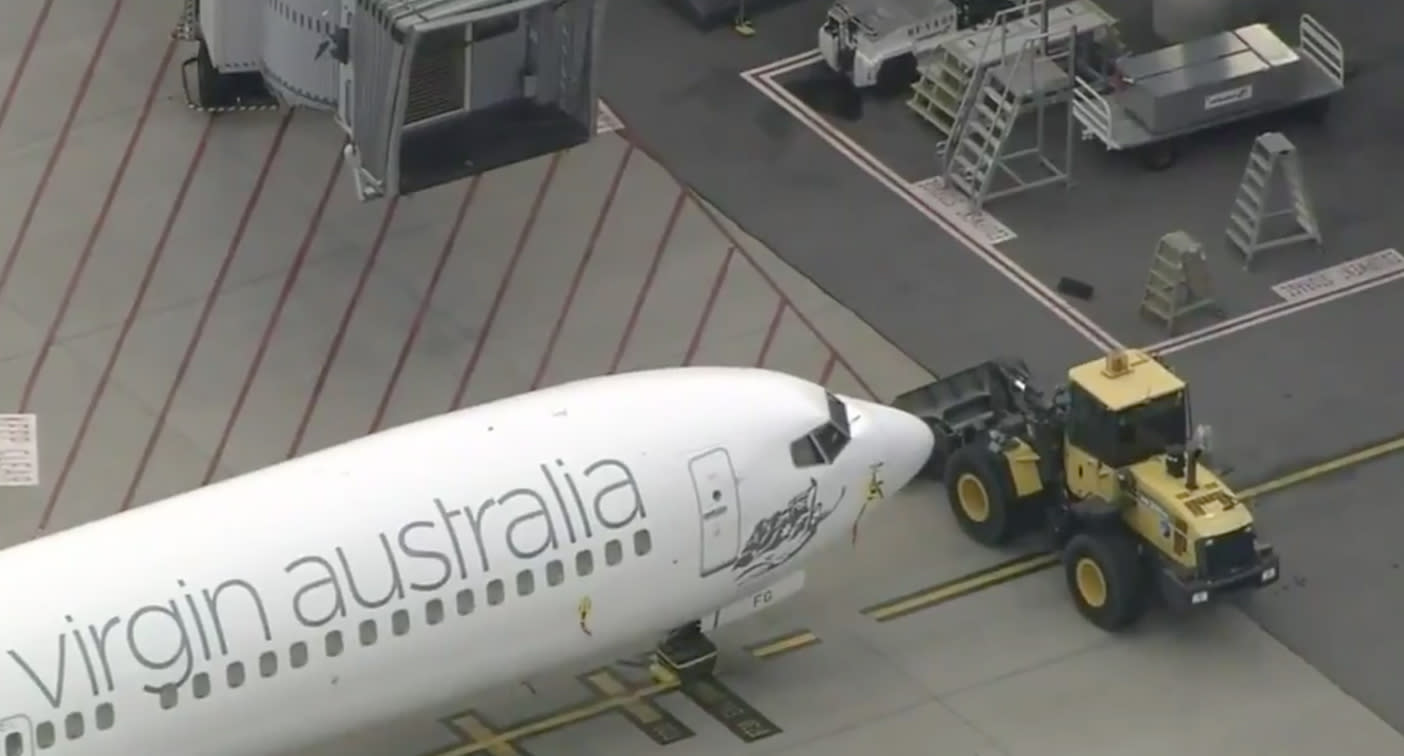
El Aeropuerto Perth ha confiscado varios aviones estacionados de Virgin Australia Australia debido a facturas impagas, y el aeropuerto dice que debe proteger sus propios intereses. Las imágenes obtenidas por los organismos de radiodifusión muestran una excavadora, camiones y escaleras portátiles colocadas justo en frente de los aviones, para que no puedan despegar.

«Virgin tiene importantes facturas pendientes del Aeropuerto de Perth por los cargos por uso de aeródromos y terminales, dinero que la aerolínea ya ha recaudado de sus pasajeros y del sector FIFO. Mientras que el aeropuerto de Perth está trabajando con los administradores de Virgin, también necesita proteger sus propios intereses. El Aeropuerto de Perth ha tomado embargos sobre una serie de aviones Virgin, una práctica estándar en estas situaciones», dijo el Viernes 24/04 un portavoz del aeropuerto. El aeropuerto no ha especificado el valor de las cuotas. El avión había estado estacionado por algún tiempo y actualmente no se usaba para vuelos.

Virgin Australia actualmente está siguiendo un cronograma esquemático bajo su equipo de gestión habitual, ya que los administradores buscan un comprador para toda la operación. Los administradores de la aerolínea en quiebra, Deloitte, están obligados a pagar arrendamientos en sus aviones a partir del 28 Abril 2020. Los administradores buscan órdenes judiciales para una extensión de hasta cuatro semanas desde su nombramiento para decidir si se requieren aviones arrendados para continuar con las operaciones del negocio. AW-Icon Paragraph-01

File:Virgin Australia VH-VUE Perth 2017.jpg - Wikimedia CommonsPerth airport seizes Virgin aircraft

Perth Airport confiscates aircraft from Virgin Australia

Perth Airport has confiscated several parked planes from Virgin Australia Airlines due to unpaid bills, and the airport says it must protect its own interests. The images obtained by the broadcasting organizations show an excavator, trucks and portable ladders placed just in front of the planes so that they cannot take off.

«Virgin has significant pending bills from Perth Airport for charges for the use of airfields and terminals, money that the airline has already collected from its passengers and from the FIFO sector. While Perth Airport is working with Virgin’s administrators, it is also it needs to protect its own interests. Perth Airport has seized a number of Virgin planes, standard practice in these situations», an airport spokesman said on Friday 24/04. The airport has not specified the value of the fees. The plane had been parked for some time and was not currently used for flights.

Virgin Australia is currently following a schematic schedule under its regular management team as managers are looking for a buyer for the entire operation. Administrators of the bankrupt airline, Deloitte, are required to pay leases on their planes beginning April 28, 2020. Administrators are seeking court orders for an extension of up to four weeks from their appointment to decide whether leased planes are required to continue with business operations. AW-Icon Paragraph-02


Ξ A I R G W A Y S Ξ
SOURCE: Airgways.com
DBk: Perthairport.com.au / Airgways.com / Wikimedia.org
AW-POST: 202004241012AR

A\W   A I R G W A Y S ®

Schiphol prueba rodaje sostenible

AW-Reismedia_1280_0AW | 2020 04 24 10:01 | AIRPORTS

Schiphol Vector Logo - Download Free SVG Icon | WorldvectorlogoAeropuerto Amsterdam Schiphol probará el rodaje sostenible

El Aeropuerto Amsterdam/Schiphol y sus socios están listos para comenzar una prueba de rodaje sostenible de aviones. En esta prueba, se utilizará un vehículo de remolque especial llamado ‘taxibot’ para llevar el avión a la pista. Con esto, el motor del avión se apagará. El ensayo se lleva a cabo junto con Air Traffic Control the Netherlands, Ministerie van Infrastructuur en Waterstaat (Ministerio de Infraestructura y Medio Ambiente) Corendon Airlines, KLM Airlines, Transavia, easyJet, dnata y KLM Ground Services.

Las pruebas iniciales remolcarán un avión Corendon Airlines vacío a diferentes pistas. Según el éxito de la prueba, la prueba se extenderá a los aviones operativos en la siguiente fase. El vehículo remolcador fue provisto por Smart Airport Systems y es uno de los diez disponibles en el mundo. El vehículo presenta una combinación híbrida de motores eléctricos y diesel, lo que le permite usar un 95% menos de combustible en comparación con el combustible utilizado por los motores de los aviones en la fase de rodaje. Con esta prueba, Schiphol tiene como objetivo lograr un ahorro total de consumo de combustible del 50% al 85% durante el rodaje, ya que los motores deben calentarse antes del despegue. AW-Icon Paragraph-01

AW-706544Schiphol tests sustainable shooting

Amsterdam Schiphol Airport to test sustainable taxiing

Amsterdam/Schiphol Airport and its partners are ready to begin a sustainable aircraft taxi test. In this test, a special tow vehicle called a ‘taxibot’ will be used to bring the plane onto the runway. With this, the plane’s engine will shut off. The trial is carried out in conjunction with Air Traffic Control the Netherlands, Ministerie van Infrastructuur en Waterstaat (Ministry of Infrastructure and Environment) Corendon Airlines, KLM Airlines, Transavia, EasyJet, dnata, and KLM Ground Services.

Initial tests will tow an empty Corendon Airlines plane to different runways. Based on the success of the test, the test will be extended to operational aircraft in the next phase. The tow vehicle was provided by Smart Airport Systems and is one of ten available in the world. The vehicle features a hybrid combination of electric and diesel engines, allowing it to use 95% less fuel compared to the fuel used by aircraft engines in the taxi phase. With this test, Schiphol aims to achieve total fuel consumption savings of 50% to 85% during taxiing, as the engines must be warmed up before take-off. AW-Icon Paragraph-02

Sustainable aircraft taxiing trial launched at Schiphol - Airport ...Schiphol test duurzaam schieten

Amsterdam Schiphol Luchthaven om duurzaam taxiën te testen

Amsterdam/Schiphol Luchthaven en haar partners zijn klaar voor een duurzame taxitest. Bij deze test zal een speciaal sleepvoertuig, een ‘taxibot’ genaamd, worden gebruikt om het vliegtuig op de landingsbaan te brengen. Hiermee wordt de motor van het vliegtuig uitgeschakeld. De proef wordt uitgevoerd in samenwerking met Luchtverkeersleiding Nederland, Ministerie van Infrastructuur in Waterstaat (Ministerie van Infrastructuur en Milieu) Corendon Airlines, KLM Airlines, Transavia, easyJet, dnata en KLM Ground Services.

De eerste tests zullen een leeg Corendon Airlines-vliegtuig naar verschillende startbanen slepen. Op basis van het succes van de test wordt de test in de volgende fase uitgebreid naar operationele vliegtuigen. Het sleepvoertuig is geleverd door Smart Airport Systems en is een van de tien ter wereld. Het voertuig is voorzien van een hybride combinatie van elektrische en dieselmotoren, waardoor het 95% minder brandstof verbruikt in vergelijking met de brandstof die wordt gebruikt door vliegtuigmotoren in de taxifase. Met deze test streeft Schiphol naar een totale besparing op het brandstofverbruik van 50% tot 85% tijdens het taxiën, omdat de motoren moeten worden opgewarmd voordat ze opstijgen. AW-Icon Paragraph-02


Ξ A I R G W A Y S Ξ
SOURCE: Airgways.com
DBk: Airport-technology.com / Schiphol.nl / Rijksoverheid.nl/ministeries / Reismedia.com / Airgways.com
AW-POST: 202004241001AR

A\W   A I R G W A Y S ®

AA2000 solicita el cierre temporario del Aeropuerto Internacional El Palomar

Actualidad Revolución de los Aviones |AW | 2020 04 24 09:13 | AIRPORTS

Aerop_arg_2000_logo.svgAA2000 pidió el cierre temporario del Aeropuerto de El Palomar y el traslado de operaciones a Ezeizadescarga (1)

La compañía administradora del consorcio de aeropuerto en Argentina, Aeropuertos Argentina 2000 (AA2000) ha solicitado a los organismos reguladores la suspensión temporaria de las operaciones del Aeropuerto Internacional El Palomar (EPA/SADP) mientras en el período de las restricciones impuestas por la crisis sanitaria por la pandemia del Coronavirus.

AW-JetSmart-A320200Aeropuertos Argentina 2000, la empresa que administra 35 aeropuertos en el país, ha solicitado el 23/04 el cierre temporario del Aeropuerto de El Palomar, conocido como la primera aeroestación low cost de Latinoamérica. AA2000 ha expedido ante los organismos la solicitud del traslado de sus operaciones hacia el Aeropuerto Internacional Ezeiza, mientras duren las restricciones impuestas por la pandemia. En una nota enviada al Organismo Regulador del Sistema Nacional de Aeropuertos (ORSNA), AA2000 32321855_619737138376831_4119904145547198464_nseñaló que «la aviación civil se encuentra en su peor crisis histórica, y sin certezas de su futuro inmediato y a mediano plazo y en ese marco, la compañía ha visto sus ingresos reducidos drásticamente. Ante los desafíos que plantea la parálisis provocada por la pandemia de COVID-19 y la restricción de vuelos, ha solicitado al Organismo Regulador de Sistema Nacional de Aeropuertos (ORSNA) el cierre temporario del aeropuerto de El Palomar, y el traslado de sus operaciones a Ezeiza. La decisión y la duración de esta medida será determinada por las autoridades correspondientes». El pedido tendría un curso favorable en el ORSNA, por lo que el Aeropuerto El Palomar quedaría temporalmente cerrado, hasta tanto se normalicen las operaciones aéreas.

Actualmente no hay vuelos regulares en el Aeropuerto Internacional El Palomar, sólo se resumen vuelos de repatriación. El traslado temporario de las operaciones mejoraría la distribución de pasajeros dentro de la terminal aérea de ezeiza, facilitando la distancia recomendada y colaborando de esa manera con el cuidado y la protección de los mismos, encontrándose mejor preparada para realizar todos los controles sanitarios que el protocolo sanitario exige. El Palomar no tiene capacidad para cumplir con el distanciamiento social y los controles necesarios para enfrentar el COVID-19.

Inclusive se está estudiando la factibilidad del área metropolitana de Buenos Aires que cuenta con tres aeropuertos con vuelos comerciales regulares (Ezeiza, Aeroparque y El Palomar), por lo cual AA2000 está arbitrando los estudios para realizar una solicitud similar respecto de el Aeropuerto Jorge Newbery (Aeroparque), y así consolidar todas las operaciones en el Aeropuerto Internacional Ezeiza durante el período de la pandemia hasta que vuelvan a permitirse las operaciones regulares. AW-Icon Paragraph-01

71952511AA2000 requests temporary closure of El Palomar

descargaAA2000 requested the temporary closure of El Palomar Airport and the transfer of operations to Ezeiza

The managing company of the airport consortium in Argentina, Aeropuertos Argentina 2000 (AA2000) has requested regulatory agencies to temporarily suspend the operations of El Palomar International Airport (EPA/SADP) while in the period of restrictions imposed by the health crisis due to the Coronavirus pandemic.

Airports Argentina 2000, the company that manages 35 airports in the country, has requested on 04/23 the temporary closure of El Palomar Airport, known as the first low-cost air station in Latin America. AA2000 has issued a request to the agencies to transfer its operations to Ezeiza International Airport, while the restrictions imposed by the pandemic last. In a note sent to the Regulatory Body of the National Airport System (ORSNA), AA2000 stated that «civil aviation is in its worst historical crisis, and without the certainty of its immediate and medium-term future, and in this context, the company has seen Its revenues have been drastically reduced. Given the challenges posed by the paralysis caused by the COVID-19 pandemic and the restriction of flights, it has requested the Regulatory Agency of the National Airport System (ORSNA) to temporarily close the El Palomar airport, and the transfer of its operations to Ezeiza. The decision and the duration of this measure will be determined by the corresponding authorities». The order would have a favorable course at the ORSNA, so the El Palomar Airport would be temporarily closed until air operations are normalized.

Currently there are no regular flights at El Palomar International Airport, only repatriation flights are summarized. The temporary transfer of operations would improve the distribution of passengers within the ezeiza air terminal, facilitating the recommended distance and thus collaborating with the care and protection of the same, being better prepared to carry out all the sanitary controls than the protocol sanitary requires. El Palomar does not have the capacity to comply with the social distancing and controls necessary to confront COVID-19.

The feasibility of the Buenos Aires metropolitan area, which has three airports with regular commercial flights (Ezeiza, Aeroparque and El Palomar), is even being studied, for which reason AA2000 is arbitrating the studies to make a similar request regarding the Jorge Newbery Airport ( Aeroparque), and thus consolidate all operations at Ezeiza International Airport during the pandemic period until regular operations are allowed again. AW-Icon Paragraph-02


Ξ A I R G W A Y S Ξ
SOURCE: Airgways.com
DBk: Aa.com.ar / Telam.com.ar / Airgways.com
AW-POST: 202004240913AR

A\W   A I R G W A Y S ®

Mitsubishi Heavy suspende ops

Mitsubishi Heavy Industries has skills to build Airbus wings: CEO ...AW | 2020 04 23 20:20 | INDUSTRY

unnamedMitsubishi Heavy Industries suspende operaciones en Japón

Mitsubishi Heavy Industries, ha suspendido operaciones industriales por pandemia Coronavirus. El cierre de un mes de la Planta de Nagoya, Japón, expone la profundidad de los riesgos de manejo laboral. El proveedor clave de The Boeing Company sufre contratiempos de producción. Después de disfrutar durante mucho tiempo su papel como proveedor de componentes principales para el Boeing 787 Dreamliner, Mitsubishi Heavy Industries ahora está descubriendo que su dependencia del fabricante de aviones de Estados Unidos tiene más de una pesadilla a raíz de la crisis sanitaria.

Las extenciones de las medidas de cuarentena afectan también a la Prefectura de Aichi, el corazón de la industria de la aviación de Japón, cuando Mitsubishi Heavy comenzó a decirles a los proveedores a mediados de Abril 2020 que suspendieran los envíos, luego de un anuncio el Miércoles 22/04 de que sus obras aeroespaciales de Nagoya estarían cerradas hasta el 29 Mayo 2020. Con Boeing suspendiendo la producción del Boeing 787, Mitsubishi Heavy está buscando cerrar su producción de Nagoya para piezas de aviones durante aproximadamente un mes. También dice que detendrá de forma intermitente la Planta de Hiroshima, que fabrica piezas para otros aviones Boeing. «Probablemente tendremos que reducir significativamente la producción», dijo un ejecutivo de Mitsubishi Heavy. Algunos de los proveedores más pequeños y con poco efectivo se preocupan de que puedan cerrar el negocio si las interrupciones se prolongan demasiado.

Los viajes aéreos han disminuido drásticamente en todo el mundo a medida que se propaga la pandemia del Coronavirus. Los proveedores de Boeing, Kawasaki Heavy Industries y Subaru, han decidido suspender la producción en plantas clave durante dos semanas aproximadamente hasta principios de Mayo 2020.

Pero el descanso de un mes de Mitsubishi Heavy es extremo y revela cuánto necesita el fabricante de aviones estadounidense retornar rápidamente. Las obras aeroespaciales de Nagoya se consideran una de las joyas de la corona de Mitsubishi Heavy y produjeron muchos de sus funcionarios clave a lo largo de los años. También depende casi por completo de los pedidos de Boeing. El constructor americano representó alrededor del 80% de las ventas de más de ¥ 200 mil millones de Yenes (US$ 1.86 mil millones) de Mitsubishi Heavy en aviones civiles para el año que finalizó en Marzo 2019. El Boeing 787 Dreamliner en particular jugó un papel fundamental. Mitsubishi Heavy produce la caja de ala compuesta para el Dreamliner. El componente complejo requiere una gran cantidad de piezas, lo que significa mayores riesgos de inventario para la empresa japonesa.

Boeing reanudó la producción de algunos aviones el Lunes 20/04. Pero con la caída de la demanda de aviones, es probable que reduzca los pedidos a Mitsubishi Heavy en el futuro. La industria de la aviación también se interponen en el camino del programa del jet regional SpaceJet, el proyecto de más de ¥ 1 billón de Yenes de Mitsubishi Heavy para construir un avión de pasajeros. La entrega se ha retrasado seis veces con respecto al objetivo original de 2013, y la compañía ahora espera su primera pérdida antes de impuestos de todo el año en dos décadas, por una suma de ¥ 10 mil millones de yenes para el año que terminó el 31 Marzo 2020.

La pandemia probablemente retrasará los vuelos de prueba y otros pasos necesarios hacia la comercialización. Las aerolíneas de todo el mundo podrían enfrentar dificultades a largo plazo debido a la caída de la demanda, lo que posiblemente conduzca a pedidos cancelados de SpaceJet. AW-Icon Paragraph-01

Acuerdo Boeing-Mitsubishi de reducción costos del conjunto alar ...Mitsubishi Heavy suspends ops

Mitsubishi_logo.svgBoeing supplier Mitsubishi Heavy suspends ops

Mitsubishi Heavy Industries has suspended industrial operations due to the pandemic Coronavirus. The one-month closure of the Nagoya, Japan Plant exposes the depth of workplace management risks. The key supplier to The Boeing Company suffers from production setbacks. After long enjoying its role as a major component supplier to the Boeing 787 Dreamliner, Mitsubishi Heavy Industries is now discovering that its dependence on the U.S. aircraft maker has more than one nightmare in the wake of the health crisis.

AW-Boeing-787-pngThe extensions of the quarantine measures also affect Aichi Prefecture, the heart of Japan’s aviation industry, when Mitsubishi Heavy began telling suppliers in mid-April 2020 to suspend shipments, after an announcement on Wednesday 4/22 that its Nagoya aerospace works would be closed until May 29, 2020. With Boeing suspending production of the Boeing 787, Mitsubishi Heavy is seeking to shut down its Nagoya production for aircraft parts for about a month. It also says it will intermittently stop the Hiroshima Plant, which makes parts for other Boeing planes. «We will probably have to significantly cut production», said a Mitsubishi Heavy executive. Some of the smaller, low-cash providers worry that they may close the business if outages are prolonged too long.

Air travel has dramatically decreased worldwide as the Coronavirus pandemic spreads. Boeing suppliers Kawasaki Heavy Industries and Subaru have decided to suspend production at key plants for approximately two weeks until early May 2020.

But Mitsubishi Heavy’s one-month break is extreme and reveals how much the American aircraft maker needs to return quickly. Nagoya’s aerospace works are considered one of Mitsubishi Heavy’s crown jewels and produced by many of its key officials over the years. It also depends almost entirely on Boeing’s orders. The American builder accounted for about 80% of Mitsubishi Heavy’s ¥ 200 billion yen (US$ 1.86 billion) sales in civil aircraft for the year ending March 2019. The Boeing 787 Dreamliner in particular played a fundamental role. Mitsubishi Heavy produces the composite wing box for the Dreamliner. The complex component requires a large number of parts, which means greater inventory risks for the Japanese company.

Boeing resumed the production of some aircraft on Monday 20/04. But with the decline in demand for aircraft, it is likely to reduce orders to Mitsubishi Heavy in the future. The aviation industry is also getting in the way of the SpiceJet regional jet program, Mitsubishi Heavy’s ¥ 1 trillion yen project to build a passenger jet. Delivery has been delayed six times from the original 2013 target, and the company now expects its first full-year, pre-tax loss in two decades, amounting to ¥ 10 billion yen for the year ended. March 31, 2020.

The pandemic is likely to delay test flights and other necessary steps toward commercialization. Airlines around the world could face long-term difficulties due to falling demand, possibly leading to canceled SpaceJet orders. AW-Icon Paragraph-02


INDUSTRY | | Página 58三菱重工、オペレーションを一時停止

Mitsubishi_Logoボーイングサプライヤーの三菱重工が運用を一時停止

三菱重工業は、パンデミック・コロナウイルスのため、産業活動を停止しました。名古屋日本工場が1ヶ月間閉鎖されたことで、職場の経営リスクの深さが明らかになりました。 The Boeing Companyの主要サプライヤーは、生産の挫折に悩まされています。ボーイング787ドリームライナーの主要コンポーネントサプライヤーとしての役割を長く楽しんだ後、三菱重工業は現在、米国の航空機メーカーへの依存が健康危機の結果として複数の悪夢を抱えていることを発見しています。

検疫措置の延長は、三菱重工が2020年4月中旬に発表した後、2020年4月中旬にサプライヤーに出荷停止を指示したことから、日本の航空産業の中心地である愛知県にも影響を及ぼしている。名古屋航空宇宙事業は2020年5月29日まで閉鎖されると水曜日4月22日。ボーイング787の生産を停止することで、三菱重工は航空機部品の名古屋生産を約1ヶ月間停止することを目指している。また、他のボーイング機の部品を製造する広島工場を間欠的に停止するとしている。三菱重工の幹部は、「生産を大幅に削減する必要があるだろう」と述べた。小規模で低現金のプロバイダーの一部は、停止が長すぎるとビジネスが閉鎖されるのではないかと心配しています。

コロナウイルスのパンデミックが拡大するにつれ、飛行機による旅行は世界中で劇的に減少しています。ボーイングのサプライヤーである川崎重工業とスバルは、2020年5月上旬までの約2週間、主要工場の生産を停止することを決定しました。

しかし、三菱重工の1か月の休憩は極端であり、アメリカの航空機メーカーがどれだけ早く復帰する必要があるかを明らかにします。名古屋の航空宇宙関連の作品は、三菱重工のクラウンジュエルの1つと見なされており、長年にわたって主要な関係者の多くが製造しています。それはまた、ほぼ完全にボーイングの命令に依存しています。 2019年3月までの1年間の民間航空機の売上高である三菱重工の2,000億円(1億8,600万米ドル)の約80%をアメリカのビルダーが占めていました。特にボーイング787ドリームライナーは、基本的な役割。三菱重工は、ドリームライナー用のコンポジットウィングボックスを製造しています。複雑なコンポーネントには多数の部品が必要です。これは、日本企業の在庫リスクが大きくなることを意味します。

ボーイングは、04/20(月)に一部の航空機の生産を再開しました。ただし、航空機需要の減少に伴い、三菱重工への受注は今後減少する可能性があります。航空業界もスペースジェットリージョナルジェットプログラムの邪魔になっています。三菱重工が旅客機を作る1兆円のプロジェクトです。納期は当初の2013年の目標から6倍遅れており、通期で20年ぶりに税引き前で100億円の赤字となる見通し。 2020年3月31日。

パンデミックは、テスト飛行やその他の商業化に必要なステップを遅らせる可能性があります。世界中の航空会社は需要の減少により長期的な困難に直面し、SpaceJetの注文がキャンセルされる可能性があります。AW-Icon Paragraph-02


Ξ A I R G W A Y S Ξ
SOURCE: Airgways.com
DBk: Mitsubishi.com / Boeing.com / Nikkei.com / Airgways.com
AW-POST: 202004232020AR

A\W   A I R G W A Y S ®

Latam Airlines insinúa dejar Argentina

AW-Latam_ArgAW | 2020 04 23 14:44 | AIRLINES

descargaLatam Argentina con conflicto gremial insinúa que abandonará volar cabotaje en Argentina

Latam Airlines Argentina no está al margen de los problemas financieros de las líneas aéreas de Argentina y el mundo en la presente crisis sanitaria global. Atraviesa déficit financiero, pérdida de mercado y sin acuerdo de ajuste salarial, variables que pondrían en jaque a las operaciones en Argentina, peligrando 2.200 fuentes laborales.

La imposibilidad de imponer sus condiciones laborales y dificultades financieras, Latam Argentina puso en evaluación su operación de cabotaje local y no descarta interrumpir su actividad en el país por tiempo indeterminado. Así se lo hicieron saber representantes de la compañía a representantes gremiales que, por estos días, lideran la resistencia al intento de la aérea de consolidar en Argentina el recorte del 50% en los salarios que ya estableció en otros mercados.

Voceros de tres sindicatos diferentes coincidieron en que, aunque la aerolínea, puertas hacia afuera, mantiene silencio sobre su funcionamiento en el plano doméstico, en el diálogo con las organizaciones desde Latam Argentina se manifestó que la operación local carece de sentido a partir del fin de los vuelos por la pandemia, la conflictividad gremial, y el costo laboral en un mercado en el que la aerolínea viene perdiendo participación año a año.

Latam Airlines Argentina poseía un 16% del mercado doméstico argentino, encontrándose discretamente posicionada frente a su competidor más próximo Aerolíneas/Austral. El desembarco de las low cost durante la era de la Revolución de los Aviones ha aumentado la competitividad en el sector aéreo disminuyendo la participación en el mercado de aviación, luego impactando de lleno con la crisis de la pandemia del Coronavirus.

La Red Latam-ITF se forma con los sindicatos de aviación afiliados a la ITF. Latam-ITF que nuclea a los empleados en toda Latinoamérica sostienen que los números en rojo, las aeronaves paralizadas y la intransigencia de acuerdos salariales y neutralizar cualquier intento de despidos, son un combo de situaciones donde la aerolínea Latam Argentina evalúa su continuidad en el país. «Como nunca antes en otros conflictos informaron de la posibilidad de levantar la filial. Es lógico si se lo piensa desde el mercado porque ya la operación estaba en segundo plano para Latam. En Argentina vuelan los aviones más viejos del holding, cada vez con menos rutas, y enfrentan la resistencia gremial más fuerte. El contexto sirve de excusa para la empresa, que tiene aceitados los circuitos que sí les son rentables en el país. Esto es, el comercio de cargas y la operación internacional. Latam Group funciona con múltiples unidades de negocios. El cabotaje en Argentina es sólo una de esas unidades y desactivarla no le complicará el resto de sus actividades en el país. Desactivar acá sería, a los ojos de la compañía, sacarse de encima una molestia», ha expresado una alta fuente de Latam-ITF.

Latam_7320200Los tripulantes han manifiestado su preocupación indicando un freno total de la operación de la aerolínea que implicaría la pérdida de 2.200 empleos. Señalan que la posibilidad de desactivar la filial doméstica también es utilizada por el holding como una estrategia en el intento de recortar a la mitad todos los sueldos. «La diferencia con otras instancias en las que se amenazó con lo mismo es que ahora tienen más aval a partir del contexto. La oposición fuerte a sus políticas de recorte salarial la tienen acá, no en el resto de la región. Hasta ahora en las audiencias en el Ministerio de Trabajo no han recibido el apoyo que pensaban. Latam se quiere aferrar a un artículo muy marginal de la ley de contrato laboral para imponer el recorte pero no obtuvieron la ventaja que buscaban«, comentaron desde esa organización. Entre los delegados de los tripulantes prevalece la idea de que esta evaluación de la actividad de cabotaje también es una estrategia pensada para poner a los mismos empleados del holding a reclamar el auxilio financiero del Gobierno de Argentina. «En Brasil activaron una táctica similar, forzando a los empleados a pedir una ayuda oficial para preservar los empleos. Son maniobras que apuntan a obtener una respuesta de la política. De esa forma el holding busca alzarse con préstamos y subsidios para no tener que afrontar la crisis con caja propia. Lo peor es que en muchos mercados se han salido con la suya», aseguraron las voces consultadas.

Frente a este panorama, el grupo les propuso a sus empleados una reducción transitoria de los sueldos del 50%, aunque los de menores ingresos quedaban excluidos durante el tiempo que se esté sin volar para evitar despidos. La propuesta fue aceptada en todos los mercados, menos en Argentina, aunque apoyada por los empleados, cuya mayoría está dispuesta a firmar en el Ministerio de Trabajo, sino por los gremios aeronáuticos.

Desarticular los vuelos comerciales dentro de Argentina no modificaría en absoluto los números de Latam Argentina en tanto la empresa mantiene como unidades separadas a los vuelos comerciales del transporte de cargas. «El holding creó una empresa satélite, Handyway Cargo, con base en Tucumán, que tiene el control de la exportación de arándanos, por ejemplo. De esa compañía no participan ni Qatar Airways ni Delta Air Lines, por lo que el negocio es íntegramente para los accionistas chilenos y brasileños. En Colombia montaron algo similar para seguir dominando el movimiento de flores. Por otro lado, los vuelos internacionales son controlados por Latam Airlines Group, unidad también separada del cabotaje en Argentina. Básicamente lo que ha hecho el holding en el país es montar su modelo de empresas satélite, un esquema a la chilena. De esa manera han logrado multiplicar la recaudación también acá», detallaron delegados de Tripulantes.

En UPSA, la organización que integra al Personal Jerárquico aerocomercial, han expresado que la compañía «viene mostrando un desinterés fuerte en competir a nivel cabotaje, por lo que la eventual desactivación de los servicios fronteras hacia adentro no les significaría demasiado. El holding logró un control enorme de los vuelos internacionales, incluso desde el interior del país. El transporte de carga también lo tiene muy bien controlado. En el cabotaje bajaron los servicios de Bahía Blanca y Jujuy y ni se molestaron en dar explicaciones. Es evidente que mantener el mercado interno no les interesa. Como ocurrió hace unos años con la discusión en torno al hangar en Aeroparque, ahora la empresa pretende poner otra vez a los trabajadores a pedir una solución al Gobierno o levanta la operación. Utiliza a sus empleados como rehenes. Latam debería tener en claro que si se va los trabajadores pasarán a otra compañía. Y que el mercado de cabotaje igual estará muy bien cubierto. El Estado no tiene por qué subvencionarla y menos con estas prácticas», sentenciaron representantes del sindicato de UPSA.

Posición de Latam

El Viernes 17/04, Latam Argentina había notificado su decisión de extender la reducción del 95% en su operación de vuelos comerciales de pasajeros durante todo Mayo 2020, en medio del impacto por la crisis sanitaria. «Frente a este escenario adverso, es inevitable que las empresas del Grupo deberán redimensionar sus respectivos tamaños y la forma en que opera. Podemos observar que los impactos son más profundos y que serán más duraderos de lo que anticipamos inicialmente», dijo el Presidente Ejecutivo Roberto Alvo de Latam Airlines Group.

A mediados de Marzo 2020, Latam Argentina anunció inicialmente que suspendería vuelos internacionales y domésticos debido a las restricciones sanitarias de varios países y la posterior caída en la demanda. En las rutas de cabotaje, las unidades de Brasil y Chile se mantendrán con operaciones reducidas, mientras que a nivel internacional el grupo espera operar semanalmente seis frecuencias entre Santiago y Miami, y tres frecuencias entre São Paulo y Miami.

En cuanto a las poperaciones de carga, la compañía dijo que sus unidades no se han visto limitadas por las restricciones y están reforzando su capacidad para apoyar las exportaciones e importaciones, el abastecimiento y el transporte de bienes esenciales.

Perspectivas Argentina

Latam Argentina cuenta con 2.200 empleados, 13 escalas y posee el 16% del mercado doméstico argentino cuando hace dos años atrás ostentaba el 20%. La aerolínea no es rentable y depende de contribuciones del holding, aunque el mercado regional y el de carga desde Argentina son aceptables. Más allá de la crisis local, Latam Airlines Group enfrenta ahora un escenario financiero complejo debido a las restricciones globales por la pandemia del Coronavirus y sus efectos se expanden en todo el grupo de aviación. AW-Icon Paragraph-01


AW-Latam_7007Latam insinuates to leave Argentina

LATAM-logo-2015Latam Argentina with union conflict implies that it will abandon flying cabotage in Argentina

Latam Airlines Argentina is not apart from the financial problems of the airlines of Argentina and the world in the current global health crisis. It is experiencing financial deficit, market loss, and no salary adjustment agreement, variables that would jeopardize operations in Argentina, jeopardizing 2,200 job sources.

The impossibility of imposing its labor conditions and financial difficulties, Latam Argentina put in evaluation its local cabotage operation and does not rule out interrupting its activity in the country for an indefinite time. This was made known by company representatives to union representatives who, these days, are leading the resistance to the airline’s attempt to consolidate in Argentina the 50% cut in wages that it has already established in other markets.

Spokespersons from three different unions agreed that, although the airline, doors out, remains silent about its operation at the domestic level, in the dialogue with organizations from Latam Argentina it was stated that the local operation is meaningless from the end of the flights due to the pandemic, the union conflict, and the labor cost in a market in which the airline has been losing participation year by year.

Latam Airlines Argentina owned 16% of the Argentine domestic market, being discreetly positioned against its closest competitor Aerolíneas/Austral. The landing of low-cost aircraft during the era of the Aircraft Revolution has increased competitiveness in the airline sector, decreasing participation in the aviation market, then having a full impact with the crisis of the Coronavirus pandemic.

LATAM Network ITF Red SindicalThe Latam-ITF Network is formed with the ITF affiliated aviation unions. Latam-ITF that brings together employees throughout Latin America maintains that the numbers in red, the paralyzed aircraft, and the intransigence of wage agreements and neutralizing any attempt at layoffs, are a combo of situations where the airline Latam Argentina evaluates its continuity in the country. «As never before in other conflicts they reported the possibility of lifting the subsidiary. It is logical if you think about it from the market because the operation was already in the background for Latam. In Argentina, the oldest aircraft of the holding company fly, each time with fewer routes, and face the strongest union resistance. The context serves as an excuse for the company, which has oiled circuits that are profitable in the country. That is cargo trade and international operation. Latam Group works with multiple business units. Cabotage in Argentina is only one of those units and deactivating it will not complicate the rest of its activities in the country. To deactivate here would be, in the eyes of the company, to get rid of a nuisance», expressed a high Latam-ITF source.

The crew members have expressed their concern indicating a total stoppage of the airline’s operation that would mean the loss of 2,200 jobs. They point out that the possibility of deactivating the domestic subsidiary is also used by the holding company as a strategy in an attempt to cut all salaries in half. «The difference with other instances in which the same was threatened is that they now have more support from the context. Strong opposition to their salary cut policies is here, not in the rest of the region. Until now in the Hearings in the Ministry of Labor have not received the support they thought. Latam wants to cling to a very marginal article of the labor contract law to impose the cut but they did not obtain the advantage they were looking for», they commented from that organization. Among the crew delegates, the idea prevails that this assessment of cabotage activity is also a strategy designed to put the same employees of the holding company to demand financial aid from the Government of Argentina. «In Brazil they activated a similar tactic, forcing employees to ask for official help to preserve jobs. These are maneuvers that aim to obtain a policy response. In this way, the holding company seeks to obtain loans and subsidies so that it does not have to face the crisis with its own box. The cloud-01worst thing is that in many markets they have had their way», said the voices consulted.

Latam_705044cloud-02Against this background, the group proposed to its employees a temporary reduction in salaries of 50%, although those with lower incomes were excluded during the time they were without flying to avoid layoffs. The proposal was accepted in all markets, except Argentina, although supported by employees, most of whom are willing to sign in the Ministry of Labor, but by the aeronautical unions.

Dismantling commercial flights within Argentina would not change Latam Argentina’s numbers at all as the company maintains commercial cargo transport flights as separate units. «The holding company created a satellite company, Handyway Cargo, based in Tucumán, which has control of the export of blueberries, for example. Neither Qatar Airways nor Delta Air Lines participates in that company, so the business is entirely for Chilean and Brazilian shareholders. In Colombia, they set up something similar to continue dominating the flower movement. On the other hand, international flights are controlled by Latam Airlines Group, a unit also separate from cabotage in Argentina. Basically what the holding company has done in the country is to set up its model of satellite companies, a Chilean scheme. In this way they have managed to multiply the collection here as well», explained crew members.

UPSAAt UPSA, the organization that integrates the hierarchical aero-commercial personnel, they have expressed that the company «has been showing a strong disinterest in competing at the cabotage level, so the eventual deactivation of inland border services would not mean much to them. The holding company achieved enormous control of international flights, even from within the country. Cargo transportation is also very well controlled. In cabotage, the services of Bahía Blanca and Jujuy went down and they did not even bother to give explanations. It is evident that maintaining the internal market does not interest them. As happened a few years ago with the discussion around the hangar at Aeroparque, now the company intends to put workers back to ask the government for a solution or to lift the operation. It uses its employees as hostages. Latam should be clear that if he leaves, the workers will move to another company. And that the cabotage market will still be very well covered. The State does not have to subsidize it and less with these practices», sentenced representatives of the UPSA union.

Latam position

On Friday 04/17, Latam Argentina had notified its decision to extend the 95% reduction in its operation of commercial passenger flights throughout May 2020, amid the impact of the health crisis. «Faced with this adverse scenario, it is inevitable that the Group companies will have to resize their respective sizes and the way they operate. We can see that the impacts are deeper and that they will be more lasting than we initially anticipated», said the Executive President. Roberto Alvo of Latam Airlines Group.

In mid-March 2020, Latam Argentina initially announced that it would suspend international and domestic flights due to sanitary restrictions in several countries and the subsequent drop in demand. On cabotage routes, the Brazilian and Chilean units will continue with reduced operations, while at the international level the group expects to operate six frequencies weekly between Santiago and Miami, and three frequencies between São Paulo and Miami.

Regarding cargo operations, the company said that its units have not been limited by restrictions and are strengthening their capacity to support exports and imports, the supply and transportation of essential goods.

Latam perspective

Latam Argentina has 2,200 employees, 13 scales and owns 16% of the Argentine domestic market when two years ago it held 20%. The airline is not profitable and depends on contributions from the holding, although the regional market and the cargo market from Argentina are acceptable. Beyond the local crisis, Latam Airlines Group now faces a complex financial scenario due to global restrictions due to the Coronavirus pandemic, and its effects are spreading throughout the aviation group. AW-Icon Paragraph-02


Ξ A I R G W A Y S Ξ
SOURCE: Airgways.com
DBk: Organizatelatam.com / Upsa-ospea.com.ar / Latam.com / Airgways.com
AW-POST: 202004231444AR

A\W   A I R G W A Y S ®

Nuevo video accidente SU-1492

AW-Aeroflot-SSJ100-RA-89032AW | 2020 04 23 12:14 | AVIATION SAFETY

images (2)Nuevo video accidente SU-1492 SSJ-100 de Aeroflot

Las cadenas noticiosas rusas han publicado un nuevo video del accidente aéreo del vuelo SU-1492 de un Sukhoi SSJ-100-95 de Aeroflot Russian Airlines ocurrido en el Aeropuerto Sheremetyevo de Moscú. Casi un año después del accidente fatal del vuelo SU-1492, un Domingo 5 Mayo 2019, en el Aeropuerto Sheremetyevo de Moscú, Rusia, el Comité de Investigación de la Federación Rusa publicó un video del accidente y la evacuación. La aeronave Sukhoi Super Jet SSJ-100-95B (RA-89098) partió del Aeropuerto de Moscú Sheremetyevo para el vuelo SU-1492 hacia Murmansk. Poco después del vuelo, los pilotos solicitaron regresar a Moscú para un aterrizaje de emergencia cuando el avión fue alcanzado por un rayo, perdiendo todos los dispositivos electrónicos a bordo. Treinta minutos después del despegue, durante el aterrizaje, el avión estalló en llamas, se desvió a la izquierda de la pista y se detuvo en la hierba adyacente a la pista, con daños totales de la aeronave con pasajeros fallecidos y lesionados.

Descripción del accidente SU-1492

El vuelo SU-1492 de Aeroflot, un Sukhoi Superjet 100-95B, regresó a tierra en el Aeropuerto Sheremetyevo de Moscú en Rusia y estalló en llamas durante un intento de aterrizaje de emergencia. De las 78 personas a bordo, 41 no sobrevivieron.

El avión despegó de la Pista 24C del aeropuerto de Sheremetyevo a las 18:03 horas hora local en un servicio programado a Murmansk, Rusia. La visibilidad estaba normal, pero había algunas nubes Cumulonimbus cerca del aeródromo a 6000 pies. La tripulación de vuelo activó el piloto automático cuando el avión subió a una altura de 700 pies (215 m). A las 18:08 horas, cuando el avión estaba subiendo a una altitud de aproximadamente 8.900 pies (2.700 m), se produjo una falla en el sistema eléctrico. En este punto, el avión estaba a 30 km al oeste-noroeste del aeropuerto en un área de actividad de tormentas eléctricas. El capitán asumió el control manual de la aeronave y la tripulación logró establecer contacto por radio usando UHF. El vuelo no pudo contactar al controlador de aproximación y posteriormente seleccionó el código de transpondedor de emergencia 7600 (pérdida de comunicación por radio). Alrededor de las 18:17 horas el avión sobrepasó la línea central de la pista después de girar hacia el rumbo de la pista. La altitud en ese momento era de unos 2.400 pies. El avión continuó el giro a la derecha, completó un círculo y procedió al acercamiento final a la Pista 24L. Los flaps se seleccionaron a 25°, que era la configuración recomendada para aterrizar por encima del peso máximo de aterrizaje.

A las 18:26 horas la tripulación de vuelo seleccionó el código de transpondedor de emergencia 7700 (emergencia). Al descender de 335 a 275 m (1.100-900 pies), el sistema de advertencia de cizalladura del viento sonó cinco veces. Desde una altura de 80 m (260 pies) sobre el nivel del suelo, el avión descendió por debajo de la trayectoria de planeo y a una altura de 55 m (180 pies) sonó la advertencia TAWS: «Pendiente de planeo». A partir de ese momento, la velocidad del aire aumentó a 170 nudos.

A las 18:30 horas el avión sobrevoló el umbral de la pista y aterrizó a una distancia de 900 m más allá del umbral a una velocidad de 158 nudos. La toma de contacto ocurrió con una Fuerza G de al menos 2.55 G con un rebote posterior a una altura de aproximadamente 2 m. Después de dos segundos, el avión aterrizó nuevamente en el tren de aterrizaje delantero con una carga vertical de 5.85 G y rebotó a una altura de 6 m. El tercer aterrizaje de la aeronave ocurrió a una velocidad de 140 nudos con una sobrecarga vertical de al menos 5 G. Esto causó una ruptura de la estructura del ala y las líneas de combustible. Las llamas estallaron y envolvieron la parte trasera del avión. El avión se detuvo en el césped entre la Pista 24L y dos calles de rodaje. Luego se realizó una evacuación de emergencia mientras las llamas envolvían rápidamente el fuselaje trasero.

La Junta de Investigaciones necesitará continuar recomendando a la tripulación que los pasajeros deberán evacuar la aeronave sin sus equipajes, lo que representa no solo pérdida de tiempo en cabina, sino además un obstáculo para la evacuación de los mismos. Además, se puede observar en el nuevo video, la posición errónea de las autobombas que al accionar los líquidos de extinción de incendio expanden las bocanadas de fuego hacia los pasajeros que continúan evacuando la aeronave. AW-Icon Paragraph-01

AW-700032332New video accident SU-1492

logo_sukhoiNew video accident SU-1492 SSJ-100 of Aeroflot

Russian news networks have released a new video of the plane crash of the SU-1492 flight of a Sukhoi SSJ-100-95 by Aeroflot Russian Airlines that occurred at Sheremetyevo Airport in Moscow. Almost a year after the fatal accident of flight SU-1492, on a Sunday, May 5, 2019, at the Sheremetyevo Airport in Moscow, Russia, the Investigation Committee of the Russian Federation published a video of the accident and the evacuation. Sukhoi SuperJet SSJ-100-95B (RA-89098) departed from Moscow Sheremetyevo Airport for flight SU-1492 towards Murmansk. Shortly after the flight, the pilots requested to return to Moscow for an emergency landing when the plane was struck by lightning, losing all electronic devices on board. Thirty minutes after takeoff, during landing, the plane burst into flames, veered to the left of the runway, and stopped in the grass adjacent to the runway, with total damage to the aircraft with deceased and injured passengers.

SU-1492 accident description

Aeroflot flight SU-1492, a Sukhoi Superjet 100-95B, returned to land at Moscow’s Sheremetyevo Airport in Russia and burst into flames during an emergency landing attempt. Of the 78 people on board, 41 did not survive.

5ccf481e4fb77.imageThe plane took off from Runway 24C at Sheremetyevo Airport at 18:03 local time on a scheduled service to Murmansk, Russia. Visibility was normal, but there were some Cumulonimbus clouds near the airfield at 6,000 feet. The flight crew activated the autopilot when the plane climbed to a height of 700 feet (215 m). At 6:08 p.m., when the plane was climbing to an altitude of approximately 8,900 feet (2,700 m), a failure occurred in the electrical system. At this point, the plane was 30 km west-northwest of the airport in an area of ​​thunderstorm activity. The captain assumed manual control of the aircraft and the crew managed to establish radio contact using UHF. The flight was unable to contact the approach controller and subsequently selected the emergency transponder code 7600 (loss of radio communication). At around 6:17 p.m. the aircraft passed the runway centerline after turning toward the runway heading. The altitude at that time was about 2,400 feet. The aircraft continued to turn right, completed a circle, and proceeded to the final approach to Runway 24L. The flaps were selected at 25°, which was the recommended setting for landing above the maximum landing weight.

At 6:26 p.m. the flight crew selected the emergency transponder code 7700 (emergency). Descending from 1,100-900 feet (335 to 275 m), the wind shear warning system sounded five times. From a height of 80 m (260 ft) above ground level, the aircraft descended below the glide path, and at a height of 55 m (180 ft) the TAWS warning sounded: «Glide Slope». Thereafter, airspeed increased to 170 knots.

At 6:30 p.m. the plane flew over the threshold of the runway and landed at a distance of 900 m beyond the threshold at a speed of 158 knots. The touchdown occurred with a G Force of at least 2.55 G with a subsequent rebound at a height of approximately 2m. After two seconds, the plane landed again on the front landing gear with a vertical load of 5.85 G and bounced off a height of 6m. The third landing of the aircraft occurred at a speed of 140 knots with a vertical overload of at least 5 G. This caused a rupture of the wing structure and fuel lines. Flames erupted and engulfed the rear of the plane. The plane stopped on the grass between Runway 24L and two taxiways. An emergency evacuation was then performed as flames quickly engulfed the rear fuselage.

The Board of Investigations will need to continue recommending to the crew that passengers should evacuate the aircraft without their luggage, which represents not only loss of time in the cabin, but also an obstacle to their evacuation. In addition, it can be seen in the new video, the wrong position of the pumps that when activating the fire extinguishing liquids expand the puffs of fire towards the passengers who continue to evacuate the aircraft. AW-Icon Paragraph-02

AW-SSJ-100Новое видео аварии СУ-1492

logo_suhoyНовое видео аварии SU-1492 SSJ-100 Аэрофлота

Российские новостные сети выпустили новое видео об авиакатастрофе самолета SU-1492 Сухого SSJ-100-95, совершенной авиакомпанией Аэрофлот Российские Авиалинии в аэропорту Шереметьево в Москве. Почти через год после гибели самолета SU-1492 в воскресенье, 5 мая 2019 года, в аэропорту Шереметьево в Москве, Россия, Следственный комитет Российской Федерации опубликовал видеозапись аварии и эвакуации. Sukhoi Super Jet SSJ-100-95B (RA-89098) вылетел из московского аэропорта Шереметьево на рейс SU-1492 в направлении Мурманска. Вскоре после полета пилоты попросили вернуться в Москву для аварийной посадки, когда самолет ударил молнией, потеряв все электронные устройства на борту. Через тридцать минут после взлета, во время посадки, самолет загорелся, повернул налево от взлетно-посадочной полосы и остановился на траве, прилегающей к взлетно-посадочной полосе, с полным повреждением самолета с погибшими и ранеными пассажирами.

Описание аварии Су-1492

Рейс Аэрофлота SU-1492, Sukhoi Superjet 100-95B, вернулся на посадку в московском аэропорту Шереметьево в России и загорелся во время попытки аварийной посадки. Из 78 человек на борту 41 не выжили.

Самолет вылетел с ВПП 24С в аэропорту Шереметьево в 18:03 по местному времени на регулярном рейсе в Мурманск, Россия. Видимость была нормальной, но на аэродроме на высоте 6000 футов было несколько кучево-дождевых облаков. Летный экипаж активировал автопилот, когда самолет поднялся на высоту 700 футов (215 м). В 6:08 вечера, когда самолет поднимался на высоту приблизительно 8 900 футов (2700 м), произошел сбой в электрической системе. В этот момент самолет находился в 30 км к западу-северо-западу от аэропорта в зоне грозовой активности. Капитан взял на себя ручное управление самолетом, а экипажу удалось установить радиосвязь с помощью УВЧ. Полет не смог связаться с диспетчером захода на посадку и впоследствии выбрал код аварийного приемоответчика 7600 (потеря радиосвязи). Около 6:17 вечера самолет перешел центральную линию ВПП после поворота в направлении ВПП. Высота в то время была около 2400 футов. Самолет продолжал поворачивать направо, завершил круг и приступил к окончательному заходу на ВПП 24L. Закрылки были выбраны при 25°, что было рекомендовано для посадки выше максимального веса посадки.

В 6:26 вечера летный экипаж выбрал код аварийного транспондера 7700 (аварийный). Спускаясь от 1100-900 футов (от 335 до 275 м), система предупреждения о сдвиге ветра прозвучала пять раз. С высоты 80 м (260 футов) над уровнем земли самолет опустился ниже глиссады, а на высоте 55 м (180 футов) прозвучало предупреждение TAWS: «Скользящий уклон». После этого скорость полета увеличилась до 170 узлов.

В 18:30 самолет пролетел над порогом ВПП и приземлился на расстоянии 900 м от порога со скоростью 158 узлов. Приземление произошло с силой G не менее 2,55 G с последующим отскоком на высоте около 2 м. Через две секунды самолет снова приземлился на переднее шасси с вертикальной нагрузкой 5,85 Гс и отскочил с высоты 6 метров. Третья посадка самолета произошла на скорости 140 узлов с вертикальной перегрузкой не менее 5 Гс. Это вызвало разрыв конструкции крыла и топливопроводов. Пламя вспыхнуло и поглотило заднюю часть самолета. Самолет остановился на траве между ВПП 24L и двумя РД. Затем была произведена аварийная эвакуация, поскольку пламя быстро охватило заднюю часть фюзеляжа.

Следственный совет должен будет продолжать рекомендовать экипажу, что пассажиры должны эвакуировать самолет без багажа, что представляет собой не только потерю времени в салоне, но и препятствие для их эвакуации. Кроме того, в новом видео можно увидеть неправильное положение насосов, которое при активации огнетушащих жидкостей расширяет потоки огня в направлении пассажиров, которые продолжают эвакуировать самолет. AW-Icon Paragraph-02


AW-Attention-sign-exclamationLAS SIGUIENTES IMÁGENES PUEDEN HERIR LA SUSCEPTIBILIDAD DEL PÚBLICO/USUARIO
THE FOLLOWING IMAGES MAY HURT THE SUSCEPTIBILITY OF THE PUBLIC / USER
СЛЕДУЮЩИЕ ИЗОБРАЖЕНИЯ МОГУТ ВРЕДИТЬ ЧУВСТВИТЕЛЬНОСТЬ ОБЩЕСТВЕННОСТИ / ПОЛЬЗОВАТЕЛЯ


Ξ A I R G W A Y S Ξ
SOURCE: Airgways.com
DBk: Aviation-safety.net / Airgways.com / Sledcom.ru
AW-POST: 202004231214AR

A\W   A I R G W A Y S ®