ALC firma pedido por 8 Boeing 737 MAX

Resultado de imagen para air lease corporation Boeing 737 max

AW | 2018 04 04 11:32 | AIRLINES

Resultado de imagen para air lease corporation Boeing 737 maxFK,4923,36,737-max-round-pinEl pedido del principal arrendador de un avión refleja la fuerte demanda del mercado de un nuevo y mejorado 737 MAX

The Boeing Co. y Air Lease Corporation ha anunciado que han finalizado un pedido de ocho más Boeing 737-8 MAX, valorados en U$S 936,8 millones de a precios de catálogo .

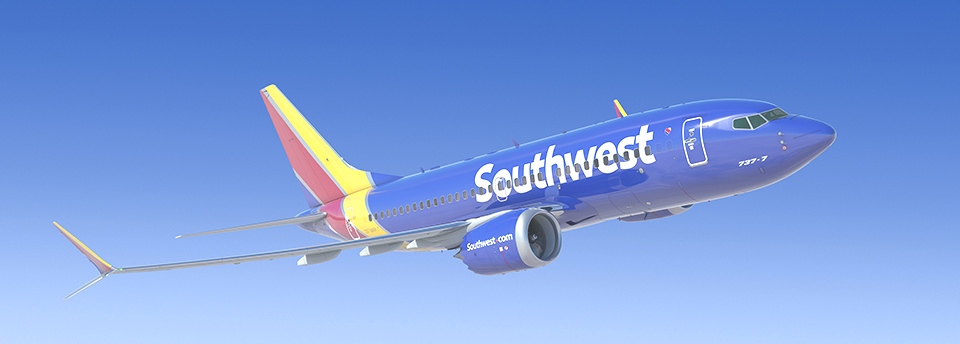
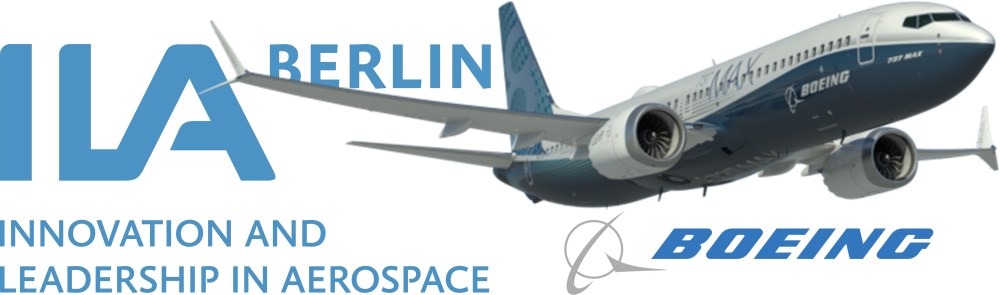
Boeing y Air Lease Corporation anunciaron que han finalizado un pedido de ocho aviones 737 MAX 8 más, valorados en US$ 936.8 millones a precios de lista. El avión se ve aquí en la representación de un artista. Air Lease Corporation (ALC), uno de los principales arrendadores de aviones del mundo, ha sido un gran comprador del avión 737 mejorado. Esta nueva orden aumenta el total de pedidos 737 MAX de ALC a 138. «Estos aviones se ajustan perfectamente a la necesidad creciente de ALC de nuestros pasajeros aéreos de adquirir aviones 737 MAX 8 adicionales. Nuestro éxito en las ubicaciones MAX hasta la fecha demuestra la fuerte demanda del mercado de estos aviones», dijo John Poerschke, vicepresidente ejecutivo de Air Lease Corporation.

La familia 737 MAX está diseñada para ofrecer a los clientes un rendimiento excepcional, con costos operativos más bajos y un rango adicional para abrir nuevos destinos. El 737 MAX incorpora los últimos motores CFM International LEAP-1B, winglets de tecnología avanzada, Boeing Sky Interior, grandes pantallas de cabina de vuelo y otras características para ofrecer la mayor eficiencia, fiabilidad y confort para los pasajeros en el mercado de pasillo único. «El equipo ALC tiene un gran historial de pronóstico de lo que las aerolíneas quieren en términos de aviones nuevos. Su creciente compromiso con el 737 MAX refleja la fuerte demanda del mercado de este avión en todo el mundo», dijo Ihssane Mounir, Vicepresidente Senior de Ventas Globales. Y Marketing, The Boeing Company. «Nos complace que ALC tenga éxito con las capacidades y eficiencias del 737 MAX, que son características críticas que los arrendadores necesitan en sus carteras».

Boeing ha entregado más de 100 aviones 737 MAX a más de 20 clientes en todo el mundo, incluidos cuatro a ALC, y el quinto en mayo de 2018. El Boeing 737 MAX es el avión de más rápido venta en la historia de Boeing, acumulando más de 4.400 pedidos de 96 clientes en todo el mundo. Para obtener más información y contenido de funciones, visite www.boeing.com/commercial/737maxAIRWAYS® AW-Icon TXT

Imagen relacionada

Air Lease Corporation signs order for 8 Boeing 737 MAX

The order of the main landlord of an airplane reflects the strong market demand for a new and improved 737 MAX

The Boeing Co. and Air Lease Corporation have announced that they have finalized an order of eight plus 737 MAX 8 aircraft, valued at $ 936.8 million at catalog prices.

Boeing and Air Lease Corporation announced that they have finalized an order for eight Boeing 737-8 MAX more aircraft, valued at U$S 936.8 million at list prices. The plane is seen here in the representation of an artist. Air Lease Corporation (ALC), one of the world’s leading aircraft lessors, has been a big buyer of the improved 737 aircraft. This new order increases the total order of 737 MAX from ALC to 138. «These airplanes are perfectly suited to the growing need of our air passengers for ALC to acquire additional 737 MAX 8 aircraft. Our success at MAX locations to date demonstrates the strong market demand for these aircraft», said John Poerschke, executive vice president of Air Lease Corporation.

The 737 MAX family is designed to offer customers exceptional performance, with lower operating costs and an additional range to open new destinations. The 737 MAX incorporates the latest CFM International LEAP-1B engines, advanced technology winglets, Boeing Sky Interior, large cockpit screens and other features to offer the highest efficiency, reliability and comfort for passengers in the single aisle market. «The ALC team has a long track record of what airlines want in terms of new aircraft», said Ihssane Mounir, Senior Vice President, «his growing commitment to the 737 MAX reflects the strong market demand for this aircraft worldwide», of Global Sales. And Marketing, The Boeing Company. «We are pleased that ALC is successful with the capabilities and efficiencies of the 737 MAX, which are critical features that landlords need in their portfolios».

Boeing has delivered more than 100 737 MAX aircraft to more than 20 customers worldwide, including four to ALC, and the fifth in May 2018. The Boeing 737 MAX is the fastest-selling aircraft in the history of Boeing, accumulating More than 4,400 orders from 96 customers worldwide. For more information and feature content, visit www.boeing.com/commercial/737max. A \ W


Ξ A I R G W A Y S Ξ
SOURCE:  Airgways.com
DBk: Boeing.com
AW-POST: 201804041132AR

A\W   A I R G W A Y S ®

Georgia Airways expande ops en Europa

Resultado de imagen para Georgia Airways Embraer E190

AW | 2018 04 04 11:21 | AIRLINES ROUTES

250px-Georgian_Airways_logo.pngGeorgian Airways inaugura servicios a Bolonia, Colonia-Bonn y París

Resultado de imagen para Georgia Republic map tourism  pngGeorgian Airways comenzó sus servicios a Alemania el 27 Marzo 2018 uniendo la ruta Tbilisi-Bonn con aeronaves Embraer E-190.

Con un pastel inspirado en el vino, Georgia es una de las naciones vitícolas más antiguas del mundo, desde hace 8,000 años. Entre los presentes en el lanzamiento estuvo Tobias Lyssy, Director de Desarrollo Comercial, Aeropuerto de Colonia Bonn.

Georgian Airways, la semana pasada inauguró vuelos desde Tbilisi (TBS) a Barcelona, ​​Bratislava, Bruselas, Berlín Schönefeld y Kazán, esta semana comenzó a atender Bolonia (BLQ), Colonia Bonn (CGN) y París CDG(CDG) de la capital georgiana. «Estamos muy contentos con el nuevo compromiso de Georgian Airways en Colonia Bonn. Con Tbilisi, ofrecemos a nuestros pasajeros un destino emocionante e inusual», comentó Athanasios Titonis, MD del Aeropuerto de Colonia Bonn sobre la nueva conexión.

Los vuelos a los aeropuertos alemanes y franceses comenzaron el 27 Marzo, mientras que la ciudad italiana se introdujo en el mapa de rutas de la aerolínea al día siguiente. Las tres rutas lanzadas esta semana desde Tbilisi volarán dos veces por semana en la flota de E190 del transportista, y ninguna de ellas está programada para enfrentar la competencia directa.

La expansión de Georgian Airways desde Tbilisi aún no ha finalizado para el S18, y el transportista aún planea lanzar servicios a Atenas y Salónica los días 10 y 11 de abril, respectivamente.  AIRWAYS® AW-Icon TXT

82026_1508504281.jpg

Georgia Airways expands services in Europe

Resultado de imagen para Georgia Republic map pngGeorgian Airways opens services to Bologna, Cologne-Bonn and Paris

Georgian Airways began its services to Germany on 27 March 2018 joining the Tbilisi-Bonn route with Embraer E-190 aircraft.

With a cake inspired by wine, Georgia is one of the oldest wine-producing nations in the world, since 8,000 years ago. Among those present at the launch was Tobias Lyssy, Director of Commercial Development, Cologne Bonn Airport.

Georgian Airways, last week inaugurated flights from Tbilisi (TBS) to Barcelona, ​​Bratislava, Brussels, Berlin Schönefeld and Kazan, this week began to serve Bologna (BLQ), Cologne Bonn (CGN) and Paris CDG (CDG) of the Georgian capital. «We are very pleased with the new commitment of Georgian Airways in Cologne Bonn.With Tbilisi, we offer our passengers an exciting and unusual destination,» said Athanasios Titonis, MD of Cologne Bonn Airport about the new connection.

Flights to German and French airports began on March 27, while the Italian city was entered on the airline’s route map the next day. The three routes launched this week from Tbilisi will fly twice a week in the carrier’s E190 fleet, and none of them are scheduled to face direct competition.

The expansion of Georgian Airways from Tbilisi has not yet been completed for S18, and the carrier is still planning to launch services to Athens and Thessaloniki on April 10 and 11, respectively. A \ W


Ξ A I R G W A Y S Ξ
SOURCE:  Airgways.com
DBk: Georgian-airways.com / Simi
AW-POST: 201804041121AR

A\W   A I R G W A Y S ®

Jet Airways compra 75 Boeing 737 MAX

Cathay Pacific 747-8f air to air

AW | 2018 04 04 11:02 | AIRLINES

jetairways_logo-webFK,4923,36,737-max-round-pinJet Airways de la India acuerda compra por 75 Boeing 737 MAX

La india Jet Airways Ltd ha firmado un acuerdo de compra por 75 aviones Boeing 737-8 MAX, valorados en U$S 8.800 millones de dólares para satisfacer la demanda de pasajeros después de un constante crecimiento en el mercado indio.

Jet Airways, en una presentación a la bolsa el martes por la noche, no dijo si el acuerdo era una orden formal o un memorando de entendimiento (MoU) no vinculante. Las aeronaves valdrían U$S 8,8 mil millones a precios de lista, aunque las aerolíneas normalmente reciben importantes descuentos de los fabricantes. El presidente ejecutivo de Jet Airways, Vinay Dube, dijo el mes pasado a los periodistas que la aerolínea esperaba cerrar el último acuerdo para fines de marzo.

El último acuerdo se produce cuando las aerolíneas indias se apresuran a expandir las flotas para satisfacer la creciente demanda de vuelos nacionales e internacionales, convirtiéndose en uno de los mercados de venta más selectivos tanto de Boeing como de Airbus.

Boeing dijo en Julio 2017 que esperaba que las aerolíneas indias pidieran hasta 2.100 aviones por valor de U$S 290 mil millones de dólares en los próximos 20 años, calificándolo como el pronóstico más alto jamás visto para la tercera economía más grande de Asia.

El tráfico doméstico de pasajeros aumentó un 17.9% en enero con respecto al año anterior por el 41° mes consecutivo de crecimiento de dos dígitos, mostraron datos de la Asociación Internacional de Transporte Aéreo (IATA).  AIRWAYS® AW-Icon TXT

Imagen relacionada

Jet Airways buys 75 Boeing 737 MAX

India’s Jet Airways Agrees to Buy for 75 Boeing 737 MAX

Indian Jet Airways Ltd has signed a purchase agreement for 75 Boeing 737-8 MAX aircraft, valued at US $ 8,800 million to meet passenger demand after a steady growth in the Indian market.

rotate30

Jet Airways, in a presentation to the stock market on Tuesday night, did not say whether the agreement was a formal order or a non-binding Memorandum of Understanding (MoU). Aircraft would cost U$S 8.8 billion at list prices, although airlines typically receive significant discounts from manufacturers. Jet Airways Chief Executive Vinay Dube told reporters last month that the airline hoped to close the last deal by the end of March.

The latest agreement comes as Indian airlines rush to expand fleets to meet the growing demand for domestic and international flights, making them one of the most selective selling markets for both Boeing and Airbus.

Boeing said in July 2017 that he expected Indian airlines to order up to 2,100 aircraft worth US$ 290 billion over the next 20 years, calling it the highest forecast ever seen for Asia’s third-largest economy.

Domestic passenger traffic increased 17.9% in January compared to the previous year for the 41st consecutive month of double-digit growth, data from the International Air Transport Association (IATA) showed. A \ W


Ξ A I R G W A Y S Ξ
SOURCE:  Airgways.com
DBk: Boeing.com
AW-POST: 201804041102AR

A\W   A I R G W A Y S ®

Test ARJ 21-700 en Islandia

Image result for arj21-700 regional airliner

AW | 2018 04 03 13:13 | INDUSTRY

COMAC_logoARJ 21-700 completa las pruebas de validación de vientos cruzados en Islandia

El jet regional COMAC ARJ21 ha completado pruebas de validación de vientos cruzados en Islandia con el objetivo de ampliar su alcance operativo. El Ministerio de Industria y Tecnología de China dice que el avión #104 completó las pruebas el 26 Marzo 2018 en el Aeropuerto Internacional Keflavik de Reykjavik en Islandia y posteriormente fue aprobado por la Administración de Aviación Civil de China (CAAC).

Las pruebas involucraron seis despegues y aterrizajes, donde el viento de despegue promedio fue de 38.4 kts y el viento de costado promedio de aterrizaje fue de 34.9 kts. También dice que el viento cruzado máximo verificado estaba en 48.7 kts, excediendo el objetivo de diseño del avión.

Aunque el ARJ 21-700 está diseñado para despegues de viento cruzado de 30 kt y límites de aterrizaje de 27 kt, el CAAC anteriormente solo había podido validar su desempeño en vientos cruzados de 22 kt durante las pruebas en China. El ministerio agrega que una vez que la CAAC acepte los resultados, el ARJ 21 podrá operar bajo una amplia gama de condiciones meteorológicas. Hasta la fecha, el ARJ 21 ha asegurado compromisos para 453 unidades. La aerolínea china Chengdu Airlines posee cuatro jet ARJ 21-700 en servicio operativo actualmente.

201803210340132344.jpg

COMAC y el objetivo de certificación de la FAA

China se ha desarrollado rápidamente en el campo de la industria de la aviación de China Commercial Aircraft Co. Ltd. (COMAC) ha tenido éxito en el desarrollo independiente de ARJ 21 avión de pasajeros doméstica a ser la primera de China. El desarrollo tomó 12 años de análisis, estudios, proyectos y puesta en fábrica.

El ARJ 21 ha visto retardado en unos seis años del certificado de tipo de la programación original para la CAAC, la entrega también fue significativamente retrasada, debido a que no tuvo éxito a pesar de los nuevos intentos de conseguir la certificación de la Federal Aviation Administration (FAA), y se siente mucha ansiedad por su obtención.

En primer lugar, se afirma de que la seguridad no representa ningún problema. No existe una gran diferencia entre la sensación de pilotar un ARJ 21-700 y un Boeing. El primer vuelo ha desarrollado 280 items de pruebas de los elementos de vuelo del ARJ 21, llevando a cabo vuelos de prueba de más de 1.500 horas, lo que repercute en la seguridad de la aeronave. El ruido se comparó a 60 db en el frente, y en la parte trasera 80 db, es un rango permisible.

Aunque la compañía china COMAC ha obtenido muchos pedidos de esta aeronave,¿por qué no se obtiene la certificación de la FAA? Esto se debía al complicado problema de las ganancias, que no tenía problemas de rendimiento. Los criterios de aceptación establecidos por la Administración de Aviación Civil de China está aproximadamente en el mismo nivel que la FAA, y subrayó que no hay un problema de seguridad.

El ARJ 21 es un avión de pasajeros llamado primer desarrollo independiente de China. Sin embargo, teniendo en cuenta que muchas partes se adquieren desde el extranjero, incluido Japón, es cuestionable si se puede decir que es completamente un autodesarrollo.

Image result for arj21-700 regional airliner

Test ARJ 21-700 in Iceland

ARJ21.SVGARJ 21-700 completes crosswind validation tests in Iceland

The regional jet COMAC ARJ21 has completed cross wind validation tests in Iceland with the aim of expanding its operational reach. China’s Ministry of Industry and Technology says that plane # 104 completed the tests on March 26, 2018 at the Keflavik International Airport in Reykjavik in Iceland and was subsequently approved by the Civil Aviation Administration of China (CAAC).

The tests involved six takeoffs and landings, where the average takeoff wind was 38.4 kts and the average landing wind was 34.9 kts. It also says that the maximum crosswind verified was 48.7 kts, exceeding the design goal of the aircraft.

VALIDATION OF CROSS-WIND TEST IN ICELAND

Although the ARJ 21-700 is designed for 30 kt crosswind takeoffs and 27 kt landing limits, the CAAC had previously only been able to validate its performance in cross-winds of 22 kt during tests in China. The ministry adds that once the CAAC accepts the results, the ARJ 21 will be able to operate under a wide range of meteorological conditions. To date, ARJ 21 has secured commitments for 453 units. The Chinese airline Chengdu Airlines has four jet ARJ 21-700 in operational service currently.

COMAC and the FAA certification objective

China has developed rapidly in the field of China’s aviation industry Commercial Aircraft Co. Ltd. (COMAC) has succeeded in the independent development of ARJ 21 domestic passenger plane to be China’s first. The development took 12 years of analysis, studies, projects and factory set-up.

The ARJ 21 has been delayed in about six years of the type certificate of the original programming for the CAAC, the delivery was also significantly delayed, because it was not successful despite new attempts to get the certification of the Federal Aviation Administration (FAA), and there is a lot of anxiety about obtaining it.

In the first place, it is stated that security does not represent any problem. There is not much difference between the feeling of driving an ARJ 21-700 and a Boeing. The first flight has developed 280 test items for the flight elements of the ARJ 21, carrying out test flights of more than 1,500 hours, which affects the safety of the aircraft. The noise was compared to 60 db in the front, and in the rear 80 db, it is a permissible range.

Although the Chinese company COMAC has obtained many orders for this aircraft, why is FAA certification not obtained? This was due to the complicated problem of earnings, which had no performance problems. The acceptance criteria established by the Civil Aviation Administration of China is roughly at the same level as the FAA, and stressed that there is no safety issue.

The ARJ 21 is a passenger plane called China’s first independent development. However, considering that many parts are acquired from abroad, including Japan, it is questionable if it can be said that it is completely self-developed. A \ W


Ξ A I R G W A Y S Ξ
SOURCE:  Airgways.com
DBk: Comac.cn / Airgways.com
AW-POST: 201804031313AR

A\W   A I R G W A Y S ®

Sindicatos contra unión Boeing-Embraer

Image result for Embraer sao jose dos campos

AW | 2018 04 03 12:20 | INDUSTRY

Image result for Boeing-Embraer agreementLos sindicatos piden a Brasil que bloquee el vínculo Boeing-Embraer

Líderes sindicales acusaron el lunes al gobierno de Brasil de negociar un vínculo entre el fabricante local de aviones Embraer SA y Boeing Co. a espaldas de los brasileños, lo que subraya las tensiones políticas que pesan sobre el delicado negociaciones.

«Nos están dejando en la oscuridad. Nadie nos está explicando por qué esto es bueno para Brasil. Le pedimos al presidente Temer que no venda Embraer», dijo Herbert Claros da Silva, vicepresidente del sindicato de trabajadores metalúrgicos de Sao Jose dos Campos, en una audiencia en el Senado.

Funcionarios del gobierno y ejecutivos de Embraer fueron invitados, pero no comparecieron en la audiencia convocada por el senador del Partido de los Trabajadores Paulo Paim para discutir las conversaciones entre Boeing y Embraer para una posible asociación sobre la cual el gobierno tiene poder de veto.

Ningún otro senado asistió a la audiencia del comité de derechos humanos del Senado, aunque el acuerdo Boeing-Embraer ha provocado críticas de políticos que podrían complicar un acuerdo a medida que se acercan las elecciones generales de octubre.

Embraer y Boeing se negaron a comentar sobre la audiencia. Un portavoz del Ministerio de Defensa, que encabezó un grupo de trabajo gubernamental que evalúa el acuerdo, dijo que la audiencia era sobre empleos y no sobre defensa.

El gobierno brasileño, que privatizó Embraer en las últimas décadas pero aún tiene una participación de oro decisiva, se ha resistido a la venta directa de Embraer a Boeing debido a las preocupaciones sobre la pérdida del control soberano sobre sus programas de defensa.

Se informa que las dos compañías buscan la aprobación del gobierno para un acuerdo de compromiso que involucre a Boeing invirtiendo en una tercera compañía de nueva creación, incluida la división de aviones comerciales de Embraer, pero excluyendo su unidad de defensa.

El acuerdo propuesto por Boeing con Embraer, el tercer fabricante de aviones más grande del mundo, le daría una participación líder en el mercado de 70 a 130 asientos y crearía una competencia más dura para el programa CSeries diseñado por Bombardier Inc y respaldado por el rival europeo Airbus SE el año pasado.

El dirigente sindical Silva reconoció en la audiencia del lunes que un amarre inicial sería una bendición para Embraer, ya que Boeing ayudaría a comercializar sus aviones de corto alcance en todo el mundo.

Pero dijo que muchos de los 14.000 trabajadores en las plantas de Embraer en Sao Jose dos Campos, la mitad de los cuales están sindicalizados, estaban preocupados por sus empleos una década más adelante si terminan trabajando para una empresa con sede en EEUU. AIRWAYS® AW-Icon TXT

Image result for Boeing-Embraer agreement

Unions against Boeing-Embraer agreement

Trade unions ask Brazil to block the Boeing-Embraer link

Union leaders accused the Brazilian government on Monday of negotiating a link between local aircraft maker Embraer SA and Boeing Co. behind the backs of Brazilians, underscoring the political tensions that weigh on the delicate negotiations.

«They are leaving us in the dark, nobody is explaining to us why this is good for Brazil, we are asking President Temer not to sell Embraer», said Herbert Claros da Silva, vice president of the metal workers’ union of Sao Jose dos Campos, a hearing in the Senate.

Government officials and Embraer executives were invited, but did not appear at the hearing convened by Workers Party senator Paulo Paim to discuss the talks between Boeing and Embraer for a possible partnership over which the government has veto power.

No other senate attended the hearing of the Senate human rights committee, although the Boeing-Embraer agreement has provoked criticism from politicians that could complicate an agreement as the October general election approaches.

Embraer and Boeing declined to comment on the hearing. A spokesman for the Defense Ministry, which headed a government working group that evaluates the agreement, said the hearing was about jobs and not about defense.

The Brazilian government, which privatized Embraer in recent decades but still has a decisive gold stake, has resisted the direct sale of Embraer to Boeing due to concerns over the loss of sovereign control over its defense programs.

The two companies are reportedly seeking government approval for a commitment agreement involving Boeing by investing in a third newly created company, including Embraer’s commercial aircraft division, but excluding its defense unit.

The agreement proposed by Boeing with Embraer, the third largest aircraft manufacturer in the world, would give it a leading market share of 70 to 130 seats and create tougher competition for the CSeries program designed by Bombardier Inc and backed by the rival European Airbus SE last year.

Union leader Silva acknowledged at the hearing on Monday that an initial mooring would be a blessing for Embraer, as Boeing would help commercialize its short-range aircraft around the world.

But he said that many of the 14,000 workers at the Embraer plants in Sao Jose dos Campos, half of whom are unionized, were worried about their jobs a decade later if they ended up working for a US-based company. A \ W


Ξ A I R G W A Y S Ξ
SOURCE:  Airgways.com
DBk: Embraer.com / Reuters.com
AW-POST: 201804031220AR

A\W   A I R G W A Y S ®

Reconstrucción Aeropuerto Murmansk

Image result for Аэропорт Мурманска

AW | 2018 04 03 12:04 | AIRPORTS

Gobierno financiará la reconstrucción del Aeropuerto de la Región de Murmansk

Un proyecto de ampliación de infraestructura para el Aeropuerto de Murmashi en la Región de Murmansk recibirá más de 3.5 mil millones de rublos en fondos federales, dijo a los periodistas el ministro de Transporte ruso, Maxim Sokolov.

El 30 de marzo, la gobernadora de la Región de Murmansk Marina Kovtun y Maxim Sokolov discutieron el proyecto de expansión de la infraestructura del aeropuerto. Según Kovtun, el aeropuerto y su pista deben ser actualizados.

El Ministerio de Transporte está elaborando un plan de infraestructura de transporte de larga distancia, y el documento incluirá al aeropuerto de Murmashi entre los proyectos de expansión de infraestructura de alta prioridad, señaló Sokolov.

«El proyecto de expansión de la infraestructura del aeropuerto recibirá más de 3.500 millones de rublos de financiamiento federal, y esta suma se especificará durante la etapa de diseño. El inversor estratégico proporcionará fondos extrapresupuestarios para la construcción de una nueva terminal aeroportuaria», dijo Sokolov.

Según Sokolov, estas decisiones estratégicas podrían adoptarse en 2018, si el Gobierno aprueba las propuestas del Ministerio. «Los plazos de implementación del proyecto dependerán de la financiación del presupuesto, pero el proyecto, por supuesto, se incluirá en los futuros planes de expansión de la infraestructura de transporte de larga distancia», agregó.

La compañía Novaport, propietaria del aeropuerto, implementará un ambicioso proyecto de reconstrucción. «Necesitamos sincronizar ambas tareas y revisar por completo el edificio y la pista. En nuestra opinión, Murmansk es una puerta de entrada al Ártico, y estamos haciendo todo lo posible para mantenerla», señaló Kovtun.  AIRWAYS® AW-Icon TXT

Related image

Reconstruction Murmansk Airport

Government will finance the reconstruction of Murmansk Region Airport

An infrastructure expansion project for the Murmashi Airport in the Murmansk region will receive more than 3.5 billion rubles in federal funds, Russian Transport Minister Maxim Sokolov told reporters.

On March 30, the governor of the Murmansk Region Marina Kovtun and Maxim Sokolov discussed the project to expand the airport’s infrastructure. According to Kovtun, the airport and its runway must be updated.

The Ministry of Transportation is drawing up a long-distance transport infrastructure plan, and the document will include Murmashi airport among the high-priority infrastructure expansion projects, Sokolov said.

«The airport infrastructure expansion project will receive more than 3.5 billion rubles of federal funding, and this sum will be specified during the design phase, and the strategic investor will provide extrabudgetary funds for the construction of a new airport terminal», Sokolov said.

According to Sokolov, these strategic decisions could be adopted in 2018, if the Government approves the Ministry’s proposals. «The project implementation deadlines will depend on the financing of the budget, but the project, of course, will be included in future expansion plans for long-distance transport infrastructure», he added.

The company Novaport, owner of the airport, will implement an ambitious reconstruction project. «We need to synchronize both tasks and completely revise the building and the runway in our opinion, Murmansk is a gateway to the Arctic, and we are doing everything possible to maintain it», Kovtun said. A \ W

Image result for Аэропорт Мурманска

Реконструкция аэропорта Мурманск

Правительство будет финансировать реконструкцию аэропорта Мурманской области

Проект расширения инфраструктуры Aэропорта Мурмаши в Мурманской области получит в федеральных фондах более 3,5 млрд рублей, сообщил журналистам министр транспорта России Максим Соколов.

30 марта губернатор Мурманской области Марина Ковтун и Максим Соколов обсудили проект по расширению инфраструктуры аэропорта. По словам Ковтуна, аэропорт и его ВПП должны быть обновлены.

По словам Соколова, Министерство транспорта разрабатывает план транспортной инфраструктуры на дальние расстояния, и в рамках этого проекта будет включен аэропорт Мурмаши среди высокоприоритетных проектов расширения инфраструктуры.

«Проект расширения инфраструктуры аэропорта получит более 3,5 млрд. Рублей федерального финансирования, и эта сумма будет определена на этапе проектирования, а стратегический инвестор предоставит внебюджетные средства на строительство нового терминала аэропорта», – сказал Соколов. ,

По словам Соколова, эти стратегические решения могут быть приняты в 2018 году, если правительство одобрит предложения министерства. «Сроки реализации проекта будут зависеть от финансирования бюджета, но проект, конечно же, будет включен в планы будущего расширения инфраструктуры междугородной перевозки», – добавил он.

Компания Novaport, владелец аэропорта, осуществит амбициозный проект реконструкции. «Нам нужно синхронизировать обе задачи и полностью пересмотреть здание и взлетно-посадочную полосу  по нашему мнению, Мурманск является воротами в Арктику, и мы делаем все возможное для его поддержания», сказал Ковтун. A \ W


Ξ A I R G W A Y S Ξ
SOURCE:  Airgways.com
DBk: Arctic.ru / Kartinki24.ru / Sundrax.com / Severpost.ru
AW-POST: 201804031204AR

A\W   A I R G W A Y S ®

Taiwán aprueba enmienda punitiva para aerolíneas por quiebra repentina

Image result for transasia airways bankruptcy

AW | 2018 04 03 11:55 | GOVERNMENT / AIRLINES

Legislatura Taiwán aprueba una enmienda punitiva a aerolíneas por el cierre repentino

La Legislatura de Taiwán aprobó el martes una enmienda a la Ley de Aviación Civil que prescribe una fuerte multa o una pena de prisión de menos de tres años para los propietarios de aerolíneas que cerraron operaciones sin previo aviso.

La Legislatura de Taiwán aprobó el martes una enmienda a la Ley de Aviación Civil que prescribe una fuerte multa o una pena de prisión de menos de tres años para los propietarios de aerolíneas que cerraron las operaciones sin previo aviso.

La enmienda se aprobó aproximadamente un año y medio después del cierre repentino de TransAsia Airways Corp. en noviembre de 2016 que, según los informes, causó daños a muchos pasajeros. La aerolínea decidió suspender las operaciones y cerrar de manera indefinida después de dos accidentes fatales que ocurrieron unos meses después.

La enmienda requiere que las aerolíneas cierren un plan de cierre con la Administración de Aeronáutica Civil dos meses antes de suspender los vuelos y estipula que los propietarios de aerolíneas que violen las disposiciones de la enmienda y causen daños graves serán castigados con una multa de NT$ 20 millones. a NT$ 200 millones o encarcelamiento de menos de tres años.   AIRWAYS® AW-Icon TXT

Image result for transasia airways

Taiwan approves punitive amendment to airlines

Taiwan Legislature approves punitive amendment to airlines for sudden closure

The Legislature of Taiwan approved on Tuesday an amendment to the Civil Aviation Law that prescribes a heavy fine or a prison sentence of less than three years for owners of airlines that closed operations without prior notice.

The Taiwan Legislature on Tuesday approved an amendment to the Civil Aviation Act that prescribes a heavy fine or imprisonment of less than three years for airline owners who closed operations without notice.

The amendment was approved approximately one and a half years after the sudden shutdown of TransAsia Airways Corp. in November 2016, which reportedly caused damage to many passengers. The airline decided to suspend operations and close indefinitely after two fatal accidents that occurred a few months later.

The amendment requires that airlines close a closure plan with the Civil Aviation Administration two months before suspending flights and stipulates that owners of airlines that violate the provisions of the amendment and cause serious damage will be punished with a fine of NT $ 20 million. NT $ 200 million or imprisonment of less than three years. A \ W


Ξ A I R G W A Y S Ξ
SOURCE:  Airgways.com
DBk: Newbloommag.net
AW-POST: 201804031155AR

A\W   A I R G W A Y S ®

Yakutia abandona ops Bombardier 8-Q400

Resultado de imagen para yakutia airlines Bombardier Q400

AW | 2018 04 03 11:48 | AIRLINES

Resultado de imagen para yakutia airlines logoLa compañía rusa Yakutia Airlines retiraría operaciones con Bombardier 8-Q400

La empresa rusa Yakutia Airlines parece estar preparándose para retirar progresivamente sus turbopropulsores Bombardier 8-Q400 y abandonar su operación, cinco años después de que estos aviones entraron en servicio con el transportista. Según los registros de la Agencia Federal de Transporte Aéreo, a partir de marzo ninguno de los tres Q400 estaba volando para la aerolínea.

Yakutia Airlines arrandó las aeronaves regionales en 2012 y 2013 a VEB-Leasing durante 10 años. Los Bombardier 8-Q400 de 72 plazas fueron fabricadas en 2007 y actualmente se encuentran en mantenimiento, lo que probablemente sea un cheque de devolución fuera de Rusia. Los números de registros VP-BOS y VP-BKD están en Malta, y VP-BNU, en Holanda.

La aerolínea aparentemente tiene la intención de devolver los Q400 a VEB-Leasing o venderlos a través del arrendador a otro operador. Aunque no está completamente excluido que Yakutia desee reanudar el funcionamiento del tipo en el futuro, en este momento solo emplea tripulaciones de vuelo para un solo avión, por lo que es poco probable que los tres Q400 retomen las operaciones.

Yakutia se convirtió en el operador de lanzamiento de Q400 en la CEI hace cinco años. En febrero de 2013, el turbohélice fabricado en Canadá con número de cola VP-BKD realizó su primer vuelo para el operador de Yakutsk a Neryungri. Varios días después, el avión hizo su primer aterrizaje en una pista sin pavimentar en el asentamiento Chersky en la región de Yakutia.

Yakutia Airlines tenía planes ambiciosos para el Q400. Anunció las intenciones de llevar el número de estos aviones a siete y firmó un acuerdo para la entrega de varios aviones con el OEM. Sin embargo, la expansión de la flota Sukhoi Superjet 100 y la entrega de la Q300, un modelo de menor tamaño que el Q400, así como los obstáculos para obtener las aprobaciones de las turbopropulsiones canadienses para operar en las pistas sin pavimentar cambiaron los planes para la flota Q400 de Yakutia. La necesidad de estos aviones dejó de ser obvia.

Junto con la eliminación del Q400, Yakutia enfrenta varios otros problemas relacionados con la flota. Por un lado, necesita encontrar un reemplazo para el obsoleto avión Antonov An-24. Este tipo se eliminará gradualmente a comienzos de la próxima década. También tiene que volver a poner en servicio tres SJ100. A mediados de marzo, dos de los cinco jets regionales fabricados por SCAC estaban en funcionamiento: RA-89037 y RA-89038. Los tres restantes: RA-89011, RA-89012 y RA-89021 fueron puestos a tierra debido a problemas con el motor.

Evidentemente, la reducción de capacidades condujo a resultados operativos deslizantes en enero de este año. El tráfico de Yakutia disminuyó un 8,5% interanual, y su RPK disminuyó un 7,3% en comparación con enero de 2017.  AIRWAYS® AW-Icon TXT

Resultado de imagen para yakutia  Q400

Yakutia Airlines abandons ops Bombardier 8-Q400

The Russian company Yakutia Airlines would withdraw operations with Bombardier 8-Q400

The Russian company Yakutia Airlines seems to be preparing to phase out its Bombardier 8-Q400 turboprop and abandon its operation, five years after these aircraft entered service with the carrier. According to the records of the Federal Air Transport Agency, as of March none of the three Q400 was flying for the airline.

Yakutia Airlines ran the regional aircraft in 2012 and 2013 to VEB-Leasing for 10 years. The Bombardier 8-Q400 with 72 seats were manufactured in 2007 and are currently in maintenance, which is probably a return check outside of Russia. The numbers of VP-BOS and VP-BKD records are in Malta, and VP-BNU in the Netherlands.

The airline apparently intends to return the Q400 to VEB-Leasing or sell it through the lessor to another operator. Although it is not completely ruled out that Yakutia wishes to resume operation of the type in the future, at this time it only employs flight crews for a single aircraft, making it unlikely that the three Q400 will resume operations.

Yakutia became the launch operator of Q400 in the CIS five years ago. In February 2013, the turboprop manufactured in Canada with tail number VP-BKD made its first flight for the operator from Yakutsk to Neryungri. Several days later, the plane made its first landing on an unpaved runway at the Chersky settlement in the Yakutia region.

Yakutia Airlines had ambitious plans for the Q400. He announced the intention to take the number of these aircraft to seven and signed an agreement for the delivery of several aircraft with the OEM. However, the expansion of the Sukhoi Superjet 100 fleet and the delivery of the Q300, a smaller model than the Q400, as well as the obstacles to obtaining the approvals of the Canadian turboprops to operate on the unpaved runways changed the plans for the Q400 fleet of Yakutia. The need for these aircraft was no longer obvious.

Along with the elimination of the Q400, Yakutia faces several other problems related to the fleet. On the one hand, you need to find a replacement for the obsolete Antonov An-24 aircraft. This type will be phased out early in the next decade. He also has to re-commission three SJ100s. In mid-March, two of the five regional jets manufactured by SCAC were in operation: RA-89037 and RA-89038. The remaining three: RA-89011, RA-89012 and RA-89021 were grounded due to engine problems.

Obviously, the reduction of capacities led to sliding operating results in January of this year. Traffic in Yakutia decreased by 8.5% year-on-year, and its RPK decreased by 7.3% compared to January 2017. A \ W


Ξ A I R G W A Y S Ξ
SOURCE:  Airgways.com
DBk: Yakutia.aero
AW-POST: 201804031148AR

A\W   A I R G W A Y S ®

Guerra por participación en Air India

Resultado de imagen para Air India airport

AW | 2018 04 05 11:08 | AIRLINES MARKET

800px-Air_India.svg.pngLas aerolíneas se preparan para una guerra de ofertas por la participación accionaria en Air India

Las aerolíneas IndiGo y Jet Airways de la India están preparadas para luchar por una parte de la aerolínea estatal perdedora Air India mientras se dirige hacia la privatización, buscando una codiciada red de vuelos que conecte a la nación del sur de Asia con el mundo. IndiGo y Jet Airways buscan extender el alcance asegurando la red de operadores estatales con problemas.

El gobierno está vendiendo la mayoría de Air India propensas a retrasos y todas las acciones en una filial de una aerolínea de bajo presupuesto según los planes detallados a fines de marzo.

5776a241b03ff.image.jpg

SUBSIDIARIA AIR INDIA REGIONAL

El 76% de las ofertas de Air India valen más de 220 mil millones de rupias (U$S 3,37 mil millones), según una valoración de Air India superior a los 300 mil millones de rupias. Los posibles compradores tienen hasta el 14 de mayo para expresar su interés. Los postores ganadores serán anunciados el 28 de mayo.

Resultado de imagen para indigo airlines logoEl operador de IndiGo, InterGlobe Aviation, no ha ocultado su interés como comprador. Una gran cantidad de vuelos regulares y una reputación de confiabilidad han ganado la aerolínea de bajo costo, que comenzó a operar en 2006, una participación doméstica líder en el mercado de casi 40%. Pero el negocio de IndiGo se limita principalmente a la India. La compra de Air India, con sus Resultado de imagen para jet airways airlines logomáquinas tragamonedas para una serie de rutas internacionales, expandiría el alcance de IndiGo de una sola vez, según el presidente Aditya Ghosh.

El segundo clasificado, Jet Airways, se unirá con Air France-KLM y la aerolínea estadounidense Delta Air Lines en una oferta conjunta, según medios de comunicación indios. Comprar Air India ayudaría a Jet Airways a ampliar su ventaja sobre IndiGo en vuelos internacionales, un segmento donde Jet Airways tiene acuerdos de código compartido con Air France-KLM y Delta.

Resultado de imagen para singapore airlines logoSingapore Airlines también puede entrar en la oferta, ya que el gobierno indio ha permitido a los inversores extranjeros comprar hasta el 49% de Air India. «Tenemos una mente abierta», dijo David Lim, Gerente General de Singapore Airlines para India, llamando a India un mercado estratégico. Se dice que el Grupo Tata de la India, que administra la empresa de bajo costo Vistara Airlines a través de una empresa conjunta con Singapore Airlines, también está interesado.

Imagen relacionada

INDIGO Y JET AIRWAYS SON LOS PRINCIPALES OFERENTES PARA TOMAR EL CONTROL DE AIR INDIA

El precio del gobierno para la participación de Air India podría ser aún mayor, ya que Nueva Delhi no aceptará ofertas por debajo del valor mínimo establecido por los tasadores, según Jayant Sinha, ministro de estado para aviación civil.

India es uno de los mercados más prometedores del mundo para viajes aéreos. Los viajeros aéreos nacionales superaron los 100 millones en 2017 y registraron un crecimiento anual de dos dígitos desde 2015, un recuento que solo supera el tamaño de los EEUU y China. Los operadores aéreos han liderado la expansión en rutas y vuelos domésticos. La competencia de precios ha reducido las tarifas aéreas, lo que ha atraído a más pasajeros al mercado.

Resultado de imagen para spicejet airlines logoLas ganancias independientes después de impuestos de IndiGo aumentaron más del 70% en el año durante los nueve meses que terminaron en diciembre. La ganancia neta del tercer clasificado SpiceJet subió alrededor del 30%. Mientras tanto, la aerolínea heredada Air India registró una pérdida después de impuestos de 57.600 millones de rupias para el año que finalizó en marzo de 2017, ya que los costos de compensación a los empleados y los beneficios perjudicaron las ganancias, agravando el impacto de una caída en la participación del mercado interno.

Sin embargo, Air India contaba con una red de vuelos que abarcaba 39 ciudades a fines de 2017, junto con la membresía mundial en Star Alliance. Su servicio internacional, centrado en Oriente Medio y el sudeste de Asia, no tiene paralelo en la India. El operador opera 137 vuelos por semana a Medio Oriente, 68 a Europa y 56 al sudeste asiático, y presta servicios en centros como Dubai, Londres y Bangkok.

AW-700887655.png

El total de viajeros internacionales en rutas hacia y desde India aumentó un 12% en el año en el trimestre de octubre a diciembre. Las rutas de mucho tráfico hacia el Medio Oriente se consideran una de las fuentes de ingresos más importantes de Air India.

Otras empresas de Air India están siendo vendidas por separado, incluyendo un operador regional y operaciones de ingeniería. Celebi Aviation Holding de Turquía ha expresado su interés en las operaciones de asistencia en tierra.

El gobierno de la India inyectó 150 mil millones de rupias en ayuda al operador de la bandera en los tres años hasta marzo de 2016. Privatizar a Air India y sus subsidiarias debería ayudar a aliviar esta carga en el presupuesto nacional.

El gobierno busca distribuir una porción de su participación restante del 24% en Air India a los empleados de la aerolínea después de que se complete la venta masiva, lo que probablemente sitúe a la tenencia del estado por debajo del 20%. Si el valor de Air India aumenta más tarde, también lo hará el valor de las acciones restantes del gobierno. Las deudas en operaciones no esenciales como bienes inmuebles se transferirán a una compañía de propiedad exclusiva del gobierno, lo que facilitará que Air India regrese a territorio rentable. AIRWAYS® AW-Icon TXT

Resultado de imagen para Air India sold

War of interest for participation in Air India

Resultado de imagen para air india pngThe airlines are preparing for a bidding war for the shareholding in Air India

India’s IndiGo and Jet Airways airlines are prepared to fight for a part of losing state airline Air India as it heads towards privatization, seeking a coveted flight network that connects the South Asian nation to the world. IndiGo and Jet Airways seek to extend the reach by securing the network of state operators with problems.

The government is selling the majority of Air Indias prone to delays and all the shares in a subsidiary of a low budget airline according to the plans detailed at the end of March.

76% of Air India’s offers are worth more than 220 billion rupees ($ 3.37 billion), according to an Air India valuation of more than 300 billion rupees. Potential buyers have until May 14 to express their interest. Winning bidders will be announced on May 28.

maxresdefaultAIR INDIA REGIONAL

The operator of IndiGo, InterGlobe Aviation, has not hidden its interest as a buyer. A large number of regular flights and a reputation for reliability have won the low-cost airline, which began operating in 2006, a leading domestic market share of almost 40%. But IndiGo’s business is mainly limited to India. The purchase of Air India, with its slot machines for a number of international routes, would expand IndiGo’s reach in one fell swoop, according to President Aditya Ghosh.

The second-ranked Jet Airways will join Air France-KLM and the US airline Delta Air Lines in a joint bid, according to Indian media. Buying Air India would help Jet Airways expand its lead over IndiGo on international flights, a segment where Jet Airways has codeshare agreements with Air France-KLM and Delta.

Singapore Airlines can also enter the offer, since the Indian government has allowed foreign investors to buy up to 49% of Air India. «We have an open mind», said David Lim, General Manager of Singapore Airlines for India, calling India a strategic market. It is said that the Tata Group from India, which manages the low-cost Vistara company through a joint venture with Singapore Airlines, is also interested.

The government’s price for Air India’s share could be even higher, as New Delhi will not accept offers below the minimum value set by appraisers, according to Jayant Sinha, minister of state for civil aviation.

India is one of the most promising markets in the world for air travel. Domestic air travelers exceeded 100 million in 2017 and recorded double-digit annual growth since 2015, a count that only exceeds the size of the US and China. Air operators have led the expansion in routes and domestic flights. Price competition has reduced air fares, which has attracted more passengers to the market.

SpiceJet1

SPICEJET IS ANOTHER OPERATOR THAT SHOWS INTEREST FOR THE AIR INDIA OFFER

IndiGo’s independent after-tax earnings increased more than 70% in the year during the nine months ending in December. The fourth-place net profit SpiceJet rose around 30%. Meanwhile, the inherited airline Air India posted an after-tax loss of 57.6 billion rupees for the year ending March 2017, as the costs of employee compensation and benefits hurt earnings, compounding the impact of a fall in the domestic market share.

However, Air India had a network of flights covering 39 cities at the end of 2017, along with the worldwide membership in Star Alliance. Its international service, focused on the Middle East and Southeast Asia, is unparalleled in India. The operator operates 137 flights per week to the Middle East, 68 to Europe and 56 to Southeast Asia, and provides services in centers such as Dubai, London and Bangkok.

AW-air-india-route-map.png

The total of international travelers on routes to and from India increased by 12% in the year in the October to December quarter. The high traffic routes to the Middle East are considered one of the most important sources of income for Air India.

Other Air India companies are being sold separately, including a regional operator and engineering operations. Celebi Aviation Holding of Turkey has expressed interest in ground handling operations.

Resultado de imagen para air india pngThe government of India injected 150 billion rupees to help the flag operator in the three years until March 2016. Privatizing Air India and its subsidiaries should help alleviate this burden in the national budget.

The government seeks to distribute a portion of its remaining 24% stake in Air India to airline employees after the mass sale is completed, which is likely to put the state’s holdings below 20%. If the value of Air India increases later, so will the value of the remaining government shares. Debts in non-core operations such as real estate will be transferred to a company owned exclusively by the government, which will make it easier for Air India to return to profitable territory. A \ W


Ξ A I R G W A Y S Ξ
SOURCE:  Airgways.com
DBk: Nikkei.com / Airindia.in / Thnglobal.com / Republicworld.com /Ibtimes.co.in / Indiawest.com
AW-POST: 201804031108AR

A\W   A I R G W A Y S ®


Privatizaciones aerolíneas en el mundo

140713.jpg

AW | 2018 04 02 23:23 | AIRLINES MARKET

Las tendencias en la privatización de las aerolíneas en todo el mundo

Existen dos requisitos como una buena receta para una privatización exitosa son una trayectoria de rentabilidad y ninguna interferencia del gobierno en el funcionamiento de la aerolínea.

Ventajas y desventajas

Una de las ventajas de la privatización está más relacionada a una mayor parte del tiempo asociada con una mayor eficiencia debido al incentivo de beneficio. Las compañías aéreas se asegurarán de que mejoren su eficiencia operativa a fin de reducir sus costos y mejorar sus ganancias.

La privatización reduce la interferencia política del gobierno. El gobierno a veces parece incapaz de tomar decisiones difíciles, especialmente cuando impactan en su posición política, como despidos y recortes salariales que inevitablemente atraerán publicidad negativa.

La privatización insta a mejoras en las líneas aéreas a través de la competitividad. Cuando se privatiza una entidad estatal, pierde su protección del gobierno y se ve obligada a adaptarse al mercado proporcionando mejores servicios o productos para sobrevivir y prosperar.

La privatización puede producir algunas desventajas que pudieran crear monopolios únicos en el mercado. Estos pueden eventualmente buscar aumentar los precios en detrimento del consumidor. Otro factor es la desventaja para los gobiernos pierden dividendos después de la privatización como se ve con las compañías más exitosas que se desarrollan a través de la privatización. Estos dividendos se canalizan a individuos ricos.

AW-77000017.png

Un ejemplo es la aerolínea Air India. El gobierno indio ha decidido vender el 76% de las acciones de la compañía de bandera. Esta no es la primera vez que un gobierno vende una participación en una aerolínea nacional y todo lo que el gobierno tiene que hacer es aprender de las mejores prácticas.

Las privatizaciones

El gráfico muestra las participaciones respectivas de los gobiernos después de que varios gobiernos han vendido sus aerolíneas estatales por medio del traspaso de las acciones del gobierno al sector privado.

La región que ha llevado con éxito el mayor número de privatizaciones de aerolíneas es Europa, casi todas las principales aerolíneas nacionales de Europa Occidental han sido privatizadas. Pero existen casos donde los gobiernos han retenido cierto porcentaje de participaciones como son los casos de las líneas aéreas Finnair, TAP Portugal, SAS y Air France-KLM.

Resultado de imagen para Air France-KLM

Las privatizaciones en Europa Occidental tendieron a seguir la ruta IPO (Oferta Pública Inicial). La privatización de British Airways (BA) por el gobierno del Reino Unido en 1987 es un buen ejemplo. Colin Marshall, contratado en 1983 como CEO de BA, jugó un papel vital en la reforma de la aerolínea antes de que se vendiera.

En Europa Oriental/Central, la mayoría de las líneas aéreas nacionales siguen controladas por el Estado, a pesar de que varias están buscando inversores del sector privado.

Fuera de Europa, el proceso de privatización de las aerolíneas ha tenido resultados mixtos. La venta de Qantas Airways en 1995 por parte de Australia es uno de los ejemplos más exitosos.

El anuncio de BA en 1992 como inversor comercial en una participación del 25% fue seguido por una oferta pública inicial del 75% restante en Qantas que poseía el gobierno australiano. BA vendió su participación en 2004. La privatización de Qantas fue una combinación de dos enfoques: venta de participación a un inversor estratégico y una oferta pública inicial.

La estatización

Japan Airlines se privatizó originalmente en 1987, pero su historia más reciente reveló el ojo vigilante del estado, que rescató a la aerolínea tras su quiebra en 2010. En la lista posterior de 2011 de JAL, el gobierno recuperó el costo del rescate.

Aerolíneas Argentinas/Austral Líneas Aéreas es un caso emblemático. El Gobierno de Argentina iniciaba un proceso de privatizaciones de empresas del Estado. El Grupo Aerolíneas compuesto por Aerolíneas Argentinas y Austral Líneas Aéreas fue privatizado en 1990.

La privatización de Aerolíneas Argentinas es un caso emblemático de vaciamiento. Primero en la etapa de Iberia Líneas Aéreas de España y luego Gerardo Díaz Ferrán y Antonio Mata, del Grupo Marsans, pasando por un breve período de American Airlines, provocaron en la línea de bandera un deterioro impactante. En 2008, Aerolíneas fue estatizada, frente al incumplimiento en el pago de salarios y a los proveedores y ante la amenaza de desaparición.

AW-700077767 - copia.png

En 1990 la empresa tenía 28 aviones propios y uno alquilado. En 2008, sólo dos aviones propios de alcance internacional y un puñado para cabotaje y 30 alquilados. Las oficinas de Roma, París, Nueva York, Miami, Madrid, Bogotá, Lima y Caracas pasaron a manos españolas. La empresa contaba con tres simuladores de vuelo que eran usados para la capacitación del personal; era la única de América latina con esa tecnología. Se entregaron todos, al igual que las valiosas rutas a Holanda, Francia, Alemania, Inglaterra y Suiza, y las combinaciones a París, Londres y Frankfurt, la red de procesamiento de datos y el sistema de reservas, a favor de Iberia.

En 2008, Aerolíneas registraba un patrimonio negativo de AR$ 2500 millones de pesos y un pasivo de 890 millones de dólares. La flota era la más antigua de la región. Marsans ejecutaba el denominado “canibalismo”, al utilizar repuestos de aeronaves en tierra para poner en condiciones otros aviones. Como la flota era alquilada, generaba un incumplimiento contractual con los prestamistas. Díaz Ferrán y Mata defraudaron a toda la industria aerocomercial.

La venta de Aerolíneas Argentinas es considerada una de las más ruinosas privatizaciones del gobierno del entonces Presidente Carlos S. Menem. En 1990 se vendió la empresa a la estatal española Iberia Líneas Aéreas de España. Como sucedió en la mayoría de las privatizaciones, el Estado nacional absorbió, antes del traspaso, las deudas de la compañía, que ascendían a 868 millones de dólares. Los españoles pagaron sólo 260 millones de dólares en efectivo, que obtuvieron con endeudamiento que se cargó luego a Aerolíneas, y 1610 millones en títulos públicos. El pago a cambio de la deuda fue una política impulsada por los organismos de crédito a través del Plan Brady.

En 1994, el gobierno argentino entregó a su par español, a través de la Sociedad Española de Participaciones Industriales (SEPI), la acción de oro de Aerolíneas, que permitía fiscalizar decisiones estratégicas y la venta de activos. Los españoles vendieron oficinas comerciales en el país y en el exterior, los simuladores de vuelo y las 28 aeronaves que conformaban la flota. Desmantelaron talleres y levantaron decenas de rutas y escalas.

En 2000 se declararon en convocatoria de acreedores, y en octubre de 2001 el gobierno ibérico regaló Aerolíneas al Grupo Marsans. Desembolsó, además, 750 millones de dólares que se debían destinar al armado de un plan de negocios y pagar deudas anteriores. Marsans utilizó ese dinero para hacer crecer otras empresas del grupo. El titular de Aerolíneas Argentinas y de la empresa Air Comet, a cargo de Aerolíneas y Austral, era Antonio Mata, quien está acusado de defraudar al Estado nacional por el vaciamiento y también enfrenta un proceso en la Justicia de su país.

Air Comet tenía en 2001 menos de cinco años de existencia y se limitaba a la operación de vuelos charter al Caribe, Sudamérica y las Islas Canarias, es decir que no operaba vuelos comerciales regulares. “Air Comet se equipó a través de las empresas del Grupo Aerolíneas, obteniendo de ese modo un verdadero enriquecimiento ilícito. Se basaron en los negocios de las empresas del Grupo Aerolíneas para apalancar el crecimiento de unidades de negocios distintas, como Air Comet Europa, Air Comet Chile, Marsans Internacional Argentina y Marsans Internacional Chile”, explicó el gobierno nacional en un trabajo que se presentó ante el Ciadi, donde Marsans demandó al país. “Una vez que vieron agotado su modelo de apropiación y desvío de recursos propios de las empresas del Grupo Aerolíneas, las abandonaron a su suerte en forma absolutamente irresponsable e inaceptable”, completa ese documento. Sobre el final, Marsans dejó de pagar sueldos, la nafta y las tasas aeroportuarias.

Lecciones aprendidas

De las experiencias de muchas aerolíneas en sus procesos de privatización/estatización, es evidente que no hay una solución única para la privatización de las aerolíneas. Las OPI han funcionado bien para las aerolíneas más grandes, mientras que las que necesitan un apoyo más activo de un socio se han desempeñado mejor en una venta comercial.

En líneas generales los dos requisitos enunciados al principio se podría sugerir declinar sobre una privatización exitosa en favor de una trayectoria de rentabilidad y ninguna interferencia de un gobierno burócrata en el funcionamiento de la línea aérea. Pero en un mundo tan complejo ambas recetas pudieran ser útiles a la hora de conservar con vida una aerolínea, pero en la mayoría de los casos a un costo enorme.  AIRWAYS® AW-Icon TXT

Resultado de imagen para Qantas Sydney Airport

The privatizations of airlines in the world

Trends in the privatization of airlines around the world

There are two requirements as a good recipe for a successful privatization are a path of profitability and no interference from the government in the operation of the airline.

Advantages and disadvantages

One of the advantages of privatization is more related to a greater part of the time associated with greater efficiency due to the benefit incentive. The airlines will make sure that they improve their operational efficiency in order to reduce their costs and improve their profits.

Privatization reduces the political interference of the government. The government sometimes seems unable to make difficult decisions, especially when they impact on their political position, such as layoffs and salary cuts that will inevitably attract negative publicity.

Privatization calls for improvements in airlines through competitiveness. When a state entity is privatized, it loses its protection from the government and is forced to adapt to the market by providing better services or products to survive and prosper.

Privatization can produce some disadvantages that could create unique monopolies in the market. These may eventually seek to increase prices to the detriment of the consumer. Another factor is the disadvantage for governments losing dividends after privatization as seen with the most successful companies that are developed through privatization. These dividends are channeled to wealthy individuals.

AW-77000017

An example is the airline Air India. The Indian government has decided to sell 76% of the shares of the flag company. This is not the first time that a government sells a share in a national airline and all the government has to do is learn from the best practices.

The privatizations

The graph shows the respective shareholdings of governments after several governments have sold their state airlines for half of the transfer of government shares to the private sector.

The region that has successfully led the largest number of airline privatizations is Europe, almost all of the major national airlines in Western Europe have been privatized. But there are cases where governments have retained a certain percentage of shares, such as the Finnair, TAP Portugal, SAS and Air France-KLM airlines.

Resultado de imagen para British Airways fleet

Privatizations in Western Europe tended to follow the IPO (Initial Public Offering) route. The privatization of British Airways (BA) by the government of the United Kingdom in 1987 is a good example. Colin Marshall, hired in 1983 as CEO of BA, played a vital role in the reform of the airline before it was sold.

In Eastern / Central Europe, most of the national airlines are still controlled by the State, despite the fact that several are looking for investors from the private sector.

Outside Europe, the privatization process of airlines has had mixed results. The sale of Qantas Airways in 1995 by Australia is one of the most successful examples.

BA’s announcement in 1992 as a commercial investor in a 25% stake was followed by an initial public offering of the remaining 75% in Qantas held by the Australian government. BA sold its stake in 2004. The privatization of Qantas was a combination of two approaches: sale of stake to a strategic investor and initial public offering.

The nationalization

Japan Airlines was originally privatized in 1987, but its more recent history revealed the state’s watchful eye, which rescued the airline after its bankruptcy in 2010. In the 2011 JAL’s subsequent list, the government recovered the cost of the rescue.

Aerolíneas Argentinas / Austral Líneas Aéreas is an emblematic case. The Government of Argentina began a process of privatization of state companies. The Aerolíneas Group, comprised of Aerolíneas Argentinas and Austral Líneas Aéreas, was privatized in 1990.

0024342947.jpg

GRUPO AEROLÍNEAS / AUSTRAL AT THE END OF THE ERA MARSANS

The privatization of Aerolíneas Argentinas is an emblematic case of emptying. First in the stage of Iberia Líneas Aéreas de España and then Gerardo Díaz Ferrán and Antonio Mata, of the Marsans Group, passing through a brief period of American Airlines, caused in the flag line a shocking deterioration. In 2008, Aerolíneas was nationalized, faced with the non-payment of salaries and suppliers and the threat of disappearance.

In 1990 the company had 28 own and one rented aircraft. In 2008, only two aircraft of international scope and a handful for cabotage and 30 rented. The offices in Rome, Paris, New York, Miami, Madrid, Bogotá, Lima and Caracas became Spanish hands. The company had three flight simulators that were used for staff training; it was the only one in Latin America with that technology. All were delivered, as were the valuable routes to Holland, France, Germany, England and Switzerland, and combinations to Paris, London and Frankfurt, the data processing network and the reservation system, in favor of Iberia.

In 2008, Aerolíneas registered a negative equity of AR$ 2,500 million pesos and a liability of 890 million dollars. The fleet was the oldest in the region. Marsans executed the so-called «cannibalism», using spare parts of aircraft on land to put in condition other aircraft. As the fleet was rented, it generated a contractual breach with the lenders. Díaz Ferrán and Mata defrauded the entire aviation industry.

The sale of Aerolíneas Argentinas is considered one of the most ruinous privatizations of the government of then President Carlos S. Menem. In 1990 the company was sold to the Spanish state company Iberia Líneas Aéreas de España. As it happened in the majority of the privatizations, the national State absorbed, before the transfer, the debts of the company, that ascended to 868 million dollars. The Spaniards paid only 260 million dollars in cash, which they obtained with indebtedness that was later charged to Aerolíneas, and 1610 million in public titles. The payment in exchange for the debt was a policy promoted by credit agencies through the Brady Plan.

In 1994, the Argentine government delivered to its Spanish counterpart, through the Spanish Society of Industrial Participations (SEPI), the gold stock of Aerolíneas, which allowed for the control of strategic decisions and the sale of assets. The Spanish sold commercial offices in the country and abroad, flight simulators and the 28 aircraft that made up the fleet. They dismantled workshops and built dozens of routes and stops.

AW-702222455.png

In 2000, they declared themselves in a call for creditors, and in October 2001 the Iberian government gave Airlines to the Marsans Group. It also disbursed U$Sm750 million dollars that had to be used to set up a business plan and pay previous debts. Marsans used that money to grow other companies in the group. The owner of Aerolíneas Argentinas and of the company Air Comet, in charge of Aerolíneas y Austral, was Antonio Mata, who is accused of defrauding the national government for the depletion and also faces a trial in his country’s courts.

Air Comet had less than five years of existence in 2001 and was limited to the operation of charter flights to the Caribbean, South America and the Canary Islands, that is, it did not operate regular commercial flights. «Air Comet was equipped through the companies of the Airlines Group, thus obtaining a true illicit enrichment. They relied on the businesses of the Airlines Group companies to leverage the growth of different business units, such as Air Comet Europe, Air Comet Chile, Marsans International Argentina and Marsans International Chile«, explained the national government in a paper presented before the Ciadi, where Marsans sued the country. «Once they had exhausted their model of appropriation and diversion of own resources of the companies of the Airlines Group, they abandoned them to their fate in an absolutely irresponsible and unacceptable way,» the document completes. In the end, Marsans stopped paying salaries, naphtha and airport taxes.

Learned lessons

From the experiences of many airlines in their privatization / nationalization processes, it is evident that there is no single solution for the privatization of airlines. The IPOs have worked well for the larger airlines, while those that need more active support from a partner have performed better in a commercial sale.

In general terms, the two requirements stated at the beginning could be suggested to decline on a successful privatization in favor of a trajectory of profitability and no interference of a bureaucratic government in the operation of the airline. But in such a complex world both recipes could be useful when it comes to keeping an airline alive, but in most cases at a huge cost. A \ W


Ξ A I R G W A Y S Ξ
SOURCE:  Airgways.com
DBk: Coub.com / Aerolineas.com / Airfreight-logistics.com / Stuart Lawson
AW-POST: 201804022323AR

A\W   A I R G W A Y S ®