Despedida de los Jetstream en Argentina

AW | 2017 11 21 15:27 | AIRLINES

Avianca_Logo_2013.pngLos Jetstream J-31/J-32EP terminan una historia y un legado en Argentina

Tras la venta por parte de la familia Macri de la aerolínea MacAir el grupo Synergy Aerospace Corp., del conglomerado de Synergy Group, ha tomado el control de las operaciones de la línea aérea en Argentina. La nueva razón social de la empresa es denominada Avian Líneas Aéreas S.A. que opera comercialmente bajo la marca Avianca Argentina, mediante un acuerdo de licencia de marca ya que no forma parte de Avianca Holdings S.A.

MacAir Jet S.A. fue vendida por U$D 10 millones de dólares que ha sido el m onto de la transacción comercial a Synergy Group. El actual Gobierno de Argentina aprobó la compra por parte del grupo inversor brasileño.

Aunque el monto acordado parece un tanto elevado, no lo fue en comparación con la estrategia proyectada por parte de Avianca de aterrizar en Argentina. En el interés comenzaba a gestarse «La Revolución de los Aviones».

Muchas compañías aéreas utilizan el modus operandis de comprar una línea aérea ya establecida o el interés por las rutas o la licencia Air Operator’s Certificate AOC (Certificado de Operador Aéreo) para poner en marcha un proyecto de aerolínea en determinado lugar. Esto les ahorra tiempos y costos.

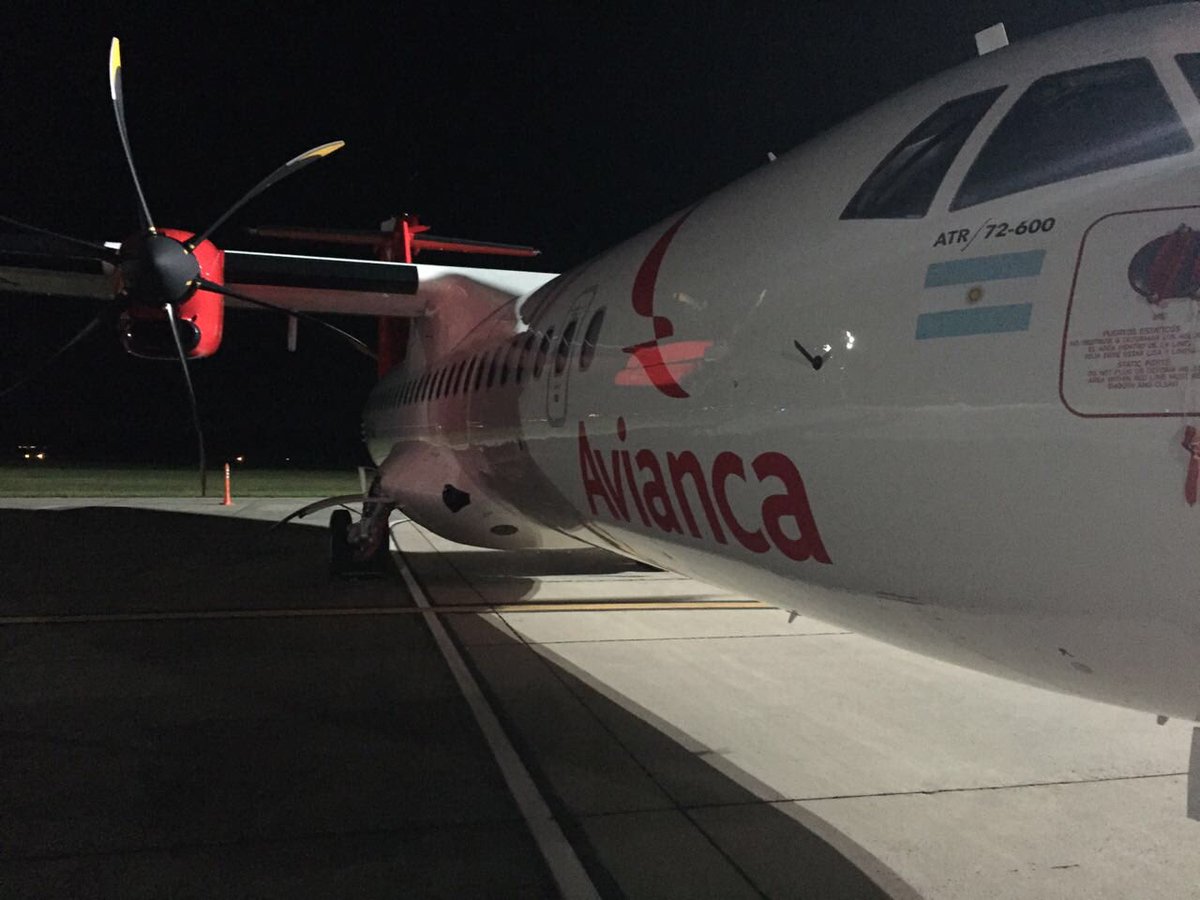
Así se embarcó Avianca Argentina con el primer proyecto operativo en Argentina al anunciarse la apertura de rutas en este país. La flota actual de MacAir Jet S.A. pasó a formar parte de Avianca Argentina. Ante el nuevo diagrama propuesto por Avianca, los aviones Jetstream J31/J32EP siguieron afectados a los destinos existentes. Mientras el nuevo plan se consolidaba, Avianca incorporaba a su flota la nueva línea de aviones ATR 72-600, las mismas aeronaves del Grupo Avianca en Colombia. No solo unificaba experiencia, sino además costos operativos.

Despedida del «Jetstream»

El Jetstream J31, J32, J32EP fueron aeronaves construidas por el fabricante británico British Aerospace (BAe Systems). Estos aviones regionales tienen una capacidad para transportar 19 pax y han sido un valuarte para las aerolíneas de tercer nivel en el mundo. Una aeronave muy robusta y confiable que supo ganarse el cariño de muchos entusiastas.


La flota de MacAir Jet estaba conformada por 6 Jetstream J32EP: LV-ZPW, LV-ZOW, LV-ZRL, LV-ZPZ, LV-ZST, LV-ZSB. Además poseía una flota de aviones business Gulfstream IV (1) y Learjet 25 (1) y Learjet 35 (1).

El día 13 de Noviembre algunos Jetstream J32EP han sido movidos en la plataforma de Aeroparque observándose sin sus motores. La saeronaves eran el LV-ZOW Y LV-ZRL. Aunque la información no está confirmada, otros dos J32EP posiblemente fueran vendidos a un operador del exterior.

Hugo Díaz, Gerente Comercial de Avianca Argentina, ha expresado la aerolínea empleará solo aviones nuevos, haciendo referencia a los ATR 72-600 y los próximos Airbus A320. La desprogramación de los Jetstream J32EP de la flota de Avianca Argentina ha permitido dar paso a la llegada de los turbohélices ATR 72-600.

Nuevas rutas

El organigrama para los futuros vuelos de la compañía en Argentina se basarán en estas aeronaves cubriendo los destinos alcanzados más los nuevos. Los destinos como Reconquista han sido inaugurados con aeronaves ATR 72-600, ampliando una mejora sustancial en los servicios en el norte de Santa Fe. Los vuelos a Villa Gesell se implementarán para las operaciones en temporada alta. En cuanto a Sunchales,Tres Arroyos y necochea todavía no existe información confirmada para las operaciones. En el día de hoy quedó inaugurada la ruta Buenos Aires-Rosario sumándose a las de Mar del Plara y Reconquista. AIRWAYS® AW-Icon TXT

Resultado de imagen para Jetstream logo British Aerospace

El pase de diapositivas requiere JavaScript.

The farewell of the Jetstream in Argentina

The Jetstream J-31 / J-32EP finish a story and a legacy in Argentina

Following the sale by the Macri family of the MacAir airline, the Synergy Aerospace Corp. group of the Synergy Group conglomerate has taken control of the airline’s operations in Argentina. The company’s new name is called Avian Líneas Aéreas S.A. which operates commercially under the Avianca Argentina brand, through a brand license agreement as it is not part of Avianca Holdings S.A.

MacAir Jet S.A. It was sold for US $ 10 million that has been the subject of the commercial transaction to Synergy Group. The current Government of Argentina approved the purchase by the Brazilian investment group.

Although the amount agreed seems a bit high, it was not compared to the strategy projected by Avianca to land in Argentina. In interest began to develop «The Revolution of the Aircraft».

Many airlines use the modus operandis to buy an already established airline or interest in the routes or the Air Operator’s Certificate AOC (Air Operator Certificate) to start an airline project in a certain place. This saves them time and costs.

This is how Avianca Argentina embarked with the first operational project in Argentina, announcing the opening of routes in this country. The current fleet of MacAir Jet S.A. became part of Avianca Argentina. Given the new diagram proposed by Avianca, Jetstream J31 / J32EP aircraft continued to be affected to existing destinations. While the new plan was being consolidated, Avianca incorporated to its fleet the new line of ATR 72-600 aircraft, the same aircraft of the Avianca Group in Colombia. It not only unified experience, but also operating costs.

Farewell to the «Jetstream»

Resultado de imagen para logo British AerospaceThe Jetstream J31, J32, J32EP were aircraft built by the British manufacturer British Aerospace (BAe Systems). These regional aircraft have a capacity to transport 19 passengers and have been a value for the third-tier airlines in the world. A very robust and reliable aircraft that knew how to win the love of many enthusiasts.

The MacAir Jet fleet consisted of 6 Jetstream J32EP: LV-ZPW, LV-ZOW, LV-ZRL, LV-ZPZ, LV-ZST, LV-ZSB. It also had a fleet of business aircraft Gulfstream IV (1) and Learjet 25 (1) and Learjet 35 (1).

On November 13, some Jetstream J32EPs have been moved on the Aeroparque platform observing themselves without their engines. The saeronaves were the LV-ZOW and LV-ZRL. Although the information is not confirmed, two other J32EPs may have been sold to an outside operator.

Hugo Díaz, Commercial Manager of Avianca Argentina, has expressed that the airline will use only new aircraft, referring to the ATR 72-600 and the next Airbus A320. The deprogramming of the Jetstream J32EP of the Avianca Argentina fleet has allowed the arrival of the ATR 72-600 turbohalics.

New routes

The organization chart for the future flights of the company in Argentina will be based on these aircraft covering the destinations reached plus the new ones. Destinations like Reconquista have been inaugurated with ATR 72-600 aircraft, expanding a substantial improvement in services in the north of Santa Fe. Flights to Villa Gesell will be implemented for operations in high season. As for Sunchales, Tres Arroyos and necochea there is still no confirmed information for the operations. Today the Buenos Aires-Rosario route was inaugurated, adding to those of Mar del Plara and Reconquista. A \ W


Ξ A I R G W A Y S Ξ
SOURCE:  Airgways.com
DBk: Baesystems.com / Airgways.com / Avianca.com.ar / Sirchandler.com.ar / Carlos Mayora, Twitter.com/Carls_Ben / Sebastián Fernández
AW-POST: 201711211527AR

A\W   A I R G W A Y S ®

IATA presenta encuesta de seguridad

Resultado de imagen para IATA building

AW | 2017 11 21 13:55 | AVIATION SAFETY

Resultado de imagen para IATA I-ASCLa IATA implementa la I-ASC para gestión de seguridad operacional de las aerolíneas

La Asociación Internacional de Transporte Aéreo (IATA) lanzó la encuesta IATA Aviation Safety Culture (I-ASC) para apoyar a las aerolíneas en la implementación de sistemas de gestión de la seguridad operacional y la construcción de una sólida cultura de seguridad.

La encuesta I-ASC es una solución destinada a abordar la necesidad de la industria de la seguridad operativa de las líneas aéreas del mundo. Tiene por objetivo la mejora continua de la cultura de la seguridad utilizando parámetros de coomparaciones consultivas, una metodología estandarizada e indicadores clave de rendimiento (KPI), donde las aerolíneas puedan comparar su cultura de seguridad con sus pares de la industria utilizando KPI comparables.

En un comunicado, IATA dijo que la encuesta fue desarrollada en colaboración con la Universidad de Cranfield (Reino Unido) y otras partes interesadas clave de la aviación, en cumplimiento con la reciente actualización de las normas y prácticas recomendadas de la Organización de Aviación Civil Internacional.

El Vicepresidente Primero de IATA, de la Seguridad y Operaciones de Vuelo, Gilberto Lopez Meyer dijo que «el I-ASC permitiría a las aerolíneas comparar su desempeño en la cultura de la seguridad. Al hacerlo, se alimenta del importante proceso de mejora continua que ha ayudado a que volar sea la forma más segura de viajar a larga distancia».  AIRWAYS® AW-Icon TXT

IATA presents security survey

IATA implements the I-ASC for airline safety management

The International Air Transport Association (IATA) launched the IATA Aviation Safety Culture Survey (I-ASC) to support airlines in the implementation of safety management systems and the construction of a strong safety culture.

The I-ASC survey is a solution aimed at addressing the industry’s need for operational safety of the world’s airlines. It aims to continuously improve the safety culture by using consultative matching parameters, a standardized methodology and key performance indicators (KPIs), where airlines can compare their safety culture with their industry counterparts using comparable KPIs.

In a statement, IATA said the survey was developed in collaboration with Cranfield University (United Kingdom) and other key aviation stakeholders, in compliance with the recent update of the standards and best practices of the International Civil Aviation Organization. .

IATA’s First Vice President of Safety and Flight Operations, Gilberto Lopez Meyer said «that the I-ASC would allow airlines to compare their performance in the safety culture. «In doing so, it feeds on the important process of continuous improvement that has helped make flying the safest way to travel long distance». A \ W


Ξ A I R G W A Y S Ξ
SOURCE:  Airgways.com
DBk: Iata.org / Airgways.com
AW-POST: 201711211355AR

A\W   A I R G W A Y S ®

Efectos del Impuestos Salida de Japón

AW | 2017 11 21 12:27 | AIR TRAFFIC

Agencia Turismo de Japón estudia aplicar el Impuesto de Salida de Japón para verificar seguridad turistas japoneses en el exterior

La Agencia de Turismo de Japón está estudiando el uso de los ingresos obtenidos de un impuesto de salida propuesto para financiar el desarrollo de un sistema para verificar la seguridad de los turistas japoneses que viajan al exterior.

Japón pronto podría tener un sistema para vigilar a todos los turistas japoneses de todo el mundo, pagados por todos los turistas internacionales y locales que abandonan el país. El gobierno de Japón está considerando la implementación de un impuesto de salida de JPY 1.000,00 por persona que deje el país en un avión o barco, con el cargo agregado a la tarifa pagada por el viaje. Un impuesto de hasta 1.000 yenes (U$D 8,89) que según los informes, el gobierno japonés está considerando cobrar a los viajeros que salen del país.

La Agencia espera usar los fondos para crear un sistema que administre de manera centralizada los registros y la información sobre los viajeros japoneses que están en el extranjero. El nuevo sistema permitirá al gobierno recopilar fácilmente información sobre el estado y la seguridad de los viajeros japoneses en eventos de emergencia, como desastres naturales o eventos terroristas.

La Agencia cree que el uso del impuesto de salida para su propósito previsto está justificado, ya que aproximadamente el 40 por ciento de todas las salidas de Japón son hechas por ciudadanos japoneses. Aproximadamente 40 millones salen de Japón por año, lo que significa que el impuesto recaudaría aproximadamente JPY 40 mil millones.

El impuesto de salida japonés podría tener un gran impacto en aerolíneas como aerolíneas de bajo costo advierte el CEO de ANA Airways. «Es difícil decir cuál sería el impacto del impuesto sobre el número de visitantes entrantes», dijo a la prensa Shinya Katanozaka, director ejecutivo de la aerolínea ANA Airways.  AIRWAYS® AW-Icon TXT

Departure Tax effects of Japan

Tourism Agency of Japan studies to apply the Exit Tax of Japan to verify security Japanese tourists abroad

The Tourism Agency of Japan is studying the use of income obtained from a proposed exit tax to finance the development of a system to verify the safety of Japanese tourists traveling abroad.

Japan could soon have a system to monitor all Japanese tourists from all over the world, paid by all international and local tourists who leave the country. The government of Japan is considering the implementation of an exit tax of JPY 1,000.00 per person leaving the country on an airplane or ship, with the charge added to the fare paid for the trip. A tax of up to 1,000 yen (US $ 8.89) that the Japanese government is reportedly considering charging travelers leaving the country.

The Agency hopes to use the funds to create a system that centrally manages records and information about Japanese travelers who are abroad. The new system will allow the government to easily gather information on the status and safety of Japanese travelers in emergency events, such as natural disasters or terrorist events.

The Agency believes that the use of exit tax for its intended purpose is justified, since approximately 40 percent of all departures from Japan are made by Japanese citizens. Approximately 40 million leave Japan per year, which means that the tax would collect approximately JPY 40 billion.

The Japanese exit tax could have a big impact on airlines such as low-cost airlines warns the CEO of ANA Airways. «It is difficult to say what the impact of the tax would be on the number of incoming visitors», said Shinya Katanozaka, executive director of the airline ANA Airways, told reporters. A \ W


Ξ A I R G W A Y S Ξ
SOURCE:  Airgways.com
DBk:  Straitstimes.com.sg / Cntraveler
AW-POST: 201711211227AR

A\W   A I R G W A Y S ®

ALTA Forum 2017

AW | 2017 11 21 11:57 | AIRLINES / CONGRESS

Imagen relacionadaEn el marco del desarrollo del Foro ALTA 2017 ratifican Aeropuerto El Palomar para ops low-cost

El Ministro de Transporte de Argentina, Guillermo Dietrich anunció que el nuevo Aeropuerto El Palomar se utilizará para operaciones de vuelos low-cost, sumando a la alternativa a Ezeiza y Aeroparque para absorber el aumento de la demanda que se espera para los próximos cinco años.

El anuncio fue parte de la presentación del funcionario en la conferencia anual de la Latin American and Caribbean Airlines (ALTA), que entre ayer y hoy y por primera vez se realiza en Buenos Aires. Fue el único anuncio concreto, después de casi dos años en los que se inició un proceso de apertura de un mercado antes dominado por las decisiones políticas que se tomaban a través de Aerolíneas Argentinas.

Ese es el inicio de uno de los temas pendientes para desarrollar el mercado aerocomercial. Quizá por eso el ministro de Transporte, Guillermo Dietrich, aprovechó ayer para confirmar que el Gobierno decidió construir un aeropuerto para que operen las aerolíneas low cost (bajo costo) en El Palomar. Las líneas aéreas de la región no dejan de valorar la nueva mirada regulatoria, pero ya se escuchan algunos pedidos puntuales: para duplicar el mercado se necesita tanto de lo que hagan los aviones en el aire como de lo que aporte la infraestructura desde tierra.

En ese marco habría que inscribir la decisión de convertir la base militar de El Palomar en una estación comercial para que operen empresas de bajo costo. Fue la aerolínea Flybondi la que, hace poco más de un año, introdujo en la mesa de conversaciones la posibilidad de volar desde la terminal que está ubicada en el noroeste del Gran Buenos Aires. Ayer, el Gobierno confirmó el proyecto y Norwegian, una de las principales empresas de low cost del mundo, anunció que le interesa volar desde esa El Palomar.

Inversiones avanzadas en Argentina

«Se están realizando inversiones [en infraestructura] como nunca se habían hecho. Y en este marco el sector aeronáutico es estratégico. Un sector que se había visto condicionado, años atrás, por una visión errada donde se creía que para proteger a la aerolínea de bandera había que cercenar el crecimiento. Vamos a duplicar la cantidad de pasajeros de cabotaje para 2019», dijo Dietrich.

La necesidad de infraestructura en la Argentina es, sin duda, el mensaje que los ejecutivos del sector querían anotar en la libreta del ministro. Fue el CEO de Latam Airlines, Enrique Cueto, el que lo plasmó con sutileza. «No es casualidad que estemos en la Argentina. Esto es una manera de agradecer al Gobierno el esfuerzo que hace. Tiene una enorme tarea por delante; quedaron muchas cosas que hacer», empezó el ejecutivo chileno, que habló como presidente de ALTA.

Fue entonces cuando fue de lleno al punto. «ALTA es una asociación de líneas aéreas, somos una parte del mercado aéreo, pero no todo el transporte aéreo. Este es un mercado que se compone de tierra y aire. Aire somos nosotros, y tierra son los aeropuertos y el Estado. Estamos lejos del mundo y somos irrelevantes, el 5% del tráfico mundial», dijo Cueto.

La línea argumental de Cueto siguió. «Aire y tierra tienen realidades distintas. Aire tiene como prioridad la seguridad y los costos. Es una industria de muy bajo margen de rentabilidad. El aire es flexible. Tierra tiene costos crecientes y, además, es más inflexible. Por ejemplo, los aeropuertos se construyen para 10 años y muchas veces, cuando se estrenan, ya quedan chicos», agregó.

Flybondi presentó un proyecto para construir la estación de pasajeros de El Palomar y luego explotarla. Pero no prosperó, ya que no es fácil entregar una estación militar a un privado en concesión. Entonces, empezaron las conversaciones entre Aeropuertos Argentina 2000 y el Gobierno para ver qué esquema se podría armar para la estación. Altas fuentes oficiales informaron que se transformará en un aeropuerto mixto, militar y comercial, como otros en el país (Bahía Blanca, por ejemplo), para crear una oferta alternativa al Aeroparque y a Ezeiza con capacidad de absorber la demanda esperada para los próximos cinco años. En cuanto a Norwegian Air Argentina: «Es de gran interés para Norwegian que El Palomar sea un aeropuerto low cost, preferentemente de largo alcance. Si eso ocurre, consideraremos nuevos destinos que no contemplamos en el esquema actual. Para ello sería imprescindible una pista más larga, de 3000 metros», dijo Olé Christian Melhus, CEO de Norwegian Air Argentina.

En una primera etapa, El Palomar no va a tener mangas, lo cual permitirá que los aviones operen sin remolque (self propelling), ahorrando costos y tiempos de preparación en tierra. Para llegar, el pasajero porteño deberá recorrer una distancia de entre 10 y 20 kilómetros, según donde viva. Además, la estación aérea está unida a la ciudad por la traza del tren San Martín. AIRWAYS® AW-Icon TXT

ALTA Forum 2017

Resultado de imagen para alta airlines leaders forum 2017 logoIn the framework of the development of Foro ALTA 2017, El Palomar Airport is confirmed for low-cost ops
The Minister of Transportation of Argentina, Guillermo Dietrich announced that the new El Palomar Airport will be used for low-cost flight operations, adding to the alternative to Ezeiza and Aeroparque to absorb the increase in demand that is expected for the next five years.

The announcement was part of the presentation of the official at the annual conference of the Latin American and Caribbean Airlines (ALTA), which between yesterday and today and for the first time is held in Buenos Aires. It was the only concrete announcement, after almost two years in which began a process of opening a market previously dominated by the political decisions made through Aerolíneas Argentinas.

There were two hearings and a dozen companies already said they want to start flying in Argentina. That is the beginning of one of the pending issues to develop the commercial market. Maybe that’s why the Minister of Transportation, Guillermo Dietrich, took advantage yesterday to confirm that the Government decided to build an airport for low cost airlines to operate in El Palomar.

The airlines of the region do not stop valuing the new regulatory view, but you can already hear some specific requests: to duplicate the market you need both what airplanes do in the air and what the infrastructure contributes from the ground.

In that framework, the decision to convert El Palomar military base into a commercial station for low-cost companies would have to be registered. It was the airline Flybondi that, just over a year ago, introduced the possibility of flying from the terminal located in the northwest of Greater Buenos Aires to the conversation table. Yesterday, the government confirmed the project and Norwegian, one of the world’s leading low-cost companies, announced that it is interested in flying from that headwaters.

«Investments are being made [in infrastructure] like never before, and in this context the aeronautical sector is strategic, a sector that had been conditioned, years ago, by a mistaken vision where it was believed that to protect the airline from We had to double the number of cabotage passengers by 2019», said Dietrich.

The need for infrastructure in Argentina is, without a doubt, the message that the executives of the sector wanted to write down in the minister’s notebook. It was the CEO of Latam Airlines, Enrique Cueto, who captured it with subtlety. «It is not a coincidence that we are in Argentina, this is a way of thanking the government for the effort it is making, it has a huge task ahead, there were many things to do», said the Chilean executive, who spoke as ALTA president.

That’s when it went completely to the point. «ALTA is an association of airlines, we are a part of the air market, but not all air transport, this is a market that consists of land and air, air is us, and land is the airports and the State. of the world and we are irrelevant, 5% of the world’s traffic», said Cueto.

Cueto’s storyline continued. «Air and land have different realities, Air has safety and costs as a priority, it is a very low profit margin industry, air is flexible, land has increasing costs and, moreover, it is more inflexible. they are built for 10 years and many times, when they are released, there are children left», he added.

Flybondi presented a project to build the El Palomar passenger station and then exploit it. But it did not prosper, since it is not easy to deliver a military station to a private one in concession. Then, the conversations between Aeropuertos Argentina 2000 and the Government began to see what scheme could be put together for the station. High official sources reported that it will be transformed into a mixed airport, military and commercial, like others in the country (Bahía Blanca, for example), to create an alternative offer to the Aeroparque and Ezeiza with capacity to absorb the expected demand for the next five years. . As for Norwegian Air Argentina: «It is of great interest to Norwegian that El Palomar is a low cost airport, preferably a long-haul one, and if that happens, we will consider new destinations that we do not contemplate in the current scheme. long, 3000 meters», said Olé Christian Melhus, CEO of Norwegian Air Argentina.

In a first stage, El Palomar will not have sleeves, which will allow the planes to operate without a trailer (self propelling), saving costs and preparation time on land. To arrive, the Buenos Aires passenger must travel a distance of between 10 and 20 kilometers, depending on where he lives. In addition, the air station is linked to the city by the San Martin train. A \ W


Ξ A I R G W A Y S Ξ
SOURCE:  Airgways.com
DBk:  Alta.aero / Lanacion.com.ar
AW-POST: 201711211157AR

A\W   A I R G W A Y S ®

Aerolíneas Argentinas incorpora nueva agencia de medios Havas Media

AW | 2017 11 21 10:48 | AIRLINES

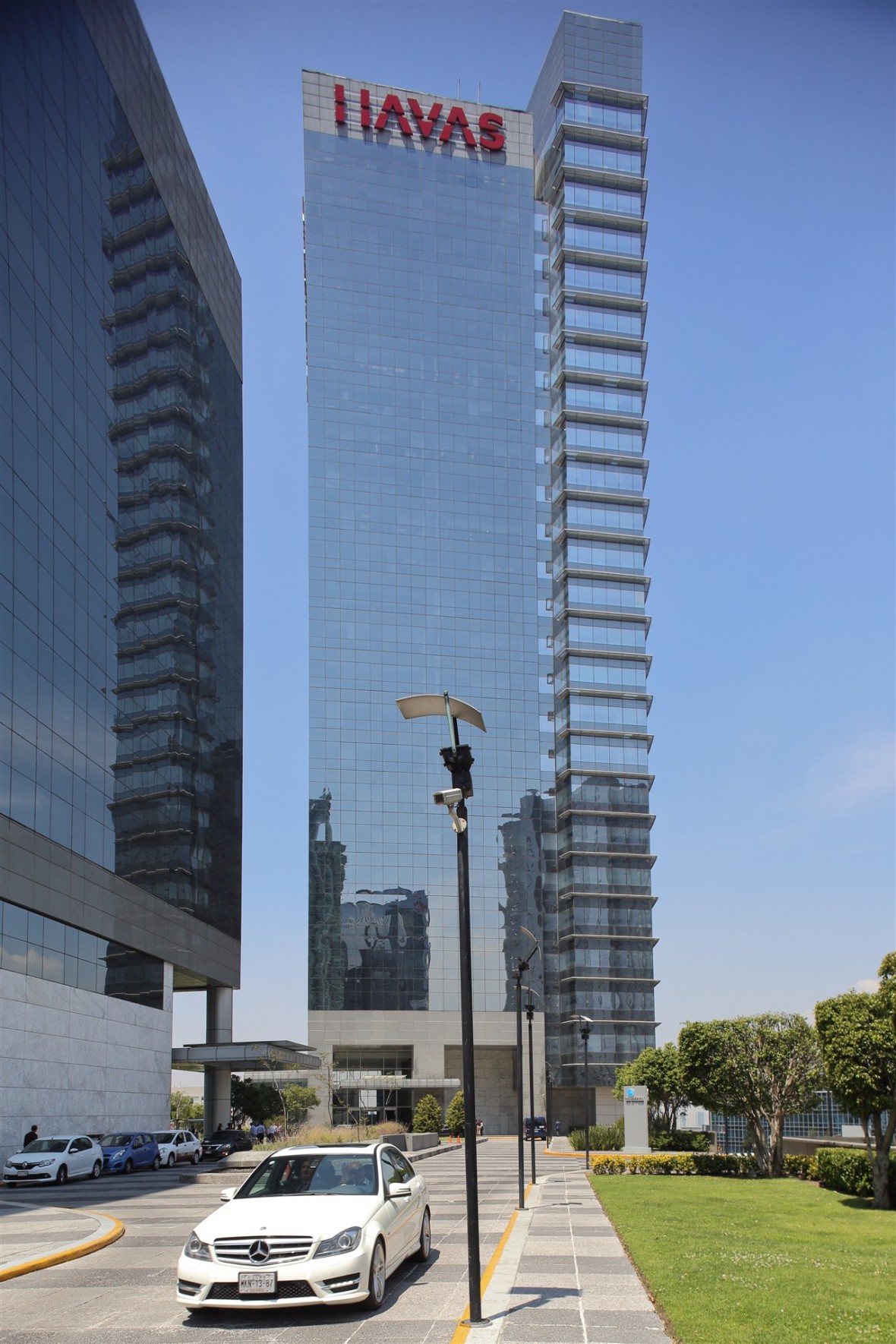
Resultado de imagen para Havas MediaHavas Media es la nueva agencia de medios de Aerolíneas Argentinas. Trabajará para poner la comunicación de la aerolínea a la altura de estos tiempos

AA-AU IsologotypeLa nueva agencia de medios de comunicación de Aerolíneas Argentinas / Austral Líneas Aéreas será responsable del manejo presupuestario y de la imagen general de medios de la aerolínea, y ayudará a consolidar su rol de liderazgo y crecimiento reformulando los planes de comunicación.

La empresa de imagen corporativa Havas Media, tiene su sede en Puteaux Cedex, Francia, y varias agancias en el exterior. Posee una cartera de clientes muy amplia e importante para la imagen visual correspondiente a estos tiempos.

Resultado de imagen para Havas MediaHavas Media ganó el concurso por el manejo del presupuesto de medios de Aerolíneas Argentinas luego de una larga licitación. La agencia ayudará a la aerolínea a consolidar su rol de liderazgo y crecimiento para que se condiga con los avances que ha realizado en cuanto a nuevos aviones, cantidad de pasajeros, puntualidad y servicios. “En línea con estos logros, sentimos que llegó el momento de que una agencia líder y especializada en estrategias de comunicación y planificación de medios como Havas Media se sume a este gran desafío y nos ayude a reformular nuestros planes de comunicación”, sostuvo Nicolás Fernández, gerente de marketing de Aerolíneas Argentinas.

Por su parte Germán Abaroa, de Havas Media, comentó: “Aerolíneas es una de las marcas más valoradas por los argentinos y una empresa que nos ha sorprendido gratamente por el buen ambiente de trabajo y el espíritu de colaboración y trabajo en equipo que se evidencia en cada reunión y en todas las personas que hemos conocido. Es un gran desafío y sentimos que tenemos el talento, conocimiento y las herramientas para hacerlo muy bien”. AIRWAYS® AW-Icon TXT

Aerolíneas Argentinas incorporates new media agency Havas Media

Resultado de imagen para Havas MediaHavas Media is the new media agency of Aerolíneas Argentinas. Will work to put the communication of the airline at the height of these times

AA-AU IsologotypeThe new media agency of Aerolíneas Argentinas / Austral Líneas Aéreas will be responsible for budget management and the general image of the airline’s media, and will help consolidate its leadership and growth role by reformulating communication plans.

The company of corporate image of Havas Media, has its headquarters in Puteaux Cedex, France, and several agancias abroad. It has a very large and important client portfolio for the visual image corresponding to these.

Havas Media won the contest for the management of Aerolíneas Argentinas’ media budget after a long tender. The agency will help the airline consolidate its leadership and growth role to match the progress it has made in terms of new aircraft, number of passengers, punctuality and services. «In line with these achievements, we feel that the time has come for a leading agency specialized in communication strategies and media planning such as Havas Media to join this great challenge and help us to reformulate our communication plans», said Nicolás Fernández, marketing manager of Aerolineas Argentinas.

Germán Abaroa, from Havas Media, commented: «Aerolíneas is one of the most valued brands by Argentines and a company that has pleasantly surprised us because of the good work environment and the spirit of collaboration and teamwork that is evident in every meeting and in all the people we’ve met. It’s a great challenge and we feel we have the talent, knowledge and tools to do it very well».  A \ W


Ξ A I R G W A Y S Ξ
SOURCE:  Airgways.com
DBk: Jggroup.com / Havasgroup.com.ar
AW-POST: 201711211048AR

A\W   A I R G W A Y S ®

Andes Líneas Aéreas inicia ops TUC-AEP

AW | 2017 11 21 09:47 | AIRLINES ROUTES

Resultado de imagen para Andes Líneas AéreasAndes Líneas Aéreas de Argentina iniciará este martes, 21 de Noviembre 2017 el primer vuelo desde Tucumán a Buenos Aires

Andes Líneas Aéreas inaugura este martes la nueva ruta Tucumán—Buenos Aires, ida y vuelta, en un importante paso para mejorar la conectividad de la Provincia de Tucumán localizada en la Región Norte de Argentina. De esta manera la aerolínea de la Provincia de Salta inicia una consolidación de la conectividad aérea en la región.

Resultado de imagen para Norte  Argentino logoLas reservas para la primera semana superan el 80% y se mantienen altas para el último mes del año. Estas cifras demuestran que la compañía llega para dar respuesta a una demanda que hasta el momento no se encontraba completamente satisfecha. “Se trata de un paso muy importante para la empresa, pero también para Tucumán”, sostuvo el gerente comercial de la aerolínea, Bernardo Racedo Aragón.

Expansión de rutas

Desde mañana 22 de Noviembre estrenará otra ruta Jujuy—Tucumán, ida y vuelta; con un vuelo que partirá desde el Aeropuerto Internacional Gobernador Horacio Guzmán a las 07:00 hs para arribar al Tucumán, «Jardín de la República» a las 07:40 hs, retornando a San Salvador de Jujuy a las 23:00 hs. “Llegar al norte del país genera un movimiento económico muy importante para la sociedad ya que acercamos a todo el público con una tarifa muy accesible para incrementará el turismo”, añadió Racedo Aragón.

La expansión de la aerolínea continúa con el comienzo de la temporada alta de turismo en la Costa Atlántica. Mar del Plata es el destino que iniciará en Diciembre 2017y Punta del Este (Uruguay), es la primera ruta regular internacional de Andes Líneas Aéreas.

La aerolínea de capitales salteños, dispondrá desde Noviembre de vuelos directos entre Salta—Buenos Aires, mejorando la frecuencia horaria. Despegará a las 08:30 hs y retornará desde Aeroparque a las 17:50 hs.

Con un sistema de tarifas inteligentes y un rango de precios muy accesibles, Andes se proyecta como la aerolínea nacional de mayor crecimiento en el último año. Hoy, la empresa ocupa el 7% de la cuota de mercado aerocomercial de Argentina, según datos de la AONA, y presenta una oferta mensual de 80 mil plazas disponibles entre los destinos de Salta, Jujuy, Termas de Río Hondo, Córdoba, Mendoza, Bariloche, Iguazú y Puerto Madryn.

Andes Líneas Aéreas asumió en la audiencia pública de Diciembre de 2016, que la empresa se consolidaría como líder en la llamada “revolución de los aviones”. Andes nació en el norte del país y con los nuevos destinos incorporados, estará completando casi la totalidad de las provincias del NOA y contribuyendo a la integración de la región con el resto del país.  AIRWAYS® AW-Icon TXT

Resultado de imagen para Andes Líneas Aéreas

Andes Líneas Aéreas starts ops TUC—AEP

Andes Líneas Aéreas de Argentina will start this Tuesday, November 21, 2017 the first flight from Tucumán to Buenos Aires

Resultado de imagen para Norte  Argentino logoAndes Líneas Aéreas opens this Tuesday the new Tucumán—Buenos Aires route, round trip, in an important step to improve the connectivity of the Province of Tucumán located in the Northern Region of Argentina. In this way, the airline of the Province of Salta begins a consolidation of air connectivity in the region.

The reserves for the first week exceed 80% and remain high for the last month of the year. These figures show that the company arrives to respond to a demand that until now was not completely satisfied. «This is a very important step for the company, but also for Tucumán», said the commercial manager of the airline, Bernardo Racedo Aragón.

Resultado de imagen para Norte  Argentino pngRoute expansion

From tomorrow, November 22, another route Jujuy—Tucumán will be released, round trip; with a flight that will depart from the International Airport Gobernador Horacio Guzmán at 07:00 hs to arrive at Tucumán, «Jardín de la República» at 07:40 hs, returning to San Salvador de Jujuy at 23:00 hs. «Arriving in the north of the country generates a very important economic movement for society as we bring the public together with a very accessible rate to increase tourism», added Racedo Aragón.

The expansion of the airline continues with the beginning of the high season of tourism on the Atlantic Coast. Mar del Plata is the destination that will start in December 2017 and Punta del Este (Uruguay), is the first international regular route of Andes Líneas Aéreas.

The airline of Salta capitals, will have direct flights between Salta—Buenos Aires from November, improving the hourly frequency. It will take off at 08:30 hs and will return from Aeroparque at 5:50 p.m.

With a smart fare system and a very accessible price range, Andes is projected as the fastest growing national airline in the last year. Today, the company occupies 7% of the commercial market share of Argentina, according to data from the AONA, and presents a monthly offer of 80 thousand available spaces between the destinations of Salta, Jujuy, Termas de Río Hondo, Córdoba, Mendoza, Bariloche, Iguazú and Puerto Madryn.

Andes Líneas Aéreas assumed in the public hearing of December 2016 that the company would consolidate as a leader in the so-called «aircraft revolution». Andes was born in the north of the country and with the new destinations incorporated, it will be completing almost all the provinces of the NOA and contributing to the integration of the region with the rest of the country. A \ W


Ξ A I R G W A Y S Ξ
SOURCE:  Airgways.com
DBk:  Andesonline.com / Sentiargentina.com
AW-POST: 201711210947AR

A\W   A I R G W A Y S ®


Avianca inicia ops a Rosario

Resultado de imagen para ATR 72-600 Avianca Argentina wiki

AW | 2017 11 21 09:09 | AIRLINES ROUTES

Avianca inicia dos frecuencias diarias Buenos Aires—Rosario

Este martes 21 de Noviembre ha iniciado operaciones Avianca Líneas Aéreas desde el Aeropuerto Jorge Newbery con destino al Aeropuerto Rosario.

El vuelo A0-7100 de Avianca despegó a las 08:06 hs desde Aeroparque con destino al Aeropuerto de Rosario. Desde la aeroestación rosarina despegará a las 09:15 hs para retornar a Aeroparque con número vuelo A0-7109. La frecuencia diaria de los vuelos desde Rosario a Aeroparque partirán a las 09:15 hs y a las 20:15 hs. La aeronave empleada serán los aviones turbohélices ATR 72-600.

De esta manera Avianca Argentina (Avian Líneas Aéreas) ha comenzado a operar sus vuelos regulares hacia Rosario con dos frecuencias diarias a Aeroparque y la semana próxima sumará frecuencias a Mar del Plata.

De esta manera, la aerolínea Avianca Argentina es la segunda empresa aérea que inicia sus operaciones de las cinco que se presentaron en la primera audiencia pública realizada en diciembre de 2016 para la solicitud de nuevas rutas, y en la segunda en operar a esos destinos a los que ya vuela Aerolíneas Argentinas.

La flota inicial de Avianca son dos aviones ATR 72-600 del constructor franco-italiano Avions Trànsport Regional, una compañía subsidiaria de Airbus Group, que tienen una capacidad para transportar a 70 pasajeros. La aerolínea tiene planes para incorporar tres aviones adicionales que ya están listos en la fábrica de ATR, en Toulousse. En Enero 2018 arribará un sexto avión, en Febrero el séptimo.

Avianca Argentina ha informado que en Marzo 2018 arribarán los dos primeros A320 a la flota argentina con lo que se dará inicio a la etapa de vuelos regionales. AIRWAYS® AW-Icon TXT

Resultado de imagen para ATR 72-600 Avianca Argentina

Avianca starts ops to Rosario

Avianca starts two daily frequencies Buenos Aires-Rosario

This Tuesday November 21st, Avianca Líneas Aéreas has started operations from Jorge Newbery Airport to Rosario Airport.

The flight A0-7100 of Avianca took off at 08:06 hs from Aeroparque to Rosario Airport. From the Rosario airport, it will take off at 09:15 a.m. to return to Aeroparque with flight number A0-7109. The daily frequency of flights from Rosario to Aeroparque depart at 09:15 hs and at 20:15 hs. The aircraft used will be the turboprop aircraft ATR 72-600.

In this way Avianca Argentina (Avian Líneas Aéreas) has begun operating its regular flights to Rosario with two daily frequencies to Aeroparque and next week will add frequencies to Mar del Plata.

Thus, the airline Avianca Argentina is the second airline that starts its operations of the five that were presented at the first public hearing held in December 2016 for the request of new routes, and in the second to operate to those destinations to those already flying Aerolíneas Argentinas.

The initial fleet of Avianca are two ATR 72-600 aircraft of the Franco-Italian constructor Avions Trànsport Regional, a subsidiary company of Airbus Group, which have a capacity to transport 70 passengers. The airline has plans to incorporate three additional aircraft that are already ready at the ATR factory in Toulousse. In January 2018 a sixth plane arrives, in February the seventh.

Avianca Argentina has informed that in March 2018 the first two A320s will arrive to the Argentine fleet, which will start the regional flights stage. A \ W


Ξ A I R G W A Y S Ξ
SOURCE:  Airgways.com
DBk:  Airgways.com / Aa2000.com.ar / Aeropuertorosario.com / Infobae.com
AW-POST: 201711210909AR

A\W   A I R G W A Y S ®

Aerolíneas, aproximación final del MAX

AR-B737-8MAX

AW | 2017 11 20 20:58 | AIRLINES

FK,4923,36,737-max-round-pinAerolineas-Argentinas-logo.pngAerolíneas Argentinas debutará con Boeing 737-8 MAX en Diciembre 2017. Incorporará el primer Boeing 737-8 MAX en Argentina y Latinoamérica

Aerolíneas Argentinas tiene aproximación final del Boeing 737-8 MAX con registro LV-GVD para finales de Noviembre a Argentina. Iniciará las operaciones con su primer Boeing 737-8 MAX el 1 de Diciembre 2017.

La aerolínea de Agentina espera recibir el avión en las próximas semanas, y recibirá un segundo avión en este mismo año. Otras tres aeronaves Boeing 737-8 MAX tomará poseción en 2018. Aerolíneas tiene pedidos de 11 aviones Boeing 737 MAX, luego de convertir una porción de un pedido existente de 737-800 a la versión más moderna el «MAX».

La imagen puede contener: avión


Inicio ops del «MAX»

La aerolínea operará la aeronave en las rutas domésticas y regionales existentes, aunque el Director Ejecutivo Mario Dell’Acqua dice que la aerolínea planea lanzar una nueva ruta al Caribe desde Buenos Aires o Córdoba con el 737-8 MAX.

Aerolíneas solo opera en Cancún y Punta Cana en el Caribe desde Buenos Aires. Despliega un avión Airbus A330 en la ruta, pero Dell’Acqua dice que Aerolíneas quiere redimensionar su servicio caribeño y el Boeing 737-8 MAX parece responder a las nuevas exigencias de Aerolíneas.

Los widebodies de AR

Mientras tanto, Aerolineas continúa evaluando sus necesidades de cuerpo ancho. La aerolínea opera los Airbus A330 y A340 en sus rutas de largo recorrido, pero está evaluando el Boeing 787 y el Airbus A350 como reemplazo. Aerolineas planea reducir su flota de cuatro A340-300 a dos aeronaves el próximo año, y eliminará las dos restantes para fines de 2018.

La aerolínea espera tener una nueva flota de fuselaje ancho a partir de 2020, dice Dell’Acqua. «Tomaremos un año para decidirnos y ver cuál es el mejor avión, teniendo en cuenta la ubicación peculiar de Argentina. Estamos lejos de todas partes pero, al mismo tiempo, estamos entre Nueva York y Auckland».  AIRWAYS® AW-Icon TXT

Final approach of the Boeing 737-8 MAX of Aerolíneas Argentinas

Aerolíneas Argentinas will debut with Boeing 737-8 MAX in December 2017. It will incorporate the first Boeing 737-8 MAX in Argentina and Latin America

Aerolíneas Argentinas has a final approach to the Boeing 737-8 MAX with register LV-GVD, by the end of November to Argentina. It will begin operations with its first Boeing 737-8 MAX on December 1, 2017.

The airline of Agentina expects to receive the plane in the coming weeks, and will receive a second plane in the same year. Three other Boeing 737-8 MAX aircraft will take ownership in 2018. Airlines has orders for 11 Boeing 737 MAX aircraft, after converting a portion of an existing order from 737-800 to the more modern version the «MAX».

La imagen puede contener: avión

No hay texto alternativo automático disponible.

Home ops of the «MAX»

The airline will operate the aircraft on existing domestic and regional routes, although Executive Director Mario Dell’Acqua says the airline plans to launch a new route to the Caribbean from Buenos Aires or Córdoba with the 737-8 MAX.

Aerolíneas only operates in Cancun and Punta Cana in the Caribbean from Buenos Aires. Deploy an Airbus A330 aircraft on the route, but Dell’Acqua says that Aerolíneas wants to resize its Caribbean service and the Boeing 737-8 MAX seems to respond to the new demands of Airlines.

The AR widebodies

Meanwhile, Aerolíneas continues to evaluate its wide body needs. The airline operates the Airbus A330 and A340 on its long haul routes, but is evaluating the Boeing 787 and the Airbus A350 as a replacement. Aerolineas plans to reduce its fleet of four A340-300s to two aircraft next year, and will eliminate the remaining two by the end of 2018.

The airline expects to have a new wide-body fleet starting in 2020, says Dell’Acqua. «We will take a year to decide and see which is the best plane, considering the peculiar location of Argentina, we are far from everywhere but, at the same time, we are between New York and Auckland». A \ W


Ξ A I R G W A Y S Ξ
SOURCE:  Airgways.com
DBk: Aerolineas.com / Airgways.com
AW-POST: 201711202058AR

A\W   A I R G W A Y S ®

Airbus reclama acuerdo transición Brexit

AW | 2017 11 20 20:13 | INDUSTRY

Imagen relacionadaAirbus como Boeing exigen reglas claras a vista futura del impacto del Brexit

En una industria aeroespacial donde las economías de las grandes empresas de aviación se entrelazan entre los países europeos y mundial, el Brexit pone a prueba la integridad de los negocios en la propia Europa.

Una fase de transición post-Brexit deberá acordarse lo antes posible, exige Airbus Group. La compañía aeronáutica solicitó un período de transición prolongado para garantizar que la competitividad y la productividad continúen sin obstáculos. Lo mismo aplica a Boeing donde también tiene intereses en Gran Bretaña.

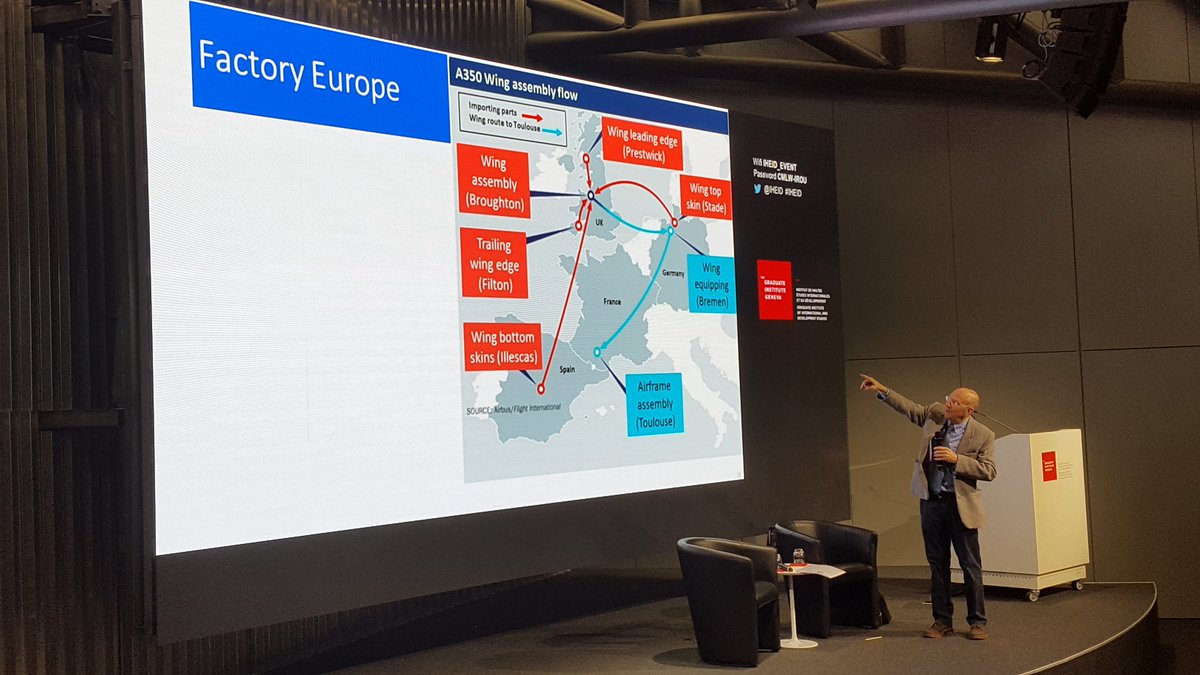
Airbus emplea a 6.000 personas en su planta de ala en Broughton, Flintshire, Reino Unido. La Primera Ministra Theresa May ha sugerido que al gobierno del Reino Unido le gustaría un período de transición de aproximadamente dos años. Una fase de transición podría significar que el acuerdo sobre cómo el Reino Unido comercia con la UE actualmente se mantiene antes de que entre en vigencia cualquier nuevo acuerdo. En pruebas escritas para el Comité de Negocios de los Comunes, Airbus agregó que no alcanzar un acuerdo con la UE tendría «consecuencias significativas» para la compañía.

La «transición brexiana»

En Enero 2017, el Director de Operaciones de Airbus SE, Tom Williams, dijo a los parlamentarios que estaría entrando en una fase peligrosa si Airbus no podía mover personas y productos a la perfección en toda la UE. Actualmente depende del flujo sin interrupciones de bienes y personas entre sus sitios en el Reino Unido, Francia, Alemania y España.

El principal negociador de Brexit de la UE, Michel Barnier, también ha dicho que empresas como Airbus enfrentan nuevas limitaciones para mover piezas y personal entre sus sitimuy importante entre las fábricas establecidas en toda Europa. Alrededor de 80,000 viajes al año entre el Reino Unido y el resto de los países de la UE se realizan para diferentes tareas directivas, operativas, etc. Cualquier nuevo requisito de visa haría que los empleados calificados del Reino Unido sean más complicados y hagan que los programas que involucran al Reino Unido sean más burocráticos y afecten la competitividad a largo plazo de los sitios del Reino Unido, dijo Airbus en su testimonio.

La compañía dijo que también exporta más de £ 6 mil millones de libras en productos en la Unión Europea. Si los costos aumentan como resultado de que el Reino Unido abandone la UE, esto inevitablemente tendrá un impacto en las futuras decisiones de inversión del Reino Unido.

Las advertencias de la compañía sobre un período de transición y un escenario de no acuerdo se producen antes de una reunión en Downing Street entre la Sra. May y ministros de alto rango para tratar de avanzar en las estancadas conversaciones Brexit. Esta «ley de divorcio» es una de las principales razones del estancamiento en las negociaciones, con la UE diciendo que no discutirá un nuevo acuerdo comercial con el Reino Unido hasta que se resuelvan estos problemas. AIRWAYS® AW-Icon TXT

Airbus claims transition agreement «Brexit»

Airbus as Boeing demand clear rules in the future view of the impact of Brexit

In an aerospace industry where the economies of large aviation companies are intertwined between European and global countries, the Brexit tests the integrity of business in Europe itself.

A post-Brexit transition phase should be agreed as soon as possible, demands Airbus Group. The aeronautical company requested a prolonged transition period to ensure that competitiveness and productivity continue unhindered. The same applies to Boeing where it also has interests in Britain.

Airbus employs 6,000 people at its wing plant in Broughton, Flintshire, United Kingdom. Prime Minister Theresa May has suggested that the UK government would like a transition period of approximately two years. A transition phase could mean that the agreement on how the United Kingdom trades with the EU is currently maintained before any new agreement comes into force. In written tests for the Business Committee of the Commons, Airbus added that failure to reach an agreement with the EU would have «significant consequences» for the company.

The «Brexian transition»

In January 2017, Airbus SE’s Director of Operations, Tom Williams, told parliamentarians that he would be entering a dangerous phase if Airbus could not move people and products seamlessly across the EU. Currently it depends on the uninterrupted flow of goods and people between its sites in the United Kingdom, France, Germany and Spain.

The EU’s main Brexit negotiator, Michel Barnier, has also said that companies such as Airbus face new constraints in moving parts and personnel among their sitimuy important among factories established throughout Europe. Around 80,000 trips a year between the United Kingdom and the rest of the countries of the EU are carried out for different management, operational, etc. tasks. Any new visa requirement would make qualified UK employees more complicated and make programs involving the UK more bureaucratic and affect the long-term competitiveness of UK sites, Airbus said in its testimony.

The company said it also exports more than £ 6 billion in products in the European Union. If the costs increase as a result of the UK leaving the EU, this will inevitably have an impact on the future investment decisions of the United Kingdom.

The company’s warnings about a transition period and a non-agreement scenario occur before a meeting in Downing Street between Ms. May and high-ranking ministers to try to move forward in the stalled Brexit talks. This «divorce law» is one of the main reasons for the stalemate in the negotiations, with the EU saying that it will not discuss a new trade agreement with the United Kingdom until these problems are resolved. A \ W


Ξ A I R G W A Y S Ξ
SOURCE:  Airgways.com
DBk:  Airbus.com / Bbc.com / Irishtimes.com
AW-POST: 201711202013AR

A\W   A I R G W A Y S ®

Bombardier mira a Latinoamérica

AW | 2017 11 20 19:40 | INDUSTRY

Logo_Airbus_2014.svgBombardier_Aerospace-200xBombardier pronostica duplicar flota regional de América Latina

Bombardier_logo[1]

En el marco de la ALTA Airline Leaders Forum, Bombardier pronostica duplicar la flota de aviones para América Latina.

La flota de líneas aéreas en latinoamérica aumentará debido a varios factores entre ellos la previsionalidad del mercado en la región y el aumento de nuevas aerolíneas, entre ellas las low cost. Bombardier confía en que su línea de aviones comerciales pueda asegurar una buena porción del negocio.

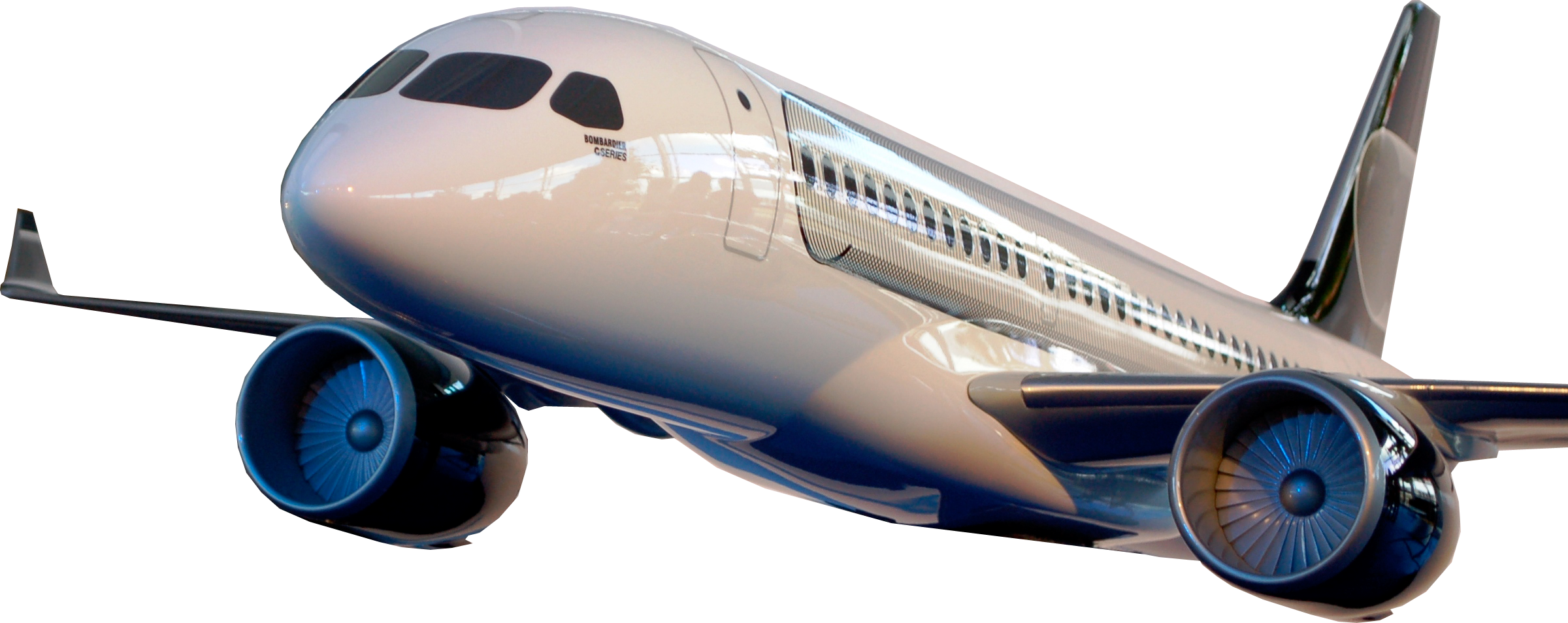
En medio de una importante transición de los procesos en Bombardier, asociada ahora a Airbus en la construcción del CSeries, encuentra un acuerdo estratégico para poder vender sin obstáculos estos aviones en el mercado estadounidense.

El fabricante canadiense se encuentra confiado en poder captar el doble de mercado proyectado a 20 años. El pronóstico del mercado global de Bombardier se centra en el sector de 60-150 plazas, donde 650 aviones operan actualmente en la región de América Latina, dice el vicepresidente de marketing de Bombardier. «Prevemos que en los próximos 20 años, se entregarán 1.050 nuevos aviones y se retirarán 400, llevando la flota a 1.300 aviones», dice Patrick Baudis.

Bombardier espera que las entregas en Latinoamérica comprendan 500 aeronaves regionales grandes con capacidad para entre 60 y 100 pasajeros, y 550 pequeñas naves individuales en la categoría de 100 a 150 asientos. El acuerdo de Airbus CSeries se anunció en octubre y exige que el fabricante europeo adquiera el 50.01% del programa. Las compañías esperan que el acuerdo se cierre en la segunda mitad de 2018.

CSeries desea penetrar en Latinoamérica

Las aerolíneas de todo el mundo han realizado pedidos en firme por más de 360 ​​aviones CSeries, pero ninguno ha sido anunciado por las aerolíneas latinoamericanas. Airbus se encuentra en lo más alto de América Latina, donde empresas como Avianca Holdings, LATAM Airlines Group, Volaris e Interjet han hecho de Airbus pedidos por muchas aeronaves.

La región Latinoamérica se está recuperando después de que muchos transportistas demoraron la renovación de la flota en medio de un gran malestar económico. Bombardier está bien posicionado para beneficiarse a medida que el mercado se recupera después de un esfuerzo comercial estratégico que comenzó hace tres años para hacer crecer su negocio en la región. Esto implicó la creación de oficinas locales en Miami y Sao Paulo y el refuerzo de la atención al cliente.

Las rutas con más oportunidades en la región Latinoamérica conectan ciudades secundarias con redes más grandes. La conectividad es algo clave para el crecimiento de América Latina. Las inversiones en infraestructura regional han aumentado, como es el caso más sobresaliente Argentina. Esto es muy importante para este crecimiento que se observa en la región. AIRWAYS® AW-Icon TXT

Bombardier looks at Latin America

Resultado de imagen para Bombardier CS100 pngBombardier forecasts double regional fleet in Latin America
In the framework of the ALTA Airline Leaders Forum, Bombardier predicts to double the aircraft fleet for Latin America.

The airline fleet in Latin America will increase due to several factors, among them the market previsibility in the region and the increase of new airlines, including low cost airlines. Bombardier is confident that its line of commercial aircraft can ensure a good portion of the business.

In the midst of a major process transition in Bombardier, now associated with Airbus in the construction of the CSeries, it finds a strategic agreement to be able to sell these aircraft unhindered in the US market.

The Canadian manufacturer is confident of being able to capture the double market projected to 20 years. Bombardier’s global market forecast focuses on the 60-150 seat sector, where 650 aircraft currently operate in the Latin American region, says Bombardier’s vice president of marketing. «We anticipate that in the next 20 years, 1,050 new aircraft will be delivered and 400 will be withdrawn, bringing the fleet to 1,300 aircraft», says Patrick Baudis.

Bombardier expects deliveries in Latin America to include 500 large regional aircraft with a capacity of between 60 and 100 passengers, and 550 small individual ships in the 100-150 seat category. The Airbus CSeries agreement was announced in October and requires the European manufacturer to acquire 50.01% of the program. The companies expect the agreement to close in the second half of 2018.

CSeries wants to penetrate Latin America

Airlines around the world have placed firm orders for more than 360 CSeries aircraft, but none have been announced by Latin American airlines. Airbus is at the top of Latin America, where companies such as Avianca Holdings, LATAM Airlines Group, Volaris and Interjet have made Airbus orders for many aircraft.

The Latin America region is recovering after many carriers delayed the renewal of the fleet in the midst of great economic unrest. Bombardier is well positioned to benefit as the market recovers after a strategic commercial effort that began three years ago to grow its business in the region. This involved the creation of local offices in Miami and Sao Paulo and the strengthening of customer service.

Routes with more opportunities in the Latin America region connect secondary cities with larger networks. Connectivity is key to the growth of Latin America. Investments in regional infrastructure have increased, as is the most outstanding case in Argentina. This is very important for this growth that is observed in the region. A \ W


Ξ A I R G W A Y S Ξ
SOURCE:  Airgways.com
DBk:  Bombardier.com / Airgways.com
AW-POST: 201711201940AR

A\W   A I R G W A Y S ®