Inversiones en mercado aéreo de EE.UU.
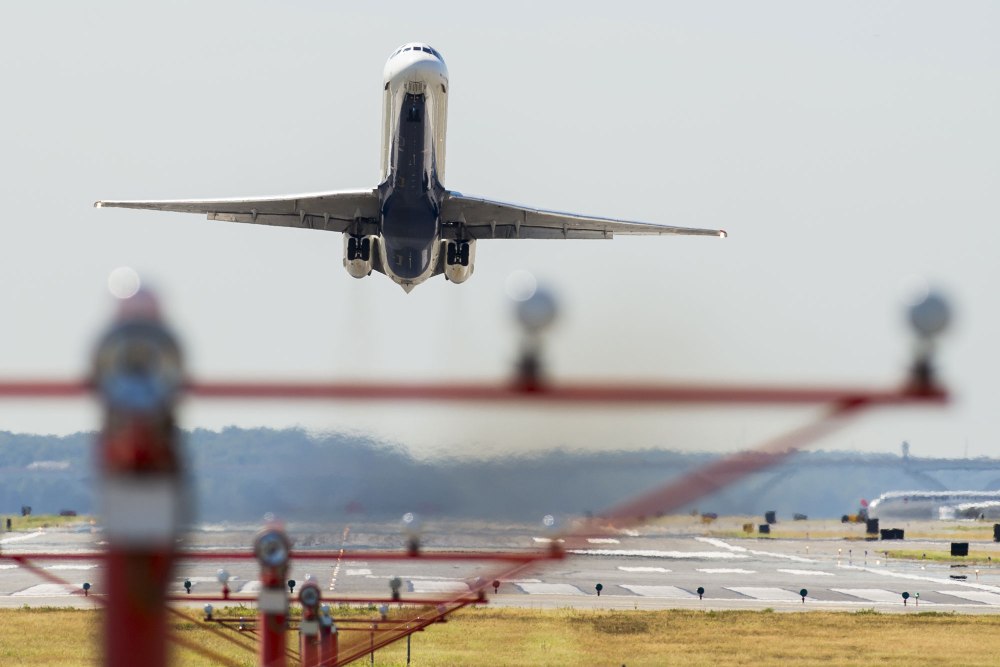
103912086-GettyImages-589723198

AW | 2017 04 01 13:38 | AIRLINES MARKET

 La industria se ha consolidado considerablemente desde que se desreguló. A pesar de la consolidación de la industria sigue siendo competitivo hasta cierto punto. Warren Buffett recientemente compró acciones en las cuatro principales aerolíneas después de evitar la industria durante años

Warren Buffett ha advertido a los inversionistas acerca de poner dinero en acciones de la aerolínea varias veces. Incluso tuvo su propia malograda inversión en US Air en 1989 (aunque finalmente obtuvo ganancias). Sin embargo, después de décadas de desacreditar los méritos de inversión de la industria aérea, este pasado febrero, ha sacado un 180 y ha comprado importantes sumas de acciones de las cuatro aerolíneas Delta Air Lines, United Airlines, Southwest Airlines y American Airlines. Entonces, ¿deberían los inversionistas seguir el ejemplo de Buffett y comprar algunas acciones de la aerolínea? Para responder a la pregunta, tenemos que ver cómo ha evolucionado la industria aérea en las últimas décadas y cómo se ve el entorno empresarial actual.

La industria de la línea aérea entonces y ahora

La industria aérea se desreguló en 1978. En ese momento había más de 400 transportistas aéreos certificados con cerca de 10 líneas aéreas principales que proporcionaban el 90% de todos los vuelos domésticos. Después de la desregulación la industria aérea perdió un colectivo $ 60B y más de 160 líneas aéreas se declararon en bancarrota. De los originales 400 transportistas sólo quedan unos 68. La gran recesión en 2008 forzó la consolidación en la industria. Bajo la administración de Obama, la industria pasó de 7 grandes aerolíneas a sólo cuatro.
AW-7M&A7

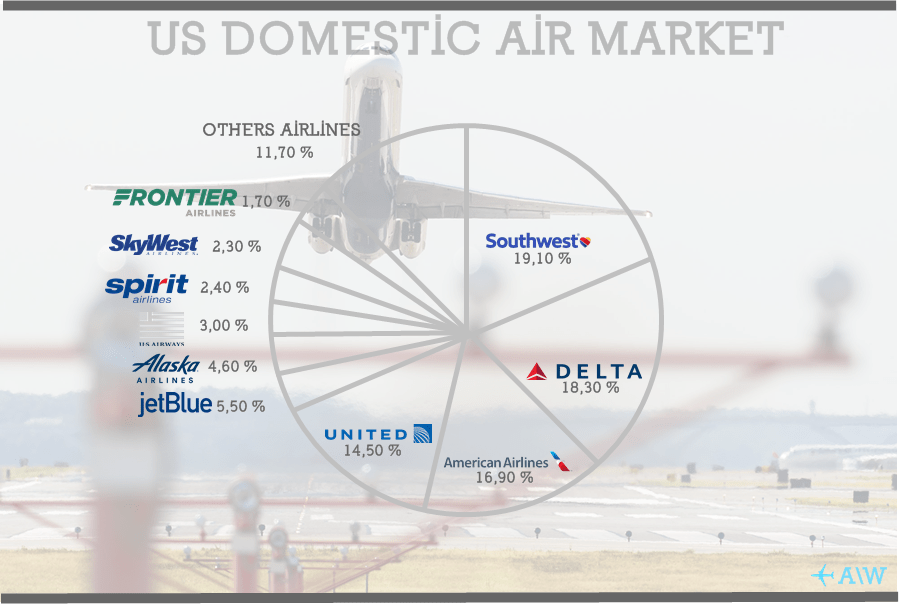
Hoy en día, la cuota de mercado de las aerolíneas nacionales se ve así

La consolidación de la industria, junto con los bajos precios del combustible, ha permitido a las aerolíneas pasar de pérdidas a un beneficio de $ 25.6B en 2015. Sabemos que las aerolíneas son rentables ahora, pero ¿continuarán? ¿La actual estructura del mercado se presta a beneficios estables o la brutal competencia del retorno de antaño?

¿Oligopolio o mercado competitivo?

Según algunas definiciones, la industria aérea actual es un oligopolio. Las cinco principales empresas poseen una cuota de mercado superior al 50% (las cinco principales tienen el 74,3% del mercado). También es difícil para los nuevos grandes competidores entrar en el mercado interno. Se necesitarían miles de millones para arrendar una flota de aviones y construir la infraestructura necesaria para competir en las principales rutas rentables. En cambio, la competencia se limita principalmente a las rutas regionales más pequeñas, donde los beneficios son bajos y los nuevos jugadores pueden entrar más fácilmente en el mercado.

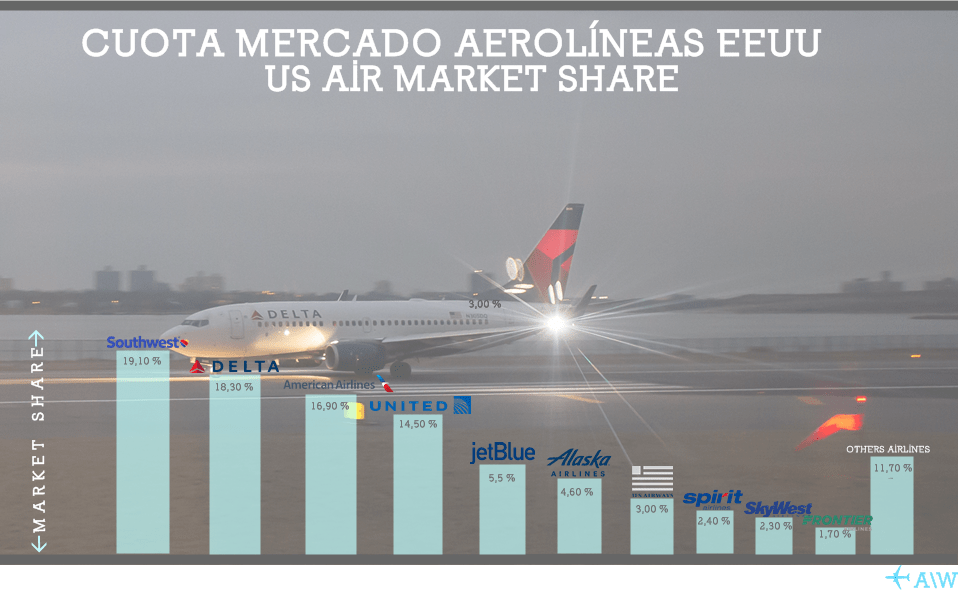
Por otro lado, los mercados más grandes deben seguir siendo competitivos. La industria de las líneas aéreas no cumple con los cuatro criterios de concentración de la empresa de una cuota de mercado del 80% o superior (las cuatro primeras empresas controlan sólo el 68,5% del mercado). La industria de las líneas aéreas tampoco se clasifica muy alta utilizando el índice Herfindahl-Hirschman (HHI) que mide la concentración del mercado. Calculamos un número HHI de .127 para la industria aérea, que está muy por debajo del número de .25 utilizado por Estados Unidos al bloquear las fusiones debido a la falta de competencia. Nuestro cálculo del número de HHI para la industria está abajo.
AW-788770

Utilizamos los números de cuota de mercado de antes en el artículo y luego asumimos que el 11,7% restante del mercado interno estaba dividido en partes iguales entre las 79 compañías aéreas certificadas restantes que proporcionan vuelos nacionales de pasajeros. Como puede ver, la cuota de mercado exacta de los 79 restantes es en su mayoría irrelevante para el cálculo, ya que sólo cambia el dígito de diez milésimas del número HHI. Así que la cuota de mercado real del resto de los transportistas es en su mayoría irrelevante y sólo asumiendo un peso igual no afectará el cálculo.

Por lo tanto, por la mayoría de las medidas de la industria aérea en este momento está en una especie de limbo. No es un oligopolio atractivo, como decir el mercado de tarjetas de crédito (Visa, MasterCard y un distante American Express y Discover) y no es el brutalmente competitivo, perder dinero, pozo sin fondo para el capital inversor que fue en los años 1980 y 1990.

Hay una razón adicional para que los inversores en el sector de las aerolíneas sean optimistas. Hay estudios que han demostrado que cuando las empresas de una determinada industria comparten la propiedad común tiende a mejorar los márgenes de beneficio de la industria.

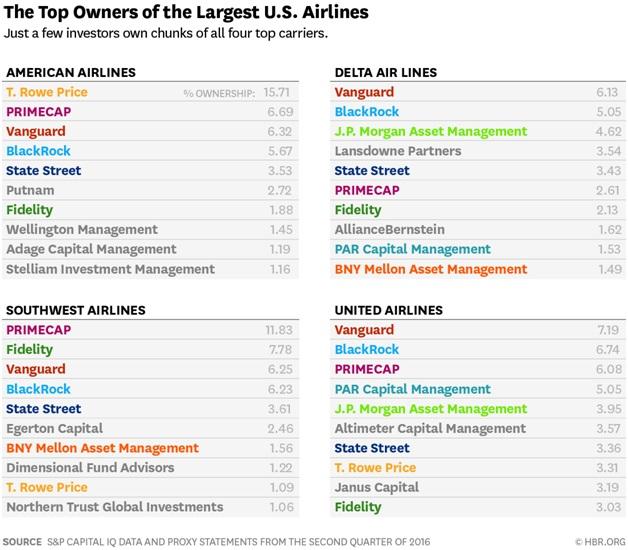
Las compañías aéreas más grandes comparten un buen número de inversores comunes como muestra este gráfico de HBR.
607954-14909847164667752

La propiedad común significa que hay una intensa presión externa para que las compañías se concentren en aumentar los beneficios haciéndose más eficientes en comparación con el aumento de las ventas y la cuota de mercado a través de la competencia con los rivales. Después de todo, ¿por qué querría Warren Buffett animar a Delta Air Lines a entrar en una guerra de precios para aumentar su cuota de mercado cuando es probable que ese aumento en la cuota de mercado provenga de United, Southwest y American Airlines? Sólo estaría moviendo dinero de un bolsillo a otro en el mejor escenario (con toda probabilidad la cantidad de ganancias caería a medida que la competencia disminuiría los márgenes).
Resumen

En resumen, es fácil ver por qué Buffett ha cambiado de opinión con la industria aérea. La industria ha sufrido un cambio drástico. No sólo el número de aerolíneas principales se ha consolidado de 10 a cuatro, sino que la propiedad de esas aerolíneas se ha vuelto más concentrada también. Sin embargo, todavía no creo que ciegamente después de Buffett y la compra de aerolíneas es una gran idea. Todavía es un negocio altamente competitivo donde muchos clientes compran por precio solo (o al menos ponen énfasis en el precio). El negocio sigue siendo cíclico con altos costos fijos y sigue siendo muy intensivo en capital. Si desea invertir en un negocio con esas características, muchos fabricantes de automóviles están negociando con menor P / Es y rendimientos de dividendos más altos que las principales aerolíneas. Si desea seguir a un inversor bien conocido en un negocio cíclico, intensivo en capital, escogeríamos a David Einhorn en GM antes de buscar en la industria de aerolíneas ideas.  AIRGWAYS ® Icon-AW

103912086-GettyImages-589723198

Investments in the US air market

The industry has consolidated significantly since being deregulated. Despite consolidation the industry still appears competitive to a certain degree. Warren Buffett recently bought stock in the four major airlines after avoiding the industry for years.

Warren Buffett has warned investors about putting money in airline stocks several times. He even had his own ill-fated investment in US Air in 1989 (although he eventually turned a profit on it). However, after decades of disparaging the investment merits of the airline industry, this past February he has pulled a 180 and bought significant sums of stock of the four major airlines Delta Air Lines, United Airlines, Southwest Airlines, and American Airlines. So should investors follow Buffett’s lead and buy some airline stocks? To answer the question, we need to look at how the airline industry has evolved over the past few decades and what the current business environment looks like.

The Airline Industry Then and Now

The airline industry was deregulated in 1978. At the time there were over 400 certified air carriers with about 10 major airlines providing 90% of all domestic flights. Following deregulation the airline industry lost a collective $60B and over 160 airlines filed for bankruptcy. Out of the original 400 carriers only about 68 are left. The great recession in 2008 forced more consolidation in the industry. Under the Obama administration the industry went from 7 major airlines to just four.

AW-7M&A7

Today the domestic airline market share looks like this

Industry consolidation coupled with low fuel prices has allowed airlines to go from losses to turning a profit of $25.6B in 2015. We know airlines are profitable now but will that continue? Does the current market structure lend itself to steady profits or will the brutal competition of yesteryear return?

Oligopoly or Competitive Market?

By some definitions, the current airline industry is an oligopoly. The top five firms have greater than a 50% market share (the top five have 74.3% of the market). It’s also hard for new major competitors to enter the domestic market. It would take billions to lease a fleet of aircraft and build out the infrastructure necessary to compete on the major profitable routes. Instead, competition is mainly limited to smaller regional routes where profits are low and new players can more easily enter the market.

On the other hand, the larger markets should still be competitive. The airline industry doesn’t meet the four firm concentration ratio test of 80% or greater market share (the top four firms control only 68.5% of the market). The airline industry also doesn’t rank very high using the Herfindahl-Hirschman Index (HHI) which measures market concentration. We calculated a HHI number of .127 for the airline industry, which is well below the .25 number the US uses when blocking mergers due to lack of competition. Our calculation of the HHI number for the industry is below.

AW-788770

We used the market share numbers from earlier in the article and then assumed that the remaining 11.7% of the domestic market was evenly split between the remaining 79 certified air carriers that provide domestic passenger flights. As you can see the exact market share of the remaining 79 is mostly irrelevant to the calculation as it only changes the ten-thousandths digit of the HHI number. So the actual market share of the rest of the carriers is mostly irrelevant and just assuming an equal weight will not affect the calculation.

Therefore, by most measures the airline industry right now is in sort of a limbo. It’s not an attractive oligopoly like say the credit card market (Visa, MasterCard and a distant American Express and Discover) and it’s not the brutally competitive, money losing, bottomless pit for investor capital that it was in the 1980s and 1990s.

There is an additional reason for investors in the airline industry to be optimistic. There are studies that have shown that when companies in a particular industry share common ownership it tends to improve industry profit margins.

The largest airline companies share quite a few common investors as this chart from HBR shows.

607954-14909847164667752

Common ownership means that there is intense outside pressure for companies to focus on increasing profits by becoming more efficient versus increasing sales and market share through competition with rivals. After all, why would Warren Buffett want to encourage Delta Air Lines to get in a price war to increase market share when that increase in market share is likely to come from United, Southwest, and American Airlines, which he already owns? He would just be moving money from one pocket to another in the best scenario (in all likelihood the amount of profit would drop as more competition would drop margins).
Summary

In summary, it’s easy to see why Buffett has changed his mind with the airline industry. The industry has undergone a drastic change. Not only has the number of major airlines consolidated from 10 to four but ownership of those airlines has become more concentrated as well. However, we still do not think blindly following Buffett and buying airlines is a great idea. It is still a highly competitive business where many customers shop on price alone (or at least put an emphasis on price). The business is still cyclical with high fixed costs and is still very capital intensive. If you want to invest in a business with those characteristics, many automakers are trading with lower P/Es and higher dividend yields than the major airlines. If you want to follow a well-known investor into a cyclical, capital intensive business, we’d pick following David Einhorn in GM before we looked at the airline industry for ideas. A\W

Ξ A I R G W A Y S Ξ
SOURCE: Seekingalpha.com
DBk: Airgways
AW-POST: 2017041338AR

A\W   A I R G W A Y S ®

GOL negocia alianzas para ampliar los servicios a destinos regionales

https://airgways.com/wp-content/uploads/2016/09/0bdf2-116_5447_fotor.jpg

AW | 2017 03 31 21:07 | AIRLINES MARKET

Gol Linhas Aéreas está negociando alianzas con las compañías aéreas más pequeñas para aumentar destinos regionales servidos por la compañía, dijo el jueves el director ejecutivo de asuntos corporativos, Alberto Fajerman.

«El objetivo es llegar a 80 destinos en todo el país a finales de este año, cerca del comienzo,» dijo a Reuters el ejecutivo, con un aumento de servicio a través de asociaciones para destinos regionales.

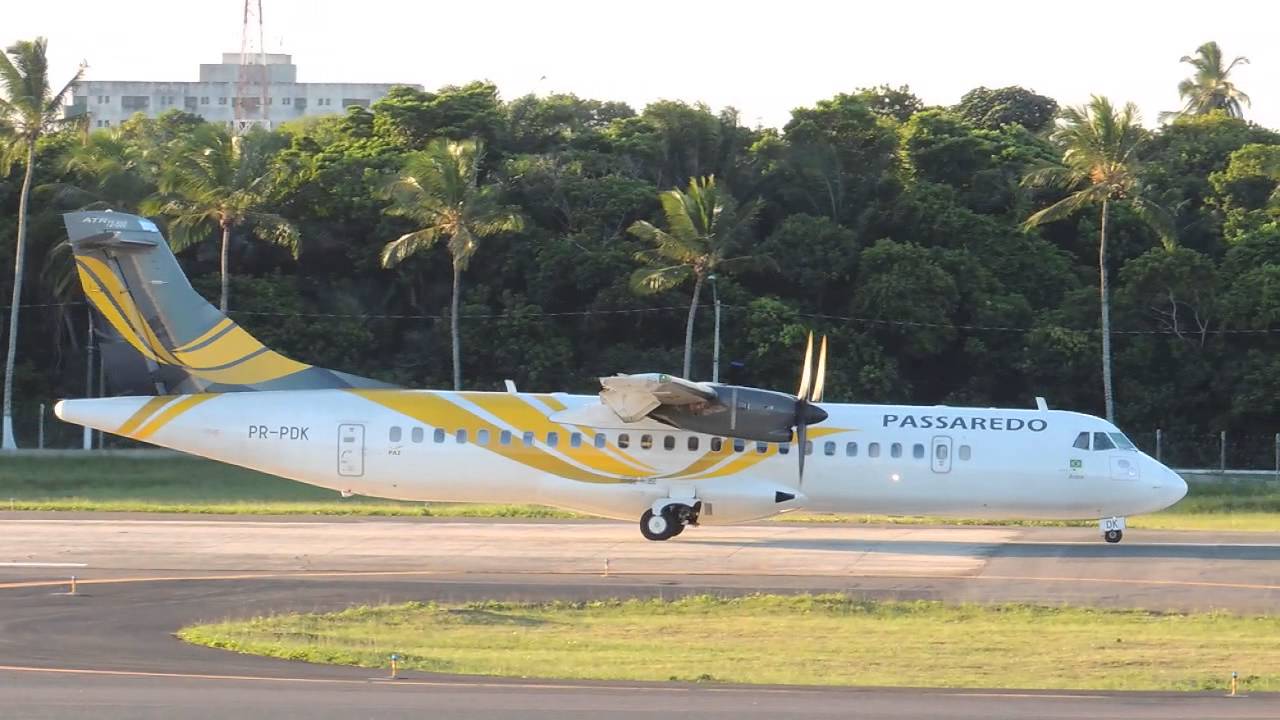
Según él, Gol actualmente transporta a los clientes a 63 destinos en Brasil, 52 con propios aviones a destinos nacionales (incluyendo 18 regional) y 9 con Passaredo Airlines, a través de la asociación en la que el Gol vende billetes de la compañía.

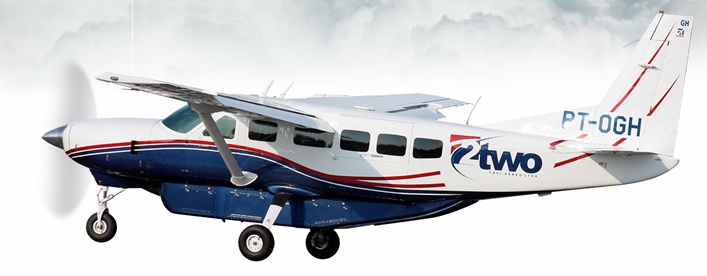
Además de profundizar la combinación con Passaredo, una empresa con la que las negociaciones están ya muy avanzados, Fajerman dijo que la Gol también está en proceso de evaluación asociación con otras tres compañías, incluyendo Two Flex de Jundiaí (SP).

Él dijo que la búsqueda de Gol estos acuerdos una mayor integración de las operaciones y conectar la malla principalmente a la empresa asociada.

La aviación regional se vio fuertemente afectada por la crisis en la economía brasileña, que redujo la demanda de pasajeros y llevó a las empresas a reducir la oferta con el fin de mantener la rentabilidad de sus vuelos.

De acuerdo con Fajerman, Gol no renuncia a mantener una flota estandarizada para la eficiencia, por lo que las ciudades que vieron la caída de la demanda y no justifican un avión de 138 lugares, por ejemplo, pueden ser satisfechas por la empresa por aviones más pequeños socios.

«Gol quiere servir al mayor número de destinos, pero con la rentabilidad, y que necesita un avión acorde a su demanda», dijo. «Sin cambiar el concepto de flota que llegaremos a ciudades que no alcanzó».

También dijo que estos acuerdos son un medio para posicionar a la empresa en el caso del plan de aviación regional desatar gobierno federal. «Está claro que no quiere perder la oportunidad de proporcionar el servicio aéreo a estas ciudades.»

El movimiento de Gol es también un medio para hacer frente a las compañías de la competencia azul, que tiene en su flota de aviones de turbohélice, con un menor número de asientos disponibles y recibió la inyección de 450 millones china de Hainan Airlines año pasado.  AIRGWAYS ® Icon-AW

https://i.ytimg.com/vi/oL5RHasGGuI/maxresdefault.jpg

Gol negotiates partnerships to expand service to regional destinations


Gol Airline
s is negotiating partnerships with smaller airlines to increase the regional destinations served by the company, executive director of corporate affairs Alberto Fajerman said Thursday.

«The goal is to reach 80 destinations across the country by the end of this year and the beginning of the next,» the executive told Reuters, increasing service via partnerships to regional destinations.

https://i1.wp.com/niteroimais.com.br/novo/wp-content/uploads/2016/06/000-60.jpg

ATR-72 DE PASSAREDO LINHAS AÉREAS


According to him, Gol currently transports customers to 63 destinations in Brazil, 52 of which have domestic airplanes (of which 18 are regional) and 9 with Passaredo Linhas Aéreas through the association in which Gol sells company tickets .

In addition to deepening the partnership with Passaredo, a company with which negotiations are already well advanced, Fajerman said Gol is also in the process of evaluating partnerships with three other companies, including Two Flex, in Jundiaí, São Paulo.

Imagen relacionada

2Flex Air Taxi

He said that Gol seeks these agreements to integrate more operations and mainly connect the network of the partners to the company.

Regional aviation was heavily affected by the crisis in the Brazilian economy, which reduced passenger demand and led airlines to cut supply in order to maintain the profitability of their flights.

According to Fajerman, Gol does not give up maintaining a fleet standardized for efficiency reasons, so cities that have seen demand fall and do not justify a 138-seat aircraft, for example, can be served by the company through smaller aircraft Of partners.

«Gol wants to serve the largest number of destinations, but with profitability, and for that it needs a plane with the right number of seats,» said the executive. «Without changing the concept of fleet we will reach cities that we did not reach.»

He further stated that these agreements are a means of the company to stand in the case of the regional aviation plan of the federal government take off. «Of course we would not want to miss the opportunity to provide air service to these cities.»

Gol’s move is also a means of confronting rival Azul Linhas Aéreas, which has fewer turboprop aircraft in its fleet, and received a $ 450 million injection from China’s Hainan Airlines last year. A\W

https://airgways.com/wp-content/uploads/2017/03/00b63-two-flex-caravan.jpg

Gol negocia parcerias para ampliar atendimento a destinos regionais

A Gol Linhas Aéreas está negociando parcerias com companhias aéreas de menor porte para aumentar os destinos regionais atendidos pela empresa, afirmou nesta quinta-feira o diretor-executivo de assuntos corporativos, Alberto Fajerman.

«A meta é chegar a 80 destinos em todo o país até o fim deste ano e começo do próximo», disse o executivo à Reuters, com aumento do atendimento via as parcerias para destinos regionais.

De acordo com ele, a Gol transporta atualmente clientes para 63 destinos no Brasil, sendo 52 com aviões próprios para destinos domésticos (dos quais 18 são regionais) e 9 com a Passaredo Linhas Aéreas, através da associação na qual a Gol vende bilhetes da companhia.

Além de aprofundar a combinação com a Passaredo, companhia com quem as negociações já estão bem adiantadas, Fajerman disse que a Gol também está em processo de avaliação de parcerias com outras três empresas, entre elas a Two Flex, de Jundiaí (SP).

Ele disse que a Gol busca nesses acordos integrar mais as operações e principalmente conectar a malha das parceiras à da companhia.

A aviação regional foi fortemente afetada pela crise na economia brasileira, que reduziu a demanda de passageiros e levou as companhias a cortarem a oferta a fim de manter a rentabilidade de seus voos.

De acordo com Fajerman, a Gol não abre mão de manter uma frota padronizada por questões de eficiência, assim, cidades que viram a demanda cair e não justificam um avião de 138 lugares, por exemplo, podem ser atendidas pela empresa por meio de aeronaves menores de parceiros.

«A Gol quer servir o maior número de destinos, mas com rentabilidade; e para isso precisa de um avião com número de lugares certo», disse o executivo. «Sem mudar o conceito de frota vamos atingir cidades que não chegávamos.»

Ele afirmou ainda que esses acordos são um meio da empresa se posicionar no caso do plano de aviação regional do governo federal deslanchar. «É evidente que não gostaríamos de perder a oportunidade de prover serviço aéreo para essas cidades.»

O movimento da Gol também é um meio de enfrentar a concorrente Azul Linhas Aéreas, que tem em sua frota aviões turboélices, com menor número de assentos disponíveis e que recebeu injeção de 450 milhões de dólares da chinesa Hainan Airlines no ano passado. A\W

Ξ A I R G W A Y S Ξ
SOURCE: Reuters.com / Globo.com
DBk: Wp.blogspot.com / Spotter in JPA
AW-POST: 201703312107AR

A\W   A I R G W A Y S ®

Paro total transporte en Argentina

https://turismo.buenosaires.gob.ar/sites/turismo/files/aeroparuqe_aerea_705x300.jpg

AW | 2017 03 31 20:34 | AIR TRAFFIC

Temor de aerolíneas ante paro total de transportes del 6 de abril

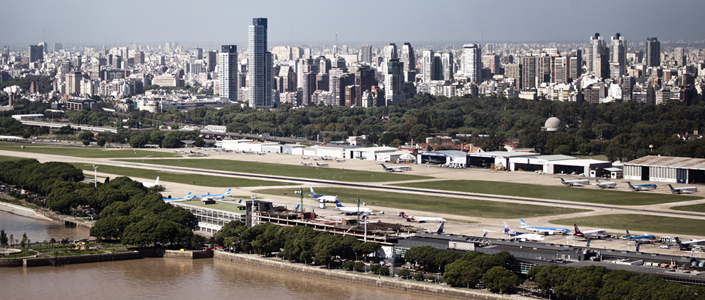
El paro de la CGT de alto acatamiento previsto para el próximo 6 de abril ya genera dudas y complicaciones de antemano, motivo por el que Aerolíneas Argentinas y Latam emitieron comunicados al respecto.

Las compañías habilitan a cambiar fechas entre el 1 y 11 de abril, reembolsos convencionales, (mientras no fueran pasajes por canje de millas) o tramitación de reintegro o cambio de fecha mediante el mismo canal de adquisición del billete, incluso ya se están gestionando esas modificaciones. En el caso de Latam, se cobraría diferencia si el pasaje se traslada a la semana siguiente que coincide con feriados.

La medida afectará fuerte al interior de la compañía de bandera, que ya anunció que además de pérdidas por 12 millones de pesos, generará inconvenientes a los 20.000 pasajeros que tenían billetes para ese día, además del sector en general.

“Algunas ya avisaron que reubicarán pasajeros pero creemos será un día complicado porque genera una cadena de inconvenientes que afecta no sólo al pasajero en el transporte aéreo sino en pérdidas de conexiones y reservas hoteleras que no suelen hacerse cargo ante estas eventualidades”, dijo un agente de viajes de la pcia. de Buenos Aires.

“Van a estar afectados AR y Latam por los gremios nacionales y las internacionales de algún modo también se verán implicados por falta del servicio de handing de rampa. Va a ser una traba, en nada favorece a este tipo de paros a todo lo que se viene haciendo para fomentar el turismo receptivo y lo mismo a nivel nacional porque la gente se está cansando de no poder ser dueña de sus horarios” aseguró el titular de uno consolidador de gran trayectoria en Argentina.

En el mismo sentido, otras fuentes del sector consideran que de cara al mundo una huelga de estas características, que paralice el transporte aerocomercial, pone freno a las potenciales y crecientes firmas internacionales interesadas en operar en el país. AIRGWAYS ® Icon-AW

Total transport strike in Argentina


Fear of airlines before the total shutdown of transports of the 6 of April


The CGT strike of high compliance scheduled for April 6 already generates doubts and complications beforehand, which is why Aerolíneas Argentinas and Latam issued communiqués.

Companies are able to change dates between April 1 and 11, conventional refunds, (while they are not tickets for miles exchange) or processing of refund or change of date through the same channel of acquisition of the ticket, even if they are being managed those modifications. In the case of Latam, it would charge a difference if the ticket is transferred to the following week that coincides with holidays.

The measure will affect the inside of the flagship company, which announced that in addition to losses of 12 million pesos, will generate inconveniences to the 20,000 passengers who had tickets for that day, in addition to the sector in general.

«Some have warned that they will relocate passengers but we believe it will be a complicated day because it creates a chain of inconveniences that affects not only the passenger in the air transport but also losses of connections and hotel reservations that do not usually take care of these eventualities,» said an agent Of travel of the pcia. from Buenos Aires.

«AR* and Latam will be affected by national and international guilds will somehow also be involved for lack of ramp handing service. It’s going to be a stumbling block, it does not favor this kind of stoppage to everything that has been done to encourage receptive tourism and the same at the national level because people are getting tired of not being able to own their schedules» said the holder of a long-established consolidator in Argentina.

In the same sense, other sources in the sector consider that in the face of the world a strike of these characteristics, which paralyzes the commercial air transport, puts a brake on potential and growing international companies interested in operating in the country. A\W

(*) AR: Aerolíneas Argentinas code


Ξ A I R G W A Y S Ξ
SOURCE: Reportur.com
DBk: Buenosaires.gob.ar
AW-POST: 201703312034AR

A\W   A I R G W A Y S ®

Vuelo inaugural del Boeing 787-10

03312017_Dreamliner_090952_tzr-780x501

AW | 2017 03 31 15:30 | INDUSTRY

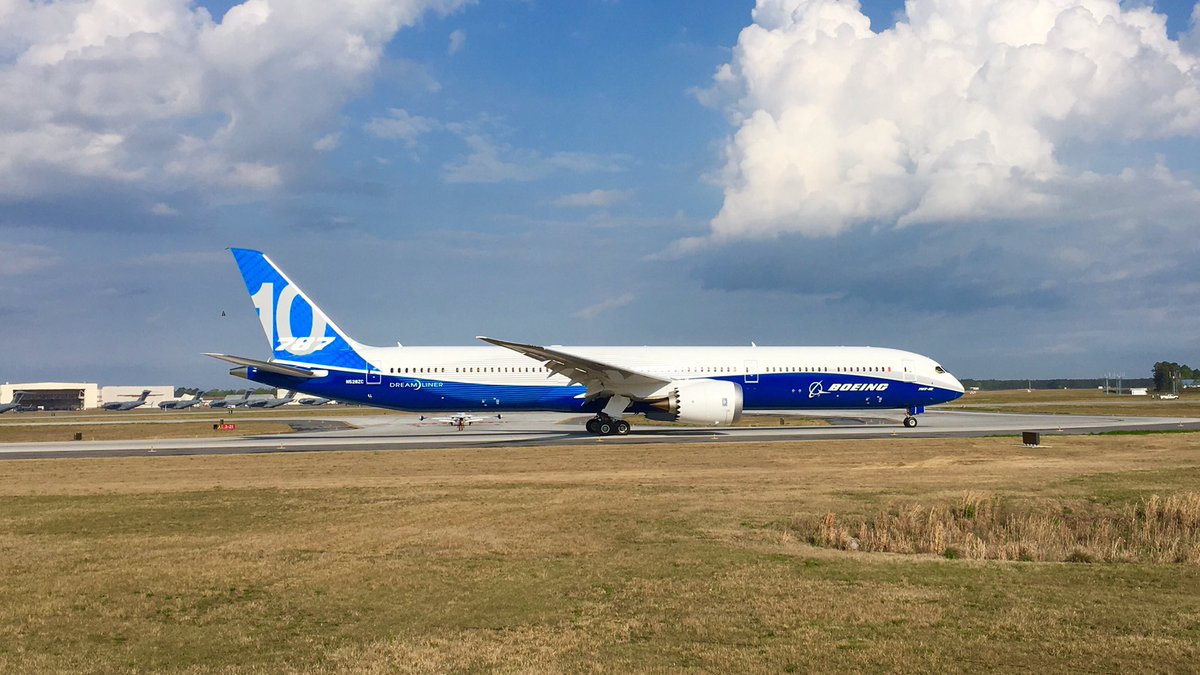
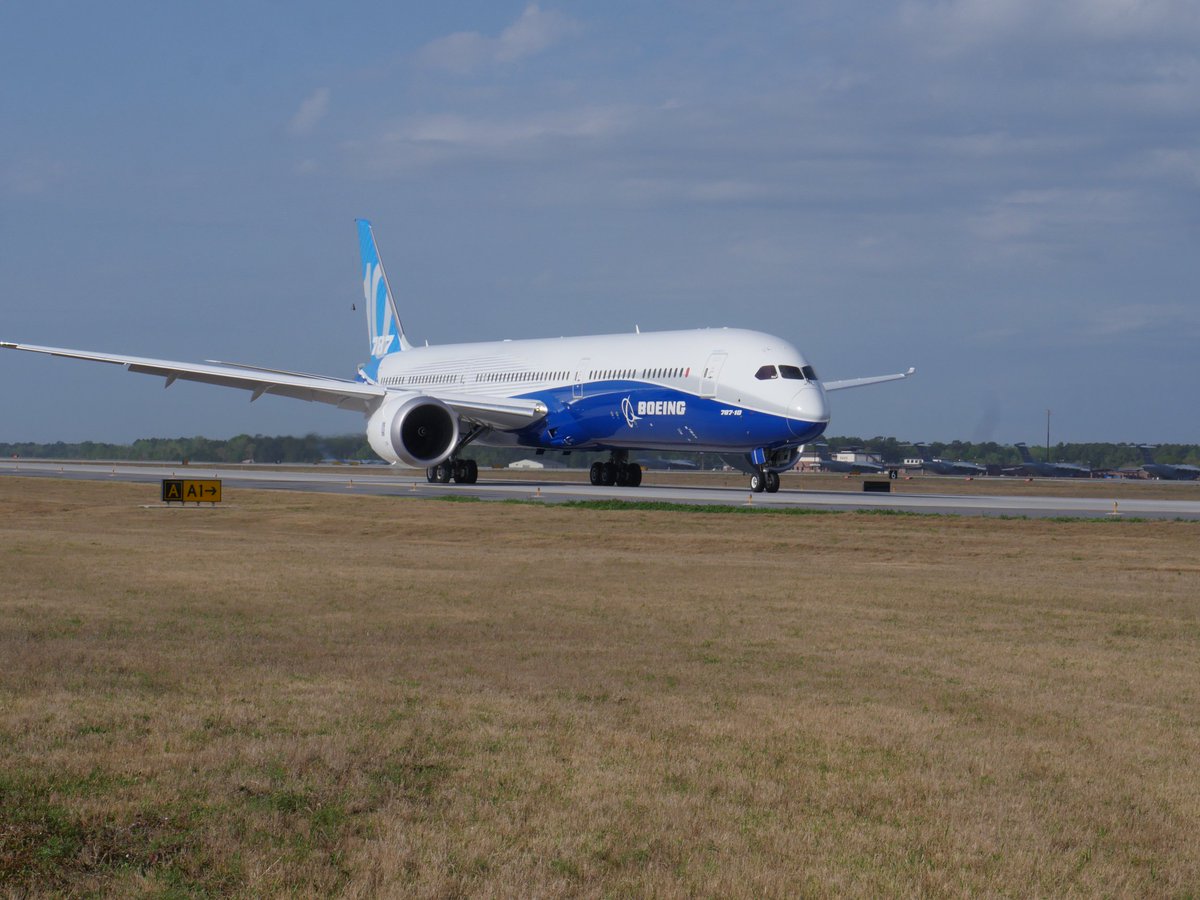
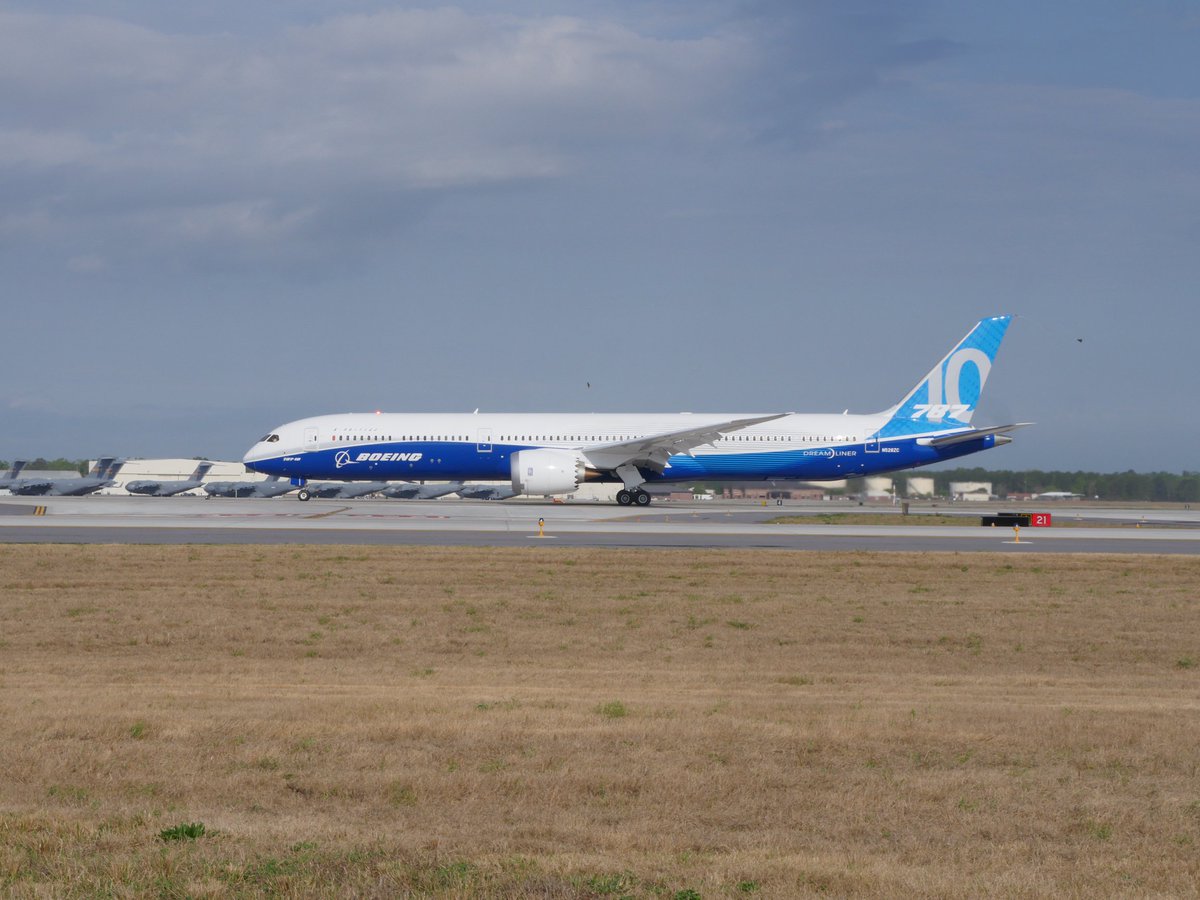
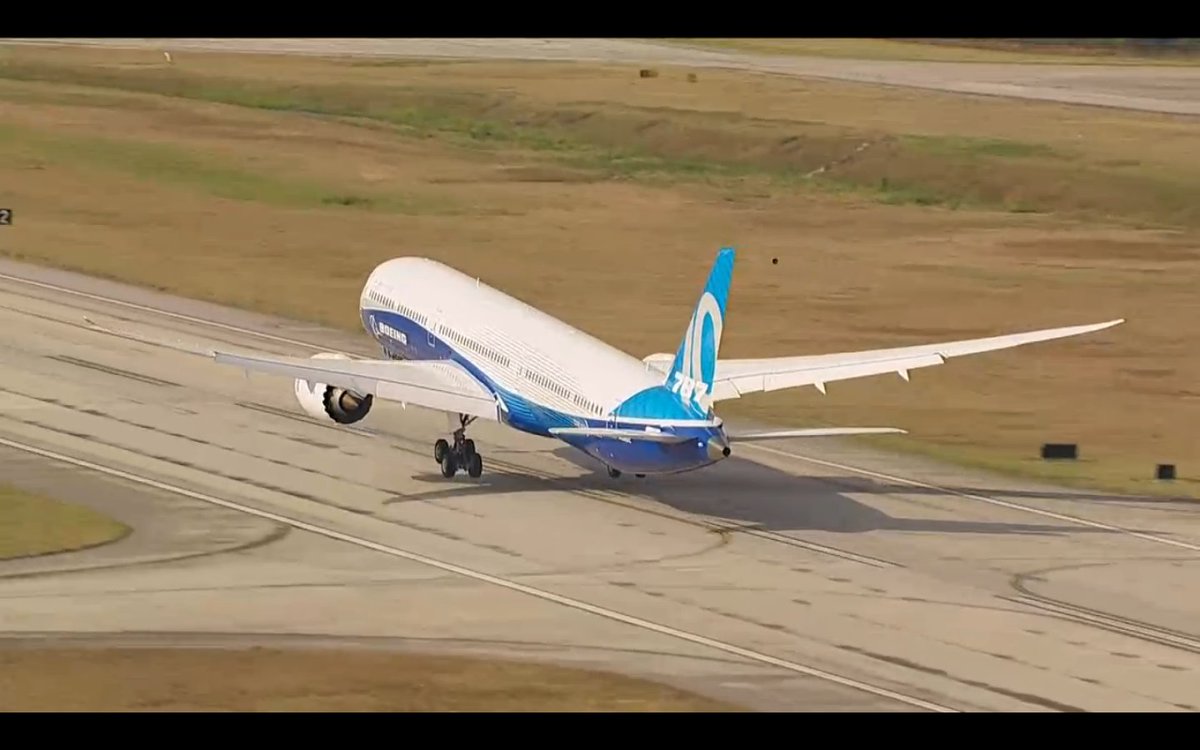
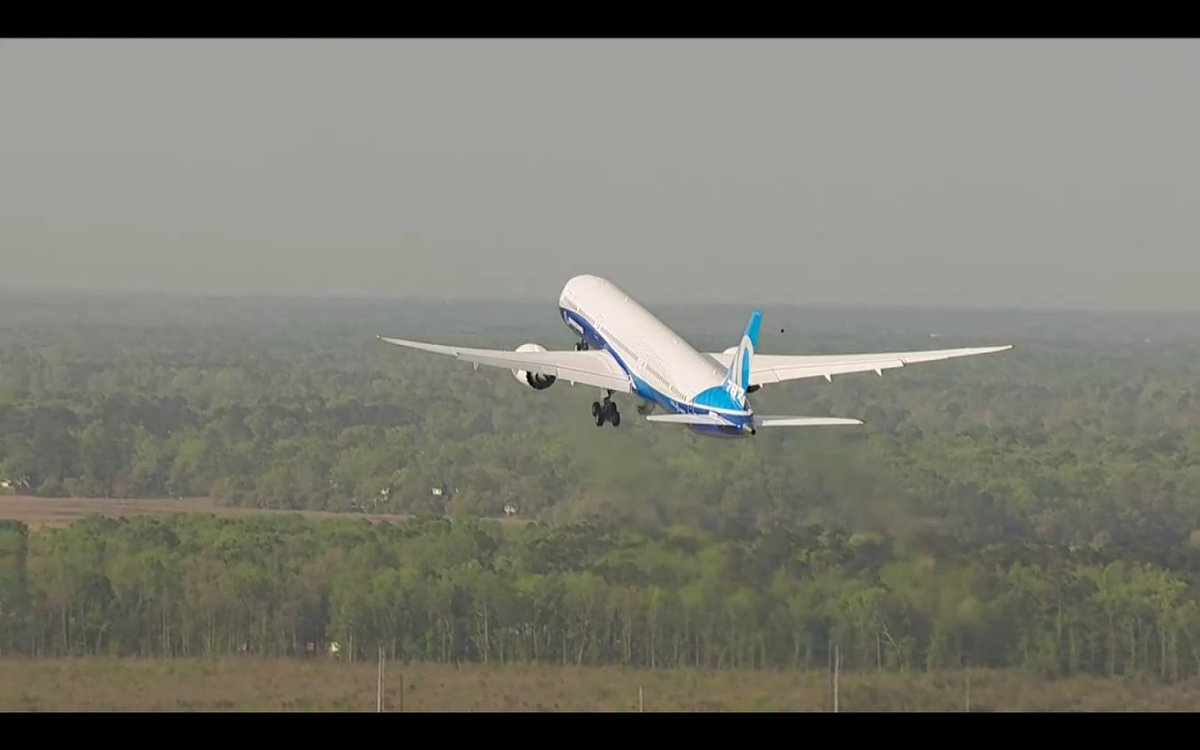
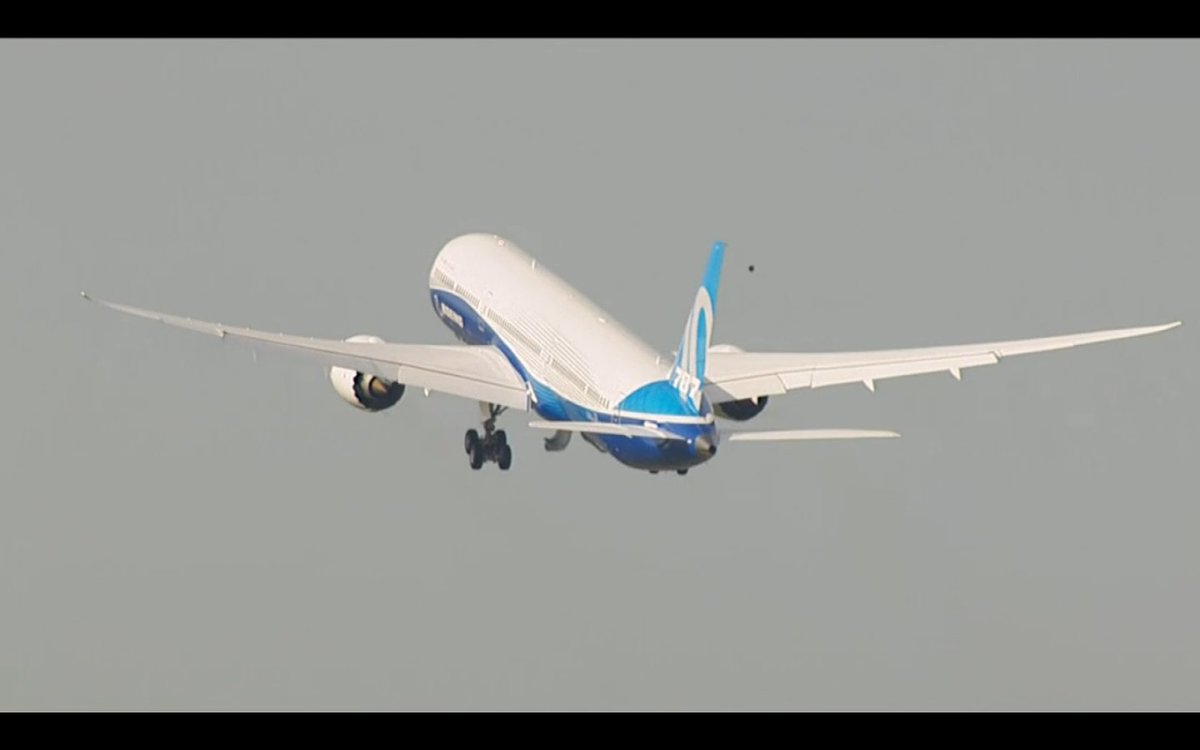
AW-Icon Red-1000imagesNorth Charleston, Carolina del Sur · El nuevo Boeing 787-10 Dreamliner se puso a los cielos por primera vez en Boeing South Carolina el viernes por la mañana, 31 de marzo.

Boeing South Carolina Delivery Center en South Aviation Avenue se unió a sus miles de empleados y medios de Boeing para capturar el despegue.

El Boeing 787-10 Dreamliner es el único de su tipo, construido en Carolina del Sur y es el más nuevo en la línea de 787 aviones.

La senadora estadounidense Lindsey Graham (R-Carolina del Sur) asistió al primer vuelo del Boeing 787-10 Dreamliner hoy en Charleston y dio a conocer la siguiente declaración.

«Este es un día enorme para Carolina del Sur. El prototipo Boeing 787-10, completamente fabricado en Carolina del Sur, salió al aire hoy antes de lo previsto y bajo presupuesto».

  «Qué declaración y tributo a la plantilla de Boeing South Carolina. A todos los de la familia Boeing, hoy también es su recompensa.» AIRGWAYS ® Icon-AW

Video camera

VIDEO>http://www.boeing.com/commercial/787-10?cm_re=Mar2017-_-Hero+rotator_787-10+Dreamliner+First+Flight+will+be+March+31+subject+to+weather+%26+other+factors#/webcast

https://i0.wp.com/img.new.livestream.com/events/00000000006d738b/cf780f4a-58d0-40d5-a2b9-a866189f8b43_1350000.jpg

https://i0.wp.com/www.boeing.com/resources/boeingdotcom/commercial/787-10/assets/images/gallery/gallery-large-19.jpgBoeing 787-10 Inaugural Flight

North Charleston, South Carolina · The new Boeing 787-10 Dreamliner set to the skies for the first time at Boeing South Carolina on Friday morning, March 31.

Boeing South Carolina Delivery Center on South Aviation Avenue was joined by its thousands of Boeing employees and media to capture the take off.

The Boeing 787-10 Dreamliner is the only one of its kind, built right in South Carolina and is the newest in the line of 787 aircraft’s.

U.S. Senator Lindsey Graham (R-South Carolina) attended the first flight of the Boeing 787-10 Dreamliner today in Charleston and released the following statement.

“This is a huge day for South Carolina. The Boeing 787-10 prototype – completely made in South Carolina – took to the air today ahead of schedule and under budget.»

“What a statement and tribute to the Boeing South Carolina workforce. To all those in the Boeing family, today is your reward as well.” A\W


Boeing 787-10 voor eerste keer de lucht in

De langste versie van de Boeing 787 maakt vrijdagmiddag de eerste vlucht. De 787-10 vertrok rond 15.40 uur Nederlandse tijd vanuit Charleston, South Carolina. Bij de eerste take-off werd het toestel uitgezwaaid door veel medewerkers van Boeing.

Het toestel maakt als BOE1 een testvlucht boven Charleston. De eerste vlucht betekent het begin van de testperiode. Boeing verwacht dit snel te kunnen doen, omdat 95 procent van de onderdelen uit de 787-9 komt. Volgend jaar moet het vliegtuig gereed zijn voor commercieel gebruik.
De Dreamliner werd in februari ceremonieel onthuld tijdens de ‘roll-out’, in het bijzijn van President Trump. Hij bracht een bezoek aan de Boeing fabriek in South Carolina waar de serie wordt gebouwd.

rotate0

Lang
De productie van de 787-10 vindt alleen plaats in Charleston; de romp van het toestel is te lang om Dreamlifter naar Everett te kunnen vervoeren, zoals bij de Boeing 787-8 en 787-9.

Singapore Airlines wordt de launch customer en neemt het toestel vanaf 2018 in gebruik. A\W

AW-Icon Red-1000

Ξ A I R G W A Y S Ξ
SOURCE: Boeing.com / Upinthesky.nl
DBk: Boeing.com / Livestream.com
AW-POST: 201703311530AR

A\W   A I R G W A Y S ®

«Efecto Brexit» en aerolíneas europeas

https://s3.amazonaws.com/runwaygirl-production/wp-content/uploads/2016/07/Brexit-Airport.jpg

AW | 2017 03 30 14:17 | AIRLINES MARKET

https://i0.wp.com/www.paxnews.com/storage/app/uploads/public/578/4f5/349/5784f53497cee107275886.jpgAerolíneas advierten de interrupciones en servicios si no hay acuerdo rápido de aviación tras el «Brexit»

Las aerolíneas con sede en la UE tienen derecho a volar a, desde y en el interior de cualquier país del bloque gracias al mercado único de aviación creado en los años 90, pero Reino Unido tiene ahora dos años para renegociar el acceso o aportar un sistema alternativo.

Reino Unido debe priorizar los temas de aviación en las negociaciones sobre el «Brexit» si quiere evitar importantes interrupciones en los viajes aéreos, advirtió este miércoles la aerolínea de bajo costo Ryanair, haciendo eco de las preocupaciones del sector en la jornada en que Reino Unido inició formalmente su salida de la Unión Europea.

«Hay una posibilidad inequívoca de que no haya vuelos entre Reino Unido y Europa durante un periodo de tiempo después de marzo de 2019», dijo el miércoles el jefe de marketing de Ryanair, Kenny Jacobs.

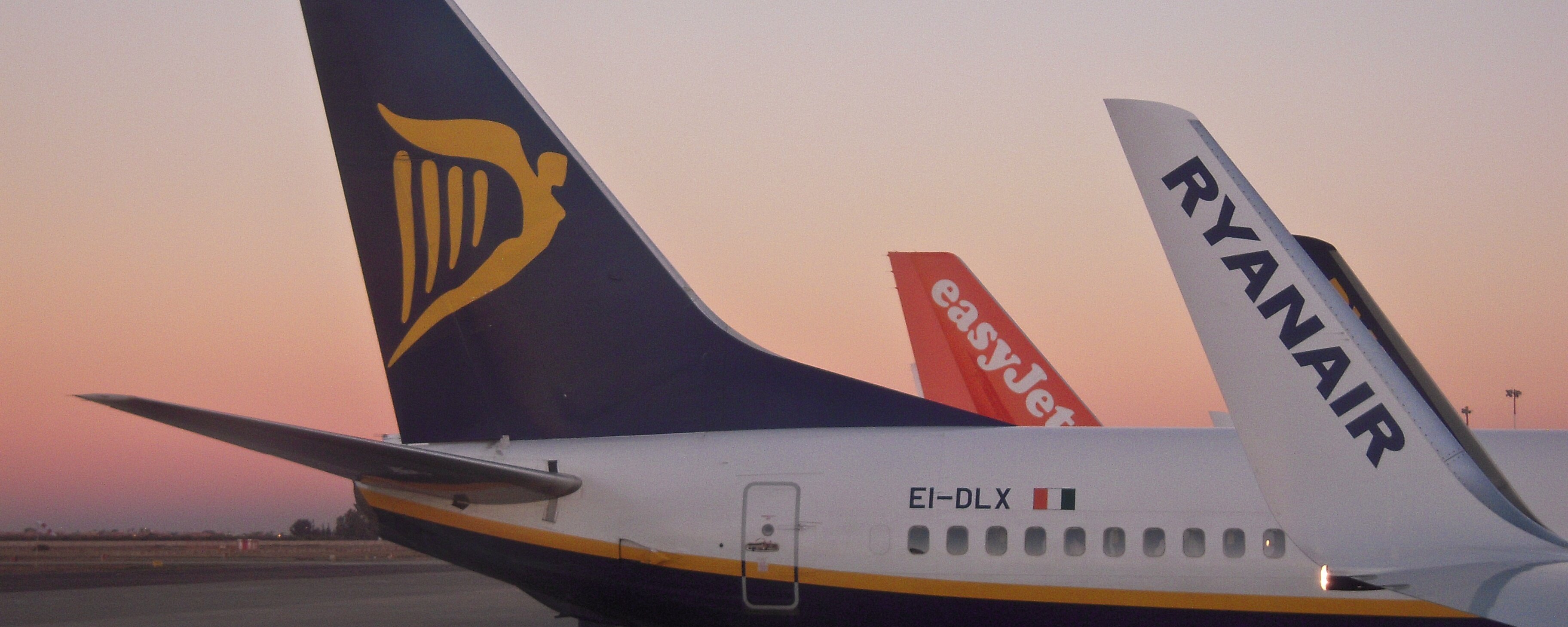
Las aerolíneas de bajo costo con sede en Reino Unido, principalmente easyJet, que opera desde Luton, están entre las más afectadas por el «Brexit», ya que hacen habitualmente un mayor uso de los derechos de la UE para volar entre otros países miembros y no sólo con origen y destino en Reino Unido.

https://i0.wp.com/theloadstar.co.uk/wp-content/uploads/%C2%A9-Giovanni-Gagliardi-59624197.jpg

Tras el «Brexit», estas aerolíneas podrían perder ese derecho. EasyJet dijo el miércoles que estaba a punto de solicitar una licencia para crear una compañía que opere en la UE para proteger los vuelos en el interior del bloque. Su sede y cotización bursátil seguirían en Reino Unido, añadió.

Jacobs dijo que no había tiempo que perder para alcanzar un acuerdo de aviación entre Reino Unido y la UE, ya que las aerolíneas tienen que finalizar sus itinerarios del verano boreal de 2019 en la primera mitad del próximo año.

Desde el referendo del 23 de junio que selló la salida de Reino Unido de la UE, las acciones de easyJet han caído un 35%, las de Wizz Air han perdido un 18%, las de Ryanair han subido un 4% y las de IAG, propietaria de British Airways, han ganado un 0,7%. AIRGWAYS ® Icon-AW

https://i2.wp.com/www.flyorbitnews.com/wp-content/uploads/2016/09/Ryanairs-experience-and-sway-at-airports-across-Europe-will-give-it-extra-clout-in-the-market.-Image-.jpg?resize=1170%2C878
Ryanair dejaría de volar a Europa tras el Brexit

La irlandesa Ryanair ha amenazado con cancelar todas sus rutas que operan entre Reino Unido y Europa tras la activación oficial del Brexit. Su director de marketing, Kenny Jacobs, ha señalado que “cabe la posibilidad clara de que no haya vuelos entre Reino unido y Europa durante un periodo posterior a marzo de 2019”, publica Okdiario.

La compañía de bajo coste ha hecho un llamamiento al gobierno de Theresa May con la idea de perfilar una estrategia que les permita operar sus vuelos como lo venía haciendo hasta ahora. “Nos preocupa que Gran Bretaña no sea capaz de negociar un acuerdo que llegue a tiempo apara planificar los vuelos posteriores a marzo de 2019”, ha señalado Jacobs.

Además ha pedido al Gobierno inglés que responda a las aerolíneas y a sus clientes mientras negocia el Brexit con Bruselas porque necesitan “soluciones reales y rápidas”. Reprocha también que después de nueve meses desde el referéndum en el Reino Unido, “aún no sabemos el efecto que va a tener sobre la aviación” y acusa a May de haber activado el artículo 50 sin “tener un plan B para mantener a Reino Unido dentro del tratado de ‘cielos abiertos’”.  AIRGWAYS ® Icon-AW

http://prod-upp-image-read.ft.com/3ac99f34-dcdc-11e5-8541-00fb33bdf038

«Brexit effect» on european airlines

Resultado de imagen para IATA BrexitAirlines warn of service interruptions if there is no quick aviation agreement after the «Brexit»

EU-based airlines have the right to fly into and out of any bloc country thanks to the single aviation market created in the 1990s, but the UK now has two years to renegotiate access or provide a system alternative.

Britain should prioritize aviation issues in the «Brexit» talks if it wants to avoid major air travel disruptions, Ryanair said on Wednesday, echoing industry concerns on the day that the United Kingdom Formally began its departure from the European Union.

EU-based airlines have the right to fly into and out of any bloc country thanks to the single aviation market created in the 1990s, but the UK now has two years to renegotiate access or provide a system alternative.

«There is an unequivocal possibility that there will be no UK-European flights for a period of time after March 2019,» Ryanair’s chief marketing officer Kenny Jacobs said on Wednesday.

The low-cost airlines based in the United Kingdom, mainly easyJet, operating from Luton, are among the most affected by the «Brexit», as they routinely make greater use of EU rights to fly between other member countries and Not only with origin and destination in United Kingdom.

After the «Brexit», these airlines could lose that right. EasyJet said on Wednesday it was about to apply for a license to set up a company operating in the EU to protect flights within the bloc. Its headquarters and stock exchange would continue in the United Kingdom, he added.

Jacobs said there was no time to waste to reach a UK-EU aviation deal, as airlines have to finalize their summer 2019 summer itineraries in the first half of next year.

Since the 23 June referendum that sealed the exit of the UK from the EU, easyJet shares have fallen 35%, Wizz Air shares have lost 18%, Ryanair shares have risen by 4% and IAG shares , Owner of British Airways, have gained 0.7%. A\W


Resultado de imagen para IATA Brexit

Ryanair to stop flying to Europe after Brexit

Irish Ryanair has threatened to cancel all routes operating between UK and Europe following the official activation of Brexit. Its marketing director, Kenny Jacobs, has pointed out that «there is a clear possibility that there will be no flights between the United Kingdom and Europe for a period after March 2019,» Okdiario reports.

The low-cost carrier has appealed to the government of Theresa May with the idea of outlining a strategy that will allow them to operate their flights as it has been doing so far. «We are concerned that Britain will not be able to negotiate a timely agreement to plan flights after March 2019,» Jacobs said.

He has also asked the British Government to respond to airlines and their customers while negotiating Brexit with Brussels because they need «real and fast solutions.» He also notes that after nine months since the referendum in the United Kingdom, «we still do not know what effect it will have on aviation» and accuses May of having activated Article 50 without «having a B plan to keep the UK Within the treaty of ‘open skies’ «. A\W

Ξ A I R G W A Y S Ξ
SOURCE: Reuters.com / Preferente.com
DBk: Amazonaws.com / Infacts.org / Ft.com / Theloadstar.co.uk / Flyorbitnews.com
AW-POST: 201703301417AR

A\W   A I R G W A Y S ®

Cold tests en Boeing 737 MAX en Siberia

https://i0.wp.com/tnc.network/wp-content/uploads/2017/03/Chillin%E2%80%99-with-the-Boeing-737-MAX.jpeg?fit=1280%2C720

AW | 2017 03 30 11:17 | INDUSTRY

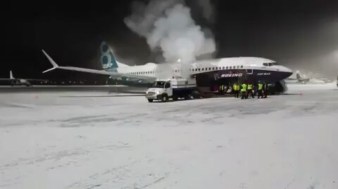
En la desolada y fría Siberia, el Boeing 737 MAX era una fiesta ante un mundo inóspito y blanco. Los equipos de pruebas y evaluación de Boeing buscaron uno de los aeropuertos de pasajeros más fríos del mundo para poner el avión a prueba en condiciones de invierno rigurosas. Están para probar que el avión funcionará según lo previsto, no importa el tiempo. En temperaturas cercanas a 40 bajo cero, los probadores de vuelo descubrieron por qué el 737 MAX es el avión más confiable, jamás construido.  AIRGWAYS ® Icon-AW

Resultado de imagen para Chillin' with the Boeing 737 MAXResultado de imagen para Chillin' with the Boeing 737 MAX

Cold tests on the Boeing 737 MAX

In desolate and cold Siberia, the Boeing 737 MAX was a feast before an inhospitable and white world. Boeing Test & Evaluation teams sought out one of the coldest passenger airports in the world to put the airplane to the test under harsh winter conditions. They’re out to prove that the airplane will perform as intended, no matter the weather. In temperatures approaching 40 below zero, flight testers discovered why the 737 MAX improves upon the most reliable jetliner ever built. A\W

VIEWED IN BOEING FIELD, RENTON, WASHINGTON

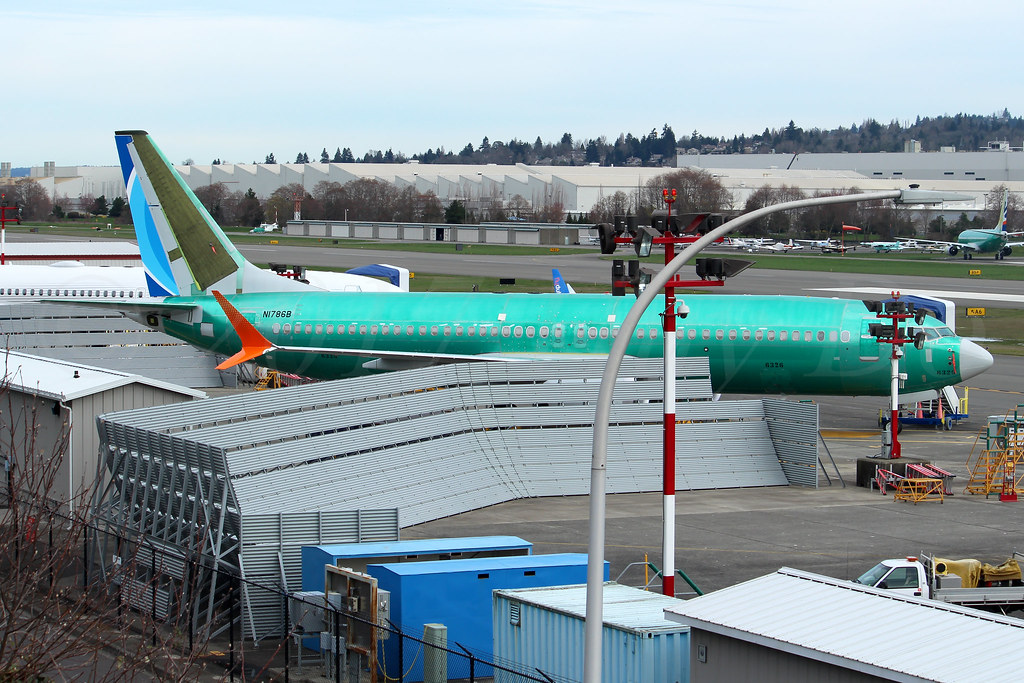
> Three Southwest 737 MAX 8 aircraft in paint outside of Boeing’s manufacturing facility in Renton, Wash. Photo: Greg Linton

Image

> N8705Q should be heading out shortly

> Southwest’s 737 MAX 8 departs from Boeing’s manufacturing facility in Renton, Wash. on a ferry flight to Boeing Field

Imagehttps://pbs.twimg.com/media/C8GrYmVVMAAl9qY.jpg:large

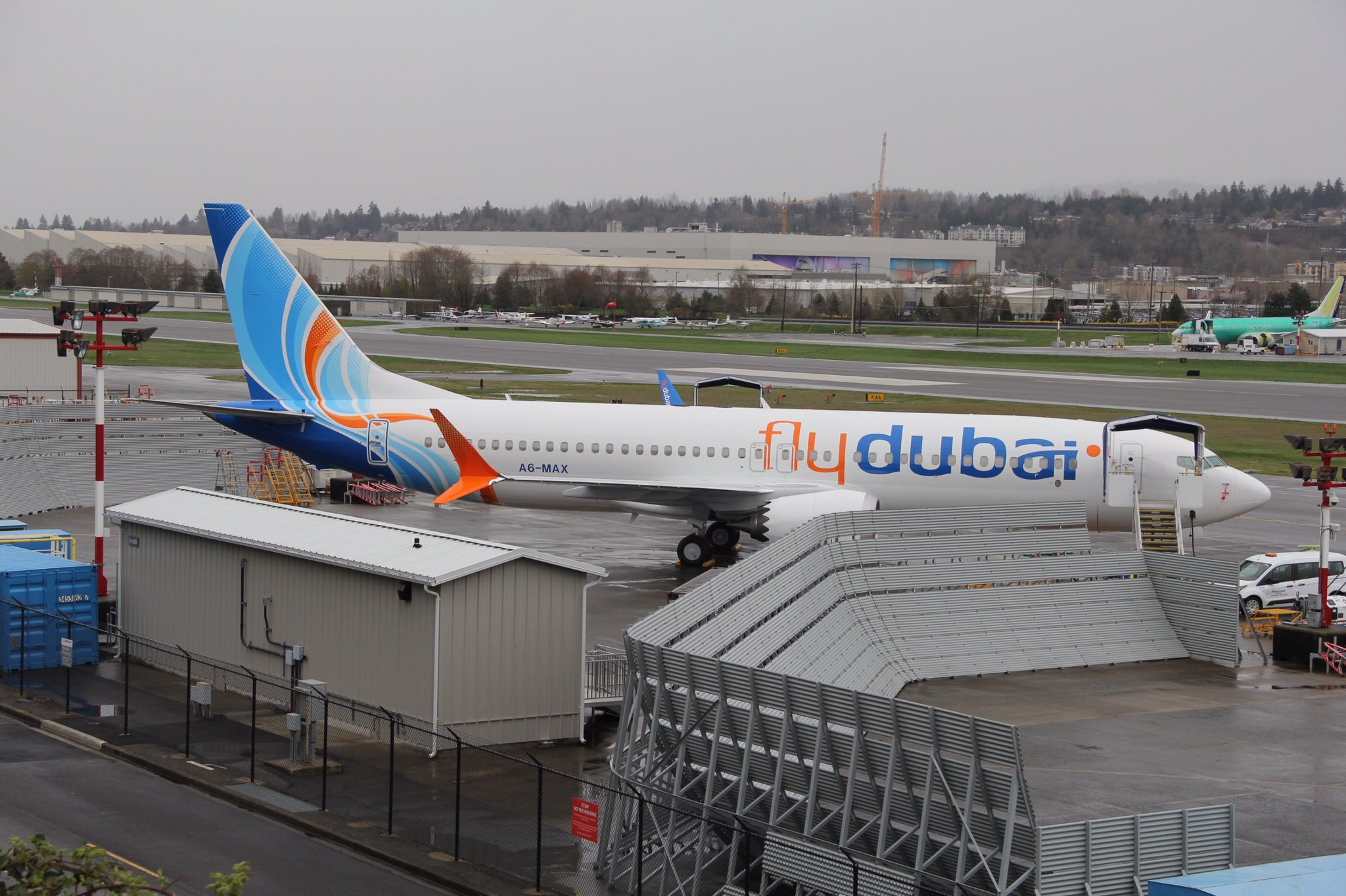
> Boeing 737 MAX 8 FlyDubai LN6326 by Huy Do

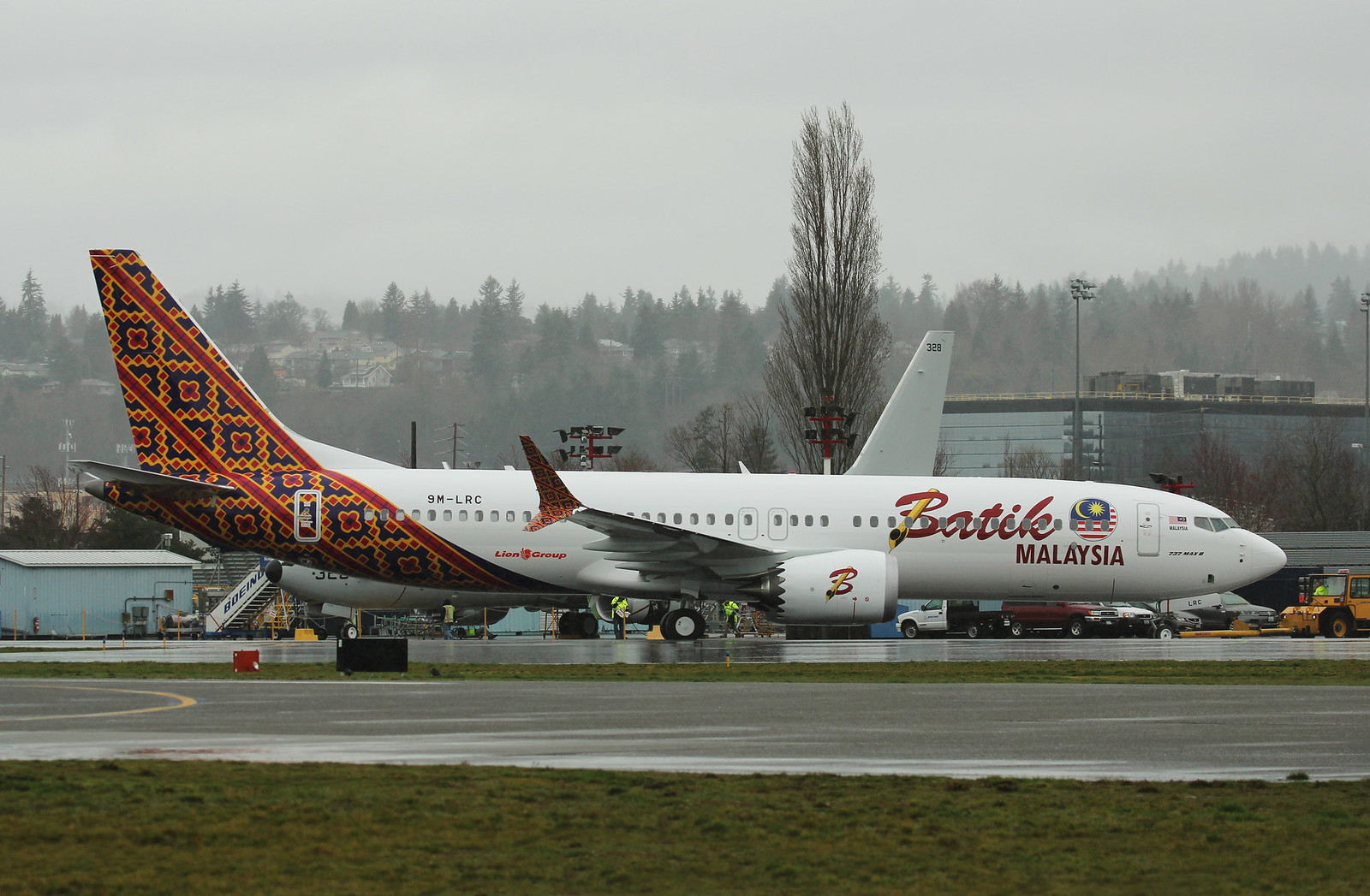
Image> 9M-LRC Boeing 737-MAX 8 (42985) Batik (2aa) by Barry Ambrose
Ξ A I R G W A Y S Ξ
SOURCE: Boeing.com
DBk: Boeing.com / Twimg.com
AW-POST: 201703301117AR

A\W   A I R G W A Y S ®

Muere un copiloto de American Airlines durante un aterrizaje

https://i.ytimg.com/vi/H_QMqxUBF1k/maxresdefault.jpg

AW | 2017 03 30 10:20 | SAFETY / SECURITY

 Un copiloto de American Airlines murió el miércoles tras sufrir un problema médico durante las últimas fases de un aterrizaje en Albuquerque, Nuevo México

El vuelo AA1353 de American Airlines, un Boeing 737-800 que volaba de Dallas-Fort Worth a Albuquerque, estaba a 2 millas (poco más de 3 kilómetros) de aterrizar cuando el capitán declaró una emergencia debido a «un problema médico» a bordo, según un portavoz de la Administración Federal de Aviación. La aerolínea identificó al primer oficial como William «Mike» Grubbs.

El avión aterrizó sin problemas a las 3:33 pm, de acuerdo con FlightAware, y llegó hasta la puerta de desembarque, donde estaban los paramédicos, dijo Daniel Jiron, portavoz del aeropuerto internacional de Albuquerque. Dos personas familiarizadas con el incidente dijeron que los paramédicos le practicaron reanimación cardiopulmonar al copiloto durante 35 a 40 minutos antes de declarar su muerte.

American Airlines dijo en un comunicado que «está profundamente triste» por la muerte de Grubbs. La FAA dijo que «dará seguimiento con la línea aérea» para saber más sobre el incidente del miércoles.  AIRGWAYS ® Icon-AW

American Airlines Co-Pilot Dies During Landing


An American Airlines co-pilot died Wednesday after suffering a medical problem during the last phases of a landing in Albuquerque, New Mexico


American Airlines Flight AA1353, a Boeing 737-800 flying from Dallas-Fort Worth to Albuquerque, was 2 miles (3km) short of landing when the captain declared an emergency due to «a medical problem» on board , According to a spokesman for the Federal Aviation Administration. The airline identified the first officer as William «Mike» Grubbs.

The plane landed smoothly at 3:33 pm, according to FlightAware, and arrived at the gate, where the paramedics were, said Daniel Jiron, a spokesman for Albuquerque International Airport. Two people familiar with the incident said that the paramedics had cardiopulmonary resuscitation to the co-pilot for 35 to 40 minutes before declaring his death.

American Airlines said in a statement that it «is deeply saddened» by Grubbs’ death. The FAA said it would «follow up with the airline» to learn more about Wednesday’s incident.

Many of the tasks during the final approach of a Boeing 737 can be handled safely by a single crew member, but significantly increases the stress and workload for the captain. The incapacitation of a flight crew member is extremely rare.

A 57-year-old American Airlines captain died in October of 2015, after falling ill during a flight between Phoenix and Boston. That flight landed smoothly after being diverted to Syracuse, New York. A\W

Ξ A I R G W A Y S Ξ
SOURCE: Cnn.com
DBk: Ytimg.com
AW-POST: 201703301020AR

A\W   A I R G W A Y S ®

Fokker proveedor autorizado de Q400

AW | 2017 03 29 21:25 | INDUSTRY

Bombardier firma el negocio de Fokker de GKN Aerospace como proveedor de servicios autorizado para la reparación de componentes de aeronaves Q400

Bombardier Commercial Aircraft anunció hoy que ha fortalecido su programa Bombardier Smart Parts al nombrar a Fokker Services BV como su Proveedor de Servicio Autorizado (ASP) que cubre la administración de la reparación de componentes para el avión Q400. Fokker Services BV es un negocio de GKN Aerospace y una filial de Fokker Technologies. Bajo el acuerdo de 10 años, el negocio de Fokker de GKN Aerospace ayudará a apoyar el programa líder de Smart Parts de Bombardier a través de sus amplias capacidades internas, así como una fuerte red de agencias de reparación de terceros.

«Nuestros operadores de aeronaves Q400 pueden confiar en la continua administración de Bombardier de nuestro programa Smart Parts de Q400, pero ahora también se beneficiarán de la experiencia, infraestructura y sistemas de Fokker bajo el acuerdo de ASP para la administración de componentes», dijo Todd Young, Vicepresidente y Gerente General, Servicios al Cliente y el Programa de Aeronaves Q400, Bombardier Commercial Aircraft. «Con la flexibilidad de utilizar su propia capacidad de taller de reparaciones o de obtener apoyo a través de la red de reparaciones de terceros de Bombardier, el negocio Fokker de GKN Aerospace está bien posicionado para ayudar a mejorar el soporte y los servicios existentes para el avión Q400».

«Estamos encantados de extender nuestra relación con Bombardier para proporcionar la administración de la reparación de componentes a los operadores de aeronaves Q400», dijo Erik Geertsema, Vicepresidente de Desarrollo de Negocios y Estrategias de Fokker de GKN Aerospace.

«Al ser el principal proveedor de servicios de la industria, esta amplia alianza con Bombardier reafirma el compromiso de Fokker de facilitar el funcionamiento competitivo y eficiente de los aviones Q400 y mejorar la sólida reputación de la flota de turbopropulsores de la Serie Q».

Acerca de Smart Parts
Bombardier Commercial Aircraft lanzó el programa Smart Parts para proporcionar soluciones de gestión de componentes en apoyo a la flota de aviones Q400. La flota respaldada por el programa Smart Parts ha crecido hasta aproximadamente 150 aeronaves matriculadas por clientes de aviones Q400 y C Series.

Acerca de Q400 Aircraft
Diseñado como un moderno turbohélice del siglo XXI, el avión Q400 es el desarrollo más reciente de la familia de aviones Q Series. Proporciona un rendimiento incomparable, flexibilidad operativa y comodidad del pasajero. Además de la configuración estándar de una sola clase, los aviones Q400 están disponibles con un interior opcional de doble clase para una mayor comodidad de los pasajeros; En una configuración de capacidad extra opcional que ofrece hasta 90 asientos para mercados de mayor densidad; Y en una configuración combi de carga y pasajeros.

Gracias a su combinación de atributos de turbohélice, características de chorro, experiencia de pasajeros líder en la industria y huella ambiental, el avión Q400 es excepcionalmente versátil y puede adaptarse a una variedad de modelos de negocio. Al ofrecer una reducción del 30 por ciento en la combustión de combustible sobre los chorros que sustituye a menudo, el avión Q400 reduce radicalmente las emisiones de carbono y aumenta la eficiencia de costos. Su crucero de alta velocidad – 160 km / h más rápido que los turbopropulsores convencionales – coloca el tiempo de vuelo de la aeronave en cuestión de minutos de los horarios de los vuelos, con el mismo costo de asiento que los aviones de un solo pasillo de mayor tamaño. Sus grandes hélices operan a una RPM más baja, generando más potencia con menos ruido y convirtiéndola en una opción amigable para los centros urbanos.

La familia de aviones Q400 incluye más de 60 propietarios y operadores en casi 40 países. La flota mundial ha registrado más de 6,9 millones de horas de vuelo y ha transportado más de 429 millones de pasajeros. Durante mucho tiempo reconocido como un activo de alto valor por los operadores, el avión Q400 ahora también está atrayendo el creciente interés de la comunidad de arrendamiento. Bombardier ha registrado pedidos firmes para un total de 572 aviones Q400. AIRGWAYS ® Icon-AW

Fokker authorized Q400 provider

Bombardier Signs GKN Aerospace’s Fokker Business as Authorized Service Provider for Q400 Aircraft Component Repair Management

Bombardier Commercial Aircraft announced today that it has strengthened its Bombardier Smart Parts program by appointing Fokker Services BV as its Authorized Service Provider (ASP) covering component repair management for the Q400 aircraft. Fokker Services BV is a GKN Aerospace business and a subsidiary of Fokker Technologies. Under the 10-year agreement, GKN Aerospace’s Fokker business will help support Bombardier’s industry-leading Smart Parts program through its extensive in-house capabilities, as well as a strong third-party repair agency network.

«Our Q400 aircraft operators can rely on Bombardier’s continued management of our Q400 aircraft Smart Parts program, but will now also benefit from Fokker’s expertise, infrastructure and systems under the ASP agreement for component repair management,» said Todd Young, Vice President and General Manager, Customer Services and Q400 Aircraft Program, Bombardier Commercial Aircraft. «With the flexibility to utilize its own in-house repair shop capability, or arrange for support through Bombardier’s third-party repair agency network, GKN Aerospace’s Fokker business is well positioned to help enhance the existing support and services for the Q400 aircraft.»

«We are pleased to extend our relationship with Bombardier to provide component repair management to Q400 aircraft operators,» said Erik Geertsema, Vice President Business and Strategy Development at GKN Aerospace’s Fokker business.

«As the top service provider in the industry, this expanded alliance with Bombardier reaffirms Fokker’s commitment to facilitate the competitive and efficient operation of Q400 aircraft and to enhance the strong reputation of the Q Series turboprop fleet.»

About Smart Parts
Bombardier Commercial Aircraft launched the Smart Parts program to provide Component Management Solutions in support of the Q400 aircraft fleet. The fleet supported by the Smart Parts program has now grown to approximately 150 aircraft enrolled by Q400 and C Series aircraft customers.

About Q400 Aircraft
Designed as a modern, 21st-century turboprop, the Q400 aircraft is the most recent development in the Q Series family of aircraft. It provides unmatched performance, operational flexibility and passenger comfort. In addition to the standard single-class configuration, Q400 aircraft are available with an optional dual-class interior for enhanced passenger comfort; in an optional extra-capacity configuration offering up to 90 seats for higher-density markets; and in a cargo-passenger combi configuration.

Thanks to its combination of turboprop attributes, jet-like features, industry-leading passenger experience and environmental footprint, the Q400 aircraft is exceptionally versatile and can be adapted to a variety of business models. By offering a 30 per cent reduction in fuel burn over the jets it often replaces, the Q400 aircraft radically reduces carbon emissions and increases cost efficiency. Its high-speed cruise — 160 km/h faster than conventional turboprops — places the aircraft’s flight time within minutes of jet schedules, at the same seat cost as larger single-aisle jets. Its large propellers operate at a lower RPM, generating more power with less noise and making it a friendly option for city centres.

The Q400 aircraft family includes over 60 owners and operators in almost 40 countries. The worldwide fleet has logged more than 6.9 million flight hours and has transported more than 429 million passengers. Long recognized as a high-value asset by operators, the Q400 aircraft is now also attracting growing interest from the leasing community. Bombardier has recorded firm orders for a total of 572 Q400 aircraft. A\W


Fokker Services mag Bombardier Q400’s repareren

Hoogerheide, Nederland. Bombardier Commercial Aircraft heeft een overeenkomst gesloten met Fokker Services BV waardoor Fokker de komende tien jaar als Authorized Service Provider (ASP) reparaties aan Q400’s mag uitvoeren.

Fokker zal daarbij tevens toegang krijgen tot Bombardier’s Smart Parts programma. Door dit programma zijn gebruikers van ongeveer 150 Q400 en C Series vliegtuigen verzekerd van (vervangings)onderdelen. A\W


Ξ A I R G W A Y S Ξ
SOURCE: Pilootenvliegtuig.nl / Marketwired.com
DBk: Bombardier.com
AW-POST: 201703291925AR

A\W   A I R G W A Y S ®

Programa E195-E2 mantiene desarrollo de la línea de tiempo avanzada

AW | 2017 03 29 19:00 | INDUSTRY

Embraer mantiene la línea de tiempo E195-E2 después del primer vuelo temprano

Sao Paulo, Brasil. El mayor avión de pasajeros de Embraer llegó a los cielos con más de tres meses de anticipación a lo previsto el miércoles, lo que le da al productor de planchas más grande del mundo más tiempo para refinar el avión antes de entrar en servicio a principios de 2019.

John Slattery, jefe de aviación comercial de Embraer, dijo en una entrevista que la compañía brasileña estaba manteniendo su plazo de entrega después de un primer vuelo «muy exitoso» para el E195-E2, que estaba programado originalmente para el segundo semestre de este año.

«Tenemos un montón de amortiguación, claramente, y estamos dedicando eso a la maduración de la aeronave antes de entrar en servicio», dijo Slattery, y añadió que esperaba que el hito ayudara a las campañas de ventas para los aviones de 120 a 130 asientos.

El nuevo E195-E2 ofrece tres filas más de asientos y un motor más eficiente que el actual E195, mejorando la quema de combustible en un 24 por ciento por asiento y desafiando directamente al nuevo CS100 de Bombardier Inc.

Slattery dijo que él vio la demanda sana para el miembro más grande de la familia E-Jet re-engined en Asia Sur-Oriental, Europa Occidental, Norteamérica y América Latina. Primero insinuó el vuelo temprano del jet en una entrevista de Reuters a principios de este mes.

El programa E195-E2 sigue en el presupuesto y en línea con las especificaciones, agregó. La aerolínea brasileña Azul Linhas Aéreas Brasileiras SA, que ha firmado un pedido firme para 30 aeronaves, será la primera operadora del nuevo avión. AIRGWAYS ® Icon-AW

Embraer holds E195-E2 timeline after early first flight

Sao Paulo. Brasil. Embraer’s biggest passenger jet ever took to the skies more than three months ahead of schedule on Wednesday, giving the world’s third-largest commercial planemaker more time to refine the aircraft before it enters service in early 2019.

John Slattery, head of commercial aviation for Embraer, said in an interview that the Brazilian company was maintaining its delivery timeline after a «very successful» first flight for the E195-E2, which was originally scheduled for the second half of this year.

«We do have a lot of buffer, clearly. And we are devoting that to maturing the aircraft before entry into service,» Slattery said, adding that he expected the milestone to help sales campaigns for the 120- to 130-seat aircraft.

The new E195-E2 offers three more rows of seats and a more efficient engine than the current-generation E195, improving fuel burn by 24 percent per seat and directly challenging Bombardier Inc’s new CS100.

Slattery said he saw healthy demand for the biggest member of the re-engined E-Jet family in Southeast Asia, Western Europe, North America and Latin America. He first hinted at the jet’s early flight in a Reuters interview earlier this month.

The E195-E2 program remains on budget and in line with specifications, he added. Brazilian airline Azul Linhas Aereas Brasileiras SA, which has placed a firm order for 30 of the aircraft, will be the first operator of the new jet. A\W


Ξ A I R G W A Y S Ξ
SOURCE: Reuters.com
DBk: Embraer.com / Wikipedia.org
AW-POST: 201703291900AR

A\W   A I R G W A Y S ®

Brussels Airlines recibe el SSJ-100

AW | 2017 03 29 15:02 | AIRLINES

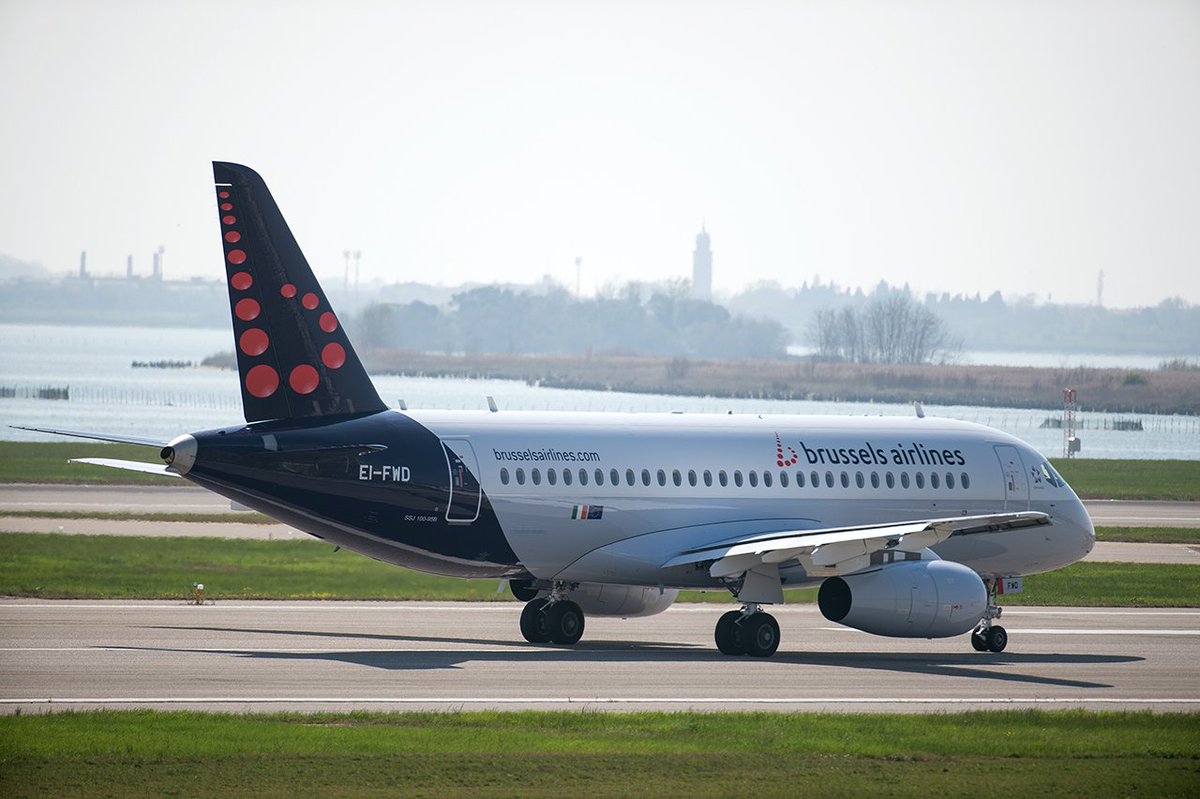
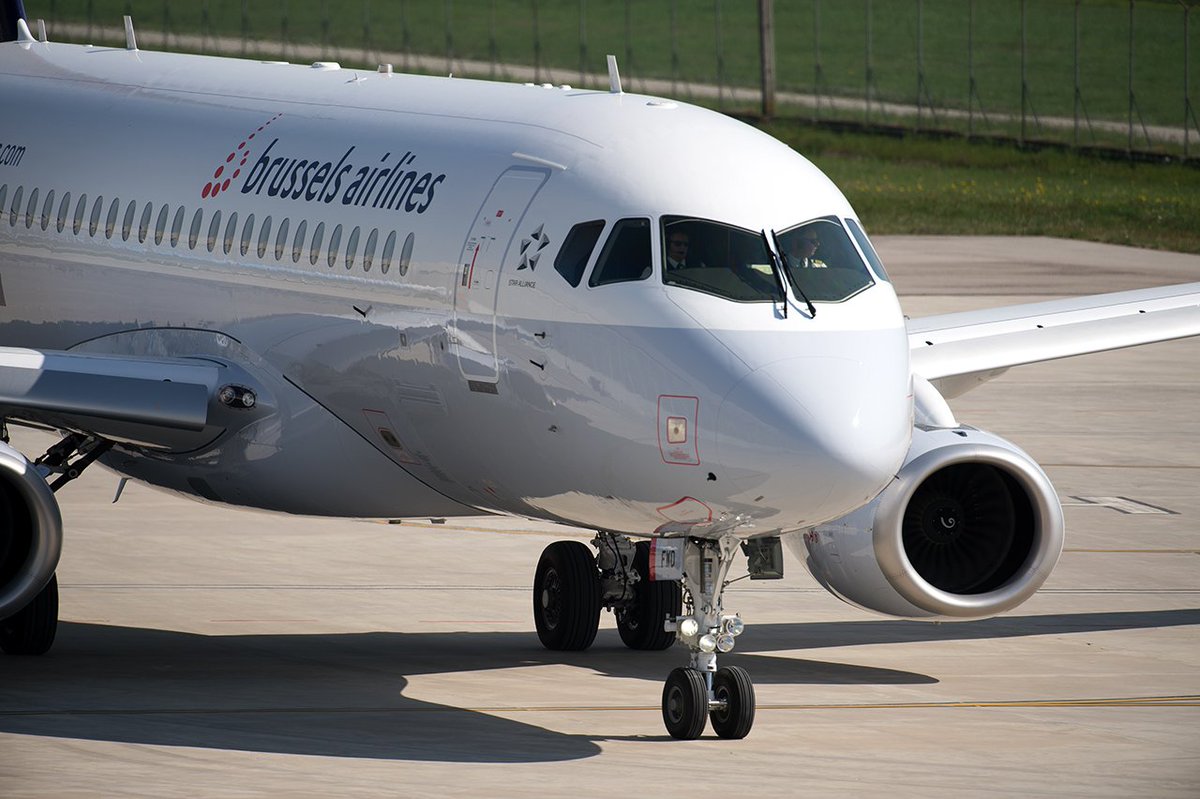
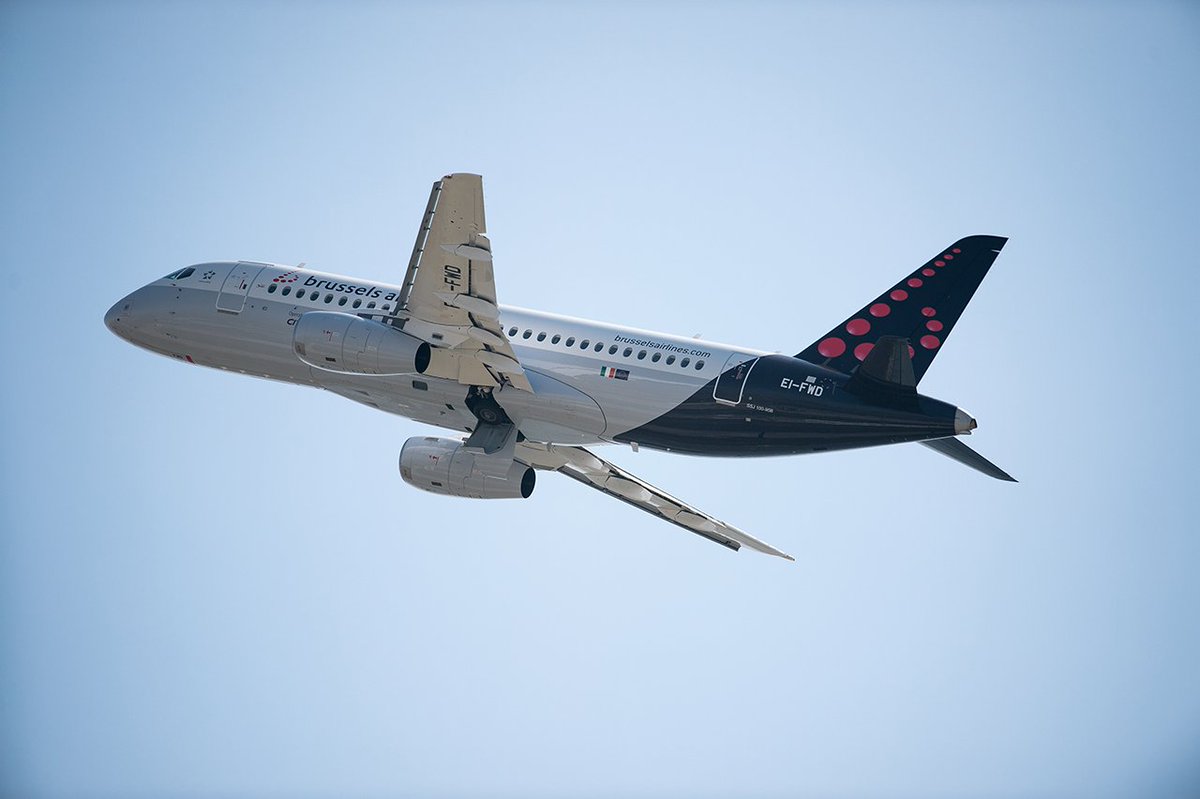
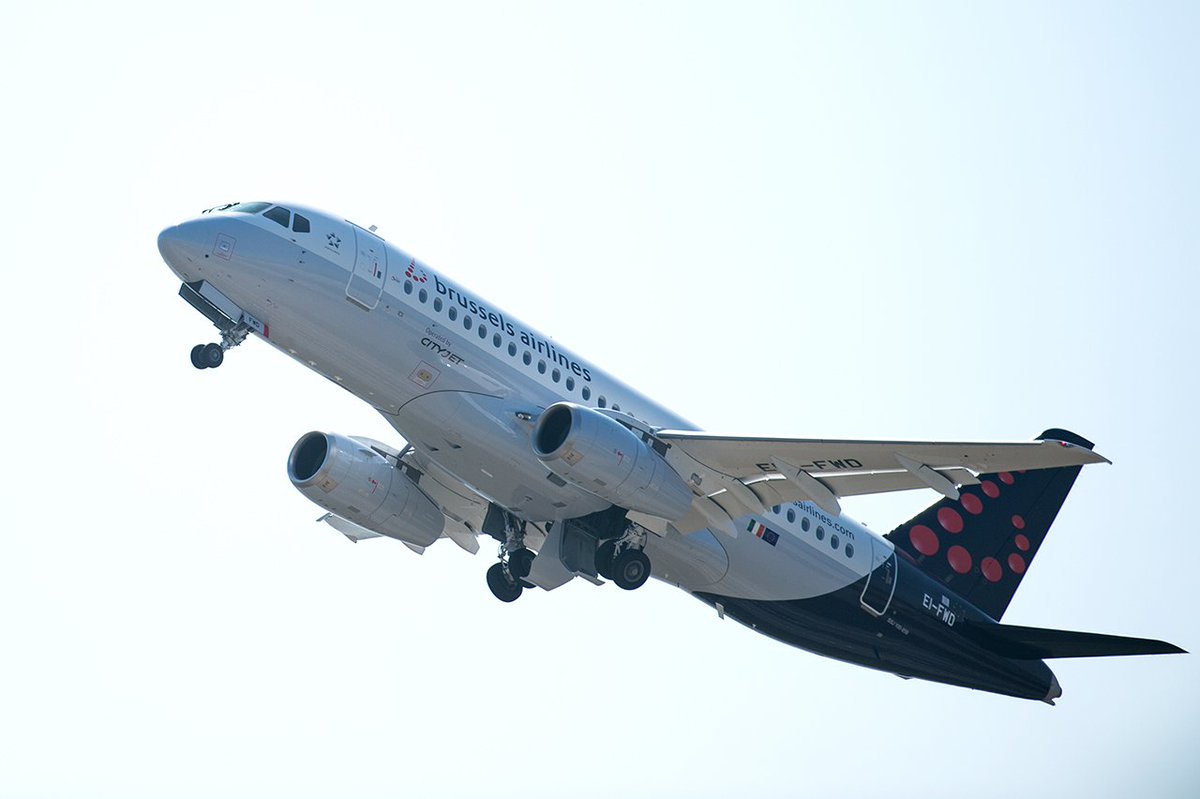
El Superjet SSJ-100 viste los colores de Brussels Airlines

Brussels Airlines ha comenzado a desplegar dos Superjet 100 en su red europea el 26 de marzo.

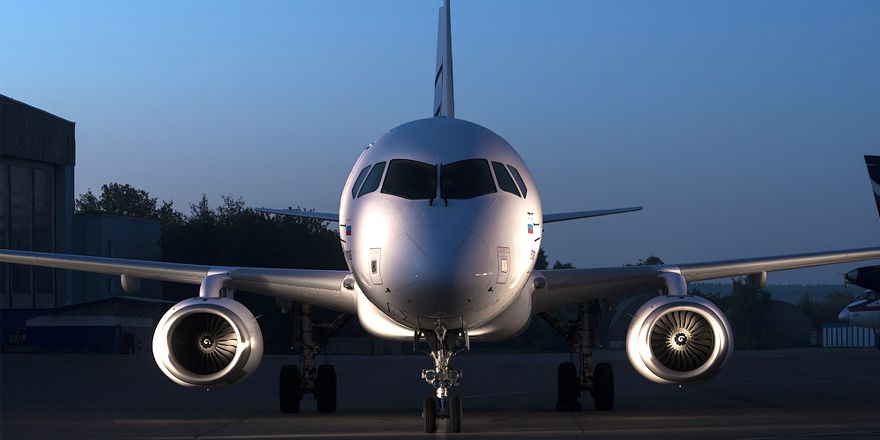
La empresa belga había concluido un acuerdo de arrendamiento con tripulación con el transportista irlandés CityJet en enero de utilizar tres de sus Sukhoi SSJ100-95 por un período de dos años. Los dispositivos fueron repintados para la ocasión por SuperJet International en Venecia.

Los tres Superjet operado por Brussels Airlines hará misiones que antes hacía por su RJ100. El transportista belga aún se alinea seis copias de los cuatro motores BAE Systems regionales pero todo será removido de su flota en noviembre.

CityJet ha ordenado quince SSJ100-95 en octubre de 2015, convirtiéndose así en el primer cliente para el jet regional ruso en Europa. Su primera copia le fue entregada el pasado verano.  AIRGWAYS ® Icon-AW

The Superjet is adorned with the colors of Brussels Airlines

Brussels Airlines began deploying two Superjet 100s on its European network on 26 March

The Belgian company had concluded a wet-lease agreement with the Irish operator CityJet in January, in order to use three of its Sukhoi SSJ100-95 for a period of two years. The machines were repainted by SuperJet International in Venice.

The three Superjets operated by Brussels Airlines will carry out missions that until now have been ensured by its RJ100. The Belgian carrier has six more BAE Systems regional four-wheelers, but all will be withdrawn from its fleet by November.

CityJet ordered about fifteen SSJ100-95 aircraft in October 2015, becoming the first customer of the Russian regional aircraft in Europe. His first copy was delivered to him last summer. A\W


Ξ A I R G W A Y S Ξ
SOURCE: Journal-aviation.com
DBk: Twimg.com / Luchtzak.be / @SJet_ (Twitter)
AW-POST: 201703291502AR

A\W   A I R G W A Y S ®