4 millones turistas a Cuba en 2016

https://i0.wp.com/vilaflor.org/wp-content/uploads/2016/10/cuba1.jpg

AW | 2016 12 31 12:13 | TOURISM

Cuba recibió este año a cuatro millones de visitantes, lo que representa un sobrecumplimiento en un seis por ciento de lo previsto y un crecimiento del 13 por ciento en relación con la cifra alcanzada en el pasado calendario, informó el ministerio de Turismo (Mintur).

De acuerdo con un comunicado de prensa, las regiones que más aportaron a este cierre fueron América del Norte y Europa, sin dejar de destacar países de otros continentes que también han experimentado importantes aumentos en la emisión de viajeros a la Isla.

Añade la nota que ese resultado constituye un compromiso para continuar elevando la calidad en la prestaciones de los servicios y los niveles de eficiencia del sector.

Según los pronósticos del Mintur, para 2017 los arribos a la mayor de las Antillas pueden alcanzar los cuatro millones 100 mil vacacionistas.

Actualmente la nación cubana posee 65 mil habitaciones en hoteles y más de 17 mil cuartos en casas particulares, alianza que se favorece como complemento a la oferta estatal.

De cara al actual año, en 2015 entraron en explotación 14 instalaciones con dos mil 655 nuevas habitaciones en los polos turísticos de Cayo Levisa, Viñales, Cayo Largo, Matanzas, Cayo Santa María, Jardines del Rey, Camagüey y Gibara.

Además, en el presente calendario se continuaron varias inversiones en busca de incrementar las capacidades de alojamiento del país en territorios como Ciego de Ávila, Villa Clara, Matanzas y Cayo Largo, según aseguró María del Carmen Orellana, directora general de Mercadotecnia del Mintur.

En este último mes se han incorporado nuevas rutas aéreas a Cuba, mientras comenzarán vuelos en el próximo año, mediante compañías como Austrian Airlines, Pegas, Virgin Atlantic, Itaca, Alitalia, Turkish Airlines, Eurowings y XL Airways.

Asimismo, emprendieron viajes regulares desde Estados Unidos a La Habana American Airlines, Jetblue, Delta, Spirit, United Airlines, Alaska, Frontier, Southwest y Sun Country.

En cuanto a los cruceros, en 2016 se estrenaron el MSC Armonia, Adonia, Europa II, Odissey, Saga Pearl II, Artemia, Saga Shapire, M/V Hamburg, Le Ponand, M/S Boudicca, a la vez que vuelven a atracar en Cuba Panorama II, Ocean Dream, Thomson Dream, MSC Opera, Sea Cloud, Star Flyer, Serenísima, Thot Heyerdahl y Celestial Cristal.

Para diversificar la oferta, el Mintur prioriza el buceo y la náutica, el turismo de naturaleza y aventuras, congresos y eventos, y circuitos.

La llamada industria del ocio resulta uno de los sectores estratégicos incluidos en el plan de desarrollo económico del país de cara a 2030.  airgways-icon-aw

https://i0.wp.com/www.revistasumma.com/wp-content/uploads/2015/02/cuba.jpg

Four million tourists arrive to Cuba in 2016


Cuba received four million visitors this year, representing an overcomerment in six percent of what was envisaged and a growth of 13 percent in relation to the figure reached in the past calendar, the Ministry of Tourism (Mintur) reported.

According to a press release, the regions that contributed most to this closure were North America and Europe, while highlighting countries from other continents that have also experienced significant increases in the emission of travelers to the island.

The note adds that this result constitutes a commitment to continue to raise the quality of services and efficiency levels of the sector.

According to forecasts by the Mintur, by 2017 arrivals to the largest of the Antilles can reach the 4 million 100 thousand vacationers.

Currently, the Cuban nation has 65,000 rooms in hotels and more than 17,000 rooms in private homes, an alliance favored as a complement to the state’s offer.

Over the current year, 14 facilities with 2,655 new rooms were opened in 2015 at Cayo Levisa, Viñales, Cayo Largo, Matanzas, Cayo Santa María, Jardines del Rey, Camagüey and Gibara.

In addition, several investments were made in this calendar to increase the country’s housing capacity in territories such as Ciego de Avila, Villa Clara, Matanzas and Cayo Largo, according to María del Carmen Orellana, Mintur’s general director of Marketing.

In the last month, new air routes have been added to Cuba, while flights will begin next year, through companies such as Austrian Airlines, Pegas, Virgin Atlantic, Itaca, Alitalia, Turkish Airlines, Eurowings and XL Airways.

They also embarked on regular flights from the United States to Havana American Airlines, Jetblue, Delta, Spirit, United Airlines, Alaska, Frontier, Southwest and Sun Country.

As for cruises, MSC Armonia, Adonia, Europa II, Odissey, Saga Pearl II, Artemia, Saga Shapire, M / V Hamburg, Le Ponand, M / S Boudicca, premiered at the same time as they re-docked In Cuba Panorama II, Ocean Dream, Thomson Dream, MSC Opera, Sea Cloud, Star Flyer, Serenissima, Thot Heyerdahl and Celestial Crystal.

To diversify the offer, the Mintur prioritises diving and nautical, nature tourism and adventures, congresses and events, and circuits.

The so-called leisure industry is one of the strategic sectors included in the country’s economic development plan for 2030. A\W


Ξ A I R G W A Y S Ξ
SOURCE: Cubadebate.cu
DBk: Photographic © Revistasumma.com / Vilaflor.org
AW-POST: 201612311213AR

A\W   A I R G W A Y S ®

Experimental Boeing 737 Max toma vuelo en el Aeropuerto de Fargo

AW | 2016 12 30 21:23 | INDUSTRY

fk492336737-max-round-pinboeing-company-logoUn nuevo Boeing 737 MAX comandado por el piloto de pruebas de la Administración Federal de Aviación, Ed Kolano, hizo un aterrizaje de viento y despegue el jueves 29 de diciembre en el Aeropuerto Internacional de Fargo, Hector.

El avión es uno de sólo cuatro en el mundo que prueba el nuevo diseño 737 MAX, que es significativamente más silencioso y más eficiente que las versiones anteriores. El vuelo de Boeing del jueves comenzó en Boeing Field cerca de Seattle, aterrizó en Billings, Mont., después vino a Fargo.

Las innovaciones para el Max, como una punta de ala recientemente diseñada, aumentan la eficiencia del combustible en casi un 2 por ciento. Boeing dice que el avión es un 40 por ciento más silencioso que otros aviones de un solo pasillo y cuenta con el nuevo Boeing Sky Interior con ventanas más grandes y recintos diseñados para acomodar más equipaje de mano. Hector Field es a menudo un destino para pilotos de pruebas debido a los vientos. airgways-icon-aw

Experimental Boeing 737 Max takes flight at Fargo’s Hector International Airport

20160712-152037A new Boeing 737 Max flown by Federal Aviation Administration test pilot Ed Kolano made a crosswind landing and takeoff Thursday, Dec. 29, at Fargo’s Hector International Airport.

The airplane is one of only four in the world testing the new 737 design, which is significantly quieter and more efficient than previous versions. Thursday’s Boeing flight started at Boeing Field near Seattle, landed at Billings, Mont., then came to Fargo.

Innovations for the Max such as a newly designed wing tip increase fuel efficiency nearly 2 percent. Boeing says the airplane is 40 percent quieter than other single-aisle airplanes and features the new Boeing Sky Interior with larger windows and re-designed overhead bins that accommodate more carryon luggage. Hector Field is often a destination for test pilots because of the winds. A\W

Ξ A I R G W A Y S Ξ
SOURCE: Inforum.com
DBk: Photographic © Inforum.com
AW-POST: 201612302123AR

A\W   A I R G W A Y S ®

Aeropuerto Rosario prepara expandirse

https://airgways.com/wp-content/uploads/2016/06/a-i-r-g-w-a-y-s-686.png?w=1000

AW | 2016 12 30 10:29 | AIRPORTS

Aseguraron que el interés de cinco compañías aéreas por operar desde Rosario reforzará la organización de congresos y eventos

Desde de los sectores hoteleros, gastronómicos y agencias de turismo locales tomaron con satisfacción la confirmación de que cinco nuevas líneas aéreas solicitaron formalmente desembarcar en el aeropuerto de Rosario. Apuntaron que un mayor volumen de vuelos y mejoramiento de la logística para llegar por aire a la ciudad reforzará, principalmente, las opciones para el arribo de más congresos y eventos.

Varios de los empresarios consultados por La Capital expusieron como ejemplo el caso de la línea aérea Copa, que a partir de julio pasado comenzó a volar desde Rosario hacia el hub que tiene en Panamá. Señalaron que desde su llegada arribaron a la ciudad operadores turísticos y medios —centroamericanos y norteamericanos—, porque la compañía ve una alternativa sobre la congestionada Ezeiza para conectar con El Calafate o Iguazú. Además, jugadores locales ven allí oportunidades para armar opciones y tentar a esos turistas a pasar una o dos noches en la ciudad, como actualmente hace en la Ciudad Autónoma de Buenos Aires.

Se trata de una situación idéntica si llegan estas compañías «low cost» (bajo costo) a la aeroestación local. «Si bien principalmente el aeropuerto es un emisor de turistas, el arribo de estas empresas nos permitirá reforzar la oferta para salir a buscar otros mercados», señaló Rodrigo Pastor, presidente de la Asociación Empresaria Hotelero Gastronómica y Afines de Rosario (Aehgar).

Al doble

De confirmarse la llegada de las nuevas empresas aéreas privadas, que en la presentación de sus planes de negocios solicitaron 25 nuevas rutas desde y hacia la terminal de Fisherton, se duplicaría la oferta actual del Islas Malvinas. Las compañías pidieron operar vuelos de cabotaje e internacionales durante la audiencia pública realizada por la Administración Nacional de Aviación Civil (Anac), organismo que regula el sector.

https://i0.wp.com/www.conclusion.com.ar/wp-content/uploads/2015/02/IMG_6159-fvizzi.jpg

Otro aspecto en el que coincidieron los empresarios relacionados con el turismo y la gastronomía con autoridades provinciales y locales es que se deberán acelerar las obras anunciadas de ampliación de las instalaciones de la aeroestación local. En diez días se realizará la habitual reunión de las autoridades portuarias y su comisión asesora (de la que participan entidades y sectores empresarios) y allí seguramente surgirá este tema.

Según estimaron las compañías y autoridades del Anac, recién para el tercer trimestre de 2017 podrían estar partiendo las nuevas líneas aéreas desde la aeroestación local. Previamente deben superar las instancias de aprobaciones de planes y autorizaciones, y poner a punto toda la cadena de trabajo para tener los aviones listos para despegar.

Cuáles son

Las empresas denominadas «low cost» que presentaron solicitudes para abrir nuevas rutas fueron Avian Líneas Aéreas (más conocida como Avianca), Andes, Alas del Sur, American Jet y FB, conocida bajo la marca FlyBondi.

Martín Castro, gerente del Grupo Solans, señaló que es auspicioso el crecimiento de la oferta aérea para Rosario, ya que «permite aspirar al turismo de evento» y a otros turistas que tal vez de otra manera no pasarían por la ciudad.

En un año complejo para la actividad económica en general, el aeropuerto local volvió a registrar un fuerte incremento de la demanda de vuelos, al punto de que termina el año con una pista que estuvo al borde del cierre por la necesidad de mantenimiento. El desembarco de Copa y Lan Perú en la segunda mitad del año y la incorporación de más vuelos de Aerolíneas Argentinas disparó la demanda.

Alto volumen

La realidad del aeropuerto es soñada para la actividad porque nunca tuvo el volumen actual y tampoco tantas perspectivas de crecimiento.

«Todo lo que sume conectividad es positivo, ya que impactará en la cadena de valor del turismo receptivo», estimó la titular de una importante agencia de turismo. A\W

Resultado de imagen para Aeropuerto Rosario airgways.wordpress

Rosario Airport prepares to expand


They assured that the interest of five airlines to operate from Rosario will reinforce the organization of congresses and events


From the hotel, gastronomic and local tourism sectors, they welcomed the confirmation that five new airlines formally requested to disembark at the Rosario Airport. They pointed out that a greater volume of flights and improvement of the logistics to arrive by air to the city will reinforce, mainly, the options for the arrival of more congresses and events.

Several of the entrepreneurs consulted by La Capital gave an example of the airline Copa, which from July last began to fly from Rosario to the hub it has in Panama. They said that since the arrival of the city, tour operators and media – Central American and North American – have come to the city because the company sees an alternative over the congested Ezeiza to connect with El Calafate or Iguazú. In addition, local players see opportunities there to arm options and tempt those tourists to spend one or two nights in the city, as it currently does in the Autonomous City of Buenos Aires.

It is an identical situation if these companies arrive «low cost» (low cost) to the local aeroestation. «Although the airport is mainly a tourist emitter, the arrival of these companies will allow us to reinforce the offer to go out and look for other markets,» said Rodrigo Pastor, president of the Gastronomic and Related Hotel Association of Rosario (Aehgar).

Twice

If confirmed the arrival of the new private airlines, which in the presentation of their business plans requested 25 new routes to and from the Fisherton terminal, the current offer of the Islas Malvinas  would double. The companies requested to operate cabotage and international flights during a public hearing held by the National Civil Aviation Administration (ANAC), the body that regulates the sector.

Another aspect that coincided the entrepreneurs related to tourism and gastronomy with provincial and local authorities is that the announced works of expansion of the facilities of the local aero station should be accelerated. In ten days the usual meeting of the port authorities and its advisory commission (involving entities and business sectors) will take place and there surely will arise this topic.

According to estimates by the companies and authorities of the Anac, by the third quarter of 2017 the new airlines may have been departing from the local aero station. Previously they must overcome the instances of approvals of plans and authorizations, and to finalize the whole chain of work to have the airplanes ready to take off.

Which are

The companies called «low cost» that presented applications to open new routes were Avian Líneas Aéreas (better known as Avianca), Andes, Alas del Sur, American Jet and FB, known under the FlyBondi brand.

Martín Castro, manager of the Solans Group, said that the growth of the airline offer for Rosario is auspicious, as it «allows aspiring event tourism» and other tourists who might not otherwise pass through the city.

In a complex year for economic activity in general, the local airport again recorded a strong increase in demand for flights, to the point that the year ends with a runway that was on the verge of closure due to the need for maintenance. The landing of Copa and Lan Peru in the second half of the year and the addition of more Aerolineas Argentinas flights triggered the demand.

High volume

The reality of the airport is dreamed for the activity because it never had the current volume and also so many perspectives of growth.

«Everything that adds connectivity is positive, as it will impact the value chain of receptive tourism,» said the head of a major tourism agency. A\W

Ξ A I R G W A Y S Ξ
SOURCE: Lacapital.com.ar
DBk: Photographic © A I R G W A Y  S
AW-POST: 201612301029AR

A\W A I R G W A Y S ®

Argentina ingresa al mercado low-cost

Resultado de imagen para LOW COST AIRLINES

AW | 2016 12 29 17:07 | AIRLINES MARKET

Resultado de imagen para LOW COST AIRLINESEl mercado de la aviación comercial argentina ha ingresado hacia el 2017 en la apertura de más compañías y más rutas aéreas

El día 27 de diciembre el gobierno argentino ha convocado a Audiencia Pública Nº 218 para la evaluación y otorgamiento de nuevas rutas aéreas y la incorporación de más líneas aéreas al mercado argentino, después de más de 10 años de un mercado restringido.

El gobierno nacional dio un fuerte impulso a la flexibilización aérea, bajo la premisa de otorgar nuevas rutas e incentivar la competencia en el sector que logre beneficios para los usuarios. En la vereda de enfrente resurgió la polémica ante el eventual ingreso al mercado aeronáutico comercial argentino de nuevas empresas, en especial las denominadas “low cost” o de bajo costo.

https://i0.wp.com/rtn.asia/wp-content/uploads/2015/09/Wego-Around-the-world-by-low-cost-carrier-Sept-15.png

Para comprender mejor el significado el controvertido mercado de las low-cost aéreas, explicamos el origen, los beneficios y perjuicios de estas líneas aéreas.

Una aerolínea de bajo costo o coste, aerolínea de bajo precio o aerolínea low-cost es una aerolínea que ofrece una tarifa más económica a cambio de eliminar muchos de los servicios que reciben los pasajeros de aerolíneas tradicionales, o que cobran estos servicios de forma adicional. El concepto surgió en los Estados Unidos antes de extenderse por Europa a principios de la década de 1990 y de ahí al resto del mundo ante el aumento en la demanda de transporte aéreo. En principio el término era empleado dentro de la industria de la aviación para referirse a compañías con costes de operación bajos o menores que los de la competencia. A través de los medios de comunicación, su significado varió, y ahora define a cualquier aerolínea de precios bajos y servicios limitados, frente a los de las aerolíneas tradicionales.

Sus argumentos se podrían resumir en que el ingreso de compañías con vuelos de bajo costo inexorablemente conducirá a un proceso de precarización laboral para todos los empleados de la actividad.

Pero también advierten que en el futuro se pondría en peligro la seguridad de pasajeros y tripulaciones, ya que en función de abaratar costos se atentará “contra cualquier política de transparencia y los estándares de calidad y seguridad imprescindibles en la actividad”, aseguran.

Resulta inevitable recordar la reciente tragedia del avión que trasladaba al plantel del Chapecoense a Colombia. El irresponsable piloto y dueño de la empresa -justamente para abaratar costos- cargó el combustible exacto para llegar y un imprevisto les costó la vida a 71 personas.

El origen de las low-cost

La primera compañía de precios bajos fue la estadounidense Pacific Southwest Airlines, que inició sus vuelos el 6 de mayo de 1949. A menudo y de forma errónea se concede este mérito a Southwest Airlines, aerolínea también estadounidense que no empezaría a operar hasta 1971 y a generar beneficios dos años después. Con el proceso de desregulación vivido por la aviación a principios de la década de 1990, el modelo se extendió a Europa, con aerolíneas como la irlandesa Ryanair o la británica easyJet. Durante 2004 una ola de nuevas aerolíneas de bajo coste invadió Australasia, con la malaya Air Asia y la australiana Virgin Blue a la cabeza. El modelo operativo de bajo coste es aplicable en todo el mundo, si bien los mercados liberalizados son más adecuados para su rápida expansión.

Resultado de imagen para southwest airlines

File:9M-AJM (17228605006).jpg

Las compañías de bajo coste suponen una seria amenaza a las aerolíneas tradicionales de «servicio completo», pues el alto coste operativo de estas últimas no les permite competir de forma efectiva con los precios de los billetes ofertados por las low-cost, y este es el factor más importante para la mayoría de clientes. De 2001 a 2003, periodo en que la industria de la aviación fue duramente golpeada por el terrorismo, la guerra y el SARS, la gran mayoría de las aerolíneas tradicionales sufrieron fuertes pérdidas mientras las compañías de bajo coste se mantuvieron en positivo.

Muchas empresas optaron por lanzar sus propias filiales de precios bajos, como Buzz de KLM, Clickair de Iberia, Go Fly de British Airways o Ted de United Airlines, pero se toparon con serias dificultades para evitar que su negocio fuese devorado por sus matrices. Excepciones de esto son bmibaby de Bmi, Snowflake de SAS, la alemana germanwings (controlada en un 49 % por Lufthansa) o Jetstar de Qantas, todas ellas capaces de operar conjuntamente con sus matrices de servicio completo.

File:Airbus A320-214 - Vueling - EC-JPL - LEMD.jpg

File:Wizz Air A320.jpg

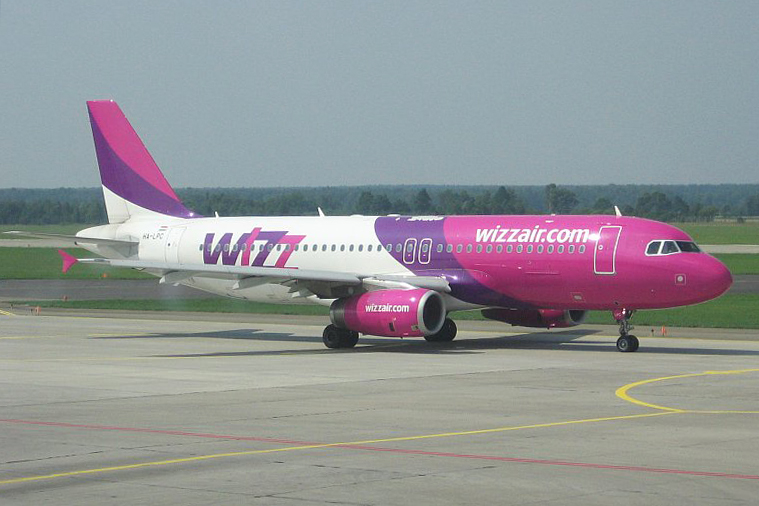
LÍNEAS AÉREAS LOW-COST HAN INVADIDO EUROPA DEL ESTE. WIZZAIR DE HUNGRÍA

En el mercado de los destinos vacacionales, las aerolíneas de bajo coste también compiten con los vuelos chárter de pasajeros. Sin embargo, la inflexibilidad de los chárters (sobre todo en lo que a la duración de la estancia se refiere) los ha hecho impopulares entre los viajeros.

La tendencia hacia las low-cost
En mercadotecnia, siempre se dice que es el mercado quien termina regulando el mercado. La tendencia mundial de las compañías de bajo costo-bajo precio han inundado casi todo lugar.

En el regulado mercado estadounidense muchos usuarios se han beneficiado de compañías lowcost que supieron montar bien un negocio frente a las colosales líneas aéreas clásicas regulares.
File:Easyjet A319 G-EZEZ AMS 2016-09-04.jpg

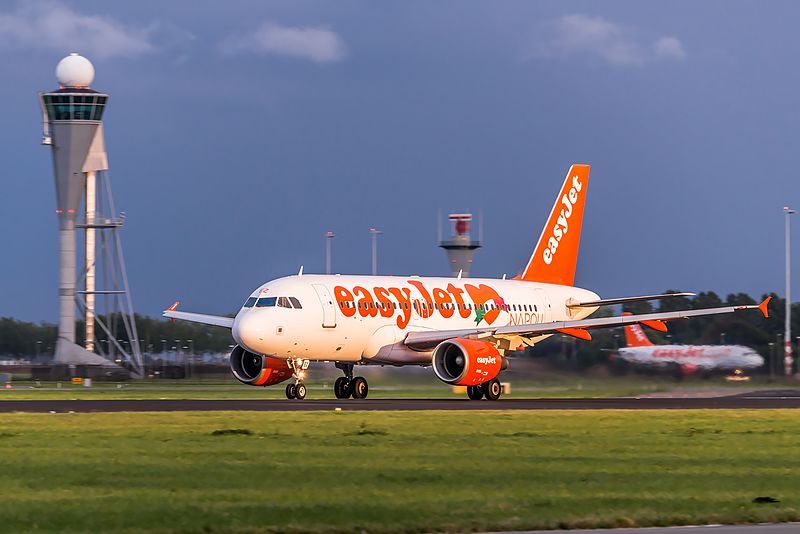
Europa ha sido un nido para el nacimiento de aerolíneas de bajo costo, pero muchas de ellas han durado una escasa temporada y su plan no ha funcionado. Sin embargo las más relevantes como Ryanair, Easyjet que desde sus nacimientos en 1985 y 1991, respectivamente, no han parado de aumentar su red de destinos en el continente.

Pese a su éxito, la tendencia es la de seguir reduciendo costes y servicios añadidos. Por ejemplo, en 2004, Ryanair anunció su intención de eliminar los asientos reclinables, los paños de los reposa cabezas o los bolsillos en los respaldos de los aviones de su flota.

En el campo de la seguridad aérea muchas líneas aéreas lowcost han sufrido percanses o se ha visto amenazada la seguridad aérea. Volviendo al caso Ryanair, Despresurizaciones en cabina, aterrizajes de emergencia, falta de colaboración para las inspecciones aeronáuticas, incumplimientos de los planes de vuelo, denegaciones de embarque. Ryanair, la aerolínea de bajo coste que transporta más de 30 millones de pasajeros al año por los aeropuertos españoles, lidera también los expedientes de la Agencia Estatal de Seguridad Aérea (Aesa).

La aerolínea irlandesa ha acumulado 1.201 incidentes en materia de seguridad aérea y derechos de los pasajeros entre los meses de enero y junio de 2012, sólo en España. Entre los principales problemas destaca la carga de combustible. En este sentido, la citada agencia identificó que la aerolínea «incumple de manera repetitiva el procedimiento» para realizar esta operación con pasaje a bordo, con lo que se ha visto obligada a reforzar las inspecciones. Ya en 2011, estas prácticas acarrearon a la compañía una multa de 167.000 euros.

En las 41 inspecciones en rampa realizadas a Ryanair en el último año, los técnicos de la Aesa encontraron 51 deficiencias, 15 de ellas graves según recoge el informe. Precisamente, la política de combustible de Ryanair es lo que ha conducido a la aerolínea a chocar frontalmente con el Ministerio de Fomento. Sus aviones hacen escalas tan cortas como pueden y cargan el combustible mínimo legal para ahorrar costes.

Tras solicitar tres aterrizajes de emergencia por falta de queroseno en Valencia en una sola tarde, en julio de 2012.

Igualmente, el 74,9% tampoco cree que las aerolíneas faciliten información de contacto clara para presentar consultas y reclamaciones. El 51,8% de los encuestados indica que la última vez que contactó con el servicio de atención al cliente de una compañía aérea por teléfono tuvo que marcar un número con prefijo 902. El 7,2% tuvo que llamar a un teléfono de tarificación adicional (803, 806 ó 807). Sólo el 6,8% pudo contactar con la aerolínea a través de un número con prefijo geográfico y el 3,2% por un teléfono gratuito.

El 51,8% de los encuestados indica que la última vez que contactó con el servicio de atención al cliente de una compañía aérea por teléfono tuvo que marcar un número con prefijo 902. El 7,2% tuvo que llamar a un teléfono de tarificación adicional (803, 806 ó 807). Sólo el 6,8% pudo contactar con la aerolínea a través de un número con prefijo geográfico y el 3,2% por un teléfono gratuito. Abusos con los precios Por otro lado, un 64,1% de los encuestados denuncia que el precio final de los vuelos era más alto que el ofertado inicialmente en las webs de las aerolíneas. Según Facua, uno de los motivos por los que los precios se suelen inflar al finalizar el proceso de compra es que muchas aerolíneas incluyen un cargo por pagar con tarjeta. Un 45,4% reconoce haber sufrido esta práctica en su último vuelo. Además, el 70,1% de los encuestados cree que el precio del billete debería incluir el derecho a viajar con maletas y que esto suponga el pago de un suplemento adicional, mientras que el 25,0% de los usuarios está de acuerdo en que el equipaje se pague aparte.
https://farm6.staticflickr.com/5651/20535471059_8c6c922721_b.jpg

Brasil, puerta de entrada de las lowcost en Sudamérica
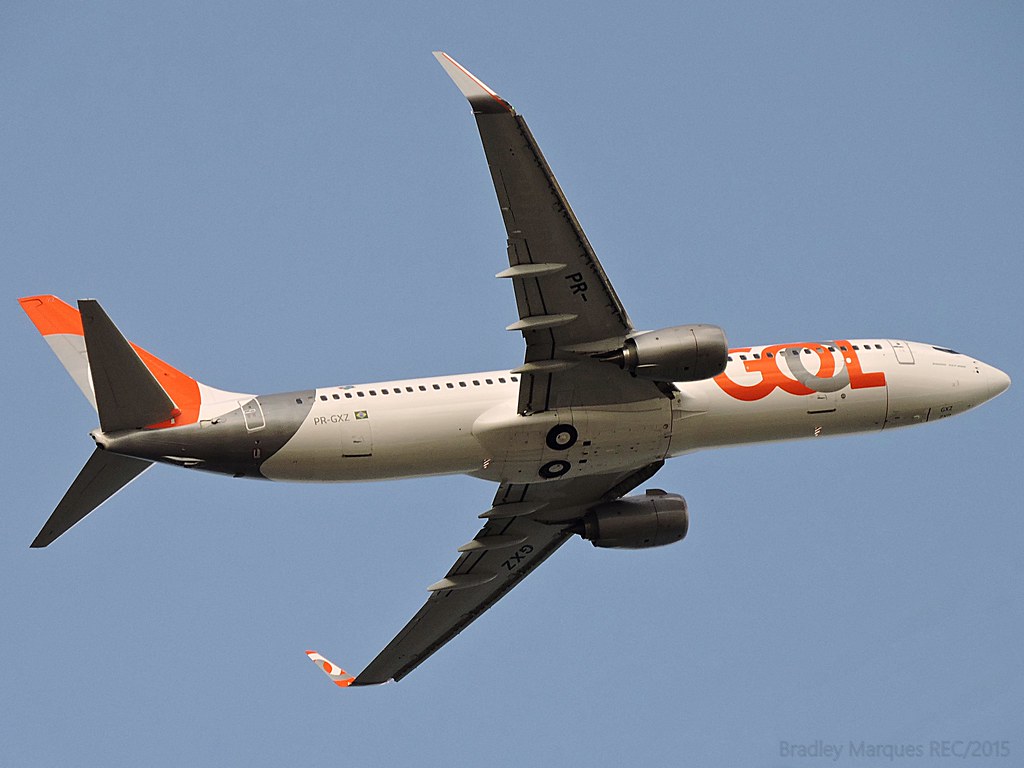
El ejemplo de Brasil nos lleva al 2005 con la creación de Gol Linhas Aéreas una compañía que vino a revolucionar ese prometedor mercado. Una de las ventajas de los usuarios es que más viajeros se han beneficiado del servicio, incrementando una cuota de mercado aprovechado el vacío que dejó la quiebra de VARIG y VASP. Un punto en contra son los diferentes reclamos de pax con respecto a los diferentes servicios.

En Chile, existe un fondo de inversión estadounidense conocido como Indigo Partners para solicitar pista en este país trasandino.

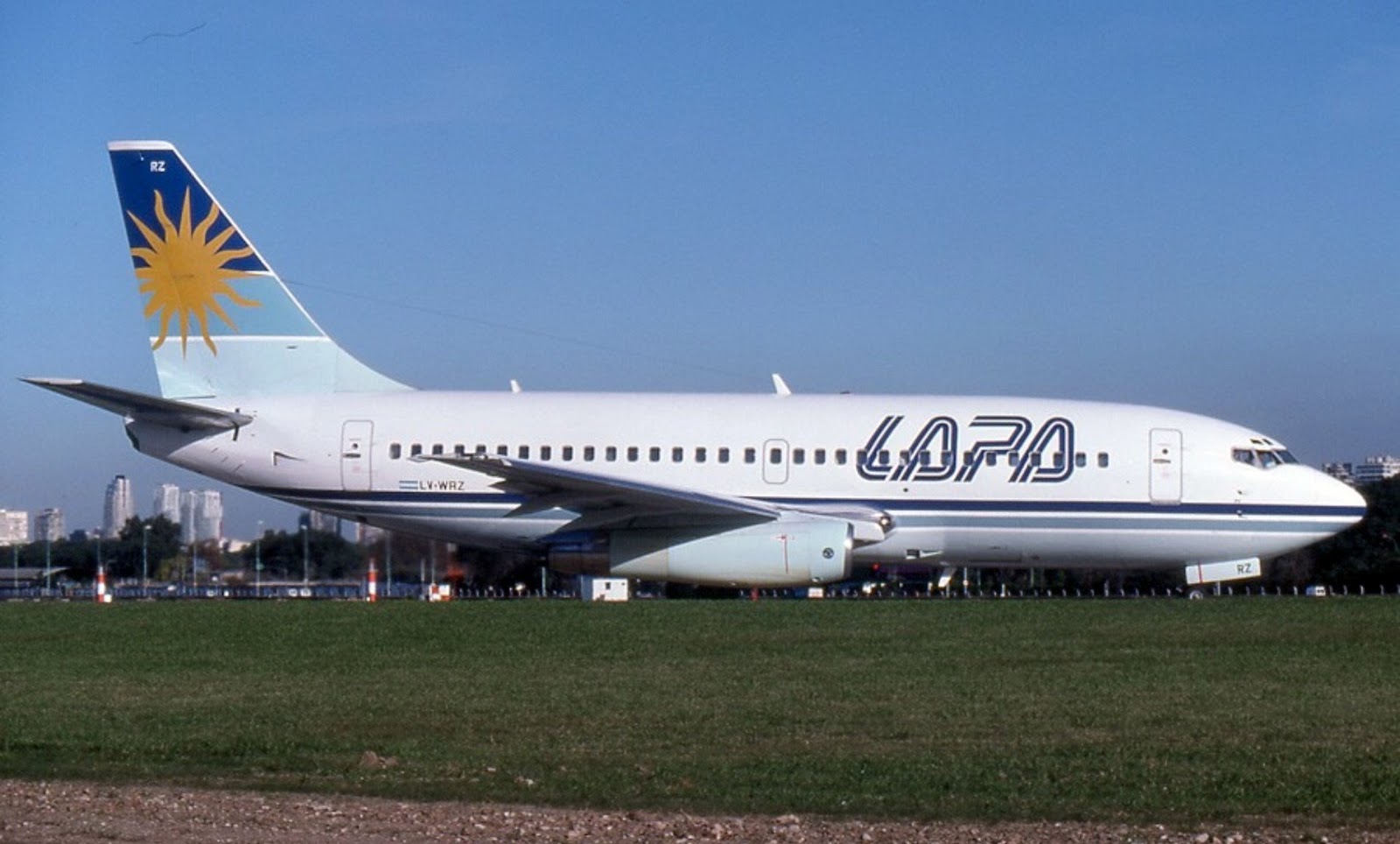
En Argentina, un caso típico de lowcost lo experimentó la compañía LAPA. Una tragedia con un Boeing 737-200 de LAPA ocurrido en Aeroparque el 31 de agosto de 1999, se cobró 67 vidas. Hasta entonces, la compañía aplicaba una política agresiva de rebaja de pasajes de cabotaje y había empezado a incursionar fuera del país, con la ruta directa Buenos Aires-Atlanta, a un precio que según varias fuentes del sector era insostenible.
Resultado de imagen para lapa lineas aereas
Las lowcost incursionan en vuelos intercontinentales

La primera aerolínea en ofrecer servicios transatlánticos de bajo costo fue Laker Airways, que operó el C-47 Skytrain entre Londres y Nueva York a finales de los 70. El servicio fue suspendido después de que British Airways y la Pan Am, competidoras de Laker, establecieran precios mucho más interesantes que los del Skytrain.

Norwegian Air ha solicitado rutas para cubrir los trayectos entre la costa europea y EE.UU a precios muy atrayentes en franca lucha a las aerolíneas clásicas.

Airline Business recientemente analizó el potencial de los servicios de largo alcance y bajo coste, concluyendo que cierto número de compañías asiáticas están próximas a establecer una especie de modelo de trabajo para estas operaciones.

Conclusiones del mercado de las low-cost

En medio de un cambio de conceptos en las líneas aéreas clásicas, ha llevado a los pasajeros a suprimir servicios y derechos envirtud de una mejor tarifa aérea. Las low-cost han permitido incrementar el número de pasajeros transportados, presumiendo bajo la consigna «Aquí todo el mundo puede volar» (Gol Linhas Aéreas). Pero muchos de los cambios están relacionados con el éxito de las políticas claras de cada país y de las regulaciones a las que se sometan las líneas aéreas, y la Argentina no está fuera de este análisis. A\W

Resultado de imagen para southwest airlines

Argentina enters the low-cost market


The Argentine commercial aviation market has entered towards 2017 in the opening of more companies and more aerial routes


On December 27, the Argentine government has convened a Public Hearing No. 218 for the evaluation and award of new air routes and the addition of more airlines to the Argentine market, after more than 10 years of a restricted market.

The national government gave a strong boost to aerial flexibilization, under the premise of granting new routes and encouraging competition in the sector that benefits users. In the sidewalk of the opposite resurged the controversy before the possible entry into the Argentinean commercial aeronautical market of new companies, especially those denominated «low cost» or of low cost.

To better understand the meaning of the controversial market for low-cost airlines, we explain the origin, benefits and damages of these airlines.

A low cost or low cost airline, low cost airline or low cost airline is an airline that offers a cheaper rate in exchange for eliminating many of the services that passengers receive traditional airlines, or who charge these services in an additional way . The concept emerged in the United States before expanding into Europe in the early 1990s and then to the rest of the world in the face of rising air transport demand. In principle, the term was used within the aviation industry to refer to companies with lower or lower operating costs than competitors. Through the media, its meaning varied, and now defines any airline with low prices and limited services, compared to those of traditional airlines.
File:VivaColombia Aerpuerto Eldorado.JPG
Their arguments could be summarized in that the entry of companies with inexpensive flights inexorably will lead to a process of labor precarization for all the employees of the activity.

But also warn that in the future would endanger the safety of passengers and crews, because to reduce costs will be attempted «against any policy of transparency and the essential quality and safety standards in the activity,» they say.

It is inevitable to recall the recent tragedy of the plane that moved Chapecoense to Colombia. The irresponsible pilot and owner of the company – just to reduce costs – loaded the exact fuel to arrive and an unexpected cost them the lives of 71 people.

Another antecedent, but in the local market, is the case of the LAPA airplane tragedy at Aeroparque on 31 August 1999, which claimed another 67 lives. Until then, the company had implemented an aggressive policy of reductions in cabotage and had begun to venture out of the country, with the direct Buenos Aires-Atlanta route, at a price that according to several sources in the sector was unsustainable.

In a movie about the incident, reference was made to the lack of attention paid to the maintenance of the aircraft and, consequently, to the safety of flights. It will be the responsibility of the authorities not to allow this experience to be repeated.

The origin of the low-cost

The first low-priced airline was the Pacific Southwest Airlines, which started its flights on May 6, 1949. This merit is often awarded to Southwest Airlines, an American airline that would not start operating until 1971 and generate Benefits two years later. With the process of deregulation experienced by aviation in the early 1990s, the model was extended to Europe, with airlines such as the Irish Ryanair or the British easyJet. During 2004 a wave of new low-cost airlines invaded Australasia, with Malaysian Air Asia and Australia’s Virgin Blue leading the way. The low-cost operating model is applicable worldwide, although liberalized markets are best suited for rapid expansion.

File:Boeing 737-900ER Lion Air Spijkers.jpg
Low-cost airlines pose a serious threat to traditional «full-service» airlines because the high operating cost of the latter does not allow them to compete effectively with the prices of the low-cost tickets, and this is The most important factor for most customers. From 2001 to 2003, when the aviation industry was hit hard by terrorism, war and SARS, the vast majority of traditional airlines suffered heavy losses while low-cost carriers remained positive.

Many companies opted to launch their own low-priced affiliates, such as KLM’s Buzz, Iberia’s Clickair, British Airways’s Go Fly or United Airlines’ Ted, but they had serious difficulties in preventing their business from being eaten up by their parent companies. Exceptions to this are Bmi’s bmibaby, Snowflake’s SAS, Germany’s Germanwings (controlled by 49% by Lufthansa) or Jetstar’s from Qantas, all of which are able to operate in conjunction with their full-service matrices.

In the holiday destinations market, low-cost airlines also compete with passenger charter flights. However, the inflexibility of the charters (especially as regards the duration of the stay) has made them unpopular among travelers.

The trend towards low-cost
In marketing, it is always said that it is the market that ends up regulating the market. The worldwide trend of low-cost low-cost companies have flooded almost everywhere.

In the regulated US market many users have benefited from lowcost companies that knew how to mount a business well in front of the colossal classic regular airlines.

Europe has been a nest for low-cost airlines, but many have lasted a short season and its plan has not worked. However the most relevant ones like Ryanair, Easyjet that since their births in 1985 and 1991, respectively, have not stopped increasing their network of destinations in the continent.

File:Autobus e Boeing 737 lato.jpg

Despite its success, the tendency is to continue to reduce added costs and services. For example, in 2004, Ryanair announced its intention to eliminate reclining seats, head restraints or pockets on the backs of its fleet aircraft.

In the field of air safety many lowcost airlines have suffered percussion or air safety has been threatened. Returning to the Ryanair case, cabin depressurisations, emergency landings, lack of collaboration for aeronautical inspections, breaches of flight plans, denied boarding. Ryanair, the low-cost airline that carries more than 30 million passengers a year at Spanish airports, also heads the records of the State Air Safety Agency (AESA).

The Irish airline has accumulated 1,201 incidents in air safety and passenger rights between January and June 2012, only in Spain. Among the main problems is the fuel load. In this sense, the aforementioned agency identified that the airline «repeatedly fails to perform the procedure» to carry out this operation with passage on board, which has been forced to reinforce the inspections. Already in 2011, these practices brought the company a fine of 167,000 euros.

In the 41 ramp inspections carried out to Ryanair in the last year, Aesa technicians found 51 deficiencies, 15 of them serious according to the report. Precisely, Ryanair’s fuel policy is what has led the airline to collide head-on with the Ministry of Public Works. Their planes make stops as short as they can and load the legal minimum fuel to save costs.

After requesting three emergency landings for lack of kerosene in Valencia in a single afternoon, in July 2012.

Similarly, 74.9% also do not believe that airlines provide clear contact information to submit queries and complaints. 51.8% of respondents indicated that the last time they contacted the customer service of an airline by telephone had to dial a number with a 902 prefix. 7.2% had to call a tariff phone (803, 806 or 807). Only 6.8% were able to contact the airline through a number with a geographical prefix and 3.2% through a toll-free number.

51.8% of respondents indicated that the last time they contacted the customer service of an airline by telephone had to dial a number with a 902 prefix. 7.2% had to call a tariff phone (803, 806 or 807). Only 6.8% were able to contact the airline through a number with a geographical prefix and 3.2% through a toll-free number. Price abuses On the other hand, 64.1% of the respondents complained that the final price of the flights was higher than the one initially offered on the airlines’ websites. According to Facua, one of the reasons why prices usually inflate at the end of the purchase process is that many airlines include a charge for paying by card. 45.4% admit to having suffered this practice on their last flight. In addition, 70.1% of respondents believe that the price of the ticket should include the right to travel with suitcases and that this entails the payment of an additional supplement, while 25.0% of users agree that The luggage is paid separately.

Brazil, lowcost gateway in South America
The example of Brazil leads us to 2005 with the creation of Gol Linhas Aéreas a company that came to revolutionize this promising market. One of the advantages of the users is that more travelers have benefited from the service, increasing a market share taking advantage of the vacuum that left the bankruptcy of VARIG and VASP. One point against is the different claims of pax with respect to the different services.

File:Azul CWB 4866 03 2009.jpg

AZUL AIRLINES IS ANOTHER LOW COST COMPANY IN BRAZIL

In Chile, there is a US investment fund known as Indigo Partners to apply for a runway in this offshore country.

In Argentina, a typical Lowcost case was experienced by the LAPA company.
A tragedy with a Boeing 737-200 LAPA occurred at Aeroparque on August 31, 1999, claimed 67 lives. Until then, the company had implemented an aggressive policy of reductions in cabotage and had begun to venture out of the country, with the direct Buenos Aires-Atlanta route, at a price that according to several sources in the sector was unsustainable.

Lowcost flights on intercontinental flights

The first airline to offer low-cost transatlantic services was Laker Airways, which operated the C-47 Skytrain between London and New York in the late 1970s. The service was suspended after British Airways and Pan Am, Laker’s competitors, Prices much more interesting than those of the Skytrain.

Norwegian Air has requested routes to cover the routes between the European coast and the United States at very attractive prices in frank struggle to the classic airlines.

Airline Business recently analyzed the potential of long-range and low-cost services, concluding that a number of Asian companies are close to establishing a kind of working model for these operations.
Resultado de imagen para LOW COST AIRLINES
Conclusions of the low-cost market

In the midst of a change of concepts in classic airlines, it has led passengers to eliminate services and rights under a better air fare. The low-cost has allowed to increase the number of passengers transported, presuming under the slogan «Here everybody can fly» (Gol Linhas Aéreas). But many of the changes are related to the success of the clear policies of each country and the regulations to which the airlines are subject, and Argentina is not outside this analysis. A\W

Ξ A I R G W A Y S Ξ
SOURCE: A I R G W A Y S / Wikipedia.org / 20minutos.es / AESA
DBk: Photographic © Picssr.com (Bradley Marques)/ Wego.com / Wikipedia.org / Thriftynomads.com / Supplychaindigital.com / Southwest.com / Chron.com
AW-POST: 201612291707AR

A\W A I R G W A Y S ®

Aerovías DAP enlaza Jujuy e Iquique

Resultado de imagen para DAP aerovías vuelo inaugural Jujuy

AW | 2016 12 29 10:05 | AIRLINES ROUTES

La aerolínea chilena DAP conecta Jujuy (Argentina) e Iquique (Chile)

Arribó al aeropuerto Horacio Guzmán el primer vuelo de la aerolínea chilena DAP que conectará Jujuy con la región de Tarapacá. La nueva ruta aérea representara una mayor posibilidad de desarrollo turístico y comercial para la Provincia.

Con la presencia de autoridades de los gobiernos de Jujuy y de la región de Tarapacá y directivos de Aerovías DAP quedaron inaugurados los vuelos entre nuestra provincia e Iquique. Los mismos tendrán una frecuencia regular los lunes y miércoles.

El evento fue encabezado por el vice Gobernador de la provincia, Carlos Haquim, el ministro de Cultura y Turismo, Carlos Oehler, la directora Nacional del Servicio Nacional de Turismo de Chile SERNATUR, Marcela Cabezas Keller y el director Comercial de Aerolíneas DAP, Roque Palacios San Martín.

Carlos Haquim destacó la importancia de la nueva ruta aérea que unirá nuestra provincia con el norte de Chile y remarcó que «este logro se pudo concretar gracias a que hemos recuperado la tranquilidad y la seguridad jurídica. En Jujuy podemos demostrar que este es un destino donde se puede viajar y transitar en paz”.

«Tengan la certeza que los que llegue un a Jujuy que van a poder gozar de todas las garantías que necesitan para venir a invertir, a desarrollarse y a conocer nuestros hermosos paisajes”, manifestó el vice gobernador.

Por su parte, Carlos Oehler, expresó que la Provincia empezó a transitar el camino de la integración con el norte de Chile, «y si el sueño continua lo vamos a hacer con nuestros hermanos brasileños y bolivianos”.

«No hay manera de pensar el desarrollo turístico sin conectividad y estos pequeños logros que tenemos como Provincia, como de haber logrado un vuelo más a Buenos Aires y de habernos conectados con Chile, van a ir marcando un proceso de desarrollo del turismo muy promisorio para Jujuy” .

Potenciar las regiones

«Este un acontecimiento de gran envergadura y es un aporte muy importante al turismo de ambos países”, resaltó la directora Nacional de SERNATUR, Marcela Cabezas Keller.

En ese sentido, destacó las políticas de integración llevadas adelantes por los gobiernos nacionales y provinciales de Chile y Argentina. «El avance en la facilitación fronteriza es muy importante para el turismo, como también lo son el comercio bilateral y las conexiones bioceánicas”, sostuvo.

«Estamos aunando esfuerzos para potenciar a nuestras regiones porque es fundamental desarrollar el turismo, para lo que la conectividad área juega un rol fundamental”, expresó.

Por último, el director Comercial de Aerovías DAP, Roque Palacios San Martín sostuvo que para que estos vuelos puedan concretarse se tienen que involucrar los gobiernos, las empresas, instituciones públicas y privadas. A\W


Resultado de imagen para DAP aerovías vuelo inaugural Jujuy

The flights between Jujuy and Iquique began


Horacio Guzmán arrived at the first flight of the Chilean airline DAP that will connect Jujuy with the region of Tarapacá. The new air route would represent a greater possibility of tourism and commercial development for the Province.

With the presence of authorities of the governments of Jujuy and the region of Tarapacá and managers of Aerovías DAP, the flights between our province and Iquique were inaugurated. They will have a regular frequency on Mondays and Wednesdays.

The event was headed by Carlos Haquim, Vice Minister of Culture and Tourism, Carlos Oehler, National Director of Chile’s National Tourism Service SERNATUR, Marcela Cabezas Keller, and Commercial Director of Aerolíneas DAP, Roque Palacios San Martin.

Carlos Haquim stressed the importance of the new air route that will unite our province with the north of Chile and remarked that «this achievement was made possible thanks to that we have recovered the tranquility and the legal security. In Jujuy we can show that this is a destination where You can travel and travel in peace. «

«Be sure that those who arrive at Jujuy will be able to enjoy all the guarantees they need to come to invest, to develop and to know our beautiful landscapes,» said the deputy governor.

For his part, Carlos Oehler, said that the Province began to move the road of integration with northern Chile, «and if the dream continues we will do it with our Brazilian and Bolivian brothers.»

«There is no way to think about tourism development without connectivity and these small achievements that we have as a Province, as having achieved a flight to Buenos Aires and to have us connected with Chile, will mark a process of tourism development very promising for Jujuy «.

Empower regions

«This is a major event and is a very important contribution to the tourism of both countries,» said the National Director of SERNATUR, Marcela Cabezas Keller.

In that sense, he highlighted the integration policies carried out by the national and provincial governments of Chile and Argentina. «Progress in border facilitation is very important for tourism, as are bilateral trade and bioceanic connections,» he said.

«We are joining efforts to strengthen our regions because it is fundamental to develop tourism, for which connectivity area plays a fundamental role,» he said.

Finally, Commercial Director of Aerovías DAP, Roque Palacios San Martín said that for these flights to materialize they must involve governments, companies, public and private institutions. A\W

Ξ A I R G W A Y S Ξ
SOURCE: Jujuyonlinenoticias.com.ar
DBk: Photographic © Jujuyonlinenoticias.com.ar / Modocharlie.com
AW-POST: 201612291005AR

A\W A I R G W A Y S ®

Apertura aerocomercial Argentina

Resultado de imagen para Audiencia Publica Nº 218 lineas aereas

AW | 2016 12 28 22:50 | AIRLINES MARKET

La Audiencia Pública Nº 218 dio comienzo a la apertura de un mercado más dinámico en Argentina, luego de más de 10 años de retraimiento de la aviación

Esperan inversiones por u$s 1700 M con el ingreso de nuevas aerolíneas. La cifra surge de la audiencia pública realizada ayer para analizar los planes de las cinco compañías aéreas que piden rutas para volar en el país y a mercados regionales

El ministro de Transporte, Guillermo Dietrich, rechazó ayer que el Gobierno impulse una «política de cielos abiertos» y destacó que las nuevas líneas aéreas que se radiquen en el país «invertirán u$s 1700 millones en los próximos cuatro años», lo que «implica más empleo en un marco de competitividad».

La flexibilidad aerocomercial levanta vuelo. Pese a las explicaciones del ministro de Transporte, los gremios aeronáuticos alertaron que el paso dado ayer, con la audiencia pública para habilitar a operar a cinco firmas de low cost, es el primero en la flexibilización del mercado en contra de Aerolíneas Argentinas.

Resultado de imagen para Audiencia Publica Nº 218 lineas aereas

DIFERENTES ORGANIZACIONES AERONÁUTICAS SE MANIFESTARON EN CONTRA DEL PROYECTO DE FLEXIBILIZACIÓN Y APERTURA AÉREA EN ARGENTINA

La política de flexibilización del mercado aerocomercial que impulsa el jefe coordinador de Políticas Públicas de la Jefatura de Gabinete, el ex CEO de LAN Gustavo Lopetegui, junto al ministro de Transporte, generó mucha preocupación en el sector e incluso dentro del propio gobierno. Los reparos que la ex presidente de AA Isela Costantini había manifestado sobre el tema incluso le costaron su salida. Los sindicatos buscaron hasta anoche impugnar la audiencia pública que, pese a no ser vinculante, la consideran como un puntapié inicial a la desregulación del sector. Previo a que comenzara la audiencia, los sindicatos del sector se autoconvocaron en la puerta del teatro.

En la Audiencia organizada por la Anac para debatir la concesión de rutas aéreas, moderada por Javier Corcuera, los representantes de las empresas informaron sobre sus planes. Todos destacaron «el potencial» del país para aumentar los vuelos y conexiones entre distintos puntos y el beneficio que los usuarios tendrán por «la mayor competencia», como la «reducción de tarifas» y la posibilidad de que en 10 años «se triplique» la cantidad de pasajeros. A\W

Resultado de imagen para flybondi avian american jet andes

Opening of the aerocomercial Argentina


Public Hearing No. 218 led to the opening of a more dynamic market in Argentina, after more than 10 years of aviation withdrawal


They expect investments for u $ s 1700 M with the entry of new airlines. The figure comes from the public hearing yesterday to analyze the plans of the five airlines that ask for routes to fly in the country and regional markets.

Resultado de imagen para flybondi avian american jet andes

Transport Minister Guillermo Dietrich yesterday rejected the government’s push for an «open skies policy» and stressed that new airlines based in the country «will invest U.S. $ 1.7 billion over the next four years,» which «Implies more employment in a competitive framework».

Aircraft flexibility lifts flight. Despite the explanations of the Minister of Transport, the aeronautical guilds warned that the step taken yesterday, with the public hearing to enable the operation of five low cost firms, is the first to flexibilize the market against Aerolíneas Argentinas.

https://i0.wp.com/www.telam.com.ar/advf/imagenes/2016/11/58303b964f95d_1920x835.jpg

AIR FLEXIBILITY IN ARGENTINA WILL BRING BENEFITS TO THE MARKET, BUT IT WILL REQUIRE AN EFFICIENT AUDIT FOR ITS SUCCESS


The policy of flexibilization of the aerial commercial market promoted by the Chief Coordinator of Public Policies of the Cabinet Headquarters, former CEO of LAN Gustavo Lopetegui, together with the Minister of Transport, generated much concern in the sector and even within the government itself. The repairs that the former president of AA Isela Costantini had manifested on the subject even cost her exit. The unions sought until last night to challenge the public hearing that, despite not being binding, consider it as a kick-start to the deregulation of the sector. Before the hearing began, the unions of the sector were selfconvocated at the door of the theater.

At the Audit organized by the Anac to discuss the concession of air routes, moderated by Javier Corcuera, representatives of the companies reported on their plans. All highlighted the country’s potential to increase flights and connections between different points and the benefit that users will have for «greater competition», such as «reduction of tariffs» and the possibility that in 10 years «triple» The number of passengers. A\W

Ξ A I R G W A Y S Ξ
SOURCE: A I R G W A Y S / Cronista.com
DBk: Photographic © Cronica.org.ar / Cronista.com / Telam.com.ar
AW-POST: 201612282250AR

A\W A I R G W A Y S ®

Perspectivas de 800 Boeing para 2017

Resultado de imagen para Boeing plant everett

AW | 2016 12 28 11:40 | INDUSTRY

Al comienzo del año, las acciones de Boeing cayeron cuando el fabricante de aviones estableció un objetivo de entrega de 740-745 aviones, lo que decepcionó a los inversores. Con algunos cambios en los programas clave de Boeing, quiero echar un vistazo a lo que podemos esperar de las entregas de aviones comerciales de Boeing en 2017.

Boeing 737


En 2017, Boeing aumentará la tasa de producción en su programa Boeing 737. La aeronave es una de las vacas de efectivo de Boeing y, por lo tanto, los aumentos de tarifas tendrán un impacto positivo directo en la línea de fondo del programa.

La producción del programa Boeing 737 aumentará de 42 aviones por mes a 47 aviones por mes en 2017. Esto significa que la producción de Boeing debería aumentar en 60 unidades.

Simultáneamente, Boeing comenzará la entrega del Boeing 737 MAX, el avión debe competir con el Airbus A320neo. Será interesante ver cómo Boeing pluma el Boeing 737 MAX en la línea de producción.

Boeing no especificó un objetivo de entrega para el 2016 ni dio una idea del número de entregas esperadas en el primer año del Boeing 737 MAX, pero creo que el fabricante de aviones debe poder dedicar la mayor capacidad de producción al Boeing 737 MAX . Se estima que el aumento de la capacidad de producción debería conducir a un ingreso de $ 3B más alto en el programa Boeing 737.

Boeing 747


https://i0.wp.com/www.boeing.com/resources/boeingdotcom/commercial/freighters/assets/images/marquee-freighters.jpg

El programa del «Jumbo» ha dejado una puerta abierta para observar cómo evolucionarán los pedidos de aeronaves widebody para el 2017. El año 2016, se entregaron hasta noviembre 2016 tan solo ocho aeronaves, teniendo un bajo promedio de 0,66% mensuales de entregas. Cinco aviones Boeing 747-8 fueron de pasajeros y tres Boeing 747-8F de carga.

Boeing 767


El programa del B767 sobrevive gracias a los pedidos formales del Boeing 767 Freighter. Se dio entrega a Fedex 12 B767F este año, los cuales fueron los únicos pedidos cursados a la Boeing, lo que hace suponer que el programa para aviones de pasajeros técnicamente estaría dado de baja.

Boeing 777


https://i0.wp.com/www.drewchandesign.com/assets/img/project_05_03.jpg

El widebody de amplio radio de acción ha avanzado mucho el su cartera de pedidos en el 2016, obteniendo 85 entregas hasta noviembre 2016. Los programas derivados del Boeing 777X han despertado interés en muchas compañías aéreas del mundo alentadas por la confianza que reporta una aeronave de dos motores y con operaciones ETOPs.

Aunque la Boeing recientemente ha reducido la fuerza laboral con despidos en esta área, es muy probable que los pedidos de este avión se vean incrementados.

Boeing 787


https://cbsseattle.files.wordpress.com/2013/11/160482905.jpg?w=1500

Desde principios de este año Boeing hizo esfuerzos constructivos por posicionar al Boeoing 787 en el mercado mundial. Las 126 entregas fueron bienvenidas en muchas líneas aéreas, ya que muchas de ellas incorporan tecnología de punta y otras un nuevo avión «widebody» a su flota.

Las entregas totales de Boeing sumaron 681 aeronaves durante este año 2016. Las perspectivas para el 2017 es superar esta marca y llegar a las 800, reporta todo un desafío para la Boeing.

Habrá que ver qué dice el mercado y la política en la tendencia mundial de las aeronaves comerciales. A\W


Prospects for 800 Boeing aircraft for 2017

At the start of the year, Boeing’s shares dropped as the jet maker set a delivery target of 740-745 aircraft, which disappointed investors. With some changes on Boeing’s key programs, I want to have a look at what we can expect from Boeing’s Commercial Airplanes deliveries in 2017

Boeing 737


https://i.ytimg.com/vi/xP3UD7rXJnY/maxresdefault.jpg

In 2017, Boeing will be hiking the production rate on its Boeing 737 program. The aircraft is one of Boeing’s cash cows and therefore rate increases will directly positively impact the bottom line of the program.

The output on the Boeing 737 program will increase from 42 aircraft per month to 47 aircraft per month in 2017. This means that Boeing’s output should increase by 60 units.

Simultaneously, Boeing will start delivery of the Boeing 737 MAX, the aircraft should compete with the Airbus A320neo. It will be interesting to see how Boeing will feather the Boeing 737 MAX into the production line.

Boeing did not outline a delivery target yet for 2016 or give a clue on the number of expected deliveries in the first year of the Boeing 737 MAX, but I think the jet maker should be able to devote the increased production capacity to the Boeing 737 MAX. It is estimated that the increase in production capacity should lead to a higher income of $ 3B in the Boeing 737 program.

Boeing 747


https://i0.wp.com/hitwallpaper.com/wp-content/uploads/2013/07/Boeing.jpg

The Jumbo program has left an open door to observe how widebody orders for aircraft will evolve by 2017. By 2016, only eight aircraft were delivered until November 2016, with an average low of 0.66% . Five Boeing 747-8 aircraft were passenger and three Boeing 747-8F cargo.

Boeing 767


Resultado de imagen para Boeing 767 program

The B767’s program survives thanks to formal orders from the Boeing 767 Freighter. The Fedex 12 B767F was delivered this year, which were the only orders made to Boeing, which suggests that the program for passenger aircraft would technically be decommissioned.

Boeing 777


https://i0.wp.com/japandailypress.com/wp-content/uploads/2014/04/777x-boeing-front-flight-clouds-jet.jpg

The wide-bodied widebody has advanced its order backlog in 2016, obtaining 85 deliveries through November 2016. Boeing 777X-derived programs have sparked interest in many airlines around the world boosted by the confidence of a Two engines and ETOPs.

Although Boeing has recently reduced its workforce with layoffs in this area, orders for this aircraft are likely to increase.

Boeing 787


Since the beginning of this year Boeing has made constructive efforts to position the Boeoing 787 in the world market. The 126 deliveries were welcomed on many airlines, as many of them incorporate state-of-the-art technology and a new «widebody» aircraft into their fleet.

Total deliveries of Boeing totaled 681 aircraft during this year 2016. The outlook for 2017 is to exceed this mark and to reach 800, presents a challenge for Boeing.

We will have to see what the market and politics say in the world trend of commercial aircraft. A\W

Ξ A I R G W A Y S Ξ
SOURCE: A I R G W A Y S / Seekingalpha.com / Boeing.com
DBk: Photographic © Boeing.com / Drewchandesign.com / Seattle.cbslocal.com / Today.com
AW-POST: 201612281140AR

A\W A I R G W A Y S ®

Las derivaciones de la Audiencia Pública

https://airgways.com/wp-content/uploads/2016/10/airgways-dbk0013.png?w=1000

AW |  2016 12 28 10:32 | AIRLINES MARKET

Con gran expectativa y afluencia de figuras vinculadas a la aeronáutica y el turismo, finalmente se realizó la esperada audiencia pública entre las cinco nuevas aerolíneas que esperan aterrizar en Argentina y altos representantes del Gobierno macrista.

El ministro de Transporte, Guillermo Dietrich, afirmó que el Gobierno “no impulsa ni impulsará una política de cielos abiertos”, entendidendo por esto la posibilidad de que una empresa aeronáutica extranjera vuele cabotaje en nuestro país con aviones de otra nacionalidad y tripulación extranjera. “Esto no pasa en Argentina y nunca va a pasar mientras nosotros seamos gobierno”, aseguró el ministro.

La primera empresa en exponer fue Alas del Sur, a través de su representante legal, Juan Carlos Vásquez, remarcando que nuestro país tiene “menos vuelos, menos frecuencias y menos pasajeros” que países limítrofes y de la región. Explicó que en este proyecto la base de operaciones sería el aeropuerto Ambrosio Talavera de la ciudad de Córdoba, que va ganando cada vez más operatividad e importancia. Detalló que iniciarían operaciones con seis aviones al Aeroparque Jorge Newbery, Mendoza, Salta, Iguazú y Bariloche. En cuanto a los destinos internacionales, propususieron San Pablo, Río de Janeiro, Santiago de Chile, Estados Unidos, España y posteriormente a China, todas pasando por Buenos Aires.

American Jet, y en representación su asesora legal, Ivana Palmeiro, solicitó rutas regionales, especialmente patagónicas, para unir tramos largos con base en la ciudad de Neuquén, desde donde tienen previsto volar a Mendoza, Ushuaia, Rosario, Córdoba y a distintas ciudades de la Patagonia.

Andes Líneas Aéreas, respresentada por Horacio Presnete, solicitó una ampliación de servicios y como nuevas rutas los destinos de San Pablo, Santiago de Chile y Montevideo.

Avian Líneas Aéreas, del Grupo Avianca, que recibió la mayor desaprobación por parte de los gremios presentes en la sala pese a que su apoderada legal, Elisa Cinigaglia aseguró que “Avian no es una empresa Low Cost”, y que los aviones estarán pintados con los colores de Avianca reafirmando el compromiso asumido. Avian solicitó 16 rutas que desde Buenos Aires incluyen ciudades como Santa Fe, Rosario, Puerto Madryn, Viedma, Mar del Plata, Mendoza, San Luis, Villa Mercedes, Río Cuarto, Paraná, Reconquista, Tandil, Villa María, Bahía Blanca, Concordia, Paso de los Libres, Sunchales y Porto Alegre.

Flybondi, finalmente cerró las exposiciones de las empresas, en nombre de Julian Coock, quien además de las numerosas rutas solicitadas, ratificó la inversión de 75 millones de dólares en el próximo año, con una proyección de transportar ocho millones de pasajeros para 2021. A\W

La postura del grupo Aerolíneas

Era una de las ponencias más esperadas. Pero decepcionó. Aerolíneas Argentinas usó no más de tres minutos de diez que tenía asignados y se limitó a entregar un escrito con consideraciones respecto de la llegada de nuevas empresas. Fue el director Comercial de la empresa, Diego García, el encargado de administrar la pequeña dosis de Aerolíneas en la audiencia. García dejó una máxima. «Queremos enfatizar que el grupo Aerolíneas se encuentra capacitado para competir», sostuvo, en total coincidencia con el Gobierno. Dijo que la empresa transportó 7% de pasajeros más que el último año. «Auspiciamos que la competencia se dé en un marco de reglas justas y equitativas», agregó. No aclaró que la empresa estatal recibe subsidios por más de un millón de dólares por día y que tiene reglas especiales.

La postura de Aerolíneas fue, entre otras cosas, uno de los temas que enfrentaron a Isela Costantini con el ministro Guillermo Dietrich. Hubo una discusión por el tema, ya que en el Gobierno no veían con buenos ojos que la aerolínea estatal se presente a impugnar la audiencia prevista para la llegada de competencia.

Durante todo el día, el rol de Aerolíneas y Austral estuvo presente. Incluso hubo mención a Isela Costantini. Fue Pablo Biró, secretario general del gremio de pilotos, quien dijo que había un plan para vaciar la compañía. «Cuando encuentran a una persona como Isela que dice que va a bajar los números, y los bajó, ¿qué hacen? La [expulsan]», concluyó. Además, todos los gremios defendieron los puestos de trabajo y amenazaron con medidas de fuerza si se tocaba alguno.

Hubo sí un mensaje por elevación. «No necesitamos subsidios», dijo Carlos Vázquez, de Alas del Sur, unas de las firmas que pidió rutas. Lo decía, claro está, por la dependencia de subsidios que aún tiene la empresa estatal. A\W

Resultado de imagen para Audiencia Pública aérea Argentina

The derivations of the Public Hearing


With great expectation and influx of figures linked to aeronautics and tourism, the expected public hearing was finally held among the five new airlines that are expected to land in Argentina and high representatives of the Macrista government.

Transport Minister Guillermo Dietrich said that the government «does not promote or promote an open skies policy», meaning that the possibility of a foreign aeronautical company flying cabotage in our country with aircraft of another nationality and foreign crew. «This does not happen in Argentina and will never happen while we are government,» said the minister.

The first company to present was Alas del Sur, through its legal representative, Juan Carlos Vásquez, noting that our country has «fewer flights, fewer frequencies and less passengers» than neighboring countries and the region. He explained that in this project the base of operations would be the airport Ambrosio Talavera of the city of Cordoba, that is gaining more and more operativity and importance. He detailed that they would begin operations with six airplanes to the Aeroparque Jorge Newbery, Mendoza, Salta, Iguazú and Bariloche. As for the international destinations, they proposed San Pablo, Rio de Janeiro, Santiago de Chile, United States, Spain and later to China, all passing through Buenos Aires.

American Jet, and on behalf of its legal adviser, Ivana Palmeiro, requested regional routes, especially patagónicas, to join long stretches with base in the city of Neuquén, from where they intend to fly to Mendoza, Ushuaia, Rosario, Córdoba and to different cities of the Patagonia.

Andes Líneas Aéreas, represented by Horacio Presnete, requested an extension of services and as new routes the destinations of San Pablo, Santiago de Chile and Montevideo.

Avian Líneas Aéreas, of the Avianca Group, which received the biggest disapproval by the guilds present in the room despite its legal agent, Elisa Cinigaglia said that «Avian is not a low cost company», and that the planes will be painted with the Colors of Avianca reaffirming the commitment assumed. Avian asked for 16 routes that from Buenos Aires include cities like Santa Fe, Rosario, Puerto Madryn, Viedma, Mar del Plata, Mendoza, San Luis, Villa Mercedes, Rio Cuarto, Parana, Reconquista, Tandil, Villa Maria, Bahía Blanca, Concordia, Paso de los Libres, Sunchales and Porto Alegre.

Finally he closed the exhibitions of the companies Julian Coock, on behalf of FlyBondi, who in addition to the numerous routes requested, ratified the investment of 75 million dollars in the next year, with a projection of transporting eight million passengers to 2021. A\W

The position of the group Aerolíneas

It was one of the most anticipated papers. But disappointed. Aerolineas Argentinas used no more than three minutes out of ten that it had assigned and merely delivered a letter with considerations regarding the arrival of new companies. The commercial director of the company, Diego García, was in charge of administering the small dose of Aerolíneas in the hearing. Garcia left a maxim. «We want to emphasize that the Aerolineas group is qualified to compete,» he said, in total agreement with the Government. He said the company carried 7% more passengers than last year. «We encourage competition to take place within a framework of fair and equitable rules,» he added. He did not clarify that the state company receives subsidies for more than one million dollars per day and that it has special rules.

The position of Aerolíneas was, among other things, one of the issues that confronted Isela Costantini with Minister Guillermo Dietrich. There was a discussion on the issue, as the government did not welcome the state airline appearing to contest the expected hearing for the arrival of competition.

Throughout the day, the role of Aerolíneas and Austral was present. There was even mention of Isela Costantini. It was Pablo Biró, general secretary of the pilot guild, who said that there was a plan to empty the company. «When they find a person like Isela who says he’s going to lower the numbers, and down, what do they do? The expel,»  he concluded. In addition, all the guilds defended the jobs and threatened with measures of force if any were touched.

There was a message for elevation. «We do not need subsidies,» said Carlos Vázquez, of Alas del Sur, one of the firms that asked for routes. He said it, of course, by the dependence of subsidies that the state company still has. A\W

Ξ A I R G W A Y S Ξ
SOURCE: A I R G W A Y S / Lanacion.com.ar / Reportur.com
DBk: Photographic © A I R G W A Y S / Telam.com.ar
AW-POST: 201612281032AR

A\W A I R G W A Y S ®

La transformación de la tecnología de las aerolíneas para el 2017

prediction airline technology

AW | 2016 12 28 09:00 | AIRLINES

Lo que hemos presenciado en 2016 fue el despeje de algo de la niebla alrededor del mundo de las compañías aéreas y la tecnología que las impulsa. La industria aérea acaba de salir de una racha ganadora de cuatro años de beneficios impulsados por los gastos controlados y los precios más bajos del combustible.

Algunas aerolíneas han aprovechado la oportunidad para volver a fabricarse. Otros han sido muy felices de tomar los beneficios y almacenarlos para el día lluvioso cuando sucede lo inevitable que los buenos tiempos terminan.

El 2017 será un año desafiante. Los costos de combustible están en aumento. Los costos laborales están en aumento, las plataformas tecnológicas no han bajado de precio. Sorprendentemente, la industria aeronáutica sigue gastando menos como una categoría de sus ingresos en tecnología que otras industrias.

Para la tecnología que ahora debe salir a la luz, estamos viendo algunas tendencias claras emerger. Para el corto plazo, la Nueva Capacidad de Distribución (NDC) está ganando finalmente tracción. A pesar de todos los desafíos – su utilidad ahora se está extendiendo más allá del uso como herramienta de la distribución.

Los auxiliares están empezando a moverse. Pero aún quedan retos. El núcleo del sistema de servicio de pasajeros (PSSes) y los sistemas de distribución global (GDSes) no han cambiado y sus habilidades para proporcionar plataformas de venta digital moderna. Este hecho sigue obsesionando a toda la industria con desafíos legados.

Las aerolíneas, en particular las compañías de servicios completos de red, siguen estancadas en su modo de proteger sus complejas y frágiles. Plataformas tecnológicas: Los transportistas de bajo coste (LCC, por sus siglas en inglés) suelen tener plataformas mejores y más flexibles, aunque básicamente en menor escala.

Es cierto que las líneas entre las definiciones de cada modelo se han difuminado. La mayoría de los operadores de la red o bien han pagado auxiliares o están planeando introducirlos. Muchos LCC están buscando participar en las redes globales de distribución. En este contexto, ¿cómo puede la tecnología proporcionar respuestas ganadoras?

La inteligencia artificial, el aprendizaje automático y el aprendizaje profundo comenzarán a encontrar su camino hacia las plataformas tecnológicas. Anteriormente había algunos usos menores de estas tecnologías en el análisis de conjuntos de datos masivos que las aerolíneas tienen.

Lo nuevo es la aparición de servicios de bajo costo y la capacidad de integrarlos en soluciones en tiempo real. Espere bots de la charla (discurso y texto) emerger en muchas áreas de líneas aéreas para el servicio de atención al cliente y para ofrecer la interacción. Podemos esperar que los consumidores puedan ver ofertas relevantes de una manera mucho más amigable (conversacional).

Esperar la importancia de las plataformas de consumo y el costo de interactuar con ellos para convertirse en más de un tema que es de frente y de centro para las compañías aéreas.

Este cambio de mentalidad será impulsado por la tecnología. Las aerolíneas van a ser infeliz con sus plataformas tecnológicas cuando esas plataformas se ha comprobado que no sea lo suficientemente ágil como para comprometerse con los gustos de Facebook, Google y otros guardianes.

Un desafío que surgirá para las aerolíneas será la comprensión de que ha habido una concentración de poder en el mercado intermediario. Esto hará que se consideran la cantidad de valor de los GDS ofrecerá al ~ 80% o más de su negocio va indirecta a través de cuatro o cinco empresas globales de gestión de viajes y sólo dos canales de ocio.

Pero el costo de interactuar con las empresas líderes de metasearch ahora vagamente dentro de la misma familia va a ser una gran preocupación.

Las aerolíneas han luchado y no han podido establecer canales alternativos viables de distribución. Sólo porque el canal GDS puede parecer más barato que decir que Google o Kayak no lo hace menos apetecible para la cadena de suministro. Sólo porque los GDSs siguen repitiendo que «Google es malo, por lo tanto, somos buenos en comparación» no lo hace así.

Otra tendencia que preveo es la escalada del costo de mantener interfaces con las plataformas tradicionales. Los desafíos que vienen desde varias direcciones: El costo de las líneas aéreas de ser capaz de mantener la concurrencia y control a través de los GDS que necesita tarifas pre-presentado. El costo cada vez mayor de la comunidad de usuarios para mantener las interfaces con las formas de tecnología heredadas y el costo de migrar a nuevas formas de interfaz es desconcertante.

La falta de formas simplistas de distribuir cualquier producto a cualquier canal en tiempo real va a pesar más pesado en las aerolíneas el próximo año. En el pasado el foco estaba en las restricciones comerciales. Cada vez más los costes operativos y tecnológicos y las limitaciones que conlleva. Busque soluciones alternativas que surjan y resuelvan total o parcialmente este desafío.

El desafío del móvil es que, mientras que las aplicaciones pueden hacer más, el mercado está bien saturado y con ellos. Conseguir una aplicación en el dispositivo móvil de un cliente es ahora, en general, prohibitivamente caro y casi inútil como la falta de frecuencia de uso hace que sea redundante.

Los consumidores suelen tener entre 27-30 aplicaciones que utilizan de forma regular y pasan mucho tiempo en ellos cada mes casi 40 horas. Sin embargo, las aplicaciones basadas en viajes casi no figuran en ninguna de las cifras de uso.

Una forma es involucrarse con un servicio de uso frecuente. Así es como ClearTrip en la India ha aumentado su «marca compartida» de uso de la aplicación.

Esperar que otras plataformas sigan este ejemplo, con Expedia y Google saltando ya. Airbnb y Uber ya están allí y esto va a poner más presión sobre las marcas tradicionales. Rome2Rio está haciendo dinero real. TripAdvisor está experimentando con actividades y restaurantes para aumentar el uso. Priceline probablemente traerá OpenTable en sus otras marcas, impulsando la repetición y el uso de residentes locales. La industria observará si Hopper cumple con sus promesas de 2017.

Mobile también está impulsando un movimiento hacia puntos de venta no tradicionales. Varias aerolíneas chinas participaron en el Día de Solteros (11/11) y algunas han informado en privado las ventas récord a través de puntos de venta no tradicionales. Podemos esperar ver más de este tipo de actividad en los próximos años como Singles Day-tipo eventos como el Viernes Negro se extendió por todo el mundo.

Desde una perspectiva técnica pura, el uso de tecnologías web adaptables y adaptables no ha hecho que la interacción funcione bien. Con este fin estoy prediciendo que la próxima generación de PWA, Progressive Web Apps para hacer una gran marca y ser capaz de combinar los entornos entre los sistemas móviles y de gran formato.

El costo muy alto de mantenimiento de aplicaciones y sitios web por separado y la escasez de herramientas razonables ha hecho esta propuesta muy atractiva. Google está haciendo esto muy fácil. También veo que el uso de applets de componentes (a menudo llamados widgets) también hará que la reutilización del código y su administración sea mucho más fácil.

Las interfaces de programación de aplicaciones (API) seguirán apareciendo. Para una selección de buenas API, vaya a Mashery y busque compañías de gran nombre como British Airways, Lufthansa e IATA. (Los Startups utilizan API gratuitas de Skyscanner for Business y otros.) La integración de las API en una variedad de aplicaciones será una tendencia que surgirá, pero llevará tiempo.

Las aerolíneas seguirán luchando con el concepto de acceso abierto a sus preciosos productos. Hay muchas lecciones que aprender de diferentes industrias.

A veces pienso que los jugadores de la industria como las aerolíneas y GDSs sólo necesitan superarse a sí mismos.

Un área que estoy siguiendo de cerca es el cumplimiento financiero y la liquidación. Los sistemas actuales son costosos y también difíciles de usar. Los sistemas más nuevos están permitiendo costos más bajos (para las compañías aéreas, el costo del procesamiento de tarjetas de crédito está dentro de los tres ítems de gastos más altos). Estamos viendo surgir una serie de sistemas de pago de próxima generación que pueden desafiar a los jugadores tradicionales. Algunos incluso están creando sus propios vehículos.

Aliado con esto es todo el área de seguridad. Sigo sosteniendo que el cumplimiento de la industria de tarjetas de pago (PCI) es un chiste gigante infligido a todas las industrias. Creo que blockchain será la tecnología a vigilar que puede mejorar la seguridad de las transacciones. Bitcoin como forma de pago sigue siendo demasiado aterrador, pero la tecnología detrás de ella es digna de más se ve como una forma de asegurar las transacciones sensibles y complejas en los viajes.

Finalmente, el área de datos de consumo y privacidad se convertirá en un tema más caliente en 2017. Dentro de Vaultpad hemos creado soluciones que nos permiten almacenar los datos de los clientes en «lugares» acorde con las regulaciones del país de origen de los usuarios. Esto se convertirá en un desafío cada vez más complejo de tratar.

Así que ahí lo tienes. Espero que usted tenga un 2017 seguro y próspero. Mire hacia fuera para algunas de estas tendencias y déjeme saber si usted piensa que tengo razón o si consigo mal. A\W

Airline technology’s transformational

What we have witnessed in 2016 was a clearing of some of the fog around the world of airlines and the technology that powers them. The airline industry has just come off of a four-year winning streak of profits powered by controlled expenses and lower fuel prices.

Some airlines have taken the opportunity to re-make themselves. Others have been quite happy to take the profits and store them up for the rainy day when the inevitable happens that the good times end.

2017 will be a challenging year. Fuel costs are on the rise. Labour costs are on the rise, technology platforms have not come down in price. Surprisingly the airline industry still spends less as a category of their revenues in technology that other industries.

For technology that now must come to the fore, we are seeing some clear trends emerge. For the near-term, the New Distribution Capability (NDC) is finally gaining traction. Despite all the challenges – its utility is now spreading beyond the use as a distribution tool.

Ancillaries are starting to move mainstream. But challenges remain. The core passenger service system (PSSes) and global distribution systems (GDSes) have not changed and their abilities to provide modern digital selling platforms. This fact still haunts the whole industry with legacy challenges.

Airlines — particularly the full service network carriers — are still stuck in their mode of protecting their complex (and fragile!) technology platforms. Low-cost carriers (LCCs) often have better and more flexible platforms, albeit at mostly a lower scale.

Admittedly, the lines between the definitions of each model have become blurred. The majority of network carriers either have paid ancillaries or are planning to introduce them. Many LCCs are now looking to participate in the global distribution networks. Against this backdrop, how can technology provide winning answers?

Artificial intelligence, machine learning and deep learning will start to find their way into technology platforms. Previously there were some minor uses of these technologies in analyzing massive data sets that the airlines have.

What’s new is the emergence of lower-cost services and the ability to integrate these into real-time solutions. Expect chat bots (both speech and text) to emerge in many areas of airlines for customer service and offer interaction. We can expect consumers to be able to see relevant offers in a far more friendlier (conversational) fashion.

Expect the importance of the consumer platforms and the cost of interacting with them to become more of an issue that’s front-and-centre for the airlines.

This change of mindset will be technology-driven. Airlines are going to become unhappy with their technology platforms when those platforms are proven to NOT be agile enough to engage with the likes of Facebook, Google and other gatekeepers.

One challenge that will emerge for airlines will be the realization that there has been a concentration of power in the intermediary marketplace. This will cause them to consider how much value the GDSs will provide when ~80% or more of their indirect business is going via four or five global travel management companies and just two leisure channels.

But the cost of interacting with the leading metasearch companies now loosely inside the same family is going to be a big worry.

The airlines have struggled and failed to establish viable alternative channels of distribution. Just because the GDS channel can look to be cheaper than say Google or Kayak doesn’t make it any the less palatable for the supply chain. Just because the GDSs keep repeating that “Google is bad so therefore we are good in comparison” doesn’t make it so.

Another trend I foresee is the escalating cost of maintaining interfaces to the traditional platforms. The challenges come from several directions: The cost for the airlines of being able to maintain concurrency and control via the GDSs which need pre-filed fares. The increasing cost of the user community to maintain the interfaces to legacy technology forms PLUS the cost of migrating to newer forms of interface is perplexing.

The lack of simplistic ways to distribute any product to any channel in real-time is going to weigh heavier on the airlines next year. In the past the focus was on the commercial constraints. Increasingly it will be on the operational and technology costs and the attendant constraints. Look for alternative solutions to emerge that solve in whole or in part this challenge.

The challenge of mobile is that, while apps can do more, the market is well and truly saturated with them. Getting an app onto a customer’s mobile device is now, in general, prohibitively expensive and almost useless as the lack of frequency of use makes it redundant.

Consumers typically have between 27-30 apps they use on a regular basis and they spend a lot of time on them each month nearly 40 hours. However travel-based apps hardly figure in any of the usage figures.

One way is to engage with a frequently-used service. This is how ClearTrip in India has increased its “brandshare” of app usage.

Expect other platforms to follow this lead, with Expedia and Google jumping in already. Airbnb and Uber are already there and this is going to put further pressure on the traditional brands. Rome2Rio is making real money. TripAdvisor is experimenting with activities and restaurants to boost usage. Priceline will likely bring OpenTable into their other brands, boosting repeat and local resident usage. The industry will watch if Hopper fulfills its 2017 promises.

Mobile is also powering a move into non-traditional outlets. Several Chinese airlines participated in Singles Day (11/11) and some have privately reported record sales through non-traditional outlets. We can expect to see more of this type of activity in the coming years as Singles Day-type events such as Black Friday spread throughout the world.

From a pure technical perspective the use of responsive and adaptive web technologies has not made the interaction work well. To this end I am predicting that the next generation of PWA Progressive Web Apps to make a big mark and be able to merge the environments between mobile and large-format systems.

The very high cost of maintaining apps and websites separately and the dearth of reasonable tools has made this proposition very attractive. Google is making this very easy. I also see that the use of component applets (often called widgets) will also make the re-use of code and its management a lot easier.

Application programming interfaces (APIs) will continue to come into view. For a selection of good APIs, go to Mashery and search for big name airlines like British Airways, Lufthansa, and IATA. (Startups are using free APIs from Skyscanner for Business and others.) Integrating APIs into a variety of applications will be a trend that emerges,  but it will take time.

Airlines will still struggle with the concept of open access to their precious products. There are a lot of lessons to be learned from different industries.

Sometimes I think the industry players such as airlines and GDSs just need to get over themselves.

One area I am tracking very closely is financial fulfillment and settlement. The current systems are both expensive and also difficult to use. Newer systems are enabling lower costs (for airlines the cost of credit-card processing is within the top three expense items). We are seeing a number of next-generation payment systems emerge which can challenge the traditional players. Some are even creating their own vehicles.

Allied with this is the whole area of security. I still maintain that payment card industry (PCI) compliance is a giant joke inflicted on all industries. I believe that blockchain will be the technology to watch that can improve security of the transactions. Bitcoin as a form of payment is still too scary but the technology behind it is well worthy of further looks as a way to secure the sensitive and complex transactions in travel.

Finally the area of consumer data and privacy will become a hotter topic in 2017. Within Vaultpad we have created solutions that let us store customer data in “places” commensurate with the users country of origin regulations. This will become an increasingly complex challenge to deal with.

So there you have it. I hope you have a safe and prosperous 2017. Look out for some of these trends and let me know if you think I am right or if I get it wrong. A\W


Ξ A I R G W A Y S Ξ
SOURCE: Tnooz.com
DBk: Photographic © Tnooz.com
AW-POST: 201612280900AR

A\W A I R G W A Y S ®

Azul, nuevo operador aéreo de Uruguay

https://i0.wp.com/imagenes.montevideo.com.uy/imgnoticias/201607/570081.jpg

AW | 2016 12 28 08:47 | AIRLINES MARKET

Después de la baja de Alas Uruguay como explotador aéreo, Azul comenzó a interezarse en poder cubrir un espacio que ha quedado vacío

El gobierno de Uruguay, por medio de la ministra de Turismo, Liliam Kechichian, confirmó que Azul Linhas Aéreas será un nuevo explotador aéreo en la República de Uruguay ycomenzará a operar en abril o mayo con dos aviones y 62 empleados.

La secretaria de Estado ha informado que ya se iniciaron los trámites ante la Dirección Nacional de Aviación Civil e Infraestructura Aeronáutica (Dinacia) para el otorgamiento de licencias y permisos para cubrir una demanda que dejó la joven aerolínea Alas Uruguay.

La nueva aerolínea operaría con el nombre de Azul Uruguay. «Se trata de una empresa joven y dinámica que cuenta con más de 2.300 pilotos y 2.000 azafatas», dijo Liliam Kechichian. La titular de Turismo sostuvo que la empresa operará en un principio con dos aviones en el que trabajarán 25 empleados cada uno y doce técnicos en tierra.

Con este modelo, la compañía brasilera trae a recuerdo cuando VARIG compró a PLUNA. Azul Linhas Aéreas comienza de esta manera su expansión en otros países. A\W

https://i0.wp.com/www.aeropuertosarg.com.ar/wp-content/uploads/2015/08/Azul-ATR-72-600-Renato-Spilimbergo-Carvalho-1024x731.jpg

Azul to start operations in Uruguay


After the fall of Alas Uruguay as an aerial operator, Azul began to interact in order to cover a space that has been empty


The government of Uruguay, through the Minister of Tourism, Liliam Kechichian, confirmed that Azul Linhas Aéreas will be a new air operator in the Republic of Uruguay and will begin to operate in April or May with two aircraft and 62 employees.

The Secretary of State has informed that the procedures have been initiated before the National Civil Aviation and Aeronautical Infrastructure (Dinacia) for the granting of licenses and permits to cover a demand left by the young airline Alas Uruguay.

The new airline would operate under the name of Azul Uruguay. «This is a young and dynamic company that has more than 2,300 pilots and 2,000 flight attendants,» said Liliam Kechichian. The holder of Tourism said that the company will initially operate with two aircraft in which will work 25 employees each and twelve technicians on the ground.

With this model, the Brazilian company brings to mind when VARIG bought PLUNA. Azul Linhas Aéreas begins its expansion in other countries. A\W

Ξ A I R G W A Y S Ξ
SOURCE: A I R G W A Y S
DBk: Photographic © montevideo.com.uy / Aeropuertosarg.com.ar
AW-POST: 201612280847AR

A\W A I R G W A Y S ®