AW | 2021 05 04 12:15 | AIR TRAFFIC / AIRPORTS / GOVERNMENT
Vuelos permanecen operativos pese a toque de queda en Argentina
Las restricciones de circulación dispuestas por la pandemia a partir de este Lunes 03/05 en el área metropolitana de Buenos Aires generaron incertidumbre en las aerolíneas que tienen programados arribos a Aeroparque fuera de ese horario.
El Gobierno de Argentina ha extendido las restricciones de circulación en la Argentina hasta el 21 de Mayo de 2021 por la segunda ola de contagios de Covid-19. En el Área Metropolitana de Buenos Aires, considerada la zona de mayor riesgo, solo los trabajadores esenciales podrán utilizar el transporte público y circular entre las 20:00 y las 06:00 hs. Existen tres tipos de actividades exceptuadas: Actividades esenciales, actividades no esenciales, y permiso especial por 24 horas para situaciones puntuales. Entre las actividades en el ámbito aéreo estarán exceptuadas: Transporte de mercaderías y combustibles, tráfico aéreo, Migraciones, operación de aeropuertos.
Por ejemplo, los vuelos Buenos Aires-Salta seguirán su programación establecida sin modificaciones. Aerolíneas Argentinas ha tenido su retorno de Salta a Buenos Aires este Lunes 03/05 a las 22:00 hs. El Aeropuerto Salta/Miguel Güemes tiene actualmente programado entre cuatro y cinco vuelos diarios a pesar de las nuevas restricciones impuestas en el Área Metropolitana de Buenos Aires (AMBA) desde las 20:00 hs. Este Martes 04/05 existen dos vuelos programados hacia Aeroparque para las 20:30 por Aerolíneas Argentinas y a las 21:15 hs por JetSmart Argentina. Los gremios de aeronáuticos aclararon que los vuelos seguirán sin cambios durante Mayo 2021 y los pasajeros que arriben al Aeropuerto Buenos Aires/Jorge Newbery podrán circular sin problemas fuera del toque de queda con el pasaje de su traslado en avión como comprobante.
Operating airports in Argentina
Flights remain operational despite curfew in Argentina
The circulation restrictions imposed by the pandemic as of this Monday 03/05 in the metropolitan area of Buenos Aires generated uncertainty in the airlines that have scheduled arrivals at Aeroparque outside those hours.
The Government of Argentina has extended the circulation restrictions in Argentina until May 21, 2021 due to the second wave of Covid-19 infections. In the Metropolitan Area of Buenos Aires, considered the area of greatest risk, only essential workers may use public transport and circulate between 8:00 p.m. and 6:00 a.m. There are three types of excepted activities: essential activities, non-essential activities, and special permission for 24 hours for specific situations. Among the activities in the air field will be exempt: Transportation of goods and fuels, air traffic, Migrations, airport operation.
For example, the Buenos Aires-Salta flights will follow their established schedule without modifications. Aerolineas Argentinas has had its return from Salta to Buenos Aires this Monday 03/05 at 22:00. The Salta/Miguel Güemes Airport currently has between four and five daily flights scheduled despite the new restrictions imposed in the Buenos Aires Metropolitan Area (AMBA) from 8:00 p.m. This Tuesday 04/05 there are two flights scheduled to Aeroparque for 08:30 p.m. by Aerolineas Argentinas and at 9:15 p.m. by JetSmart Argentina. The aeronautical unions clarified that the flights will remain unchanged during May 2021 and the passengers who arrive at the Buenos Aires/Jorge Newbery Airport will be able to circulate without problems outside the curfew with the passage of their plane transfer as proof.
AW | 2021 05 04 11:25 | AIRLINES MARKET / GOVERNMENT
Aumenta el número de viajeros en Estados Unidos
Estados Unidos ha incrementado un nuevo récord en el número de tráfico aéreo desde que comenzó la pandemia de Coronavirus, con alrededor de 1,67 millones de usuarios pasaron por los puntos de control de los aeropuertos estadounidenses el Domingo 02/05, según la Administración de Seguridad del Transporte (TSA). Ese fue el número más alto desde el 12 de Marzo de 2020, cuando los viajes aéreos comenzaron a desplomarse. Aún, el número de pasajeros se mantiene muy por debajo de los niveles de 2019.
Con la llegada de la temporada estival en el hemisferio norte, las aerolíneas comenzaron a ver un aumento en las reservas a mediados de Febrero, y al menos a 1 millón de personas han pasado todos los días por los puntos de revisión en los aeropuertos desde el 11 de Marzo, lo que augura una temporada de verano positiva. Los destinos de vacaciones han sido los más populares, mientras que los viajes de negocios, que son más rentables para las aerolíneas, continúan sin levantar vuelo con una capacidad muy reducida.
Aunque las restricciones gubernamentales están limitando drásticamente los viajes internacionales, los destinos de ocio al Caribe y otros lugares continuarán siendo el estandarte de las aerolíneas para esta próxima temporada. La semana pasada, la TSA extendió el requisito para que los pasajeros de las aerolíneas usen cubrebocas. Esa regla iba expirar el 11/05, pero la agencia la extendió hasta mediados de Septiembre 2021.
En una carta el Lunes 03/05, casi cincuenta grupos del sector en Estados Unidos y Gran Bretaña instaron al Presidente Joe Biden y al Primer Ministro británico Boris Johnson a levantar las restricciones a los viajes entre los dos países. Los ejecutivos de las aerolíneas son cautelosamente optimistas sobre los viajes de verano a medida que más estadounidenses se vacunan contra el COVID-19. Las autoridades de salud de Estados Unidos han dicho que es seguro para las personas vacunadas viajar dentro del país aunque por el momento desaconsejan viajar al extranjero. Las aerolíneas también están estableciendo una política de asientos más permisiva, desatendiendo el requisito de bloqueo de asiento medio. El fin de semana, Delta Air Lines comenzó a utilizar los asientos del medio, permitiendo incorporar más capacidad en cada vuelo establecido por la compañía aérea.
Increase in US air traffic
Increase in the number of travelers in the United States
The United States has increased a new record in the number of air traffic since the Coronavirus pandemic began, with around 1.67 million users passing through US airport checkpoints on Sunday 05/02, according to the Administration of Transportation Security (TSA). That was the highest number since March 12, 2020, when air travel began to plummet. Still, passenger numbers remain well below 2019 levels.
With the arrival of the summer season in the northern hemisphere, airlines began to see an increase in bookings in mid-February, and at least 1 million people have passed through checkpoints at airports every day since the March 11, which heralds a positive summer season. Vacation destinations have been the most popular, while business travel, which is more profitable for airlines, continues to fly with very reduced capacity.
Although government restrictions are drastically limiting international travel, leisure destinations to the Caribbean and elsewhere will continue to be the flagship of airlines for this upcoming season. Last week, the TSA extended the requirement for airline passengers to wear face masks. That rule was set to expire on 05/11, but the agency extended it until mid-September 2021.
In a letter on Monday 05/03, nearly fifty industry groups in the United States and Britain urged President Joe Biden and British Prime Minister Boris Johnson to lift travel restrictions between the two countries. Airline executives are cautiously optimistic about summer travel as more Americans get vaccinated against COVID-19. Health authorities in the United States have said that it is safe for vaccinated people to travel within the country, although for the moment they advise against traveling abroad. Airlines are also establishing a more permissive seating policy, disregarding the middle seat lockout requirement. Over the weekend, Delta Air Lines began using the middle seats, allowing more capacity to be added to each flight established by the airline.
El Gobierno de Suecia ha anunciado su intención de cerrar permanentemente el Aeropuerto de Estocolmo/Bromma/BMA, uno de los dos aeropuertos que sirven al área metropolitana de la capital sueca y el más cercano al centro de la ciudad. El aeropuerto inaugurado en 1936 y situado a sólo siete kilómetros del corazón de Estocolmo, sirve principalmente a destinos nacionales y en 2019 manejó más de 2,5 millones de pasajeros, lo que lo convierte en el tercer aeropuerto más grande del país. El número de pasajeros se desplomó a menos de 500.000 en 2020 debido a la pandemia como ha sucedido en otros aeropuertos de Suecia y en el resto del mundo. El tráfico colapsó aún más en 2021. Durante el mes de Marzo, sólo 6.000 pasaron por su terminal, una reducción del 97% en comparación con 2019.
La mayor parte del tráfico aéreo comercial dentro y fuera de Estocolmo es manejado por el Aeropuerto Internacional de Arlanda, aproximadamente 37 kilómetros al norte de la ciudad. Arlanda manejó más de 25 millones de pasajeros en 2019, y el tráfico cayó a poco más de 6,5 millones en 2020.
Una decisión polémica
La decisión de cerrar el Aeropuerto de Bromma ha sido recibida con reacciones contrastantes por parte de los distintos partidos políticos en Suecia. Las autoridades locales temen que el cierre del aeropuerto vaya a dañar a los negocios de la zona, ya que Arlanda está a más de 30 minutos en auto.
El plan original era mantener Bromma operativo hasta al menos 2038 cuando Arlanda se supone que tiene una cuarta pista construida y podría absorber fácilmente todo el tráfico actualmente manejado por Bromma. Pero una evaluación de impacto encargada en 2020 por Swedavia, la empresa estatal propietaria y operadora de los principales aeropuertos de Suecia, determinó que «mantener Bromma abierto ya no puede justificarse económicamente».
El Presidente del Consejo Municipal del Partido del Centro en el Condado de Kalmar, ha expresado que tomar la decisión de cerrar el Aeropuerto de Bromma antes de que se haya tomado la decisión de ampliar la capacidad de Arlanda es en muchos sentidos un concepto erróneo. Para prácticamente todos los municipios rurales con largas distancias a Estocolmo, esto es un golpe, pero tal vez será particularmente claro en el condado de Kalmar.
Flygskam
Por otro lado, los grupos ecologistas están a favor de esta iniciativa, ya que consideran que la aviación comercial es una amenaza potencial para su ambicioso objetivo de hacer que Suecia sea carbono neutral para 2045. El fenómeno del flygskam, o «vergüenza de vuelo», ha sido culpado en Suecia por una caída del 5% en el tráfico aéreo en el país en 2019 en comparación con el año anterior, con una caída aún mayor para los vuelos nacionales, que ahora están siendo reemplazados por trenes de larga distancia.
El Gobierno de Suecia desea reurbanizar las 400 hectáreas actualmente ocupadas por el Aeropuerto de Bromma en viviendas residenciales en los bienes raíces premium cerca del centro de negocios de Estocolmo. Existen al menos dos aeropuertos más que se consideran formalmente parte del sistema aeroportuario de Estocolmo: el Aeropuerto Vasteras al oeste y Skavsta al suroeste, pero ambos están a más de 100 kilómetros de distancia y son atendidos principalmente por las aerolíneas de bajo coste Ryanair y Wizz Air.
Bromma Airport would close operations
Stockholm/Bromma Airport possible closure
The Swedish Government has announced its intention to permanently close Stockholm/Bromma/BMA Airport, one of the two airports serving the metropolitan area of the Swedish capital and the one closest to the city center. The airport opened in 1936 and located just seven kilometers from the heart of Stockholm, serves mainly domestic destinations and in 2019 handled more than 2.5 million passengers, making it the third largest airport in the country. Passenger numbers plummeted to less than 500,000 in 2020 due to the pandemic as has happened at other airports in Sweden and around the world. Traffic collapsed even more in 2021. During the month of March, only 6,000 passed through its terminal, a reduction of 97% compared to 2019.
Most of the commercial air traffic in and out of Stockholm is handled by Arlanda International Airport, approximately 37 kilometers north of the city. Arlanda handled more than 25 million passengers in 2019, and traffic fell to just over 6.5 million in 2020.
A controversial decision
The decision to close Bromma Airport has been met with contrasting reactions from the various political parties in Sweden. Local authorities fear that the airport closure will harm businesses in the area, as Arlanda is more than 30 minutes away by car.
The original plan was to keep Bromma operational until at least 2038 when Arlanda is supposed to have a fourth runway built and could easily absorb all the traffic currently handled by Bromma. But an impact assessment commissioned in 2020 by Swedavia, the state-owned company that owns and operates Sweden’s main airports, found that «keeping Bromma open can no longer be economically justified».
The Chairman of the Center Party Municipal Council in Kalmar County has stated that making the decision to close Bromma Airport before the decision to expand Arlanda’s capacity has been made is in many ways a misconception. For practically all rural municipalities with long distances to Stockholm, this is a blow, but it will perhaps be particularly clear in Kalmar county.
Flygskam
On the other hand, environmental groups are in favor of this initiative, as they see commercial aviation as a potential threat to their ambitious goal of making Sweden carbon neutral by 2045. The phenomenon of flygskam, or «flight embarrassment», has been blamed in Sweden for a 5% drop in air traffic in the country in 2019 compared to the previous year, with an even bigger drop for domestic flights, which are now being replaced by long-distance trains.
The Swedish Government wishes to redevelop the 400 hectares currently occupied by Bromma Airport into residential housing in the premium real estate near the Stockholm business center. There are at least two more airports that are formally considered part of the Stockholm airport system: Vasteras Airport to the west and Skavsta to the southwest, but both are more than 100 kilometers apart and are mainly served by the low-cost airlines Ryanair and Wizz. Air.
Bromma flygplats skulle stänga verksamheten
Stockholm/Bromma Flygplats möjlig stängning
Den svenska regeringen har meddelat sin avsikt att permanent stänga Stockholm/Bromma/BMAFlygplatsen, en av de två flygplatserna som betjänar huvudstadsregionen i den svenska huvudstaden och den som ligger närmast stadens centrum. Flygplatsen öppnade 1936 och ligger bara sju kilometer från hjärtat av Stockholm, betjänar främst inhemska destinationer och hanterade 2019 mer än 2,5 miljoner passagerare, vilket gör den till den tredje största flygplatsen i landet. Passagerarantalet sjönk till mindre än 500 000 år 2020 på grund av pandemin som har hänt på andra flygplatser i Sverige och runt om i världen. Trafiken kollapsade ytterligare 2021. Under mars månad gick endast 6000 genom terminalen, en minskning med 97% jämfört med 2019.
Merparten av den kommersiella flygtrafiken till och från Stockholm hanteras av Arlanda International Airport, cirka 37 kilometer norr om staden. Arlanda hanterade mer än 25 miljoner passagerare 2019 och trafiken sjönk till drygt 6,5 miljoner år 2020.
Ett kontroversiellt beslut
Beslutet att stänga Bromma flygplats har mötts med kontrasterande reaktioner från de olika politiska partierna i Sverige. Lokala myndigheter fruktar att flygplatsens stängning kommer att skada företag i området, eftersom Arlanda ligger mer än 30 minuter bort med bil.
Den ursprungliga planen var att hålla Bromma i drift fram till åtminstone 2038 då Arlanda ska bygga en fjärde landningsbana och lätt skulle kunna ta upp all trafik som för närvarande hanteras av Bromma. Men en konsekvensbedömning som beställdes av Swedavia 2020, det statligt ägda företaget som äger och driver Sveriges huvudflygplatser, fann att «att hålla Bromma öppen inte längre kan vara ekonomiskt motiverat».
Styrelseordföranden för centrumpartiet i Kalmar län har sagt att beslutet att stänga Bromma flygplats innan beslutet om att utöka Arlandas kapacitet är på många sätt en missuppfattning. För praktiskt taget alla landsbygdskommuner med långa avstånd till Stockholm är detta ett slag, men det kommer kanske att vara särskilt tydligt i Kalmar län.
Flygskam
Å andra sidan är miljögrupper för detta initiativ, eftersom de ser kommersiell luftfart som ett potentiellt hot mot deras ambitiösa mål att göra Sverige koldioxidneutralt till 2045. Fenomenet flygskam, eller «flygförlägenhet», har fått skulden i Sverige för en nedgång på 5% i flygtrafiken i landet 2019 jämfört med föregående år, med en ännu större nedgång för inrikesflygningar, som nu ersätts av långväga tåg.
Den svenska regeringen vill bygga om de 400 hektar som för närvarande ockuperas av Brommas flygplats till bostadshus i premiumfastigheterna nära Stockholm. Det finns åtminstone ytterligare två flygplatser som formellt betraktas som en del av Stockholms flygplatssystem: Västerås flygplats i väster och Skavsta i sydväst, men båda ligger mer än 100 kilometer från varandra och betjänas huvudsakligen av lågprisflygbolagen Ryanair och Wizz Luft.
Grupo Lufthansa comprará cinco 787 Dreamliners adicionales
The Boeing Company y Lufthansa Group anunciaron este 3 de Mayo de 2021 que el grupo aéreo alemán continuará su modernización de la flota con un nuevo pedido para cinco Boeing 787-9. El orden incremental apoya aún más los esfuerzos del grupo para reducir la complejidad de su flota de larga distancia y mejorar el rendimiento ambiental general mediante la introducción de aviones widebody más eficientes en combustible. El mayor grupo aéreo de Europa aumenta su reserva de pedidos a 25 Boeing 787-9.
«Estamos muy contentos de que cinco Boeing 787-9 más aceleren la modernización de nuestra flota de larga distancia. Con estos aviones ultramoderno y eficientes en combustible, enviamos una fuerte señal de responsabilidad ambiental dentro del Grupo Lufthansa. Además, reduciremos nuestros costos operativos y proporcionaremos a nuestros huéspedes una experiencia de viaje de última generación», dijo el Dr. Detlef Kayser, Director de Operaciones, Miembro del Consejo Ejecutivo de Lufthansa German Airlines.
El Grupo Lufthansa realizó su pedido inicial para 20 787-9s en 2019. El nuevo acuerdo de compra lleva la reserva de pedidos del grupo a 25 Boeing 787-9. El segundo miembro de la familia Dreamliner widebody, el 787-9 puede volar hasta un 20% más de pasajeros y alrededor de un 25% más de carga, mientras que reduce el uso de combustible y las emisiones hasta en un 25% en comparación con los aviones que reemplaza. Desde que entró en servicio en 2011, la eficiencia, flexibilidad y alcance de combustible de la familia 787 ha permitido a las aerolíneas abrir más de 300 nuevas rutas sin escalas y reducir las emisiones de carbono en 80 mil millones de libras. Construida con materiales compuestos ligeros y propulsada por motores avanzados y un conjunto de tecnologías respetuosas con el medio ambiente, la familia 787 tiene una huella de ruido aeroportuario un 60% menor que la generación anterior de 767 aviones, por lo que es ideal para las comunidades aeroportuarias del Grupo Lufthansa.
«El Grupo Lufthansa ha estado navegando por un mercado extremadamente desafiante y posicionándose para la recuperación que se avecina y el eventual retorno al crecimiento. Nos sentimos honrados de que hayan seleccionado una vez más a la familia de aviones de gran tamaño de Boeing para alimentar su futura flota. La eficiencia y el alcance de combustible superior del 787 proporcionan al Grupo Lufthansa la flexibilidad para operar rentablemente el avión a través de su red de rutas», dijo Ihssane Mounir, Vicepresidente Senior de Ventas Comerciales y Marketing de Boeing.
Lufthansa orders 5 additional Boeing 787
Lufthansa Group to buy five additional 787 Dreamliners
The Boeing Company and Lufthansa Group announced on May 3, 2021 that the German airline group will continue its modernization of the fleet with a new order for five Boeing 787-9s. The incremental order further supports the group’s efforts to reduce the complexity of its long-haul fleet and improve overall environmental performance by introducing more fuel-efficient widebody aircraft. Europe’s largest airline group increases its order book to 25 Boeing 787-9s.
«We are very pleased that five more Boeing 787-9s will accelerate the modernization of our long-haul fleet. With these ultra-modern, fuel-efficient aircraft, we send a strong signal of environmental responsibility within the Lufthansa Group. In addition, we will reduce our operating costs and we will provide our guests with a state-of-the-art travel experience», said Dr. Detlef Kayser, Director of Operations, Member of the Executive Board of Lufthansa German Airlines.
The Lufthansa Group placed its initial order for 20 787-9s in 2019. The new purchase agreement brings the group’s order reserve to 25 Boeing 787-9s. The second member of the dreamliner widebody family, the 787-9 can fly up to 20% more passengers and around 25% more cargo, while reducing fuel use and emissions by up to 25% compared to the planes it replaces. Since it entered service in 2011, the 787 family’s fuel efficiency, flexibility and range has enabled airlines to open more than 300 new nonstop routes and reduce carbon emissions by 80 billion pounds. Built with lightweight composite materials and powered by advanced engines and a suite of environmentally friendly technologies, the 787 family has a 60% lower airport noise footprint than the previous generation 767 aircraft, making it ideal for communities. Lufthansa Group airport facilities.
«The Lufthansa Group has been navigating an extremely challenging market and positioning itself for the recovery that lies ahead and the eventual return to growth. We are honored that they have once again selected the Boeing family of large aircraft to power their Future fleet. The 787’s superior fuel efficiency and range gives the Lufthansa Group the flexibility to profitably operate the aircraft through its route network», said Ihssane Mounir, Boeing Senior Vice President Commercial Sales and Marketing.
Lufthansa bestellt 5 weitere Boeing 787
Lufthansa Group kauft fünf weitere 787 Dreamliner
Die Boeing Company und die Lufthansa Group gaben am 3. Mai 2021 bekannt, dass die deutsche Airline-Gruppe ihre Flottenmodernisierung mit einem neuen Auftrag über fünf Boeing 787-9 fortsetzen wird. Die schrittweise Anordnung unterstützt ferner die Bemühungen der Gruppe, die Komplexität ihrer Langstreckenflotte zu verringern und die allgemeine Umweltleistung durch die Einführung von sparsameren Großraumflugzeugen zu verbessern. Europas größte Airline-Gruppe erhöht ihren Auftragsbestand auf 25 Boeing 787-9.
,,Wir freuen uns sehr, dass fünf weitere Boeing 787-9 die Modernisierung unserer Langstreckenflotte beschleunigen werden. Mit diesen hochmodernen und treibstoffsparenden Flugzeugen senden wir ein starkes Signal für Umweltverantwortung innerhalb der Lufthansa Group. Wir werden unsere Betriebskosten senken und unseren Gästen ein hochmodernes Reiseerlebnis bieten», sagte Dr. Detlef Kayser, Director of Operations, Mitglied der Geschäftsleitung von Lufthansa German Airlines.
Die Lufthansa Group hat 2019 ihre erste Bestellung für 20 787-9 aufgegeben. Der neue Kaufvertrag erhöht die Auftragsreserve der Gruppe auf 25 Boeing 787-9. Die 787-9 ist das zweite Mitglied der Dreamliner-Großraumfamilie und kann bis zu 20% mehr Passagiere und rund 25% mehr Fracht fliegen. Gleichzeitig können Kraftstoffverbrauch und Emissionen im Vergleich zu den von ihr ersetzten Flugzeugen um bis zu 25% gesenkt werden. Seit ihrer Inbetriebnahme im Jahr 2011 haben die Fluggesellschaften dank der Treibstoffeffizienz, Flexibilität und Reichweite der 787-Familie mehr als 300 neue Nonstop-Strecken eröffnet und den CO2-Ausstoß um 80 Milliarden Pfund gesenkt. Die 787-Familie besteht aus leichten Verbundwerkstoffen und wird von fortschrittlichen Motoren und einer Reihe umweltfreundlicher Technologien angetrieben. Sie hat einen um 60% geringeren Lärmpegel am Flughafen als die 767-Flugzeuge der vorherigen Generation und ist daher ideal für Gemeinden. Flughafeneinrichtungen der Lufthansa Group.
,,Die Lufthansa Group hat sich in einem äußerst herausfordernden Markt zurechtgefunden und sich für die bevorstehende Erholung und die mögliche Rückkehr zum Wachstum positioniert. Wir fühlen uns geehrt, dass sie erneut die Boeing-Familie von Großflugzeugen ausgewählt hat, um ihre zukünftige Flotte anzutreiben. Die 787 Die überlegene Treibstoffeffizienz und Reichweite bieten der Lufthansa Group die Flexibilität, das Flugzeug über ihr Streckennetz profitabel zu betreiben», sagte Ihssane Mounir, Senior Vice President Commercial Sales and Marketing bei Boeing.
Aerolínea low cost integrará El Calafate con Ushuaia
La aerolínea de presupuesto JetSmart Airlines Argentina ha anunciado la programación vigente para el mes de Mayo 2021 de una nueva ruta patagónica El Calafate-Ushuaia con una frecuencia semanal todos los días Sábados, iniciando por primera vez la conexión a la ciudad fueguina de Ushuaia. A partir del próximo Sábado 08/05 la aerolínea low cost combinará su vuelo a El Calafate con Ushuaia, la ciudad más austral del mundo. El arribo al Aeropuerto de El Calafate proveniente desde Buenos Aires será a las 08:51 hs para continuar hacia Ushuaia.
JetSmart Argentina comenzó a operar El Calafate en Enero 2021 iniciando dos frecuencias semanales, para elevar las operaciones a 3Frq/S a partir del 16 de Abril de 2021. Desde el 08/05 próximo por primera vez la aerolínea enlazará los dos destinos patagónicos.
Región Patagonia
La programación de vuelos del mes de Mayo 2021 contempla una esperable reducción de frecuencias hacia el aeropuerto de El Calafate, con varios días en donde solo hay un vuelo diario y conexiones a Ushuaia más espaciadas. LADE Líneas Aéreas continúa sus operaciones dos veces a la semana a El Calafate. Los Lunes recibe el vuelo que viene de Río Gallegos y parte a Comodoro Rivadavia y los Viernes es a la inversa. Aerolíneas Argentinas mantendrá los vuelos a El Calafate con las conexiones con Ushuaia con dos vuelos semanales los días Lunes y Viernes (2Frq/S). Durante gran parte del mes de Mayo, la aerolínea operará un solo vuelo diario directo desde Buenos Aires.
JetSmart will link El Calafate-Ushuaia
Low cost airline will integrate El Calafate with Ushuaia
The budget airline JetSmart Airlines Argentina has announced the current schedule for the month of May 2021 of a new Patagonian route El Calafate-Ushuaia with a weekly frequency every Saturday, starting for the first time the connection to the Fuegian city of Ushuaia. Starting next Saturday 08/05, the low cost airline will combine its flight to El Calafate with Ushuaia, the southernmost city in the world. Arrival at El Calafate Airport from Buenos Aires will be at 08:51 am to continue to Ushuaia.
JetSmart Argentina began operating El Calafate in January 2021, starting two weekly frequencies, to increase operations to 3Frq/S as of April 16, 2021. From next 05/08 for the first time the airline will link the two Patagonian destinations.
Patagonia region
The flight schedule for the month of May 2021 includes an expected reduction in frequencies to the El Calafate airport, with several days where there is only one daily flight and more widely spaced connections to Ushuaia. LADE Líneas Aéreas continues its operations twice a week to El Calafate. On Mondays it receives the flight that comes from Río Gallegos and leaves for Comodoro Rivadavia and on Fridays it is the other way around. Aerolíneas Argentinas will maintain flights to El Calafate with connections to Ushuaia with two weekly flights on Monday and Friday (2Frq/S). For much of the month of May, the airline will operate a single daily direct flight from Buenos Aires.
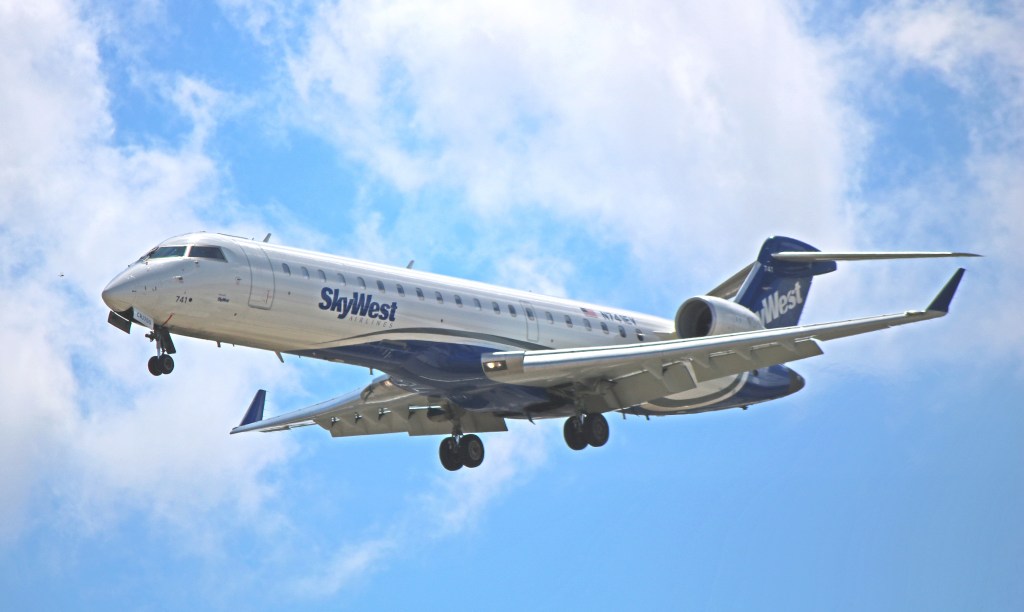
SkyWest anuncia ganancias en primer trimestre de 2021
SkyWest Airlines Inc. ha anunciado el reporte de sus resultados financieros y operativos para el primer trimestre de 2021 este 29/04, incluyendo ingresos netos de US$ 36 millones. Chip Childs, Director Ejecutivo de SkyWest, dijo: «Continuamos viendo una mejora en la demanda de nuestro producto durante el primer trimestre. Nuestra estrategia de invertir en nuestra flota y ofrecer soluciones flexibles con un sólido rendimiento operativo a nuestros clientes sigue posicionando a SkyWest bien para el éxito a largo plazo. Quiero agradecer al equipo de SkyWest por su compromiso con la excelencia a través de estas circunstancias dinámicas y desafiantes».
Resultados financieros
Los ingresos fueron de US$ 535 millones en el primer trimestre de 2021 (1Q2021), frente a los US$ 730 millones del primer trimestre de 2020, o un 27%, debido a una reducción significativa en el número de vuelos que SkyWest tenía programado operar bajo sus acuerdos de vuelo en comparación con el mismo período del año pasado debido a la pandemia COVID-19. Las salidas y horas de bloqueo completadas del primer trimestre de 2021 de SkyWest cayeron un 26% y un 23%, respectivamente, con respecto al primer trimestre de 2020. Los gastos operativos fueron de US$ 454 millones en el primer trimestre de 2021, frente a los US$ 664 millones del primer trimestre de 2020, es el 32%. La reducción se debió a US$193 millones en subsidios del programa de apoyo a la nómina recibidos del Tesoro de los Estados Unidos bajo un acuerdo de extensión del programa de apoyo a la nómina («PSP2») reflejado en los resultados del primer trimestre de 2021. Los gastos operativos también se redujeron debido a la menor cantidad de vuelos operados en el primer trimestre de 2021 en comparación con el mismo período del año anterior, parcialmente compensados por un aumento en los gastos de mantenimiento de la flota CRJ700 de SkyWest.
Capital y liquidez
SkyWest tenía US$ 836 millones en efectivo y valores negociables al 31 de Marzo de 2021, en vez de US$ 826 millones al 31 de Diciembre de 2020. SkyWest tiene US$ 665 millones de préstamos disponibles bajo su facilidad de préstamo garantizado de US$ 725 millones a cinco años con el Tesoro de los Estados Unidos bajo la Ley CARES. SkyWest tiene hasta el 28 de Mayo de 2021 para pedir prestados montos adicionales bajo la instalación y está evaluando su utilización futura de la instalación. La deuda total al 31 de Marzo de 2021 era de US$ 3.100 millones, frente a los US$ 3.200 millones del 31 de Diciembre de 2021. Los gastos de capital durante el primer trimestre de 2021 fueron de US$ 56 millones para la compra de cuatro aviones CRJ700 usados, motores de repuesto y otros activos fijos.
SkyWest Airlines ha recibido la mitad de los US$ 250 millones de Dólares en Abril de 2021 y espera recibir el resto durante el segundo trimestre de 2021. En consideración a la financiación, aproximadamente US$ 45 millones serán en forma de un préstamo a plazo no garantizado a diez años, de bajo interés, y SkyWest emitirá a las órdenes del Tesoro de EE.UU. para comprar aproximadamente 78.317 acciones comunes de SkyWest.
SkyWest está coordinando con sus principales socios aéreos para optimizar el calendario de las próximas entregas de flotas en virtud de acuerdos previamente anunciados en respuesta a las reducciones de horarios de COVID-19. Las fechas de entrega futuras previstas que se resumen a continuación se basan en la información disponible actualmente y están sujetas a cambios.
Acuerdo con aerolíneas
SkyWest Airlines ha negociado acuerdo con Delta Air Lines. Un nuevo Bombardier CRJ900, financiado por Delta y operado por SkyWest fue entregado en el primer trimestre de 2021, como así también un contrato de vuelo con American Airlines para veinte (20) aviones Embraer E175. Se prevén 18 entregas de aeronaves en el segundo semestre de 2021 y se esperan dos entregas en 2022. SkyWest prevé financiar las adquisiciones a través de deuda, SkyWest puso nueve CRJ700 usados en servicio durante el primer trimestre de 2021, prevé poner en servicio otros 16 CRJ700 usados durante el resto de 2021 y espera tener 90 CRJ700 bajo acuerdo con American para finales de 2021.
SkyWest, Inc. es el holding de SkyWest Airlines y SkyWest Leasing, una compañía de arrendamiento de aviones. SkyWest Airlines tiene una flota de más de 450 aviones que conectan pasajeros a más de 230 destinos en toda América del Norte. SkyWest Airlines opera a través de asociaciones con United Airlines, Delta Air Lines, American Airlines y Alaska Airlines transportando más de 21 millones de pasajeros en 2020 y 43 millones de pasajeros en 2019.
SkyWest earnings 1Q2021
SkyWest Announces First Quarter 2021 Earnings
SkyWest Airlines Inc. has announced the report of its financial and operating results for the first quarter of 2021 this 04/29, including net income of US$ 36 million. Chip Childs, CEO of SkyWest, said: «We continue to see an improvement in demand for our product during the first quarter. Our strategy of investing in our fleet and offering flexible solutions with strong operational performance to our customers continues to position SkyWest well. for long-term success. I want to thank the SkyWest team for their commitment to excellence through these dynamic and challenging circumstances».
Financial results
Revenues were US$ 535 million in the first quarter of 2021 (1Q2021), compared to US$ 730 million in the first quarter of 2020, or 27%, due to a significant reduction in the number of flights that SkyWest had scheduled operate under its flight agreements compared to the same period last year due to the COVID-19 pandemic. SkyWest Q1 2021 completed departures and lockout hours fell 26% and 23%, respectively, from Q1 2020. Operating expenses were US$ 454 million in Q1 2021, versus at US $ 664 million in the first quarter of 2020, it is 32%. The reduction was due to US$ 193 million in payroll support program grants received from the United States Treasury under a payroll support program extension agreement («PSP2») reflected in first quarter 2021 results. Operating expenses were also reduced due to fewer flights operated in the first quarter of 2021 compared to the same period last year, partially offset by an increase in maintenance expenses for SkyWest’s CRJ700 fleet.
Capital and liquidity
SkyWest had US$ 836 million in cash and marketable securities as of March 31, 2021, up from US$ 826 million as of December 31, 2020. SkyWest has US$ 665 million of loans available under its US $ guaranteed loan facility US$ 725 million over five years with the United States Treasury under the CARES Act. SkyWest has until May 28, 2021 to borrow additional amounts under the facility and is evaluating its future utilization of the facility. Total debt as of March 31, 2021 was US$ 3.1 billion, compared to US$ 3.2 billion on December 31, 2021. Capital expenditures during the first quarter of 2021 were US$ 56 million for the purchase of four used CRJ700 aircraft, replacement engines and other fixed assets.
SkyWest Airlines has received half of the US$ 250 million in April 2021 and expects to receive the remainder during the second quarter of 2021. In consideration of financing, approximately US$ 45 million will be in the form of a non-term loan. 10-year, low-interest guaranteed, and SkyWest will issue on orders from the US Treasury to purchase approximately 78,317 SkyWest common shares.
SkyWest is coordinating with its major airline partners to optimize the timing of upcoming fleet deliveries under previously announced agreements in response to COVID-19 schedule reductions. The anticipated future delivery dates summarized below are based on currently available information and are subject to change.
Agreement with airlines
SkyWest Airlines has negotiated an agreement with Delta Air Lines. A new Bombardier CRJ900, funded by Delta and operated by SkyWest, was delivered in the first quarter of 2021, as well as a flight contract with American Airlines for twenty (20) Embraer E175 aircraft. 18 aircraft deliveries are expected in the second half of 2021 and two deliveries are expected in 2022. SkyWest plans to finance the acquisitions through debt, SkyWest put nine used CRJ700s into service during the first quarter of 2021, plans to put another 16 used CRJ700s into service during the remainder of 2021, and expects to have 90 CRJ700s under agreement with American by the end of 2021.
SkyWest, Inc. is the holding company for SkyWest Airlines and SkyWest Leasing, an aircraft leasing company. SkyWest Airlines has a fleet of more than 450 aircraft connecting passengers to more than 230 destinations throughout North America. SkyWest Airlines operates through partnerships with United Airlines, Delta Air Lines, American Airlines and Alaska Airlines carrying more than 21 million passengers in 2020 and 43 million passengers in 2019.
Perspectivas turbulentas para las aerolíneas europeas
La pandemia ha tenido un efecto devastador en la industria de las aerolíneas europeas y mundiales. Las perspectivas de una recuperación económica parecen más brillantes que el año pasado, muchas aerolíneas europeas tendrán dificultades para sobrevivir a largo plazo, pues rescatar a las aerolíneas en el contexto de la crisis Covid-19 es sin duda una medida de emergencia legítima.
Hacia órbita estatal
La Profesora de Gestión Internacional de la Universidad de Amberes, Sascha Albers, sostiene que este apoyo de emergencia «podría servir como pretexto para volver a los transportistas estatales que sirven a agendas políticas, al menos para algunos gobiernos». La ayuda estatal que se está vertiendo en las aerolíneas heredadas europeas no tiene precedentes en las últimas dos décadas, cuando las aerolíneas nacionales más prominentes operaron en un mercado relativamente libre después de haber sido privatizadas. British Airways fue privatizada en 1987, seguida por Lufthansa en 1997 y Air France en 1999. Todas estas grandes aerolíneas están ahora prácticamente bajo control estatal gracias a la ayuda de emergencia que solicitaron a sus gobiernos.
Todavía es demasiado pronto para predecir cómo afectará la era post-pandémica a la dinámica de la industria de las aerolíneas europeas. Los sindicatos fuertes en los antiguos transportistas estatales y la interferencia política en las operaciones comerciales probablemente serían demasiado tentadores para algunos gobiernos que sopesan los riesgos políticos de los recortes de empleos.
Actualmente, la Comisión Europea (CE) ha tenido que hacer frente a las solicitudes de ayuda estatal de las principales aerolíneas europeas Air France-KLM Group, Lufthansa German Airlines y Alitalia. La Comisión ya ha aprobado un rescate de € 4.000 millones de Euros para Air France-KLM, que hará que el Gobierno francés vuelva a emerger como su mayor accionista con una participación de hasta el 30%. La aerolínea franco-holandesa tuvo que renunciar a 18 franjas horarias (slots) de sus 1.000 plazas en los dos aeropuertos del área de París.
Consolidación sector aéreo
Las grandes aerolíneas europeas heredadas en apuros tienen una mejor influencia negociadora en las circunstancias actuales. La Comisión Europea se encuentra bajo una presión política significativa para brindar asistencia y salvar las economías de la región. Todo lo que puede hacer es inculcar cierta disciplina comercial a las aerolíneas con problemas para no distorsionar excesivamente las dinámicas de competencia. El modelo utilizado por la Comisión para aprobar ayudas estatales a varias compañías aéreas incluye obligarlas a renunciar a las franjas horarias aeroportuarias, restringir la compensación ejecutiva y prohibir las adquisiciones. Estas tácticas han sido cuestionadas no sólo por aerolíneas privadas de bajo coste como Ryanair, sino también por los equipos negociadores de las aerolíneas heredadas que esperan en la cola para obtener la aprobación de la Comisión para obtener ayudas estatales.
Los diferentes pesos y medidas utilizados por la UE con Air France-KLM y Lufthansa Airlines, por un lado, y Alitalia, por otro, son que las dos antiguas aerolíneas eran rentables antes de la pandemia, mientras que Alitalia no lo era. Alitalia es un ejemplo clásico de una empresa con problemas que ha estado en modo de reestructuración durante unas décadas. La Comisión se inclina por aprobar € 3 000 millones Euros de ayudas estatales sujetas a condiciones que el Gobierno italiano considera demasiado difíciles de aceptar. El Ministro de Industria italiano, Giancarlo Giorgetti, dijo que la UE quiere que Alitalia libere el mayor número posible de franjas horarias aeroportuarias, pero esto no interesa a Italia sea bajo la nueva estructura de Italia Trasporto Aereo (ITA) o con la continuidad de Alitalia.
Las aerolíneas más pequeñas se enfrentan a una perspectiva más sombría. En los últimos meses, unas trece aerolíneas que operaban en Europa se declararon en bancarrota o están bajo protección de los acreedores. La industria aérea europea sigue estando muy fragmentada, privándola de una rentabilidad y liquidez muy necesarias. Más del 55% de la capacidad europea fue controlada por los cinco grupos aéreos más grandes en 2019. La competencia en el sector europeo seguirá siendo feroz en los próximos años, incluso si la demanda aumenta más rápido de lo esperado. La agilidad de las aerolíneas sin lujos podría ser una ventaja, lo que les permitiría adaptarse al entorno en rápida evolución y la recolección de cerezas en los bolsillos de demanda de pasajeros.
Centrarse en el control de costos es una herramienta útil para las aerolíneas con dificultades, pero la reducción de los costes laborales es más difícil para las aerolíneas heredadas debido al poder de negociación de su personal típicamente sindicalizado al negociar despidos. La enorme sobrecapacidad de la industria aérea europea será el factor crítico que definirá el futuro de las aerolíneas y determinará quién sobrevivirá y quién seguirá en tierra.
La consolidación del sector de la aviación es inevitable, donde los operadores más pequeños encontrarán que ya no pueden competir con las aerolíneas más grandes con la estructura financiera para invertir en una industria más sostenible, respetuosa con el medio ambiente y eficiente.
Europe delays air recovery
Turbulent outlook for European airlines
The pandemic has had a devastating effect on the European and global airline industry. Prospects for an economic recovery look brighter than last year, many European airlines will struggle to survive in the long term, as rescuing airlines in the context of the Covid-19 crisis is undoubtedly a legitimate emergency measure.
Towards state orbit
Professor of International Management at the University of Antwerp, Sascha Albers, argues that this emergency support «could serve as a pretext to return to state carriers serving political agendas, at least for some governments». The state aid pouring into European legacy airlines is unprecedented in the past two decades, when the most prominent national airlines operated in a relatively free market after being privatized. British Airways was privatized in 1987, followed by Lufthansa in 1997 and Air France in 1999. All of these large airlines are now practically under state control thanks to the emergency assistance they requested from their governments.
It is still too early to predict how the post-pandemic era will affect the dynamics of the European airline industry. Strong unions in former state carriers and political interference in business operations would likely be too tempting for some governments weighing the political risks of job cuts.
Currently, the European Commission (EC) has had to deal with requests for state aid from the main European airlines Air France-KLM Group, Lufthansa German Airlines and Alitalia. The Commission has already approved a € 4 billion bailout for Air France-KLM, which will see the French government re-emerge as its largest shareholder with a stake of up to 30%. The French-Dutch airline had to give up 18 slots of its 1,000 seats at the two airports in the Paris area.
Air sector consolidation
The big struggling legacy European airlines have better bargaining influence under the current circumstances. The European Commission is under significant political pressure to provide assistance and save the economies of the region. All you can do is instill some commercial discipline in troubled airlines so as not to unduly distort the dynamics of competition. The model used by the Commission to approve state aid to various airlines includes forcing them to forego airport slots, restricting executive compensation and prohibiting acquisitions. These tactics have been challenged not only by private low-cost airlines such as Ryanair, but also by the negotiating teams of legacy airlines waiting in line to obtain Commission approval for state aid.
The different weights and measures used by the EU with Air France-KLM and Lufthansa Airlines, on the one hand, and Alitalia, on the other, are that the two old airlines were profitable before the pandemic, while Alitalia was not. Alitalia is a classic example of a troubled company that has been in restructuring mode for a few decades. The Commission is inclined to approve € 3 billion of state aid subject to conditions that the Italian Government considers too difficult to accept. Italian Industry Minister Giancarlo Giorgetti said that the EU wants Alitalia to release as many airport slots as possible, but this is not in Italy’s interest either under the new structure of Italia Trasporto Aereo (ITA) or with the continuity of Alitalia.
Smaller airlines face a bleaker outlook. In recent months, some thirteen airlines operating in Europe have declared bankruptcy or are under creditors’ protection. The European airline industry remains highly fragmented, depriving it of much-needed profitability and liquidity. More than 55% of European capacity was controlled by the five largest airline groups in 2019. Competition in the European sector will continue to be fierce in the coming years, even if demand increases faster than expected. The agility of no-frills airlines could be an advantage, allowing them to adapt to the rapidly evolving environment and cherry picking in pockets of passenger demand.
Focusing on cost control is a useful tool for struggling airlines, but reducing labor costs is more difficult for legacy airlines due to the bargaining power of their typically unionized staff when negotiating layoffs. The enormous overcapacity of the European airline industry will be the critical factor that will define the future of airlines and determine who will survive and who will remain on the ground.
Consolidation of the aviation sector is inevitable, where smaller operators will find that they can no longer compete with larger airlines with the financial structure to invest in a more sustainable, environmentally friendly and efficient industry.
Viva Aerobus recibe US$ 150 millones de dólares en financiación
La compañía aérea mexicana Viva Aerobus ha anunciado un acuerdo de financiación a cinco años por un valor de US$ 150 millones de Dólares del fondo de inversión alternativo global CarVal Investors. Fuentes de la aerolínea señalan que este financiamiento ayudará a la aerolínea a lograr su visión de largo plazo, a aumentar su presencia en el mercado y fortalecer su modelo de negocios. El Director General de Viva Aerobus, Juan Carlos Zuazua, ha expresado «este financiamiento de CarVal Investors muestra la confianza en el modelo de negocios de ultra bajo costo de Viva Aerobus y la viabilidad de nuestros planes de expansión».
El Director Deneral de CarVal Investors, Lucas Detor, ha comunicado que las ayudas permitirán a la compañía continuar con su misión de ofrecer un transporte aéreo asequible, confiable y seguro para todos los mexicanos. CarVal cuenta con veintiseis años de experiencia en el sector de la aviación comercial, con inversiones actuales de más de US$ 3.200 millones de Dólares.
Aeroenlaces Nacionales, S.A. de C.V., que opera como VivaAerobus, es una aerolínea mexicana de bajo costo totalmente propiedad del grupo de compañías de autobuses más grande de México, IAMSA, y fue cofundada e invertida por Irelandia Aviation. Tiene su sede en el Aeropuerto Internacional Monterrey, México, y opera vuelos a través de México y los Estados Unidos. Viva Aerobus es una de las cuatro principales aerolíneas de México que ha iniciado operaciones en el año 2006 y en la actualidad opera una flota de 45 aviones.
Viva Aerobus acquires financing
Viva Aerobus receives US$ 150 million dollars in financing
The Mexican airline Viva Aerobus has announced a five-year financing agreement worth US$ 150 million from the alternative global investment fund CarVal Investors. Airline sources indicate that this financing will help the airline achieve its long-term vision, increase its presence in the market and strengthen its business model. The Managing Director of Viva Aerobus, Juan Carlos Zuazua, has expressed «this financing from CarVal Investors shows confidence in Viva Aerobus’ ultra-low-cost business model and the viability of our expansion plans».
The General Director of CarVal Investors, Lucas Detor, has communicated that the aid will allow the company to continue with its mission of offering affordable, reliable and safe air transportation for all Mexicans. CarVal has twenty-six years of experience in the commercial aviation sector, with current investments of more than US$ 3.2 billion.
Aeroenlaces Nacionales, S.A. de C.V., which operates as VivaAerobus, is a Mexican low-cost airline wholly owned by the largest group of bus companies in Mexico, IAMSA, and was co-founded and invested by Irelandia Aviation. It is headquartered at Monterrey International Airport, Mexico, and operates flights through Mexico and the United States. Viva Aerobus is one of the four main airlines in Mexico that began operations in 2006 and currently operates a fleet of 45 aircraft.
La nueva startup indonesia de bajo costo Super Air Jet tiene como objetivo comenzar a volar pronto con un modelo de negocio centrado en los millennials obsesionados con la tecnología con una propensión a viajar, dijo el Lunes 03/05 el Director Ejecutivo de la aerolínea, Ari Azhari. Fuentes del sector dijeron que la aerolínea tiene vínculos con el mayor grupo aéreo de Indonesia, Lion Air Group, aunque se desconoce la naturaleza de cualquier solapamiento de propiedad.
El CEO Ari Azhari había sido el Gerente General de Lion Air Group y la declaración sobre el lanzamiento de Super Air Jet fue proporcionada por el portavoz de Lion Air, pero no ha respondido a las preguntas sobre sus vínculos con Lion Air. Super Air Jet, que está en proceso de obtener una licencia para volar, comenzará con aviones Airbus A320CEO de 180 asientos enfocados en rutas nacionales antes de una expansión internacional posterior, dijo Ari Azhari en un comunicado. «Super Air Jet se fundó sobre la base del optimismo de que las oportunidades de mercado, especialmente para los vuelos nacionales en Indonesia, todavía existen y están abiertas. Hay una demanda muy fuerte de la comunidad para viajar en avión hoy en día, especialmente de los millennials», expresó el CEO en su comunicado.
El Ministerio de Transporte de Indonesia dijo que todavía había algunos procesos por completar antes de que se emitiera una licencia y que no estaba claro si eso ocurriría al final del primer semestre.
Lion Air, de propiedad privada, tiene una cartera de marcas indonesias, incluyendo la aerolínea de servicio completo Batik Air y la aerolínea regional Wings Air.
Perspectivas Super Air Jet
La nueva startup no ha proporcionado más detalles sobre cómo se distinguiría la marca de Lion Air, también una aerolínea de bajo costo. Super Air Jet dijo que su vuelo inaugural estaba programado para el futuro cercano.
Brendan Sobie, Analista de Aviación independiente, dijo que Super Air Jet será capaz de aprovechar las tarifas de arrendamiento baratas porque la pandemia hizo más difícil para los arrendadores colocar aviones cuando expiraron los contratos de arrendamiento. Indonesia, un archipiélago de miles de islas, es actualmente el sexto mercado de aviación más grande del mundo basado en la capacidad, según la firma de datos OAG.
Super Air Jet airline is born
New emerging low cost airline in Indonesia
Indonesian new low-cost startup Super Air Jet aims to start flying soon with a business model focused on tech-obsessed millennials with a propensity to travel, the airline’s CEO Ari said on Monday 03/05. Azhari. Industry sources said the airline has ties to Indonesia’s largest airline group Lion Air Group, although the nature of any ownership overlap is unknown.
CEO Ari Azhari had been the General Manager of Lion Air Group and the statement regarding the launch of Super Air Jet was provided by the Lion Air spokesperson, but he has not responded to questions about his ties to Lion Air. Super Air Jet, which is in the process of obtaining a license to fly, will start with 180-seat Airbus A320CEO aircraft focused on domestic routes before further international expansion, Ari Azhari said in a statement. «Super Air Jet was founded on the optimism that market opportunities, especially for domestic flights in Indonesia, still exist and are open. There is a very strong demand from the community for air travel today, especially from millennials», said the CEO in his statement.
The Indonesian Ministry of Transport said there were still some processes to complete before a license was issued and it was unclear if that would happen at the end of the first half.
Privately owned Lion Air has a portfolio of Indonesian brands, including full-service airline Batik Air and regional airline Wings Air.
Super Air Jet perspectives
The new startup has not provided further details on how the brand would distinguish itself from Lion Air, also a low-cost airline. Super Air Jet said its maiden flight was scheduled for the near future.
Independent Aviation Analyst Brendan Sobie said Super Air Jet will be able to take advantage of cheap lease rates because the pandemic made it harder for lessors to place planes when leases expired. Indonesia, an archipelago of thousands of islands, is currently the world’s sixth-largest aviation market based on capacity, according to data firm OAG.
Maskapai Super Air Jet lahir
Biaya rendah baru yang muncul di Indonesia
Startup baru berbiaya rendah Indonesia Super Air Jet bertujuan untuk segera mulai terbang dengan model bisnis yang berfokus pada milenial yang terobsesi dengan teknologi dengan kecenderungan untuk bepergian, kata CEO maskapai tersebut, Ari Azhari pada Senin 03/05. Sumber industri mengatakan maskapai ini memiliki hubungan dengan grup maskapai terbesar di Indonesia, Lion Air Group, meskipun sifat kepemilikan yang tumpang tindih tidak diketahui.
CEO Ari Azhari pernah menjadi General Manager Lion Air Group dan pernyataan terkait peluncuran Super Air Jet diberikan oleh juru bicara Lion Air, namun dia belum menanggapi pertanyaan terkait hubungannya dengan Lion Air. Super Air Jet, yang sedang dalam proses mendapatkan izin terbang, akan dimulai dengan pesawat Airbus A320CEO 180 kursi yang difokuskan pada rute domestik sebelum ekspansi internasional lebih lanjut, kata Ari Azhari dalam sebuah pernyataan. “Super Air Jet didirikan atas dasar optimisme peluang pasar khususnya untuk penerbangan domestik di Indonesia tetap eksis dan terbuka. Ada permintaan yang sangat kuat dari masyarakat untuk perjalanan udara saat ini, terutama dari kalangan milenial”, ujar CEO dalam sambutannya. pernyataan.
Kementerian Perhubungan Indonesia mengatakan masih ada beberapa proses yang harus diselesaikan sebelum izin dikeluarkan dan tidak jelas apakah itu akan terjadi pada akhir paruh pertama.
Lion Air milik pribadi memiliki portofolio merek Indonesia, termasuk maskapai penerbangan layanan lengkap Batik Air dan maskapai regional Wings Air.
Super Air Jet perspektif
Startup baru tersebut belum memberikan rincian lebih lanjut tentang bagaimana merek tersebut akan membedakan dirinya dari Lion Air, yang juga merupakan maskapai penerbangan berbiaya rendah. Super Air Jet mengatakan penerbangan perdananya dijadwalkan dalam waktu dekat.
Analis Penerbangan Independen Brendan Sobie mengatakan Super Air Jet akan dapat memanfaatkan tarif sewa yang murah karena pandemi mempersulit lessor untuk menempatkan pesawat ketika masa sewa habis. Indonesia, negara kepulauan dengan ribuan pulau, saat ini merupakan pasar penerbangan terbesar keenam di dunia berdasarkan kapasitas, menurut perusahaan data OAG.
Reactivación aérea india en medio de la crisis pandémica
La resolución de la reasignación de franjas horarias es un tema con una importancia necesaria para la reactivación de las asediadas aerolíneas y el futuro de otras aerolíneas. Mientras tanto, los efectos de la pandemia causan serias preocupaciones en el tráfico aéreo en la India. Un factor condiciona las nuevas aperturas de las franjas horarias (slots) en los principales aeropuertos indios, el impasse de la aerolínea Jet Airways que continúa con su proceso de reestructuración. En Marzo 2019, el Ministerio de Aviación Civil (MoCA) dijeron en una declaración jurada ante el Tribunal Nacional de Derecho de Sociedades que Jet Airways no podía reclamar una precedencia histórica sobre las franjas horarias aeroportuarias. En 2019 el MoCA de la India dijo que las franjas horarias vacantes de Jet Airways en los aeropuertos se asignarían a otras aerolíneas de forma temporal. «Se protegerán los derechos históricos de Jet Airways, de acuerdo con las directrices del Ministerio de Aviación para la asignación de franjas horarias», expresó el MoCA. Las franjas horarias se pondrían a disposición de Jet Airways a medida que restablecían las operaciones, según anunciaban en Abril de 2019.
Actualmente, el Tribunal Nacional de Derecho de Sociedades (NCLT) retomará el tema de la reasignación de franjas horarias para la aerolínea, pues, la resolución de este problema es fundamental para la reactivación de Jet Airways. Las operaciones de la aerolínea fueron suspendidas en abril de 2019 después de que los potenciales promotores no encontraran una solución tangible para pagar la deuda de US$ 1.200 millones de Dólares que había acumulado.
Jet Airways
Cuando Jet Airways suspendió sus operaciones tenía 750 franjas horarias, la mayoría de las cuales fueron cedidas a aerolíneas nacionales. SpiceJet fue el mayor beneficiario de esto, y embolsó el mayor número de franjas horarias en el aeropuerto más concurrido del país, Mumbai. Significativo es el hecho de que si bien el Ministerio de Aviación Civil y la DGCA han revertido su postura afirmando que ha transcurrido demasiado tiempo para que Jet recupere las ranuras y hacerlo podría llevar a las aerolíneas existentes por el camino de mayores pérdidas, varios analistas creen que los postores ganadores de Jet Airways tampoco pueden ser dejados para valerse por sí mismos. Este retraso desmesurado es muy preocupante y puede afectar negativamente los esfuerzos de reactivación de Jet Airways.
Después de un largo proceso de bancarrota, los prestamistas en Octubre de 2020 lograron aprobar la adquisición de la aerolínea por un consorcio compuesto por el empresario con sede en Dubai Murari Lal Jalan y la compañía de gestión de activos Kalrock Capital, con sede en Londres, que acordaron revivir la aerolínea a un costo de US$ 136 millones de Dólares. Hasta ahora, Jet Airways tiene 11 aviones en su flota: Airbus 330-200 (2), Boeing 737 (3) y Boeing 777-300ER (6).
Hay dos principios clave para aliviar las presiones acerca de los slots: Un factor es la historicidad, lo que significa que cuando una aerolínea opera ciertas franjas horarias, obtiene franjas horarias similares en el siguiente horario. En virtud de la segunda filosofía de úsalo o piérdelo, una aerolínea debe volar el 80% de las franjas horarias asignadas durante el período programado de seis meses o arriesgarse a perderlas.
Los potenciales promotores de Jet Airways han argumentado que el MoCA sólo había reasignado temporalmente estas franjas horarias e indicaron que el Código Concursal (IBC) prevé una moratoria. Pero el MoCA cree que las franjas horarias nunca fueron propiedad o activos de Jet Airways y, por lo tanto, no pueden estar sujetas a la moratoria o al procedimiento de quiebra. «En ambos casos ‘historicidad’ y ‘úsalo o piérdelo’ en Jet Airways no tiene nada que demostrar, porque no ha operado un solo vuelo en los 23 meses anteriores», dijo un portavoz de Sarin & Co, una firma legal líder que se ocupa de los litigios aéreos.
Perspectivas slots & Jet Airways
La importancia trascendental en la historia de la aviación india es que el gobierno y los prestamistas están haciendo esfuerzos para revivir una aerolínea. La resolución exitosa sobre la cuestión de las franjas horarias para Jet Airways enviaría un mensaje positivo al régimen de IBC de la India. El MoCA invocando el derecho de «úsalo o piérdelo», referente a los slots, el asunto se ha vuelto más complejo. Una vez que el NCLT da su aprobación puede tomar otros seis meses para que Jet Airways reinicie sus operaciones aéreas. Como esta es la primera aerolínea en someterse a una reestructuración bajo el nuevo tribunal concursal, no llegar a una solución que mantenga satisfechos a los licitadores ganadores y a otros operadores nacionales podría conducir a una situación en la que los potenciales propietarios de Jet Airways podrían simplemente abandonar sus esfuerzos para revivir la aerolínea.
Jet Airways vs slots
Indian aerial revival amid pandemic crisis
The resolution of the reassignment of slots is an issue with a necessary importance for the reactivation of the beleaguered airlines and the future of other airlines. Meanwhile, the effects of the pandemic cause serious concerns in air traffic in India. One factor determines the new slot openings in the main Indian airports, the impasse of the airline Jet Airways that continues with its restructuring process. In March 2019, the Ministry of Civil Aviation (MoCA) said in an affidavit before the National Court of Company Law that Jet Airways could not claim historical precedence over airport slots. In 2019 India’s MoCA said that the Jet Airways vacant slots at airports would be allocated to other airlines on a temporary basis. «The historical rights of Jet Airways will be protected, in accordance with the guidelines of the Ministry of Aviation for the allocation of slots», said the MoCA. The slots would be made available to Jet Airways as they re-established operations, as announced in April 2019.
Currently, the National Court of Company Law (NCLT) will take up the issue of the reassignment of slots for the airline, since the resolution of this problem is essential for the reactivation of Jet Airways. The airline’s operations were suspended in April 2019 after potential promoters did not find a tangible solution to pay the US$ 1.2 billion debt it had accumulated.
Jet Airways
When Jet Airways suspended its operations, it had 750 slots, most of which were transferred to national airlines. SpiceJet was the biggest beneficiary of this, pocketing the most slots at the country’s busiest airport, Mumbai. Significant is the fact that while the Civil Aviation Ministry and DGCA have reversed their stance stating that too much time has elapsed for Jet to regain the slots and doing so could put existing airlines down the path of greater losses, several analysts believe that the winning bidders from Jet Airways also cannot be left to fend for themselves. This inordinate delay is very worrying and may adversely affect Jet Airways’ reactivation efforts.
After a lengthy bankruptcy process, the lenders in October 2020 succeeded in approving the acquisition of the airline by a consortium made up of Dubai-based businessman Murari Lal Jalan and London-based asset management company Kalrock Capital, who agreed to revive the airline at a cost of US$ 136 million. So far, Jet Airways has 11 aircraft in its fleet: Airbus 330-200 (2), Boeing 737 (3) and Boeing 777-300ER (6).
There are two key principles to alleviating pressures on slots: One factor is historicity, which means that when an airline operates certain slots, it gets similar slots at the following times. Under the second use it or lose it philosophy, an airline must fly 80% of allotted slots during the scheduled six-month period or risk losing them.
The potential promoters of Jet Airways have argued that the MoCA had only temporarily reallocated these slots and indicated that the Bankruptcy Code (IBC) provides for a moratorium. But the MoCA believes that the slots were never owned or assets of Jet Airways and therefore cannot be subject to the moratorium or bankruptcy proceedings. «In both cases ‘historicity’ and ‘use it or lose it’ at Jet Airways has nothing to prove, because it has not operated a single flight in the previous 23 months», said a spokesman for Sarin & Co, a leading law firm that is deals with air litigation.
Perspectives slots & Jet Airways
The momentous importance in the history of Indian aviation is that the government and lenders are making efforts to revive an airline. Successful resolution on the issue of slots for Jet Airways would send a positive message to India’s IBC regime. The MoCA invoking the right to «use it or lose it» regarding slots, the matter has become more complex. Once the NCLT gives its approval, it can take another six months for Jet Airways to restart its air operations. As this is the first airline to undergo a restructuring under the new bankruptcy court, failing to come up with a solution that keeps the winning bidders and other national carriers satisfied could lead to a situation where potential Jet Airways owners could simply walk away. his efforts to revive the airline.
जेट एयरवेज बनाम स्लॉट
भारतीय विमान पुनरुद्धार एमिड महामारी संकट
स्लॉट्स के पुनर्मूल्यांकन का संकल्प एक मुद्दा है जो कि विचलित एयरलाइनों के पुनर्सक्रियन और अन्य एयरलाइंस के भविष्य के लिए आवश्यक महत्व रखता है। इस बीच, महामारी के प्रभाव से भारत में हवाई यातायात में गंभीर चिंता पैदा हुई है। एक कारक मुख्य भारतीय हवाई अड्डों में नए स्लॉट के उद्घाटन को निर्धारित करता है, एयरलाइन जेट एयरवेज का गतिरोध जो इसके पुनर्गठन की प्रक्रिया के साथ जारी है। मार्च 2019 में, नागरिक उड्डयन मंत्रालय (MoCA) ने नेशनल कोर्ट ऑफ़ कंपनी लॉ के समक्ष एक हलफनामे में कहा कि जेट एयरवेज हवाई अड्डे के स्लॉट पर ऐतिहासिक पूर्वता का दावा नहीं कर सकता है। 2019 में भारत के MoCA ने कहा कि जेट एयरवेज हवाई अड्डों पर खाली स्लॉट होंगे। अस्थायी आधार पर अन्य एयरलाइंस को आवंटित किया गया। «एएसी के आवंटन के लिए विमानन मंत्रालय के दिशानिर्देशों के अनुसार, जेट एयरवेज के ऐतिहासिक अधिकारों की रक्षा की जाएगी»। अप्रैल 2019 में घोषित किए गए संचालन के अनुसार, जेट एयरवेज को स्लॉट उपलब्ध कराए जाएंगे।
वर्तमान में, नैशनल कोर्ट ऑफ़ कंपनी लॉ (NCLT) एयरलाइन के लिए स्लॉट्स के पुनर्मूल्यांकन का मुद्दा उठाएगा, क्योंकि जेट एयरवेज के पुनर्सक्रियन के लिए इस समस्या का समाधान आवश्यक है। अप्रैल 2019 में एयरलाइन के संचालन को निलंबित कर दिया गया था, क्योंकि संभावित प्रमोटरों ने यूएस $ 1.2 बिलियन ऋण का भुगतान करने के लिए एक ठोस समाधान नहीं पाया था।
जेट एयरवेज
जब जेट एयरवेज ने अपने परिचालन को निलंबित कर दिया, तो इसमें 750 स्लॉट थे, जिनमें से अधिकांश को राष्ट्रीय एयरलाइंस में स्थानांतरित कर दिया गया था। स्पाइसजेट इसका सबसे बड़ा लाभार्थी था, जिसने देश के सबसे व्यस्त हवाई अड्डे, मुंबई में सबसे अधिक स्लॉट पॉकेट में डाले। महत्वपूर्ण तथ्य यह है कि जबकि नागरिक उड्डयन मंत्रालय और DGCA ने अपने रुख को पलटते हुए कहा है कि जेट को स्लॉट हासिल करने के लिए बहुत अधिक समय बीत चुका है और ऐसा करने से मौजूदा एयरलाइंस को अधिक नुकसान का रास्ता मिल सकता है, कई विश्लेषकों का मानना है कि विजेता बोली लगाने वाले जेट एयरवेज से भी खुद के लिए जाने के लिए नहीं छोड़ा जा सकता है। यह बड़ी देरी बहुत चिंताजनक है और जेट एयरवेज के पुनर्सक्रियन प्रयासों को प्रतिकूल रूप से प्रभावित कर सकती है।
एक लंबी दिवालियापन प्रक्रिया के बाद, अक्टूबर 2020 में उधारदाताओं ने दुबई स्थित व्यवसायी मुरारी लाल जालान और लंदन स्थित परिसंपत्ति प्रबंधन कंपनी कल्रोक कैपिटल, जिसमें लागत पर एयरलाइन को पुनर्जीवित करने पर सहमति व्यक्त की, द्वारा एयरलाइन के अधिग्रहण को मंजूरी देने में सफल रहे। यूएस $ 136 मिलियन की। अब तक, जेट एयरवेज के बेड़े में 11 विमान हैं: एयरबस 330-200 (2), बोइंग 737 (3) और बोइंग 777-300ER (6)।
स्लॉट्स पर दबाव को कम करने के लिए दो प्रमुख सिद्धांत हैं: एक कारक ऐतिहासिकता है, जिसका अर्थ है कि जब कोई एयरलाइन कुछ स्लॉट संचालित करती है, तो उसे निम्नलिखित समय में समान स्लॉट मिलते हैं। दूसरे उपयोग के तहत या इसे दर्शन खो देते हैं, एक एयरलाइन को निर्धारित छह महीने की अवधि के दौरान आवंटित स्लॉट का 80% उड़ना चाहिए या उन्हें खोने का जोखिम उठाना चाहिए।
जेट एयरवेज के संभावित प्रमोटरों ने तर्क दिया है कि MoCA ने केवल इन स्लॉट्स को अस्थायी रूप से पुनः प्राप्त किया था और संकेत दिया था कि दिवालियापन कोड (IBC) एक अधिस्थगन के लिए प्रदान करता है। लेकिन MoCA का मानना है कि स्लॉट कभी भी जेट एयरवेज के स्वामित्व या संपत्ति नहीं थे और इसलिए इसे स्थगन या दिवालियापन की कार्यवाही के अधीन नहीं किया जा सकता है। जेट एयरवेज के प्रवक्ता सरीन एंड कंपनी के एक प्रवक्ता ने कहा, «दोनों मामलों में ‘ऐतिहासिकता’ और ‘इसका इस्तेमाल करें या इसे खो दें’ का जेट एयरवेज के पास साबित करने के लिए कुछ भी नहीं है, क्योंकि पिछले 23 महीनों में इसने एक भी उड़ान नहीं चलाई है»। यह हवाई मुकदमेबाजी से संबंधित है।
स्लॉट और जेट एयरवेज संभावनाएँ
भारतीय विमानन के इतिहास में महत्वपूर्ण समय यह है कि सरकार और ऋणदाता एक एयरलाइन को पुनर्जीवित करने के प्रयास कर रहे हैं। जेट एयरवेज के लिए स्लॉट के मुद्दे पर सफल संकल्प भारत के आईबीसी शासन के लिए एक सकारात्मक संदेश भेजेगा। MoCA ने स्लॉट के संबंध में «इसका उपयोग करने या इसे खोने» के अधिकार का आह्वान करते हुए कहा, मामला अधिक जटिल हो गया है। एक बार एनसीएलटी अपनी स्वीकृति दे देता है, तो जेट एयरवेज को अपने हवाई परिचालन को फिर से शुरू करने में एक और छह महीने लग सकते हैं। चूंकि यह नई दिवालियापन अदालत के तहत एक पुनर्गठन से गुजरने वाली पहली एयरलाइन है, जो एक ऐसे समाधान के साथ आने में विफल रही है जो जीतने वाले बोलीदाताओं और अन्य राष्ट्रीय वाहकों को संतुष्ट रखता है, जिससे ऐसी स्थिति पैदा हो सकती है जहां संभावित जेट एयरवेज के मालिक बस छोड़ सकते हैं। एयरलाइन को पुनर्जीवित करने के लिए।