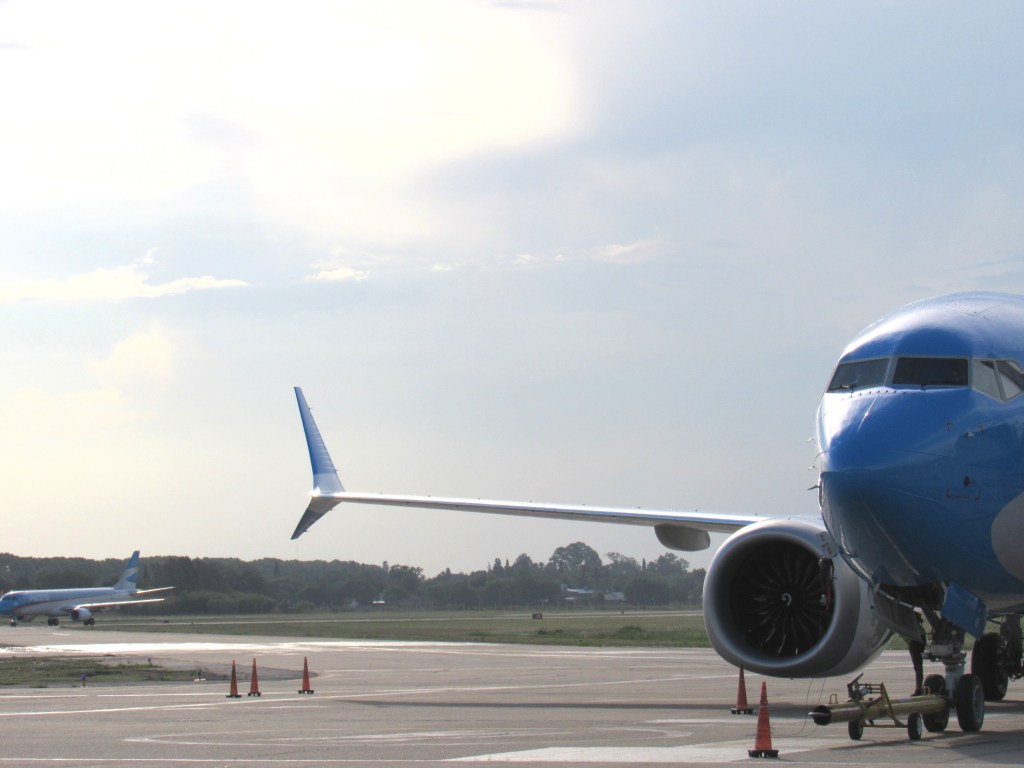
Dubai Aerospace Enterprise (DAE) a anunciado este Martes 23/02 la firma de un contrato de leasing de largo plazo para siete Airbus A321NEO (7), la mayor aerolínea de la India IndiGo. Los siete aviones serán propulsados por los motores CFM International LEAP-1A y están programados para ser entregados en 2021. Firoz Tarapore, Director Ejecutivo de DAE ha expresado: «Estamos encantados de agregar este tipo de aeronaves de bajo consumo de combustible y aviones populares a nuestra cartera de aviones arrendados. Esta inversión reitera nuestro compromiso de invertir en aviones nuevos y eficientes en combustible para minimizar las emisiones de carbono y nitrógeno, así como el ruido, al mismo tiempo que aumenta el rendimiento, la fiabilidad y la sostenibilidad ambiental». IndiGo es la aerolínea de pasajeros más grande de la India en términos de cuota de mercado, con una flota de 281 aviones, incluyendo Airbus A320CEO (80) A320NEO (120), A321 (30), ATR 72-600 (25).
DAE había reportado una caída del 10% en sus ingresos de todo el año 2020, ya que la pandemia desarticuló la demanda de aviones de las aerolíneas. La compañía IndiGo, que utilizó el 98.2 por ciento de su flota en 2020, dijo que espera que la demanda mejore en el corto plazo. «Seguimos siendo optimistas sobre un retroceso en la demanda de viajes aéreos a partir del verano, como resultado del aumento del despliegue de vacunas existentes, el desarrollo de nuevas vacunas y el impacto favorable de las medidas actualmente en vigor en las zonas afectadas para contener la propagación», dijo Firoz Tarapore en un comunicado anterior.
IndiGo leases A321NEO Dubai Aerospace
Dubai Aerospace leases seven A321NEO to IndiGo
Dubai Aerospace Enterprise (DAE) announced this Tuesday 23/02 the signing of a long-term leasing contract for seven Airbus A321NEO (7), the largest airline in India Indigo. The seven aircraft will be powered by CFM International LEAP-1A engines and are scheduled for delivery in 2021. Firoz Tarapore, CEO of DAE said: «We are delighted to add these types of fuel efficient and popular aircraft to our portfolio of leased aircraft. This investment reiterates our commitment to invest in new and fuel efficient aircraft to minimize carbon and nitrogen emissions, as well as noise, while increasing performance, reliability and environmental sustainability». IndiGo is India’s largest passenger airline in terms of market share, with a fleet of 281 aircraft, including Airbus A320CEO (80), A320NEO (120), A321 (30), ATR 72-600 (25).
DAE had reported a 10% drop in its revenue for the full year 2020, as the pandemic disrupted demand for aircraft from airlines. The IndiGo company, which used 98.2 percent of its fleet in 2020, said it expects demand to improve in the short term. «We remain optimistic about a setback in demand for air travel starting in the summer, as a result of increased deployment of existing vaccines, the development of new vaccines and the favorable impact of the measures currently in place in the affected areas to contain the spread», Firoz Tarapore said in a previous statement.
इंडिगो पट्टे A321NEO दुबई एयरोस्पेस
दुबई एयरोस्पेस इंडिगो को 7 A321NEO पट्टे पर देता है
दुबई एयरोस्पेस एंटरप्राइज (DAE) ने मंगलवार को 02/23 में भारत की सबसे बड़ी एयरलाइन IndiGo, सात Airbus A321NEO (7) के लिए दीर्घकालिक पट्टे पर अनुबंध पर हस्ताक्षर करने की घोषणा की। सात विमानों को सीएफएम इंटरनेशनल एलईएपी -1 ए इंजन द्वारा संचालित किया जाएगा और 2021 में वितरण के लिए निर्धारित किया जाएगा। डीएई के सीईओ फिरोज तारापोर ने कहा, «हम अपने पट्टे के विमानों के लिए इस प्रकार के ईंधन कुशल और लोकप्रिय विमान को जोड़ने के लिए खुश हैं। यह निवेश कार्बन और नाइट्रोजन उत्सर्जन को कम करने के लिए नए और ईंधन कुशल विमानों में निवेश करने की हमारी प्रतिबद्धता को दोहराता है, जैसा कि।» प्रदर्शन, विश्वसनीयता और पर्यावरणीय स्थिरता में वृद्धि के साथ-साथ शोर भी»। मार्केट शेयर के मामले में, IndiGo भारत की सबसे बड़ी यात्री एयरलाइन है, जिसमें 281 विमान हैं, जिसमें एयरबस A320CEO (80), A320NEO (120), A321 (30), ATR 72-600 (25) शामिल हैं।
DAE ने अपने राजस्व में पूरे वर्ष 2020 के लिए 10% की गिरावट दर्ज की थी, क्योंकि महामारी ने विमान के लिए एयरलाइन की मांग को बाधित कर दिया था। IndiGo कंपनी, जिसने 2020 में अपने बेड़े का 98.2 प्रतिशत उपयोग किया, ने कहा कि यह छोटी अवधि में सुधार की मांग की उम्मीद करती है। «हम मौजूदा समय में मौजूदा टीकों की बढ़ती तैनाती, नए टीकों के विकास और प्रभावित क्षेत्रों में वर्तमान में उपायों के अनुकूल प्रभाव के परिणामस्वरूप गर्मियों में शुरू होने वाली हवाई यात्रा की मांग में एक बदलाव के बारे में आशावादी बने हुए हैं»। , फिरोज तारापोर ने पिछले एक बयान में कहा।
JetSmart Argentina completa mantenimiento A320 en FAdeA
La aerolínea JetSmart Airlines Argentina realizará la inspección general de mantenimiento de aeronaves Airbus A320CEO como parte de los chequeos rutinarios. Este 23/02 la compañía de presupuesto ha comunicado que ingresará la aeroanve A320-200CEO registro LV-IVO a control C-check, un control exaustivo de pruebas técnicas. La asociación FAdeA-Etihad Airways Engineering permiten desarrollar una experiencia en MRO para la fábrica argentina. Etihad Airways Engineering es socio de FAdeA para la Parte 21J Engineering y la Parte 21G Production.
A mediados de 2019 la línea aérea ultra low cost, propiedad de Indigo Partners, había firmado un acuerdo por servicios de mantenimiento MRO (Maintenance, Reparement & Overhaul), permitiendo a la factoría de FAdeA extendel los servicios de mantenimiento de aeronaves a compañías aéreas. El A320-200CEO LV-IVO ingresará a chequeos entre el 16-22/03, permitiendo completar el ciclo de mantenimiento programado de toda la flota de aeronaves en Argentina.
JetSmart Argentina continúa con un riguroso proceso de mantenimiento entre los que se incluyen chequeos y recambio de componentes para garantizar la vida útil de las aeroanves, como parte de su propuesta de alta eficiencia operativa. La aerolínea low cost base su eficiencia de procesos de verificaciones técnicas concentradas en una única flota homogénea de la familia Airbus A320 permitiendo minimizar los costos operativos y maximizando los resultados. “Con el control en profundidad que se realizará del Airbus que lleva al Cardenal en su cola, JetSmart completa el ciclo de mantenimiento anual de toda su flota de aviones y estamos listos para continuar operando durante 2021, luego de un mes de Enero con excelentes indicadores de operación y puntualidad”, expresó Eduardo Petrelli, Representante Técnico de JetSmart Airlines.
MRO aircraft JetSmart Argentina
JetSmart Argentina completes A320 maintenance at FAdeA
The airline JetSmart Airlines Argentina will carry out the general maintenance inspection of Airbus A320CEO aircraft as part of the routine checks. This 02/23, the budget company has announced that the A320-200CEO aircraft will enter LV-IVO registration to control C-check, an exhaustive control of technical tests. The FAdeA-Etihad Airways Engineering association allows the development of MRO experience for the Argentine factory. Etihad Airways Engineering is FAdeA’s partner for Part 21J Engineering and Part 21G Production.
In mid-2019, the ultra-low cost airline, owned by Indigo Partners, had signed an agreement for MRO (Maintenance, Reparement & Overhaul) maintenance services, allowing the FAdeA factory to extend aircraft maintenance services to airlines. The A320-200CEO LV-IVO will enter checks between 16-22/03, allowing the completion of the scheduled maintenance cycle of the entire fleet of aircraft in Argentina.
JetSmart Argentina continues with a rigorous maintenance process that includes checks and replacement of components to guarantee the useful life of the airplanes, as part of its proposal for high operational efficiency. The low cost airline bases its efficiency of technical verification processes concentrated on a single homogeneous fleet of the Airbus A320 family, allowing it to minimize operating costs and maximize results. “With the in-depth control to be carried out of the Airbus carrying the Cardinal on its tail, JetSmart completes the annual maintenance cycle of its entire fleet of aircraft and we are ready to continue operating during 2021, after a month of January with excellent indicators. of operation and punctuality”, expressed Eduardo Petrelli, Technical Representative of JetSmart Airlines.
Aviación brasileña registra mejor resultado desde inicio de pandemia
La demanda de vuelos nacionales, medido por Passenger Paid Kilometers (RPK), expresados en kilómetros por pasajeros pagos ha tenido una disminución de un 27,5% en Enero 2021 en comparación con Enero 2020. La oferta de asientos también siguió el mismo camino con un descenso de un 24,2%. La ocupación de los aviones alcanzó el 81,7%, un 4,4% menos interanual. En total, poco más de 6 millones de pasajeros fueron transportados por todo Brasil, con un decrecimiento del orden del 34,2% en comparación con Enero 2020.
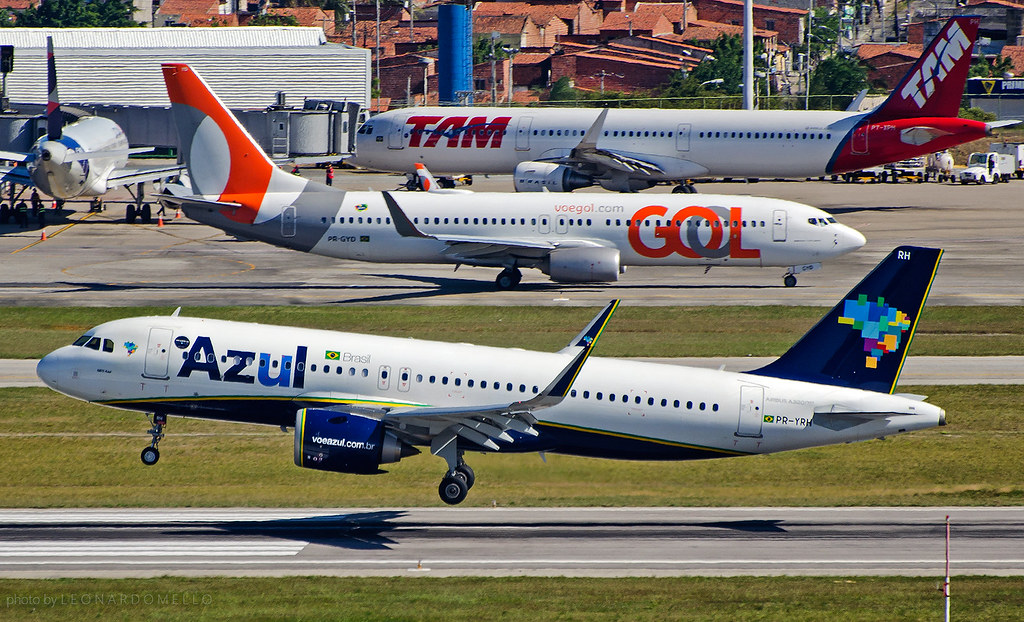
Gol Linhas Aéreas ha liderado la cuota de mercado doméstico con una participación del 38,7% en vuelos de cabotaje, seguido de Azul Linhas Aéreas con un índice del 30,6% y Latam Airlines Brasil del 30,2%. La agencia de aviación brasileña ANAC, ha señalado que a pesar de la retractación del mercado aéreo, este es el mejor resultado desde Marzo 2020, cuando se anunciaron las primeras medidas de aislamiento social y cierre de fronteras debido a la pandemia de Coronavirus. En el mercado internacional, sin embargo, la caída de la demanda de vuelos alcanzó el 81,9% y la oferta de asientos ha disminuido un 70%, en comparación con el mismo periodo interanual.
Aviation rebound in Brazil
Brazilian aviation registers best result since pandemic start
The demand for domestic flights, measured by Passenger Paid Kilometers (RPK), expressed in kilometers per paid passenger has had a decrease of 27.5% in January 2021 compared to January 2020. The supply of seats also followed the same path with a decrease of 24.2%. Aircraft occupancy reached 81.7%, 4.4% less year-on-year. In total, just over 6 million passengers were transported throughout Brazil, with a decrease of the order of 34.2% compared to January 2020.
Gol Linhas Aéreas has led the domestic market share with a 38.7% share in domestic flights, followed by Azul Linhas Aéreas with an index of 30.6% and Latam Airlines Brasil with 30.2%. The Brazilian aviation agency ANAC has pointed out that despite the retraction of the air market, this is the best result since March 2020, when the first measures of social isolation and border closure were announced due to the Coronavirus pandemic. In the international market, however, the fall in flight demand reached 81.9% and the supply of seats has decreased by 70%, compared to the same year-on-year period.
Plus Ultra Líneas Aéreas amplía cinco años colaboración con Jettainer
La aerolínea española Plus Ultra Líneas Aéreas ha establecido la ampliación de la alianza con Jettainer para la gestión de Dispositivos de Carga Unitaria (ULD) por otros cinco años. Los servicios personalizados de Jettainer apoyarán el crecimiento de la aerolínea que opera una red de rutas entre Madrid y Sudamérica. La asociación se remonta a 2016, durante el cual Plus Ultra ha añadido un tercer y cuarto Airbus A340-600 a su flota y ha ampliado continuamente su red de servicios internacionales.
La ampliación de la asociación con Plus Ultra Líneas Aéreas destaca la estrategia de ventas específicas de Jettainer de apoyar el crecimiento de las aerolíneas más nuevas, también, con servicios eficientes de gestión ULD. Jettainer ha demostrado su experiencia en la gestión de ULD a Plus Ultra particularmente desde el inicio de la pandemia Covid-19. Su red global y muchos años de experiencia en la gestión de dispositivos de carga unitaria garantizan que los ULD estén disponibles en todos los lugares, incluso en un clima de mercado inestable. Plus Ultra continuará siendo capaz de ofrecer espacio de carga en aviones de fusaje ancho en virtud de la creciente demanda de carga aérea durante la pandemia. «Una asociación sólida y larga es importante para nosotros, aún más en tiempos de crisis. Estamos al lado de Plus Ultra con los eficientes servicios de gestión ULD de Jettainer y las soluciones de TI líderes», dijo Thomas Sonntag, Director General de Jettainer. «El hecho de que Jettainer esté procurando, gestionando y manteniendo ULDs para nosotros crea una infraestructura eficiente sobre el terreno que no podríamos crear mejor nosotros mismos. Siempre podemos contar con nuestro compañero, incluso durante la pandemia. La asociación con Jettainer continúa allanando el camino para la expansión de nuestra aerolínea en el futuro, a pesar de los desafíos asociados con el Coronavirus», comentó Roberto Roselli, CEO de Plus Ultra Líneas Aéreas.
La aerolínea iniciaba sus operaciones hacia 2016 empleando cuatro aviones de larga distancia Airbus A340, utilizados en vuelos desde Madrid y Tenerife hacia el mercado de Sudamérica con destinos como Lima, Caracas, Quito y Guayaquil. Plus Ultra también se especializa en vuelos chárter, también bajo la modalidad de la compañía ACMI donde proporciona sus aviones y tripulación para que otras aerolíneas los utilicen bajo su nombre.
Alliance Plus Ultra-Jettainer
Plus Ultra extends collaboration with Jettainer for five years
The Spanish airline Plus Ultra Líneas Aéreas has established the expansion of the alliance with Jettainer for the management of Unit Load Devices (ULD) for another five years. Jettainer’s personalized services will support the growth of the airline that operates a network of routes between Madrid and South America. The partnership dates back to 2016, during which Plus Ultra has added a third and fourth Airbus A340-600 to its fleet and continuously expanded its international service network.
The expanded partnership with Plus Ultra Líneas Aéreas highlights Jettainer’s specific sales strategy of supporting the growth of newer airlines, as well, with efficient ULD management services. Jettainer has demonstrated its expertise in managing ULD to Plus Ultra particularly since the start of the Covid-19 pandemic. Its global network and many years of experience in unit load device management ensure that ULDs are available everywhere, even in an unstable market climate. Plus Ultra will continue to be able to offer cargo space on wide-jet aircraft in light of the increasing demand for air cargo during the pandemic. «A strong and long partnership is important to us, even more so in times of crisis. We stand alongside Plus Ultra with Jettainer’s efficient ULD management services and leading IT solutions», said Thomas Sonntag, CEO of Jettainer. «The fact that Jettainer is procuring, managing and maintaining ULDs for us creates an efficient infrastructure on the ground that we could not create better ourselves. We can always count on our partner, even during the pandemic. The partnership with Jettainer continues to pave the way. for the expansion of our airline in the future, despite the challenges associated with the Coronavirus», commented Roberto Roselli, CEO of Plus Ultra Líneas Aéreas.
The airline began its operations in 2016 using four long-haul Airbus A340 aircraft, used on flights from Madrid and Tenerife to the South American market with destinations such as Lima, Caracas, Quito and Guayaquil. Plus Ultra also specializes in charter flights, also under the modality of the ACMI company where it provides its planes and crew for other airlines to use under its name.
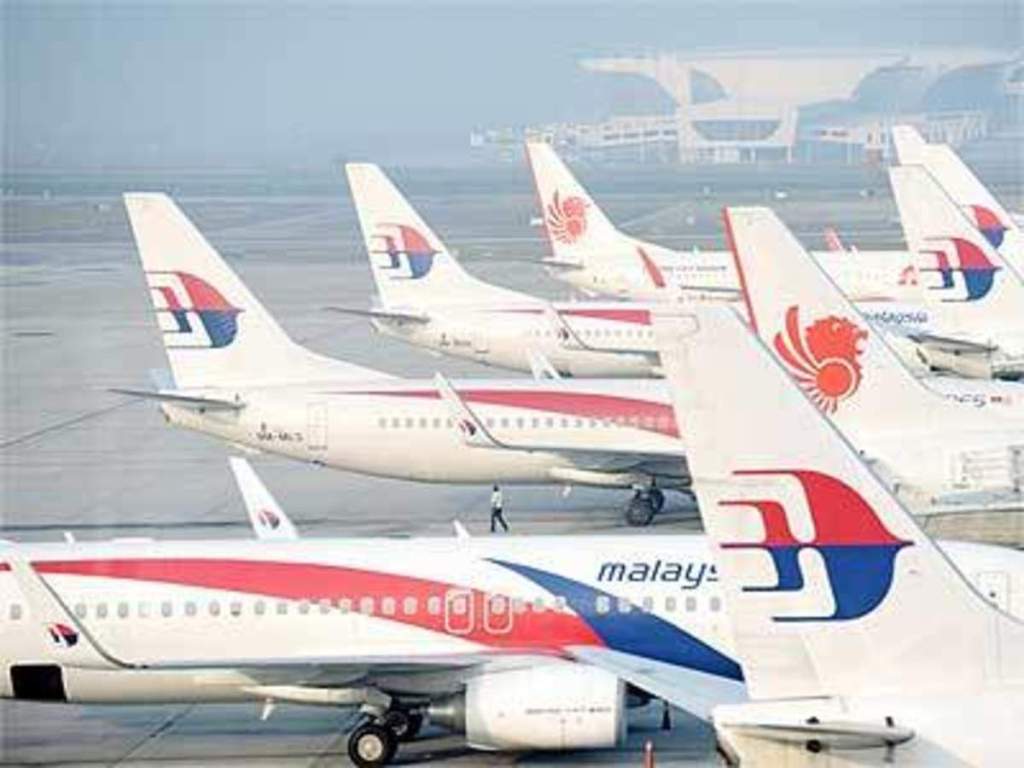
La compañía matriz de Malaysia Airlines Berhad ha recibido este Lunes, 22/02 las aprobaciones para la implementación de una amplia reestructuración por parte de la mayoría de sus arrendadores y un Tribunal Judicial del Reino Unido, dando un salvavidas a la aerolínea de bandera nacional que ha fracasado en medio de una caída en el tráfico aéreo durante la pandemia de Coronavirus. Malaysia Aviation Group, que es propiedad del fondo soberano de riqueza del país Khazanah Nasional Bhd., ahora puede continuar con su plan para reducir los pasivos de la aerolínea de más de RM 15.000 millones de Ringgit/US$ 3.700 millones de Dólares, dijo la compañía en un comunicado. La aerolínea inició en Octubre 2020 un ejercicio urgente de reestructuración que implicó renegociaciones con compañías de arrendamiento y acreedores, ya que las aerolíneas de todo el mundo se enfrentan a bloqueos y restricciones de viaje para combatir un resurgimiento de Covid-19 en muchos países. Malaysia Airlines ha recortado los salarios de los directivos y pilotos, ha ofrecido permisos impagados a los empleados y ha solicitado aplazamientos de pago desde Marzo 2020.
El ejercicio de reestructuración financiera, que se espera esté terminado a principios de Marzo 2021, permitirá a la aerolínea lograr con éxito acuerdos con una gama de sus compañías de arrendamiento y prestamistas de motor, financieros y de mantenimiento, así como con entidades estatales malasias, dijo en el comunicado. Khazanah Nasional Bhd. comprometerá un nuevo capital de RM 3.600 millones de Ringgit a Malaysia Aviation Group para financiar el negocio de la aerolínea durante todo el período de reestructuración hasta 2025. La aerolínea también ha tenido problemas tras la desaparición del vuelo MH-370 el 8 de Marzo de 2014 y la pérdida del vuelo MH-017 el 17 de Julio de 2014, lo que llevó al grupo a tomar medidas de respaldo en un intento por salvar a la aerolínea.
Malaysia Bhd restructuring approved
Restructuring at Malaysia Aviation Group
The parent company of Malaysia Airlines Berhad has received this Monday, 02/22, the approvals for the implementation of a broad restructuring by the majority of its lessors and a Judicial Court of the United Kingdom, giving a lifeline to the national flag carrier that has failed in the middle of a fall in air traffic during the Coronavirus pandemic. Malaysia Aviation Group, which is owned by the country’s sovereign wealth fund Khazanah Nasional Bhd., Can now continue with its plan to reduce the airline’s liabilities of more than RM 15 billion Ringgit/US$ 3.7 billion, said the company in a statement. The airline began an urgent restructuring exercise in October 2020 that involved renegotiations with leasing companies and creditors, as airlines around the world face roadblocks and travel restrictions to combat a resurgence of Covid-19 in many countries. Malaysia Airlines has cut salaries for managers and pilots, offered unpaid leave to employees and requested payment deferrals from March 2020.
The financial restructuring exercise, expected to be completed in early March 2021, will allow the airline to successfully reach agreements with a range of its leasing companies and motor, finance and maintenance lenders, as well as with Malaysian state entities, it said in the statement. Khazanah Nasional Bhd. will commit new capital of RM 3.6 billion from Ringgit to Malaysia Aviation Group to finance the airline’s business throughout the restructuring period until 2025. The airline has also had problems following the disappearance of flight MH-370 on March 8, 2014 and the loss of flight MH-017 on July 17, 2014, prompting the group to take backup measures in an attempt to save the airline.
Penyusunan semula Malaysia Bhd diluluskan
Penyusunan semula di Malaysia Aviation Group
Syarikat induk Malaysia Airlines Berhad Ia telah diterima pada hari Isnin 02/22 ini, persetujuan untuk melaksanakan penyusunan semula yang luas oleh mayoritas pemberi pajaknya dan Mahkamah Kehakiman Inggeris, yang memberikan garis panduan kepada syarikat penerbangan bendera nasional yang telah gagal pada pertengahan musim gugur dalam lalu lintas udara semasa wabak Coronavirus. Malaysia Aviation Group, yang dimiliki oleh dana kekayaan negara Khazanah Nasional Bhd., Kini dapat meneruskan rencananya untuk mengurangkan liabiliti syarikat penerbangan lebih dari RM 15 bilion Ringgit /AU$ 3.7 bilion, kata syarikat itu dalam satu kenyataan. Syarikat penerbangan itu memulakan latihan penyusunan semula mendesak pada Oktober 2020 yang melibatkan rundingan semula dengan syarikat penyewa dan pemiutang, kerana syarikat penerbangan di seluruh dunia menghadapi halangan dan sekatan perjalanan untuk memerangi kebangkitan Covid-19 di banyak negara. Malaysia Airlines memotong gaji pengurus dan juruterbang, menawarkan cuti tanpa gaji kepada pekerja dan meminta penangguhan gaji mulai Mac 2020.
Latihan penyusunan semula kewangan, yang diharapkan akan selesai pada awal Maret 2021, akan membolehkan syarikat penerbangan itu berjaya mencapai perjanjian dengan pelbagai syarikat penyewaannya dan peminjam motor, kewangan dan penyelenggaraan, serta entiti negara Malaysia dalam pernyataan tersebut. Khazanah Nasional Bhd. Ia akan memperuntukkan modal baru sebanyak 3.6 bilion Ringgit dari Ringgit kepada Malaysia Aviation Group untuk membiayai perniagaan syarikat penerbangan tersebut dalam tempoh penstrukturan semula sehingga tahun 2025. Syarikat penerbangan ini juga mengalami masalah berikutan kehilangan penerbangan MH-370 pada 8 Mac 2014 dan kehilangan penerbangan MH-017 pada 17 Julai 2014, mendorong kumpulan tersebut untuk mengambil langkah cadangan dalam usaha menyelamatkan syarikat penerbangan itu.
AW | 2021 02 23 11:57 | AIRLINES ROUTES / GOVERNMENT
REX restructuras algunas rutas domésticas
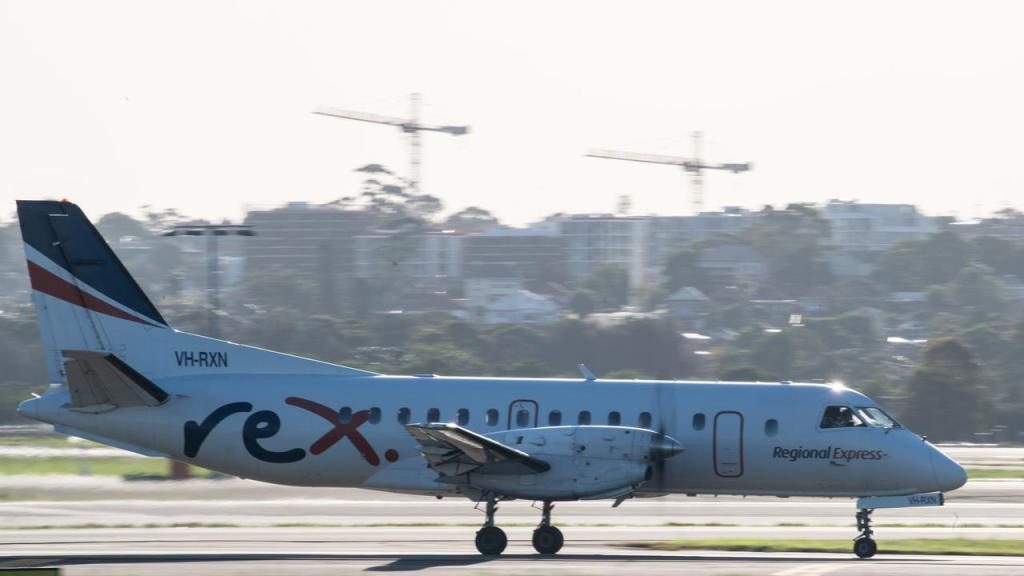
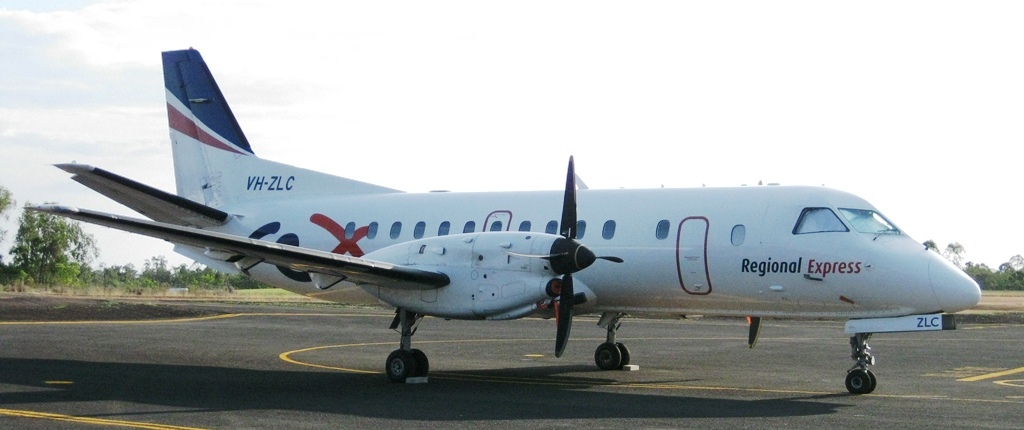
La aerolínea Regional Express Airlines (REX) ha anunciado recortar algunos servicios domésticos eliminando cinco rutas, incluyendo las que unen Sydney con Lismore, Grafton, Cooma y Bathurst a finales de Marzo 2021. El Plan de Apoyo a la Red de Aerolíneas Regionales (RANS) del Gobierno Federal debe cesar, por lo que la aerolínea ha decidido cancelar las operaciones a esos destinos. En el ejercicio 2019-20, REX Airlines ha recibido más de AU$ 62 millones en subvenciones y subsidios del Gobierno y continúa recibiendo apoyo.
El Alcalde de Clarence Valley, Jim Simmons, dijo que su consejo ya había renunciado a las tarifas de aterrizaje para asegurar que Rex siguiera volando a Grafton. «Fue hace poco que el consejo decidió ayudar a Rex y ahora tenemos esta situación. Me pareció terrible», expresó con preocupación el Alcalde. El Diputado Federal por Page, Kevin Hogan, dijo que era posible que el plan RANS continuara más allá de finales del mes próximo. «Así que no lo hemos abandonado, se revisa regularmente, se está revisando en este momento para ver lo que hacemos después de finales de marzo. Si se necesita apoyo continuo, eso estaría ahí. Muchas industrias han vuelto a la normalidad, muchas industrias están funcionando de hecho en niveles más altos y están más ocupadas de lo que estaban antes de COVID-19, lo cual es maravilloso, pero las aerolíneas no son una de ellas. Así que, creo, habrá asistencia continua, pero tenemos que seguir monitoreándola».
En los últimos años, se han gastado alrededor de AU$ 2 millones en mejorar las instalaciones en el Aeropuerto Grafton. «El Consejo tuvo que gastar mucho dinero en la pista de aterrizaje real en sí y tuvimos que mejorar nuestra iluminación de seguridad. Eso era necesario generalmente lejos para cumplir con los requisitos de CASA [Autoridad de Seguridad de Aviación Civil]«, dijo la Gerente General del Consejo de Clarence Valley, Ashley Lindsay. La decisión de REX Airlines también se produjo después de una de las prisiones más grandes de Australia fue abierto a las afueras de Grafton.
La Alcaldesa de Lismore, Vanessa Ekins, dijo que haría todo lo posible para convencer a REX Airlines de que revierta su decisión. «Como ciudad regional, es importante que tengamos servicios aeroportuarios. Particularmente para algunas de las industrias de nuestra economía como la Southern Cross University, los hospitales y centros médicos, los tribunales de derecho. Hemos estado en esta posición antes con las aerolíneas Rex y hemos negociado con ellas para continuar los servicios. Creo que la construcción de la instalación de la prisión en Grafton mantuvo los vuelos abiertos».
REX contra Qantas
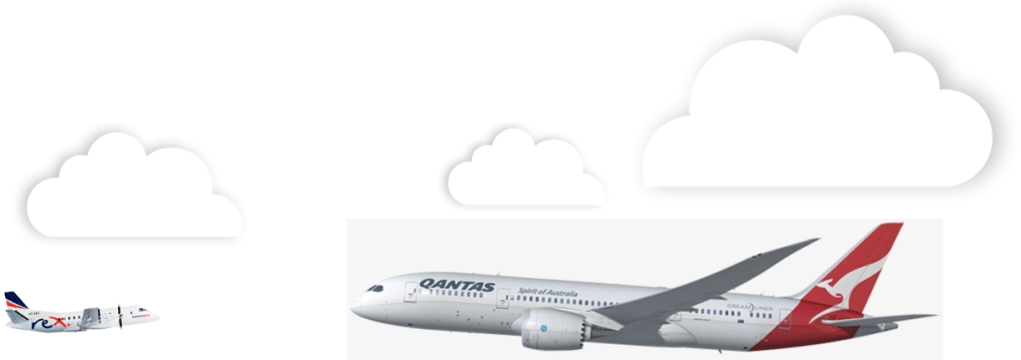
REX Airlines ha dicho que la renovación de su red de rutas regionales fue en respuesta a los agresivos movimientos depredadores de Qantas Airways hacia rutas regionales delgadas. Su Vicepresidente, John Sharp, ha acusado a Qantas de comportamiento intimidatorio. «Qantas claramente se ha embarcado en una estrategia deliberada de avanzar en las rutas de Rex que sólo puede apoyar a una aerolínea regional en un intento de intimidar y dañar a Rex en su mercado regional tradicional. Qantas está registrando pérdidas récord durante COVID y ha recibido aproximadamente AU$ 1.200 millones de Dólares en asistencia de la Commonwealth para mantenerse solvente, pero, a pesar de ello, considera apropiado utilizar los fondos de los contribuyentes para financiar las pérdidas de nuevos servicios cuyo único objetivo es debilitar al competidor», dijo John Sharp.
Qantas ha emitido un comunicado que describió la medida como «una rabieta clásica de REX» y dijo que sólo operaba en una de las cinco rutas afectadas por el traslado de Adelaida a la Isla Canguro. «La idea de Rex de la competencia es que es algo que le sucede a otras personas porque creen que tienen el derecho consagrado de ser el único transportista en algunas rutas regionales. El hecho es que REX está recibiendo millones de Dólares en ayuda gubernamental a medida para sus operaciones regionales al mismo tiempo que está adquiriendo nuevos aviones para volar entre las capitales. Revisaremos nuestra red y consideraremos si podemos ofrecer servicios en cualquiera de las rutas de las que Rex amenaza con retirarse», dijo el comunicado expreso de Qantas Airways.
REX Airlines ha anunciado que iniciará nuevos servicios que unen los centros costeros del centro-norte del puerto de Coffs y Port Macquarie con Sídney en Abril 2021.
REX cuts routes in Australia
REX restructures some domestic routes
Regional Express Airlines (REX) has announced cutting some domestic services by eliminating five routes, including those linking Sydney with Lismore, Grafton, Cooma and Bathurst at the end of March 2021. The Regional Airline Network Support Plan (RANS) of the Federal Government should cease, so the airline has decided to cancel operations to those destinations. In 2019-20 exercise, REX Airlines has received more than AU$ 62 million in grants and subsidies from the Government and continues to receive support.
Clarence Valley Mayor Jim Simmons said his council had already waived landing fees to ensure Rex kept flying to Grafton. «It was recently that the council decided to help Rex and now we have this situation. I thought it was terrible», the Mayor expressed with concern. US Representative for Page Kevin Hogan said the RANS plan could continue beyond the end of next month. «So we have not abandoned it, it is being reviewed regularly, it is being reviewed right now to see what we do after the end of March. If continued support is needed, that would be there. Many industries are back to normal, many industries are actually running at higher levels and they are busier than they were before COVID-19, which is wonderful, but the airlines are not one of them. So I think there will be continued assistance, but we have to keep monitoring it».
In recent years, around AU$ 2 million has been spent on upgrading the facilities at Grafton Airport. «The Council had to spend a lot of money on the actual runway itself and we had to improve our security lighting. That was generally needed far to meet CASA [Civil Aviation Security Authority] requirements». Clarence Valley Council General Manager Ashley Lindsay. The REX Airlines decision also came after one of Australia’s largest prisons was opened just outside of Grafton.
Lismore Mayor Vanessa Ekins said she would do everything possible to convince REX Airlines to reverse her decision. «As a regional city, it is important that we have airport services. Particularly for some of the industries in our economy like Southern Cross University, hospitals and medical centers, law courts. We have been in this position before with Rex Airlines and have negotiated with them to continue services. I think the construction of the prison facility in Grafton kept the flights open».
REX vs. Qantas
REX Airlines has said that the renewal of its regional route network was in response to aggressive predatory moves by Qantas Airways towards thin regional routes. Its Vice President, John Sharp, has accused Qantas of intimidating behavior. «Qantas has clearly embarked on a deliberate strategy to advance Rex routes that can only support a regional airline in an attempt to intimidate and harm Rex in its traditional regional market. Qantas is posting record losses during COVID and has received about AU$ 1.2 billion in Commonwealth assistance to stay solvent, but still sees fit to use taxpayer funds to finance losses of new services whose sole purpose is to weaken the competitor», said John Sharp.
Qantas has issued a statement that described the move as «a classic REX tantrum» and said it only operated on one of the five routes affected by the move from Adelaide to Kangaroo Island. «Rex’s idea of competition is that it’s something that happens to other people because they believe that they have an enshrined right to be the sole carrier on some regional routes. The fact is, REX is receiving millions of Dollars in government aid tailored for its regional operations at the same time as it is acquiring new aircraft to fly between capitals. We will review our network and consider whether we can offer service on any of the routes that Rex is threatening to withdraw from», said the express statement from Qantas Airways.
REX Airlines has announced that it will launch new services linking the north-central coastal hubs of the Port of Coffs and Port Macquarie with Sydney in April 2021.
Las fronteras de Singapur han estado cerradas en gran medida durante casi un año, por lo que Singapore Airlines (SIA) se ha estado volviendo creativa con formas de involucrar a aquellos que quieren volar. La reanudación de vuelos de la compañía aérea es espacial porque se trata de una aerolínea que posee el 100% de su programación de vuelos internacionales debido al diminuto país que representa. La decisión de Singapore Airlines de reanudar los vuelos al exterior con vuelos burbuja y carguero ha estado incentivado por la necesidad de restablecer sus operaciones aéreas.
La reanudación de los servicios diarios sin escalas a los principales destinos estadounidenses refleja una decisión estratégica en lugar de comercial en consonancia con el deseo general de aumentar constantemente la capacidad en el Aeropuerto Changi a pesar de la poca o ninguna mejora de la demanda. Singapore ha mejorado en Enero 2021 sus rutas sin escalas de Nueva York, Los Ángeles y San Francisco a diario, lo que resultó en 21 vuelos semanales sin escalas a los Estados Unidos. Esto representa sólo una reducción del 32% en comparación con los 31 vuelos semanales sin escalas a los Estados Unidos antes de la pandemia, incluyendo 10Frq/S a Los Ángeles, 10Frq/S a San Francisco, 7Frq/S a Nueva York y 4Frq/S a Seattle. La decisión de la SIA de traer de vuelta más de dos tercios de sus vuelos de ultra larga distancia fue una sorpresa dada la sombría situación de demanda, que sigue impulsando una caída de más del 97% en el tráfico de pasajeros en Changi, y el hecho de que se espera que los viajes regionales se recuperen antes de los viajes intercontinentales.
El factor de carga de Singapore Airlines en los vuelos de larga distancia a Europa fue aún menor en Enero 2021, cayendo a sólo 9.5%, afectado por las nuevas restricciones de viaje impuestas después de la aparición de la nueva cepa del Reino Unido. Sin embargo, el factor de carga medio de Europa fue superior al factor de carga medio estadounidense en los seis meses anteriores, de julio a diciembre de 2020. Los vuelos europeos han estado generando significativamente más ingresos que los vuelos estadounidenses, incluso con la reciente caída del tráfico de pasajeros, ya que los vuelos europeos transportan significativamente más carga. Para los vuelos estadounidenses, hay una capacidad de carga limitada, ya que los vuelos son muy largos y por lo tanto requieren más combustible que esencialmente viene a expensas de la carga adicional.
Singapore Airlines está operando actualmente 44 vuelos semanales de pasajeros a 10 destinos en Europa, que siempre ha sido un mercado mucho más grande para SIA que América del Norte. La capacidad total del Grupo SIA, medida por los kilómetros disponibles de asientos (ASKs), disminuyó un 79,6% el mes pasado. El grupo planea seguir sumando más vuelos, a pesar de la demanda muy débil que se ha deteriorado aún más desde principios de año, y alcanzar el 25% de la capacidad pre-pandémica para Abril 2021. A medida que continúa agregando capacidad en los próximos meses, SIA tiene como objetivo reducir su quema mensual de efectivo de alrededor de S$ 250 millones de Dólares Singapurense a alrededor de S$ 200 millones. Si bien esto parece difícil de lograr en el entorno actual, es plausible, incluso si los factores de carga continúan disminuyendo – debido al apoyo del Gobierno.
El factor de carga de pasajeros en todo el sistema del Grupo SIA fue de sólo 11.3 por ciento en 01/2021, en comparación con 84.5 por ciento en 01/2020. El factor de carga del grupo ha caído siete meses consecutivos, ya que la capacidad que ha añadido ha superado la demanda. Si bien todas las aerolíneas han estado operando vuelos internacionales con factores de baja carga antes inimaginables , con una fuerte carga en el vientre que ayuda a compensar algunos de los costos, el factor de carga del Grupo SIA ha sido particularmente bajo. En Diciembre 2020, el factor de carga internacional promedio fue del 29,2 por ciento para el sector de las aerolíneas de Asia y del Pacífico y del 47% para la industria mundial, mientras que el factor de carga de SIA Group fue del 13,7 por ciento.
La cifra mundial proviene de la Asociación Internacional de Transporte Aéreo (IATA), mientras que la cifra de Asia Pacífico corresponde a la Asociación de Asia y El Pacífico (AAPA), que reporta datos agregados basados en 40 aerolíneas con sede en la región. La mayor cifra mundial refleja que algunas regiones como Oriente Medio han reabierto parcialmente, mientras que en Asia Pacífico prácticamente todas las fronteras han permanecido cerradas. El factor de carga mucho menor para el SIA en comparación con el promedio de Asia Pacífico refleja parcialmente una decisión estratégica del SIA de agregar capacidad a un ritmo más rápido que la mayoría de sus pares.
Los ASK de SIA Group han aumentado cada mes desde abril de 2020 y se han triplicado de Julio de 2020 a Enero de 2021. Puede ser el momento de recortar temporalmente, particularmente los vuelos estadounidenses, en lugar de continuar con la expansión de la capacidad planeada. Eventualmente los viajes internacionales finalmente comenzarán a recuperarse, pero probablemente serán varios meses. Mientras tanto, se pueden operar menos vuelos y los planes para aumentar la capacidad pueden retrasarse hasta la segunda mitad de este año, sin comprometer la posición estratégica a largo plazo del Singapore Airlines y el centro de Changi.
Singapore strengthens international network
Singapore Airlines expanding international routes
Singapore’s borders have been largely closed for nearly a year, so Singapore Airlines (SIA) has been getting creative with ways to engage those who want to fly. The resumption of flights by the airline is spatial because it is an airline that owns 100% of its international flight schedule due to the tiny country it represents. Singapore Airlines’ decision to resume overseas flights with bubble and cargo flights has been prompted by the need to reestablish its air operations.
The resumption of daily nonstop services to major US destinations reflects a strategic rather than commercial decision in keeping with the general desire to constantly increase capacity at Changi Airport despite little or no improvement in demand. Singapore has upgraded its daily nonstop routes to New York, Los Angeles and San Francisco in January 2021, resulting in 21 weekly nonstop flights to the United States. This represents just a 32% reduction compared to the 31 weekly nonstop flights to the United States before the pandemic, including 10Frq/S to Los Angeles, 10Frq/S to San Francisco, 7Frq/S to New York and 4Frq/S. S to Seattle. The SIA’s decision to bring back more than two-thirds of its ultra-long-haul flights came as a surprise given the bleak demand situation, which continues to drive a more than 97% drop in passenger traffic at Changi, and the fact that regional travel is expected to pick up before intercontinental travel.
Singapore Airlines’ load factor on long-haul flights to Europe was even lower in January 2021, dropping to just 9.5%, affected by new travel restrictions imposed after the emergence of the new UK strain. However, Europe’s average load factor was higher than the American average load factor in the previous six months, from July to December 2020. European flights have been generating significantly more revenue than American flights, even with the recent drop of passenger traffic, as European flights carry significantly more cargo. For American flights, there is limited cargo capacity, as the flights are very long and therefore require more fuel which essentially comes at the expense of the additional cargo.
Singapore Airlines is currently operating 44 weekly passenger flights to 10 destinations in Europe, which has always been a much larger market for SIA than North America. The SIA Group’s total capacity, measured by available seat kilometers (ASKs), decreased 79.6% last month. The group plans to continue adding more flights, despite very weak demand that has deteriorated further since the beginning of the year, and to reach 25% of pre-pandemic capacity by April 2021. As it continues to add capacity in the coming months, SIA aims to reduce its monthly cash burn from around S$ 250 million Singaporean dollars to around S$ 200 million. While this seems difficult to achieve in today’s environment, it is plausible, even if load factors continue to decline due to government support.
The passenger load factor in the entire SIA Group system was only 11.3 percent in 01/2021, compared to 84.5 percent in 01/2020. The group’s load factor has fallen for seven consecutive months, as the capacity it has added has exceeded demand. While all airlines have been operating international flights with previously unimaginable low load factors, with a heavy belly load helping to offset some of the costs, the SIA Group’s load factor has been particularly low. In December 2020, the average international load factor was 29.2 percent for the Asia Pacific airline sector and 47% for the global industry, while the SIA Group load factor was 13, 7 percent.
The global figure comes from the International Air Transport Association (IATA), while the Asia Pacific figure comes from the Asia-Pacific Association (AAPA), which reports aggregated data based on 40 airlines based in the region. The higher global figure reflects that some regions such as the Middle East have partially reopened, while in Asia Pacific almost all borders have remained closed. The much lower load factor for the SIA compared to the Asia Pacific average partially reflects a strategic decision by the SIA to add capacity at a faster rate than most of its peers.
SIA Group’s ASKs have risen each month since April 2020 and have tripled from July 2020 to January 2021. It may be time to temporarily cut back, particularly US flights, rather than continue with planned capacity expansion. . Eventually international travel will finally start to pick up, but it will likely be several months. Meanwhile, fewer flights can be operated and plans to increase capacity may be delayed until the second half of this year, without compromising the long-term strategic position of Singapore Airlines and the Changi hub.
Singapura mengukuhkan jaringan antarabangsa
Singapore Airlines memperluas laluan antarabangsa
Sempadan Singapura ditutup hampir selama hampir setahun, jadi Singapore Airlines (SIA) semakin kreatif dengan cara untuk melibatkan mereka yang ingin terbang. Penyambungan semula penerbangan oleh syarikat penerbangan adalah spatial kerana ia adalah syarikat penerbangan yang memiliki 100% jadual penerbangan antarabangsanya kerana negara kecil yang diwakilinya. Keputusan Singapore Airlines untuk meneruskan penerbangan ke luar negara dengan penerbangan gelembung dan kargo didorong oleh keperluan untuk mewujudkan semula operasi udaranya.
Penyambungan semula perkhidmatan harian tanpa henti ke destinasi utama AS mencerminkan keputusan strategik dan bukannya komersial sesuai dengan keinginan umum untuk terus meningkatkan kapasiti di Lapangan Terbang Changi walaupun terdapat sedikit atau sedikit peningkatan permintaan. Singapura telah memperbaiki laluan harian tanpa henti dari New York, Los Angeles dan San Francisco pada Januari 2021, menghasilkan 21 penerbangan tanpa henti mingguan ke Amerika Syarikat. Ini hanya menunjukkan pengurangan 32% berbanding 31 penerbangan tanpa henti mingguan ke Amerika Syarikat sebelum wabak tersebut, termasuk 10Frq/S ke Los Angeles, 10Frq/S ke San Francisco, 7Frq/S ke New York dan 4Frq/S ke Seattle. Keputusan SIA untuk mengembalikan lebih dari dua pertiga penerbangan jarak jauhnya sangat mengejutkan memandangkan keadaan permintaan yang suram, yang terus mendorong penurunan lalu lintas penumpang lebih dari 97% di Changi, dan fakta bahawa wilayah perjalanan dijangka meningkat sebelum perjalanan antara benua.
Faktor muatan Singapore Airlines pada penerbangan jarak jauh ke Eropah bahkan lebih rendah pada Januari 2021, menurun kepada hanya 9.5%, dipengaruhi oleh sekatan perjalanan baru yang dikenakan setelah kemunculan tekanan UK yang baru. Walau bagaimanapun, faktor muatan purata Eropah lebih tinggi daripada faktor muatan rata-rata Amerika dalam enam bulan sebelumnya, dari bulan Julai hingga Disember 2020. Penerbangan Eropah telah menjana lebih banyak pendapatan daripada penerbangan Amerika, walaupun dengan penurunan lalu lintas penumpang baru-baru ini, seperti penerbangan Eropah membawa lebih banyak muatan. Untuk penerbangan Amerika, ada muatan kargo yang terhad, kerana penerbangannya sangat panjang dan oleh itu memerlukan lebih banyak bahan bakar yang pada dasarnya datang dengan mengorbankan kargo tambahan.
Singapore Airlines kini menjalankan 44 penerbangan penumpang mingguan ke 10 destinasi di Eropah, yang selalu menjadi pasaran SIA yang jauh lebih besar daripada Amerika Utara. Jumlah kapasiti Kumpulan SIA, diukur dengan jarak tempat duduk yang tersedia (ASK), menurun 79.6% bulan lalu. Kumpulan ini merancang untuk terus menambah lebih banyak penerbangan, walaupun permintaan yang sangat lemah yang semakin merosot sejak awal tahun ini, dan mencapai 25% kapasiti pra-pandemi menjelang April 2021. Oleh kerana ia terus menambah kapasiti dalam beberapa bulan mendatang, SIA bertujuan untuk mengurangkan jumlah wang tunai bulanan dari sekitar S$ 250 juta Dolar Singapura menjadi sekitar S$ 200 juta. Walaupun ini nampaknya sukar dicapai dalam persekitaran hari ini, itu masuk akal, walaupun faktor beban terus menurun kerana sokongan pemerintah.
Faktor muatan penumpang di seluruh sistem Kumpulan SIA hanya 11.3 peratus pada 01/2021, berbanding 84.5 peratus pada 01/2020. Faktor beban kumpulan telah menurun selama tujuh bulan berturut-turut, kerana kapasiti yang ditambahkannya telah melebihi permintaan. Walaupun semua syarikat penerbangan telah melakukan penerbangan antarabangsa dengan faktor beban rendah yang sebelumnya tidak dapat dibayangkan, dengan beban perut yang berat membantu mengimbangi beberapa kos, faktor beban Kumpulan SIA sangat rendah. Pada bulan Disember 2020, rata-rata faktor muatan antarabangsa adalah 29.2 peratus untuk sektor penerbangan Asia Pasifik dan 47% untuk industri global, sementara faktor muatan Kumpulan SIA adalah 13,7 peratus.
Angka global berasal dari Persatuan Pengangkutan Udara Antarabangsa (IATA), sementara tokoh Asia Pasifik berasal dari Persatuan Asia-Pasifik (AAPA), yang melaporkan data agregat berdasarkan 40 syarikat penerbangan yang berpusat di rantau ini. Angka global yang lebih tinggi mencerminkan bahawa beberapa wilayah seperti Timur Tengah sebagian dibuka semula, sementara di Asia Pasifik hampir semua sempadan tetap ditutup. Faktor beban yang jauh lebih rendah untuk SIA berbanding dengan rata-rata Asia Pasifik sebahagiannya menggambarkan keputusan strategik oleh SIA untuk menambahkan kapasiti pada kadar yang lebih cepat daripada kebanyakan rakan sebayanya.
ASK Kumpulan SIA meningkat setiap bulan sejak April 2020 dan meningkat tiga kali ganda dari Julai 2020 hingga Januari 2021. Mungkin sudah waktunya untuk mengurangkan sementara, terutama penerbangan AS, daripada terus dengan pengembangan kapasiti yang dirancang. Akhirnya perjalanan antarabangsa akhirnya akan mulai meningkat, tetapi mungkin beberapa bulan lagi. Sementara itu, lebih sedikit penerbangan dapat dikendalikan dan rancangan untuk meningkatkan kapasiti mungkin ditangguhkan hingga paruh kedua tahun ini, tanpa menjejaskan kedudukan strategik jangka panjang Singapore Airlines dan hub Changi.
Reapertura Aeroparque establece programación de vuelos
Los anuncios oficiales de la próxima reapertura del Aeropuerto Jorge Newbery hacia el 16 de Marzo de 2021 permitirán habilitar la programación de vuelos domésticos en todo el país, moderados o condicionados por la crisis sanitaria vigente, pero que traería alivio a la industria aerocomercial de Argentina.
Las líneas aéreas del país han establecido sus programaciones vigentes para el próximo mes en adelante. Aerolíneas Argentinas, JetSmart Airlines Argentina y Flybondi Líneas Aéreas han establecido la mayoría de la migración de los vuelos de cabotaje del Aeropuerto Internacional Ezeiza hacia Aeroparque. Una próxima segunda etapa incluiría la regionalización de los vuelos hacia países limítrofes. Desde el mes de Abril 2021 se proyectaría un aumento de frecuencias y asientos en toda la red desde el Aeropuerto Jorge Newbery, de un total de 330 vuelos semanales a 865 vuelos semanales.
Aerolíneas Argentinas
VUELOS DOMÉSTICOS Bahía Blanca: 1Frq/S con B737-700 y 5Frq/S con E190. Bariloche: 30Frq/S con B737-800 y 4Frq/S con E190. Catamarca: 3Frq/S con E190. Chapelco: 4Frq/S con B737-800. Comodoro Rivadavia: 1Frq/S B737-700, 5Frq/S con B737-800 y 4Frq/S con E190. Córdoba: 9Frq/S con B737-800 y 24Frq/S con E190. Corrientes: 4Frq/S con E190. Esquel: 4Frq/S con E190. El Calafate: 14Frq/S con B737-800. Iguazú: 1Frq/S con B737-700, 9Frq/S con B737-800 y 3Frq/S con E190. Jujuy: 12Frq/S con E190. La Rioja: 2Frq/S con E190. Mar del Plata: 10Frq/S con E190 y 1Frq/S con B737-700. Mendoza: 14Frq/S con B737-800 y 11Frq/S con E190. Neuquén: 8Frq/S con B737-800 y 2Frq/S con E190. Paraná: 3Frq/S con E190. Posadas: 6Frq/S con E190. Resistencia: 1Frq/S con B737-800 y 6Frq/S con E190. Río Cuarto: 2Frq/S con E190. Río Gallegos: 4Frq/S con B737-700 y 1Frq/S con B737-800. Río Grande: 4Frq/S con B737-800. Rosario: 12Frq/S con E190. San Juan: 6Frq/S con e190. San Luis: 3Frq/S con E190. San Rafael: 3Frq/S con E190. Salta: 4Frq/S con B737-700, 10Frq/S con B737-800 y 1Frq/S con E190. Santa Fe: 3Frq/S con E190. Santiago del Estero: 5Frq/S con E190. Termas de Río Hondo: 2Frq/S con E190. Trelew: 3Frq/S con B737-700 y 6Frq/S con E190. Tucumán: 10Frq/S con B737-700, 1Frq/S con B737-800 y 2Frq/S con E190. Ushuaia: 15Frq/S con B737-800. Viedma: 3Frq/S con E190.
VUELOS REGIONALES Asunción: 5Frq/S con E190. Florianópolis: 2Frq/S B737-800. Río de Janeiro: 2Frq/S B737-700 y 5Frq/S con B737-800. San Pablo: 1Frq/D B737-800. Lima: 1Frq/S con B737-700. Santiago de Chile: 3Frq/S con B737-700 y 3Frq/S con E190. Santa Cruz de la Sierra: 4Frq/S con E190.
JetSmart Airlines Argentina
VUELOS DOMÉSTICOS Bariloche: 12Frq/S, con 2Frq/D los Lunes, Jueves, Viernes, Sábados y Domingos, y 1Frq/D los Martes y Miércoles con A320-200CEO. Córdoba: 2Frq/D de Lunes a Viernes y 1Frq/D los Sábados y Domingos con A320-200CEO. El Calafate: 2Frq/S los Lunes y Jueves con A320-200CEO. Iguazú: 1Frq/D con A320-200CEO. Mendoza: 2Frq/D de Lunes a Viernes y 1Frq/D los Sábados y Domingos con A320-200CEO. Neuquén: 1Frq/D con A320-200CEO. Salta: 1Frq/D con A320-200CEO. Tucumán: 1Frq/D con A320-200CEO. Ushuaia: 2Frq/S, los Lunes y Viernes con A320-200CEO.
Flybondi Líneas Aéreas
La aerolínea low cost tenía las intenciones de continuar operando desde el Aeropuerto El Palomar, pero la negativa de la ANAC y el Organismo Regulador del Sistema Nacional de Aeropuertos (ORSNA) que continuar con las operaciones en esa aeroestación, ha permitido arribar a un acuerdo para migrar las operaciones hacia Aeroparque a partir del 1 de Abril de 2021.
VUELOS DOMÉSTICOS Bariloche: a partir del 01/04 con 10Frq/S con B737-800. Córdoba: a partir del 02/04 con 4Frq/S con B737-800. Corrientes: a partir del 02/04 con 3Frq/S con B737-800. Iguazú: a partir del 01/04 con 2Frq/S con B737-800. Jujuy: a partir del 01/04 con 4Frq/S con B737-800. Mendoza: a partir del 01/04 con 3Frq/S con B737-800. Neuquén: a partir del 02/04 con 2Frq/S con B737-800. Posadas: a partir del 02/04 con 3Frq/S con B737-800. Salta: a partir del 03/04 con 4Frq/S con B737-800. Santiago del Estero: a partir del 01/04 con 2Frq/S con B737-800. Trelew: a partir del 02/04 con 2Frq/S con B737-800. Tucumán: a partir del del 01/04 con 3Frq/S con B737-800.
La programación vigente aportada por las líneas aéreas puede estar sujeta a cambios, por lo que se sugiere consultar con el operador al momento de establecer las consultas.
Aeroparque flight schedule
Aeroparque reopening establishes flight schedule
The official announcements of the next reopening of the Jorge Newbery Airport by March 16, 2021 will enable the programming of domestic flights throughout the country, moderate or conditioned by the current health crisis, but which would bring relief to the commercial airline industry in Argentina.
The country’s airlines have established their current schedules for next month onwards. Aerolíneas Argentinas, JetSmart Airlines Argentina and Flybondi Líneas Aéreas have established the majority of the migration of domestic flights from Ezeiza International Airport to Aeroparque. An upcoming second stage would include the regionalization of flights to neighboring countries. From April 2021, an increase in frequencies and seats in the entire network from Jorge Newbery Airport would be projected, from a total of 330 weekly flights to 865 weekly flights.
Aerolíneas Argentinas
DOMESTIC FLIGHTS Bahía Blanca: 1Frq/S with B737-700 and 5Frq/S with E190. Bariloche: 30Frq/S with B737-800 and 4Frq/S with E190. Catamarca: 3Frq/S with E190. Chapelco: 4Frq/S with B737-800. Comodoro Rivadavia: 1Frq/S B737-700, 5Frq/S with B737-800 and 4Frq/S with E190. Córdoba: 9Frq/S with B737-800 and 24Frq/S with E190. Corrientes: 4Frq/S with E190. Esquel: 4Frq/S with E190. El Calafate: 14Frq/S with B737-800. Iguazú: 1Frq/S with B737-700, 9Frq/S with B737-800 and 3Frq/S with E190. Jujuy: 12Frq/S with E190. La Rioja: 2Frq/S with E190. Mar del Plata: 10Frq/S with E190 and 1Frq/S with B737-700. Mendoza: 14Frq/S with B737-800 and 11Frq/S with E190. Neuquén: 8Frq/S with B737-800 and 2Frq/S with E190. Paraná: 3Frq/S with E190. Posadas: 6Frq/S with E190. Resistencia: 1Frq/S with B737-800 and 6Frq/S with E190. Río Cuarto: 2Frq/S with E190. Río Gallegos: 4Frq/S with B737-700 and 1Frq/S with B737-800. Río Grande: 4Frq/S with B737-800. Rosario: 12Frq/S with E190. San Juan: 6Frq/S with e190. San Luis: 3Frq/S with E190. San Rafael: 3Frq/S with E190. Salta: 4Frq/S with B737-700, 10Frq/S with B737-800 and 1Frq/S with E190. Santa Fe: 3Frq/S with E190. Santiago del Estero: 5Frq/S with E190. Termas de Río Hondo: 2Frq/S with E190. Trelew: 3Frq/S with B737-700 and 6Frq/S with E190. Tucumán: 10Frq/S with B737-700, 1Frq/S with B737-800 and 2Frq/S with E190. Ushuaia: 15Frq/S with B737-800. Viedma: 3Frq/S with E190.
REGIONAL FLIGHTS Asunción: 5Frq/S with E190. Florianópolis: 2Frq/S B737-800. Rio de Janeiro: 2Frq/S B737-700 and 5Frq/S with B737-800. Sao Paulo: 1Frq/D B737-800. Lima: 1Frq/S with B737-700. Santiago de Chile: 3Frq/S with B737-700 and 3Frq/S with E190. Santa Cruz de la Sierra: 4Frq/S with E190.
JetSmart Airlines Argentina
DOMESTIC FLIGHTS Bariloche: 12Frq/S, with 2Frq/D on Monday, Thursday, Friday, Saturday and Sunday, and 1Frq/D on Tuesday and Wednesday with A320-200CEO. Córdoba: 2Frq/D from Monday to Friday and 1Frq/D on Saturdays and Sundays with A320-200CEO. El Calafate: 2Frq/S on Mondays and Thursdays with A320-200CEO. Iguazú: 1Frq/D with A320-200CEO. Mendoza: 2Frq/D from Monday to Friday and 1Frq/D on Saturdays and Sundays with A320-200CEO. Neuquén: 1Frq/D with A320-200CEO. Salta: 1Frq/D with A320-200CEO. Tucumán: 1Frq/D with A320-200CEO. Ushuaia: 2Frq/S, Monday and Friday with A320-200CEO.
Flybondi Líneas Aéreas
The low cost airline had the intention of continuing to operate from El Palomar Airport, but the refusal of the ANAC and the Regulatory Body of the National Airport System (ORSNA) to continue with operations in that airstation, has allowed reaching an agreement to migrate operations to Aeroparque as of April 1, 2021.
DOMESTIC FLIGHTS Bariloche: from 04/01 with 10Frq/S with B737-800. Córdoba: from 04/02 with 4Frq/S with B737-800. Corrientes: from 02/04 with 3Frq/S with B737-800. Iguazú: from 04/01 with 2Frq/S with B737-800. Jujuy: from 04/01 with 4Frq/S with B737-800. Mendoza: from 04/01 with 3Frq/S with B737-800. Neuquén: as of 04/02 with 2Frq/S with B737-800. Posadas: from 04/02 with 3Frq/S with B737-800. Salta: from 04/03 with 4Frq/S with B737-800. Santiago del Estero: from 04/01 with 2Frq/S with B737-800. Trelew: from 04/02 with 2Frq/S with B737-800. Tucumán: from 04/01 with 3Frq/S with B737-800.
The current schedule provided by the airlines may be subject to change, so it is suggested to consult with the operator when establishing the queries.
Tras próxima reanudación Aeroparque arribarían vuelos a Rosario
La próxima reapertura del Aeropuerto Jorge Newbery de la ciudad de Buenos Aires, el flujo de tráfico se incrementará a los diferentes destinos del país marcado por los protocolos sanitarios vigentes. Después de casi ocho meses en reparaciones, la aeroestación de Aeroparque estará habilitada hacia el 15 de Marzo de 2021 iniciando la programación de vuelos comerciales al día siguiente (16/03) para reactivar la alicaída economía de las líneas aéreas y el impacto que represente para cada aeropuerto del interior de Argentina.
La reanudación de los vuelos domésticos en el Aeropuerto Jorge Newbery permitirá reactivar el tráfico de pasajeros en el Aeropuerto Internacional Rosario, para traer un poco de oxígeno a una demanda paralizada en el sector. Según la programación vigente, la terminal rosarina tendrá por parte de Aerolíneas Argentinas doce frecuencias semanales (12Frq/S) con aeronaves Embraer E190-100AR; hacia Santa Fe tres frecuencias semanales (3Frq/S); y hacia Paraná tres frecuencias semanales (3Frq/S).
Los directivos del Aeropuerto Rosario han expresado que actualmente no se ha oficializado la nueva programación, pero a la brevedad estaría confirmada. De todos modos, a partir de Marzo 2021 se espera un incremento sustancial de todas las frecuencias en el país gracias a la reactivación del Aeropuerto Jorge Newbery.
Rosario Airport slight activation
After the next Aeroparque resumption, flights would arrive in Rosario
The next reopening of the Jorge Newbery Airport in the city of Buenos Aires, the flow of traffic will increase to the different destinations in the country marked by current health protocols. After almost eight months in repairs, the Aeroparque airstation will be enabled by March 15, 2021, starting the scheduling of commercial flights the next day (03/16) to reactivate the ailing economy of the airlines and the impact it represents for each airport in the interior of Argentina.
The resumption of domestic flights at Jorge Newbery Airport will allow passenger traffic to be reactivated at Rosario International Airport, to bring a pod of oxygen to a paralyzed demand in the sector. According to the current schedule, the Rosario terminal will have twelve weekly frequencies (12Frq/S) by Aerolíneas Argentinas with Embraer E190-100AR aircraft; to Santa Fe three weekly frequencies (3Frq/S); and to Paraná three weekly frequencies (3Frq/S).
The managers of Rosario Airport have expressed that the new programming has not been made official at the moment, but it would be confirmed shortly. Anyway, as of March 2021, a substantial increase in all frequencies in the country is expected thanks to the reactivation of the Jorge Newbery Airport.
Las capacidades de mantenimiento de FAdeA Argentina continúan aumentando en el área comercial, como así también del avance de algunos acuerdo con ENAER de Chile y una cooperación intergubernamental con el Gobierno de la Federación Rusia, con el objetivo de contribuir a la ampliación de las relaciones entre ambos países, coordinar actividades y establecer lineamientos para futuros proyectos, en el marco de la VII Comisión Intergubernamental para la Cooperación Técnico-Militar Argentina-Rusia, establecida entre el 17-19 de Febrero de 2021 en Argentina.
MRO a líneas aéreas
El convenio de FAdeA es con la empresa Etihad Engineering de Emiratos Árabes Unidos. El acuerdo es para dar mantenimiento a la línea Airbus 320 y Boeing 737. Etihad Airways Engineering, el mayor proveedor de servicios de mantenimiento, reparación y revisión de aeronaves comerciales (MRO) en Oriente Medio, ha firmado un acuerdo de colaboración con el principal fabricante de aviones de Argentina, Fabrica Argentina de Aviones (FAdeA) en Febrero 2019, para atender a los clientes de MRO en Sudamérica. El acuerdo permite a ambas compañías aprovechar sus fortalezas y convertirse en actores significativos en el mercado de mantenimiento de aeronaves de fusaje estrecho en América del Sur. Como parte de la colaboración, Etihad Airways Engineering apoyará a FAdeA en el desarrollo de los procesos y capacidades para mantener y modificar los componentes de aeronaves y aeronaves.
En los últimos días arribaron a FAdeA dos aeronaves Airbus A320CEO de Latam Airlines Group, llegaron para efectuar trabajos de mantenimiento programado. El acuerdo establecido en 2018 con cinco años de extensión de contrato que alcanza los US$ 100 millones de Dólares para los diferentes tipos de mantenimiento y reparaciones a los aviones. Las unidades que llegan a la planta de FAdeA corresponden a la flota de Latam Perú, Latam Chile y Latam Brasil, sin verse afectado por el cierre de la filial Latam Argentina. FAdeA ha estado desarrollando inspecciones, reparaciones y mantenimiento a 27 aeronaves de Latam Group.
La compañía aeroespacial FAdeA también posee acuerdos de mantenimiento con Aerolíneas Argentinas, Flybondi Líneas Aéreas y JetSmart Airlines Argentina, pero los efectos de la pandemia dejaron sin trabajos de MRO durante diez meses. Actualmente, Flybondi ha ingresado una aeronave a Mantenimiento para sus inspecciones programadas.
Pampa III
La dirección de FAdeA trabaja para cerrar el acuerdo con el Estado que trabajan en la construcción del Pampa a riesgo compartido por falta de presupuesto definido, pero con la asignación de recursos, se podrán realizar dos o tres aeronaves en la línea de ensamblaje para este 2021. La expectativa de la empresa sigue siendo poder exportar el Pampa III para no depender tan fuertemente del Estado nacional y aunque en los últimos tres años se hicieron varias gestiones todavía no hay nada definido. Los dos que, durante la gestión de Mauricio Macri, se vendieron a Guatemala por US$ 28 millones, volvieron porque la Contraloría General de Cuentas guatemalteca recomendó a Defensa desistir. Cuando asumió Agustín Rossi en el ministerio de Defensa decidió cancelar el proceso definitivamente.
Actualmente, Uruguay, Paraguay y México son potenciales clientes y, en el último caso, se analizó la posibilidad de un acuerdo de cofabricación. Para reducir costos se aumenta la integración de partes nacionales, pero desde la Cámara Argentina Aeronáutica y Espacial insisten en que queda mucho por hacer. La integración local podría pasar del actual 12% al 30%. En la última visita de Alberto Fernández a Chile, Agustín Rossi participó de una presentación del director ejecutivo de la Empresa Nacional de Aeronáutica de Chile (Enaer), Henry Cleveland y se conversó sobre las capacidades de fabricación y mantenimiento en FAdeA y una posible tarea de cooperación.
FAdeA maintenance extensions
FAdeA continues MRO services to airlines
The maintenance capacities of FAdeA Argentina continue to increase in the commercial area, as well as the advancement of some agreements with ENAER of Chile and an intergovernmental cooperation with the Government of the Russian Federation, with the aim of contributing to the expansion of relations between both. countries, coordinate activities and establish guidelines for future projects, within the framework of the VII Intergovernmental Commission for Argentina-Russia Technical-Military Cooperation, established between February 17-19, 2021 in Argentina.
MRO to airlines
FAdeA’s agreement is with Etihad Engineering from the United Arab Emirates. The agreement is to maintain the Airbus 320 and Boeing 737 lines. Etihad Airways Engineering, the largest provider of commercial aircraft maintenance, repair and overhaul (MRO) services in the Middle East, has signed a collaboration agreement with the main manufacturer of Argentine aircraft, Fabrica Argentina de Aviones (FAdeA) in February 2019, to serve MRO customers in South America. The agreement allows both companies to leverage their strengths and become significant players in the narrow-fuse aircraft maintenance market in South America. As part of the collaboration, Etihad Airways Engineering will support FAdeA in the development of processes and capabilities to maintain and modify aircraft and aircraft components.
In recent days, two Airbus A320CEO aircraft from Latam Airlines Group arrived at FAdeA, they arrived to carry out scheduled maintenance work. The agreement established in 2018 with a five-year contract extension that reaches US$ 100 million for different types of maintenance and repairs to aircraft. The units that arrive at the FAdeA plant correspond to the Latam Peru, Latam Chile and Latam Brazil fleet, without being affected by the closure of the Latam Argentina subsidiary. FAdeA has been carrying out inspections, repairs and maintenance to 27 Latam Group aircraft.
The aerospace company FAdeA also has maintenance agreements with Aerolíneas Argentinas, Flybondi Líneas Aéreas and JetSmart Airlines Argentina, but the effects of the pandemic left MRO jobs without work for ten months. Currently, Flybondi has brought an aircraft into Maintenance for its scheduled inspections.
Pampa III
The FAdeA management is working to close the agreement with the State that works on the construction of the Pampa at a shared risk due to lack of a defined budget, but with the allocation of resources, two or three aircraft may be built on the assembly line by 2021 The expectation of the company continues to be to be able to export the Pampa III so as not to depend so heavily on the national State and although in the last three years several steps have been taken, there is still nothing defined. The two that, during Mauricio Macri’s administration, were sold to Guatemala for US$ 28 million, returned because the Guatemalan Comptroller General of Accounts recommended that Defense desist. When Agustín Rossi took office in the Defense Ministry, he decided to cancel the process definitively.
Currently, Uruguay, Paraguay and Mexico are potential clients and, in the latter case, the possibility of a co-manufacturing agreement was analyzed. To reduce costs, the integration of national parties is increased, but from the Argentine Aeronautical and Space Chamber they insist that much remains to be done. Local integration could go from the current 12% to 30%. In Alberto Fernández’s last visit to Chile, Agustín Rossi participated in a presentation by the executive director of the National Aeronautical Company of Chile (Enaer), Henry Cleveland, and they discussed the manufacturing and maintenance capabilities at FAdeA and a possible task of cooperation.