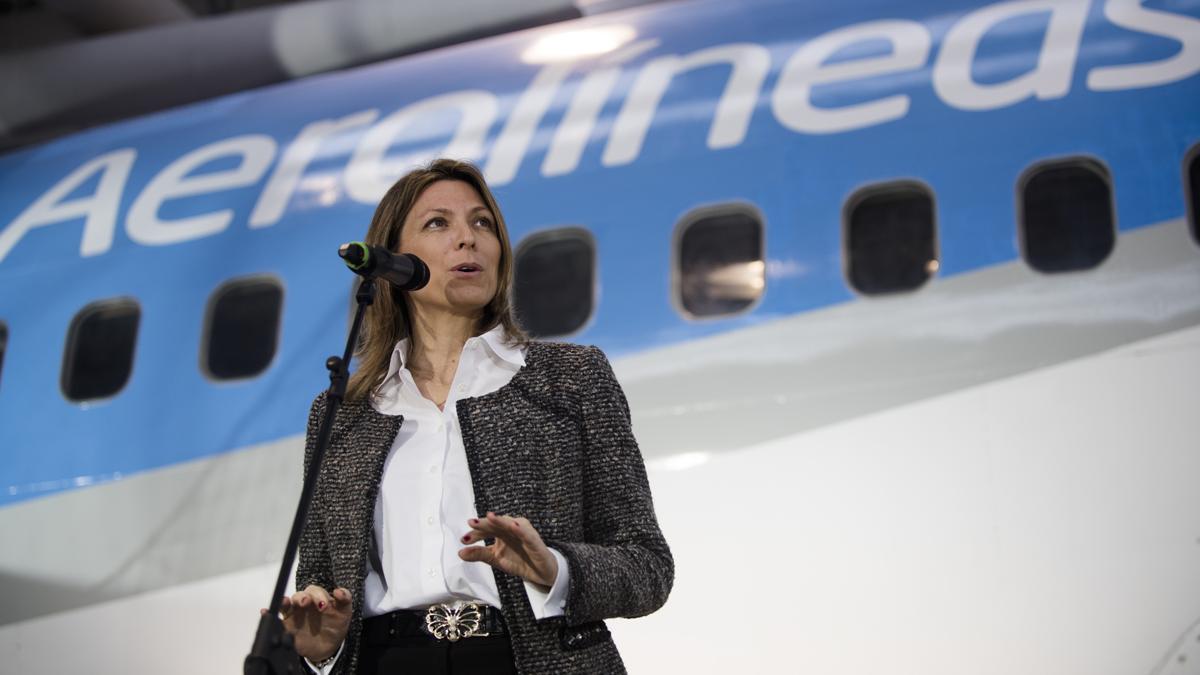
Las razones de la renuncia de la CEO de Aerolíneas Argentinas

https://i0.wp.com/www.aviacionline.com/wp-content/uploads/2016/03/Argentina-1024x683.jpg

AW | 2016 12 23 18:50 | AIRLINES MARKET

 Resultado de imagen para lineas aereas argentinasEl momento de la salida de la CEO de Aerolíneas Argentinas, Isela Constantini, tiene las razones de peso con el presupuesto 2017 y con la llegada de las líneas aéreas low cost en Argentina. El pedido del gobierno argentino está relacionado con que la presidenta de la línea de bandera diera el visto bueno a las licitaciones que se harán el martes 27 de diciembre en la Audiencia Pública

El portazo de la CEO se venía anticipando por los cruces que tenía con el ministro de Transporte, Guillermo Dietrich y con el secretario de Coordinación de Políticas Públicas de la Jefatura de Gabinete, Gustavo Lopetegui, un ex LAN que le había pedido a Daniel Maggi que siga de cerca a Isela, pero el gerente de Recursos Humanos también dimitió en las últimas horas.

Isela Costantini había pedido partidas presupuestarias por US$442 millones para este año, pero recibió un 38% menos y para 2017 tendría un ajuste similar. Por eso, la hoy ex titular de Aerolíneas Argentinas repetía que no tenía los fondos suficientes para la empresa. Desde la Casa Rosada (cede del gobierno argentino) le reprochaban su poco conocimiento del sector.

Desde el Ejecutivo le hicieron un último pedido a Costantini: tenía que ver con la Audiencia Pública Nacional para la apertura de nuevas compañías aéreas del día 27 de diciembre. El próximo martes entrarán en juego firmas nuevas como operadoras balo el esquema o modalidad low cost, que ofrecen vuelos baratos a través de compañías menores. El problema es que esas empresas presentan ciertas irregularidades en la constitución como firmas y los avales que se requieren para participar en la/s Audiencia/s pública/s.

El caso de FlyBondi pedirá operar casi cien rutas (56 de cabotaje y 43 internacionales) pero su capital social es menor a los US$6.000. Alas del Sur, otra de las low cost, su capital constitutivo declarado no le alcanzaría para iniciarse como línea aérea. Avianca, firma controlante de la ex-Macair, reclamó algunas rutas pero no se presentaría el martes. El CEO de Avianca es el mismo que el de Macair y también consultor aeronáutico privado del jefe de Estado. «De la mano del empresario Carlos Colunga, de fuerte llegada a la Casa Rosada, Avianca pretende obtener rutas clave para invertir en la Argentina. Colunga es vicepresidente de Avian Líneas Aéreas, la subsidiara de Avianca que adquirió 12 aviones con la idea de operar las mejores rutas del país. Antes dirigía MacAir, la firma de Franco Macri que fue vendida a Avianca».

Isela Constantini, ante este panorama, se resistió al desembarco «privilegiado» de Avianca. Según publicó esta mañana el periodista Marcelo Bonelli, esa posición fue uno de los motivos centrales que desencadenó su abrupta e inexplicable salida del equipo de Gobierno.

El informe de Claudio Destefano para empresarios que dedica a la salida de Isela de Aerolíneas, da cuenta de la audiencia de la semana que viene: «En la Audiencia Pública del 27 de diciembre, Isela iba a plantarse frente a la intención del ANAC y el Ministerio de Transporte de habilitar a nuevos operadores en el mercado. La Ley dice que si el operador instalado en el mercado presenta objeciones fundadas y demuestra que pueden perjudicarse todos (los que están y los que pretenden entrar), el resultado y dictamen final de la audiencia cambiaría. Si Aerolíneas/Austral no presenta objeciones, la audiencia de rutas otorga a los operadores vía libre para desembarcar en el mercado argentino. Isela se opuso al ingreso, y la quisieron «obligar» a que el 27 en la audiencia de rutas tuviera una actitud pasiva frente a los que vienen a comerle el mercado a AR/AU. Frente a la negación de modificar esta postura, el Ministro de Transporte, Guillermo Dietrich, y su asesor Lucas Aparicio, obligaron a renunciar a la funcionaria».

La Jefatura de Gabinete no le perdonó a Isela que tuviera una actitud condescendiente con el paro del lunes pasado y les facilitara las cosas a los gremios con la decisión empresaria de suspender directamente los vuelos. Ambas causas (el paro y la aceptación a la Audiencia Pública) detonaron la ya explosiva relación que ella mantenía con Gustavo Lopetegui, Mario Quintana y Guillermo Dietrich.

El mercado de las Low-cost en Argentina

El mercado aéreo argentino está por ingresar en un nuevo capítulo, más competidores ingresarían para volar rutas nacionales e internacionales. Dependerá mucho de las políticas claras y las reglas precisas para que pueda funcionar el ingreso de las low cost. El nuevo mercado para las low cost en Argentina abre el juego para atraer una demanda cautiva que en las rutas domésticas del país pudiera existir, pero es un «modelo» que tiene sus aciertos y fracasos. El modelo low cost funciona bien en Europa. En latinoamérica, Brasil se destaca con un modesto desempeño con el ingreso al mercado de Gol Linhas Aereas en el 2005, revolucionando el concepto del viaje por avión. Pero por otro lado, los usuarios han visto en muchas ocasiones los abusos por una tarifa «conveniente». Estados Unidos existen varias low-cost bien constituídas como Southwest Airlines que funciona bien. JetBlue en franca expansión, y otras como AirTran, ex-ValuJet, fue absorvida por Southwest. Aunque el mercado americano es muy diferente al latinoamericano, las empresas líderes siguen jugando un papel preponderante.

Resultado de imagen para aerolineas argentinas lan

PELEA POR LOS CIELOS ARGENTINOS, CRUZAN INTERESES ENTRE AEROLÍNEAS Y LATAM

Desde el inicio, Costantini tuvo un fuerte enfrentamiento con Lopetegui. El vicejefe de Gabinete, fue jefe de LAN y es experto en el negocio, propició acelerar la política de «cielos abiertos» y pidió, desde el inicio, cirugía sin anestesia para el déficit de Aerolíneas. Las peleas entre Costantini y Lopetegui derivaron en una decisión del Presidente para evitar cuestionamientos éticos: hace meses decidió que Costantini sea auditada por Quintana y no por Lopetegui.

«Guillermo Dietrich fue el encargado de cuestionar la flexibilidad con los gremios. Primero, por los fuertes aumentos acordados en las paritarias –pilotos, del 49 %– y después por lo ocurrido el lunes. El viernes pasado nada hacía presagiar la crisis. El presidente Mauricio Macri estuvo a solas en Olivos con Isela, Dietrich y Quintana. Hablaron del futuro de Aerolíneas, y Costantini defendió su posición sin sobresaltos».

La llegada de Dell’Acqua

Franco Rinaldi, consultor aeronáutico y politólogo, que considera que la gestión de Costantini fue «regular» y quien dijo que Macri era la «principal persona» que piensa que fue así, habló esta mañana por ‘AM 950 Belgrano’, sobre Mario Dell’Acqua, quien la reemplazará: «Lo conozco, es una persona razonable y experimentada que tiene mucho diálogo con Dietrich y sabe lo que quiere el Gobierno con Aerolíneas.»

«Los gremios van a poder complicar la gestión de Dell’ Aqua porque el intenta trabajar sobre una restructuración de la compañía que trate de reducir los privilegios que mantienen los trabajadores de la empresa», manifestó.

«Aerolíneas tiene que pasar por un proceso de restructuración para redefinir qué empresa quiere y qué empresa va a ser. Para eso, necesita renegociar sus contratos de trabajo, determinar qué y cuántos aviones trae y qué empleados necesita y cuales no», explicó. En tanto, remarcó: «La llegada de nuevas empresas generará que Aerolíneas deba hacer lo que menos sabe, competir.»

Consultado sobre si Aerolíneas Argentinas debería privatizarse, respondió: «No hay nadie que quiera comprar la empresa porque tiene el 35% más del personal que necesita, pierde 200 mil dólares por día y tiene problemas de convenios clectivos de trabajo.» «Este año fue un año perdido y el próximo será muy duro, pero la próxima debería ser una gestión más saludable», concluyó. A\W

https://i0.wp.com/www.aviacionline.com/wp-content/uploads/2016/03/Categoria-LineasAereasArgentinas-1024x683.jpg

The reasons for the resignation of the CEO of Aerolíneas Argentinas


The departure of Aerolineas Argentinas CEO Isela Constantini has the strongest reasons for the 2017 budget and the arrival of low cost airlines in Argentina. The request from the Argentine government is related to the president of the flag line giving the approval to the bids to be made on Tuesday, December 27 at the Public Hearing

The slam of the CEO was anticipated by the crossings he had with the Minister of Transportation, Guillermo Dietrich and the Secretary of Coordination of Public Policies of the Cabinet Head, Gustavo Lopetegui, a former LAN who had asked Daniel Maggi Follow Isela, but the Human Resources manager also resigned in the last hours.

Isela Costantini had requested budget allocations for US $ 442 million for this year, but received 38% less and by 2017 would have a similar adjustment. Therefore, the former owner of Aerolíneas Argentinas repeated that he did not have enough funds for the company. From the Casa Rosada (cede of the Argentine government) they reproached him for his little knowledge of the sector.

From the Executive made a last order to Costantini: had to do with the National Public Hearing for the opening of new airlines on December 27. Next Tuesday will come into play new firms as operators balo the scheme or modality low cost, that offer cheap flights through smaller companies. The problem is that these companies have certain irregularities.

The case of FlyBondi will request to operate almost one hundred routes (56 of cabotage and 43 international) but its social capital is smaller to the US $ 6,000. Alas del Sur, another of the low cost, its declared constituent capital would not reach him to start as an airline. Avianca, the controlling firm of the former Macair, claimed some routes but would not appear on Tuesday. The CEO of Avianca is the same as that of Macair and also a private aeronautical consultant to the head of state. «Avianca, a subsidiary of Avianca, has acquired 12 aircraft with the idea of operating the same aircraft, said Colunga, vice president of Avian Líneas Aéreas. Best routes in the country. I used to run MacAir, the Franco Macri firm that was sold to Avianca.»

Isela Constantini, before this panorama, resisted the «privileged» landing of Avianca. As Marcelo Bonelli reported this morning, that position was one of the central reasons that triggered his abrupt and inexplicable departure from the Government team.

https://i0.wp.com/www.aviacionline.com/wp-content/uploads/2016/08/IMG_0663c.jpg

The report by Claudio Destefano for entrepreneurs dedicated to Isela’s departure from Airlines, reports on next week’s hearing: «At the Public Hearing on December 27, Isela was to stand up against the intention of the ANAC and the The Law says that if the operator installed in the market presents well-founded objections and demonstrates that all can be harmed (those who are and those who intend to enter), the result and final ruling of the Isela objected to the entry, and wanted to «force» the 27 in the audience of routes to have A passive attitude towards those who come to eat the market to AR / AU. Faced with the refusal to modify this position, the Minister of Transport, Guillermo Dietrich, and his adviser Lucas Aparicio, forced to resign the official.»

The Head of Cabinet did not forgive Isela who had a condescending attitude to the strike last Monday and made things easier for the guilds with the business decision to suspend the flights directly. Both causes (the strike and acceptance to the Public Hearing) detonated the already explosive relationship that she maintained with Gustavo Lopetegui, Mario Quintana and Guillermo Dietrich.

The Low-cost market in Argentina

The Argentine air market is about to enter a new chapter, more competitors would enter to fly national and international routes. It will depend a lot on the clear policies and the precise rules so that the income of the low cost can work. The new market for low cost in Argentina opens the game to attract a captive demand that on the domestic routes of the country could exist, but is a «model» that has its successes and failures. The low cost model works well in Europe. In Latin America, Brazil stands out with a modest performance with the entrance to the market of Gol Linhas Aereas in 2005, revolutionizing the concept of the trip by airplane. But on the other hand, users have often seen abuses at a «convenient» rate. United States there are several low-cost well-constituted like Southwest Airlines that works well. JetBlue in full expansion, and others such as AirTran, formerly ValuJet, was absorbed by Southwest. Although the American market is very different from the Latin American market, the leading companies continue to play a preponderant role.

From the beginning, Costantini had a strong confrontation with Lopetegui. The deputy chief of staff, who was chief of LAN and an expert in the business, encouraged accelerating the policy of «open skies» and asked, from the beginning, surgery without anesthesia for the airline deficit. The fights between Costantini and Lopetegui resulted in a decision of the President to avoid ethical questions: months ago decided that Costantini be audited by Quintana and not by Lopetegui.

«Guillermo Dietrich was in charge of questioning the flexibility with the guilds, first because of the strong increases agreed in the pari-pilots, 49%, and then because of what happened on Monday. Mauricio Macri was alone in Olivos with Isela, Dietrich and Quintana. They talked about the future of Aerolíneas, and Costantini defended his position without any fuss. «

The arrival of Dell’Acqua

Franco Rinaldi, an aeronautical consultant and political scientist, who considers that the management of Costantini was «regular» and who said that Macri was the «main person» who thinks that was so, spoke this morning for ‘AM 950 Belgrano’, about Mario Dell ‘ Acqua, who will replace her: «I know him, he is a reasonable and experienced person who has a lot of dialogue with Dietrich and knows what the Government wants with Aerolíneas.»

«The guilds are going to be able to complicate the management of Dell ‘Aqua because it tries to work on a restructuring of the company that tries to reduce the privileges that keep the workers of the company,» he said.

«Aerolíneas has to go through a restructuring process to redefine what company it wants and what company it is going to be. For that, it needs to renegotiate its work contracts, determine what and how many airplanes it brings and what employees it needs and which it does not,» he explained. Meanwhile, he remarked: «The arrival of new companies will cause airlines to do what they least know, compete.»

Asked if Aerolíneas Argentinas should be privatized, he replied: «There is nobody who wants to buy the company because he has 35% more of the personnel he needs, he loses 200 thousand dollars a day and he has problems of working agreements.» «This year was a lost year and the next one will be very hard, but the next one should be a healthier management,» he concluded. A\W

Ξ A I R G W A Y S Ξ
SOURCE: A I R G W A Y S
DBk: Photographic © Aviacionline.com
AW-POST: 201612231850AR

A\W   A I R G W A Y S ®

Liberan pax /trip del Afriqiyah 8U209

Resultado de imagen para afriqiyah airways

AW | 2016 12 23 16:55 | AIRLINES

Avión libio: todos los pasajeros y tripulantes liberados del vuelo de Afriqiyah Airways secuestrado en Malta International

Los secuestradores armados con una granada y pistolas obligaron a un avión libio a aterrizar en Malta antes de liberar a todos los rehenes ilesos y entregarse a las autoridades, dijo el primer ministro maltés Joseph Muscat.

Las imágenes de la televisión mostraron que dos hombres fueron conducidos de la aeronave con esposas mientras el Sr. Muscat twitteaba: «Los secuestradores se rindieron, registraron y fueron arrestados».

El avión Afriqiyah Airways, que transportaba 118 personas, estaba en un vuelo interno desde Sebha, en el suroeste de Libia, hasta Tripoli, en la costa norte, cuando sospechosamente siguió unos 500 kilómetros y aterrizó en Malta.

El Sr. Muscat preguntó anteriormente: «Informado de la posible situación de secuestro de un vuelo interno #Libya desviado a #Malta. Seguridad y operaciones de emergencia de pie».

La autoridad aeroportuaria de Malta despachó inmediatamente equipos de emergencia al sitio de lo que llamó una «interferencia ilegal» en el asfalto del aeropuerto – las tropas tomaron posiciones a unos cientos de metros del avión.

Los motores de la aeronave todavía funcionaban 45 minutos después de aterrizar en la mañana, informaron los medios locales, mientras que todos los otros vuelos en el aeropuerto internacional de Malta fueron cancelados o desviados.

Pero horas después de aterrizar en Malta, surgieron informes de que los pasajeros estaban siendo liberados cuando se veía a los autobuses conducir hacia la pista para llevar a la gente a la basura. Los secuestradores fueron finalmente llevados bajo custodia.

Después de que el enfrentamiento terminó pacíficamente, el Sr. Muscat dijo en una conferencia de prensa que había habido conversaciones entre las autoridades maltesas y los secuestradores de Libia.

«No estábamos dispuestos a negociar hasta que hubo una rendición», dijo, añadiendo que los hombres llevaban una granada y pistolas.

El Sr. Muscat dijo más tarde en Twitter que los informes iniciales mostraban que algunas de las armas eran réplicas. Sin embargo, no estaba claro por qué exactamente el avión fue desviado de Libia.

Informes iniciales de la prensa dijeron que los secuestradores «pro-Gaddafi» amenazaron con volar el avión a menos que sus demandas – que nunca fueron aclaradas – se cumplieron.

El ex líder libio Moamar Gadafi murió en un levantamiento en 2011, y desde entonces el país ha estado agobiado por la violencia de las facciones.

En un momento en que los pasajeros salían del avión en Malta, un secuestrador apareció brevemente en la parte superior de los escalones con una bandera verde llana parecida a la del estado ahora desaparecido de Gadafi.

Los medios de comunicación libios atribuyeron el secuestro al anuncio de un nuevo grupo político pro-Gadafi, mientras que otros dijeron que los dos secuestradores buscaban asilo en Malta, una nación europea.

Según se informa, el piloto intentó aterrizar en Libia, pero los secuestradores se negaron a continuar con la pequeña isla mediterránea de Malta. Las autoridades dijeron que una investigación completa ahora se llevará a cabo para establecer la causa de la desviación. A\W

 Resultado de imagen para afriqiyah airways

Free pax / crew of Afriqiyah 8U209

Libyan plane: All passengers, crew released from hijacked Afriqiyah Airways flight at Malta International

Hijackers armed with a grenade and pistols forced a Libyan airliner to land in Malta before releasing all of the hostages unharmed and surrendering to authorities, Maltese Prime Minister Joseph Muscat said.

Television footage showed two men being led from the aircraft in handcuffs as Mr Muscat tweeted: «Hijackers surrendered, searched and taken in custody».

The Afriqiyah Airways aircraft, carrying 118 people, was on an internal flight from Sebha in south-west Libya to Tripoli on the north coast, when it suspiciously continued on some 500 kilometres and landed in Malta.

Mr Muscat earlier tweeted: «Informed of potential hijack situation of a #Libya internal flight diverted to #Malta. Security and emergency operations standing by.»

The Malta airport authority immediately dispatched emergency teams to the site of what it called an «unlawful interference» on the airport tarmac — troops took up positions a few hundred metres from the plane.

The aircraft’s engines were still running 45 minutes after it landed in late morning, local media reported, while all other flights at Malta International Airport were cancelled or diverted.

But hours after landing in Malta, reports emerged that passengers were being released as buses were seen driving onto the tarmac to carry people away — the hijackers were then eventually taken into custody.

After the standoff ended peacefully, Mr Muscat told a news conference there had been talks between Maltese authorities and the Libyan hijackers.

«We were not willing to negotiate until there was a surrender,» he said, adding that the men had been carrying a grenade and pistols.

Mr Muscat later said on Twitter that initial reports showed some of the weapons to be replicas. However, it remained unclear why exactly the plane was diverted from Libya.

Initial media reports said that «pro-Gaddafi» hijackers threatened to blow up the plane unless their demands — which were never made clear — were met.

Former Libyan leader Moamar Gaddafi was killed in an uprising in 2011, and the country has been racked by factional violence since.

At one point while passengers were exiting the plane in Malta, one hijacker briefly appeared at the top of the steps with a plain green flag resembling that of Gaddafi’s now-defunct state.

Libyan media reports attributed the hijacking to the announcement of a new pro-Gaddafi political group, while others said the two hijackers were seeking asylum in Malta, a European nation.

The pilot reportedly tried to land in Libya but hijackers refused — it then continued on to the tiny Mediterranean island of Malta. Authorities said a full investigation will now be undertaken to establish the cause of the diversion. A\W

Ξ A I R G W A Y S Ξ
SOURCE: A I R G W A Y S
DBk: Photographic © Lapatilla.com / Reportuk.org
AW-POST: 201612231655AR

A\W   A I R G W A Y S ®

Bombardier entrega el primer avión especial de carga CRJ200

AW | 2016 12 23 11:17 | INDUSTRY

Montreal, QUÉBEC, CANADÁ. Bombardier Commercial Aircraft ha anunciado hoy que ha entregado el primer avión CRJ200SF de carga especial (CRJ200SF) para lanzar el operador Gulf & Caribbean Cargo, Inc. Dba Grupo IFL (IFL Group) de Waterford, Michigan.

Los aviones CRJ100SF / CRJ200SF se convierten de la versión de pasajeros de la aeronave por Aeronautical Engineers, Inc. (AEI) de Miami, que es un proveedor de Certificado de Tipo Suplementario de Terceros (STC) con licencia de Bombardier. El diseño del carguero incluye una gran puerta de carga de 94 pulgadas x 77 pulgadas (238,7 cm x 195,6 cm), con capacidad para 14,840 libras. (6.731 kg) de carga útil en la cubierta principal y ofrecen ocho posiciones de paleta de 61,5 «X 88» para la contención.

«Los aviones CRJ100 y 200 son los activos sobre los cuales las aerolíneas regionales han construido su existencia, sin embargo están siendo gradualmente reemplazados a favor de aviones más grandes y están encontrando hogares en mercados secundarios con modificaciones como las conversiones de cargueros de AEI», dijo David Speirs, , Gestión de Activos, Bombardier Commercial Aircraft. «Continuamos viendo un creciente interés en estos aviones de segunda mano tanto de sectores tradicionales como emergentes de la industria».

«La base de operadores CRJ100 y 200 ha crecido en un 120 por ciento en los últimos ocho o nueve años, una fuerte indicación de la fuerza, versatilidad y atractivo de la aeronave», agregó Speirs.

«Hasta la fecha, hemos recibido compromisos para 45 conversiones de aeronaves de una variedad de operadores y esperamos convertir más de 100 aviones durante la vida del programa», dijo Robert Convey, Vicepresidente de Ventas y Marketing de Ingenieros Aeronáuticos. «Creo que la mayoría de los aviones CRJ100SF y CRJ200SF serán operados en servicios regionales de mayor alcance con una demanda reducida que requiere la velocidad de un avión, pero no puede soportar cargueros más grandes de cuerpo estrecho».

«La velocidad y el desempeño a tiempo son factores vitales para el éxito en una creciente industria del transporte aéreo», dijo Michael Church, presidente del IFL Group. «La fiabilidad de los aviones CRJ ha hecho su marca en el mundo altamente competitivo y rápido de las operaciones aéreas regionales y estamos seguros de que continuará en nuestro negocio de carga aérea». A\W

Bombardier Delivers First CRJ200 Special Freighter Aircraft

Montreal, QUÉBEC, CANADA . Bombardier Commercial Aircraft announced today that it has delivered the first CRJ200 Special Freighter (CRJ200SF) aircraft to launch operator Gulf & Caribbean Cargo, Inc. Dba IFL Group (IFL Group) of Waterford, Michigan.

The CRJ100SF/CRJ200SF jets are converted from the passenger version of the aircraft by Aeronautical Engineers, Inc. (AEI) of Miami who is a Bombardier-licensed Third Party Supplemental Type Certificate (STC) provider. The freighter design includes a large 94 in. x 77 in. (238.7 cm x 195.6 cm) cargo door, hold up to 14,840 lbs. (6,731 kg) of payload on the main deck and offer eight 61.5″ X 88″ pallet positions for containerization.

«CRJ100 and 200 jets are the assets upon which regional airlines have built their existence, however they are gradually being replaced in favor of larger aircraft and are finding homes in secondary markets with modifications such as AEI’s freighter conversions,» said David Speirs, Vice President, Asset Management, Bombardier Commercial Aircraft. «We are continuing to see growing interest in these pre-owned aircraft from both traditional and emerging sectors of the industry.»

«The CRJ100 and 200 operator base has grown by about 120 per cent over the past eight or nine years, a strong indication of the aircraft’s continuing strength, versatility and appeal,» added Mr. Speirs.

«To date, we have received commitments for 45 aircraft conversions from a variety of operators and we fully expect to convert over 100 aircraft over the life of the program,» said Robert Convey, Vice President, Sales and Marketing, Aeronautical Engineers. «I believe that most CRJ100SF, CRJ200SF aircraft will be operated on longer-range regional services with thin demand that require the speed of a jet but can’t support larger narrow-body freighters.»

«Speed and on-time performance are vital factors for success in a growing air freight industry,» said Michael Church, President, IFL Group. «The reliability of the CRJ aircraft have made their mark in the highly-competitive and fast-paced world of regional airline operations and we’re confident that will continue in our air freight business.» A\W


A I R G W A Y S Ξ
SOURCE: Bombardier Inc.
DBk: Photographic © Aircargonews.net / Aircargopedia.com / i1.wp.com
AW-POST: 2016122301117AR

A\W   A I R G W A Y S ®

Secuestro avion Afriqiyah Airways

AW | 2016 12 23 09:07 | AIR INVESTIGATION

AFRIQIYAH AIRWAYS 8U209

Realizaba un vuelo interno en Libia cuando fue ocupado por terroristas aun no identificados. El primer ministro maltés Joseph Muscat dijo que fue informado sobre la situaciónSecuestraron un avión de Afriqiyah Airways con 118 personas a bordo y lo desviaron a Malta: amenazan con hacerlo estallar

Un avión de Afriqiyah Airways fue secuestrado mientras realizaba un vuelo interno en Libia uniendo Sebha con la capital, Trípoli. Transporta 111 pasajeros y 7 tripulantes. El primer ministro maltés, Joseph Muscat, dijo en Twitter que se le informó sobre una situación potencial de secuestro de un vuelo interno de Libia desviado a Malta.

El aeropuerto informó que el aparto aterrizó con «al parecer dos secuestradores a bordo«. Las operaciones de seguridad y de emergencia están en curso. Los secuestradores dicen tener granadas de mano y amenazan con hacer estallar el aparato.

 El secuestrador, que afirma ser partidario de Khadafi, dice Times of Malta, está dispuesto a permitir que todos los pasajeros queden libres si se cumplían sus demandas. No se sabe cuáles son esas demandas.

Los autoridades informaron a los pasajeros en la sala de embarque que todos los vuelos han sido cancelados o desviados hasta nuevo aviso. Les pidieron paciencia porque temer que la situación no se resuelva rápidamente. El último gran incidente de secuestro en Malta tuvo lugar el 23 de noviembre de 1985 cuando un avión de EgyptAir Boeing 737 fue desviado.

Lo que siguió fue una pesadilla de 24 horas que terminó en una masacre sangrienta con 62 muertos cuando comandos egipcios irrumpieron en el avión. Sólo uno de los tres secuestradores sobrevivió y fue llevado a la justicia. A\W


Libyan Afriqiyah Airways flight ‘hijacked’ and taken to Malta

An Afriqiyah Airways flight has landed in Malta after apparently being hijacked

The Libyan passenger aircraft, with 118 people onboard, was on an internal flight when it was diverted, according to reports.

The prime minister of Malta Joseph Muscat tweeted that he had been informed of a «potential hijack situation» involving an internal Libyan flight diverted to Malta.

Malta airport says the plane from Libya has landed and it appears two hijackers are on board.

Airport officials said emergency teams had been sent to the site of what they described as «unlawful interference». Media reports say the hijackers have threatened to blow up the Airbus A320 plane. A\W


ASN logo

AFRIQIYAH AIRWAYS 8U209

Status: Preliminary
Date: Friday 23 December 2016
Type: Silhouette image of generic A320 model; specific model in this crash may look slightly different
Airbus A320-214
Operator: Afriqiyah Airways
Registration: 5A-ONB
C/n / msn: 3236
First flight: 2007-08-29 (9 years 4 months)
Engines: 2 CFMI CFM56-5B4/P
Crew: Fatalities: 0 / Occupants: 7
Passengers: Fatalities: 0 / Occupants: 111
Total: Fatalities: 0 / Occupants: 118
Airplane damage: None
Location: Malta-Luqa Airport (MLA) (   Malta)
Phase: En route (ENR)
Nature: Domestic Scheduled Passenger
Departure airport: Sebha Airport (SEB/HLLS), Libya
Destination airport: Tripoli International Airport (TIP/HLLT), Libya
Flightnumber: 8U209

Narrative:
Afriqiyah Airways flight 8U209, an Airbus A320, was en route from Sebha to Tripoli, Libya when it was diverted to Malta.
Reports indicate the flight was hijacked.
The aircraft landed on Malta-Luqa Airport’s runway 31 at 10:33 UTC.
According to the Times of Malta one hijacker is on board. He is claiming to be in possession of a hand grenade.


A I R G W A Y S Ξ
SOURCE: News.sky.com / Infobae.com / Aviation-safety.net
DBk: Photographic © Telegraph.co.uk /
AW-POST: 2016122300907AR

A\W   A I R G W A Y S ®

Líneas cruzadas tras renuncia de la CEO de Aerolíneas Argentinas

AW | 2016 12 01 15:50 | AIRLINES

 Líneas cruzadas en el enfrentamiento por la renuncia de la CEO de Aerolíneas Argentinas. Los cruces con Guillermo Dietrich y una licitación polémica que perjudica a la aerolínea de bandera precipitaron la salida de Isela Constantini

El Gobierno sostuvo que la renuncia de Isela Costantini a Aerolíneas Argentinas fue por temas personales. Sin embargo el momento de la salida de la ex CEO de General Motors tuvo que ver con el presupuesto 2017 y con la llegada de las líneas low cost: le habían pedido que diera el visto bueno a las licitaciones que se harán el martes, las cuales están llenas de irregularidades.

El portazo de la empresaria mujer más cotizada antes del año de haber asumido se venía preparando por los cruces que tenía con el ministro de Transporte, Guillermo Dietrich y con el secretario de Coordinación de Políticas Públicas de la Jefatura de Gabinete, Gustavo Lopetegui. El ex LAN le había pedido a Daniel Maggi que siga de cerca a Isela, pero el gerente de Recursos Humanos también dimitió en las últimas horas.

Costantini había pedido partidas presupuestarias por U$S 442 millones para este año, pero recibió un 38% menos y para 2017 tendría un ajuste similar. Por eso, la hoy ex titular de Aerolíneas Argentinas repetía que no tenía los fondos suficientes para la empresa. Desde la Casa Rosada le reprochaban su poco conocimiento del sector.

Sin embargo, y luego de haber arreglado paritarias con los siete gremios con los que marcha la aerolínea de bandera, desde el Ejecutivo le hicieron un último pedido a Costantini: tenía que ver con la audiencia pública del 27 de diciembre. El próximo martes entraran en juego firmas nuevas a operar los low cost, que ofrecen vuelos baratos a través de compañías menores. El problema es que esas empresas tienen irregularidades.

Por ejemplo, FlyBondi pedirá operar casi cien rutas (56 de cabotaje y 43 internacionales) pero su capital social es menor a los U$S 6.000, mientras que Alas del Sur, otra de las low cost, que no tiene aviones (como muchas) pero cuyo capital declarado no le alcanzaría en Argentina para pagar diez días de alquiler.

También se espera que en un futuro aplique Avianca, la cual compró la empresa Macair que pertenecía a los Macri, que reclamó algunas rutas pero no se presentaría el martes. El CEO de Avianca es el mismo que el de Macair y también consultor aeronáutico privado del jefe de Estado.

Competencia desigual

Las low cost competirán con Aerolíneas Argentinas en muchos de los vuelos de cabotaje e incluso en los internacionales. Lo harán en los más rentables, dejando a la empresa que conducirá el ex directivo de Techint, Mario Agustín Dell’Acqua, con las menos jugosas, lo que puede llegar a jaquear las cuentas de la compañía si no hace diferencia con las primeras.

El martes, el Gobierno espera que los representantes de Aerolíneas Argentinas no presenten objeciones a estas empresas entrantes, ya que de acuerdo a lo que dice la ley, el jugador instalado en el mercado puede incidir en el resultado de la audiencia pública. Macri no tenía asegurado que Costantini no objetara, lo que aceleró su salida. Durante los últimos días, la CEO había presentado cuadros de estrés y en su entorno suponían que se alejaría de la aerolínea de bandera. El cabotaje creció en 2016 solo un 6 por ciento. A\W

Resultado de imagen para aerolineas argentinas

Lines crossed after resigning CEO Aerolíneas Argentinas


Lines crossed in the confrontation by the resignation of the CEO of Aerolíneas Argentinas. The crosses with Guillermo Dietrich and a controversial licitation that damages the airline of flag precipitated the exit of Isela Constantini


The Government maintained that Isela Costantini’s resignation to Aerolineas Argentinas was for personal reasons. However the moment of the departure of the former CEO of General Motors had to do with the 2017 budget and the arrival of the low cost lines: they had asked him to approve the tenders to be made on Tuesday, which Are full of irregularities.

The slam of the female entrepreneur most quoted before the year of assuming had been prepared by the crossings she had with the Minister of Transport, Guillermo Dietrich and the Secretary for Coordination of Public Policies of the Office of the Chief of Staff, Gustavo Lopetegui. The former LAN had asked Daniel Maggi to follow Isela, but the manager of Human Resources also resigned in the last hours.

Costantini had requested budget items for $ 442 million for this year, but received 38% less and by 2017 would have a similar adjustment. Therefore, the former owner of Aerolineas Argentinas repeated that he did not have enough funds for the company. From the Casa Rosada they reproached him for his lack of knowledge of the sector.

However, after arranging jointly with the seven guilds with which the flagship airline marches, from the Executive made a last order to Costantini: it had to do with the public hearing of December 27. On Tuesday, new firms will start operating the low-cost airlines, which offer cheap flights through smaller companies. The problem is that these companies have irregularities.

For example, FlyBondi will request to operate almost one hundred routes (56 cabotage and 43 international) but its social capital is less than US $ 6,000, while Alas del Sur, another low cost, has no aircraft (as many) But whose declared capital would not reach him in Argentina to pay ten days of rent.

It is also expected that in the future apply Avianca, which bought Macair company that belonged to the Macri, which claimed some routes but would not be presented on Tuesday. The CEO of Avianca is the same as that of Macair and also a private aeronautical consultant to the head of state.

Unequal competence

The low cost airlines will compete with Aerolíneas Argentinas on many of the domestic and even international flights. They will do so in the most profitable, leaving the company that will lead the former manager of Techint, Mario Agustín Dell’Acqua, with the least juicy, which can get to check the company’s accounts if it makes no difference with the former.

On Tuesday, the Government expects representatives of Aerolineas Argentinas not to object to these incoming companies, since according to what the law says, the player installed in the market can influence the outcome of the public hearing. Macri was not sure that Costantini did not object, which accelerated his departure. During the last few days, the CEO had presented stress pictures and in her surroundings assumed that she would move away from the flag airline. Cabotage grew by only 6 percent in 2016. A\W


Ξ A I R G W A Y S Ξ
SOURCE: A I R G W A Y S / Eldestape.com
DBk: Photographic © Eldestape.com / Cordobatime.com
AW-POST: 201612220530AR

A\W   A I R G W A Y S ®

Alas U pierde permisos y decidirá la quiebra en días


https://airgways.com/wp-content/uploads/2016/12/a23e9-img_00682bcropped.jpg

AW | 2016 12 22 05:22 | AIRLINES

Azul quiere quedarse con las rutas y contrataría a 60 o 70 trabajadores

Con ese panorama, esta semana se convocó para el jueves 29 de diciembre a una Asamblea General extraordinaria de Aftau que tiene en su orden del día analizar la «situación actual de la empresa y futuro de la misma» y la «votación de moción que será presentada a todos los presentes ese día para su aprobación».

La moción, en principio, es la quiebra, dijeron a El País fuentes del directorio. Esto está relacionado con que sostienen que hay un «compromiso con el gobierno» de que si Azul se instala tome parte de la plantilla de trabajadores de la aerolínea.

Precisamente, esta semana el gobierno mantuvo dos reuniones con las autoridades de Azul. Hoy la aerolínea brasileña ya opera en Uruguay en la ruta Porto Alegre-Montevideo, pero el interés es el puente aéreo.

«Azul quiere establecer una base de operaciones en el Aeropuerto de Carrasco», informó el ministro de Transporte y Obras Públicas, Víctor Rossi al portal de Presidencia. «Ellos están muy interesados en cumplir ese objetivo y nosotros comprometidos en esforzarnos para concretar las certificaciones lo más pronto posible», agregó. En tanto la ministra de Turismo, Liliam Kechichian, dijo que las autoridades de Azul expresaron «su voluntad de seleccionar, en un principio, entre 60 y 70 trabajadores en aire y tierra que capacitaría en su centro de instrucción en la ciudad de Campinas, en el estado de San Pablo», informó Presidencia. A\W

Alas U loses permits and will decide bankruptcy in days


Azul wants to stay with the routes and would hire 60 or 70 workers


With this panorama, this week a special General Assembly of Aftau was summoned for Thursday, December 29, which has in its agenda to analyze the «current situation of the company and future of the same» and the «vote of motion that will be Presented to all present on that day for approval.»

The motion, in principle, is bankruptcy, sources from the board told El País. This is related to the claim that there is a «commitment to the government» that if Azul is installed, take part in the workforce of the airline.

Precisely, this week the government held two meetings with the authorities of Azul. Today the Brazilian airline already operates in Uruguay on the Porto Alegre-Montevideo route, but the interest is the airlift.

«Azul wants to establish a base of operations at Carrasco Airport,» Transport and Public Works Minister Victor Rossi told the Presidency website. «They are very keen to meet that goal and we are committed to strive to complete certifications as soon as possible,» he added. Meanwhile, the Minister of Tourism, Liliam Kechichian, said Azul officials expressed «their willingness to initially select between 60 and 70 workers in air and land that would train at their training center in the city of Campinas, The state of San Pablo,» reported the Presidency. A\W


Ξ A I R G W A Y S Ξ
SOURCE:  elpais.com.uy
DBk: Photographic © Argentina-airline-news.blogspot.com
AW-POST: 201612220522AR

A\W   A I R G W A Y S ®

Brasil presentará una queja contra Canadá y Bombardier en la OMC


https://i0.wp.com/globalfarmernetwork.org/wp-content/uploads/2016/01/f2db05517411d6eb0e1fc32654b32d49_XL.jpg

AW | 2016 12 21 21:17 | INDUSTRY

 Brasil dice que el gobierno de Canadá inyectó US $ 2.500 millones en el fabricante de aviones Bombardier, afectando la competitividad del mercado


El gobierno de Brasil anunció que abrirá una queja formal contra Canadá en la Organización Mundial del Comercio (OMC) cuestionando los subsidios otorgados por el país norteamericano a su industria aeronáutica, específicamente a Bombardier.

Según el Ministerio de Relaciones Exteriores de Brasil, este año el gobierno canadiense inyectó aproximadamente 2.500 millones de dólares al fabricante de aviones Bombardier.

«Hay indicios de que el Gobierno Federal de Canadá tiene la intención de hacer una nueva contribución significativa al capital de la compañía en breve, para asegurar la viabilidad de los nuevos aviones de la Serie C y su colocación en el mercado a precios artificialmente reducidos», dijo el comunicado emitido por el Ministerio.

La declaración concluyó diciendo: «En la evaluación de Brasil, el apoyo otorgado por el gobierno canadiense a Bombardier ha afectado las condiciones competitivas en el mercado de una manera que es incompatible con los compromisos asumidos por Canadá en la OMC».

La decisión fue aplaudida por uno de los mayores competidores de Bombardier, el fabricante brasileño de aviones Embraer. Según la empresa brasileña se hicieron múltiples intentos para resolver el problema a nivel diplomático.

«Embraer cree que el proceso formal de solución de controversias en la OMC es el único medio para asegurar una igualdad de condiciones en el mercado», dijo Paulo Cesar Silva, Presidente y CEO de Embraer. «Los subsidios canadienses han causado distorsiones significativas en el mercado y no están en conformidad con las reglas del comercio internacional».

Esta no será la primera vez que los dos países presenten denuncias sobre la industria aeronáutica de cada uno en la OMC. A finales de los años noventa Canadá acusó a Embraer de obtener subsidios del gobierno brasileño por sus aviones E170 y E190.

En el momento en que Brasil contraatacó, afirmando que Bombardier también había recibido subsidios de Canadá. La OMC gobernó a favor de Brasil, pero ambos países fueron multados. A\W

Resultado de imagen para Bombardier vs Embraer WTO

Brazil to File Complaint Against Canada and Bombardier at WTO

Brazil says Canada’s government injected US$2.5 billion into aircraft manufacturer Bombardier, affecting the competitiveness of the market

SÃO PAULO, BRAZIL · The government of Brazil has announced it will open a formal complaint against Canada at the World Trade Organization (WTO) questioning the subsidies granted by the North American country to its aeronautical industry, specifically to Bombardier.

According to Brazil’s Ministry of Foreign Affairs, this year alone the Canadian government injected approximately US$2.5 billion into aircraft manufacturer Bombardier.

“There is indication that the Canadian Federal Government intends to make a significant new contribution to the company’s capital soon, to ensure the viability of the new C-Series aircraft and its placing on the market at artificially reduced prices,” said the statement released by the Ministry.

The statement concluded by saying, “In the assessment of Brazil, the support granted by the Canadian government to Bombardier has affected the competitive conditions in the market in a way that is incompatible with the commitments made by Canada in the WTO.”

The decision was applauded by one of Bombardier’s biggest competitors, Brazilian aircraft manufacturer Embraer. According to the Brazilian company multiple attempts were made to resolve the issue at the diplomatic level.

“Embraer believes that the formal dispute settlement process at the WTO is the only means to ensure a level playing field in the market,” said Paulo Cesar Silva, Embraer President and CEO. “Canadian subsidies have caused significant market distortions and are not in compliance with international trade rules.”

This will not be the first time the two countries filed complaints about each other’s aeronautical industry at the WTO. In the late 1990s Canada accused Embraer of obtaining subsidies from the Brazilian government for its E170 and E190 jets.

At the time Brazil counter-attacked, stating that Bombardier had also received subsidies from Canada. The WTO ruled in Brazil’s favor but both countries were fined. A\W

https://leehamnews.com/wp-content/uploads/2016/01/E195-E2-03.jpg

Brasil apresentará queixa contra o Canadá e a Bombardier na OMC

O Brasil diz que o governo do Canadá injetou US $ 2,5 bilhões no fabricante de aviões Bombardier, afetando a competitividade do mercado


O governo do Brasil anunciou que vai abrir uma queixa formal contra o Canadá na Organização Mundial do Comércio (OMC) questionando os subsídios concedidos pelo país norte-americano à sua indústria aeronáutica, especificamente à Bombardier.

De acordo com o Ministério de Relações Exteriores do Brasil, só este ano o governo canadense injetou cerca de US $ 2,5 bilhões no fabricante de aviões Bombardier.

«Há indicações de que o governo federal canadense pretende fazer uma contribuição significativa para o capital da empresa em breve, para garantir a viabilidade das novas aeronaves da série C e sua colocação no mercado a preços artificialmente reduzidos», disse o comunicado divulgado pela o Ministério.

A declaração concluiu dizendo: «Na avaliação do Brasil, o apoio concedido pelo governo canadense à Bombardier afetou as condições competitivas no mercado de uma maneira que é incompatível com os compromissos assumidos pelo Canadá na OMC«.

A decisão foi aplaudida por um dos maiores concorrentes da Bombardier, a fabricante brasileira de aviões Embraer. Segundo a empresa brasileira, várias tentativas foram feitas para resolver a questão a nível diplomático.

«A Embraer acredita que o processo formal de solução de controvérsias na OMC é o único meio de garantir condições de igualdade no mercado», disse Paulo Cesar Silva, presidente e CEO da Embraer. «Os subsídios canadenses causaram distorções significativas no mercado e não estão em conformidade com as regras do comércio internacional».

Esta não será a primeira vez que os dois países apresentarem queixas sobre a indústria aeronáutica de cada um na OMC. No final dos anos 90, o Canadá acusou a Embraer de obter subsídios do governo brasileiro para seus jatos E170 e E190.

Na época o Brasil contra-atacou, afirmando que a Bombardier também havia recebido subsídios do Canadá. A OMC governou a favor do Brasil, mas ambos os países foram multados. A\W


Ξ A I R G W A Y S Ξ
SOURCE: Riotimesonline.com
DBk: Photographic © FlyingInIreland.com / Leehamnews.com / Embraer.com / Globalfarmernetwork.org
AW-POST: 201612212117AR

A\W   A I R G W A Y S ®
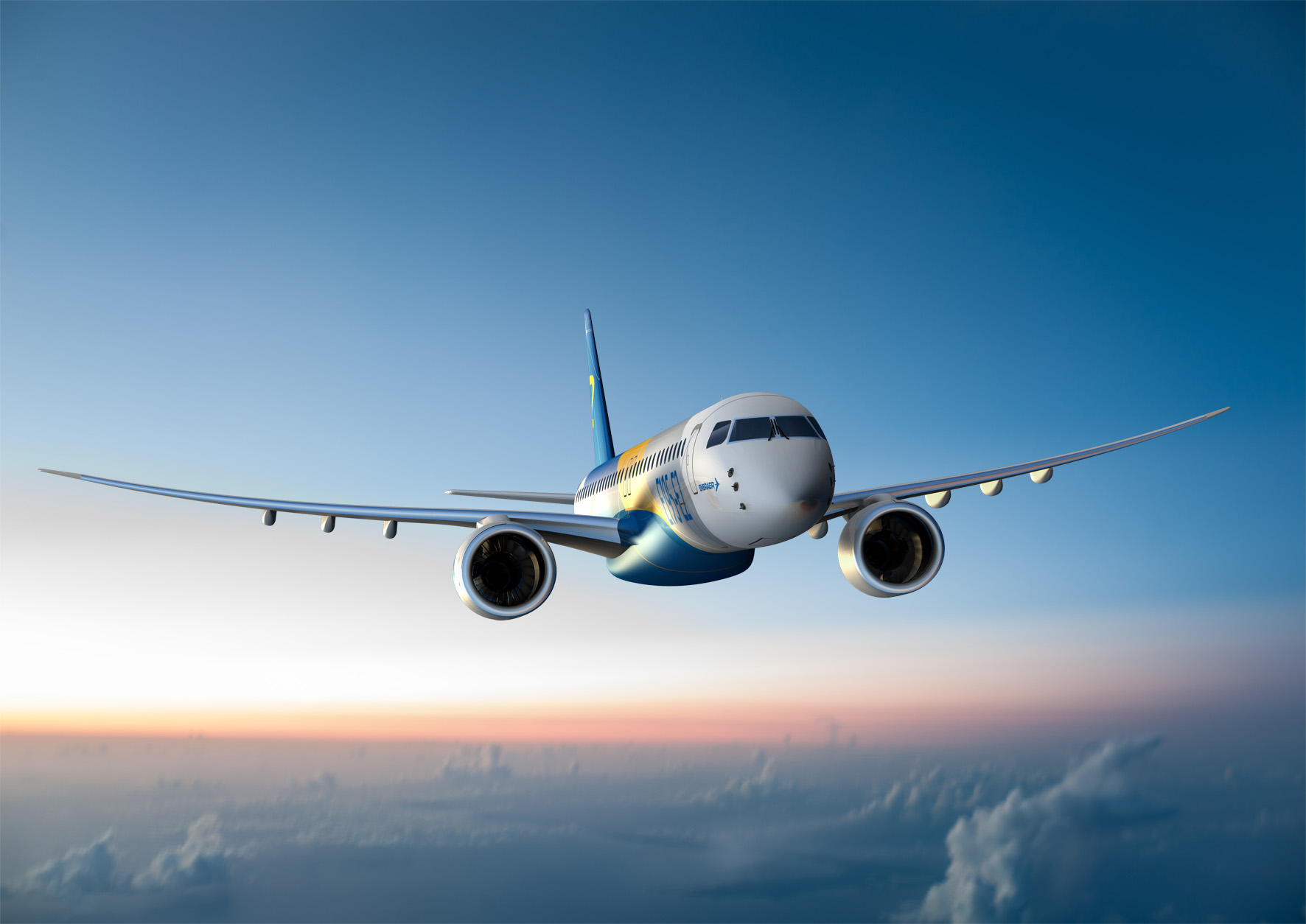
Renunció CEO de Aerolíneas Argentinas

Resultado de imagen para isela costantini aerolineas

AW | 2016 12 21 14:45  U17:35* | AIRLINES

La presidenta de Aerolíneas Argentinas, Isela Costantini, renunció hoy a su cargo como ejecutiva de la línea aérea argentina. Según adujo la razón respondió a motivos personales

Isela Costantini presentó su dimisión como presidenta de la empresa aérea estatal. Será reemplazada por el actual titular de la estatal Intercargo y ex directivo de Techint, Mario Dell Acqua, según confirmaron a Télam fuentes del Ministerio de Transporte de la Nación.

Isela Angélica Costantini nació en San Pablo, Brasil, el 12 de agosto de 1971, es una comunicadora social y empresaria, presidió Aerolíneas Argentinas desde enero de 2016.

Resultado de imagen para isela costantini aerolineas

Comenzó su carrera en General Motors de Brasil en 1998, en el área de mercadotecnia y ventas. Allí desempeñó varias funciones, entre ellas, mercadotecnia estratégica, pronóstico de ventas y gerente de marca. En 2002 fue transferida a la planta de pickup en Arlington, Texas como Gerente de Planta de Chasis. Regresó a GM Brasil para desempeñarse como Gerente de Programas y trabajó en área de Investigaciones de Mercado, fue ejecutiva de Investigación de Mercado y Planeamiento de Producto. Fue directora regional de post-venta y servicio al cliente en GM Sudamérica y presidente y directora ejecutiva de General Motors Argentina, Uruguay y Paraguay, convirtiéndose en la primera mujer en ocupar ese cargo. Costantini fue incluida en 2013 entre las 50 mujeres más poderosas del mundo de los negocios según la revista Fortune, que en su tradicional evaluación la ubicó en el puesto número 37. Costantini también lidera la Asociación de Fabricantes de Automotores (ADEFA) y en noviembre de 2015 fue elegida como la CEO del año.

Con la llegada de Mauricio Macri a la Presidencia de la Nación Argentina, Isela Costantini fue designada como presidenta de Aerolíneas Argentinas, reemplazando a Mariano Recalde pero no asumió el cargo hasta enero de 2016. Mientras tanto el presidente de la aerolínea de bandera fue Manuel Álvarez Trongé.

Por razones personales la CEO de Aerolíneas Argentinas, Isela Constantini renunció a la presidencia de Aerolíneas Argentinas no llegando a cumplir un año de su gestión, dejando un período de trancisión para que otra persona ocupe este cargo en la aerolínea de bandera argentina. A\W

Resultado de imagen para isela costantini aerolineas

CEO of Aerolíneas Argentinas resigned


The president of Aerolineas Argentinas, Isela Costantini, resigned today to her position as executive of the Argentine airline. According to the reason, he responded to personal reasons

Isela Costantini resigned as president of the state-owned airline. It will be replaced by the current owner of state-owned Intercargo and former manager of Techint, Mario Dell Acqua, according to Télam sources confirmed by the Ministry of Transport of the Nation.


Isela Angélica Costantini was born in San Pablo, Brazil, on August 12, 1971. She is a social communicator and businesswoman, presided over Aerolíneas Argentinas since January 2016.

He began his career in General Motors Brazil in 1998, in the area of marketing and sales. There he performed several functions, including strategic marketing, sales forecasting and brand manager. In 2002 she was transferred to the pickup plant in Arlington, Texas as Chassis Plant Manager. She returned to GM Brazil to work as a Program Manager and worked in the area of Market Research. She was a Market Research and Product Planning executive. She was regional director of post-sales and customer service at GM South America and president and chief executive officer of General Motors Argentina, Uruguay and Paraguay, becoming the first woman to hold that position. Costantini was included in 2013 among the 50 most powerful women in the business world according to Fortune magazine, which in its traditional evaluation placed it in the 37th place. Costantini also leads the Automobile Manufacturers Association (ADEFA) and in November 2015 was chosen as the CEO of the year.

With the arrival of Mauricio Macri to the Presidency of the Argentine Nation, Isela Costantini was appointed president of Aerolíneas Argentinas, replacing Mariano Recalde but did not assume the position until January of 2016. Meanwhile the president of the flag airline was Manuel Álvarez Trongé.

For personal reasons Aerolineas Argentinas CEO Isela Constantini resigned from the chairmanship of Aerolíneas Argentinas not reaching a year of its management, leaving a transitional period for another person to hold this position on the Argentine flag carrier. A\W

*UPDATED/ACTUALIZADO

Ξ A I R G W A Y S Ξ
SOURCE: A I R G W A Y S
DBk: Photographic © Infobae.com / Treslineas.com.ar / Telam.com.ar
AW-POST: 201612211445AR

A\W   A I R G W A Y S ®

Boeing obtiene 1º fuselaje 737-9 MAX de Spirit AeroSystems

image/photo

AW | 2016 12 21 12:35 | INDUSTRY

The Boeing Co. ahora tiene la mayoría de los primeros 737-9 MAX para iniciar el ensamblaje, gracias a la entrega a finales de la semana pasada del fuselaje del avión de Spirit AeroSystems Inc. en Wichita


El «MAX» es la versión actualizada del programa de aviones comerciales más importante de Air Capital, donde Spirit y su base de suministro local construyen alrededor del 70 por ciento de cada 737 de Boeing. El trabajo de Spirit en Wichita incluye la construcción del fuselaje completo, pilones del motor y naceles del motor.

La compañía, que tiene trabajo en todos los programas comerciales de Boeing, también construye los componentes del ala para el avión en su planta en Tulsa, Oklahoma.

El 737-8 MAX ya está en pruebas de vuelo, con entregas para comenzar a lanzar al cliente Southwest Airlines en la primera mitad del próximo año. Se espera que la variante extendida Boeing 737-9 MAX  entre en servicio en 2018.

El programa 737 y su cartera de 4.280 aviones, 3.346 de las órdenes cargadas son para las versiones de MAX, continúa impulsando el crecimiento en Spirit ya que Boeing planea un aumento de la producción escalonada que llevará a los aviones de la actual tasa de 42 aviones por mes a 47, y a una tasa eventual de 57 por mes en 2019. A\W

Resultado de imagen para Boeing 737 max 9

Boeing gets its first 737-9 MAX fuselage from Spirit AeroSystems

The Boeing Co. now has the majority of the first 737 MAX 9 to be assembled, thanks to delivery late last week of the plane’s fuselage from Spirit AeroSystems Inc. in Wichita

The «MAX» is the updated version of the most important commercial aircraft program in the Air Capital, where Spirit AeroSystems and its local supply base builds around 70 percent of every 737 Boeing delivers. The work by Spirit in Wichita includes building the full fuselage, engine pylons and engine nacelles.

The company, which has work on all Boeing commercial programs, also builds wing components for the aircraft at its plant in Tulsa, Oklahoma.

The 737 MAX 8 is already in flight testing, with deliveries to begin to launch customer Southwest Airlines in the first half of next year. The stretched Boeing 737-9 MAX variant is expected to enter service in 2018.

The 737 program and its 4,280, plane backlog 3,346 of the unfilled orders are for MAX versions, continues to drive growth at Spirit as Boeing plans stepped production increases that will take the aircraft from the current rate of 42 aircraft per month, soon to be 47, to an eventual rate of 57 per month in 2019. A\W


Ξ A I R G W A Y S Ξ
SOURCE: bizjournals.com
DBk: Photographic © Boeing.com
AW-POST: 201612211235AR

A\W   A I R G W A Y S ®

Air Nostrum quiere volar en Argentina

Resultado de imagen para Air Nostrum

AW | 2016 12 21 11:51 | AIRLINES MARKET / GOVERNMENT

Resultado de imagen para Air Nostrum new lookLa compañía española Air Nostrum, subsidiaria de Iberia Líneas Aéreas desea iniciar operaciones en Argentina a partir del año 2017

La compañía feeder de Iberia y ex accionista de Sol Líneas Aéreas, se encuentra iniciando reclutamiento de azafatas y mecánicos para asistir en futuros vuelos de cabotaje por el país.

La línea aérea, franquicia de Iberia, realizó en el día de ayer una serie de entrevistas grupales e individuales para la futura contratación de azafatas. Del grupo convocado, 12 quedaron pre seleccionadas para realizar un curso de iniciación de dos semanas que comenzaría el próximo 2 de enero. Tras aprobarlo y luego de superar exitosamente un examen de la Administración Nacional de Aviación Civil (ANAC), las candidatas quedarían incorporadas a la empresa, aunque sólo 4 de ellas comenzarían a volar en un primer avión. El resto se sumarían al plantel efectivo a medida que la flota fuera creciendo.

Otra fuente anteriormente involucrada con Sol Líneas Aéreas confirmó la reactivación de los procesos administrativos necesarios para que Air Nostrum vuele sobre las rutas de la ex aerolínea rosarina, operaciones en las que el Grupo Transatlántica, fundador de Sol Líneas Aéreas, no tendrá relación alguna. El nombre tentativo de la aerolínea sería Flyest, y que comenzará a hacer vuelos charter de cabotaje (a destinos como Mar del Plata o San Carlos de Bariloche) con el único avión con el que cuenta por el momento a partir de la segunda quincena de enero de 2017. También sostuvo que Air Nostrum cuenta con pilotos que ya tomaron la capacitación obligatoria para volar el avión de esta nueva aerolínea, y que la franquicia de Iberia quiere invertir en el país y sumar aeronaves.

https://aeropuertodevigo.files.wordpress.com/2012/11/crk4.jpg

UN BOMBARDIER CRJ-1000 DE LA COMPAÑÍA IBERIA REGIONAL AIR NOSTRUM

La noticia de los primeros movimientos de Air Nostrum llega a días de la audiencia pública del 27 de diciembre, día en que las líneas aéreas mencionadas pelearán por conseguir para sí pedidos de autorización para cubrir nuevas rutas de cabotaje e internacionales, algo que no se realizaba desde 2005.

Los antecedentes de la compañía española en el país son escasos. Según indica en su sitio, Air Nostrum inició sus negocios con Sol Líneas Aéreas, la ex aerolínea de origen rosarino, en septiembre de 2015. En esa época, la firma europea había ingresado a Sol tras una alianza entre esta última y Aerolíneas Argentinas, como socia minoritaria con carácter tecnológico y con el objetivo de tutelar la transformación de su flota.

El acuerdo fue suscripto por ILAI, una sociedad conformada por accionistas de Air Nostrum. Fueron ellos también quienes solicitaron que ese contrato incluyera una cláusula que permitiera a la línea franquicia de Iberia salirse de ese acuerdo si los lazos entre Aerolíneas Argentinas y Sol llegaban a su fin, lo que finalmente sucedió a principios de año.

Ante esa circunstancia, los responsables de ILAI, la sociedad de Air Nostrum, hicieron efectiva la cláusula de salida que habían incorporado a su convenio con Sol Líneas Aéreas.

Ahora, la realización de entrevistas para reclutar azafatas por parte de Air Nostrum despierta rumores de que la aerolínea tiene intenciones certeras de volver a estar involucrada con el tráfico aérea de pasajeros sobre suelo argentino.

En 2015, Air Nostrum declaró haber realizado más de 75 mil vuelos en los que se transportó a alrededor de 4 millones de pasajeros. A su vez, la aerolínea es, según un artículo de El País, la que más vuelos internos realiza en España. Para el Grupo Iberia opera bajo la marca Iberia Regional Air Nostrum, y en los últimos reportes publicados en su web asegura facturar 400 millones de euros al año y emplear a cerca de 1.400 empleados. Está enfocada al vuelo de pasajeros por negocios y sus aeronaves sobrevuelan distancias cortas o medias y transportan a no más de 100 personas.

Su presidente y accionista mayoritaria es Carlos Bertomeu, fundador de la empresa y quien comparte la propiedad de la línea con Antonio Pellicer y José Remohí, fundadores del IVI (Instituto Valenciano de Infertilidad); la familia Serratosa -fundadora de Air Nostrum en 1994- mediante Nefinsa-Pool de Activos S.L.; el Banco Zeiss y un grupo de directivos de la aerolínea. A\W

Resultado de imagen para Air Nostrum

Air Nostrum wants to fly in Argentina


The Spanish company Air Nostrum, subsidiary of Iberia Líneas Aéreas wants to start operations in Argentina from 2017


Iberia’s feeder company and former shareholder of Sol Líneas Aéreas, is starting recruiting hostesses and mechanics to assist in future cabotage flights throughout the country.
The airline, Iberia franchise, made yesterday a series of group and individual interviews for the future hiring of hostesses. Of the group convened, 12 were pre-selected for a two-week initiation course starting on January 2. After approving it and after successfully passing an examination of the National Civil Aviation Administration (ANAC), the candidates would be incorporated into the company, although only 4 of them would start flying in a first plane. The rest would join the effective squad as the fleet grew.

Another source previously involved with Sol Líneas Aéreas confirmed the reactivation of the administrative processes necessary for Air Nostrum to fly over the routes of the former Rosarina airline, operations in which the Transatlantic Group, founder of Sol Líneas Aéreas, will have no relation whatsoever. The tentative name of the airline would be Flyest, and that it will begin to make charter flights of cabotage (to destinations like Mar del Plata or San Carlos de Bariloche) with the only airplane that counts for the moment from the second half of January Of 2017. He also said that Air Nostrum has pilots who have already taken the mandatory training to fly the plane of this new airline, and that the Iberia franchise wants to invest in the country and add aircraft.

The news of the first movements of Air Nostrum arrives at days of the public hearing of December 27, day in which the above mentioned airlines will fight for to obtain for themselves orders of authorization to cover new routes of international and coastal, something that was not realized Since 2005.

The background of the Spanish company in the country is scarce. As indicated on its website, Air Nostrum started its business with Sol Líneas Aéreas, the former airline of Rosario origin, in September 2015. At that time, the European company had entered Sol after an alliance between the latter and Aerolíneas Argentinas, as Minority partner with a technological character and with the aim of protecting the transformation of its fleet.

The agreement was signed by ILAI, a company formed by shareholders of Air Nostrum. They were also the ones who requested that this contract included a clause that would allow the Iberia franchise line to leave that agreement if the ties between Aerolineas Argentinas and Sol came to an end, which finally happened at the beginning of the year.

In view of this circumstance, those responsible for ILAI, the company of Air Nostrum, made effective the departure clause that they had incorporated in their agreement with Sol Líneas Aéreas.

Now, interviews to recruit air hostesses by Air Nostrum arouse rumors that the airline has certain intentions to be again involved with air passenger traffic on Argentine soil.

Resultado de imagen para Air Nostrum new look 

In 2015, Air Nostrum claimed to have made more than 75 thousand flights in which about 4 million passengers were transported. In turn, the airline is, according to an article of El País, the most internal flights made in Spain. For the Iberia Group it operates under the Iberia Regional Air Nostrum brand, and in the latest reports published on its website, it claims to invoice 400 million euros a year and employ about 1,400 employees. It is focused on the passenger flight for business and its aircraft fly short or medium distances and carry no more than 100 people.

Its president and majority shareholder is Carlos Bertomeu, founder of the company and who shares the ownership of the line with Antonio Pellicer and José Remohí, founders of the IVI (Valencian Institute of Infertility); The Serratosa family – founder of Air Nostrum in 1994 – through Nefinsa-Pool of Assets S.L .; The Zeiss Bank and a group of executives of the airline. A\W

Ξ A I R G W A Y S Ξ
SOURCE: sinmordaza.com.ar
DBk: Photographic © Air Nostrum / Fly-news.es / Youtube.com
AW-POST: 201612211551AR

A\W   A I R G W A Y S ®