Eastern Airlines perspectivas expansión a América del Sur
Eastern Airlines ha anunciado una nueva expansión de sus rutas en América del Sur. La lanzará ocho nuevas rutas en 2021, con la primera a partir de finales de Enero 2021. Continuando con su enfoque en las rutas a América del Sur en una demostración de las fortalezas que la compañía desea emplear para reactivar los viajes aéreos en el continente americano. A principios de 2020, la aerolínea había anunciado un total de doce anunciadas para 2020, pero sólo lanzó operaciones programadas a dos rutas, mientras se espera planificar un total de catorce rutas hacia finales de Mayo de 2021.
América del Sur
A partir del 29 de Enero de 2020, Eastern Airlines comenzará vuelos entre Los Ángeles y Guayaquil, Ecuador con una frecuencia de dos veces por semana (2Frq/S). La ruta será el primer vuelo programado para la aerolínea desde Los Ángeles. Será el único vuelo regularmente programado entre las dos ciudades. Es probable que los vuelos sean operados en el Boeing 767-300 de la aerolínea, que actualmente es el único tipo de avión que la aerolínea no ha almacenado.
Eastern Airlines a partir del 28 de Marzo de 2021 lanzará Boston-Belo Horizonte, Brasil con una frecuencia de dos veces por semana. El 29/03 realizará el vuelo inaugural Miami-Belo Horizonte y el 30/03 New York/JFK-Belo Horizonte. Los vuelos serán los únicos entre Estados Unidos y Brasil. Históricamente, Continental Airlines operaba entre New York/Newark y Belo Horizonte. También a partir del 28 de Marzo de 2021, la aerolínea comenzará Miami-Quito y New York/JFK-Quito. La aerolínea se enfrentará a la competencia en la ruta de Miami, con American Airlines operando vuelos diarios entre las ciudades. La aerolínea conectará Filadelfia con la Ciudad de México a partir del 28 de Marzo de 2020. El vuelo será el único entre las dos ciudades. En el momento de la escritura, los vuelos aún no se han cargado en el sitio de reservas de Eastern Airlines. Eastern planea lanzar vuelos sin escalas entre New York/JFK y Anchorage hacia el 28 de Marzo de 2021. El vuelo será operado una vez a la semana y será el único vuelo de pasajeros entre las dos ciudades. Varias aerolíneas de carga operan entre las dos ciudades, ya que son dos centros de carga principales. Actualmente, el único vuelo de pasajeros sin escalas a Alaska desde Nueva York es el servicio de temporada entre Newark y Anchorage de la compañía United Airlines.
Perspectivas Eastern
Los planes de expansión continúan con la estrategia de negocio única para Eastern. El transportista se dirige principalmente a los viajeros de presupuesto entre los Estados Unidos y América del Sur. En el pasado, la gloria de Eastern Airlines era uno de los mayores operadores entre las aerolíneas estadounidenses. Ahora el transportista está tratando de recrear ese pasado, aunque centrándose en las vacaciones y los viajeros que visitan a los parientes, en lugar de los viajeros de negocios. La aerolínea cree que este plan de negocios de rutas largas, delgadas y punto a punto es viable. Con una estructura de menor costo que las compañías heredadas, la administración cree que estas rutas tienen suficiente demanda para tener éxito. La aerolínea también se ha beneficiado de los efectos de la pandemia creando una gran oportunidad de ofertas de aeronaves disponibles para comprar en una economía depreciada por la falta de mercado.
Eastern Announces New Expansion
Eastern Airlines expansion prospects to South America
Eastern Airlines has announced a new expansion of its routes in South America. It will launch eight new routes in 2021, with the first beginning in late January 2021. Continuing its focus on routes to South America in a demonstration of the strengths that the company wishes to employ to reactivate air travel in the American continent. At the beginning of 2020, the airline had announced a total of twelve announced for 2020, but only launched scheduled operations to two routes, while a total of fourteen routes are expected to be planned by the end of May 2021.
South America
Beginning January 29, 2020, Eastern Airlines will begin flights between Los Angeles and Guayaquil, Ecuador with a frequency of twice a week (2Frq/S). The route will be the airline’s first scheduled flight from Los Angeles. It will be the only regularly scheduled flight between the two cities. The flights are likely to be operated on the airline’s Boeing 767-300, which is currently the only type of aircraft the airline has not stocked.
Eastern Airlines as of March 28, 2021 will launch Boston-Belo Horizonte, Brazil with a frequency of twice a week. On 03/29 it will make the inaugural flight Miami-Belo Horizonte and on 03/30 New York/JFK-Belo Horizonte. The flights will be the only ones between the United States and Brazil. Historically, Continental Airlines operated between New York/Newark and Belo Horizonte. Also starting on March 28, 2021, the airline will begin Miami-Quito and New York/JFK-Quito. The airline will face competition on the Miami route, with American Airlines operating daily flights between the cities. The airline will connect Philadelphia with Mexico City as of March 28, 2020. The flight will be the only one between the two cities. At the time of writing, the flights have yet to be uploaded to the Eastern Airlines reservation site. Eastern plans to launch nonstop flights between New York/JFK and Anchorage by March 28, 2021. The flight will be operated once a week and will be the only passenger flight between the two cities. Several cargo airlines operate between the two cities, as they are two main cargo centers. Currently, the only non-stop passenger flight to Alaska from New York is seasonal service between Newark and Anchorage from United Airlines.
Eastern perspectives
Expansion plans continue with Eastern’s unique business strategy. The carrier is primarily aimed at budget travelers between the United States and South America. In the past, the glory of Eastern Airlines was one of the largest carriers among American airlines. Now the carrier is trying to recreate that past, albeit focusing on vacations and travelers visiting relatives, rather than business travelers. The airline believes this long, thin, point-to-point business plan is viable. With a lower cost structure than legacy companies, management believes that these routes are in sufficient demand to be successful. The airline has also benefited from the effects of the pandemic by creating a great opportunity for offers of aircraft available to buy in an economy depreciated by the lack of market.
AW | 2020 12 31 13:00 | AIR INVESTIGATION / AVIATION SAFETY / GOVERNMENT
Gobierno Irán resarcirá US$ 150.000 familias por víctima pasajeros
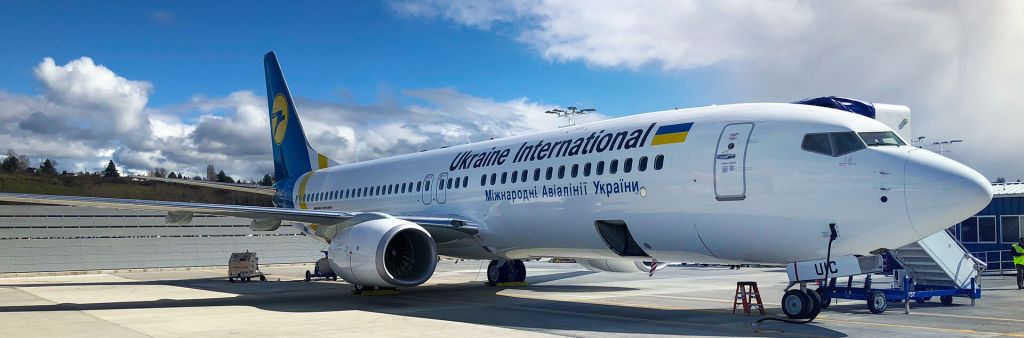
El Gobierno de la República Islámica de Irán se ha comprometido a pagar US$ 150.000 Dólares a cada una de las familias de las víctimas de un vuelo PS-752 de Ukraine Airlines que fue derribado por misiles sobre Teherán hace casi un año, marcando la irresponsabilidad implicadas del Gobierno en un atentado contra la seguridad pública ciudadana. El Gabinete del Presidente Hassan Rouhani ha aprobado el resarcimiento económico para los deudos, según un comunicado publicado por el Departamento de Asuntos Legales de la Oficina Presidencial. «La compensación no impedirá el seguimiento del aspecto judicial de la cuestión en tribunales calificados», dijo la declaración, agregando que los fondos están listos, pero no proporcionaron un cronograma específico para la transferencia. La oficina dijo que el Gabinete subrayó que los fondos deben ser pagados a las familias «sin discriminación alguna basada en la nacionalidad o la ciudadanía, de conformidad con las normas relativas e implementables de los países fallecidos».
Al describir el manejo de la situación por parte de Irán como inaceptable, el Gobierno de la República de Ucrania dice que el monto de la compensación debe negociarse. El Cuerpo de la Guardia Revolucionaria Islámica de Irán ha dicho que derribó accidentalmente el vuelo PS752 de Ukraine International Airlines poco después de haber despegado de Teherán dirigiéndose a Kiev, confundiéndolo con un misil cuando las tensiones con Estados Unidos eran altas. El Ministerio de Relaciones Exteriores de Ucrania dijo que la compensación debería fijarse a través de conversaciones, teniendo en cuenta la práctica internacional, después de establecer las causas de la tragedia y llevar a los responsables ante la justicia.
El vuelo PS-752 de Ukraine International Airlines, que transportaba a 167 pasajeros y nueve miembros de la tripulación, se estrelló en Enero 2020 a los ocho minutos después del despegue, matando a todos a bordo. Después de tres días, el Cuerpo de la Guardia Revolucionaria Islámica (IRGC) admitió que el error humano llevó al avión a ser derribado con dos misiles. El incidente mortal se produjo horas después de que el IRGC disparara una docena de misiles contra dos bases de Estados Unidos en Irak en represalia por el asesinato del comandante Qassem Soleimani en un ataque con drones ordenado por el presidente estadounidense Donald Trump. El vuelo derribado transportaba principalmente iraníes, muchos de los cuales tenían doble nacionalidad canadiense, mientras se dirigían a Kiev de camino a Canadá. Irán no reconoce formalmente el estatus de doble nacionalidad, lo que había complicado la cuestión.
Informe del Gobierno finalizado
En declaraciones a los periodistas tras la reunión del Gabinete del Miércoles 30/12, el Ministro de Carreteras, Mohammad Eslami, dijo que se ha finalizado un informe exhaustivo del Gobierno sobre el derribo del vuelo. «El informe final se ha impreso en inglés y se ha presentado a todas las partes interesadas», dijo, y a esto a agregará que el informe pronto será publicado por la Organización de Aviación Civil de Irán. Un informe inicial publicado por la organización de aviación a finales de Agosto 2020 había demostrado que los pasajeros y la tripulación estaban vivos después de que el primer misil chocara contra el avión Boeing 737-800. Pero el segundo misil, que golpeó el avión 25 segundos después del primero, envió el avión estrellándose. Ambos motores del avión seguían funcionando y los pilotos estaban tratando de dar la vuelta al avión, ya que todavía estaba muy cerca del aeropuerto, dijo el informe en ese momento.
Irán y Ucrania han celebrado varias rondas de conversaciones con el fin de debatir los aspectos financieros y jurídicos de la cuestión. «Aunque pagar una compensación no eliminará todo el dolor y sufrimiento causado por este incidente, esperamos que recuerde el compromiso de salvaguardar los derechos de todas las personas y respetar a los seres humanos», dijo el Departamento Legal de la Oficina Presidencial el Miércoles 30/12.
Iran compensation flight PS752 Ukraine
Iran will compensate US$ 150,000 families per passenger victim
The Government of the Islamic Republic of Iran has promised to pay US$ 150,000 to each of the families of the victims of a Ukraine Airlines flight PS-752 that was downed by missiles over Tehran almost a year ago, marking irresponsibility. implicated by the Government in an attack against public citizen security. The Cabinet of President Hassan Rouhani has approved financial compensation for the bereaved, according to a statement released by the Legal Affairs Department of the Presidential Office. «The compensation will not prevent the follow-up of the judicial aspect of the matter in qualified courts», the statement said, adding that the funds are ready but did not provide a specific timetable for the transfer. The office said the Cabinet stressed that the funds should be paid to families «without any discrimination based on nationality or citizenship, in accordance with the relative and enforceable rules of the deceased countries».
Describing Iran’s handling of the situation as unacceptable, the Government of the Republic of Ukraine says that the amount of compensation should be negotiated. Iran’s Islamic Revolutionary Guard Corps has said it accidentally shot down Ukraine International Airlines flight PS752 shortly after it took off from Tehran heading for Kiev, mistaking it for a missile when tensions with the United States were high. Ukraine’s Foreign Ministry said compensation should be fixed through talks, taking into account international practice, after establishing the causes of the tragedy and bringing those responsible to justice.
Ukraine International Airlines flight PS-752, carrying 167 passengers and nine crew members, crashed in January 2020 eight minutes after takeoff, killing everyone on board. After three days, the Islamic Revolutionary Guard Corps (IRGC) admitted that human error led to the plane being shot down with two missiles. The deadly incident came hours after the IRGC fired a dozen missiles at two US bases in Iraq in retaliation for the assassination of Commander Qassem Soleimani in a drone strike ordered by US President Donald Trump. The downed flight was carrying mainly Iranians, many of whom had dual Canadian nationality, as they made their way to Kiev on the way to Canada. Iran does not formally recognize dual nationality status, which had complicated the issue.
Government report completed
Speaking to reporters after the Cabinet meeting on Wednesday 12/30, Roads Minister Mohammad Eslami said that a comprehensive government report on the downing of the flight has been finalized. «The final report has been printed in English and presented to all interested parties,, he said, adding to this that the report will soon be published by the Civil Aviation Organization of Iran. An initial report released by the aviation organization in late August 2020 had shown that the passengers and crew were alive after the first missile hit the Boeing 737-800 aircraft. But the second missile, which hit the plane 25 seconds after the first, sent the plane crashing. Both the plane’s engines were still running and the pilots were trying to turn the plane around as it was still very close to the airport, the report said at the time.
Iran and Ukraine have held several rounds of talks in order to discuss the financial and legal aspects of the issue. «Although paying compensation will not eliminate all the pain and suffering caused by this incident, we hope it remembers the commitment to safeguard the rights of all people and respect human beings», said the Legal Department of the Presidential Office on Wednesday 30 / 12.
SAT embarga a Interjet cuentas bancarias y propiedades
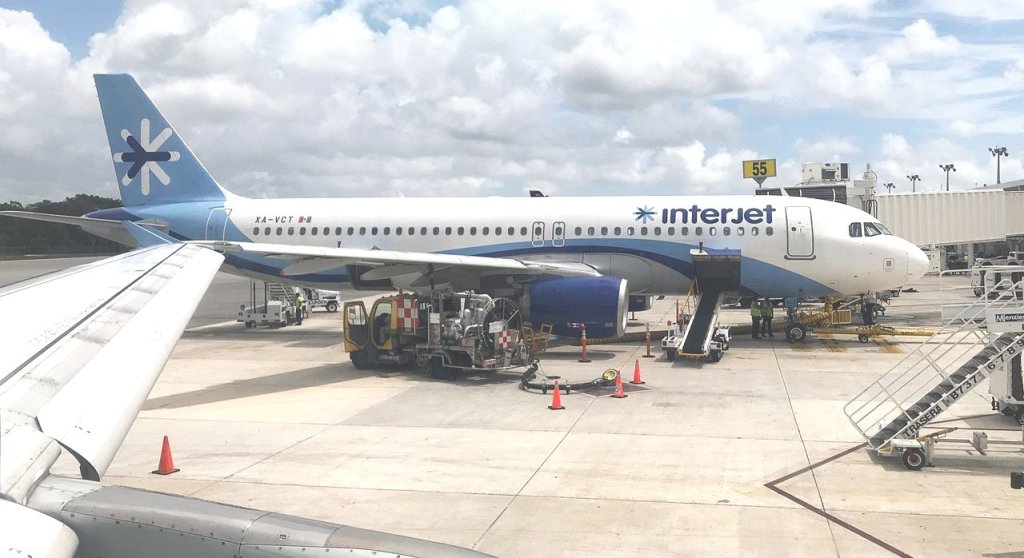
El Servicio de Administración Tributaria (SAT) de la República de México ha anunciado el embarga de las cuentas bancarias, propiedades y marcas de ABC Aerolíneas, nombre legal de Interjet, aerolínea propiedad de Grupo Coral, de Miguel Alemán Velasco y Miguel Alemán Magnani, por el incumplimiento del pago de impuestos por valores a MX$ 2.947 millones de Pesos. Lourdes del Ángel Palacios, Administradora Desconcentrada de Recaudación del SAT del Distrito Federal de México, fue la encargada de solicitar veinte embargos en contra de ABC Aerolíneas, por el presunto incumplimiento en los pagos del impuesto sobre la renta retenido a sus trabajadores y del impuesto al valor agregado y multas en 2017, 2018 y 2019, revelan documentos del organismo tributario.
El 17 de Febrero de 2020, los abogados de ABC Aerolíneas se desistieron de la demanda de amparo que se interpuso en contra del Servicio de Administración Tributaria (SAT) para que no hiciera público el embargo de sus cuentas bancarias y bienes. El 4 de Septiembre de 2019, Interjet se amparó para que el Servicio de Administración Tributaria no hiciera público el embargo de sus bienes y marcas desde el 2019. “No hay ningún rescate de Interjet, siempre ha estado bien y está bien la empresa. Son puras suposiciones”, dijo Miguel Alemán Margani, Presidente Ejecutivo de ABC Aerolíneas, al ser cuestionado por la situación financiera de su línea aérea en Febrero de 2020, cuando asistía a una reunión con el Presidente de la República, Andrés Manuel López Obrador. El empresario mexicano acusó en ese momento de golpes bajos de la competencia y enfatizó que lo importante son los hechos de la aerolínea mexicana. En Noviembre 2020, ante versiones que indicaban un embargo de los activos de Interjet por orden judicial de cuentas y empresas de Alemán Magnani por una denuncia de Sistema Radiópolis, de Televisa en el caso de la compra de su cadena radial, el ejecutivo afirmó que esa información era errónea. Los propios abogados argumentaron para obtener el amparo que el análisis de los resultados financieros de los ejercicios de 2013 a 2018 muestra pérdidas acumuladas que podrían interpretarse como una quiebra técnica. Otro factor es que la empresa no ha podido colocar deuda en la Bolsa Mexicana de Valores (BMV), ni otorgar como garantía de pago un predio en Baja California Sur, con un valor de 999 millones 193 mil pesos. “Se le causaría un daño de imposible reparación al hacerse público el embargo con cargo a caja del que es objeto, pues con ello laceraría la imagen comercial y su prestigio ante el público consumidor”, escribió Raúl López Martínez, Apoderado de ABC Aerolíneas/Interjet, en la Demanda de Amparo Directo que se ha presentado en el Juzgado Decimoquinto de Distrito en Materia Administrativa, en la Ciudad de México.
El juzgado Décimo Quinto de Distrito en Materia Administrativa informó que Interjet se desistió de la demanda de amparo sin que se hubiera llegado a dictar sentencia sobre la legalidad de la actuación del SAT. La aerolínea solicitó la protección de la justicia federal en contra de la Cámara de Diputados, la Cámara de Senadores y el presidente de la República por la discusión, aprobación y expedición del Código Fiscal de la Federación, en particular los Artículos Nº 153, Nº165, Nº 166 y Nº 167 publicado en el Diario Oficial de la Federación. “En razón de no acreditar, en este acto que se realizó el pago o haber garantizado el crédito fiscal que se detalla en el mandamiento de ejecución que antecede a la presente acto, se procede al embargo de bienes suficientes propiedad del contribuyente deudor”, señalan los embargos entregados por el SAT a Raúl López Martínez, Apoderado legal de ABC Aerolíneas. Al abogado de la aerolínea mexicana le informaron que podía designar dos testigos y, si no lo hiciera al terminar la diligencia los personas se negarán a firmar, tales circunstancias no afectan la legalidad del embargo, agrega el SAT.
Proceso embargo Interjet
El 14 de Febrero de 2020, los verificadores y notificadores del SAT procedieron el embargo de bienes por valor de MX$ 799.874.000 Pesos en contra de las propiedades y dinero de la empresa del hijo del ex presidente de la República, Miguel Alemán Valdes, según la documentación de las acciones fiscales emprendidas por el órgano a cargo de Raquel Buenrostro Sánchez. Raúl López Martínez, Apoderado legal de ABC Aerolíneas/Interjet, fue el encargado de recibir siete embargos por parte de los empleados del SAT, quienes llegaron hasta las oficinas de la compañía que están en el Aeropuerto Internacional de la Ciudad de México. La confiscación alcanzó a 132 marcas y aviones comerciales de ABC Aerolíneas, entre las que destacan Interjet. El SAT le quitó el control de 40 cuentas bancarias de ABC Aerolíneas en instituciones financieras como BBVA Bancomer, Actinver Casa de Bolsa, Banorte, BanBajio, Banco Monex, HSBC, J.P. Morgan IBM, CIBanco, Santander Bank Of America, CitiBanamex, Bac Credomatic, Citi Private Bank, Inbursa, JP Morgan y US Bank en México, Costa Rica, Estados Unidos y Canadá. A la aerolínea mexicana también le incautaron 10 vehículos, entre ellos están camionetas, automóviles, minivan y urbans utilizadas en la transportación del personal de Interjet adscrito al Aeropuerto Internacional de la Ciudad de México (AICM). Los bienes embargados por el Servicio de Administración Tributaria quedaron bajo la custodia de Serafina América González Ávalos, quien es interventora designada.
La documentación de los embargos del SAT detalla que quedaron fuera del embargo los 88 aviones aviones, que forman parte de la flota de la compañía Interjet. “ABC Aerolíneas únicamente tiene la posesión de los aviones y no tiene la propiedad, derivado de que 22 aeronaves cuentan con contrato de arrendamiento financiero con la empresa Interjet Airlines LTD, y 66 aviones en arrendamiento con empresas domiciliadas en Irlanda y Estados Unidos”, agregan la documentación de embargos. El Apoderado Legal de ABC Aerolíneas e Interjet dijo a los verificadores y notificadores del SAT que sus oficinas no son propiedad de la familia Alemán, ya que hay un contrato de arrendamiento con el Aeropuerto Internacional de la Ciudad de México.
El 4 de Marzo de 2020, los verificadores y notificadores del SAT hicieron un par de embargos por MX$ 67 millones de Pesos en contra de propiedades de la aerolínea Interjet. Un embargo por MX$ 1.030 millones de Pesos fue decretado el 10 de Marzo de 2020 y otro por MX$ 56.265.000 Pesos fue realizado el 25 de Marzo de 2020. Los funcionarios del SAT notificaron un embargo por MX$ 60.211.000 Pesos el 16 de Abril de 2020 y dos embargos más por MX$ 15.505.000 Pesos el 13 de Mayo de 2020.
ABC Aerolíneas recibió cinco embargos por MX$ 917.448.000 Pesos el 29 de Abril de 2020 y uno más por MX$ 2.728.000 Pesos el 17 de Junio de 2020. El 27 de Agosto de 2020, Angélica Lozada Hernández, Subadministradora de la Administración Desconcentrada de Recaudación del SAT, solicitó el embargo de 132 marcas y avisos comerciales registrados por ABC Aerolíneas ante el Instituto Mexicano de la Propiedad Industrial (IMPI). La funcionaria del SAT adscrita a la Administración Desconcentrada de Recaudación del Distrito Federal 3 pidió restringir cualquier operación solicitada por la aerolínea propiedad de la familia Alemán, así como mantener el embargo hasta que ella misma solicite su levantamiento.
Quiebra de Interjet Vacations
El pasado 23 de Diciembre de 2020 la empresa Resérvalo S.A.P.I. de C.V, la cual tenía a su cargo el manejo de la marca Interjet Vacations, presentó su solicitud formal de declaración de quiebra. Por medio de un comunicado, Interjet Vacations informó que la marca no tiene relación corporativa, sino comercial, con la aerolínea Interjet; de igual modo, explicó que las reservaciones pendientes así como el tratamiento que se dará a las mismas, deberá ser consultado directamente con el síndico que se designe en su momento.
Asimismo informó que pueden comunicarse al correo sindicaturaijv@interjetvacations.com.mx en donde se les dará atención a las solicitudes. “Agradecemos su paciencia en la respuesta a sus peticiones, ya que el gran número de reservaciones y la precaria situación económica de la empresa alargarán un poco el tiempo de atención a las mismas”, indicó la aerolínea en el comunicado. La aerolínea Interjet, dirigida por Alejandro del Valle, permanece inoperante desde el pasado 11 de Diciembre, luego de argumentar que no cuenta con recursos económicos. Recientemente trascendió que Interjet podría reanudar sus operaciones el próximo 11 de Enero de 2021, sin embargo la aerolínea adeuda siete quincenas así como seis meses en vales y otras prestaciones a sus empleados, quienes irían a huelga el próximo 8 de Enero de 2021 en caso de que la compañía no cumpla con sus obligaciones.
Interjet airline embargoed
SAT seizes Interjet bank accounts and properties
The Tax Administration Service (SAT) of the Republic of Mexico has announced the seizure of the bank accounts, properties and brands of ABC Aerolíneas, legal name of Interjet, an airline owned by Grupo Coral, Miguel Alemán Velasco and Miguel Alemán Magnani, for failure to pay taxes for values amounting to MX$ 2,947 million Pesos. Lourdes del Ángel Palacios, Decentralized Revenue Administrator of the SAT of the Federal District of Mexico, was in charge of requesting twenty liens against ABC Aerolíneas, for the alleged non-compliance in the payments of the income tax withheld from its workers and the income tax. added value and fines in 2017, 2018 and 2019, reveal documents of the tax agency.
On February 17, 2020, the lawyers of ABC Aerolíneas withdrew from the amparo lawsuit that was filed against the Tax Administration Service (SAT) so that it would not make public the seizure of their bank accounts and assets. On September 4, 2019, Interjet protected itself so that the Tax Administration Service did not make public the seizure of its assets and brands since 2019. “There is no rescue of Interjet, it has always been good and the company is doing well. They are pure assumptions”, said Miguel Alemán Margani, Executive President of ABC Aerolíneas, when questioned about the financial situation of his airline in February 2020, when he was attending a meeting with the President of the Republic, Andrés Manuel López Obrador. The Mexican businessman accused at that time of low blows from the competition and emphasized that what is important are the facts of the Mexican airline. In November 2020, before versions that indicated an embargo of Interjet assets by court order of accounts and companies of Alemán Magnani due to a complaint by Sistema Radiópolis, of Televisa in the case of the purchase of its radio station, the executive affirmed that this information was wrong. The lawyers themselves argued in order to obtain protection that the analysis of the financial results for the years 2013 to 2018 shows accumulated losses that could be interpreted as a technical bankruptcy. Another factor is that the company has not been able to place debt on the Mexican Stock Exchange (BMV), or grant a property in Baja California Sur as payment guarantee, with a value of MX$ 999.193.000 Pesos. «It would be caused damage that cannot be repaired when the seizure against cash is made public, as this would damage the commercial image and its prestige before the consumer public», wrote Raúl López Martínez, Attorney at ABC Aerolineas/Interjet, in the Demand for Direct Amparo that has been presented in the Fifteenth District Court for Administrative Matters, in Mexico City.
The Fifteenth District Court in Administrative Matters reported that Interjet withdrew from the amparo claim without a ruling on the legality of the SAT’s action having been handed down. The airline requested the protection of federal justice against the Chamber of Deputies, the Chamber of Senators and the President of the Republic for the discussion, approval and issuance of the Fiscal Code of the Federation, in particular Articles No. 153, No. 165, No. 166 and No. 167 published in the Official Gazette of the Federation. «By reason of not proving, in this act that the payment was made or having guaranteed the tax credit that is detailed in the execution order that precedes this act, sufficient assets owned by the debtor taxpayer are seized,, they point out. the embargoes delivered by the SAT to Raúl López Martínez, legal representative of ABC Aerolíneas. The lawyer for the Mexican airline was informed that he could appoint two witnesses and, if he did not do so at the end of the diligence, the people will refuse to sign, such circumstances do not affect the legality of the embargo, adds the SAT.
Interjet embargo process
On February 14, 2020, the SAT verifiers and notifiers proceeded to seize assets worth MX$ 799,874,000 Pesos against the properties and money of the company of the son of the former President of the Republic, Miguel Alemán Valdes, according to the documentation of the fiscal actions undertaken by the body in charge of Raquel Buenrostro Sánchez. Raúl López Martínez, legal representative of ABC Aerolíneas/Interjet, was in charge of receiving seven seizures by SAT employees, who arrived at the company’s offices located at the Mexico City International Airport. The seizure reached 132 brands and commercial aircraft of ABC Aerolíneas, among which Interjet stands out. The SAT took control of 40 bank accounts of ABC Aerolíneas in financial institutions such as BBVA Bancomer, Actinver Casa de Bolsa, Banorte, BanBajio, Banco Monex, HSBC, J.P. Morgan IBM, CIBanco, Santander Bank Of America, CitiBanamex, Bac Credomatic, Citi Private Bank, Inbursa, JP Morgan and US Bank in Mexico, Costa Rica, the United States and Canada. The Mexican airline also seized 10 vehicles, among them are vans, cars, minivans and urbans used to transport Interjet personnel attached to the Mexico City International Airport (AICM). The assets seized by the Tax Administration Service remained in the custody of Serafina América González Ávalos, who is the designated auditor.
The documentation of the SAT embargoes details that the 88 airplanes, which are part of the Interjet company’s fleet, were left out of the embargo. «ABC Aerolíneas only has possession of the aircraft and does not have ownership, derived from the fact that 22 aircraft have a financial lease contract with the company Interjet Airlines LTD, and 66 aircraft under lease with companies domiciled in Ireland and the United States», they add lien documentation. The Legal Representative of ABC Aerolíneas and Interjet told the SAT verifiers and notifiers that their offices are not owned by the Alemán family, as there is a lease agreement with the Mexico City International Airport.
On March 4, 2020, SAT verifiers and notifiers made a couple of embargoes for MX$ 67 million Pesos against properties of the Interjet airline. An embargo for MX$ 1,030 million pesos was decreed on March 10, 2020 and another for MX$ 56.265.000 Pesos was made on March 25, 2020. SAT officials notified an embargo for 60.211.000 Pesos on 16 April 2020 and two more embargoes for MX$ 15.505.000 Pesos on May 13, 2020.
ABC Aerolíneas received five embargoes for MX$ 917,448,000 Pesos on April 29, 2020 and one more for MX$ 2,728,000 Pesos on June 17, 2020. On August 27, 2020, Angélica Lozada Hernández, Deputy Administrator of the Administration Decentralized Collection of the SAT, requested the seizure of 132 trademarks and commercial notices registered by ABC Aerolíneas before the Mexican Institute of Industrial Property (IMPI). The SAT official attached to the Decentralized Revenue Administration of the Federal District 3 asked to restrict any operation requested by the airline owned by the Alemán family, as well as to maintain the embargo until she requests its lifting.
Bankruptcy of Interjet Vacations
On December 23, 2020, the company Resérvalo S.A.P.I. de C.V, which was in charge of managing the Interjet Vacations brand, filed its formal request for bankruptcy. Through a statement, Interjet Vacations reported that the brand does not have a corporate relationship, but a commercial one, with the Interjet airline; likewise, he explained that pending reservations as well as the treatment that will be given to them must be consulted directly with the trustee designated at the time.
He also informed that they can communicate to the email syndicaturaijv@interjetvacations.com.mx where the requests will be given attention. «We appreciate your patience in responding to your requests, since the large number of reservations and the precarious economic situation of the company will lengthen the time of attention to them a little», the airline said in the statement. The Interjet airline, directed by Alejandro del Valle, has been inoperative since December 11, after arguing that it does not have financial resources. It recently emerged that Interjet could resume operations on January 11, 2021, however the airline owes seven fortnights as well as six months in vouchers and other benefits to its employees, who would go on strike on January 8, 2021 in case of that the company does not fulfill its obligations.
WizzAir ha presentado demandas desde su inicio ops en Noruega
La primera Ministra de Noruega ha sido extremadamente crítica con la aerolínea húngara WizzAir, de quien se dice que rechaza que haya sindicatos en la compañía. A la primera ministra la han secundado varias instituciones públicas noruegas que han pedido el boicot de la compañía. Esto no tendría importancia si no fuera que WizzAir ha empezado a operar en Noruega, en vuelos internos. De manera que la compañía ha reaccionado. La aerolínea WizzAir está prestando algunos servicios dentro de Noruega, con lo que iniciará sus mayores operaciones en el país hacia el 2021. WizzAir ha enviado demandas a varios municipios, condados y hasta a una empresa pública noruega, según informan los medios locales. Según WizzAir, no piensa tolerar que se hagan llamamientos al boicot. Los propios sindicatos también han pedido el boicot, pero la aerolínea no les ha notificado demanda alguna. Wizz Air indicó en una nota de prensa que «está reaccionando al hecho de que los organismos locales y regionales electos, y la empresa estatal Statnett, hayan adoptado una postura pública en favor del boicot sin evaluar su legalidad y sin ninguna preparación del caso”.
Accionistas vs non-UE
Otro frente de dificultades se encuentra a las proximidades de las resoluciones de la Unión Europea (UE) respecto al Brexit. La UE exige que las aerolíneas que operan rutas entre dos destinos dentro de sus fronteras estén controladas mayoritariamente por ciudadanos del bloque, por lo que aerolíneas como el IAG Group con Iberia y con Aer Lingus, Ryanair y WizzAir privarán de votos a los accionistas que no pertenecen a la Unión Europea. El Tratado del Brexit concede un plazo de doce meses a las aerolíneas europeas con capital extranjero para seguir operando mientras se negocia una solución, pero desde el 1 de Enero de 2021 ya se aplica que todas las que vuelen dentro de Europa tengan propiedad europea.
Las matrices de Ryanair (Ryanair Holdings Plc) y de WizzAir (Wizz Air Holdings Plc) anunciaron este 30/12 que desde el comienzo de 2021, los accionistas que no pertenecen a la Unión Europea se verán despojados de sus derechos de voto para cumplir con las reglas de propiedad de aerolíneas del bloque después de la transición del Brexit. Las dos aerolíneas son europeas, con filiales en Gran Bretaña. Es la misma situación de Easyjet Austria, donde se engloba el capital europeo de esta compañía.
La UE exige que las aerolíneas que operan rutas entre dos destinos dentro de sus fronteras estén controladas mayoritariamente por accionistas del bloque. Los ciudadanos del Reino Unido ya no contarán como residentes en la UE con el final de la transición del Brexit. El problema quedó sin resolver en el acuerdo Brexit alcanzado la semana pasada, aunque las partes acordaron explorar una liberalización de las reglas de propiedad durante los próximos doce meses. Esto aislará potencialmente a los transportistas de los desafíos basados en su estructura de propiedad, pero no antes de más conversaciones. Las aerolíneas con una gran propiedad en el Reino Unido “deberán esperar a un acuerdo favorable o diseñar estructuras alternativas de propiedad y tenencia para salvaguardar la nacionalidad de la UE de las aerolíneas individuales”, dijo Daniel Roeska, Analista de Sanford C. Bernstein.
La cuestión de la propiedad y otra relacionada con los derechos de vuelo afectan a los transportistas de formas ligeramente diferentes, según el lugar donde se encuentren y su estructura. En respuesta, las empresas han limitado quién puede comprar sus acciones o eliminado los derechos de voto. WizzAir tiene un alto cociente de inversores del Reino Unido al alegir a Londres para su cotización principal. Si no hace nada, más del 80% de la propiedad de la aerolínea de bajo costo residiría fuera de la UE, amenazando tanto su licencia como su derecho a volar rutas exclusivas de la Unión Europea. La aerolínea dijo que quitará la misma proporción de derechos de voto a todos sus accionistas fuera de la UE. Como resultado, las acciones que representen alrededor del 60% de su capital social no podrán votar. Ryanair dijo que todos sus accionistas no pertenecientes a la UE perderían los derechos de voto. EasyJet, con sede en el Reino Unido, dijo el 23 de Diciembre de 2020 que suspendería los derechos de voto de algunos titulares sobre una base de “último en entrar, primero en salir” si fuera necesario para elevar su base de votos en la UE por encima del 50%. En ese momento, era del 47%, excluyendo el Reino Unido.
WizzAir Litigates boycotts
WizzAir has filed lawsuits since its inception ops in Norway
The Prime Minister of Norway has been extremely critical of Hungarian airline WizzAir, which she is said to reject having unions in the company. The prime minister has been seconded by several Norwegian public institutions that have called for a boycott of the company. This would not matter if it were not that WizzAir has started operating in Norway, on internal flights. So the company has reacted. The airline WizzAir is providing some services within Norway, which will begin its largest operations in the country by 2021. WizzAir has sent lawsuits to several municipalities, counties and even to a Norwegian public company, according to local media. According to WizzAir, he does not intend to tolerate calls for a boycott. The unions themselves have also called for a boycott, but the airline has not notified them of any demand. Wizz Air indicated in a press release that «it is reacting to the fact that local and regional elected bodies, and the state company Statnett, have taken a public stance in favor of the boycott without evaluating its legality and without any preparation of the case».
Shareholders vs non-UE
Another front of difficulties is in the vicinity of the European Union (EU) resolutions regarding Brexit. The EU requires airlines that operate routes between two destinations within its borders to be majority controlled by citizens of the bloc, so airlines such as the IAG Group with Iberia and Aer Lingus, Ryanair and WizzAir will disenfranchise shareholders who do not they belong to the European Union. The Brexit Treaty grants a period of twelve months to European airlines with foreign capital to continue operating while a solution is negotiated, but since January 1, 2021, it has already been applied that all those that fly within Europe have European ownership.
The parent companies of Ryanair (Ryanair Holdings Plc) and WizzAir (Wizz Air Holdings Plc) announced on 12/30 that from the beginning of 2021, non-European Union shareholders will be stripped of their voting rights to comply with the block’s airline ownership rules after the Brexit transition. The two airlines are European, with subsidiaries in Great Britain. It is the same situation of Easyjet Austria, where the European capital of this company is included.
The EU requires that airlines operating routes between two destinations within its borders be majority controlled by shareholders of the bloc. UK citizens will no longer count as EU residents with the end of the Brexit transition. The issue was left unsolved in the Brexit deal reached last week, although the parties agreed to explore a liberalization of property rules over the next twelve months. This will potentially isolate shippers from challenges based on their ownership structure, but not before more talks. Airlines with large UK ownership «will have to wait for a favorable deal or design alternative ownership and tenure structures to safeguard the EU nationality of individual airlines», said Daniel Roeska, Analyst at Sanford C. Bernstein.
Ownership and flight rights issues affect carriers in slightly different ways, depending on where they are located and their structure. In response, companies have limited who can buy their shares or eliminated voting rights. WizzAir has a high UK investor quotient in choosing London for its main listing. If you do nothing, more than 80% of the low-cost airline’s ownership would reside outside the EU, threatening both its license and its right to fly exclusive European Union routes. The airline said it will remove the same proportion of voting rights from all its shareholders outside the EU. As a result, shares representing around 60% of its capital stock will not be able to vote. Ryanair said that all of its non-EU shareholders would lose voting rights. UK-based EasyJet said on December 23, 2020 that it would suspend the voting rights of some holders on a “last in, first out” basis if necessary to raise its vote base in the EU. above 50%. At the time, it was 47%, excluding the UK.
Qatar Airways y Oman Air consolídan posición en Oriente Medio
Qatar Airways continúa aumentando su cartera de sólidas alianzas estratégicas a nivel mundial mediante la firma de la ampliación del acuerdo de Código Compartido con Oman Air que impulsará la conectividad y ofrecerá opciones de viaje más flexibles a los clientes de ambas aerolíneas. Ambas compañías focalizarán el mercado en especial a aquellos viajeros por trabajo, negocios y ferias internacionales. El acuerdo ampliado de código compartido es el primer paso para seguir fortaleciendo la cooperación estratégica entre las dos aerolíneas, que comenzó en 2000. Las ventas de los destinos adicionales comenzarán en 2021.
La ampliación del acuerdo de código compartido es el primer paso para seguir fortaleciendo la colaboración comercial entre las dos aerolíneas del Golfo. El CEO de Qatar Airways, Akbar Al Baker, ha expresado: «Nos complace seguir ampliando nuestra colaboración de código compartido con Oman Air, una de las principales aerolíneas en la región del Golfo. Ahora más que nunca, es importante fortalecer las alianzas estratégicas en todo el sector para optimizar nuestras operaciones y proporcionar a nuestros pasajeros una conectividad impecable con cientos de destinos en todo el mundo. Desde el año 2000, ambas aerolíneas han visto los beneficios que la colaboración comercial ha traído consigo, proporcionando a nuestros pasajeros un servicio inigualable y más flexibilidad para viajar cuando así lo deseen. Espero con ilusión seguir fortaleciendo nuestra colaboración con Oman Air para ofrecer aún más beneficios a nuestros clientes».
El CEO de Oman Air, Abdulaziz Al Raisi, dijo: «Nos complace ampliar nuestra colaboración comercial con Qatar Airways, que optimizará los vuelos para que los viajeros de ocio de todo el mundo puedan disfrutar de la cultura, la belleza de sus paisajes y la hospitalidad de Omán, y facilitará los viajes de quienes visiten el Sultanato de Omán en busca de oportunidades de negocio emergentes en una amplia gama de sectores. La ampliación de nuestro acuerdo de código compartido es sólo el primer paso, y esperamos con ilusión trabajar con Qatar Airways para seguir reforzando nuestra alianza estratégica con el fin de mejorar la experiencia de los viajes de negocios y de ocio de nuestros clientes en Omán y en todo el mundo«.
Ampliación Codeshare
La expansión del código compartido aumentará significativamente el número de destinos disponibles para los pasajeros de Oman Air de tres a 65, sujeto a autorización de las autoridades reguladoras, en la red de Qatar Airways en África, América, las regiones de Asia y el Pacífico, Europa, India y Oriente Medio. Los pasajeros de Qatar Airways también se beneficiarán de una mayor conectividad, con la posibilidad de reservar viajes a otros seis destinos en África y Asia en la red de Oman Air. Ambas aerolíneas estudiarán también varias iniciativas comerciales y operacionales conjuntas para optimizar aún más su colaboración.
Modernización flota Qatar Airways
Las inversiones estratégicas de Qatar Airways ha permitido seguir volando durante toda esta crisis y la sitúa en una posición líder para la recuperación sostenible de los viajes internacionales. La aerolínea recibió recientemente tres nuevos aviones Airbus A350-1000 de última generación, con lo que aumentó su flota total de A350 alcanza a 52 unidades, con una edad media de sólo 2,6 años. Tras los impactos de la pandemia de Coronavirus, la aerolínea ha dejado en tierra su flota de la línea Airbus A380, ya que no es ambientalmente justificable operar un avión de cuatro motores con dimensiones operativas para transportar más de 500 pasajeros por vuelo. Qatar Airways también ha puesto en marcha recientemente un nuevo programa que permite a los pasajeros compensar voluntariamente las emisiones de carbono asociadas a su viaje en el momento de la reserva.
La aerolínea nacional del Estado de Qatar sigue reconstruyendo su red global, que en la actualidad abarca más de 110 destinos y tiene previsto aumentarla a 129 para finales de Marzo de 2021. Actualmente, la aerolínea Qatar Airways ha sido galardonada en múltiples ocasiones, alcanzando premios como: «Mejor Aerolínea del Mundo» en los Premios 2019 World Airline Awards, gestionados por Skytrax. También fue nombrada «Mejor Aerolínea de Oriente Medio», «Mejor Clase Business del mundo» y «Mejor Asiento de Clase Business», en reconocimiento a su innovadora experiencia en Clase Business Qsuite. La distribución de los asientos Qsuite consiste en una configuración 1-2-1, proporcionando a los pasajeros el producto de Clase Business más espacioso, privado, cómodo y socialmente distante de todos los cielos. Es la única aerolínea que ha sido galardonada cinco veces con el prestigioso título de «Aerolínea Skytrax del Año», reconocido como la cúspide de la excelencia en el sector de las aerolíneas.
Qatar/Oman expand Codeshare
Qatar Airways and Oman Air consolidate position in the Middle East
Qatar Airways continues to grow its portfolio of strong strategic alliances globally by signing an expanded Code Share agreement with Oman Air that will boost connectivity and offer more flexible travel options to customers of both airlines. Both companies will focus the market especially on those travelers for work, business and international fairs. The expanded codeshare agreement is the first step in further strengthening the strategic cooperation between the two airlines, which began in 2000. Sales of the additional destinations will begin in 2021.
The expansion of the codeshare agreement is the first step to continue strengthening the commercial collaboration between the two Gulf airlines. Qatar Airways CEO Akbar Al Baker said: «We are pleased to continue to expand our codeshare collaboration with Oman Air, one of the major airlines in the Gulf region. Now more than ever, it is important to strengthen strategic alliances in across the industry to optimize our operations and provide our passengers with seamless connectivity to hundreds of destinations around the world. Since 2000, both airlines have seen the benefits that commercial collaboration has brought, providing our passengers with unmatched service and more flexibility to travel whenever they want. I look forward to further strengthening our partnership with Oman Air to deliver even more benefits to our customers».
Oman Air CEO Abdulaziz Al Raisi said: «We are pleased to expand our business collaboration with Qatar Airways, which will optimize flights so that leisure travelers from around the world can enjoy the culture, the beauty of its landscapes and the Omani hospitality, and will facilitate travel for those visiting the Sultanate of Oman seeking emerging business opportunities in a wide range of sectors. Expanding our codeshare agreement is just the first step, and we look forward to working with Qatar Airways to further strengthen our strategic alliance to enhance the business and leisure travel experience for our customers in Oman and around the world».
Enlargement Codeshare
The codeshare expansion will significantly increase the number of destinations available to Oman Air passengers from three to 65, subject to authorization by regulatory authorities, on the Qatar Airways network in Africa, the Americas, the Asia-Pacific regions, Europe, India and the Middle East. Qatar Airways passengers will also benefit from increased connectivity, with the ability to book travel to six other destinations in Africa and Asia on the Oman Air network. Both airlines will also study various joint commercial and operational initiatives to further optimize their collaboration.
Qatar Airways fleet modernization
Qatar Airways’ strategic investments have enabled it to continue to fly throughout this crisis and put it in a leading position for the sustainable recovery of international travel. The airline recently received three new state-of-the-art Airbus A350-1000 aircraft, increasing its total A350 fleet to 52 units, with an average age of only 2.6 years. Following the impacts of the Coronavirus pandemic, the airline has grounded its Airbus A380 line fleet, as it is not environmentally justifiable to operate a four-engine aircraft with operational dimensions to carry more than 500 passengers per flight. Qatar Airways has also recently launched a new program that allows passengers to voluntarily offset the carbon emissions associated with their trip at the time of booking.
The national airline of the State of Qatar continues to rebuild its global network, which currently covers more than 110 destinations and plans to increase it to 129 by the end of March 2021. Currently, the airline Qatar Airways has been awarded multiple times, reaching awards as: «Best Airline in the World» at the 2019 World Airline Awards, managed by Skytrax. It was also named «Best Airline in the Middle East», «World’s Best Business Class» and «Best Business Class Seat» in recognition of its innovative Business Class Qsuite experience. The Qsuite seating arrangement consists of a 1-2-1 configuration, providing passengers with the most spacious, private, comfortable and socially distant Business Class product from all the skies. It is the only airline to have been awarded the prestigious title of «Skytrax Airline of the Year» five times, recognized as the pinnacle of excellence in the airline industry.
Palestinian Airlines cesa tras 25 años de operaciones
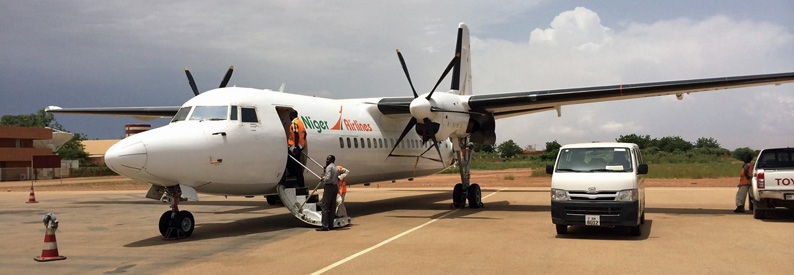
La Autoridad Palestina anunció el Martes 29/12 que cerrará las operaciones de la aerolínea Palestinian Airlines después de veinticinco años de actividad limitada. La decisión de liquidar la compañía fue finalizada y anunciada este Martes por el Ministerio de Transporte y Comunicaciones de Palestina. La compañía ha estado operando en un ámbito muy limitado durante años. Su flota de dos aviones Fokker 50 en funcionamiento ha sido alquilada a otras aerolíneas en los últimos años, con una actualmente ubicada en el Aeropuerto Internacional de El Cairo en Egipto y la otra en Amman, Jordania. Los dos Fokker F50 de 32 años de edad de la compañía ya se pusieron a la venta en 09/2020. El Subsecretario del Ministerio, Ammar Yassin, dijo que el mantenimiento del avión ubicado en Amman es muy alto y que el ministerio no ha recibido ninguna oferta para comprarlo. El otro avión había sido arrendado a una aerolínea de Nigeria, pero el contrato no se renovó debido a la situación creada por la pandemia del Coronavirus, explicó Ammar Yassin. Uno de los problemas para encontrar posibles compradores para los aviones con una antigüedad de más de treinta años, es que las aerolíneas suelen preferir comprar aviones fabricados con una edad de no más de quince año. Una aeronave F50 matrícula SU-YAH se encuentra en Amán, Jordania. El arrendamiento del otro F50 con Niger Airlines, matrícula SU-YAI, no se ha renovado debido a la crisis en curso.
Palestinian Airlines se estableció en 1995 e inició sus operaciones en 1997 dese el Aeropuerto de Port Said, Egipto. Su flota incluía los dos aviones Fokker 50 donados por los Países Bajos y un Boeing 727 donado por el Príncipe saudita Al-Waleed bin Talal Al Saud. Palestinian Airlines fue fundada después del Acuerdo de Oslo II firmado por Israel y Palestina destinado a establecer un aeropuerto en la Franja de Gaza. El transportista fue creado con apoyo financiero de los Países Bajos y Arabia Saudita, donde donaron dos Fokker F50 y un Boeing 727 respectivamente.
El Aeropuerto Internacional Yasser Arafat en Gaza fue financiado por Japón, Egipto, Arabia Saudita, España y Alemania, y diseñado por arquitectos marroquíes, quedando inaugurado en Noviembre de 1998. Tras la inauguración, Palestinian Airlines trasladó todas las operaciones a su nuevo hogar.
La aerolínea alcanzó su máximo desarrollo en el año 2000, pero se vio obligada a interrumpir todos los vuelos ese Octubre 2000, cuando los árabes iniciaron la Segunda Intifada. el entonces renombrado Aeropuerto Internacional de Gaza cerró en Octubre de 2000, durante lo que se conoce como la Segunda Intifada. Su torre de control y estación de radio fueron destruidas por la Fuerza Aérea Israelí en Diciembre de 2001. La base de la aerolínea fue trasladada de nuevo a El Arish en Egipto, desde donde siguió volando a El Cairo y Yeda. Sin embargo, el transporte de palestinos a través de la frontera egipcia para los vuelos resultó ser una desventaja adicional. El transportista ha dado de baja a su Boeing 727, y un Ilyushin Il-62 adquirido transitoriamente y suspendió sus operaciones entre 2005 y 2012.
A medida que el Aeropuerto Gush Katif de Gaza desapareció en 2004, junto con el Aeropuerto Jerusalén/Atarot en Cisjordania en 2000, Palestina seguía sin un aeropuerto operativo. En 2012, la aerolínea comenzó a trabajar en un ámbito limitado, operando dos vuelos semanales al Sinaí y Jordania. En 2017, alquiló sus aeronaves y detuvo la mayor parte de su actividad. Tras la crisis de la pandemia en 2020, Palestinian Airlines es otra de las compañías aéreas que no han podido sobrevivir, dejando de prestar un servicio elemental en la Franja de Gaza.
Palestinian Airlines closes operations
Palestinian Airlines ceases after 25 years of operations
The Palestinian Authority announced on Tuesday 12/29 that it will shut down Palestinian Airlines operations after twenty-five years of limited activity. The decision to liquidate the company was finalized and announced this Tuesday by the Palestinian Ministry of Transport and Communications. The company has been operating in a very limited scope for years. Its fleet of two working Fokker 50 aircraft has been leased to other airlines in recent years, with one currently located at Cairo International Airport in Egypt and the other in Amman, Jordan. The company’s two 32-year-old Fokker F50s were already on sale in 09/2020. The Under Secretary of the Ministry, Ammar Yassin, said that the maintenance of the plane located in Amman is very high and that the ministry has not received any offers to buy it. The other plane had been leased from a Nigerian airline, but the contract was not renewed due to the situation created by the Coronavirus pandemic, Ammar Yassin explained. One of the problems in finding potential buyers for aircraft older than 30 years is that airlines tend to prefer to buy aircraft manufactured with an age of no more than 15 years An F50 aircraft registration SU-YAH is located in Amman, Jordan . The lease of the other F50 with Niger Airlines, registration SU-YAI, has not been renewed due to the ongoing crisis.
Palestinian Airlines was established in 1995 and began operations in 1997 from Port Said Airport, Egypt. Its fleet included the two Fokker 50 planes donated by the Netherlands and a Boeing 727 donated by the Saudi Prince Al-Waleed bin Talal Al Saud. Palestinian Airlines was founded after the Oslo II Agreement signed by Israel and Palestine aimed at establishing an airport in the Gaza Strip. The carrier was created with financial support from the Netherlands and Saudi Arabia, where they donated two Fokker F50s and a Boeing 727 respectively.
The Yasser Arafat International Airport in Gaza was financed by Japan, Egypt, Saudi Arabia, Spain and Germany, and designed by Moroccan architects, opening in November 1998. After the opening, Palestinian Airlines moved all operations to its new home.
The airline reached its maximum development in 2000, but was forced to interrupt all flights that October 2000, when the Arabs started the Second Intifada. The then renamed Gaza International Airport closed in October 2000, during what is known as the Second Intifada. Its control tower and radio station were destroyed by the Israeli Air Force in December 2001. The airline’s base was moved back to El Arish in Egypt, from where it continued to fly to Cairo and Jeddah. However, transporting Palestinians across the Egyptian border for flights proved to be an additional disadvantage. The carrier has decommissioned its Boeing 727, and an Ilyushin Il-62 acquired temporarily and suspended operations between 2005 and 2012.
As the Gush Katif Airport in Gaza disappeared in 2004, along with the Jerusalem/Atarot Airport in the West Bank in 2000, Palestine remained without an operational airport. In 2012, the airline started working in a limited scope, operating two weekly flights to Sinai and Jordan. In 2017, it leased its aircraft and stopped most of its activity. After the pandemic crisis in 2020, Palestinian Airlines is another of the airlines that have not been able to survive, ceasing to provide an elementary service in the Gaza Strip.
الخطوط الجوية الفلسطينية تغلق عملياتها
توقف الخطوط الجوية الفلسطينية بعد 25 عاما من التشغيل
أعلنت السلطة الفلسطينية ، الثلاثاء ، 12/29 ، أنها ستغلق عمليات الخطوط الجوية الفلسطينية بعد خمسة وعشرين عاما من النشاط المحدود. تم الانتهاء من قرار تصفية الشركة وإعلانه هذا الثلاثاء من قبل وزارة النقل والاتصالات الفلسطينية. تعمل الشركة في نطاق محدود للغاية منذ سنوات. تم تأجير أسطولها المكون من طائرتين عاملة من طراز Fokker 50 لشركات طيران أخرى في السنوات الأخيرة ، واحدة موجودة حاليًا في مطار القاهرة الدولي في مصر والأخرى في عمان ، الأردن. تم طرح طائرتي Fokker F50 البالغتين من العمر 32 عامًا للبيع بالفعل في 09/2020. وقال وكيل الوزارة عمار ياسين ، إن صيانة الطائرة الموجودة في عمان مرتفعة للغاية وأن الوزارة لم تتلق أي عروض لشرائها. وأوضح عمار ياسين ، أن الطائرة الأخرى كانت مستأجرة من شركة طيران نيجيرية ، لكن العقد لم يجدد بسبب الوضع الناجم عن وباء فيروس كورونا. إحدى المشاكل في العثور على مشترين محتملين للطائرات التي يزيد عمرها عن 30 عامًا هي أن شركات الطيران تميل إلى تفضيل شراء الطائرات المصنعة التي لا يزيد عمرها عن 15 عامًا. يقع تسجيل الطائرات F50 SU-YAH في عمان ، الأردن . لم يتم تجديد عقد إيجار الطائرة F50 الأخرى مع شركة النيجر إيرلاينز ، والتسجيل SU-YAI ، بسبب الأزمة المستمرة.
تأسست الخطوط الجوية الفلسطينية عام 1995 وبدأت عملياتها عام 1997 من مطار بورسعيد بمصر. تضمن أسطولها طائرتين من طراز Fokker 50 تبرعت بها هولندا وطائرة بوينج 727 تبرع بها الأمير السعودي الوليد بن طلال آل سعود. تأسست الخطوط الجوية الفلسطينية بعد اتفاقية أوسلو الثانية التي وقعتها إسرائيل وفلسطين بهدف إنشاء مطار في قطاع غزة. تم إنشاء الناقل بدعم مالي من هولندا والمملكة العربية السعودية ، حيث تبرعوا بطائرتين من طراز Fokker F50 و Boeing 727 على التوالي.
تم تمويل مطار ياسر عرفات الدولي في غزة من قبل اليابان ومصر والمملكة العربية السعودية وإسبانيا وألمانيا ، وتم تصميمه من قبل المهندسين المعماريين المغاربة ، وتم افتتاحه في نوفمبر 1998. بعد الافتتاح ، نقلت الخطوط الجوية الفلسطينية جميع العمليات إلى موطنها الجديد.
وصلت شركة الطيران إلى أقصى تطور لها في عام 2000 ، لكنها اضطرت إلى قطع جميع الرحلات الجوية في أكتوبر 2000 ، عندما بدأ العرب الانتفاضة الثانية. تم إغلاق مطار غزة الدولي الذي أعيد تسميته في أكتوبر 2000 ، خلال ما يعرف بالانتفاضة الثانية. دمرت القوات الجوية الإسرائيلية برج المراقبة ومحطة الراديو التابعة لها في ديسمبر / كانون الأول 2001. وأعيدت قاعدة الشركة إلى العريش في مصر ، حيث واصلت رحلاتها إلى القاهرة وجدة. ومع ذلك ، ثبت أن نقل الفلسطينيين عبر الحدود المصرية للرحلات الجوية يمثل عائقًا إضافيًا. أوقفت الشركة تشغيلها من طراز بوينج 727 ، واكتسبت طائرة إليوشن Il-62 مؤقتًا وعلقت العمليات بين عامي 2005 و 2012.
مع اختفاء مطار غوش قطيف في غزة عام 2004 ، إلى جانب مطار القدس / عطروت في الضفة الغربية عام 2000 ، ظلت فلسطين بدون مطار عاملة. في عام 2012 ، بدأت شركة الطيران العمل في نطاق محدود ، حيث قامت بتشغيل رحلتين أسبوعيتين إلى سيناء والأردن. وفي عام 2017 استأجرت طائراتها وأوقفت معظم نشاطها. بعد أزمة الوباء في عام 2020 ، الخطوط الجوية الفلسطينية هي شركة طيران أخرى لم تكن قادرة على البقاء ، وتوقفت عن تقديم خدمة أولية في قطاع غزة.
חברת תעופה פלסטינית סוגר פעולות
חברת התעופה הפלסטינית מפסיקה לאחר 25 שנות פעילות
הרשות הפלסטינית הודיעה ביום שלישי 12/29 כי תשבית את פעילותה של חברת התעופה הפלסטינית לאחר עשרים וחמש שנות פעילות מוגבלת. ההחלטה על פירוק החברה הושלמה סופית והוכרזה ביום שלישי הקרוב על ידי משרד התחבורה והתקשורת הפלסטיני. החברה פועלת בהיקף מוגבל מאוד מזה שנים. צי שני המטוסים הפוקרים 50 העובדים שלה הושכר בשנים האחרונות לחברות תעופה אחרות, כאשר אחת מהן נמצאת כיום בשדה התעופה הבינלאומי בקהיר והשנייה בעמאן, ירדן. שתי מכוניות ה- Fokker F50 בת ה -32, יצאו למכירה כבר ב -2020. מזכיר המשנה של המשרד, עמאר יאסין, אמר כי תחזוקת המטוס הממוקם בעמאן גבוהה מאוד וכי המשרד לא קיבל הצעות לרכוש אותו. המטוס השני הושכר מחברת תעופה ניגרית, אך החוזה לא חודש בשל המצב שיצרה מגיפת קורונאווירוס, הסביר עמר יאסין. אחת הבעיות במציאת קונים פוטנציאליים למטוסים מעל גיל 30 היא שחברות תעופה נוטות להעדיף לקנות מטוסים שיוצרו לא יותר מ- 15 שנים רישום מטוסי F50 SU-YAH ממוקם בעמאן, ירדן. . השכרת ה- F50 האחרת עם חברת התעופה נייגר איירליינס, רישום SU-YAI, לא חודשה בגלל המשבר המתמשך.
חברת התעופה הפלסטינית הוקמה בשנת 1995 והחלה לפעול בשנת 1997 מנמל התעופה פורט סעיד, מצרים. ציו כלל את שני מטוסי ה- Fokker 50 שנתרמו על ידי הולנד ומטוס בואינג 727 שנתרם על ידי הנסיך הסעודי אל-ואלד בן טלאל אל-סעוד. פלסטין איירליינס הוקמה לאחר הסכם אוסלו II שנחתם על ידי ישראל ופלסטין במטרה להקים שדה תעופה ברצועת עזה. המוביל נוצר בתמיכה כספית מהולנד וסעודיה, שם הם תרמו שני מטוסי Fokker F50 ו- Boeing 727 בהתאמה.
שדה התעופה הבינלאומי יאסר ערפאת בעזה מומן על ידי יפן, מצרים, ערב הסעודית, ספרד וגרמניה, ותוכנן על ידי אדריכלים מרוקאים, שנפתח בנובמבר 1998. לאחר הפתיחה העבירה חברת התעופה הפלסטינית את כל הפעילות לבית החדש שלה.
חברת התעופה הגיעה לשיא ההתפתחות שלה בשנת 2000, אך נאלצה לקצץ את כל הטיסות באותה אוקטובר 2000, אז התחילו הערבים את האינתיפאדה השנייה. נמל התעופה הבינלאומי של עזה ששמו אז, נסגר באוקטובר 2000, במהלך מה שמכונה האינתיפאדה השנייה. מגדל הפיקוח ותחנת הרדיו שלו נהרסו על ידי חיל האוויר הישראלי בדצמבר 2001. בסיס חברת התעופה הועבר חזרה לאל עריש שבמצרים, משם המשיך לטוס לקהיר וג’דה. עם זאת, הובלת פלסטינים מעבר לגבול מצרים לטיסות הוכחה כחיסרון נוסף. הספק הוציא את מטוס הבואינג 727 שלה והוצאת איליושין Il-62 רכשה באופן זמני והפסיקה את פעילותה בין השנים 2005-2012.
כשנמל התעופה גוש קטיף בעזה נעלם בשנת 2004, יחד עם נמל התעופה ירושלים / עטרות בגדה המערבית בשנת 2000, נותרה פלסטין ללא שדה תעופה מבצעי. בשנת 2012 חברת התעופה החלה לעבוד בהיקף מוגבל והפעילה שתי טיסות שבועיות לסיני וירדן. בשנת 2017 היא השכירה את מטוסיה והפסיקה את מרבית פעילותה. לאחר משבר המגיפה בשנת 2020, פלסטין איירליינס היא חברת תעופה אחרת שלא הצליחה לשרוד, וחדלה להעניק שירות יסודי ברצועת עזה.
Alternativas de viajes en medio de cuidados en pandemia
El inicio de la temporada alta de verano en Argentina, ha activado a las aerolíneas a poner en marcha una programación de frecuencias de vuelos domésticos a diferentes lugares del país. Coordinado desde el Estado, las aerolíneas establecen su programación de acuerdo a los lugares y valores de los pasajes aéreos a los que están habilitados para volar en el interior del país tras el cierre de las fronteras con los países limítrofes. Si bien las empresas señalan que el precio de los pasajes establecidos en las plataformas virtuales son con carácter referencial, las tarifas pueden cambiar dependiendo de la fecha, temporada y destino.
Destinos habilitados
El destino Bariloche se mantiene como uno de los lugares con mayor demanda para esta temporada 2020-2021. En promedio, un pasaje de avión para volar a través de Aerolíneas Argentinas está en el orden de los AR$ 9000 y AR$ 13.000 Pesos ida y vuelta para el interior del país, mientras que las low cost, en tanto, ofrecen tramos que van desde los AR$ 7000 hasta los AR$ 13.000 Pesos. A Córdoba los valores se establecen en el orden de los AR$ 7.500 ida y vuelta. A El Calafate AR$ 13.000, Mar del Plata AR$ 7.000, Mendoza AR$ 9.000, Neuquén AR$ 9.000, Salta AR$ 10.500, Trelew AR$ 9.000, Ushuaia AR$ 13.000. Desde la línea de bandera indicaron que la ruta Río Cuarto arranca recién en Enero 2021, mientras que Río Hondo todavía no está en la lista.
JetSmart Airlines Argentina han informado que luego de la reanudación de los vuelos en Noviembre 2020, la aerolínea ofrece pasajes desde y hacia Buenos Aires entre las ciudades más grandes del interior: Córdoba, Mendoza, Neuquén, Bariloche, Salta y Tucumán. Hace unas semanas también se sumaron las rutas de Iguazú y Ushuaia. Los valores de los precios son los siguientes: Buenos Aires- Ushuaia: AR$ 13.101,75; Buenos Aires-Tucumán: AR$ 7.569,10; Buenos Aires-Mendoza: AR$ 8.067,96; Buenos Aires- Bariloche: AR$ 7.129,88, todos los precios incluyen tasas e impuestos. Por otra parte, indicaron que la ruta Mendoza-Bariloche se reanudará a partir del 6 de Enero 2021. Además, los vuelos con salida desde Buenos Aires hacia El Calafate están programados a partir del 21 de Enero de 2021. «El objetivo es ir retomando la red de rutas que teníamos pre-pandemia, tratar de ir sumando destinos. Ni bien comenzamos a volar el panorama era incierto, pero ahora vemos una buena aceptación de los pasajeros con mayor confianza a volar, gracias al trabajo y las medidas de bioseguridad antes, durante y después del vuelo», señalaron en la compañía aérea.
Flybondi Líneas Aéreas, que pudo reanudar su frecuencia de vuelos desde Ezeiza, el 12 de Diciembre de 2020, continúa activa actualmente en doce destinos del interior del país. La programación de vuelos domésticos representan dos frecuencias semanales dese Buenos Aires/Ezeiza a Córdoba, Corrientes, Jujuy, Posadas, Salta, Tucumán, Puerto Iguazú y Mendoza. A Neuquén, Santiago del Estero y Trelew conservan una frecuencia semanal, mientras que a Bariloche cinco vuelos por semana.
Desde la agencia de turismo Avantrip señalaron que una de las ventajas del turismo interno es que, en esta temporada se ofrecen paquetes para hacer viajes low cost, flexibles, con intervalos de tiempo más largos, cortos, con o sin traslado para excursiones. A su vez, indican que debido al acercamiento con la temporada alta, la disponibilidad de vuelos es menor. Desde esa oficina agregaron que en el ranking de los cinco destinos nacionales que registraron una mayor demanda para el 30, 31 de Diciembre de 2020 y 1 de Enero de 2021 son: Bariloche, Buenos Aires, Ushuaia, Salta y Mendoza. «Es temporada alta y se mira a la Argentina como destino turístico. Surgieron compras de último momento por el impulso del cierre de las fronteras», señalan desde Avantrip.
Los usuarios del transporte aéreo que adquieran pasajes para Enero y Febrero 2021 en este momento pierden el beneficio que otorgó el Gobierno del programa Previaje, ya que solo está apto para compras a partir de Marzo 2021.
Argentina high season start
Travel alternatives amid pandemic care
The beginning of the high summer season in Argentina has activated the airlines to start a schedule of domestic flights frequencies to different parts of the country. Coordinated by the State, the airlines establish their programming according to the places and values of the air tickets to which they are authorized to fly within the country after the closure of the borders with neighboring countries. Although the companies indicate that the price of the tickets established in the virtual platforms are referential, the rates may change depending on the date, season and destination.
Enabled destinations
The Bariloche destination remains one of the places with the highest demand for this 2020-2021 season. On average, a plane ticket to fly through Aerolineas Argentinas is in the order of AR$ 9000 and AR$ 13,000 Pesos round trip to the interior of the country, while low cost, meanwhile, offer sections that go from AR$ 7000 to AR$ 13,000 Pesos. To Córdoba the values are established in the order of AR$ 7,500 round trip. To El Calafate AR$ 13,000, Mar del Plata AR$ 7,000, Mendoza AR$ 9,000, Neuquén AR$ 9,000, Salta AR$ 10,500, Trelew AR$ 9,000, Ushuaia AR$ 13,000. From the flag line, they indicated that the Río Cuarto route only starts in January 2021, while Río Hondo is not yet on the list.
JetSmart Airlines Argentina have reported that after the resumption of flights in November 2020, the airline offers tickets to and from Buenos Aires between the largest cities in the interior: Córdoba, Mendoza, Neuquén, Bariloche, Salta and Tucumán. A few weeks ago, the Iguazú and Ushuaia routes were also added. The prices are as follows: Buenos Aires- Ushuaia: AR$ 13,101.75; Buenos Aires-Tucumán: AR$ 7,569.10; Buenos Aires-Mendoza: AR$ 8,067.96; Buenos Aires- Bariloche: AR$ 7,129.88, all prices include fees and taxes. On the other hand, they indicated that the Mendoza-Bariloche route will resume as of January 6, 2021. In addition, flights departing from Buenos Aires to El Calafate are scheduled as of January 21, 2021. «The objective is to resume the route network that we had pre-pandemic, try to add destinations. As soon as we started to fly, the panorama was uncertain, but now we see a good acceptance of passengers with greater confidence to fly, thanks to the work and biosecurity measures before , during and after the flight», they indicated in the airline.
Flybondi Líneas Aéreas, which was able to resume its frequency of flights from Ezeiza on December 12, 2020, is currently active in twelve destinations in the interior of the country. The domestic flight schedule represents two weekly frequencies from Buenos Aires/Ezeiza to Córdoba, Corrientes, Jujuy, Posadas, Salta, Tucumán, Puerto Iguazú and Mendoza. To Neuquén, Santiago del Estero and Trelew they maintain a weekly frequency, while to Bariloche five flights per week.
From the Avantrip tourism agency they pointed out that one of the advantages of domestic tourism is that, this season, packages are offered for low cost, flexible trips, with longer and shorter time intervals, with or without transfer for excursions. In turn, they indicate that due to the approach with the high season, the availability of flights is lower. From that office they added that in the ranking of the five national destinations that registered the highest demand for December 30, 31, 2020 and January 1, 2021 are: Bariloche, Buenos Aires, Ushuaia, Salta and Mendoza. «It is high season and Argentina is seen as a tourist destination. Last minute purchases arose due to the impulse of the closing of the borders», they point out from Avantrip.
Air transport users who purchase tickets for January and February 2021 at this time lose the benefit granted by the Government of the Pre-trip program, since it is only suitable for purchases from March 2021.
Suscríbase a Airgways®!
Airgways es una editorial de noticias de aviación comercial, turismo y afines de alcance mundial. Donde quiera que usted se encuentre, puede suscribirse a Airgways.com de manera gratuita, accediendo en su bandeja de entrada de su e-mail con las mejores noticias, obteniendo beneficios y premios para nuestros aero-entusiastas. Estamos seguros que se deleitará junto a nuestro equipo con la pasión por volar todos los días, un día más. ¡Amamos volar, siempre! Vuela tan alto como tus sueños.
Subscribe to Airgways®!
Airgways is a global publisher of commercial aviation, tourism and related news. Wherever you are, you can subscribe to Airgways.com for free, accessing your e-mail inbox with the best news, obtaining benefits and prizes for our aero-enthusiasts. We are sure that you will delight with our team with the passion for flying every day, one more day. We love to fly, always! Fly as high as your dreams.
Airbus renueva unidad Tianjin sea centro entregas aeronaves
El fabricante europeo de aviones Airbus Group ha comunicado este Martes 29/12 ha renovado la entrega de aviones, según un alto funcionario de la compañía. La compañía de leasing General Electric Capital Services (GECAS), con sede en Connecticut, Estados Unidos se convierte en el primer arrendador de aviones extranjeros en recibir la entrega de un avión A320NEO ensamblado en la última línea de montaje de la compañía en Tianjin a partir de su propio libro de pedidos. El avión, que será arrendado por la aerolínea regional china Colorful Guizhou Airlines, es un rico testimonio de las sólidas capacidades de fabricación de China, dijo Airbus. «Hacer la entrega en Tianjin era una solución lógica para los clientes chinos de GECAS. Debido a la pandemia en curso, decidimos proporcionar soluciones locales para la entrega de aeronaves. Este ha sido un buen comienzo, y esperamos que más arrendadores de aviones internacionales tomen entregas en Tianjin. Esperamos que las entregas locales aumenten como resultado de la nueva estrategia de doble circulación introducida por las autoridades chinas. También promoverá la circulación interna en el país. China fue el primer gran mercado en el que Airbus experimentó una recuperación desde la pandemia y continuaremos la inversión en China y fortaleceremos la cooperación con los socios chinos», dijo George Xu, CEO de Airbus China.
En la actualidad, Airbus ha entregado 509 aviones ensamblados en Tianjin. El centro de Tianjin, que ha estado en funcionamiento durante doce años, ha ayudado a Airbus a aumentar su cuota de mercado en el país y quitar espacio sobre su rival estadounidense The Boeing Company. Durante el primer trimestre del año, Airbus entregó el 6 por ciento de sus nuevos aviones a nivel mundial a clientes en China. En el cuarto trimestre, las entregas se elevaron al 25 por ciento del total, mostrando una trayectoria de recuperación. China ha hecho contribuciones significativas para la recuperación en el mercado mundial de la aviación, dijo Airbus.
La factoría Tianjin es una de las primeras empresas en recuperar las operaciones comerciales en esta ciudad desde la pandemia, con el apoyo del Gobierno chino. La compañía planea iniciar entregas de aviones A350 de cuerpo ancho desde su centro de finalización y entrega en Tianjin a partir del próximo año. «La pandemia en curso ha tenido un impacto significativo en la fabricación y entrega de aeronaves a nivel mundial, y algunas compañías aéreas no pueden recibir la entrega de sus aeronaves debido a las restricciones de viaje publicadas por diferentes países. La pandemia se ha puesto bajo un mejor control en China, y no tuvo un impacto importante en la capacidad de las instalaciones de Tianjin de Airbus. El centro de Tianjin ha servido como una opción más conveniente para que los clientes chinos tomen las entregas», dijo Lin Zhijie, Analista de la industria de la aviación y Columnista de Carnoc, uno de los sitios web de aviación civil más grandes de China.
Airbus China Delivery Center
Airbus renews Tianjin unit sea aircraft delivery center
The European aircraft manufacturer Airbus Group has announced this Tuesday 29/12 that it has renewed the delivery of aircraft, according to a senior official of the company. Connecticut-based leasing company General Electric Capital Services (GECAS), United States becomes the first foreign aircraft lessor to receive delivery of an A320NEO aircraft assembled on the company’s latest assembly line in Tianjin from from your own order book. The aircraft, which will be leased by Chinese regional airline Colorful Guizhou Airlines, is a rich testament to China’s strong manufacturing capabilities, Airbus said. «Delivering in Tianjin was a logical solution for GECAS ‘Chinese customers. Due to the ongoing pandemic, we decided to provide local solutions for aircraft delivery. This has been a good start, and we hope that more international aircraft lessors will take deliveries in Tianjin. We expect local deliveries to increase as a result of the new dual-circulation strategy introduced by the Chinese authorities. It will also promote domestic circulation in the country. China was the first major market in which Airbus experienced a recovery from the pandemic and we will continue investment in China and strengthen cooperation with Chinese partners», said George Xu, CEO of Airbus China.
Currently, Airbus has delivered 509 aircraft assembled in Tianjin. The Tianjin hub, which has been in operation for twelve years, has helped Airbus increase its market share in the country and take space over its American rival The Boeing Company. During the first quarter of the year, Airbus delivered 6 percent of its new aircraft globally to customers in China. In the fourth quarter, deliveries rose to 25 percent of the total, showing a recovery trajectory. China has made significant contributions to the recovery in the global aviation market, Airbus said.
The Tianjin factory is one of the first companies to recover commercial operations in this city since the pandemic, with the support of the Chinese Government. The company plans to start deliveries of widebody A350 aircraft from its completion and delivery center in Tianjin starting next year. «The ongoing pandemic has had a significant impact on the manufacturing and delivery of aircraft globally, and some airlines are unable to receive delivery of their aircraft due to travel restrictions posted by different countries. The pandemic has been put under better control in China, and did not have a major impact on the capacity of Airbus’ Tianjin facility. The Tianjin hub has served as a more convenient option for Chinese customers to take deliveries», said Lin Zhijie, Analyst of the aviation industry and Columnist for Carnoc, one of the largest civil aviation websites in China.
Alaska Airlines ha anunciado cambios en la política de transportes de animales después de la introducción de nuevas normativas vigentes en el transporte en Estados Unidos. El transportadores la primer compañía en introducir las modificaciones a partir del 11 Enero 2021, autorizando y limitando a ciertos animales de apoyo emocional en los vuelos comerciales. La aerolínea dice que permitirá perros de servicio solamente, después de un movimiento del Departamento de Transporte (DOT) de los Estados Unidos ha reclasificado los tipos de animales de servicio permitidos en los vuelos.
La aerolínea, actuando a raíz de las nuevas directrices federales destinadas a frenar una gama de animales a veces exóticos que los pasajeros han llevado a los aviones comerciales como animales de apoyo emocional, lo mantuvo simple al anunciar este Martes 29/12 lo que permitiría: sólo perros de servicio calificados que son capaces de acostarse en el suelo o ser mantenidos en su regazo, que estén entrenados para hacer trabajo o realizar tareas para personas con discapacidades. Ray Prentice, Director de Defensa de Clientes de Alaska Airlines, que dijo que fue la primera aerolínea importante en cambiar públicamente su política animal a la luz de las directrices federales actualizadas, dijo que la decisión de la aerolínea fue un paso positivo. «Este cambio regulatorio es una buena noticia, ya que nos ayudará a reducir las perturbaciones a bordo, mientras continuamos acomodando a nuestros huéspedes que viajan con animales de servicio calificados», dijo en un comunicado.
Una sentencia del 2 de Diciembre de 2020 del Departamento de Transporte de los Estados Unidos que modificó la Ley de Acceso de la Compañía Aérea del departamento otorga a las aerolíneas la autoridad para clasificar a los animales de apoyo emocional como animales de apoyo emocional en lugar de animales de servicio. Bajo la regla, sólo los perros que cumplen con criterios de entrenamiento específicos están permitidos como animales de servicio para personas con discapacidades físicas, sensoriales, psiquiátricas, intelectuales u otras discapacidades mentales. El nuevo fallo reglamentario ha sido criticado por los defensores de los derechos de la discapacidad,que dijeron que las restricciones debilitarían las protecciones para las personas con discapacidad al limitar la definición de animal de servicio. De acuerdo con la orientación formal publicada por el Departamento de Transporte en 2019, los animales de servicio común incluyen perros, gatos y caballos en miniatura.
Aproximando críticas
«Aunque no es ningún secreto que seguimos lejos de un sistema de transporte verdaderamente accesible en este país, la regla del DOT sólo servirá para exacerbar las desigualdades existentes para las personas con discapacidad que participan en viajes aéreos y, en cambio, se adaptará casi exclusivamente a los intereses de la industria aérea», dijo Curt Decker, Director Ejecutivo de la Red Nacional de Derechos de Discapacidad, en un comunicado de este mes. A pesar de las críticas, las aerolíneas y otros en la industria de los viajes aéreos, como el grupo de presión Airlines for America (A4A), han celebrado los cambios recientes, diciendo que harán más para disminuir el mal comportamiento de los animales en los vuelos y ayudar a los individuos que abusan de las reglas relativas a los animales de servicio.
En el pasado, los pasajeros han tratado de viajar con una variedad de animales, desde lo mundano hasta lo francamente inusual, como cerdos, monos y aves, incluyendo el caso típico de un pavo real que ha sido denegado en el vuelo.
La Ley de Estadounidenses con Discapacidades define perros y caballos en miniatura como animales de servicio «que están entrenados individualmente para hacer trabajo o realizar tareas para personas con discapacidades». Bajo el acto, los perros que sólo proporcionan apoyo emocional no son designados como animales de servicio.
La política revisada de Alaska Airlines permitirá un máximo de dos perros de servicio por huésped e incluirá perros de servicio psiquiátrico. Los pasajeros también tendrán que presentar un formulario, desarrollado por el Departamento de Transporte, que confirme que un perro es un animal de servicio y ha recibido la formación y las vacunas adecuadas.
Alaska adjusts PET policy
First policies of change transport animals
Alaska Airlines has announced changes to the animal transport policy following the introduction of new regulations in force in transportation in the United States. The carriers were the first company to introduce the modifications as of January 11, 2021, authorizing and limiting certain emotional support animals on commercial flights. The airline says it will allow service dogs only, after a move by the United States Department of Transportation (DOT) has reclassified the types of service animals allowed on flights.
Acting on new federal guidelines aimed at curbing a range of sometimes exotic animals that passengers have brought onto commercial aircraft as emotional support animals, the airline kept it simple by announcing this Tuesday 12/29 what it would allow: Only qualified service dogs that are capable of lying on the ground or being held on your lap, that are trained to do work or perform tasks for people with disabilities. Ray Prentice, Director of Customer Advocacy for Alaska Airlines, who said it was the first major airline to publicly change its animal policy in light of updated federal guidelines, said the airline’s decision was a positive step. «This regulatory change is good news as it will help us reduce disturbances on board, while continuing to accommodate our guests traveling with qualified service animals», he said in a statement.
A Dec.2, 2020 ruling by the United States Department of Transportation that amended the department’s Airline Company Access Act gives airlines the authority to classify emotional support animals as emotional support animals rather than service animals. Under the rule, only dogs that meet specific training criteria are allowed as service animals for people with physical, sensory, psychiatric, intellectual, or other mental disabilities. The new regulatory ruling has been criticized by disability rights advocates, who said the restrictions would weaken protections for people with disabilities by limiting the definition of a service animal. According to the formal guidance published by the Department of Transportation in 2019, common service animals include miniature dogs, cats, and horses.
Approaching criticism
«While it is no secret that we remain a long way from a truly accessible transportation system in this country, the DOT rule will only serve to exacerbate existing inequalities for people with disabilities who participate in air travel, and instead will accommodate almost exclusively to the interests of the airline industry», said Curt Decker, Executive Director of the National Network for Disability Rights, in a statement this month. Despite the criticism, airlines and others in the air travel industry, such as the pressure group Airlines for America (A4A), have celebrated the recent changes, saying they will do more to decrease animal misbehavior on flights and help to individuals who abuse the rules regarding service animals.
In the past, passengers have tried to travel with a variety of animals, from the mundane to the downright unusual, such as pigs, monkeys and birds, including the typical case of a peacock that has been denied in flight.
The Americans with Disabilities Act defines miniature dogs and horses as service animals «that are individually trained to do work or perform tasks for people with disabilities.» Under the act, dogs that only provide emotional support are not designated as service animals.
Alaska Airlines’ revised policy will allow a maximum of two service dogs per guest and will include psychiatric service dogs. Passengers will also need to submit a form, developed by the Department of Transportation, confirming that a dog is a service animal and has received proper training and vaccinations.