La Asociación Sindical de Pilotos Aviadores (ASPA) de la República de México ha publicado las reiteradas denuncias que reciben de pilotos de líneas aéreas por las condiciones laborales existentes en las aerolíneas low cost, señala el capitán Jesús Abdala, Secretario de Trabajo y Conflictos de la asociación gremial.
El Sindicato de Pilotos ASPA continúa observando prácticas de malas condiciones laborales, lo que genera carga y fatiga del personal. “Del total de cartas entregadas para concursar por una plaza de piloto en los últimos años, 55 por ciento corresponden a pilotos de líneas aéreas de bajo costo buscando trabajar en una aerolínea con contratación colectiva con ASPA”, asegura Jesús Abdala. La rotación de personal es algo muy común en las aerolíneas de bajo costo porque las tripulaciones siempre emigran en busca de mejores condiciones laborales. Los salarios han disminuidos, con licencia sin goce de sueldo por un año. Los contratos de aerolíneas de presupuesto no necesariamente garantizan productividad ni estabilidad laboral, lo cual es un reflejo de su precaria situación en la línea de Recursos Humanos.
La asociación se manifiesta a favor de mejorar las condiciones laborales de todos los pilotos en México. “Estamos convencidos de que una aerolínea low cost no debe ser sinónimo de bajos salarios y por lo tanto tampoco debe haber pilotos de bajo costo”, apuntó el Capitán Rafael Díaz Covarrubias, Secretario General del gremio de pilotos ASPA. Los pasajeros merecen volar con pilotos que tengan las mejores condiciones y se encuentren solamente enfocados en realizar su trabajo de manera profesional, de ahí la importancia de contar con empleos acorde a la industria que favorezcan al trabajador.
Actualmente, los pilotos de Aeroméxico, Aeroméxico Connect y Aeromar tienen los más bajos índices de rotación, lo que incide en la seguridad operacional, en el prestigio de las aerolíneas y en la productividad “en el sindicato nos preocupamos por tener contratos con aerolíneas que permitan a nuestros pilotos tener una carrera profesional no un empleo temporal”, expresó el Sindicato ASPA.
Low cost airlines Mexico reported
Mexican pilots denounce illegal labor practices
The Trade Union Association of Aviators Pilots (ASPA) of the Republic of Mexico has published the repeated complaints that they receive from airline pilots about the working conditions in low cost airlines, says Captain Jesús Abdala, Secretary of Labor and Conflicts of the trade association.
The ASPA Pilots Union continues to observe practices of poor working conditions, which generates burden and staff fatigue. «Of the total number of letters delivered to compete for a pilot position in recent years, 55 percent correspond to pilots of low-cost airlines seeking to work in an airline with collective contracts with ASPA», says Jesús Abdala. Staff turnover is very common in low-cost airlines because crews always migrate in search of better working conditions. Salaries have decreased, with unpaid leave for one year. Budget airline contracts do not necessarily guarantee productivity or job stability, which is a reflection of their precarious situation in the Human Resources line.
The association is in favor of improving the working conditions of all pilots in Mexico. «We are convinced that a low cost airline should not be synonymous with low wages and therefore there should not be low cost pilots», said Captain Rafael Díaz Covarrubias, Secretary General of the ASPA pilots union. Passengers deserve to fly with pilots who have the best conditions and are only focused on doing their job in a professional way, hence the importance of having jobs according to the industry that favor the worker.
Currently, the pilots of Aeroméxico, Aeroméxico Connect and Aeromar have the lowest turnover rates, which affects operational safety, the prestige of the airlines and productivity “in the union we care about having contracts with airlines that allow our pilots have a professional career, not a temporary jobs», aid the ASPA Union.
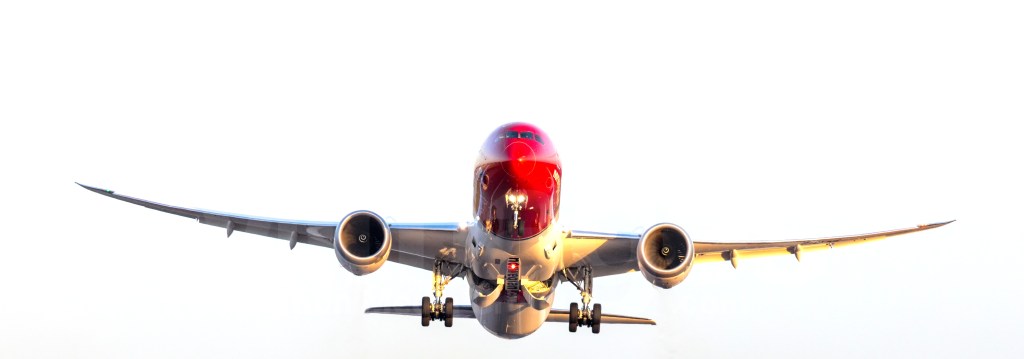
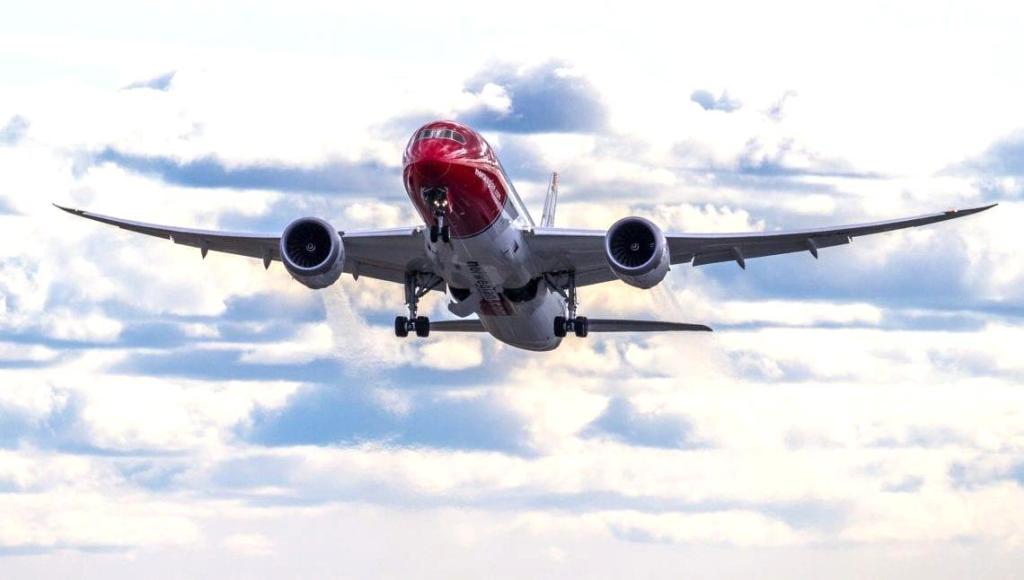
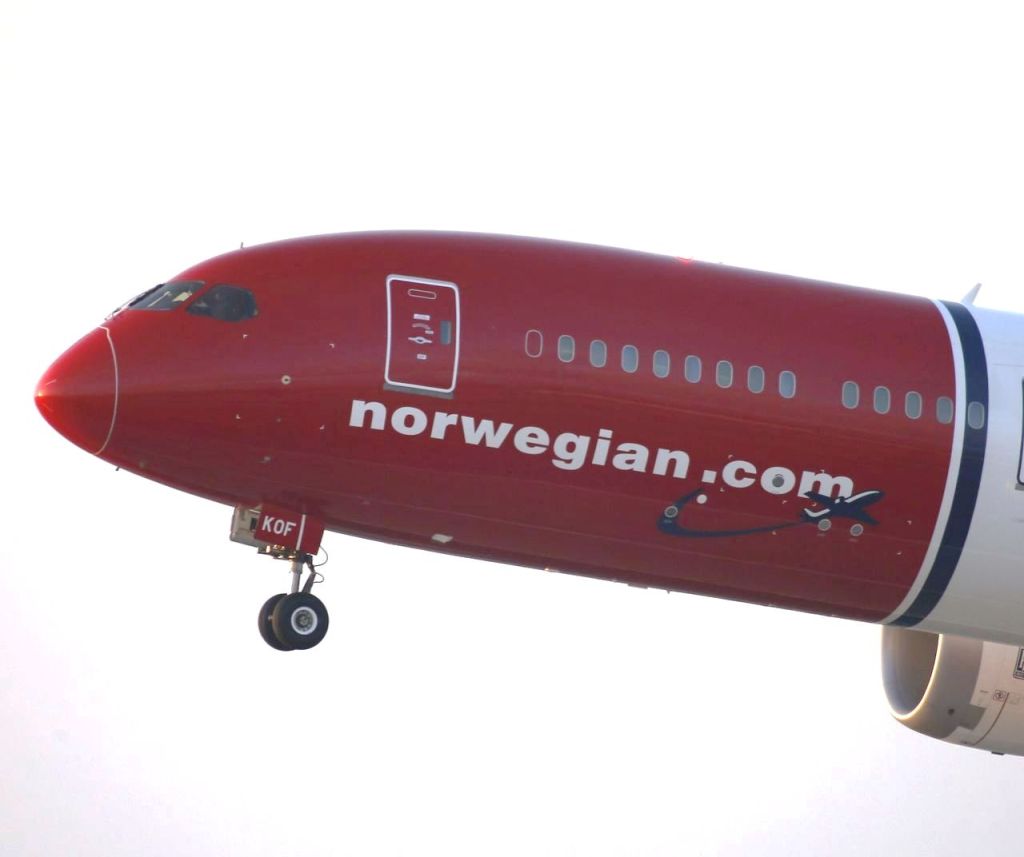
Norwegian Air Shuttle ha anunciado la reactivación de los vuelos transatlánticos luego de un período prolongado luego que la compañía se había contraído por problemas financieros y posteriormente por la pandemia con laas restricciones de viajes a nivel mundial. La compañía inicialmente esperaba reanudar sus vuelos transatlánticos con aeronaves Boeing 787 Dreamliner entre Europa y los Estados Unidos en Diciembre de 2020, pero las rutas han sido reprogramadas para reanudarse hacia Marzo de 2021.
El 28 de Marzo de 2021 se reanudarán los vuelos de Londres/Gatwick de manera tentativa mientras no existan restricciones de Coronavirus para vuelos punto a punto internacionales entre el Reino Unido y los Estados Unidos en ese momento. Los vuelos transatlánticos se pueden reservar entre el 28 de Marzo y finales de Julio de 2021.
El progreso del complejo plan de supervivencia de Norwegian Air Shuttle continúa hacia su restructuración y restableccimiento de las rutas europeas e internacionales. El liderazgo de Norwegian Air continúa siendo monitoreada para reactivar su economía post-pandemia, estableciendo aquellas rutas que permitan generar una pronta recuperación para el segundo trimestre de 2021, Norwegian Air podría ser capaz de llevar a cabo la reanudación de los vuelos transatlánticos para entonces. Por supuesto, las reservas de pasajeros deben justificar los vuelos, paralo cual, primero tiene que sobrevivir al invierno boreal.
Norwegian Air transatlantic flights
Norwegian Air to resume Europe-US transatlantic flights
Norwegian Air Shuttle has announced the reactivation of transatlantic flights after an extended period after the company had contracted due to financial problems and later due to the pandemic with global travel restrictions. The company initially expected to resume its transatlantic flights with Boeing 787 Dreamliner aircraft between Europe and the United States in December 2020, but the routes have been rescheduled to resume around March 2021.
On March 28, 2021, London/Gatwick flights will be tentatively resumed as long as there are no Coronavirus restrictions for international point-to-point flights between the UK and the US at that time. Transatlantic flights can be booked between March 28 and the end of July 2021.
Norwegian Air Shuttle’s complex survival plan progress continues towards its restructuring and reestablishment of European and international routes. Norwegian Air’s leadership continues to be monitored to reactivate its post-pandemic economy, establishing those routes that allow generating a speedy recovery by the second quarter of 2021, Norwegian Air could be able to carry out the resumption of transatlantic flights by then. Of course, passenger bookings must justify flights, for which, it first has to survive the boreal winter.
Norwegian Air transatlantiske flyreiser
Luft for å gjenoppta transatlantiske flyreiser mellom Europa og USA
Norwegian Air Shuttle har kunngjort reaktivering av transatlantiske flyreiser etter en lengre periode etter at selskapet hadde inngått kontrakt på grunn av økonomiske problemer og senere på grunn av pandemien med globale reisebegrensninger. Selskapet forventet opprinnelig å gjenoppta sine transatlantiske flyreiser med Boeing 787 Dreamliner-fly mellom Europa og USA i desember 2020, men rutene er omlagt til å gjenopptas rundt mars 2021.
28 Mars 2021 London/Gatwick-flyreiser vil foreløpig gjenopptas så lenge det ikke er noen Coronavirus-restriksjoner for internasjonale punkt-til-punkt-flyreiser mellom Storbritannia og USA på den tiden. Transatlantiske flyreiser kan bestilles mellom 28 Mars og slutten av Juli 2021.
Norwegian Air Shuttle komplekse overlevelsesplan fremgang fortsetter mot omstrukturering og reetablering av europeiske og internasjonale ruter. Norwegian Airs ledelse fortsetter å bli overvåket for å aktivere sin post-pandemiske økonomi, og etablere de rutene som tillater å generere en rask gjenoppretting innen andre kvartal 2021, og Norwegian Air kunne være i stand til å utføre gjenopptakelsen av transatlantiske flyreiser da. Selvfølgelig må passasjerbestillinger rettferdiggjøre flyreiser, som det først må overleve den boreale vinteren.
Airbus entrega primer A220 ensamblado en Estados Unidos
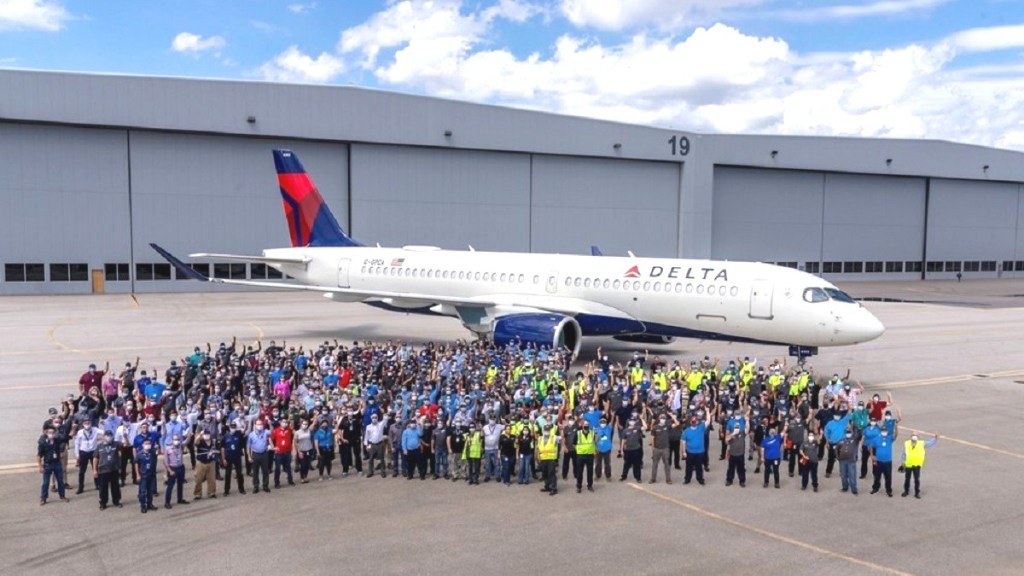
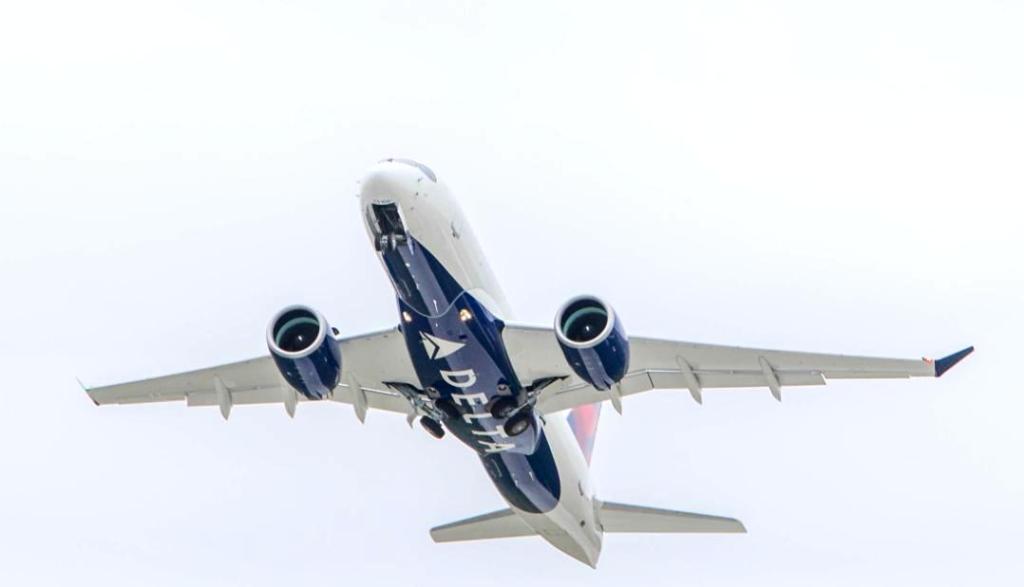
Airbus US ha entregado su primer avión Airbus A220 ensamblado en Estados Unidos en la Planta Mobile, Alabama, subrayando el papel del fabricante de aeronaves europeo como productor global de aviones y anunciando la llegada de una nueva era en la producción de Airbus en los Estados Unidos. La primera unidad de la línea de la FAL Mobile fue entregado a la compañía estadounidense Delta Air Lines. «La entrega del primer A220-300 construido en Estados Unidos es un momento histórico que pone de relieve la creciente presencia industrial de Airbus en América del Norte y nos hace a todos extremadamente orgullosos. Esperamos ver a los pasajeros encantados con la experiencia de viajar a bordo de este nuevo A220-300 orgullosamente construido en Mobile, Alabama», dijo el C. Jeffrey Knittel, Presidente y CEO de Airbus para las Américas.
La primer entrega del A220 «Made in USA» marca otro hito en el desarrollo del fabricante europeo Airbus Group. Desde la inauguración de la línea de montaje final Mobile A220 en Enero de 2019, hasta el inicio oficial de la producción del A220 en Agosto de 2019, y el vuelo inaugural de este avión en Junio 2020, los equipos A220 en Mirabel (Quebec) y Mobile trabajaron estrechamente juntos para hacer de la producción del A220 en los Estados Unidos un éxito. «Entregar el primer avión ensamblado en Estados Unidos a un cliente con sede en Estados Unidos es un verdadero motivo de orgullo para el programa A220. Esta entrega es la primera de muchas personas en llegar y muestra el fuerte espíritu de colaboración entre los equipos del Programa A220 a nivel mundial», dijo Philippe Balducchi, al frente del Programa A220.
Hasta la fecha, aproximadamente 400 empleados estadounidenses han recibido capacitación sobre la producción de A220, algunos en Mirabel, Quebec, Canadá, donde se encuentran el programa A220 y la línea de montaje final principal. Hace un año, el primer equipo de producción A220 con sede en Estados Unidos, compuesto por miembros experimentados y nuevos del equipo, comenzó a montar A220 en Mobile.
Beneficiándolo de las últimas tecnologías, el A220 es el avión más silencioso, limpio y ecológico de su categoría. Con una huella de ruido reducida del 50% en comparación con los aviones de la generación anterior, un 25% menos de quema de combustible por asiento y un 50% menos de emisiones de NOx que los estándares de la industria, el A220 es un gran avión para los aeropuertos de barrio. Al ser un diseño de hoja limpia, el A220 ofrece una eficiencia operativa sin igual y un 25% menos de costos de operación por asiento en comparación con los aviones de la generación anterior.
Delta Air Lines es actualmente el mayor cliente A220, con un total de 95 aviones A220 en cartera de pedido, y será el primer operador A220 en las Américas en operar ambas versiones A220-100 y A220-300. A finales de Septiembre de 2020, 123 A220 han sido entregados a siete operadores y están siendo volados en rutas en Asia, América, Europa y Africa, lo que demuestra la gran versatilidad del último miembro de la familia de Airbus.
First Airbus A220 Made in USA
Airbus delivers first A220 assembled in the United States
Airbus US has delivered its first US-assembled Airbus A220 aircraft to the Mobile Plant, Alabama, underscoring the role of the European aircraft manufacturer as a global aircraft producer and heralding the arrival of a new era in Airbus production in the United States. The first unit of the FAL Mobile line was delivered to the American company Delta Air Lines. «The delivery of the first US-built A220-300 is a historic moment that highlights Airbus’ growing industrial presence in North America and makes us all extremely proud. We look forward to seeing passengers delighted with the experience of traveling to aboard this new, proudly built A220-300 in Mobile, Alabama», said C. Jeffrey Knittel, Airbus Americas President and CEO.
The first delivery of the A220 «Made in USA» marks another milestone in the development of the European manufacturer Airbus Group. From the inauguration of the Mobile A220 final assembly line in January 2019, until the official start of production of the A220 in August 2019, and the maiden flight of this aircraft in June 2020, the A220 teams in Mirabel (Quebec) and Mobile worked closely together to make production of the A220 in the United States a success. «Delivering the first US-assembled aircraft to a US-based customer is a real source of pride for the A220 program. This delivery is the first of many to arrive and shows the strong spirit of collaboration between the Program teams. A220 worldwide», said Philippe Balducchi, head of the A220 Program.
To date, approximately 400 US employees have received training on A220 production, some in Mirabel, Quebec, Canada, where the A220 program and the main final assembly line are located. One year ago, the first US-based A220 production team, comprised of both seasoned and new team members, began assembling the A220 in Mobile.
Benefiting from the latest technologies, the A220 is the quietest, cleanest and most environmentally friendly aircraft in its class. With a 50% reduced noise footprint compared to previous generation aircraft, 25% less fuel burn per seat, and 50% less NOx emissions than industry standards, the A220 is a great plane to neighborhood airports. Being a clean sheet design, the A220 offers unmatched operating efficiency and 25% lower operating costs per seat compared to previous generation aircraft.
Delta Air Lines is currently the largest A220 customer, with a total of 95 A220 aircraft in the order book, and will be the first A220 operator in the Americas to operate both A220-100 and A220-300 versions. As of the end of September 2020, 123 A220s have been delivered to seven operators and are being flown on routes in Asia, America, Europe and Africa, demonstrating the great versatility of the latest member of the Airbus family.
Dominica planifica primer aeropuerto internacional
La República de Dominica, localizada geográficamente en el Mar Caribe, en la cadena de las Islas Barlovento, está haciendo progresos en los planes para construir un nuevo aeropuerto internacional, según el Primer Ministro, Roosevelt Skerrit. El Gobierno ha adquirido alrededor de 411 acres de tierra necesarias para el nuevo aeropuerto y que se encuentra avanzado los planes para la finalización de los diseños y estudios técnicos necesarios para que su desarrollo siga adelante.
El Gobierno de Dominica ha estado destinando US$ 5 millones de Dólares cada mes de su popular Programa de Ciudadanía por Inversión (ICC) durante los últimos años para financiar el proyecto. La nueva puerta de entrada será un cambio de juego para el Estado Libre Asociado de La Comunidad de Dominica, que actualmente sólo tiene dos aeropuertos regionales, lo que significa que todos los visitantes internacionales a la isla tienen que viajar a través de Puerto Rico o las otras islas caribeñas de Barbados, Guadalupe o Martinica.
La Administración de Roosevelt Skerrit está proponiendo la introducción de una empresa nacional para supervisar la construcción del aeropuerto. «La Compañía de Desarrollo Aeroportuario Internacional tendrá una vida útil durante la construcción del aeropuerto. Tendrá una junta compuesta por 16 miembros que cubrirían a un amplio sector de la sociedad para que tengamos una amplia participación e participación en el proceso», dice elPrimer Mandatario.
Dominica’s CBI Programme ha sido fundamental para financiar varios proyectos de desarrollo en la isla, desde la vivienda hasta la educación. El programa, establecido en 1993, permite a los inversionistas extranjeros y sus familias obtener la ciudadanía dominicana después de donar al fondo del Gobierno o comprar en opciones inmobiliarias seleccionadas.
Dominica to international airport
Dominica plans first international airport
The Republic of Dominica, geographically located in the Caribbean Sea, in the Windward Islands chain, is making progress on plans to build a new international airport, according to Prime Minister Roosevelt Skerrit. The Government has acquired around 411 acres of land necessary for the new airport and plans are in progress for the completion of the designs and technical studies necessary for its development to proceed.
The Government of Dominica has been committing US$ 5 million each month from its popular Citizenship by Investment Program (ICC) for the past few years to fund the project. The new gateway will be a game changer for the Commonwealth of the Commonwealth of Dominica, which currently has only two regional airports, meaning that all international visitors to the island have to travel through Puerto Rico or the other Caribbean islands of Barbados, Guadeloupe or Martinique.
The Roosevelt Skerrit Administration is proposing the introduction of a national company to oversee the construction of the airport. «The International Airport Development Company will have a useful life during the construction of the airport. It will have a board composed of 16 members that would cover a wide sector of society so that we have a broad participation and participation in the process», says the Prime Minister.
Dominica’s CBI Program has been instrumental in financing various development projects on the island, from housing to education. The program, established in 1993, allows foreign investors and their families to obtain Dominican citizenship after donating to the government fund or buying into select real estate options.
American y Southwest anuncian pérdidas millonarias
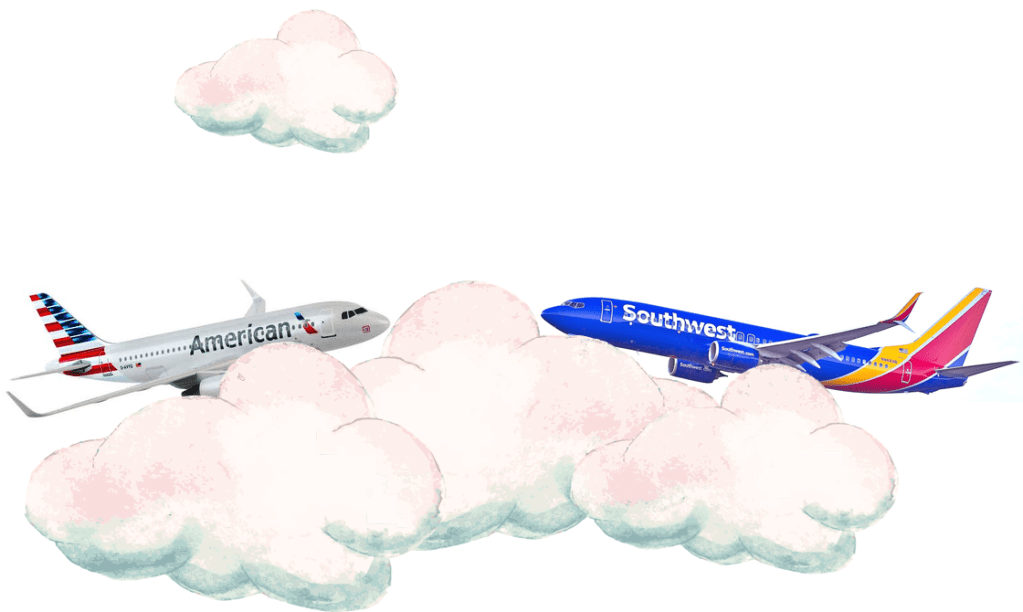
Las aerolíneas estadounidenses perdieron un total de US$ 12.000 millones de Dólares en el segundo trimestre. La situación no está dando vueltas rápidamente en ninguna de las aerolíneas. American Airlines y Southwest Airlines reportaron miles de millones de Dólares en pérdidas el Jueves 22 de Octubre de 2020. American Airlines (AA), la aerolínea más grande del mundo, informó que perdió US$ 2.800 millones en el tercer trimestre. Aún así, ha reducido las pérdidas frente al período anterior del 2Q2020 con una valores de US$ 3.400 millones de Dólares. Southwest Airlines (LUV) ha informado que perdió US$ 1.200 millones de Dólares, también una mejora de los US$ 1.500 millones de Dólares que perdió en el segundo trimestre y fue mejor que las previsiones. Alaska Airlines ha reportado una pérdida ligeramente menor que en el segundo trimestre, registrando una pérdida de US$ 399 millones (3Q2020), en comparación con los US$ 439 millones que perdió en el período del 2Q2020. Delta Air Lines y United Airlines habían reportado previamente miles de millones de Dólares en pérdidas del tercer trimestre, pero al igual que con American Airlines y Southwest Airlines recortaron sus pérdidas desde el segundo trimestre.
Tanto Southwest Airlines como American Airlines dijeron que esperan seguir perdiendo millones de Dólares en efectivo todos los días hasta 2021. Southwest dijo que tendrá que duplicar las ventas que logró en el tercer trimestre para igualar el efectivo que está gastando. Sólo ha vendido dos tercios de los asientos de sus aviones para permitir a los pasajeros dejar los asientos centrales abiertos para el distanciamiento social. Pero dijo que acabará con esa práctica y comenzará a vender todos los asientos a partir del 1 de Diciembre de 2020. United Airlines y American ya estaban vendiendo todos los asientos, dejando a Delta Air Lines como la única aerolínea importante de Estados Unidos que todavía dejaba el asiento medio sin vender. Alaska Airlines también anunció el Jueves 22/10 que está extendiendo su política de no vender asientos intermedios hasta el 6 de enero, aunque no dio detalles de sus planes en ese momento. Los ejecutivos de Delta dijeron la semana pasada que la compañía probablemente terminará esa práctica en algún momento de 2021.
American Airlines dijo que su quema de efectivo promedio diario alcanzó los US$ 44 millones de Dólares en el trimestre. Después de recortar 19.000 puestos de trabajo el 1 de Octubre de 2020, la aerolínea espera recortar esa quemadura diaria a un rango de US$ 25 millones a US$ 35 millones en el cuarto trimestre.
Southwest Airlines continúa recortando su quema diaria promedio de efectivo a US$ 16 millones de Dólares en el tercer trimestre y espera reducirlo a US$ 11 millones de Dólares con un modesto aumento de los viajes de ocio a finales de este año. Southwest, que nunca ha tenido un furlough involuntario o despido de personal, todavía no ha anunciado tales recortes de personal. Pero dijo que está en negociaciones con sus sindicatos sobre el ahorro de costos laborales. Dijo que si no llega a nuevos acuerdos, tendrá que instituir recortes de empleo en algún momento de 2021. Pero el verdadero problema para la industria sigue siendo la continua y débil demanda. «Hasta que tengamos vacunas ampliamente disponibles y logremos la inmunidad del rebaño, esperamos que el tráfico de pasajeros y las tendencias de las reservas sigan siendo frágiles», dijo Gary Kelly, CEO de Southwest Airlines.
«Esos números [de quema de efectivo] están mejorando, principalmente porque más gente está volando. Hemos hecho prácticamente todo lo que podemos en lo que se refiere a los costos. Ese número llegará a un número positivo cuando más personas estén volando. Eso sucederá en algún momento de 2021, estoy seguro. No sé exactamente cuándo», dijo el CEO Doug Parker de American Airlines. Si bien hubo cierta mejora en los viajes de ocio durante el verano boreal, los viajes corporativos que son más lucrativos para las aerolíneas siguen siendo excepcionalmente débiles. American ha comentado que los viajes de negocios están empezando a mostrar signos de un reinicio lento. «Realmente la diferencia va a ser cuando los viajeros de negocios comiencen a volar de nuevo, algo que se está iniciando modestamente, pero que no está ni cerca de lo que necesitamos», dijo el ejecutivo de American.
Perspectivas aéreas
Ambas aerolíneas hicieron nuevos llamamientos para que el Congreso de Estados Unidos aprobara otra ronda de ayuda financiera para las aerolíneas. La industria ya ha recibido US$ 50.000 millones de Dólares en subvenciones y préstamos, lo que ha impedido que las compañías aéreas despidieran al personal hasta finales de Septiembre 2020, ya que esa fue una de las condiciones de esa primera ronda de ayuda. Según las compañías aéreas, otra ronda de ayuda permitiría a los estadounidenses reincorporar al personal desprendido y que Southwest Airlines evitara por completo los permisos. Pero hasta ahora las conversaciones entre la Administración Trump y el Congreso todavía están estancadas en un nuevo paquete de estímulo financiero.
American/Southwest losses 3Q2020
American and Southwest announce million Dollar losses
US airlines lost a total of US$ 12 billion in the second quarter. The situation is not turning rapidly in any of the airlines. American Airlines and Southwest Airlines reported billions of dollars in losses on Thursday, October 22, 2020. American Airlines (AA), the world’s largest airline, reported that it lost US$ 2.8 billion in the third quarter. Even so, it has reduced losses compared to the previous period of 2Q2020 with a value of US$ 3,400 million dollars. Southwest Airlines (LUV) has reported that it lost US$ 1.2 billion, also an improvement from the US$ 1.5 billion it lost in the second quarter and was better than forecasts. Alaska Airlines has reported a slightly smaller loss than in the second quarter, recording a loss of US$ 399 million (3Q2020), compared to the US$ 439 million it lost in the 2Q2020 period. Delta Air Lines and United Airlines had previously reported billions of dollars in third-quarter losses, but like American Airlines and Southwest Airlines they cut their losses from the second quarter.
Both Southwest Airlines and American Airlines said they expect to continue losing millions of dollars in cash every day through 2021. Southwest said it will have to double the sales it achieved in the third quarter to match the cash it is spending. It has only sold two-thirds of the seats on its planes to allow passengers to leave the center seats open for social distancing. But it said it will end that practice and begin selling all seats on December 1, 2020. United Airlines and American were already selling all seats, leaving Delta Air Lines as the only major US airline still leaving. the middle seat unsold. Alaska Airlines also announced on Thursday 10/22 that it is extending its policy of not selling intermediate seats until January 6, although it did not give details of its plans at that time. Delta executives said last week that the company will likely end that practice sometime in 2021.
American Airlines said its average daily cash burn reached US$ 44 million in the quarter. After cutting 19,000 jobs on October 1, 2020, the airline expects to cut that daily burn to a range of US$ 25 million to US$ 35 million in the fourth quarter.
Southwest Airlines continues to cut its average daily cash burn to US$ 16 million in the third quarter and expects to reduce it to US$ 11 million with a modest increase in leisure travel later this year. Southwest, which has never had an involuntary furlough or layoff, has yet to announce such staff cuts. But he said he is in negotiations with his unions about saving labor costs. He said that if he does not reach new deals, he will have to institute job cuts sometime in 2021. But the real problem for the industry remains continued weak demand. «Until we have widely available vaccines and achieve herd immunity, we expect passenger traffic and booking trends to remain fragile», said Gary Kelly, CEO of Southwest Airlines.
«Those [cash burn] numbers are getting better, mainly because more people are flying. We have done pretty much everything we can when it comes to costs. That number will reach a positive number when more people are flying. That will happen. sometime in 2021, I’m sure. I don’t know exactly when», said American Airlines CEO Doug Parker. While there was some improvement in leisure travel during the summer, corporate travel that is most lucrative for airlines remains exceptionally weak. American has commented that business travel is starting to show signs of a slow restart. «The difference is really going to be when business travelers start flying again, something that is starting modestly, but is nowhere near what we need,, said the American executive.
Aerial perspectives
Both airlines made new calls for the United States Congress to approve another round of financial aid for the airlines. The industry has already received US$ 50,000 million in grants and loans, which has prevented airlines from laying off staff until the end of September 2020, since that was one of the conditions of that first round of aid. According to the airlines, another round of aid would allow the Americans to reinstate the disengaged personnel and for Southwest Airlines to avoid the permits altogether. But so far talks between the Trump Administration and Congress are still stuck on a new financial stimulus package.
Azul entre la audacia y la versatilidad como reglas gerenciales
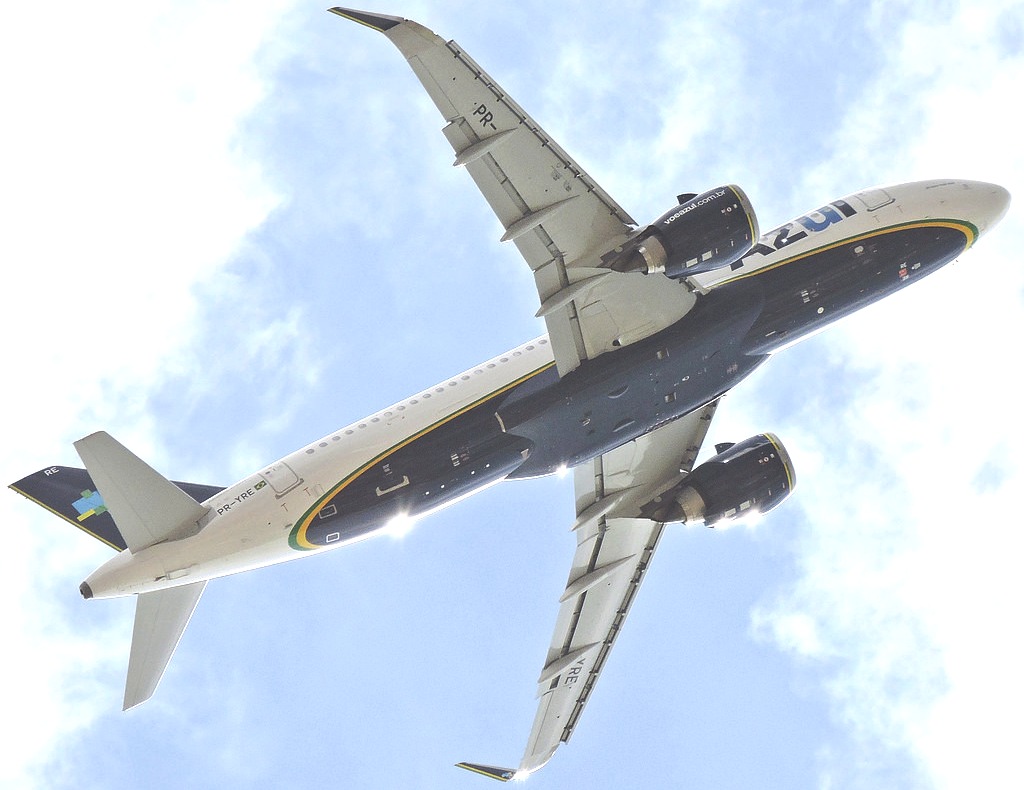
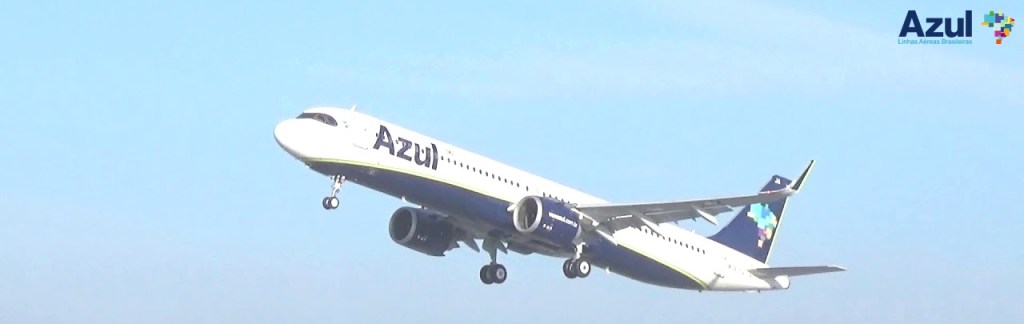
Al comienzo del 2020 la compañía Azul Linhas Aéreas continuaba en plena expansión generando oportunidades tanto dentro como fuera de Brasil con planes de ampliar oportunidades en diferentes sectores de la industria de la aviación comercial. Hacia Abril 2020, el panorama había cambiado radicalmente, introduciendo a las aerolíneas en un mundo casi sin perspectivas. Así la directiva de la empresa había tomado acciones para desarrollar planes alternativos para paliar la crisis y reducir el impacto económico e la compañía, sosteniendo que el Gobierno no iba a garantizar ayudas y eran ellos mismos los que debían generar un plan de acción responsable para sacar a la aerolínea de la tormenta perfecta.
Piloteando «modo pandemia»
El plan de negocios denominado «Plan de Gestión» se centró en los recursos existentes, considerando que la única manera de salvar a Azul Linhas Aéreas era volando nuevamente. «El hecho de que el Gobierno no tuviera recursos que otros países nos habían hecho tomar decisiones rápidas y difíciles», expresó John Rogerson, CEO de Azul Linhas Aéreas.
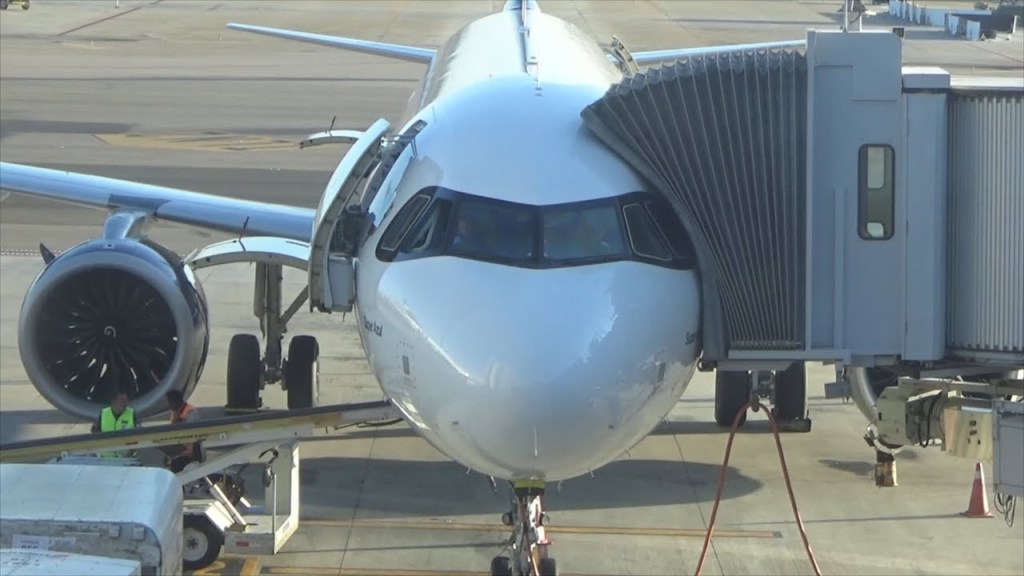
A principios de 2020 el panorama de las líneas aéreas se introducían en un período de consecuencias complicadas para la aviación comercial. Los directivos de Azul Linhas Aéreas encontraron un panorama extremadamente preocupado por el futuro frente a las operaciones de la compañía por los efectos de la pandemia con una flota de 150 aeronaves de las cuales 130 estaban en tierra. El CEO John Rogerson expresó en aquel tiempo: «El primer trimestre de este año fue el más largo de mi vida», describiendo un panorama muy desalentador. Pero el panorama comenzaba a traccionar lentamente después de meses de incertidumbre colectiva. La compañía aérea comenzaba a reprogramar la malla aérea reactivando más del 70% de la flota con alrededor de 120 aviones volando al 65% de su red de servicios activos en la actualidad.
El CEO John Rodgerson explica que en los últimos meses, debido al retraso en dejar la ayuda del Banco BNDES al sector, la compañía tuvo que implementar un importante proceso de reestructuración para hacerlo más ligero. Muchos de sus costos fijos fueron renegociados con proveedores y se convirtieron en variables. Alrededor de 2.500 empleados, de un total de 13.500, fueron despedidos, pero 400 fueron nuevamente reincorporados a la compañía.
La liquidez de la compañía es de R$ 2.300 millones de Reales, suficiente para mantener a la compañía en el aire durante los próximos 30 meses, John Rodgerson dice que aún no ha decidido si utilizar la línea de crédito de R$ 2 mil millones ofrecida por el BNDES. Pero tener el dinero disponible, en caso de que ocurra una segunda ola de contagios, es una especie de seguridad para la compañía.
En medio de la crisis, más concretamente en Mayo 2020, la compañía completó la compra de la compañía de vuelo regional TwoFlex, que cuenta con 17 aviones pequeños, por un valor de R$ 123 millones. En Agosto 2020, se relanzó bajo el nombre de Azul Conecta. «Es una empresa rentable y nos aporta flexibilidad. El primer punto era tener acceso a los mercados regionales, el segundo es ofrecer servicio de carga y el tercero es que tienen seis franjas horarias (slots) en el Aeropuerto Sao Paulo/Congonhas. Y cuando la demanda vuelva a Congonhas, usaremos estas frecuencias con aviones más grandes».
La compañía reflexionaba acerca del problema de la aviación. «Los aeropuertos, la tripulación, el proveedor de papas, la fábrica de aviones, necesitan a Azul con vida. Si la compañía muere, ellos también mueren. Dijimos que no era un problema de gestión de la empresa, que era un problema global, que todo el mundo tenía que sobrevivir. Les diría: ‘Si pago el 100% de lo que quieres, moriré y probablemente tú también morirás. Pueden vivir un mes más, pero luego mueren. Miramos quién tenía más que perder y todos tenían que contribuir a crear un giro. Así que le dije a la compañía de arrendamiento, que deberíamos pagar algo en el segundo trimestre, en Abril, Mayo y Junio fue cero. En Julio, pagué el 20% porque volaba 20%. Ahora estoy pagando el 40%. Sabía que estos proveedores decidirían quién moriría y quién viviría. Iban a decidir qué empresas iban a exprimir para obtener el último centavo y a las que prestarían, ampliando el plazo, para ayudar con la supervivencia», explicaba el Ejecutivo remarcando la necesidad de los lessors de aplicar razonabilidad frente a una situación donde la aviación se encontraba paralizada. Así, la compañía aérea pudo negociar un acuerdo.
Azul Linhas Aéreas también ha reducido costos fijos en variables. «Por ejemplo, en el tercer trimestre el arrendamiento de aeronaves cayó un 80%. En el cuarto trimestre, será del 60%. La nómina ha bajado un 50%. Obviamente, teníamos acuerdos con sindicatos y otros profesionales, por desgracia, tuvimos que decirlo hasta pronto. Estamos trayendo de vuelta a mucha gente que ha sido cerrada en este proceso. Queremos volar mucho más alto», sostuvo John Rogerson.
Acuerdo Azul-Latam
Azul Linhas Aéreas y Latam Airlines Brasil firmaron un acuerdo de Código Compartido que inicialmente incluye cincuenta rutas nacionales, que no se superponen, hacia y desde las ciudades de Brasilia, Belo Horizonte, Recife, Porto-Alegre, Campinas, Curitiba y Sao Paulo, fortaleciendo mayores opciones de viaje y conexiones. Las dos aerolíneas también firmaron un acuerdo de viajero frecuente, permitiendo a 12 millones de miembros de TudoAzul y a 37 millones de socios de LATAM Pass acumular puntos en el programa de su elección. Este acuerdo facilitaría una experiencia de viaje más fluida entre los vuelos de Azul y Latam Airlines Brasil, con los procesos de check-in y envío de equipaje hasta destino final.
Tras un acercamiento de las partes, actualmente, muchos continúan pensando en la situación económica de Latam Airlines Group y una favorable fusión de ambas compañías aéreas. Pero, ¿pudiera existir la posibilidad de que el acuerdo de código compartido entre Azul y Latam evolucione en una fusión? El CEO John Rogerson ha expresado su postura: «No lo creo. Una cosa que el mercado financiero no entiende del todo acerca de Azul y Latam es que este acuerdo de código compartido es muy beneficioso. Si miras, Delta Air Lines pagó US$ 2.000 millones para entrar en Latam. Los 2.000 millones de Dólares se convirtieron en polvo, pero lo pagaron en Febrero 2020. ¿Por qué pagaron? Sólo tienen 20 vuelos a América Latina y podrían conectarse con vuelos de Latam. Observa ahora el código compartido de Azul y Latam, es muy poderoso. En el pasado, tuvimos una gran pelea con Gol Linhas Aéreas y Latam Airlines Brasil por la plataforma aérea. Recibí un pequeño número de slots en Congonhas y tuve que sacrificar algunas rutas. Una de estas rutas era Congonhas/Curitiba. Azul sirve ocho ciudades en Paraná a través de Curitiba, pero no tengo la conexión de Congonhas. Ahora, puedo vender esa llamada y servir a todas las otras ciudades dentro del estado. Eso hace una gran diferencia. Puedo venderle Porto Alegre hacia Fernando de Noronha. Tal vez el primer tramo es de Azul, el segundo tramo de Latam y el tercero de Azul. Eso no existía antes. Piensa en Latam, por ejemplo. Antes de nuestro acuerdo, cuando volaba a Recife con Latam, puede volver a Sao Paulo, ir a Brasilia o Río de Janeiro porque sirvieron sólo tres destinos desde allí. En mi malla, servimos a 27 destinos desde allí«.
Actualmente Latam Airlines Brasil tiene acceso a muchos clientes, es mucho más poderosa en Sao Paulo que Azul. Azul es más potente en el interior de Sao Paulo. Latam tiene muchos más clientes en el programa de fidelización que nosotros, son mayores. Este código compartido es muy beneficioso. Es mucho mejor tener un avión en el aire que dos en el suelo, que es lo que estaba sucediendo. Será el código compartido más grande del mundo, expresa el CEO de Azul Linhas Aéreas.
Audacia en el aire
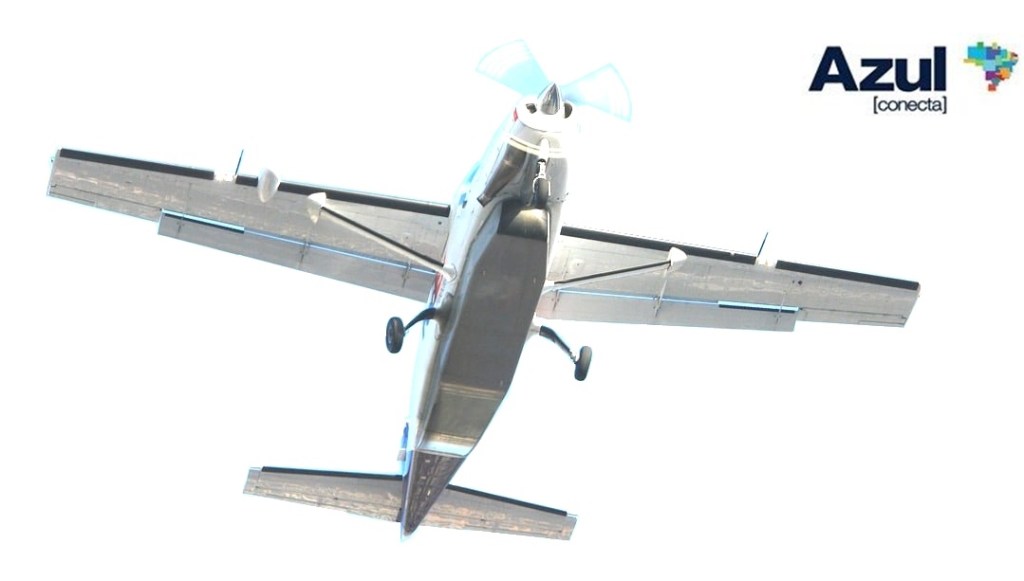
Algo que ha llamado poderosamente la atención mundial es el hecho que Azul Linhas Aéreas ha adquirido el 14 Mayo 2020 la empresa aérea TwoFlex, en medio de dificultadas por la crisis mundial sanitaria. La nueva compañía fue relanzada bajo el nombre de Azul Conecta, potenciando las estrategias de poner a otra compañía en el aire en medio de todo un panorama muy sombrío. Pero la estrategia ha cobrado sus frutos. Con una flota de 17 aviones regionales Cessna Caravan Two Flex aportaba flexibilidad en el mercado de tercer nivel más bajo. John Rogerson explica la desición tomada en medio de la recesión de los vuelos: «Lo que hemos visto es que hay muchos pueblos pequeños en este país que necesitan servicio aéreo. Ese era el objetivo de Azul de comprar TwoFlex. El primer punto era tener acceso a los mercados regionales, el segundo es ofrecer servicio de carga y el tercero es que tienen seis franjas horarias (slots) en el Aeropuerto Sao Paulo/Congonhas. Y cuando la demanda vuelva a Congonhas, usaremos estas franjas horarias con aviones más grandes».
Perspectivas Azul
Azul Linhas Aéreas ha demostrado ser una compañía muy versátil en medio de la pandemia. Lo que avizoraba ser un panorama muy complicado para el mundo de la aviación comercial, la crisis ha enseñado que pilotendo con audacia se pueden alcanzar realizar cambios radicales y traccionar la economía en favor de un nuevo horizonte renovado.
Azul versatility in tough times
Azul between boldness and versatility as managerial rules
At the beginning of 2020, the Azul Linhas Aéreas company continued to expand, generating opportunities both inside and outside of Brazil with plans to expand opportunities in different sectors of the commercial aviation industry. By April 2020, the landscape had changed radically, introducing airlines to a world with almost no prospects. Thus, the company’s board of directors had taken actions to develop alternative plans to alleviate the crisis and reduce the economic impact on the company, maintaining that the Government was not going to guarantee aid and it was they themselves who had to generate a responsible action plan to ssacar to the airline of the perfect storm.
Piloting «pandemic mode»
The business plan called «Management Plan» focused on existing resources, considering that the only way to save Azul Linhas Aéreas was to fly again. «The fact that the Government did not have resources that other countries had made us make quick and difficult decisions», said John Rogerson, CEO Azul Linhas Aéreas.
At the beginning of 2020 the landscape for airlines entered a period of complicated consequences for commercial aviation. The executives of Azul Linhas Aéreas found an outlook extremely concerned about the future of the company’s operations due to the effects of the pandemic with a fleet of 150 aircraft, 130 of which were on the ground. CEO John Rogerson said at the time, «The first quarter of this year was the longest of my life», describing a very bleak outlook. But the outlook was slowly beginning to turn after months of collective uncertainty. The airline company began to reprogram the aerial mesh reactivating more than 70% of the fleet with around 120 airplanes flying 65% of its active service network at present.
CEO John Rodgerson explains that in recent months, due to the delay in leaving the BNDES Bank’s aid to the sector, the company had to implement a major restructuring process to make it lighter. Many of their fixed costs were renegotiated with suppliers and became variable. About 2,500 employees, out of a total of 13,500, were laid off, but 400 were rejoined the company.
The company’s liquidity is R$ 2.3 billion, enough to keep the company in the air for the next 30 months, John Rodgerson says that he has not yet decided whether to use the R$ 2 billion credit line offered by the BNDES. But having the money available, in case a second wave of infections occurs, is a kind of security for the company.
In the midst of the crisis, more specifically in May 2020, the company completed the purchase of the regional flight company TwoFlex, which has 17 small aircraft, for a value of R$ 123 million. In August 2020, it was relaunched under the name Azul Conecta. «It is a profitable company and it gives us flexibility. The first point was to have access to regional markets, the second is to offer cargo service and the third is that they have six slots in the Sao Paulo/Congonhas Airport. And when demand returns to Congonhas, we will use these frequencies with larger aircraft».
The company reflected on the problem of aviation. «The airports, the crew, the potato supplier, the aircraft factory, they need Azul alive. If the company dies, they too die. We said it was not a company management problem, it was a global problem, that everyone had to survive. I would tell them: ‘If I pay 100% of what you want, I will die and you will probably die too. They can live another month, but then they die. We looked at who had the most to lose and everyone had to contribute to create a turn. So I told the leasing company, that we should pay something in the second quarter, in April, May and June it was zero. In July, I paid 20% because I was flying 20%. Now I’m paying 40 %. I knew that these providers would decide who would die and who would live. They were going to decide which companies they were going to squeeze to get the last penny and to which they would lend, extending the term, to help with survival», explained the Executive, highlighting the need of the lessors to apply reasonable faced with a situation where aviation was paralyzed. Thus, the airline was able to negotiate an agreement.
Azul Linhas Aéreas has also reduced fixed costs in variables. «For example, in the third quarter the leasing of aircraft fell 80%. In the fourth quarter, it will be 60%. The payroll is down 50%. Obviously, we had agreements with unions and other professionals, unfortunately, we had to say goodbye. We are bringing back many people who have been shut down in this process. We want to fly much higher», said John Rogerson.
Azul-Latam Agreement
Azul Linhas Aéreas and Latam Airlines Brasil signed a Code Share agreement that initially includes fifty national routes, which do not overlap, to and from the cities of Brasilia, Belo Horizonte, Recife, Porto-Alegre, Campinas, Curitiba and Sao Paulo, strengthening greater travel options and connections. The two airlines also signed a frequent flyer agreement, allowing 12 million TudoAzul members and 37 million LATAM Pass members to accumulate points in the program of their choice. This agreement would facilitate a more fluid travel experience between Azul and Latam Airlines Brazil flights, with the processes of check-in and shipment of luggage to the final destination.
After a rapprochement of the parties, today, many continue to think about the economic situation of Latam Airlines Group and a favorable merger of both airlines. But could there be a possibility that the codeshare agreement between Azul and Latam evolves into a merger? CEO John Rogerson has expressed his stance: «I don’t think so. One thing the financial market doesn’t quite understand about Azul and Latam is that this codeshare deal is very beneficial. If you look, Delta Air Lines paid US$ 2,000. million to enter Latam. The 2,000 million dollars turned to dust, but they paid it in February 2020. Why did they pay? They only have 20 flights to Latin America and could connect with Latam flights. Now observe the code share of Azul and Latam, it is very powerful. In the past, we had a big fight with Gol Linhas Aéreas and Latam Airlines Brasil for the aerial platform. I received a small number of slots in Congonhas and had to sacrifice some routes. One of these routes was Congonhas/Curitiba. Azul serves eight cities in Paraná via Curitiba, but I don’t have the Congonhas connection. Now, I can sell that call and serve all the other cities within the state. That makes a big difference. I can sell you Porto Al egre towards Fernando de Noronha. Perhaps the first section is from Azul, the second from Latam and the third from Azul. That didn’t exist before. Take Latam, for example. Before our agreement, when you were flying to Recife with Latam, you can go back to Sao Paulo, go to Brasilia or Rio de Janeiro because they served only three destinations from there. In my mesh, we serve 27 destinations from there».
Currently Latam Airlines Brasil has access to many clients, it is much more powerful in Sao Paulo than Azul. Azul is most powerful in the interior of Sao Paulo. Latam has many more clients in the loyalty program than we do, they are older. This code share is very beneficial. It is much better to have one plane in the air than two on the ground, which is what was happening. It will be the largest codeshare in the world, says the CEO of Azul Linhas Aéreas.
Audacity in the air
Something that has attracted world attention is the fact that Azul Linhas Aéreas has acquired the airline TwoFlex on 14 May 2020, amidst difficulties due to the global health crisis. The new company was relaunched under the name Azul Conecta, enhancing the strategies of putting another company on the air in the midst of a very gloomy outlook. But the strategy has paid off. With a fleet of 17 regional aircraft the Cessna Caravan Two Flex provided flexibility in the lower third tier market. John Rogerson explains the decision made in the midst of the flight recession: «What we have seen is that there are many small towns in this country that need air service. That was Azul’s goal of buying TwoFlex. The first point was to have access to regional markets, the second is to offer cargo service and the third is that they have six slots at the Sao Paulo/Congonhas Airport. And when demand returns to Congonhas, we will use these slots with larger planes».
Perspectives Azul
Azul Linhas Aéreas has proven to be a very versatile company in the midst of the pandemic. What envisioned to be a very complicated outlook for the world of commercial aviation, the crisis has taught that flying boldly can achieve radical changes and pull the economy in favor of a new renewed horizon.
Azul versatilidade em tempos difíceis
Azul entre ousadia e versatilidade como regras de gestão
No início de 2020, a empresa Azul Linhas Aéreas continuou a se expandir, gerando oportunidades dentro e fora do Brasil com planos de ampliar as oportunidades em diversos setores da indústria da aviação comercial. Em abril de 2020, o cenário mudou radicalmente, apresentando as companhias aéreas a um mundo quase sem perspectivas. Assim, o conselho de administração da empresa tomou medidas para desenvolver planos alternativos para aliviar a crise e reduzir o impacto económico na empresa, argumentando que o Governo não iria garantir os auxílios e eram eles próprios que deveriam gerar um plano de ação responsável para ssacar para a companhia aérea da tempestade perfeita.
Pilotar o «modo pandêmico»
O plano de negócios denominado “Plano de Gestão” teve como foco os recursos existentes, sendo que a única forma de salvar a Azul Linhas Aéreas era voar novamente. “O fato de o governo não ter recursos que outros países nos fizeram tomar decisões rápidas e difíceis”, disse o CEO da Azul Linhas Aéreas, John Rogerson.
No início de 2020, o cenário para as companhias aéreas entrou em um período de consequências complicadas para a aviação comercial. Os executivos da Azul Linhas Aéreas encontraram uma visão extremamente preocupada com o futuro das operações da empresa devido aos efeitos da pandemia com uma frota de 150 aeronaves, 130 das quais em solo. O CEO John Rogerson disse na época: «O primeiro trimestre deste ano foi o mais longo da minha vida», descrevendo uma perspectiva muito sombria. Mas a perspectiva estava começando a mudar lentamente após meses de incerteza coletiva. A companhia aérea começou a reprogramar a malha aérea reativando mais de 70% da frota com cerca de 120 aviões voando 65% de sua rede de serviço ativa atualmente.
O CEO John Rodgerson explica que nos últimos meses, devido ao atraso em deixar o auxílio do Banco BNDES ao setor, a empresa teve que implantar um grande processo de reestruturação para torná-lo mais leve. Muitos de seus custos fixos foram renegociados com fornecedores e passaram a ser variáveis. Cerca de 2.500 funcionários, de um total de 13.500, foram dispensados, mas 400 retornaram à empresa.
A liquidez da empresa é de R$ 2,3 bilhões, o suficiente para manter a companhia no ar pelos próximos 30 meses, John Rodgerson diz que ainda não decidiu se vai usar a linha de crédito de R$ 2 bilhões oferecida pelo BNDES. Mas ter o dinheiro disponível, caso ocorra uma segunda onda de infecções, é uma espécie de segurança para a empresa.
Em meio à crise, mais especificamente em maio de 2020, a empresa concluiu a compra da companhia aérea regional TwoFlex, que possui 17 aeronaves de pequeno porte, pelo valor de R$ 123 milhões. Em agosto de 2020, foi relançado com o nome de Azul Conecta. “É uma empresa lucrativa e dá flexibilidade para a gente. O primeiro ponto era ter acesso aos mercados regionais, o segundo é oferecer serviço de carga e o terceiro é que eles têm seis slots no Aeroporto de São Paulo/Congonhas. E quando a demanda retorna para Congonhas, vamos usar essas frequências com aeronaves maiores».
A empresa refletiu sobre o problema da aviação. “Os aeroportos, a tripulação, o fornecedor de batatas, a fábrica de aviões precisam da Azul viva. Se a empresa morrer, eles também morrem. Dissemos que não era um problema de gestão da empresa, era um problema global, que todos tinham que sobreviver. Eu dizia a eles: ‘Se eu pagar 100% do que você quer, vou morrer e você provavelmente vai morrer também. Eles podem viver mais um mês, mas depois morrem. Vimos quem tinha mais a perder e todos tinham que contribuir para criar uma curva. Então falei para a locadora que devíamos pagar algo no segundo trimestre, em Abril, Maio e Junho foi zero. Em Julho, paguei 20% porque estava voando 20%. Agora estou pagando 40 %. Eu sabia que esses provedores iriam decidir quem iria morrer e quem viveria. Eles iam decidir quais empresas iam apertar para pegar o último centavo e para quais emprestariam, prorrogando o prazo, para ajudar na sobrevivência”, explicou o executivo, destacando a necessidade do locadores para aplicar razoável confrontado com uma situação em que a aviação estava paralisada. Assim, a companhia aérea conseguiu negociar um acordo.
A Azul Linhas Aéreas também reduziu custos fixos em variáveis. “Por exemplo, no terceiro trimestre o arrendamento de aeronaves caiu 80%. No quarto trimestre, será de 60%. A folha de pagamento caiu 50%. Obviamente, tínhamos acordos com sindicatos e outros profissionais, infelizmente, tivemos que diga adeus. Estamos trazendo de volta muitas pessoas que foram fechadas neste processo. Queremos voar muito mais alto», disse John Rogerson.
Acordo Azul-Latam
Azul Linhas Aéreas e Latam Airlines Brasil assinaram acordo de Code Share que inclui inicialmente cinquenta rotas nacionais, que não se sobrepõem, de e para as cidades de Brasília, Belo Horizonte, Recife, Porto-Alegre, Campinas, Curitiba e São Paulo, fortalecendo maiores opções de viagens e conexões. As duas companhias aéreas também assinaram um acordo de passageiro frequente, permitindo que 12 milhões de membros do TudoAzul e 37 milhões de membros do LATAM Pass acumulem pontos no programa de sua escolha. Esse acordo facilitaria uma experiência de viagem mais fluida entre os voos da Azul e da Latam Airlines Brasil, com os processos de check-in e embarque da bagagem até o destino final.
Após uma aproximação das partes, hoje, muitos continuam pensando na situação econômica do Grupo Latam Airlines e em uma fusão favorável das duas companhias aéreas. ¿Mas poderia haver a possibilidade de que o acordo de codeshare entre a Azul e a Latam evolua para uma fusão? O CEO John Rogerson expressou sua posição: «Acho que não. Uma coisa que o mercado financeiro não entende muito bem sobre a Azul e a Latam é que esse acordo de codeshare é muito benéfico. Se você olhar, a Delta Air Lines pagou US$ 2.000. milhões para entrar na América Latina. Os 2.000 milhões de Dólares viraram pó, mas eles pagaram em Fevereiro de 2020. ¿Por que eles pagaram? Eles têm apenas 20 vôos para a América Latina e poderiam se conectar com vôos para a América Latina. Agora observe o code share da Azul e Latam, é muito potente. Antigamente tínhamos uma briga grande com a Gol Linhas Aéreas e Latam Airlines Brasil pela plataforma aérea. Recebi um número pequeno de slots em Congonhas e tive que sacrificar algumas rotas. Uma dessas rotas era Congonhas/Curitiba. A Azul atende oito cidades do Paraná via Curitiba, mas eu não tenho conexão com Congonhas. Agora posso vender essa ligação e atender todas as outras cidades do estado. Isso faz uma grande diferença. Posso vender Porto Al egre em direção a Fernando de Noronha. Talvez o primeiro trecho seja da Azul, o segundo da Latam e o terceiro da Azul. Isso não existia antes. Veja Latam, por exemplo. Antes do nosso acordo, quando você voava para Recife com a Latam, você podia voltar para São Paulo, ir para Brasília ou Rio de Janeiro porque serviam apenas três destinos de lá. Na minha malha, atendemos 27 destinos de lá».
Atualmente a Latam Airlines Brasil tem acesso a muitos clientes, é muito mais potente em São Paulo do que a Azul. A Azul é mais poderosa do interior de São Paulo. A Latam tem muito mais clientes no programa de fidelidade do que nós, eles são mais velhos. Este compartilhamento de código é muito benéfico. É muito melhor ter um avião no ar do que dois no solo, que era o que estava acontecendo. Será o maior codeshare do mundo, afirma o presidente da Azul Linhas Aéreas.
Ousadia no ar
Algo que tem atraído fortemente a atenção mundial é o fato de a Azul Linhas Aéreas ter adquirido a companhia aérea TwoFlex em 14 de maio de 2020, em meio a dificuldades devido à crise global de saúde. A nova empresa foi relançada com o nome de Azul Conecta, reforçando as estratégias de colocar outra empresa no ar em meio a um cenário bastante sombrio. Mas a estratégia valeu a pena. Com uma frota de 17 aeronaves regionais, o Cessna Caravan Two Flex proporcionou flexibilidade no mercado de terceiro nível inferior. John Rogerson explica a decisão tomada em meio à recessão dos voos: “O que vimos é que há muitas pequenas cidades neste país que precisam de serviço aéreo. Esse era o objetivo da Azul ao comprar o TwoFlex. O primeiro ponto era ter acesso para os mercados regionais, o segundo é oferecer serviço de carga e o terceiro é que eles têm seis slots no Aeroporto de São Paulo/Congonhas. E quando a demanda voltar para Congonhas, vamos usar esses slots com aviões maiores”.
Perspectivas Azul
A Azul Linhas Aéreas tem se mostrado uma empresa muito versátil em meio à pandemia. O que parecia ser um panorama muito complicado para o mundo da aviação comercial, a crise ensinou que voar com ousadia pode trazer mudanças radicais e puxar a economia em favor de um novo horizonte renovado.
Cancelan vuelos de Aerolíneas en la Región Noreste
La reapertura de los vuelos domésticos regulares ha traído algunos sinsabores, tras siete meses de parate en la navegación aérea. Tras la reapertura del espacio aéreo para los vuelos comerciales este Jueves 22/10, Aerolíneas Argentinas ha suspendido y pospuesto la programación de dos vuelos, uno a Iguazú y otro a Posadas.
Cuando ya no quedaban detalles por ultimar y únicamente se esperaba el aterrizaje del avión para ponerle fin a la cuarentena aérea luego de siete meses, Aerolíneas Argentinas canceló los vuelos programados Buenos Aires/Ezeiza-Puerto Iguazú (22/10) y a Buenos Aires-Posadas (23/10). El vuelo a Puerto Iguazú estaba previsto que partiera a las 15:00 hs el 22/10 desde el Aeropuerto de Ezeiza y que aterrizara en el Aeropuerto Puerto Iguazú a las 16:55 hs, posponiendo el vuelo para el Domingo 25/10 a las 15:00 hs. El Viernes 23/10 estaba programado el vuelo Buenos Aires/Ezeiza-Posadas a las 20:15 hs, trasladando la reprogramación para el Lunes 26/10 en el mismo horario.
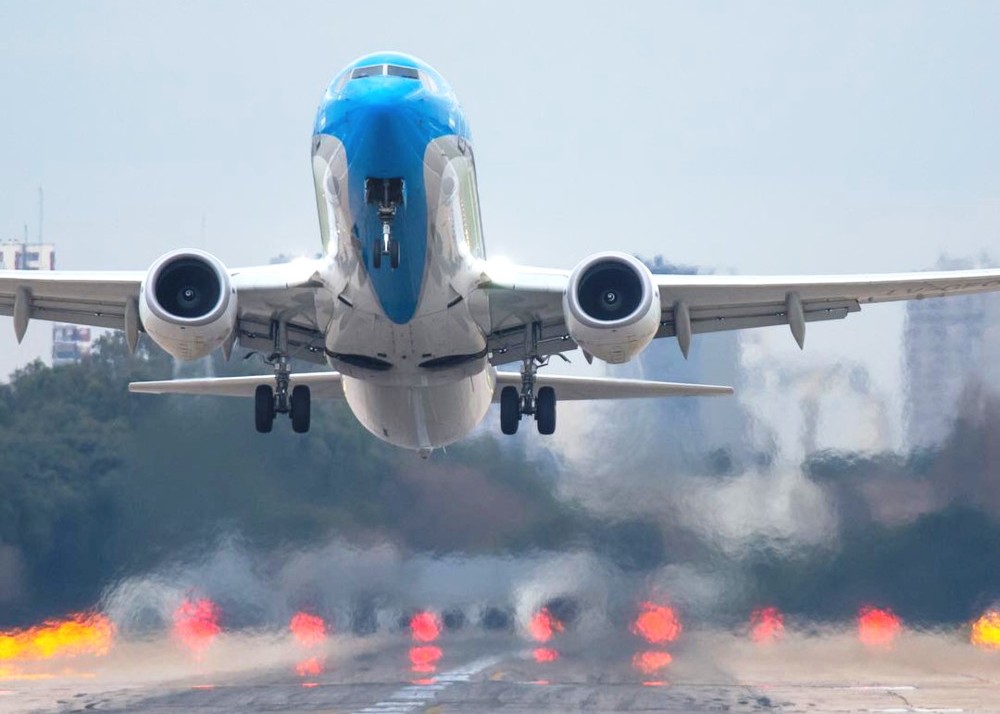
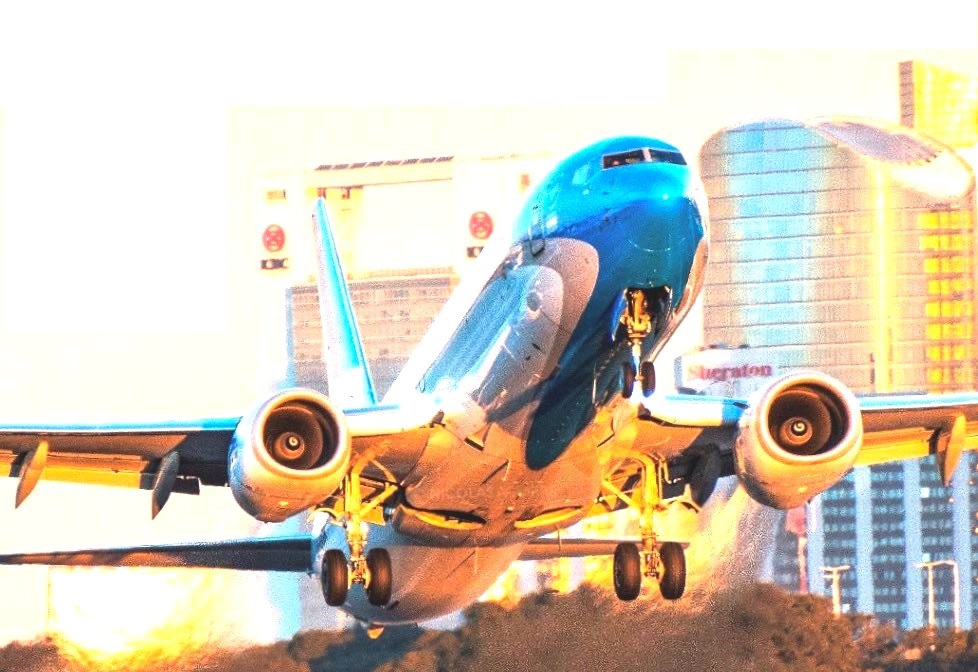
La programación de la vigencia de los vuelos para este Jueves 22/10, con sólo tres vuelos de los que estaban programados, Aerolíneas Argentina volverá a operar en cielo argentino, aunque en una primera etapa únicamente podrán hacer uso del transporte aéreo los trabajadores esenciales. El primero, el AR-1470, ha despegado a las 05:00 hs. del 22/10, desde el Aeropuerto de Ezeiza, con destino a San Salvador de Jujuy, con un factor de ocupación del 91%, con 128 pasajeros de los 140 asientos que posee el Boeing 737-800. A las 06:00 hs. ha despegado el vuelo AR-1400 Buenos Aires/Ezeiza-Mendoza, y a las 09:00 hs, el AR-1878 volará a Ushuaia. La programación para el Viernes 23/10, con la confirmación del vuelo AR-1450 con destino a Salta a las 18:00 horas. Los vuelos que conectan Buenos Aires con estas provincias y viceversa han sido autorizados y viajarán con una ocupación de entre el 50% y el 90%.
El resto de los vuelos que Aerolíneas Argentina tenía programados para el 23/10 debieron ser cancelados: A las 07:00 hs. estaba previsto Buenos Aires/Ezeiza-Corrientes, el AR-1770. A las 12:30 hs. estaba programado Buenos Aires/Ezeiza-San Luis, el AR-2430. Por la tarde, a las 15:00 hs. el vuelo AR-1730 fue cancelado hacia Puerto Iguazú. El último vuelo del día Viernes 23/10 iba a ser el AR-1480 a las 17:00 horas, con destino a Tucumán, también ha sido cancelado.
Los pasajeros deberán consultar con su compañía aérea para confirmar la programación del vuelo debido a los recurrentes casos de cancelaciones y reprogramaciones. Para poder tomar estos vuelos, en principio se requiere ser trabajador esencial o viajar por un tratamiento médico. En ningún caso, se puede viajar para hacer turismo, o por otros asuntos no contemplados en los requerimientos en esta etapa de los vuelos.
Aerolíneas cancellations after reopening
Aerolíneas flights canceled in the Northeast Region
The reopening of regular domestic flights has brought some troubles, after seven months of stoppage in air navigation. After the reopening of the airspace for commercial flights this Thursday 10/22, Aerolíneas Argentinas has suspended and postponed the programming of two flights, one to Iguazú and the other to Posadas.
When there were no details to be finalized and the plane was only expected to land to end the air quarantine after 7 months, Aerolineas Argentinas canceled the scheduled flights Buenos Aires/Ezeiza-Puerto Iguazú (10/22) and Buenos Aires-Posadas (10/23). The flight to Puerto Iguazú was scheduled to depart at 3:00 p.m. on 10/22 from Ezeiza Airport and land at Puerto Iguazú Airport at 4:55 p.m., postponing the flight to Sunday 10/25 at 3:00 p.m. On Friday 10/23 the flight Buenos Aires/Ezeiza-Posadas was scheduled at 8:15 pm, transferring the rescheduling for Monday 10/26 at the same time.
The schedule of the validity of the flights for this Thursday 10/22, with only three flights of those that were scheduled, Aerolíneas Argentina will once again operate in Argentine sky, although in a first stage only essential workers will be able to use air transport. The first, the AR-1470, took off at 05:00. from 10/22, from Ezeiza Airport, bound for San Salvador de Jujuy, with an occupancy factor of 91%, with 128 passengers of the 140 seats that the Boeing 737-800 has. At 06:00 am. Flight AR-1400 Buenos Aires/Ezeiza-Mendoza has taken off, and at 09:00 am, AR-1878 will fly to Ushuaia. The schedule for Friday 10/23, with the confirmation of flight AR-1450 bound for Salta at 6:00 p.m. The flights that connect Buenos Aires with these provinces and vice versa have been authorized and will travel with an occupancy of between 50% and 90%.
The rest of the flights that Aerolineas Argentina had scheduled for 10/23 had to be canceled: At 07:00 hs. Buenos Aires/Ezeiza-Corrientes, the AR-1770, was planned. At 12:30 p.m. Buenos Aires/Ezeiza-San Luis, the AR-2430, was programmed. In the afternoon, at 3:00 p.m. flight AR-1730 was canceled to Puerto Iguazú. The last flight on Friday 10/23 was to be AR-1480 at 5:00 p.m., bound for Tucumán, it has also been canceled.
Passengers should check with their airline to confirm the flight schedule due to the recurring cases of cancellations and rescheduling. In order to take these flights, in principle it is required to be an essential worker or to travel for medical treatment. In no case, you can travel for tourism, or for other matters not contemplated in the requirements at this stage of the flights.
Boeing está discutiendo un nuevo avión para reactivar perspectivas
The Boeing Company se encuentra analizando bajo estudio de mercado la participación en un nuevo avión comercial, según la gente familiarizada con el asunto, un movimiento que podría ayudarle a compensar la pérdida de terreno frente a su rival Airbus Group a medida que avanza a través de la saliente crisis del Boeing 737 MAX y la pandemia de Coronavirus.
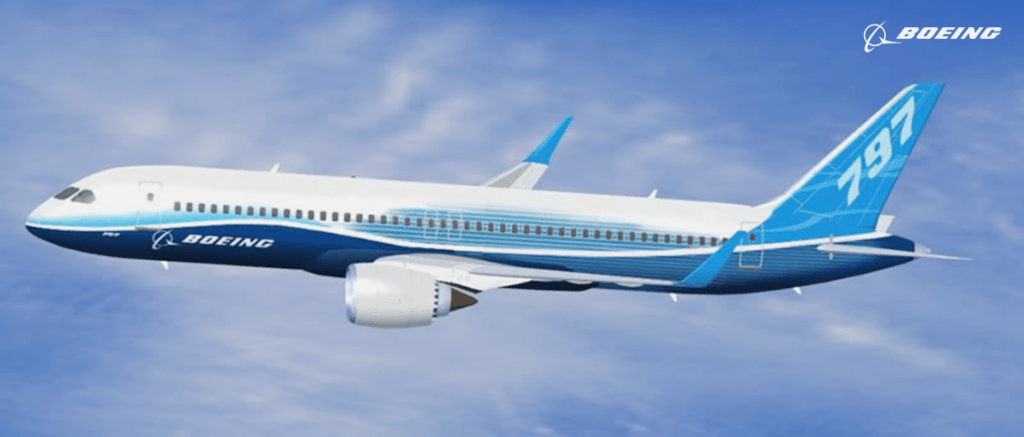
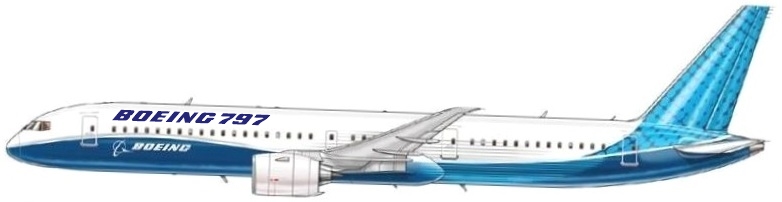
El fabricante de aviones ha mantenido conversaciones con algunos clientes, incluyendo compañías de arrendamiento de aviones, y proveedores sobre el interés potencial en un avión de pasillo único con motores mejorados que podrían transportar entre 200 y 250 pasajeros, que estaría ubicado entre el segmento del Boeing 737 MAX y el Boeing 787, lo que alentaría la reactivación del proyecto New Middle Aircraft (NMA) o sus equivalente tentativo denominado Boeing 797.
Las conversaciones sobre un posible nuevo avión están en una etapa muy temprana, dijeron estas personas, y no pueden conducir a un programa de desarrollo formal eventual. Un nuevo avión puede tardar años en pasar de una idea a un programa de desarrollo totalmente compatible, y luego incluso más tiempo para llegar a la producción. Boeing no ha lanzado un nuevo avión comercial desde el Dreamliner en 2004. Boeing esperaba llenar la brecha de mercado entre el 737 MAX y el Dreamliner con lo que tentativamente había llamado el NMA, para el nuevo avión de mercado medio, antes de dejar caer ese programa en medio de la crisis MAX. El NMA fue concebido como un avión de dos pasillos que habría sido diseñado para coincidir con la economía de un cuerpo estrecho en reemplazo del Boeing 757 y para hacer frente a la conquista del segmento de rango medio dominado exclusivamente por el Airbus A321NEO LR y su hermano más actualizado el A321NEO XLR.
Boeing studies reactivating NMA
Boeing is discussing a new plane to revive prospects
The Boeing Company is currently reviewing its share of a new commercial aircraft under market study, a move that could help it offset the loss of ground to rival Airbus Group as it moves through the outgoing Boeing 737 MAX crisis and the Coronavirus pandemic.
The aircraft manufacturer has held discussions with some customers, including aircraft leasing companies, and suppliers about the potential interest in a single-aisle aircraft with improved engines that could carry between 200 and 250 passengers, which would be located between the Boeing segment. 737 MAX and the Boeing 787, which would encourage the reactivation of the New Middle Aircraft (NMA) project or its tentative equivalent called Boeing 797.
Talks about a possible new plane are at a very early stage, these people said, and cannot lead to an eventual formal development program. It can take years for a new aircraft to go from an idea to a fully compliant development schedule, and then even longer to reach production. Boeing hasn’t launched a new airliner since the Dreamliner in 2004. Boeing hoped to fill the market gap between the 737 MAX and the Dreamliner with what it had tentatively called the NMA, for the new mid-market jet, before dropping that. program in the midst of the crisis MAX. The NMA was conceived as a two-aisle aircraft that would have been designed to match the economy of a narrow body to replace the Boeing 757 and to cope with the conquest of the mid-range segment dominated exclusively by the Airbus A321NEO LR and its brother. more updated the A321NEO XLR.
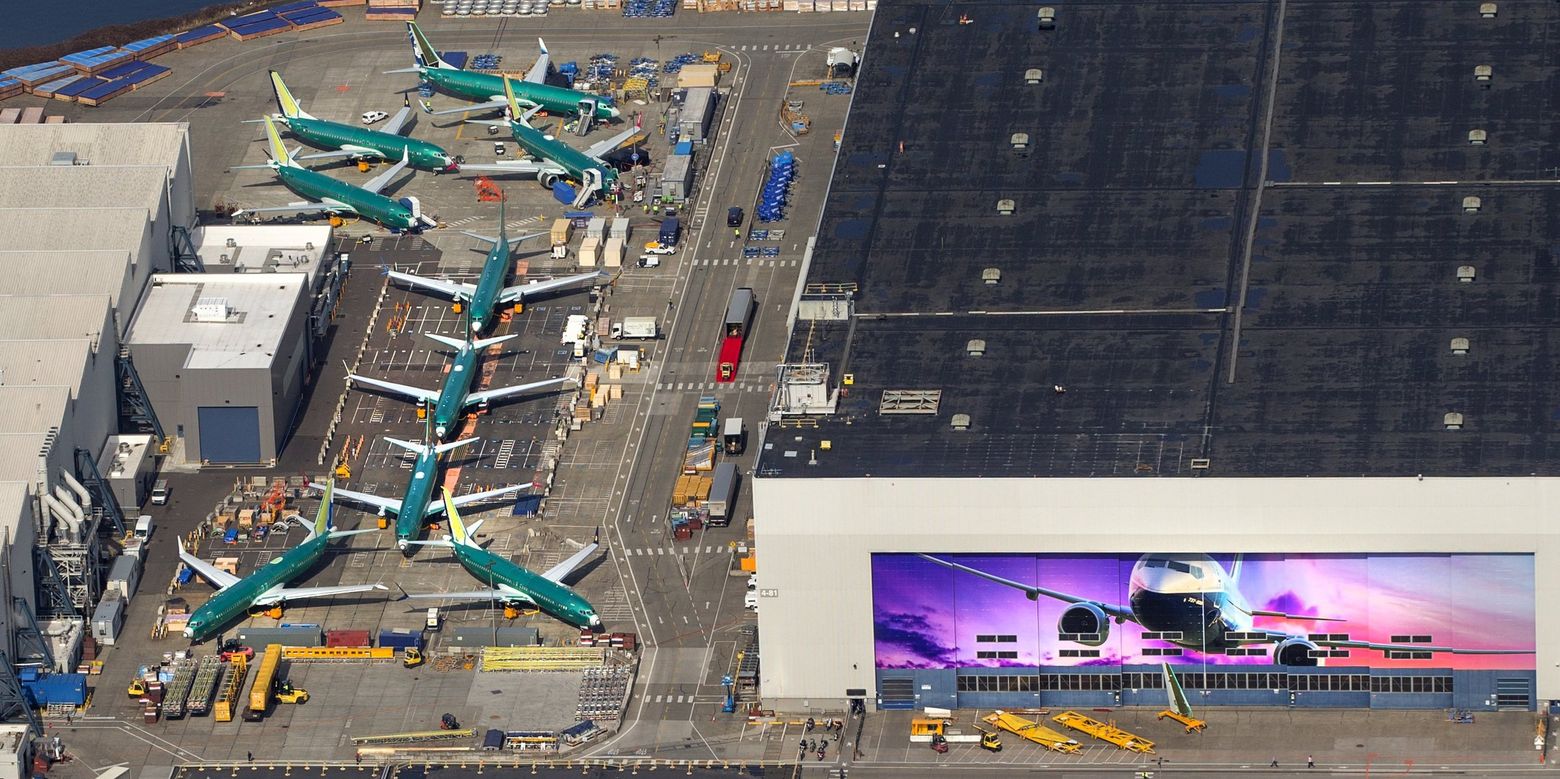
Boeing evalúa concentrar sede división comercial a Everett
The Boeing Company ha anunciado que está considerando reubicar su sede de la división de aviones comerciales en el Estado de Washington en un esfuerzo por reducir los costos durante la pandemia de coronavirus. El Ejecutivo de Boeing, Bill McSherry confirmó informes anteriores de que la compañía estaba evaluando reestructurar las sedes en el Estado de Washington, modificando la línea de Boeing Commercial Airplanes en Renton. Si eso sucede, la sede permanecería en la región de Puget Sound y se trasladaría al Boeing Field en Seattle o al campus en Everett.
Bill McSherry ha expresado en una reunión virtual en el Condado de Snohomish este Martes 20/10 que la pandemia ha obligado a la compañía a tomar algunos pasos muy difíciles. Boeing publicó una declaración explicando sus acciones: «Todavía estamos trabajando a través de una evaluación. Boeing evalúa continuamente toda la cartera de activos inmobiliarios de la compañía y ajusta la huella de la compañía a medida que el entorno empresarial evoluciona. El liderazgo de Boeing Commercial Airplanes permanecerá en la región de Puget Sound».
Además, Boeing publicó una declaración que proporciona un contexto adicional a los esfuerzos de transformación del negocio de la compañía: «La pandemia Covid-19 ha afectado significativamente a los viajes aéreos y a la industria de la aviación comercial, incluido Boeing. A medida que nos adaptamos a las nuevas realidades del mercado y a la posición para el futuro, estamos tomando medidas en toda la empresa en cinco categorías clave: infraestructura; los gastos generales y la estructura organizativa; cartera y mezcla de inversiones; salud de la cadena de suministro; y la excelencia operativa. Esto incluye evaluar maneras de utilizar más eficazmente nuestro espacio de oficina y reducir los costos. Además, podemos ofrecer más flexibilidad para nuestros compañeros de equipo con una combinación de espacio de trabajo virtual e in situ, a la vez que garantizamos que los líderes y equipos estén más cerca de donde se está haciendo el trabajo para apoyar a nuestros clientes».
Boeing evaluates headquarters structuring
Boeing considers concentrating commercial division in Everett
The Boeing Company has announced that it is considering relocating its commercial aircraft division headquarters to Washington State in an effort to reduce costs during the coronavirus pandemic. Boeing Executive Bill McSherry confirmed earlier reports that the company was considering restructuring its headquarters in Washington State, modifying the Boeing Commercial Airplanes line at Renton. If that happens, the headquarters would remain in the Puget Sound region and move to Boeing Field in Seattle or campus in Everett.
Bill McSherry has expressed in a virtual meeting in Snohomish County this Tuesday 10/20 that the pandemic has forced the company to take some very difficult steps. Boeing released a statement explaining its actions: «We are still working through an assessment. Boeing continually assesses the company’s entire portfolio of real estate assets and adjusts the company’s footprint as the business environment evolves. Boeing Commercial leadership Airplanes will remain in the Puget Sound region».
In addition, Boeing released a statement that provides additional context to the company’s business transformation efforts: «The Covid-19 pandemic has significantly affected air travel and the commercial aviation industry, including Boeing. We adapt to new market realities and position for the future, we are taking action across the enterprise in five key categories: infrastructure; overhead and organizational structure; portfolio and investment mix; supply chain health; and operational excellence. This includes evaluating ways to use our office space more effectively and reduce costs. Additionally, we can offer more flexibility for our teammates with a combination of virtual and on-site workspace, while ensuring that leaders and teams are closer to where work is being done to support our customers».
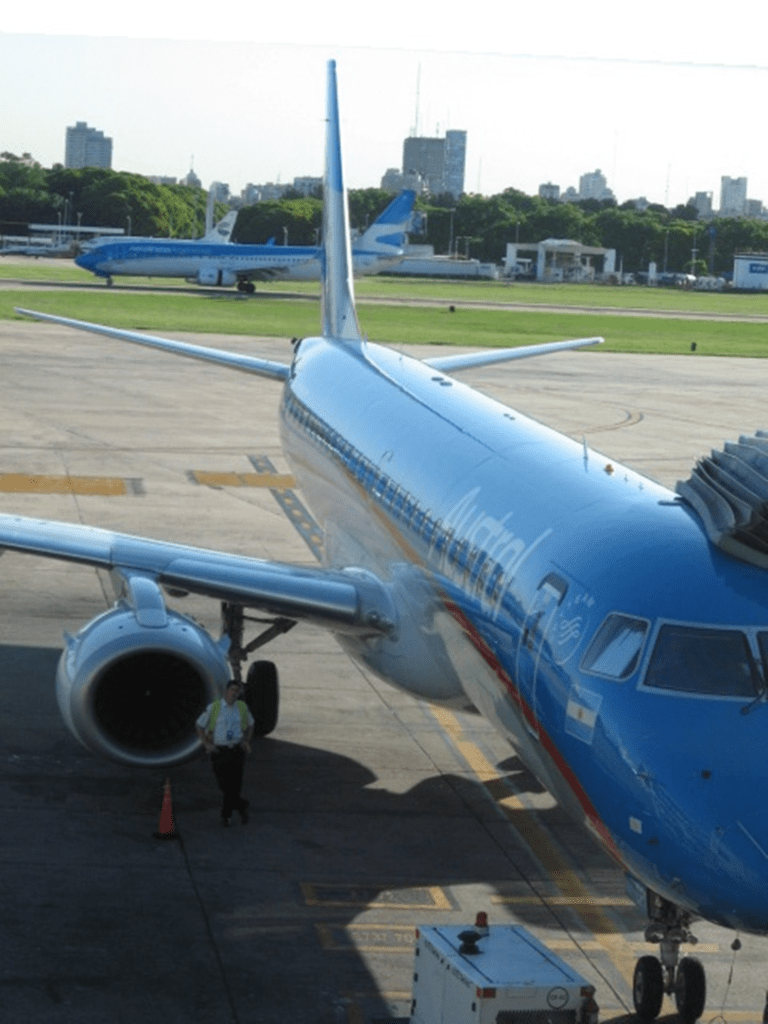
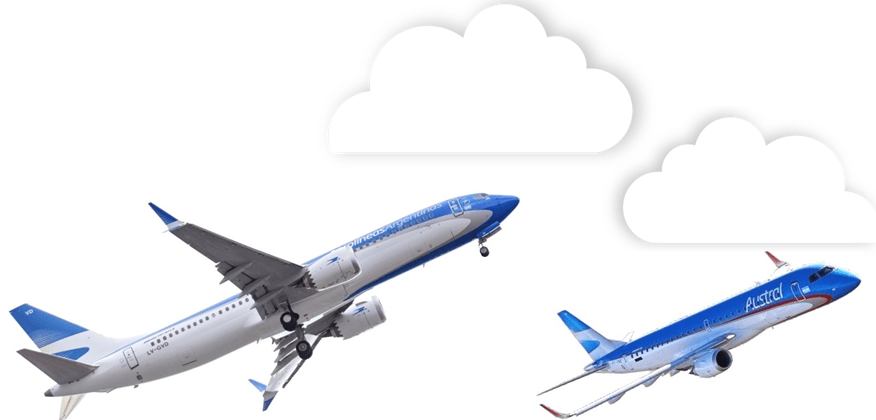
Trabas accionistas hacia la integración Aerolíneas-Austral
El Gobierno de la República Argentina había publicado el 08/10 en el Boletín oficial, la convocatoria para la Reunión de Accionistas de las compañías Aerolíneas Argentinas y Austral Líneas Aéreas en Asamblea General Ordinaria y Extraordinaria de Accionistas para el día 20 de Octubre de 2020 a las 10:00 horas para tratamiento de la sinergia de las empresas aéreas.
La primera Reunión de Asamblea había avanzado por unanimidad el acuerdo hacia la materialización de la fusión alcanzada con los pilotos y gremios de Aerolíneas (APLA) y Austral (UALA), como un avance para concretar la unión integral de ambas compañías. El Sindicato de Técnicos APTA y la Asociación Aeronavegantes Argentina (AAA) no han acordado con el Directorio la integración total de ambas empresas.
Asamblea 20/10
La Asamblea General de Accionistas se ha reunido este Martes 20 Octubre 2020 en la Terminal 4, piso quinto del Aeropuerto Jorge Newbery para el tratamiento de integración de fusión Aerolíneas/Austral. El Artículo 82 enumera la disponibilidad de la Junta de Accionistas para el tratamiento del proceso de integración de Aerolíneas Argentinas y Austral Líneas Aéreas, bajo la Ley General de Sociedades N° 19.550 y la situación patrimonial cerrada al 30 de Junio de 2020. La Asamblea Ordinaria y Extraordinaria de Accionistas ha considerado diferentes temas, pero el tratamiento de la fusión entre ambas compañías ha quedado estancado. La presentación de los estados patrimoniales y la consideración de la gestión del Directorio de Aerolíneas Group ha establecido una postura dura por parte del Programa de Propiedad Participada (PPP) que representan a los accionistas de Austral Líneas Aéreas, rechazando la sinergia con Aerolíneas Argentinas, debido a los credibilidad de los estados contables, la tasación y valuación de los activos representados. Ante la falta de dictamen, por Ley Nº 26.412 y Nº 26.466, de la Procuración del Tesoro Nacional (PTN), la Auditoria General de la Nación (AGN) y la del Tribunal de Tasación de la Nación (TTN), los accionistas de Austral Líneas Aéreas han rechazado la integración de fusión y la gestión del Directorio.
La Asociación Argentina de Aeronavegantes (AAA), y la Asociación Personal Técnico Aeronáutico (APTA) no han acordado la sinergia Aerolíneas-Austral. Los Técnicos representan la postura más firme al rechazo de la integración de fusión.
Perspectivas Aerolíneas/Austral
Tras las reuniones de las dos Asambleas Ordinarias/Extraordinarias se ha dejado entrever las dificultades en el tratamiento en el Directorio y los accionistas respecto a la fusión de Aerolíneas/Austral en materia de gestión, situación contable y tasación. La perspectiva de la integración de las líneas aéreas perece que continuará estancada tras el rechazo de los accionistas de Austral. La segunda Asamblea ha escrito un nuevo capítulo de esta larga historia de amores y odios entre Aerolíneas Argentinas y Austral Líneas Aéreas que parece no terminar.
2nd. Aerolíneas-Austral Assembly
Shareholder obstacles towards Aerolíneas-Austral integration
The Government of the Argentine Republic had published on 10/08 in the Official Gazette, the call for the Meeting of Shareholders of the companies Aerolíneas Argentinas and Austral Líneas Aéreas in Ordinary and Extraordinary General Assembly of Shareholders for October 20, 2020 to 10:00 am for treatment of the synergy of the airlines.
The first Assembly Meeting had unanimously advanced the agreement towards the materialization of the merger reached with the pilots and unions of Airlines (APLA) and Austral (UALA), as an advance to realize the integral union of both companies. The APTA Technicians Union and the Argentine Aircraft Association (AAA) have not agreed with the Board of Directors on the full integration of both companies.
Assembly 10/20
The General Assembly of Shareholders has met this Tuesday, October 20, 2020 in Terminal 4, fifth floor of the Jorge Newbery Airport for the integration of the Aerolíneas/Austral merger. Article 82 lists the availability of the Shareholders’ Meeting for the treatment of the integration process of Aerolíneas Argentinas and Austral Líneas Aéreas, under the General Law of Companies No. 19,550 and the equity situation closed as of June 30, 2020. The Ordinary and Shareholders Extraordinary Assembly has considered different issues, but the treatment of the merger between the two companies has been stagnant. The presentation of the financial statements and the consideration of the management of the Board of Directors of Aerolíneas Group has established a tough stance on the part of the Shared Ownership Program (PPP) representing the shareholders of Austral Lineas Aereas, rejecting the synergy with Aerolíneas Argentinas, due to the credibility of the financial statements, the appraisal and valuation of the represented assets. In the absence of an opinion, by Law No. 26,412 and No. 26,466, of the National Treasury Procurator (PTN), the General Auditor’s Office (AGN) and that of the National Appraisal Court (TTN), Austral Líneas Aéreas shareholders have rejected the merger integration and the management of the Board of Directors.
The Argentine Airmen’s Association (AAA) and the Aeronautical Technical Personnel Association (APTA) have not agreed on the Aerolíneas-Austral synergy. The Technicians represent the strongest position to reject merger integration.
Perspectives Aerolíneas/Austral
After the meetings of the two Ordinary/Extraordinary Assemblies, the difficulties in the treatment of the Board of Directors and the shareholders regarding the Aerolíneas/Austral merger in matters of management, accounting situation and valuation have been glimpsed. The prospect of the integration of the airlines seems to remain stagnant after the rejection of Austral shareholders. The second Assembly has written a new chapter in this long history of love and hatred between Aerolíneas Argentinas and Austral Líneas Aéreas that does not seem to end.