Cepo argentino vuelos internacionales

AW | 2020 10 13 15:00 | AIRLINES / GOVERNMENT

Aéreas extranjeras temen impacto del cepo en los pasajes

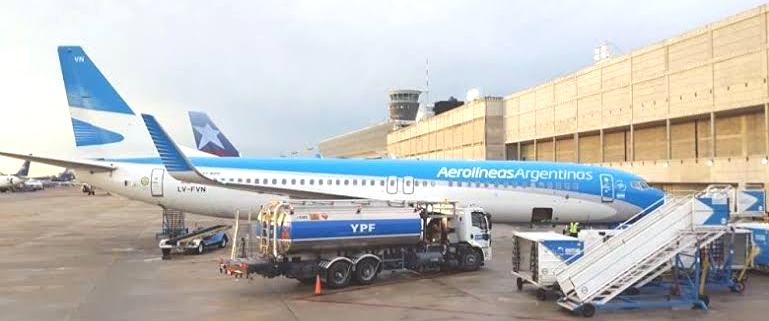
Las líneas aéreas extranjeras que operan en la República Argentina han solicitado al Gobierno que cancele la aplicación del recargo de 35% en la compra de tickets aéreos, expresando que agravará las pérdidas que están sufriendo por el impacto de la pandemia, causando un gran impacto en los futuros viajes.

Las aerolíneas extranjeras como las nacionales en Argentina que tienen rutas asignadas sumaron una preocupación adicional por el súper cepo que les quitará aun más posibilidades de vender pasajes a los argentinos en la reapertura aérea, sepultando las esperanzas de estimular al transporte en los vuelos internacionales frente al nuevo panorama post-pandemia.

El encarecimiento de los pagos en dólares y las trabas que se van agregando para operar con divisas, obligan a algunas líneas aéreas a revisar sus proyecciones de ingresos para los próximos meses. La posibilidad de ampliar las frecuencias, reducidas actualmente a los llamados vuelos especiales, se ve cada vez más limitada. Para algunas compañías, los parámetros fijados en cantidad de vuelos para Octubre 2020 serían el techo a considerar. El encarecimiento de los tickets para los bolsillos argentinos, sumado a la bajísima demanda de pasajes por efecto del Coronavirus, son argumentos que ponen en la balanza al momento de sopesar si conviene o no ampliar la oferta de asientos para viajar al exterior. Las compañías aéreas comenzaron a reevaluar algunos planes para el mercado argentino con cautela.

Las compañías hicieron pública una petición al Gobierno para que exima a los pasajes internacionales del recargo del 35%, recordando que ya rige el impuesto PAIS de 30%, más otra serie de tributos que se trasladan al precio final del pasaje. “La sumatoria de cargas e impuestos incorporados al billete de pasaje en Argentina es una de las más elevadas ya no de la región sino del mundo. La incorporación de la percepción del 35%, independientemente de ser recuperable contra futuras presentaciones de los impuestos a las Ganancias y Bienes Personales, colocará a la Argentina en lo más alto del podio de la carga tributaria soportada por un billete aéreo. Estimamos que esta crisis del sector generará en Argentina una contracción de la demanda cercana al 67%, resultantes en pérdidas en ingresos para las aerolíneas cercanas a los u$s3.280 millones para el 2020, poniendo en riesgo cerca de 19.820 empleos directos y reflejado en una reducción en la contribución al PIB cercana a los u$s1.630 millones. Por ello, incluir una percepción del 35% contraería aún más la demanda impactando significativamente al sector”, planteó la Asociación de Transporte Aéreo Internacional (IATA).

La carta fue dirigida a la titular de la AFIP, Mercedes Marcó del Pont. Pero envió copia también al Banco Central, el Ministerio de Transporte, el Ministerio de Economía y la Jefatura de Gabinete. Lleva la firma country manager de IATA para Argentina, Paraguay y Uruguay, María José Taveira.

Reapertura vuelos

La fecha de reanudación de los vuelos regulares domésticos en la República Argentina establecida para el Lunes 19/10 permitirá marcar el comienzo de un largo proceso de adecuación en el nuevo escenario del transporte aéreo. Igualmente, la reanudación de los vuelos internacionales permitirá demostrar que será un desafío para las compañías aéreas continuar realizando las rutas aéreas pre-pandemia, amenazando con la integración del país con el resto del mundo.

Argentine international flights stocks

Foreign airlines fear the impact of the stocks on the tickets

Foreign airlines operating in the Argentine Republic have requested the Government to cancel the application of the 35% surcharge on the purchase of air tickets, stating that it will aggravate the losses they are suffering from the impact of the pandemic, causing a great impact on future trips.

Foreign airlines such as national ones in Argentina that have assigned routes added an additional concern about the super-cap that will take away even more possibilities to sell tickets to Argentines in the air reopening, burying the hopes of stimulating transport on international flights compared to the new post-pandemic landscape.

The rising cost of payments in Dollars and the obstacles that are being added to operate with currencies, force some airlines to review their income projections for the coming months. The possibility of expanding the frequencies, currently reduced to so-called special flights, is increasingly limited. For some companies, the parameters set in the number of flights for October 2020 would be the ceiling to consider. The rising cost of tickets for Argentine pockets, added to the very low demand for tickets due to the Coronavirus, are arguments that are put in the balance when weighing whether or not to expand the offer of seats to travel abroad. Airlines began to re-evaluate some plans for the Argentine market with caution.

The companies made public a request to the Government to exempt international tickets from the 35% surcharge, recalling that the PAIS tax of 30% already applies, plus another series of taxes that are transferred to the final price of the ticket. “The sum of charges and taxes incorporated into the ticket in Argentina is one of the highest, not in the region but in the world. The incorporation of the 35% perception, regardless of being recoverable against future filings of Income and Personal Property taxes, will place Argentina at the top of the podium of the tax burden borne by an air ticket. We estimate that this sector crisis will generate in Argentina a contraction of demand close to 67%, resulting in revenue losses for airlines close to US$ 3,280 million by 2020, putting at risk about 19,820 direct and reflected jobs in a reduction in the contribution to GDP close to US$ 1,630 million. For this reason, including a 35% perception would further contract demand, significantly impacting the sector”, stated the International Air Transport Association (IATA).

The letter was addressed to the head of the AFIP, Mercedes Marcó del Pont. But she also sent a copy to the Central Bank, the Ministry of Transport, the Ministry of Economy and the Chief of Staff. She runs the IATA country manager firm for Argentina, Paraguay and Uruguay, María José Taveira.

Flights reopening

The date of resumption of regular domestic flights in the Argentine Republic set for Monday 10/19 will mark the beginning of a long process of adaptation to the new air transport scenario. Likewise, the resumption of international flights will show that it will be a challenge for airlines to continue carrying out pre-pandemic air routes, threatening the country’s integration with the rest of the world.


PUBLISHER: Airgways.com
DBk: Argentina.gob.ar/transporte / Iata.org / Airgways.com
AW-POST: 202010131500AR

A\W   A I R G W A Y S ®

Incidente balanceo A321 Wizz Air

AW | 2020 10 13 14:33 | AIR INVESTIGATION / AVIATION SAFETY

Error configuración de balance aeronave en asignación de asientos

Un vuelo realizado el 16 Enero 2020 por la aerolínea Wizz Air UK desde el Aeropuerto London/Luton experimentó problemas de despegue después de una mal configuración de la distribución de los pasajeros. Una investigación llevada a cabo por la Subdivisión de Investigaciones de Accidentes Aéreos (AAIB) encontró que en un correo electrónico solicitando un intercambio de aeronave A320 por A321 para ser utilizada para el servicio a Londres-Praga el 16 de Enero 2020 nunca fue enviado al área correspondiente.

La aeronave Airbus A321-231 con matrícula G-WUKG despegaba de la Pista 26 en el Aeropuerto de Londres/Luton, pero cuando el Comandante/FO/PF hizo un movimiento normal de popa del control lateral de la palanca a Velocidad de Rotación (VR), el avión no se lanzó hacia arriba. El PF aumentó la entrada del Stick lateral cerca de la desviación máxima. Cuando el avión todavía no se lanzó hacia arriba, el Copiloto/FO/PM seleccionó el empuje TOGA. El avión respondió y se inició una subida con el vuelo continuando hasta el destino previsto del Aeropuerto de Praga, República Checa.

Se había realizado un cambio de aeronave por razones operativas de un avión Airbus A320-200/CEO a un avión Airbus A321-200/CEO, pero no se había realizado la transferencia de comunicación a las diferentes áreas involucradas, ni ningún ajuste en la distribución de pasajeros. Esto llevó a los pasajeros a sentarse más hacia la parte delantera de la aeronave A321CEO, desplazando el Centro de Gravedad (CG) fuera del límite de avance sobre de operación permitida, siendo esta una aeronave de mayor envergadura que el A320CEO.

Este error de comunicación significaba que se utilizó la distribución del seat-map de la aeronave A32CEO sobre el plan de asientos real del A321CEO. «Se preparó un correo electrónico informando al OHD (Departamento de Manejo Operacional) y PSD (Departamento de Servicios al Pasajero) del cambio, pero, debido a un problema técnico, no se envió», dijo el informe. El correo electrónico automatizado provino del Centro de Control Operacional (OCC) en Hungría.

Debido a la distribución incorrecta de los pasajeros, el avión no respondió a las órdenes de despegue habituales y el piloto necesitaba desplegar un empuje adicional. Sin embargo, no hubo más incidentes y el vuelo aterrizó a salvo en la capital checa. Sólo en la parte superior del descenso para el destino se hizo evidente que los pasajeros posiblemente se habían distribuido incorrectamente en la cabina. La tripulación no experimentó ninguna respuesta de control inusual durante el acercamiento y el aterrizaje.

Acciones correctivas

El informe de la AAIB no nombraba a la aerolínea, pero decía que había tomado medidas tras el incidente. Después de este incidente del vuelo del A321 de Wizz Air, el operador tomó medidas para resaltar este evento a su personal y mejorar su comprensión de las cuestiones planteadas y mejorar el flujo de información entre los departamentos operativos cuando hay un cambio de tipo de aeronave para reducir el riesgo de que se produzca un evento similar en el futuro.

Balance incident A321 Wizz Air

Aircraft balance configuration error in seat assignment

A flight carried out on 16 January 2020 by the airline Wizz Air UK from London/Luton Airport experienced takeoff problems after misconfiguration of the passenger distribution. An investigation carried out by the Air Accident Investigations Branch (AAIB) found that in an email requesting an exchange of an A320 aircraft for A321 to be used for service to London-Prague on January 16, 2020 it was never sent to the area. correspondent.

The Airbus A321-231 aircraft with the registration G-WUKG was taking off from Runway 26 at London/Luton Airport, but when the Commander/ FO/PF made a normal aft movement of the lateral control of the lever at Rotational Speed ​​(VR ), the plane did not launch upward. The PF increased the side stick input near the maximum deflection. When the aircraft had not yet launched upward, the Copilot/FO/PM selected TOGA thrust. The plane responded and a climb began with the flight continuing to the intended destination of Prague Airport, Czech Republic.

An aircraft change had been made for operational reasons from an Airbus A320-200/CEO aircraft to an Airbus A321-200/CEO aircraft, but the transfer of communication to the different areas involved had not been made, nor any adjustment in the distribution of passengers. This led the passengers to sit more towards the front of the A321CEO aircraft, moving the Center of Gravity (CG) out of the allowable forward operating limit, this being a larger aircraft than the A320CEO.

This communication error meant that the A32CEO aircraft seat-map distribution over the actual seating plan was used of the A321CEO. «An email was prepared informing the OHD (Department of Operational Management) and PSD (Department of Passenger Services) of the change, but, due to a technical problem, it was not sent», the report said. The automated email came from the Operational Control Center (OCC) in Hungary.

Due to the incorrect distribution of the passengers, the plane did not respond to the usual takeoff commands and the pilot needed to deploy an additional thrust. However, there were no further incidents and the flight landed safely in the Czech capital. Only at the top of the descent to the destination did it become apparent that the passengers were possibly incorrectly distributed in the cabin. The crew did not experience any unusual control response during approach and landing.

Corrective actions

The AAIB report did not name the airline, but said it had taken action after the incident. Following this incident of the Wizz Air A321 flight, the operator took steps to highlight this event to its staff and improve their understanding of the issues raised and improve the flow of information between operational departments when there is an aircraft type change for reduce the risk of a similar event occurring in the future.


PUBLISHER: Airgways.com
DBk: Gov.uk / Wizzair.com / Airgways.com
AW-POST: 202010131433AR

A\W   A I R G W A Y S ®

Aéreas europeas reclaman coordinación

AW | 2020 10 13 12:08 | AIRLINES / GOVERNMENT

Unión Europea fracaso código común para restricciones de viajes

Ver las imágenes de origen

La plataforma Airlines for Europe (A4E), que representa a la mayoría de las compañías aéreas europeas, criticó este Martes 13/10 que los países de la Unión Europea (UE) hayan fracasado en dotarse de un código común para las restricciones de viajes y alertaron de las potenciales consecuencias negativas. «La recomendación del Consejo sobre un enfoque coordinado para la restricción de la libre circulación en respuesta a la pandemia de COVID-19 […] establece algunas orientaciones para los Estados miembros» pero no evita el «desastroso mosaico de respuestas individuales entre los Estados miembros», señaló A4E en un comunicado. Según las aerolíneas, en una nota que también suscriben el Consejo Internacional de Aeropuertos en Europa (ACI Europe) y la Asociación Internacional de Transporte Aéreo (IATA), la recomendación adoptada este Martes no logra el objetivo de «fomentar el reinicio de los viajes mediante una coordinación eficaz y medidas proporcionadas, predecibles y no discriminatorias».

La recomendación adoptada por el Consejo de la UE prevé que las capitales reporten información sobre contagios, números de test y tasa de positividad al Centro Europeo para el Control y la Prevención de Enfermedades (ECDC), que actualizará semanalmente un mapa europeo del coronavirus según la incidencia por regiones, en función de esa información. Pero los Estados miembros se reservan la libertad de aplicar las restricciones a los viajes que deseen y la posibilidad de exigir cuarentenas a los viajeros, además de pruebas de diagnóstico, si bien deberán de informar de esas medidas al resto de socios y a la Comisión Europea 48 horas antes. El sector de la aviación, contrario a las cuarentenas en los traslados y muy crítico con la falta de coordinación a nivel europeo en los últimos meses, considera que el acuerdo de los países significa que las fronteras permanecen cerradas.

Entre otros puntos, A4E, AECI EUROPE e IATA señalan también que el acuerdo «ignora la opinión del ECDC de que las restricciones de viaje, y en particular las cuarentenas, tienen una ‘eficacia cuestionable’ cuando la transmisión en la comunidad está en curso, que es el caso actualmente en la mayor parte de Europa». La exigencia de advertir de las restricciones a los ciudadanos al menos 24 horas antes de aplicarlas dista mucho de los cinco días que pedía la Comisión, agregan. «Estas deficiencias son un fracaso político. La incapacidad del Consejo para ir más allá de una coordinación superficial y establecer un marco realmente armonizado y viable está ahora fuera de toda duda», agregan las tres organizaciones.

El sector de la aviación sí ve con buenos ojos el protocolo de pruebas para viajes en la UE que, a petición de la Comisión Europea (CE), desarrollan la Agencia de Seguridad Aérea de la Unión Europea (EASA) y el ECDC, pues «presenta una oportunidad para abordar el riesgo de importación de casos de áreas de alto riesgo a áreas de bajo riesgo de manera mucho más efectiva que la cuarentena». Las aerolíneas confían en que ese sistema sirva para «revertir los continuos golpes económicos sufridos por Europa como resultado de la continua falta de una respuesta coordinada y de liderazgo por parte del Consejo», institución que representa a los países de la Unión Europea.

European airlines demand coordination

European Union common code for travel restrictions failed

The Airlines for Europe (A4E) platform, which represents the majority of European airlines, criticized this Tuesday 10/13 that the countries of the European Union (EU) have failed to provide a common code for travel restrictions and warned of the potential negative consequences. «The Council’s recommendation on a coordinated approach to restricting free movement in response to the COVID-19 pandemic […] sets some guidance for Member States» but does not avoid the «disastrous mosaic of individual responses among the Member States», A4E said in a statement. According to the airlines, in a note also signed by the International Council of Airports in Europe (ACI Europe) and the International Air Transport Association (IATA), the recommendation adopted this Tuesday does not achieve the objective of «encouraging the restart of travel through effective coordination and proportionate, predictable and non-discriminatory measures».

The recommendation adopted by the Council of the EU provides that capitals report information on infections, test numbers and positivity rate to the European Center for Disease Control and Prevention (ECDC), which will update weekly a European map of the coronavirus according to the incidence by region, based on that information. But the Member States reserve the freedom to apply any travel restrictions they wish and the possibility of requiring travelers to quarantine, in addition to diagnostic tests, although they must inform the rest of the partners and the Eurpea Commission of these measures. hours before. The aviation sector, contrary to quarantines in transfers and highly critical of the lack of coordination at the European level in recent months, considers that the countries’ agreement means that the borders remain closed.

Among other points, A4E, AECI EUROPE and IATA also point out that the agreement «ignores the ECDC’s view that travel restrictions, and in particular quarantines, have ‘questionable effectiveness’ when community transmission is ongoing, which is currently the case in most of Europe». The requirement to warn citizens of the restrictions at least 24 hours before applying them is far from the five days that the Commission pería, they add. «These deficiencies are a political failure. The inability of the Council to go beyond superficial coordination and establish a truly harmonized and workable framework is now beyond question», the three organizations add.

The aviation sector does welcome the test protocol for travel in the EU that, at the request of the European Commission (EC), developed by the European Union Aviation Safety Agency (EASA) and the ECDC, since «presents an opportunity to address the risk of importing cases from high-risk areas to low-risk areas much more effectively than quarantine». The airlines trust that this system will serve to «reverse the continuous economic blows suffered by Europe as a result of the continuing lack of a coordinated response and leadership on the part of the Council», an institution that represents the countries of the European Union.


PUBLISHER: Airgways.com
DBk: Efe.com / A4e.eu / Airgways.com
AW-POST: 202010131208AR

A\W   A I R G W A Y S ®

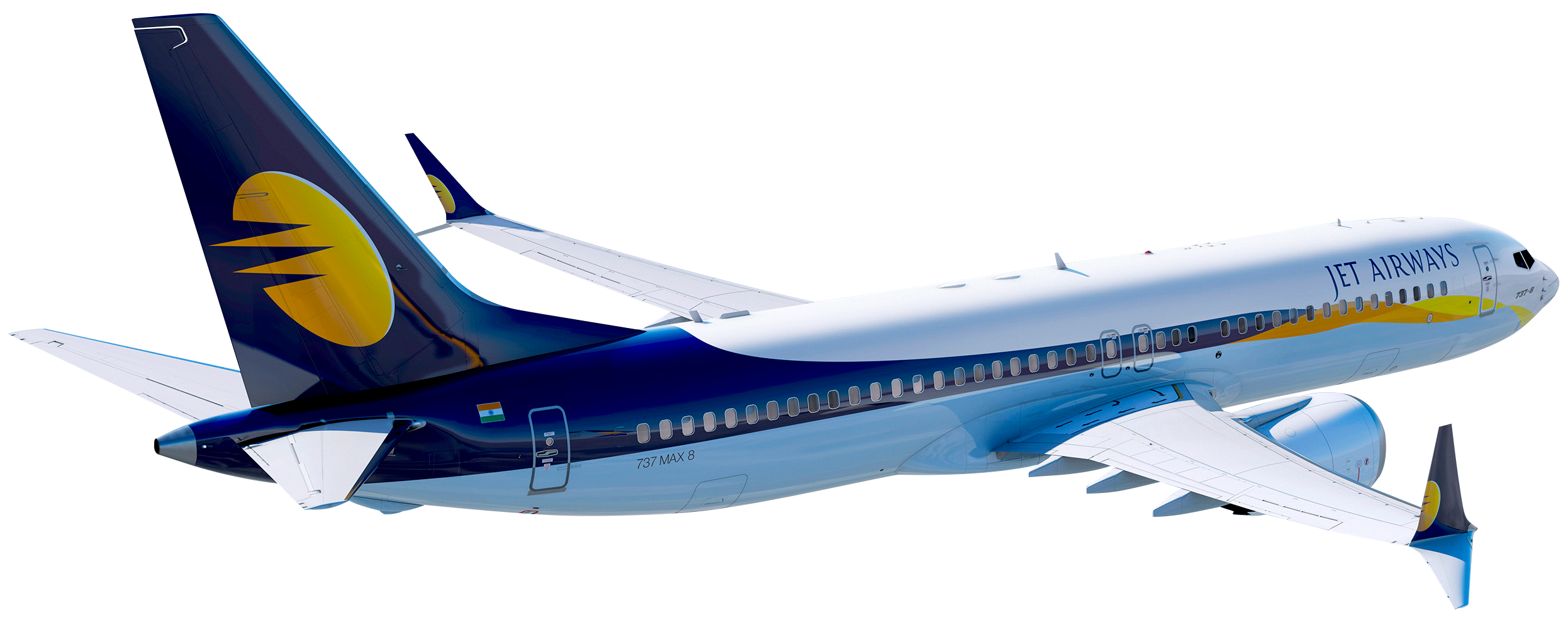
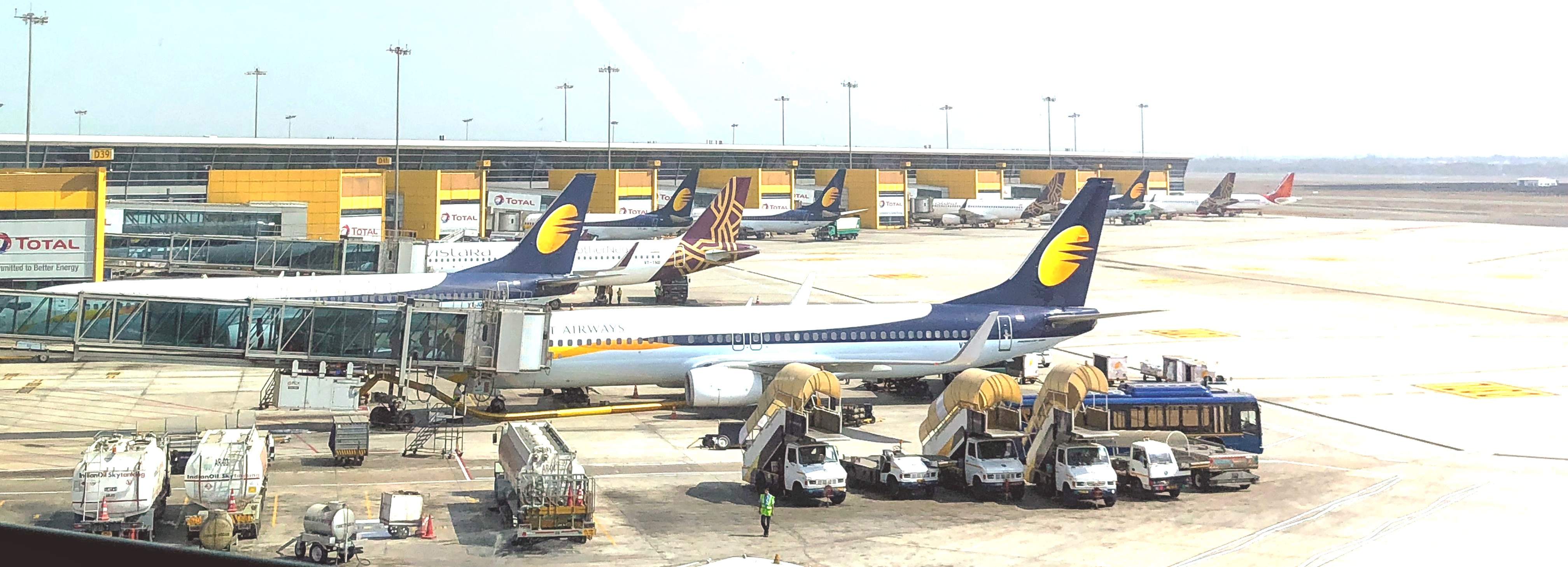
Jet Airways rechaza EoI de UAE

Extensión plazos oferentes Jet Airways |

AW | 2020 10 13 11:00 | AIRLINES

Oferta Interés de empresas son rechazadas por RP de Jet Airways

Tata Group interesada en Jet Airways |

Una oferta de adquisición de Expresión de Interés (EoI) de la aerolínea Jet Airways en quiebra por parte de un consorcio de grupos empresariales con sede en los Emiratos Árabes Unidos y Londres no ha tenido éxito en la primera ronda, dijeron las fuentes de la aerolínea. En una presentación regulatoria, el Profesional de Resolución (RP) de Jet Airways, que se encuentra bajo el proceso del Código de Insolvencia y Quiebras, aclaró el estado de la licitación del empresario Murari Lal Jalan, con sede en los Emiratos Árabes Unidos, que dirige MJ Developers, y Kalrock Capital del Reino Unido. La aclaración se produjo después de que los medios informaran que el consorcio había sido elegido como el ganador de Jet Airways, la aerolínea privada más antigua de India, detuvo sus operaciones en abril de 2019 en medio de una grave crisis de efectivo y deudas acumuladas, y sus prestamistas lo llevaron al tribunal de quiebras de la India, para a quien debía más de 80.000 millones de rupias.

Ashish Chhawchharia, del Profesional de Resolución (RP) de Jet Airways, dijo que el Comité de Acreedores no ha concluido la votación electrónica sobre los planes de resolución final presentados por los dos postores preseleccionados. La aclaración agregó que el consorcio Kalrock-Jalan ha insinuado al Profesional de la Resolución que no ha hecho ninguna declaración alegando haber sido elegido como el solicitante de resolución exitoso. De acuerdo con el plan de resolución propuesto, el consorcio había presentado planes para infundir cerca de ₹ 10.000 millones de Rupias en la extinta aerolínea durante los próximos cinco años, y estaba dispuesto a ofrecer una garantía de ₹ 2.500 millones de Rupias como garantía. También prometió efectivo a los prestamistas desde el tercer año en adelante, independientemente de lo que suceda con la aerolínea. Se ofreció a los prestamistas un 9,5 por ciento de capital durante el período de reestructuración, según informes anteriores. Otros postores incluyeron el Centro de Técnicas de Simulación de Vuelo con sede en Haryana, Big Charter de Mumbai y Imperial Capital Investments de Abu Dhabi. El conglomerado sudamericano Synergy Group y Prudent ARC, con sede en Nueva Delhi, también se encontraban entre los pretendientes de Jet Airways, pero no pudieron presentar ningún plan de resolución concreto antes de la fecha límite del 17 de Febrero 2020.

El Consorcio Kalrock-Jalan, cuyo interés abarca diversos sectores como inmobiliario, minería, comercio, construcción, bienes de consumo, viajes y turismo, tiene inversiones en los Emiratos Árabes Unidos, India, Rusia y Uzbekistán, entre otros lugares. Kalrock-Jalan es una firma global que opera en asesoría financiera y administración de activos alternativos, administrando activos de socios importantes a través de una serie de estrategias e inversiones únicas claramente definidas y diversificadas, con enfoque en mercados privados.

Jet Airways propuestas sin esperanza |

Jet Airways rejects EoI of UAE

Offer Interest of companies are rejected by RP of Jet Airways

An Expression of Interest (EoI) takeover offer of the bankrupt airline Jet Airways by a consortium of business groups based in the United Arab Emirates and London has been unsuccessful in the first round, the airline’s sources said. . In a regulatory filing, Jet Airways’ Resolution Professional (PR), which is under the Insolvency and Bankruptcy Code process, clarified the status of the bidding of businessman Murari Lal Jalan, based in the United Arab Emirates, who He runs MJ Developers, and Kalrock Capital of the UK. The clarification came after media reported that the consortium had been chosen as the winner of Jet Airways, India’s oldest private airline, halted operations in April 2019 amid a severe cash crisis and accumulated debt, and his lenders took him to bankruptcy court in India, to whom he owed more than Rs 80,000 million.

Ashish Chhawchharia of the Jet Airways Resolution Professional (PR) said the Creditors Committee has not concluded the electronic vote on the final resolution plans submitted by the two shortlisted bidders. The clarification added that the Kalrock-Jalan consortium has hinted to the Resolution Professional that it has made no statement claiming to have been chosen as the successful resolution applicant. Under the proposed resolution plan, the consortium had put forward plans to infuse about ₹ 10 billion Rupees into the defunct airline over the next five years, and was willing to offer a ₹ 2.5 billion guarantee as collateral. He also promised cash to lenders from the third year onward, regardless of what happens to the airline. Lenders were offered 9.5 percent equity during the restructuring period, according to previous reports. Other bidders included the Haryana-based Flight Simulation Techniques Center, Mumbai Big Charter and Abu Dhabi Imperial Capital Investments. South American conglomerate Synergy Group and New Delhi-based Prudent ARC were also among Jet Airways’ suitors, but were unable to present any concrete resolution plans before the February 17, 2020 deadline.

The Kalrock-Jalan Consortium, whose interest spans various sectors such as real estate, mining, commerce, construction, consumer goods, travel and tourism, has investments in the United Arab Emirates, India, Russia and Uzbekistan, among other places. Kalrock-Jalan is a global firm operating in financial advisory and alternative asset management, managing assets of major partners through a clearly defined and diversified series of unique investments and strategies, with a focus on private markets.

Comité acreedores futuro Jet Airways |

जेट एयरवेज ने यूएई ईओआई को खारिज कर दिया

जेट एयरवेज के आरपी द्वारा कंपनियों के प्रस्ताव को अस्वीकार कर दिया जाता है

एयरलाइन के सूत्रों ने कहा कि एक्सप्रेशन ऑफ इंटरेस्ट (ईओआई) संयुक्त अरब अमीरात और लंदन में स्थित व्यापारिक समूहों के एक संघ द्वारा दिवालिया एयरलाइन जेट एयरवेज के अधिग्रहण प्रस्ताव को असफल कर दिया गया है, एयरलाइन के सूत्रों ने कहा। । एक विनियामक फाइलिंग में, जेट एयरवेज के रिज़ॉल्यूशन प्रोफेशनल (पीआर), जो इन्सॉल्वेंसी एंड बैंकरप्सी कोड प्रक्रिया के तहत है, ने संयुक्त अरब अमीरात में स्थित व्यवसायी मुरारी लाल जालान द्वारा बोली की स्थिति स्पष्ट की, जो वह एमजे डेवलपर्स, और यूके की कल्रोक कैपिटल चलाते हैं। मीडिया द्वारा रिपोर्ट किए जाने के बाद स्पष्टीकरण आया कि कंसोर्टियम को जेट एयरवेज, भारत की सबसे पुरानी निजी एयरलाइन के विजेता के रूप में चुना गया था, एक गंभीर नकदी संकट और संचित ऋण के बीच, अप्रैल 2019 में परिचालन रुका हुआ था, और उसके ऋणदाता उसे भारत में दिवालियापन अदालत में ले गए, जिस पर उसका 80,000 करोड़ रुपये से अधिक का बकाया था।

जेट एयरवेज रिज़ॉल्यूशन प्रोफेशनल (पीआर) के आशीष छावछरिया ने कहा कि लेनदारों की समिति ने दो शॉर्टलिस्ट किए गए बोलीदाताओं द्वारा प्रस्तुत अंतिम रिज़ॉल्यूशन योजनाओं पर इलेक्ट्रॉनिक वोट का निष्कर्ष नहीं निकाला है। स्पष्टीकरण में कहा गया है कि कलोरोक-जालान कंसोर्टियम ने रिज़ॉल्यूशन प्रोफेशनल को संकेत दिया है कि उसने कोई भी ऐसा बयान नहीं दिया है जो यह दावा करता है कि सफल रिज़ॉल्यूशन आवेदक के रूप में चुना गया है। प्रस्तावित रिज़ॉल्यूशन प्लान के तहत, कंसोर्टियम ने अगले पांच वर्षों में five 10 बिलियन रुपए के डिफ्यूज एयरलाइन में निवेश करने की योजना को आगे बढ़ाया था, और संपार्श्विक के रूप में guarantee 2.5 बिलियन की गारंटी देने के लिए तैयार था। उन्होंने तीसरे वर्ष से उधारदाताओं को नकद देने का वादा किया, भले ही एयरलाइन का क्या हो। पिछली रिपोर्टों के अनुसार, पुनर्गठन अवधि के दौरान उधारदाताओं को 9.5 प्रतिशत इक्विटी की पेशकश की गई थी। अन्य बोलीदाताओं में हरियाणा स्थित उड़ान सिमुलेशन तकनीक केंद्र, मुंबई बिग चार्टर और अबू धाबी इंपीरियल कैपिटल इंवेस्टमेंट्स शामिल थे। दक्षिण अमेरिकी समूह सिनर्जी ग्रुप और नई दिल्ली स्थित प्रूडेंट एआरसी भी जेट एयरवेज के आत्महत्या करने वालों में से थे, लेकिन 17 फरवरी, 2020 की समय सीमा से पहले कोई ठोस संकल्प योजना पेश करने में असमर्थ थे।

Kalrock-Jalan कंसोर्टियम, जिसकी रुचि विभिन्न क्षेत्रों जैसे कि रियल एस्टेट, खनन, वाणिज्य, निर्माण, उपभोक्ता वस्तुओं, यात्रा और पर्यटन में है, ने संयुक्त अरब अमीरात, भारत, रूस और उजबेकिस्तान में निवेश किया है। Kalrock-Jalan एक वैश्विक फर्म है जो वित्तीय सलाहकार और वैकल्पिक परिसंपत्ति प्रबंधन में काम कर रही है, निजी बाजारों पर ध्यान देने के साथ अद्वितीय निवेश और रणनीतियों की स्पष्ट रूप से परिभाषित और विविध श्रृंखला के माध्यम से प्रमुख भागीदारों की संपत्ति का प्रबंधन कर रही है।

AIRGWAYS NEWSLETTER |


PUBLISHER: Airgways.com
DBk: Jetairways.com / Airgways.com
AW-POST: 202010131100AR

A\W   A I R G W A Y S ®

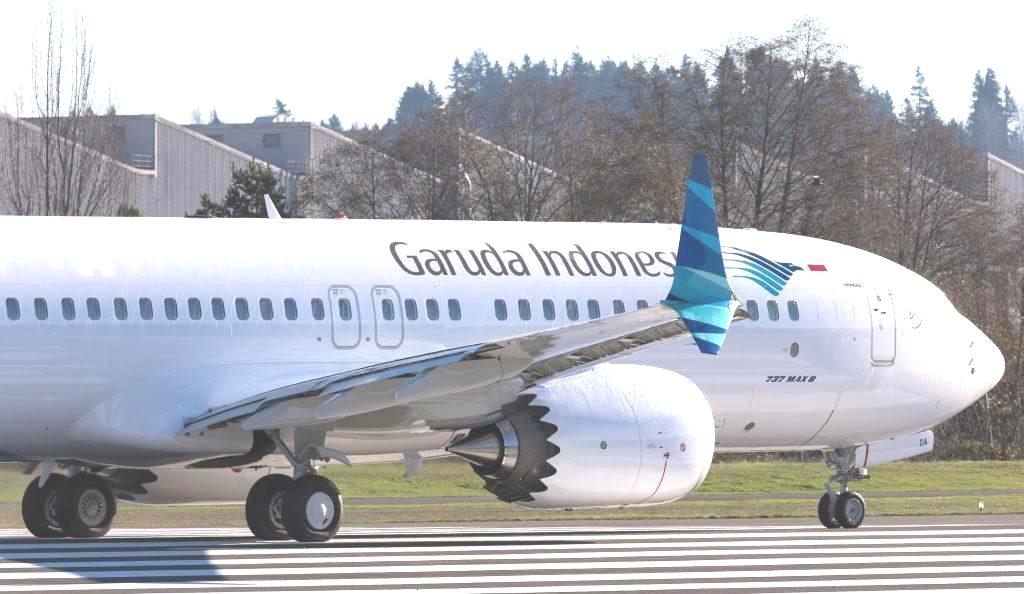
Persiguiendo seguridad en 737 MAX

AW | 2020 10 12 21:20 | AVIATION SAFETY

Capitán Chesley Sullenberger cuestiona seguridad actual

El Comandante Chesley «Sully» Sullenberg, piloto del Miracle on the Hudson ha expresado que la línea Boeing 737 MAX necesita modificaciones adicionales lo antes posible, más allá de las propuestas de la Federal Aviation Administration (FAA). Ese parece ser el consejo del legendario piloto «Sully», el Comandante que aterrizó con seguridad un avión comercial Airbus A320CEO en el Río Hudson después de un devastador impacto de aves. El piloto ha expresado que no está satisfecho de que las correcciones para el 737 MAX propuestas por la FAA. «Hágalo reparar y vuelva a ponerlo en el aire, pero hágalo bien. No voy a decir: Terminamos, lo suficientemente bien, sigue adelante», expresa Sully en un cambio de concepto para establecer correcciones a la aeronave puesta en tierra. En una entrevista exclusiva, el célebre piloto dijo que incluso si la FAA desconecta el avión el próximo mes como se esperaba, se necesitan modificaciones adicionales lo antes posible para mejorar el sistema de alerta de la tripulación del avión y agregar una tercera verificación en los datos del Ángulo de Ataque (AOA) de la aeronave. «La gente va a volar en él y probablemente yo seré uno de ellos. El MAX actualizado probablemente será tan seguro como el 737 NG cuando terminen con él. Pero no es tan bueno como debería ser», determinó Chesley Sullenberger.

Dennis Tajer, Portavoz de la Asociación de Pilotos Aliados (APA), el sindicato que representa a los pilotos de American Airlines, dijo que está en sintonía con Chesley Sullenberger.

Aunque el software de Control de Vuelo específico, el Sistema de Aumento de Características de Maniobra (MCAS), que derribó los aviones en dos choques fatales ahora está arreglado; las investigaciones sobre los choques «han expuesto otras áreas en las que podemos hacerlo mejor en ese avión. No podemos perder esta oportunidad de abordar algo que debe mejorarse», dijo Dennis Tajer. El costo de lo que proponen podría ser una barrera importante, sobre todo porque los problemas de seguridad planteados se aplican no solo al MAX, sino también a las versiones anteriores del 737 que actualmente vuelan, como el 737 NG, informó Seattle Times. Pero Chesley Sullenberger dice que estas mejoras harán que los 737 sean más seguros, tanto el MAX como los modelos más antiguos, y no deben dejarse de lado debido al costo. «¿Es eso realmente algo que nos sentimos cómodos diciendo en voz alta a todos los que abordan un avión? Simplemente no creo que eso sea defendible. En los dominios críticos para la seguridad, lo suficientemente bueno no lo es».

Vuelo AWE1549

El vuelo AWE-1549 de US Airways despegó el 15 de Enero de 2009 del Aeropuerto LaGuardia en Nueva York con destino el Aeropuerto Internacional de Charlotte, en Carolina del Norte; después tenía previsto ir al Aeropuerto Internacional de Seattle-Tacoma. El Airbus A320-200 amerizó en el Río Hudson, donde todos los pasajeros fueron rescatados. El A320CEO había entrado con la pérdida de ambos motores cuando una bandada de gansos se incrustaron en su avión de US Airways poco después del despegue, Sullenberger guió al Airbus A320 a un amerizaje de emergencia en el río Hudson de la ciudad de Nueva York, salvando a las 155 personas a bordo. El “Milagro en el Hudson” convirtió a Chesley Sullenberger en un emblema de la habilidad de pilotar y la seguridad de la aviación.

Corregir al MAX

En Junio de 2019, al testificar en una audiencia de investigación del 737 MAX ante el Comité de Transporte de la Cámara de Representantes de los Estados Unidos, criticó severamente las fallas de diseño de Boeing y la supervisión de la FAA. Con la puesta a tierra del 737 MAX a punto de abandonar, sopesó lo que aún queda por hacer. Su primera preocupación se hace eco de la Agencia Europea de Seguridad Aérea (EASA) y muchos de los comentarios públicos presentados sobre la propuesta de la FAA: MCAS tomará información de los dos sensores de Ángulo de Ataque del avión; pero Chesley Sullenberger cree que es necesaria una tercera verificación. Si uno de los dos sensores está defectuoso, las computadoras no sabrán cuál es el correcto. La solución probable no es un tercer Ángulo de Ataque (AOA) en el exterior del avión, sino un cálculo de software indirecto y sintético del ángulo de ataque basado en parámetros como el peso, la velocidad, la posición inercial y la señal GPS del avión.

El avión más nuevo de Boeing, el 787, tiene tal control sobre la confiabilidad de sus sensores de datos aéreos llamados Synthetic Airspeed, un sistema que Boeing rechazó para el MAX por motivos de costos. «Es realmente importante que un tercer ángulo de entrada de ataque, o velocidad aérea sintética, esté disponible en este avión», dijo Chesley Sullenberger.

La Agencia europea EASA ha dicho que Boeing acordó desarrollar un tercer ángulo de entrada de ataque después de que el 737 MAX vuelva al servicio y modernizarlo, en uno o dos años.

La otra preocupación principal de Chesley Sullenberger es que Boeing haga algo con respecto a la cacofonía de falsas alertas que se activaron erróneamente en los vuelos de choque por un sensor fallado. En Junio de 2019, por invitación de Dave Calhoun, ahora Director Ejecutivo de Boeing, Chesley Sullenberger ha probado tanto el software MCAS original como el actualizado en uno de los simuladores de vuelo de Boeing en Miami, replicando lo que sucedió en los vuelos accidentados. Allí, experimentó las múltiples alertas compuestas y la ambigüedad de los eventos y la carga de trabajo físico y la distracción. Me quedó claro cómo las tripulaciones de ambos accidentes podrían haberse quedado sin tiempo y altitud. Es probable que la tripulación nunca haya comprendido por completo lo que los estaba matando, especialmente porque nunca habían oído hablar del MCAS. Chesley Sullenberger dijo que debería haber alguna forma de apagar las alertas erróneas, especialmente la advertencia de pérdida del Stick Shaker que distrae mucho. Si se activa inadvertidamente, este fuerte y constante temblor de la columna de control del piloto continuará sin embargo durante el resto del vuelo. Arreglar esto es algo que Transport Canada (TC) ha exigido, y nuevamente Boeing ha aceptado encontrar una solución.

Si bien Chesley Sullenberger acepta que la aviación es más segura ahora que nunca, ha expresado que se ha avanzado mucho, cree que los accidentes del 737 MAX podrían haber ocurrido en los Estados Unidos y las fallas reveladas han destruido la sensación de seguridad anterior. «Durante la mayor parte de la historia de Boeing, tuvo un récord estelar de diseño y construcción de excelentes aviones. En el MAX, el diseño del sistema de control de vuelo era defectuoso. Sin darse cuenta, habían creado una trampa mortal. Era cuestión de tiempo hasta que se cobrara vidas».

CockpitView | Despegue desde un Boeing 737 MAX de Aerolíneas Argentinas

Chasing safety on 737 MAX

Captain Chesley Sullenberger questions current security

Commander Chesley «Sully» Sullenberg, pilot of the Miracle on the Hudson has expressed that the Boeing 737 MAX line needs additional modifications as soon as possible, beyond the proposals of the Federal Aviation Administration (FAA). That appears to be the advice of the legendary pilot «Sully,» the Commander who safely landed an Airbus A320CEO commercial jet in the Hudson River after a devastating bird strike. The pilot has expressed that he is not satisfied with the corrections for the 737 MAX proposed by the FAA. «Get it repaired and put it back in the air, but get it right. I’m not going to say: We finished, well enough, keep going«, says Sully in a concept change to establish corrections to the grounded aircraft. In an exclusive interview, the celebrated pilot said that even if the FAA disconnects the plane next month as expected, additional modifications are needed as soon as possible to improve the plane’s crew alert system and add a third check to the data. Angle of Attack (AOA) of the aircraft. «People are going to fly in it and I’ll probably be one of them. The updated MAX will probably be as safe as the 737 NG when they’re done with it. But it’s not as good as it should be», Chesley Sullenberger determined.

Dennis Tajer, spokesman for the Allied Pilots Association (APA), the union that represents American Airlines pilots, said he is in tune with Chesley Sullenberger.

Although the specific Flight Control software, the Maneuvering Characteristics Augmentation System (MCAS), which shot down the planes in two fatal crashes is now fixed; the crash investigations «have exposed other areas where we can do better on that plane. We cannot miss this opportunity to address something that needs to be improved», Dennis Tajer said. The cost of what they propose could be a significant barrier, especially since the safety concerns raised apply not only to the MAX, but also to earlier versions of the 737 currently flying, such as the 737 NG, the Seattle Times reported. But Chesley Sullenberger says these improvements will make the 737s safer both the MAX and older models and shouldn’t be overlooked because of cost. «Is that really something we feel comfortable saying out loud to everyone who boards a plane? I just don’t think that’s defensible. In safety-critical domains, good enough isn’t».

Flight AWE1549

US Airways flight AWE-1549 took off on January 15, 2009 from LaGuardia Airport in New York to Charlotte International Airport, in North Carolina; then he planned to go to the Seattle-Tacoma International Airport. The Airbus A320-200 landed in the Hudson River, where all the passengers were rescued. The A320CEO had entered with the loss of both engines when a flock of geese embedded themselves in his US Airways plane shortly after takeoff, Sullenberger guided the Airbus A320 to an emergency landing on New York City’s Hudson River, saving to the 155 people on board. The «Miracle on the Hudson» made Chesley Sullenberger an emblem of piloting skills and aviation safety.

Correct to MAX

In June 2019, testifying at a 737 MAX investigative hearing before the Transportation Committee of the United States House of Representatives, he severely criticized Boeing’s design flaws and oversight by the FAA. With the grounding of the 737 MAX about to give up, he weighed what still needs to be done. His first concern echoes the European Aviation Safety Agency (EASA) and many of the public comments submitted on the FAA proposal: MCAS will take information from the aircraft’s two Angle of Attack sensors; but Chesley Sullenberger believes a third verification is necessary. If one of the two sensors is faulty, the computers won’t know which one is correct. The likely solution is not a third Angle of Attack (AOA) on the outside of the aircraft, but an indirect, synthetic software calculation of the angle of attack based on parameters such as weight, speed, inertial position, and the aircraft’s GPS signal.

Boeing’s newest aircraft, the 787, has such control over the reliability of its airborne data sensors called Synthetic Airspeed, a system that Boeing rejected for the MAX on cost grounds. «It’s really important that a third angle of attack entry, or synthetic airspeed, is available on this aircraft», said Chesley Sullenberger.

The European agency EASA has said that Boeing has agreed to develop a third angle of attack entry after the 737 MAX returns to service and to modernize it, in one to two years.

Chesley Sullenberger’s other main concern is for Boeing to do something about the cacophony of false alerts that were mistakenly triggered on crash flights by a failed sensor. In June 2019, at the invitation of Dave Calhoun, now CEO of Boeing, Chesley Sullenberger tested both the original and updated MCAS software on one of Boeing’s flight simulators in Miami, replicating what happened on the crash flights. There, he experienced the multiple compound alerts and ambiguity of events and the physical workload and distraction. It was clear to me how the crews from both accidents could have run out of time and altitude. The crew likely never fully understood what was killing them, especially since they had never heard of MCAS. Chesley Sullenberger said there should be some way to turn off erroneous alerts, especially the highly distracting Stick Shaker loss warning. If activated inadvertently, this strong and constant shaking of the pilot’s control column will however continue for the remainder of the flight. Fixing this is something Transport Canada (TC) has demanded, and again Boeing has agreed to find a solution.

While Chesley Sullenberger accepts that aviation is safer now than ever, has expressed that much progress has been made, he believes that the 737 MAX accidents could have occurred in the United States and the disclosed failures have destroyed the previous sense of safety. «For most of Boeing’s history, it had a stellar record of designing and building excellent aircraft. At the MAX, the flight control system design was flawed. Inadvertently, they had created a death trap. It was a matter of course. time until lives were claimed».


PUBLISHER: Airgways.com
DBk: Seattletimes.com / Airgways.com
AW-POST: 202010122120AR

A\W   A I R G W A Y S ®

Hallan supuestos restos MH370

MH370 crash – Fresh hopes of finding missing plane as debris is found  washed up on Australian beach

AW | 2020 10 12 18:22 | AIR INVESTIGATION

Escombros hallados playa australiana podrían pertenecer al MH370

Partes de un avión han aparecido en una remota playa australiana, lo que genera esperanzas de que los escombros puedan ser del vuelo MH-370 de Malaysia Airlines, que desapareció en 2014 con 239 personas a bordo, según un informe. Mike Elcoate, un pescador que vio los restos el lunes cerca de Cape Tribulation en el extremo norte de Queensland, dijo que inicialmente pensó que las piezas provenían del timón de un barco o posiblemente de la pestaña de compensación de un avión. Pero luego, según los informes, descubrió una estructura de enlace de ala cercana y publicó sus hallazgos en línea en un grupo de Facebook de ingeniería de mantenimiento de aeronaves, según el medio de comunicación. El pescador dijo que muchas personas se acercaron a él sobre la posibilidad de que las piezas provengan del condenado Boeing 777, que desapareció poco después de despegar hacia Beijing desde Kuala Lumpur, Malasia, el 8 de marzo de 2014.

Trabajando en nombre de Malasia, Australia no pudo localizar la aeronave durante la búsqueda más grande en la historia de la aviación antes de finalizarla en 2017. Una segunda búsqueda, dirigida por la firma estadounidense Ocean Infinity, también resultó vacía. El ex Primer Ministro australiano Tony Abbott ha afirmado que los niveles más altos del Gobierno de Malasia creían que el capitán del MH370 derribó el avión en un asesinato-suicidio masivo.

A pesar del tentador descubrimiento en la playa esta semana, el investigador de aviación Mick Gilbert expresó que «la pieza no muestra suficiente desgaste, tiene un crecimiento de percebes relativamente escaso y es casi seguro que es del color incorrecto. Si de hecho es un componente de avión, es más probable que sea una pieza del vuelo 73 de Air Niugini que aterrizó cerca de la pista del Aeropuerto Internacional de Chuuk en Septiembre de 2018».

Find assumptions MH370 debris

Australian beach debris found may belong to missing MH370

Parts of a plane have turned up on a remote Australian beach, raising hopes the debris may be from Malaysia Airlines Flight MH-370, which disappeared in 2014 with 239 people on board, according to a report. Mike Elcoate, a fisherman who saw the wreckage near Cape Tribulation in far north Queensland on Monday, said he initially thought the pieces came from the rudder of a boat or possibly the trim tab of an aircraft. But then he reportedly discovered a nearby wing link structure and posted his findings online on an aircraft maintenance engineering Facebook group, according to the news outlet. The fisherman said that many people reached out to him about the possibility that the parts came from the doomed Boeing 777, which disappeared shortly after taking off for Beijing from Kuala Lumpur, Malaysia on March 8, 2014.

Working on behalf of Malaysia, Australia was unable to locate the aircraft during the largest search in aviation history before ending it in 2017. A second search, led by US firm Ocean Infinity, also turned up empty. Former Australian Prime Minister Tony Abbott has claimed that the highest levels of the Malaysian Government believed that the captain of the MH370 shot down the plane in a mass murder-suicide.

Despite the tantalizing discovery on the beach this week, aviation researcher Mick Gilbert said «the part does not show enough wear, has relatively little barnacle growth, and is almost certainly the wrong color. If in fact it is a component. By plane, it is most likely a part of Air Niugini Flight 73 that landed near the Chuuk International Airport runway in September 2018».


PUBLISHER: Airgways.com
DBk: Nypost.com / Airgways.com
AW-POST: 202010121822AR

A\W   A I R G W A Y S ®

Primer vuelo Airbus A321PCF

AW | 2020 10 12 18:02 | INDUSTRY

Aeronave carguera A321PCF completa con éxito primer vuelo

Precision Conversions ha completado el primer vuelo este Domingo 11/10 de su carguero de variante modificada Airbus A321-200PCF. El tipo de aeronave es un antiguo A321CEO de pasajeros convertido en un carguero capaz de transportar 27 toneladas de carga útil. 321 Precision Conversions, una empresa conjunta entre Aircraft Transport Services Group (ATSG) y Precision Aircraft Solutions (PAS).

El primer Airbus A321PCF Precision Conversion Freighter, un carguero convertido de un avión de pasajeros, despega en el primer vuelo de prueba de mantenimiento que precederá al inicio de los vuelos de certificación reglamentaria A321-200PCF, un proceso que Precision Conversions espera completar con una rápida progresión. El avión de pasajeros A321 se convirtió a carguero en Avocet MRO Services en Sanford, Florida.

Precision Conversions está trabajando para recibir un certificado de tipo complementario por parte de la Administración Federal de Aviación (PAA) y certificaciones de la Agencia de Seguridad Aérea de la Unión Europea (EASA) y Administración de Aviación Civil de China (CAAC). “Este vuelo histórico fue nominal en todos los aspectos, con todos los sistemas primarios y secundarios, incluida la puerta de carga y los subsistemas de soporte, funcionando perfectamente como se diseñó”, dice el Presidente de Precision Conversions, Gary Warner. Precision Conversions es una empresa conjunta entre el especialista en modificación de aeronaves Precision Aircraft Solutions, también con sede en Oregón, y la empresa de transporte aéreo Air Transport Services Group, con sede en Ohio.

La conversión A321PCF incluye la adición de una puerta de carga en la cubierta principal operada hidráulicamente y un sistema de carga de carga en la cubierta principal. El tipo tiene piso reforzado y ventanas tapadas. La conversión permite que el A321 lleve hasta 14 contenedores de 2,2 x 3,2 m (88 x 125 pulgadas) en su cubierta principal y 10 contenedores más pequeños en su cubierta inferior. La cubierta principal del Airbus A321PCF de 321 Precision Conversions, un avión de pasajeros convertido en carguero. Precision Conversions ha dicho que la capacidad del avión será similar a la de los Boeing 757-200F, con costos comparables a los del 737 Freighter. En la práctica, P2F y PCF son dos proyectos muy similares que convertirán el avión de fuselaje estrecho más grande de la familia Airbus A320 en un carguero.

Proyectos A321F

Este es el segundo proyecto Airbus A321F en volar. El primero es propiedad de la alemana Elbe Flugzeugwerke (EFW), una empresa conjunta entre Airbus y ST Aerospace, que comenzó en enero por primera vez con el nombre A321P2F (Passenger-to-Freight). El europeo otorgó a ese avión un certificado tipo suplemento en Febrero 2020. PacAvi International, con sede en San Diego, lanzó un A321F convertido en 2014.

Perspectivas A321PFC

El espacio de carga del A321PCF no solo ofrecerá una gran capacidad de volumen, sino que también permitirá el transporte de diez contenedores además de las catorce posiciones de carga en la plataforma de carga superior. Esta capacidad de entregar carga en contenedores aumenta la eficiencia al reducir los tiempos de rotación, la capacidad de la aeronave para permanecer operativa con menos tiempo en tierra, lo que consideran ideal para el crecimiento del comercio electrónico.

First Airbus A321PCF flight

A321PCF cargo aircraft successfully completes first flight

Precision Conversions has completed the first flight this Sunday 10/11 of its modified variant freighter Airbus A321-200PCF. The aircraft type is a former passenger A321CEO converted to a freighter capable of carrying 27 tonnes of payload. 321 Precision Conversions, a joint venture between Aircraft Transport Services Group (ATSG) and Precision Aircraft Solutions (PAS).

The first Airbus A321PCF Precision Conversion Freighter, a freighter converted from a passenger aircraft, takes off on the first maintenance test flight that will precede the start of A321-200PCF regulatory certification flights, a process that Precision Conversions hopes to complete with rapid progression. The A321 airliner was converted to a freighter at Avocet MRO Services in Sanford, Florida.

Precision Conversions is working towards receiving a supplemental type certificate from the Federal Aviation Administration (PAA) and certifications from the European Union Aviation Safety Agency (EASA) and Civil Aviation Administration of China (CAAC). «This historic flight was nominal in all respects, with all primary and secondary systems, including the cargo door and support subsystems, performing perfectly as designed», says Precision Conversions President Gary Warner. Precision Conversions is a joint venture between aircraft modification specialist Precision Aircraft Solutions, also based in Oregon, and Ohio-based air transport company Air Transport Services Group.

Avión etiquetado

The A321PCF conversion includes the addition of a hydraulically operated main deck cargo door and a main deck cargo loading system. The guy has a reinforced floor and covered windows. The conversion allows the A321 to carry up to 14 88 x 125 inch (2.2 x 3.2 m) containers on its main deck and 10 smaller containers on its lower deck. The main deck of the 321 Precision Conversions Airbus A321PCF, an airliner converted to a freighter. Precision Conversions has said that the aircraft’s capacity will be similar to that of the Boeing 757-200F, with costs comparable to the 737 Freighter. In practice, P2F and PCF are two very similar projects that will convert the largest narrow-body aircraft in the Airbus A320 family into a freighter.

A321F Projects

This is the second Airbus A321F project to fly. The first is owned by Germany’s Elbe Flugzeugwerke (EFW), a joint venture between Airbus and ST Aerospace, which first started in January under the name A321P2F (Passenger-to-Freight). The European awarded that aircraft a supplement type certificate in February 2020. San Diego-based PacAvi International launched a converted A321F in 2014.

A321PFC perspective

The cargo space of the A321PCF will not only offer a large volume capacity, but will also allow the transport of ten containers in addition to the fourteen cargo positions on the upper load platform. This ability to deliver containerized cargo increases efficiency by reducing turnover times, the aircraft’s ability to remain operational with less time on the ground, which they consider ideal for the growth of e-commerce.


PUBLISHER: Airgways.com
DBk: Precisionaircraft.com/a321 / Airgways.com
AW-POST: 202010121802AR

A\W   A I R G W A Y S ®

Gobierno Indonesia estimula aviación

AW | 2020 10 12 17:31 | AIRLINES / GOVERNMENT

Gobierno de Indonesia alivia las restricciones a las aerolíneas locales

El Gobierno de la República de Indonesia ha aprobado un proyecto de Ley Omnibus que establece que las aerolíneas comerciales ya no necesitan poseer al menos cinco aviones como parte de la estructura de la compañía como parte de los requisitos operativos para el reinicio de vuelos, junto con otras enmiendas legales como parte de su nuevo proyecto de ley general de amplio alcance destinado a impulsar los negocios y crear empleos en la economía en general.

Bayu Sutanto, Secretario General de la Asociación Nacional de Transportistas Aéreos de Indonesia (INACA), ha comunicado que eliminar el requisito de un número mínimo de aeronaves en propiedad facilita que las nuevas empresas ingresen al mercado.

La nueva ley establece otros cambios menos tangibles que abordan otros problemas que enfrentan las nuevas aerolíneas, como la estructura de costos y la regulación de la competencia. Por ejemplo, la fijación de tarifas ahora está regulada por una regulación de todo el gobierno en lugar de una regulación del ministerio de transporte en virtud de la enmienda al artículo 130 de la Ley de Aviación. También es más fácil para las nuevas aerolíneas iniciar operaciones, ya que se ha derogado el Artículo 42 de la Ley de Aviación, recortando 12 de los requisitos para obtener Certificación de Operador Aéreo (AOC). Aunque algunos de estos requisitos todavía se encuentran en otros artículos de la Ley de Aviación.

Ahora se pueden construir nuevos aeropuertos con menos burocracia, ya que ya no existe el requisito de que los permisos de construcción de aeropuertos se coordinen con los gobiernos regionales, ya que el Artículo 215 ha sido revocado.

“A corto plazo, es posible que las nuevas leyes no atraigan [nuevos operadores comerciales] ya que no se espera que la demanda de pasajeros aumente [rápidamente] después de la pandemia. Pero en dos años, probablemente atraerán a muchos operadores nuevos. [Basamos esto en] las proyecciones de la OACI y la IATA de que la demanda de pasajeros alcanzará los niveles de 2019 alrededor de 2023, o justo después. Las leyes deberían tener poco efecto en los operadores de flete y carga, a menos que quieran ingresar al servicio de pasajeros programado”, dice Bayu Sutanto. A estos operadores nunca se les ha exigido poseer cinco aeronaves, como se establece en el Artículo 118, y solo se les exigió que tener una flota mínima de tres aviones, de los cuales uno debe ser de propiedad.

La industria de las aerolíneas de Indonesia es predominantemente un duopolio, con más del 80% del mercado nacional acorralado por los grupos Garuda Airlines y Lion Air. El tercer jugador en el mercado, el grupo Sriwijaya Air, se unió al grupo Garuda en 2018 pero luego se fue en 2019. Desde entonces, la participación de mercado de Sriwijaya Air se ha mantenido en torno al 13%. Algunos comentaristas de la industria han atribuido el duopolio a las altas barreras de entrada en el mercado indonesio, una de las cuales ha sido el requisito de propiedad de cinco aviones. El Gobierno indonesio introdujo el requisito hace unos años en un esfuerzo por evitar que las aerolíneas subcapitalizadas ingresen al mercado, ya que se consideró que tales aerolíneas representaban una amenaza para la seguridad. Pero desde que se introdujo el requisito, el mercado se ha consolidado enormemente y han aumentado las quejas con respecto a tarifas aéreas más altas y falta de competencia en algunas rutas.

Las leyes provocaron recientemente protestas en toda Indonesia, aunque por enmiendas en el proyecto de ley que cubren las industrias distintas de la aviación, que han sido criticadas por tener un impacto significativo en los derechos de los trabajadores. La Ley Omnibus se refiere a un proyecto de ley que incluye muchas leyes dispares que pertenecen a diferentes industrias, problemas, entre otros asuntos.

El hecho de que se hayan incluido cambios en las leyes de aviación en el proyecto de ley ómnibus de gran alcance, refleja cómo el Gobierno indonesio ve a la industria aérea local como un importante generador de empleo y crecimiento económico. El proyecto de ley general se trata principalmente de iniciativas de creación de empleo en la economía en general y de los esfuerzos para eliminar algunos trámites burocráticos en las empresas.

Indonesian government encourages aviation

Indonesian government eases restrictions on local airlines

The Government of the Republic of Indonesia has approved a draft Omnibus Law that states that commercial airlines no longer need to own at least five aircraft as part of the company structure as part of the operational requirements for the restart of flights, along with other legal amendments as part of his new wide-ranging blanket bill aimed at boosting business and creating jobs in the broader economy.

Bayu Sutanto, Secretary General of the Indonesian National Air Carriers Association (INACA), has communicated that eliminating the requirement of a minimum number of aircraft owned makes it easier for new companies to enter the market.

The new law establishes other less tangible changes that address other problems that new airlines face, such as cost structure and competition regulation. For example, fare setting is now regulated by a government-wide regulation instead of a regulation by the transport ministry under the amendment to section 130 of the Aviation Law. It is also easier for new airlines to start operations, since Article 42 of the Aviation Law has been repealed, cutting 12 of the requirements to obtain Air Operator Certification (AOC). Although some of these requirements are still found in other articles of the Aviation Law.

New airports can now be built with less bureaucracy as there is no longer a requirement for airport construction permits to be coordinated with regional governments, as Article 215 has been repealed.

“In the short term, the new laws may not attract [new commercial operators] as passenger demand is not expected to increase [rapidly] after the pandemic. But in two years, they will likely attract a lot of new operators. [We base this on] ICAO and IATA projections that passenger demand will reach 2019 levels around 2023, or just after. The laws should have little effect on freight and freight operators, unless they want to enter scheduled passenger service”, says Bayu Sutanto. These operators have never been required to own five aircraft, as established in Article 118, and were only required to have a minimum fleet of three aircraft, of which one must be owned.

Indonesia’s airline industry is predominantly a duopoly, with more than 80% of the domestic market cornered by the Garuda Airlines and Lion Air groups. The third player on the market, the Sriwijaya Air group, joined the Garuda group in 2018 but then left in 2019. Since then, Sriwijaya Air’s market share has remained at around 13%. Some industry commentators have attributed the duopoly to high barriers to entry in the Indonesian market, one of which has been the five-aircraft ownership requirement. The Indonesian government introduced the requirement a few years ago in an effort to prevent undercapitalized airlines from entering the market, as such airlines were seen as posing a security threat. But since the requirement was introduced, the market has consolidated enormously and complaints have increased regarding higher airfares and lack of competition on some routes.

The laws recently sparked protests across Indonesia, albeit over amendments to the bill covering industries other than aviation, which have been criticized for having a significant impact on workers’ rights. The Omnibus Law refers to a bill that includes many disparate laws that pertain to different industries, issues, among other issues.

The fact that changes to aviation laws have been included in the far-reaching omnibus bill reflects how the Indonesian Government views the local airline industry as an important generator of employment and economic growth. The general bill is primarily about job creation initiatives in the wider economy and efforts to eliminate some red tape in companies.

Pemerintah Indonesia mendorong penerbangan

Pemerintah Indonesia mempermudah pembatasan pada maskapai penerbangan lokal

Pemerintah Republik Indonesia telah menyetujui rancangan Omnibus Law yang menyatakan bahwa maskapai penerbangan komersial tidak perlu lagi memiliki minimal lima pesawat sebagai bagian dari struktur perusahaan sebagai bagian dari persyaratan operasional untuk memulai kembali penerbangan, bersama dengan amandemen hukum lainnya sebagai bagian dari rancangan undang-undang baru yang luas bertujuan untuk meningkatkan bisnis dan menciptakan lapangan kerja dalam perekonomian yang lebih luas.

Bayu Sutanto, Sekretaris Jenderal Indonesian National Air Carrier Association (INACA), telah mengomunikasikan penghapusan persyaratan jumlah minimum pesawat yang dimiliki akan memudahkan perusahaan baru masuk ke pasar.

Undang-undang baru menetapkan perubahan lain yang kurang nyata untuk mengatasi masalah lain yang dihadapi maskapai baru, seperti struktur biaya dan regulasi persaingan. Misalnya, pengaturan tarif sekarang diatur oleh peraturan pemerintah, bukan peraturan oleh kementerian perhubungan di bawah amandemen pasal 130 UU Penerbangan. Maskapai baru juga lebih mudah untuk memulai operasi, karena Pasal 42 Undang-Undang Penerbangan telah dicabut, memotong 12 persyaratan untuk mendapatkan Sertifikasi Operator Udara (AOC). Meskipun sebagian dari persyaratan tersebut masih ditemukan dalam pasal-pasal lain UU Penerbangan.

Bandara baru kini dapat dibangun dengan birokrasi yang lebih ringan karena tidak ada lagi persyaratan izin pembangunan bandara untuk dikoordinasikan dengan pemerintah daerah, karena Pasal 215 sudah dicabut.

“Dalam jangka pendek, undang-undang baru mungkin tidak menarik [operator komersial baru] karena permintaan penumpang diperkirakan tidak akan meningkat [cepat] setelah pandemi. Namun dalam dua tahun, mereka kemungkinan akan menarik banyak operator baru. [Kami mendasarkannya pada] proyeksi ICAO dan IATA bahwa permintaan penumpang akan mencapai level 2019 sekitar tahun 2023, atau setelahnya. Undang-undang seharusnya hanya berdampak kecil pada operator pengangkutan dan pengangkutan, kecuali jika mereka ingin memasuki layanan penumpang berjadwal”, kata Bayu Sutanto. Operator ini tidak pernah diwajibkan untuk memiliki lima pesawat, sebagaimana ditetapkan dalam Pasal 118, dan hanya diwajibkan memiliki armada minimal tiga pesawat, yang salah satunya harus dimiliki.

Industri penerbangan Indonesia didominasi oleh duopoli, dengan lebih dari 80% pasar domestik dipojokkan oleh grup Garuda Airlines dan Lion Air. Pemain ketiga di pasar, grup Sriwijaya Air, bergabung dengan grup Garuda pada 2018 tetapi kemudian keluar pada 2019. Sejak itu, pangsa pasar Sriwijaya Air tetap di sekitar 13%. Beberapa komentator industri mengaitkan duopoli tersebut dengan hambatan yang tinggi untuk masuk ke pasar Indonesia, salah satunya adalah persyaratan kepemilikan lima pesawat. Pemerintah Indonesia telah memberlakukan persyaratan tersebut beberapa tahun yang lalu sebagai upaya untuk mencegah maskapai yang kekurangan modal memasuki pasar, karena maskapai penerbangan tersebut dianggap mengancam keamanan. Namun sejak persyaratan tersebut diperkenalkan, pasar telah sangat terkonsolidasi dan keluhan meningkat terkait harga tiket pesawat yang lebih tinggi dan kurangnya persaingan di beberapa rute.

Undang-undang tersebut baru-baru ini memicu protes di seluruh Indonesia, meskipun atas amandemen RUU yang mencakup industri selain penerbangan, yang telah dikritik karena berdampak signifikan terhadap hak-hak pekerja. Omnibus Law mengacu pada RUU yang mencakup banyak undang-undang yang berbeda yang berkaitan dengan industri yang berbeda, masalah, antara masalah lainnya.

Fakta bahwa perubahan undang-undang penerbangan telah dimasukkan ke dalam omnibus bill yang luas mencerminkan bagaimana Pemerintah Indonesia memandang industri penerbangan lokal sebagai generator penting lapangan kerja dan pertumbuhan ekonomi. RUU umum terutama tentang inisiatif penciptaan lapangan kerja dalam ekonomi yang lebih luas dan upaya untuk menghilangkan beberapa birokrasi di perusahaan.


PUBLISHER: Airgways.com
DBk: Inaca.or.id / Smartaviation-apac.com / Airgways.com
AW-POST: 202010121731AR

A\W   A I R G W A Y S ®

Southwest incorporará Chicago/O’Hare

AW | 2020 10 12 16:55 | AIRLINES ROUTES

Southwest agregará servicio desde el Aeropuerto O’Hare en 2021

Southwest Airlines agregará vuelos al Aeropuerto Chicago/O’Hare el próximo año 2021, anunció la aerolínea este Lunes 12/10. La información sobre tarifas y horarios se publicará pronto, dice la aerolínea, esperando que los nuevos vuelos comiencen en la primera mitad del próximo año. Los vuelos se sumarán al servicio que ya se ofrece dentro y fuera del Aeropuerto Midway, que es uno de los principales hubs de las aerolíneas. Southwest también anunció un regreso al Aeropuerto Intercontinental Houston/George Bush.

«Southwest debe décadas de éxito a nuestros empleados y clientes que han apoyado nuestro negocio en Chicago y Houston. El anuncio de hoy refuerza nuestro compromiso con ambas ciudades a medida que agregamos servicio para compartir el valor y la hospitalidad de Southwest con más viajeros de negocios y de placer», dijo Gary Kelly, director ejecutivo y presidente de Southwest Airlines.

Sindicato SWAPA

El sindicato de pilotos de Southwest Airlines rechaza la propuesta de recorte salarial del 10%. La Asociación de Pilotos de Southwest Airlines (SWAPA) es la única unidad de negociación para los más de 9.700 pilotos de la aerolínea de presupuesto líder en Estados Unidos. El Sindicato de pilotos SWAPA está rechazando una propuesta de la compañía para reducir los salarios en un 10% para evitar licencias hasta fines del próximo año, la última arruga en los esfuerzos de la aerolínea para reducir los costos en la pandemia.

Southwest Airlines está tratando de preservar su récord de nunca haber tenido trabajadores sin licencia en sus casi cincuenta años de vuelo, pero el CEO Gary Kelly advirtió a principios de Octubre 2020 que buscaría concesiones de los sindicatos que componen la mayor parte de su fuerza laboral. “Nuestro objetivo es proteger cada trabajo piloto para que podamos estar preparados para aprovechar las oportunidades de ingresos cuando regrese la demanda de los clientes. Hasta entonces, también debemos comenzar a restaurar nuestro balance alineando más estrechamente nuestra pérdida de ingresos con costos más bajos”, dijo Southwest en un comunicado. Todas las aerolíneas estadounidenses están luchando con una caída en los ingresos debido a la fuerte caída en la demanda de viajes debido al virus. En los primeros 10 días del mes, la Administración de Seguridad en el Transporte (TSA) examinó un promedio de 804.302 personas por día, casi un 66% menos que hace un año.

El Viernes 09/10, Southwest propuso un recorte de la tasa salarial del 10% a sus más de 9.000 pilotos. El sindicato aeronáutico se ha opuesto a la reducción generalizada y las cláusulas de fuerza mayor, que temía que la aerolínea pudiera apoyarse en los pilotos de licencia de todos modos. “Esta adición no nos protegería de las licencias ni nos aseguraría que nuestras tarifas de viajes por hora se dispararían después de la vigencia de cualquier acuerdo”, dijo el sindicato SWAPA en un memorando a los miembros. El sindicato señaló otras opciones como tiempo libre voluntario con salario reducido y paquetes de jubilación anticipada. “Tenemos un problema de ingresos y efectivo a corto plazo que no se puede solucionar solo con concesiones”, dijo el sindicato en un memorando el 09/10. Su Presidente, Jon Weaks, dijo que la propuesta de la compañía está muerta a su llegada, pero que el sindicato está abierto a más conversaciones sobre medidas de reducción de costos.

La disputa se produce cuando los competidores American Airlines y United Airlines a principios de este mes comenzaron a eliminar más de 30.000 puestos de trabajo después de que expiraran los términos de miles de millones en ayuda federal. Southwest no planea despedir a los trabajadores este año, pero dijo a principios de este mes que buscaría concesiones de los sindicatos para comprometerse a mantener los empleos hasta 2021. Los pilotos de United Airlines acordaron reducir las horas mínimas para evitar cerca de 3.000 licencias previstas para este 2020.

La imagen tiene un atributo ALT vacío; su nombre de archivo es aw-gettyimages.com_00133.png

Southwest to Incorporate Chicago/O’Hare

Southwest Airlines to add service from O’Hare Airport in 2021

Southwest Airlines will add flights to Chicago/O’Hare Airport in 2021, the airline announced this Monday 10/12. Information on fares and schedules will be released soon, the airline says, expecting new flights to begin in the first half of next year. The flights will add to the service already offered in and out of Midway Airport, which is one of the main airline hubs. Southwest also announced a return to the Houston/George Bush Intercontinental Airport.

«Southwest owes decades of success to our employees and customers who have supported our business in Chicago and Houston. Today’s announcement reinforces our commitment to both cities as we add service to share Southwest’s value and hospitality with more business travelers. and pleasure», said Gary Kelly, CEO and President of Southwest Airlines.

La imagen tiene un atributo ALT vacío; su nombre de archivo es aw-jaxdailyrecord.com_001.jpeg

Unions SWAPA

The Southwest Airlines Pilots Union rejects the proposed 10% pay cut. The Southwest Airlines Pilots Association (SWAPA) is the sole bargaining unit for the more than 9,700 pilots of America’s leading budget airline. The SWAPA Pilots Union is rejecting a proposal by the company to cut salaries by 10% to avoid licenses until the end of next year, the latest wrinkle in the airline’s efforts to cut costs in the pandemic.

Southwest Airlines is trying to preserve its record of never having had unlicensed workers in its nearly fifty years of flight, but CEO Gary Kelly warned in early October 2020 that it would seek concessions from the unions that make up the majority of its workforce. “Our goal is to protect each pilot job so that we can be prepared to take advantage of revenue opportunities when customer demand returns. Until then, we must also begin to restore our balance sheet by more closely aligning our lost revenue with lower costs”, Southwest said in a statement. All US airlines are struggling with a drop in revenue due to the sharp drop in travel demand due to the virus. In the first 10 days of the month, the Transportation Security Administration (TSA) examined an average of 804,302 people per day, almost 66% less than a year ago.

On Friday 10/09, Southwest proposed a 10% pay rate cut to its more than 9,000 pilots. The aviation union has opposed the widespread downsizing and force majeure clauses, fearing the airline could rely on licensed pilots anyway. «This addition would not protect us from licensing or assure us that our hourly travel rates would skyrocket after the effective date of any agreement», the SWAPA union said in a memo to members. The union pointed to other options such as voluntary time off with reduced pay and early retirement packages. “We have a short-term cash and income problem that cannot be solved with concessions alone”, the union said in a memo on 10/09. Its Chairman, Jon Weaks, said the company’s proposal is dead upon arrival, but the union is open to further talks on cost-cutting measures.

The dispute comes as competitors American Airlines and United Airlines earlier this month began cutting more than 30,000 jobs after terms of billions in federal aid expired. Southwest does not plan to lay off workers this year, but said earlier this month it would seek concessions from unions to commit to keeping jobs through 2021. United Airlines pilots agreed to cut minimum hours to avoid about 3,000 planned licenses for this 2020.


PUBLISHER: Airgways.com
DBk: Southwest.com / Swapa.org / Cnbc.com / Abc7chicago.com / Stephen M. Keller / Smiley N. Pool / Airgways.com / Gettyimages.com
AW-POST: 202010121655AR

A\W   A I R G W A Y S ®

Quiebra agencia Solways en Argentina

Quiebra la agencia de viajes Solways, una de las principales operadoras  mayoristas de turismo | Apertura Negocio | El Cronista

AW | 2020 10 12 16:06 | TOURISM

Agencia de viajes turísticos Solways Tours entra en quiebra

Gestión y Turismo S.A. detrás de la marca de fantasía Solways Tours pidió su propia quiebra ante el Juzgado Nacional en lo Comercial Número 29, Secretaría 57. La demanda se presentó el Lunes 12/10. El sitio web de la compañía turística se encontraba fuera de línea. Aunque todavía no trascendió oficialmente la cifra de su pasivo declarado, tendría una deuda con al menos, unas 50 agencias, cercana a los valores de US$ 500.000, el equivalente aproximado de AR$ 38,6 millones de Pesos. La empresa Solways arrastraba problemas desde Marzo 2020 ante las dificultades para efectuar operaciones, tras la parálisis económica, ha arrastrado a unas cincuenta agencias que han damnificadas.

En horas en las que las agencias se ilusionan con reactivar su actividad con el programa de salvataje que implementó el Gobierno de Argentina, la industria turística ha dado el último manotazo de suspiro de la agencia turística Solways Tours. “Todos saben perfectamente que Solways se constituyó en la Argentina con sólidas bases para un ejemplar emprendimiento como operador turístico mayorista, acrecentando también un posicionamiento de expansión territorial y mercado exponencial de marketing, con la permanente incorporación de personal a su staff. Pero el marcado diferencial de la moneda estadounidense en los últimos años, como así también la imposibilidad de ventas desde el cierre ordenado por el DNU 297/2020 y que neutralizara completamente la actividad, quitó toda posibilidad de recursos para su continuidad. El esfuerzo de quienes componemos la firma fue incansable, intentando día a día poder dar respuestas sobre una empresa cuya vulnerabilidad económica y no menos importante de futura rentabilidad se desvaneció sin obtener resultados ciertos”, dice un comunicado que el Presidente de la empresa, Iván Blanco Rozán, envió a sus empleados. Gestión y Turismo S.A. se constituyó el 22 de Enero de 2008. En Julio de ese año, le compró a otra sociedad anónima, Cosmo Service, el fondo de comercio denominado Solways Tours, dedicado a la venta y comercialización de paquetes y servicios turísticos.

Ana Chiesa, propietaria de la agencia Smart Travel, es quien encabeza el reclamo colectivo de casi 50 agencias. Las dificultades económicas del país hicieron que Solways arrastrase problemas desde pronunciándose desde Marzo 2020 con un paulatino abandono comercial, tal cual denunciaron por su parte las agencias damnificadas, denunciando desde hace más de un mes ante al Ministerio de Turismo y Deportes, a Aviabue y a Faevyt sobre el comportamiento comercial y las irregularidades de Solways Argentina, así como su falta de respuesta y vaciamiento. Las agencias también pidieron la apertura de un expediente en el Ministerio de Turismo, al que aportaron las cartas documento enviadas con intimaciones por el envío de vouchers de los servicios reprogramados, la acreditación de los pagos al exterior que respaldaran los servicios prepagados por las agencias y la devolución de esos importes. “En ningún caso, hemos recibido respuesta por parte del operador. Asimismo, consultamos a los hoteles y receptivos involucrados en los servicios de nuestros pasajeros y, lamentablemente, confirmamos que no se encuentran abonados”, resaltaron las agencias damnificadas. Entre otras irregularidades, la empresa no pertenece más a la IATA por falta de renovación de garantías.

En Septiembre 2020 la atención telefónica de las oficinas de Solways en Buenos Aires ya no figuraba como perteneciente a un cliente en servicio. La cadena ya había cerrado sus filiales de México, Colombia y Perú, y sus oficinas en Rosario y Córdoba.

Punto a Punto Diario - El diario de negocios mas importante del interior  del país - Quebró la mayorista Solways y hay preocupación en las agencias  cordobesas

Ana Chiesa expresó su reclamo ante diferentes organismos: “Empezamos con esto hace dos meses y formalizamos la primera carta al Ministerio con un pedido de fiscalización el 4 de Septiembre. Hicimos varias presentaciones. Al principio, éramos pocas. Pero le mostramos al Ministerio la importancia de que salieran a fiscalizar porque había muchas irregularidades que ameritaban que interviniera. Tampoco los reclamos hechos a las cámaras sectoriales tuvieron respuesta. Y que el viernes habían reiterado el pedido al Ministerio de Turismo y Deportes de la Nación».

Por lo pronto, el Foro Argentino de Consultores de Viajes (FACVE) emitió un comunicado en el cual expresa su gran preocupación por la profundización de la crisis en la cual se encuentra sumergida la industria del turismo. Al escenario de emergencia que impuso la pandemia, se le suma la incertidumbre respecto al rumbo para su recuperación y la falta de atención y apoyo de las autoridades para dar respuesta a un sector que lucha por su supervivencia. Sumado a ello, la presión fiscal que se impone a la industria pone en riesgo a las agencias y a todos los trabajadores del sector.

El comunicado remitió al cierre y quiebra de Solways Tours: “Este caso se suma a una importante lista de pequeñas y medianas agencias que, silenciosamente, ya están recorriendo el mismo camino de finalizar sus actividades. El impacto de esta lamentable noticia no termina allí, sino que pone en una situación muy delicada a otras agencias y pymes argentinas. La situación de crisis se profundiza cada día. Seis meses de inactividad y cierre de actividades turísticas ponen a las agencias y a todos los actores del sector en riesgo de supervivencia”. FACVE es una asociación de agencias de viajes, cuyos miembros representan el 80% de la emisión de boletos aéreos domésticos e internacionales. La entidad integra una de las vicepresidencias de la Federación Argentina de Empresas de Viajes y Turismo (Faevyt).

Solways bankruptcy in Argentina

Solways Tours tourist travel agency goes bankrupt

Gestión y Turismo S.A. behind the fantasy brand Solways Tours filed for its own bankruptcy before the National Commercial Court Number 29, Secretary 57. The lawsuit was filed on Monday 10/12. The website of the tour company was offline. Although the number of its declared liabilities has not yet been officially disclosed, it would have a debt with at least 50 agencies, close to the values ​​of US$ 500,000, the approximate equivalent of AR$ 38.6 million Pesos. The Solways company had been dragging problems since March 2020 due to the difficulties to carry out operations, after the economic paralysis, it has dragged some fifty agencies that have been damaged.

In hours in which the agencies are excited to reactivate their activity with the rescue program that the Government of Argentina implemented, the tourism industry has given the last blow of sigh from the Solways Tours tourist agency. “Everyone knows perfectly well that Solways was established in Argentina with solid foundations for an exemplary undertaking as a wholesale tour operator, also increasing a position of territorial expansion and exponential marketing market, with the permanent incorporation of personnel to its staff. But the marked differential of the US currency in recent years, as well as the impossibility of sales since the closure ordered by DNU 297/2020 and which completely neutralized the activity, removed all possibility of resources for its continuity. The effort of those who make up the firm was tireless, trying day by day to be able to give answers about a company whose economic vulnerability and not least of future profitability vanished without obtaining certain results», says a statement that the President of the company, Iván Blanco Rozán, sent his employees. Gestión y Turismo S.A. was incorporated on January 22, 2008. In July of that year, it bought from another corporation, Cosmo Service, the goodwill called Solways Tours, dedicated to the sale and marketing of tourist packages and services.

Ana Chiesa, owner of the Smart Travel agency, is the one who heads the collective claim of almost 50 agencies. The economic difficulties of the country caused Solways to drag problems since it spoke since March 2020 with a gradual commercial abandonment, as the affected agencies denounced for their part, denouncing for more than a month before the Ministry of Tourism and Sports, Aviabue and Faevyt on the commercial behavior and irregularities of Solways Argentina, as well as its lack of response and emptying. The agencies also requested the opening of a file in the Ministry of Tourism, to which they contributed the document letters sent with intimations for the sending of vouchers for the reprogrammed services, the accreditation of payments abroad that supported the services prepaid by the agencies and the return of those amounts. “In no case have we received a response from the operator. Likewise, we consult the hotels and receptive agencies involved in the services of our passengers and, unfortunately, we confirm that there are no subscribers”, highlighted the agencies affected. Among other irregularities, the company no longer belongs to the IATA for lack of renewal of guarantees.

In September 2020, the telephone service of the Solways offices in Buenos Aires was no longer listed as belonging to a customer in service. The chain had already closed its subsidiaries in Mexico, Colombia and Peru, and its offices in Rosario and Córdoba.

Ana Chiesa expressed her claim to different organizations: “We started with this two months ago and we formalized the first letter to the Ministry with a request for inspection on September 4. We did several presentations. At first, we were few. But we showed the Ministry the importance of them going out to audit because there were many irregularities that warranted their intervention. Neither the claims made to the sectoral chambers were answered. And that on Friday they had reiterated the request to the Ministry of Tourism and Sports of the Nation».

For now, the Argentine Forum of Travel Consultants (FACVE) issued a statement in which it expresses its great concern about the deepening of the crisis in which the tourism industry is submerged. Added to the emergency scenario imposed by the pandemic is the uncertainty regarding the course for its recovery and the lack of attention and support from the authorities to respond to a sector that is fighting for its survival. In addition to this, the tax burden imposed on the industry puts agencies and all workers in the sector at risk.

The statement referred to the closure and bankruptcy of Solways Tours: “This case joins an important list of small and medium-sized agencies that, silently, are already walking the same path of ending their activities. The impact of this unfortunate news does not end there, but rather puts other Argentine agencies and SMEs in a very delicate situation. The crisis situation deepens every day. Six months of inactivity and the closure of tourist activities put the agencies and all the actors in the sector at risk of survival”. FACVE is an association of travel agencies, whose members represent 80% of the issuance of domestic and international air tickets. The entity integrates one of the vice-presidencies of the Argentine Federation of Travel and Tourism Companies (Faevyt).


PUBLISHER: Airgways.com
DBk: Facve.org / Faevit.org.ar / Cronista.com / Airgways.com
AW-POST: 202010121606AR

A\W   A I R G W A Y S ®