FAdeA e INVAP Vehículos Aéreos No Tripulados (VANT)
FAdeA y la INVAP, empresas de Argentina volverán a trabajar en el programa Sistema Aéreo Robótico Argentino (SARA) que en 2016 se discontinuó, en el desarrollo de Vehículos Aéreos No Tripulados (VANT). Así lo ha confirmado la Presidenta de FAdeA, Mirta Iriondo, quien dijo que «la propuesta es avanzar en el desarrollo de un VANT Clase II, aunque este proyecto no tiene un cliente o un presupuesto asignado. La idea es desarrollar nuevas oportunidades de negocio presentando una propuesta formal el año que viene en una escala más chica que lo que planteaba aquel programa SARA y que pueda atraer a la Fuerza Aérea y a la Armada. INVAP quiere integrar un radar de apertura sintética en el VANT porque ellos están trabajando sobre esa tecnología, pero si se pierde uno de esos en un accidente se pierden miles de dólares, por eso sugerimos empezar con pods ópticos que requieren el desarrollo de VANT de menor envergadura y de operación más económica. En este tipo de empresas los proyectos son de largo plazo, y va a ser importante contar el año que viene con el Fondo Nacional de la Defensa (Fondef) para poder financiar proyectos como este», destacó Mirta Iriondo.
Proyecto SARA
El Proyecto SARA había sido aprobado en 2010, y el primer Modelo de Evaluación Tecnológica había volado en Agosto de 2014 en las afueras de la ciudad de Córdoba. En 2015 se había aprobado un contrato por más de dos mil millones de pesos en un plazo de unos seis años para la construcción de los prototipos y la transferencia de tecnología necesaria para la producción de VANT Clase II y III que se integrarían al Sistema Nacional de Vigilancia y Control Aeroespacial, pero el programa fue discontinuado por el Gobierno de Mauricio Macri.
Los VANT Clase II suelen ser considerados de tamaño mediano, tienen una capacidad de carga de entre 50 y 100 kilos y pueden volar hasta los 5.000 metros de altura. En general disponen de una autonomía de vuelo de hasta 12 horas y un rango operacional de hasta 200 kilómetros. Los VANT Clase III, por su parte, tienen una capacidad de carga de entre 250 y 500 kilos, pueden elevarse hasta los 10.000 metros, tienen una autonomía de vuelo de más de 20 horas y cuentan con un rango operacional de entre 500 y 1.200 kilómetros.
Argentina will develop UAV
FAdeA and INVAP Unmanned Aerial Vehicles (UAV)
FAdeA and INVAP, Argentine companies will once again work on the Argentine Robotic Air System (SARA) program, which was discontinued in 2016, in the development of Unmanned Aerial Vehicles (UAVs). This has been confirmed by the President of FAdeA, Mirta Iriondo, who said that «the proposal is to advance in the development of a Class II UAV, although this project does not have a client or an assigned budget. The idea is to develop new business opportunities by presenting a formal proposal next year on a smaller scale than that proposed by that SARA program and that can attract the Air Force and the Navy. INVAP wants to integrate a synthetic aperture radar into the UAV because they are working on that technology, but if one of those is lost in an accident thousands of dollars are lost, so we suggest starting with optical pods that require the development of UAV of smaller size and more economical operation. type of companies the projects are long-term, and it will be important to have the National Defense Fund (Fondef) next year to be able to finance projects like this one», said Mirta Iriondo.
SARA project
The SARA Project had been approved in 2010, and the first Technology Assessment Model had flown in August 2014 on the outskirts of the city of Córdoba. In 2015, a contract for more than two billion pesos had been approved in a period of about six years for the construction of the prototypes and the transfer of technology necessary for the production of UAV Class II and III that would be integrated into the National System of Aerospace Surveillance and Control, but the program was discontinued by the Government of Mauricio Macri.
Class II UAVs are usually considered medium in size, have a load capacity of between 50 and 100 kilos and can fly up to 5,000 meters in height. In general, they have a flight range of up to 12 hours and an operational range of up to 200 kilometers. The Class III UAVs, meanwhile, have a load capacity of between 250 and 500 kilos, can rise up to 10,000 meters, have a flight range of more than 20 hours and have an operational range of between 500 and 1,200 kilometers.
Aerolínea china presenta imagen decorativa especial
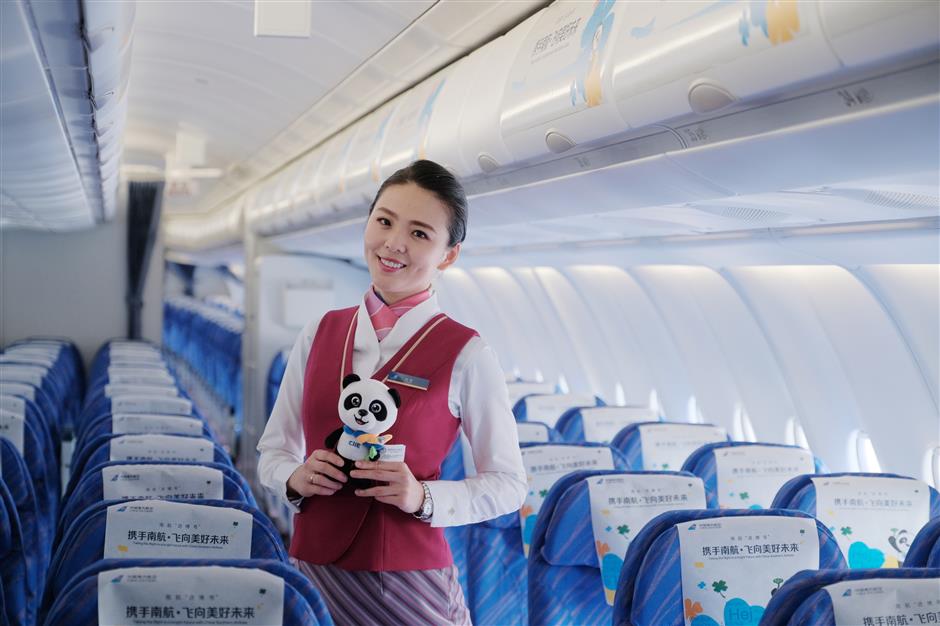
El Airbus 330-300 de China Southern Airlines ha despegado del Aeropuerto Internacional Guangzhou Baiyun y ha aterrizado en el Aeropuerto Internacional Hongqiao el Sábado 19/09 por la tarde. La ceremonia en la puerta del agua en Hongqiao celebró el vuelo inaugural del avión con temática de la China International Import Expo (CIIE).
El avión, lanzado conjuntamente por la oficina de la CIIE y China Southern, está pintado de blanco y azul con rayas blancas y amarillas. También presenta la mascota de la CIIE, Jinbao, junto con el eslogan de la Expo «Nueva era, futuro compartido». El avión tiene como objetivo promover la CIIE y atraer participantes de todo el mundo, según la aerolínea. La aeronave operará varios vuelos nacionales e internacionales para promover y servir a la CIIE. En el vuelo inaugural, los asistentes de vuelo lanzaron cuestionarios sobre la CIIE y enseñaron a los pasajeros a pintar la mascota de la CIIE, Jinbao.
El tercer encuentro de la CIIE se llevará a cabo en el Centro Nacional de Exposiciones y Convenciones entre el 5 y el 10 de Noviembre 2020. China Southern Airlines servirá como una empresa de apoyo central, transportista aéreo, comprador y proveedor de servicios, dijo la compañía con sede en Guangzhou. Los acuerdos de China Southern durante la primera y segunda CIIE ocupan el primer lugar entre las tres principales aerolíneas del país. La aerolínea China Eastern Airlines, con sede en Shanghái, también ha presentado aviones de pasajeros con librea temática de la CIIE.
China Southern debuts special livery
Chinese airline unveils special decorative image
China Southern Airlines Airbus 330-300 took off from Guangzhou Baiyun International Airport and landed at Hongqiao International Airport on Saturday afternoon 09/19. The water gate ceremony in Hongqiao celebrated the inaugural flight of the China International Import Expo (CIIE) themed plane.
The plane, launched jointly by the CIIE office and China Southern, is painted white and blue with white and yellow stripes. It also features the CIIE mascot, Jinbao, along with the Expo slogan «New Era, Shared Future». The plane is intended to promote CIIE and attract participants from around the world, according to the airline. The aircraft will operate several national and international flights to promote and serve the CIIE. On the inaugural flight, flight attendants released CIIE questionnaires and taught passengers to paint the CIIE mascot, Jinbao.
The third meeting of the CIIE will be held at the National Convention and Exhibition Center between November 5 and 10, 2020. China Southern Airlines will serve as a central support company, air carrier, buyer and service provider, said the Guangzhou-based company. China Southern’s deals during the first and second CIIE rank first among the top three airlines in the country. Shanghai-based China Eastern Airlines has also unveiled CIIE-themed livery passenger jets.
Un número récord de pasajeros chinos que planean viajes nacionales por tarifas aéreas baratas ha aumentado considerablemente hacia Octubre 2020. El número total de viajes de vuelos nacionales realizados entre el 1 y el 8 de Octubre llegará a más de 15 millones, un aumento del 10 por ciento con respecto al año pasado, según Qunar, un proveedor de información de viajes en línea en idioma chino y un motor de búsqueda de China continental para usuarios móviles y basados en la web.
Ayudados por las aerolíneas con tarifas aéreas post-pandemia un 10% más bajas que en 2019, ha ayuda a estimular la demanda de viajes, pero por otro lado, podría afectar los resultados de las aerolíneas, dicen los expertos. Pero las tarifas aéreas promedio basadas en las reservas anticipadas para el mismo período disminuyeron un 10 por ciento en comparación con hace un año a ¥ 895,55 yuanes (US$132 Dólares estadounidenses), la más baja en cinco años, dijo Qunar, la firma de reservas de viajes en línea más grande de China. «El precio de las entradas está en un nivel bajo debido a los descuentos en medio del exceso de oferta. En años anteriores, era precio completo o como máximo menos del 20 por ciento de descuento. El precio más bajo estimula la demanda de viajes, pero ejerce presión sobre los balances de las aerolíneas a medida que disminuyen los ingresos generales», dijo Lin Zhijie, un experto en el Think Tank.
Se espera que el volumen de tráfico aéreo nacional de China alcance un récord durante las próximas vacaciones en la semana dorada, ya que los precios más bajos de los boletos y las restricciones en los viajes internacionales debido a la pandemia del coronavirus incitan a los habitantes del continente hambrientos de viajes a buscar destinos turísticos locales. Las aerolíneas chinas ofrecen vuelos ilimitados para convencer a los viajeros de que regresen mientras la crisis de Covid-19 está bajo control.
Los operadores chinos en los últimos meses se han involucrado en una feroz competencia por los clientes, lanzando varios Paquetes de vuelos ilimitados “fly-at-will”. Su capacidad de asientos en rutas nacionales ha aumentado considerablemente a medida que los transportistas despliegan aviones de fuselaje ancho utilizados en rutas internacionales de larga distancia, mientras que la demanda ha disminuido debido a que hay menos pasajeros volando debido a la pandemia.
Turismo en China
El feriado de este año, que sigue al Día Nacional y también incluye el Festival del Medio Otoño, se produce cuando la pandemia de Covid-19 en el país está en gran parte bajo control. La capacidad de las principales atracciones turísticas se ha ampliado gradualmentedurante en los últimos meses, dando al sector turístico de China un respiro muy necesario. El turismo interno de China creció un 11,7 por ciento interanual en 2019, generando ingresos de ¥ 5,73 billones de Yuanes.
«El feriado del Día Nacional de este año servirá como un indicador clave para las aerolíneas. En comparación con el año pasado, debemos analizar el rendimiento: el ingreso promedio recaudado por pasajero-kilómetro. Si esto aumenta, las aerolíneas chinas habrán doblado la esquina; de lo contrario, indica que aún falta un tiempo para una recuperación completa», dijo Lei Zheng, fundador y Presidente del Institute for Aviation Research, un grupo de expertos independiente.
En los últimos meses, las aerolíneas chinas han visto una recuperación constante. Agosto vio el mayor volumen mensual de pasajeros domésticos desde el estallido de la pandemia en Enero 2020, alcanzando los 45,35 millones. Mientras tanto, el tráfico aéreo el mes pasado se recuperó a más del 80 por ciento del nivel en el mismo período del año pasado, dijo la Administración de Aviación Civil de China (CAAC) a principios de esta semana.
Perspectivas en China
Al menos dos aerolíneas chinas vieron una mejora año tras año en varios indicadores de desempeño doméstico en agosto. Spring Airlines, una aerolínea económica con sede en Shanghái con un enfoque en el mercado nacional, dijo que si bien su capacidad de pasajeros aumentó en un 50 por ciento, los volúmenes no se quedaron atrás, ganando un 37 por ciento.
El repunte de la demanda de viajes aéreos nacionales también hizo subir los precios de las acciones de las aerolíneas chinas, especialmente aquellos con mayor exposición doméstica. Un índice de aerolíneas seguido por el proveedor de datos financieros Wind Information aumentó casi un 10 por ciento en Agosto, la mayor ganancia mensual desde diciembre de 2019.
De cara al futuro, la recuperación de las aerolíneas chinas aún enfrenta vientos en contra, ya que las perspectivas de rentabilidad son inciertas y los viajes internacionales aún se ven empañados por la pandemia, que se sitúa en menos del 10% del nivel del año pasado. La decisión de algunos gobiernos importantes de abrir burbujas de viaje, resucitar los viajes internacionales ayudará a las aerolíneas a recuperarse si la pandemia se prolonga. “La recuperación completa tendrá que esperar a que surja una vacuna Covid-19”, dijo Lei Zheng del Institute for Aviation Research.
Increase in air traffic in China
Increase passenger flow towards October 2020
A record number of Chinese passengers planning domestic travel for cheap airfares has risen sharply by October 2020. The total number of domestic flight trips made between October 1 and 8 will reach more than 15 million, an increase of 10 percent. percent from last year, according to Qunar, a Chinese-language online travel information provider and mainland China search engine for mobile and web-based users.
Aided by airlines with post-pandemic airfares 10% lower than in 2019, it has helped stimulate travel demand, but on the other hand, it could affect airlines’ results, experts say. But average airfares based on advance bookings for the same period were down 10 percent compared to a year ago to ¥ 895.55 yuan (US$ 132), the lowest in five years, Qunar said. China’s largest online travel booking agency. «Ticket prices are low due to discounts amid oversupply. In previous years, it was full price or at most less than 20 percent off. The lower price stimulates travel demand, but it puts pressure on airline balance sheets as overall revenues decline», said Lin Zhijie, an expert at the Think Tank.
China’s domestic air traffic volume is expected to hit a record high during the upcoming Golden Week holiday as lower ticket prices and restrictions on international travel due to the coronavirus pandemic incite residents of the Travel-hungry continent to seek local tourist destinations. Chinese airlines offer unlimited flights to convince travelers to return while the Covid-19 crisis is under control.
Chinese carriers in recent months have engaged in fierce competition for customers, launching several «fly-at-will» Unlimited Flight Packages. Its seating capacity on domestic routes has increased considerably as carriers deploy wide-body aircraft used on long-haul international routes, while demand has declined due to fewer passengers flying due to the pandemic.
China Tourism
This year’s holiday, which follows National Day and also includes the Mid-Autumn Festival, comes when the Covid-19 pandemic in the country is largely under control. The capacity of major tourist attractions has gradually expanded over the past few months, giving China’s tourism sector a much-needed respite. China’s domestic tourism grew 11.7 percent year-on-year in 2019, generating revenue of ¥ 5.73 trillion Yuan.
«This year’s National Day holiday will serve as a key indicator for airlines. Compared to last year, we need to look at performance: the average revenue collected per passenger-kilometer. If this increases, Chinese airlines will have turned the corner. Otherwise, it indicates that there is still time to complete recovery», said Lei Zheng, founder and president of the Institute for Aviation Research, an independent think tank.
In recent months, Chinese airlines have seen a steady recovery. August saw the highest monthly volume of domestic passengers since the outbreak of the pandemic in January 2020, reaching 45.35 million. Meanwhile, air traffic last month rebounded to more than 80 percent of the level in the same period last year, the Civil Aviation Administration of China (CAAC) said earlier this week.
Prospects in China
At least two Chinese airlines saw year-over-year improvement in various domestic performance indicators in August. Spring Airlines, a budget airline based in Shanghai with a focus on the domestic market, said that while its passenger capacity increased by 50 percent, volumes were not far behind, gaining 37 percent.
The rebound in demand for domestic air travel also pushed up the share prices of Chinese airlines, especially those with greater domestic exposure. An airline index tracked by financial data provider Wind Information rose nearly 10 percent in August, the biggest monthly gain since December 2019.
Looking ahead, the recovery of Chinese airlines still faces headwinds, as profitability prospects are uncertain and international travel is still clouded by the pandemic, which is less than 10% from last year’s level. The decision of some major governments to open travel bubbles, resuscitating international travel will help airlines recover if the pandemic drags on. «Full recovery will have to wait for a Covid-19 vaccine to emerge,» said Lei of the Aviation Research Institute.
Aerolínea bandera suiza recibido su primer Airbus A321NEO
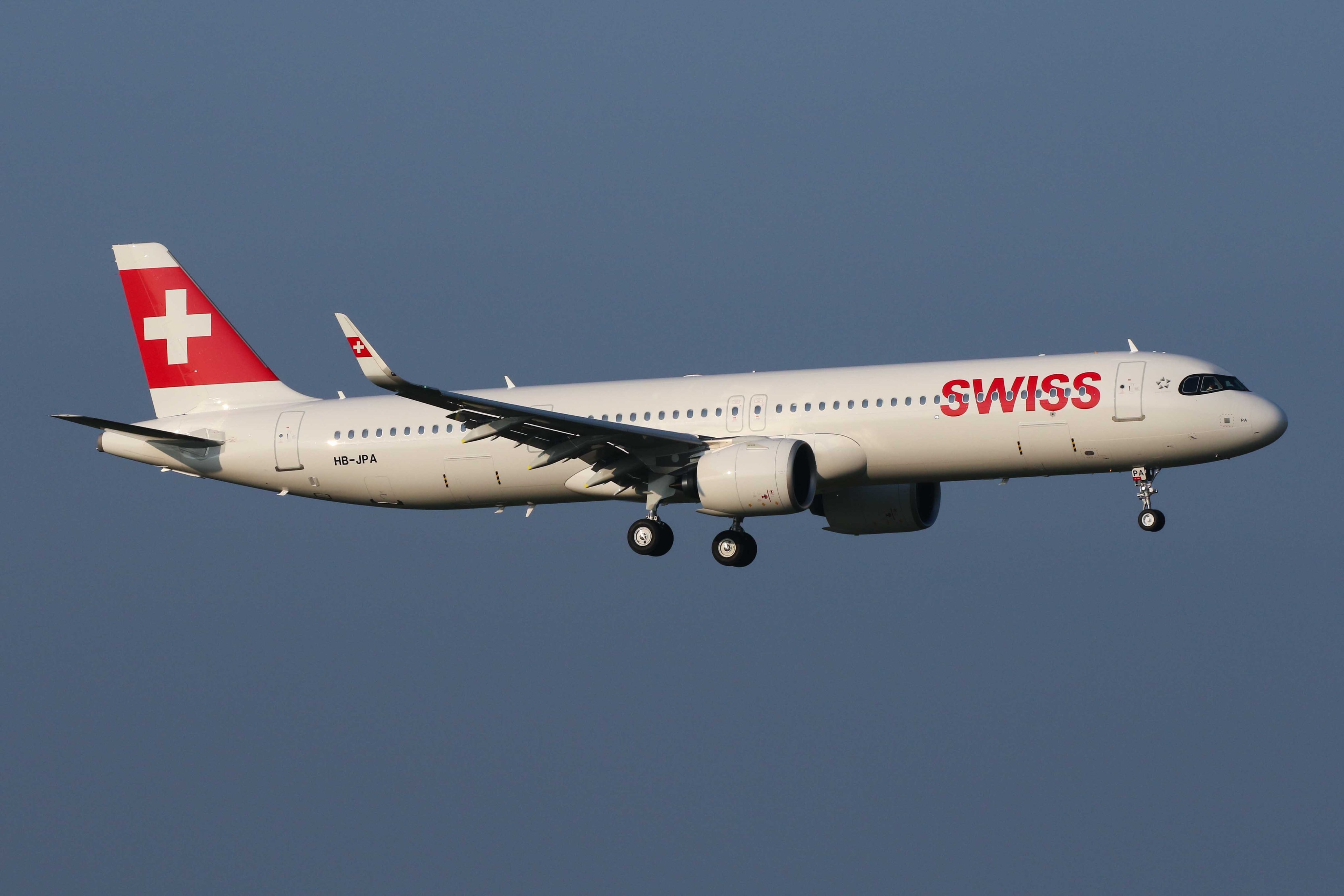
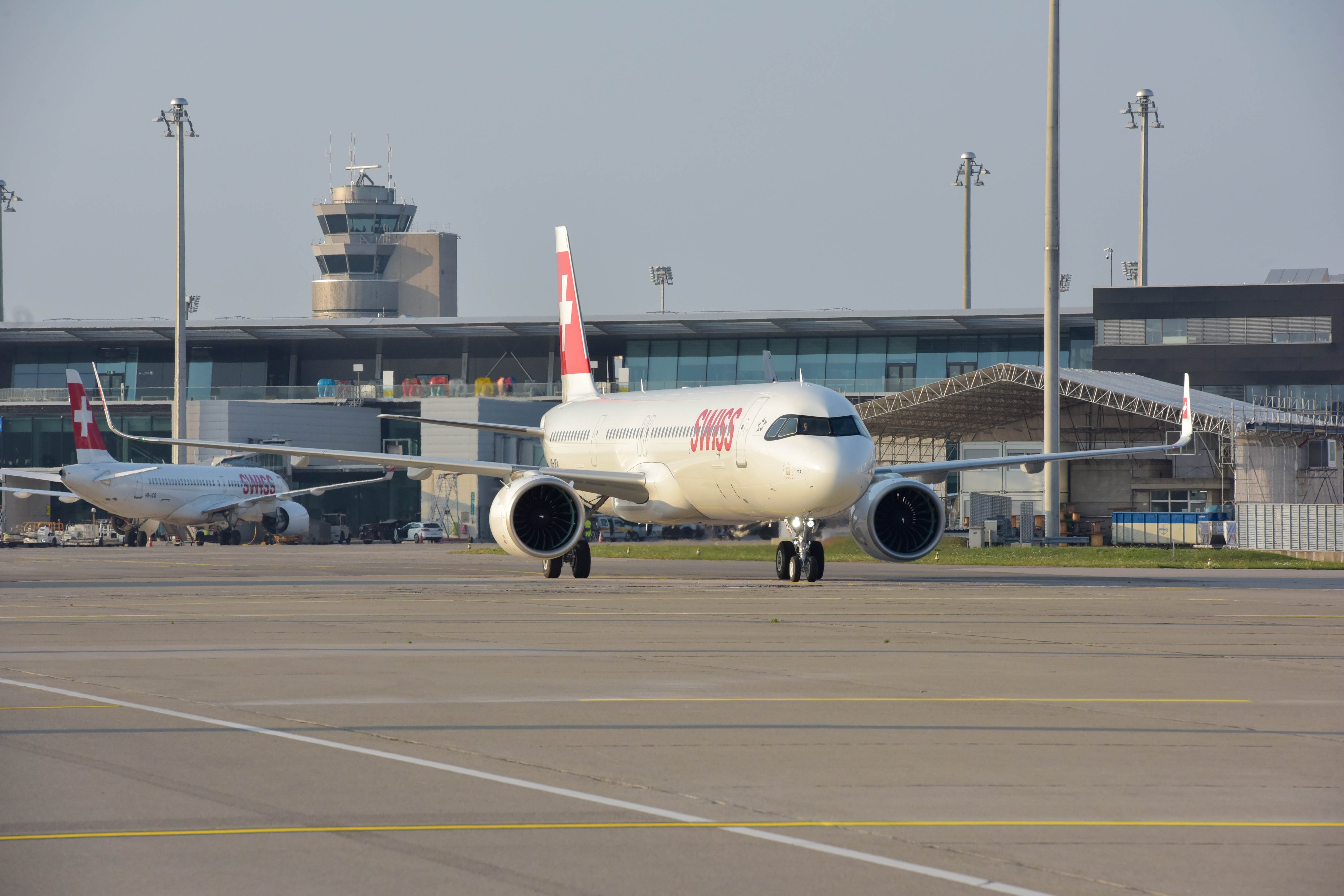
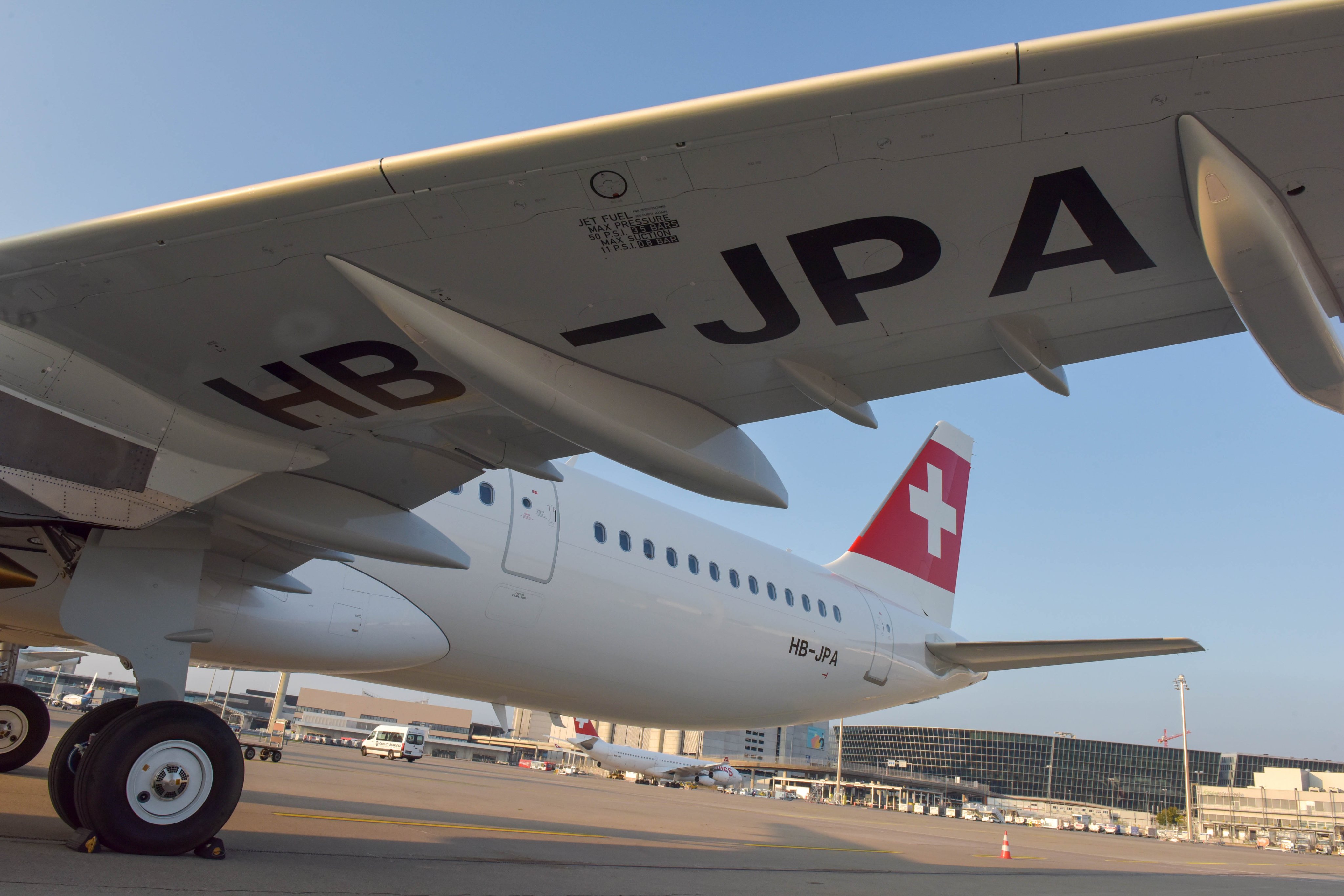
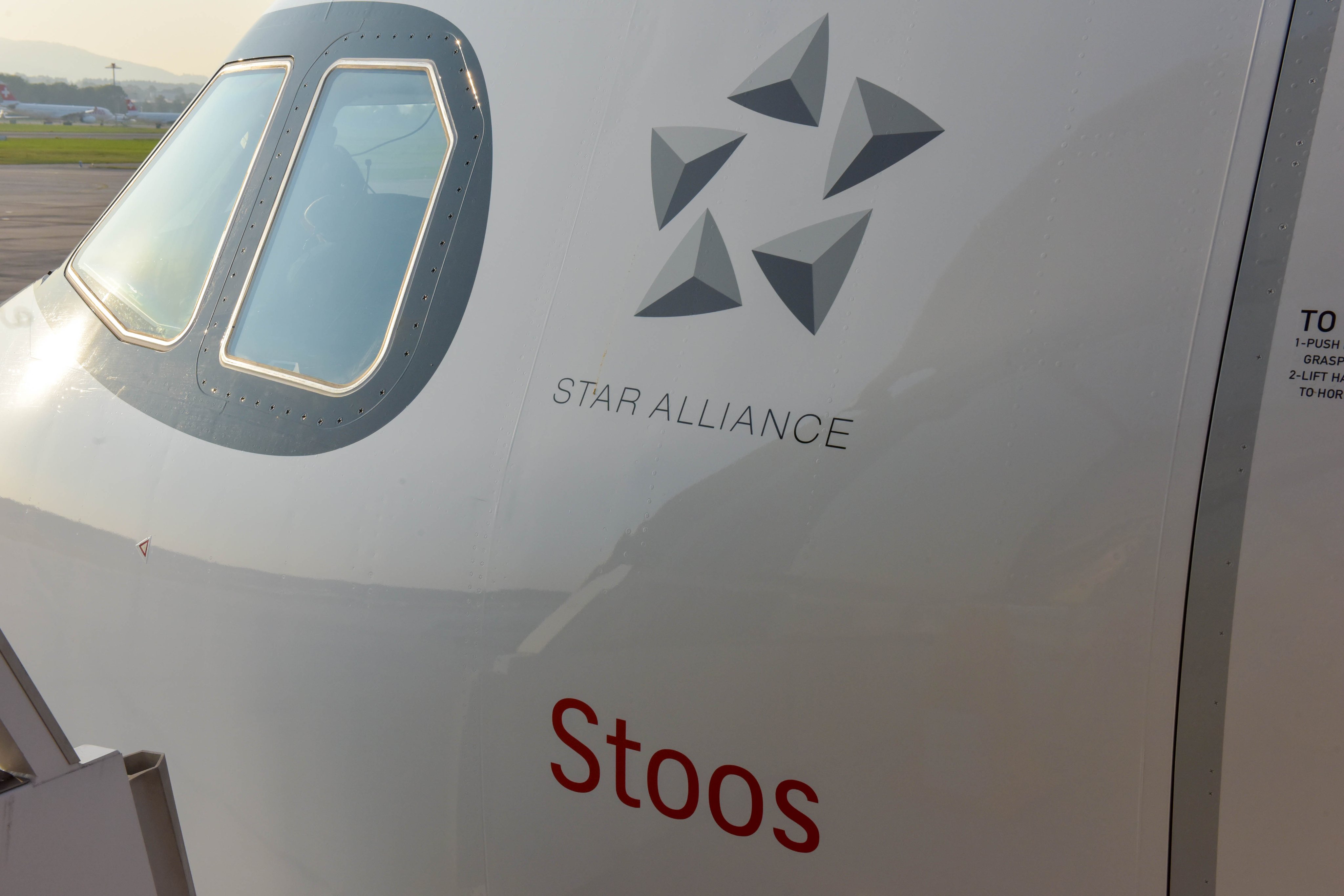
Swiss International Airlines ha tomado entrega de su primer Airbus A321NEO registrado como HB-JPA. La nueva incorporación es la versión más alargada de la familia A320NEO que permitirá mayores prestaciones en servicio de las rutas de la compañía suiza. Los aviones de la aerolínea Swiss reciben el nombre de ubicaciones en Suiza. La nueva incorporación lleva el nombre del pueblo Stoos en el Cantón suizo de Schwyz.
La aerolínea suiza ha recibido su primer avión Airbus A320NEO totalizando dos unidades, más órdenes por otros 15 aviones, más siete A321NEO. La flota más antigua de la aerolínea A320CEO/A321CEO irá desprogramándose a medida que se incorporen los A320NEO/A321NEO. Swiss Airlines completa su flota aérea con las aeronaves regionales Airbus A220, así como para vuelos de larga distancia los A330-300, A340-300 y Boeing 777-300ER.
Swiss receives first Airbus A321NEO
Swiss flag airline received its first Airbus A321NEO
Swiss International Airlines has taken delivery of its first Airbus A321NEO registered as HB-JPA. The new addition is the longest version of the A320NEO family that will allow greater performance in service on the routes of the Swiss company. Swiss airline aircraft are called locations in Switzerland. The new addition is named after the Stoos village in the Swiss Canton of Schwyz.
The Swiss airline has received its first Airbus A320NEO aircraft totaling two units, plus orders for another 15 aircraft, plus seven A321NEOs. The oldest fleet of the airline A320CEO/A321CEO will be deprogrammed as the A320NEO/A321NEO are added. Swiss Airlines completes its air fleet with regional Airbus A220 aircraft, as well as the A330-300, A340-300 and Boeing 777-300ER for long-haul flights.
Swiss erhält ersten Airbus A321NEO
Die Fluggesellschaft unter Schweizer Flagge erhielt ihren ersten Airbus A321NEO
Swiss International Airlines hat den ersten als HB-JPA registrierten Airbus A321NEO übernommen. Der Neuzugang ist die längste Version der A320NEO-Familie, die eine höhere Leistung auf den Strecken des Schweizer Unternehmens ermöglicht. Schweizer Flugzeuge werden als Standorte in der Schweiz bezeichnet. Der Neuzugang ist nach dem Dorf Stoos im Schweizer Kanton Schwyz benannt.
Die Schweizer Fluggesellschaft hat ihr erstes Airbus A320NEO-Flugzeug mit insgesamt zwei Einheiten sowie Bestellungen für weitere 15 Flugzeuge und sieben A321NEO erhalten. Die älteste Flotte der Fluggesellschaft A320CEO/A321CEO wird deprogrammiert, wenn die A320NEO/A321NEO hinzugefügt werden. Swiss Airlines vervollständigt ihre Luftflotte mit regionalen Airbus A220-Flugzeugen sowie A330-300, A340-300 und Boeing 777-300ER für Langstreckenflüge.
AW | 2020 09 19 15:13 | AIRLINES MARKET / GOVERNMENT / TOURISM
Algunas provincias no autorizarán vuelos en Octubre por la pandemia
El Gobierno de Argentina ha vuelto a reafirmar el compromiso de reapertura de la actividad aérea en el país para la reactivación de los vuelos regulares domésticos desde Octubre 2020, pendiente la autorización final de Presidencia de la Nación. Con este panorama un tanto alentador para la actividad aérea, las líneas aéreas están reactivando sus actividades y protocolos hacia las próximas semanas para iniciar la programación de los destinos con autorización.
Desde el Ministerio de Transporte como la cartera de Turismo confirmaron que continúa el plan de reiniciar vuelos el mes próximo, pero que la reactivación sería gradual, con muchas menos frecuencias que antes de la pandemia.
Provincias no adheridas
Alrededor de diez provincias argentinas han anunciaron que no recibirán vuelos en Octubre 2020 en función de la situación crítica que atraviesan por la pandemia debido a los altos casos de contagios. Los gobernadores de las diferentes provincias decidirán si aceptan o no el arribo de vuelos de otras partes del país, en virtud de la cantidad de contagios por la que atraviesan y su situación sanitaria. En los próximos días, al menos 10 gobernadores informarían que no recibirán los vuelos.
Las líneas aéreas han aseguraron no contar con la información sobre qué provincias están a la espera de la confirmación oficial de reinicio o aplazo de la actividad aeronáutica, cuando sólo restan 13 días para Octubre. En conocimiento dos provincias, Tierra del Fuego y Chaco podrían estar entre las que sí recibirían vuelos. Río Negro, en tanto, los permitiría en Octubre, abriendo el destino Bariloche a prueba piloto.
Ley de Emergencia Turística
El Ministerio Turismo de la Nación ha comunicado que se reglamentaría la Ley de Emergencia Turística a fines de la semana próxima. A partir de su reglamentación comenzaría a regir la medida que otorga un 50% de bono extra para gastar en turismo a quienes compren pasajes, hoteles o paquetes para viajar en la Argentina durante 2021. “En la primera semana de octubre, ya estaría funcionando la página web para que la gente que compre, hasta Diciembre, servicios en turismo nacional para 2021 pueda cargar sus facturas y recibir el 50% de bono, a través de una tarjeta del Banco Nación o billetera virtual. Podrá usarlo el año próximo para pagar pasajes, hoteles, restaurantes u otros servicios en el país”, destacó Matías Lammens a cargo de la cartera turística. La medida forma parte del plan de asistencia al sector turístico por más de AR$ 53.000 millones por la pandemia. En este caso, se trata del plan de Reactivación al Turismo, donde el Estado aportará AR$ 16.500 millones en entrega de créditos que equivalen al 50% de las compras realizadas en turismo, estimadas en AR$ 33.000 millones entre Octubre y Diciembre, para consumos en el sector durante 2021. “Es una medida muy novedosa, que beneficia a las empresas pero también al Estado, porque ese dinero vuelve en recaudación. Estimamos 1 millón de operaciones, por unos AR$ 30.000 millones. El Estado aporta AR$ 15.000 millones, pero en realidad el impacto es de AR$ 2.000 millones, porque por las primeras compras recauda por IVA y otros impuestos directos e indirectos unos AR$ 8.000 millones, y por las segundas compras, con dinero aportado por el Estado, otros AR$ 4.000 millones, además de lo que ingresa a las provincias por tributos. Por eso, el costo real sería de unos AR$ 2.000 millones”, explicó.
El Ministro de Turismo también ha destacado la puesta en marcha del Fondo de Auxilio y Capacitación Turística (FACT), por el cual 2784 pequeñas empresas de 24 provincias del sector están recibiendo, adicionalmente a los ATP (programa de asistencia al salario), AR$ 3000 millones a través de un salario mínimo vital y móvil (de AR$ 16.000) para 42.887 trabajadores durante seis meses, entre Octubre y Marzo próximos. El dinero proviene de un fondo del BID de USs 40 millones que estaba destinado a infraestructura turística y ahora fue reorientado en el contexto de pandemia para ayudas al sector.
Argentina air reactivation
Some provinces will not authorize flights in October due to the pandemic
The Government of Argentina has once again reaffirmed the commitment to reopen air activity in the country for the reactivation of regular domestic flights since October 2020, pending the final authorization from the Presidency of the Nation. With this somewhat encouraging outlook for air activity, airlines are reactivating their activities and protocols in the coming weeks to begin programming destinations with authorization.
The Ministry of Transport and the Tourism Ministry confirmed that the plan to restart flights next month continues, but that the reactivation would be gradual, with much fewer frequencies than before the pandemic.
Non-adhered provinces
Around ten Argentine provinces have announced that they will not receive flights in October 2020 based on the critical situation they are going through due to the pandemic due to the high cases of infections. The governors of the different provinces will decide whether or not to accept the arrival of flights from other parts of the country, by virtue of the number of infections they are experiencing and their health situation. In the next few days, at least 10 governors would report that they will not receive the flights.
The airlines have assured that they do not have information on which provinces are awaiting official confirmation of the restart or postponement of aeronautical activity, when there are only 13 days left until October. In knowledge, two provinces, Tierra del Fuego and Chaco, could be among those that would receive flights. Río Negro, meanwhile, would allow them in October, opening the Bariloche destination to a pilot test.
Tourism Emergency Law
The Ministry of Tourism of the Nation has communicated that the Tourism Emergency Law would be regulated by the end of next week. As of its regulations, the measure that grants a 50% extra bonus to spend on tourism to those who buy tickets, hotels or packages to travel in Argentina during 2021 would begin to govern. “In the first week of October, the website so that people who buy, until December, services in national tourism for 2021 can load their invoices and receive a 50% bonus, through a Banco Nación card or virtual wallet. You will be able to use it next year to pay for tickets, hotels, restaurants or other services in the country”, highlighted Matías Lammens in charge of the tourism portfolio. The measure is part of the assistance plan for the tourism sector for more than AR$ 53,000 million due to the pandemic. In this case, it is the Tourism Reactivation plan, where the State will contribute AR$ 16,500 million in delivery of credits that are equivalent to 50% of the purchases made in tourism, estimated at AR$ 33,000 million between October and December, for consumption in the sector during 2021. “It is a very novel measure, which benefits companies but also the State, because that money returns in collection. We estimate 1 million operations, for about AR$ 30,000 million. The State contributes AR$ 15,000 million, but in reality the impact is AR$ 2,000 million, because for the first purchases it collects about AR$ 8,000 million in VAT and other direct and indirect taxes, and for the second purchases, with money contributed by the State, another AR$ 4,000 million, in addition to what enters the provinces through taxes. For this reason, the real cost would be around AR$ 2 billion”, he explained.
The Minister of Tourism has also highlighted the launch of the Tourism Assistance and Training Fund (FACT), by which 2,784 small companies from 24 provinces of the sector are receiving, in addition to the ATP (salary assistance program), AR$ 3 billion through a living and mobile minimum wage (of AR$ 16,000) for 42,887 workers for six months, between next October and March. The money comes from an IDB fund of US$40 million that was destined to tourism infrastructure and has now been redirected in the context of a pandemic to aid the sector.
Arriba a Aeropuerto Ezeiza aeronave retro de Aerolíneas Argentinas
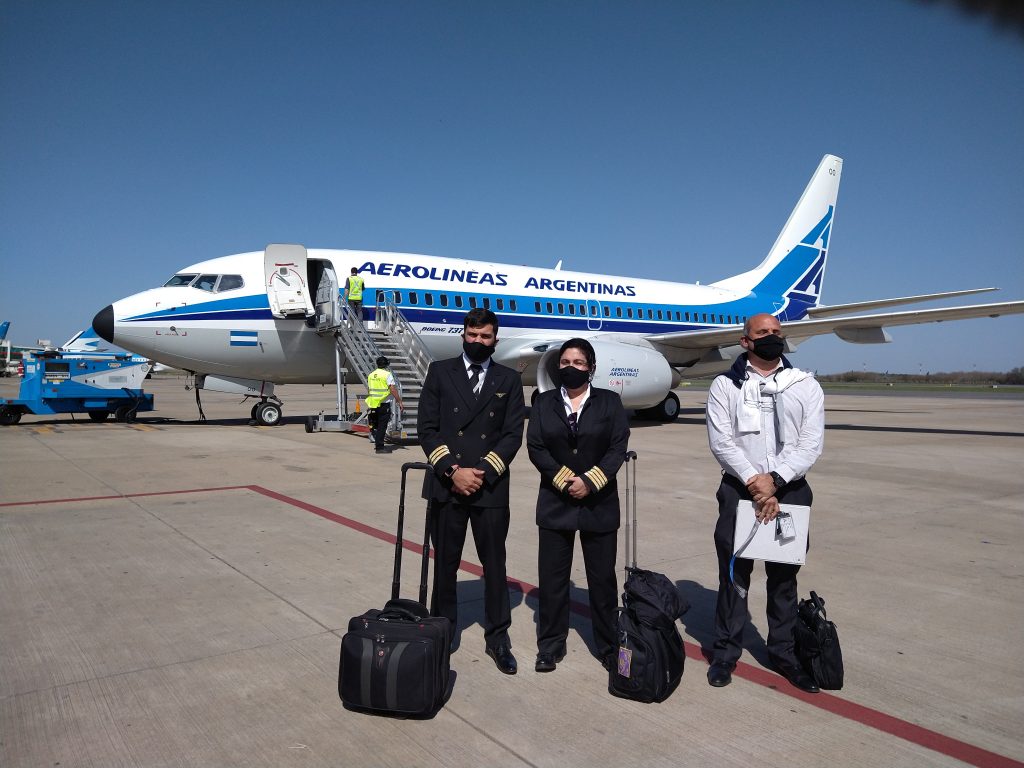
Aerolíneas Argentinas ha presentado oficialmente este Viernes 18/09 la aeronave Boeing 737-700 con diseño retro, como parte de los festejos del 70º aniversarios de la compañía introduciendo sus operaciones aerocomerciales.
La aeronave, un Boeing 737-700 Next Generation, matrícula LV-GOO, ha arribado en la tarde del 18/09 al Aeropuerto Internacional de Ezeiza, procedente de Córdoba, donde fue pintado con la nueva librea retro de los años 90 en los talleres de la Fábrica Argentina de Aviones (Fadea).
70º Aniversarios
Aerolíneas Argentinas ha incorporado una imagen retro de los años 90 en una aeronave Boeing 737-700 con la librea original de la doble AA en la deriva de las aeronaves y dos bandas celeste y azul que recorren todo el fuselaje junto al estilo de letra estilizada empleada para el nombre de la aerolínea. El retorno a los años 1990 arriban para festejar los 70 años de operaciones de la compañía celebrados el 14 Mayo 2019 con la creación de la compañía, como así también para el 7 Diciembre 2020 con el inicio de las operaciones aéreas.
A principios de año, Aerolíneas Argentinas lanzó un logo conmemorativo por su cumpleaños número 70 y además está llevando adelante una campaña en redes sociales de la que participan el actor Leonardo Sbaraglia y el músico Gustavo Santaolalla y que incluye textos del escritor Eduardo Galeano.
Pablo Tegli a cargo de la coordinación de Pablo Tegli técnico de Aerolíneas que tuvo a su cargo la coordinación del trabajo de pintura ha expresado el beneplácito del trabajo realizado en los Talleres de FAdeA: «La pintura del Boeing demandó 20 días netos de trabajo, aunque en la práctica fueron varios más por diferentes circunstancias. La tarea desempeñada por FAdeA fue excepcional y la verdad, es muy importante que se haya podido establecer una relación de este tipo con otra empresa del Estado, porque será de gran utilidad para el futuro de la compañía».
El vuelo en ferry del Boeing 737-700 retro estuvo a cargo de la comandante Carla Guttner y del copiloto Oscar Szumejko, quienes trajeron la aeronave al Aeropuerto Ezeiza.
La iniciativa de decorar aeronaves es una tradición en la industria aérea para celebrar acontecimientos, aniversarios, publicidad, eventos, entre muchos otros. En Argentina es poco utilizado y frecuente el empleo de imágenes en los fuselajes. En Brasil las libreas especiales han producido una buena atracción con empleo de diferentes imágenes en sus fuselajes.
El costo de los trabajos realizado en la librea decorativa en el Boeing 737-700 no ha representado gasto para la compañía, ya que se utilizó un crédito de US$ 200 mil Dólares a su favor que Aerolíneas Argentinas posee con la Fábrica FAdeA, que además continúa realizando modificaciones de cambio de imagen corporativa en seis aviones Embraer E190-100AR pertenecientes a Austral Líneas Aéreas, que pasarán a tener los colores de Aerolíneas como parte de la anunciada fusión entre ambas compañías.
Aerolíneas presents 737 retro
Up to Ezeiza Airport retro aircraft of Aerolíneas Argentinas
Aerolineas Argentinas has officially presented this Friday 09/18 the Boeing 737-700 aircraft with a retro design, as part of the celebrations for the company’s 70th anniversary by introducing its commercial air operations.
The aircraft, a Boeing 737-700 Next Generation, registration LV-GOO, arrived on the afternoon of 09/18 at the Ezeiza International Airport, from Córdoba, where it was painted with the new retro livery from the 90s in the workshops of the Argentine Aircraft Factory (Fadea).
70th Anniversaries
Aerolíneas Argentinas has incorporated a retro image from the 90s in a Boeing 737-700 aircraft with the original livery of the double AA in the drift of the aircraft and two light blue and blue bands that run throughout the fuselage together with the style of stylized letter used. for the name of the airline. The return to the 1990s arrives to celebrate the 70 years of operations of the company celebrated on May 14, 2019 with the creation of the company, as well as for December 7, 2020 with the start of air operations.
At the beginning of the year, Aerolineas Argentinas launched a commemorative logo for its 70th birthday and is also carrying out a campaign on social networks in which the actor Leonardo Sbaraglia and the musician Gustavo Santaolalla participate and which includes texts by the writer Eduardo Galeano.
Pablo Tegli in charge of coordinating the Aerolíneas technician Pablo Tegli, who was in charge of coordinating the painting work, has expressed his approval of the work carried out in the FAdeA Workshops: «The painting of the Boeing required 20 net days of work, although in practice there were several more due to different circumstances. FAdeA’s task was exceptional and the truth is, it is very important that a relationship of this type has been established with another state company, because it will be of great use for the future of company».
The Boeing 737-700 retro ferry flight was led by Commander Carla Guttner and co-pilot Oscar Szumejko, who brought the aircraft to Ezeiza Airport.
The initiative to decorate aircraft is a tradition in the airline industry to celebrate events, anniversaries, advertising, events, among many others. In Argentina the use of images in the fuselages is little used and frequent. In Brazil the special liveries have produced a good attraction with the use of different images on their fuselages.
The cost of the work carried out on the decorative livery on the Boeing 737-700 has not represented an expense for the company, since a credit of US$ 200 thousand dollars was used in its favor that Aerolineas Argentinas has with the FAdeA Factory, which also It continues to make changes to change the corporate image of six Embraer E190-100AR aircraft belonging to Austral Líneas Aéreas, which will have Aerolineas colors as part of the announced merger between the two companies.
AW | 2020 09 19 11:11 | AIRLINES MARKET / GOVERNMENT
Empleados aerolíneas preocupados por despidos masivos
Los trabajadores de las aerolíneas preocupados a medida que se avecinan despidos masivos en la cuenta regresiva hacia el 1 Octubre 2020. El tiempo corre a contrarreloj para miles de ansiosos empleados de las aerolíneas, que se enfrentan a reducciones masivas cuando el programa actual de apoyo a la nómina del gobierno expire el 30 de Septiembre 2020.
Actualmente los directores ejecutivos de las aerolíneas se reunieron el Jueves 17/09 con el Jefe de Gabinete de la Casa Blanca, Mark Meadows, quien dijo que el Presidente Donald Trump apoyaría US$ 25.000 millones de Dólares adicionales del Congreso para extender el paquete de ayuda actual hasta Marzo 2021 próximo. Pero los legisladores siguen profundamente divididos sobre un paquete de ayuda económica más amplio, y no está claro que actuarán sobre cualquier acuerdo de estímulo antes de las elecciones de Noviembre 2020. «Nunca pensé que diría que US$ 25 mil millones era una cantidad pequeña, pero en comparación con US$ 1,5 billones, es una cantidad bastante pequeña de asistencia adicional que podría mantener entre 30.000 y 50.000 trabajadores en la nómina», dijo Mark Meadows.
La ayuda para las aerolíneas no fue parte de un proyecto de ley de estímulo de última hora de US$ 1.5 billones propuesto a principios de esta semana por un grupo bipartidista de miembros de la Cámara conocido como el Caucus de solucionadores de problemas. Mark Meadows dijo que la Casa Blanca ha analizado una serie de opciones que involucran acciones ejecutivas, pero todas ellas son menos que ideales. «Hay algunas cosas que podríamos hacer, pero no sé si realmente resuelve el problema de reducir los trabajadores sin permiso», dijo.
El panorama genera de las aerolíneas estadounidenses iban camino de otro año fuerte cuando golpeó la pandemia, lo que detuvo la mayor parte del tráfico aéreo y provocó que los ingresos de las aerolíneas se evaporaran de la noche a la mañana. Según la Ley CARES inicial aprobada por el Congreso en abril, las aerolíneas recibieron US$ 25 mil millones para mantener a los aviones volando y a los trabajadores en la nómina durante la crisis. Al mismo tiempo, las aerolíneas han recortado costos y reducido personal a través de adquisiciones voluntarias y permisos, al tiempo que aumentan la deuda en los mercados públicos y utilizan sus programas de viajero frecuente como garantía. Pero la crisis de salud pública ha persistido y los viajes aéreos no muestran signos de recuperación.
En la actualidad, los volúmenes de pasajeros estadounidenses siguen siendo un 65% inferiores al año pasado, según Airlines for America (A4A). «En marzo, todos esperábamos estar en un lugar muy diferente ahora. Pero a medida que Estados Unidos sigue liderando el mundo en casos y muertes, la demanda de aviación sigue bajando un 85% y estamos aislados del resto del mundo», dijo Sara Nelson, Presidenta del Sindicato de Auxiliares de Vuelo. Las aerolíneas están haciendo todo lo posible para atraer a los viajeros de regreso, con procedimientos de limpieza mejorados y la eliminación de tarifas impopulares por cambiar o cancelar vuelos.
Las políticas de máscaras se están aplicando estrictamente, con la amenaza de una prohibición de por vida para los pasajeros que no cumplan. Muchas aerolíneas han prometido mantener abiertos los asientos del medio para promover el distanciamiento social. Algunos están agregando vuelos desde ciudades del norte a destinos de clima cálido este invierno para atraer a los pasajeros a viajar. Con la temporada alta de viajes de placer terminada y prácticamente sin viajes de negocios, las aerolíneas, y sus empleados, enfrentan una fecha límite sombría en menos de dos semanas.
Mark Meadows pareció dispuesto a proporcionar US$ 25 mil millones adicionales a la industria, lo que consideró una pequeña suma en comparación con la propuesta más amplia de alivio de la pandemia que el Congreso está considerando actualmente. «Nunca pensé que diría que US$ 25 mil millones era una cantidad pequeña, pero en comparación con US$ 1,5 billones, es una cantidad bastante pequeña de asistencia adicional que podría mantener entre 30.000 y 50.000 trabajadores en nómina», dijo Mark Meadows a los periodistas después de la reunión. Meadows es el ex Presidente del House Freedom Caucus, que se presenta como una fuerza para el conservadurismo fiscal. Esa suma probablemente vendría como una extensión limpia del Programa de Apoyo a la Nómina de US$ 32 mil millones, que se aprobó originalmente en marzo como parte de la Ley de Ayuda, Alivio y Seguridad Económica para el Coronavirus (CARES). Ese programa, administrado por el Tesoro, puso a disposición de los transportistas de pasajeros US$ 25 mil millones en subvenciones con la condición de que no despidan involuntariamente a sus trabajadores ni reduzcan los salarios hasta fines de Septiembre. También están obligados a realizar un número mínimo de vuelos a las áreas que atendieron antes de la pandemia.
Aerolíneas vs pandemia
Los principales ejecutivos de American Airlines, Southwest Airlines y United Airlines se reunieron con el Jefe de Gabinete de la Casa Blanca, Mark Meadows, para solicitar asistencia en efectivo, lo que, según dicen, evitaría una inminente ronda de despidos en Octubre 2020. American Airlines planea recortar 19.000 empleados y United Airlines advirtió sobre más de 16.000 recortes. Delta Air Lines dijo que suficientes asistentes de vuelo, representantes de servicio y manipuladores de equipaje se ofrecieron como voluntarios para irse para poder evitar permisos involuntarios. Sin embargo, unos 2.000 pilotos continúan en peligro.
Las aerolíneas, que vieron disminuir el volumen de viajes hasta en un 95 por ciento al comienzo de la pandemia, han aceptado con entusiasmo esas subvenciones. United, American y Delta firmaron acuerdos de subvención por valor de alrededor de US$ 5 mil millones cada uno. Southwest aceptó US$ 3.2 mil millones en subvenciones financiadas por los contribuyentes. Las empresas tendrán que devolver parte del dinero de esta subvención, ya sea en efectivo o en acciones.
La Ley CARES también creó una línea de crédito de US$ 25 mil millones para la industria. Hasta ahora, ninguna aerolínea ha tocado ese bote de dinero, a pesar de un anuncio en julio de que varias aerolíneas importantes lo harían. Southwest Airlines ha citado su éxito en la obtención de capital privado como una razón para alejarse de los préstamos de la Ley CARES. Las aerolíneas y sus sindicatos advierten que sin otra ronda de subvenciones, las aerolíneas podrían verse obligadas a despedir hasta 75.000 empleados después de que expiren los beneficios el 1 de Octubre de 2020.
El Servicio de Investigación del Congreso ha señalado que debido a que los acuerdos de subvención de las aerolíneas se firmaron en mayo, junio, julio e incluso más tarde, es probable que a muchos de estos beneficiarios les quede dinero de la subvención para pagar a los trabajadores en octubre. Sin embargo, la posibilidad de despidos repentinos y masivos de trabajadores de aerolíneas en un año electoral ha despertado la preocupación de los miembros del Congreso entre ambos partidos.
Rechazar una segunda ronda de rescates daría lugar a la pérdida de puestos de trabajo y posiblemente incluso a la quiebra de algunas aerolíneas, pero también alentaría la reestructuración necesaria para que una aerolínea vuelva a ser rentable en un mundo de demanda de viajes aéreos muy disminuida. Después de todo, si solo tiene el 30 por ciento de los pasajeros que alguna vez tuvo, probablemente no necesite seguir pagando el 100 por ciento de sus asistentes de vuelo y manipuladores de equipaje. La mejor manera de ayudar tanto a las aerolíneas como a los consumidores, podría ser en primer lugar abordar la crisis de salud pública que ahuyenta a la gente de volar.
Airlines vs mass layoffs
Airline employees concerned about mass layoffs
Airline workers concerned as mass layoffs loom on the countdown to October 1, 2020. Time is racing against the clock for thousands of anxious airline employees, who face massive cutbacks when the current the government payroll expires on September 30, 2020.
Currently the CEOs of the airlines met on Thursday 09/17 with the White House Chief of Staff, Mark Meadows, who said that President Donald Trump would support an additional US$ 25,000 million from Congress to extend the aid package current until March 2021 next. But lawmakers remain deeply divided over a broader financial aid package, and it’s not clear that they will act on any stimulus deal before the November 2020 election. «I never thought you would say that US$ 25 billion was a small amount, But compared to US$ 1.5 trillion, it’s a fairly small amount of additional assistance that could keep 30,000 to 50,000 workers on the payroll», said Mark Meadows.
The aid for the airlines was not part of a last-minute US$ 1.5 trillion stimulus bill proposed earlier this week by a bipartisan group of House members known as the Problem Solvers Caucus. Mark Meadows said the White House has looked at a number of options that involve executive actions, but all of them are less than ideal. «There are some things we could do, but I don’t know if it really solves the problem of reducing workers without permission», he said.
The overall picture of US airlines was heading for another strong year when the pandemic hit, halting most air traffic and causing airline revenue to evaporate overnight. Under the initial CARES Act passed by Congress in April, airlines received US$ 25 billion to keep planes flying and workers on payroll during the crisis. At the same time, airlines have cut costs and staff through voluntary acquisitions and permits, while increasing debt in public markets and using their frequent flyer programs as collateral. But the public health crisis has persisted and air travel shows no signs of recovery.
Today, US passenger volumes are still 65% lower than last year, according to Airlines for America (A4A). «In March, we all expected to be in a very different place now. But as the United States continues to lead the world in cases and deaths, aviation demand continues to drop 85% and we are cut off from the rest of the world», said Sara Nelson. , President of the Union of Flight Attendants. Airlines are doing everything they can to attract return travelers, with improved cleaning procedures and the removal of unpopular fees for changing or canceling flights.
Mask policies are being strictly enforced, with the threat of a lifetime ban for passengers who do not comply. Many airlines have promised to keep the middle seats open to promote social distancing. Some are adding flights from northern cities to warm-weather destinations this winter to entice passengers to travel. With the peak leisure travel season over and virtually no business travel, airlines and their employees face a grim deadline in less than two weeks.
Mark Meadows appeared willing to provide an additional US$ 25 billion to the industry, which he considered a small sum compared to the broader pandemic relief proposal that Congress is currently considering. «I never thought I would say US$ 25 billion was a small amount, but compared to $ 1.5 trillion, it’s a fairly small amount of additional assistance that could keep 30,000 to 50,000 workers on the payroll», said Mark Meadows to reporters after the meeting. Meadows is the former Chairman of the House Freedom Caucus, who presents himself as a force for fiscal conservatism. That sum would likely come as a clean extension of the US$ 32 billion Payroll Support Program, which was originally passed in March as part of the Coronavirus Relief, Relief and Economic Security Act (CARES). That program, administered by the Treasury, made US$ 25 billion in subsidies available to passenger carriers on the condition that they do not involuntarily lay off their workers or cut wages until the end of September. They are also required to make a minimum number of flights to the areas they served before the pandemic.
Airlines vs pandemic
Top executives from American Airlines, Southwest Airlines and United Airlines met with White House Chief of Staff Mark Meadows to request cash assistance, which they say would prevent an impending round of layoffs in October 2020. American Airlines plans to cut 19,000 employees and United Airlines warned of more than 16,000 cuts. Delta Air Lines said that enough flight attendants, service representatives and baggage handlers volunteered to leave in order to avoid involuntary permits. However, some 2,000 pilots remain in danger.
Airlines, which saw travel volumes drop by as much as 95 percent at the start of the pandemic, have enthusiastically accepted those grants. United, American, and Delta signed grant agreements worth about US$ 5 billion each. Southwest accepted US$ 3.2 billion in taxpayer-funded grants. Companies will have to return part of the money from this grant, either in cash or in shares.
The CARES Act also created a US$ 25 billion credit line for the industry. So far, no airline has touched that money pot, despite an announcement in July that several major airlines would do so. Southwest Airlines has cited its success in raising private equity as a reason to move away from CARES Act loans. Airlines and their unions warn that without another round of subsidies, airlines could be forced to lay off up to 75,000 employees after benefits expire on October 1, 2020.
The Congressional Research Service has noted that because the airline grant agreements were signed in May, June, July, and even later, many of these recipients are likely to have grant money left to pay the workers in October. However, the possibility of sudden and massive layoffs of airline workers in an election year has raised concerns among members of Congress between the two parties.
Refusing a second round of bailouts would lead to job losses and possibly even bankruptcy for some airlines, but it would also encourage the restructuring necessary for an airline to become profitable again in a world of greatly diminished demand for air travel. After all, if you only have 30 percent of the passengers you ever had, you probably don’t need to keep paying 100 percent for your flight attendants and baggage handlers. The best way to help both airlines and consumers may be to address the public health crisis that is driving people away from flying in the first place.
Boeing nombramientos en Estrategia y Sostenibilidad
The Boeing Company ha designado nuevos nombramientos y funciones en la compañía. Marc Allen es nombrado Director de Estrategia y Vicepresidente Senior de Estrategia y Desarrollo Corporativo, reportando al Presidente y Director Ejecutivo David Calhoun. Chris Raymond es nombrado director de sostenibilidad de la empresa, un puesto de reciente creación que informa al Vicepresidente Ejecutivo de Operaciones Empresariales y Director Financiero, Greg Smith. La compañía también anunció a Christopher Raymond como Director de Sostenibilidad de la Empresa, un puesto recién creado que reporta al Vicepresidente Ejecutivo de operaciones empresariales y director financiero, Greg Smith. Los nuevos funcionarios entran en vigencia el 1 de Octubre 2020.
Marc Allen, nombrado por primera vez para el Consejo Ejecutivo de la empresa en 2014 como Presidente de Boeing International, ahora asumirá la responsabilidad de la estrategia general de la empresa, incluida la planificación a largo plazo; desarrollo empresarial y empresarial global; e inversiones, adquisiciones y desinversiones estratégicas. Recientemente, se desempeñó como Presidente de Embraer Partnership and Group Operations, liderando los equipos de integración y negocios asociados, antes de terminar la asociación en Abril de 2020. Antes de unirse al Consejo Ejecutivo, Marc Allen ocupó puestos de liderazgo en toda la empresa como presidente de Boeing Capital Corporation, Presidente de Boeing China, Vicepresidente de Asuntos Jurídicos Globales y Asesor General de Boeing International.
«Marc es un líder creativo, inclusivo y con visión de futuro cuya visión estratégica ayudará a Boeing a superar los desafíos que enfrenta el mercado aeroespacial global y nos posicionará para el éxito a largo plazo en el futuro. Con un historial demostrado de liderazgo empresarial global y un historial de crecimiento inteligente y decisiones de asociación, confío en la capacidad de Marc para ayudarnos a acertar en las decisiones clave que tenemos ante nosotros durante este momento único gran trabajo de Greg Smith, quien ha liderado la función y establecido una base duradera en beneficio de nuestros empleados y accionistas», dijo David Calhoun.
Como primer Director de Sostenibilidad de Boeing, Raymond será responsable de seguir avanzando en el enfoque de sostenibilidad de Boeing, que se centra en las prioridades medioambientales, sociales y de gobernanza, los informes orientados a las partes interesadas y el desempeño de la empresa. Operando dentro de la organización de Operaciones Empresariales, Finanzas y Sostenibilidad, Raymond dirigirá un equipo que colabora en los negocios comerciales, de defensa y de servicios de Boeing y sus funciones empresariales en apoyo del compromiso de la compañía con las prácticas comerciales responsables e inclusivas y el impacto global positivo.
«A pesar de nuestros vientos en contra actuales, seguimos enfocados en innovar y operar para ayudar a hacer del mundo un lugar mejor para las generaciones futuras. Chris se asociará con Dave, conmigo mismo y con todo el Consejo Ejecutivo para unir nuestros esfuerzos hacia la administración ambiental, el progreso social y la gobernanza impulsada por valores en toda la empresa y ofrecer un enfoque verdaderamente integrado en la sostenibilidad. Designar un director de sostenibilidad es un factor importante siguiente paso a medida que continuamos elevando y afinando nuestro enfoque en la sostenibilidad en asociación con nuestros clientes, así como en todas las operaciones de Boeing, en toda nuestra cadena de suministro y en nuestras comunidades. Chris es la persona adecuada para el trabajo», dijo Smith.
Raymond asumió por primera vez la responsabilidad de la estrategia de sostenibilidad de Boeing en Abril de 2020 cuando su estrategia de liderazgo de funciones se amplió para integrar el desarrollo corporativo y profundizar el enfoque de la compañía en las consideraciones ambientales y sociales. Anteriormente, dirigió los esfuerzos de integración para la posible asociación estratégica entre Boeing y Embraer, se desempeñó como Vicepresidente y Gerente General de Autonomous Systems dentro de Boeing Defence, Space & Security (BDS) y otros segmentos comerciales de defensa, y dirigió el desarrollo y la estrategia comerciales de BDS. Ha ocupado puestos de liderazgo en ingeniería, gestión de la cadena de suministro, gestión de programas y operaciones.
Boeing es la empresa aeroespacial más grande del mundo y el principal proveedor de aviones comerciales, sistemas de defensa, espaciales y de seguridad, y servicios globales. Como uno de los principales exportadores de EE.UU., la empresa brinda apoyo a clientes comerciales y gubernamentales en más de 150 países. Boeing emplea a más de 160.000 personas en todo el mundo y aprovecha el talento de una base de proveedores global. Sobre la base de un legado de liderazgo aeroespacial, Boeing continúa liderando en tecnología e innovación, brindando a sus clientes e invirtiendo en su gente y su crecimiento futuro.
Boeing Continues Company Appointments
Boeing appointments in Strategy and Sustainability
The Boeing Company has appointed new appointments and functions in the company. Marc Allen is appointed Director of Strategy and Senior Vice President of Strategy and Corporate Development, reporting to President and CEO David Calhoun. Chris Raymond is named the company’s chief sustainability officer, a newly created position reporting to Executive Vice President of Business Operations and Chief Financial Officer Greg Smith. The company also announced Christopher Raymond as the Company’s Chief Sustainability Officer, a newly created position that reports to Executive Vice President of Business Operations and Chief Financial Officer Greg Smith. The new officers take effect on October 1, 2020.
Marc Allen, first appointed to the company’s Executive Board in 2014 as President of Boeing International, will now assume responsibility for the company’s overall strategy, including long-term planning; global business and business development; and strategic investments, acquisitions and divestitures. Most recently, he served as President of Embraer Partnership and Group Operations, leading the integration and partner business teams, before ending the partnership in April 2020. Prior to joining the Executive Board, Marc Allen held leadership positions across the company as President of Boeing Capital Corporation, President of Boeing China, Vice President of Global Legal Affairs and General Counsel of Boeing International.
«Marc is a creative, inclusive and forward thinking leader whose strategic vision will help Boeing overcome the challenges facing the global aerospace market and position us for long-term success in the future. With a proven track record of global business leadership and a track record of smart growth and partnership decisions, I am confident in Marc’s ability to help us hit the key decisions before us during this unique time great work from Greg Smith, who has led the role and established a lasting foundation in benefit our employees and shareholders», said David Calhoun.
As Boeing’s first Chief Sustainability Officer, Raymond will be responsible for continuing to advance Boeing’s approach to sustainability, which focuses on governance, social and environmental priorities, stakeholder-oriented reporting and company performance. Operating within the Business Operations, Finance and Sustainability organization, Raymond will lead a team that collaborates across Boeing’s commercial, defense and services businesses and their business functions in support of the company’s commitment to responsible and inclusive business practices and the overall positive impact.
«Despite our current headwinds, we remain focused on innovating and operating to help make the world a better place for future generations. Chris will partner with Dave, myself, and the entire Executive Council to unite our efforts toward environmental stewardship, social progress and values-driven governance across the company and offer a truly integrated approach to sustainability. Appointing a chief sustainability officer is an important next step as we continue to elevate and sharpen our focus on sustainability in partnership with our customers, as well as throughout Boeing operations, throughout our supply chain and in our communities. Chris is the right person for the job», said Smith.
Raymond first assumed responsibility for Boeing’s sustainability strategy in April 2020 when his role leadership strategy was expanded to integrate corporate development and deepen the company’s focus on environmental and social considerations. Previously, he led the integration efforts for the potential strategic partnership between Boeing and Embraer, served as Vice President and General Manager of Autonomous Systems within Boeing Defense, Space & Security (BDS) and other defense business segments, and led development and BDS business strategy. He has held leadership positions in engineering, supply chain management, program management, and operations.
Boeing is the world’s largest aerospace company and the leading provider of commercial aircraft, defense, space and security systems, and global services. As a leading US exporter, the company supports commercial and government clients in more than 150 countries. Boeing employs more than 160,000 people worldwide and harnesses the talent of a global supplier base. Building on a legacy of aerospace leadership, Boeing continues to lead in technology and innovation, serving its customers and investing in its people and their future growth.
Surinam Airways estrena Boeing 777 ruta Paramaribo-Amsterdam
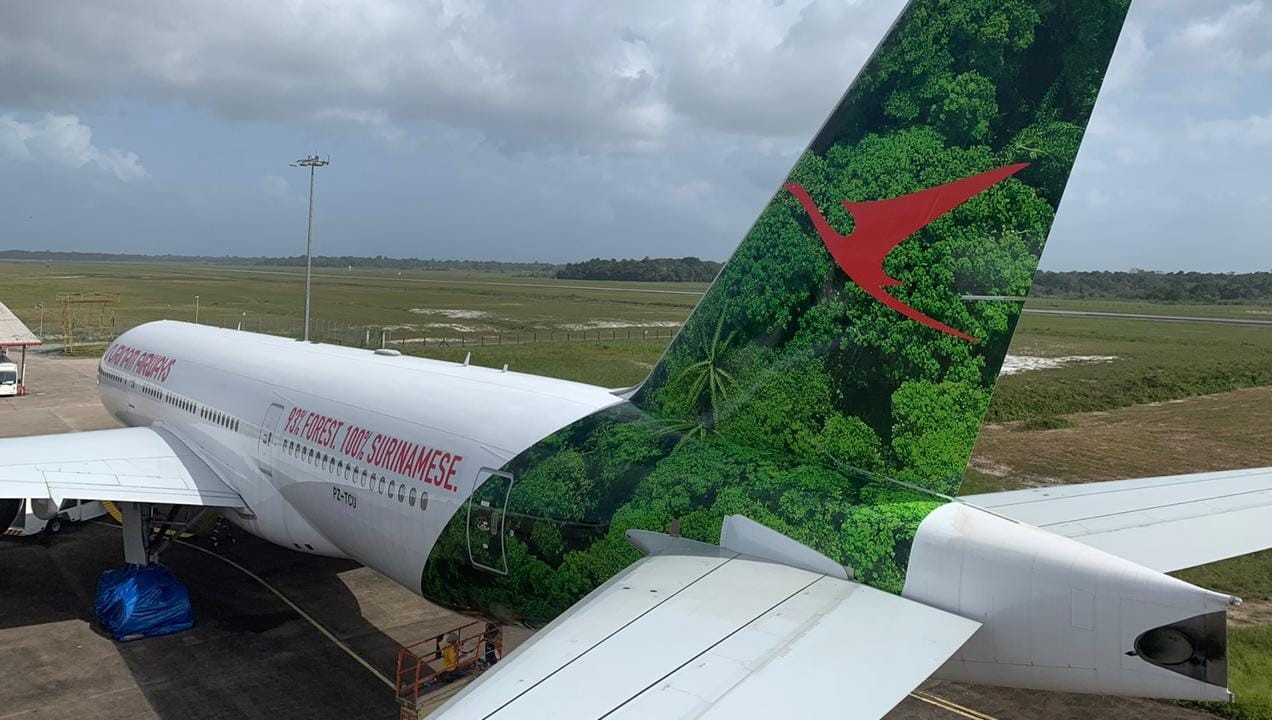
El Boeing 777-200ER de Surinam Airways (SLM) ha realizado por primera vez un vuelo transatlántico en la ruta Paramaribo-Amsterdam/Schiphol el Sábado 5 Septiembre 2020 por la mañana. La compañía SLM ha efectuado un vuelo de demostración, que se realizó desde Paramaribo, capital de la República de Surinam. La aeronave no ha realizado una ruta directa por falta de certificación ETOPS. En lugar de volar en línea recta a los Países Bajos, se tomó un rumbo al este del Caribe y la costa de América del Norte. Por tanto, la duración del vuelo es aproximadamente una hora y media más larga de lo normal.
Debido a la falta de certificación ETOPS, el avión bimotor Boeing 777-200ER no puede volar sobre tramos del Océano Atlántico donde no hay un aeropuerto alternativo cercano. Sin una certificación en la mano, la aeronave no puede alejarse más de 60 minutos de un aeropuerto de desvío. Como se muestra en el mapa de arriba, un vuelo de Surinam a Amsterdam que cumpla con esa regla agregaría más de 50% de kilometraje al viaje. La mayoría de las rutas directas requerirían ETOPS 180, permiso para volar hasta 180 minutos desde el aeropuerto de desvío más cercano. Un tiempo de desvío de 120 minutos requeriría un pequeño desvío, aproximadamente un 10% más que el viaje base. Los costos podrían aumentar significativamente para la aerolínea si sigue esta ruta.
La norma Extended Range Two-Engine Operating Performance Standards (ETOPS) son condiciones oprativas especiales para operaciones de aeroneves con dos motores. Con el Airbus A340 de cuatro motores que Surinam Airways voló hasta principios de 2020, y el Boeing 747-300, complían ampliamente los requisitos operativos para volar de forma directa.
El Boeing 777 aterrizó en Schiphol el 05/09 por la mañana a las 08:52 a.m. Aún no se sabe cuándo el SLM utilizará el dispositivo en el servicio para vuelos regulares en la ruta Paramaribo-Amsterdam, pero podría programarse hacia finales de mes. Hasta entonces, la aerolínea contratará capacidad en otros lugares, como Air Belgium.
Boeing 777 librea especial
Por cierto, Surinam Airways le ha dado un nombre a la nueva incorporación. ‘Bird of the Green Paradise’ fue elegido entre más de un centenar de nombres presentados. Ese nombre se relaciona con el tema de la selva tropical de la librea con la que está equipado el Boeing 777. La aeronave de Surinam Airways perteneció anteriormente a Singapore Airlines desde Noviembre de 2002 como primer operador. Después de volar con Air New Zealand por un corto tiempo, la aeronave llegó al aeropuerto de Paramaribo en Diciembre de 2019.
Suriname debuts B777 at Schiphol
Surinam Airways launches Boeing 777 route Paramaribo-Amsterdam
The Boeing 777-200ER of Surinam Airways (SLM) has made a transatlantic flight for the first time on the Paramaribo-Amsterdam/Schiphol route on Saturday, September 5, 2020 in the morning. The SLM company has carried out a demonstration flight, which was carried out from Paramaribo, capital of the Republic of Suriname. The aircraft has not made a direct route due to lack of ETOPS certification. Instead of flying straight to the Netherlands, she took a course to the eastern Caribbean and the coast of North America. Therefore, the duration of the flight is about an hour and a half longer than normal.
Due to the lack of ETOPS certification, the twin-engine Boeing 777-200ER aircraft cannot fly over stretches of the Atlantic Ocean where there is no alternative airport nearby. Without a certification in hand, the aircraft cannot travel more than 60 minutes from a diversion airport. As shown in the map above, a flight from Suriname to Amsterdam that complies with that rule would add more than 50% mileage to the trip. Most direct routes would require ETOPS 180, permission to fly up to 180 minutes from the nearest diversion airport. A detour time of 120 minutes would require a small detour, approximately 10% longer than the base trip. Costs could increase significantly for the airline if it goes this route.
The Extended Range Two-Engine Operating Performance Standards (ETOPS) are special optional conditions for twin-engine aircraft operations. With the four-engine Airbus A340 that Surinam Airways flew until early 2020, and the Boeing 747-300, they largely met the operational requirements to fly direct.
The Boeing 777 touched down at Schiphol on the morning of 09/05 at 08:52 a.m. It is not yet known when the SLM will use the device in service for scheduled flights on the Paramaribo-Amsterdam route, but it could be scheduled towards the end of the month. Until then, the airline will contract capacity elsewhere, such as Air Belgium.
Boeing 777 special livery
By the way, Surinam Airways has given the new addition a name. ‘Bird of the Green Paradise’ was chosen from more than a hundred names submitted. That name is related to the rainforest theme of the livery that the Boeing 777 is equipped with. The Surinam Airways aircraft previously belonged to Singapore Airlines since November 2002 as the first operator. After flying with Air New Zealand for a short time, the aircraft arrived at Paramaribo airport in December 2019.
Suriname debuteert B777 op Schiphol
Surinam Airways lanceert Boeing 777 route Paramaribo-Amsterdam
De Boeing 777-200ER van Surinam Airways (SLM) heeft op zaterdag 5 september 2020 in de ochtend voor het eerst een transatlantische vlucht gemaakt op de route Paramaribo-Amsterdam/Schiphol. Het bedrijf SLM heeft een demonstratievlucht uitgevoerd, die werd uitgevoerd vanuit Paramaribo, de hoofdstad van de Republiek Suriname. Het vliegtuig heeft geen directe route gemaakt vanwege het ontbreken van ETOPS-certificering. In plaats van rechtstreeks naar Nederland te vliegen, ging hij op koers naar de oostelijke Caraïben en de kust van Noord-Amerika. Daarom is de duur van de vlucht ongeveer anderhalf uur langer dan normaal.
Vanwege het ontbreken van ETOPS-certificering kunnen de tweemotorige Boeing 777-200ER-vliegtuigen niet over delen van de Atlantische Oceaan vliegen waar geen alternatieve luchthaven in de buurt is. Zonder een certificaat in de hand kan het vliegtuig niet meer dan 60 minuten reizen vanaf een omleidingsluchthaven. Zoals te zien is op de kaart hierboven, zou een vlucht van Suriname naar Amsterdam die aan die regel voldoet, meer dan 50% kilometers aan de reis toevoegen. Voor de meeste directe routes is ETOPS 180 vereist, toestemming om tot 180 minuten vanaf de dichtstbijzijnde omleidingsluchthaven te vliegen. Een omwegtijd van 120 minuten zou een kleine omweg vereisen, ongeveer 10% langer dan de basisreis. Als de luchtvaartmaatschappij deze route volgt, kunnen de kosten aanzienlijk stijgen.
De Extended Range Two-Engine Operating Performance Standards (ETOPS) zijn speciale optionele voorwaarden voor vluchten met tweemotorige vliegtuigen. Met de viermotorige Airbus A340 waar Surinam Airways tot begin 2020 mee vloog, en de Boeing 747-300 voldeden ze grotendeels aan de operationele eisen om direct te vliegen.
De Boeing 777 is in de ochtend van 09/05 om 08.52 uur op Schiphol geland. Het is nog niet bekend wanneer de SLM het toestel in dienst zal nemen voor lijnvluchten op de route Paramaribo-Amsterdam, maar het zou tegen het einde van de maand kunnen worden gepland. Tot die tijd contracteert de luchtvaartmaatschappij capaciteit elders, zoals Air Belgium.
Speciale kleurstelling van de Boeing 777
Overigens heeft Surinam Airways de nieuwe toevoeging een naam gegeven. ‘Bird of the Green Paradise’ werd gekozen uit meer dan honderd ingezonden namen. Die naam heeft te maken met het regenwoudthema van de livrei waarmee de Boeing 777 is uitgerust. Het vliegtuig van Surinam Airways behoorde voorheen sinds november 2002 als eerste operator toe aan Singapore Airlines. Na korte tijd met Air New Zealand te hebben gevlogen, arriveerde het vliegtuig in december 2019 op de luchthaven van Paramaribo.
Boeing recibe recomendaciones del 737 MAX por parte de la NTSB
La Junta Nacional de Seguridad en el Transporte (NTSB) ha comunicado que las soluciones propuestas por The Boeing Company para el avión 737 MAX con problemas son adecuadas. Esas son buenas noticias para la empresa. La NTSB es una agencia gubernamental que realiza investigaciones independientes de accidentes de aviación. Analizó ambos accidentes de Boeing 737-8 MAX y realizó siete recomendaciones en Septiembre de 2019 luego de dos trágicos accidentes que han envuelto a aeronaves del mismo modelo. Las recomendaciones se centraron en tres áreas: supuestos sobre la respuesta piloto a circunstancias imprevistas. Sin embargo, hay otro aspecto que es importante.
737 MAX vs Legal
Esto no es simplemente un problema de diseño o fabricación, sino también un problema legal. La Regulación Federal 14CFR25.1309 aborda cómo los diseñadores de aeronaves deben realizar evaluaciones de seguridad. Este reglamento no se siguió al menos de dos maneras. Uno, una falla de un solo punto de un elemento de seguridad crítico con altas tasas de falla conocidas conduce a una condición de falla catastrófica, y dos, la configuración final del diseño del Sistema de Aumento de Características de Maniobra (MCAS) no reflejaba la evaluación de seguridad original (errónea).
La acogedora relación entre Boeing y la Administración Federal de Aviación (FAA) con un enfoque extremo en maximizar las ganancias para inversores y ejecutivos está bien documentada. Sin embargo, las regulaciones federales anteriores, si se siguieran, no habrían permitido que este diseño se implementara en primer lugar. Cuando las leyes son dobladas o violadas por individuos, las consecuencias se acarrean. La compañía Boeing había iniciado una carrera alocada para alcanzar la marca de mercado, cuando el constructor europeo Airbus Group comenzaba a liderar con la nueva versión A320NEO. Boeing no estaba dispuesto a perder mercado ni tiempo valioso, peor no siempre el más veloz gana la carrera.
NTSB welcomes 737 MAX
Boeing receives 737 MAX recommendations from NTSB
The National Transportation Safety Board (NTSB) has reported that The Boeing Company proposed solutions for the troubled 737 MAX aircraft are adequate. That is good news for the company. The NTSB is a government agency that conducts independent investigations of aviation accidents. It analyzed both Boeing 737-8 MAX accidents and made seven recommendations in September 2019 after two tragic accidents involving aircraft of the same model. The recommendations focused on three areas: assumptions about the pilot response to unforeseen circumstances. However, there is another aspect that is important.
737 MAX vs Legal
This is not simply a design or manufacturing issue, but also a legal issue. Federal Regulation 14CFR25.1309 addresses how aircraft designers must conduct safety assessments. This regulation was not followed in at least two ways. One, a single point failure of a critical safety element with known high failure rates leads to a catastrophic failure condition, and two, the final configuration of the Maneuvering Characteristics Augmentation System (MCAS) design did not reflect the original (flawed) security assessment.
The welcoming relationship between Boeing and the Federal Aviation Administration (FAA) with an extreme focus on maximizing returns for investors and executives is well documented. However, previous federal regulations, if followed, would not have allowed this design to be implemented in the first place. When laws are bent or violated by individuals, the consequences follow. The Boeing company had started a mad race to reach the market mark, when the European manufacturer Airbus Group began to lead with the new version A320NEO. Boeing was not willing to lose market or valuable time, but not always the fastest wins the race.