Lowcost argentina confían reactivación

AW | 2020 06 10 11:55 | AIRLINES MARKET

Aerolíneas low cost motor reactivación sector aviación

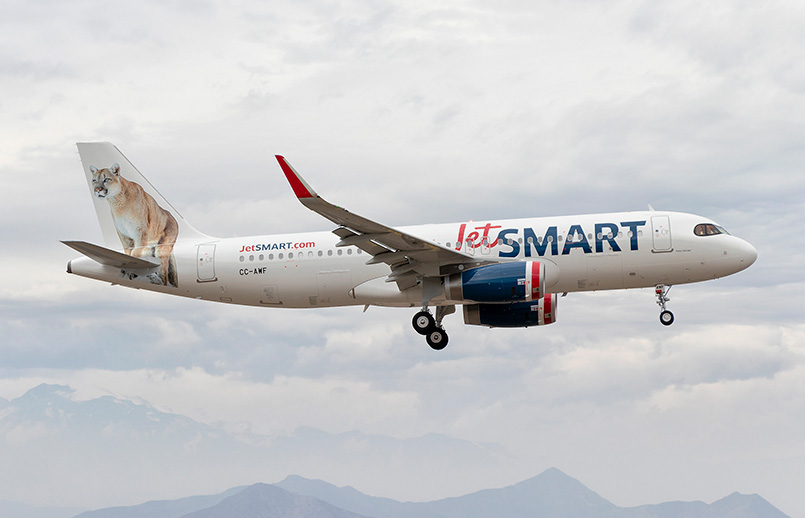
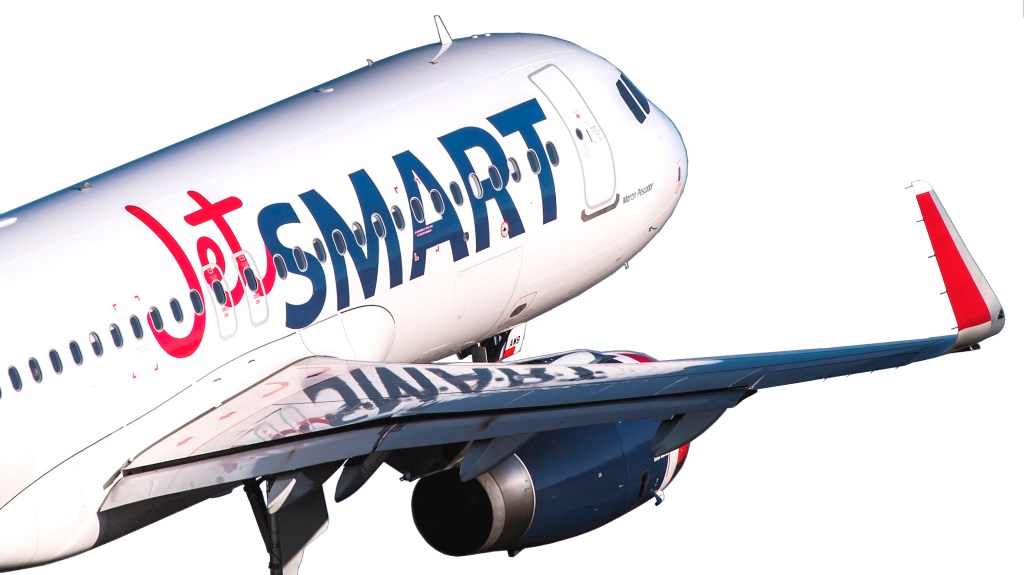
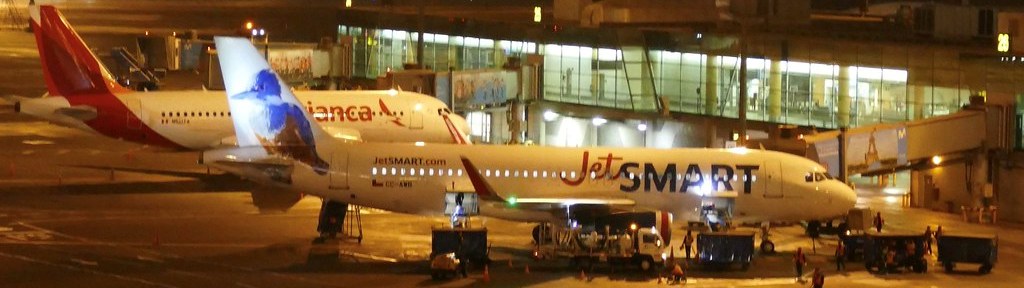
Las aerolíneas low cost de Argentina confían en que podrían ser el motor de reactivación de la industria del transporte y del turismo en el mercado aerocomercial del país a pesar del impacto económico que las aerolíneas de todo el mundo están atravesando.

Las aerolíneas de presupuesto en el mundo necesitan alcanzar un índice de ocupación necesario para obtener rentabilidad. Pero en estas presentes circunstancias será importante que diagramen tarifas convenientes para estimular el viaje en avión. En Argentina, las primeras medidas de reactivación aérea proyectadas tentativamente para Julio 2020 corresponderían a vuelos punto a punto de destinos que no pasen por el Aeropuerto Jorge Newbery de Buenos Aires ni de centros con concentración de focos de contagios de la pandemia de Coronavirus. Con gran cantidad de rutas que evitan pasar por los grandes centros urbanos, la propuesta de volar en el interior del país ofreciendo tarifas bajas aun operando bajo los nuevos protocolos, estiman que podría contribuir a la recomposición de la demanda.

Foro InverTur

En el marco del foro InverTur, un espacio destinado promover la inversión en el sector del turismo, cuatro referentes de empresas de bajo costo de la región: Paulo Kakinoff, de la brasileña GOL Linhas Aéreas; Stephen Rapp, de Viva Air Perú; Gonzalo Pérez Corral, de JetSmart Argentina; y Esteban Tossutti, de Flybondi, han considerado necesario continuar apoyando a la industria de la aviación. «Somos uno de los actores que más motorizamos la idea de la conectividad interna sin pasar por Buenos Aires y, de hecho, el 25% de nuestras conexiones tiene esa característica», explicó Esteban Tossutti.

El Gobierno de Argentina ha establecido la prohibición de vender pasajes de avión con fecha previa al 1 Septiembre 2020, las líneas aéreas se encuentran en diálogo con las autoridades gubernamentales para intentar adelantar esa fecha a Julio para vuelos entre provincias en las que no haya circulación comunitaria del Covid-19, lo que iniciaría la estimulación de la reactivación aérea del sector y la generación de nuevas rutas internas. Según señalaron las dos empresas low cost de Argentina, la demanda está contenida y habrá una respuesta apenas se reanude la autorización para volar, aunque es de esperar que el volumen de pasajeros tarde meses en volver a los niveles anteriores a la pandemia.

Flybondi Líneas Aéreas ha comentado que podrían lanzar nuevas rutas interprovinciales. «En una encuesta que hicimos entre nuestros pasajeros registramos que el 37% comprará rápidamente un ticket, entre 30 y 60 días después de la reapertura», sostuvo Esteban Tossutti, y agregó que la gran mayoría de los encuestados estaría dispuesto a volver a volar en los próximos seis meses.

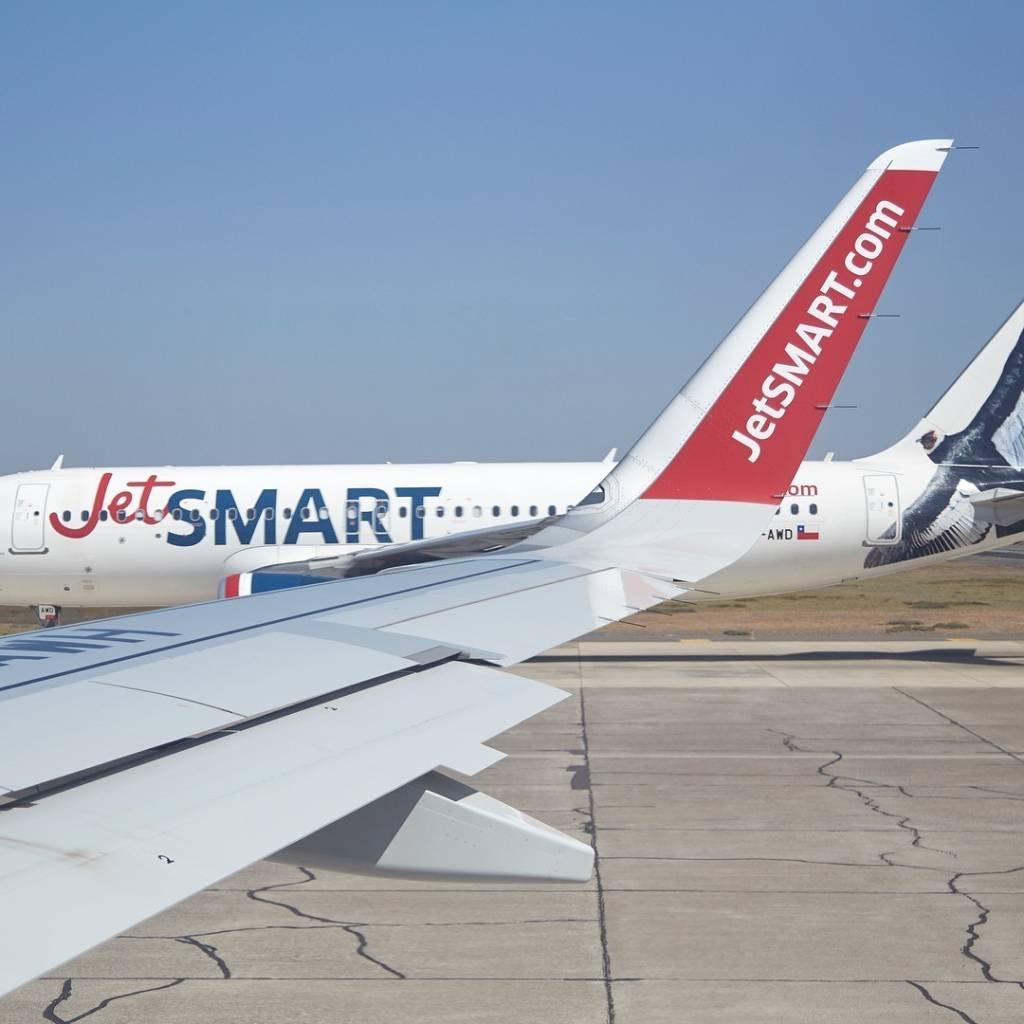
Jetsmart Airlines Argentina sigue operando en Chile al 20% de su capacidad de flota. «La Argentina tiene paisajes espectaculares, que por sus características se prestan naturalmente al distanciamiento social. Creemos que es una oportunidad grande para restablecer las rutas del interior. No se trata solo de turismo; hay mucha gente que necesita volar para trabajar o visitar familia», apuntó Pérez Corral, Gerente General de JetSmart Argentina, que sigue volando en Chile, donde la actividad no se ha paralizado. Según detalló, en Chile opera al 20% de su capacidad de flota y con una ocupación de entre el 40% y el 64%, lo que se complementa con los servicios de charter que ofrece la firma.

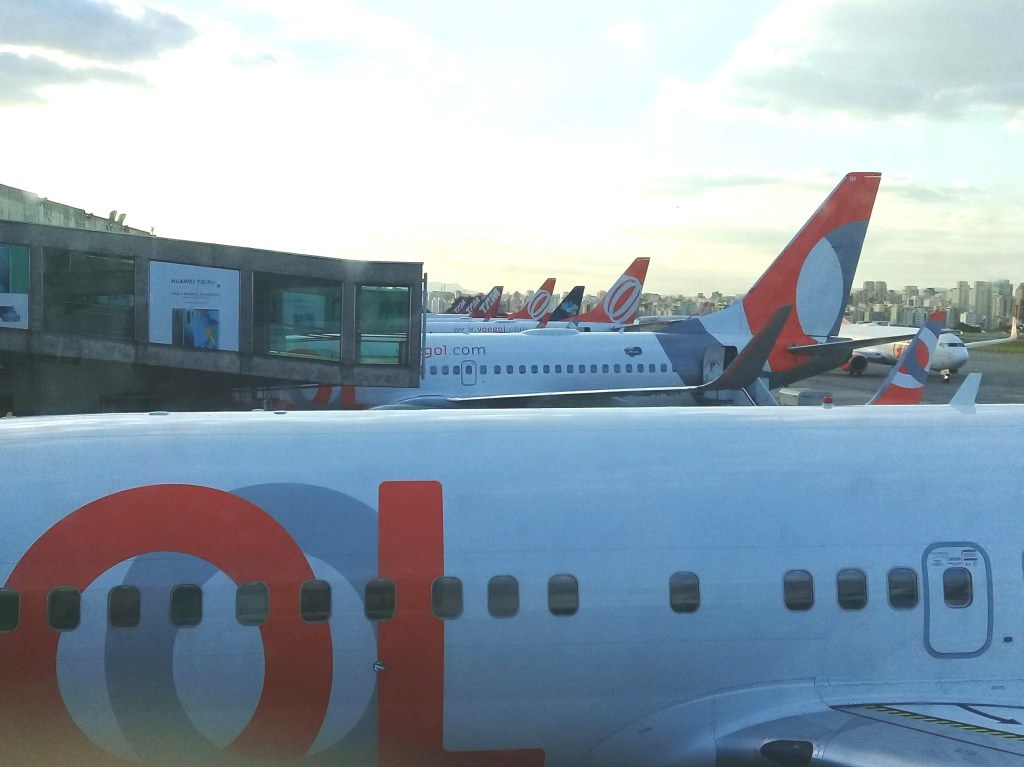
El CEO de GOL Linhas Aéreas, Paulo Kakinoff, ha señalado que aún en una situación difícil desde el punto de vista sanitario para Brasil las persona siguen tomando vuelos, dado que en el país vecino el servicio aéreo se encuentra habilitado. De hecho, esperan que la demanda mejore entre 25% y 35% en Julio 2020.

Viva Air Perú ha expresado por medio de su CEO, Stephen Rapp: «Para generar demanda primero necesitamos una fecha, para que los pasajeros sepan que van a comprar sus tickets y van a poder volar». Actualmente, la República de Perú se encuentra paralizada la navegación aérea. Respecto de la posibilidad de que las aerolíneas sean obligadas a dejar asientos vacíos para favorecer el distanciamiento entre pasajeros, el CEO señaló que no habrá tal obligación, más allá de que algunas empresas quieran hacerlo por decisión propia.

Low cost argentinas trust reactivation

Low cost airlines engine reactivation of the aviation sector

Argentina’s low-cost airlines are confident that they could be the revival engine of the transport and tourism industry in the country’s aviation market despite the economic impact that airlines around the world are experiencing.

Budget airlines around the world need to achieve an occupancy rate necessary for profitability. But in these present circumstances it will be important that they diagram suitable rates to stimulate air travel. In Argentina, the first aerial reactivation measures tentatively projected for July 2020 would correspond to point-to-point flights to destinations that do not pass through the Jorge Newbery Airport in Buenos Aires or centers with a concentration of outbreaks of the Coronavirus pandemic. With a large number of routes that avoid passing through large urban centers, the proposal to fly in the interior of the country offering low fares even operating under the new protocols, they estimate that it could contribute to the recovery of demand.

InverTur Forum

Within the framework of the InverTur forum, a space designed to promote investment in the tourism sector, four benchmarks for low-cost companies in the region: Paulo Kakinoff, from the Brazilian GOL Linhas Aéreas; Stephen Rapp, of Viva Air Peru; Gonzalo Pérez Corral, from JetSmart Argentina; and Esteban Tossutti, from Flybondi, have considered it necessary to continue supporting the aviation industry. «We are one of the actors who most drive the idea of ​​internal connectivity without going through Buenos Aires and, in fact, 25% of our connections have this characteristic», explained Esteban Tossutti.

La imagen tiene un atributo ALT vacío; su nombre de archivo es aw-invertur_2020.png

The Government of Argentina has established a ban on selling airline tickets with a date prior to September 1, 2020, the airlines are in dialogue with government authorities to try to bring that date to July for flights between provinces in which there is no community circulation. of the Covid-19, which would initiate the stimulation of the aerial reactivation of the sector and the generation of new internal routes. As indicated by the two low cost companies in Argentina, the demand is contained and there will be a response as soon as the authorization to fly resumes, although it is expected that the volume of passengers will take months to return to pre-pandemic levels.

Flybondi Airlines has commented that they could launch new interprovincial routes. «In a survey that we conducted among our passengers, we recorded that 37% will quickly buy a ticket, between 30 and 60 days after the reopening», Esteban Tossutti said, adding that the vast majority of respondents would be willing to fly again in the next six months.

Jetsmart Airlines Argentina continues to operate in Chile at 20% of its fleet capacity. «Argentina has spectacular landscapes, which due to their characteristics naturally lend themselves to social distancing. We believe it is a great opportunity to reestablish routes inland. It is not just about tourism; there are many people who need to fly to work or visit family», said Pérez Corral, General Manager of JetSmart Argentina, which continues to fly in Chile, where activity has not stopped. As detailed, in Chile it operates at 20% of its fleet capacity and with an occupancy of between 40% and 64%, which is complemented by the charter services offered by the firm.

The CEO of GOL Linhas Aéreas, Paulo Kakinoff, has pointed out that even in a difficult situation from the health point of view for Brazil, people continue to take flights, since in the neighboring country the air service is enabled. In fact, they expect demand to improve between 25% and 35% in July 2020.

Viva Air Peru has expressed through its CEO, Stephen Rapp: «To generate demand we first need a date, so that passengers know that they are going to buy their tickets and will be able to fly». Currently, the Republic of Peru is paralyzed by air navigation. Regarding the possibility of airlines being forced to leave empty seats to favor passenger distance, the CEO pointed out that there will be no such obligation, beyond the fact that some companies want to do so by their own decision.

Ξ A I R G W A Y S Ξ
PUBLISHER: Airgways.com
DBk: Invertur.com.ar / Flybondi.com / Jetsmart.com / Voegol.com.br / Airgways.com
AW-POST: 202006101155AR

A\W   A I R G W A Y S ®

KLM programa 60% vuelos Julio 2020

AW | 2020 06 10 10:40 | AIRLINES ROUTES

KLM refuerza +60% programación vuelos Julio 2020

KLM Royal Dutch Airlines continúa reforzando progresivamente su programa de vuelos. Durante julio, KLM operará entre el 25 y el 30% de su número habitual de vuelos para este período del año. En comparación con junio, el número de vuelos se habrá incrementado en más de un 60%. La red de vuelos será expandida principalmente en el Sur de Europa, con destinos tales como Alicante, Bilbao, Bolonia, Ibiza, Estambul, Niza y Oporto, entre muchos otros. En total, la red europea de vuelos de KLM para el mes de julio incluye 73 destinos, mientras que en mayo fueron operados 30 destinos y en junio están previstos 45.

Vuelos internacionales

Desde Mayo 2020, KLM opera dos frecuencias semanales exclusivas de carga a Buenos Aires. En América Central y del Sur, KLM vuela actualmente además a Bogotá, Lima, México, Panamá, Quito, Río de Janeiro y Sao Paulo, así como a Aruba, Bonaire, Curaçao, Paramaribo y St. Maarten. En Julio, KLM añadirá seis destinos más (Jakarta, Denpasar, Washington, San Francisco, Vancouver y Calgary), y aumentará el número de frecuencias a los destinos ya operados en el mes de Junio. En total, en Julio, la compañía operará vuelos a 51 destinos intercontinentales. Aproximadamente la mitad de estos vuelos regulares transportan en la actualidad únicamente carga, como es el caso de Buenos Aires. En cuanto las autoridades de cada país permitan nuevamente los vuelos de pasajeros, KLM abrirá estos destinos a la venta de pasajes. En Argentina, el retorno de los vuelos regulares de pasajeros está previsto para el mes de Septiembre 2020.

Vuelos repatriación

Desde el cierre de las fronteras argentinas, el Air France-KLM Group ha puesto a disposición de los argentinos en el extranjero y de los extranjeros en Argentina un total de 19 vuelos de repatriación entre Buenos Aires y Europa, en coordinación con los Ministerios de Relaciones Exteriores de Argentina y las Embajadas de Francia y los Países Bajos en Argentina. En estos vuelos, se habrá hecho posible el regreso de aproximadamente 5.800 pasajeros a sus hogares.

Perspectivasa KLM

Con la expansion de su red de vuelos en el mes de Julio, KLM operará el 78% de los destinos inicialmente previstos, con más de 3.000 vuelos con salida del aeropuerto de Ámsterdam-Schiphol. El número de frecuencias alcanza entre el 25 y el 30% del programa habitual. «Nuestros clientes quieren volver a viajar. Por eso, de manera gradual y prudente, seguimos desarrollando nuestra red de vuelos. Con todas las medidas de higiene adoptadas tanto a bordo como en tierra, estamos realizando este desarrollo de la manera más segura posible”, declaró Pieter Elbers, Presidente y Director General de KLM

La red de vuelos europeos desde Ámsterdam para el mes de julio incluye los siguientes destinos: Aalborg, Aberdeen, Alicante, Atenas, Barcelona, Basilea, Bergen, Berlín, Bilbao, Billund, Birmingham, Bolonia, Bucarest, Burdeos, Bristol, Bruselas, Budapest, Cagliari, Catania, Copenhague, Cracovia, Dublín, Düsseldorf, Edimburgo, Estambul, Estocolmo, Florencia, Frankfurt, Gdansk, Génova, Ginebra, Glasgow, Gotemburgo, Hamburgo, Hanover, Helsinki, Ibiza, Inverness, Kiev, Leeds Bradford, London City, London Heathrow, Lisboa, Luxemburgo, Lyon, Madrid, Málaga, Manchester, Milán, Montpellier, Moscú, Munich, Newcastle, Nuremberg, Niza, Oporto, Oslo, París, Praga, Roma, San Petersburgo, Split, Stavanger, Stuttgart, Toulouse, Trondheim, Valencia, Varsovia, Venecia, Viena, Zagreb y Zúrich.

La lista de destinos está sujeta a cambios. En vista de los constantes cambios en las reglas y restricciones de viaje, el programa de KLM indicado puede modificarse. La compañía recomienda a los clientes familiarizarse con las restricciones de viaje aplicables, que varían de un país a otro y de una persona a otra, y que pueden estar sujetas a cambios antes y después de hacer la reserva.

KLM program 60% flights July 2020

KLM reinforces its flight schedule by more than 60% July 2020

KLM Royal Dutch Airlines continues to progressively strengthen its flight program. During July, KLM will operate between 25 and 30% of its usual number of flights for this period of the year. Compared to June, the number of flights will have increased by more than 60%. The flight network will be expanded mainly in Southern Europe, with destinations such as Alicante, Bilbao, Bologna, Ibiza, Istanbul, Nice and Porto, among many others. In total, KLM’s European flight network for the month of July includes 73 destinations, while 30 destinations were operated in May and 45 are planned for June.

International flights

Since May 2020, KLM operates two exclusive weekly freight frequencies to Buenos Aires. In Central and South America, KLM currently also flies to Bogotá, Lima, Mexico, Panama, Quito, Rio de Janeiro and Sao Paulo, as well as Aruba, Bonaire, Curaçao, Paramaribo and St. Maarten. In July, KLM will add six more destinations (Jakarta, Denpasar, Washington, San Francisco, Vancouver and Calgary), and will increase the number of frequencies to destinations already operated in June. In total, in July, the company will operate flights to 51 intercontinental destinations. Approximately half of these regular flights currently transport only cargo, as is the case in Buenos Aires. As soon as the authorities of each country allow passenger flights again, KLM will open these destinations for the sale of tickets. In Argentina, the return of regular passenger flights is scheduled for September 2020.

Repatriation flights

Since the closure of the Argentine borders, the Air France-KLM Group has made a total of 19 repatriation flights between Buenos Aires and Europe available to Argentines abroad and foreigners in Argentina, in coordination with the Ministries of Relations. Foreign of Argentina and the Embassies of France and the Netherlands in Argentina. On these flights, the return of approximately 5,800 passengers to their homes will have been made possible.

Perspective KLM

With the expansion of its flight network in July, KLM will operate 78% of the initially planned destinations, with more than 3,000 flights departing from Amsterdam-Schiphol airport. The number of frequencies reaches between 25 and 30% of the usual program. «Our clients want to travel again. That is why, gradually and prudently, we continue to develop our flight network. With all the hygiene measures adopted both on board and on the ground, we are carrying out this development in the safest way possible», stated Pieter Elbers, President and CEO of KLM

The European flight network from Amsterdam for the month of July includes the following destinations: Aalborg, Aberdeen, Alicante, Athens, Barcelona, ​​Basel, Bergen, Berlin, Bilbao, Billund, Birmingham, Bologna, Bucharest, Bordeaux, Bristol, Brussels, Budapest, Cagliari, Catania, Copenhagen, Krakow, Dublin, Dusseldorf, Edinburgh, Istanbul, Stockholm, Florence, Frankfurt, Gdansk, Genoa, Geneva, Glasgow, Gothenburg, Hamburg, Hanover, Helsinki, Ibiza, Inverness, Kiev, Leeds/Bradford, London/City, London/Heathrow, Lisbon, Luxembourg, Lyon, Madrid, Malaga, Manchester, Milan, Montpellier, Moscow, Munich, Newcastle, Nuremberg, Nice, Porto, Oslo, Paris, Prague, Rome, Saint Petersburg, Split, Stavanger, Stuttgart, Toulouse, Trondheim, Valencia, Warsaw, Venice, Vienna, Zagreb and Zurich.

The destination list is subject to change. In view of the constant changes in travel rules and restrictions, the indicated KLM program can be modified. The company recommends that customers familiarize themselves with the applicable travel restrictions, which vary from country to country and person to person, and which may be subject to change before and after booking.

KLM recibe primer Boeing 787-9 |

KLM-programma 60% vluchten juli 2020

KLM versterkt haar vluchtschema met meer dan 60% juli 2020

KLM Royal Dutch Airlines zet haar vluchtprogramma steeds verder voort. KLM vliegt in juli tussen de 25 en 30% van het gebruikelijke aantal vluchten voor deze periode van het jaar. In vergelijking met juni is het aantal vluchten met meer dan 60% gestegen. Het vluchtnetwerk zal voornamelijk in Zuid-Europa worden uitgebreid met onder meer Alicante, Bilbao, Bologna, Ibiza, Istanbul, Nice en Porto. In totaal omvat het Europese vluchtnetwerk van KLM voor de maand juli 73 bestemmingen, terwijl in mei 30 bestemmingen werden geëxploiteerd en 45 gepland voor juni.

Internationale vluchten

KLM exploiteert sinds mei 2020 twee exclusieve wekelijkse vrachtfrequenties naar Buenos Aires. In Centraal en Zuid-Amerika vliegt KLM momenteel ook naar Bogotá, Lima, Mexico, Panama, Quito, Rio de Janeiro en Sao Paulo, evenals Aruba, Bonaire, Curaçao, Paramaribo en St. Maarten. KLM voegt in juli nog zes bestemmingen toe (Jakarta, Denpasar, Washington, San Francisco, Vancouver en Calgary) en verhoogt het aantal frequenties naar bestemmingen die al in juni worden geëxploiteerd. In totaal zal het bedrijf in juli vluchten uitvoeren naar 51 intercontinentale bestemmingen. Ongeveer de helft van deze reguliere vluchten vervoert momenteel alleen vracht, zoals het geval is in Buenos Aires. Zodra de autoriteiten van elk land weer passagiersvluchten toestaan, zal KLM deze bestemmingen openen voor de verkoop van tickets. In Argentinië staat de terugkeer van reguliere passagiersvluchten gepland voor september 2020.

Repatriëringsvluchten

Sinds de sluiting van de Argentijnse grenzen heeft de Air France-KLM Groep in samenwerking met de ministeries van betrekkingen in totaal 19 repatriëringsvluchten tussen Buenos Aires en Europa ter beschikking gesteld aan Argentijnen in het buitenland en buitenlanders in Argentinië. Buitenland van Argentinië en de ambassades van Frankrijk en Nederland in Argentinië. Op deze vluchten is de terugkeer van circa 5.800 passagiers naar huis mogelijk gemaakt.

Perspectief KLM

Met de uitbreiding van haar vluchtnetwerk in juli zal KLM 78% van de aanvankelijk geplande bestemmingen uitvoeren, met meer dan 3.000 vluchten die vertrekken vanaf de luchthaven Schiphol. Het aantal frequenties ligt tussen 25 en 30% van het gebruikelijke programma. ,,Onze klanten willen weer reizen. Daarom blijven we geleidelijk en voorzichtig ons vluchtnetwerk verder ontwikkelen. Met alle hygiënemaatregelen die zowel aan boord als op de grond zijn getroffen, voeren we deze ontwikkeling zo veilig mogelijk uit», aldus Pieter Elbers, President en CEO van KLM

Het Europese vluchtnetwerk van Amsterdam voor de maand juli omvat de volgende bestemmingen: Aalborg, Aberdeen, Alicante, Athene, Barcelona, ​​Basel, Bergen, Berlijn, Bilbao, Billund, Birmingham, Bologna, Boekarest, Bordeaux, Bristol, Brussel, Boedapest , Cagliari, Catania, Kopenhagen, Krakau, Dublin, Düsseldorf, Edinburgh, Istanbul, Stockholm, Florence, Frankfurt, Gdansk, Genua, Genève, Glasgow, Göteborg, Hamburg, Hannover, Helsinki, Ibiza, Inverness, Kiev, Leeds Bradford, London/City, London/Heathrow, Lissabon, Luxemburg, Lyon, Madrid, Malaga, Manchester, Milaan, Montpellier, Moskou, München, Newcastle, Neurenberg, Nice, Porto, Oslo, Parijs, Praag, Rome, Sint-Petersburg, Split, Stavanger, Stuttgart, Toulouse, Trondheim, Valencia, Warschau, Venetië, Wenen, Zagreb en Zürich.

De bestemmingslijst kan worden gewijzigd. Gezien de voortdurende veranderingen in reisregels en restricties kan het aangegeven KLM-programma worden aangepast. Het bedrijf raadt klanten aan kennis te nemen van de toepasselijke reisbeperkingen, die van land tot land en van persoon tot persoon verschillen en die voor en na de boeking kunnen worden gewijzigd.

Ξ A I R G W A Y S Ξ
PUBLISHER: Airgways.com
DBk: Klm.com / Mercedes Barron / Aviones Ezeiza / Airgways.com
AW-POST: 202006101040AR

A\W   A I R G W A Y S ®

Acuerdo Aerolíneas-gremios

AW | 2020 06 10 09:50 | AIRLINES / GOVERNMENT / AVIATION ORGANISMS

Aerolíneas-gremios acuerdan asignación no remunerativa

Aerolíneas Argentinas ha arribado a un acuerdo el Martes 09/06 con los la totalidad de los gremios aeronáuticos para avanzar con la medida de suspensiones temporarias de alrededor de cuatro mil trabajadores, lo que significará para la empresa de bandera un ahorro de AR$ 215 millones de pesos. Las fuentes apuntaron que se decidió mantener el poder adquisitivo del personal suspendido, debido a que el salario ya venía depreciado por diferentes rubros, como viáticos, que no se están abonando y que según el convenio representa del 10 al 20 por ciento del salario.

La medida adoptada por el Directorio del Grupo Aerolíneas, «busca proteger y preservar la totalidad de las fuentes de trabajo, nuestros equipos, ante la crisis más dura que atraviesa la industria aerocomercial y que nos obliga a tener casi la totalidad de nuestros aviones en tierra», señala un comunicado interno difundido esta tarde. El acuerdo alcanzado regirá por 60 días y resguarda el poder adquisitivo de aquellos trabajadores que se encuentren suspendidos, a través de una asignación no remunerativa, como así también el aporte a la obra social.

La decisión se enmarca en el Artículo 223 bis de la Ley de Contrato de Trabajo y en la drástica caída de nuestra actividad, con una reducción de nuestros ingresos del 97%, y en la situación de emergencia que atraviesan el país y el mundo entero a partir del Covid 19. El acuerdo alcanzado regirá por 60 días y resguarda el poder adquisitivo de aquellos trabajadores que se encuentren suspendidos, a través de una asignación no remunerativa, como así también el aporte a la obra social.

El documento remarca que la empresa necesita la comprensión y el esfuerzo de todos. A su vez, los Sindicatos Aeronáuticos Unidos, APA, APLA, APTA, UALA, UPSA, informaron mediante un comunicado que llegaron a un acuerdo con Aerolíneas y que mediante este «entendimiento la empresa podrá llevar adelante suspensiones temporales de carácter no punitivo durante los meses de Junio/Julio al personal que no realice tareas en este lapso como consecuencia de la pandemia de Coronsvirus, sin afectar los ingresos de bolsillo de los trabajadores y asegurando el pago total del aguinaldo. Nuevamente, entablando un diálogo maduro entre las partes, los Sindicatos Aeronáuticos demostramos ser parte de las soluciones que la línea aérea de bandera necesita para hacer frente a la grave crisis que atraviesa la aviación en todo el mundo, sin resignar nunca la defensa de los intereses de los trabajadores representados», dice el documento que lleva las firmas de Edgardo Llano, Ricardo Cirielli, Pablo Biró, Cristian Erhardt y Rubén Fernández, secretarios generales de APA, APTA, APLA, UALA y UPSA.

Aerolíneas agrees with aeronautical unions

Aerolíneas-unions agree non-remunerative assignment

Aerolineas Argentinas has reached an agreement on Tuesday 09/06 with all the aeronautical unions to advance with the measure of temporary suspensions of around four thousand workers, which will mean for the flag company a saving of AR$ 215 million of pesos. The sources pointed out that it was decided to maintain the purchasing power of the suspended personnel, because the salary was already depreciated by different items, such as per diem, which are not being paid and which according to the agreement represents 10 to 20 percent of the salary.

The measure adopted by the Board of Directors of the Aerolíneas Group, «seeks to protect and preserve all the sources of work, our teams, in the face of the toughest crisis that the aero-commercial industry is going through and which forces us to have almost all of our aircraft on the ground», indicates an internal statement released this afternoon. The agreement reached will govern for 60 days and safeguards the purchasing power of those workers who are suspended, through a non-remunerative assignment, as well as the contribution to social work.

The decision is framed in Article 223 bis of the Labor Contract Law and in the drastic fall in our activity, with a reduction in our income of 97%, and in the emergency situation that the country and the entire world are going through. from Covid 19. The agreement reached will govern for 60 days and safeguards the purchasing power of those workers who are suspended, through a non-remunerative assignment, as well as the contribution to social work.

The document highlights that the company needs everyone’s understanding and effort. In turn, the United Aeronautical Unions, APA, APLA, APTA, UALA, UPSA, reported in a statement that they reached an agreement with Airlines and that through this «understanding the company may carry out temporary non-punitive suspensions during the months June/July to personnel who do not perform tasks during this period as a consequence of the Coronsvirus pandemic, without affecting the workers’ pocket income and ensuring full payment of the Christmas bonus. Again, engaging in a mature dialogue between the parties, the Unions Aeronautics demonstrate that we are part of the solutions that the flag carrier needs to face the serious crisis that aviation is going through throughout the world, without ever resigning the defense of the interests of the represented workers», says the document that carries the signatures of Edgardo Llano, Ricardo Cirielli, Pablo Biró, Cristian Erhardt and Rubén Fernández, general secretaries of APA, APTA, APLA, UALA and UPSA.

Ξ A I R G W A Y S Ξ
PUBLISHER: Airgways.com
DBk: Telam.com.ar / Aerolineas.com / Airgways.com / Rafael M. Quinteros
AW-POST: 202006100950AR

A\W   A I R G W A Y S ®

IATA predice pérdidas millonarias

IATA Training | LinkedIn

AW | 2020 06 10 09:02 | AVIATION ORGANISMS / AVIATION MARKET

IATA predice pérdidas globales en aerolíneas históricas

La Asociación Internacional de Transporte Aéreo (IATA) ha estimado que la industria de las aerolíneas a nivel mundial podría sufrir pérdidas de hasta US$ 84 mil millones en 2020 como resultado directo de las interrupciones causadas por la pandemia de Coronavirus. Por su parte, la Organización Mundial de Comercio (OMC) ha declarado que los ingresos globales de las aerolíneas podrían reducirse en más de la mitad, haciendo de 2020 el peor año en la historia de la industria.

La IATA, que publicó su pronóstico el Martes 09/06, señaló que la mayoría de las flotas de aerolíneas mundiales siguen en tierra, ya que la demanda de viajes aéreos aún no se ha recuperado. Agregó que los ingresos de las aerolíneas globales probablemente rondarán el rango de US$ 419 mil millones este año, una caída drástica de los US$ 838 mil millones reportados el año pasado.

El Director General de la asociación IATA, Alexandre de Juniac, mencionó en el informe que las interrupciones causadas por la pandemia le han costado a la industria un promedio de US$ 230 millones en pérdidas acumuladas por día. Esto se traduce en una pérdida de aproximadamente US$ 38 por pasajero que volará este año.

Perspectivas 2021

El pronóstico de la IATA para el próximo año también sigue siendo sombrío, ya que no espera que la industria se recupere a los niveles previos a la pandemia en el corto plazo. En su pronóstico, la asociación estima que la industria podría alcanzar pérdidas de hasta US$ 100 mil millones en 2021, ya que la mayoría de las aerolíneas continúan luchando por sobrevivir, probablemente se verán obligadas a recortar tarifas aéreas para atraer a más viajeros, lo que provocará pérdidas adicionales.

El organismo de aviación ha expresado que las aerolíneas globales seguirán siendo financieramente frágiles durante el resto del año y el próximo, y la mayoría luchará agresivamente para recuperar su cuota de mercado en el mercado de baja demanda. Si bien esto puede ser una mala noticia para las aerolíneas, la situación podría resultar ventajosa para los consumidores.

La IATA predice que los ingresos de las aerolíneas globales se recuperarán ligeramente a alrededor de US$ 598 mil millones en 2021. Sin embargo, los costos adicionales que implican pagos de deuda para rescates y otros gastos relacionados podrían reducir las ganancias y aumentar las pérdidas. Es probable que las aerolíneas también enfrenten pérdidas adicionales a medida que se adaptan a las nuevas pautas de distanciamiento social y protocolos de cuarentena. A pesar de la reciente desaceleración de los nuevos casos de COVID-19, algunos consumidores aún desconfían de viajar al extranjero, particularmente en aerolíneas que aún no han implementado las precauciones de seguridad necesarias.

En su pronóstico, la IATA reveló que el número de pasajeros para 2020 podría caer a alrededor de 2,25 mil millones este año, una caída del 25 por ciento de los volúmenes registrados el año pasado. Mientras tanto, la carga aérea, que representa solo una pequeña porción de la industria en general, ha logrado compensar algo de las pérdidas. La puesta a tierra masiva de aviones y la demanda de carga aérea ha resultado en un aumento de precios de más del 30 por ciento, proporcionando alivio a algunos operadores.

IATA predicts millionaire losses in aviation

IATA / ITO predicts global losses on historic airlines

The International Air Transport Association (IATA) has estimated that the global airline industry could experience losses of up to $ 84 billion in 2020 as a direct result of disruptions caused by the Coronavirus pandemic. For its part, the World Trade Organization (WTO) has stated that global airline revenues could be cut by more than half, making 2020 the worst year in the history of the industry.

IATA, which published its forecast on Tuesday 09/06, noted that most of the world’s airline fleets are still on the ground, as demand for air travel has not yet recovered. She added that global airline revenues are likely to be in the range of US$ 419 billion this year, a drastic drop from the US$ 838 billion reported last year.

IATA Association Director General Alexandre de Juniac mentioned in the report that disruptions caused by the pandemic have cost the industry an average of US$ 230 million in accumulated losses per day. This translates to a loss of approximately US$ 38 per passenger who will fly this year.

Perspective 2021

IATA’s forecast for next year also remains bleak, as it does not expect the industry to recover to pre-pandemic levels any time soon. In its forecast, the association estimates that the industry could achieve losses of up to US$ 100 billion in 2021, as most airlines continue to struggle to survive, they will likely be forced to cut air fares to attract more travelers, resulting in which will cause additional losses.

The aviation body has said that global airlines will remain financially fragile for the rest of the year and next, and most will fight aggressively to regain their market share in the low-demand market. While this may be bad news for airlines, the situation could prove advantageous to consumers.

IATA predicts that global airlines’ revenues will recover slightly to around $ 598 billion in 2021. However, the additional costs of debt payments for bailouts and other related expenses could reduce profits and increase losses. Airlines are also likely to face additional losses as they adapt to new social distancing guidelines and quarantine protocols. Despite the recent slowdown in new COVID-19 cases, some consumers are still wary of traveling abroad, particularly on airlines that have not yet implemented the necessary safety precautions.

In its forecast, IATA revealed that the number of passengers by 2020 could drop to around 2.25 billion this year, a drop of 25 percent from the volumes recorded last year. Meanwhile, air cargo, which represents only a small portion of the overall industry, has managed to offset some of the losses. The massive grounding of aircraft and the demand for air cargo has resulted in a price increase of more than 30 percent, providing relief to some operators.

Ξ A I R G W A Y S Ξ
PUBLISHER: Airgways.com
DBk: Iata.org / Airgways.com
AW-POST: 202006100902AR

A\W   A I R G W A Y S ®

Boeing confía recuperación a futuro

AW | 2020 06 09 16:16 | INDUSTRY

Cancelaciones aviones superaron los nuevos pedidos 05/2020

The Boeing Company ha oscilado las órdenes en el mes de Mayo 2020 agregando pedidos de carga, pero perdiendo más ofertas de 737 MAX. Las cancelaciones de aviones superaron los nuevos pedidos en 05/202; aún así la empresa se beneficia de una amplia línea de productos de carga.

Boeing ha comunicado que las cancelaciones de aviones superaron los nuevos pedidos en Mayo, aunque la compañía encontró un lugar brillante con nuevos acuerdos para sus aviones de carga. La compañía reportó nueve pedidos y el doble de cancelaciones, que incluyeron un cambio de un espacio de entrega para un carguero 747 para UPS, dijo la compañía. Las compañías de alquiler de aviones cancelaron acuerdos por 14 aeronaves 737 MAX y también perdió pedidos de cuatro aviones de fuselaje ancho. Las cancelaciones fueron menores que en Abril y se produjeron en un mes cuando el rival Airbus no ganó nuevos negocios de aviones.

La cartera de pedidos de Boeing se redujo a 4.744 aviones, el más bajo desde 2013, incluidos los pedidos que la compañía retira periódicamente de su cuenta debido a problemas financieros u otros factores en algunos clientes, una práctica que no tenía en su lugar hace siete años.

Las acciones del fabricante se han recuperado cerca del 70% en el último mes, ya que las señales de que los pasajeros que regresan a los viajes aéreos elevaron el sector, pero sus acciones aún han caído más del 30% en lo que va del año.

Boeing confident future recovery

Aircraft cancellations exceeded new orders in May 2020

The Boeing Company has oscillated the orders in the month of May 2020 adding cargo orders, but losing more offers of 737 MAX. Aircraft cancellations exceeded new orders in 05/202; still the company benefits from a broad line of cargo products.

Boeing has reported that the plane cancellations outpaced new orders in May, although the company found a bright spot with new deals for its cargo planes. The company reported nine orders and twice the cancellations, which included a change of a delivery space for a 747 freighter for UPS, the company said. Aircraft rental companies canceled deals for 14 737 MAX aircraft and also lost orders for four wide-body aircraft. The cancellations were less than in April and occurred in a month when rival Airbus did not win new aircraft deals.

Boeing’s backlog fell to 4,744 aircraft, the lowest since 2013, including orders the company periodically withdraws from its account due to financial problems or other factors in some customers, a practice it did not have in place seven years ago. years.

The manufacturer’s shares have recovered nearly 70% in the past month, as signs that passengers returning to air travel raised the sector, but its shares have still fallen more than 30% so far this year.

Ξ A I R G W A Y S Ξ
PUBLISHER: Airgways.com
DBk: Boeing.com / Airgways.com
AW-POST: 202006091616AR

A\W   A I R G W A Y S ®

Ξ Boeing 777 25º Aniversarios Ξ

AW | 2020 06 09 15:53 | AVIATION HISTORY

United Airlines inaugura 1er vuelo comercial del Boeing 777

Un 7 Junio 1995, el Boeing 777 inaugura su primer vuelo comercial de la historia con los colores de la compañía United Airlines, iniciando una nueva etapa en la aviación comercial.

El Boeing 777 realizó su primer vuelo comercial transatlántico desde Washington/Dulles a London/Heathrow. El denominado «Triple Siete» se convirtió en el avión bimotor más grande del mundo.

Historia del 777

El Boeing 777 es un avión de cuerpo ancho desarrollado y fabricado por Boeing Commercial Airplanes, comúnmente conocido como Triple Seven. El 777 fue diseñado para cerrar la brecha entre el 767 y el 747 de Boeing, y para reemplazar los DC-10 o L-1011 más antiguos. Desarrollado en consulta con ocho aerolíneas principales, con una primera reunión en enero de 1990, el programa se lanzó el 14 Octubre 1990 con un primer pedido de United Airlines. El prototipo se lanzó el 9 Abril 1994 y voló por primera vez el 12 Junio 1994. El 777 entró por primera vez en servicio comercial con United Airlines el 7 Junio 1995. Las variantes de mayor alcance se lanzaron el 29 Febrero 2000 y se entregaron por primera vez el 29 Abril 2004.

Es el jet doble más grande y tiene una capacidad típica de 3 clases de 301 a 368 pasajeros, con un alcance de 5.240 a 8.555 millas náuticas (9.704 a 15.844 km). Es reconocible por sus motores turbofan de gran diámetro, seis ruedas en cada tren de aterrizaje principal , sección transversal del fuselaje totalmente circular y un cono de cola en forma de cuchilla. Tiene controles fly-by-wire, el primero para Boeing. Inicialmente compitió con Airbus A340 y McDonnell Douglas MD-11, ambos ahora fuera de producción, y actualmente compite con Airbus A330-300 y Airbus A350 XWB más nuevos.

El Boeing 777 original con un peso máximo de despegue (MTOW) de 545.000-660.000 lb (247-299t) se produjo en dos longitudes de fuselaje: el inicial la Serie 200 fue seguido por el 777-200ER de rango extendido en 1997; y el 777-300 de 33.25 pies (10.13 m) más largo en 1998. Esos 777 Classics fueron alimentados con 77.200–98.000 lbf (343–436 kN) General Electric GE90, Pratt & Whitney PW4000, o Rolls-Royce Trent 800. El 777-300ER de mayor alcance con un MTOW de 766.000–775.000 lb (347–352t) entró en servicio en 2004, el 777-200LR de ultra largo alcance en 2006 y el carguero 777F en 2009. Estas variantes de largo recorrido cuentan con motores GE90 de 110.000–115.300 lbf (489–513 kN) y extendidos puntas de las alas rastrilladas (wingstip). En noviembre de 2013, Boeing anunció el desarrollo del 777X con las variantes -8 y -9, programado para entrar en servicio en 2020. El 777X presenta alas compuestas con puntas de alas plegables y motores General Electric GE9X.

Boeing: Boeing España - 777

El Boeing 777 ha recibido más pedidos que cualquier otro avión de línea ancha. A agosto de 2019, más de 60 clientes habían realizado pedidos de 2.049 aviones de todas las variantes, con 1.609 entregados. La variante más común y exitosa es el 777-300ER con 810 entregados y 844 pedidos. A partir de julio de 2018, Emirates era el operador más grande con 163 aviones. Para marzo de 2018, el 777 se había convertido en el avión de fuselaje ancho Boeing más producido, superando al Boeing 747.

El 777 se convirtió en el modelo más lucrativo de la empresa en la década de 2000. Las ventas del programa representaron un estimado de US$ 400 millones de las ganancias antes de impuestos de Boeing en 2000, US$ 50 millones más que las 747. En 2004, el avión representaba la mayor parte de los ingresos de fuselaje ancho para la división Boeing Commercial Airplanes. En 2007, los pedidos de modelos 777 de segunda generación se acercaron a 350 aviones y en noviembre de ese año, Boeing anunció que todos los lotes de producción se vendieron hasta 2012. La cartera de pedidos del programa de 356 pedidos se valoró en US$ 95 mil millones a precios de lista en 2008.

Desarrollos 777X

En Noviembre 2013, con pedidos y compromisos por un total de 259 aviones de Lufthansa , Emirates, Qatar Airways y Etihad Airways, Boeing lanzó formalmente el programa 777X , la tercera generación del 777 (que no debe confundirse con las variantes 777-X, que fueron la segunda generación del avión), con dos modelos: el 777-8 y el 777-9. El 777-9 iba a ser una variante más extendida con una capacidad de más de 400 pasajeros y un alcance de más de 15.200 km (8.200 nmi), mientras que el 777-8 estaba programado para acomodar aproximadamente 350 pasajeros y tener un alcance de más de 17.200 km (9.300 millas náuticas). Ambos modelos debían estar equipados con la nueva generación GE9Xmotores y cuentan con nuevas alas de material compuesto con puntas de ala plegables . El primer miembro de la familia 777X, el 777-9, entraría en servicio en 2020. A mediados de la década de 2010, el 777 había prevalecido en los vuelos más largos a nivel internacional y se había convertido en el avión más utilizado para rutas transpacíficas, con variantes del tipo que operan en más de la mitad de todos los vuelos programados y con la mayoría de los transportistas transpacíficos.

Para Abril 2014, con ventas acumuladas que superaban a las del 747, el 777 se convirtió en el avión de pasajeros de mayor venta más vendido; con las tasas de producción existentes, el avión estaba en camino de convertirse en el avión de pasajeros de fuselaje ancho más entregado a mediados de 2016. En Febrero 2015, la cartera de pedidos de 777 no entregados ascendía a 278 aviones, lo que representa poco menos de tres años de producción actual a 8.3 aviones por mes, lo que hace que Boeing reflexione sobre el marco de tiempo 2018-2020. En Enero 2016, Boeing confirmó los planes para reducir la tasa de producción de la familia 777 de 8.3 por mes a 7 por mes en 2017 para ayudar a cerrar la brecha de producción entre el 777 y el 777X creado por la falta de nuevos pedidos. En 2018, se esperaba que la prueba de montaje del avión 777-9 redujera la producción a una tasa efectiva de 5.5 por mes. Se esperaba que Boeing redujera la producción de 777 a cinco por mes en Agosto 2017.

Los clientes de Boeing que han recibido más 777 son Emirates, Singapore Airlines, United Airlines, ILFC y American Airlines. Emirates es el mayor operador de líneas aéreas a partir de Julio 2018, y es el único cliente que ha operado todas las variantes producidas del Triple Siete, incluidas las -200, -200ER, -200LR, -300, -300ER y 777F. El Boeing 777 Número 1000º fuera de la línea de producción, un -300ER configurado para ser el 102º 777 de Emirates Airline, fue presentado en una ceremonia de fábrica en Marzo de 2012.

Perspectivas

Apesar de las crisis que ha atravesado la industria de la aviación, el Boeing 777 continuará volando y acumulando pedidos a través del mundo. Continúa siendo el twin-jet lider del mercado mucho más allá de sus primeros 25 años volando con las mayores aerolíneas del mundo.

 Ξ Boeing 777 25th Anniversaries  Ξ

United Airlines inaugurates first commercial flight of the Boeing 777

On June 7, 1995, the Boeing 777 inaugurated its first commercial flight in history with the colors of the United Airlines company, initiating a new stage in commercial aviation.

The Boeing 777 made its first transatlantic commercial flight from Washington/Dulles to London/Heathrow. The so-called «Triple Seven» became the largest twin-engine airplane in the world.

History of 777

The Boeing 777 is a wide-body aircraft developed and manufactured by the Boeing Commercial Airplanes, commonly known as Triple Seven. The 777 was designed to close the gap between Boeing’s 767 and 747, and to replace older DC-10s or L-1011s. Developed in consultation with eight major airlines, with a first meeting in January 1990, the program launched on October 14, 1990 with a first order from United Airlines. The prototype was launched on April 9, 1994 and flew for the first time on June 12, 1994. The 777 first entered commercial service with United Airlines on June 7, 1995. The longer-range variants were launched on February 29, 2000 and were delivered by first time on April 29, 2004.

It is the largest double jet and has a typical 3-class capacity of 301 to 368 passengers, with a range of 5,240 to 8,555 nautical miles (9,704 to 15,844 km). It is recognizable by its large diameter turbofan engines, six wheels on each main landing gear, a fully circular fuselage cross section, and a blade-shaped tail cone. It has fly-by-wire controls, the first for Boeing. Initially it competed with Airbus A340 and McDonnell Douglas MD-11, both now out of production, and currently competes with newer Airbus A330-300 and Airbus A350 XWBs.

The original Boeing 777 with a maximum takeoff weight (MTOW) of 545,000-660,000 lb (247-299t) was produced in two fuselage lengths: the initial 200 Series was followed by the extended range 777-200ER in 1997; and the longest 33.25 ft (10.13 m) 777-300 in 1998. Those 777 Classics were powered by 77,200–98,000 lbf (343–436 kN) General Electric GE90, Pratt & Whitney PW4000, or Rolls-Royce Trent 800. Longer-range 777-300ER with a 766,000–775,000 lb (347–352t) MTOW entered service in 2004, the ultra-long-range 777-200LR in 2006 and the 777F freighter in 2009. These long-haul variants are powered by GE90 110,000–115,300 lbf (489–513 kN) and extended raked wingtips. In November 2013, Boeing announced the development of the 777X with the -8 and -9 variants, slated to enter service in 2020. The 777X features compound wings with folding wingtips and General Electric GE9X engines.

The Boeing 777 has received more orders than any other broadband aircraft. As of August 2019, more than 60 customers had placed orders for 2,049 aircraft of all variants, with 1,609 delivered. The most common and successful variant is the 777-300ER with 810 delivered and 844 orders. As of July 2018, Emirates was the largest operator with 163 aircraft. By March 2018, the 777 had become the most produced Boeing wide-body aircraft, surpassing the Boeing 747.

The 777 became the company’s most lucrative model in the 2000s. Sales of the program accounted for an estimated US$ 400 million of Boeing’s pretax earnings in 2000, US$ 50 million more than the 747. In 2004, the aircraft accounted for most of the widebody revenue for the Boeing Commercial Airplanes division. In 2007, orders for second-generation 777 models approached 350 aircraft, and in November of that year, Boeing announced that all production batches were sold through 2012. The program’s order book of 356 orders was valued at US$ 95 billion at list prices in 2008.

777X developments

In November 2013, with orders and commitments totaling 259 aircraft from Lufthansa, Emirates, Qatar Airways and Etihad Airways, Boeing formally launched the 777X program, the third generation of the 777 (not to be confused with the 777-X variants, which They were the second generation of the plane), with two models: the 777-8 and 777-9. The 777-9 was to be a more widespread variant with a capacity of more than 400 passengers and a range of over 15,200 km (8,200 nmi), while the 777-8 was programmed to accommodate approximately 350 passengers and have a range of more than 17,200 km (9,300 nautical miles). Both models were to be equipped with the new generation GE9X engines and feature new composite wings with folding wingtips. The first member of the 777X family, the 777-9, would enter service in 2020. By the mid-2010s, the 777 had prevailed on longer flights internationally and had become the most widely used aircraft for routes. transpacific, with variants of the type operating on more than half of all scheduled flights and with most transpacific carriers.

Archivo: 777X Roll-Out (47320063842) .jpg

By April 2014, with cumulative sales exceeding those of the 747, the 777 became the best-selling best-selling passenger jet; At existing production rates, the aircraft was on track to become the most delivered wide-body passenger jet in mid-2016. In February 2015, the order book of 777 undelivered amounted to 278 aircraft, representing little Less than three years of current production at 8.3 aircraft per month, making Boeing reflect on the 2018-2020 time frame. In January 2016, Boeing confirmed plans to reduce the 777 family’s production rate from 8.3 per month to 7 per month in 2017 to help bridge the production gap between the 777 and 777X created by the lack of new orders. In 2018, the assembly test of the 777-9 aircraft was expected to reduce production to an effective rate of 5.5 per month. Boeing was expected to cut production from 777 to five a month in August 2017.

Boeing customers that have received the most 777s are Emirates, Singapore Airlines, United Airlines, ILFC and American Airlines. Emirates is the largest airline operator as of July 2018, and is the only customer to have operated all produced variants of the Triple Seven, including the -200, -200ER, -200LR, -300, -300ER, and 777F. The 1000th Boeing 777 off the production line, a -300ER configured to be Emirates Airline’s 102nd 777, was unveiled at a factory ceremony in March 2012.

Perspective

Despite the crises that the aviation industry has gone through, the Boeing 777 will continue to fly and accumulate orders throughout the world. It continues to be the market’s twin-jet leader well beyond its first 25 years of flying with the world’s largest airlines.

Ξ A I R G W A Y S Ξ
PUBLISHER: Airgways.com
DBk: Boeing.com / Airgways.com
AW-POST: 202006091553AR

A\W   A I R G W A Y S ®
Airbus anuncia sucesor familia A320

AW | 2020 06 09 15:00 | INDUSTRY

Airbus Group estudia sucesor de la familia A320

El Gobierno de la República de Francia ha revelado al mundo este Martes 9 junio 2020 planes para invertir fuertemente en el desarrollo del avión del futuro después de que el planeta está reactivándose de la crisis sanitaria mundial con enormes pérdidas para la industria de la aviación y general.

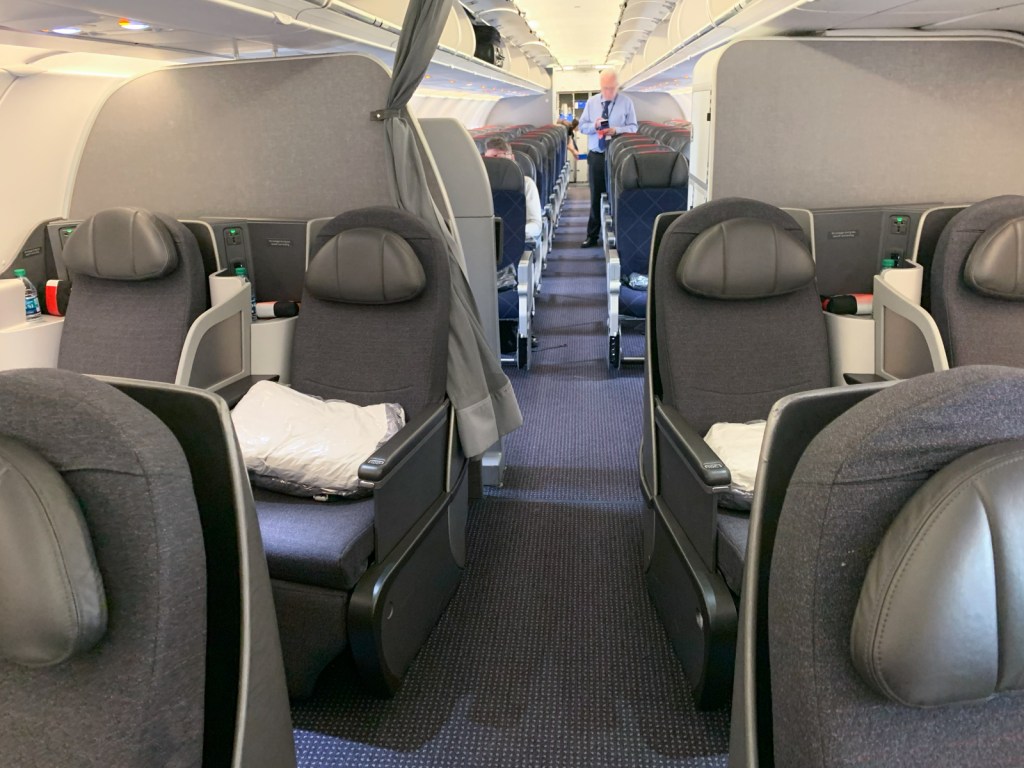
Airbus Group ha anunciado el proyecto para el desarrollo de un sucesor o derivada de la largamente conocida familia de aeronaves Airbus A320. El diseño de un avión narrowdodies altamente eficiente se encuentran entre los proyectos objetivo esbozados por el Gobierno francés al presentar un paquete de ayuda de € 15 mil millones de euros para el sector aeronáutico. El desarrollo de Airbus de un sucesor para el A320 estaría proyectado entrar en servicio a partir de 2033.

Proyecto A3XX

Las ambiciones del Proyecto A3XX de Airbus Group para un avión sin carbono, totalmente ecológico, que incluyen una reelaboración de la popular línea de productos Airbus A320 hacia el 2033 y el cambio en las políticas ecológicas para migrar del combustible convencional al hidrógeno para 2035. Airbus no ha especificado detalles acerca del nuevo sucesor de la familia A320, si se basará enla familia A320 mejorada o un cambio de concepto totalmente nuevo y competitivo.

El Gobierno francés ha revelado este 09/06 planes para invertir fuertemente en el desarrollo del avión del futuro. Es un plan ambicioso y que llega mucho más lejos, mucho más rápido de lo que se había estimado anteriormente. Francia ha lanzado un plan de apoyo a su industria aeroespacial, acelerando la investigación sobre un avión verde. El Gobierno francés a puesto en valor la inversión está establecida en € 15 mil millones (US$ 17 mil millones) en el sector aeroespacial para los próximos años, proyectados hacia el 2022. El monto de la inversión se destinará a financiar la gran cantidad de proyectos de investigación y desarrollo necesarios para poner en marcha el esquema del nuevo Proyecto A320X. La Directora de Estrategia de Airbus, Antione Bouvier, ha expresado que este sería un esfuerzo esencial y dijo: «Estamos pasando de un presupuesto público de I+D de 135 millones por año a 300 millones este año, luego 600 millones en 2021 y 2022. Es una aceleración de 10 años en comparación con lo anunciado por los industriales para 2045».

«Debemos salvar nuestra industria aeroespacial», dijo el Ministro de Finanzas, Bruno Le Maire. Europa continuará defendida por Airbus, no sacrificaría su lugar en el mercado mundial al gigante estadounidense Boeing o el próximo competidor de fabricación de aviones de China, COMAC. La medida se produce después de que Boeing solicitó decenas de miles de millones en garantías de préstamos para ayudar a los proveedores estadounidenses. Tanto Airbus como Boeing compran piezas en los mercados internos de cada uno y los proveedores frágiles son vistos como un talón de Aquiles mientras los fabricantes capean la crisis.

El objetivo principal de la inversión sería un sucesor neutral en carbono para el A320, el avión más vendido de Europa, con hidrógeno como fuente de energía en lugar de las turbinas de gas a base de petróleo de la actualidad. «Nuestro objetivo es tener un avión con carbono neutral en 2035 en lugar de 2050, especialmente gracias a un motor (ultraeficiente) que usa hidrógeno», dijo Le Maire.

Otros desarrollos

Junto con la financiación de este proyecto específico, se asignarán otros fondos para modernizar el sector aeroespacial en general. Francia dice que su industria, que abarca alrededor de 1.300 empresas, va a la zaga de sus pares en términos de robótica y otras tecnologías líderes. En total, Francia está invirtiendo alrededor de € 15 mil millones (US$ 17 mil millones) en su industria aeronáutica, de los cuales ya se han prometido € 7 mil millones a Air France-KLM. Este dinero se utilizará para evitar despidos, para continuar con la cartera de pedidos de aeronaves.

Airbus plans A320 family successor

Airbus Group studies successor to the A320 family

The Government of the Republic of France has revealed to the world this Tuesday, June 9, 2020, plans to invest heavily in the development of the plane of the future after the planet is reactivating from the global health crisis with huge losses for the aviation industry and general.

Airbus Group has announced the project for the development of a successor or derivative of the long-known Airbus A320 family of aircraft. Designing a highly efficient narrowdodies aircraft are among the target projects outlined by the French Government in presenting a € 15 billion aid package to the aviation sector. Airbus’ development of a successor to the A320 is slated to enter service in 2033.

A3XX project

The ambitions of Airbus Group’s A3XX Project for a completely green carbon-free aircraft, including a reworking of the popular Airbus A320 product line by 2033 and a shift in green policies to migrate from conventional fuel to hydrogen by 2035. Airbus It has not specified details about the new successor to the A320 family, whether it will build on the improved A320 family or an entirely new and competitive concept change.

The French Government has revealed this 09/06 plans to invest heavily in the development of the aircraft of the future. It is an ambitious plan and it goes much further, much faster than previously estimated. France has launched a plan to support its aerospace industry, speeding up research on a green plane. The French Government has put in value the investment is established at € 15 billion (US$ 17 billion) in the aerospace sector for the coming years, projected towards 2022. The amount of the investment will be used to finance the large amount of research and development projects necessary to launch the scheme of the new A320X Project. Airbus Strategy Director Antione Bouvier has expressed that this would be an essential effort and said: «We are going from a public I+D budget of 135 million per year to 300 million this year, then 600 million in 2021 and 2022 It is an acceleration of 10 years compared to what was announced by the industrialists for 2045».

La imagen tiene un atributo ALT vacío; su nombre de archivo es aw-a320neo-02.jpg

«We must save our aerospace industry», said Finance Minister Bruno Le Maire. Europe will continue to be defended by Airbus, it would not sacrifice its place in the world market to the American giant Boeing or China’s next aircraft manufacturing competitor, COMAC. The move comes after Boeing requested tens of billions in loan guarantees to help American suppliers. Both Airbus and Boeing buy parts in each other’s domestic markets, and fragile suppliers are seen as an Achilles’ heel as manufacturers weather the crisis.

The primary objective of the investment would be a carbon-neutral successor to the A320, Europe’s best-selling aircraft, with hydrogen as a power source instead of today’s oil-based gas turbines. «Our goal is to have a carbon neutral aircraft by 2035 instead of 2050, especially thanks to an (ultra-efficient) engine that uses hydrogen», said Le Maire.

Other developments

Along with financing this specific project, other funds will be allocated to modernize the aerospace sector in general. France says its industry, which spans around 1,300 companies, lags behind its peers in terms of robotics and other leading technologies. In total, France is investing around € 15 billion (US$ 17 billion) in its aviation industry, of which € 7 billion has already been pledged to Air France-KLM. This money will be used to avoid layoffs, to continue with the aircraft order book.

Ξ A I R G W A Y S Ξ
PUBLISHER: Airgways.com
DBk: Airbus.com / Airgways.com
AW-POST: 202006091500AR

A\W   A I R G W A Y S ®
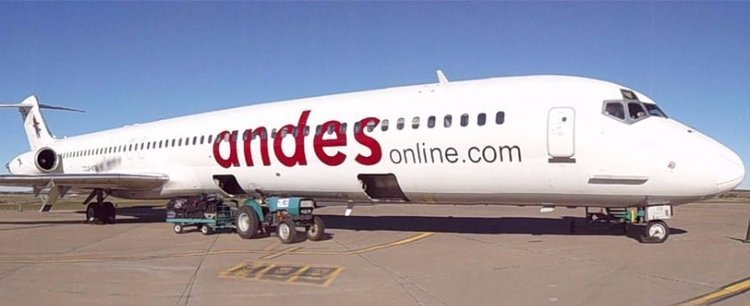
Reapertura aeropuertos en Francia

AW | 2020 06 09 13:53 | AIRPORTS

Aeropuertos regionales reabran en Francia

Los aeropuertos en Francia que se cerraron durante la pandemia de Coronavirus están reabriendo a medida que el país continúa aliviando las restricciones establecidas para controlar la propagación de COVID-19.

El Aeropuerto Nantes en el oeste de Francia y Biarritz en la costa suroeste abrieron el Lunes 08/06. El Aeropuerto Lille en el norte, programada para reiniciar los vuelos el 15/06 y el Aeropuerto Burdeos el 06/07.

El Aeropuerto de Nantes es visto como la puerta de entrada a la región del Atlántico occidental. Tuvo un exitoso 2019 con la apertura de una base de la aerolínea de presupuesto EasyJet y el tráfico de pasajeros aumentó un 17 por ciento respecto al año anterior. Luego, la pandemia de coronavirus golpeó y el aeropuerto sufrió una caída del 90 por ciento en la actividad normal. «Los vuelos comerciales se detuvieron, por lo que este sector se vio muy afectado por la pandemia y algunos empleados quedaron suspendidos. Mantuvimos algunas actividades, como vuelos de carga para equipo médico, además de transferir pacientes y trabajadores de la salud», dijo Cyril Girot, Director del aeropuerto. A pesar del final de los vuelos comerciales, el aeropuerto pudo mantener en funcionamiento las operaciones básicas. El Lunes 08/06, Nantes tuvo su primer vuelo de entrada y el primer vuelo de salida ya que el bloqueo fue relajado. Más de un millón de británicos y 700.000 turistas holandeses visitaron la región alrededor de Nantes en 2019, pero las restricciones de viaje europeas aún están vigentes.

Los aeropuertos regionales esperan recibir un impulso del público francés. El Primer Ministro instó a los ciudadanos franceses a tomar vacaciones este verano dentro del país.

Reopening of regional airports in France

Regional airports reopen in France

Airports in France that were closed during the Coronavirus pandemic are reopening as the country continues to ease restrictions put in place to control the spread of COVID-19.

Nantes Airport in western France and Biarritz on the southwest coast opened on Monday 08/06. Lille Airport in the north, scheduled to restart flights on 06/15 and Bordeaux Airport on 07/06.

Nantes airport is seen as the gateway to the western Atlantic region. It had a successful 2019 with the opening of a budget airline EasyJet base and passenger traffic increased 17 percent over the previous year. Then the coronavirus pandemic hit and the airport suffered a 90 percent drop in normal activity. «Commercial flights stopped, so this sector was severely affected by the pandemic and some employees were suspended. We maintained some activities, such as cargo flights for medical equipment, in addition to transferring patients and health workers», said Cyril Girot, Airport Director. Despite the end of commercial flights, the airport was able to keep basic operations running. On Monday 06/08, Nantes had its first inbound flight and the first outbound flight as the blockade was relaxed. More than a million Britons and 700,000 Dutch tourists visited the region around Nantes in 2019, but European travel restrictions are still in place.

Regional airports expect to receive a boost from the French public. The Prime Minister urged French citizens to take vacations this summer inside the country.

Réouverture des aéroports régionaux en France

Réouverture des aéroports régionaux en France

Les aéroports français fermés lors de la pandémie de coronavirus rouvrent leurs portes alors que le pays continue d’assouplir les restrictions mises en place pour contrôler la propagation du COVID-19.

L’aéroport de Nantes dans l’ouest de la France et Biarritz sur la côte sud-ouest ont ouvert le lundi 08/06. Aéroport de Lille au nord, prévu pour redémarrer les vols le 15/06 et aéroport de Bordeaux le 07/06.

L’aéroport de Nantes est considéré comme la porte d’entrée de la région de l’Atlantique Ouest. L’année 2019 a été couronnée de succès avec l’ouverture d’une base EasyJet à bas prix et le trafic passagers a augmenté de 17% par rapport à l’année précédente. Puis la pandémie de coronavirus a frappé et l’aéroport a subi une baisse de 90% de son activité normale. «Les vols commerciaux ont cessé, ce secteur a été gravement touché par la pandémie et certains employés ont été suspendus. Nous avons maintenu certaines activités, telles que les vols de fret pour le matériel médical, en plus du transfert de patients et d’agents de santé», a déclaré Cyril. Girot, directeur de l’aéroport. Malgré la fin des vols commerciaux, l’aéroport a pu maintenir ses opérations de base. Le lundi 06/08, Nantes a eu son premier vol entrant et son premier vol sortant alors que le blocus était assoupli. Plus d’un million de Britanniques et 700000 touristes néerlandais ont visité la région autour de Nantes en 2019, mais les restrictions de voyage européennes sont toujours en place.

Les aéroports régionaux s’attendent à recevoir un coup de pouce du public français. Le Premier ministre a exhorté les citoyens français à prendre des vacances cet été à l’intérieur du pays.

Ξ A I R G W A Y S Ξ
PUBLISHER: Airgways.com
DBk: Francetvinfo.fr / France24news.com / Airgways.com
AW-POST: 202006091353AR

A\W   A I R G W A Y S ®

Austrian recibe ayuda de Gobierno

Agreement with Austria is close: State aid to keep Lufthansa's ...

AW | 2020 06 09 13:28 | AIRLINES / GOVERNMENT

Austrian recibirá paquete ayuda por € 600 millones de Euros

Austrian Airlines ha anunciado que recibirá una suma de € 600 millones de Euros en ayuda financiera por parte del Gobierno de Austria debido a la actual parálisis del transporte aéreo producto de la crisis sanitaria mundial. El paquete de ayuda se compone de € 450 millones de Euros provenientes del Gobierno austríaco y € 150 millones de Euros proporcionados por su empresa matriz, Lufthansa Group.

El Gobierno austríaco ha emitido € 150 millones de Euros en ayuda estatal directa, € 300 millones de Eros en préstamos que se devolverán a los bancos para 2026 y otros € 150 millones de Euros se recibirán como una inyección de capital de la empresa matriz de Austrian Airlines, el Grupo Lufthansa. Anteriormente, la aerolínea esperaba necesitar al menos € 767 millones en ayuda para reiniciar sus operaciones, pero debido a la capacidad de reiniciar los vuelos antes, Austria redujo la cantidad necesaria a € 600 millones.

En la conferencia de prensa, el CEO de Lufthansa Group dijo: “Austrian Airlines ha sido y es una parte fundamental de la estrategia de múltiples centros que lleva a cabo Lufthansa Group. Gracias a este paquete de rescate en combinación con las condiciones marco mejoradas de los socios del sistema de aviación austriaco, nos vemos en una posición para reconstruir el centro de vuelo en Viena después de la crisis y conectar a Austria con destinos importantes en Europa y en todo el mundo».

Como requisito para recibir ayuda estatal, Austrian Airlines tiene que reducir las emisiones de CO2 en un 30% en comparación con los niveles de 2005 y aumentar la eficiencia del combustible para aviones en un 1,5% anual. El gobierno austriaco también ha establecido un plan en el que el tráfico debe utilizar los ferrocarriles como medio para viajar si el tiempo de viaje no excede las 3 horas. El acuerdo financiero completo aún no está finalizado, ya que todavía está sujeto a que Lufthansa tome la ayuda estatal de Alemania y la aprobación de la Comisión de la Unión Europea (UE).

Austrian Airlines: 600 million rescue package for Lufthansa ...

Austrian receives government aid

Austrian will receive aid package for € 600 million Euros

Austrian Airlines has announced that it will receive a sum of € 600 million in financial aid from the Austrian Government due to the current paralysis of air transport due to the global health crisis. The aid package consists of € 450 million Euros from the Austrian Government and € 150 million Euros provided by its parent company, Lufthansa Group.

The Austrian Government has issued € 150 million Euros in direct state aid, € 300 million Euros in loans to be returned to banks by 2026 and another € 150 million Euros will be received as a capital injection from the Austrian parent company Airlines, the Lufthansa Group. Previously, the airline expected to need at least € 767 million in aid to restart its operations, but due to the ability to restart flights earlier, Austria reduced the amount required to € 600 million.

At the press conference, the CEO of the Lufthansa Group said: “Austrian Airlines has been and is a fundamental part of Lufthansa Group’s multi-center strategy. Thanks to this rescue package in combination with the improved framework conditions of the Austrian aviation system partners, we are in a position to rebuild the flight center in Vienna after the crisis and connect Austria to major destinations in Europe and in all the world».

As a requirement for state aid, Austrian Airlines has to reduce CO2 emissions by 30% compared to 2005 levels and increase jet fuel efficiency by 1.5% annually. The Austrian government has also established a plan in which traffic should use the railways as a means of travel if the travel time does not exceed 3 hours. The full financial deal is not yet finalized as it is still subject to Lufthansa taking state aid from Germany and approval from the Commission of the European Union (EU).

Ξ A I R G W A Y S Ξ
PUBLISHER: Airgways.com
DBk: Austrian.com / Lufthansa.com / Airgways.com
AW-POST: 202006091328AR

A\W   A I R G W A Y S ®
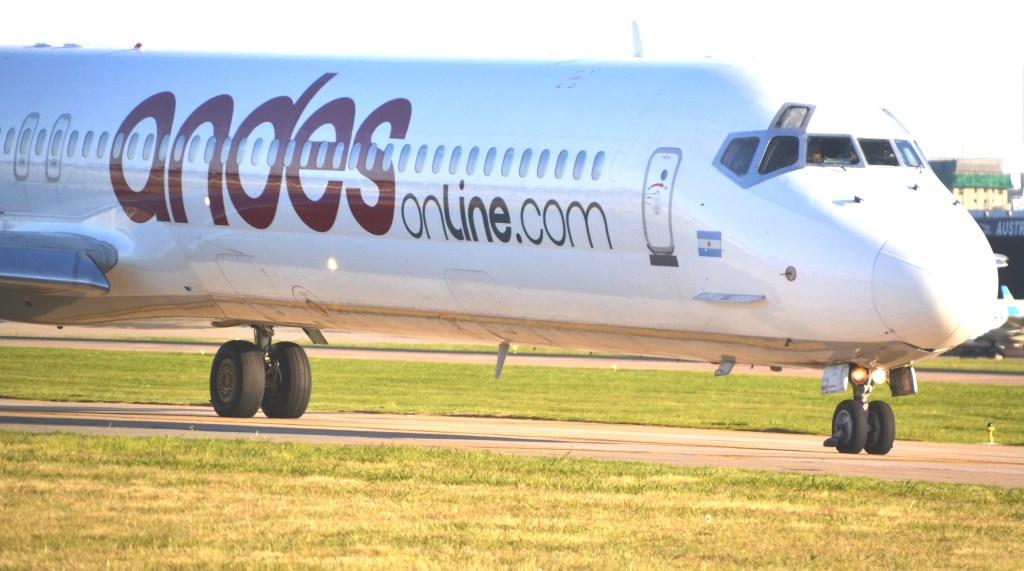
Aeropuerto Rosario avanza reactivación

AW | 2020 06 09 13:08 | AIRPORTS

Aeropuerto Internacional Rosario prepara adelanto reactivación

El Decreto Nacional establece la interrupción de los vuelos hasta Septiembre 2020 en el marco por la pandemia del Coronavirus, pero el Gobierno de Argentina está analizando adelantar el reinicio de las operaciones aerocomerciales para Julio 2020 si se establecen ciertas condiciones que garanticen la seguridad sanitarias. Mientras tanto, las aerolíneas todavía no se encuentran autorizadas a vender pasajes aéreos. Sin embargo, desde el Aeropuerto Internacional Rosario confiaron que se están preparando para un posible adelantamiento de los vuelos de cabotaje, entre las provincias que no tienen circulación comunitaria del virus, como es el caso de la Provincia de Santa Fe.

El Director del Aeropuerto Internacional Rosario (AIR), Eduardo Romagnoli, ha destacado que la terminal local ha establecido los preparativos para adelantar el reinicio de las operaciones en el interior del país. “Todos estamos trabajando en línea con el Ministerio de Salud, de Transporte, con la ANAC, y tenemos en cuenta lo que sugieren los organismo internacionales”, ha expresado Eduardo Romagnoli.

Rosario Airport advances reactivation

Rosario International Airport prepares reactivation advance

The National Decree establishes the interruption of flights until September 2020 in the context of the Coronavirus pandemic, but the Government of Argentina is analyzing to bring forward the restart of aero-commercial operations by July 2020 if certain conditions are established that guarantee sanitary security. Meanwhile, airlines are not yet authorized to sell air tickets. However, from Rosario Airport they trusted that they are preparing for a possible forwarding of cabotage flights, among the provinces that do not have community circulation of the virus, as is the case of the Province of Santa Fe.

The Director of Rosario International Airport (AIR), Eduardo Romagnoli, stressed that the local terminal has established preparations to bring forward the restart of operations in the interior of the country. «We are all working online with the Ministry of Health, Transportation, and ANAC, and we take into account what the international organizations suggest,, said Eduardo Romagnoli.

Ξ A I R G W A Y S Ξ
PUBLISHER: Airgways.com
DBk: Aeropuertorosario.com / Rosario3.com / Airgways.com
AW-POST: 202006091308AR

A\W   A I R G W A Y S ®