 AW | 2020 05 04 12:17 | AIRLINES
 Nuevo control accionario en Norwegian Air Group
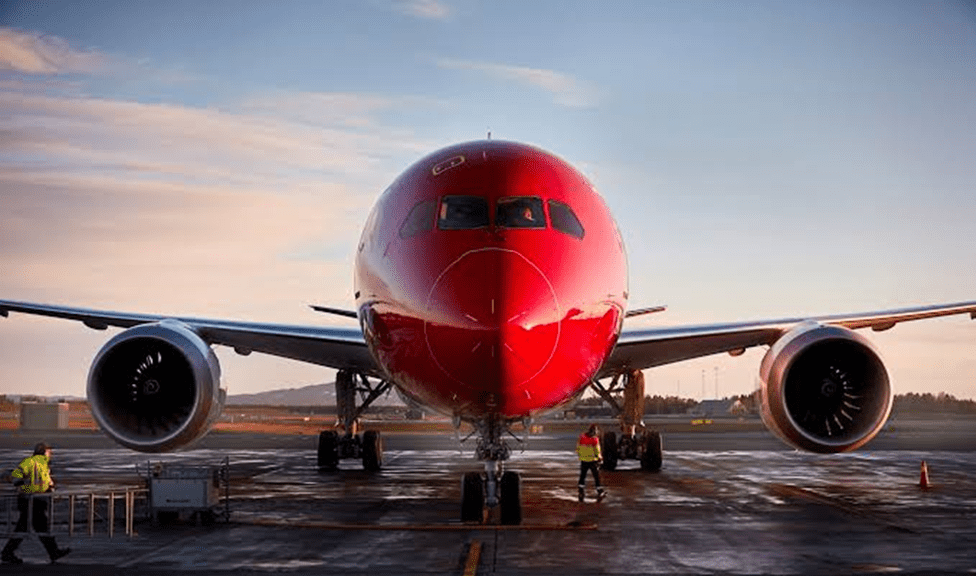
Norwegian Air Group ha cambiado de dirección cuando prestamistas y acreedores asumieron el control de propiedad de la aerolínea noruega el Lunes 4 Mayo 2020, lo que permitió a la aerolínea con problemas para calificar para el resto del paquete de crisis estatal valorado en alrededor de NOK 3 mil millones Coronas Noruegas. Eso despeja el camino para lo que la gerencia denomina new Norwegian para despegar y reconstruir, pero aún deberá enfrentar muchas turbulencias por delante.
«El peligro de bancarrota ha terminado por ahora. La pregunta ahora es larga, será hasta la próxima crisis», dijo Cecilie Langum Becker, comentarista de economía de la emisora estatal NRK. Esa es una pregunta oportuna, dadas todas las restricciones que permanecen vigentes en los viajes internacionales debido a las medidas de contención del virus Corona. Ni siquiera la propia gerencia de Norwegian Air cree que la aerolínea realmente podrá extender sus alas nuevamente hasta el próximo año. Sin embargo, la aerolínea se retiró del borde de la quiebra el Lunes 04/05, cuando más del 96% de sus accionistas existentes aprobaron el plan de crisis de la gerencia. Significa que sus tenencias se diluyeron severamente, ya que los prestamistas de la aerolínea y otros acreedores, incluidas las compañías de arrendamiento, ya habían acordado cambiar la deuda por acciones y convertirse en accionistas. Ahora se convierten en los principales propietarios, en su mayoría extranjeros, del «New Norwegian Air», y las preguntas ya están girando sobre cuánto durará. La mayoría espera que se agoten tan pronto como puedan vender con ganancias o, al menos, cubran algunas de sus pérdidas.
La propiedad a largo plazo de Norwegian Air sigue siendo una de las principales preguntas después de la junta extraordinaria de accionistas del Lunes. Fue entonces cuando los pequeños accionistas existentes, que inicialmente se habían opuesto poderosamente al plan de crisis y se negaron a aprobarlo, cambiaron de opinión después de recibir un correo electrónico del fundador de Norwegian Air, Bjørn Kjos, durante el fin de semana. «Era muy claro que realmente no había alternativas», dijo a NRK, Helge Stray, quien se desempeñó como portavoz de un grupo de pequeños accionistas en Noruega. Helge Stray agregó que el grupo también había recibido muy buena información de Bjørn Kjos que los llevó a girar 180 grados y votar a favor del plan de crisis. Helge Stray también cree que el estado noruego ofrecerá aún más asistencia financiera para mantener a la aerolínea volando, como parte de la infraestructura de transporte necesaria en Noruega. Helge Stray no estaba contento de que Norwegian Air ahora se convierta esencialmente en una compañía extranjera con propietarios extranjeros, propiedad de financieros extranjeros y compañías de arrendamiento financiero. Él piensa, sin embargo, que la aerolínea tendrá al menos una oportunidad ahora para sobrevivir a esta larga y profunda crisis.
Retenciones frustradas
Hubo retenciones, informó el periódico Dagens Næringsliv (DN), y no todos los pequeños accionistas fueron convencidos por Bjørn Kjos o aceptaron el plan de crisis. «Creo que los muchos empleados de Norwegian y el público noruego merecen una solución permanente y sostenible. Eso no es parte de la propuesta de la gerencia», dijo a DN Jarle Drevdal, otro de los pequeños accionistas de Norwegian. Jarle Drevdal fue tan lejos como para proponer el domingo por la noche que la junta extraordinaria de accionistas el Lunes “sea pospuesta, cancelada o declarada inválida. Estoy muy sorprendido por el cambio de Helge Stray».
Mientras tanto, el periódico Dagsavisen editorializó en contra de cualquier ayuda estatal adicional para el Nuevo Noruego. No cree que los contribuyentes en Noruega deberían rescatar a una compañía que ha asumido enormes riesgos a lo largo de los años y que se ha «construido a través de la forma más cruda de capitalismo, en la que ha tratado de reducir los pagos, las pensiones y los acuerdos laborales. Norwegian ha forzado una brutal forma de vida laboral e incluso amenazó con abandonar si no se salía con la suya”. Al mismo tiempo, incluso Dagsavisen admitió que es «importante para Noruega tener aerolíneas competidoras». La simpatía fue mínima para los líderes y accionistas de Norwegian Air, pero «excelente para los empleados… por lo que esperamos que las operaciones se puedan asegurar en el futuro con una filosofía empresarial diferente». Los clientes descontentos que tienen montones de quejas pendientes contra la aerolínea también pueden esperar una forma comercial diferente de hacer negocios.
Jacob Schram, quien recientemente asumió como Director Ejecutivo de Norwegian Air después de Bjørn Kjos, necesitaba el apoyo de dos tercios de los accionistas existentes de la aerolínea para su plan de rescate y su esfuerzo para cumplir con los estrictos requisitos de las garantías de préstamos estatales. Finalmente lo consiguió, permitiéndole respirar un breve suspiro de alivio antes de volver a trabajar en sus otros planes para recuperar a Norwegian Air para que continúe en el aire. «La crisis de Coronavirus no ha terminado y Norwegian, junto con SAS y Widerøe necesitarán más liquidez», dijo a NRK el líder de una de las organizaciones de empleados de Norwegian Air, Unn Kristin Olsen. Ella sugirió que el estado noruego finalmente tendrá que ofrecer a la aerolínea dinero en efectivo y capital, no solo garantías de préstamos. En cualquier caso, los inversores respondieron bien a las noticias de Norwegian el lunes. Fue uno de los más cotizados en la Bolsa de Valores de Oslo con precios de las acciones subiendo casi un 30 por ciento a NOK 6,53 por acción a partir de la tarde. La mayoría de los demás asuntos se negociaron a la baja, algunos de ellos dramáticamente, el lunes, con la compañía petrolera estatal Equinor y Aker BP, ambos con una caída de más del 5 por ciento, DNB con un 3% y Norsk Hydro con un descenso de casi el 8 por ciento. Al noruego le fue bien en comparación.
Trabajo duro por delante
 «Sentimos una increíble sensación de alivio en este momento», dijo Schram a los periodistas en una conferencia de prensa a medio día. El líder de la Junta Directiva de la aerolínea fue aún más lejos: «Hoy es nada menos que un día histórico. Hoy es el nacimiento de lo que llamamos el Nuevo Noruego», afirmó Niels Smedegaard. Jacob Schram rápidamente notó, sin embargo, que todavía hay mucho «trabajo duro por delante para nosotros. Ahora tenemos que llevar esto de la estrategia a la implementación».
Las compañías de leasing que poseen aviones utilizados por Norwegian Air han tenido que reducir sus demandas de pago en al menos USD 500 millones. Los tenedores de bonos tendrán que convertir del 60 al 85 por ciento de lo que se les debe a las acciones, liberando a la aerolínea de una deuda inicial de NOK 4,2 mil millones. El «Nuevo Noruego» también necesitará atraer NOK 400 millones en una nueva emisión de acciones.
La aerolínea actualmente tiene solo siete aviones en operación que ejecutan alrededor de 20 a 30 vuelos por día, en comparación con los 600 (con variación de temporada) antes de la crisis del virus Corona. Es probable que el itinerario de rutas de «Nuevo Noruego» continúe por lo menos hasta principios del próximo año, cuando se expandirán tanto las rutas nacionales como algunas europeas. La aerolínea tiene la intención de reanudar también algunos viajes intercontinentales, pero solo en rutas que han demostrado ser rentables.
Vuelos cuestionables
La aerolínea se convirtió en el blanco de más críticas dentro de Noruega justo antes del fin de semana, cuando el servicio de noticias de negocios E24 informó cómo continuó vendiendo boletos, también para rutas de larga distancia. Entre los vuelos ofrecidos se encontraban algunos a Florida desde junio y Sudamérica a partir de julio.
El Jefe de información de Norwegian Air, Lasse Sandaker Nielsen, defendió la práctica y afirmó que «tan pronto como se cancelen los vuelos, los clientes afectados recibirán un mensaje de nuestra parte». Pia Cecilie Høst, del consejo de consumidores del estado, advirtió a los pasajeros de Norwegian Air que reserven cualquier vuelo que sigue siendo riesgoso pagar por ellos ahora. Los pasajeros deben esperar que las salidas se retrasen o cancelen, y si los planes de supervivencia de Norwegian fallan y terminan declarándose en bancarrota después de todo, los clientes que tengan boletos simplemente se agruparán con otros acreedores de la corporación. «La recomendación de las autoridades es clara. Debe evitar viajar ahora y esperar para hacer planes de vacaciones», dijo Høst. Eso hace que mantener una aerolínea en el aire sea realmente difícil. 
 New management on Norwegian Air
 New equity control in Norwegian Air Group
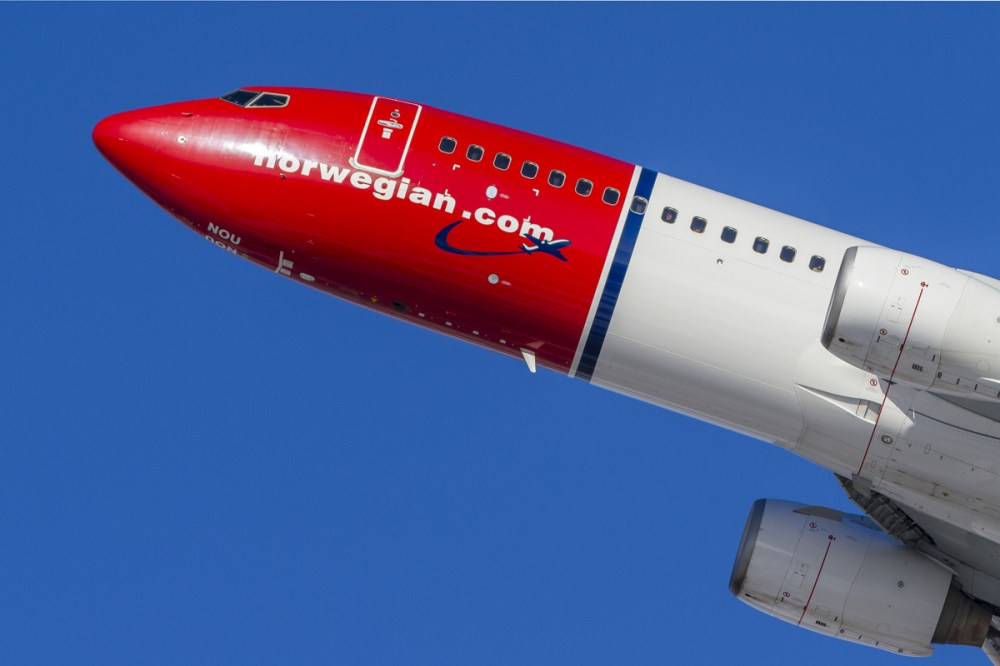
Norwegian Air Group has changed direction when lenders and creditors took control of ownership of the Norwegian airline on Monday, May 4, 2020, allowing the troubled airline to qualify for the remainder of the state crisis package valued at around NOK 3. billion Norwegian kroner. That clears the way for what management calls new Norwegian to take off and rebuild, but it will still have to face a lot of turmoil ahead.
«The danger of bankruptcy is over for now. The question now is long, it will be until the next crisis», said Cecilie Langum Becker, economics commentator for state broadcaster NRK. That is a timely question, given all the restrictions that remain in place on international travel due to containment measures for the Coronavirus. Not even Norwegian Air’s own management believes that the airline will really be able to spread its wings again until next year. However, the airline withdrew from the brink of bankruptcy on Monday 04/05, when more than 96% of its existing shareholders approved the management crisis plan. It means that their holdings were severely diluted, as the airline’s lenders and other creditors, including leasing companies, had already agreed to swap the debt for shares and become shareholders. Now they become the main, mostly foreign, owners of the «New Norwegian Air», and the questions are already spinning about how long it will last. Most expect them to run out as soon as they can sell at a profit, or at least cover some of their losses.
Norwegian Air’s long-term ownership remains a top question after Monday’s extraordinary shareholder meeting. It was then that existing small shareholders, who had initially powerfully opposed the crisis plan and refused to approve it, changed their minds after receiving an email from Norwegian Air founder Bjørn Kjos over the weekend. «It was very clear that there really were no alternatives», Helge Stray, who served as a spokesperson for a group of small shareholders in Norway, told NRK. Helge Stray added that the group had also received very good information from Bjørn Kjos that led them to rotate 180 degrees and vote in favor of the crisis plan. Helge Stray also believes that the Norwegian state will offer even more financial assistance to keep the airline flying, as part of the necessary transport infrastructure in Norway. Helge Stray was not pleased that Norwegian Air is now essentially becoming a foreign company with foreign owners, owned by foreign financiers, and financial leasing companies. He thinks, however, that the airline will have at least one chance now to survive this long and deep crisis.
Frustrated holds
There were retentions, the Dagens Næringsliv (DN) newspaper reported, and not all small shareholders were convinced by Bjørn Kjos or accepted the crisis plan. «I think Norwegian’s many employees and the Norwegian public deserve a permanent and sustainable solution. That is not part of management’s proposal», Jarle Drevdal, another of Norwegian’s small shareholders, told DN. Jarle Drevdal went so far as to propose on Sunday night that the extraordinary meeting of shareholders on Monday “be postponed, canceled, or declared invalid. I am very surprised by the change in Helge Stray».
Meanwhile, the Dagsavisen newspaper editorialized against any additional state aid for the New Norwegian. He does not believe that taxpayers in Norway should rescue a company that has taken enormous risks over the years and that has «been built through the crudest form of capitalism, in which it has tried to reduce payments, pensions and labor agreements. Norwegian has forced a brutal way of working life and even threatened to quit if he didn’t get his way. At the same time, even Dagsavisen admitted that it is «important for Norway to have competing airlines». Sympathy was minimal for Norwegian Air’s leaders and shareholders, but «excellent for employees… so we hope that operations can be secured in the future with a different business philosophy». Disgruntled customers who have lots of pending complaints against the airline can also expect a different commercial way of doing business.
Jacob Schram, who recently became CEO of Norwegian Air after Bjørn Kjos, needed the support of two-thirds of the airline’s existing shareholders for his rescue plan and his effort to meet the stringent requirements of state loan guarantees. He finally succeeded, allowing him to breathe a brief sigh of relief before returning to work on his other plans to get Norwegian Air back to continue in the air. «The Coronavirus crisis is not over and Norwegian, along with SAS and Widerøe will need more liquidity», the leader of one of Norwegian Air’s employee organizations, Unn Kristin Olsen, told NRK. She suggested that the Norwegian state will eventually have to offer the airline cash and equity, not just loan guarantees. In any case, investors responded well to Norwegian’s news on Monday. It was one of the most listed on the Oslo Stock Exchange with share prices rising nearly 30 percent to NOK 6.53 per share as of the afternoon. Most other issues were traded lower, some dramatically on Monday, with state oil company Equinor and Aker BP, both falling more than 5 percent, DNB 3%, and Norsk Hydro down. a decrease of almost 8 percent. The Norwegian did well in comparison.
Hard work ahead
«We feel an incredible sense of relief right now», Schram told reporters at a mid-day press conference. The airline’s board of directors leader went even further: «Today is nothing less than a historic day. Today is the birth of what we call the New Norwegian», said Niels Smedegaard. Jacob Schram quickly noted, however, that there is still a lot of «hard work ahead for us. Now we have to move this from strategy to implementation».
Leasing companies that own aircraft used by Norwegian Air have had to reduce their payment demands by at least $ 500 million. Bondholders will have to convert 60 to 85 percent of what is owed to the shares, freeing the airline from an initial debt of NOK 4.2 billion. The «New Norwegian» will also need to attract NOK 400 million in a new share issue.
The airline currently has only seven aircraft in operation that run around 20 to 30 flights per day, compared to 600 (with seasonal variation) before the Coronavirus crisis. The «New Norwegian» route itinerary is likely to continue at least until early next year when both domestic and some European routes will be expanded. The airline intends to resume some intercontinental travel as well, but only on routes that have proven profitable.
Questionable flights
The airline became the target of more criticism within Norway just before the weekend, when the E24 business news service reported how it continued to sell tickets, also for long-distance routes. Flights offered included some to Florida from June and South America from July.
Norwegian Air Chief Information Officer Lasse Sandaker Nielsen defended the practice, saying «as soon as flights are canceled, affected customers will receive a message from us.» Pia Cecilie Høst of the state consumer council has warned Norwegian Air passengers to book any flight that remains risky to pay for them now. Passengers should expect departures to be delayed or canceled, and if Norwegian’s survival plans fail and they end up filing for bankruptcy, after all, customers with tickets will simply group with other creditors at the corporation. «The authorities’ recommendation is clear. You should avoid traveling now and wait to make vacation plans», Høst said. That makes keeping an airline in the air really difficult. 
 Nye ledelse på Norwegian Air
Nye aksjekontroll i Norwegian Air Group
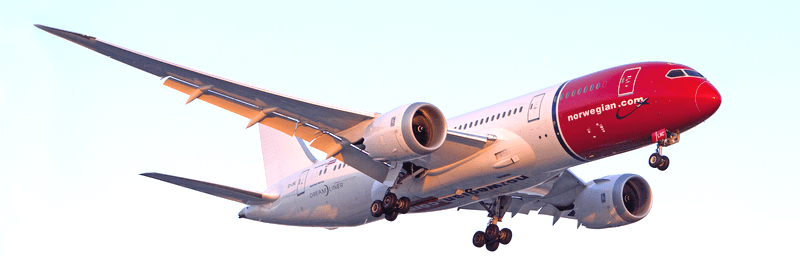
Norwegian Air Group har endret retning da långivere og kreditorer tok eierskap til det norske flyselskapet mandag 4. mai 2020, slik at det urolige flyselskapet kunne kvalifisere seg til resten av den statlige krisepakken til en verdi av rundt tre kroner. milliarder norske kroner. Det rydder for det ledelsen kaller nynorsk for å ta av og gjenoppbygge, men det vil fortsatt måtte møte mange uro fremover.

«Faren for konkurs er over for nå. Spørsmålet nå er langt, det vil være til neste krise», sa Cecilie Langum Becker, økonomikommentator for statskringkasteren NRK. Dette er et betimelig spørsmål, gitt alle begrensningene som er på plass på internasjonale reiser på grunn av inneslutningstiltak for Corona-viruset. Ikke engang Norwegian Airs egen ledelse mener at flyselskapet virkelig vil kunne spre vingene igjen til neste år. Imidlertid trakk flyselskapet seg fra randen av konkurs mandag 04/05, da mer enn 96% av de eksisterende aksjonærene godkjente styringskriseplanen. Det betyr at eierandelen deres ble sterkt utvannet, ettersom flyselskapets långivere og andre kreditorer, inkludert leasingselskaper, allerede hadde sagt ja til å bytte gjeld for aksjer og bli aksjonærer. Nå blir de de viktigste, for det meste utenlandske, eierne av «New Norwegian Air», og spørsmålene snur allerede om hvor lenge den vil vare. De fleste forventer at de går tom så snart de kan selge med overskudd, eller i det minste dekke noen av tapene sine.
Norwegian Airs langsiktige eierskap er fortsatt et toppspørsmål etter mandagens ekstraordinære aksjonærmøte. Det var da eksisterende små aksjonærer, som opprinnelig kraftig hadde motarbeidet kriseplanen og nektet å godkjenne den, ombestemte seg etter å ha mottatt en e-post fra Norwegian Air-grunnlegger Bjørn Kjos i helgen. «Det var veldig tydelig at det virkelig ikke var noen alternativer», sa Helge Stray, som fungerte som talsperson for en gruppe småaksjonærer i Norge, til NRK. Helge Stray la til at gruppen også hadde fått veldig god informasjon fra Bjørn Kjos som førte til at de roterte 180 grader og stemte for kriseplanen. Helge Stray tror også at den norske staten vil tilby enda mer økonomisk hjelp for å holde flyselskapet flygende, som en del av den nødvendige transportinfrastrukturen i Norge. Helge Stray var ikke fornøyd med at Norwegian Air nå i det vesentlige blir et utenlandsk selskap med utenlandske eiere, eid av utenlandske finansmenn, og finansielle leasingselskaper. Han tror imidlertid at flyselskapet vil ha minst en sjanse nå til å overleve denne lange og dype krisen.
Frustrert holder

Det var retensjoner, rapporterte avisen Dagens Næringsliv (DN), og ikke alle små aksjonærer var overbevist av Bjørn Kjos eller godtok kriseplanen. «Jeg tror Norwegians mange ansatte og den norske offentligheten fortjener en permanent og bærekraftig løsning. Det er ikke en del av ledelsens forslag», sa Jarle Drevdal, en annen av Norwegians små aksjonærer, til DN. Jarle Drevdal gikk så langt som på søndag kveld å foreslå at det ekstraordinære aksjonærmøtet på mandag “ble utsatt, kansellert eller erklært ugyldig. Jeg er veldig overrasket over endringen i Helge Stray«.
I mellomtiden redaksjonerte avisene Dagsavisen mot eventuell tilleggsstøtte til den nye nordmannen. Han mener ikke at skattebetalere i Norge burde redde et selskap som har tatt enorme risikoer gjennom tidene og som har blitt «bygget gjennom den råeste formen for kapitalisme, der den har forsøkt å redusere betalingene, pensjoner og arbeidsavtaler. Norwegian har tvunget en brutal arbeidsmåte og til og med truet med å slutte hvis han ikke kom seg”. På samme tid innrømmet til og med Dagsavisen at det er «viktig for Norge å ha konkurrerende flyselskaper». Sympati var minimal for Norwegian Airs ledere og aksjonærer, men «utmerket for ansatte… så vi håper at driften kan sikres i fremtiden med en annen forretningsfilosofi». Misfornøyde kunder som har mange påvente av klager mot flyselskapet, kan også forvente en annen kommersiell måte å gjøre forretninger på.
Jacob Schram, som nylig overtok som administrerende direktør i Norwegian Air etter Bjørn Kjos, trengte støtte fra to tredjedeler av flyselskapets eksisterende aksjonærer for hans redningsplan og hans innsats for å oppfylle de strenge kravene til statlige lånegarantier . Han lyktes til slutt, og lot ham puste et lettelsens sukk før han kom tilbake for å jobbe med de andre planene hans for å få Norwegian Air tilbake til å fortsette i luften. Coronavirus-krisen er ikke over, og Norwegian, sammen med SAS og Widerøe vil trenge mer likviditet, sier lederen for en av Norwegian Airs ansattorganisasjoner, Unn Kristin Olsen, til NRK. Hun foreslo at den norske staten etter hvert vil måtte tilby flyselskapet kontanter og egenkapital, ikke bare lånegarantier. Uansett svarte investorene godt på Norwegians nyheter mandag. Det var en av de mest børsnoterte på Oslo Børs med aksjekursene som steg nesten 30 prosent til 6,53 kroner per aksje fra ettermiddagen. De fleste andre emisjoner ble lavere, noen dramatisk mandag, med det statlige oljeselskapet Equinor og Aker BP, som begge falt mer enn 5 prosent, DNB 3% og Norsk Hydro ned. en nedgang på nesten 8 prosent. Nordmannen gjorde det bra i sammenligning.
 Hardt arbeid fremover
«Vi føler en utrolig følelse av lettelse akkurat nå», sa Schram til journalister på en pressekonferanse på dagen. Lederen for flyselskapets styre gikk enda lenger: «I dag er intet mindre enn en historisk dag. I dag er fødselen til det vi kaller den nye nordmannen», sa Niels Smedegaard. Jacob Schram bemerket imidlertid raskt at det fremdeles ligger mye «hardt arbeid for oss. Nå må vi flytte dette fra strategi til implementering».
Leasingselskaper som eier fly som brukes av Norwegian Air har måttet redusere betalingskravene sine med minst 500 millioner dollar. Obligasjonseiere vil måtte konvertere 60 til 85 prosent av det som skyldes aksjene, og frigjøre flyselskapet fra en begynnelsesgjeld på 4,2 milliarder kroner. Den «Nye Norwegian» vil også trenge å tiltrekke seg 400 millioner kroner i en ny emisjon.
Flyselskapet har foreløpig bare syv fly i drift som kjører rundt 20 til 30 flyvninger per dag, sammenlignet med 600 (med sesongvariasjon) før Corona-viruskrisen. Ruteplanen «Nye Norwegian» vil trolig fortsette minst til tidlig neste år, når både innenlandske og noen europeiske ruter vil bli utvidet. Flyselskapet har til hensikt å gjenoppta noen interkontinentale reiser også, men bare på ruter som har vist seg lønnsomme.
Tvilsomme flyreiser
Flyselskapet ble målet for mer kritikk i Norge like før helgen, da forretningsnyhetstjenesten E24 rapporterte hvordan det fortsatte å selge billetter, også for langruter. Flyreiser som tilbys inkluderer noen til Florida fra Juni og Sør-Amerika fra Juli.
Norwegian Airs informasjonssjef Lasse Sandaker Nielsen forsvarte praksisen og sa «så snart flyreiser blir avlyst, vil berørte kunder motta en melding fra oss». Pia Cecilie Høst fra det statlige forbrukerrådet har advart Norwegian Air-passasjerer om å bestille en flyreise som fortsatt er risikabel å betale for dem nå. Passasjerer bør forvente at avganger blir forsinket eller kansellert, og hvis Norwegians overlevelsesplaner mislykkes og de ender opp med å registrere seg for konkurs, vil kunder med billetter ganske enkelt gruppere seg med andre kreditorer i selskapet. «Myndighetenes anbefaling er klar. Du bør unngå å reise nå og vente med å lage ferieplaner», sa Høst. Det gjør det veldig vanskelig å holde et flyselskap.
Ξ A I R G W A Y S Ξ
SOURCE: Airgways.com
DBk: Newsinenglish.no / Airgways.com / Norwegian.com
AW-POST: 202005041217AR
A\W A I R G W A Y S ®
 AW | 2020 05 04 14:45 | INDUSTRY
 La compañía Boeing asegura financiación crediticia
 Boeing outlines bond deal
 The Boeing Company has faced significant cash pressures for more than a year as the Boeing 737 MAX has been penalized with recertification and Boeing 787 program production rates have been delayed, leading to the aircraft American receive fewer manufacturers upfront payments. On Monday, May 4, 2020, Boeing is expected to complete a gigantic bond deal that will help the troubled aircraft maker avoid a government bailout. Boeing’s refusal to take advantage of a federal aid package was made possible by government efforts that helped open up the debt market, industry observers believe.
 AW | 2020 05 04 10:39 | AIRLINES / INDUSTRY
 United Airlines cancela algunos pedidos de Boeing 737 MAX
 United reconfigures 737 MAX orders
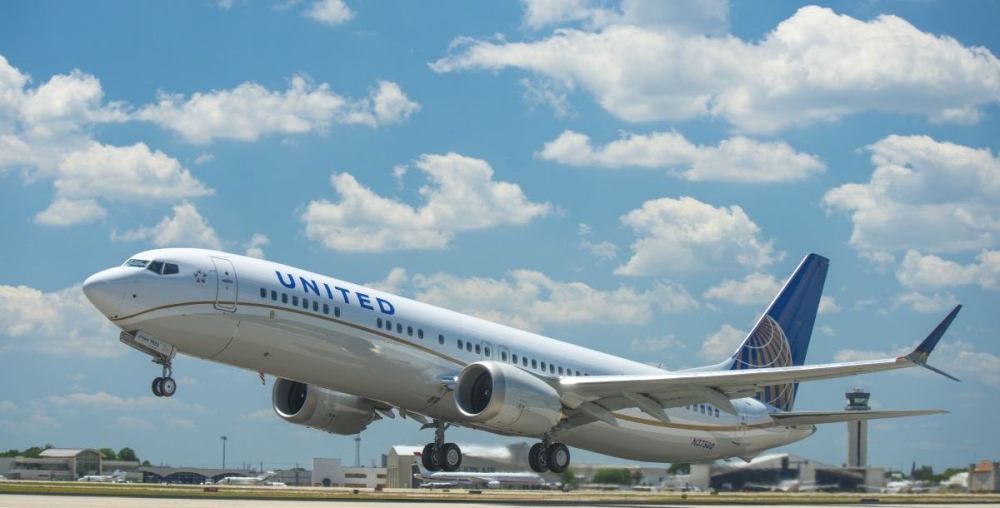
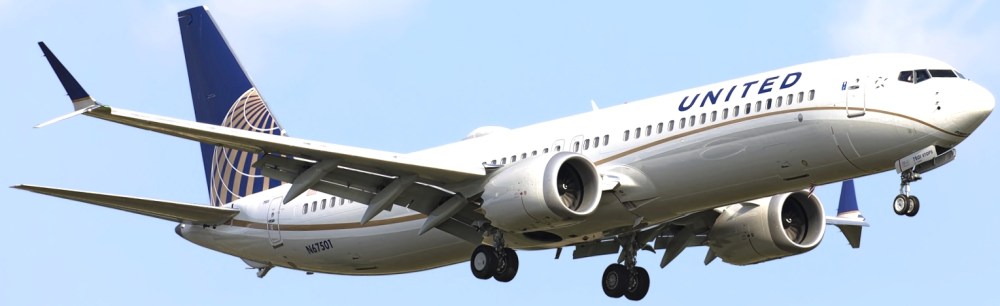
 US airline United Airlines has reported that it will cancel less than half of the new Boeing 737 MAX aircraft it originally ordered. It will take 16 units of the 737 MAX this year and 24 in 2021 from the requested orders, due to the reduction in the size of the airline due to the devastating effects of the Coronavirus, which has reduced travel demand by 90%, translating into fewer aircraft. Instead of its original order, the airline will now receive 40 737 MAX aircraft from the Seattle (WA) aircraft maker by the end of 2021. This new reality means that United has delayed more than half of its order with the Boeing company. «When we get out of this, United Airlines, and the airline industry, will look different,» said United President Scott Kirby.
 AW | 2020 05 03 13:00 | INDUSTRY
 Boeing desestima ayudas del Gobierno Federal al recaudar US$ 25 mil millones en venta de bonos
 Boeing raises for financing
 The Boeing Company has raised US$ 25 billion in debt financing and told investors that, as a result, it would not need to turn to the capital markets of the United States Government for additional funds at this time.
 AW | 2020 05 03 09:22 | INDUSTRY
 Embraer solicita línea crédito, descarta nuevos socios
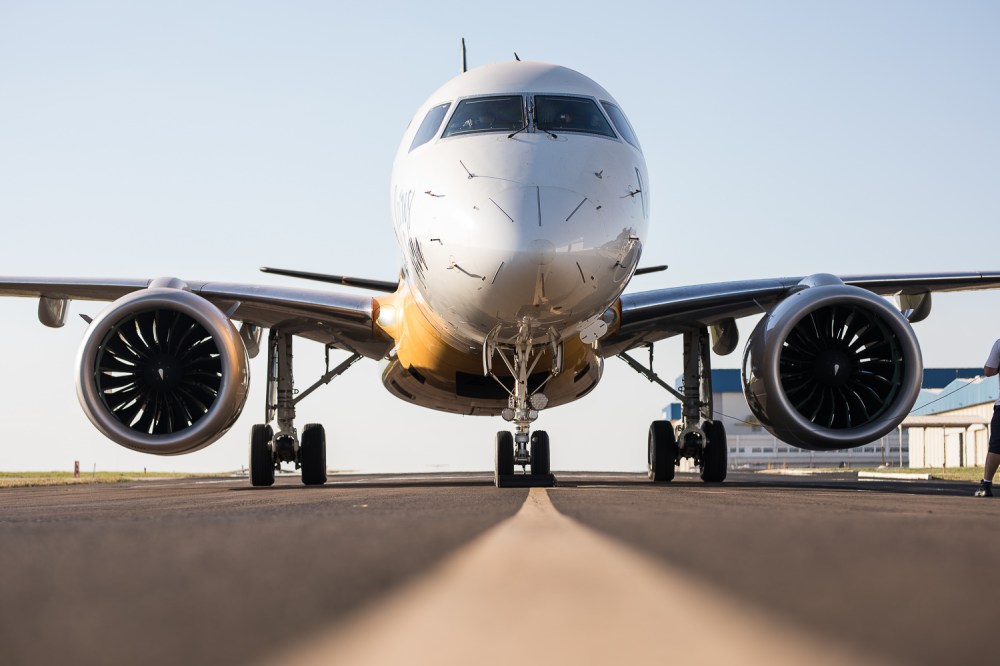 Embraer asks for a line of credit
 Brazilian aircraft manufacturer Embraer SA can obtain lines of credit between US$ 1 billion and US$ 1.5 billion from development bank BNDES and other lenders after the failure of the commercial area’s union with Boeing, it has reported this Friday 02/05 two sources close to the matter. The loan would be used as working capital and export financing, the sources said, requesting anonymity because the negotiations remain private. Embraer may also be included in an aid program for national industries affected by the Coronavirus pandemic.
 Embraer pede linha de crédito
 Embraer solicita linha de crédito e descarta novos parceiros
 AW | 2020 05 03 09:03 | AIRLINES ROUTES
 La low cost húngara inicia apertura cinco frecuencias a Abu Dhabi
 Wizz Air opens route to Abu Dhabi
 Wizz Air, the Hungarian capital airline, will start from 3 June 2020 the launch of five routes from Eastern Europe to Abu Dhabi, United Arab Emirates. Despite the global health crisis, the low-cost Wizz Air expands its service network to the Middle East as planned by the company in 2019. The new routes to the United Arab Emirates correspond to five frequencies to Dubai World Central/Al Maktoum Airport, preparing for the launch of the new destination, Abu Dhabi, the shopping center par excellence. The Hungarian airline will start in stages from several cities in Eastern Europe to Abu Dhabi. On June 3, 2020, the Budapest-Abu Dhabi route will start three times a week (3Frq/S). From September 15, 2020, two weekly frequencies (2Frq/S) Napoca-Abu Dhabi. The Katowice-Abu Dhabi route, since 09/15 with two weekly frequencies (2Frq/S). Sofia-Abu Dhabi, since 09/15 with two flights per week (2Frq/S).
 طيران ويز يفتح الطريق إلى أبوظبي
 تبدأ التكلفة الهنغارية المنخفضة بفتح خمس ترددات على أبوظبي
 AW | 2020 05 02 18:55 | AIRLINES / GOVERNMENT
![aa-timeline-FUTURE-3[1]](https://airgways.com/wp-content/uploads/2020/05/aa-timeline-future-31-e1588456220660.png?w=161) A partir del 11 Mayo 2020 se requerirá que todos los pasajeros de American Airlines “usen un cubre la cara a bordo de la aeronave”, ha expresado la aerolínea este Jueves 30/04 . Todos los asistentes de vuelo de American Airlines ahora deben usar máscaras faciales. United Airlines comenzará a exigir que los pasajeros usen máscaras a partir del Lunes 04/05. Se les ha exigido a los asistentes de vuelo que usen máscaras desde el 24 Abril 2020, un hecho que anuncian con orgullo, declarando en un comunicado que fueron «la primera aerolínea importante de los Estados Unidos en exigir que todos los asistentes de vuelo usen máscaras de servicio». Las máscaras N95
A partir del 11 Mayo 2020 se requerirá que todos los pasajeros de American Airlines “usen un cubre la cara a bordo de la aeronave”, ha expresado la aerolínea este Jueves 30/04 . Todos los asistentes de vuelo de American Airlines ahora deben usar máscaras faciales. United Airlines comenzará a exigir que los pasajeros usen máscaras a partir del Lunes 04/05. Se les ha exigido a los asistentes de vuelo que usen máscaras desde el 24 Abril 2020, un hecho que anuncian con orgullo, declarando en un comunicado que fueron «la primera aerolínea importante de los Estados Unidos en exigir que todos los asistentes de vuelo usen máscaras de servicio». Las máscaras N95  estarán disponibles, pero solo se asignarán a clientes sintomáticos y azafatas que los ayuden directamente. Delta Air Lines también comenzará a exigir que los pasajeros usen máscaras, no solo en los vuelos, sino desde el lobby de check-in, a partir del Lunes 04/05. Los asistentes de vuelo de la aerolínea deben usar máscaras desde el 27 Abril. JetBlue Airways lideró el paquete al exigir cubiertas faciales para los pasajeros, anunciando el nuevo requisito, que comenzará el lunes. «Esta nueva política requerirá que los clientes usen una cara que cubra su nariz y boca durante todo su viaje, incluso durante el check-in,
  el embarque, el vuelo y el desembarque. Los niños pequeños que no pueden cubrirse la cara están exentos de este requisito», dice la compañía. Frontier Airlines dijo el Jueves 30/04 que los clientes deben usar cubiertas faciales a partir del 8 Mayo 2020. «Queremos que nuestros pasajeros se sientan cómodos cuando vuelen con nosotros protegiéndose a sí mismos y a sus compañeros de viaje mientras navegamos por la pandemia de COVID-19. Esta nueva medida está alineada con las recomendaciones de los CDC y las de muchos municipios dentro de los Estados Unidos que incluyen el uso de una máscara para la cara cuando están en público», dijo el CEO de Frontier, Barry Biffle. Southwest Airlines, entre muchas otras aerolíneas, aún no ha anunciado los requisitos de cobertura facial.
 US airlines mask requirement
 As of May 11, 2020, all American Airlines passengers will be required to «wear a face shield on board the aircraft», the airline said Thursday, 04/30. All American Airlines flight attendants must now wear face masks. United Airlines will begin requiring that passengers wear masks beginning Monday, 05/05. Flight attendants have been required to wear masks since April 24, 2020, a fact they proudly announce, declaring in a statement that they were «the first major airline in the United States to require all flight attendants to wear masks of service». N95 skins will be available, but will only be assigned to symptomatic clients and hostesses who directly assist them. Delta Air Lines will also begin to require passengers to wear masks, not only on flights but from the check-in lobby, starting Monday 04/05. Airline flight attendants must wear masks from April 27. JetBlue Airways led the pack by demanding facial covers for passengers,
  announcing the new requirement, which will begin Monday. «This new policy will require customers to wear a face that covers their nose and mouth throughout their journey, including during check-in, boarding, flight, and disembarkation. Young children who cannot cover their faces are exempt from this requirement», says the company. Frontier Airlines said Thursday 4/30 that customers must wear face covers beginning May 8, 2020. «We want our passengers to feel comfortable flying with us protecting themselves and their fellow travelers as we navigate the COVID-19 pandemic. This new measure is aligned with the recommendations of the CDC and those of many municipalities within the United States that include the use of a face mask when in public», said Frontier CEO Barry Biffle. Southwest Airlines, among many other airlines, has yet to announce facial coverage requirements.
 AW | 2020 05 02 12:00 | AIRLINES
 La aerolínea americana desprograma flota más antigua
 American accelerates redundant fleet retirement
 The American airline deprograms the oldest fleet
 These changes eliminate operational complexity and will bring cost savings and efficiencies associated with operating fewer types of aircraft. It will also help the American approach to fly more advanced aircraft, the carrier will continue to receive deliveries of the ordering Airbus A321NEO, more Boeing 787 aircraft, and even more Boeing 737 MAX aircraft, when and if it is ever cleared for the skies again.
 AW | 2020 05 21:30 | INDUSTRY
 Certificación Boeing 737 MAX en espera de validación de software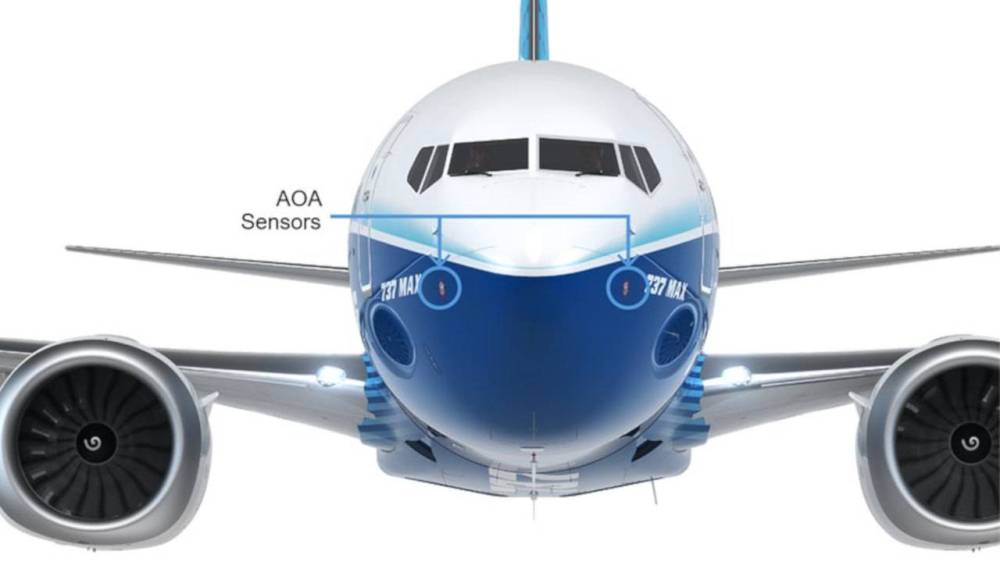
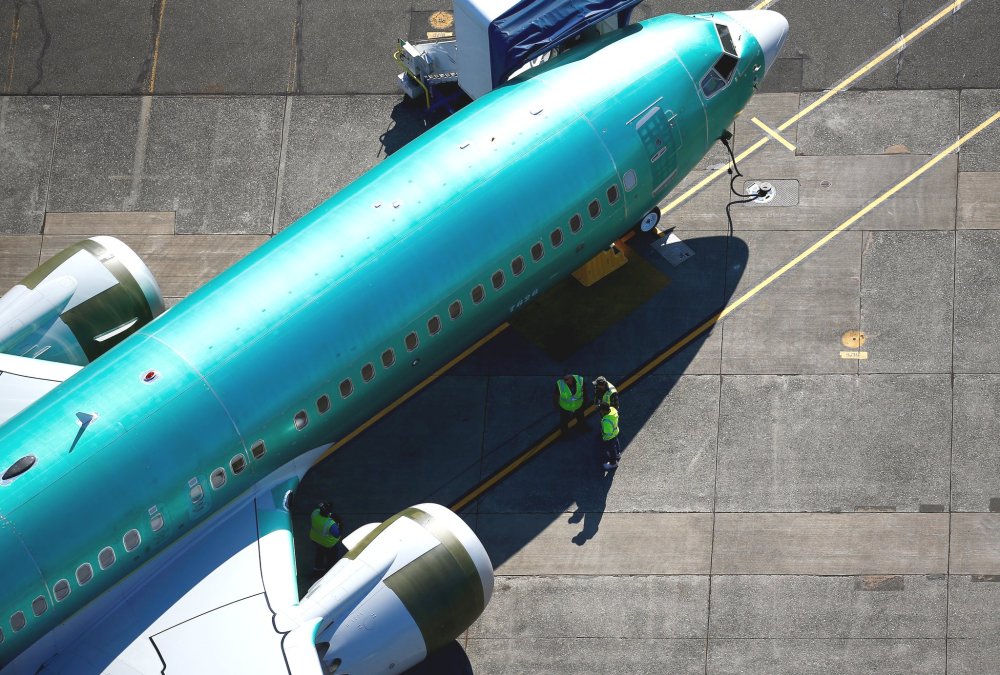 Prospects for 737 MAX approval
 Boeing 737 MAX certification awaiting software validation
 the software for the 737 MAX flight control computer. Boeing CEO David Calhoun did not provide a timeline for when the software validation effort would be completed. «Right now we are focused on completing the validation of the software and the required technical documentation that will precede a certification flight, some of the documentation work has taken longer than expected. And the situation with the Coronavirus has also required some changes in how We do things, including remote work and virtual meetings with our regulators», says the CEO of Boeing.
 AW | 2020 05 01 19:33 | INDUSTRY
 El acuerdo entre Boeing y Embraer prohíbe la retirada en caso de pandemia, según el documento
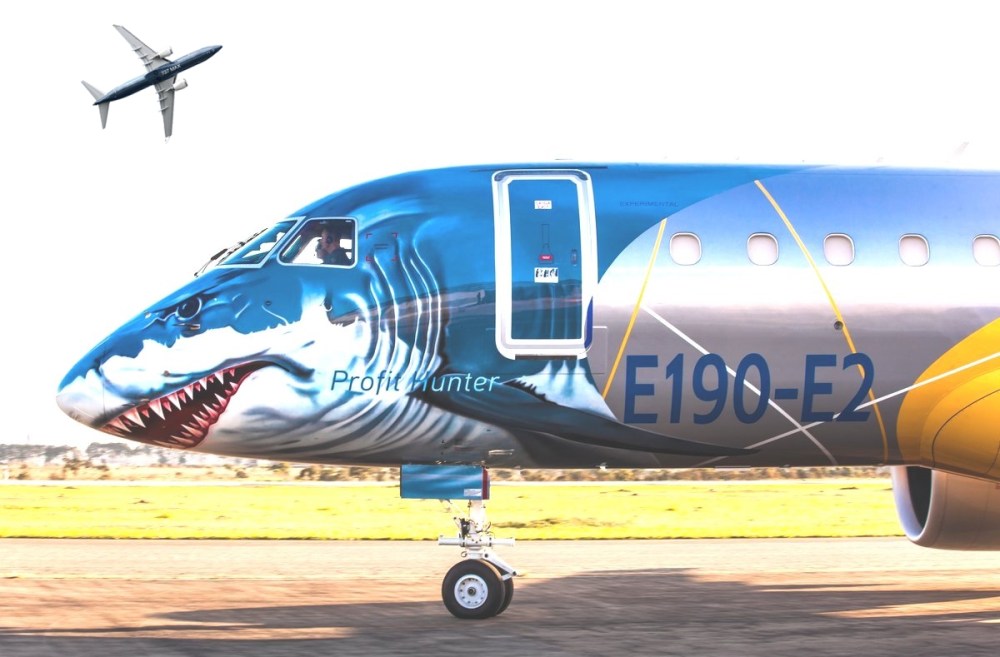
 detallar una alternativa convincente frente a su futuro. Embraer necesita presentar un convincente Plan B después del rechazo del gigante Boeing.
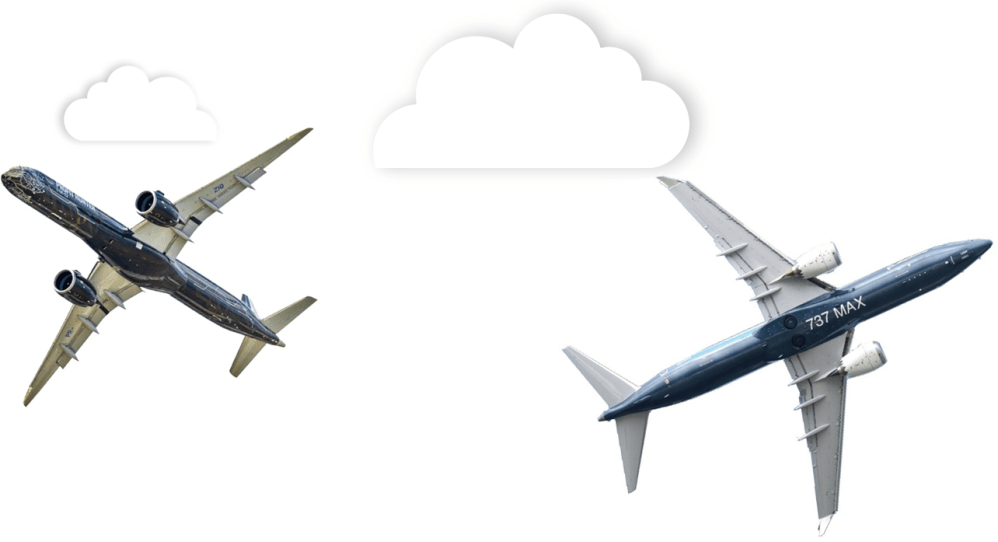 Between-line rupture Boeing-Embraer
 Agreement between Boeing and Embraer prohibits withdrawal in case of pandemic, according to the document
