JetSmart compra Norwegian Argentina

AW-7001328.JPGAW | 2019 12 04 12:41 | AIRLINES / AIRLINES MARKET

JetSMART-16-9.pngJetSmart Argentina se queda con la arolínea low cost Norwegian Air Argentina

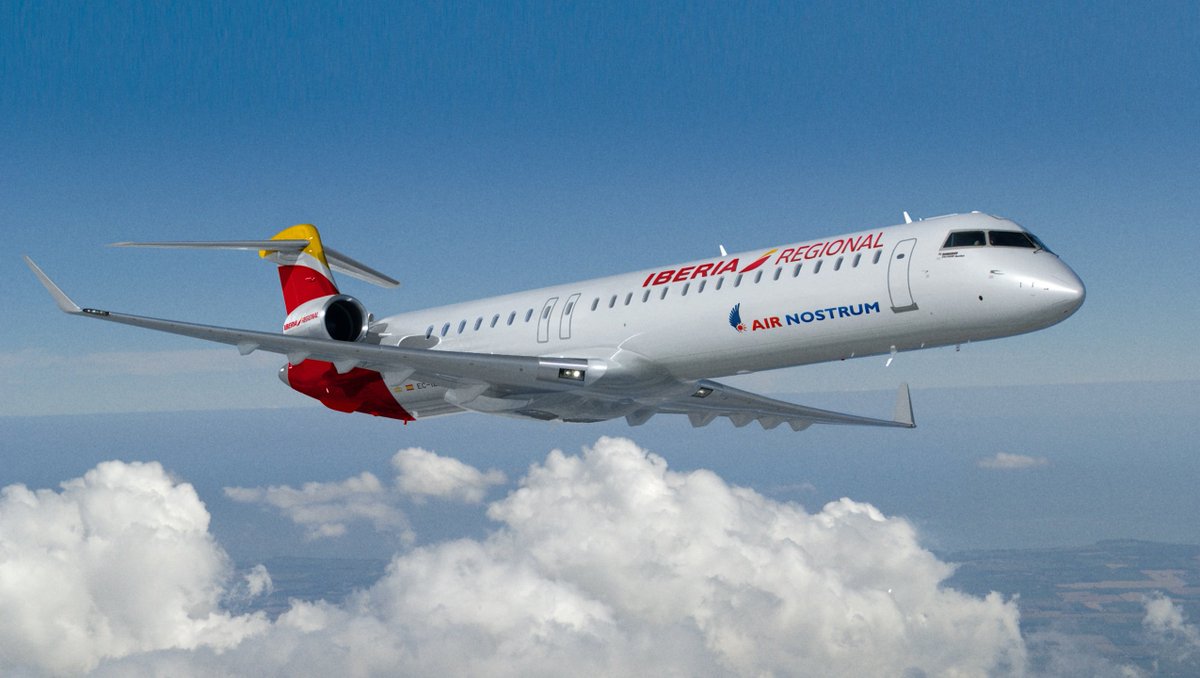
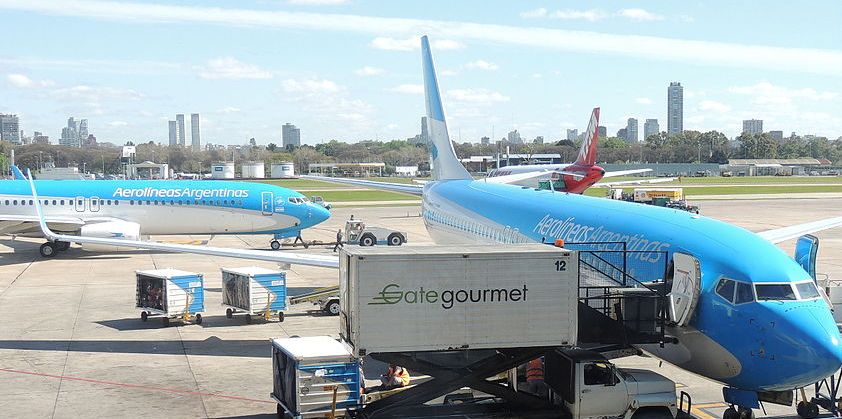
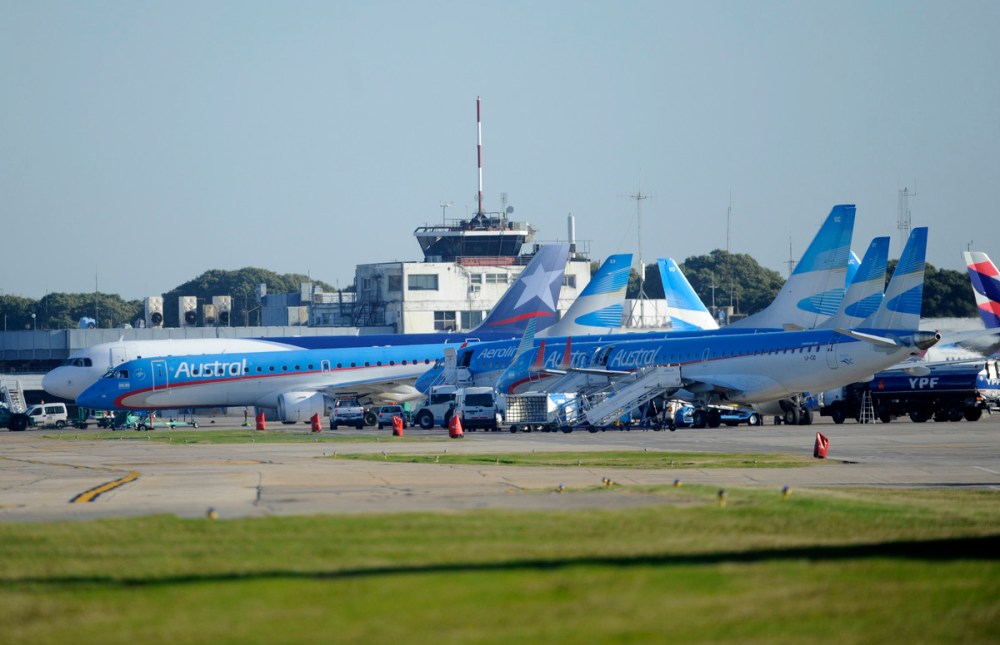
JetSmart Airlines Argentina se queda con la operación de Norwegian Air Argentina. La noticia acerca de un posible retiro del mercado argentino se ha concretado por parte del grupo noruego, después de eiterados problemas financieros que han involucrado a la empresa matriz Norwegian Shuttle ASA y la crisis económica de Argentina han trminado por asfixiar a la jovn línea aérea local.

«Involución de los Aviones»

Después del despegue hacia una economía abierta en Argnina, las líneas aéreas parmitirían volar a destinos domésticos e internaciones impensados, pero los vaivenes económicos de Agnina, ha truncado la «Revolución de los Aviones».

JetSmart compra Norwegian Argntina

Si bien por estás horas aún hay conversaciones finales entre Chile, desde donde controla el negocio regional de JetSmart; Buenos Aires, donde está en este momento su CEO, el guatemalteco Estuardo Ortíz, y Oslo, la capital noruega, la venta se anunciará en una conferencia de prensa convocada para este mediodía en un hotel de Retiro. Aún no trascendió el monto, pero fuentes del mercado aseguran que incluirá el traspaso del total del negocio: las rutas y, en principio, la absorción de los 200 empleados de la empresa en el país. Norwegian, por su parte, se va del país.

JetSmart Argentina es parte de Indigo Partners, un fondo de inversión privado basado en Phoenix, Arizona, en EEUU, que invierte en aviación de bajo costo desde hace 15 años y fue fundado por el empresario aeronáutico Bill Franke. Indigo transporta 1,4 millones de pasajeros y controla otras compañías de bajo costo, como Wizz Air (Europa), Volaris (México) y Frontier Airlines (Estados Unidos). La operación regional tiene base en Chile, donde opera 13 rutas desde 2017. JetSmart llegó a la Argentina en 2018 luego de comprar la empresa Alas del Sur, que ya tenía rutas otorgadas por el Gobierno.

“Queremos convencer a la gente de que se puede viajar en un avión nuevo, seguro, confiable y llegar a tiempo por pocos pesos. Hay cierta tendencia a pensar que bajos costos es baja calidad, y no es así. Nuestro modelo de negocios, comprobado en varias partes del mundo, está basado en invertir en calidad y confiabilidad. Y aviones nuevos. Se puede tener precios más bajos y llegar a un público que no existía, a un mercado que no volaba. La clase media quiere volar, pero no puede”, le dijo el año pasado a Infobae Ortíz, CEO de JetSmart Airlines.

Norwegian, otra víctima

Norwegian Air Argentina inició sus operaciones en 10/2018 se va del país en medio de un contexto económico local desfavorable para el sector y una situación compleja del grupo al que pertenece, para una compañía que busca el equilibrio financiero y que está readecuando operaciones en Europa. También la golpeó el escándalo de las fallas de los Boeing 737 MAX que obligó que 18 de los aviones no puedan volar desde comienzos de este año. Las versiones de su salida cobraron fuerza hace unos días, cuando sitios especializados detectaron que sólo vendía tickets hasta fines de Marzo 2020. Según trascendió esta mañana, la operación se mantendrá y los pasajes vendidos serán válidos. Sólo que ahora los aviones y los boarding pass tendrán el nombre de JetSmart.

Norwegian Air Argentina se retira del mercado aéreo de Argentina, que al igual que varias aerolíneas que no han llegado a materializarse, como las quiebras de Avianca Argentina y LASA Líneas Aéreas, despedimos a otra aerolínea de los cielos de Argentina. AW-Icon AW001

17990l.jpgJetSmart buys Norwegian Argentina

avion-jetsmart.pngJetSmart Argentina keeps the low-cost airline Norwegian Air Argentina

JetSmart Airlines Argentina keeps the operation of Norwegian Air Argentina. The news about a possible withdrawal from the Argentine market has been materialized by the Norwegian group, after reiterated financial problems that have involved the parent company Norwegian Shuttle ASA and the economic crisis in Argentina have ended by suffocating the young local airline.

«Involution of the Airplanes»

After the take-off to an open economy in Argentina, the airlines would allow flying to domestic destinations and unthinkable internments, but Agnina’s economic fluctuations have truncated the «Aircraft Revolution».

JetSmart buys Norwegian Argentina

Although for these hours there are still final conversations between Chile, from where it controls the regional business of JetSmart; Buenos Aires, where its CEO is now, the Guatemalan Estuardo Ortíz, and Oslo, the Norwegian capital, the sale will be announced at a press conference convened for this noon at a Retreat hotel. The amount has not yet transpired, but market sources say it will include the transfer of the total business: the routes and, in principle, the absorption of the company’s 200 employees in the country. Norwegian, meanwhile, leaves the country.

JetSmart Argentina is part of Indigo Partners, a private investment fund based in Phoenix, Arizona, in the US, which has invested in low-cost aviation for 15 years and was founded by aeronautical entrepreneur Bill Franke. Indigo transports 1.4 million passengers and controls other low-cost companies, such as Wizz Air (Europe), Volaris (Mexico) and Frontier Airlines (United States). The regional operation is based in Chile, where it operates 13 routes since 2017. JetSmart arrived in Argentina in 2018 after buying the company Alas del Sur, which already had routes granted by the Government.

“We want to convince people that you can travel in a new, safe, reliable plane and arrive on time for a few pesos. There is some tendency to think that low costs are low quality, and it is not. Our business model, proven in several parts of the world, is based on investing in quality and reliability. And new planes. You can have lower prices and reach an audience that did not exist, a market that did not fly. The middle class wants to fly, but it can’t”, he told Infobae Ortíz, CEO of JetSmart Airlines last year.

Norwegian, another victim

Norwegian Air Argentina began its operations in 10/2018 leaves the country in the middle of a local economic context unfavorable for the sector and a complex situation of the group to which it belongs, for a company that seeks financial balance and is readjusting operations in Europe. It was also hit by the scandal of the failures of the Boeing 737 MAX that forced 18 of the planes to not be able to fly since the beginning of this year. The versions of his departure gained strength a few days ago, when specialized sites detected that he was only selling tickets until the end of March 2020. According to this morning, the operation will be maintained and the tickets sold will be valid. Only now the airplanes and boarding pass will have the name JetSmart.

Norwegian Air Argentina withdraws from the Argentine air market, which, like several airlines that have not materialized, such as the bankruptcies of Avianca Argentina and LASA Líneas Aéreas, said goodbye to another airline in the skies of Argentina. AW-Icon AW002


Ξ A I R G W A Y S Ξ
SOURCE: Airgways.com
DBk: Jetsmart.com / Airgways.com
AW-POST: 201912041241AR

A\W   A I R G W A Y S ®


Justicia ordena investigar tragedia Sol

Resultado de imagen para sol líneas aéreas Saab 340 LV-CEJAW | 2019 12 04 12:15 | AIR INVESTIGATION / AVIATION SAFETY

cabezalJusticia Argentina ordena continuar investigaciones tragedia Sol Líneas Aéreas

La Cámara Federal de General Roca, Argentina, ha odenado profundizar el análisis de la tragedia del vuelo 8R5428 (OLS5428) de Sol Líneas Aéreas. La Cámara Federal de Apelaciones de General Roca le ordenó en Junio 2019 a Leonidas Moldes continuar investigando la tragedia del vuelo 8R5428, pero el magistrado se jubiló al mes siguiente, por lo que su reemplazante en el juzgado de Bariloche tendrá entonces un primer desafío, de reordenar la causa de la tragedia de la aeronave SAAB 340A del vuelo 8R5428 en el Paraje Prahuaniyeu, en la Provincia de Río Negro. Los familiares reclaman que de una vez por todas los funcionarios judiciales determinen la responsabilidad de los directivos de Sol S.A. Líneas Aéreas.

Querellantes

Gustavo Fernández, abogado de Marcela Bastit, viuda del Comandante Juan Raffo, planteó ante la Cámara Federal: «El tribunal debió investigar la posible participación dolosa del delito tipificado en el artículo 190 segundo párrafo del Código Penal que castiga al que a sabiendas ejecutare cualquier acto que ponga en peligro la seguridad de una aeronave. Tiene un máximo de pena de 25 años cuando produjera muerte».

Romina Barreto, letrada de Juan Carlos Ruiz, papá de la víctima Juan Manuel, ratificó el planteo de su colega: «Toda la investigación estuvo dirigida a determinar las causas técnicas e inmediatas del accidente, pero la verdadera causa es anterior al vuelo en sí. Esas circunstancias fueron perfectamente descriptas en el informe de la Junta de Investigación (JIAAC) que el tribunal pasó por alto: la aerolínea obligaba a los pilotos a volar una ruta no autorizada, que frecuentemente posee hielo, sin capacitar a los pilotos en hielo, pero, para el juez, la culpa es de la tripulación».

Los abogados de las víctima no tienen dudas: el vuelo 8R5428 nunca debería haber salido. Todo empezó la tarde del 18 Mayo 2011: el piloto Juan Raffo y el copiloto Adriano Bolatti despegaron el SAAB 340A matrícula LV-CEJ a las 20:35 hs desde el Aeropuerto Internacional de Rosario con destino final al Aeropuerto Internacional de Comodoro Rivadavia; hicieron escalas en Córdoba, Mendoza y Neuquén. Raffo y Bolatti aterrizaron a las 22:20 hs en Neuquén, pidieron más combustible y las 23:05 hs, con la tripulación (3) y 19 pasajeros abordo, despegaron hacia Comodoro Rivadavia.

La investigación en crisis

El exjuez Leonidas Moldes comenzó el día siguiente a investigar los pormenores de la tragedia desde que el Saab 340A matrícula LV-CEJ despegó a las 20:35 hs desde Rosario. No centró su análisis en determinar si el avión podía volar. Tampoco consideró las observaciones del informe final de la Junta de Investigación (JIAAC) que respondían ese interrogante. Para el magistrado, fue suficiente la conclusión del informe preliminar de la JIAAC: «Causa: probable inadecuada planificación del vuelo; probable inadecuada decisión operacional del piloto; probable pérdida de la consciencia situacional de la tripulación de la cabina de vuelo; probable complacencia de la tripulación de cabina de vuelo».

El ahora ex-juez Leónidas Moldes resolvió el 7 Mayo 2012, a un año de la tragedia, decretar la falta de mérito a los funcionarios de la aerolínea regional: Horacio Gabriel Angeli (Presidente), Juan Alberto Nyffenegger (Vicepresidente) y Danilo Alberto Pojmaevich (Gerente). El Estudio Jurídico Stella Rinaldis y Asociados que analiza la causa por el momento prefirieron no realizar declaraciones. El juez no consideró trascendental que en el Informe Preliminar, en el que se ha basado su decisión, se haya comtido errores en los datos de la tragedia del avión de Sol Líneas Aéreas. Se observa en el documento judicial errores graves: de fecha del accidente (decía «18 JUN 11»), donde debía decir «18 Mayo 2011»; además el horario del accidente decía «23:50» cuando en resolución del juez indica «23:40») y la cantidad de víctimas fatales donde dice «tripulación y 22 pasajeros» cuando en realidad fueron 3 tripulantes y 19 pasajeros.

AW-Sol_700433.pngInforme Final JIAAC

Del Reporte Final de la JIAAC, el Juez Leónidas Moldes sobreseyó al Gerente, Presidente y Vicepresidente de la empresa al no encontrar relación causal e inmediata con el accidente aéreo. La Junta de Investigación, sin embargo, había enumerado varias claves por las que los querellantes denunciaron que el avión nunca debería haber despegado: «dos Directivas de Aeronavegabilidad (AD) no estaban cumplimentadas al momento del accidente»; en la planilla de entrenamiento del piloto, «no quedó registrado que haya recibido instrucción sobre el sistema de protección contra hielo y lluvia, y sistema anti hielo»; «la asignatura meteorología no fue impartida» en el curso; la empresa «no tenía previsto prácticas simuladas de operación en tiempo frío o cálido» ni era posible en los equipos simuladores al tipo de aeronave «simular el vuelo con formación de hielo».

Informes aeronaves y rutas

La Junta de Investigación ha expresado que la aerolínea solicitó el 29 Junio 2010 a la Administración Nacional de Aviación Civil (ANAC) incorporar a su flota dos SAAB340: una era justamente la de matrícula LV-CEJ, pero «sin equipamiento de comunicación de alta frecuencia (HF)». La ANAC no solo lo aprobó sino que el 3 Marzo 2011, es decir, dos meses antes de la tragedia, resolvió que «ya no era obligatorio el requerimiento de equipo de comunicación de alta frecuencia».

Además, según la información oficial requerida por el juzgado, «la ruta de Neuquén (SAZN) y Comodoro Rivadavia (SAVC), «no figura en la lista de rutas internas autorizadas» sino que la empresa «debía confeccionar cada mes el requerimiento a la SSTA para que fuera autorizada a operar estas rutas como no regular»; y, por último, «los aeródromos de SAZN y SAVC no figuran en la lista de autorizados».

Anteriormente, el Comandante Juan Raffo advirtió sobre el peligro de operar en esa ruta aérea: la Gerencia de Seguridad Operacional reconoció que el piloto puso por escrito en Octubre 2010 la problemática del «engelamiento», es decir la producción de hielo por las bajas temperaturas en ese tramo que provocan inconvenientes para operar el avión. La noche fatal el propio Comandante había expresado su queja en cabina a su compañero el Primer Oficial: «¿Por qué te crees que se cae tanto este avión? ¡No sirve para esta ruta, pero no lo quieren entender!». Sin embargo «el área de Seguridad Operacional no consideró como peligro/amenaza la operación en tiempo frío, engelamiento y fatiga, debido al nivel de experiencia de los comandantes».

Pero esa noche, Juan Raffo y Adiano Bolatti recién se enteraron en pleno vuelo de la probabilidad de sufrir engelamiento. Es que, según la reconstrucción meteorológica, «la oficina meteorológica del aeropuerto de Neuquén estaba cerrada a la hora que pasó el vuelo» y «el Sistema de Visualización Meteorológica Aeronáutica (SAVIMA) estaba fuera de servicio». Los especialistas de la Junta de Investigación JIAAC concluyeron: «probablemente estas dos situaciones contribuyeron a que la información de la situación meteorológica que encontrarían en la ruta no fuera la real».

Las recomendaciones tardías

AW-Sol_70066.pngTal fue la incidencia de este escenario imprevisto que la JIAAC le recomendó al Servicio Meteorológico Nacional (SMN) «contemplar la posibilidad de ampliar los horarios de servicio de las oficinas meteorológicas de aeródromos con el objetivo de cubrir toda la franja horaria de operaciones de los mismo aeródromos». Y a la Fuerza Aérea, le aconsejó «la conveniencia de establecer una red de comunicaciones de alta frecuencia con cobertura nacional permanente», es decir, lo que la ANAC había eliminado de los requisitos para volar dos meses antes de la tragedia. Los especialistas le pidieron a la aerolínea que, «con el objetivo de incrementar el nivel de seguridad de la operaciones, incluyan en el programa SMS de la empresa, al engelamiento severo como un peligro específico, a los efectos de generar las defensas».

El juez de la causa aceptó indagar a los empresarios, el Gerente de Opraciones Danilo Pojmaevich, reconoció que «no impartieron cursos o instrucciones particulares a los pilotos al momento de comenzar a volar la ruta Neuquén-Comodoro Rivadavia». Por su parte, Juan Nyffenegger, Vicepresidente desligó en «la autoridad aeronáutica la habilitación de la ruta aérea», pero admitió que «se sabía de alguna limitación en las comunicaciones y por ese motivo se solicitó la respectiva autorización a la autoridad de control».

La despedida de Moldes

El magistrado no contempló las advertencias de los especialistas ni a las confesiones de los imputados. Leónidas Moldes sobreseyó en Febrero 2019 a Danilo Pojmaevich, Horacio Angeli y Juan Nyffenegger. La Cámara Federal de Apelaciones de General Roca revocó esa decisión en Junio 2019. Al mes siguiente, el juez presentó los papeles para acceder a la jubilación en el Poder Judicial de la Nación.

La causa continúa abierta a cargo del nuevo Juez subrogante Gustavo Zapata, en Bariloche. Primero deberá resolver el planteo de la defensa para dar por extinguida la acción penal: como los empresarios eran acusados de «estrago culposo» del Artículo 189 del Código Penal (CP), con pena máxima de 5 años, sus abogados pidieron cerrar el expediente. Sin embargo, los familiares de las víctimas plantearon el cambio de carátula al Artículo 190 segundo párrafo del CP que castiga al que a sabiendas ejecutare cualquier acto que ponga en peligro la seguridad de una aeronave que terminare con muerte, que tiene un máximo de pena de 25 años, por lo que su plazo de prescripción es de 12 años.

El juez Zapata finalmente deberá reinterpretar el informe final de la Junta de Investigación para responderles a los querellantes si, como denuncian, Juan Raffo y Adriano Bolatti debiesen o no haber piloteado la aeronave turbohélice SAAB 340A matrícula LV-CEJ entre Neuquén y Comodoro Rivadavia cuando caía la noche el 11 Mayo 2011 en la Región Patagonia. Para el ahora ex-juez, Leónidas Moldes, los responsables fueron los comandantes del vuelo 8R5428. AW-Icon AW001

AW-Sol_340A.jpgJustice orders tragedy investigations 8R5428

Justice Argentina orders to continue investigations tragedy SOL Líneas Aéreas

The Federal Chamber of General Roca, Argentina, has ordered to deepen the analysis of the tragedy of the 8R5428 (OLS5428) flight of Sol Líneas Aéreas. The Federal Appeals Chamber of General Roca ordered Leonidas Moldes in June 2019 to continue investigating the tragedy of flight 8R5428, but the magistrate retired the following month, so his replacement in the Bariloche court will then have a first challenge, of reordering the cause of the tragedy of the SAAB 340A aircraft of flight 8R5428 at Prahuaniyeu, in the Province of Río Negro. Family members claim that once and for all judicial officials determine the responsibility of the directors of Sol S.A. Airlines.

Complainants

Gustavo Fernández, lawyer of Marcela Bastit, widow of Commander Juan Raffo, raised before the Federal Chamber: «The court had to investigate the possible fraudulent participation of the offense set forth in article 190 second paragraph of the Criminal Code that punishes those who knowingly execute any act that jeopardizes the safety of an aircraft. It has a maximum penalty of 25 years when it causes death».

Romina Barreto, lawyer of Juan Carlos Ruiz, father of the victim Juan Manuel, ratified her colleague’s statement: «All the investigation was aimed at determining the technical and immediate causes of the accident, but the real cause is prior to the flight itself. These circumstances were perfectly described in the report of the Board of Investigation (JIAAC) that the court ignored: the airline forced the pilots to fly an unauthorized route, which often has ice, without training the pilots on ice, but, for the judge, the fault lies with the crew».

Imagen relacionadaCOMMANDER JUAN RAFFO AND FIRST OFFICIAL ADRIANO BOLATTI

The lawyers of the victims have no doubts: flight 8R5428 should never have left. It all started on the afternoon of May 18, 2011: the Commander Juan Raffo and First Official Adriano Bolatti took off the SAAB 340A registration LV-CEJ at 20:35 hs from Rosario International Airport with final destination to Comodoro Rivadavia International Airport; They made stops in Córdoba, Mendoza, and Neuquén. Raffo and Bolatti landed at 10:20 p.m. in Neuquén, asked for more fuel and 11:05 p.m., with the crew (3) and 19 passengers on board, took off towards Comodoro Rivadavia.

Crisis Research

The former Leónidas Moldes began the next day to investigate the details of the tragedy since the Saab 340A registration LV-CEJ took off at 8:35 p.m. from Rosario. He did not focus his analysis on determining if the plane could fly. Nor did he consider the observations of the final report of the Research Board (JIAAC) that answered that question. For the magistrate, the conclusion of the preliminary report of the JIAAC was sufficient: «Cause: probable improper flight planning; probable improper operational decision of the pilot; probable loss of the situational awareness of the flight cabin crew; probable complacency of the flight cabin crew».

The now ex-judge Leonidas Moldes resolved on May 7, 2012, one year after the tragedy, to decree the lack of merit to the regional airline officials: Horacio Gabriel Angeli (President), Juan Alberto Nyffenegger (Vice President) and Danilo Alberto Pojmaevich (Manager). The Stella Rinaldis and Associates Law Firm that analyzes the case at the moment preferred not to make statements. The judge did not consider it transcendental that in the Preliminary Report, on which his decision has been based, errors have been made in the data of the tragedy of the Sun Airlines plane. There are serious errors in the judicial document: the date of the accident (said «18 JUN 11»), where it should say «18 May 2011»; In addition, the accident schedule read «23:50» when the judge says «23:40») and the number of fatalities where it says «crew and 22 passengers» when there were actually 3 crew members and 19 passengers.

JIAAC Final Report

From the Final Report of the JIAAC, Judge Leónidas Moldes dismissed the Manager, President and Vice President of the company, finding no causal and immediate relationship with the plane crash. The Investigation Board, however, had listed several keys for which the complainants reported that the plane should never have taken off: «two Airworthiness Directives (AD) were not completed at the time of the accident»; on the pilot’s training form, «it was not recorded that he received instruction on the protection system against ice and rain, and anti-ice system»; «the meteorology course was not taught» in the course; The company «had no planned simulated operating practices in cold or warm weather» nor was it possible in the simulator equipment to the type of aircraft «simulate the flight with icing».

Aircraft and route reports

The Research Board has said that the airline requested the National Civil Aviation Administration (ANAC) on June 29, 2010, to incorporate two SAAB340s into its fleet: one was just the one of registration LV-CEJ, but «without high-frequency communication equipment (HF)». The ANAC not only approved it but on March 3, 2011, that is, two months before the tragedy, it resolved that «the requirement for high-frequency communication equipment was no longer mandatory».

In addition, according to the official information required by the court, «the route of Neuquén (SAZN) and Comodoro Rivadavia (SAVC)», does not appear in the list of authorized internal routes «but the company had to prepare the requirement to the monthly SSTA to be authorized to operate these routes as not regular»; and, finally, «the SAZN and SAVC airfields are not listed on the authorized list».

Earlier, Commander Juan Raffo warned about the danger of operating on that air route: the Safety Management acknowledged that the pilot wrote down in October 2010 the problem of «icing», that is, the production of ice due to the low temperatures in that stretch that cause inconvenience to operate the plane. The fatal night the Commander himself had expressed his complaint in the cabin to his companion the First Officer: «Why do you think this plane falls so much? It is not useful for this route, but they do not want to understand it!» However, «the Operational Safety area did not consider the operation in cold weather, icing, and fatigue as a danger/threat, due to the level of experience of the commanders».

But that night, Juan Raffo and Adriano Bolatti just learned in full flight of the probability of suffering icing. It is that, according to the meteorological reconstruction, «the meteorological office of the Neuquén airport was closed at the time the flight passed» and «the Aeronautical Meteorological Visualization System (SAVIMA) was out of service». The specialists of the JIAAC Research Board concluded: «These two situations probably contributed to the fact that the information on the meteorological situation they would find on the route was not the real one».

Late recommendations

Such was the incidence of this unforeseen scenario that the JIAAC recommended to the National Meteorological Service (SMN) «to consider the possibility of extending the hours of service of the meteorological offices of aerodromes with the objective of covering the entire time slot of operations of the same airfields». And he told the Air Force «the advisability of establishing a high-frequency communications network with permanent national coverage», that is, what ANAC had eliminated from the requirements to fly two months before the tragedy. The specialists asked the airline, «in order to increase the level of security of operations, include in the company’s SMS program, severe icing as a specific danger, in order to generate defenses».

The judge of the case agreed to investigate the businessmen, the Options Manager Danilo Pojmaevich, acknowledged that «they did not give courses or instructions to the pilots at the time they started flying the Neuquén-Comodoro Rivadavia route». For his part, Juan Nyffenegger, Vice President, separated in «the aeronautical authority the authorization of the air route», but admitted that «it was known of some limitation in the communications and for that reason, the respective authorization was requested from the control authority».

The farewell of Moldes

The magistrate did not contemplate the warnings of the specialists or the confessions of the accused. Leónidas Moldes dismissed in February 2019 Danilo Pojmaevich, Horacio Angeli and Juan Nyffenegger. The Federal Court of Appeals of General Roca reversed that decision in June 2019. The following month, the judge presented the papers to access retirement in the Judicial Branch of the Nation.

The case is still open by the new subrogant judge Gustavo Zapata, in Bariloche. You must first resolve the defense’s claim to terminate the criminal action: as the businessmen were accused of «guilty damage» of Article 189 of the Criminal Code (CP), with a maximum penalty of 5 years, their lawyers asked to close the file. However, the next of kin of the victims proposed the change of cover to Article 190 second paragraph of the CP that punishes those who knowingly execute any act that endangers the safety of an aircraft that ends with death, which has a maximum penalty of 25 years, so its statute of limitations is 12 years.

Judge Zapata must finally reinterpret the final report of the Board of Investigation to respond to the complainants if, as they denounce, Juan Raffo and Adriano Bolatti should or should not have piloted the SAAB 340A turboprop aircraft registration LV-CEJ between Neuquén and Comodoro Rivadavia when it fell the night on May 11, 2011, in the Patagonia Region. For the now ex-judge, Leonidas Moldes, those responsible were the commanders of flight 8R5428. AW-Icon AW002


Ξ A I R G W A Y S Ξ
SOURCE: Airgways.com
DBk: Tn.com.ar / Airgways.com
AW-POST: 201912041215AR

A\W   A I R G W A Y S ®

Padang tendrá nueva terminal

Resultado de imagen para Angkasa Pura II PadangAW | 2019 12 04 10:47 | AIRPORTS

Imagen relacionadaEl Aeropuerto Padang de Indonesia tendrá una nueva terminal en 2020

El Aeropuerto Internacional Padang Minangkabau estrenará una nueva terminal para el 1Q2020. Una vez completado el nuevo edificio, el operador del aeropuerto Angkasa Pura II comenzará a trabajar para combinar el nuevo edificio con el de la terminal existente. Esto aumentará la capacidad de manejo anual del aeropuerto de 2.2 millones de pasajeros a 5.7 millones. Se espera un lanzamiento del desarrolllo de las actividades para Febrero 2020 y operaciones completas para 09/2020.

El concesionario indonesio de los aeropueertos, Angkasa Pura II, ha aumentado el número de puestos de estacionamiento de aviones de ocho a 15 al expandir el espacio de la plataforma, que ahora es capaz de manejar aviones hasta el tamaño de Boeing 747 y 777.

Los datos de horarios de Cirium muestran que la capacidad de asientos que sale de Padang en noviembre está dominada por Lion Air, con una participación de mercado del 44.7%. Citilink, Garuda Indonesia y Batik Air son los siguientes operadores más grandes en el aeropuerto. AW-Icon AW001

Resultado de imagen para Padang Minangkabau International AirportPadang will have a new terminal

Indonesia Padang Airport will have a new terminal in 2020

Padang Minangkabau International Airport will open a new terminal for 1Q2020. Once the new building is completed, the operator of the Angkasa Pura II airport will begin work to combine the new building with that of the existing terminal. This will increase the airport’s annual handling capacity from 2.2 million passengers to 5.7 million. Launch of the development of activities for February 2020 and full operations for 09/2020 is expected.

The Indonesian airport concessionaire, Angkasa Pura II, has increased the number of aircraft parking spaces from eight to 15 by expanding the platform space, which is now capable of handling aircraft up to the size of Boeing 747 and 777.

Cirium’s schedule data shows that the seating capacity that leaves Padang in November is dominated by Lion Air, with a 44.7% market share. Citilink, Garuda Indonesia and Batik Air are the next largest operators at the airport. AW-Icon AW002

Resultado de imagen para Angkasa Pura II PadangPadang akan memiliki terminal baru

Bandara Indonesia Padang akan memiliki terminal baru pada tahun 2020

Bandara Internasional Padang Minangkabau akan membuka terminal baru untuk 1Q2020. Setelah bangunan baru selesai, operator bandara Angkasa Pura II akan mulai bekerja untuk menggabungkan bangunan baru dengan yang ada di terminal yang ada. Ini akan meningkatkan kapasitas penanganan tahunan bandara dari 2,2 juta penumpang menjadi 5,7 juta. Peluncuran pengembangan kegiatan untuk Februari 2020 dan operasi penuh untuk 09/2020 diharapkan.

Pemegang konsesi bandara Indonesia, Angkasa Pura II, telah meningkatkan jumlah ruang parkir pesawat dari delapan menjadi 15 dengan memperluas ruang platform, yang sekarang mampu menangani pesawat hingga ukuran Boeing 747 dan 777.

Data jadwal Cirium menunjukkan bahwa kapasitas tempat duduk yang meninggalkan Padang pada bulan November didominasi oleh Lion Air, dengan pangsa pasar 44,7%. Citilink, Garuda Indonesia dan Batik Air adalah operator terbesar berikutnya di bandara. AW-Icon AW002


Ξ A I R G W A Y S Ξ
SOURCE: Airgways.com
DBk: Angkasapura2.co.id / Internationalairportreview.com  Flightglobal.com
AW-POST: 201912041047AR

A\W   A I R G W A Y S ®

United ordena 50 A321NEO XLR

AW-A321XLR_United.jpgAW | 2019 12 04 10:32 | AIRLINES / INDUSTRY

united-airlines-logo-emblem-png-5.pngAW-70099433.jpgUnited Airlines ordena 50 Airbus A321XLRs transatlánticos

United Airlines ha colocado un pedido en firme de 50 aviones Airbus A321XLR, ya que comienza a eliminar los modelos más antiguos y lanzamientos de una expansión de las rutas transatlánticas desde sus centros clave de Estados Unidos en Nueva York/Newark y Washington DC.

United Airlines tomará entrega del primer A321NEO XLR en 2024 y espera comenzar el servicio internacional con el avión en 2025. “El nuevo avión de Airbus A321XLR es un ideal de uno por uno de reemplazo para los mayores aviones, menos eficientes que operan actualmente entre algunas de las ciudades más vitales en nuestra red intercontinental. Además de fortalecer nuestra capacidad de volar de forma más eficiente, el A321XLR abre nuevos destinos potenciales para desarrollar aún más nuestra red de rutas y ofrecer a los clientes más opciones para viajar por el mundo”, dijo Andrew Nocella, Vicepresidente Ejecutivo de United y Director Comercial.

“Estamos encantados de volver a Estados con nuestros amigos en Chicago y les damos las gracias por su confianza. La selección de la A321XLR por la dirección de United Airlines es un rotundo respaldo del alcance, carga útil y la eficiencia del combustible. La versatilidad excepcional y rendimiento de la A321XLR permiten nuevas eficiencias operativas que fluyen al resultado final de la línea aérea», dijo Christian Scherer, Director Comercial de Airbus.

El A321NEO XLR es el siguiente paso evolutivo en los A320NEO/ A321NEO, que son las necesidades del mercado para un mayor alcance y carga útil en un avión de un solo pasillo al crear más valor para las aerolíneas, permitiendo un servicio económicamente viable en las rutas más largas que cualquier aeronave comparables modelo. Esto permitirá que el servicio de la costa este de Estados Unidos a una selección mucho más amplia de destinos europeos. El A321XLR entregará una de fuselaje estrecho rango de avión de línea sin precedentes de hasta 4.700nm, con un 30% menor consumo de combustible por asiento en comparación con chorros de competidor de la generación anterior. Se tendrá un peso máximo de despegue (MTOW) de 101 toneladas métricas, mientras despegue, ascenso, y el rendimiento de vuelo cambiarán poco de los A321NEO.

Comunalidad

El A321NEO XLR será operado por el mismo equipo, impulsado por los mismos motores y tienen la misma cabina como el A321NEO, con más de 90% de comunalidad. La combinación de dos tanques de combustible central trasera del A321NEO en uno agrega la capacidad de combustible y reduce el peso estructural. Otros cambios significativos incluyen refuerzos estructurales y trenes de aterrizaje modificado para el aumento de peso máximo de despegue, el aumento de la capacidad de frenado, la velocidad más elevada de los neumáticos y la solapa adicional y configuraciones de listón.

El diseño del nuevo avión con fuselaje Cabin Flex, el A321XLR acomodará una variedad de clases de asientos y configuraciones adecuadas para los vuelos más largos.

A finales de Octubre 2019, la Familia A320NEO había acumulado más de 7.000 pedidos en firme de más de 110 clientes en todo el mundo. Airbus ha aumentado el mercado de aeronaves en el segmento entre 150-200 asientos. El nuevo pedido de United Airlines muestra un claro mensaje para el constructor americano, que a pesar de las malas lecciones que está aprendiendo de lalínea Boeing 737 MAX; continúa evadiendo el desarrollo de un sustituto para el Boeing 757 transatlántico. AW-Icon AW001

Imagen relacionada

United orders 50 A321NEO XLR

A3321-Logo001.jpgUnited Airlines orders 50 Airbus A321XLRs transatlantic

United Airlines has placed a firm order of 50 Airbus A321XLR aircraft, as it begins to eliminate older models and launches of an expansion of transatlantic routes from its key US centers in New York/Newark and Washington DC.

United Airlines will take delivery of the first A321NEO XLR in 2024 and expects to begin international service with the plane in 2025. “The new Airbus A321XLR aircraft is a one-for-one replacement ideal for the larger, less efficient aircraft currently operating between some of the most vital cities in our intercontinental network. In addition to strengthening our ability to fly more efficiently, the A321XLR opens up new potential destinations to further develop our route network and offer customers more options to travel the world”, said Andrew Nocella, Executive Vice President of United and Director Commercial.

“We are delighted to return to the States with our friends in Chicago and we thank you for your trust. The selection of the A321XLR by United Airlines management is a resounding endorsement of the reach, payload and fuel efficiency. The exceptional versatility and performance of the A321XLR allow new operational efficiencies that flow to the final result of the airline”, said Christian Scherer, Commercial Director of Airbus.

The A321NEO XLR is the next evolutionary step in the A320NEO / A321NEO, which are the market needs for greater reach and payload in a single-aisle aircraft by creating more value for airlines, allowing an economically viable service on the routes longer than any comparable model aircraft. This will allow the service of the east coast of the United States to a much wider selection of European destinations. The A321XLR will deliver an unprecedented narrow-body fuselage range of up to 4,700nm, with 30% lower fuel consumption per seat compared to competitor jets of the previous generation. A maximum takeoff weight (MTOW) of 101 metric tons will be taken, while takeoff, ascent, and flight performance will change little of the A321NEO.

Communality

The A321NEO XLR will be operated by the same team, driven by the same engines and have the same cabin as the A321NEO, with more than 90% communality. The combination of two rear central fuel tanks of the A321NEO in one adds the fuel capacity and reduces the structural weight. Other significant changes include structural reinforcements and modified landing gear for maximum take-off weight gain, increased braking capacity, higher tire speed, and additional flap and lath configurations.

The design of the new airplane with Cabin Flex fuselage, the A321XLR will accommodate a variety of seating classes and configurations suitable for longer flights.

By the end of October 2019, the A320NEO Family had accumulated more than 7,000 firm orders from more than 110 customers worldwide. Airbus has increased the aircraft market in the segment between 150-200 seats. The new United Airlines order shows a clear message to the American builder, that despite the bad lessons he is learning from the Boeing 737 MAX line; continues to evade the development of a substitute for the transatlantic Boeing 757. AW-Icon AW002


Ξ A I R G W A Y S Ξ
SOURCE: Airgways.com
DBk: Airbus.com / United.com / Airgways.com
AW-POST: 201912041032AR

A\W   A I R G W A Y S ®

HNA Group vende WestAir

Resultado de imagen para WestAir chinaAW | 2019 12 04 10:01 | AIRLINES

HNA Group vende otra aerolínea para pagar deudas

Image result for hna groupHNA Group de China venderá su participación de control en la aerolínea de bajo costo West Air a una firma de capital respaldada por el Gobierno de Chongqing, mientras la compañía lucha para pagar sus deudas masivas.

Imagen relacionadaHNA firmó un acuerdo el lunes para reestructurar el patrimonio de China West Air Co. Ltd., que está endeudada, y le entregó a Chongqing Yufu Assets Management Group Co. Ltd., una compañía minoritaria, y sus acciones designadas que podrían aumentar su participación en el operador de un actual 14% hasta un 70%. HNA Group había tenido previamente el 84% de la aerolínea. Es solo la última aerolínea afiliada que HNA Group ha eliminado en un intento por salir del estancamiento, siguiendo a Beijing Capital Airlines, Urumqi Air y Beibu Gulf Airlines.

La transferencia fortalecerá en gran medida la independencia de West Air de Hainan Airlines y le dará al Gobierno de Chongqing más control sobre ella, dijo un experto de la industria de la aviación civil china que pidió no ser nombrado citando sensibilidades alrededor del Grupo HNA.

HNA estableció West Air en 2006 y comenzó a operar vuelos en 2007. Tiene dos bases, una en la ciudad suroccidental de Chongqing y otra en la ciudad central de Zhengzhou. Vuela a 52 ciudades en China, así como a algunas en el sudeste asiático, según el sitio web de la aerolínea.

HNA dijo que seguirá siendo un accionista minoritario y administrará las operaciones comerciales de West Air. Dijo que la participación controladora de Yufu ayudaría a eliminar el riesgo de liquidez en la industria de la aviación china occidental y ayudaría a West Air a expandirse. Con los recursos locales y la experiencia de gestión y operaciones de HNA, West Air podría convertirse en una aerolínea base agregando 200 rutas internacionales y nacionales en cinco años, dijo la compañía.

Pero no es la primera vez que HNA Group anuncia sus grandes diseños para la aerolínea. HNA lo reorganizó por primera vez en 2011, trayendo al Grupo Chongqing Yufu para establecer conjuntamente Chongqing Western Airlines Holding Co. Ltd.

Según un acuerdo en ese momento, West Air tendría 40 aviones para 2015 y expandiría las rutas desde Chongqing a Hong Kong, Macao y Taiwán, el sudeste asiático, Japón y Corea del Sur. Se trataba de lanzar un negocio de carga de carga y construir una red de carga aérea centrada en vuelos de carga y complementada por espacio en los compartimentos de equipaje de los aviones de pasajeros, cubriendo todo el país y, finalmente, abarcando el mundo. Y era establecer una compañía de aviones corporativos para fines de 2012, completa con terminales, hangares y otras instalaciones de apoyo.

La realidad ha sido muy diferente. West Air finalmente abandonó las operaciones de carga y se transformó en una aerolínea local de bajo costo. Planes para una compañía de jet corporativo disuelto. La información financiera muestra que a partir del primer semestre de este año, la compañía tenía 35 aviones y alrededor del 2% del mercado de China.

La fuente de la industria de la aviación dijo que la venta de West Air era diferente de las de Beijing Capital Airlines, Urumqi Air y Beibu Gulf Airlines porque los acuerdos anteriores se firmaron como marcos, más un memorando de entendimiento (MoU). En el caso de WestAir, se firmó un acuerdo de transferencia, por lo que las transacciones son sustanciales.

West Air fue la primera aerolínea nacional de bajo costo transformada de una aerolínea de servicio completo en China, y dijo que la transformación debería verse como un éxito, señalando que ha sido rentable en los últimos años. Los ingresos de West Air para el primer semestre de 2019 fueron de 2.770 millones de yuanes, un aumento del 9,8% interanual, mientras que el beneficio neto disminuyó un 18% a 125 millones de yuanes. Sin embargo, la compañía tenía pasivos totales de 7,4 mil millones de yuanes, incluidos préstamos a corto plazo de aproximadamente 2,7 mil millones, mientras que tenía unos 897 millones de yuanes en efectivo, creando una enorme presión de deuda. AW-Icon AW001

Resultado de imagen para WestAir china  pngHNA Group sells WestAir

HNA Group sells another airline to pay debts

China’s HNA Group will sell its controlling stake in the low-cost West Air airline to a capital firm backed by the Chongqing Government, while the company struggles to pay off its massive debts.

HNA signed an agreement on Monday to restructure the assets of China West Air Co. Ltd., which is in debt, and handed Chongqing Yufu Assets Management Group Co. Ltd., a minority company, and its designated shares that could increase its stake in the operator of a current 14% up to 70%. HNA Group had previously had 84% of the airline. It is only the last affiliated airline that HNA Group has eliminated in an attempt to get out of the deadlock, following Beijing Capital Airlines, Urumqi Air and Beibu Gulf Airlines.

The transfer will greatly strengthen the independence of West Air from Hainan Airlines and give the Chongqing Government more control over it, said an expert from the Chinese civil aviation industry who asked not to be named citing sensitivities around the HNA Group.

HNA established West Air in 2006 and began operating flights in 2007. It has two bases, one in the southwestern city of Chongqing and another in the central city of Zhengzhou. Fly to 52 cities in China, as well as some in Southeast Asia, according to the airline’s website.

HNA said it will remain a minority shareholder and will manage the commercial operations of West Air. He said Yufu’s controlling stake would help eliminate liquidity risk in the Western Chinese aviation industry and help West Air expand. With local resources and HNA’s management and operations experience, West Air could become a base airline by adding 200 international and national routes in five years, the company said.

But it is not the first time that HNA Group announces its great designs for the airline. HNA reorganized it for the first time in 2011, bringing the Chongqing Yufu Group to jointly establish Chongqing Western Airlines Holding Co. Ltd.

Under an agreement at that time, West Air would have 40 planes by 2015 and expand the routes from Chongqing to Hong Kong, Macao and Taiwan, Southeast Asia, Japan, and South Korea. It was about launching a cargo business and building an air cargo network focused on cargo flights and complemented by space in the luggage compartments of passenger planes, covering the entire country and, finally, covering the world. And it was to establish a corporate aircraft company by the end of 2012, complete with terminals, hangars and other support facilities.

The reality has been very different. West Air finally abandoned cargo operations and became a low-cost local airline. Plans for a dissolved corporate jet company. The financial information shows that as of the first half of this year, the company had 35 aircraft and about 2% of the Chinese market.

The aviation industry source said that the sale of West Air was different from those of Beijing Capital Airlines, Urumqi Air and Beibu Gulf Airlines because the previous agreements were signed as frameworks, plus a memorandum of understanding (MoU). In the case of WestAir, a transfer agreement was signed, so the transactions are substantial.

West Air was the first national low-cost airline transformed from a full-service airline in China, and said the transformation should look like a success, noting that it has been profitable in recent years. West Air revenues for the first half of 2019 were 2,770 million yuan, an increase of 9.8% year-on-year, while net profit decreased 18% to 125 million yuan. However, the company had total liabilities of 7.4 billion yuan, including short-term loans of approximately 2.7 billion, while it had about 897 million yuan in cash, creating enormous debt pressure. AW-Icon AW002

AW-7005585.jpg海航集團出售WestAir

海航集團出售另一家航空公司以償還債務

中國海航集團HNA Group)將把其在低成本西風航空公司中的控股權出售給重慶政府支持的一家資本公司,而該公司正努力償還巨額債務。

海航集團週一簽署了一項協議,以重組負債累累的西航有限公司的資產,並將少數股東重慶渝富資產管理集團有限公司及其指定股份交給了可能增加其股份的公司在當前運營商中佔14%到70%。海航集團此前擁有該航空公司84%的股份。這是海航集團繼北京首都航空,烏魯木齊航空和北部灣航空之後為擺脫僵局而淘汰的最後一家附屬航空公司。

一位不願透露姓名的中國民航業專家表示,此次轉讓將大大加強西航與海南航空之間的獨立性,並賦予重慶政府更多的控制權。

海航集團於2006年成立了西航,並於2007年開始運營航班。它有兩個基地,一個在西南城市重慶,另一個在中部城市鄭州。根據該航空公司的網站,該航班可飛往中國的52個城市以及東南亞的一些城市。

海航集團表示將繼續保持少數股東身份,並將管理西航的商業運營。他說,裕富的控股權將有助於消除中國西部航空業的流動性風險,並有助於西部航空的擴張。該公司表示,憑藉當地資源和海航的管理和運營經驗,西航可能會在五年內增加200條國際和國內航線,從而成為基礎航空公司。

但是,這並不是海航集團首次宣佈為航空公司設計出色的飛機。海航集團於2011年進行了首次重組,由重慶渝富集團與重慶西部航空控股有限公司共同成立。

根據當時的協議,到2015年,西航將擁有40架飛機,並將航線從重慶擴展到香港,澳門和台灣,東南亞,日本和韓國。這是關於開展貨運業務和建立以貨運飛行為重點的航空貨運網絡,並輔之以客機行李廂中的空間,以覆蓋整個國家,並最終覆蓋整個世界。計劃在2012年底之前建立一家公務機公司,並配備航站樓,機庫和其他支持設施。

現實已經大不一樣了。西部航空最終放棄了貨運業務,成為一家低成本的當地航空公司。計劃解散公務機公司。財務信息顯示,截至今年上半年,該公司擁有35架飛機,約佔中國市場的2%。

航空業消息人士稱,西方航空的出售與北京首都航空,烏魯木齊航空和北部灣航空的出售不同,因為先前的協議已作為框架簽署,並附有諒解備忘錄。在WestAir的情況下,簽訂了轉讓協議,因此交易量很大。

西航是第一家從中國提供全方位服務的航空公司轉型而來的全國性低成本航空公司,並表示轉型應該看起來很成功,並指出近年來它已經盈利。西航空2019年上半年的收入為27.70億元人民幣,同比增長9.8%,而淨利潤為1.25億元人民幣,下降18%。然而,該公司的總負債為74億元人民幣,其中包括約27億美元的短期貸款,同時擁有約8.97億元人民幣的現金,這給公司帶來了巨大的債務壓力。AW-Icon AW002


Ξ A I R G W A Y S Ξ
SOURCE: Airgways.com
DBk: Hnagroup.com / Westair.cn / Caixinglobal.com / Airgways.com
AW-POST: 201912041001AR

A\W   A I R G W A Y S ®

Flybondi inaugurará BA-Porto Alegre

AW-Flybondi_700022.jpgAW | 2019 12 03 12:27 | AIRLINES ROUTES

large_logo - copia.pngFlybondi prepara próxima ruta Buenos Aires-Poto Alegre

La aerolínea de bajo costo Flybondi Líneas Aéreas de Argentina operará entre Buenos Aires y Porto Alegre a partir de Marzo 2020. La Agencia Nacional de Aviación Civil (ANAC) Brasil ha confirmado que Flybondi tendrá vuelos que conecten Buenos Aires/El Palomar-Poto Alegre y viceversa a partir del 3 Marzo 2020. La reserva de vuelo se registró en el Sistema de ANAC Brasil el 27 Noviembre 2019.

La aerolínea argentina realizó el proceso de tramitación para la nuev a ruta asignada, pero aún está pendiente el inicio de la comercialización de los tickets aéreos. La nueva ruta será el cuarto destino de la aerolínea en Brasil, donde actualmente opera desde Buenos Aires hacia Florianópolis (estacional), Río de Janeiro (Galeão) y São Paulo (Guarulhos).AW-BUE-POA-Flybondi.png

La nueva ruta Buenos Aires-Porto Alegre y Porto Alegre-Buenos Aires tendrá tres vuelos semanales los Martes, Jueves y Sábados (3 Frq/S), partiendo desde el Aeropuerto El Palomar (EPA) a las 17:05 hs [hora local argentina] arribando al Aeropuerto Salgado Filho (POA) a las 19:25 hs.

El inicio del vuelo número FO5910 serán operados con aviones Boeing 737-800, con capacidad para 189 pasajeros. Con este vuelo, Flybondi rompe el monopolio de Aerolíneas Argentinas en el enlace entre la capital argentina y Porto Alegre. La compañía ha estado operando sola en la ruta desde 2016 cuando Gol Linhas Aéreas se retiró del mercado; realiza dos vuelos diarios entre las dos ciudades. AW-Icon AW001

AW-Vuelosyspotter_70099932.jpgFlybondi will open Buenos Aires-Porto Alegre

AW-Flybondi_Aircraft-001 (2)Flybondi prepares next route Buenos Aires-Poto Alegre

The low-cost airline Flybondi Líneas Aéreas of Argentina will operate between Buenos Aires and Porto Alegre from March 2020. The National Civil Aviation Agency (ANAC) Brazil has confirmed that Flybondi will have flights connecting Buenos Aires/El Palomar-Poto Alegre and vice versa as of March 3, 2020. The flight reservation was registered in the ANAC Brasil System on November 27, 2019.

AW-Flybondi_Brazil_map POA.pngThe Argentine airline carried out the processing process for the new assigned route, but the start of the commercialization of air tickets is still pending. The new route will be the fourth destination of the airline in Brazil, where it currently operates from Buenos Aires to Florianopolis (seasonal), Rio de Janeiro (Galeão) and São Paulo (Guarulhos).

The new route Buenos Aires-Porto Alegre and Porto Alegre-Buenos Aires will have three weekly flights on Tuesdays, Thursdays, and Saturdays (3 Frq/S), departing from El Palomar Airport (EPA) at 5:05 p.m. [Argentine local time] arriving at Salgado Filho Airport (POA) at 7:25 p.m.

The start of flight number FO5910 will be operated with Boeing 737-800 aircraft, with capacity for 189 passengers. With this flight, Flybondi breaks the monopoly of Aerolíneas Argentinas on the link between the Argentine capital and Porto Alegre. The company has been operating alone on the route since 2016 when Gol Linhas Aéreas withdrew from the market; It performs two daily flights between the two cities. AW-Icon AW002


Ξ A I R G W A Y S Ξ
SOURCE: Airgways.com
DBk: Flybondi.com / Jornaldocomercio.com / Airgways.com / Vuelosyspotter.com
AW-POST: 201912031227AR

A\W   A I R G W A Y S ®

OMC contra Unión Europea

Image result for WTO Airbus BoeingAW | 2019 12 03 11:01 | INDUSTRY / AVIATION

Image result for WTOOMC contra la Unión Europea ppor caso de Airbus-Boeing

La Organización Mundial del Comercio (OMC) rechaza las afirmaciones de la Unión Europea de que todavía no se están otorgando subsidios a Airbus Group y decide que el A350 ha costado las ventas de The Boeing Company y ha dañado sus perspectivas de participación en el mercado. La decisión es el último desarrollo en una batalla comercial sobre aviones vendidos por Airbus y Boeing. Estados Unidos ganó el derecho de imponer aranceles a las importaciones de la UE por un valor de US$ 7.5B en su caso contra Airbus, mientras que la UE escuchará un caso similar de represalias sobre las importaciones de Boeing el próximo año.

Un panel de la OMC de evaluación de las medidas de la UE y Airbus que han adoptado para cumplir con las recomendaciones de la OMC ha emitido sus conclusiones. Como resultado de las conclusiones del panel, los Estados Unidos deben reducir inmediatamente los US$ 7,5 mil millones en aranceles que la OMC autoriza a los EEUU en Octubre 2019 por alrededor de US$ 2 mil millones. Este es el resultado directo de la constatación del Grupo Especial de que los préstamos para el desarrollo del A380 ya no tienen un impacto en las ventas de Boeing y que, por tanto, el valor de las ventas perdidas ya no existe. El Representante Comercial de Estados Unidos (USTR) ahora debe aceptar la realidad de que los préstamos hechos a Airbus en la década de 2000 para el desarrollo de un producto que ya no se vende es no tienen un impacto en las ventas de Boeing.

El panel también afirma que las modificaciones ya efectuadas a los acuerdos de préstamo A350 no son suficientes para armonizar totalmente los préstamos con las condiciones del mercado. Sobre la base de estos hallazgos, Airbus apoyaría a apelar este informe, según las reglas de la OMC. En Mayo 2018, el Órgano de Apelación de la OMC aclaró que la UE y Airbus han logrado el cumplimiento con respecto a la gran mayoría de las medidas en cuestión, pero consideró que eran necesarios algunos ajustes a los A380 y A350 préstamos, o para remediar sus efectos en el mercado. Por lo tanto, se han tomado medidas en ambos programas relacionados con los respectivos créditos de los Estados Miembros o en los efectos en el mercado los préstamos tenían en Boeing.

Restos de Airbus se han comprometido a trabajar con la UE y sus estados miembros a cumplir con las recomendaciones de la OMC. Con la amplia gama de medidas adicionales para cumplir con los hallazgos de la OMC desde 2018, la Unión Europea y Airbus han demostrado su voluntad de garantizar un entorno de comercio justo respetando los acuerdos comerciales internacionales.

Por el contrario, las partes de los Estados Unidos en cuestión no han tomado medidas visibles para hacer frente a sus subsidios ilegales, a pesar de los hallazgos de la OMC Órgano de Apelación en Abril 2019 que los EE.UU no habían retirado los subsidios en beneficio de Boeing, o para remediar sus efectos en el mercado a través del 737 MAX, 787 o 777X.

Por lo tanto, la UE solicitó la autorización de la OMC para imponer contramedidas a la importación de los Estados Unidos, de acuerdo con su estimación de los efectos de las subvenciones estadounidenses de Airbus que viene a US$ 12 mil millones por año. Esa decisión se espera en la primavera de 2020 y proporcionaría la autorización de la UE de imponer aranceles a la importación de productos estadounidenses, incluyendo aviones Boeing.

Airbus sigue alentando el USTR aceptar la invitación de la Comisión Europea para participar en debates significativos para encontrar una solución a estos conflictos. Una solución negociada es la única manera de restaurar y preservar la competencia leal y libre de comercio abierto, que es esencial para una industria esencial y de la aviación mundial. AW-Icon AW001

AW-Reuters_A380.pngWTO vs. European Union

WTO against the European Union for Airbus-Boeing

The World Trade Organization (WTO) rejects the European Union‘s claims that subsidies are not yet being granted to Airbus Group and decides that the A350 has cost The Boeing Company sales and damaged its prospects for market share. The decision is the latest development in a commercial battle over airplanes sold by Airbus and Boeing. The United States won the right to impose tariffs on EU imports worth US$ 7.5B in its case against Airbus, while the EU will hear a similar case of reprisals on Boeing’s imports next year.

A WTO panel evaluating the EU and Airbus measures they have adopted to comply with the WTO recommendations has issued its conclusions. As a result of the panel’s conclusions, the United States must immediately reduce the US$ 7.5 billion in tariffs that the WTO authorizes the US in October 2019 by about US$ 2 billion. This is the direct result of the Panel’s finding that the A380 development loans no longer have an impact on Boeing sales and, therefore, the value of lost sales no longer exists. The United States Commercial Representative (USTR) must now accept the reality that loans made to Airbus in the 2000s for the development of a product that is no longer sold are not having an impact on Boeing sales.

The panel also states that the modifications already made to the A350 loan agreements are not sufficient to fully harmonize the loans with market conditions. Based on these findings, Airbus would support appealing this report, according to WTO rules. In May 2018, the WTO Appellate Body clarified that the EU and Airbus have achieved compliance with respect to the vast majority of the measures in question, but considered that some adjustments to the A380 and A350 loans were necessary, or to remedy Its effects on the market. Therefore, measures have been taken in both programs related to the respective credits of the Member States or in the effects on the market the loans they had on Boeing.

 Airbus remains have pledged to work with the EU and its member states to comply with WTO recommendations. With the wide range of additional measures to comply with the WTO findings since 2018, the European Union and Airbus have demonstrated their willingness to ensure a fair trade environment while respecting international trade agreements.

On the contrary, the parts of the United States in question have not taken visible measures to address their illegal subsidies, despite the findings of the WTO Appellate Body in April 2019 than the US. they had not withdrawn the subsidies for the benefit of Boeing, or to remedy its effects on the market through the 737 MAX, 787 or 777X.

Therefore, the EU requested the authorization of the WTO to impose countermeasures on the importation of the United States, according to its estimate of the effects of US Airbus subsidies that come to US$ 12 billion per year. That decision is expected in spring 2020 and would provide EU authorization to impose import tariffs on US products, including Boeing aircraft.

Airbus continues to encourage the USTR to accept the invitation of the European Commission to participate in meaningful discussions to find a solution to these conflicts. A negotiated solution is the only way to restore and preserve fair and free trade competition, which is essential for essential industry and global aviation. AW-Icon AW002


Ξ A I R G W A Y S Ξ
SOURCE: Airgways.com
DBk: Wto.org / Reuters.com / Freightwaves.com
AW-POST: 201912031101AR

A\W   A I R G W A Y S ®

Gobierno inyecta préstamo a Alitalia

Related imageAW | 2019 12 03 10:45 | AIRLINES / GOVERNMENT

Image result for Alitalia new look pngEl Gobierno italiano otorgará otro préstamo de 400 millones de euros a Alitalia

Italia aprobará un nuevo préstamo de 400 millones de Euros (US$ 442 millones) para la aerolínea italiana Alitalia. El gobierno ha aprobado la financiación de un nuevo préstamo en una reunión del gabinete el Lunes 02/11. El nuevo préstamo arroja un salvavidas a Alitalia a medida que el gobierno continúa buscando inversores para relanzar el operador. El operador ferroviario estatal Ferrovie dello Stato Italiane SpA y el gigante de infraestructura Atlantia SpA dijeron el mes pasado que no era posible elaborar un plan de inversión viable para la aerolínea.

El consejo de ministros italianos se ha reunido el 2 Diciembe 2019 para discutir medidas urgentes para garantizar la continuidad de los servicios de Alitalia y Cityliner. Establece que el préstamo está destinado a permitir la finalización de una transferencia corporativa antes del 31 Mayo 2020. El préstamo financiará necesidades de gestión no diferibles para la aerolínea y la ejecución, por parte de los comisionados de Alitalia, de iniciativas estratégicas para hacer que la estructura de la compañía sea más eficiente, agrega.

Los pasos del gobierno para preservar las operaciones de Alitalia siguen a la falta de asegurar un comprador para la aerolínea. Tanto Alitalia como la división regional Cityliner permanecen en administración extraordinaria. Los sindicatos de Alitalia han estado presionando al gobierno por una solución a largo plazo, que tal vez implique la nacionalización del transportista. AW-Icon AW001

Image result for Alitalia FiumicinoGovernment injects another loan to Alitalia

The Italian Government will grant another loan of 400 million euros to Alitalia

Italy will approve a new loan of 400 million Euros (US$ 442 million) for the Italian airline Alitalia. The government has approved the financing of a new loan at a cabinet meeting on Monday 02/11. The new loan throws a lifeguard at Alitalia as the government continues to look for investors to relaunch the operator. State rail operator Ferrovie dello Stato Italiane SpA and infrastructure giant Atlantia SpA said last month that it was not possible to develop a viable investment plan for the airline.

The council of Italian ministers met on 2 December 2019 to discuss urgent measures to ensure the continuity of the services of Alitalia and Cityliner. It states that the loan is intended to allow the completion of a corporate transfer before May 31, 2020. The loan will finance non-deferred management needs for the airline and the execution, by Alitalia commissioners, of strategic initiatives to make the company’s structure more efficient, he adds.

The government’s steps to preserve Alitalia’s operations continue to fail to secure a buyer for the airline. Both Alitalia and the Cityliner regional division remain in extraordinary administration. Alitalia unions have been pressuring the government for a long-term solution, which may involve the nationalization of the carrier. AW-Icon AW002

Image result for Alitalia FiumicinoIl governo inietta un altro prestito ad Alitalia

Il governo italiano concederà un altro prestito di 400 milioni di euro ad Alitalia

L’Italia approverà un nuovo prestito di 400 milioni di euro (442 milioni di dollari) per la compagnia aerea italiana Alitalia. Il governo ha approvato il finanziamento di un nuovo prestito in una riunione del gabinetto lunedì 02/11. Il nuovo prestito lancia un bagnino ad Alitalia mentre il governo continua a cercare investitori per rilanciare l’operatore. L’operatore ferroviario statale Ferrovie dello Stato Italiane SpA e il gigante delle infrastrutture Atlantia SpA hanno dichiarato il mese scorso che non è stato possibile sviluppare un piano di investimenti fattibile per la compagnia aerea.

Il consiglio dei ministri italiani si è riunito il 2 dicembre 2019 per discutere di misure urgenti per garantire la continuità dei servizi di Alitalia e Cityliner. Si afferma che il prestito è destinato a consentire il completamento di un trasferimento aziendale entro il 31 maggio 2020. Il prestito finanzierà le esigenze di gestione non differite per la compagnia aerea e l’esecuzione, da parte dei commissari Alitalia, di iniziative strategiche per rendere più efficiente la struttura della compagnia, aggiunge.

I passi del governo per preservare le operazioni di Alitalia continuano a non garantire un acquirente per la compagnia aerea. Sia la divisione regionale Alitalia che Cityliner rimangono in amministrazione straordinaria. I sindacati Alitalia hanno fatto pressioni sul governo per una soluzione a lungo termine, che potrebbe comportare la nazionalizzazione del vettore. AW-Icon AW002


Ξ A I R G W A Y S Ξ
SOURCE: Airgways.com
DBk: Alitalia.com / Governo.it / Defly.no / Wikiwand.com
AW-POST: 201912031045AR

A\W   A I R G W A Y S ®

Cambios acuerdo Mesa-American

AW-7006646.jpgAW | 2019 12 03 10:18 | AIRLINES ALLIANCE

Image result for mesa air groupMesa Air Group anuncia cambio de acuerdo con American Airlines

Mesa Air Group, Inc. anunció el 2 Diciembre 2019, bajo la reciente enmienda a su acuerdo con American Airlines, la compañía no cumplió con ciertas métricas de rendimiento durante el más reciente período de medición, que aa_aa_ahz_tm_rgb_grd_pos.jpgpermite a American eliminar dos aviones adicionales del acuerdo de compra de capacidad. American acordó diferir el derecho a eliminar estos dos aviones, pero eligió eliminar uno de los dos aviones diferidos previamente, a partir del 2 Enero 2020.

Con base en la mayor utilización de la flota restante, se espera que las horas de bloque del segundo trimestre fiscal 2020 (que finaliza el 31 Marzo) para los estadounidenses estén dentro del 1% de la producción de horas de bloque para el mismo período del año pasado.

Acerca de Mesa Air Group, Inc.

Con sede en Phoenix, Arizona, Mesa Air Group, Inc. es el holding de Mesa Airlines, una aerolínea regional que brinda servicios regulares de pasajeros a 147 ciudades en 47 estados, el Distrito de Columbia, Canadá, México , Cuba y las Bahamas. Al 30 de noviembre de 2019, Mesa operaba una flota de 145 aviones con aproximadamente 749 salidas diarias y 3,400 empleados. Mesa opera todos sus vuelos como American Eagle o United Express de conformidad con los términos de los acuerdos de compra de capacidad celebrados con American Airlines, Inc. y United Airlines, Inc. AW-Icon AW001

Image result for mesa airlines american airlinesMesa-American agreement changes

Mesa Air Group announces a change of agreement with American Airlines

Mesa Air Group, Inc. announced on December 2, 2019, under the recent amendment to its agreement with American Airlines, the company did not comply with certain performance metrics during the most recent measurement period, which allows American to eliminate two additional aircraft from the agreement of capacity purchase. American agreed to defer the right to eliminate these two planes but chose to eliminate one of the two previously deferred planes, beginning January 2, 2020.

Based on the increased utilization of the remaining fleet, block hours of the second fiscal quarter 2020 (ending March 31) for Americans are expected to be within 1% of block hour production for the same period of the last year.

About Mesa Air Group, Inc.

Image result for mesa air groupBased in Phoenix, Arizona, Mesa Air Group, Inc. is the holding company of Mesa Airlines, a regional airline that provides regular passenger services to 147 cities in 47 states, the District of Columbia, Canada, Mexico, Cuba, and the Bahamas. As of November 30, 2019, Mesa operated a fleet of 145 aircraft with approximately 749 daily departures and 3,400 employees. Mesa operates all of its flights as American Eagle or United Express in accordance with the terms of the capacity purchase agreements entered into with American Airlines, Inc. and United Airlines, Inc. AW-Icon AW002


Ξ A I R G W A Y S Ξ
SOURCE: Airgways.com
DBk: Mesa-air.com / Aa.com  / Airgways.com
AW-POST: 201912031018AR

A\W   A I R G W A Y S ®


Codeshare Latam-Delta Air Lines

x57421920_Aviao-da-Latam.jpg.pagespeed.ic.h0Fpg3WFf2.jpgAW | 2019 12 03 09:47 | AIRLINES ALLIANCE

descargaLatam anuncia nuevos acuerdos de código compartido con Delta

Latam Airlines Group ha anunciado el 2 Diciembe 2019 el código compartido con Delta Air Lines. Las compañías holdings de Latam Group ubicadas en 2000px-Delta_logo.svg (2).pngPerú, Colombia y Ecuador formalmente firmaron el acuerdo con la aerolínea estadounidense, que adquirió el 20% del grupo latino en Septiembre 2019. Para Latam Airlines, este es el primer paso del acuerdo, que combinará las mallas de red de ambos grupos. La firma prevé que a partir de los primeros tres meses del próximo año, los pasajeros en estas regiones podrán acceder a hasta 74 destinos en los Estados Unidos y Canadá, así como abrir hasta 51 destinos en América del Sur para los clientes de Delta.

Latam Airlines acercará más beneficios y noticias a los clientes al indicar que está trabajando con el nuevo socio en una transición gradual, que incluye «fortalecer el acuerdo interlínea, establecer acuerdos que permitan el acceso recíproco a las salas VIP y beneficios mutuos para viajeros frecuentes. así como el desarrollo de nuevos acuerdos bilaterales de código compartido», ha expresado la compañía.

Para el CEO de Latam Airlines Group, Enrique Cueto, estos acuerdos de código compartido representan un hito importante en el camino de la compañía para proporcionar al cliente la mejor conectividad y experiencia de viaje en las Américas. «Nuestros pasajeros pronto podrán acceder a hasta 74 destinos en los Estados Unidos y Canadá, que es solo un ejemplo de la naturaleza complementaria de nuestras redes de aerolíneas y uno de los muchos beneficios futuros que proporcionará el acuerdo estratégico con Delta», dice.

Con respecto a los mercados más grandes de Latam Airlines, Brasil y Chile, la compañía promete anunciar código compartido también el próximo año.

Fin acuerdo American-Latam

Latam Airlines Group ha anunciado que el 31 Enero 2020 finaliza el acurdo del código compartido con American Airlines, producto d la nueva alianza con Delta Air Lines. AW-Icon AW001


AW-Latam-Delta.pngCodeshare Latam-Delta

Latam announces new codeshare agreements with Delta

Latam Airlines Group announced on 2 December 2019 the codeshare with Delta Air Lines. Latam Group holding companies located in Peru, Colombia and Ecuador formally signed the agreement with the US airline, which acquired 20% of the Latin group in September 2019. For Latam Airlines, this is the first step of the agreement, which will combine the meshes of the network of both groups. The firm expects that from the first three months of next year, passengers in these regions will be able to access up to 74 destinations in the United States and Canada, as well as open up to 51 destinations in South America for Delta customers.

AW-7000086.jpg

Latam Airlines will bring more benefits and news to customers by indicating that it is working with the new partner in a gradual transition, which includes «strengthening the interline agreement, establishing agreements that allow reciprocal access to VIP lounges and mutual benefits for frequent travelers. as well as the development of new bilateral codeshare agreements», said the company.

For the CEO of Latam Airlines Group, Enrique Cueto, these code-share agreements represent an important milestone in the company’s path to provide the customer with the best connectivity and travel experience in the Americas. «Our passengers will soon be able to access up to 74 destinations in the United States and Canada, which is just an example of the complementary nature of our airline networks and one of the many future benefits that the strategic agreement with Delta will provide», he says.

With respect to the largest markets of Latam Airlines, Brazil and Chile, the company promises to announce code sharing also next year.

American-Latam agreement end

Latam Airlines Group has announced that on January 31, 2020, the code-sharing agreement with American Airlines ends, products of the new alliance with Delta Air Lines. AW-Icon AW002


Ξ A I R G W A Y S Ξ
SOURCE: Airgways.com
DBk: Latam.com / Delta.com / Airgways.com
AW-POST: 201912030947AR

A\W   A I R G W A Y S ®