Aéreas EEUU necesitan más asistencia

AW | 2020 10 10 11:57 | AIRLINES MARKET / GOVERNMENT

Incertidumbre por ayudas a aerolíneas en Estados Unidos

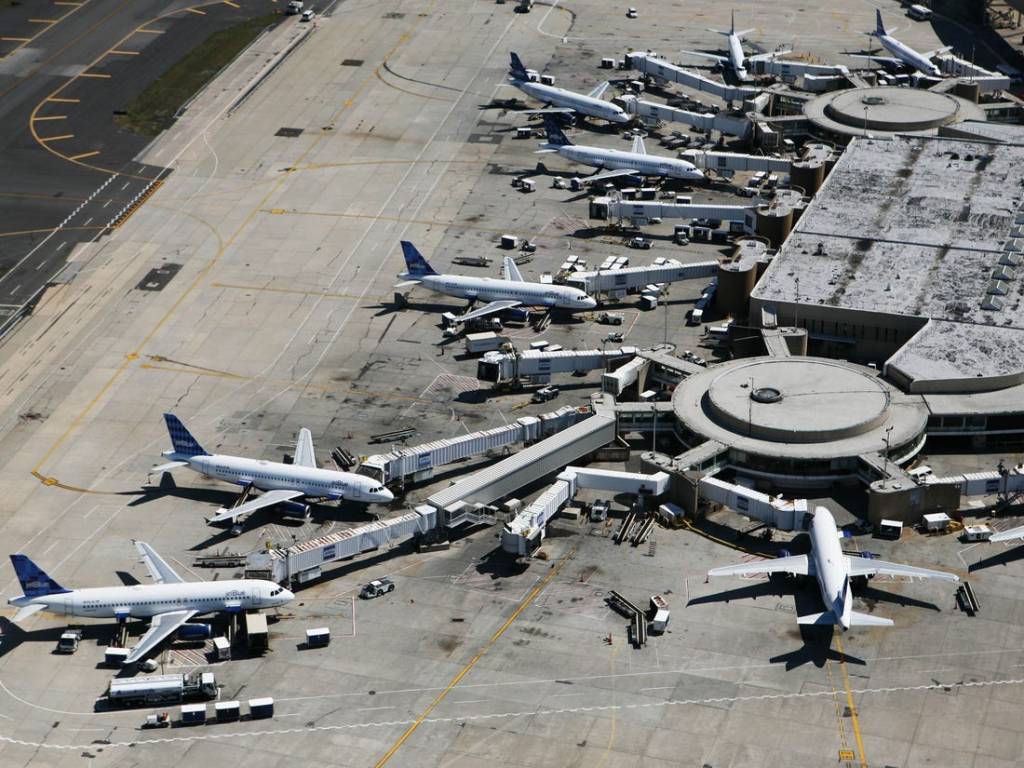
Los ejecutivos y trabajadores de las aerolíneas terminaron una semana agotadora y turbulenta tras las incertidumbres acerca del futuro de la aviación nacional, ya que un impulso bipartidista para obtener ayuda federal para la nómina de la industria en crisis fracasó ante una lucha más amplia sobre cómo el Gobierno Federal debería impulsar la economía de la nación golpeada por la pandemia.

Las solicitudes de asistencia rápida bajo el paraguas de la Ley CARES para las aerolíneas no recibieron respuesta y continuaron los despidos profundos post-01/10, encontrando graves problemas el Martes 06/10 cuando las conversaciones de ayudas a estímulo económico habían fracasado en un segundo intento para inyectar liquidez a las aerolíneas. Para el Viernes 09/10, la Administración Trump había vuelto a preparar un plan de aproximadamente US$ 1.8 billones. Ahora que la Casa Blanca está negociando con la Presidenta de la Cámara de Representantes, Nancy Pelosi, un acuerdo más amplio, la ayuda para conductores de autobuses, operadores de trenes y asistentes de vuelo es nuevamente parte de una conversación más amplia sobre la posible ayuda financiera para millones de estadounidenses desempleados y pequeños empresas devastadas por el fracaso de la nación para controlar la pandemia.

El Gobierno prepara una oferta de ayuda económica de aproximadamente US$ 1,8 billones de Dólares para presentarlo al Congreso. Pero las perspectivas de un acuerdo siguen siendo inciertas, dado el momento altamente partidista, las diferentes prioridades y el escepticismo hacia un paquete de gran alcance entre algunos en el Senado controlado por los Republicanos.

Impacto pandémico

Los despidos de más de 30.000 trabajadores comenzaron el 1 de Octubre 2020, después de que expiraran las protecciones de una disposición de ayuda anterior. Sara Nelson, Presidenta de la Asociación de Auxiliares de Vuelo-CWA, condenó el increíble latigazo de despidos en los últimos días. “Tenemos gente ahí afuera, ahora mismo, viviendo en una incertidumbre y dolor increíbles, y está mal, y tenemos que mantenernos enfocados en ellos”, dijo en una actualización a los miembros del sindicato.

Hubo urgencia bipartidista en la ayuda para la industria de las aerolíneas, dada la profundidad de la pérdida de empleos y el potencial impulso económico para las comunidades en todo el país cuando el turismo y los viajes de negocios finalmente se vuelvan más atractivos cuando el virus esté bajo control. Pero también hubo cierta vacilación en poner a las aerolíneas al frente de la línea. “No me opongo a un proyecto de ley exclusivo de aerolíneas. Simplemente no creo que sea correcto”, dijo John A. Costa, Presidente internacional de Amalgamated Transit Union. La Ley de Héroes de los demócratas, de US$ 2,2 billones de Dólares, que cubre las pequeñas empresas y muchos sectores de la economía, representa el mejor enfoque, dijo. Ese proyecto de ley es «para que todos, para que todos sobrevivan, estén seguros y sigan trabajando». John Costa dijo que no le sorprendía que Nancy Pelosi dejara en claro que no habrá una factura independiente para las aerolíneas sin una factura más amplia. “¿Qué vamos a hacer, tener facturas independientes para todos? Esa no es la forma en que funciona el Congreso”, dijo John Costa. El proyecto de ley de estímulo más amplio de los demócratas incluye US$ 32 mil millones para los sistemas de tránsito en todo el país, que han sido devastados por la baja cantidad de pasajeros y enfrentan enormes recortes de servicios y despidos masivos de conductores de autobuses y otros sin ayuda adicional. “La crisis está empeorando y está en juego la supervivencia misma de la industria”, dijo Paul P. Skoutelas, Presidente de la Asociación Estadounidense de Transporte Público. Incluso la masiva Ley de Héroes no cubrió a un gran número de personas que han hecho llamamientos urgentes para pedir ayuda.

Enfrentando su peor crisis desde el 11/S y con la ayuda retrasada, las aerolíneas comienzan a eliminar más de 30.000 empleos. El Congreso debería actuar rápidamente para ayudar a los trabajadores de las aerolíneas. Los defensores que presionan para ayudar a los trabajadores de las aerolíneas dijeron que el latigazo de los mensajes mixtos de la Casa Blanca prolongó, y socavó, sus esfuerzos. Algunos en Capitol Hill habían estado abiertos a un proyecto de ley exclusivo de aerolíneas si no había esperanzas de aprobar una legislación de ayuda más amplia, dijo el funcionario. No está claro si la legislación exclusiva de las aerolíneas, o cualquier proyecto de ley, puede abrirse camino con éxito en ambas cámaras del Congreso.

“El exceso de capacidad del sector de las aerolíneas no se resolverá en un futuro cercano y continuar imponiendo a los contribuyentes toda la obligación de nómina no es sostenible”, dijeron los senadores Patrick J. Toomey (R-Pa.) y Mike Lee (R- Utah) dijeron en un comunicado el Jueves 08/10. Los senadores dijeron que las aerolíneas deberían comenzar, o continuar, tomando préstamos a bajo interés ofrecidos bajo la legislación de alivio anterior para que eventualmente puedan reembolsar a los contribuyentes una vez que los viajes aéreos se reanuden. Incluso antes de las declaraciones públicas de Nancy Pelosi, así como de Toomey y Lee, habían surgido puntos conflictivos en la conciliación de los proyectos de ley de las aerolíneas ofrecidos en el Senado y la Cámara.

Uno se ha centrado en una disposición del proyecto de ley copatrocinado por el senador Roger Wicker (R-Miss.). El proyecto de ley Wicker exige la transferencia de fondos no utilizados de la Ley CARES para ayudar a las aerolíneas ahora, incluidos US$ 11.1 mil millones de un programa de préstamos especiales que se diseñó silenciosamente para Boeing. El fabricante de aviones sitiado se negó a solicitar préstamos en el marco del programa. Existe un desacuerdo sobre la importancia de depender de esos fondos para este nuevo propósito, y algunos apuntan a una ventaja política al hacerlo y otros ven una distracción.

Perspectivas aviación

A medida que avanzan las conversaciones, todos los frentes del transporte aéreo convergen en la necesidad continúa de llamadas urgentes de ayuda. Las aerolíneas han agotado las primeras ayudas federales y tras el vencimiento de la prohibición de despidos en 31/09, las compañías aéreas han puesto a disposición alrededor de 30.000 empleos fuera de la línea laboral. Las políticas del Gobierno de participación para el alivio económico confronta con la arena política y el Congreso en reclamo de una mayor integración para todos los sectores económicos.

US airlines need more assistance

Uncertainty over aid to airlines in the United States

Airline executives and workers ended a grueling and turbulent week following uncertainties about the future of national aviation, as a bipartisan push for federal payroll aid from the ailing industry failed amid a broader fight over how the Federal Government should boost the economy of the nation hit by the pandemic.

Requests for quick assistance under the umbrella of the CARES Act for airlines received no response and the deep layoffs continued post-01/10, encountering serious problems on Tuesday 06/10 when the talks on aid to economic stimulus had failed in a second attempt to inject liquidity into airlines. By Friday 10/9, the Trump Administration had re-prepared a plan of approximately US$ 1.8 trillion. Now that the White House is negotiating with House Speaker Nancy Pelosi for a broader agreement, help for bus drivers, train operators and flight attendants is again part of a larger conversation about possible help. financial support for millions of unemployed Americans and small businesses devastated by the nation’s failure to control the pandemic.

The Government prepares an offer of economic aid of approximately US$ 1.8 trillion dollars to present it to Congress. But prospects for a deal remain uncertain, given the highly partisan moment, differing priorities and skepticism toward a far-reaching package among some in the Republican-controlled Senate.

Pandemic impact

Layoffs of more than 30,000 workers began on October 1, 2020, after the protections of a previous relief provision expired. Sara Nelson, President of the Flight Attendants Association-CWA, condemned the incredible whiplash of layoffs in recent days. «We have people out there right now living in incredible uncertainty and pain, and it’s wrong, and we have to stay focused on them,» he said in an update to union members.

There was bipartisan urgency in aid for the airline industry, given the depth of job losses and the potential economic boost for communities across the country as tourism and business travel finally become more attractive when the virus is out. under control. But there was also some hesitation in putting airlines at the forefront of the line. “I am not opposed to an exclusive airline bill. I just don’t think it’s right”, said John A. Costa, International President of the Amalgamated Transit Union. The US$ 2.2 trillion Democrats’ Heroes Act, which covers small businesses and many sectors of the economy, represents the best approach, he said. That bill is «for everyone, for everyone to survive, be safe and keep working». John Costa said he was not surprised that Nancy Pelosi made it clear that there will be no separate bill for airlines without a larger bill. “What are we going to do, have independent invoices for everyone? That’s not the way Congress works”, said John Costa. Democrats’ broader stimulus bill includes $ 32 billion for transit systems across the country, which have been devastated by low ridership and face huge service cuts and massive layoffs of bus drivers. and others without additional help. «The crisis is getting worse and the very survival of the industry is at stake», said Paul P. Skoutelas, President of the American Public Transportation Association. Even the massive Heroes Act did not cover a large number of people who have made urgent appeals for help.

Facing its worst crisis since 9/11 and with delayed aid, airlines are beginning to cut more than 30,000 jobs. Congress should act quickly to help airline workers. Advocates pushing to help airline workers said the whiplash of mixed messages from the White House prolonged and undermined – their efforts. Some on Capitol Hill had been open to an airline-only bill if there was no hope of passing broader relief legislation, the official said. It’s unclear whether airline-only legislation, or any bill, can make its way successfully through both houses of Congress.

“Overcapacity in the airline industry will not be resolved in the near future and continuing to impose the full payroll obligation on taxpayers is not sustainable”, said Senators Patrick J. Toomey (R-Pa.) And Mike Lee ( A- Utah) said in a statement on Thursday 10/08. Senators said airlines should begin, or continue, taking low-interest loans offered under the previous relief legislation so that they can eventually reimburse taxpayers once air travel resumes. Even before the public statements by Nancy Pelosi, as well as Toomey and Lee, sticking points had arisen in the reconciliation of airline bills offered in the Senate and House.

One has focused on a provision of the bill co-sponsored by Senator Roger Wicker (R-Miss.). The Wicker Bill calls for the transfer of unspent funds from the CARES Act to help airlines now, including US$ 11.1 billion from a special loan program that was quietly designed for Boeing. The besieged aircraft manufacturer refused to apply for loans under the program. There is disagreement about the importance of relying on those funds for this new purpose, with some pointing to a political advantage in doing so and others seeing a distraction.

Aviation perspectives

As the talks progress, all fronts in air travel converge on the continuing need for urgent calls for help. The airlines have exhausted the first federal aid and after the expiration of the ban on layoffs on 09/31, the airlines have made available around 30,000 jobs outside the work line. The policies of the Government of participation for economic relief confronts the political arena and Congress in demanding greater integration for all economic sectors.


PUBLISHER: Airgways.com
DBk: Senate.gov / Washingtonpost.com / Airgways.com / Nymag.com / Fox4news.com
AW-POST: 202010101157AR

A\W   A I R G W A Y S ®

Argentina expectación en aerolíneas

AW | 2020 10 09 00:17 | AIRLINES MARKET

Entre indefiniciones y esperanzas por reapertura de los vuelos

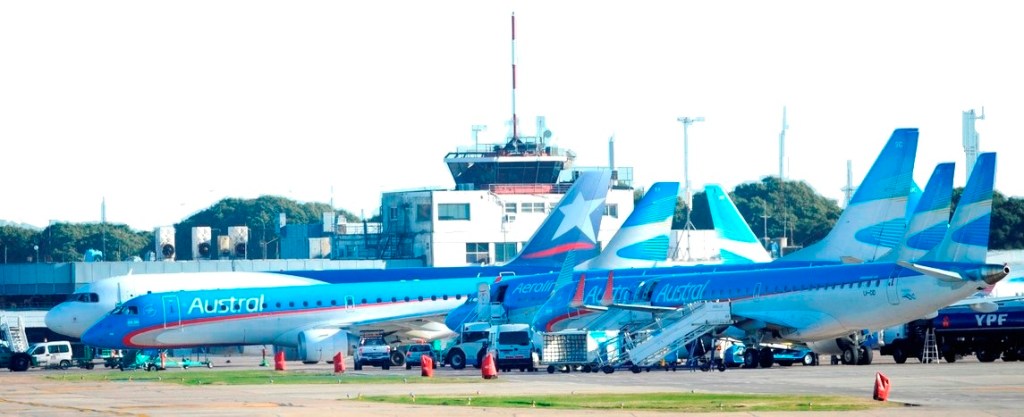
La actividad aerocomercial está a la expectativa del anuncio del Gobierno de Argentina este fin de semana respecto a la reapertura de la actividad aérea con las definiciones por medio de un decreto que habilite a las líneas aéreas a poner en marcha los motores de los aviones. En la semana el Ministerio de Transporte había asegurado que se está trabajando para la reanudación de los vuelos entre el 12 y el 15 de Octubre de 2020, pero aún no está confirmada la fecha de la operatividad aérea en el país. En el ambiente aeronáutico, como en el turístico, entre otros, las definiciones o aprobaciones de esta índole deberían determinarse con anticipación, pues así lo requieren las empresas para poder diagramar las operaciones en el corto plazo.

Más allá de la buena voluntad de las autoridades vigentes, las indefiniciones hacia último minuto forman parte de las desprolijidades por parte del Gobierno por no prever políticas definidas y transparentes para marcar un horizonte certero para reiniciar las operaciones aéreas.

Desprolijidades

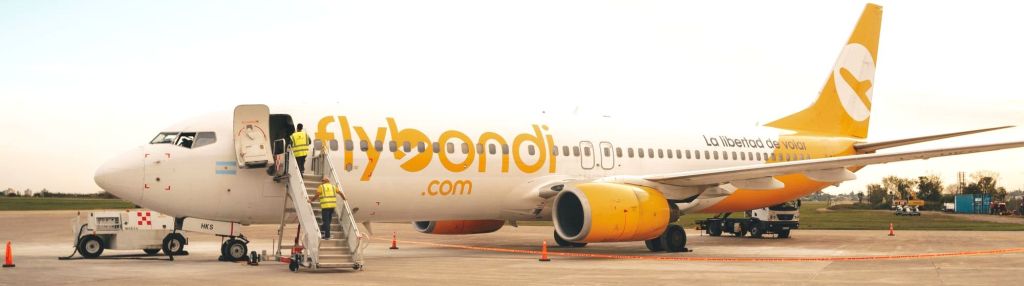
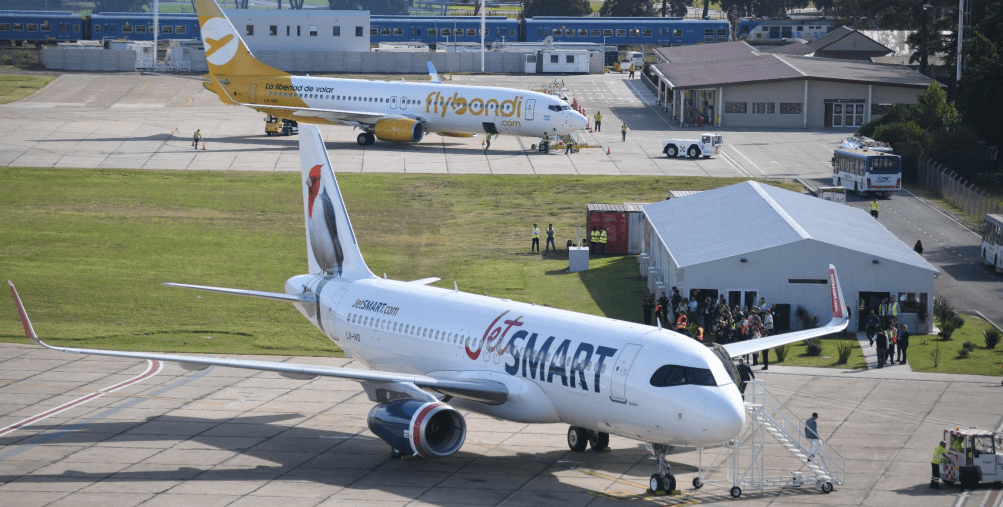
Flybondi Líneas Aéreas es una de las aerolíneas más afectadas con total desconcierto ante la situación, que los obligó a tener los cinco aviones en tierra desde Marzo 2020, cuando había 10 casos de contagios en el país. Luego se había analizado reabrir anticipadamente las operaciones a finales de Junio y principios de Julio 2020, como posible vuelta. Pero las estimaciones hacia Septiembre 2020 que en su momento habían estipulados desde el Gobierno no arrojaron los resultados esperados, posponiendo nuevamente la reapertura hacia el 1 Octubre 2020, para luego postergarlos hacia el 12-15/10. Esteban Tossutti, CEO de la low cost argentina expresó su opinión respecto a las postergaciones reiteradas: “Éstas cuestiones hay que explicarlas a los inversores extranjeros que no entienden cómo se toman estas decisiones irresponsables de no conectar al interior del país y también cerrar fronteras al mundo”.

Esteban Tossutti señaló que el nivel de incertidumbre ante esta situación es preocupante y que notan un nivel de irresponsabilidad muy grande por parte del Gobierno que no confirmó aún, la reanudación de los vuelos comerciales. “Sin dudas que el nivel de inconsistencia en las fechas te juega por dos lados, primero porque nosotros tenemos un cliente que es muy familiar, entonces le vendes el ticket, le generas esa expectativa de viaje; y después con este nivel de inconsistencia tenés que ver que no puede viajar en esa fecha. Entonces debes de dejarle el ticket abierto. Esto es muy negativo. Y, por el lado del negocio, de la conectividad en general, si a nosotros nos dijeran que los vuelos vuelven el 15 de octubre, necesitas como mínimos un periodo de 25 a 30 días para vender los tickets para realmente asegurar un mínimo de 40 pasajeros. Hay un nivel de inconsistencia, y porque no, tendencioso, contra las low cost ya que el Ministerio de Transporte le traslada la responsabilidad de hablar con el Gobierno de cada provincia para saber si pueden ingresar los vuelos, con los pasajeros. Esto es una actividad pública y el Ministro de Trasporte debería decirte la programación a que provincias se puede volar este mes y a cuáles el mes que viene”, sostiene el CEO de Flybondi.

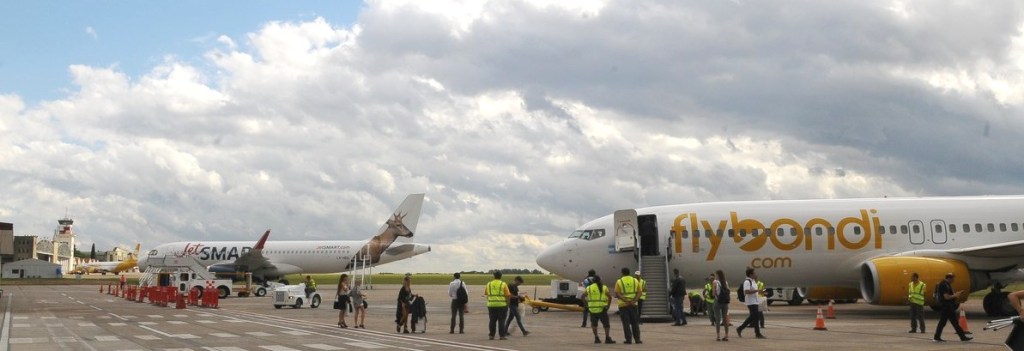
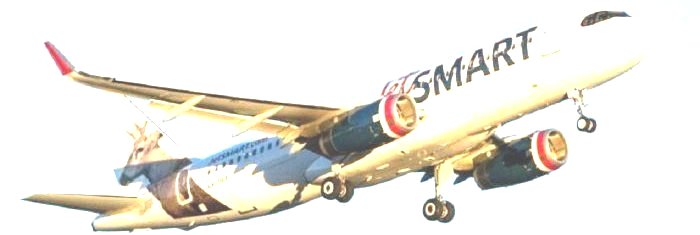
JetSmart Airlines argentina, la aerolínea controlada por el fondo Indigo Partners, reanudará su servicio a Santiago de Chile, con cuatro vuelos especiales ya confirmados por el Ministerio de Transporte de la Nación. La ruta se operará en los días Viernes 9, 16, 23 y 30 de Octubre de 2020 desde el Aeropuerto de Ezeiza y los pasajes ya se pueden adquirir a través del sitio de la empresa.

Continuidad de El Palomar

Sin embargo, a inicios de esta semana, el Ministro de Transporte, Mario Meoni, quien simpatizaba con esa idea, les aseguró a los intendentes de Morón, Hurlingham, Ituzaingó y Tres de Febrero que el ex aeródromo militar continuaría operativo, con el objetivo de preservar todos los puestos de trabajo actuales que genera: más de 1000 personas en forma directa, de los cuales el 80% vive en la zona.

Esteban Tossutti, expresó su satisfacción respecto a la continuidad del Aeropuerto Internacional El Palomar: “Ahora, falta tener la confirmación del reinicio de los vuelos, sobre lo que precisamos certezas y definiciones cuanto antes, teniendo en cuenta que esta industria se rige por una estricta planificación, la anticipación dela venta y la coordinación de múltiples procesos de logística”. Hasta la cuarentena, Flybondi tenía el 9% del mercado local de cabotaje y el 15% en las rutas que operaba.

Perspectivas aéreas

Fuentes del sector aeronáutico explican que las dudas que se plantean están relacionadas no solo a las fechas de reaperturas, sino además a los modos de operaciones y protocolos. Las aéreas también necesitan precisiones en cuanto a las condiciones en las que retomarán su actividad, tanto en cuanto a los protocolos como a qué destinos y frecuencias podrán operar. Todas estas decisiones que deberán tomar Transporte y la Autoridad Nacional de Aviación Aerocomercial (ANAC).

Argentina expectation in airlines

Between uncertainties and hopes for the reopening of flights

The commercial aviation activity is awaiting the announcement of the Government of Argentina this weekend regarding the reopening of the air activity with the definitions by means of a decree that enables the airlines to start up the aircraft engines. During the week, the Ministry of Transport had assured that it is working on the resumption of flights between October 12 and 15, 2020, but the date of air operation in the country has not yet been confirmed. In the aeronautical environment, such as in tourism, among others, definitions or approvals of this nature should be determined in advance, as companies require it to be able to diagram operations in the short term.

Beyond the goodwill of the current authorities, last minute uncertainties are part of the sloppiness on the part of the Government for not foreseeing defined and transparent policies to set a certain horizon to restart air operations.

Untidy

Flybondi Líneas Aéreas is one of the airlines most affected with total confusion at the situation, which forced them to have all five planes on the ground since March 2020, when there were 10 cases of contagion in the country. Then it had been analyzed to reopen operations early in late June and early July 2020, as a possible return. But the estimates for September 2020 that the Government had stipulated at the time did not yield the expected results, postponing the reopening again until October 1, 2020, and then postponing them to 12-15/10. Esteban Tossutti, CEO of the Argentine low cost, expressed his opinion regarding the repeated postponements: “These issues must be explained to foreign investors who do not understand how these irresponsible decisions are made not to connect to the interior of the country and also close borders to the world”.

Esteban Tossutti pointed out that the level of uncertainty in this situation is worrying and that they note a very high level of irresponsibility on the part of the Government that has not yet confirmed the resumption of commercial flights. “Undoubtedly, the level of inconsistency in the dates affects you on two sides, first because we have a client who is very familiar, then you sell him the ticket, you generate that expectation of travel; and then with this level of inconsistency you have to see that he cannot travel on that date. Then you must leave the ticket open. This is very negative. And, on the business side, of connectivity in general, if they told us that the flights return on October 15, you need at least a period of 25 to 30 days to sell the tickets to really ensure a minimum of 40 passengers . There is a level of inconsistency, and why not, tendentious, against the low cost since the Ministry of Transport transfers the responsibility to speak with the Government of each province to find out if the flights can enter, with the passengers. This is a public activity and the Minister of Transport should tell you the schedule to which provinces you can fly to this month and to which ones next month”, says the CEO of Flybondi.

JetSmart Airlines Argentina, the airline controlled by the Indigo Partners fund, will resume its service to Santiago de Chile, with four special flights already confirmed by the Ministry of Transportation of the Nation. The route will operate on Friday October 9, 16, 23 and 30, 2020 from Ezeiza Airport and tickets can now be purchased through the company’s website.

Continuity of El Palomar

However, earlier this week, the Minister of Transportation, Mario Meoni, who was sympathetic to this idea, assured the mayors of Morón, Hurlingham, Ituzaingó and Tres de Febrero that the former military airfield would continue operating, with the aim of preserve all the current jobs that it generates: more than 1000 people directly, of which 80% live in the area.

Esteban Tossutti, expressed his satisfaction regarding the continuity of the El Palomar International Airport: “Now, we need to have confirmation of the restart of flights, on which we need certainties and definitions as soon as possible, taking into account that this industry is governed by a strict planning, anticipating the sale and coordinating multiple logistics processes”. Until the quarantine, Flybondi had 9% of the local cabotage market and 15% on the routes it operated.

Aerial perspectives

Sources in the aeronautical sector explain that the doubts that arise are related not only to the reopening dates, but also to the modes of operations and protocols. The airlines also need details regarding the conditions in which they will resume their activity, both in terms of protocols and to which destinations and frequencies they will be able to operate. All these decisions to be made by Transportation and the National Aviation Authority (ANAC).


PUBLISHER: Airgways.com
DBk: Flybondi.com / Jetsmart.com / Argentina.gob.ar/transporte / Airgways.com
AW-POST: 202010090017AR

A\W   A I R G W A Y S ®

Paraguay estudia reapertura aérea

AW | 2020 10 07 11:34 | AIRLINES MARKET / GOVERNMENT

Gobierno Paraguay analiza reapertura hacia finales Octubre 2020

El Presidente de la Dirección Nacional de Aeronáutica Civil (DINAC), de la República de Paraguay, Félix Kanasawa, ha expresado que la reunión efectuada el Lunes 05/10 podría resolverse la fecha de reapertura total del Aeropuerto Internacional Asunción del Paraguay/Silvio Pettirossi. La DINAC está interesada en que se reabra el aeropuerto, teniendo en cuenta que el 100% de los ingresos provienen de los vuelos. “Todo será bajo protocolo sanitario para garantizar que no ingresen pasajeros con COVID. Uno de los requisitos antes del embarque hacia nuestro país será presentar un test negativo de coronavirus”, señaló el Presidente de la agencia aeronáutica. Otro de los requisitos para los pasajeros dentro del aeropuerto mismo será que las personas al llegar tienen que usar las mascarillas, al hacer el check-in la interacción debe ser mínima.

Después de la reunión del Gobierno, la Junta de Representantes de Líneas Aéreas Internacionales en Paraguay (JURCAIP) ha solicitado mediante la divulgación de un comunicado exigiendo al Gobierno la urgente reapertura de los vuelos en los aeropuerto del Paraguay, pues, la continua postergación agravará la crisis del sector con consecuencias irreversibles para la aviación comercial.

El Gobierno de Paraguay ha anunciado la posible reapertura de la actividad aérea en el país hacia finales de Octubre 2020, teniendo en cuenta los índices de contagio de la pandemia existente.

Paraguay studies air reopening

Government analyzes reopening towards the end of October 2020

The President of the National Directorate of Civil Aeronautics (DINAC), of the Republic of Paraguay, Felix Kanasawa, has stated that the meeting held on Monday 05/10 could resolve the date of total reopening of the Asunción del Paraguay / Silvio Pettirossi International Airport. DINAC is interested in having the airport reopened, taking into account that 100% of the revenues come from flights. “Everything will be under sanitary protocol to guarantee that passengers with COVID do not enter. One of the requirements before embarking to our country will be to present a negative coronavirus test», said the President of the aeronautical agency. Another requirement for passengers within the airport itself will be that when they arrive they have to wear masks, when they check-in the interaction should be minimal.

After the meeting of the Government, the Board of Representatives of International Airlines in Paraguay (JURCAIP) has requested by means of the disclosure of a statement demanding from the Government the urgent reopening of flights at the Paraguayan airport, since the continuous postponement will aggravate the crisis in the sector with irreversible consequences for commercial aviation.

The Government of Paraguay has announced the possible reopening of air activity in the country towards the end of October 2020, taking into account the contagion rates of the existing pandemic.


PUBLISHER: Airgways.com
DBk: Dinac.gov.py / Lanacion.com.py / Airgways.com / Wikipedia.org/Felipe Méndez
AW-POST: 202010071134AR

A\W   A I R G W A Y S ®

Reapertura aérea Venezuela en 11/2020

AW | 2020 10 07 11:12 | AIRLINES MARKET / GOVERNMENT

Venezuela evalúa reactivar vuelos a partir de Noviembre 2020

La República de Venezuela se encuentra analizando la reapertura de los vuelos en el país. Los organismos de aviación esperan que el Instituto Nacional de Aeronáutica Civil (INAC) tome la decisión hacia la reapertura en Noviembre 2020. Para reactivar los planes de vuelo en Venezuela, las asociaciones que nuclean a las líneas aéreas y la Cámara de Transporte Aéreo esperan por la decisión de la INAC para abrir el espacio aéreo para la reactivación de los vuelos de cabotaje e internacionales.

La INAC se encuentra realizando actualmente una auditoría a todas las líneas aéreas y sus aeronaves, señaló Humberto Figuera, Presidente Ejecutivo de la Asociación de Líneas Aéreas en Venezuela (ALAV). En la autoría, el INAC determinará qué líneas están en capacidad de iniciar operaciones y qué aviones están autorizados para cubrir los itinerarios y “para saber a qué aviones se le han hecho el mantenimiento, cuáles siguen teniendo póliza de seguro porque de lo contrario no pueden viajar y qué tripulación está al día con sus licencias”, dijo Humberto Figuera. En las mesas de propuesta de la activación del sector aéreo han participado el viceministro de turismo aéreo, Ramón Celestino Velásquez, la Asociación Venezolana de Agencias de Viajes y Turismo (AVAVIT), la Cámara de Empresas Aéreas de Venezuela y la Asociación de Líneas Aéreas en Venezuela (ALAV)

Vuelos regulares

El Presidente de la Asociación Venezolana de Agencias de Viajes y Turismo (AVAVIT), Nicolás Furnari, destacó que se han reunido con la Cámara de Empresas Aéreas de Venezuela y con el viceministro Velásquez, para abordar las propuestas que tienen sobre la reactivación del sector y establecer un cronograma de fechas tentativas para los vuelos. Entre las opciones que se estarían evaluando están reiniciar las actividades las primeras semanas de Noviembre con vuelos chárter y no regulares a mediados del mes. Para los vuelos no regulares “en principio es para quienes no tengan pasajes y quieran volver a sus destino”, detalló Nicolás Furnari. AVAVIT aclaró que las embajadas son garantes de la recepción de solicitudes, siempre que los viajeros cumplan con los requisitos establecidos para abordar el vuelo. Los pasajeros con vuelos internacionales deberán inscribirse en las respectivas embajadas venezolanas en el exterior donde deberán llamar o enviar un correo electrónico para inscribirse en una lista para cumplimentar la solicitud del vuelo.

Venezuela air reopening on 11/2020

Venezuela evaluates reactivating flights from November 2020

The Republic of Venezuela is analyzing the reopening of flights in the country. The aviation organizations hope that the National Institute of Civil Aeronautics (INAC) will make the decision towards the reopening in November 2020. To reactivate the flight plans in Venezuela, the associations that bring together the airlines and the Air Transport Chamber wait INAC’s decision to open the airspace for the reactivation of domestic and international flights.

INAC is currently conducting an audit of all airlines and their aircraft, said Humberto Figuera, Executive President of the Association of Air Lines in Venezuela (ALAV). In the authorship, the INAC will determine which lines are able to start operations and which aircraft are authorized to cover the itineraries and “to know which aircraft have been maintained, which ones continue to have an insurance policy because otherwise they cannot travel and which crew is up to date with their licenses”, said Humberto Figuera. The Deputy Minister of Air Tourism, Ramón Celestino Velásquez, the Venezuelan Association of Travel and Tourism Agencies (AVAVIT), the Chamber of Air Companies of Venezuela and the Air Lines Association participated in the tables to propose the activation of the air sector. Venezuela (ALAV)

Regular flights

The President of the Venezuelan Association of Travel and Tourism Agencies (AVAVIT), Nicolás Furnari, highlighted that they have met with the Chamber of Air Companies of Venezuela and with Vice Minister Velásquez, to address the proposals they have on the reactivation of the sector and establish a schedule of tentative dates for flights. Among the options that are being evaluated are restarting activities in the first weeks of November with charter and non-scheduled flights in the middle of the month. For non-scheduled flights «in principle it is for those who do not have tickets and want to return to their destination», explained Nicolás Furnari. AVAVIT clarified that the embassies are guarantors of the receipt of applications, as long as travelers meet the requirements established to board the flight. Passengers with international flights must register at the respective Venezuelan embassies abroad where they must call or send an email to register on a list to complete the flight application.


PUBLISHER: Airgways.com
DBk: Inac.gob.ve / Avavit.com / Airgways.com
AW-POST: 202010071112AR

A\W   A I R G W A Y S ®

Venezuela aproxima reapertura aérea

AW | 2020 10 03 11:30 | AIRLINES MARKET / GOVERNMENT

Venezuela abriría aviación regular hacia Diciembre 2020

Enmedio de la crisis sanitaria y económica, las aerolíneas venezolanas iniciarán negociaciones con los organismos de aviación y del Estado para acercar propuestas para el retorno de la aviación comercial en el país. El Instituto Nacional de Aeronáutica Civil (INAC) ha establecido una reunión para el próximo Lunes 5 de Octubre de 2020, en función de preparar un posible reinicio de operaciones aéreas comerciales en el país a partir de Noviembre 2020.

La propuesta de la Cámara de Empresas Venezolanas de Transporte Aéreo contempla la reactivación de las operaciones con vuelos no regulares en Noviembre y más adelante, a partir del 16 de Diciembre, retomar los vuelos regulares. La proposición fue presentada la semana pasada al Ejecutivo Nacional, según un comunicado del Viernes 02/10.

“Es el primer paso para materializar la propuesta, pues ahí definiríamos y discutiríamos cómo serían esas operaciones no regulares, nacionales e internacionales. Sentimos que vamos por buen camino”, dijo el Presidente de Avior Airlines en Venezuela, Juan Bracamonte.

Aproximando reapertura

La reapertura de las operaciones hacia Noviembre-Diciembre 2020 permitirá activar las economías de manera progresiva. Los pasajeros de vuelos internacionales deberán estar en el aeropuerto seis horas antes para cumplir con todos protocolos de higiene y seguridad establecidos por el INAC. Las aerolíneas deberán ajustar sus logísticas y protocolos de seguridad sanitarias para la reactivación de las operaciones aéreas.

Venezuela approaches air reopening

Venezuela would open regular aviation by December 2020

In the midst of the health and economic crisis, Venezuelan airlines will begin negotiations with aviation and state agencies to bring together proposals for the return of commercial aviation in the country. The National Institute of Civil Aeronautics (INAC) has established a meeting for next Monday, October 5, 2020, in order to prepare a possible restart of commercial air operations in the country from November 2020.

The proposal of the Chamber of Venezuelan Air Transport Companies contemplates the reactivation of operations with non-scheduled flights in November and later, as of December 16, to resume regular flights. The proposal was presented last week to the National Executive, according to a statement on Friday 02/10.

“It is the first step to materialize the proposal, because there we would define and discuss what these non-regular, national and international operations would be like. We feel that we are on the right track”, said the President of Avior Airlines in Venezuela, Juan Bracamonte.

Approaching reopening

The reopening of operations towards November-December 2020 will allow the economies to be activated progressively. Passengers on international flights must be at the airport six hours before to comply with all hygiene and safety protocols established by INAC. Airlines must adjust their logistics and health security protocols for the reactivation of air operations.


PUBLISHER: Airgways.com
DBk: Mppt.gob.ve / Inac.gob.ve / Airgways.com / Wikipedia.org
AW-POST: 202010031130AR

A\W   A I R G W A Y S ®

Argentina prepara retorno aviación

AW | 2020 10 03 10:57 | AIRLINES MARKET / GOVERNMENT

Aéreas de Argentina reiniciarán operaciones mitad 10/2020

El Ministerio de Transporte de Argentina ha anunciado el retorno de la aviación comercial en el país hacia mediados de Octubre 2020, aunque no han estipulado una fecha certera. En el actual mercado aéreo, la Argentina y Venezuela son los únicos países de la región que continúan con las restricciones en los vuelos domésticos e internacionales. El Gobierno está trabajando para la normalización de la actividad aérea, aunque expresan desde la cartera de Transporte que no todas las autoridades provinciales están dispuestas a recibir vuelos, lo que va a condicionar el regreso de las operaciones aéreas.

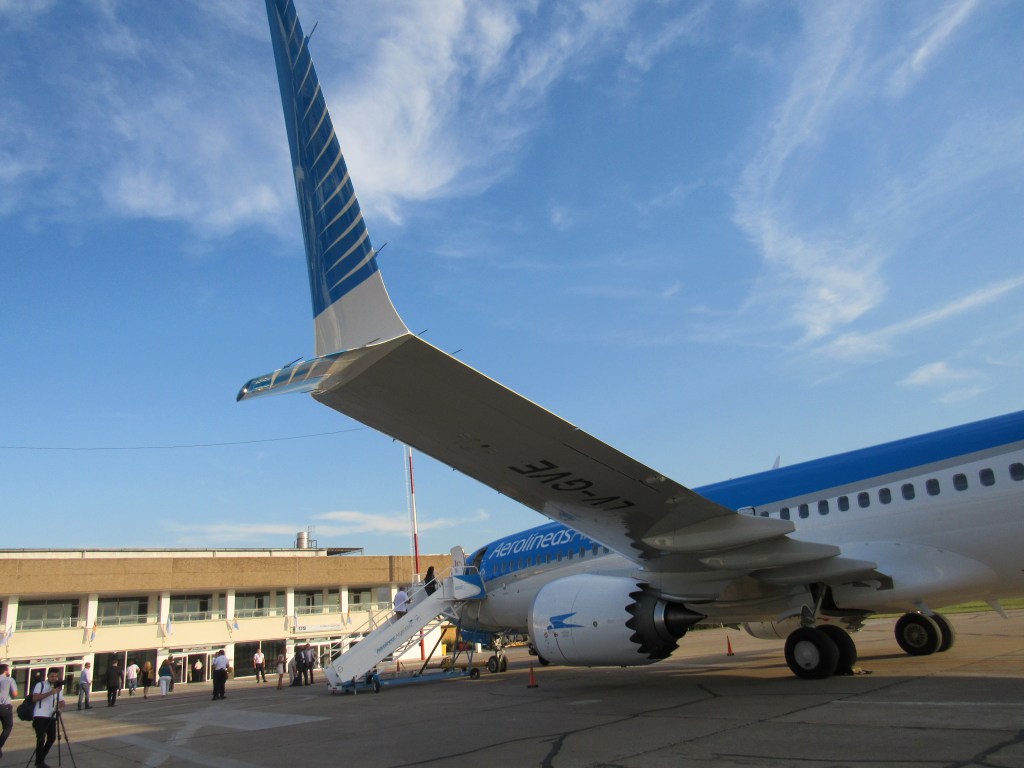
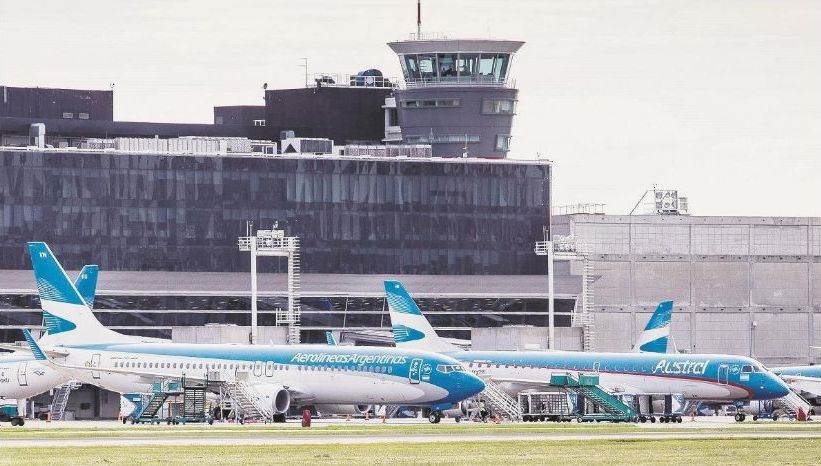
Los vuelos comerciales, tanto domésticos como internacionales, se encuentran suspendidos desde la declaración del Aislamiento Social Preventivo y Obligatorio (ASPO), el 20 de Marzo de 2020. A partir de ese momento, solo se autorizaron vuelos especiales de repatriación, en las primeras semanas, y luego vuelos especiales de cabotaje e internacionales, representando alrededor de 700 vuelos habilitados con 100.000 pasajeros transportados por sesenta compañías. Desde el inicio de las restricciones por la pandemia, Aerolíneas Argentinas, por ejemplo, efectuó 335 vuelos especiales: 184 internacionales y 151 de cabotaje.

Expectativas de mercado

Entre las aerolíneas en Argentina aun hay mucha incertidumbre sobre los cronogramas que podrán tener disponibles a partir de mediados de este mes. Fuentes oficiales anticiparon que no todas las autoridades provinciales están dispuestas a recibir vuelos, lo que va a condicionar el regreso de las operaciones. “No tuvimos información oficial aún. Cuanto recibamos eso podremos evaluar la planificación y programación posible. Por ahora, no hay referencias sobre a qué destinos se volará ni frecuencias”, contaron al diario Infobae desde una de las compañías.

Las expectativas comienzan a poner sobre la mesa la modalidad de las operaciones aéreas en un nuevo entorno, un tanto diferente para las aerolíneas. Estiman que existirá una demanda importante apenas se reanude la operación, por personas que están esperando movilizarse, pero luego dependerá de la evolución de la emergencia sanitaria y del turismo.

La aerolínea low cost Jetsmart Airlines Argentina ha expresado que en el reinicio de las operaciones habrá variaciones en las tarifas aéreas ajustando en función a la oferta y la demanda, aunque inicialmente se estimule inicialmente con pasajes con precios a la baja. “Creemos que va a haber un primer aluvión de gente que necesita volar por trabajo, para ver a su familia, trámites pendientes. Innumerables situaciones. Después, a medida que las personas vayan perdiendo el miedo al contagio de COVID-19, se irán sumando. Ojalá en la temporada alta de verano tengamos las primeras incursiones de gente haciendo turismo dentro del país”, destacó Gonzalo Pérez Corral, Gerente General de Jetsmart Airlines Argentina. La empresa ya tiene un cronograma de vuelos a partir del 12 de Octubre que incluye vuelos a Salta, Iguazú, Tucumán, Córdoba, Neuquén, Mendoza y Bariloche desde Buenos Aires, y también un vuelo entre Salta y Neuquén.

Turismo, motor económico

Aunque el retraso en el regreso de los vuelos parece alejar la posibilidad de que se desarrolle una temporada turística en el verano, desde el sector de turismo aseguraron que esa posibilidad no está descartada y que se trabaja para que pueda concretarse. “Hay un tema a resolver que tiene que ver con la situación sanitaria que se está complicando. En las provincias ya hay circulación comunitaria, por eso no se justifica que rechacen vuelos de otras. Pero sí se entiende en el caso de los distritos donde el sistema está saturado por el temor de que no haya camas disponibles”, explicó Aldo Elías, Presidente de la Cámara Argentina de Turismo (CAT).

“No descartamos que haya temporada, estamos analizando alternativas, como el turismo interprovincial entre distritos donde la situación sanitaria es similar. No hay motivos para que no haya turismo cuando el resto de las actividades están habilitadas. Sin turismo, se pasó de cero casos a la circulación comunitaria, así que no el motivo no fue el movimiento turístico”, agregó Aldo Elías.

Perspectivas de mercado

“El panorama es de incertidumbre total. No parece haber una estrategia. El Gobierno va prorrogando una medida de aislamiento que se pensó para marzo, cuando para vuelos internacionales el objetivo era repatriar argentinos del exterior y que los extranjeros vuelvan a sus países, y para el mercado doméstico el objetivo era que la gente no se mueva. Pasaron siete meses, la pandemia avanzó, en muchos sectores de la economía nos adaptamos a vivir con ella, pero en la aviación nada cambió. Los vuelos internacionales son solo para argentinos o extranjeros con residencia. El mundo entero se adaptó, se implementaron protocolos y hay quienes piden testeo previo y hasta test rápidos al llegar a un nuevo destino. No estamos mejor que otros países, no hay excusas para no imitarlos”, expresó al diario Infobae, Mariano Ansaldo, especialista en el mercado aerocomercial.

Mientras tanto, las líneas aéreas reinician su programa de operaciones con miras a reactivar sus economías, donde sólo el mercado, los controles efectivos sanitarios y las condiciones sanitarias permitirán que las compañías aéreas lentamente comiencen a levantar vuelo.

Argentina prepares aviation return

Argentine airlines will restart operations mid 10/2020

The Argentine Ministry of Transport has announced the return of commercial aviation in the country towards mid-October 2020, although they have not stipulated a certain date. In the current air market, Argentina and Venezuela are the only countries in the region that continue with restrictions on domestic and international flights. The Government is working for the normalization of air activity, although they express from the Transportation portfolio that not all provincial authorities are willing to receive flights, which will condition the return of air operations.

Commercial flights, both domestic and international, have been suspended since the declaration of the Preventive and Mandatory Social Isolation (ASPO), on March 20, 2020. From that moment, only special repatriation flights were authorized, in the first weeks , and then special domestic and international flights, representing around 700 flights enabled with 100,000 passengers transported by sixty companies. Since the beginning of the restrictions due to the pandemic, Aerolineas Argentinas, for example, carried out 335 special flights: 184 international and 151 domestic.

Market expectations

Among the airlines in Argentina there is still a lot of uncertainty about the schedules that may be available from the middle of this month. Official sources anticipate that not all provincial authorities are willing to receive flights, which will condition the return of operations. “We have no official information yet. When we receive that we can evaluate the planning and possible programming. For now, there are no references on which destinations or frequencies will be flown”, they told the Infobae newspaper from one of the companies.

Expectations are beginning to put on the table the modality of air operations in a new environment, somewhat different for airlines. They estimate that there will be a significant demand as soon as the operation is resumed, by people who are waiting to mobilize, but then it will depend on the evolution of the health emergency and tourism.

The low cost airline Jetsmart Airlines Argentina has stated that in the restart of operations there will be variations in airfares adjusting according to supply and demand, although initially it is initially stimulated with tickets with falling prices. “We believe that there will be a first flood of people who need to fly for work, to see their family, pending procedures. Countless situations. Then, as people lose their fear of contagion of COVID-19, they will add up. Hopefully in the high summer season we will have the first incursions of people doing tourism within the country”, highlighted Gonzalo Pérez Corral, General Manager of Jetsmart Airlines Argentina. The company already has a flight schedule as of October 12 that includes flights to Salta, Iguazú, Tucumán, Córdoba, Neuquén, Mendoza and Bariloche from Buenos Aires. And also a flight between Salta and Neuquén.

Tourism, economic engine

Although the delay in the return of flights seems to remove the possibility of a tourist season developing in the summer, from the tourism sector they assured that this possibility is not ruled out and that they are working to make it happen. “There is an issue to be resolved that has to do with the health situation that is getting complicated. In the provinces there is already community circulation, so it is not justified that they reject flights from others. But it is understood in the case of districts where the system is saturated due to the fear that there are no beds available”, explained Aldo Elías, President of the Argentine Chamber of Tourism (CAT).

«We do not rule out that there is a season, we are analyzing alternatives, such as interprovincial tourism between districts where the health situation is similar. There are no reasons why there is no tourism when the rest of the activities are enabled. Without tourism, it went from zero cases to community circulation, so the reason was not the tourist movement», added Aldo Elías.

Market prospects

“The outlook is one of total uncertainty. There doesn’t seem to be a strategy. The Government is extending an isolation measure that was thought for March, when for international flights the objective was to repatriate Argentines from abroad and for foreigners to return to their countries, and for the domestic market the objective was that people do not move. Seven months passed, the pandemic advanced, in many sectors of the economy we adapted to living with it, but in aviation nothing changed. International flights are only for Argentines or foreigners with residence. The whole world adapted, protocols were implemented and there are those who ask for prior testing and even rapid tests when arriving at a new destination. We are no better than other countries, there are no excuses for not imitating them», Mariano Ansaldo, a specialist in the commercial aviation market, told the Infobae newspaper.

Meanwhile, airlines are restarting their operations program with a view to reactivating their economies, where only the market, effective sanitary controls and sanitary conditions will allow airlines to slowly start to take off.


PUBLISHER: Airgways.com
DBk: Argentina.gob.ar/transporte / Infobae.com / Camaradeturismo.org.ar / Airgways.com
AW-POST: 202010031057AR

A\W   A I R G W A Y S ®

Aéreas EEUU despiden trabajadores

AW | 2020 10 02 15:10 | AIRLINES MARKET / GOVERNMENT

Aerolíneas despiden miles empleados cuando finaliza ayuda Federal

Las aerolíneas estadounidenses han comenzado a despedir a miles de trabajadores después de que los esfuerzos para negociar un nuevo plan de ayuda económica en el Congreso de los Estados Unidos se estancaron. Los transportistas aéreos gravemente afectados por la pandemia de Coronavirus, dicen que están listos para revertir las decisiones si se encuentra más financiamiento. Anteriormente, las aerolíneas habían recibido miles de millones de Dólares del Gobierno Federal, pero la profunda crisis económica ha agotado los recursos rápidamente. Anticipándose a una lenta recuperación, las aerolíneas en el 3Q2020 alentaron a los empleados a ofrecerse como voluntarios para recortes salariales, licencias sin goce de sueldo, adquisiciones y jubilaciones anticipadas para reducir la necesidad de licencias.

El Congreso de Estados Unidos había acordado la ayuda económica a principios de año como parte de la Ley de Ayuda, Alivio y Seguridad Económica por el Coronavirus (Act CARES). Estaba condicionado a que los transportistas no despidieran a los trabajadores hasta el 1 de Octubre 2020. Vencido el plazo, las líneas aéreas locales están recurriendo a reestructurar las empresas ante un panorama de déficit cada vez mayor.

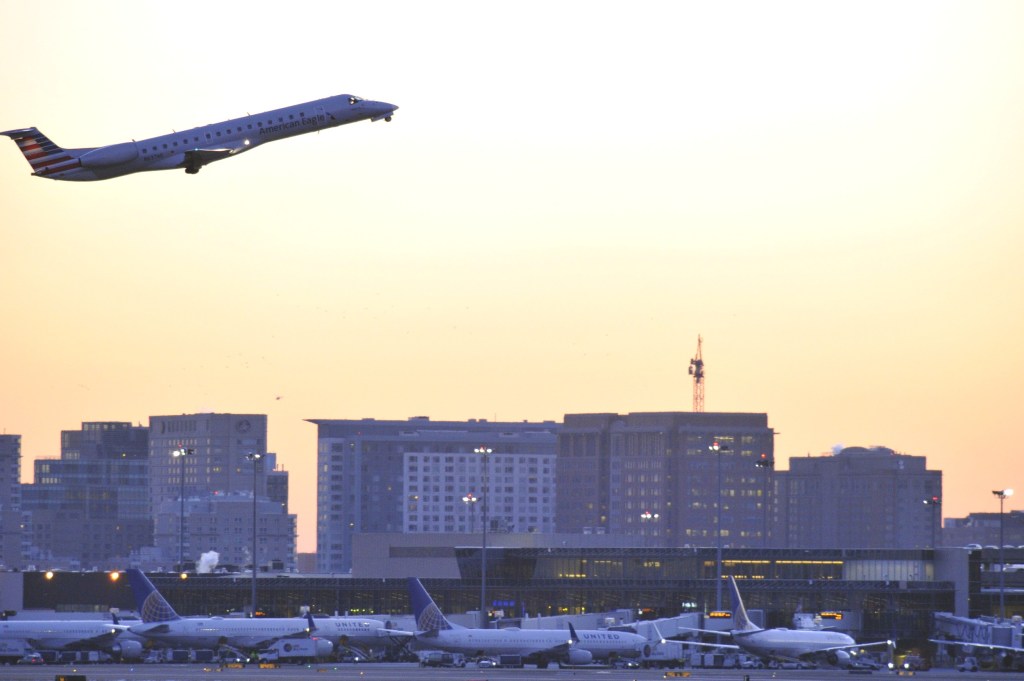
Las aerolíneas de Estados Unidos han anunciado en estos días el anunciado «Octubre negro». American Airlines ha comunicado que despedirá a 19.000 trabajadores. En una carta al personal anunciando los despidos, el Director Ejecutivo de American Airlines, Doug Parker, dijo: «Lamento mucho que hayamos alcanzado este resultado. No es lo que todos merecen». United Airlines ha establecido que 13.000 empleados quedarán desafectados. El Miércoles 30/09, United Airlines, en un mensaje a sus empleados, dijo que estaba implorando «a nuestros líderes electos para llegar a un acuerdo de compromiso, hacer un trato ahora y salvar empleos. En un esfuerzo continuo por brindarle al Gobierno Federal todas las oportunidades para actuar, hemos dejado claro a los líderes de la Administración, el Congreso y entre nuestros socios sindicales que podemos revertir el proceso de licencia si el Programa de Apoyo a la Nómina de la Ley CARES se extiende en los siguientes días. A los 13.000 miembros de nuestra familia que se van: gracias por su dedicación y esperamos darle la bienvenida nuevamente».

Southwest Airlines y Delta Air Lines, las otras dos grandes aerolíneas nacionales del país, han evitado amplias licencias debido a licencias temporales y otros programas voluntarios, al menos por ahora. Más de 40.000 trabajadores de Delta se inscribieron para una licencia no remunerada a corto y largo plazo. La compañía ha dicho que aún puede suspender a unos 1.700 pilotos el próximo mes. Casi 17.000 empleados en Southwest se han inscrito para licencias, adquisiciones o jubilaciones anticipadas, y la compañía ha dicho que no dará licencia a ningún trabajador hasta fin de año. “Tienen culturas corporativas muy, muy fuertes y creo que esas culturas se exhibieron en cómo estas aerolíneas han podido evitar los permisos. Delta y Southwest pudieron enviar mensajes de manera más eficaz”, dijo Henry Harteveldt, fundador de Atmosphere Research Group, una firma de análisis de viajes.

American ops San Vicente & Granadinas |

American y United han obtenido préstamos del Departamento del Tesoro de más de US$ 5 mil millones, que podrían crecer a US$ 7,5 mil millones cada uno a discreción de la Administración. Southwest y Delta rechazaron los préstamos, que fueron autorizados por la Ley CARES de estímulo de Marzo 2020. En toda la industria, las aerolíneas han recaudado miles de millones de diversas fuentes.

Presión política

Los despidos aumentan la presión sobre el Secretario del Tesoro, Steven Mnuchin, y la Presidenta de la Cámara de Representantes, Nancy Pelosi, que han estado tratando de acordar un plan de ayuda de seguimiento para la economía estadounidense en dificultades. Los Demócratas, que controlan la Cámara, han estado presionando por un paquete de US$ 2,2 billones, mientras que la Casa Blanca quiere mantenerlo en US$ 1,6 billones. La propuesta más reciente incluye US$ 20 mil millones de Dólares para aerolíneas con problemas.

La Administración Trump ha estado explorando durante semanas formas de ayudar a la industria unilateralmente, a través de acciones ejecutivas o reutilizando el dinero no utilizado de la legislación de ayuda anterior. Pero los funcionarios han concluido que esas opciones no eran factibles. El Secretario del Tesoro, Steven Mnuchin, ha indicado que el Congreso debería autorizar al Tesoro a redirigir los fondos sobrantes, como el dinero que se asignó para respaldar los programas de préstamos de la Reserva Federal. Mark Meadows, el Jefe de Gabinete de la Casa Blanca, dijo el Miércoles 30/09 que a la Administración Trump le gustaría ver una legislación que proporcione US$ 20 mil millones adicionales para ayudar a las aerolíneas a pagar a los trabajadores durante seis meses.

Perspectivas aéreas

Sin una recuperación a la vista y las negociaciones sobre otro paquete de estímulo en un punto muerto, United Airlines y American Airlines comenzaron el Jueves 01/10 a despedir a más de 32.000 trabajadores. Las empresas dijeron que revertirían los recortes si el Congreso y la administración Trump llegaban a un acuerdo para extender más ayuda a la industria, pero ha habido poco o ningún progreso en esas conversaciones.

En teoría, las aerolíneas podrían solicitar algunos de los fondos no utilizados reservados para compañías que son críticas para la seguridad nacional, pero el Departamento de Defensa tendría que certificar ese uso y el dinero podría venir con condiciones de pago onerosas. Incluso si se interpretara que la definición de seguridad nacional incluye a las líneas aéreas de pasajeros, no está claro qué tan rápido se podrían desembolsar esos fondos y si las empresas se sentirían cómodas con los términos.

US airlines lay off workers

Airlines lay off thousands of employees as Federal aid ends

US airlines have started laying off thousands of workers after efforts to negotiate a new economic aid plan in the US Congress stalled. Air carriers severely affected by the Coronavirus pandemic say they are ready to reverse decisions if more funding is found. Previously, airlines had received billions of dollars from the Federal Government, but the deep economic crisis has quickly depleted resources. In anticipation of a slow recovery, airlines in 3Q2020 encouraged employees to volunteer for pay cuts, unpaid leave, acquisitions and early retirements to reduce the need for leave.

The U.S. Congress had agreed to financial aid earlier in the year as part of the Coronavirus Relief, Relief and Economic Security Act (CARES Act). It was conditional on carriers not laying off workers until October 1, 2020. After the deadline, local airlines are resorting to restructuring companies in the face of a growing deficit outlook.

The airlines of the United States have announced these days the announced «Black October». American Airlines has announced that it will lay off 19,000 workers. In a letter to staff announcing the layoffs, American Airlines Chief Executive Officer Doug Parker said: «I am very sorry that we have achieved this result. It is not what everyone deserves». United Airlines has established that 13,000 employees will be disabled. On Wednesday 09/30, United Airlines, in a message to its employees, said it was imploring «our elected leaders to reach a compromise agreement, make a deal now, and save jobs. Every opportunity to act, we have made it clear to the leaders of the Administration, Congress and among our union partners that we can reverse the licensing process if the CARES Act Payroll Support Program is extended in the following days. the 13,000 members of our family who are leaving: thank you for your dedication and we look forward to welcoming you again».

Southwest Airlines and Delta Air Lines, the nation’s other two big national airlines, have avoided broad licenses due to temporary licenses and other voluntary programs, at least for now. More than 40,000 Delta workers signed up for short and long-term unpaid leave. The company has said it can still suspend about 1,700 pilots next month. Nearly 17,000 employees at Southwest have signed up for leave, acquisitions or early retirements, and the company has said it will not release any workers until the end of the year. “They have very, very strong corporate cultures and I think those cultures were showcased in how these airlines have been able to avoid permits. Delta and Southwest were able to send messages more effectively”, said Henry Harteveldt, founder of Atmosphere Research Group, a travel analytics firm.

American and United have borrowed from the Treasury Department of more than US$ 5 billion, which could grow to US$ 7.5 billion each at the discretion of the Administration. Southwest and Delta declined the loans, which were authorized by the Atc CARES stimulus of March 2020. Across the industry, airlines have raised billions from various sources.

Political pressure

The layoffs increase pressure on Treasury Secretary Steven Mnuchin and House Speaker Nancy Pelosi, who have been trying to agree on a follow-up relief plan for the struggling US economy. The Democrats, who control the House, have been pushing for a US$ 2.2 trillion package, while the White House wants to keep it at US$ 1.6 trillion. The most recent proposal includes US$ 20 billion for troubled airlines.

The Trump Administration has been exploring for weeks ways to help the industry unilaterally, through executive action or repurposing unused money from previous aid legislation. But officials have concluded that those options were not feasible. Treasury Secretary Steven Mnuchin has indicated that Congress should authorize the Treasury to redirect surplus funds, such as money that was allocated to support Federal Reserve loan programs. Mark Meadows, the White House Chief of Staff, said Wednesday 9/30 that the Trump Administration would like to see legislation providing an additional US$ 20 billion to help airlines pay workers for six months.

Aerial perspectives

With no recovery in sight and negotiations on another stimulus package at a standstill, United Airlines and American Airlines began on Thursday 10/01 to lay off more than 32,000 workers. The companies said they would reverse the cuts if Congress and the Trump administration reached an agreement to extend more aid to the industry, but there has been little or no progress in those talks.

In theory, airlines could request some of the unused funds set aside for companies that are critical to national security, but the Department of Defense would have to certify that use and the money could come with onerous payment terms. Even if the definition of national security were interpreted to include passenger airlines, it is unclear how quickly those funds could be disbursed and whether companies would be comfortable with the terms.


PUBLISHER: Airgways.com
DBk: Senate.gov / Nytimes.com / Bbc.com / Airgways.com / Dallasnews.com
AW-POST: 202010021510AR

A\W   A I R G W A Y S ®

Gobierno EEUU rescatando a aerolíneas

AW | 2020 09 29 11:15 | AIRLINES MARKET / GOVERNMENT

Entre la esperanza y el abismo hacia el Octubre negro

La propuesta de ayudas a las aerolíneas propuesto por la Cámara de Senadores de los Estados Unidos daría esperanzas de rescate en medio de reclamos de sus empleados por la conservación de las fuentes laborales. Un proyecto de ley por valor de US$ 2,2 billones de Dólares para ayudas económicas presentado por la Cámara de Representantes de Estados Unidos a última hora del Lunes 28/09 dio a las aerolíneas cierta esperanza de un segundo rescate antes de que ocurran decenas de miles de despidos el Jueves 01/10, aunque persisten obstáculos difíciles para controlar la falta de liquidez para continuar volando.

Los analista de aviación han expresado que sería poco probable que se aprobara el Jueves 1 Octubre 2020, cuando vencen los US$ 25.000 millones de Dólares iniciales que protegían los empleos de las aerolíneas hasta Septiembre 2020. Una opción sería un proyecto de ley rápido e independiente para las aerolíneas, aunque los asesores del Congreso Demócratas de alto rango dijeron que eso también era difícil dado que muchas industrias están buscando ayuda.

La Presidenta de Asistentes de Vuelo-CWA, Sara Nelson, calificó la propuesta, que incluye US$ 25 mil millones para que las aerolíneas mantengan a los trabajadores en la nómina durante otros seis meses, como «un movimiento importante y serio en las negociaciones. Hace que sea muy posible llegar a un acuerdo sobre un proyecto de ley de alivio completo a tiempo para salvar nuestros trabajos”, expresó la Sara Nelson.

Solo entre United Airlines y American Airlines, más de 30.000 empleados estarán suspendidos el Jueves 01/10, y decenas de miles más en esas aerolíneas y otras han acordado una licencia voluntaria mientras el sector lucha contra una profunda caída de la demanda debido a la pandemia. Julie Hedrick, Presidenta del sindicato que representa a los asistentes de vuelo de American Airlines, pidió al líder de la mayoría del Senado, Mitch McConnell, y a la presidenta de la Cámara de Representantes, Nancy Pelosi, que programen una votación. «Si vamos a salvar la industria de las aerolíneas, tenemos que hacerlo ahora», dijo.

El proyecto de ley de la Cámara proporcionaría US$ 28,3 mil millones para el sector de la aviación, incluidos US$ 25 mil millones para las aerolíneas de pasajeros y US$ 3 mil millones para los transportistas de carga, en los mismos términos que el primer paquete en Marzo 2020. La medida proporcionaría US$ 13.5 mil millones a los aeropuertos, así como ayuda para otros sectores, incluidos US$ 120 mil millones para los restaurantes. También destinaría US$ 75 millones para garantizar el servicio aéreo programado de pasajeros a comunidades pequeñas.

La actual pandemia ha afectado con más fuerza los viajes aéreos, acabando con decenas de miles de puestos de trabajo e incontables miles de millones en ingresos. Con la mayoría de las flotas de las aerolíneas que permanecen en tierra, la industria se vio obligada a reinventar su futuro. La decisión política determinará el futuro de la aviación comercial de los Estados Unidos frente al complejo horizonte que nos toca sobrevolar.

US Government rescuing airlines

Between hope and the abyss towards Black October

The proposal of aid to the airlines proposed by the Senate of the United States would give hope of rescue in the middle of claims of its employees for the conservation of the labor sources. A US$ 2.2 trillion dollar bill for financial aid presented by the US House of Representatives late Monday, September 28, gave airlines some hope of a second bailout before dozens occur. of thousands of layoffs on Thursday 01/10, although difficult obstacles persist to control the lack of liquidity to continue flying.

Aviation analysts have expressed that it would be unlikely that it will be approved on Thursday 1 October 2020, when the initial US$ 25,000 million dollars that protected the jobs of the airlines until September 2020 expire. One option would be a quick and independent bill for airlines, though senior Democratic congressional aides said that was difficult too given many industries are seeking help.

CWA-Flight Attendant President Sara Nelson called the proposal, which includes US$ 25 billion for airlines to keep workers on payroll for another six months, as «an important and serious move in the negotiations. It makes it highly possible to reach an agreement on a comprehensive relief bill in time to save our jobs”, said Sara Nelson.

Between United Airlines and American Airlines alone, more than 30,000 employees will be suspended on Thursday 01/10, and tens of thousands more at those airlines and others have agreed to a voluntary leave as the sector fights a deep drop in demand due to the pandemic. Julie Hedrick, President of the union representing American Airlines flight attendants, asked Senate Majority Leader Mitch McConnell and Speaker of the House of Representatives Nancy Pelosi to schedule a vote. «If we are going to save the airline industry, we have to do it now», he said.

The House bill would provide US$ 28.3 billion for the aviation sector, including US$ 25 billion for passenger airlines and US$ 3 billion for cargo carriers, on the same terms as the first package in March 2020. The measure would provide US$ 13.5 billion to airports, as well as aid for other sectors, including US$ 120 billion for restaurants. It would also allocate US$ 75 million to guarantee scheduled passenger air service to small communities.

The current pandemic has hit air travel the hardest, wiping out tens of thousands of jobs and untold billions in revenue. With the majority of airline fleets remaining on the ground, the industry was forced to reinvent its future. The political decision will determine the future of commercial aviation in the United States in the face of the complex horizon that we have to fly over.


PUBLISHER: Airgways.com
DBk: Senate.gov / Reuters.com / Airgways.com
AW-POST: 202009291115AR

A\W   A I R G W A Y S ®
Próxima certificaciones startup indias

AW | 2020 09 25 15:37 | AIRLINES MARKET

Big Charter y Aviation Connectivity con proceso AOC por DGCA

El Gobierno de la India se encuentra reforzando la conectividad aérea regional, a pesar de la profunda crisis en el sector aéreo mundial. Dos nuevos operadores aéreos se encuentran en las etapas finales de certificación por parte del regulador de la aviación Dirección General de Aviación Civil (DGCA) de la República de la India como aerolíneas regionales. Dado que el gobierno se centra en el esquema de conectividad regional (RCS) bajo su esquema Udey Desh ka Aam Naagarik (UDAN), es probable que los dos operadores también vuelen solo en rutas regionales. El Director General de la DGCA, Arun Kumar, confirmó que han otorgado permisos de vuelo a dos aerolíneas: Big Charter y Aviation Connectivity. Las nueva aerolíneas con conexión regional de la India emplearán aeronaves turbohélice de menor porte, entre ellas se encuentra selecxcionado el ATR 72 para sus operaciones de vuelo.

Las principales fuentes del Ministerio de Transporte han informado que estas dos aerolíneas son compañías del país y se espera que puedan comenzar sus operaciones pronto. Un alto funcionario del Ministerio dijo: «Las dos aerolíneas, se encuentran en la etapa de certificación final. Estas aerolíneas están mirando las rutas de RCS».

Un funcionario de la Autoridad de Aeropuertos de la India (AAI) dijo que, excepto Star Air, con sede en Bengaluru, que comenzó sus operaciones en Enero 2019, actualmente ninguna aerolínea en servicio tiene operaciones UDAN dedicadas.

Con el objetivo de hacer que los viajes aéreos sean asequibles y conectar ciudades de Nivel II y Nivel III, UDAN se anunció en Octubre de 2016 y el primer vuelo bajo este esquema despegó en Abril de 2017. Desde entonces, 271 rutas han comenzado sus operaciones de vuelo UDAN. El Ministerio de Aviación ha sancionado recientemente por un valor de Rs 108 Crore bajo UDAN para la mejora de tres aeropuertos de Chhattisgarh. A principios de esta semana, también identificó 78 nuevas rutas y las aprobó en la primera fase de UDAN 4.0.

Next Indian startup certifications

Big Charter and Aviation Connectivity with AOC process by DGCA

The Government of India is strengthening regional air connectivity, despite the deep crisis in the global air sector. Two new air operators are in the final stages of certification by the aviation regulator Directorate General of Civil Aviation (DGCA) of the Republic of India as regional airlines. Given that the government focuses on the regional connectivity scheme (RCS) under its Udey Desh ka Aam Naagarik (UDAN) scheme, the two operators are also likely to fly only on regional routes. DGCA Director General Arun Kumar confirmed that they have granted flight permits to two airlines: Big Charter and Aviation Connectivity. The new airlines with regional connections in India will use smaller turboprop aircraft, among them the ATR 72 is selected for their flight operations.

The main sources of the Ministry of Transport have informed that these two airlines are companies of the country and it is expected that they can begin their operations soon. A senior Ministry official said: «The two airlines are in the final certification stage. These airlines are looking at the RCS routes».

An official from the Airports Authority of India (AAI) said that except for Bengaluru-based Star Air which began operations in January 2019, currently no airlines in service have dedicated UDAN operations.

With the aim of making air travel affordable and connecting Tier II and Tier III cities, UDAN was announced in October 2016 and the first flight under this scheme took off in April 2017. Since then, 271 routes have started operations. flight UDAN. The Ministry of Aviation has recently sanctioned Rs 108 crore under UDAN for the upgrade of three Chhattisgarh airports. Earlier this week, it also identified 78 new routes and approved them in the first phase of UDAN 4.0.

अगला भारतीय स्टार्टअप प्रमाणपत्र

डीजीसीए द्वारा एओसी प्रक्रिया के साथ बिग चार्टर और एविएशन कनेक्टिविटी

वैश्विक हवाई क्षेत्र में गहरे संकट के बावजूद, भारत सरकार क्षेत्रीय हवाई संपर्क को मजबूत कर रही है। दो नए एयर ऑपरेटर्स क्षेत्रीय एयरलाइंस के रूप में भारतीय गणराज्य के विमानन नियामक महानिदेशालय (DGCA) द्वारा प्रमाणन के अंतिम चरण में हैं। यह देखते हुए कि सरकार अपनी उडे देश का आम नागरिकी (UDAN) योजना के तहत क्षेत्रीय संपर्क योजना (RCS) पर ध्यान केंद्रित करती है, दोनों ऑपरेटरों के भी केवल क्षेत्रीय मार्गों पर उड़ान भरने की संभावना है। DGCA के महानिदेशक अरुण कुमार ने पुष्टि की कि उन्होंने दो एयरलाइनों को उड़ान परमिट दिए हैं: बिग चार्टर और एविएशन कनेक्टिविटी। भारत में क्षेत्रीय कनेक्शन वाली नई एयरलाइन छोटे टर्बोप्रॉप विमान का उपयोग करेंगी, उनमें से एटीआर 72 को उनके उड़ान संचालन के लिए चुना गया है।

परिवहन मंत्रालय के मुख्य सूत्रों ने जानकारी दी है कि ये दोनों एयरलाइंस देश की कंपनियां हैं और उम्मीद है कि वे जल्द ही अपना परिचालन शुरू कर सकती हैं। मंत्रालय के एक वरिष्ठ अधिकारी ने कहा: «दो एयरलाइन अंतिम प्रमाणन चरण में हैं। ये एयरलाइंस आरसीएस मार्गों को देख रही हैं»

भारतीय विमानपत्तन प्राधिकरण (एएआई) के एक अधिकारी ने कहा कि जनवरी 2019 में परिचालन शुरू करने वाले बेंगलुरु स्थित स्टार एयर को छोड़कर, वर्तमान में सेवा में किसी भी एयरलाइंस ने यूडीएएन परिचालन को समर्पित नहीं किया है।

हवाई यात्रा को सस्ती बनाने और टियर II और टियर III शहरों को जोड़ने के उद्देश्य से, UDAN की घोषणा अक्टूबर 2016 में की गई थी और इस योजना के तहत पहली उड़ान अप्रैल 2017 में उड़ान भरी थी। तब से, 271 मार्गों ने संचालन शुरू कर दिया है। उड़ान UDAN। उड्डयन मंत्रालय ने हाल ही में तीन छत्तीसगढ़ हवाई अड्डों के उन्नयन के लिए UDAN के तहत 108 करोड़ रुपये मंजूर किए हैं। इस हफ्ते की शुरुआत में, इसने 78 नए मार्गों की पहचान की और उन्हें UDAN 4.0 के पहले चरण में मंजूरी दी।


PUBLISHER: Airgways.com
DBk: Civilaviation.gov.in / Hindustantimes.com / Airgways.com
AW-POST: 202009251537AR

A\W   A I R G W A Y S ®

Impacto aéreas extranjeras Argentina

AW | 2020 09 25 12:44 | AIRLINES MARKET / GOVERNMENT

Cepo a tickets aéreos aleja aerolíneas internacionales

Las compañías aéreas extranjeras han solicitado al Gobierno de Argentina que no aplique el recargo de 35% en la compra de pasajes aéreos, con el agravamiento de las pérdidas asumidas por la actual crisis sanitaria mundial. Estiman que el súper cepo les quitará aun más posibilidades de vender pasajes a los argentinos en la nueva etapa post-pandemia.

La depreciación de la moneda local frente al encarecimiento de los pagos en Dólares y las trabas que se van agregando para operar con divisas obligan a algunas líneas aéreas internacionales a revisar sus proyecciones de ingresos para los próximos meses. La posibilidad de ampliar las frecuencias se ven cada vez más limitadas, obligando a establecer parámetros fijados en cantidad de vuelos para Octubre 2020 como un techo establecido hacia el futuro.

El encarecimiento de los tickets para los bolsillos argentinos, sumado a la bajísima de demanda de pasajes por efecto del Coronavirus, son argumentos que ponen en la balanza al momento de sopesar si conviene o no ampliar la oferta de asientos para viajar al exterior. Fuentes del sector consultadas por el Diario Ámbito explicaron que “desde el anuncio de la retención a cuenta de Ganancias, comenzamos a reevaluar algunos planes para el mercado argentino y preferimos ir avanzando con cautela, día a día”.

Impuestazos a la argentina

El anuncio de mayores restricciones cambiarias ha preocupado a los transportadores aéreos. Las compañías en los últimos días hicieron pública una petición al Gobierno para que exima a los pasajes internacionales del recargo del 35%, como así también el impuesto PAIS de 30%, más otra serie de tributos que se trasladan al precio final del pasaje. “La sumatoria de cargas e impuestos incorporados al billete de pasaje en Argentina es una de las más elevadas ya no de la región sino del mundo. La incorporación de la percepción del 35%, independientemente de ser recuperable contra futuras presentaciones de los impuestos a las Ganancias y Bienes Personales, colocará a la Argentina en lo más alto del podio de la carga tributaria soportada por un billete aéreo. Estimamos que esta crisis del sector generará en Argentina una contracción de la demanda cercana al 67%, resultantes en pérdidas en ingresos para las aerolíneas cercanas a los u$s3.280 millones para el 2020, poniendo en riesgo cerca de 19.820 empleos directos y reflejado en una reducción en la contribución al PIB cercana a los u$s1.630 millones. Por ello, incluir una percepción del 35% contraería aún más la demanda impactando significativamente al sector”, planteó la Asociación de Transporte Aéreo Internacional (IATA).

Reapertura pospuesta

La fecha de reapertura de los vuelos regulares en Argentina continúa siendo incierta dado el incremento de los casos de contagios en el país. La intención de restablecerlos el primer día de Octubre 2020, pese a los anuncios de la cartera de Transporte, choca con la realidad de la pandemia que no da tregua y el Ministerio de Salud continúa retrasando la aprobación.

Impact of foreign airlines Argentina

Restriction to air tickets moves away international airlines

Foreign airlines have requested the Government of Argentina not to apply the 35% surcharge on the purchase of air tickets tax, with the worsening of the losses assumed by the current global health crisis. They estimate that the super stocks will take away even more possibilities to sell tickets to Argentines in the new post-pandemic stage.

The depreciation of the local currency due to the increase in the cost of payments in dollars and the obstacles that are added to operate with currencies force some international airlines to review their income projections for the coming months. The possibility of expanding the frequencies are increasingly limited, forcing to establish parameters set in the number of flights for October 2020 as a ceiling established for the future.

The rising cost of tickets for Argentine pockets, added to the very low demand for tickets due to the Coronavirus, are arguments that are put in the balance when weighing whether or not to expand the offer of seats to travel abroad. Industry sources consulted by Diario Ámbito explained that «since the announcement of the withholding on account of Profits, we began to re-evaluate some plans for the Argentine market and we prefer to proceed with caution, day by day».

Taxes on Argentina

The announcement of increased currency restrictions has worried air carriers. The companies in recent days made public a request to the Government to exempt international tickets from the 35% surcharge, as well as the PAIS tax of 30%, plus another series of taxes that are transferred to the final price of the ticket. “The sum of charges and taxes incorporated into the ticket in Argentina is one of the highest, not in the region but in the world. The incorporation of the 35% perception, regardless of being recoverable against future filings of Income and Personal Property taxes, will place Argentina at the top of the podium of the tax burden borne by an air ticket. We estimate that this sector crisis will generate in Argentina a contraction of demand close to 67%, resulting in revenue losses for airlines close to US $ 3,280 million by 2020, putting at risk about 19,820 direct and reflected jobs in a reduction in the contribution to GDP close to US $ 1,630 million. For this reason, including a perception of 35% would further contract demand, significantly impacting the sector”, stated the International Air Transport Association (IATA).

Postponed reopening

The reopening date of regular flights in Argentina continues to be uncertain given the increase in cases of contagion in the country. The intention to restore them on the first day of October 2020, despite the announcements of the Transportation portfolio, collides with the reality of the pandemic that does not give truce and the Ministry of Health continues to delay approval.


PUBLISHER: Airgways.com
DBk: Ambito.com / Airgways.com / Argentina.gob.ar / Trover.com
AW-POST: 202009251244AR

A\W   A I R G W A Y S ®