El impacto pandemia en África
AW | 2020 06 03 11:01 | AIRLINES MARKET

El efecto financiero en las aerolíneas africanas

Las aerolíneas africanas habían acumulado deudas mucho antes de la pandemia, pero los rescates de los gobiernos les permitieron cojear durante años. Están surgiendo preguntas en África y en otros lugares sobre la sabiduría financiera de mantener a las compañías de prestigio que a menudo tienen una pequeña parte de un mercado de aviación que no ve una recuperación a la vista.

Ahora, a medida que África subsahariana enfrenta su primera recesión en un cuarto de siglo, algunas aerolíneas tendrán más dificultades para sobrevivir. Eso a pesar del creciente interés global en el continente de 1.300 millones de personas. En algunos casos, las aerolíneas locales son tan importantes para las empresas panafricanas en un vasto continente con una infraestructura históricamente pobre que su colapso dañaría los viajes rápidos. Sin embargo, en otros casos, las aerolíneas se han visto como proyectos de vanidad para los estados que difícilmente pueden permitirse apoyarlas.

IATA, África

La Asociación Internacional de Transporte Aéreo (IATA) advirtió en Abril 2020 que las aerolíneas africanas podrían perder US$ 6 mil millones en ingresos de pasajeros en comparación con el año pasado, y que la mitad de los 6 millones de empleos de la región en la aviación y las industrias relacionadas podrían perderse. Se espera que el tráfico aéreo este año disminuya a la mitad, según los datos de la asociación. «Estas estimaciones se basan en un escenario de severas restricciones de viaje que duran tres meses, con un levantamiento gradual de las restricciones en los mercados nacionales, seguido por el regional y el intercontinental», dijo la IATA.

Ese período de tres meses ya está llegando a su fin, sin ningún retorno al viaje aéreo normal a la vista. Incluso Ethiopian Airlines, la única aerolínea rentable de África en los últimos años, ha señalado angustia, citando pérdidas de ingresos de hasta US$ 550 millones entre Enero-Abril 2020. Como medida de supervivencia, la aerolínea se ha lanzado a operaciones de carga, incluido el envío de suministros médicos a África y a otros continentes. «Unos 22 de nuestros aviones de pasajeros se han convertido en carga. Una vez que la pandemia esté bajo control y se reanuden los vuelos de pasajeros, los configuraremos nuevamente en sus configuraciones originales de cabina de pasajeros. Si la crisis persiste discutiremos con nuestro propietario, el gobierno etíope, cómo manejar la situación en el futuro, y también podremos discutir con nuestros bancos acreedores los préstamos de liquidez», dijo el CEO de Ethiopian Airlines, Tewolde Gebremariam. Addis Abeba, la capital de Etiopía, se ha convertido en la puerta de entrada de África a las naciones del Golfo y más allá. Ahora es un centro clave para enviar suministros humanitarios durante la pandemia.

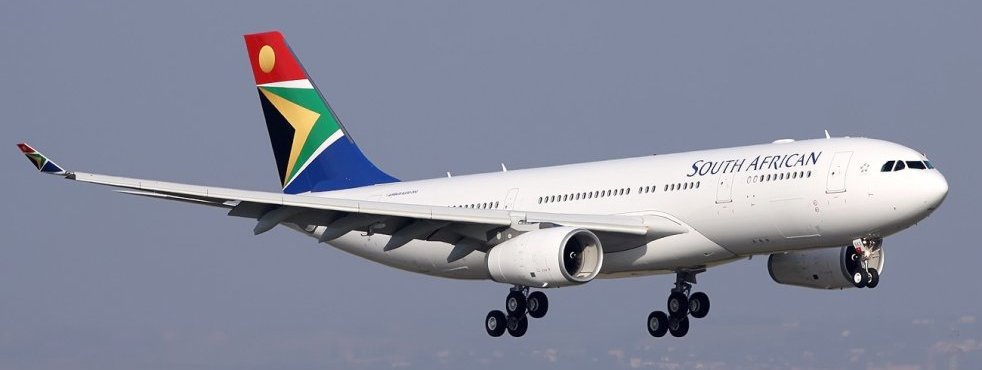
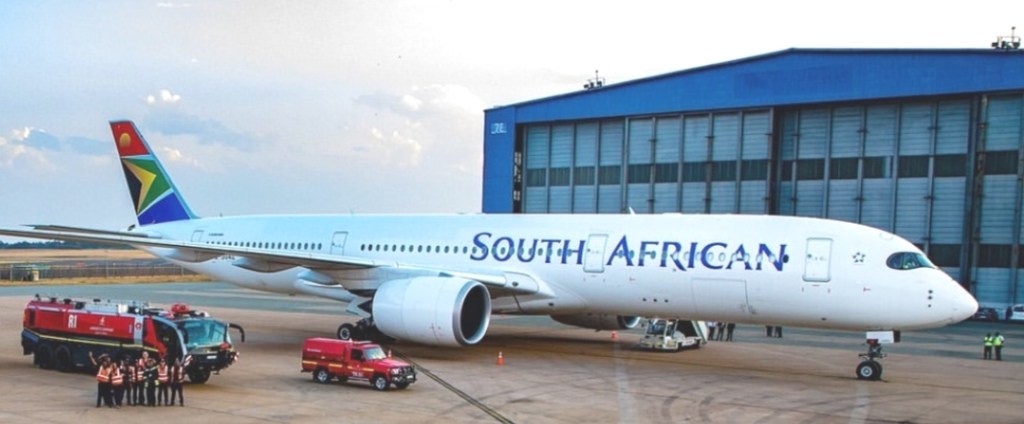
South African Airways, otra importante aerolínea africana, no ha sido rentable desde 2011 y ha estado bajo protección por bancarrota desde Diciembre 2019. Cansado de emitir rescates, el Gobierno exige un nuevo plan de negocios. «Ahora nos enfrentamos a la desconocida publicación de la pandemia COVID-19 y no hay precedentes ni certezas que puedan seguirse en el desarrollo de una nueva estrategia», anunció el Departamento de Empresas Públicas el 1 Mayo 2020, diciendo que la aerolínea será reestructurada. Los administradores apuntan a despedir a casi 5.000 empleados para mantener a flote la aerolínea. «Las aerolíneas que estaban luchando antes de la pandemia probablemente terminarán declarándose en bancarrota o buscarán rescates», advirtió la Comisión Económica de las Naciones Unidas para África, llamando al transporte aéreo un sector crítico para la economía del continente, junto con el turismo, como vínculos e inversiones globales. ha crecido.

El Director Domercial de Asky Airlines, Nowel Ngala, una aerolínea lanzada en 2010 por un grupo de bancos regionales que espera resolver las dificultades de transporte en África central y occidental, dijo que la pandemia ha sido muy devastadora para la compañía, cuyos nueve aviones están en tierra. Las pérdidas de ingresos son sustanciales y ha habido graves impactos en términos de mantenimiento de los aviones para cada vez que se reanuda el negocio.
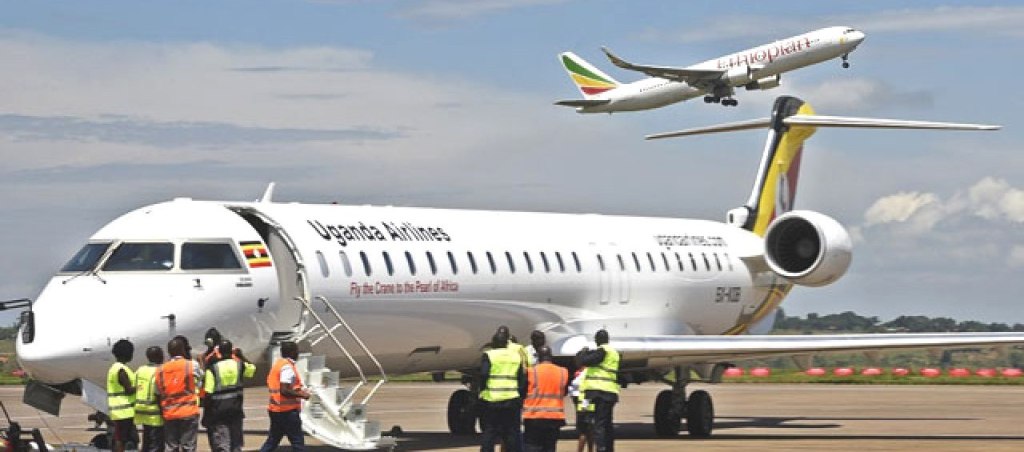
El revivido Uganda Airlines apenas tuvo la oportunidad de comenzar. Sin un sólido apoyo del estado mientras lidian con la forma de cumplir con las nuevas pautas de seguridad, Uganda Airlines «bien podría irse a casa», dijo Francis Babu, Piloto y ex-Ministro de Gobierno. El CEO y portavoz de la aerolínea no respondió a las solicitudes de comentarios.

El CEO de Kenya Airways, Allan Kilavuka, ha sido franco. «Incluso antes de esta crisis, no estábamos en un buen lugar». El modelo comercial y el enfoque de mercado de la aerolínea deberán cambiar, desconociendo el futuro mercado de la aviación. Los empleados han recibido recortes salariales de hasta el 80% a medida que Kenya Airways se somete a un proceso de renacionalización iniciado el año pasado para ayudarlo a volver a la rentabilidad. En Febrero 2020, la aerolínea recibió un préstamo gubernamental de casi US$ 5 millones para revisar los motores de su flota. Se necesita una nueva infusión de efectivo del estado, «cualquier cosa que pueda pagar», dijo Allan Kilavuka. La creciente deuda de la compañía es una de las razones por las que Aly-Khan Satchu, un Analista Financiero con sede en Nairobi, cree que las autoridades necesitarán crear otra versión del operador de bandera de Kenia con un balance limpio. Kenya Airways, que depende del tráfico de pasajeros para el 90% de sus ingresos, tendrá que pasar a la carga y reducir su red para crear una aerolínea estatal ágil. «Aprecio que cumple una función de interés nacional, pero el balance ahora ha cruzado un punto de inflexión», expresó el Analista Financiero.

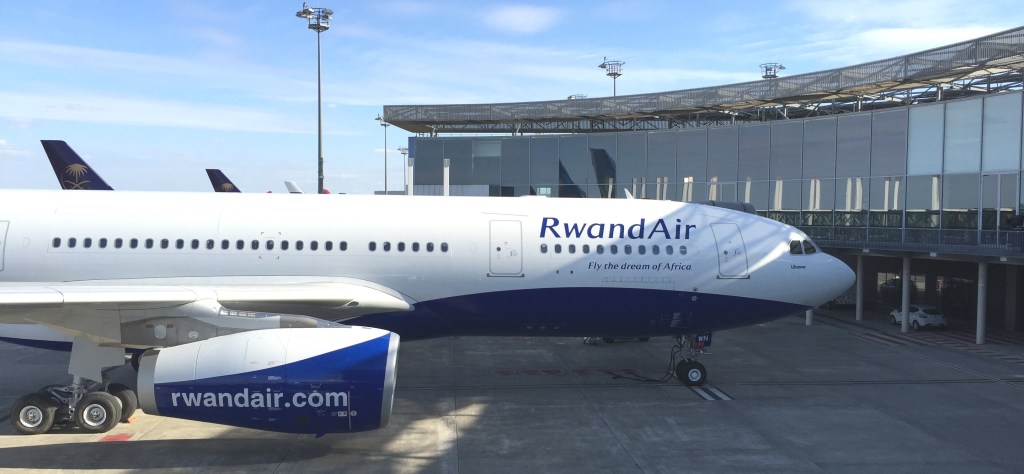
En Ruanda, el Gobierno dijo que aumentará sus fondos para el transportista nacional RwandAir, cuya reducción de costos incluye recortes salariales de hasta un 65% y la suspensión de contratos con algunos pilotos y personal no esencial hasta nuevo aviso.

Los tiempos son aún más difíciles para Air Zimbabwe, la aerolínea nacional de un avión de la nación del sur de África, cargada con una deuda de más de US$ 300 millones incluso antes de la pandemia. La aerolínea dijo en abril que estaba obligando a docenas de empleados a irse sin goce de sueldo hasta que el Boeing 767 pueda volar pasajeros nuevamente.

The pandemic impact in Africa

The financial effect on African airlines

African airlines had accumulated debt long before the pandemic, but government bailouts allowed them to limp for years. Questions are arising in Africa and elsewhere about the financial wisdom of keeping prestigious companies that often have a small part of an aviation market that sees no recovery in sight.

Now, as sub-Saharan Africa faces its first recession in a quarter century, some airlines will have a harder time surviving. This despite the growing global interest in the continent of 1.3 billion people. In some cases, local airlines are so important to pan-African companies on a vast continent with historically poor infrastructure that their collapse would harm fast travel. However, in other cases, airlines have been seen as vanity projects for states that can hardly afford to support them.

IATA, Africa

The International Air Transport Association (IATA) warned in April 2020 that African airlines could lose US$ 6 billion in passenger revenue compared to last year, and that half of the region’s 6 million jobs in the aviation and related industries could be lost. Air traffic this year is expected to decrease by half, according to association data. «These estimates are based on a scenario of severe travel restrictions lasting three months, with a gradual lifting of restrictions in national markets, followed by regional and intercontinental ones,, said IATA.
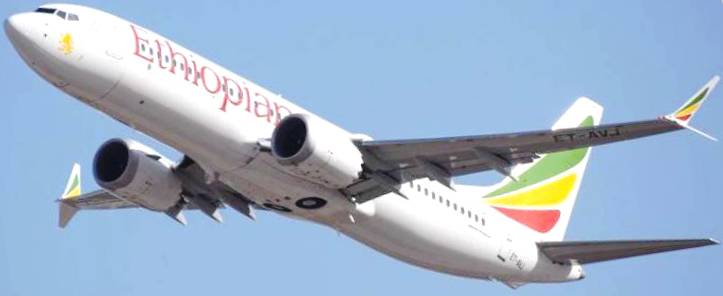
That three-month period is already drawing to a close, with no return to normal air travel in sight. Even Ethiopian Airlines, the only profitable airline in Africa in recent years, has signaled heartbreak, citing revenue losses of up to US$ 550 million between January-April 2020. As a measure of survival, the airline has launched into cargo operations, including shipping medical supplies to Africa and other continents. «About 22 of our passenger jets have been converted to cargo. Once the pandemic is under control and passenger flights resume, we will reconfigure them to their original passenger cabin configurations. If the crisis persists we will discuss with our owner , the Ethiopian government, how to handle the situation in the future, and we will also be able to discuss liquidity loans with our creditor banks», said Ethiopian Airlines CEO Tewolde Gebremariam. Addis Ababa, the capital of Ethiopia, has become Africa’s gateway to the Gulf nations and beyond. It is now a key hub for shipping humanitarian supplies during the pandemic.

South African Airways, another major African airline, has not been profitable since 2011 and has been under bankruptcy protection since December 2019. Tired of issuing bailouts, the government demands a new business plan. «Now we are faced with the unknown publication of the COVID-19 pandemic and there are no precedents or certainties that can be followed in developing a new strategy», the Department of Public Enterprises announced on May 1, 2020, saying the airline will be restructured. Administrators aim to fire nearly 5,000 employees to keep the airline afloat. «Airlines that were struggling before the pandemic will likely end up filing for bankruptcy or seek bailouts», warned the United Nations Economic Commission for Africa, calling air travel a critical sector for the continent’s economy, along with tourism, such as global ties and investments. has grown.

Asky Airlines Domestic Director Nowel Ngala, an airline launched in 2010 by a group of regional banks hoping to resolve transportation difficulties in Central and West Africa, said the pandemic has been very devastating for the company, whose nine planes are on land. The revenue losses are substantial and there have been serious impacts in terms of aircraft maintenance for each time business is resumed.

The revived Uganda Airlines barely had a chance to start. Without strong state support as they grapple with how to comply with the new security guidelines, Uganda Airlines «could well go home», said Francis Babu, Pilot and former Minister of Government. The airline’s CEO and spokesman did not respond to requests for comment.

Kenya Airways CEO Allan Kilavuka has been outspoken. «Even before this crisis, we were not in a good place». The airline’s business model and market focus will have to change, ignoring the future aviation market. Employees have received pay cuts of up to 80% as Kenya Airways undergoes a renationalisation process begun last year to help it return to profitability. In February 2020, the airline received a government loan of almost US$ 5 million to review the engines of its fleet. A new infusion of cash is needed from the state, «anything you can afford», said Allan Kilavuka. The company’s growing debt is one reason why Aly-Khan Satchu, a Nairobi-based Financial Analyst, believes that authorities will need to create another version of the Kenyan flag operator with a clean balance sheet. Kenya Airways, which relies on passenger traffic for 90% of its revenue, will have to load up and downsize its network to create a nimble state airline. «I appreciate that it fulfills a function of national interest, but the balance has now crossed a turning point», said the Financial Analyst.

In Rwanda, the government said it will increase its funds for the national carrier RwandAir, whose cost reduction includes wage cuts of up to 65% and the suspension of contracts with some pilots and non-essential personnel until further notice.

Times are even tougher for Air Zimbabwe, the national airline of an airplane for the southern African nation, burdened with debt of more than $ 300 million even before the pandemic. The airline said in April that it was forcing dozens of employees to leave without pay until the Boeing 767 can fly passengers again.

Ξ A I R G W A Y S Ξ
PUBLISHER: Airgways.com
DBk: Startribune.com / Airgways.com / Regionweek.com / Thepointsguy.com
AW-POST: 202006031101

A\W   A I R G W A Y S ®

Aperturas de aeropuertos en el mundo

AW | 2020 06 02 16:05 | GOVERNMENT / AIRLINES MARKET / AVIATION SAFETY

Países del mundo comienzan apertura de vuelos y fronteras

América

El Aeropuerto Internacional VC Bird, de Antigua y Barbuda, se convirtió en el primero de la Comunicad del Caribe (Caricom) en quedar reabierto este Lunes 1 Junio 2020 en el marco de la pandemia de Coronavirus, aunque lo hará con una operación muy limitada y con estrictos protocolos sanitarios. El Jueves 4 junio 2020 aterrizará el primer vuelo de American Airlines proveniente de Miami.

El Gerente del Aeropuerto de Kamloops, Columbia Británica (BC), Canadá, Ed Ratuski, dijo que los pasajeros actualmente pueden reservar vuelos y Air Canada está evaluando la demanda de esos viajes, con el restablecimiento de las conexiones diarias entre el interior de BC y la costa «provisional» en este momento.

La Isla Santa Lucía es una de varias islas del Caribe que intentan un regreso turístico. El destino tropical, que cerró sus órdenes a los viajeros extranjeros el 23 Marzo 2020, comenzará su reapertura gradual el 4 Junio 2020, cuando levantará sus fronteras para los visitantes de los Estados Unidos.

La isla caribeña de Aruba está planeando abrir sus puertas a los viajeros una vez más en algún momento entre el 15 Junio y el 1 Julio. Sin embargo, la oficina de visitantes de la isla caribeña, que ha informado de más de 100 casos confirmados de coronavirus, dice que esta fecha provisional puede cambiar si Aruba opta por considerar medidas de precaución adicionales según sea necesario.

La República de Jamaica reabre oficialmente sus fronteras a todos los turistas internacionales el día 15 Junio 2020. Edmund Bartlett, Jefe del Ministerio de Turismo, anunció en su página de Facebook: «El Gobierno de Jamaica abrirá sus fronteras para la repatriación de los ciudadanos a partir del 1 Junio 2020. El 15/06 se abrirán las fronteras para todo el mundo viajeros».

Los países sudamericanos comenzaron el lunes a aliviar las restricciones de COVID-19 incluso cuando la región avanza hacia su pico viral, sin tener en cuenta el ejemplo establecido por las naciones europeas que fueron golpeadas anteriormente por el virus. Algunas de las ciudades más afectadas de Brasil, incluida la metrópoli de Manaus y la costa de Río de Janeiro, están comenzando a permitir más actividad. El Gobierno de Bolivia autorizó la reapertura de la mayor parte del país y el Gobierno de Venezuela eliminó las restricciones. Los aeropuertos de Ecuador reanudaron los vuelos y los compradores regresaron a algunos de los centros comerciales de Colombia. Revertir las medidas va en contra del enfoque de Europa de esperar a que pase lo peor antes de reanudar la actividad, y América del Sur va mucho más atrás en su curva viral.

El Aeropuerto Quito/Mariscal Sucre, reabrió este lunes sus operaciones comerciales, que estuvieron suspendidas durante 75 días, en el marco de la emergencia sanitaria declarada por la pandemia del coronavirus.

México tiene como objetivo dar la bienvenida a los visitantes en cuestión de semanas. Si bien la nación permanece cerrada, con hoteles y restaurantes aún por reanudar, los funcionarios planean reabrir el país poco a poco para volver a encaminar las cosas.

Europa

El 15 Junio 2020 es el inicio de la reapertura de muchos aeropuertos en Europa. Dentro del viejo continente, países como Alemania, Austria, Islandia, Portugal y Grecia planean abrir sus fronteras a los ciudadanos de la Unión Europea para esta fecha. Italia abrirá sus fronteras el 03/06, mientras que España y Grecia lo harán a partir del 1 Julio 2020.

Las primeras autorizaciones corresponderán a los vuelos entrantes desde Grecia, Malta, Bulgaria, Noruega, Austria, Finlandia, Eslovenia, Hungría, Israel, Dinamarca, Alemania, Eslovaquia y Lituania. A partir del 20 de junio, Chipre también permitirá vuelos entrantes desde Suiza, Polonia, Rumania, Croacia, Estonia y la República Checa. El Reino Unido y los Estados Unidos, ambos incluidos entre las naciones con el mayor número de muertes confirmadas de Covid-19, están notablemente ausentes. Sin embargo, la lista se ampliará para incluir a otros 23 países en los próximos meses.

Francia fue el país más visitado del mundo antes de la pandemia de Coronavirus. Ahora, como el resto de la Unión Europea, actualmente existen restricciones para todos los viajes no esenciales desde fuera de la Zona Schengen (una agrupación de 26 países que normalmente tienen fronteras abiertas). Los viajeros que ingresen al país, con la excepción de ciudadanos de la UE o llegadas del Reino Unido, estarán sujetos a una cuarentena obligatoria de coronavirus de 14 días hasta al menos el 24 Julio 2020. Aunque el Gobierno está levantando lentamente las medidas de cierre, con los viajes en automóvil de hasta 100 kilómetros ahora permitidos y las playas comenzando a reabrir, las autoridades han dejado en claro que el país no tiene prisa por aliviar las restricciones fronterizas para los viajeros internacionales.

En Alemania aunque los viajes no esenciales están prohibidos en la actualidad, la tierra de poetas y pensadores tiene la intención de levantar las restricciones para los países de la UE a partir del 15 Junio 2020, según el Canciller alemán, Heiko Maas. Los funcionarios también están considerando permitir la entrada a visitantes de Turquía, el Reino Unido, Islandia, Liechtenstein, Noruega y Suiza, aunque aún no se ha tomado una decisión final.

La República de Montenegro reabre parcialmente aeropuertos internacionales para vuelos comerciales. Montenegro planea reabrir parcialmente los aeropuertos internacionales de Podgorica y Tivat para el tráfico comercial el 2 Junio 2020, dijo el operador aeroportuario estatal Aerodromi Crne Gore. Los aeropuertos están abiertos para ciudadanos de países con un máximo de 25 casos de coronavirus activos por cada 100.000 habitantes a partir del 02/06, dijo Aerodromi Crne Gore en un comunicado el Lunes. a lista de países que cumplen estos requisitos incluye Eslovenia, Croacia, Eslovaquia, Georgia, Suiza, Albania, Austria, Noruega, Mónaco, Kosovo, Alemania, Grecia, Hungría, Dinamarca, Lituania, Letonia, Azerbaiyán, Luxemburgo, Bosnia y Herzegovina, Bulgaria, Israel, la República Checa, Finlandia y Estonia, dijo Aerodromi Crne Gore.

En Lituania, el Aeropuerto Vilna actualmente ofrece vuelos directos a Oslo, Riga, Tallin, Frankfurt y Dortmund, y los vuelos a la ciudad holandesa de Eindhoven se reanudarán el Martes 02/06. La reanudación de los vuelos en el Aeropuerto Palanga de Lituania se inician este Martes 02/06.

El Aeropuerto Internacional de Malta reiniciala apertura parcial de vuelos en Europa. La Autoridad de Turismo de Malta acoge con beneplácito la reapertura parcial del aeropuerto.

La República de Italia ha sido uno de los destinos más afectados por la pandemia, pero el popular país europeo está ansioso por poner en marcha su industria turística ahora que las tasas de infección han disminuido. Los viajeros de la UE, junto con el Reino Unido y los microestados y principados de Andorra, Mónaco, San Marino y el Vaticano, podrán ingresar sin tener que entrar en cuarentena a partir del 3 Junio 2020, en una medida que el gobierno describió como riesgo calculado.

El bloqueo de España fue uno de los más duros en Europa, pero las restricciones se están levantando suavemente. Las playas se reabrirán en junio, mientras que a los hoteles en algunas partes del país ya se les ha permitido reanudar sus negocios. Desde el 1 Julio, el destino europeo, que recibió un récord de 84 millones de visitantes en 2019, otorgará a los viajeros de la UE permiso para ingresar sin tener que ponerse en cuarentena durante dos semanas.

Portugal todavía está en el proceso de relajar las restricciones de cierre, permitiendo que restaurantes, museos y cafeterías se reabran a una capacidad reducida desde mediados de Mayo 2020. Pero el país europeo está ansioso por revivir su industria turística en dificultades, y el canciller Augusto Santos Silva declaró recientemente que los turistas son bienvenidos. Si bien los visitantes de fuera de la UE están prohibidos hasta al menos el 15 Junio, algunas rutas dentro y fuera de países de habla portuguesa como Brasil todavía están operando.

Mientras que otros destinos están relajando las restricciones de viaje y adoptando medidas para atraer a los viajeros de regreso, el Reino Unido está eligiendo promulgar regulaciones más estrictas. A pesar de haber optado previamente por una cuarentena obligatoria para los viajeros, el gobierno anunció recientemente que, a partir del 8 Junio 2020, todos los viajeros que lleguen deberán aislarse por un período de 14 días. Según las nuevas reglas, todos los que lleguen deberán proporcionar una dirección, en la que deberán permanecer durante dos semanas.

Asia

Los funcionarios del Gobierno de Thailandia se están preparando para que el Aeropuerto Internacional de Phuket vuelva a abrir a mediados de junio, luego de una orden provincial emitida el domingo por la noche que abrió los viajes interprovinciales dentro y fuera de Phuket, y para que los hoteles y todos los negocios relacionados con el turismo reanuden sus operaciones.

Chipre está tan interesado en volver a encauzar su industria turística que los funcionarios ofrecen cubrir los costos de los viajeros que den positivo por Covid-19 mientras están de vacaciones en la isla del Mediterráneo.

Algunos países asiáticos están priorizando a los viajeros de negocios en sus negociaciones. China y Singapur han enfatizado la importancia de hacer que los viajes estén disponibles para ejecutivos de alto nivel y técnicos esenciales. La Cooperación Económica Asia-Pacífico (APEC) también está explorando cómo su tarjeta de viaje de negocios, que facilita la entrada a las economías participantes, podría incorporar protocolos de salud.

Japón también está sopesando sus opciones para reabrir, probablemente comenzando con viajeros de negocios e investigadores. Esta semana se corrió la voz de que Tokio está entrando en conversaciones con Vietnam, Tailandia, Australia y Nueva Zelanda.

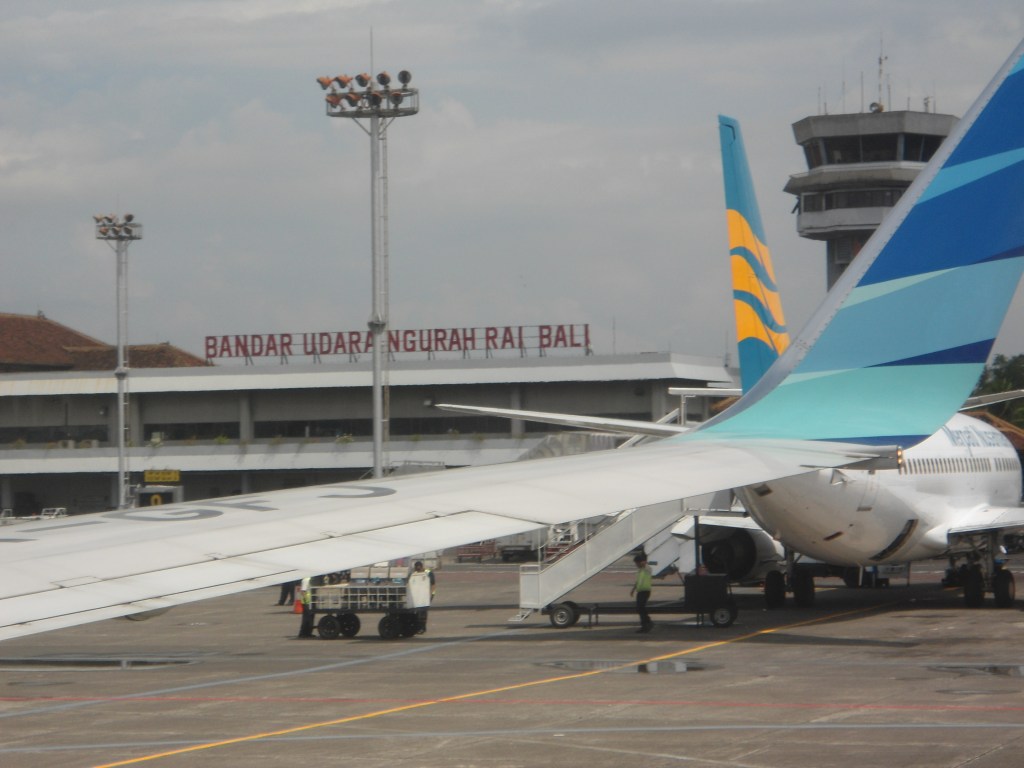
En la República de Indonesia, Bali también ha tenido éxito en contener su brote de Coronavirus, con menos de 350 casos confirmados y, al momento de escribir esto, un total de cuatro muertes. La isla indonesia ahora espera recibir a los turistas en octubre, siempre que sus tasas de infección se mantengan bajas. Según una declaración de Ni Wayan Giri Adnyani, Secretaria del ministerio, Yogyakarta, situada en la Isla de Java, es probable que reabra primero, junto con la provincia de las islas Riau. La economía de Bali depende en gran medida del turismo y el número de visitantes ha aumentado en los últimos años, con alrededor de 6,3 millones de personas visitando en 2019.

La República de Turquía ha comunicado la salida gradual a la pandemia de Coronavirus. El país ha ganado más de US$ 34.5 mil millones del turismo en 2019, y el país transcontinental está ansioso por volver a los negocios. Según el Ministro de Turismo, Mehmet Nuri Ersoy, el destino planea reiniciar el turismo nacional para fines de Mayo 2020 y espera recibir visitantes internacionales desde mediados de junio. Desde el Ministerio de Turismo de ha indicado que Turquía podría reabrir a países asiáticos como China y Corea del Sur primero. El país ha establecido nuevas pautas para sus hoteles y centros turísticos, como controles de temperatura en las entradas y al menos 12 horas de ventilación de la habitación después de la salida. Los invitados deberán usar máscaras faciales y mantener el distanciamiento social.

La nación isleña de Maldivas, compuesta por más de 1.000 islas, cerró sus fronteras nacionales y canceló todos los vuelos poco después de registrar sus dos primeros casos de coronavirus en Marzo 2020. Sin embargo, alrededor de 30 resorts aquí han permanecido abiertos, y los turistas optan por autoaislarse en el famoso destino de luna de miel en lugar de regresar a casa. Maldivas ha registrado alrededor de 1.457 casos confirmados y cinco muertes por Coronavirus hasta el momento. Si bien anteriormente se pensaba que el destino volvería a abrir a fin de año, las autoridades lo adelantaron hasta Julio 2020. Se ha propuesto una reapertura por etapas que permitiría la entrada a jets privados y superyates a partir del 1 Junio 2020.

Oceanía

El éxito de Australia y Nueva Zelanda en la gestión del tratamiento de la transmisión comunitaria, incluso cuando se han aliviado sus medidas de bloqueo, ha aumentado las esperanzas de que se pueda implementar medidas eficientes en el vasto continente de Oceanía en los próximos dos meses.

Airport openings in the world

Countries of the world begin to open flights and borders

America

VC Bird International Airport, Antigua and Barbuda, became the first of the Caribbean Community (Caricom) to be reopened this Monday, June 1, 2020 in the context of the Coronavirus pandemic, although it will do so with a very limited operation and with strict sanitary protocols. On Thursday June 4, 2020, the first American Airlines flight from Miami will land.

The Manager of Kamloops Airport, British Columbia (BC), Canada, Ed Ratuski, said that passengers are currently able to book flights and Air Canada is evaluating the demand for these trips, with the restoration of daily connections between the interior of BC and the «provisional» shoreline at this time.

Santa Lucia Island is one of several Caribbean islands that attempt a tourist return. The tropical destination, which closed its orders to foreign travelers on March 23, 2020, will begin its gradual reopening on June 4, 2020, when it will lift its borders for visitors to the United States.

The Caribbean island of Aruba is planning to open its doors to travelers once again sometime between June 15 and July 1. However, the Caribbean island’s visitor’s office, which has reported more than 100 confirmed cases of coronavirus, says this tentative date may change if Aruba chooses to consider additional precautionary measures as needed.

The Republic of Jamaica officially reopens its borders to all international tourists on June 15, 2020. Edmund Bartlett, Head of the Ministry of Tourism, announced on his Facebook page: «The Government of Jamaica will open its borders for the repatriation of citizens as of June 1, 2020. On 06/15, the borders will be opened for all travelers».

South American countries began easing COVID-19 restrictions on Monday even as the region moves toward its viral peak, disregarding the example set by European nations that were previously hit by the virus. Some of the most affected cities in Brazil, including the metropolis of Manaus and the coast of Rio de Janeiro, are beginning to allow more activity. The Bolivian government authorized the reopening of most of the country, and the Venezuelan government removed the restrictions. Ecuador’s airports resumed flights and buyers returned to some of Colombia’s shopping malls. Reversing the measures runs counter to Europe’s approach of waiting for the worst to pass before resuming activity, and South America lags far behind on its viral curve.

Quito/Mariscal Sucre Airport reopened its commercial operations on Monday, which were suspended for 75 days, in the context of the health emergency declared by the coronavirus pandemic.

Mexico aims to welcome visitors in a matter of weeks. While the nation remains closed, with hotels and restaurants yet to resume, officials plan to reopen the country bit by bit to get things back on track.

Europe

June 15, 2020 is the start of the reopening of many airports in Europe. Within the old continent, countries like Germany, Austria, Iceland, Portugal and Greece plan to open their borders to citizens of the European Union by this date. Italy will open its borders on 06/03, while Spain and Greece will do so from July 1, 2020.

The first authorizations will correspond to incoming flights from Greece, Malta, Bulgaria, Norway, Austria, Finland, Slovenia, Hungary, Israel, Denmark, Germany, Slovakia and Lithuania. Starting June 20, Cyprus will also allow inbound flights from Switzerland, Poland, Romania, Croatia, Estonia and the Czech Republic. The United Kingdom and the United States, both included among the nations with the highest number of confirmed Covid-19 deaths, are notably absent. However, the list will be expanded to include 23 other countries in the coming months.

France was the most visited country in the world before the Coronavirus pandemic. Now, like the rest of the European Union, there are currently restrictions on all non-essential travel from outside the Schengen Zone (a grouping of 26 countries that normally have open borders). Travelers entering the country, with the exception of EU citizens or UK arrivals, will be subject to a mandatory 14-day coronavirus quarantine until at least July 24, 2020. Although the government is slowly lifting the closure measures, with car travel of up to 100 kilometers now allowed and beaches beginning to reopen, authorities have made it clear that the country is in no rush to ease border restrictions for international travelers.

Although non-essential travel is currently prohibited in Germany, the land of poets and thinkers intends to lift restrictions for EU countries from June 15, 2020, according to German Chancellor Heiko Maas. Officials are also considering allowing visitors from Turkey, the United Kingdom, Iceland, Liechtenstein, Norway and Switzerland to enter, although a final decision has yet to be made.

The Republic of Montenegro partially reopens international airports for commercial flights. Montenegro plans to partially reopen the Podgorica and Tivat international airports for commercial traffic on June 2, 2020, said state airport operator Aerodromi Crne Gore. The airports are open to citizens of countries with a maximum of 25 active coronavirus cases per 100,000 inhabitants as of 02/06, Aerodromi Crne Gore said in a statement Monday. A list of countries that meet these requirements includes Slovenia, Croatia, Slovakia, Georgia, Switzerland, Albania, Austria, Norway, Monaco, Kosovo, Germany, Greece, Hungary, Denmark, Lithuania, Latvia, Azerbaijan, Luxembourg, Bosnia and Herzegovina, Bulgaria, Israel, the Czech Republic, Finland and Estonia, said Aerodromi Crne Gore.

In Lithuania, Vilnius Airport currently offers direct flights to Oslo, Riga, Tallinn, Frankfurt and Dortmund, and flights to the Dutch city of Eindhoven will resume on Tuesday 02/06. The resumption of flights at the Palanga Airport in Lithuania begins this Tuesday 02/06.

Malta International Airport restarts the partial opening of flights in Europe. The Malta Tourism Authority welcomes the partial reopening of the airport.

The Republic of Italy has been one of the destinations most affected by the pandemic, but the popular European country is eager to launch its tourism industry now that infection rates have declined. Travelers from the EU, along with the United Kingdom and the microstates and principalities of Andorra, Monaco, San Marino and the Vatican, will be able to enter without having to quarantine from June 3, 2020, in a measure that the government described as calculated risk.

Spain’s blockade was one of the toughest in Europe, but the restrictions are gently being lifted. The beaches will reopen in June, while hotels in some parts of the country have already been allowed to resume business. Starting on July 1, the European destination, which received a record 84 million visitors in 2019, will grant EU travelers permission to enter without having to be quarantined for two weeks.

Portugal is still in the process of loosening closure restrictions, allowing restaurants, museums and cafes to reopen to reduced capacity since mid-May 2020. But the European country is eager to revive its struggling tourism industry, and Chancellor Augusto Santos Silva recently stated that tourists are welcome. While visitors from outside the EU are banned until at least June 15, some routes in and out of Portuguese-speaking countries like Brazil are still operating.

While other destinations are loosening travel restrictions and taking steps to attract return travelers, the UK is choosing to enact stricter regulations. Despite previously opting for a mandatory quarantine for travelers, the government recently announced that, beginning June 8, 2020, all arriving travelers must be isolated for a period of 14 days. Under the new rules, everyone who arrives must provide an address, where they must stay for two weeks.

Asia

Thai Government officials are preparing to reopen Phuket International Airport in mid-June, following a provincial order issued on Sunday night that opened inter-provincial travel in and out of Phuket, and for Hotels and all businesses related to tourism resume operations.

Cyprus is so keen to get its tourism industry back on track that officials offer to cover the costs of travelers testing positive for Covid-19 while on vacation on the Mediterranean island.

Some Asian countries are prioritizing business travelers in their negotiations. China and Singapore have emphasized the importance of making travel available to high-level executives and essential technicians. The Asia-Pacific Economic Cooperation (APEC) is also exploring how its business travel card, which facilitates entry to participating economies, could incorporate health protocols.

Japan is also weighing its options to reopen, likely starting with business travelers and researchers. Word spread this week that Tokyo is entering into talks with Vietnam, Thailand, Australia and New Zealand.

In the Republic of Indonesia, Bali has also been successful in containing its outbreak of Coronavirus, with fewer than 350 confirmed cases and, as of this writing, a total of four deaths. The Indonesian island now expects to receive tourists in October, as long as its infection rates remain low. According to a statement by Ni Wayan Giri Adnyani, Secretary of the Ministry, Yogyakarta, located on the Island of Java, it is likely to reopen first, along with the Riau Islands province. Bali’s economy is highly dependent on tourism and the number of visitors has increased in recent years, with around 6.3 million people visiting in 2019.

The Republic of Turkey has communicated the gradual exit to the Coronavirus pandemic. The country has earned more than US$ 34.5 billion from tourism in 2019, and the transcontinental country is eager to return to business. According to Tourism Minister Mehmet Nuri Ersoy, the destination plans to restart national tourism by the end of May 2020 and expects to receive international visitors from mid-June. From the Ministry of Tourism has indicated that Turkey could reopen to Asian countries like China and South Korea first. The country has established new guidelines for its hotels and resorts, such as temperature controls at the entrances and at least 12 hours of room ventilation after departure. Guests should wear face masks and maintain social distance.

The island nation of Maldives, made up of more than 1,000 islands, closed its national borders and canceled all flights soon after registering its first two coronavirus cases in March 2020. However, around 30 resorts here have remained open, and the Tourists choose to self-isolate at the famous honeymoon destination instead of returning home. The Maldives has recorded around 1,457 confirmed cases and five Coronavirus deaths so far. Although previously it was thought that the destination would reopen at the end of the year, the authorities advanced it until July 2020. A phased reopening has been proposed that would allow the entry of private jets and superyachts from June 1, 2020.

Oceania

The success of Australia and New Zealand in managing community transmission treatment, even when their blocking measures have been eased, has raised hopes that efficient measures can be implemented in the vast continent of Oceania in the next two months.

Ξ A I R G W A Y S Ξ
PUBLISHER: Airgways.com
DBk: Cnn.com / Airgways.com / Washingtonpost.com / Kamloopsairport.com
AW-POST: 202006021605AR

A\W   A I R G W A Y S ®

Aerolíneas del Pacífico post-pandemia

AW | 2020 06 01 15:06 | AIRLINES MARKET

Aerolíneas Pacífico frente al escenario de post-pandemia

Los transportistas aéreos pequeños y grandes a través del mundo deberán hacer frente a los impactos de la postpandemia, sean dificultades financieras como las contínuas segmentaciones de los períodos de etapas sanitarias por la crisis de Coronavirus. Todas deberán adaptarse para sobrevivir.

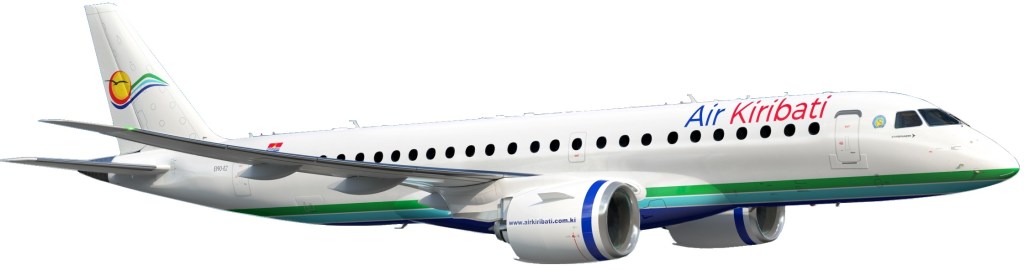
La realidad es que las aerolíneas del Pacífico no han estado exentas en los últimos años por los cambios de transformaciones. Atraídos por aviones más modernos, eficientes en combustible y más pequeños con mayor alcance, invirtiendo en modernización y capacidades. En los últimos tres años, se ordenaron más de 24 aviones nuevos o se entregaron para ocho aerolíneas regionales, lo que representa más de US$ 2.5 mil millones en nuevos arrendamientos. Para algunos, como la compra por parte del gobierno de Air Kiribati de dos Embraer E190, las inversiones fueron enormes, equivalentes a aproximadamente la mitad del PIB anual del país. El objetivo principal para la renovación de la flota es impulsar el turismo en las remotas islas de Oceanía. Pero los transportistas en el Pacífico juegan un papel preponderante de conexión reforzando enlazar cada rincón remoto de la vasta extensión de este continente muy particular con una baja densidad de población y extrema lejanía. Con este fin, la mayoría de los transportistas nacionales en la región son de propiedad parcial o total del gobierno, o al menos están subsidiados directamente por su gobierno o indirectamente protegidos por limitaciones de capacidad de asientos o de aeropuerto. Con poco tráfico y niveles de carga para muchas rutas, el desempeño económico de estas aerolíneas a lo largo de los años ha sido mixto en el mejor de los casos. Pero es un costo que la mayoría de los gobiernos están dispuestos a usar a cambio de la función de servicio público, y el prestigio, que proporciona un operador nacional. La solución regional es romántica y aspira a muchos elementos de gobernanza y prestación de servicios en la región del Pacífico.

Perspectivas

Las consecuencias del impacto de la pandemia y la supresión de los vuelos en el mundo con la puesta a tierra de aviones como resultado de las restricciones de movimiento ha devastado la industria de las aerolíneas a nivel mundial. La proyecciones para el resto del 2020, sin embargo, estos costos se dispararán. Las aerolíneas de la Región Pacífico-Micronesia poseen un tráfico casi exclusivo relacionado al turismo por lo que el impacto es muy fuerte para reiniciar las operaciones aerocomerciales.

Fiji Airways, la aerolínea regional más grande ha comunicado recientemente en la obligación a despedir a la mitad de su fuerza laboral y está presionando para obtener un préstamo de A$ 227.5 millones respaldado por el Gobierno para mantenerlos a flote.

Air Niugini de Papúa Nueva Guinea acababa de cambiar este año, después de años de pérdidas y un accidente que sacudió la confianza en las Islas Marshall en 2018. Puede estar en mejor forma a medida que se reanuden los vuelos nacionales en el país, pero incluso más allá de los primeros US$ 10 millones proporcionados, todavía podría ser necesario un folleto. La renuncia del CEO Alan Milne, quien había llevado a la compañía a la rentabilidad, es otro revés para la aerolínea.

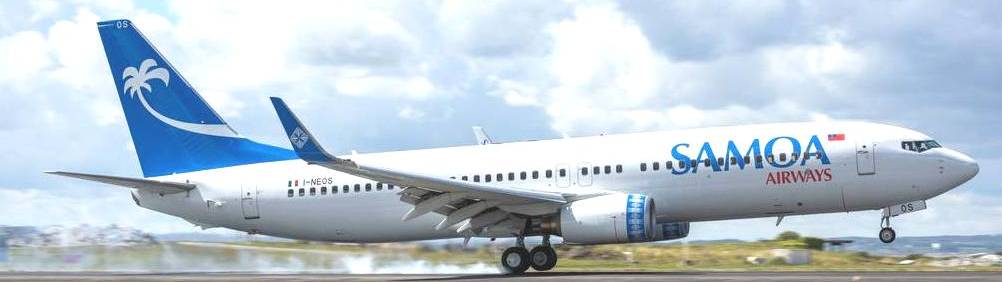
Air Kiribati, Air Vanuatu, Nauru Air y Solomon Airlines se encuentran en situaciones similares, pero el riesgo más grave es Samoa Airways. La aerolínea Samoa Airways, relanzada en 2017 después de que el Gobierno de Samoa abandonó su asociación con Virgin Australia Airlines, atraviesa dificultades por un conjunto de problemas. La base de su nuevo Boeing 737-MAX bajo arrendamiento de wetlease, aparcado en tierra por problemas de diseño industrial, sumado a la confusión en el equipo de liderazgo de la aerolínea son solo algunos de sus dolores de cabeza. Virgin Australia Airlines ingresa a la administración, la cancelación de los vuelos de Fiji Airways a la Isla de Samoa por parte del Gobierno de Samoa y la finalización de la opción de arrendamiento de aeronaves actual de Samoa Airways dejará a Air New Zealand como la única aerolínea que conecta la extensa región.

Muchos están proyectando hasta dónde llegará el impacto económico en la industria de las aerolíneas, y quién sobrevivirá a medida que el mundo inicie la apertura del tráfico aéreo. Para los gobiernos del Pacífico, probará cuánto valoran a sus transportistas nacionales a medida que se ven obligados a subsidios y rescates aún mayores.

La imagen tiene un atributo ALT vacío; su nombre de archivo es aw-700033.jpg
La imagen tiene un atributo ALT vacío; su nombre de archivo es aw-7003350.jpg

Unificando criterios

Una opción sugerida es la posibilidad de que las aerolíneas nacionales se fusionen en una sola aerolínea regional, o un conjunto de aerolíneas subregionales para dar servicio a Micronesia, Melanesia y Polinesia, respectivamente. Es una solución atractiva: puede generar eficiencias y reducir la duplicación de servicios al aumentar la escala general. Si un operador regional de este tipo tuviera participaciones de propiedad de todos los gobiernos del Pacífico, podrían garantizar que las partes con fines de lucro de la empresa respaldaran las rutas de pérdidas que sirven a los servicios públicos y las funciones de conectividad tan críticas para muchos operadores nacionales. No es una ambición completamente nueva para las aerolíneas del Pacífico. En 1970 Air Pacific, como se conocía anteriormente a Fiji Airways, hizo realidad el sueño de unir la región de la Micronesia cuando siete gobiernos de las islas del Pacífico, algunos todavía bajo el dominio británico, tenían acciones en Air Pacific y fueron atendidos por el transportista. En una década, el modelo regional había perdido la confianza de todos sus miembros, quienes cada uno de ellos presionó para establecer sus propias aerolíneas y la evolución de Air Pacific en la aerolínea nacional Fiji Airways que existe en la actualidad. Después de 40 años podría darse lectura de una nueva posibilidad para la Región Pacífico-Micronesia.

Si bien existen limitaciones prácticas para una aerolínea regional la distancia entre Palau y las Islas Cook es de 8.000 kilómetros, lo que equivale a un vuelo de regreso de Sydney a Perth, Australia, el verdadero impedimento es político. Las rivalidades entre islas, la falta de consenso en cuestiones operativas y la crítica cuestión de control han frustrado los esfuerzos previos para un cambio hacia el regionalismo. Otra opción es que los gobiernos del Pacífico liberalicen las rutas internacionales a los transportistas internacionales de las naciones desarrolladas. Una mayor competencia socavaría la rentabilidad y el rendimiento de sus propios transportistas, pero los beneficios de potencialmente más llegadas internacionales podrían utilizarse para subsidiar rutas domésticas no comerciales que mantienen a estos países conectados. En este escenario, los gobiernos tendrían que renunciar a algo que codician enormemente, que es el control.

De cualquier manera, la actual pandemia obligará a las naciones del Pacífico a reevaluar acerca de sus aerolíneas y las futuras conexiones con el mundo vitales para su subsistencia. Pero, claro, es una decisión política para la región. La solución regional es romántica y aspira a muchos elementos de gobernanza y prestación de servicios en la Región Pacífico-Micronesia.

Post-pandemic Pacific Airlines

Pacific airlines facing the post-pandemic scenario

Small and large air carriers throughout the world will have to face the impacts of the post-pandemic, be it financial difficulties such as the continuous segmentations of the periods of sanitary stages due to the Coronavirus crisis. All must adapt to survive.

The reality is that Pacific airlines have not been exempt in recent years because of the transformational changes. Attracted to smaller, more modern, fuel efficient aircraft with longer ranges, investing in modernization and capabilities. In the past three years, more than 24 new aircraft have been ordered or delivered to eight regional airlines, representing more than US$ 2.5 billion in new leases. For some, such as the Air Kiribati government’s purchase of two Embraer E190s, the investments were huge, equivalent to about half the country’s annual GDP. The main objective for the renewal of the fleet is to boost tourism in the remote islands of Oceania. But carriers in the Pacific play a leading role in connecting by reinforcing linking every remote corner of the vast expanse of this very particular continent with low population density and extreme remoteness. To this end, most domestic carriers in the region are partially or wholly owned by the government, or at least subsidized directly by their government or indirectly protected by seating or airport capacity limitations. With low traffic and load levels for many routes, the economic performance of these airlines over the years has been mixed at best. But it is a cost that most governments are willing to use in exchange for the public service function, and the prestige, that a national operator provides. The regional solution is romantic and aspires to many elements of governance and service provision in the Pacific region.

Perspective Pacific-Micronesia

The consequences of the impact of the pandemic and the suppression of flights around the world with the grounding of airplanes as a result of movement restrictions has devastated the airline industry worldwide. Projections for the rest of 2020, however, these costs will skyrocket. The airlines of the Pacific Region have almost exclusive traffic related to tourism, so the impact is very strong to restart aero-commercial operations.

Fiji Airways, the largest regional airline, has recently reported on the obligation to lay off half of its workforce and is pressing for a government-backed A$ 227.5 million loan to keep them afloat.

Papua New Guinea’s Air Niugini had just changed this year, after years of losses and an accident that rocked confidence in the Marshall Islands in 2018. It may be in better shape as domestic flights resume in the country, but even beyond the first US$ 10 million provided, a brochure may still be required. The resignation of CEO Alan Milne, who had brought the company to profitability, is another setback for the airline.

Air Kiribati, Air Vanuatu, Nauru Air and Solomon Airlines are in similar situations, but the most serious risk is Samoa Airways. The Samoa Airways airline, relaunched in 2017 after the Samoan government abandoned its association with Virgin Australia Airlines, is struggling with a number of problems. The base of his new Boeing 737 MAX under wetlease lease, parked ashore for industrial design issues, added to the confusion in the airline’s leadership team are just a few of his headaches. Virgin Australia Airlines enters administration, cancellation of Fiji Airways flights to Samoa Island by the Government of Samoa and termination of current Samoa Airways aircraft lease option will leave Air New Zealand as the sole airline that connects the vast region.

Many are projecting how far the economic impact on the airline industry will go, and who will survive as the world begins to open up air traffic. For Pacific governments, it will test how much they value their national carriers as they are forced into even bigger subsidies and bailouts.

Unifying criteria

A suggested option is the possibility for national airlines to merge into a single regional airline, or a set of subregional airlines to service Melanesia and Polynesia, respectively. It is an attractive solution: it can generate efficiencies and reduce duplication of services by increasing the overall scale. If such a regional operator had shares owned by all Pacific governments, they could ensure that the for-profit parties to the company endorse the loss paths that serve public services and connectivity functions so critical to many. national operators. It is not a completely new ambition for Pacific airlines. In 1970 Air Pacific, as Fiji Airways was previously known, made the dream of uniting the Micronesia region a reality when seven Pacific island governments, some still under British rule, had shares in Air Pacific and were serviced by the carrier. In a decade, the regional model had lost the trust of all its members, who each lobbied to establish their own airlines and the evolution of Air Pacific into the national airline Fiji Airways that exists today. After 40 years, a new possibility could be read for the Pacific-Micronesia Region.

Although there are practical limitations for a regional airline, the distance between Palau and the Cook Islands is 8,000 kilometers, equivalent to a return flight from Sydney to Perth, Australia, the real impediment is political. Island rivalries, a lack of consensus on operational issues and the critical question of control have frustrated previous efforts for a shift towards regionalism. Another option is for Pacific governments to liberalize international routes to international carriers from developed nations. Increased competition would undermine the profitability and performance of their own carriers, but the benefits of potentially more international arrivals could be used to subsidize non-commercial domestic routes that keep these countries connected. In this scenario, governments would have to give up something that they greatly covet, which is control.

Either way, the current pandemic will compel Pacific nations to reevaluate their airlines and future vital world connections for their livelihood. But, of course, it is a political decision for the region. The regional solution is romantic and aspires to many elements of governance and service provision in the Pacific-Micronesia Region.

Ξ A I R G W A Y S Ξ
PUBLISHER: Airgways.com
DBk: Airgways.com / Thepointsguy.com / Lowyinstitute.org / Ben Wang
AW-POST: 202006011506

A\W   A I R G W A Y S ®

LLCC europeas persiguen más mercado

AW | 2020 06 01 11:03 | AIRLINES MARKET

Avance de las low cost en el mercado europeo

Las aerolíneas de descuento de Europa quieren más espacios de aeropuerto (slots) después de que los efectos de la pandemia los dejen más ágiles y fuertes. A medida que las compañías aéreas clásicas de Europa se retiran, las aerolíneas de bajo presupuesto ven aperturas.

Una rivalidad que ha estado hirviendo durante años ha recibido un nuevo impulso por la crisis del Coronavirus, con ex operadores de bandera que recurren al apoyo del gobierno como tiendas de descuento, incluidas Ryanair Holdings Plc y Wizz Air Holdings Plc, argumentan que solo el mercado debería dictar quién sobrevive.

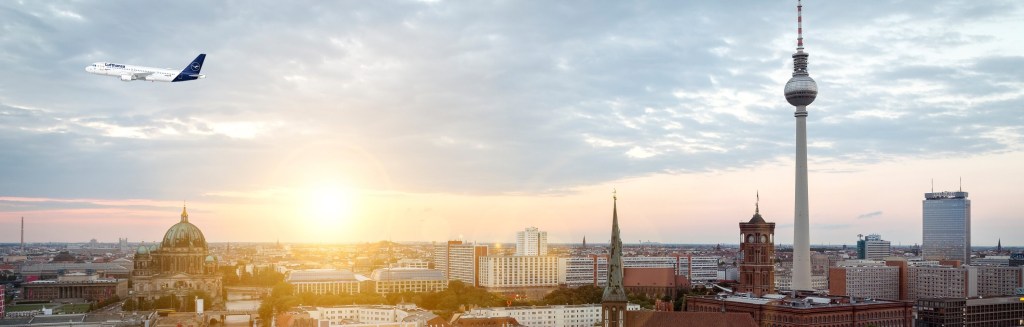
Deutsche Lufthansa AG puede haber ganado su batalla por la ayuda estatal, pero su rendición de las franjas horarias del aeropuerto para apaciguar a los reguladores anuncia un mayor conflicto entre la vieja guardia de la aviación europea y las aerolíneas de bajo costo. El rescate de € 9 mil millones de euros de Lufthansa (US$ 9,9 mil millones) y un acuerdo de tragamonedas con la Unión Europea durante la noche del viernes le dieron una línea vital a la aerolínea más grande de la región. Ahora, el grupo alemán y los operadores de red como Air France-KLM enfrentan una batalla real para repeler a los operadores sin lujos que entraron en la crisis más fuertes y planean usarlo para ganar terreno en territorios hasta ahora en gran parte cerrados para ellos. «Estamos tratando de aprovechar la situación. Lufthansa está obteniendo una gran ventaja financiera, pero tendrán que reestructurarse después de tomar todo este dinero. Así que Alemania traerá oportunidades», dijo el Presidente Ejecutivo de Wizz Air, Jozsef Varadi.

Desequilibrio ayudas

Las aerolíneas con descuento solo han recibido un apoyo modesto en comparación con las aerolíneas convencionales. Ejemplo de líneas de presupuesto como Ryanair, Wizz Air e EasyJet Plc han aprovechado el Fondo de Financiamiento Corporativo Covid del Reino Unido por un total combinado de ₤ 1.500 millones de libras (US$ 1.800 millones de dólares), mientras que Air France-KLM ha recibido € 7.000 millones de euros del estado francés y podría superar el rescate de Lufthansa una vez que se finalice el apoyo holandés.

Las aerolíneas de bajo costo también han sido más rápidas en la reducción de costos, con Ryanair, que tiene su base más grande en Londres/Stansted, anunciando 3.000 recortes de empleos hace un mes cuando Lufthansa aún estaba en las primeras etapas de armar su solicitud de rescate.

La fuerza del desafío para Lufthansa en particular dependerá de la utilización de los 12 pares de franjas horarias diarias que se pondrán a disposición de los competidores en sus centros de Frankfurt y Munich como parte del acuerdo de rescate ordenado por la Unión Europea (UE). Para complicar las cosas es una condición que dice que solo los nuevos participantes pueden obtener los derechos de despegue y aterrizaje durante los primeros 18 meses. Eso permitiría a Ryanair, que tiene vuelos en Frankfurt, apuntar a Munich, y EasyJet para hacer lo contrario. Wizz Air, con sede en Budapest, Hungría, la tercera aerolínea de descuento más grande de Europa, pero ahora la aerolínea más grande en términos de suministro de asientos, actualmente no sirve a ninguno de los aeropuertos, por lo que podría buscar slots en ambos, aunque Jozsef Varadi dijo que el costo de volar desde los centros de primer nivel será un problema.

Las mayores oportunidades para los jugadores de bajo costo se encuentran en Alemania, Italia y Noruega, dijo Mark Manduca, Analista de Citigroup. «Después de que pasa la crisis y se produce una guerra de precios este verano, Ryanair y Wizz Air se encuentran en la cúspide de una historia de consolidación y expansión de tres a cinco años, mientras los participantes a su alrededor se encogen y se tambalean», dijo en una nota de investigación el analista.

Los sindicatos de Lufthansa están expresando preocupación por una carrera hacia el fondo en cuanto a salarios y condiciones. Los sindicatos de pilotos, tripulación de cabina y tripulación de tierra de la aerolínea escribieron el viernes a la presidenta de la Comisión Europea, Ursula von der Leyen, diciendo que un cambio de franjas de permisos de vuelos (slots) a transportistas de bajo costo causaría un vaciamiento masivo de los estándares laborales.

Estacionar al personal en Alemania significa lidiar con leyes laborales estrictas y sindicatos poderosos, posibles dolores de cabeza para los transportistas que buscan mantener los costos bajos. Además, Frankfurt y Munich son aeropuertos centrales donde una gran parte de los pasajeros se transfieren dentro o fuera de los vuelos de larga distancia, lo que limita la cuota de mercado disponible para los transportistas de corta distancia.

Mercadeo europeo

El mercado francés podría abrirse a medida que Air France-KLM comience a abrirse en el mercado. Una reestructuración que se presentará dentro de unos meses requerirá un recorte del 40% en la capacidad nacional de Francia para fines de 2021, dijo el Presidente Ejecutivo Ben Smith a los accionistas la semana pasada. La compañía también dijo que podría recaudar nuevas acciones, lo que podría desencadenar un escrutinio de la UE que podría dar lugar a la disponibilidad de slots en los concurridos mercados de París y Amsterdam. El paquete de financiación inicial evitó aumentar las tenencias estatales en medio de la acritud entre los gobiernos francés y holandés sobre las participaciones existentes.

En Italia, el gobierno intervino para nacionalizar Alitalia, que estaba en bancarrota incluso antes del ataque del virus pandémico. El rescate se considera dudoso dado el estado de la aerolínea, y se espera que la UE comience una investigación. La disponibilidad de slots en Roma y Milán podría ser un resultado.

Las aerolíneas de servicio completo también están en retirada en el Reino Unido, donde British Airways y Virgin Atlantic Airways Ltd. han indicado que saldrán del aeropuerto de Londres/Gatwick para consolidar las operaciones en el centro de Heathrow de la ciudad. Eso consolidará el estado de Gatwick como una base orientada al descuento y al ocio, dejando a EasyJet como el mayor operador y ofreciendo una oportunidad para que Ryanair y Wizz Air expandan su presencia más modesta. Wizz Air mantendrá todas sus bases y rutas europeas, mientras recorta las frecuencias, dijo Jozsef Varadi. Anunció cuatro nuevos centros y 50 nuevas rutas el Viernes 29/05. «Estamos percibiendo una fuerte demanda, que pretendemos aprovechar a medida que disminuyan las restricciones de viaje», dijo el CEO de Wizz Air, una low cost que está persiguiendo más mercado en Europa como en Medio Oriente.

European LCCs pursue more market

Advancement of low cost in the European market

Europe’s discount airlines want more airport slots after the effects of the pandemic leave them more nimble and strong. As Europe’s classic airlines retire, low-budget airlines see openings.

A rivalry that has been simmering for years has been given new impetus by the Coronavirus crisis, with former flag carriers turning to government support as discount stores, including Ryanair Holdings Plc and Wizz Air Holdings Plc, argue that only the market It should dictate who survives.

Deutsche Lufthansa AG may have won its battle for state aid, but its surrender of airport slots to appease regulators heralds a greater conflict between the old European aviation guard and low-cost airlines. Lufthansa’s € 9 billion bailout (US$ 9.9 billion) and a slot agreement with the European Union on Friday night gave a lifeline to the region’s largest airline. Now, the German group and network operators like Air France-KLM are facing a real battle to repel the no-frills operators who entered the strongest crisis and plan to use it to gain ground in territories hitherto largely closed to them. «We are trying to take advantage of the situation. Lufthansa is getting a great financial advantage, but they will have to restructure after taking all this money. So Germany will bring opportunities», said Wizz Air CEO Jozsef Varadi.

Aid imbalance

Discount airlines have only received modest support compared to conventional airlines. Example budget lines such as Ryanair, Wizz Air and EasyJet Plc have leveraged the UK Covid Corporate Financing Fund for a combined total of £ 1.5bn (US$ 1.8bn), while Air France-KLM has received € 7bn from the French state and could overcome the Lufthansa bailout once Dutch support is ended.

Low-cost airlines have also been quicker to cut costs, with Ryanair, which is based in London/Stansted, announcing 3,000 job cuts a month ago when Lufthansa was still in the early stages of putting together its application. rescue.

The strength of the challenge for Lufthansa in particular will depend on the use of the 12 pairs of daily slots that will be made available to competitors at their centers in Frankfurt and Munich as part of the rescue agreement ordered by the European Union (EU). Complicating things is a condition that only new entrants can get take-off and landing rights for the first 18 months. That would allow Ryanair, which has flights in Frankfurt, to target Munich, and EasyJet to do the opposite. Wizz Air, based in Budapest, Hungary, the third largest discount airline in Europe, but now the largest airline in terms of seat supply, currently does not serve any of the airports, so you could look for slots in both Although Jozsef Varadi said the cost of flying from the top tier centers will be an issue.

The biggest opportunities for low-cost players are in Germany, Italy and Norway, said Mark Manduca, analyst at Citigroup. «After the crisis is over and a price war ensues this summer, Ryanair and Wizz Air are on the cusp of a three to five-year history of consolidation and expansion, as the participants around them cringe and wobble», he analyst said in a research note.

Lufthansa recibió un rescate de $ 9.9 mil millones y, a cambio, acordó con la Unión Europea renunciar a algunos de sus espacios en el aeropuerto.  Ahora, la aerolínea insignia alemana se enfrenta a desafíos de las aerolíneas de bajo coste que quieren aprovechar su cuota de mercado [Archivo: Christof Stache / AFP]

Lufthansa unions are expressing concern about a race to the bottom in terms of wages and conditions. The airline’s pilots, cabin crew and ground crew unions wrote to European Commission President Ursula von der Leyen on Friday, saying a change of slots to low-cost carriers would cause a massive emptying of labor standards.

Parking staff in Germany means dealing with strict labor laws and powerful unions, potential headaches for carriers looking to keep costs down. Furthermore, Frankfurt and Munich are central airports where a large proportion of passengers are transferred on or off long-haul flights, limiting the market share available to short-haul carriers.

European marketing

The French market could open as Air France-KLM begins to open on the market. A restructuring to be presented in a few months will require a 40% cut in France’s national capacity by the end of 2021, Chief Executive Ben Smith told shareholders last week. The company also said it could raise new shares, which could trigger EU scrutiny that could lead to the availability of slots in the crowded markets of Paris and Amsterdam. The initial financing package avoided increasing state holdings amid acrimony between the French and Dutch governments over existing holdings.

In Italy, the government stepped in to nationalize Alitalia, which was bankrupt even before the pandemic virus attack. The rescue is considered dubious given the airline’s status, and the EU is expected to begin an investigation. The availability of slots in Rome and Milan could be a result. Full-service airlines are also in retreat in the United Kingdom, where British Airways and Virgin Atlantic Airways Ltd. have indicated that they will leave London/Gatwick airport to consolidate operations in the city’s Heathrow center. That will cement Gatwick’s status as a discount and leisure-oriented base, leaving EasyJet as the largest operator and offering an opportunity for Ryanair and Wizz Air to expand their more modest presence. Wizz Air will maintain all of its European bases and routes, while cutting frequencies, Jozsef Varadi said. Announced four new centers and 50 new routes on Friday 29/05. «We are seeing strong demand, which we intend to take advantage of as travel restrictions are reduced», said the CEO of Wizz Air, a low cost that is pursuing more markets in Europe and the Middle East.

Ξ A I R G W A Y S Ξ
PUBLISHER: Airgways.com
DBk: Europa.eu / Afp.com / Airgways.com
AW-POST: 202006011103AR

A\W   A I R G W A Y S ®

Exigen pronto reinicio Ops Argentina

AW | 2020 05 31 13:10 | AIRLINES MARKET

Reclaman pronto reinicio operaciones aéreas en Argentina

El Gobierno de Argentina ha establecido un plazo prolongado para el reinicio de las operaciones nacionales e internacionales para el 1 Septiembre 2020. Este período de impasse, que representa una situación aparentemente sin solución, donde el Gobierno ha establecido por razones sanitarias, deja entrever el comienzo de una diferencia conceptual en el tratamiento de los plazos para el levantamiento de las restricciones de los vuelos. Por un lado las líneas aéreas nacionales necesitan oxígeno frente a la imposibilidad de emisión de tickets aéreos hasta Septiembre 2020. Las aéreas internacionales buscan que Argentina permita el reinicio de vuelos antes de 09/2020.

Diálogo IATA-Argentina

El Vicepresidente de la Asociación Internacional de Transporte Aéreo (IATA) para las Américas, Peter Cerdá ha expresado la voluntad de continuar dialogando con el Gobierno de Argentina ante la postura intransigente que mantiene, aunque manifiestan que la decisión depende más del Ministerio de Salud que de Transporte. IATA continúa buscando convencer al gobierno argentino para que permita el reinicio de los vuelos aéreos antes del 01/09/2020, fecha hasta la cual prohibió la venta de pasajes en Abril 2020.

Desde IATA destacaron que la Argentina es un destino muy importante para el sector de la aviación comercial por ser un país grande y de movilidad compleja, por lo que el transporte aéreo juega un rol muy importante. Sin embargo, no ha habido avances en términos de adelantar el reinicio de vuelos. “Muchas de las decisiones no la está tomando el Ministro de Transporte, sino el Ministerio de Salud, debido a como se está extendiendo la pandemia en la región”, explicó Peter Cerdá. El ejecutivo elogió como muy responsable el manejo argentino para contener el coronavirus y reconoció que el Gobierno de Argentina “no se ha comprometido a adelantar fechas, se mantiene todavía la fecha del primero de septiembre, pero vamos a seguir trabajando e intentar a convencerlo de que con buenas medidas que se están aplicando a nivel mundial, si se aplican en la Argentina, podemos asegurarnos que el transporte aéreo no sea un vector de Covid”.

Aperturas en el mundo

En los diferentes países a través del planeta donde los gobiernos están mostrando diferentes para las aperturas, el organismo de aviación IATA ha espresado su observación: «En Asia, Europa, Estados Unidos se están empezando a abrir los mercados. Se están reduciendo las restricciones en distintos países y poco a poco la economía se está reabriendo aunque en América Latina la situación es muy distinta pues la expansión del virus está siendo muy agresiva en Chile, Brasil y Perú y faltan varias semanas para esperar que esos números empiecen a reducirse”. Por eso, reconoció, los gobiernos están extendiendo el cierre de fronteras. Colombia, puntualizó, abrirán en Julio 2020 los vuelos domésticos y en Septiembre 2020 los internacionales y sugirió que la Argentina podría al menos “agilizar y adelantar” el reinicio de los vuelos internos.

Perspectiva apertura en Argentina

Desde la Administración Nacional de Aviación Civil (ANAC) de Argentina han ratificaron que la palabra final en estas cuestiones la tiene el Ministerio de Salud. La perspectiva para cuando se inicie la apertura el sector aéreo, aunque fuera en etapas, la cuestión a evaluar será la modalidad a implementar. Una posición, de la que es partidaria la Argentina, es que en las filas de tres asientos se bloquee el del medio. Pero IATA y las compañías alegan que eso encarecería tanto los pasajes que volvería antieconómico el transporte aéreo. Además, existen aeronaves con disposición de asientos 2X2, o 2X3 o sea compuestos en filas en formación de dos/tres asientos, pasillo, dos asientos, como son los casos de las aeronaves regionales, que harían de cumplimiento nula la aplicación.

Recuperación horizonte lejano

El ejecutivo de la IATA ha estimado que la recuperación del transporte aéreo doméstico no se dará antes del 2022 o 2023 y a nivel internacional no antes de 2024. “Hasta que no se cree la vacuna va a haber preocupación y tensión. Por eso la industria está trabajando con los gobiernos en implementar procesos que llamamos multicapas para asegurar que viajar es con garantía de salud, para que el pasajero tenga confianza en viajar”.

El transporte aéreo estará entre los que más tiempo sufran los efectos de la pandemia, por el pánico de la gente, a la que las aerolíneas deberán atraer con tarifas muy baratas. Poco a poco las tarifas se irán acomodando. A nivel internacional, se están creando burbujas de transporte aéreo, la primera, entre los países bálticos (Letonia, Lituania y Estonia), comenzó el 15 de mayo y consiste en protocolos comunes y el acuerdo para que los pasajeros de esos países no deban hacer cuarentenas ni al llegar ni al volver de sus viajes. En América Latina, esos acuerdos parecen por ahora lejanos.

They demand a restart of Ops Argentina soon

Claims to restart air operations in Argentina soon

The Government of Argentina has established a long term for the restart of national and international operations for September 1, 2020. This period of impasse, which represents an apparently unsolvable situation, where the Government has established for sanitary reasons, hints at the beginning of a conceptual difference in the treatment of the terms for the lifting of flight restrictions. On the one hand, national airlines need oxygen due to the impossibility of issuing air tickets until September 2020. International airlines seek to allow Argentina to restart flights before 09/2020.

IATA-Argentina dialogue

The Vice President of the International Air Transport Association (IATA) for the Americas, Peter Cerdá has expressed the will to continue dialoguing with the Government of Argentina in view of the intransigent position he maintains, although they state that the decision depends more on the Ministry of Health than on Transport. IATA continues to seek to convince the Argentine government to allow the restart of air flights before 09/01/2020, the date until which it prohibited the sale of tickets in April 2020.

From IATA they highlighted that Argentina is a very important destination for the commercial aviation sector as it is a large country with complex mobility, which is why air transport plays a very important role. However, there has been no progress in terms of bringing forward the restart of flights. «Many of the decisions are not being made by the Minister of Transport, but by the Ministry of Health, due to how the pandemic is spreading in the region», explained Peter Cerdá. The executive praised Argentine management for containing the coronavirus as very responsible and acknowledged that the Government of Argentina «has not committed to advance dates, the date of September 1 is still maintained, but we will continue working and try to convince him that «With good measures being applied worldwide, if they are applied in Argentina, we can ensure that air transport is not a Covid vector».

Openings in the world

In the different countries across the planet where governments are showing different for openings, the aviation body IATA has expressed its observation: «In Asia, Europe, the United States are beginning to open markets. The restrictions on different countries and little by little the economy is reopening although in Latin America the situation is very different because the spread of the virus is being very aggressive in Chile, Brazil and Peru and it is several weeks before we expect these numbers to begin to decrease”. That, he acknowledged, governments are extending the closure of borders, Colombia, he pointed out, will open domestic flights in July 2020 and international flights in September 2020, and suggested that Argentina could at least «speed up and advance» the restart of internal flights.

Opening prospect in Argentina

From the National Civil Aviation Administration (ANAC) of Argentina they have confirmed that the final word on these issues is the Ministry of Health. The perspective for when the air sector starts to open, even if it was in stages, the question to be evaluated will be the modality to be implemented. One position, of which Argentina is in favor, is that the middle row is blocked in the rows of three seats. But IATA and the companies allege that this would make tickets so expensive that air travel would be uneconomical. In addition, there are aircraft with a 2X2, or 2X3 seating arrangement, that is, composed in rows in formation of two/three seats, aisle, two seats, as are the cases of regional aircraft, which would make the application null.

Recovery far horizon

The IATA executive has estimated that the recovery of domestic air transport will not take place before 2022 or 2023 and internationally not before 2024. “Until the vaccine is created, there will be concern and tension. That is why the industry is working with governments to implement processes that we call multilayers to ensure that traveling is with a health guarantee, so that the passenger has confidence in traveling”.

Air transport will be among those that suffer the longest from the effects of the pandemic, due to the panic of the people, which the airlines will have to attract with very cheap rates. Little by little the rates will be accommodating. At the international level, air transport bubbles are being created, the first, between the Baltic countries (Latvia, Lithuania and Estonia), which began on May 15 and consists of common protocols and the agreement that passengers from those countries should not do quarantines neither upon arrival nor upon returning from their travels. In Latin America, these agreements seem far away for now.

Ξ A I R G W A Y S Ξ
PUBLISHER: Airgways.com
DBk: Iata.org / Anac.gov.ar / Argentina.gob.ar/transporte / Infobae.com / Airgways.com
AW-POST: 202005311310AR

A\W   A I R G W A Y S ®

Aéreas EEUU preparan vuelos verano

How to Get From Newark Airport to Manhattan

AW | 2020 05 31 11:15 | AIRLINES MARKET

Las aerolíneas deEstados Unidos se mueven hacia servicios estivales

Las aerolíneas estadounidenses se están preparando para presentar sus horarios de verano en la próxima semana, con grandes diferencias en la tasa a la que los centros internacionales y nacionales se están recuperando a niveles normales. No es ningún secreto que durante la crisis de la pandemia de Coronavirus, los viajes aéreos nacionales vuelven más rápido que los viajes internacionales.

La diferencia es sorprendente en el Aeropuerto Newark Liberty/EWR, el centro transatlántico preeminente del país, United Airlines tendrá solo 46 salidas diarias, en comparación con el 25 Mayo, pero aún muy lejos de las 405 salidas diarias que tenía en el horario de verano de 2019. Los destinos transatlánticos de Newark en Junio 2020 son Amsterdam, Frankfurt, Londres/Heathrow, París (tres veces por semana) y Tel Aviv. Por el contrario, en el Aeropuerto Charlotte Douglas, principalmente un centro nacional, American Airlines operará el 46% de su calendario del año anterior.

AEROPUERTO INTERNACIONAL CHARLOTTE DOUGLAS

American Airlines, Delta Air Lines y United Airlines comenzarán a operar los horarios de verano el Jueves 04/06 y el Viernes 05/06, con aumentos de leves a moderados con respecto a los horarios de Mayo 2020 y con énfasis en los vuelos nacionales sobre los vuelos internacionales.Los horarios se reducen enormemente de los horarios de verano de 2019, con United operando el 15% de su horario de 2019, mientras que Delta opera aproximadamente el 25% y American opera aproximadamente el 35%. United es la más internacional de las tres grandes aerolíneas estadounidenses. En el cuarto trimestre de 2019, United obtuvo el 36% de sus ingresos de pasajeros de operaciones internacionales, incluido el 16% de trasatlántico. Mientras tanto, Delta obtuvo el 26% de los ingresos de los pasajeros del mercado internacional, mientras que American obtuvo el 25%.

US airlines prepare summer flights

United States airlines move to summer services

US airlines are preparing to present their daylight saving time next week, with big differences in the rate at which international and domestic hubs are recovering to normal levels. It is no secret that during the Coronavirus pandemic crisis, domestic air travel returns faster than international travel.

The difference is striking at Newark Liberty/EWR Airport, the country’s pre-eminent transatlantic hub, United Airlines will have just 46 daily departures, compared to May 25, but still a far cry from the 405 daily departures it had on schedule. Summer 2019. Newark’s transatlantic destinations in June 2020 are Amsterdam, Frankfurt, London/Heathrow, Paris (3 Frq/S) and Tel Aviv. By contrast, at Charlotte Douglas Airport, primarily a national hub, American Airlines will operate 46% of its calendar from the previous year.

American Airlines, Delta Air Lines and United Airlines will begin operating daylight saving time on Thursday 04/06 and Friday 06/06, with slight to moderate increases compared to May 2020 schedules and with emphasis on domestic flights over International flights – Schedules are greatly reduced from 2019 summer time, with United operating 15% of its 2019 schedule, while Delta operates approximately 25% and American operates approximately 35%. United is the most international of the three major US airlines. In the fourth quarter of 2019, United earned 36% of its passenger revenue from international operations, including 16% from ocean liner. Meanwhile, Delta earned 26% of passenger revenue from the international market, while American earned 25%.

Ξ A I R G W A Y S Ξ
PUBLISHER: Airgways.com
DBk: Forbes.com / Aljazeera.com / Tripsavvy.com / Wlos.com / Airgways.com
AW-POST: 202005311115AR

A\W   A I R G W A Y S ®

Sudáfrica, Nivel 3 post-pandemia

AW | 2020 05 31 09:14 | AIRLINES MARKET

El Nivel 3 le da a las aerolíneas una línea de vida, pero es corta

La República de Sudáfrica ha introducido el Nivel 3 para el país, ingresando al inicio de los viajes aéreos nacionales limitados que permitirán bajo el Nivel 3 por etapas para fines comerciales, dijo el Sábado 30/05 el Ministro de Transporte, Fikile Mbalula. Si bien esto podría ser una buena noticia para las empresas que hasta la fecha se han visto obstaculizadas por las restricciones de viaje, también plantea cuestiones de viabilidad para las propias aerolíneas, que ya enfrentan pérdidas devastadoras ante la pandemia de Coronavirus. Durante una sesión informativa sobre las regulaciones de transporte actualizadas, Fikile Mbalula dijo que la cantidad de vuelos permitidos cada día estará restringida y se basará en el motivo del viaje, así como en la disponibilidad de servicios de salud portuarios.

Fases Seguridad

En la Fase 1, solo los denominados aeropuertos del «Triángulo de Oro» estarán en fase de viajes de negocios. El Aeropuerto Internacional OR Tambo y el Aeropuerto Lanseria estarán abiertos en Gauteng, así como el Aeropuerto Internacional King Shaka en KwaZulu-Natal y el Aeropuerto Internacional de Ciudad del Cabo en el Cabo Occidental. En la Fase 2, se abrirán el Aeropuerto Internacional Kruger Mpumalanga, el Aeropuerto Internacional Polokwane y el Aeropuerto Internacional Bram Fischer; mientras que la Fase 3 verá la apertura de los aeropuertos de Kimberly, Upington, Umtata, East London y Port Elizabeth. La Fase 1 funcionará como una prueba de esfuerzo crítica para ver si es factible continuar con las Fases 2 y 3, enfatizó el Ministro de Transporte. El cambio a la Fase 2 también se basará en las bajas tasas actuales de infección en las provincias del interior del país, dijo Fikile Mbalula. Otras medidas de seguridad incluyen solo permitir a los pasajeros dentro de las terminales del aeropuerto, y la detección y prueba de temperatura de los pasajeros. Además, habrá un embarque escalonado para permitir el distanciamiento físico, y los autobuses del aeropuerto solo pueden estar llenos en un 70%. Todo el personal del aeropuerto llevará máscaras, agregó el ministro. Además, la comida y las revistas estarán prohibidas en los vuelos y cualquier persona que se considere de alto riesgo se sentará en la parte trasera del avión. Todos los aviones serán desinfectados después de cada vuelo. Pero, dijo, se permitirá que los aviones operen a plena capacidad, citando filtros de aire a bordo que matan las bacterias, reduciendo el riesgo de infección.

Enfoque en Capas

A pesar de la proximidad de los asientos de las aerolíneas, operar a capacidad está en línea con las recomendaciones globales de la industria. El Sábado 30 Mayo 2002, la Asociación Internacional de Transporte Aéreo (IATA) dijo que aconsejaba una limpieza más frecuente y profunda de los aviones; mascarillas obligatorias para pasajeros y tripulación; catering simplificado; y movimiento limitado a bordo. Pero agregó que no recomendó restringir el uso del «asiento central, sino que abogó por un enfoque por capas para la bioseguridad». Esto, según la industria, se basa en una investigación realizada dentro del sector, que ha encontrado que una vez a bordo de un avión, el nivel de proximidad hace menos diferencia que el nivel de desinfección.

El Ministerio de Transporte confía en que, en base a consultas con varios organismos de la industria, la mayoría del sector está listo para reanudar las operaciones con los protocolos de salud necesarios. Las aerolíneas locales han expresado previamente preocupaciones sobre la viabilidad de reanudar las operaciones sin que la demanda coincida. A nivel internacional, la industria de las aerolíneas anticipa una asombrosa pérdida de US$ 550 mil millones para fin de año . A nivel local, no está mucho mejor, ya que las aerolíneas sudafricanas perderán unos ingresos de Ꞧ 55 mil millones de Rand y más de 250.000 empleos en la línea. Se estima además que la caída de los ingresos pone en riesgo alrededor de Ꞧ 93 mil millones del Producto Interno Bruto (PIB) de Sudáfrica, la parte generada directamente por la aviación, más el turismo dependiente del transporte aéreo.

South African Airways (SAA) ha expresado que recibió la aprobación para continuar operando vuelos internacionales de repatriación debido a la continua demanda. Había abierto un portal en línea aprobado por el Gobierno para monitorear el interés del cliente.

Kirby Gordon, Jefe de Ventas y Distribución de la aerolínea de bajo costo Flysafair, ha comunicado después de la sesión informativa, que mientras las finanzas iban a ser bastante ajustadas, la aerolínea dio la bienvenida a la medida. «Estamos muy entusiasmados con eso. Vemos algo de potencial, pero la demanda probablemente continuará siendo muy baja, y que a pesar de las regulaciones que permiten vuelos completos, las aerolíneas enfrentarán asientos vacíos durante algún tiempo, lo que podría aumentar las pérdidas. Estamos muy entusiasmados con eso. Vemos algo de potencial. La demanda probablemente continuará siendo muy baja, y que a pesar de las regulaciones que permiten vuelos completos, las aerolíneas enfrentarán asientos vacíos durante algún tiempo, lo que podría aumentar las pérdidas. Hacer una pérdida no es una situación evitable en este momento. Pero para las aerolíneas que han sido duramente afectadas por las prohibiciones de viaje, sería útil tener algunos aviones que cubran el costo de sus arrendamientos si la demanda despega. Vemos alguna oportunidad. Estamos ejecutando algunos modelos». De acuerdo con las recomendaciones de IATA, FlySafair permitirá que se reserven todos los asientos. Pero por una tarifa, los clientes pueden reservar el asiento del medio si desean mantener una distancia adicional.

Comair, que opera localmente como Kulula.com y British Airways, está en rescate comercial y, por lo tanto, no prevé vuelos operativos antes de Noviembre 2020.

La aerolínea de bajo costo Mango (Flymango) dijo después de la sesión informativa que emitiría una respuesta a su debido tiempo. Sin embargo, anteriormente indicó que estaba dispuesto a reanudar las operaciones aerocomerciales.

Comair strike: Labour Court halts Numsa protest plans

South Africa, Level 3 post-pandemic

Tier 3 gives airlines a lifeline, but it’s short

The Republic of South Africa has introduced Tier 3 for the country, entering the start of limited domestic air travel that will allow for Tier 3 in stages for commercial purposes, Transportation Minister Fikile Mbalula said on Saturday 30/05. While this could be good news for companies that have been hampered by travel restrictions to date, it also raises feasibility issues for the airlines themselves, which already face devastating losses from the Coronavirus pandemic. During a briefing on updated transportation regulations, Fikile Mbalula said the number of flights allowed each day will be restricted and based on the reason for the trip, as well as the availability of port health services.

Security Phases

In Phase 1, only the so-called «Golden Triangle» airports will be in the business travel phase. OR Tambo International Airport and Lanseria Airport will be open in Gauteng, as well as King Shaka International Airport in KwaZulu-Natal and Cape Town International Airport in the Western Cape. In Phase 2, the Kruger Mpumalanga International Airport, Polokwane International Airport and Bram Fischer International Airport will be opened; while Phase 3 will see the opening of Kimberly, Upington, Umtata, East London and Port Elizabeth airports. Phase 1 will function as a critical stress test to see if it is feasible to continue with Phases 2 and 3, emphasized the Minister of Transport. The move to Phase 2 will also be based on current low infection rates in the country’s interior provinces, said Fikile Mbalula. Other security measures include only allowing passengers inside airport terminals, and detecting and testing passengers’ temperature. In addition, there will be a staggered boarding to allow for physical distancing, and airport buses can only be 70% full. All airport staff will wear masks, added the minister. In addition, food and magazines will be prohibited on flights, and anyone deemed high risk will sit in the back of the plane. All aircraft will be disinfected after each flight. But, he said, the planes will be allowed to operate at full capacity, citing on-board air filters that kill bacteria, reducing the risk of infection.

Focus on Layers

Despite the proximity of airline seats, operating at capacity is in line with global industry recommendations. On Saturday May 30, 2002, the International Air Transport Association (IATA) said it recommended more frequent and thorough cleaning of the planes; mandatory face masks for passengers and crew; simplified catering; and limited movement on board. But he added that he did not recommend restricting the use of the «center seat, but instead advocated a layered approach to biosecurity». This, according to the industry, is based on research carried out within the sector, which has found that once on board an aircraft, the level of proximity makes less difference than the level of disinfection.

The Transport Ministry is confident that, based on consultations with various industry agencies, most of the sector is ready to resume operations with the necessary health protocols. Local airlines have previously voiced concerns about the feasibility of resuming operations without matching demand. Internationally, the airline industry anticipates a staggering loss of US$ 550 billion by the end of the year. Locally, it’s not much better, as South African airlines will lose Ꞧ 55 billion Rand revenue and more than 250,000 jobs on the line. It is also estimated that the fall in income puts at risk around Ꞧ 93 billion of South Africa’s Gross Domestic Product (GDP), the part generated directly by aviation, plus tourism dependent on air transport.

South African Airways (SAA) has expressed that it received approval to continue operating international repatriation flights due to continued demand. He had opened a government-approved online portal to monitor customer interest.

Kirby Gordon, head of sales and distribution for the low-cost airline Flysafair, said after the briefing that while finances were going to be quite tight, the airline welcomed the move. «We are very excited about that. We see some potential, but demand will likely continue to be very low, and that despite regulations allowing full flights, airlines will face empty seats for some time, which could increase losses. We are very excited about that. We see some potential. However, he warned that demand will likely remain very low, and that despite regulations allowing full flights, airlines will face empty seats for some time, which could increase losses. Making a loss is not an avoidable situation at this time. But for airlines that have been hit hard by travel bans, it would be helpful to have some planes to cover the cost of their leases if demand takes off. We see some opportunity. We are running some models». In accordance with IATA recommendations, FlySafair will allow all seats to be reserved. But for a fee, customers can reserve the middle seat if they wish to maintain an additional distance.

Comair, which operates locally as Kulula.com and British Airways, is on commercial rescue and therefore does not foresee operational flights before November 2020.

Low-cost airline Mango (Flymango) said after the briefing that it would issue a response in due course. However, it previously indicated that it was ready to resume aero-commercial operations.

Suid-Afrika, Tier 3 na pandemie

Tier 3 gee lugdienste ‘n reddingsboei, maar dit is kort

Die Republiek van Suid-Afrika het Tier 3 vir die land ingestel en begin met die beperkte binnelandse lugreise wat Tier 3 in kommersiële doeleindes moontlik sal maak, het Fikile Mbalula, minister van vervoer, Saterdag 30/05 gesê. Alhoewel dit goeie nuus kan wees vir ondernemings wat tot dusver deur reisbeperkings belemmer is, bring dit ook haalbaarheidskwessies op vir die lugdienste self, wat reeds verwoestende verliese weens die Coronavirus-pandemie ondervind. Tydens ‘n inligtingsessie oor bygewerkte vervoerregulasies het Fikile Mbalula gesê dat die aantal vlugte wat elke dag toegelaat word, beperk sal word en gebaseer is op die rede vir die reis, asook die beskikbaarheid van hawe-gesondheidsdienste.

Veiligheidsfases

In Fase 1 is slegs die sogenaamde «Golden Triangle» lughawens in die sakereisefase. OR Tambo Internasionale Lughawe en Lanseria Lughawe sal in Gauteng oop wees, sowel as King Shaka Internasionale Lughawe in KwaZulu-Natal en Kaapstad Internasionale Lughawe in die Wes-Kaap. In Fase 2 word die Kruger Mpumalanga Internasionale Lughawe, Polokwane Internasionale Lughawe en Bram Fischer Internasionale Lughawe geopen; terwyl fase 3 die opening van lughawens Kimberly, Upington, Umtata, Oos-Londen en Port Elizabeth sal open. Fase 1 sal as ‘n kritieke stresstoets funksioneer om te kyk of dit haalbaar is om met Fase 2 en 3 voort te gaan, benadruk die Minister van Vervoer. Die skuif na Fase 2 sal ook gebaseer wees op die huidige lae besmettingsyfers in die binnelandse provinsies van die land, het Fikile Mbalula gesê. Ander veiligheidsmaatreëls sluit in dat slegs passasiers in lughaweterminalle toegelaat word, en om die temperatuur van die passasiers op te spoor en te toets. Daarbenewens sal daar ‘n verspreide instap wees om fisieke afstand moontlik te maak, en lughawebusse kan slegs 70% vol wees. Die personeel van die lughawe sal maskers dra, het die minister bygevoeg. Boonop sal kos en tydskrifte op vlugte verbode word, en elkeen wat as ‘n hoë risiko beskou word, sal agter in die vliegtuig sit. Na elke vlug sal alle vliegtuie ontsmet word. Maar, het hy gesê, die vliegtuie sal toegelaat word om op volle kapasiteit te werk, met verwysing na lugfilters aan boord wat bakterieë doodmaak, wat die risiko van infeksie verminder.

Fokus op lae

Ondanks die nabyheid van lugsitplekke, is die werking van hulle in ooreenstemming met die wêreldwye aanbevelings in die bedryf. Die Internasionale Lugvervoervereniging (IATA) het op 30 Mei 2002 gesê dat hy gereelde en deeglike skoonmaak van die vliegtuie aanbeveel; verpligte gesigmaskers vir passasiers en bemanning; vereenvoudigde spyseniering; en beperkte beweging aan boord. Maar hy het bygevoeg dat hy nie aanbeveel dat die gebruik van die «sentrumstoel beperk word nie, maar eerder ‘n gelaagde benadering tot biosekuriteit bepleit». Volgens die bedryf is dit gebaseer op navorsing wat binne die sektor uitgevoer is, en daar is bevind dat die nabyheid minder aanwesig is as die vlak van ontsmetting sodra dit aan boord is.

Die Ministerie van Vervoer is vol vertroue dat die meeste van die sektor, gebaseer op konsultasies met verskillende agentskappe in die bedryf, gereed is om met die nodige gesondheidsprotokolle te begin. Plaaslike lugdienste het voorheen kommer uitgespreek oor die uitvoerbaarheid van die bedrywighede sonder om die vraag te beantwoord. Internasionaal verwag die lugvaartbedryf teen die einde van die jaar ‘n geweldige verlies van US$ 550 miljard. Plaaslik is dit nie veel beter nie, aangesien Suid-Afrikaanse lugdienste Ꞧ 55 miljard Rand-inkomste en meer as 250,000 poste op die lyn sal verloor. Daar word ook beraam dat die daling in inkomste ‘n risiko van ongeveer Ꞧ 93 miljard van Suid-Afrika se bruto binnelandse produk (BBP) inhou, die deel wat direk deur lugvaart gegenereer word, plus toerisme wat van lugvervoer afhanklik is.

Die Suid-Afrikaanse Lugdiens (SAL) het uitgespreek dat hy goedkeuring ontvang het om voort te gaan met die uitvoer van internasionale repatriasievlugte weens voortgesette vraag. Hy het ‘n aanlyn-portaal wat deur die regering goedgekeur is, geopen om die belangstelling van kliënte te monitor.

Kirby Gordon, hoof van verkope en verspreiding van die lae-lugredery Flysafair, het ná die inligtingsessie gesê dat hoewel die finansies taamlik benoud gaan wees, die lugdiens die skuif verwelkom. «Ons is baie opgewonde daaroor. Ons sien ‘n mate van potensiaal, maar die vraag sal waarskynlik baie laag bly, en dat ondanks regulasies wat volledige vlugte toestaan, lugdienste ‘n geruime tyd met leë sitplekke in die gesig sal staar, wat verliese kan verhoog. baie opgewonde daaroor. Ons sien ‘n mate van potensiaal. Hy het egter gewaarsku dat die vraag waarskynlik baie laag sal bly, en dat ondanks regulasies wat volledige vlugte toestaan, lugdienste ‘n geruime tyd op leë sitplekke sal sit, wat verliese kan verhoog. Verlies is tans nie ‘n vermybare situasie nie. Maar vir lugrederye wat swaar getref is deur reisverbod, sal dit nuttig wees om ‘n paar vliegtuie te hê om die koste van hul huurkontrakte te dek as die vraag styg. Ons sien geleentheid. Ons het ‘n paar modelle». Volgens IATA-aanbevelings sal FlySafair toelaat dat alle sitplekke gereserveer word. Maar teen betaling kan klante die middelste sitplek bespreek as hulle ‘n addisionele afstand wil behou.

Comair, wat plaaslik as Kulula.com en British Airways werk, is op kommersiële redding en voorsien dus nie voor November 2020 operasionele vlugte nie.

Die laekoste-lugdiens Mango (Flymango) het ná die inligtingsessie gesê dat dit mettertyd ‘n antwoord sal lewer. Dit het egter voorheen aangedui dat hy gereed was om lugvaart kommersiële bedrywighede te hervat.

Ξ A I R G W A Y S Ξ
PUBLISHER: Airgways.com
DBk: Iata.org / Transport.gov.za / Thesouthafrican.com / Flysaa.com / Flymango.com / Flysafair.com / Airgways.com
AW-POST: 202005310914AR

A\W   A I R G W A Y S ®

Myanmar reanuda operaciones aéreas

AW | 2020 05 29 12:33 | AIRLINES MARKET / GOVERNMENT

Myanmar reanudarán Ops fines Mayo 2020

El Gobierno de Myanmar iniciará la apertura de vuelos en el país. Una de las aerolíneas llamada Air Thanlwin había suspendido temporalmente en Abril las operaciones aéreas para frenar la propagación de la pandemia, reanudará las operaciones este 29/05. La aerolínea reanudará los vuelos con rutas basadas en Yangon y Mandalay que vuelan a Sittwe, Tachileik, Myitkyina, Kengtung, Heho y Hkamti.

Myanmar National Airlines y Air KBZ habían reanudado los vuelos nacionales desde principios de Mayo 2020. Golden Myanmar Airlines, que suspendió las operaciones hasta el 15/05, reanudó los vuelos nacionales al día siguiente a algunos destinos de la mayoría de los viajeros. Mann Yadanarpon Airlines reinició sus vuelos nacionales el 22/05, pero solo entre Yangon y Sittwe.

Actualmente, Myanmar ha suspendido los vuelos internacionales hasta finales de Mayo, y los vuelos nacionales se han reducido dependiendo de la disponibilidad de pasajeros. El Departamento de Aviación Civil extendió la prohibición del tráfico aéreo comercial internacional hasta fines de este mes, el 14 de mayo, para frenar la propagación de Covid-19. Algunas aerolíneas internacionales que vuelan a Myanmar han anunciado planes para reanudar algunos vuelos a principios de Junio 2020.

La prohibición de la navegación aérea en el país, introducida por primera vez el 30 Marzo 2020 y extendida por decretos desde entonces, se extendió del 15 al 31 Mayo 2020, según un memorando a las aerolíneas del Departamento de Aviación Civil y firmado por su Director General, U Aung Kyaw Tun.

Myanmar resumes air operations

Some Myanmar National Airlines to Resume Ops End of May 2020

The Government of Myanmar will begin the opening of flights in the country. One of the airlines called Air Thanlwin had temporarily suspended air operations in April to stop the spread of the pandemic, it will resume operations this 05/29. The airline will resume flights with routes based in Yangon and Mandalay that fly to Sittwe, Tachileik, Myitkyina, Kengtung, Heho and Hkamti.

Myanmar National Airlines and Air KBZ had resumed domestic flights since early May 2020. Golden Myanmar Airlines, which suspended operations until 05/15, resumed domestic flights the following day to some destinations for most travelers. Mann Yadanarpon Airlines restarted its domestic flights on 05/22, but only between Yangon and Sittwe.

Currently, Myanmar has suspended international flights until the end of May, and domestic flights have been reduced depending on passenger availability. The Civil Aviation Department extended the ban on international commercial air traffic until the end of this month, on May 14, to curb the spread of Covid-19. Some international airlines flying to Myanmar have announced plans to resume some flights in early June 2020.

The ban on air navigation in the country, first introduced on March 30, 2020 and extended by decree since then, was extended from May 15 to 31, 2020, according to a memorandum to the airlines of the Department of Civil Aviation and signed by its Director. General, U Aung Kyaw Tun.

လေကြောင်းလိုင်းများပြန်လည်စတင်

မြန်မာလေကြောင်းလိုင်းအချို့သည် ၂၀၂၀ ပြည့်နှစ်မေလကုန်တွင်ပြန်လည်ဖွင့်လှစ်မည်

မြန်မာအစိုးရအနေဖြင့်မြန်မာနိုင်ငံတွင်လေကြောင်းခရီးစဉ်များစတင်ဖွင့်လှစ်တော့မည်ဖြစ်သည်။ Air Thanlwin ဟုခေါ်သောလေကြောင်းလိုင်းတစ်ခုသည်ကူးစက်ပျံ့နှံ့မှုကိုရပ်တန့်ရန်Aprilပြီလတွင်ခေတ္တရပ်နားခဲ့ပြီးနောက်ယခု 05/29 တွင်ပြန်လည်စတင်မည်ဖြစ်သည်။ စစ်တွေ၊ တာချီလိတ်၊ မြစ်ကြီးနား၊ ကျောင်၊ ဟဲနှင့်ခန္တီးအထိပျံသန်းမည့်ရန်ကုန်နှင့်မန္တလေးမြို့များသို့ပျံသန်းပြေးဆွဲသည့်လေကြောင်းလိုင်းအနေဖြင့်ပြန်လည်ပျံသန်းမည်ဖြစ်သည်။

မြန်မာအမျိုးသားလေကြောင်းလိုင်းနှင့် Air KBZ သည်မေလအစောပိုင်းမှ စတင်၍ ပြည်တွင်းလေကြောင်းခရီးစဉ်များပြန်လည်စတင်ခဲ့သည်။ ၅၅/၁၅ အထိခရီးစဉ်ကိုခေတ္တရပ်နားထားသည့် Golden Myanmar လေကြောင်းလိုင်းသည်နောက်တစ်နေ့တွင်ခရီးသွားများအတွက်အများဆုံးခရီးစဉ်များသို့ပြည်တွင်းလေကြောင်းခရီးစဉ်များပြန်လည်စတင်ခဲ့သည်။ မန်းရတနာပုံလေကြောင်းလိုင်းသည်၎င်း၏ပြည်တွင်းလေကြောင်းခရီးစဉ်များကို 05/22 တွင်ပြန်လည်စတင်ခဲ့ပြီးရန်ကုန်နှင့်စစ်တွေကြားတွင်သာပြန်လည်ပျံသန်းခဲ့သည်။

လတ်တလောတွင်မြန်မာနိုင်ငံသည်မေလကုန်အထိနိုင်ငံတကာလေကြောင်းခရီးစဉ်များကဆိုင်းငံ့ထားလိုက်ပြီးခရီးသည်ရရှိနိုင်မှုပေါ် မူတည်၍ ပြည်တွင်းလေကြောင်းခရီးစဉ်များကိုလည်းလျှော့ချခဲ့သည်။ မြို့ပြလေကြောင်းဌာနသည် Covid-19 ပြန့်ပွားမှုကိုတားဆီးရန်အတွက်မေလ ၁၄ ရက်တွင်အပြည်ပြည်ဆိုင်ရာစီးပွားဖြစ်လေကြောင်းသယ်ယူပို့ဆောင်ရေးကိုတားမြစ်ထားသည်။ မြန်မာနိုင်ငံသို့ပျံသန်းနေသောနိုင်ငံတကာလေကြောင်းလိုင်းအချို့က ၂၀၂၀ ဇွန်လအစောပိုင်းတွင်လေကြောင်းခရီးစဉ်များပြန်လည်စတင်ရန်စီစဉ်ထားကြောင်းကြေငြာခဲ့သည်။

နိုင်ငံအတွင်းလေကြောင်းသွားလာမှုတားမြစ်ချက်ကို ၂၀၂၀၊ မတ်လ ၃၀ ရက်တွင်စတင်မိတ်ဆက်ခဲ့ပြီး ထိုအချိန်မှစ၍ အမိန့်ဖြင့်တိုးချဲ့ခဲ့သည်။ လေကြောင်း ဦး စီးဌာန၏လေကြောင်းလိုင်းများကိုလက်မှတ်ရေးထိုးခဲ့ပြီးဒါရိုက်တာကလက်မှတ်ရေးထိုးခဲ့သည်။ ဗိုလ်ချုပ်မှူးကြီး ဦး အောင်ကျော်ထွန်း။

Ξ A I R G W A Y S Ξ
PUBLISHER: Airgways.com
DBk: Moi.gov.mm / Tripsavvy.com / Mileonaire.com / Wikiwand.com / Airgways.com
AW-POST: 202005291233AR

A\W   A I R G W A Y S ®

Apertura aérea en Arabia Saudita

AW | 2020 05 29 12:05 | AIRLINES MARKET / GOVERNMENT

Reanudación del tráfico aéreo nacional en el Reino de Arabia Saudita

Las aerolíneas del Reino de Arabia Saudita reanudarán los vuelos nacionales la próxima semana después de meses de aterrizaje de aviones. Las líneas aéreas sauditas comenzarán nuevamente vuelos nacionales después de un escenario compplicadopara las compañías que también fueron muy afectadas por la actual pandemia, pero continúan con la planificación de reabrir a pesar de un número significativo de nuevas infecciones diariamente.

A partir del 31 Mayo 2020, algunos vuelos nacionales despegarán nuevamente; al principio habrá 60 vuelos diarios. Los viajes domésticos, los aspectos religiosos en los viajes a las mezquitas y el trabajo en las oficinas del sector público y privado también se reanudarán en esa fecha.

La noticia es la última señal de que el reino rico en petróleo muy afectado por la pandemia de coronavirus está tratando de abrirse nuevamente. Arabia Saudita instituyó varias medidas de bloqueo para frenar el virus a partir de marzo, incluidas las prohibiciones de vuelo. Arabia Saudita intentó reanudar la vida normal en Abril 2020, pero luego instituyó un toque de queda de cinco días y 24 horas para el feriado islámico Eid al-Fitr.

Interior, Riyadh King Khalid International Airport. | Riyadh, King ...

Air opening in Saudi Arabia

Resumption of national air traffic in the Kingdom of Saudi Arabia

Kingdom of Saudi Arabia airlines will resume domestic flights next week after months of landing the planes. Saudi airlines will start domestic flights again after a complicated scenario for companies that were also badly affected by the current pandemic, but continue planning to reopen despite a significant number of new infections on a daily basis.

Starting May 31, 2020, some domestic flights will take off again; initially there will be 60 daily flights. Domestic travel, religious aspects of mosque travel, and work in public and private sector offices will also resume on that date.

The news is the latest sign that the oil-rich kingdom badly affected by the coronavirus pandemic is trying to open up again. Saudi Arabia instituted several blocking measures to curb the virus starting in March, including flight bans. Saudi Arabia attempted to resume normal life in April 2020, but then instituted a five-day, 24-hour curfew for the Islamic holiday Eid al-Fitr.

EXCLUSIVE- Saudi Arabia hires Goldman for Riyadh airport stake ...

فتح الهواء في المملكة العربية السعودية

استئناف الحركة الجوية الوطنية بالمملكة العربية السعودية

ستستأنف شركات الطيران في المملكة العربية السعودية الرحلات الداخلية الأسبوع المقبل بعد أشهر من هبوط الطائرات. ستبدأ شركات الطيران السعودية رحلاتها الداخلية مرة أخرى بعد سيناريو معقد للشركات التي تأثرت بشدة بالوباء الحالي ، لكنها تواصل التخطيط لإعادة فتحها على الرغم من عدد كبير من الإصابات الجديدة على أساس يومي.

اعتبارًا من 31 مايو 2020 ، ستقلع بعض الرحلات الداخلية مرة أخرى ؛ في البداية سيكون هناك 60 رحلة يومية. كما سيتم استئناف السفر المحلي والجوانب الدينية لسفر المساجد والعمل في مكاتب القطاعين العام والخاص في ذلك التاريخ.

الأخبار هي أحدث علامة على أن المملكة الغنية بالنفط التي تضررت بشدة من جائحة فيروس كورونا تحاول الانفتاح مرة أخرى. اتخذت المملكة العربية السعودية عدة إجراءات لمنع الفيروس من مارس ، بما في ذلك حظر الطيران. حاولت المملكة العربية السعودية استئناف الحياة الطبيعية في أبريل 2020 ، لكنها فرضت بعد ذلك حظر التجول لمدة خمسة أيام على مدار 24 ساعة بمناسبة عيد الفطر.

Ξ A I R G W A Y S Ξ
PUBLISHER: Airgways.com
DBk: Spa.gov.sa / Airgways.com / Zawya.com
AW-POST: 202005291205AR

A\W   A I R G W A Y S ®

Argentina reapertura aérea 09/2020

AW | 2020 05 29 11:37 | AIRLINES MARKET / GOVERNMENT

El tráfico aéreo en la Argentina se reabrirá el 1 Septiembre 2020

El Vicepresidente para América de la Asociación Internacional de Transporte Aéreo (IATA), Peter Cerdá, manifestó que Argentina mantiene su decisión de retomar los vuelos regulares a partir del 1 Septiembre 2020. Las líneas aéreas piden, como otros sectores, auxilio financiero para atravesar la crisis.

El Gobierno de Argentina ha manifestado la decisión de continuar con el desarrollo de la cuarentena y las limitaciones al tráfico aéreo hasta finales de Agosto 2020. La IATA ha comunicado este Jueves 28/05 que la Argentina mantiene su decisión de retomar los vuelos regulares a partir del 1 Septiembre próximo pese al pedido para que se adelantara el plazo a principios de Julio 2020.

En un contacto con la prensa por videoconferencia, el directivo dijo que esa fecha se mantiene, más allá de los pedidos realizados desde el organismo para modificar esa decisión. “Hemos estado en conversaciones continuas con el gobierno argentino, trabajando en tres áreas: el alivio financiero a la industria, fuertemente golpeada por la inactividad; la posibilidad de agilizar la fecha de reinicio; y la reactivación del tráfico aéreo, para que, cuando esto ocurra, lo realicemos de manera alineada y no de forma aislada”, dijo Peter Cerda.

Desde la IATA han expresado que el diálogo es abierto y constante con las autoridades argentinas y que esperan poder ir resolviendo las diferentes situaciones. Sabemos que el Ministerio de Transporte de Argentina tiene una agenda muy complicada, pero estamos trabajando con ellos para lograr que, así como se auxilió al transporte terrestre, se haga con el transporte aéreo y no perdamos a las aerolíneas.

Trabas a las economías

Argentina sorprendió a las aerolíneas al establecer a fines de Abril 2020 que la comercialización de pasajes aéreos recién se podrá realizar a para el 1 Septiembre. La medida, que fue legitimada por la Administración Nacional de Aviación Civil (ANAC) en el marco de la emergencia sanitaria por la pandemia de Coronavirus, trajo fuertes críticas del sector aerocomercial que, como la mayoría de las actividades, recibió un impacto negativo producto de las restricciones establecidas por el Ejecutivo. En ese marco, Cerda sostuvo que el Gobierno “debe auxiliar a las compañías aéreas para que puedan estar en condiciones de reiniciar las actividades, así como lo está haciendo con el transporte de ómnibus, al que hoy nos enteramos se ha decidido otorgarle un subsidio para su funcionamiento. Sabemos que el Ministerio de Transporte de Argentina tiene una agenda muy complicada, pero estamos trabajando con ellos para lograr que, así como se auxilió al transporte terrestre, se haga con el transporte aéreo y no perdamos a las aerolíneas”.

El organismo IATA había mencionado el caso de Air New Zealand, que había comunicado que no volverá a operar la ruta entre Auckland-Buenos Aires. “Perder una aerolínea no es solamente esa pérdida en sí, sino también el impacto que tiene en otras aerolíneas, tanto Aerolíneas Argentinas, por ejemplo, que trasladaba los pasajeros que Air New Zealand traía al país, como Latam Airlines Argentina o JetSmart Airlines, que también se nutrían de estos pasajeros. Es importante mantener la conectividad interior, pero también con el exterior, porque eso representa trabajo y conexión con el resto del mundo, algo que será fundamental a la hora de reactivar la economía. Es una preocupación que tenemos con Argentina, pero también con todos los países de la región”, expresó Peter Cerdá.

27 | abril | 2020 |

Impacto colateral

El organismo de aviación internacional señaló que “la pérdida de US$ 18 mil millones de dólares de las aerolíneas latinoamericanas, establecida hasta fines de Abril, ha quedado atrás porque el cierre de fronteras en la región se mantiene y los aviones seguirán en tierra por mucho tiempo más aún. Calculamos que, en algunos casos, el freno de la actividad será de cinco meses y muy pocas compañías están en condiciones de soportar esa inactividad”, advirtió.

Por este motivo es de capital importancia que los Estados intervengan en las asistencias a las industrias del turismo y la aviación para reducir el impacto colateral que sufrirían. Las aerolíneas en Argentina, particularmente necesitan que el Gobierno intervenga en auxiliar a las líneas aéreas dado el marco de la cuarentena cerrada y las limitaciones impuestas a la actividad aérea hasta finales de Agosto 2020.

Seguridad en vuelo

La IATA expresó que volar será seguro debido a que las compañías emitieron “un documento para alinear las medidas de seguridad y salud en todos los países, para el momento de la reactivación. Es necesario que podamos transmitir a los pasajeros que la aviación no está considerada fuente de transmisión del virus para recuperar la confianza y que la gente se decida a volver a volar y de esa manera poder encarar una reactivación de la industria”, remarcó el organismo internacional de aviación.

Argentina air reopening 09/2020

Air traffic in Argentina will reopen on September 1, 2020

The Vice President for America of the International Air Transport Association (IATA), Peter Cerda, stated that Argentina maintains its decision to resume regular flights from September 1, 2020. The airlines ask, like other sectors, for financial help to cross the crisis.

The Government of Argentina has stated the decision to continue with the development of quarantine and limitations on air traffic until the end of August 2020. IATA has communicated this Thursday 28/05 that Argentina maintains its decision to resume regular flights from from next September 1 despite the request for the deadline to be brought forward to the beginning of July 2020.

In a contact with the press by videoconference, the executive said that this date is maintained, beyond the requests made by the agency to modify that decision. «We have been in continuous talks with the Argentine government, working in three areas: financial relief for the industry, heavily hit by inactivity; the possibility of speeding up the restart date; and the reactivation of air traffic, so that when this occurs, we do it in an aligned manner and not in isolation”, said Peter Cerda.

From IATA they have expressed that the dialogue is open and constant with the Argentine authorities and that they hope to be able to resolve different situations. We know that the Argentine Ministry of Transport has a very complicated agenda, but we are working with them to ensure that, as well as ground transportation, it was done with air transportation and we did not lose the airlines.

Barriers to economies

Argentina surprised the airlines by establishing at the end of April 2020 that the commercialization of air tickets can only be carried out by September 1. The measure, which was legitimized by the National Civil Aviation Administration (ANAC) in the context of the health emergency due to the Coronavirus pandemic, brought strong criticism from the aero-commercial sector, which, like most activities, received a negative impact as a result of the restrictions established by the Executive. Within this framework, Cerda maintained that the Government «must help airlines so that they can be in a position to restart activities, just as it is doing with the transport of buses, which we found out today has decided to grant a subsidy to its operation. We know that the Argentine Ministry of Transportation has a very complicated agenda, but we are working with them to ensure that, as well as ground transportation, it was done with air transportation and we did not lose the airlines”.

The IATA agency had mentioned the case of Air New Zealand, which had communicated that it will no longer operate the route between Auckland-Buenos Aires. «Losing an airline is not only that loss itself, but also the impact it has on other airlines, both Aerolíneas Argentinas, for example, that transported the passengers that Air New Zealand brought to the country, such as Latam Airlines Argentina or JetSmart Airlines, which they also fed on these passengers. It is important to maintain internal connectivity, but also with the outside, because that represents work and connection with the rest of the world, something that will be essential when reactivating the economy. It is a concern that we have with Argentina, but also with all the countries in the region”, said Peter Cerdá.

Collateral impact

The international aviation agency noted that “the loss of US $ 18 billion from Latin American airlines, established until the end of April, has been left behind because the closure of borders in the region is maintained and the planes will continue to be on the ground for a long time. time even more. We estimate that, in some cases, the slowdown in activity will be five months and very few companies are in a position to withstand this inactivity”, he warned.

For this reason, it is of paramount importance that States intervene in assistance to the tourism and aviation industries to reduce the collateral impact that they would suffer. Airlines in Argentina particularly need the government to intervene to assist airlines given the framework of the closed quarantine and the limitations imposed on air activity until the end of August 2020.

Flight safety

IATA said that flying will be safe because the companies issued “a document to align safety and health measures in all countries, at the time of the reactivation. It is necessary that we can transmit to passengers that aviation is not considered a source of transmission of the virus to regain confidence and that people decide to fly again and thus be able to face a revival of the industry», said the international organization. aircraft.

Ξ A I R G W A Y S Ξ
PUBLISHER: Airgways.com
DBk: Iata.org / Argentina.gob.ar/transporte / Airgways.com
AW-POST: 202005291137AR

A\W   A I R G W A Y S ®