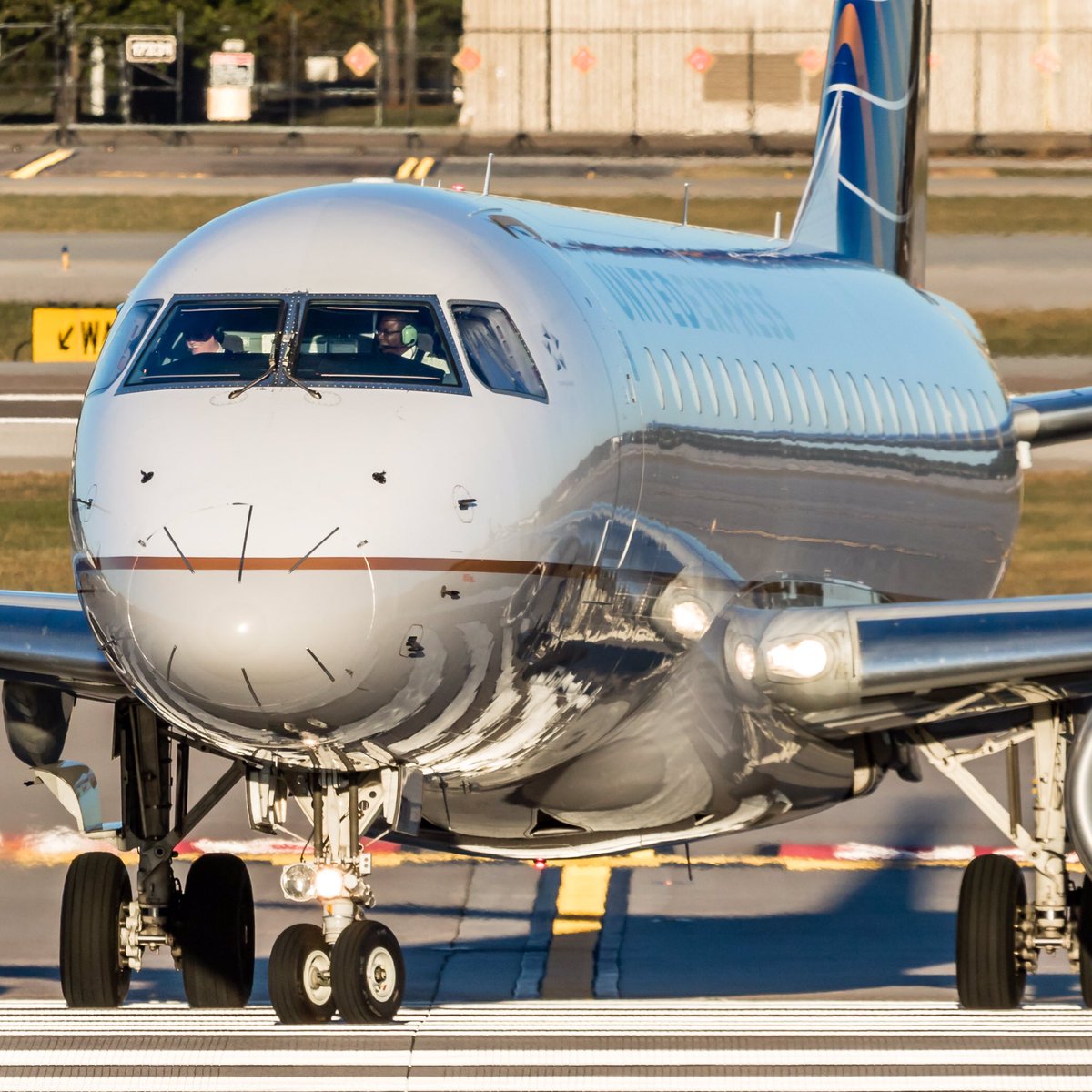
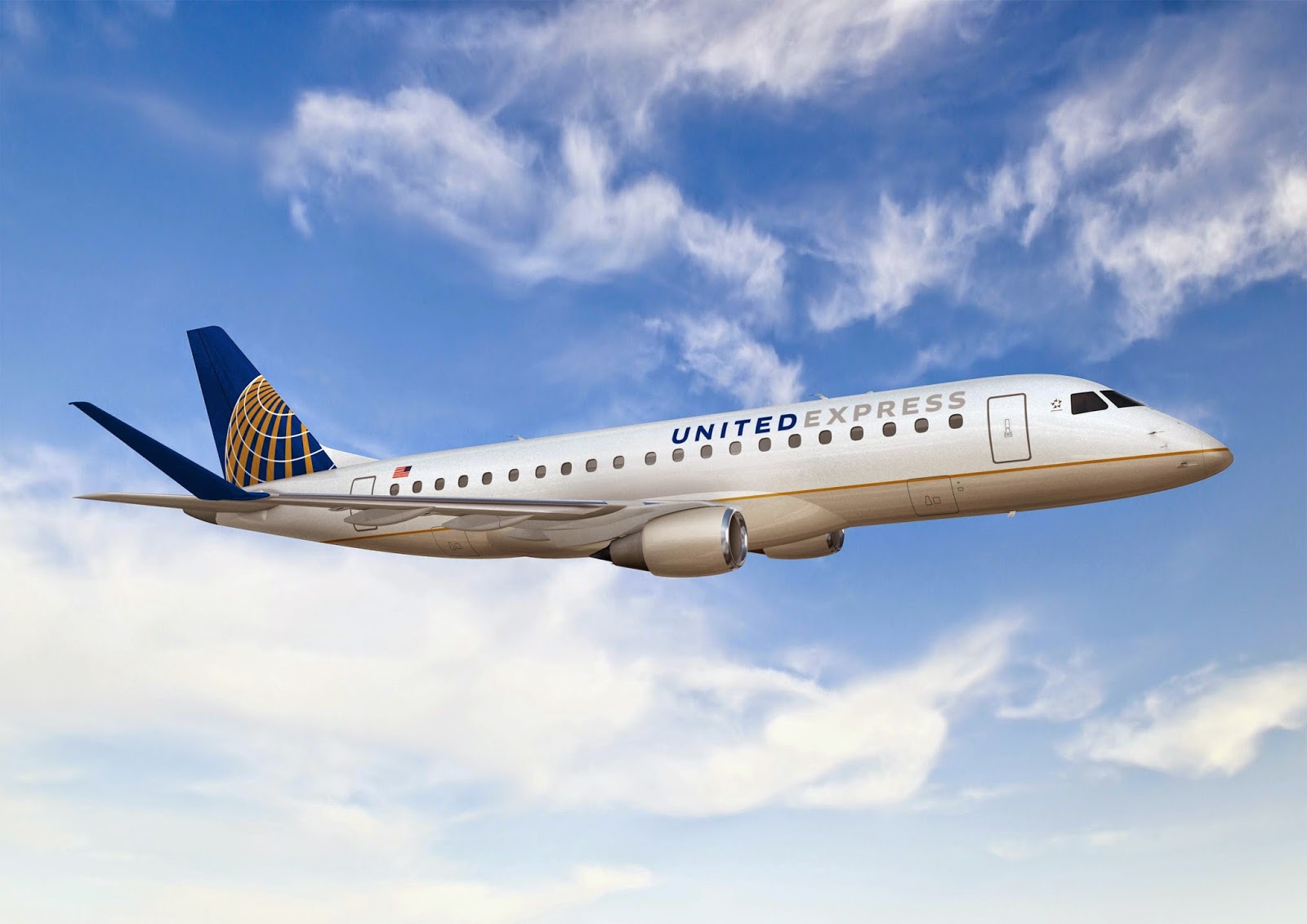
Mesa Airlines ha solicitado una orden por veinte Embraer E175-E1 como parte de una expansión de servicios proyectada el 4Q2020. La compañía regional estadounidense en una reunión con inversionistas el Lunes 10/08 ha anunciado el pedido formal de aeronaves Embraer. El primer avión está programada para ser entregado a partir de Septiembre 2020 y continuará el acuerdo de entregas hasta Junio 2021, iniciando la financiación de las diez primeras unidades. La aerolínea regional ofrece rutas de tercer nivel como empresa feeder de United Airlines bajo la marca United Express, como así también para American Airlines bajo la regional American Eagle.
La nueva serie de pedidos de Embraer E175-E1 reemplazarán veinte unidades Bombardier CRJ-700 debido a la edad promedio de 17 años de antigüedad, mientras que la línea Embraer E175 promedia los cinco años.
Mesa ha ingresado al mercado de carga pura teniendo presente el potencial del servicio en tiempos de pandemia, por el cual ha llegado a un acuerdo con DHL Airlines para operar dos aviones de carga Boeing 737-400F programados para iniciar servicios el 10/2020, convirtiéndose en la primer aerolínea regional en ingresar al segmento de carga pura en Estados Unidos en estos últimos tiempos.
Restructurando en tiempo pandemia
Mesa Airlines Group ha incursionado en menores gastos de operación y mantenimiento de vuelos debido a la reducción de vuelos como resultado de la pandemia, y adquiriendo ayudas por valor de US$ 43 millones relacionados con la subvención federal recibida a través del Acuerdo de Apoyo de Nómina de acuerdo con la Ley CARES. La aerolínea ha tenido una utilidad neta de US$ 3.4 millones, debido a una drástica reducción de gastos, del orden del 64.5% en comparación con 2019. “Dado el difícil entorno operativo, estamos muy contentos de informar un flujo de caja y ganancias positivos. Creemos que este es el resultado de nuestro incansable enfoque en los bajos costos y las operaciones confiables, la construcción de nuestros socios clave y la dedicación y el arduo trabajo de todos nuestros empleados. Si bien creemos que hay importantes oportunidades por delante, todavía existen desafíos relacionados con COVID-19; nuestras flotas continúan utilizándose por debajo del 60%, el financiamiento de las aeronaves se ha vuelto más difícil y el tiempo de recuperación proyectado para que la demanda regrese a los niveles anteriores al COVID-19 es incierto”, dijo Jonathan Ornstein, el CEO de Mesa Air Group.
Mesa Airlines Inc. es una aerolínea regional estadounidense con sede en Phoenix, Arizona. Es una compañía certificada por la Parte 121 de la FAA que opera bajo el número de certificado de aerolínea MASA036A emitido el 29 Junio 1979. Es una subsidiaria de Mesa Air Group y opera vuelos como American Eagle y United Express a través de los respectivos acuerdos de código compartido con American Airlines y United Airlines. Conecta a 91 ciudades en 36 estados, el Distrito de Columbia en Canadá y México. La compañía opera una flota de 145 aviones regionales, con alrededor de 300 vuelos diarios y una fuerza laboral de 3.400 empleados.
Mesa Airlines orders 20 Embraer E175s
Regional airline orders 20 E175-E1
Mesa Airlines has requested an order for twenty Embraer E175-E1s as part of a projected expansion of services in 4Q2020. The US regional company in a meeting with investors on Monday 10/08 has announced the formal order for Embraer aircraft. The first aircraft is scheduled to be delivered from September 2020 and the delivery agreement will continue until June 2021, starting the financing of the first ten units. The regional airline offers third-tier routes as a feeder company for United Airlines under the United Express brand, as well as for American Airlines under the regional American Eagle.
The new Embraer E175-E1 order series will replace twenty Bombardier CRJ-700 units due to the average age of 17 years old, while the Embraer E175 line averages five years.
Mesa has entered the pure cargo market bearing in mind the potential of the service in times of pandemic, for which it has reached an agreement with DHL Airlines to operate two Boeing 737-400F cargo aircraft scheduled to start services on 10/2020, becoming the first regional airline to enter the pure cargo segment in the United States in recent times.
Restructuring in pandemic time
Mesa Airlines Group has incurred in lower operating and maintenance expenses of flights due to the reduction of flights as a result of the pandemic, and acquiring aid worth US$ 43 million related to the federal grant received through the Payroll Support Agreement in accordance with the CARES Law. The airline has had a net profit of US$ 3.4 million, due to a drastic reduction in expenses, of the order of 64.5% compared to 2019. “Given the difficult operating environment, we are very pleased to report positive cash flow and earnings. We believe this is the result of our tireless focus on low costs and reliable operations, building our key partners, and the dedication and hard work of all of our employees. While we believe there are significant opportunities ahead, there are still challenges related to COVID-19; our fleets continue to be utilized below 60%, aircraft financing has become more difficult, and the projected payback time for demand to return to pre-COVID-19 levels is uncertain”, said Jonathan Ornstein, CEO of Table Air Group.
Mesa Airlines Inc. is an American regional airline based in Phoenix, Arizona. It is an FAA Part 121 certified company that operates under airline certificate number MASA036A issued on June 29, 1979. It is a subsidiary of Mesa Air Group and operates flights such as American Eagle and United Express through the respective agreements of codeshare with American Airlines and United Airlines. Connects 91 cities in 36 states, the District of Columbia in Canada, and Mexico. The company operates a fleet of 145 regional aircraft, with around 300 daily flights and a workforce of 3,400 employees.
Ξ A I R G W A Y S Ξ PUBLISHER: Airgways.com DBk: Mesa-air.com / Airgways.com AW-POST: 202008122037AR
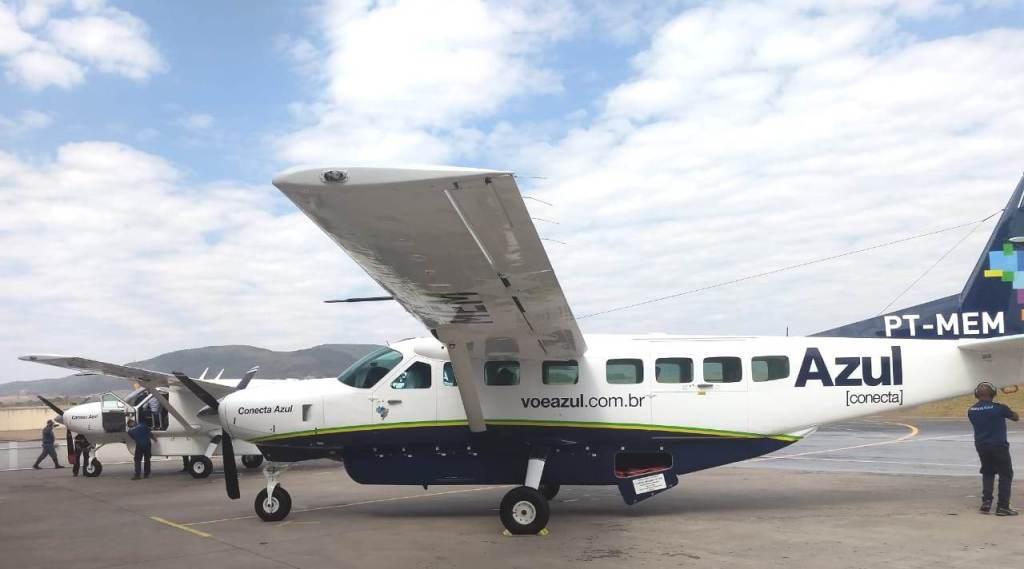
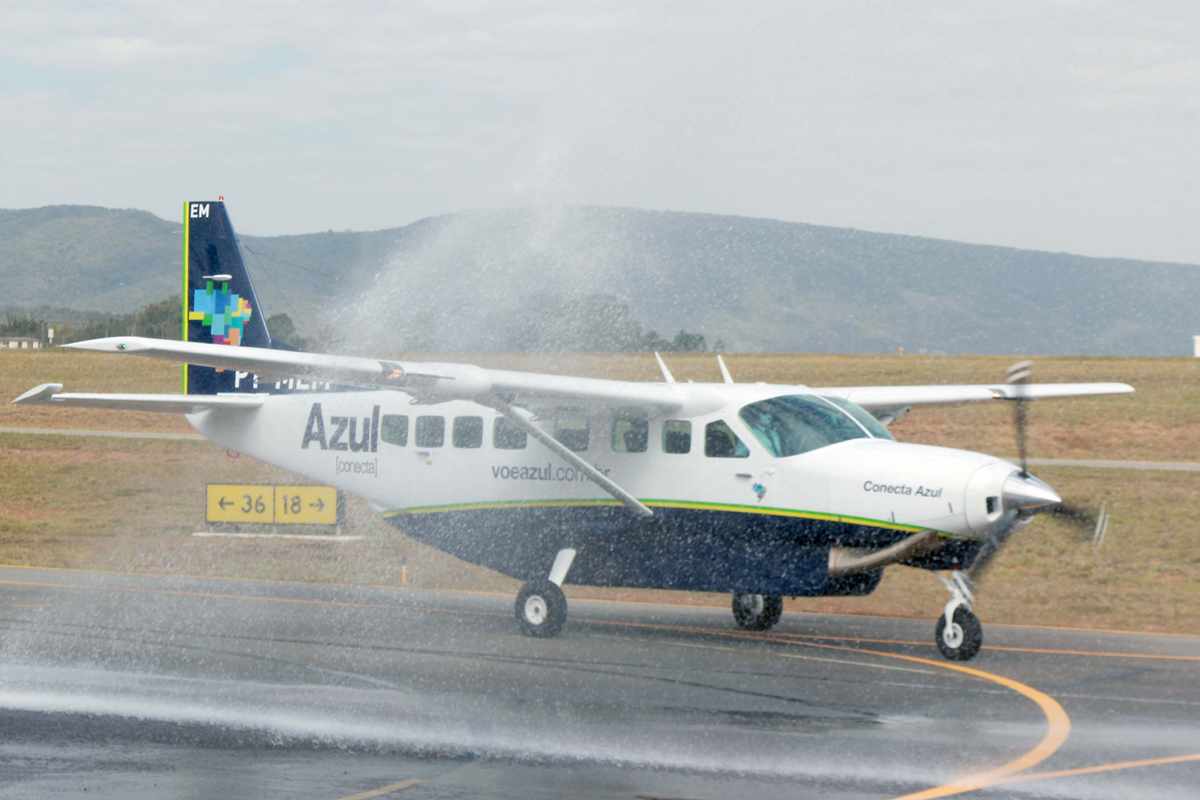
Azul Linhas Aéreas ha lanzado oficialmente Azul Conecta el 11 Agosto 2020 en el Aeropuerto Jundaí, Estado de São Paulo. Bajo el nuevo nombre para el Taxi Aéreo TwoFlex, adquirido por la empresa en Enero 2020, la nueva subsidiaria será el brazo de aviación subregional de tercer nivel de la compañía Azul, ampliando la cantidad de destinos a los que sirve. Según la empresa, el objetivo es llegar a conectar 200 ciudades. TwoFlex sirve a 36 destinos en el país y cuenta con una flota de 17 aviones Cesna Gran Caravan, un turbohélice regional monomotor con una capacidad para nueve pasajeros.
El lanzamiento de la empresa tuvo lugar el Martes 12/08 por la mañana en el Aeropuerto de Jundiaí. Durante el evento, la aeronave recibió la nueva pintura de la marca Azul Conecta. Estuvieron presentes John Rodgerson, Presidente de Azul, Flávio Costa, Vicepresidente de Técnico Operativo, y Ronei Glanzmann, Secretario Nacional de Aviación Civil. “Con estos aviones, transformaremos Brasil una vez más. Llegaremos a 200 destinos. Tenemos que mirar hacia el futuro y ver cómo vamos a ayudar a Brasil a crecer nuevamente. Lo que vamos a hacer en los próximos diez años es mucho más de lo que ya hemos hecho”, dijo John Rodgerson. El CEO de Azul también ha destacado la versatilidad de la flota de la compañía, que permitirá llegar a más destinos de manera eficiente. “Esta es la fortaleza de Azul. Contamos con aeronaves pequeñas, medianas, grandes y muy grandes. Pequeñas para ciudades pequeñas, medianas para ciudades medianas y grandes para ciudades grandes. Vamos a llevar gente a cualquier parte del mundo”, avizoró John Rodgerson. El Secretario Nacional de Aviación Civil, Ronei Glanzmann, reforzó este objetivo de ampliar el número de ciudades atendidas. “El punto principal de nuestra agenda es la aviación regional. Brasil tiene más de 5.000 municipios y tenemos un desafío logístico. Llegar con este tipo de equipos es fundamental. Como dijo John, para ciudades más pequeñas, aviones más eficientes. Doscientas ciudades es el mínimo que podemos dar en términos de políticas públicas. Ahora un pasajero puede salir de una ciudad pequeña hacia Miami con un solo boleto».
Azul Conecta ahora servirá a 152 municipios. Entre las regiones que ve con más oportunidades se encuentran el norte y el medio oeste. Estas son regiones con muy poca oferta. Pero también hay oportunidades en ciudades pequeñas del sureste y sur.
La estrategia de Azul es fortalecer cada vez más la capilaridad de los hubs regionales y estatales, con vuelos a ciudades del interior de Brasil y pequeñas comunidades. Azul Conecta permitirá a Azul utilizar aviones más pequeños en rutas menos rentables para los modelos ATR 42/72 o E195, que hoy operan la mayoría de las rutas regionales.
AZUL CONECTA EMPLEARÁ AVIÓN CESSNA CARAVAN PARA REALIZAR OPERACIONES DE CARGA A DESTINOS DE TERCER NIVEL
La mayor ramificación de estos hubs más pequeños permitirá a la compañía abastecer aún más a sus tres hubs principales, en Viracopos/Campinas, Confins/Belo Horizonte y Recife, además de aeropuertos estratégicos, como Congonhas/Sao Paulo. La nueva empresa también podría fortalecer conexiones en estados como Mato Grosso, Pará y Amazonas, donde TwoFlex ya tenía rutas desde las capitales, Cuiabá, Belém y Manaus, a ciudades más pequeñas.
Con Azul Conecta, Azul Linhas Aéreas también hereda 14 slots en el Aeropuerto Congonhas que pertenecían a TwoFlex. Sin embargo, la legislación de la Agencia Nacional de Aviación Civil (ANAC) prohíbe solo la operación de aviones a reacción en la pista auxiliar, lo que no restringe el uso de ATR. Así, además de las operaciones en la pista principal con los Embraer 195 E2 y A320NEO, Azul puede alternar operaciones en la pista auxiliar entre ATR 72 y Cessna Gran Caravan, según la ruta y el destino.
Fuerte competitividad
El avance de Gol Linhas Aéreas en la aviación regional en 2019 hizo que Azul se manifestara el año pasado, señalando que el movimiento era antinatural. Además de anunciar la operación de algunos destinos, la compañía Gol Linhas Aéreas también reforzó los acuerdos de código compartido con Map Linhas Aéreas y VoePass (anteriormente Passaredo) y TwoFlex. Además de la rentabilidad, evitando ingresar a rutas que no garantizarían la ocupación necesaria, las alianzas surgieron con el objetivo de atender a los aeropuertos que no tienen capacidad para recibir vuelos de Gol operados por Boeing 737.
Con la compra de TwoFlex por parte de Azul y el lanzamiento de Azul Conecta, la empresa imposibilitó la operación de algunos destinos, entre ellos los de Rio Grande do Sul, Amazonas y Pará, anunciados en 2019 por Gol, en sociedad con TwoFlex. La transacción también genera dudas sobre el futuro de las rutas regionales de Ceará, anunciadas en Diciembre 2019, que conectarían con el hub de Fortaleza.
Official launch of Azul Conecta
Azul Conecta will fly target of 200 destinations
Azul Linhas Aéreas has officially launched Azul Conecta on August 11, 2020 at Jundaí Airport, São Paulo State. Under the new name for the TwoFlex Air Taxi, acquired by the company in January 2020, the new subsidiary will be the sub-regional third-tier aviation arm of the Azul company, expanding the number of destinations it serves. According to the company, the goal is to connect 200 cities. TwoFlex serves 36 destinations in the country and has a fleet of 17 Cesna Gran Caravan aircraft, a single-engine regional turboprop with a capacity for nine passengers.
The launch of the company took place on Tuesday 12/08 in the morning at the Jundiaí Airport. During the event, the aircraft received the new paint from the Azul Conecta brand. Present were John Rodgerson, President of Azul, Flávio Costa, Vice President of Operational Technician, and Ronei Glanzmann, National Secretary of Civil Aviation. “With these planes, we will transform Brazil once again. We will reach 200 destinations. We have to look to the future and see how we are going to help Brazil grow again. What we are going to do in the next ten years is much more than what we have already done”, said John Rodgerson. The CEO of Azul also highlighted the versatility of the company’s fleet, which will allow it to reach more destinations efficiently. “This is Azul’s fortress. We have small, medium, large and very large aircraft. Small for small cities, medium for medium and large cities for large cities. We are going to take people to any part of the world”, warned John Rodgerson. The National Secretary of Civil Aviation, Ronei Glanzmann, reinforced this objective of expanding the number of cities served. “The main item on our agenda is regional aviation. Brazil has more than 5,000 municipalities and we have a logistical challenge. Arriving with this type of equipment is essential. As John said, for smaller cities, more efficient planes. Two hundred cities is the minimum we can give in terms of public policies. Now a passenger can leave a small city for Miami with a single ticket».
Azul Conecta will now serve 152 municipalities. Among the regions it sees with the most opportunities are the North and the Midwest. These are regions with very little supply. But there are also opportunities in small towns in the southeast and south.
Azul’s strategy is to increasingly strengthen the capillarity of regional and state hubs, with flights to cities in the interior of Brazil and small communities. Azul Conecta will allow Azul to use smaller aircraft on less profitable routes for the ATR 42/72 or E195 models, which today operate most regional routes.
The greater branching of these smaller hubs will allow the company to further supply its three main hubs, in Viracopos/Campinas, Confins/Belo Horizonte and Recife, as well as strategic airports, such as Congonhas/Sao Paulo. The new company could also strengthen connections in states such as Mato Grosso, Pará and Amazonas, where TwoFlex already had routes from the capitals Cuiabá, Belém and Manaus to smaller cities.
With Azul Conecta, Azul Linhas Aéreas also inherits 14 slots at Congonhas Airport that belonged to TwoFlex. However, the legislation of the National Civil Aviation Agency (ANAC) prohibits only the operation of jet aircraft on the auxiliary runway, which does not restrict the use of ATR. Thus, in addition to operations on the main runway with the Embraer 195 E2 and A320NEO, Azul can alternate operations on the auxiliary runway between ATR 72 and Cessna Gran Caravan, depending on the route and destination.
Strong competitiveness
Gol Linhas Aéreas’ breakthrough in regional aviation in 2019 caused Azul to demonstrate last year, signaling that the move was unnatural. In addition to announcing the operation of some destinations, the company Gol Linhas Aéreas also reinforced the codeshare agreements with Map Linhas Aéreas and VoePass (formerly Passaredo) and TwoFlex. In addition to profitability, avoiding entering routes that would not guarantee the necessary occupancy, the alliances emerged with the objective of serving airports that do not have the capacity to receive Gol flights operated by Boeing 737s.
With the purchase of TwoFlex by Azul and the launch of Azul Conecta, the company made it impossible to operate some destinations, including those of Rio Grande do Sul, Amazonas and Pará, announced in 2019 by Gol, in partnership with TwoFlex. The transaction also raises doubts about the future of the Ceará regional routes, announced in December 2019, which would connect with the Fortaleza hub.
Lançamento oficial do Azul Conecta
Azul Conecta voará alvo de 200 destinos
A Azul Linhas Aéreas lançou oficialmente o Azul Conecta em 11 de agosto de 2020 no Aeroporto de Jundaí, Estado de São Paulo. Com o novo nome de TwoFlex Air Taxi, adquirido pela empresa em janeiro de 2020, a nova subsidiária será o braço de aviação sub-regional de terceiro nível da empresa Azul, ampliando o número de destinos que atende. De acordo com a empresa, a meta é conectar 200 cidades. A TwoFlex atende 36 destinos no país e possui uma frota de 17 aeronaves Cesna Gran Caravan, um turboélice regional monomotor com capacidade para nove passageiros.
O lançamento da empresa aconteceu nesta terça-feira, 12/08, pela manhã, no Aeroporto de Jundiaí. Durante o evento, a aeronave recebeu a nova pintura da marca Azul Conecta. Estiveram presentes John Rodgerson, Presidente da Azul, Flávio Costa, Vice-Presidente Técnico Operacional, e Ronei Glanzmann, Secretário Nacional de Aviação Civil. “Com esses aviões, vamos transformar o Brasil mais uma vez. Chegaremos a 200 destinos. Precisamos olhar para o futuro e ver como vamos ajudar o Brasil a crescer novamente. O que vamos fazer nos próximos dez anos é muito mais do que já fizemos”, disse John Rodgerson. O CEO da Azul destacou ainda a versatilidade da frota da empresa, o que permitirá chegar com mais eficiência aos destinos. “Esta é a fortaleza da Azul. Temos aeronaves de pequeno, médio, grande e muito grande porte. Pequeno para cidades pequenas, médio para cidades médias e grandes para grandes cidades. Vamos levar pessoas para qualquer parte do mundo”, avisou John Rodgerson. O Secretário Nacional de Aviação Civil, Ronei Glanzmann, reforçou esse objetivo de ampliar o número de municípios atendidos. “O principal item da nossa agenda é a aviação regional. O Brasil tem mais de 5.000 municípios e temos um desafio logístico. Chegar com esse tipo de equipamento é fundamental. Como disse John, para cidades menores, aviões mais eficientes. Duzentas cidades é o mínimo que podemos dar em termos de políticas públicas. Agora, um passageiro pode deixar uma pequena cidade para Miami com uma única passagem».
O Azul Conecta agora atenderá 152 municípios. Entre as regiões que vê com mais oportunidades estão Norte e Centro-Oeste. São regiões com muito pouca oferta. Mas também há oportunidades em pequenas cidades do sudeste e do sul.
A estratégia da Azul é fortalecer cada vez mais a capilaridade dos hubs regionais e estaduais, com voos para cidades do interior e pequenas comunidades. O Azul Conecta permitirá que a Azul use aeronaves menores em rotas menos lucrativas para os modelos ATR 42/72 ou E195, que hoje operam a maioria das rotas regionais.
A maior ramificação desses polos menores permitirá à empresa abastecer ainda mais seus três principais polos, em Viracopos/Campinas, Confins/Belo Horizonte e Recife, além de aeroportos estratégicos, como Congonhas/São Paulo. A nova empresa também poderá fortalecer conexões em estados como Mato Grosso, Pará e Amazonas, onde a TwoFlex já tinha rotas das capitais Cuiabá, Belém e Manaus para cidades menores.
Com o Azul Conecta, a Azul Linhas Aéreas também herda 14 slots no Aeroporto de Congonhas que pertenciam à TwoFlex. No entanto, a legislação da Agência Nacional de Aviação Civil (ANAC) proíbe apenas a operação de aeronaves a jato na pista auxiliar, o que não restringe o uso de ATR. Assim, além de operar na pista principal com os Embraer 195 E2 e A320NEO, a Azul pode alternar as operações na pista auxiliar entre o ATR 72 e o Cessna Gran Caravan, dependendo da rota e do destino.
Forte competitividade
O avanço da Gol Linhas Aéreas na aviação regional em 2019 levou a Azul a se manifestar no ano passado, sinalizando que a mudança não era natural. Além de anunciar a operação de alguns destinos, a Gol Linhas Aéreas também reforçou os acordos de codeshare com a Map Linhas Aéreas e VoePass (antiga Passaredo) e TwoFlex. Além da lucratividade, evitando entrar em rotas que não garantissem a ocupação necessária, as alianças surgiram com o objetivo de atender aeroportos que não têm capacidade para receber voos da Gol operados por Boeing 737.
Com a compra da TwoFlex pela Azul e o lançamento do Azul Conecta, a empresa impossibilitou a operação de alguns destinos, entre eles Rio Grande do Sul, Amazonas e Pará, anunciados em 2019 pela Gol, em parceria com a TwoFlex. A transação também levanta dúvidas sobre o futuro das rotas regionais do Ceará, anunciadas em dezembro de 2019, que se conectariam ao hub de Fortaleza.
Ξ A I R G W A Y S Ξ PUBLISHER: Airgways.com DBk: Voeazul.com.br / Jornale.com.br / Panrotas.com.br / Airgways.com AW-POST: 202008121113AR
Aerolíneas ganan US$ 10.300 millones en lenta recuperación
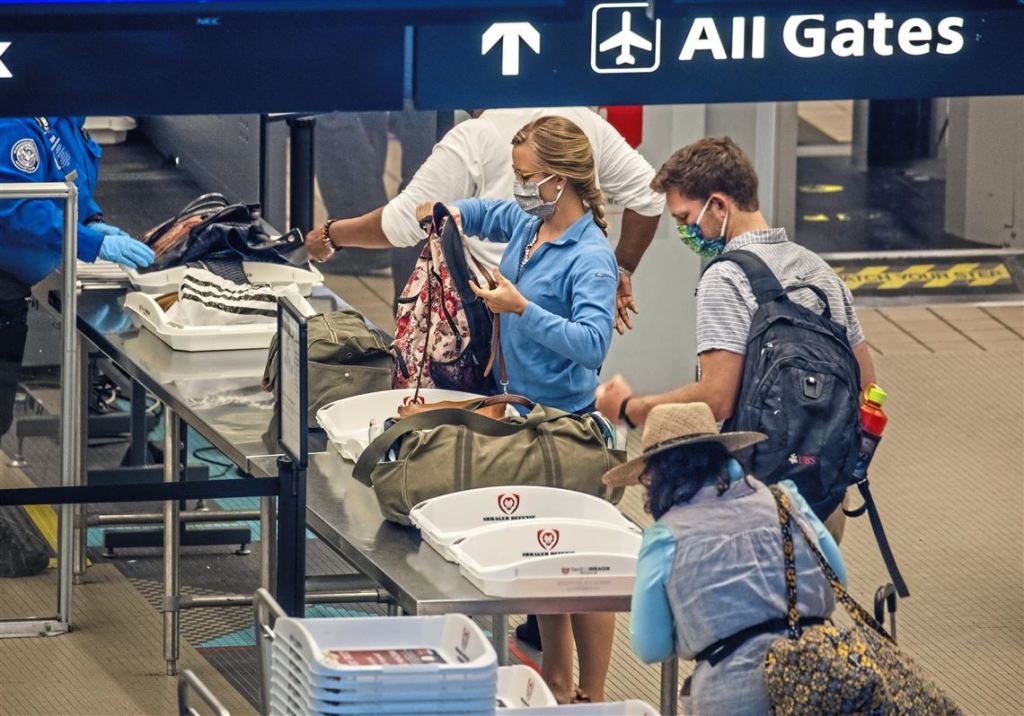
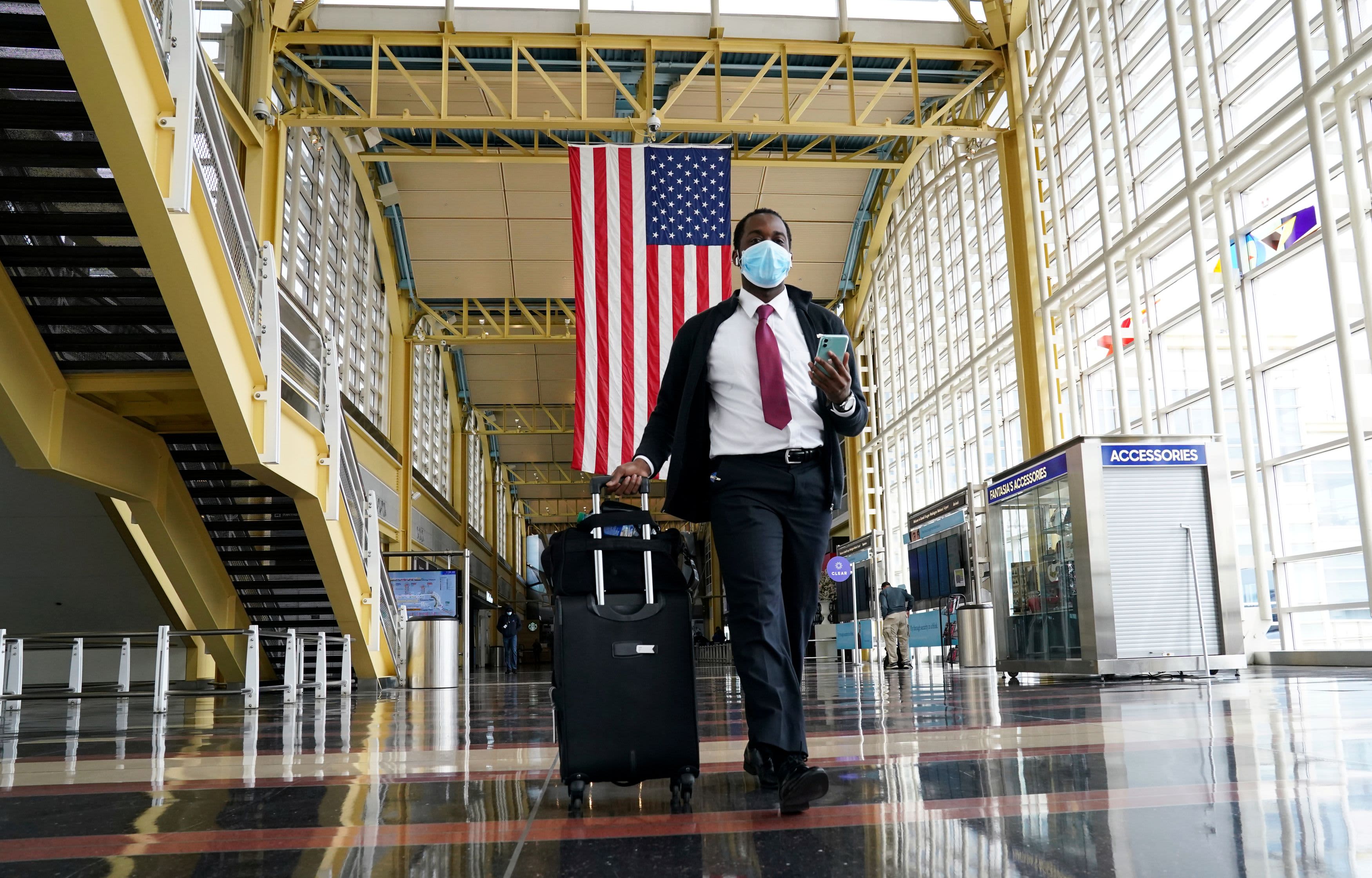
La Administración de Seguridad del Transporte (TSA) ha informado que sólo el Domingo 10/08 ha registrado 831.789 pasajeros en los puntos de control de los principales aeropuertos estadounidenses, cuya cantidad no había sido registrada desde el mes de Marzo 2020. Las aerolíneas de Estados Unidos han obtenido alrededor de US$ 10,332 millones de Dólares en valor de capitalización en Wall Street. United Airlines tuvo un aumento de 9.35% en el precio de sus acciones hasta 37,54 Dólares cada una, JetBlue Airways subió 8.64% en la sesión en la Bolsa Nueva York, Delta Air Lines avanzó 7.95% a 29.34 Dólares por acción, mientras que American Airlines a 14 Dólares por papel se incrementó 7.44 por ciento.
Entre algunas otras aerolíneas está IAG Group, que cotiza en la bolsa de Londres, subió 8.65% a ₤ 201.70 Libras por título; Lufthansa, la aerolínea alemana, se incrementó 6.39%, mientras que la línea aérea francesa, Air France, subió 5.88% en la jornada del Lunes 11/08.
Las 20 aerolíneas más grandes de Estados Unidos transportaron 16.3 millones de pasajeros en junio, lo implica más del doble de los viajeros reportados en mayo, aunque aún es una disminución del 80% con respecto al mismo mes del año pasado. De acuerdo con la Asociación Internacional de Transporte Aéreo (IATA), los ingresos por pasajeros a nivel global registraban un descenso de 91.3% en el mes de mayo respecto a su comparativo de 2019, y de acuerdo con las últimas cifras, la caída para el mes de junio es de 86.5% en el mismo rubro. Por lo que se puede apreciar que existe un aumento en el volumen de pasajeros, aunque aún existe un flujo mínimo en los pasajeros de las aerolíneas.
Aunque sigue latente el riesgo de un nuevos rebrotes de Covid-19 y regrese el cierre de los comercios y de la economía, el ligero aumento en el flujo de pasajeros puede ser visto como una esperanza para la recuperación económica. El incremento en el flujo de pasajeros refleja que la población ya no está siguiendo con las medidas de distanciamiento social tan rigurosamente y estricta como en meses anteriores, por lo que la conducta de la población podría generar un riesgo para la economía.
Post-pandemic air recovery
Airlines earn US$ 10.3 billion as slow recovery begins
The Transportation Security Administration (TSA) has reported that only on Sunday 08/10 it has registered 831,789 passengers at the control points of the main US airports, whose number had not been registered since March 2020. The airlines of the States United have raised about US$ 10.332 billion in capitalization value on Wall Street. United Airlines had a 9.35% increase in the price of its shares to US$ 37.54 each, JetBlue Airways rose 8.64% in the session on the New York Stock Exchange, Delta Air Lines advanced 7.95% to US$ 29.34 per share, while American Airlines at 14 dollars per paper increased 7.44 percent.
Among some other airlines is IAG Group, which is listed on the London Stock Exchange, rose 8.65% to ₤ 201.70 Pounds per share; Lufthansa, the German airline, increased 6.39%, while the French airline, Air France, rose 5.88% on Monday 08/11.
The 20 largest airlines in the United States carried 16.3 million passengers in June, which is more than double the number of travelers reported in May, although it is still an 80% decrease from the same month last year. According to the International Air Transport Association (IATA), global passenger revenue registered a decrease of 91.3% in the month of May compared to its 2019 comparison, and according to the latest figures, the fall for the June is 86.5% in the same item. Therefore, it can be seen that there is an increase in the volume of passengers, although there is still a minimal flow of airline passengers.
Although the risk of a new outbreak of Covid-19 remains latent and the closure of shops and the economy returns, the slight increase in passenger flow can be seen as hope for economic recovery. The increase in the flow of passengers reflects that the population is no longer following social distancing measures as rigorously and strictly as in previous months so that the behavior of the population could generate a risk to the economy.
Ξ A I R G W A Y S Ξ PUBLISHER: Airgways.com DBk: Tsa.gov / Iata.org / Cnbc.com / Airgways.com / Post-gazette.com AW-POST: 202008111914AR
Aerolíneas Argentinas programa vuelos repatriación a Chipre
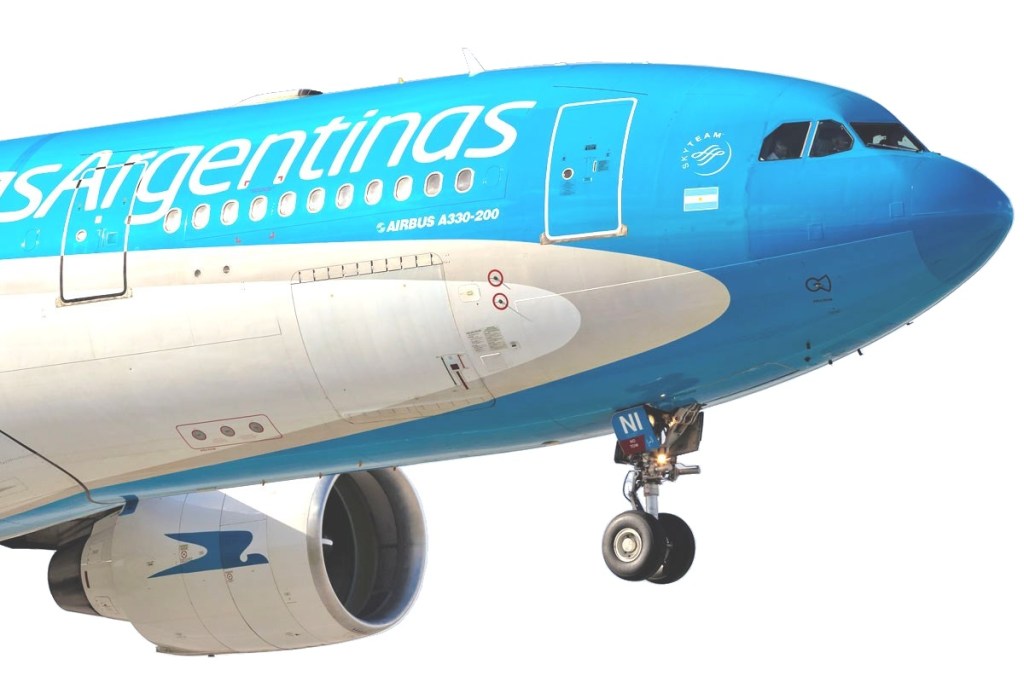
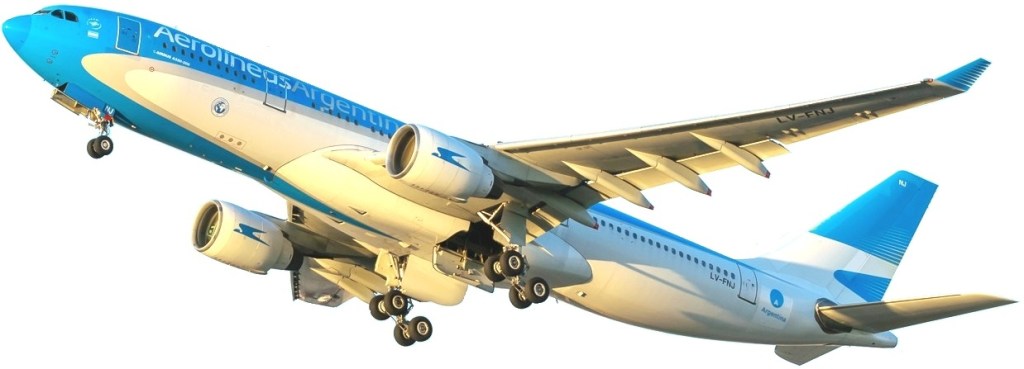
Aerolíneas Argentinas ha programado un vuelos especiales hacia la República de Chipre parra repatriación de soldados en apoyo de la ONU. El vuelo se realizará con aeronaves Airbus A330-200. Actualmente están programados dos viajes de ida y vuelta, uno para la próxima semana y otro a principios de septiembre. Estas cartas sin escalas apoyarán a la Fuerza de Mantenimiento de la Paz de las Naciones Unidas en Chipre.
Aerolíneas Argentinas planea vuelos charter sin escalas a Chipre ida y vuelta entre Buenos Aires y Chipre para transportar tropas para relevo a miembros de las Fuerzas Armadas de la República Argentina que están desplegadas en Chipre en apoyo de la Fuerza de Paz de las Naciones Unidas en Chipre (UNFICYP). Los dos vuelos llevarán a casi 250 miembros de las Fuerzas Armadas a Larnaca, capital de Chipre.
Para Aerolíneas Argentinas, esta es una oportunidad excepcional de ejecutar estos vuelos sin escalas en apoyo de su país de origen. El CEO de Aerolíneas Argentinas, Pablo Ceriani, ha expresado que la aerolínea se enorgullecía de participar activamente en este esfuerzo de traslado de tropas. “Los socorros de tropas generalmente se realizaban con aerolíneas comerciales que transportaban personal militar, pero en el contexto de esta pandemia, teníamos que encontrar una solución. Ahora tenemos la oportunidad de operar dos vuelos para llevar el nuevo contingente y traer de regreso a casa al personal argentino que concluyó allí su misión”, expresó el CEO de Aerolíneas.
El primer vuelo del Airbus A330-200 despegará el 17 Agosto 2020 a las 08:00 hora local del Aeropuerto Internacional Ezeiza/Ministro Pistarini de Buenos Aires, con una duración de 15 horas y 45 minutos, aterrizando en el Aeropuerto Internacional de Larnaca/LCA en Chipre, llegando a las 05:45 hora local del día siguiente. El segundo vuelo operará desde Ezeiza el 3 Septiembre 2020.
Airlines repatriation flights to Cyprus
Aerolíneas Argentinas schedules repatriation flights to Cyprus
Aerolíneas Argentinas has scheduled special flights to the Republic of Cyprus for the repatriation of soldiers in support of the UN. The flight will be carried out with Airbus A330-200 aircraft. Two round trips are currently scheduled, one for next week and one in early September. These non-stop letters will support the United Nations Peacekeeping Force in Cyprus.
Aerolineas Argentinas plans non-stop charter flights to Cyprus roundtrip between Buenos Aires and Cyprus to transport troops to relieve members of the Armed Forces of the Argentine Republic who are deployed in Cyprus in support of the United Nations Peace Force in Cyprus (UNFICYP). The two flights will take almost 250 members of the Armed Forces to Larnaca, the capital of Cyprus.
For Aerolineas Argentinas, this is an exceptional opportunity to run these non-stop flights in support of their home country. The CEO of Aerolineas Argentinas, Pablo Ceriani, has expressed that the airline was proud to actively participate in this effort to transfer troops. “Troop relief was generally carried out with commercial airlines carrying military personnel, but in the context of this pandemic, we had to find a solution. Now we have the opportunity to operate two flights to carry the new contingent and bring back home the Argentine personnel who completed their mission there”, said the CEO of Aerolíneas.
The first flight of the Airbus A330-200 will take off on August 17, 2020 at 08:00 local time from the Ezeiza/Ministro Pistarini International Airport in Buenos Aires, with a duration of 15 hours and 45 minutes, landing at the Larnaca International Airport/LCA in Cyprus, arriving at 05:45 local time the next day. The second flight will operate from Ezeiza on September 3, 2020.
Ξ A I R G W A Y S Ξ PUBLISHER: Airgways.com DBk: Argentina.gob.ar / Aerolineas.com / Airgways.com AW-POST: 202008111819AR
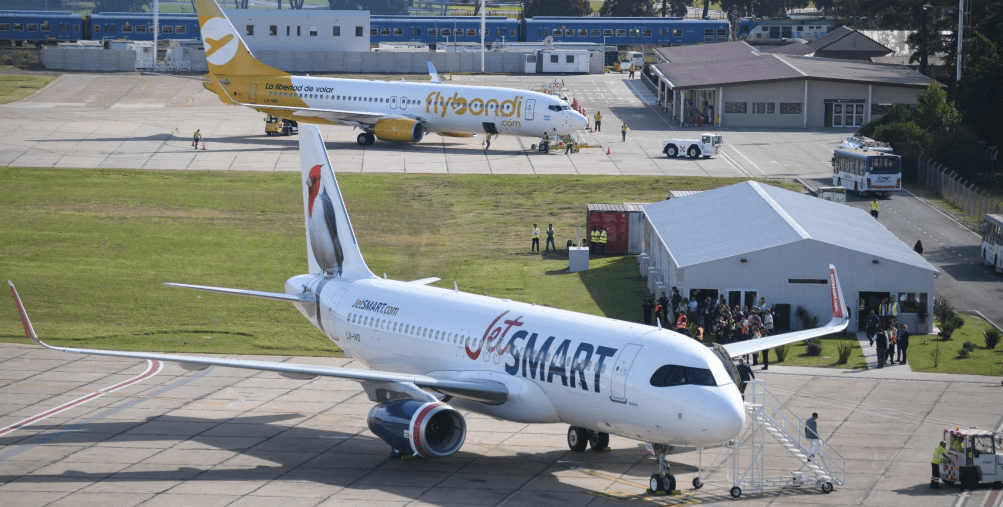
Gobierno Argentina retira autorización ops JetSmart en Aeroparque
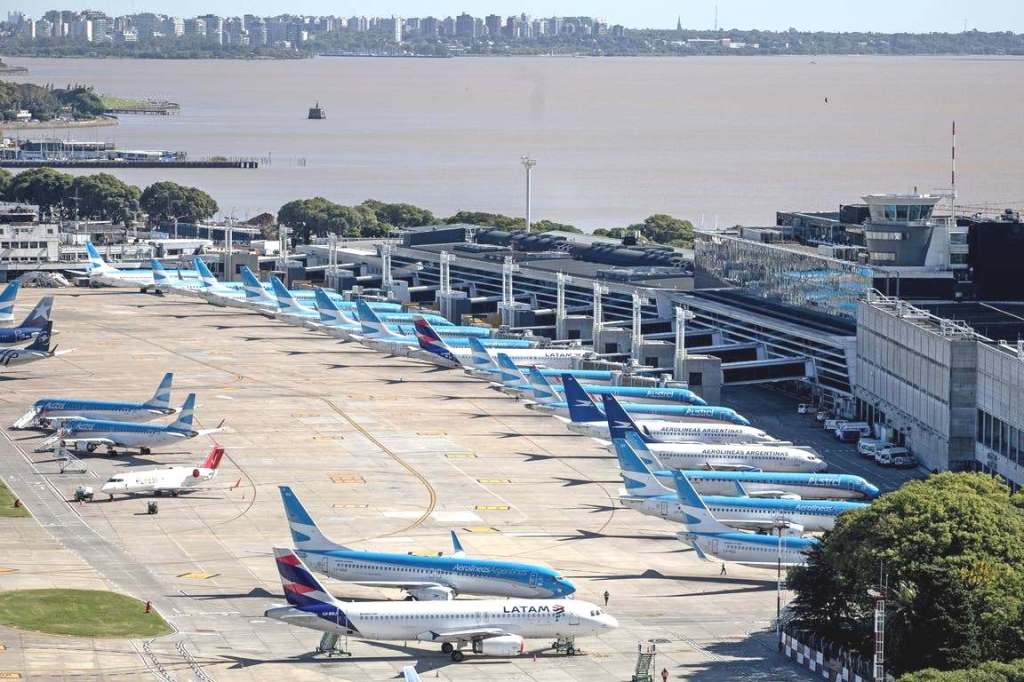
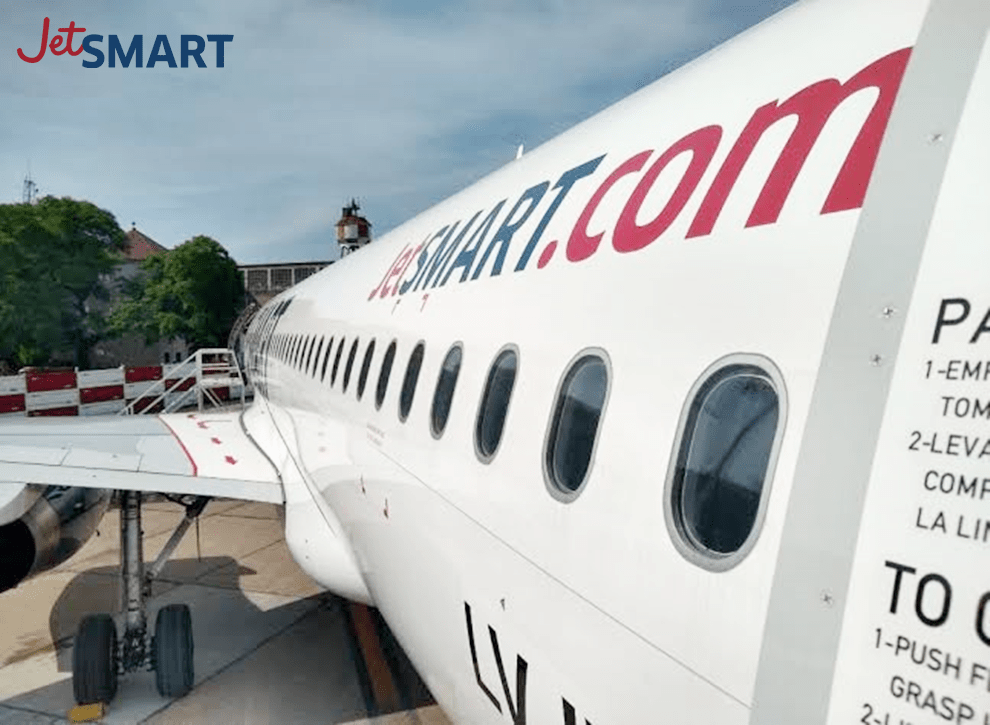
Una resolución de la Administración Nacional de Aviación Civil (ANAC) de Argentina retira la autorización para operar en el Aeropuerto Jorge Newbery, como así también pone en suspenso la totalidad del acuerdo de compra de la aerolínea Norwegian Air Argentina S.A.U. y amenaza a la aerolínea de presupuesto de continuar con los permisos correspondientes para continuar operando en el país. La Justicia de Argentina había otorgado oportunamente la razón para permitir a JetSmart Airlines Argentina tomar posesión de los tres frecuencias que tenía en Aeroparque de la ex-compañía Norwegian Air Argentina, empresa que absorbió en Diciembre 2019, la aerolínea se enfrenta ahora a una réplica inesperada. La fusión fue aprobada por la gestión aeronáutica anterior en 12/2019, apenas unos días antes de que se concretara el recambio de Gobierno nacional.
La resolución fue firmada el Viernes 08/08 por la titular de ANAC, Paola Tamburelli, y notificada a la empresa mediante el Sistema de Trámites a Distancia (TAD). La resolución directamente hace un llamado acuerdo de consolidación de operaciones que fue aprobado mediante la Resolución Nº881/2019 por la gestión aeronáutica anterior en Diciembre 2019, apenas unos días antes de que se concretara el cambio de gobierno.
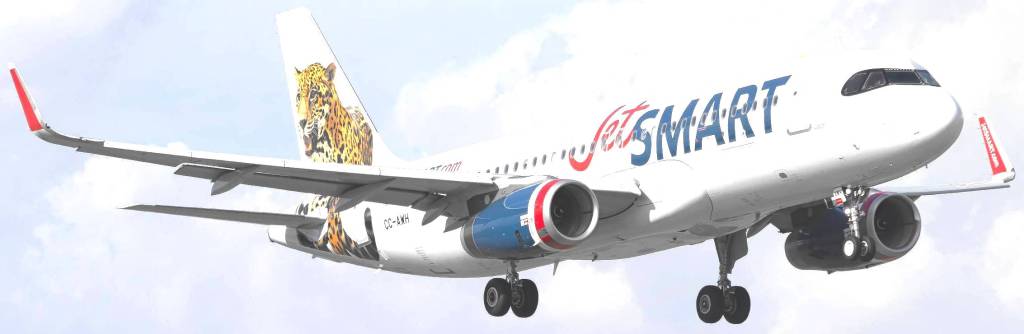
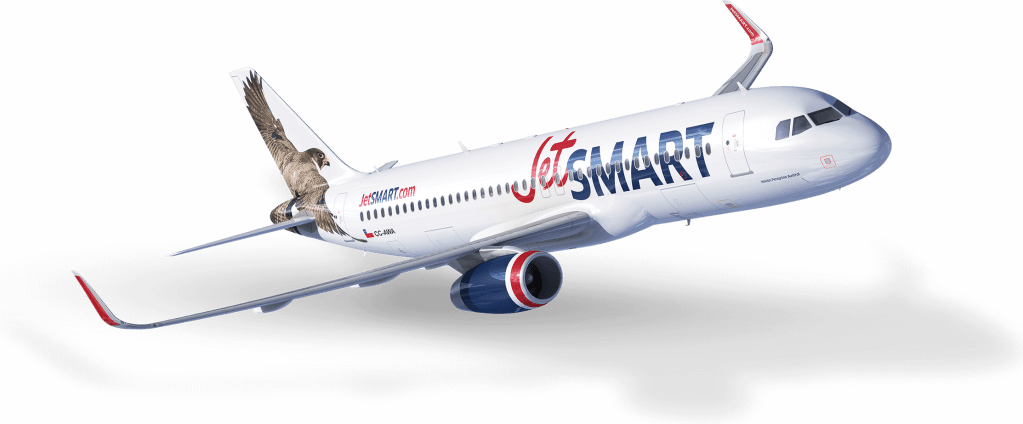
La absorción de Norwegian Air Argentina por parte de JetSmart se concretó el 4 Diciembre 2019 concretando el desembolso por la compra de la aerolínea. JetSmart compró la operación de la filial local de la empresa noruega sin incluir sus aeronaves porque el principal interés era, justamente, acceder mediante ese acuerdo al Aeropuerto Jorge Newbery de Buenos Aires. La estrategia de JetSmart Airlines Argentina sería reemplazar los tres Boeing 737-800 empleados anteriormente por Norwegian Air por sus Airbus A320-200, con el objetivo de mantener dos bases operativas El Palomar y Aeroparque, pudiendo ofrecer dos segmentos distintos de pasajeros.
JETSMART AIRLINES ARGENTINA PIERDE DERECHOS DE SLOTS ADQUIRIDOS DE NORWEGIAN AIR ARGENTINA EN AEROPARQUE
Transcurrido ocho meses de la firma del acuerdo, JetSmart Airlines Argentina no ha podido acceder a los espacios en Aeroparque e inició acciones judiciales que terminaron en una sentencia, emitida el 14 Julio 2020 por la Sala II de la Cámara Nacional de Apelaciones en lo Civil y Comercial Federal, en la que se le daba la razón a la aerolínea. El fallo consideró que el acuerdo recibió la aprobación de la gestión anterior y se ordenó a Aeropuertos Argentina 2000 que «se abstenga de impedirle el acceso al uso indistinto de las bases de operaciones y amarres que la Norwegian Argentina posee en el Aeropuerto Jorge Newbery». Como alternativa para seguir adelante con el proceso de compra, la ANAC ha intimado a la empresa a presentar dentro del plazo de 15 días corridos la totalidad de programas pendientes que den cuenta de la integralidad del negocio jurídico pactado entre las partes, para que puedan ser analizados por la autoridad. Sin embargo, la resolución firmada actualmente por ANAC revoca el proceso anterior con el argumento de que la empresa no ha cumplido con los requisitos operativos y las aprobaciones gubernamentales necesarios para concretar el proceso de compra, procedimiento que señala que fue definido en un período de tiempo inusitadamente breve.
La resolución de ANAC advierte que de hacer uso del acuerdo de consolidación, JetSmart podrá tener sanciones o incluso se le podrían suspender las autorizaciones para operar en la República Argentina. La ANAC intima a la empresa a «abstenerse de ejecutar cualquier derecho comercial y/o actividad derivada del acuerdo denominado de consolidación de operación de servicios aéreos» suscripto a fines de 2019 y advierte que, de hacerlo, podrá tener sanciones o incluso se le podrían suspender las autorizaciones para operar como aérea en el país.
Desde la aerolínea JetSmart Argentina expresaron: «Esta situación nos preocupa en conjunto en el contexto del reinicio de la operación y de la habilitación del Aeropuerto El Palomar. JetSmart manifiesta su intención de seguir trayendo la inversión, apoyo, empleo y conectividad al país y desea trabajar de la mano de las autoridades en la resolución de esta situación. La línea aérea se enfocará en la evaluación y el avance del proceso para definir próximos pasos», señalaron en la compañía aérea.
Aeropuerto El Palomar
Desde el Ministerio de Transporte a cargo de Mario Meoni ha afirmado el 10/08 que tres aeropuertos en el área metropolitana son muchos sin hacer mención de El Palomar, aunque no hay ninguna decisión tomada en ese sentido. «Para justificar el funcionamiento de tres aeropuertos, Buenos Aires debería registrar por lo menos el doble del actual volumen de viajeros», había dicho algunas semanas atrás el titular de la cartera de Transporte. Sin embargo, las dos aerolíneas de presupuesto que operan en ese aeropuerto, no se dan por aludidas: «No tenemos ninguna comunicación que nos diga que El Palomar va a cerrar», expresó la low cost JetSmart Argentina, que también mantiene por el momento la previsión de volar en Septiembre 2020, debido a que no hay confirmaciones contrarias.
Perspectivas
Con la retirada de Latam Airlines Argentina, JetSmart se posiciona como la principal competidora de Aerolíneas Argentinas y Austral Líneas Aéreas en el mercado doméstico, aunque todavía con una brecha muy amplia de la cuota de mercado. Los objetivos de la aerolínea de presupuesto es aumentar sus planes expansivos en el continente apoyados con el respaldo financiero del grupo estadounidense Indigo Partners Inc., con proyecciones a largo plazo, le dan una espalda económica para competir con la firma estatal. Sin embargo, la empresa conducida por el guatemalteco Estuardo Ortiz se enfrenta a nuevos escollos frente a la crisis de la pandemia, la imposibilidad de volar en Aeroparque y la marcha atrás de la compra de Norwegian Air Argentina.
Tras los reveces de las aprobaciones para operar en Aeroparque y las dudas acerca de la continuidad operativa del Aeropuerto Internacional El Palomar, la compañía de presupuesto ha sido acorralada por parte del Gobierno que continúa asfixiando a la aerolínea, en vez de ofrecer garantías para ofrecer soluciones para continuar volando dentro de las reglas aerocomerciales actuales.
Aunque la compañía de presupuesto JetSmart Airlines Argentina deberá atender la situación con relación a la compra de Norwegian Air Argentina, a la vez, el Gobierno deberá garantizar a cada una de las líneas aéreas reglas claras para proyectar sus operaciones. Independientemente de los aeropuertos que se encuentren operativos postpandemia, tras la finalización de las obras en el Aeropuerto Regional Jorge Newbery y la apertura para el 1 Diciembre 2020, el Gobierno deberá reglamentar que las aéreas locales puedan permitir operar en Aeroparque, pues de no ser así, el único operador mayoritario doméstico será Aerolíneas Argentinas. Si esta actuación llegase a ocurrir, estaríamos ante una posición dominante de mercado, permitiendo favorecer tanto el monopolio, como así también las consecuentes presentaciones judiciales derivadas de las demás aerolíneas por las operaciones exclusivas de Aerolíneas Argentinas en Aeroparque, que detentarían más del 95% de las operaciones de cabotaje.
La próxima etapa post-pandemia abre un espectro de situaciones de concentración de mercado que el Gobierno deberá buscar soluciones para regular la aviación comercial en la República Argentina de manera responsable y más equitativa.
Argentine Government-JetSmart Crisis
Argentine government withdraws paho JetSmart authorization at Aeroparque
A resolution of the National Civil Aviation Administration (ANAC) of Argentina withdraws the authorization to operate at Jorge Newbery Airport, as well as suspends the entire purchase agreement of the airline Norwegian Air Argentina S.A.U. and threatens the budget airline to continue with the corresponding permits to continue operating in the country. The Justice of Argentina had timely granted the reason to allow JetSmart Airlines Argentina to take possession of the three frequencies that it had in Aeroparque from the ex-company Norwegian Air Argentina, a company that it absorbed in December 2019, the airline is now facing an unexpected aftershock. The merger was approved by the previous aeronautical management on 12/2019, just a few days before the replacement of the national government took place.
The resolution was signed on Friday 08/08 by the head of ANAC, Paola Tamburelli, and notified to the company through the Remote Procedures System (TAD). The resolution directly makes a so-called operations consolidation agreement that was approved through Resolution No. 881/2019 by the previous aeronautical management in December 2019, just a few days before the change of government took place.
The absorption of Norwegian Air Argentina by JetSmart was completed on December 4, 2019, specifying the disbursement for the purchase of the airline. JetSmart bought the operation of the local subsidiary of the Norwegian company without including its aircraft because the main interest was, precisely, to access the Jorge Newbery Airport in Buenos Aires through that agreement. JetSmart Airlines Argentina’s strategy would be to replace the three Boeing 737-800s previously used by Norwegian Air with its Airbus A320-200s, with the aim of maintaining two operating bases El Palomar and Aeroparque, being able to offer two different passenger segments.
Eight months after the signing of the agreement, JetSmart Airlines Argentina has not been able to access the spaces in Aeroparque and began legal actions that ended in a sentence, issued on July 14, 2020 by Chamber II of the National Chamber of Appeals in Civil and Comercial Federal, in which the airline was right. The ruling considered that the agreement received the approval of the previous management and Airports Argentina 2000 was ordered to «refrain from preventing access to the indiscriminate use of the bases of operations and moorings that Norwegian Argentina has at Jorge Newbery Airport». As an alternative to continue with the purchase process, the ANAC has encouraged the company to present within a period of 15 calendar days all the pending programs that account for the integrality of the legal business agreed between the parties, so that they can be analyzed by the authority. However, the resolution currently signed by ANAC revokes the previous process with the argument that the company has not complied with the operational requirements and government approvals necessary to finalize the purchase process, a procedure that indicates that it was defined in a period of time unusually short.
ANAC’s resolution warns that if the consolidation agreement is used, JetSmart may have sanctions or even its authorizations to operate in the Argentine Republic could be suspended. The ANAC encourages the company to «refrain from executing any commercial right and/or activity derived from the agreement called consolidation of air services operation», signed at the end of 2019 and warns that, if it does so, it may face sanctions or may even be suspend authorizations to operate as an airline in the country.
From the JetSmart Argentina airline they expressed: «This situation worries us as a whole in the context of the restart of the operation and the fitting out of El Palomar Airport. JetSmart expresses its intention to continue bringing investment, support, employment and connectivity to the country and wishes work hand in hand with the authorities to resolve this situation. The airline will focus on evaluating and advancing the process to define next steps», they said at the airline.
El Palomar Airport
The Ministry of Transport in charge of Mario Meoni stated on 08/10 that three airports in the metropolitan area are many without mentioning El Palomar, although there is no decision made in that regard. «To justify the operation of three airports, Buenos Aires should register at least twice the current volume of travelers», the head of the Transportation portfolio had said a few weeks ago. However, the two budget airlines that operate at that airport are not taken for granted: «We have no communication that tells us that El Palomar is going to close», said the low cost JetSmart Argentina, which also maintains for the moment the Forecast to fly in September 2020, due to no contrary confirmations.
Perspectives
With the withdrawal of Latam Airlines Argentina, JetSmart is positioned as the main competitor of Aerolíneas Argentinas and Austral Líneas Aéreas in the domestic market, although still with a very wide gap in market share. The budget airline’s objectives are to increase its expansionary plans on the continent supported with the financial backing of the US group Indigo Partners Inc., with long-term projections, giving it an economic back to compete with the state firm. However, the company led by the Guatemalan Estuardo Ortiz faces new obstacles in the face of the pandemic crisis, the impossibility of flying at Aeroparque and the reversal of the purchase of Norwegian Air Argentina.
After the setbacks of the approvals to operate at Aeroparque and the doubts about the operational continuity of the El Palomar International Airport, the budget company has been cornered by the Government that continues to suffocate the airline, instead of offering guarantees to offer solutions to continue flying within current commercial aviation rules.
Although the budget company JetSmart Airlines Argentina must address the situation in relation to the purchase of Norwegian Air Argentina, at the same time, the Government must guarantee clear rules for each of the airlines to plan their operations. Regardless of the airports that are operating post-pandemic, after the completion of the works at the Jorge Newbery Regional Airport and the opening for December 1, 2020, the Government must regulate that local airlines can allow to operate in Aeroparque, otherwise , the only domestic majority operator will be Aerolineas Argentinas. If this action were to occur, we would be facing a dominant market position, allowing favoring both the monopoly, as well as the consequent legal presentations derived from the other airlines for the exclusive operations of Aerolíneas Argentinas in Aeroparque, which would hold more than 95% of cabotage operations.
The next post-pandemic stage opens up a spectrum of market concentration situations that the Government must seek solutions to regulate commercial aviation in the Argentine Republic in a responsible and more equitable manner.
Ξ A I R G W A Y S Ξ PUBLISHER: Airgways.com DBk: Airgways.com / Argentina.gob.ar/transporte / Anac.gov.ar / Lanacion.com.ar/Santiago Filipuzzi / Clarin.com AW-POST: 202008111458AR
Virgin Australia eliminará 400 puestos de Queensland
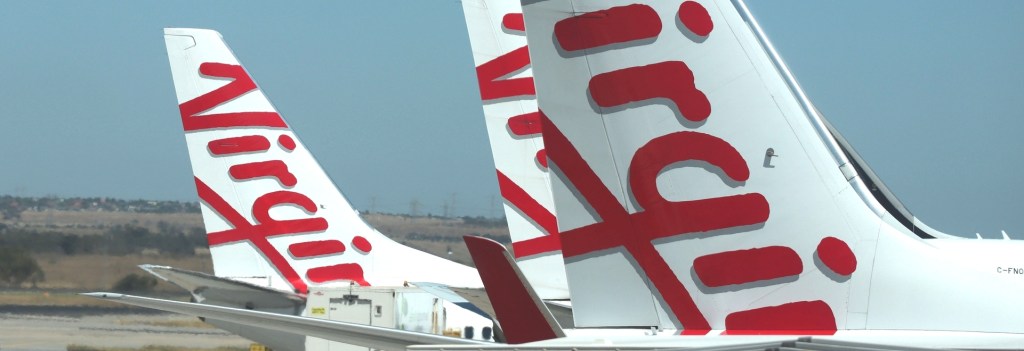
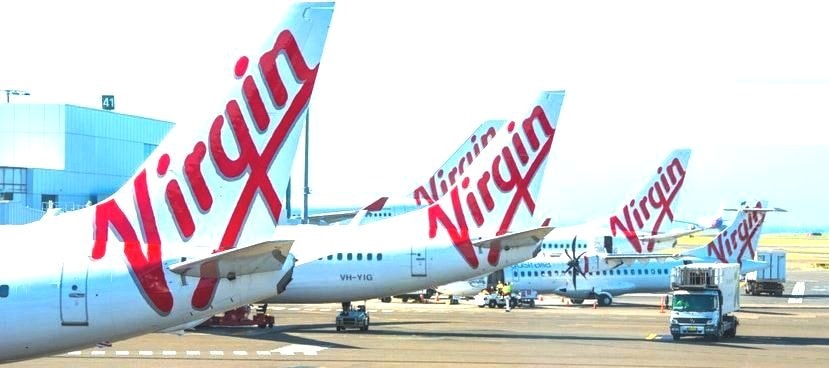
Virgin Australia Airlines ha comunicado al personal que alrededor de 400 empleados serán despedidos en el Estado de Queensland como parte de la reestructuración de la aerolínea. No está definido la cantidad de trabajadores que dejarán la aerolínea con las discusiones sobre la reestructuración y el despido voluntario en curso. La semana pasada, la compañía ha revelado sus planes para despedir a aproximadamente un tercio de su fuerza laboral y se espera que aproximadamente 3.000 puestos de trabajo pasen a manos de los nuevos propietarios Bain Capital adquirente de la compañía australiana.
Cambios estructurales
La aerolínea Virgin Australia Airlines que había ingresado en administración voluntaria en Abril 2020 con deudas de US$ 6.800 millones de Dólares, fue comprada por la firma de capital privado estadounidense Bain Capital a fines de Junio 2020. Dentro del proceso de reestructuración, se eliminará a la aerolínea de bajo coste Tigerair y suspenderá los vuelos internacionales de Vingin Australia Airlines de larga distancia hasta que se recupere el mercado mundial de viajes.
El Sindicato de Trabajadores del Transporte estaba trabajando en estrecha colaboración con la empresa para salvar tantos puestos de trabajo como fuera posible. Virgin Australia dijo en un comunicado que estaba comprometido a restablecerse como una aerolínea australiana icónica mientras se enfocaba en las fortalezas centrales de la compañía.
Virgin Australia to eliminate employees
Virgin Australia to cut 400 Queensland jobs
Virgin Australia Airlines has informed staff that around 400 employees will be laid off in the State of Queensland as part of the restructuring of the airline. The number of workers who will leave the airline with the discussions about the restructuring and the voluntary dismissal underway is not defined. Last week, the company unveiled its plans to lay off roughly a third of its workforce and roughly 3,000 jobs are expected to pass to the new owners Bain Capital acquiring the Australian company.
Structural changes
Virgin Australia Airlines, which had entered voluntary administration in April 2020 with debts of US$ 6.8 billion, was purchased by the US private equity firm Bain Capital at the end of June 2020. Within the restructuring process, low-cost carrier Tigerair and will suspend Vingin Australia Airlines’ long-haul international flights until the global travel market recovers.
The Transport Workers Union was working closely with the company to save as many jobs as possible. Virgin Australia said in a statement that it was committed to reestablishing itself as an iconic Australian airline while focusing on the company’s core strengths.
Ξ A I R G W A Y S Ξ PUBLISHER: Airgways.com DBk: Virginaustralia.com / Airgways.com AW-POST: 202008111222AR
Iberia compraría Air Europa saneada por Gobierno de España
Iberia Líneas Aéreas de España mantiene su interés por comprar Air Europa con la sola condición de ser saneada por el Gobierno a través de la SEPI para evitar sorpresas y no encontrarse con una aerolínea hundida por las deudas provocadas por la crisis sanitaria, según informa este Lunes la compañía.
Los propios sindicatos vinculados a Air Europa admiten que la compañía habría quebrado de no ser porque continúa el proceso pendiente de venta a Iberia. La SEPI negocia la ayuda a Air Europa, pero la línea aérea puede terminar el año 2020 con un pasivo de € 400 millones de Euros.
Una vez que Iberia ha dejado claro que solo pagará la mitad de los 1.000 millones pactados por la compra de Air Europa en Noviembre 2019, la aerolínea que preside Luis Gallego se resiste a asumir una compañía lastrada por las deudas. Por ello una condición imprescindible para cerrar la operación es garantizar que Air Europa será viable económicamente cuando se incorpore a IAG Group.
Iberia tiene a su favor el gran interés mostrado por el Gobierno español para que Air Europa pase a formar parte del grupo IAG y por ello espera que en las próximas semanas se produzca una inyección económica que de viabilidad a la aerolínea del Grupo Globalia.
Para ello la SEPI pondría a disponcisión € 10.000 millones para hacer frente a ayudas económicas como las que necesita Air Europa y que aseguren su futuro. Las conversaciones entre la SEPPI y la filial de Globalia deben cerrarse en breve como paso imprescindible para formalizar la venta a Iberia.
Iberia interest in healthy Air Europa
Iberia would buy Air Europa sanitized by the Government of Spain
Iberia Lineas Aereas de España maintains its interest in buying Air Europa with the sole condition of being cleaned up by the Government through SEPI to avoid surprises and not find an airline sunk by debts caused by the health crisis, as reported this Monday the company.
The unions linked to Air Europa admit that the company would have gone bankrupt had it not been for the pending sale process to Iberia. SEPI negotiates aid to Air Europa, but the airline can end 2020 with a liability of € 400 million Euros.
Once Iberia has made it clear that it will only pay half of the 1,000 million agreed for the purchase of Air Europa in November 2019, the airline chaired by Luis Gallego is reluctant to take on a company burdened by debts. Therefore, an essential condition for closing the operation is to guarantee that Air Europa will be economically viable when it joins IAG Group.
Iberia has in its favor the great interest shown by the Spanish Government for Air Europa to become part of the IAG group and therefore expects that in the coming weeks there will be an economic injection that will make the Globalia Group airline viable.
To this end, SEPI would make € 10,000 million available to cover financial aid such as those needed by Air Europa and to ensure its future. The talks between SEPPI and the Globalia subsidiary should be closed shortly as an essential step to formalize the sale to Iberia.
Ξ A I R G W A Y S Ξ PUBLISHER: Airgways.com DBk: Iberia.com / Sepi.es / Airgways.com AW-POST: 202008101525AR
Inversores de distintos perfiles aportarán fondos para financiar la supervivencia de Latam Airlines Group para salir de la presentación de la Ley de Bancarrota establecida por el acogimiento en el Capítulo 11 de Estados Unidos. Entre los principales interesados están los propios accionistas como la familia Cueto de Latam Airlines, la aerolínea Qatar Airways de capital de forma directa, Delta Air Lines con aportes de forma indirecta, así como firmas de inversión como Oaktree, y la posibilidad de participaciones accionarias de gobiernos.
Buscando nueva estructura
El Tramo A lo constituyen los US$ 1.300 millones que comprometió el inversor Oaktree Capital Management. El fondo Jefferies Finance LLC, para el Tramo A por US$ 1.300 millones ha quedado sin efectos el Miércoles 05/08 por el Juez James L. Garrity, en la Audiencia.
El Tramo B es el espacio para las ayudas de gobiernos de Latinoamérica con US$ 750 millones, aunque la aerolínea no cree que sea necesario.
La distribución accionaria para Latam Airlines Group estará conformada en el Tramo C por Costa Verde (familias Cueto y Amaro), con US$ 250 millones, Lozuy S.A. del grupo Eblen, dueña del 4,56% de Latam y aportará US$ 50 millones. Por parte de Qatar Airways establecerá aportes por valores de los US$ 600 millones, donde entraría Delta Air Lines, pués la aerolínea quatarí podría ceder parte de su Deudor de Poseción (DIP). Los actuales titulares del DIP que representan Cueto, Eblen, Amaro, Qatar Airways podrían ceder derechos en el DIP a un accionista que al 26 Mayo 2020 tuviera más del 10% de la compañía. Por esta razón, Delta Air Lines sería seleccionada por haber efectuado en Diciembre 2019 una inyección de capital por valor de US$ 1.900 millones para tener el 20% del paquete accionario de Latam Airlines Group. Por otra parte, Qatar organizó dos sociedades para contribuir al DIP, QA Investments Limited y QA Investments 2 Limited, cada una con US$ 300 millones, lo que facilitaría el traspaso a la aerolínea Delta, por lo que la compañía estadounidense no podría efectivizar las capitalizaciones directamente por las ayudas fiscales que el gobierno estadounidense le concedió bajo la Ley CARES. Delta Air Lines tiene el 20% de las acciones de Latam Airlines, pero no ha participado en el financiamiento del proceso de reorganización del Capítulo 11 de la Ley de Quiebras de Estados Unidos, al que se acogió Latam Airlines. Las negociaciones actuales giran en los aportes de los interesados, junto con Delta Air Lines con aportes de valor de US$ 300 millones para la nueva estructura.
La segunda jornada de audiencias de Latam Airlines a finales de Julio 2020, ante el Tribunal de Quiebras para el Distrito Sur de Nueva York estuvo marcada por un largo interrogatorio de tres horas al Director Financiero Ramiro Alfonsín, por parte de los acreedores del grupo aéreo que continúa con su proceso de quiebra, quienes criticaron las propuestas elaboradas.
Inject capital Latam Group
Investors would rescue Latam Airlines Group
Investors of different profiles will contribute funds to finance the survival of Latam Airlines Group to get out of the filing of the Bankruptcy Law established by the foster care in Chapter 11 of the United States. Among the main stakeholders are the shareholders themselves such as the Cueto family of Latam Airlines, the airline Qatar Airways with direct capital, Delta Air Lines with indirect contributions, as well as investment firms such as Oaktree, and the possibility of shareholdings of governments.
Looking for new structure
Tranche A is made up of the US$ 1.3 billion committed by the investor Oaktree Capital Management. The Jefferies Finance LLC fund, for Tranche A for US$ 1.3 billion, was terminated on Wednesday 05/08 by Judge James L. Garrity, at the Hearing.
Section B is the space for aid from Latin American governments with US$ 750 million, although the airline does not believe it is necessary.
The share distribution for Latam Airlines Group will be made up of Tranche C by Costa Verde (Cueto and Amaro families), with US$ 250 million, Lozuy S.A. from the Eblen group, which owns 4.56% of Latam and will contribute US$ 50 million. On the part of Qatar Airways, it will establish contributions for amounts of US$ 600 million, where Delta Air Lines would enter, since the Quatari airline could assign part of its Debtor of Possession (DIP). The current holders of the DIP that represent Cueto, Eblen, Amaro, Qatar Airways could assign rights in the DIP to a shareholder who as of May 26, 2020, had more than 10% of the company. For this reason, Delta Air Lines would be selected for having made in December 2019 a capital injection worth US$ 1,900 million to have 20% of the Latam Airlines Group share package. On the other hand, Qatar organized two companies to contribute to the DIP, QA Investments Limited and QA Investments 2 Limited, each with US$ 300 million, which would facilitate the transfer to Delta airline, so that the American company could not make the transactions effective. capitalizations directly by the fiscal aid that the United States government granted under the CARES Act. Delta Air Lines owns 20% of the shares of Latam Airlines, but has not participated in the financing of the reorganization process of Chapter 11 of the United States Bankruptcy Law, which Latam Airlines took advantage of. Current negotiations revolve around stakeholder input, along with Delta Air Lines with contributions worth US$ 300 million for the new structure.
The second day of hearings of Latam Airlines at the end of July 2020, before the Bankruptcy Court for the Southern District of New York was marked by a long three-hour interrogation of the Chief Financial Officer Ramiro Alfonsín, by the creditors of the airline group that continues with its bankruptcy process, who criticized the proposals made.
Ξ A I R G W A Y S Ξ PUBLISHER: Airgways.com DBk: Latam.com / Airgways.com AW-POST: 202008101353AR
Los trabajadores exigen que el Gobierno de Argentina interceda para que Latam Airlines Argentina no realice un vaciamiento del patrimonio de la compañía en el país. Los reclamos de los empleados continúan tras el impase de indefiniciones entre el Gobierno y la aerolínea, que determinada la salida, debe asumir la responsabilidad política por los resarcimientos económicos de los 1750 trabajadores de la filial Argentina.
Los empleados de Latam Argentina continúan con los acampes en el Hangar del Aeropuerto Jorge Newbery para evitar el retiro de maquinarias, elementos de trabajo y aeronaves aparcadas en la plataforma, apoyados por la solidaridad de empleados aeronáuticos y de otros sectores, que continúan reclamando por la continuidad laboral.
La posición de muchos es que la aerolínea ha forzado los resultados negativos de sus balances de la filial para llevarlos a pérdida, para así reestructurar sus operaciones con las ayudas del Gobierno, forzando la situación en medio de la pandemia.
El Gobierno de Argentina ha rechazado en el Ministerio de Trabajo del Procedimiento Preventivo de Crisis (PPC), por la simple razón que intentaba evitar el decreto que prohíbe los despidos en medio de la pandemia. El problema es que no falla sobre las razones de fondo del conflicto, y por lo tanto es a favor del tiempo que Latam Argentina utiliza contra los trabajadores.
Los sindicatos aeronáuticos necesitan continuar con el apoyo de los trabajadores autoconvocados en Aeroparque para exigir restablecer la aerolínea o cumplimentar con todas las obligaciones que marca la ley para la salida de Latam Airlines de Argentina.
Claims for Latam Argentina continue
Employees claim for emptying of Latam
The workers demand that the Government of Argentina intercede so that Latam Airlines Argentina does not carry out an emptying of the company’s assets in the country. The claims of the employees continue after the impasse of uncertainties between the Government and the airline, which determined the exit, must assume political responsibility for the economic compensation of the 1,750 workers of the Argentine subsidiary.
The employees of Latam Argentina continue with the camping in the Hangar of the Jorge Newbery Airport to avoid the removal of machinery, work items and aircraft parked on the platform, supported by the solidarity of aeronautical employees and other sectors, who continue to claim for the job continuity.
The position of many is that the airline has forced the negative results of its balance sheets of the subsidiary to take them to a loss, in order to restructure its operations with government aid, forcing the situation in the midst of the pandemic.
The Government of Argentina has rejected the Crisis Preventive Procedure (PPC) in the Ministry of Labor, for the simple reason that it was trying to avoid the decree that prohibits layoffs in the midst of the pandemic. The problem is that it does not rule on the underlying reasons for the conflict, and therefore it is in favor of the time that Latam Argentina uses against the workers.
The aeronautical unions need to continue with the support of the self-summoned workers in Aeroparque to demand the reestablishment of the airline or fulfill all the obligations established by law for the departure of Latam Airlines from Argentina.
Ξ A I R G W A Y S Ξ PUBLISHER: Airgways.com DBk: Airgways.com / Latam.com / Infobae.com AW-POST: 202008101216AR
La línea aérea low cost IndiGo de la India continúa soportando pérdidas millonarias después de la parálisis de los vuelos en el mundo por la pandemia de Coronavirus. Durante casi una década, la industria de la aviación de la India ha sobrevivido a pesar de los altibajos de las economías, pero la situación es tan sombría que si el Gobierno de la India no interviene para ayudar al sector con problemas de liquidez, se podría provocar un colapso de varias compañías aéreas.
La expansión de las medidas sanitarias, seguido de meses de bloqueo ha diezmado a la industria de la aviación de la India en un momento en que ya estaba luchando con los altos precios del combustible y las enormes cargas fiscales. La alta concentración de operadores aéreos de bajo costo ha dificultado que las aerolíneas obtengan rentabilidad alta. Durante la suspensión de las operaciones de vuelo entre el 25 Marzo y el 25 Mayo 2020, algunas de las aerolíneas perdieron entre ₹ 75 Crore (US$ 11.2 millones) y ₹ 90 Crore (US$ 13.5 millones) por día, según estimaciones de la agencia de calificación crediticia ICRA con sede en Mumbai. Incluso después del levantamiento del bloqueo aéreo, el negocio de las aerolíneas en el mercado doméstico no se ha acelerado demasiado.
Como resultado, la industria ha sido testigo de una serie de despidos y fuertes recortes salariales. De hecho, la aerolínea regional Air Deccan cerró sus operaciones hasta nuevo aviso y puso a sus empleados en un año sabático sin goce de sueldo. Hay informes de que Air India, bajo la órbita estatal, tiene previsto enviar a parte de su personal de licencia sin goce de sueldo hasta por cinco años. Mientras las aerolíneas luchan por cumplir con sus necesidades diarias de efectivo, hay pocas esperanzas de obtener préstamos bancarios u otras inversiones porque las perspectivas a corto plazo para el sector son sombrías.
«Si bien algunas aerolíneas tienen suficiente liquidez de una filial sólida, no es suficiente, ya que ha resultado en un debilitamiento significativo de sus métricas crediticias y perfil de liquidez. Otros, por otro lado, ya se encuentran en una profunda tensión financiera y se enfrentan a una crisis existencial», dijo Kinjal Shah, Analista de Aviación de la agencia de calificación crediticia ICRA con sede en Mumbai.
En Abril 2020, la Asociación de Transporte Aéreo Internacional (IATA) estimó que la industria de la aviación de la India podría perder aproximadamente tres millones de empleos y más de US$ 11 mil millones en ingresos.
La debilitada industria de las aerolíneas había puesto la esperanza de que el Gobierno aportara algo de efectivo cuando la ministra de Finanzas, Nirmala Sitharaman, anunció el 16 Mayo 2020 medidas para ayudar al sector. Entre otras cosas, dijo que había planes para privatizar los aeropuertos gubernamentales y prometió mejorar la gestión del espacio aéreo en todo el país.
Sin embargo, algunas de estas promesas han estado pendientes durante años y la demora en la acción ahora hace que los expertos crean que esto nunca sucederá. Además, no mencionó ninguna medida de alivio en efectivo o incentivos fiscales para el sector, que los analistas creen que es lo que el sector de la aviación de India necesita desesperadamente en este momento. “La mayoría de las aerolíneas en la India no tienen el poder de retención para sobrevivir y múltiples fallas de aerolíneas podrían retrasar la conectividad aérea en la India entre 3 y 5 años”, señaló el 30 de julio el Centro de Pensamiento para la Aviación de Asia Pacífico (CAPA) con sede en Sydney. Los comentarios de CAPA se produjeron un día después de que las dos aerolíneas más grandes de la India, IndiGo y SpiceJet, registraran enormes pérdidas.
IndiGo reportó su pérdida trimestral más alta de US$ 380 millones para el trimestre que terminó el 30 Junio 2020, mientras que SpiceJet sufrió una pérdida neta de ₹ 807 Crore durante enero-marzo. Si bien Spicejet aún no ha anunciado sus resultados financieros para abril-junio, gran parte de las pérdidas de IndiGo durante el trimestre se debieron a una caída sin precedentes de la demanda durante la pandemia.
Perspectivas aviación India
Los expertos creen que puede haber más despidos y recortes salariales a la vista para los empleados de la aviación. “Dado que los ingresos no crecen y los costos operativos como el combustible, las tarifas de navegación del aeropuerto, el estacionamiento y el mantenimiento de aeronaves no se pueden ajustar por naturaleza, uno de los costos variables que se pueden reducir en consecuencia son los sueldos y salarios”, dijo Urvisha H Jagasheth, Analista de Investigación en Calificaciones CARE. Lo que aumenta las posibilidades de despidos es el hecho de que la industria está operando a un nivel de operaciones inferior al promedio y, por lo tanto, no todos los miembros del personal tienen un empleo remunerado en este momento.
El Gobierno de la India debe tomar medidas directas para apoyar financieramente a las aerolíneas ahora, creen los expertos. “Las aerolíneas necesitan inyecciones directas de efectivo, líneas de crédito o préstamos respaldados por el gobierno para ayudarlas a volver a funcionar”, dijo Urvisha Jagasheth. Sugirió que una exención de las tarifas de estacionamiento del aeropuerto o los servicios de navegación durante tres meses podría ser un buen comienzo en la dirección.
IndiGo on the brink of collapse
Budget airline IndiGo faces million-dollar losses
The low cost airline IndiGo of India continues to support millions in losses after the paralysis of flights in the world due to the Coronavirus pandemic. For nearly a decade, the Indian aviation industry has survived despite the ups and downs of the economies, but the situation is so bleak that if the Government of India does not intervene to help the cash-strapped sector, it could cause a collapse of several airlines.
The expansion of sanitation measures, followed by months of lockdown has decimated the Indian aviation industry at a time when it was already struggling with high fuel prices and huge tax burdens. The high concentration of low-cost airline operators has made it difficult for airlines to achieve high profitability. During the suspension of flight operations between March 25 and May 25, 2020, some of the airlines lost between ₹ 75 Crore (US$ 11.2 million) and ₹ 90 Crore (US$ 13.5 million) per day, according to estimates by the Credit rating agency ICRA based in Mumbai. Even after the lifting of the air blockade, the airline business in the domestic market has not accelerated much.
As a result, the industry has seen a series of layoffs and steep pay cuts. In fact, regional airline Air Deccan closed operations until further notice and put its employees on a year off without pay. There are reports that Air India, under state orbit, plans to send some of its staff on leave without pay for up to five years. As airlines struggle to meet their daily cash needs, there is little hope of obtaining bank loans or other investments because the short-term outlook for the sector is bleak.
«While some airlines have enough liquidity from a strong subsidiary, it is not enough as it has resulted in a significant weakening of their credit metrics and liquidity profile. Others, on the other hand, are already in deep financial stress and are they are facing an existential crisis», said Kinjal Shah, Aviation Analyst at the Mumbai-based credit rating agency ICRA.
In April 2020, the International Air Transport Association (IATA) estimated that India’s aviation industry could lose approximately three million jobs and more than US$ 11 billion in revenue.
The weakened airline industry had hoped that the Government would provide some cash when Finance Minister Nirmala Sitharaman announced on May 16, 2020 measures to help the sector. Among other things, she said there were plans to privatize government airports and promised to improve airspace management across the country.
However, some of these promises have been outstanding for years and the delay in action now makes experts believe that this will never happen. Furthermore, he did not mention any cash relief measures or tax incentives for the sector, which analysts believe is what India’s aviation sector desperately needs at the moment. «Most airlines in India do not have the holding power to survive and multiple airline failures could delay air connectivity in India by 3-5 years», the Aviation Thinking Center noted on July 30. Asia Pacific (CAPA) based in Sydney. CAPA’s comments came a day after India’s two largest airlines, IndiGo and SpiceJet, posted huge losses.
IndiGo reported its highest quarterly loss of US$ 380 million for the quarter ended June 30, while SpiceJet suffered a net loss of ₹ 807 Crore during January-March. While Spicejet has yet to announce its financial results for April-June, much of IndiGo’s losses during the quarter were due to an unprecedented drop in demand during the pandemic.
Perspective indian aviation
Experts believe there may be more layoffs and pay cuts in the offing for aviation employees. “Since revenues do not grow and operating costs such as fuel, airport navigation fees, parking and aircraft maintenance cannot be adjusted by nature, one of the variable costs that can be reduced accordingly is salaries. and salaries”, said Urvisha H Jagasheth, CARE Ratings Research Analyst. What increases the chances of layoffs is the fact that the industry is operating at a lower-than-average level of operations and therefore not all staff members are in paid employment at this time.
The Government of India must take direct steps to financially support airlines now, experts believe. «Airlines need direct cash injections, lines of credit or government-backed loans to help them get back on track», said Urvisha Jagasheth. She suggested that a waiver of airport parking fees or navigation services for three months could be a good start in the direction.
गिरने के कगार पर इंडिगो
बजट एयरलाइन इंडिगो को करोड़ों डॉलर के नुकसान का सामना करना पड़ रहा है
कोरोनावायरस महामारी के कारण दुनिया में उड़ानों के पक्षाघात के बाद भारत की कम लागत वाली एयरलाइन इंडिगो लाखों घाटे में जारी है। लगभग एक दशक तक, भारतीय विमानन उद्योग अर्थव्यवस्थाओं के उतार-चढ़ाव के बावजूद जीवित रहा है, लेकिन स्थिति इतनी धूमिल है कि यदि भारत सरकार नकदी-संकटग्रस्त क्षेत्र की मदद करने के लिए हस्तक्षेप नहीं करती है, तो यह हो सकता है कई एयरलाइनों के पतन का कारण।
स्वच्छता उपायों के विस्तार के बाद, लॉकडाउन के महीनों के बाद भारतीय विमानन उद्योग में एक समय में गिरावट आई है जब यह पहले से ही उच्च ईंधन की कीमतों और विशाल कर बोझ से जूझ रहा था। कम लागत वाली एयरलाइन ऑपरेटरों की उच्च एकाग्रता ने एयरलाइंस के लिए उच्च लाभप्रदता हासिल करना मुश्किल बना दिया है। 25 मार्च से 25 मई, 2020 के बीच उड़ान संचालन को स्थगित करने के दौरान, अनुमान के अनुसार प्रति दिन lost 75 करोड़ (US $ 11.2 मिलियन) और Cr 90 करोड़ (US$ 13.5 मिलियन) के बीच में से कुछ एयरलाइनों को खो दिया। क्रेडिट रेटिंग एजेंसी ICRA मुंबई में स्थित है। एयर नाकाबंदी के उठने के बाद भी, घरेलू बाजार में एयरलाइन कारोबार में बहुत तेजी नहीं आई है।
नतीजतन, उद्योग ने छंटनी और खड़ी वेतन कटौती की एक श्रृंखला देखी है। वास्तव में, क्षेत्रीय एयरलाइन एयर डेक्कन ने अगली सूचना तक परिचालन बंद कर दिया और अपने कर्मचारियों को बिना वेतन के एक साल के लिए बंद कर दिया। ऐसी खबरें हैं कि एयर इंडिया, राज्य की कक्षा के तहत, अपने कुछ कर्मचारियों को पांच साल तक बिना वेतन के छुट्टी पर भेजने की योजना बना रही है। चूंकि एयरलाइंस अपनी दैनिक नकदी की जरूरतों को पूरा करने के लिए संघर्ष करती है, इसलिए बैंक ऋण या अन्य निवेश प्राप्त करने की बहुत कम उम्मीद है क्योंकि सेक्टर के लिए अल्पकालिक दृष्टिकोण धूमिल है।
«जबकि कुछ एयरलाइनों के पास एक मजबूत सहायक कंपनी से पर्याप्त तरलता है, यह पर्याप्त नहीं है क्योंकि इससे उनके क्रेडिट मैट्रिक्स और तरलता प्रोफ़ाइल का एक महत्वपूर्ण कमजोर पड़ गया है। अन्य, दूसरी ओर, पहले से ही गहरे वित्तीय तनाव में हैं और हैं। मुंबई स्थित क्रेडिट रेटिंग एजेंसी आईसीआरए में एविएशन एनालिस्ट किंजल शाह ने कहा», वे एक अस्तित्वगत संकट का सामना कर रहे हैं।
अप्रैल 2020 में, इंटरनेशनल एयर ट्रांसपोर्ट एसोसिएशन (IATA) ने अनुमान लगाया कि भारत का विमानन उद्योग लगभग तीन मिलियन नौकरियों और राजस्व में यूएस $ 11 बिलियन से अधिक खो सकता है।
कमजोर हो चुके एयरलाइन उद्योग को उम्मीद थी कि सरकार वित्त मंत्री निर्मला सीतारमण को 16 मई, 2020 को इस क्षेत्र में मदद करने के उपायों की घोषणा करने पर कुछ नकदी प्रदान करेगी। अन्य बातों के अलावा, उन्होंने कहा कि सरकारी हवाई अड्डों के निजीकरण की योजना थी और देश भर में हवाई क्षेत्र प्रबंधन में सुधार करने का वादा किया था।
हालाँकि, इनमें से कुछ वादे वर्षों से बकाया हैं और अब कार्रवाई में देरी से विशेषज्ञों का मानना है कि ऐसा कभी नहीं होगा। इसके अलावा, उन्होंने इस क्षेत्र के लिए किसी भी नकद राहत उपाय या कर प्रोत्साहन का उल्लेख नहीं किया, जो विश्लेषकों का मानना है कि इस समय भारत के विमानन क्षेत्र को सख्त जरूरत है। एविएशन थिंकिंग सेंटर ने 30 जुलाई को कहा, «भारत की अधिकांश एयरलाइनों में जीवित रहने की शक्ति नहीं है और कई एयरलाइन विफलताओं से भारत में 3-5 साल तक हवाई संपर्क में देरी हो सकती है»। सिडनी में स्थित एशिया पैसिफिक (CAPA)। भारत की दो सबसे बड़ी एयरलाइनों, इंडिगो और स्पाइसजेट द्वारा बड़े नुकसान के पोस्ट किए जाने के एक दिन बाद CAPA की टिप्पणियां आईं।
इंडिगो ने 30 जून को समाप्त तिमाही में यूएस US$ 380 मिलियन के अपने उच्चतम तिमाही नुकसान की सूचना दी, जबकि स्पाइसजेट को जनवरी-मार्च के दौरान हानि ₹ 807 करोड़ का शुद्ध नुकसान हुआ। जबकि स्पाइसजेट ने अभी तक अप्रैल-जून के लिए अपने वित्तीय परिणामों की घोषणा की है, इस तिमाही के दौरान इंडिगो के बहुत से नुकसान महामारी के दौरान मांग में अभूतपूर्व गिरावट के कारण थे।
भारतीय विमानन आउटलुक
विशेषज्ञों का मानना है कि विमानन कर्मचारियों के लिए अधिक छंटनी और भुगतान में कटौती हो सकती है। “चूंकि राजस्व बढ़ता नहीं है और ईंधन, हवाई अड्डे के नेविगेशन शुल्क, पार्किंग और विमान के रखरखाव जैसे संचालन की लागत को प्रकृति द्वारा समायोजित नहीं किया जा सकता है, इसलिए परिवर्तनीय लागतों में से एक को तदनुसार कम किया जा सकता है। और सैलरी”, उर्वशी एच जगशेथ, केयर रेटिंग्स रिसर्च एनालिस्ट ने कहा। छंटनी की संभावना क्या बढ़ जाती है तथ्य यह है कि उद्योग परिचालन-औसत स्तर से नीचे चल रहा है, और इसलिए सभी कर्मचारी इस समय भुगतान किए गए रोजगार में नहीं हैं।
विशेषज्ञों का मानना है कि भारत सरकार को अब एयरलाइनों को वित्तीय सहायता देने के लिए सीधे कदम उठाने चाहिए। उर्वशी जगहेत ने कहा, «एयरलाइंस को सीधे नकद इंजेक्शन, क्रेडिट की लाइनें या उन्हें वापस पाने में मदद करने के लिए सरकार की मदद चाहिए»। उन्होंने सुझाव दिया कि तीन महीने के लिए हवाई अड्डे की पार्किंग शुल्क या नेविगेशन सेवाओं की छूट दिशा में एक अच्छी शुरुआत हो सकती है।
Ξ A I R G W A Y S Ξ PUBLISHER: Airgways.com DBk: India.gov.in / Goindigo.in / Iata.org / Arabianbusiness.com / Airgways.com AW-POST: 202008100922AR