EE.UU. propone eliminar requisitos mínimos slots hasta Marzo 2021
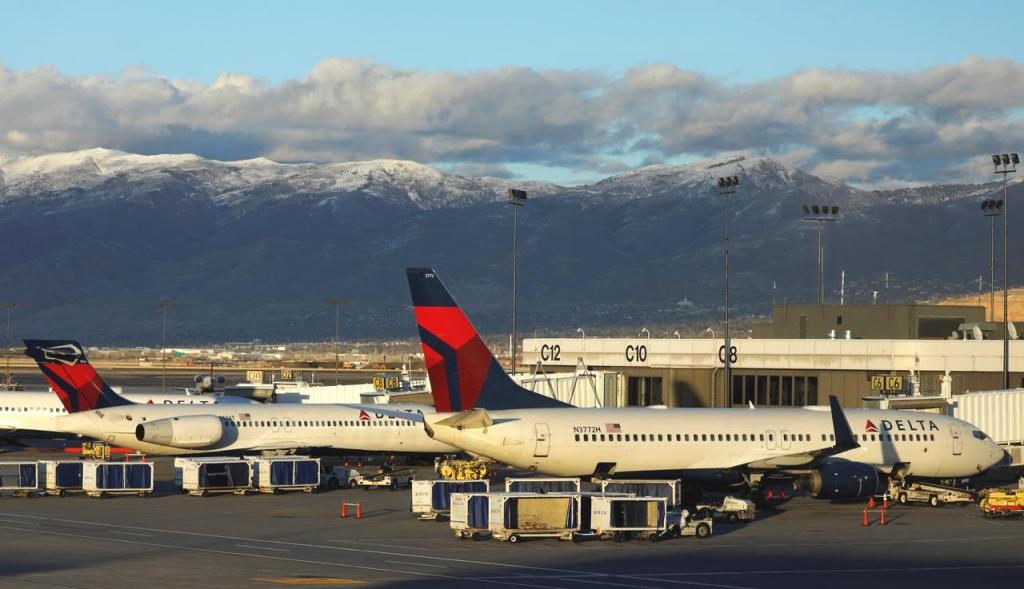
La Administración Federal de Aviación (FAA) ha comunicado el Viernes 11/09 que favorece la prolongación de las exenciones temporales de los requisitos mínimos de vuelo en algunos aeropuertos de Estados Unidos hasta fines de Marzo de 2021 debido a la pandemia del Coronavirus.
Las reglas en las aerolíneas para conservar sus slots (franjas horarias) en aeropuertos representan una utilidad superior el 80%. En las aeroestaciones congestionadas el uso de estos slots representan actualmente menos que lo estipulado, por lo que la FAA ha dispuesto extender las exenciones temporales de los requisitos en los Aeropuertos New York/JFK y New York/LaGuardia y en el Aeropuerto Washington/Nacional Ronald Reagan, que expirarían en Octubre 2020.
En otros cuatro aeropuertos de Estados Unidos donde la FAA tiene un proceso formal de revisión de horarios, Chicago/O’Hare, New York/Newark, Los Ángeles/LAX y San Francisco/SFO, la agencia propone extender créditos a las aerolíneas por vuelos que fueron cancelados debido al Coronavirus como si esos vuelos fueran operados. La FAA dijo que planeaba imponer algunas condiciones a las exenciones y que las franjas horarias que no se operan durante períodos prolongados deberían ponerse a disposición de otras aerolíneas de forma temporal.
Aerolíneas
American Airlines, Delta Air Lines, Inc JetBlue Airways y United Airlines instaron la semana pasada a la FAA a extender el alivio. Spirit Airlines se opuso a la extensión de las exenciones, argumentando que «la política pública debe estar dirigida a permitir que el mercado libre reasigne el uso de estos slots/autorizaciones, un recurso público, de modo que los pasajeros tengan más opciones entre las ofertas en estos mercados clave». Delta Air Lines ha comunicado a la FAA que proyectaba operar entre el 50% y el 60% de su cartera de de franjas horarias en los aeropuertos de Nueva York y Washington hacia Noviembre 2020.
Los principales grupos de aerolíneas citaron “niveles históricamente bajos de reservas, con un descenso del 82% interanual de las reservas para 2020 en comparación con las perspectivas para 2019; la demanda de los consumidores que sigue cayendo y la necesidad de flexibilidad de horarios para soportar cargas sostenibles”, dijo la FAA. El regulador aéreo dijo que su propuesta “refleja un delicado equilibrio de los intereses en competencia de los transportistas interesados en realizar operaciones ad hoc frente a los intereses de los transportistas establecidos que buscan la máxima flexibilidad en la programación y decisiones operativas en un entorno incierto con impactos continuos relacionados con COVID-19”.
USA modifies slot requirements to 03/2021
US proposes to eliminate minimum slot requirements until March 2021
The Federal Aviation Administration (FAA) has communicated on Friday 9/11 that it favors the extension of the temporary exemptions of the minimum flight requirements in some airports in the United States until the end of March 2021 due to the Coronavirus pandemic.
The rules in the airlines to keep their slots (slots) in airports represent a profit of over 80%. In congested air stations, the use of these slots currently represents less than what is stipulated, for which the FAA has arranged to extend the temporary exemptions from the requirements at New York / JFK and New York/LaGuardia Airports and at Washington/Ronald National Airport. Reagan, which would expire in October 2020.
At four other U.S. airports where the FAA has a formal schedule review process, Chicago/O’Hare, New York/Newark, Los Angeles/LAX, and San Francisco/SFO, the agency proposes to extend airline credits for flights. that were canceled due to the Coronavirus as if those flights were operated. The FAA said it planned to impose some conditions on the waivers and that slots that are not operated for extended periods should be made available to other airlines on a temporary basis.
Airlines
American Airlines, Delta Air Lines, Inc. JetBlue Airways and United Airlines last week urged the FAA to extend the relief. Spirit Airlines opposed the extension of the waivers, arguing that «public policy should be aimed at allowing the free market to reallocate the use of these slots/authorizations, a public resource, so that passengers have more choice between offers in these key markets». Delta Air Lines has communicated to the FAA that it projected to operate between 50% and 60% of its portfolio of slots at New York and Washington airports by November 2020.
The major airline groups cited “historically low levels of bookings, with a decrease of 82% year-on-year in bookings for 2020 compared to the outlook for 2019; consumer demand that continues to decline and the need for flexible schedules to support sustainable loads”, said the FAA. The air regulator said its proposal «reflects a delicate balance of the competing interests of carriers interested in conducting ad hoc operations versus the interests of established carriers that seek maximum flexibility in scheduling and operational decisions in an environment. uncertain with ongoing impacts related to COVID-19”.
Southend preocupado por eliminación ops EasyJet en aeropuerto
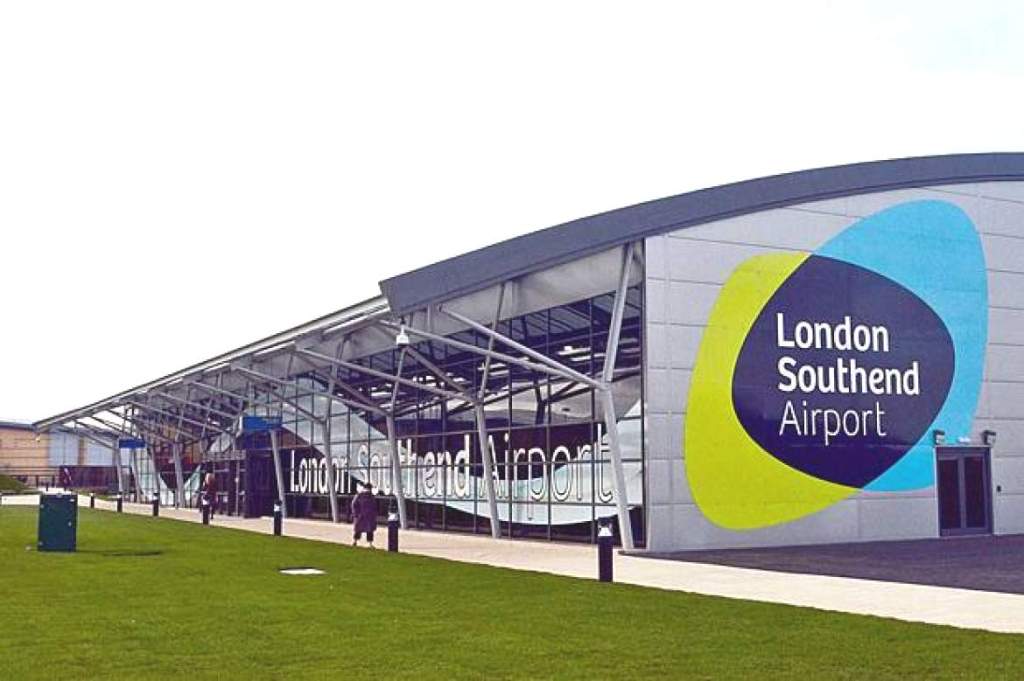
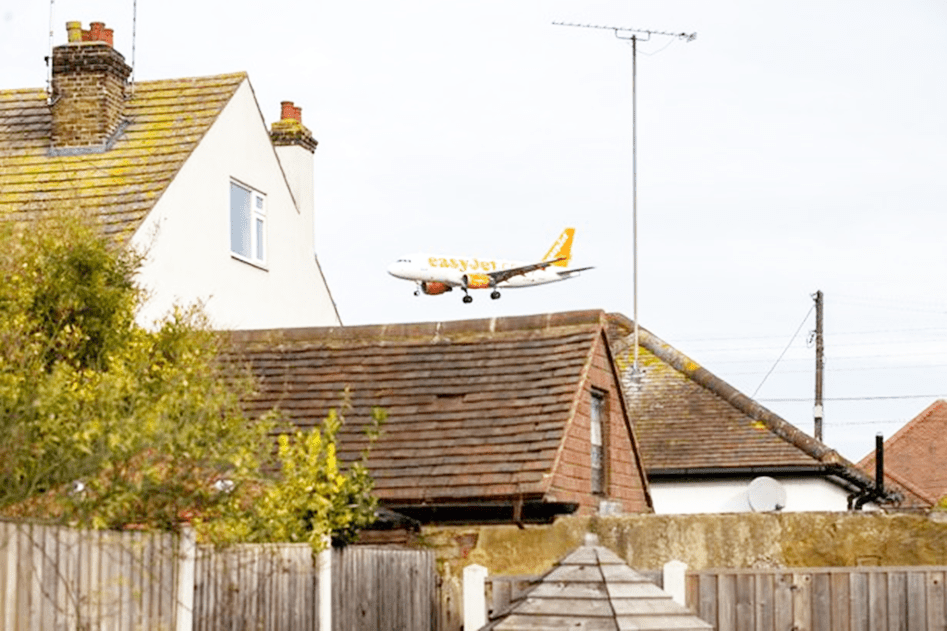
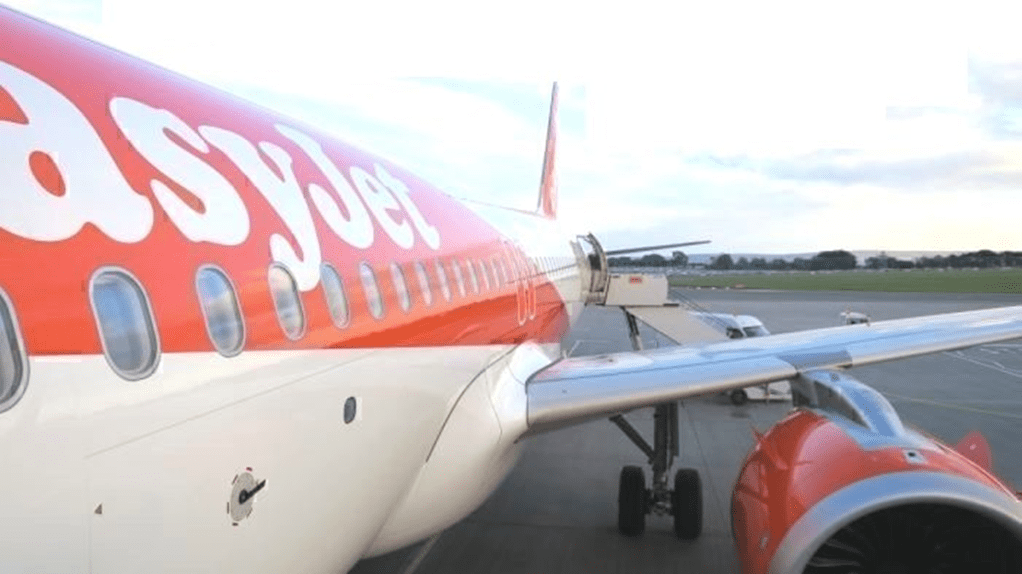
El Director General del Aeropuerto London/Southend se ha pronunciado sobre el futuro incierto que les espera sin la aerolínea de presupuesto británica EasyJet. Desde 2011, EasyJet ha servido a 16 destinos desde London/Southend, pero los efectos devastadores de la pandemia de Coronavirus obligaron a la aerolínea a despedirse y cerrar su base en el sur de Essex el 31 Agosto 2020. Alrededor de 2,1 millones de pasajeros utilizaron el aeropuerto de Southend el año pasado, y alrededor de la mitad de ellos volaron con EasyJet. La semana pasada, los residentes que viven cerca de la ruta de vuelo vieron aterrizar el último avión de EasyJet. Fue un día triste para muchos viajeros habituales, y mucho más para el personal que trabajaba allí que, según los informes, estaba llorando al despedirse.
Glyn Jones, Director Ejecutivo de Stobart Aviation, propietario del Aeropuerto London/Southend, dijo que anticipaban alrededor de 3 millones de pasajeros este año antes de que golpeara la crisis del coronavirus. Los efectos devastadores que ha tenido la pandemia en la industria de la aviación no se han visto nunca antes. La salida de EasyJet es la última consecuencia de la crisis en la industria de viajes. No solo ha causado preocupaciones a los empleados y clientes leales de la aerolínea, sino que también ha planteado preguntas sobre el futuro del propio aeropuerto de Southend.
Glyn Jones ha reconocido el impacto de los últimos seis meses y las dificultades que enfrentan en el futuro, pero mantiene la esperanza de que el futuro del Aeropuerto London/Southend sea brillante y próspero. A nivel internacional, Glyn Jones afirma que la industria de la aviación ha perdido el 90 por ciento de su demanda. «La escala del impacto es enorme, es mucho mayor que cualquier cosa que hayamos visto antes. Obviamente ha afectado a las aerolíneas, pero también ha afectado al negocio de asistencia en tierra. Atraviesa la parte inmediata de la industria hasta las cadenas de suministro que la respaldan», sostuvo el directivo.
Si bien los meses de verano han brindado un respiro al aeropuerto cuando se levantaron muchas restricciones, no ha compensado el resto del año que se perdió. «El año pasado hicimos 2,1 millones de pasajeros, somos un aeropuerto razonablemente grande. Ya habíamos acordado que este año vamos a recibir unos 3 millones de pasajeros. Seremos una décima parte de eso. En los meses de verano, habríamos estado viendo más de 300.000 pasajeros en un mes, es decir, 90.000 pasajeros en una semana. Con easyJet, entiendo que lo que pasó es que han tenido que reducir sus vuelos en alrededor de 50 líneas aéreas, eso es mucho», expresó Glyn Jones.
EasyJet solo se ha comprometido a operar una flota más pequeña durante los próximos dos años, y agregó que ciertamente puede verlos regresar en el futuro. «Cuando miras hacia dónde voló easyJet, lugares como Málaga, Ámsterdam, Barcelona, son rutas muy populares en Londres. Nadie quería despedirse de EasyJet, pero estamos realmente seguros de que seremos capaces de poner capacidad o persuadir a alguien para que lo haga», augura con énfasis el directivo de London/Southend.
Posición de EasyJet
El 17 de Agosto 2020, Johan Lundgren, CEO de la aerolínea low cost EasyJet, comentó la decisión de cerrar las tres bases. “Hemos tenido que tomar la muy difícil decisión de cerrar tres bases del Reino Unido como resultado del impacto sin precedentes de la pandemia y las restricciones de viaje relacionadas, agravadas por las medidas de cuarentena en el Reino Unido que están afectando la demanda de viajes. Al trabajar en estrecha colaboración con nuestros representantes de los empleados, me complace que hayamos podido identificar formas de reducir significativamente el número de despidos obligatorios propuestos mediante el suministro de paquetes de despidos voluntarios mejorados para toda la tripulación del Reino Unido junto con opciones adicionales como contratos a tiempo parcial y estacionales, transferencias de base y licencia sin goce de sueldo que esperamos que resulte en la reducción del número de pérdidas de empleo en general. Nos gustaría asegurarles a los clientes que viajen desde estos aeropuertos que ahora estamos contactando a cualquier persona cuyo vuelo se vea afectado con consejos claros sobre sus opciones, que incluyen cambios de ruta a través de aeropuertos alternativos o recibir un reembolso completo. Sé que este es un momento muy difícil para nuestros pilotos y tripulación y me gustaría agradecerles su continua profesionalidad», expresó el CEO de EasyJet, la aerolínea de presupuesto más importante de las islas británicas.
En respuesta al cierre de las operaciones aerocomerciales de EasyJet, el Aeropuerto London/Southend emitió la siguiente declaración: «Estamos decepcionados de que easyJet haya tomado la decisión de cerrar sus bases aeroportuarias que sirven al norte y este de Londres. Hay cuatro aviones EasyJet con base en el Aeropuerto de Southend, que prestan servicio a 21 destinos que transportaron a 1,05 millones de pasajeros el año pasado. Se trata de rutas orientadas al ocio, que esperamos sean atractivas para otras aerolíneas. Como tal, estamos en un diálogo activo con las aerolíneas con respecto a su interés en capitalizar estas rutas rentables y bien establecidas».
Medidas sanitarias
El Aeropuerto de London/Southend cuenta con una serie de medidas, incluidas nuevas máquinas de escaneo de seguridad que escanean todo lo que hay en la bolsa en lugar de retirarlo todo. También hay desinfectantes de manos cada 20 metros en el interior. «Realmente apreciamos el apoyo que recibimos de la gente y sabemos que la gente apoya al aeropuerto; nunca hemos tenido ninguna duda sobre eso o lo damos por sentado», dijo Glyn Jones.
Perspectivas London/Southend
El mayor problema del Aeropuerto London/Southend es la incertidumbre que ha traído la pandemia, no solo para el futuro sino también para el presente. Sin embargo, Glyn Jones cree firmemente que la costumbre que han perdido de EasyJet puede ser reemplazada de una forma u otra debido a la popularidad de los destinos a los que volaron. Hay tres ventajas clave para el aeropuerto en su recuperación: el factor Londres, la recuperación más rápida de la aviación de corto alcance y el factor ocio. «Somos parte del sistema de Londres y el año pasado condujimos el 60 por ciento del tráfico desde Londres. Londres es históricamente el mercado de la aviación más resistente en el Reino Unido, por lo que ser parte de eso es bueno. En segundo lugar, hacemos trayectos cortos. No tenemos una pista larga y no pretendemos tener una pista larga. Creemos que los trayectos cortos se recuperarán mucho más rápido que los largos», expresó el Director de London/Southend.
Los vuelos de corta distancia podrían recuperarse más rápidamente por varias razones. En primer lugar, es probable que algunos de los destinos de larga distancia, incluidos Estados Unidos y la India, se enfrenten al virus durante más tiempo. Los viajes más largos también requieren cambiar de aerolínea durante el viaje, y también se cree que es menos probable que las personas disfruten de vuelos largos con una máscara puesta. Glyn Jones cree que el Aeropuerto London/Southend se recuperará potencialmente más rápido que otros aeropuertos del Reino Unido porque es un aeropuerto de ocio, mucho más popular entre los turistas que las personas que viajan por negocios.
El Aeropuerto de Southend busca expandirse en el futuro para ser más grande y mejor, pero esto ha dado un gran paso atrás debido a la pandemia. «Queremos ser un aeropuerto más grande y un aeropuerto mejor. Siempre hay gente que no quiere un aeropuerto cerca de ellos, pero la mayoría de la gente en el área realmente apoya al aeropuerto. El año que viene será extremadamente difícil y probablemente el año siguiente. Esperamos vernos a nosotros mismos y a otros aeropuertos con un nivel de demanda para 2024. Es extremadamente improbable que tengamos tantos pasajeros el próximo año como el año pasado. Creo que hay una línea muy fina entre querer ser positivo y decir cosas un poco tontas en términos de optimismo. No tengo ninguna duda de que el aeropuerto se recuperará y creemos que el aeropuerto tiene un futuro a largo plazo. Estamos hablando con varias aerolíneas diferentes y tenemos buenas relaciones con EasyJet», dijo Glyn Jones.
Future Uncertain by London/Southend
Southend concerned about EasyJet ops removal at airport
The Managing Director of London/Southend Airport has spoken out about the uncertain future that awaits them without British budget carrier EasyJet. Since 2011, EasyJet has served 16 destinations from London/Southend, but the devastating effects of the Coronavirus pandemic forced the airline to say goodbye and close its base in South Essex on August 31, 2020. About 2.1 million Passengers used Southend Airport last year, and about half of them flew with EasyJet. Last week, residents living near the flight path saw the last EasyJet plane land. It was a sad day for many regular travelers, and even more so for the staff working there who were reportedly in tears as they said goodbye.
Glyn Jones, Chief Executive Officer of Stobart Aviation, owner of London/Southend Airport, said they were anticipating around 3 million passengers this year before the coronavirus crisis hit. The devastating effects the pandemic has had on the aviation industry has never been seen before. EasyJet’s departure is the latest consequence of the crisis in the travel industry. Not only has it caused concerns for the airline’s loyal employees and customers, it has also raised questions about the future of Southend Airport itself.
Glyn Jones has recognized the impact of the past six months and the difficulties they face in the future, but remains hopeful that the future of London/Southend Airport is bright and prosperous. Internationally, Glyn Jones claims that the aviation industry has lost 90 percent of its demand. «The scale of the impact is huge, it is far greater than anything we’ve seen before. It has obviously affected the airlines, but it has also affected the groundhandling business. It cuts through the immediate part of the industry to the supply chains that they support it», said the manager.
While the summer months have provided respite for the airport when many restrictions were lifted, it has not made up for the rest of the year that was lost. «Last year we did 2.1 million passengers, we are a reasonably large airport. We had already agreed that this year we will receive about 3 million passengers. We will be a tenth of that. In the summer months, we would have been seeing more 300,000 passengers in a month, that is, 90,000 passengers in a week. With easyJet, I understand that what happened is that they have had to reduce their flights in around 50 airlines, that’s a lot», said Glyn Jones.
EasyJet has only committed to operating a smaller fleet for the next two years, adding that you can certainly see them return in the future. «When you look at where easyJet flew to, places like Malaga, Amsterdam, Barcelona, they are very popular routes in London. Nobody wanted to say goodbye to EasyJet, but we are really sure that we will be able to put capacity or persuade someone to do so», the London/Southend manager emphatically predicts.
THE MAJOR BRITISH AIRLINE LOW COST EASYJET HAS RECENTLY ABANDONED OPS AT THE LONDON/SOUTHEND AIRPORT
EasyJet position
On August 17, 2020, Johan Lundgren, CEO of the low cost airline EasyJet, commented on the decision to close the three bases. “We have had to make the very difficult decision to close three UK bases as a result of the unprecedented impact of the pandemic and related travel restrictions, exacerbated by quarantine measures in the UK that are affecting travel demand. By working closely with our employee representatives, I am pleased that we have been able to identify ways to significantly reduce the number of proposed mandatory redundancies by providing enhanced voluntary redundancy packages for all UK crews alongside additional options such as contracts part-time and seasonal, base transfers and unpaid leave that we expect will result in a reduction in the number of job losses overall. We would like to assure customers traveling from these airports that we are now contacting anyone whose flight is affected with clear advice on their options, including rerouting through alternate airports or receiving a full refund. I know this is a very difficult time for our pilots and crew and I would like to thank them for their continued professionalism», said the CEO of EasyJet, the UK’s largest budget airline.
In response to the closure of EasyJet’s commercial air operations, London / Southend Airport issued the following statement: «We are disappointed that easyJet has made the decision to close its airport bases serving North and East London. There are four EasyJet aircraft with based at Southend Airport, serving 21 destinations that carried 1.05 million passengers last year. These are leisure-oriented routes, which we hope will be attractive to other airlines. As such, we are in an active dialogue with airlines regarding their interest in capitalizing on these profitable and well-established routes».
Sanitary measures
London/Southend Airport has a number of measures in place, including new security scanning machines that scan everything in the bag instead of removing everything. There are also hand sanitizers every 20 meters indoors. «We really appreciate the support we get from the people and we know that people support the airport – we’ve never had any doubts about that or take it for granted», said Glyn Jones.
Outlook London/Southend
The biggest problem at London/Southend Airport is the uncertainty that the pandemic has brought, not only for the future but also for the present. However, Glyn Jones firmly believes that the custom they have lost from EasyJet can be replaced in one way or another due to the popularity of the destinations they flew to. There are three key benefits for the airport in its recovery: the London factor, the faster recovery of short-range aviation and the leisure factor. «We are part of the London system and last year we drove 60 per cent of the traffic from London. London is historically the toughest aviation market in the UK, so being a part of that is good. Second, we do short trips. We don’t have a long track and we don’t intend to have a long track. We believe that short trips will recover much faster than long ones», said the London/Southend Director.
Short-haul flights could recover more quickly for several reasons. First, some of the long-haul destinations, including the United States and India, are likely to face the virus for longer. Longer trips also require changing airlines during the trip, and it is also believed that people are less likely to enjoy long flights with a mask on. Glyn Jones believes that London/Southend Airport will potentially recover faster than other UK airports because it is a leisure airport, much more popular with tourists than business travelers.
Southend Airport is looking to expand in the future to be bigger and better, but this has taken a big step back due to the pandemic. «We want to be a bigger airport and a better airport. There are always people who don’t want an airport near them, but most of the people in the area really support the airport. Next year will be extremely difficult and probably next year. We hope to see ourselves and other airports with a level of demand by 2024. It is extremely unlikely that we will have as many passengers next year as we did last year. I think there is a fine line between wanting to be positive and saying something silly about terms of optimism. I have no doubt that the airport will recover and we believe the airport has a long-term future. We are talking to several different airlines and have good relationships with easyJet», said Glyn Jones.
AW | 2020 09 10 14:58 | AIRLINES / AIRPORTS / GOVERNMENT
Aéreas low cost manifestaron en reclamo continuidad El Palomar
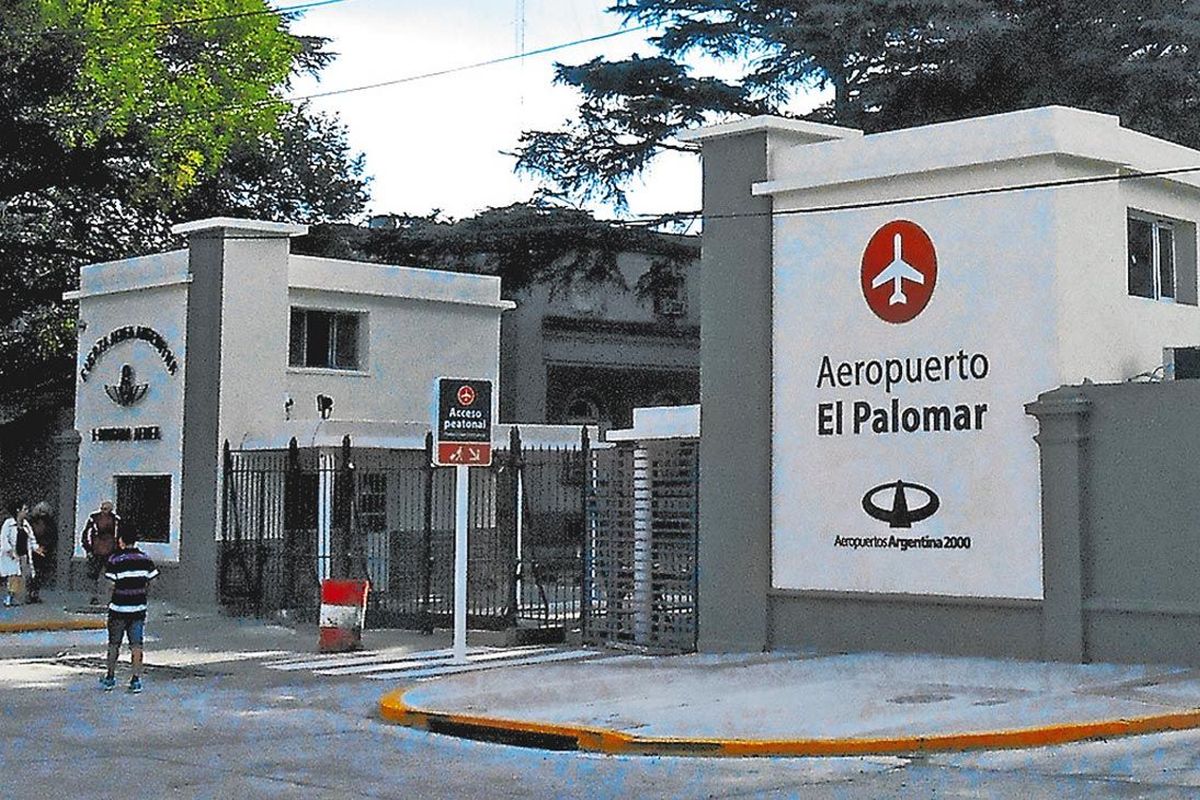
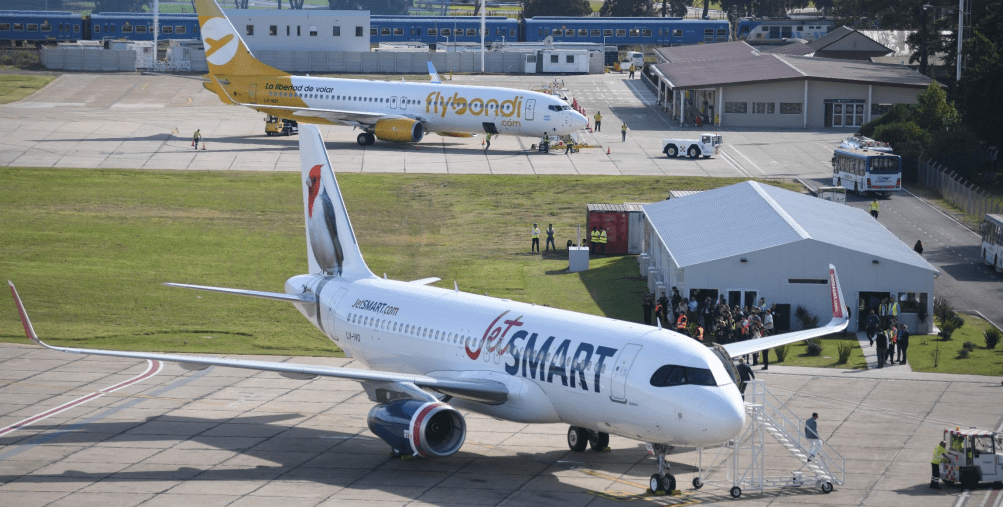
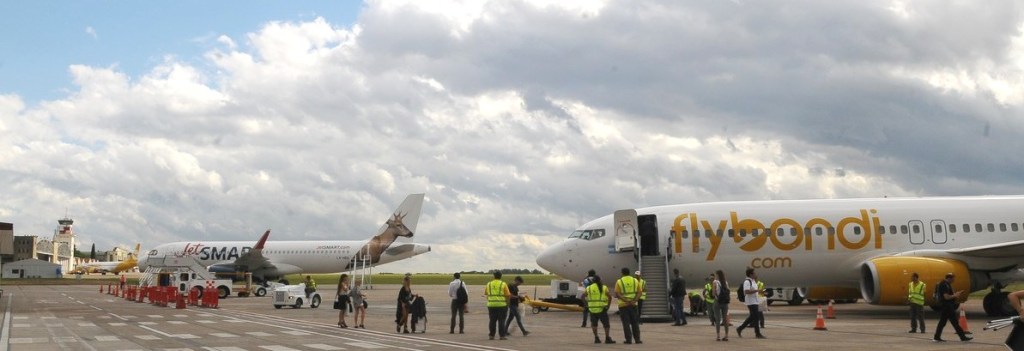
Trabajadores de las aerolíneas low cost volvieron a manifestarse este Jueves 10/09 por el retorno de las operaciones de cabotaje y la continuidad de la terminal aérea del Aeropuerto Internacional El Palomar, ante el cambio de discurso del Ministerio de Transporte. La convocatoria representada por los empleados y los gremios aeronáuticos de la Asociación Trabajadores Aviadores de Flybondi (ATAF) y la Asociación Sindical Trabajadores de JetSmart (ASTJ) acompañados por un sector de la política en favor de los intereses de conservar la unidad aérea en la localidad de El Palomar, Municipio de Morón, Provincia de Buenos Aires. Es la ex-base de la I Brigada Aérea.
El reclamo en este 10S tuvo lugar en la puerta de acceso del Aeropuerto Internacional El Palomar a favor de la continuidad operativa de la aeroestación como así también de las fuentes laborales en juego, más de 10 mil puestos de trabajo directos e indirectos, que esperan volver a la actividad.
«Hay una intención de querer favorecer al operador estatal. Se va Latam y deja lugares en Aeroparque, que nos podrían dar, y hasta eso está en duda. Quieren que Aeroparque lo use monopólicamente Aerolíneas Argentinas, y a nosotros mandarnos a una terminal más cara y lejana», sostuvo ayer el CEO de Jetsmart, Gonzalo Pérez Corral.
Una causa en la Justicia Federal de San Martín continúa tramitada por daño al medio ambiente y al propio concesionario: «AA2000 tiene muchos aeropuertos deficitarios y el único que pidió cerrar es éste, que es muy barato y que ha tenido una baja inversión en relación a los pasajeros», explicó el CEO de JetSmart a la editorial Un Medio de Morón.
A Aerolíneas Argentinas la subenciona el Estado y está en una etapa de ajuste. Es probable que el Ministerio de Transporte entregue al aeropuerto low cost como moneda de cambio. Por ahora, los trabajadores se mostraron muy preocupados y angustiados por la situación. “No hay ningún cambio, se ha empeorado la situación”, dijo Florencia Busso, empleada de Flybondi.
«La contagiosidad en vuelo es bajísima y debería reponerse cuanto antes. Hay mucha gente que necesita viajar. Hasta ahora no hay nada cierto», expresó el CEO de Jetsmart Argentina.
Turismo presente
Desde el sector del turismo se encuentran muy enojados porque desde Nación jamás bajaron un protocolo de trabajo y anuncian que habrá temporada. La fecha estimada es el 1 Octubre 2020, pero no hay nada oficial. Por lo pronto, depende del aval de Salud.
Claim 10S in favor of El Palomar
Low cost airline employees protested El Palomar continuity
Workers of the low cost airlines demonstrated again this Thursday 09/10 for the return of cabotage operations and the continuity of the air terminal of the El Palomar International Airport, before the change of discourse of the Ministry of Transport. The call represented by the employees and aeronautical unions of the Flybondi Aviation Workers Association (ATAF) and the JetSmart Workers Union Association (ASTJ) accompanied by a sector of politics in favor of the interests of conserving the air unit in the locality from El Palomar, Municipality of Morón, Province of Buenos Aires. It is the former base of the 1st Air Brigade.
The claim in this 10S took place at the access door of the El Palomar International Airport in favor of the operational continuity of the air station as well as the job sources at stake, more than 10 thousand direct and indirect jobs, which expect to return to the activity.
«There is an intention of wanting to favor the state operator. Latam is leaving and leaving places in Aeroparque, which they could give us, and even that is in doubt. They want Aeroparque to use it monopolistically Aerolíneas Argentinas, and to send us to a more expensive terminal and far away», Jetsmart CEO Gonzalo Pérez Corral said yesterday.
A case in the Federal Justice of San Martín continues to be processed for damage to the environment and to the concessionaire itself: «AA2000 has many deficit airports and the only one that asked to close is this one, which is very cheap and has had a low investment in relation to the passengers», explained the CEO of JetSmart to the publishing house Un Medio de Morón.
Aerolineas Argentinas is subsidized by the State and is in an adjustment stage. It is likely that the Ministry of Transport will give the airport low cost as a bargaining chip. For now, the workers have been very concerned and distressed by the situation. «There is no change, the situation has worsened», said Florence Busso, an employee of Flybondi.
«In-flight contagion is very low and should be restored as soon as possible. There are many people who need to travel. So far there is nothing certain», said the CEO of Jetsmart Argentina.
Tourism present
From the tourism sector they are very angry because from the Nation they never lowered a work protocol and announced that there will be a season. The estimated date is October 1, 2020, but there is nothing official. For now, it depends on the guarantee of Health.
Gremios Flybondi y JetSmart convocan nueva marcha en El Palomar
La nueva convocatoria para este 10 Septiembre 2020 de los gremios aeronáuticos, empleados y organizaciones se dan cita en el Aeropuerto Internacional El Palomar, Argentina, en la marcha del 10S establecida para reclamar por la continuidad del aeropuerto low cost, bajo el lema «El Palomar: un aeropuerto esencial e inclusivo», los trabajadores nucleados en los sindicatos ATAF y ASTJ convocaron a una nueva marcha para este Jueves 10 de Septiembre a las 10:00 horas, frente a la terminal aeroportuaria para exporesar el repudio a las políticas de Estado por suprimir la aeroestación y la preocupación por los constantes atropellos a la libertad de trabajo. Exigirán al Gobierno mantener una política firme y decidida para la continuidad de las operaciones en El Palomar.
«La Jueza [Martina] Forns ya dispuso una incomprensible restricción de vuelos nocturnos que confiamos la Cámara Federal pronto revocará. Ahora, la Jueza Forns tiene en sus manos un pedido de cierre del Aeropuerto El Palomar formulado por este grupo minoritario, un pedido sin ningún sustento. Los compañeros trabajadores estamos convencidos que nuestra actividad aeronáutica no causa daños, sino que por el contrario genera conectividad, desarrollo económico, crecimiento, inclusión y trabajo. Pedimos a la jueza Forns que asegure la continuidad de las operaciones y no afecte, con una decisión de cierre o limitación, a los miles de trabajadores que dependen del funcionamiento de este aeropuerto», manifestaron los secretarios generales, José Omar Figueredo de Flybondi Líneas Aéreas y Marcos Sosa de JetSmart Airlines Argentina.
Posición del Gobierno
Los gremios aeronáuticos han dejado trascender las intensiones del Gobierno de Argentina de una posible reapertura del Aeropuerto El Palomar que surgieron en los últimos días respecto. El Gobierno nacional permitiría reiniciar los vuelos de cabotaje desde esa aeroestación a partir de Octubre 2020, lo que implicaría dar marcha atrás en las pretensiones del concesionario suprimir un importante nodo de servicios aéreos para el desarrollo del país.
Low cost argentinas 10S by El Palomar
Guilds Flybondi and JetSmart call for a new march in El Palomar
The new call for this September 10, 2020 of aeronautical unions, employees and organizations meet at the El Palomar International Airport, Argentina, in the 10S march established to demand the continuity of the low cost airport, under the slogan «El Palomar: an essential and inclusive airport», the workers gathered in the unions ATAF and ASTJ called for a new march for this Thursday, September 10 at 10:00 am, in front of the airport terminal to express the rejection of State policies for to suppress the air station and the concern for the constant violations of the freedom of work. They will demand that the Government maintain a firm and determined policy for the continuity of operations in El Palomar.
«Judge [Martina] Forns has already ordered an incomprehensible restriction on night flights that we trust the Federal Chamber will soon revoke. Now, Judge Forns has in her hands a request for the closure of El Palomar Airport made by this minority group, a request without any We fellow workers are convinced that our aeronautical activity does not cause damage, but on the contrary generates connectivity, economic development, growth, inclusion and work. We ask Judge Forns to ensure the continuity of operations and not affect, with a decision to close or limit the thousands of workers who depend on the operation of this airport», stated the general secretaries, José Omar Figueredo of Flybondi Líneas Aéreas and Marcos Sosa of JetSmart Airlines Argentina.
Government position
The aeronautical unions have revealed the intentions of the Government of Argentina of a possible reopening of the El Palomar Airport that emerged in recent days. The national government would allow the restart of domestic flights from that airstation as of October 2020, which would imply reversing the concessionaire’s claims to suppress an important air services node for the country’s development.
Corporación América inaugura renovación de Laguna del Sauce
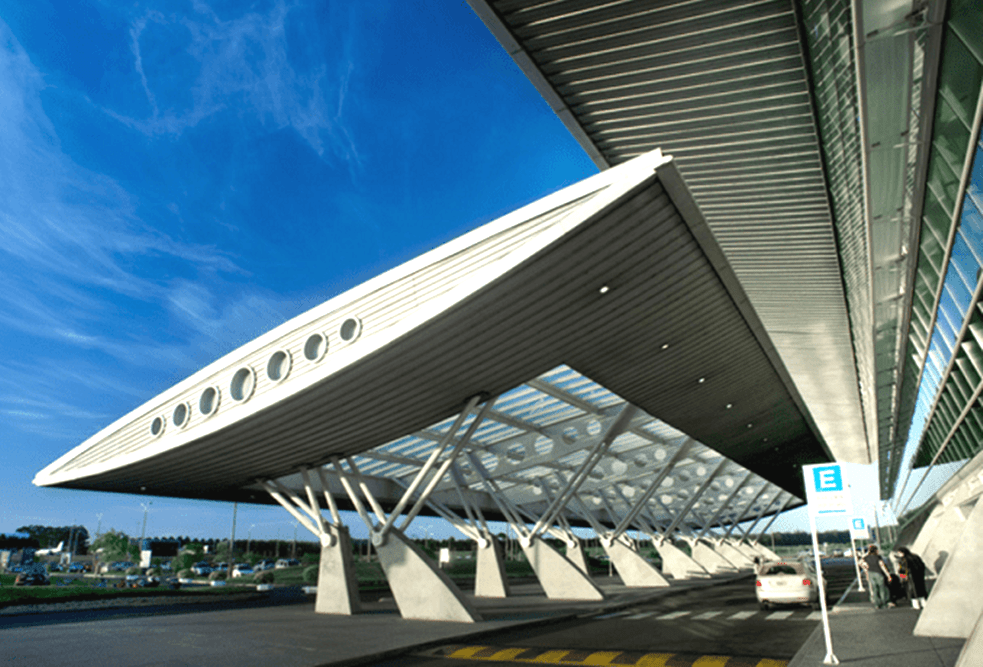
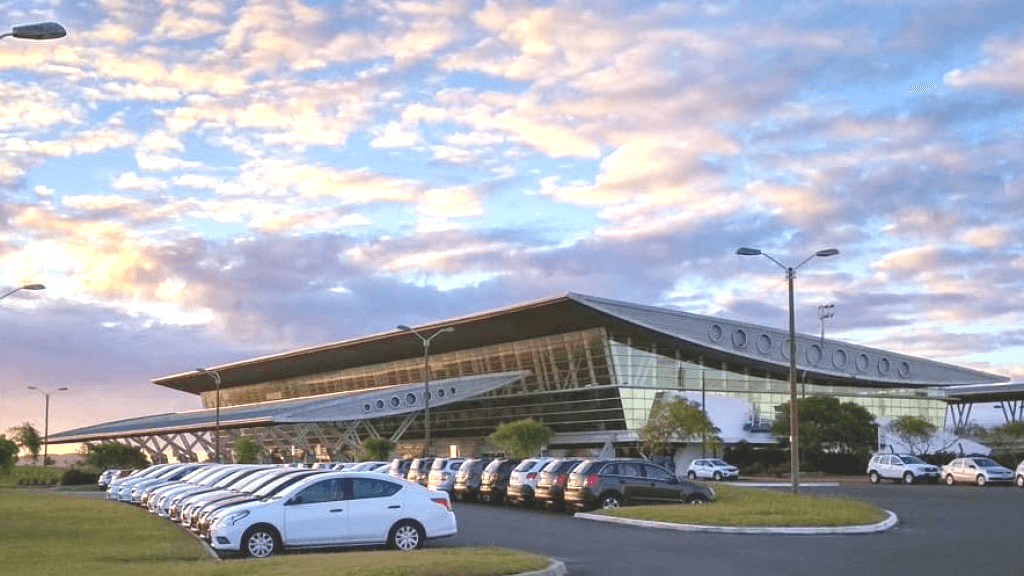
Corporación América Uruguay celebrará la inauguración oficial de las obras de renovación realizadas en el Aeropuerto Internacional de Laguna del Sauce. El próximo Viernes 11 Septiembre 2020, a las 10:00 horas estarán presentes autoridades de la firma concesionaria, integrantes del Gobierno uruguayo, e invitados especiales.
Las reformas en el Aeropuerto Internacional de Laguna del Sauce, también llamado Punta del Este, implicaron una inversión aproximada a los US$ 14 millones, e incluyeron la instalación de moderno equipamiento, tecnología sustentable y la renovación de la pista principal, entre otras mejoras.
En 2019 el Gobierno de Uruguay extendió la concesión del aeropuerto hasta el año 2033,a la Corporación América Airports, la que inmediatamente anunció una inversión de US$ 35 millones en infraestructura y tecnología. Las obras, incluyeron una nueva terminal de aviación privada, la repavimentación de pistas y calles de rodaje, un nuevo cerco perimetral y equipamiento para el servicio de extinción de incendios, así como la readecuación de los espacios de sala de embarque y una nueva sala VIP.
La terminal aérea, la segunda más importante de Uruguay, fue cerrada para obras en el mes de Marzo 2020, poco antes de que fuera declarada la emergencia sanitaria por la irrupción del Coronavirus en Uruguay. Inicialmente la finalización de las obras estaba prevista para el mes de Junio.
La empresa concesionaria del Aeropuerto Internacional de Laguna del Sauce inició los trabajos de reparación de la pista principal, de 2.300 metros de extensión, por lo cual las operaciones comerciales estuvieron suspendidas desde el mes de Marzo hasta principios de Septiembre 2020.
Punta del Este Airport works inaugurated
Corporación América inaugurates renovation of Laguna del Sauce
Corporación América Uruguay will celebrate the official inauguration of the renovation works carried out at the Laguna del Sauce International Airport. Next Friday, September 11, 2020, at 10:00 am, authorities from the concession firm, members of the Uruguayan Government, and special guests will be present.
The reforms at the Laguna del Sauce International Airport, also called Punta del Este, involved an investment of approximately US$ 14 million, and included the installation of modern equipment, sustainable technology and the renovation of the main runway, among other improvements.
In 2019, the Government of Uruguay extended the airport concession until 2033, to the América Airports Corporation, which immediately announced an investment of US$ 35 million in infrastructure and technology. The works included a new private aviation terminal, the resurfacing of runways and taxiways, a new perimeter fence and equipment for the fire fighting service, as well as the readjustment of the departure lounge spaces and a new VIP lounge. .
The air terminal, the second most important in Uruguay, was closed for works in the month of March 2020, shortly before the health emergency was declared due to the outbreak of the Coronavirus in Uruguay. Initially the completion of the works was scheduled for the month of June.
The concessionaire company of the Laguna del Sauce International Airport began repair work on the main runway, 2,300 meters long, for which commercial operations were suspended from March to early September 2020.
Aerolíneas low cost argentinas marchan reclamo por El Palomar
Las líneas aéreas de presupuesto de Argentina, Flybondi Líneas Aéreas y JetSmart Airlines Argentina ha anunciado una segunda movilización nacional en reclamo de la continuidad del Aeropuerto Internacional El Palomar. El reclamo se efectuará el Jueves 10 Septiembre 2020 a las 10:00 hs en el aeropuerto low cost en una segunda manifestación en contra del cierre del primer aeropuerto de presupuesto de Sudamérica.
Aeropuerto El Palomar
La segunda marcha convocada por las aerolíneas low cost están relacionadas con los reclamos reiterados al Gobierno de Argentina que expresa que tres aeropuerto en la región son demasiados, una postura sin fundamentos frente al gran éxito que han desarrollado las aéreas en el Aeropuerto El Palomar. En ninguna parte del mundo las autoridades dejarían escapar el progreso para la aviación. La decisión de Transporte de trasladar las operaciones low cost al Aeropuerto Internacional Ezeiza carece de lógica, pues, es un aeropuerto de distribución internacional y un modelo de cabotaje desde allí sólo serviría para trasladar el flujo de pasajeros provenientes del exterior, además, los usuarios del transporte low cost sufrirían un incremento de los costos al trasladarse hacia el Aeropuerto Ezeiza. El cierre del Aeropuerto El Palomar, base principal de las dos aerolíneas de presupuesto provocaría la pérdida de fuentes de empleo.
Actualmente se están aguardando una decisión formal sobre la posibilidad de poder volver a operar en el Aeropuerto Internacional El Palomar. Según una consulta elaborada por una agencia privada acerca de la opinión sobre la continuidad o no del aeropuerto low cost, la posición de la población de la zona del aeropuerto ha expresado que el 82% de los vecinos aprueban los vuelos en El Palomar y el 77% considera que es perjudicial que El Palomar deje de operar. En el interior del país, por ejemplo en el Noreste Argentino (NEA) el nivel de aprobación está por encima del 85%, más de un 60% considera que sería perjudicial para la Provincia de Misiones cerrar las operaciones desde El Palomar.
Aeropuerto Jorge Newbery
El reclamo que se realizará este 10/09 permite agregar por parte de JetSmart Airlines Argentina la solicitud de la compañía al Gobierno de la continuidad de las operaciones en el Aeropuerto Jorge Newbery por los slots, o frecuencias horarias, adquiridas de Norwegian Air Argentina. Si el Gobierno reclama la nulidad de la compra de Norwegian por parte del grupo JetSmart, entonces, la aerolínea de capitales noruegos tendría que continuar volando no solo en Argentina, sino además, en Aeroparque.
El otro aspecto acerca de las mejoras del Aeropuerto Jorge Newbery, están relacionadas con el propósito con cumplirá una aeroestación renovada. La desición del Gobierno es llevar a la terminal hacia la regionalización con vuelos con países limítrofes; pero en el desarrollo de las operaciones domésticas, cabe el análisis sobre qué aerolíneas operarán. En perspectivas se permite vislumbrar en el corto plazo que Latam Airlines Argentina ha dejado sus operaciones, Austral Líneas Aéreas ha sido lastimosamente absorbida, y las operaciones low cost no están presuntamente permitidas. La segmentación de mercado de cabotaje para Aeroparque estará cubierta por Aerolíneas Argentinas en más de un 90%, alcanzando sólo una minúscula porción para aéreas locales como Andes Líneas Aéreas y alguna compañía regional de tercer nivel.
El reclamo continúa respecto al presunto monopolio que se desarrollará en el Aeropuerto Jorge Newbery, consensuado por el Gobierno actual para dominar el viejo anhelo de detentar la mayoría de las operaciones aerocomerciales en manos de la compañía estatal.
Low cost 10S march through El Palomar
Argentine low cost airlines march claim for El Palomar
The budget airlines of Argentina, Flybondi Líneas Aéreas and JetSmart Airlines Argentina have announced a second national mobilization to demand the continuity of the El Palomar International Airport. The claim will be made on Thursday 10 September 2020 at 10:00 am at the low cost airport in a second demonstration against the closure of the first budget airport in South America.
El Palomar Airport
The second march called by the low cost airlines is related to the repeated claims to the Government of Argentina that three airports in the region are too many, an unfounded stance against the great success that the airlines have developed at El Palomar Airport. Nowhere in the world would the authorities let progress for aviation slip away. Transport’s decision to transfer low cost operations to the Ezeiza International Airport lacks logic, since it is an airport with international distribution and a cabotage model from there would only serve to transfer the flow of passengers from abroad, in addition, users of the Low cost transportation would suffer an increase in costs when moving to Ezeiza Airport. The closure of El Palomar Airport, the main base of the two budget airlines, would cause the loss of sources of employment.
They are currently awaiting a formal decision on the possibility of being able to operate again at the El Palomar International Airport. According to a query prepared by a private agency about the opinion on the continuity or not of the low cost airport, the position of the population of the airport area has expressed that 82% of the residents approve the flights in El Palomar and 77 % consider that it is detrimental for El Palomar to stop operating. In the interior of the country, for example in the Northeast of Argentina (NEA) the approval level is above 85%, more than 60% consider that it would be detrimental for the Province of Misiones to close operations from El Palomar.
Jorge Newbery Airport
The claim that will be made on 09/10 allows JetSmart Airlines Argentina to add the company’s request to the Government for the continuity of operations at Jorge Newbery Airport for the slots, or time frequencies, acquired from Norwegian Air Argentina. If the Government claims the invalidity of the purchase of Norwegian by the JetSmart group, then, the Norwegian capital airline would have to continue flying not only in Argentina, but also in Aeroparque.
The other aspect about the Jorge Newbery Airport improvements are related to the purpose of a renovated air station. The government’s decision is to take the terminal towards regionalization with flights to neighboring countries; but in the development of domestic operations, it is possible to analyze which airlines will operate. In the prospects, it is possible to glimpse in the short term that Latam Airlines Argentina has stopped its operations, Austral Líneas Aéreas has been sadly absorbed, and low cost operations are presumably not allowed. The cabotage market segmentation for Aeroparque will be achieved by Aerolíneas Argentinas in more than 90%, reaching only a minuscule portion for local airlines such as Andes Líneas Aéreas and some third-level regional companies.
The claim continues regarding the alleged monopoly to be developed at the Jorge Newbery Airport, agreed by the current Government to dominate the old desire to hold most of the commercial air operations in the hands of the state company.
Tres cohetes alcanzan el perímetro del Aeropuerto Baghdad
El Aeropuerto Internacional Baghdad ha sufrido la incursión de tres cohetes Katyusha que han impactado en las cercanías del aeropuerto el Domingo 06/09, pero no causaron víctimas, dijo la agencia de noticias estatal iraquí INA. Uno de los cohetes cayó en el garaje del aeropuerto dañando cuatro vehículos civiles ha informado el comunicado militar.
La semana pasada, en tres incidentes separados, varios cohetes cayeron cerca del aeropuerto o dentro de la Zona Verde fuertemente fortificada de Bagdad, que alberga edificios gubernamentales y misiones extranjeras. Esos ataques tampoco causaron víctimas. Washington culpa a esos ataques a los grupos de milicias respaldados por Irán. Irán no ha comentado directamente sobre los incidentes.
Oriente Medio estuvo cerca de un gran conflicto en Enero 2020 después de que un ataque con un dron estadounidense mató al General iraní Qassem Soleimani y al Jefe paramilitar iraquí Abu Mahdi al-Muhandis en el Aeropuerto de Bagdad. Las milicias alineadas con Irán han jurado vengar sus muertes.
Baghdad Airport rocket raid
Three rockets hit the perimeter of Baghdad International Airport
Baghdad International Airport has suffered the incursion of three Katyusha rockets that hit the vicinity of the airport on Sunday 06/09, but caused no casualties, the Iraqi state news agency INA said. One of the rockets fell into the airport garage, damaging four civilian vehicles, the military statement reported.
Last week, in three separate incidents, multiple rockets landed near the airport or within Baghdad’s heavily fortified Green Zone, which is home to government buildings and foreign missions. Those attacks did not cause casualties either. Washington blames those attacks on Iranian-backed militia groups. Iran has not commented directly on the incidents.
The Middle East came close to a major conflict in January 2020 after a US drone strike killed Iranian General Qassem Soleimani and Iraqi paramilitary Chief Abu Mahdi al-Muhandis at Baghdad Airport. The Iranian-aligned militias have vowed to avenge their deaths.
غارة صاروخية على مطار بغداد
سقوط ثلاثة صواريخ في محيط مطار بغداد الدولي
أفادت وكالة الأنباء العراقية الرسمية أن مطار بغداد الدولي تعرض لتوغل ثلاثة صواريخ كاتيوشا في محيط المطار يوم الأحد 6 سبتمبر دون وقوع إصابات. وذكر البيان العسكري أن أحد الصواريخ سقط في مرآب المطار وألحق أضرارا بأربع سيارات مدنية.
في الأسبوع الماضي ، في ثلاث حوادث منفصلة ، سقطت عدة صواريخ بالقرب من المطار أو داخل المنطقة الخضراء شديدة التحصين في بغداد ، والتي تضم مباني حكومية وبعثات أجنبية. كما أن تلك الهجمات لم تسفر عن خسائر بشرية. وتنحي واشنطن باللائمة في تلك الهجمات على الجماعات المسلحة المدعومة من إيران. ولم تعلق إيران مباشرة على الأحداث.
اقترب الشرق الأوسط من صراع كبير في كانون الثاني (يناير) 2020 بعد أن قتلت غارة أمريكية بطائرة مسيرة الجنرال الإيراني قاسم سليماني وقائد القوات العراقية شبه العسكرية أبو مهدي المهندس في مطار بغداد. تعهدت الميليشيات المتحالفة مع إيران بالانتقام لمقتلهم.
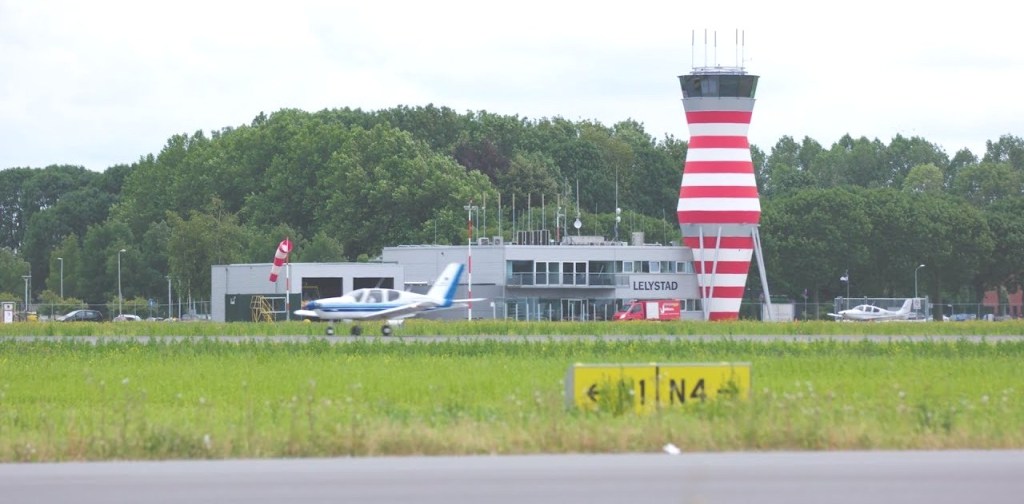
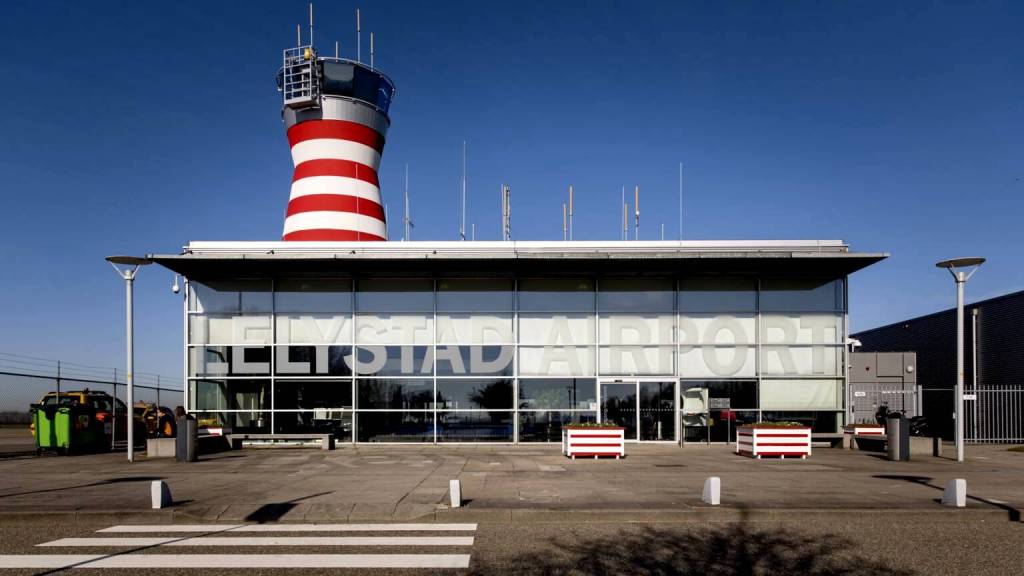
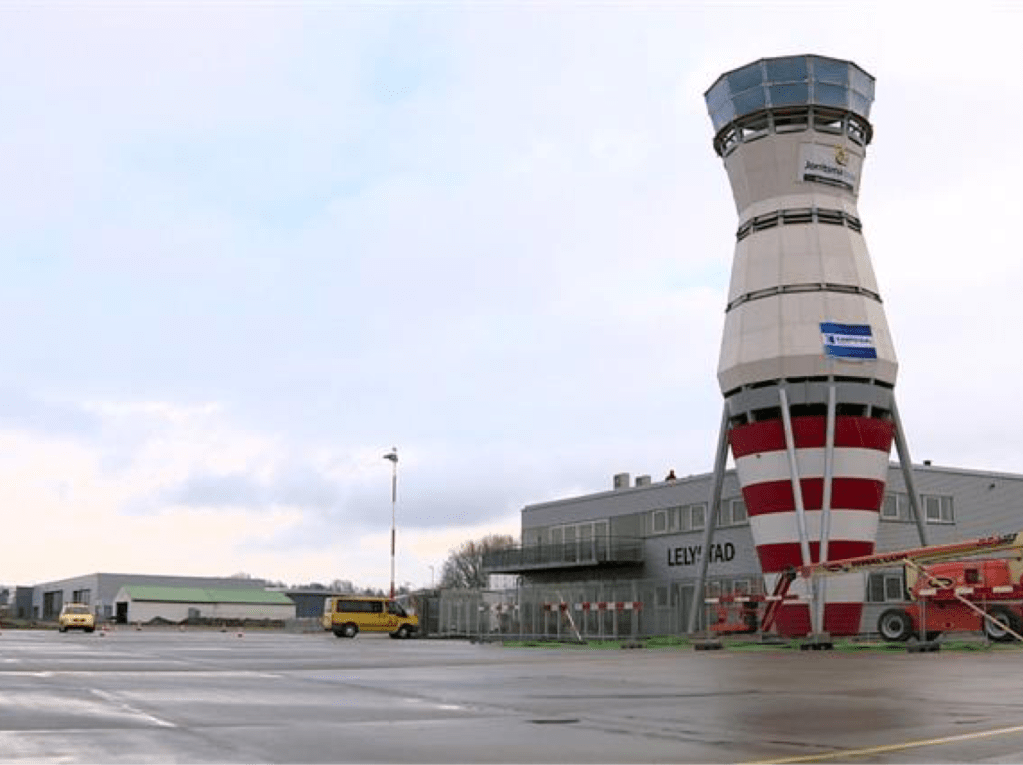
La Ministra de Infraestructura y Gestión del Agua, Cora Van Nieuwenhuizen no tiene planes de cancelar la apertura del Aeropuerto de Lelystad debido a la crisis de Coronavirus. La crisis actual y el descenso del tráfico aéreo no son motivos para poner fin a sus planes. «La aviación se ha derrumbado considerablemente, pero no debemos tomar la situación actual como la medida de las cosas», dijo en la Cámara de Representantes.
Los partidos de oposición creen que el Gabinete debería ahora detener el plan de aterrizar vuelos en el Aeropuerto Lelystad en la Provincia de Flevoland. La apertura ya se ha pospuesto cuatro veces por diversos motivos, como la crisis del nitrógeno. La pregunta resurge ahora por el planteamiento si es necesario un aeropuerto adicional debido a la disminución de vuelos debido a la crisis sanitaria. La Ministra ha expresado que ahora es imposible predecir cómo se desarrollará la aviación después de la crisis pandémica. El Aeropuerto Amsterdam/Schiphol tampoco ha recibido aún informes de aerolíneas que hayan renunciado a su derecho de aterrizaje, conocido como bloqueo. «No vamos a cambiar la política a largo plazo sobre la base de la política de crisis», dijo la Ministro de Infraestructura y Gestión del Agua. El Aeropuerto Lelystad tiene previsto la apertura en Noviembre 2021.
Government supports Lelystad Airport
Lelystad Airport activation planning continues
The Minister of Infrastructure and Water Management, Cora Van Nieuwenhuizen has no plans to cancel the opening of Lelystad Airport due to the Coronavirus crisis. The current crisis and the decrease in air traffic are not reasons to put an end to their plans. «Aviation has collapsed considerably, but we should not take the current situation as the measure of things», she said in the House of Representatives.
Opposition parties believe that the Cabinet should now stop the plan to land flights at Lelystad Airport in Flevoland Province. The opening has already been postponed four times for various reasons, such as the nitrogen crisis. The question now resurfaces by the question whether an additional airport is necessary due to the decrease in flights due to the health crisis. The Minister has stated that it is now impossible to predict how aviation will develop after the pandemic crisis. Amsterdam/Schiphol Airport has also not yet received reports of airlines waiving their right to land, known as a blockade. «We are not going to change the long-term policy based on the crisis policy», said the Minister of Infrastructure and Water Management. Lelystad Airport is scheduled to open in November 2021.
De overheid steunt Lelystad Luchthaven
De activeringsplanning van Lelystad Luchthaven wordt voortgezet
Minister van Infrastructuur en Waterstaat Cora Van Nieuwenhuizen heeft geen plannen om de opening van Lelystad Luchthaven af te gelasten vanwege de Coronavirus-crisis. De huidige crisis en de afname van het vliegverkeer zijn geen reden om een einde te maken aan hun plannen. ,,De luchtvaart is flink ingestort, maar we moeten de huidige situatie niet als maatstaf nemen», zei hij in de Tweede Kamer.
Oppositiepartijen vinden dat het kabinet nu moet stoppen met het plan om te landen op Lelystad Luchthaven in Flevoland. De opening is al vier keer uitgesteld om verschillende redenen, zoals de stikstofcrisis. De vraag duikt nu weer op door de vraag of er een extra luchthaven nodig is vanwege de afname van het aantal vluchten door de gezondheidscrisis. De Minister heeft aangegeven dat het nu onmogelijk is om te voorspellen hoe de luchtvaart zich na de pandemiecrisis zal ontwikkelen. Ook de Luchthaven Amsterdam/Schiphol heeft nog geen meldingen ontvangen dat luchtvaartmaatschappijen afzien van hun recht om te landen, ook wel een blokkade genoemd. ,,Op basis van het crisisbeleid gaan we het meerjarenbeleid niet wijzigen», aldus de minister van Infrastructuur en Waterstaat. De opening van Lelystad Luchthaven is gepland voor November 2021.
Ξ A I R G W A Y S Ξ PUBLISHER: Airgways.com DBk: Nos.nl / Government.nl / Lelystadairport.nl / Airgways.com AW-POST: 202009011141AR
Post-pandemia aeropuertos del mundo solicitan modalidad low cost
La incertidumbre e indefinición por el Aeropuerto Internacional El Palomar respecto al Gobierno de Argentina ha llevado a la población y a la arena política a expresarse respecto a la conservación de la modalidad low cost de la aeroestación bonaerense. Una tendencia post-pandemia se está desarrollande a través del mundo donde aeropuertos y aerolíneas buscan conjugarse para reactivar las economías del mundo de la aviación.
Pronunciamientos a favor
El Diputado Nacional de Argentina, Alberto Asseff (Juntos por el Cambio), ha advirtido que el primer aeropuerto low cost de Sudamérica «genera de forma directa e indirecta 10.000 puestos de trabajo, y que moderniza sus alrededores creando progreso y actividades económicas. Cuenta con prestaciones básicas que disminuyen los costos de operación para las aerolíneas y reduce los valores de las tasas de embarque. Es el primero que está conectado al tren ya que se encuentra a 300 metros de la estación Palomar de la línea San Martín”. Por estas razones, el presidente del Partido Unir pidió que el Aeropuerto El Palomar no sea cerrado, “pues se perderían miles de puestos de trabajo y se vería reducida la política aerocomercial y la conectividad del país”. De esta manera el Diputado ha repudiado los dichos del Ministro de Transporte de la Nación Mario Meoni que consideró que “tres aeropuertos en la megalópolis es mucho”. Para el diputado, en vez de proponer el cerrar del aeropuerto “deberían implementarse políticas que fomenten el trabajo, el turismo, la logística y las conexiones”.
El Intendente de la Ciudad de Morón, Lucas Ghi, ha considerado que “en la medida que el aeropuerto reúna todas las condiciones que los organismos acrediten, tiene que funcionar. En esta Argentina, que está atravesando un momento tan difícil, tomar una decisión de esta naturaleza, que impacte en varios cientos de trabajadores y trabajadoras no me parece que sea adecuado».
«Todas las grandes ciudades del mundo con un claro panorama de progreso y crecimiento presentan una estructura aeroportuaria adecuada, consolidada y preparada. Es lamentable que se esté pensando que el AMBA, y la Argentina en si, no necesiten de un armado idóneo para fomentar el transporte aéreo”, concluyó el Diputado Asseff. Acompañan el pedido José Riccardo, Estela Regidor, Lidia Inés Ascarate, Luis Pastori, Héctor Stefani, Pablo Torello, Jorge Vara, Lorena Matzen, Julio Sahad, Gustavo Menna, Omar De Marchi, Waldo Wolf, Roxana Reyes, Jorge Enríquez y Camila Crescimbrene.
Aeropuertos low cost, tendencia mundial
La actual pandemia de Coronavirus ha traido muchas y profundas transformaciones al sector de la aviación comercial a través del mundo. El fenómeno de los aeropuertos y terminales de bajo costo ha estado cobrando auge en muchos países como Argentina. Algunos informes desde 2007 expresan un fenómeno creciente. Muchas ideas nuevas parecen estar dirigidas hacia la mejor manera de manejar modelos híbridos, de bajo costo y de servicio completo dentro del mismo edificio de terminal, y la adaptación de la infraestructura es más típicamente la de un muelle en lugar de una terminal completa, pero continúan siendo consideradas una tendencia en aumento en varios países como la Federación Rusia. En el contexto de la actual crisis sanitaria mundial, el llamado de un alto ejecutivo de una aerolínea para que se construyan nuevos aeropuertos minimalistas en Rusia, donde la penetración de bajo costo sigue siendo moderada en el mejor de los casos, puede indicar que es hacia donde Aeroflot Russian Airlines ve el rumbo futuro, a medida que los viajes de negocios se ralentizan.
El Palomar Airport a world trend
Post-pandemic crisis, airports in the world request low cost modality
The uncertainty and lack of definition for the El Palomar International Airport with respect to the Government of Argentina has led the population and the political arena to express themselves regarding the conservation of the low cost modality of the Buenos Aires air station. A post-pandemic trend is developing throughout the world where airports and airlines seek to combine to reactivate the economies of the world of aviation.
Pronouncements in favor
The Argentine National Deputy, Alberto Asseff (Together for Change), has warned that the first low cost airport in South America «directly and indirectly generates 10,000 jobs, and that it modernizes its surroundings creating progress and economic activities. basic benefits that reduce operating costs for airlines and reduce the values of boarding fees. It is the first that is connected to the train since it is located 300 meters from the Palomar station on the San Martín line”. For these reasons, the president of the Unir Party asked that the El Palomar Airport not be closed, “because thousands of jobs would be lost and the country’s air-trade policy and connectivity would be reduced”. In this way, the Deputy has repudiated the Minister’s words of Transportation of the Nation Mario Meoni who considered that “three airports in the megalopolis is a lot”. For the deputy, instead of proposing to close the airport “they should imp policies that promote work, tourism, logistics and connections should be implemented”.
The Mayor of the City of Morón, Lucas Ghi, has considered that “as long as the airport meets all the conditions that the agencies accredit, it has to function. In this Argentina, which is going through such a difficult time, making a decision of this nature that impacts several hundred workers does not seem to me to be appropriate».
«All the great cities of the world with a clear panorama of progress and growth present an adequate, consolidated and prepared airport structure. It is regrettable that it is being thought that the AMBA, and Argentina itself, do not need a suitable assembly to promote the air transport», concluded Deputy Asseff. The request is accompanied by José Riccardo, Estela Regidor, Lidia Inés Ascarate, Luis Pastori, Héctor Stefani, Pablo Torello, Jorge Vara, Lorena Matzen, Julio Sahad, Gustavo Menna, Omar De Marchi, Waldo Wolf, Roxana Reyes, Jorge Enríquez and Camila Crescimbrene.
Low cost airports, world trend
The current Coronavirus pandemic has brought many profound transformations to the commercial aviation sector throughout the world. The phenomenon of low-cost airports and terminals has been gaining ground in many countries such as Argentina. Some reports since 2007 express a growing phenomenon. Many new ideas seem to be directed towards the best way to handle hybrid, low-cost and full-service models within the same terminal building, and the infrastructure adaptation is more typically that of a pier rather than a complete terminal, but they continue to be considered an increasing trend in several countries such as the Russian Federation. In the context of the current global health crisis, a call from a senior airline executive for new minimalist airports to be built in Russia, where low-cost penetration remains moderate at best, may indicate that it is towards where Aeroflot Russian Airlines sees the future direction, as business travel slows down.
Ξ A I R G W A Y S Ξ PUBLISHER: Airgways.com DBk: Pro.com.ar / Airgways.com AW-POST: 202008280040AR
Mayor operador aeroportuario de Indonesia busca transporte carga
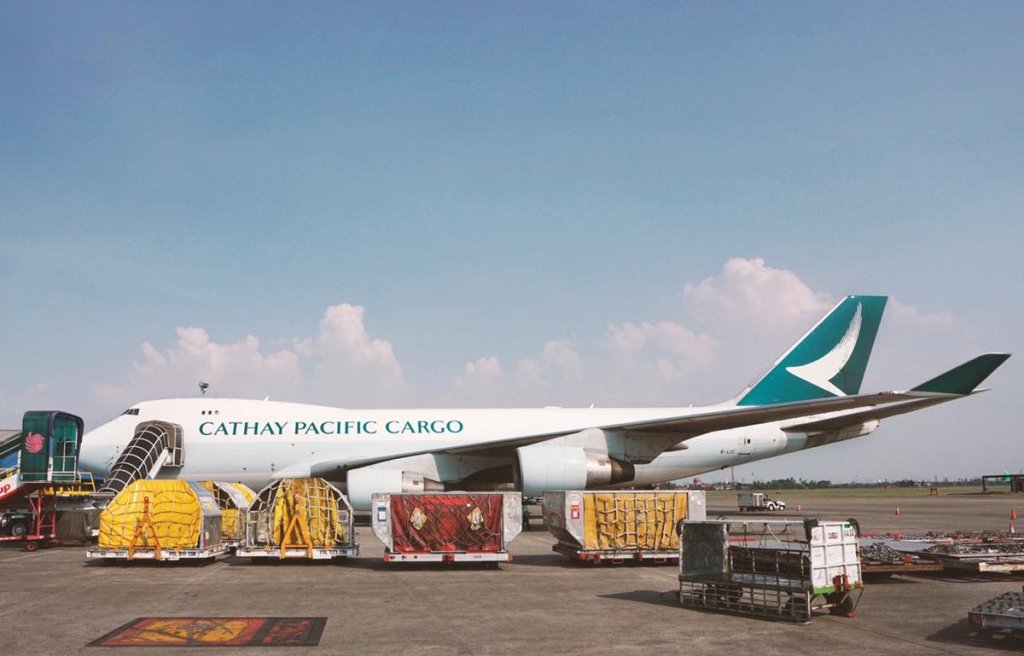
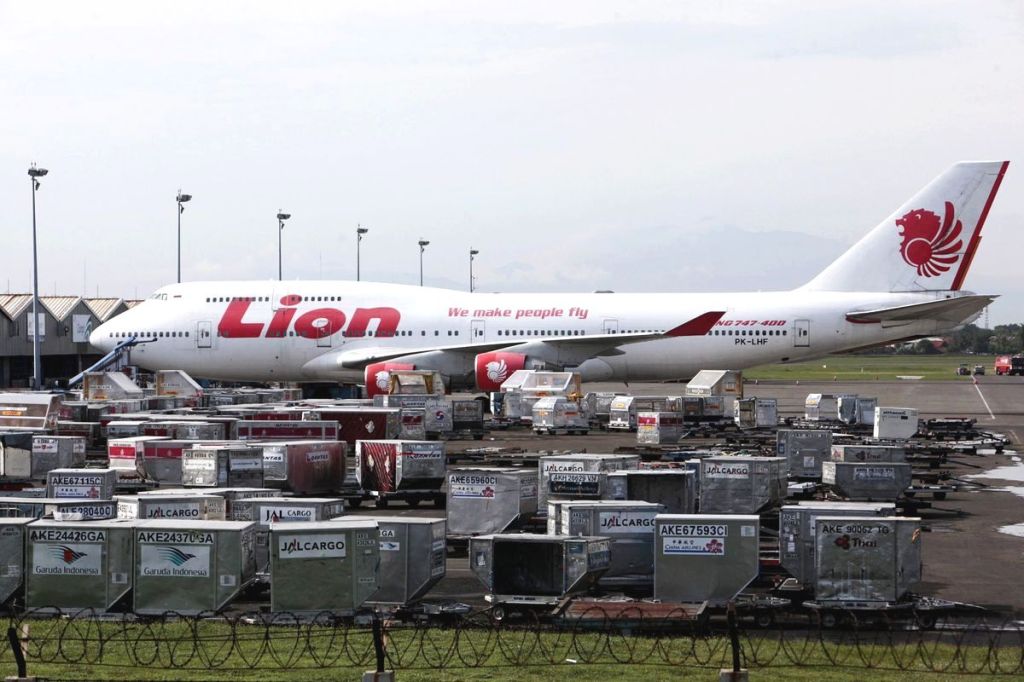
El operador aeroportuario más grande de Indonesia, Angkasa Pura II, está avanzando con la construcción de una nueva instalación de manipulación de mercancías en Jakarta, capital de la República de Indonesia, apostando a que el movimiento de carga ayudará a una industria arruinada por la reducción de vuelos de pasajeros.
PT Angkasa Pura II predice que el tráfico de carga en el aeropuerto Soekarno-Hatta de Jakarta aumentará a 1 millón de toneladas al año desde las 600.000 toneladas actuales en los próximos tres años. Hace un llamado a terceros interesados en invertir junto a él para que presenten propuestas en el cuarto trimestre. Se estima que la inversión total será de US$ 545 millones de Dólares, mostrando mucho interés en el proyecto, ha comunicado el Director Presidente Muhammad Awaluddin. El operador aéreo Garuda Indonesia Airlines también ayudará a desarrollar la instalación.
El depósito de manipulación de mercancías sigue adelante a pesar de que Angkasa Pura tiene la misión de ahorrar efectivo. La compañía planea reducir el gasto de capital hasta en un 90% este año. Con la demanda de pasajeros muy reducida por el coronavirus, las aerolíneas de todo el mundo dependen cada vez más de la carga para mantenerse a flote. Las tarifas de flete han aumentado a medida que la carga de vientre, o bienes que normalmente se habrían transportado en el vientre de los aviones de pasajeros, se retira del mercado. Los volúmenes de carga aérea en Indonesia fueron de casi 24.000 toneladas a finales de Julio 2020 frente a 6.620 toneladas a principios de Marzo 2020, según muestran los datos del Ministerio de Transporte de Indonesia. Angkasa Pura II también ha acumulado cierta liquidez para garantizar que pueda capear la caída en el tráfico de pasajeros del aeropuerto.
Angkasa Pura II opera 19 aeropuertos en Indonesia, incluido un nuevo centro en Medan, en el norte de Sumatra. La cantidad de personas que pasan por todas sus instalaciones a diario es de alrededor de 96.000 en la actualidad, frente a tan solo 1,000 a fines de Abril 2020, cuando gran parte de la nación del sudeste asiático estaba cerrada. Normalmente, la cifra ronda los 243.000.
Angkasa Pura II seeks cargo traffic
Indonesia’s largest airport operator seeks cargo transport
Indonesia’s largest airport operator Angkasa Pura II is moving forward with the construction of a new freight handling facility in Jakarta, capital of the Republic of Indonesia, betting that the movement of cargo will help an industry ruined by downsizing. of passenger flights.
PT Angkasa Pura II predicts that cargo traffic at Jakarta’s Soekarno-Hatta Airport will increase to 1 million tons per year from the current 600,000 tons in the next three years. He calls on third parties interested in investing with him to present proposals in the fourth quarter. It is estimated that the total investment will be US$ 545 million, showing a lot of interest in the project, has communicated the President Muhammad Awaluddin. Air operator Garuda Indonesia Airlines will also help develop the facility.
The freight handling warehouse continues despite Angkasa Pura’s mission to save cash. The company plans to reduce capital spending by up to 90% this year. With passenger demand greatly reduced by the coronavirus, airlines around the world are increasingly relying on cargo to stay afloat. Freight rates have increased as belly cargo, or goods that would normally have been carried in the belly of passenger jets, are withdrawn from the market. Air cargo volumes in Indonesia were almost 24,000 tonnes at the end of July 2020 compared to 6,620 tonnes at the beginning of March 2020, data from the Indonesian Ministry of Transport shows. Angkasa Pura II has also built up some liquidity to ensure it can weather the drop in passenger traffic at the airport.
Angkasa Pura II operates 19 airports in Indonesia, including a new hub in Medan, North Sumatra. The number of people passing through all its facilities on a daily basis is around 96,000 today, up from just 1,000 at the end of April 2020, when much of the Southeast Asian nation was closed. Typically the figure is around 243,000.
Angkasa Pura II mencari lalu lintas kargo
Operator bandara terbesar di Indonesia mencari transportasi kargo
Operator bandara terbesar di Indonesia, Angkasa Pura II, sedang bergerak maju dengan pembangunan fasilitas penanganan kargo baru di Jakarta, ibu kota Republik Indonesia, bertaruh bahwa pergerakan kargo akan membantu industri yang hancur karena perampingan. dari penerbangan penumpang.
PT Angkasa Pura II memprediksi lalu lintas kargo di Bandara Soekarno-Hatta Jakarta akan meningkat menjadi 1 juta ton per tahun dari saat ini 600.000 ton pada tiga tahun mendatang. Ia mengimbau pihak ketiga yang berminat berinvestasi dengannya untuk mempresentasikan proposal di kuartal keempat. Diperkirakan total investasi akan mencapai US$ 545 juta yang menunjukkan minat yang besar pada proyek tersebut, demikian disampaikan Presiden Muhammad Awaluddin. Operator penerbangan Garuda Indonesia Airlines juga akan membantu mengembangkan fasilitas tersebut.
Gudang penanganan kargo terus berlanjut meskipun Angkasa Pura memiliki misi untuk menghemat uang. Perusahaan berencana mengurangi belanja modal hingga 90% tahun ini. Dengan berkurangnya permintaan penumpang akibat virus corona, maskapai penerbangan di seluruh dunia semakin mengandalkan kargo untuk tetap bertahan. Tarif angkutan meningkat karena belly cargo, atau barang yang biasanya diangkut di dalam perut jet penumpang, ditarik dari pasar. Volume kargo udara di Indonesia hampir 24.000 ton pada akhir Juli 2020 dibandingkan dengan 6.620 ton pada awal Maret 2020, menurut data Kementerian Perhubungan Indonesia. Angkasa Pura II juga telah membangun beberapa likuiditas untuk memastikan dapat mengatasi penurunan lalu lintas penumpang di bandara.
Angkasa Pura II mengoperasikan 19 bandara di Indonesia, termasuk hub baru di Medan, Sumatera Utara. Jumlah orang yang melewati semua fasilitasnya setiap hari adalah sekitar 96.000 hari ini, naik dari hanya 1.000 pada akhir April 2020, ketika sebagian besar negara Asia Tenggara tutup. Biasanya angkanya sekitar 243.000.
Ξ A I R G W A Y S Ξ PUBLISHER: Airgways.com DBk: Angkasapura2.co.id / Airgways.com / Bloomberg.com AW-POST: 202008272200AR