Boeing aplica recomendación FAA

Image result for engine  Boeing 737 MAXAW | 2020 03 12 23:547 | AVIATION SAFETY

Boeing-Company-LogoBoeing se somete recomendación de la FAA por cableados 737 MAX

The Boeing Company se someterá a la recomendación de la Federal Aviation Administration (FAA) de separar y reacondicionar los paquetes de cableado del circuito eléctrico en las aeronaves Boeing 737 MAX antes del regreso para servicio aerocomercial.

FAA-logoEl constructor americano ha comunicado que el tiempo para recomponer el cableado en los Boeing 737 MAX tomará una semana por avión. La Boeing ha decidido a favor de separar los paquetes de cableado en su 737 MAX en su reciente intento de obtener la aprobación de la FAA para que el avión regrese para vuelos comerciales.

Boeing había argumentado previamente que los paquetes de cableado similares se están utilizando en su línea 737 Next Generation desde 1997 sin informes de problemas de cableado. Sin embargo, la FAA había rechazado el argumento de Boeing alegando que los paquetes de cableado están ubicados demasiado cerca el uno del otro y que un cortocircuito menor puede tener consecuencias nefastas como accidentes fatales.

AW-Seattletimes_70887

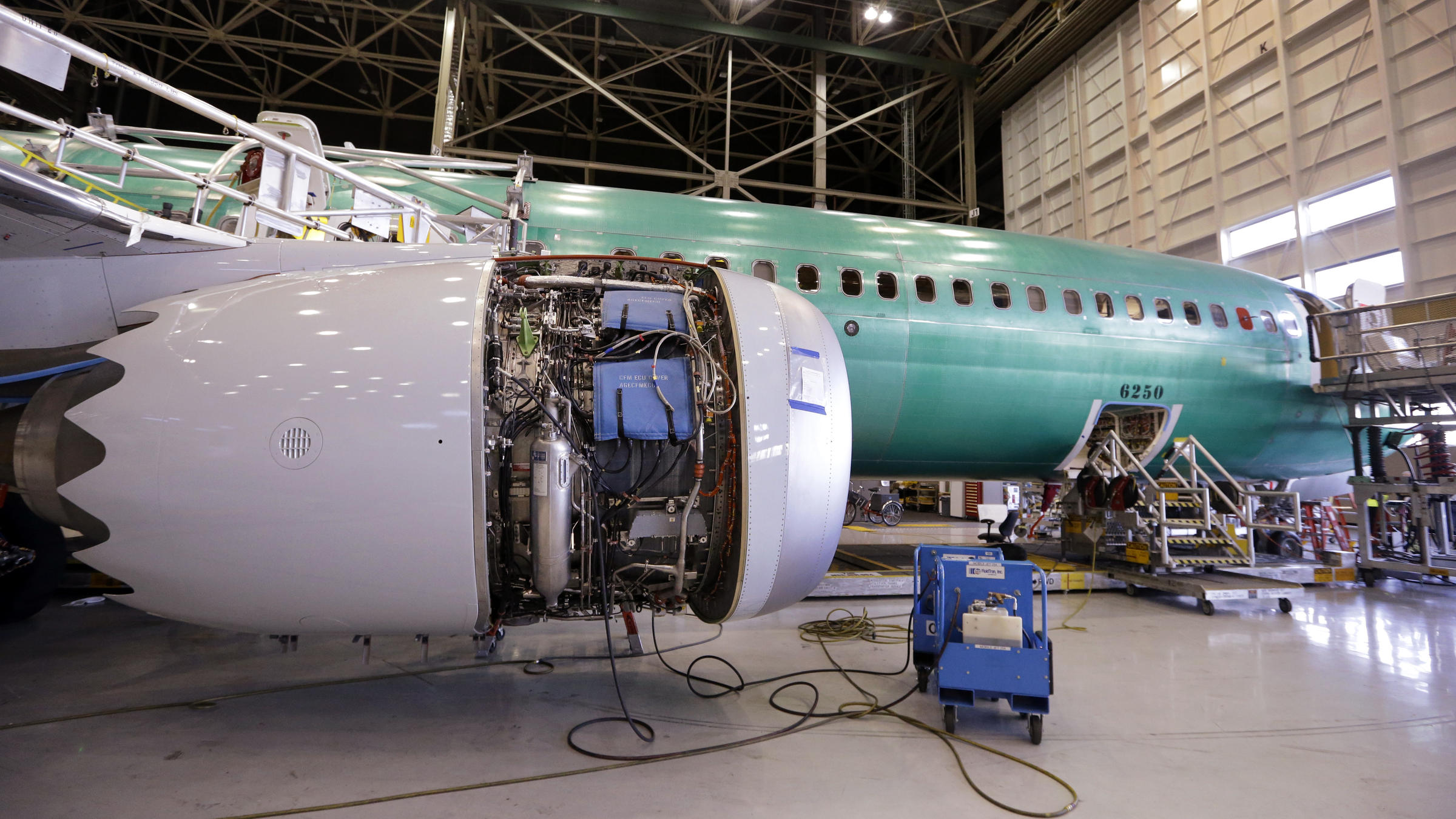
Según los expertos, es probable que el proceso tome tiempo para Boeing y se espera que genere más demoras antes de que la FAA autorice el servicio de su avión de bajo consumo de combustible. Boeing, por el contrario, prevé una solución al respecto. Teniendo en cuenta que el mayor fabricante estadounidense de aviones planea aplicar algunos componentes de la reparación a medida que el avión se retira del almacenamiento, Boeing todavía pronostica a mediados de 2020 el regreso de su avión 737 MAX para vuelos comerciales. El 737 MAX tiene más de una docena de ubicaciones donde los paquetes de cableado deberán modificarse con la mayoría de tales ubicaciones confinadas al compartimiento eléctrico debajo de la cabina.

Software MCAS

El software de prevención de bloqueo MCAS fue originalmente culpado de los accidentes fatales. Boeing trabajó de manera comprometida durante este tiempo para actualizar el MCAS (software de prevención de pérdida) asociado con los accidentes fatales en Indonesia y Etiopía. Sin embargo, debido al intenso escrutinio, se plantearon varias otras preocupaciones de seguridad, incluido el problema de cableado mencionado anteriormente, y dieron lugar a más retrasos en la aprobación del regulador para el 737 MAX para el servicio.

Boeing todavía expresa confianza en el regreso de 737 MAX para el servicio a mediados de 2020. AW-Icon AW001

Image result for engine  Boeing 737 MAXBoeing applies FAA recommendation

Boeing submits FAA recommendation for wired 737 MAX

The Boeing Company will submit to the recommendation of the Federal Aviation Administration (FAA) to separate and recondition electrical circuit wiring packages on Boeing 737 MAX aircraft prior to return for commercial service.

The American manufacturer has announced that the time to rebuild the wiring in the Boeing 737 MAX will take a week by plane. Boeing has decided in favor of separating the wiring packages in its 737 MAX in its recent attempt to obtain FAA approval for the plane to return for commercial flights.

Boeing had previously argued that similar wiring packages have been in use on its 737 Next Generation line since 1997 with no reports of wiring problems. However, the FAA had rejected Boeing’s argument, claiming that the wiring packages are located too close to each other and that a minor short circuit can have dire consequences such as fatal accidents.

According to experts, the process is likely to take time for Boeing and is expected to create more delays before the FAA authorizes the service of its fuel-efficient aircraft. Boeing, by contrast, envisions a solution in this regard. Given that the largest U.S. aircraft maker plans to apply some components of the repair as the aircraft is removed from storage, Boeing is still forecasting the return of its 737 MAX aircraft for commercial flights in mid-2020. The 737 MAX has more than a dozen locations where wiring packages will need to be modified with most such locations confined to the electrical compartment under the cab.

MCAS software

The MCAS crash prevention software was originally blamed for fatal crashes. Boeing worked diligently during this time to update the MCAS (loss prevention software) associated with fatal accidents in Indonesia and Ethiopia. However, due to intense scrutiny, several other safety concerns were raised, including the wiring issue mentioned above, and led to further delays in regulator approval for the 737 MAX for service.

Boeing still expresses confidence in the return of 737 MAX for service in mid-2020. AW-Icon AW002


Ξ A I R G W A Y S Ξ
SOURCE: Airgways.com
DBk: Faa.gov / Boeing.com / Airgways.com / Wrvo.com / Kuow.org
AW-POST: 202003122347AR

A\W   A I R G W A Y S ®

Aeropuertos Roma y Kuwait cierran ops

File:Ciampino–G. B. Pastine International Airport in 2018.06.jpgAW | 2020 03 12 13:01 | AVIATION SAFETY / AIRPORTS

Los aeropuertos internacionales de Roma/Ciampino y Kuwait cierran operaciones

Por el impacto de la pandemia del Coronavirus (COVID-19), la aviación está atravesando dificultades operativas impactando de lleno en el tráfico de pasajeros en los aeropuertos. Desde reducción de vuelos a quiebras de compañías, ahora se extiende a la clausura de los aeropuertos alrededor del mundo. Estos son los casos del Aeropuerto Internacional Roma/Ciampino localizado a 12 kilómetros al sureste (SSE) de Roma, capital de Italia. El otro caso es el Aeropuerto Internacional de Kuwait, principal ingreso al país por vía aérea.

Image result for aeroporto di roma logoAeropuerto Ciampino

Roma cerrará uno de sus aeropuertos y reducirá actividad del aeropuerto internacional. El Lunes 09/03, Fiumicino y Ciampino anunciaron la introducción de medidas preventivas para todos los pasajeros que viajan, medida reservada hasta ahora para las llegadas, entre ellas la toma de temperatura de todos los que parten a países de fuera del área de Schengen. El Aeropuerto Roma/Ciampino, utilizado sobre todo por compañías de bajo coste, cerrará sus operaciones aéreas el Viernes 13/03 debido a la pandemia del Coronavirus, mientras que el Aeropuerto Internacional Roma/Fiumicino, donde se concentran los vuelos internacionales, disminuirá su actividad a partir del Martes 17, anunció el Jueves 12/03 Aeroporto di Roma. La entidad decidió aplicar un plan para reducir las operaciones en los terminales de pasajeros de Fiumicino y Ciampino, tras las múltiples cancelaciones de vuelos hacia y desde Italia anunciadas por las aerolíneas que operan en los dos aeropuertos de la capital.

El Aeropuerto Ciampino, que es utilizado en particular por Ryanair y Wizz Air, cerrará a partir del Viernes 13/03 por la noche, confirmó un portavoz de Aeroporto di Roma. La Terminal 1 de Fiumicino, para vuelos nacionales, donde operan también las aerolíneas Alitalia y KLM-Air France, cerrará a partir del Martes. Air France suspendió todos los vuelos a Italia del 14 Marzo al 3 Abril 2020, British Airways canceló todas sus conexiones con la península desde el martes. Todos los vuelos de España y Portugal hacia Italia han sido suspendidos hasta 25 de marzo. La compañía Air Canada que anunció la suspensión de sus vuelos a Italia desde el miércoles hasta el 1 Mayo 2020.

Italia es el país de Europa más afectado por la pandemia del coronavirus, que ya dejó 827 muertos y más de 12.000 casos en el país, según las últimas cifras oficiales disponibles. El primer ministro italiano Giuseppe Conte anunció el Miércoles en la noche el cierre de todos los comercios del país, excepto los de alimentación y las farmacias.

File:Kuwait airport.pngAeropuerto Internacional de Kuwait

Kuwait cerrará el principal ingreso por vía aérea al país, el Aeropuerto Internacional Kuwait (KWI), suspenderá todos los vuelos comerciales. El Aeropuerto Kuwait se convertirá en el aeropuerto más grande para suspender las operaciones comerciales en medio de la pandemia de coronavirus en curso. A partir del 13 Marzo 2020, el aeropuerto cerrará por operaciones de pasajeros indefinidamente. El Reino de Kuwait ha comunicado el Miércoles 12/03 que suspendería todos los vuelos comerciales hacia y desde su aeropuerto capital, en gran parte aislándose del resto del mundo. En cuanto a los vuelos de carga continuarán operando normalmente.

El Aeropuerto internacional Kuwait es un aeropuerto moderno con aproximadamente 335 vuelos por día. En 2019, transportó menos de 15,5 millones de pasajeros, según el Kuwait Times, un aumento del 4% en comparación con el año anterior. El aeropuerto es el centro de la aerolínea de bandera de la nación, Kuwait Airways. British Airways vuela a KWI desde Londres Heathrow, una ruta que se cancelará indefinidamente hasta que el aeropuerto vuelva a abrir sus operaciones.

Hasta el miércoles, se han diagnosticado 72 casos de coronavirus en Kuwait. Después de que el aeropuerto cierre para operaciones comerciales a partir del 13 Marzo 2020, habrá algunas excepciones, como los ciudadanos kuwaitíes que intentan regresar a sus hogares. Las autoridades gubernamentales anunciaron un feriado público del 12 al 26 Marzo, y que el trabajo se reanudará el 29 Marzo 2020. Actualmente, a los kuwaitíes se les prohíbe ir a restaurantes y cafés, incluidos los que se encuentran dentro de centros comerciales. Si bien algunas aerolíneas han decidido reducir sus operaciones, Kuwait es el primer país en cerrar por completo su principal aeropuerto internacional como medida preventiva. AW-Icon AW001

Airports Rome and Kuwait close ops

Rome/Ciampino and Kuwait international airports close operations

Due to the impact of the Coronavirus pandemic (COVID-19), aviation is experiencing operational difficulties, fully impacting passenger traffic at airports. From reduced flights to company bankruptcies, it now extends to the closure of airports around the world. These are the cases of the Rome/Ciampino International Airport located 12 kilometers southeast (SSE) of Rome, the capital of Italy. The other case is the Kuwait International Airport, the main entrance to the country by air.

Ciampino Airport

Rome will close one of its airports and reduce activity at the international airport. On Monday 09/03, Fiumicino and Ciampino announced the introduction of preventive measures for all passengers traveling, a measure reserved so far for arrivals, including taking the temperature of all those leaving for countries outside the Schengen area. The Rome/Ciampino Airport, used mainly by low-cost companies, will close its air operations on Friday 03/13 due to the Coronavirus pandemic, while the Rome/Fiumicino International Airport, where international flights are concentrated, will decrease its activity As of Tuesday 17, Aeroporto di Roma announced on Thursday 12/03. The entity decided to implement a plan to reduce operations at the Fiumicino and Ciampino passenger terminals, after the multiple cancellations of flights to and from Italy announced by the airlines that operate at the two airports in the capital.

Ciampino Airport, which is used in particular by Ryanair and Wizz Air, will close as of Friday night 03/13, an Aeroporto di Roma spokesperson confirmed. Terminal 1 of Fiumicino, for domestic flights, where the airlines Alitalia and KLM-Air France also operate, will close from Tuesday. Air France suspended all flights to Italy from March 14 to April 3, 2020, British Airways canceled all its connections to the peninsula from Tuesday. All flights from Spain and Portugal to Italy have been suspended until March 25. The Air Canada company that announced the suspension of its flights to Italy from Wednesday to May 1, 2020.

Italy is the country in Europe most affected by the coronavirus pandemic, which has already left 827 dead and more than 12,000 cases in the country, according to the latest official figures available. Italian Prime Minister Giuseppe Conte announced Wednesday night the closure of all shops in the country, except for food and pharmacies.

Kuwait International Airport

Kuwait will close the main entry by air into the country, Kuwait International Airport (KWI), which will suspend all commercial flights. Kuwait Airport will become the largest airport to suspend commercial operations amid the ongoing coronavirus pandemic. As of March 13, 2020, the airport will close for passenger operations indefinitely. The Kingdom of Kuwait announced on Wednesday 12/03 that it would suspend all commercial flights to and from its capital airport, largely isolating itself from the rest of the world. Regarding cargo flights, they will continue to operate normally.

Kuwait International Airport is a modern airport with approximately 335 flights per day. In 2019, it carried fewer than 15.5 million passengers, according to the Kuwait Times, an increase of 4% compared to the previous year. The airport is the hub of the nation’s flag carrier, Kuwait Airways. British Airways flies to KWI from London Heathrow, a route that will be indefinitely canceled until the airport reopens operations.

As of Wednesday, 72 cases of coronavirus have been diagnosed in Kuwait. After the airport closes for commercial operations starting March 13, 2020, there will be a few exceptions, such as Kuwaiti citizens trying to return home. Government authorities announced a public holiday from March 12 to 26, and that work will resume on March 29, 2020. Kuwaitis are currently prohibited from going to restaurants and cafes, including those located inside shopping malls. Although some airlines have decided to reduce their operations, Kuwait is the first country to completely close its main international airport as a preventive measure. AW-Icon AW002

Aeroporti vicino Roma e Kuwait

Gli aeroporti di Roma/Ciampino e Kuwait chiudono le operazioni

A causa dell’impatto della pandemia di Coronavirus (COVID-19), l’aviazione sta incontrando difficoltà operative, con un impatto completo sul traffico passeggeri negli aeroporti. Dai voli ridotti ai fallimenti delle compagnie, ora si estende alla chiusura degli aeroporti di tutto il mondo. Questi sono i casi dell’Aeroporto Internazionale di Roma/Ciampino situato a 12 chilometri a sud-est (SSE) di Roma, la capitale d’Italia. L’altro caso è l’aeroporto internazionale del Kuwait, l’ingresso principale del paese per via aerea.

Aeroporto di Ciampino

Roma chiuderà uno dei suoi aeroporti e ridurrà l’attività all’aeroporto internazionale. Lunedì 09/03, Fiumicino e Ciampino hanno annunciato l’introduzione di misure preventive per tutti i passeggeri in viaggio, una misura finora riservata agli arrivi, compresa la misurazione della temperatura di tutti coloro che partono per i paesi al di fuori dell’area Schengen. L’Aeroporto di Roma/Ciampino, utilizzato principalmente da compagnie low-cost, chiuderà le sue operazioni aeree Venerdì 13/13 a causa della pandemia di Coronavirus, mentre l’aeroporto internazionale di Roma/Fiumicino, dove sono concentrati i voli internazionali, ridurrà la sua attività A partire da Martedì 17, Aeroporto di Roma ha annunciato giovedì 12/03. L’entità ha deciso di attuare un piano per ridurre le operazioni presso i terminal passeggeri di Fiumicino e Ciampino, dopo le molteplici cancellazioni di voli da e per l’Italia annunciate dalle compagnie aeree che operano nei due aeroporti della capitale.

L’aeroporto di Ciampino, utilizzato in particolare da Ryanair e Wizz Air, chiuderà venerdì sera 13/03, ha confermato un portavoce di Aeroporto di Roma. Il terminal 1 di Fiumicino, per i voli nazionali, dove operano anche le compagnie aeree Alitalia e KLM-Air France, chiuderà da Martedì. Air France ha sospeso tutti i voli per l’Italia dal 14 Marzo al 3 Aprile 2020, da Martedì British Airways ha cancellato tutti i suoi collegamenti con la penisola. Tutti i voli dalla Spagna e dal Portogallo verso l’Italia sono stati sospesi fino al 25 marzo. La compagnia Air Canada che ha annunciato la sospensione dei suoi voli per l’Italia da mercoledì al 1 Maggio 2020.

L’Italia è il paese in Europa più colpito dalla pandemia di coronavirus, che ha già lasciato 827 morti e oltre 12.000 casi nel paese, secondo gli ultimi dati ufficiali disponibili. Il primo ministro italiano Giuseppe Conte ha annunciato mercoledì sera la chiusura di tutti i negozi del paese, ad eccezione di alimentari e farmacie.

Aeroporto internazionale del Kuwait

Il Kuwait chiuderà l’ingresso principale per via aerea nel paese, l’Aeroporto Internazionale del Kuwait (KWI) sospenderà tutti i voli commerciali. L’aeroporto del Kuwait diventerà il più grande aeroporto per sospendere le operazioni commerciali nel corso della pandemia di coronavirus in corso. A partire dal 13 Marzo 2020, l’aeroporto chiuderà per le operazioni dei passeggeri a tempo indeterminato. Mercoledì 12/03 il Regno del Kuwait ha annunciato che avrebbe sospeso tutti i voli commerciali da e per il suo aeroporto capitale, isolandosi ampiamente dal resto del mondo. Per quanto riguarda i voli cargo, continueranno a funzionare normalmente.

L’aeroporto internazionale del Kuwait è un aeroporto moderno con circa 335 voli al giorno. Nel 2019, ha trasportato meno di 15,5 milioni di passeggeri, secondo il Kuwait Times, con un aumento del 4% rispetto all’anno precedente. L’aeroporto è il fulcro della compagnia di bandiera della nazione, Kuwait Airways. British Airways vola su KWI da Londra Heathrow, un percorso che sarà cancellato indefinitamente fino a quando l’aeroporto non riaprirà le operazioni.

A partire da mercoledì, in Kuwait sono stati diagnosticati 72 casi di coronavirus. Dopo la chiusura dell’aeroporto per le operazioni commerciali a partire dal 13 Marzo 2020, ci saranno alcune eccezioni, come i cittadini kuwaitiani che cercano di tornare a casa. Le autorità governative hanno annunciato un giorno festivo dal 12 al 26 Marzo, e il lavoro riprenderà il 29 Marzo 2020. Al Kuwaitis è attualmente vietato recarsi in ristoranti e caffè, compresi quelli situati all’interno dei centri commerciali. Sebbene alcune compagnie aeree abbiano deciso di ridurre le loro operazioni, il Kuwait è il primo paese a chiudere completamente il suo principale aeroporto internazionale come misura preventiva. AW-Icon AW002

File:Kuwait airport.jpgمطارات روما والكويت وثيقة العمليات

إغلاق مطار روما / شيامبينو ومطار الكويت الدولي عملياتهما

بسبب تأثير وباء الفيروس التاجي (COVID-19) ، يعاني الطيران من صعوبات تشغيلية ، مما يؤثر بشكل كامل على حركة الركاب في المطارات. من الرحلات المخفضة إلى إفلاس الشركة ، يمتد الآن إلى إغلاق المطارات حول العالم. هذه هي حالات مطار روما / شيامبينو الدولي الذي يقع على بعد 12 كيلومترًا جنوب شرق (SSE) في روما ، عاصمة إيطاليا. الحالة الأخرى هي مطار الكويت الدولي ، المدخل الرئيسي للدولة عن طريق الجو.

مطار شيامبينو

ستغلق روما أحد مطاراتها وتقلل من نشاطها في المطار الدولي. في يوم الاثنين الموافق 09/03 ، أعلن فيوميتشينو وسيامبينو تطبيق إجراءات وقائية لجميع الركاب المسافرين ، وهو إجراء مخصص حتى الآن للقادمين ، بما في ذلك قياس درجة حرارة جميع الذين يغادرون إلى بلدان خارج منطقة شنغن. مطار روما / شيامبينو ، الذي تستخدمه الشركات منخفضة التكلفة بشكل أساسي ، سيغلق عملياته الجوية يوم الجمعة 03/13 بسبب وباء فيروس كورونا ، في حين سيقلل مطار روما / فيوميتشينو الدولي ، حيث تتركز الرحلات الدولية ، من نشاطه حتى يوم الثلاثاء 17 ، أعلن Aeroporto di Roma يوم الخميس 12/03. قررت الهيئة تنفيذ خطة لخفض العمليات في محطتي الركاب فيوميتشينو وسيامبينو ، بعد عمليات الإلغاء المتعددة للرحلات من وإلى إيطاليا التي أعلنت عنها الخطوط الجوية التي تعمل في المطارين في العاصمة.

أكد متحدث باسم مطار أيروبورتو دي روما أن مطار شيامبينو ، الذي يستخدم على وجه الخصوص من قبل رايان إير وويز إير ، سيغلق أبوابه اعتبارًا من يوم الجمعة 03/13. تغلق الصالة رقم 1 من فيوميتشينو ، للرحلات الداخلية ، حيث تعمل شركتا الخطوط الجوية أليطاليا و KLM-Air France ، اعتبارًا من يوم الثلاثاء. أوقفت شركة الخطوط الجوية الفرنسية جميع الرحلات الجوية إلى إيطاليا من 14 مارس إلى 3 أبريل 2020 ، ألغت الخطوط الجوية البريطانية جميع اتصالاتها مع شبه الجزيرة من يوم الثلاثاء. تم تعليق جميع الرحلات الجوية من إسبانيا والبرتغال إلى إيطاليا حتى 25 مارس. أعلنت شركة طيران كندا عن تعليق رحلاتها إلى إيطاليا من الأربعاء إلى 1 مايو 2020.

إيطاليا هي الدولة الأكثر تضررا من وباء فيروس كورونا ، الذي خلف بالفعل 827 حالة وفاة وأكثر من 12000 حالة إصابة في البلاد ، وفقا لأحدث الأرقام الرسمية المتاحة. أعلن رئيس الوزراء الإيطالي جوزيبي كونتي مساء الأربعاء إغلاق جميع المحلات التجارية في البلاد ، باستثناء المواد الغذائية والصيدليات.

مطار الكويت الدولي

ستغلق الكويت الدخول الرئيسي جواً إلى البلاد ، وسوف يوقف مطار الكويت الدولي (KWI) جميع الرحلات التجارية. سيصبح مطار الكويت أكبر مطار يوقف العمليات التجارية وسط وباء فيروس كورونا. اعتبارًا من 13 مارس 2020 ، سيتم إغلاق المطار لعمليات الركاب إلى أجل غير مسمى. أعلنت مملكة الكويت يوم الأربعاء الموافق 12/03 أنها ستعلق جميع الرحلات التجارية من وإلى مطار العاصمة ، الأمر الذي يعزل نفسها إلى حد كبير عن بقية العالم. فيما يتعلق برحلات الشحن ، سوف تستمر في العمل بشكل طبيعي.

مطار الكويت الدولي هو مطار حديث بحوالي 335 رحلة في اليوم. في عام 2019 ، نقلت أقل من 15.5 مليون مسافر ، وفقًا لصحيفة كويت تايمز ، بزيادة قدرها 4٪ مقارنة بالعام السابق. المطار هو محور الناقل الوطني للأمة ، الخطوط الجوية الكويتية. تسافر الخطوط الجوية البريطانية إلى مطار لندن الدولي من لندن هيثرو ، وهو طريق سيتم إلغاؤه إلى أجل غير مسمى حتى يعيد المطار فتح عملياته.

حتى يوم الأربعاء ، تم تشخيص 72 حالة إصابة بالفيروس التاجي في الكويت. بعد إغلاق المطار للعمليات التجارية اعتبارًا من 13 مارس 2020 ، ستكون هناك بعض الاستثناءات ، مثل المواطنين الكويتيين الذين يحاولون العودة إلى ديارهم. أعلنت السلطات الحكومية عطلة عامة في الفترة من 12 إلى 26 مارس ، وسيستأنف العمل في 29 مارس 2020. ويُحظر على الكويتيين حاليًا الذهاب إلى المطاعم والمقاهي ، بما في ذلك تلك الموجودة داخل مراكز التسوق. على الرغم من أن بعض شركات الطيران قررت خفض عملياتها ، فإن الكويت هي الدولة الأولى التي أغلقت مطارها الدولي الرئيسي بالكامل كإجراء وقائي.AW-Icon AW002


Ξ A I R G W A Y S Ξ
SOURCE: Airgways.com
DBk: Adr.it / Dgca.gov.kw / Airgways.com
AW-POST: 202003121301AR

A\W   A I R G W A Y S ®

OMS declara pandemia a Coronavirus

Resultado de imagen para WHOAW | 2020 03 11 14:41 | GOVERNMENT / AVIATION SAFETY

Resultado de imagen para WHOAW-Coronavirus_pandemicLa OMS declara que el brote del nuevo coronavirus es una pandemia

El Coronavirus COVID-19 que se extiende por todo el mundo ha sido declarada pandemia este 11 Marzo 2020 por la Organización Mundial de la Salud (OMS). Ahora hay más de 118.000 casos de COVID-19, la enfermedad causada por el virus, en 114 países de todo el mundo. La OMS continúa monitoreando de cerca la propagación del virus, dijo Tedros Adhanom, Director General de la OMS, durante el anuncio. «Estamos profundamente preocupados tanto por los niveles alarmantes de propagación y gravedad, como por los niveles alarmantes de inacción. Llamamos todos los días a los países a tomar medidas urgentes y agresivas».

Hay grandes brotes del virus en Italia, Corea del Sur y los Estados Unidos. En los Estados Unidos, el lento despliegue de las pruebas y la capacidad de prueba limitada ha paralizado la respuesta a la enfermedad. La propagación del virus aún se puede controlar, dijo Adhanom. Señaló a China y Corea del Sur, donde los brotes parecen estar disminuyendo.

Una pandemia es la propagación mundial de una nueva enfermedad, según la OMS. No hay criterios de corte y secado para lo que alcanza el nivel de pandemia y lo que no, y no hay un umbral de casos o muertes que desencadene la definición. La OMS clasificó el nuevo coronavirus como una emergencia de salud pública mundial el 30 Enero 2020. Hasta ahora, se habían mostrado reacios a llamar al brote una pandemia por la preocupación de que provocaría un pánico innecesario, aunque habían estado advirtiendo a los países que se prepararan para una pandemia. «Usar la palabra pandemia ahora no se ajusta a los hechos, pero ciertamente puede causar miedo. Lo que vemos son epidemias en diferentes partes del mundo que afectan a diferentes países de diferentes maneras», expresó Tedros Adhanom. Países de todo el mundo, incluso en los Estados Unidos ya se han apoyado en los planes de preparación ante una pandemia para responder a los brotes del nuevo coronavirus.

La última vez que la OMS declaró una pandemia fue durante el brote de H1N1 en 2009, que infectó a casi una cuarta parte de la población mundial. Sin embargo, esa decisión fue criticada por crear pánico innecesario. El SARS no se consideró una pandemia, a pesar de afectar a personas en 26 países, y tampoco el MERS. AW-Icon AW001

Resultado de imagen para WHO coronavirus pandemicWHO declares Coronavirus pandemic

WHO declares that the outbreak of the new coronavirus is a pandemic

The Coronavirus COVID-19 that extends throughout the world has been declared a pandemic this March 11, 2020, by the World Health Organization (WHO). There are now more than 118,000 cases of COVID-19, the disease caused by the virus, in 114 countries around the world. WHO continues to closely monitor the spread of the virus, said Tedros Adhanom, WHO Director-General, during the announcement. «We are deeply concerned about both the alarming levels of propagation and severity and the alarming levels of inaction. We call on countries every day to take urgent and aggressive measures».

There are large outbreaks of the virus in Italy, South Korea and the United States. In the United States, the slow deployment of evidence and limited testing capacity has paralyzed the response to the disease. The spread of the virus can still be controlled, Adhanom said. He pointed to China and South Korea, where outbreaks appear to be declining.

A pandemic is the worldwide spread of a new disease, according to the WHO. There are no cutting and drying criteria for what reaches the pandemic level and what does not, and there is no threshold of cases or deaths that triggers the definition. WHO classified the new coronavirus as a global public health emergency on January 30, 2020. Until now, they had been reluctant to call the outbreak a pandemic because of the concern that it would cause unnecessary panic, although they had been warning countries that Prepare for a pandemic. «Using the word pandemic now does not fit the facts, but it can certainly cause fear. What we see are epidemics in different parts of the world that affect different countries in different ways», said Tedros Adhanom. Countries around the world, even in the United States, have already relied on pandemic preparedness plans to respond to outbreaks of the new coronavirus.

The last time WHO declared a pandemic was during the H1N1 outbreak in 2009, which infected almost a quarter of the world’s population. However, that decision was criticized for creating unnecessary panic. The SARS was not considered a pandemic, despite affecting people in 26 countries, nor the MERS. AW-Icon AW002

Resultado de imagen para WHO coronavirus pandemicمنظمة الصحة العالمية تعلن وباء فيروس كورونا

تعلن منظمة الصحة العالمية أن اندلاع فيروس كورونا الجديد هو وباء

أعلنت منظمة الصحة العالمية (WHO) عن ظهور فيروس كورون – COVID-19 الذي يمتد عبر العالم وباءً في 11 مارس 2020. يوجد الآن أكثر من 118000 حالة من حالات COVID-19 ، المرض الذي يسببه الفيروس ، في 114 دولة حول العالم. وقال تيدروس أدهانوم ، المدير العام لمنظمة الصحة العالمية ، خلال هذا الإعلان ، إن منظمة الصحة العالمية تواصل مراقبة انتشار الفيروس عن كثب. «إننا نشعر بقلق عميق إزاء كل من المستويات المثيرة للقلق من الانتشار والشدة ، ومستويات التقاعس المزعجة. ندعو الدول كل يوم إلى اتخاذ تدابير عاجلة وعنيفة.»

هناك تفشي كبير للفيروس في إيطاليا وكوريا الجنوبية والولايات المتحدة. في الولايات المتحدة ، أدى بطء نشر الأدلة والقدرة المحدودة على الاختبار إلى شل الاستجابة لهذا المرض. وقال أدهانوم إنه لا يزال من الممكن السيطرة على انتشار الفيروس. وأشار إلى الصين وكوريا الجنوبية ، حيث يبدو أن الفاشيات آخذة في الانخفاض.

وباء هو انتشار مرض جديد في جميع أنحاء العالم ، وفقا لمنظمة الصحة العالمية. لا توجد معايير لقطع وتجفيف ما يصل إلى مستوى الوباء وما لا يحدث ، وليس هناك عتبة للحالات أو الوفيات التي تؤدي إلى التعريف. صنفت منظمة الصحة العالمية الفيروس التاجي الجديد باعتباره حالة طوارئ عالمية للصحة العامة في 30 يناير 2020. وحتى الآن ، كانوا يترددون في وصف الوباء بأنه وباء بسبب القلق من أنه قد يتسبب في حالة من الذعر غير الضروري ، رغم أنهم كانوا يحذرون البلدان من الاستعداد لوباء. وقال تيدروس أدهانوم «استخدام كلمة الوباء الآن لا يناسب الحقائق ، لكنه بالتأكيد يمكن أن يسبب الخوف. ما نراه هو أوبئة في أنحاء مختلفة من العالم تؤثر على بلدان مختلفة بطرق مختلفة». لقد اعتمدت الدول في جميع أنحاء العالم ، بما في ذلك الولايات المتحدة ، بالفعل على خطط الاستعداد لمواجهة الوباء للاستجابة لتفشي فيروس كورونا الجديد.

كانت آخر مرة أعلنت فيها منظمة الصحة العالمية عن حدوث وباء خلال تفشي فيروس H1N1 في عام 2009 ، والتي أصابت ربع سكان العالم تقريبًا. ومع ذلك ، تم انتقاد هذا القرار لأنه خلق الذعر لا لزوم لها. لم يُعتبر السارس وباءً ، على الرغم من أنه يصيب الأشخاص في 26 دولة ، ولا يُصيب بالسارس.AW-Icon AW002

Resultado de imagen para WHO coronavirus pandemic世衛組織宣布冠狀病毒大流行

世衛組織宣布新冠狀病毒的爆發是大流行

2020年3月11日,世界衛生組織WHO)宣布將冠狀病毒COVID-19傳播到世界各地。現在,在全球114個國家中,有118,000多例由病毒引起的疾病COVID-19。世衛組織總幹事特德羅斯·阿達諾姆在聲明中說,世衛組織將繼續密切監測該病毒的傳播。 “我們對令人震驚的傳播和嚴重程度以及令人震驚的不作為程度深感關切。我們每天呼籲各國採取緊急和積極的措施”

在意大利,韓國和美國,該病毒大量爆發。在美國,證據的緩慢部署和有限的檢測能力使人們對該病的反應麻痺了。 Adhanom說,該病毒的傳播仍然可以得到控制。他指出中國和韓國的疫情似乎正在下降。

世衛組織表示,大流行是一種新疾病的全球傳播。對於達到大流行水平和沒有達到大流行水平,沒有切割和乾燥標準,也沒有觸發定義的病例或死亡閾值。世衛組織於2020年1月30日將新的冠狀病毒列為全球公共衛生緊急事件。迄今為止,他們一直不願將疫情稱為大流行病,因為擔心這將引起不必要的恐慌,儘管他們一直在警告各國:為大流行做好準備。特德羅斯·阿達諾姆(Tedros Adhanom)表示:“現在使用流行病這個詞不符合事實,但肯定會引起恐懼。我們看到的是世界各地的流行病,它們以不同的方式影響著不同的國家。”全世界的國家,甚至是美國,都已經依靠大流行防範計劃來應對新的冠狀病毒的爆發。

世衛組織上一次宣布大流行是在2009年的H1N1爆發期間,該病感染了世界近四分之一的人口。但是,該決定因製造不必要的恐慌而受到批評。儘管影響了26個國家的人,也沒有將MERS視為SARS的大流行。AW-Icon AW002

Resultado de imagen para WHO coronavirus pandemic airlinesВОЗ объявляет пандемию коронавируса

ВОЗ заявляет, что вспышка нового коронавируса является пандемией

Коронавирус COVID-19, распространяющийся по всему миру, был объявлен пандемией Всемирной организацией здравоохранения (ВОЗ) 11 марта 2020 года.
В настоящее время в 114 странах мира зарегистрировано более 118 000 случаев заболевания COVID-19, вызванного вирусом. ВОЗ продолжает внимательно следить за распространением вируса, сказал Тедрос Адханом, Генеральный директор ВОЗ, во время объявления. «Мы глубоко обеспокоены как тревожными уровнями распространения и серьезности, так и тревожными уровнями бездействия. Мы призываем страны каждый день принимать срочные и агрессивные меры».

Крупные вспышки вируса происходят в Италии, Южной Корее и США. В Соединенных Штатах медленное распространение фактических данных и ограниченные возможности тестирования парализовали реакцию на заболевание. По словам Адханом, распространение вируса все еще можно контролировать. Он указал на Китай и Южную Корею, где вспышки, по-видимому, уменьшаются.

По данным ВОЗ, пандемия – это всемирное распространение новой болезни. Не существует критериев вырубки и сушки для того, что достигает уровня пандемии, а что нет, и нет порога случаев или смертей, который запускает определение. ВОЗ классифицировала новый коронавирус как глобальную чрезвычайную ситуацию в области общественного здравоохранения 30 января 2020 года. До сих пор они не хотели называть вспышку пандемией из-за опасений, что это вызовет ненужную панику, хотя они и предупреждали страны о том, что Приготовьтесь к пандемии. «Использование слова пандемия в настоящее время не соответствует действительности, но, безусловно, может вызвать страх. Мы видим эпидемии в разных частях мира, которые по-разному влияют на разные страны»,  сказал Тедрос Адханом. Страны всего мира, даже в Соединенных Штатах, уже полагались на планы обеспечения готовности к пандемии в ответ на вспышки нового коронавируса.

В последний раз ВОЗ объявляла о пандемии во время вспышки H1N1 в 2009 году, которая заразила почти четверть населения мира. Однако это решение подверглось критике за создание ненужной паники. SARS не считался пандемией, несмотря на то, что она затронула людей в 26 странах и MERS. AW-Icon AW002


arrow-logoDATA: https://www.who.int/emergencies/diseases/novel-coronavirus-2019


Ξ A I R G W A Y S Ξ
SOURCE: Airgways.com
DBk: Who.int / Usnews.com / Airgways.com / Newstribune.com
AW-POST: 202003111441AR

A\W   A I R G W A Y S ®

Gobierno Argentina reunión aerolíneas

Resultado de imagen para azafatas Aerolineas ArgentinasAW | 2020 03 11 14:01 | AIRLINES / AVIATION SAFETY / GOVERNMENT

Ministerio Transporte y aerolíneas se reunen para maximizar controles sanitarios por epidemia

El Ministerio de Transporte de Argentina se reunirá hoy 11/03 con todas las líneas aéreas internacionales que operan en Argentina para analizar los pasos por seguir en relación con la propagación del coronavirus en el país. Desde la cartera de Transporte observan con mucha preocupación la situación de la epidemia. Las medidas activas y en pro de controlar cada uno de los lugares de entrada, se efectivizan coordinando con las distintas empresas aéreas que operan en la Argentina y trabajando también en materia de puertos marítimos, que son entrada de pasajeros de ultramar.

Aeronavegantes

La Asociación de Aeronavegantes de Argentina (AAA) ha recomendado recientemente a los Tripulantes de Cabina Pasajeros (TCP) a realizar el aislamiento de 14 días. Tras las medidas recientes del Gobierno de Argentina de que toda persona que ingrese al país de las zonas de alto riesgo, deberá efectivizar la cuarentena obligatoria en sus respectivos hogares.

La expansión del coronavirus (COVID-19) a nivel global y las nuevas recomendaciones del Ministerio de Salud de la Nación Argentina podrían generar un dolor de cabeza a las aerolíneas con base en la Argentina. El gremio de los Aeronavegantes les indicó a sus afiliados que trabajan en los vuelos a las zonas afectadas que se pueden plegar a la disposición de aislamiento de dos semanas. La Asociación Argentina de Aeronavegantes que conduce Juan Pablo Brey recomendó hoy en un comunicado interno a su base gremial: «Los tripulantes que regresan de la zona de contagio (Madrid y Roma) podrán de manera voluntaria realizar el aislamiento de 14 días sugerido por el Decreto del Poder Ejecutivo Nacional. Cualquier tripulante que por motivos justificables y atribuibles al Coronavirus considere pertinente no realizar vuelos a las zonas identificadas como focos de contagio, se encuentra avalado por este sindicato. Toda medida va variando de manera dinámica, al tiempo que las autoridades nacionales toman decisiones. Los regresos a base serán coordinados por el área operativa de la empresa», sostuvieron desde la agrupación sindical.

Desde el sindicato también pusieron a disposición un formulario para todos aquellos que quieran solicitar los 14 días de licencia para vuelos que regresan al país desde zonas declaradas en riesgo. Los regresos a base serán coordinados por el área operativa de la empresa. El Comité de crisis de la empresa Aerolíneas Argentinas/Austral Líneas Aéreas se está reuniendo en forma continua por la epidemmia y en constante contacto con nuestra Secretaría Gremial de Aeronavegantes. Desde Aerolíneas han comunicado que todavía no habían entrado en contacto con las nuevas medidas de la Asociación de Aeronavegantes.

Protocolo Sanidad

A través de una resolución del Ministerio de Transporte, la Administradora Nacional de Aviación Civil (ANAC) de Argentina dispondrá que todas las aerolíneas nacionales e internacionales que arriben a la Argentina desde el extranjero cumplan el protocolo del Ministerio de Salud para tratar casos sospechosos de coronavirus.

Los requisitos que deberán seguir de manera obligatoria las empresas aéreas que operen en suelo argentino son varios. El primero indica que todos los pasajeros y la tripulación deberán llenar el formulario, que será provisto por la cartera sanitaria, “Declaración de Salud del Viajero”. Desde el Ministerio solicitaron que “hasta tanto ese stock esté disponible” las aerolíneas colaboren para “imprimir los formularios cuando así resulte necesario, durante los primeros días de inicio de esta operatoria”.

El segundo punto sostiene: “Se reitera la obligación de toda las aerolíneas de informar durante el vuelo la presencia de cualquier posible caso sospechoso a las autoridades aeroportuarias, antes del arribo al aeropuerto. La detección podrá producirse por un aviso del pasajero o un miembro de la tripulación o por la observación del personal de abordo o de otro pasajero”.

El tercer punto es que ante la presencia de un caso sospechoso la aerolínea “deberá incluir la novedad en la parte sanitaria de la Declaración General de Aeronave y advertir tal incidencia a los Servicios de Tránsito Aéreo (Torre de Control), con carácter previo a su arribo”.

El cuarto punto hace referencia a cuáles son los indicios para considerar a una persona sospechosa de estar contagiada de COVID- 19. Lo primero es si evidencia síntomas de fiebre y tos, fiebre y dolor de garganta o dificultad respiratoria. Y luego incluye a todo sujeto que provenga o haya estado en los últimos 14 días en China, Japón, Corea del Sur, Italia, Irán, Francia, Alemania o España. También a quienes hubieran tenido contacto cercano con un caso de coronavirus o hubiera trabajado o atendido pacientes en algún centro de salud con pacientes sospechosos o confirmados de estar infectados.

El quinto punto: “En el caso de detección de un caso sospechoso se ejecutará el protocolo vigente ubicando la aeronave en el Puesto 18 (o en el que, en su caso, defina la autoridad del Aeropuerto) a efectos de la concurrencia de médicos asistenciales del aeropuerto y del personal de Sanidad de Fronteras para la evaluación del caso denunciado”. También hay indicaciones para una denuncia tardía de algún contagiado. Lo que deberá hacer la tripulación, con el avión ya ubicado en la manga, es aplazar el egreso del pasaje de la aeronave y comunicar de inmediato a las autoridades para proceder con el protocolo, el que involucra el llenado de formularios de declaración de salud del viajero de todo el pasaje y tripulación con identificación del caso sospechoso; y el reporte en la Declaración General de la Aeronave por parte de la aerolínea.

El séptimo y último punto: “En el caso de ausencia de auto-reporte de algún pasajero o tripulación y que la tripulación no haya registrado u observado algún caso sospechoso y así se registre en la parte sanitaria de la Declaración General de Aeronave, el personal de la aerolínea deberá recolectar las Declaraciones Juradas y entregarlas al personal de Sanidad de Fronteras luego de la apertura de puertas en manga o bien en el momento de cumplimentar el trámite del certificado de Libre Plática”. AW-Icon AW001


Resultado de imagen para azafatas Aerolineas ArgentinasArgentine Government meeting with airlines

Ministry of Transportation and airlines meet to maximize health checks by the epidemic

The Ministry of Transportation of Argentina will meet today 11/03 with all international airlines operating in Argentina to analyze the steps to follow in relation to the spread of the coronavirus in the country. From the Transport portfolio, they observe with great concern the situation of the epidemic. The active measures and in order to control each of the places of entry are made by coordinating with the different airlines that operate in Argentina and also working on seaports, which are the entry of overseas passengers.

Aeronavegantes

The Argentine Airnavigators Association (AAA) has recently recommended Passenger Cabin Crew (TCP) to perform the 14-day isolation. Following the recent measures of the Government of Argentina that any person entering the country from high-risk areas must carry out mandatory quarantine in their respective homes.

The expansion of the coronavirus (COVID-19) globally and the new recommendations of the Ministry of Health of Argentina could generate a headache for airlines based in Argentina. The Airnavigators Guild told its affiliates that they work on flights to the affected areas that can be folded to the two-week isolation provision. The Argentine Airnavigators Association led by Juan Pablo Brey recommended today in an internal statement to its union base: «Crew members returning from the contagion zone (Madrid and Rome) may voluntarily perform the 14-day isolation suggested by the Decree of the National Executive Power Any crew that for justifiable reasons attributable to the Coronavirus considers it pertinent not to make flights to the areas identified as sources of contagion, is endorsed by this union. Any measure is changing dynamically, while the national authorities make decisions. The base returns will be coordinated by the operational area of ​​the company».

From the union, they also made available a form for all those who want to apply for a 14-day license for flights returning to the country from areas declared at risk. Base returns will be coordinated by the company’s operational area. The Committee of Crisis of the company Aerolíneas Argentinas/Austral Líneas Aéreas is continually meeting due to the epidemic and in constant contact with our Airnavigators Guild Secretariat since Aerolíneas have reported that they had not yet come into contact with the new measures of the Airnavigatirs Association.

Health Protocol

Through a resolution of the Ministry of Transportation, the National Civil Aviation Administrator (ANAC) of Argentina will provide that all national and international airlines arriving in Argentina from abroad comply with the Ministry of Health protocol to treat suspected cases of coronavirus.

The requirements that must be followed by mandatory airlines operating on Argentine soil are several. The first indicates that all passengers and crew must fill out the form, which will be provided by the health portfolio, «Traveler’s Health Statement». The Ministry requested that «until such stock is available» airlines collaborate to «print the forms when necessary, during the first days of the start of this operation».

The second point states: “The obligation of all airlines to inform the airport authorities about the presence of any possible suspicious cases is reiterated before arriving at the airport. The detection may be produced by a notice from the passenger or a member of the crew or by the observation of the personnel on board or of another passenger”.

The third point is that in the presence of a suspicious case, the airline “must include the novelty in the sanitary part of the General Declaration of Aircraft and warn such incident to the Air Traffic Services (Control Tower), prior to its arrival».

The fourth point refers to what are the indications to consider a person suspected of being infected with COVID-19. The first is if it shows symptoms of fever and cough, fever and sore throat or respiratory distress. And then it includes every subject that comes or has been in the last 14 days in China, Japan, South Korea, Italy, Iran, France, Germany or Spain. Also to those who would have had close contact with a case of coronavirus or had worked or treated patients in a health center with patients suspected or confirmed to be infected.

The fifth point: “In the case of detection of a suspicious case, the current protocol will be executed by placing the aircraft in Post 18 (or in which, where appropriate, define the authority of the Airport) for the purpose of attending medical assistance from the airport and Border Health personnel for the evaluation of the reported case”. There are also indications for a late complaint of someone infected. What the crew must do, with the plane already located in the sleeve, is to postpone the departure of the passage of the aircraft and immediately communicate to the authorities to proceed with the protocol, which involves the filling of health declaration forms of the traveler of the entire ticket and crew with identification of the suspect case; and the report in the General Declaration of the Aircraft by the airline.

The seventh and last point: “In the case of absence of self-report of any passenger or crew and that the crew has not registered or observed any suspicious case and thus registers in the sanitary part of the General Declaration of Aircraft, the personnel of the airline must collect the Affidavits and deliver them to Border Health personnel after the opening of doors in the sleeve or at the time of completing the procedure of the Free Talk certificate”.AW-Icon AW002


Ξ A I R G W A Y S Ξ
SOURCE: Airgways.com
DBk: Aeronavegantes.org.ar / Airgways.com / Anac.gov.ar / Argentina.gob.ar/transporte
AW-POST: 202003111401AR

A\W   A I R G W A Y S ®

Ayudas a aerolíneas crisis COVID-19

Resultado de imagen para US covid-19AW | 2020 03 11 08:15 | AIRLINES MARKET / AVIATION SAFETY

AW-Virus_001Estados Unidos y Europa ajustan reglas para paliar crisis del Coronavirus

La expansión del Coronavirus (COVID-19) ha sumado, a fecha Martes 10 Marzo 2020, en total unas 4.090 personas que fallecieron como resultado del brote y 116.558 han sido infectadas, según cifras compiladas por el Centro de Ciencias e Ingeniería de Sistemas de la Universidad Johns Hopkins. Hasta el martes por la tarde GMT, el centro dijo que 64,391 personas con infecciones confirmadas también se habían recuperado. Según la agencia de noticias Agence France-Presse, el número de muertos fuera de China superó los 1.000.

Unión Europea

El Gobierno de la Comunidad Europea ha reaccionado a la epidemia de coronavirus al suspender las normas de la UE sobre el uso o la pérdida en las franjas horarias de aterrizaje del aeropuerto (slots), liberando a las aerolíneas para detener los vuelos fantasma en los que los aviones han despegado sin pasajeros. Bruselas relaja las reglas de aterrizaje del aeropuerto para permitir a los transportistas dejar de volar aviones vacíos.

El sector de la aviación mundial se ha visto gravemente afectado por la crisis después de un colapso en la demanda de los clientes y el requisito según las normas de la UE de que utilicen el 80% de sus espacios asignados o corran el riesgo de perderlos ante un competidor.

El Reino Unido y sus líneas aéreas siguen vinculados al reglamento de la UE hasta finales de 2020. Virgin Atlantic Airways es una de las compañías que vuelan aviones que están casi vacíos para mantener los slots de despegue y aterrizaje.

La Presidenta de la Comisión Europea, Ursula von der Leyen, dijo que temía que la situación de la industria de la aviación solo empeorara en los próximos días y semanas. “El brote de coronavirus tiene un gran impacto en la industria de la aviación europea e internacional. Vemos que la situación se deteriora a diario y se espera que el tráfico disminuya aún más. Y esta es la razón por la cual la comisión presentará una legislación muy rápida con respecto a las llamadas franjas horarias del aeropuerto. Queremos facilitar que las aerolíneas mantengan su espacio en el aeropuerto, incluso si no operan vuelos en esos espacios, debido a la disminución del tráfico. Aliviará la presión sobre la industria de la aviación y, en particular, sobre las compañías aéreas más pequeñas, pero también disminuirá las emisiones al evitar los llamados vuelos fantasma. Cuando las aerolíneas vuelan, aviones casi vacíos, simplemente para mantener ese espacio”, dijo Von der Leyen. Era una medida temporal destinada a ayudar a la industria y el medio ambiente.

Varias aerolíneas grandes se han visto muy afectadas por el brote y estaban tomando medidas de emergencia para reducir sus costos. La Asociación Internacional de Transporte Aéreo estima que la industria podría perder US$ 113 mil millones (£ 87 mil millones) en ventas.

ACI Europe, que representa a los aeropuertos europeos, dijo que su evaluación inicial fue que el número de pasajeros entre Enero y Marzo se reduciría en un 14%. «La epidemia de Covid-19 se está convirtiendo en un shock de proporciones sin precedentes para nuestra industria», dijo el Director General, Olivier Jankovec.

El Martes 10/03, British Airways suspendió todos los vuelos hacia y desde Italia, el país europeo en el que el virus ha tenido su mayor impacto hasta el momento. Ryanair dijo que ningún vuelo servirá a Italia desde el sábado hasta el 9 Abril y easyJet ha cancelado docenas de sus vuelos al país. Air France está reduciendo su tráfico a Italia a la mitad durante marzo. España también ha prohibido los vuelos directos entre Italia y sus aeropuertos, que representan el 9% de todo el tráfico aéreo internacional español. Unos 16 millones de pasajeros tomaron vuelos entre los dos países el año pasado. Más allá de las rutas italianas, la tercera aerolínea de bajo costo más grande de Europa, Norwegian Air Shuttle, planea reducir el 15% de su capacidad, alrededor de 3.000 vuelos en los próximos tres meses, después de una caída de la demanda. La compañía dijo que también despediría temporalmente una parte significativa de su fuerza laboral. El consorcio holandés-francés Air France-KLM dijo que su división con sede en París cancelaría 3.600 vuelos este mes.

Estados Unidos

Estados Unidos ayudará a las aerolíneas a medida que se propaga el coronavirus. El Presidente Donald Trump dijo el Martes 10 Marzo que su administración brindará asistencia a líneas de cruceros y aerolíneas como resultado del brote de coronavirus, sin ofrecer ningún detalle. Trump habló en la Casa Blanca durante una reunión con ejecutivos de seguros. Hay más de 700 casos confirmados de coronavirus en los EE.UU. y 27 muertes, según un recuento de la Universidad Johns Hopkins. La mayoría de las muertes han sido en el estado de Washington. El Ejecutivo nacional está tratando de demostrar que está liderando una respuesta de virus efectiva a medida que el número de casos continúa aumentando, los mercados de cráteres y los demócratas lo critican.

Trump planea anunciar medidas económicas sustanciales para combatir las consecuencias del coronavirus, pero la incertidumbre sobre los detalles llevó a que las ganancias iniciales en Wall Street se desvanezcan. Las medidas económicas podrían incluir una reducción de impuestos sobre la nómina y licencia por enfermedad pagada.

Región Asia-Pacífico

El Consejo Internacional de Aeropuertos (ACI) de Asia y el Pacífico advirtió que la duración prolongada del brote de coronavirus (COVID-19) afectará drásticamente la conectividad y la sostenibilidad económica de los aeropuertos de la región, lo que les restringirá significativamente el logro de las perspectivas de crecimiento previstas previamente. Como resultado, ACI Asia-Pacífico ha instado a los reguladores y gobiernos a implementar ajustes bien definidos y medidas de alivio adaptadas a los contextos a nivel local en un intento por limitar el impacto del virus. ACI Asia-Pacífico advierte sobre el impacto de COVID-19 en los aeropuertos de la región. A pesar de los pronósticos que pronostican US$ 12.4 mil millones en ingresos para el primer trimestre en la región de Asia-Pacífico, se espera que el brote de COVID-19 cause una pérdida de US$ 3 mil millones.

Director General de ACI Asia-Pacífico, Stefano Baronci, dijo: «La gravedad de la situación actual requiere una estrecha cooperación entre los operadores del aeropuerto y las partes interesadas en la política para identificar opciones para hacer frente a la crisis. Para una prosperidad regional continua, como lo sugieren todas las previsiones a largo plazo, tenemos que considerar la sostenibilidad general del sector, comenzando por la escasez de capacidad aeroportuaria. Asia ya administra más del 50 por ciento de los aeropuertos supercongestionados del mundo y requerirá construir la gran mayoría de los aeropuertos nuevos a nivel mundial. Además, a los aeropuertos les interesa explorar, a nivel local con sus principales socios, medidas de socorro para enfrentar los desafíos actuales y planes de recuperación para incentivar el regreso a un mercado normalizado».

Según las estimaciones realizadas por ACI World, la región de Asia y el Pacífico está sufriendo el impacto más significativo, con un volumen de tráfico de pasajeros en un 24 por ciento para el primer trimestre de 2020, en comparación con los niveles de tráfico previstos anteriormente sin considerar COVID-19. Más específicamente, dentro de la región, China continental, la Región Administrativa Especial de Hong Kong y la República de Corea permanecen en el centro del impacto, sufriendo pérdidas considerables en los volúmenes de tráfico.

Airport IT & Security, la conferencia anual de International Airport Review, tendrá lugar del 19 al 21 Octubre 2020, Munich, Alemania. Reunir a líderes de la industria de todo el mundo para discutir temas candentes dentro de la seguridad aeroportuaria y TI, incluidas medidas de mitigación para drones, amenazas internas, infracciones de infraestructura y riesgos cibernéticos.

Además de las fuertes caídas en el tráfico y la demanda de pasajeros, los ingresos aeronáuticos y los ingresos no aeronáuticos de los aeropuertos están experimentando caídas similares: las previsiones de tráfico del aeropuerto mundial ACI 2019-2040 habían pronosticado un ingreso de US$ 12.4 mil millones para el primer trimestre en la región de Asia y el Pacífico, pero se espera que el brote de COVID-19 cause una pérdida de ingresos de US$ 3 mil millones.

La disminución rápida del número de pasajeros y la cancelación de vuelos ha resultado en una reducción de los ingresos por los cargos aeroportuarios, como los cargos de aterrizaje y estacionamiento pagados por las aerolíneas y los servicios de pasajeros y los cargos de seguridad pagados por los pasajeros. Si bien los ingresos aeronáuticos están bajo presión, la base de costos para las operaciones aeroportuarias se mantiene sin cambios, ya que los aeropuertos no pueden cerrar ni reubicar sus terminales durante el brote.

Baronci continuó: “A diferencia de las aerolíneas, que pueden optar por cancelar vuelos o reubicar sus aviones a otros mercados para reducir los costos operativos, los operadores de aeropuertos administran bienes inmuebles que no pueden cerrarse. Se enfrentan a presiones inmediatas de flujo de efectivo con capacidad limitada para reducir los costos fijos y pocos recursos para financiar los esfuerzos de expansión de capacidad para un crecimiento futuro a más largo plazo. Para los aeropuertos privados, la situación es aún peor, ya que no se benefician de las medidas de socorro pero están obligados a seguir pagando tarifas de concesión a los gobiernos».

Las reglas actuales de slots requieren que las aerolíneas utilicen al menos el 80 por ciento de sus tragamonedas asignadas en un aeropuerto para mantenerlas. La propuesta para una suspensión global del uso 80/20 realizada recientemente por la Asociación Internacional de Transporte Aéreo (IATA) permitiría a las aerolíneas cancelar vuelos hacia y desde aeropuertos dentro de regiones y países asociados con el brote de COVID-19, poniendo en peligro la capacidad de los países para mantenerse conectado con el mundo, lo que resultará en efectos negativos en sus economías.

Baronci enfatizó: “Somos comprensivos con las necesidades de las aerolíneas para evitar volar aviones vacíos simplemente para retener los espacios en el aeropuerto. Pero esto no debería poner en peligro la conectividad de los pasajeros y distorsionar el campo competitivo. ACI Asia-Pacífico favorece una revisión mercado por mercado basada en evidencia que evalúa las tasas de infección, carga y reservas programadas. Si bien preferimos medidas locales, en el caso de un paquete de alivio global, los aeropuertos, las aerolíneas y los coordinadores de franjas horarias deberían explorar la viabilidad de una relajación de la regla 80/20 a un umbral más bajo o un cálculo de los derechos históricos para las aerolíneas en función período más corto a través de sus respectivas asociaciones». AW-Icon AW001

Resultado de imagen para airlines covid-19Government aid airlines crisis COVID-19

United States and Europe adjust rules to mitigate Coronavirus crisis

The expansion of Coronavirus (COVID-19) has added, as of Tuesday, March 10, 2020, a total of 4,090 people who died as a result of the outbreak and 116,558 have been infected, according to figures compiled by the Center for Systems Science and Engineering of the Johns Hopkins University. Until Tuesday afternoon GMT, the center said 64,391 people with confirmed infections had also recovered. According to the Agence France-Presse news agency, the death toll outside China exceeded 1,000.

European Union

The Government of the European Community has reacted to the coronavirus epidemic by suspending EU rules on the use or loss of airport landing slots (slots), freeing airlines to stop phantom flights in which the planes have taken off without passengers. Brussels relaxes the airport’s landing rules to allow carriers to stop flying empty planes.

The global aviation sector has been severely affected by the crisis after a collapse in customer demand and the requirement according to EU standards that they use 80% of their assigned spaces or run the risk of losing them to a competitor.

The United Kingdom and its airlines remain linked to the EU regulations until the end of 2020. Virgin Atlantic Airways is one of the companies that fly planes that are almost empty to maintain take-off and landing slots.

The President of the European Commission, Ursula von der Leyen, said she feared that the situation of the aviation industry will only get worse in the coming days and weeks. “The coronavirus outbreak has a great impact on the European and international aviation industry. We see that the situation deteriorates daily and traffic is expected to decrease further. And this is the reason why the commission will present very fast legislation regarding the time slot calls of the airport. We want to make it easier for airlines to maintain their space at the airport, even if they do not operate flights in those spaces, due to the decrease in traffic. It will relieve pressure on the aviation industry and, in particular, on smaller airlines, but also reduce emissions by avoiding so-called phantom flights. When airlines fly, planes almost empty, just to keep that space”, said Von der Leyen. It was a temporary measure aimed at helping industry and the environment.

Several large airlines have been greatly affected by the outbreak and were taking emergency measures to reduce their costs. The International Air Transport Association estimates that the industry could lose US$ 113 billion (£ 87 billion) in sales.

ACI Europe, which represents European airports, said its initial assessment was that the number of passengers between January and March would be reduced by 14%. «The Covid-19 epidemic is becoming a shock of unprecedented proportions for our industry», said Director General Olivier Jankovec.

On Tuesday 10/03, British Airways suspended all flights to and from Italy, the European country in which the virus has had its greatest impact so far. Ryanair said that no flight will serve Italy from Saturday until April 9 and easyJet has canceled dozens of its flights to the country. Air France is cutting its traffic to Italy in half during March. Spain has also banned direct flights between Italy and its airports, which account for 9% of all Spanish international air traffic. Some 16 million passengers took flights between the two countries last year. Beyond the Italian routes, the third-largest low-cost airline in Europe, Norwegian Air Shuttle, plans to reduce 15% of its capacity, around 3,000 flights in the next three months, after a fall in demand. The company said it would also temporarily lay off a significant part of its workforce. The Dutch-French consortium Air France-KLM said its Paris-based division would cancel 3,600 flights this month.

United States

The United States will help airlines as the coronavirus spreads. President Donald Trump said on Tuesday, March 10 that his administration will provide assistance to cruise lines and airlines as a result of the coronavirus outbreak, without offering any details. Trump spoke at the White House during a meeting with insurance executives. There are more than 700 confirmed cases of coronavirus in the US and 27 deaths, according to a Johns Hopkins University count. Most of the deaths have been in the state of Washington. The National Executive is trying to show that it is leading an effective virus response as the number of cases continues to increase, crater markets and Democrats criticize it.

Trump plans to announce substantial economic measures to combat the consequences of the coronavirus, but uncertainty over the details led to the initial gains on Wall Street fade away. Economic measures could include a reduction in payroll taxes and paid sick leave.

Asia-Pacific Region

The International Airport Council (ICA) of Asia and the Pacific warned that the prolonged duration of the coronavirus outbreak (COVID-19) will dramatically affect the connectivity and economic sustainability of airports in the region, which will significantly restrict their achievement of the previously planned growth prospects. As a result, ACI Asia-Pacific has urged regulators and governments to implement well-defined adjustments and relief measures adapted to local contexts in an attempt to limit the impact of the virus. ACI Asia-Pacific warns of the impact of COVID-19 on airports in the region. Despite forecasts forecasting US$ 12.4 billion in revenue for the first quarter in the Asia-Pacific region, the COVID-19 outbreak is expected to cause a loss of US$ 3 billion.

General Director of ACI Asia-Pacific, Stefano Baronci, said: «The severity of the current situation requires close cooperation between airport operators and policy stakeholders to identify options to deal with the crisis. For regional prosperity As all the long-term forecasts suggest, we have to consider the overall sustainability of the sector, starting with the shortage of airport capacity, Asia already manages more than 50 percent of the world’s super congested airports and will require the construction of the vast majority of new airports worldwide, in addition, airports are interested in exploring, at the local level with their main partners, relief measures to face current challenges and recovery plans to encourage the return to a normalized market».

According to estimates made by ACI World, the Asia-Pacific region is suffering the most significant impact, with a volume of passenger traffic at 24 percent for the first quarter of 2020, compared to the traffic levels previously predicted without considering COVID-19. More specifically, within the region, mainland China, the Hong Kong Special Administrative Region and the Republic of Korea remain at the center of the impact, suffering considerable losses in traffic volumes.

Airport IT & Security, the annual International Airport Review conference, will take place from October 19 to 21, 2020, Munich, Germany. Bring together industry leaders from around the world to discuss hot topics within airport security and IT, including mitigation measures for drones, internal threats, infrastructure infractions, and cyber risks.

In addition to the sharp drops in traffic and passenger demand, aeronautical revenues and non-aeronautical airport revenues are experiencing similar drops: traffic forecasts for the 2019-2040 ACI world airport had forecast an income of US$ 12.4 thousand million for the first quarter in the Asia-Pacific region, but the COVID-19 outbreak is expected to cause a loss of revenue of US$ 3 billion.

The rapid decrease in the number of passengers and the cancellation of flights has resulted in a reduction in revenue from airport charges, such as landing and parking charges paid by airlines and passenger services and security charges paid by passengers. While aeronautical revenues are under pressure, the cost base for airport operations remains unchanged, as airports cannot close or relocate their terminals during the outbreak.

Baronci continued: “Unlike airlines, which may choose to cancel flights or relocate their aircraft to other markets to reduce operating costs, airport operators manage a real estate that cannot be closed. They face immediate cash flow pressures with limited capacity to reduce fixed costs and few resources to fund capacity expansion efforts for longer-term future growth. For private airports, the situation is even worse, since they do not benefit from relief measures but are obliged to continue paying concession fees to governments».

Current slot rules require airlines to use at least 80 percent of their assigned slot machines at an airport to maintain them. The proposal for a global suspension of 80/20 use recently made by the International Air Transport Association (IATA) would allow airlines to cancel flights to and from airports within regions and countries associated with the COVID-19 outbreak, jeopardizing the ability of countries to stay connected to the world, which will result in negative effects on their economies.

Baronci emphasized: “We are sympathetic to the needs of the airlines to avoid flying empty planes simply to retain the spaces at the airport. But this should not compromise passenger connectivity and distort the competitive field. ACI Asia-Pacific favors a market-by-market review based on evidence that evaluates the rates of infection, burden and programmed reserves. While we prefer local measures, in the case of a global relief package, airports, airlines and slots coordinators should explore the feasibility of a relaxation of the 80/20 rule at a lower threshold or a calculation of historical rights for airlines based on shorter period through their respective associations». AW-Icon AW002


Ξ A I R G W A Y S Ξ
SOURCE: Airgways.com
DBk: Europa.eu / Theguardian.com / Internationalairportreview.com / Afp.com / Airgways.com / Change.org
AW-POST: 202003110815AR

A\W   A I R G W A Y S ®

Crisis Boeing 737 MAX US$ 18.7 Mil Mill.

Resultado de imagen para Boeing 737 MAX assembly lineAW | 2020 03 10 17:44 | INDUSTRY / AVIATION SAFETY
Boeing-Company-LogoEl costo detrás de la crisis de la línea Boeing 737 MAXAW-Icon_Boeing 737 MAX

Los dos accidentes aéreos de los Boeing 737-8 MAX que han cobraron la vida de 346 personas continúa costandoa al fabricante aeronáutico The Boeing Company al menos alrededor de US$ 18.7 mil millones. En el aniversario del 10 Marzo 2020 del segundo accidente fatal del avión del vuelo ET-302 de Ethiopian Airlines, tras las postergaciones de la recertificación de la línea 737 de cuarta generación, está haciendo evidente que el precio del costo podría aumentar significativamente.

Boeing insiste en que está en camino de obtener la aprobación para que el Boeing 737 MAX vuele pasajeros para 3Q2020. El costo estimado de la crisis, que Boeing ha detallado para los inversores en Enero 2020 incluye US$ 8.3 mil millones en compensación para los clientes de la compañía aérea y US$ 6.3 mil millones en mayores costos para construir el avión.

Boeing redujo su tasa de producción cuando la Administración Federal de Aviación (FAA) puso en tierra la flota del 737 MAX, después del segundo de dos accidentes fatales. Se detuvo por completo de la construcción en Enero 2020. La compañía dijo que espera gastar alrededor de US$ 4 mil millones más de lo presupuestado anteriormente para construir los aviones una vez que reciba permiso para hacerlo. Ha establecido un fondo de compensación de US$ 100 millones para las familias de las víctimas de accidentes, aunque enfrentará costos de litigios que podrían ser mucho más altos.

Resultado de imagen para Boeing 737 MAXForzando contratiempos

Numerosos factores podrían aumentar aún más los costos de la compañía. Lo más importante es si la compañía puede obtener la aprobación de la FAA para que los aviones 737 MAX vuelvan a volar a mediados de año. Eso ahora está en duda dadas nuevas preguntas sobre los desechos encontrados en los tanques de combustible de unos 737 MAX, y si la FAA requerirá cambios en el cableado de los aviones.

La FAA solo dijo que aprobará el avión cuando esté seguro de que es seguro. «Nuestra estimación es que serán unos $ 23 mil millones en total, excluyendo la responsabilidad por la pérdida de vidas. Y si se extiende más, ese número aumentará», dijo Ronald Epstein, Analista de Bank of America Merrill Lynch.

Escenarios de ventas

Cuanto más se prolongue la crisis, es más probable que las aerolíneas cancelen o retrasen la entrega de los aviones que ordenaron, especialmente ahora que el coronavirus ha diezmado las reservas y tarifas de las aerolíneas.

La reciente caída en los precios del petróleo, particularmente en los precios del combustible para aviones, reduce el incentivo para que las aerolíneas compren el 737 MAX o el equivalenta a un avión de última generación, que son más eficiente en combustible. Una vez que Boeing pierde sus fechas de entrega por un año, las aerolíneas pueden cancelar o retrasar una compra sin pagar multas. «Se convierte en una forma muy fácil de renegociar y ejerce presión financiera sobre Boeing», dijo Richard Aboulafia, analista aeroespacial del Grupo Teal.

La crisis puede haber costado las ventas de Boeing para un nuevo avión que está planeando construir, uno que podría viajar más lejos y tener más pasajeros que el 737 MAX pero menos que un jet de fuselaje ancho. El rival de Boeing, Airbus, ha estado bloqueando los pedidos de su nuevo avión en ese segmento del mercado, el A321NEO XLR. Boeing debía debutar ese avión el año pasado y continuó trabajando en el nuevo avión durante la crisis de Max, pero dijo que estaba más enfocado en hacer que el 737 MAX volviera a volar.

Perspectivas

El balance de Boeing sigue siendo sólido, en parte porque ha podido pedir prestado dinero de los mercados de capitales. Su deuda básicamente se ha duplicado desde finales de Marzo 2019, aumentando a US$ 25.3 mil millones a fines de 2019 de US$ 12.6 mil millones. En Febrero 2020, reveló que había firmado un acuerdo con los principales bancos del país para pedir prestados hasta US$ 13 mil millones en una nueva línea de crédito. Si bien el acuerdo tiene una buena tasa, Boeing habrá aumentado los gastos por intereses de sus préstamos.

Las estimaciones sobre el costo de la crisis no incluyen el aumento de los gastos por intereses que Boeing tendrá que pagar por los años que llevará recuperarse de la crisis. Las estimaciones tampoco incluyen el costo del litigio, no solo las demandas presentadas por las familias de las víctimas del accidente, sino también de los accionistas e incluso algunos grupos de empleados de la aerolínea, como uno presentado por los pilotos de Southwest Airlines para compensarlos por la pérdida de salarios. AW-Icon AW001

AW-73700-MAXCrisis Boeing 737 MAX US$ 18.7 billion

Boeing-Logo.svgThe cost behind the crisis of the Boeing 737 MAX line

The two aircraft accidents of the Boeing 737-8 MAX that have claimed the lives of 346 people continue to cost The Boeing Company aeronautical manufacturer at least about the US$ 18.7 billion. On the anniversary of March 10, 2020, of the second fatal accident of the Ethiopian Airlines flight ET-302, after the postponement of recertification of the 737 fourth-generation line, it is becoming clear that the cost price could increase significantly.

Boeing insists it is on track to get approval for the Boeing 737 MAX to fly passengers for 3Q2020. The estimated cost of the crisis, which Boeing has detailed for investors in January 2020 includes US$ 8.3 billion in compensation for the airline’s customers and US$ 6.3 billion in higher costs to build the plane.

Boeing reduced its production rate when the Federal Aviation Administration (FAA) grounded the 737 MAX fleet, after the second of two fatal accidents. Construction was completely halted in January 2020. The company said it expects to spend around US$ 4 billion more than previously budgeted to build the planes once it receives permission to do so. It has established a compensation fund of US $ 100 million for the families of accident victims, although it will face litigation costs that could be much higher.

Forcing setbacks

Numerous factors could further increase the company’s costs. The most important thing is whether the company can obtain FAA approval for the 737 MAX aircraft to fly again in the middle of the year. That is now in doubt given new questions about the debris found in the fuel tanks of about 737 MAX, and if the FAA will require changes in aircraft wiring.

The FAA only said it will approve the plane when it is certain it is safe. «Our estimate is that it will be about $ 23 billion in total, excluding responsibility for loss of life. And if it extends further, that number will increase», said Ronald Epstein, Analyst at Bank of America Merrill Lynch.

Sales Scenarios

The longer the crisis continues, the more likely the airlines will cancel or delay the delivery of the planes they ordered, especially now that the coronavirus has decimated airline reservations and fees.

The recent drop in oil prices, particularly in jet fuel prices, reduces the incentive for airlines to buy 737 MAX or the equivalent of a state-of-the-art aircraft, which are more fuel-efficient. Once Boeing loses its delivery dates for one year, airlines can cancel or delay a purchase without paying fines. «It becomes a very easy way to renegotiate and exert financial pressure on Boeing», said Richard Aboulafia, aerospace analyst at the Teal Group.

The crisis may have cost Boeing sales for a new plane it is planning to build, one that could travel farther and have more passengers than the 737 MAX but less than a wide-body jet. Boeing’s rival, Airbus, has been blocking orders for his new aircraft in that market segment, the A321NEO XLR. Boeing was supposed to debut that plane last year and continued to work on the new plane during Max’s crisis but said he was more focused on making the 737 MAX fly again.

Perspective

imagesBoeing’s balance remains strong, partly because it has been able to borrow money from capital markets. Its debt has basically doubled since the end of March 2019, increasing to US$ 25.3 billion at the end of 2019 from US$ 12.6 billion. In February 2020, he revealed that he had signed an agreement with the main banks in the country to borrow up to US$ 13 billion in a new line of credit. While the agreement has a good rate, Boeing will have increased interest expenses on its loans.

Estimates of the cost of the crisis do not include the increase in interest expenses that Boeing will have to pay for the years it will take to recover from the crisis. The estimates also do not include the cost of litigation, not only the claims presented by the families of the accident victims but also of the shareholders and even some groups of airline employees, such as one filed by the Southwest Airlines pilots to compensate them for The loss of wages. AW-Icon AW002


Ξ A I R G W A Y S Ξ
SOURCE: Airgways.com
DBk: Boeing.com / Airgways.com
AW-POST: 202003101744AR

A\W   A I R G W A Y S ®

1er Aniversario tragedia Vuelo ET-302

ethiopian-primer-boeing-737-max-8AW | 2020 03 10 09:30 | AVIATION SAFETY

Ethiopian_Airlines_Logo.svg1er Aniversario tragedia aérea del vuelo ET-302 de Ethiopian Airlines
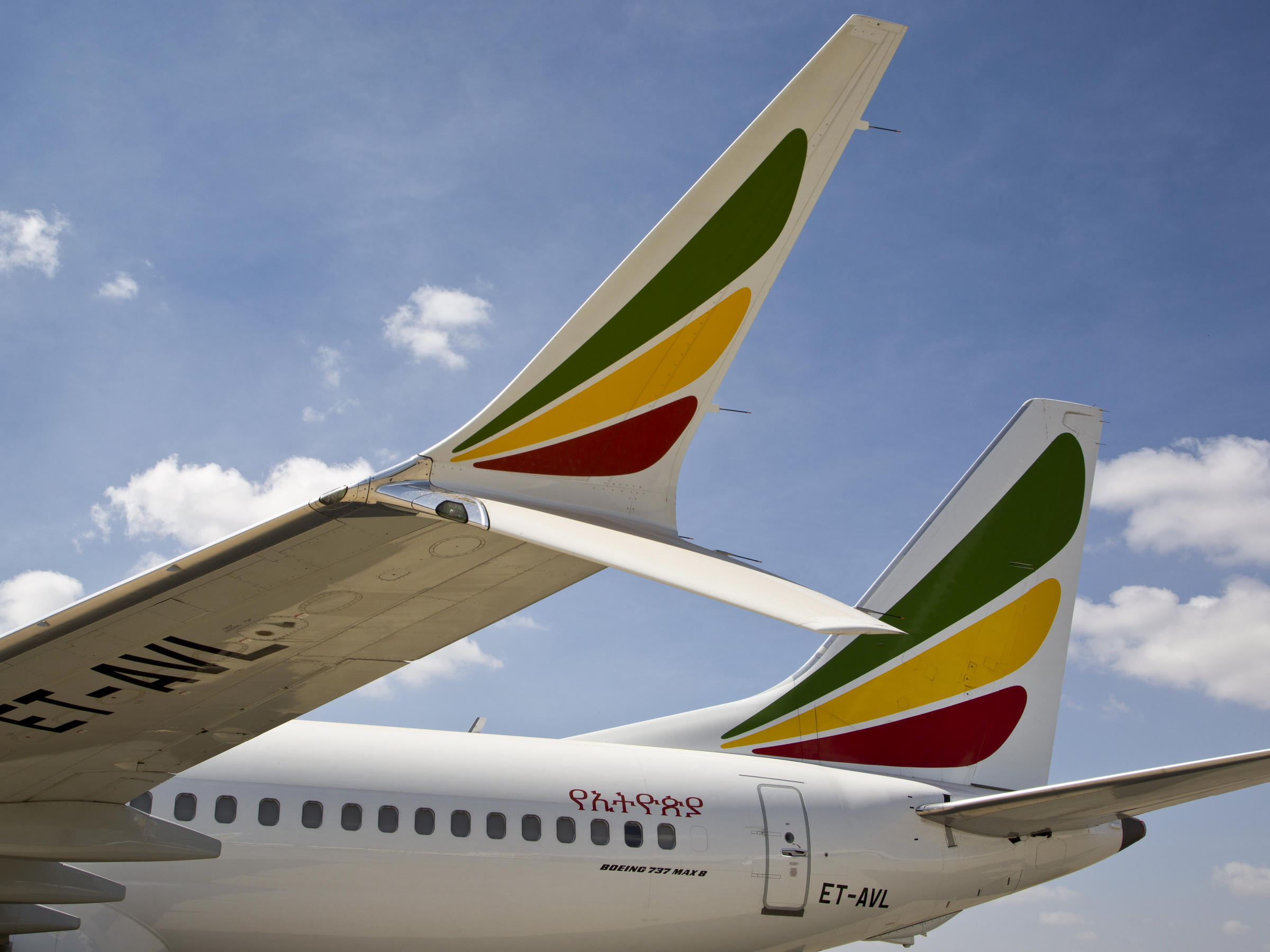
Este 10 Marzo 2020 se cumple el primer aniversario del accidente aéreo del vuelo ET-302 de Ethiopian Airlines de un Boeing 737-8 MAX, iniciando la puesta a tierra de la flota mundial de la línea 737 MAX en todo el mundo, comenzando una pesadilla para el constructor aeronáutico americano. Tras el segundo accidente de un avión de esta serie, las alarmas se encendieron acerca de las nosmas de seguridad en la fiscalización de los procesos aeronéuticos.

Cambios históricos

El 10 Marzo 2019 quedará grabado a fuego en la historia de la compañía Boeing. Ese domingo, en los despachos del gigante aeronáutico estadounidense recibieron la fatídica noticia de que un Boeing 737-8 MAX operado por la aerolínea Ethiopian Airlines había sufrido un accidente que le costó la vida a 157 personas. Una grave tragedia que disparó todas las alarmas al tratarse de la segunda aeronave de esta familia que se estrellaba en sólo cinco meses. El 29 Octubre 2018 un Boeing 737-8 MAX de Lion Air se había precipitado en similares circunstancias causando 189 muertos.

En poco más de tres días las principales autoridades aéreas de China, Europa y Estados Unidos prohibieron volar a los más de 300 aviones 737 MAX que en ese momento había en operación. De pronto, el avión más exitoso de la compañía que acumulaba 4.600 pedidos pendientes de entregar por aquel entonces, se convirtió en una pesadilla de la que un año después la empresa no ha sido capaz de despertarse.

Tanto en el caso del vuelo de Ethiopian como en el de Lion Air las primeras evidencias señalaron al sistema MCAS cómo origen de ambas tragedias. Esta parte del software de la aeronave no estaba presente en los modelos anteriores a la familia MAX. Precisamente, se trata de un asistente que ayuda a los pilotos a pilotar esta familia de aviones igual que sus predecesores.

Carrera comercial

El 737 MAX fue la respuesta de Boeing a los Airbus A320NEO. La compañía europea anunció en 2010 que iba a fabricar una nueva familia de aviones capaz de consumir un 20% menos que los modelos anteriores. Ante este anuncio, Boeing se vio forzada a responder para ofrecer una aeronave que tuviera niveles de consumo tan eficientes como los de los A320NEO.

Así llegó el diseño de los 737 MAX que, básicamente, añadían unos motores más eficientes al diseño anterior. Pero, precisamente esa decisión provocó un cambio en su posición en el avión que afectaba a algunas claves de su pilotaje como el punto de ataque, el ángulo gracias al que una aeronave consigue tener capacidad de generar sustentación. La principal función del MCAS era asistir a los pilotos para que no notaran la diferencia con los anteriores modelos. Esta cuestión fue clave para no obligar a las aerolíneas a certificar a sus pilotos para pilotar los nuevos aviones, lo que facilitó mucho que optaran por renovar sus flotas con aviones 737 MAX. Un piloto certificado para un 737 de la generación anterior podía pilotar un MAX pasando una simple formación teórica sin tener que pasar ni formación en el simulador. Esta característica, que fue uno de los pilares del éxito comercial de esta familia de aviones, fue el origen de la actual crisis.

Daños colaterales

Desde que las autoridades obligaran a parar a los 737 MAX, las cuentas de Boeing no han parado de sufrir. La compañía cerró el ejercicio 2019 con pérdidas de 578 millones de euros, su primer resultado anual negativo en décadas y una caída de facturación del 24%.

La partida destinada a compensar a compañías aéreas que tenían que operar los MAX suma miles de millones y no para de subir. En paralelo, la acción del fabricante aeronáutico ha perdido el 44% de su valor desde el 10 Marzo 2019, 100.000 millones de dólares se han esfumado. A nivel corporativo, las consecuencias en Boeing han sido de alto calado. La compañía ha decidido dejar producir aviones 737 MAX hasta que no se conozca la fecha en la que el avión tendrá permiso para volver a volar. Además, el CEO de Boeing, Dennis Muilenburg, fue destituido por su gestión de la crisis.

Todo el sector aeronáutico en su conjunto está sufriendo los efectos de esta pesadilla. Desde los proveedores de la propia Boeing a las 70 aerolíneas que tenían, o contaban con tener a lo largo de este año, aviones 737 MAX en sus flotas han visto como sus previsiones de negocio saltaban por los aires.

A la falta de los aviones se ha sumado un ingrediente de lo más venenoso para las empresas: la incertidumbre. La imposibilidad de predecir cuánto tiempo estarán los aviones parados es letal para la programación de las líneas aéreas. Los plazos han ido posponiéndose a la misma velocidad que el tiempo consumía hojas del calendario. De las semanas se pasó a los meses hasta llegar a un momento en el que todos los involucrados tiraron la toalla y dejaron de vaticinar fecha de vuelta para el 737 MAX. Nadie sabe cuándo este avión podrá volver a volar.

En estos momentos todo está en manos de la Administración Federal de Aviación de EEUU (FAA). El organismo responsable de la seguridad aérea de Estados Unidos está realizando tanto las tareas de certificación de la aeronave como del proceso que, en su día, permitió volar a un avión sin detectar los problemas que tenía parte de su software. Esta circunstancia ha sumado a los problemas económicos una crisis de confianza en los procesos que las aeronaves pasan antes de recibir luz verde para surcar los aires.

El primer pilar de la industria aérea es la seguridad. Para el transporte con menor tasa de mortalidad la confianza en los procesos de certificación son clave a la hora de que todos los participantes en esta industria realicen su actividad con la confianza de que las certificaciones son fiables. La crisis del 737 MAX ha aflorado las debilidades del sistema y, en estos momentos, se trabaja para que en el futuro no pueda volver a pasar algo así.

La pasada semana el Congreso estadounidense lanzó sus primeras conclusiones sobre la certificación del 737 MAX y no pudo ser más contundente: «es un avión fundamentalmente defectuoso y peligroso, que demuestra la necesidad de reformar las reglamentaciones sobre la certificación de aviones de línea».

En definitiva, los 12 últimos meses han supuesto un antes y un después para la industria aeronáutica en su conjunto. Un periodo que ha estado marcado por la incertidumbre y que aún cuenta con muchas incógnitas por despejar hasta volver a los niveles de confianza previos al accidente del 737 MAX. Las decisiones que se adopten en los próximos meses marcarán, no solo el futuro de Boeing, sino el de el conjunto de la industria. AW-Icon AW001

Image result for Ethiopian Airlines Boeing 737 MAX1st Anniversary tragedy Flight ET-302

1st Anniversary aerial tragedy of Ethiopian Airlines flight ET-302

This March 10, 2020 marks the first anniversary of the Ethiopian Airlines flight ET-302 crash of a Boeing 737-8 MAX, starting the grounding of the world fleet of the 737 MAX line worldwide, starting a nightmare for the American aeronautical builder. After the second accident of an airplane of this series, the alarms went on about the nosmos of security in the control of the aeronautical processes.

Historical changes

On March 10, 2019, it will be etched in the history of the Boeing company. That Sunday, in the offices of the American aeronautical giant they received the fateful news that a Boeing 737-8 MAX operated by Ethiopian Airlines had suffered an accident that cost 157 people their lives. A serious tragedy that triggered all alarms as it was the second aircraft of this family that crashed in just five months. On October 29, 2018, a Lion Air Boeing 737-8 MAX had rushed under similar circumstances causing 189 deaths.

In little more than three days the main air authorities of China, Europe, and the United States banned the flight of the more than 300 737 MAX aircraft that were currently in operation. Suddenly, the most successful aircraft of the company that accumulated 4,600 orders pending delivery at that time, became a nightmare from which a year later the company has not been able to wake up.

Both in the case of the Ethiopian flight and the Lion Air flight, the first evidence pointed to the MCAS system as the origin of both tragedies. This part of the aircraft software was not present in the models prior to the MAX family. Precisely, it is an assistant who helps pilots to fly this family of aircraft just like their predecessors.

Commercial race

The 737 MAX was Boeing’s response to the Airbus A320NEO. The European company announced in 2010 that it would manufacture a new family of aircraft capable of consuming 20% ​​less than previous models. Before this announcement, Boeing was forced to respond to offer an aircraft that had consumption levels as efficient as those of the A320NEO.

Thus came the design of the 737 MAX which basically added more efficient engines to the previous design. But, precisely that decision caused a change in its position on the plane that affected some keys of its piloting as the point of attack, the angle thanks to which an aircraft manages to have the capacity to generate lift. The main function of the MCAS was to assist the pilots so that they did not notice the difference with the previous models. This issue was key to not force airlines to certify their pilots to pilot the new aircraft, which made it much easier for them to choose to renew their fleets with 737 MAX aircraft. A pilot certified for a 737 of the previous generation could pilot a MAX passing a simple theoretical training without having to pass or training in the simulator. This characteristic, which was one of the pillars of the commercial success of this family of aircraft, was the origin of the current crisis.

Collateral damage

Since the authorities forced to stop at 737 MAX, Boeing’s accounts have not stopped suffering. The company closed the 2019 financial year with losses of 578 million euros, its first negative annual result in decades and a turnover drop of 24%.

The item intended to compensate airlines that had to operate the MAX totals billions and does not stop rising. In parallel, the action of the aeronautical manufacturer has lost 44% of its value since March 10, 2019, 100 billion dollars have vanished. At the corporate level, the consequences on Boeing have been high. The company has decided to let 737 MAX planes be produced until the date on which the plane will be allowed to fly again is known. In addition, Boeing CEO Dennis Muilenburg was dismissed for his crisis management.

The entire aeronautical sector as a whole is suffering the effects of this nightmare. From the suppliers of the Boeing itself to the 70 airlines that had, or had to have throughout this year, 737 MAX aircraft in their fleets have seen how their business forecasts jumped through the air.

The lack of airplanes has added a most poisonous ingredient for companies: uncertainty. The impossibility of predicting how long the planes will be standing is lethal for the programming of the airlines. The deadlines have been postponed at the same speed as time consumed calendar sheets. The weeks passed to the months until they reached a time when everyone involved threw in the towel and stopped predicting the return date for 737 MAX. Nobody knows when this plane can fly again.

At the moment everything is in the hands of the US Federal Aviation Administration (FAA). The agency responsible for air safety in the United States is performing both the certification tasks of the aircraft and the process that, in its day, allowed to fly to an airplane without detecting the problems that had part of its software. This circumstance has added to the economic problems a crisis of confidence in the processes that the aircraft go through before receiving the green light to cross the air.

The first pillar of the airline industry is security. For transport with a lower mortality rate, confidence in certification processes is key when all participants in this industry carry out their activity with the confidence that certifications are reliable. The 737 MAX crisis has surfaced the weaknesses of the system and, right now, work is being done so that something like this cannot happen again in the future.

Last week the US Congress launched its first conclusions on the certification of 737 MAX and could not be blunter: «It is a fundamentally defective and dangerous aircraft, which demonstrates the need to reform the regulations on the certification of airplanes».

In short, the last 12 months have been a before and after for the aeronautical industry as a whole. A period that has been marked by uncertainty and still has many unknowns to clear until returning to the levels of confidence prior to the 737 MAX accident. The decisions taken in the coming months will mark, not only the future of Boeing but that of the industry as a whole. AW-Icon AW002


Ξ A I R G W A Y S Ξ
SOURCE: Airgways.com
DBk: Boeing.com / Transportation.gov / Airgways.com
AW-POST: 202003100930AR

A\W   A I R G W A Y S ®

CDC recomendaciones a aerolíneas

AW-Forbes.comAW | 2020 03 10 09:04 | AVIATION SAFETY

Image result for Centers for Disease Control and Prevention (CDC)CDC publica nueva guía de viaje por epidemia COVID-19
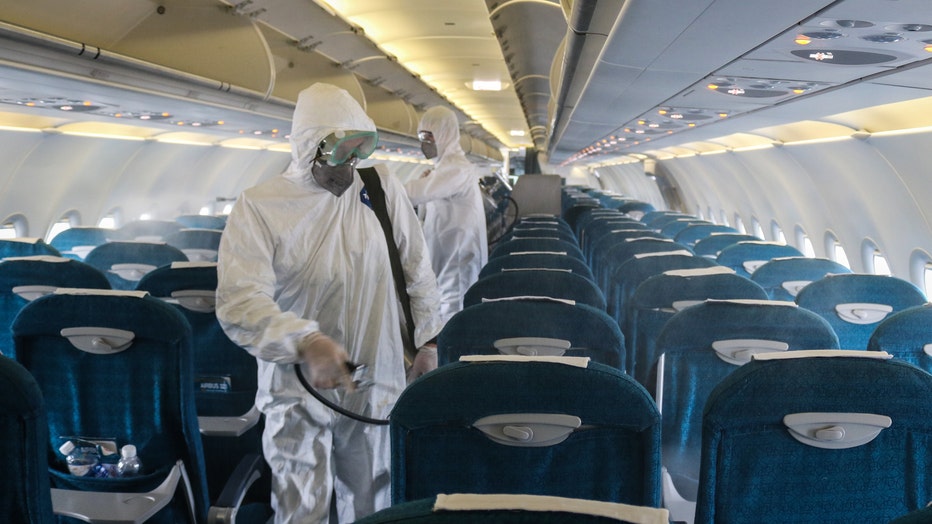
Las finanzas de las líneas aéreas han disminuido este Lunes 09/03 después de que los Centros para el Control y la Prevención de Enfermedades (CDC) recomendaron que los adultos mayores y aquellos con problemas de salud subyacentes eviten largos viajes en avión y espacios abarrotados en medio del brote de coronavirus. Como resultado, varias aerolíneas han compartido precauciones de seguridad y limpieza actualizadas, políticas de cancelación y otros consejos de prevención de coronavirus en sus sitios web y en correos electrónicos a los viajeros.

Todas las aerolíneas enfatizaron los procedimientos de limpieza y la comunicación con profesionales médicos y organizaciones de salud relevantes. Las superficies duras como los lavabos, las bandejas, las persianas y los reposabrazos se limpian a fondo con un desinfectante de alta calidad y un limpiador multiuso. Los CDC les informan que una persona que viajó a bordo exhibe síntomas de coronavirus, la aeronave se pone fuera de servicio y se somete a un proceso de descontaminación. AW-Icon AW001

Image result for Centers for Disease Control and Prevention (CDC) airlines covid-19CDC recommendations to airlines

CDC publishes a new travel guide for epidemic COVID-19

Airline finances have declined on Monday 09/03 after the Centers for Disease Control and Prevention (CDC) recommended that older adults and those with underlying health problems avoid long air travel and crowded spaces in the Coronavirus outbreak medium. As a result, several airlines have shared updated safety and cleaning precautions, cancellation policies and other coronavirus prevention tips on their websites and in emails to travelers.

All airlines emphasized cleaning procedures and communication with relevant medical professionals and health organizations. Hard surfaces such as sinks, trays, blinds, and armrests are thoroughly cleaned with a high-quality disinfectant and a multipurpose cleaner. The CDC informs them that a person who traveled on board exhibits symptoms of coronavirus, the aircraft is taken out of service and undergoes a decontamination process. AW-Icon AW002


Ξ A I R G W A Y S Ξ
SOURCE: Airgways.com
DBk: Cdc.gov / Forbes.com / Fox5atlanta.com
AW-POST: 202003100904AR

A\W   A I R G W A Y S ®

Reactivar MCAS causa accidente ET-302

Image result for ECAA Ethiopian ET302AW | 2020 03 09 15:55 | AIR INVESTIGATION / AVIATION SAFETY

Ethiopian_Airlines_Logo.svgReactivar el software del Boeing 737-8 MAX causó el accidente aéreo de Ethiopian Airlines

Un informe de investigadores etíopes publicado el Lunes 09/03 muestra qué condujo a una caída catastrófica del vuelo ET-302. La Junta de Investigaciones de Accidentes Aéreos de Etiopía, la Ethiopian Civil Aviation Accident (ECAA) ha dictaminado que la causante del accidente aéreo del vuelo ET-302 Image result for ECAA Ethiopiandel Boeing 737-8 MAX ha sido el reinicio del software MCAS en vuelo de los pilotos de la aerolínea Ethiopian Airlines.
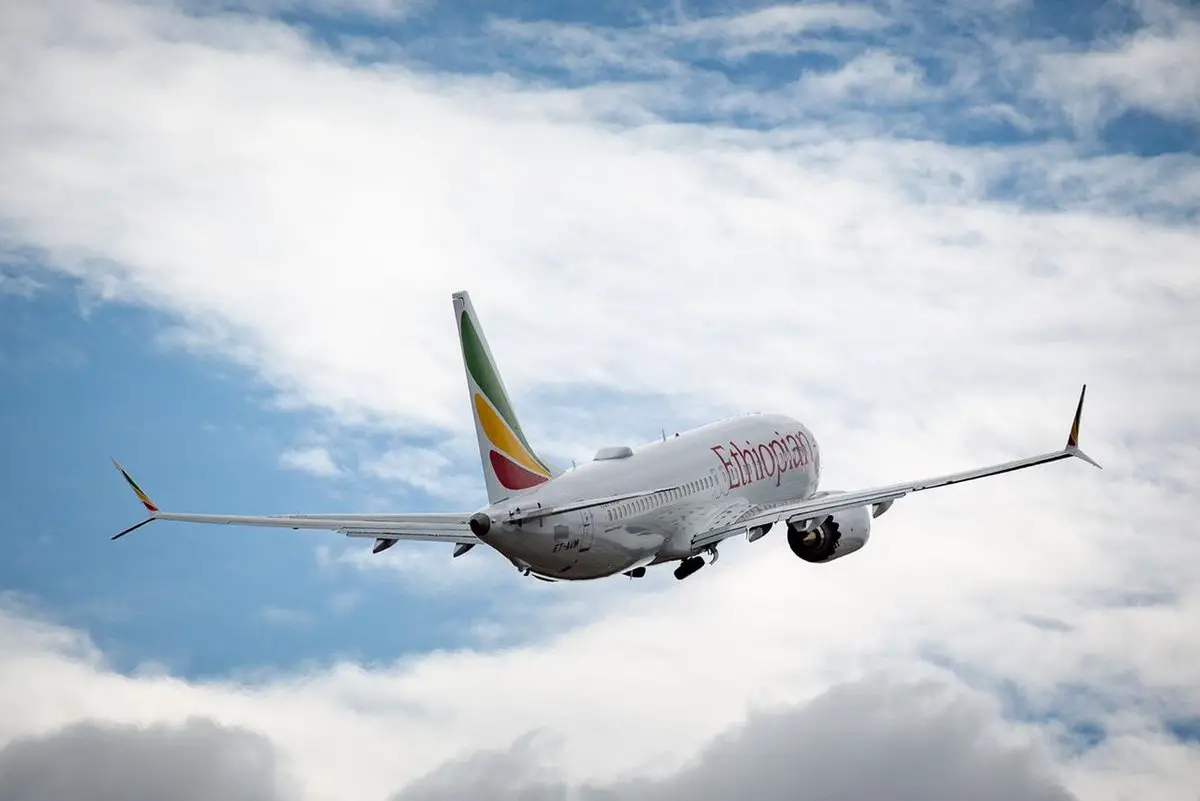
Los pilotos abordo del vuelo ET-302 han intentado múltiples funcionalidades para que la aeronave continúe en vuelo, cuando nada más funcionó para detener su descenso, la tripulación del Boeing 737-8 MAX de Ethiopian Airlines apagaron y luego reactivaron el software de Control de Vuelo del avión que evita las paradas aerodinámicas. El sistema conocido como Maneuvering Characteristics Augmentation System (MCAS) permitiría en teoría controlar la aeronave, pero n o ha sido el objetivo. El Sistema MCAS empuja automáticamente la nariz del avión hacia abajo. Eso ha provocado la desesperada lucha de los pilotos para recuperar el control del avión. Al encender el software MCAS, el avión cayó en picada, aumentando su velocidad de descenso de 100 pies por minuto a más de 5.000 pies por minuto, según el informe provisional de la Oficina de Investigación de Accidentes de Aeronaves de Etiopía.

La caída desde unos 14.000 pies no se pudo controlar y el avión se estrelló unos seis minutos después del despegue, matando a las 157 personas a bordo, según el informe. El informe, publicado un día antes del aniversario del accidente, hace recomendaciones de seguridad y da pistas sobre la causa, pero no se realizará un análisis hasta el informe final que se espera para este año.

El informe también culpa a una lectura defectuosa del sensor que condujo a los eventos en cascada que derribaron el avión y dice que los pilotos deberían haber recibido capacitación en el simulador sobre qué hacer si el sistema MCAS no funciona correctamente.

Según el informe, cuando MCAS se activó por primera vez poco después del despegue, los pilotos siguieron el protocolo apagándolo e intentando controlar un estabilizador en la cola manualmente para apuntar la nariz hacia arriba. Pero su velocidad de aire era de 925 kilómetros por hora, lo que algunos expertos creen que ejerció demasiada fuerza sobre el estabilizador, haciendo que el movimiento manual sea casi imposible.

Entre cinco y seis minutos después del despegue, los pilotos aparentemente violaron el protocolo y reactivaron MCAS, y el avión descendió a pesar de que los pilotos tiraban con fuerza del yugo o columna de control. El avión Boeing 737-8 MAX fue autorizado para despegar justo después de las 05:37 a.m. [UTC], estrellándose a las 05:44 a.m., según el Informe de la ECAA.

Posición de Boeing

Uno de los principales puntos de venta de Boeing para el 737 MAX fue que era esencialmente el mismo que los 737 más antiguos y, por lo tanto, no se necesitaba capacitación en el simulador para cambiar al nuevo avión. Boeing dijo en un comunicado el Lunes 09/03 que está proporcionando asistencia técnica para apoyar la investigación. «Esperamos revisar todos los detalles y recomendaciones formales que se incluirán en el informe final de la Oficina de Investigación de Accidentes de Etiopía», dijo el constructor amercano. AW-Icon AW001

Image result for ECAA Ethiopian ET302Reactivate MCAS causes accident ET-302

Image result for ECAA EthiopianReactivating the software of the Boeing 737-8 MAX caused the Ethiopian Airlines plane crash
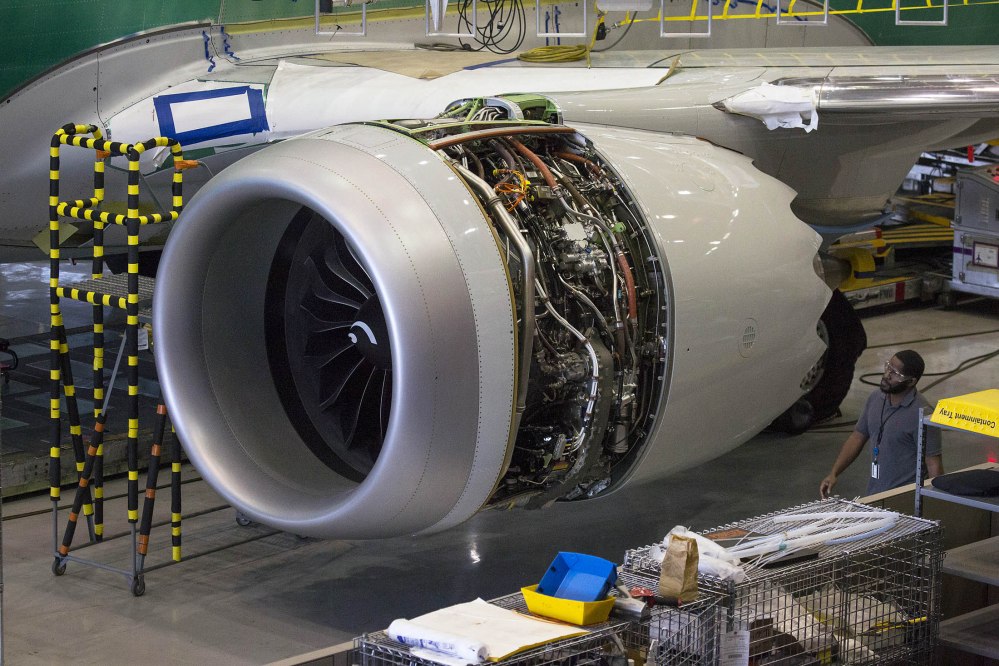
An Ethiopian researchers report published on Monday 09/03 shows what led to a catastrophic fall of the ET-302 flight. The Ethiopian Air Accident Investigation Board, the Ethiopian Civil Aviation Accident  (ECAA) has ruled that the cause of the Boeing 737-8 MAX flight ET-302 plane crash was the restart of the flight MCAS software of the Ethiopian Airlines airline pilots.

The pilots aboard the ET-302 flight have tried multiple functionalities for the aircraft to continue in flight when nothing else worked to stop its descent, the Ethiopian Airlines Boeing 737-8 MAX crew turned off and then reactivated the Flight Control software of the plane that avoids aerodynamic stops. The system is known as Maneuvering Characteristics Augmentation System (MCAS) would theoretically allow control of the aircraft, but it has not been the objective. The MCAS System automatically pushes the nose of the plane down. That has caused the desperate flight of the pilots to regain control of the plane. When the MCAS software was turned on, the plane plummeted, increasing its descent speed from 100 feet per minute to more than 5,000 feet per minute, according to the interim report of the Ethiopian Aircraft Accident Investigation Office.

The fall from about 14,000 feet could not be controlled and the plane crashed about six minutes after takeoff, killing the 157 people on board, according to the report. The report, published one day before the accident anniversary, makes safety recommendations and gives clues about the cause, but an analysis will not be made until the final report expected for this year.

The report also blames a faulty reading of the sensor that led to the cascading events that shot down the plane and says the pilots should have received training in the simulator on what to do if the MCAS system does not work properly.

According to the report, when MCAS was activated for the first time shortly after takeoff, the pilots followed the protocol by turning it off and trying to control a tail stabilizer manually to aim the nose up. But its airspeed was 925 kilometers per hour, which some experts believe exerted too much force on the stabilizer, making manual movement almost impossible.

Between five and six minutes after takeoff, the pilots apparently violated the protocol and reactivated MCAS, and the plane descended even though the pilots were pulling hard on the yoke or control column. The Boeing 737-8 MAX plane was authorized to take off just after 05:37 a.m. [UTC], crashing at 05:44 a.m., according to the ECAA Report.

Boeing position

One of Boeing’s main selling points for the 737 MAX was that it was essentially the same as the older 737 and, therefore, no simulator training was needed to switch to the new plane. Boeing said in a statement on Monday 09/03 that it is providing technical assistance to support the investigation. «We hope to review all the details and formal recommendations that will be included in the final report of the Ethiopian Accident Investigation Office», said the American builder. AW-Icon AW002


Ξ A I R G W A Y S Ξ
SOURCE: Airgways.com
DBk: Ecaa.gov.et / Boeing.com / Airgways.com / Wikipedia.org
AW-POST: 202003091555AR

A\W   A I R G W A Y S ®

FAA ordenaría cableado Boeing 737 MAX

The Boeing Co. Unveils The New 737 Max 9 AircraftAW | 2020 03 08 21:23 | AVIATION SAFETY

FAA-logoAW-Icon_Boeing 737 MAXFAA exigiría arreglos de cableado eléctrico en aeronaves Boeing 737 MAX antes de recertificación

La Federal Aviation Administration (FAA) ordenará la mofidicación del cambio de ruta de ciertos cableados para cumplir con las normas de seguridad del sistema eléctrico que conectan a las plantas motrices de la línea Boeing 737 MAX. Los cables eléctricos se reubicarían tanto en la flota mundial Boeing-Company-Logode aeronaves, las aparcadas en la factoría como así de aquellas a fabricar. Esta modificación del sistema eléctrico podría ser el último escollo a superar antes de las aprobaciones para su recertificación. Boeing necesitará cubrir estas nuevas modificaciones en todos los casi 800 aviones 737 MAX existentes producidos hasta ahora. La decisión podría verse afectada por más discusiones internas y datos adicionales que el fabricante del avión puede presentar al regulador.
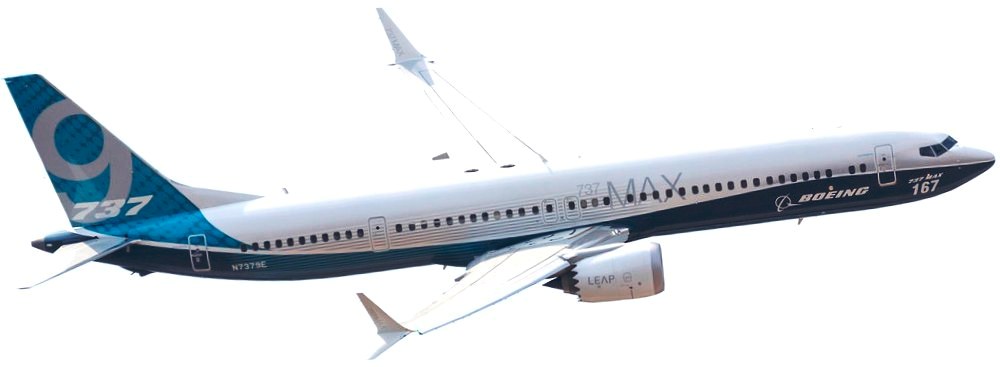
Corrección cableados

La Gerencia y la Ingeniería de la FAA han concluido que el diseño original del cableado del sistema eléctrico que conecta a las turbinas son potencialmente peligroso y viola las normas de seguridad de cableado destinadas a prevenir cortocircuitos peligrosos. En circunstancias extremas, las fallas en el cableado podrían hacer que el Sistema de Control de Vuelo afecten bruscamente al sistema inercial de un avión de manera similar a las maniobras automáticas (MCAS) que derribaron dos aviones Boeing 737-8 MAX cobrándose las 346 vidas.

Posición de Boeing

El fabricante Boeing ha argumentado que el diseño de cableado actual cumple con la FAA y las normas internacionales de seguridad. Boeing también le dijo a la FAA que debido a que los riesgos son muy remotos, y se ha producido un número relativamente pequeño de cortocircuitos similares durante la extensa historia del modelo predecesor del 737 MAX, no es necesario rediseñar el cableado. El punto de vista de la agencia se basa en regulaciones de larga data establecidas después de incendios eléctricos y explosiones de tanques de combustible en aviones comerciales durante décadas atrás.

AW-Boeing737-9MAXPerspectivas

El movimiento de la FAA limita varios meses de maniobras entre bastidores entre Boeing y la FAA que ya ha retrasado los vuelos cruciales necesarios para examinar las soluciones del software de Control de Vuelo del 737 MAX y avanzar con la certificación de los aviones aterrizados como seguros para transportar pasajeros nuevamente.

Las complicaciones derivadas de los cambios obligatorios en el cableado podrían retrasar las Directivas de Aeronavegabilidad (AD) de la FAA que dejan sin fundamento la flota asediada durante al menos varias semanas, potencialmente más allá de la línea de tiempo de mediados de Junio 2020 proyectada previamente por funcionarios de la industria y el gobierno.

Las preocupaciones sobre el cableado también se han convertido en un caso de prueba de lo que el CEO de Boeing, David Calhoun, ha promocionado como su enfoque más realista y conciliador hacia las demandas de seguridad de la FAA antes de permitir que la flota del 737 MAX vuelva al aire.

La FAA dijo el Domingo 08/03 que continúa colaborando con Boeing en el tema del cableado y que el Boeing 737 MAX volverá al servicio solo después de que la FAA esté satisfecha de que se abordan todos los problemas relacionados con la seguridad.

Un portavoz de Boeing dijo que las discusiones con la FAA continúan, pero independientemente del resultado, la estimación de la compañía para un retorno al servicio a mitad de año no cambia. Si Boeing continúa presionando su caso ante la decisión preliminar de la FAA, el resultado probable sería meses de debate adicional que involucrara a la FAA y a los reguladores extranjeros en Europa, Canadá y Brasil. Esa es una razón importante por la que Boeing, que ya ha estado ideando formas de reubicar cierto cableado, en última instancia es probable que acepte la posición de la FAA. Desde el punto de vista de la percepción pública, las autoridades estadounidenses son reacias a romper con las demandas de los reguladores extranjeros de que las reparaciones del cableado deben completarse antes de que la flota pueda reanudar las operaciones.

Los reguladores canadienses aún no han tomado una posición oficial sobre cómo Boeing debería mitigar los riesgos asociados con los paquetes de cables, dijo Nicholas Robinson, Director General de Aviación Civil de Transport Canada. Pero en privado, según personas familiarizadas con los detalles, Canadá apoya firmemente la reubicación de algunos cables. «Hemos expresado nuestras preocupaciones a la FAA. Analizaremos la solución de la FAA, luego evaluaremos si eso satisface nuestras necesidades», dijo Robinson en una entrevista en un evento de aviación en Washington, DC, la semana pasada.

La FAA está estableciendo un calendario aproximado de la recertificación de todas las aeronaves de la familia 737 MAX hacia mediados de 2020, por lo que se está trabajando enfáticamente para devolver al lastimoso 737 a los cielos del mundo. AW-Icon AW001

AW-CCNN_70004FAA would order Boeing 737 MAX wiring

Boeing-Logo.svgAW-790001FAA would display electrical wiring arrangements on Boeing 737 MAX aircraft before recertification
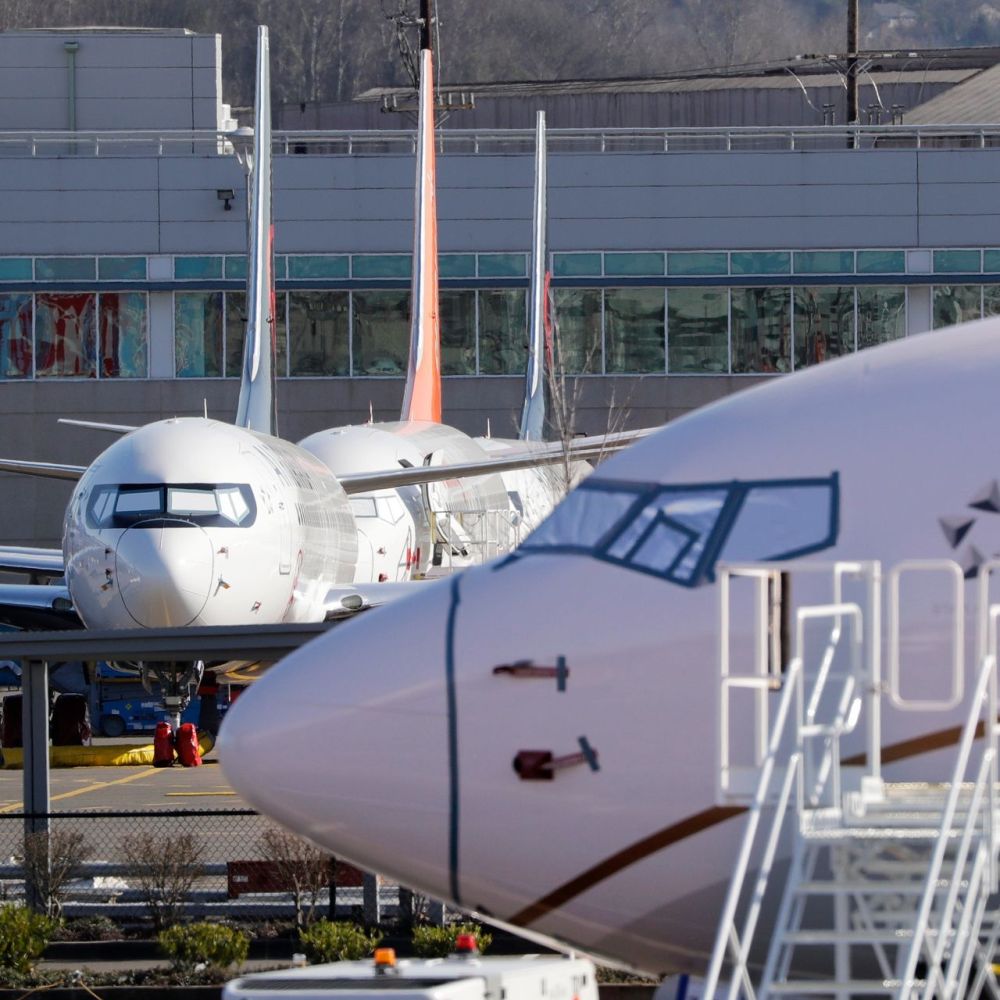
The Federal Aviation Administration (FAA) will order the modification of the route of certain wiring to comply with the safety regulations of the electrical system that connect the power plants of the Boeing 737 MAX line. The electric cables would be relocated both in the world fleet of aircraft, those parked at the factory as well as those to be manufactured. This modification of the electrical system could be the last stumbling block to overcome before approvals for recertification. Boeing will need to cover these new modifications on all the almost 800 existing 737 MAX aircraft produced so far. The decision could be affected by more internal discussions and additional data that the aircraft manufacturer can present to the regulator.

Wired Correction

The FAA Management and Engineering have concluded that the original wiring design of the electrical system that connects the turbines is potentially dangerous and violates the wiring safety standards designed to prevent dangerous short circuits. In extreme circumstances, wiring failures could cause the Flight Control System to abruptly affect the inertial system of an aircraft in a manner similar to the automatic maneuvers (MCAS) that shot down two Boeing 737-8 MAX aircraft, claiming 346 lives.

Boeing position

The Boeing manufacturer has argued that the current wiring design complies with the FAA and international safety standards. Boeing also told the FAA that because the risks are very remote, and a relatively small number of similar short circuits have occurred during the long history of the predecessor model of the 737 MAX, it is not necessary to redesign the wiring. The agency’s point of view is based on long-standing regulations established after electric fires and fuel tank explosions in commercial airplanes for decades ago.

Perspective

The FAA movement limits several months of backstage maneuvers between Boeing and the FAA that has already delayed the crucial flights needed to examine the 737 MAX Flight Control software solutions and move forward with the certification of the landed aircraft as safe for transport passengers again.

Complications resulting from mandatory wiring changes could delay the FAA Airworthiness Directives (AD) that leave the besieged fleet unfounded for at least several weeks, potentially beyond the previously projected timeline of mid-June 2020 by industry and government officials.

AW-7000003

Wiring concerns have also become a test case of what Boeing CEO David Calhoun has promoted as his most realistic and conciliatory approach to FAA security demands before allowing the 737 MAX fleets to return to the air.

The FAA said on Sunday 08/03 that it continues to collaborate with Boeing on the wiring issue and that the Boeing 737 MAX will return to service only after the FAA is satisfied that all security related issues are addressed.

A Boeing spokesman said discussions with the FAA continue, but regardless of the outcome, the company’s estimate for a return to mid-year service does not change. If Boeing continues to press its case before the preliminary FAA decision, the likely outcome would be months of additional debate involving the FAA and foreign regulators in Europe, Canada, and Brazil. That is an important reason why Boeing, which has already been devising ways to relocate certain wiring, is ultimately likely to accept the FAA position. From a public perception point of view, US authorities are reluctant to break the demands of foreign regulators that wiring repairs must be completed before the fleet can resume operations.

Canadian regulators have not yet taken an official position on how Boeing should mitigate the risks associated with cable packages, said Nicholas Robinson, General Director of Civil Aviation at Transport Canada. But privately, according to people familiar with the details, Canada strongly supports the relocation of some cables. «We have expressed our concerns to the FAA. We will analyze the FAA solution, then evaluate if that meets our needs», Robinson said in an interview at an aviation event in Washington, DC, last week.

The FAA is establishing an approximate schedule for the recertification of all aircraft of the 737 MAX family by mid-2020, so it is working emphatically to return the pitiful 737 to the skies of the world. AW-Icon AW002


Ξ A I R G W A Y S Ξ
SOURCE: Airgways.com
DBk: Faa.gov / Boeing.com / Tc.gc.ca / Airgways.com / Bloomberg.com
AW-POST: 202003082123AR

A\W   A I R G W A Y S ®