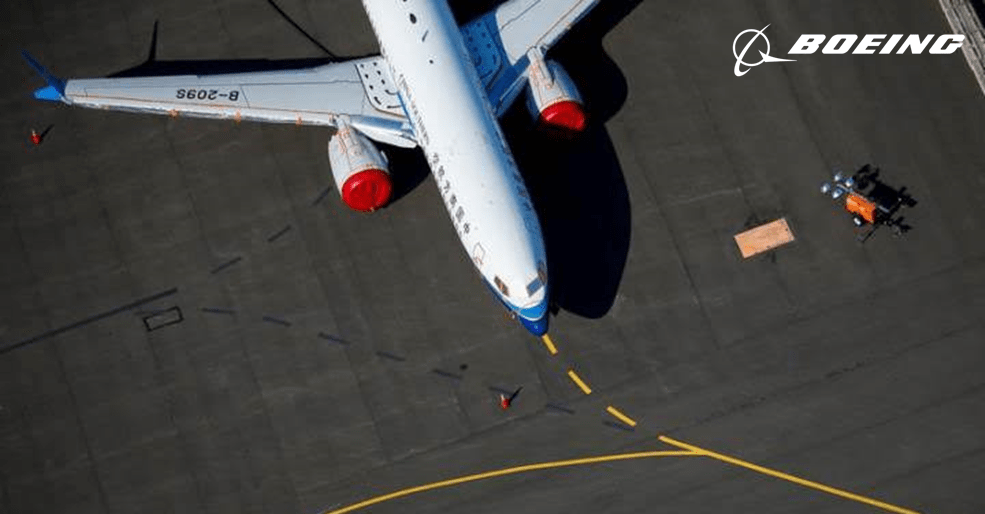
 AW | 2020 03 13 17:10 | AVIATION SAFETY

 Cronología de la puesta a tierra de la flota mundial del Boeing 737 MAX
El 13 Marzo 2020 se cumple el aniversario de la puesta a tierra de la flota mundial del Boeing 737 MAX. El 11 Marzo 2019, las autoridades de aviación de todo el mundo habían anunciado la puesta a tierra el Boeing 737 MAX, el avión de pasajeros más taquillero del mundo. Después de dos nuevos aviones chocaron dentro de los cinco meses, matando a las 346 personas a bordo. Después del primer accidente, Lion Air vuelo JT-610 el 29 Octubre 2018, Boeing y la Administración Federal de Aviación de los Estados Unidos (FAA) publicaron un procedimiento de recuperación de vuelo para contrarrestar las caídas involuntarias causadas por el Sistema de Aumento de Características de Maniobra (MCAS), un nuevo control de vuelo que fue omitido de los manuales y entrenamiento de la tripulación. Boeing y la FAA concluyeron en privado que MCAS planteó unriesgo de seguridad inaceptable, pero el MAX permaneció en servicio hasta que el vuelo ET-302 de Ethiopian Airlines se estrelló el 10 Marzo 2019.
 Ethiopian Airlines aterrizó su flota el día del accidente. El 11 Marzo 2019, la Administración de Aviación Civil de China llevó a la mayoría de los demás a aterrizar el avión en rápida sucesión, mientras que la FAA resistió la presión del Congreso y afirmó públicamente su aeronavegabilidad antes de reconocer similitudes entre ambos accidentes el 13 Marzo 2019. Para el 18 Marzo 2019, los 387 aviones, que atendieron 8.600 vuelos semanales por 59 aerolíneas, fueron puestos a tierra.
Después del segundo accidente, el Congreso de Estaados Unidos, las agencias federales y los paneles ad hoc comenzaron a investigar la certificación de la FAA del MAX, particularmente la delegación de autoridad de la agencia a Boeing que los críticos dijeron que la supervisión debilitada. Boeing enfrentó un mayor escrutinio del regulador y descubrió nuevos problemas que prolongaron la conexión a tierra. En noviembre de 2019, la FAA revocó la autoridad de Boeing para emitir certificados de aeronavegabilidad para aviones MAX individuales. En Diciembre 2019, Boeing derrocó a su CEOsobre la mala gestión de la crisis. En Enero 2020, Boeing detuvo la producción del 737 MAX hasta que los reguladores autorizaron que el avión volviera a volar. La compañía también invirtió el curso y recomendó la capacitación en simulador de vuelo para todos los pilotos 737 MAX. Boeing estimó que la puesta a tierra, la más larga para un avión estadounidense, le costará a la compañía hasta US$ 20 mil millones de dólares en Junio 2020.
Los informes de investigación se publicaron en los primeros aniversarios de los accidentes en octubre de 2019 y marzo de 2020. El Agencia de Aviación KNKT de Indonesia concluyó que el accidente de Lion Air resultó de fallas en el diseño del avión, la certificación, el mantenimiento y las acciones de la tripulación de vuelo. La ECAA etíope, que determinó que la tripulación de vuelo había intentado el procedimiento de recuperación, atribuyó la culpa al diseño del software de la aeronave. La Cámara de Representantes de Estados Unidos criticó la «cultura de ocultamiento» de Boeing durante la certificación y después de ambos accidentes.
Después del accidente de Ethiopian Airlines, China y la mayoría de las demás autoridades de aviación precedieron a la Administración Federal de Aviación de Estados Unidos (FAA), la agencia de certificación para el MAX, al poner a tierra el avión sobre los riesgos de seguridad percibidos. La FAA emitió una Notificación de Aeronavegabilidad Continua a la Comunidad Internacional el 11 Marzo y resistió la presión de los legisladores estadounidenses para aterrizar el avión. El CEO de Boeing, Dennis Muilenburg, llamó al presidente estadounidense Trump el 12 Marzo para asegurarle que el avión estaba a salvo. El 13 Marzo 2019, la FAA encontró similitudes entre los dos accidentes y aterrizó en el avión. Alrededor de 30 aviones 737 MAX volaban en el espacio aéreo de los Estados Unidos en ese momento y se les permitió llegar a sus destinos. Para el 18 Marzo 2019, los reguladores pusieron en tierra todos los 387 aviones MAX en servicio con 59 aerolíneas en todo el mundo y realizaron 8.600 vuelos cada semana. Se operaron varios vuelos en ferry con aletas extendidas para evitar la activación de MCAS.
La conexión a tierra posteriormente se convirtió en la más larga de un avión estadounidense. A partir de enero de 2020, otros 400 aviones recién fabricados esperan la entrega a las aerolíneas en espera del regreso del servicio al avión.
Investigaciones de accidentes
 Lion Air / Flight JT-610 / Boeing 737-8 MAX / PK-LQP
Las investigaciones preliminares revelaron serios problemas de control de vuelo que traumatizaron a los pasajeros y a la tripulación en el vuelo anterior de la aeronave, así como signos de sensor de ángulo de ataque (AoA) y otras fallas de instrumentos en ese y vuelos anteriores, vinculados a una falla de diseño que involucraba la maniobra. Sistema de aumento de características (MCAS) de la serie 737 MAX. El informe preliminar tentativamente atribuyó el accidente a los datos erróneos de ángulo de ataque (AoA) y al ajuste automático de la nariz hacia abajo comandado por MCAS. La paleta defectuosa del ángulo de ataque era una parte usada dudosa que había sido reemplazada en el lado del capitán, según los registros de mantenimiento de la aeronave.
El informe final de NTSC, publicado el 23 Octubre 2019, fue preparado con la asistencia de la NTSB de EE.UU. el investigador de NTSC, Nurcahyo Utomo, identificó nueve factores del accidente y dijo: «Los nueve factores son el problema raíz; no pueden separarse. Ninguno contribuye más que el otro. A diferencia de los informes de la NTSB que identifican la causa principal de los accidentes y luego enumeran los problemas contribuyentes que se determinaron como menos significativos, Indonesia sigue una convención utilizada por muchos reguladores extranjeros de enumerar factores causales sin clasificarlos». El informe final ha sido compartido con las familias del Vuelo JT-610 de Lion Air, luego publicado el 25 Octubre 2019.

Ethiopian Airlines / Flight 302 / Boeing 737-8 MAX / ET-AVJ
El avión de Ethiopian Airlines que se estrelló como el vuelo ET-302. Los informes iniciales para el vuelo 302 encontraron que los pilotos luchaban por controlar el avión de una manera similar al accidente del vuelo JT-610 de Lion Air. El 13 Marzo 2019, la FAA anunció que la evidencia del sitio del accidente y los datos del satélite en el Vuelo 302 sugirieron que podría haber sufrido el mismo problema que el Vuelo JT-610 de Lion Air en el sentido de que el tornillo de control controlaba el tono del estabilizador horizontal del vuelo 302 estrellado, se encontró que estaba en la posición de «nariz hacia abajo», similar al vuelo JT-610 de Lion Air. Esto implicó aún más a MCAS como contribuyente al accidente.
El portavoz de Ethiopian Airlines, Biniyam Demssie, dijo que los procedimientos para deshabilitar MCAS acababan de incorporarse a la capacitación de pilotos. Todos los pilotos que volaban el MAX recibieron el entrenamiento después del accidente de Indonesia. Había una directiva de Boeing, por lo que tomaron esa capacitación. A pesar de seguir el procedimiento, los pilotos no pudieron recuperarse.
La Autoridad de Aviación Civil de Etiopía (ECAA) lidera las investigaciones del Vuelo ET-302. La Administración Federal de Aviación de los Estados Unidos también ayudará en la investigación. Tanto la grabadora de voz de la cabina como la grabadora de datos de vuelo se recuperaron del lugar del accidente el 11 Marzo 2019. La agencia francesa de investigación de accidentes de aviación BEA anunció que analizaría las grabadoras de vuelo del vuelo. BEA recibió los registradores de vuelo el 14 Marzo 2019.
El 17 Marzo 2019, el ministro de transporte de Etiopía, Dagmawit Moges, anunció que «se encontró la caja negra en buenas condiciones que nos permitió extraer casi todos los datos del interior» y que los datos preliminares recuperados del registrador de datos de vuelo muestran un clara similitud con las del Vuelo JT-610 de Lion Air que se estrelló frente a Indonesia. Debido a este hallazgo, algunos expertos en Indonesia sugirieron que el NTSC debería cooperar con el equipo de investigación del Vuelo ET-302. Más tarde en la noche, el NTSC ofreció asistencia al equipo de investigación del vuelo ET-302, declarando que el comité y el Ministerio de Transporte de Indonesiaenviaría investigadores y representantes del gobierno para ayudar con la investigación del accidente.
La Autoridad de Aviación Civil de Etiopía planeaba publicar un informe provisional, antes del 10 Marzo del accidente. Los investigadores han concluido tentativamente que el accidente fue causado por el diseño del avión.
Estados Unidos
La velocidad vertical de los Boeing 737-8 MAX involucrados en los choques JT 610 y ET 302. El 6 Noviembre 2018, cuatro días antes de identificar a MCAS por su nombre, Boeing publicó un boletín de servicio complementario provocado por el primer accidente. El boletín describe advertencias desencadenadas por datos erróneos de AoA, y refirió a los pilotos a un procedimiento de «ajuste desbocado no normal» como resolución, especificando una ventana estrecha de unos segundos antes de que el sistema se reactivara y volviera a bajar la nariz. La FAA emitió una directiva de aeronavegabilidad de emergencia, 2018-23-51, el 7 Noviembre 2018, que requiere la inclusión del boletín en los manuales de vuelo, y que los pilotos revisen inmediatamente la nueva información proporcionada. El 11 Marzo 2019, la FAA defendió el avión contra la conexión a tierra citando estos procedimientos de emergencia (Notificación continua de aeronavegabilidad a la comunidad internacional ) para operadores.
En Diciembre 2018, un mes después del accidente de Lion Air, la FAA había llevado a cabo un análisis interno de riesgos de seguridad que preveía quince accidentes más sin reparaciones en MCAS, pero ese informe no se reveló hasta la audiencia de la Cámara de Representantes de EE.UU. en Diciembre 2019. El administrador de la FAA, Stephen Dickson, quien asumió el cargo durante las investigaciones del accidente, dijo en retrospectiva que el riesgo de accidente era insatisfactorio .
El 26 Septiembre 2019, la NTSB publicó los resultados de su revisión de posibles fallas en el diseño y aprobación del 737 MAX. El informe de NTSB concluye que las suposiciones «que Boeing usó en su evaluación de peligro funcional de la función MCAS no comandada para el 737 MAX no consideraron adecuadamente ni explicaron el impacto que las alertas e indicaciones múltiples de la cubierta de vuelo podrían tener en las respuestas de los pilotos al peligro». Cuando Boeing indujo una entrada de compensación del estabilizador que simulaba que el estabilizador se movía de manera consistente con la función MCAS, los modos de falla específicos que podrían conducir a la activación involuntaria de MCAS (como una entrada errónea de AOA alta al MCAS) no se simularon como parte de estas pruebas de validación de evaluación de riesgos funcionales. Como resultado, los efectos adicionales de la plataforma de vuelo (como las alertas IAS DISAGREE y ALT DISAGREE y la activación del agitador de palo) como resultado de la misma falla subyacente».
El NTSB cuestionó la industria de larga data y la práctica de la FAA de asumir las respuestas casi instantáneas de los pilotos de prueba altamente capacitados en comparación con los pilotos de todos los niveles de experiencia para verificar los factores humanos en la seguridad de las aeronaves. La NTSB expresó su preocupación de que el proceso utilizado para evaluar el diseño original necesita mejoras porque ese proceso todavía está en uso para certificar los diseños actuales y futuros de aeronaves y sistemas. La FAA podría, por ejemplo, tomar muestras aleatoriamente de grupos de la comunidad piloto mundial para obtener una evaluación más representativa de las situaciones de la cabina.
Estados responsables
El Anexo 13 de las reglamentaciones de la OACI, “Investigación de accidentes e incidentes de aviación”, define qué estados pueden participar en las investigaciones. Para los dos accidentes de los Boeing 737-8 MAX estában involucrados: las aerolíneas Lion Air y Ethiopian Airlines, las oficinas de seguridad de transporte estatales o nacionales participantes son la NTSB para los Estados Unidos y la KNKT para Indonesia. Australia y Singapur también ofrecieron asistencia técnica, poco después del accidente del vuelo JT-610de Lion Air, con respecto a la recuperación de datos de los registradores de vuelo de nueva generación (FDR). Con la excepción de Etiopía, los países oficialmente reconocidos son miembros de la Revisión Técnica de Autoridades Conjuntas (JATR).
Certificación de tipo y regreso al servicio
El Boeing 737 MAX necesita ser recertificado para volar nuevamente. El 11 Marzo 2019, un gran jurado federal de los Estados Unidos emitió una citación en nombre del Departamento de Justicia de los EE.UU. (DOJ) para documentos relacionados con el desarrollo del 737 MAX. El 19 Marzo 2019, el Departamento de Transporte de los Estados Unidos solicitó a la Oficina del Inspector General que realizara una auditoría sobre el proceso de certificación 737 MAX. Bajo un sistema conocido como la Autorización de Designación de la Organización, la FAA permitió a fabricantes como Boeing actuar en su nombre, mientras que la agencia conserva la autoridad legal para emitir un certificado de tipo. El objetivo de Boeing era garantizar que el avión conservara una habilitación de tipo compatible con todos los demás aviones de la familia 737, evitando así la costosa capacitación en simuladores y la necesidad de aprender nuevos sistemas como el MCAS.
Durante los próximos meses la crisis actual reveló cómo las decisiones de gestión en Boeing y la FAA impulsaron soluciones de ahorro de costos, pero finalmente produjeron un diseño defectuoso con una supervisión insuficiente.
 En Noviembre 2019, la FAA suspendió la autoridad de Boeing para emitir certificados de aeronavegabilidad individuales para aeronaves Boeing 737 MAX. En Febrero 2020, el Departamento de Justicia realizó una investigación en curso sobre si Boeing le mintió a la FAA. En Marzo 2020, la Cámara de Representantes criticó la cultura de ocultamiento de Boeing y su influencia indebida sobre la FAA, como se ejemplificó durante la certificación y después de los choques.
Por convención, los reguladores de aviación de todo el mundo aceptan la certificación de aeronaves del país de fabricación y no revisan esas certificaciones con mucho detalle. Sin embargo, desde los accidentes mortales y la puesta a tierra del 737 MAX, varias autoridades de aviación, particularmente la EASA europea, llevarán a cabo sus evaluaciones y pruebas de validación del MAX antes de autorizarlo en su espacio aéreo controlado. A partir de octubre de 2019, los desacuerdos sobre varios detalles de revisión del sistema, el Nivel de participación (LoI) entre las dos principales autoridades de aviación, FAA y EASA, así como la nueva recomendación de Boeing de capacitación en simuladores podría retrasar el regreso al servicio del 737 MAX.
Sistema MCAS
El Boeing 737 MAX utiliza un estabilizador ajustable, movido por un tornillo de elevación, para proporcionar las fuerzas de compensación de cabeceo requeridas. El Sistema de Aumento de Características de Maniobra (MCAS) es una ley de control de vuelo (software) integrada en el sistema de control de vuelo Boeing 737 MAX que intenta imitar un comportamiento de lanzamiento similar al de los aviones de la generación anterior de la serie Next Generation de los Boeing 737NG. Cuando MCAS detecta que la aeronave está operando en vuelo manual, con aletas hacia arriba, en un ángulo de ataque elevado (AoA), ajusta el ajuste del estabilizador horizontal para agregar retroalimentación de fuerza positiva (una sensación de «nariz pesada»), a través de la columna de control, por lo que el piloto no levantará el avión inadvertidamente demasiado abruptamente, lo que podría causar una pérdida. Contrariamente a las descripciones en los informes de noticias, sin embargo, Boeing afirma que MCAS no es un sistema anti-bloqueo. El movimiento del estabilizador ordenado por MCAS empuja la nariz del avión automáticamente sin la intervención del piloto.
El Sistema MCAS en el Boeing 737 MAX fue diseñado para activarse utilizando la entrada de solo uno de los dos sensores de ángulo de ataque del avión, haciendo que el sistema sea susceptible a un solo punto de falla. Boeing omitió una descripción de MCAS de los manuales de vuelo de 737 MAX, dejando a los pilotos inconscientes del sistema cuando el avión entró en servicio. En Abril 2019, Boeing admitió que MCAS desempeñó un papel en los accidentes fatales del vuelo JT-610 de Lion Air y el vuelo ET-302 de Ethiopian Airlines. La primera vez que Boeing reveló públicamente la existencia de MCAS en el 737 MAX fue en un mensaje a los operadores de aerolíneas y otros intereses de aviación el 10 Noviembre 2018, doce días después del accidente de Lion Air. Boeing también había sido consciente de otros problemas de software que suprimieron un mensaje crucial de desacuerdo de AoA. Sin conocimiento del MCAS y su comportamiento, los pilotos del vuelo de Lion Air, los primeros en chocar, estaban en desventaja cuando intentaban responder a la activación errónea del sistema. Los procedimientos enfatizados por Boeing y la FAA no evitaron el posterior accidente de Ethiopian Airlines, lo que llevó a la puesta a tierra del avión en todo el mundo.
MCAS se desplegó por primera vez en el buque tanque Boeing KC-46 de la Fuerza Aérea, donde «mueve de manera similar el estabilizador en un giro de cuerda». Sin embargo, a diferencia del 737 MAX, MCAS podría anularse en el KC-46 tirando hacia atrás de su columna de control. El Wall Street Journal informó en Mayo 2019 que Boeing no compartió información sobre ese tema durante «aproximadamente un año» antes del accidente de Lion Air en Indonesia.
Reacciones
Después de las bases del Boeing 737 MAX, las reacciones vinieron de múltiples organizaciones. Inicialmente, Boeing expresó su simpatía hacia los familiares del vuelo 610 de Lion Air y el vuelo ET-302 de Ethiopian Airlines, pero defendió la aeronave contra cualquier falla hasta que no haya sido refutada por evidencia. Boeing proporcionó varios plazos obsoletos de retorno al servicio, el primero de los cuales fue «en las próximas semanas» después de la conexión a tierra. Los observadores públicos comentaron sobre la «relación acogedora» que existe entre la industria y sus reguladores.
Después de que la gestión de crisis de Boeing no logró calmar las preocupaciones de las partes interesadas con el avión, la junta removió a Dennis Muilenburg como presidente y lo reemplazó con David L. Calhoun el 11 Octubre 2019. Airbus, su principal competidor, no está dispuesto a echarle la culpa a la ingeniería de Boeing. El proceso de certificación podría ser más difícil para cada fuselaje, y sus capacidades de producción ya están maximizadas.
Las opiniones de los pilotos y los asistentes de vuelo se mezclan, ya que algunos expresaron su confianza en la renovación de la certificación, mientras que otros están decepcionados porque Boeing había ocultado una característica de seguridad importante a su conocimiento. La mayoría de las aerolíneas buscan una compensación de Boeing para cubrir los costos de la interrupción, mientras que el 737 MAX recibió cierto apoyo cuando International Airlines Group (IAG) anunció en el Salón Aeronáutico de París de Junio 2019 que podría ordenar 200 aviones. Las encuestas de opinión sugirieron que la mayoría de los pasajeros son reacios a volar nuevamente a bordo del 737 MAX cuando se reintroduzca, mientras que la mayoría debería sentirse cómoda al abordarlo nuevamente después de un tiempo para probar sus operaciones seguras.
Efectos financieros y económicos
Las bases del Boeing 737 MAX han tenido un profundo efecto financiero en la industria de la aviación y un efecto significativo en la economía nacional de los Estados Unidos. Ninguna aerolínea recibió el MAX durante la puesta a tierra. Boeing redujo la producción de MAX a 42 aviones por mes hasta enero de 2020, cuando se detuvieron hasta que los reguladores volvieron a aprobar el avión. Boeing ha sufrido directamente a través del aumento de los costos, pérdida de ventas e ingresos, pérdida de reputación, litigios de víctimas, compensación de clientes, disminución de la calificación crediticia y disminución del valor de las acciones. En enero de 2020, la compañía estimó una pérdida de US$ 18.4 mil millones para 2019, e informó que 183 pedidos 737 MAX cancelados para el año. Su extensa cadena de suministro que proporciona componentes de aeronaves y simuladores de vuelo ha sufrido pérdidas similares a las de la industria de servicios de aeronaves, incluida la capacitación de la tripulación, El mercado secundario y la industria de seguros de aviación también han sufrido. Sus clientes, las líneas aéreas y los arrendadores de aeronaves, han visto gravemente interrumpidas sus operaciones y planes estratégicos.
La experiencia de los dos accidentes aéreos ha traido a la opinión pública, los gobiernos y la alta gerencia los reclamos acerca de una fiscalización más efectiva de la seguridad en la aviación comercial; pero los desastres reincidentes fueron una mezcla letal de deficiencias regulatorias y corporativas. 
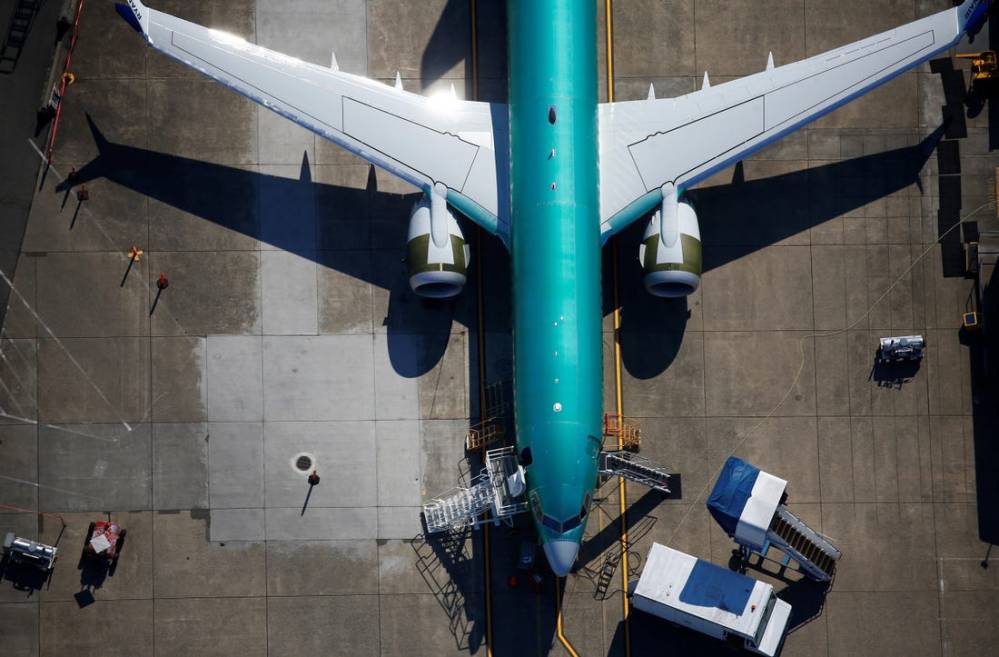 Grounded Boeing 737 MAX
 Chronology of the grounding of the world fleet of the Boeing 737 MAX
On March 13, 2020, is fulfilled the anniversary of the grounding of the world fleet of the Boeing 737 MAX. On March 11, 2019, aviation authorities around the world had announced the grounding of the Boeing 737 MAX, the highest-grossing passenger plane in the world. After two new planes collided within five months, killing all 346 people on board. After the first accident, Lion Air flight JT-610 on October 29, 2018, Boeing and the United States Federal Aviation Administration (FAA) published a flight recovery procedure to counter unintentional falls caused by the Feature Enhancement System of Maneuver (MCAS), a new flight-control that was omitted from the manuals and training of the crew. Boeing and the FAA privately concluded that MCAS posed an unacceptable security risk, but MAX remained in service until Ethiopian Airlines flight ET-302 crashed on March 10, 2019.
Ethiopian Airlines landed its fleet on the day of the accident. On March 11, 2019, the Chinese Civil Aviation Administration led most of the others to land the plane in rapid succession, while the FAA resisted pressure from Congress and publicly stated its airworthiness before acknowledging similarities between the two accidents on 13 March 2019. By March 18, 2019, the 387 aircraft, which served 8,600 weekly flights by 59 airlines, were grounded.
After the second accident, the United States Congress, federal agencies and ad hoc panels began investigating the FAA’s certification of MAX, particularly the agency’s delegation of authority to Boeing that critics said oversight weakened. Boeing faced increased scrutiny from the regulator and discovered new problems that prolonged the grounding. In November 2019, the FAA revoked Boeing’s authority to issue airworthiness certificates for individual MAX aircraft. In December 2019, Boeing ousted its CEO on mismanagement of the crisis. In January 2020, Boeing halted production of the 737 MAX until regulators authorized the plane to fly again. The company also reversed the course and recommended flight simulator training for all 737 MAX pilots. Boeing estimated that grounding, the longest for a U.S. aircraft, will cost the company up to US$ 20 billion in June 2020.
The investigation reports were published on the first anniversaries of the accidents in October 2019 and March 2020. The Indonesian KNKT Aviation Agency concluded that the Lion Air accident resulted from flaws in aircraft design, certification, maintenance and the actions of the flight crew. The Ethiopian ECAA, which determined that the flight crew had attempted the recovery procedure, attributed the blame to the aircraft’s software design. The United States House of Representatives criticized Boeing’s «stealth culture» during the certification and after both accidents.
After the Ethiopian Airlines crash, China and most other aviation authorities preceded the United States Federal Aviation Administration (FAA), the certification agency for MAX, by grounding the plane over safety risks. perceived. The FAA issued a Continuing Airworthiness Notice to the International Community on March 11 and resisted pressure from US lawmakers to land the plane. Boeing CEO Dennis Muilenburg called US President Trump on March 12 to assure him that the plane was safe. On March 13, 2019, the FAA found similarities between the two accidents and landed on the plane. About 30 737 MAX aircraft were flying in the airspace of the United States at the time and were allowed to reach their destinations. By March 18, 2019, regulators grounded all 387 MAX aircraft in service with 59 airlines worldwide and made 8,600 flights each week. Several extended flap ferry flights were operated to prevent MCAS activation.
The ground connection later became the longest on an American aircraft. As of January 2020, another 400 newly manufactured aircraft await delivery to airlines pending return of service to the aircraft.
Accident investigations
Lion Air / Flight JT-610 / Boeing 737-8 MAX / PK-LQP
Preliminary investigations revealed serious flight control problems that traumatized passengers and crew on the aircraft’s previous flight, as well as signs of the angle of attack (AoA) sensor and other instrument failures on that and previous, linked flights. to a design flaw involving the maneuver. 737 MAX Series Feature Enhancement System (MCAS). The preliminary report tentatively attributed the crash to erroneous angle of attack (AoA) data and automatic nose-down adjustment commanded by MCAS. The faulty angle of attack paddle was a dubious used part that had been replaced on the captain’s side, according to aircraft maintenance records.
The final NTSC report, published on October 23, 2019, was prepared with the assistance of the US NTSB. NTSC investigator Nurcahyo Utomo identified nine factors from the accident and said: «The nine factors are the root problem; they cannot be separated. Neither contributes more than the other. Unlike NTSB reports that identify the root cause of accidents and then list the contributing issues that were determined to be least significant, Indonesia follows a convention used by many foreign regulators to list causal factors without classifying them». The final report has been shared with the families of Lion Air Flight JT-610, then published on October 25, 2019.
Ethiopian Airlines / Flight 302 / Boeing 737-8 MAX / ET-AVJ
The Ethiopian Airlines plane that crashed as flight ET-302. Initial reports for Flight 302 found that pilots were struggling to control the plane in a manner similar to the crash of Lion Air Flight JT-610. On March 13, 2019, the FAA announced that evidence from the crash site and satellite data on Flight 302 suggested that it may have suffered from the same problem as Lion Air Flight JT-610 in the sense that the control screw monitoring the tone of the horizontal stabilizer of crashed Flight 302, it was found to be in the «nose down» position, similar to Lion Air flight JT-610. This further involved MCAS as a contributor to the accident.
Ethiopian Airlines spokesman Biniyam Demssie said the procedures for disabling MCAS had just been incorporated into pilot training. All pilots flying the MAX received training after the Indonesian accident. There was a Boeing directive, so they took that training. Despite following the procedure, the pilots were unable to recover.
The Ethiopian Civil Aviation Authority (ECAA) is leading the investigations of Flight ET-302. The United States Federal Aviation Administration will also assist in the investigation. Both the cockpit voice recorder and the flight data recorder were recovered from the crash site on March 11, 2019. The French aviation accident investigation agency BEA announced it would analyze the flight’s flight recorders. BEA received the flight recorders on March 14, 2019.
On March 17, 2019, Ethiopia’s transport minister, Dagmawit Moges, announced that «the black box was found in good condition that allowed us to extract almost all the data from the interior» and that preliminary data retrieved from the flight data recorder shows a clear similarity to those of Lion Air Flight JT-610 that crashed off Indonesia. Due to this finding, some experts in Indonesia suggested that the NTSC should cooperate with the flight ET-302 investigation team. Later in the night, the NTSC offered assistance to the flight ET-302 investigation team, declaring that the committee and the Indonesian Ministry of Transport would send investigators and government representatives to help with the investigation of the accident.
The Ethiopian Civil Aviation Authority planned to publish an interim report, before March 10 of the accident. Investigators have tentatively concluded that the accident was caused by the plane’s design.
U.S
The vertical speed of the Boeing 737-8 MAX involved in the JT 610 and ET 302 crashes. On November 6, 2018, four days before identifying MCAS by name, Boeing released a supplemental service bulletin caused by the first accident. The bulletin describes warnings triggered by erroneous AoA data, and referred pilots to a «runaway fit not normal» procedure as resolution, specifying a narrow window of a few seconds before the system reactivated and lowered the nose again. The FAA issued an emergency airworthiness directive, 2018-23-51, on November 7, 2018, requiring the bulletin to be included in flight manuals, and for pilots to immediately review the new information provided. On March 11, 2019, the FAA defended the aircraft against grounding by citing these emergency procedures (Continuous Notification of Airworthiness to the International Community) for operators.
In December 2018, a month after the Lion Air crash, the FAA had conducted an internal safety risk analysis that predicted fifteen more unrepaired accidents at MCAS, but that report was not released until the House of Representatives hearing. from the USA in December 2019. FAA Administrator Stephen Dickson, who took office during accident investigations, said in retrospect that the risk of an accident was unsatisfactory.
On September 26, 2019, the NTSB published the results of its review of possible flaws in the design and approval of the 737 MAX. The NTSB report concludes that the assumptions «Boeing used in its functional hazard assessment of the unmanned MCAS function for the 737 MAX did not adequately consider or explain the impact that multiple flight deck alerts and indications could have on pilots’ responses to danger. «When Boeing induced a stabilizer compensation input that simulated the stabilizer to move consistently with the MCAS function, the specific failure modes that could lead to inadvertent activation of MCAS (such as a high AOA erroneous input to MCAS) did not were simulated as part of these functional risk assessment validation tests. As a result, additional flight platform effects (such as IAS DISAGREE and ALT DISAGREE alerts and stick agitator activation) as a result of the same underlying failure».
The NTSB questioned the long-standing industry and the FAA’s practice of assuming the almost instantaneous responses of highly trained test pilots compared to pilots of all experience levels to verify human factors in aircraft safety. The NTSB expressed concern that the process used to evaluate the original design needs improvement because that process is still in use to certify current and future aircraft and system designs. The FAA could, for example, randomly sample groups from the global pilot community to obtain a more representative assessment of cockpit situations.
Responsible States
Annex 13 of the ICAO regulations, “Investigation of aviation accidents and incidents”, defines which states can participate in the investigations. For the two Boeing 737-8 MAX accidents they were involved: Lion Air and Ethiopian Airlines, participating state or national transportation security offices are the NTSB for the United States and the KNKT for Indonesia. Australia and Singapore also offered technical assistance, shortly after the crash of Lion Air flight JT-610, with regard to retrieving data from new-generation flight recorders (FDR). With the exception of Ethiopia, officially recognized countries are members of the Joint Authorities Technical Review (JATR).
Type certification and return to service
Boeing 737 MAX needs to be recertified to fly again. On March 11, 2019, a United States federal grand jury issued a subpoena on behalf of the US Department of Justice. (DOJ) for documents related to the development of the 737 MAX. On March 19, 2019, the United States Department of Transportation requested the Office of the Inspector General to conduct an audit on the 737 MAX certification process. Under a system known as the Organization’s Designation Authorization, the FAA allowed manufacturers like Boeing to act on its behalf, while the agency retains the legal authority to issue a type certificate. Boeing’s goal was to ensure that the aircraft retained a type rating compatible with all other 737 family aircraft, thus avoiding costly simulator training and the need to learn new systems like MCAS.
Over the next few months, the current crisis revealed how management decisions at Boeing and the FAA drove cost-saving solutions, but ultimately produced a flawed design with insufficient oversight.
In November 2019, the FAA suspended Boeing’s authority to issue individual airworthiness certificates for Boeing 737 MAX aircraft. In February 2020, the Justice Department conducted an ongoing investigation into whether Boeing lied to the FAA. In March 2020, the House of Representatives criticized Boeing’s culture of stealth and its undue influence on the FAA, as exemplified during certification and after the crashes.
By convention, aviation regulators worldwide accept aircraft country of manufacture certification and do not review those certifications in great detail. However, since the fatal accidents and grounding of the 737 MAX, several aviation authorities, particularly the European EASA, will carry out their evaluations and validation tests of the MAX before authorizing it in their controlled airspace. As of October 2019, disagreements over various details of system revision, Level of Participation (LoI) between the two main aviation authorities, FAA and EASA, as well as Boeing’s new recommendation of simulator training could delay the return to service of the 737 MAX.
MCAS System
The Boeing 737 MAX uses an adjustable stabilizer, driven by a lift screw, to provide the required pitch compensation forces. The Maneuvering Enhancement System (MCAS) is a flight control law (software) built into the Boeing 737 MAX flight control system that attempts to mimic launch behavior similar to that of previous-generation aircraft. Next Generation series of Boeing 737NG. When MCAS detects that the aircraft is operating in manual flight, flaps up, at a high angle of attack (AoA), it adjusts the horizontal stabilizer setting to add positive force feedback (a «heavy nose» feeling), to through the control column, so the pilot will not inadvertently raise the aircraft too abruptly, which could cause a loss. Contrary to descriptions in news reports, however, Boeing claims that MCAS is not an anti-lock system. The MCAS-ordered stabilizer movement pushes the nose of the plane automatically without pilot intervention.
The MCAS System on the Boeing 737 MAX was designed to activate using input from only one of the plane’s two attack angle sensors, making the system susceptible to a single point of failure. Boeing omitted an MCAS description from the 737 MAX flight manuals, rendering pilots unaware of the system when the plane entered service. In April 2019, Boeing admitted that MCAS played a role in the fatal accidents of Lion Air flight JT-610 and Ethiopian Airlines flight ET-302. The first time Boeing publicly revealed the existence of MCAS in the 737 MAX was in a message to airline operators and other aviation interests on November 10, 2018, twelve days after the Lion Air crash. Boeing had also been aware of other software issues that suppressed a crucial AoA disagreement message. Without knowledge of MCAS and its behavior, the Lion Air flight pilots, the first to crash, was at a disadvantage when trying to respond to erroneous activation of the system. The procedures emphasized by Boeing and the FAA did not prevent the subsequent Ethiopian Airlines accident, which led to the grounding of the plane worldwide.
MCAS was first deployed on the Air Force’s Boeing KC-46 tanker, where it «similarly moves the stabilizer in a rope twist.» However, unlike the 737 MAX, MCAS could be overridden on the KC-46 by pulling back on its control column. The Wall Street Journal reported in May 2019 that Boeing did not share information on that subject for «about a year» before the Lion Air crash in Indonesia.
Reactions
After the Boeing 737 MAX bases, the reactions came from multiple organizations. Initially, Boeing expressed sympathy towards the relatives of Lion Air Flight 610 and Ethiopian Airlines Flight ET-302, but defended the aircraft against any failure until it has been refuted by evidence. Boeing provided several outdated return-to-service terms, the first of which was «in the next few weeks» after grounding. Public observers commented on the «welcoming relationship» that exists between the industry and its regulators.
After Boeing’s crisis management failed to allay stakeholder concerns with the plane, the board removed Dennis Muilenburg as president and replaced him with David L. Calhoun on October 11, 2019. Airbus, its main competitor, did not he’s willing to put the blame on Boeing engineering. The certification process could be more difficult for each fuselage, and its production capabilities are already maximized.
The opinions of pilots and flight attendants are mixed, as some expressed confidence in renewing the certification, while others are disappointed that Boeing had hidden an important safety feature from their knowledge. Most airlines are seeking compensation from Boeing to cover the costs of the disruption, while the 737 MAX received some support when the International Airlines Group (IAG) announced at the Paris Air Show in June 2019 that it could order 200 aircraft. Opinion polls suggested that most passengers are reluctant to fly back aboard the 737 MAX when it is reintroduced, while most should feel comfortable boarding it again after a while to test its safe operations.
Financial and economic effects
The bases of the Boeing 737 MAX have had a profound financial effect on the aviation industry and a significant effect on the national economy of the United States. No airline received the MAX during grounding. Boeing reduced MAX production to 42 planes per month until January 2020, when they halted until regulators re-approved the plane. Boeing has suffered directly through increased costs, lost sales and revenue, lost reputation, victim litigation, customer compensation, decreased credit rating and decreased share value. In January 2020, the company estimated a loss of US$ 18.4 billion for 2019, and reported that 183 737 MAX orders canceled for the year. Its extensive supply chain that provides aircraft components and flight simulators have suffered losses similar to those of the aircraft service industry, including crew training, The secondary market and the aviation insurance industry have also suffered. Its clients, airlines and aircraft lessors, have been severely disrupted in their operations and strategic plans.
The experience of the two air accidents has brought to the public opinion, governments and senior management the demands for more effective control of safety in commercial aviation; But the recurring disasters were a lethal mix of regulatory and corporate deficiencies. 
Ξ A I R G W A Y S Ξ
SOURCE: Airgways.com
DBk: Airgways.com / Boeing.com / Faa.gov / Wikipedia.org
AW-POST: 202003131710AR
A\W A I R G W A Y S ®
 AW | 2020 03 17 10:10 | INDUSTRY / AVIATION SAFETY
 Airbus ofrece información actualizada medidas conexas sobre COVID-19
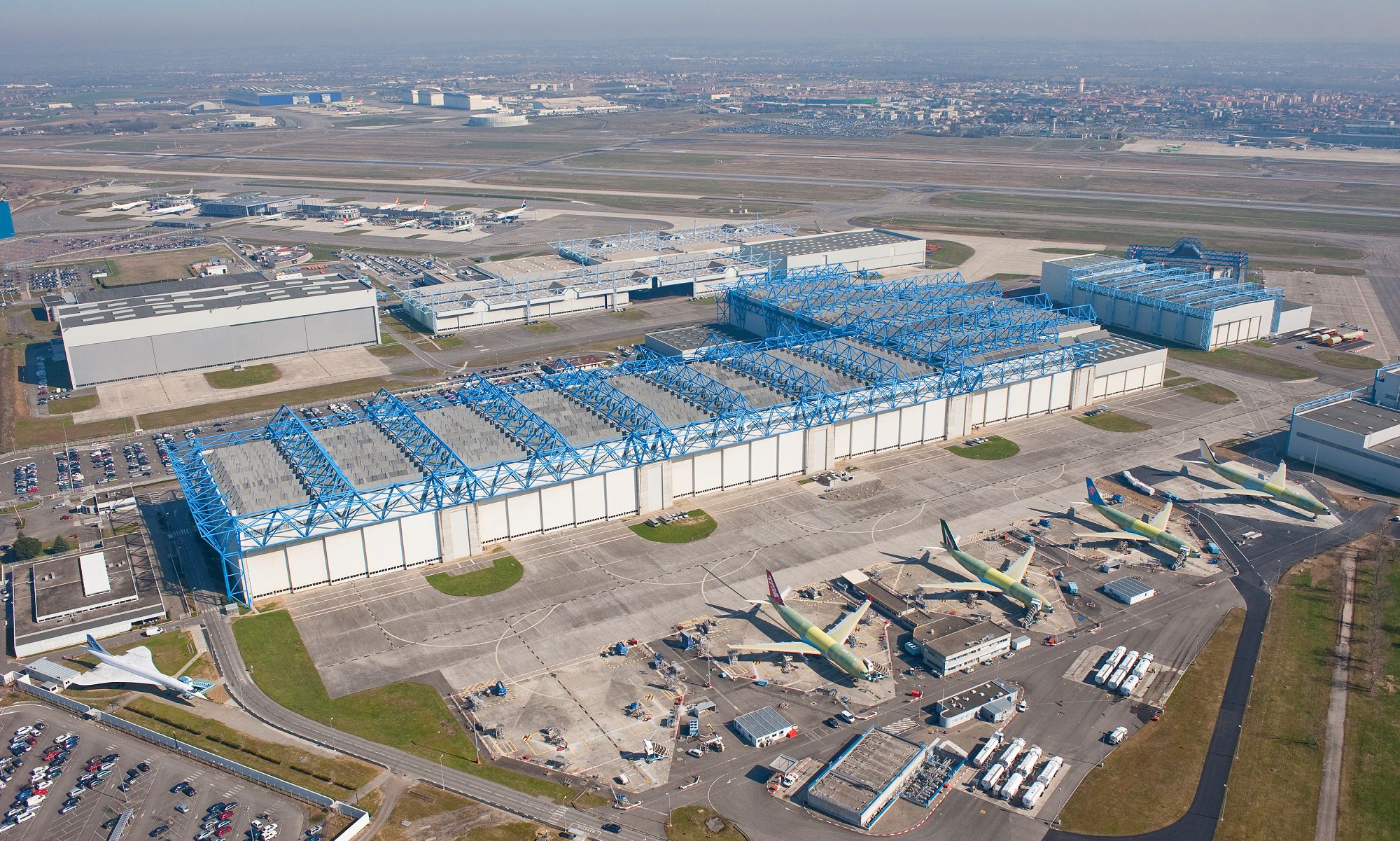 Airbus uses sanitary measures
 Airbus provides updated information on COVID-19 related measures
 AW | 2020 03 16 09:47 | AIRLINES MARKET / AVIATION SAFETY
 Airlines take drastic measures
/cdn.vox-cdn.com/uploads/chorus_image/image/66447951/GettyImages_1209672549.0.jpg) AW | 2020 03 15 11:51 | AIRLINES MARKET / AVIATION SAFETY
AW | 2020 03 15 11:51 | AIRLINES MARKET / AVIATION SAFETY La aviación comercial se encuentra en los tiempos más difíciles después de la gran depresión de los años 30. El golpe literal aunado al psicológico de la pandemia del Coronavirus (COVID-19) está destruyendo el mercado de la aviación mundial. Desde los organismos y gobiernos deberían fomentar prácticas estimulativas para proteger un mercado muy vulnerable como lo son la aviación y el turismo. La situación de la aviación es crítica. Las pérdidas de empleo y el daño financiero a los medios de vida individuales serán casi imposibles de medir en los próximos años. Más que nunca, las aerolíneas y la industria de la aviación necesitan apoyo. No solo por parte de los gobiernos a corto plazo, ya que las flotas mundiales tienen su base en muchos países que cierran sus fronteras temporalmente, sino también de los consumidores del lado de la demanda. Nadie sabe exactamente cuando el impacto cederá y la libertad de movimiento a nivel mundial volverán a la normalidad. Las estimaciones optimistas analizan un posible mes de disturbios, pero la verdadera preocupación para las aerolíneas será si la demanda vuelve con fuerza en los meses de verano. En la mayoría de estas situaciones, los mercados vuelven a la normalidad.
 The survival of commercial aviation
 The US government said on Saturday it will «immediately» begin work on ways to help the coronavirus-affected aviation and cruise industries as they strive to stop losses and protect jobs. The crisis facing the industry has been accelerated by the latest extension of the US inbound travel ban. With the Vice President of the United States, Mike Pence, announcing on Saturday 14/03 at the White House that British and Irish travelers will also be prohibited from entering the United States for 30 days. At the same press conference, Donald Trump revealed that he had been tested for the virus, and then the White House revealed it had been negative. United States Secretary of the Treasury Steven Mnuchin said the government would immediately begin working with Congress to support affected industries. United States restrictions on traveling to the United Kingdom and Ireland will begin at midnight Monday, Pence said. Most non-US citizens who have been in those countries in the past 14 days will not be able to enter the United States. The restrictions do not prevent flights to and from the United States, and Americans and permanent residents can still travel. The United States Chamber of Commerce asked the Government on Friday, 03/13 to «use a package to help affected employers. No business should go bankrupt due to a temporary loss of income as a result of the coronavirus».
 AW | 2020 03 14 14:55 | AVIATION SAFETY
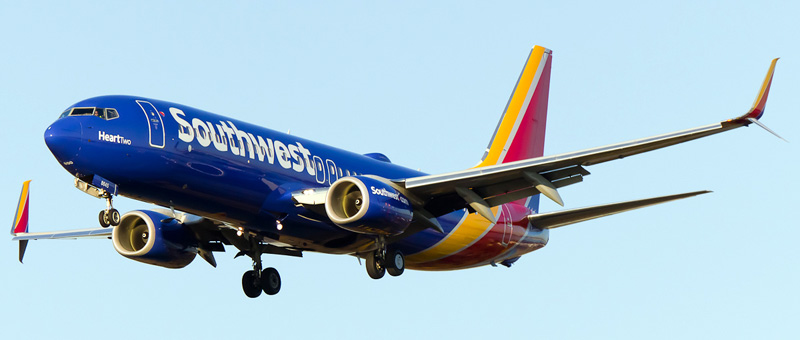
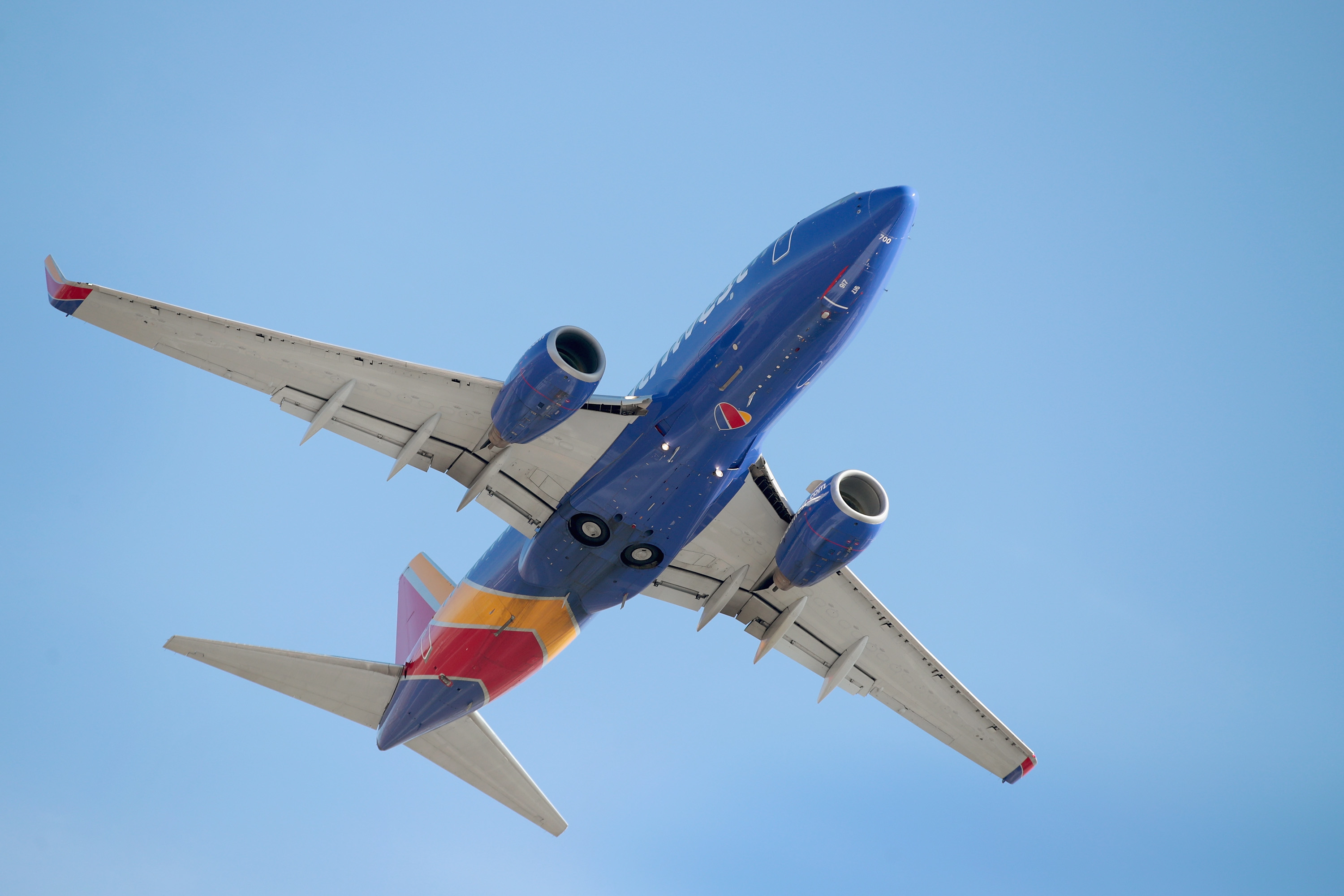
 La agencia de aviación FAA abre investigación por grieta en Boeing 737 de Southwest
 ruta Las Vegas-Boise. La fisura, descubierta en un avión Boeing 737 NG (sin especificar variante: 700/800) por la aerolínea de bajo costo con sede en Texas, está en el centro de un nuevo escándalo de seguridad aérea. La aerolínea estadounidense se ha enfrentado a críticas por no realizar inspecciones obligatorias en algunos de sus aviones de una flota todo 737.
 El vuelo AAH-243 de Aloha Airlines fue un vuelo programado de Aloha Airlines entre Hilo y Honolulu en Hawai. El 28 Abril de 1988, un Boeing 737-297 al servicio del vuelo sufrió graves daños después de una descompresión explosiva en vuelo, pero pudo aterrizar de manera segura en el aeropuerto de Kahului en Maui. Hubo una fatalidad, azafata Clarabelle Lansing, quien fue expulsada del avión. Otros 65 pasajeros y tripulantes resultaron heridos. A pesar del daño sustancial causado por la descompresión y la pérdida de un miembro de la tripulación de cabina, el aterrizaje seguro de la aeronave estableció el incidente como un evento significativo en la historia de la aviación, con efectos de gran alcance en las políticas y procedimientos de seguridad de la aviación.
 FAA investigates crack Boeing 737
 Antecedent Aloha AAH-243
 AW | 2020 03 14 08:09 | AVIATION SAFETY / AVIATION ORGANISMS
 La IATA comunica que por extensión de pandemia COVID-19 podrían quebrar más aerolíneas
 IATA warns more airlines collapse
 IATA announces that due to pandemic extension COVID-19 more airlines could go bankrupt
 AW | 2020 03 13 20:57 | AIRLINES / AVIATION SAFETY
![Aerolíneas_Argentinas_Logo_2010.svg[1]](https://airgways.com/wp-content/uploads/2020/03/aerolc3adneas_argentinas_logo_2010.svg1_.png?w=131&h=56) Aerolíneas Argentinas encargada de repatriar a argentinos en el exterior
Aerolíneas Argentinas encargada de repatriar a argentinos en el exterior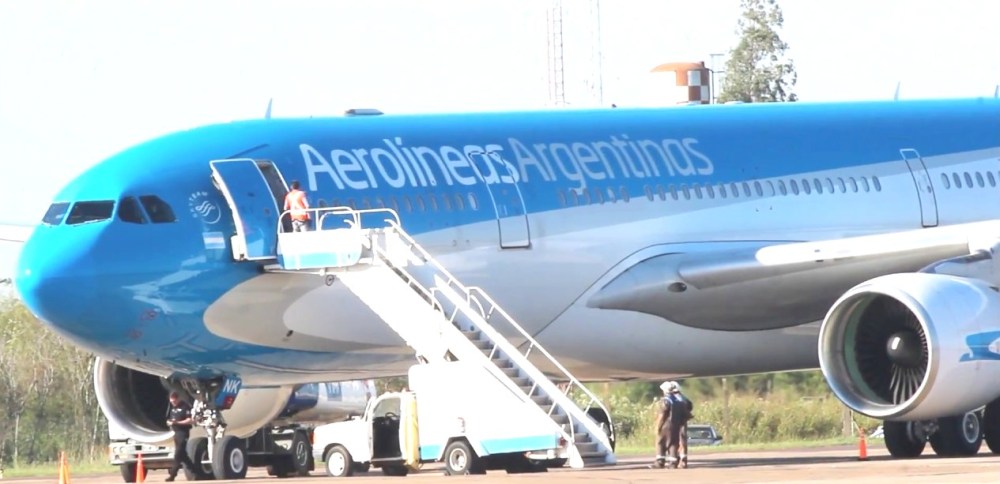 Aerolíneas will repatriate its citizens
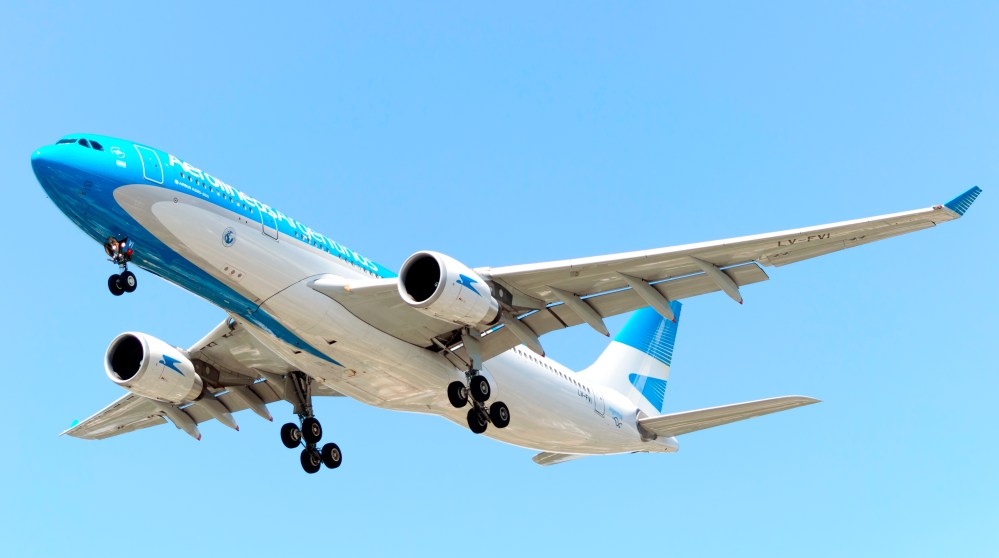
 Aerolíneas Argentinas has communicated the initial schedule for the repatriation of Argentines abroad and explained that «after Monday, March 16, all regular operations to destinations in Europe and the United States are canceled». Before the coronavirus pandemic, Aerolíneas Argentinas modified the programming of its flights. The National Ministry of Transport, in charge of Mario Meoni, announced this Friday 13/03 that Aerolíneas Argentinas will be in charge of bringing back to the country the Argentines who are stranded abroad. The official maintained, in a press conference that «from this Tuesday Aerolíneas Argentinas will transport Argentine travelers and residents who are abroad, who must or wish to return. We will be working with the airlines of the respective countries and the Argentines that they are abroad so that they can return by these companies until Monday, but from Tuesday, the transport will be carried out exclusively by Aerolíineas Argentinas».
 The Transportation portfolio anticipated that it is working on the design of a schedule for the following days, evaluating the situation of each destination. The statement highlighted that after Monday, March 16, the entire regular operation to destinations in Europe and the United States is canceled and that the company is working intensively on the design of an exceptional schedule for passengers in risk areas that have not returned before. of the mentioned date, which will be announced once the corresponding situation analyzes of each of the destinations are carried out.
 AW | 2020 03 13 15:44 | AVIATION SAFETY / GOVERNMENT
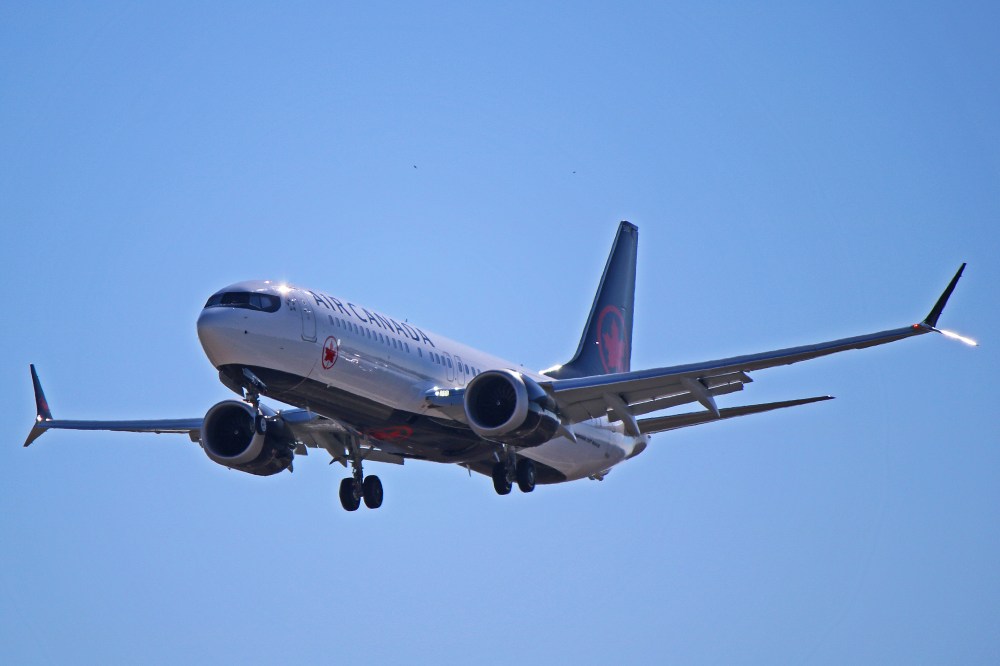
 Documentos de Transport of Canada revelan incongruencias en test evaluativo del Boeing 737 MAX
 en el año 2016, mucho tiempo antes de los dos accidentes aéreos ocurridos en Indonesia y Etiopía.
 Transport Canada about the 737 MAX
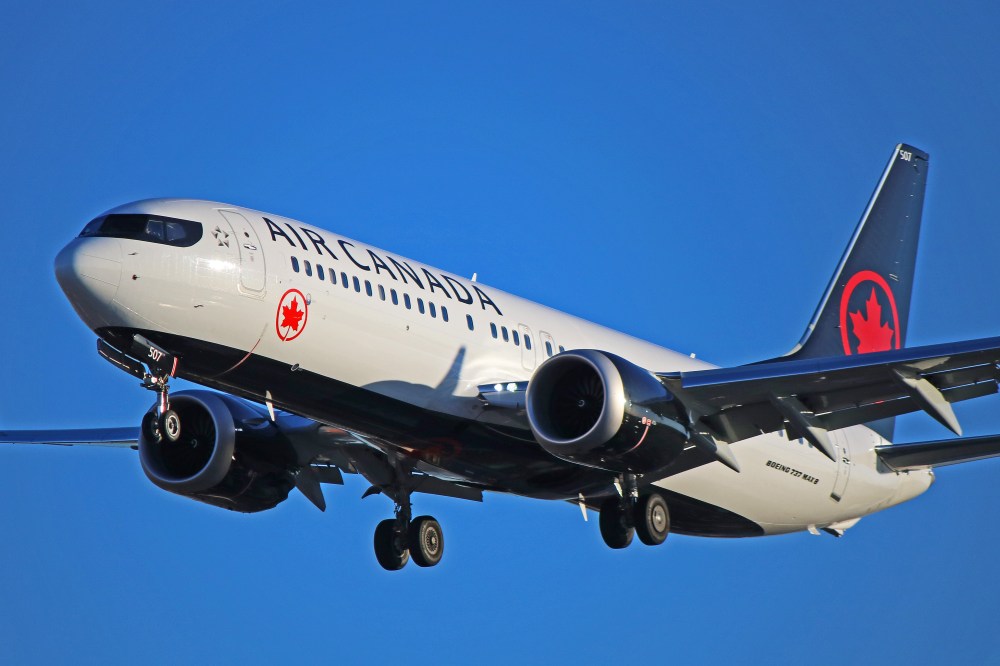 Transports Canada à propos du 737 MAX
 L’organisme de réglementation de l’aviation, Transports Canada, avait des questions sur le rendement opérationnel du 737 MAX en 2016, mais le Canada n’a pas reçu de réponses satisfaisantes de la société aéronautique Boeing et de la Federal Aviation Administration (FAA) des États-Unis, avant d’approuver le avion comme assurance pour voler, selon les documents gouvernementaux. Todd Doherty, député de Cariboo pour l’État de la Colombie-Britannique, a rendu public les documents lors d’une audience parlementaire le jeudi 12/03.
 AW | 2020 03 13 14:37 | AVIATION SAFETY / GOVERNMENT / AIRLINES MARKET
 El Presidente de Estados Unidos, Donald Trump realizará una Conferencia de Prensa el 13/03 a las 15:00 hs [hora local EEUU] sobre el alcance de las medidas a implementar y la respuesta efectiva a la pandemia del Coronavirus. Desde el Gobierno planean declarar una emergencia nacional para permitir un alivio más directo a los estadounidenses afectados por el coronavirus, dijeron dos funcionarios de la administración. La medida podría ayudar a abrir decenas de miles de millones de dólares para ayudar a combatir la pandemia que se propaga rápidamente.
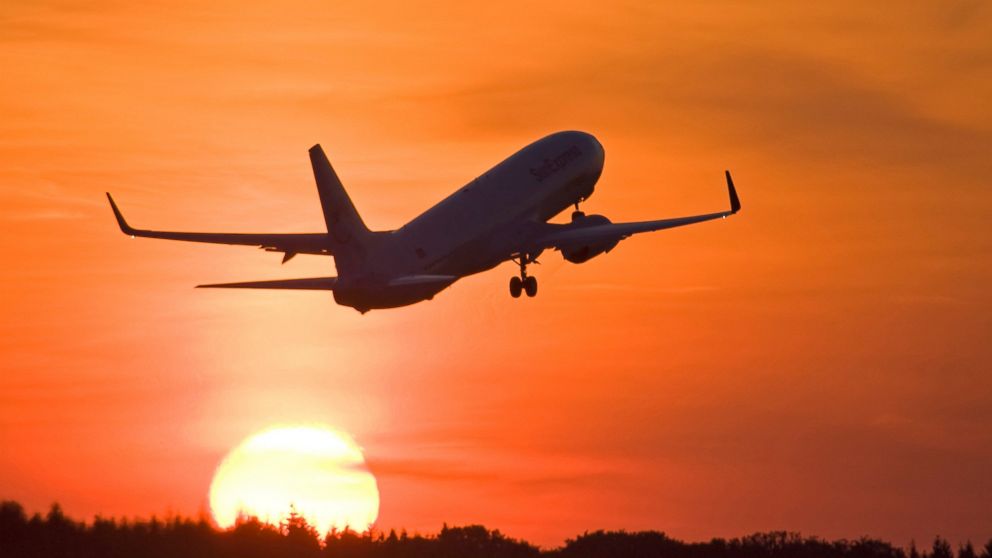 Perfect storm commercial aviation
 The International Air Transport Association (IATA) forecasts large losses for the industry. «It is unclear how the virus will develop, but if we look at the contained impact in some markets and a loss of revenue of US$ 63 billion, or a broader impact leading to a loss of revenue of US$ 113 billion, This is a crisis», said Alexandre de Juniac, CEO and CEO of IATA in a statement.
 US Presidential Conference
 PRESIDENTIAL PRESS CONFERENCE
 AW | 2020 03 12 23:547 | AVIATION SAFETY
 Boeing se somete recomendación de la FAA por cableados 737 MAX
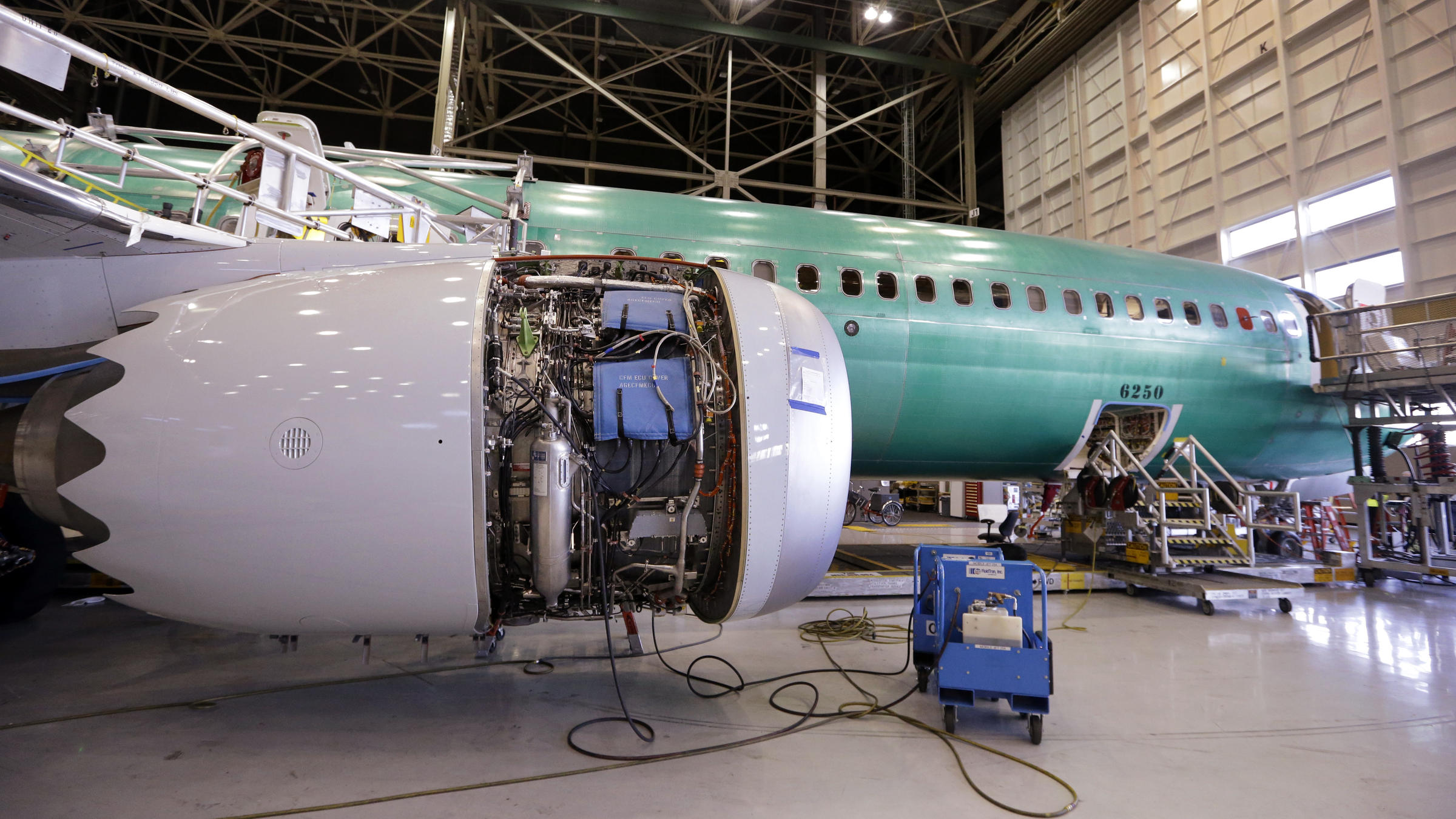
 El constructor americano ha comunicado que el tiempo para recomponer el cableado en los Boeing 737 MAX tomará una semana por avión. La Boeing ha decidido a favor de separar los paquetes de cableado en su 737 MAX en su reciente intento de obtener la aprobación de la FAA para que el avión regrese para vuelos comerciales.
 Boeing applies FAA recommendation
